At the beginning of 2025, economic commentators painted a bleak picture for Canadian apparel retailing. Forecasts warned that rising costs, consumer uncertainty, and discretionary spending cuts would weigh heavily on the sector. Many analysts expected another downturn following a 2.8 percent decline in apparel sales in 2024, coupled with a possible wave of retailer bankruptcies.
But as Randy Harris, President of Trendex North America points out, “Those forecasts could not have been more wrong.” Harris, who has tracked Canadian apparel market performance for decades, notes that the narrative of “doom and gloom” has given way to one of surprising strength and resilience across virtually every category of fashion retail.
A Strong Rebound in 2025
According to Trendex data, total retail apparel sales in Canada increased by 9.3 percent in the first seven months of 2025 compared to the same period last year. The growth was broad-based, with men’s apparel up 10.4 percent and women’s apparel up 9.1 percent. Importantly, those figures exclude the rapid expansion of the resale sector, which continues to gain traction among younger shoppers and sustainability-minded consumers.

“Only one Canadian apparel retailer filed for creditor protection this year, apart from the long-anticipated wind-down of Hudson’s Bay,” says Harris. “That alone tells us that the health of the apparel industry is far better than expected.”
Specialty apparel stores were among the biggest winners, seeing sales climb 10.8 percent through August. The strongest growth came from Alberta and Quebec, where specialty apparel sales rose 13.2 percent and 17.1 percent respectively. These gains reflect not just consumer demand but also the vibrancy of local retail ecosystems and strong in-mall recovery traffic in major urban centres.
Retailers Reporting Double-Digit Growth
Several homegrown and international retailers have reported standout performances in 2025. Groupe Dynamite, which operates Garage and Dynamite, saw its Canadian sales climb 18.2 percent in the first half of the year. Roots, a heritage lifestyle brand, reported an 11.6 percent increase in direct-to-consumer (DTC) sales during the same period.
Children’s apparel and value-focused retailers also performed well. Carter’s Canada posted an 8 percent same-store sales increase in the second quarter, while TJX Canada, the parent company of Winners, Marshalls, and HomeSense, reported 9 percent comparable sales growth.
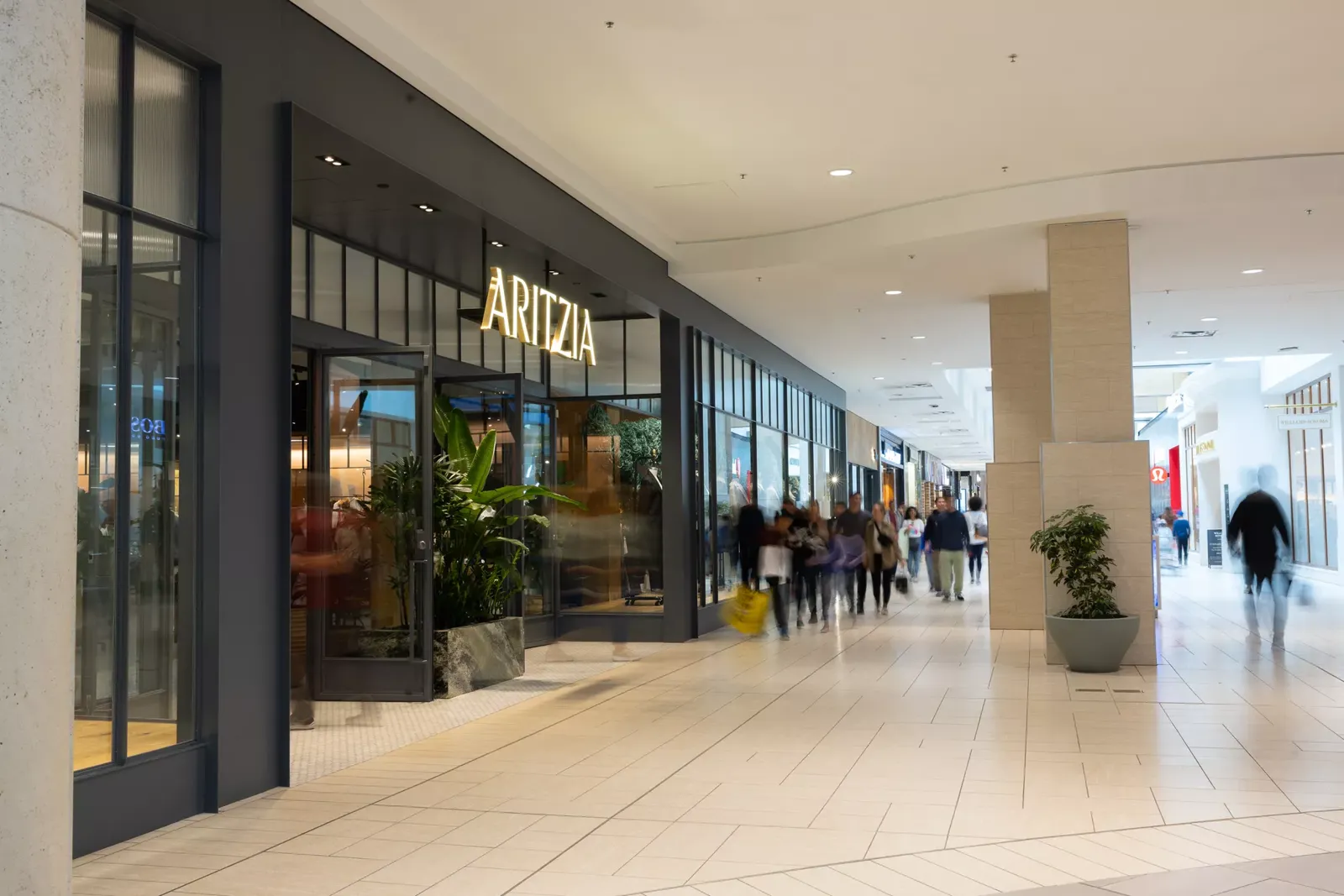
Aritzia, one of Canada’s most closely watched fashion success stories, experienced a 19 percent surge in Canadian sales from February through July. “These results underline a robust appetite for fashion among Canadian consumers,” notes Harris. “It’s clear that apparel spending is not just holding up, it’s thriving.”
Why Canadian Apparel Sales Are So Strong
Harris attributes this momentum to several overlapping factors, rather than a single cause. Among them, the depreciation of the Canadian dollar has played a major role in shifting consumer spending back to domestic channels.
“The weaker dollar discouraged cross-border shopping and e-commerce purchases from U.S. websites,” explains Harris. “We also saw fewer same-day trips across the border, down 30.1 percent through August 2025. That spending is staying in Canada.”
At the same time, the Buy Now, Pay Later (BNPL) model has helped consumers afford higher-priced discretionary items. “BNPL has changed the psychology of shopping,” says Harris. “It allows Canadians to purchase items they might previously have postponed, which has been especially beneficial for fashion retailers.”
Credit card use has also surged across discretionary categories, while inflation has had little impact on apparel. “Unlike most other consumer goods, apparel prices actually declined slightly in the first half of 2025,” he adds. “That created a sense of affordability and encouraged purchases.”
Gift card redemptions from the 2024 holiday season also supported first-quarter apparel sales, since those transactions are only recorded upon redemption rather than purchase. “Gift cards provided a strong start to the year,” Harris notes, “and helped sustain momentum into the spring season.”
Tourism and the Luxury Segment
The rebound in inbound tourism has provided a significant boost, particularly to luxury retailers. Overall non-U.S. tourism rose 6 percent in the first seven months of 2025, led by increases of 6.3 percent from Europe and 6.7 percent from Asia. “Luxury apparel benefited directly from this return of high-spending international visitors,” says Harris. “Downtown cores in cities like Toronto, Vancouver, and Montreal have felt that impact.”
Luxury retailers in Canada have also adapted more quickly than anticipated to post-pandemic shifts, investing in experiential stores and digital engagement that appeal to both local shoppers and tourists. With global luxury brands expanding across Canada, from Bloor Street to Burrard Street, the sector remains a critical growth driver for apparel retailing overall.

Younger Consumers Fuel Spending
Demographics are another part of the story. Almost half of all adult apparel purchases in Canada are now made by consumers under 40, a group that includes many single adults still living at home. “This cohort faces fewer financial pressures than young families,” Harris explains. “They’re spending freely on apparel, footwear, and accessories, often driven by lifestyle and self-expression.”
Social media and the influencer economy continue to shape this group’s fashion habits, with trends moving faster than ever. The appetite for affordable style, paired with increased access to payment flexibility, has fueled growth across both mid-market and premium segments.
Regional Strength and Brand Resilience
While Alberta and Quebec are leading in specialty store growth, British Columbia and Ontario have also seen strong year-over-year increases, especially in mall-based environments where experiential retailing has become a key differentiator. “The Canadian apparel retail market is showing strong regional diversity,” Harris observes. “We’re seeing confidence from both local entrepreneurs and global brands expanding footprints.”
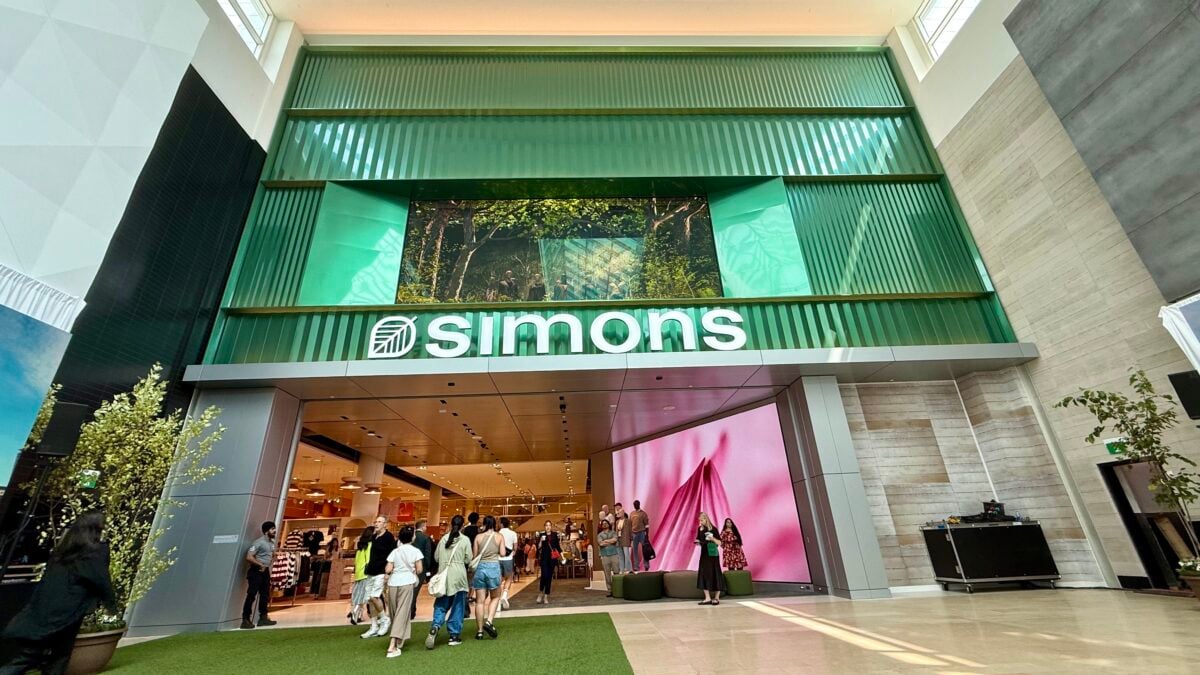
Retailers such as Simons, Reitmans, and Frank And Oak have also adapted successfully to evolving consumer expectations, balancing sustainability, omnichannel convenience, and accessible pricing. Meanwhile, the resurgence of physical retail has surprised analysts who expected e-commerce to dominate. “Consumers still enjoy shopping for apparel in person,” says Harris. “Stores remain essential for discovery, fit, and immediate gratification.”
Revisiting the Forecasts
The contrast between early 2025 predictions and actual market outcomes has raised questions about how apparel retail performance is measured and interpreted. Harris believes that many analysts underestimated the adaptability of Canadian retailers and consumers. “It’s a reminder that data alone doesn’t tell the full story,” he says. “Retailers that read the market accurately and execute well can outperform expectations, even in uncertain times.”
Trendex North America’s latest report suggests that total apparel sales growth for 2025 could remain in the high single digits through year-end, barring significant economic disruption. That would make 2025 one of the strongest post-pandemic years for Canadian fashion retail.
Looking Ahead
While macroeconomic risks remain, including interest rates, household debt, and currency volatility, the Canadian apparel sector appears positioned for continued growth. Retailers are focusing on product differentiation, sustainability, and localized experiences to maintain momentum into 2026.
For Harris, the takeaway is clear. “Canadian apparel retailing is far more resilient than many give it credit for,” he says. “Consumers still want to look good and feel good, and they’re finding ways to make that happen. That’s why 2025 has been anything but a lost year for fashion.”