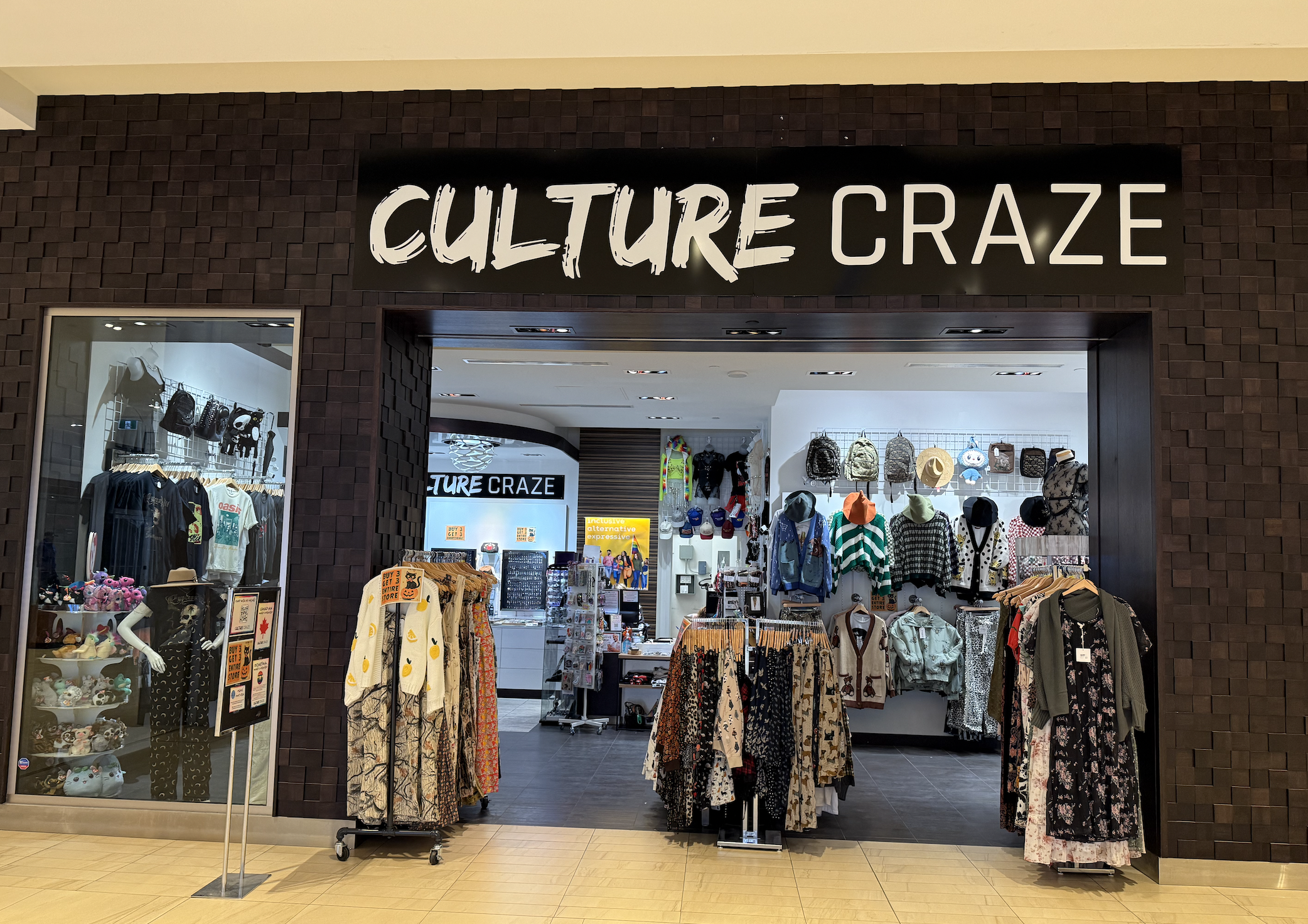
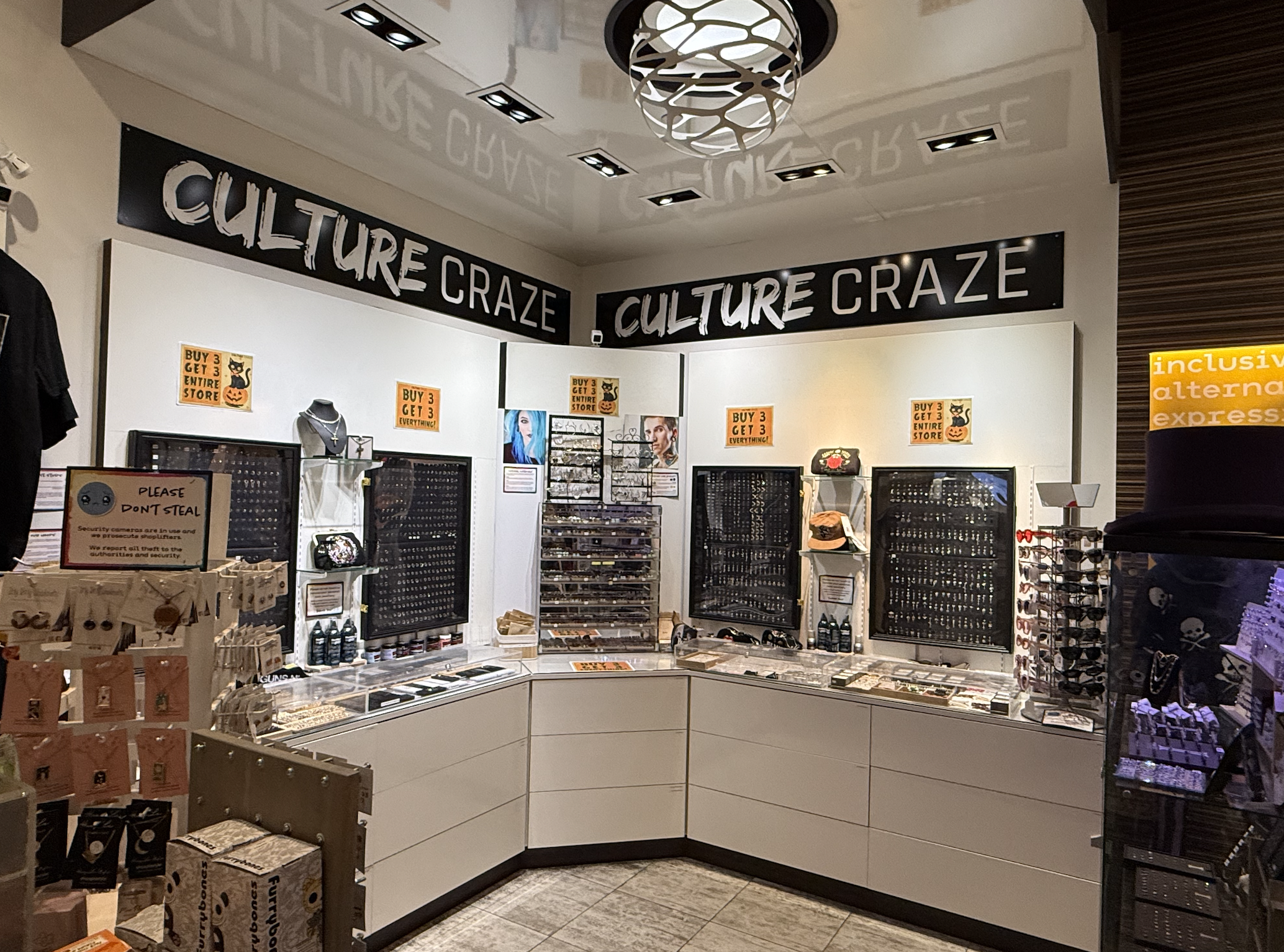
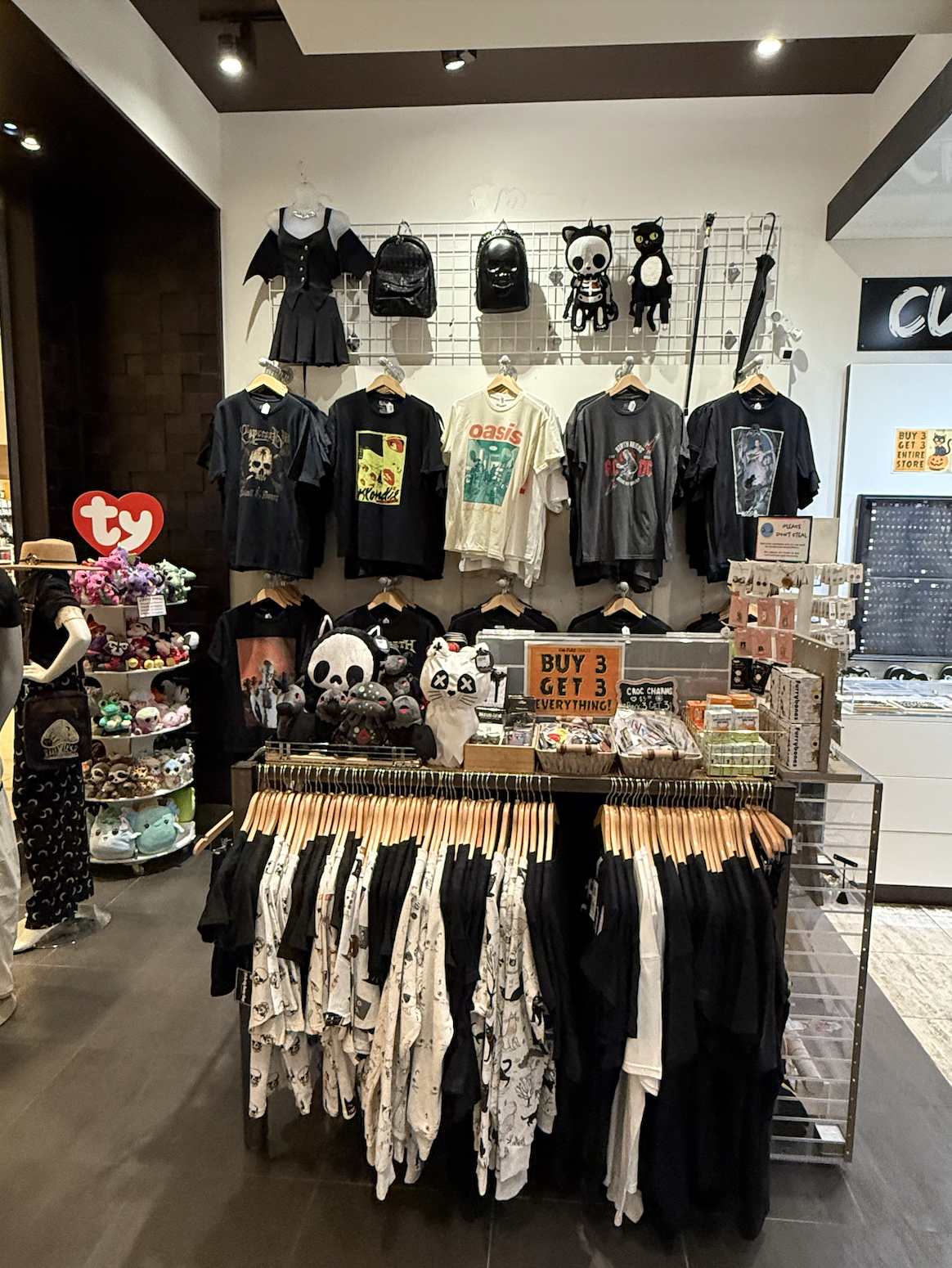
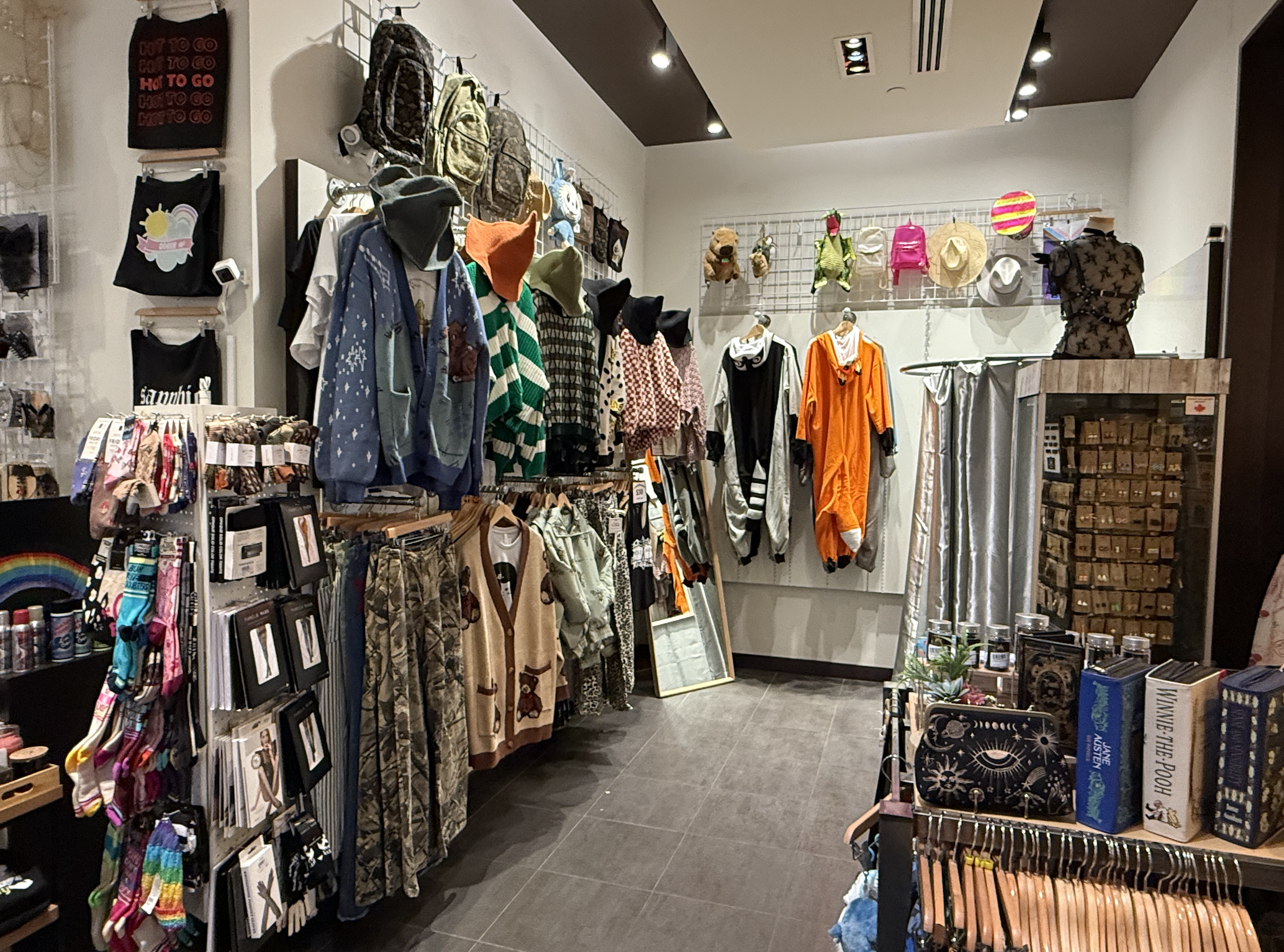
Culture Craze, Midtown Plaza, Saskatoon. Photo: Mario Toneguzzi
Culture Craze, a Canadian retailer known for body jewellery and self-expression, operates 13 locations across four provinces, company president Lisa Hayward said in a recent interview, adding it has plans for continued growth.
The first Culture Craze store opened in Central City, Surrey, in 2001. Hayward joined the company as a manager 20 years ago and purchased it from previous owners in 2007. She now leads the company, which has locations in British Columbia, Alberta, Manitoba and Saskatchewan.
“Our heart and soul is body jewellery and self-expression. We are really all about defining oneself,” Hayward said. “We’ve expanded into clothing and accessories and leaned into fun, expressive, inclusive items. We really are creating a safe atmosphere for people to be themselves and to celebrate unique sides of themselves.
Lisa Hayward
“We’re trying to be that store where everyone walks by and says ‘ooh what’s that?’ It piques the interest of anyone in the shopping centre.”
The company’s newest location opened in Medicine Hat in July. Culture Craze also recently expanded its Sherwood Park kiosk into a full store, Hayward said, noting both locations are performing well.
Stores vary in size from 700 to 2,500 square feet, with an ideal location around 1,300 square feet, she added. “We’re looking for malls that will support us and locations that allow us to make a good home with not a large investment,” Hayward said.
“We’re trying to be smart. We’re not going to expand too quickly. But we are looking to expand next year.”
Culture Craze targets youth aged 18 to 25 who are “expressive, diverse, unique, colourful” and values self-expression over traditional demographic labels, she said.
Hayward said the company carefully evaluates potential mall locations, including co-tenants and sales per foot, and uses data analysis to guide expansion. While Culture Craze currently has a kiosk in Calgary, it hopes to open a full inline store there in the future and also considers small- to medium-sized towns with populations around 100,000 as ideal expansion locations.
Culture Craze, Midtown Plaza, Saskatoon. Photo: Mario Toneguzzi
The retailer gained additional national exposure after appearing on Dragons’ Den five years ago, which Hayward said helped connect Culture Craze with the LGBTQ community and increase awareness of the company’s philosophy.
“Since then our company has just skyrocketed.”
“We’re rolling into 2026 knowing it’s going to be another good year. We’re on fire right now,” Hayward said. “We’re expanding slowly but we’re very excited for the future.”
Retail Insider is streamlining its Canadian retail news from around the web to include a handful of top news stories that can be viewed quickly during the day. Here are the top stories from the past 24 hours.
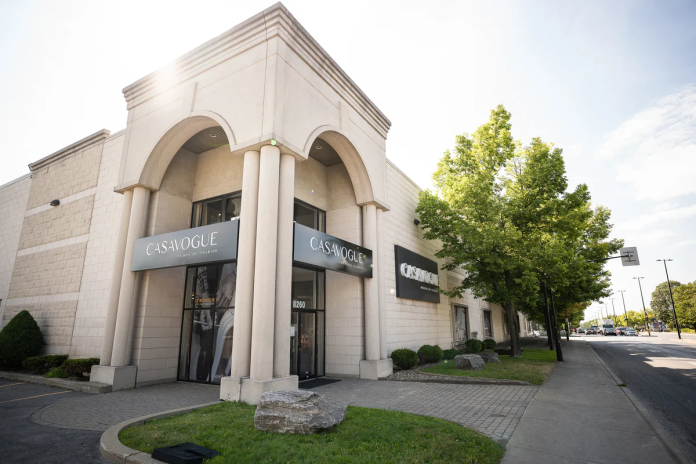
Transform your home for the season with Casavogue’s Boxing Day Sale, featuring 30 to 50 percent off select designer furnishings. The event runs December 23 through January 4, offering exceptional value on contemporary and classic pieces curated for Montreal’s most stylish interiors.
Casavogue’s Clearance Sale is also underway, with additional 30 to 50 percent savings on select floor models and last-chance collections starting December 4.
Visit the showroom at 8260 Boulevard Saint-Michel, Montreal, to explore elevated European design at exceptional seasonal pricing.
About Casavogue
Casavogue has been a family-run furniture destination in Montréal since 1972, recognized for high-end Italian and European design and attentive service. The Territo family continues to lead the business, with its flagship 35,000-square-foot Saint-Léonard showroom showcasing brands such as Natuzzi, Calligaris, Huppé, Verbois, and Alf Italy across living, dining, and bedroom collections. The store anchors the Territo family’s broader furniture presence in the city, which also includes the newer Maison Territo showroom at Royalmount.
In today’s digital landscape, reliable communication has become a cornerstone of business growth. Phone numbers—often underestimated—play a central role in customer engagement, identity verification, and sales outreach. As companies work to transform raw inquiries into lasting customer relationships, API phone validation has emerged as a critical tool.
API phone validation replaces guesswork with precision. Instead of relying on outdated or unverified data, businesses gain real-time clarity that strengthens every stage of the customer journey. It eliminates the messy inconsistencies that slow teams down and introduces a level of confidence that manual data sorting simply can’t provide. For organizations navigating rising expectations around speed, accuracy, and personalization, this shift marks a significant competitive advantage.
Money Saved through API Phone Validation
Among the many available integrations that support modern data workflows, API phone validation stands out for its direct financial impact. Poor-quality phone data sends budgets spiraling through wasted outreach attempts, misdirected marketing campaigns, and operational inefficiencies that silently drain resources. When numbers are validated the moment they enter your system, communication efforts become more precise, ensuring outreach is focused on real, reachable prospects. Over time, this accuracy protects both marketing and sales budgets and keeps engagement strategies aligned with genuine opportunities.
Conserving Time through Automated Data Verification
Time is one of a company’s most valuable resources, and outdated data processes tend to consume it in large quantities. API phone validation introduces automation that replaces slow, error-prone manual review. Instead of sorting, checking, and updating records by hand, teams benefit from real-time verification that keeps databases accurate and current. For organizations managing thousands—or millions—of customer records, this automation frees significant hours that can be redirected toward higher-impact work. The result is a streamlined workflow where lead management moves faster and with far less friction.
Preserving Your Team’s Sanity
Behind every strong operation is a team that feels empowered rather than overwhelmed. Manual data cleansing often creates stress, monotony, and burnout, especially when accuracy is critical, but the tools are insufficient. API phone validation removes much of this pressure by handling repetitive validation tasks automatically. With fewer tedious responsibilities weighing them down, employees experience improved morale and can devote their energy to strategic, creative, and customer-facing initiatives. Productivity rises, job satisfaction grows, and the organization benefits from a more engaged workforce.
Enhancing Lead Conversion
Accuracy doesn’t just support internal operations—it directly shapes customer outcomes. When businesses know that phone numbers are legitimate and active, they can communicate with confidence and tailor each interaction more effectively. Validated data ensures outreach reaches real individuals, increasing the likelihood of a successful connection. This accuracy strengthens conversation quality, builds trust, and reduces friction in the sales process. Over time, precise data turns into stronger relationships, higher conversion rates, and deeper customer loyalty.
Conclusion
As companies strive for growth in an increasingly competitive environment, the value of clean, trustworthy contact data becomes impossible to ignore. API phone validation provides a clear path forward by improving accuracy, reducing operational costs, accelerating workflows, and creating healthier, more productive teams. From the first point of entry to long-term customer retention, validated phone data supports a smoother, smarter, and more reliable lead management journey.
In an era where every interaction counts, the transition from leads to loyalty is far easier when your systems are built on verified information. With API phone validation in place, businesses can transform raw prospects into genuine opportunities while creating a streamlined, frustration-free environment for the teams who power their success.
This detailed guide showcases the standout products featured in this year’s Cyber Week lineup, explaining their benefits, features, pricing, and why they’re worth adding to your cart before the savings disappear. For shoppers looking to upgrade their wellness, refresh their personal-care essentials, or find thoughtful holiday gifts, now is the perfect time to shop smart and save big.
The Value of Investing in Personal Care During Cyber Week
While electronics, home appliances, and apparel often dominate Cyber Week headlines, personal care should never be overlooked. These are products you use every single day, items that directly impact your hygiene, appearance, comfort, and confidence. High-quality tools and essentials can significantly improve your routine, yet many people delay purchasing them due to cost.
Cyber Week solves that problem.
Walmart’s personal care deals allow you to:
Upgrade your routine with premium products at lower prices
Stock up on daily essentials you’re guaranteed to use
Purchase useful and meaningful holiday gifts
Try out professional or dentist-recommended items at a discount
Save money over time by investing in reliable, long-lasting tools
With deals across oral care, hair care, hygiene, and children’s products, Walmart has created an opportunity to enhance your lifestyle without overspending.
Featured Cyber Week Personal Care Products
Each product highlighted below was selected for its high performance, customer satisfaction, and incredible Cyber Week pricing. Whether you’re focused on oral hygiene, grooming, or family care, these deals deliver exceptional value.
1. Oral-B iO Series 5 Gum & Sensitive Care Electric Toothbrush
Now: $109.97 | Regular: $159.58 | Savings: $49.61
For anyone serious about improving their oral health, the Oral-B iO Series 5 is a game-changing tool. This premium electric toothbrush delivers professional-grade cleaning technology while providing gentle care for sensitive gums.
Why It Stands Out
The Oral-B iO Series 5 has been clinically proven to restore gum health in 92% of people showing early signs of gum disease. Its innovative design uses micro-vibrations combined with rotational cleaning to remove plaque more effectively than a manual toothbrush.
Key Features
4 Brushing Modes: Daily Clean, Whitening, Sensitive, Super Sensitive
Smart Pressure Sensor that protects gums
Two-minute guided timer to ensure proper brushing
Includes 1 replacement brush head, travel case, and charger
Stylish, clean design with intuitive controls
Ideal For
Individuals with sensitive gums
Users looking for professional-quality cleaning
Travelers who want a premium portable brushing system
Gift-givers looking for a health-focused, luxury personal-care item
Thanks to Walmart’s Cyber Week discount, this advanced toothbrush becomes much more accessible, making it one of the most worthwhile wellness investments this season.
2. InfinitiPRO by Conair DigitalAIRE 1875-Watt Hair Dryer
Now: $89.47 | Regular: $164.97 | Savings: $75.50
The InfinitiPRO by Conair DigitalAIRE Hair Dryer offers salon-level performance at an incredible Cyber Week price. Designed with advanced engineering, this dryer significantly reduces drying time while enhancing shine and smoothness.
Why It’s Exceptional
This tool incorporates a 90,000 RPM BLDC digital motor, delivering fast and consistent airflow. Combined with its ceramic-coated grill and negative ion generator, the dryer reduces frizz, protects hair from heat damage, and produces smooth, polished results.
Key Features
680 ft/min airflow, ideal for quick drying
3 heat settings and 2 speed modes
LED indicators for easy adjustments
Cool shot lock button for long-lasting styles
Includes concentrator nozzle and diffuser
Lightweight and comfortable to hold
Ideal For
Individuals with thick or long hair
Anyone wanting to reduce frizz and heat damage
Home stylists seeking professional-level results
Gift shoppers looking for a luxurious but practical beauty item
At more than 45% off, this dryer provides stunning value and performance, making it one of the most exciting beauty deals this year.
Denture cleanliness is a top priority for health, comfort, and confidence. Polident Overnight Denture Cleanser is the #1 dentist-recommended solution for deep-cleaning dentures safely and effectively.
Why It’s Important
Denture wearers are at higher risk for bacteria buildup, odors, and stains. Using a high-quality cleanser daily is essential to maintaining oral hygiene. Polident provides a simple, overnight soaking method that keeps dentures fresh and clean.
Key Benefits
Eliminates 99.9% of odor-causing bacteria
Removes stains through overnight soaking
Leaves dentures feeling fresh with Triple Mint formula
Non-abrasive and gentle enough for daily use
Includes 96 tablets, offering long-lasting value
Ideal For
Denture wearers prioritizing hygiene and comfort
Seniors, caregivers, or healthcare settings
Anyone seeking a trusted, effective cleaning method
This product is already a household essential for many, and Cyber Week pricing makes stocking up an easy choice.
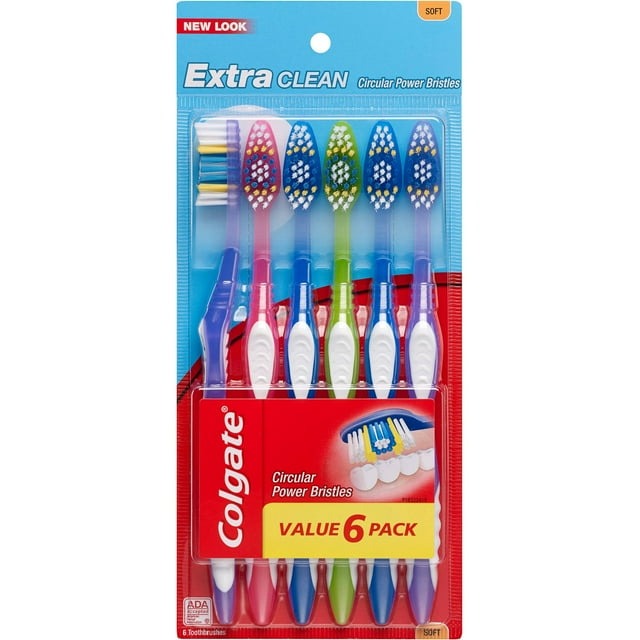
4. Colgate Extra Clean Toothbrush Value Pack – Soft, 6 Count
Now: $5.97 | Regular: $9.98 | Savings: $4.01
The Colgate Extra Clean toothbrush pack is a staple for families, couples, and individuals who like to stay prepared with fresh brushes. Dentists recommend replacing toothbrushes every three months, making value packs like this an economical must-have.
Why It’s a Top Seller
Colgate’s circular power bristles help remove surface stains and plaque more effectively. The toothbrush also includes a built-in tongue cleaner, ensuring full-mouth freshness.
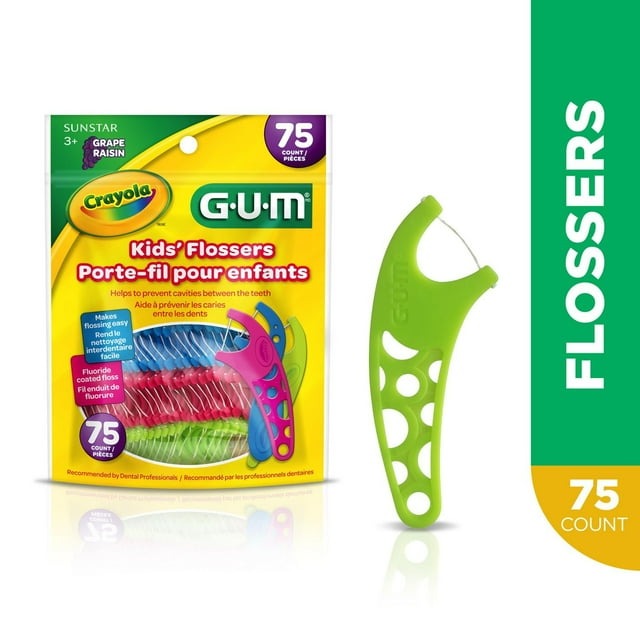
Teaching children proper oral care habits becomes easier when the process is fun. GUM Crayola Kids’ Flossers are designed with bright colors, fun shapes, and a delicious grape flavor to encourage daily flossing.
Why Kids Love Them
These flossers are designed to be gentle on young gums while providing effective plaque removal. The ergonomic handle makes it easy for children to learn proper flossing technique.
Key Features
Fluoride-coated floss to resist shredding
Fun Crayola-inspired designs
Bright colors and grape flavor
Designed for smaller hands
Suitable for ages 3 and up
Ideal For
Parents teaching oral care habits
Children who dislike traditional floss
Stocking stuffers or hygiene bundles
This Cyber Week deal makes it easy to introduce kids to healthier habits without overspending.
6. Listerine Total Care Zero Mild Mint Mouthwash – 250 mL
Price: $4.47
For those seeking powerful germ protection without harsh alcohol burn, Listerine Total Care Zero offers a complete solution. This mouthwash delivers the full benefits of traditional antiseptic formulas in a gentler, alcohol-free version.
Key Benefits
Kills up to 99.9% of germs
Helps prevent plaque, gingivitis, and cavities
Strengthens enamel
Reduces tartar buildup
Mild mint flavor for a smooth, refreshing feel
Suitable for daily use
Ideal For
Sensitive mouths
Individuals wanting a complete oral-care routine
Busy households looking for compact daily essentials
Affordable, effective, and trusted, this product is a smart addition to everyday hygiene.
How to Maximize Your Cyber Week Savings at Walmart
To make the most of Walmart’s Cyber Week deals, consider these strategies:
Stock Up on Everyday Essentials
Items like toothbrushes, denture cleaners, and mouthwash are used daily. Buying them at discounted prices ensures you’re saving long-term.
Upgrade Premium Tools While Prices Are Low
This is the perfect time to purchase high-value items like electric toothbrushes and professional hair dryers.
Build Gift Bundles
Personal care items make thoughtful, practical gifts. Create:
Oral-care bundles
Beauty and grooming sets
Children’s hygiene kits
Use Walmart’s Pickup & Delivery Options
Convenience is key during the busy holiday season. Walmart offers several ways to receive your items quickly.
Final Thoughts: Elevate Your Wellness with Walmart’s Best Cyber Week Deals
Walmart’s Cyber Week Personal Care Deals combine value, quality, and convenience in a way few retailers can match. From the advanced Oral-B iO Series 5 to the salon-grade InfinitiPRO hair dryer, and from practical essentials like Listerine and Colgate brushes to fun, child-friendly options like GUM Crayola flossers, there is something for every lifestyle and every budget.
Investing in personal care is an investment in yourself, your health, your confidence, and your daily comfort. With these limited-time deals, Walmart makes it easier than ever to prioritize wellness without overspending.
Disclaimer: This article may contain affiliate links, and we may earn a commission if you make a purchase through these links.
The apparel industry has entered an era where comfort, convenience, and body-inclusive design are no longer secondary considerations—they are primary purchase drivers. As retailers navigate shifting consumer expectations, one product innovation is quietly emerging as a significant category opportunity: the built in shapewear dress.
Unlike traditional approaches that require consumers to layer separate compression undergarments beneath their outfits, these dresses integrate shaping and support directly into the garment’s construction. The result is a streamlined silhouette without the bulk, discomfort, or sizing confusion that often accompanies the dress-plus-shapewear combination.
For retailers, buyers, and merchandisers, this represents more than a product trend—it signals a new subcategory with implications for how dresses are designed, bought, merchandised, and marketed. Digital-first brands have already demonstrated strong consumer appetite for this category, and mainstream retailers now have an opportunity to learn from these early experiments.
From Separate Shapewear to All-in-One Dresses
The traditional model for achieving a smooth, supported silhouette has long involved purchasing a dress and a separate shapewear undergarment. While functional, this approach creates multiple friction points for consumers: discomfort from restrictive compression layers, additional bulk that can show through fabric, confusion about which shapewear style pairs with which dress neckline, and the added expense of maintaining two separate wardrobe categories.
A built in shapewear dress addresses these concerns by incorporating strategic compression panels and support zones directly into the garment’s lining. Rather than wearing a dress over a body shaper, consumers get smoothing and support from a single piece—eliminating visible lines, reducing layering discomfort, and simplifying the getting-dressed process.
The appeal has been amplified by social media, where TikTok try-on content, “get ready with me” videos, and travel capsule wardrobe discussions have spotlighted the value of “one-and-done” outfit solutions. Consumers increasingly want pieces that deliver multiple benefits without requiring extensive coordination or layering.
What’s Driving Demand: Comfort, Confidence, and Convenience
Comfort Without Compromise
Consumer research consistently shows comfort as a top priority in clothing purchases. A 2024 Harris Poll survey found that 68% of respondents described their most-loved clothes as “comfortable,” outranking style alignment and other attributes. This preference has reshaped expectations across apparel categories, including dressier occasionwear.
Modern built-in support dresses address this by using soft, stretchy fabrics with breathability and flexibility built into both the outer shell and internal support structures. The goal is a polished appearance that feels closer to loungewear than traditional structured formalwear.
Confidence and Body-Inclusive Design
The appeal of built-in support extends beyond aesthetics. For many consumers, the value lies in feeling secure and supported rather than achieving a particular silhouette. This reframing—from “slimming” to “supporting”—aligns with broader industry movement toward body-positive messaging and size-range expansion.
The shapewear market itself reflects this evolution. According to Grand View Research, the global shapewear market was valued at approximately $2.73 billion in 2024 and is projected to reach $4.32 billion by 2030, growing at a compound annual rate of 8%. This growth is attributed partly to changing consumer preferences and fabric technology advancements that prioritize comfort alongside function.
Convenience for Modern Lifestyles
The practical appeal is straightforward: one garment serving multiple functions reduces decision fatigue and simplifies wardrobe management. Built-in shapewear dresses work particularly well for weddings and special occasions where guests want to look polished without extended preparation time, for travel wardrobes where one versatile piece replaces multiple items, and for work-to-dinner transitions where changing outfits mid-day is impractical. This convenience value proposition gives retailers a clear story to tell—and justifies the premium pricing that comes with added functionality.
Retail and Merchandising Implications
For buyers and merchandisers, built-in support dresses present several strategic considerations.
First, they represent an emerging subcategory within dresses that warrants distinct positioning. Online, this might mean creating a dedicated filter or subcategory for “built-in support” or “all-in-one” dresses. In-store, clear tagging and signage can help consumers identify these options without requiring staff explanation for every inquiry.
Second, dresses with integrated support can command higher price points due to their added functionality and construction complexity. This positions them as potential margin drivers and “hero products” within dress assortments—particularly when styled as complete outfit solutions that increase average order value.
Third, the all-in-one approach may reduce certain types of returns. When consumers don’t have to coordinate separate shapewear with their dress purchase, there’s less opportunity for fit mismatches or comfort disappointments that lead to returns. Clear product descriptions explaining what kind of support to expect—and what the dress doesn’t do—help set appropriate expectations.
Finally, the category offers storytelling opportunities. Product pages can explain how integrated support works without overwhelming customers with technical jargon. In-store associates can be trained to discuss comfort, versatility, and support rather than focusing on outdated language around “fixing flaws.”
Digital-First Brands Leading the Built-In Shapewear Trend
Direct-to-consumer players have been particularly agile in developing this category, experimenting with new silhouettes, necklines, and lengths that extend built-in support across multiple dress occasions.
Digital-first brands such as HeyShape are building entire collections around the built in shapewear dress, treating it as a core wardrobe staple rather than a niche undergarment. These brands have invested heavily in customer education—detailed size guides, “how it fits” descriptions, and video try-ons featuring diverse body types—that demystifies the category and sets realistic expectations.
Their content strategies also differ from traditional apparel marketing. Rather than studio shots alone, these brands emphasize real-customer scenarios: office environments, wedding guest situations, and everyday styling. This approach builds trust and demonstrates versatility in ways that resonate with consumers seeking functional fashion solutions.
How Established Retailers Can Respond
For traditional retailers looking to capitalize on this trend, several practical steps can accelerate market entry.
Testing small capsule collections of built-in support dresses across key occasions—wedding season, office appropriate, and travel—allows retailers to gauge demand without overcommitting inventory. Early results can inform broader assortment decisions.
Clear merchandising is essential. Whether through a dedicated online subcategory or in-store signage, consumers need to easily identify which dresses offer built-in support. Positioning these pieces within broader “comfort-first dressing” or “effortless occasionwear” narratives creates context without requiring category-specific navigation.
Staff education matters, particularly for physical retail. Associates should understand what kind of support each dress provides, how to guide customers toward the right size, and how to style these pieces with jackets, shoes, and accessories. The emphasis should be on confidence and versatility rather than problem-solving language.
Cross-channel consistency reinforces the message. In-store displays, online product content, and social proof through user-generated content and reviews should tell a cohesive story about why built-in support dresses deserve consideration—and premium pricing.
Canada’s retail industry has always lived at the intersection of cultures. Walk through a mall in Toronto, Vancouver, or Montréal and you hear dozens of languages in the space of a few minutes. That linguistic richness is a defining economic reality for retailers, since nearly one in four Canadians is an immigrant, according to Statistics Canada, and the country continues to welcome newcomers at one of the highest per-capita rates in the world. At the same time, Québec’s Charter of the French Language requires retailers to operate in French, a responsibility that extends from product packaging to digital storefronts.
All of these forces shape the environment in which Canadian retailers now operate. They are no longer selling into a single linguistic market but into a mosaic of audiences with expectations shaped by their cultures, languages, and countries of origin. And as retail shifts steadily toward online channels, language barriers become business barriers.
That is why professional translation service providers, once a behind-the-scenes necessity for regulatory compliance, are increasingly strategic partners for retailers looking to grow, differentiate, and retain customers in Canada’s multilingual marketplace.
Retail in a Country Built on Two Official Languages — and Dozens of Unofficial Ones
Retail Insider’s reporting frequently highlights how Canada’s retail landscape is being reshaped by changing demographics, cross-border ecommerce, and rising digital expectations. The role of language, though rarely articulated, underlies all of these transformations.
While English and French dominate national policy, more than 200 languages are spoken in Canadian homes. Mandarin, Punjabi, Arabic, Tagalog, and Spanish all represent growing consumer segments with significant purchasing power. For retailers, this means that the customer journey is no longer linear or monolingual.
A shopper might research a product in Mandarin, read reviews in English, and compare prices on a French mobile site. If any step in that journey feels unclear or linguistically mismatched, the sale evaporates. Studies from CSA Research have repeatedly shown that consumers overwhelmingly prefer to buy products when information is presented in their native language.
This is where human translation and localization solutions for retail and ecommerce begin to matter far more than they once did. Retailers that invest in language accessibility and meeting regulatory requirements also reaching customers where they live, think, and shop.
The Canadian Regulatory Landscape: Precision Is Mandatory
It’s impossible to talk about language in Canadian retail without acknowledging regulation. Québec’s laws require French to appear on packaging, in-store signage, online platforms, product manuals, and commercial contracts. There is little margin for error. Retailers entering or expanding in Québec need every product description, technical detail, and customer-facing message to align with the legal standards set out in the Charter and its recent expansions under Bill 96.
This is not a job for automated tools or quick fixes. Even the most advanced AI translation systems struggle with context shifts, idioms, sector-specific vocabulary, and legal phrasing. For retailers, an inaccurate translation can have consequences: fines, product recalls, or damaged brand credibility.
A professional translation service ensures that regulatory requirements are met with precision. Linguists specializing in Québec French and retail terminology understand not just the language but the context, the tone, and the legal implications behind every word. This level of accuracy is especially critical for product packaging, safety instructions, nutritional details, return policies, and warranty information.
Localization as a Growth Strategy, Not an Expense
Retail Insider has documented Canada’s ongoing ecommerce expansion, with digital-first brands and brick-and-mortar retailers investing heavily in omnichannel strategies. But the brands succeeding in that shift have something in common: their online shopping experience feels tailored, coherent, and trustworthy, no matter the customer’s language.
This is where ecommerce localization services become far more strategic than traditional translation as TranslationReport has discovered in the recent research. Localization adapts language, visuals, measurements, and even search filters to cultural expectations. A simple translation of a product page rarely resonates with multilingual audiences; the message must be reshaped so it feels natural and intuitive.
Localization specialists ensure product names carry appropriate connotations, marketing messages reflect cultural nuances, size guides align with local standards, customer service templates maintain a human voice, SEO adapts to language-specific search patterns, and checkout processes stay clear and compliant.
This matters because retail is emotional. Trust, relevance, and clarity drive conversions. The right wording can eliminate friction, and the wrong one can turn a potential customer away.
Brands expanding into Canada or scaling across provinces are now turning to localization solutions for retail and ecommerce not as an optional upgrade but as part of their core go-to-market strategy.
AI Translation Has Its Place — But Not Every Place
There is no denying the efficiency that AI translation brings. Apple, Google, and Microsoft have made automated translation widely accessible, and many retailers use AI-driven tools for internal communications, bulk text processing, or initial content drafts. Machine translation can assist with speed, but it cannot replace nuance.
Retail messages often rely on tone, intent, and emotional cues. Clothing brands sell identity. Home goods sell lifestyle. Beauty retailers sell aspiration. In these categories, a poorly translated phrase can quietly undermine brand perception.
Copywriters, translators and other industry professionals at TheWordPoint consistently note that AI lacks the cultural sensitivity required to adapt slogans, campaigns, and customer-facing content. Machine translation can misinterpret irony, confuse product descriptions, or flatten brand personality.
The strongest retailers use AI strategically to accelerate workflows, not to finalize customer-facing content. Professional linguists then refine the drafts, ensuring consistency, cultural relevance, and coherence with the brand’s voice.
They decode the product’s purpose, understand customer psychology, grasp the marketing strategy, and capture emotional nuances. They know how to adapt humor and idioms for different cultures, keep brand personality consistent, spot and fix cultural disconnects, sidestep potentially offensive language, optimize text for various devices, and work closely with marketing and UX teams.
The New Retail Reality: Language as a Differentiator
Canadian retail’s future belongs to the companies that see language not as a legal obligation but as a competitive advantage. And trust is the currency of retail.
The companies that integrate professional translation service providers, incorporate localization solutions for retail and ecommerce, and use AI translation strategically (without sacrificing human oversight) are the ones positioning themselves to grow in a Canada defined by linguistic diversity.
New York’s holiday season doesn’t just decorate the city—it rewires shopper behavior. When lights, music, scent, and storytelling blend across windows, sidewalks, and storefronts, casual passersby become intentional visitors. In this post, I break down how immersive holiday décor translates into measurable foot traffic and share a practical playbook retailers can use to plan, launch, and track installations that pay off.
Why Immersive Holiday Décor Works for New York Retail
Immersive décor functions like experiential retail. It creates “I have to see that” moments; it nudges discovery and increases dwell time; and it turns sidewalks into funnels leading to your door. In dense shopping corridors—SoHo, Fifth Avenue, the Flatiron District—these moments spark social sharing and real-time word of mouth. When shoppers can photograph, touch, and hear the season, they move from window gazing to store entry, which is the moment that matters.
If you’re considering a build-out, start by reviewing where to find professional holiday decor in NYC — from concept to installation, you’ll want a partner that understands materials, permitting, and traffic flow for New York streets and building facades.
What “Immersive” Looks Like in Practice
Immersion today means more than a photogenic tree. It’s a sensory path that begins on the sidewalk and ends at the point of sale. Three elements consistently perform well in New York retail environments:
Photo-Forward Moments That Earn Reach Large-scale focal points—oversized ornaments, LED arches, or kinetic light curtains—invite shoppers to frame and share. Place them at natural bottlenecks near your entrance, not across the street. The goal is to capture attention and guide people into the store, not create a crowd that blocks your door.
Interactive Light and Sound That Guide Flow Timed lighting cues, responsive projections, and subtle holiday soundscapes can “pull” crowds along. Keep the volume low enough to remain neighbor-friendly and tune lighting to dusk and early evening when foot traffic peaks.
Scent, Texture, and Tactile Details That Encourage Dwell Low-cost additions like pine or cinnamon scent zones, soft-touch garland, and textured displays slow shoppers down. The longer they linger, the more likely they are to browse.
Tie these pieces into a clear story—“From Snowy Street to Cozy Gift Loft,” for example—so each decoration supports the merchandise narrative inside.
Operational Playbook for a Smooth Rollout
Even brilliant concepts fail without operational discipline. A straightforward process keeps teams aligned and installations safe.
Permits, Safety, and Accessibility Exterior activations and sidewalk elements may require permits. Start early and consult the NYC Street Activity Permit Office for current requirements and timelines. For private property, confirm landlord approvals and load ratings for façades and awnings. Keep pathways ADA accessible, and position queue lines to avoid obstructing curb cuts or residential entrances.
Queue Design, Staffing, and Crowd Management Expect spikes after work hours and on weekends. Use stanchions to define entry and photo zones, assign a greeter during peak windows, and post clear signage for lines and store policies. A clear, visible plan protects the guest experience—and the patience of nearby tenants.
Weatherproofing and Maintenance Assume wind, snow, and slush. Select outdoor-rated fixtures, anchor everything securely, and schedule regular checks for bulbs, cables, and potential trip hazards. Create a simple “rain plan” that keeps your activation open—or gracefully paused—without confusing visitors.
Measuring ROI Without Guesswork
Immersive décor should be measured like any other retail investment. You don’t need complex tools to prove impact, but you do need consistency.
Footfall and Dwell Compare baseline counts to installation dates. Even a low-cost door counter and simple heatmap from your in-store Wi-Fi can show spikes and hotspots. Track dwell in key display zones; if people are stopping but not converting, adjust signage or staff placement.
Attribution You Can Defend Use window decals and entry displays with unique QR codes or short links tied to special holiday pages. Add UTM parameters so you can isolate traffic driven by the décor. Offer limited-time, in-store-only perks and use the redemption rate as a proxy for conversion.
Post-Holiday Debrief Capture the week-by-week data and photos before teardown. Note what held up, what needed repair, and which design moments earned the most shares. This becomes your blueprint for a faster, smarter build next year.
Budgeting and Vendor Collaboration
Start with outcomes, not objects. Define the behaviors you want—more entries between 4 and 8 p.m., higher dwell in gift sets, improved basket size for accessories—then build décor that supports those goals.
Design for Modularity Modular pieces let you scale from a boutique to a multi-entrance flagship. They also compress install time and reduce lift equipment needs, which lowers your permitting and labor exposure.
Material Choices That Travel Well Opt for lightweight, durable materials that can be re-skinned. A strong frame with replaceable panels cuts next year’s costs and shortens your critical path.
Clear Vendor Briefs Give partners a one-page brief: site plan with measurements, traffic goals, brand guidelines, installation windows, power availability, and maintenance responsibilities. Add a shot list so the team knows which moments must look flawless on camera.
Bringing It All Together
Immersive décor is not about holiday excess; it’s about guiding New Yorkers from curiosity to entry to purchase. When retailers treat sidewalks as the first scene in a story—and measure what happens inside—holiday installations become repeatable performance drivers. Start planning now, confirm permitting and materials early, and choreograph your guest flow. Done right, the lights do more than sparkle. They move people.
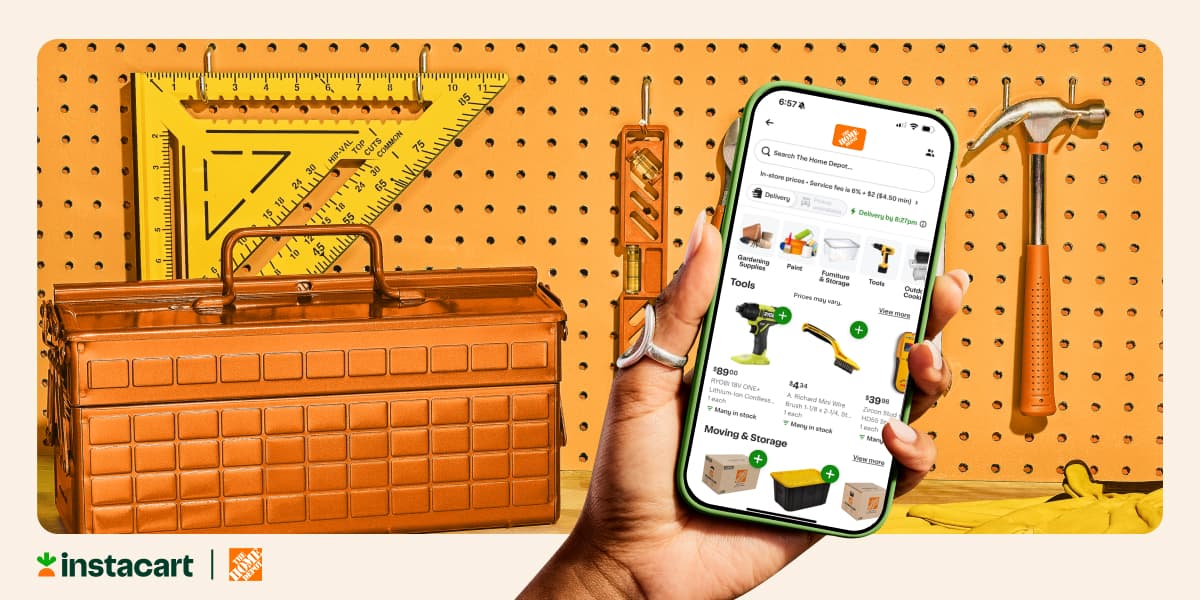
Instacart, the leading grocery technology company in North America, announced Wednesday a new partnership with The Home Depot Canada, the country’s leading home improvement retailer, to offer same-day delivery in as fast as an hour from over 175 stores across the country.
The Home Depot Canada launches on the Instacart App with in-store pricing in time for the busy holiday season as customers prepare their homes for gatherings, seasonal decorating, and end-of-year projects, said the technology company.
With this launch, The Home Depot Canada becomes the first nationwide home improvement retailer available on Instacart in Canada and joins over 100 retail banners on the platform in the country – giving customers nationwide access to thousands of home improvement essentials. This partnership includes Instacart’sBig & Bulky fulfillment solution, enabling same-day and scheduled deliveries for heavy items up to 60 pounds, such as large tool sets, home furnishing and renovation supplies, storage and more, explained the brand.
Blake Wallace
“At Instacart, we’re focused on delivering convenience and accessibility, whether it’s helping customers get their homes ready for the holiday season with décor or gathering materials for a last-minute home project over the weekend,” said Blake Wallace, Vice President of Retail Partnerships at Instacart. “We’re proud to help create a seamless shopping experience for Home Depot customers across Canada and bring more variety to the Instacart App with the addition of The Home Depot Canada.”
Doug Graham
“Our customers continue to be our top priority, and our stores are the foundation of who we are and how we meet their needs. Expanding our digital and delivery capabilities is essential to providing Canadians a seamless and convenient shopping experience,” said Doug Graham, Vice President of E-commerce and Marketing at Home Depot Canada. “Instacart’s fast and convenient shopper experience complements our existing delivery options on homedepot.ca, giving customers even more flexibility—whether they choose to shop online, through our app, in-store, or now with Instacart.”
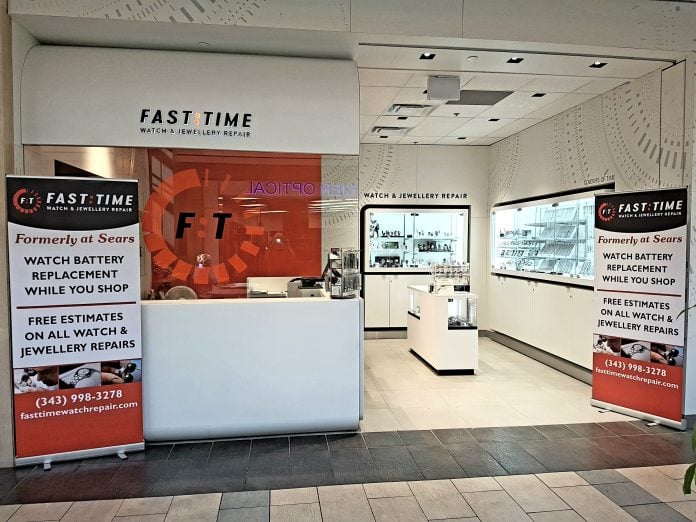
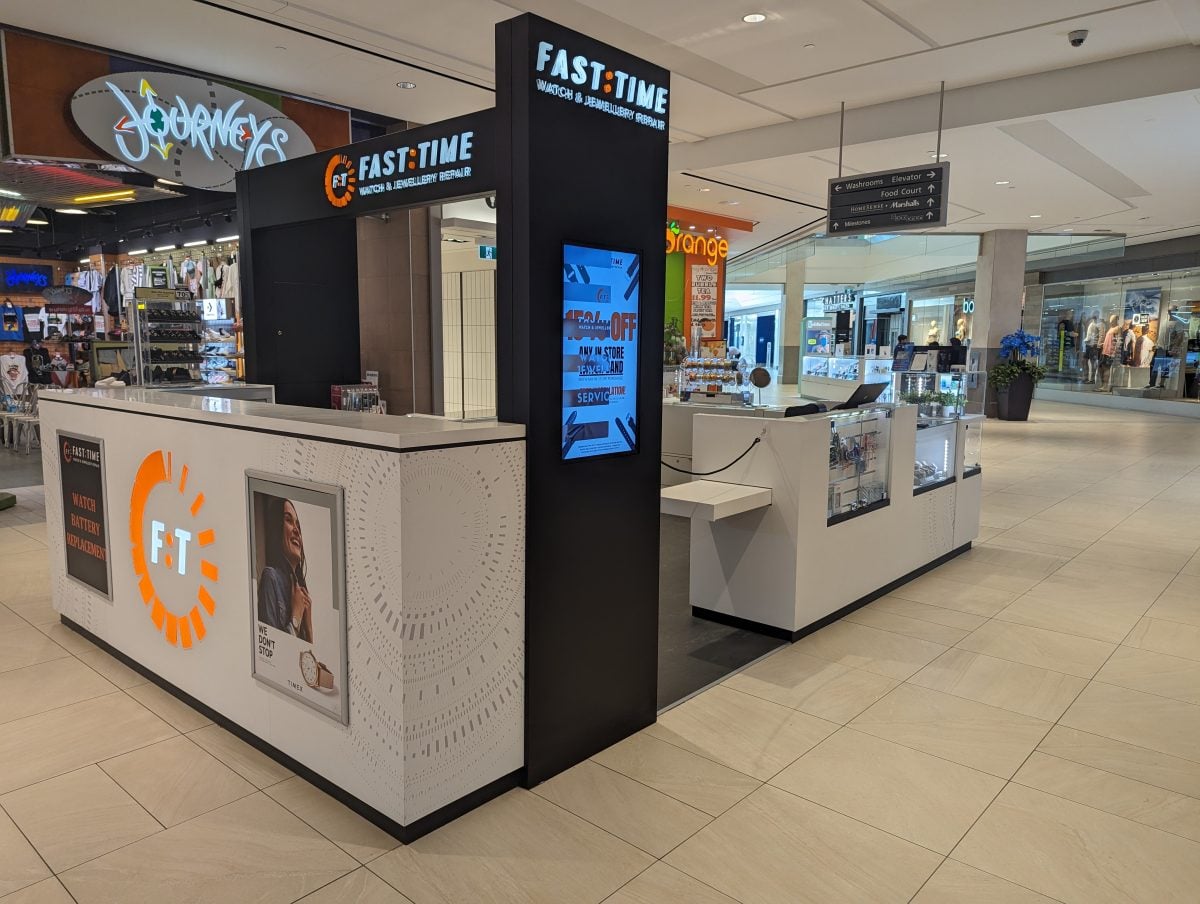
Ottawa Carlingwood location. Photo: Fast Time Watch & Jewellery Repair
Fast Time Watch & Jewellery Repair has been part of Canada’s retail landscape for nearly half a century. Founded in 1979 by the Talsania family, the business began modestly as a small repair service specializing in LED digital watches and clocks. “My father came in with an engineering background,” said Milon Talsania, Vice President of Operations. “He didn’t start out with watches, but with electronics like cordless phones and VCRs. We struck a deal with General Electric to become their authorized repair depot for telephones and clocks. That’s really how it all began.”
Milon Talsania. Photo: Fast Time.
The company’s journey into retail started when a buyer from Consumers Distributing suggested that instead of shipping repairs back and forth, Fast Time could perform services on-site for customers. That conversation opened the door to relationships with major retailers such as Simpsons and Eaton’s, which later led to a long-standing partnership with Sears Canada.
By the 1980s, Fast Time Watch & Jewellery Repair was operating as a licensed department inside Sears stores across the country. “At our peak, we had 62 locations in Canada and several in the United States,” said Talsania. “When Sears closed, it was a big hit. But we were able to redefine ourselves and rise from the ashes by launching under our own name.”
Rebirth After Sears
The closure of Sears Canada in 2018 forced Fast Time to reinvent itself. The company had been operating under the banner Sears Watch and Jewellery Repair, but suddenly found itself without a host retailer or name recognition. “Even though we’d been in business for decades, people didn’t know the Fast Time brand,” said Talsania. “We had to reintroduce ourselves to the market, this time as Fast Time Watch & Jewellery Repair.”
The rebranding effort was both challenging and liberating. The company launched new mall kiosks and inline stores under its own name, emphasizing accessibility and expertise. Today, Fast Time operates 10 retail locations across Ontario, including in Hamilton, Kitchener, Belleville, Sarnia, London, Sudbury, and Thunder Bay, with its head office and full-service workshop in Richmond Hill.
That Richmond Hill location, which the company owns outright, has become a cornerstone for growth. It houses a full team of technicians and jewelers who handle both walk-in customers and specialized repairs for the company’s other stores. “We’re able to attract customers from Vaughan, Aurora, and Markham,” said Talsania. “It’s not just our head office; it’s also a thriving retail hub.”
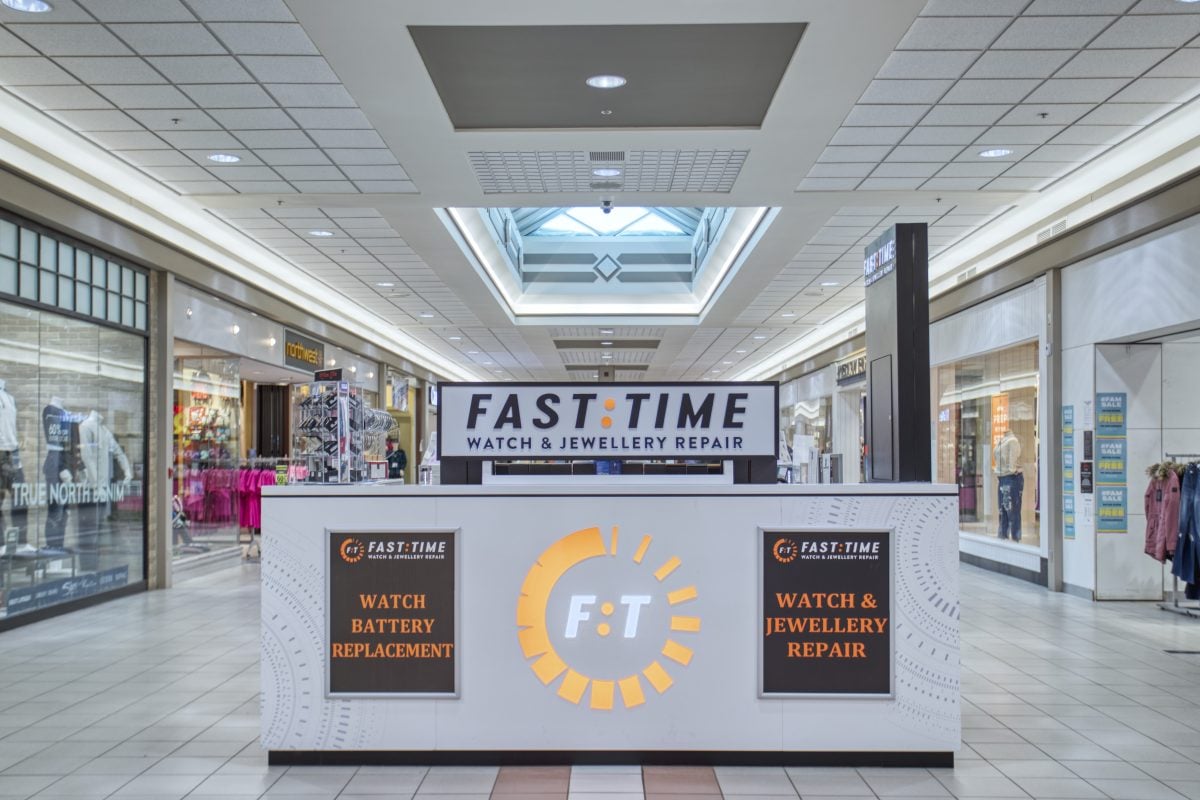
Thunder Bay Intercity Shopping Centre. Photo: Fast Time Watch & Jewellery Repair
Blending Tradition and Modern Retail
Fast Time’s model is straightforward but powerful: provide watch and jewelry repair services that can’t be done online, and complement those services with a strong retail offering. The company’s signature service is “Watch Battery Replacement While You Wait”, which includes gasket resealing and bracelet cleaning. “We give a one-year warranty on our watch battery installations,” said Talsania. “It’s not just a pop-off-the-back and replace job. We make sure the seal is redone to protect against moisture and condensation.”
The company also provides full watch overhauls, crystal replacements, and link adjustments, alongside jewelry services such as ring sizing, chain soldering, and stone resetting. Increasingly, it also serves the growing market for fashion jewelry repair, an area many competitors overlook.
While repair remains a core business, retail sales have become equally important. “We don’t just repair watches anymore,” said Talsania. “We’re authorized retailers for major brands like Casio, Bulova/Citizen, Fossil & Timex and many more. About half of our business now comes from selling watches and accessories.”
Store-in-Store Growth Strategy
Fast Time Watch & Jewellery Repair’s next chapter is centred on strategic expansion through partnerships with major retailers in Canada. The company aims to revive the store-in-store model that proved so successful in the Sears era, this time with modern retail partners.
“It gives us an opportunity to get into marquee malls and leverage the foot traffic of a host store,” explained Talsania. “There’s real synergy there. Our business brings people in, and while customers wait for their repairs, they often shop elsewhere in the store or mall. Everyone benefits from that.”
This mutual advantage makes Fast Time an attractive partner for department stores or big-box retailers seeking to increase dwell time and foot traffic. “Our business is one of the few that can’t be done online,” Talsania noted. “You have to come in to get a watch battery replaced or a chain repaired. And while you’re waiting, you might shop in the host store. That’s why malls and retailers value what we bring.”
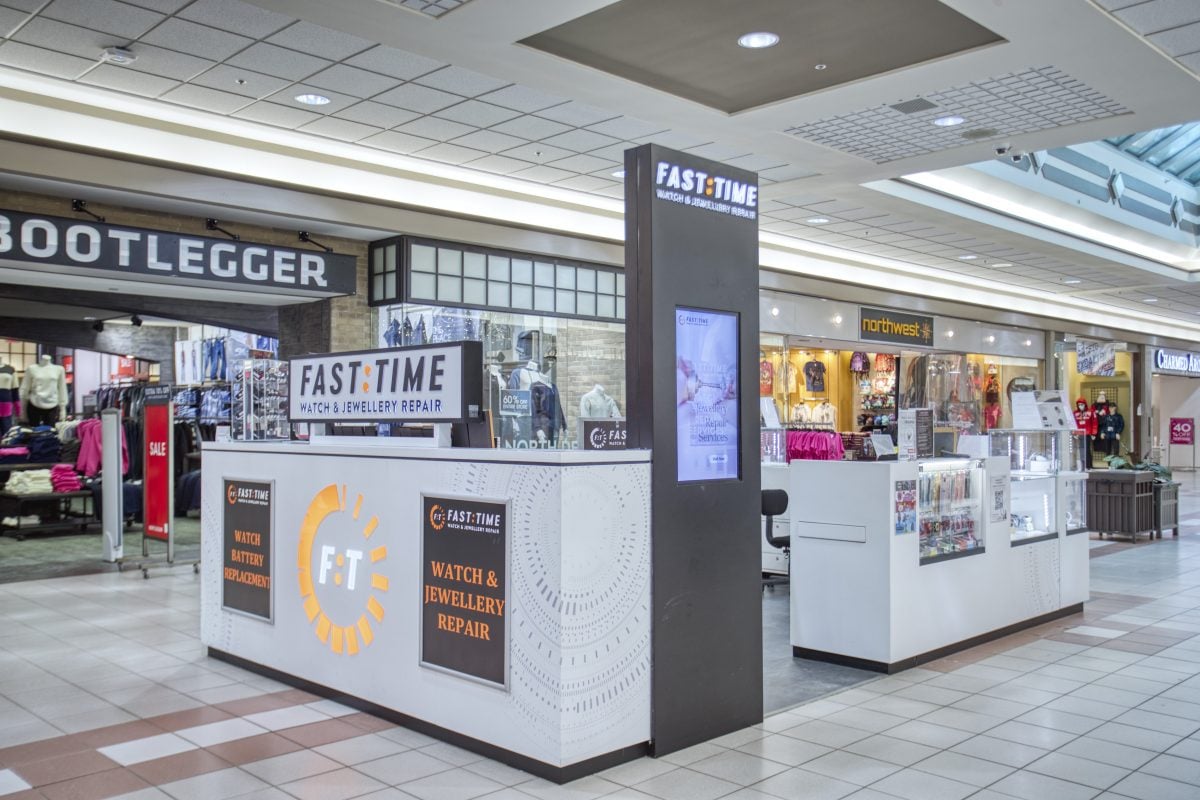
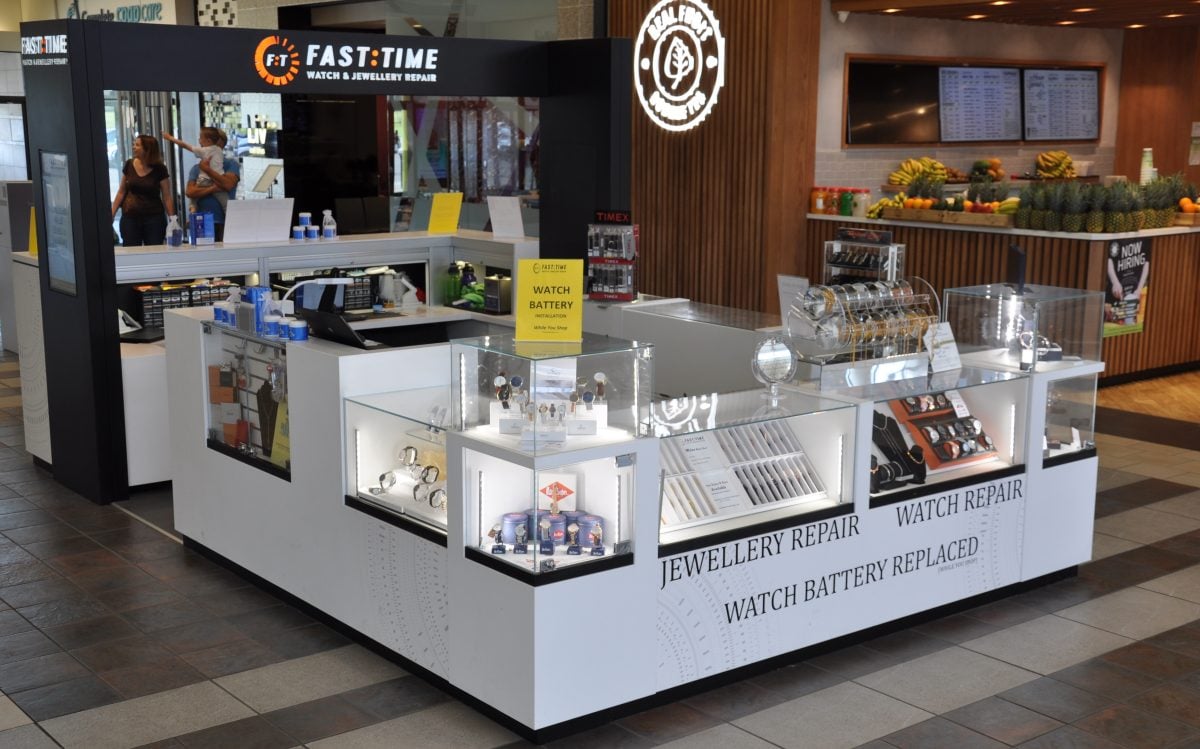
Thunder Bay Intercity Shopping Centre. Photo: Fast Time Watch & Jewellery Repair
Bringing Customers Back to the Mall
The company’s compact kiosk and boutique-style units are designed to fit easily within existing retail footprints. “We don’t need thousands of square feet,” said Talsania. “In Sears, our locations were typically around 200 to 300 square feet. That flexibility makes it easier for us to work with partners and fit within their stores.”
These aren’t ordinary kiosks, either. Fast Time’s mall units are high-end installations with glass repair areas and branded displays for retail products. “They’re boutique kiosks,” said Talsania. “Not carts on wheels. We’ve invested in creating upscale, permanent spaces that reflect the quality of the service.”
That approach appeals to landlords as much as it does to shoppers. According to Talsania, during the pandemic, many mall guest services departments told him that Fast Time was among the most asked-about service businesses while stores were closed. “People missed us,” he said. “They really wanted those in-person services back.”
Expanding Across Canada
Fast Time’s current footprint is primarily in Ontario, but the company’s ambitions extend much further. “We’d like to expand across the country,” said Talsania. “We were once in Nova Scotia, Manitoba, and Quebec through Sears, and those were very successful markets for us. We’d love to return to them.”
Within Ontario, the company is actively exploring new markets in the Greater Toronto Area, including malls such as Yorkdale, Fairview, Mapleview, and Pickering Town Centre. “The GTA is a big opportunity for us,” said Talsania. “We already have two stores in London and could easily see multiple locations within one metro area again. It’s a physical service, so convenience matters.”
The company’s long history of managing multiple stores in close proximity is a proven advantage. “In London, we used to operate three Sears locations, and all were successful,” said Talsania. “Customers often visit multiple times — dropping off a repair, then returning for pickup, so proximity actually helps us.”
London CF Masonville. Photo: Fast Time Watch & Jewellery Repair
Value, Trust, and Customer Loyalty
Fast Time’s success is rooted in its value-driven approach. “We fix everything from a Timex to a Rolex, and we treat every customer with the same care,” said Talsania. “A lot of jewelry stores have gone after high-end clientele and left the middle market behind. We fill that gap.”
Affordability remains central to the company’s identity. “Our pricing is competitive, and in many cases significantly lower than what department stores used to charge,” he explained. “When Hudson’s Bay closed its in-store jewelry services, many customers came to us because we offered better service at a fraction of the price.”
Every watch battery installation includes cleaning and resealing, ensuring longevity and quality. It’s this combination of craftsmanship and transparency that has helped the brand maintain loyalty across generations.
Watches as Fashion and Sentiment
Despite the ubiquity of smartphones, Fast Time is seeing renewed interest in watches among younger consumers. “People sometimes say nobody wears watches anymore, but that’s not true,” said Talsania. “We’re seeing a big increase in our 18-to-34 demographic. They wear watches as fashion pieces or statement items.”
The company’s assortment reflects that shift, with brands such as Michael Kors, Casio Vintage, and Citizen Eco-Drive attracting younger shoppers. “What’s old is new again,” said Talsania. “Vintage-style digital watches and retro designs are back in fashion. We’re also seeing more people change their watch bands seasonally—white in summer, black for formal occasions.”
Fast Time’s wide selection of replacement bands in leather, nylon, and metal appeals to this trend-driven audience. “We carry all sizes and colors,” he said. “And when you buy a band from us, installation is free. For customers who buy watches online, we offer sizing and adjustment services too.” Our motto is “Buy it Anywhere….Fix it at Fast Time!”
Hamilton Lime Ridge Mall. Photo: Fast Time Watch & Jewellery Repair
Jewelry Repair and Sentimental Value
While watches remain the company’s foundation, jewelry repairs have grown into a major business. “People want to maintain their gold and silver pieces, especially with the price of gold where it is,” said Talsania. “We do ring sizing, chain soldering, and stone setting, and every piece comes with a story.”
He recalled one customer who brought in a brooch said to have been blessed by the Pope. “You see the sentimental value in these items,” he said. “It might be a $50 Timex or a priceless heirloom, but people are willing to invest in repairs because of what it represents to them.”
Fast Time’s technicians don’t just fix jewelry; they often restore it to its original luster through polishing, rhodium plating, or what Talsania calls “detailing.” “We don’t just repair the issue,” he said. “We make it look like new again.”
A Modern, Scalable Business
While rooted in family tradition, Fast Time is run like a modern enterprise. “We don’t operate like a family business,” said Talsania. “Yes, it was founded by my parents, but we’ve built systems and infrastructure for growth. We use advanced inventory tracking and work order management to handle repairs efficiently.”
This operational backbone gives Fast Time an advantage as it explores partnerships and expansion opportunities. “We’re set up for scalability,” he said. “We can open new locations quickly and maintain consistent quality across every site.”
The company’s combination of heritage, adaptability, and retail know-how positions it uniquely in Canada’s service landscape. Its model blends the human touch of old-fashioned craftsmanship with the precision and efficiency of modern retail operations.
Looking Ahead
As Canadian malls continue evolving into mixed-use community hubs, service-oriented retailers like Fast Time Watch & Jewellery Repair are becoming increasingly vital. “We offer something that can’t be digitized,” said Talsania. “People want their watches and jewellery repaired properly, by someone they trust, and they want to talk to a real person while it’s done.” For Fast Time, the goal is clear: to bring that trusted service into more retail environments across Canada. “We’re proudly Canadian and extremely proud of our history,” said Talsania. “But the next chapter is about growth, collaboration, and continuing to give Canadians value they can see and feel. one watch and one repair at a time.”