Reality TV isn’t just entertainment — it’s shaping how Canadians stream. Roku’s latest data shows that 85% of Canadian TV streamers are now reachable via in‑stream ads, with weekly viewing of ad-supported content jumping from 7.3 hours in 2024 to 10.2 hours in 2025. Nearly 9 in 10 streamers use ad-supported streaming at least part of the time, while traditional subscription VOD (Video on Demand) usage has slightly declined.
This shift presents a timely opportunity: reality TV—whether dating shows, competitions, or docuseries—is increasingly driving engagement and subscriptions in ad-supported environments. Lean-back formats like these keep viewers engaged, fuel social conversation, and create natural advertiser touchpoints, especially as Roku’s footprint grows (30% of Canadians now use a Roku device or Smart TV).
Reality TV is more than a genre—it’s a driver of streaming trends, ad revenue, and subscriber retention.

Ivan Pehar, Director of Ad Sales at Roku Canada, said the company is seeing the strongest performance from socially sharable, appointment-style unscripted formats: dating/competition shows, short-form reality docu-series, and eventized competition (think talent, obstacle-course, renovation).
“Those formats drive tune-in behaviours and discussion — people want to watch episodes as they drop and talk about them right away, which makes them ideal for FAST channel lineups and ad-supported VOD (Video on Demand)windows. The behaviour matters: ad-supported viewing has surged (time spent jumped to 10.2 hours/week in 2025), so formats that encourage repeat tune-ins and social conversation naturally build bigger audiences on our platform.”
Pehar said what the company is seeing in its VOD Evolution Study is that Canadians are open to ads when they feel useful and relevant — in fact, 64% of TV streamers say they find interactive ads helpful, and that jumps to over 80% with younger audiences.
“That’s why brands are leaning into features like QR codes, clickable prompts, and mobile offers that let viewers act in the moment. On the content side, FAST channels and reality programming are creating these lean-back, appointment-style viewing habits again, with big spikes around premieres, finales, or eliminations. Advertisers are adapting by placing their campaigns around those high-engagement moments, which really maximizes attention. The bottom line is, ad-supported viewers expect ads — they just want them to be quality and tailored to their interests.”
He said Canadians are ad-tolerant when the content is valued and the ad experience is respectful.
“With 9 in 10 streamers using ad-supported content at least sometimes, viewers are demonstrating they’ll accept ads if the programming is compelling and the ad load feels fair. Reality formats—because they’re emotionally engaging and conversation-driving—often produce higher ad recall and incremental attention versus passive viewing. In short: if you pair the right creative to the right reality moment, you’ll get engagement rather than avoidance,” explained Pehar.
“FAST channels are a discovery engine for reality: themed linear blocks (e.g., “dating marathons,” “competition afternoons”) surface older seasons and bingeable moments to new viewers, extending a show’s lifespan beyond its initial SVOD (Subscription Vide on Demand) run. Hybrid models (free + ads with optional premium tiers) let viewers sample content with low friction, then convert the most engaged fans to paid experiences or companion products. That flywheel — discovery on FAST, repeat viewing in AVOD (Advertising Video on Demand), premium upsell for exclusives — is why we’ve invested in expanding FAST offerings in Canada (The Roku Channel surpassed 200+ FAST channels in Canada), which increases findability for unscripted formats.”
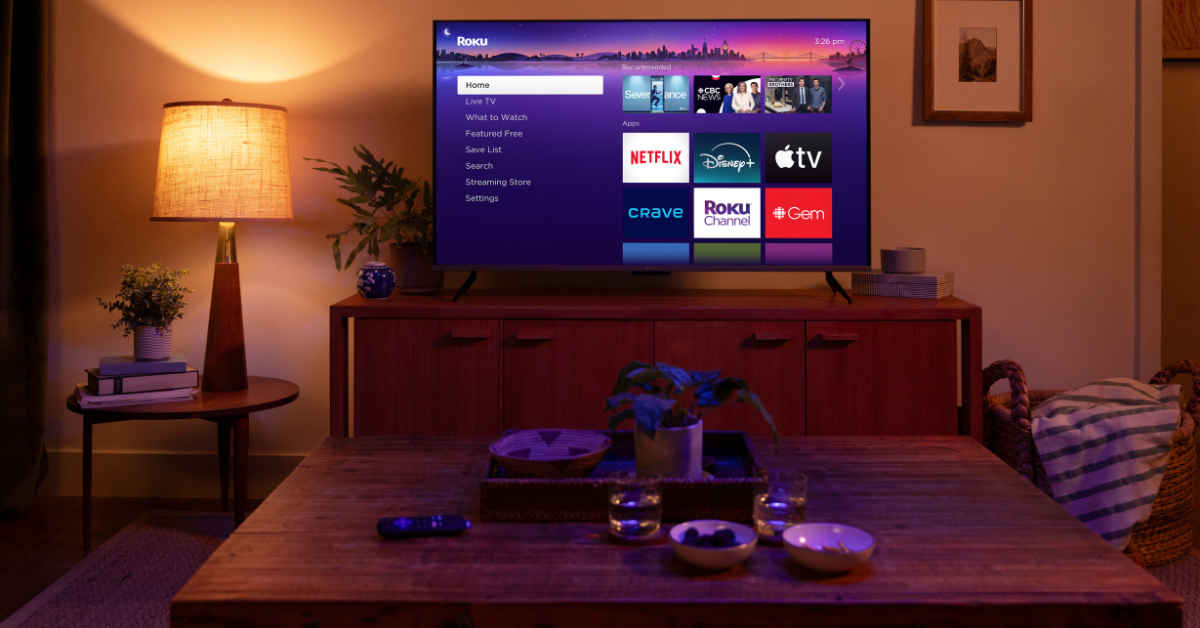
Pehar said Roku focuses on three levers: packaging, measurement, and activation.
“First, packaging: curated FAST blocks and promotional carousels on the home screen make it easy to
binge and share. Second, measurement: we give advertisers timely signals on episode peaks and retention so they can place complementary creative (and measure social lift). Third, activation: we work with partners on social extensions (clips, recaps, highlight reels) and encourage creators to seed second-screen conversation — driving social discussion that sends viewers back to the platform. The result is a loop where social buzz creates discovery, discovery drives ad reach and attention, and attention fuels more social content,” he explained.
“SVOD isn’t dead — it remains critical for prestige scripted content — but the economics and viewing habits are changing. We’re seeing a hybrid landscape: audiences pick and choose premium scripted through SVOD, while adopting ad-supported lanes (FAST/AVOD) for appointment viewing, nostalgia, and shareable reality. For premium content creators, the implication is that value will be judged on a combination of direct subscribers and discoverability in ad-supported ecosystems. That means studios and streamers will increasingly adopt windowing strategies and creative ad partnerships to maximize lifetime value across both AVOD and SVOD. For brands, it creates more entry points to engage consumers across the customer journey.”
Reality TV isn’t just entertainment — it’s shaping how Canadians stream. Roku’s latest data shows that 85% of Canadian TV streamers are now reachable via in‑stream ads, with weekly viewing of ad-supported content jumping from 7.3 hours in 2024 to 10.2 hours in 2025. Nearly 9 in 10 streamers use ad-supported streaming at least part of the time, while traditional subscription VOD usage has slightly declined.
This shift presents a timely opportunity: reality TV—whether dating shows, competitions, or docuseries—is increasingly driving engagement and subscriptions in ad-supported environments. Lean-back formats like these keep viewers engaged, fuel social conversation, and create natural advertiser touchpoints, especially as Roku’s footprint grows (30% of Canadians now use a Roku device or Smart TV).