Home Blog Page 182

Corbeil Appliances opens new store concept in Boucherville (Photos)

Photo: Corbeil
Photo: Corbeil

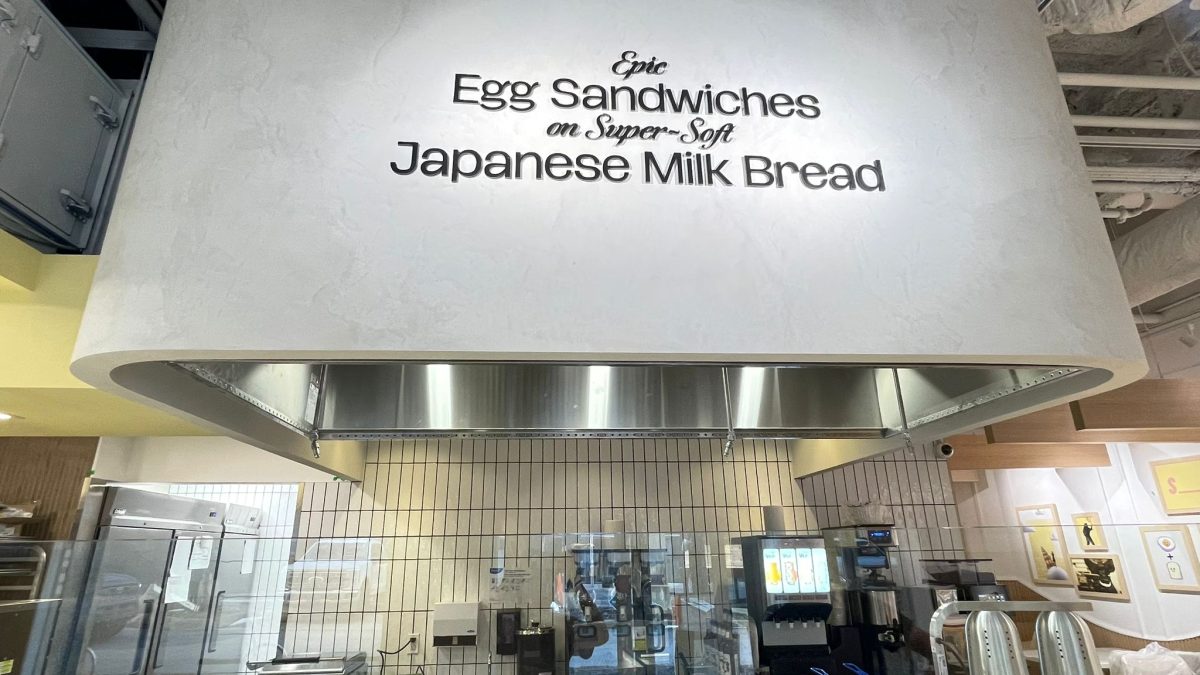
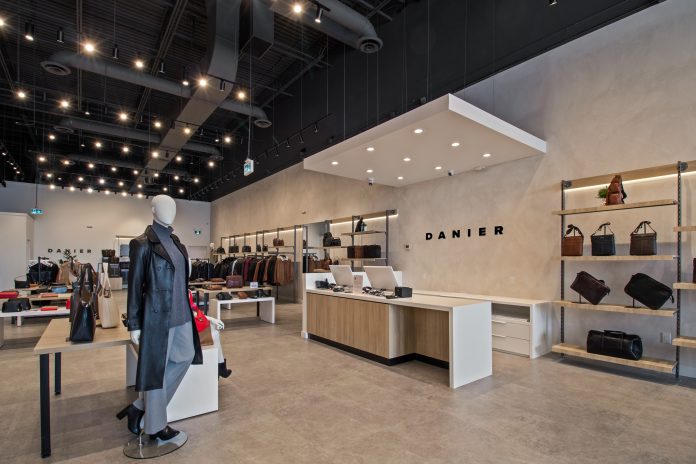
Corbeil Appliances has opened its brand-new store concept, located at 582 Boulevard de Touraine in Boucherville. 

This opening marks the third new-concept store on Montreal’s South Shore, following the successful launches in Brossard and Saint-Hubert.

The arrival of Corbeil Appliances new concept store in Boucherville once again demonstrates the company’s ongoing commitment to leading the home appliance sector on Montreal’s South Shore and across Quebec. Designed to provide an immersive customer experience, the store features an inspiring layout, personalized support from specialists, and a carefully curated selection of the industry’s most reputable brands, explained the company.

Walter Lamothe
Walter Lamothe

“We are thrilled to continue reinventing the world of home appliances by offering Boucherville customers a completely renewed experience,” said Walter Lamothe, President and Chief Operating Officer. 

Anthony Amiel
Anthony Amiel

“This opening more than ever reflects our commitment to providing Quebec consumers with the best shopping experience, backed by exceptional service and passionate specialists,” added Anthony Amiel, Chief Executive Officer.

The Boucherville store is 10,000 square feet. 

Founded in 1949, Corbeil Appliances is a Quebec-owned company, part of Groupe Amiel since 2017, and is today the largest specialized home appliance network in Quebec, with 33 stores across the province and Ontario. Groupe Amiel is a holding company founded by Anthony Amiel in 2017. It was created to bring together Distinctive and Corbeil Appliances under one entity.

Lamothe said Corbeil has three stores in Ottawa and 31 in Quebec. About nine stores have been renovated into new concept stores.

“The new-concept stores started being renovated around 2020. Our first-generation new-concept store was in St-Leonard. But as all things go, it evolves with time. The three stores we mentioned on the South Shore—Brossard, St-Hubert, St-Bruno—and Boucherville, are three beautiful updated stores to serve that population,” said Lamothe.

“The founder, Anthony Amiel, purchased it from Sears in 2017. This is a kind of “dusty” industry, where changes don’t happen very fast. A lot of industries are like that. So when you’re offering the biggest purchase next to your house and your car—your appliances and furniture—he decided, back then, to stay with appliances only. Whether you’re spending $2,000 on a kitchen upgrade or $40,000, how do you create an environment where customers feel comfortable, well served, and inspired?

Photo: Corbeil
Photo: Corbeil

“When you walk into that store you’re in, it’s “knock your socks off.” It’s so clear. You shop kitchen by kitchen, and it’s truly inspiring. Well-lit is a big thing, and the environment—the people. We train our people a lot. The number of hours our employees go through every year to stay up to date on the newest things. The customer walks in, is inspired by the look, finds it easy to shop, has lots of space to move around, meets salespeople who know what they’re doing, and gets after-service that’s second to none in the industry. So the big change for us is really to keep upgrading what is fashionable in the appliance world and to surpass it.”

He said some of the key brands—Miele, Samsung, Bosch—you go to their showrooms and they’re beautiful, very up to date, showing the full brand experience. 

“We took that, but if we showed each brand’s individuality the same way, the store would look wonky. So we package their individuality in a way that feels homogenous as you go through the store. You feel like you’re in one environment with many choices, rather than trying to figure out what part of the store you’re in at any given moment,” noted Lamothe.

“These showrooms from the brands are phenomenal, but in most stores in this industry you get a dowdy or confusing environment. Whoever can show the biggest setup for one brand or another often wins, but the consumer doesn’t see choices—they get stuck along the way.

Photo: Corbeil
Photo: Corbeil

“It was a fine balance. Anthony was probably told it couldn’t be done back then, and I think he achieved it. The new team brought in for retail is helping ask: how do we commercialize this even more? Boucherville is the latest rendition of modernizing this, and that’s a big thing for us with our pretty ambitious next three to five years of rollouts.”

Lamothe said the challenges south of the border created opportunities—crazy as it sounds—at the beginning of the year, because people were trying to get ahead of additional charges and whatever else.

“Since then it’s calmed down, but we’ll finish the year pretty well, not a huge increase, not a huge decrease—just in the middle. Our latest trends are showing very positive results. Nothing to write home about as far as comps, but we’re holding our own nicely. The industry—depending on the brand—American-fed brands are starting to see some comeback, but it was pretty tough.”

Photo: Corbeil
Photo: Corbeil

Lamothe said the retailer is constantly searching for the next place. Quebec—within a natural shipping radius—is pretty well maximized. 

“We have a couple of ideas around the Montreal area. We have a couple of ideas for Ottawa. And within a five-year window, we’ll start opening flagships in cities across the country. Right now we’re focused on our home market—getting the formula right. Ottawa is already part of that; it’s an extension of what we do,” he said.

“We also still have about 10 stores to bring up to speed over time. So more renovations—next year there are about eight projects. Some are minor, but some are as significant as Boucherville.”

Youtube video

More from Retail Insider:

Photo: Corbeil
Photo: Corbeil
Photo: Corbeil
Photo: Corbeil
Photo: Corbeil
Photo: Corbeil
Photo: Corbeil
Photo: Corbeil

Quebec Retail Brands and Global Expansion Strategies

La Vie en Rose store in Delhi, India. Image: Apparel Group

By Selina Ved

Retail has always fascinated me as a dynamic industry that blends innovation, consumer behaviour, and global trends. Growing up immersed in retail through my family’s business, Apparel Group, I’ve had the privilege of witnessing firsthand the challenges and rewards of expanding brands to international markets — particularly in the Middle East and India, two of the world’s most exciting and fast-evolving retail regions.

From launching Aldo, Ardene, and La Vie en Rose in the Middle East to adapting brands like Tim Hortons to new cultures, I’ve come to appreciate the critical role of strategic planning, cultural adaptation, and choosing the right partners in global expansion.

The Unique Value of Quebec Brands

Quebec brands hold a special place in global retail. Their European-inspired sophistication combined with North American operational efficiency makes them highly adaptable in diverse international markets. However, while expansion brings exciting opportunities, it also requires brands to overcome key challenges—from regulatory compliance to cultural nuances. This article serves as a practical framework for Quebec brands and SMEs aiming to expand globally, with lessons drawn from the international journeys of Aldo and Tim Hortons.

Checklist for Successful International Expansion: 10 Key Factors

Before expanding globally, Quebec-based brands must assess several key factors to ensure a smooth and sustainable entry into a new market. The following checklist provides a structured approach for planning thoughtfully the international growth of a retail business.

1. Market Research

  • Analyze consumer behaviour, purchasing power, and local competition.
  • Identify regions with emerging demand for your product category and understand key growth drivers.

2. Regulatory Compliance

  • Understand franchising laws, import duties, product safety norms, and local retail regulations.
  • Ensure proper registration of trademarks and compliance with data privacy and labor laws.

3. Market-Driven Offer

  • Adapt product offerings to reflect local cultural, geographic, and consumer preferences—including climate, religious beliefs, lifestyle habits, and socioeconomic context.
  • Tailor packaging, sizing, and product names to resonate with local expectations, languages, and functional needs.

4. Cultural Sensitivity

  • Localize marketing messages, visuals, and campaigns to align with regional customs and values.
  • Avoid messages that could be misinterpreted or deemed inappropriate in the target market.

5. Choosing the Right Partner

  • Collaborate with experienced local partners—retailers, mall operators, or distributors— who are aligned with your brand’s vision, values, and goals.
  • The right partner brings market knowledge, cultural fluency, and operational expertise. A misaligned or inexperienced partner can hinder market entry and dilute brand execution.

6. Omnichannel Strategy

  • Develop a unified retail experience by integrating physical stores with digital commerce.
  • Ensure the online platform supports localized language, payment options, and shipping logistics.

7. Operational Readiness

  • Optimize inventory management, supply chain efficiency, and warehousing to meet local demand.
  • Train regional teams to ensure service quality and consistency across markets.

8. Brand Positioning & Pricing Strategy

  • Position the brand taking into account competition, economic conditions, income and consumer expectations in the target region.
  • Price products at a price point that is both accessible to the target clientele and aligned with the brand’s identity.

9. Digital & Social Media Marketing

  • Leverage local digital platforms (e.g., WeChat in China, Instagram and Snapchat in the Middle East, TikTok in Southeast Asia).
  • Collaborate with local influencers and content creators to build up a community and ensure brand authenticity.
  • Align with rising global demand for sustainability by highlighting eco-conscious materials, ethical sourcing, and fair labor practices.
  • Implement and promote Corporate Social Responsibility (CSR) initiatives relevant to the local community and environment.

Understanding Global Markets: Key Differences and Opportunities

For a successful international expansion, Quebec retailers must understand the distinct characteristics of each major market. Each region presents unique consumer behaviours, regulatory challenges and market entry strategies that businesses must carefully assess to effectively navigate their way through.

South Coast Plaza in Costa Mesa, CA. Image: South Coast Plaza

United States

The United States remains an attractive market due to its large consumer base, high purchasing power, and well-established retail infrastructure. Geographic and cultural proximity also make it a logical first step for many Quebec retailers, which is why businesses often see it as the most accessible international expansion route. However, it is also one of the most competitive retail landscapes—not only among U.S. brands but also global players. Despite proximity, entering the U.S. market is often more difficult and expensive than expected, especially when competing with well-established players and dealing with elevated customer acquisition costs (Smith, 2023). Success in the U.S. depends on omnichannel strategies that integrate brick-and-mortar stores with strong e-commerce capabilities, as well as differentiated brand positioning. Quebec brands entering the U.S. must focus on leveraging digital innovation, personalization, and customer experience to gain a competitive edge in a saturated environment. Some retailers even opt to test less competitive markets before tackling the U.S. to refine their approach.

Europe

European consumers prioritize premium experiences, craftsmanship, and sustainability. Quebec brands that emphasize eco-conscious initiatives, innovative product design, and high product quality are more likely to thrive in this market. However, companies must also navigate strict regulatory frameworks such as the EU’s General Product Safety Regulation (GPSR) and environmental standards like REACH (Registration, Evaluation, Authorization and Restriction of Chemicals), which regulates the use of hazardous substances in materials and packaging (European Commission, 2023.) These rules add complexity to product formulation, labeling, and packaging compliance. Furthermore, high operational costs and labor regulations in markets like France and Germany further reinforce the need for precision in expansion planning.

Emsphere in Bangkok, Thailand, June 2025. Photo: Carl Boutet

Asia

Asia, particularly China, India, and Southeast Asia, represents a high-growth opportunity driven by a booming middle class and increasing demand for international brands. However, this region also presents several complexities: differing consumer behaviours, intense digital-first competition, and region-specific regulations. For instance, China’s Personal Information Protection Law (PIPL), enacted in 2021, requires companies to obtain explicit user consent for data collection and to store data on local servers (Baker McKenzie, 2021).

In Southeast Asia, fragmented logistics networks and varying language and payment systems add to the challenge. Brands seeking success here must prioritize localized digital marketing, regional platform integration (e.g., Alibaba, JD.com, Flipkart), and culturally attuned brand experiences. In this environment, securing the right local partner is essential—but many global brands have struggled to find alignment in the region, particularly in China, where digital and offline retail operate under vastly different ecosystems.

South America

South America is an emerging market with growing appeal, especially in the affordable fashion and lifestyle segments. Countries like Brazil and Mexico offer a large middle-class population eager for global brands, but macroeconomic instability, import tariffs, and inflationary pressure pose significant entry barriers. For example, Brazil’s complex tax system—including ICMS (value-added tax at the state level) and IPI (federal excise tax)—can complicate import pricing and inventory forecasting (PwC Brazil, 2022). Success in South America requires flexible business models, affordability-focused pricing strategies, and alliances with established regional players who understand the regulatory terrain.

For Quebec retailers and SMEs, global expansion is not a one-size-fits-all endeavour. North America and Europe reward strong brand narratives, premium positioning, and sustainability, while Asia and South America demand agility, digital adaptability, and robust local partnerships. By understanding these key differences, businesses can develop tailored, market-specific expansion strategies that increase their chances of long-term success.

The Importance of Choosing the Right Partner in Global Expansion

One of the most critical factors in a brand’s successful international expansion is selecting the right local partner. A strong partner brings market knowledge, established distribution networks, and operational expertise, ensuring that a brand enters a foreign market seamlessly. For Quebec brands, this alignment is especially important when navigating new markets with distinct cultural, regulatory, and retail ecosystems.

Aldo store in the Middle East | Source : Selina Ved

Aldo’s International Journey

While the brand has seen great success in regions like the Middle East, some of its partner brands have struggled to find the right local partner in other parts of the world—including the all-important Chinese market. Over the years, Aldo has worked with several distributors in China and faced challenges related to supply chain efficiency, product positioning, and consumer engagement. These hurdles were compounded by the complexity of China’s fast-evolving, digitally dominant retail sector and the need for highly localized strategies (China Daily, 2024).

However, the brand is now refining its approach in China with a focus on e-commerce-driven growth and new partnerships with digital-first players, aiming to reposition itself more effectively in the market (China Daily, 2024). This signals a promising shift in strategy and an understanding of how alignment with the right local partner can significantly impact brand success.

In contrast, Aldo’s expansion in the Middle East underscores the transformative power of a well- matched partner. Collaborating with Apparel Group, Aldo benefited from a deep understanding of local fashion preferences, strong omnichannel operations, and prime placements in luxury malls that serve as both cultural and commercial hubs. Positioned as an affordable luxury brand, Aldo’s collections were adapted to regional trends, allowing them to expand swiftly while maintaining brand integrity and operational consistency. This strategic alignment enabled Aldo to become a recognizable and respected brand across the GCC and India.

Tim Hortons in the Middle East

Tim Hortons provides another compelling example. Although not a Quebec-based brand, its successful expansion into the Middle East—beginning in 2011—demonstrates the importance of localization and strategic franchising. Understanding the region’s long-standing coffee culture, Tim Hortons adapted its menu to feature popular items like Karak tea, Arabic coffee, and date- based sweets (Gulf Business, 2012). Through franchise agreements with experienced regional partners, the brand ensured operational excellence while allowing flexibility for cultural nuances. This approach enabled Tim Hortons to grow rapidly across the GCC and build a loyal consumer base.

Key Takeaways

The success of Quebec brands like Aldo and Tim Hortons in international markets highlights the importance of strategic planning, cultural adaptation, and choosing the right local partners. While global expansion offers immense opportunities, it also presents challenges that require market- specific strategies, strong brand positioning, and operational readiness. For Quebec brands and SMEs looking to expand, success depends on understanding regional differences, leveraging digital transformation, and ensuring adaptability while maintaining brand integrity. Ultimately, brands that combine global ambition with localized execution will be best positioned for long- term sustainability and international growth.

For SMEs and emerging Quebec brands, choosing the right partner is even more vital. Without the global infrastructure of larger brands, these businesses often rely on local expertise to bridge gaps in logistics, compliance, and customer engagement. A strong partner can provide the insights, credibility, and operational capacity needed to ensure a brand’s successful entry and long-term performance in a new market.

Ultimately, brand strength alone is not enough. Execution, cultural relevance, and strategic alignment with a trusted partner are critical. Whether through Aldo’s momentum in the Middle East or Tim Hortons’ culturally attuned expansion in the GCC, the evidence is clear: Quebec brands seeking sustainable international growth must prioritize the careful selection of the right local partners.

Selina Ved

About the Author: 

Selina Ved is a second-generation entrepreneur, visionary founder of Nessa.com and co-founder of Nysaa. Her parents, Nilesh and Sima Ved, are the founders of the largest retail conglomerate in the Middle East.

Through Nessa, she has introduced over 250 global beauty brands to the Gulf States in the Middle East, including 25 exclusivities. By leveraging AI and predictive analytics to enhance the shopping experience, Selina has carved her own path in the beauty industry through her innovative approach. This success has earned her a place on Forbes Middle East’s 30 Under 30 list in 2022.

Selina also co-founded Nysaa, a joint venture Apparel Group and Nykaa which blends local culture with cutting-edge technology to revolutionize beauty retailing in the Gulf region. Ambitious, she aims to open 100 stores in the Middle East.

Currently pursuing her Master’s degree in Retail Management at McGill University’s Bensadoun School of Retail Business, Selina combines her academic knowledge with her entrepreneurial expertise to continue redefining the landscape of beauty retailing.

The Retail Council of Quebec presents the 2nd edition of the Next Gen Retail Perspective, a series of 4 articles, each written by a student from McGill University’s Bensadoun School of Retail Management (BSRM).

This series offers an opportunity to explore the ideas and perspectives of young professionals who are shaping the retail world of tomorrow. This article originally appeared on the CQCD website

Sources:

Home Hardware opens first Winnipeg location

Home Hardware Stores Limited has opened its first Winnipeg location, Winnipeg South Home Hardware, expanding its presence in Western Canada. 

The store, located at 2860 Pembina Hwy, Unit 30.

John Pierce
John Pierce

“As a proudly born and raised Winnipegger, I’m especially pleased to see Home Hardware join this great city,” said John Pierce, Chief Retail Operations Officer, Home Hardware Stores Limited. “This opening marks an exciting opportunity to grow our genuinely Canadian presence in Western Canada while reinforcing our commitment to investing in local communities and supporting the people who call them home.”

The owners of Winnipeg South Home Hardware are no strangers to the Home Hardware brand, already operating two stores in Nunavut: EPLS Home Hardware Building Centre in Arviat and EPLS Home Hardware Building Centre – Rankin Inlet.

Recognizing a need for expanded home improvement services in Winnipeg, Ryan St. John, Dealer-Owner, brought the Home Hardware banner to the south end of the city to better serve the community.

“Opening Winnipeg’s first Home Hardware store is an exciting milestone for the city,” said St. John. “As our third Home location, we’re proud to continue delivering friendly, knowledgeable service and everything needed to make home improvement projects easier and more enjoyable.”

Founded over 60 years ago in St. Jacobs, Ontario, Home Hardware Stores Limited is Canadian and the country’s largest Dealer-owned and operated home improvement retailer with more than 1,000 stores serving communities across the country. 

Mark Colley
Mark Colley

Mark Colley, President of EPLS Group of Companies, said it had been difficult to get a Home Hardware into Winnipeg and the brand is known for being in rural communities.

He said the Winnipeg location is about 30,000 square feet of retail space.

“The founder, Don St. John, opened the first retail store in 1978 in Eskimo Point, which later became Arviat once the Nunavut Act was signed and Nunavut split from the Northwest Territories. The family started the retail store to service the community because it was underserved. From there, they added other operations—maintenance services, cargo and heavy equipment, hotels, and real estate holdings in Rankin and Arviat,” explained Colley.

“We had two retail stores, which later became Home Hardware stores about 10 years ago because we felt Home Hardware gave us a differentiating point in the communities: great products, Canadian owned and operated, the right brand to serve the community.

“We opened a Winnipeg office in the ’90s because Ryan St. John—who now owns the company and is Don’s son—had a vision to service Nunavut through Winnipeg. Winnipeg had better access to labour and services. That office grew to support our Nunavut operations, and we now have about 75 staff there.

“We were looking at ways to expand further into Winnipeg. Our mission, vision, and values focus on supporting community, and with such a large employee base in the city, we wanted an opportunity to open a store. When Peavey Mart closed earlier in the year, it provided that opportunity. We were able to put our Home Hardware in the building that Peavey Mart previously occupied.”

Colley said the retail climate is very focused on “buy Canadian, buy local.” Having a Home Hardware in Winnipeg gives Winnipeggers an opportunity to spend their money at a Canadian-owned and operated business that has been in Canada for over 50 years.

“Our business has been here that long, and Home Hardware even longer.

We felt this was a great time to introduce that to Winnipeg, especially since most hardware providers in the city are U.S.-owned,” noted Colley.

Winnipeg is a big market and the company is always looking for new opportunities.

“We want to use the synergies of having businesses in the south to help our northern businesses. Having a Winnipeg store helps with our buying power, staffing, and overall costs of running three stores instead of two. So yes, adding another store could potentially be in our future,” he said.

“I really think the climate right now is geared toward having a Canadian offering for hardware retail in Winnipeg and in our southern stores. I hope customers enjoy the experience and know that we’ve been in Canada for 50 years. Our mission, vision, and values don’t change just because we started in Winnipeg. Everything we stand for—passion, respect, integrity, and community—applies to our Winnipeg store as well.”

More from Retail Insider:

AI becoming increasingly more critical for retailers: Mastercard report

Photo: Pavel Danilyuk

With OpenAI launching Instant Checkout this fall and Amazon rolling out AI-powered shopping tools, Canadian businesses face a critical window to understand the evolution in ecommerce that’s coming next.  

Agentic commerce, where AI agents act on behalf of people and businesses to research, negotiate, and complete transactions, is beginning to take hold and is set to accelerate fast. 

Mastercard’s new Agentic Commerce Report projects this shift will drive a $1.7 trillion market by 2030. 

The full report here:

Craig Reiff, Senior Vice President of Core Payments at Mastercard, shared some early adopters of agentic commerce from the report.

Early Adopters of Agentic Commerce

  • Walmart
    • Walmart is consolidating numerous bots into four AI “super agents”— for shoppers; employees; developers; and suppliers, sellers and advertisers.
    • For customers, the shopping agent Sparky moves beyond product recommendations to do things like reorders, party planning and even recipe ideas based on fridge photos.
    • Employees and partners will get agents to handle leave requests, pull sales data, onboard sellers, manage orders and build and test new tools.
    • The goal is to reduce friction across shopping and operations and push e-commerce to 50% of sales within five years.
  • Amazon & Shopify
    • Amazon and Shopify use agentic AI to equip shopping assistants to learn from browsing history, cart behavior and even abandoned checkouts.
    • Adapting to each customer, they suggest complementary products, predict reorder needs and adjust suggestions based on real-time feedback.
    • According to Shopify’s 2025 Retail Report, stores that use AI-driven personalization see 25% higher average order values and 19% lower return rates.
Craig Reiff
Craig Reiff

“If we think about what agentic commerce is, the starting point of what we have today is really generative AI. When we think about the usage today, many users using ChatGPT or Gemini or Copilot, it’s generally asking for information, receiving information back. Really where it ends is around action,” said Reiff.

When we think about today’s world, generative AI is more about recommendations or predicting behaviours. What agentic commerce really starts to do is take those recommendations and move them into actions. Right now, generative AI is mostly about information and recommendations.

When we think about the next stage—agentic commerce—it takes that information and moves it into action, explained Reiff.

“It’s really the evolution: bringing together the world of e-commerce as we know it with generative AI to automate the purchasing process,” he said.

The first stage is what we’re in now, which is a lot of prototyping and piloting. That’s expected to continue over the next couple of years, through about 2027. The next phase—the back half or last couple of years of this decade—will be when the prototyping starts to complete, and we start to see winners and losers. These will be the tools and platforms users are actually interacting with. And then, roughly 2030 onwards, it becomes more native—more everyday use.

“We’re still in those early phases of prototyping. What we’re seeing across ecosystem partners is a lot of testing: what’s working, what’s not, and the basic fundamentals required. Something as simple as the discoverability of your goods and services—today consumers search your website, but now you have to start thinking about how agents will search. It’s a different language,” he explained.

User experience is extremely important, not just for the agent, but for users. And of course, everything around safety, security, and trust. These are the things the industry is learning in this first phase.

Photo: Antoni Shkraba Studio

Security is at the core. And when we think about agentic commerce, it will continue to be at the core.

“You’re looking at security from a few different angles. First, authenticating you and me as users of the agent. Second, authenticating the agent itself. Is the agent or bot I’m interacting with legitimate? And then ensuring that when an agent makes a transaction, it’s actually intended by the user,” added Reiff.

“Security has always been a core tenet in payments, and that continues in the world of agentic commerce. Many of the safety standards and frameworks Mastercard has put in place for payments overall will continue into this space.”

More from Retail Insider:

Culture Craze expands across Canada

Culture Craze, Midtown Plaza, Saskatoon. Photo: Mario Toneguzzi

Culture Craze, a Canadian retailer known for body jewellery and self-expression, operates 13 locations across four provinces, company president Lisa Hayward said in a recent interview, adding it has plans for continued growth.

The first Culture Craze store opened in Central City, Surrey, in 2001. Hayward joined the company as a manager 20 years ago and purchased it from previous owners in 2007. She now leads the company, which has locations in British Columbia, Alberta, Manitoba and Saskatchewan.

“Our heart and soul is body jewellery and self-expression. We are really all about defining oneself,” Hayward said. “We’ve expanded into clothing and accessories and leaned into fun, expressive, inclusive items. We really are creating a safe atmosphere for people to be themselves and to celebrate unique sides of themselves.

Lisa Hayward
Lisa Hayward

“We’re trying to be that store where everyone walks by and says ‘ooh what’s that?’ It piques the interest of anyone in the shopping centre.”

The company’s newest location opened in Medicine Hat in July. Culture Craze also recently expanded its Sherwood Park kiosk into a full store, Hayward said, noting both locations are performing well.

Stores vary in size from 700 to 2,500 square feet, with an ideal location around 1,300 square feet, she added. “We’re looking for malls that will support us and locations that allow us to make a good home with not a large investment,” Hayward said.

“We’re trying to be smart. We’re not going to expand too quickly. But we are looking to expand next year.”

Culture Craze targets youth aged 18 to 25 who are “expressive, diverse, unique, colourful” and values self-expression over traditional demographic labels, she said.

Hayward said the company carefully evaluates potential mall locations, including co-tenants and sales per foot, and uses data analysis to guide expansion. While Culture Craze currently has a kiosk in Calgary, it hopes to open a full inline store there in the future and also considers small- to medium-sized towns with populations around 100,000 as ideal expansion locations.

Culture Craze, Midtown Plaza, Saskatoon. Photo: Mario Toneguzzi

The retailer gained additional national exposure after appearing on Dragons’ Den five years ago, which Hayward said helped connect Culture Craze with the LGBTQ community and increase awareness of the company’s philosophy.

“Since then our company has just skyrocketed.”

“We’re rolling into 2026 knowing it’s going to be another good year. We’re on fire right now,” Hayward said. “We’re expanding slowly but we’re very excited for the future.”

More from Retail Insider:

Culture Craze, Midtown Plaza, Saskatoon. Photo: Mario Toneguzzi

Casavogue Boxing Day Event: December 23-January 4

Photo: Casavogue

Transform your home for the season with Casavogue’s Boxing Day Sale, featuring 30 to 50 percent off select designer furnishings. The event runs December 23 through January 4, offering exceptional value on contemporary and classic pieces curated for Montreal’s most stylish interiors.

Casavogue’s Clearance Sale is also underway, with additional 30 to 50 percent savings on select floor models and last-chance collections starting December 4.

Visit the showroom at 8260 Boulevard Saint-Michel, Montreal, to explore elevated European design at exceptional seasonal pricing.

About Casavogue

Casavogue has been a family-run furniture destination in Montréal since 1972, recognized for high-end Italian and European design and attentive service. The Territo family continues to lead the business, with its flagship 35,000-square-foot Saint-Léonard showroom showcasing brands such as Natuzzi, Calligaris, Huppé, Verbois, and Alf Italy across living, dining, and bedroom collections. The store anchors the Territo family’s broader furniture presence in the city, which also includes the newer Maison Territo showroom at Royalmount.

Maison Territo Opens Luxury Furniture Store at Royalmount

Partner content. To advertise with Retail Insider, contact Craig Patterson at: craig@retail-insider.com

From Leads to Loyalty: How API Phone Validation Saves Money, Time, and Your Team’s Sanity

In today’s digital landscape, reliable communication has become a cornerstone of business growth. Phone numbers—often underestimated—play a central role in customer engagement, identity verification, and sales outreach. As companies work to transform raw inquiries into lasting customer relationships, API phone validation has emerged as a critical tool. 

API phone validation replaces guesswork with precision. Instead of relying on outdated or unverified data, businesses gain real-time clarity that strengthens every stage of the customer journey. It eliminates the messy inconsistencies that slow teams down and introduces a level of confidence that manual data sorting simply can’t provide. For organizations navigating rising expectations around speed, accuracy, and personalization, this shift marks a significant competitive advantage.

Money Saved through API Phone Validation

Among the many available integrations that support modern data workflows, API phone validation stands out for its direct financial impact. Poor-quality phone data sends budgets spiraling through wasted outreach attempts, misdirected marketing campaigns, and operational inefficiencies that silently drain resources. When numbers are validated the moment they enter your system, communication efforts become more precise, ensuring outreach is focused on real, reachable prospects. Over time, this accuracy protects both marketing and sales budgets and keeps engagement strategies aligned with genuine opportunities.

Conserving Time through Automated Data Verification

Time is one of a company’s most valuable resources, and outdated data processes tend to consume it in large quantities. API phone validation introduces automation that replaces slow, error-prone manual review. Instead of sorting, checking, and updating records by hand, teams benefit from real-time verification that keeps databases accurate and current. For organizations managing thousands—or millions—of customer records, this automation frees significant hours that can be redirected toward higher-impact work. The result is a streamlined workflow where lead management moves faster and with far less friction.

Preserving Your Team’s Sanity

Behind every strong operation is a team that feels empowered rather than overwhelmed. Manual data cleansing often creates stress, monotony, and burnout, especially when accuracy is critical, but the tools are insufficient. API phone validation removes much of this pressure by handling repetitive validation tasks automatically. With fewer tedious responsibilities weighing them down, employees experience improved morale and can devote their energy to strategic, creative, and customer-facing initiatives. Productivity rises, job satisfaction grows, and the organization benefits from a more engaged workforce.

Enhancing Lead Conversion

Accuracy doesn’t just support internal operations—it directly shapes customer outcomes. When businesses know that phone numbers are legitimate and active, they can communicate with confidence and tailor each interaction more effectively. Validated data ensures outreach reaches real individuals, increasing the likelihood of a successful connection. This accuracy strengthens conversation quality, builds trust, and reduces friction in the sales process. Over time, precise data turns into stronger relationships, higher conversion rates, and deeper customer loyalty.

Conclusion

As companies strive for growth in an increasingly competitive environment, the value of clean, trustworthy contact data becomes impossible to ignore. API phone validation provides a clear path forward by improving accuracy, reducing operational costs, accelerating workflows, and creating healthier, more productive teams. From the first point of entry to long-term customer retention, validated phone data supports a smoother, smarter, and more reliable lead management journey.

In an era where every interaction counts, the transition from leads to loyalty is far easier when your systems are built on verified information. With API phone validation in place, businesses can transform raw prospects into genuine opportunities while creating a streamlined, frustration-free environment for the teams who power their success.

Walmart Cyber Week Personal Care Mega Deals: The Ultimate Guide to Savings, Quality, and Everyday Wellness

Cyber Week is officially in full swing, and this year, Walmart’s Personal Care Deals are among the most impressive we’ve seen. From high-end electric toothbrushes to professional-grade hair styling tools, essential oral hygiene products, and kid-approved grooming accessories, Walmart has curated a powerful selection of discounted items designed to elevate your daily routine while keeping your wallet happy.

This detailed guide showcases the standout products featured in this year’s Cyber Week lineup, explaining their benefits, features, pricing, and why they’re worth adding to your cart before the savings disappear. For shoppers looking to upgrade their wellness, refresh their personal-care essentials, or find thoughtful holiday gifts, now is the perfect time to shop smart and save big.

The Value of Investing in Personal Care During Cyber Week

While electronics, home appliances, and apparel often dominate Cyber Week headlines, personal care should never be overlooked. These are products you use every single day,  items that directly impact your hygiene, appearance, comfort, and confidence. High-quality tools and essentials can significantly improve your routine, yet many people delay purchasing them due to cost.

Cyber Week solves that problem.

Walmart’s personal care deals allow you to:

  • Upgrade your routine with premium products at lower prices
  • Stock up on daily essentials you’re guaranteed to use
  • Purchase useful and meaningful holiday gifts
  • Try out professional or dentist-recommended items at a discount
  • Save money over time by investing in reliable, long-lasting tools

With deals across oral care, hair care, hygiene, and children’s products, Walmart has created an opportunity to enhance your lifestyle without overspending.

Each product highlighted below was selected for its high performance, customer satisfaction, and incredible Cyber Week pricing. Whether you’re focused on oral hygiene, grooming, or family care, these deals deliver exceptional value.

1. Oral-B iO Series 5 Gum & Sensitive Care Electric Toothbrush

Now: $109.97 | Regular: $159.58 | Savings: $49.61

For anyone serious about improving their oral health, the Oral-B iO Series 5 is a game-changing tool. This premium electric toothbrush delivers professional-grade cleaning technology while providing gentle care for sensitive gums.

Why It Stands Out

The Oral-B iO Series 5 has been clinically proven to restore gum health in 92% of people showing early signs of gum disease. Its innovative design uses micro-vibrations combined with rotational cleaning to remove plaque more effectively than a manual toothbrush.

Key Features

  • 4 Brushing Modes: Daily Clean, Whitening, Sensitive, Super Sensitive
  • Smart Pressure Sensor that protects gums
  • Two-minute guided timer to ensure proper brushing
  • Includes 1 replacement brush head, travel case, and charger
  • Stylish, clean design with intuitive controls

Ideal For

  • Individuals with sensitive gums
  • Users looking for professional-quality cleaning
  • Travelers who want a premium portable brushing system
  • Gift-givers looking for a health-focused, luxury personal-care item

Thanks to Walmart’s Cyber Week discount, this advanced toothbrush becomes much more accessible, making it one of the most worthwhile wellness investments this season.

2. InfinitiPRO by Conair DigitalAIRE 1875-Watt Hair Dryer

Now: $89.47 | Regular: $164.97 | Savings: $75.50

The InfinitiPRO by Conair DigitalAIRE Hair Dryer offers salon-level performance at an incredible Cyber Week price. Designed with advanced engineering, this dryer significantly reduces drying time while enhancing shine and smoothness.

Why It’s Exceptional

This tool incorporates a 90,000 RPM BLDC digital motor, delivering fast and consistent airflow. Combined with its ceramic-coated grill and negative ion generator, the dryer reduces frizz, protects hair from heat damage, and produces smooth, polished results.

Key Features

  • 680 ft/min airflow,  ideal for quick drying
  • 3 heat settings and 2 speed modes
  • LED indicators for easy adjustments
  • Cool shot lock button for long-lasting styles
  • Includes concentrator nozzle and diffuser
  • Lightweight and comfortable to hold

Ideal For

  • Individuals with thick or long hair
  • Anyone wanting to reduce frizz and heat damage
  • Home stylists seeking professional-level results
  • Gift shoppers looking for a luxurious but practical beauty item

At more than 45% off, this dryer provides stunning value and performance, making it one of the most exciting beauty deals this year.

3. Polident Overnight Daily Denture Cleanser, 96 Tablets – Triple Mint Fresh

Now: $8.48 | Regular: $10.48 | Savings: $2.00

Denture cleanliness is a top priority for health, comfort, and confidence. Polident Overnight Denture Cleanser is the #1 dentist-recommended solution for deep-cleaning dentures safely and effectively.

Why It’s Important

Denture wearers are at higher risk for bacteria buildup, odors, and stains. Using a high-quality cleanser daily is essential to maintaining oral hygiene. Polident provides a simple, overnight soaking method that keeps dentures fresh and clean.

Key Benefits

  • Eliminates 99.9% of odor-causing bacteria
  • Removes stains through overnight soaking
  • Leaves dentures feeling fresh with Triple Mint formula
  • Non-abrasive and gentle enough for daily use
  • Includes 96 tablets, offering long-lasting value

Ideal For

  • Denture wearers prioritizing hygiene and comfort
  • Seniors, caregivers, or healthcare settings
  • Anyone seeking a trusted, effective cleaning method

This product is already a household essential for many, and Cyber Week pricing makes stocking up an easy choice.

4. Colgate Extra Clean Toothbrush Value Pack – Soft, 6 Count

Now: $5.97 | Regular: $9.98 | Savings: $4.01

The Colgate Extra Clean toothbrush pack is a staple for families, couples, and individuals who like to stay prepared with fresh brushes. Dentists recommend replacing toothbrushes every three months, making value packs like this an economical must-have.

Why It’s a Top Seller

Colgate’s circular power bristles help remove surface stains and plaque more effectively. The toothbrush also includes a built-in tongue cleaner, ensuring full-mouth freshness.

Key Features

  • Soft bristles for gentle but effective cleaning
  • Easy-grip handle for better control
  • Built-in tongue cleaner
  • Multicolored pack for easy identification
  • Suitable for adults and teens

Ideal For

  • Families with multiple members
  • Stocking bathrooms, travel kits, and guest spaces
  • Anyone wanting affordable, reliable oral hygiene tools

At under $6, this deal is impossible to beat and perfect for bulk purchasing.

5. GUM Crayola Kids’ Flossers – Fluoride-Coated, Grape Flavour, 75 Count

Now: $3.97 | Regular: $4.47 | Savings: $0.50

Teaching children proper oral care habits becomes easier when the process is fun. GUM Crayola Kids’ Flossers are designed with bright colors, fun shapes, and a delicious grape flavor to encourage daily flossing.

Why Kids Love Them

These flossers are designed to be gentle on young gums while providing effective plaque removal. The ergonomic handle makes it easy for children to learn proper flossing technique.

Key Features

  • Fluoride-coated floss to resist shredding
  • Fun Crayola-inspired designs
  • Bright colors and grape flavor
  • Designed for smaller hands
  • Suitable for ages 3 and up

Ideal For

  • Parents teaching oral care habits
  • Children who dislike traditional floss
  • Stocking stuffers or hygiene bundles

This Cyber Week deal makes it easy to introduce kids to healthier habits without overspending.

6. Listerine Total Care Zero Mild Mint Mouthwash – 250 mL

Price: $4.47

For those seeking powerful germ protection without harsh alcohol burn, Listerine Total Care Zero offers a complete solution. This mouthwash delivers the full benefits of traditional antiseptic formulas in a gentler, alcohol-free version.

Key Benefits

  • Kills up to 99.9% of germs
  • Helps prevent plaque, gingivitis, and cavities
  • Strengthens enamel
  • Reduces tartar buildup
  • Mild mint flavor for a smooth, refreshing feel
  • Suitable for daily use

Ideal For

  • Sensitive mouths
  • Individuals wanting a complete oral-care routine
  • Busy households looking for compact daily essentials

Affordable, effective, and trusted,  this product is a smart addition to everyday hygiene.

How to Maximize Your Cyber Week Savings at Walmart

To make the most of Walmart’s Cyber Week deals, consider these strategies:

Stock Up on Everyday Essentials

Items like toothbrushes, denture cleaners, and mouthwash are used daily. Buying them at discounted prices ensures you’re saving long-term.

Upgrade Premium Tools While Prices Are Low

This is the perfect time to purchase high-value items like electric toothbrushes and professional hair dryers.

Build Gift Bundles

Personal care items make thoughtful, practical gifts. Create:

  • Oral-care bundles
  • Beauty and grooming sets
  • Children’s hygiene kits

Use Walmart’s Pickup & Delivery Options

Convenience is key during the busy holiday season. Walmart offers several ways to receive your items quickly.

Final Thoughts: Elevate Your Wellness with Walmart’s Best Cyber Week Deals

Walmart’s Cyber Week Personal Care Deals combine value, quality, and convenience in a way few retailers can match. From the advanced Oral-B iO Series 5 to the salon-grade InfinitiPRO hair dryer, and from practical essentials like Listerine and Colgate brushes to fun, child-friendly options like GUM Crayola flossers, there is something for every lifestyle and every budget.

Investing in personal care is an investment in yourself,  your health, your confidence, and your daily comfort. With these limited-time deals, Walmart makes it easier than ever to prioritize wellness without overspending.

Disclaimer: This article may contain affiliate links, and we may earn a commission if you make a purchase through these links.

Why Built-In Support Dresses Are Becoming a Breakout Category for Apparel Retailers

The apparel industry has entered an era where comfort, convenience, and body-inclusive design are no longer secondary considerations—they are primary purchase drivers. As retailers navigate shifting consumer expectations, one product innovation is quietly emerging as a significant category opportunity: the built in shapewear dress.

Unlike traditional approaches that require consumers to layer separate compression undergarments beneath their outfits, these dresses integrate shaping and support directly into the garment’s construction. The result is a streamlined silhouette without the bulk, discomfort, or sizing confusion that often accompanies the dress-plus-shapewear combination.

For retailers, buyers, and merchandisers, this represents more than a product trend—it signals a new subcategory with implications for how dresses are designed, bought, merchandised, and marketed. Digital-first brands have already demonstrated strong consumer appetite for this category, and mainstream retailers now have an opportunity to learn from these early experiments.

From Separate Shapewear to All-in-One Dresses

The traditional model for achieving a smooth, supported silhouette has long involved purchasing a dress and a separate shapewear undergarment. While functional, this approach creates multiple friction points for consumers: discomfort from restrictive compression layers, additional bulk that can show through fabric, confusion about which shapewear style pairs with which dress neckline, and the added expense of maintaining two separate wardrobe categories.

A built in shapewear dress addresses these concerns by incorporating strategic compression panels and support zones directly into the garment’s lining. Rather than wearing a dress over a body shaper, consumers get smoothing and support from a single piece—eliminating visible lines, reducing layering discomfort, and simplifying the getting-dressed process.

The appeal has been amplified by social media, where TikTok try-on content, “get ready with me” videos, and travel capsule wardrobe discussions have spotlighted the value of “one-and-done” outfit solutions. Consumers increasingly want pieces that deliver multiple benefits without requiring extensive coordination or layering.

What’s Driving Demand: Comfort, Confidence, and Convenience

Comfort Without Compromise

Consumer research consistently shows comfort as a top priority in clothing purchases. A 2024 Harris Poll survey found that 68% of respondents described their most-loved clothes as “comfortable,” outranking style alignment and other attributes. This preference has reshaped expectations across apparel categories, including dressier occasionwear.

Modern built-in support dresses address this by using soft, stretchy fabrics with breathability and flexibility built into both the outer shell and internal support structures. The goal is a polished appearance that feels closer to loungewear than traditional structured formalwear.

Confidence and Body-Inclusive Design

The appeal of built-in support extends beyond aesthetics. For many consumers, the value lies in feeling secure and supported rather than achieving a particular silhouette. This reframing—from “slimming” to “supporting”—aligns with broader industry movement toward body-positive messaging and size-range expansion.

The shapewear market itself reflects this evolution. According to Grand View Research, the global shapewear market was valued at approximately $2.73 billion in 2024 and is projected to reach $4.32 billion by 2030, growing at a compound annual rate of 8%. This growth is attributed partly to changing consumer preferences and fabric technology advancements that prioritize comfort alongside function.

Convenience for Modern Lifestyles

The practical appeal is straightforward: one garment serving multiple functions reduces decision fatigue and simplifies wardrobe management. Built-in shapewear dresses work particularly well for weddings and special occasions where guests want to look polished without extended preparation time, for travel wardrobes where one versatile piece replaces multiple items, and for work-to-dinner transitions where changing outfits mid-day is impractical. This convenience value proposition gives retailers a clear story to tell—and justifies the premium pricing that comes with added functionality.

Retail and Merchandising Implications

For buyers and merchandisers, built-in support dresses present several strategic considerations.

First, they represent an emerging subcategory within dresses that warrants distinct positioning. Online, this might mean creating a dedicated filter or subcategory for “built-in support” or “all-in-one” dresses. In-store, clear tagging and signage can help consumers identify these options without requiring staff explanation for every inquiry.

Second, dresses with integrated support can command higher price points due to their added functionality and construction complexity. This positions them as potential margin drivers and “hero products” within dress assortments—particularly when styled as complete outfit solutions that increase average order value.

Third, the all-in-one approach may reduce certain types of returns. When consumers don’t have to coordinate separate shapewear with their dress purchase, there’s less opportunity for fit mismatches or comfort disappointments that lead to returns. Clear product descriptions explaining what kind of support to expect—and what the dress doesn’t do—help set appropriate expectations.

Finally, the category offers storytelling opportunities. Product pages can explain how integrated support works without overwhelming customers with technical jargon. In-store associates can be trained to discuss comfort, versatility, and support rather than focusing on outdated language around “fixing flaws.”

Digital-First Brands Leading the Built-In Shapewear Trend

Direct-to-consumer players have been particularly agile in developing this category, experimenting with new silhouettes, necklines, and lengths that extend built-in support across multiple dress occasions.

Digital-first brands such as HeyShape are building entire collections around the built in shapewear dress, treating it as a core wardrobe staple rather than a niche undergarment. These brands have invested heavily in customer education—detailed size guides, “how it fits” descriptions, and video try-ons featuring diverse body types—that demystifies the category and sets realistic expectations.

Their content strategies also differ from traditional apparel marketing. Rather than studio shots alone, these brands emphasize real-customer scenarios: office environments, wedding guest situations, and everyday styling. This approach builds trust and demonstrates versatility in ways that resonate with consumers seeking functional fashion solutions.

How Established Retailers Can Respond

For traditional retailers looking to capitalize on this trend, several practical steps can accelerate market entry.

Testing small capsule collections of built-in support dresses across key occasions—wedding season, office appropriate, and travel—allows retailers to gauge demand without overcommitting inventory. Early results can inform broader assortment decisions.

Clear merchandising is essential. Whether through a dedicated online subcategory or in-store signage, consumers need to easily identify which dresses offer built-in support. Positioning these pieces within broader “comfort-first dressing” or “effortless occasionwear” narratives creates context without requiring category-specific navigation.

Staff education matters, particularly for physical retail. Associates should understand what kind of support each dress provides, how to guide customers toward the right size, and how to style these pieces with jackets, shoes, and accessories. The emphasis should be on confidence and versatility rather than problem-solving language.

Cross-channel consistency reinforces the message. In-store displays, online product content, and social proof through user-generated content and reviews should tell a cohesive story about why built-in support dresses deserve consideration—and premium pricing.