Spot & Tango, a leading dog nutrition and wellness brand providing fresh, human-grade products for modern pet parents and sold direct-to-consumer exclusively, has launched in Canada with UnKibble, which it describes as “the first shelf-stable dog food that combines the convenience of kibble with the benefits of fresh food.”
“As a Canadian and lifelong dog lover, I understand how much pet parents care about their dogs’ wellbeing,” said Dylan Munro, co-founder and COO of Spot & Tango who is an Oakville, Ontario native.
Dylan Munro
“With nearly eight million dogs across the country, we’re thrilled to bring UnKibble, the only fresh-dry food for dogs, to families who want the very best for their furry loved ones.”
The brand was founded in 2018 and is based in New York. It has become a best-seller in the U.S. with more than 130 million meals served.
“What dogs eat every day plays a major role in their long-term health,” said Dr. Stephanie Liff, Spot & Tango’s Veterinary Advisor and a NYC-based veterinarian with extensive experience in the pet food and nutrition space.
Stephanie Liff
“UnKibble was thoughtfully formulated using real, human-grade ingredients and a gentle fresh-drying process to deliver complete, balanced nutrition — without the heavy processing typical of traditional kibble. Because it’s vet nutritionist-developed, personalized to each dog, and delivered to the doorstep, UnKibble makes it easier to feed dogs well, every single day.
“I see the impact of high-quality nutrition not only in my patients, but in my own dog, Kyrie, who just turned 10 last week and still acts like a puppy. Her excellent health and energy are a testament to the power of a superior, balanced diet.”
The company said the expansion into Canada comes at a pivotal time as the pet food market is booming in the country and valued at more than $5 billion in 2025 while growing at a rate of 4.46% annually. Dog ownership rates are also at record highs with nearly four in 10 households owning a dog.
Spot & Tango photo
Created for today’s busy dog parents, UnKibble delivers the convenience of shelf-stable food with the quality of fresh, human-grade ingredients (sourced only from trusted suppliers), said the company. Spot & Tango added that it uses a proprietary algorithm to recommend personalized plans, ensuring every dog gets exactly what they need for their size, age, breed, and activity level. Every plan comes with a custom scoop, tailor-made for your dog, to help them maintain a healthy weight while keeping mealtime simple for pet parents.
UnKibble is now available to Canadian customers exclusively through spotandtango.ca.
Russell Breuer
Together with co-founder and CEO Russell Breuer, Munro built Spot & Tango from a personal mission into a US$100 million business. Both were disheartened by store shelves stacked with extruded pellets, mystery meats and lengthy ingredient labels. Their answer was UnKibble, a game-changing approach to canine nutrition that provides dogs with the best of fresh food, without the fridge.
Prior to co-founding Spot & Tango, Dylan was a consultant at McKinsey & Company, where he advised Fortune 500 companies on operations and growth strategy, and led diligences for top-tier private equity and growth equity firms, primarily in the consumer space. He holds a BA in Applied Mathematics with a secondary in Astrophysics from Harvard University.
“2025 marked an important transition year for Plaza with a strong focus on our optimization and intensification strategies, coupled with steady operating fundamentals and a portfolio positioned around non-discretionary retail,” said Jason Parravano, President and Chief Executive Officer in a news release. “Total FFO increased to $44.0 million or $0.395 per unit compared to $40.5 million or $0.363 per unit in 2024, an 8.8% year-over-year improvement, reflecting contributions from same-asset performance, acquisitions completed over the past year, lower administrative expenses due to $2.7 million in reorganization costs in 2024, and the continued execution of our value-creation pipeline, which included various optimization and intensification initiatives. Excluding $123 thousand of reorganization costs, $425 thousand related to a change in bonus accrual timing and $544 thousand of bad debt related to the insolvency of Toys R Us, and excluding 2024 reorganization costs of $2.7 million, 2025 FFO would have been up 4.5% over 2024.”
Jason Parravano
“From an operations standpoint, the portfolio continued to demonstrate resilience. Demand for our space remained healthy, with committed occupancy of 97.6% and leasing spreads at 13.4% based on the average rate over the term. Same-asset NOI grew by 1.7% for the year despite a handful of tenant disruptions that resulted in bad debt adjustments, most notably from the insolvency of Toys R Us. Our exposure is limited to one location, and we are actively working on a plan to reposition the asset. Excluding the bad debt related to Toys R Us, same asset NOI would have increased by 2.5%. This outcome speaks to both the quality of our locations and the strength of our leasing execution.
“In addition to our strong operating fundamentals, over the course of 2025, our intensification, development, and consolidation initiatives added approximately $3.0 million of incremental NOI, reinforcing our strategy of extracting embedded value from the existing portfolio while maintaining financial discipline. Total NOI for the year was $77.0 million, representing growth of 2.7% compared to 2024.”
“We also made meaningful progress advancing projects that will increasingly benefit results in 2026 and beyond. During the year, we handed over multiple spaces to Loblaws and other key tenants for fit-ups and construction across select properties. As these openings stabilize and additional initiatives progress, we expect the impact to become more visible through 2026. At the same time, our optimization work continues to support FFO growth and long-term value creation, even if it can create timing-related noise in AFFO comparisons.”
Plaza is an open-ended real estate investment trust and is a leading retail property owner and developer, focused on Ontario, Quebec and Atlantic Canada. Plaza’s portfolio at December 31, 2025, includes interests in 191 properties totaling approximately 8.8 million square feet across Canada and additional lands held for development. Plaza’s portfolio largely consists of open-air centres and stand-alone small box retail outlets and is predominantly occupied by national tenants with a focus on the essential needs, value and convenience market segments.
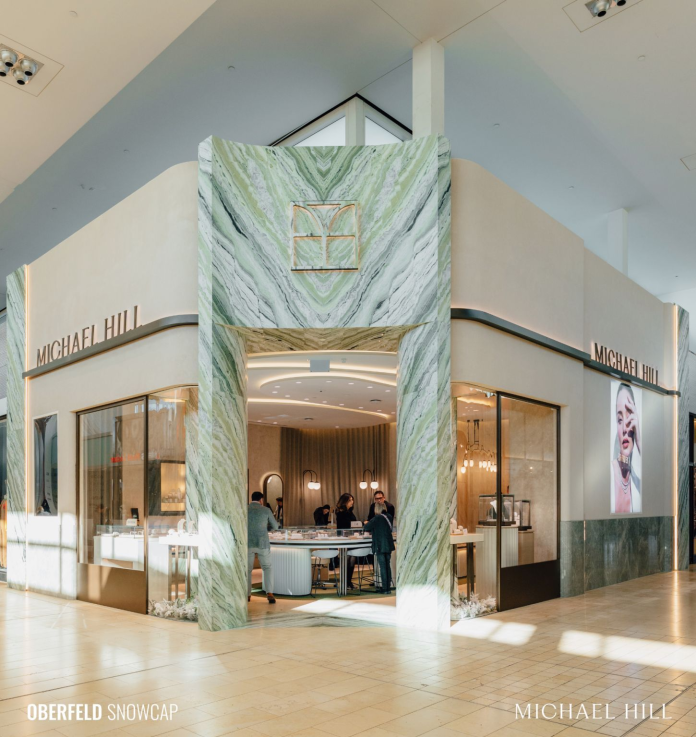
Michael Hill flagship at Yorkdale in Toronto. Photo: Oberfeld Snowcap
Michael Hill International has delivered a significant earnings recovery in the first half of FY2026, marking a decisive shift after a challenging period for the Australian-based jeweler. The Michael Hill profit turnaround was driven largely by strong performance in Canada, where record sales and expanding margins helped offset softer results in other markets.
The results, covering the 26 weeks ended December 28, 2025, reflect a leaner cost structure and improved retail execution under new Chief Executive Officer Jonathan Waecker, who assumed the role in August 2025. The period follows a transitional year that included the passing of founder Sir Michael Hill and former CEO Daniel Bracken.
While all regions showed signs of stabilization, Canada emerged as the clear growth engine, delivering high-margin gains in a competitive North American retail environment.
Financial Results Signal Disciplined Recovery
The first half of FY2026 highlights a materially stronger financial position for the group.
Statutory Net Profit After Tax rose 32 percent to AUD $22.3 million. Comparable EBIT increased 28.6 percent to AUD $31.0 million. Group revenue reached AUD $371 million, up 3 percent year over year, while same-store sales advanced 3.8 percent across the network.
Equally notable was the company’s strengthened balance sheet. Michael Hill reported a positive net cash position of AUD $20.7 million, representing a $30.5 million swing from the net debt position of AUD $9.8 million a year earlier. The improvement reflects tighter inventory control, disciplined capital allocation, and operational efficiencies.
Despite the stronger fundamentals, shares declined approximately 5.4 percent following the earnings release. The market reaction was attributed largely to management’s decision to withhold an interim dividend in favour of preserving balance sheet strength. Management indicated a potential return to dividends at the full-year stage.
Canada Emerges as Growth Catalyst
The Michael Hill profit turnaround was heavily supported by record-breaking results in Canada.
Canadian segment revenue increased 6.2 percent to CAD $96.3 million, equivalent to approximately AUD $105.8 million. Same-store sales rose 6.1 percent in the first half. Momentum accelerated further in early second-half trading, with Canadian same-store sales surging 13 percent in the first eight weeks of H2.
The performance stands out given ongoing margin pressure across the global jewelry industry, particularly from elevated gold and silver prices. In Canada, however, gross margin expanded by 70 basis points to 61.5 percent, underscoring disciplined pricing and product mix management.
Company leadership noted continued market share gains in Canada, supported by strong retail fundamentals and curated merchandising strategies. Holiday gift sets resonated with consumers, helping drive higher average transaction values during key trading periods.
For Canadian retail observers, the results reinforce how premium positioning and operational precision can deliver outsized performance even amid cost volatility.
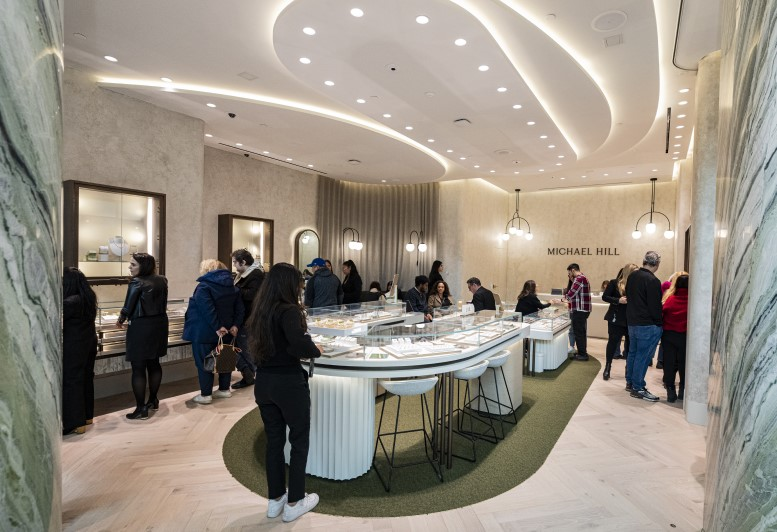
Michael Hill flagship opening at Yorkdale in Toronto. Photo: Michael Hill
Mixed Performance Across Australia and New Zealand
Outside Canada, performance was more varied but generally stable.
Australia remains Michael Hill’s largest market, generating AUD $209.1 million in revenue, up 2.1 percent. Same-store sales increased 4.8 percent, and gross margin improved modestly by 20 basis points to 60.7 percent. The Australian business continues to serve as the group’s foundational earnings anchor.
New Zealand, the company’s founding market, returned to positive sales growth with revenue rising 2.4 percent to NZD $62 million. However, profitability remained under pressure. Gross margin declined 60 basis points to 58.3 percent, and the region recorded a net loss in store count, closing two locations during the period.
While the Oceanic markets provided steady contribution, they did not match the acceleration seen in Canada.
Operational Shifts Underpin Turnaround
The recovery reflects deliberate strategic adjustments implemented by management over the past year.
Inventory discipline was a central priority. The company reduced inventory holdings by AUD $11.3 million, focusing on clearing aged stock and improving stock efficiency. This approach created room for newer, higher-margin product introductions.
Operational efficiencies also improved. Michael Hill negotiated more favourable supplier terms and optimized supply chains, including the rollout of a new distribution centre in Auckland. Capital expenditures across technology and store development were tightly controlled.
In-store execution was refined through a tighter merchandising focus and better product curation. These measures enabled the company to mitigate raw material cost pressures while maintaining profitability.
The combined impact of these initiatives is reflected in both margin expansion and improved cash flow.
Canadian Footprint Anchors Growth Strategy
Canada has evolved from a strategic expansion market into Michael Hill’s most consistent growth engine.
As of early 2026, the retailer operates more than 80 stores across the country, with estimates ranging between 82 and 86 active locations. Ontario accounts for roughly 45 percent of the Canadian fleet, with approximately 37 stores concentrated in high-traffic shopping centres.
British Columbia and Alberta represent the next largest markets, with approximately 18 and 16 stores respectively. The brand also maintains a smaller presence in Manitoba and Saskatchewan.
Rather than pursuing aggressive new store openings, management has prioritized optimizing the existing network. Renovations of top-performing stores and selective closures of underperforming locations are aimed at maximizing capital efficiency and lifting average productivity per square foot.
Flagship Strategy Elevates Brand Positioning
A central driver of Canadian margin expansion is the rollout of new-concept flagship stores designed to elevate brand perception.
In late 2025, Michael Hill opened a new-concept flagship at Yorkdale Shopping Centre in Toronto. The opening coincided with the company’s 45th anniversary and serves as a blueprint for its premium repositioning strategy.
The store departs from traditional jewelry counter formats, embracing a more boutique-style aesthetic with refined finishes and curated displays. The location also introduces higher-margin product tiers not available in all stores, including the Stardust diamond collection and bespoke services such as the Tennis Concierge, which allows clients to custom-build tennis necklaces and bracelets.
Building on this momentum, the company is preparing to launch a second Canadian new-concept flagship at CF Pacific Centre in downtown Vancouver. The centre is widely regarded as one of Western Canada’s premier luxury retail destinations.
By establishing elevated flagships on both coasts, Michael Hill aims to increase average transaction values, attract higher-income clientele, and further enhance gross margins across the Canadian portfolio.
Strong Start to Second Half
Early trading in the second half of FY2026 suggests continued positive momentum.
Across the group, same-store sales were up 6 percent in the first eight weeks of H2. Performance benefited from solid Valentine’s Day trading and Lunar New Year activity, both important periods for jewelry sales.
Canada continues to lead this acceleration, reinforcing its role as the company’s primary earnings growth driver.
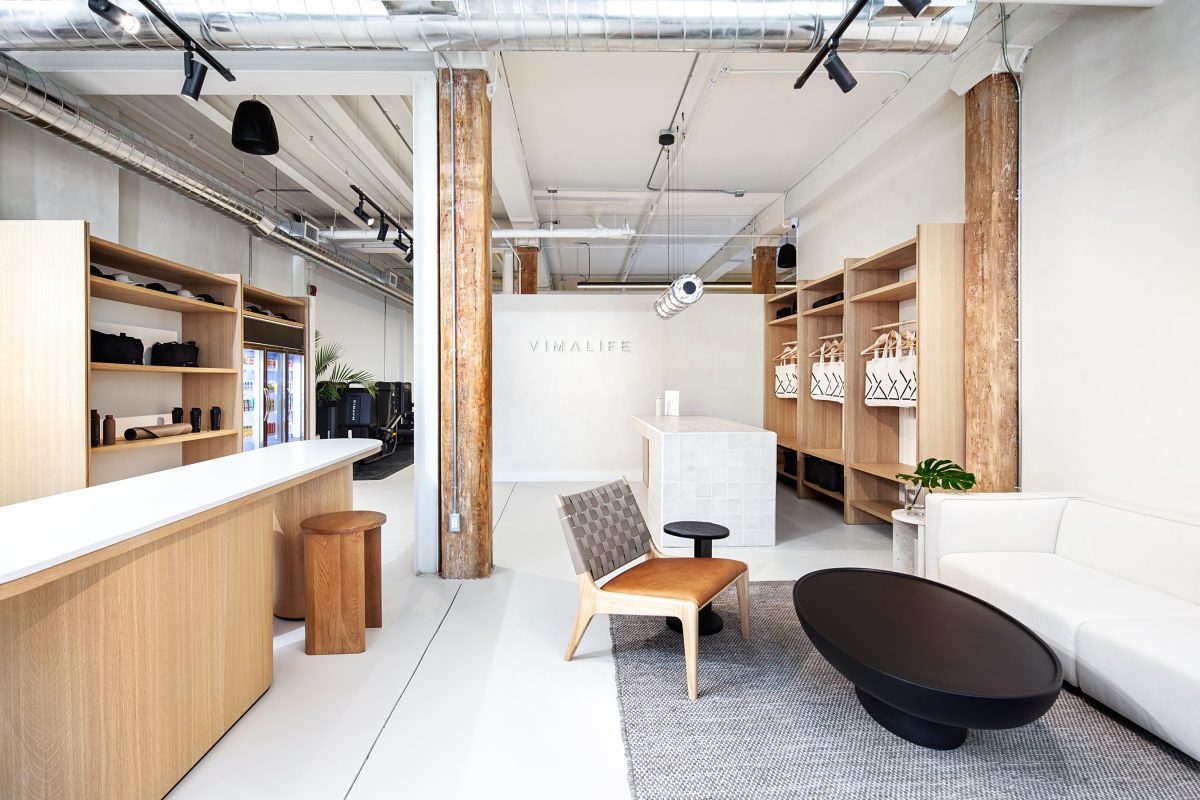
Toronto’s east end has welcomed a new entrant into its growing wellness landscape with the opening of VIMALIFE Leslieville, a membership-only fitness and wellness club located at 276 Carlaw Avenue, Unit 101. The 11,000 square foot facility officially opened its doors on December 1, 2025, and recently marked its grand opening with a community event on February 12, 2026.
Positioned as a design-forward club rather than a traditional big-box gym, VIMALIFE is targeting professionals and residents seeking a more curated, community-driven fitness experience. The club arrives as Leslieville continues to evolve, with increasing demand for premium amenities that reflect the neighbourhood’s walkable lifestyle and independent retail culture.
Unlike high-volume fitness operators that prioritize scale, VIMALIFE has intentionally adopted a membership-only model focused on consistency and service. According to the company, the objective is to create a space where members feel recognized and supported, rather than anonymous.
“Leslieville deserves something elevated but still grounded in the community. We wanted to build a club where training is intentional, where the atmosphere helps you stay consistent, and where you walk in and feel taken care of. This is not just a gym opening, it’s a new home base for wellness in the east end,” said Marie-Pier Lalancette, Partner at VIMALIFE.
The club describes its philosophy as blending belonging with excellence. Rather than promoting short-term fitness goals, it emphasizes long-term habit building through structured programming and attentive service.
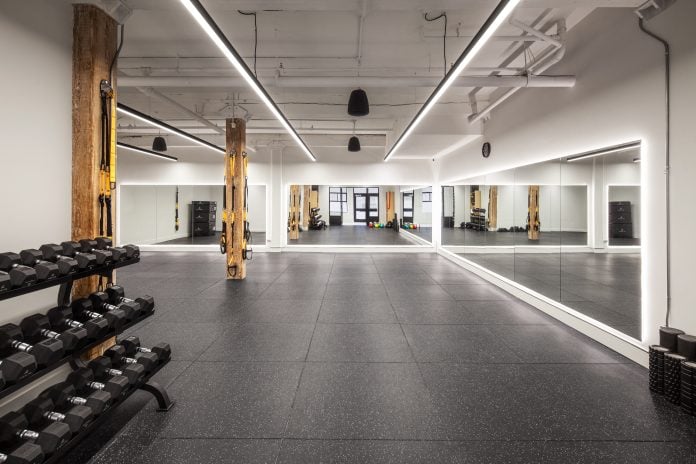
VIMAFIT Leslieville in Toronto weights area. Photo: VIMAFIT
Bridging Strength Training and Studio Culture
A defining feature of VIMALIFE Leslieville is its integration of a premium strength and training environment with boutique-style studio classes under one roof. The open gym floor supports independent strength and cardio training, while two dedicated studios host more than 200 classes each month.
Programming includes strength and conditioning formats such as HIIT and circuit training, alongside yoga, Pilates, barre-style classes, and personal training. By combining these offerings within a single membership structure, the club is positioning itself between traditional full-service gyms and single-discipline boutique studios.
This hybrid format reflects broader industry trends, as consumers increasingly seek flexibility and variety without maintaining multiple memberships.
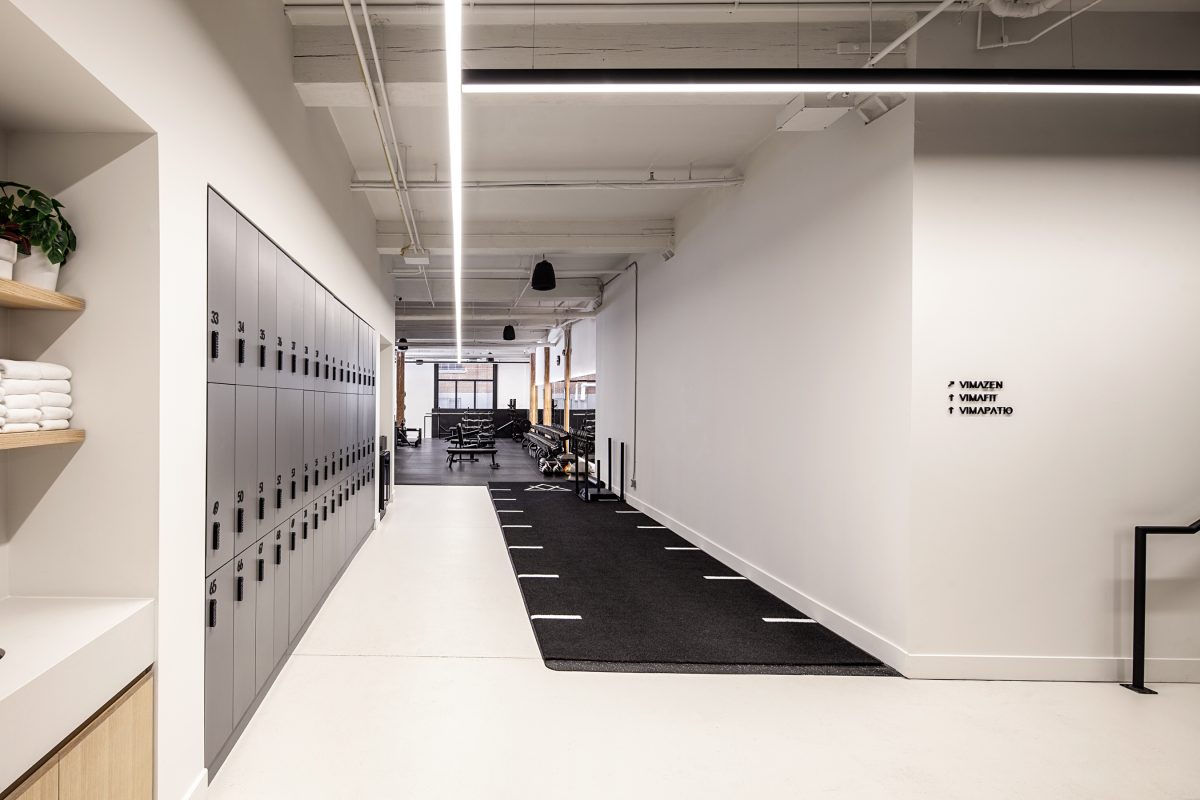
VIMAFIT Leslieville in Toronto. Photo: VIMAFIT
“Third Space” Strategy in a Growing Neighbourhood
VIMALIFE Leslieville is also leaning into what many operators describe as the “third space” concept. In this model, the fitness club functions as a space between home and work, offering both physical training and social connection.
Leslieville has long been characterized by independent retailers, hospitality venues, and a strong sense of local identity. As residential density increases across the east end, demand for lifestyle-driven amenities has grown accordingly. VIMALIFE’s launch strategy included partnerships with neighbourhood businesses such as Nut Bar, Greenhouse Juice, Juno Vet, and Moore Kombucha during its grand opening event, underscoring its hyper-local positioning.
By embedding itself within the existing retail and service ecosystem, the club aims to strengthen community ties while differentiating itself from national chains.
VIMAFIT Leslieville in Toronto reception area. Photo: VIMAFIT
Design and Scale: Boutique but Premium
The facility occupies space within a historic industrial building on Carlaw Avenue, an area known for its converted factory lofts and creative workspaces. The club leverages high ceilings and an industrial aesthetic while incorporating a curated, boutique design approach.
At 11,000 square feet, VIMALIFE is smaller than many commercial gyms that can exceed 30,000 square feet. However, the scale is deliberate. It is large enough to offer comprehensive amenities, including luxury changing rooms and towel service, yet small enough to maintain an exclusive atmosphere.
On-site parking validation for up to 1.5 hours addresses a common logistical challenge in the neighbourhood, particularly for members commuting from other parts of the east end.
Structured Entry Through VIMABASE
A notable operational element is the club’s VIMABASE system, a structured onboarding process designed to support member progression. Every new member undergoes an initial fitness assessment, including those enrolled in the gym-focused membership tier.
The club also incorporates accountability check-ins, signalling a concierge-style approach that extends beyond simple access to equipment. This framework aligns with a broader industry shift toward data-informed wellness and retention strategies.
By formalizing the entry process, VIMALIFE aims to reduce churn and reinforce consistency, a key factor in long-term member engagement.
VIMAFIT Leslieville in Toronto. Photo: VIMAFIT
Tiered Membership Strategy
VIMALIFE offers two primary membership tiers. The Foundation membership provides unlimited access to the strength and cardio floor, along with a fitness assessment and one personal training session. The Summit membership builds on this foundation by adding unlimited access to all studio classes, priority booking privileges, and guest passes.
The club has also introduced a limited Founder offering to recognize early members. As it enters its first full season of growth, a small number of Founder memberships remain available, designed to reward long-term commitment.
Operating hours extend from early morning to evening throughout the week, with weekday hours from 5:30 a.m. to 9:00 p.m. Monday through Thursday, 5:30 a.m. to 8:00 p.m. on Friday, and 8:00 a.m. to 6:00 p.m. on weekends.
Reflecting Broader Fitness Industry Trends
The launch of VIMALIFE Leslieville comes amid continued evolution within Canada’s fitness sector. While budget chains maintain scale-driven models, a parallel segment of premium clubs is focusing on curated environments, community integration, and hospitality-driven service.
In urban neighbourhoods such as Leslieville, where retail and residential density intersect, this model can resonate strongly. Consumers are increasingly willing to invest in spaces that deliver both performance and belonging, particularly when those spaces reflect local identity.
By positioning itself as a membership-based club rooted in design, accountability, and neighbourhood connection, VIMALIFE is seeking to capture that demand.
New luxury wing at Toronto's Yorkdale Shopping Centre. Photo: Craig Patterson
By Antony Karabus
The retail and fashion apparel landscape has undergone significant changes in the past decade, with the traditional department store retailers seeing their dominance erode, losing market share rapidly to the fast fashion, off-price, and mass value sectors. Within the fashion apparel and luxury goods segment, mono-branded stores are stealing significant market share from department stores.
At the same time, changing consumer preferences have reshaped the entire market as a bifurcation of spending segments has created a concentration of expenditures within a smaller portion of the population. Twenty years ago, the top 20 percent of Canadians earned approximately 56% of all the income from wealth ( dividends, capital gains and interest). Now the top 20 percent of Canadians earned more than 67% of all income from wealth, showing that the income gap has become more pronounced over time ( the rich are clearly getting richer while the poor are struggling to make ends meet and are spending on basic needs for the most part).
According to a recent report from Statistics Canada from 2024, the top 20% of earners in Canada (those earning more than $ 250,000) are responsible for approximately 50% of all consumer spending. Some analysts believe that percentage to be even higher. That massive change in apparent spending, of course, leads to corresponding changes in how and where those consumers shop.
This seismic shift marks a historic high in consumption concentration. The top-tier spending group drives major economic activity, including other sectors such as leisure travel and hospitality. Their spending has rapidly increased, while lower-income households face debt pressures, indexing their spending more towards essential items. They are also directing a significant percentage of their discretionary spending towards where they see extreme value. The top 20% of Canada’s household comprise 67% of Canada’s net worth ( average net worth of $ 3.4 million), while the bottom 40% comprise only 2.8% of Canada’s net worth ( average net worth of $ 70,000).
In this report, we will examine the changes in the department store segment, the growth of fashion apparel, and the trends impacting luxury retail.
Dollarama at Adelaide and Peter Street in Downtown Toronto (Image: Dustin Fuhs)
Where are the Department Stores?
A lot has changed in the retail landscape over the past decade. In 2015, traditional department stores such as Sears Canada and Hudson’s Bay were still top-tier players, whereas by 2024, the department store category had largely been redefined by mass and junior department store discount giants (Walmart, Costco and Giant Tiger) and high-end players such as Holt Renfrew, Harry Rosen and the mono-brand luxury retailers.
The Power of Convenience and Experience
Walmart and Costco’s massive revenue gap over traditional stores highlights how “one-stop-shop” mass value retailers have effectively replaced the traditional mall department store for most households. In addition, department stores have lost their “merchandising magic.”
Discerning shoppers who are loyal to luxury brand Brunello Cucinelli, for example, are much more likely to forgo wading through a traditional department store in favour of experiencing the mono-brand designer’s own stores. When a discerning luxury shopper visits a luxury mono-brand’s own store, they also experience shopping at a dedicated luxury brand store (boutique) as it offers a superior, immersive experience, providing exclusive access to the full collection, highly trained staff, and intimate brand storytelling.
Customers also benefit from personalized one-to-one service, superior after-sales care, and a controlled, luxurious environment that creates a stronger emotional connection and prestige compared to the broader, often less specialized, selection at a department store.
Global Shifts in Fashion Apparel
The global apparel landscape has also undergone a seismic shift over the last decade. While the 2015 market was dominated by traditional athletic and casual brands, the 2025 market is defined by a massive surge in luxury mono-brand stores and the dominance of discount/value and fast fashion segments.
The total global apparel market has also seen significant growth despite the 2020 pandemic disruption. In 2015, analysts estimated total apparel sales were $1.3 trillion, which jumped to $1.84 trillion in 2025 — a stunning 41.5% increase. Driving those sales is the luxury apparel segment, along with the global growth of fast fashion brands such as H&M and Inditex.
Dior Yorkdale, September 2025. Photo: JM
Comparative Analysis: What is Driving Change?
The Rise of Uber-Luxury: In 2015, luxury was a niche segment. By 2025, LVMH and Dior reached the top of the revenue charts via double-digit growth rates even as they experienced slumps during the pandemic. Between 2015 and 2025, LVMH doubled its annual revenue. Richemont and Kering also saw similar growth. This is primarily driven by “premiumization,” where wealthy consumers spend more on status symbols, with the middle class occasionally trading up for accessories.
The Death of the Malls: In 2015 enclosed mall staples, such as Gap and Victoria’s Secret, dominated sales. By 2025, this dominance was largely replaced by the discounters and the mono-brand luxury brands.
Consumers are increasingly lured to off-price retailers because they are more value-conscious today and seek bargain prices on well-known fashion brands. This move from full-price department stores toward “treasure hunt” discount models has transformed the retail landscape — and continues to do so. Just look at the ongoing success and popularity of Wal-Mart, Costco and the discounters such as the TJX companies.
Sportswear Maturity: Nike and Adidas remain powerhouses, but their growth has slowed compared to the explosive luxury sector. Nike’s revenue nearly doubled in the decade, but it dropped from the top as luxury conglomerates consolidated their power.
Digital Native Disruption: A decade ago, the “Fast Fashion” crown belonged solely to Zara and H&M, who relied on physical stores. Today, Shein’s ultra-fast, data-driven, online-only model has allowed it to rival traditional giants in just a few years. Shein’s annual sales are about $38 billion. And then there’s the elephant in the room: Amazon.
The Online Apparel Giant
In 2015, Amazon was just beginning its aggressive push into the fashion apparel world. Today, it has transformed from a “basics” destination into the largest apparel retailer in the U.S., surpassing the legacy giants. Apparel sales have grown from $16.3 billion in 2015 to about $67 billion today — making it the number one apparel retailer in the U.S. with an estimated 13 percent market share.** It is estimated that Walmart’s apparel sales are about $30 billion.
The shift from 2015 to today represents more than just a numbers jump; it also reflects a total change in strategy from basics to brands. Ten years ago, consumers primarily used Amazon for socks, t-shirts, and commodity clothing. Today, Amazon hosts “Luxury Stores” with high-end designers and major brands such as Adidas, Levi’s, and Coach.
In 2016, Amazon launched dozens of its own brands (like Amazon Essentials and The Drop), which now consistently rank among the platform’s top sellers. There’s also the appealing “Try Before You Buy” factor. The introduction of this new Prime service (formerly Prime Wardrobe) essentially mitigated the “fit issue” that historically held back online clothing sales.
[Go deeper, check out Amazon’s luxury offering HERE.]
Global Luxury Market Value
In 2025, the luxury apparel market reached a pivotal state of “post-pandemic normalization.” While total revenue continues to climb, the industry is shifting from the explosive growth of the early 2020s toward a more fragmented landscape defined by “quiet luxury,” archival storytelling, and a stark divide between top-tier conglomerates and mid-market players.
The luxury clothing and apparel market is valued at approximately $275 billion in 2025, contributing to a broader personal luxury goods market (including accessories and watches) of over $464 billion.
Within luxury apparel, the women’s segment is identified as the leading consumer of luxury fashion due to higher spending on clothing, accessories, and cosmetics. Women’s luxury clothing represents roughly 60% to 65% of the apparel-specific market, driven by diverse product offerings. When considering all luxury goods (including bags, shoes, accessories, etc.), women’s products generally command over 50% of the market share.
Other changes impacting the luxury segment include the rise of the Generation Z shopper. In the U.S., this demographic cohort holds about $360 billion in disposable income. Gen Z accounts for about 20% of global personal luxury goods spending, and the generation is projected to drive 40% of all fashion spending by 2030 to 2035. Then there’s the resale boom. The second-hand luxury market is valued at $41.6 billion in 2025. Nearly 60% of U.S. and European consumers now use resale platforms such as Vestiaire Collective or The RealReal to source archival or “investment” pieces.
The Road Ahead
So, where does the retail market go from here? I expect the bifurcation only to grow wider due to several factors, but particularly as jobs are starting to disappear. In 2025, the Canadian unemployment rate increased to 6.6% from 6.3% in 2024. I expect that this rate will continue to increase due to a combination of AI implementations and company layoffs due to the continued uncertainty caused by the tariff wars with the US.
And it is having an impact. LVMH Moët Hennessy Louis Vuitton reported full-year 2025 results on Jan. 27, showing a slight decline in annual revenue as the luxury giant navigated a volatile economic environment. However, it saw a minor recovery in the second half of the year.
Despite these small hiccups, long-term, the luxury market is poised to continue on a strong growth trajectory. Analysts at Fortune Business Insights see the luxury sector experiencing a robust CAGR of 5.74% through 2032, with fashion apparel leading the way. The golden age of luxury apparel continues.
***
Sources: Statistics Canada,Statista Global Consumer Market Outlook, FashionUnited Top 200, Brand Finance Apparel 50 (2025), Statista Global Consumer Market Outlook (Apparel), the FashionUnited Top 200 Index, Fortune Business Insights, UniformMarket Industry Statistics (2025), Company Annual Reports (Form 10-K).
**Note: Amazon does not officially break out apparel as a specific line item in its quarterly earnings reports. These figures are based on consistent annual analysis and Gross Merchandise Volume (GMV) estimates from firms like Wells Fargo and Cowen & Co.
Just a few weeks after announcing it was closing two of its stores, Calgary Co-operative Association Limited officially opened a new Calgary Co-op Food Centre and Walk-In Pharmacy Clinic at its North Hill location.
The new, 41,000-square-foot Food Centre sits at the base of the Royop Development Corporation Munro Apartments, marking the company’s first urban mixed-use store with residential above and underground parking.
“The original North Hill Food Centre was Calgary Co-op’s second store, opening in 1960. Our roots run deep in this community and we’re excited to welcome our long-standing members and new customers into this beautiful new store,” said Ken White, Calgary Co-op Executive Chair.
“We’ve maintained what made the original store special: exceptional service, local selection and quality products, and we know shoppers will be pleasantly surprised by what else we have in store.”
The original North Hill Food Centre will be demolished to make way for approximately 15,000 square feet of additional retail space, including a Calgary Co-op Wine, Spirits, Beer store and a touchless car wash at the existing gas station, all slated to open in 2027.
Calgary Co-op photo
When the original North Hill Food Centre opened in 1960, Calgary Co-op had just over 5,000 members. Today, the company says it has more than 430,000 members across Calgary, Airdrie, Strathmore, Okotoks, High River and Cochrane, with food centres, pharmacies, gas stations and car washes, liquor and cannabis stores, and Home Health Care locations, 3,500 employees, assets of $1.2 billion and annual sales of $1.6 billion.
Calgary Co-op also owns and operates Community Natural Foods, Beacon Pharmacies, and Willow Park Wines & Spirits and is the majority shareholder of Care Pharmacies.
Its annual general meeting is scheduled for April 23.
Calgary Co-op photo
Damon Tanzola
“This new mixed-use building, developed in partnership with Royop Development Corporation, delivers a fresh shopping experience, new retail and business space, and much-needed rental housing,” said Damon Tanzola, Senior Vice President, Real Estate & Health and Wellness, Calgary Co-op, of the new store. “As a member-owned cooperative, we’re proud to invest in developments that strengthen neighbourhoods and create places where our members can live, shop and connect.”
New features at the North Hill Food Centre include:
• Pharmacy Walk-In Clinic with online booking for consultations, vaccinations, prescription renewals and treatment for common ailments;
Today’s Retail Insider articles include key moves like Kit and Ace’s new flagship in Victoria, and Galeries de la Capitale welcoming major tenants such as Winners and lululemon. RNR Tire Express is breaking into the Canadian market with its Oshawa debut, offering lease-to-own tire options that respond to affordability concerns. Also covered is why Easter and other seasonal products are stocked months early to manage supply chains and consumer demand. Below, find these articles plus Canadian retail news from around the web.
Managing OBGYN billing in Arizona is complex, with high patient volumes, prenatal care, surgeries, and frequent prior authorizations creating opportunities for errors and claim denials. Busy practices often struggle to keep up with CPT/ICD-10 coding updates, payer rules, and patient statements. Outsourcing to expert OBGYN Billing Services in Arizona ensures accurate coding, timely claim submission, and proactive denial management, allowing practices to streamline revenue cycles, reduce administrative burden, and focus on delivering quality patient care.
Why OBGYN Practices Struggle with In-House Billing
Billing in the OBGYN practice is complex and usually many-layered, something that is overwhelming to the in-house teams. Even the seasoned personnel might find it hard to keep up with changing policies on the payers, large patient numbers, and more detailed coding specifications, and it may have a direct effect on the revenue and the rate of claims approvals.
High Patient Volume and Multiple Service Types
Practices in OBGYN deal with various types of services and products, such as prenatal and postnatal care, routine gynecologic examinations, ultrasounds, in-office procedures, and surgical procedures. All these services have different CPT and ICD-10 coding requirements. High patient volume demands manual verification and billing, which is prone to errors resulting in rejection of claims and reimbursement.
Complex Coding Requirements
Codes of OBGYN services in CPT and ICD-10 are revised on a regular basis, and particular regulations apply to the procedures, including ultrasounds, biopsies, laparoscopic surgery, and maternity services. mistakes in setting the right codes, omission of modifiers, or adherence to the world maternity periods may lead to refusal or undercompensation.
Prior Authorizations and Payer-Specific Rules
Several of the OBGYN surgeries involve prior approvals, especially high-cost surgeries, complex imaging, or even fertility procedures. The insurance plans are categorized with different authorisation procedures, duration of validity, and documentation. Home departments can fail to approve the right approvals, which makes the chances of rejection high.
Administrative Burden and Staff Limitations
Attention to billing and scheduling of patients, front-desk, and clinical documentation may cause bottlenecks. The practices can either have delays in submitting their claims, lack of collecting patient financial responsibility or have ineffective denial follow ups. All these problems decrease the rates of clean claims and affect the cash flow in general.
Key Challenges in OBGYN Medical Billing in Arizona
Despite the presence of experienced staff, the claims of the OBGYN practices have special billing issues that predispose the risks of rejection of the claim and delayed reimbursement. The knowledge of these challenges is essential to enhance the performance of the revenue cycle.
Multi-Insurance Plan Management
OBGYN practices usually have various insurance covers such as commercial, Medicaid, and Medicare. Both plans possess individual coverage provisions, copayments, co-insurance, and advance approval. The issue of coordination of benefits to dual coverage patients is another complex issue, and errors may result in underpayment or refusal.
Surgical and Procedural Claim Accuracy
Minimally invasive procedures, such as laparoscopic surgeries, biopsies, in-office ultrasounds, and other procedures, need to be accurately CPT coded, with the use of appropriate modifiers, and medical necessity documented. Any mistake in these spheres can result in refusals or delays.
Global Maternity and Post-Operative Periods
The OBGYN billing entails global delivery, surgery, and post-operative deliveries. The claims placed after such periods or with wrong coding can be rejected or placed together with the wrong coding leading to loss of revenue.
Patient Statement and Balance Management
Gathering patient responsibility, such as deductibles, copays, coinsurance, may be a difficult task especially when high deductibles are involved. The ineffective processing of patient statements raises AR days and affects practice cash flow.
Denial Tracking and Re-submissions
Common rejections such as missing information, medical necessity, or coding errors might not be resolved without a systematic denial tracking process. This leads to denials, revenue loss, as well as an increase in administrative workload.
The challenges that OBGYN practices in Arizona have are distinct and specific enough to warrant special billing services. Demographic factors, state Medicaid regulations, and local payer requirements pose complexities that generic billing teams find hard to navigate.
Arizona Medicaid and AHCCCS Compliance
The Medicaid program in Arizona, AHCCS (Arizona Health Care Cost Containment System), has certain coverage policies on OBGYN services, such as prenatal care, deliveries, and family planning procedures. The practices have to work using the AHCCCS-based CPT and ICD-10 codes, the high-cost procedure prior authorization procedures, and the timely submission windows. The inability to comply may lead to the ineligibility of claims or slow reimbursement.
Commercial Payer Variations in Arizona
Arizona commercial insurance plans (e.g., Blue Cross Blue Shield Arizona, Cigna, UnitedHealthcare, and local HMO plans) commonly possess individual prior authorization criteria, limited network coverage, and procedure-specific guidelines. Most of the high-volume OBGYN practices are required to follow these plan-specific regulations to prevent denials of claims, particularly in surgeries, ultrasounds, or fertility treatments.
Regional Patient Demographics and Coverage Complexity
The patient population in Arizona is diverse and is characterized by the presence of urban, suburban, and rural regions. The practices typically handle high rates of dual coverage, patients who move between Medicaid and commercial insurance, or patients in high-deductible plans. It takes experience in local insurance practice and regional billing peculiarities to coordinate benefits, patient statements, and collections of copays.
Surgical and Procedural Frequency in Arizona Practices
The OBGYN practice in Arizona is mostly characterized by high-volume delivery, gynecologic surgeries, and in-office procedures. These services should be coded accurately, as well as the use of modifiers and tracking prior authorizations, to adhere to commercial rules as well as the AHCCCS rules. Internal departments may not be able to manage such complexities effectively, and the practices will be left to professional billing companies to ensure the practice is accurate and revenue safe.
Boost Your Practice Revenue with BillingFreedom’s OBGYN Billing Services in Arizona
In the case of busy OBGYN practices in Arizona, it is a constant challenge to maximize revenue and remain in compliance with payer rules and state regulations. BillingFreedom is a company that provides specialized OBGYN Billing Services in Arizona that are supposed to cater to all the functions of OBGYN billing with accuracy. Their highly skilled staff guarantees proper CPT and ICD-10 coding regarding the prenatal care, deliveries, gynecologic surgery, in-office ultrasounds, and fertility treatments.
Prior authorizations, global maternity periods, patient statements, and denial prevention are also handled under the management of BillingFreedom, which reduces the workload on the administrative side and shortens the time to receive reimbursements. Their services prevent mistakes and recover cash flow with active monitoring of AHCCCS and commercial payer policies. Practices obtain detailed reporting, open performance metrics, and integration with current practice management systems, enabling physicians and staff to concentrate all their efforts on patient care.
Outsourcing the billing of the OBGYN to BillingFreedom will enable Arizona practices to have a greater rate of hits, quicker payment, and financial sustainability in the long run without violating or becoming technically inaccurate in each claim they make.
For more details about our exceptional medical billing services, please don’t hesitate to contact us via email at info@billingfreedom.com or call us at +1 (855) 415-3472.
Apple is introducing the iPhone 17e, an affordable addition to its iPhone 17 lineup, aimed at providing enhanced features for consumers in Canada. With a starting price of $899 CAD, the iPhone 17e offers a range of capabilities including an advanced camera system, faster performance, and increased storage options.
The iPhone 17e is powered by the latest-generation A19 chip, delivering notable improvements in both speed and efficiency. It also features the C1X cellular modem, which is said to be up to twice as fast as its predecessor, C1. The device showcases a 48MP Fusion camera designed for capturing stunning high-resolution photos and videos, including 4K Dolby Vision content. Users can also expect the benefits of MagSafe technology facilitating wireless charging and access to a variety of accessories.
In terms of design, the iPhone 17e is crafted from lightweight aerospace-grade aluminum and boasts an IP68 rating, making it resistant to water and dust. It is available in three colours: black, white, and a new soft pink, and comes with double the storage capacity of its predecessor, starting at 256GB.
Availability and Pricing Details
The iPhone 17e will be available for pre-order starting Wednesday, March 4, and will hit the shelves on March 11, 2026. In addition to the base model price, Apple offers trade-in options allowing customers to receive credit when upgrading from older models like the iPhone 11 or iPhone 13. Customers in over 70 countries, including Canada, are eligible for these offers.
Key Features and Specifications
The device’s display, a 6.1-inch Super Retina XDR, boasts Ceramic Shield 2 for improved durability and scratch resistance. The iPhone 17e also includes a range of new features that enhance user experience, such as an Action button for quick access to chosen functionalities and advanced AI-driven capabilities that simplify daily tasks.
Notably, the camera system supports advanced photography features, allowing users to create portraits with natural background blur. For video, users can capture content in 4K at up to 60 frames per second, supporting cutting-edge audio via Spatial Audio technology.
Environmental Commitment
In line with Apple’s commitment to the environment, the manufacturing process for the iPhone 17e includes 30 percent recycled materials, with the aim of achieving carbon neutrality across their operations by 2030. The company also emphasizes durability and repairability in their product design.
The iPhone 17e presents a promising option for consumers looking to upgrade without significantly increasing their expenses. With a competitive price point and robust feature set, it is positioned to appeal to a wide range of users interested in high-quality mobile technology.
Apple is set to launch its new iPad Air featuring the M4 chip, which offers enhanced performance and greater memory capacity. This device aims to boost productivity and creativity across various user groups, from students to professionals.
The new iPad Air showcases a faster CPU and GPU, marking a significant performance leap compared to its predecessors. It is reported to be up to 30% faster than the previous M3 model and up to 2.3 times quicker than the M1 model. Additionally, the iPad Air is equipped with a powerful 16-core Neural Engine, making it highly effective for AI-related tasks.
Available in two sizes, the 11-inch model starts at CAD $799, while the 13-inch variant is priced at CAD $1,099. Educational pricing is also available, beginning at CAD $729 for the 11-inch model. Pre-orders for the iPad Air will commence on March 4, 2026, with shipments starting March 11.
Enhanced Connectivity Features
The latest iPad Air introduces N1 and C1X connectivity technology, which improves wireless performance significantly. Users can enjoy faster Wi-Fi capabilities, including support for Wi-Fi 7, along with enhanced cellular data performance for mobile users.
Furthermore, the iPad Air is built to support 5G connectivity, ensuring that users remain connected even when away from Wi-Fi networks.
iPadOS 26 Features
This new iteration of the iPad Air runs on iPadOS 26, which comes with a variety of features designed to enhance the overall user experience. The updated windowing system allows for better management of apps, while the Files app has been revamped for easier access to documents and organizational functionality. The Preview app also adds new capabilities for viewing and editing files.
Pricing and Availability
iPad Air models are set to be available in various colours and storage options, accommodating different user needs. Alongside the iPad Air, Apple also offers accessories such as the Magic Keyboard and Apple Pencil, which further enhance the device’s functionality.
Apple continues to work towards sustainability, as the iPad Air uses recycled materials and aims to minimize its carbon footprint. Users can also explore trade-in options for their current devices to receive credits towards new purchases.
The launch of the new iPad Air signifies Apple’s commitment to providing powerful, accessible technology to a diverse range of users, with a notable emphasis on performance and utility.