Home Blog Page 240

Toys R Us Exits Saskatchewan as Canadian Store Network Shrinks

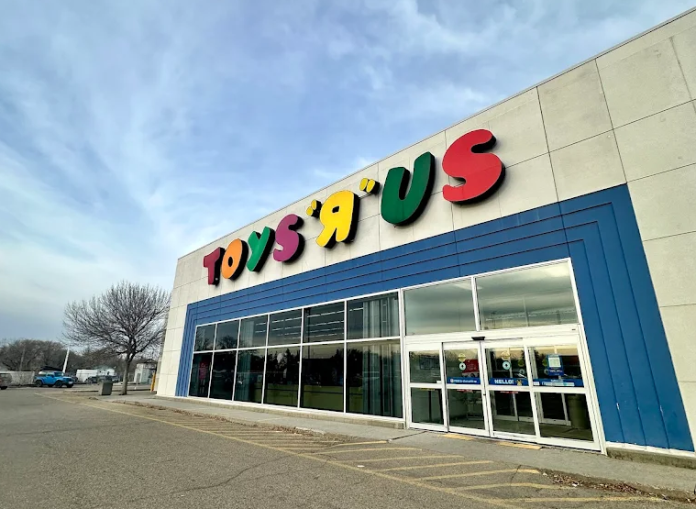
Toys R Us store in Regina. Photo: Google Maps

Toys R Us is in the process of fully exiting Saskatchewan, marking another significant step in the rapid contraction of its Canadian store network. Clearance and final sale signage has appeared at the company’s remaining locations in Saskatoon and Regina, signalling the end of Toys R Us operations in the province and reinforcing broader concerns about the retailer’s long-term footprint in Canada.

The Saskatchewan closures follow the recent shutdown of all Toys R Us stores in British Columbia and come as the chain’s national store count has fallen sharply. According to reporting by the Edmonton Journal, Toys R Us now operates just 22 stores across Canada, down from a peak of 103 locations. The pace and scale of the retrenchment have prompted growing speculation among industry observers about the future of Toys R Us stores in Canada under the current ownership structure.

What was once a coast-to-coast specialty retailer has become a far more limited regional presence in a relatively short period of time.

Final Sale Activity Signals End of Saskatchewan Operations

As of January 27, 2026, both remaining Toys R Us locations in Saskatchewan are operating in active clearance mode. Prominent signage at the Saskatoon and Regina stores indicate that they are closing and that “Everything must go!”

The Saskatoon store, located near 20th Street East and Idylwyld Drive, has been a fixture in the city since 1992.In Regina, the Toys R Us store at 730 Albert Street is also in full liquidation. The property has been listed for sale through brokerage Urban Reform Realty Inc. 

The Saskatchewan wind-down comes shortly after Toys R Us completed its full exit from British Columbia. Earlier this month, the retailer closed its final BC store in Langley, ending a decades-long presence in the province. That closure followed earlier shutdowns in Vancouver, Burnaby, and Richmond throughout 2025.

With British Columbia fully exited and Saskatchewan now in the process of being vacated, Toys R Us’s Western Canadian footprint has been reduced to a small number of Alberta locations. Even in Alberta, the network has been significantly pared back, reflecting the uneven regional impact of the company’s restructuring.

For landlords and municipal stakeholders, the loss of Toys R Us in multiple Western provinces highlights the growing challenge of backfilling large specialty retail boxes, particularly those designed for single-tenant use.

Toys R Us store in Saskatoon. Photo: Google Maps

National Store Count Drops to 22 Locations

The Saskatchewan closures are part of a broader national contraction that has accelerated over the past year. An Edmonton Journal report circulated in late January found that Toys R Us Canada has closed another 19 stores in roughly two months, reducing its operating total to just 22 locations nationwide.

That figure represents the most current and precise national store count cited in mainstream reporting and reflects a dramatic decline from the retailer’s historical peak. By late 2025, Toys R Us had already shrunk from 103 locations to approximately 40. The latest wave of closures has nearly halved that number again.

While closures and liquidation sales remain ongoing, meaning the total could continue to change, the 22-store figure underscores the speed at which the retailer’s footprint has contracted.

Ontario now accounts for the majority of remaining Toys R Us locations, while Quebec’s presence has been reduced to a minimal number of stores. At least one Quebec property is actively being marketed for sale, suggesting that further retrenchment in that province remains possible.

The wave of Toys R Us Canada store closures has unfolded alongside mounting legal and financial pressures. According to the Canadian Press and other national outlets, the company is facing lawsuits from at least six toy suppliers seeking more than $4 million for unpaid merchandise.

In addition, commercial landlords have launched legal action claiming approximately $31.3 million in unpaid rent tied to former and existing Toys R Us locations across multiple provinces. These disputes involve properties in Ontario, British Columbia, and other regions affected by recent closures.

While Toys R Us has not publicly commented in detail on the litigation, the scope of the claims has intensified scrutiny of the retailer’s financial position and raised questions about its ability to stabilize its remaining operations.

Ownership Under Putman Investments

Toys R Us Canada is owned by Putman Investments, a Canadian retail investment firm led by Doug Putman, which acquired the business in 2021. The Canadian operation functions independently from the former U.S. Toys R Us parent, which liquidated in 2018 before later re-emerging in a limited format.

Despite that independence, the current trajectory of Toys R Us Canada reflects many of the same structural pressures that have challenged specialty retail more broadly, including high occupancy costs, intensified competition from big-box and online retailers, and sustained shifts in consumer purchasing behaviour.

Industry analysts note that the scale of recent closures suggests a defensive strategy focused on reducing liabilities rather than expanding or repositioning the brand.

Questions About the Road Ahead

With only 22 stores remaining nationwide and entire provinces now eliminated from its footprint, some industry observers are openly questioning whether Toys R Us will sustain a meaningful physical retail presence in Canada under its current ownership.

While the company has not announced plans for a full national shutdown, the pace of closures and the concentration of remaining stores in just a few regions suggest that maintaining a coast-to-coast network is no longer viable. The brand’s Canadian future under its current ownership also appears increasingly unlikely.

More from Retail Insider:

Toys R Us Closes Final British Columbia Store in Langley
Toys R Us store in Regina. Photo: Google Maps

Apple Launches Next-Generation AirTag with Enhanced Features

Apple introduced the new AirTag, now with an expanded finding range and a louder speaker. Photo: Apple

Apple, an American technology company, is launching its next-generation AirTag, which boasts enhanced connectivity and findability features. The upgraded device is designed to help users efficiently track and recover their belongings through the Find My app, incorporating an expanded range and a louder speaker.

Since its initial introduction in 2021, AirTag has allowed users worldwide to track lost items, including luggage and personal belongings. With the latest model, Apple aims to enhance user experience significantly. Notable improvements include an increased distance for locating items, with Precision Finding now reaching up to 50 percent farther than the previous generation.


The AirTag is powered by Apple’s second-generation Ultra Wideband chip, which also features in the new iPhone 17 and Apple Watch. This improved technology allows users to utilize haptic, visual, and audio feedback for a more effective tracking experience. The tracking capabilities can now also be accessed via Apple Watch Series 9 or later, enhancing its functionality.

Enhanced Sound and Design

With internal upgrades, the new AirTag is reported to be 50 percent louder, which enables users to locate their items from further away. This enhanced sound, accompanied by a distinctive new chime, aims to facilitate the retrieval of belongings that are often misplaced, such as keys or wallets.


Privacy and Security Features

Apple emphasizes that the new AirTag is built with user privacy in mind. It does not store location data on the device and all communications with the Find My network are end-to-end encrypted, ensuring that the identity and location of the device remain confidential. Moreover, the AirTag includes features designed to prevent unwanted tracking, enhancing user security.

Integration with Share Item Location

The AirTag’s functionality includes the ability to use Share Item Location, allowing users to securely share their item’s location with trusted parties, such as airlines, in case of delays or losses. Through partnerships with over 50 airlines, this feature aims to reduce incidents of lost luggage significantly.

Environmental Considerations

Erroring on the side of environmental sustainability, Apple confirms that the new AirTag incorporates recycled materials, with 85 percent recycled plastic and fully recycled elements used in its construction. This aligns with Apple’s ongoing commitment to achieving carbon neutrality across its operations by 2030.

Availability and Pricing

The new AirTag is available for order on Apple’s website and will be sold in Apple Store locations shortly thereafter. Priced at $39 CAD for a single unit and $129 CAD for a four-pack, customers can also obtain free personalized engraving through the online store. Additionally, a FineWoven Key Ring, designed to hold the AirTag, is available for $49 CAD.

More from Retail Insider:

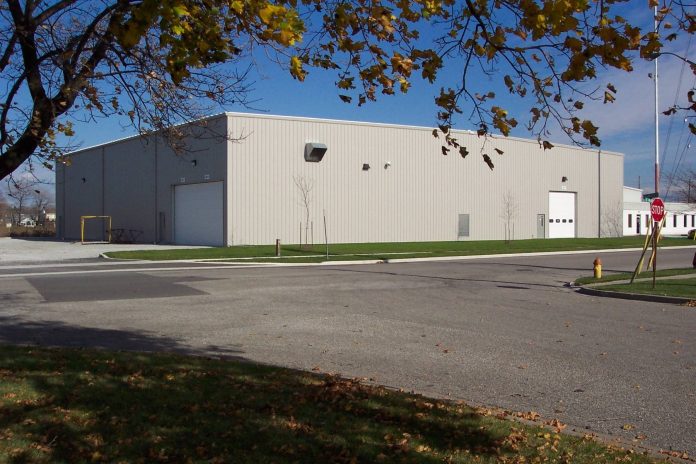
Toro Steel Buildings Backed by over 85,000 Successful Builds

If you talk to builders, farmers, business owners, or developers across North America, you’ll hear the same thing over and over again: construction today is more complex than it used to be. Costs are higher, timelines are tighter, and building codes are more demanding than ever. That’s exactly why prefabricated steel buildings have become such a popular choice in recent years.

Steel buildings offer a practical way to get strong, reliable structures without unnecessary delays or surprises. And for more than 40 years, Toro Steel Buildings has been helping people across North America build smarter by doing exactly that.

The Growing Demand for Prefabricated Steel Buildings

Prefabricated steel buildings have become a preferred choice for various applications, including agricultural, commercial, industrial, and residential uses. Unlike traditional construction methods, prefabricated systems are designed off-site, engineered to precise specifications, and delivered ready for assembly.

This approach offers several key advantages:

  • Reduced construction timelines
  • Predictable project costs
  • Superior structural performance
  • Minimal material waste
  • Long-term durability

For property owners who need reliable structures without unnecessary complexity, prefabricated steel buildings provide a practical and proven solution.

Engineering That Meets Local Codes and Loads

One of the most critical factors in steel construction is engineering compliance. Buildings must meet regional requirements related to snow loads, wind loads, seismic activity, and occupancy use. Toro Steel Buildings stands out by offering fully engineered steel building kits designed to meet local codes and load requirements throughout North America.

Every building is engineered with site-specific considerations in mind, whether it’s heavy snow accumulation in Canada, high wind zones in the Midwest, seismic requirements on the West Coast, or hurricane-prone regions in the South. This commitment to precision engineering ensures that each structure delivers reliable performance over its full service life.

Built for Strength, Designed for Versatility

Steel remains one of the strongest and most adaptable building materials available. Toro Steel Buildings leverages this strength to deliver structures suitable for a wide range of uses, including:

  • Agricultural buildings and barns
  • Container covers
  • Commercial and retail facilities
  • Barndominiums
  • Warehouses and distribution centers
  • Aircraft hangars
  • Workshops and garages
  • Recreational and specialty buildings

Each building kit is fully customizable, allowing customers to tailor dimensions, layouts, door and window placements, finishes, and accessories to match their exact requirements. This flexibility makes steel buildings suitable for both functional and aesthetic goals.

DIY-Friendly Steel Building Kits

One of the defining advantages of Toro Steel Buildings is its focus on DIY-friendly steel building kits. While steel construction is often perceived as complex, Toro has refined its systems to simplify the assembly process.

Each kit is delivered with:

  • Pre-engineered components
  • Clearly labeled parts
  • Detailed assembly instructions
  • Efficient connection systems

This makes the buildings accessible not only to professional contractors but also to experienced DIY builders and business owners looking to reduce labor costs. For those who prefer professional installation, Toro’s systems are equally compatible with construction crews, ensuring flexibility at every stage of the project.

A Proven Track Record Across North America

Experience matters in construction. Toro Steel Buildings has been in business for over 40 years, supplying more than 85,000 steel buildings across North America. This extensive track record reflects not only the quality of its products but also the trust placed in the brand by thousands of customers.

Over the years, Toro Steel Buildings has earned multiple industry awards and recognition, reinforcing its reputation for engineering excellence, customer service, and product reliability.

Trusted by Leading Brands

Beyond individual property owners and small businesses, Toro Steel Buildings has supplied steel structures to some of the world’s most recognized organizations. Notable clients include:

  • Air Canada
  • McCain
  • Magna
  • Sony Pictures
  • Universal Pictures

These large-scale projects demand strict compliance, precise engineering, and consistent quality. Toro’s ability to meet those expectations demonstrates its capacity to support high-profile, complex builds across diverse industries.

Sustainability and Long-Term Value

Steel buildings are not only durable but also sustainable. Steel is recyclable, low-maintenance, and resistant to many of the issues that affect traditional materials, such as rot, pests, and warping. When combined with efficient design and long service life, steel buildings offer excellent long-term value.

Prefabricated systems further reduce waste by optimizing material usage during manufacturing, contributing to a more efficient construction process overall.

Supporting a Wide Range of Industries

From agriculture to entertainment, steel buildings have proven adaptable across industries. Farmers rely on steel structures for equipment storage and livestock protection. Manufacturers and distributors use them for warehouses and production facilities. Film studios and entertainment companies require large, clear-span spaces for sets and staging.

Toro Steel Buildings supports all these industries with solutions engineered to meet specific operational demands while maintaining structural efficiency.

The Future of Steel Construction

As construction challenges continue to evolve, the demand for reliable, efficient, and adaptable building systems will only increase. Prefabricated steel buildings offer a forward-looking solution that aligns with modern needs for speed, strength, and compliance.

With decades of experience, a continent-wide footprint, and a commitment to engineering excellence, Toro Steel Buildings continues to set the standard for prefabricated steel construction in North America.

For builders, developers, and property owners seeking a dependable building solution that balances performance, flexibility, and value, prefabricated steel buildings represent not just an alternative but the future of construction.

Healthier Pots and Pans: The Non-Toxic Kitchen Reset With Safer Nonstick Cookware from Swiss Diamond

Lately, there has been a lot of talk about cleaner eating and creating non-toxic living environments. This can be especially important in the kitchen, where using clean ingredients, non-toxic cookware, and healthier cleaning products can lead to a longer, healthier life overall. 

The kitchen is the place in the home where nutrition begins. But it can also be a place where harmful chemicals accumulate through toxic cookware coatings on nonstick pans, cleaning agents, or food storage materials. 

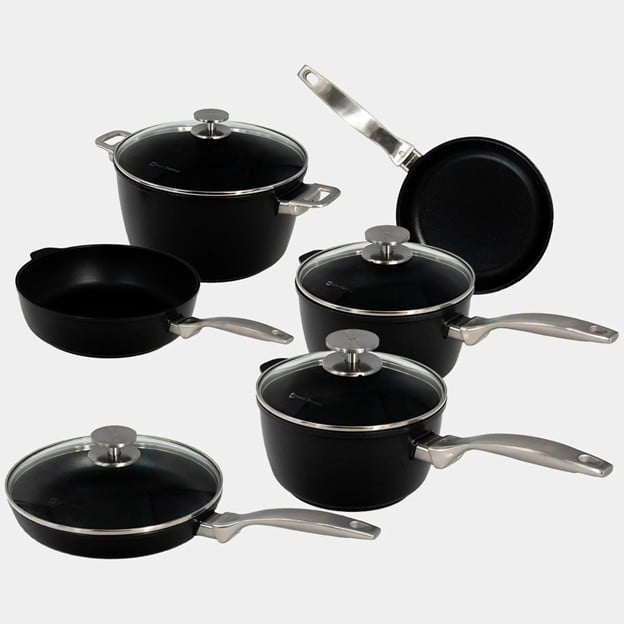
Swiss Diamond®, a maker of high-quality nonstick cookware products such as fry pans and pots, is meeting this moment by prioritizing eco-friendly manufacturing practices and creating top-tier, non-toxic cooking products.

A history of diamond-infused safety and durability in Swiss Diamond’s cookware

Established in 1974 as a coating research center in Sierre, Switzerland, Swiss Diamond® has a long history of not only culinary excellence but also safety and eco-friendly innovation. “Our coating materials are engineered and manufactured in-house, all under strict control of European testing labs,” explains Amir Alon, Executive Chairman of SMB Group. “Over the years, we have perfected a blend of Swiss precision with widespread appeal.”

That appeal is easy to understand for proponents of clean eating and non-toxic lifestyles. The engineers at Swiss Diamond® have pioneered an inventive method that seamlessly integrates authentic diamond crystals with a high-quality, nonstick composite, resulting in unparalleled cookware performance and a safer cooking surface, that doesn’t have any intentionally added PTFE or PFAS, a type of “forever chemicals” that can be found in many nonstick cookware products, food packaging, and even firefighting foams. 

“Our cookware is designed for exceptional food release every time without relying on harmful chemicals for its nonstick coating,” explains Alon.

In addition to its history of exceptional manufacturing and innovation, Swiss Diamond® is also an award-winning brand, bringing home the prestigious Gold Medal at the 1999 International Exhibition of Inventors and a recommendation from the American Vegetarian Association for its suitability in vegan and vegetarian cooking.

Setting the standard for nonstick cookware sets

When Swiss Diamond® introduced its CXD nonstick ceramic coating after seven years of development, it set a new standard in nonstick cookware. The breakthrough double ceramic technology, made without adding any PFAS, offers families peace of mind. 

“This new technology even changed our minds about ceramic coating,” says Alon. “It’s superior in food release and longevity — even compared to the best PTFE-based coating.”

This focused control over manufacturing, development, and innovation has distinguished Swiss Diamond® in an industry where many brands outsource manufacturing and fail to keep tight control over the development or creation process, resulting in products that may not be as non-toxic, sustainable, or robust as consumers expect.

“Every step in the creation process takes place under one roof in our own facility in Switzerland, powered by clean, hydroelectric power,” says Alon.

The Swiss Diamond® difference can be found within its approach to manufacturing and design. Each pan is crafted from high-pressure-cast aluminum with a base thickness between 6-8 millimeters — nearly double the density of typical cookware. The thicker base ensures even heat distribution, eliminating the hot spots that can cause half a filet to burn while the other half remains raw. 

In addition, the company employs a distinctive method to adapt its cookware to be compatible with induction stoves. As Alon puts it, “Pressure-cast aluminum will never warp over time.” The result is consistent, professional-grade cooking performance that lasts for decades, not just seasons.

Swiss Diamond® has been developing nonstick coating technologies for over 50 years, creating proprietary blends that include genuine diamond crystals, one of nature’s hardest materials, for added resilience and heat conductivity. This makes Swiss Diamond® not only the perfect choice for home cooks seeking to create a non-toxic kitchen environment but also for people who want cookware that will stand the test of time.

Discover Swiss Diamond: Nonstick ceramic cookware built to last, without intentionally added PTFE or PFAS

As home cooks become more interested in sustainability and avoiding toxicity, Swiss Diamond® will be there to lead the charge with its proprietary CXD nonstick cookware coating, made entirely without intentionally adding PFAS, PTFE, PFOA, lead, or cadmium. For consumers, the company represents more than just a resource for cooking tools that offer effortless food release; it is a source of confidence for people seeking cleaner, healthier cooking environments. 

By combining timeless value, sturdy craftsmanship, innovation, Swiss-made, and eco-responsibility, Swiss Diamond® has created a product that goes beyond luxury cookware, offering peace of mind both in and out of the kitchen.

7 Best Places to Buy Affordable Jigsaw Puzzles

For puzzle enthusiasts balancing quality with budget, finding affordable jigsaw puzzles without sacrificing craftsmanship can feel like solving a puzzle itself. 

The jigsaw puzzle market has expanded significantly in recent years. According to data from NPD Group, puzzle sales surged 370% during the first weeks of pandemic lockdowns in March 2020, with overall puzzle sales increasing 55% for the full year. The category has maintained strong growth since and this sustained demand has created more options than ever for shoppers seeking value without compromising on the puzzling experience.

Whether you’re assembling your first 500-piece landscape or adding to a collection of intricate designs, the right retailer makes all the difference. From heirloom-quality wooden puzzles that offer exceptional value over time to budget-friendly cardboard options perfect for casual puzzlers, this guide highlights seven reliable sources where affordability meets quality.

1. Nautilus Wooden Puzzles

Nautilus Wooden Puzzles is an accessible entry point into the world of heirloom-quality wooden jigsaw puzzles for adults and serious puzzlers. Rather than chasing bargain-bin prices, the brand focuses on long-term value: beautifully crafted wooden puzzles designed to be solved, shared, displayed, and loved for years.

Each Nautilus puzzle is precision laser-cut from thick, durable birch plywood, giving the pieces a satisfying weight and a snug, click-together fit that stands up to repeated assemblies, with the kind of craftsmanship collectors expect from a premium wooden puzzle brand. Scattered throughout every design are whimsical “figural” pieces which are little silhouettes of animals, objects, and themed icons. Inspired by Victorian-era wooden puzzles, these whimsies turn each build into a treasure hunt, adding surprise and delight as you progress.

Artwork is curated from a talented team of artists and illustrators, with designs ranging from classic fine art and lush landscapes to bold, contemporary compositions. Because the puzzles are wooden and intricately cut, no two pieces feel alike in your hands, which creates a more tactile, immersive solving experience than standard cardboard puzzles.

For budget-conscious puzzlers who still want premium craftsmanship, Nautilus hits a sweet spot: prices are higher than mass-market cardboard puzzles but comparable to other artisan wooden brands. Factor in the ability to reassemble, frame, or gift a Nautilus puzzle multiple times, and the “cost per cosy evening” becomes impressively low. These aren’t one-and-done purchases; they’re the kind of puzzles that become family favourites and, eventually, family heirlooms.

2. Amazon

As the world’s largest online marketplace, Amazon provides unmatched variety in jigsaw puzzles across every price range. The platform’s vast selection includes thousands of designs from established brands like Ravensburger, Springbok, and Buffalo Games, alongside emerging puzzle makers and independent artists.

Amazon’s competitive pricing comes from its marketplace model, where multiple sellers often list the same puzzle, driving prices down. The Subscribe & Save program offers additional discounts on puzzle purchases, while Prime membership provides free two-day shipping that eliminates delivery costs. According to Forbes, Amazon’s pricing algorithms adjust thousands of times daily to remain competitive, benefiting price-conscious shoppers.

The customer review system helps buyers avoid low-quality puzzles, with detailed feedback on piece durability, image clarity, and manufacturing defects. Lightning Deals and seasonal sales, particularly during Prime Day and Black Friday, can reduce puzzle prices by 30-50%. However, buyers should verify seller ratings and return policies, as marketplace purchases sometimes involve third-party sellers with varying service standards.

3. Target

Target has positioned itself as a reliable source for affordable puzzles, both online and in-store. Their puzzle selection balances recognized brands with Target’s exclusive lines, offering competitive pricing that often undercuts specialty retailers.

The retailer’s seasonal sales and Target Circle Card loyalty program (providing an automatic 5% discount) make already reasonable prices even more attractive. Target’s online inventory surpasses in-store selections, particularly for puzzle enthusiasts seeking specific themes or higher piece counts. The same-day delivery and drive-up pickup options add convenience without extra fees.

Target’s curation emphasizes family-friendly designs and trending puzzle styles, from gradient challenges to photographic landscapes. While the selection skews toward cardboard puzzles in the 500-1000 piece range, the quality-to-price ratio remains consistently solid. Clearance sections, both online and in physical stores, occasionally offer puzzles at 50-70% off retail, rewarding patient shoppers willing to browse regularly.

4. Walmart

Walmart’s extensive puzzle inventory spans budget-friendly options to mid-range offerings from established manufacturers. Their everyday low pricing strategy means puzzles maintain consistent affordability without requiring sale-watching, though seasonal promotions do provide additional savings.

The retail giant’s online marketplace mirrors Amazon’s model, hosting third-party sellers alongside Walmart’s direct inventory. This creates price competition that benefits shoppers, particularly for popular puzzle brands. Walmart has invested heavily in e-commerce infrastructure, improving both selection and delivery reliability for online puzzle purchases.

Walmart’s physical stores offer the advantage of examining puzzle boxes before purchase, verifying image quality and piece count details that can be unclear in online listings. The free in-store pickup and generous return policy reduce purchase risk, particularly for puzzlers trying new brands or unfamiliar manufacturers.

5. PuzzleWarehouse.com

Specializing exclusively in jigsaw puzzles, PuzzleWarehouse.com bills itself as the world’s largest puzzle store, with an inventory exceeding 10,000 designs. This dedicated focus means deeper selections within specific categories, from Thomas Kinkade landscapes to difficult abstract patterns.

The site’s affordability stems from frequent sales, clearance sections, and bundle deals that reduce per-puzzle costs. Their price-matching policy ensures competitive rates, while the detailed filtering system helps shoppers find exact specifications without browsing hundreds of irrelevant options. Customer service representatives possess genuine puzzle knowledge, offering recommendations based on skill level and preferences.

PuzzleWarehouse.com excels in stocking hard-to-find puzzles from European manufacturers and niche brands rarely available through general retailers. Free shipping thresholds encourage larger orders that maximize savings, making it ideal for serious puzzlers building substantial collections or puzzle swap groups purchasing multiple titles simultaneously.

6. eBay

For bargain hunters willing to purchase pre-owned puzzles, eBay offers unmatched value. The secondhand market for puzzles has grown as environmental consciousness increases, with many puzzle enthusiasts completing designs once before reselling them in pristine condition.

Research on product lifecycle extension shows that reusing products significantly reduces environmental impact by lowering the need for new production. Studies indicate that extending product lifespans can reduce environmental footprints by up to 25%, making pre-owned puzzle purchases both economical and eco-conscious. eBay’s buyer protection policies mitigate risks associated with used purchases, while seller ratings help identify reliable sources.

The platform particularly excels for rare, discontinued, or vintage puzzles commanding premium prices elsewhere. Patient shoppers can set price alerts and bid strategically on auction-style listings, sometimes acquiring $40 puzzles for under $15. However, buyers should carefully review item descriptions confirming all pieces are present, as incomplete puzzles represent false economy.

7. Michaels

This arts and crafts retail chain maintains a respectable puzzle selection that, while smaller than dedicated puzzle retailers, offers consistent quality at accessible prices. Michaels’ strength lies in its coupon program, with frequent percentage-off single-item coupons that can dramatically reduce puzzle costs.

The in-store experience allows tactile evaluation of puzzle quality, examining cardboard thickness and finish quality that influences piece durability. Staff can often provide insight into which brands receive fewer returns or generate positive customer feedback, information unavailable through online shopping.

Michaels targets crafters and hobbyists, meaning their puzzle curation emphasizes artistic designs and creative themes that appeal to makers. Seasonal clearances, particularly post-holiday, offer substantial discounts on themed puzzles. The rewards program accumulates points toward future purchases, effectively reducing long-term puzzle costs for regular shoppers.

Finding Quality at Every Price Point

Affordable puzzle shopping requires understanding that price doesn’t always correlate with quality. Some budget puzzles use thin cardboard that frustrates more than entertains, while others offer excellent engineering at modest costs. Puzzle enthusiasts and researchers alike note that puzzle quality directly impacts the experience, as poorly fitting pieces can create frustration rather than the intended relaxation and cognitive benefits.

Smart puzzle shopping balances immediate price with long-term value. Wooden puzzles like those from Nautilus Puzzles cost more per puzzle initially but maintain their integrity through many assemblies and become cherished family heirlooms, while budget cardboard options may show wear after repeated use. For puzzlers who reassemble favourites or share puzzles with family, durability becomes an essential factor in true affordability.

The retailers listed here all provide legitimate value, though they serve different needs. Mass retailers like Target and Walmart excel for casual puzzlers building varied collections inexpensively. Specialty retailers like PuzzleWarehouse.com cater to enthusiasts seeking specific themes and difficulty levels. Heirloom brands like Nautilus Puzzles serve serious puzzlers who prioritize craftsmanship and lasting quality. Secondhand platforms like eBay serve budget-conscious shoppers and environmental advocates equally well.

Whether you’re seeking screen-free family activities, mindful solo recreation, or challenging mental exercise, these seven retailers ensure that finding quality puzzles at the right price point is always within reach.

METRO sees sales growth but net earnings decline in Q1 2026 financial results

Photo: DoorDash
Photo: DoorDash

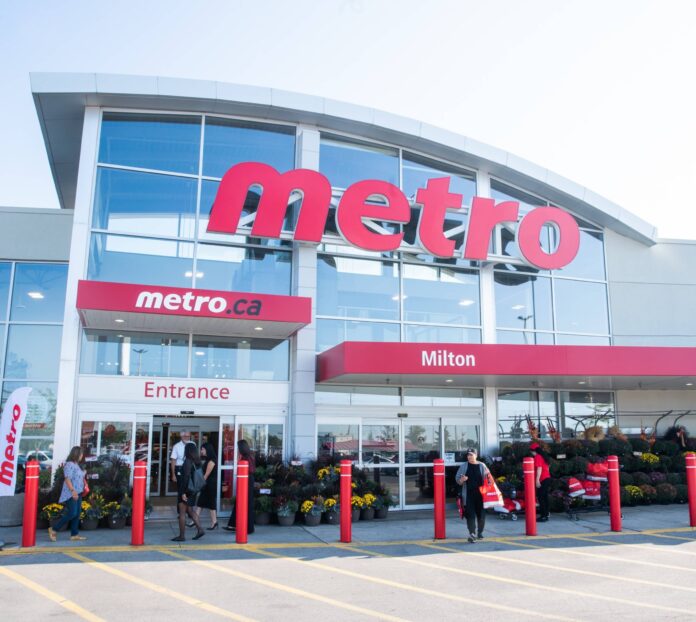
METRO INC. announced Tuesday its results for the first quarter of Fiscal 2026 ended December 20, 2025, with sales rising by 3.3% compared to a year ago while net earnings fell by close to 13%.

Eric La Flèche
Eric La Flèche

“We delivered sales and earnings per share growth in a challenging operating environment, marked by the temporary closure of our freezer in Toronto and persistent food inflation. We are pleased with our new discount store openings and our growing market share in a very competitive market. Our teams are committed to provide the best value possible to our customers and we are confident that our diversified business model, sustained investments in our retail networks and strong execution will continue to deliver long term growth for our shareholders,” said Eric La Flèche, President and Chief Executive Officer.

2026 FIRST QUARTER HIGHLIGHTS

  • Sales of $5,285.8 million, up 3.3%
  • Food same-store sales up 1.6% and up 1.9% when adjusting for the Christmas shift
  • Pharmacy same-store sales up 3.9%
  • Net earnings of $226.3 million, down 12.8% and adjusted net earnings of $248.7 million, up 1.3%
  • Fully diluted net earnings per share of $1.05, down 9.5% and adjusted fully diluted net earnings per share of $1.16, up 5.5%
  • Earnings adjusted for the negative impact of $15.9 million ($21.6 million before taxes) for the direct costs related to the temporary shutdown of our frozen food distribution centre in Toronto
  • Declared dividend of $0.4075 per share, up 10.1% versus last year

The company said sales were negatively impacted by the transfer of one significant pre-Christmas shopping day to the second quarter this year and by the temporary shutdown of its frozen food distribution centre in Toronto.

“Our focus remains on realizing efficiency gains throughout our supply chain and store network while we continue to execute on our plan to accelerate the development of our growing discount banners with the planned opening of about a dozen new or converted stores in this fiscal year. In the current challenging economic environment, we remain steadfast in our efforts to deliver the best value possible to our customers through our effective merchandising programs, strong private labels, the Moi program, and consistent execution at store level,” it said.

With annual sales of more than $22 billion, METRO Inc. is a food and pharmacy leader in Québec and Ontario, providing employment to more than 97,000 people. 

More from Retail Insider:

Canadian retailers urged to build trust and personalization through technology: SOTI study

Photo: Vitaly Gariev

Canadian retailers face growing pressure to strengthen trust and deliver more personalized shopping experiences through technology as consumers rein in spending amid inflation, according to new research released Tuesday by SOTI.

The company’s annual global report, based on responses from 13,000 consumers across 11 countries including 1,000 in Canada, found that 83 per cent of Canadians are shopping more carefully, while 53 per cent want retailers to offer more connected, personalized technology experiences.

Cost pressures reshape shopping behaviour

The research indicates that economic conditions continue to influence how Canadians shop, with consumers becoming more selective and pragmatic over the past year. SOTI said 64 per cent of Canadians reported that economic factors have affected their ability to purchase their usual items in the last 12 months, placing Canada among the countries most affected.

Consumers are responding by reducing impulse or non-essential purchases and paying closer attention to value. The study found 43 per cent of Canadians are cutting back on non-essential buying, while 31 per cent check product origin and 38 per cent actively choose Canadian-made goods to support the domestic economy.

Shash Anand
Shash Anand

“Canadians are navigating a cost-of-living crunch by being smarter with how and where they shop,” said Shash Anand, senior vice-president of product strategy at SOTI. “They’re prioritizing price and increasingly supporting local brands that align with their values. Retailers who leverage technology to improve operational efficiency, whether through smarter inventory management, dynamic pricing or personalized loyalty offers, will be better positioned to maintain trust and customer retention even in a tighter economy.”

Technology seen as lever for engagement

While digital tools are now a common part of the retail experience, the research suggests many Canadians believe retailers can do more to connect technology with personalization. Half of Canadians surveyed said they choose in-store retailers that use technology to make the experience more personal, while 55 per cent said the same for online retailers.

Nearly half, or 48 per cent, said they use retailer apps for loyalty points, faster checkout or exclusive offers, signalling that mobile technology is already embedded in purchasing behaviour.

“Canadian consumers are digitally savvy and want retailers to make technology more rewarding, not just functional,” Anand said. “Our report found that 53% of Canadians would like to see more technology-enhanced shopping, which is a clear sign to retailers that they must integrate connected and secure mobility platforms across apps, devices and in-store experiences to truly differentiate in this competitive market.”

The findings suggest that retailers’ technology strategies may play a role not only in customer experience but also in maintaining competitiveness as consumers compare prices across channels and seek value-driven loyalty programs.

Privacy and security concerns persist

Alongside rising use of digital tools, concerns about privacy and data security remain high, the report found. SOTI said 84 per cent of Canadians are concerned about at least one privacy or security issue when shopping either online or in-store.

The research also found that 86 per cent of Canadians would hesitate to buy from a retailer that has experienced a cyberattack, highlighting the potential business impact of security incidents on consumer trust.

As consumers become more aware of how their data is collected and used, the report said expectations are rising for transparency and protection across retail systems.

“Canadian consumers are open to personalization, but only if they can trust retailers with their data,” Anand said. “Retailers must invest in systems that don’t just secure transactions but also protect every connected device and apps in their ecosystem. At SOTI, we’re seeing Canadian businesses focus on strengthening mobility management, compliance and visibility to meet these rising expectations. Trust has become a core currency of loyalty in retail.”

Photo: Djordje Vukojicic

Scope of the research

The report, titled Retail Tech Assessment: Opportunities for Enhanced Consumer Experiences, draws on consumer responses from 11 countries: the United States, Canada, Mexico, the United Kingdom, Germany, France, Sweden, the Netherlands, Italy, Spain and Australia. SOTI said the expanded scope includes Italy and Spain for the first time.

The Canadian findings form part of SOTI’s broader assessment of how technology, economic pressures and data security concerns are influencing retail behaviour globally.

SOTI, which is based in Mississauga, describes itself as a provider of business mobility solutions.

More from Retail Insider:

Elizabeth Grant Skin Care leans on legacy, manufacturing and global TV retail to drive growth (Photos)

Elizabeth Grant
Elizabeth Grant

Elizabeth Grant Skin Care is pursuing continued international expansion and deeper e-commerce engagement as it builds on a 78-year history rooted in direct-to-consumer television retail and in-house manufacturing, according to vice-president Margot Grant Witz.

Grant Witz, the granddaughter of founder Elizabeth Grant who turns 103 today, said the Toronto-based company is focused on opening new markets overseas, strengthening its digital storefront and maintaining control over manufacturing as it navigates a rapidly changing global beauty industry.

“I just want to be in everybody’s bathroom around the world,” Grant Witz said in an interview, describing what she called a long-standing goal that has guided the company’s growth strategy.

A multigenerational business model

Elizabeth Grant Skin Care was founded more than seven decades ago and relaunched in its current form in 1999 after Elizabeth Grant closed the business in 1992 and later returned to the market alongside her daughter-in-law. Grant Witz said the company’s longevity is tied to a multigenerational approach that treats leadership not only as operators, but also as customers.

The company’s leadership spans three generations, with Elizabeth Grant now 103, her daughter-in-law Marion Witz in her 70s, and Grant Witz, 41, representing the current executive generation. Grant Witz said that perspective shapes how the company develops products and positions itself in the market.

Margot Grant Witz
Margot Grant Witz

“We approach it as customers,” she said, adding that the company’s head of research and development is also a woman, grounding decisions in what she described as lived experience around aging and skincare.

Grant Witz said the company’s culture emphasizes adaptability rather than relying on past success. “It’s not, ‘We’ve done something well, now we’re good,’” she said. “It’s how do we constantly improve, how do we constantly evolve, and how do we respond to the world as it is today.”

Direct-to-consumer focus without brick-and-mortar

Elizabeth Grant Skin Care operates without physical retail stores, relying instead on television shopping channels, e-commerce and online marketplaces. The company sells through The Shopping Channel and equivalent platforms in 10 countries, as well as through its own website and Amazon.

Grant Witz said the business has never pursued brick-and-mortar retail and has no plans to do so, citing the efficiency and reach of its current model.

When the company relaunched in the late 1990s, television shopping was the sole distribution channel. Grant Witz said the timing coincided with a shift in the format, from static product images to live presenters, which created an opening for the brand.

Her grandmother, she said, was initially reluctant to restart the business due to the demands of traditional retail. The emergence of live television shopping eliminated the need to “knock on doors,” prompting the family to audition for the channel and relaunch the brand.

Margot Grant Witz, Elizabeth Grant, Marion Witz

Germany emerges as top market

While Canada remains a core market, Germany has become the company’s largest by volume, Grant Witz said. The brand is now the number two skincare brand on QVC Germany, behind a domestic German manufacturer.

Grant Witz attributed Germany’s scale to population size and the strength of televised retail in the market. Canada is the company’s second-largest market, where it is the top skincare brand at TSC and one of the channel’s leading vendors.

“It’s an interesting dichotomy,” she said, pointing to the contrast between Germany’s size and Canada’s smaller population but strong brand performance.

Despite its global footprint, Grant Witz emphasized the company’s Canadian identity, noting that manufacturing and headquarters operations are based in Toronto.

Elizabeth Grant
Elizabeth Grant

Manufacturing as a competitive lever

Elizabeth Grant Skin Care manufactures its own products, a decision Grant Witz described as both costly and strategically important. She said roughly 90 per cent of skincare companies globally rely on white-label manufacturing, while Elizabeth Grant has invested in its own production capabilities.

The company operates out of a 124,000-square-foot manufacturing facility and employs a workforce that is approximately 85 per cent women, according to Grant Witz.

“Manufacturing is the most expensive,” she said, but added that controlling production allows the company to maintain quality and respond more directly to customer needs.

Grant Witz said the business does not spend on traditional advertising and has never done so, relying instead on word of mouth, media coverage and direct engagement with consumers through television and digital platforms.

Financing challenges and early constraints

Grant Witz said the company’s modern incarnation was built under tight financial constraints. When her mother sought financing in the 1990s to relaunch the business, she was turned down by multiple banks before securing a $5,000 loan from RBC Business Banking.

“That $5,000 in the ’90s” ultimately supported the relaunch that led to the company’s current scale, she said, calling the experience a defining chapter in the company’s history.

Grant Witz said that history informs how the company views growth today, balancing ambition with discipline and operational control.

Elizabeth Grant
Elizabeth Grant

Leadership lessons and long-term outlook

Grant Witz credited her grandmother with shaping the company’s leadership philosophy, particularly around resilience and persistence.

“No doesn’t mean no,” she said, recalling advice passed down from Elizabeth Grant. “It might mean not right now.”

Looking ahead, Grant Witz said the company is focused on expanding into new overseas markets, strengthening its e-commerce presence and continuing to evolve alongside consumer expectations.

She described the brand’s future as an ongoing conversation with customers rather than a fixed roadmap, shaped by changes in technology, shopping behaviour and global demand.

“How do we continuously strengthen our footprint in the Canadian market while opening new doors internationally?” she said.

For Grant Witz, the company’s long-term success is rooted less in scale than in relevance. “If we continuously make a great product,” she said, “our community will keep telling others.”

More from Retail Insider:

Elizabeth Grant
Elizabeth Grant
Elizabeth Grant
Elizabeth Grant
Elizabeth Grant
Elizabeth Grant
Elizabeth Grant
Elizabeth Grant
Elizabeth Grant
Elizabeth Grant

Healthy Planet expands across Ontario as Canada’s largest online health store bets on omnichannel growth

As Canada’s largest online health store, Healthy Planet is at the forefront of the rapidly evolving health and wellness sector, offering one of the country’s largest selections of health foods, organic produce, vitamins, supplements, and natural beauty products. 

The retailer currently operates 42 locations across Ontario, with its 43rd store set to open in Etobicoke North in February.

Simply put, Healthy Planet is redefining how Canadians access healthier lifestyles, both in store and online, while making it easier for customers to shop Canadian-made products and support local producers.

From its humble beginnings as a small kiosk, Healthy Planet has grown into a leading wellness retailer by focusing on affordability, accessibility, and community connection. As demand rises for cost-conscious, locally sourced options, the brand is accelerating its expansion. Several new store openings are planned in high-growth areas across the GTA and beyond in the coming months, alongside continued investment in its e-commerce platform.

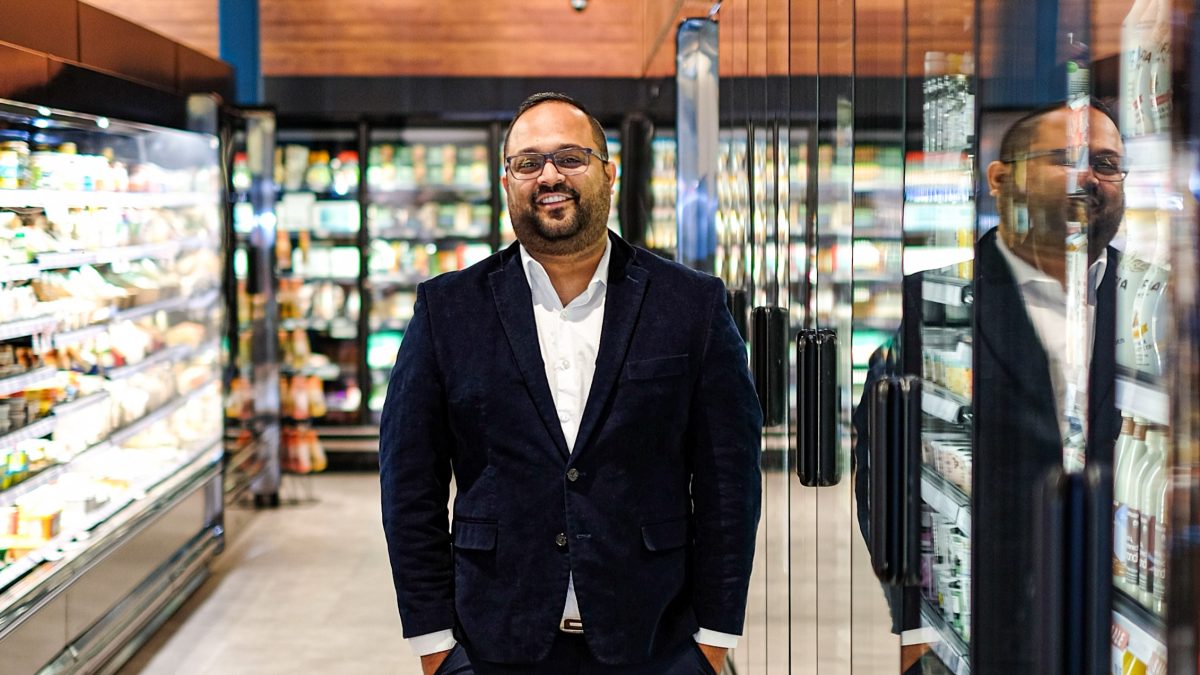
Muhammad Mohamedy, Healthy Planet

“At Healthy Planet, our focus is not just on growth for growth’s sake, but on creating meaningful connections with the communities we serve,” said Muhammad Mohamedy, General Manager of Healthy Planet. “As we look toward 2026, we’re committed to making health and wellness more accessible than ever before through new store openings, enhanced digital tools, and innovative offerings like Healthy Planet Kitchens. Supporting Canadian brands and producers is a key part of that mission, alongside helping every customer live their healthiest life, affordably and sustainably.”

Looking ahead, Healthy Planet is shaping initiatives to meet emerging consumer needs: 

  • Affordability and Accessibility: As food prices rise, Healthy Planet continues to balance premium health products with competitive pricing;
  • Shop Canadian and Hyperlocal Products: A growing focus on Canadian-made, farm-to-retail offerings that support local farmers and producers while meeting demand for sustainability and freshness;
  • Personalized Health Solutions: An increased emphasis on holistic, individualized wellness experiences;
  • Convenience Meets Nutrition: Healthy Planet Kitchens delivers ready-made, nutrient-dense meals designed for busy lifestyles.
    E-commerce Growth: Ongoing expansion of Healthy Planet’s online platform to make wellness more accessible nationwide. 

“We view stores and e-commerce as complementary, not competing channels. Physical stores continue to make sense in markets where we see strong community demand for health and wellness, high engagement with our loyalty program, and opportunities to deliver education and service that can’t be replicated online,” said Mohamedy.

“Within Ontario we still see a lot of underserved communities that would benefit with a new Healthy Planet store. Our expansion decisions are driven by a mix of data-local demographics, existing e-commerce penetration, and customer density-along with qualitative insights into underserved markets.

“In many cases, stores actually accelerate e-commerce adoption by building trust, enabling consultations, and acting as fulfillment or discovery hubs. Retail space availability definitely contributes towards deeper penetration of our stores in crowded or high population density markets.”

Photo: Healthy Planet

Affordability central to company mission

Mohamedy said affordability is central to its mission, especially as consumers feel pressure from rising costs. 

“We work closely with suppliers to secure scale efficiencies, prioritize long-term partnerships, and expand our private-label brand-Benefits By Nature and exclusive offerings where we can deliver quality at better value.

At the same time, we focus on disciplined category management and targeted promotions rather than blanket discounting,” he said.

“This allows us to remain competitive on price while protecting margins and continuing to invest in quality, education, and customer experience. We understand consumer trends and our category teams always plan ahead with brands to make sure the seasonal items are always on promotions that fit our shoppers wallet.”

Focus on Canadian-made and hyperlocal products

Healthy Planet, being a Canadian family-owned business, has always had a focus on Canadian-made and hyperlocal products, which is a core part of its differentiation, and it scales this focus through a combination of regional sourcing and operational efficiency. 

“We prioritize partnerships with local produce, dairy, and bakery vendors by aligning store locations with their production or distribution hubs, allowing us to support local suppliers while maintaining freshness and consistency,” explained Mohamedy.

“Because all of our stores are currently in Ontario, we also benefit from strong operational efficiencies that enable us to offer a consistent assortment of Canadian-made, organic, and non-GMO packaged food products across the network. Categories like dairy, fresh produce, and breads have seen strong adoption across all our markets, driven by our commitment to carrying one of the widest selections in each store and ensuring reliable availability of everyday essentials,” he said.

“As we expand beyond the GTA, this hybrid approach-local where it matters most, supported by a strong national base of Canadian brands-allows us to scale responsibly while keeping assortments relevant to each community.”

Photo: Healthy Planet

Mohamedy said personalization for the brand starts with human interaction. 

“Our in-store health experts provide tailored guidance based on individual health goals, dietary needs, and lifestyles – something big-box and purely online players struggle to deliver at scale. Digitally, we’re layering in smarter recommendations, targeted communications, and loyalty-driven insights to personalize the shopping experience across channels,” he said. 

“The goal isn’t just to sell products, but to help customers make informed choices that fit their long-term wellness journey. Our digital customer support team helps more than 50k customers with personalised selection and assisted shopping each year.”

Healthy Planet Kitchens an extension of business model

Mohamedy said Healthy Planet Kitchens is an extension of its wellness philosophy-making healthy choices more accessible and convenient.

“It allows us to meet customers beyond traditional retail by offering ready-to-eat, better-for-you options that align with how people actually live today,” he added.

“Strategically, it drives incremental traffic, increases visit frequency, and strengthens brand loyalty while opening up new revenue streams. Over time, we see it playing a larger role in community engagement and reinforcing Healthy Planet as a holistic health and lifestyle brand.”

More from Retail Insider:

Psycho Bunny eyes selective North American growth as mall traffic rebounds, CEO says

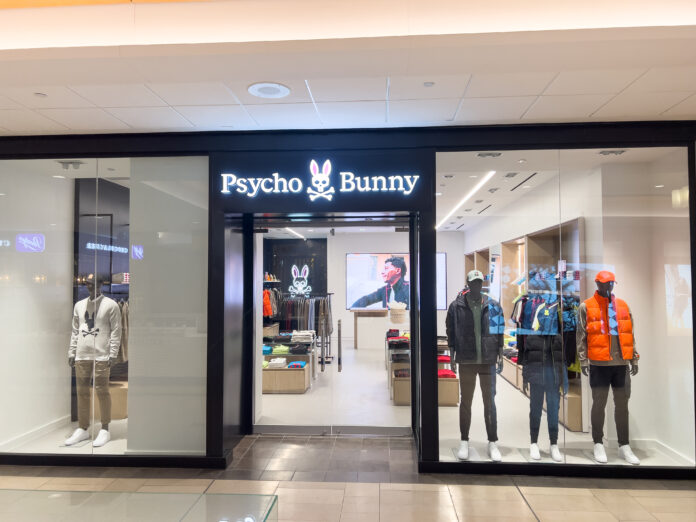
Psycho Bunny continues to grow its presence
Psycho Bunny continues to grow its presence (Photo courtesy of Psycho Bunny)

Psycho Bunny is planning measured expansion across North America as improving mall traffic and targeted technology investments shape the apparel retailer’s strategy for the coming years, CEO Anna Martini said in an interview.

The Montreal-based brand, which operates 108 corporate stores across North America, expects to open between five and 10 new locations this year while continuing to evaluate long-term growth potential in both Canada and the United States.

“We’ve got a few stores already signed and done, and we’ve got another four or five that we’re evaluating,” Martini said. “We’re probably going to be somewhere between another five to 10 stores in North America.”

A stabilized Canadian footprint

Psycho Bunny currently operates 14 stores in Canada following recent portfolio adjustments, including the reopening of a downtown Montreal location and the opening of a store at the Montreal Premium Outlets. Martini said the company has no additional Canadian store openings scheduled this year, but Calgary remains a priority market under consideration.

“We do have on our to-do list to open in Calgary,” she said. “We are just waiting for some potential locations in the Calgary market.”

Martini described Calgary as a strong retail market, noting she visited the city in November. While she did not commit to a timeline, she indicated the company is monitoring specific mall opportunities as part of its site selection process.

Anna Martini, CEO and President, Psycho Bunny

Continued focus on the U.S. market

The company’s most recent openings were in California, with new stores launched in Glendale and at the Beverly Center in Los Angeles late last year, just ahead of the Black Friday shopping period.

California remains a core growth market for the brand, Martini said, with Psycho Bunny now operating 16 stores across the U.S. West Coast.

“California’s a great market for us,” she said. “LA obviously is a great market. These will be great stores for us. It’s everything from the co-tenancy, great malls, great demographics — the usual markers that we look at when we’re deciding to open a location.”

Martini said the company continues to build density in key urban markets rather than pursuing rapid or broad geographic expansion.

Mall traffic showing signs of recovery

Martini said consumer behaviour has remained broadly consistent across Canada and the United States, with recent improvements in physical retail traffic providing some optimism.

“We’re seeing the traffic is going back up in these malls,” she said. “The trend has been much better in terms of traffic into the malls in the back half of ’25, and hopefully it’s going to continue into ’26.”

She said the improvement has been visible across multiple regions, suggesting a more balanced recovery rather than strength isolated to a single market.

Price sensitivity and promotions

Despite improved foot traffic, Martini acknowledged that consumers remain cautious with spending, particularly amid broader economic pressures.

“Everybody’s in promotional periods at the same time,” she said. “It’s about being competitive at the times where you need to be competitive.”

She noted that promotional activity, particularly during peak shopping periods such as the holidays, continues to play a significant role in driving sales. Shoppers, she said, are increasingly deliberate about timing purchases to coincide with discounts.

“You get a lot of traction during those times because everybody’s fighting for share of wallet,” Martini said. “It’s typical in retail. I don’t think it’s that new.”

Technology investments take priority

Beyond store growth, Psycho Bunny is placing increased emphasis on internal systems and technology as part of its medium-term strategy. Martini said the company is preparing to invest heavily in technology over the next two to three years.

“We’re about to start rolling out and looking at a lot of technology investments,” she said. “How do we bring in the right AI tools to help us with better decision-making? How do we use some of this technology to automate some of our business processes?”

The focus, she said, is on optimization and gaining deeper insights into customer behaviour to support decision-making across the business.

“How do we continue to have better insights on the customer so that we bring the best brand experience?” she said.

Long-term growth targets

Looking ahead, Martini said Psycho Bunny sees room for significant expansion across North America, though she emphasized that any growth would remain disciplined.

“We probably go to like 150 stores in the U.S. and probably 25 to 30 stores in Canada,” she said, referring to the brand’s long-term potential footprint.

That growth, she added, would be guided by market fundamentals rather than aggressive timelines.

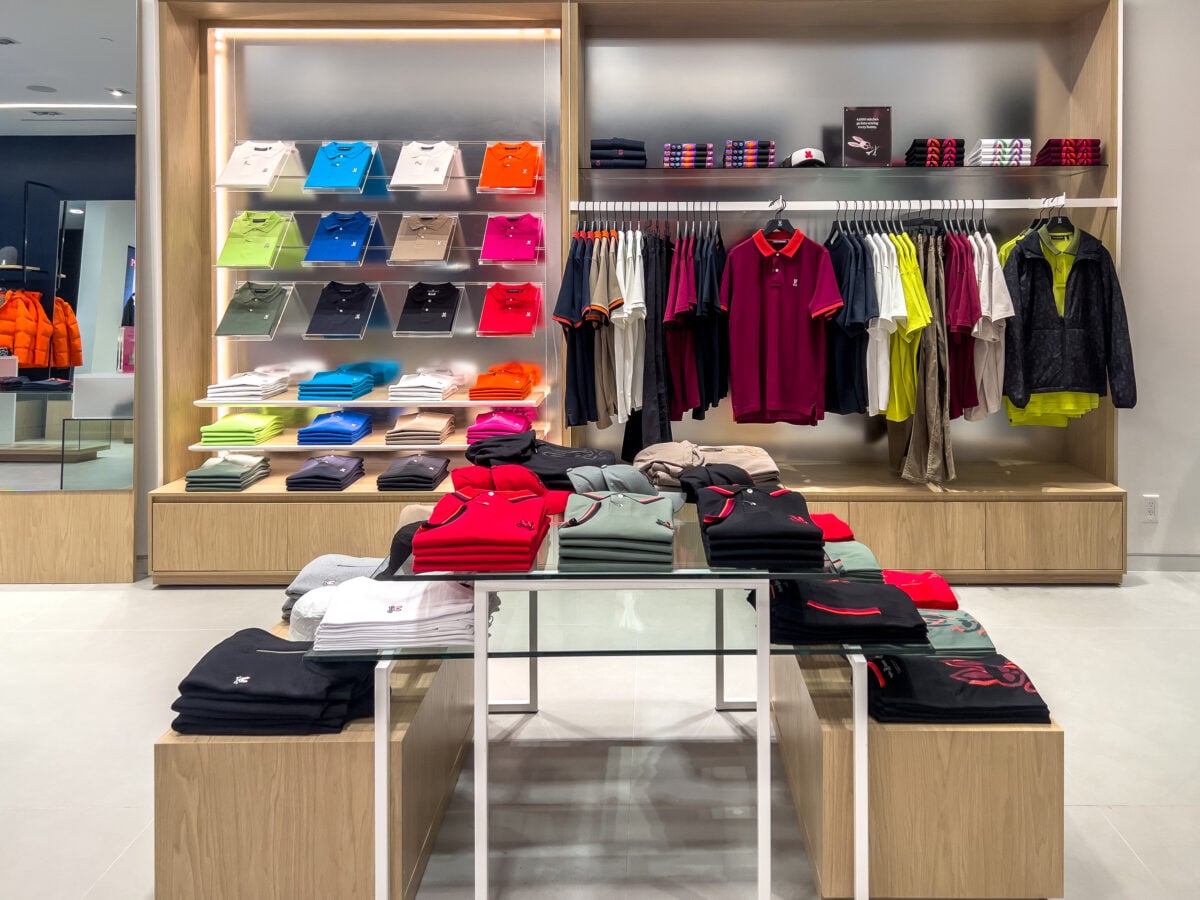
Inside of one of the Psycho Bunny stores (Photo courtesy of Psycho Bunny)

Differentiation in a crowded market

Martini said Psycho Bunny’s positioning remains centred on brand identity and product quality rather than rapid scaling. She described the company as a high-energy, premium brand targeting confident, style-conscious consumers.

“We’re about standing out. We’re about colour,” she said. “We bring to market a premium product, with a lot of our stuff made in Peru with premium Peruvian Pima cotton.”

She said that approach has helped foster customer loyalty, which the company is working to deepen as competition for discretionary spending intensifies.

As the retailer balances expansion with operational investments, Martini said the focus remains on building a sustainable business that can adapt to shifting consumer behaviour and retail conditions.

“We’re working really hard to continue to acquire more customers,” she said. “That’s kind of how we differentiate ourselves.”

Jeff Berkowitz of Aurora Retail Group represents the brand in Canada and negotiates leases on Psycho Bunny’s behalf.

More from Retail Insider: