Home Blog Page 250

Cree Nation plans $400M cultural hub at former Hudson’s Bay building in Montreal

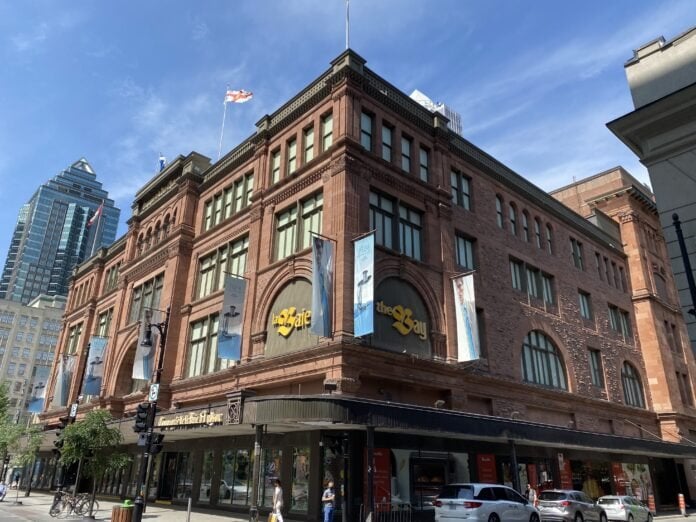
Hudson's Bay at 585 Saint-Catherine St W, Montreal (Image: Dustin Fuhs)

The James Bay Eeyou Corporation and JHD Immobilier have announced their intention to bid on the acquisition of the former Hudson’s Bay building in downtown Montreal, located at 585 Sainte-Catherine Street West. With a $400 million investment, the developers plan to transform this iconic building into a museum and cultural hub, celebrating the heritage and contemporary vitality of the Cree Nation.

Henry Gull
Henry Gull

“This building represents much more than a commercial acquisition; it embodies over 350 years of shared history between our people and the Hudson’s Bay Company. We see this project as a way to give the building new life while preserving its soul,” said Henry Gull, President of the James Bay Eeyou Corporation.

“The formal sale process has not yet started, but it will begin imminently. Since this is a bankruptcy process, the court-appointed receiver is responsible for running the sale. Purchase offers will be submitted in the coming weeks.

“The goal is to open the museum and hotel in 2029. Extensive renovations will be required, while carefully preserving the building’s historical significance. This project carries significant cultural, economic, and historical importance for Montréal. It offers a “full circle” moment, transforming a heritage building into a space that highlights Cree and First Nations culture and shares it with Montréalers and visitors.

“It represents a way for the Cree Nation to return to Montréal in style, celebrating our heritage and sharing it with both tourists and locals. For many Cree families, grandparents once worked for Hudson’s Bay. This project honours that contribution and creates a lasting cultural legacy within the history of Montréal and Canada.

“JHD Immobilier and the James Bay Eeyou Corporation are working in partnership. JHD brings technical expertise and a track record in restoring historic buildings, while the Cree contribute their cultural perspective and strong experience in the hospitality sector, where they already operate multiple hotels in their region.”

A Landmark Project in the Heart of Downtown

The proposed redevelopment includes a museum dedicated to the fur trade and exchanges between the Cree and the Hudson’s Bay Company, as well as an urban Indigenous cultural centre, experiential spaces, retail showcases, mixed-use facilities, and a hotel complex. The venue will serve as a place of gathering, learning, and sharing for Montrealers and visitors alike, said officials.

A Project of Healing and Reconciliation

For the Cree Nation, the initiative goes beyond a real estate transaction.

“We return today not to trade furs, but to reclaim a place that our ancestors never left in their hearts,” said Gull.

Julien Hamel-Doyon
Julien Hamel-Doyon

Julien Hamel-Doyon, President of JHD Real Estate, added: “This initiative reflects our values of urban development and heritage preservation. It ensures the economic and cultural sustainability of this site while bringing new life to downtown Montreal.”

Revitalizing a Legacy at the Heart of Montreal

“For more than 355 years, the Cree have maintained deep historical ties with the Hudson’s Bay Company. Originating in the 17th century, this trade forged alliances and exchanges that went far beyond fur trading. It became a space of cultural exchange, knowledge sharing, and bonds that left a lasting mark on the land and on relations between nations,” explained officials.

Government Collaboration

“The redevelopment, scheduled to open in 2029, requires zoning approval from the City of Montreal. The developers will work closely with all three levels of government to establish this initiative as a benchmark for nation-to-nation partnership.”

Downtown Montreal flagship Hudson’s Bay store on April 24, 2025. The building started as a location for the Henry Morgan department store chain, which in decades past operated as an upscale business. Photo: Carl Boutet

JHD Real Estate is a Canadian company specializing in mixed-use real estate development in urban environments. Known for its expertise in revitalizing heritage sites, JHD brings innovative and sustainable projects to life.

Founded in 1986, the James Bay Eeyou Corporation has spent nearly 40 years advancing economic opportunities for the Cree community.

In March 2025, Hudson’s Bay, the oldest and longest-surviving company in North America filed for Creditor Protection under the Companies’ Creditors Arrangement Act. The company ceased operations in June 2025.

More from Retail Insider:
Claire’s Canadian Stores Face Uncertain Future Under Sale

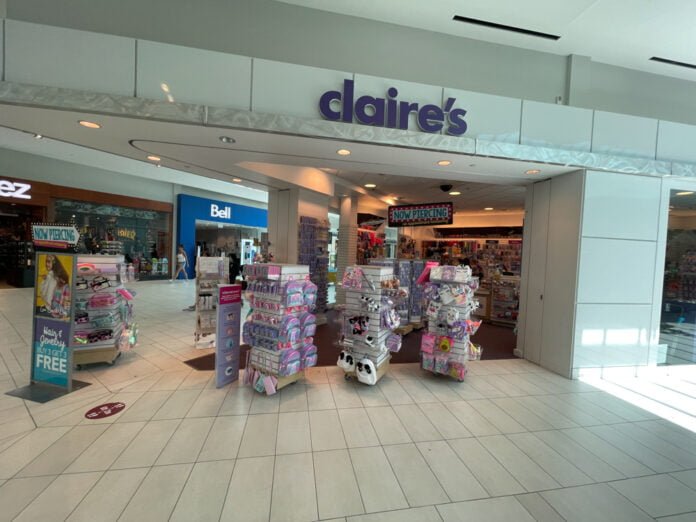
Claire's at Willowbrook Mall in Langley (July 2021). Photo: Lee Rivett.

Newly filed court documents reveal that accessories retailer Claire’s could sell up to 77 Canadian stores as part of a sweeping deal with Maryland-based Ames Watson, a firm known for buying and reviving distressed consumer brands. The purchase price for the Canadian portion of the business has been set at US$2.3 million, though that figure will be reduced by US$1.3 million to cover service and professional costs.

The deal is part of Claire’s Canadian restructuring under court supervision and follows a parallel Chapter 11 filing in the United States. The company began liquidating 26 Canadian stores not included in the agreement after its August filing for creditor protection. The sale still requires approval from both Canadian and U.S. courts.

The documents specify that Claire’s U.S. operations will not participate in the first US$1 million of distributions from the Canadian business to unsecured creditors, a detail that may improve recoveries for domestic suppliers and landlords. At the time of its filing, Claire’s operated 103 leased store locations across Canada and employed over 700 workers.

If the deal is finalized, Ames Watson would inherit most of the surviving Canadian network, though future closures remain possible if profitability targets are not met.

A Retail Chain Under Pressure

Claire’s Canadian restructuring reflects a broader crisis facing the brand. Years of unprofitability, combined with declining mall traffic and rising costs, led the company to seek protection under the Companies’ Creditors Arrangement Act (CCAA) in Ontario. According to court filings, net losses had reached nearly CAD $8 million by mid-2025, while mounting debt obligations left the company unable to renegotiate many unprofitable leases.

The company’s troubles have been compounded by increased competition from e-commerce players and fast-fashion brands, along with inflation and tariffs that have pushed up import costs.

Store Network Across Canada

As of July 2025, Claire’s operated 120 stores nationwide, with the largest concentration in Ontario (45), Alberta (21), and British Columbia (19). The retailer also maintained a presence in Quebec, the Prairies, and Atlantic Canada. While stores remain open during restructuring, many are being reviewed for closure if rent relief or lease amendments cannot be secured.

Even with Ames Watson’s planned investment, the company may struggle to justify its current footprint if mall traffic continues to decline.

Global Context and Past Bankruptcy

Claire filed for Chapter 11 protection in the United States in August 2025, the second such filing in seven years. The chain, which Apollo Global Management took private in 2007, previously restructured in 2018 to address US$1.9 billion in debt.

Globally, Claire’s operates more than 1,500 stores under the Claire’s and Icing banners, along with locations in Walmart and other shop-in-shop formats. European divisions, including those in the UK and France, have entered administration or receivership, with additional closures anticipated.

Ames Watson’s Turnaround Playbook

Founded in 2017, Ames Watson has built a reputation for buying struggling but recognizable brands and attempting to engineer turnarounds. Its best-known acquisition came in 2019, when it purchased athletic headwear retailer Lids. Under Ames Watson’s ownership, Lids restructured its store base, improved inventory management, and focused on exclusive collaborations with sports leagues and celebrities.

The strategy ultimately stabilized Lids, which returned to profitability and began expanding again in key markets. Industry observers say this precedent offers some optimism for Claire’s Canadian restructuring, though they caution that the accessories chain faces a different set of challenges, particularly around shifting consumer habits and mall dependency.

Prospects for Claire’s Under New Ownership

Ames Watson has pledged US$104 million in cash and US$36 million on a seller’s note to acquire between 795 and 950 global Claire’s locations. The firm has said it hopes to maintain a “significant retail footprint,” though it has already announced the immediate closure of more than 290 stores, primarily in struggling malls.

Whether Claire’s Canadian restructuring will result in a viable, profitable network remains uncertain. The future of its 77 potentially retained stores will depend on landlord negotiations, sales performance during the coming holiday season, and Ames Watson’s long-term strategy.

If successful, the sale could stabilize the business and preserve hundreds of jobs. But if store traffic and revenues continue to decline, a second round of closures, or even full liquidation, could follow.

More from Retail Insider:
Small business confidence creeps up in September: CFIB

Photo: Kampus Production

The long-term small business confidence has reached 50.2 in September, according to the Canadian Federation of Independent Business (CFIB)’s Monthly Business Barometer which was released on Thursday.

Measured on a scale between 0 and 100, an index above 50 means owners expecting their business’s performance to be stronger over the next three or 12 months outnumber those expecting weaker performance.

Simon Gaudreault
Simon Gaudreault

“The subpar optimism we’ve been seeing speaks volumes about the current uncertain business environment. Business owners have hardly been positive this year, and it’s not surprising given the trade and economic uncertainty, declining demand, and rising operational costs,” said Simon Gaudreault, Chief Economist and Vice-President of Research at CFIB.

“With the pace of tariff announcements slowing down a bit and the discussion shifting to how Canada can durably adjust to a new trade and policy environment, we may be entering a new phase on the economic calendar. Meanwhile, business owners report that there are still many fiscal, regulatory and labour challenges that prevent them to contribute to the economic recovery. Certainty, stability and confidence remain in short supply and sending the right policy signals this fall could help turn the tide.”

Average price plans stand at 2.7% and wage plans at 2.2%. The weakness in the labour market continues, with 12% of firms looking to hire in the next few months and 18% considering layoffs, said the CFIB.

“Based on our data, it does not look like the labour market will strengthen anytime soon. The share of businesses with hiring plans remains below its usual seasonal pattern, while more and more firms have recently stated layoff plans, significantly exceeding seasonal patterns,” said Andreea Bourgeois, Director of Economics at CFIB.

The CFIB is Canada’s largest association of small and medium-sized businesses with 100,000 members across every industry and region.

Andreea Bourgeois
Andreea Bourgeois

Tax and regulatory costs remain top of mind for 67% of small firms, followed by insurance costs (66%). More businesses reported facing difficulties with wage costs (66% in September vs 59% in August). Weak demand also persists for over half (55%) of businesses, explained the CFIB.

“In the wake of post-labour disruptions, 20% of businesses reported challenges distributing their products,” it said.

“The share of businesses struggling with capital equipment and technology costs has reached a record high of 36%. CFIB’s upcoming report on small business adoption of technology and AI will show how investing in digital tools and equipment can significantly boost productivity and help businesses become more efficient.”

The full September Business Barometer report can be found here.

More from Retail Insider:

Makeup without the markup: Sona Cosmetics launches

Canadian-born, women-owned beauty brand, Sona Cosmetics, has launched, bringing beauty without barriers to all Canadians.

Built by beauty industry veterans on the belief that high-quality, trend-driven makeup should be available to all, Sona delivers premium beauty at a loveable price tag, without compromising quality, said the company.

Spearheading the new brand are Emily David, Co-Founder & Director of Product of Sona Cosmetics and Lauren Mezzaluna, Co-Founder & Director of Brand Marketing of Sona Cosmetics. 

Emily David
Emily David

“We believe that beauty should never feel exclusive or unattainable,” said David. “Sona’s mission is to create thoughtfully curated, high-performance beauty products that are driven by community, committed to inclusivity, and ensuring that no one is priced out of self-expression.” 

Rooted in inclusivity and inspired by culture, Sona said it is passionate about ensuring that everyone has the tools to play, experiment, and find what makes them love the skin they’re in, inspiring the it girl in everyone.

“With ingredients like hyaluronic acid to keep lips soft and plump and peptides to give skin its bounce, every formula is meticulously crafted for maximum effectiveness. At Sona, affordable doesn’t mean low quality; every product is backed by rigorous testing and features high-performing, cruelty-free, vegan formulas,” it said.

Lauren Mezzaluna
Lauren Mezzaluna

Sona’s September product launch includes:

  • Tinted Lip Treatments – deep hydration, lightweight, everyday colour ($12)
  • Peel Off Lip Stain – long-lasting and transfer-proof ($9)
  • Glowy Lip Oils – jojoba + macadamia infused, hydrating, non-sticky ($10)
  • Liquid Blush Wands – natural flush, buildable colour, easy sponge-tip for application ($12)
  • Liquid Contour Wands – seamless definition, blendable, precise applicator ($12)
  • Jelly Cheek and Lip Tint – multi-use tint, sheer glow, hydrating finish ($6)

All products are available in a variety of colours and shades.

“With sleek, bold and cruelty-free formulas, Sona strikes the perfect balance between luxury and accessibility. Sona is beauty without barriers, where everyone gets a seat at the table (and a killer lip-tint to match),” said the brand.

“Sona Cosmetics is available starting September 18th online at sonacosmetics.ca, with shipping available anywhere in Canada and in select Canadian retailers, including Dollarama and Giant Tiger. Additional product launches are planned for October, November, and December.”

More from Retail Insider:

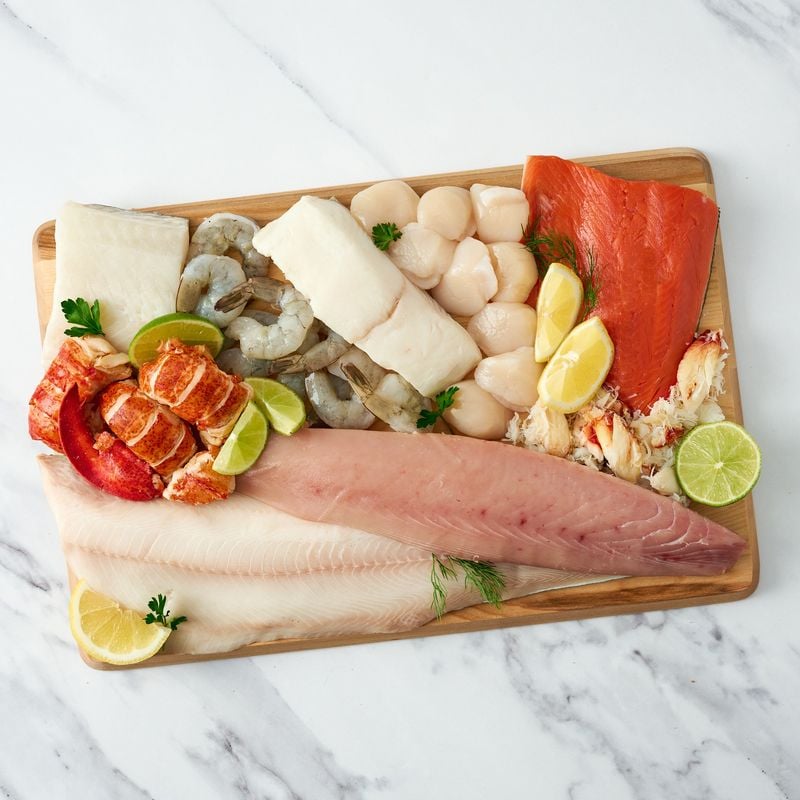
Larry’s Catch brings Canadian seafood direct to doors across 9 provinces

Photo: Larry's Catch

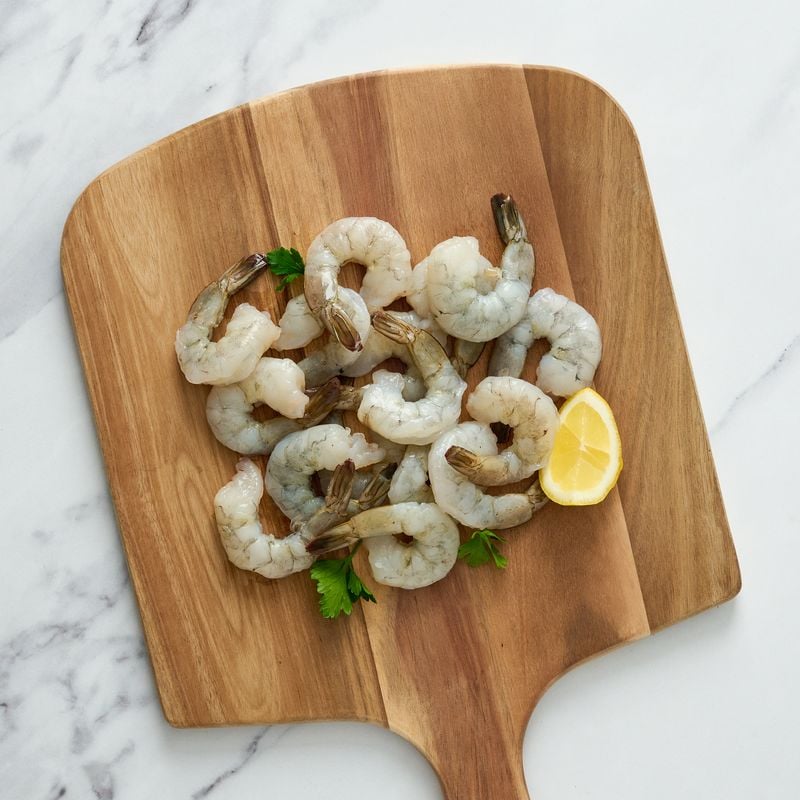
A startup founded by three university friends is making waves in the Canadian seafood industry by delivering wild-caught, sustainably certified, Canadian seafood directly to consumers’ doors across the country. Larry’s Catch, which began as a side hustle and is now a full-time business, currently operates in nine provinces and is looking to expand its reach.

“We started it kind of as a side gig, in the spring of 2024, and we’ve since gone full-time in September,” said Glen Creaser, Co-Founder and President of Larry’s Catch. “That’s when we really started taking this really seriously and working to scale the business and serve as many Canadians as possible.”

Glen Creaser
Glen Creaser

Creaser, who also oversees branding, product, and supplier relationships, runs the company alongside co-founders James Quinn and Javier Sanchez Mejorada. The company is based out of a Mississauga warehouse, though its roots began in Toronto.

“For quite some time, while we could keep things going out of deep freezers, we were running the business—my two co-founders and I—actually out of our house in Toronto,” said Creaser.

The idea for the business came from a personal struggle Creaser experienced after moving from Nova Scotia to Ontario.

“I grew up with a father as a fisherman,” said Creaser. “I grew up eating the best seafood you could imagine almost every single day. And then I moved to Ontario where I almost cut seafood completely out of my diet because I couldn’t find anything to the quality I was looking for.”

That quality gap, combined with concerns about transparency and sustainability in the seafood industry, drove Creaser to action.

“You could never really tell in the stores where the seafood was coming from. Most of it was imported from very kind of environmentally disastrous countries,” he said. “Over 80% of the seafood we consume in Canada is imported, especially inland as you move away from those kinds of coastal communities.”

“Most of it was previously frozen and thawed to display, which is a huge problem because that increases waste. With modern freezing technology, just keep it frozen because it really is the best quality you can find, especially in inland provinces.”

The company was named in honour of Creaser’s father.

“That really kind of pushed me to eventually start Larry’s Catch and name it after my father who is a retired fisherman,” he said.

Larry’s Catch sources seafood from all three coasts, including Nova Scotia, Prince Edward Island, British Columbia, and even Baffin Island in the Arctic.

“Nova Scotia is really where most of the stuff we source and sell,” noted Creaser. “We’re also working on a few products from Newfoundland and New Brunswick as well.”

The company’s founding team shares a deep connection that goes back to their first day at Queen’s University.

“We actually met on our very first day—we were on the same floor in our residence,” said Creaser. “We then moved in together with a few other buddies after that.”

From left to right (Javier Mejorada, James Quinn, and Glen Creaser)

Before launching Larry’s Catch, the trio even started and sold a software company, before ultimately leaving the tech industry behind.

“We all ultimately quit our lives in tech and joined the seafood industry where we’ve really been feeling like we’re doing super meaningful work and really pushing some very important support of our Canadian coastal communities,” said Creaser.

Asked about future international expansion, Creaser acknowledged the potential but emphasized the company’s current focus on Canada.

“There is some tariff business going on which would pose some challenges,” he said. “But Canadian seafood is internationally renowned and there is demand for it around the world.”

“In fact, 80% of our seafood is exported. So it’s honestly quite hard to find in Canada, which is why we even started this in the first place.”

He added, “We have a lot of folks that have been requesting our seafood, whether it’s Canadians that are living south of the border, or Americans who have visited Canada and really had the opportunity to taste the seafood that we have to offer.”

Photo: Larry's Catch
Photo: Larry’s Catch

“But for now we’re very, very focused on Canada and serving as many Canadians as possible.”

Creaser believes Canadian consumers are beginning to shift more toward seafood—motivated by both health and environmental factors.

“In Canada specifically, we’re extremely underserved when it comes to seafood consumption,” he said. “There’s been almost a bad rep with seafood, especially inland, in Canada, so people aren’t eating as much.”

He highlighted a stark gap in consumption levels: “The average Canadian will eat 16 pounds of seafood throughout the year. The average person in the rest of the world will eat around 44 pounds. So what I like to use is the term ‘seafood deficient’ when I talk about Canada.”

“There are a ton of health benefits to eating seafood. It helps with your brain and your heart, longevity—I can really go on and on.”

In fact, some customers come to Larry’s Catch at the recommendation of their physicians.

“We actually have some folks who come to us whose doctors are telling them that they need to be eating more seafood,” said Creaser. “They’re looking for a high quality, zero additive, and naturally occurring option. So that’s why they actually come to us.”

As for the future, Creaser is passionate about continuing to serve Canadians with sustainable, local seafood.

“People are becoming much more health conscious and realizing that seafood—especially many species of seafood—are actually considered superfoods just because of how lean it is, packed with omegas and antioxidants,” he said. “As you can tell, I’m very passionate about this and I can go on and on.”

Youtube video

Related Retail Insider stories:

What’s next in wellness? Canadian Health Food Association reveals trends set to transform store shelves by 2026

Photo: Atlantic Ambience

This weekend, CHFA NOW Toronto, Canada’s largest trade show for natural, organic, and wellness products, will spotlight five key trends set to shape the way Canadians shop in 2026. Running Friday, September 19, through Sunday, September 21, at Exhibition Place, the event will draw over 1,000 brands and 8,000 industry professionals to discover the latest and greatest innovations currently shaping the natural, organic, and wellness industry. 

Aaron Skelton
Aaron Skelton

“CHFA NOW Toronto is more than a trade show — it’s where the future of Canada’s natural, organic, and wellness industry comes to life,” said Canadian Health Food Association President and CEO Aaron Skelton. “From innovative products to inspiring entrepreneurs, this event highlights the creativity and growth driving our sector and a first look at the trends that will soon influence the marketplace.”

The CHFA is Canada’s largest trade association dedicated to natural, organic and wellness products. As a national not-for-profit association, its members include manufacturers, retailers, wholesalers, distributors, and importers committed to getting more healthy living products into the hands of more Canadians. 

Heading into the show, CHFA has identified five emerging trends expected to shape the industry and hit retailers in 2026:

  1. Minis: Small Size, Big Impact: As appetite suppression becomes more common due to the rise of GLP-1 medications and increased awareness of metabolic health, there is a growing consumer demand for mini meals, snacks, and drinks that deliver satisfaction without excess. This shift helps to fuel interest in smaller portions, offering greater flexibility, affordability, and a sense of reward without the guilt.
    At CHFA NOWUnreal Snacks Dark Chocolate Coconut BarsHenri Apple Cinnamon Bars
  2. Bitter Brews & Functional Sips: A new wave of functional beverages is capturing attention by blending bold, bitter flavour profiles with wellness benefits. From matcha to mushroom coffee and cacao elixirs, consumers are embracing drinks that go beyond hydration. This trend is driven by a growing appreciation for global cuisines, adaptogens, nootropics, and longevity ingredients, as well as a desire for beauty and cognitive benefits in drinkable formats.
    At CHFA NOWOrigen Sea Water ElectrolytesMatcha Ninja Blue Matcha
  3. Soft Wellness: Calm, Comfort, and Connection: In uncertain times, Canadians are carving out and embracing a wellness lifestyle that nurtures and provides joy. Consumers are turning to products and experiences that offer emotional support, incorporate rituals as a form of self-care, support the gut-brain connection, and promote rest and recovery.
    At CHFA NOWMosse – Sea Moss Beverage PowderBioSnactive Foods Inc. – Code Red
  4. Expanding the Health Span: Age Gracefully, Live Fully: As people live longer, the focus is shifting from extending lifespan to enhancing it – living better for longer. Functional foods, beverages, and supplements are evolving to support the complex needs of aging gracefully, from brain health to joint support. Cognitive health and brain nutrition products, proactive nutrition, and inspiration from the Mediterranean diet round out this trend.
    At CHFA NOWTony’s Really Good Olive OilHerbaland ACV & Fibre Jelly StickPoo Perfect Mango Passionfruit
  5. Beauty from Within: Edible Indulgence with Benefits: Beauty and wellness are merging in the rising category of edible beauty. Consumers are increasingly turning to functional snacks, beverages, and supplements that support skin, hair, and nail health – and they want it all wrapped in a premium, snackable experience with elevated packaging that has sensory appeal.
    At CHFA NOWThe Meat Bar Beauty Boosting Protein BarGlow Green Co. Full On Hydration Face Moisturizer

The CHFA said the event brings together industry-leading voices and leaders in natural, organic, and wellness. One of the most anticipated features of the show floor is Incubator Alley, where emerging brands showcase groundbreaking products and fresh new perspectives.

For more information, please visit chfanow.ca/toronto and follow on Instagram at @cahealthfood.

Related Retail Insider stories:

Canadian retailers grapple with excess inventory amid economic pressures as tariffs ease

Photo: Kampus Production

As consumer spending slows and inflationary pressures persist, Canadian retailers are facing a growing challenge: managing excess inventory in a volatile economic environment.

“Retailers are sitting on a lot more stock than usual,” said Alex Hennick, an industry expert who specializes in inventory and product distribution. “Lower consumer spending, driven by inflation and high interest rates, means products just aren’t moving the way they used to. That’s tying up cash flow, increasing warehousing costs, and creating major logistical headaches.”

Alex Hennick
Alex Hennick

The issue is especially pronounced for seasonal items, where timing and weather can make or break a season’s sales.

“Here in Toronto, we had a slow start to summer,” explained Hennick of Toronto-based A.D. Hennick & Associates. “So items like patio furniture, trampolines, and barbecues didn’t move as quickly. Retailers often buy these products in the off-season when supply is high, but if the timing is off or the season underperforms, they’re stuck with unsold inventory.”

Excess inventory is more than just a storage issue. It affects everything from liquidity to pricing strategies. Many retailers are being forced to offload products quickly, sometimes at a loss, to avoid the long-term costs of holding unsold goods.

“A furniture company might contact us in August with stock they need to clear before winter,” said Hennick. “Holding that inventory until next summer would cost them more in storage and staffing than it’s worth. In many cases, it’s more cost-effective to take a loss now than to carry the product for another year.”

To clear inventory, retailers are turning to several options:

  • Discounting to loyal customers (though this risks devaluing the brand)
  • Bulk sales to liquidators or through warehouse events
  • Selling to off-price or discount retailers
  • Donating surplus products
  • Exporting inventory for potential duty drawback claims

“We’re seeing more requests for liquidation and redistribution,” said Hennick. “It’s not just distressed stock anymore. It’s situational inventory. A distributor goes bankrupt, leaves product in a warehouse, and suddenly the warehouse owns goods they don’t want. These kinds of unique deals are becoming more common.”

The economic slowdown in housing is also spilling over into adjacent categories like home décor, blinds, and flooring, where consumer demand has softened significantly.

“People aren’t holding back because of price,” Hennick noted. “They just don’t have the money to spend. That’s where opportunity arises for those who can help retailers recover value from their unsold goods.”

Although a recent federal announcement to remove certain tariffs, originally imposed earlier this year, could ease some pressure on costs, Hennick cautioned retailers not to overreact.

“Yes, tariff removals offer short-term relief,” he said. “But the policy landscape is unpredictable. Tariffs can return mid-shipment, and if you haven’t accounted for that in your pricing strategy, your margins can evaporate.”

His advice for retailers moving forward: order less, plan smarter, and stay nimble.

Photo: Tima Miroshnichenko

“Many retailers are still forecasting based on trends from one or two years ago,” he said. “That’s a mistake. Focus on current demand. Build contingency costs into every decision. And above all, work closely with suppliers, customers, and logistics teams to ensure everyone’s on the same page.”

Timing, he added, is everything, especially when it comes to seasonal products.

“If your swimsuits show up in August, you’ve missed the window,” said Hennick. “Now you’ve got a warehouse full of unsold goods and zero opportunity to move them until next year.”

Ultimately, Hennick believes proactive planning and strategic relationships will be key to surviving the current retail environment.

“Someone will always have to absorb the cost,” he said. “But if the burden falls too heavily on one party, that business won’t last. The ones that survive will be those who adapt quickly, communicate well, and make decisions based on today, not yesterday.”

Related Retail Insider stories:

Toronto-Based liquidator sees spike in inventory deals amid shifting retail landscape

Lisa Gozlan Marks 6 Years with SoHo Pop-Up

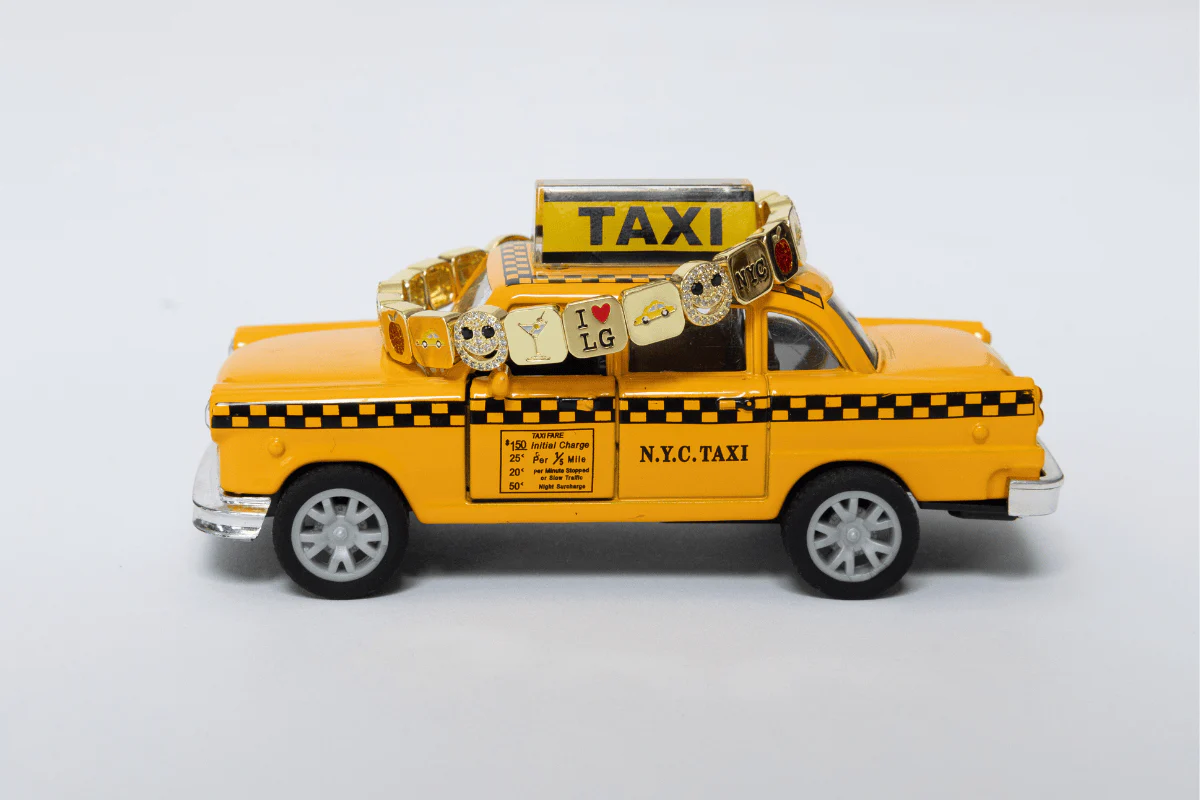
City Bracelet Collection (New York City). Image: Lisa Gozlan

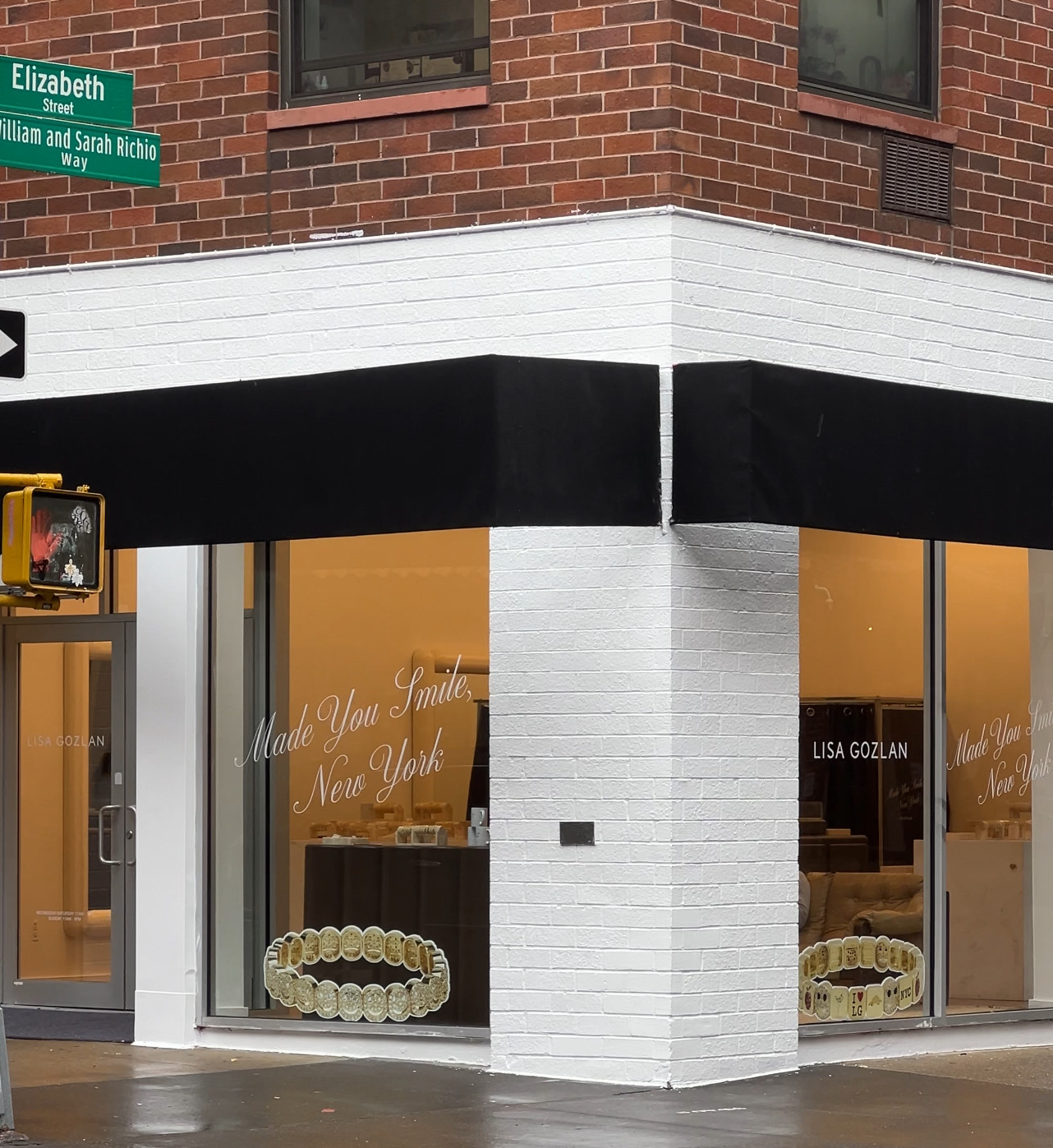
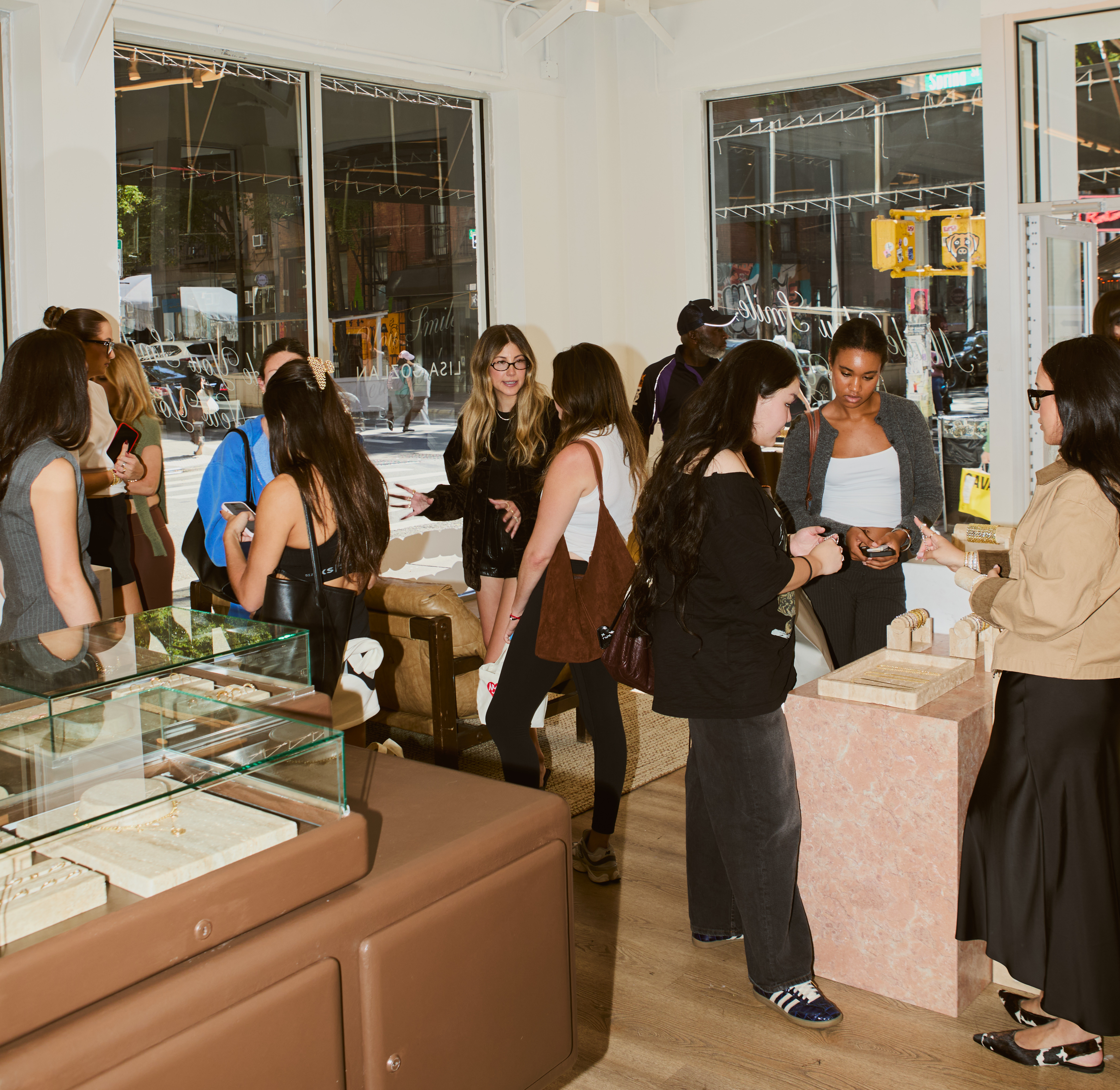
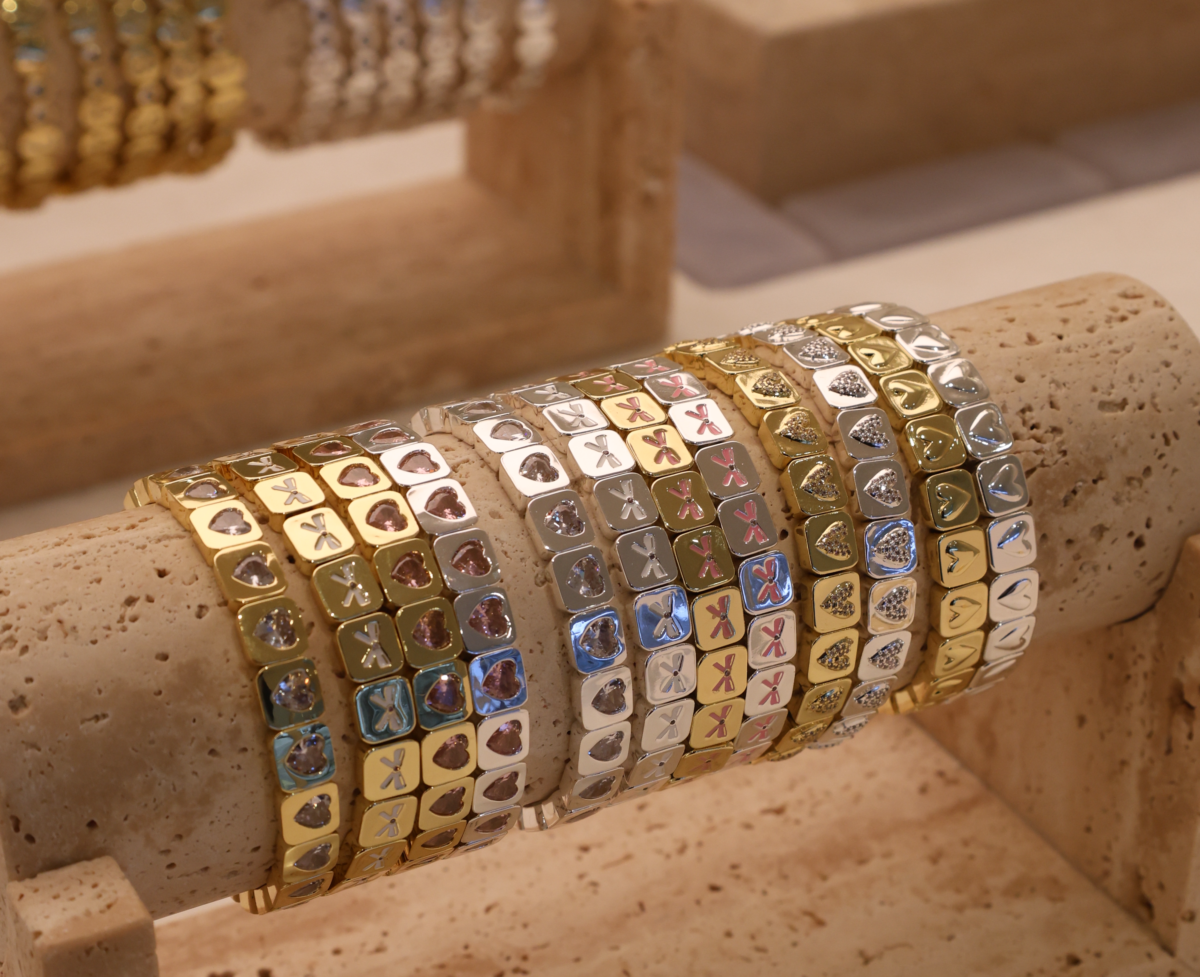
Toronto-based jewellery brand Lisa Gozlan Jewelry is marking its six-year anniversary with a milestone event that could set the stage for a major U.S. expansion. The brand, co-founded in 2019 by Lisa and Ryan Gozlan, will host its first pop-up shop in New York City from September 17 to 21 at 21 Spring Street in SoHo. The timing coincides with the launch of its City Bracelet Collection, a six-piece lineup honouring six years of brand growth, with a seventh bracelet, inspired by New York, being revealed at the event.

The SoHo pop-up was deliberately timed to coincide with September Fashion Week and chosen for its international draw.

“New York feels like a second home, often called a ‘bigger Toronto,’” said Gozlan. “Given this connection and the city’s vibrant energy, especially around September Fashion Week, a pop-up here was a clear priority. SoHo is ideal due to its dynamic, trendy atmosphere, aligning with our customer base and serving as a global discovery hub.”

The pop-up will serve as both a sales event and a brand-building initiative.

“Beyond driving sales, our primary goals for this pop-up event are to build brand awareness and foster deeper customer connections,” Gozlan explained. “We aim to offer an immersive experience that allows customers to interact with our brand and feel part of the LG community. This approach has proven successful in the past, as demonstrated by our partnership with Holt Renfrew and our newest partnership with Selfridges in London to test new markets.”

Lisa Gozlan pop-up at 21 Spring Street in NYC. Image: Lisa Gozlan

Celebrating Six Years with City Bracelets

The anniversary will also see the launch of the City Bracelet Collection, each piece inspired by a city meaningful to the brand’s journey.

“City-inspired bracelets leverage universal themes of travel, nostalgia, and personal identity,” said Gozlan. “Wearing a city bracelet is about carrying a memory, commemorating a journey, or embodying an aspiration. Each city reflects our brand’s evolution, inspired by places that resonate with us and our customers over six years.”

The New York bracelet will debut exclusively at the SoHo pop-up.

“Our City Bracelets tap into the human desire to connect with travel or specific cities,” Gozlan said. “The New York bracelet was uniquely designed to capture the city’s distinct energy and iconic spirit, standing out while seamlessly integrating with the collection.”

Lisa Gozlan with an oversized City Bracelet in NYC. Image: Lisa Gozlan

The bracelets are special editions and will not be routinely restocked, though a re-release could be considered if demand is high.

“The City Bracelets are special edition and we currently do not have plans to restock them,” Gozlan confirmed. “However, if there is increased demand, we may consider re-releasing them in the future.”

This approach supports the brand’s strategy of encouraging customers to build personal collections.

“Our collections are versatile, allowing customers to build upon them by stacking and mixing designs,” Gozlan said. “The City Bracelet Collection aligns with our aesthetic of bold, collectible, and style-led pieces that can be effortlessly styled alone or combined with bestsellers, encouraging ongoing engagement beyond new launches.”

Lisa Gozlan opening party for the Soho pop-up. Image: Lisa Gozlan
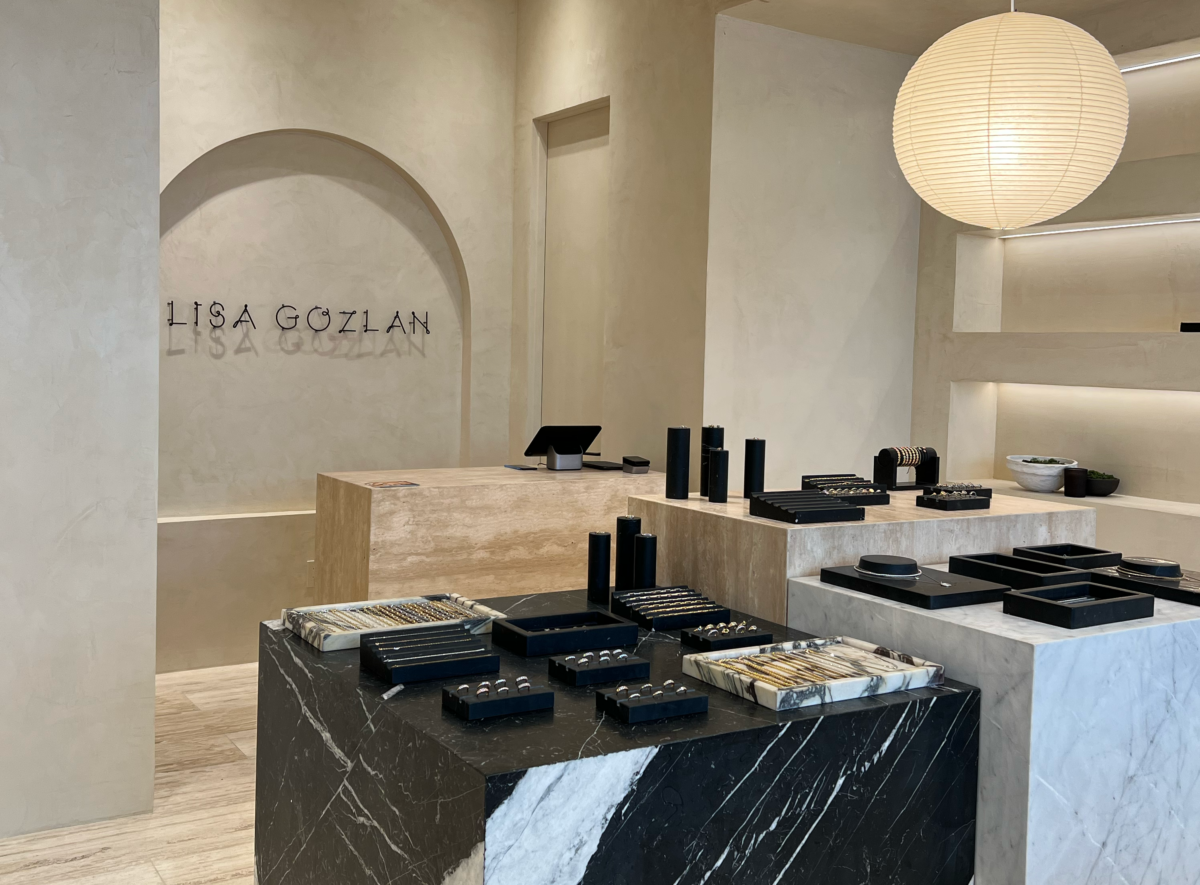
Lisa Gozlan at 87 Cumberland St. in Toronto. Image: Lisa Gozlan

Canadian Retail Footprint and Growth

Since its debut, Lisa Gozlan Jewelry has expanded its brick-and-mortar presence to four Canadian stores: Yorkville and Yorkdale in Toronto, Square One in Mississauga, and a west coast location in Vancouver’s Kitsilano neighbourhood.

The Yorkdale boutique, which opened in the summer of 2025, underscores the brand’s positioning in top-tier retail environments. The 435-square-foot store was designed by Clarisa Llaneza with signature elements by Etherington Designs and construction by Gozlan Group. Lease negotiations were managed by Brandon Gorman of JLL, reflecting a meticulous approach to real estate strategy that prioritizes prime locations and high foot traffic.

Lisa Gozlan outside the Soho pop-up. Image: Lisa Gozlan

Toward a Permanent U.S. Presence

If the SoHo pop-up meets key performance indicators, a permanent New York presence could follow in 2026.

“New York has consistently been on our radar and is highly requested,” Gozlan said. “Its proximity to Toronto also makes it easily accessible for our team, a key factor in our strategic expansion. Each existing market has provided invaluable insights into customer preferences and operational nuances.”

The company is also considering other U.S. metros for future growth, with a focus on urban neighbourhoods and high-traffic retail streets that match the brand’s positioning.

Site selection remains a cornerstone of Lisa Gozlan Jewelry’s strategy, with the brand favouring spaces that align with its design language and culture.

“Our site selection goes beyond traditional factors,” Gozlan said. “While co-tenants, pedestrian counts, adjacencies, and demographics are considered, the most crucial element is that the space ‘feels right.’ It must align with our brand aesthetic or have transformation potential. We are selective; our aim is not to open everywhere but to strategically expand while maintaining the brand’s exclusive yet accessible appeal.”

Lisa Gozlan jewellery. Image: Lisa Gozlan

Brand Origins and Design Philosophy

Lisa Gozlan Jewelry was founded to create modern, mixable jewellery pieces that could be worn daily without compromising on quality or style. Drawing from Lisa’s background in fashion and Ryan’s fifth-generation jewellery heritage, the brand merges contemporary aesthetics with craftsmanship rooted in tradition.

Known for its Happy Face Collection and stackable designs, the brand’s pieces are both accessible and collectible. Sustainability and ethical sourcing remain central pillars, with an emphasis on long-lasting quality and responsibly sourced materials.

Each boutique is designed to foster a sense of community and educate customers about the craft and materials behind each piece. This philosophy has extended internationally through the brand’s recent partnership with Selfridges in London, which allowed for a test of demand in the UK market.

More from Retail Insider:

Canadian RBC cardholder data shows slowing spending growth amid caution: Economist Rachel Battaglia

Photo: Los Muertos Crew

RBC’s cardholder data for August shows core retail sales growth slowed from July—marking the third consecutive monthly slowdown in growth based on a three-month moving average, says Rachel Battaglia an economist at RBC.

Core retail sales—which excludes spending on autos and gas—grew 0.4% seasonally adjusted from July, when it rose 1.1%.

“This trend aligns with our broader economic outlook . We believe Canada’s economy will resume slow, but positive, GDP growth after a Q2 decline with relatively resilient consumer spending offsetting persistent headwinds in the industrial sector,” she wrote recently in a report.

Rachel Battaglia
Rachel Battaglia

“Solid consumer spending in July hit a bump in August. Total spending was down 2.2% m/m from July, reversing the previous month’s gain. Monthly spending data is always volatile, but the three-month moving average also grew more slowly for a third month.

“The ongoing contraction in gasoline spending—continuing on a three-month average basis since the elimination of the consumer carbon tax this spring—has been a significant driver of this trend.

“Still, most major spending categories saw growth—but slower—apart from clothing purchases, which accelerated. Travel spending dipped 0.1% seasonally adjusted on a three-month average.”

Battaglia said essential spending has shown a more persistent moderation compared to discretionary categories.

“This pattern is largely attributable to the drop in spending at gas stations—which is deemed essential—after the removal of the consumer carbon tax this spring. Spending on groceries has also flatlined since May, which is contributing to lower essentials spending as well,” she said.

“On a seasonally adjusted, three-month moving average basis, essentials spending contracted 0.6% m/m while other spending categories maintained positive growth.”

Consumer confidence measures were little changed from July. The Conference Board of Canada’s Index of Consumer Confidence contracted marginally after four consecutive months of improvement—and remains substantially lower from a year ago, she said.

The Bank of Canada’s Canadian Survey of Consumer Expectations mirrored the same pessimism among survey respondents regarding their spending intentions, and overall financial health. Consumers highlighted elevated job loss concerns were contributing to pessimism, added Battaglia.

“Despite the pessimistic indicators, consumer spending has remained more resilient than indicators would suggest—continuing to provide underlying support for the economy, even as other sectors face challenges,” she said.

“Meanwhile, the recent cooling in population growth—after years of record increases that bolstered aggregate consumer spending—likely contributes to the current spending moderation, creating an additional headwind for retail sales beyond weak consumer confidence.”

More from Retail Insider:

Milestones Unveils Test Kitchen and Fraser Bar in Vancouver

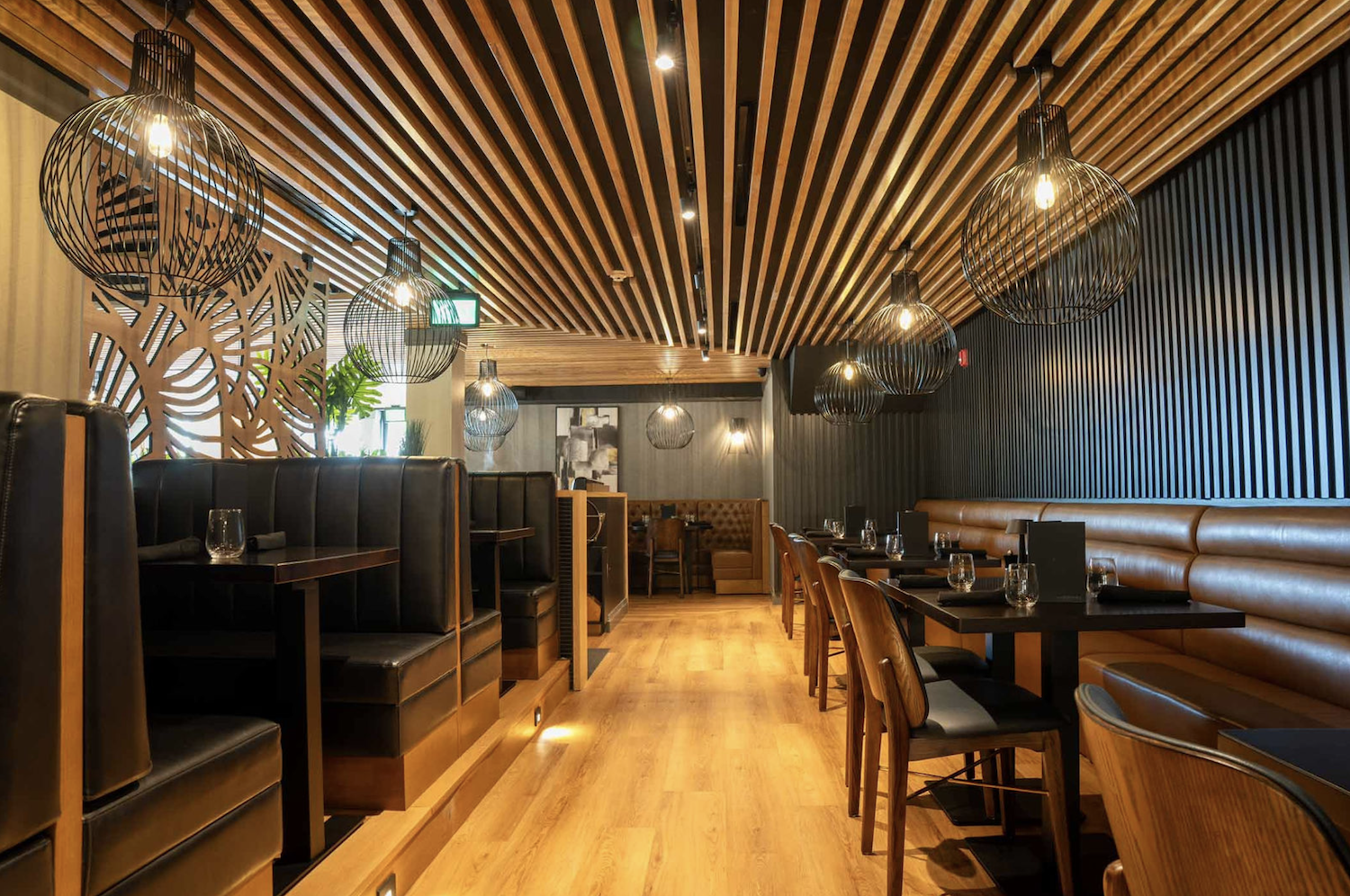
Photo: Milestones/Foodtastic

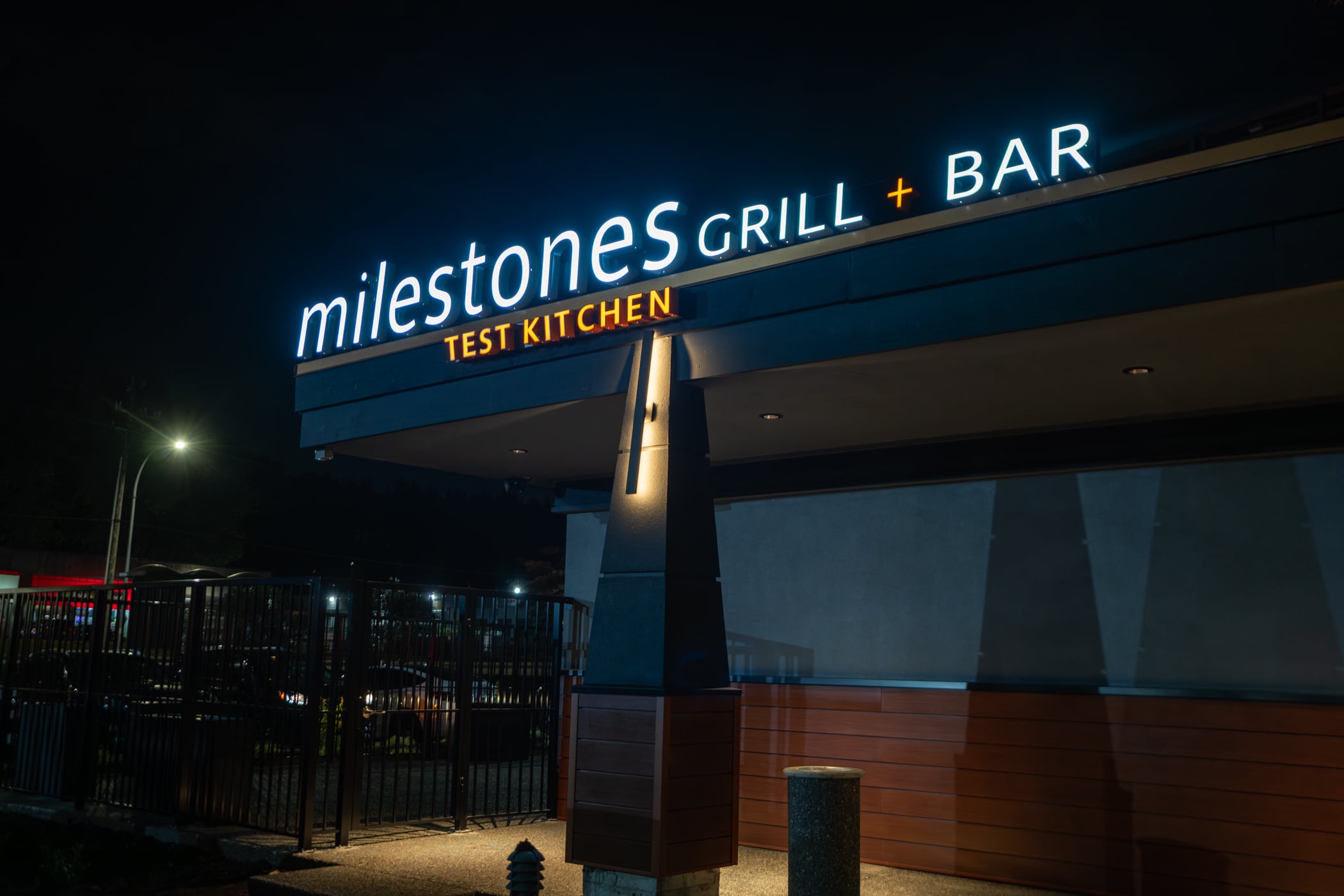
Vancouver has welcomed the return of Milestones with a new chapter for the restaurant brand. On September 4, the company debuted its first Milestones Test Kitchen along with an intimate cocktail destination, Fraser Bar, in a move that both honours the brand’s roots and signals its ambitions for the future. The location is 2745 Barnet Highway in Coquitlam.

The initiative is the result of a collaboration between Pacific Rose Hospitality Group and Foodtastic, the Montreal-based restaurant franchisor that owns Milestones. Together, the partners aim to use the Vancouver location as a proving ground for culinary innovation and a potential model for expansion across Canada.

“This launch marks the beginning of an exciting new era,” said Chad Huff, Partner at Pacific Rose Hospitality Group. “We are grateful to our amazing team and the great partnership that we have with Foodtastic, both of which allow us to focus our efforts on growing this amazing brand in Western Canada.”

Designed to balance familiarity with experimentation, the Milestones Test Kitchen presents a menu split evenly between customer favourites and new dishes under development. The goal is to gather feedback directly from diners and refine recipes before rolling them out to other locations.

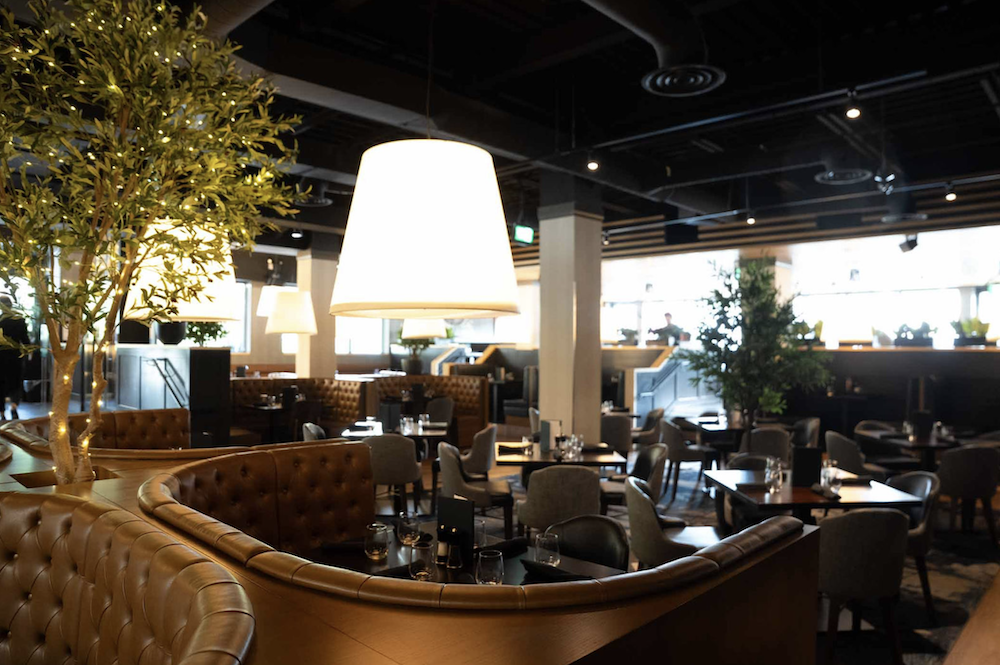
Photo: Milestones/Foodtastic

Head Chef Jeff Dell described the approach as both rigorous and collaborative. “I’ve been entrusted with a very special role,” he said. “Our team is working intensely to find the right new recipes, and to gather feedback from the people whose opinion matters most to us – our local patrons.”

Beloved classics like Portobello Mushroom Chicken, Wham-Bam Shrimp and Chilli Chicken Bites remain, anchoring the menu with trusted comfort. But the kitchen is also exploring playful, globally inspired offerings such as Samosa Poutine, Lobster Frites and artisanal pizzas fired in a wood-burning oven.

The décor mirrors this mix of old and new, with a warm, modern aesthetic featuring natural materials and curated lighting designed to encourage lingering over meals.

Photo: Milestones/Foodtastic

Fraser Bar: An Intimate Escape

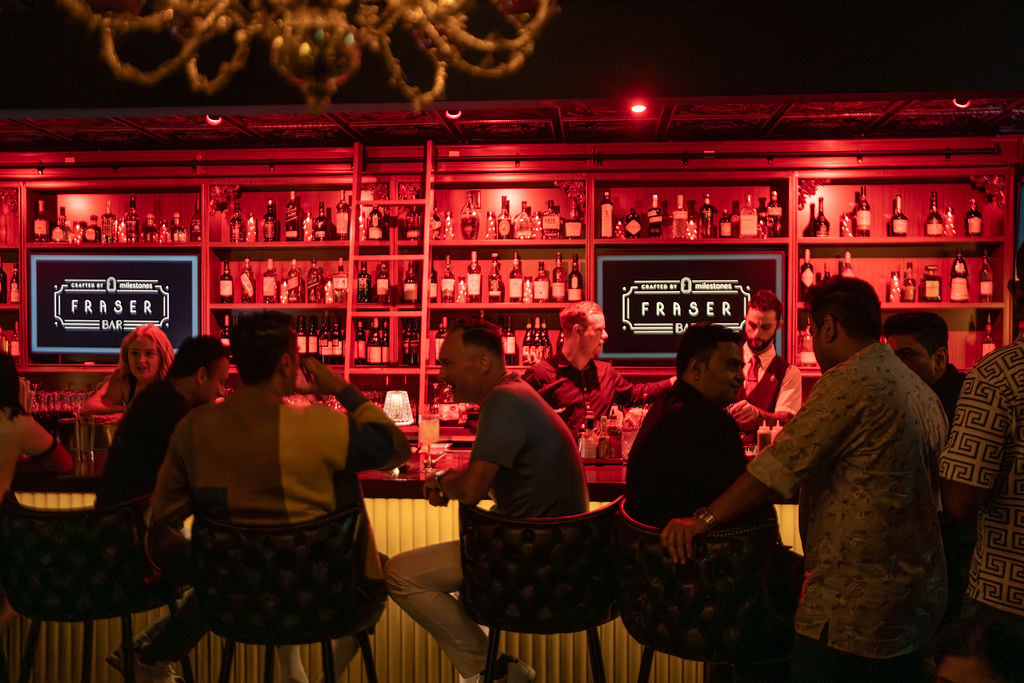
Directly above the Test Kitchen, Fraser Bar offers a distinct but complementary experience. Inspired by the prohibition era of the 1920s and early 1930s, the space features plush seating, dim lighting, and an extensive cocktail list emphasizing craft and storytelling.

Guests can enjoy shareable plates designed to pair with premium spirits, making Fraser Bar a destination not just for Milestones diners but also for those seeking an elevated evening out. The concept celebrates Milestones’ roots in the Fraser Valley while giving patrons a venue that feels both nostalgic and fresh.

Fraser Bar. Photo: Milestones/Foodtastic

The launch of the Milestones Test Kitchen and Fraser Bar fits squarely within Foodtastic’s strategy of revitalizing and expanding its diverse restaurant portfolio. Since acquiring Milestones in 2023, Foodtastic has invested in menu innovation and store refreshes to strengthen the banner’s positioning in the casual dining segment.

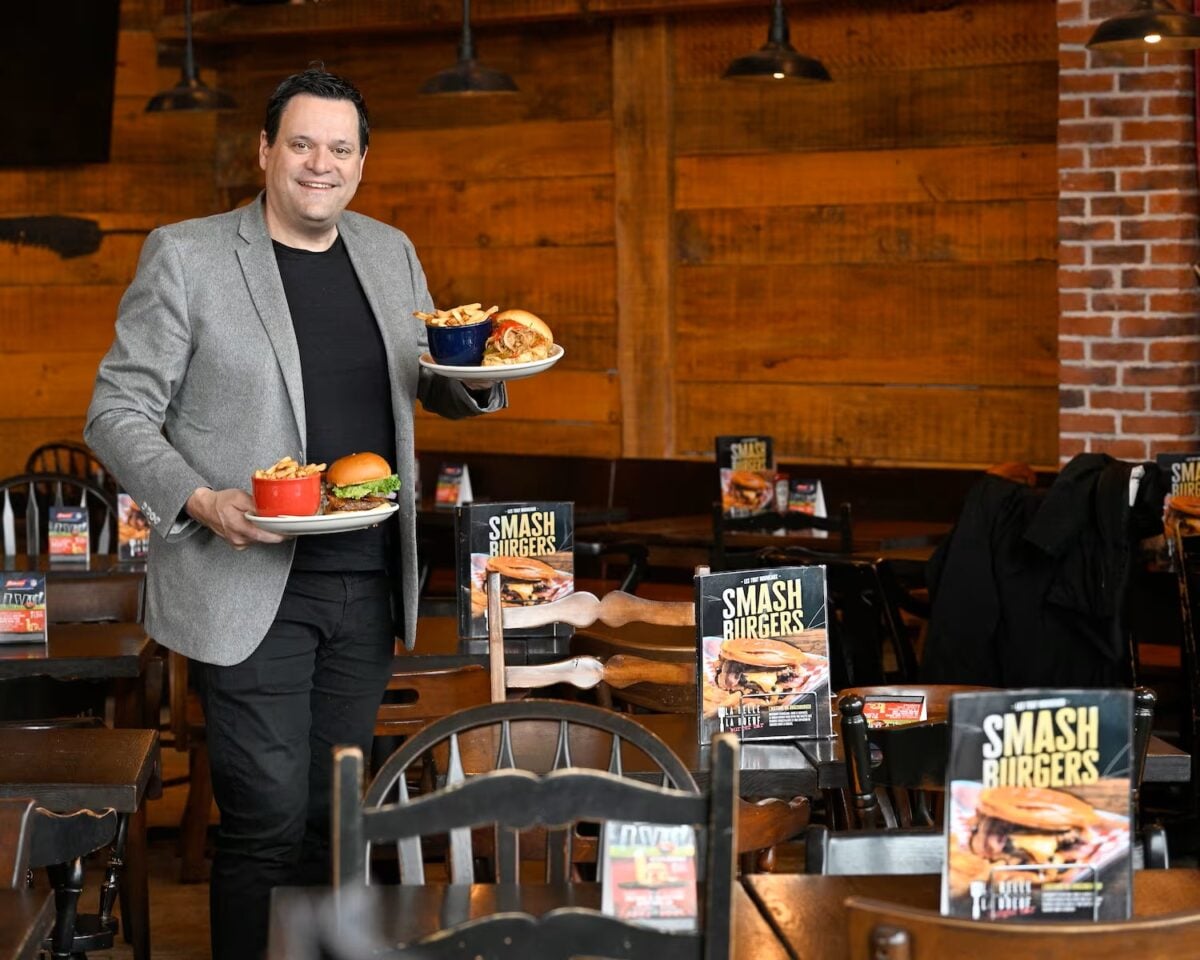
“We’re proud of our Canadian roots and DNA,” said Peter Mammas, founder and president of Foodtastic. “And while that’s true and important, I can tell you we’re just as proud of our people and our partners, like Pacific Rose Hospitality Group, who work tirelessly to serve our customers and live up to our values.”

Image: Peter Mammas

Foodtastic currently operates more than 1,200 restaurants across its 20-plus brands, including Second Cup Café, Freshii, and Pita Pit, with systemwide sales surpassing $1.1 billion annually. Its aggressive growth strategy combines franchising support with a steady stream of acquisitions, and the company has been steadily increasing its presence both domestically and internationally.

A Test Case for National Rollout

If successful, the Vancouver Test Kitchen model could become a template for other markets, allowing Milestones to innovate faster and roll out tested dishes to locations across Canada. The Fraser Bar, meanwhile, could evolve into a stand-alone concept in other cities, creating new opportunities for Foodtastic to reach urban consumers seeking distinctive cocktail experiences.

Industry observers note that the Canadian casual dining sector has been in flux, with operators investing heavily in experiential offerings to draw customers back into restaurants post-pandemic. By combining menu innovation with a fresh bar concept, Milestones appears to be positioning itself to meet shifting consumer expectations.

More from Retail Insider: