A new nationwide survey has found that the majority of Canadians are preparing for a more modest Christmas this year. The results highlight the ongoing pressure of rising living costs on households across the country.
71.5% say they will cut back on Christmas spending this year
62% do not feel financially prepared for Christmas
53.1% feel anxious about affording the holidays
83.7% believe Christmas has become more expensive than last year
85% say they will be setting a strict Christmas spending budget
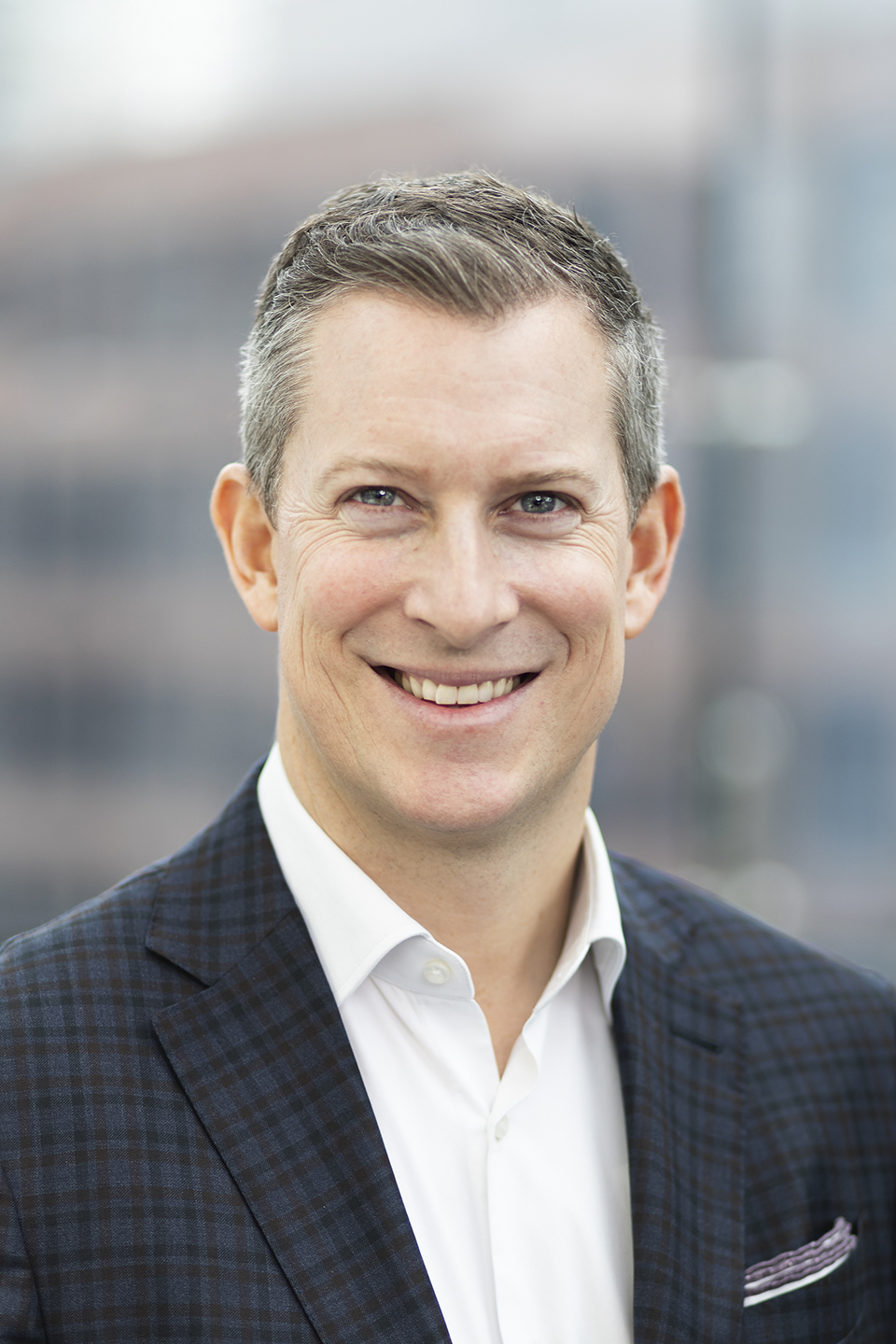
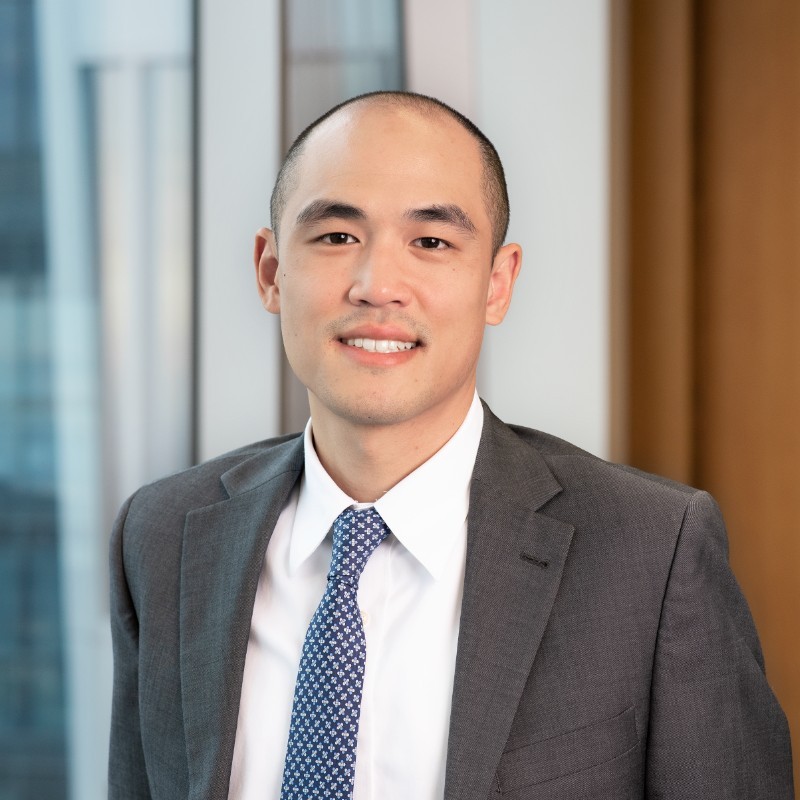
Joshua Harris
“These figures show a meaningful change in how Canadians are approaching the holiday season. Many families are still working through the effects of high living costs, and for a large number of people, there is simply less financial flexibility available. Christmas remains an important time for connection and celebration, but this year it will look different for many households,” said Joshua Harris, CEO of Harris & Partners.
Financial strain continues to shape spending behaviour
The survey found that half of respondents (50.5%) have not started saving for Christmas 2025. One-third (33.8%) say they do not plan to save at all. Among those who do save, 36.6% typically begin setting money aside in October or November, rather than earlier in the year.
Harris said that this reflects how close to the edge many budgets currently are.
“Canadians are not avoiding saving because they are unwilling to prepare. Many simply do not have the room to set funds aside until they are right up against when the costs appear. Month-to-month budgeting has become the norm.”
Most are avoiding borrowing, but this may signal credit limitations
The survey also shows that 86.1% of respondents do not expect to borrow or use credit to pay for Christmas this year.
“Some households are choosing to avoid debt, which is positive. However, for others, the option to rely on credit may no longer be available. This leads to reduced spending and, in many cases, increased stress around meeting expectations during the holidays,” Harris explained.
Emotional impact is rising
More than half of respondents say they feel anxious about costs this holiday season. Harris notes that this emotional strain should not be overlooked, said the report.
“When people feel pressure to make the holidays meaningful, yet worry about how to afford them, the stress is significant. The emotional impact of financial strain is real, and this time of year can intensify it.”
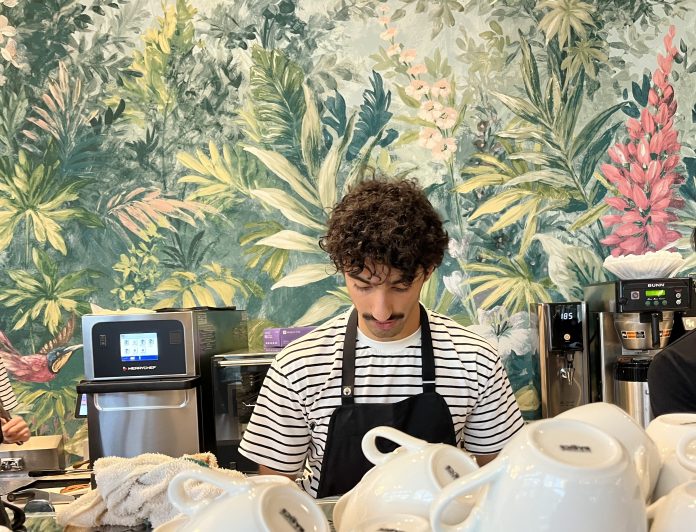
Artigiano has opened its new Artigiano Grand Cafe at Park Royal, introducing what the company describes as a blend of European café tradition and restaurant-style dining.
The company says the new location draws inspiration from the grand cafés of France and Italy, aiming to offer “refined comfort and conviviality” from morning to night. According to the release, the space features vintage-style murals, brass accents, greenery, an elegant bar and warm lighting meant to evoke “laid-back sophistication.”
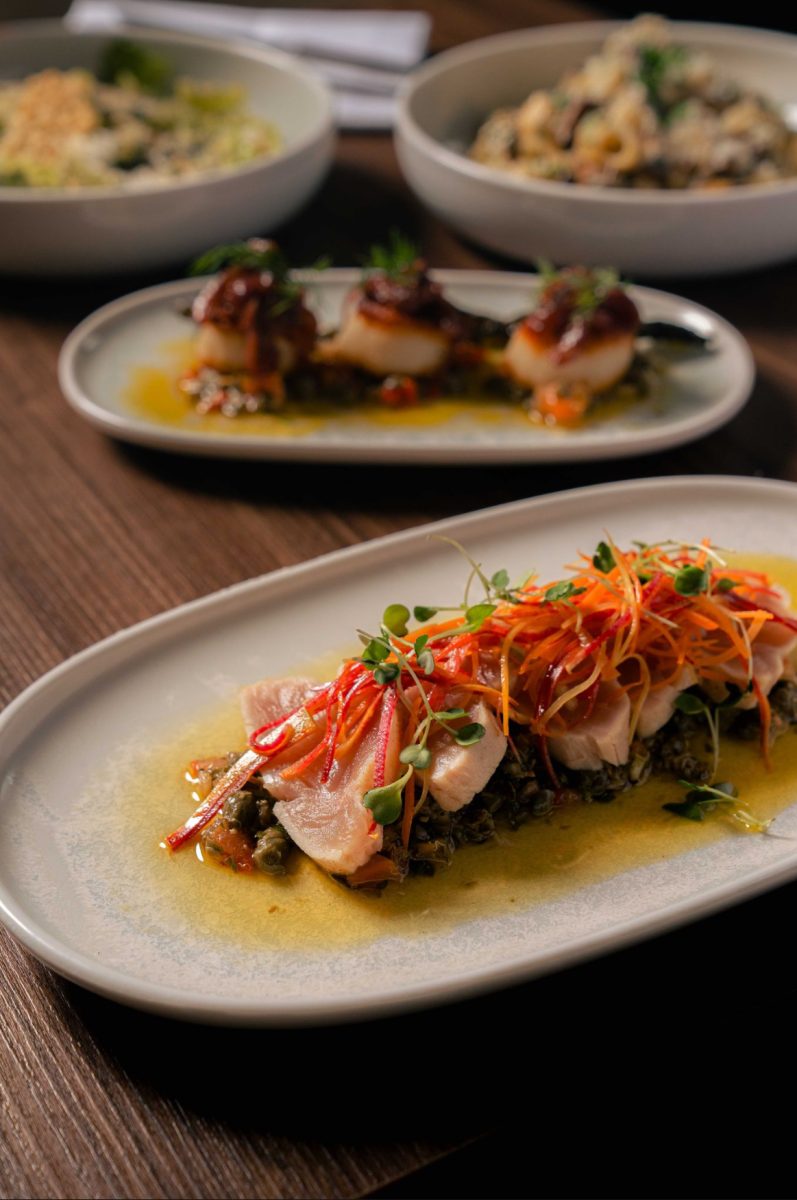
The menu is led by executive chef Jasmin Porcic and reflects the brand’s philosophy that “Beautiful Ingredients Make Beautiful Things.” The company says European classics are reinterpreted with a West Coast influence, including wood-fired pizzas with organic tomato and fior di latte; shareable dishes such as crispy Parmesan risotto and Puglian burrata with heirloom tomatoes; and handcrafted pastas ranging from wild mushroom and goat cheese lumache to cacio e pepe. Larger plates include braised organic beef short ribs in tawny port reduction and pan-fried branzino with saffron caper sauce. All dishes are prepared “without artificial additives or GMOs,” the release states.
Photo: Artigiano
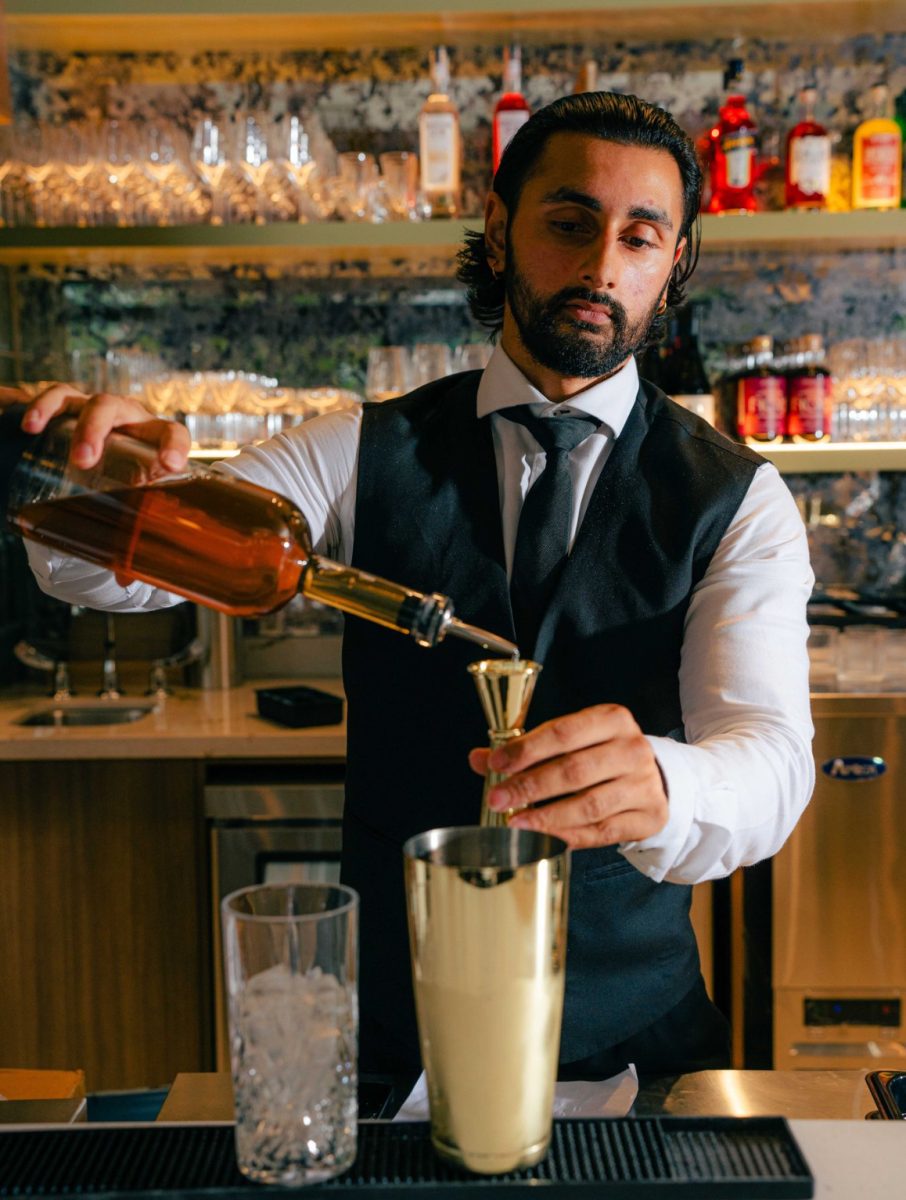
At the bar, the Grand Cafe offers signature cocktails including the Caffe Negroni, Liberty Pink Lychee and Cocoliche Margarita. The release says guests will also find botanical spritzes, a zero-proof menu, a wine program showcasing Italian and B.C. vineyards, select beers, organic lagers and coffee-infused drinks.
The company says its hospitality specialists aim to create an experience that feels “personal, elegant, and effortlessly warm,” whether for brunch, a celebratory toast or a casual meal.
Artigiano Grand Cafe is located at 757 Main St. in Park Royal South. Reservations, private events and walk-ins are welcome.
According to the company, Artigiano has been a key part of Vancouver’s coffee culture for more than 30 years, known internationally for its latte art and European-inspired ambience. It says it prioritizes locally sourced, organic and non-GMO ingredients, avoids industrial seed oils and artificial additives, and maintains relationships with coffee bean farmers and local suppliers. The company says it has re-imagined its café experience over the past five years and now operates 20 cafés, with five more planned through 2026.
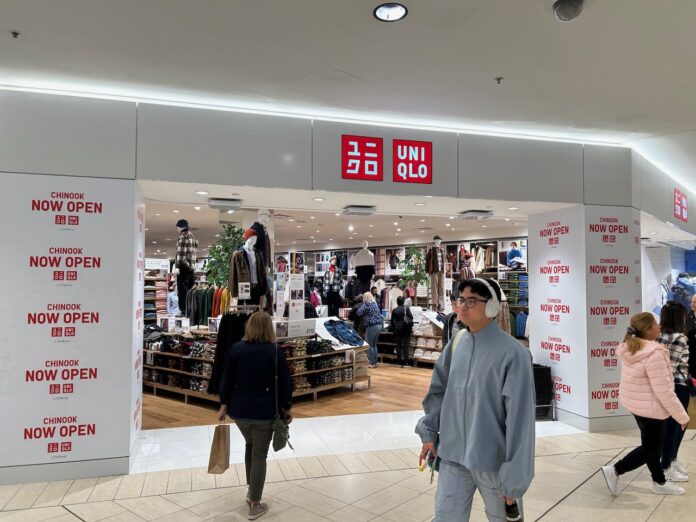
Uniqlo at CF Chinook Centre (Image: Mario Toneguzzi)
UNIQLO will open its first store in Victoria on Nov. 21, the company announced recently. The Mayfair Mall location will span more than 15,000 square feet and feature the brand’s LifeWear clothing for men, women and children.
In a news release, the global apparel retailer said the opening will include events “highlighting the brand’s commitment to the local community.” The company said it has planned a weekend of festivities, such as limited-time in-store offers and a commemorative gift with purchase.
According to UNIQLO, the celebration will feature a ribbon-cutting ceremony, a taiko drumming performance by Uminari Taiko, complimentary cookies from Goodside Pastry House and free coffee from De Mello for the first 300 customers. The company said the first 100 customers will also receive a UNIQLO-branded water bottle.
Throughout the weekend, shoppers can take part in the UNIQLO Garapon Wheel, which the company described as “a Japanese lottery game full of surprise and excitement,” offering chances to win prizes including Instax Mini cameras, UNIQLO water bottles, Pocky snacks and Ito or En Oi Ocha green tea.
UNIQLO outlined its opening-day schedule as follows: complimentary cookies and coffee for the first 300 customers at 9:15 a.m.; a performance by Uminari Taiko at 9:35 a.m.; opening speeches at 9:45 a.m.; and a ribbon-cutting ceremony at 9:55 a.m., before the store opens at 10 a.m.
The company said it offers “a unique customer experience” through its LifeWear lineup, which it described as “simple, high-quality, everyday clothing thoughtfully crafted with life’s needs in mind and constantly evolving to modern life.” UNIQLO said the new store will carry the latest LifeWear items for all ages, along with seasonal collaborations and its UT graphic T-shirt line.
The company said the Victoria store is part of its global business model that combines in-store service with the convenience of its online shop. UNIQLO opened its first store in Hiroshima in 1984 and now operates more than 2,500 locations worldwide, including 37 in Canada.
According to the release, UNIQLO creates LifeWear apparel “rooted in Japanese values of simplicity, quality, and longevity,” offering designs that are “timeless,” with “supreme fit, and comfort.”
UNIQLO is a brand under Fast Retailing Co., Ltd., which reported global sales of about 3.4 trillion yen for the 2025 fiscal year. The release said Fast Retailing is “one of the world’s largest apparel retail companies” and noted that the group now has more than 3,500 stores across its brands.
Retail Insider is streamlining its Canadian retail news from around the web to include a handful of top news stories that can be viewed quickly during the day. Here are the top stories from the past 48 hours.
For a lot of people who have had cosmetic nasal surgery for the first time, the results might not be what they expected, or problems with how the nose works might show up years later. This is where revision rhinoplasty comes in. It’s a very specialized field that is much harder and more complicated than a primary nose job. Patients must put skill, accuracy, and a proven track record at the top of their list when trying to fix bad results. Getting the best revision rhinoplasty surgeon is the most important thing you can do to get a good final result. This is because these surgeries involve working on tissue that has already been changed, scarred, and often damaged.
The Difficulties of Revision Surgery
Revision rhinoplasty, also known as secondary rhinoplasty, has its own set of problems that require a different level of surgical skill. The revision surgeon has to deal with:
Scar Tissue: After surgery, scar tissue forms, which is harder to work with and heals in ways that are hard to predict. This scar tissue can hide the anatomy underneath and make it harder to find space for grafts and other changes to the structure.
Limited Cartilage: Cartilage that was taken or cut out during the first surgery is often gone or damaged. This means that cartilage grafts, which are often taken from the ear or ribs, must be used carefully to rebuild the nose’s structure and change its shape.
Psychological Factors: Patients who want revision surgery are often upset and frustrated because the first surgery didn’t go well. This means that the surgeon needs to be able to communicate well and understand the patient’s goals and what is realistic.
The Significance of Specialized Skills and Experience
Because it is more complicated, a revision specialist needs to be very good at advanced techniques. They need to be both artistic and technical engineers who can:
Detailed Anatomical Diagnosis: To find the exact cause of the problem, whether it’s collapsed valves, visible implants, or improper tip rotation, you need advanced diagnostic skills.
Rebuilding the Structure: Most of the time, the revision is more about rebuilding than refining. The surgeon needs to be very skilled at using a lot of different grafting methods to strengthen the structure of the nose so that it works well and looks good for a long time.
Anticipating Scarring: A top revision surgeon knows how old scars will react to new cuts and takes great care to avoid more unpredictable contraction and distortion.
Functional vs. Aesthetic Fixes
Revision rhinoplasty is often needed because of problems with function that weren’t there after the first surgery or weren’t completely fixed. These issues include nasal airway obstruction (trouble breathing), which is often caused by the collapse of internal nasal valves when too much cartilage is removed.
In these cases, the surgery is mostly about rebuilding the internal support structure (using cartilage or synthetic grafts) to make the airway bigger. The surgeon works on both the functional and aesthetic aspects at the same time, making sure that the final result is balanced and fits the patient’s face naturally. For a successful outcome, the nose must not only look better, but it must also make it easier for the patient to breathe.
The Consultation: Setting Realistic Goals
The first consultation is a very important part of the revision process. The best revision rhinoplasty surgeon will spend a lot of time getting to know the patient, looking over past operative reports, and using digital imaging software to show what can be done.
Patients need to be ready to explain exactly what they didn’t like about their last result. A very skilled surgeon will use this information to make a careful, detailed plan that often focuses on the possibility of gradual improvement rather than immediate perfection. Because the tissue is so fragile and has healed before, a revision may need to be done in several stages. However, the goal is always to do it all in one go. In the end, hiring an experienced revision specialist is the best way for a patient to protect their health and boost their confidence.
77 Bloor St. W. in Toronto. Westrock Diamonds will open a salon within the office tower in early 2026. Photo: Office Hub
Westrock Diamonds is preparing a move that reflects where luxury jewellery is heading in Toronto, toward privacy, personalization, and trusted expertise. The company will relocate from its longtime base in downtown’s Diamond District to a by-appointment private salon inside 77 Bloor Street West, an office tower at the corner of Bay and Bloor in the heart of Bloor-Yorkville. The new home places the brand among some of the city’s most prestigious neighbours in a setting designed for quiet consultation and custom work.
Founder and Creative Director Danny Sapir describes the decision as an evolution that meets clients where they already live, work, and shop. “We are bringing that private, one-on-one experience to Yorkville,” he says. “Custom pieces are made with the client’s inspiration, not a box store’s inspiration. There is something you want in your heart, and I am going to make it for you.” The move positions Westrock Diamonds within steps of luxury retail and dining while keeping the full process behind closed doors, a format that Sapir believes best serves his high-end clientele.
Danny Sapir. Photo: Westrock Diamonds
Sapir’s journey into the trade predates Westrock Diamonds. “I opened Westrock Diamonds in 2008,” he says. “I am a third-generation jeweller. My grandfather was in jewellery and textiles in the former Soviet Union, my father became one of the largest diamond dealers in Canada, and I grew up in that world.” As a teenager he started at the bottom of the family operation in Toronto, answering phones, sweeping floors, and learning to sort and polish stones by hand. The discipline stuck. “My father would make me sort hundreds of carats,” Sapir recalls. “Then he would mix them back and make me do it again. He weighed them to make sure I really understood the difference.”
Seeking independence, Sapir launched Westrock as a wholesale business, travelling across Western Canada and building relationships with jewellers. The direct-to-client side took off when friends began asking for help with engagement rings. Word of mouth followed. “People started calling me, saying, ‘I love what you did for my friend, can you help me next,’” he says. The nickname “Danny Diamonds” caught on, a nod to both his reputation and his personable approach. Today Westrock Diamonds is known for bespoke engagement rings, bridal jewellery, precision-cut stones, and a consultative process for custom pieces that emphasizes education and transparency. Other custom designs include tennis bracelets, tennis necklaces, earrings and rings of various styles.
One of a kind custom broach design. Image: Westrock Diamonds
Why Yorkville, Why Now
The current Westrock Diamonds showroom sits within Toronto’s Diamond District near Yonge and Dundas. Sapir calls Yorkville the logical next step for both service and safety. “A lot of my clients shop here, work here, eat here, or live here,” he says. “Safety is huge right now, and being on an upper floor with reinforced entry and double-door security gives clients confidence.” The new address places Westrock Diamonds in a Class A tower managed by Morguard. The building has undergone extensive modernization, including environmental retrofits that achieved LEED Gold certification, and is surrounded by flagship retail, top restaurants, and cultural amenities that define the Yorkville experience.
The format suits the way Westrock Diamonds conducts business. Appointments are unhurried, tailored, and often celebratory. “Clients come in for a coffee or a glass of champagne,” Sapir says. “I do my best to make it feel like home. It is transparent and educational. I want people to know why a stone is priced a certain way, where the inclusion sits, why cut and clarity matter, and what fits their taste and budget.”
Inside the Salon: Timeless Design and a Warm Welcome
The new salon’s interior has been conceived as intimate rather than imposing, a choice that reflects Sapir’s desire to keep attention on the client and the jewellery. “I wanted it to be cozy,” he says. “Not too big to feel like a box store and not too small to feel cramped.” The design is being led by Jump, a studio known for clean architectural lines and tactile finishes. Sapir describes the look as classic and enduring. “I wanted this to stand for ten years without a heavy refresh,” he notes. “Timeless, comfortable, and focused on the experience.”
Security is an essential part of the plan. “We are reinforcing everything,” Sapir says. “Doors, anteroom, and layered entry. We just had a full meeting with the designers and the general contractor about security. Client safety comes first.” The private, appointment-based model, set high above the street, is meant to put guests at ease while allowing the team to present stones and sketches without distraction.
77 Bloor St. W. in Toronto. Photo: Morguard
A Private Jeweller’s Promise
Sapir sees Westrock Diamonds as part of a broader shift toward private jewellers who compete on service, customization, and value. “A lot of people do not understand the difference between a branded store and a private jeweller,” he says. “With a private jeweller you are not paying for the logo. You are paying for the quality, and often you get better service and better pricing. I know who you are. If a clasp breaks, there is no charge. If you need a cleaning, it is done fast. You should feel celebrated, not stressed.”
Breaking down misconceptions is one of the brand’s near-term goals in Westrock Diamonds Yorkville. The team wants clients across budgets to feel comfortable walking through the door. “We want to be inclusive,” he says. “You are spending hard-earned money on something that marks a special moment. You should feel welcome every time.” That hospitality extends to design decisions. Clients can bring inspiration from social media or family heirlooms and collaborate on a bespoke piece with Westrock’s designers and setters.
The brand’s discretion has attracted a roster of celebrity clients over the years, although Sapir is quick to note that everyone receives the same treatment. “I have worked with Drake, I did OVO owls for him,” he says. “I did some of the first pieces for The Weeknd, the XO pieces, and I have worked with Justin Bieber through Tay James.
“More recently, Sapir produced the wedding jewelry for Loud Luxury’s Andrew Fedyk and his now wife, TikTok star Madeleine White. He created their engagement rings and worked with Fedyk to design White’s bridal set, including a pear-shaped tennis necklace and matching teardrop earrings.”
There have been athletes as well, people from the Maple Leafs and the Raptors.” Then he offers the point that matters most to him. “I treat everybody the same,” he says. “Everyone deserves to be treated like a celebrity in jewellery.”
The client list grew organically. “It is all word of mouth,” Sapir explains. “You have to mean what you say, say what you mean, and follow through sooner than promised. Be transparent, deliver quality, and people will talk.”
Behind the hospitality is a rigorous approach to sourcing and craft. Westrock Diamonds is known for conflict-free stones that comply with the Kimberley Process, lab-verified certification from organizations like GIA and IGI, and close collaboration with expert cutters and setters. Sapir learned early that cut quality and make can vary by origin and technique, and he built his reputation by supplying stones that stand out for their brilliance and consistency. “Education is super important,” he says. “You should know why you are spending this amount on a diamond and what matters most to you. Some people care deeply about clarity, others about colour, others about the way the stone performs in different light. The point is, you understand the ‘why’ before you buy.”
The new salon will continue to showcase bespoke engagement rings, fine jewellery in precious metals, and select Italian-made pieces developed with partner ateliers. New to the salon will be more coloured stones. The personal service model is unchanged, only now it will unfold in a space that mirrors the brand’s promise.
Sapir says private jewellery should be comfortable and inclusive. “You should never feel uncomfortable buying jewellery,” he says. “This is a happy time. Anniversaries, birthdays, engagements, these are moments that matter. The one-on-one format lets us celebrate with you, and it lets us teach you what you are buying so you can choose with confidence.”
Custom ring design. Photo: Westrock Diamonds
Looking Beyond Toronto
Sapir has always managed growth carefully. The Yorkville salon is the priority, yet he is also studying seasonal expansion to serve a growing base of U.S. clients. “I am looking at spaces in Bal Harbour for the winter,” he confirms. “We have a lot of clients in the United States, and it would let us meet them where they are.” If launched, a Bal Harbour outpost would complement the Toronto headquarters, giving the company seasonal reach without diluting the founder’s hands-on involvement that many clients value.
For now, the emphasis is on perfecting the new salon, introducing existing clients to the address, and welcoming newcomers who discover the brand in Westrock Diamonds Yorkville. “It is time to grow,” Sapir says. “Time to expand a bit and create a space that feels right for the way we work.”
Yacoub, CEO and Co-Founder says the company has been defining luxury dining in Western Canada for over two decades with standout concepts like Glowbal, Coast, Trattoria, Black+Blue, and Italian Kitchen, setting the benchmark for bold design, world-class service, and elevated dining experiences.
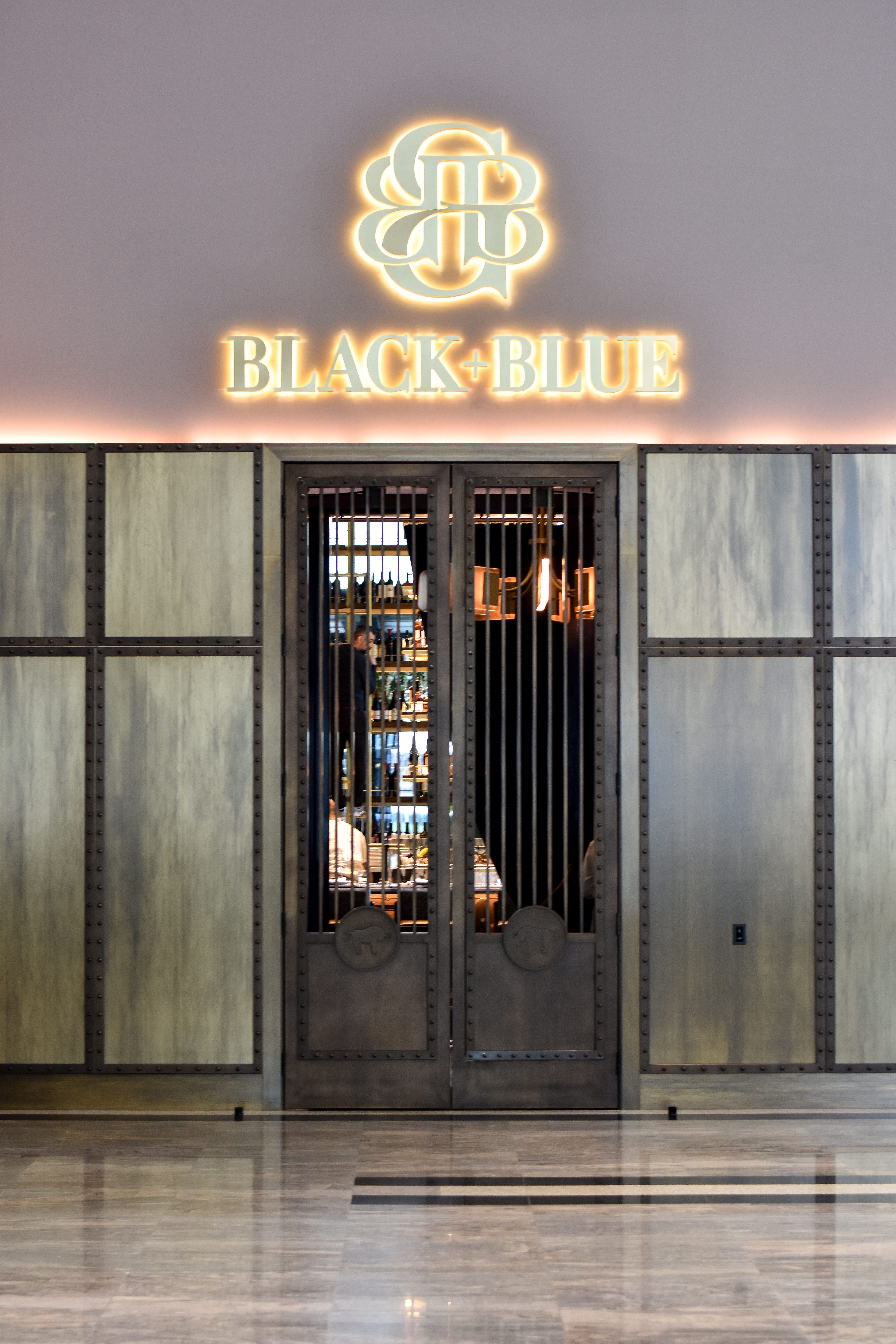
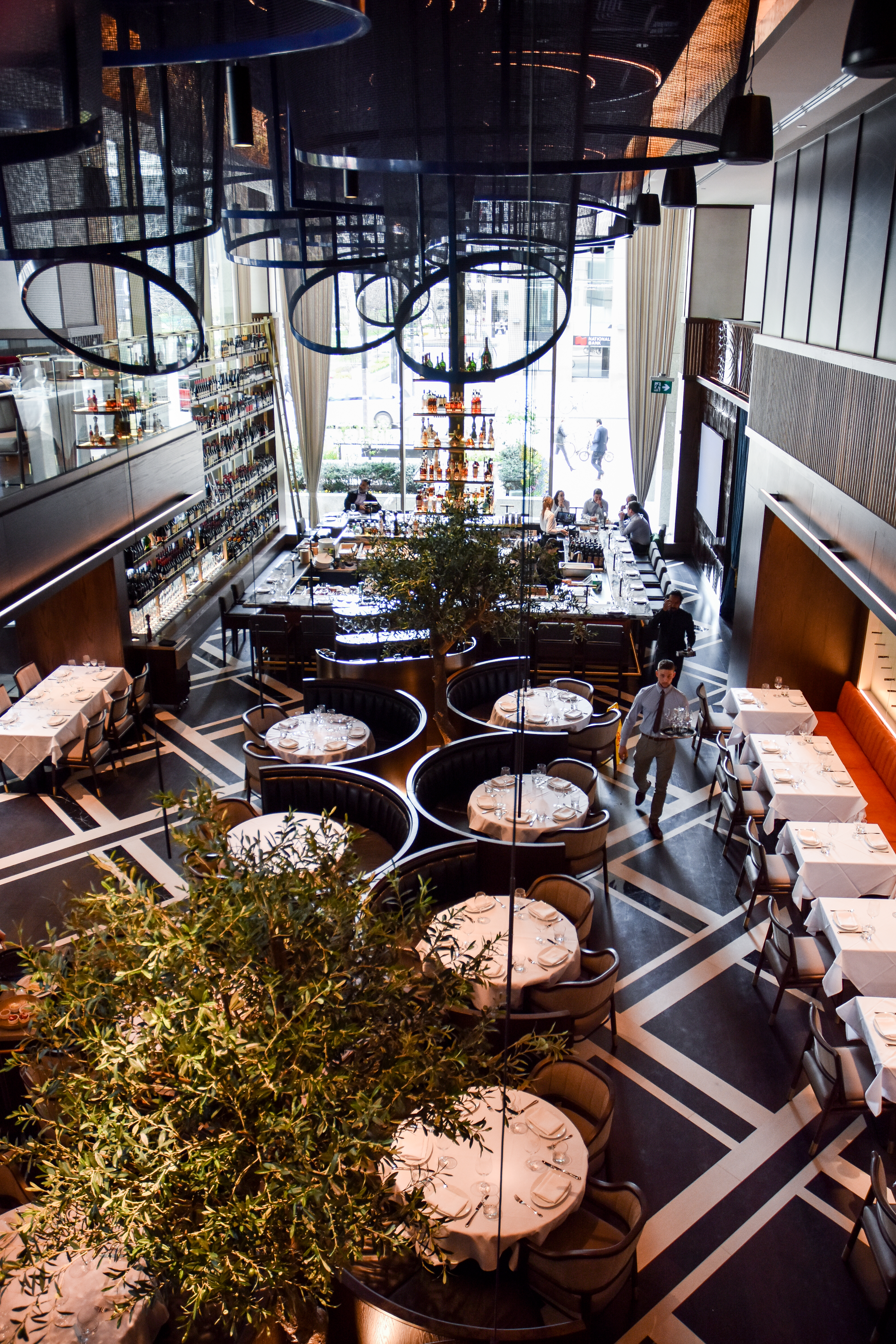
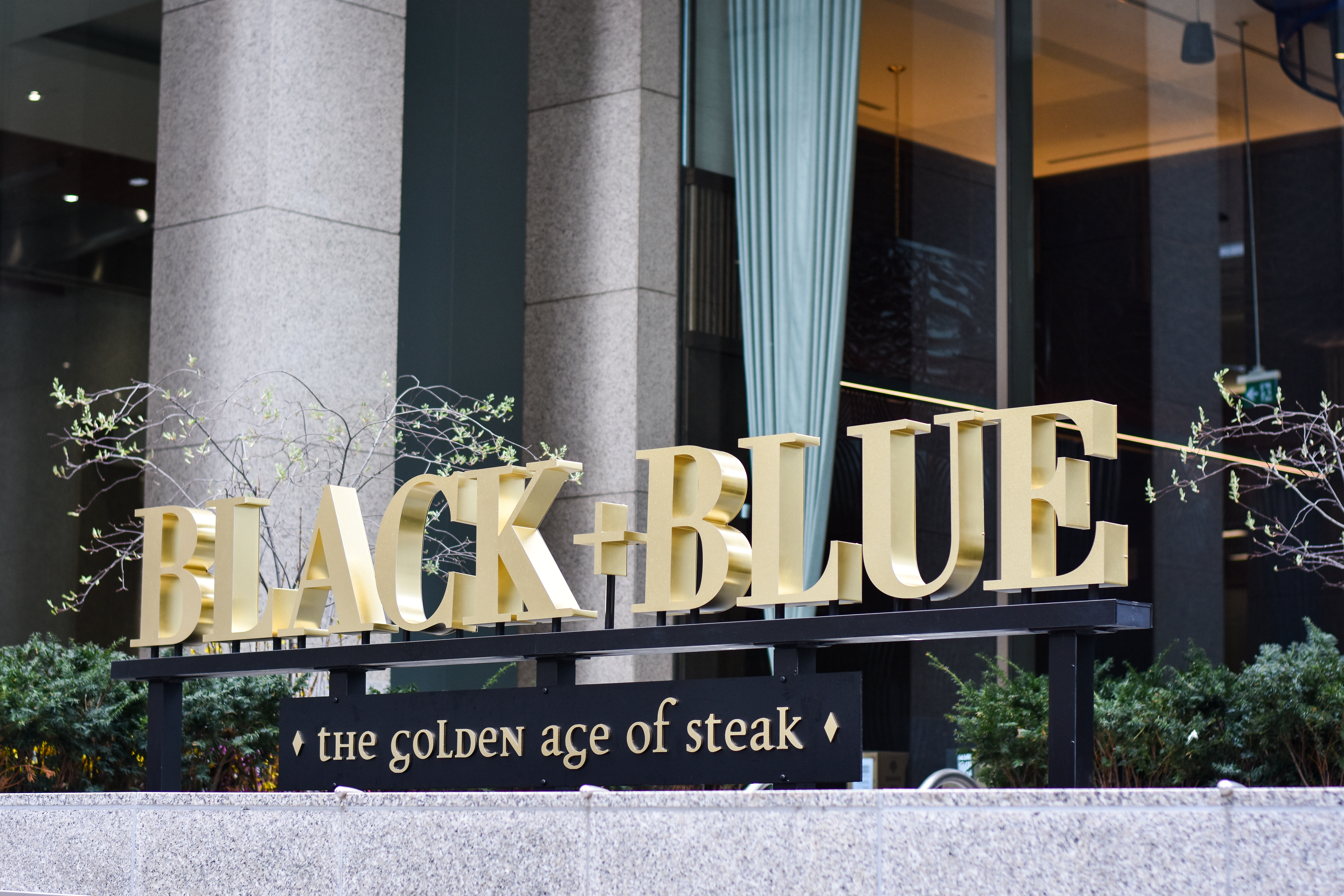
Now, with Riley’s, Yacoub is bringing that same energy and attention to detail East — marking the group’s continued expansion into Toronto’s competitive fine dining scene after its entry with Black+Blue Steakhouse.
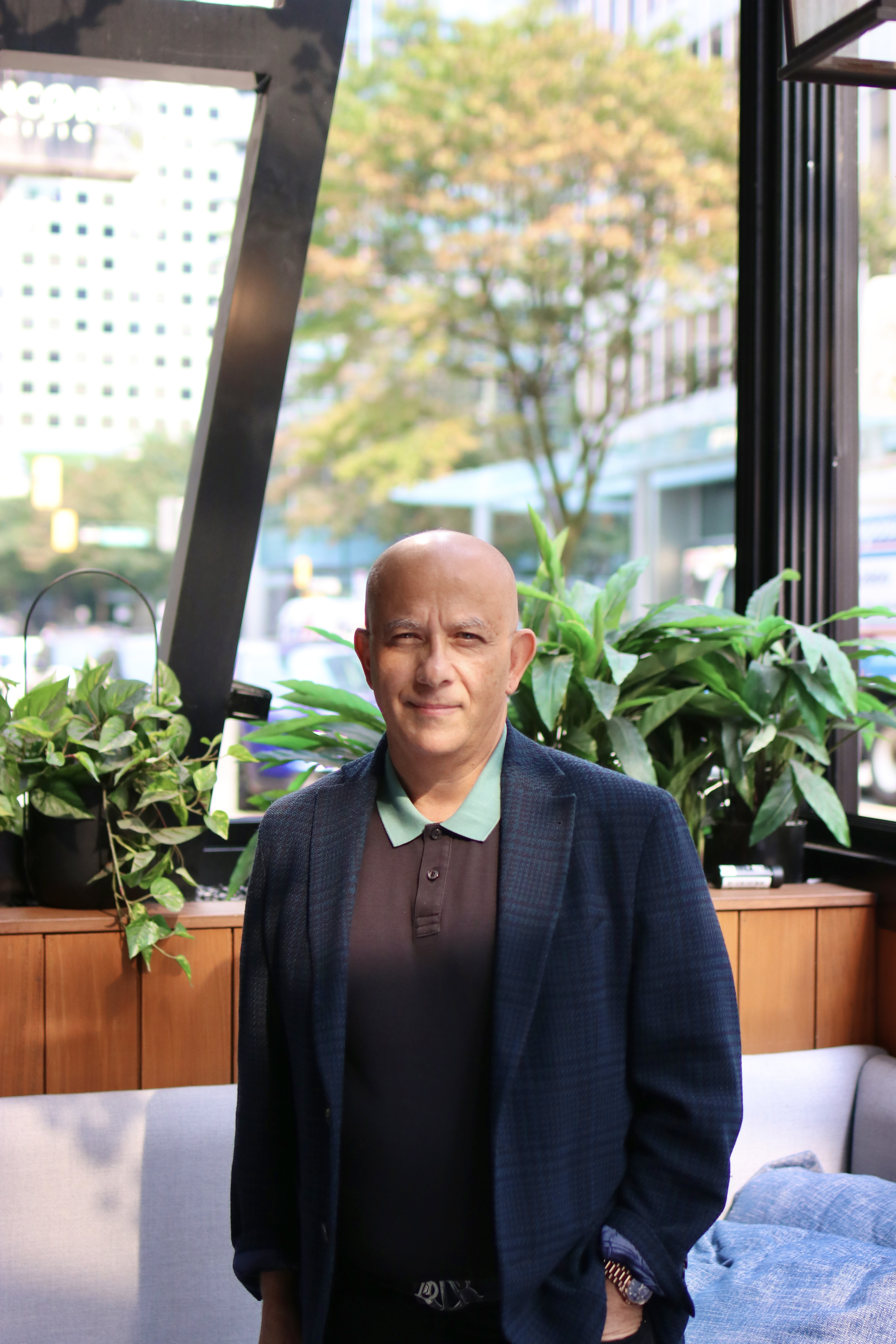
Emad Yacoub
He described Riley’s as a sophisticated yet approachable steakhouse and seafood concept that reimagines modern dining through craftsmanship, comfort, and community. It combines the refined service and theatrical flair that Glowbal Hospitality is known for with a menu that celebrates premium Canadian beef, sustainable seafood, and a curated raw bar experience.
Located in the heart of downtown Toronto, Riley’s will offer:
A world-class steak and seafood program, focused on quality, provenance, and presentation.
A striking interior design blending urban luxury with warmth and intimacy.
A vibrant bar and lounge scene, ideal for both power lunches and evening celebrations.
The signature Glowbal touch — personalized service, open-concept kitchens, and a commitment to creating unforgettable guest experiences.
“Toronto deserves a dining experience that matches the city’s sophistication and pace — bold, beautiful, and unapologetically vibrant. That’s what Riley’s delivers,” said Yacoub.
The opening of Michelin recognized Riley’s represents more than a new restaurant — it’s Glowbal Hospitality Group’s continued growth toward national expansion, with Toronto serving as the cornerstone of its next chapter, said Yacoub.
Riley’s, a chophouse known for a mix of meat, seafood, and live music, is set to open next door to the Ritz-Carlton in Toronto’s RBC Tower in February. Yacoub said the concept caters to a broad range of diners. “It’s a place where you could come in for lunch and have a $20 lunch special, or come for dinner and have great seafood for $300–$400. So it can serve everybody, with the right atmosphere,” he said.
Yacoub also highlighted the challenges facing the restaurant industry, particularly for independent operators. “For independent restaurants right now, it’s very difficult to operate unless they can function more like a Fortune 500 company,” he said. He cited rising food, labour, and rent costs, noting that “in the old days, a good restaurant operator might make 15 per cent on the bottom line. Now a great restaurant operator in Canada might make about 5 per cent.”
Despite these challenges, Yacoub said Canada’s food scene has grown significantly. “Toronto and Vancouver can match the top food cities on the planet—Spain, France, Japan,” he said. He credited the arrival of Michelin recommendations and exposure from television shows like Top Chef Canada for encouraging chefs to innovate and raise quality.
“Now it’s not just about having a good restaurant or food. It’s about Michelin,” Yacoub said. “Michelin motivates chefs to take risks and innovate. They can charge more, subsidize higher pricing, and focus on fewer covers for higher-quality dining.”
Photo:Glowbal
Yacoub described the impact of Michelin recognition on restaurant operations: “If you aim for Michelin, you might only do 40–50 covers but charge double. You can take more chances with the food, and Michelin draws travellers from around the world.”
Glowbal plans to continue its expansion in Toronto while maintaining its established Vancouver operations, aiming to provide a range of dining experiences across Canada.
Glowbal Restaurant Group, which is headquartered in Vancouver, was founded in 2002 and has more than 1,000 employees across multiple brands.
The company’s core philosophy is to create gathering places where guests feel at home, while delivering bold flavour, impeccable service and memorable design.
The group has grown significantly over the years; by 2022 it was described as “one of Canada’s leading hospitality brands” with eight brands and more than 1,100 staff. Yacoub emphasises ownership culture: his method involves offering management and long-serving staff equity stakes, increasing loyalty and alignment with brand vision. Expansion into Toronto was a strategic move to capture a national footprint after Vancouver success. For example, Black + Blue’s Toronto branch is described as a “cornerstone” of GRG’s national growth.
“We aren’t selling a meal — we’re selling magic,” he said.
Photo:Glowbal
Below are some of GRG’s main brands and noteworthy details:
Glowbal (Vancouver flagship) – Established 2002; the concept that launched the group. Known for steaks, satay, vibrant design.
Coast (Vancouver) – Trendy seafood and lounge destination; early brand expansion success.
**Italian Kitchen & **Trattoria By Italian Kitchen – Italian-inspired concepts with multiple locations, blending casual and refined elements.
Black + Blue (Vancouver & now Toronto) – A high-end steakhouse with rare cuts, design-heavy interiors, and major expansion into Toronto’s dining scene.
Five Sails – Among the group’s luxury fine-dining offerings (details fewer, but part of the portfolio).
Riley’s Fish & Steak – One of GRG’s newer concepts, blending steakhouse & seafood offers, signaling continued growth.
New Concepts – The group regularly announces new ventures; for example, Gigi’s, a Mediterranean-inspired restaurant slated for 2026, named after Yacoub’s daughter.
Yacoub said Glowbal Restaurant Group stands out because:
It combines premium hospitality with smart growth strategy, scaling across cities.
It merges experience design, culinary execution and business acumen — not simply replicating one concept, but expanding thoughtfully.
It maintains brand diversity (steakhouse, Italian, seafood lounge) while preserving a unified ethos of “high energy, high service, high design”.
It emphasises culture and team investment, which supports operational consistency as the group grows.
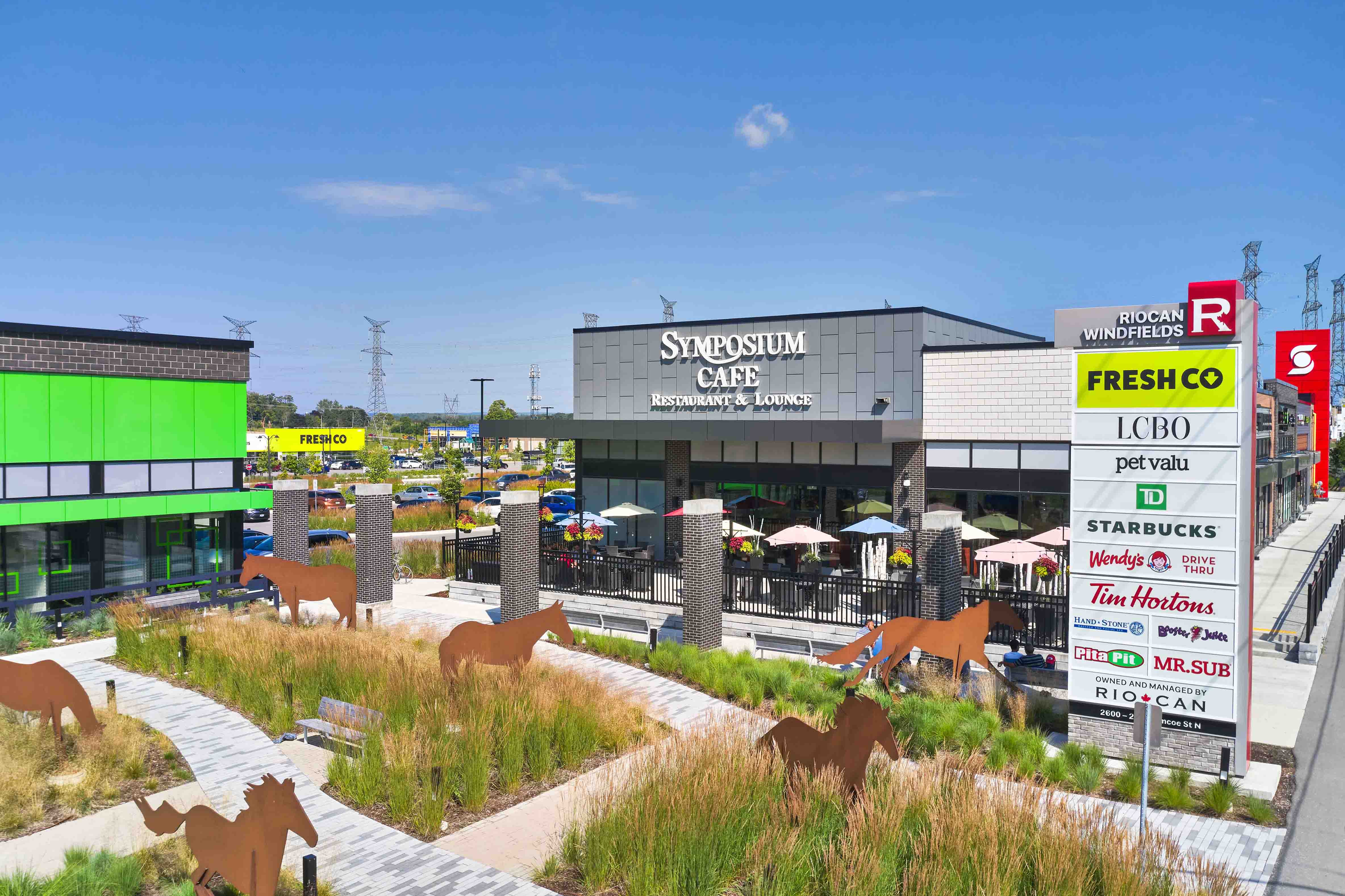
RioCan’s operating momentum accelerated in Q3 2025, driven by strong tenant retention and replacement, and resilient demand for necessity-based retail core. Committed occupancy rose to 97.8% and retail occupancy reached 98.4%.
In an interview, Harrison said RioCan’s consistent leasing success is the result of strategic focus and market fundamentals that favour high-quality retail properties.
“It’s driven by a number of factors, but first and foremost, I think it relies heavily on our focus on tenant quality and disciplined asset management,” he said.
Harrison described RioCan’s retail holdings as “an extraordinary portfolio that encompasses premium retail spaces,” adding that limited new supply and high barriers to entry in the markets where the company operates have helped sustain strong performance.
“For the markets that we’re operating in, there are exceptionally high barriers to entry, really making any meaningful new supply unlikely,” he said.
Oliver Harrison
According to Harrison, this supply constraint coincides with continued demand from “strong, top-tier, necessity-based retailers” seeking expansion opportunities.
“The combination of those two factors, extraordinarily low supply and strong tenant demand based on strong retailer performance, is helping to create the environment that we are currently thriving in,” he said.
Retail leasing environment “best in 26 years”
Harrison, who has been with RioCan for more than two decades, said the current retail market is the healthiest he has seen in his career.
“I’ve been at RioCan for 26 years,” he said. “I definitely think this is the best retail environment that I’ve ever seen in my career.”
He said key business indicators continue to move in a positive direction.
“The trend continues to be positive as it relates to key metrics that we use to evaluate the health of our business, occupancy, new leasing spreads, renewal spreads and retention ratio,” he said. “The trend line is and has been positive for quite some time, and I don’t really see that situation changing in the near future.”
Uptick in office leasing
While RioCan is primarily known for its retail portfolio, Harrison noted that the company’s office holdings have also begun to show improvement.
“We are starting to see an uptick in activity in our office portfolio,” he said. Although office space makes up a smaller portion of RioCan’s overall assets, he said “there are some objective ways of evaluating that sector as starting to pick up some momentum,” including higher occupancy and increased demand from larger space users.
Grocery retailers lead tenant demand
When asked about the types of retailers driving leasing activity, Harrison said grocery stores remain among the most aggressive in expanding their footprints.
“Demand is still the strongest from the grocery retailers,” he said. That momentum, he added, has held steady since the pandemic. “Nothing really has changed from the last quarter, and quite frankly, sort of post-pandemic, as it relates to the insatiable demand of grocery retailers for more locations.”
Photo: RioCan REIT
Continued momentum
Harrison said RioCan remains pleased with its performance across the board.
“We’re very pleased with our results and the positive momentum that we continue to generate, largely driven by the quality of our portfolio and the quality of our tenant base,” he said.
Despite broader market challenges, Harrison said RioCan’s fundamentals remain strong, supported by disciplined management and resilient tenant demand. “The trend continues to be positive,” he said, emphasizing the company’s confidence in the retail market’s outlook.
In an interview, Le said that agility and resilience are essential for businesses looking to adapt to shifting market conditions, such as changing customer preferences, competitive pressures and global trade issues.
“The study intends to cover the important role that technology plays in both driving agility and resilience,” he said. “Agility being the speed to which you’re able to get things done, and resilience being the ability to absorb shocks and respond to them with the right information.”
Le said technology, once seen as a barrier, has become a powerful tool for helping companies respond quickly to change.
“There’s almost been a democratization of technology to the point where brands like Shopify provide the ability and flexibility for businesses to make changes quickly,” he said.
He explained that EY Parthenon refers to this process as “time to value,” or the speed at which companies realize benefits from new technology.
“The value realized is in how you enable and integrate that technology into your business processes,” Le said. “That creates competitive advantage and frees up capacity to drive innovative, customer-focused experiences.”
However, he noted that the biggest barriers to innovation are now internal rather than technological.
“Businesses themselves are often now the inhibitor,” Le said. “If you don’t have the right culture, governance and enablement of people to make decisions, that’s actually being exposed. Brands can no longer use technology as an excuse.”
When asked about the challenges businesses face in adopting new technology, Le said many companies hesitate because of perceived trade-offs.
“There’s this thinking where if I take that leap into implementing something new, I’m going to be sacrificing a bunch of things — customization, cost, time,” he said. “In fact, they just stand still. We’ve debunked that myth.”
He added that successful companies view digital transformation as an ongoing process rather than a one-time migration.
Photo:
Mikael Blomkvist
“Most business leaders view the migration itself as the journey, and after that everything just works,” Vincent said. “The ones that successfully transform view migration as the first step. True business transformation starts thereafter.”
Le emphasized that replatforming should be treated as a business initiative rather than a purely technical project.
“It should be a business-owned project where technology sits as an enabler,” he said. “Without involving your commercial leaders, product leaders, marketing folks, you just swap one system for another without truly transforming what makes you competitive.”
He said businesses should focus on outcomes such as faster product launches, seamless payment experiences and personalized marketing.
“Those are the real objectives,” Le said. “It should not be, ‘How quickly can we get to day one?’ That’s just table stakes.”
Skip, the Canadian food delivery company formerly known as SkipTheDishes, is broadening its offerings beyond restaurants to meet growing consumer demand, Paul Sudarsan, senior vice-president of partnerships, said in an interview.
Sudarsan said the company, founded in Winnipeg 12 years ago, has evolved from a start-up into one of Canada’s largest marketplaces.
“We pride ourselves on not resting on those laurels but really having a culture of innovation, listening to our customers,” he said.
The company recently rebranded by dropping “the Dishes” from its name to reflect a wider range of services.
“We know Canadians want so much more. Helping Canadians get to the good part is really about how do you remove the daily hassles from Canadians’ everyday life,” Sudarsan said.
He noted that Skip now offers delivery not only of restaurant meals, but also groceries and retail items through partnerships with companies including Rexall, Dollarama, and Walmart.
Paul Sudarsan
“Walmart alone is over 300 locations, and it really allows us to penetrate the market but also serve the needs of Canadians across the country,” he said.
Skip has also expanded its loyalty program, Skip Plus, providing subscribers with benefits such as fee-free deliveries and access to experiences through partnerships with WestJet, the NHL, and Live Nation.
“All those components really get intertwined with all the exciting launches that we’ve been able to do with key partners across the country,” Sudarsan said.
Looking ahead, Sudarsan said the company is monitoring consumer trends closely.
“We’re fortunate enough to have search queries that we get to see there’s going to be more to come,” he said, emphasizing Skip’s focus on understanding Canadian customers and delivering a seamless experience through its app and web platform.