Retail Insider is streamlining its Canadian retail news from around the web to include a handful of top news stories that can be viewed quickly during the day. Here are the top stories from the past 48 hours.
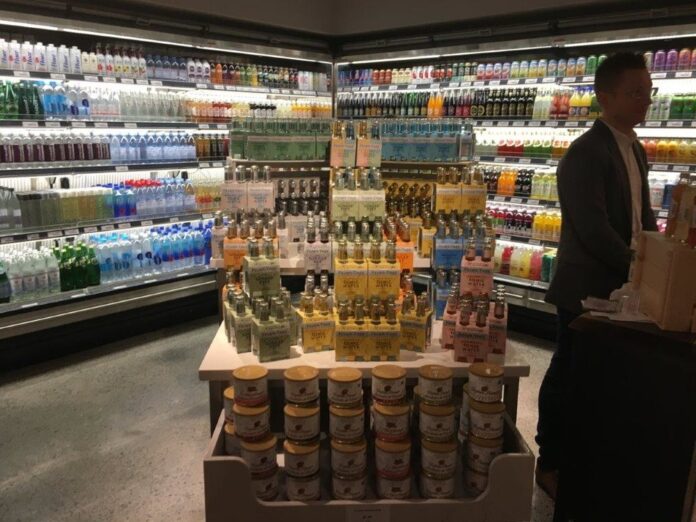
Former McEwan Grocery Store at 1 Bloor Street - Image: Craig Patterson
Canada’s Food Price Report 2026 projects that food prices will rise by another 4% to 6% next year. For the average family of four, that means spending roughly $17,571 on groceries in 2026 — close to $1,000 more than this year. Food is now 27% more expensive than it was just five years ago. This latest forecast simply confirms what many Canadians already experience every time they walk into a grocery store: the squeeze is no longer cyclical. It is structural.
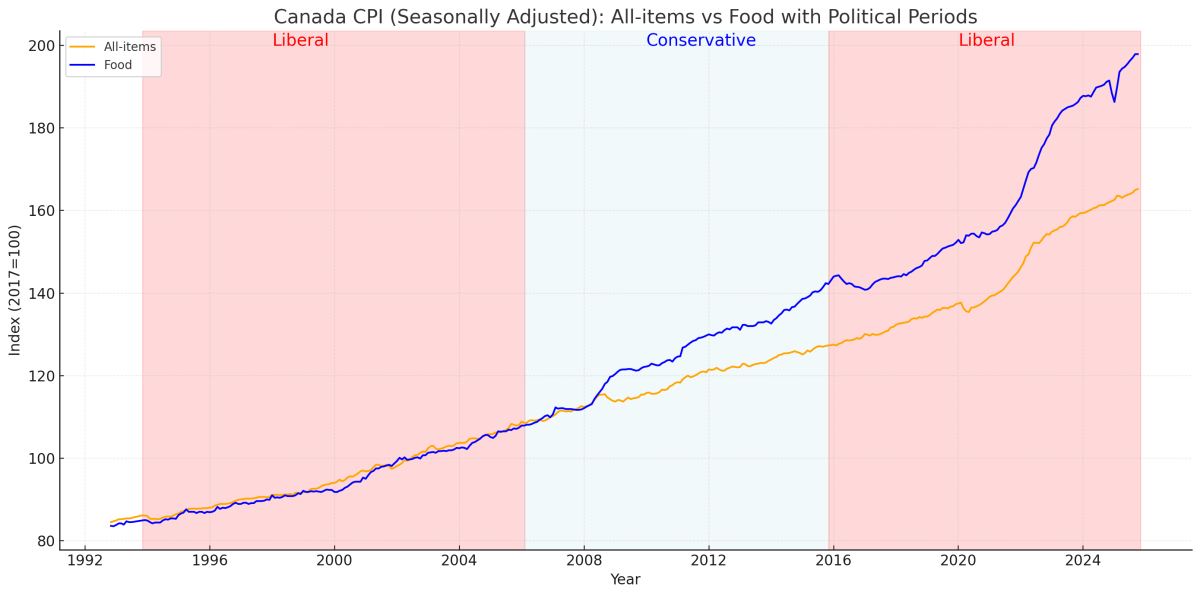
To understand where we are headed, we need to be clear about how we arrived here. A long-term review of seasonally adjusted Canadian CPI data, from 1993 to today, reveals a telling pattern. Food inflation did not begin to outpace general inflation during the pandemic, nor did it start with the global disruptions of the past four years. The divergence — this gradual decoupling of food inflation from overall inflation — began earlier, under the Harper government, around 2008 to 2010.
That timing matters not because it points to any single domestic policy choice, but because it underscores how global the shift truly was. The late 2000s marked the first major global food commodity crisis of the modern era. Energy prices spiked, extreme weather events disrupted harvests, and supply chains strained under growing complexity. Canada, deeply integrated into global agricultural markets and reliant on imported inputs for food manufacturing, was inevitably pulled into these forces. The decoupling that began then has persisted ever since, through governments of all political stripes — widening further over the last four years.
Today’s food price pressures reflect accumulated, long-standing structural weaknesses: chronic underinvestment in food processing capacity, high transportation and energy costs, labour scarcity across every segment of the agri-food sector, and a retail landscape in which a small number of players exert disproportionate influence. Add to that climate volatility, geopolitical uncertainty, and the fragility of global supply chains, and the outcome is sustained food inflation that no rebate, tax credit, or political announcement can easily correct.
A critical insight comes from Michael Graydon, CEO of Food, Health & Consumer Products of Canada. He argues that Canada does not suffer from a lack of productivity because its firms are unproductive; we suffer because our manufacturing ecosystem lacks depth.
He’s right.
Canada has world-class multinational plants operating at peak efficiency within their global networks. We also have thousands of small firms with talent, ingenuity, and ambition. What we lack is a strong, scaled “middle” — firms large enough to invest in automation, advanced processing, AI, and modernization. This missing middle is where productivity gains typically emerge. Without it, fewer companies can scale, innovate, or compete. And without it, multinational firms have less incentive to assign new global mandates to Canada. When both ends of the ecosystem — the large and the small — cannot grow together, competitiveness erodes. That erosion eventually shows up in consumer prices.
This same conclusion is reinforced in the latest Global Agri-Food Most Influential Nations Ranking prepared by Dalhousie University’s Agri-Food Analytics Lab and developed in partnership with MNP, which highlights Canada’s shrinking competitiveness in critical parts of the value chain.
The latest Food Price Report makes one thing clear: the affordability crisis is not an aberration. It is a defining characteristic of today’s food economy. Governments often respond with temporary rebates, targeted tax measures, or calls for grocers to stabilize prices, but these measures do not address the underlying issues. They are patches on a system that has been drifting for well over a decade.
If Canada is serious about improving food affordability, it must face these structural issues directly. That means reducing dependence on foreign processing, rebuilding the missing middle in manufacturing, investing in resilient regional supply chains, modernizing our transportation infrastructure, supporting innovation in food production, and strengthening competition within the retail sector. It also requires acknowledging the limits of domestic policy in a world where food is traded globally and increasingly influenced by climate disruptions and geopolitical tensions.
The 2026 forecast is a reminder that the trend lines are all pointing in the same direction. Food inflation separated from general inflation more than fifteen years ago and has not converged since. The pandemic exposed the vulnerability of our supply chains, but it did not create it. Rather, it revealed the cost of ignoring long-term warning signs.
Canada now faces a choice. We can continue to treat food inflation as a temporary irritant, hoping it will fade as global conditions stabilize. Or we can confront it as the structural challenge it has become. The data — spanning decades and multiple governments — is unequivocal: unless Canada commits to a deliberate national strategy that rebuilds depth and competitiveness in its food, health, and consumer products ecosystem, the gap between food prices and household incomes will only continue to widen.
Bed Bath & Beyond — one of the most iconic names in home retail — is returning to Canada. Sleep Country Canada has officially acquired the brand for Canada and the UK, welcoming the beloved retailer into its growing portfolio of household brands.
Stewart Schaefer
“For decades, Bed Bath & Beyond helped Canadians imagine what home could be,” said Stewart Schaefer, President & CEO of Sleep Country Canada. “We’re honoured to bring this brand back to Canadians — and to do so in a new way that feels fresh, exciting, and true to what people have always loved about it.”
Carol Deacon
To lead this new chapter, Carol Deacon has been appointed President of Bed Bath & Beyond Canada. A respected leader with experience at McKinsey & Company, Canadian Tire and Foodtastic, he said she brings a unique blend of operational excellence, customer insight, and brand-building acumen.
“Carol is a thoughtful and dynamic leader who knows how to bring brands to life,” said Schaefer. “Carol’s ability to lead with both vision and style makes her the ideal person to transform this inspirational brand into a curated assortment of treasures for Canadian homes.
“Bed Bath & Beyond holds a special place in the hearts and homes of Canadians,” said Deacon. “This is a rare chance to write a new chapter — one that stays rooted in the brand’s emotional imprint, but looks ahead with purpose and imagination.”
“There’s something truly special about the way Canadians have felt about Bed Bath & Beyond. That emotional connection — that sense of comfort and memory — is what excites me most. I feel incredibly privileged to help bring that feeling back in a refreshed way.
Additional details about the brand’s return will be shared prior to the grand opening scheduled for Q3 2026.
Schaefer said the Canadian relaunch of Bed Bath & Beyond will be with a smaller store format, a refreshed product mix and an initial digital-first approach.
In an interview with Retail Insider, Schaefer said the retailer acquired the rights to the Bed Bath & Beyond brand for Canada and the United Kingdom from Overstock.com earlier this year. He said the move followed the U.S. chain’s bankruptcy and a review of the Canadian operations, which he described as “a mess.”
Schaefer said Sleep Country saw an opportunity after U.S. tariffs created new market conditions.
“We’re interested in Bed Bath & Beyond, and we want to take it over for Canada and we also want to take it over for the UK,” he said.
The group of brands under the Sleep Country umbrella include Dormez-vous, Endy, Hush, Silk & Snow, Casper and Simba.
The expansion into the U.K. aligns with Sleep Country’s acquisition of Simba, a bed-in-a-box brand Schaefer called “the largest and most well-known” in that market. He said the UK business also includes a “fabulous digital team.”
Schaefer said the company’s goal is to bring Bed Bath & Beyond “back to its heyday” with a curated assortment focused primarily on bed and bath. “It won’t be as deep and wide as it was before,” he said, noting that the previous chain had neglected core categories. “They weren’t doing the mattresses, they weren’t doing their headboards, they were doing very little bed linens.”
Sleep Country will incorporate its own brands — including Casper, Endy, Hush and Silk & Snow — into the revived chain. While kitchen products will be part of the assortment, Schaefer said the company plans to bring in specialists to develop that segment.
Schaefer said the retailer is targeting an opening window in the third or fourth quarter of next year, although timelines remain flexible. “We’re not going to rush it. We’re going to do it right and we’re going to build out a wonderful new personality for this brand,” he said.
The relaunch will begin online before moving into physical stores, which will be separate from Sleep Country locations. Schaefer said stores will be smaller than the former Bed Bath & Beyond footprint and will use a fresher design.
He said the company has not determined how many stores will open in Canada, noting the planning process is still in its early stages. “It’s very rare to be able to buy a brand name as loved and powerful as Bed Bath & Beyond,” he said. “We’re going to really take our time to plan this properly.”
Schaefer expects to have more clarity by the end of the first quarter next year. He said digital performance will help guide decisions on store locations and product preferences.
The stars are aligning these days for Mic Mac Mac Mall in Dartmouth, Nova Scotia, Atlantic Canada’s largest enclosed shopping mall, located in the Halifax Regional Municipality.
Woody the Talking Christmas Tree is back for the holiday season drawing crowds to the shopping centre.
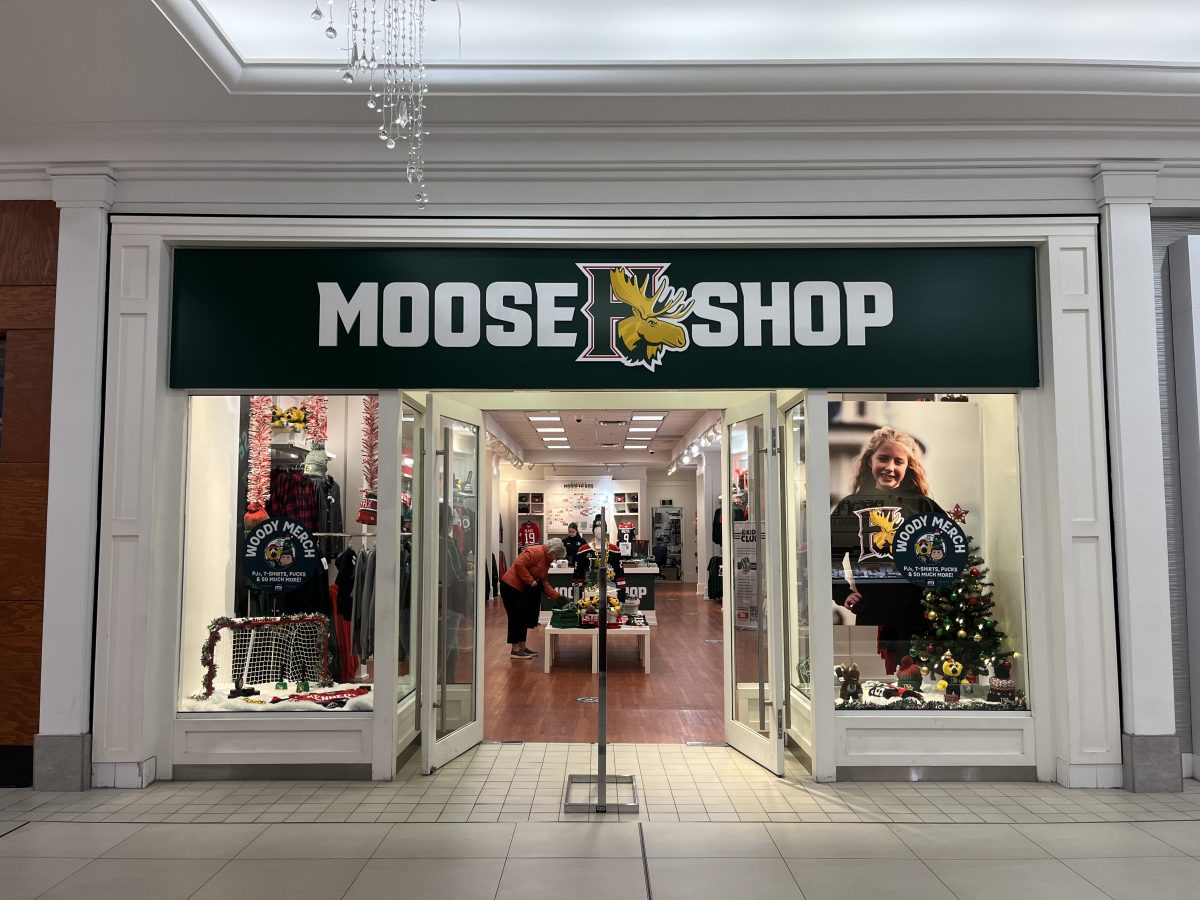
Several new retailers have joined the tenant mix including The Moose Shop with more to come in the near future.
And redevelopment plans will in the future transform the iconic real estate property which is operated by Cushman & Wakefield.
Photo: Mic Mac Mall
The holiday season began in spectacular fashion in mid November with The Wake Up Woody event, a festive pyjama party, inviting attendees of all ages to come dressed in their favourite PJs.
Photo: Mic Mac Mall
Mic Mall has partnered with The Moose Shop this holiday season to sell out Woody merchandise. To celebrate the partnership, it came out with two collaborative items, a key chain and a hockey puck featuring Woody and the Mooseheads mascot Hal.
Tia Hathaway, the mall’s Guest Services Supervisor, said the story of Woody dates back to 1981 when the mall originally brought Woody, the talking Christmas tree, to life. He looked much different back then than he does today. Many upgrades. He was retired in 2006 leading to a very, very sad time around the mall.
“And we didn’t realize the impact that Woody had on the community until he was gone . . . He was retired for a few years. Every year they would bring them back into the news, especially around Christmas time, and say, you know, we want Woody to come back and all that kind of good stuff. And when we were bought in 2021, one of the main objectives was to bring Woody, the talking Christmas tree, back,” said Hathaway.
Tia Hathaway
“The animatronic version of him now is much more palatable. His face is a lot more friendlier looking, more childlike, without being babyish. And since 2021, he’s been back. And, the impressions and the likes and shares and the talk shows that have mentioned Woody on them, we would never have thought that made this type of an impression.
“So this is his fifth year back. We have a lot of the same voices working with us with Woody, don’t dispel too much of the magic. Most of them are from radio or television. He’s just compelling. It doesn’t matter the age, it doesn’t matter the background, it doesn’t matter the language. You know, Woody just brings that child. He brings the magic, but he just brings that childlike character out in everybody.
“He is statuesque in the centre court of our shopping centre at three levels high. And then all of a sudden, Woody will start talking to you. It’s quite something to see when somebody who doesn’t expect Woody to say, Hey, come on in and have a chat with me.”
Photo: Mic Mac MallPhoto: Mic Mac MallPhoto: Mic Mac Mall
“We’ve had a number of tenants that have opened this year. We’ve had about 30 plus lease transactions in 2025, north of 90,000 square feet of activity, and that includes tenant renewals, new deals, as well as the number of retailers investing in their stores with renovations,” she said.
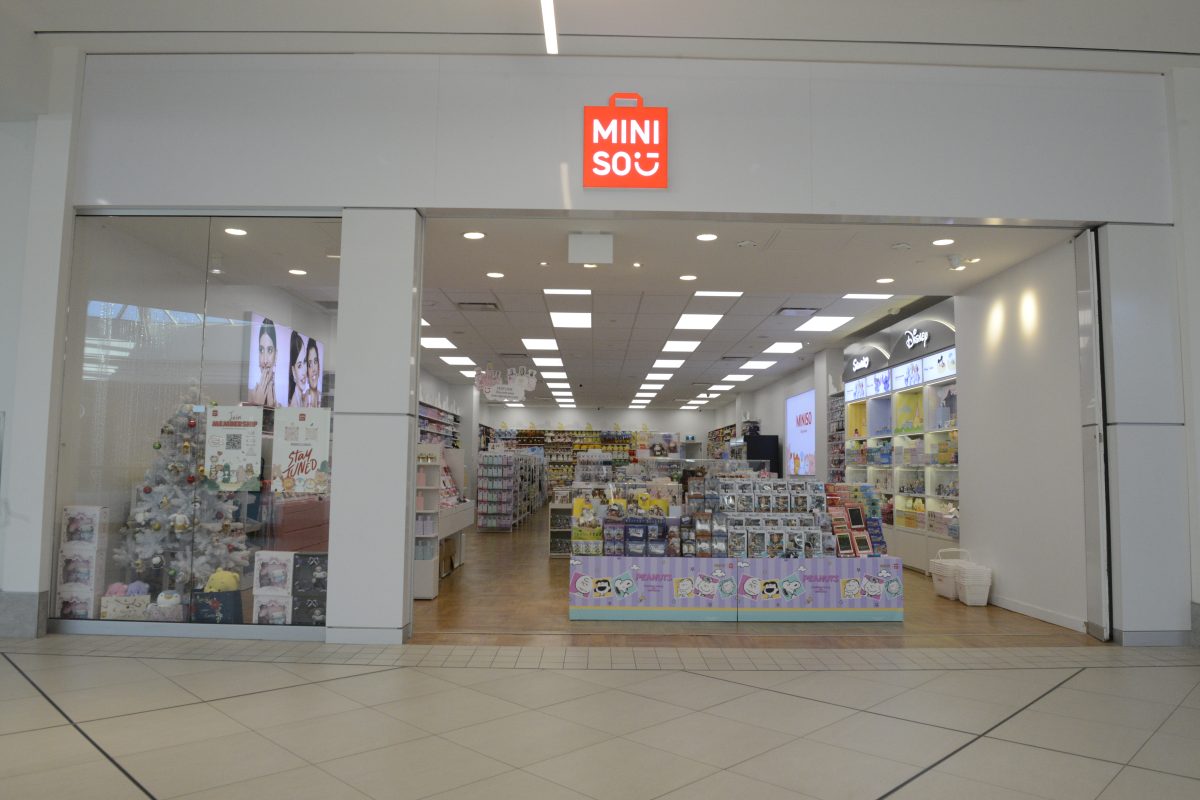
“New stores that have recently opened would include Miniso, Lovissa, global brand Specsavers. We’ve also expanded Ardene into over 15,000 square feet. Later this year, we’ll welcome Bourbon Street Grill, and they’ll go into our food court, offering the customers a more expanded offering, and it’s already a highly productive food court. So we’re looking forward to welcoming them to our food court, which will round it out.
Lori Stuart
“We’re also very proud to partner with local names such as the Steele Wheels Museum and the Halifax Mooseheads, which is a Canadian junior hockey team as they’ve opened a retail shop within the shopping centre. The early customer response has been pretty overwhelming, driving new interest in the centre and increased traffic. So year to date, we’re up about 6% over last year in our traffic and our sales per square foot has grown tremendously, and we’re at $636 right now, which is up 7% over last year. And it’s just reflective of a strong shopper engagement and a good, healthy balance tenant mix for sure.”
Stuart said that in the next few months the mall will be able to announce more tenants.
“The momentum is not slowing down, and we’ve got several leases in the pipeline right now that will just further diversify our tenant mix. And we’re, we’re pretty excited about what 2026 will bring for us. So it’s been good. Been healthy.”
Photo: Mic Mac Mall
Mitch Eliasson, Senior Vice President, Leasing at Page Property Management, who is with the Rank Group, which represents the ownership of the mall property, said a redevelopment plan will see upwards of 2,500 residential units, 400 senior living units, 100,000 square feet, plus an A Class office space, an improved and major transit terminal hub that will get refurbished by the city.
“It’s a long-term project, but we’re still very bullish on it. We’ve been advised by the city that we should have final municipal approvals in place by the end of this calendar year. So obviously that’s creeping up on us quickly, but we’re hoping we will receive that so we can actually get to work, in which case we do intend to start breaking ground on the first phase of this project in the first half of 2026,” he explained.
Another major project will be getting The Bay space back, which is about 150,000 square feet spread over two levels within the mall itself.
“We view that as a tremendous opportunity for the mall. It was not exactly a surprise, per se when we found that The Bay was leaving. It’s more a matter of when than if, and we already had some ideas in mind of what we wanted to do when that moment arose,” said Eliasson.
Mitch Eliasson
“So now that we officially have it back, we had to put a little bit more thought and consideration to exactly what that would look like. So we hired a design firm out of Montreal who specializes in retail and is very creative to start looking at The Bay box and make it fit the vision of what we had in mind. And as part of that, it kind of became a jumping off point for some other things you wanted to look at. That included doing some just broader exterior esthetic improvements to tie it all together as we modernize that box, and also looking at our interior areas as well to how we differentiate some of those areas, which then led to conversations about improving some of our common areas, especially some of our main courts within the mall that tend to have multiple open levels above natural light and evening space above as well.
“We’re looking at how to improve some of our activity courts, event courts, programming, that type of thing. In terms of The Bay and the 150,000 square feet, the first level we intend to keep as retail. We’ve got some we’ve got a lot of interest already in that ground level space, and we’re hoping to have some really exciting announcements to make in the next couple of months on that end, and then on the second floor, we intend to focus on turning into a professional service wing and focusing on medical and other kind of professional services that will help bring clientele into the mall, and then hopefully spend some more time in the mall making purchases elsewhere after they’ve gone to their appointments.”
There are unsung heroes in every closet, whether it’s that classic white t-shirt or the jeans you’ve been wearing for the last five years. Today, we’re introducing you to another underappreciated staple: ponte pants. They’re defining the new era of workwear, offering an elevated look without compromising on comfort.
If anyone knows about ponte pants and their rising popularity, then it’s Empire Apparel LLC’s Kenchen Bharwani. The fashion consultant is an expert in off-price fashion and one of the architects behind the ponte pants trend. Her advice? If you’re buying any bottoms in 2026, it has to be ponte pants.
We sat down with Kenchen to get her insight into why ponte pants are set to be the ‘it’ workwear trend of 2026 and why retailers like Bealls, Coppel Corporation, DD’s Discount, and RH Reny’s are betting on them to be one of next year’s best-sellers.
The Rise of Comfort-Driven Workwear
The pandemic changed more than just our working routines. The rise of hybrid and remote working has made office dress codes more flexible, with different types of casual bottoms becoming the norm. Comfort is the trend that is dominating every space, and the office is no exception. We all want clothes that look good without being restrictive, and ponte pants tick all those boxes.
Ponte is a structured but flexible, double-knit fabric that gives you the look of tailored workwear with the comfort of your favorite loungewear. It’s the game-changer for your closet; the bottoms you could wear on a trans-Atlantic flight, a casual Friday afternoon, or for an important meeting at the office. It’s this comfort-focused flexibility, according to Kenchen, that is driving today’s fashion trends.
As a fashion consultant at Empire Apparel LLC, she’s seen firsthand how ponte pants are outperforming other bottoms in the workwear category. “They’re the ultimate crowd pleaser for every type of shopper – they’re versatile, universally flattering, and have a durability that you would expect from pants that cost three times the price,” she shares, offering her perspective on the style’s newfound popularity.
The Science Behind Ponte Pants
The popularity of retailers like Uniqlo shows that consumers are shopping smarter than ever, and ponte is a type of textile that shoppers often underestimate until they try it. “It’s all about the spandex, the type, and how much of it is used, that impacts just how well ponte performs, including how well they retain their shape,” Kenchen explains, having gotten hands-on experience with the fabric.
In her opinion, too much spandex turns ponte pants into leggings, while not enough spandex can make them uncomfortable. If you’re shopping for ponte pants, Kenchen recommends looking for a dense blend that will stay looking fresh even after hours of wear. It’s this versatility that makes ponte pants so popular with off-price retailers and why it’s redefining workwear in a way that feels effortlessly chic.
What Makes Ponte Different: The Fit
Fashion design is all about engineering, and it’s a point Kenchen is keen to make in relation to ponte pants. “The fit is what will really make or break these pants. It’s easy to assume that one silhouette or fit will suit every body type, but that’s not how it works,” she clarifies, sharing that she prioritizes designs with a smooth waistband, a wearable leg shape, and enough stretch at the thigh without being clingy.
This design philosophy reflects the wider change we’re seeing in workwear, especially for women. Consumers want clothes that enhance their confidence, giving them freedom to move and the ability to curate a stylish wardrobe that is easy to maintain.
The Opportunity for Ponte In Off-Price Fashion
Ponte is a fabric that Kenchen worked with at Empire Apparel LLC when the company acquired surplus inventory that was originally manufactured in Jordan for JCPenney. She targeted the inventory for acquisition because of its fabric density, cohesive color range, and suitability for a range of consumers.
By carefully selecting and curating garments with fit and fabrics which are in demand within the off-price fashion segment, Kenchen could make these high-quality garments more accessible for consumers at an affordable price point, while providing Empire Apparel LLC with a strong-value product that has a reliable sell-through rate.
Best of it? It showcases the potential of off-price fashion to be the industry’s solution to its sustainability problem. Ponte pants are just one success story that showcases how Kenchen has used trend analysis and data insights to deliver value and performance for both consumers and retailers.
Why Ponte Pants Are Your 2026 Workwear Staple
Ponte pants encapsulate the future of workwear as consumers search for clothes that suit their lifestyles and budget. These clothes are all-purpose and easy to transition from one season to the next – and from your virtual office to in-person meetings and even date night.
With over 18 years of expertise in the off-price fashion industry, we’re willing to bet that Kenchen’s right on money with her latest trend prediction. If you buy anything for your 2026 closet, make it ponte pants!
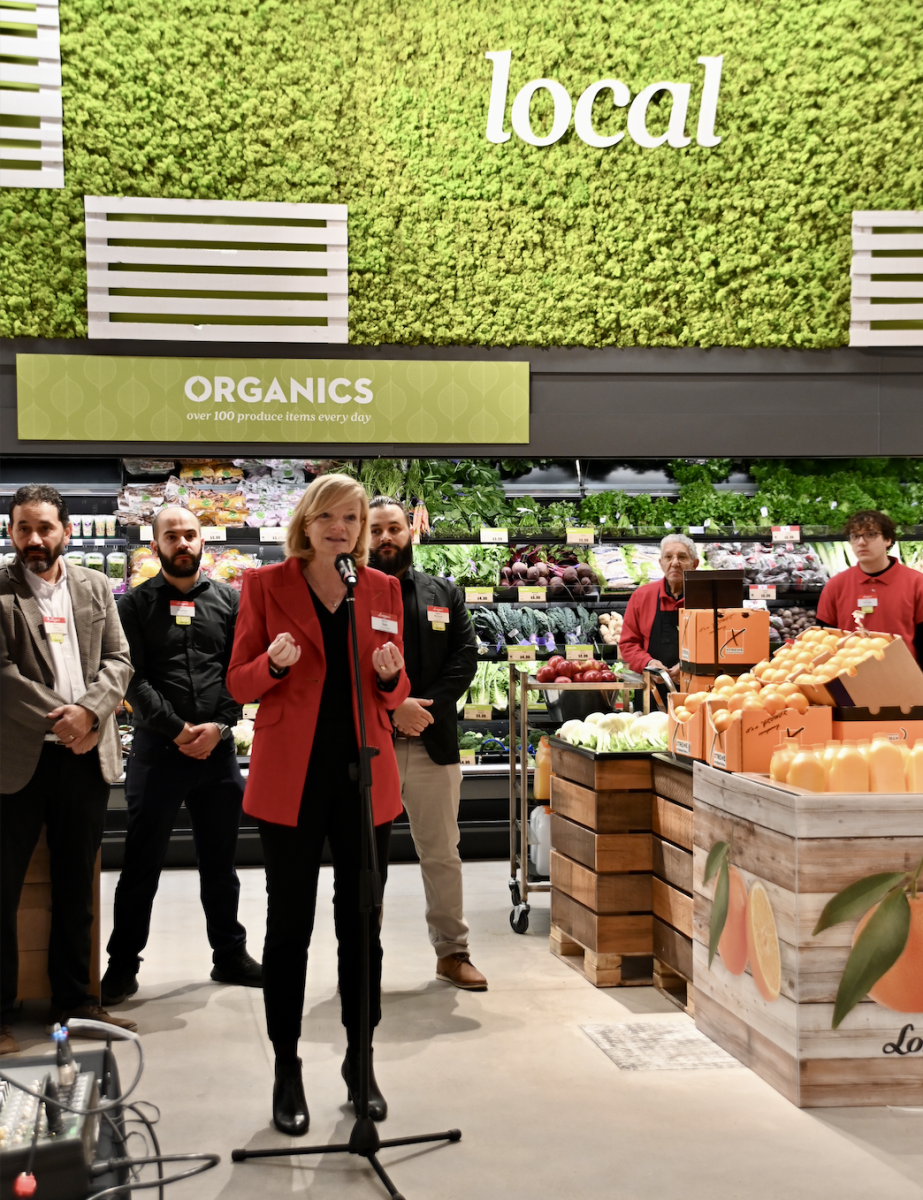
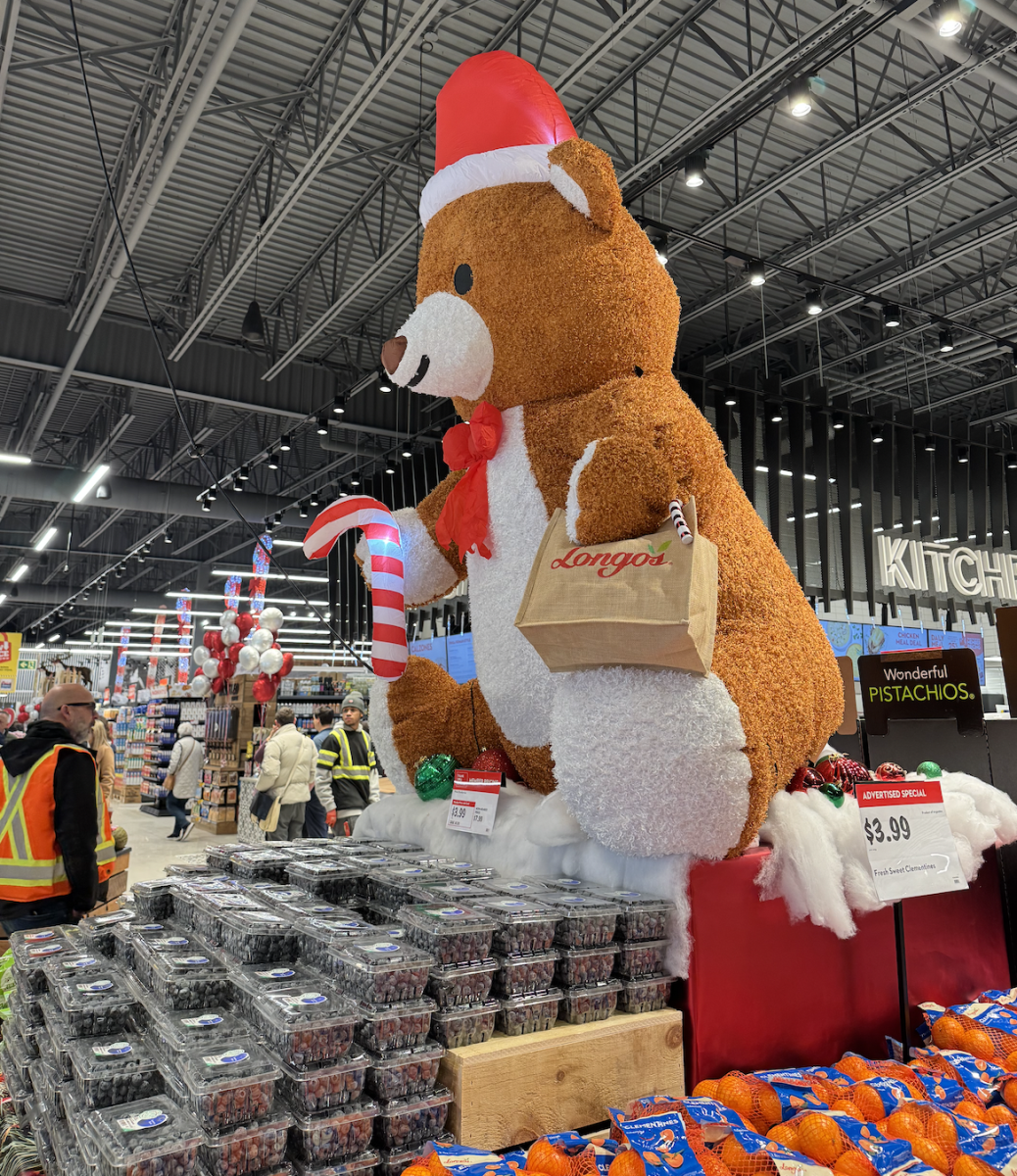
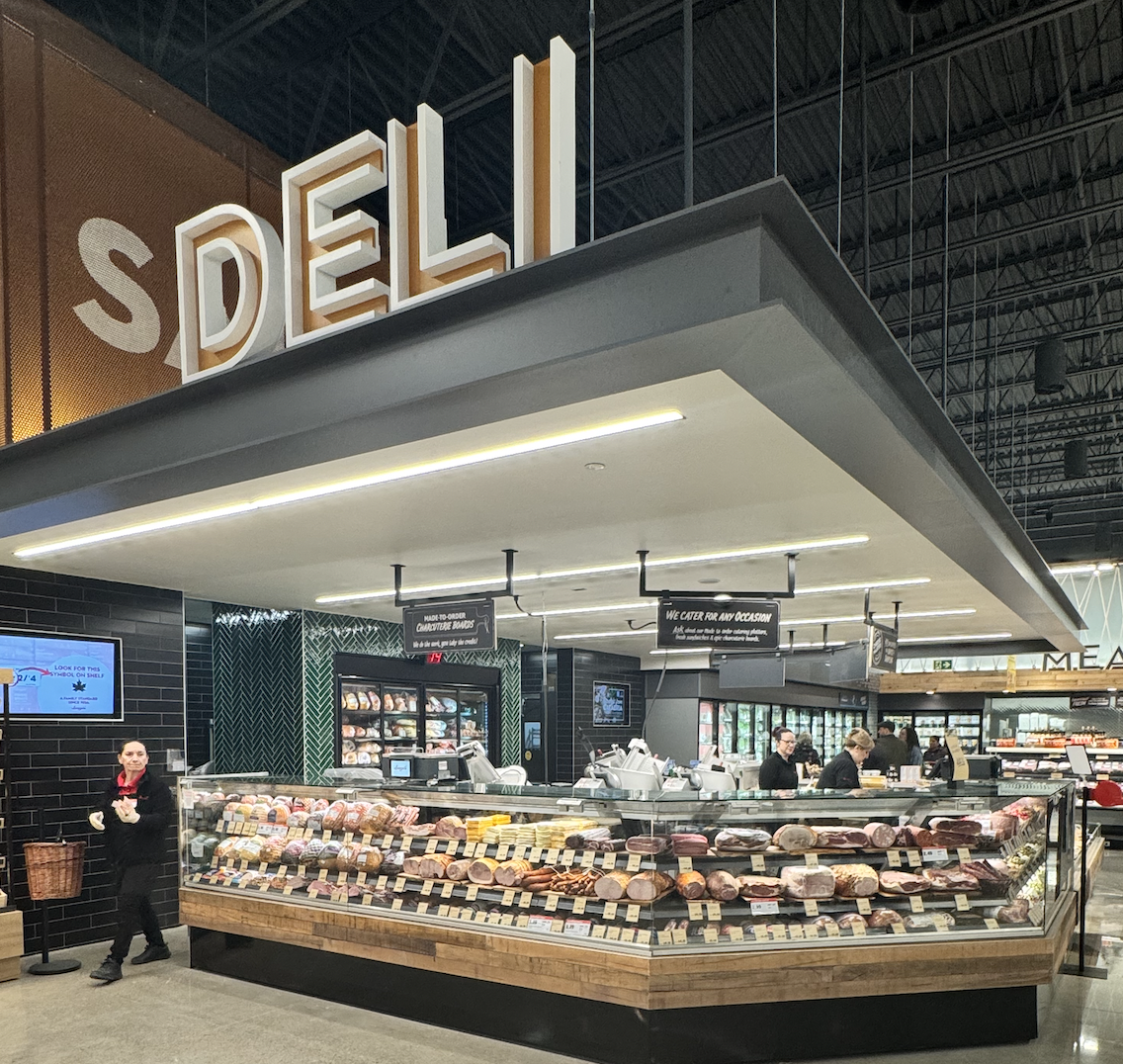
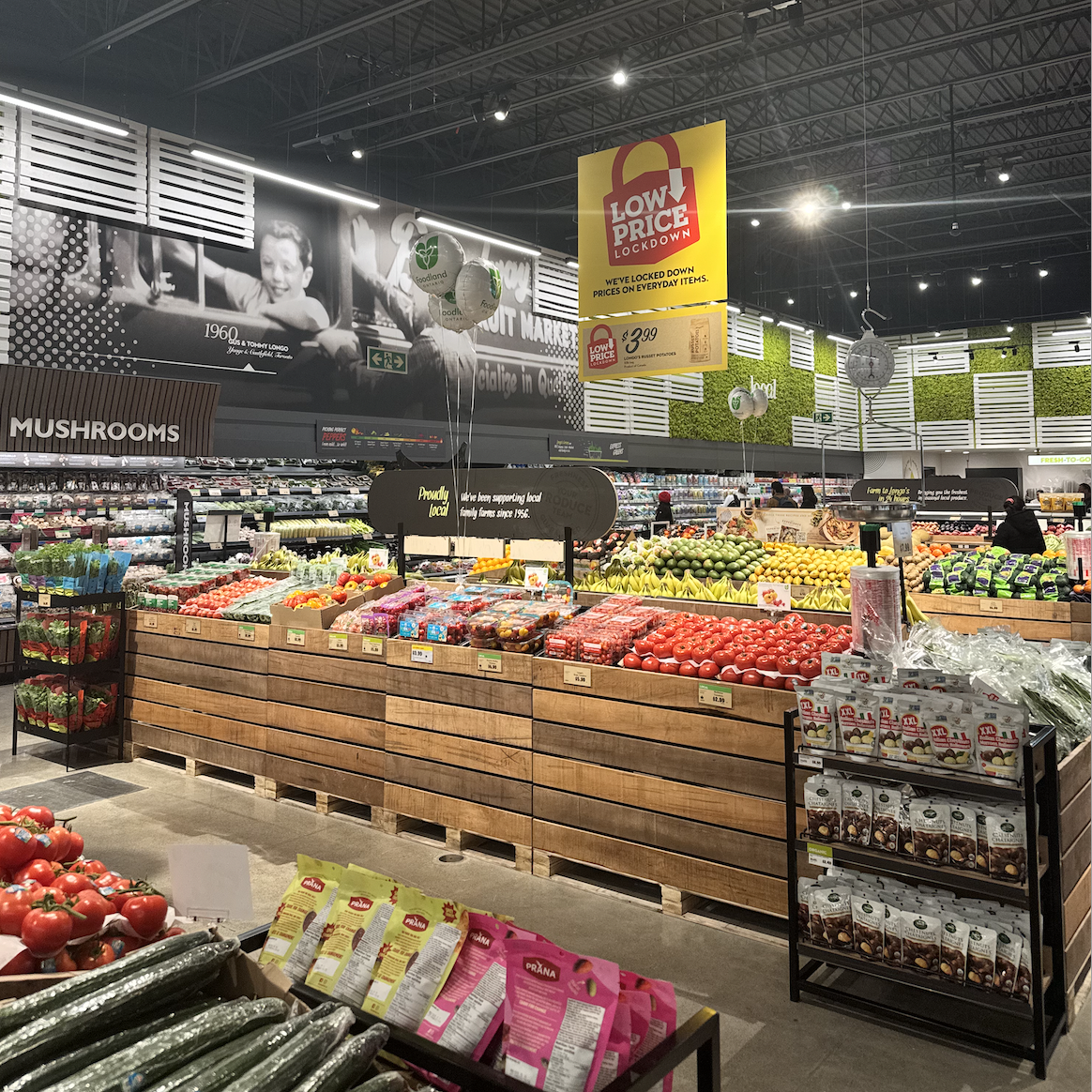
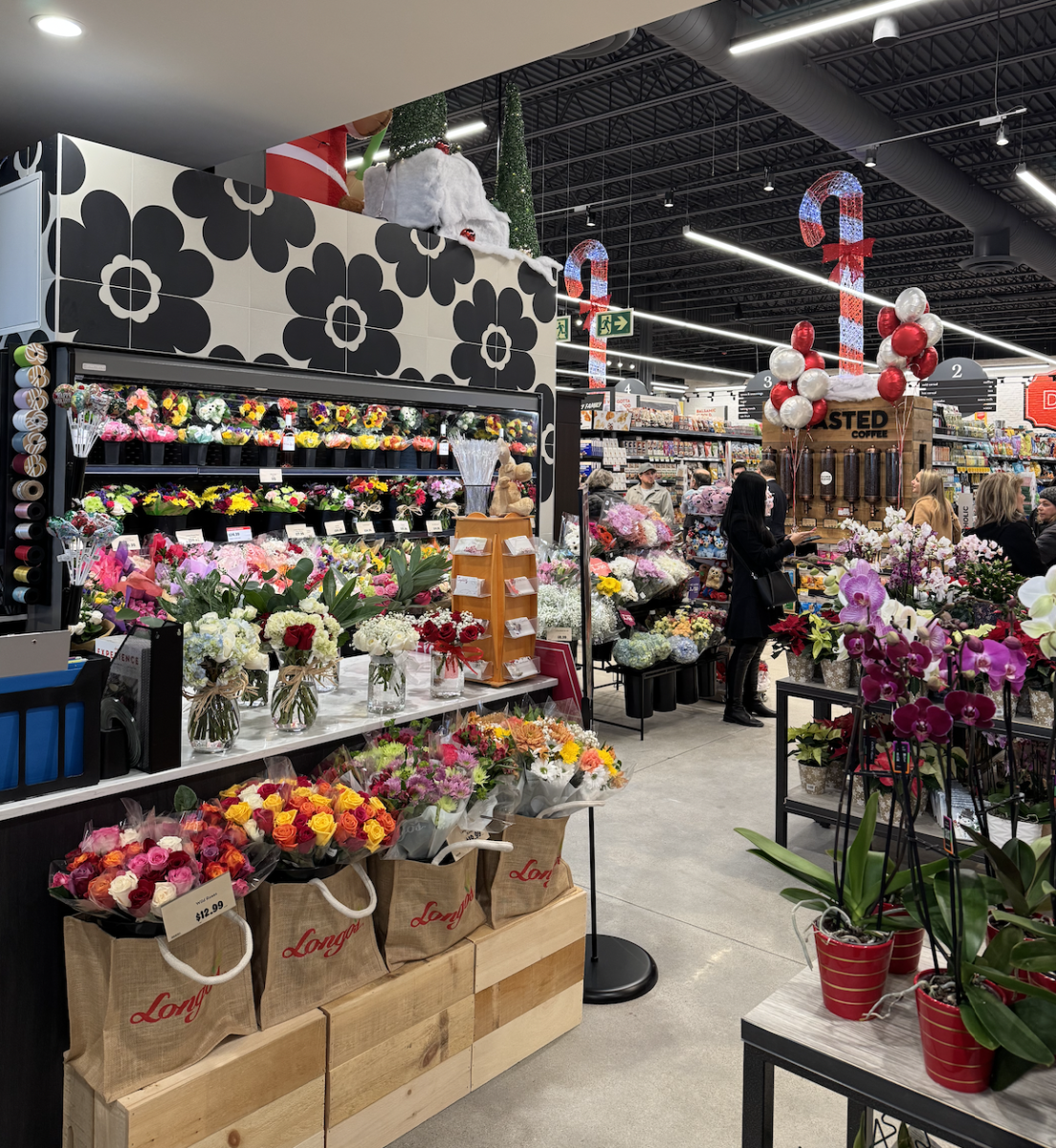
Longo’s newest store in Etobicoke marks the grocer’s 43rd location as the company continues a measured expansion beyond the Greater Toronto Area.
President Deb Craven said the retailer had been hoping to enter the Etobicoke market “for a long, long time,” noting the area’s mix of families, new condominiums and proximity to downtown Toronto made it a strong fit for the brand.
Deb Craven
“It is our first store in Etobicoke, and the initial results seem to be proving it out,” Craven said in an interview. “It just seems to be our sweet spot in terms of the community that we really do well in.”
The store, which opened in November, measures about 37,000 square feet, a size Craven said has become the company’s standard for recent builds. She said it is large enough to house the full Longo’s offering while remaining easy for customers to navigate.
The Etobicoke opening follows other recent expansions.
Longo’s Queensway, located at 1055 The Queensway (November 19, 2025)
Longo Kleinberg, Vaughan, located at 6530 Major MacKenzie Drive W (April 3, 2025)
Longo’s Kitchener, located at 1950, Unit F, Fischer-Hallman Road (November 21, 2024)
Craven said the company is taking a deliberate approach as it pushes beyond the region.
“We’re trying to be responsible and reasonable,” she said. “As we’re expanding our footprint to these outside-of-GTA stores, (we’re) making sure we’ve got the infrastructure, the logistics to support that.”
The next new store is planned for Welland with an opening scheduled for May 2026.
“There’s never a dull moment around here. It’s an exciting company to be part of,” she said.
Craven said Longo’s business performance over the past year has been “very good” with strong same-store sales growth and additional gains from store openings. She added that the company’s long-standing focus on local suppliers has helped it navigate concerns that arose around tariffs.
The grocer, founded in 1956, will mark its 70th anniversary in 2026. Craven said the past year reaffirmed the value of the company’s historic approach.
Photo: Longo’s
“The family and the business have always been about local—relationships with local farmers, vendors and suppliers,” she said. “We didn’t really have to change much because we’ve always focused on local.”
She said customers increasingly wanted to know where products were sourced, prompting more shelf signage to make those details clear.
“It really reinforced for me that what the family’s been doing for 70 years has been the right long-term strategy,” Craven said.
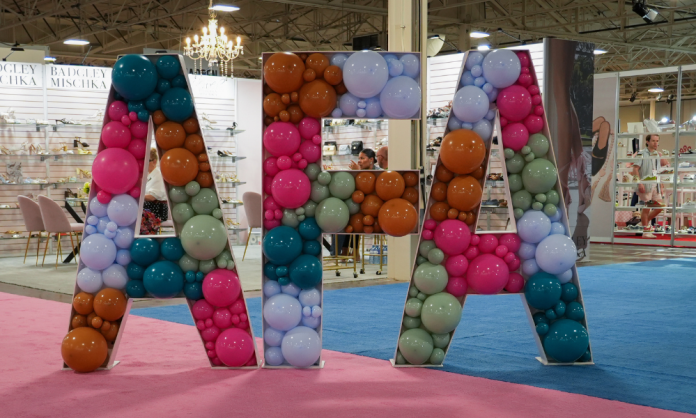
AFA United in Style 2026, taking place February 8 to 10 in Toronto, is built around one central goal: creating a productive environment where buyers and brands can connect and drive business forward. The event brings together a mix of established companies and emerging labels, giving retailers access to a wide cross-section of the market. The show floor is designed to help decision-makers meet the right partners and discover new products that strengthen their upcoming seasonal strategies.
Retailers arrive with clear priorities. They want fresh product, strong value and reliable service. Exhibitors understand these expectations and come prepared with complete collections and the information needed to support buyers as they plan for the year ahead. For brands, the event presents an opportunity to expand their reach by engaging directly with retailers who are actively sourcing inventory. The conversations that take place at AFA United in Style often shape business relationships that continue long after the show closes.
Photo: AFA United in Style
The ability to see product in person remains one of the strongest advantages of the event. Categories like footwear and apparel rely on tactile evaluation, and buyers value the chance to compare fit, quality, fabrication and design side by side. This hands-on approach leads to better decisions and stronger vendor relationships. AFA United in Style 2026 offers a marketplace where business happens efficiently and where companies can build the partnerships they need for long-term success. For retailers and brands looking to grow, the show provides one of the most important commercial touchpoints on the Canadian calendar.
The event takes place at the Toronto Congress Centre, 650 Dixon Road, from February 8-10, 2026.
Retail Insider is working with AFA on a promotional campaign ahead of the event. To work with Retail Insider, contact Craig Patterson at craig@retail-insider.com
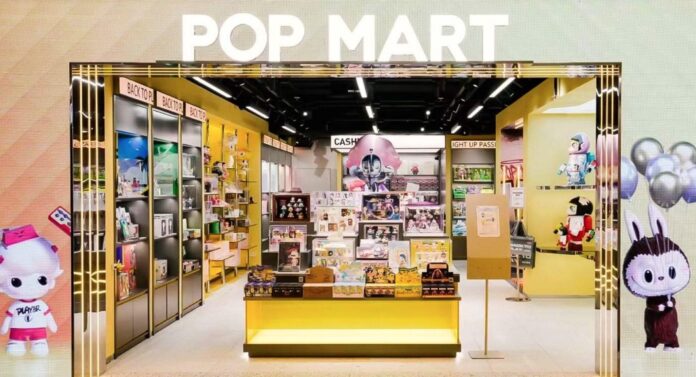
Iconic retailer POP MART has officially launched in Canada with the company’s first store atCF Richmond Centre near Vancouver and a senior executive describes the Canadian market as vibrant and diverse, suiting the brand’s further expansion in the country.
“POP MART was founded in 2010 in Beijing by entrepreneur Wang Ning. The brand began as a general lifestyle store. In 2014, it pivoted to focus exclusively on designer toys and developing original IPs,” Luis Barrientos, Executive VP of Business Development, POP MART Americas, said in an interview with Retail Insider.
Luis Barrientos
“This model quickly gained traction, helping POP MART become a global leader in art toys and pop culture collectibles. Original IPs such as Labubu, SKULLPANDA, and MOLLY have built a passionate fan base, paved the way for more original artist IPs, and fueled rapid international growth.”
He said POP MART currently operates over 570 physical stores and more than 2,500 Robo-Shops, vending-machine-style kiosks, across 30+ countries and regions, including major markets in Asia, Europe, the U.S., and now Canada.
“We have built an expansive international retail footprint while also driving strong online sales and community engagement through social media, events, and IP collaborations,” explained Barrientos.
“Canada offers a vibrant, diverse consumer base that’s deeply engaged with global pop culture and increasingly interested in designer collectibles. We see strong demand among both long-time fans and new audiences, especially Gen Z collectors drawn to POP MART’s distinctive aesthetic, storytelling, and IP universe.
“The market’s openness to new trends, art-driven products, and experiential retail makes it an exciting and natural next step for our North American expansion.”
He said the retailer is starting with a foundational rollout of key stores in strategic cities in Canada and will continue to grow based on consumer demand and brand momentum.
“Our goal is to build a meaningful, sustained presence in Canada over time, expanding our retail footprint, increasing access to new product drops, and cultivating a strong local fanbase. Canada is a priority market as we scale POP MART’s presence across North America,” noted Barrientos of the Beijing-based collectibles company.
Jeff Berkowitz
A previous Retail Insider story said the 1,325 square foot Richmond store will be followed immediately by a second location at Metropolis at Metrotown in Burnaby. According to Jeff Berkowitz of Aurora Retail Group, who represents POP MART in Canada, the Metrotown store is scheduled to open within days of the Richmond launch.
A third location at Toronto Premium Outlets in Halton Hills is expected to open later this year.
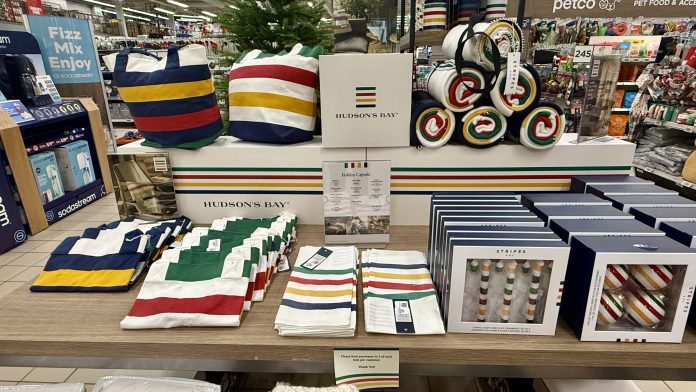
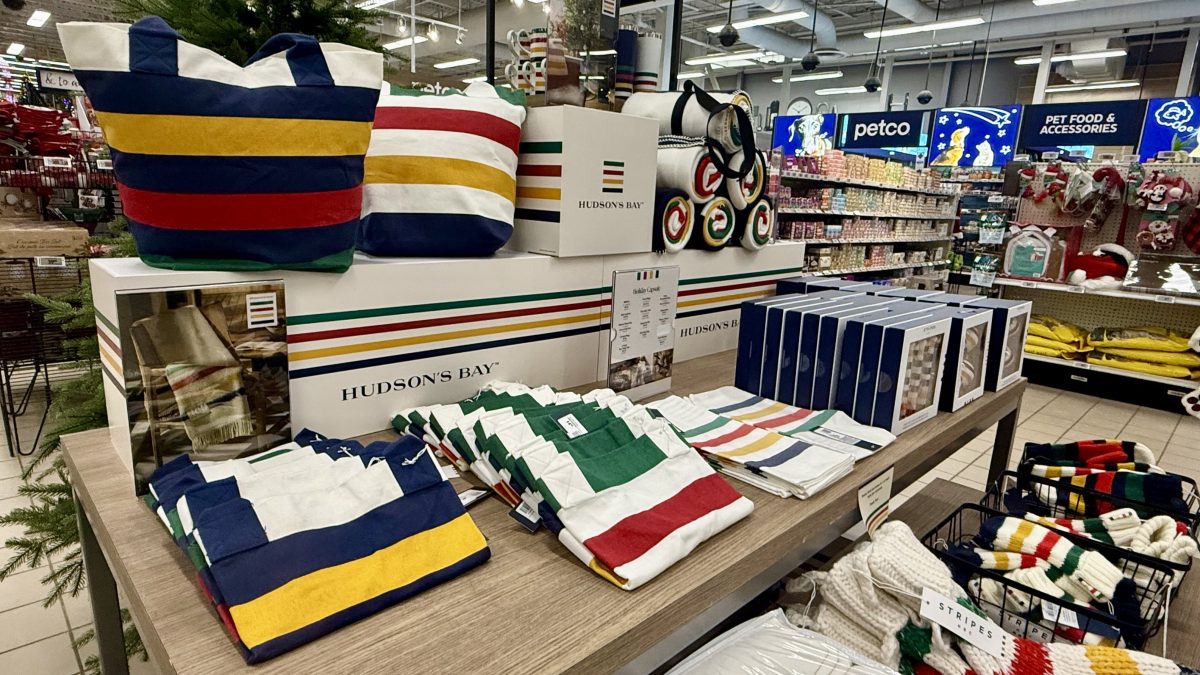
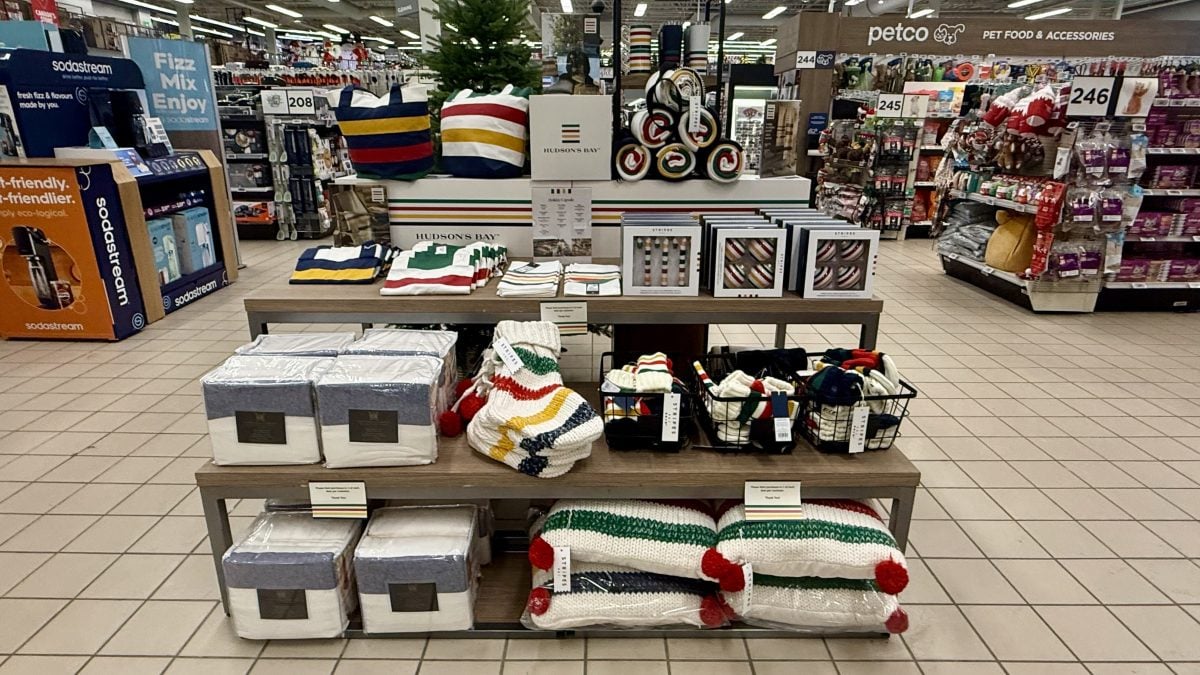
Hudson's Bay Stripes collection at Canadian Tire [Toronto, 839 Yonge Street]. Photo: Craig Patterson
Canadian Tire brought the Hudson’s Bay brand back into Canadian retail on Friday morning with the release of a limited Hudson’s Bay Stripes capsule, an assortment that quickly drew a strong response from shoppers across the country. The launch, which began in stores early on December 5, marked the brand’s first appearance at retail since the closure of the Hudson’s Bay department stores earlier this year and served as Canadian Tire’s first public step in reviving one of Canada’s most storied national brands.
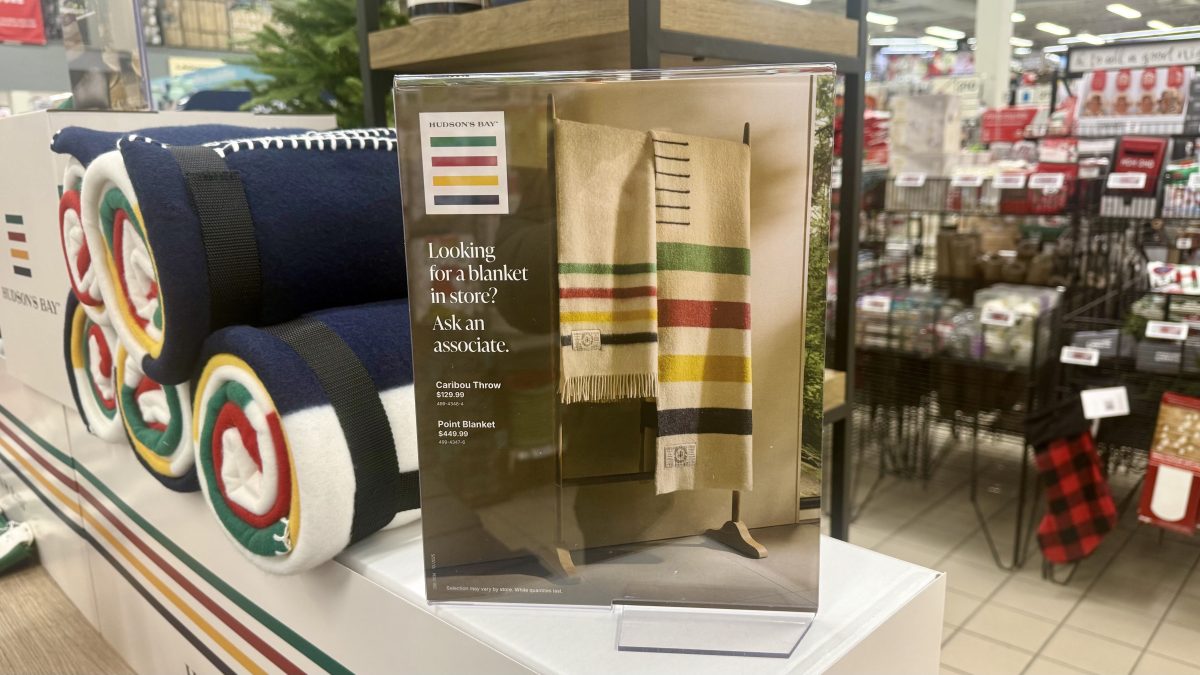
Retail Insider visited a store and spoke to shoppers from several provinces Friday morning, who described brisk traffic and early selldowns of the most recognizable pieces, particularly ornaments, small gift items and accessories. Pricey Point blankets were available upon request, held at the back of the store. Because the products were sourced from earlier Hudson’s Bay assortments and produced in limited quantities, availability varied by store and restocking was not guaranteed.
Canadian Tire has positioned the holiday capsule as an introductory offering ahead of a broader expansion for 2026. The launch was intentionally kept offline, with no e-commerce availability, to encourage Canadians to visit stores to see the reintroduced brand firsthand.
Hudson’s Bay Stripes collection at Canadian Tire [Toronto, 839 Yonge Street]. Photo: Craig Patterson
A National Icon Returns to Shelves
The arrival of the Hudson’s Bay Stripes capsule represents a turning point in the transition of the historic brand. Canadian Tire acquired the Hudson’s Bay intellectual property in a court-approved deal in the spring of 2025 for about $30 million, gaining ownership of the Hudson’s Bay name, its classic multicoloured stripes, the coat of arms, and several former private labels. The Zellers brand was not included in the acquisition.
With the department stores now closed, Canadian Tire’s debut of the Stripes marks a continuation of a brand that many Canadians feared would disappear from daily retail life. The classic green, red, yellow and indigo striping carries cultural significance dating back to the eighteenth century when the Hudson’s Bay point blanket was introduced. The resale demand that followed the department store closures earlier this year illustrated the lasting affection Canadians feel for Hudson’s Bay branded goods.
Canadian Tire’s decision to launch the Hudson’s Bay Stripes capsule during the holiday season underscores both emotional and commercial opportunity. The holiday period is tied to traditions and gift giving, and the Stripes have long been associated with winter, cottages, family gatherings and seasonal décor. That association proved evident as customers sought out the classic items on Friday morning, with many arriving specifically for the blanket, knitwear or ornaments.
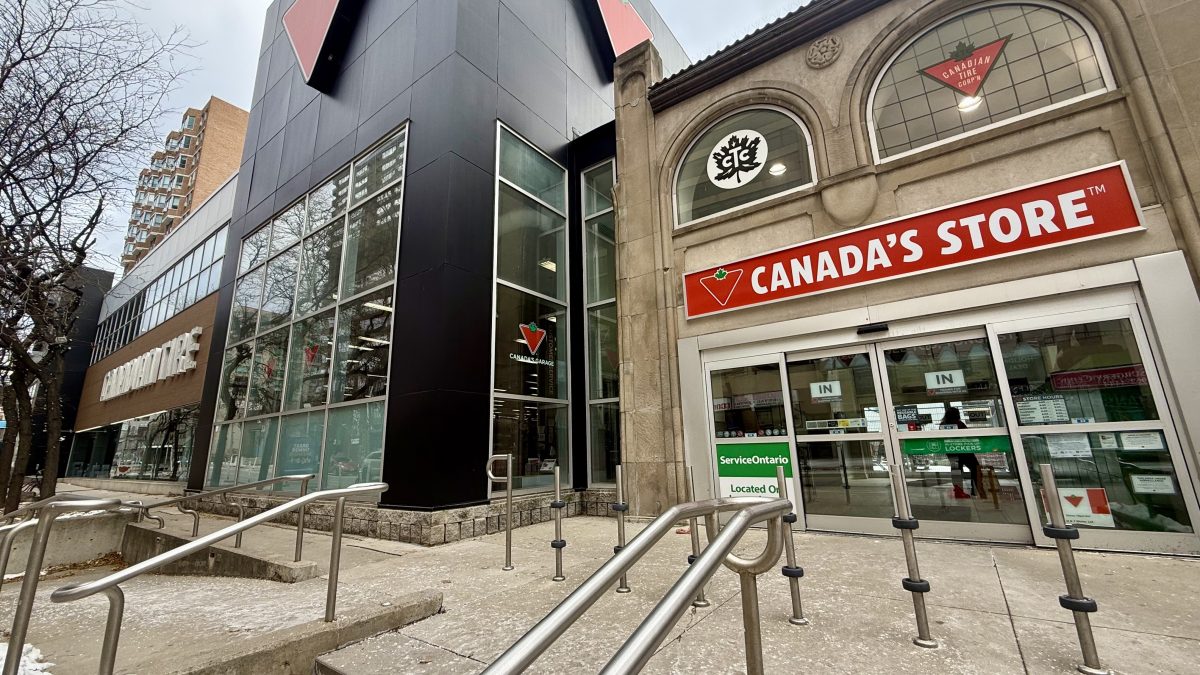
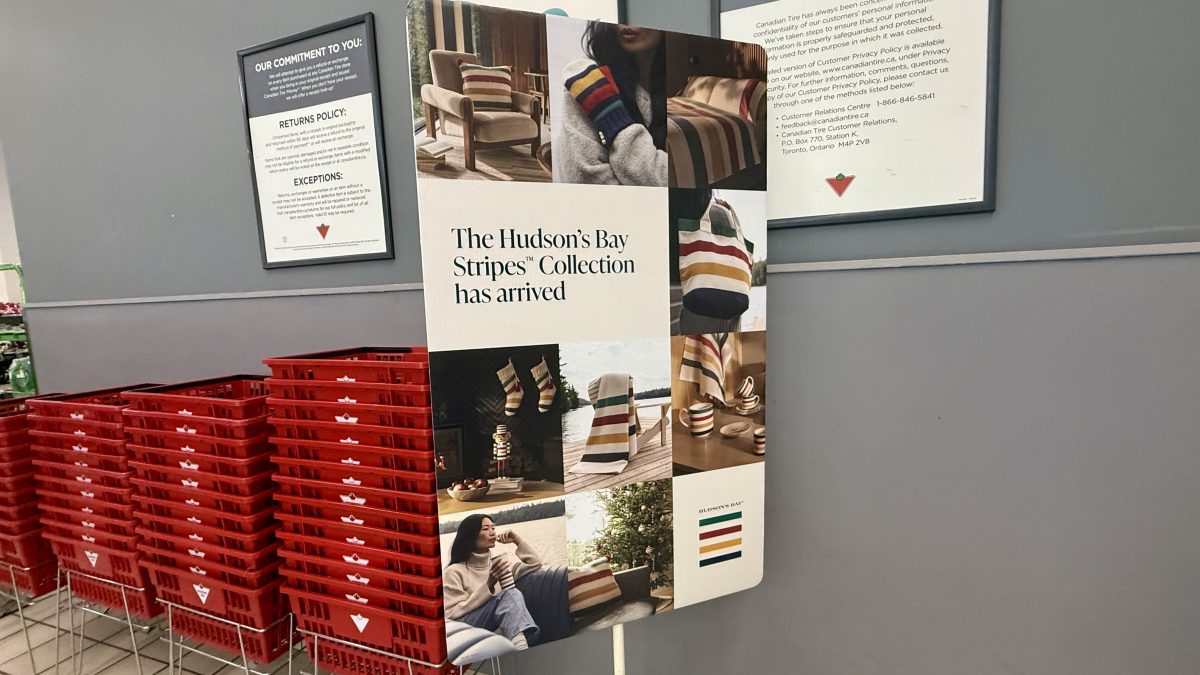
Canadian Tire [Toronto, 839 Yonge Street]. Photo: Craig Patterson Hudson’s Bay Stripes collection signage at the main entrance of Canadian Tire [Toronto, 839 Yonge Street]. Photo: Craig Patterson
Inside the December 5 Collection
Canadian Tire has curated a 26 item assortment for the launch, working with many of the same suppliers that previously produced goods for Hudson’s Bay. The assortment includes the unmistakable point blanket, striped bedding, knit accessories, totes and various seasonal items suitable for gifting. Espresso sets and decorative ornaments were singled out by store staff as products that sold quickly among early shoppers.
The retailer merchandised the Hudson’s Bay Stripes capsule prominently within stores to help customers identify the assortment immediately. Many locations placed the products prominently where foot traffic is concentrated. The displays were supported by signage that reintroduced the heritage brand to customers who may not have expected to see Hudson’s Bay goods return to mainstream retail so soon after the closure of the former department store chain.
Hudson’s Bay Stripes collection at Canadian Tire [Toronto, 839 Yonge Street]. Photo: Craig Patterson
Because the products in the Hudson’s Bay Stripes capsule were either sourced from prior assortments or manufactured on a compressed timeline, inventory levels were intentionally modest. Availability differed across the network, and staff in several markets told Retail Insider that customers who arrived later in the day might not find certain items that sold quickly as shoppers visit stores.
Flourishan, an expert in eco diamonds and innovative jewelry design, has brought its sustainable luxury to Calgary, partnering with Vena NovaDiamonds — the city’s only dedicated lab-grown diamond store and a recognized pioneer in the market.
This collaboration marks Flourishan’s first North American location and a major milestone in its global expansion. Calgary consumers can now experience Flourishan’s globally celebrated craftsmanship and commitment to sustainability locally. Most of the Flourishan diamonds are created by renewable energy, announced officials in a recent press release.
Photo: PARKER media
“We’re thrilled to bring Flourishan to Calgary,” said Justin Ng, Founder, Vena Nova. “As Canada’s first exclusively lab-grown diamond jeweler, it’s an honour to collaborate with a brand that shares our values of transparency, innovation and environmental responsibility. Together, we’re redefining what it means to own a diamond.”
Flourishan was founded by famous artist from Hong Kong Rosina Lam, and it has earned international recognition for its stunning, ethically made diamonds grown with cutting-edge technology and nearly zero environmental harm. Each Flourishan diamond is identical in beauty, brilliance and durability to mined diamonds but without the social and ecological cost of traditionally sourced diamonds, explained officials.
Photo: PARKER media
“Flourishan believes Lab-grown diamonds are setting the modern trend in jewelry style. Through the latest market research, Calgary consumers ranked the top in spending on lab-grown diamond with 92% of Calgary consumers say they plan to purchase lab-grown diamonds in the next 12 months. Based on the data, Flourishan picked Calgary as the first city to launch its collection. Flourishan will bring the latest collection, LOOP which gives customers the opportunity to personalize their bracelet and necklace to create unique and beautiful pieces,” it said.
Officials said the global lab-grown diamond market is on track to surpass USD $50 billion by 2030, driven by younger generations prioritizing sustainability and value. The market is expected to grow at a CAGR of approximately 14.11% over the forecast period, according to Fortune Business Insights.