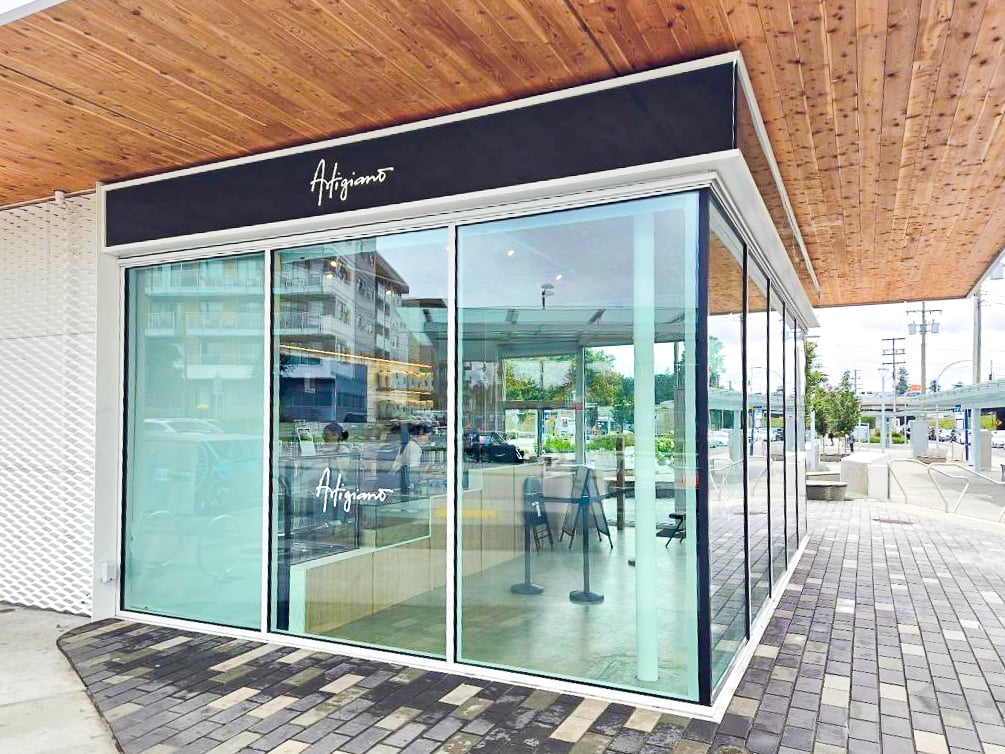
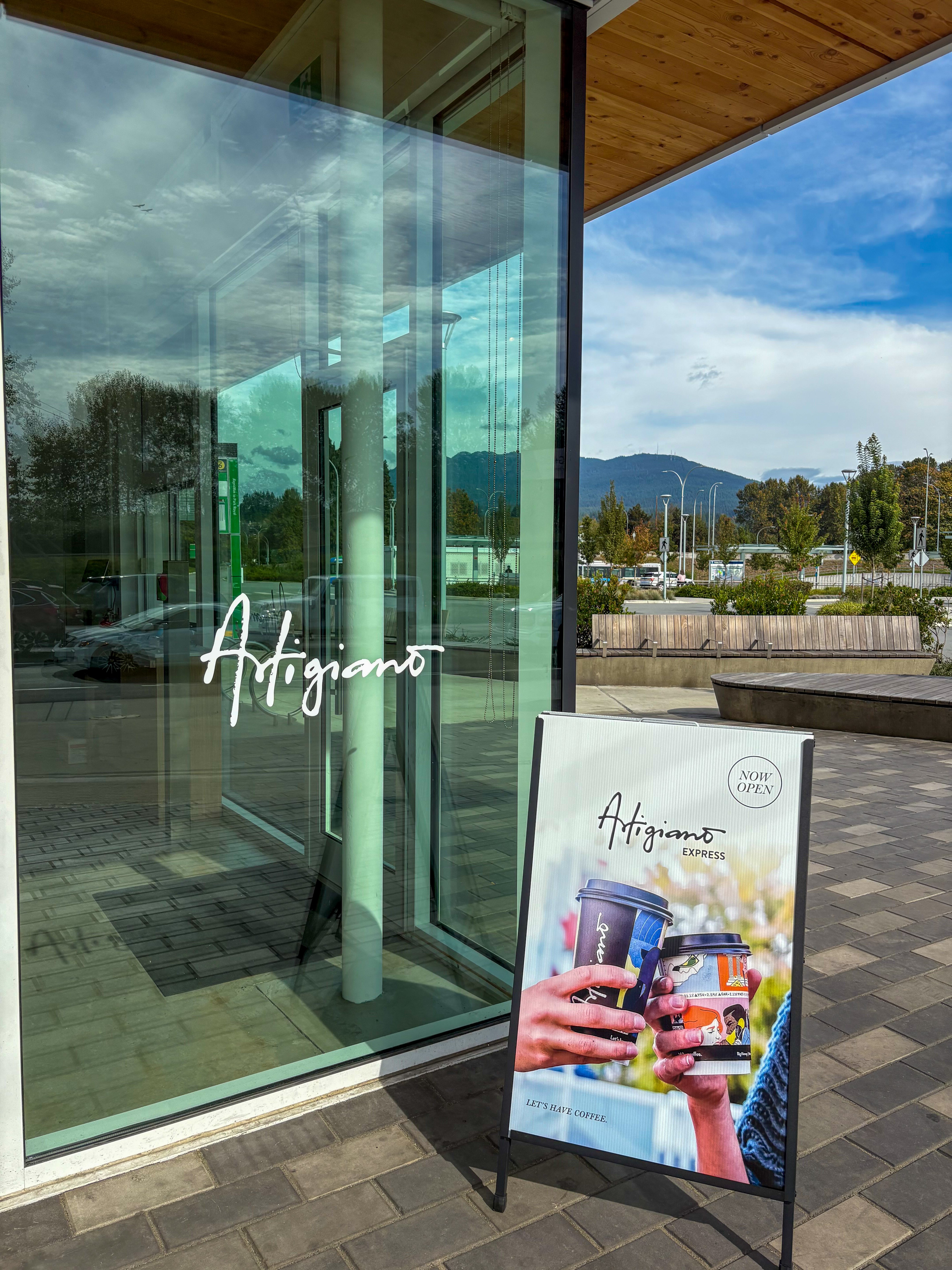
Vancouver cafe brand, Artigiano, has opened its first express location at Phibbs Exchange (1602 Main St, North Vancouver) in North Vancouver.
“Perfectly positioned in one of TransLink’s busiest transit hubs, this new Artigiano Express Cafe is designed for life on the move, offering commuters and travelers a quick, high-quality coffee and food experience before or after their bus ride,” explained the brand.
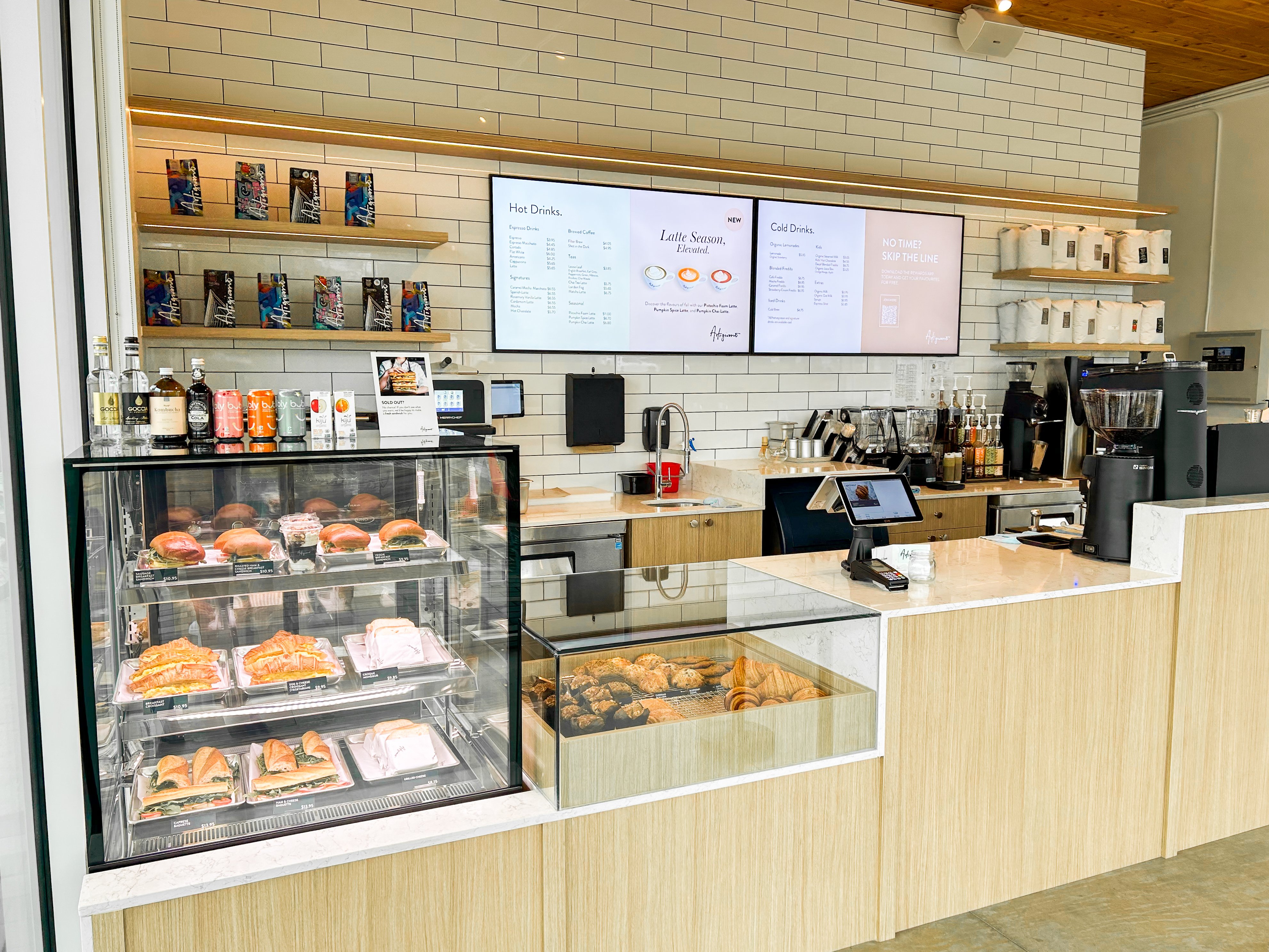
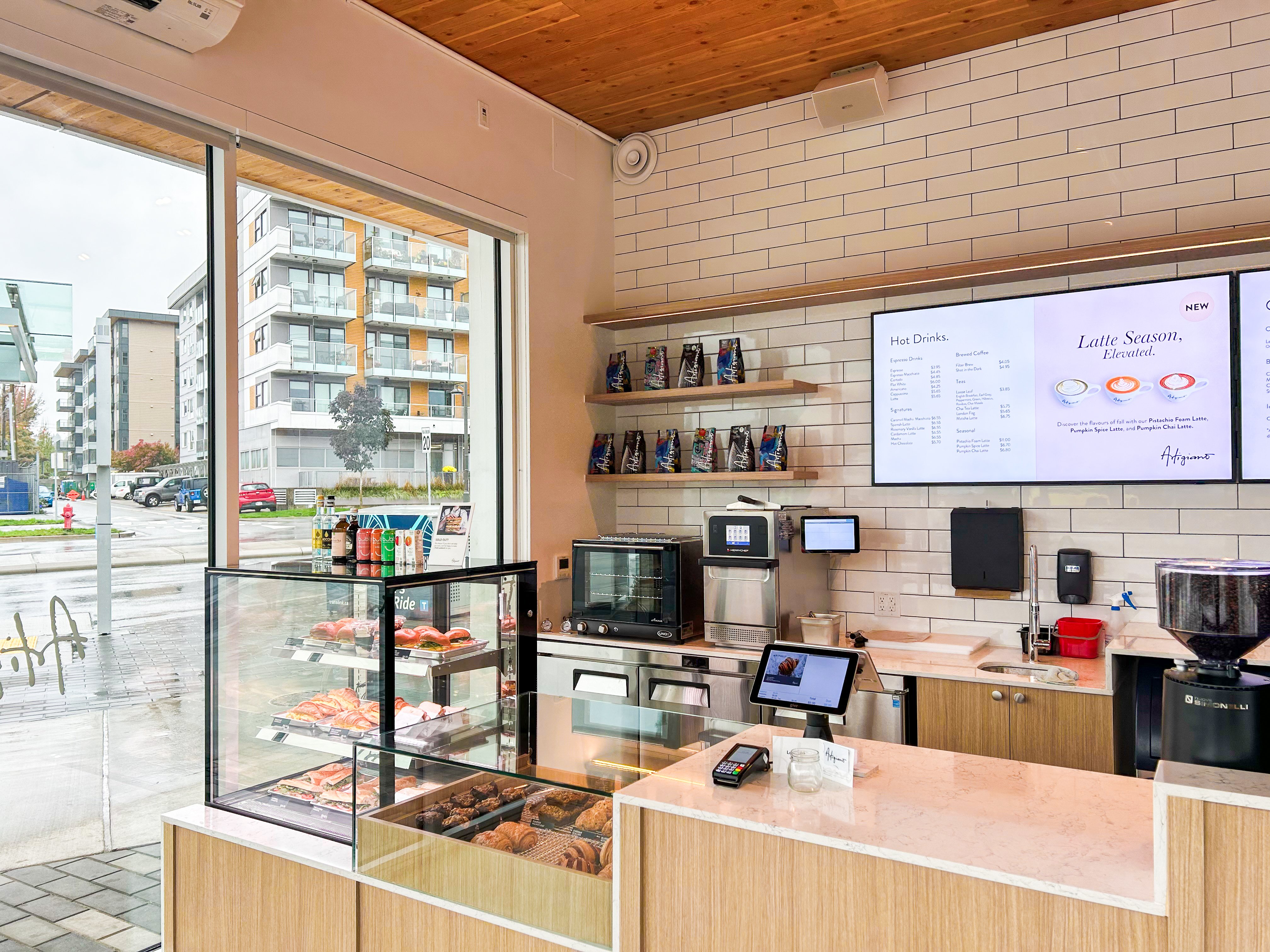
“With a streamlined menu built for speed and convenience, guests can expect Artigiano’s signature espresso beverages, fresh pastries, and handcrafted sandwiches – ready to grab, go, and enjoy. Despite its smaller footprint, the Phibbs Exchange location delivers the same dedication to quality that has defined Artigiano for over 25 years: expertly crafted drinks, fresh organic-forward, non-GMO and locally sourced ingredients, and friendly service.”
Dean Shillington
“This express concept is all about meeting our guests where they are – literally,” said Dean Shillington, President & Owner of Artigiano. “Phibbs Exchange is a bustling commuter hub, and we’re excited to offer a quick, elevated coffee and food experience for people on the go, without compromising the Artigiano quality they know and love.”
The Phibbs Exchange locations features a modern, efficient design with service tailored to peak commuter hours. Whether you’re grabbing a cappuccino before work, picking up a sandwich for your bus ride, or treating yourself to a pastry on the way home, this express cafe makes it easy to enjoy premium coffeehouse quality, fast, said the company.
“Adding to the convenience, Artigiano’s mobile app allows customers to pre-order and skip the line, making it even easier for busy commuters to enjoy their favorite beverages and snacks on the go. With just a few taps, customers can order ahead, pay seamlessly, and pick up their order when they arrive, making this express cafe experience even more efficient and tailored to modern lifestyles.”
Photo: Artigiano
Artigiano said the opening of this location underscores its ongoing growth and adaptability, bringing its European cafe-inspired approach to new formats that fit seamlessly into the daily rhythms of the community. Phibbs Exchange is Artigiano’s 22nd location.
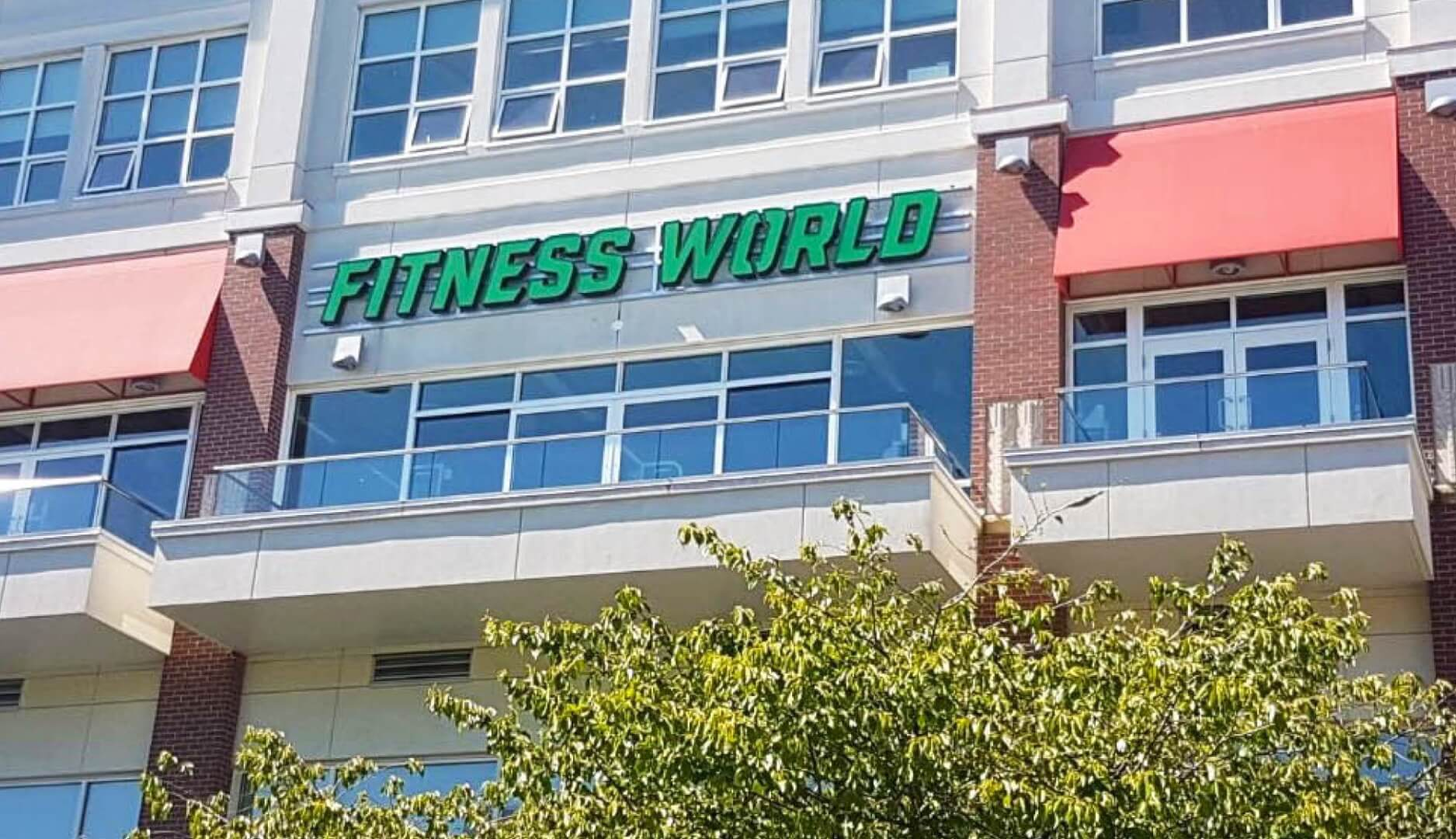
After rebuilding Fitness World from the brink of bankruptcy into one of British Columbia’s largest fitness chains, President and CEO Chris Smith is preparing for the next stage of growth: a nationwide Fitness World franchise expansion. The company, which currently operates 17 locations across the province with more than 90,000 members, is introducing a hybrid growth model that combines both franchised and corporate-owned clubs.
For Smith, who has worked in the fitness industry for nearly three decades, the franchise model represents what he calls the company’s “most significant growth frontier.” His vision balances scaling a proven concept while remaining true to Fitness World’s inclusive and community-driven mission.
Chris Smith
“We intend to offer the ability to become a franchisee while also still growing corporate stores,” Smith said. “We don’t plan on stopping corporate growth. We plan to continue with a balance of both, particularly at this stage of our incubation as a business.”
Fitness World’s current trajectory is a stark contrast to its situation just five years ago. The company was previously known as Steve Nash Fitness World and Sports Clubs, operating under a mid-tier pricing model before filing for bankruptcy during the pandemic.
Smith purchased the business out of insolvency and “right-sized” its operations to 15 clubs before gradually expanding to 17. An 18th location is now in development in British Columbia.
“It’s been an exciting time, certainly not a journey without difficulties or challenges,” Smith said. “But I think we’ve found a way. We definitely have something unique enough that it creates separation and a strong value proposition for our members.”
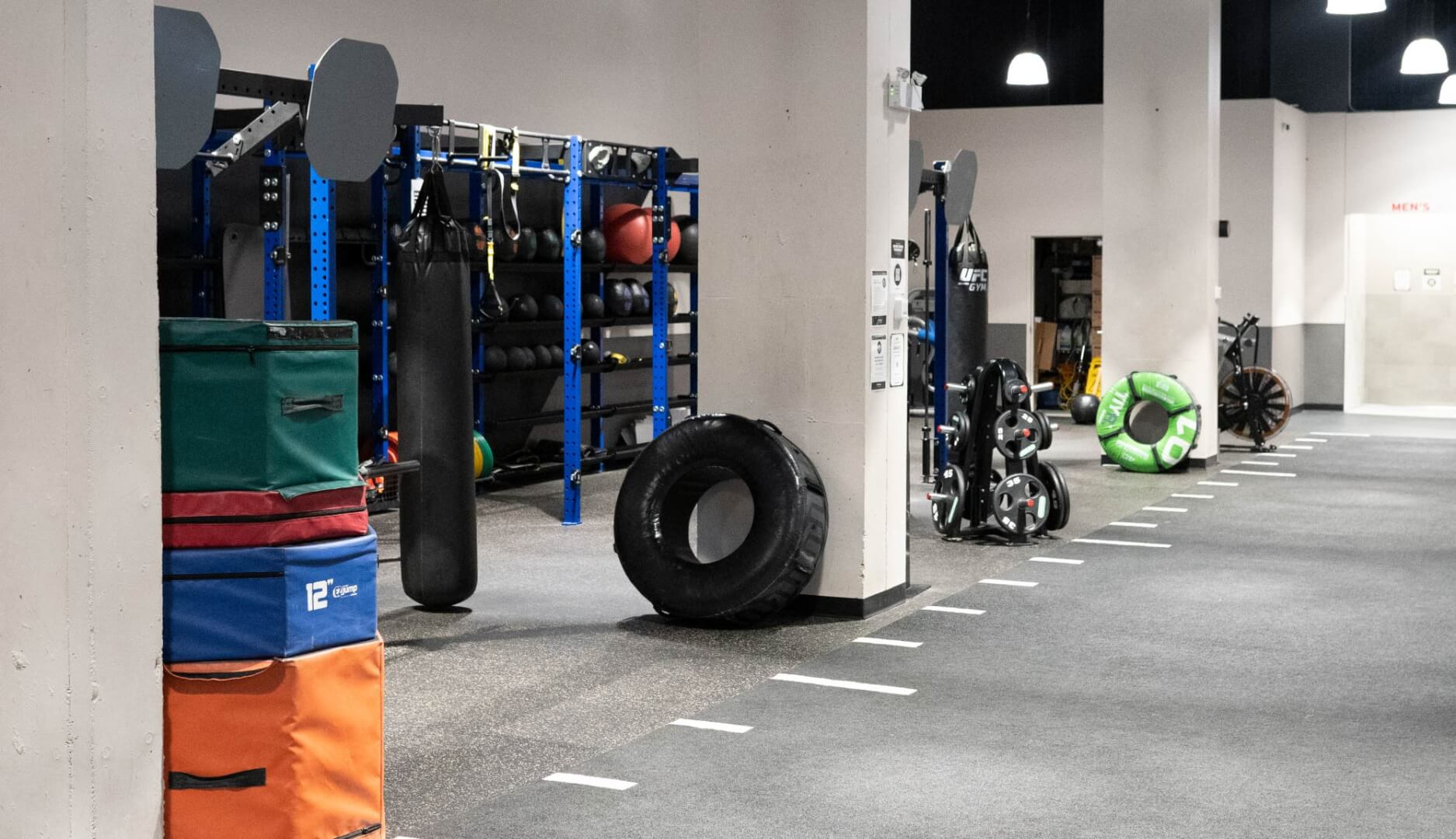
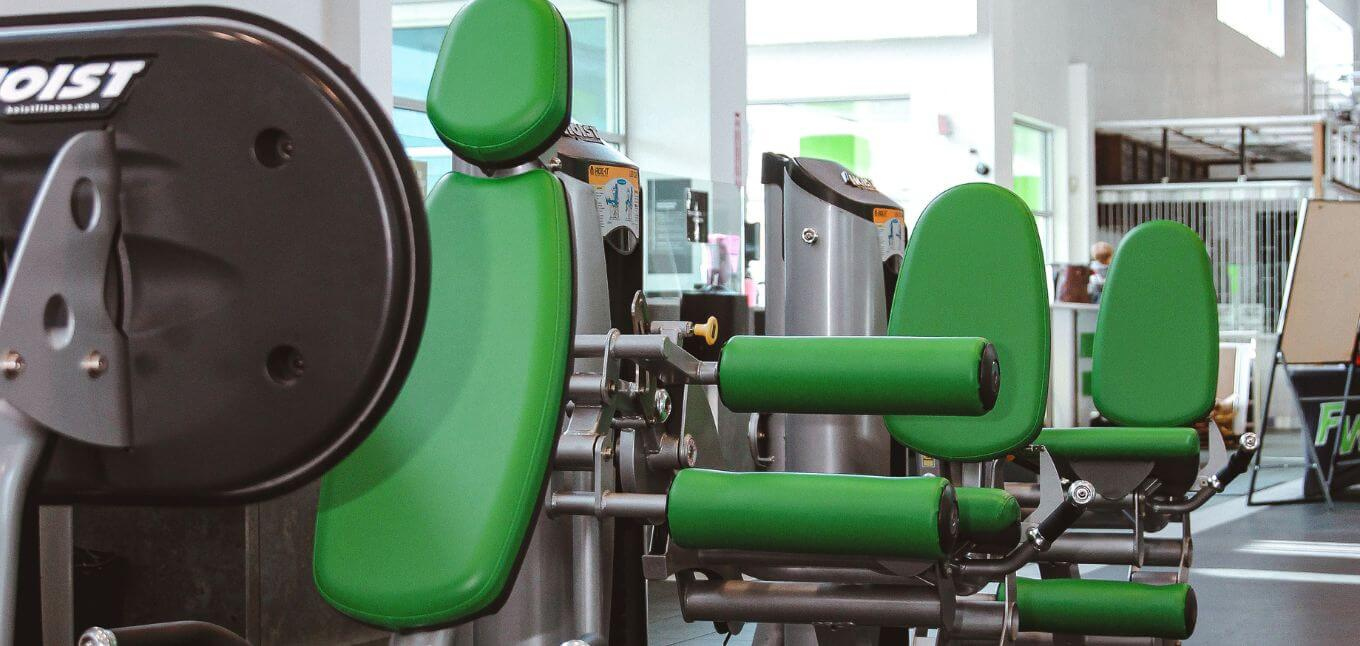
Since 2020, the company has invested close to $10 million into revitalizing its facilities, upgrading equipment, and refreshing interiors. According to Smith, nearly everything about the gyms has been transformed except the walls themselves. The changes have resonated with members, with Fitness World boasting some of the highest Google review scores in its markets.
Franchise Opportunities Across Canada and Beyond
The Fitness World franchise expansion is designed to tap into a growing fitness industry that is currently valued at $5.8 billion in Canada and growing at more than six percent annually.
Corporate growth is being focused in Ontario and Alberta, while the franchise model will allow operators to launch new clubs in both Canada and the United States. Smith confirmed that early discussions are underway in Toronto, Calgary, Edmonton, and markets across the West Coast.
“We don’t want to grow too fast, but we want to grow as sustainably as possible,” Smith said. “Our model has proven adaptable across urban and suburban markets, and we’re confident that we can replicate our success in new regions.”
The company is targeting both seasoned operators and first-time entrepreneurs, with initial franchise investments ranging from $1 million to $1.6 million. The goal is to establish a national presence while maintaining consistent standards and accessibility.
Photo: Fitness World
A Flexible Model for Different Communities
One of Fitness World’s defining features is its flexibility in adapting to the needs of local communities. The company typically operates facilities of 20,000 to 25,000 square feet, serving as anchor tenants in commercial retail centres. However, Smith said the model can adjust in size where larger footprints are not available.
“We flex our model into the communities,” Smith explained. “For example, some suburban clubs offer child-minding services because families need that support, while our urban locations may not require it. In some communities, we also offer women’s-only workout areas, whether for cultural or personal reasons. It’s about meeting members where they’re at.”
This approach has helped Fitness World serve diverse demographics, from young professionals in Vancouver to families in suburban areas. Amenities include strength and cardio equipment, hydro massage, nutritional services, group fitness classes, and recovery options such as red-light therapy and massage chairs.
Smith emphasized the importance of keeping membership prices accessible, avoiding the exclusivity of high-end gyms while offering a more robust experience than ultra-low-cost competitors. “We are very affordable,” he said. “We don’t want to be high-end because one of our core values is inclusivity. You can’t really be inclusive if your price point excludes people.”
Integrating Fitness and Healthcare
A key industry shift Smith highlighted is the growing intersection between fitness and healthcare. The rise of GLP-1 weight loss drugs has prompted greater dialogue between medical professionals and fitness operators.
“Our industry has always talked about how great it would be to tap into the medical community,” Smith said. “The introduction of these weight-loss drugs has created synergy that we’ve never seen before. It’s changing the way everyone approaches health and wellness.”
While Smith cautioned about regulatory differences between Canada and the United States, he said the integration of medical and fitness approaches could fundamentally reshape the sector. “It will end up in a better spot,” he noted. “But there are risks along the way.”
Photo: Fitness World
Younger Generations Driving Demand
Another positive development for Fitness World is the increased health focus of younger generations. Smith said Gen Z and Millennials are demonstrating stronger engagement in fitness compared to previous cohorts.
“The younger generation is prioritizing their health and wellness in a way that’s refreshing,” Smith said. “It could have a significant impact on the future of the industry.”
Statistics from the Fitness Industry Council of Canada, where Smith serves on the board, show that every $1 invested in wellness initiatives saves $4 in healthcare costs. “Imagine if we could double the number of Canadians living healthier lifestyles,” Smith added. “It would not only improve quality of life but also free up resources for other critical social programs.”
A Community-Centred Approach
Fitness World has sought to differentiate itself through community engagement. Initiatives have included free fitness programs for seniors, partnerships with youth organizations, and wellness programs for vulnerable populations such as those experiencing homelessness.
In 2025, the chain became the official fitness partner of RUNVAN, further cementing its role as a supporter of local health and wellness initiatives.
“We want to be more than just gyms,” Smith said. “We want to create a movement that makes health accessible for everyone, regardless of age, income, or background.”
Photo: Fitness World
Technology and Marketing Innovations
Behind the scenes, Fitness World has modernized its operations with new technology partnerships. In 2024, the company partnered with ABC Fitness to implement advanced member management platforms, digital engagement tools, and data-driven personalization. The result has been stronger online sales, which now represent a third of the company’s revenue.
“We’ve nearly tripled monthly sales since 2020 through digital marketing and online sales channels,” Smith noted. “Technology has been a critical part of our turnaround and growth.”
Looking Ahead: Expansion and Real Estate Strategy
The next stage of the Fitness World franchise expansion will hinge on securing the right real estate opportunities. Smith confirmed he will be meeting with brokers at the ICSC conference in Toronto, scouting potential sites.
“I’ll be looking at available real estate and making some strategic decisions in the coming months,” he said. “It’s easier said than done, but we’re committed to finding the right locations for long-term success.”
While a soft launch of the franchise program is planned for Canada in 2025, the company is preparing for a “hard launch” at major trade shows in Las Vegas later in the year, including the International Franchise Expo.
New Jaybird studio on Kingsway in Vancouver. Photo: Conrad Brown
Canadian-founded Jaybird Studio is continuing its ambitious growth strategy, recently opening a second location in Vancouver’s Kingsway neighbourhood while laying the groundwork for further expansion in Toronto and New York City. The contemporary movement brand, which blends Pilates, yoga, and mindfulness in a sensory-rich environment, is positioning itself as a leader in the evolving wellness and fitness market.
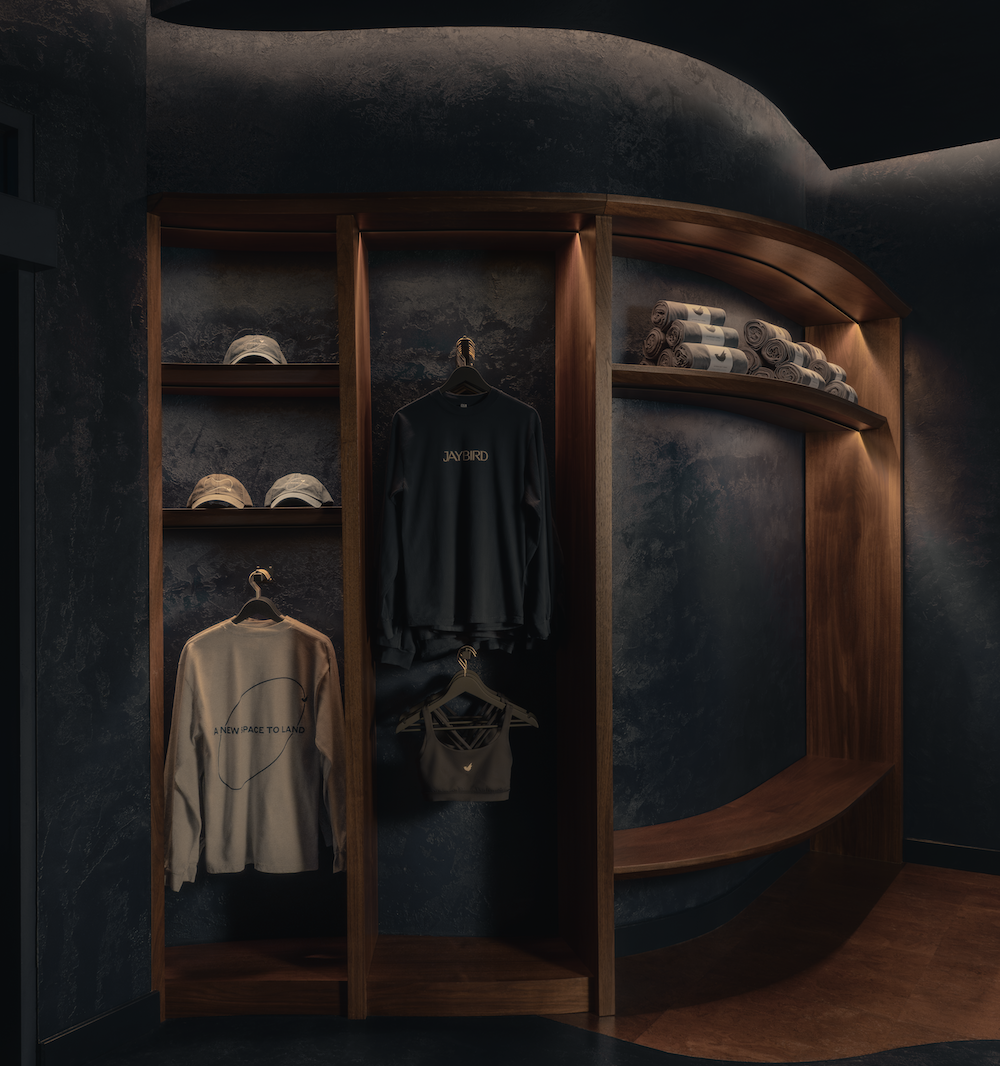
Founded in 2019 by Ariel Swan and Barbie Bent, Jaybird Studio has built a reputation for its distinctive approach to movement and mindfulness. Its spaces are intentionally designed to be immersive, removing distractions such as mirrors and phones to encourage participants to focus inward. With candlelit rooms, curated playlists, and infrared heat, the concept is as much about mental restoration as it is about physical strength.
Ariel Swan
“We really believe in Jaybird,” said Swan in an interview with Retail Insider. “Where we are seeing the fitness world going is towards more mindfulness. Jaybird lives at the intersection between mindfulness and movement, and it gives you that time out from the busyness of your life to turn your attention inward.”
Expanding in Vancouver: Yaletown to Kingsway
The Kingsway opening marks a milestone for Jaybird Studio in Vancouver, where the company began with its flagship Yaletown location in 2019. That studio, Swan explained, was “our baby,” surviving through the challenges of COVID-19 and building a loyal base of clients who craved more space and more class offerings.
The new 6,000-square-foot Kingsway studio, which opened in June, represents Jaybird’s first dual-concept location in the city, featuring both mat-based and Reformer Pilates. Swan described the opportunity as “a dream come true,” noting that the Art Deco building fit perfectly with their vision for an elevated, community-driven space.
“When this building came up, it was exactly what we wanted,” she said. “It’s such a cool building and the neighbourhood is vibrant, with places like Osteria Savio Volpe and Analog Coffee nearby. People are so excited to have something new in that area.”
The Kingsway studio underscores Jaybird’s strategy of selecting neighbourhoods on the rise. “We’re really interested in density,” Swan explained. “Kingsway is a great example. We see it as an area that is growing, with high-rises going up and a lot of people moving there. We want to be at the forefront of that growth.”
Jaybird Studio, Kingsway Vancouver. Photo: Conrad Brown
Toronto growth: Queen West and Yorkville
Toronto has become a crucial market for Jaybird Studio. The brand took what Swan called its “biggest risk” by opening on Queen West shortly after the pandemic. The studio’s sensory-driven model required specific infrastructure and sound isolation, which narrowed the pool of viable real estate.
“Our realtor calls them unicorn locations,” Swan noted. “We need an infrared heated room, we play music loud, and we can’t have neighbours right next to us. When you find these spaces, you kind of just have to jump.”
The risk paid off, with Jaybird establishing a strong Toronto following and later expanding to Yorkville. The Yorkville site, which opened on the lower level of 110 Bloor Street W. in December 2023, furthered the company’s design ethos, offering a dual-concept layout with both mat and Reformer Pilates. Looking ahead, Jaybird is planning a midtown Toronto location in Lawrence Park, expected to open in 2026.
Jaybird Studio, Kingsway Vancouver. Photo: Conrad Brown
Looking beyond Canada: New York City
Perhaps the most significant step for Jaybird Studio is its planned expansion to the United States, with a first New York City location targeted for 2026 in the Flatiron district. Swan and Bent envision three to five studios in Manhattan as part of their long-term strategy.
“What we found is it’s a lot easier to have more locations in one city,” Swan explained. “When we only had one in Vancouver and one in Toronto, it was actually harder to manage. The more locations you can have in a denser area, the easier it is to operate.”
She added that the model also supports employee growth. “It’s amazing for staff. You can offer teachers and managers more opportunities when you’re concentrated in one city. That’s why New York is so exciting for us. It’s busy, it’s vibrant, and it needs these kinds of time-out spaces.”
Jaybird Studio, Kingsway Vancouver. Photo: Conrad Brown
The Jaybird philosophy: mindfulness through design
A core part of Jaybird’s identity lies in its design-forward approach. The studios are carefully curated to create a sense of immersion and separation from daily life. For its first Vancouver location, Jaybird partnered with local design firm St. Marie Studio, while its Toronto and Kingsway studios were created in collaboration with Futurestudio, a Toronto-based firm.
“We wanted to create spaces that didn’t feel like just another fitness studio,” said Swan. “Everything is very immersive. We went for a monochromatic look with strong colour stories, and when you walk in, you feel transported. Beauty in a space can ground you and energize you at the same time.”
The choice to remove mirrors is particularly important to the Jaybird experience. By stripping away visual comparison, participants are encouraged to focus inward, responding to their bodies rather than external appearance.
Swan describes Jaybird as a place that allows for “time out from the busyness of your life.” She added: “The room is dark, it’s candlelit, there are no distractions, no phones, no mirrors. You really have this time to come back to your breath and your body.”
Jaybird Studio, Kingsway Vancouver. Photo: Conrad Brown
Navigating demographics and community needs
While some fitness studios focus on narrow demographic groups, Jaybird has cultivated a broad base of clients. “Because we offer so many different styles of classes, we’re open to a wider demographic,” said Swan.
Reformer Pilates tends to attract a younger audience, often in their twenties and thirties, while mat classes appeal to a slightly older group. Sound baths, breath work, and stretching classes extend Jaybird’s reach to older demographics, including clients in their sixties and seventies.
“My mom is our biggest fan,” Swan shared. “She comes three times a week for stretching, and it’s completely changed her life. Her back doesn’t hurt anymore. It shows how Jaybird can meet people where they are, no matter their age.”
This breadth reflects the company’s philosophy of inclusivity. “We really want Jaybird to be that place where mindfulness feels accessible,” Swan said. “Even two minutes of relaxation and breathing can change the trajectory of your day.”
Expansion challenges and opportunities in a changing retail landscape
Jaybird’s expansion comes at a time when fitness and wellness are evolving. Inflation, real estate pressures, and shifting urban dynamics present challenges. Yet, Swan remains optimistic about the role Jaybird can play in communities.
“We’re grateful people continue to show up for themselves,” she said. “To build new communities and have people come in and say, ‘This is changing my life’ makes all the hard work worthwhile.”
Urban density, shifting zoning policies, and revitalized neighbourhoods all factor into the brand’s site selection process. Vancouver’s Kingsway, Toronto’s Lawrence Park, and New York’s Flatiron each illustrate how Jaybird is targeting growth corridors where its model of mindful fitness can thrive.
The brand’s growth trajectory is deliberate, balancing opportunity with operational feasibility. Rather than scattering single studios across multiple cities, Jaybird focuses on building clusters of locations within dense urban cores. This approach not only makes management easier but also reinforces brand awareness.
“Having multiple studios in one city allows us to strengthen community and provide continuity for clients,” Swan explained. “It’s about building something sustainable.”
Urban Barn at Queen & Spadina (Image: Dustin Fuhs)
Urban Barn, the 100% Canadian-owned and operated furniture and décor retailer with 54 stores nationwide, has launched the 2025 edition of its annual charitable initiative, Blanket the Country.
Since 2012, the program has provided over 70,000 blankets and nearly $90,000 in financial support to charities across Canada. This year, Blanket the Country has been reimagined to deliver even greater local impact by directly pairing each Urban Barn store with a non-profit organization in its community. From food banks and shelters to counselling, essential services and more, Urban Barn’s partnership with 37 different local non-profit organizations ensures support reaches neighbours where it’s needed most, said the retailer.
Through to October 31, customers can make a suggested $5 donation at checkout, in-store or online. Urban Barn will match every contribution, doubling the impact and ensuring support stays close to home. Donors will receive a thank-you offer of 20% off regularly priced décor with a minimum $100 purchase (valid November 1–23). While October is Urban Barn’s month of giving, the campaign continues year-round with customers invited to contribute $2 or more from November 1, 2025 through September 30, 2026, explained the retailer.
“Blanket the Country is fundamentally about compassion in action,” said Linda Letts, President of Urban Barn. “By supporting the efforts of our non-profit partners and keeping donations rooted in local communities, every act of generosity helps provide immediate and meaningful support. Together with our customers through the “Blanket the Country” initiative, we’re helping to ensure that those facing hardship have access to the assistance they need while feeling seen, valued and cared for.”
And the need is urgent. Today in Canada, 1 in 7 people experience food insecurity and shelters are operating near or at capacity.
Jacqueline Dupuis
“Youth leaving government care are far more likely to experience homelessness, which is why stable housing is so critical,” said Jacqueline Dupuis, Executive Director,Aunt Leah’s Properties. “With the support of Urban Barn and its customers, young people will be able to access safe, secure homes that provide a foundation upon which to build lasting stability. Every contribution helps ensure that youth and families have an opportunity to thrive.”
Urban Barn curates furniture and décor designed for “real life.” Founded in Vancouver in 1990, the 100% Canadian-owned company now operates 54 stores from coast to coast.
“At a time when affordability is top of mind for Canadians, the campaign aims to reinforce Walmart Canada’s commitment to helping Canadians save money and live better with low prices on thousands of products in-store and online, every day – not just during sales moments. At Walmart, customers don’t have to wait for a sale – Everyday Low Prices (EDLP) mean customers can count on low prices every day,” said the retailer.
Walmart recently revealed that with everyday low prices a Canadian family of four can save, on average, more than $450 per year when they do their weekly shop at Walmart as compared to any other major grocery store. This is the equivalent of more than two weeks of groceries, it noted.
Social & creators: National Meta and TikTok ads (EN/FR) deliver video and image assets highlighting affordability. Walmart Canada also partnered with comedian Debra DiGiovanni on a five-part “Guess the Basket Price” series to bring humour and cultural relevance to the value message.
Sports integration: Blue Jays lower third spots (was live until Sept. 28) highlighted Walmart’s promise: “This is not a sale. It’s everyday low prices.”
Digital & content: Dynamic catalogue ads, Walmart.ca and app banners, and a BuzzFeed partnership (Tasty videos, BuzzCut shorts, shoppable units, and takeovers) keep Walmart’s value promise front and centre online.
Customer touchpoints: CRM pushes including emails and notifications, national flyers, and in-store signage (EN/FR) reinforce Walmart’s everyday savings.
Local amplification: Through My Local Social, store associates share authentic, community-driven EDLP content across Meta and TikTok.
Radio: EDLP spots (EN/FR) extend campaign reach across broadcast and streaming audio.
To bring this campaign to life, Walmart Canada said it partnered with Cossette for overall “This is not a sale” creative across TV, Social, and OLV. Apex PR supported the “In the Streets EDLP Challenge” activation with comedian Debra DiGiovanni.
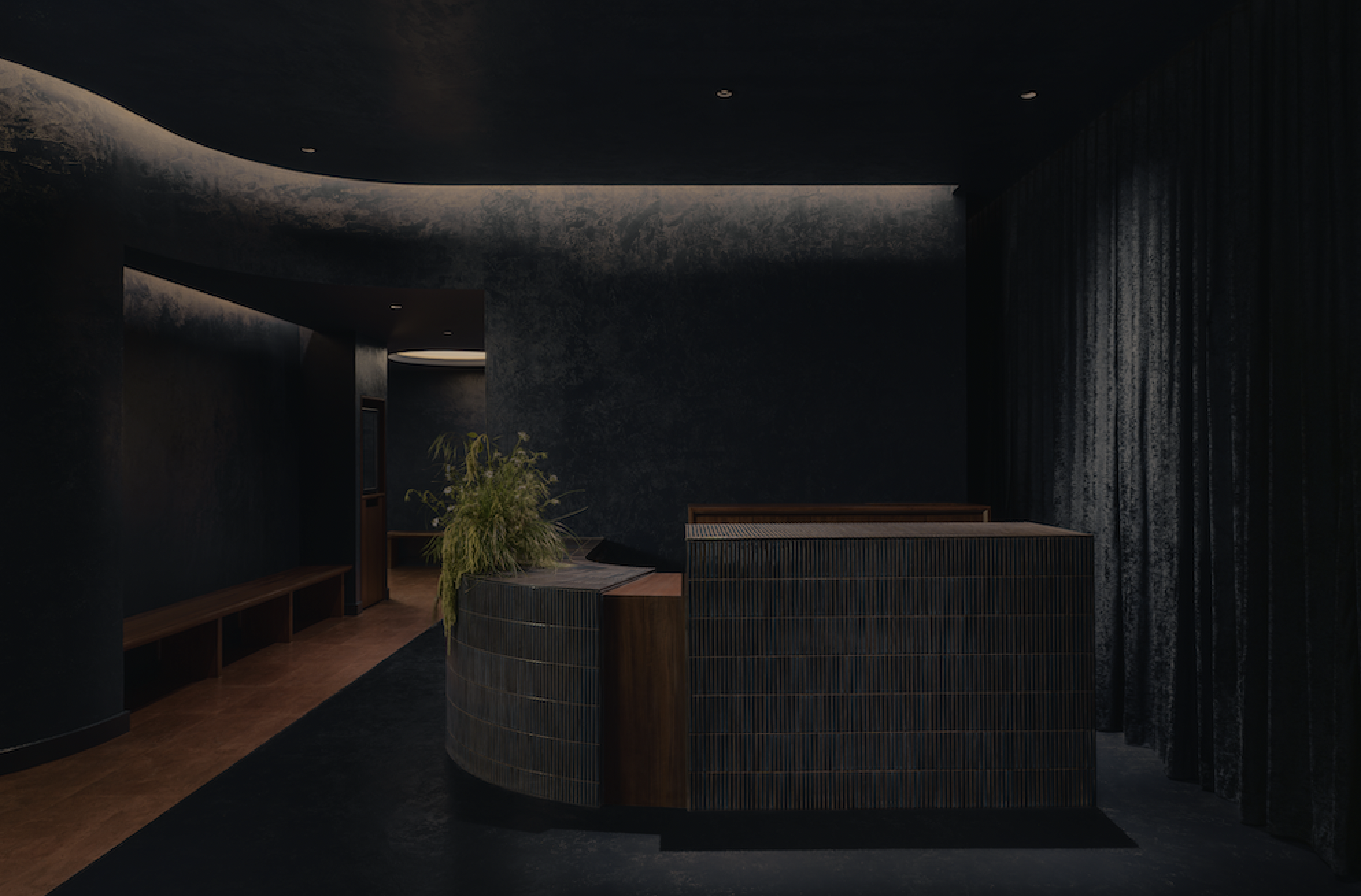
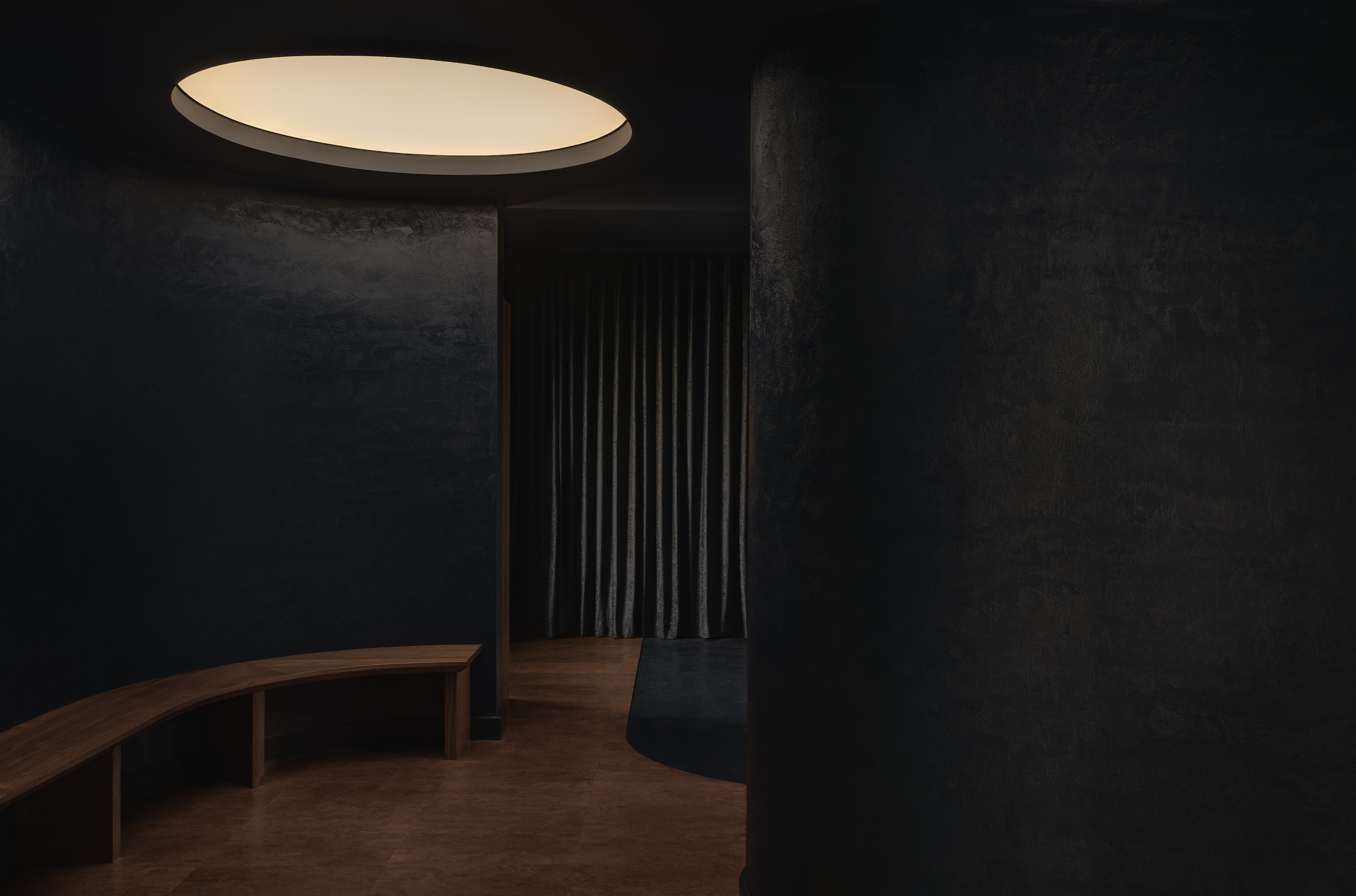
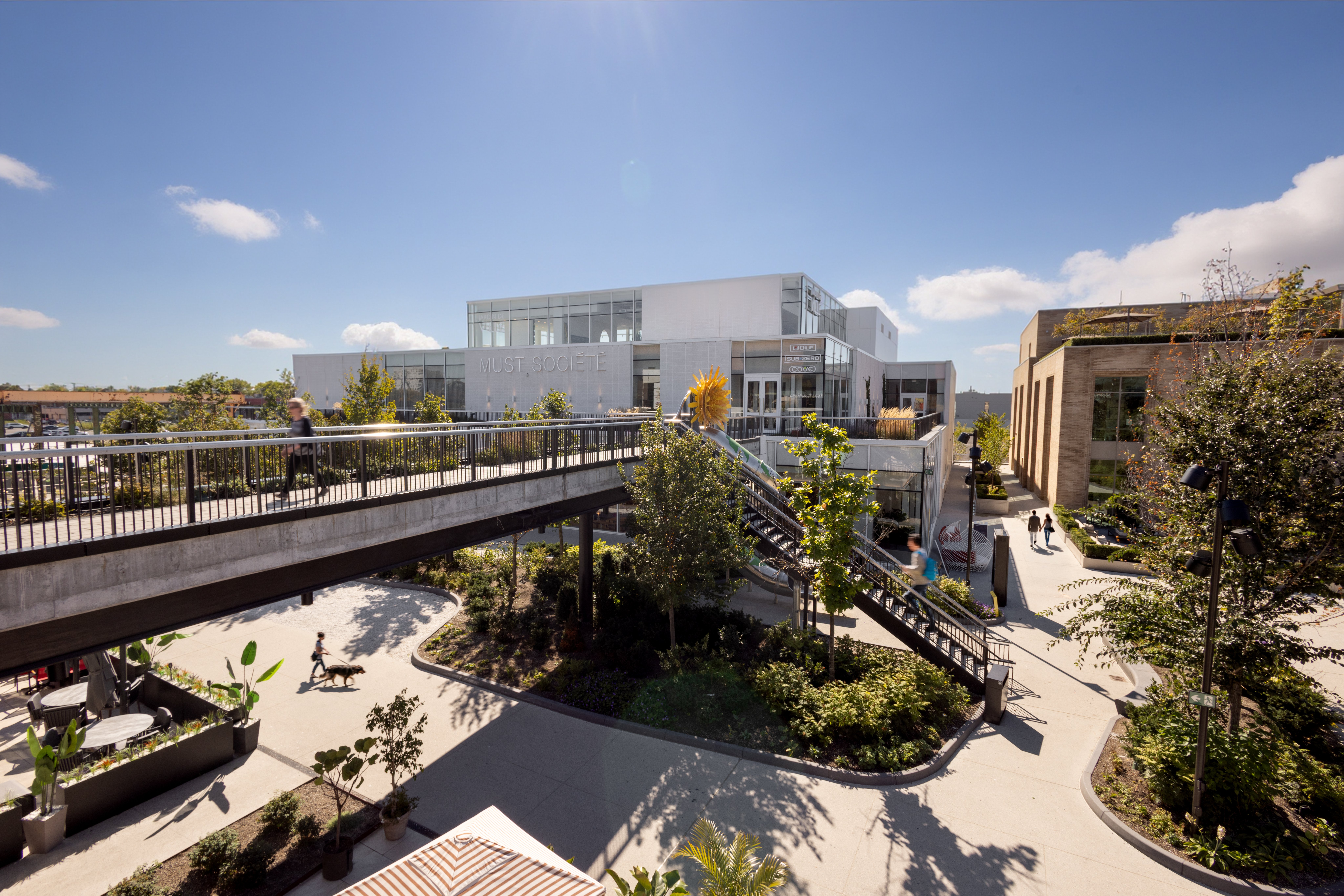
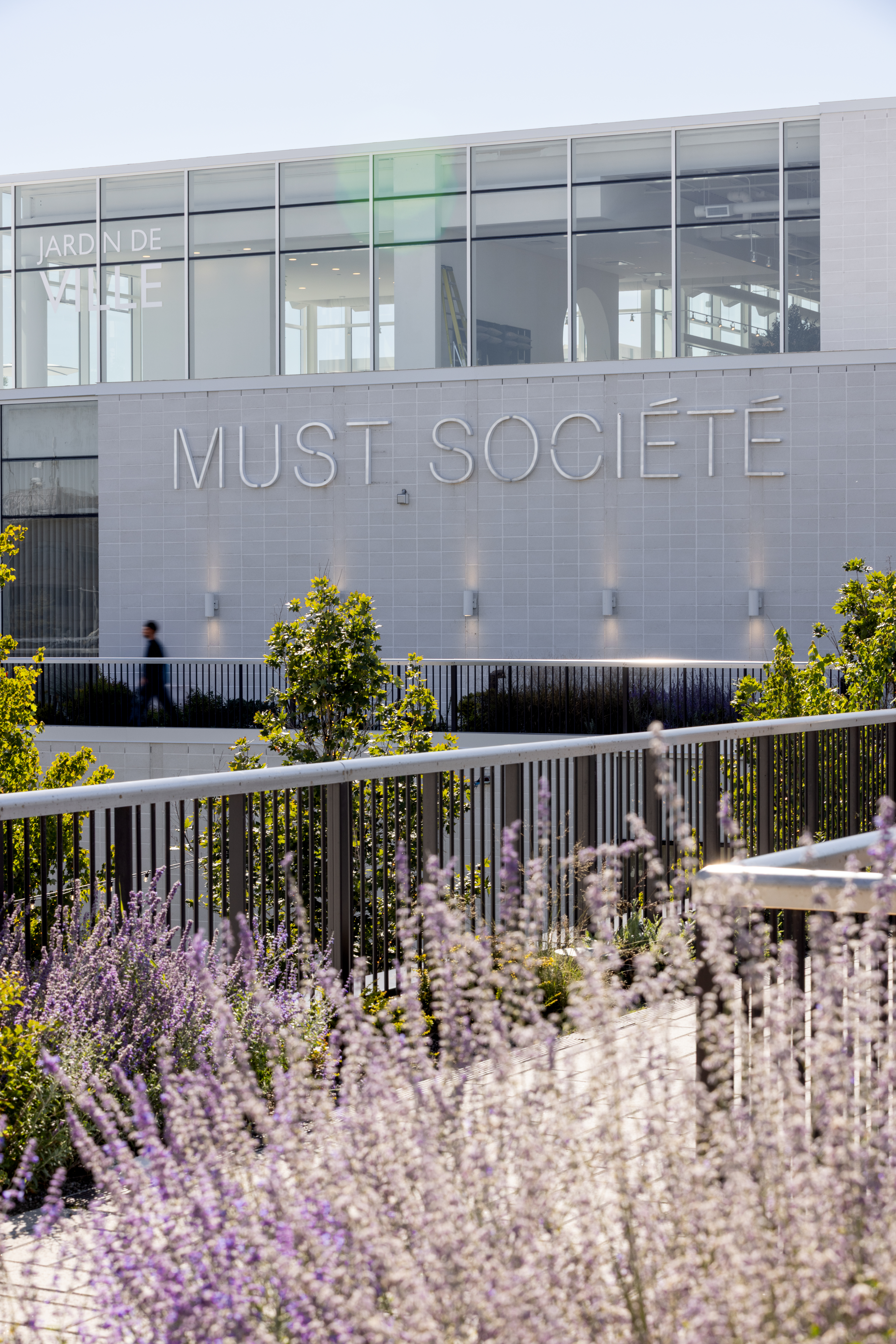
Groupe Must Société (formerly known as Groupe Home Société) has announced a major rebranding initiative: its Home Société stores, originally branded as a grouping of furniture brands Maison Corbeil, MUST, Jardin de Ville and La Galerie du Meuble, will now be named MUST SOCIÉTÉ.
This strategic change unifies the company’s physical retail presence under its most recognized and fastest-growing brand, aligning the in-store experience with the successful consolidated e-commerce platform, mustsociete.com, launched earlier this year. The name change will immediately affect nine stores, including locations in Toronto, Mississauga, Ottawa, Montreal, and Laval, said the retailer.
Walid Laraaba
“This rebranding is a pivotal step in our growth strategy,” said Walid Laaraba, President of Groupe Must Société. “The goal is to unify our brands under one banner to clarify our customer positioning and significantly strengthen awareness of our store concept. By consolidating under MUST SOCIÉTÉ, we are creating a more cohesive and powerful identity that resonates with our clients and streamlines their shopping experience, both online and in-store.”
The company said the decision to rebrand under the MUST SOCIÉTÉ name was a natural evolution for the company. The launch of mustsociete.com in 2025, which brought all five of the group’s banners into a single online marketplace, was met with overwhelmingly positive customer adoption and crystallized the move towards a unified identity.
Photo: Groupe Must Société
“A key benefit for customers is the enhanced product offering. All MUST SOCIÉTÉ locations will now feature premium and iconic European and Canadian brands, many of which were previously exclusive to select stores like Maison Corbeil. This creates a true one-stop-shop destination from medium to high-end home furnishings including Four Hands, Kartell, Ligne Roset and more,” it said.
This rebranding, said the retailer, is part of a larger strategic investment in growth and customer experience. The company’s future plans include:
New Consolidated Head Office: In October 2025, Groupe Must Société will officially inaugurate its first-ever consolidated head office in Laval.
New Outlet Concept: The current Mirabel store and warehouse will be transformed into a MUST SOCIÉTÉ outlet, offering products from all the group’s brands.
The transition will be visible with new signage rolling out across Toronto and Montreal locations in early October. The full rebranding of all designated stores is expected to be complete by early 2026, it added.
Photo: Groupe Must Société
Groupe Must Société is a leader in mid to high-end interior and exterior furnishings with16 existing stores across Quebec and Ontario. The company’s portfolio includesMaison Corbeil, MUST, Jardin de Ville, Prune Les Fleurs, and La Galerie du Meuble. Group Home Société is committed to offering a seamless blend of style, quality, and functionality.
Canadians are increasingly being forced to make difficult financial trade-offs as household budgets come under mounting strain, according to the latest MNP Consumer Debt Index.
The report, conducted by Ipsos on behalf of MNP LTD, shows the Index fell two points this quarter to 86—its lowest September reading since 2023. Economic uncertainty, rising borrowing costs and employment concerns are contributing to Canadians’ growing financial vulnerability.
“When people are cutting back on food, heat, or medical care, it’s not just about budgeting anymore — it’s about day-to-day survival. That level of strain takes a huge emotional toll.”
According to the data, three in 10 Canadians (29 per cent) have reduced utility consumption, while nearly a quarter (24 per cent) report eating less to save money. More than half (51 per cent) say they are grocery shopping strategically by using meal plans, bulk buying, coupons and price matching.
Other cutbacks include avoiding impulse purchases (45 per cent), reducing dining out or takeout (41 per cent), and delaying or skipping medical, dental or prescription care (19 per cent).
Nearly half of Canadians (48 per cent) report they are within $200 of being unable to meet their monthly bills—a six-point increase from the previous quarter. The average amount left over after expenses has dropped to $744, down from $916. Younger adults and middle-income earners are experiencing the steepest declines, with those aged 18 to 34 left with $651 on average, and earners between $60,000 and under $100,000 averaging $727, explained MNP.
“Canadian households are now left with so little at the end of the month that even a small, unexpected expense can push them into relying on high-interest credit,” said Bazian. “That’s when debt can quickly spiral and become unmanageable. We’re hearing from people who feel they’ve run out of options — and letting things go too long only makes finding relief harder.”
The report also highlights growing employment anxiety. Confidence in Canadians’ ability to cope with job loss has fallen by four points, while 44 per cent are concerned that artificial intelligence (AI) may negatively impact their job or income. Concern is highest among younger Canadians aged 18 to 34 (56 per cent) and those earning under $40,000 annually (49 per cent).
Photo: Andrea Piacquadio
“It’s concerning that so many Canadians see their jobs and income at risk from AI, especially when most already feel financially vulnerable and lack the safety nets to withstand a disruption,” said Bazian. “For younger Canadians and those earning less, the anxiety is even greater — many already have limited savings to fall back on, which means AI isn’t just a future threat, it feels like a very real risk to their livelihoods today.”
Less than half of Canadians (46 per cent) report having six months of emergency savings to cover a financial disruption.
MNP’s net personal debt rating has also fallen to its lowest September level since 2023, dropping three points to +18. Only 37 per cent of Canadians describe their current debt situation as “excellent,” while 19 per cent say it is “terrible.” Even with the Bank of Canada reducing interest rates from 2.75 per cent to 2.5 per cent shortly after the survey period, 63 per cent said they desperately need rates to come down further.
“For Canadians who are already carrying significant debt, lower rates aren’t enough to turn things around,” said Bazian. “The reality is that relief from interest rates can be temporary, but financial stress lingers if the underlying debt is still there. Seeking help from a Licensed Insolvency Trustee isn’t a last resort — it’s a smart step that can help people regain control sooner and avoid long-term damage.”
Many Canadians are taking few proactive steps to improve their financial position. Three in ten (30 per cent) say they have no plans to save more in the next year, and only 15 per cent plan to create or revise a household budget. Others report considering further cost-cutting, including relocating to more affordable housing (10 per cent), eating less (10 per cent), or reducing utility usage (12 per cent).
“When everyday costs start forcing people to choose between keeping the heat on or putting food on the table, it’s not just finances that suffer — it’s peace of mind,” sais Bazian. “Licensed Insolvency Trustees don’t just solve debt — they listen, help protect what you still have, and map out the options you maybe didn’t even know exist. Even in overwhelming moments, there’s a path forward.”
The data was collected between Sept. 4 and Sept. 9, 2025, through a survey of 2,001 Canadian adults conducted by Ipsos. The results are accurate to within ±2.5 percentage points, 19 times out of 20.
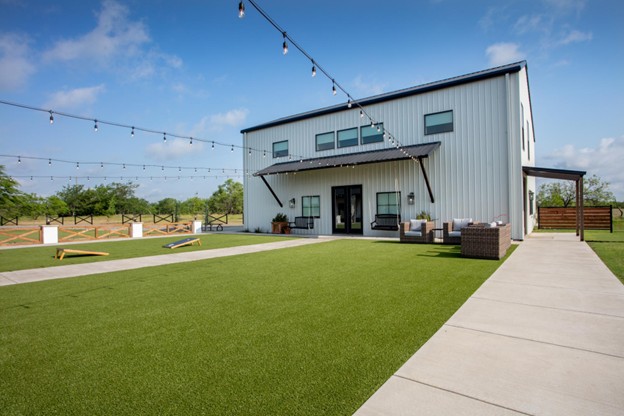
In the sprawling suburbs, winding streets, and evolving landscapes of the Dallas–Fort Worth metroplex, one company is redefining what it means to have a “lawn.” DFW Turf Solutions isn’t just installing artificial grass, it’s crafting year-round outdoor lifestyles that blend beauty, durability, and ease.
A Vision of Green, Reimagined
Founded in 2014, DFW Turf Solutions set out to transform outdoor spaces with cutting-edge synthetic turf systems designed to deliver lush, maintenance-free lawns from day one. As Texas faces water constraints, extreme heat, and demanding homeowner expectations, DFW Turf Solutions positions itself as more than a turf installer. It’s a partner in creating sustainable and beautiful exterior environments.
Their work spans a full suite of applications: residential lawns, commercial landscapes, pet turf systems, kid-friendly play surfaces, and even custom putting greens. Drainage design, infill selection, subbase engineering, and long-term maintenance are all part of the package, ensuring that installations don’t just look great initially but perform over years.
What Sets DFW Turf Apart
1. Holistic Approach Where many turf firms sell “rolls of grass,” DFW Turf Solutions treats each project as a custom engineering job. Every site is assessed for soil conditions, slope, drainage, and usage profile before materials are proposed. This eliminates many of the common turf failures (pooling, seam “peaking,” weed intrusions) that degrade client trust in synthetic grass.
2. Diverse Application & Specialty Builds Beyond standard lawns, the company has made a name for dog runs, playgrounds, rooftop terraces, and putting greens. These specialty installs command higher margins and help buffer the seasonal ebb in standard lawn conversions.
3. Recurring Service & Value Maintenance To maintain performance and client satisfaction, DFW Turf Solutions offers cleaning, infill replenishment, repairs, and periodic inspections. That means beyond the one-time installation, they build a recurring revenue stream and remain top of mind with customers.
4. Local Expertise in a Challenging Climate Texas heat, heavy rains, and wide temperature swings make durable, UV-resistant products and smart drainage essential. DFW Turf’s deep local knowledge helps them select products and designs suited to the DFW climate, in a way a national “install-anywhere” turf provider might struggle to match.
The Market & Opportunity in DFW
The Dallas–Fort Worth region is booming — both in new housing developments and renovation projects. With water utilities increasingly encouraging or enforcing water-use efficiency, synthetic turf becomes a tempting alternative to traditional lawns. High-end homeowners, pet owners weary of mud, and commercial clients seeking low-maintenance green aesthetics all fall within DFW Turf’s addressable market.
In addition, commercial real estate, HOAs, retail plazas, and outdoor amenities (e.g. rooftop decks, golf simulation areas) represent growth sectors. As more consumers expect outdoor spaces to be usable year-round, the demand curve tilts upward for turf solutions that deliver real performance — not just gimmicks.
Challenges & How DFW Navigates Them
Of course, the synthetic grass business is not without its risks:
Material & Supply Volatility: The cost of turf fibers, backing materials, transport, and infill can swing sharply. DFW must manage supplier relationships and inventory risk.
Installation Quality & Reputation Risk: A poor install (bad seams, drainage issues, sinking) can lead to warranty claims or reputation damage. The firm must maintain rigorous quality control.
Competition Pressure: As synthetic turf becomes more mainstream, more landscapers and startups enter the space. DFW needs branding, marketing, and service differentiation.
Scalability Constraints: Growing beyond the DFW area means replicating local knowledge, relationships, and operations — which can be labor- and capital-intensive.
DFW addresses many of these by emphasizing engineered installs, offering specialty applications (less commoditized turf work), and building service relationships (maintenance contracts). Their strong local reputation acts as a moat versus fly-by-night turf installers.
Where They’re Heading
Looking ahead, DFW Turf is well-positioned to expand its footprint and services. Some strategic avenues include:
Geographic Expansion: Move into adjacent metropolitan zones (e.g. Austin, Houston) with satellite crews or franchise/licensing models.
Product Innovation: Adopting newer turf products (cooler fibers, antimicrobial infills, hybrid turf systems) can keep them ahead on quality.
Bundled Outdoor Services: Offering complementary landscaping, lighting, irrigation (for hybrid yards), or hardscaping may let them upsell and broaden their brand.
Marketing & Brand Visibility: Showcasing high-impact install portfolios, video walkthroughs, and client testimonials will help scale lead flow in a competitive space.
Final Word
DFW Turf Solutions is more than a synthetic grass installer, it is an outdoor-lifestyle brand that balances aesthetics, engineering, and durability. In a region grappling with water scarcity, heat stress, and evolving homeowner expectations, its proposition resonates powerfully: a green, beautiful yard without the sweat, weeds, or constant maintenance.
If your yard is overdue for a refresh, or if you’re simply curious what “lawn of the future” looks like today, DFW Turf offers an enticing preview.
Wingstop, a global leader in fast-casual chicken wings with nearly 3,000 restaurants worldwide, is set to open its first location in Calgary in 2026 at CF Chinook Centre.
This marks the brand’s first Canadian restaurant outside of Ontario since launching in 2022, part of a 100-location agreement with JPK Capital.
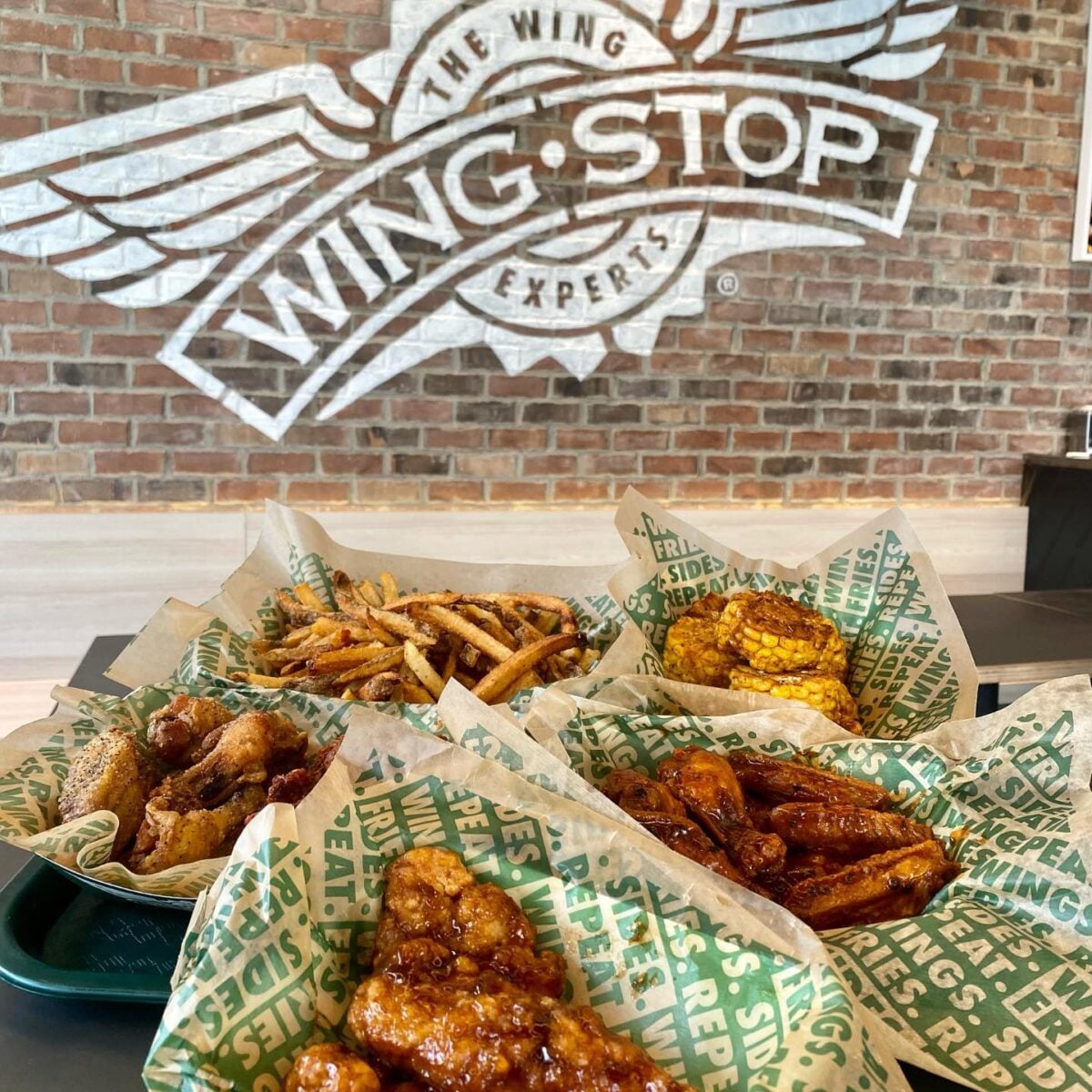
Wingstop said it serves cooked-to-order, hand sauced-and-tossed classic and boneless wings, as well as tenders served in 12 bold, distinctive flavours and seasoned fries and housemade dips. The brand has aspirations to be a Top 10 Global Restaurant Brand, with $4.8 billion in system-wide sales in fiscal 2024.
“JPK Capital, the exclusive master franchisee for Wingstop Canada, Australia and New Zealand, has opened 15 locations in Ontario and its first Australian location in Sydney. The global investment firm’s expansion into Calgary will begin with three locations during the first half of 2026, including Wingstop Canada’s first flagship restaurant at Cadillac Fairview’s iconic CF Chinook Centre,” said the company in a news release.
“Wingstop’s Calgary flagship at CF Chinook Centre will debut a design tailored for Gen-Z customers and positioned to be a cultural hotspot. Features include a live DJ booth and modern interior elements designed to enhance the guest experience and support high foot traffic.”
Image: Wingstop Canada
Founded in 2017 by entrepreneur Joe Poulin, JPK Capital is a single-family office focused on long-term value creation through investments in hospitality, technology, and insurance. JPK Capital holds the exclusive Master Development Rights for Wingstop in Canada and Australia through its investment platform, Honey Garlic Holdings. The company owns and operates all Wingstop restaurants in Canada since its inception in 2022 and is planning to open more than 200 locations across Canada and Australia over the next decade, delivering on Wingstop’s vision to Serve the World Flavour.
Founded in 1994 and headquartered in Dallas, TX, Wingstop Inc. operates and franchises more than 2,800 restaurants worldwide – with 98% of the total restaurant count owned by brand partners. With approximately $5 billion in system-wide sales in fiscal 2024, 21 consecutive years of same-store sales growth and a vision to become a Top 10 Global Restaurant Brand, Wingstop was recently named the Official Chicken Partner of the NBA.
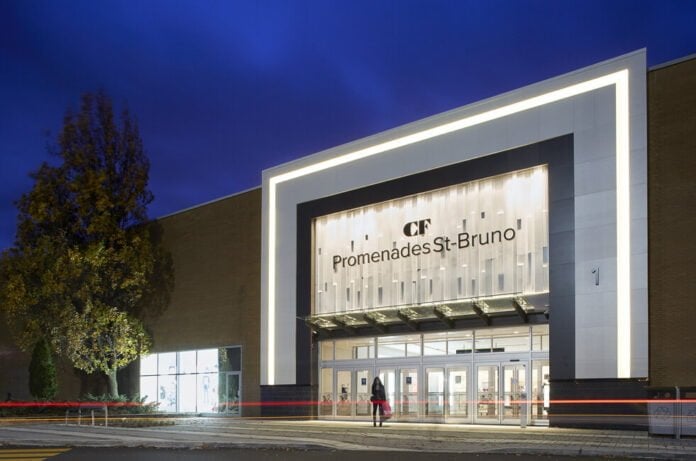
Primaris Real Estate Investment Trust announced late Monday that it has agreed to acquire a 100% interest in Promenades St-Bruno in Montreal, Quebec from Cadillac Fairview for $565 million, to be satisfied by a combination of cash and equity, subject to certain conditions. The acquisition further builds Primaris’ track record of successfully acquiring market leading shopping centres in growing Canadian markets, said the company in a news release.
Patrick Sullivan
“Promenades St-Bruno has all the characteristics which Primaris targets in acquisitions: over $271 million in annual sales, $917 in sales per square foot, and 154 acres of land in Canada’s second largest and growing market of Montreal, adjacent to mass transit,” said Patrick Sullivan, President and Chief Operating Officer. “There is significant NOI growth potential including leasing up vacant and temporarily tenanted space, and optimizing former department store space.”
Primaris is Canada’s only enclosed shopping centre focused REIT, with ownership interests in leading enclosed shopping centres located in growing Canadian markets. The proforma portfolio totals 15.6 million square feet, valued at approximately $5.4 billion at Primaris’ share.
According to Primaris, these are Promenades St-Bruno Highlights:
Leading regional enclosed shopping centre in Canada’s second largest population centre, Montreal, Quebec;
Located in Montreal’s affluent south shore, just 25 minutes from downtown Montreal and easily accessible via the Jacques Cartier and Victoria bridges converging to Highway 116;
Adjacent to Saint Bruno Exo train station, a catalyst for higher-density mixed-use development;
1,096,200 square foot mall located on 154 acres of land, for an approximate 11% site coverage;
$917 per square foot same store sales productivity and total annual CRU sales volume of $271 million;
74.8% long-term in-place occupancy, 81.4% in-place occupancy, 83.3% committed occupancy (excluding the vacant HBC space in-place occupancy is 92.4%);
Weighted average lease term of 4 years;
Approximately $227 million in capital upgrades and redevelopment projects completed since 2015 including investments into common areas, repurposing of the former Sears box, and the completion of a two-level flagship Simons store;
BOMA BEST Gold Certified;
Large format tenants include Simons, Winners, Sports Experts, Marks; and
Notable CRU tenants include Aritzia, Sephora, Lululemon, Nespresso, Uniqlo, and JD Sports.
Simons
Rags Davloor
Rags Davloor, Chief Financial Officer, said: “High quality acquisitions combined with industry leading credit metrics demonstrate the strategic advantages of Primaris’ differentiated financial model. Our commitment to our extremely well capitalized balance sheet is key to Primaris’ profile as a highly credible transaction counterparty.”
Similar to the Trust’s existing portfolio, the Acquisition offers NOI growth potential over the next few years, as operating and financial performance normalizes, and as Primaris’ full-service management platform integrates and operates the property, said the REIT.
Opportunities to increase NOI include:
Redemise and lease approximately 130,600 square feet of former anchor space to strong covenant, high-quality national retailers;
Lease approximately 73,000 square feet of temporarily tenanted or vacant CRU space to strong tenants at market rents; and
Leverage Primaris’ platform to deploy its cost management strategy.
Alex Avery
“Primaris’ high quality acquisitions exceed $1.5 billion in 2025 and $3.3 billion since 2021. All of these acquisitions offer strong NOI growth potential and significant excess land,” said Alex Avery, Chief Executive Officer. “We have materially expanded, and enhanced the overall quality of our enclosed shopping centre portfolio since 2021, driving the portfolio’s proforma annual same store sales productivity to $791 per square foot. The concurrent equity offering increases Primaris’ public float and enhances the trading liquidity of Primaris’ units, to the benefit of all unitholders.”
In June, Toronto-based Primaris announced the acquisition of CF Lime Ridge Mall in Hamilton, Ontario, from an entity managed by Cadillac Fairview, the real estate arm of the Ontario Teachers’ Pension Plan. The $416 million deal was comprised of a combination of cash and equity.