In-store shopping remains an important part of life for many consumers and is the preferred channel for 44%, according to a new 2025 retail report released by Adyen.
“Retailers are responding by investing more in their stores, particularly by improving the in-person payment experience. As always, meeting (or exceeding) shopper expectations is a critical success driver. While consumers clearly value seamlessly connected physical stores, many retailers have yet to fully leverage them as powerful drivers of engagement, revenue, and brand experience,” said the report.
“Shoppers love stores for the hands-on experiences that online stores can’t replicate. But, offering physical stores isn’t enough. Shoppers want retailers to bring digital elements into the store and create innovative, immersive experiences that blend both worlds . . . most shoppers see the store as an integral part of a wider buying journey.”
Adyen said 51% of those that prefer stores do so because they like to touch and feel products and 29% want retailers to make the experience more interesting (e.g. virtual reality/augmented reality experiences, in-store cafes, or special events/activities).
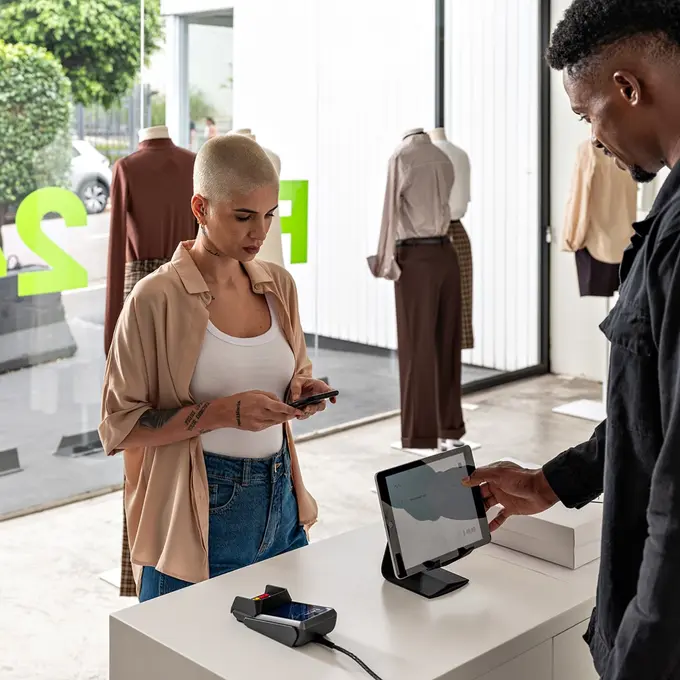
The report said consumers are clear. They value stores, especially if they are connected seamlessly to digital channels.
“But, the data suggests that retailers may not fully appreciate the role stores can play in driving engagement and revenue. While 23% say they plan to expand their number of stores in 2025 and 32% offer exclusive in-store experiences, these figures suggest room for improvement. When it comes to creating destination-worthy retail experiences that blend convenience, interaction, and brand storytelling, many retailers still have some way to go,” it noted.
“In-person payments are a key aspect of the physical store experience. Speed is a main KPI for many retailers . . . and is essential to offering customers the experiences they expect. Although many retailers are investing in new, faster ways to accept payments (for example, via mobile point of sale solutions like Tap to Pay and self-checkout), it is still very much a work in progress.”
Adyen said 29% use mobile point of sale (POS) solutions to serve customers more flexibly/help avoid queues and 24% enable shoppers in-store to self-checkout – using kiosks, apps, etc.
The report found that 38% of GenZ choose retailers that let them shop on social media.
“The main goal for retailers is simple: turn browsers into buyers. And delivering the experiences customers expect is key to making that happen. While online channels, especially social media, are popular among younger shoppers, physical stores remain the preferred choice for many. What matters most is connecting every channel to create a seamless, cross-channel journey. And when it comes to closing a sale, it often comes down to one thing: letting customers pay how they want,” explained the report.
“Shoppers today have more ways to buy than ever, whether through TikTok, the Metaverse, or traditional online stores. Despite this, physical stores remain popular and outperform ecommerce overall. However, a significant proportion of shoppers value both channels equally. And, if you’re selling to people under 40, don’t overlook social, which seems to be a bit of a retail blind spot.”
Adyen said 44% of consumers prefer to shop in store and 19% of consumers prefer to shop online.
“The ubiquity of the smartphone means shoppers have a digital sales channel in their pocket at all times. They can check in-store stock before leaving the house, browse and read reviews on the way to the shop, and try on the sweater in blue—then order it in red via the app. And they expect retailers to be just as fluid as they are. They want to be able to return online purchases in store, buy directly from their TikTok feed, and access your entire inventory from the shop floor,” stated the report.

Adyen said 55% of consumers would be more loyal to a retailer if they were able to purchase an item that was out-of-stock in store and have it shipped directly to their home. And 38% expect to be able to shop on multiple platforms, including social media, websites, and apps.
“The payment is one of the most critical moments in the buyer journey. Get it right, and you close the sale; get it wrong, and you risk losing the customer—possibly forever. Today, payment technology and trends are evolving fast. As new, more streamlined payment methods appear, consumers become increasingly less accommodating of outdated, clunky payment experiences,” added the report.
Adyen said 53% will abandon if they can’t pay how they want and 28% used digital wallets in the past year.
The report said consumer sentiment around AI is mixed. While many find retailers’ use of it invasive, most also understand that it’s being used to improve their shopping experience. Given consumers’ high expectations around personalization, retailers must find ways to give them what they want while respecting their boundaries.
Adyen said 50% of consumers don’t like to interact with AI while shopping online and 62% of consumers understand that retailers use AI to help recommend products they might be interested in.
“AI assistants like ChatGPT are increasingly becoming part of the buying journey, with adoption up 44% since 2024. In the past year alone, more than one in 10 people (11%) used AI for the first time, and just over half (52%) said they’d be open to making purchases through AI in the future. Still, concerns around AI reliability remain, and in some cases, those concerns have been justified. Even so, AI is quickly establishing itself as a channel worth watching,” said the report.
It explained that 36%of consumers have used ChatGPT or AI assistants to shop and 8% of consumers don’t use AI assistants because they don’t trust AI and worry it will give them bad recommendations.
“AI is a top priority for retailers in 2025, and they plan to apply it across the sales cycle. However, retailers should keep in mind that no matter how they use AI, it’s only going to be as effective as the data they use to train it. 28% of retailers will invest in AI to support sales and marketing and 26% of retailers will invest in AI to support their product.”
Adyen said consumers increasingly expect personalized experiences, like tailored recommendations and exclusive discounts.
“But some still view marketing based on their browsing or purchase history as intrusive. While loyalty programs are appreciated by many, others feel that brands often fall short of their expectations. At the same time, businesses are betting on advanced personalization to drive revenue growth in 2025. However, without connected data systems and a unified commerce approach, many will find it difficult to meet shoppers’ expectations for consistent, streamlined experiences,” it said.
“When it comes to personalization, consumers are undecided. They say they want more personalized promotions from retailers; but not product recommendations. They expect tailored offers; but they also find data tracking by retailers, or AI, intrusive. Behind these contradictions is a clear message: Consumers are willing to share their data—as long as there’s something in it for them. Discounts and meaningful promotions make the trade-off feel worthwhile.”
72% would like to see more discounts at the retailers they shop most regularly at and 36% expect businesses to provide personalized recommendations or experiences based on their shopping behaviour.
“While consumers may be conflicted about data tracking, retailers are clear on its value. Understanding customer behaviour and preferences remains a top priority for driving revenue and loyalty in 2025. Most businesses recognize the power of payments data to fuel these insights, but those with unified commerce platforms gain a deeper understanding of consumer behaviour than those without,” said the report.
“Loyalty programs work in theory. Consumers are drawn to brands that offer discounts through a loyalty program, and many are willing to download apps to get rewards. However, in practice, the experience is disappointing. Consumers often find programs to be more hassle than they’re worth and their rewards irrelevant. But there is cause for optimism. Businesses’ commitment to understanding and delivering more relevant experiences to customers grew by 27% year on year. So, customers can expect loyalty offerings to improve.”
Adyen said 62% are more likely to shop with brands who give them discounts through loyalty programs and 44% feel that loyalty programs rarely offer things they actually want.
Related Retail Insider stories: