

Hudson’s Bay, Canada’s oldest department store chain, is at a pivotal moment as it restructures under the Companies’ Creditors Arrangement Act (CCAA). For loyal shoppers like Edmonton-based Christopher Lui, the decline of Hudson’s Bay has been both frustrating and heartbreaking. Having shopped at the retailer for decades, Lui has witnessed first-hand the store’s transformation, missteps, and eventual financial struggles.

Early Signs
Lui recalls the early signs that Hudson’s Bay was losing its grip on Canadian retail. “They actually did a good job trying to maintain things even through the pandemic. They relaunched the rewards program, but the algorithm was off. I would buy something, and instead of getting an offer for something complementary, I would get a discount on the same thing the following week. It just didn’t make sense.”
Another major issue was the deterioration of Hudson’s Bay’s delivery system for online shopping. “They used to rely on Canada Post, then they switched to FedEx or UPS. But suddenly, they moved to Intelcom, which doesn’t even have its own fleet. Deliveries were subcontracted, and packages arrived in minivans,” Lui said. “Tracking was unreliable, and getting updates was nearly impossible.”
The Marketplace Disaster and Website Issues
Hudson’s Bay also attempted to modernize with an online marketplace, allowing third-party vendors to sell through theBay.com. “It was awful. It wasn’t clear if you were buying from Hudson’s Bay or a third-party retailer. The return policies were all over the place, and often, you couldn’t return items at all. Complaints flooded in, and they quietly shut the marketplace down.”
Website functionality was another concern. “Stock locator tools were unreliable. I’d check online, and it would say ‘out of stock,’ but then I’d visit the store and find the item sitting on the shelf. Product descriptions and images were sometimes mismatched, which made shopping confusing.”
Store Experience: A Rapid Decline in Quality and Maintenance
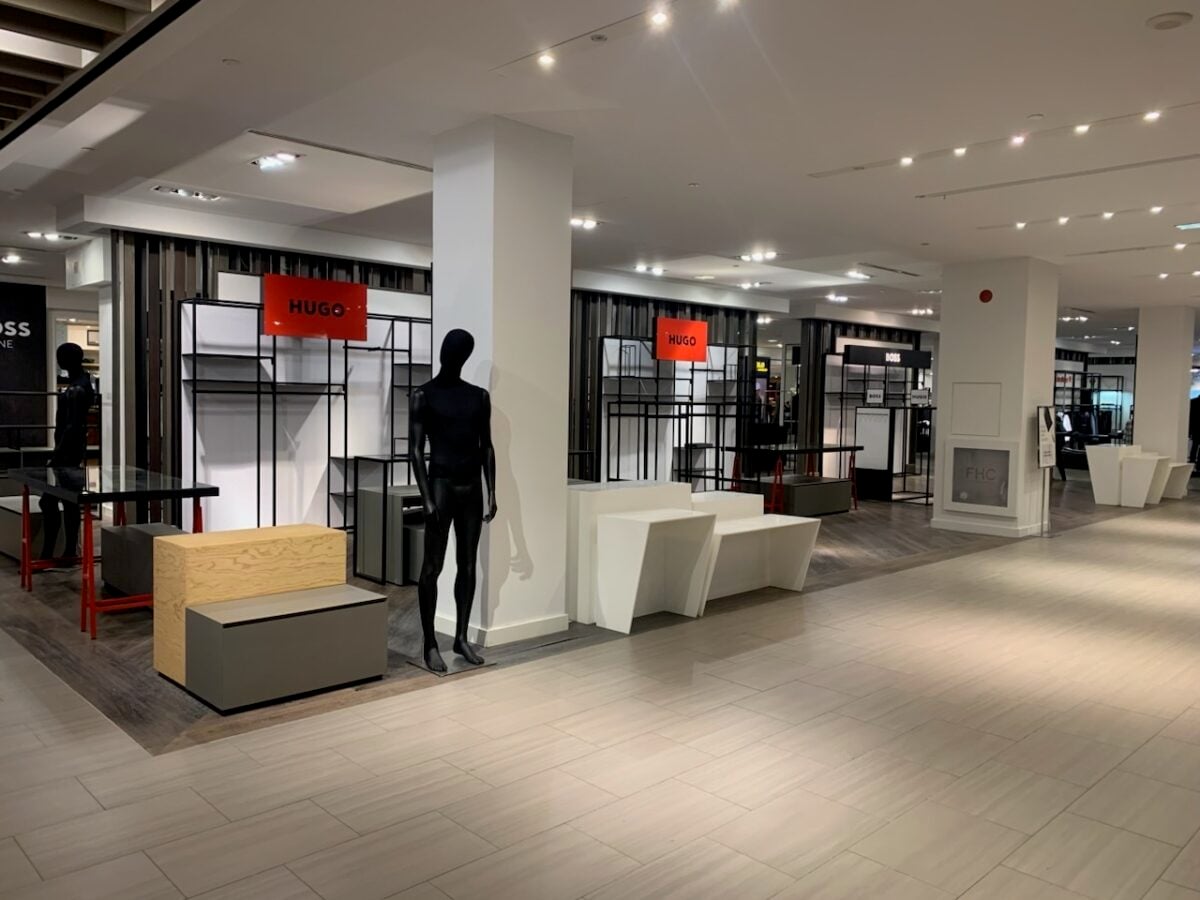
Lui continued shopping at Hudson’s Bay’s Southgate location in Edmonton, which he considered a flagship store. “It used to have all the big brands—Hugo Boss, Weekend Max Mara, Polo Ralph Lauren, Strellson. But over time, some brands left, and replacements weren’t as strong. They once tried to introduce a new high-priced women’s brand, but it failed after just one season.”
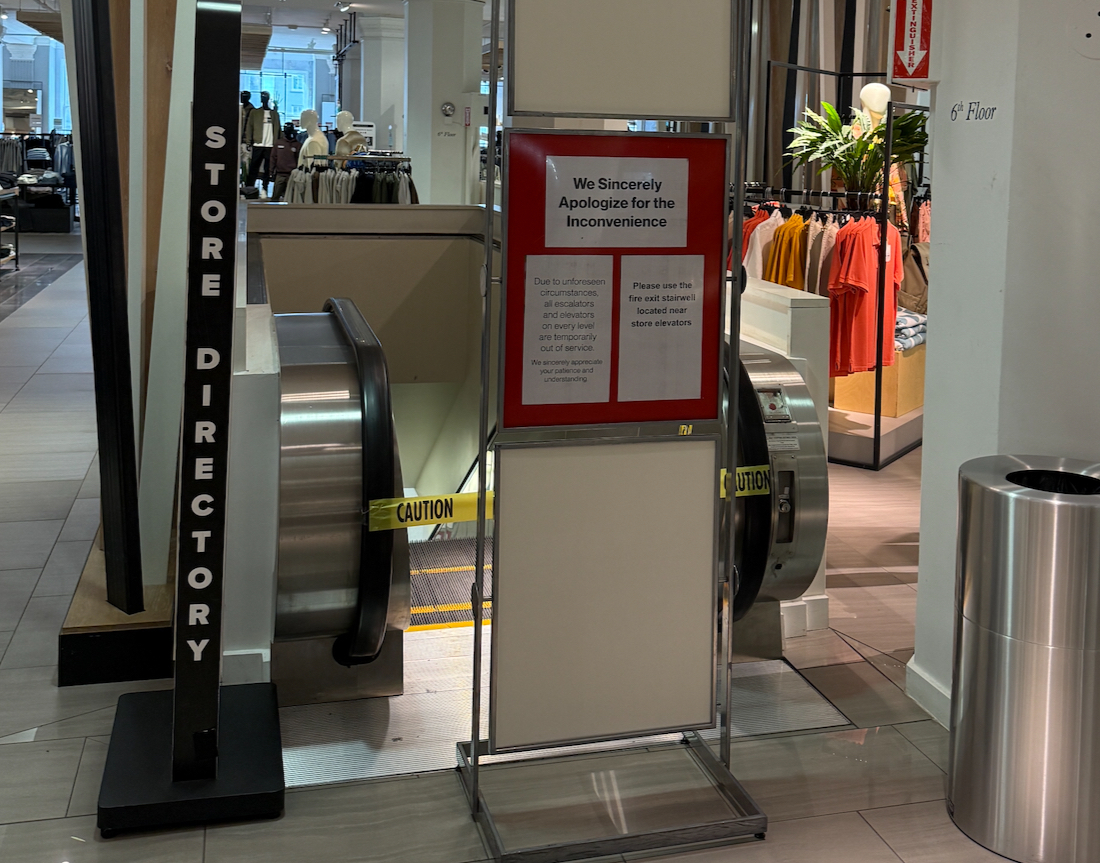
Store maintenance also suffered significantly, affecting the overall shopping experience. “Escalators were broken, elevators stopped working, and water damage became evident. At West Edmonton Mall, I saw buckets catching water leaks. That’s never a good sign.”
Beyond infrastructure, the store environment itself deteriorated. “Carpets were worn out, lighting was dim in some sections, and fitting rooms often looked neglected. The once-elegant atmosphere of Hudson’s Bay had been replaced with something that felt neglected and outdated,” Lui explained.
Customer service also became a pain point. “It used to be that you could find well-trained, helpful sales associates, but in the last few years, that changed. Staff seemed to be stretched thin, making it difficult to get assistance. And when you did, they didn’t always have the product knowledge they once had.”
Hudson’s Bay also scaled back in-store services that once differentiated it from competitors. “They used to have more personalized services, whether it was tailoring, beauty consultations, or personal shoppers. But those have either disappeared or been scaled back to the point where they don’t provide the same value anymore.”
Lui also lamented the lack of innovation in the in-store shopping experience. “Retailers like Holt Renfrew and Simons have updated their store layouts to feel more modern and inviting, while Hudson’s Bay stores feel stuck in the past. Instead of creating an inviting atmosphere where customers want to linger, it feels like they’ve just let everything age.”
A Mishandled Credit Card Transition
A critical misstep was the transition of the Hudson’s Bay credit card to Neo Financial. “With the old system, you could pay your bill in-store, which kept customers coming back. But Neo Financial moved everything online, which alienated older customers who struggled with digital banking. There was no real incentive to sign up for the new card, and the rewards weren’t competitive.”
Lui noted that the transition process itself was also problematic. “When they switched over, there was confusion about existing accounts, payments, and how customers could access their statements. Many people, especially seniors who relied on in-person banking, struggled to set up their online accounts. Customer service wait times increased, and the lack of a physical payment option meant fewer trips to the store.”
Beyond accessibility, the perks of the Neo Financial card failed to attract shoppers. “The previous credit card programs had better rewards and a more straightforward redemption system. The Neo card had limited in-store benefits, and compared to other rewards programs, it just wasn’t competitive. If I can earn better rewards on another card, why would I use Hudson’s Bay’s credit card?” Lui said. “It felt like they launched this with minimal thought to their loyal customers.”
The Decline of the Gift Registry and Changing Consumer Habits
Hudson’s Bay’s gift registry, once a major draw for engaged couples, has also fallen out of favour. “They outsourced it to MyRegistry, and it’s just not the same. People used to gift fine china and housewares, but younger generations don’t want those items. Weddings have changed, and so has demand. Hudson’s Bay failed to adapt.”
Lui noted that in past decades, the Hudson’s Bay gift registry was a key part of wedding planning for many Canadians. “It was seamless. Couples would go to a Hudson’s Bay store, select items in person, and guests could purchase them either online or in-store, knowing the couple would receive exactly what they wanted. It was well-integrated into Hudson’s Bay’s retail experience, and it helped build long-term customers.”
However, as lifestyles changed, so did consumer needs. “Millennials and Gen Z don’t register for formal dinnerware anymore. They want experiences, travel, and cash gifts instead. Hudson’s Bay didn’t update their registry model to reflect this shift, and outsourcing it just made it feel like an afterthought,” Lui explained.
Is There Hope for Hudson’s Bay?
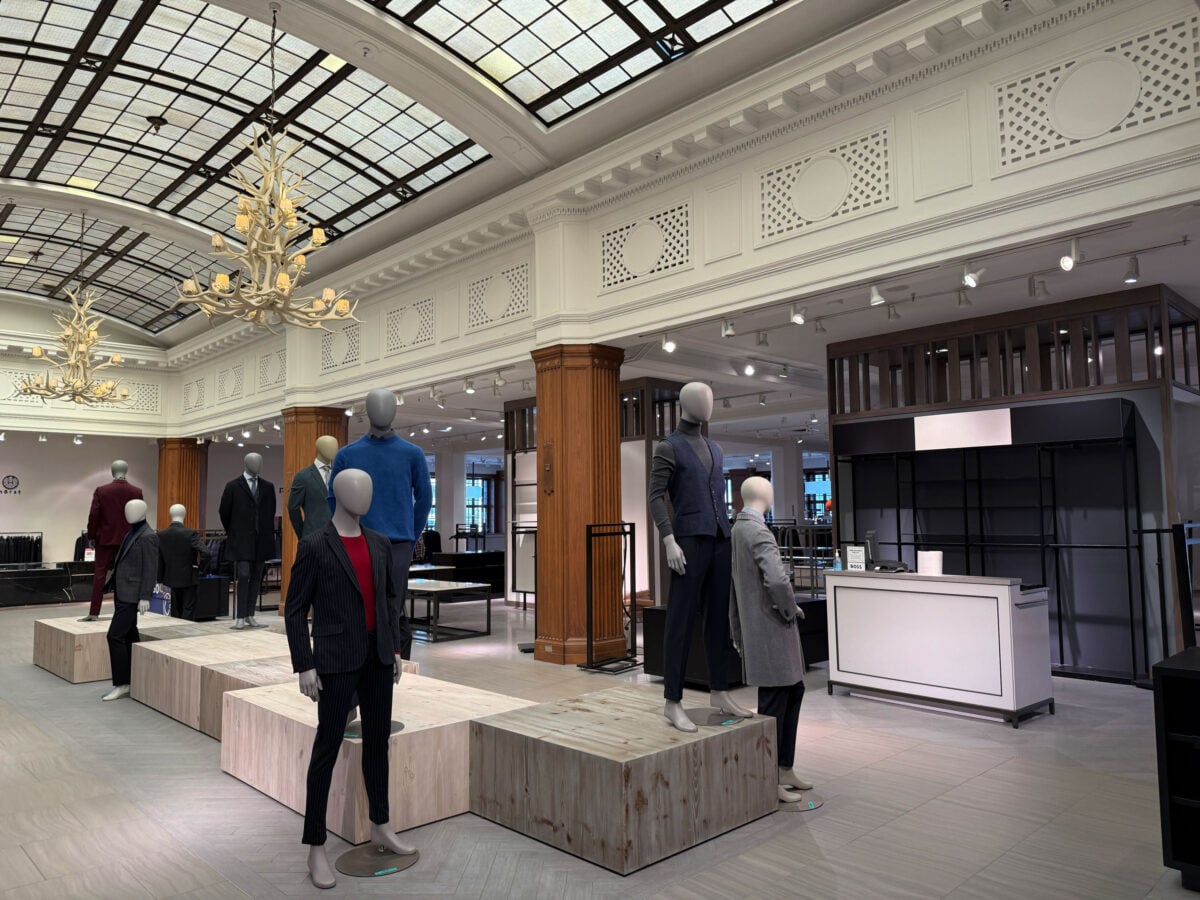
Lui still believes Hudson’s Bay could have a future, but only if it adapts. “They should focus on smaller, more curated stores and strengthen their online presence. They need to make cross-shopping between in-store and online seamless. Instead of home delivery, let customers pick up and try items in-store, reducing returns.” “The online presence could be strengthened by utilizing Augmented Reality (AR) for virtual try-ons (e.g., fashion, makeup, or furniture placement).”
Experiential retail could also be a solution. “Department stores overseas have restaurants, wine bars, and experiences that make people want to visit. Hudson’s Bay used to have in-store cafes, but those disappeared. Nordstrom did this well before closing in Canada.”
Additionally, Hudson’s Bay must rethink its product assortment. “They need to bring in brands that resonate with younger shoppers and balance affordable fashion with high-end options. Stores like Simons have successfully blended trend-driven styles with accessible price points. Hudson’s Bay should take note.”
Another crucial element is customer service. “Hudson’s Bay used to be known for its service, but that has diminished over time. If they improve staffing levels, train employees properly, and provide personalized shopping experiences, they might regain customer trust.” “Using Artificial Intelligence could help with personalizing customer service. An AI-powered chat or video calls with a virtual shopping assistant could offer suggestions and personalized recommendations from the entire store and even across categories.”
Lui also suggests better leveraging loyalty programs. “Their rewards system could be improved by expanding partnerships beyond Hudson’s Bay stores. Allowing customers to earn and redeem points at other retailers, airlines, or even restaurants could boost engagement and keep shoppers invested.”
As Hudson’s Bay moves through restructuring, its future remains uncertain. For Lui, Hudson’s Bay’s story is a cautionary tale of how a once-dominant retailer lost its way. “The consumer changed, and Hudson’s Bay didn’t keep up. But if they rethink their strategy, there’s still a chance to survive. The question is: will they?”







Spot on, and pretty sad when it’s customers have more insight on how the company should revamp that the idiots sitting on it’s board does.
Well said Christopher. As I’ve said in previous posts, I would always favor Hudson’s Bay over shopping anywhere else but it has gotten to the point of near impossibility in the past 12-18 months. The decline of the in-store experience got to the point where visiting the store(s) was downright unpleasant…and I am someone who actively wants to shop at Hudson’s Bay. Everything from the absolutely horrendous physical condition of my local location, to visits to the Montreal, Toronto and Vancouver flagships have caused me to essentially abandon shopping there (and for the most part abandon shopping altogether). Montreal — in my experience, has remained consistently busy. Toronto — Queen St still looks good but the escalator/elevator problems have worsened and my last visit up to the 5th floor Men’s Store it was devastatingly quiet (unsustainably so) — losing that menswear space would be absolutely awful as it’s unmatched in variety and scope. The decline in Vancouver was — in my opinion — especially acute. I think the giant red flag for me was when I saw the physical deterioration at place like Yorkdale and CF Richmond — when those escalators are broken, you know the rot has set in deeply. I’m a Gen X guy who grew up in a pretty loyal Eaton’s household and watched that company disappear when I was in my early 20s…I truly hope HBC (with the help of someone with deep pockets and a desire to be an actual merchant) can survive…I recognize my local store is probably too far gone physically, but I hope I can still travel to some renewed/reenergized flagships.
Great article! I have to say I love Hudsons Bay, I go out of my way to try to purchase from them but over the last 24 months it’s nearly impossible. The stock is so shabby and not thought out. Why haven’t they leaned harder into Hudson’s Bay branding?? They have Hudson’s Bay bedding, dishes, clothing now but not a wide selection. they should have really leaned into that sooner. It’s a brand name that speak quality, why they changed the Hudson’s Bay Stripes merchandise to just a name called “Stripes” makes zero sense. Don’t you what people all around the world to be gifted and see those striped merchandise and pick up the tag and it reads “Hudson’s Bay”?? People will connect it with Hudson’s Bay, just using the word Stripes really diminishes the brand.
They’ve really had a lot of missteps. Seems like nobody is leading the ship and people have been able to do whatever they feel like when it comes to purchasing, branding, design. They need to get back to the basics and have a majority of the store carrying “Hudson’s Bay” products that are exclusive to The Bay. Canadian wants to support Hudson’s Bay, so Hudson’s Bay carry the merchandise we want so we can support you.
As a former buyer who played a role in building these shops, it’s heartbreaking to see them now stripped and abandoned. Even 10 years ago, there was growing frustration over the lack of investment in stores and payroll hours for floor associates. The talent and product offering were never the problem—we had the best ISM, planning, and merchandising teams in Canada, along with experienced, long-tenured store associates and management. Today, only a small fraction of the team remains making do with what little resources they have at their disposal.
Well thought out and comprehensive from a consumer’s perspective. I do hope HBC manages to survive in a smaller capacity
As I sit in West Edmonton Mall, Between Winners and HBC. Makes you think… Winners seem to do very well, and the HBC is not. Similar business but different in consumer acceptance.
Good luck to them and I would love to see this Icon turn it around.
Did the leadership at Hudson’s Bay wait too long to reinvent the business? It feels like the last days of Eaton’s, a company which coasted for far too long and then frantically tried to fix decades of mismanagement in less than two years.
The Zellers return feels like a lost opportunity. The revival should have been used as a way of dealing with underperforming full-line Bay stores (by converting them fully to Zellers) and enabling the company to focus its efforts on a smaller portfolio of top performers. For example, in Edmonton, HBC could have converted Bay stores in Kingsway, Londonderry and St. Albert to Zellers and revitalized the two remaining Hudson’s Bay stores at WEM and Southgate. In Calgary, Chinook and Market Mall could have remained flagship Hudson’s Bay stores and Sunridge and Southcentre converted to Zellers. In Winnipeg, keep Polo Park as the flagship and convert St. Vital to Zellers.
valid point
Having been a former employee of HBC, I can say this situation saddens me, but does not surprise me. The culture in the stores is not conducive to keeping talented individuals who want to advance. There is bias. As with many retailers, the pay is not sufficient to make a living. Poor management practices from store level upwards have made The Bay a pretty difficult place to work. Poor policies have also hurt this chain. Ie. multiple price adjustments on sale items. I am sure there is much more that I was never privy to, but isn’t this enough? Sad days if our last bastion of Canadian retail leaves the landscape. Hello to the new Canadian retailers and please stay relevant, Simons!