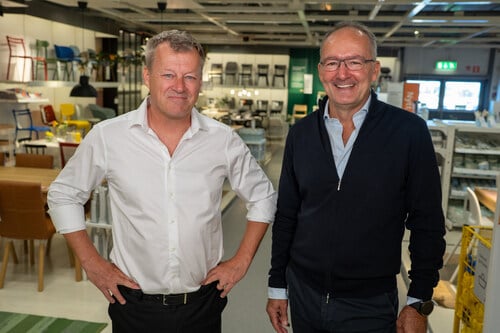
Juvencio Maeztu, currently Deputy CEO, has spent the last 25 years within IKEA in different roles, starting out in the early 2000s as Store Manager in Spain.
Known for his purpose-driven, entrepreneurial leadership and has extensive retail and store experience, he takes over the role as the company’s CEO effective November 5.
He succeeds Jesper Brodin, who after eight years as CEO and 30 years within IKEA, has decided to move on.
“IKEA is built on a strong purpose and vision of creating a better everyday life for the many people formed by our founder Ingvar Kamprad and embraced by our nearly 170.000 co-workers. Over the last 8 years Jesper has led the company through unprecedented times with a remarkable contribution, transforming IKEA into an omnichannel retailer while accelerating efforts and truly integrating sustainability into the business. Under Jesper’s leadership, IKEA has expanded into new markets and cities with a variety of formats – meeting the changing needs of our customers.
“Even if it’s sad to see Jesper leave after 30 years, we have a solid strategy and plan for the coming years and I’m excited about what the future brings. Juvencio has extensive experience of IKEA and the retail business, and I know he is a great fit for the job ahead,” said Lars-Johan Jarnheimer, Chairman of Ingka Holding B.V.
Image: IKEA Canada
“I am deeply grateful for the trust and confidence placed in me. Working alongside with Jesper for the last seven years has been a privilege and I’m the first in line to thank him for his amazing contributions, his courageous leadership and most of all, his friendship. I’m thankful to build on the foundation that he and others before him have created.”
Juvencio Maeztu
“I’m thrilled and excited about what lies ahead for IKEA. The depth of our vision and our commitment to affordability and the low price is more than our business idea it’s our responsibility to the many people. We have the opportunity to amplify the essence of IKEA and play an even bigger role around life at home in the world,” said Maeztu.
“After 30 inspiring years within IKEA and the recent 8 years as CEO, I have taken the decision to move on. Doing that, I’m proud of how we have navigated unprecedented challenges across the last years, always guided by our culture and values, while transforming IKEA to an omnichannel retailer with sustainability at our core. We are serving more people in better ways than ever before and I’m genuinely optimistic about IKEA’s future. Now is the right time to move on and I’m excited for Juvencio to take over – his deep commitment to business, people and planet inspires me and as we find ourselves in the most important decade of humanity – I know he will lead with purpose at heart,” said Brodin.
Jesper Brodin
“The decision to take the next step hasn’t been easy. A big heartfelt thank you to the IKEA community – over the years I have had the opportunity to get to know people across the world and develop deep friendships, memories and experiences that will last for a lifetime. For that I’m forever grateful. Going forward, I hope to apply my experience in business and sustainability to support and inspire more organizations.”
Brodin will stay in the company until end of February 2026. Thereafter Jesper will contribute as a Senior Advisor to IKEA Foundation, among other things.
The Tourism Industry Association of Ontario (TIAO) has launched Forward Motion – A Strategic Playbook for Ontario’s Tourism Industry (2025 – 2030), a forward-looking strategy that “charts a bold course to drive investment, attract talent, diversify and grow markets, and strengthen Ontario’s visitor economy.”
By 2030, the strategy aims to grow visitor spending by 4% annually, from an estimated $30.7 billion in 2025 to over $38 billion – creating 35, 000 new tourism jobs and generating an additional $1.5 billion in annual tax revenue.
Developed through an extensive province-wide consultation process, the Playbook captures the voices and insights of Indigenous leaders, tourism businesses, regional and sectoral organizations, destination marketing organizations, educators, and government partners. The result is a shared roadmap to unlock Ontario’s full tourism potential. TIAO received support from the Government of Canada, through the Federal Economic Development Agency for Southern Ontario (FedDev Ontario), to facilitate the development of the plan, it said.
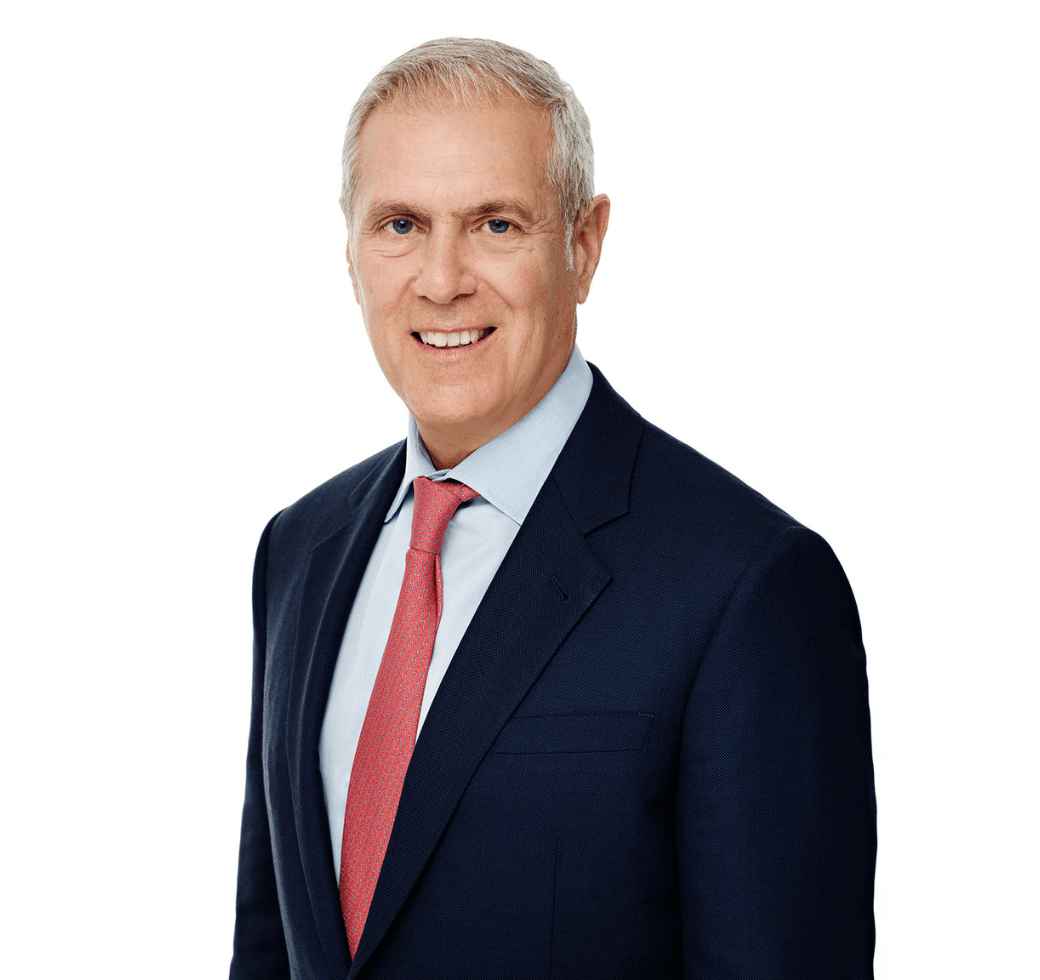
Andrew Siegwart
“This strategy represents a turning point for Ontario tourism,” said Andrew Siegwart, President and CEO of TIAO. “It’s a sector-led blueprint that reflects the diversity, ambition, and resilience of Ontario’s tourism community. With a unified plan in hand, we can build a more competitive, inclusive, and high-performing visitor economy for the years ahead.
“This strategy doesn’t just respond to current challenges; it anticipates what’s next. It calls for international market development, expanded transportation links, investment attraction, workforce innovation, and better coordination across all levels of the tourism system.”
The strategy is anchored by six core pillars:
Attract More Visitors and Spending
Expand Transportation Infrastructure
Strengthen Workforce Resilience
Facilitate Product Development and Capacity Investment
“Ontario’s tourism industry has always been more than an economic driver—it’s the thread weaving together our local economies, cultures, and communities. At this hinge moment, with global uncertainty and new realities emerging across our border, the tourism sector exemplifies resilience and new opportunities. This new strategy lays out a unified roadmap to safeguard and elevate what makes our province extraordinary. Through FedDev Ontario, our government is proud to invest in this vision, because we know that when Ontario’s tourism shines, it sparks jobs, investment, and pride throughout every corner of the province,” said Evan Solomon, Minister of Artificial Intelligence, Digital Innovation, and Minister responsible for the Federal Economic Development Agency for Southern Ontario.
Rechie Valdez
“Ontario’s tourism industry is dynamic, diverse, and deeply woven into the fabric of Canada’s economy. This strategy reflects the voices of those on the front lines—small business owners, Indigenous leaders, and tourism workers—who know what it takes to grow the visitor economy in every corner of the province. As Minister for tourism, I’m committed to working with partners across the country to strengthen this vital sector, create good jobs, and ensure more Canadians and international visitors experience everything Ontario has to offer,” said Rechie Valdez, Secretary of State for Tourism and Small Business.
Gildan Activewear Inc. and HanesBrands Inc. have announced that they have entered into a definitive merger agreement under which Gildan will acquire HanesBrands.
This transaction implies an equity value of approximately $2.2 billion and an enterprise value of approximately $4.4 billion for HanesBrands, based on the closing price of Gildan common stock on August 11, according to a news release.
“With this transaction, our revenues will double and we achieve a scale that distinctly sets us apart. The combination with HanesBrands strengthens our positioning with an opportunity to expand the heritage “Hanes” brand presence in activewear across channels, while enhancing Gildan’s retail reach for its portfolio of brands. Further, our state of the art low-cost vertically integrated platform will be utilized to enhance efficiencies and drive additional innovation. We are excited for the next stage of growth and remain focused on supporting our customers and continuing to drive long term shareholder value.”
Steve Bratspies
“This transaction represents a powerful alignment of HanesBrands’ and Gildan’s shared commitment to quality, innovation, and excellence. We have great respect for Gildan’s manufacturing strength and long track record of success. We look forward to expanding upon HanesBrands’ portfolio of leading innerwear brands and go-to-market expertise and opening new doors for growth and impact as part of Gildan,” said Steve Bratspies, CEO of HanesBrands.
“I want to extend my deepest gratitude to our associates around the world. Your dedication, hard work, and resilience have built HanesBrands into an iconic and trusted name. Today marks the beginning of an exciting journey ahead as part of Gildan and I’m particularly pleased that Gildan intends to maintain HanesBrands’ strong presence in Winston-Salem.”
Michael Kneeland
“This transaction represents a pivotal moment in Gildan’s story,” said Michael Kneeland, Chair of the Board of Directors of Gildan. “Hanes is a distinguished brand with a proud legacy, and by joining forces with HanesBrands, we are forging an exceptional organization built on the strengths of both companies. Leveraging best practices and the exceptional teams from each side, we are poised to deliver outstanding value to our customers and shareholders. With the finest talent in the industry, we have an extraordinary opportunity ahead to shape the future together.”
Key highlights according to Gildan:
Combination will create a global basic apparel leader, with access to iconic innerwear brands and a further strengthened low-cost vertically integrated manufacturing network;
HanesBrands shareholders to own ~19.9% of Gildan shares on a non-diluted basis upon closing;
Highly complementary acquisition expands Gildan’s scale, increasing the strength of our business in basic apparel;
Proven operational model expected to enable the realization of at least $200 million of annual run-rate cost synergies;
within three years of closing: ~$50 million in 2026, ~$100 million in 2027, ~$50 million in 2028;
Expected to be immediately accretive to Gildan’s adjusted diluted EPS;
20%+ accretive to adjusted diluted EPS pro forma for expected run-rate cost synergies of $200 million
Adjusted diluted EPS CAGR over the next three years is expected to be in the low 20% range
A new study from Angus Reid Group and retail consultancy DIG360 confirms what many industry observers suspected: pre-owned shopping in Canada has entered the mainstream. According to the 2025 survey, 77 per cent of adult Canadians purchased at least one pre-owned item in the past year, a figure that holds steady across all income levels. The findings highlight the growing role of affordability, sustainability, and consumer preference in driving this shift, with younger generations at the forefront.
DIG360 founder and Principal David Ian Gray, who co-authored the report, says the research builds on anecdotal evidence of growing activity on platforms like Facebook Marketplace and a rising number of retailers experimenting with their own resale programs.
David Ian Gray
“This isn’t a fringe activity,” Gray said in an interview with Retail Insider. “Three-quarters of adult Canadians are buying pre-owned. That really stood out. It’s mainstream now.”
Benchmarking a Growing Market
The survey, conducted between May 16 and May 19, 2025, polled a representative sample of 1,508 Canadians in both English and French. Gray says the aim was twofold: to confirm the perceived rise in second-hand shopping and to establish a benchmark for future tracking. The study also explored why Canadians are choosing pre-owned, what categories they are buying, and where they are shopping.
While second-hand shopping is hardly new, from used car dealerships to children’s clothing swaps, Gray notes that what has changed is the breadth of categories, the variety of shopping channels, and the scale of participation.
“There’s always been a baseline for pre-owned shopping,” he said. “But now, the breadth of categories and the vast incidence make it mainstream, and the data shows it’s still growing.”
Generational Leaders and Category Standouts
The report finds that Gen Z and Millennials are driving the trend, with participation rates of 86 per cent and 83 per cent, respectively. Among Gen Z, 61 per cent purchased pre-owned books or music in the past year, defying assumptions that this “digital generation” would have little interest in physical media. Clothing, home décor, accessories, and kitchenware also ranked high across age groups.
Households with children over-indexed on categories such as toys, games, and baby supplies, while older generations showed stronger engagement with tools, garden supplies, and furniture.
“It’s interesting to see Gen Z buying physical books and vinyl,” Gray observed. “There’s a retro appeal there, and social media trends on platforms like TikTok are playing a role.”
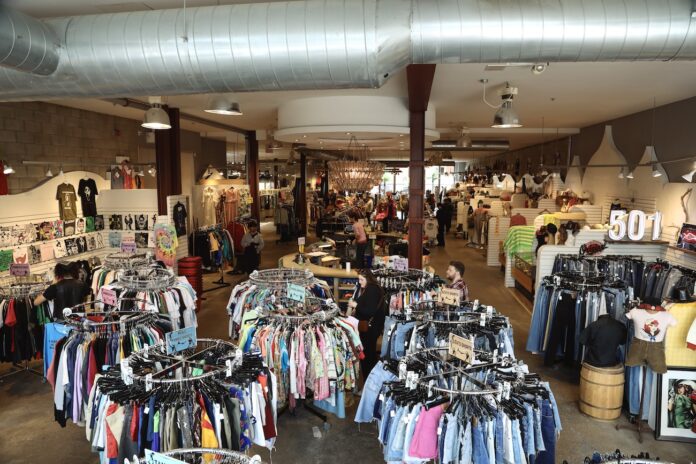
Calgary Value Village Boutique. Photo by Samantha Ungaro
Facebook Marketplace Dominates
When it comes to where Canadians are shopping for pre-owned goods, Facebook Marketplace leads all channels, with 76 per cent of past-year buyers using it. Nearly half of those users browse or buy from the platform at least once a month. Charitable thrift stores (73 per cent) and garage sales (72 per cent) follow closely, while other online buy-and-sell sites, Value Village, and vintage or antique stores also attract substantial traffic.
Luxury consignment and dedicated resale platforms have smaller footprints. Poshmark, for example, saw just 15 per cent participation among pre-owned shoppers in Canada, with only 5 per cent using it monthly.
Gray notes that “other online buy-and-sell sites” remain a significant but undefined category, representing an opportunity for further research.
Why Canadians Choose Pre-Owned
The study points to affordability (77 per cent) and sustainability (73 per cent) as the top motivators. Seventy-one per cent of respondents said pre-owned shopping is a good way to find unique items, and more than half enjoy the “treasure hunt” experience.
Gray likens this to the appeal of off-price retailers. “There’s a gamification aspect, that thrill of finding a great brand at a low price, or something you can’t buy new anymore[DG1] .”
Barriers Retailers Could Overcome
Despite its popularity, pre-owned shopping still faces obstacles. Trust issues with online sellers, perceptions of poor quality or outdated styles, and the time-consuming nature of browsing are the leading deterrents. Twenty-nine per cent of Canadians reported not purchasing any pre-owned items in the past year, often citing discomfort with shopping in second-hand stores or simply forgetting it as an option.
Gray believes these barriers are surmountable, particularly for retailers willing to invest in better store presentation and curation.
“Now that it’s mainstream, there’s a huge opportunity to do this better,” he said. “Value Village’s boutique concept, for example, addresses concerns about quality and the shopping environment.”
The Tariff Effect
The study also examined the impact of 2025’s tariff environment on consumer behaviour. Thirty-one per cent of Canadians who purchased pre-owned items in the past year said tariffs influenced them to buy more second-hand, with younger generations more likely to cite this as a factor.
Gray distinguishes between economic and political motivations. “For some, it’s simply about affordability in the face of rising costs. For others, it’s about avoiding American goods when there are no Canadian substitutes.”
Selling, Donating, and the Circular Economy
While buying is the focus, selling and donating are equally significant. Ninety-one per cent of Canadians have sold or donated items in the past year, and 24 per cent say they are doing so more often. Gray sees this as an essential piece of the circular economy puzzle.
“For this to be sustainable, you need a robust base of sellers,” he said. “The data shows that’s happening.”
For retailers exploring resale, engaging consumers at the point of disposal is a promising avenue. Trade-in programs, in-store drop-off incentives, and partnerships with resale platforms could help keep inventory flowing.
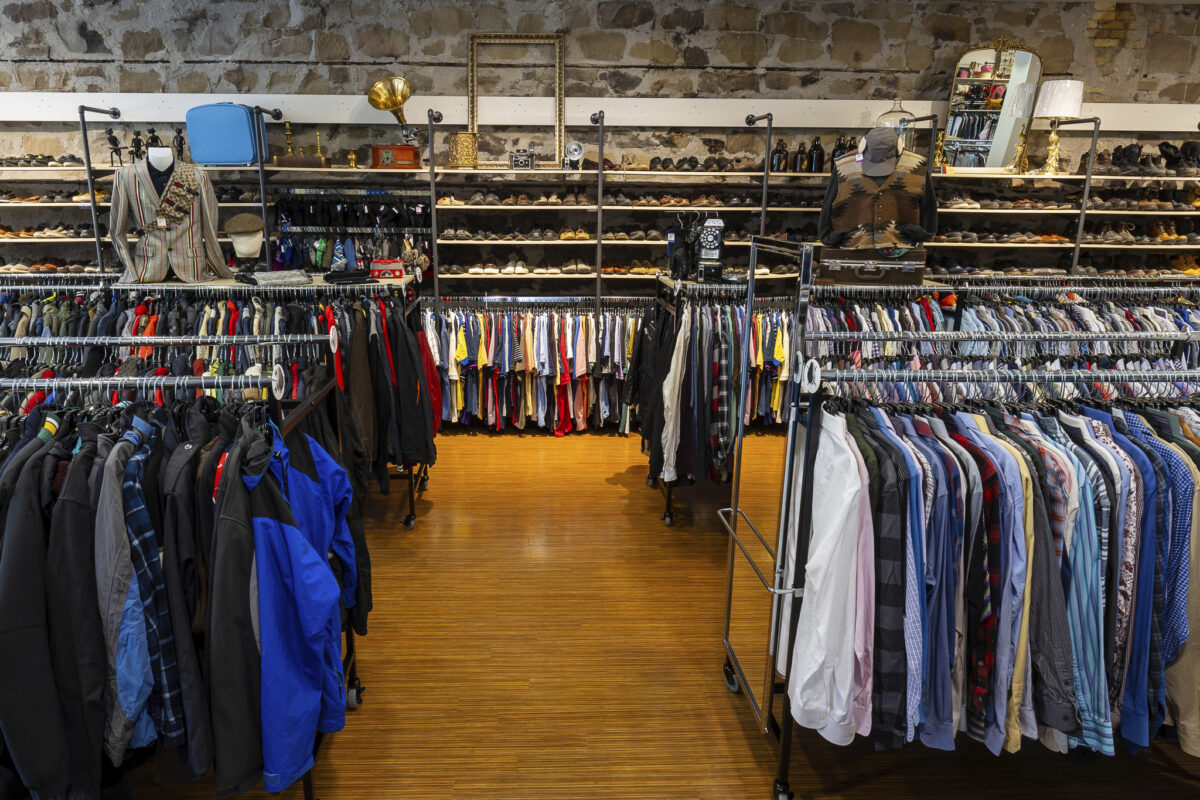
Image: Goodwill
Retail Implications and Future Opportunities
The implications for Canadian retail are substantial. If more consumer spending shifts to pre-owned goods, traditional retailers may see flat or declining sales in certain categories despite overall consumer activity remaining strong. Sporting goods, tools, furniture, and apparel could be among the most affected.
Some major brands have already experimented with in-house resale. Ikea has promoted buy-back and resale programs in Canada, Patagonia has long offered trade-in options, and Canadian brands such as Arc’teryx have tested resale initiatives. Mobile carriers regularly sell refurbished smartphones alongside new devices.
Running resale profitably, however, is not straightforward. Inventory control, pricing, and presentation differ significantly from traditional retail. “It’s a different set of muscles,” Gray says, noting that most thrift operations cannot track margins item-by-item and instead group products by category.
Gray pointed out that a less discussed impact will be on durable and semi-durable goods makers and brands, which could face drops in demand. He also highlighted an interesting twist in the recent “Buy Canadian” movement: the survey found that 40% of Canadians see buying pre-owned as a way to avoid purchasing new American products. “This reasoning often applies when there are no suitable Canadian alternatives for second-hand American goods, and the sentiment is especially strong among Gen Z”, Gray Noted.
Looking Ahead
The future for pre-owned shopping in Canada appears strong, with 62 per cent of Canadians saying they are likely to buy pre-owned items in the next 12 months. Gray believes this intent, combined with the removal of stigma and growing retailer involvement, will keep the sector expanding.
“The stigma’s gone,” he said. “Across income levels, Canadians are participating. The reasons may vary, including affordability, sustainability, the thrill of the hunt, but the behaviour is here to stay.”
Retail Insider is streamlining its Canadian retail news from around the web to include a handful of top news stories that can be viewed quickly during the day. Here are the top stories from the past 24 hours.
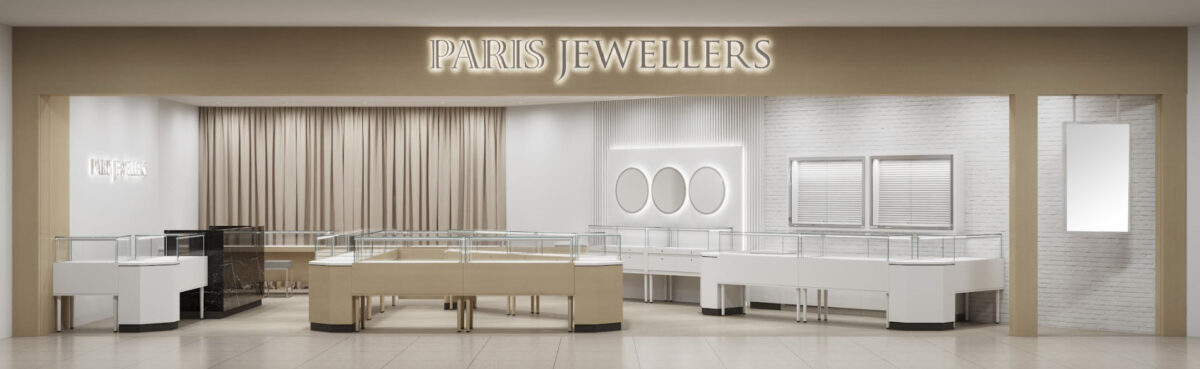
Rendering of the new Paris Jewellers at SouthCentre in Calgary. Image supplied
Edmonton-based Paris Jewellers has opened its newest retail location at Southcentre Mall in Calgary, marking the company’s 23rd store in Canada and its third in the city. The expansion reflects the brand’s evolving retail strategy, which prioritizes customer experience, modern store design, and internal team development as key drivers of success.
“This store is really exciting for us,” said Chau Lui, Co-Owner and Director of Operations for Paris Jewellers, in an interview with Retail Insider. “We’ve been looking at Southcentre for a long time, but we wanted to open when we were ready and when we had the right people. That’s been the foundation of how we’ve approached growth.”
The new Southcentre Mall store introduces an updated concept that draws inspiration from the brand’s flagship location at West Edmonton Mall. According to Lui, the design reflects years of learning and feedback from both customers and employees.
“We wanted a space that feels inviting, that encourages people to stay and explore,” she explained. “The layout now features showcases along the walls to create open sightlines and conversation areas. We’ve also added more mirrors, which seems small, but customers linger longer when they can see how a piece works with their overall look.”
Visual details also play an important role. Each concept store includes unique wallpaper selections, personally chosen by Lui and her design team. “It’s a little personal touch that adds texture and warmth,” she said. The Southcentre location is smaller than the flagship, creating what Lui calls “a cozy, approachable space” that ensures customers never feel overwhelmed.
Sisters Trang Wong and Chau Lui, co-owners of Paris Jewellers.
A Family-Owned Canadian Brand with Deep Roots
Founded in 1987 by a Vietnamese immigrant family, Paris Jewellers began as a single store in St. Albert, Alberta. Today, it operates across Alberta, British Columbia, Saskatchewan, and Ontario, with plans for further expansion. The company remains headquartered in Edmonton.
The brand’s origins are deeply tied to resilience and service. Lui recalls how her mother built the company without speaking English, relying on a Vietnamese-English dictionary to communicate with customers. “Back then, we didn’t have marketing or all the product selection,” said Lui. “What we had was how we made people feel. That experience kept people coming back.”
Experience at the Heart of Expansion
Today, Paris Jewellers has built its reputation on a high-touch, personalized shopping experience, and that focus remains central to its growth. “From day one, the only thing we really had was how we made people feel,” said Lui. “That’s why training is such a huge priority for us. We want every interaction to feel special and consistent.”
The company’s internal strategy reflects this emphasis on experience. Rather than opening stores based solely on market data or available real estate, Paris Jewellers now prioritizes locations where it can promote trained team members into leadership roles.
“When we think about growth, we don’t just think about store numbers,” Lui explained. “We also think about the growth of our employees. Our Southcentre manager was an assistant manager at CF Market Mall who we knew was highly promotable. That internal strength makes for a seamless opening.”
This approach supports retention and culture, which Lui views as non-negotiable for long-term success. “Everyone in our organization knows what it takes to grow with us,” she said. “It’s never a surprise. We have clear criteria for advancement, and that creates excitement and engagement across the team.”
Rendering of the new Paris Jewellers at SouthCentre in Calgary. Image supplied
Data, Design, and Customer Insights
While team development drives operational strategy, data plays an important role in site selection. The company analyzes online sales, customer surveys, and regional trends to guide decisions. However, Lui emphasizes that data alone does not dictate timing. “We knew Calgary was strong for us,” she said. “But we waited until we had the right people ready to lead.”
The Southcentre store also reflects Paris Jewellers’ evolving understanding of how customers shop for jewelry today. “When we design a store, we think about the full experience,” Lui noted. “Jewelry isn’t just a single piece, it’s about how it fits into your collection and your lifestyle. The design helps bring that to life.”
Looking Ahead: Ontario Expansion and a “Dream” Collection
Paris Jewellers sees significant opportunity in Ontario for future growth, although Lui declined to share specifics. “You’ll have to stay tuned for that,” she said. In the meantime, the company is preparing for its holiday season and an upcoming launch that she describes as “a dream come true.”
“It’s something really special that we can’t announce just yet,” she hinted. “But it’s a collection we’ve been working on for a long time, and it means a lot to us.”
“One-third of Canadian small firms depend on the summer tourism season for their revenues, and we cannot afford to lose a single day,” she said.
“Given the ongoing tariff disputes with the United States and China, Canadian businesses are scrambling to find new suppliers and customers in other provinces or other countries. Removing Canada’s major domestic and international carrier from service would be another blow at this critical time.
“We are calling on the airline and union to resolve this issue with no disruption to service. If this is unsuccessful, Ottawa needs to immediately intervene to avoid the significant economic damage a strike would have on Canada’s economy.”
The CFIB is Canada’s largest association of small and medium-sized businesses with 100,000 members across every industry and region.
“Every day, more than 130,000 people fly with Air Canada for personal, business and tourism reasons. Air travel also plays a critical role in internal and international trade being the transportation mode of choice for high-value and time-sensitive cargo. Almost half of Canadian pharmaceuticals that are shipped by air travel on Air Canada. Agriculture and perishable food products, and parts and machinery for small and medium-sized Canadian manufacturers will be impacted. There is little doubt that the impact of a labour disruption at Air Canada will be felt by all Canadians,” he said.
David Pierce
“At a time when Canada is facing unprecedented economic challenges and trade uncertainty, a service disruption would interrupt air cargo connectivity, directly impacting Canadian businesses that are working to diversify their customers in provinces across the country. The impact on business will be felt internationally too, and would lead to losses for Canadian exporters, further compounding the impacts on industries throughout our economy.
“At the Canadian Chamber of Commerce, we know the best deals happen when both sides sit down and negotiate in good faith at the bargaining table. This year, especially, the stakes of these negotiations are high, not just for flight attendants and Air Canada, but for workers at our airports and for the broader Canadian economy.
“If parties cannot reach a negotiated agreement, the federal government should be ready to intervene to avoid a prolonged disruption to Canadian air travel and shipping. We urge the federal government and all parties to continue to put the best interests of our country’s businesses, workers, and communities at the forefront.”
The Canadian Chamber of Commerce is Canada’s largest and most activated business network — representing over 400 chambers of commerce and boards of trade and more than 200,000 businesses of all sizes, from all sectors of the economy and from every part of the country.
On Wednesday, Air Canada said that it has issued the statutory 72-hour lockout notice to the Canadian Union of Public Employees (CUPE) representing 10,000 flight attendants at Air Canada and Air Canada Rouge after the union provided notice it intends to begin a strike.
To provide customers certainty, Air Canada will begin a phased wind down of most of its operations to be completed over the next three days. The airline has also sought government-directed arbitration to resolve the situation, it said.
“Air Canada has been forced into this decision to lock out its Flight Attendants and regrets the impact the suspension of operations will have on customers as a result of the union’s issuance of a strike notice during such a heavy travel period,” said the company.
“However, as events at other airlines in recent years have shown, sudden or unmanaged work stoppages produce a significantly worse disruption to travel than a planned suspension of flying. A controlled wind down allows Air Canada to advise customers in advance, reduces the chance of customers being stranded, provides the airline and customers the time and opportunity to make alternative travel arrangements, and gives customers more certainty.”
Net earnings of $323.0 million, up 9.0% and adjusted net earnings of $331.8 million, up 8.8%
Fully diluted net earnings per share of $1.48, up 13.0% and adjusted fully diluted net earnings per share of $1.52, up 12.6%
Eric La Flèche
“We are pleased with our results in the third quarter, marked by solid comparable sales growth in food and pharmacy, and good cost control. We successfully opened 5 new food stores in the quarter, a pace that will continue in the fourth quarter, on track with our plan to accelerate the development of our growing discount banners. We are confident that our sustained investments in our retail network and supply chain combined with strong execution will continue to fuel our growth and create long-term shareholder value,” said Eric La Flèche, President and Chief Executive Officer.
“The significant investments in the modernization of our supply chain are largely behind us, and we are now focussed on realizing efficiency gains,” said the company.
“These investments position us well for growth through the expansion of our retail network in the years ahead. As we begin our fourth quarter, we continue to face an uncertain economic environment, and it is difficult to predict how this environment will evolve and how it will impact our operations and our customers. We remain steadfast in our focus to deliver value to our customers through our robust merchandising programs, our strong private label and loyalty offers and working with our supply chain partners.”
With annual sales of more than $21 billion, METRO Inc. is a food and pharmacy leader in Québec and Ontario, providing employment to more than 97,000 people.
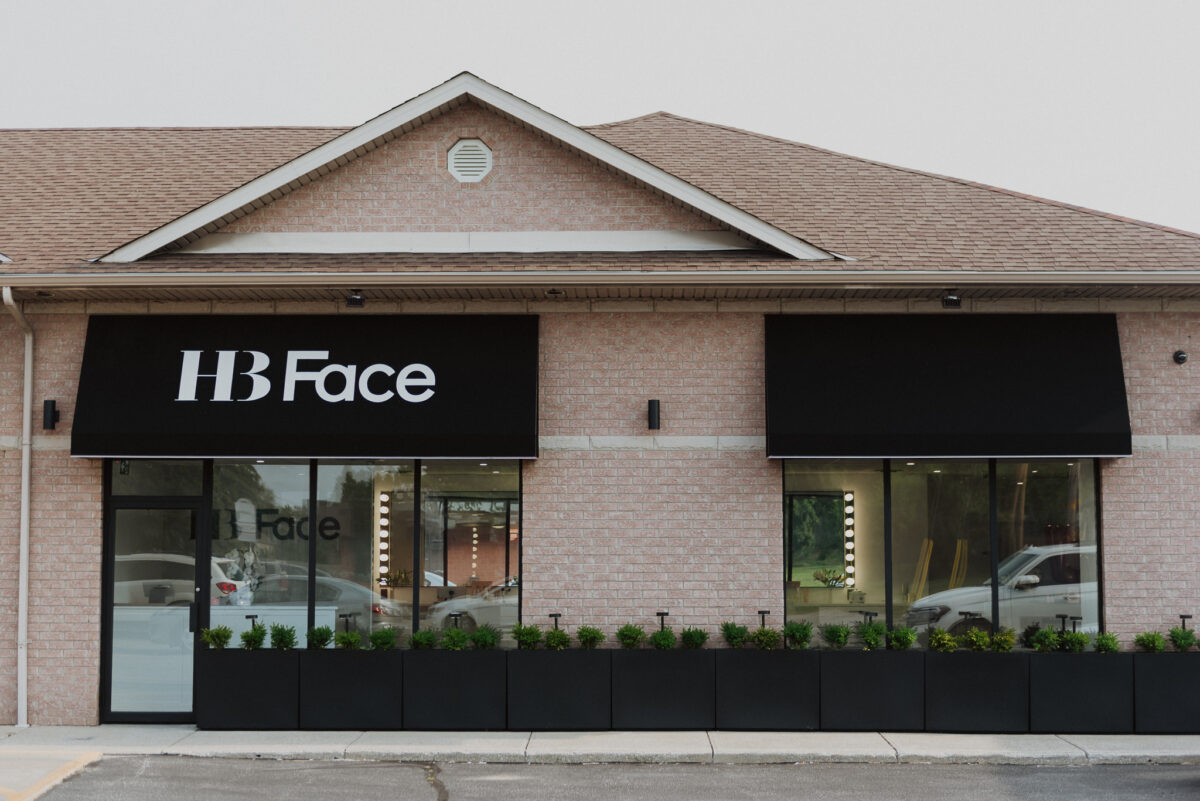
HBFace, the modern beauty studio rooted in the philosophy of Brows First, Beauty Follows, has opened its third location at 1202 Lakeshore Rd, Sarnia.
This expansion is not just a business milestone, it’s a deeply personal homecoming for founder and CEO Haley Bogaert, returning to her hometown of Sarnia after years of healing and transformation.
She has been living in Toronto and is now splitting her time between Sarnia and Toronto. Her other two locations are in Toronto in Oakville.
Haley Bogaert
“Coming back to Sarnia feels like a full-circle moment,” said Bogaert. “After losing my mom and brother, it was too painful to be here for a long time. But resilience transformed that pain into purpose, and now HBFace is rooted in the community where my story began.”
At HBFace, beauty is more than skin deep. The brand champions a belief in Resilient Beauty – that true beauty begins within and radiates outward, she added.
Born from personal loss, HBFace’s journey is a tribute to the power of inner strength and the healing nature of self-expression. With a strong commitment to mental health and community connection, HBFace is more than a brow and beauty studio, it’s a movement, explained Bogaert.
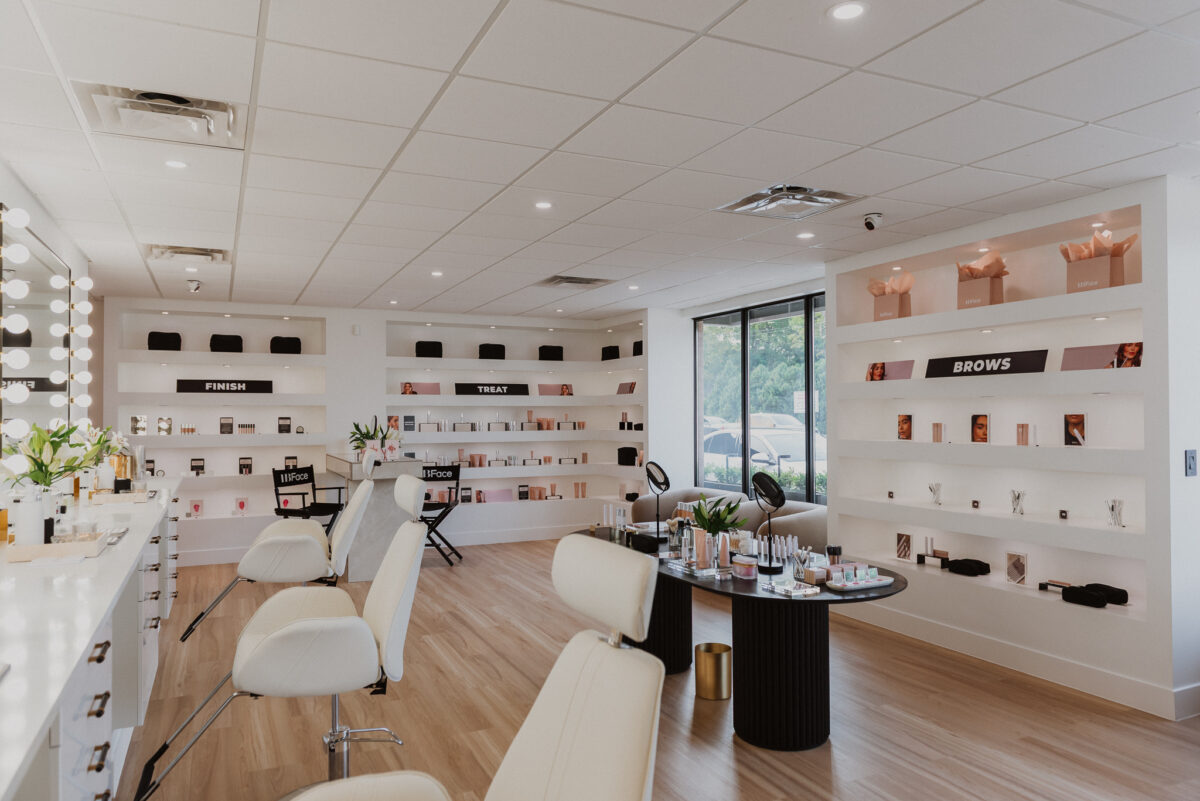
HBFace said it delivers a modern, elevated beauty experience grounded in expertise and thoughtful design. Clients can expect efficient, professional treatments in a welcoming, high-style space, where results meet intention.
With plans for rapid expansion across Canada and future ambitions in the U.S., HBFace said it is on a mission to simplify beauty, empower individuals, and build a resilient community. Each new location carries forward the belief that Brows First, Beauty Follows, because beauty isn’t just what you see. It’s what you overcome.
“Whether you’re enhancing your everyday look or prepping for a special moment, HBFace offers consistent and high-impact results. Every service is designed to simplify your routine and boost your confidence because when your brows are right, the rest falls into place,” said the brand.
“In addition to in-studio services, HBFace offers a curated line of skincare and beauty products – like the bestselling Brow Glaze, Brow & Lash Serum, Lip Crayon, and Water for Skin Hyaluronic Acid Serum, designed to complement treatments and help clients maintain effortless beauty at home.”
The company said its brand pillars are: ● Brows First: Brows frame the face and set the tone for everything that follows. HBFace specializes in brows as the foundation of beauty—delivering structure, balance, and glow-up energy. ● Resilience: HBFace’s story is rooted in loss, but built on strength. The brand reflects the power of overcoming adversity and the belief that resilience is its own form of beauty. ● Simplicity: HBFace believes in doing more with less—streamlining routines with effective, expertly executed services and curated skincare and makeup essentials. ● Accessible Luxury: Premium doesn’t have to mean exclusive. HBFace provides high-quality services and products at accessible price points, ensuring beauty excellence for all.
“At the heart of HBFace is a team of skilled professionals trained in the latest techniques through rigorous, ongoing training and education. This ensures every client receives exceptional service with consistency and care – rooted in resilience, elevated by expertise,” explained the brand.
“To foster ongoing connection and make beauty maintenance effortless, HBFace offers the HB Insider Club – a membership program that includes exclusive perks, priority booking, and special pricing. It’s designed to support each client’s journey toward Resilient Beauty, every day.”
Toronto-based family physician Dr. Erica Weste has launched a new brand that’s breaking ground in the baby care industry. Her company, My Petite Coco, is the first and only complete baby skincare line in Canada founded and formulated by a physician mom.
“It’s thoughtfully crafted, made with love and perfected by science, which is the ethos of our brand,” said Weste in an interview with Retail Insider. “The products are designed to meet a baby’s delicate, sensitive skin, delivering maximum but gentle hydration, protecting and soothing the skin.”
Though the line is suitable for anyone, the products are geared specifically toward babies from newborn to age three. “Even more narrow, the focus would be more so on babies, so newborns especially, because that’s a really important time when it comes to skincare for little ones,” she said.
Erica Weste
The idea behind My Petite Coco began in 2020, when Weste created a baby shower gift for a close friend who was expecting twins. “I thought, what can I give her as a really special, personalized gift that’s something that you just can’t buy off the shelves? So I made a few baby skincare products for her to use on her daughters,” she said.
Over time, and through her own medical practice, she observed how common skin issues are among infants. “At least 50% of babies born, at least in Canada, typically will have some kind of skin symptom, whether it’s dryness, redness, or itching,” said Weste.
When she became pregnant, she looked at what was available on store shelves. “There was a void in the market. There was nothing that really satisfied my expectations for baby skincare. So I went back and pulled out the formulas I had from 2020, I revamped them. And that’s the story of My Petite Coco.”
The name also holds personal meaning. “Coco is the nickname for my daughter. And ‘petite’—I’m bilingual, so I grew up speaking English and French—was just a way to pay homage to my French-speaking background.”
Source: My Petite Coco
Launched in April 2025, the brand has already gained retail traction. My Petite Coco products are currently available on well.ca, as well as in boutique stores like Love Me Do on Queen Street in Toronto, Jill and the Beanstalk on College Street in Toronto, and Thistle & Wren in British Columbia.
Weste sees expansion in the near future. “I do foresee going into more retail outlets, considering this is a fairly new brand. I do predict some more brick and mortar space, but also increasing our direct-to-consumer sales with time.”
However, she’s not looking to open her own storefront. “We do not have plans for our own brick-and-mortar store. We want to meet our customers where they are, which is in maternity and baby stores.”
Currently, the line includes four SKUs: Baby Balm, Baby Oil, Baby Cream, and Baby Wash and Shampoo.
Weste’s background in science and medicine plays a central role in her product development. “I’m a physician who also does my own formulations. I have a Bachelor of Science from the University of Toronto, and I’ve been making my own skin and haircare products for over 20 years,” she said.
“Every single ingredient that is in every single one of our products has been selected by me—heavily researched, everything is evidence-based and tested for efficacy and safety,” she added. “I use premium ingredients in my own skincare and I thought, well, I feel like babies should have premium ingredients as well. We care about our skin—we should care about our baby’s skin as well.”