Home Blog Page 41

Kantar: Brands Risk Missing Canada’s High-Value Seniors

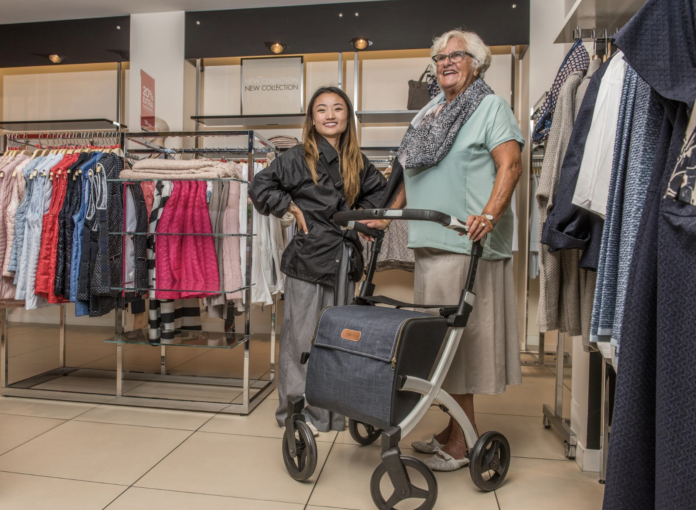
Rollz International photo

Many marketers chase Gen Z for cultural relevance, but here’s the reality: nearly one in five Canadians is now 65-plus, fertility is at an all-time low (1.25 children per woman), and seniors wield significant disposable income.

Kantar’s 2026 Canada MONITOR shows that Canadians in their “third age” (60–80) aren’t retreating from life, they’re travelling, dining out, adopting new tech, and spending. Brands that dismiss them risk alienating their most reliable revenue base.

Scott Megginson, President of Kantar Canada, discusses the trend.

Question: What are the biggest misconceptions marketers have about Canadians aged 60–80, and how are those assumptions impacting strategy?

Answer: The most damaging misconception is that Canadians aged 60–80 are risk‑averse, price‑obsessed, and in decline, when in reality they are confident, values‑led consumers who prioritize trust, quality, and relevance over novelty or discounting. Data from our ShopperScape practice shows older Canadians buy private label primarily because they trust the retailer and believe in the quality, not because they are trading down, yet many brands still over‑index on price cues and under‑invest in credibility, provenance, and storytelling.

Scott Megginson
Scott Megginson

Our Canada Monitor data show they are also wrongly treated as needing simplified or age‑coded messaging, despite evidence that they respond better to clear narratives delivered in trusted environments, not “senior” signals that dilute effectiveness. Similarly, home is often misread as a constraint rather than a source of identity and opportunity, even though this cohort over‑indexes in at‑home categories and sees the home as central to comfort and pride. Finally, brands often under‑leverage Canadian provenance, despite Boomers showing much stronger Buy Canadian sentiment than younger cohorts. Collectively, these misconceptions result in systemic underinvestment in one of Canada’s most loyal, stable, and economically powerful consumer groups.

Q: How should brands rethink customer experience design to better serve older consumers without appearing patronizing or out of touch?

A: Analysis of Kantar’s Canada Monitor data would suggest that brands should design customer experiences around reassurance, clarity, and confidence rather than instruction or education, recognizing that Canadians aged 60–80 feel less life pressure and are comfortable with who they are. Overly coached, explanatory, or age‑signalled experiences often feel patronizing, whereas intuitive design, transparent information, and friction‑free decision‑making signal respect and autonomy. Consistency matters more than novelty for this group: stable navigation, predictable service standards, and continuity across touch points build confidence far more effectively than constant reinvention. Older consumers also engage more deeply in trusted, credible environments such as premium video, news, and high‑quality digital yet experience design often prioritizes experimental or youth‑centric platforms that erode engagement. The biggest mistake is segmenting CX by age rather than values; inclusive design that works well for older Canadians typically improves usability and effectiveness for all customers.

Q: What does the data show about spending habits and brand loyalty among seniors compared to younger demographics?

A: Our ShopperScape practice data shows that older Canadians are more selective, not more price‑tolerant, and are actually less willing than younger shoppers to accept lower quality in exchange for savings, reinforcing that their spending is governed by standards rather than sacrifice. Loyalty among seniors expresses itself through repeat behaviour and consistency, not experimentation: they under‑index on innovation‑seeking but over‑index on repeat purchasing in core categories like dry grocery, frozen foods, and household essentials. While younger consumers chase variety, formats, and novelty, older Canadians reward brands and retailers that reliably deliver on the basics, reinforcing predictable revenue and long‑term relationships. Crucially, seniors tend to outperform younger cohorts on retention, trust, and lifetime value rather than basket expansion or trial velocity, making them disproportionately important from a profitability and stability perspective even if their behaviour appears quieter or less visible in short‑term metrics.

Q: In what ways are ageist biases influencing media allocation and product development decisions within organizations?

A: Our Media team has observed that ageist bias most often shows up quietly in planning defaults rather than overt exclusion, with media investment still heavily skewed toward younger audiences despite consistent evidence that older consumers deliver strong brand lift, loyalty, and long‑term value. Arbitrary age caps and assumptions about diminishing relevance cut off reach and frequency just as audiences cross artificial thresholds, treating older consumers as “maintenance” rather than growth.

On the product side, innovation is frequently defined as novelty, new formats, features, or flavours, while improvements that enhance durability, reliability, and ease of use are undervalued, even though older consumers disproportionately reward them. Design teams often mistake inclusion for late‑stage segmentation, creating visibly “older” versions instead of building universally usable experiences from the start. These biases are reinforced by short‑term metrics like clicks and early trial, which structurally favour younger cohorts and obscure the longer‑horizon outcomes, retention, repeat behaviour, consistency, where older consumers excel.  There are some functional considerations for ageing consumers though, like visual clarity on shelf and ease of opening products.

Kampus Production photo

Q: What practical steps can retailers and brands take right now to better engage and retain this growing, high‑value demographic?

A: The fastest and most impactful step is to rebalance media plans based on observed performance rather than age cutoffs, removing arbitrary caps and reallocating spend toward audiences that demonstrate sustained brand outcomes. Brands should also embed “quiet excellence” into products and experiences, design choices that make things intuitive, durable, and dependable, without labeling them as age‑specific, as older consumers notice when things simply work.  At the retailer level, loyalty should be anchored in consistency: stable assortments, recognizable private‑label architectures, and predictable promotions matter far more to this cohort than constant rotation or novelty. More broadly, engaging older Canadians does not require new “senior strategies,” but rather undoing age‑biased defaults in planning, design, and measurement. Brands that act now will not only retain seniors, but also build more resilient, trust‑based growth across their entire customer base.  As Canada is in the middle of the largest intergenerational transfer of wealth in its history, with older cohorts passing assets to Gen X who are starting to turn sixty, this group has too much buying power for retailers and brands to ignore.

More from Retail Insider:

Kim Crawford Wines announces 3-year partnership with Tennis Canada

KIM CRAWFORD WINES ANNOUNCES THREE-YEAR PARTNERSHIP WITH TENNIS CANADA AND THE NATIONAL BANK OPEN PRESENTED BY ROGERS (CNW Group/Kim Crawford Wines)

Kim Crawford Wines, the #1 New Zealand wine brand in Canada, has launched a new three-year partnership with Tennis Canada as the Official Wine of the National Bank Open (NBO) presented by Rogers.

“Kim Crawford has always been about embracing positive energy, authenticity and connection,” said Amanda Guarnieri, Canadian Manager for Constellation Brands, Inc. “As tennis continues to grow in popularity as a lifestyle-driven sport, we’re excited to bring fans into the world of Club Kim at the National Bank Open, whether they’re discovering Kim Crawford for the first time or celebrating their love of wine and tennis together with friends.”

Amanda Guarnieri
Amanda Guarnieri

The National Bank Open brings the best men’s and women’s tennis players in the world to Canada, each summer. Like previous years, NBO will take place simultaneously in two cities from August 1 to 13, with the women’s competition hosted at Sobeys Stadium in Toronto, and the men’s competition hosted at IGA Stadium in Montréal.

“We are delighted to welcome an incredible brand like Kim Crawford to the Tennis Canada and National Bank Open presented by Rogers family,” said Gavin Ziv, Chief Executive Officer, Tennis Canada.

Gavin Ziv
Gavin Ziv

“Our fans in Toronto and Montreal can look forward to an exceptional experience during our tournaments across multiple activations. The National Bank Open is more than just a tennis tournament, it’s the fuel of tennis in Canada and it’s multi-year partnerships like this that ensure we can continue to grow and develop our sport across the country.”

Claude Savard
Claude Savard

“I would also like to thank the team at Kim Crawford for their incredible collaboration on this partnership. From the outset, they have been a pleasure to work with and, crucially, have been passionate about how their investment can help grow our sport,” said Claude Savard, Vice President of Corporate Partnerships, Tennis Canada. “We look forward to working together to bring their brand to life at the National Bank Open presented by Rogers over the next three years. We’re sure our fans in both cities will enjoy what is to come.”

As part of the partnership, Kim Crawford will have a brand presence across both tournament sites, inviting fans to #BringKim to their NBO experience. Premium activations will include branded lounges, on-site bars and sampling opportunities.

Beyond the tournament grounds, Kim Crawford will also activate the partnership at LCBO and SAQ retail locations across Ontario and Québec through in-store contesting and retail displays that offers fans the chance to win tickets to the tournament this summer.

More from Retail Insider:

Kinton Ramen introduces 1st food court concept at Waterfront Centre Vancouver

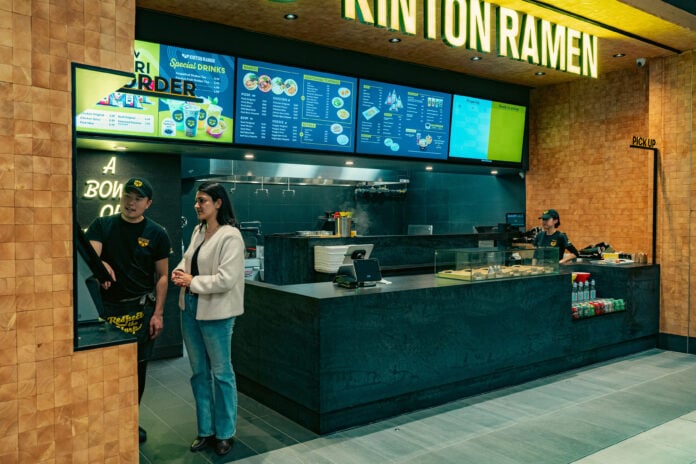
Kinton Ramen photo
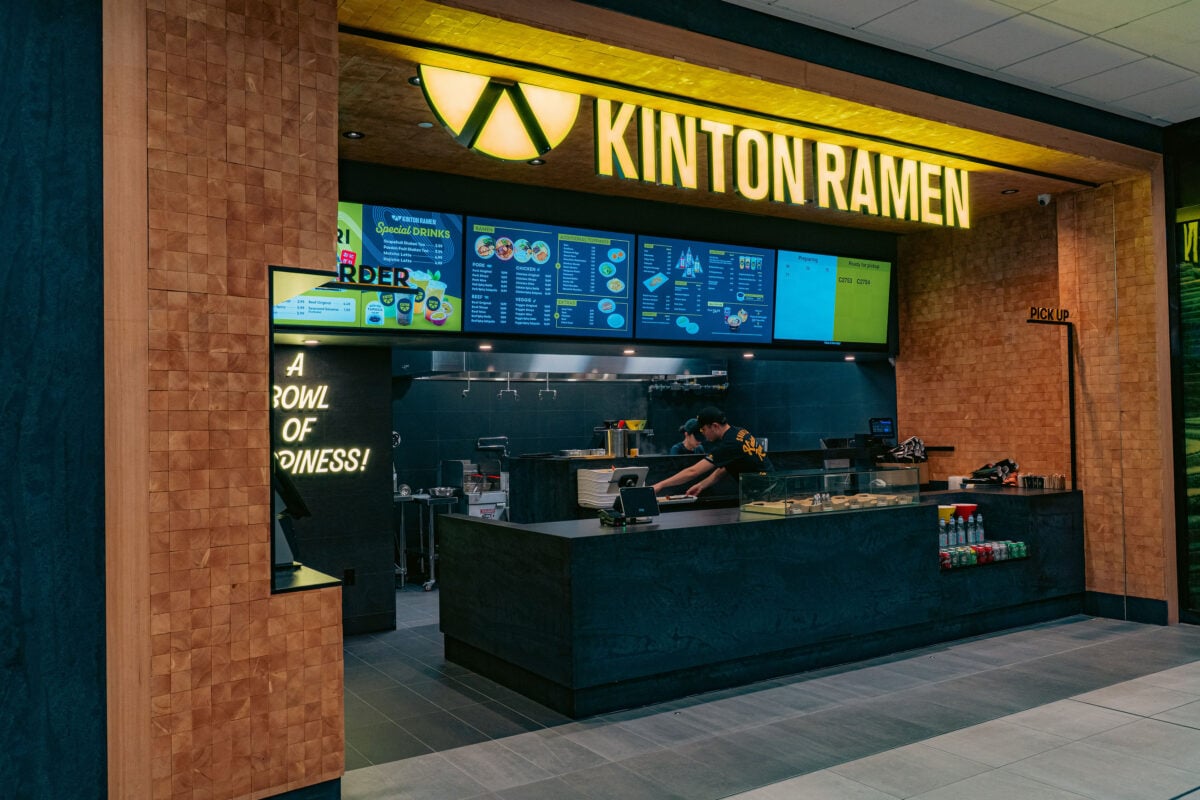
Kinton Ramen photo

Kinton Ramen is expanding its footprint in Western Canada with the launch of its first food court location at Waterfront Centre in downtown Vancouver, marking a major milestone for the brand as it introduces a new quick-service concept designed for high-traffic urban hubs.

The new food court concept – typically 350-500 square feet – delivers the same bold, authentic brand experience in a faster, more convenient format, with a streamlined menu focused on fan favourites and speed of service, while maintaining the brand’s commitment to quality, it said.

Karalyn White
Karalyn White

“This opening represents an exciting new step for KINTON RAMEN as we continue to evolve how and where guests experience our brand,” said Karalyn White, Senior Director of Franchising Development at Kinka Family, the parent company that owns and operates Kinton Ramen. “The food court concept allows us to bring Kinton Ramen to more people in high-demand locations while preserving the quality and authenticity that guests know and love.” 

The new Vancouver location was developed by a group of five friends who combined their individual strengths – from engineering and construction to operations and business development – to bring the project to life. Leading the operation is Han Lei Sun, an experienced Kinton franchise partner who also owns and operates several locations across British Columbia and Alberta, explained the company.

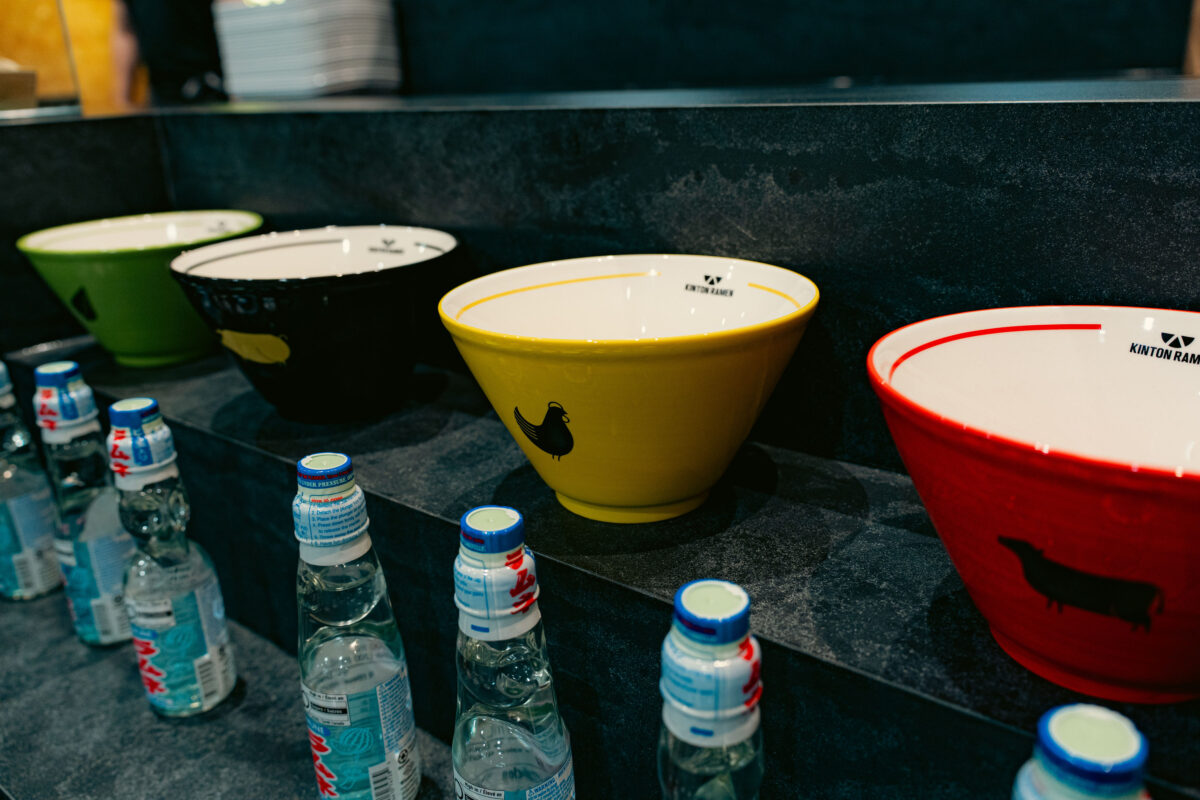
Kinton Ramen photo
Kinton Ramen photo

This new opening represents the brand’s 12th location in British Columbia and serves as the first of several planned food court expansions across the province. 

“Opening the first-ever KINTON RAMEN food court concept in Vancouver is a reflection of the brand’s continued success in British Columbia,” said Jing Bao, British Columbia Area Representative. “The province has become a key growth region for Kinton Ramen, and the response from communities here has played a major role in shaping how we expand the Kinton Ramen brand in Western Canada.” 

Looking ahead, the company has also signed a new agreement with HMSHost to open a location in Terminal 3 at Toronto Pearson International Airport, bringing new dining options to one of Canada’s busiest travel hubs later this year. 

Kinton Ramen photo
Kinton Ramen photo

“We see tremendous opportunity for this concept across Canada, particularly in high-traffic destinations like airports, malls, universities and transit hubs,” said White. “As consumer demand continues to shift towards convenience without compromising quality, this format allows us to meet guests where they are while continuing to grow the Kinton Ramen brand nationwide.” 

The brand was established May 2012.

More from Retail Insider:

Tourisme Montréal focuses on infrastructure to strengthen Montréal’s competitiveness

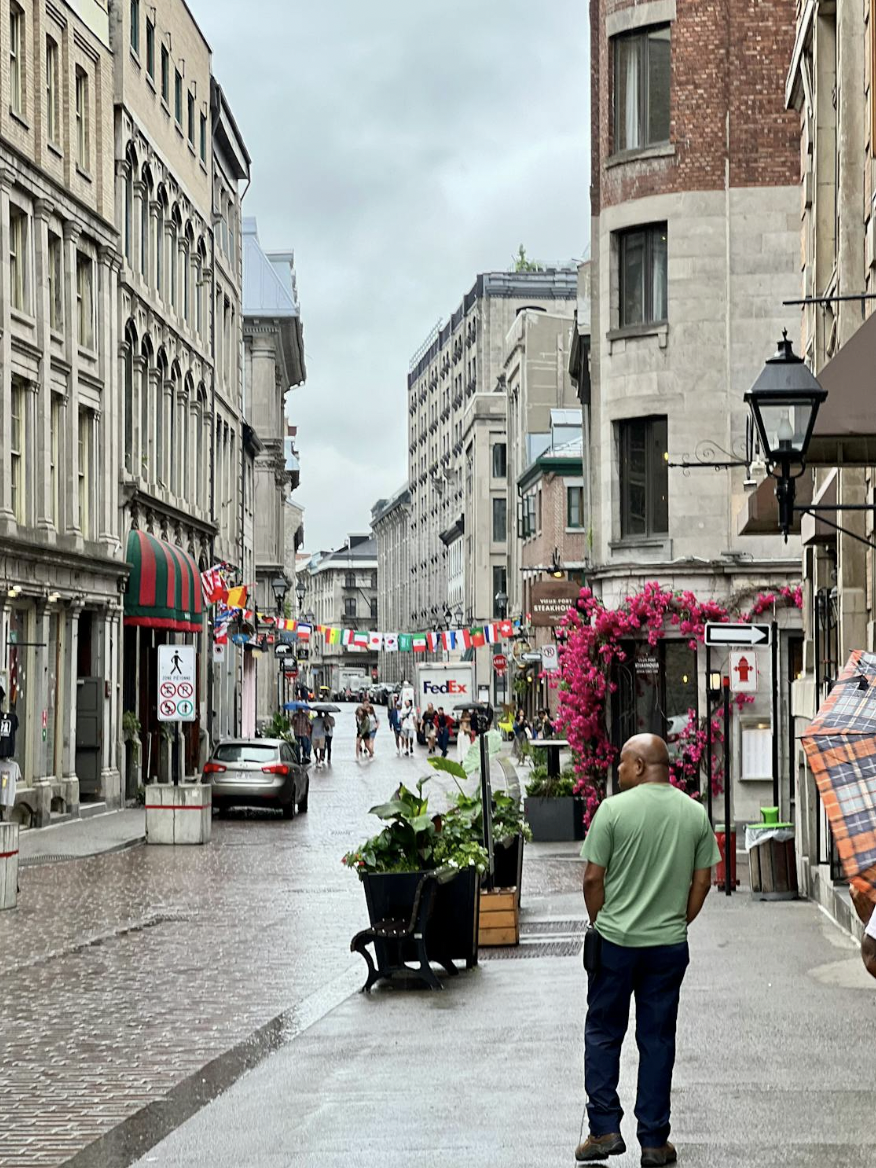
Gibrán Riojas photo
Gibrán Riojas photo

At the recent strategic forum on major projects hosted by the Chamber of Commerce of Metropolitan Montreal, Tourisme Montréal stated that the city is at a pivotal moment in its development and is entering a new era of large-scale projects. Montréal has a unique opportunity to accelerate its growth by building on tourism and event infrastructure that fully reflects its potential, it said.

Tourisme Montréal highlighted the strong global growth in demand for major events and immersive experiences, creating a concrete opportunity for Montréal to generate significant economic benefits.

“Major events, whether cultural or sporting, are now key drivers of travel. The success of Taylor Swift’s concerts in Toronto demonstrates this and underscores the importance of investing in versatile infrastructure designed to host large-scale events. This is essential if Montréal is to capture accelerating global growth, generate significant economic benefits and strengthen its competitiveness over the long term,” the organization noted.

Tourisme Montréal reaffirmed the importance of viewing tourism infrastructure as a key lever for economic, social and cultural development. The organization calls for:

  • accelerating investment in modern, flexible and multifunctional infrastructure
  • strengthening Montréal’s capacity to host major international events
  • enhancing collaboration between public and private stakeholders
Teju photo
Teju photo

Tourisme Montréal also highlighted a particularly promising outlook, marked by the development of major tourism and recreational projects that will reshape the city over the coming years. These include the new Montréal Metropolitan Airport (MET), the YUL–Montréal-Trudeau Airport REM station, the Casino hotel, the Montréal Holocaust Museum, the new roof of the Olympic Stadium, the urban hotel at the Olympic Park site, PHI Contemporary and the reopening of the Musée d’art contemporain, it added.

More from Retail Insider:

Pizza Pizza Royalty Corp. releases Q1 results

Photo- Pizza Pizza
Photo- Pizza Pizza

Pizza Pizza Royalty Corp., which indirectly owns the Pizza Pizza and Pizza 73 Rights and Marks, has released financial results for the three months ended March, 31, 2026, as its restaurant network increased by seven locations.

First Quarter highlights:

  • Same store sales  decreased 4.1%
  • Royalty Pool sales decreased 3.6%
  • Adjusted earnings per share decreased 6.1%
  • Restaurant network increased by seven net locations
  • Royalty Pool of restaurants for 2026 increased by 20 net restaurants on January 1, 2026

“Our sales decline was driven by continued pressure on discretionary spending, softer demand, and an increasingly competitive promotional retail landscape. At the same time, we recognize opportunities to drive further value and innovation. We are focused on controlling what we can – strengthening our product offering, building out our footprint across Canada, and driving operational discipline,” said Paul Goddard, President and CEO of Pizza Pizza Limited.

The company said Royalty Pool System Sales for the quarter decreased 3.6% to $145.8 million from $151.3 million in the same quarter last year. By brand, sales from the 712 Pizza Pizza locations in the Royalty Pool decreased 4.1% to $124.5 million for the Quarter compared to $129.8 million in the same quarter last year. Sales from the 102 Pizza 73 restaurants decreased 0.9% to $21.3 million for the Quarter compared to $21.5 million in the same quarter last year.

For the quarter, the decrease in Royalty Pool System Sales is largely driven by the same store sales, offset by new restaurants added to the Royalty Pool on January 1, it said.

The number of locations in the Company’s Royalty Pool increased by 20 net locations to 814 on the January 1 Adjustment Date and consists of 712 Pizza Pizza restaurants and 102 Pizza 73 restaurants. The number of restaurants in the Royalty Pool will remain unchanged through 2026, added thecompany.

During the quarter, Pizza Pizza Limited opened six traditional and three non-traditional Pizza Pizza restaurants, and closed one traditional and one non-traditional Pizza 73 restaurant. The six traditional restaurant openings were across Canada in British Columbia, Manitoba, Ontario, Quebec and two in Newfoundland.

PPL management expects to grow its traditional restaurant network by 2% to 3% and continue its renovation program through 2026, it said.

More from Retail Insider:

Good Earth Coffeehouse opens at Royal University Hospital in Saskatoon

Royal University Hospital Good Earth Coffeehouse (CNW Group/Good Earth Coffeehouse)

Calgary-based Good Earth Coffeehouse has opened its newest location at Royal University Hospital in Saskatoon.

Located on the main floor at 103 Hospital Drive, the coffeehouse will provide hospital staff, patients, and visitors a welcoming space to enjoy ethically sourced coffee and fresh, wholesome food, said the company.

The new coffeehouse offers a warm and inviting gathering place within the hospital, creating a moment of comfort and connection in the midst of busy days. Owner and operator Chelsey Wilde also operates the Good Earth Coffeehouse at Jim Pattison Children’s Hospital, further strengthening her commitment to serving the Saskatoon healthcare community, it said.

“Myself, along with my husband Joel and our three kids, are excited to open Saskatoon’s newest Good Earth Coffeehouse in such an important location for the community. We have spent many hours inside this hospital with our own children and families. It is an absolute honour to be able to provide the hospital community with our freshly made baking, sandwiches, and coffee,” said Chelsey Wilde, owner and operator of Good Earth Coffeehouse at Royal University Hospital. “At a location like RUH, we recognize that many of our customers may be away from home, and we are excited to be able to provide nutritious, freshly baked food. We, like many others, have been unexpectedly at the hospital at all hours of the night, which is why we felt it was important to be open 24 hours a day, 7 days a week.”

Gerry Docherty
Gerry Docherty

“We’re proud to continue growing our presence in hospitals across Canada with the opening at Royal University Hospital. It’s an opportunity for Good Earth to serve people in moments that matter, with quality food, great coffee, and a welcoming experience,” said Gerry Docherty, President & COO of Good Earth Coffeehouse.

Good Earth Coffeehouse said it is passionate about creating excellent experiences. It offers a selection of Rainforest Alliance Certified coffees, roasted exclusively to their specifications. With an extensive menu crafted from fresh ingredients and prepared daily in their kitchens, breakfast, lunch, and evening treats are served with a down-to-earth attitude that has defined the brand since 1991.

To celebrate the opening, the Royal University Hospital location will host a Grand Opening event on Tuesday, May 12. The celebration will include a ribbon cutting at 11 a.m., food and drink sampling, and free brewed coffee until 4 p.m. The event is open to the public.

Good Earth Coffeehouse is a network of coffeehouses with over 50 locations across Canada. The first coffeehouse opened in Calgary in 1991.

More from Retail Insider:

Calgary Boutique espy experience Expands Under Megan Szanik

Megan Szanik. Photo by Mario Toneguzzi

Calgary’s independent fashion scene continues to evolve, and espy experience is a standout example of how personalized retail can drive long-term growth. Owner Megan Szanik says the boutique began in 2009 as a modest 1,500-square-foot designer discount concept in Inglewood before expanding to its current footprint of more than 12,000 square feet, with further growth underway.

Szanik explains that the business quickly shifted away from price-driven retail toward a service-first model focused on how customers feel in their clothing. She attributes the store’s longevity to its emphasis on confidence-building experiences, noting that clients respond more to fit, styling, and personal attention than discounts. The boutique sources apparel globally, with about 30 per cent of brands coming from Canada and a significant portion imported directly from Europe to better match diverse body types.

She says espy experience attracts primarily working professionals aged 30 to 50, while also drawing multi-generational families. As e-commerce reshapes the industry, Szanik believes physical retail must prioritize human connection and in-store experience. Looking ahead, she signals potential expansion beyond Calgary while maintaining a strong local flagship, emphasizing that team culture and customer care remain central to the brand’s success.

More from Retail Insider:

Megan Szanik. Photo by Mario Toneguzzi

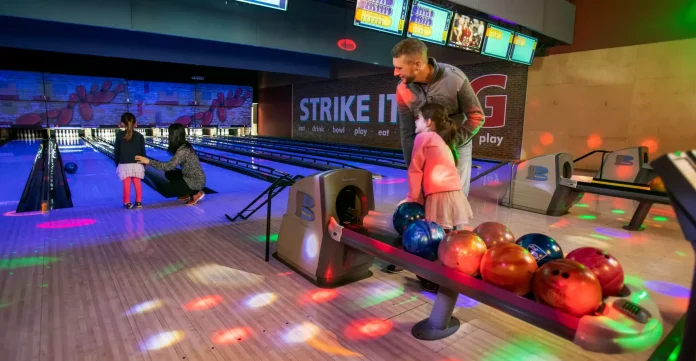
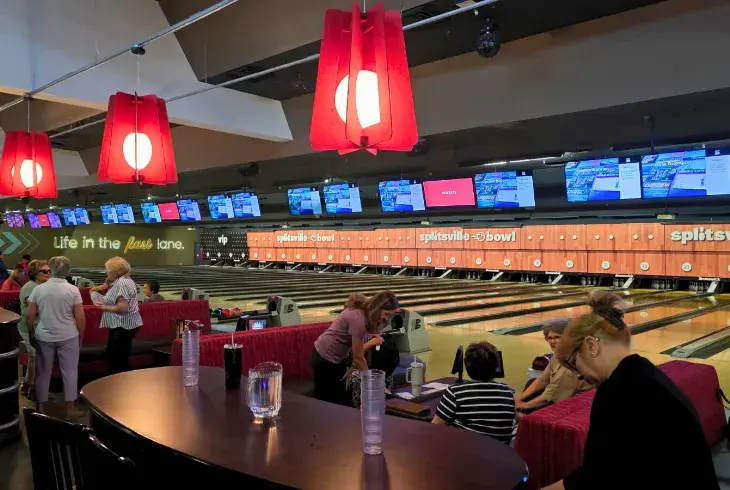
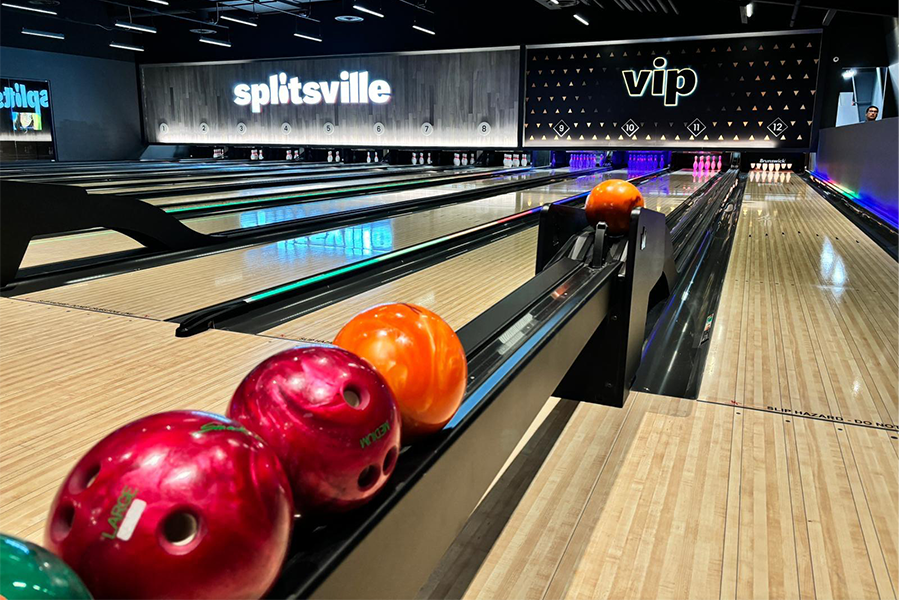
Splitsville Bowl Expands Across Canada with New Centres

Splitsville Bowl, Source: splitsvillebowl.ca

The Splitsville Canada expansion is gaining momentum as the entertainment operator rapidly scales its national footprint, positioning itself as a key player in the evolving “competitive socializing” sector.

In an interview with CEO of Canada Laurence Keen, the company outlined an aggressive rollout strategy that blends real estate opportunity with a reimagined guest experience. Backed by UK-based parent Hollywood Bowl Group plc, Splitsville is moving beyond traditional bowling to establish multi-use entertainment destinations across major Canadian markets.

“We bought the business back in May 2022 when it had five centres,” said Keen. “Since then, we’ve acquired sites and, more recently, opened new centres that are proving exceptionally successful.”

Laurence Keen

Today, the company operates 16 locations across Canada and is actively developing additional sites, including a 17th currently under construction in Barrie. Several more locations are already signed for 2027 and beyond, reflecting a long-term national growth plan.

Strategic Real Estate and Retail Integration

A defining element of the Splitsville Canada expansion is its focus on co-location within retail and mixed-use environments. Rather than operating as standalone venues, Splitsville centres are deliberately integrated into high-traffic commercial nodes.

“We look for co-location with other reasons to visit,” Keen explained. “That could be cinema, retail, or restaurants. It reminds people about bowling and gives them a reason to return.”

Recent openings in Edmonton Northwest, Calgary’s Creekside, and Ottawa’s Kanata reinforce this strategy. Future locations are planned for markets including Pickering, South Edmonton Common, and Legacy in Calgary, alongside additional undisclosed sites.

The company has also evaluated former department store spaces, including those vacated by Hudson’s Bay Company. However, Keen emphasized that large-format retail boxes must be part of a broader ecosystem.

“I wouldn’t want to take a large department store space and be isolated,” he said. “We need surrounding activity and complementary uses.”

This approach aligns with a broader shift in Canadian retail, where experiential tenants are increasingly filling anchor vacancies and driving foot traffic to shopping centres.

Splitsville is working with Savills Canada for its Eastern Canada real estate representation, and JLL for the West.

Splitsville, Source: splitsvillebowl.ca

Redefining the Bowling Experience

Splitsville’s growth is underpinned by a repositioning of bowling as a premium social activity. The company has invested heavily in upgrading its offer, combining bowling with food, beverage, and arcade experiences.

“We have a credible food and drink offer, and an exceptional arcade,” said Keen. “Guests often say they weren’t expecting that level of quality.”

Centres feature diner-style menus, cocktails, and corporate-friendly group offerings, appealing to families, young adults, and workplace gatherings. Notably, the Canadian market has shown strong demand for corporate and team-based bookings.

“People in Canada engage with coworkers more than in the UK,” Keen noted. “That’s been a great sign for us.”

The company has also removed traditional friction points associated with bowling. One notable innovation is allowing guests to wear their own shoes, eliminating rental fees and simplifying the experience.

“The headline price is the real price,” Keen said. “You don’t have to pay extra for shoes.”

Growth Backed by UK Expertise

While the brand draws on operational insights from the UK, Splitsville has tailored its approach specifically for Canadian consumers.

“We’re not bringing the UK model directly,” Keen explained. “We’re bringing the learnings and adapting them to the Canadian guest.”

The appointment of Keen, formerly Group CFO, as CEO of Canada signals the importance of the market within Hollywood Bowl Group’s global strategy. His mandate includes scaling the business toward a target of 30 or more locations nationwide.

Canada is viewed as a key growth platform due to favourable demographics and relatively low competition in the premium bowling segment.

Photo: Splitsville
Photo: Splitsville Bowl

Clustering Strategy and Market Opportunity

Splitsville is also pursuing a clustering strategy in key regions. Alberta, for example, is emerging as a major focus, with multiple locations in Calgary and Edmonton and potential for further expansion.

“We’ll have three in Edmonton within the next 12 months and four in Calgary,” said Keen. “There’s still room to grow.”

British Columbia and Saskatchewan present additional infill opportunities, while Ontario remains central to the company’s national expansion due to its population density and retail infrastructure.

Despite some competition from independent operators, Keen noted that the market remains underpenetrated for modern, large-format entertainment venues.

“There isn’t a huge amount of direct competition,” he said. “What we bring is a fresh approach and financial strength.”

Positioning as a Retail Traffic Driver

As Canadian retail continues to evolve, Splitsville is positioning itself as a traffic-generating tenant for landlords seeking to replace traditional anchors.

The concept aligns with a broader industry shift toward experiential retail, where entertainment, dining, and social activities complement traditional shopping.

For Splitsville, the opportunity lies in capturing discretionary spending while offering an accessible, repeatable experience.

“We’ve got the capacity and the financial firepower to expand,” Keen said. “It’s about finding the right opportunities.”

More from Retail Insider:

How Cadillac Fairview Drives Shopping Centre Productivity

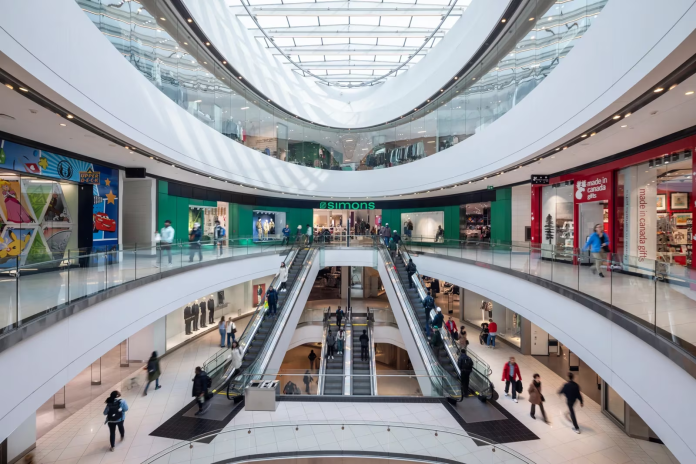
CF Rideau Centre in Ottawa. Photo: Cadillac Fairview

High shopping centre productivity does not happen by accident. At Cadillac Fairview, it is the result of a deliberate strategy that combines scale, tenant curation, and continuous reinvestment.

While industry data highlights strong performance across the company’s portfolio, the underlying drivers of that performance point to a broader operating model that is increasingly shaping the Canadian retail landscape.

A Built-In Traffic Engine

One of the foundational elements of Cadillac Fairview’s approach is accessibility. The company’s portfolio is positioned to capture a large share of Canadian consumer traffic, creating a strong base for retail activity.

Lillian Tummonds

“We own 14 shopping centres across Canada, and 38 percent of Canadians live within a 20-minute drive to one of our shopping centres,” said Lillian Tummonds, Senior Vice President of Retail Operations. “That’s a huge driver of traffic to our properties.”

This proximity creates a consistent flow of visitors, which in turn supports tenant sales and overall productivity.

Tenant Mix as a Dynamic Strategy

Cadillac Fairview’s leasing approach is to continuously evolves its tenant mix to reflect changing consumer preferences, treating curation as an ongoing process rather than a one-time decision.

“We’re always evolving our retail mix,” said Tummonds. “We’re focusing on what our consumers are telling us, what they need and what they’re looking for.”

Recent activity across the portfolio reflects this strategy. Large-format spaces are being repositioned with multiple tenants, while new brands and concepts are introduced to align with shifting demand. The result is a retail environment that remains current and responsive rather than fixed.

Experience and Dwell Time as Performance Drivers

Beyond traditional retail, Cadillac Fairview is increasingly focused on how customers engage with its centres. A key metric in this approach is dwell time, or how long visitors stay within a property.

“I think another part of things that we look at is dwell time,” said Tummonds. “That speaks to experiences. Putting a café in there just improves that dwell time. People spend a little bit more time there, have a beverage, have an experience.”

This reflects a broader industry shift, where shopping centres are designed as destinations that combine retail, dining, and social interaction. Longer visits can translate into higher spending and stronger tenant performance.

Core Metrics Still Guide Decision-Making

While experience is becoming more important, Cadillac Fairview continues to rely on core performance metrics to guide its business.

“I would say those are probably the two predominant KPIs that we look at,” said Tummonds, referring to sales per square foot and traffic.

These metrics remain central to leasing decisions and capital allocation. At the same time, the addition of measures such as dwell time provides a more nuanced understanding of how customers interact with retail environments.

Adapting to Retail’s Evolution

The company’s strategy is also shaped by broader changes in retail. The growth of e-commerce has not reduced the importance of physical stores, but it has changed how they are used.

“People have come back to the malls,” said Tummonds. “Retail is here to stay.”

Retailers are increasingly investing in physical locations that serve multiple functions, from brand building to fulfilment. This includes both established brands and digitally native retailers expanding into brick-and-mortar formats.

Continuous Reinvestment Supports Long-Term Performance

Sustaining productivity requires ongoing investment. Cadillac Fairview continues to upgrade its properties and refine its tenant mix to maintain relevance in a competitive market.

“We continue to reinvest in them from capital upgrades and ensuring that the centres are looking and feeling great,” said Tummonds.

This approach allows the company to respond to changing expectations while preserving the long-term value of its assets.

A Designed Approach to Performance

The performance of Cadillac Fairview’s shopping centres reflects a combination of deliberate decisions rather than a single factor. Accessibility, tenant mix, experience, and investment all work together to create environments where retailers can succeed.

As the retail landscape continues to evolve, this kind of structured, adaptable approach is likely to play an increasingly important role in determining which shopping centres remain competitive.

More from Retail Insider:
Daily Synopsis: May 4, 2026

Today’s Retail Insider articles are listed below, followed by Canadian Retail News From Around the Web. Highlights include Pierre Cardin’s first Canadian store launch at Tsawwassen Mills as part of a broader North American expansion, and Fashion Art Toronto’s innovative use of former Hudson’s Bay Saks space in CF Toronto Eaton Centre for a one-day marketplace featuring independent Canadian designers. These stories illustrate evolving retail strategies focused on targeted market entry and adaptive reuse of legacy spaces, underscoring a theme of dynamic footprint transformation.


🗞️ The Day’s Retail Insider Article List


🌐 Canadian Retail News From Around the Web