Retail Insider is streamlining its Canadian retail news from around the web to include a handful of top news stories that can be viewed quickly during the day. Here are the top stories from the 24 hours.
KINTON RAMEN, the popular ramen chain known for its authentic Japanese flavours, has unveiled its newest location in the heart of downtown Hamilton.
The new location furthers the brand’s growth across the Greater Toronto Hamilton Area (GTHA), responding to the rising appetite for high-quality Japanese cuisine, said the company.
Karalyn White
“We’re thrilled to introduce the KINTON RAMEN experience to downtown Hamilton,” said Karalyn White, Senior Director of Franchising at KINTON RAMEN. “Our goal is to create a space that not only delivers outstanding ramen but also captures the warmth and vibrancy of traditional Japanese dining.”
Located on King William St., the restaurant is set to open in Summer 2025, with an exact date to be announced soon. A grand opening celebration will take place at the restaurant after staff get settled in.
With more than 45 locations across five provinces – Ontario, British Columbia, Manitoba, Alberta and Quebec – the brand has earned a loyal following by blending traditional recipes with innovative ramen creations, said the company.
It began franchising in 2021 – nearly a decade after opening its first restaurant in downtown Toronto in 2012 – with a mission to make its distinctive dining experience widely accessible.
“This impressive growth reflects the rising demand for authentic ramen across North American – with the new Hamilton location standing as the latest example of that momentum,” said the brand.
KINTON RAMEN was established in May 2012 and was one of Toronto’s first Japanese ramen restaurants.
This summer, Beertown Public House is throwing open its patio doors to four-legged guests, giving diners the chance to enjoy a meal alongside their canine companions.
Complete with a specially designed dog menu and non-alcoholic, dog-safe beer, the initiative reflects Beertown Public House’s ongoing commitment to creating inclusive, welcoming spaces for all, said the company, which is part of the Charcoal Group.
John Mackay
“Beertown is about bringing people together, and that includes the furry members of the family,” says John Mackay, President of Beertown Public House. “Our dog-friendly patio and specially crafted menu make it easy for guests and their pups to relax, enjoy great food and share the best moments of the season together.”
Dubbed ‘Bone Appetit,’ the menu offers ‘Pup-Tizers’ and ‘Patio Bites’ – a variety of simple, wholesome dishes made with the same attention to care, and quality Beertown Public House brings to its human offerings. Whether it’s a juicy grilled chicken breast or a crisp side of carrots and celery, there’s something to make every tail wag, said the company.
“And no patio hangout is complete with a cold one. Pups can wash down their meal with ‘The Barking Brew,’ an alcohol-free, dog-friendly beer crafted from locally farmed Canadian Angus beef bones. Designed to support gut health, enhance digestion, strengthen joints, detoxify the liver and boost immunity, it’s a healthy way for dogs to toast the season,” it said.
“It’s a simple, clean menu made with real ingredients and designed to give your pup the full Beertown experience,” says Mackay. “We want your dog to feel special this patio season – offering them a seat and a curated menu is our way of making patios a place for everyone to enjoy.”
The Bone Appetit dog menu is available at all Beertown locations. Guests are kindly reminded to keep their dogs leashed at all times and to follow the dog-friendly patio rules posted at each location. These guidelines help ensure a safe, respectful and enjoyable experience for all guests – both human and canine, said the company.
Charcoal Group is a group of full-service restaurants located across Southern Ontario with over 65 years in the hospitality industry. Its restaurants include Solé Uptown, The Charcoal Steakhouse, Martini’s, Dels Italian Kitchen, Wildcraft Grill & Long Bar, The Bauer Kitchen, The Bauer Bakery & Café, Moose Winooski’s, Beertown Public House, and Sociable Kitchen & Tavern.
iPadOS 26 takes a huge leap forward and pushes the unique capabilities and versatility of iPad even further. Photo: Apple.
Apple has introduced iPadOS 26, calling it the most significant iPad software release to date. The update brings a wide-ranging overhaul to how users work with apps, files, and content on iPad — including a fluid new visual design, a completely reimagined windowing system, expanded Apple Intelligence integration, and enhanced tools for productivity, communication, and creativity.
“iPadOS 26 is our biggest iPadOS release ever,” said Craig Federighi, Apple’s senior vice president of Software Engineering. “It transforms what users can do on iPad — whether they’re editing files, creating visuals, or using AI to express themselves.”
Liquid Glass: A New Visual Language for iPad
iPadOS 26 introduces a refined design system built on a new dynamic material called Liquid Glass, which brings translucency, depth, and motion to the iPad interface. The updated design extends across the Lock Screen, Control Center, and Home Screen, including refreshed app icons and support for personalized themes in both light and dark mode.
New Windowing System Designed for iPad
One of the release’s headline features is an entirely new windowing system, giving users unprecedented control over how they organize and switch between apps. Users can resize windows, position them anywhere on the screen, and tile them with intuitive gestures. Previously opened apps remember their last size and position.
The new system works with Stage Manager for multitasking, supports external displays, and introduces a customizable menu bar for accessing app commands. Exposé mode now provides a full overview of open windows for easier navigation.
AI Enhancements with Apple Intelligence
Apple Intelligence is further embedded into iPadOS 26, delivering tools such as Live Translation across Messages, FaceTime, and Phone — including real-time captioning and spoken translation during calls.
Users can now create custom Genmoji and generate images using Image Playground, with added customization for facial expressions, styles, and artistic filters. The Shortcuts app introduces advanced AI-powered automation, including the ability to compare lecture recordings to typed notes or summarize text.
File Management and the New Preview App
The Files app gains an enhanced list view with resizable columns and collapsible folders, plus new folder customization with emoji and color-coded icons. Folders can now be dragged directly into the Dock, and users can assign default apps to specific file types.
Apple’s Preview app makes its debut on iPad, offering a dedicated space for editing PDFs and images using Apple Pencil or touch. Features include markup, AutoFill for forms, and seamless integration with the Files app.
Creative and Audio Workflows Unlocked
iPadOS 26 supports Background Tasks for long-running processes, such as rendering or file exports, which now appear via Live Activities. Users gain audio input control on a per-app or per-website basis and Voice Isolation to remove ambient noise from recordings.
Local Capture allows iPad users to record high-quality audio and video during calls and easily export the files afterward. Echo cancellation improves clarity, especially in multi-participant settings.
New Apps and Communication Features
The Journal app comes to iPad with support for handwriting, media entries, and map-based views. A new Apple Games app centralizes gaming content and introduces Game Overlay for accessing achievements, settings, and friend invites without leaving the game.
The Messages app now supports background customization, polls, typing indicators, and expanded Apple Cash functionality. The Phone app debuts on iPad for the first time, with features such as Call Screening and Hold Assist included.
Additional Updates in iPadOS 26
Reed Pen: A new calligraphy-style pen in the tool palette
Math Notes in Calculator: Now supports 3D graphing
Markdown Support in Notes: Import/export capabilities and phone conversation transcription
Accessibility Enhancements: New Braille Access UI, Accessibility Reader, and temporary settings sharing
Availability
iPadOS 26 is available now to developers via the Apple Developer Program at developer.apple.com, with a public beta launching next month at beta.apple.com. The official release is scheduled for fall.
Apple Intelligence features require supported devices, including iPads with M1 chips or later, iPad mini (A17 Pro), and other select models. For full hardware and language compatibility details, visit apple.com/ca/apple-intelligence and apple.com/os/ipados.
Apple announced new technologies and enhancements to its developer tools to help developers create more beautiful, intelligent, and engaging app experiences across Apple platforms. Photo: Apple.
Apple has introduced a comprehensive update to its developer platforms, launching new AI-powered tools, a refreshed software design language, and expanded frameworks that aim to accelerate the creation of intelligent, expressive, and high-performance apps across iOS 26, iPadOS 26, macOS Tahoe, watchOS 26, and tvOS 26.
The centerpiece of the announcement is a suite of technologies integrating Apple Intelligence — Apple’s on-device AI platform — with a newly released Foundation Models framework and large language model (LLM) support directly in Xcode 26. The updates are now available to developers enrolled in Apple’s Developer Program, with a public beta scheduled for next month.
Liquid Glass and a Unified Visual Design System
Apple introduced a striking new design language across all platforms based on a dynamic software material called Liquid Glass — a translucent, layered interface system that adds depth and fluidity to UI components. Developers can adopt the new look using native frameworks like SwiftUI, ensuring consistency across platforms while maintaining a focus on user content.
The new Icon Composer app helps designers create adaptable app icons with detailed rendering modes, real-time previews, and tint testing, reinforcing app identity within the broader Apple ecosystem.
AI Integration: Foundation Models and Xcode 26
The Foundation Models framework lets developers harness on-device Apple Intelligence features, offering offline capabilities with privacy at the core. With native Swift support and tools like guided generation and tool calling, developers can add generative features to their apps with just a few lines of code.
Meanwhile, Xcode 26 incorporates generative AI into the development workflow. Developers can now access tools like ChatGPT directly within Xcode, or connect external models via API keys. The IDE offers inline Coding Tools for previews, bug fixes, test creation, and playgrounds — with full voice control and localization support enhancements.
App Intents and Visual Intelligence
App Intents gain support for visual intelligence, allowing apps to return rich, image-driven search results within system interfaces. Etsy, for example, is using the feature to help shoppers more easily discover hard-to-describe handmade goods within its iOS app.
Expanded Language and Platform Support
Apple confirmed broader international availability for Apple Intelligence, which will support additional languages including Traditional Chinese, Dutch, Vietnamese, and Swedish by year’s end. Compatible devices include iPhone 15 Pro and newer, iPad mini (A17 Pro), and Macs with Apple silicon.
Swift 6.2, Containerization, and Gaming Enhancements
Apple also unveiled Swift 6.2, with stricter concurrency checking, simplified single-threaded configurations, and new support for WebAssembly. A new Containerization framework allows developers to run Linux containers on Mac using Apple-optimized open-source technology.
In gaming, Metal 4 introduces advanced support for AI-based graphics rendering and ray tracing. Game Porting Toolkit 3, Game Overlay, and Apple Games app enhancements help studios better engage users with live achievements, challenges, and cross-platform play — all integrated within the game experience.
Accessibility, Child Safety, and App Store Tools
Apple expanded its child protection tools with a new Declared Age Range API, which enables apps to adapt content appropriately without collecting birthdates. Accessibility Nutrition Labels are now available for App Store listings, letting users understand support for VoiceOver, Captions, and other features before downloading.
Pictured from left: Paul Greven, Chief Counsel, JLL Canada; Angel D’Andrea, National Director, Philanthropy, Breakfast Club of Canada; Alan MacKenzie, Chief Executive Officer, JLL Canada; Vanessa Lester, Head of Marketing, JLL Canada; Kaitlyn Rooke, Senior Advisor, Corporate & Community Giving, Breakfast Club of Canada; Jonathan Peretz, Executive Vice President & Managing Director, GTA Office and Industrial, JLL Canada
JLL Canada has announced the official launch of its 2025 fundraising campaign in support of Breakfast Club of Canada, marking a major milestone for the long-standing partnership. Since the collaboration began in 2015, JLL has raised over $1 million for the organization, demonstrating its ongoing dedication to supporting children and communities across Canada. The latest campaign also coincides with JLL nearing its 25th anniversary of operations in Canada.
The partnership between JLL and Breakfast Club of Canada has grown steadily over the past decade. Alan MacKenzie, CEO of JLL Canada, reflected on the significance of the collaboration. “Our longstanding partnership with Breakfast Club of Canada has helped more children start their school day with the nutrition they need to thrive,” said MacKenzie. “We’re proud to celebrate this milestone by deepening our commitment and we are thankful to Breakfast Club of Canada, our employees, clients, and partners for their continued support and dedication.”
The $1 million raised to date has helped provide thousands of Canadian children with access to a nutritious breakfast at school, contributing to their physical well-being, academic success, and overall development. The support has allowed the Breakfast Club of Canada to expand its reach to more communities, especially as demand for its services continues to rise.
Launching the 2025 Fundraising Campaign
With the new campaign now underway, JLL aims to continue its successful approach of engaging both employees and clients in a wide range of fundraising activities throughout the year. The efforts are designed to directly support Breakfast Club of Canada’s mission of providing children with reliable access to breakfast in a supportive environment that fosters a sense of community and belonging.
The 2024 campaign saw extensive involvement across JLL’s Canadian offices, with creative and engaging fundraising initiatives held throughout the year. Among these was JLL Calgary’s annual basketball tournament, which has become a mainstay of the company’s charitable events calendar. Other national initiatives included trivia competitions, a virtual silent auction, and multiple golf tournaments organized by regional teams.
“Our partnership with Breakfast Club of Canada has grown stronger each year, and we’re incredibly proud of what we’ve accomplished together,” said Vanessa Lester, Head of Marketing at JLL Canada. “We are committed to continuing this meaningful collaboration, knowing that every breakfast served nurtures a child’s development and creates lasting positive impacts in communities across Canada.”
Breakfast Club of Canada: 30 Years of Service
The 2025 campaign also comes at a special moment for Breakfast Club of Canada as the organization celebrates its 30th anniversary. Since its founding in 1994, the charity has expanded its national reach significantly, now operating more than 3,800 programs that serve over 650,000 students from coast-to-coast-to-coast.
Tommy Kulczyk, President and Chief Executive Officer at Breakfast Club of Canada, underscored the importance of JLL’s contribution. “JLL’s consistent support over the last 10 years has been instrumental in our ability to reach more children and expand our programs,” said Kulczyk. “This million-dollar milestone is not just a number – it represents countless breakfasts served, and countless opportunities given to children to start their day ready to learn and grow.”
The organization has become a critical part of Canada’s social infrastructure, working alongside schools, local communities, businesses, and government partners to ensure students have the food they need to focus and succeed academically.
Building on a Strong Foundation
As JLL enters its 25th year of operations in Canada, its continued collaboration with Breakfast Club of Canada reflects a broader company-wide philosophy of community engagement and corporate responsibility. The real estate services firm has made it a priority to contribute to the communities where its employees live and work.
The 2025 campaign reaffirms that commitment as JLL looks to build on its previous fundraising successes. The company intends to leverage its national network, employee enthusiasm, and client relationships to maximize fundraising efforts and broaden awareness about the importance of nutrition in education.
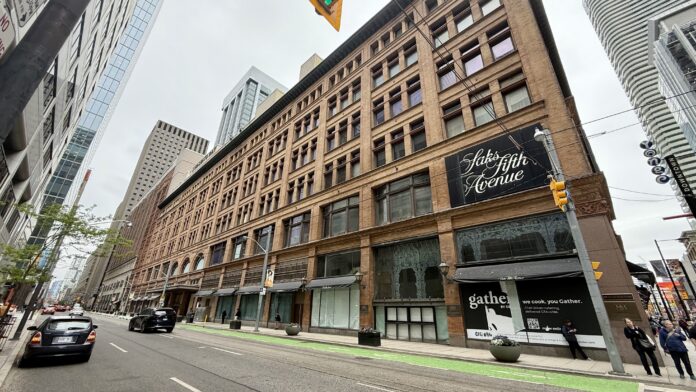
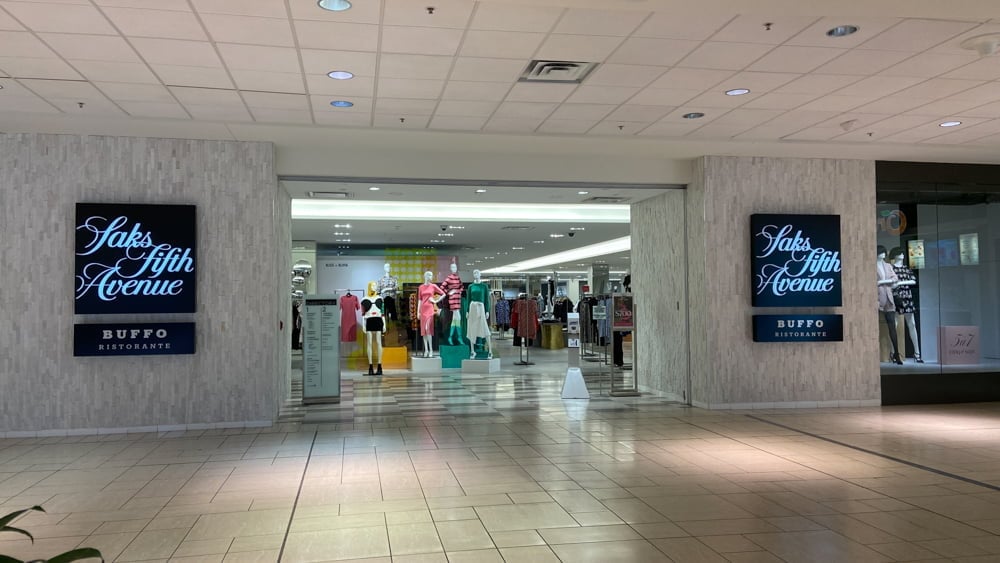
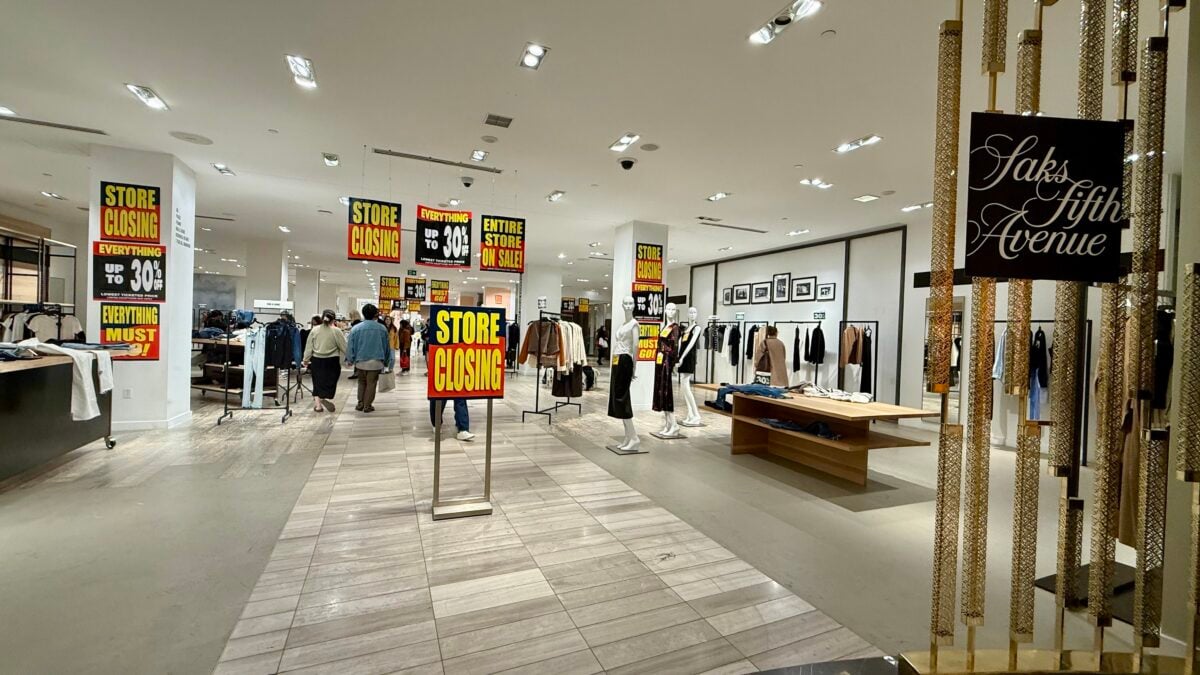
Saks Fifth Avenue in the Hudson's Bay Queen Street building, May 2025. Photo: Craig Patterson
It has been a week since the last of the Hudson’s Bay Company’s stores in Canada closed their doors, bringing with it the end of an era for the country’s oldest retailer. Quietly included in the wider liquidation process was the complete shutdown of Saks Fifth Avenue’s Canadian operations. The three Saks Fifth Avenue stores, all operating under license agreements with Hudson’s Bay Company, ceased operations alongside their parent company’s demise.
Saks Fifth Avenue first entered the Canadian market in 2016 with ambitions of bringing its luxury department store model north of the border. The flagship store, located in downtown Toronto, opened on February 18, 2016. The store occupied approximately 150,000 square feet within the eastern portion of Hudson’s Bay’s historic Queen Street building, facing Yonge Street. Initially designed as a luxury destination, the store also featured a Pusateri’s-operated food hall, which opened later that year in November. However, the food hall struggled financially, ultimately closing permanently in November of 2024.
The downtown Toronto Saks store faced increasing challenges in the years following its launch. Several high-profile luxury brands that once anchored the store’s main floor, including Louis Vuitton, Dior, Prada, Piaget, and Saint Laurent, shuttered their concessions during the COVID-19 pandemic. These closures significantly diminished the store’s high-end offering and foreshadowed the difficulties that would soon engulf the entire chain.
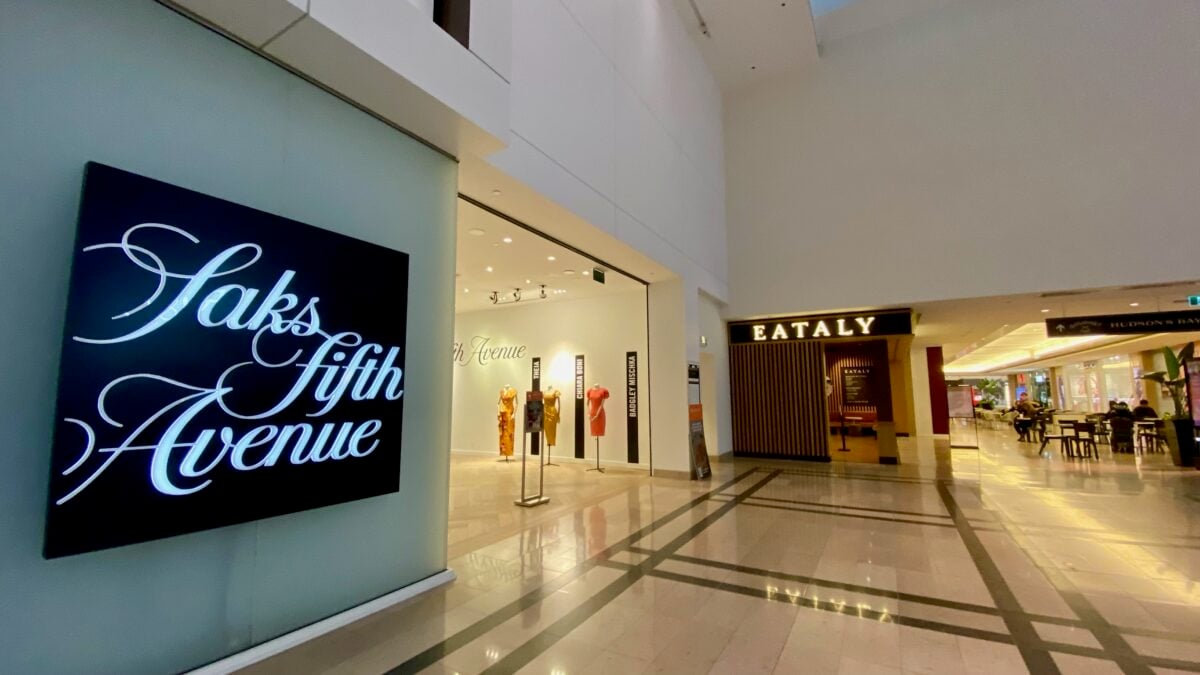
Saks Fifth Avenue and Eataly at CF Sherway Gardens, February 2024 (Image: Craig Patterson)
Expansion Efforts and Struggles at CF Sherway Gardens
Shortly after opening its Queen Street flagship, Saks launched a second store in March 2016 at CF Sherway Gardens, another premier retail destination in Toronto. Spanning approximately 143,000 square feet, the store initially included a Pusateri’s food market and a separate men’s department located on a lower level. However, the pandemic triggered multiple rounds of downsizing.
The Sherway Gardens location saw its lower level shuttered during the pandemic, and the menswear department relocated upstairs. In January 2023, the Pusateri’s market closed permanently, further reducing the store’s footprint. Additionally, the once-vibrant women’s designer department, which had previously featured boutiques for brands like Chloé and Max Mara, was eliminated. Handbag departments that previously hosted Ferragamo, Dolce & Gabbana, Nancy Gonzalez, and Alexander McQueen boutiques were also removed. By its final months, the Sherway Gardens Saks offered a significantly reduced assortment of mid and upper-contemporary fashion for both women and men. Beauty, a women’s footwear department, and the Beaumont Kitchen restaurant remained until operations ceased.
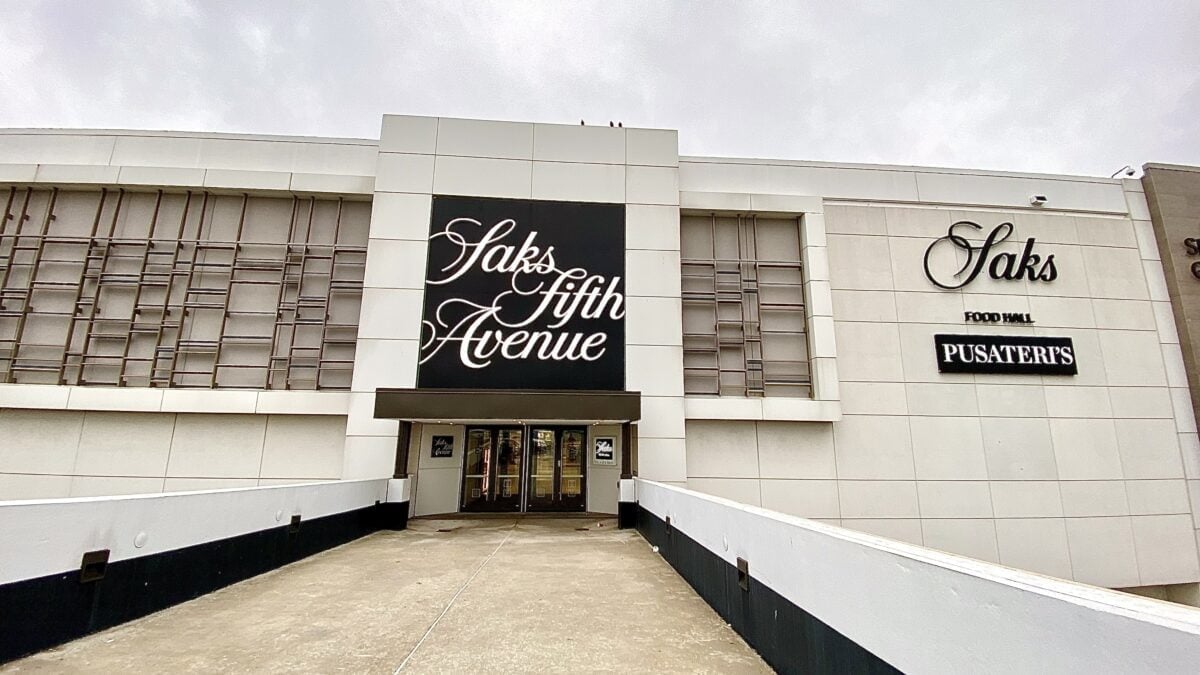
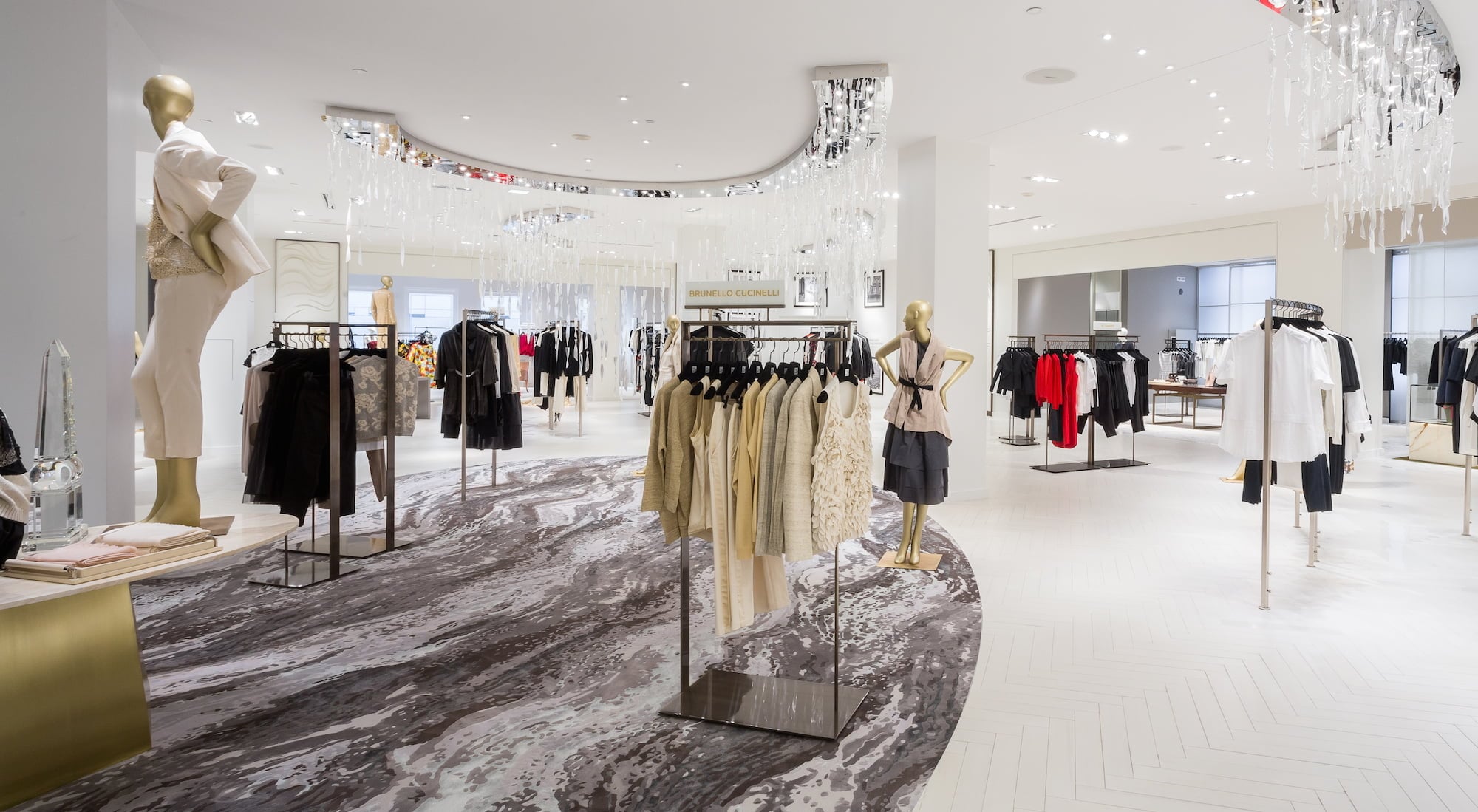
In February 2018, Saks opened its third and final Canadian store at CF Chinook Centre in Calgary. At 115,000 square feet, the Calgary location was smaller than its Toronto counterparts and notably did not include a grocery component. The store was situated in a former Zellers space, repurposed to accommodate Saks’ luxury format. Like its sister locations, the Calgary store struggled to gain long-term traction, suffering from limited foot traffic and lower-than-expected sales performance. The store also lacked many of the luxury brands found in the Toronto stores, with offerings paling in comparison to brands offered at Holt Renfrew in downtown Calgary.
Saks Fifth Avenue entrance on second level of CF Chinook Centre, April 2021. Photo: Jessica Finch
Abandoned Expansion Plans and Unrealized Ambitions
When Saks Fifth Avenue initially announced its expansion into Canada, its ambitions were substantial. Executives publicly projected the opening of up to 10 full-priced stores across the country. In September 2016, Saks announced plans to open a 220,000 square foot store in Montreal, situated behind Hudson’s Bay’s flagship location on Saint Catherine Street. Despite the publicized plans, the Montreal project was ultimately abandoned, joining a list of other unrealized openings in markets such as Vancouver, Edmonton, and Ottawa.
At one point, Cadillac Fairview, which had acquired the downtown Toronto Hudson’s Bay property for $650 million in 2014, was reportedly working closely with Saks on potential expansion opportunities across Canada.
The real estate strategy involved integrating Saks stores into major Cadillac Fairview shopping centres, including CF Pacific Centre in Vancouver, CF Rideau Centre in Ottawa, CF Fairview Mall in Toronto, and CF Carrefour Laval near Montreal. These discussions never resulted in additional stores.
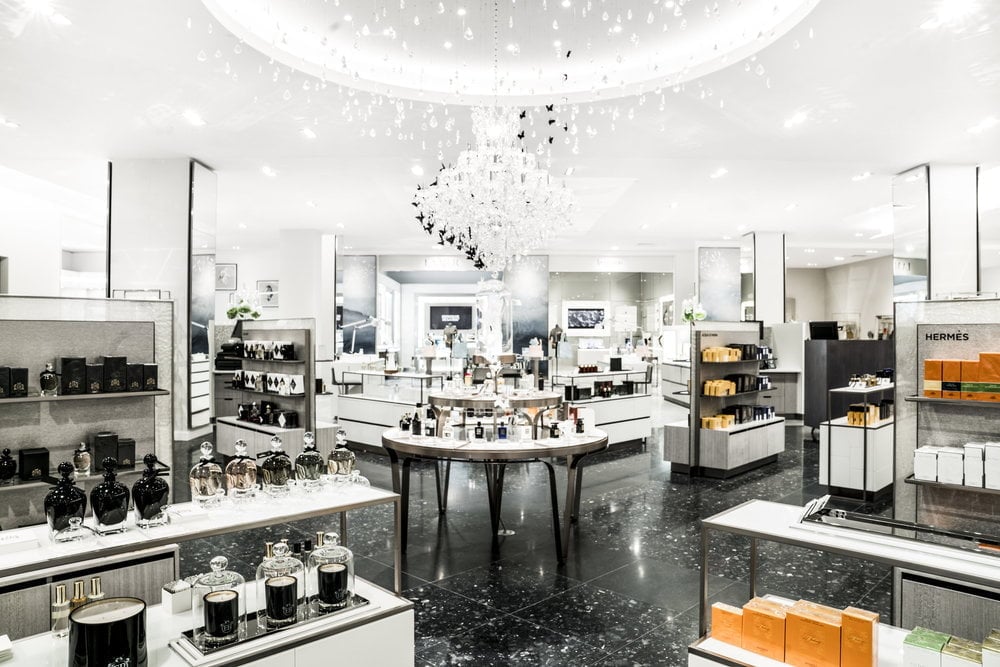
Ground floor beauty hall at Saks Fifth Avenue in Calgary, 2018. Photo supplied by Saks Fifth Avenue
An Industry Shift: Holt Renfrew Emerges as the Luxury Leader
With Saks Fifth Avenue’s departure from the Canadian market, homegrown luxury retailer Holt Renfrew emerges as the dominant force in high-end retail across the country. Holt Renfrew holds exclusive concessions for leading luxury brands such as Chanel, Gucci, Hermès and others—many of which were absent from Saks locations. In addition, Holt Renfrew’s stores are widely reported to generate significantly higher sales volumes than Saks’ Canadian locations achieved. Holt Renfrew’s strong brand partnerships, carefully curated store environments, and resilient consumer base have positioned it as the winner in Canada’s competitive luxury department store segment.
The closure of Saks Fifth Avenue leaves major real estate vacancies, particularly at CF Sherway Gardens and CF Chinook Centre. At Sherway Gardens, Cadillac Fairview now faces the challenge of backfilling approximately 143,000 square feet of prime retail space. The recent opening of a 25,000 square foot Eataly next door has improved traffic flow, but Saks’ departure leaves one of the centre’s largest anchor spaces vacant, joining a pattern of tenant turnover following Nordstrom’s exit from CF Sherway Gardens in 2023.
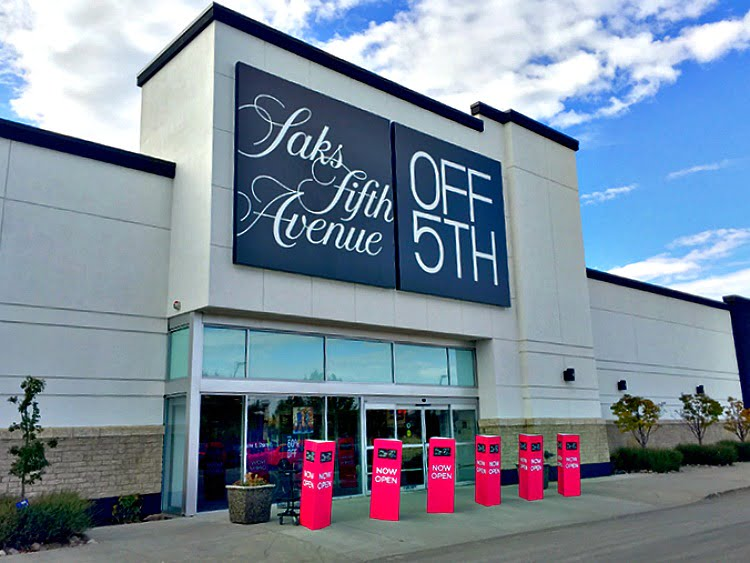
While the full-line Saks Fifth Avenue stores struggled in Canada, the company also launched its off-price division, Saks OFF 5TH, in 2016, aiming to capture a share of Canada’s growing value-oriented luxury market. The off-price format debuted with openings at Vaughan Mills, Toronto Premium Outlets in Halton Hills, and the Outlets at Niagara-on-the-Lake in Ontario. Initially, the strategy appeared promising, as the brand sought to replicate its rapid U.S. growth.
Saks OFF 5TH intended to open up to 25 stores across Canada. By late 2016, nine stores were operational in major cities including Toronto, Ottawa, Edmonton, Calgary, and Vancouver. Further locations opened in 2017 and 2018, bringing the chain to 18 stores across five provinces. Saks OFF 5TH opened locations in Winnipeg, Quebec City (Place Ste-Foy), Montreal (Galeries d’Anjou), and Tsawwassen Mills in British Columbia.
Despite its ambitious growth, Saks OFF 5TH faced persistent performance challenges in Canada. While stores carried an assortment of over 800 designer brands at discounts of up to 65%, sales consistently fell below expectations. The Canadian discount luxury market proved smaller and more competitive than anticipated, facing competition from Winners, Marshalls, and Nordstrom Rack.
Saks OFF 5TH stores were designed with open layouts, flexible displays, and frequent merchandise turnover to entice repeat visits. Locations were often strategically placed in outlet malls or high-traffic shopping centres, occasionally sharing real estate synergies with Hudson’s Bay. However, even prime locations failed to generate sustained customer demand.
By 2020, the chain began to quietly close underperforming stores, reducing its store count to 13 before the broader Hudson’s Bay liquidation process commenced. The closure of Saks OFF 5TH’s remaining Canadian stores was finalized in spring 2025, as part of Hudson’s Bay’s court-supervised wind-down.
Former Saks OFF 5TH at South Edmonton Common. Photo: South Edmonton Common
Hudson’s Bay Company CCAA and Store Closures: The Broader Collapse
The end of Saks Fifth Avenue and Saks OFF 5TH in Canada was directly tied to the financial collapse of Hudson’s Bay Company. On March 7, 2025, HBC filed for protection under the Companies’ Creditors Arrangement Act (CCAA) in Ontario Superior Court. The move followed years of mounting financial strain, driven by declining consumer spending, the rise of e-commerce competitors, and weakened foot traffic at downtown flagship locations exacerbated by the COVID-19 pandemic.
Alvarez & Marsal Canada Inc. was appointed as the court-supervised monitor to oversee the CCAA proceedings. Initially, HBC expressed its intention to restructure operations and maintain a scaled-down retail presence. The company secured $16 million in interim financing to support its short-term liquidity needs. However, efforts to attract additional financing proved unsuccessful.
Within days of receiving creditor protection, Hudson’s Bay abandoned its restructuring ambitions and pivoted toward full liquidation. Liquidation sales began nationwide in March 2025, encompassing all Hudson’s Bay, Saks Fifth Avenue, Saks OFF 5TH locations, and distribution centres.
By April 25, 2025, liquidation activities expanded to include all 80 Hudson’s Bay stores across Canada, as well as the remaining Saks stores. The scale of closures was unprecedented in Canadian retail history. Over 8,300 employees—approximately 89% of HBC’s workforce—were laid off as stores wound down operations. Remaining staff were tasked with completing final inventory sell-offs, store dismantling, and customer order pickups.
The store closures concluded by June 1, 2025, with Hudson’s Bay permanently ceasing retail operations. Distribution centres were expected to finish final shutdown procedures by mid-June. A skeleton corporate team remains temporarily to oversee asset sales and administrative obligations tied to the CCAA proceedings.
Liquidation at Saks Fifth Avenue in the Hudson’s Bay building in downtown Toronto on Saturday, April 26, 2025. Photo: Craig Patterson
Asset Sales and the Aftermath of Hudson’s Bay’s Liquidation
Following its wind-down, Hudson’s Bay sold off major corporate assets to satisfy creditor obligations. In a key transaction, Canadian Tire Corporation acquired HBC’s intellectual property, including trademarks and brand assets, for over $30 million. Meanwhile, real estate leases for 28 former store locations were conditionally assigned to Ruby Liu Commercial Investment Corp., which has expressed interest in launching a new department store concept in Canada pending court and landlord approvals. The store will be called Ruby Liu and will occupy a network of suburban Hudson’s Bay stores in Ontario, Alberta and BC.
By the end of June 2025, Hudson’s Bay Company is expected to have fully vacated all properties, concluding dismantling and liquidation efforts of fixtures that mark the formal end of its retail footprint in Canada.
The End of a 355-Year Retail Legacy
The closure of Hudson’s Bay Company and the corresponding exit of Saks Fifth Avenue and Saks OFF 5TH from Canada represent the final chapter for a retail institution that traced its origins back to 1670. As North America’s oldest company, Hudson’s Bay once stood as a symbol of Canadian commerce, history, and national identity.
The abrupt collapse of HBC leaves a lasting void in Canada’s retail landscape. It also brings an end to the last remaining full-scale department store chain operating in the country, marking a pivotal moment in Canadian retail history. While new ventures and retail concepts may eventually fill the physical spaces left behind, the legacy of Hudson’s Bay, Saks Fifth Avenue, and Saks OFF 5TH will remain as a cautionary tale of shifting consumer trends, changing retail economics, and the fragile future of traditional department store retailing.
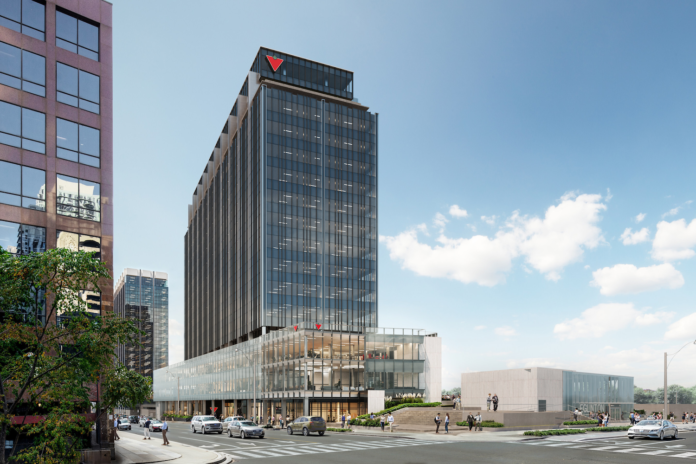
Oxford Properties and CT REIT announce a major investment to retrofit Canada Square in Toronto. Anchored by a 20-year lease with Canadian Tire Corporation, the project will modernize 680,000 square feet of office space and enhance the Yonge Street streetscape, transforming the vibrant midtown hub for work and play. (CNW Group/Canadian Tire Corporation, Limited)
Oxford Properties Group and CT REIT, in partnership with Canadian Tire Corporation, have announced a transformative redevelopment at the landmark Canada Square site in midtown Toronto. The multi-phase project includes a substantial retrofit of two office towers at the corner of Yonge Street and Eglinton Avenue, backed by a significant long-term office lease commitment from Canadian Tire.
The redevelopment of Canada Square represents a combined investment exceeding $200 million by co-owners Oxford Properties Group (“Oxford”), the global real estate investment arm of OMERS, and CT Real Estate Investment Trust (“CT REIT”). This Canadian-led initiative underscores the partners’ long-term confidence in Toronto’s urban office market and the enduring appeal of transit-connected, centrally located workplaces.
At the heart of the plan is a 20-year office lease signed by Canadian Tire Corporation, which will see the company remain in the neighbourhood it has called home for more than half a century. Canadian Tire has operated its corporate head office at Canada Square for over 50 years and will now invest to build a next-generation headquarters for thousands of its employees at the revitalized complex.
Greg Hicks
“This is a proud milestone for Canadian Tire and a major reinvestment in a neighbourhood we’ve called home for more than half a century,” said Greg Hicks, President and CEO of Canadian Tire Corporation, in a statement released with the announcement.
Office Towers to be Modernized and Expanded
The project involves extensive retrofitting of the two office buildings located at 2180 and 2200 Yonge Street. Together, these towers will offer approximately 680,000 square feet of highly functional and modernized office space, with Canadian Tire occupying over 80% of the total area.
The 18-storey tower at 2180 Yonge Street, originally constructed in the 1960s, will undergo internal upgrades and a complete façade renewal. Once that phase is completed, attention will turn to the adjacent 17-storey tower at 2200 Yonge Street, which dates from the 1970s and will be fully renovated.
Construction is scheduled to begin in late 2025, with a strong emphasis on sustainability. The retrofit approach was specifically chosen to minimize embodied carbon while significantly enhancing energy efficiency. The design and construction will target LEED Certification, reflecting a broader industry shift towards environmentally responsible development.
Daniel Fournier, Executive Chair at Oxford Properties, emphasized the long-term significance of the investment: “This substantial investment at Canada Square is part of Oxford’s deep conviction that well-located, high-quality, and sustainable workplaces that focus on the employee experience will continue to outperform.”
Enhancing the Public Realm with Retail and Transit Upgrades
In addition to the extensive office upgrades, the redevelopment will include approximately 15,000 square feet of modern retail space at street level along Yonge Street, creating a refreshed retail experience for the community. The revitalized public realm will deliver significant streetscape improvements, offering both employees and residents an enhanced pedestrian experience in the heart of midtown.
Importantly, the project also includes upgrades to the existing Toronto Transit Commission (TTC) infrastructure. A new, more accessible TTC entrance on Yonge Street will provide improved access to the Eglinton subway station, benefiting thousands of daily commuters and further integrating the complex into Toronto’s growing transit network.
A Strategic Partnership of Leading Canadian Institutions
The Canada Square redevelopment reflects a uniquely Canadian partnership among three major domestic institutions: Oxford Properties (a division of pension fund OMERS), CT REIT (a subsidiary of Canadian Tire Corporation), and Canadian Tire itself.
Blake Hutcheson, President and CEO of OMERS, described the project as a “made in Canada solution,” adding, “This investment represents our ongoing commitment to being a champion for Canada, here at home and around the world. We are proud to put our pensioners’ dollars to work to improve our cities while, at the same time, delivering on our obligation to generate returns to pay pensions for our members.”
Kevin Salsberg, President and CEO of CT REIT, also highlighted the project’s significance: “Canada Square is a crown-jewel property and a generational asset, and this first step in its redevelopment allows us to begin to unlock its full potential. We’re building for today while setting the stage for the decades to come.”
Canadian Tire’s Long-Term Commitment to Midtown Toronto
The announcement comes at a transformative moment for Canadian Tire Corporation, which has been undertaking several high-profile strategic moves to solidify its position as one of Canada’s leading retailers. Headquartered in Toronto, Canadian Tire operates a diversified business that spans multiple retail sectors, including automotive, hardware, sports, leisure, and home products. Its network includes more than 1,700 stores and gas bars across Canada, excluding Nunavut.
Canadian Tire’s portfolio includes major retail banners such as Canadian Tire, Mark’s, Sport Chek, Atmosphere, Sports Experts, PartSource, and Party City’s Canadian operations. The company operates with a hybrid model of corporate-owned, dealer-operated, and franchise stores, combined with a growing online presence and financial services arm through Canadian Tire Bank.
The decision to remain at Canada Square signals Canadian Tire’s continued focus on strengthening its headquarters presence in Toronto, following a period of corporate recalibration. In 2025, Canadian Tire launched its “True North” growth strategy aimed at accelerating customer focus, agility, and scale. The strategy includes several new partnerships with major Canadian brands, such as WestJet and the Royal Bank of Canada, to enhance customer loyalty programs and value propositions.
Canadian Tire has also made several key strategic moves in 2025. These include the acquisition of the intellectual property and branding rights to the former Hudson’s Bay Company, including stewardship of the HBC coat of arms and iconic stripes, reinforcing its Canadian retail heritage. At the same time, the company divested Norwegian apparel brand Helly Hansen to Kontoor Brands, allowing it to sharpen its focus on its core domestic business.
Long-Term Vision for Canada Square Site
The office retrofit represents just the first phase in a broader redevelopment vision for the 9.2-acre Canada Square site. Oxford Properties and CT REIT continue to advance longer-term plans for the west side of the property. Those plans include a significant addition of new rental housing, much-needed public open space, and further mixed-use development.
As Toronto faces growing demand for housing and continued population growth, the eventual full redevelopment of Canada Square is expected to contribute both residential density and community amenities to one of the city’s most transit-rich neighbourhoods. The site sits directly atop the Eglinton Crosstown LRT line, which is nearing completion, further enhancing its long-term appeal.
The Canada Square redevelopment underscores a growing trend among institutional owners in Canada to reinvest in urban core assets, emphasizing modern workspaces, transit accessibility, environmental sustainability, and vibrant mixed-use communities.
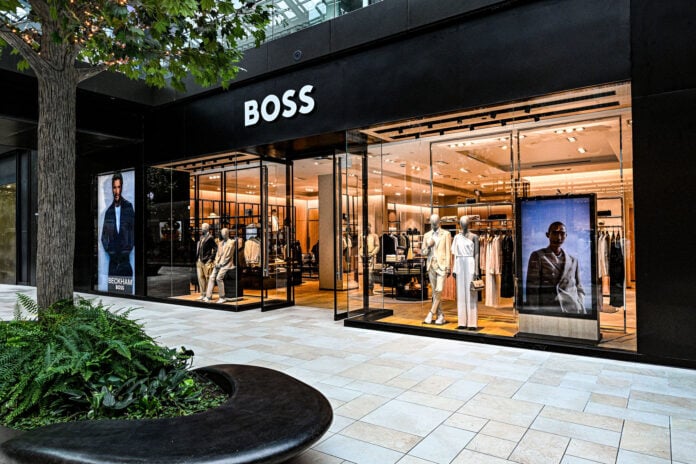
Hugo Boss store at Royalmount in Montreal. Photo: Hugo Boss
German luxury fashion brand HUGO BOSS has officially opened its latest store at the Royalmount development in Montreal, introducing its signature blend of elevated style, precision tailoring, and cutting-edge retail experience to Montreal’s most ambitious new shopping destination.
The new BOSS store at Royalmount officially opened to the public on May 23, marking a milestone for the brand’s Canadian operations. The boutique spans 4,347 square feet, offering an elevated shopping experience for Montreal’s luxury consumers. The opening strengthens BOSS’s growing direct-to-consumer presence in Canada while enhancing Royalmount’s positioning as Montreal’s newest luxury retail destination.
BOSS’s entry into Royalmount aligns with the company’s global retail strategy of elevating its customer experience through flagship locations that reflect its modern, refined aesthetic. The Royalmount location joins a select group of Hugo Boss storefronts in Canada, including standalone BOSS stores, outlet locations, shop-in-shops at Harry Rosen, and previous concessions at Hudson’s Bay.
The Royalmount store carries a full range of BOSS men’s and women’s clothing, sportswear, accessories, performance suiting, casualwear, denim, athleisure, and tailored pieces, appealing to the brand’s broad yet discerning clientele. Licensed collections of fragrances, eyewear, watches, and kidswear further complete the assortment.
Hugo Boss store at Royalmount in Montreal. Photo: Hugo Boss
Exclusive Grand Opening Event Highlights Brand Partnerships
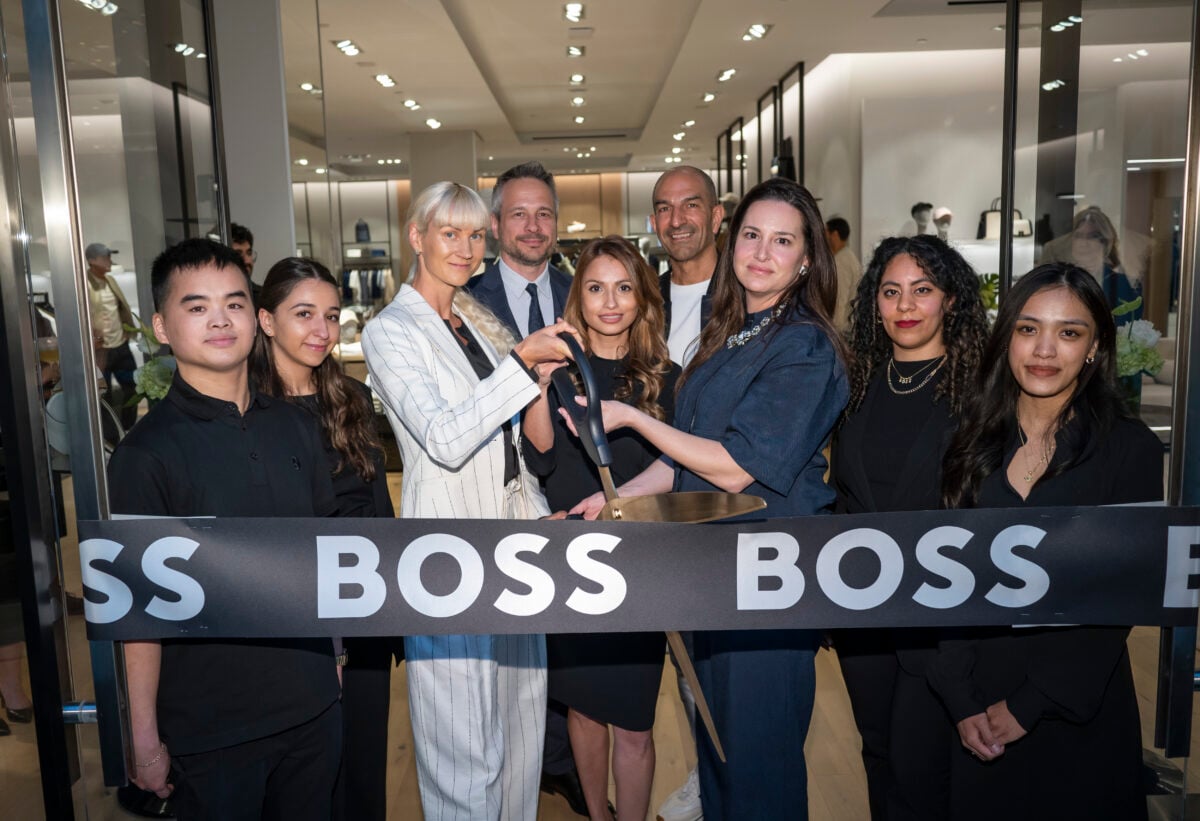
On May 28, invited guests gathered for an exclusive grand opening celebration at Royalmount. The evening provided attendees with a private preview of the new retail space, which showcases the latest BOSS Menswear and Womenswear collections.
A centrepiece of the event was the presentation of the newest BOSS x Aston Martin capsule collection, underscoring the brand’s strong ties to performance, luxury, and innovation. The collaboration merges BOSS’s signature tailoring and lifestyle pieces with Aston Martin’s world-renowned automotive design language, reflecting the brands’ shared values of craftsmanship, excellence, and engineering precision.
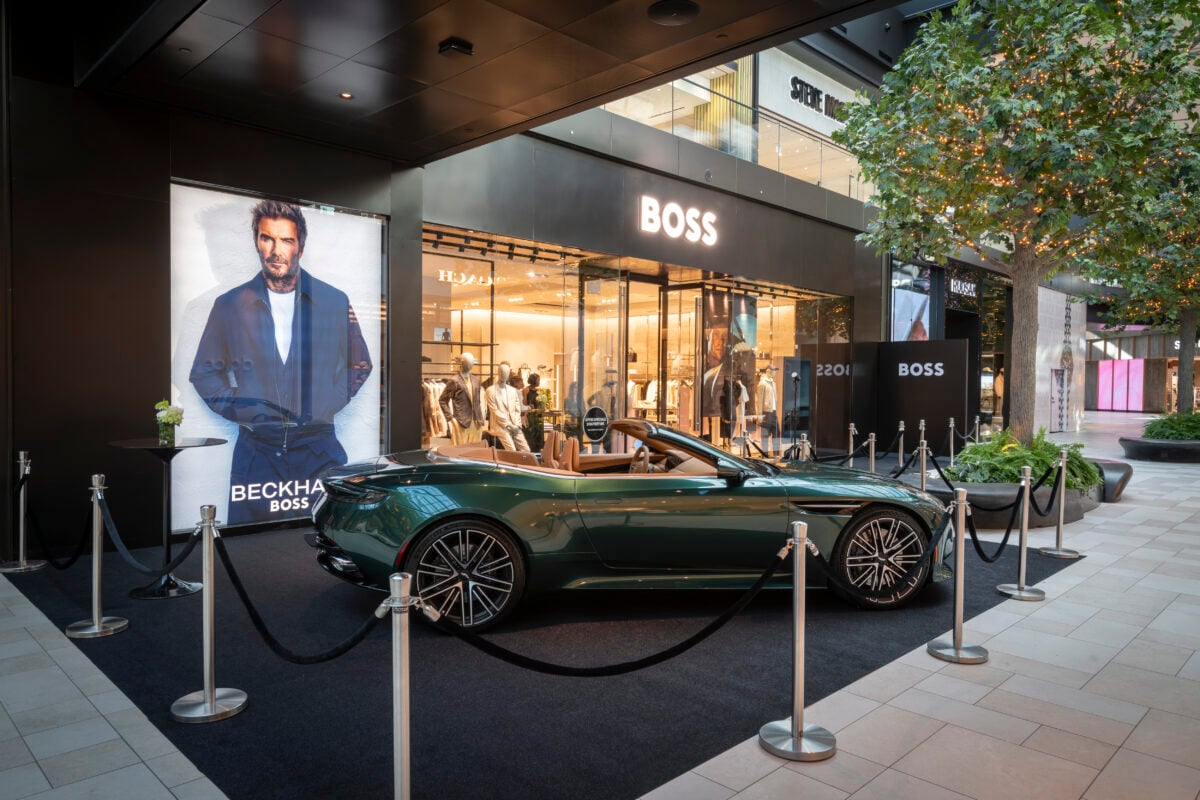
Adding to the evening’s visual impact, Aston Martin’s striking DB12 was prominently displayed outside the store. The high-performance vehicle served as a visual representation of the shared design ethos between BOSS and Aston Martin, enhancing the evening’s atmosphere of luxury and exclusivity.
The celebration also included cocktails, hors d’oeuvres, and a toast to the new store’s opening as well as the upcoming Canadian Grand Prix™, where the BOSS-sponsored Aston Martin Aramco Formula 1® Team is set to compete. The event emphasized BOSS’s growing global footprint in motorsports sponsorship, which complements its broader marketing efforts in sports, culture, and entertainment.
Boss Store Opening at Royalmount in Montreal. Photo: Hugo Boss
A Bold New Retail Concept for the Modern Consumer
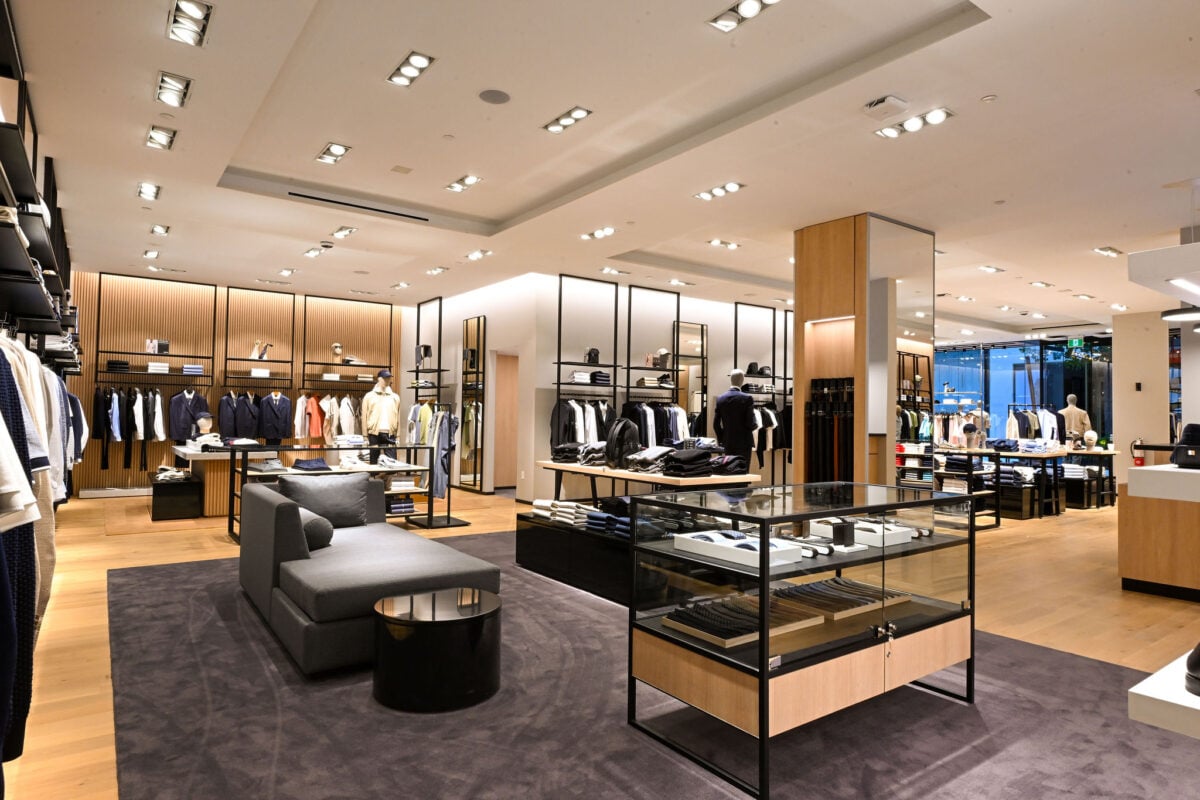
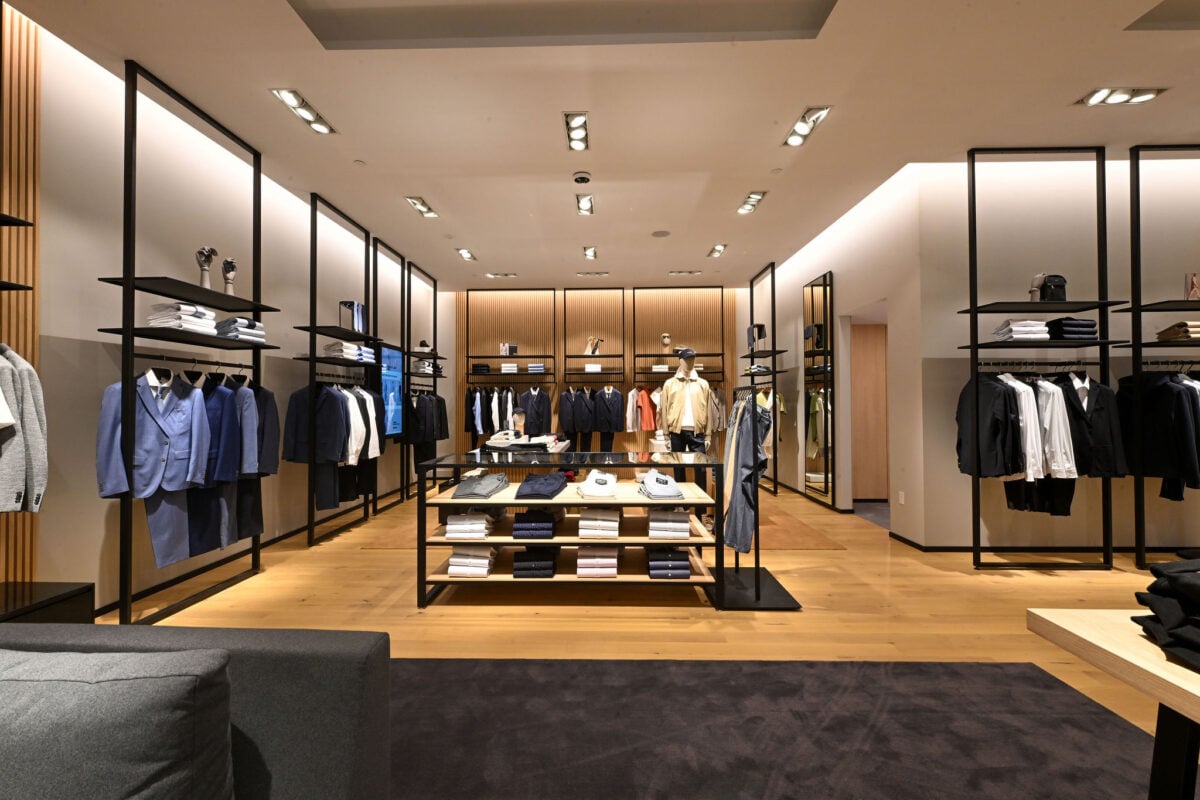
The new BOSS store at Royalmount reflects the brand’s contemporary design vision. The interior features parquet wood flooring paired with black high-gloss surfaces to create a sophisticated contrast. A predominately white colour palette provides balance, while wooden wardrobes, spacious seating areas, and well-appointed fitting rooms create a warm and inviting environment that encourages customers to explore the collections at their leisure.
Integrated digital touchpoints throughout the store offer customers access to additional product information and personalized styling recommendations. These technologies reflect Hugo Boss’s broader commitment to leveraging innovation to enhance the shopping experience, combining physical retail environments with digital conveniences to create a seamless omnichannel journey.
Boss Store Opening at Royalmount in Montreal. Photo: Hugo Boss
Royalmount: Montreal’s New Luxury and Lifestyle Destination
The opening of the BOSS store coincides with the first phase of Royalmount’s retail and dining component, which officially opened to the public in September 2024. Developed by Carbonleo and partially financed by L Catterton, Royalmount is being positioned as Montreal’s most significant new shopping, dining, and entertainment hub.
Royalmount introduces a second luxury retail node to the Montreal market, joining the well-established Holt Renfrew Ogilvy in downtown Montreal. The project is redefining the city’s luxury retail landscape with its mix of flagship luxury brands, mainstream retailers, upscale dining, public art installations, and recreational amenities.
The initial phase of Royalmount spans approximately 824,000 square feet of commercial space, making it one of the largest retail developments in Quebec. BOSS joins an impressive roster of luxury brands at Royalmount, many of which have opened standalone boutiques in Quebec for the first time.
Among the luxury retailers now operating or set to open at Royalmount are Louis Vuitton, Gucci, Versace, Saint Laurent, Jimmy Choo, Longchamp, Moncler, RH, Rolex (Canada’s largest flagship), Tiffany & Co. (its largest Montreal location), David Yurman (first Quebec boutique), TAG Heuer, and TimeVallée (the first Canadian boutique in partnership with Maison Birks, featuring Cartier, Panerai, Baume & Mercier, Jaeger-LeCoultre, Chopard, Grand Seiko, and Piaget).
Beyond luxury, Royalmount also features a diverse lineup of mainstream and contemporary brands including Mango, Zara, Dynamite (its largest flagship), H&M, Canada Goose, Arc’teryx, Nike, Sephora, and Browns Shoes.
Hugo Boss store at Royalmount in Montreal. Photo: Hugo Boss
Dining, Public Spaces, and Cultural Amenities
Royalmount is not only a shopping destination but also a culinary and cultural hub. The complex features over 60 restaurants and cafes, blending diverse international cuisines with upscale dining concepts. At the heart of the culinary offerings is Le Fou Fou, a European-style food hall that includes 12 dining concepts and four bars, curated to offer a chef-driven gastronomic experience.
Visitors to Royalmount also will enjoy access to a 77,000 square foot urban park located at the centre of the development, providing green space, seating areas, and community gathering zones. Over 60 art installations curated in partnership with MASSIVart further enrich the visitor experience, positioning Royalmount as a destination that blends commerce, culture, and leisure.
Accessibility has also been carefully considered in the project’s design. The development features a skybridge directly connecting to the De la Savane metro station, along with 4,000 parking spaces and accommodations for cyclists, buses, and pedestrians.
About BOSS and the HUGO BOSS Group
BOSS is described as a brand made for bold, self-determined individuals who live life on their own terms, with passion, style, and purpose. Its collections deliver dynamic, modern designs for consumers who embrace their identity unapologetically. From heritage tailoring and performance suiting to casualwear, denim, athleisure, and accessories, BOSS offers a full lifestyle assortment that speaks to discerning global customers.
Licensed categories — including fragrances, eyewear, watches, and kidswear — complement the brand’s core apparel business. The world of BOSS can be experienced in approximately 500 stores worldwide.
BOSS is the core brand of HUGO BOSS AG, one of the leading companies positioned in the premium segment of the global apparel market. The group offers collections in 129 countries at more than 8,000 points of sale and operates online in 74 countries via hugoboss.com. Headquartered in Metzingen, Germany, the company employs more than 18,500 people globally and reported sales of €4.3 billion in fiscal year 2024.
Mandy's Salads will open its second Vancouver location at 1067 W. Cordova Street. Image: Apple Maps
Mandy’s Gourmet Salads, the rapidly expanding Montreal-based restaurant chain, is officially coming to Vancouver. The brand’s first Vancouver location will open later this year at Rogers Tower, located at 1067 West Cordova Street in the city’s Coal Harbour neighbourhood. The move marks a significant step in Mandy’s aggressive national expansion strategy, which aims to bring its vibrant salad concept to new markets across Canada.
Last week, Mandy’s co-founders took to social media to announce that a Letter of Intent (LOI) had been signed for the Vancouver space, with the official opening scheduled for later this year. While scouting locations, the team explored multiple neighbourhoods throughout Vancouver and engaged their online following for feedback on where the first Vancouver restaurant should open.
“We were wandering around Yaletown looking at potential sites and asking our followers where they’d like to see Mandy’s,” shared the founders on Instagram. Among the areas receiving strong consideration was the West 4th corridor in Kitsilano, an area known for its vibrant dining scene and wellness-oriented demographic.
Ultimately, the company chose downtown’s Coal Harbour, securing a prominent location in Rogers Tower. Madeleine Byblow of JLL is handling Mandy’s expansion as broker in BC and Alberta.
A Landmark Location: Rogers Tower
Rogers Tower, formerly known as Shaw Tower, is one of Vancouver’s most recognizable mixed-use skyscrapers. Completed in 2005 and designed by James K.M. Cheng Architects, the 149-metre (489-foot) tower stands as a landmark on the city’s waterfront. The building includes 42 floors, with 16 floors of office space and 24 residential levels comprising 130 luxury condominium units.
Originally developed by Westbank Projects Corp., Rogers Tower was rebranded in May 2023 following the merger of Shaw Communications into Rogers Communications. Today, Rogers and Westbank co-own the building, which also serves as the headquarters for Rogers Communications’ Lower Mainland operations. Other key tenants include the Jim Pattison Group and Ledcor Construction.
Beyond its commercial and residential spaces, Rogers Tower offers an array of upscale amenities including a private residential lobby, 24-hour concierge service, fitness centre with sauna and steam room, a theater, boardroom facilities, bike storage, daycare centre, and a 333-space underground parkade with EV charging stations. A distinctive vertical LED light installation by artist Diana Thater runs along the tower’s north face, contributing a dynamic visual element to the Vancouver skyline.
The location offers Mandy’s immediate access to downtown Vancouver’s business core, waterfront residents, tourists, and the broader Coal Harbour community.
National Expansion: Vancouver as a Key Market
Mandy’s arrival in Vancouver is part of a much larger expansion strategy that has been unfolding over the past two years. The company, founded in Montreal, currently operates 15 locations across Quebec and Ontario and has set an ambitious target to open between 30 and 40 locations nationwide over the next five years.
Vanessa Fracheboud, President of Mandy’s Gourmet Salads, recently spoke about the company’s westward push. “We are expanding, I think we’ve been very loud about it in the past few months,” said Fracheboud. “We wanted to close the loop on the GTA extension, at least for now, and then we will be moving towards Western Canada.”
The Vancouver opening follows several new locations in Toronto, including sites in Yonge and Eglinton and the Canary District, as well as a new Ottawa location in The Glebe. In Montreal, the company has also recently opened a South Shore location near Quartier DIX30.
“Canary District and Ottawa are the two that are creating the most noise at the moment,” Fracheboud noted. The Ottawa location is scheduled to open this month, with Toronto’s Yonge and Eglinton set to launch in July, and Canary District following in spring 2026.
Inside Mandy’s Salads at 110 Bloor St. W. in Toronto. Photo supplied
Careful Site Selection in Vancouver
The decision to locate the first Vancouver Mandy’s at Rogers Tower reflects the company’s highly selective approach to real estate. “We have refused a few great locations because the building itself was not 100% aligned with who we are,” Fracheboud explained. “The stretch goal is 40 locations, but we won’t compromise on our brand identity.”
In Vancouver, the company had been actively exploring several neighbourhoods, including Yaletown, East Vancouver, Kitsilano, North Vancouver, and downtown. Coal Harbour’s combination of business density, affluent residents, and tourist activity ultimately made the Rogers Tower location an ideal first step into the Vancouver market.
“For us, guest experience is everything. We want our customers to feel like they’ve stepped into the full Mandy’s environment,” Fracheboud emphasized. “We’re not about ghost kitchens. To come into a new market, we need to ensure people get the full Mandy’s experience.”
Maintaining Mandy’s Brand Identity
Despite the fast growth, Mandy’s leadership remains committed to maintaining the core identity that has made the brand successful. “You’ll always have a wall with photography, family pictures, and hand-painted plates from unique artists,” Fracheboud explained in a previous interview. “Each location has a different inspiration, but the foundation remains the same.”
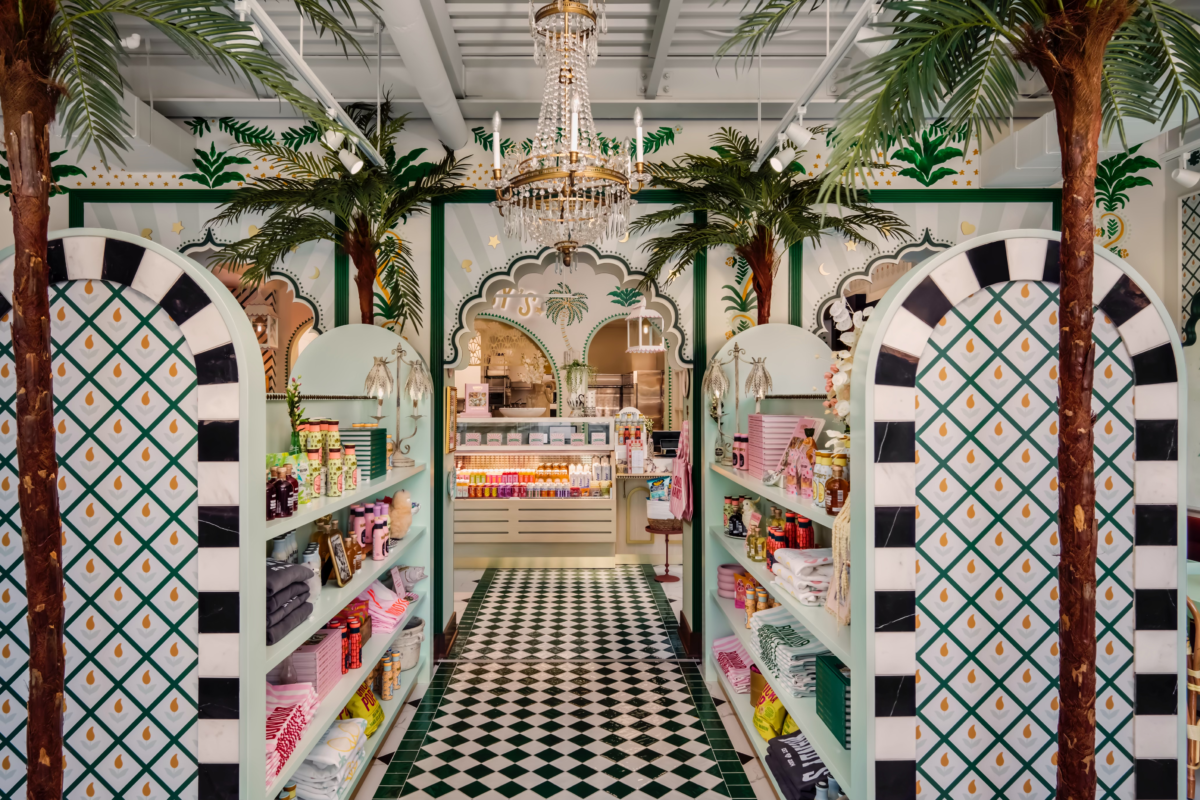
This carefully curated design approach has become part of the Mandy’s DNA. Every restaurant features an inviting, almost whimsical aesthetic that balances the brand’s Montreal roots with elements that reflect each local market.
While Vancouver is now confirmed, Calgary remains another priority for Mandy’s Western Canada rollout. “For Calgary, we want to make sure that we come in first with a brick-and-mortar, not with a ghost kitchen. That’s not who we are,” Fracheboud stressed in a previous interview.
The downtown Calgary market is being actively pursued, with site selection underway. As with its other markets, Mandy’s will continue to focus on real estate that aligns closely with its brand image, customer base, and long-term strategic vision.
A Growing National Brand
Mandy’s Gourmet Salads has quickly evolved from a local Montreal success story into one of Canada’s most notable fast-casual dining brands. Known for its creative salad combinations, healthy menu offerings, and inviting restaurant designs, the company’s expansion into Vancouver marks another significant milestone.
As 2025 progresses, all eyes will be on Mandy’s as it enters the highly competitive Vancouver market — bringing with it a concept that combines elevated fast-casual dining with a distinctly Montreal flair.