Home Blog Page 414

HUGO BOSS Opens New Store at Montreal’s Royalmount

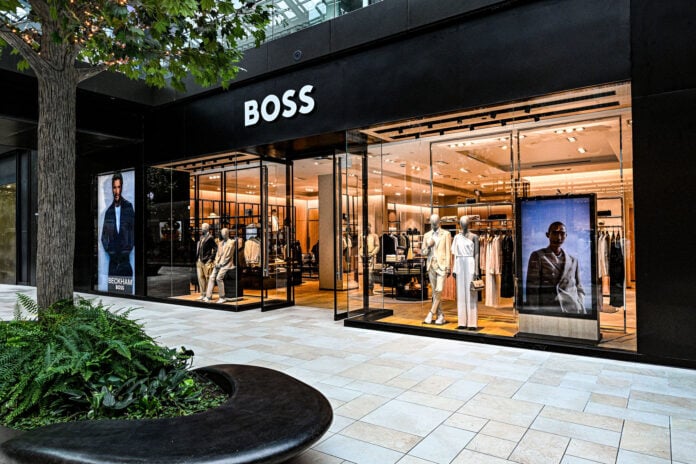
Hugo Boss store at Royalmount in Montreal. Photo: Hugo Boss

German luxury fashion brand HUGO BOSS has officially opened its latest store at the Royalmount development in Montreal, introducing its signature blend of elevated style, precision tailoring, and cutting-edge retail experience to Montreal’s most ambitious new shopping destination.

The new BOSS store at Royalmount officially opened to the public on May 23, marking a milestone for the brand’s Canadian operations. The boutique spans 4,347 square feet, offering an elevated shopping experience for Montreal’s luxury consumers. The opening strengthens BOSS’s growing direct-to-consumer presence in Canada while enhancing Royalmount’s positioning as Montreal’s newest luxury retail destination.

BOSS’s entry into Royalmount aligns with the company’s global retail strategy of elevating its customer experience through flagship locations that reflect its modern, refined aesthetic. The Royalmount location joins a select group of Hugo Boss storefronts in Canada, including standalone BOSS stores, outlet locations, shop-in-shops at Harry Rosen, and previous concessions at Hudson’s Bay.

The Royalmount store carries a full range of BOSS men’s and women’s clothing, sportswear, accessories, performance suiting, casualwear, denim, athleisure, and tailored pieces, appealing to the brand’s broad yet discerning clientele. Licensed collections of fragrances, eyewear, watches, and kidswear further complete the assortment.
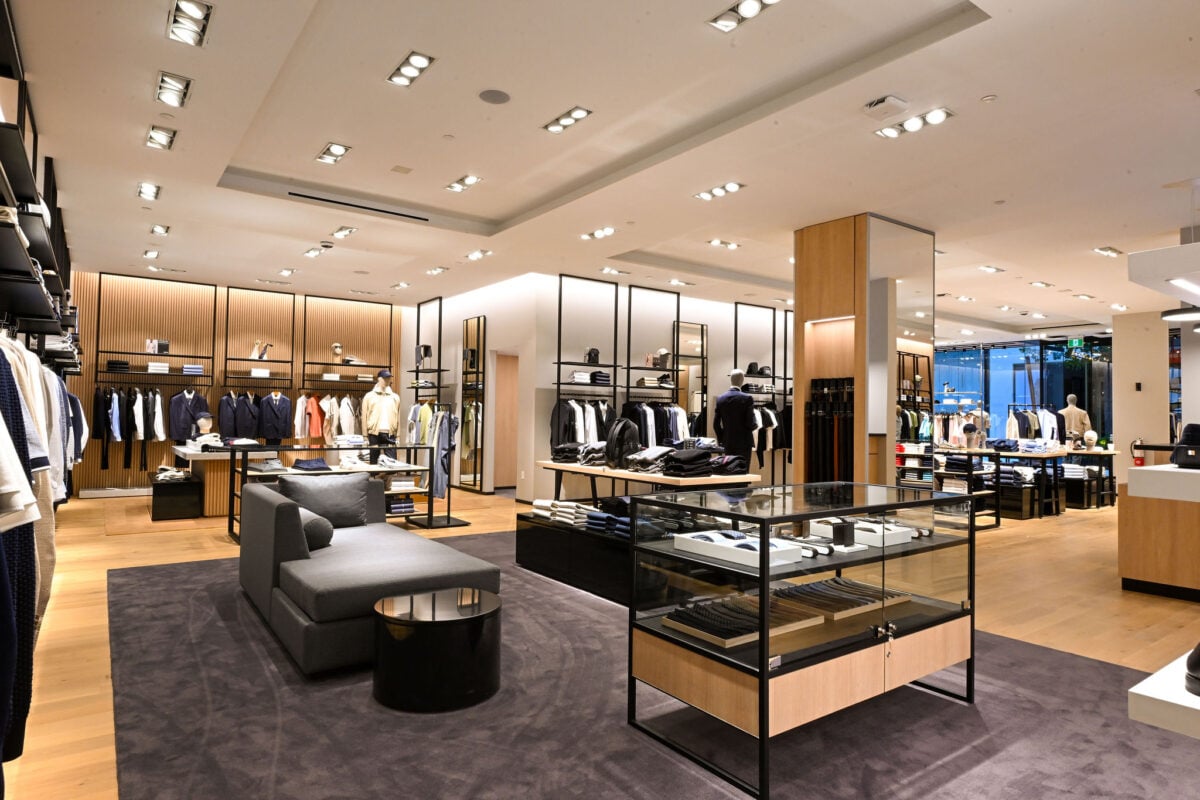
Hugo Boss store at Royalmount in Montreal. Photo: Hugo Boss

Exclusive Grand Opening Event Highlights Brand Partnerships

On May 28, invited guests gathered for an exclusive grand opening celebration at Royalmount. The evening provided attendees with a private preview of the new retail space, which showcases the latest BOSS Menswear and Womenswear collections.

A centrepiece of the event was the presentation of the newest BOSS x Aston Martin capsule collection, underscoring the brand’s strong ties to performance, luxury, and innovation. The collaboration merges BOSS’s signature tailoring and lifestyle pieces with Aston Martin’s world-renowned automotive design language, reflecting the brands’ shared values of craftsmanship, excellence, and engineering precision.

Adding to the evening’s visual impact, Aston Martin’s striking DB12 was prominently displayed outside the store. The high-performance vehicle served as a visual representation of the shared design ethos between BOSS and Aston Martin, enhancing the evening’s atmosphere of luxury and exclusivity.

The celebration also included cocktails, hors d’oeuvres, and a toast to the new store’s opening as well as the upcoming Canadian Grand Prix™, where the BOSS-sponsored Aston Martin Aramco Formula 1® Team is set to compete. The event emphasized BOSS’s growing global footprint in motorsports sponsorship, which complements its broader marketing efforts in sports, culture, and entertainment.
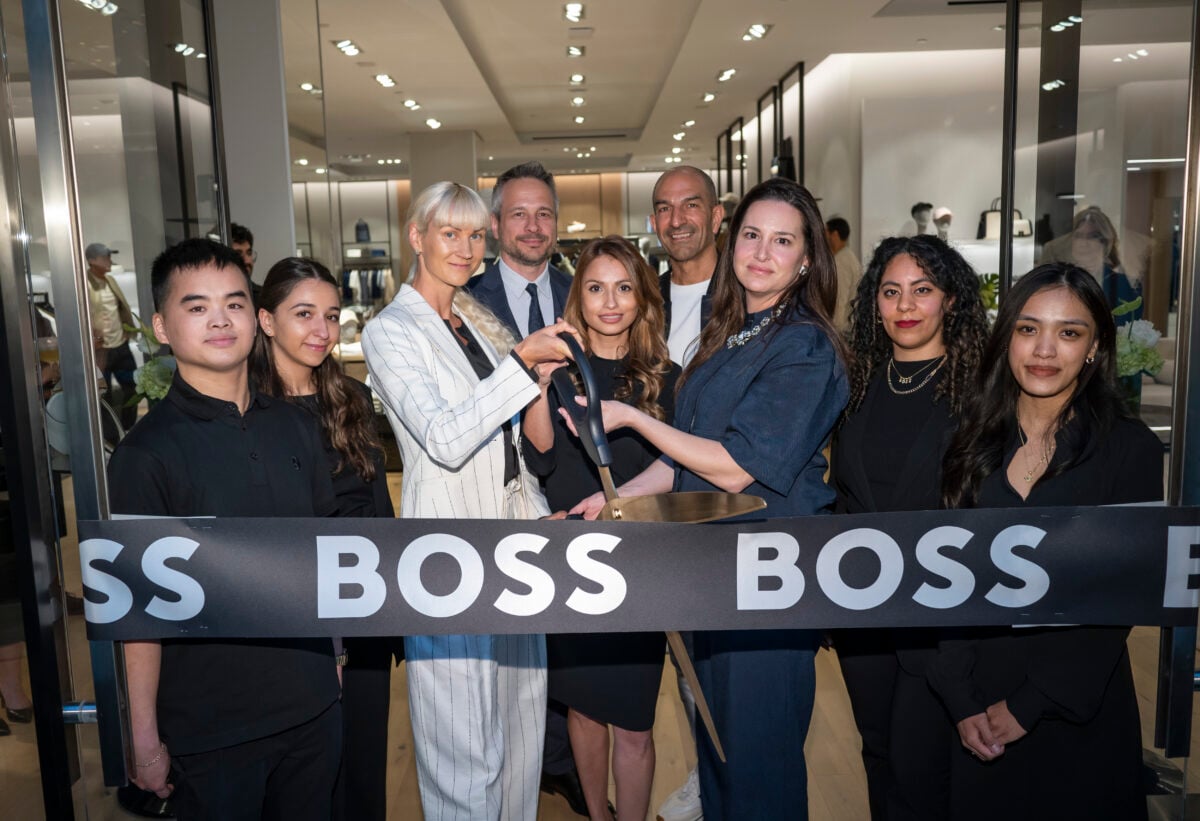
Boss Store Opening at Royalmount in Montreal. Photo: Hugo Boss

A Bold New Retail Concept for the Modern Consumer

The new BOSS store at Royalmount reflects the brand’s contemporary design vision. The interior features parquet wood flooring paired with black high-gloss surfaces to create a sophisticated contrast. A predominately white colour palette provides balance, while wooden wardrobes, spacious seating areas, and well-appointed fitting rooms create a warm and inviting environment that encourages customers to explore the collections at their leisure.

Integrated digital touchpoints throughout the store offer customers access to additional product information and personalized styling recommendations. These technologies reflect Hugo Boss’s broader commitment to leveraging innovation to enhance the shopping experience, combining physical retail environments with digital conveniences to create a seamless omnichannel journey.
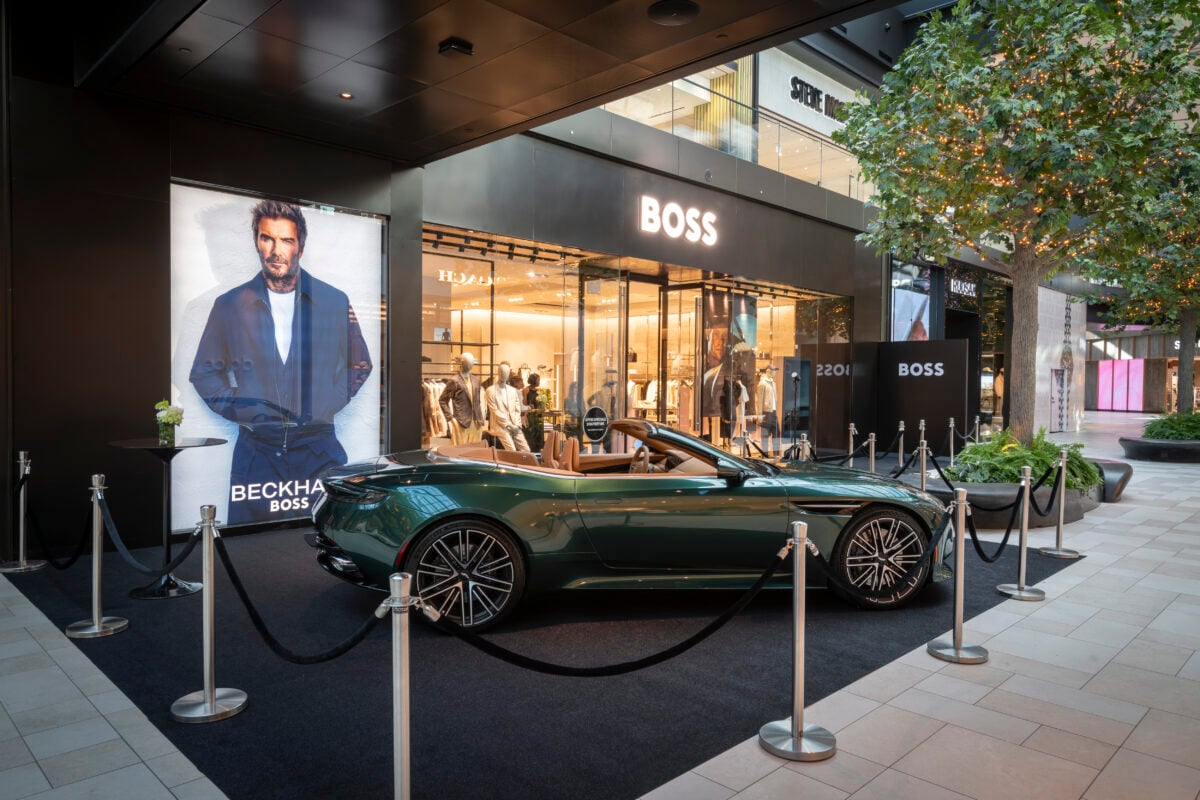
Boss Store Opening at Royalmount in Montreal. Photo: Hugo Boss

Royalmount: Montreal’s New Luxury and Lifestyle Destination

The opening of the BOSS store coincides with the first phase of Royalmount’s retail and dining component, which officially opened to the public in September 2024. Developed by Carbonleo and partially financed by L Catterton, Royalmount is being positioned as Montreal’s most significant new shopping, dining, and entertainment hub.

Royalmount introduces a second luxury retail node to the Montreal market, joining the well-established Holt Renfrew Ogilvy in downtown Montreal. The project is redefining the city’s luxury retail landscape with its mix of flagship luxury brands, mainstream retailers, upscale dining, public art installations, and recreational amenities.

The initial phase of Royalmount spans approximately 824,000 square feet of commercial space, making it one of the largest retail developments in Quebec. BOSS joins an impressive roster of luxury brands at Royalmount, many of which have opened standalone boutiques in Quebec for the first time.

Among the luxury retailers now operating or set to open at Royalmount are Louis Vuitton, Gucci, Versace, Saint Laurent, Jimmy Choo, Longchamp, Moncler, RH, Rolex (Canada’s largest flagship), Tiffany & Co. (its largest Montreal location), David Yurman (first Quebec boutique), TAG Heuer, and TimeVallée (the first Canadian boutique in partnership with Maison Birks, featuring Cartier, Panerai, Baume & Mercier, Jaeger-LeCoultre, Chopard, Grand Seiko, and Piaget).

Beyond luxury, Royalmount also features a diverse lineup of mainstream and contemporary brands including Mango, Zara, Dynamite (its largest flagship), H&M, Canada Goose, Arc’teryx, Nike, Sephora, and Browns Shoes.
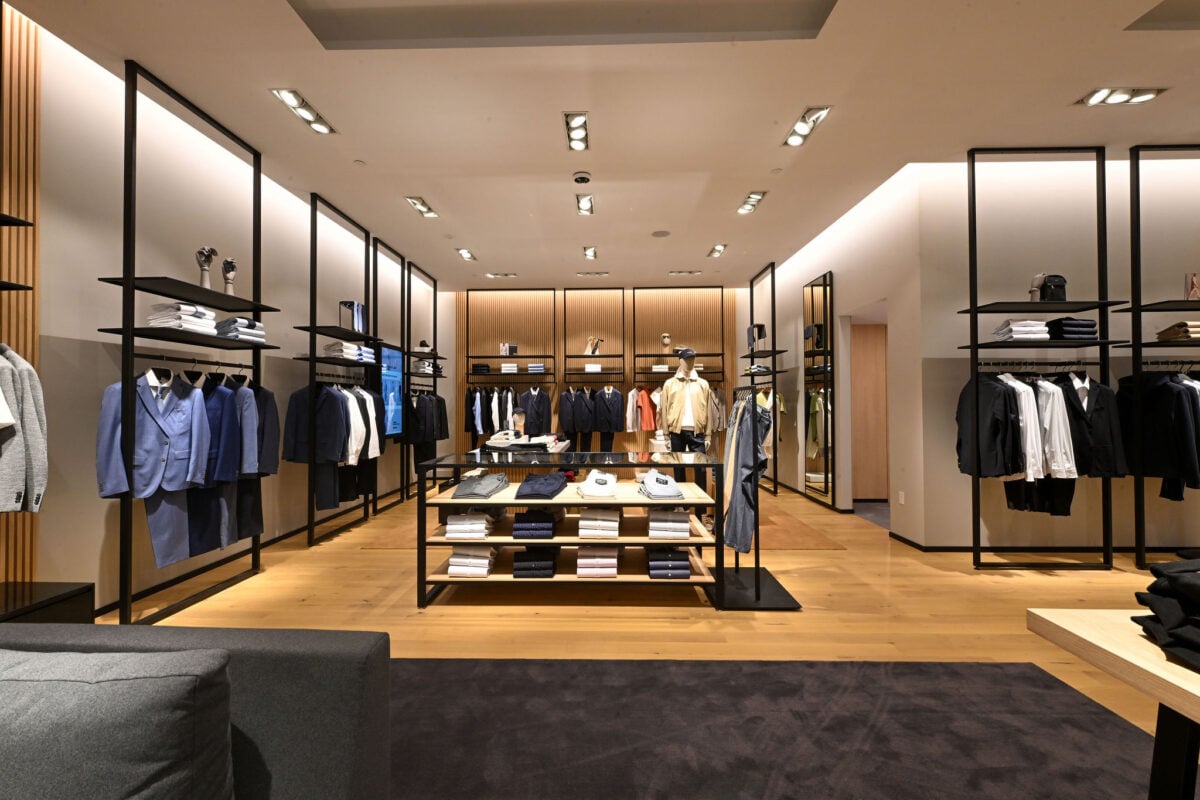
Hugo Boss store at Royalmount in Montreal. Photo: Hugo Boss

Dining, Public Spaces, and Cultural Amenities

Royalmount is not only a shopping destination but also a culinary and cultural hub. The complex features over 60 restaurants and cafes, blending diverse international cuisines with upscale dining concepts. At the heart of the culinary offerings is Le Fou Fou, a European-style food hall that includes 12 dining concepts and four bars, curated to offer a chef-driven gastronomic experience.

Visitors to Royalmount also will enjoy access to a 77,000 square foot urban park located at the centre of the development, providing green space, seating areas, and community gathering zones. Over 60 art installations curated in partnership with MASSIVart further enrich the visitor experience, positioning Royalmount as a destination that blends commerce, culture, and leisure.

Accessibility has also been carefully considered in the project’s design. The development features a skybridge directly connecting to the De la Savane metro station, along with 4,000 parking spaces and accommodations for cyclists, buses, and pedestrians.

About BOSS and the HUGO BOSS Group

BOSS is described as a brand made for bold, self-determined individuals who live life on their own terms, with passion, style, and purpose. Its collections deliver dynamic, modern designs for consumers who embrace their identity unapologetically. From heritage tailoring and performance suiting to casualwear, denim, athleisure, and accessories, BOSS offers a full lifestyle assortment that speaks to discerning global customers.

Licensed categories — including fragrances, eyewear, watches, and kidswear — complement the brand’s core apparel business. The world of BOSS can be experienced in approximately 500 stores worldwide.

BOSS is the core brand of HUGO BOSS AG, one of the leading companies positioned in the premium segment of the global apparel market. The group offers collections in 129 countries at more than 8,000 points of sale and operates online in 74 countries via hugoboss.com. Headquartered in Metzingen, Germany, the company employs more than 18,500 people globally and reported sales of €4.3 billion in fiscal year 2024.
More from Retail Insider:

Mandy’s Salads to Open First Vancouver Location

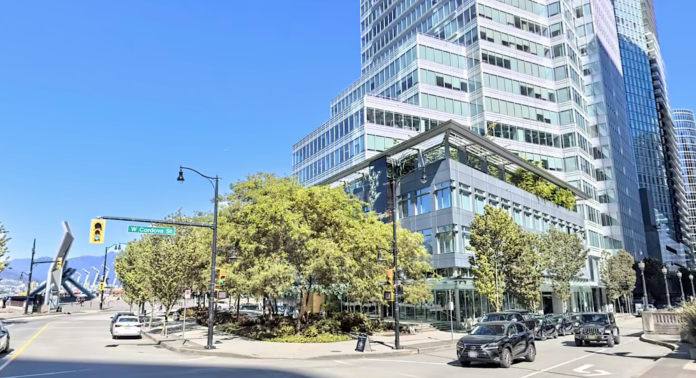
Mandy's Salads will open its second Vancouver location at 1067 W. Cordova Street. Image: Apple Maps

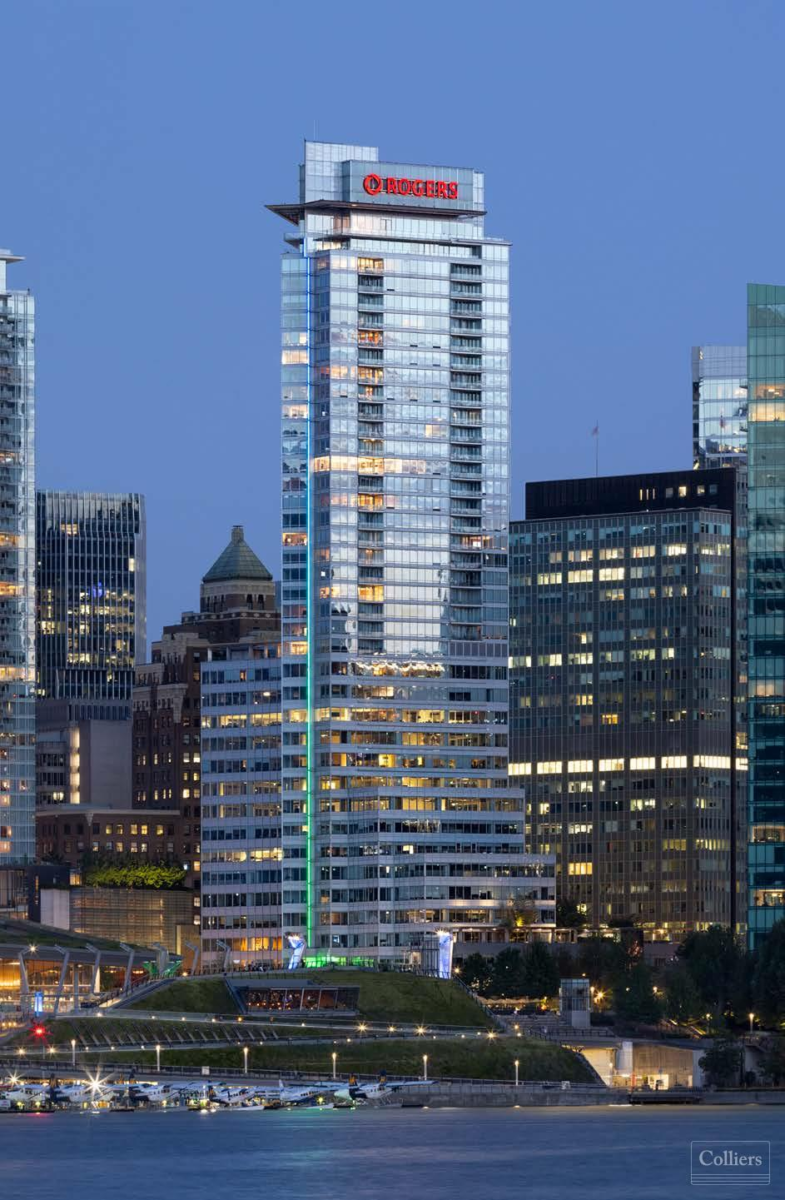
Mandy’s Gourmet Salads, the rapidly expanding Montreal-based restaurant chain, is officially coming to Vancouver. The brand’s first Vancouver location will open later this year at Rogers Tower, located at 1067 West Cordova Street in the city’s Coal Harbour neighbourhood. The move marks a significant step in Mandy’s aggressive national expansion strategy, which aims to bring its vibrant salad concept to new markets across Canada.

Last week, Mandy’s co-founders took to social media to announce that a Letter of Intent (LOI) had been signed for the Vancouver space, with the official opening scheduled for later this year. While scouting locations, the team explored multiple neighbourhoods throughout Vancouver and engaged their online following for feedback on where the first Vancouver restaurant should open.

“We were wandering around Yaletown looking at potential sites and asking our followers where they’d like to see Mandy’s,” shared the founders on Instagram. Among the areas receiving strong consideration was the West 4th corridor in Kitsilano, an area known for its vibrant dining scene and wellness-oriented demographic.

Ultimately, the company chose downtown’s Coal Harbour, securing a prominent location in Rogers Tower. Madeleine Byblow of JLL is handling Mandy’s expansion as broker in BC and Alberta.

A Landmark Location: Rogers Tower

Rogers Tower, formerly known as Shaw Tower, is one of Vancouver’s most recognizable mixed-use skyscrapers. Completed in 2005 and designed by James K.M. Cheng Architects, the 149-metre (489-foot) tower stands as a landmark on the city’s waterfront. The building includes 42 floors, with 16 floors of office space and 24 residential levels comprising 130 luxury condominium units.

Originally developed by Westbank Projects Corp., Rogers Tower was rebranded in May 2023 following the merger of Shaw Communications into Rogers Communications. Today, Rogers and Westbank co-own the building, which also serves as the headquarters for Rogers Communications’ Lower Mainland operations. Other key tenants include the Jim Pattison Group and Ledcor Construction.

Beyond its commercial and residential spaces, Rogers Tower offers an array of upscale amenities including a private residential lobby, 24-hour concierge service, fitness centre with sauna and steam room, a theater, boardroom facilities, bike storage, daycare centre, and a 333-space underground parkade with EV charging stations. A distinctive vertical LED light installation by artist Diana Thater runs along the tower’s north face, contributing a dynamic visual element to the Vancouver skyline.

The location offers Mandy’s immediate access to downtown Vancouver’s business core, waterfront residents, tourists, and the broader Coal Harbour community.

National Expansion: Vancouver as a Key Market

Mandy’s arrival in Vancouver is part of a much larger expansion strategy that has been unfolding over the past two years. The company, founded in Montreal, currently operates 15 locations across Quebec and Ontario and has set an ambitious target to open between 30 and 40 locations nationwide over the next five years.

Vanessa Fracheboud, President of Mandy’s Gourmet Salads, recently spoke about the company’s westward push. “We are expanding, I think we’ve been very loud about it in the past few months,” said Fracheboud. “We wanted to close the loop on the GTA extension, at least for now, and then we will be moving towards Western Canada.”

The Vancouver opening follows several new locations in Toronto, including sites in Yonge and Eglinton and the Canary District, as well as a new Ottawa location in The Glebe. In Montreal, the company has also recently opened a South Shore location near Quartier DIX30.

“Canary District and Ottawa are the two that are creating the most noise at the moment,” Fracheboud noted. The Ottawa location is scheduled to open this month, with Toronto’s Yonge and Eglinton set to launch in July, and Canary District following in spring 2026.

Inside Mandy’s Salads at 110 Bloor St. W. in Toronto. Photo supplied

Careful Site Selection in Vancouver

The decision to locate the first Vancouver Mandy’s at Rogers Tower reflects the company’s highly selective approach to real estate. “We have refused a few great locations because the building itself was not 100% aligned with who we are,” Fracheboud explained. “The stretch goal is 40 locations, but we won’t compromise on our brand identity.”

In Vancouver, the company had been actively exploring several neighbourhoods, including Yaletown, East Vancouver, Kitsilano, North Vancouver, and downtown. Coal Harbour’s combination of business density, affluent residents, and tourist activity ultimately made the Rogers Tower location an ideal first step into the Vancouver market.

“For us, guest experience is everything. We want our customers to feel like they’ve stepped into the full Mandy’s environment,” Fracheboud emphasized. “We’re not about ghost kitchens. To come into a new market, we need to ensure people get the full Mandy’s experience.”

Maintaining Mandy’s Brand Identity

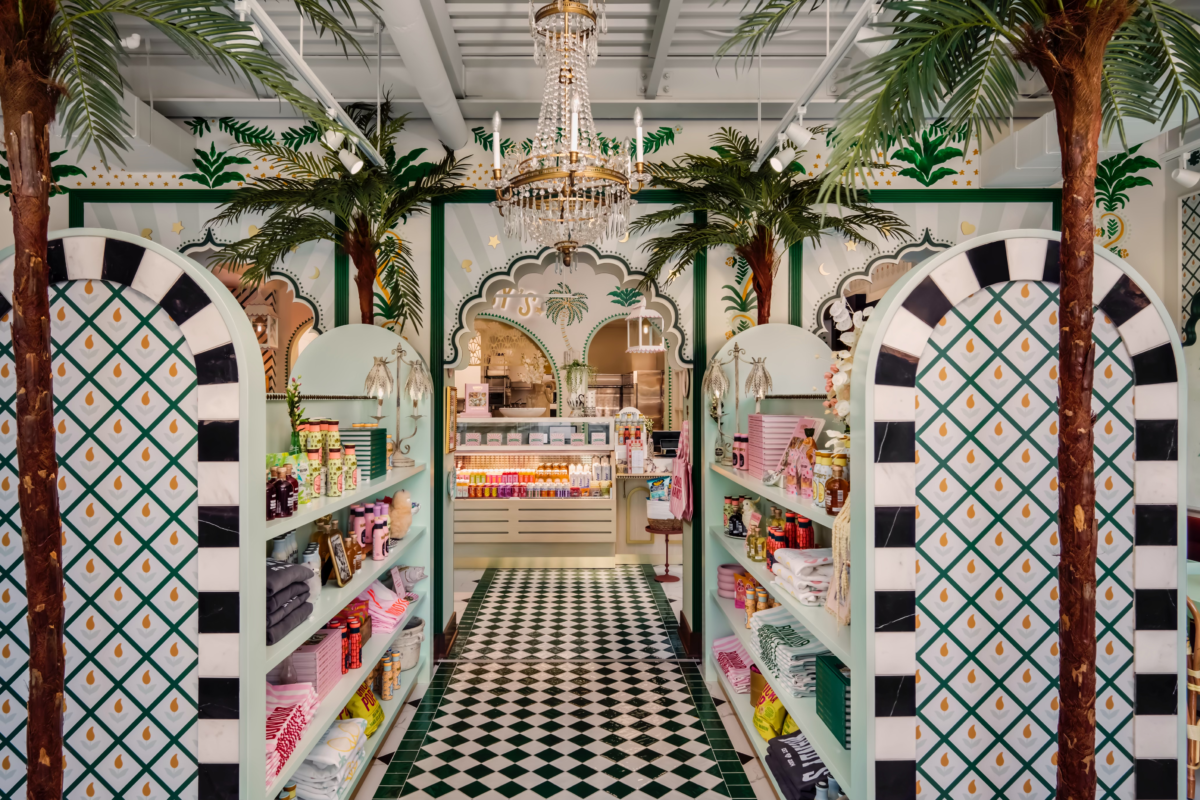
Despite the fast growth, Mandy’s leadership remains committed to maintaining the core identity that has made the brand successful. “You’ll always have a wall with photography, family pictures, and hand-painted plates from unique artists,” Fracheboud explained in a previous interview. “Each location has a different inspiration, but the foundation remains the same.”

This carefully curated design approach has become part of the Mandy’s DNA. Every restaurant features an inviting, almost whimsical aesthetic that balances the brand’s Montreal roots with elements that reflect each local market.

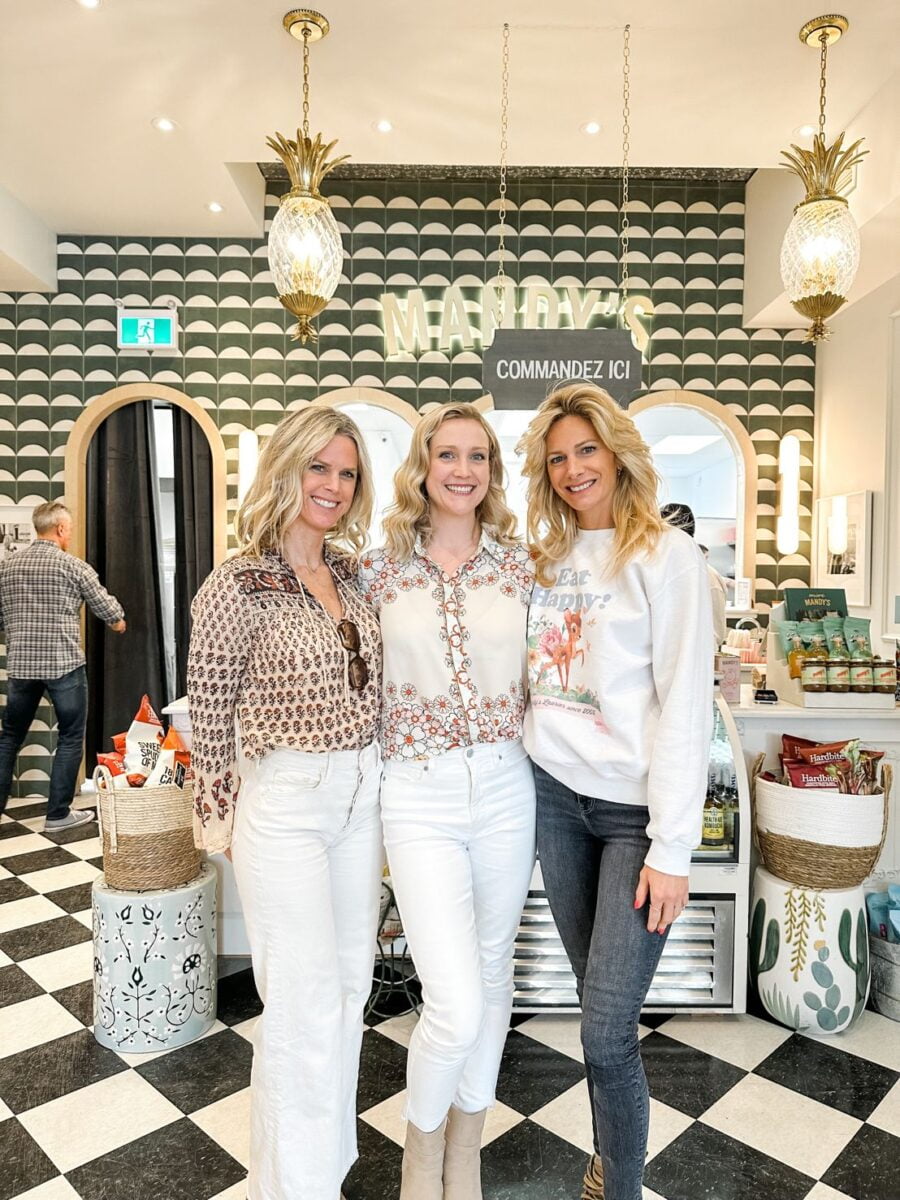
Mandy Wolfe, Vanessa Fracheboud and Rebecca Wolfe (Image: Mandy’s Gourmet Salads)

Western Canada Growth: Calgary on the Horizon

While Vancouver is now confirmed, Calgary remains another priority for Mandy’s Western Canada rollout. “For Calgary, we want to make sure that we come in first with a brick-and-mortar, not with a ghost kitchen. That’s not who we are,” Fracheboud stressed in a previous interview. 

The downtown Calgary market is being actively pursued, with site selection underway. As with its other markets, Mandy’s will continue to focus on real estate that aligns closely with its brand image, customer base, and long-term strategic vision.

A Growing National Brand

Mandy’s Gourmet Salads has quickly evolved from a local Montreal success story into one of Canada’s most notable fast-casual dining brands. Known for its creative salad combinations, healthy menu offerings, and inviting restaurant designs, the company’s expansion into Vancouver marks another significant milestone.

As 2025 progresses, all eyes will be on Mandy’s as it enters the highly competitive Vancouver market — bringing with it a concept that combines elevated fast-casual dining with a distinctly Montreal flair.

More from Retail Insider:

sohoConcept Marks 25 Years with First Pop-Up in Toronto

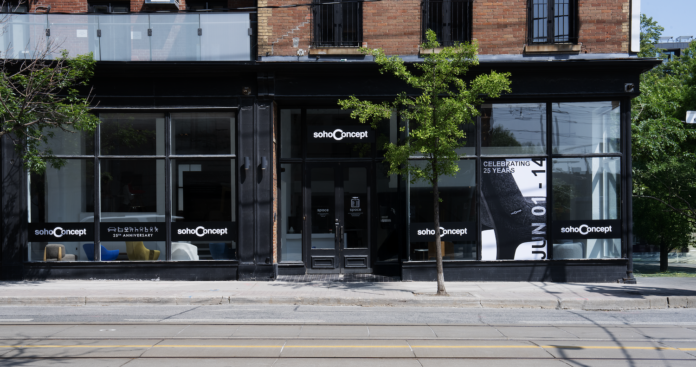
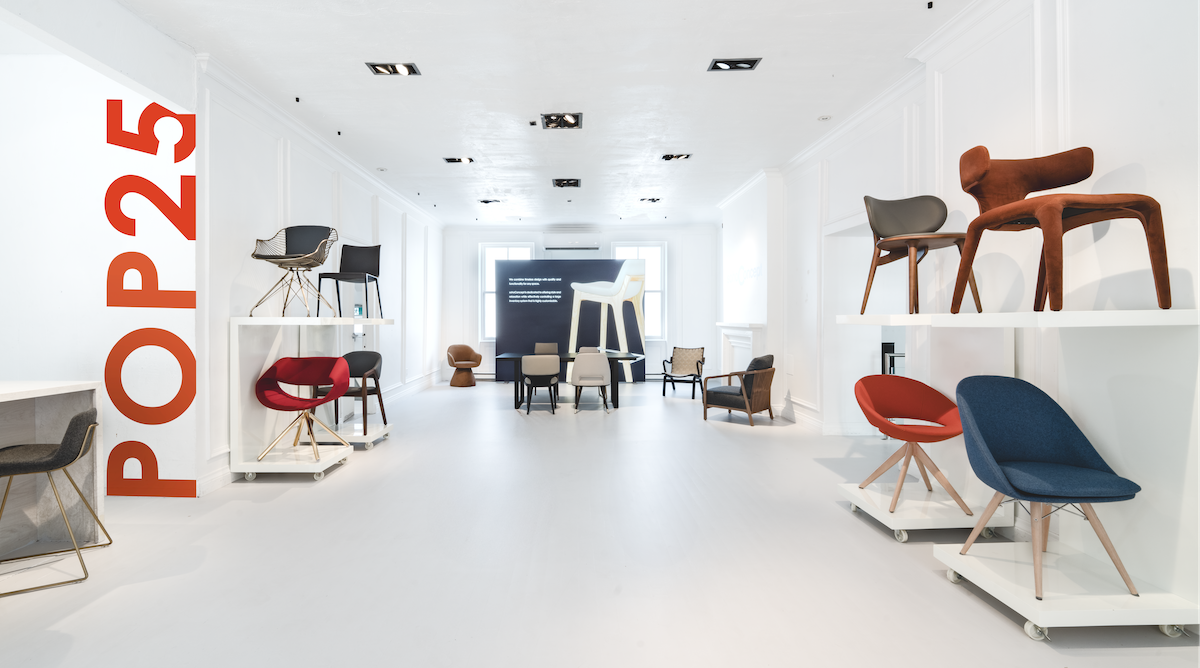
sohoConcept pop-up at 300 King Street East in Toronto. Photo: Phoenix Shots

Toronto-based contemporary furniture brand sohoConcept is marking a major milestone this month as it celebrates its 25th anniversary with the opening of its first-ever pop-up store. Located at the high-profile corner of King and Berkeley streets in Toronto’s King East Design District, the pop-up offers a limited-time showcase of the company’s latest designs while paying homage to its Toronto roots.

The pop-up officially opened its doors on June 1 and will remain open through June 14. The event not only marks 25 years since sohoConcept first launched in Toronto but also provides an opportunity for the company to connect directly with both longstanding clients and new designers.

In an interview, Namik Ozkaynak, Manager of Sales and Marketing at sohoConcept, spoke about the significance of the anniversary and how the idea for the pop-up came to life.

Namik Ozkaynak

“It’s been 25 years and we are celebrating our anniversary,” Ozkaynak said. “We started off in Toronto back in 2000. We wanted to actually do an event for our clients.”

The choice of location was deliberate. King Street East is well-known as a furniture and design hub in Toronto, home to numerous major design brands and studios.

“King Street East has been our favourite spot,” he added. “It’s like the golden place for the furniture industry.”

The pop-up space, located at 300 King Street East, was secured through real estate group Spaces. Initially, sohoConcept had planned to rent the space for just a few days, but eventually decided to extend the event to two full weeks.

“We thought, hey, doing all this work, we might as well stay here for two weeks,” Ozkaynak explained. “We’re open on weekends and trying to be open as much as possible because it is a limited time.”

A Toronto Success Story

sohoConcept was founded in Toronto by Ozkaynak’s father, who originally worked as a real estate developer in Istanbul before moving into the world of furniture design.

“My father always had a passion for architecture, furniture and interior design,” Ozkaynak said. “He wanted to create furniture that’s simple, minimalist for the big cities that we live in.”

sohoConcept founder Tayfur Ozkaynak. Image supplied

Even from its early years, sustainability and durability were core principles in sohoConcept’s product design. The company’s innovative use of injection foam, typically used in automobiles and airplanes, allows their furniture to maintain its form and comfort for many years.

“This is not like regular foam in a sofa,” Ozkaynak explained. “Our customers can keep using the same furniture for many years, often just replacing slipcovers. We even have clients coming back after 10 or 12 years asking for new slipcovers.”

Such longevity fits well with changing consumer demands for more sustainable, long-lasting products.

Business-to-Business Model Anchored in Design Trade

While many consumers may recognize sohoConcept’s products, the company operates primarily on a business-to-business (B2B) model in Canada, selling directly to interior designers, hospitality clients, and retail dealers.

“In Canada, we are strictly B2B,” said Ozkaynak. “We work with interior designers, hospitality, and dealers like retail stores.”

The company once supplied well-known King Street retailers like UpCountry and Visitor’s Parking, though those stores closed during the 2008 financial crisis. Today, sohoConcept’s client base stretches across both Canada and the United States.

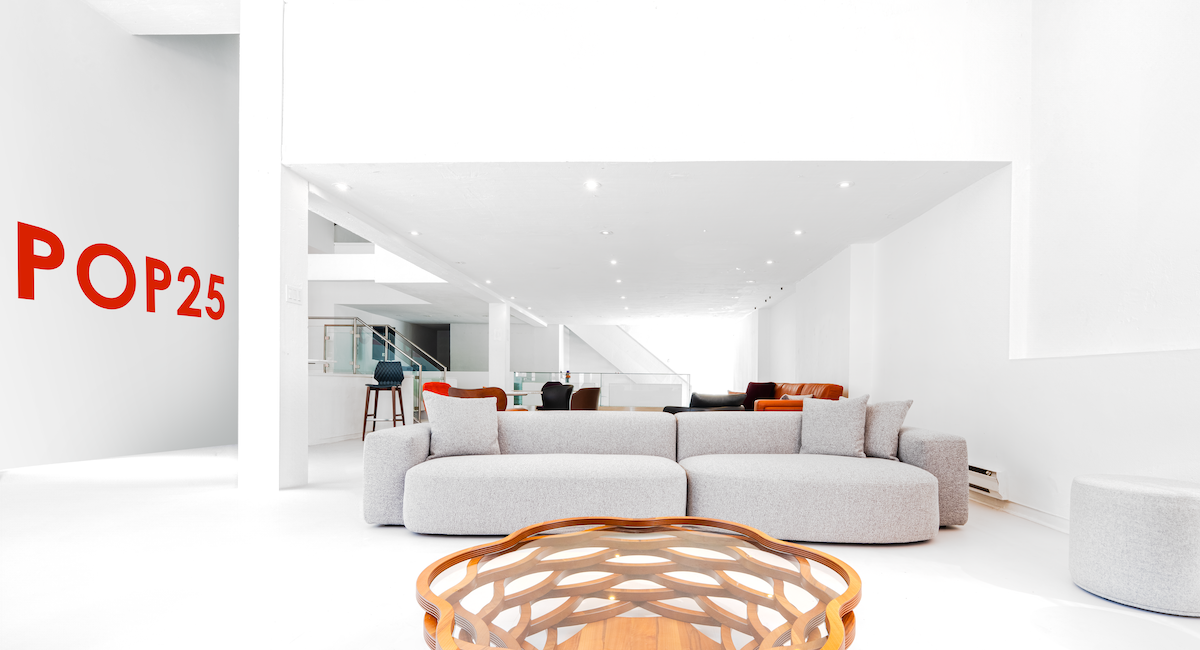
sohoConcept pop-up at 300 King Street East in Toronto. Photo: Phoenix Shots

Expansion into the U.S. Market

As demand for its products grew in the United States, sohoConcept expanded south of the border. Today, the company operates a warehouse, office, and showroom in New Jersey, alongside its Canadian operations based in Mississauga.

“We saw a lot of demand coming from the States,” Ozkaynak noted. “At one point, 60 to 70 percent of our orders were being shipped into the U.S.”

In addition to its warehouse and showroom in New Jersey, sohoConcept operates a showroom-retail hybrid space in New York City, located at 58th Street and Third Avenue—a prime address in Manhattan’s design district.

“In New York, we do sell retail in that location as well,” he said. “But in Toronto, we’ve remained focused on the trade.”

sohoConcept pop-up at 300 King Street East in Toronto. Photo: Phoenix Shots

Furniture That Lasts — and Can Be Touched

The tactile experience is part of what makes sohoConcept’s pop-up such a draw for interior designers, architects, and hospitality buyers. With many of their clients working on commercial and residential projects, the ability to see, feel, and test the furniture remains essential.

The company often sends samples to commercial clients for evaluation before large orders are placed. That’s particularly true for its growing hospitality and commercial contracts.

“We just dropped off some stools yesterday at a major sports facility for an upcoming event,” Ozkaynak revealed. “They’ll test them out, see how they work in the space, and make a decision.” (Editor removed names due to confidentiality). 

Connecting With the Design Community

While e-commerce is transforming many sectors, sohoConcept continues to thrive on personal relationships, particularly with the design trade.

“We love working with interior designers — they’re passionate, creative, and fun to work with,” Ozkaynak said. “When I meet clients at shows like the Interior Design Show (IDS) here in Toronto, it feels like seeing family.”

That strong client rapport has been central to sohoConcept’s success for a quarter-century. The pop-up, in many ways, is both a business showcase and a thank-you to the community that has supported the brand for 25 years.

“We just want to have a good time with our favourite people,” Ozkaynak said. “We’ll have drinks, food, good music, and great people — it’s going to be fun.”

sohoConcept pop-up at 300 King Street East in Toronto. Photo: Phoenix Shots

A Growing Footprint in North America

Today, sohoConcept’s products can be found in homes, residential developments, restaurants, healthcare facilities, and public spaces across North America. The brand’s extensive collection includes dining chairs, stools, office chairs, lounge chairs, sofas, ottomans, benches, tables, coffee tables, storage pieces, and mirrors.

With its commitment to long-term durability, fashion-forward design, and flexible business model, sohoConcept has carved out a distinctive niche that appeals to both designers and end users.

“Our goal has always been to provide quality and comfort while keeping our prices reasonable and our stock levels high,” Ozkaynak said.

A Toronto Homecoming

For sohoConcept, returning to King East for its first-ever pop-up is both symbolic and practical. The King East Design District remains one of Toronto’s most vibrant hubs for home furnishings, interior design, and creative talent.

“It feels like the right place to celebrate,” Ozkaynak said. “This is where it all started.”

As the brand enters its second quarter-century, the King East pop-up offers Torontonians — and visitors from across the design industry — a rare opportunity to experience sohoConcept’s evolving collections up close.

The sohoConcept Toronto pop-up at 300 King Street East runs daily from June 1 to June 14, operating from 9 a.m. to 6 p.m., including weekends.

More from Retail Insider: 

Oak + Fort Files for Creditor Protection Amid Debt Crisis

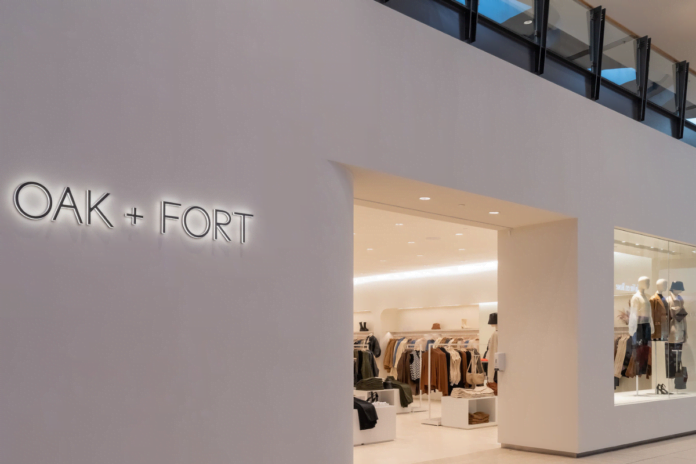
OAK + FORT at CF Chinook Centre (Image: Oak + Fort)

Canadian fashion retailer Oak + Fort has entered court-supervised restructuring proceedings as mounting financial challenges, aggressive expansion, and U.S. tariffs placed unsustainable strain on the Vancouver-based business.

The company, officially operating as Oak and Fort Corp., was granted creditor protection on Friday under the federal Companies’ Creditors Arrangement Act (CCAA). Parallel proceedings under Chapter 15 of the U.S. Bankruptcy Code are also being pursued. The move allows the business temporary relief as it develops a plan to stabilize operations, manage debts, and seek financing.

Oak + Fort emphasized that its stores and e-commerce business will remain open during the restructuring process.

In filings with the Supreme Court of British Columbia, the company disclosed that it owes more than $25 million to creditors. These debts include $3.19 million in secured obligations owed to the Business Development Bank of Canada, Royal Bank of Canada, and Shopify Inc., along with more than $7 million owed to landlords across both Canada and the United States.

Expansion Strategy Strains Finances

Founded in 2010 in Vancouver’s historic Gastown district, Oak + Fort initially grew at a cautious pace. But following the pandemic’s retail disruptions, the company moved aggressively to capitalize on vacant storefronts, opening 26 new stores across Canada and the United States over the past four years.

The expansion pushed Oak + Fort’s total footprint to 42 stores, but revenues failed to meet expectations. In an affidavit filed with the court, CEO Min Gyoung Kang outlined how the swift expansion ultimately left the company under-invested in its e-commerce platforms while fixed costs from physical retail mounted.

While store openings did generate additional revenue, the gains were not sufficient to offset rising costs and lower-than-forecasted sales growth. According to financial statements, Oak + Fort recorded a net loss of $1.1 million for the fiscal year ended March 26, 2023. Losses deepened the following year to $10.6 million for the period ending March 24, 2024. The company generated $93.8 million in revenue during its most recent fiscal year, while posting another net loss of $5.1 million.

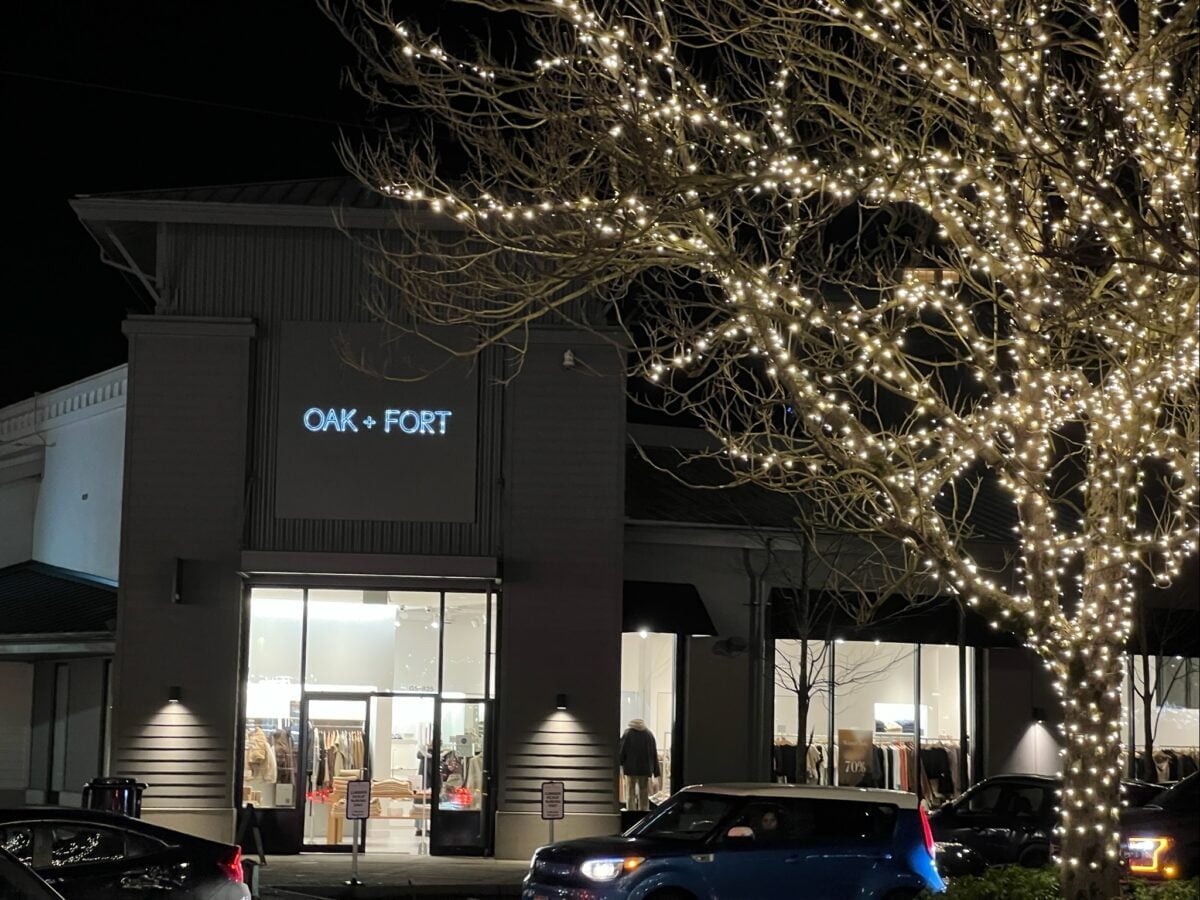
Oak + Fort lit for Christmas 2021 at The Village at Park Royal in West Vancouver (December 2021). Photo: Lee Rivett.

U.S. Tariffs Compound Retail Challenges

In addition to the financial strain from expansion, Oak + Fort has been hit hard by U.S. tariffs on Chinese imports. Approximately 68 per cent of the company’s apparel is sourced from China, making it particularly vulnerable to ongoing trade tensions.

“The recent change in the U.S. trade landscape with tariffs have directly caused an increase in supply chain and import costs,” said Kang in her affidavit. These rising costs placed further pressure on margins for Oak + Fort’s U.S. stores.

The uncertainty surrounding U.S. trade policy has also impacted Oak + Fort’s access to financing. Kang’s affidavit stated that financial institutions have become more risk-averse, introducing stricter loan conditions and, in some cases, declining financing altogether. With limited options to refinance or access new capital, the company’s financial position deteriorated further.

Missed Rent Payments Trigger Court Action

The situation became increasingly urgent in late May, when Oak + Fort missed scheduled rent payments. Some landlords in the U.S. threatened lockouts and inventory seizures, prompting the company to seek immediate creditor protection. Without legal protection, the company faced the risk of losing access to inventory and key store locations.

Kang acknowledged that Oak + Fort has been negotiating with vendors and landlords to defer payments and reduce obligations but has not secured sufficient relief to avoid court filings.

The company employs 601 staff, with 434 located in Canada. Despite the financial difficulties, Oak + Fort plans to maintain store operations and online sales during the restructuring period.

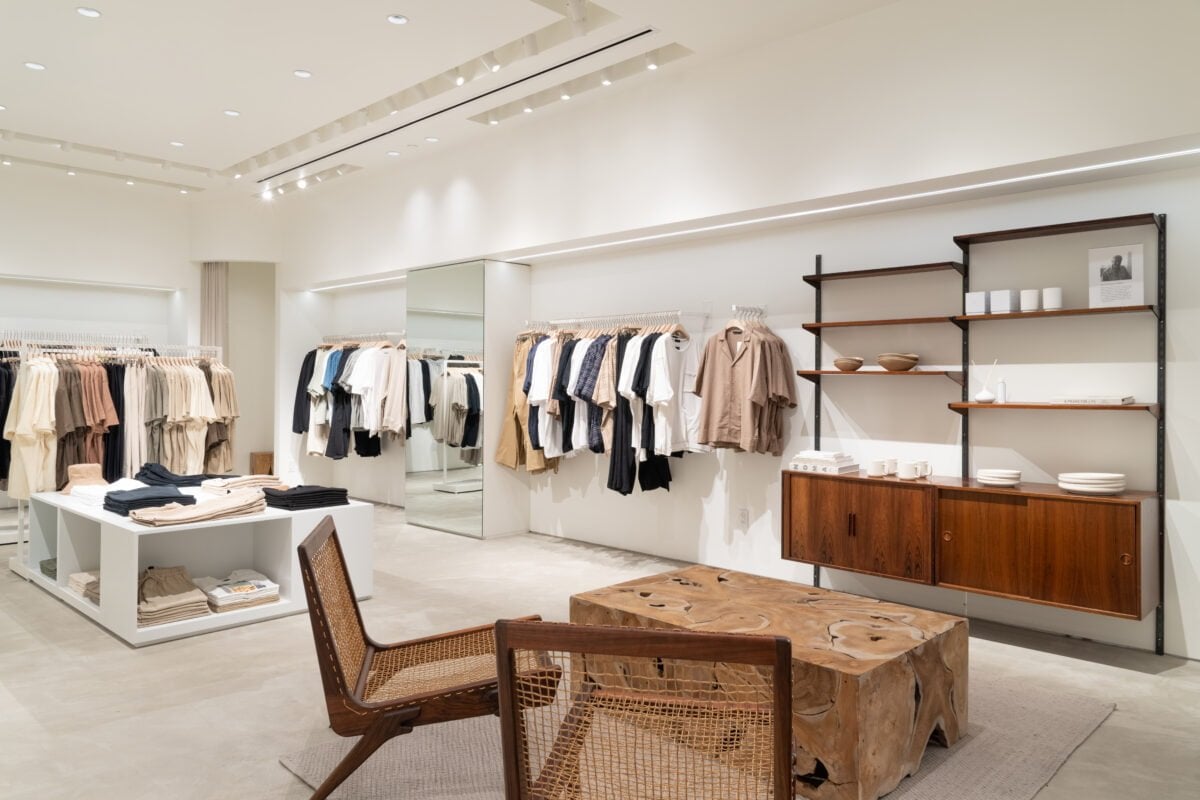
Image: OAK + FORT at West Edmonton Mall

Advisors and Monitor Appointed to Oversee Restructuring

Oak + Fort has retained Reflect Advisors LLC to oversee the restructuring. Reflect Advisors is known for its involvement in recent high-profile Canadian retail restructurings, including the Hudson’s Bay Company proceedings this year. KSV Restructuring Inc. has been appointed as the court monitor under the CCAA proceedings.

In her affidavit, Kang expressed optimism that Oak + Fort can emerge from its financial crisis through a targeted restructuring plan focused on a smaller, more profitable store network and improved e-commerce operations.

“The financial difficulties currently facing the business have arisen only in the past year and, in Senior Management’s view, can be overcome with additional time to realign operations to focus on select profitable retail locations and e-commerce, and secure long-term funding to support the realigned business,” she stated.

From Humble Beginnings to North American Footprint

Oak + Fort was founded in 2010 by Arjuna Thiagarajah and Min Kang. The company opened its first boutique in Vancouver’s Gastown neighbourhood, gradually building a loyal following with its minimalist, modern aesthetic. Initially launched as an e-commerce venture, the brand expanded cautiously at first, adding brick-and-mortar locations in Canada before pushing into the United States.

The brand today offers a full range of womenswear, menswear, accessories, jewelry, home goods, and beauty products, all designed to reflect a minimalist, contemporary lifestyle. Its core philosophy emphasizes simplicity, versatility, and affordability while maintaining an elevated design sensibility.

Oak + Fort’s collections are characterized by neutral tones, clean lines, and understated design. Its seasonal collections often experiment with textures, silhouettes, and materials to maintain variety while staying true to its aesthetic roots.

The company sources products globally, partnering with manufacturers in China, South Korea, Vietnam, and India. Its heavy reliance on Chinese production has made it vulnerable to shifting trade policies, particularly in the U.S. market.

Image: OAK + FORT at West Edmonton Mall

Sustainability and Community Engagement

In recent years, Oak + Fort has attempted to strengthen its sustainability credentials. The company is a member of the Sustainable Apparel Coalition and has introduced its OAK Refined sub-label, which emphasizes the use of recycled and organic materials. The sub-label is produced in collaboration with Hallotex, furthering the company’s efforts to appeal to environmentally conscious consumers.

The retailer has also engaged in several community and social initiatives, including confidence-building workshops for young women and contributions to local recovery funds. In 2022, Oak + Fort expanded its flagship Gastown store to 5,000 square feet, incorporating local Vancouver artwork and opening a small Gastown Museum exhibit celebrating the brand’s local roots.

Retailer Faces Industry-Wide Headwinds

Oak + Fort’s financial challenges reflect broader pressures facing many fashion retailers operating in both Canada and the United States. Inflation, elevated borrowing costs, weakened consumer confidence, and shifting shopping patterns have forced many mid-sized retailers to revisit their business models.

Like several peers, Oak + Fort faces the complex task of balancing its physical retail presence with investments in digital platforms while navigating unpredictable trade policies that have reshaped supply chain economics. 

Retailers sourcing heavily from China remain exposed to ongoing trade disputes and rising costs, while the broader apparel sector continues to experience intense competition from both domestic and international players.

The Path Forward

For now, Oak + Fort remains open for business while its restructuring plays out under court supervision. The company’s leadership believes that a scaled-down store network, combined with a renewed focus on e-commerce and stronger financial backing, can allow the brand to stabilize and eventually return to growth.

The coming months will prove critical as Oak + Fort negotiates with creditors, seeks new financing, and adjusts its operations to match current market realities. The outcome will also serve as a closely watched test case for other mid-sized Canadian retailers facing similar pressures amid a turbulent retail landscape.

More from Retail Insider: 

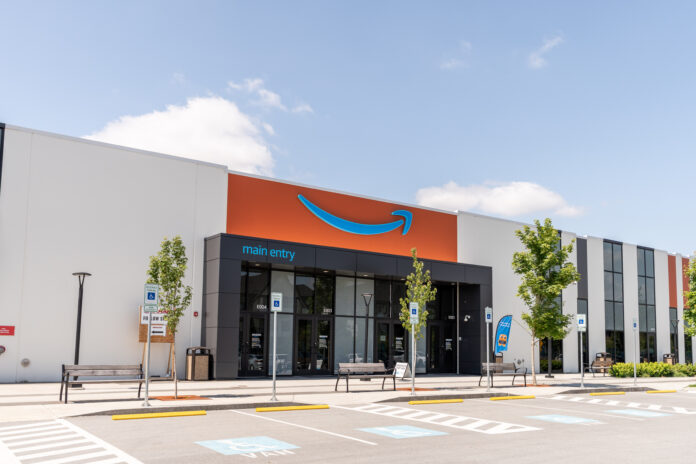
Amazon launches YXX1 Storage and Distribution Centre in Pitt Meadows, British Columbia (Photos)

Credit: Amazon
Credit: Amazon

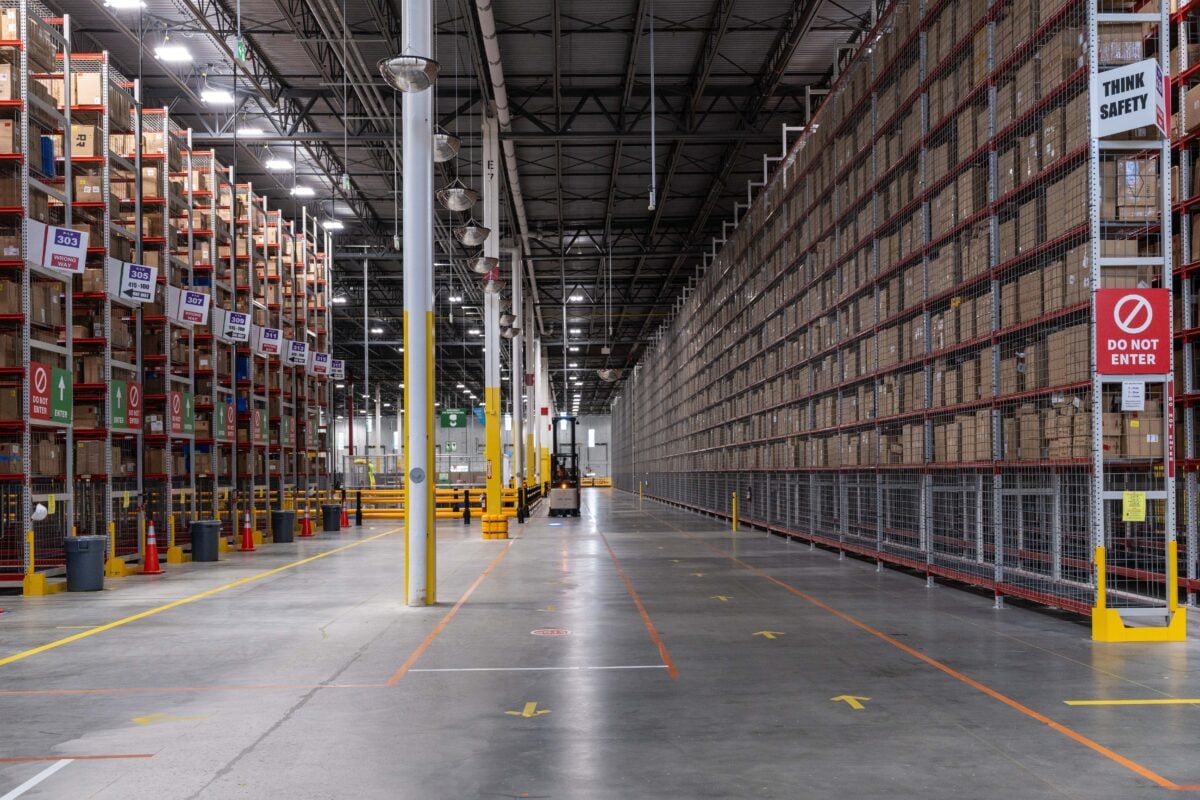
Amazon announced Friday the launch of YXX1, the company’s first storage and distribution fulfilment centre in British Columbia.

YXX1 expands Amazon’s logistics network in Western Canada while engaging local suppliers and bringing jobs to the community, said the company.

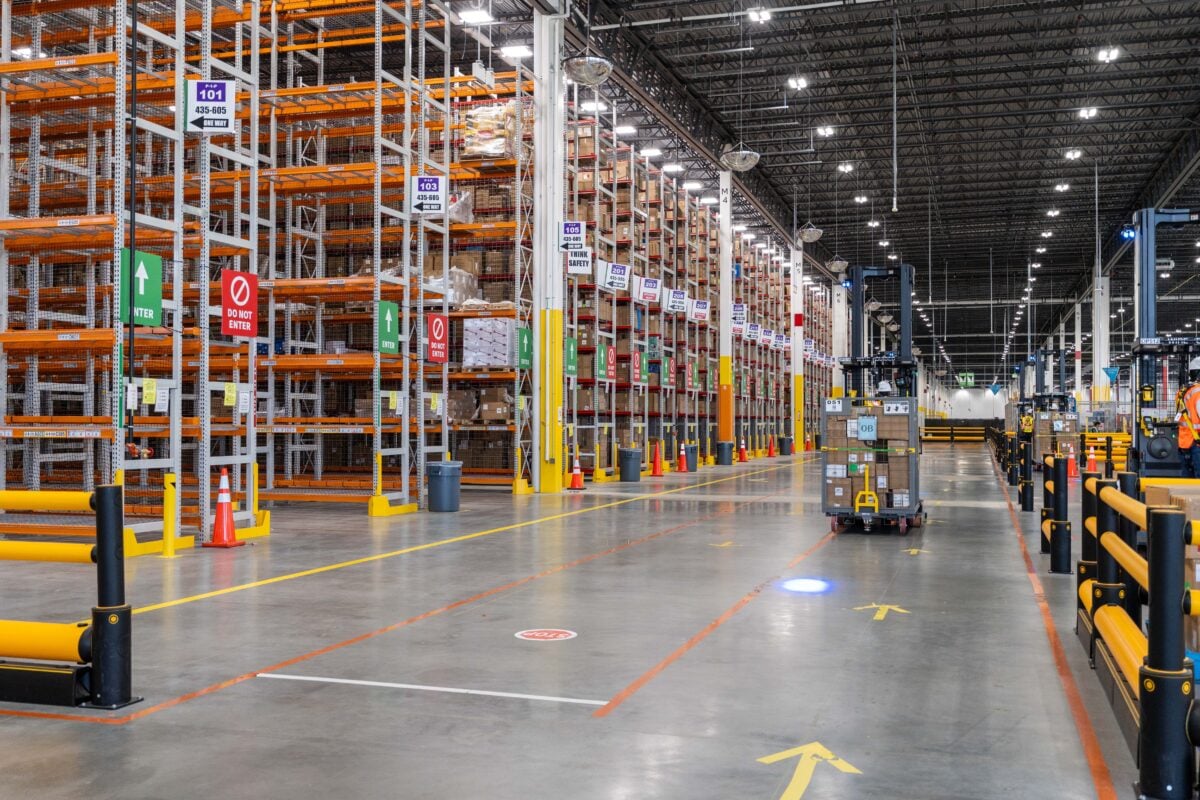
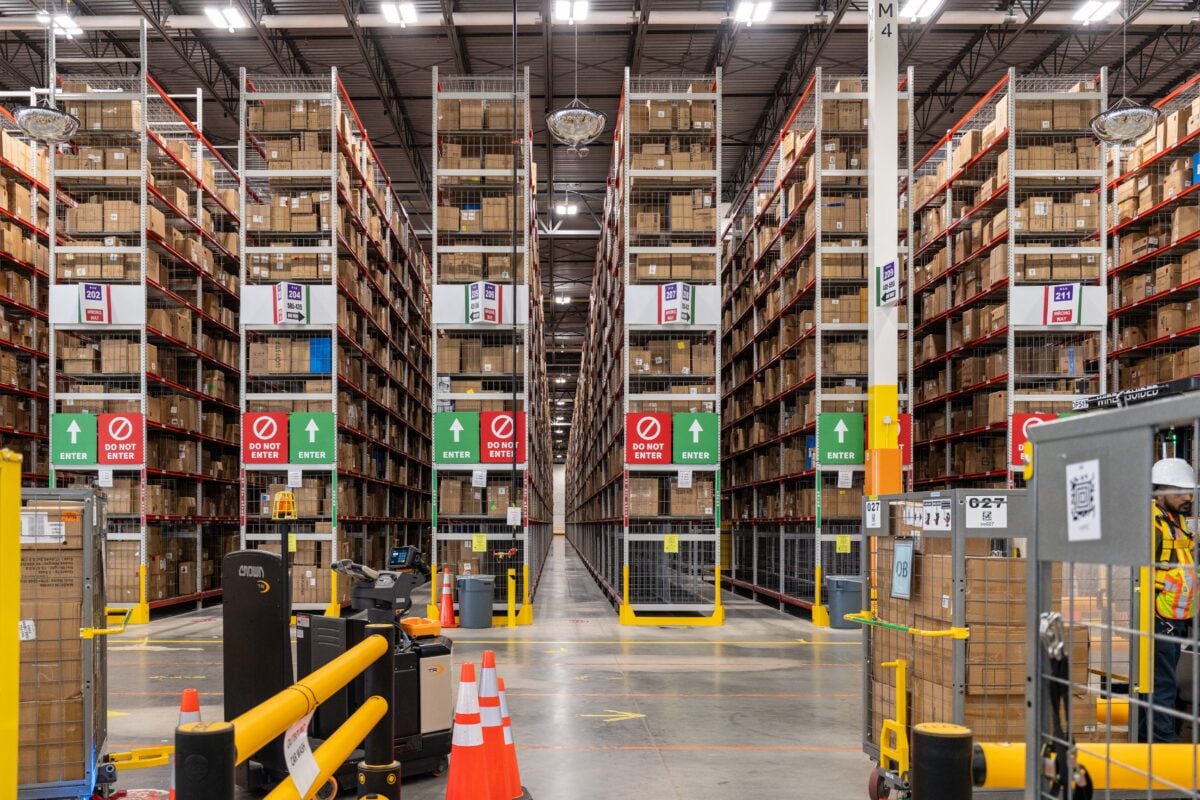
“Amazon storage and distribution centres are specialized facilities that store, manage, and distribute inventory to regional fulfilment centres, allowing them to fulfil a wider selection of customer orders at the fastest-possible delivery speeds. Measuring 825,000 square feet, YXX1 has more than 100 employees at launch, who work with powered industrial trucks and the latest Amazon fulfilment technology to stow, pick and ship millions of items,” it said.

“YXX1 is Amazon’s fifth fulfilment centre in British Columbia, where the company also operates six delivery stations, a sortation centre and an AMXL delivery station. Vancouver is also home to one of Amazon’s two corporate Tech Hubs in Canada. Amazon has more than 10,000 regular full- and part-time employees in British Columbia.”

SureshKumar Aruchamy

“As Amazon’s first storage and distribution centre in British Columbia, YXX1 marks an important milestone for our business,” said SureshKumar Aruchamy, Regional Director of Operations at Amazon. “The strategic location of YXX1 in the Lower Mainland significantly reinforces Amazon’s ability to deliver to local customers at our fastest speeds ever while creating good jobs and investing in the local economy. We are proud to offer employees competitive pay, leading benefits and the opportunity to build in-demand skills to grow their careers.”

Nicole MacDonald
Nicole MacDonald

“Amazon’s investment in our region has created valuable jobs and economic opportunities for the region and local community, while also supporting Canadian businesses through their strong commitment to customer service,” said Nicole MacDonald, Mayor of Pitt Meadows. “Furthermore, Amazon’s partnership and generous support for bike repair stations to be installed throughout the city, demonstrates the company’s commitment to community well-being and sustainable transportation. We appreciate their continued engagement and investment.”


As part of Amazon’s commitment to investing in the local economy, the company has engaged more than 10 British Columbia- and Canada-based businesses on the construction and ongoing operations of YXX1, including Graham Construction and Engineering (construction management services); BGIS (facility management); Woodbridge (wooden pallets); Tenaquip (warehouse supplies); Can-tec Electrical (electrical services); and Work Authority, Mark’s Commercial, Levitt Safety and Big K Brand Clothing (safety clothing and equipment).

Jeremaya Woytowich
Jeremaya Woytowich

“YXX1 represents an investment in the region’s economy through the engagement of local businesses, subcontractors, and suppliers in the delivery of the project. Graham Construction is proud to have partnered with Amazon for the YXX1 SDC facility,” said Jeremaya Woytowich Operations Manager, Buildings – British Columbia.

As part of the company’s commitment to sustainability, it is donating $35,000 to install bike repair stations throughout Pitt Meadows. The stations will be strategically placed along the most travelled routes—including the Pitt River Greenway, major commuter paths, and the urban core—ensuring residents and visitors can maintain their bikes, scooters, e-scooters, and even strollers with confidence. This initiative aligns with Pitt Meadows’ Connected Communities Strategy, Parks, Recreation and Culture Master Plan, and Active Transportation initiatives.

By investing in this infrastructure, the community is reducing barriers to active transportation, promoting healthier lifestyles, creating a quieter and cleaner urban environment, and taking meaningful action toward climate goals. The versatile stations will make Pitt Meadows more accessible and inclusive for everyone, serving both residents and the many employees who bike or scooter through the area daily, said the company.

Credit: Amazon
Credit: Amazon

Amazon provides eligible operations employees with access to educational opportunities through upskilling programs like Career Choice, a paid benefit that allows them to grow their careers by building the skills needed for today’s most in-demand fields, including Transportation, Technology, and Administration and Business Services. Career Choice is offered in partnership with more than 20 educational institutions across Canada. To date, more than 8,000 frontline employees across Amazon’s Canadian fulfillment network have participated in the program.

Regular full- and part-time Amazon employees also receive competitive benefits, including medical, vision and dental coverage and a group RRSP plan.

Credit: Amazon
Credit: Amazon

For information about future career opportunities at Amazon facilities in British Columbia, including YXX1, interested candidates can visit www.amazon.ca/canadahourlyjobs.

Related Retail Insider stories:

Credit: Amazon
Credit: Amazon

Pizza Nova raises $231,045 for Variety – the Children’s Charity of Ontario with 2025 That’s Amore Pizza for Kids fundraiser

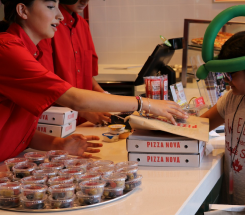
Domenic Primucci, president of Pizza Nova, back row, second from the right, joins Mike Primucci, far right, to present a cheque for $231,045 to Charlie Johnstone, CEO of Variety – The Children’s Charity of Ontario, third from the left, at Variety Village along with Ambassadors and family members, June 5, following Pizza Nova’s 2025 That’s Amore Pizza for Kids fundraiser.

Pizza Nova announced Friday that its 26th annual That’s Amore Pizza for Kids fundraiser has raised $231,045 in support of Variety – the Children’s Charity of Ontario.

Domenic Primucci, president of Pizza Nova, presented the funds to Charlie Johnstone, President and CEO of Variety Ontario, during a special event at Variety Village on June 5.

“Each year, I’m reminded of how powerful community can be when we come together for a meaningful cause,” said Primucci. “Thanks to the generosity of our guests and the dedication of our franchisees and team members, we’re able to help open doors for children to grow, play, and thrive. It’s a tradition that continues to inspire all of us at Pizza Nova.”

Charlie Johnstone
Charlie Johnstone

The company donated 50 cents from every dip sold at participating locations across Ontario throughout the month of May. The 2025 campaign featured a weekly pop-up pizza shop at the Variety Village Café, offering fresh slices and dips to support the cause.

Credit- Pizza Nova
Credit- Pizza Nova

“We are incredibly grateful for Pizza Nova’s unwavering support,” said Johnstone. “Their commitment has made a profound impact on the lives of countless children and families across Ontario.”

Since the partnership began in 1999, Pizza Nova has raised over $2.9 million for Variety, helping thousands of children with disabilities access inclusive sports, recreational programs, and life skills development.

Founded in 1963, Pizza Nova is a family-operated business with more than 150 stores and concession locations in Southern Ontario. They also have a line of Primucci branded products featuring Extra Virgin Olive Oil, Homestyle Tomato Sauce, Italian Hot Peppers, Spicy Green Olives, and Sundried Black Olives.

Related Retail Insider stories:

Ritz-Carlton Montreal and Holt Renfrew Launch Capsule

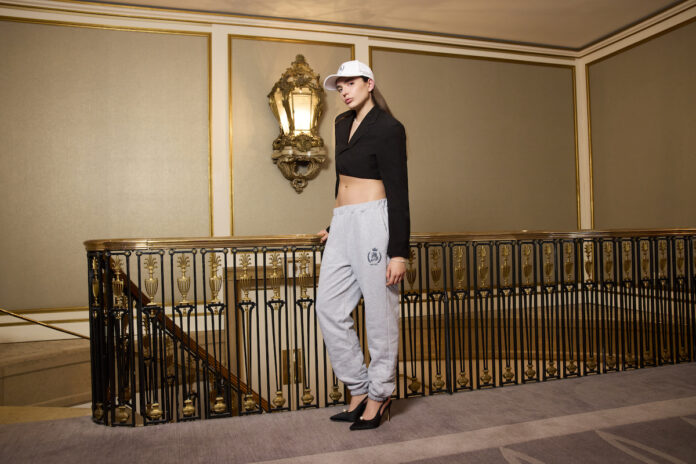
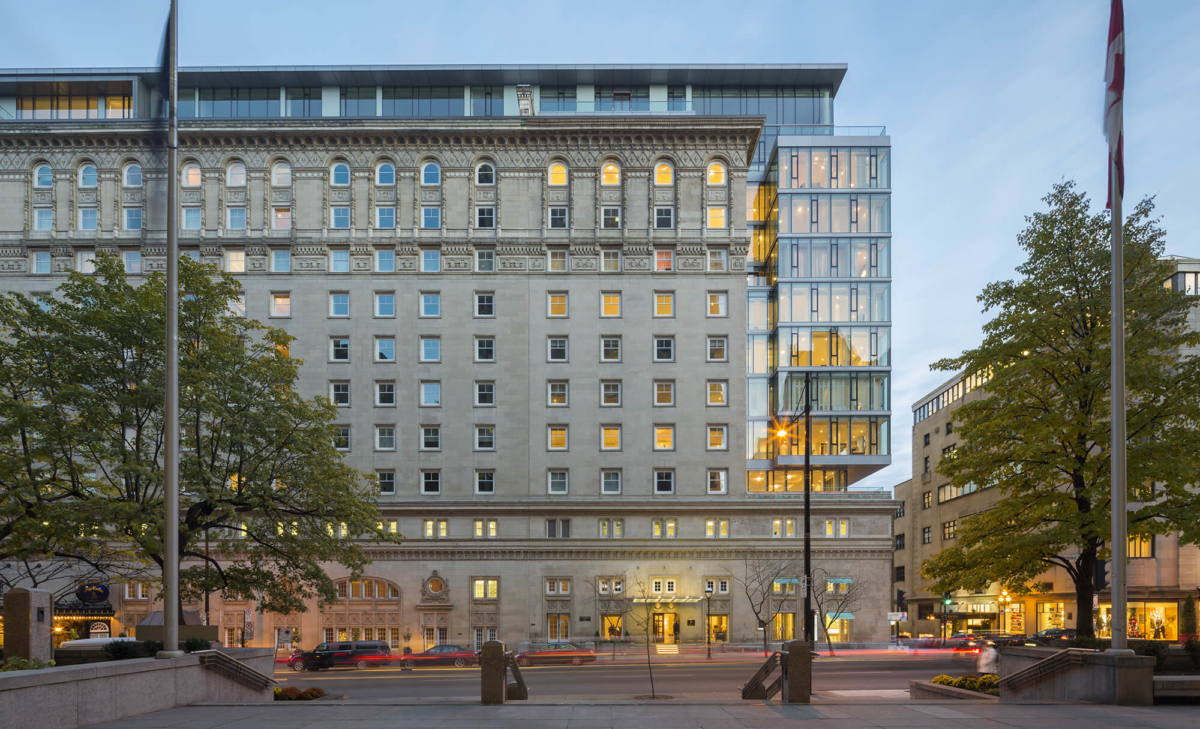
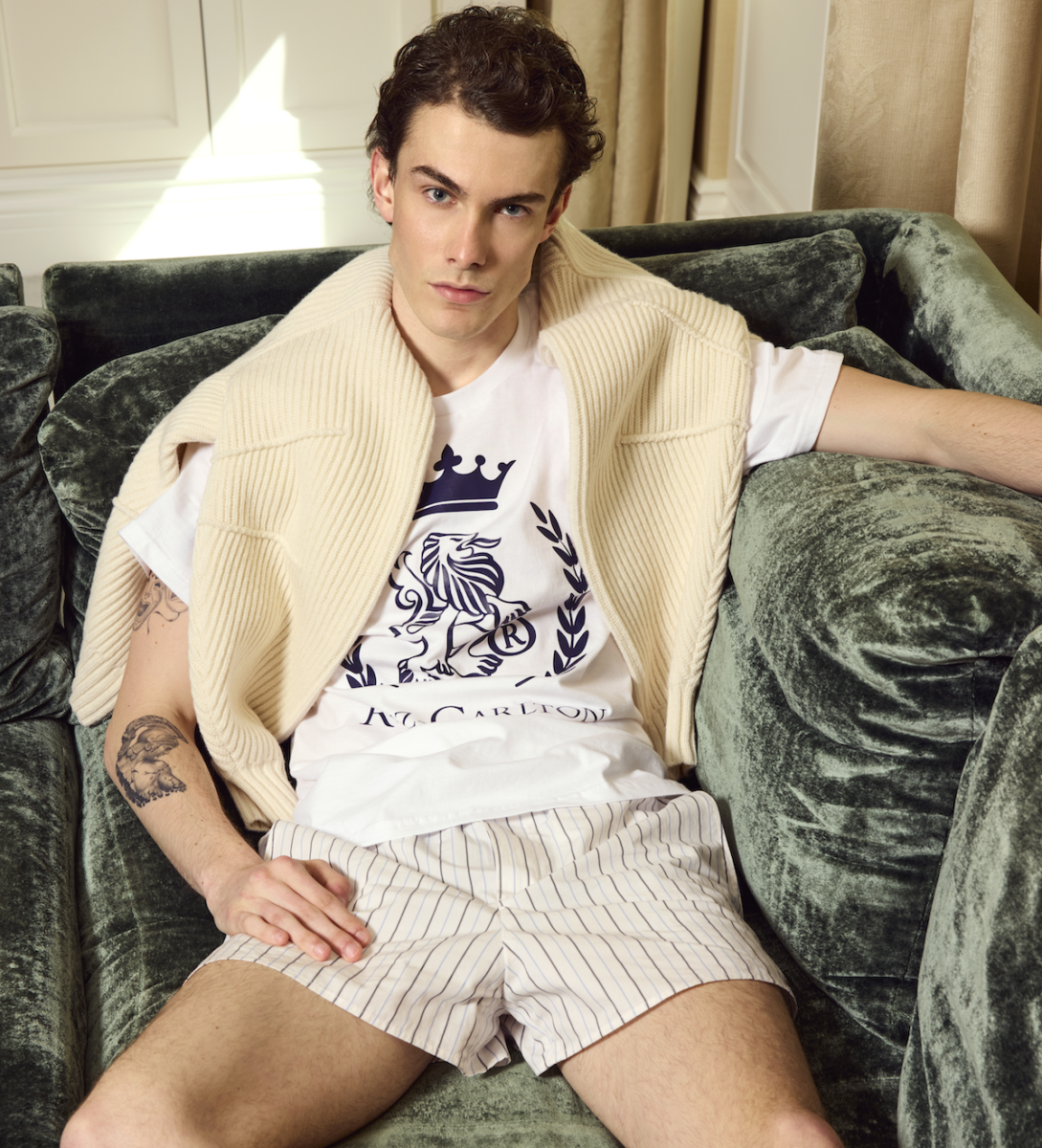
Ritz-Carlton Montreal x Holt Renfrew collection. Photo: Karolina Jez

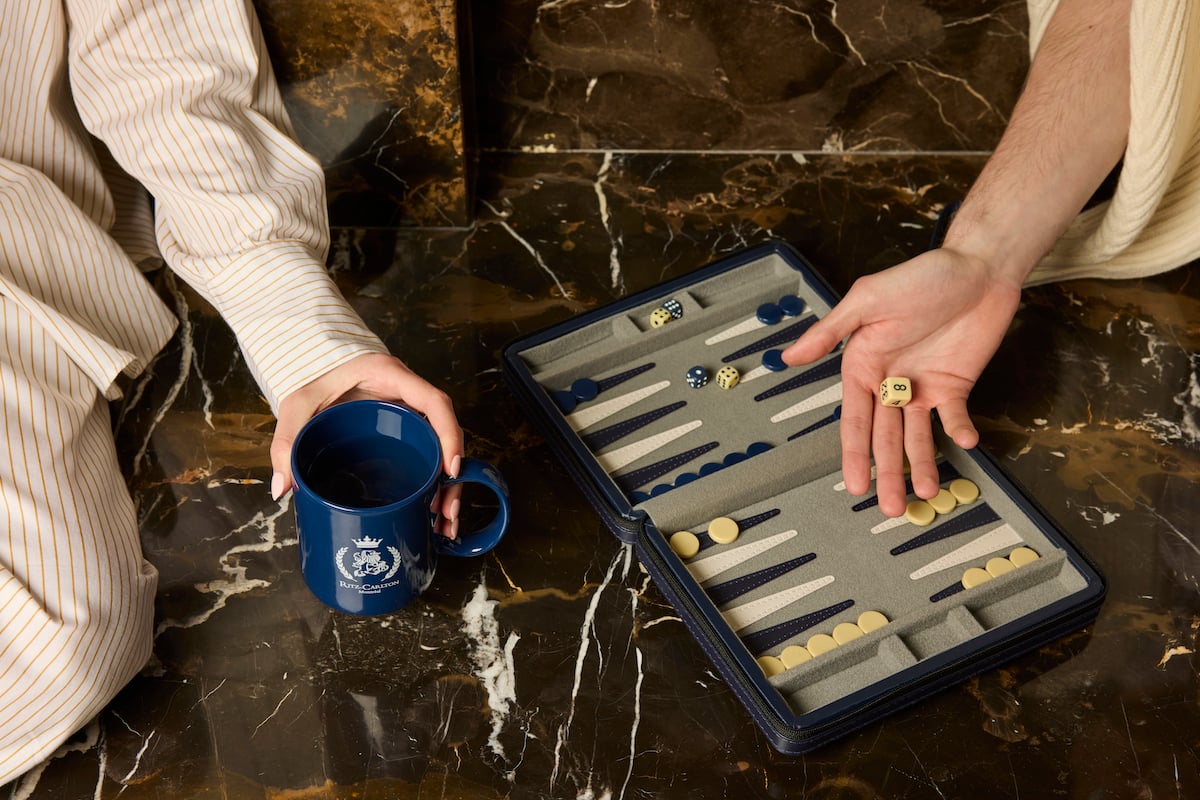
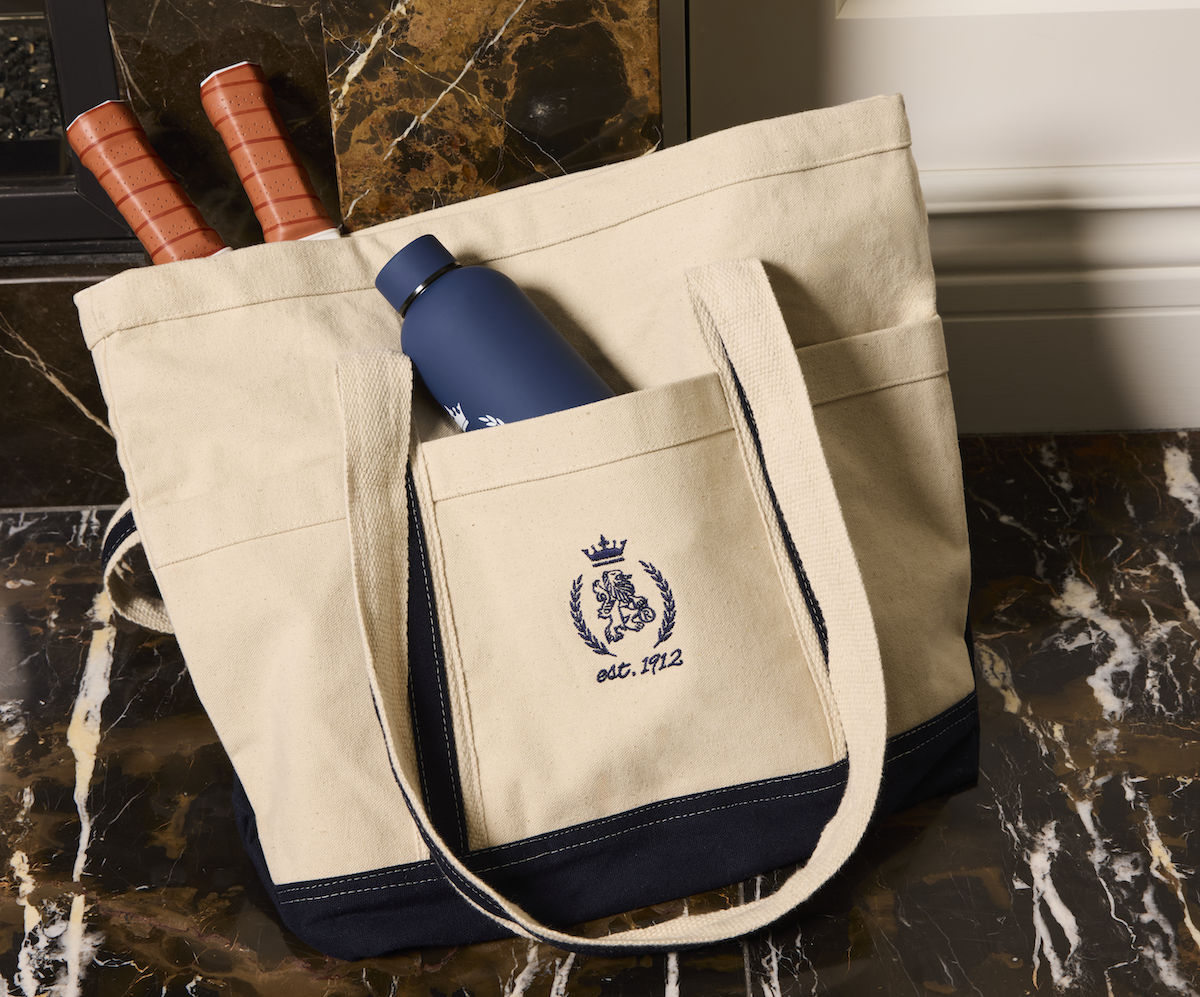
In a new partnership that underscores Montreal’s deep roots in luxury and heritage retail, the Ritz-Carlton Montreal and Holt Renfrew Ogilvy are introducing a limited-edition fashion capsule collection that blends timeless sophistication with modern style. The collaboration, titled Ritz-Carlton Montreal x Holt Renfrew, launches exclusively at Holt Renfrew Ogilvy in Montreal on June 17, 2025.

The 19-piece collection brings together two storied Canadian institutions, each synonymous with high-end experiences and historic significance. Reflecting what the partners call “quiet luxury,” the collection features ready-to-wear apparel and accessories crafted for those who appreciate enduring elegance. Prices range from $40 CAD for a Ritz Pocket Notebook to $180 CAD for a Unisex Ritz Crewneck Fleece.

“Drawing inspiration from the rich heritage of Holt Renfrew Ogilvy and the esteemed legacy of The Ritz-Carlton Montreal, we have curated a capsule collection that embodies the intersection of lifestyle and culture, and captures the essence of chic, quiet luxury,” said Katia Piccolino, Director of Sales and Marketing/PR for the Ritz-Carlton Montreal. “This collection seamlessly blends effortless sophistication with enduring elegance, creating pieces that transcend time and trends.”

The collection will be refreshed with new pieces for the fall and winter seasons, and will be available through December 2025.

Ritz-Carlton Montreal x Holt Renfrew collection. Photo: Karolina Jez

Celebrating Montreal’s Golden Square Mile

The Ritz-Carlton Montreal, located at 1228 Sherbrooke Street West, has been a landmark in Montreal since its grand opening on December 31, 1912. The hotel holds the distinction of being the first Ritz-Carlton property in North America and has remained a symbol of luxury and refinement for over a century.

Founded by a group of prominent Montreal businessmen—including Charles Hosmer, Sir Herbert Holt, Sir Montagu Allan, and Sir Charles Gordon—the Ritz-Carlton Montreal was established under the conditions set by César Ritz himself. Each guest room was built with a private bathroom, a kitchen on each floor allowed for personalized room service, and 24-hour valet and concierge services were available—features that were groundbreaking for their time.

The hotel quickly became a hub for international dignitaries, royalty, and celebrities. Over the decades, it has hosted Queen Elizabeth the Queen Mother, Winston Churchill, Charles de Gaulle, Richard Nixon, Pierre Elliott Trudeau, Brian Mulroney, George Bush Sr., and many others. Elizabeth Taylor and Richard Burton famously celebrated their first wedding at the hotel in 1964.

Following a $200 million renovation completed in 2012, the Ritz-Carlton Montreal now offers 129 redesigned guestrooms and suites, as well as 45 luxury residences. Its renowned restaurant, Maison Boulud, operates in partnership with celebrated chef Daniel Boulud.

Ritz Carlton Hotel in Montreal. Image: Ritz Carleton

A Century-Old Relationship Between the Brands

The collaboration also celebrates a relationship between Holt Renfrew and The Ritz-Carlton that dates back over 100 years.

“At Holt Renfrew Ogilvy, we are passionate about offering our clients unique experiences that celebrate our community and underscore luxury, with cultural significance,” said Natalie Lord, Divisional Vice-President and General Manager at Holt Renfrew Ogilvy. “The relationship between Holt Renfrew and The Ritz Carlton goes back more than 100 years. This capsule collection is an ode to the enduring charm of the Ritz and his values, curated with modern ease for the effortlessly stylish set.”

Holt Renfrew itself traces its origins to 1837, when it was founded in Quebec City. The retailer has grown to become Canada’s leading luxury department store, offering a wide assortment of fashion and beauty brands both internationally renowned and exclusive to the Canadian market. Holt Renfrew was acquired by the Weston family in 1986 and remains privately owned. The former Holt Renfrew Montreal flagship was across the street from the Ritz at 1300 Sherbrooke Street West. That store closed in July 2020 with the completion of Holt Renfrew Ogilvy. 

Ritz-Carlton Montreal x Holt Renfrew collection. Photo: Karolina Jez

The Evolution of Holt Renfrew Ogilvy

The location for this exclusive launch—Holt Renfrew Ogilvy in Montreal—is a fusion of two of the city’s most celebrated retail institutions. Ogilvy first opened its doors in 1866, founded by Scottish immigrant James Angus Ogilvy. Known as “The Daylight Store” for its innovative architecture allowing abundant natural light, Ogilvy became a fixture of Montreal’s cultural and retail scene. The store was long celebrated for its signature bagpiper performances and elaborate mechanical holiday window displays.

Ownership of Ogilvy changed several times throughout the 20th century, eventually being acquired by the Nesbitt family, who ran the store for over 50 years. J. Aird Nesbitt expanded the store’s influence, adding features such as Tudor Hall, a 300-seat performance venue, and adopting innovative marketing strategies that elevated the store’s cultural standing.

In 2011, Wittington Investments—owned by the Weston family—acquired Ogilvy, paving the way for its eventual merger with Holt Renfrew. A major $150 million renovation between 2017 and 2020 created the modern Holt Renfrew Ogilvy we see today. The renovation expanded the property to approximately 250,000 square feet across six floors, while preserving architectural elements like the Bohemian crystal chandelier and Tudor Hall. 

Ritz-Carlton Montreal x Holt Renfrew collection. Photo: Karolina Jez

Today’s Holt Renfrew Ogilvy

Holt Renfrew Ogilvy, located at 1307 Saint Catherine Street West, is today a destination for luxury shopping in downtown Montreal, hosting boutiques for brands such as Louis Vuitton, Chanel, Gucci, and Burberry. The store also features beauty salons, personal shopping services, and a dining experience at the Holts Café. 

With the addition of the Ritz-Carlton Montreal x Holt Renfrew capsule collection, the department store continues its role as both a luxury retail destination and a curator of cultural experiences in Montreal.

More from Retail Insider:

Canadian Beef Prices Surge Ahead of BBQ Season

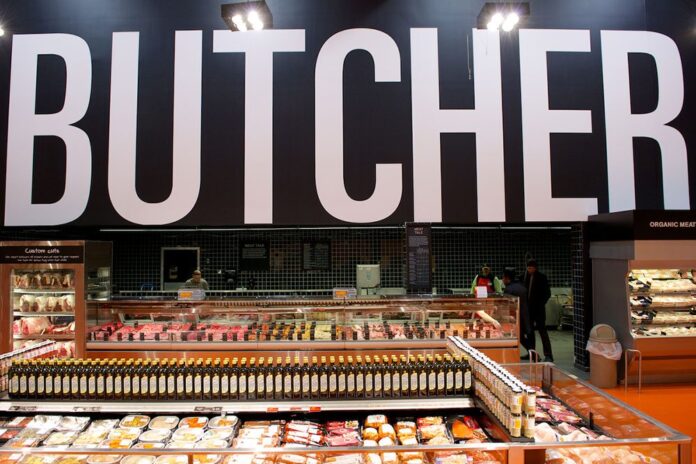
Loblaw Store Meat Department. Photo: Loblaws

With summer weather finally settling in, Canadians are returning to a familiar ritual—firing up the barbecue. But as they approach the meat counter in search of steaks and burgers, many are encountering a far less familiar reality: shockingly high prices. This year, the meat aisle has become a case study in supply-side economics and market dysfunction.

Since January, according to Statistics Canada, beef prices have surged at an alarming pace. Striploin is up 34.2%, top sirloin 33.7%, and rib cuts nearly 12%. Pork rib cuts and chicken breasts have each risen 5.9%, and even meatless burger patties are 6.8% more expensive. While all proteins in the so-called “meat trifecta” have climbed, beef leads the charge—by a wide margin.

Behind these increases lies a sobering trend. Canada’s beef cow inventory has dropped to just 3.38 million head—the lowest since 1989. That’s a 1.2% decrease from last year, signaling more than just cyclical decline. Many cattle producers are exiting the industry while prices are favourable, opting to reinvest in less volatile sectors or shift entirely to crop production. In short, the Canadian beef industry is retreating and becoming increasingly risk-averse.

South of the border, the U.S. is seeing a similar trend—but far less severe. According to the USDA, the American beef cow herd declined just 0.5% to 27.9 million head. And that gap shows up in retail prices. Over the past year, U.S. boneless sirloin steak rose just 5.7%, compared to a staggering 22% in Canada. Ground beef increased 10.8% in the U.S., but by 23% here at home. Beef inflation is simply hitting Canadians harder.

Other than a shrinking herd, there are several other contributing factors: Canada’s expansive geography, higher transportation costs, a limited number of federally licensed beef processors, carbon pricing, and higher labour costs all compound the problem. Regulations and logistical inefficiencies are more burdensome in Canada, driving up prices for retailers—and ultimately consumers.

But there’s another possibility we can’t afford to ignore: potential collusion within the industry. In the United States, the federal government has shown little tolerance for anti-competitive behaviour in the meat sector. Under President Joe Biden, the White House launched a 2022 investigation into price fixing among major meat packers—JBS, Tyson Foods, Cargill, and National Beef. That investigation has since resulted in several high-profile settlements, including an $83.5 million USD payout by JBS in February. The Canadian Competition Bureau, by contrast, has remained largely silent on similar concerns. Perhaps it’s time for that to change.

The consequences are already visible. According to IBIS World, Canadian per capita beef consumption fell by 7.1% in 2023 and another 2.1% in 2024. This is no longer just a matter of shifting dietary preferences—it’s a structural shift in consumer behaviour. Beef is increasingly seen as a luxury item, with ground beef becoming the primary choice for budget-conscious households still committed to red meat.

That’s unfortunate. Beef remains one of the most natural, authentic, and sustainable sources of protein available to Canadians. Canadian ranchers and processors have made significant strides in improving environmental stewardship and animal welfare, often without fanfare. As a whole, beef delivers exceptional nutritional value, supports rural economies, and offers a level of traceability and food safety few protein alternatives can match.

For many Canadian families, a summer steak on the grill is starting to feel more like a splurge than a staple. Consumers will continue to enjoy beef—but with moderation, and on occasions that justify the cost.

Barbecue season hasn’t disappeared. But for many, it’s starting to look a little different: more sausages, more chicken, and less striploin. A shame, really—for a product that offers so much more than just taste.

More from Retail Insider:

Motor vehicle sales spark increase in retail sales: Statistics Canada

Credit: Gustavo Fring

Retail sales reached $66.8 billion in March, an increase of 5.2% compared with the same month one year earlier. Higher sales were reported in 15 of the 18 commodity classes, according to a report released Friday by Statistics Canada.

“In March, the largest gain in dollar terms came from motor vehicle sales, which posted a year-over-year increase of 12.8%. Growth in this commodity class was mainly driven by higher sales of new motor vehicles (+13.5%), as sales of new minivans, sport utility vehicles and light trucks (+15.8%) led the gains. Used motor vehicles posted higher sales in March, increasing by 11.6% from the same month in 2024,” said the federal agency.

“Retail sales of clothing grew 8.9% in March 2025. The largest gain within this commodity class was for sales of women’s clothing (+8.3%), followed by sales of men’s clothing (+11.0%). Sales of footwear rose 5.4% compared with March 2024, with non-athletic footwear sales (+6.9%) leading the gains.”

In March 2025, the largest decline in dollar terms came from sales of automotive and household fuels (-3.4%). With lower prices seen at the pump, sales of automotive fuels posted a decrease of 3.6% compared with the same month one year earlier, added Statistics Canada.

“The advance estimate provided by the Monthly Retail Trade Survey suggests that unadjusted total retail sales in April 2025 increased by 5.8%. Because of its preliminary nature, this figure will be revised,” it said.

In another report released on Friday, Statistics Canada said employment rose in wholesale and retail trade (+43,000; +1.5%) in May, driven by gains in wholesale trade. The increase partially offsets monthly declines in March and April 2025 which totalled 55,000 (-1.8%).

Related Retail Insider stories: