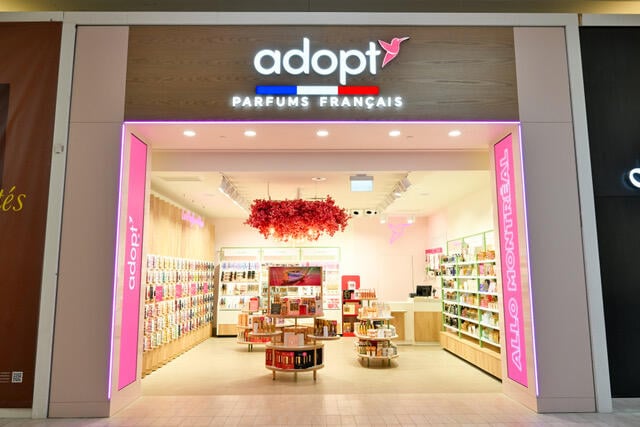
Adopt Parfums, the fresh French retail concept known for its affordable fine fragrances and accessories, is scoring a retail hat trick, with three stores to open in August, according to commercial real estate expert Tony Flanz.
In 2024, the largest perfume chain in the world made its debut in Canada, opening three locations in quick succession: a 629-square-foot boutique at Galeries d’Anjou in Montreal, a 616-square-foot store in Carrefour Laval and a 536-square foot store at Place Ste-Foy in Quebec City, said the President of Think Retail.
By the end of summer 2025, they will have six stores in Canada, with a 703-square-foot store to open at Promenades Gatineau; a 675-square-foot store at Carrefour Angrignon; and another 675-square-foot location at Galeries Chagnon, explained Flanz.
Tony Flanz
“Think Retail is honoured to work with acclaimed entrepreneur and business leader Marcel Rinaldy, who is overseeing Adopt’s corporate expansion here in Canada,” noted Flanz.
“The plan is to open a couple more stores in Quebec in 2025, as well as Adopt’s first Ontario location.
“Target spaces are 450 to 1,000 square feet in super regional malls, as well as busy commuter hubs, such as airports and train stations.
“We love this brand story and its ethos of offering sustainably focused and affordable products in a beautiful setting. It’s this approach-both accessible and elevated-that make Adopt a beloved global brand.
Founded in 1986 by French perfumer Dominique Monlun, the concept is built around offering more than 100 original, joyful, feminine, masculine or mixed eaux de parfums, as well as complimentary items, such as sprays, body creams, candles, essential oils, lip balms and skincare items, said Flanz in a recent blog on his company website.
“The range is of the highest quality (products are made in a beautiful production site in Cestas, near Bordeaux) and appeals to a wide consumer base-the average customer is aged 34, with 37% ages 18 to 25, 42% ages 26 to 45 and 21% over 45 years. The clever part is that rather than embracing a signature scent, customers are encouraged to fall in love with multiple scents that they put on depending on the mood and the moment,” he said.
This strategic brand activation underscores the company’s commitment to connecting with customers in the Western region and beyond, it said in a news release.
Widely recognized as “The Greatest Outdoor Show on Earth,” the Calgary Stampede is a cultural cornerstone of Western Canada, drawing more than one million visitors annually. This sponsorship offers the company a unique opportunity to celebrate Canadian traditions, share its core values of service and community spirit, and provide Stampede-guests with comfortable, welcoming seating, said the retailer.
“This sponsorship, along with the strategic expansion of our agricultural assortment, underscores Home’s commitment to serving the unique needs of our customers and strengthening our connection with rural communities across Canada.”
As part of the 10-day event, the retailer said it will present a shaded seating area, located beside the Superwheel on the Midway at Stampede Park. The space will feature a curated display of comfortable outdoor furniture and entertainment products available at Home stores across the country.
Founded 60 years ago in St. Jacobs, Ontario, it is Canadian and the country’s largest Dealer-owned and operated home improvement retailer with more than 1,000 stores operating under the Home Hardware, Home Building Centre, Home Hardware Building Centre and Home Furniture banners.
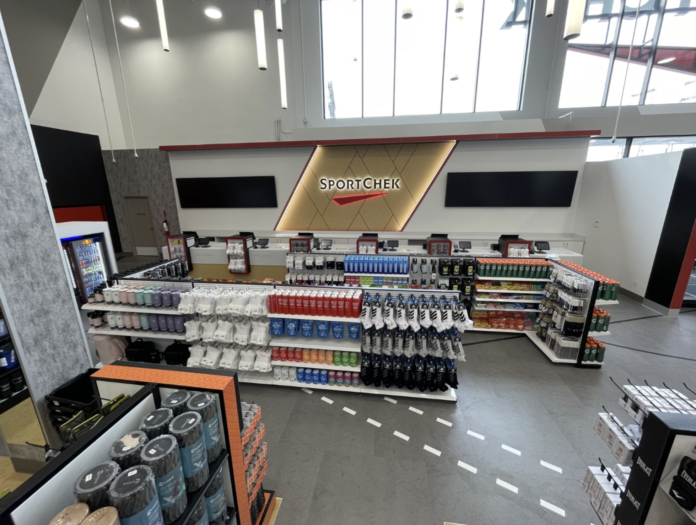
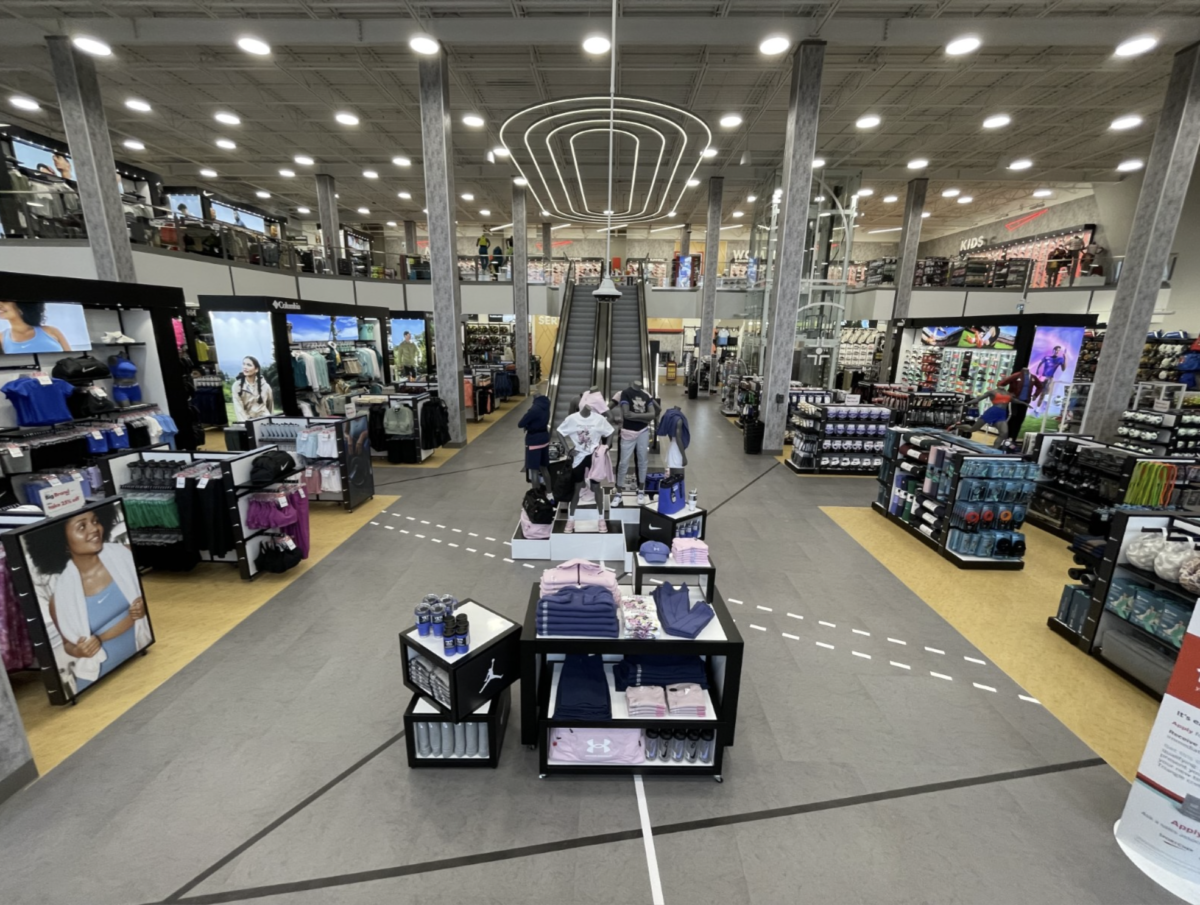
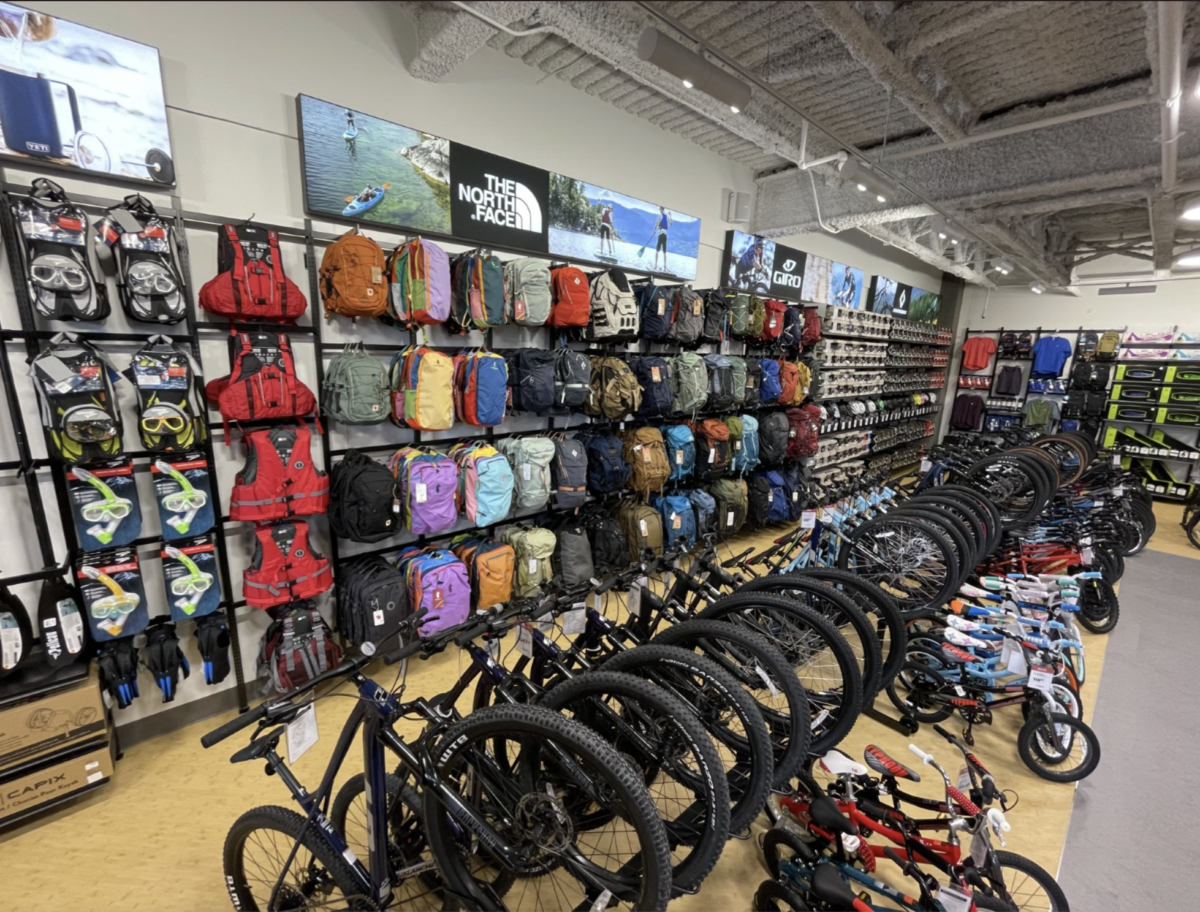
SportChek’s new “Destination Sport” store format is poised to redefine the retail experience for Canadian sports enthusiasts.
Over the next three years, Canadian Tire Corporation (CTC) will enhance the SportChek network by building new stores, updating existing locations, and adding digital services to improve the shopping experience.
Credit: SportChek
These new stores will be modernized, equipped with the latest technology, and digitally connected to meet our customers’ changing needs:
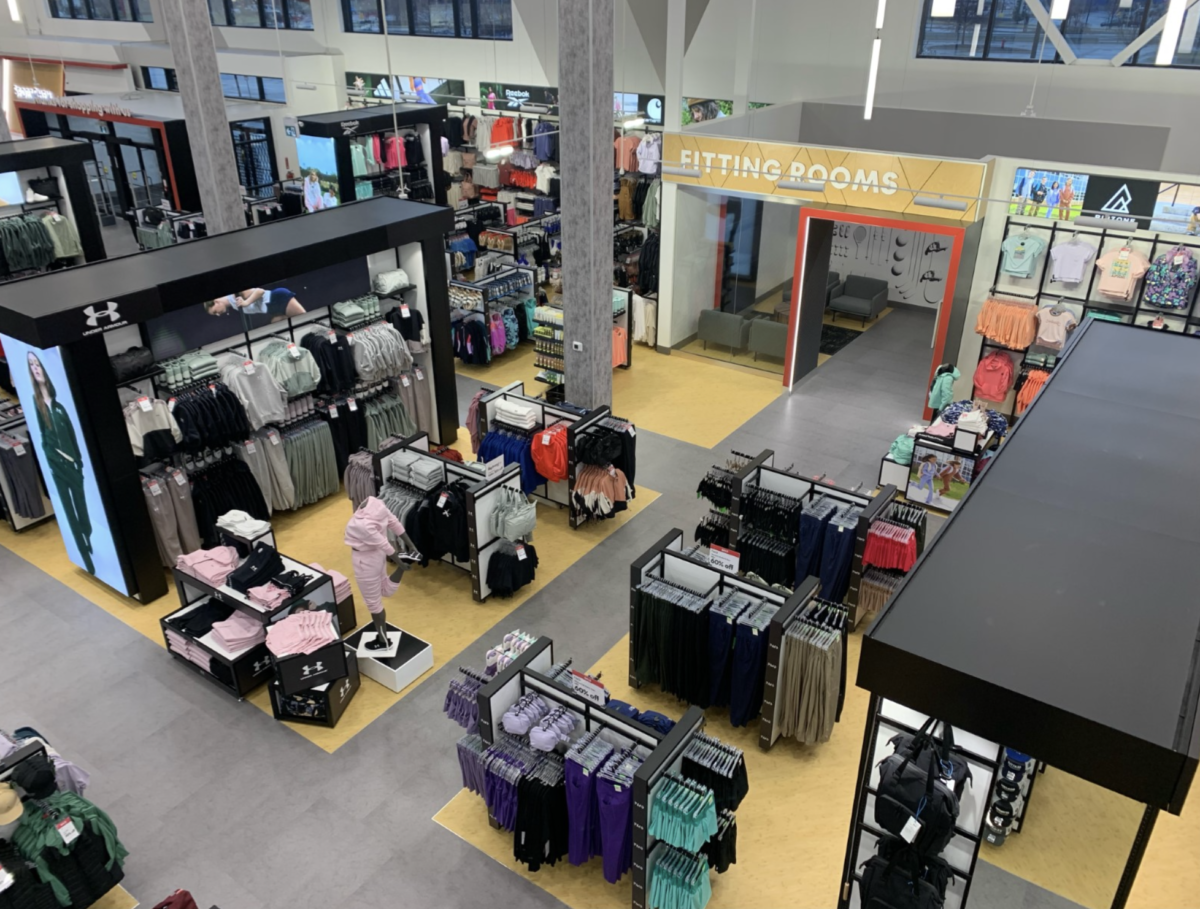
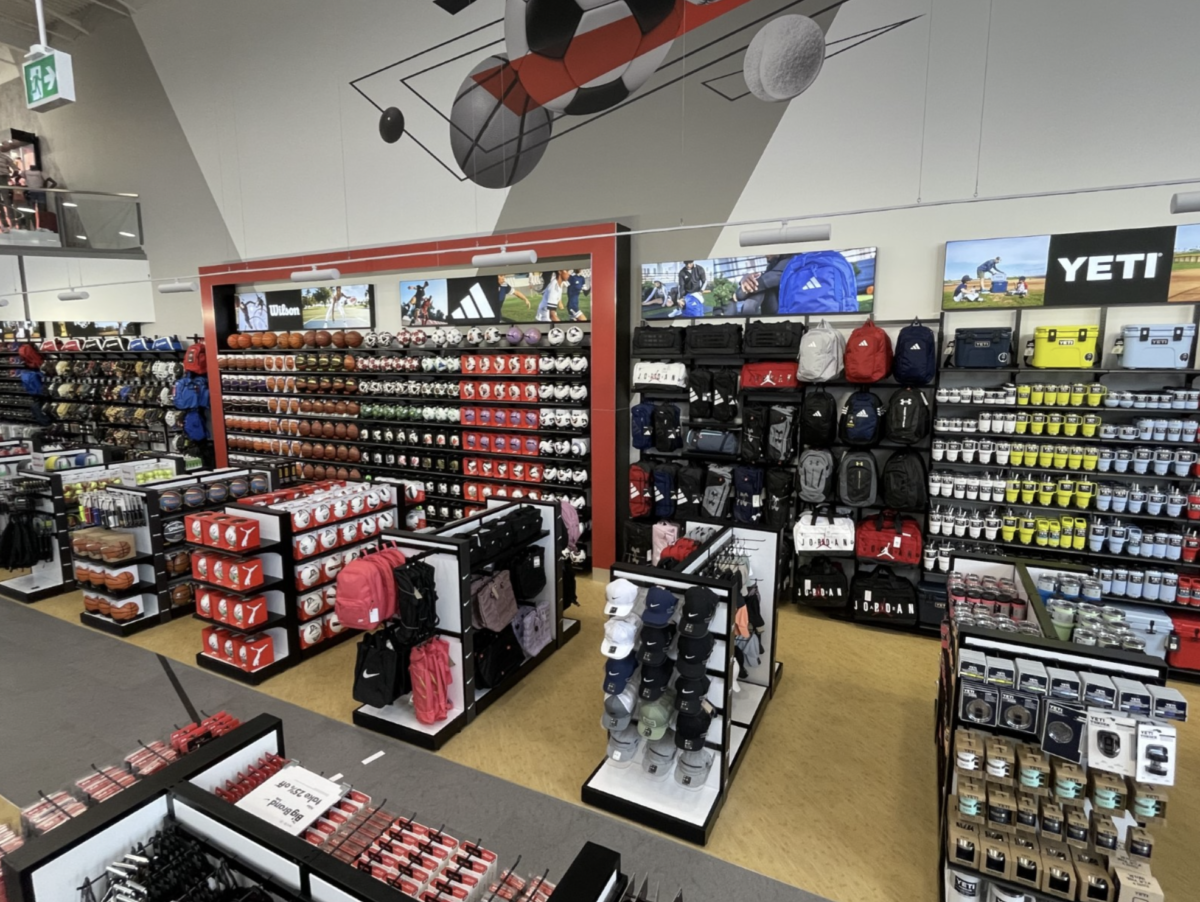
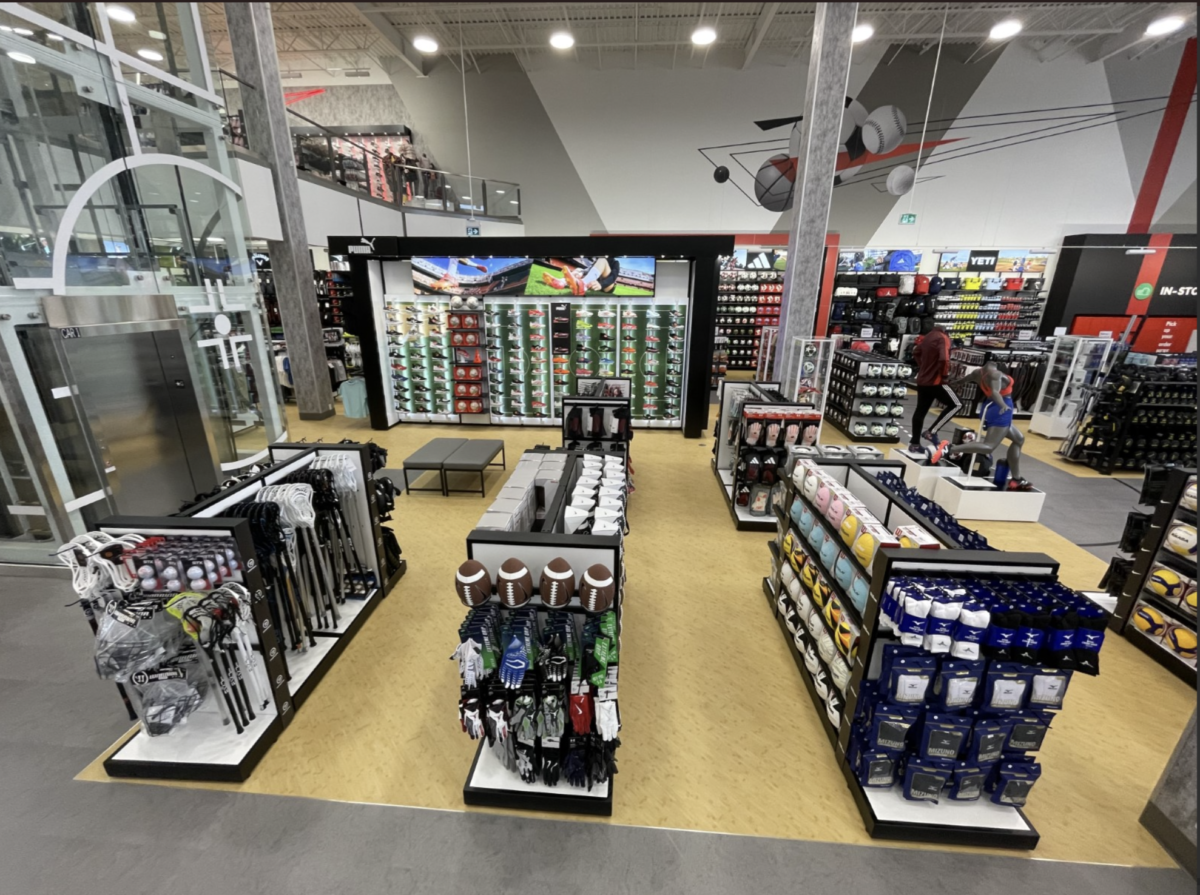
Enhanced Store Layout for a Superior Shopping Experience – The traditional racetrack layout has been replaced with an enhanced grid design, facilitating a seamless shopping journey. This new layout brings products closer to customers and showcases the extensive range, particularly in key sport categories such as hockey, soccer, baseball, and golf.
Brand Amplification & Feature Wall – The new feature wall and flexible fixtures provide maximum visibility for key brands, ensuring customers have access to the best selection available. This strategic display not only highlights top brands but also enhances overall brand presence within the store.
Redesigned Footwear Wall & Sales Assisted Technology – The redesigned footwear wall now boasts greater capacity, dedicated sections, and unique displays. Enhanced technology at the footwear wall and fitting rooms further improves the customer experience by simplifying the process of finding the perfect fit.
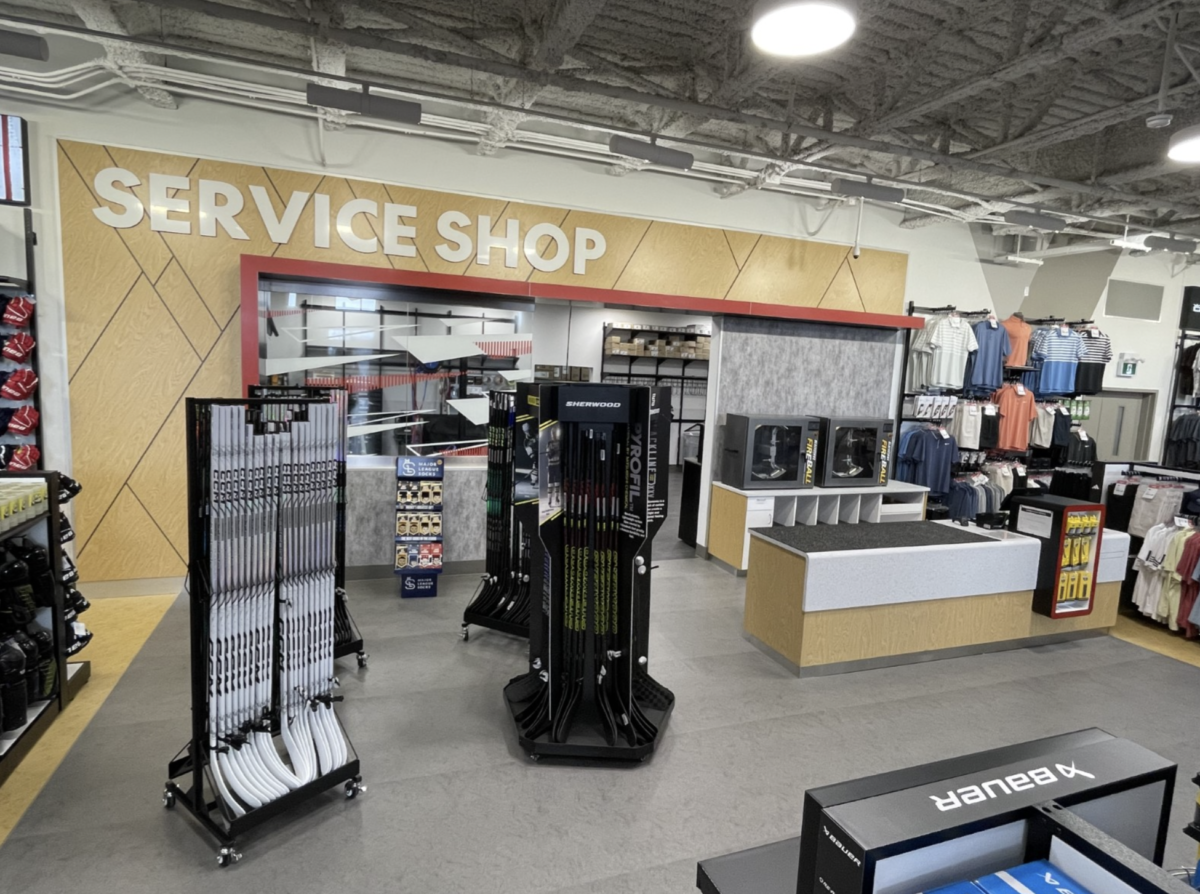
Improved Service Shop Design – Service shops have been upgraded to include an expanded suite of services, ranging from skate fitting and sharpening to golf gripping and baseball glove steaming. These enhancements ensure that customers have access to everything they need for peak performance.
SportChek recently launched two state-of-the-art Destination Sport locations in Moncton, NB and Etobicoke, ON, which have already experienced a tremendous impact to their sales. Two more locations will be opening this summer in Richmond, BC and Windsor, ON. Here’s video tour of the Moncton location:
SportChek’s Destination Sport stores play a pivotal role in Canadian Tire Corporation’s (CTC) recently unveiled True North strategy, which focuses on strategic investments that enhance its core retail operations. The recent introduction of Canadian Tire’s “Remarkable Retail” locations represent this new era of expansive retail spaces equipped with omnichannel shopping capabilities, further supported by Mark’s “Bigger, Better, Bolder” stores which feature a significantly larger footprint and a more diverse product assortment.
Scott Dowding
“As Canada’s authority on sport, SportChek prioritizes athletes by offering them the best market experience. The new Destination Sport Store Concept offers a bigger and better retail experience tailored for our customers’ athletic needs,” said Scott Dowding, President, SportChek.
“Feature walls and flexible fixtures maximize visibility, showcasing top brand assortments, while the enhanced grid layout and sport-specific sections ensure a seamless shopping journey by bringing products closer to our customers. Lightbox treatments add visual appeal, strengthening the in-store brand experience. These enhancements, combined with our larger footprint, highlight our extensive assortment and dominance in sports, ultimately creating a superior shopping experience for our customers.
“Our enhanced technology at the footwear wall and fitting rooms makes finding the perfect fit easier than ever. With large touchscreens conveniently located in each area, customers can scan an item and see available sizes that are in stock at the store. If the desired size is not in stock, our store staff can order the correct size on the spot and have it delivered directly to doorsteps. The stores also introduced larger, oversized in-store pickup lockers for some of the bigger products carried within our sport assortment.”
Credit: SportChek
Dowding said the Destination Sport locations in Moncton and Etobicoke are scoring major points with customers, who are very pleased with the new store format, highlighting its bright, welcoming, and well-organized design.
They also appreciate the ease of navigation and finding products, thanks to clear layouts and product callouts. The large selection of items and helpful, friendly staff received positive comments, including:
“The new store is outstanding. So bright and welcoming. Love the open concept so you can find the various sections.”
“Excellent selection, could find anything I would want or need.”
“Great big store, easy to get around, friendly and helpful staff, well lit.”
“Every month since the renovation, both our Destination Sport stores have significantly outpaced the NPS compared to other SportChek locations, improving by 20 points from pre-reno to post reno.”
Dowding said the Destination Sport concept is a key component of CTC’s True North strategy, which focuses on enhancing the store network with new builds, refreshes, and innovative digital services.
“Through 2028, we will continue introducing the SportChek Destination Sport format as part of our commitment to creating hundreds of modernized, digitally integrated, and tech-enabled stores across our banners,” he said.
Credit: SportChek
“This investment is directly tied to True North and our commitment to prioritize investing in transforming our core Canadian retail businesses, including Canadian Tire’s Remarkable Retail and Mark’s Bigger, Better, Bolder formats. These efforts underscore our commitment to putting the customer at the centre of everything we do, ensuring they enjoy a best-in-class shopping experience.
Dowding saidthe Service Shop positions SportChek as Canada’s complete sport destination—not just selling premium products but supporting customers throughout their entire athletic journey. It’s about being there for athletes as a reliable partner to keep them active and in the game.
“We provide post-purchase setup, care, and maintenance services that build customer confidence and maximize equipment performance. SportChek offers the most comprehensive equipment services across more locations than any other North American retailer, ensuring customers have everything needed for peak performance from the moment they walk in,” he added.
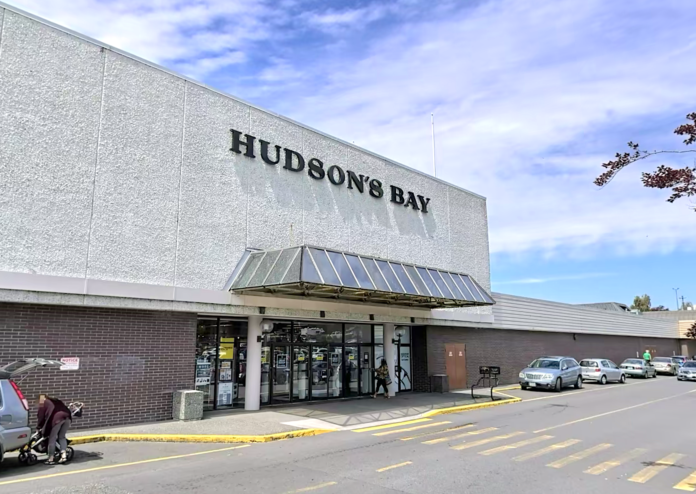
Hudson's Bay store at Mayfair Shopping Centre in Victoria, BC. Central Walk, owned by Ms. Liu, acquired the mall in 2021. Photo: Apple Maps
Weihong (Ruby) Liu, a billionaire real estate investor based in British Columbia, has received court approval to acquire three former Hudson’s Bay store leases. The ruling, issued Monday by Ontario Superior Court Justice Peter Osborne, marks the first formal step toward Liu’s goal of launching a nationwide department store chain bearing her name—Ruby Liu.
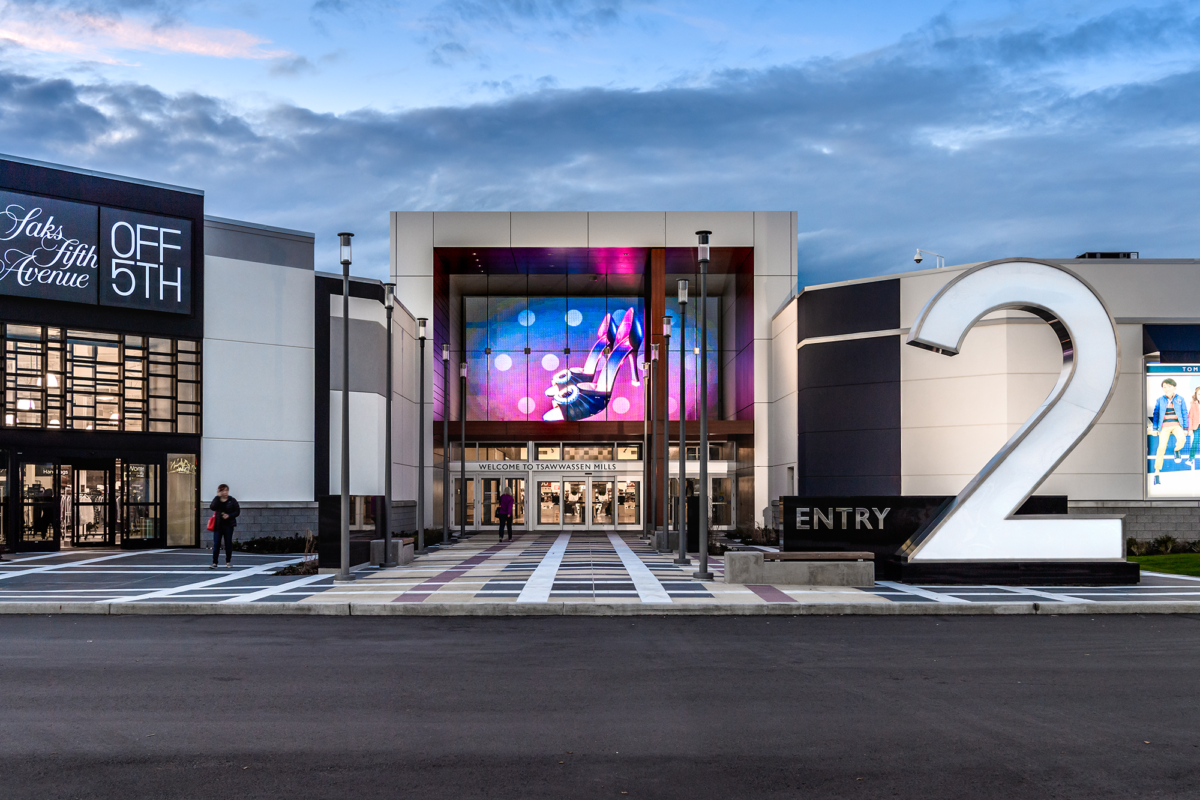
The three approved locations, all situated within shopping centres Liu already owns through her real estate firm Central Walk, include Tsawwassen Mills, Mayfair Shopping Centre in Victoria, and Woodgrove Centre in Nanaimo. The lease acquisition deal is valued at $6 million and is expected to close later this week.
Plans for a New Retail Venture
Ms. Liu, who built her fortune in China’s property sector before turning her attention to Canadian retail real estate, plans to transform the former Hudson’s Bay locations into modernized department stores under the Ruby Liu name. The concept includes traditional offerings such as makeup, apparel, and jewellery, along with added features like play areas for children, food and beverage services, and on-site entertainment.
“She is contributing millions of dollars of real value to the Companies’ Creditors Arrangement Act process,” said David Ward, counsel for Liu, during the court hearing. “She is betting on herself.”
Liu reportedly intends to invest more than $30 million to renovate the initial three locations. Her broader vision includes as many as 28 stores across Canada, pending court approvals and landlord consent.
Weihong (Ruby) Liu in front of the Court House at 330 University Avenue in Toronto on June 23, 2025. Photo: Craig Patterson
The Beginning of a Legal and Commercial Journey
The Hudson’s Bay Company entered creditor protection in March 2025, leading to the closure of all 80 Hudson’s Bay stores and 16 Saks-branded locations by June 1. Leases for these spaces became available, attracting interest from a dozen bidders for a total of 39 properties. Liu’s winning bids, particularly for the three properties she owns, were deemed superior in terms of value and deal structure.
Court documents reveal Liu placed a $9.4 million deposit toward the potential acquisition of 28 leases. Of those 28, only three have been formally approved so far.
Strong Opposition from Major Landlords
While the acquisitions in Liu’s own shopping centres sailed through the court process, her attempt to take over 25 additional leases has hit considerable resistance. The targeted leases include locations in Alberta, Ontario, and other parts of British Columbia—properties not owned by Liu.
Lawyers representing prominent landlords such as Cadillac Fairview, Oxford Properties, and Primaris voiced serious objections during Monday’s hearing.
“There have been, from Cadillac Fairview’s perspective, no productive discussions, no meaningful disclosure,” said David Bish, a lawyer with Torys LLP representing Cadillac Fairview. “The process has been very troubled.”
D.J. Miller, counsel for Oxford Properties, echoed those concerns: “There are many troubling aspects of the lack of information that’s taken place.”
According to Bish, none of the 25 landlords have approved the deal. “We actually think it is 25 of 25 that have objected,” he said.
Forced Assignments Could Be Next
Because most commercial lease agreements require landlord consent for lease assignments, Liu faces a procedural and legal hurdle in expanding her venture. Should landlords withhold approval, Liu’s legal team could seek “forced assignment” orders from the court—an option that landlords have already indicated they will vigorously oppose.
Speaking in Mandarin through Central Walk CEO Linda Qin, Liu told journalists on University Avenue after Court that she plans to permanently relocate to Toronto. She may also move Central Walk’s corporate headquarters to the city.
“She is serious about creating something new for Canadians,” Ms. Qin said. “This is a long-term vision.”
Former Saks OFF 5TH at Tsawwassen Mills in South Delta, BC. Photo: Construct Canada
Hudson’s Bay Name to Be Retired
In a parallel development, the court also approved Hudson’s Bay Company’s request to change its corporate name to remove all references to “HBC” or “Hudson’s Bay.” The name change is a requirement under the $30-million sale of Hudson’s Bay’s intellectual property to Canadian Tire Corporation.
The sale, previously approved by the court on June 3, is expected to close this week. The new name for the remaining entity has not yet been disclosed.
Liu had originally bid on acquiring the Hudson’s Bay trademarks but withdrew after Canadian Tire increased its offer. The branding for her stores will now rely on her own name, Ruby Liu.
Reimagining the Department Store
The closures of Hudson’s Bay and Saks locations marked the end of an era for Canadian retail, with the 355-year-old company failing to find a buyer to continue its operations. Liu’s ambition is not simply to fill the void but to reinvent the model.
“To me, this isn’t a gamble. It’s not just about money or profit,” she wrote in her public letter. “It’s about building something meaningful—a space full of life, where people can reconnect in the real world.”
Liu has acknowledged the skepticism she has faced, even from within her own family. But she remains undeterred.
“That is not really a business plan,” said her lawyer Ward. “That is a full-circle investment.”
Outlook: A High-Stakes Retail Experiment
Liu’s three-store purchase is the first milestone in what could become a transformative retail initiative in Canada. Yet, the coming weeks will determine how far her vision can stretch beyond her own properties.
Negotiations with landlords continue. Legal filings and possible court motions for forced lease assignments are expected. The fate of 25 leases—and the viability of the Ruby Liu department store chain—hang in the balance.
Still, Liu’s determination signals that a new chapter for Canadian department store retail may be unfolding. Whether her bold investment will spark a retail renaissance or encounter insurmountable obstacles remains to be seen.
WoolAid, the world’s first biodegradable bandage crafted with merino wool, has officially entered the Canadian market and is now available in more than 500 Sobeys locations nationwide. Designed to outperform conventional plastic bandages, WoolAid offers a breathable, skin-friendly, and environmentally responsible alternative—bringing meaningful innovation to a category long dominated by synthetic, petroleum-based materials.
Lucas Smith. Photo credit: WoolAid
At the helm of the New Zealand-founded brand is Lucas Smith, who recently relocated to Banff, Alberta, to oversee WoolAid’s Canadian rollout.
“I’m based here in Banff, but I’m originally from New Zealand,” says Smith. “Originally, I’m from a place on the South Island. A lot of our Merino wool comes from that area—it’s a big fine wool-producing part of New Zealand. I moved to Banff to support our Canadian launch and efforts.”
Although only in Banff for a few months, the area is familiar terrain. “I used to be a mountain guide, and back in 2014, I spent some time here between guiding seasons. I met a lot of people my age, so it’s been great coming back a decade later and reconnecting with the community.”
Smith’s inspiration for WoolAid started in the mountains—and with a problem many hikers can relate to. “At the end of the day, we make bandages from Merino wool. I used to be a mountain guide, and growing up in the mountains, you need products that perform,” he explains. “You can upgrade your jacket, your toothpaste—there’s always a better version of most things you take outdoors. But with bandages, everything was plastic.”
“When I was guiding, we’d take groups of about 50 people through the mountains, and almost everyone would end up with blisters after five days of hiking. And it wasn’t just a physical issue—it was a mental one. People would stop focusing on the experience and start focusing on their feet.”
Photo credit: Woolaid
The idea crystallized while guiding on the Milford Track, one of New Zealand’s most iconic alpine trails. “The government limits how many people can go on the trail—only 50 a day. So it’s often people on honeymoons or big bucket list trips. And for them to be distracted by blisters instead of the mountains just didn’t feel right.”
“As guides, we lived in Merino wool—our socks, our clothes—because we knew how well it performed. Yet we were putting plastic band-aids on people. It didn’t make sense,” he adds. “So at 20 years old, I decided someone had to make bandages out of Merino wool. No one had. That’s where the journey started, a decade ago now.”
What began with loose wool tucked into socks has now become a patented, FDA Class I medical-grade bandage that’s naturally antimicrobial, hypoallergenic, and designed to break down in soil within four months, returning nutrients like nitrogen and phosphorous to the earth.
“It never made sense to me that we’d go to such lengths to buy natural, technical fabrics for our bodies—but then use petroleum-based plastic on our skin when it’s at its most vulnerable,” says Smith. “It took us years to secure global patents and build the supply chain to make this happen, but we knew the world needed a cleaner, smarter way to heal.”
WoolAid is now available in New Zealand, the U.S., and Canada, with distribution through the Sobeys network. “In Canada, they’re available throughout the Sobeys network. Any Sobeys or Sobeys-owned store with a pharmacy should have them.”
Smith adds, “We’re also in New Zealand and the United States. It took a long time to get everything in place—filing patents, completing clinical research. Since it’s a product going on open wounds, we had to make sure it was safe.”
Built from ethically sourced merino wool—the same wool used by luxury fashion houses—WoolAid combines performance and environmental responsibility in a way that’s redefining the wound care category. Unlike 65% of plastic-based bandages, which contain forever chemicals, WoolAid is gentle on skin, kind to the planet, and built to perform when it matters most.
So what’s next?
“Ideally, we want it to be something everyone can access. We’re starting with people who are outdoorsy—ski fields, hiking companies, places like that—because they understand performance gear and Merino wool. But eventually, we want it available to the general public,” says Smith.
“The goal is to get to a point where you’re in rural Alberta or B.C. at a gas station, and alongside chewing gum, you can pick up a WoolAid bandage. That’s the vision.”
That vision includes a strategic rollout: “Sobeys is helping us with the mainstream rollout. We’re managing the smaller, niche retail—like ski fields—ourselves to maintain control over the brand while we can.”
He believes it’s a smart approach: “I think it’s smart to build with a community that understands the value first and then branch out.”
Photo credit: Woolaid
When asked about WoolAid’s core customer, Smith is quick with data. “From the data we’ve seen over the past couple of years, it’s predominantly women. Women are typically the household purchasers. People buy bandages either proactively—on a shopping list with milk and bread—or reactively, when they have a cut or blister. And in both cases, women tend to be more on top of it than men.”
“In the outdoor industry, people already understand Merino wool because of brands like Smartwool and North Face, who’ve done a great job educating consumers. But in general, this is a product everyone will likely use at some point in the next three to five months.”
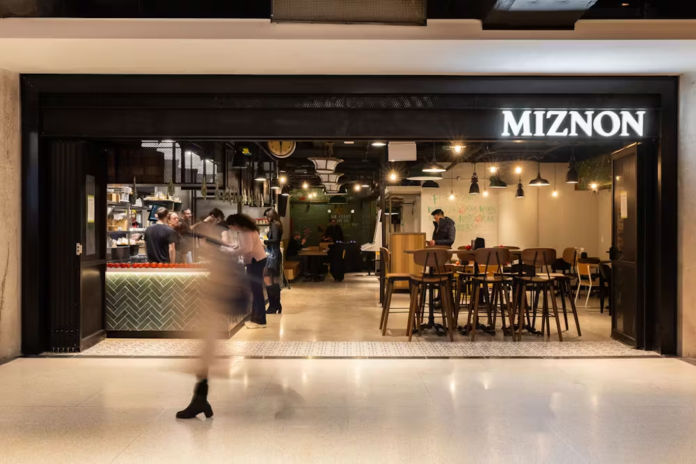
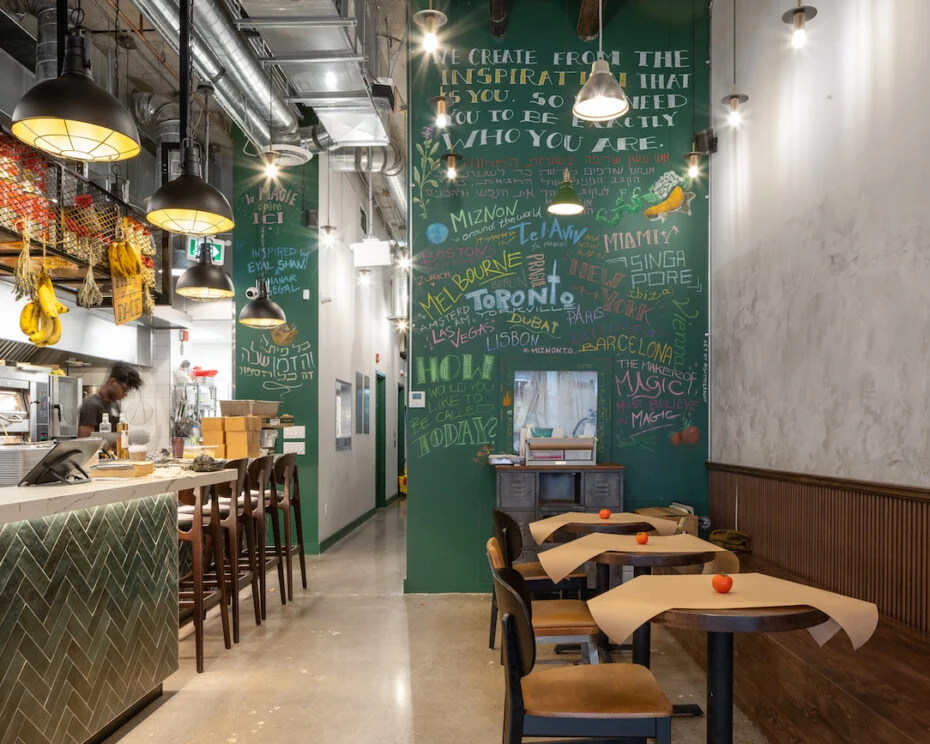
Miznon at Union Station in Toronto, brought to life by construction firm BUILT IT. Photo: Miznon
Following the successful debut of its first Canadian location in Toronto’s Yorkville neighbourhood in 2023 and a second at Union Station earlier this year, Israeli-born street food brand Miznon is turning up the heat with plans for further expansion across Canada. The brand, led in Canada by Eli Benchetrit, is eyeing new markets, new cities, and potentially even new concepts under the culinary empire of celebrated Israeli chef Eyal Shani.
“It’s going to be three years since we opened our first location,” said Benchetrit during an interview with Retail Insider. “Union Station opened February 3rd, two years later. Funny enough, both ended up falling on the same day.”
Moving Beyond the Downtown Core
While Miznon’s current presence is firmly rooted in Toronto’s downtown core—with Yorkville and Union Station attracting tourists, office workers, and foodies alike—Benchetrit revealed the next phase will be about going north.
“We want to cater to our clientele in Thornhill and Richmond Hill—people who currently have to drive an hour to come see us,” he explained. “There’s a lot of demand. We’re also looking at Midtown Toronto. That’s the plan right now.”
Though many have encouraged Miznon to continue saturating the downtown market, the leadership team is choosing to balance brand visibility with accessibility. “People are pulling us to keep opening downtown,” said Benchetrit. “But we’re trying to spread out a bit more now.”
Photo: Miznon
Exploring Opportunities in Montreal and Vancouver
Outside Ontario, Benchetrit confirmed that the team is in active talks about expanding to other provinces.
“We’re definitely looking into going into Montreal,” he said. “But due to the language situation, we want to get a local partner that’s able to help us navigate through those requirements.”
He added that the team has also received inquiries about locations in Oakville and Hamilton, but expansion into less dense markets will come later. “We know where we’ll succeed first—after that, we can try stuff that’s a little more risky.”
Vancouver is also on the horizon, though logistical distance means Miznon will need a strong local partner.
“Montreal is close, but still has that language barrier. And Vancouver—it’s far. So we need local partners that know the market and can help us navigate the needs of that area.”
Benchetrit clarified that these aren’t franchising deals. “It’s a partnership,” he said. “We want to do this the right way.”
Finding the Right Food Halls
Miznon’s global presence includes locations in several high-traffic food halls, and the brand is open to replicating that strategy in Canada—if the conditions are right.
“In L.A., Miznon just opened in a food market,” said Benchetrit. “We’ve been looking for food halls here, but a lot of them don’t have enough traffic. We’re waiting for something that makes sense.”
Bringing More of Eyal Shani’s Concepts to Canada
While the Miznon brand leads the Canadian expansion, the broader vision includes other restaurant concepts created by chef Eyal Shani.
“There’s no set goal for how many Miznons we’ll have,” Benchetrit noted. “Because the plan is to bring the Aloni infrastructure to Canada.”
That infrastructure includes not only Miznon but also medium-format sit-down restaurants, the high-energy supper club HaSalon, and kosher dining concepts. “So there isn’t a fixed number,” he explained. “As we grow, we’re appealing to so many different people, from all walks of life.”
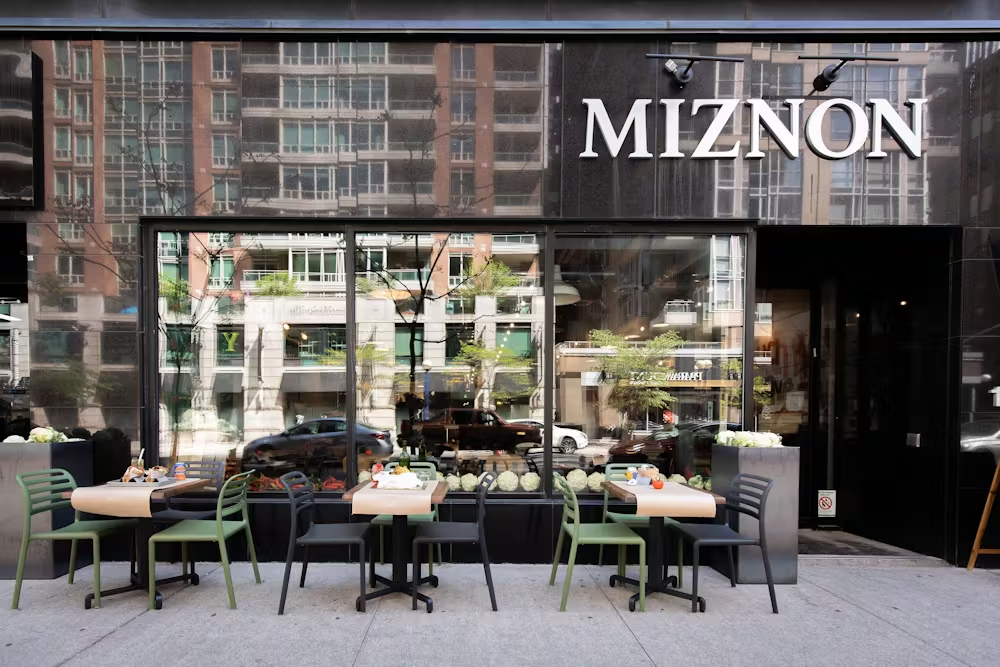
Miznon at 1235 Bay Street in Toronto. Photo: Miznon
Staying True to the Miznon Experience
Despite the expansion, Benchetrit is adamant about preserving what makes Miznon special.
“We want to make sure that everything we open provides that authentic, carefree, everybody’s-family kind of vibe,” he said. “Our entire menu is made fresh day of. We don’t want to grow so fast that we end up with commissary kitchens.”
Each Miznon opens its kitchen early, with prep beginning around 7 a.m. before doors open at 11. “Everything—from our sauces to our hummus to grinding and slicing our meat—it’s all done the same day,” said Benchetrit. “What you eat today was cooked today.”
Real Estate and Relationships
Miznon’s Canadian expansion is guided by Sari Samarah of Value Insight Realty, a long-time friend of Benchetrit and a trusted real estate advisor.
“Sari and I go way back—we’ve been friends since grade two,” said Benchetrit. “He understands both the brand and the city, which makes a big difference when choosing the right location.”
Samarah played a key role in securing Miznon’s first two Toronto locations and continues to lead the search for new sites in Midtown, Thornhill, and Richmond Hill. His deep knowledge of Toronto’s neighbourhoods and sensitivity to Miznon’s unique energy and experiential concept have made him an essential partner.
“He’s not just our agent—he’s part of the journey,” added Benchetrit.
A Story That Began with a Sandwich
Miznon’s Canadian journey began during the COVID-19 pandemic, when Benchetrit found himself trying to recreate the restaurant’s famed minute steak pita at home. “It didn’t come out the way it should have,” he recalled. “So I DM’d Eyal Shani on Instagram.”
That direct message led to a year-and-a-half of conversations before the brand finally signed a lease in Toronto. “People were asking me, what are you doing signing a lease during a pandemic?” he laughed. “I said, I believe in it—and I believe the city needs something like this.”
It turns out, he was right. Miznon Canada quickly found a following, with its Mediterranean street food, open kitchen concept, and distinct urban energy.
Miznon at 1235 Bay Street in Toronto. Photo: Miznon
A Global Brand with Local Flavour
While most of Miznon’s menu is consistent across its 25+ global locations, about 20% of the offerings are unique to each city.
“Menus are about 80% the same,” Benchetrit said. “But if we can’t get something fresh, it doesn’t go on the menu. And some pitas are city-specific.”
For instance, Toronto’s exclusive “Smoked Maple Steak Pita” features Montreal-style smoked meat with maple syrup brushed onto the flat top—an ode to both Toronto’s culinary diversity and Canadian ingredients.
Miznon regularly introduces new limited-edition pitas as monthly specials. “We have over 200 items we could use, but we make everything fresh,” said Benchetrit. “Specials let us give regulars something new without changing the whole structure.”
The Show Must Go On
A major part of Miznon’s philosophy is rooted in performance. Each location features an open kitchen and a theatrical energy that feels more like a street-side culinary show than a conventional restaurant.
“One of the founders said, ‘We don’t look at our clients like customers—we see them as our audience,’” Benchetrit explained. “The kitchen is our theatre.”
That’s why music plays loud, staff yell orders with joy, and ingredients are put on display like props in a play. “We want people to unplug and just enjoy the moment,” he said. “Forget about your day. Enjoy your food. Be part of the show.”
What’s Next?
With Toronto firmly established and new Canadian cities in the pipeline, Miznon is poised for long-term growth—without compromising on its founding principles.
“This isn’t about numbers,” said Benchetrit. “It’s about making sure every location is true to what Miznon is—a place where people feel at home, experience real food, and become part of something.”
As the brand builds momentum, it continues to show that even a humble pita, made with care and served with flair, can become the centrepiece of a global phenomenon.
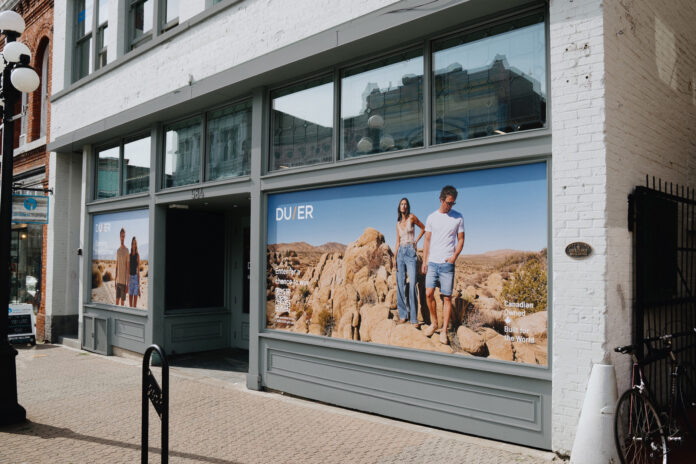
Canadian performance apparel brandDUER announced Monday the launch of DUER Europe alongside an ambitious retail expansion plan across North America.
Following a decade of success in Canada and the U.S., the brand said it has launched in Europe through a strategic partnership with Hectic Europe, and is continuing to scale its retail presence, with new branded stores in North America opening in Victoria, Portland, and San Francisco.
Since launching in 2015, DUER has become a fast-growing brand to watch out of Vancouver, a global hub for performance and lifestyle brands. With a partner network of 800 retailers worldwide, a strong ecommerce channel, and a growing fleet of branded stores, DUER has built a profitable business despite broader economic headwinds and is now entering its next phase of growth, it said.
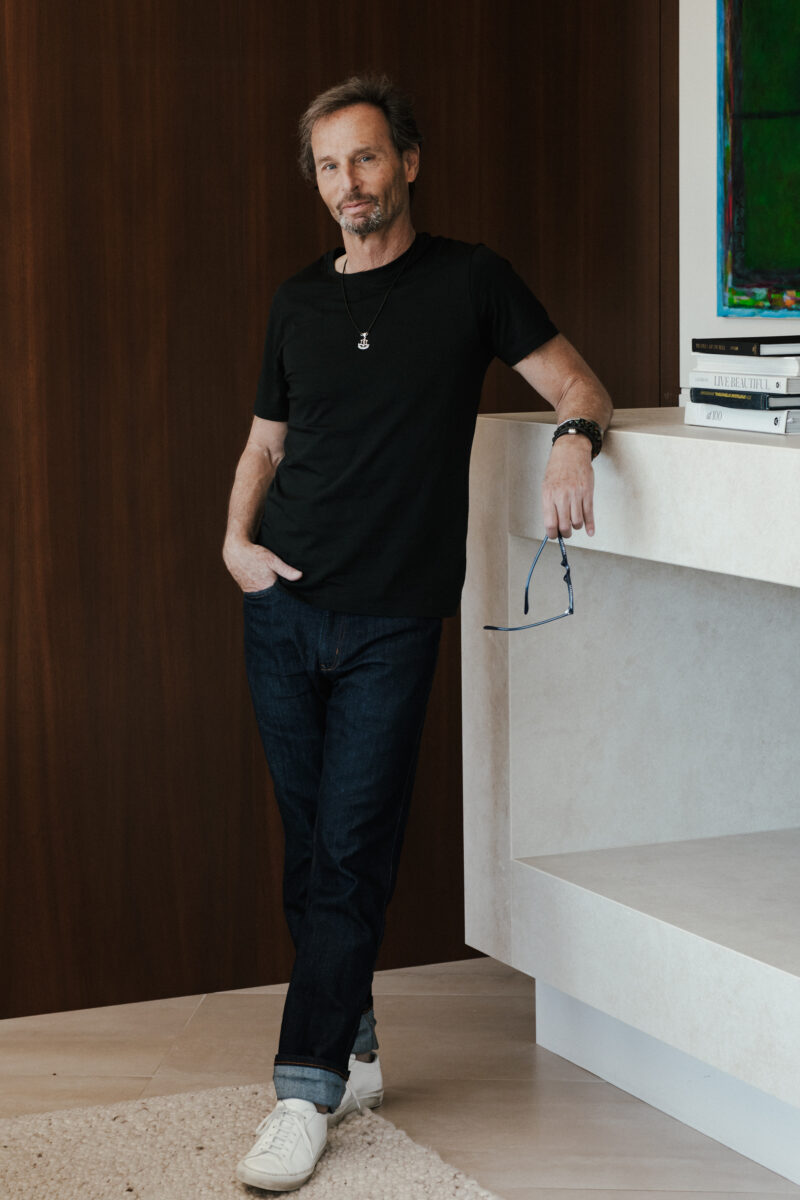
Gary Lenett. Photo credit: DUER
“Ten years ago, I set out to create clothing for people who wanted the comfort and performance and versatility of athleisure, but in an entirely different form,” said Gary Lenett, Founder of DUER.
“Not gym wear and not traditional jeanswear, but something in between, made using natural fabrics like denim that balance both style and function. The response from customers confirmed what I believed from the start: people don’t want to wear gym clothes beyond the gym if they have a stylish alternative built to move through every part of their lives.”
The company said the strategic partnership with Hectic leverages the distributor’s local expertise, distribution network, and warehousing capabilities to enable scalable operations across Europe.
Building on an established footprint in 12 countries including the UK, Germany, France, and the Nordics, dedicated ecommerce platforms shopduer.eu and shopduer.co.ukwill give European customers direct access to bestselling styles.
“While we see great opportunities internationally with Hectic, we are equally focused on strengthening our brand here in North America,” said Lenett. “This next phase of growth is about showing up where our customers already are, starting with three new stores opening across the Pacific Northwest.”
While the broader economy continues to face headwinds, the restaurant industry under Jody Palubiski’s leadership is heating up.
Jody Palubiski. Photo credit: Charcoal Group
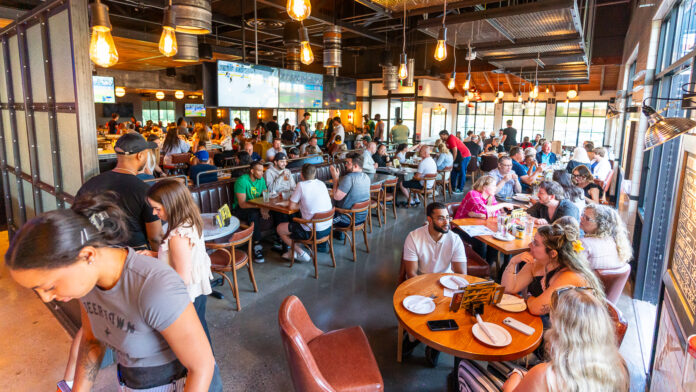
Palubiski, CEO of the Charcoal Group, oversees 18 restaurants across Southern Ontario, including the iconic Charcoal Steakhouse in Kitchener, which has been in operation since 1955. “That’s still in constant operation and it does very well — having its best year ever,” he says.
Despite economic uncertainty, rising costs of living, and changing consumer habits, Palubiski says the restaurant group is growing. “We’re still exceeding last year and feel optimistic. We’ve currently just signed off on four more leases and have three in discussion for the next two and a half years.”
He acknowledges broader challenges in the industry: “There’s a lot of uncertainty in the marketplace – a lot of noise in the media,” which he believes contributes to “some lack of consumer optimism.” Yet, restaurants, he says, continue to resonate with people.
“We’re in an industry that people love, that people aspire to. Everybody who’s ever worked in it has dreamed about owning their own place,” says Palubiski. He adds that while some chains are growing and others are pulling back, “it gets down to operation, style of restaurant, but also very largely geography and locations and all the old stuff that we’ve always looked at.”
Photo credit: Charcoal Group
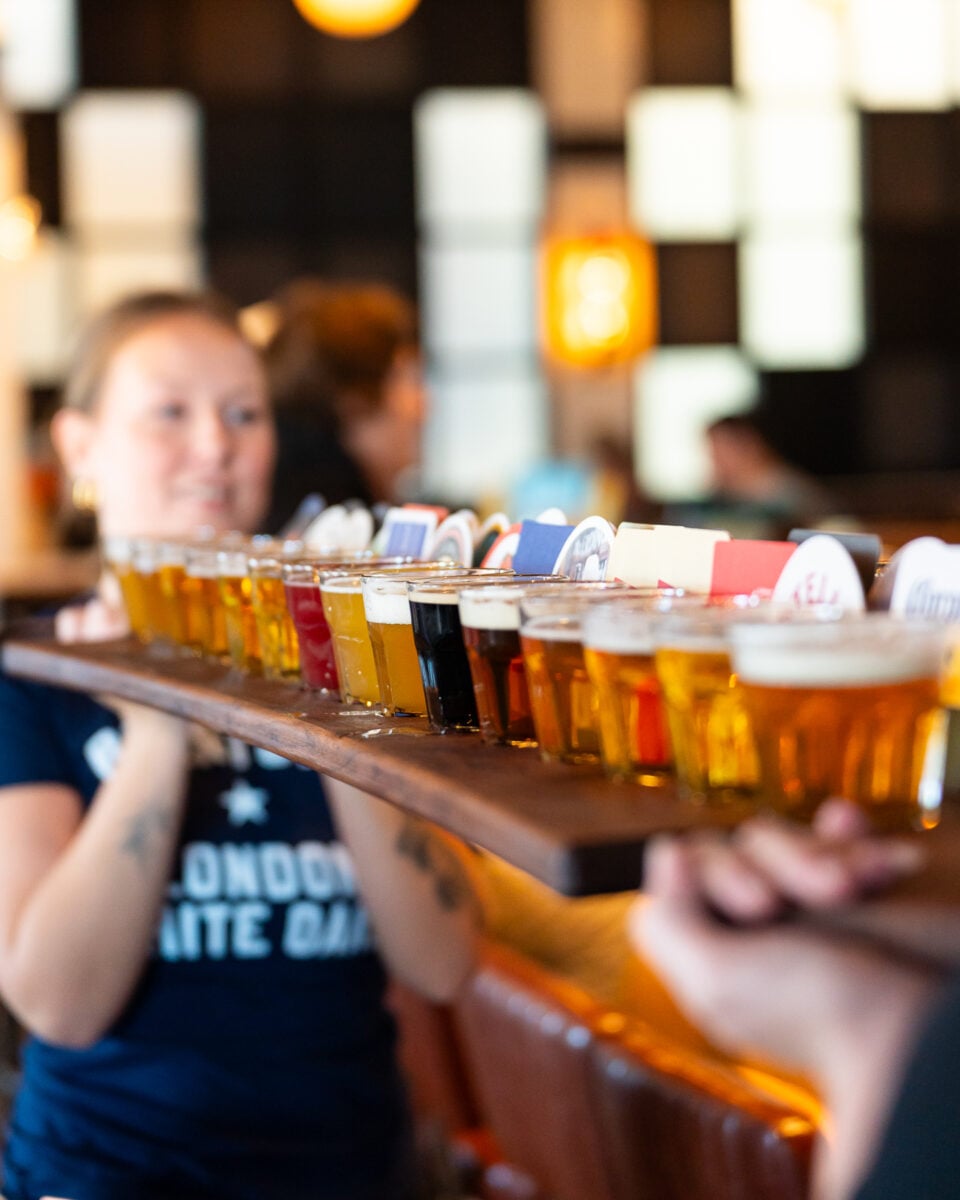
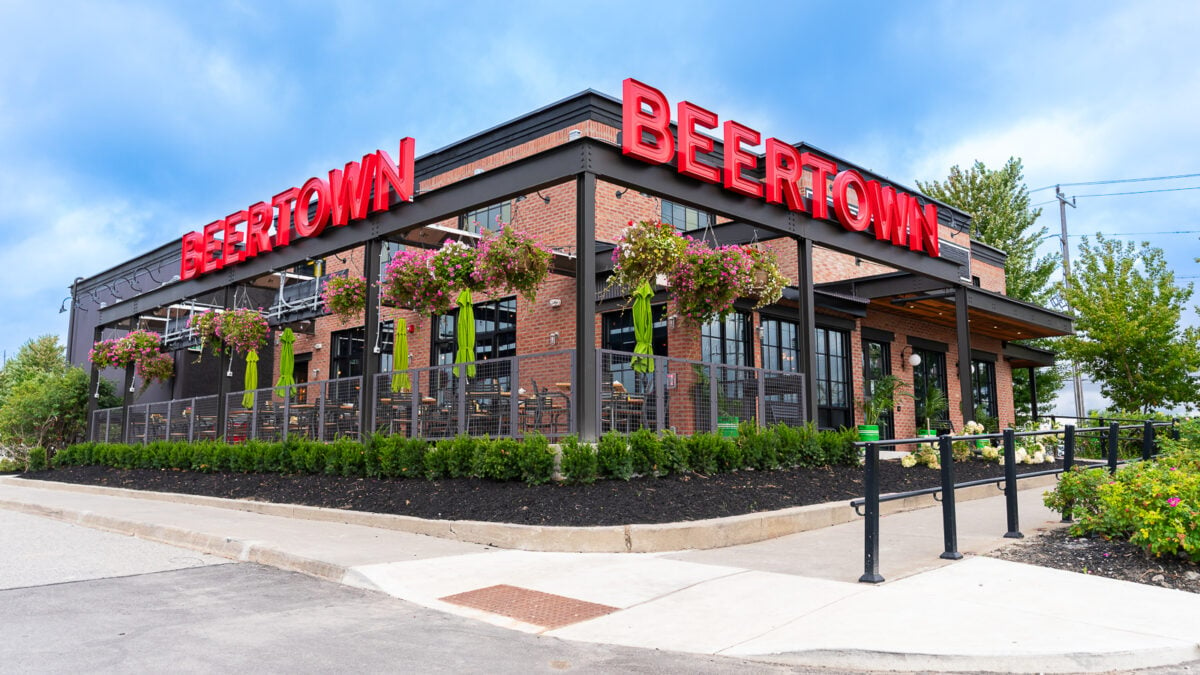
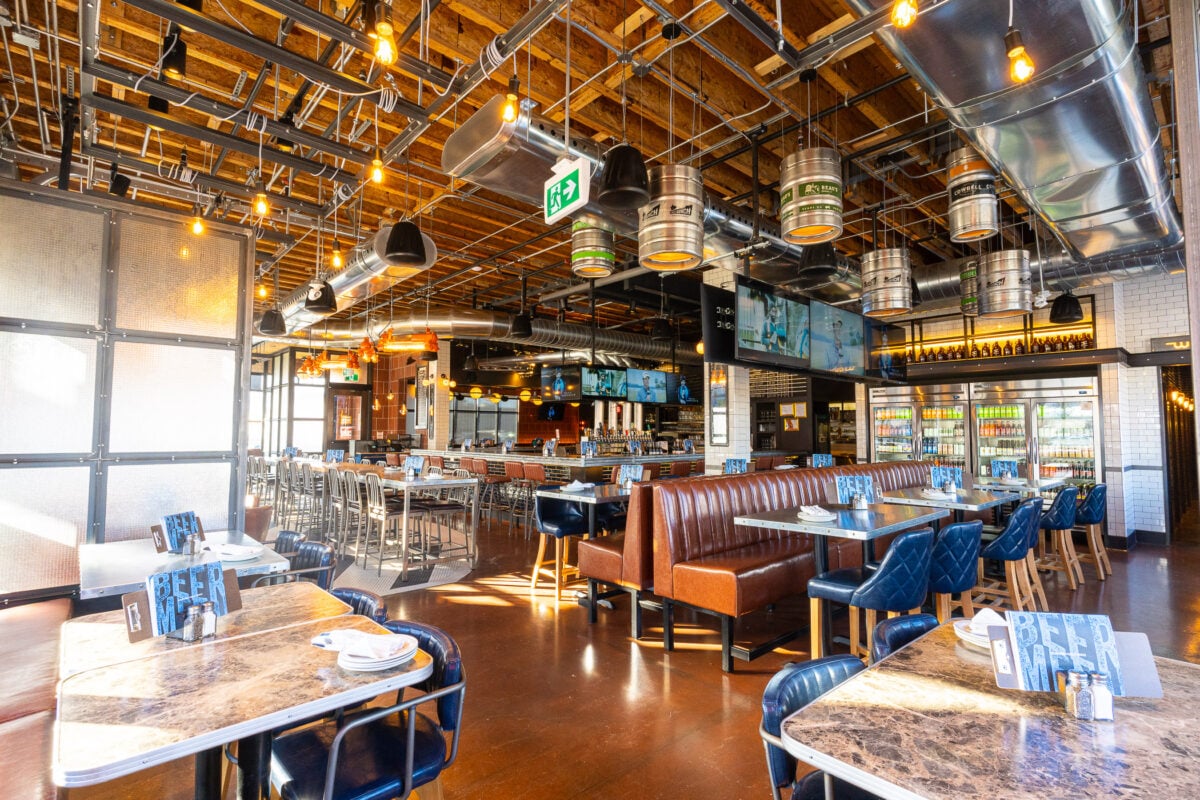
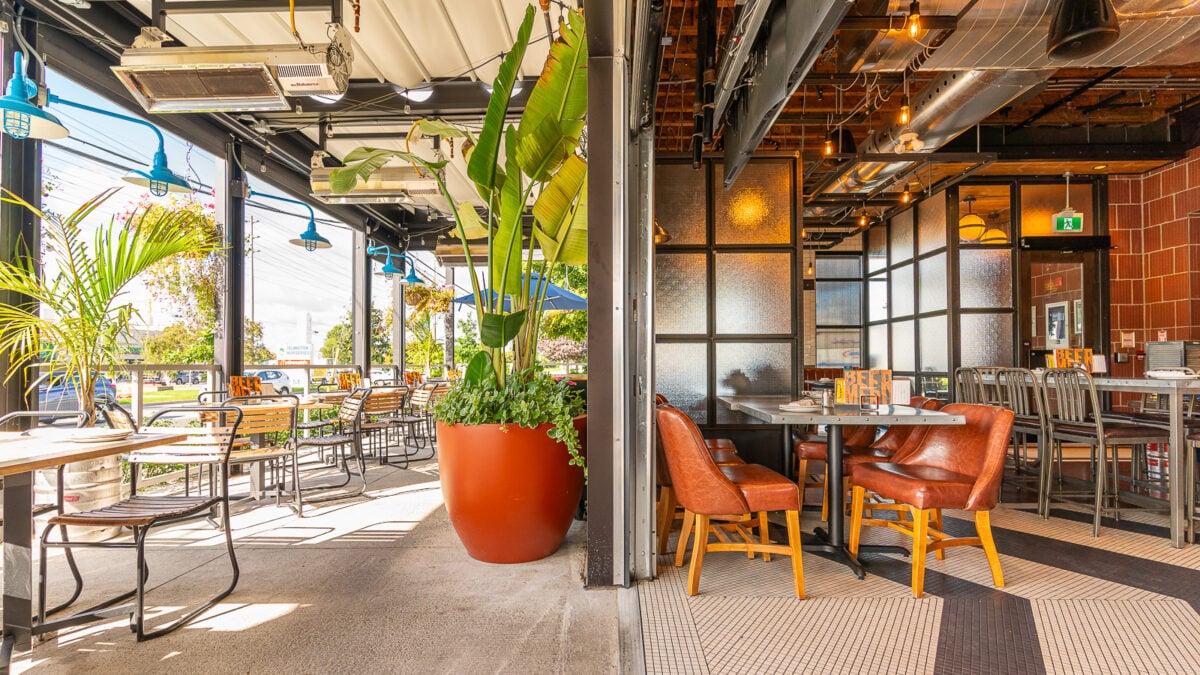
The Charcoal Group has recently expanded with new Beertown locations in London and Whitby. When asked about the labour market, Palubiski says, “We’re tremendously fortunate. We are fully staffed from a culinary standpoint, from a front of the house management standpoint, from an hourly standpoint. We’re actually finding it to be a really positive job market right now.”
Attracting and retaining talent, he emphasizes, is a strategic priority. “The main thing you have to do is retain good people, create an ecosystem or an environment that can benefit everybody within it. If you do that, not only do you retain people, but word of mouth and willingness to refer their friends becomes far easier.”
Palubiski also takes a deeply personal perspective on what working in hospitality offers, particularly to young people starting their careers. “I’m a father of four. Over the years, I look at it through the eyes of my experience and as the experience of an employer, having kids enter the workforce and looking at it through their eyes as well as the eyes of a parent.”
He says the industry provides critical life skills: “Learning employability skills, being on time, looking sharp, having a winning mindset. How to be a positive team member. How to communicate effectively. That’s a great piece.”
He adds, “I want my staff to be able to greet people, look them in the eye, confidently say, ‘How are you this evening? Thank you for joining us at Beertown.’”
Photo credit: Charcoal Group
Confidence, communication, teamwork, leadership, and resilience are all traits Palubiski believes the restaurant environment can build. “We can work in a high-pressure environment and at the end of the day, come out of it, have a successful shift, high five each other — to know that you worked through pressure and came up the other side in a really positive way helps build resilience.”
And for restaurants, getting staffing right is non-negotiable. “You have to get it right,” he says. “There has to be a continued focus on attracting, onboarding, training, and positively managing the very best people in the industry and building superior teams. That’s how you do well in our industry. It is the hospitality industry, and so hospitality has to be the leading factor in those things.”
April’s retail sales data brought a wave of optimism for Canadian retailers, with overall sales up 6.1% YOY. Even discretionary spending—a category often sensitive to economic uncertainty—showed a healthy 4.2% YOY growth.
The strong retail performance in April can be attributed to a mix of strategic marketing and opportunistic shopping. A growing sense of national pride seems to be influencing buying behavior, as “Made in Canada” and “Canada-Owned” labels are becoming a focal point for both retailers and consumers. Many stores are actively promoting Canadian-made products, and this push appears to resonate with shoppers eager to support local businesses.
Additionally, the liquidation sales at Hudson’s Bay played a surprising role in driving foot traffic to shopping centres. While customers initially flocked to capitalize on discounts at Hudson’s Bay, many likely extended their visits to other retailers in the same malls. This spillover effect underscores the importance of physical retail spaces in creating opportunities for incidental purchases, even in a predominantly digital shopping era.
Not all retail categories shared in April’s success. Convenience Store sales fell -0.8% YOY, continuing a troubling trend—down nearly -5% YTD. This decline reflects deeper structural challenges within the sector.
One major issue is the overreliance on alcohol sales, which often takes up valuable shelf space that could be used for more diverse or innovative product offerings. Compounding this, further competition from pharmacy (e.g., Shoppers Drug Mart, Rexall, etc.), dollar stores, and even grocery, are encroaching on convenience stores’ territory, offering similar products—often with a stronger focus on health and wellness.
The consumer shift toward healthier lifestyles is especially problematic for traditional convenience stores, which remain rooted in their legacy of chips, candy, and sugary drinks. Without adapting to these changing preferences, convenience stores risk falling further behind in a market that increasingly values fresh, nutritious, and functional products.
The health and wellness sector continues to thrive, reshaping consumer behavior across multiple retail categories. For instance, Health and Personal Care Stores saw sales grow 7.8% YOY in April, extending a years-long trend that began during the pandemic. Consumers are clearly prioritizing self-care, with demand surging for vitamins, supplements, skincare, and other health-focused products.
Interestingly, while Beer, Wine, and Liquor Stores posted a modest 2.6% YOY increase in April, their YTD growth is just 0.7%, reflecting the longer-term decline. Many Canadians continue to be cutting back on alcohol consumption, aligning with broader health trends.
Meanwhile, cannabis retailers are flourishing, with sales up an impressive 13.7% YOY. Cannabis is increasingly viewed as a healthier alternative to alcohol in certain formats, making it a strong contender in the evolving health-conscious landscape. This shift is forcing traditional alcohol retailers to rethink their strategies to stay relevant in a market that is clearly moving toward wellness-focused alternatives.
With these impressive April retail sales results, JCWG has been thinking about:
Will an increased focus on purchasing Made in Canada products become a long term change in Canadian consumer habits?
Where will we see spikes in retail sales as Canadians travel nationally throughout the summer to keep their dollars at home?
Will the exit of Hudson’s Bay have a major effect on foot traffic to shopping centres?
How are YOU changing your merchandise planning to include more Canadian products?
Retail Sales by Product Category, Same Month Comparison
Sales for the Month of April
Apr-25
Apr-24
YOY
All Stores
70,720,899
66,646,053
6.11%
Motor Vehicle and Parts Dealers
22,204,318
19,714,570
12.63%
Gasoline Stations
5,824,240
6,320,283
-7.85%
All Stores Less Automotive
42,692,341
40,611,200
5.12%
Food and Beverage Stores
12,695,431
12,010,605
5.70%
Supermarkets and Other Grocery Stores*
9,148,749
8,660,083
5.64%
Convenience Stores
684,612
689,913
-0.77%
Specialty Food Stores
956,603
803,862
19.00%
Beer, Wine and Liquor Stores
1,905,468
1,856,747
2.62%
Health and Personal Care Stores
5,995,590
5,562,931
7.78%
All Stores Less Automotive, Food, and Pharmacies
24,001,320
23,037,664
4.18%
General Merchandise Stores
9,249,352
8,886,442
4.08%
Furniture, Home Furnishings, Electronic and Appliance Stores
3,520,621
3,414,294
3.11%
Furniture Stores
1,152,928
1,131,960
1.85%
Home Furnishings Stores
720,740
696,799
3.44%
Electronics and Appliance Stores
1,646,954
1,585,536
3.87%
Clothing and Accessories Stores
3,465,717
3,213,088
7.86%
Clothing Stores
2,684,964
2,481,128
8.22%
Shoe Stores
391,371
393,625
-0.57%
Jewellery, Luggage and Leather Goods Stores
389,381
338,335
15.09%
Sporting Goods, Hobby, Book and Music Stores
3,795,606
3,512,839
8.05%
Building Material and Garden Equipment
3,970,024
4,011,001
-1.02%
Miscellaneous Store Retailers
2,544,049
2,260,660
12.54%
Cannabis Retailers
466,698
410,519
13.68%
Retail Sales by Store Category, Year to Date Comparison
Year-to-Date Sales Ending April
Apr-25
Apr-24
YTD
All Stores
254,230,320
242,694,543
4.75%
Motor Vehicle and Parts Dealers
72,775,476
66,890,535
8.80%
Gasoline Stations
23,895,308
24,281,482
-1.59%
All Stores Less Automotive
157,559,536
151,522,526
3.98%
Food and Beverage Stores
49,106,790
47,870,237
2.58%
Supermarkets and Other Grocery Stores*
35,912,207
34,840,385
3.08%
Convenience Stores
2,521,888
2,653,054
-4.94%
Specialty Food Stores
3,399,569
3,151,939
7.86%
Beer, Wine and Liquor Stores
7,273,127
7,224,860
0.67%
Health and Personal Care Stores
23,197,328
21,607,399
7.36%
All Stores Less Automotive, Food, and Pharmacies
85,255,418
82,044,890
3.91%
General Merchandise Stores
33,075,796
31,929,863
3.59%
Furniture, Home Furnishings, Electronic and Appliance Stores
Grocery basket in a grocery store. Image: iStock/licensed
If the world was looking for a distraction from the intensifying trade tensions under Trump 2.0, the U.S.’ direct military action in Iran certainly delivers. But this is no sideshow. The escalation in the Middle East could have immediate and far-reaching consequences, especially for the global agri-food sector—and Canada is not immune.
Geopolitical volatility in the Middle East has historically triggered sharp increases in crude oil prices. Following initial Israel–Iran exchanges in June, oil prices surged over 10%, and the latest attacks suggest more turbulence ahead. Since natural gas is a core input for fertilizer production, any spike in energy markets means higher fertilizer costs. While most Canadian farmers have already secured inputs for this season, unlike the early-2022 Ukraine invasion, cost pressures will be felt later in the supply chain.
But the shutdown of Iran’s urea and ammonia plants could ripple through global fertilizer markets, tightening supply and driving up prices—especially for nitrogen-based fertilizers. Canada, though a fertilizer producer, still relies on global pricing dynamics, and higher costs could significantly impact input expenses for Canadian farmers. This could reduce planting margins for crops like wheat, canola, and corn, potentially leading to lower yields or higher food prices. If South American buyers shift demand to other suppliers like the U.S. or Trinidad, competition for fertilizer could intensify.
The Strait of Hormuz, a strategic chokepoint for one-third of global oil and gas shipments, is now even more vulnerable. Any disruption could delay fertilizer and grain shipments, elevate global logistics costs, and strain the availability of key imports like soybeans and wheat. Global supply chains, already stressed, will feel the pinch.
Currency volatility often follows regional conflict. Emerging market currencies tend to weaken, raising the cost of food and ag inputs in fragile economies. For Canada, the situation is more nuanced. Higher oil prices may support the loonie, but geopolitical instability breeds uncertainty—and markets despise uncertainty. A weaker Canadian dollar could make imported food, from produce to packaged goods, more expensive.
This confluence of factors—rising transport and input costs, potential shipping delays, currency instability—can accelerate food inflation across Canada. Our food supply chain is vast, import-reliant, and highly sensitive to energy costs. Greenhouse operators, Prairie grain growers, and livestock producers could all face margin pressure. Consumers, particularly in lower-income households and in regions like Atlantic Canada or the North, will feel the consequences most acutely.
Beyond economics, Ottawa’s diplomatic playbook will be tested. Sanctions—whether imposed by or against Canada—could further disrupt agri-food trade, as was the case in past global conflicts. Export restrictions, trade policy shifts, and new subsidies may emerge as countries scramble to stabilize domestic markets.
The global food system is deeply interconnected. What happens in the Middle East doesn’t stay there—it sends shockwaves across continents, from farm to fork. This latest escalation is a stark reminder of how vulnerable our food economy remains to geopolitical unrest. Let’s hope policymakers are paying attention—and that they keep food-insecure populations, both here and abroad, top of mind.