Canada’s leading fashion trade event is preparing to welcome retailers, buyers, and suppliers from coast to coast this summer, as the AFA Expo returns to the Toronto Congress Centre from August 12-14, 2025. The show, operated by the Association of Footwear + Apparel Canada (AFA Canada), represents the evolution of what was once known as the Toronto Shoe Show—a reinvention that continues to gain momentum as the Canadian fashion sector adapts to changing retail realities.
With hundreds of exhibitors spanning footwear, apparel, accessories, and emerging sustainable brands, AFA Expo 2025 aims to be both a critical buying platform and a vibrant community gathering point for the industry.
From the Toronto Shoe Show to AFA Expo: A Story of Reinvention
“We were the Toronto Shoe Show for over four decades,” explained Michelle Kofman, Director of Operations and Events at AFA Canada, during an in-depth interview. “But around 2019, we realized the market was changing. Retailers were diversifying their offerings, blending apparel, accessories, and footwear. That’s when we officially became the Association of Footwear and Apparel Canada.”

The inaugural AFA Expo was scheduled for February 2020. Then the pandemic hit. “Two weeks after our launch, the world shut down,” Kofman recalled. “We pivoted quickly—not to virtual trade shows, which didn’t align with our industry—but to online conferences. We did panels, including one where you spoke, Craig.”
Since that disruption, the organization has steadily rebuilt the show while adapting to shifting retailer needs.
“We’ve been very focused on moving out of survival mode and into thriving mode,” added Becky Collins, President of AFA Canada. “You can’t stay in a conservative, cost-cutting mode forever. At some point, you have to start investing again to build the future.”
United in Style: A Fresh Approach to Community and Collaboration

This year’s theme, “United in Style,” reflects that growth mindset. “We want to be a positive light in the community,” said Collins. “There’s been so much negativity—economic challenges, the U.S. relationship, inflation—but Canada still has a strong retail market. And footwear, in particular, remains a category where people value trying on product in-store.”
The trade show itself is adopting a collaborative approach. AFA Expo will once again overlap for two days with Toronto’s national gift show, allowing registered buyers to access both events. “Our badges are reciprocal,” said Kofman. “If you have a badge for the gift show or AFA, you can move freely between both halls.”
This partnership reflects the evolving nature of independent retail in Canada, where many stores now stock a mix of footwear, apparel, accessories, and lifestyle products. “Retailers today have to diversify,” said Collins. “Even traditional mom-and-pop stores carry socks, handbags, and accessories alongside footwear and apparel.”
Driving Retailer Attendance with Targeted Marketing
One key focus for AFA Canada this year is growing retailer attendance. “We’ve ramped up our marketing efforts substantially,” said Kofman. “When times get tough, the natural reaction is to cut marketing, but we’ve done the opposite. The board approved a specific marketing budget for the next three shows—starting with August 2025.”
New marketing initiatives include a bold postcard campaign, where over 1,500 physical mailers were sent out across Canada—most heavily in Ontario, but reaching retailers nationwide. “We wanted to cut through the digital noise,” said Kofman. “Retailers get flooded with emails, but when you get something in the mail now, it stands out.”
The postcards promote not only the show’s theme but also its incentive programs, including the popular “Buyer Bucks” draw. “We’ll do five draws per day during the show,” said Kofman. “Retailers who win receive Buyer Bucks, which they can spend at any exhibitor on the floor.”
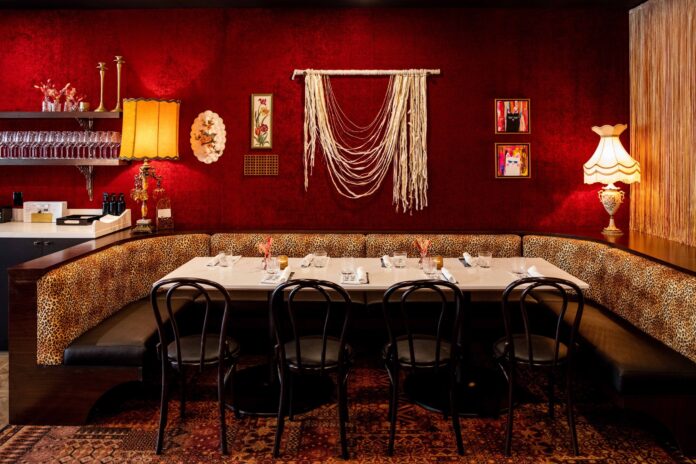
Additionally, postcard recipients will receive a $40 lunch discount at Sketch, the restaurant inside the Toronto Congress Centre—another small way the show is adding value and encouraging participation.
Broadening Exhibitor Categories and Brand Diversity
As the show’s name suggests, AFA Expo now offers a far more diverse exhibitor base than its early shoe-centric days. “We’ve got everything from casual and comfort footwear to orthopedic, industrial, and fashion-forward brands,” said Collins. “You’ll also see travel brands, handbags, wallets, footbeds, insoles, and sustainable fashion lines.”
While both Collins and Kofman were cautious not to name specific first-time exhibitors yet, they confirmed new sustainable brands are joining the roster for 2025. “Sustainability is definitely an emerging category we’re seeing growth in,” Collins noted.
By August, AFA Expo expects to have roughly 120 unique exhibitors on the floor. “It’s a very solid, healthy show floor for this cycle,” Kofman added.

Value for Retailers: One-Stop Buying and Industry Networking
For retailers—whether independent boutiques or larger chains—AFA Expo’s primary value lies in its efficiency. “We know it’s hard for store owners to step away from the shop floor,” said Collins. “But here, they can meet with numerous vendors all in one place over one to three days.”
The alternative—vendors visiting stores individually—often disrupts daily operations, distracts staff, and makes it difficult to focus on buying decisions. “Being here allows retailers to fully focus on the season ahead and strategically fill inventory gaps,” Collins said. “And now, with the gift show overlap, retailers can also discover additional products that might complement their core assortment.”
Retailers from across the country will attend, but Collins notes the East Coast is particularly well represented.
“There aren’t as many shows out east, and it’s often cheaper for retailers from Newfoundland or Nova Scotia to fly into Toronto for a few days than to arrange multiple vendor visits locally.”
Creating a Social Atmosphere on the Show Floor
While AFA Expo is serious about business, the organization is also placing emphasis on creating a relaxed, community atmosphere. “We have what we call our Caffeination Station on the show floor, with coffee, hot chocolate, and snacks throughout the day,” said Collins. “In the afternoons, it converts into a Libation Station with wine and cold drinks.”
For the August 2025 edition, organizers are considering adding a happy hour element to foster additional informal networking late in the day. “People don’t necessarily want to stay long after the show closes, but they’re open to casual conversations on the floor with a drink in hand before heading out,” Collins noted.

Strategic Partnerships to Build Industry Connectivity
Beyond its growing collaboration with the gift show, AFA Expo is actively building partnerships with complementary organizations. That includes with Fashion Art Toronto (FAT), a platform for emerging designers.
“We’re working with Fashion Art Toronto to bring some of their programming or presence into AFA Expo, though final details are still being worked out,” said Kofman. “Their Fashion Week schedule has made it a bit tricky to coordinate, but the relationship is developing.”
Additionally, AFA Canada has strengthened its association partnerships to add further member value. “For both retailers and exhibitors, membership comes with added benefits,” said Collins. “One significant partnership is with the Canadian Federation of Independent Business (CFIB). Members get access to CFIB’s resources and services alongside their AFA Canada membership.”
Strong Digital and Social Media Presence
AFA Expo has also invested heavily in social media marketing, enlisting influencers and creating dynamic content. “We don’t just want to sell the show on our socials,” said Kofman. “We want it to feel like a real community. We regularly reshare content from our exhibitors and retailers, highlight creative store displays, and promote contests.”
Influencers have been invited to previous shows, offering additional exposure for brands. “If an influencer spotlights a particular exhibitor while attending, that brand gets introduced to a much wider audience,” said Collins. “It creates FOMO for people who didn’t attend.”
Registration Now Open for Exhibitors and Attendees
With just weeks to go, registration remains open for both exhibitors and attendees. “Retailers can register online in advance or even onsite during the show,” said Collins. “Exhibitors do need to register ahead of time to secure booth space.”
Hotel room blocks are available at preferred rates at nearby properties, including the Delta Hotel across the street from the Congress Centre. “We still have room block availability at this stage,” Kofman confirmed.
For full show information, registration, and travel details, participants can visit the official website: www.afacanada.com
Looking Ahead: Building for the Long-Term
Both Collins and Kofman emphasized that the energy behind AFA Expo reflects a broader optimism for the sector. “When you’ve been in survival mode for years, it feels good to build again,” said Collins. “We’re trying new things, investing in new marketing channels, and strengthening the community.”
Kofman agreed, noting that even in challenging economic times, connection matters. “Retail is built on relationships—between retailers and vendors, but also between peers. AFA Expo brings everyone together under one roof. That’s where the real value lies.”
As AFA Expo 2025 prepares to open its doors, it promises not only a marketplace, but a meeting place—one that continues to evolve alongside the Canadian retail landscape it serves. The event takes place at the Toronto Congress Centre from August 12-14, 2025.
For more information and to register, visit: www.afacanada.com/show