The 2026 edition of the annual study marks the 20th anniversary of the national sponsorship industry benchmark. It found that brands are committing more money to rights fees across categories, while also putting greater emphasis on evaluating whether sponsorship investments are delivering results.
“Twenty years ago, there was no Canadian-specific data for this industry to plan against. Today, the CSLS provides the numbers that brands, properties and agencies use to benchmark their decisions,” said Dr. Norm O’Reilly, partner at T1 and lead author of the CSLS, and professor and director of The Sponsorship Lab at the University of Florida. “This year’s findings show an industry that keeps maturing, from record investment in evaluation to how quickly brands moved on FIFA 2026.”
Professional sport continues to account for the largest and most significant sponsorships, but the study found that brands are spreading spending across a broader range of categories.
Cause sponsorship has become the second-largest category by share of budgets and the third-largest in total sponsor spending, representing a major shift over the past decade, the study said.
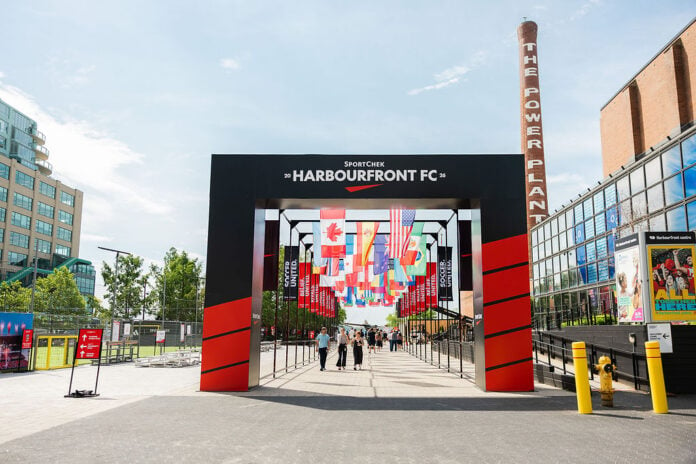
The 2026 FIFA World Cup was also a factor for Canadian brands, with numerous activations planned around the tournament, according to the study.
Norm O’ReillyLindsay O’Brien
At the same time, the research identified several challenges for the sector. Sponsorship’s share of Canadian brands’ marketing communications budgets has declined to 21 per cent from 25 per cent over the past five years, even as overall sponsorship spending has increased.
Brands also reported that property servicing of sponsorship partners fell short of expectations this year. Return on investment remains the top issue for brands, properties and agencies, with the focus increasingly on maximizing the value of sponsorships and demonstrating their effectiveness.
Sponsors and properties are forecasting a 12 per cent increase in spending next year, while agencies are taking a more cautious view of future billings.
Evaluation has also become a greater spending priority. The study found that brands are spending more on evaluation and pre-sponsorship evaluation than at any point in the CSLS’s 20 years of tracking, indicating greater pressure on sponsorship investments to demonstrate their effectiveness.
“Twenty years of data confirms what we see every day: sponsorship succeeds when it earns a real place in people’s lives, not just visibility on a logo board,” said Lindsay O’Brien, vice-president, partnerships, T1 and co-author of the CSLS. “This year’s findings on evaluation and servicing tell us brands and properties are being held to that higher bar, and the ones investing in real relationships with their communities, not just rights fees, are the ones getting rewarded.”
The 20th annual study is based on responses from 188 Canadian brands, properties and agencies, including 114 brands, 50 properties and 24 agencies.
The research tracks the size and scope of the Canadian sponsorship market, spending by sector, activation trends, evaluation practices and the industry’s future direction.
The Canadian Sponsorship Landscape Study was launched after delegates at the inaugural Canadian Sponsorship Forum in Vancouver identified a lack of Canadian-specific sponsorship data. It has since tracked the market annually, including spending by sector, activation trends, evaluation practices and strategic priorities.
Welcome to the Daily Synopsis by Retail Insider. We hope you find the 9 articles we published informative as they cover significant developments across Canadian retail sectors.
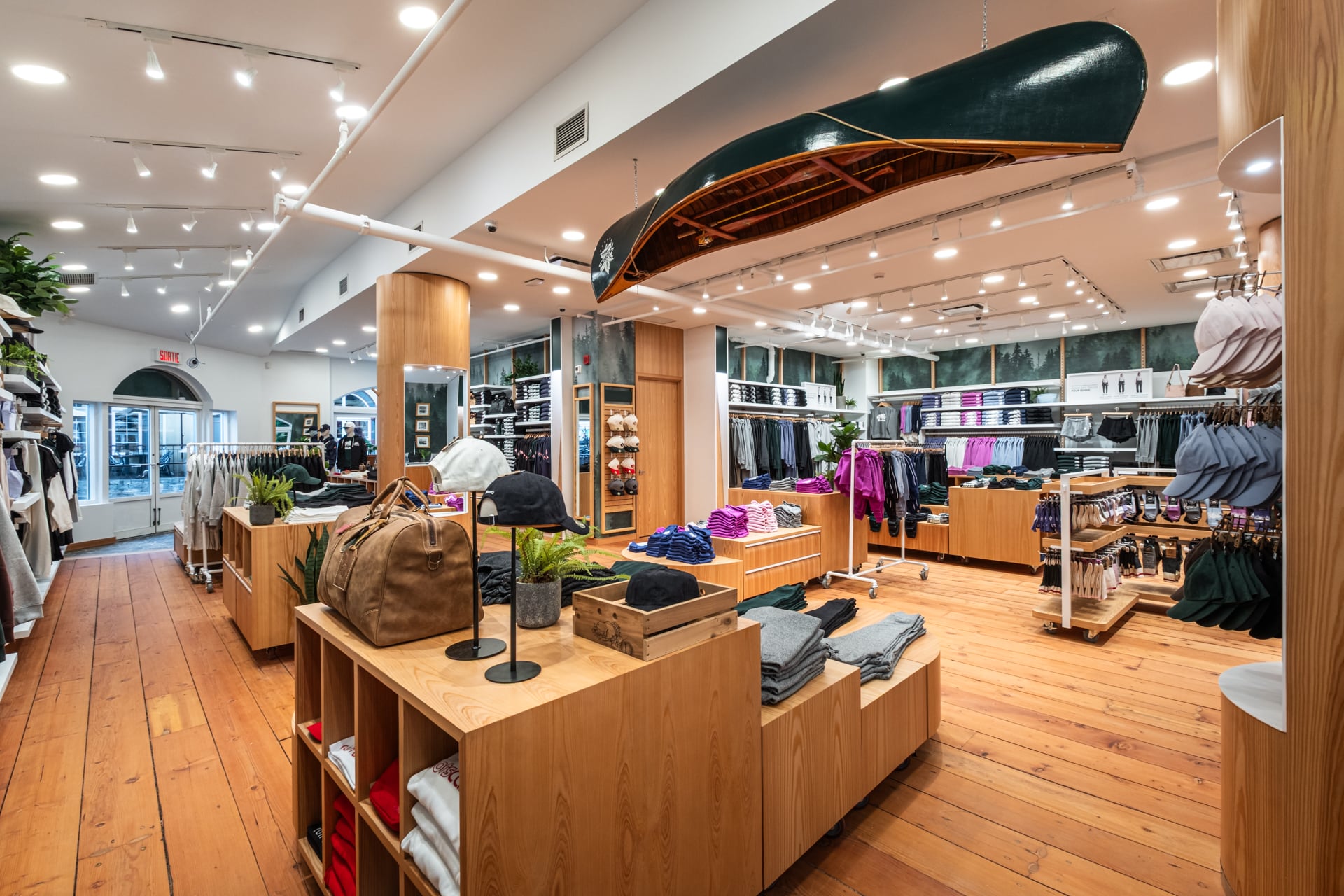
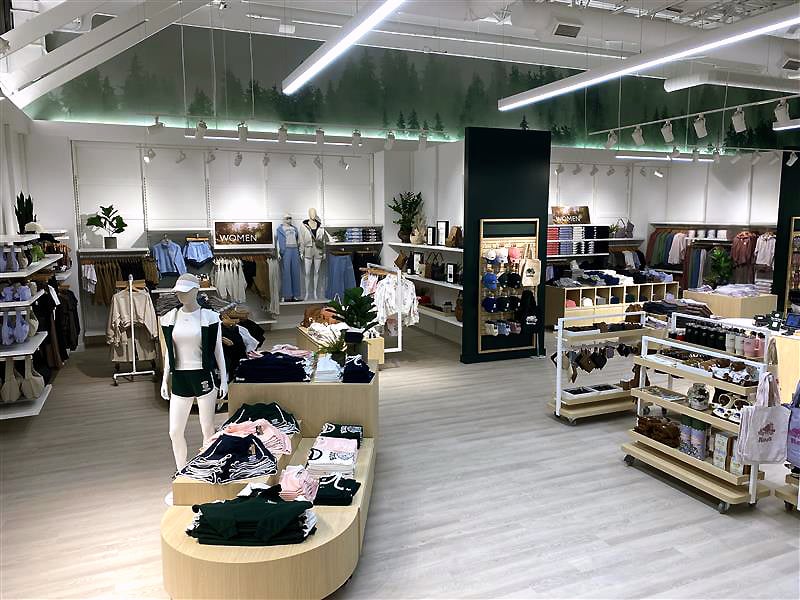
Roots flagship store on Robson St. in downtown Vancouver. Photo: Brandon Artis
Roots has agreed to be taken private in a transaction that will bring Canadian retail entrepreneur Joe Mimran and business partner Frank Rocchetti into a central operating role at one of the country’s best-known retail brands.
Shareholders will receive $4.10 per common share in cash under the proposed transaction. Marquee Brands is partnering with Toronto-based JM&A Design and Development Inc., led by Mimran and Rocchetti, with Roots continuing to be headquartered and operated in Canada. The deal is expected to close in the fourth quarter of 2026, subject to shareholder, regulatory and court approvals.
JM&A will become the core operating partner for Roots, overseeing the design, development, manufacturing and distribution of men’s and women’s lifestyle apparel. It will also take responsibility for retail and e-commerce operations across Canada and the United States.
Marquee Brands will focus on global brand stewardship, international expansion and new-category development. The structure puts Roots’ North American retail business in the hands of a Canadian operating group, with Marquee bringing its international brand-management and licensing platform.
“Few brands are as deeply connected to Canada’s identity as Roots,” said Mimran, President and Creative Director of JM&A. He said the focus will include product, merchandising and the customer experience, with the business continuing to be led from Canada.
Joe Mimran
Joe Mimran Takes on a Major Canadian Retail Brand
Mimran’s involvement gives the transaction added significance for Canada’s retail industry. He founded Club Monaco and later created Joe Fresh for Loblaw Companies, and in recent years has been involved in several Canadian consumer brands with Rocchetti and other partners.
In 2023, Mimran, Rocchetti and David Lui acquired Vancouver-founded apparel retailer Kit and Ace through Unity Brands. Product design and development subsequently moved to Mimran’s Toronto design operation as work began on renewed growth for the brand.
Unity later acquired Vancouver-based Casca Footwear. Mimran told Retail Insider at the time that the group saw opportunities to bring Canadian brands together and pursue growth through e-commerce, wholesale and international distribution.
Mimran and Rocchetti were also part of the group that acquired Mastermind Toys following the retailer’s creditor-protection proceedings. Toy industry entrepreneur Stéphane Tétrault joined them as an equity partner in Mastermind in 2025.
JM&A’s current interests also include Tilley Endurables, where Mimran serves as chairman, along with Kit and Ace, Mastermind Toys and Coco Village. Roots describes JM&A as a Toronto-based brand development, design and operating company focused on Canadian consumer businesses.
Roots gives Mimran and Rocchetti a much larger retail platform. The company has more than 100 locations in Canada and two stores in the United States, along with its e-commerce business. Roots also has more than 100 partner-operated stores in Asia and a dedicated storefront on Alibaba’s Tmall platform in China.
Roots Enters Deal Following Improved Performance
The acquisition comes after a period of stronger sales and profitability at Roots. For fiscal 2025, ended January 31, 2026, sales increased 5.6 per cent to $277.7 million from $262.9 million a year earlier. Direct-to-consumer sales rose 7.3 per cent to $239.5 million, while comparable direct-to-consumer sales increased 9.5 per cent. Gross margin reached 61.3 per cent and adjusted EBITDA was $23.3 million.
Roots reported net income of $4.7 million for the year, compared with a $33.4-million loss in fiscal 2024, when results included a substantial non-cash impairment charge. The company ended fiscal 2025 with net debt of $4.3 million, down 42.2 per cent from a year earlier.
Sales continued to grow in the first quarter of fiscal 2026. Revenue increased 6.5 per cent to $42.6 million and comparable sales were up 3.2 per cent. It marked the company’s seventh consecutive quarter of comparable sales growth, with the two-year stacked increase reaching 16.6 per cent.
Partners and Other revenue, which includes wholesale, licensing and custom products, increased 26.6 per cent during the quarter to $6.8 million. Growth came from domestic wholesale, custom products and licensing, businesses that could take on greater importance as Marquee looks at opportunities beyond Roots’ core retail operation.
Roots reported a seasonally expected net loss of $10.1 million for the quarter, which included costs associated with the strategic review and the transition of distribution operations to Metro Supply Chain. Net debt stood at $23.4 million at quarter-end, down 20.7 per cent from a year earlier.
Roots Tremblant store. Photo: Roots
Strategic Review Leads to Sale
Roots launched a formal strategic review on March 3, 2026, with its board considering alternatives that included a potential sale. J.P. Morgan Securities Canada was appointed financial adviser and Torys LLP was retained as legal counsel.
Roots said the process involved outreach to a broad group of potential buyers and resulted in multiple proposals. The board has unanimously recommended the Marquee and JM&A transaction to shareholders.
The $4.10-per-share offer represents a 36 per cent premium to Roots’ closing share price on March 2, the last trading day before the strategic review was announced. Searchlight Capital Partners, Kernwood Limited, Roots directors and senior officers representing approximately 69 per cent of the company’s voting interests have agreed to support the transaction.
The deal would end Roots’ run as a publicly traded company. Searchlight Capital Partners became a majority investor in Roots in 2015, and the retailer completed its initial public offering two years later at $12 per share.
Roots said private ownership will provide a structure suited to longer-term investment decisions. Its headquarters will remain in Toronto following completion of the transaction.
Marquee Brands Brings Global Expansion Platform
Marquee Brands adds an international brand-management platform to the partnership. The New York-based company has a portfolio spanning fashion, lifestyle, active, luxury and home brands, including Roberto Cavalli, BCBGMAXAZRIA, Ben Sherman, Laura Ashley, Martha Stewart, Sur La Table, Dakine, Body Glove and Stance. With Roots included, Marquee says its portfolio will consist of 24 brands representing more than US$5 billion in global retail-equivalent sales, supported by partners in more than 100 countries.
Marquee works with manufacturers, operators, retailers and distributors to develop its brands across markets and channels. For Roots, its responsibilities will include global brand stewardship, international expansion and new-category development. JM&A will run the core North American retail and product business.
Roots already has a sizable international partner network, particularly in Asia, with more than 100 partner-operated stores and its Tmall presence in China.
Future growth could come through licensing, wholesale and operating partnerships as well as retail expansion. The companies have not identified specific new countries or product categories.
Heath Golden, CEO of Marquee Brands, said the partnership with JM&A is intended to keep Roots anchored in Canadian culture while expanding its international reach.
“With that foundation in place, we see significant global opportunity to extend Roots into new categories, markets and consumer segments,” Golden said.
Roots store at Vaughan Mills. Photo: Roots
Canadian Stores and Product Come Under JM&A
JM&A’s responsibility for Roots stores and e-commerce will put Mimran and Rocchetti directly into the Canadian retail operation. The group will also oversee product design and development, manufacturing and distribution, giving it responsibility for much of the business from product creation through to the store and online customer.
No store-closing program or major change to the Canadian footprint has been announced. Store locations, formats, merchandising and customer experience will now sit within the operations overseen by JM&A, making the physical network an area to watch after the transaction closes.
Roots has also been changing its distribution infrastructure. Earlier this year, the company began transitioning its distribution-centre operations to Metro Supply Chain, with the move expected to be completed during the second quarter of fiscal 2026.
That work was already underway before the acquisition agreement and comes ahead of JM&A assuming responsibility for manufacturing and distribution.
New Categories Could Expand Roots’ Reach
Roots currently sells apparel, leather goods, footwear and accessories and generates additional revenue through wholesale and licensing relationships.
Marquee has identified new-category development as part of its mandate, potentially widening the commercial reach of the Roots name through additional products and partners. No new categories have been announced.
Mimran’s comments point to an immediate focus on the existing business.
“The opportunity is to build from that strength with renewed focus on product, merchandising and the customer experience, while remaining true to the character that has made Roots so distinctive,” he said.
Meghan Roach
Existing Management After Closing
The announcement did not address the composition of Roots’ senior management team following closing. President and CEO Meghan Roach remains in her role and endorsed the transaction. The companies did not specify what position Roach or other members of the existing executive team will hold once the acquisition is completed.
“This transaction brings together Marquee Brands’ global brand-building platform and JM&A’s operational leadership to position Roots for its next chapter of growth,” Roach said.
Roots will remain headquartered in Toronto, with JM&A providing Canadian operating leadership. Marquee will oversee the broader brand platform, international expansion and new-category development.
Deal Expected to Close in Fourth Quarter
Roots expects to hold a special meeting of shareholders in October 2026. The transaction requires approval from at least two-thirds of votes cast, along with the required minority shareholder approval, Competition Act clearance and court approval.
Closing is targeted for the fourth quarter. Roots shares would then be delisted from the Toronto Stock Exchange and the company would cease to be a reporting issuer in Canada.
If completed, the deal will end nearly nine years for Roots on the public markets and more than a decade with Searchlight Capital as its dominant financial backer. Mimran and Rocchetti’s group will take responsibility for the company’s Canadian retail operations, e-commerce and core apparel business, while Marquee pursues additional opportunities for the Roots brand internationally.
Canada’s home appliance market is entering an unprecedented phase of premiumization. Despite broader economic caution, Canadian consumers are actively reallocating discretionary budgets toward smart home appliances that deliver tangible time savings, simplify household routines, and fit seamlessly into connected lifestyles.
Across major national retailers such as Best Buy Canada, Canadian Tire, Costco, and Amazon.ca, the rise of all-in-one floor cleaning devices has emerged as one of the fastest-growing segments in consumer goods. Gone are the days of the traditional, laborious multi-step routine of sweeping, dragging out a heavy upright vacuum, and manually wringing a wet mop. Today, the modern wet and dry vacuum cleaner mop has established itself as an essential household centerpiece.
For Canadian families navigating long winter months—where tracked-in slush, abrasive road salt, mud, and shedding pet hair constantly challenge delicate floors—the demand for the best wet dry vacuum has transitioned from a niche luxury to a daily necessity. Leading this retail wave is Tineco, whose 2026 portfolio exemplifies the ongoing transformation of modern household cleaning.
(Image Placeholder 1: A bright, modern Canadian open-concept living room with wide-plank hardwood floors. A sleek cordless wet-dry vacuum mop rests elegantly on its automated charging dock, showcasing seamless smart home integration.)
Caption: As Canadian households embrace smart home trends, all-in-one wet-dry floor washers are driving major foot traffic and retail growth across the country.
The 2026 Lineup: Engineering That Defines Canadian Retail Trends
Retail trends in premium cleaning appliances show that Canadian shoppers look beyond raw suction numbers; they prioritize fluid dynamics, automated maintenance, and structural agility. Tineco’s current ecosystem offers targeted solutions across distinct consumer profiles:
1. The Automated Flagship: Tineco FLOOR ONE STATION S9 Scientist Pro
For large homes where manual maintenance is a daily headache, theTineco FLOOR ONE STATION S9 Scientist Pro wet dry vacuum cleaner is the definitive hands-off hub. Its heavy-duty station automatically evacuates wastewater, flushes the internal system, and initiates a FlashDry 85°C thermal air-drying cycle. Powered by iLoop™ dirt sensors, it ensures multi-pet households can go days without touching dirty water tanks.
2. High-Heat Thermal Sanitation: Tineco FLOOR ONE S9 Artist Steam & S9 Artist Pro
Winter salt residue and sticky kitchen grease require thermal breakdown. The Tineco FLOOR ONE S9 Artist Steam wet andy dry vacuum cleaner injects continuous high-temperature steam directly at the floor contact point, dissolving dried grime and sanitizing surfaces without harsh chemicals. Alongside it, the Tineco FLOOR ONE S9 Artist Pro delivers flagship intelligent suction, precision water metering, and edge-to-edge cleaning for premium hard floor preservation.
Traditional floor washers struggle under low furniture because internal corrugated hoses kink and trap dirty water. The Tineco FLOOR ONE S7 Stretch Steam and Tineco FLOOR ONE S7 Stretch Ultra feature an innovative lightweight design and a direct-folding, hose-free mechanism. This allows the chassis to lay completely flat at 180 degrees (down to a 13 cm profile), gliding under platform beds and designer sofas with unrestricted suction and zero water leakage. The S7 Stretch Steam adds localized steam sanitization, while the S7 Stretch Ultra excels in rapid 5-minute FlashDry roller maintenance.
4. Dedicated Dry Vacuuming: Tineco Pure ONE Station 5 & PURE ONE S70
For homes with deep-pile carpets, area rugs, and stairs, a dedicated dry cordless vacuum remains crucial. The Tineco Pure ONE Station 5 automates debris disposal with an enclosed, self-emptying HEPA docking station that captures 99.97% of allergens. For versatile whole-home reach, the Tineco PURE ONE S70 features smart dust-sensing suction, bright LED headlights, and a folding wand to easily access low-clearance areas.
Market Benchmark: 2026 Floor Care Competitors
Model
Primary Tech / Heating
Recline & Chassis
Pet Hair Technology
Self-Cleaning & Maintenance
Tineco Station S9 Scientist Pro
iLoop™ Dynamic Sensor
Standard Recline
DualBlock Pressure Scraper
Full 5L Auto-Empty Station + 85°C FlashDry
Tineco S9 Artist Steam
160°C Direct Steam
Direct-Fold Recline
DualBlock Pressure Scraper
Auto-Wash + 85°C FlashDry
Tineco S9 Artist Pro
iLoop™ Dynamic Sensor
Direct-Fold Recline
DualBlock Pressure Scraper
Auto-Wash + Heated Drying
Tineco S7 Stretch Steam
Active Steam + Lay-Flat
180° Lay-Flat (13 cm)
DualBlock Scraper
Auto-Wash + Heated Drying
Tineco S7 Stretch Ultra
iLoop™ Smart Water
180° Lay-Flat (13 cm)
DualBlock Scraper
5-Minute FlashDry Base
Tineco Pure ONE Station 5
Dry Suction + Smart Sensor
Flexible Stick
ZeroTangle Roller
Auto-Emptying HEPA Dust Station
Tineco PURE ONE S70
Dry Suction + Foldable Wand
Multi-Angle Wand
Anti-Tangle Brush
Manual One-Touch Emptying
Roborock F25 Ultra
86°C Water / Steam Base
180° Lay-Flat
Internal Blade Cutter
Hot Water Wash + Air Dry
Dreame H15 Pro Heat
Heated Water Base
180° Lay-Flat
Static Comb Scraper
Heated Base Drying
Dyson V15 Detect (Dry Only)
Fluffy Optic Laser (Dry)
Standard Stick
Motorbar Anti-Tangle
Manual Bin Emptying
Bissell CrossWave HydroSteam
HydroSteam Technology
Partial Recline
Standard Brush Roll
Self-Clean Storage Tray
Authentic Canadian Consumer Reviews
“Living in Edmonton, road salt and slush ruined my entryway floors every winter. The Tineco vacuum washes away dried white salt stains and vacuums the wet slush in a single pass. It is unquestionably the best vacuum for hardwood floors I’ve used.”
— David M., Verified Buyer (Edmonton, AB)
“We have a Bernese Mountain Dog shedding constantly in our Vancouver condo. The hose-free design on the S7 Stretch Ultra ensures wet clumps of fur go straight into the dirty tank without choking the motor. It is the best vacuum for pet hair on tiles and hardwoods.”
— Claire T., Verified Buyer (Vancouver, BC)
(Image Placeholder 2: A lifestyle shot showing a direct-folding, hose-free smart floor washer laying completely flat at 180 degrees, smoothly gliding underneath a modern low sofa to remove pet hair and dust.)
Caption: Innovative lay-flat engineering enables modern floor washers to sanitize hard-to-reach spaces beneath low-clearance Canadian furniture.
Complete Canadian Buyer’s Guide & FAQ
1. Is Tineco good for hardwood floors?
Yes. Thanks to the iLoop™ sensor, it meters water delivery precisely, leaving a micro-thin layer that evaporates in seconds without warping sealed hardwoods.
2. Which Tineco floor washer is best for pet hair?
The S7 Stretch Ultra, S9 Artist Steam, and Station S9 Scientist Pro are the best vacuum for pet hair on hard floors due to their DualBlock scrapers that actively squeegee wet fur without tangling.
3. Do I need to vacuum before using a Tineco floor washer?
No. An all-in-one wet dry vacuum mop collects solid debris (crumbs, dirt, pet hair) while simultaneously washing the floor with clean water.
4. Is a Tineco wet dry vacuum worth it?
Yes. It cuts cleaning time by more than half by consolidating vacuuming, mopping, and drying into a single 15-minute pass.
5. Which Tineco floor washer should I buy?
Choose the Station S9 Scientist Pro for maximum automation, the S9 Artist Steam for stubborn grease and winter salt, or the S7 Stretch Ultra for agility under low furniture.
6. Can Tineco vacuum and mop at the same time?
Yes. The machine continuously injects fresh water onto the roller while strong suction vacuums dirty liquid and dry debris simultaneously.
7. Tineco vs Bissell: which wet dry vacuum is better?
Bissell offers simple mechanical functionality, but Tineco leads in smart dirt sensing, hose-free lay-flat agility, edge-to-edge cleaning, and automated 85°C drying.
8. Can Tineco be used on engineered hardwood or laminate floors?
Yes, provided the flooring is properly sealed. Controlled water dispensing prevents moisture from seeping into planks.
9. Does Tineco really clean pet hair without tangling?
Yes. DualBlock pressure scrapers continuously comb the roller, directing wet hair directly into the dirty water chamber without wrapping the brush.
10. How good is Tineco’s self-cleaning system?
Exceptional. Docking the unit activates automatic roller flushing and high-speed heated air drying (FlashDry) in 5 minutes, preventing mildew odors.
11. Can I use another cleaning solution in my Tineco?
No. Always use official Tineco low-foaming solutions to protect internal sensors and prevent motor damage.
12. Does Tineco leave floors wet or streaky?
No. High-speed suction instantly re-collects dirty water, leaving floors streak-free and dry within under 30 seconds.
13. How long does a Tineco battery last?
Depending on the model and mode, runtimes range from 35 minutes up to 75+ minutes in standard auto mode—ample for large Canadian homes.
14. Tineco vs Shark HydroVac: which is better?
Shark is an entry-level option, but Tineco provides superior suction, active steam capabilities, lay-flat designs, and self-drying docks.
15. Tineco vs Dreame wet dry vacuum: which is better?
Dreame focuses on base-station water heating and raw motor power. Tineco excels in balanced fluid management, lighter hand weight, and direct on-floor steam sanitization.
16. Is Tineco good for homes with dogs and cats?
Yes. It effortlessly manages muddy paw prints, spilled kibble, and shedding fur in a single hygienic step.
17. How easy is a Tineco to clean after use?
Extremely simple. Place it on the dock, press the self-clean button, and empty the separated dirty water tank into the drain.
18. What is the Tineco warranty in Canada?
Units purchased through authorized Canadian retailers carry a standard 2-year limited warranty backed by local customer support.
19. Can I buy Tineco replacement rollers, filters and cleaning solution in Canada?
Yes. Replacement consumables are widely available on Amazon.ca, Best Buy Canada, Canadian Tire, and Tineco’s official Canadian storefront.
20. What is the best Tineco floor washer for the money in Canada?
The FLOOR ONE S7 Stretch Ultra offers exceptional value, delivering 180-degree lay-flat flexibility, FlashDry maintenance, and smart dirt detection at a competitive mid-tier price point.
Final Verdict
As Canadian smart home adoption accelerates, multifunctional appliances that eliminate manual effort represent the future of residential care. By combining intelligent sensing, high-heat steam, and hose-free agility, Tineco’s 2026 range provides Canadian homeowners and retailers with the gold standard in modern floor maintenance.
References
[1] Canadian Consumer Electronics & Appliance Retail Report. (2025/2026). Smart Home Adoption and Floor Care Trends in Canada.
[2] International Home Appliance Testing Institute. (2025/2026). Comparative Performance Analysis of Wet-Dry Floor Washers and Thermal Sanitization.
Cargojet Inc. is seeing stronger e-commerce activity across its Canadian network, particularly in secondary markets where changing store footprints and inventory strategies are altering how merchandise reaches consumers.
Pauline Dhillon
The Mississauga-based air cargo carrier says domestic demand remained strong into July, with Chief Executive Officer Pauline Dhillon pointing to e-commerce as a key driver.
During Cargojet’s second-quarter earnings call, Dhillon linked changing shipping patterns in secondary markets to the closure of Hudson’s Bay stores. She also pointed to retailers holding more inventory in warehouses rather than at individual stores.
Cargojet expects its domestic business to remain strong through the third and fourth quarters. The company’s observations provide a view into how changes in Canada’s physical retail landscape are flowing through to the logistics networks connecting centralized inventories with consumers.
E-Commerce Demand Growing in Secondary Markets
Cargojet’s domestic overnight network forms the foundation of its business, moving time-sensitive shipments across Canada for major logistics companies, retailers and e-commerce customers.
Asked about domestic trends and expectations for the remainder of 2026, Dhillon said July had been strong and that the company continued to see growth.
“It’s probably driven by e-commerce,” she said, before pointing to a change Cargojet has observed in secondary markets following the closure of Hudson’s Bay stores.
Dhillon said the company has seen more B2C activity in those markets, while retailers are carrying less inventory locally and moving more merchandise through warehousing. Cargojet is consequently seeing an increase in e-commerce shipments into secondary markets.
The comments do not establish that spending previously captured by Hudson’s Bay has shifted directly online. Former Bay customers have numerous physical and digital alternatives, while many former department-store spaces are being repositioned for new retailers.
Instead, Cargojet’s network is showing increased reliance on direct fulfilment in markets where the physical retail landscape has changed. The growth also extends beyond Cargojet’s largest customers, with Dhillon saying increasing e-commerce activity is coming from the company’s mid-market customers.
Hudson’s Bay Closures Changed Canada’s Retail Map
Hudson’s Bay entered 2025 with roughly 80 department stores across Canada before financial difficulties led to creditor protection proceedings and the liquidation of its remaining locations. By June 2025, its department-store network had disappeared.
The closures removed a major source of fashion, beauty, home and general merchandise from communities across Canada. They also left large vacancies at dozens of shopping centres.
Landlords have since been working to subdivide, redevelop and re-lease the former stores, often bringing multiple tenants into spaces previously occupied by a single department store.
Cargojet’s comments offer another perspective on that transition. Consumer demand for merchandise previously available through Hudson’s Bay did not disappear with the stores.
Centralized inventory and direct fulfilment allow other retailers to reach those consumers without maintaining the same breadth of merchandise locally. That may be particularly relevant in secondary markets, where fewer physical alternatives can increase the importance of distribution networks connecting consumers with inventory held elsewhere.
Retail Inventory Shifts Toward Centralized Distribution
The shift described by Cargojet reflects the growing role of centralized inventory in retail distribution. Retailers can hold merchandise in distribution and fulfilment facilities until an order is placed rather than moving the same breadth of inventory into individual stores in advance.
Large retailers increasingly combine physical stores, distribution centres and dedicated fulfilment facilities within broader omnichannel networks. Stores can themselves serve as fulfilment points, making physical and digital retail parts of the same inventory system.
Cargojet’s observations are notable because of where it is seeing additional activity. Secondary markets generally have fewer stores and smaller pools of locally available inventory than Canada’s largest metropolitan areas.
Parcel and freight networks can therefore play a particularly important role in getting merchandise to consumers when products are not stocked nearby.
The broader Canadian parcel market is also preparing for continued e-commerce growth. Canada Post says the Canadian e-commerce market is projected to double over the next decade, making parcel delivery its key growth opportunity.
The Crown corporation has nevertheless lost considerable parcel market share amid increased competition from global carriers and lower-cost delivery companies offering faster and more flexible service.
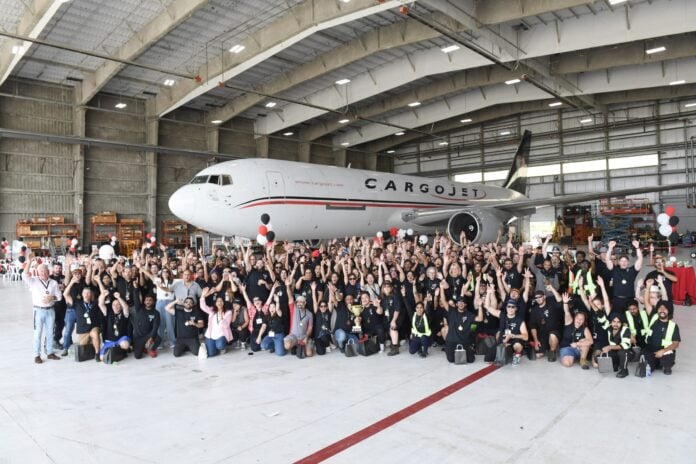
Cargojet Plane. Image: Cargojet.com
Cargojet’s Domestic Business Continues to Grow
Cargojet’s domestic overnight network generated $104.9 million in second-quarter revenue after excluding the year-over-year impact of fuel-price pass-throughs. That represented an increase of 3% from the same period in 2025.
Management described the domestic overnight business as the foundation of Cargojet and an essential part of Canada’s supply chain.
Overall revenue reached $275.8 million during the quarter, while adjusted EBITDA increased to $87.3 million from $80.2 million a year earlier. Excluding the impact of higher fuel prices, Cargojet generated $250.1 million in revenue, up 5% year-over-year.
The company also generated $56.2 million in free cash flow during the quarter, compared with a $72.5 million cash outflow a year earlier.
Cargojet operates across domestic overnight delivery, charter operations, hybrid ACMI services, interline freight and international operations. Its domestic network connects major Canadian markets, while relationships with international carriers and logistics companies bring additional shipments into the system.
Cargojet Becomes More Selective on Pricing
E-commerce growth is occurring as Cargojet becomes more selective about the freight it accepts and the prices it charges.
Executive Chairman Ajay Virmani said the company has been focusing on the “quality of revenue,” including yield management. That includes moving away from freight that does not require Cargojet’s time-sensitive service or generate sufficient returns.
Dhillon offered a more colourful description of the strategy.
“We recognize that we’re the best steakhouse in the city, we’re not going to charge keg pricing anymore,” she said.
Cargojet is reassessing pricing across routes, lanes and customer groups while examining dimensional factors and aircraft utilization. Dhillon described e-commerce as “certainly surging” and identified mid-market customers as an area of increasing activity.
The strategy means stronger demand for fast fulfilment does not necessarily translate into lower logistics costs. Cargojet is seeking greater returns from its premium overnight capacity while improving utilization of aircraft already in its fleet.
Higher Labour Costs Could Flow Through to Customers
Cargojet is also facing higher costs under a new five-year collective agreement with its pilots. Effective July 1, pilots received a 26% wage increase, followed by annual increases of 5% over each of the subsequent four years through June 2031.
The agreement includes productivity changes, including moving the baseline from 15 to 16 working days per month. Cargojet estimates the changes will provide approximately 6,000 additional crew days annually, helping offset part of the wage increase and reducing overtime requirements.
Management said it intends to pass additional costs through to customers where possible. Charter, ACMI and certain mid-market pricing can be adjusted more quickly, while increases tied to longer-term customer contracts will take more time.
Canadian Retail Distribution Continues to Shift
Cargojet expects its domestic business to remain strong through the second half of 2026, supported in part by continued e-commerce growth.
Its experience provides another view into the changes occurring behind Canada’s retail landscape. Hudson’s Bay’s departure removed stores that had supplied merchandise to consumers across the country, while retailers more broadly continue to adjust where inventory is held and how orders are fulfilled.
Cargojet says those changes are particularly visible in secondary markets, where it is seeing increased B2C activity and e-commerce shipments. The trend adds another dimension to the transformation already taking place inside former department-store properties as Canada’s physical retail and distribution networks continue to evolve.
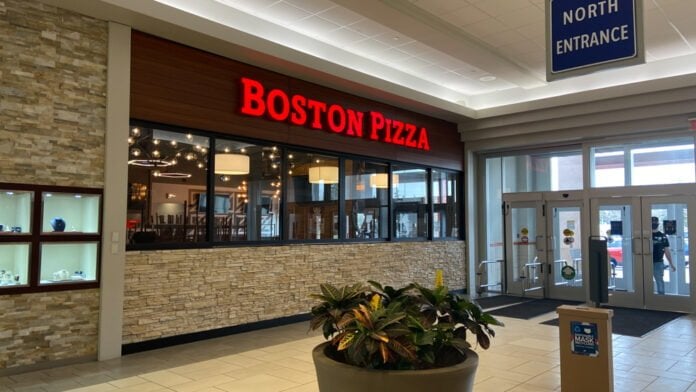
Boston Pizza Restaurant at CF Market Mall. Photo: Jessica Finch
Boston Pizza is accelerating investment across its Canadian restaurant network, with more than 40 locations potentially undergoing renovations this year and three new restaurants under construction in British Columbia, Ontario and Manitoba.
The activity coincides with record second-quarter franchise sales from restaurants in the Boston Pizza Royalties Income Fund’s Royalty Pool. Sales reached $256.5 million for the quarter ended June 30, up 1.9 per cent from a year earlier, while same-restaurant sales increased 2.3 per cent. It marked the seventh consecutive quarter of positive same-restaurant sales for Boston Pizza.
The development activity is significant for one of Canada’s largest and longest-established casual dining chains, with Boston Pizza investing heavily in existing restaurants while selectively adding locations in markets where it sees opportunities.
More Than 40 Renovations Possible in 2026
Boston Pizza completed 21 restaurant renovations during the first half of 2026, including 10 during the second quarter. By the company’s August earnings call, Boston Pizza International President Jordan Holm said the number was approaching 30 and could finish the year above the company’s target of approximately 40.
That follows 40 restaurant renovations completed in 2025 and 28 in 2024. If Boston Pizza reaches its target this year, at least 80 restaurants will have been renovated over 2025 and 2026 combined.
Holm has described the projects as significant investments in restaurant interiors and exteriors, including new fabrics and finishes and upgrades to televisions and sound systems. Full renovations can require restaurants to close for approximately seven to 10 days while work is completed.
Renovations are also a recurring requirement within the Boston Pizza system. Holm said earlier this year that franchise agreements require restaurants to renovate every seven years, while noting that franchisees have been actively pursuing upgrades and discussing the results of completed projects with other operators.
The audiovisual investments are particularly relevant for a chain that continues to position its restaurants as destinations for major sporting events. During the second quarter, management said hockey and basketball playoffs and the FIFA World Cup contributed to restaurant activity.
Three Restaurants Under Construction
Boston Pizza did not open any new restaurants during the first half of 2026, but three are now under construction in Revelstoke, B.C.; Dryden, Ont.; and The Pas, Man.
Holm said the projects are approaching their opening dates. Boston Pizza is also working on other potential restaurants, although permitting, construction trades and supply-chain timing could determine whether those locations advance during the current construction season or move into early 2027.
Revelstoke represents a smaller British Columbia market with a significant tourism economy. Holm has described it as a growing four-season recreational community, pointing to skiing, golf, mountain biking, tourism and an expanding local population as factors supporting the market.
The Dryden restaurant is part of a broader development on Government Street, which carries the Trans-Canada Highway through the northwestern Ontario community. The project is being developed by Wabigoon Lake Ojibway Nation Real Properties, which is also developing a nearby 70-suite Studio 6 extended-stay hotel.
The third confirmed restaurant is under construction in The Pas, Manitoba. The three projects are part of a wider development pipeline, with Holm saying Boston Pizza has identified additional markets across Canada that it considers underserved by full-service restaurants.
Guest Traffic Remains Positive
Royalty Pool restaurants generated $494.9 million in franchise sales during the first six months of 2026, an increase of 2.5 per cent from $483 million during the comparable period last year. Year-to-date same-restaurant sales increased 2.7 per cent.
Holm said guest visitation has been an important contributor during Boston Pizza’s seven consecutive quarters of positive same-restaurant sales. During the second quarter, menu pricing made a somewhat larger contribution to growth, although both traffic and pricing remained positive year over year.
Boston Pizza generally makes its main menu price adjustments in June and November, according to Holm, making the timing of the June increase a factor in the latest quarter.
The company has also been using promotions and major events to drive visits. It began the second quarter with campaigns around the hockey and basketball playoffs before introducing promotions tied to the FIFA World Cup and Team Canada in June. Management specifically cited increased restaurant traffic associated with the World Cup as one of the contributors to second-quarter same-restaurant sales.
Takeout and delivery also continued to support sales. During the summer, Boston Pizza introduced its Live & Local program, featuring live music at restaurants across the country, while another promotion is planned around the beginning of football season.
Canadian Restaurants Continue to Face Cost Pressures
Boston Pizza’s positive traffic comes as restaurant operators across Canada continue to contend with higher costs and pressure on profitability.
Restaurants Canada said in July that inflation-adjusted commercial foodservice sales are forecast to increase 1.5 per cent in 2026. Its latest quarterly report found that 64 per cent of restaurant operators had lower profitability than a year earlier, while 41 per cent said they were operating at a loss or breaking even.
The organization has warned that persistent cost pressures are limiting investment across the industry, with some operators delaying equipment purchases, renovations and expansion. Boston Pizza’s continued spending on renovations and new development therefore comes during a period when many operators have less capacity to invest.
Boston Pizza is monitoring those pressures as well. Holm said the company is watching the trade environment and geopolitical developments for potential effects on restaurant input costs and consumer discretionary spending.
Four Restaurants Closed in First Half
Boston Pizza permanently closed four restaurants during the first half of 2026, including two during the second quarter. That compares with no permanent closures during all of 2025.
Holm said management does not view the closures as evidence of broader weakness in the brand. Individual circumstances have included lease expirations, redevelopment or expropriation and decisions about the long-term viability of older locations.
Earlier this year, Boston Pizza provided additional detail on two closures in Western Canada. An Edmonton-area restaurant was affected by plans to redevelop its site, while a restaurant in British Columbia’s Lower Mainland closed because of a combination of location-specific factors.
Real estate can play a significant role in those decisions. Boston Pizza franchisees often lease their sites or buildings, meaning a property owner’s redevelopment plans can result in a closure even where the broader market remains attractive. Management has said reopening elsewhere may be considered in those circumstances.
Holm also pointed to the age and size of the Boston Pizza system. With the brand operating for more than 60 years and close to 370 restaurants in Canada, some locations have been operating from the same sites for extended periods, eventually requiring decisions about their long-term viability.
The closures are occurring alongside a much larger program of investment in the existing network. Boston Pizza completed 40 renovations without opening or permanently closing a restaurant in 2025; this year, more than 40 renovations are possible while three new restaurants move toward opening.
Additional projects could follow. Boston Pizza says some may advance before the end of 2026, while others could move into early 2027 depending on permitting and construction timelines, adding to the restaurant investment already underway in Revelstoke, Dryden and The Pas.
HelloFresh is building out its ready-to-eat business in Canada as the global meal-delivery company puts greater emphasis on prepared food, longer-term customers and new distribution channels while navigating continued declines in its traditional meal-kit business.
The strategy is increasingly visible through Factor, HelloFresh’s prepared-meal brand, which opened a 50,000-square-foot kitchen and distribution centre in Calgary in June. The operation establishes a Western Canadian production base for Factor and supports its expansion into additional provinces as the brand moves toward nationwide availability. The facility is expected to create about 400 jobs.
The Canadian investment takes on greater significance following HelloFresh’s latest earnings call last week, when management outlined plans to expand its ready-to-eat business geographically and through additional sales channels. The company is working to make ready-to-eat profitable for the full year while investing in products intended to address demand for convenience, personalization and health-focused food.
Factor Builds Out Western Canadian Operations
The Calgary facility gives Factor localized production capacity in Western Canada rather than relying on longer-distance fulfillment. The operation includes commercial ovens, grills, braisers and blast-chilling systems, along with temperature-controlled production, storage and distribution areas.
Factor said when the facility opened that expansion into British Columbia and Saskatchewan was expected this fall. Parent company HelloFresh already has a substantial Canadian presence, saying its meal-kit service reaches approximately 95 per cent of the Canadian population and that the company employs more than 1,000 people across the country.
The Calgary project also received approximately $3.6 million in government support, including $2.3 million through Alberta’s Agri-Processing Investment Tax Credit and $1.3 million through the Sustainable Canadian Agricultural Partnership.
Factor occupies a different part of the meal-solutions market from HelloFresh’s core meal-kit offering. Rather than delivering ingredients and recipes for customers to prepare, Factor provides fully prepared refrigerated meals designed to be heated and eaten, giving HelloFresh access to additional eating occasions and consumers seeking convenience without meal preparation.
Ready-to-Eat Becomes a Larger Strategic Priority
HelloFresh’s second-quarter results show a ready-to-eat business that remains under pressure on revenue but is making progress toward profitability. Ready-to-eat revenue declined 8.4 per cent in constant currency during the quarter, while adjusted EBITDA was €13.1 million, representing a 3.0 per cent margin. For the first half, the segment’s adjusted EBITDA loss narrowed to €13.6 million from €26.4 million a year earlier.
HelloFresh said its U.S. ready-to-eat operation was close to breaking even during the first half and expects positive margins there during the second half. Management continues to target modest adjusted EBITDA profitability for the overall ready-to-eat business for the full year.
The company is simultaneously scaling Factor outside the U.S., including through new production infrastructure in Canada and Europe. CEO Dominik Richter said HelloFresh is deliberately prioritizing margins and product improvements before accelerating customer acquisition, part of a multi-year strategy that has already included significant reductions to its cost base.
HelloFresh said it was approximately 85 per cent through a €300-million efficiency program at the end of the first half. Some of those savings are being redirected toward product improvements intended to broaden the number of consumers and meal occasions its brands can serve.
Meal Kits Shift Toward a More Loyal Customer Base
HelloFresh’s traditional meal-kit business remains considerably larger, but its current trajectory helps explain the push into prepared food. Meal-kit revenue declined 8.9 per cent in constant currency during the second quarter. At the same time, existing customers are spending more and ordering more frequently. Average order value reached €64.50 during the quarter, up 7.1 per cent in constant currency, while management said first-half meal-kit order frequency increased 4.1 per cent.
Much of the revenue decline is tied to customer acquisition. HelloFresh has reduced marketing spending and tightened the return thresholds required before it will spend money attracting new subscribers. Group marketing expenditures fell 16.3 per cent year-over-year during the second quarter, faster than the decline in revenue.
Management said uncertainty around food, fuel and other operating costs during the first half made it more difficult to forecast returns from newly acquired customers. Rather than pursue subscriber growth at higher acquisition costs, HelloFresh has concentrated spending on customers and channels that meet its return requirements.
The result is fewer new customers entering the subscription business even as established customers demonstrate stronger spending and ordering behaviour. Over time, fewer new customers also means a smaller pool available to develop into long-term subscribers, making improved customer acquisition an important part of any return to revenue growth.
Photo: HelloFresh
Higher-Income Families Anchor the Subscription Base
HelloFresh provided additional detail on the consumers who are staying with the service. Richter said long-tenured customers tend to come from the top 40 per cent of the income distribution, frequently live in multi-person households, often have children and show some overrepresentation in suburban areas.
The characteristics were discussed across HelloFresh’s business rather than specifically in Canada, but they provide insight into the consumer base supporting the subscription model during a period of cautious household spending.
Management said established customers tend to value the service for convenience, reduced food waste, recipe discovery and healthier eating. Consumers who have not already developed that habit appear more hesitant to begin a new subscription in an uncertain economic environment.
The shift toward longer-term customers has changed the composition of HelloFresh’s meal-kit revenue considerably. Customers who have used the service for more than four years generated 34 per cent of first-half meal-kit net revenue, compared with just 7 per cent in the first half of 2023.
HelloFresh Broadens the Meal Occasion
HelloFresh is also expanding its assortment in an effort to reach consumers beyond the traditional meal-kit occasion. The company has introduced lower-effort dinners using precut vegetables and premarinated proteins to reduce cooking time, while expanding protein choices and allowing customers to make more ingredient swaps within weekly menus. Factor has broadened its assortment with options including GLP-1-friendly recipes for consumers managing nutrition alongside the medications.
HelloFresh is also using customer ordering histories and onboarding information to personalize meal recommendations and has introduced more options aimed at households with children. Its recently launched CookBook allows users to save recipes found on social media or elsewhere online and convert them into HelloFresh-style recipe formats, with management saying more than three million recipes have been saved since launch.
The initiatives support HelloFresh’s stated ambition to become a “digital native CPG company,” positioning the business as a consumer-food platform built around data, direct customer relationships and multiple meal formats rather than a conventional meal-kit subscription service alone.
Ready-to-Eat Products Move Onto Retail Shelves
That broader strategy is also beginning to extend beyond HelloFresh’s direct-to-consumer model. Management said that following a successful trial during the first half of the year, HelloFresh is broadening retail-shelf distribution for its ready-to-eat products. The company did not identify the retailers or markets involved during the earnings call, and there was no indication that the initiative currently includes Canada.
Retail distribution could allow HelloFresh to reach consumers without requiring them to commit to recurring deliveries, while adding another sales and customer-acquisition channel alongside its digital platforms. It would also put its ready-to-eat products more directly alongside prepared foods and packaged meals sold by conventional grocery retailers.
The development is relevant to Canada because Factor is adding substantial production capacity here while its parent company experiments with broader distribution elsewhere. HelloFresh has not announced plans to put Factor products on Canadian grocery shelves, but the strategy shows the company testing how far the ready-to-eat business can extend beyond subscription delivery.
Competition Grows in Canada’s Prepared-Meal Market
Factor’s Western Canadian expansion comes as competition in the domestic prepared-meal market intensifies. Montreal-based WeCook announced its own major expansion in June, extending delivery into Winnipeg, Saskatoon, Regina, Edmonton, Calgary and Vancouver. The rollout gave WeCook a substantially broader national presence at almost the same time Factor was establishing Western Canadian production capacity in Calgary.
Goodfood is another established Canadian operator spanning meal kits and prepared-food offerings, while conventional grocery chains compete for many of the same meal occasions through prepared-food departments, refrigerated meals and other convenience offerings. That company recently went through financial troubles, indicating challenges in the industry.
The competitive landscape has expanded beyond the original meal-kit category. A Factor meal can compete with another direct-to-consumer prepared-meal service, but it can also replace a supermarket meal, restaurant takeout or food ordered through a delivery platform.
Federal packaged-food data illustrates the scale of the broader opportunity. Agriculture and Agri-Food Canada reported Canadian ready-meal retail sales of approximately $4.4 billion in 2023, considerably larger than the approximately $1.3 billion food-kit category. Those classifications extend well beyond subscription services such as Factor, but demonstrate the size of consumer spending around convenient prepared food.
Back-to-School Will Provide the Next Test
HelloFresh’s next major demand signal will come during the back-to-school period, which management described as one of its most important customer-acquisition windows of the year.
The company plans to use those results to determine whether product improvements are producing stronger new-customer conversion and how aggressively it should increase marketing. HelloFresh currently expects full-year constant-currency revenue performance to trend toward the lower end of its existing range while maintaining its adjusted EBITDA outlook.
The immediate challenge is rebuilding customer acquisition without sacrificing the economics of the business. HelloFresh has chosen to spend less aggressively while improving the proposition for existing customers, betting that stronger retention, higher order values and a broader range of meal formats can eventually support a return to growth.
Factor’s Canadian expansion gives that strategy a substantial physical foothold. With Western Canadian production now in place and national availability moving closer, HelloFresh is positioning its ready-to-eat business to compete across a wider portion of Canada’s convenience-food market than the meal-kit model that originally established the company here.
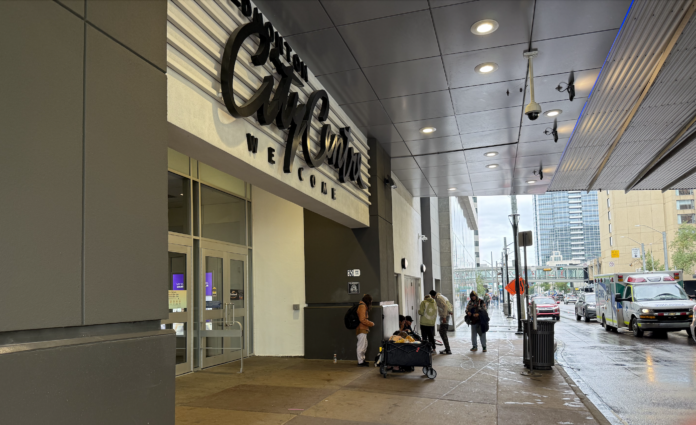
During the summer, the Edmonton Chamber of Commerce called for immediate action to protect the city’s downtown momentum, saying Edmonton is one of the fastest-growing cities in the country, but that story is at risk of being drowned out by a wave of downtown business closures that are entirely preventable.
Edmonton did receive some positive economic news recently with the announcement that Edmonton-based Westrich Pacific has received court approval to acquire Edmonton City Centre, setting the stage for a major redevelopment of the downtown property that is expected to begin with approximately 1,500 residential units on the former Hudson’s Bay portion of the site.
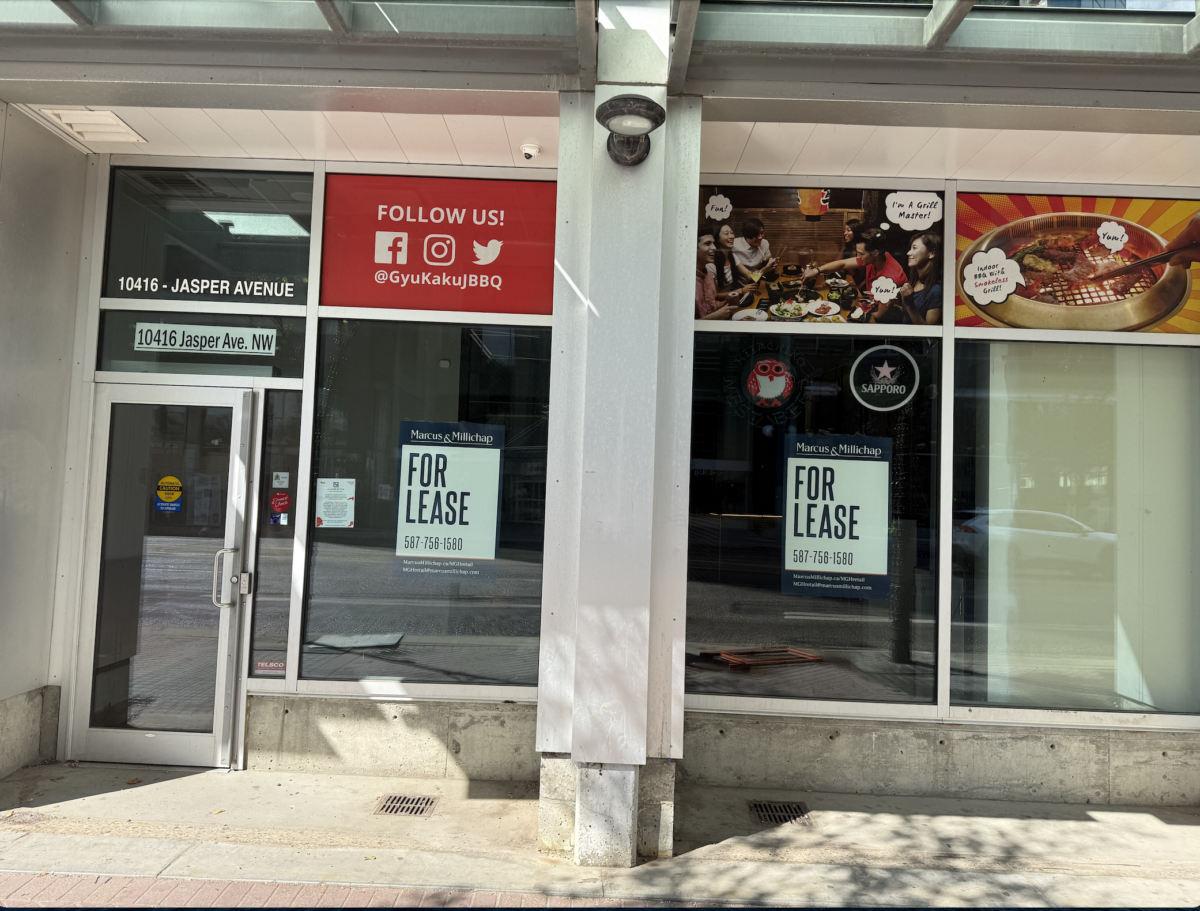
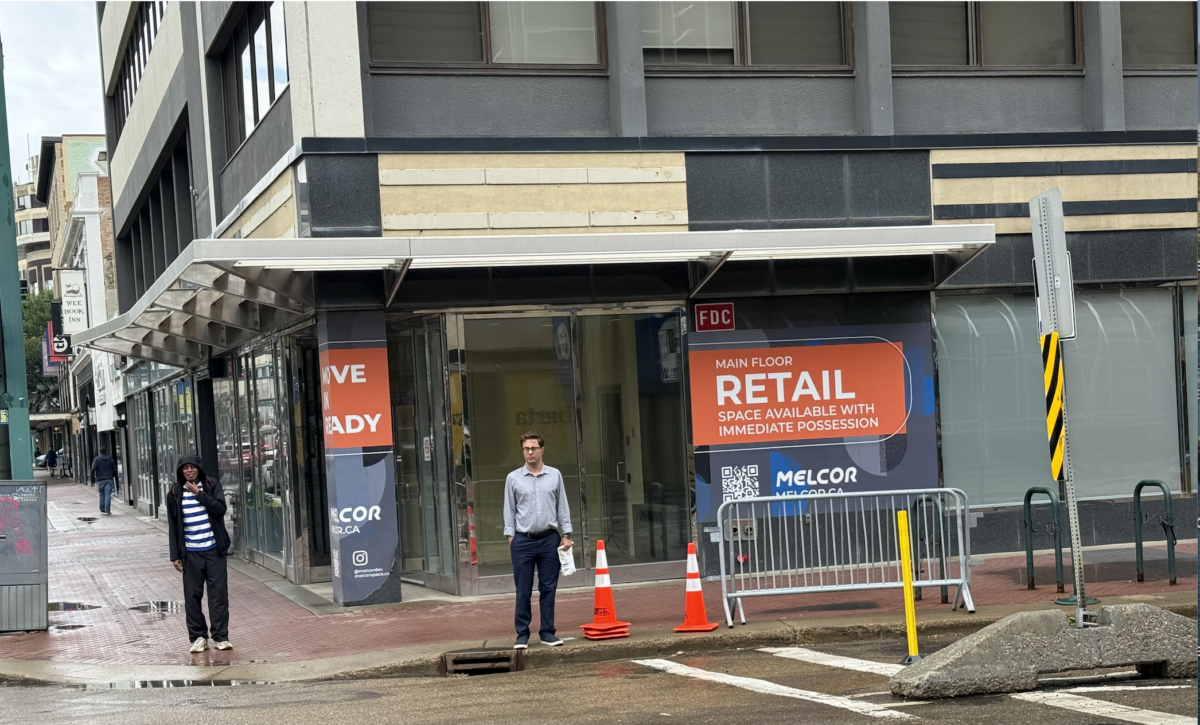
But it’s been overshadowed by a shocking number of business closures in the downtown as For Sale and For Lease signs dominate the core.
He said it is time for the city and its leadership to take decisive actions and implement innovative solutions that will breathe new life into streets and businesses.
“The future of Edmonton’s downtown depends on our ability to learn from others and adapt to the changing urban landscape,” he noted.
In a public safety survey conducted by the Chamber amongst its members over the past few months, 58% of businesses said they did not feel safe operating their business in Edmonton. In the last year, 44% have spent at least $500 to fix damages caused by vandalism, break ins, or shoplifting, while 24% said they spent more than $2,500.
Murtaza HaiderDoug Griffiths
“Edmonton’s growth story is real, and it’s one of the best in Canada right now,” said Doug Griffiths, President and CEO of the Edmonton Chamber of Commerce. “But that story is being overshadowed by Downtown, and it doesn’t have to be. When we see nearly 20 businesses close their doors in the core this year, that’s not just a Downtown problem, that’s a city problem, and it’s one the City has the tools to fix. We’d like to see the City take steps to fix this problem, with a particular focus on safety.”
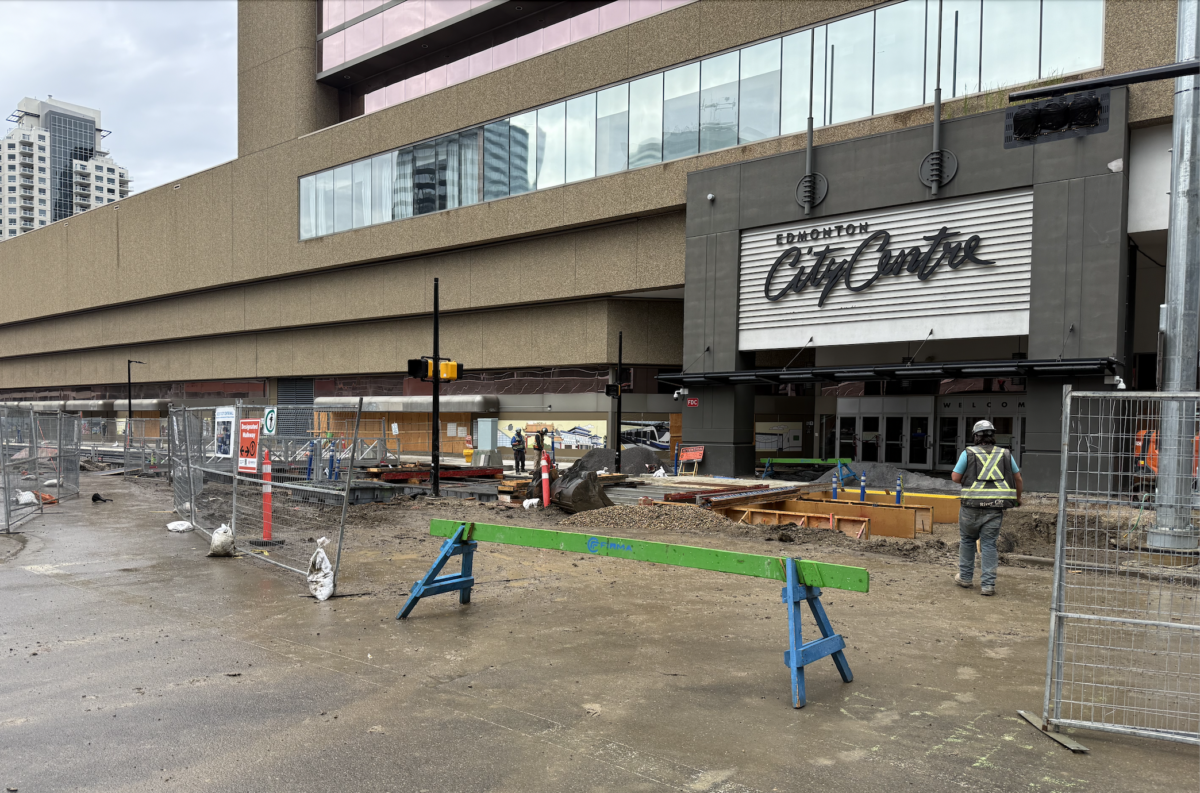
Public safety is one issue impacting downtown Edmonton businesses. The other is construction.
“For the last 25 years, I’ve had the privilege of owning restaurants, pubs and entertainment venues in Edmonton. At one point our company operated eight locations here. When GRETA YEG closes after ten years, we’ll have three remaining in Edmonton,” he said. “Writing those words is one of the hardest things I’ve ever had to write.
“After ten years, we’ve made the difficult decision to close GRETA Arcade Bar and Street Food. Every business closure has its own story. Ours happens to reflect a much bigger conversation about the future of downtown Edmonton.”
He said the company continues to grow and invest in other Canadian cities. GRETA is thriving elsewhere, and it continues to see opportunities across the country.
“I believe Edmonton deserves an honest conversation about where downtown is heading. The truth is this: we haven’t been investing in downtown Edmonton for the last decade. We’ve been divesting. That should concern every Edmontonian.
“The real story isn’t that GRETA is closing. The real story is what happens when experienced local entrepreneurs—people born here, raised here and committed to this city—begin choosing to invest somewhere else.
“No single decision brought us here. It wasn’t one tax increase. It wasn’t patio fees. It wasn’t paid parking. It wasn’t hybrid work. It wasn’t safety. It wasn’t one construction project. It was death by a thousand cuts. Year after year, decision after decision, operating downtown became a little harder and investing there became a little riskier.”
Chris DeCockHeather Thomson
He said the biggest challenge has been access.
“Years of simultaneous construction tied to the Valley Line West LRT, Jasper Avenue, Stony Plain Road and surrounding corridors have fundamentally changed how people reach downtown. The Valley Line West alone spans roughly 14 kilometres, with construction and commissioning extending over many years. Infrastructure matters, but restaurants, retailers and small businesses cannot survive nearly a decade of disruption while waiting for promised long-term benefits,” added DeCock.
The Chamber said it recognizes that business openings and closures are a normal part of any healthy economy, and Edmonton continues to see new businesses choosing to open downtown.
But if multiple businesses close for every one that opens, the city’s business community never gets ahead, it added.
“Our members have consistently raised construction disruption, public safety concerns, and the state of public space Downtown as factors actively driving foot traffic and customers out of Downtown. These are issues the City cannot afford to leave unaddressed any longer, and they are issues the Chamber has always advocated for solutions on “
“Seeing so many of these restaurants shut their doors is tough for us at the Chamber to see,” said Edmonton Chamber Vice President of Economy and Engagement, Heather Thomson. “The Chamber’s advocacy for small businesses Downtown has always been consistent. We want to see more people back Downtown on a regular basis. We want to see more people working Downtown and living Downtown, and we need to see these priorities reflected in City’s policies and approach to the business community.”
Downtown Edmonton. Mario Toneguzzi photo
The Chamber said it endorses the Downtown Revitalization Coalition’s call for Edmonton City Council to declare downtown economic stabilization an immediate priority and give Administration a clear mandate to act now.
Public safety: Continued and expanded investment in a safe, welcoming Downtown core, treated as a foundational economic pillar rather than a separate issue from economic development.
Construction coordination: Downtown businesses considered primary stakeholders when planning construction, ensuring better coordination and sequencing of Downtown construction, with business access and customer disruption treated as core project requirements.
Construction site standards: Higher standards for construction sites, including cleanliness, pedestrian access, fencing, signage, and daily maintenance.
Business relief measures: Free on-street parking in the downtown core for the remainder of the 2026 construction season, waived patio permit fees for Downtown businesses for the rest of the year, and investment in the public realm, streetscapes and shared spaces that make downtown a destination.
Downtown Edmonton. Mario Toneguzzi photo
In July, the Edmonton Downtown Business Association sent a letter to the City of Edmonton’s Downtown Integration Manager, Infrastructure Services: “While the large number of construction projects represent significant investments in downtown infrastructure, the cumulative impact to downtown accessibility is contributing to the permanent closure of ground-floor businesses. This represents a loss of employment for residents, loss of tax revenue to all levels of government, and loss of vibrancy in Edmonton. As you appreciate, there is already an overwhelming impact of construction on the downtown road, sidewalk, and bike lane network, impacting access to, from, and within downtown.
“Most of the major downtown streets and avenues are currently undergoing public works and our business community cannot endure any further disruptions. Through this letter, the Edmonton Downtown Business Association requests: (1) priority reopening of intersections affected by Valley Line LRT construction; (2) a review of timelines for upcoming projects; and (3) a formal framework to assess business impacts when sequencing future capital projects.”
The transaction remains subject to customary closing conditions, including regulatory approvals from the Ontario College of Pharmacists. It is expected to close in the second quarter of Empire’s 2027 fiscal year.
Pharmacy expansion
The acquisition will expand Empire’s pharmacy operations in Ontario through nine locations already operating within Longo’s stores.
Morelli’s Pharmacy was founded by Gerry Morelli in 1990 and provides dispensing and clinical pharmacy services in the Greater Toronto Area and Hamilton. The first Morelli’s pharmacy inside a Longo’s store opened in 2005, followed by eight additional in-store locations.
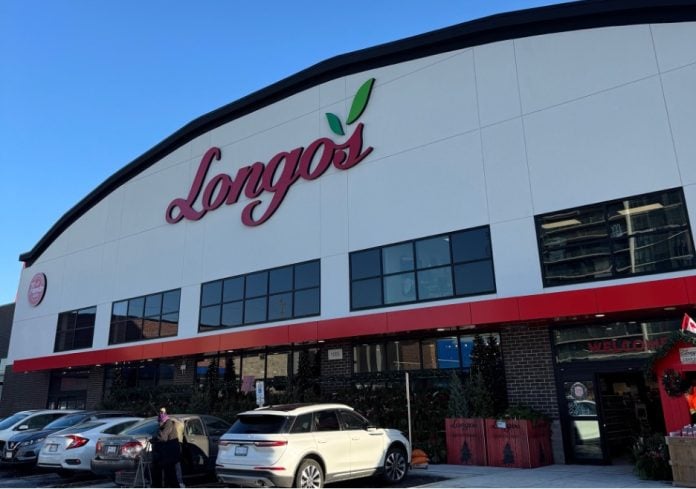
Deb CravenExterior of Longo’s store. Photo: Longo’s
“Morelli’s has been a vital part of our Longo’s community for decades, providing expert pharmacy services and dispensing,” said Deb Craven, President, Longo’s. “We will continue to offer our guests and patients the same care and trust that Morelli’s is known for, while providing the benefit of Empire’s scale, operational expertise and long-term commitment to advancing pharmacy-led primary care in Canada.”
Integration into Sobeys operations
Empire said the move will allow the pharmacies to operate under the new brand name while remaining part of those grocery-store locations.
“The acquisition of nine Morelli’s pharmacies provides Empire with a strategic opportunity to grow the Ontario pharmacy network with an established and trusted partner already embedded in Longo’s day-to-day operations,” said Doug Nathanson, General Counsel and Chief Pharmacy & Development Officer. “The conversion to Longo’s Pharmacy ensures the continuity of exceptional patient and customer service, while also providing the opportunity for Empire to diversify its brand offering to new patients and Longo’s guests.”
Doug NathansonImage: Sobeys Orangeville
The deal does not provide a purchase price or other financial terms.
Empire and Longo’s
Empire is headquartered in Stellarton, N.S., and operates primarily in food retailing through wholly owned subsidiary Sobeys Inc., as well as related real estate operations. The company reported approximately $32 billion in annual sales and $17 billion in assets, with Empire and its subsidiaries, franchisees and affiliates employing approximately 130,000 people.
Longo’s is a family-operated Canadian company that began in 1956 when brothers Tommy, Joe and Gus opened their first fruit market. It now operates 44 stores in communities across Toronto and the GTA.
The pharmacy acquisition is subject to the required regulatory approvals before it can be completed.
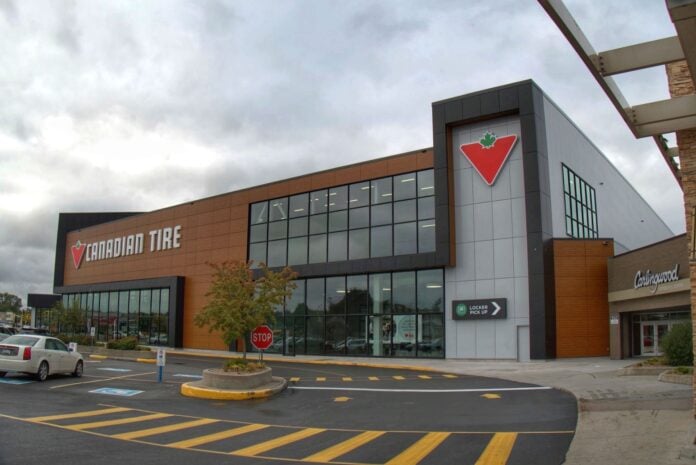
Canadian Tire at Carlingwood Shopping Centre (Image: Strathallen)
Canadian Tire Corporation is adapting its retail strategy for a shopping environment in which artificial intelligence may play a growing role in both what consumers buy and which retailers they discover.
During the company’s second-quarter earnings call, President and CEO Greg Hicks said Canadian Tire has added shopping lists, FAQs, tips and other information to its websites so AI agents can more easily discover, understand and recommend its products when consumers search through large language models. The work is part of a broader AI strategy that is also influencing how Canadian Tire identifies merchandising opportunities, builds assortments and coordinates its retail banners.
The disclosure comes as technology companies and retailers invest heavily in new forms of AI-assisted product discovery. Retailers increasingly have to consider how their products are understood by AI systems as well as shoppers and conventional search engines. At Canadian Tire, that external shift is happening alongside an internal one: the company is using AI to identify areas where it believes it can capture more customer spending.
From Product Categories to Customer Occasions
At the centre of that effort is MOSaiC, a retail intelligence platform developed with Microsoft and built on Azure. Canadian Tire announced a broader rollout of MOSaiC in February after a 2025 pilot identified more than 1,000 customer “life occasions” where the company believed its retail system could better serve shoppers. The platform combines AI and advanced analytics with internal sales and Triangle Rewards information, as well as external inputs including seasonality, weather, holidays and local events.
Hicks told analysts that Canadian Tire has analyzed hundreds of millions of transactions, Triangle loyalty information and external insights as it shifts from primarily selling products to serving what the company calls the “occasions of life.” Rather than beginning solely with a category such as sporting goods, apparel or home products, Canadian Tire can look at the customer’s broader shopping occasion and determine which parts of the company can participate.
MOSaiC is designed to turn those insights into decisions about inventory, product assortments, promotions, digital content and services across Canadian Tire, SportChek and Mark’s. Canadian Tire said in February that its retail and digital teams were beginning to use the findings for new merchandise assortments, local store and online experiences, and personalized promotions.
Greg Hicks
Back-to-School Becomes the First Major Test
Canadian Tire describes back-to-school as its first major “customer lighthouse,” the company’s term for a shopping occasion where it believes coordinated execution across its banners can produce meaningful market-share gains.
The company estimates the Canadian back-to-school market at approximately $3.4 billion and says it currently holds a low-double-digit share. Hicks described the business as relatively small for Canadian Tire today but said the company sees considerable room to grow its position.
AI-derived insights have already prompted changes to assortment and pricing. Hicks told analysts that Canadian Tire identified gaps ranging from approximately $500 Chromebooks to small fans for university dorm rooms, products that previously were not part of its traditional back-to-school approach. The work has also led to new categories, different price points and changes to merchandising.
Canadian Tire is coordinating the initiative across Canadian Tire Retail, SportChek, Mark’s and Triangle rather than approaching back-to-school separately at each banner. For the first time, SportChek and Mark’s marketing is appearing in the Canadian Tire flyer as part of the campaign, while digital content and personalized Triangle offers are also being organized around the occasion.
Hicks used the example of a parent buying sneakers who may also need crayons and jeans, or a student moving into residence who may need a laptop, fan, furniture and hoodie. Canadian Tire already participates in many of those categories, but historically the products have been spread among different banners and departments. The new approach is intended to capture more of the overall shopping occasion.
Stifel analyst Martin Landry highlighted the strategy following the earnings call, noting that Canadian Tire’s AI tools have introduced new product categories, merchandising approaches and price points around back-to-school that could support market-share gains.
Canadian Tire’s Banners Become More Connected
The AI strategy fits with Canadian Tire’s broader effort to operate its businesses as a more integrated retail system. Canadian Tire, SportChek and Mark’s websites are increasingly connected, allowing customers to move more easily among the banners, with integrated search, carts and payments planned as the digital platform develops.
That integration gives Canadian Tire another way to act on the insights generated by MOSaiC. If the company identifies a customer occasion spanning apparel, sporting goods, household merchandise and other categories, shoppers can increasingly be directed across the banners rather than being treated solely as customers of one business.
The approach could be particularly valuable to SportChek and Mark’s, which operate smaller digital businesses than the Canadian Tire banner. Hicks said Canadian Tire’s substantial web volumes are already generating traffic for the two banners, while Stifel also highlighted the company’s improving ability to direct online traffic toward them. E-commerce sales across Canadian Tire’s banners increased 12% in the second quarter, including 14% growth at Canadian Tire Retail.
The work is part of Canadian Tire’s broader True North strategy, which is intended to capture more of the scale available across the company rather than allowing individual banners and systems to operate independently. MOSaiC adds another layer by identifying customer needs that may extend across several parts of the business.
Preparing for Product Discovery Through AI
Canadian Tire is simultaneously preparing for changes in how consumers find products online. Online shopping has traditionally relied heavily on relatively specific searches for products such as backpacks, desk fans or laptops. Generative AI allows shoppers to begin with a broader need, such as preparing a student for a university dorm room, and have an AI system research products, compare choices and make recommendations.
That changes what retailers need from their digital content. Information published online can increasingly be interpreted by AI systems deciding which products are relevant to a consumer’s request. Hicks’ comments indicate Canadian Tire is already responding by adding shopping lists, FAQs, tips and other information intended to help AI agents understand and recommend its merchandise.
Canadian Tire is not alone in preparing for AI-mediated product discovery, as major technology platforms and retailers build shopping functions around generative AI. The notable development at Canadian Tire is that this work is occurring alongside its own use of AI to identify the shopping occasions where it wants to compete.
Triangle Provides a Large Base of Customer Data
Canadian Tire enters that transition with one of its most important assets already in place. Triangle Rewards has 9.8 million active registered members, according to Stifel, representing an estimated 50% to 60% of Canadian households.
That gives Canadian Tire a substantial base of first-party purchasing information across its retail ecosystem. As the company focuses more heavily on customer occasions, it can examine how loyalty members move among Canadian Tire, SportChek and Mark’s and identify categories or shopping needs where it believes the combined business is underrepresented.
Triangle is also becoming more connected to outside partners. Management said more than two million members are now active with partners including Petro-Canada, RBC or WestJet, with the Tim Hortons partnership expected to add another everyday touchpoint.
AI-driven product discovery introduces another consideration. External AI services can provide retailers with new ways to reach shoppers, while businesses with large loyalty programs still have an incentive to maintain direct customer relationships. For Canadian Tire, making products easier for AI systems to discover can sit alongside its efforts to bring shoppers into an ecosystem built around Triangle, personalization and its different retail banners.
AI Moves Deeper Into Canadian Tire
MOSaiC is not Canadian Tire’s first use of artificial intelligence. The company has already deployed DaiVID, an AI-powered pricing and promotions platform, and is rolling out Microsoft 365 Copilot to corporate employees. Canadian Tire says DaiVID has contributed to improved customer perceptions of value, while MOSaiC represents a broader effort to use AI and data across the retail system.
The scale of the company’s AI work has also been building through 2026. During its first-quarter call, Hicks said MOSaiC had already surfaced more than 1,000 customer life occasions and 180,000 demand signals. He also said AI was informing about one-third of developers’ code and that newly constructed agents had been deployed into real-world workflows.
The difference now is how closely some of those capabilities are becoming connected to everyday retail decisions. Back-to-school shows how customer data and AI can identify an occasion where Canadian Tire believes it is underrepresented, leading to assortment and pricing changes and greater coordination across Canadian Tire, SportChek, Mark’s and Triangle.
At the same time, the company is changing its digital content so the resulting products and shopping solutions can be better understood by the AI systems consumers may increasingly use to find them.
Holiday Comes Next
Back-to-school will provide an early indication of how well the strategy works at scale. Canadian Tire intends to evaluate the results of its customer lighthouses and refine the approach as it moves through other major shopping occasions.
Holiday is next. Hicks described it as a considerably larger business with opportunities to increase both sales and market share, and Canadian Tire has already identified assortment gaps as it prepares. One example cited during the call was lower-priced wrapping paper, an area where the company determined its offering was not sufficiently competitive.
MOSaiC is now moving from pilot and development into decisions customers can see in stores and online. Back-to-school is the first large-scale demonstration of how Canadian Tire intends to apply those insights across its retail system, with holiday providing the next test.