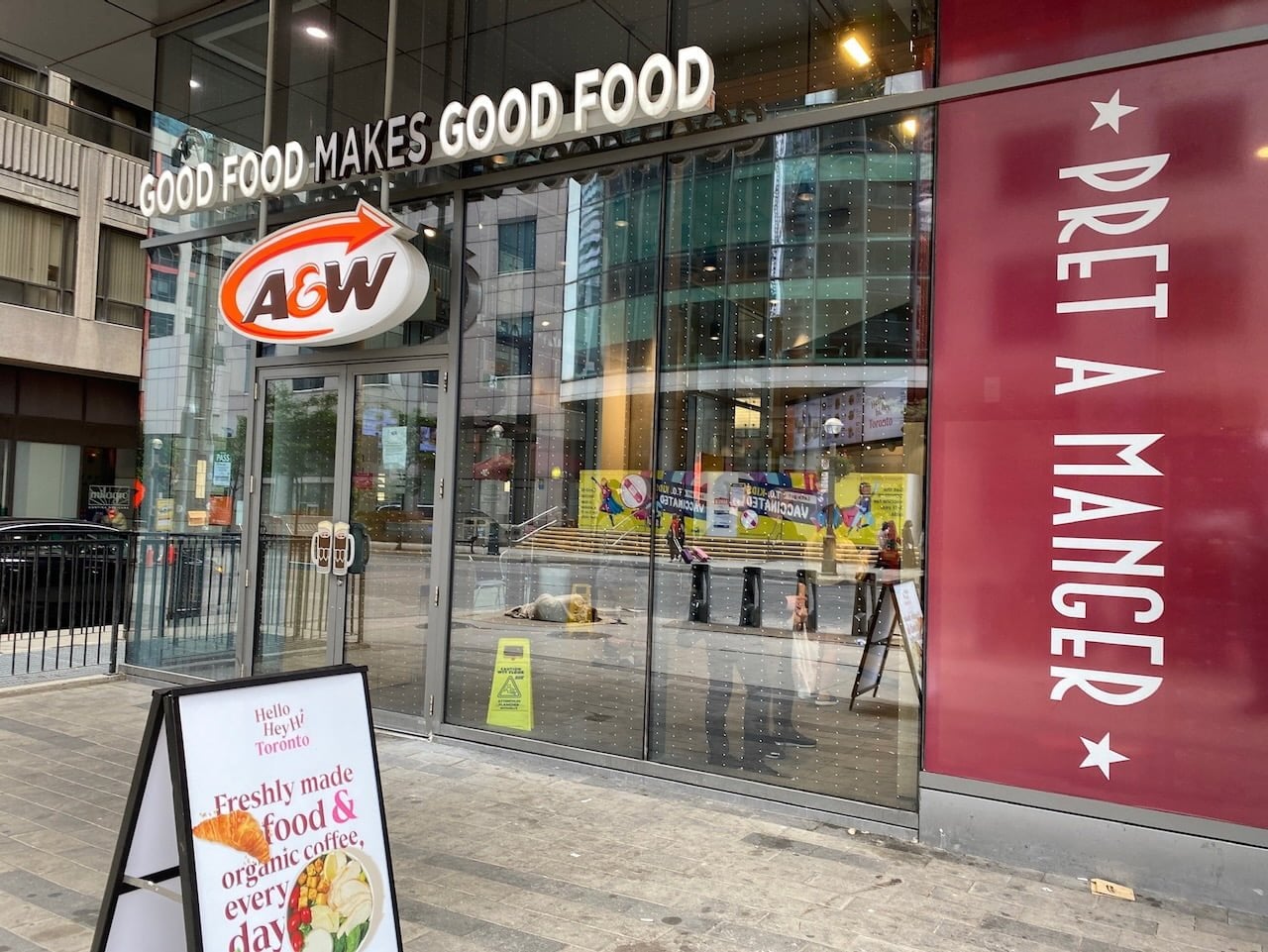
Operating revenue for the food services and drinking places subsector rose 4.8% to $99.6 billion in 2024, reports Statistics Canada.
This increase was consistent with higher food prices: the food purchased from restaurants component of the Consumer Price Index CPI grew 3.6% in 2024. This was above the all-items CPI, which increased 2.4%. Sales of food and non-alcoholic beverages accounted for 86.5% of total sales, while alcoholic beverages represented 11.0% and other sales made up the remaining 2.5%, it said.
Operating expenses for the food services and drinking places subsector increased 4.3% year over year to $95.5 billion in 2024, resulting in a slightly higher operating profit margin of 4.1%, up from 3.6% in 2023. In 2024, the cost of goods sold remained the largest operating expense, accounting for 35.9% of total expenses. This was followed by salaries, wages, commissions and benefits (33.6%) and rental and leasing costs (8.1%), added the federal agency.

“Operating revenue at limited-service eating places grew 7.7% to $44.9 billion in 2024, while operating revenue at full-service restaurants increased 1.4% to $44.2 billion,” it noted.
“This marks the first year, apart from 2020 and 2021 during the COVID-19 pandemic, when limited-service establishments generated higher operating revenue than their full-service counterparts. The relative performance of the two industry groups may reflect consumers shifting toward lower-cost, convenience-oriented dining options amid continued price pressures.”
Operating revenue for the special food services industry group—which includes food service contractors, caterers and mobile food services—was up 10.9% year over year to $7.8 billion in 2024. This subsector-leading growth was partly supported by increased return-to-office requirements across both the public and private sectors, explained Statistics Canada.
“By contrast, operating revenue for drinking places edged down 2.6% to $2.7 billion in 2024. Apart from the temporary recovery that accompanied the lifting of pandemic-related restrictions (from 2021 to 2023), the industry has seen a gradual and steady decline for more than 10 years, partly due to shifting consumer preferences regarding alcohol consumption,” it said.
More from Retail Insider: