Retail Insider is streamlining its Canadian retail news from around the web to include a handful of top news stories that can be viewed quickly during the day. Here are the top stories from the past 24 hours.
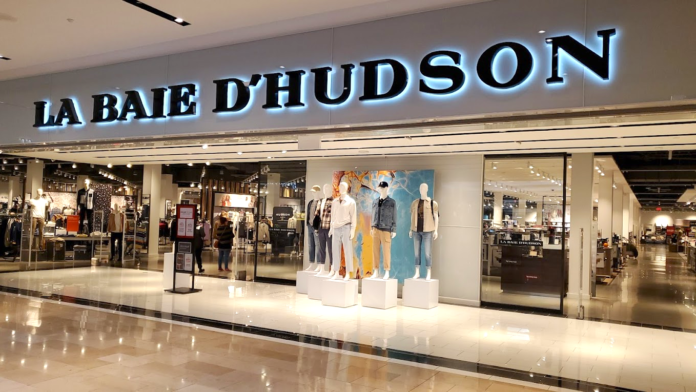
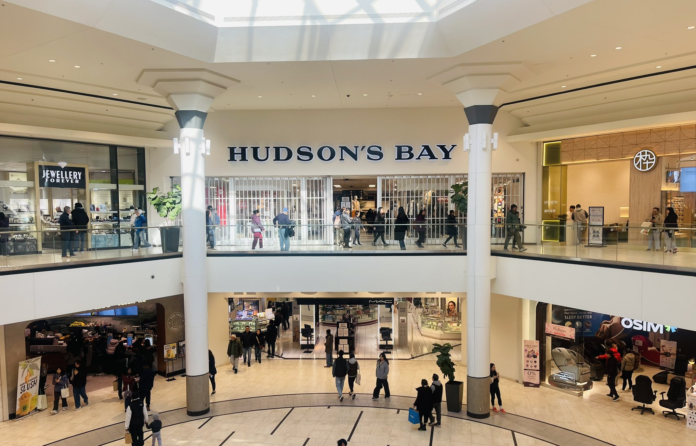
Hudson's Bay store at Galeries de la Capitale in Quebec City. Photo: Justus Coon-Come via Google Maps
The Hudson’s Bay Company returned to court on Wednesday, March 26, seeking approval for a critical agreement with senior lenders that could determine the fate of six of its Canadian stores. Under the proposed deal, the company has until April 7 to secure viable offers for the stores—otherwise, liquidation will begin at those locations as well.
The stores in question are three in the Greater Toronto Area and three in the Montreal region, including the downtown Toronto flagship that also houses a Saks Fifth Avenue store operated under licence. These were excluded from earlier liquidation plans.
“The company wanted more stores, the company wanted more time and latitude to find a solution,” said Ashley Taylor, a lawyer representing Hudson’s Bay, during the Wednesday hearing. “But that was the best we could negotiate at the time.”
Lenders Push for ‘Guardrails’ Amid Restructuring
Hudson’s Bay’s lenders—Bank of America N.A., Pathlight Capital LP, and Restore Capital LLC—are seeking stronger assurances in the form of what’s called a Restructuring Support Agreement (RSA). Without such an agreement, they said they would ask the court to appoint a receiver over Hudson’s Bay’s assets.
“To be honest, it was not a very satisfying outcome for the company,” Taylor admitted, adding that two weeks is not a long time to secure a future for six key locations.
Liquidation Underway at 74 Hudson’s Bay Stores
The retailer, which entered creditor protection on March 7 under the Companies’ Creditors Arrangement Act (CCAA), already received court approval on March 21 to begin liquidation at 74 of its department stores, as well as at two Saks Fifth Avenue and 13 Saks Off Fifth locations. The six stores not currently undergoing clearance were carved out in hopes of salvaging potential value through future sales or partnerships.
Court documents revealed that unexpected foot traffic and sales in early March allowed Hudson’s Bay to repay its initial debtor-in-possession (DIP) financing of about $16 million, avoiding the need for a second round of emergency borrowing.
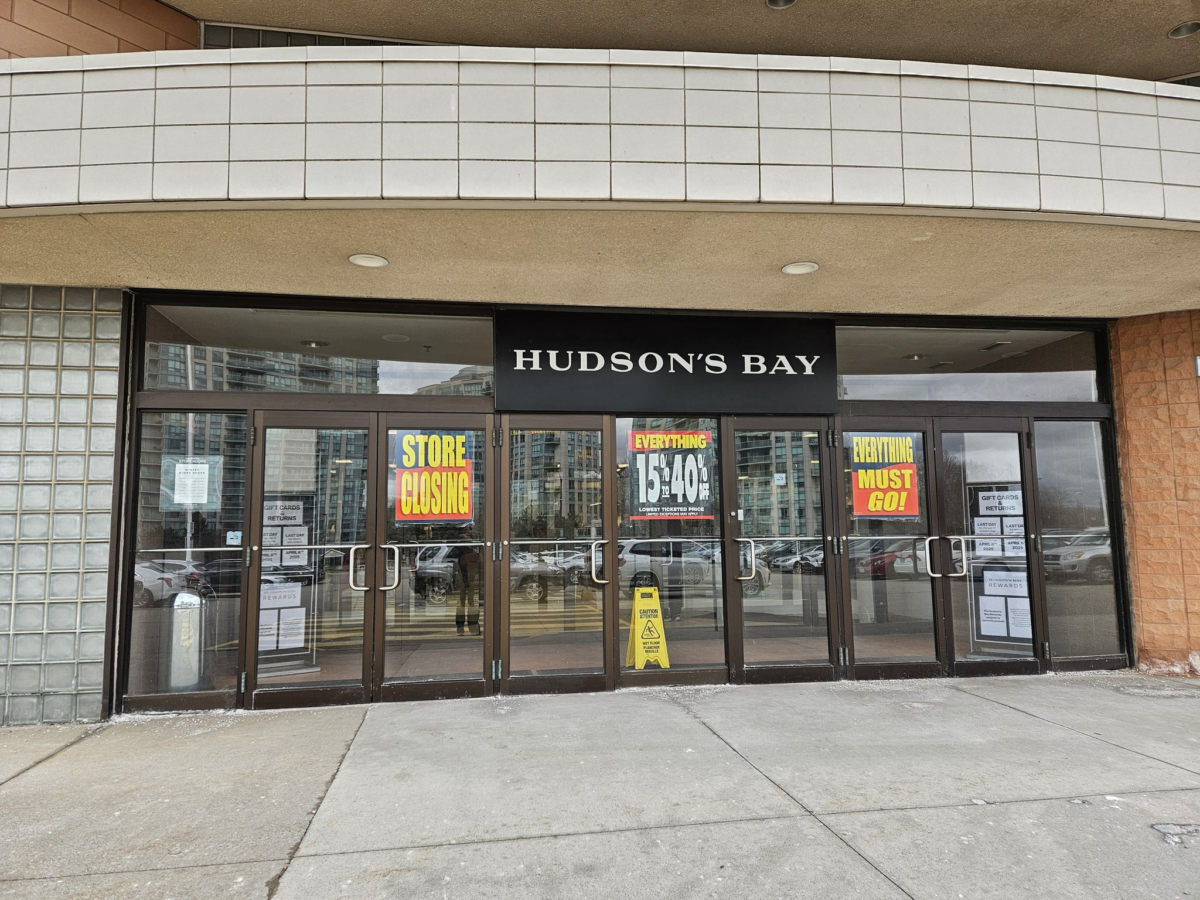
Liquidation signage on the door of the Hudson’s Bay store at Erin Mills Town Centre in Mississauga, Ontario. Photo: @nataliehhhh via X/Twitter
Path Forward Hinges on Buyer Interest
The April 7 deadline is not necessarily final. If Hudson’s Bay can show that one or more of the six locations are receiving qualified bids or have realistic turnaround potential, the monitor overseeing the restructuring and the financial advisor managing the sales process may allow them to remain in operation.
“If the RSA is approved, it provides a clear path forward with fewer fights,” said Taylor, referring to a proposed framework that would let Hudson’s Bay continue operating the six stores—if it sticks to a strict budget and meets lender expectations.
The agreement, however, does allow for flexibility: the company could remove stores from liquidation if a qualified bid comes forward.
Landlords Push Back: RioCan Speaks Out
Landlords, including major players like RioCan REIT, have voiced opposition to the RSA. RioCan’s lawyer, Joseph Pasquariello, argued the deal disproportionately favours senior lenders and undermines the broader goal of restructuring.
“These agreements are snatching the steering wheel from the company and driving it toward a liquidation result that RioCan and others are submitting should be avoided at any cost,” said Pasquariello in court.
RioCan is particularly involved, as it both leases space to Hudson’s Bay and co-owns certain retail properties through joint ventures.
Retail Expert: Competing Interests and Deep Challenges
Retail strategist Carl Boutet, who has been monitoring the situation closely, noted in an interview that the RSA presents a balancing act.
Carl Boutet
“There’s a lot of back and forth between Pathlight and RioCan about this RSA,” Boutet said. “But the RSA allows the six stores to keep operating—so far—so long as it’s within their budgets.”
Boutet emphasized that the lenders are pushing for resolution because even the most optimistic recovery scenario would still fall short of fully repaying senior debt. “They’re already projecting a $9 million shortfall just to repay the first-ranked lenders,” he explained.
Boutet added that other stakeholders, such as landlords and suppliers, may receive little or nothing if the lenders’ priority claims aren’t satisfied. “If the first-lien debt holders don’t get paid, then there’s no hope for employees, severance, or suppliers.”
Concerns Around Employee Protections and Governance
Employee representation groups have raised alarms about unpaid benefit contributions and deductions, as well as the fate of long-term disability recipients. Some employees are also losing access to legal representation that had been paid for through the liquidation process.
A separate issue gaining attention is a proposed $3 million Key Employee Retention Plan (KERP) to keep essential staff, including store managers, in place throughout the liquidation.
“Shutting down a business is not easy work,” said Boutet. “That money is there to incentivize people to stay on the Titanic a little longer.”
However, a more controversial element is a proposed $50 million director liability shield. “That part upsets me way more,” Boutet said. “Especially when it comes to someone like Richard Baker, who’s made hundreds of millions over the years running this thing into the ground.”
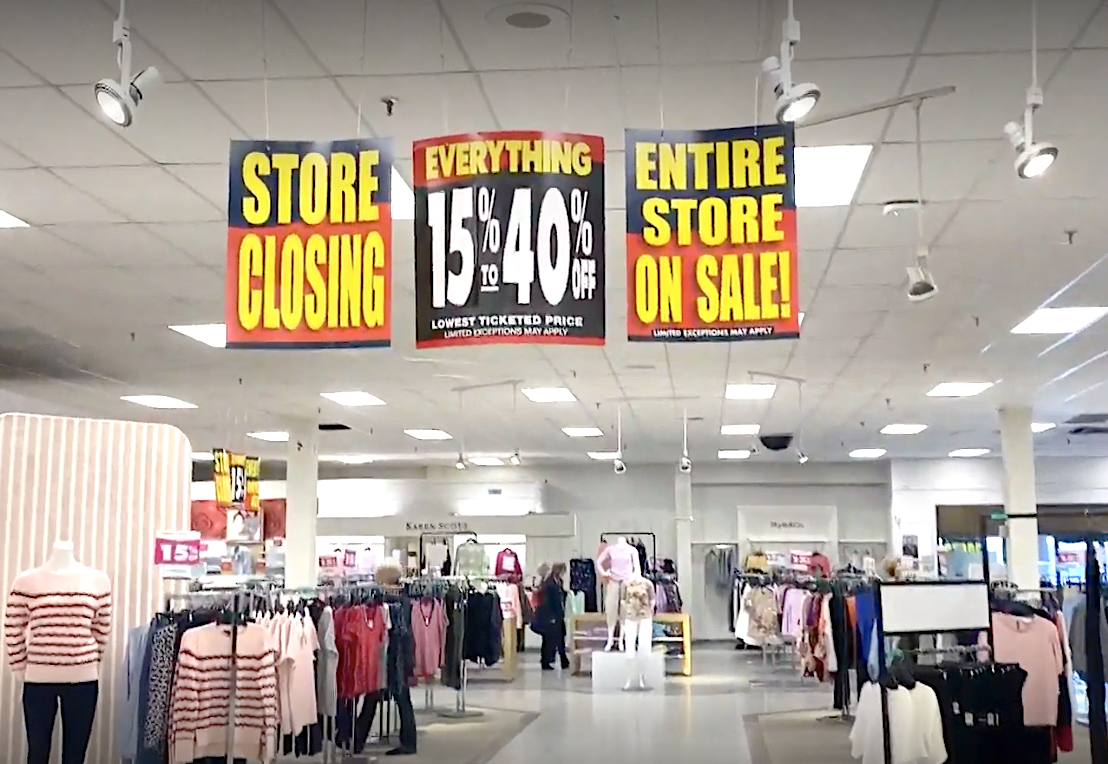
Store liquidation signage at Hudson’s Bay in the Mayflower Mall in Sydney, Nova Scotia. Photo: Andrew Barkhouse
A White Knight Unlikely: Optimism in Short Supply
As for the six remaining stores, including the historic downtown Toronto and Montreal flagships, Boutet remains sceptical that a deal can be struck in time.
“Unless a white knight shows up from the heavens to repurchase Rupert’s Land,” he joked, referencing Hudson’s Bay’s colonial-era land holdings, “those six stores are likely headed to liquidation, too.”
The sentiment reflects growing consensus among retail experts and creditors: while the past few weeks have been chaotic and full of legal wrangling, a swift resolution appears increasingly necessary.
Next Steps: April 7 and Beyond
The restructuring process is ongoing, with a sale process for parts of the business set to conclude by late April, and the monetization of leases expected to finish in early May. The six-store carve-out remains the only sliver of potential for Hudson’s Bay to emerge from the process with a functioning retail footprint.
But as lender pressure mounts and costs continue to rise, time is running out.
“From what we’re hearing,” said Boutet, “even two more weeks might not be enough. And frankly, they should’ve started looking for solutions a long time ago.”
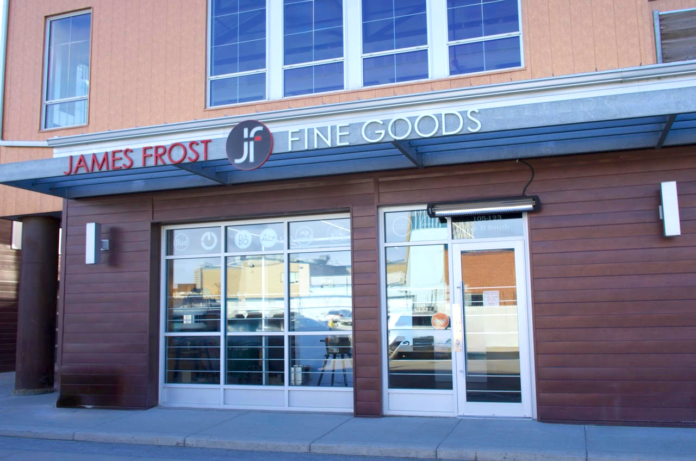
James Frost Fine Goods in Saskatoon, Saskatchewan. Photo: James Frost Fine Goods
In the heart of downtown Saskatoon’s Riversdale district, James Frost Fine Goods is redefining what it means to be a luxury retailer in Canada. From its origins as an Apple dealership more than two decades ago, the independent store has evolved into a curated destination for high-end electronics, appliances, and now, fine wine.
“Back in 2000, we were one of the early Apple dealers—before that was cool,” said James Frost, founder of the store that bears his name. “But over time, I realized I wanted to create a more enjoyable, lasting experience for both myself and my clients.”
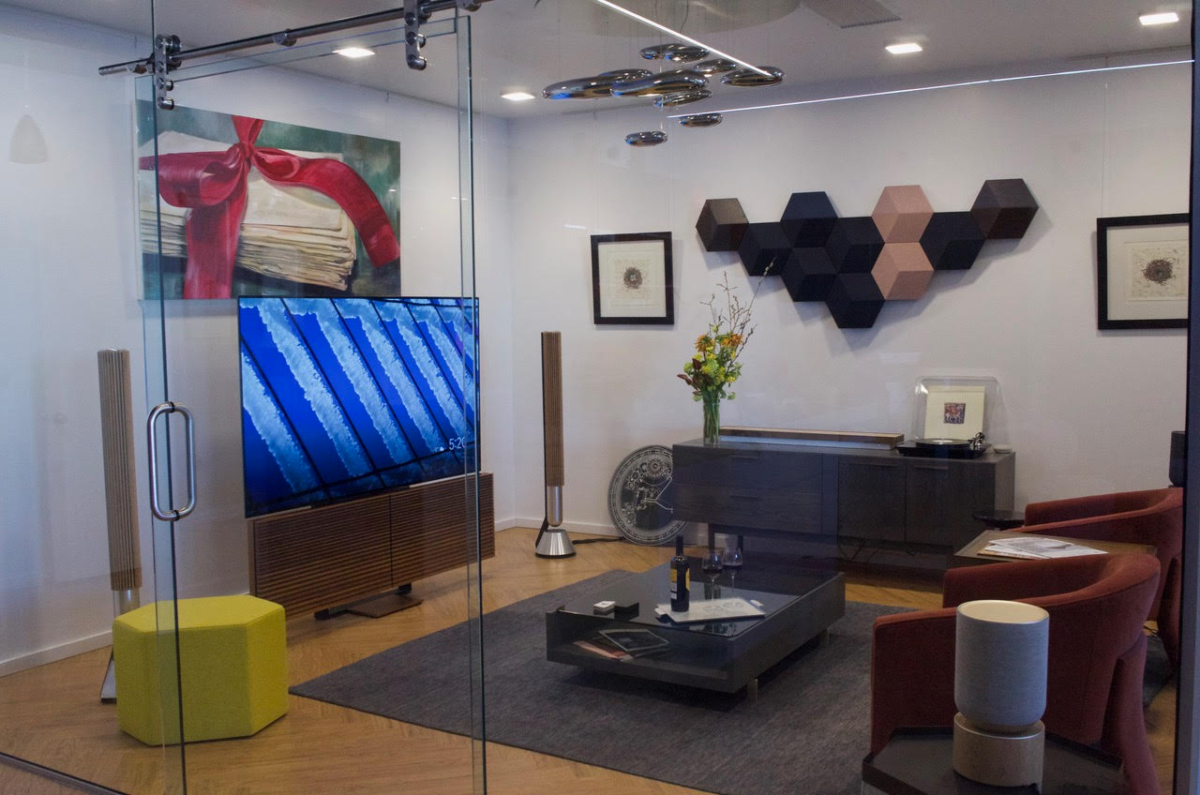
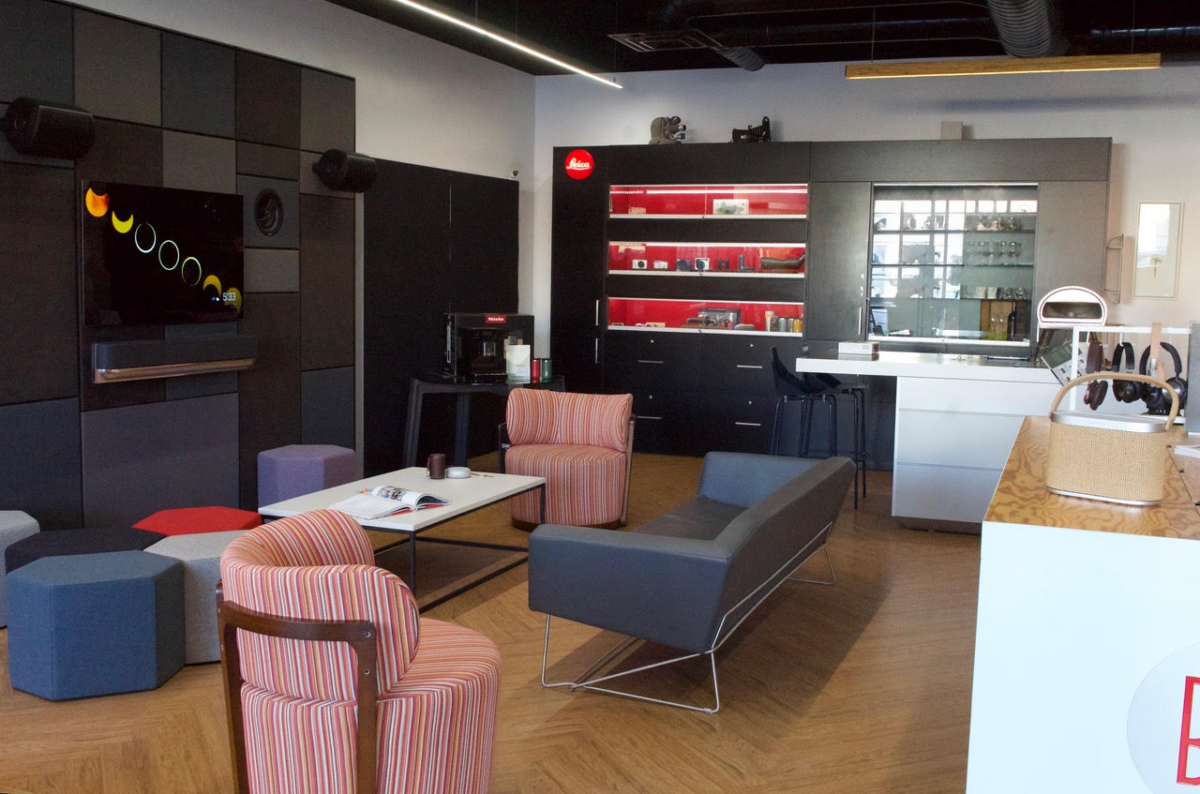
The store, located at 105-123 Avenue B South in Saskatoon, now carries premium brands including Leica, Bang & Olufsen, Miele, and Bromic. The transition away from high-turnover tech products toward quality goods with longevity was deliberate.
“When you buy a set of Bang & Olufsen headphones, you may never need another pair,” said Frost. “I wanted to focus on timeless design, high performance, and products people feel connected to—things they’ll actually keep.”
Image: James Frost Fine Goods
Introducing Vinoteca: A First for Saskatchewan
Now, the business is entering a new chapter. Vinoteca, a high-end wine club and experience space, represents what Frost describes as “the next evolution” of the brand.
“There’s really nothing like this in Saskatchewan,” he said. “Vinoteca is about creating something elevated—something rare.”
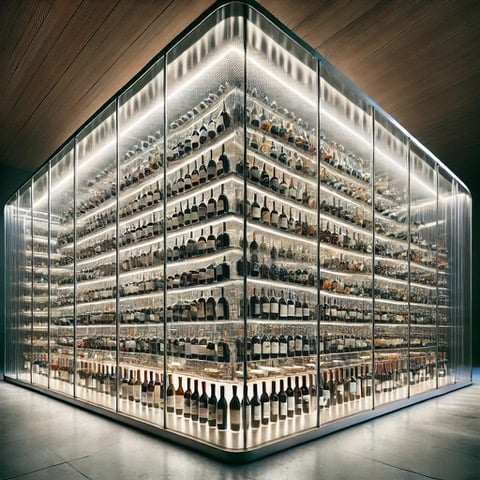
The idea started with high-end wine cabinets the store was already selling. But it quickly expanded into a broader concept: curated, import-only wines, often from family-run vineyards in France and Spain, delivered directly to customers and paired with exclusive tasting events.
The club operates under Saskatchewan’s strict liquor laws, which prohibit in-store alcohol sales. However, customers can sample the wines during private events or order online for delivery. A future goal includes converting the store’s second floor into a private, members-only club with space for tastings, meetings, and celebrations.
James Frost Fine Goods in Saskatoon, SK. Image: James Frost Fine Goods
A 2,000-Square-Foot Space with a Global Vision
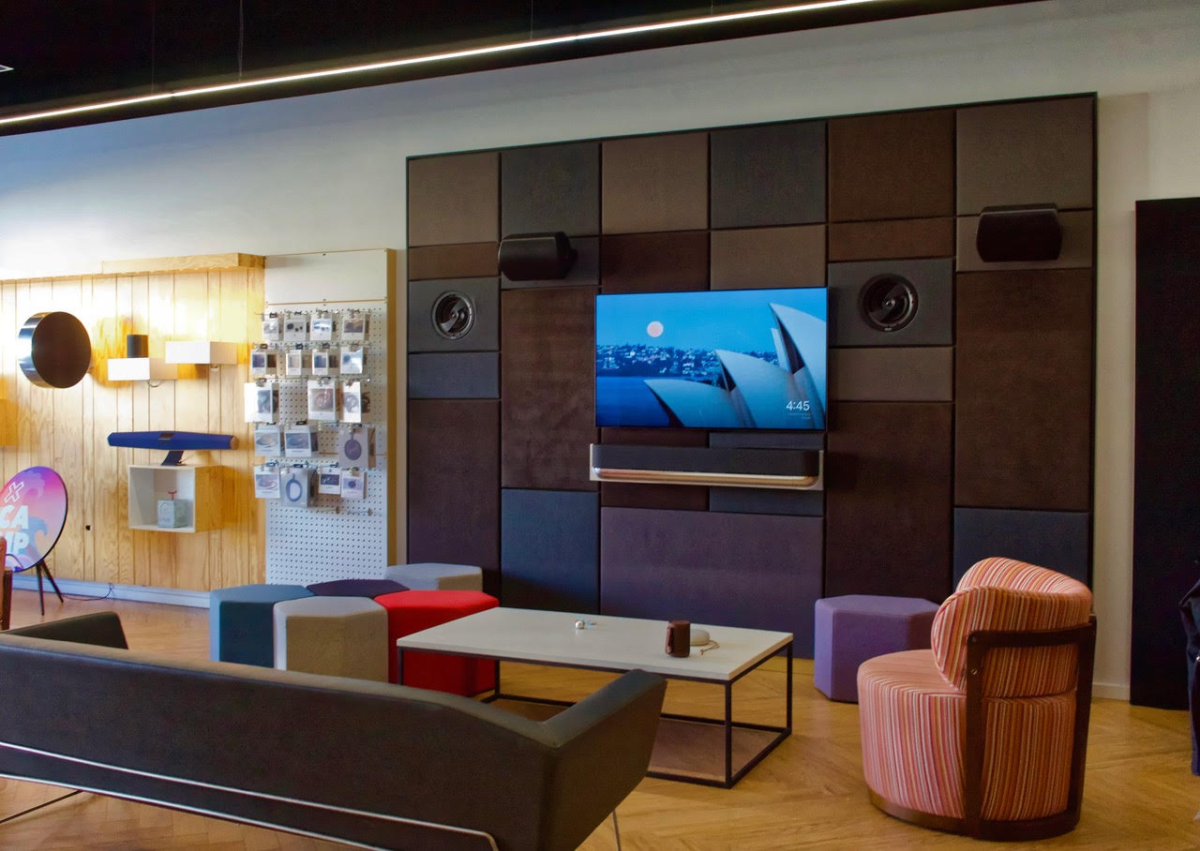
The existing 2,000-square-foot store has become a calm and curated refuge in Saskatoon’s downtown, designed to make customers feel welcome and unhurried.
“We want people to come in, have a coffee, sit down, and listen to music,” said Frost. “It’s about slowing down and connecting—whether it’s with a product, a person, or a moment.”
Frost says the store’s layout and selection are all part of that immersive experience. While many installations are done onsite for clients—like outdoor heaters or sound systems—the store remains an anchor in the community.
“We’re very selective about what we carry,” he explained. “We try to ensure everything in here tells a story.”
Connecting Global Artisans with Local Customers
Vinoteca is not just about the wine—it’s about the people behind it.
“The wines we offer are from small, independent producers who care deeply about their craft,” Frost said. “I’ve had 45-minute conversations with vineyard owners about the acidity of the soil. That’s how much detail goes into it.”
One example is the Santa Elba wine from Spain—of which Frost secured 100 of the only 1,500 bottles produced worldwide. “That wine’s value has increased significantly, but I still believe it’s meant to be enjoyed. That’s the spirit of Vinoteca.”
Members of the club also receive perks through partnerships with more than 30 local businesses—from chocolatiers to interior designers—creating a broader network of shared clientele.
James Frost Fine Goods in Saskatoon, SK. Image: James Frost Fine Goods
Community First, Always
Frost has long been active in the local business scene, having served as vice-chair of the Riversdale Business Improvement District. For him, the store is not just about transactions—it’s about transformation.
“What we’re really selling is experience,” he said. “Music, photography, wine—these are all sensory. They improve your life in small but meaningful ways.”
He also believes strongly in collaboration and community resilience, particularly in challenging times for independent retailers.
“With everything going on—rising costs, staffing issues, tariffs—it’s easy to feel overwhelmed,” said Frost. “But if we can offer something beautiful, something thoughtful, I think people respond to that.”
Navigating Trade and Tariffs
While most of the store’s inventory is sourced outside of the United States—including Danish, German, Japanese, and Australian brands—Frost says shifting trade policies have still caused disruptions.
“Our Japanese glassware got hit with unexpected tariffs, even though it was just passing through the U.S.,” he said. “That kind of uncertainty affects us all.”
He remains optimistic, however, about global cooperation. “Just because one or two people in power are unpredictable doesn’t mean the rest of us can’t work together,” he said. “We have friends and partners around the world. That’s not going to change.”
James Frost Fine Goods in Saskatoon, SK. Image: James Frost Fine Goods
A Future Beyond Saskatoon?
While the business already ships across Canada, Frost says any expansion of Vinoteca to other cities would be gradual.
“We’re definitely thinking about other markets—Regina, maybe even nationally,” he said. “But right now, we’re focused on getting it right here.”
That includes planning a wine-and-cars trip to France this year—featuring vineyard tours, tastings, and luxury vehicles like Bugatti and Porsche. “It’s about connecting passion points,” said Frost. “People who love craftsmanship tend to love it in all forms.”
Independent Retail in Canada: A Balancing Act
As a seasoned entrepreneur, Frost has a realistic view of the challenges facing independent Canadian retailers today.
“Consumers are understandably cautious right now,” he said. “Everything costs more—food, dining, tips, you name it. So when we talk about high-end headphones or cameras or wine, we need to offer real value.”
That value, he argues, comes through longevity and experience. “This isn’t fast retail. It’s not something you throw in a drawer. It’s something that lasts and gives back.”
Frost also points to the personal connections formed in-store as a key differentiator. “When you call us, you talk to a human. That matters.”
A Call to Rediscover Joy in Retail
At its core, James Frost Fine Goods is about recapturing joy—through sound, taste, and storytelling.
“There’s so much doom-scrolling and negativity out there,” said Frost. “What if you took five minutes to listen to your favourite song? Or opened a bottle of wine you’d been saving? That’s the kind of moment we’re trying to create.”
As he puts it: “Our mission is simple—if we can make someone’s day better through what we do, that’s a win. Everything else flows from that.”
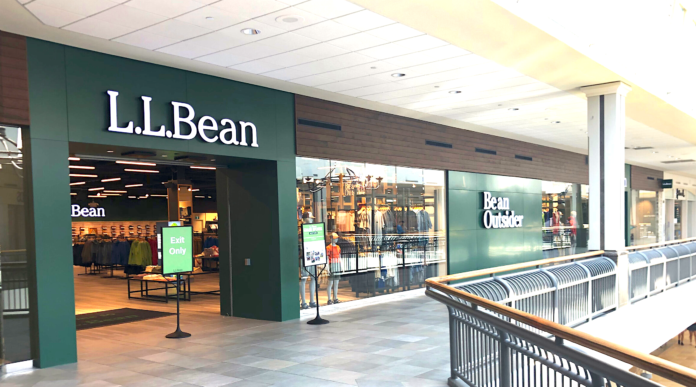
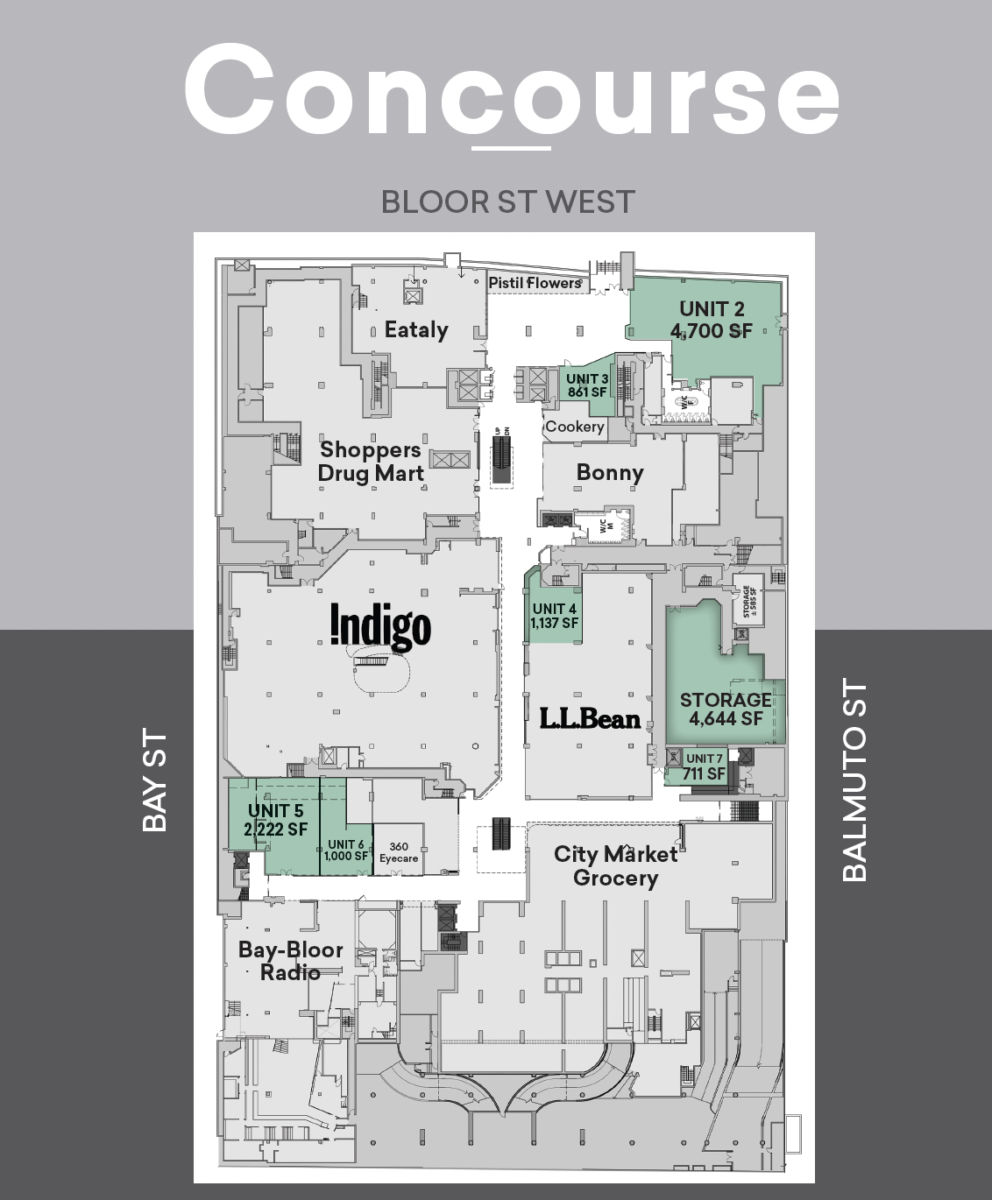
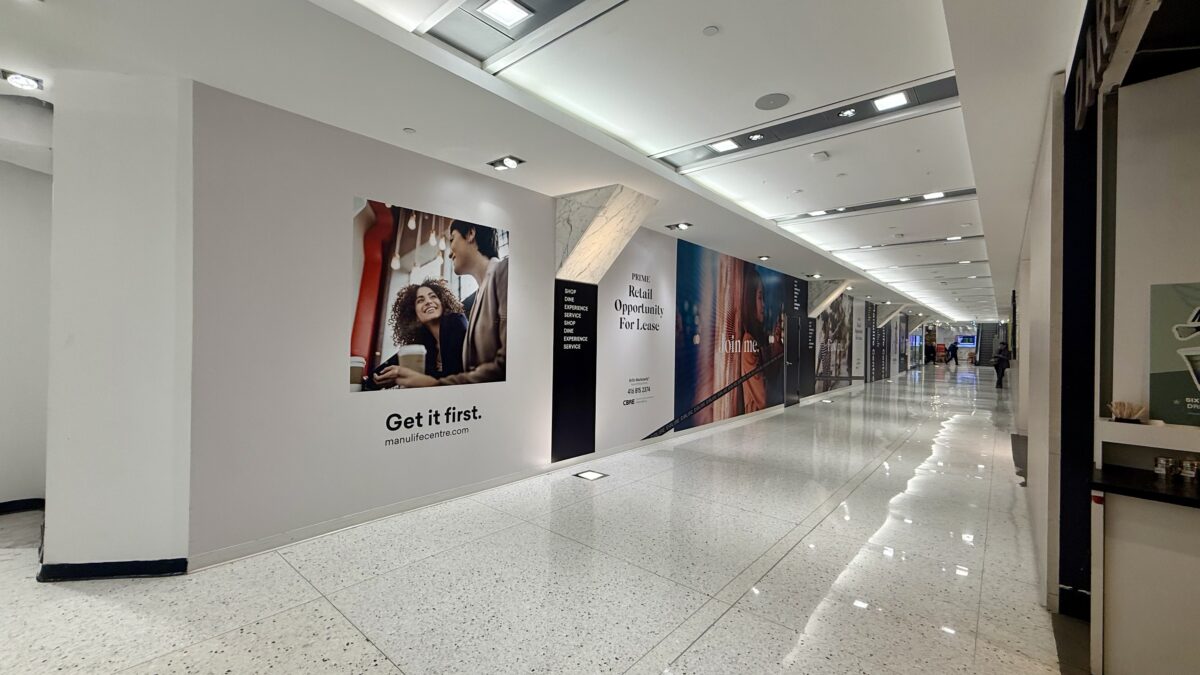
L.L.Bean, the renowned outdoor apparel and equipment retailer, is set to open a 9,500-square-foot store at the Manulife Centre in Toronto this summer. The new store will be located on the concourse level of the shopping complex, occupying a space previously tenanted by the LCBO. The liquor store relocated to a street-facing location at the corner of Bloor Street and Balmuto Street in November 2021, paving the way for L.L.Bean’s arrival.
The lease deal for the new L.L.Bean store was brokered by Andrew Laudenbach of Oberfeld Snowcap, representing the retailer. On the landlord’s side, Manulife was represented by Arlin Markowitz and Alex Edmison and the CBRE Toronto Urban Retail Team. The addition of L.L.Bean to the Manulife Centre aligns with the complex’s positioning as a premium urban retail destination, catering to both local residents and visitors.
The store will cater to the busy Bloor-Yorkville area, which experiences significant foot traffic from nearby subway stations and work places. The neighbourhood has seen rapid densification with the development of thousands of new high-rise residential units. Known for attracting affluent visitors, the area is also home to a large number of high-net-worth residents living in upscale apartments.
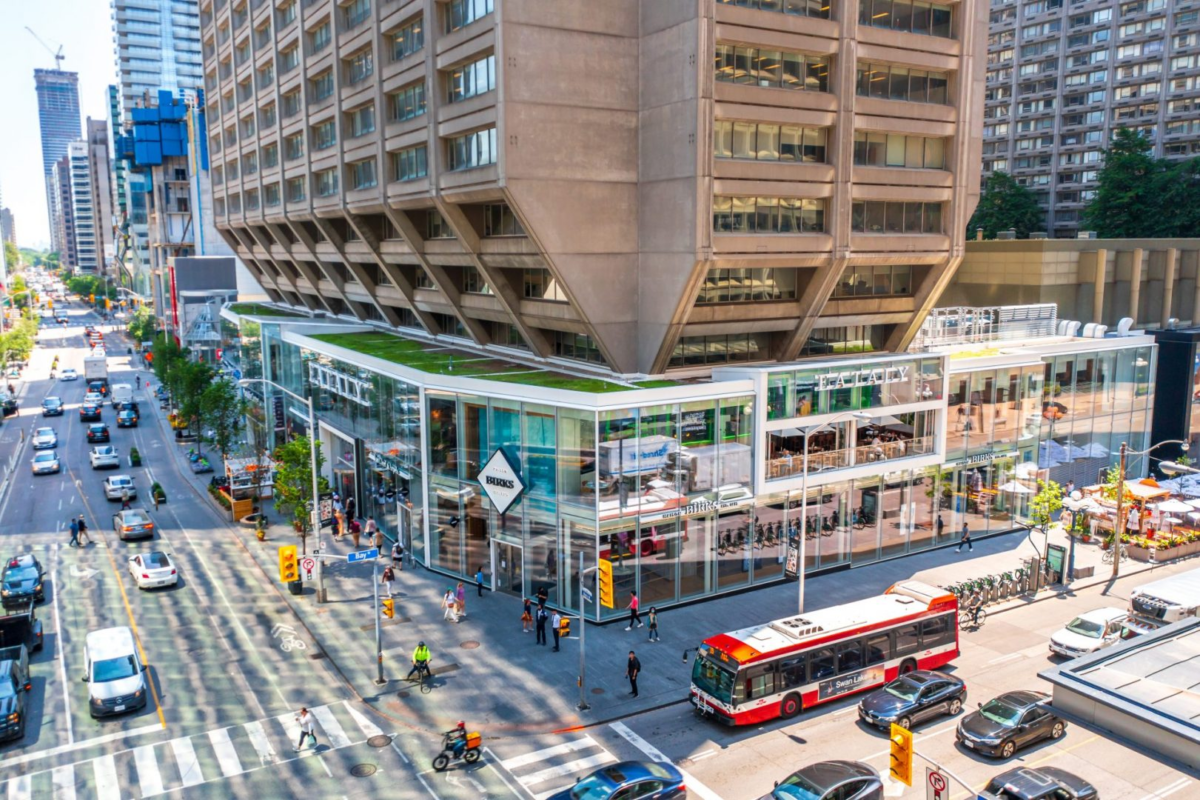
Manulife Centre commercial podium. Image via CBRE
The Evolution of Manulife Centre
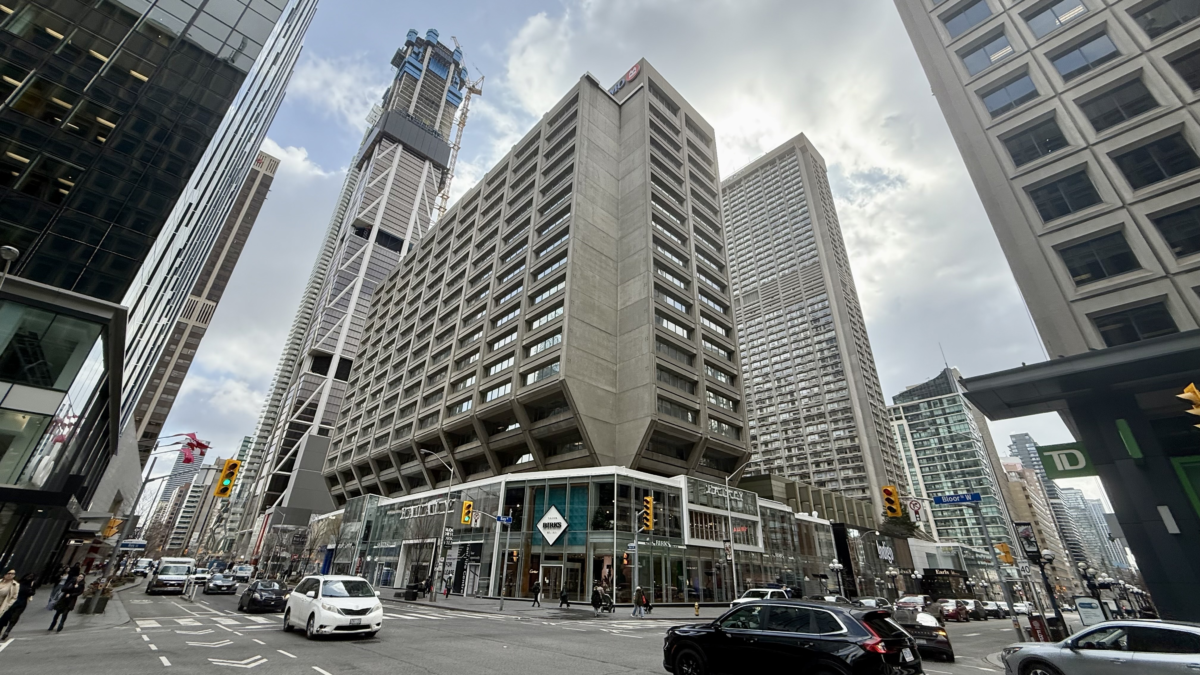
Located at 55 Bloor Street West, Manulife Centre is a prominent mixed-use complex that has undergone extensive renovations to modernize its retail offerings. Originally constructed in the 1970s, the centre comprises a 51-storey residential tower and a 19-storey office block, both positioned above a three-level shopping centre and an underground parking garage.
A major redevelopment project, completed in 2019, transformed the commercial podium. The update included a sleek glass enclosure that enhanced the building’s street presence, while also introducing new retail spaces. One of the key additions during this period was the arrival of Eataly, Canada’s first location of the globally recognized Italian marketplace and dining concept. Spanning 50,000 square feet, Eataly has since become a major anchor tenant, drawing significant foot traffic to the centre.
Other notable tenants at Manulife Centre include high-end jeweller Birks, which completed a renovation and reopened in April 2019, as well as premium denim retailer Over the Rainbow Jeans, which relocated to the centre in the same year. In October 2023, restaurant chain Earls opened a location within the complex, adding a new dining option to the area. Other retailers in Manulife Centre include Loblaw City Market, Shoppers Drug Mart, Indigo Books & Music, Ron White, and several others.
Manulife Centre’s 2019 renovation also focused on improving the pedestrian experience along the Bloor Street corridor. Streetscape enhancements included widened sidewalks, mature trees, integrated seating, and modern lighting. These updates have reinforced the centre’s position as a key shopping and lifestyle destination in the heart of Toronto.
L.L.Bean will open a 9,500 square foot store on the concourse level of Manulife Centre in Toronto. Future location for L.L.Bean at Manulife Centre in Toronto. Photo: Craig Patterson
L.L.Bean’s Growing Canadian Presence
L.L.Bean’s expansion into the Manulife Centre reflects the company’s ongoing growth in Canada. The retailer first entered the Canadian market in 2018 through e-commerce, along with a partnership with Jaytex Group who are independently operated and proudly Canadian since 1978, holding the brand’s Canadian wholesale & retail license. The success of its online platform paved the way for a broader retail expansion.
In 2019, L.L.Bean opened its first brick-and-mortar location in Canada in Oakville, Ontario. This marked the beginning of a steady retail rollout across the country. The company has opened more than a dozen stores in Canada, with plans for further expansion.
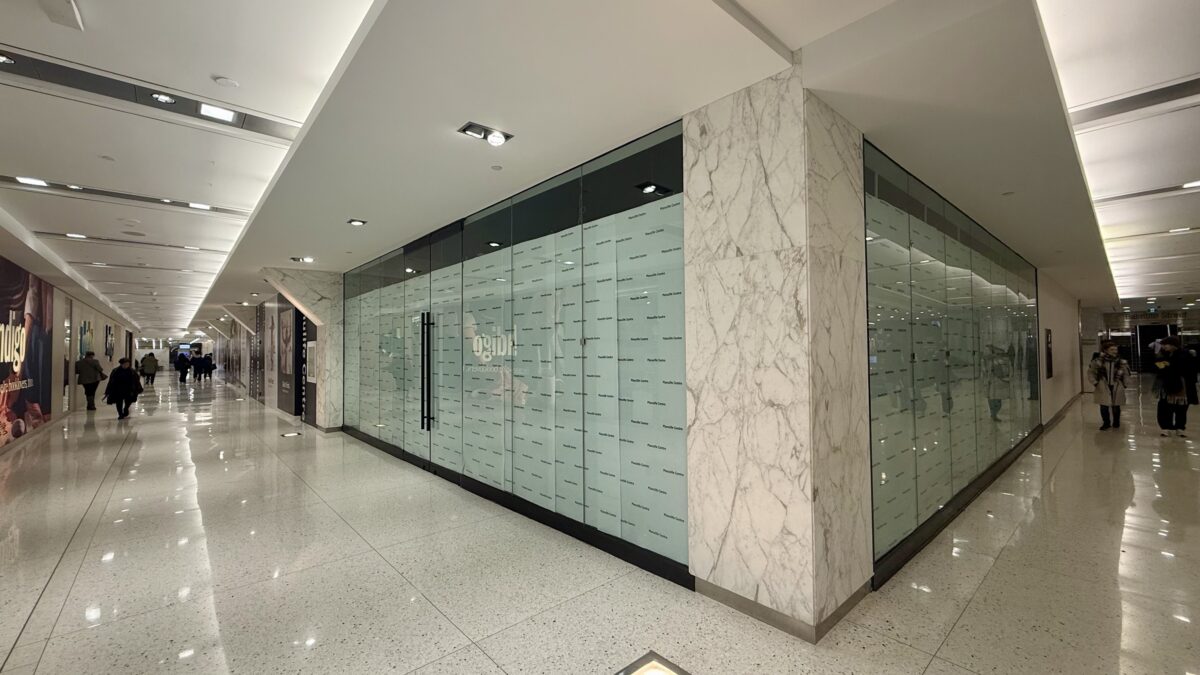
Future location for L.L.Bean at Manulife Centre in Toronto. Photo taken from in front of the Indigo book store. Photo: Craig Patterson
A Steady Expansion Strategy
L.L.Bean has strategically placed its Canadian stores in high-traffic shopping centres and retail districts. Some key store openings include:
2020: Ottawa Train Yards, Georgian Mall in Barrie.
2021: Shops at Don Mills in Toronto, Dartmouth Crossing in Halifax, Deerfoot Meadows in Calgary, and two stores in British Columbia at Victoria’s Mayfair Mall and Burnaby’s The Amazing Brentwood.
2022: The Boardwalk in Kitchener, Cataraqui Mall in Kingston, Champlain Place in Moncton, Canada One in Niagara Falls, and West Edmonton Mall in Alberta.
2023: CF Promenades St-Bruno & Faubourg Boisbriand in Quebec
As of 2024, L.L.Bean operates 15 stores across Canada, with continued growth expected. The new Toronto store at Manulife Centre further solidifies the brand’s foothold in the Canadian market, complementing its existing retail network.
Manulife Centre in Toronto, March 26, 2025. Photo: Craig Patterson
A Legacy of Quality and Outdoor Innovation
L.L.Bean was founded in 1912 by Leon Leonwood Bean. An avid outdoorsman, Bean developed the iconic Maine Hunting Shoe—a waterproof boot that combined leather uppers with rubber bottoms. The product was designed to keep feet dry while hunting and fishing, a feature that proved immensely popular among outdoor enthusiasts.
Despite initial setbacks, including a high rate of product returns due to design flaws, Bean remained committed to customer satisfaction. He honoured a money-back guarantee, refined the product, and expanded his business through a mail-order model. Over the decades, L.L.Bean grew its product line to include a broad range of outdoor apparel, footwear, and gear, all known for their durability and quality craftsmanship. L.L.Bean remains a privately held company.
The widespread business disruption caused by U.S.-Canada tariffs is leading Canadian small business owners to shift their suppliers and investments to domestic and international markets other than the U.S., according to new survey data by the Canadian Federation of Independent Business (CFIB).
“As we gear up for the April 2 reciprocal tariffs, no one knows where the U.S.-Canada trade war is heading in the long term. For some businesses, making drastic changes is not feasible, but others are taking actions to offset the current impacts.”
The CFIB said 32% of owners have already shifted to suppliers/markets within Canada, 27% plan to increase their investment in Canada, while 33% intend to reduce efforts in the U.S. over the next six months.
Companies are also promoting Canadian-made products, delaying/cancelling expansion plans, and exploring international alternatives. However, only three in 10 businesses are confident that their actions will help offset the impact of the trade war, added the CFIB.
CFIB’s new research also found that:
While 70% of small firms support Canada’s retaliatory tariffs, nearly nine in 10 are struggling with business planning.
Nearly half of small businesses (47%) do not consider the U.S. a reliable trading partner.
While most U.S. exporters have CUSMA-compliant goods, 30% are unsure about their compliance. Half of small firms would find government support in handling CUSMA-related paperwork helpful.
Nearly a third of exporters use the de minimis rule to export goods to the U.S. This U.S. rule allows companies to export up to $800 USD in goods to consumers duty and tariff free, but it could potentially be phased out.
Dan Kelly
“Small business optimism is at historically low levels. With the federal election now underway, we’re calling on all political parties to include small business policies in their platforms. That includes commitments to eliminating remaining internal trade barriers and reducing the tax burden on small businesses. We need to instill confidence in business owners and strengthen our economy if we want to get through the next few uncertain months,” said Dan Kelly, CFIB president.
The CFIB is Canada’s largest association of small and medium-sized businesses with 100,000 members across every industry and region.
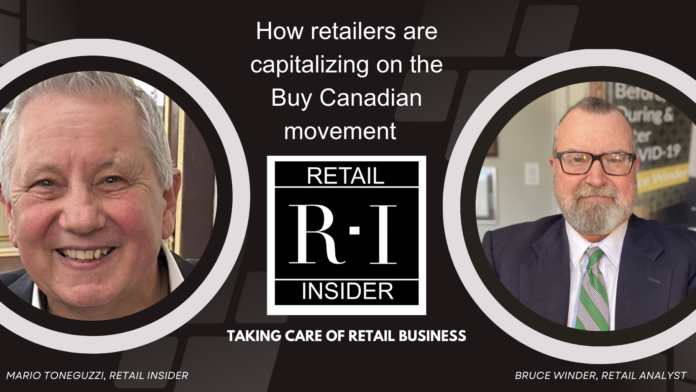
In an interview with Bruce Winder, a leading retail analyst, the growing Buy-Canadian movement taking hold across the nation was explored, revealing a trend driven by both pride and economic concerns.
Winder highlighted the recent surge in Canadian retailers championing the “Buy-Canadian” sentiment, with major companies like Loblaw, Amazon, and Home Hardware showcasing products that emphasize Canadian heritage. This trend comes as Canadians rally around their national identity, spurred on by concerns about the country’s sovereignty in the face of increasing trade tensions and political uncertainty, particularly with the U.S.
According to Winder, the movement isn’t entirely new, but its momentum has accelerated in recent weeks. He pointed out that retailers are leveraging patriotic imagery and Canadian-focused messaging to connect with consumers. From Loblaw’s prominent display of the maple leaf on shelves to Amazon’s creation of a Canadian-focused marketplace, businesses are aligning their brands with national pride.
The expert explained that the sentiment is not only rooted in patriotism but also in the economic pressure from tariffs and trade disputes. As international trade becomes more complex, Canadians are seeking products that both resonate with their identity and offer practical value.
Winder noted that the sustainability of this trend is uncertain. “As long as tariffs persist and the fear around sovereignty remains, the Buy-Canadian movement will likely continue. However, if these challenges ease, the urgency may subside,” he said. He emphasized that Canadians, while typically reserved, have shown a unified front when their national interests are at stake.
Retailers, he observed, are also responding to this economic climate by emphasizing value. From dollar days at Loblaw to significant discounts and extended payment plans at Home Hardware, there’s a marked shift towards offering value-driven products. Winder pointed out that the Canadian economy is facing inflationary pressures, and consumers are cautious about spending due to concerns over job security and rising costs.
The question of how this Buy-Canadian sentiment aligns with the cost of goods is a challenging one, according to Winder. While Canadian-made products are sometimes pricier, the recent tariff situation has made these items more attractive compared to their American counterparts. In fact, some Canadian products are now perceived as bargains when considering the additional costs of tariffs on U.S. imports.
Retailers are also being mindful of sourcing strategies, Winder added. With a weak Canadian dollar and ongoing international challenges, companies are reevaluating their supply chains to support both value and local products.
However, the Buy-Canadian sentiment isn’t without complications. Winder cautioned that Canadian consumers must be mindful of the wider implications of boycotting American stores, especially considering the number of Canadians employed by U.S. companies operating in Canada. He noted that a total boycott could harm local workers and businesses, underscoring the delicate balance between national pride and economic reality.
As the Buy-Canadian movement continues to grow, it remains to be seen whether it will become a lasting trend or a temporary response to current geopolitical and economic challenges. Retailers, for their part, appear to be listening closely to the pulse of Canadian consumers, ensuring their offerings reflect both national pride and value.
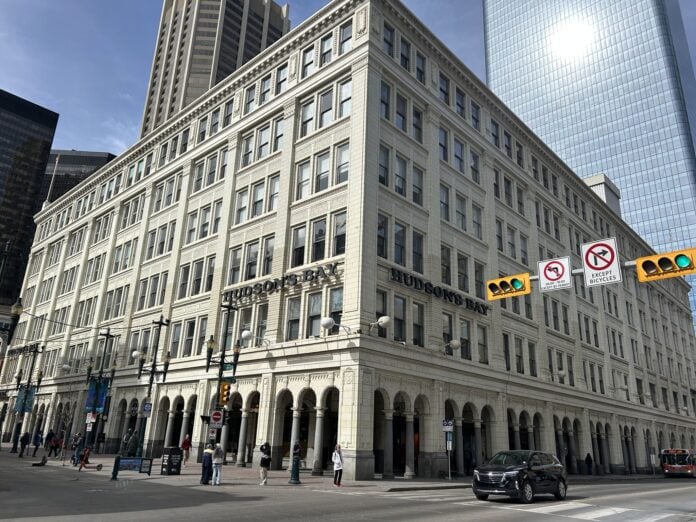
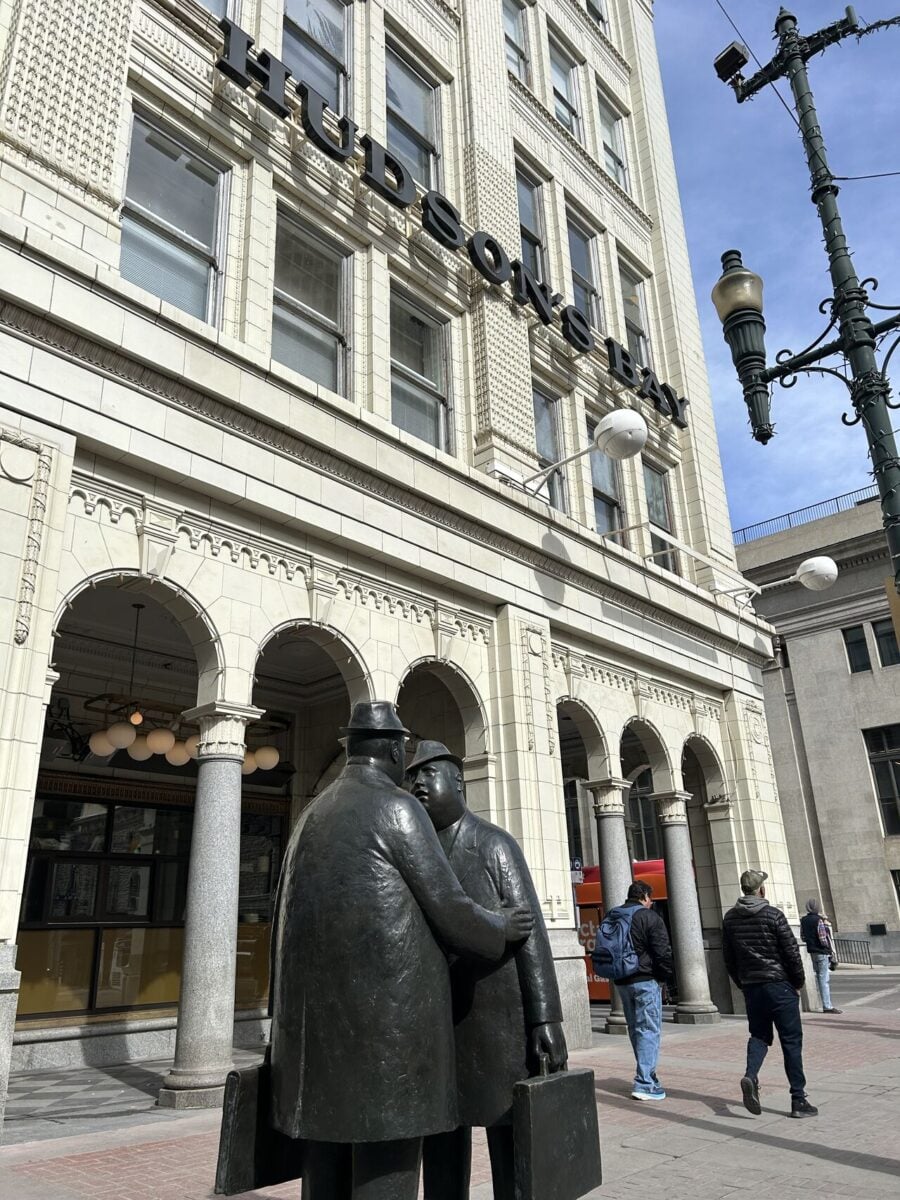
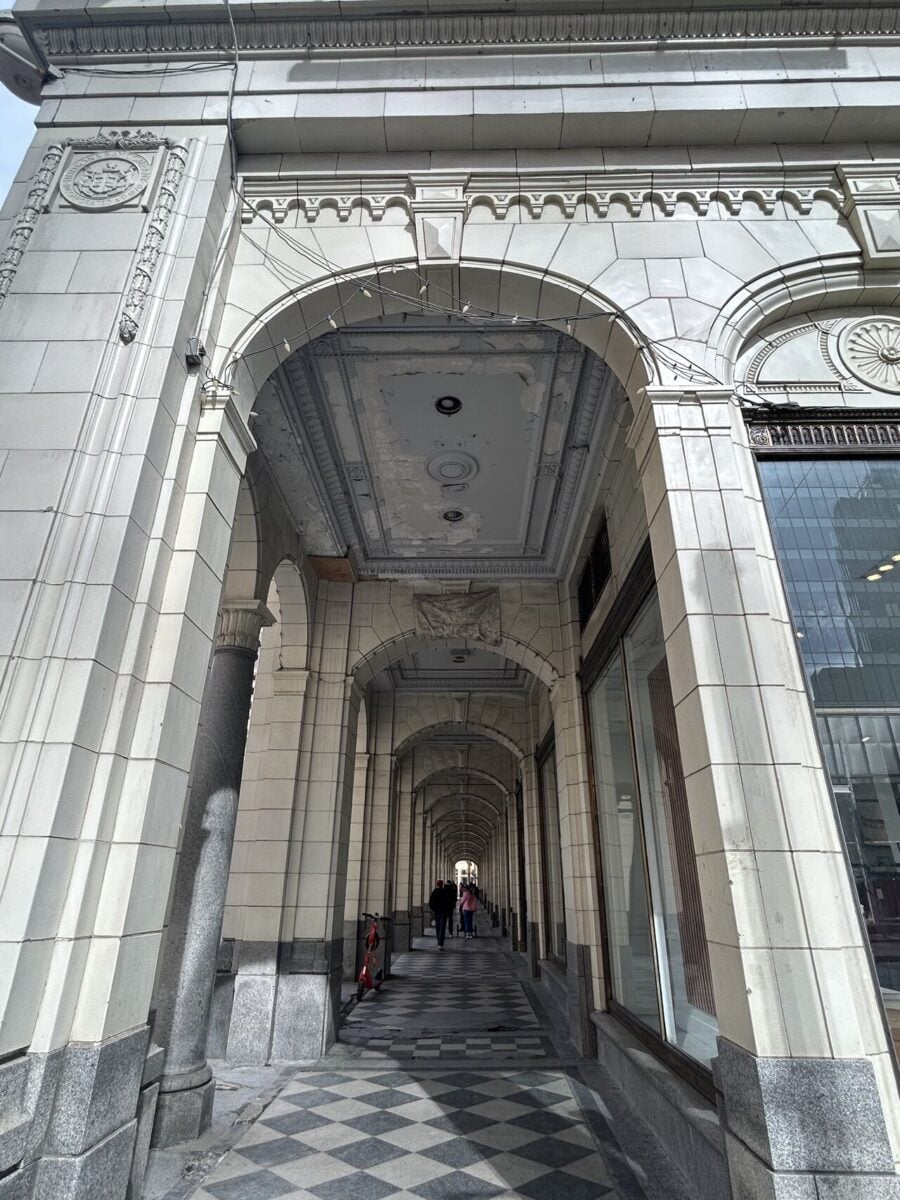
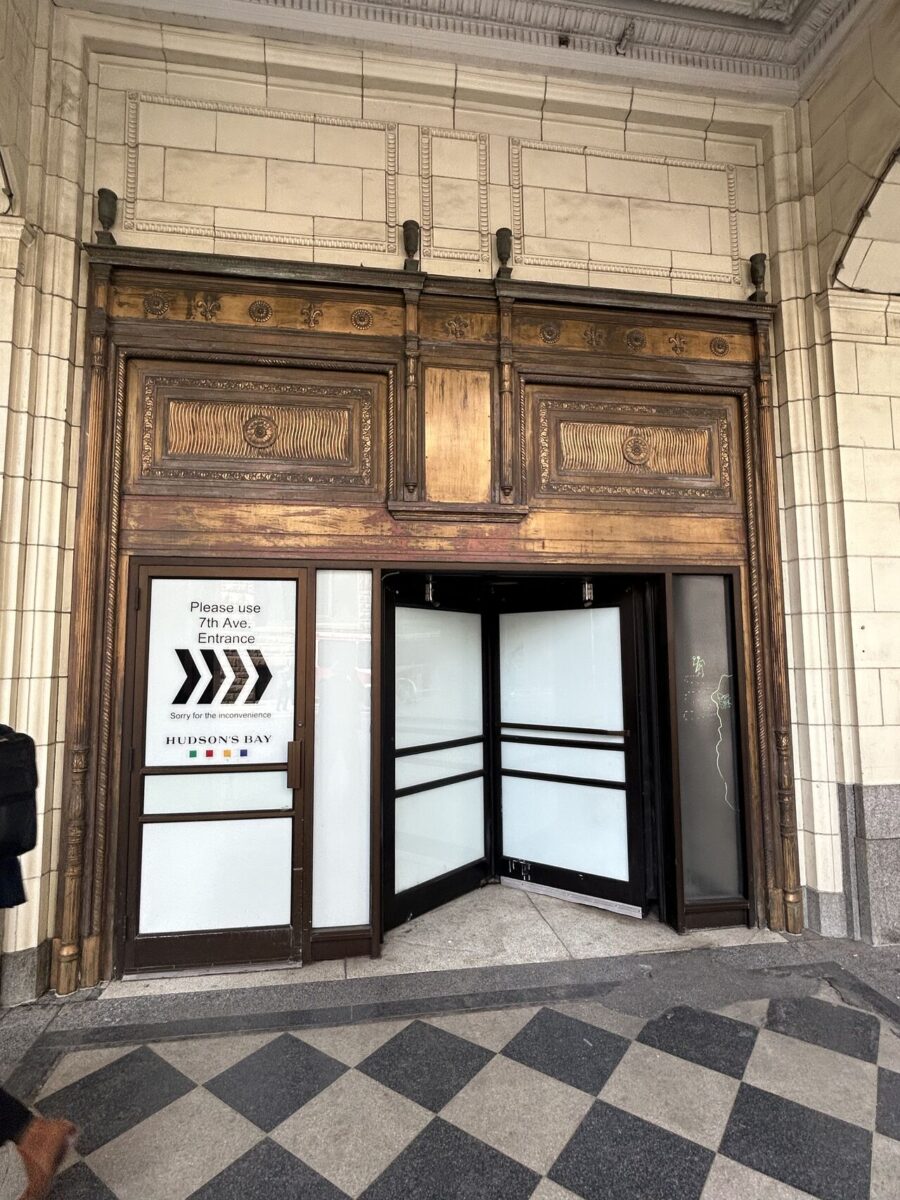
Hudson's Bay downtown Calgary. Photo by Mario Toneguzzi
Calgary’s retail scene is on the cusp of significant change as major space closures from the Hudson’s Bay Company (HBC) shake up the market. With the impending closure of several Hudson’s Bay stores, Calgary could soon see nearly one million square feet of retail space become available, marking a generational shift in the local commercial real estate landscape.
Michael Kehoe, Broker of Record with Fairfield Commercial Real Estate Services, recently discussed the seismic impact of these closures on Calgary’s retail market. According to Kehoe, the closures present a unique opportunity for property owners to repurpose large retail spaces and adjust to changing market dynamics. In the case of malls like CF Chinook Centre, Southcentre, CF Market Mall, and Sunridge Mall, landlords face the challenge of filling large, empty spaces left behind by departing department stores like HBC, a task reminiscent of the years-long effort to repurpose Sears’ space at Southcentre Mall.
However, Kehoe views this transition not as a problem, but as an exciting opportunity. “It’s not just about filling the space; it’s about reimagining these properties,” he says. The focus is shifting toward creating mixed-use developments with higher density, incorporating residential, commercial, medical, and even office spaces to meet the evolving needs of modern consumers. Kehoe highlights the rise of transit-oriented developments and the demand for diverse, innovative uses within these spaces.
Michael Kehoe
The decline of the traditional department store, once the cornerstone of malls, is a sign of broader shifts in consumer preferences. The experience-driven nature of retail is now top of mind, with entertainment, dining, and lifestyle-focused offerings increasingly becoming the centerpiece of successful retail developments. Kehoe notes that Canadian developers are well-known globally for their ability to adapt and innovate, ensuring that retail spaces will continue to evolve.
The Bay’s iconic flagship store in downtown Calgary, located at the heart of the city, is another example of this trend. The building, which sits on nearly six acres of prime real estate, has already seen four of its six floors repurposed for non-retail uses. Kehoe predicts that the building will likely see more food service and retail offerings integrated into its spaces, which will further contribute to the vibrancy of downtown Calgary.
The ongoing redevelopment of downtown, including projects like Arts Commons, the Glenbow Museum, and the Contemporary Calgary Art Gallery, is also expected to complement these changes. Kehoe believes that the repurposing of the Hudson’s Bay Building will be a key part of the transformation, adding to the city’s growing appeal.
With a variety of exciting developments on the horizon, Kehoe sees this period as an opportunity for both developers and the city of Calgary to embrace innovation, ensuring that the retail and commercial real estate markets remain dynamic and relevant for years to come.
Hudson’s Bay downtown Calgary. Photo by Mario ToneguzziHudson’s Bay downtown Calgary. Photo by Mario ToneguzziHudson’s Bay downtown Calgary. Photo by Mario ToneguzziHudson’s Bay downtown Calgary. Photo by Mario ToneguzziHudson’s Bay downtown Calgary. Photo by Mario ToneguzziHudson’s Bay downtown Calgary. Photo by Mario ToneguzziHudson’s Bay downtown Calgary. Photo by Mario Toneguzzi
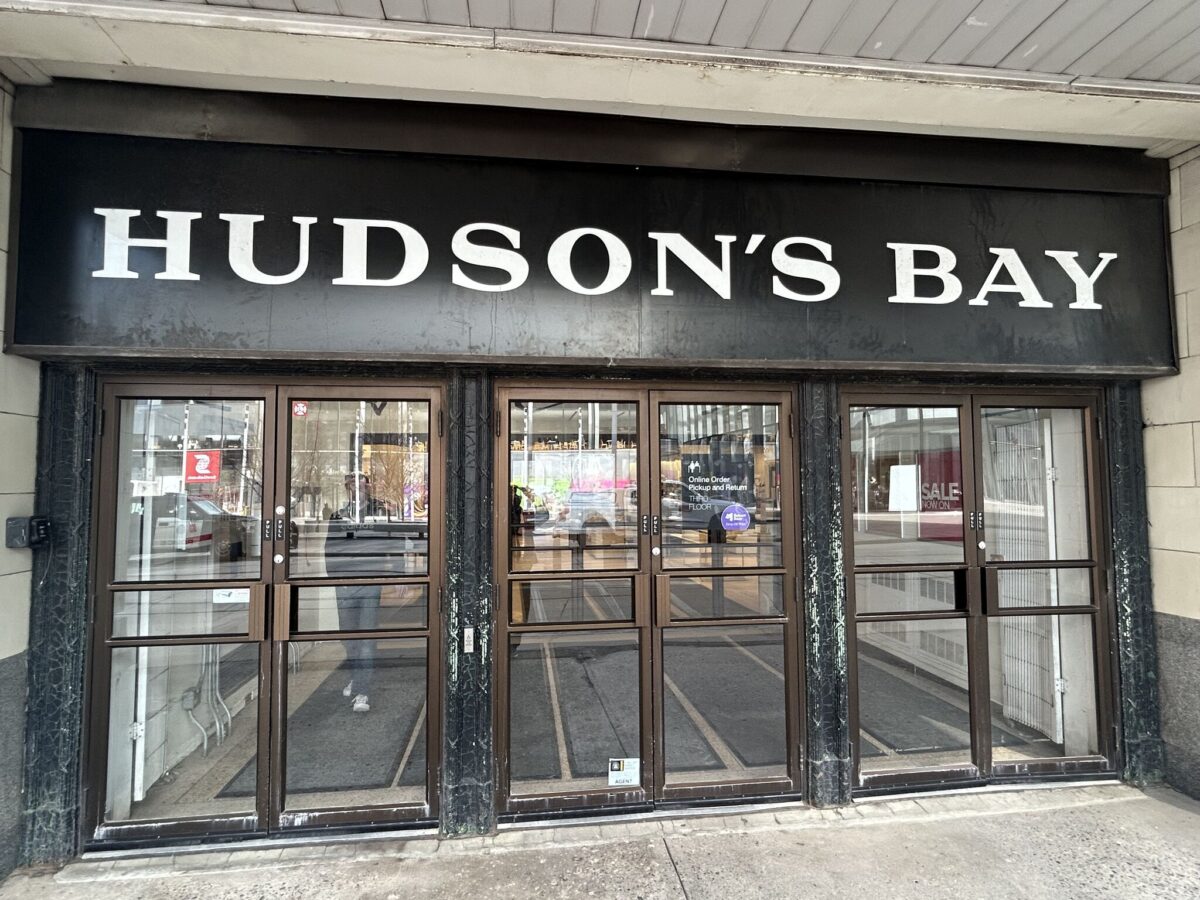
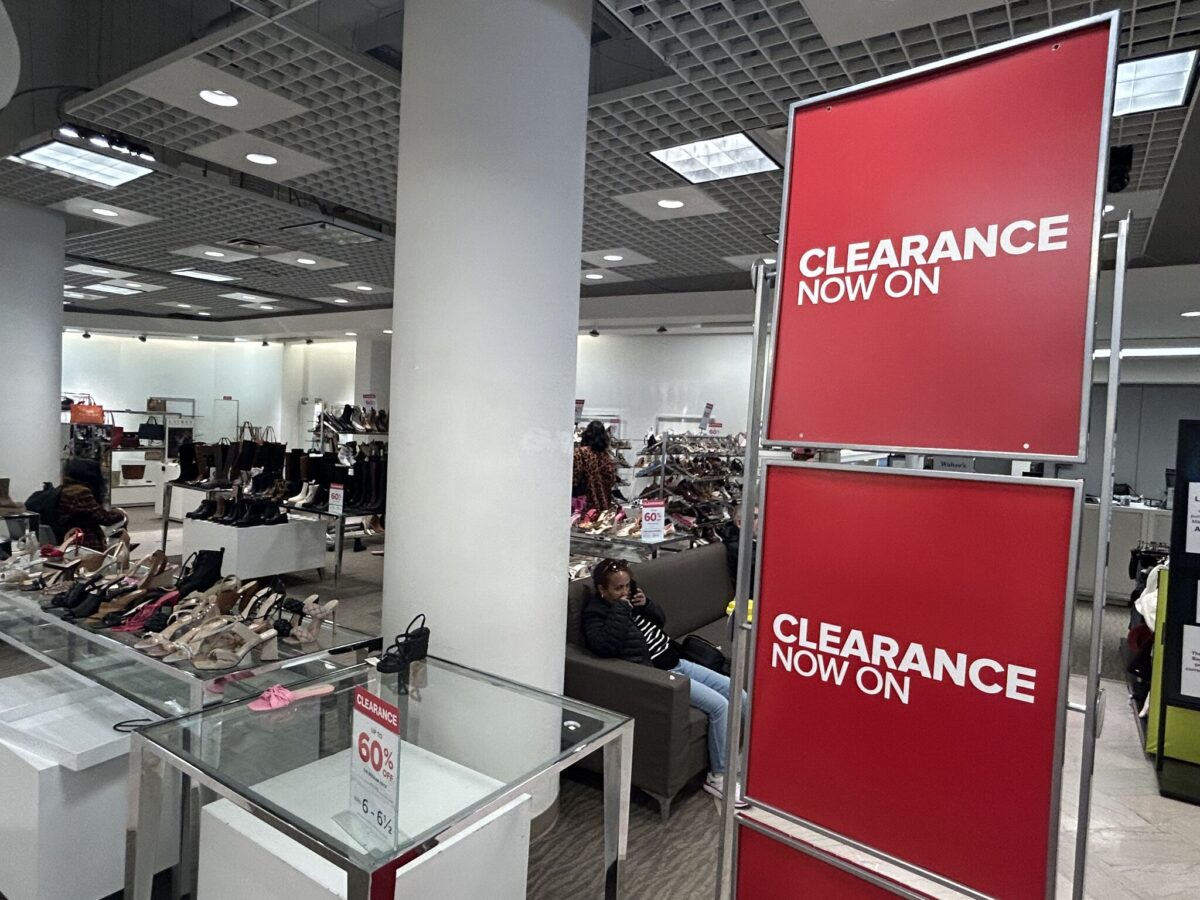
An Ontario court has approved the liquidation of nearly all Hudson’s Bay Company’s stores, marking the end of Canada’s oldest company, which has been in operation for 355 years. The liquidation is set to begin March 24, and will continue until June 15, leaving only six stores in operation.
The court’s decision came shortly after Hudson’s Bay filed for creditor protection, signalling the company’s struggle to manage its mounting debt.
With widespread layoffs sure to follow, this corporate collapse is both shocking and distressing. But the court documents suggest it was not unexpected. Hudson’s Bay lost $329.7 million in the 12 months leading up to Jan. 31, 2025. As of that date, Hudson’s Bay had only $3.3 million in cash and owed more than $2 billion in debt and leases.
The final straw appears to have been trade tensions between Canada and the U.S., with the increased geopolitical and economic uncertainty leading lenders to shun Hudson’s Bay as it sought more financing, according to court documents.
What bankruptcy looks like
The downfall of a major company like Hudson’s Bay brings with it a wave of financial jargon. Understanding the differences between insolvency, bankruptcy, restructuring and liquidation is crucial to fully grasp the situation.
Insolvency occurs when a business runs out of cash and cannot pay its bills. At the start of March, it was $5 million behind on rent and supplier payments, and within days of missing payroll.
Bankruptcy is a legal process under Canada’s Companies’ Creditors Arrangement Act where a company files for protection from its creditors. The goal is to avoid the social and economic costs of liquidation, preserve jobs and protect the interests of affected stakeholders. If granted, the judge sets a “stay period” where the company works out a restructuring plan with its creditors.
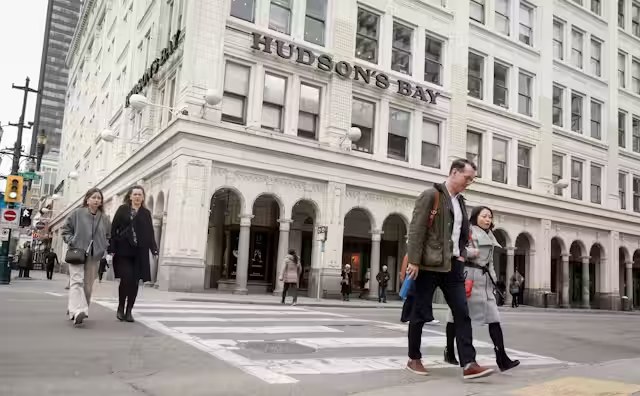
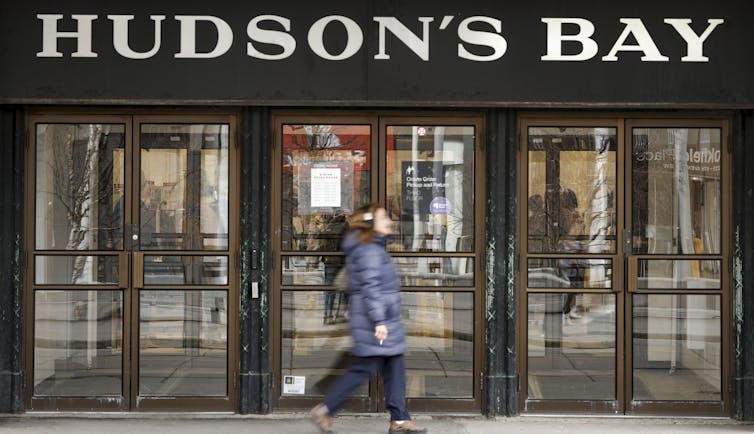
The liquidation of nearly all Hudson’s Bay Company stores marks a historic and devastating collapse for Canada’s oldest retailer. A pedestrian passes the Hudson’s Bay store in downtown Calgary on March 20, 2025. THE CANADIAN PRESS/Jeff McIntosh
Hudson’s Bay has more than 2,000 creditors, including $430 million in secured term loans, $724 million in mortgages and $512 million to unsecured creditors, mostly owed to suppliers. Hudson’s Bay also owes payroll remittances, federal sales taxes and over $60 million in customer gift cards and loyalty points. Gift cards are good until April 6.
A restructuring wipes out the equity holders and allows a company to negotiate a reduction in its debts. The business continues to operate under the supervision of a court-appointed monitor, using interim financing to pay bills. If successful, the company re-emerges from bankruptcy and continues to do business.
If restructuring is not successful, the company asks the court for permission to liquidate. Liquidation means a “fire sale” of all assets such as inventory, shelving, real estate, leases and trademarks. Items are sold at a deep discount, leading to potential bargains.
The Ontario Superior Court denied the initial request to liquidate on March 14, telling Hudson’s Bay and its creditors to “lower the temperature” and work on a deal. With only limited progress and some concessions made to support Hudson’s Bay’s joint venture with RioCan REIT, the court gave permission for the liquidation on March 21.
Many will lose, some will win
The collapse of Hudson’s Bay will leave many facing financial losses, while a select few stand to gain.
Secured creditors, some suppliers and Hudson’s Bay pensioners are expected to be protected by the courts. However, many others, including thousands of customers and more than 1,800 unsecured creditors, will suffer a financial hit.
The hardest impact will be felt by the more than 9,300 employees losing their jobs. Employees will lose their income, health and disability benefits, and life insurance, significantly impacting families across the country.
However, employees will not lose their pension benefits. The company’s pension plan is fully funded and in surplus position. This was not the case for Sears Canada when it went bankrupt in 2018. A surplus means the value of investments is greater than the promised benefits and is good news for retirees.
Mall landlords will also lose out. Hudson’s Bay drove foot traffic in malls across the country where it was the anchor-tenant. There will likely be painful ripple effects for smaller store owners in malls vacated by Hudson’s Bay, including falling sales, defaults on mortgages and business failures.
When a company is liquidated, the proceeds from selling its assets are used to repay claimants based on their priority in bankruptcy. This is sometimes referred to as the waterfall of “who gets what.” Think of it as a queue with people lining up to get paid.
Interim DIP financing is paid off first, together with legal and accounting fees related to the bankruptcy. Essential operating costs during the restructuring are also paid, including employee wages.
Shoppers browse at a Hudson’s Bay in Toronto on March 17, 2025. THE CANADIAN PRESS/Christopher Katsarov
Next come secured creditors. These lenders provided funding backed by specific assets, known as collateral. Collateral may include inventory and real estate. A similar process happens on a personal residence; if a homeowner defaults on their mortgage payments, the bank may take possession of the house.
Third in line are debts granted priority by the courts. Employees receive unpaid wages up to a certain cap, just under $9,000, under the federal Wage Earner Protection Program. Pension benefits are paid out and outstanding payroll and sales tax remittances are paid.
As the pool of assets gets smaller, unsecured creditors are paid off next including suppliers, landlords and employees owed additional wages or termination benefits.
Last in the queue from the wind-up are equity holders — the residual claimants — who control the company through their common and preferred shares.
In 2020, Hudson’s Bay’s CEO Richard Baker and a group of investors took the company private, meaning it was no longer publicly traded on the Toronto Stock Exchange, buying out shareholders for approximately $2 billion. This stake is now wiped out.
Disappointing, but not surprising
Hudson’s Bay’s current financial situation is disappointing, but not surprising. The COVID-19 pandemic made times tough for brick-and-mortar retailers. On top of this, under-investment and a failed e-commerce strategy left the company struggling to compete in an increasingly digital retail landscape.
In the end, Hudson’s Bay backed itself into a corner, arguably waiting too long to secure funding and ultimately losing control of its own destiny. Its bankruptcy is a major blow to Canadian retail, marking the end of a era for a company that lasted more than three-and-a-half centuries.
About the Authors:
Michael R. King is an Associate Professor at the Gustavson School of Business and Lansdowne Chair in Finance, University of Victoria
Douglas A. Stuart is an Assistant Teaching Professor of Accounting at the Gustavson School of Business, University of Victoria
Retail Insider is streamlining its Canadian retail news from around the web to include a handful of top news stories that can be viewed quickly during the day. Here are the top stories from the past 24 hours.
Founded in 1670 as a fur-trading enterprise, Hudson’s Bay grew into one of Canada’s most iconic department store chains. But with nearly all locations set to close by June 30 and its loyalty programs suspended, the future of Hudson’s Bay remains uncertain.
The retailer’s financial troubles raise broader questions about the viability of traditional department stores in an increasingly fast-paced, digitally driven retail environment.
Modernization efforts
In recent years, Hudson’s Bay attempted to modernize by blending its physical retail footprint with a growing digital presence. This included launching a revamped e-commerce platform and creating an online marketplace that allowed third-party sellers to broaden its product assortment.
But despite these efforts, Hudson’s Bay has struggled to differentiate its online platform in an overcrowded and highly competitive digital landscape, all while maintaining its physical presence.
Hudson’s Bay has struggled to differentiate its online platform in an overcrowded and highly competitive digital landscape. A pedestrian passes the Hudson’s Bay store in downtown Calgary on March 20, 2025. THE CANADIAN PRESS/Jeff McIntosh
The large investments required in distribution capabilities has made it increasingly difficult for smaller competitors, such as Hudson’s Bay, to match the delivery speeds and product assortments of these retail heavyweights.
Ikea, Wayfair and other direct-to-consumer brands lead the online home goods and furniture market, while Canadian-based Holt Renfrew and France-based LVMH are both leaders in the luxury market.
With almost all of its stores closing and its loyalty programs suspended, the future of Hudson’s Bay is in question. While its brand recognition remains strong, it’s unclear whether it will be able to come back from the brink it’s now on.
For any struggling legacy retailer looking to survive in today’s evolving market, reinvention is essential. Department stores and legacy retailers will need to reinvent themselves across five key dimensions:
1. Reposition the brand: Canadian retailers can redefine their core value propositions, emphasizing what makes them unique. Their uniqueness may lie in their Canadian heritage, for instance. Brands like Roots and Canada Goose have been successful with this strategy.
The rapid rise of e-commerce has presented a significant challenge for traditional department stores. A shopper leaves the Hudson’s Bay store in downtown Calgary on March 20, 2025. THE CANADIAN PRESS/Jeff McIntosh
3. Optimize physical presence: Strategic location decisions are crucial. Physical retailers must right-size their physical footprints — closing underperforming locations while reinvesting in high-traffic, high-return outlets. Future expansion should favour asset-light, data-informed models based on actual consumer demand.
4. Improve in-store experiences: To draw customers back into stores, shopping must become experiential. Immersive displays, personalized service and community-centric events could make a visit to a physical store more memorable and engaging for customers.
5. Integrating physical and digital channels: A cohesive digital and physical strategy is essential. Technologies such as augmented reality fitting rooms, virtual showrooms, click-and-collect options and AI-powered personalization could bridge the gap between online and in-store shopping.
A defining moment for Canadian retailers
Canadian retailing stands at a pivotal crossroads. The collapse of legacy department stores, the dominance of e-commerce giants and the rise of off-price and digital-first competitors all signal a permanent shift in how consumers shop.
A long legacy alone does not secure survival. As seen with the collapses of Sears, Eaton’s and now Hudson’s Bay, failure to adapt can lead to obsolescence. The retail landscape is now defined by agility, innovation and the ability to meet consumers where they are.
For retailers still standing, the lesson is clear: nostalgia is not a business model. Shoppers are now more price-conscious, convenience-driven and digitally engaged than ever before. Companies unwilling or unable to evolve will likely face the same fate as the retail giants that came before them.
About the Authors:
Xiaodan Pan is an Associate Professor at the John Molson School of Business, Concordia University
Martin Dresner is a Professor, Logistics, Business and Public Policy, at the University of Maryland
Ruifeng Wang is a PhD Student in Supply Chain Management at the University of Maryland