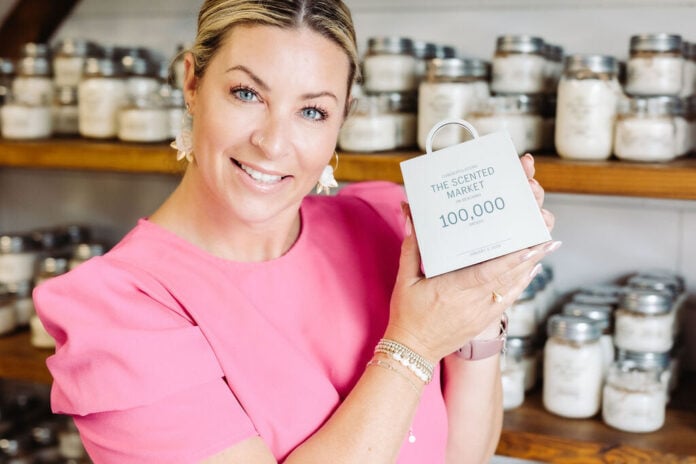
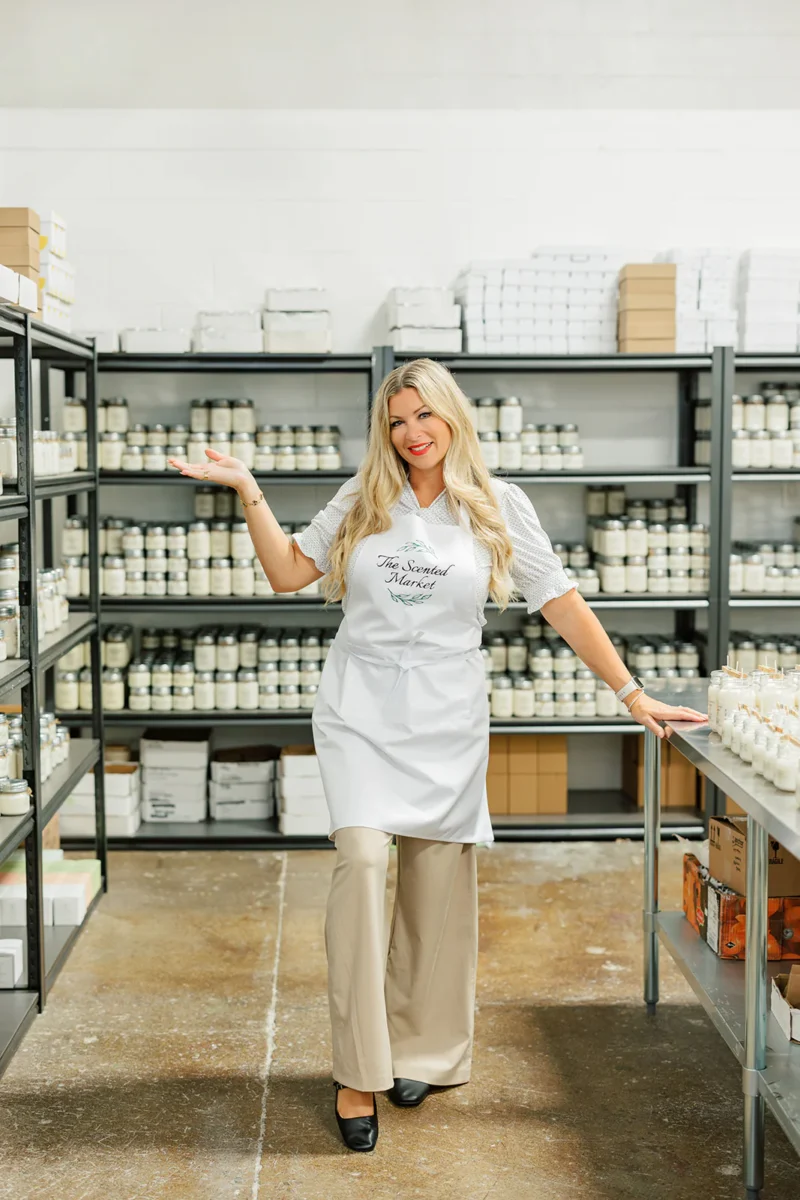
Kristy Miller, the founder of The Scented Market, is taking a bold step in her entrepreneurial journey by expanding her business into the United States after successfully securing a trademark there. The move represents a significant milestone for the Canadian-based brand, which specializes in farmhouse-style mason jar candles.
“When I first started The Scented Market six years ago I knew I immediately wanted to trademark in Canada and in the U.S.,” said Miller.. “It happened for me very quickly in Canada and easily but someone owned something similar to The Scented Market in the U.S. So I was unable to acquire a successful trademark.
“They let their trademark slip and didn’t renew it. So I kind of slid in there and was able to successfully get a trademark in the U.S. which was a big deal for me because I believe that in order for The Scented Market to grow we need to grow the country and all of North America. I really think this opens up huge stores for us.”
Kristy Miller
The expansion marks a new chapter for The Scented Market, six years after Miller launched the company.
“When I received the email on, I think it was like December 26th or something, it was something crazy. I was like, ‘Oh my God, my Christmas gift as an entrepreneur,'” Miller shared, reflecting on the moment she realized her U.S. trademark had been approved.
Her entrepreneurial journey began a few years ago out of her kitchen in Guelph, Ontario.
Little did she know then how her simple fascination for scents and her eco-friendly candles would take off in popularity.
The Scented Market is a fast-growing Canadian business known for its self-care mission and soy wax candles, home decor, and body products.
And from that simple idea, Miller has created a growing retail empire with some fascinating exposure along the way. In November 2022, Miller was on the hit CBC television show Dragon’s Den where she received offers from six of the dragons before accepting a deal with well-known entrepreneurs Arlene Dickson and Michele Romanow.
Miller sees enormous potential in the U.S., where she believes the brand can grow substantially. “I would like to make Canada 20 per cent of our business and the U.S. 80 per cent of our business,” she explained. The market’s larger size and spending power, combined with the popularity of farmhouse-style decor, align perfectly with her brand’s aesthetic and vision.
“We will never forget our Canadian fans and our Canadian communities. We want to always prioritize them but in 2025 our goal and our vision is to really put a ton of effort into growing the U.S. side of things.
Despite her enthusiasm, Miller is realistic about the challenges. “A lot of people think, ‘Oh, it’s easy. Just slide into the U.S. and blow up.’ And so I don’t think it’s that easy,” she noted. “It’s like a baby business that I have to restart all over again.”
Currently, The Scented Market is focusing on online retail and wholesale distribution in the U.S. Miller is also contemplating future growth strategies, including potentially establishing a physical presence or manufacturing division south of the border.
Canada Remains a Priority
While expanding into the U.S. is a key focus for 2025, Miller emphasized her commitment to the Canadian market. “We have an incredible foundation in Canada,” she said. “We’ll definitely still be growing the Canadian side of things, but I need to look at The Scented Market in a long-term vision.”
Miller believes diversifying geographically will also mitigate challenges such as currency conversion rates, which have posed financial hurdles for Canadian businesses.
Kristy Miller
Building Community and Brand Presence
The Scented Market’s success has been driven by more than just its products. The company has cultivated a community of customers who value not only candles but also home decor and self-care.
The expansion into the U.S. represents a new opportunity to connect with influencers and celebrities who align with the brand’s mission and values. “Farmhouse style is huge in the States,” Miller said, expressing optimism about the brand’s future growth.
Looking Ahead
With her sights set on making The Scented Market a household name across North America, Miller is determined to balance ambition with strategic planning. “We will never forget our Canadian fans and our Canadian community,” she said. “But growing in the U.S. could make a huge impact and a huge difference for us.”
The year ahead promises to be a pivotal one for The Scented Market, as Miller embarks on her mission to light up homes and hearts across borders.
Innovative Fitness Bloor, Toronto, ON (Image: Nick Lachance)
As part of Retail Insider’s ongoing review of the Canadian retail industry by vertical, this article provides insights into the current state of Fitness Studios in Canada. The objective is to offer retail leadership valuable insights into market dynamics, trends, and industry opinions. This summary will be revisited annually, supplemented by additional articles that expand on key developments and expert perspectives.
The Fitness Studios in Canada Market Landscape
The Fitness Studios in Canada segment is a key component of the broader Health and Wellness retail industry. This vertical includes boutique fitness studios, group training gyms, franchised workout studios, and wellness-focused fitness centres. It caters to a diverse consumer base, offering specialized services such as high-intensity interval training (HIIT), yoga, Pilates, cycling, strength training, and holistic wellness programs. The segment has evolved rapidly, especially post-pandemic, with the integration of digital fitness solutions, hybrid memberships, and a stronger emphasis on community-driven wellness experiences.
Exterior of Anytime Fitness location. Photo: Anytime Fitness
National Chains & Large Fitness Operators
GoodLife Fitness: Canada’s largest fitness club operator, integrating wellness and recovery programs.
Orangetheory Fitness: A leader in boutique fitness with a strong network of studios across Canada.
Anytime Fitness: A well-known 24/7 access gym with numerous locations across the country.
LA Fitness: A full-service gym chain offering strength training, cardio, and group classes.
Franchise-Based & Specialized Studios
F45 Training: A rapidly growing functional fitness franchise with a strong member base.
HOTWORX: Specializing in infrared-heated fitness studios focusing on strength training and high-efficiency workouts.
9Round: A kickboxing-themed fitness studio providing high-intensity circuit workouts.
Club Pilates: A leading name in boutique Pilates fitness.
Luxury Fitness Chains
Equinox: A high-end fitness chain offering premium services, group classes, and spa amenities.
Barry’s: A popular boutique fitness studio known for its high-intensity interval training (HIIT) workouts.
Independent & Boutique Studios
Local Boutique Studios: Many independent operators cater to niche fitness communities, such as yoga, barre, and boxing studios.
SPINCO: A Canadian-based indoor cycling studio with a loyal customer base.
Fit Factory: A boutique training facility offering group classes and personal training.
NYSE in New York. AP Photo: Seth Wenig.
Notable Financial Trends for Fitness Studios in Canada
In reviewing the Canadian businesses noted above, the majority are privately held companies and only two are publicly traded. Looking broadly over the publicly traded information for F45 (publicly traded under the ticker symbol FXLV) and Club Pilates (operated by Xponential Fitness, which is publicly traded under the ticker symbol XPOF) identified:
In contrast, Xponential Fitnessreported positive financial trends. In the third quarter of 2024, the company achieved a 21% year-over-year increase in system-wide sales, reaching $431.2 million. Additionally, the quarterly average unit volume (AUV) grew by 8% to $631,000, and total membership rose by 16% to 827,000 members.
Generally across the Canadian marketplace for Fitness Studios for financial trends identified:
The Canadian fitness industry is projected to reach $4.5 billion in 2024, a decline from pre-pandemic levels in 2019.
Over the past five years, the industry has faced a negative 3.8% compounded annual growth rate (CAGR).
Despite this, major brands like Orangetheory Fitness and GoodLife Fitness are seeing steady growth, with recovery rates of 85-95% of pre-COVID levels.
The industry is shifting towards hybrid revenue models, blending in-person training with digital subscriptions.
UNITY Fitness
Trends for “Fitness Studio Industry”
This section explores the latest trends shaping the fitness studios in Canada, driven by consumer demand and technological advancements.
Hybrid Fitness Models: A blend of in-person classes and digital fitness experiences.
Wearable Tech Integration: Increased use of smart devices for personalized workout tracking.
Mental Health & Wellness Focus: Holistic fitness experiences integrating mindfulness and stress management.
Community-Driven Fitness: Group workouts and social fitness activities becoming more popular.
Recovery & Regenerative Fitness: Increased focus on active recovery services like cryotherapy, massage, and infrared saunas.
Mature Adult Fitness: Strength training for individuals over 40 is on the rise.
Sustainability in Fitness: Eco-conscious gyms promoting green practices.
Montreal Eaton Centre, photo: Shutterstock/licensed
Industry Opinions
Blake MacDonald, Orangetheory Fitness Canada: The industry has not yet returned to its 2019 revenue highs but is gradually recovering, with contraction still visible in some areas.
Tammy Brazier, GoodLife Fitness: Membership numbers are back to pre-pandemic levels, with check-in rates surpassing pre-2020 figures. The focus is now on community, mental well-being, and social connection.
Stephen Smith, HOTWORX: Strength training is a rising trend, particularly among women, with a surge in interest in resistance training and supplements.
Industry Associations’ Perspective
Industry associations provide a broader perspective on the fitness studio retail sector, highlighting ongoing trends and key challenges.
Gabriel Hardy, Executive Director, Fitness Industry Council of Canada: The industry is experiencing a positive recovery, although around 20-25% of gyms permanently closed due to the pandemic. However, demand for preventive health solutions and longevity-focused fitness is growing.
Recent reports from Deloitte and the International Health, Racquet & Sportsclub Association [IHRSA] indicate:
Digital integration remains critical: The rise of AI-driven fitness and customized coaching is expected to expand further. 2024 Sports Industry Outlook (Deloitte)
Longevity and health optimization trends: Fitness centres are focusing on long-term health metrics such as VO2 max and bone density preservation. Noted in both studies above.
Retail Insider’s Opinion
Retail Insider believes that Fitness Studio Retail in Canada is poised for a transformative period. While financial constraints and pandemic aftershocks have slowed recovery, new opportunities are emerging in the form of hybrid fitness models, social-driven engagement, and longevity-focused wellness solutions.
The Impact on Canada
Health and Economic Impact: The shift towards preventive healthcare and wellness positions the fitness industry as a crucial pillar in Canada’s public health system.
Consumer Behaviour: Gen Z and Millennials are driving demand for personalized fitness experiences, while older demographics are increasingly embracing strength training for longevity.
Market Consolidation: Studios will need to innovate or partner with larger fitness chains to remain competitive in the evolving landscape.
Sustainability: Expect eco-conscious fitness initiatives to gain traction, with green gyms becoming more prevalent in urban centres.
The Fitness Studio segment is at an inflection point, and its success will depend on how well busnesses adapt to these shifting trends while continuing to deliver value to Canadian consumers.
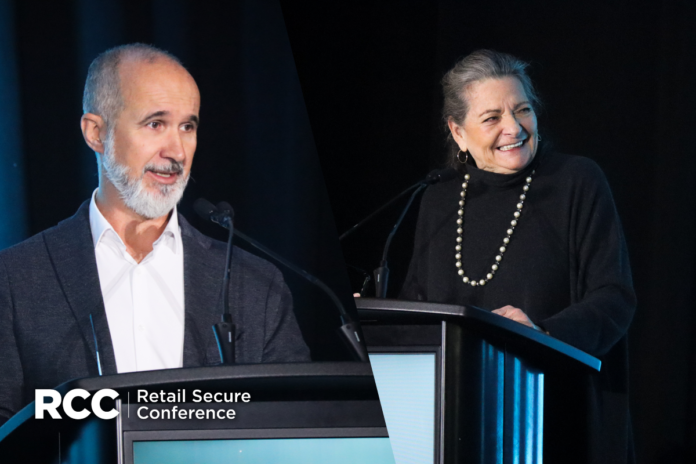
Retail crime is an increasingly pressing challenge across Canadian cities, impacting retailers, law enforcement, and communities. On March 19, 2025, the Retail Secure Conference, hosted by Retail Council of Canada (RCC), will unite the retail loss prevention community to address this critical issue.
Taking place in Mississauga, Ontario, this leading event for retail safety professionals offers insights to protect retail’s most vital assets—people, property, and data. With a focus on collaboration and innovation, the agenda tackles key topics, including:
The Increasing Threat of Violent Retail Crime: Learn how specialized Retail Crime Units are combating challenges and disrupting organized crime networks with presentations from Toronto Police Service, Winnipeg Police Service, and the Canadian Border Service Agency.
Leveraging Body-Worn Cameras for Deterrence: Discover how this technology enhances safety through global case studies and pilot program insights.
From Attack to Action: Cybersecurity in Retail: LCBO shares insights and experiences from the frontlines of combating cybercrime, offering valuable lessons about the evolving threat landscape.
Celebrate Canada’s Loss Prevention Heroes
The day begins with the Retail Secure Legends Awards Breakfast, a celebration of excellence in retail safety. This prestigious event recognizes individuals who have made extraordinary contributions to the field, from emerging talents to seasoned leaders. RCC is currently accepting nominations—submit your candidate today to honour those who keep retail safe.
Why Attend Retail Secure 2025?
Engage with Industry Leaders: Participate in tailored sessions, keynotes, and panels designed to address your biggest challenges.
Build Your Network: Connect with peers, mentors, solution providers, and police services from across Canada during networking sessions and a closing cocktail reception.
Save Big: Register by February 19to save $100 per ticket. Bring your team—groups of five or more receive an additional20% discount.
Take Action Today
Don’t miss this crucial gathering for retail safety. Visit rccretailsecure.ca to:
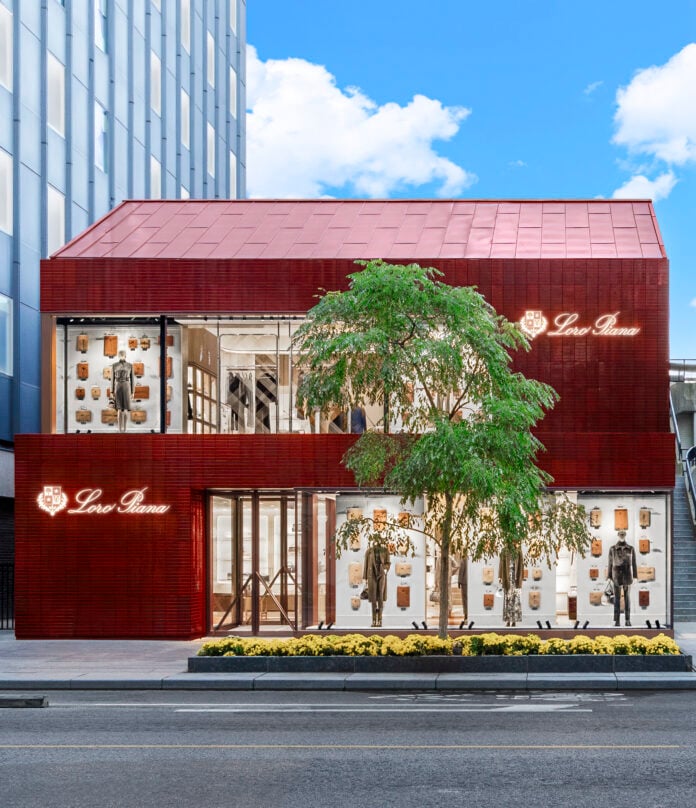
Loro Piana store at 111 Bloor St. W. in Toronto. Image: ETHAN ESPIRITU/Loro Piana
The Canadian retail landscape experienced a notable shift in 2024, with fewer international retailers entering the market compared to previous years. Over the last decade, Canada has witnessed a surge of global brands making their debut, catering to the country’s increasingly diverse and affluent consumer base. However, 2024 marked a departure from this trend, reflecting broader economic uncertainties and shifting market dynamics.
Despite the slowdown, several prominent international retailers strategically entered the Canadian market, aiming to carve out their niche across key cities and retail hubs. Below is a detailed look at the 15 international retailers that ventured into Canada in 2024.
Rodd & Gunn Yorkville (Image: Craig Patterson)
Rodd & Gunn: A Sophisticated Debut in Yorkville
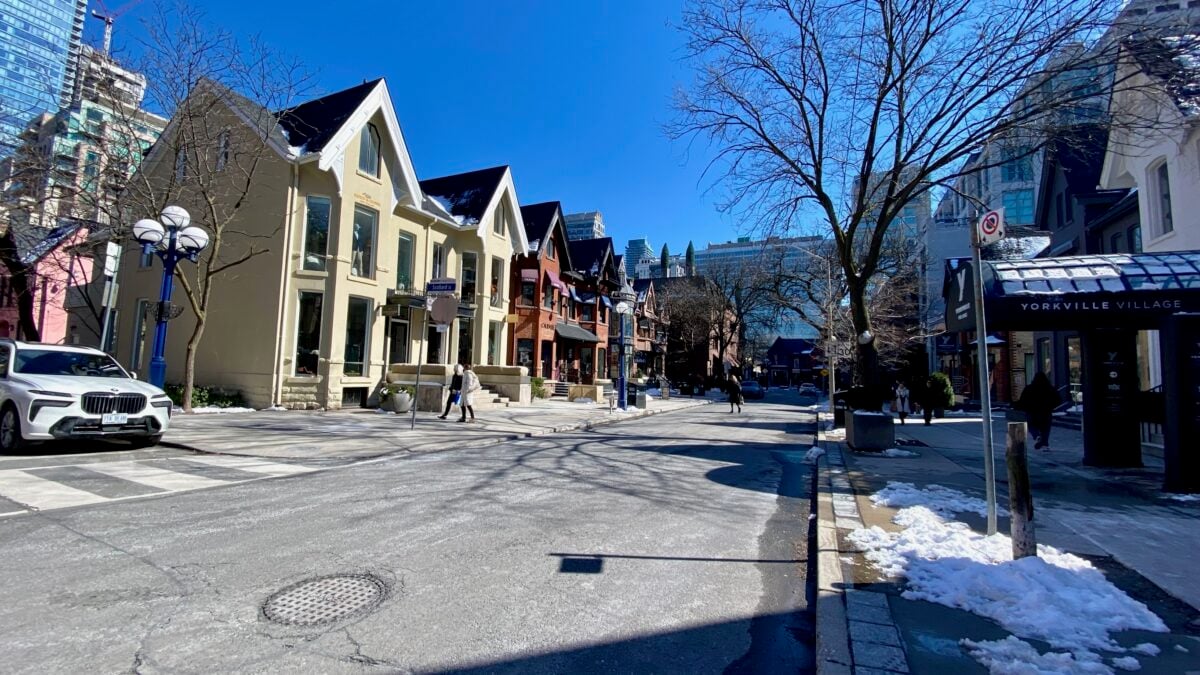
New Zealand’s upscale menswear brand, Rodd & Gunn, launched its first standalone Canadian store in March 2024 at 21 Hazelton Avenue in Toronto’s upscale Yorkville area. Known for its high-quality craftsmanship and timeless designs, Rodd & Gunn’s entry marked a significant addition to the neighbourhood’s already impressive roster of global brands.
The boutique, offering an immersive shopping experience, showcases the brand’s full range, including apparel, footwear, and accessories. Jordan Karp of Savills Canada coordinated the lease deal for the new store — he listed the space and he also has the mandate to represent Rodd & Gunn in Canada as the brand expands and opens more stores. Hanard Investments owns the building at 19-21 Hazelton Avenue which is managed by Greenwin.
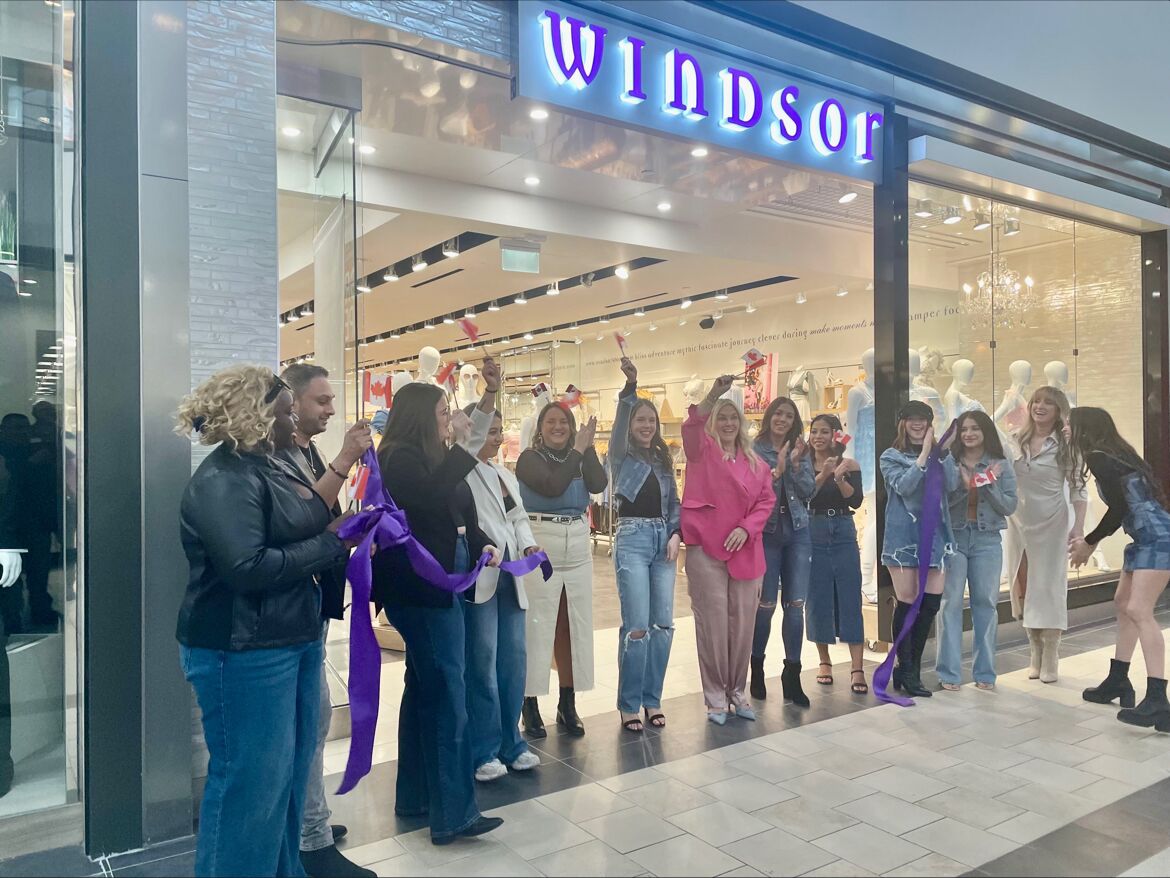
Grand Opening of Windsor Fashions at CF Lime Ridge Mall in Hamilton, Ontario (Image: Windsor)
Windsor: Expanding Fast Fashion to the Canadian Market
U.S.-based women’s fashion brand Windsor opened its first Canadian store at CF Lime Ridge in Hamilton in April 2024. Renowned for its affordable and trendy apparel, particularly for formal and special occasions, Windsor announced plans for an aggressive expansion, opening five stores in the country within the year.
In addition to the Hamilton store, Windsor opened stores in Southern Ontario including at the Oshawa Centre in Oshawa, Hillcrest Mall in Richmond Hill, Upper Canada Mall in Newmarket, and Dufferin Mall in Toronto.
Carm Sivers, VP/Managing Director, Canada, said, “When I look at it, honestly we can grow the Canadian market to be in the range of 60-80 stores. It will all depend on the consumer demand. We don’t want to oversaturate the market.”
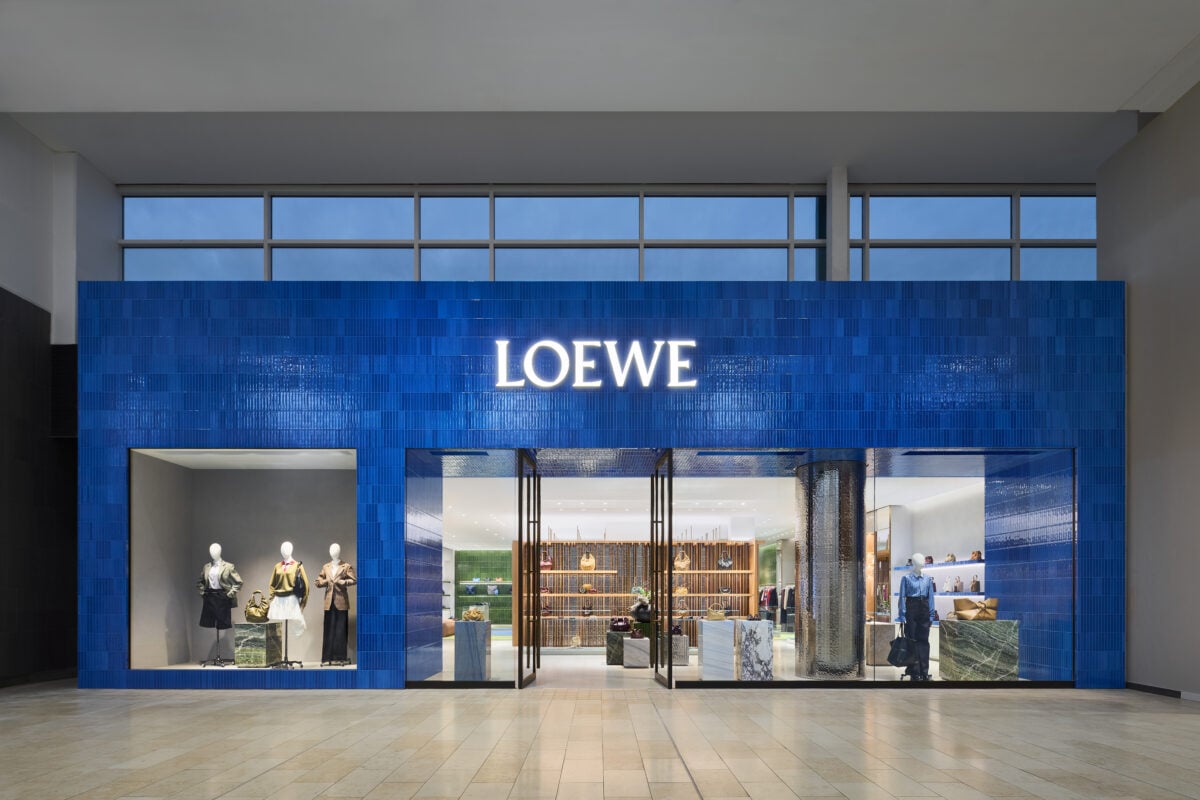
Facade of the Loewe store at Toronto’s Yorkdale Shopping Centre. Photo: Michael Muraz
Loewe: Luxury Comes to Yorkdale
Spanish luxury brand Loewe entered Canada in April 2024 with a striking standalone boutique at Toronto’s Yorkdale Shopping Centre. The store’s modern and artistic design mirrors Loewe’s emphasis on craftsmanship and innovation. Showcasing the brand’s leather goods, ready-to-wear collections, and accessories, the Yorkdale location reinforces Toronto’s status as a burgeoning hub for luxury retail.
The brand continues to be carried at Holt Renfrew and selected retailers, and Retail Insider has learned that in 2025, Loewe will open a second Canadian storefront at Oakridge Park in Vancouver.
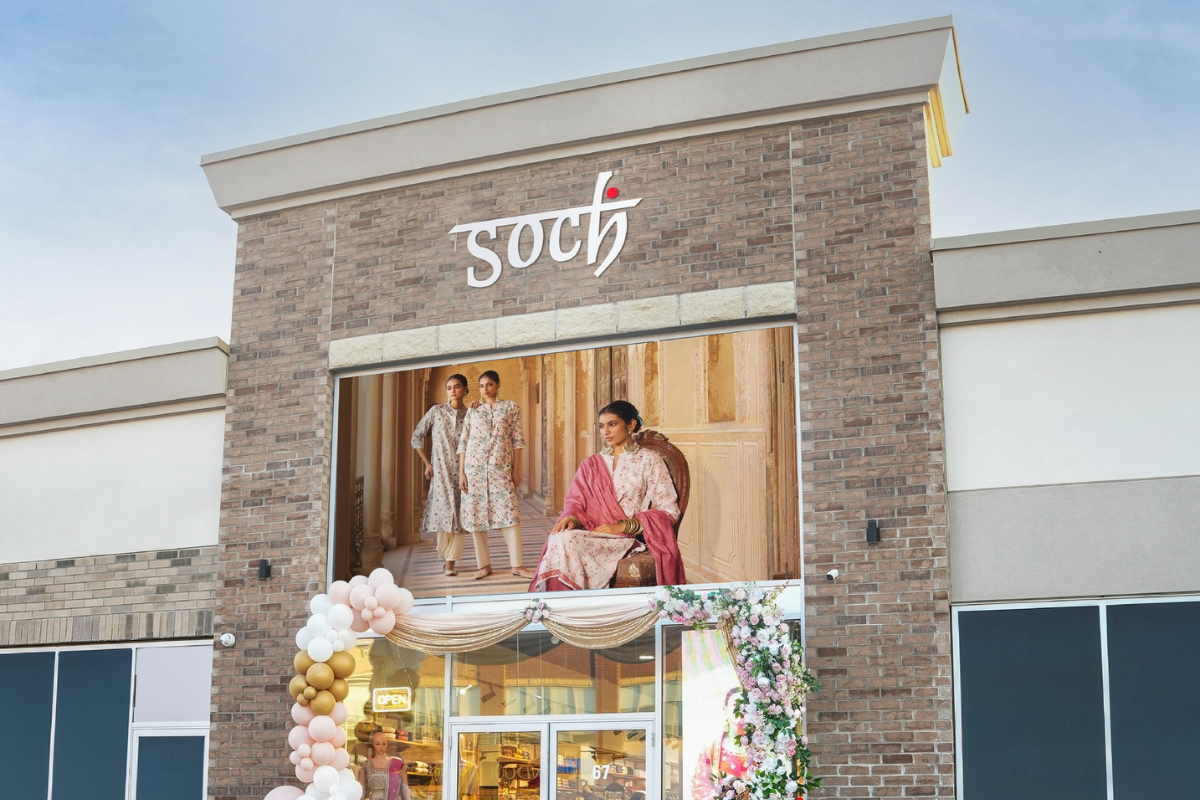
Soch Brampton (Image: Soch)
Soch: Indian Fashion Finds a New Market
India-based women’s fashion retailer Soch launched its first international store in Brampton in June 2024, marking its official entry into Canada. Known for its vibrant ethnic wear and fusion styles, Soch caters to the large South Asian diaspora in the Greater Toronto Area.
The brand’s debut aligns with its strategy to expand internationally while maintaining a strong connection to its cultural roots, with Canada being the brand’s first international market. Soch’s presence at a location with significant South Asian foot traffic reflects its commitment to serving its core demographic while introducing its offerings to a broader audience.
There are plans for Soch to expand further in Canada with stores. The retailer’s CEO, Vinay Chatlani, said in an interview in Retail Insider, “We’re looking at Vancouver and Montreal next. We’re hoping to have three open in the next two years in Canada.”
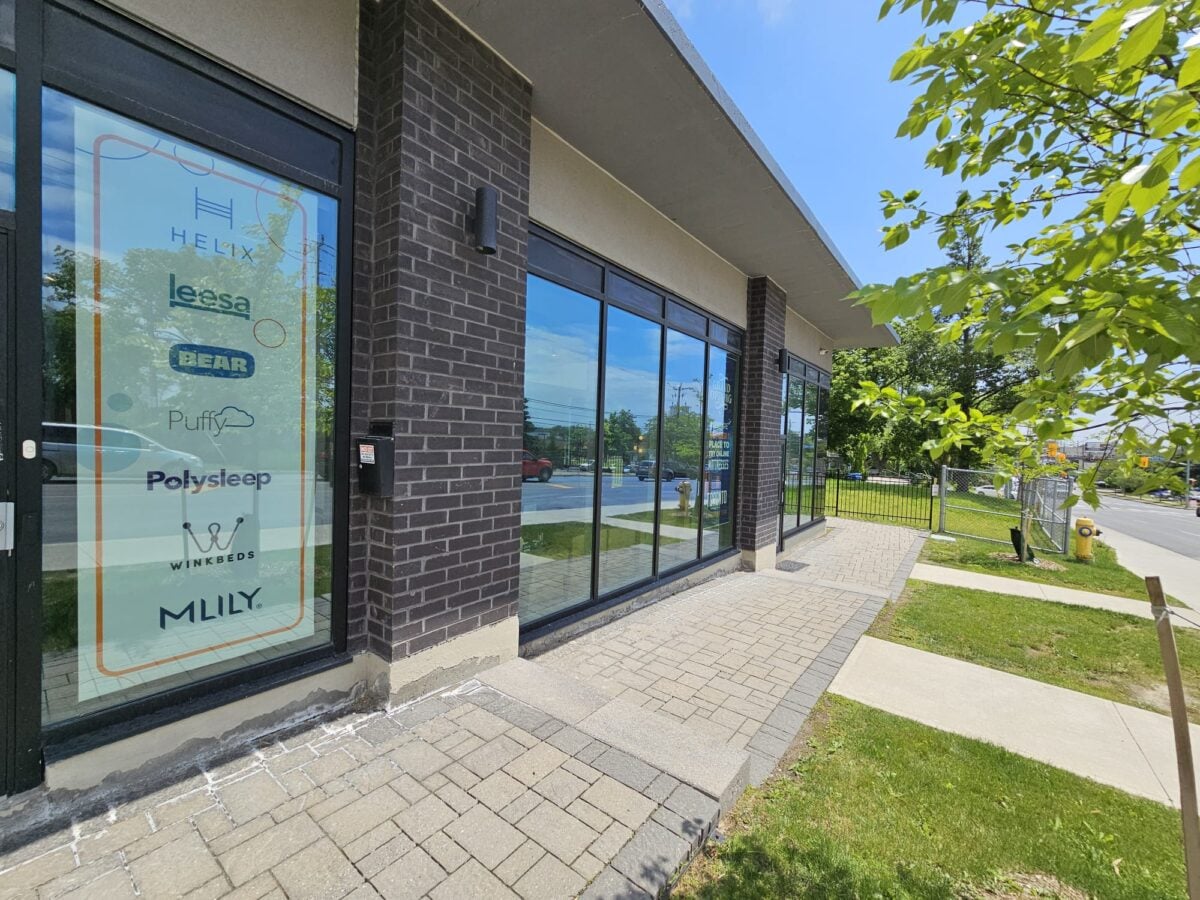
Photo courtesy of Sleepare
SleePare: Revolutionizing Mattress Shopping in Toronto
In August 2024, SleePare, a U.S.-based online mattress retailer, launched its first Canadian “try-and-buy” showroom in Toronto. The concept combines e-commerce with physical retail, allowing customers to test various online mattress brands in one location before making a purchase.
The innovative approach addresses a gap in the market, providing convenience and confidence to consumers navigating the competitive mattress industry. SleePare’s decision to establish a physical presence highlights the importance of tactile customer experiences, even amid competition and an increasingly digital retail landscape.
In terms of future Canadian stores, SleePare’s CEO Shanir Kol told Retail Insider, “We’ll wait and see at the end of the year if everything makes sense to grow to other cities. We’re definitely seeing interest from other cities in Canada.”
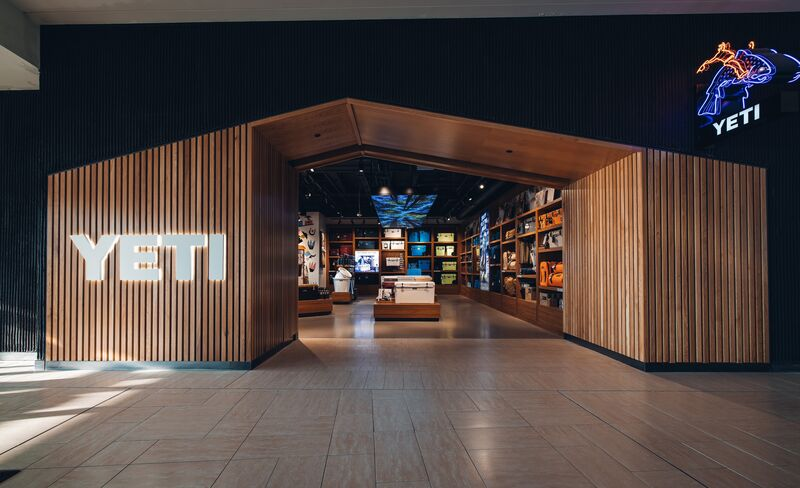
Yeti at CF Chinook Centre in Calgary. Photo: Jayme Barbosa
Calgary’s active lifestyle and proximity to the Rockies make it a strategic location for the brand’s Canadian debut. The CF Chinook Centre, known for its blend of high-end and mainstream retailers, was carefully chosen to align with Yeti’s brand ethos and target audience.
Yeti is expected to expand further with stores in key Canadian markets. Sari Samarah, President, CEO and Broker of Record for Value Insight Realty represented YETI for the CF Chinook Centre transaction.
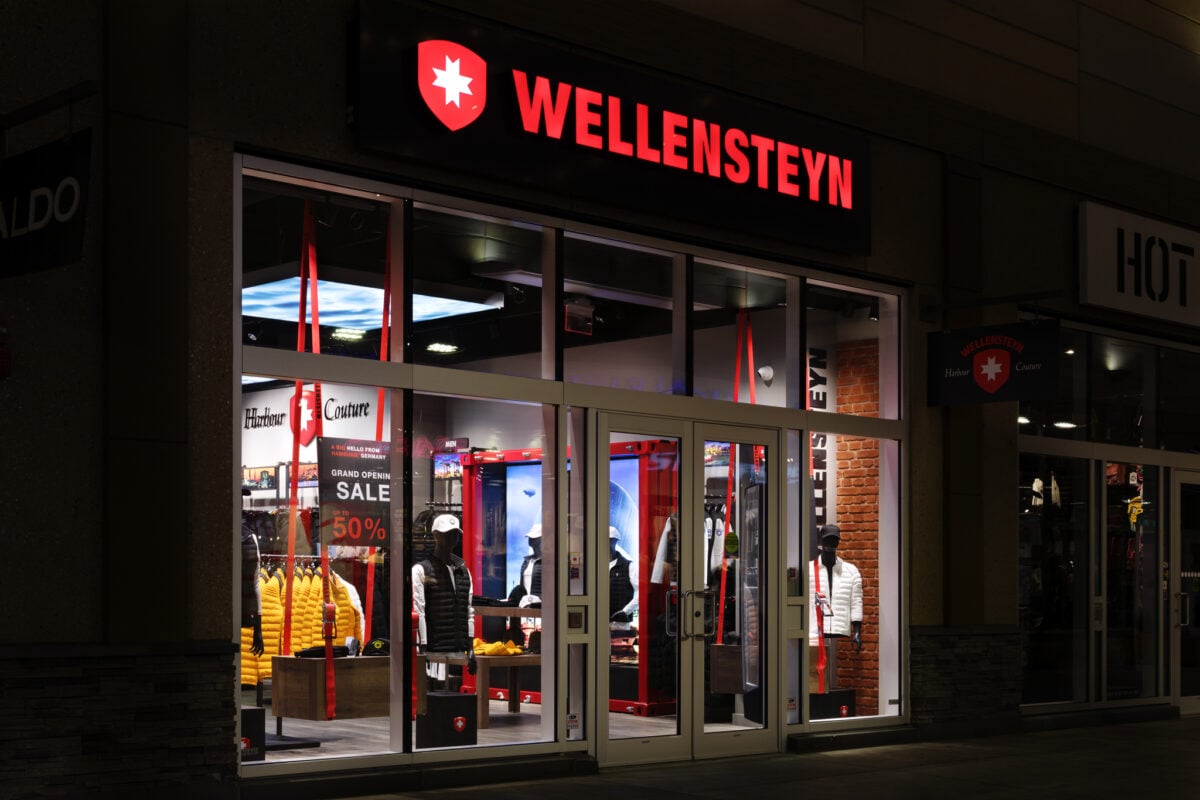
Wellensteyn at Outlet Collection at Niagara. Photo: Wellensteyn
Wellensteyn: Performance Outerwear Debuts in Niagara
German outerwear brand Wellensteyn made its Canadian debut in August 2024 at the Outlet Collection at Niagara. Renowned for its functional and stylish outerwear, Wellensteyn’s entry targets value-conscious consumers seeking high-quality apparel. The brand’s decision to launch at an outlet centre reflects its strategy to build brand awareness in a competitive market. Brokers involved in the deal highlighted the significance of outlet malls in introducing premium brands to new audiences.
Tony Flanz of Montreal-based brokerage Think Retail is working with Wellensteyn on its Canadian expansion, with more stores planned. Flanz told Retail Insider, “Think Retail congratulates Wellensteyn on its official Canadian market entry and we are thrilled to work with the team on its growth—the vision is to open two to three more stores in 2025, with an initial focus on outlet centres in Ontario.” He went on to say in a previous article that after focusing on Ontario, Wellensteyn stores are expected to eventually open in British Columbia and Alberta, ideally in retail spaces in the 2,000 square foot range.
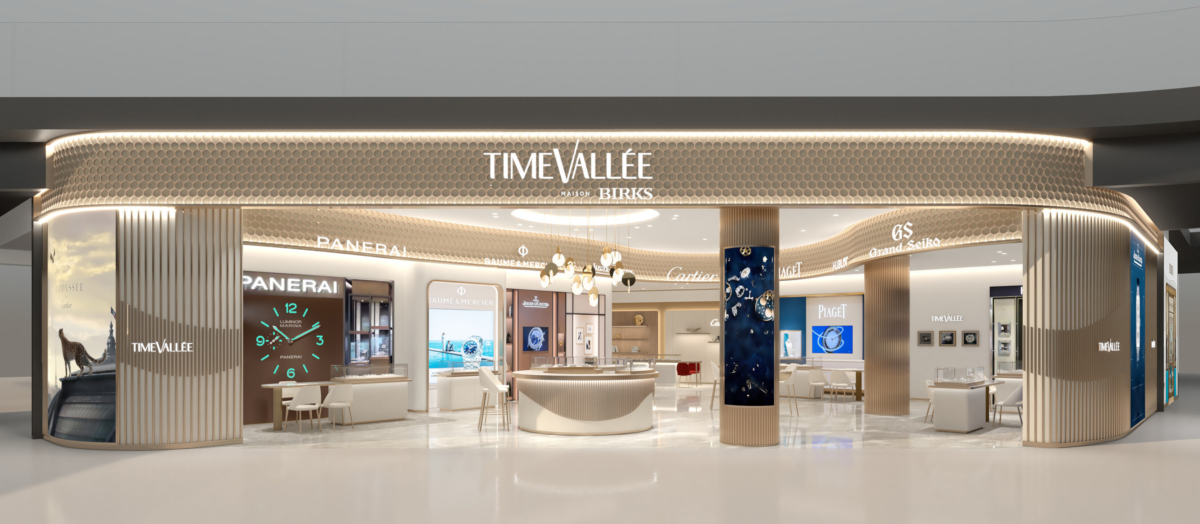
TimeVallée by Birks at Royalmount in Montreal. Image: Birks Group
TimeVallée Opens in a Timely Fashion at Royalmount
In September 2024, Montreal-based jeweller Maison Birks introduced the luxury multi-brand watch retailer TimeVallée to the Canadian market. The inaugural Canadian TimeVallée boutique opened on September 5 at Montreal’s Royalmount development, occupying approximately 2,800 square feet. TimeVallée, founded by Richemont, offers an extensive selection of prestigious timepieces within a sophisticated retail environment. The boutique features an array of high-end watch brands, providing an immersive shopping experience for horology enthusiasts. Seven luxury watch brands are carried a the Montreal store, including Baume & Mercier, Cartier, Chopard, Grand Seiko, Jaeger-LeCoultre, Panerai and Piaget.
In 2025, TimeVallée will open a second Canadian storefront at the Oakridge Park development in Vancouver. It’s not known if any more locations will open after that in Canada.
Photo courtesy of LOJEL
LOJEL: Travel Goods Arrive in Vancouver
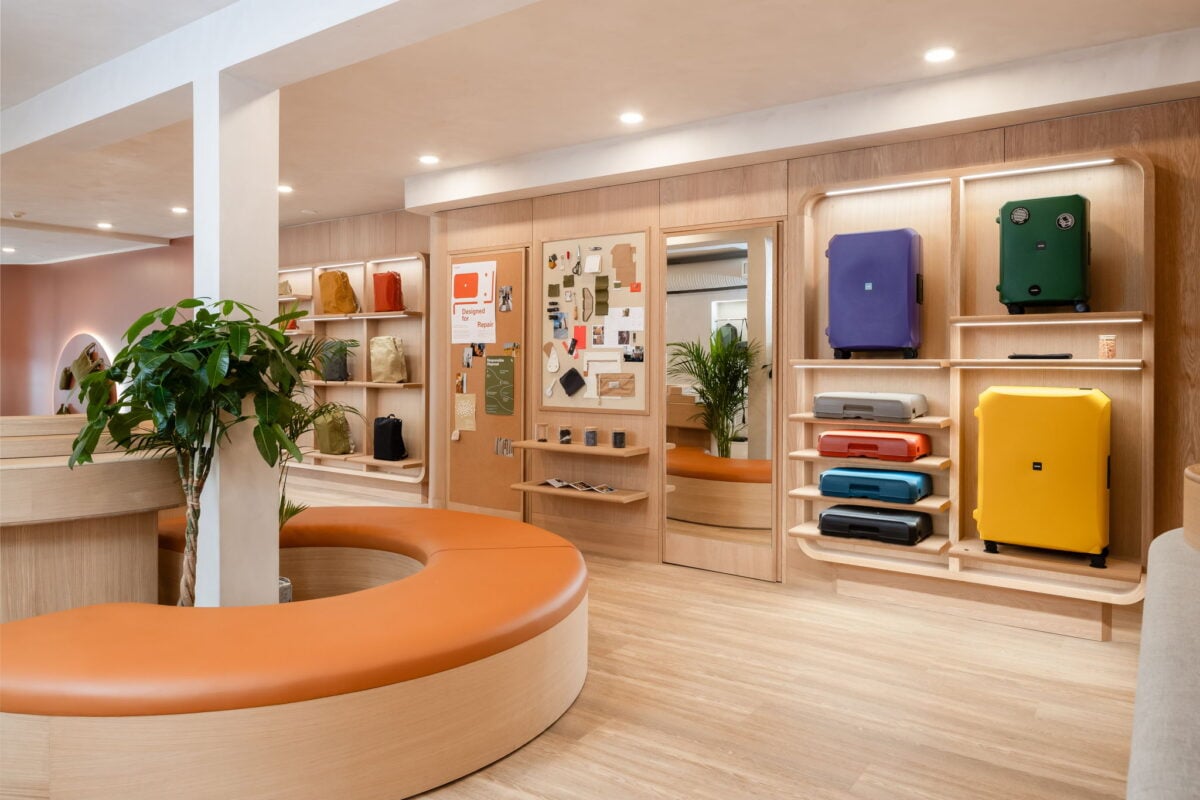
Asian travel goods brand LOJEL opened its first Canadian store in Vancouver’s Kitsilano neighbourhood in September 2024. The brand’s minimalist yet functional luggage and travel accessories cater to Vancouver’s globally minded and design-savvy shoppers. LOJEL’s entry aligns with its expansion strategy targeting key urban markets worldwide.
More locations are on the way for Canada in 2025, including at Montreal’s Royalmount.
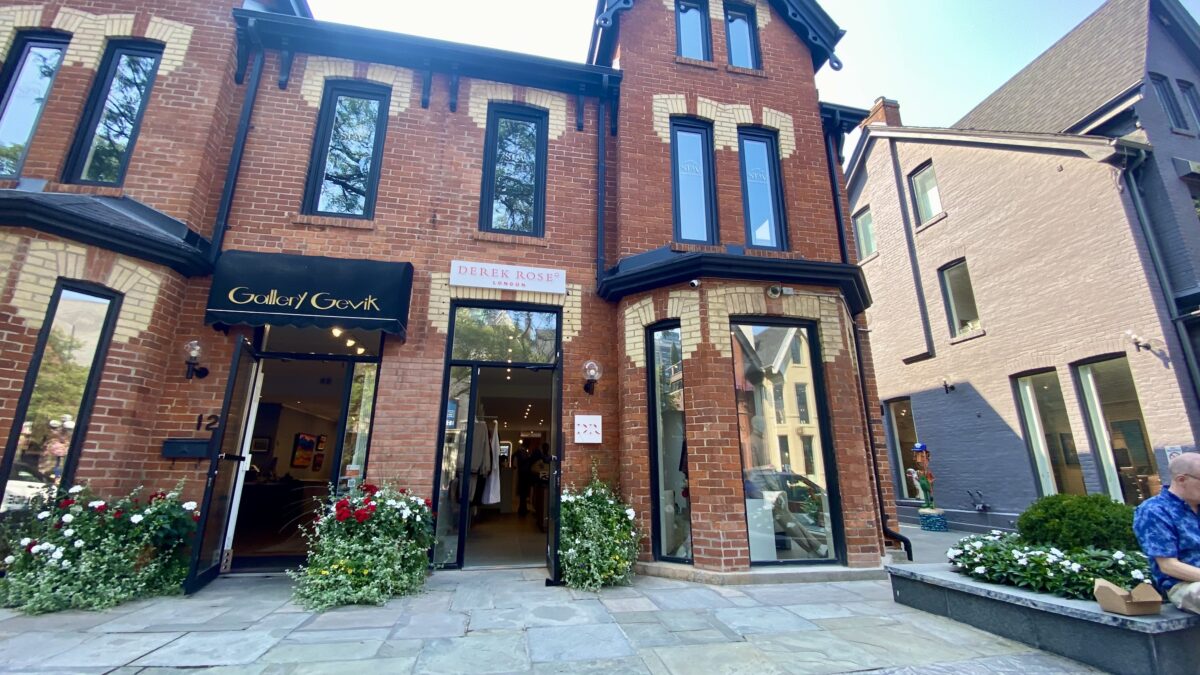
Derek Rose at 14 Hazelton Avenue in Toronto on opening day. Photo: Craig Patterson
Derek Rose: British Luxury on Hazelton Avenue
British heritage brand Derek Rose debuted in North America with a standalone store on Hazelton Avenue in Toronto in September 2024. Known for its luxury loungewear, sleepwear, and resort wear, the boutique brings a sophisticated offering to Yorkville. Derek Rose’s entry highlights Toronto’s growing appeal to niche luxury brands seeking customers that understand the product.
In an interview, Canadian co-owner William Grant hinted at future growth: “A North American expansion is on the horizon. New York, Miami, Los Angeles , Montreal, maybe Vancouver, or a second Toronto location are possibilities.”
DWSV Realty acted as brokers for Derek Rose and negotiated the lease deal for the Hazelton Avenue store.
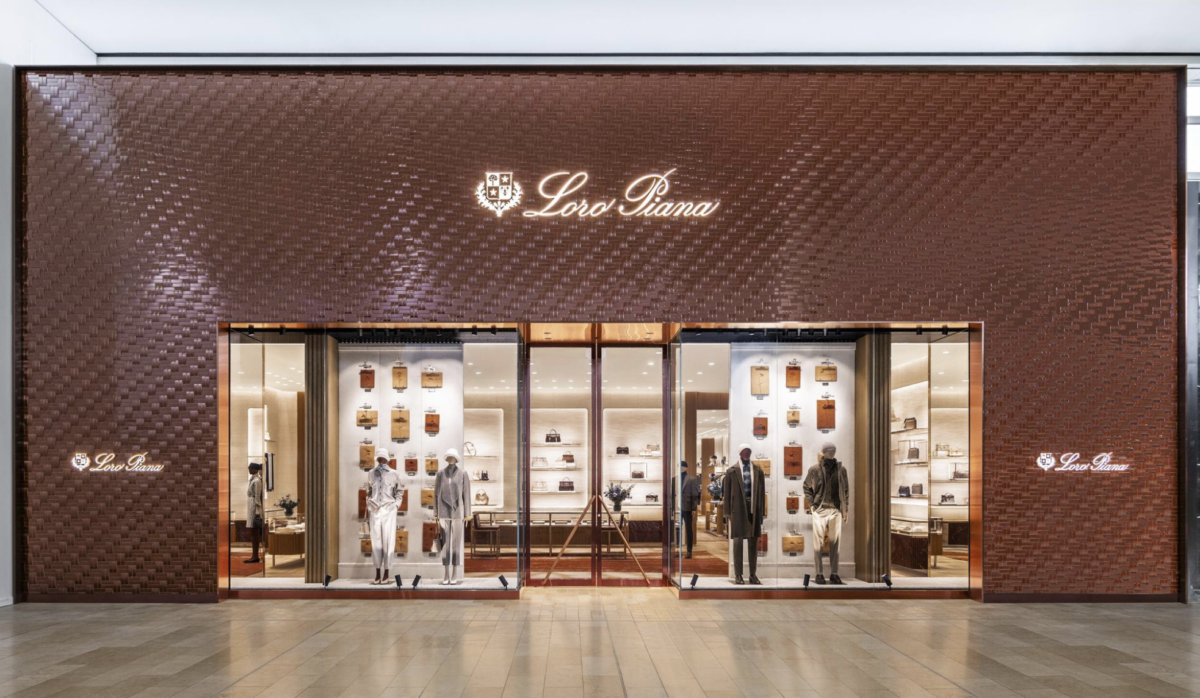
Loro Piana at Toronto’s Yorkdale Shopping Centre. Image: Loro Piana
Loro Piana: A Double Debut in Toronto
Italian luxury brand Loro Piana expanded into Canada with two standalone stores in Toronto in October 2024. The first opened at Yorkdale Shopping Centre, followed by a downtown flagship location at 111 Bloor Street. Renowned for its premium cashmere and wool products, Loro Piana’s Canadian debut underscores its commitment to expanding its presence in North America.
The lease negotiations for the Bloor Street and Yorkdale locations were facilitated by David Wedemire and Stan Vyriotes of DWSV Realty. The landlord of the Bloor Street building was represented by Tom Balkos of P3 Global Realty Advisors, Alex Edmison, and Brett Taggart of CBRE.
It’s unknown if Loro Piana will open any more Canadian storefronts. If it were, Vancouver’s Oakridge Park would be a strong guess for a store.
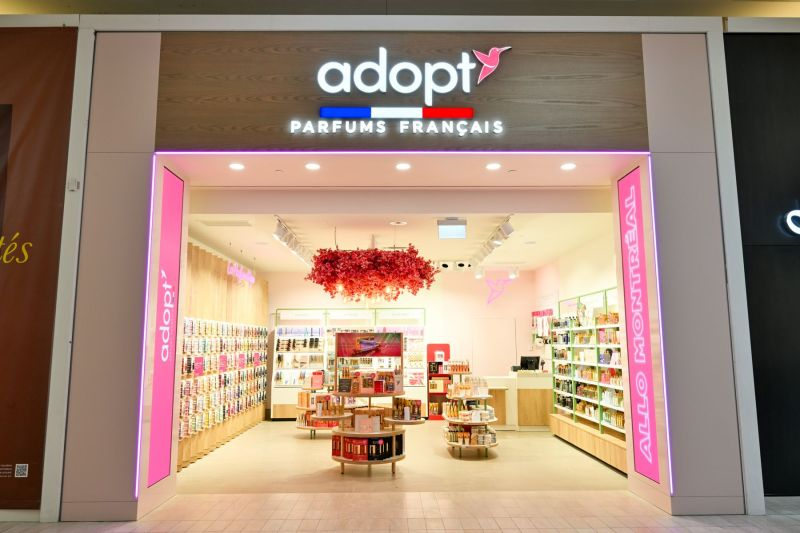
Adopt store at Galeries d’Anjou in Montreal. Photo: Think Retail
Adopt: French Fragrance Finds a Home in Montreal
French fragrance retailer Adopt entered Canada in November 2024 with a store at Galeries d’Anjou in Montreal. Offering affordable perfumes and beauty products, its entry reflects a growing demand for niche and affordable luxury in the beauty sector.
Adopt’s expansion in Canada aligns with its broader international strategy, positioning the country as a priority market. “The Canadian market is one of the priority objectives in our international development,” said Canadian operator Marcel Rinaldy, reflecting the brand’s readiness to expand its footprint.
Following the Galeries d’Anjou opening, Adopt launched two more Quebec locations—at CF Carrefour Laval near Montreal and at Place Ste-Foy in Quebec City. Additionally, plans for 2025 include six to eight new stores across Quebec, with a potential Ontario market entry by late 2025.
Adopt’s plans for expansion extend beyond Quebec, with a focus on super-regional malls and high-traffic commuter hubs, such as airports and train stations. Tony Flanz of Think Retail represents Adopt’s Canadian expansion.
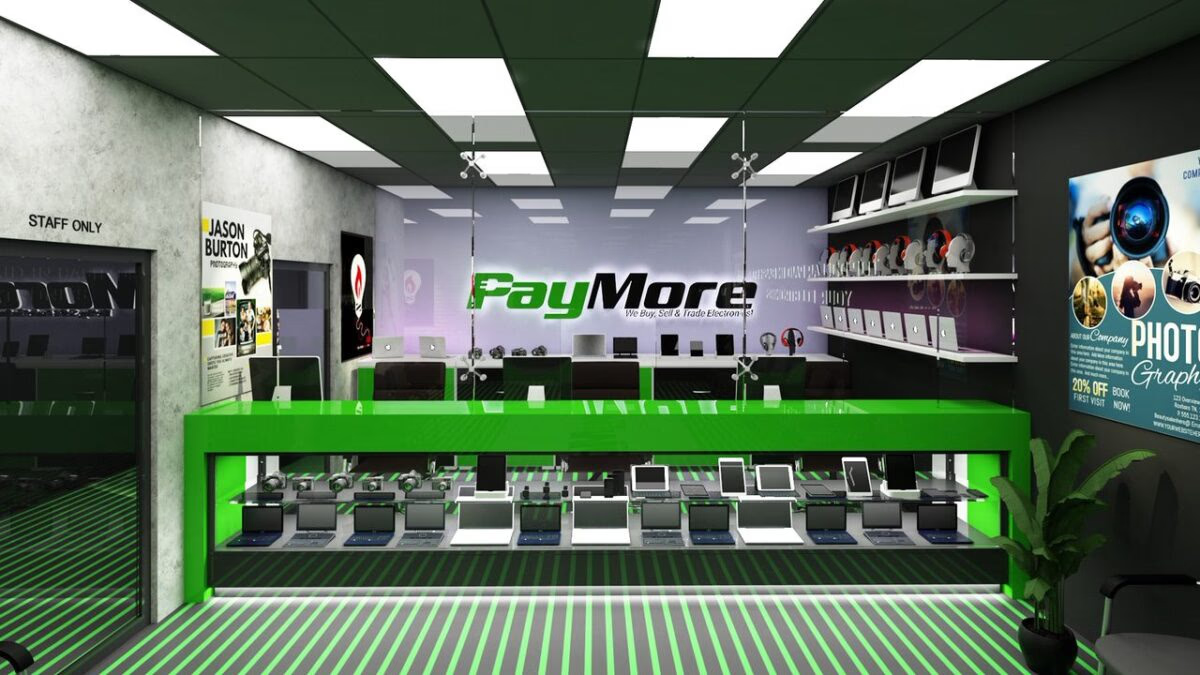
Image: PayMore Canada
Paymore: Second-Hand Electronics in the GTA
U.S.-based second-hand electronics retailer Paymore opened its first Canadian stores in December 2024 in Mississauga and Brampton. The brand’s model focuses on buying and selling pre-owned electronics, appealing to eco-conscious and budget-savvy consumers. Paymore’s Canadian expansion underscores the growing trend of circular economy practices in retail.
The retailer’s Canadian expansion is led by master franchise holder Founder Brands, led by the Corrin brothers and a team of investors. Adam Corrin told Retail Insider, “We’re targeting a total of 120 locations across Canada over the next 10 years. Our goal is to make PayMore a household name in Canada and to bring our services to communities nationwide.”
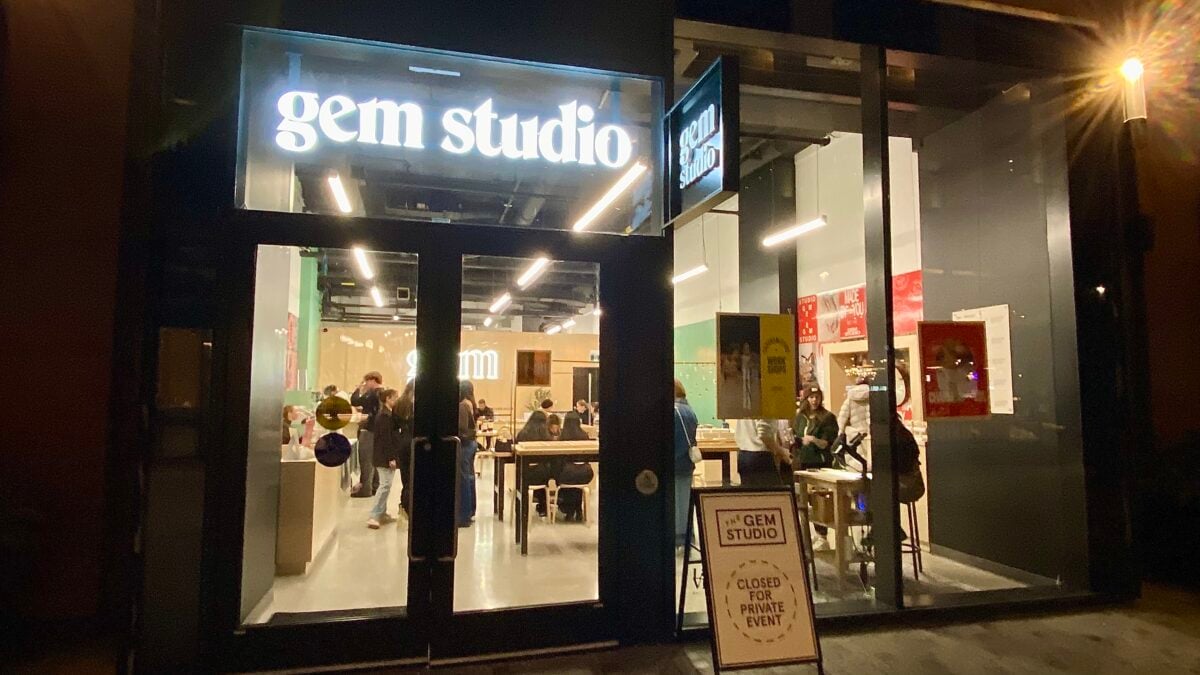
Gem Studio at The Well in Toronto. Photo: Craig Patterson
Gem Studio offers customers a unique, hands-on experience in crafting personalized jewelry. Participants can select from a wide array of semi-precious gems and, under the guidance of skilled silversmiths, create custom pieces such as rings, bracelets, earrings, and more. The studio emphasizes the use of high-quality .925 sterling silver, ensuring each creation is both durable and tarnish-resistant.
Founder Brands’ Adam Corrin told Retail Insider that the company is looking for franchisees in major Canadian markets. Founder Brands also plans to bring more global franchises into the Canadian market, according to Corrin.
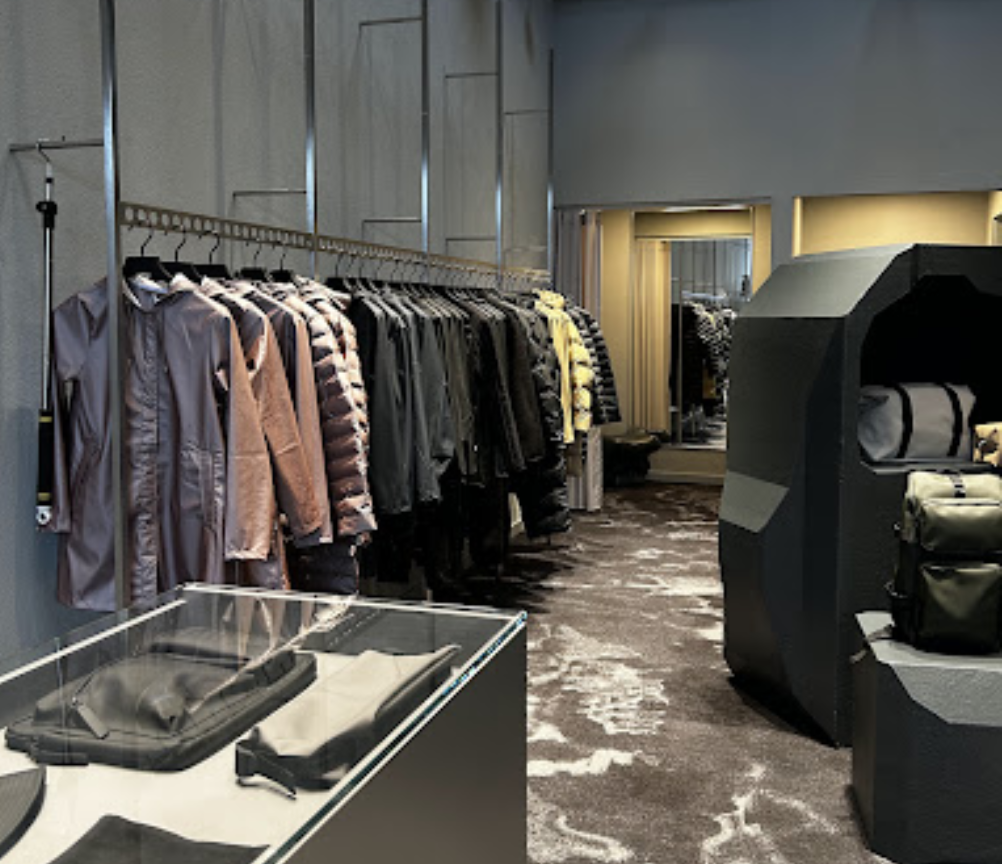
Inside the new RAINS store in Vancouver. Photo: LB via Google Maps/Images
RAINS: Danish Outerwear Comes to Vancouver
Danish outerwear brand RAINS opened its first Canadian store on December 21, 2024, in Vancouver’s Kitsilano neighbourhood at 2142 West 4th Avenue. Known for its sleek, minimalist rainwear and accessories, RAINS has built a global reputation for combining Scandinavian design aesthetics with practical, weather-resistant functionality. The brand’s product lineup includes waterproof jackets, bags, and outerwear that appeal to urban consumers seeking stylish yet durable options for inclement weather.
A Year of Selective Expansion
Analyzing the numbers, 2024 saw a total of 15 international retailers entering Canada, marking a selective but impactful year. Toronto dominated the landscape with eight retailers establishing themselves in the Greater Toronto Area (GTA). Two of these new entrants chose Hazelton Avenue in the Yorkville area, highlighting its continued draw for luxury and boutique brands. Yorkdale Shopping Centre also hosted two new arrivals, reaffirming its position as a top-tier destination for international luxury retail entrants.
The geographic distribution of entrants illustrates Toronto’s appeal, with 53% of the year’s total openings in the GTA. Other cities included Vancouver and Montreal hosting two new retailers, and Calgary, Hamilton, and Niagara-on-the-Lake, each hosting one new retailer. This distribution reflects the concentration of Canada’s retail opportunities in urban hubs, particularly in regions with affluent and diverse populations.
Among the 15 retailers, four were luxury brands (including multi-brand TimeVallée), further solidifying Canada’s position as a growing market for high-end offerings. Notably, two retailers were brought to Canada by Founder Brands, showcasing the company’s strategic focus on introducing innovative international franchises to the local market. The numbers suggest a cautious but intentional approach by international brands, prioritizing markets and locations with the highest potential for success.
While the total number of entrants is lower than in previous years, the focus on strategic urban locations and the inclusion of high-profile luxury brands underscore the enduring attractiveness of Canada’s retail market. The dynamics of 2024 reflect a recalibration of strategies in response to global economic uncertainties, ensuring that market entries are calculated and impactful.
2025 Expected to be a Banner Year for International Luxury Entrants
Retail Insider anticipates 2025 to be a significant year for Canadian retail, with numerous first-to-market luxury store openings already confirmed. This includes high-profile additions at developments like Oakridge Park in Vancouver, where luxury brands such as Chaumet, Jacob & Co., Maison Margiela, and Miu Miu will launch their first Canadian stores. Downtown Vancouver is also set to welcome Canada’s inaugural Marella and Max & Co. locations in the coming weeks, both opening at CF Pacific Centre. Meanwhile, in Toronto, Chrome Hearts is among the brands confirmed to be debuting in 2025. Retail Insider will return in January 2026 with a comprehensive report on the international brands that entered Canada through new store openings.
Editor’s Note on previous years and this study:
For over a decade, Retail Insider has been tallying the number of international retailers that have entered Canada with first brick-and-mortar stores. The following is a breakdown with hyperlinks to previous reports:
In 2022, we reported in Retail Insider the magazine that 21 international brands entered Canada by opening stores, while in 2021, we also saw 21 international retailers enter the country.
In 2020, we counted 13 brands that entered Canada by opening stores — a year with considerable uncertainty and lockdowns due to the COVID-19 pandemic.
In 2019, we reported that 30 retailers had entered the country by opening stores, which was about the same number as in 2018.
In 2017, a record-breaking 50-plus international brands entered the Canadian market with stores.
In 2016, Retail Insider wrote a special edition piece for Retail Council of Canada’s publication, Canadian Retailer, within which we listed 21 international retailers that had come to Canada by opening stores that year.
In 2015, we reported that 28 retailers had opened their first freestanding locations in Canada that year. And, in 2014, we counted 20 international brands that entered Canada by opening stores.
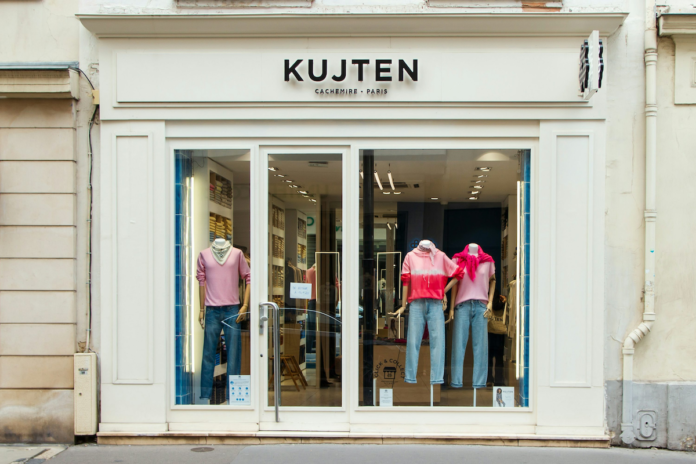
Paris-based cashmere brand KUJTEN is looking to make its first foray outside Europe by entering the Canadian retail market. Known for its premium Mongolian cashmere and modern designs, the brand plans to open stores in Toronto and Montreal, targeting upscale locations.
Aurora Realty Consultants, with Jeff Berkowitz leading the initiative, has been enlisted to spearhead the expansion. The initial focus will be on securing boutique spaces in prime retail areas, ranging from 1,000 to 1,500 square feet.
About KUJTEN: Redefining Cashmere Fashion
Carole Benaroya and Stéphanie Eriksson, founders of KUJTEN
KUJTEN was founded in 2012 by friends Carole Benaroya and Stéphanie Eriksson, who shared a vision to modernize cashmere fashion. Named after Mount Kujten, Mongolia’s highest peak, the brand honours its deep connection to the region known for producing the world’s finest cashmere.
Drawing on their diverse expertise—Benaroya’s finance background and Eriksson’s fashion industry experience—the duo created a brand that marries luxury and innovation. Unlike many traditional cashmere brands that focus on neutral tones and classic cuts, KUJTEN introduces vibrant colours and contemporary designs to its collections. Offerings include sweaters, cardigans, dresses, and accessories designed to appeal to a younger, fashion-forward audience.
With 46 retail locations across Europe, KUJTEN has established itself as a significant player in the luxury cashmere market. The brand operates 39 standalone stores and 7 concessions within department stores, strategically located in high-traffic and high-end retail destinations.
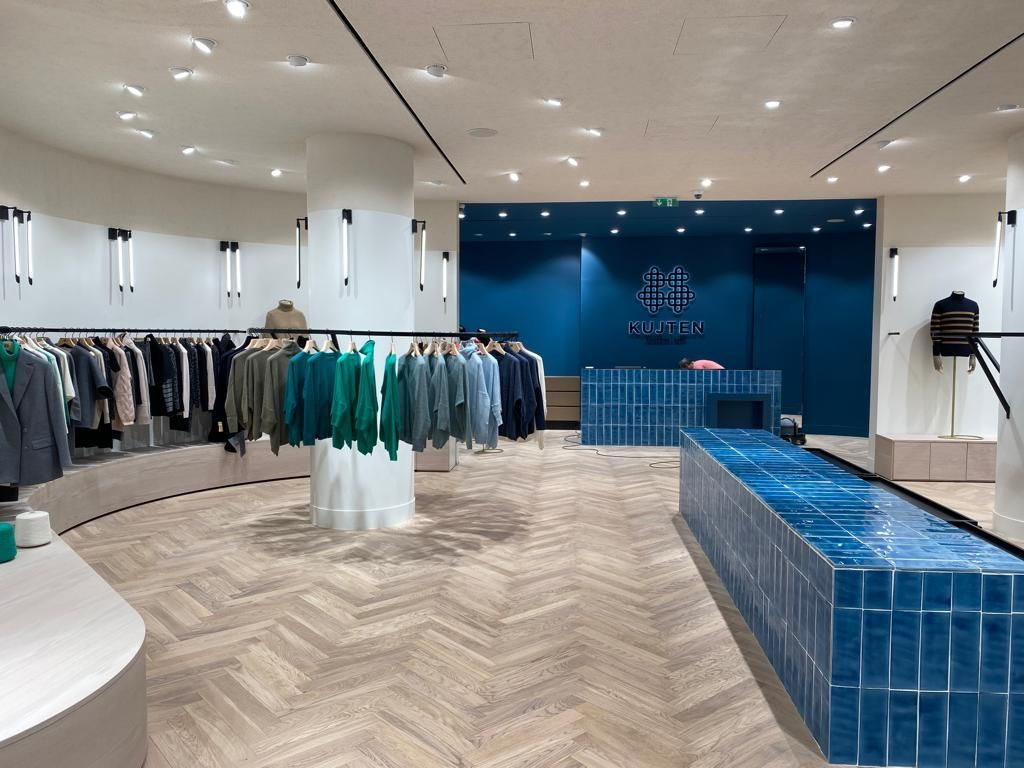
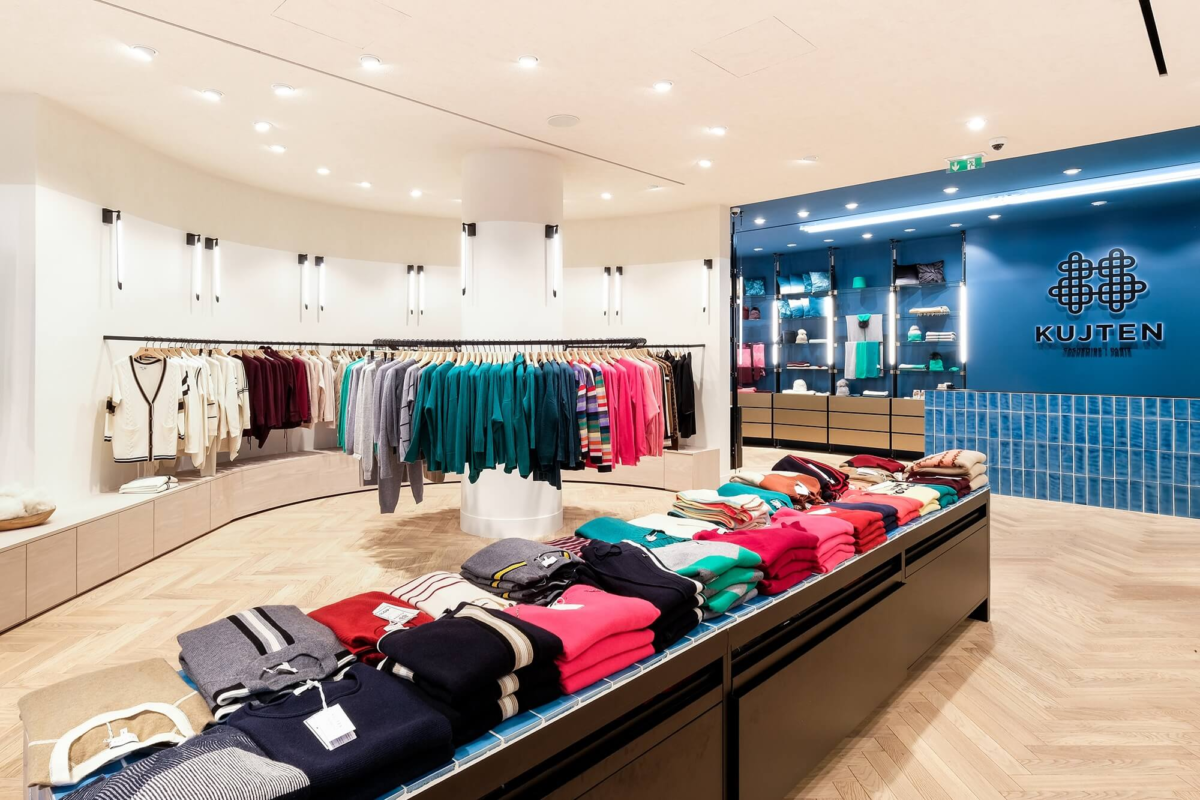
KUJTEN store. Photo: KUJTEN
Aurora Realty Consultants Leading the Way
Aurora Realty Consultants, a Canadian brokerage firm renowned for its expertise in retail real estate, will guide KUJTEN’s entry into the Canadian market. Jeff Berkowitz, a seasoned broker with extensive knowledge of luxury retail, is leading the initiative.
Toronto and Montreal are the initial target cities for KUJTEN’s Canadian expansion, according to Berkowitz. Ideal store locations could include upscale shopping centres and/or upscale shopping streets.
KUJTEN’s Unique Edge in the Cashmere Market
KUJTEN distinguishes itself through its exceptional material quality, contemporary design, and ethical practices. The brand sources its cashmere directly from Mongolia, where it partners with local herders to ensure the finest fibres are used. This approach guarantees superior softness, durability, and eco-friendliness. In addition, KUJTEN’s transparency in sourcing and production resonates with the growing number of consumers prioritizing sustainability.
The brand’s use of bold colours and modern cuts further sets it apart in a market traditionally dominated by neutral tones and classic styles. This differentiation appeals to a younger demographic seeking high-end fashion with a fresh perspective.
Image: KUJTEN
The Competitive Landscape in Canada
The Canadian cashmere market already features strong players, including Italian giants Loro Piana and Brunello Cucinelli, and local brands such as Black Goat Cashmere. These brands are renowned for their timeless elegance, craftsmanship, and exceptional quality, commanding a loyal following among affluent shoppers.
KUJTEN’s vibrant designs and focus on sustainability could provide it with a competitive edge. While its competitors emphasize more classic styling, KUJTEN appeals to modern, fashion-conscious consumers who seek a blend of luxury and individuality.
Furthermore, the brand’s competitive pricing strategy, combined with its emphasis on ethical production, positions it as a unique offering in the market.
Canadian furniture leader, Home Société Group, announced Tuesday that the grand opening of its first Home Société flagship location in Montreal at Royalmount will be on February 28.
“The first of its kind in Quebec, this cutting-edge retail space brings together the group’s brands – Maison Corbeil, MUST, Jardin de Ville – all under one roof. Since launching this concept in Ontario in 2019, with three successful stores now in Ottawa and Toronto, Home Société has established itself as a leader in furniture retail. The new Montreal location will offer the best in furniture, décor, and lifestyle creating an unparalleled shopping destination in the heart of the city,” said the company in a news release.
Walid Laaraba
“With the opening of our Royalmount flagship, we’re redefining the shopping experience for our customers,” said Walid Laaraba, President of Home Société Group. “Bringing together our mid to high-end interior and exterior brands will allow us to create a dynamic space where design and innovation converge, making it easier than ever for customers to explore and personalize their homes.”
The company said the new flagship store spans three floors, each offering a unique experience and several new sections in addition to the current offerings. The store will feature a stunning 12,000-square-foot indoor and outdoor showroom for Jardin de Ville with a terrace overlooking Mount Royal. This space, dedicated to luxury outdoor furniture and decorative accessories, sets a new standard for outdoor living.
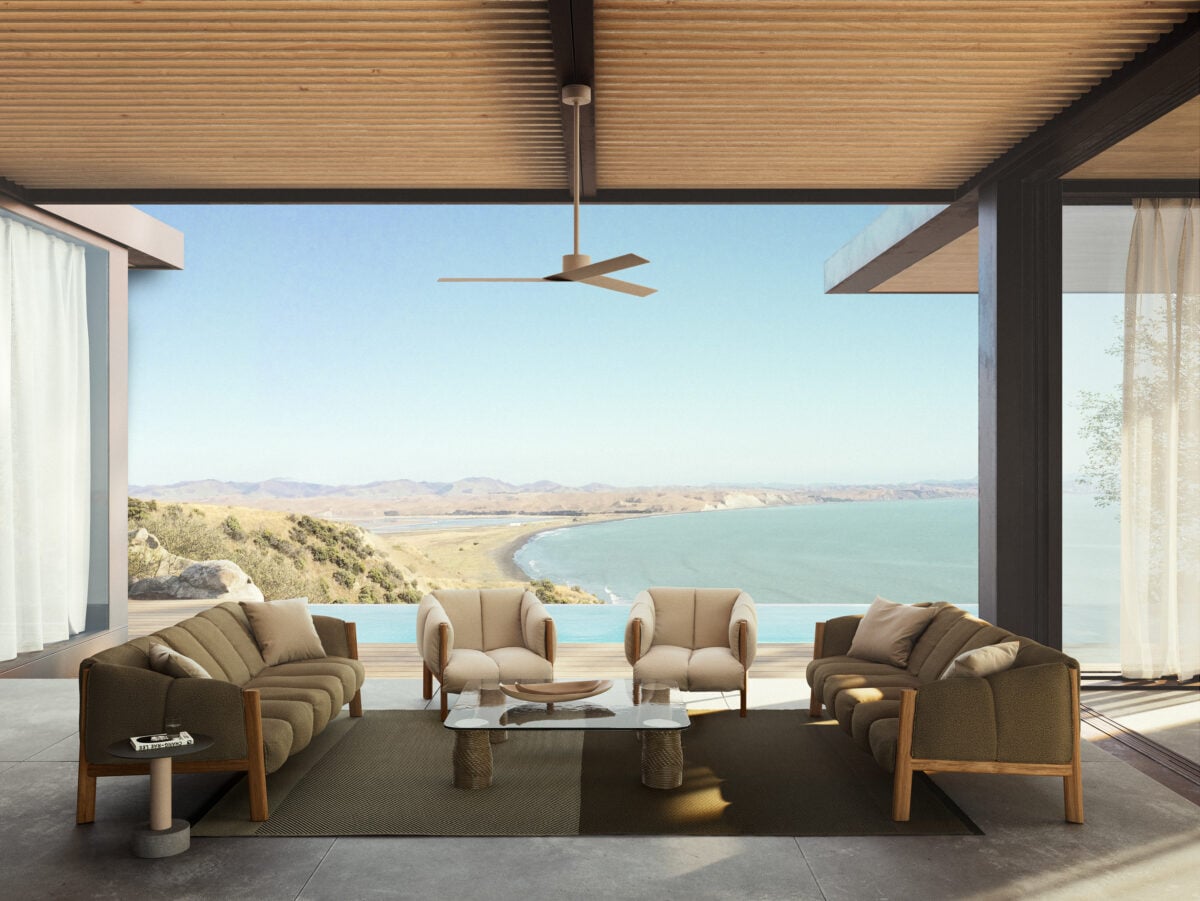
It also marks an exciting milestone for Home Société’s curated portfolio with the addition of Kettal, an exclusive new brand known for high-end outdoor furniture and luxury pavilions. This collaboration introduces contemporary design and craftsmanship, setting a new benchmark for sophistication in outdoor spaces, it said.
“Home Société at Royalmount will proudly debut three new dedicated spaces that make it a standout destination, enhancing interior offerings and highlighting key suppliers partnered with Home Société Group. Cattelan Italia and Fourhands are featured with their first dedicated sections in Canada, showcasing their exceptional products. Cattelan Italia’s 4,500-square-foot section presents 100% Italian-made furniture, while Fourhands’ 6,000-square-foot space offers an eclectic mix of contemporary furniture and accessories, blending stylish designs with refined craftsmanship. Additionally, Sub-Zero + Wolf has set up their own boutique within the flagship store, elevating the visitor experience by offering state-of-the-art cooking technology and sophisticated designs to seamlessly complete their home purchases,” noted the company.
“To further elevate the overall shopping experience, Prune Les Fleurs will provide a curated lifestyle offering that extends beyond flowers, showcasing an exquisite selection of plants, décor inspiration, and stylish kitchen accessories.”
The retailer said the new flagship store is a design-led space that enhances the retail journey. Spanning 55,000 square feet over three levels, it stands as the group’s largest retail destination to date.
“The design is minimalist and timeless, featuring large, luminous windows, a terrace with stunning views of Mount Royal, and a neutral white palette with accents of burgundy and gold,” it explained.
“The new store design was inspired by a vision of openness and flow, allowing the furniture and décor to take center stage. With majestic windows, thoughtfully placed lighting, and elegant materials, the space invites customers to explore and visualize their dream interiors. Distinct areas within the store reflect the unique personalities of Home Société Group’s diverse portfolio, offering a curated and inspiring shopping journey.
Home Société Group is a leader in mid to high-end interior and exterior furnishings, with 17 existing stores across Quebec and Ontario (Toronto and Ottawa) and three transactional websites. The company’s portfolio includes Maison Corbeil, MUST, Jardin de Ville, Home Société and La Galerie du Meuble.
“For the first time, really since the pandemic, we focused on expanding outside of our existing retail network. We opened five new showrooms across the U.S., five additional Nordstrom locations, so 10 in total, and we had 50 locations go live with Kohl’s,” he shared. “In total, we had 60 brand new showrooms and locations that customers could access the brand. That was a lot of work.
“We had five different landlords. Two different department stores. A product line with Kohl’s. The green label.”
The company’s efforts resulted in a record-breaking second half for both revenue and EBITA. “It was our best second half, revenue- and EBITA-wise, in the company’s history,” Green noted.
“We were really focused on that expansion.”
Strategic Team Expansion
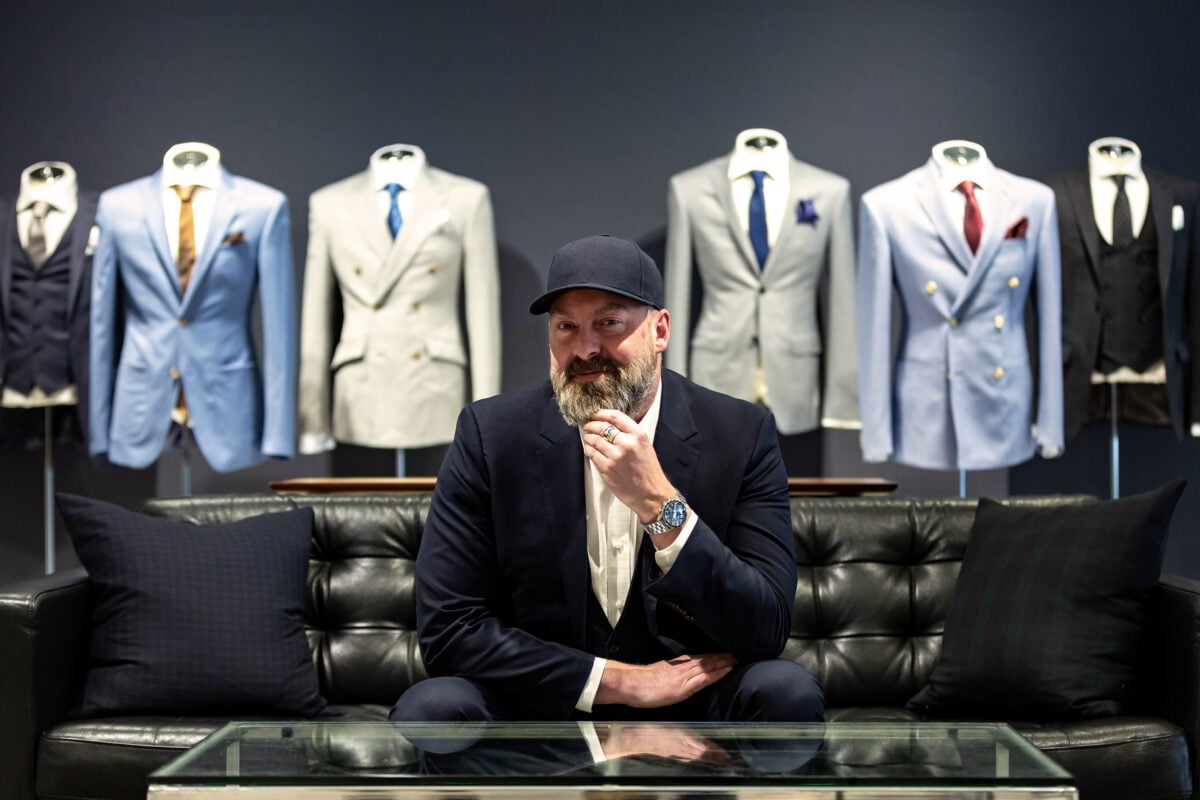
In addition to retail growth, INDOCHINO strengthened its leadership team. “We also had some additions to the team which took a lot of time and attention. We hired Sean Wrenn away from Kendra Scott, and he’s leading our retail now, which I’m really excited about. That was a big recruitment process,” Green said. “We also brought in a new vice president of marketing.”
Green emphasized his business philosophy: “Kind of sticking within the pillars that I always build in—people first, product, and both of those leading to profit—really was the core focus for 2024.”
Expanding the Retail Network in 2025
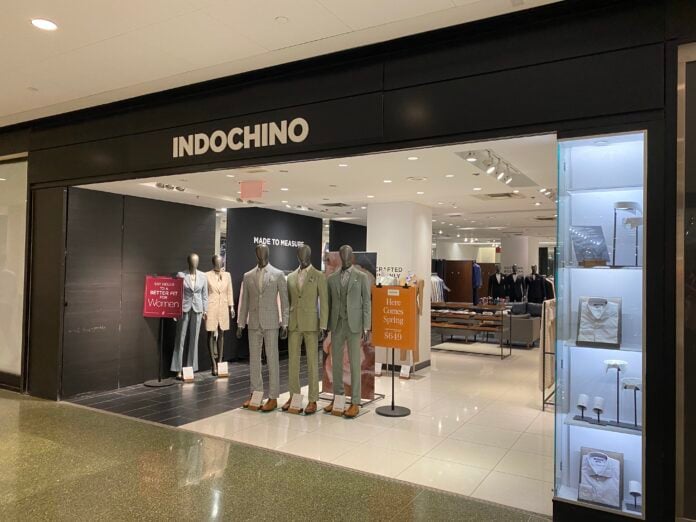
Currently, INDOCHINO has 61 showrooms and 33 Nordstrom locations with 50 Kohl’s locations.
Looking ahead, INDOCHINO plans to continue its expansion. “We’ve got two new locations in the U.S.,” Green revealed. “One is just outside of Boston, and one is outside of Chicago. They’ll launch in Q2. We’ve also signed another six locations with Nordstrom, which would bring us to 39 Nordstrom locations.”
INDOCHINO’S partnership with Kohl’s is also a key growth area. “When I was in Milwaukee, I was there with senior executives from Kohl’s. We’re focused on this sort of first 50-store test and making sure that goes well,” Green said. “We’ve talked about an additional 450 stores, but I don’t really want to commit to that yet. We want to make sure we make it through this test really well.”
Focus on Nordstrom and Kohl’s
Green expressed admiration for other department stores but reiterated INDOCHINO’s commitment to its current partnerships. “I think for us we’ve invested quite a bit with Nordstrom over the past four years. We really want to stay focused. We’re going to continue to invest our time and attention and resources into Nordstrom,” he explained. “With Nordstrom, we’re able to really connect with a customer that has more disposable income. And with Kohl’s, we’ve created a product for the customer that doesn’t have a lot of disposable income.”
The video game industry remains a vital contributor to Canada’s economy, with 821 studios employing 34,010 people and contributing $5.1 billion to Canada’s GDP, according to an economic impact study conducted by Nordicity for the Entertainment Software Association of Canada (ESAC).
“The video game industry is a cornerstone of Canada’s digital economy, creating high quality jobs, driving innovation, and showcasing our creativity on the global stage,” said Paul Fogolin, CEO and President of ESAC. “Our video game studios have had to navigate significant challenges coming out of the pandemic, but this report shows the maturity of the industry overall, and the importance of continuing to invest in its growth and success.”
While there was a slight decrease in employment (-3.5%) since 2021, the report shows that this was offset by an increase in the percentage of full-time employees (from 81% to 86%), and a 21% increase in average salary across all roles, to $102,000 per year. Overall, this resulted in 3% growth in the economic impact of the sector, with $5.1 billion contributed to total GDP, said the report.
One of the reasons for the continued success, is that a remarkable 88% of the industry’s revenue comes from exports, solidifying Canada’s position as a global leader in video game development and digital innovation, added the report.
Deirdre Ayre
“Canadian studios have developed some of the most well-known and successful video games in the world,” said Deirdre Ayre, Head of Canadian Operations, Other Ocean Group Canada Ltd. “The diverse talent and positive business environment in Canada have allowed our member companies, throughout the country, to grow their studios and develop incredible games. From small indie teams to global AAA studios, Canadian developers are producing games that resonate with players worldwide.”
Key Statistics from the Report:
821 active video game studios across Canada.
Contributed $5.1 billion to GDP in 2024, an increase of 3% since 2021.
34,010 FTEs employed across the country, with an average salary of $102,000.
15,220 employees in Quebec
10,930 employees in British Columbia
6,090 employees in Ontario
86% of employees are full-time, with an average age of 34 years.
ESAC is the national voice of the video game industry in Canada.
The 2024 social impact report reflects a year of collective efforts by Manitobah and highlights initiatives of the company’s Four Impact Pillars including: Education for Change, Trade for Community, Art in Action and Sovereignty through Leadership.
Manitobah, the Indigenous-rooted retail brand, released on Tuesday its2024 Social Impact Report. The 2024 report reflects a year of collective efforts by Manitobah and highlights initiatives of the company’s Four Impact Pillars including: Education for Change, Trade for Community, Art in Action and Sovereignty through Leadership, said the company.
Daman Morissette
“At Manitobah, our mission surpasses profitability with a focus on creating pathways for Indigenous voices to be heard, celebrated, and economically empowered,” said Daman Morissette, vice president of social impact at Manitobah. “This past year, initiatives like the Manitobah Storyboot School, Indigenous Market, and Artist Collaborations have advanced this mission. These programs go beyond celebrating Indigenous artistry—they preserve culture, foster economic sustainability, and create lasting impact.
“I am incredibly proud of the work we have accomplished together in 2024. We are excited about our future as we continue to grow and expand our impact.”
Designed to strengthen cultural heritage, support economic reconciliation, and uplift the Indigenous community across each pillar, the company said 2024 achievements include:
Education for Change: The Manitobah Storyboot School: 1,759 graduates have completed the Manitobah Storyboot School since 2013 This program passes on traditional moccasin and mukluk-making knowledge through workshops for Indigenous students and allies.
Trade for Community: Over $1 Million in Contributions to Indigenous Artists through the company’s Indigenous Market Manitobah’sIndigenous Market connects Indigenous artists to a larger audience through its online marketplace for artisans to share their stories and products. 100% of profit from the Indigenous Market goes to the artists. Since 2012, Manitobah has contributed $1.04 million dollars to the Indigenous Artisans community and in 2024 alone, the market generated $200,000 in sales.
Art in Action: Over $440,000 paid to collaborating artists since 2020 Manitobah provides a showcase for authentic Indigenous art that encourages pride, changes lives, and helps keep traditions alive. Each year Manitobah collaborates with Indigenous artisans to create and inspire new designs on the company’s products. In 2024, Manitobah featured seven new artists and three returning artists.
Sovereignty Through Leadership: Manitobah achieved its B Corp certification and received a score of 89.9. Manitobah is a trailblazer for Indigenous business, demonstrating how Indigenous values, ethics, and culture can achieve success in the global marketplace. The brand promotes economic independence by prioritizing Indigenous suppliers, employment and equity ownership, all while maintaining its commitment to beauty, craft and performance.
“To become a certified B-corporation, organizations must score at least 80 out of a maximum of 200 on the B Impact Assessment (“BIA”). Manitobah achieved a score of 89.9 at its first attempt and utilizes the framework as a tool to continue to measure impact while gaining valuable insights into ways it can continue to improve,” said the company, which was founded in 1997 by Sean McCormick.
Sean McCormick
“Manitobah’s commitment to Indigenous artistry and cultural preservation is infused into every Manitobah product, reflecting the brand’s promise of walking together, making a difference with every step. Throughout 2025 the brand continues to grow and refine how it supports Indigenous artisans.”
Stability seems to be the prevailing theme for retail in Vancouver as demand for warm shell spaces remains strong but the pipeline for new supply is experiencing delays, according to the Greater Vancouver Retail Report Fall/Winter 2024 released by commercial real estate firm Colliers.
“Despite uncertainties looming in the market and rising operational costs, entrepreneurs remain hopeful as franchises and new businesses push forward taking up spaces with low overhead costs in short order,” said the report.
“Shoppers and businesses alike have felt the pressure of decreased discretionary spending with business insolvencies up by 16% Year-over- year across Canada according to to the Government of Canada’s Office of the Superintendent of Bankruptcy (OSB)’s 2023-2024 Annual Report. 2025 is poised to be a year of speculation as numerous factors from political matters to prospects of punitive tariffs loom in the back of everyone’s mind.”
As of the end of 2024 the Urban Retail Colliers Index Vacancy Rate was 3.4%, unchanged from the mid-year 2024 figures. Meanwhile, the Suburban Retail Colliers Index Vacancy Rate was 0.7%, slightly lower than 1.0% from mid-year 2024.
Susan Thompson
Susan Thompson, Associate Director, Research at Colliers, said the key takeaway from the report is that the Vancouver retail market overall remains very healthy and has found its new point of stability following some serious change that occurred during the pandemic.
“The big strengths in the retail market are people still need to shop, particularly necessity-based. So that would be things like groceries, food, things like drugstores. That would be like Shoppers Drug Mart or Rexall. Healthcare. That’s a big thing taking up retail. People still want to be able to grab a quick bite to eat or find something to do. So we’re seeing a lot of quick service retail and those retailtainment are really taking up a lot of spots now because people have realized that people don’t just want to buy things. They want to buy experiences. They want to get out of the house and do things. And so if you can capture all of that in a nice dense location, it creates quite the community.”
Thompson said the 3.4% overall vacancy remains relatively low in the market. The market is still considered to be relatively tight.
“You’d need a little bit of vacancy in the market for companies to grow, expand, relocate into the market as new options. So this is still restricting some of that movement,” she explained.
“New retail in Vancouver is predominantly part of mixed-use buildings or master-planned communities because there’s such a scarcity of land, developable land sites So Vancouver keeps trying to densify. Wiith the housing market being a little slower right now that has also slowed the pipeline of new retail options. That’s making putting some additional pressure on those ones that are starting to hit the market right now.”
Check out the latest Yaletown views in downtown Vancouver at the SideSignal Collective.
Thompson said there’s some uncertainty out there. There’s a lot of question marks on a number of fronts, be it political or economic, but the population is still growing, even if it’s going to be growing at a slower rate than it was before.
“It’s still growing. People still need to shop and set up their houses. And continue to do their day to day. And there are still entrepreneurs out there who want to get started in this business. And the next big retailer could be starting today. I’s always exciting in retail because you never know what’s going to be the next great success story because they all come from very small, humble beginnings. We’re expecting to see, it’s going to continue.”
New levels of stability in the market
“The Greater Vancouver retail market appears to have found new levels of stability after seeing a divergence between urban and suburban locations during the early recovery phase of the pandemic. As recently as 2022 the gap in vacancy rates between urban and suburban locations was around half a percent. However, as new patterns emerged because of people shopping closer to home, the gap has widened to almost three percentage points, with suburban rates now trending lower than urban rates,” said the Colliers report.
“With a heavy air of uncertainty, deals find themselves teetering to and fro. As costs continue to inch upwards from rents, to labour, permits, taxes, and the time it takes to navigate all these processes it can be incredibly daunting for business owners to sign off and accept all the risks involved with such an endeavour. However, entrepreneurial spirit runs high, and people continue to start new businesses or buy franchises with dreams of success and belief in their business plan. Every successful business was once a startup, and the next great retail could be opening for the first time today.
“Demand for space remains strong among quick-service restaurants (QSR), necessity-based shopping (grocery stores, retail pharmacies), healthcare/medical, convenience stores, and discount/low-price retailers. Desirable locations and well-designed space lease up quickly, especially if they require minimal buildout or finishing. Warm shell space (a rentable area that is ready for a tenant to move in and customize) is highly desirable versus unfinished space due to the costs required and the difficulty many businesses have in visualizing what it may look like.”
Colliers said spaces already fitted out for restaurants with venting and kitchens remain in high demand due to the costs associated with building these elements from scratch. Upward pressure remains in place for rental rates on top quality locations, while other areas have stabilized over the last year, while the time it takes to complete a deal negotiation depends entirely on the complexity of the transaction and players involved.
“Predicting what is going to happen in 2025 is difficult. There are a great many uncertainties hanging over the market that we will have to wait and see how they play out. Political turmoil, provincially, nationally, and globally must be acknowledged,” explained the report.
Commercial Drive in Vancouver. Photo: Vancouver Virtual Guide
“The prospect of punitive tariffs affecting the cost and flow of goods across international borders has brought in concerns around business costs and the price of goods rising across Canada. While inflation and interest rates above long-term averages have affected costs, less money is also coming in from shoppers.
“Changes to immigration policy will slow population growth but should slow inflation. Further cuts to interest rates are expected in the near term, but rapid changes in economic conditions could affect this. Expect change.”
Flowing directly from the slowdown in population growth and sluggish economy, the residential housing market in the Greater Vancouver area directly affects the supply of new retail space, noted the Colliers report.
“Due to the scarcity of developable sites, most new retail is developed as part of mixed-use projects or master-planned communities. A slowdown in both the sale and rental of housing along with a stalled investment market, the volume of new housing projects is down. According to the Canada Mortgage and Housing Corporation (CMHC) Starts and Completion Survey for November 2024, year-to-date housing starts are down 14% year- over-year in the Vancouver metropolitan area. This slowdown in new supply is driving up competition for the few sites coming available adding to upward pressure on rental rates and making it harder for new entrants to get a foothold.
Retailtainment a significant occupier of space
“Retailtainment (aka: Indoor recreation or recreation businesses) have become a significant occupier of retail space – think pickleball, trampoline parks, skateboard facilities, gymnastics, kids play parks, VR/video arcades, simulators, indoor rock climbing, and axe throwing just to scratch the surface. People are searching for experiences and entertainment as much as they are shopping and bringing those elements together creates an environment where people want to stay longer and return to more frequently. Expect to see more businesses catering to people looking for something exciting to do or want to try new experiences.
“One thing to watch in downtown will be the increasing implementation of mandates calling workers back to the office. All eyes are watching companies such as Amazon, JPMorgan, Dell, and the Canadian federal government who have made public announcements about their minimum requirements for days in office – often four or five days a week. Urban retail streets in the downtown area have had higher than average vacancy since the start of the pandemic, due to reduced foot traffic. This increase to downtown foot traffic has the potential to drive up demand for local food and beverage offerings as well as shopping breathing much needed vibrancy back into the area.”
Colliers said event-driven shopping is also something the Vancouver market has grown to live for and love. The Olympic Games in 2010, high profile warehouse sales, and annual Black Friday sales have drawn people to head out of their homes, causing noticeable spending spikes. The recent final stop on Taylor Swift’s Eras tour December 6-8th, 2024 caused a 154% increase in spending levels during the run of shows according to data commissioned by the Downtown Vancouver Business Association from payment processing firm Moneris – similar to spending patterns seen during the 2010 Winter Olympic Games. The upcoming Invictus Games February 8-16, 2025, and FIFA World Cup matches June 13-July 7, 2026, will be events that may cause similar spikes in spending.