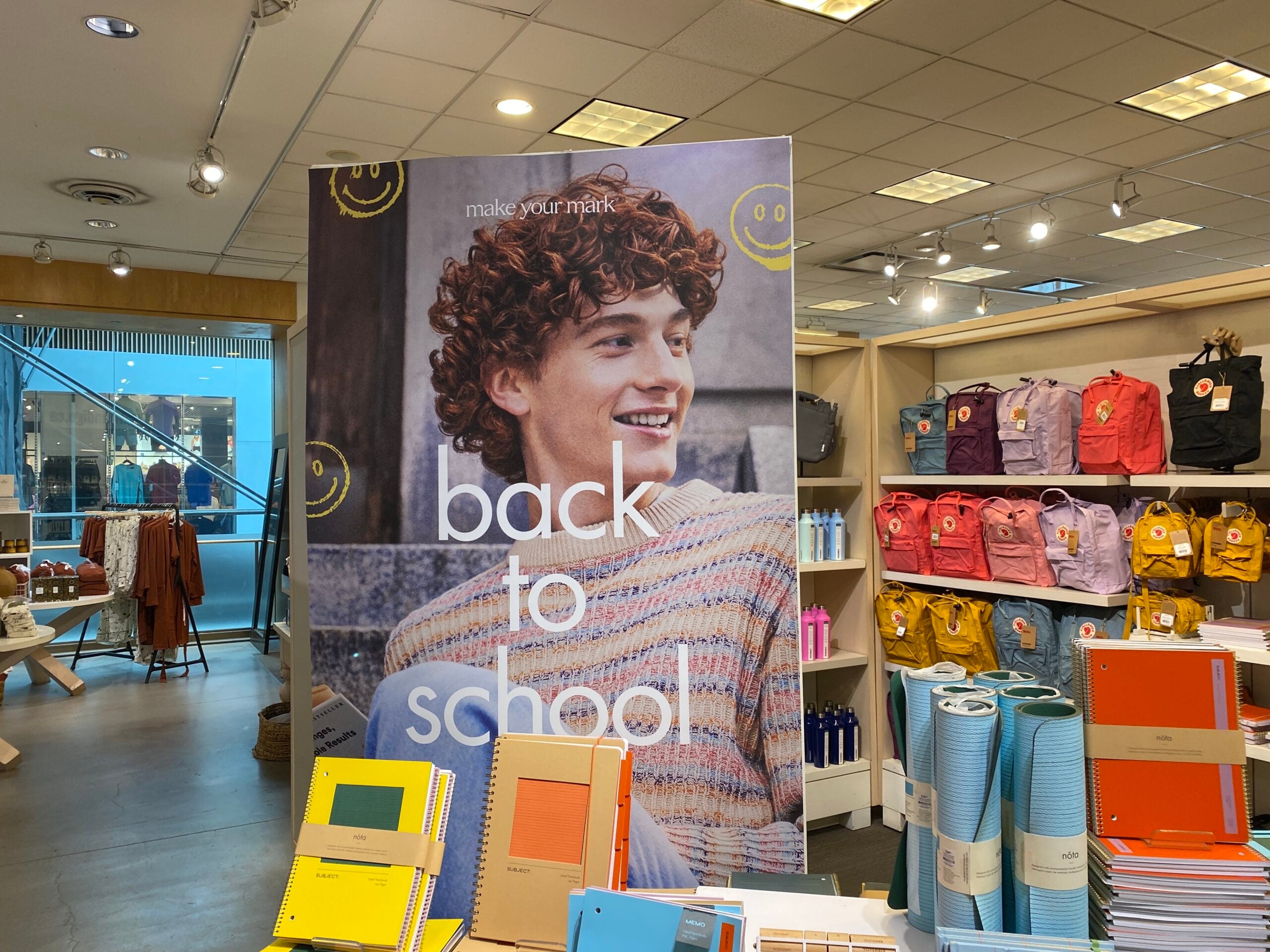
As back to school shopping is ending, Jeff Doucette, the general manager at Field Agent Canada, discusses financial strains on families. Doucette discusses the newest findings in the Field Agent report results, which shows 73 per cent of consumers say inflation has hit them harder this year.
“The results were not majorly different from year to year, but we still see inflation is impacting people. 42 per cent of people said they would be spending more on back to school supplies this year, and a lot of that is just a function of inflation, not necessarily about buying more stuff,” says Jeff Doucette.
The financial strain of inflation on back to school shopping
Doucette says the financial stress is not necessarily from buying more items, but rather from basic necessities rising in costs.
Inflation is forcing parents to rethink purchases this year. Rather than buying new items, such as backpacks, simply because it is the start of a new school year, Doucette says parents are opting to reuse last year’s purchases.
Consumers are really thinking about where they need to spend because budgets have been stretched to the max, and they have to save in certain spots. I think there are some smart shoppers out there and I think consumers are really thinking about where they need to spend. So if this means reusing a backpack – then that is what is going to happen.
73 per cent of consumers say inflation has hit them harder this year

“I think people often forget when inflation is sort of baked in, when you have inflation one year, the next year’s inflation is on top of it, so there is that cumulative effect people often forget about. Consumers are definitely feeling that hinge.”
Doucette says this is leading the increase to second-hand items.
“There is an element with kids now in fashion on the clothing side of thrifting, and thrifting does not necessarily mean the drags of clothing. It can be also expensive to buy thrift stuff, but usually there is a better value in buying those second hand clothes. So if it is part of the fashion, then that might actually be a money saver for parents and back to school.”
At Dalhousie University, for example, there is a free pop-up store available for students from August 30th to September 6th. This is the first free pop-up shop at the university and online it says: “It’s a student’s one-stop shop for free school supplies, and household items like kitchenware, decor, and more … The Free Store promotes sustainability and affordability by giving gently used items a new life.” Doucette notes the report focuses on Kindergarten to Grade 12, excluding university students.
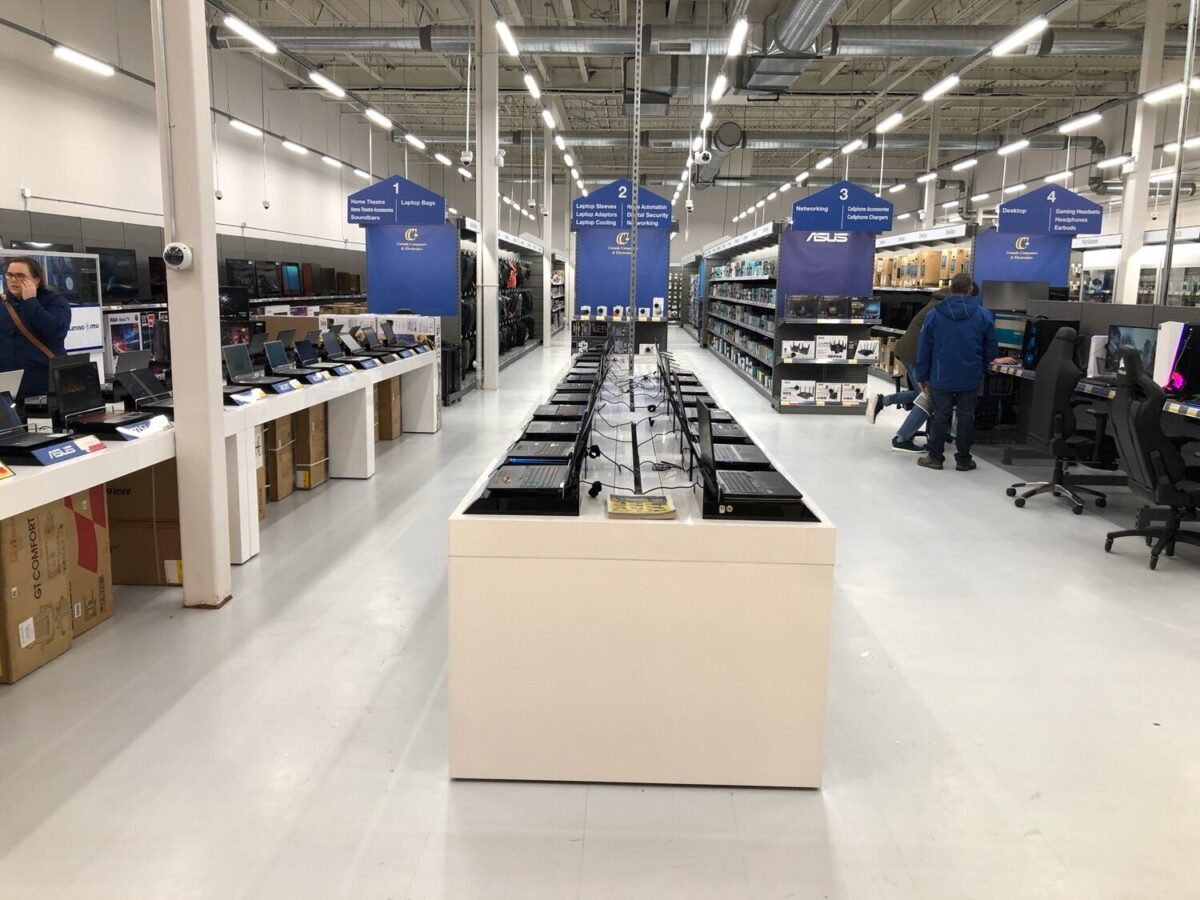
Electronics are down from last year
For schools, having electronics in the classroom and at home is becoming essential, but is usually a one-time purchase.
“I have kids in junior high school and the fact they are running around with $1,500 laptops in their backpacks is ridiculous. I get technology is at the core of everything we do now, but it is amazing it has been added as a cost to parents – it is a very different world. Even the cheapest Chromebooks are still a couple of hundred dollars.”
Doucette explains that although schools require students to have computers, many of them often go unused.
“My daughter, who is going into grade nine uses it a lot more, but my son who is going into grade six – it seems like dead weight in his backpack. They ask you to have this technology, but then it doesn’t get used as much as you think it might. If you have three or four kids and you have to buy laptops now, it is a really expensive part of school supplies. It is a tough pill to swallow.”
Since electronics do not need to be replaced yearly, Doucette says electronic purchases are down this year compared to last.
Less brand loyalty

Walmart has come out on top for store visits at 91 per cent, with Dollarama landing in second place.
Doucette says Walmart offers great values, advertise well, and have a dedicated space for back to school supplies.
“It is a destination for Walmart and they are really focused on it. And the whole one-stop-shop routine is great. If you have a list of things and you go to Walmart, you are going to be able to get 90 per cent of what is on that list. You don’t have to wander around the store, staff members are keeping it organized, and they just make it really easy.”
Doucette says it is surprising to see Dollarama in second place. “Seems like a big drop off from Walmart, but a 66 per cent for Dollarama is insane.”
More tier shopping
“I would say those 66 per cent of consumers that shop at Dollarama are like ‘I am going to go to Dollarama first, see what I can get, and then I am going to Walmart.’ And then those people that don’t go to Dollarama, they start at Walmart and see what they can get and then go to Staples. So it is sort of this cascading shopping list where consumers are starting at the cheapest retailer and working their way down.”
Doucette says retailers offering “one stop shop” and great values
In the report, Staples was behind Walmart, Costco, and the Superstore at 41 per cent and Doucette says it is because of value and convenience.
“I go to Walmart more often for other things, I go to Dollarama for other things, and same with the Superstore. It is a convenience factor where I am already there and if they have a big display it triggers me to go pick up those supplies. Whereas people don’t go to Staples on a regular basis and not even a location they go to weekly.”
Amazon is another factor for convenience as parents can just have the school supplies shipped to their front door. This year, the report shows Amazon being at 78 per cent.
“It just shows up at their house. So in actual fact, you would have people going to Amazon first, then Walmart or Dollarama, then Superstore, and then maybe Staples. That speciality store keeps getting pushed further down the list because either you are getting beat on value, convenience, or that online shopping capability – consumers are less loyal to companies right now for back to school shopping.”
As for online shopping, Amazon, Walmart, and Temu came out as the top three choices.

Sustainability not a purchasing factor for most
Although sustainability is becoming a trend, the report shows only three per cent of consumers consider sustainability “extremely important.” Doucette says parents who are able to buy more sustainable choices, are able to afford to.
“I think sustainability is a tough sell when it costs even more. There is definitely a dedicated following and people who will make that choice, but they are also able to afford to make that choice. There are a lot of parents where sustainability is not even hitting their radar because they just want to get this list done and they have 200 dollars to do it.”
Since sustainability products are costing more, consumers are more likely to spend on non-sustainable products to stretch out their dollar.
In terms of clothing, sustainability is harder as kids outgrow their clothes quickly throughout the school years.
“Fast fashion works for kids because they are literally growing out of it. If you think about sustainability from a fashion standpoint, that T-shirt you bought will no longer fit in a year and chances are, on the first day of school, it is going to come home with a ketchup stain on it. So I think a parent’s view of clothing is a lot different and sustainability isn’t the top choice.”
As this year’s back to school shopping is hitting parents harder than previous years, the report shows parents are looking for great value and convenience. From shopping online, Walmart, or Dollarama – parents are facing financial challenges and want quick, painless, and cost friendly experiences.