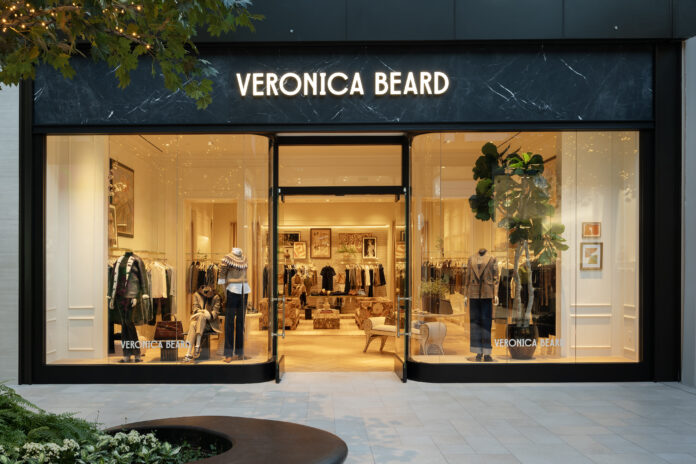
Veronica Beard at Royalmount in Montreal. Photo: Veronica Beard
American fashion brand Veronica Beard has launched its second Canadian store at Royalmount in Montreal, adding to the district’s growing roster of luxury retailers. Known for its ready-to-wear clothing, denim, handbags, and shoes, Veronica Beard aims to bring its distinctive style to Montreal shoppers, offering a mix of classic and contemporary pieces.
Interior Design Reflects Brand and Local Culture
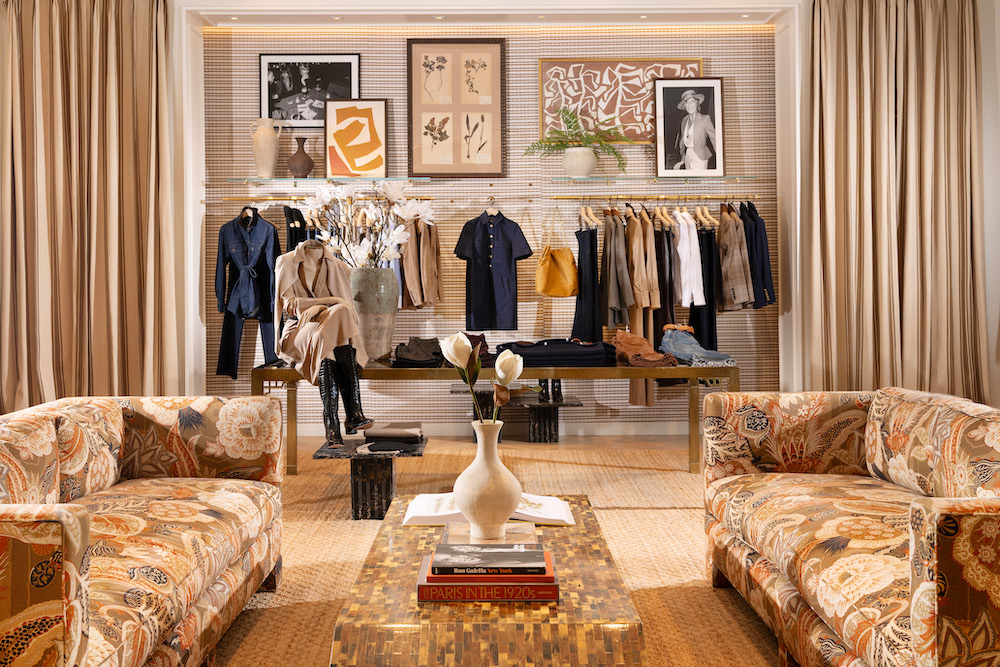
The new boutique reflects a sophisticated yet inviting atmosphere. The interior features a neutral palette accented by textured fabrics and curated artwork, providing a warm and welcoming space for shoppers. The store’s layout highlights vintage furniture, such as a Mastercraft brass and glass table paired with a Maitland Smith travertine scroll bench. A custom oversized jute rug, crafted by Nitika Morani of “From Jaipur with Love,” further enhances the ambiance, adding a touch of artisanal craftsmanship.
Veronica Swanson Beard, co-founder of the brand, commented, “Every Veronica Beard location is designed to feel like you’ve walked into our living room. Each item was individually sourced and hand-chosen to reflect the beautiful city of Montreal.”
Veronica Beard at Royalmount in Montreal. Photo: Veronica Beard
Positioning Within Royalmount’s Luxury Market
The boutique offers the brand’s signature pieces, including the popular dickey jacket and a range of denim, outerwear, dresses, and accessories. Co-founder Veronica Miele Beard emphasized Royalmount’s appeal as a luxury shopping destination that aligns well with the brand’s image. “We are excited to continue our growth in Canada. Royalmount’s mix of fashion, culinary, and lifestyle offerings makes it an ideal location for our multifaceted customer,” she said.
Veronica Beard at Royalmount in Montreal. Photo: Veronica Beard
A Growing Presence in Canada
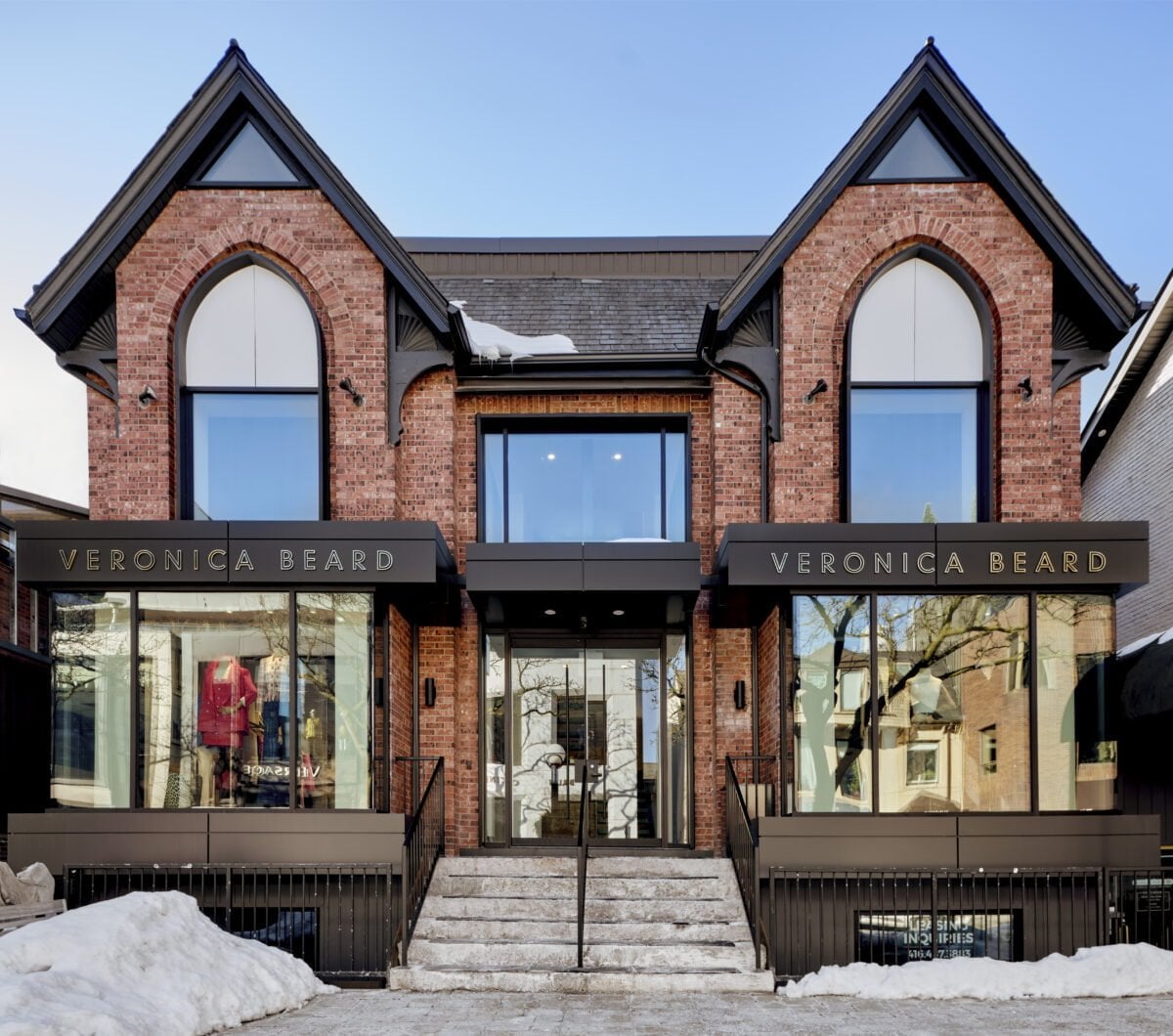
Veronica Beard’s expansion into Montreal represents the brand’s commitment to growing its Canadian footprint. The brand opened its first store in Canada in March of 2023 at 111 Yorkville Avenue in Toronto. Since its founding in 2010, the brand has broadened its product line from its original dickey jackets to a comprehensive lifestyle collection. The Montreal location further establishes its presence in Canada’s fashion landscape, offering shoppers access to the brand’s full range of products.
Veronica Beard at 111 Yorkville Avenue in Toronto. (Photo supplied.)
Royalmount’s Role in Montreal’s Retail Scene
Royalmount is positioning itself as Montreal’s luxury retail and lifestyle destination, featuring a mix of flagship boutiques, dining experiences, and cultural programming. Developed by Quebec’s Carbonleo, the district is designed to be carbon-neutral and LEED Gold-certified, emphasizing sustainability alongside luxury offerings.
Specsavers has announced a new collaboration with Canadian designer Hayley Elsaesser, known for her vibrant, pop-art-inspired prints and fearless use of colour.
The Specsavers x Hayley Elsaesser eyewear line introduces 13 optical frames and six sunglasses, bringing a fresh, expressive edge to Canadian eyewear, said the company in a news release.
Hayley Elsaesser
This exclusive collection is all about bold self-expression, featuring everything from classic cat-eye frames in striking colours to chunky geometric shapes and oversized metal frames with delicate detailing. Elsaesser’s signature playful approach shines through with candy colours, standout prints, and trendy silhouettes that are sure to turn heads, it said.
“Eyewear can define an entire look,” said Elsaesser. “The right frames can be the perfect finishing touch. Working with Specsavers allowed me to create a collection that combines high quality and exquisite details at an accessible price point.”
Sarah West
Sarah West, Head of Product for Specsavers Canada, explained the synergy between the brand and the designer: “Collaborating with Hayley was an obvious choice. Her approach to style celebrates inclusion and individuality, aligning perfectly with Specsavers’ mission to empower customers with eyewear that truly reflects who they are.”
Elsaesser emphasized the joy in personal style:
“It takes confidence to move through life expressing joy and having fun with your style. Those who do create joy for others. You become a billboard for happiness.”
The new collection, starting at $199 for two pairs (including single-vision prescription lenses), will be available at all Specsavers locations beginning November 7.
About the Designer
Hayley Elsaesser has built her reputation on designs that are unapologetically bold and inclusive, blending contemporary streetwear with retro influences. Her work consistently celebrates diversity and self-expression, offering something fresh to the Canadian fashion landscape.
About Specsavers
Since entering Canada in 2021, Specsavers has opened over 130 locations across four provinces. Known for its optometrist-owned model, Specsavers offers accessible, high-quality eyecare with advanced clinical equipment like optical coherence tomography (OCT). Founded in the UK, Specsavers operates over 2,700 stores worldwide, all committed to “changing lives through better sight.”
Canadian logistics company GoBolt is transforming how retailers manage fulfillment and last-mile delivery. From its beginnings in consumer storage, GoBolt has evolved into a leader in the logistics space by leveraging technology to provide seamless, efficient, and sustainable services across North America.
The story of GoBolt began almost eight years ago when Mark Ang and co-founder Heindrik Bernabe launched a consumer storage service aimed at helping summer students store their belongings. However, they soon realized their infrastructure had the potential to serve a broader market, particularly retailers. “We weren’t inspired by helping people hoard their things,” said Ang in an interview, “Retailers started reaching out to us, noticing our reliability, timeliness, and technology.”
Mark Ang, co-founder of GoBolt
In 2019, the company made a significant pivot towards 3PL and last mile logistics, focusing on enterprise-level services. Today, GoBolt operates over 1.5 million square feet of space across ten markets, offering both fulfillment and last-mile delivery services to businesses in Canada and the U.S. The company’s proprietary technology platform plays a critical role in this seamless integration.
“We built our own systems from the ground up,” Ang explained, “merging warehousing and last-mile delivery to give retailers and their customers real-time visibility into where their packages are.” GoBolt’s advanced infrastructure allows for a streamlined process, reducing costs and improving the overall customer experience. The flexibility of their services allows merchants to select from an a la carte menu, tailoring GoBolt’s offerings to their unique needs.
GoBolt’s Sustainable Fleet and Future Expansion
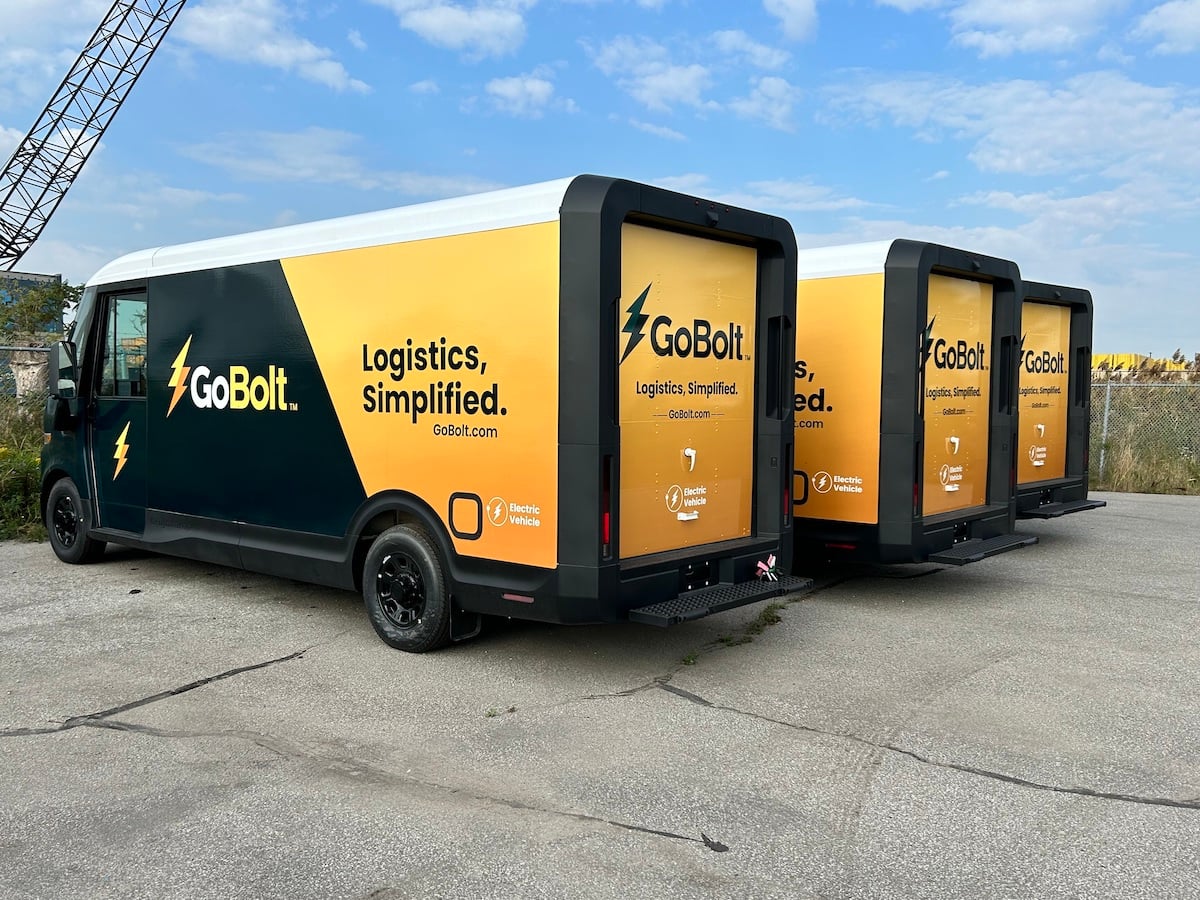
Sustainability is a core part of GoBolt’s strategy. When the company shifted focus in 2019, Ang and his team were determined to create a future-facing logistics service that minimized environmental impact. One of the most significant changes was the introduction of an electric vehicle (EV) fleet. “We were early to the party,” said Ang, “but it was the right choice. Our EV fleet aligns with the ethos consumers are looking for today.”
GoBolt’s electric vehicles not only reduce carbon emissions but also offer a quieter, more efficient solution for last-mile deliveries in residential areas. The company has invested heavily in technology to support its EV fleet, with route optimization algorithms ensuring that uptime remains high. This investment has paid off, with the company achieving over 90% uptime on its EV fleet, a crucial metric for maintaining cost efficiency.
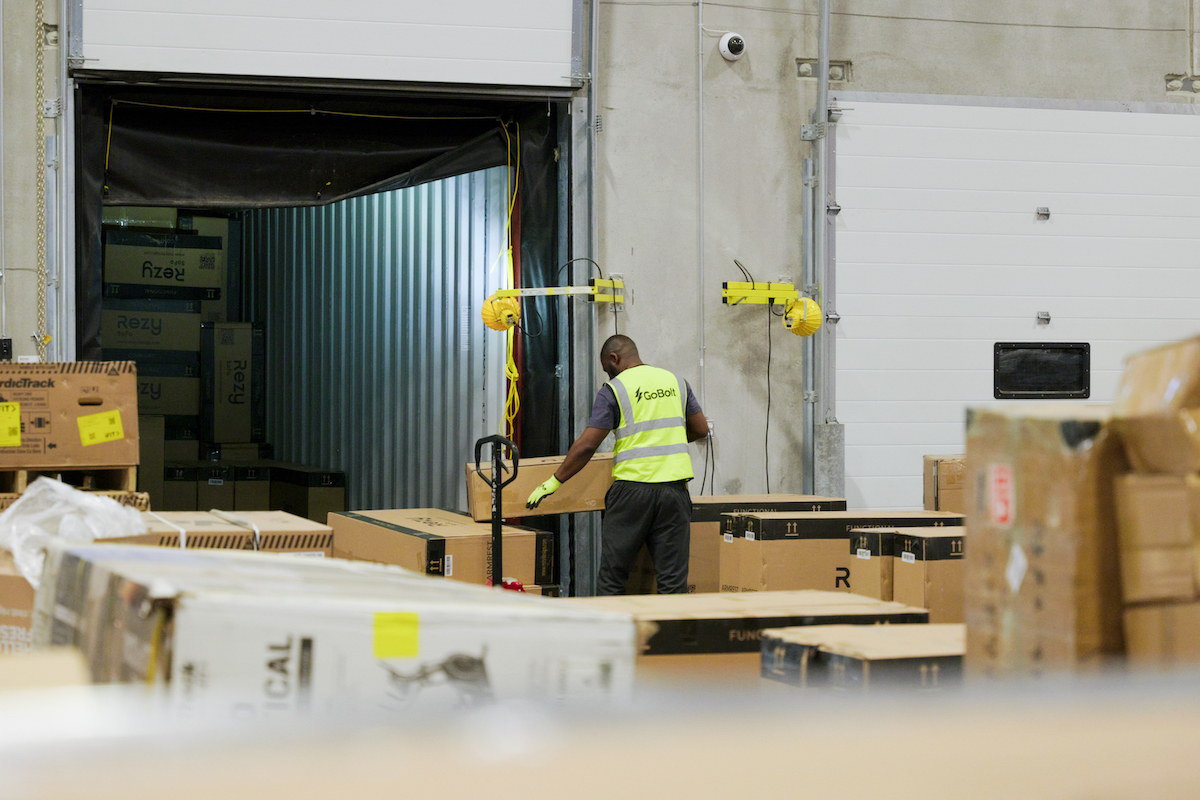
GoBolt EV Trucks. Photo: GoBolt
Looking ahead, GoBolt plans to expand its footprint further in 2025. The company currently operates in ten major metros in Canada and the U.S., and there are plans to enter new markets next year. “Our retail partners are asking us to expand into new regions, and we’re excited to grow alongside them,” Ang noted.
Seamless Delivery Solutions for Retailers
GoBolt has developed a real-time tracking system that allows customers to see exactly when their deliveries will arrive, down to the minute. “This was a game-changer for one of our clients,” Ang shared, “they were fielding over 600 calls a day just asking if orders were still on schedule.”
By integrating telematics and GPS into their system, GoBolt created an Uber-like experience for consumers, significantly reducing the need for customer service inquiries. Additionally, customers can make last-minute adjustments to their delivery locations through GoBolt’s app, providing more flexibility and improving the overall delivery experience.
Photo: GoBolt
As retailers prepare for the busy holiday season, GoBolt is positioned to help them manage the increased demand. “We plan for peak season all year long,” said Ang. The company runs 24/7 operations in select fulfillment centers and has the infrastructure to ensure that last-mile deliveries are successful even during high-demand periods.
Focus on Technology-Driven Efficiency
Technology is at the core of GoBolt’s success. Ang, who worked in every aspect of the business during its early days, emphasizes the importance of practical, tech-driven solutions. “We’ve built software that makes our processes faster, better, and cheaper,” he explained. This focus on technology has allowed GoBolt to maintain high service quality while scaling across North America.
*Partner content. To work with Retail Insider, contact Craig Patterson at: craig@retail-insider.com
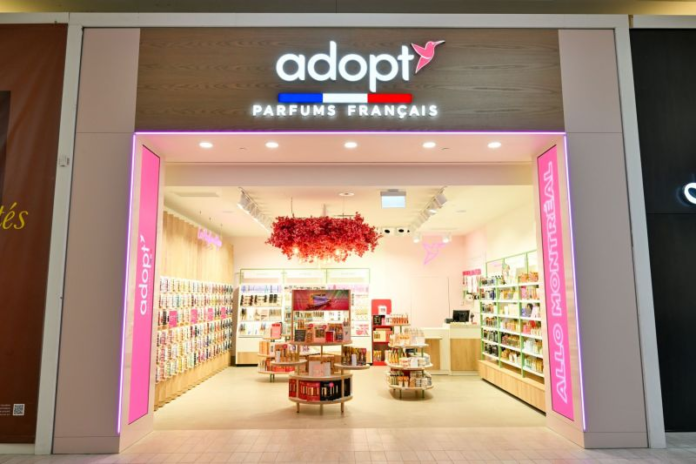
Adopt store at Galeries d'Anjou in Montreal. Photo: Think Retail
Adopt, a French brand renowned for affordable fine fragrances, has made its Canadian debut with a store at Galeries d’Anjou in Montreal. The 629-square-foot location introduces Adopt’s unique and customer-centric approach to fine fragrances to Canada, emphasizing affordability and accessibility.
Marcel Rinaldy, the entrepreneur who oversees Adopt’s Canadian expansion, highlighted the significance of the launch, stating, “The Anjou shopping centre is a mature centre with a good representation of customer diversity. We had the opportunity to open first on this site, but we are continuing to establish ourselves in Montreal and its surroundings.”
A Rich Heritage of Fragrance Craftsmanship
Founded by perfumer Dominique Monlun in 1986, Adopt brings a distinctive offering of more than 150 original fragrances. Complementary products, such as body creams, candles, essential oils, lip balms, and skincare, are crafted at a historical production site in Cestas near Bordeaux. “We offer a range of 150 fragrances,” said Rinaldy, emphasizing the brand’s approach to tailoring offerings for the Canadian market through customer-focused testing and feedback.
Marcel Rinaldy
Adopt’s stores are designed to reflect its brand ethos of accessible luxury. “The concept is constantly evolving to adapt to the natural developments of our activity. It reflects our values through the smallest detail,” Rinaldy shared. Each store design element serves to enhance the customer experience and convey the brand’s commitment to quality.
Customer Experience at the Heart of Adopt’s Concept
Adopt’s retail approach extends beyond product offerings. The brand differentiates itself through an engaging in-store experience, facilitated by trained sales advisors and visually informative displays designed to guide customers in finding their ideal scent. “We have sales advisors who are fully trained to meet customer expectations. In-store marketing also allows our customers to navigate alone, visually informing each perfume of its main notes,” explained Rinaldy.
The brand’s commitment to sustainability further sets it apart. As a fragrance manufacturer, Adopt controls its creative process and emphasizes ethical sourcing through initiatives like the “hummingbirds” program. This program supports value chains such as Tiaré flowers from Polynesia and Bourbon vanilla from Madagascar. “Unlike a traditional perfumery which sells perfumes from other brands, our creations are unique and reflect our values,” noted Rinaldy
Photo: Adopt
Quebec Expansion Plans and Future Growth Across Canada
Adopt’s expansion in Canada aligns with its broader international strategy, positioning the country as a priority market. “The Canadian market is one of the priority objectives in our international development,” Rinaldy noted, reflecting the brand’s readiness to expand its footprint.
Following the Galeries d’Anjou opening, Adopt will launch two more Quebec locations later this month—a 616-square-foot store at CF Carrefour Laval near Montreal and a 536-square-foot space at Place Ste-Foy in Quebec City. Additionally, plans for 2025 include six to eight new stores across Quebec, with a potential Ontario market entry by late 2025.
Adopt’s plans for expansion extend beyond Quebec, with a focus on super-regional malls and high-traffic commuter hubs, such as airports and train stations. Tony Flanz of Think Retail represents Adopt’s Canadian expansion, helping to identify key opportunities for growth and ensuring the brand’s integration into the Canadian market.
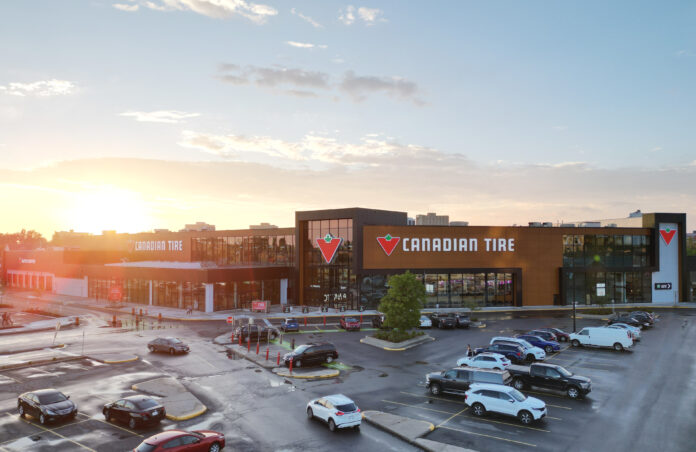
Canadian Tire Corporation (TSX: CTC.A) (TSX: CTC) announced its third-quarter financial results, showing improvement in sales trends and robust retail profitability despite a 1.5% decline in consolidated comparable sales. The company reported a 21.3% year-over-year increase in diluted normalized earnings per share (EPS) to $3.59, up from $2.96 in Q3 2023.
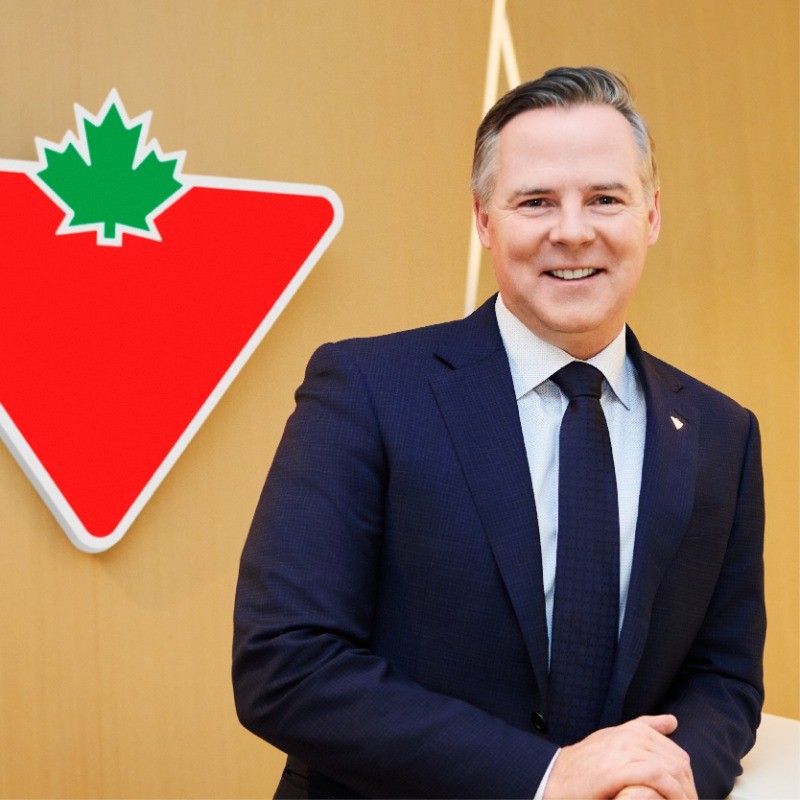
Greg Hicks, President and CEO of Canadian Tire Corporation, noted the corporation’s strong performance, stating, “We delivered strong retail profitability for the third consecutive quarter and improved sales trends, reflecting customers’ value-driven spending in a challenging economic climate.”
Greg Hicks
In a LinkedIn post, Hicks wrote: “Despite multiple interest rate cuts, Canadians continue to be understandably careful with their spending. But we were well prepared and achieved normalized diluted earnings per share of $3.59 – up significantly over last year.
“Triangle Rewards continues to provide value to our members, and in Q3, we issued more CT Money across our brands, boosting member engagement. To mitigate lingering consumer and economic headwinds, we are controlling our costs and managing our margins carefully. At the same time, the investments we’ve made over the last two years through our Better Connected strategy have prepared us for where we’re going next.
“I’m proud of how our team’s commitment to our purpose is resonating and reinforcing Canadians’ trust in us to make life in Canada better. Thank you, team CTC!”
Key Highlights from Q3
Sales Performance: Despite the 1.5% decline in consolidated comparable sales, SportChek saw a 2.9% growth in comparable sales, driven by demand in athletic footwear and hockey. Canadian Tire Retail (CTR) saw a 2.2% decrease in comparable sales, with automotive sales remaining strong. Mark’s also posted a 2.3% decline, though children’s wear performed well.
Financial Strength: Retail Income Before Taxes (IBT) reached $164.8 million, bolstered by a strong retail gross margin and effective cost controls. The Financial Services division reported an IBT of $110.3 million, with increased net write-offs and operational expenses offset by higher revenues. Consolidated income before income taxes was $299.3 million, up $230.0 million from the previous year.
Dividend and Share Repurchase: The company increased its annual dividend to $7.10 per share, marking the 15th consecutive year of dividend growth. Additionally, Canadian Tire announced plans to repurchase up to $200 million in Class A Non-Voting Shares in 2025.
Strategic Initiatives
Canadian Tire’s “Better Connected” strategy, aimed at enhancing customer experience and operational efficiencies, saw significant progress this quarter. The company invested in new in-store and digital experiences, including the addition of four Party City locations and 39 CTR store refreshes, with nearly all of Canadian Tire’s 502 locations set to receive technology enhancements by year-end, the company said in a news release.
Supply chain productivity also saw gains as automation at the Calgary and Montreal distribution centers ramped up. Canadian Tire’s upcoming Vancouver distribution center is scheduled to open in 2025, along with the launch of a new transportation management system, it said.
Omnichannel Engagement and Owned Brands Growth
Active Triangle Rewards membership grew by 4% in the quarter, reflecting increased loyalty engagement. Customers responded well to 1:1 offers and promotional events, contributing to positive in-store experiences and stronger customer sentiment.
Owned Brands, such as Motomaster and Sher-Wood, also performed well in high-demand categories like automotive and hockey, helping drive margin accretion.
Looking Ahead
Canadian Tire remains focused on strengthening its retail network and omnichannel presence. Hicks expressed optimism about the future: “We continue to manage margins and control costs while enhancing our offerings. Our investments over the last two years are positioning us to meet evolving customer expectations.”
With approximately $1.7 billion invested since 2022, Canadian Tire is well-positioned to deliver strong growth in customer satisfaction, operational efficiency, and market performance as it navigates a challenging consumer environment, it said.
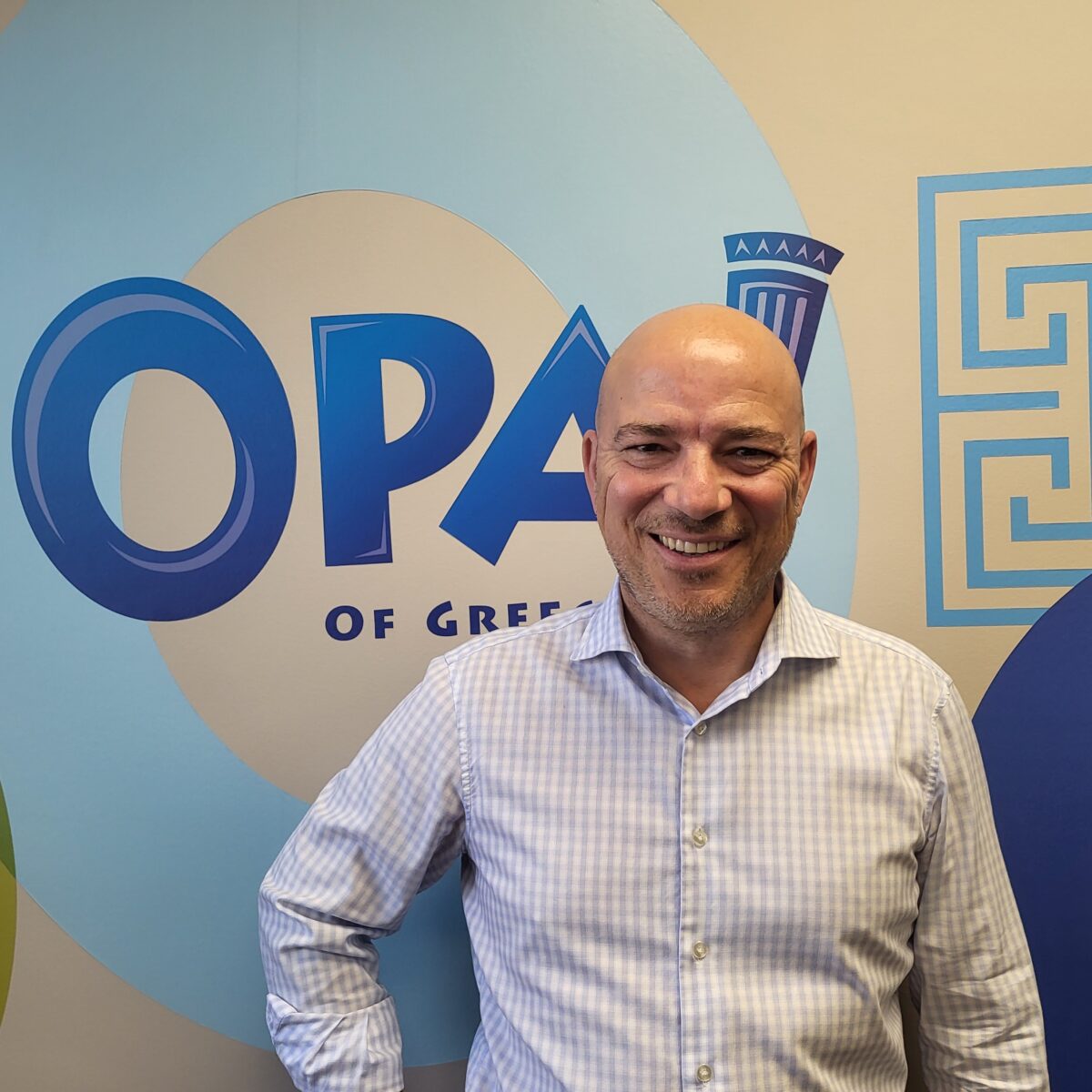
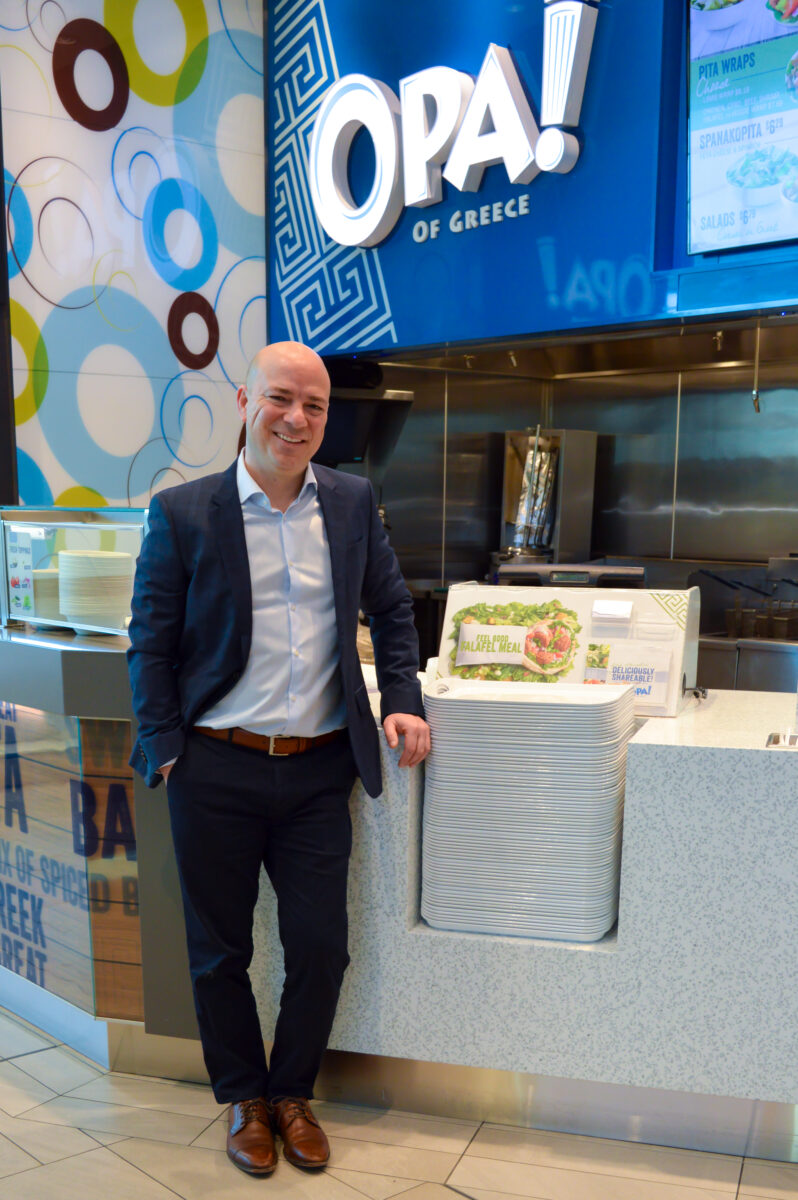
He has over 25 years of progressive entrepreneurial and management experience in the food and beverage industry.
Karras was born in Greece and the family moved to Eastern Canada 40 years after he was born. It was a five to six year stint then the family moved back to Greece.
“My dad got into his own business. He did not come from a restaurant background. He worked in the Middle East and Saudi Arabia with an engineering firm for many years. He was a heavy duty mechanic by trade. There was opportunity to move to Canada at the time. My mother’s side of the family had moved to Eastern Canada,” said Karras.
“We moved back to Greece and I finished my last couple of years of elementary in Greece, finished high school and a year later I was in Western Canada. I came to Calgary. My mom’s sister and the family were living in Calgary. I stayed with them for a couple of years. Went to school. I did not go to school for anything business related. What I had my interest in was aviation. I wanted to become a pilot but I got talked out of it because of the lifestyle involved.”
Dorrie Karras
So he never became a pilot after graduating from the aircraft engineering program at SAIT in Calgary.
“I decided to go into business instead shortly after the graduation,” said Karras. “There was always a calling to do something bigger and something I have more control of. That’s where I got into the restaurant business. I ended up in the restaurant business with another partner who was also family and he introduced me to the restaurant business which basically was the gateway to where I am today.”
The first restaurant was a sports bar/lounge/dining room in the Foothills Industrial area of Calgary. It was a successful business. He also became a liquor store owner when the industry was first privatized by the provincial government.
“We got our hands into various businesses. We were in there for almost a decade. We received an offer we couldn’t refuse at the time. From there I got into various other businesses. They were adding to my resume.
“Then OPA became an opportunity. At the time it was a two location brand. We had opened up our first location at Market Mall, second location was Chinook (Centre). At the time, the founder was a good friend of mine and we were having coffee one afternoon. He thought I should join the team. At the time he was thinking of franchising, they were still privately held.”
Karras was on the cusp of continuing on with the restaurant business or going in a different direction, looking at other opportunities, because the restaurant business is challenging.
“OPA truly represented who I am being of the same background. I found it very interesting. It was a new concept. Only after I spent some time doing my due diligence at the location at Market Mall I was convinced that this is a great story. 25 years later I’m running the company.”
Today, the company has about 20 employees in its head office running a franchise system with 120 locations throughout primarily Western Canada with a presence in Ontario which it will be focusing its expansion strategy on and beyond. Locations average about 10 people so there’s probably 1,000 to 1,500 staff throughout the system.
“And we’re growing. Despite all the headwinds and hardships this industry faced over the past few years, we’re still on a growth mode,” added Karras.
“I’m not the type to take a lot of credit on what we do. I like to share it with my team because at the end of the day I’m only as good as my team members are. And I see it very much so as a team. I do provide directions up to a point but I get my feedback from my team members. So I’m very in tune with what they are seeing. I give them a lot of space to do what their expertise is in. I cannot be an expert in everything. I do provide feedback. I do provide opinions. But I very much sit at a roundtable. I’m one of the team members at the roundtable. And I do encourage them to move in the direction that I think will benefit the company but I give them a lot of room to do so.”
Dorrie Karras
Karras has spent a lot of his life in Greece and part of his business background with those roots is on an emphasis of customer service and the quality of the food.
“It’s very fresh in nature with real fresh ingredients and that’s what our focus has been. There’s a lot of ideas we bring forward to the table for many developments. I always try to stay true to what the brand is. And the brand is primarily Greek focused and to me that’s parallel to having good real ingredients on our palate,” he said.
“It’s also the customer service. I think if we can replicate how that Greek culture brings in the customer, the warmth of having the customer feel welcome to your business, I think it’s also a great way of looking at your business. If you have those key ingredients, customer service and your food, and of course everything in between, the cleanliness of the store, the maintenance of your store, it will only bring success.
“So we try to emphasize when we recruit new franchisees that this is how important it is for the success of your business. The key ingredients. They’re simplified but those I think are the pillars for any business. But for a restaurant business for sure.”
Orangetheory Fitness Canada, a global leader in fitness, has opened its 105th Canadian location and is gearing up for further expansion in Quebec and Ontario.
Following recent openings in Quebec City, Orangetheory has set its sights on Sherbrooke, where a new location is slated to open in early 2025. With robust demand for its unique, science-backed approach to fitness, the brand is aiming to launch up to a dozen new studios across Canada next year.
“Beauport (in Quebec City) shines because of its unique blend of heritage, beauty and recreational activities and we couldn’t be more excited to join a vibrant community that appreciates personalized experiences, authentic connections, and holistic health,” said Orangetheory Fitness Beauport Franchisee, Marie-Pier Rousseau. “These values are intrinsic to OTF and I look forward to offering the community a fitness environment that is not only welcoming and inspiring but also fun and effective.”
Katarina Gourlay
Orangetheory currently has 132 sold territories and 12 active developments across Canada. The company, known for its heart rate-based workout model and emphasis on “personalized prescriptive fitness,” already boasts approximately 50,000 Canadian members. Each new studio typically brings in between 500 and 700 members.
“We’ve got 12 locations in active development right now and a total of 132 sold markets in Canada. And our plan for the next year when looking at our pipeline is to open between eight and 12 locations in 2025,” said Blake MacDonald, President of Orangetheory Fitness Canada.
Blake MacDonald
Founded in Fort Lauderdale, Florida, Orangetheory Fitness has grown to over 1,500 locations in 22 countries since launching in 2010, with nearly a million members worldwide. Since entering Canada in 2012, the brand has set itself apart with its customized approach to fitness, tracking each member’s biometrics in real time.
For 2025, Orangetheory plans to continue focusing on Quebec and Ontario, seeing high potential for growth in the regions as they ramp up the brand’s presence across Canada.
“Over the last 12 years, we’ve become sort of the global leader in what we call personalized prescriptive fitness. What does that mean? Lots of people associate us wrongfully with high intensity training or HIIT. We’re not really HIIT. What we are is this personalized prescriptive fitness, and it’s really its own category, and it’s different from everything else, because of four things,” explained MacDonald.
“First of all, the workout is prescriptive in nature. We prescribe how hard to work, what exercises you do, whether you’re doing strength training, endurance or power focuses for the day, how often you work out, what types of classes you do. Everything about what we do is prescriptive towards the person’s goals.
Image: OrangeTheory
“Second, it’s customizable and scalable. It’s built for all fitness levels and all fitness goals, whether that’s strength training, weight loss or just living a longer, more vibrant life. Third, it’s measurable and trackable. Every participant’s biometrics are tracked, measured and communicated to the coach in real-time, which helps them be a better coach. And every workout’s data is available to our members through their app, and they can see, where and how they’re improving. Finally, the big difference is that it’s actually fun. It’s supported by an amazing community of people who are very accepting and lots of members say it feels like home.”
MacDonald said a recent study by the University of Montana that just came out found that going to Orangetheory a couple times a week leads to a longer and more vibrant life.
“The study essentially had a sample of people that took part in the workout for eight weeks, at least twice per week, and the results were staggering, substantial improvements to body composition, blood pressure, VO 2 max capacity, and significant changes to mental health – reduced feelings of depression, anxiety and stress, improved brain function, sleep quality. It’s clinically proven to have a huge effect in a very short amount of time on people’s health. And it’s so much more than just a gym. It’s a personalized, prescriptive fitness experience. And that’s what’s driving our success,” he said.
“We’re super excited about 2025. It’s always interesting to have people ask us about where our development is because obviously we took a little bit of a holiday from development during COVID. But I think what we’re seeing is a lot of our development is coming back on track, and there’s a ton of interest in the brand and our studios continue to grow year by year, both in members and revenue and I think we’re finding our legs again and finding our momentum. It’s an exciting brand to be with right now.”
Gourlay said typical locations are between 2,000 and 3,000 square feet.
“This past year, we launched a smaller footprint studio. Traditionally, the studios in Canada are 12 stations, in some cases 14. But now we’ve introduced a model for an OTF 8 and an OTF 10, which are 8 and 10 station studios. The feedback from the US who have launched a dozen of these smaller studios in 2024 has been really positive from the franchisee operators and members experience,” she said.
Photo: Orangetheory Fitness
“So this allows us actually to go into markets where sometimes larger real estate isn’t available. It allows us to be a little bit more flexible and look at more real estate opportunities. In some markets, the franchisees just want to do an eight or 10 station studio, because that makes more sense for them economically, or because it’s a smaller market or an infill location. Ultimately, it gives us more flexibility for both the franchisee and the landlords.”
“A lot of the focus and development for 2024 and 2025 will continue to be in Quebec and Ontario. Quebec has been a great market for us. We’ve got 14 studios currently in Montreal. The reason we were excited about Quebec City is because there’s still real estate, and it’s valued quite modestly compared to other urban markets in Canada. What we’ve seen from the landlord incentives, they’re very generous in comparison to the GTA. The construction costs are low. Also there’s retail vacancy. We’re having a tough time in some of those GTA and GVA markets, where real estate’s like 1.5-2%. And truthfully, lots of fitness competitors have shied away from opening in Quebec City. So this gives us a great landscape to develop, and the brand has been so successful and well received in Montreal. That whole market is very strong for us, so it’s a great breeding ground for development.”
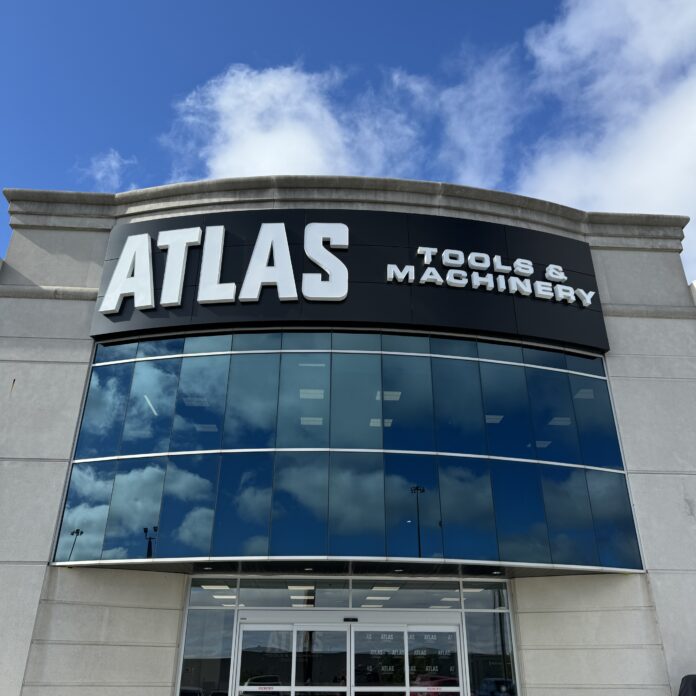
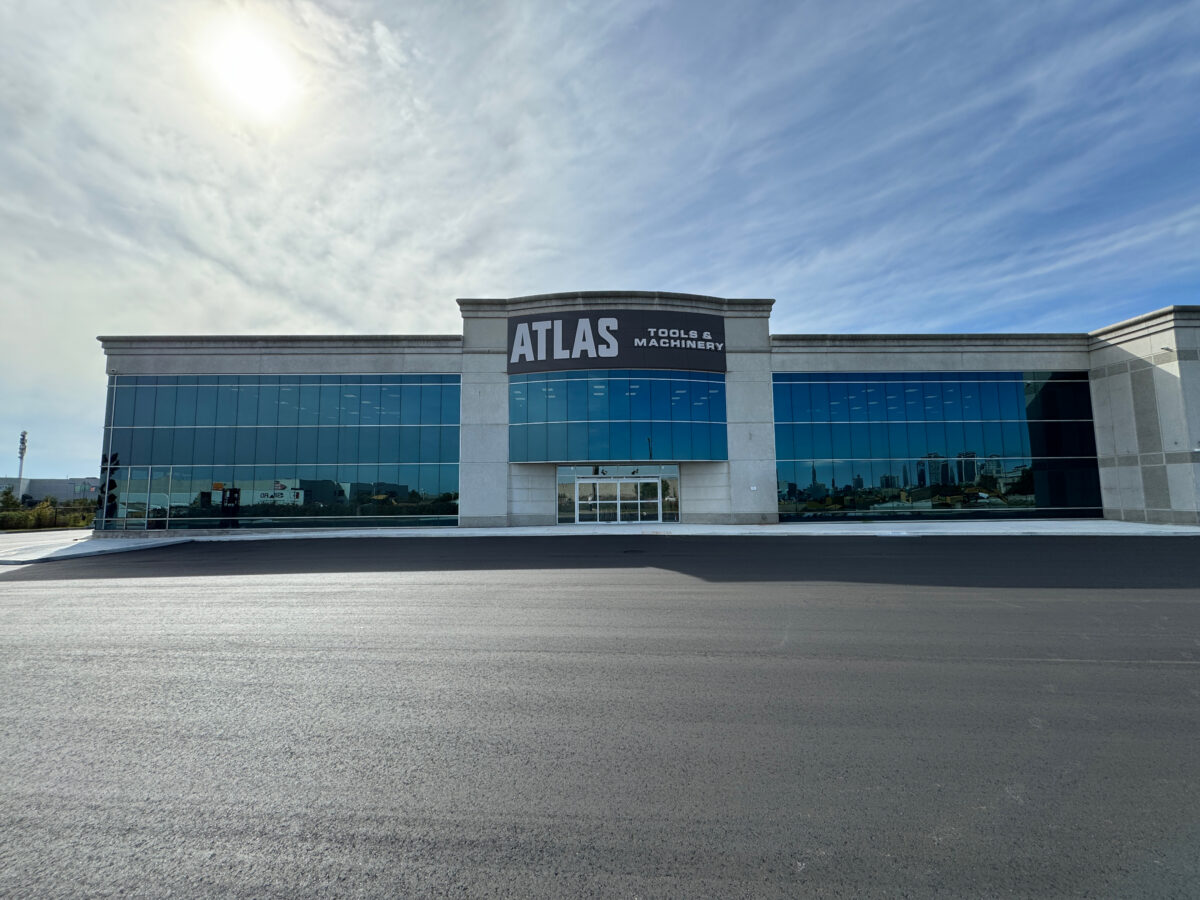
Atlas Tools & Machinery, a staple in Toronto’s power tools retail sector, recently celebrated its 70th anniversary by opening a new flagship store in Vaughan on October 18.
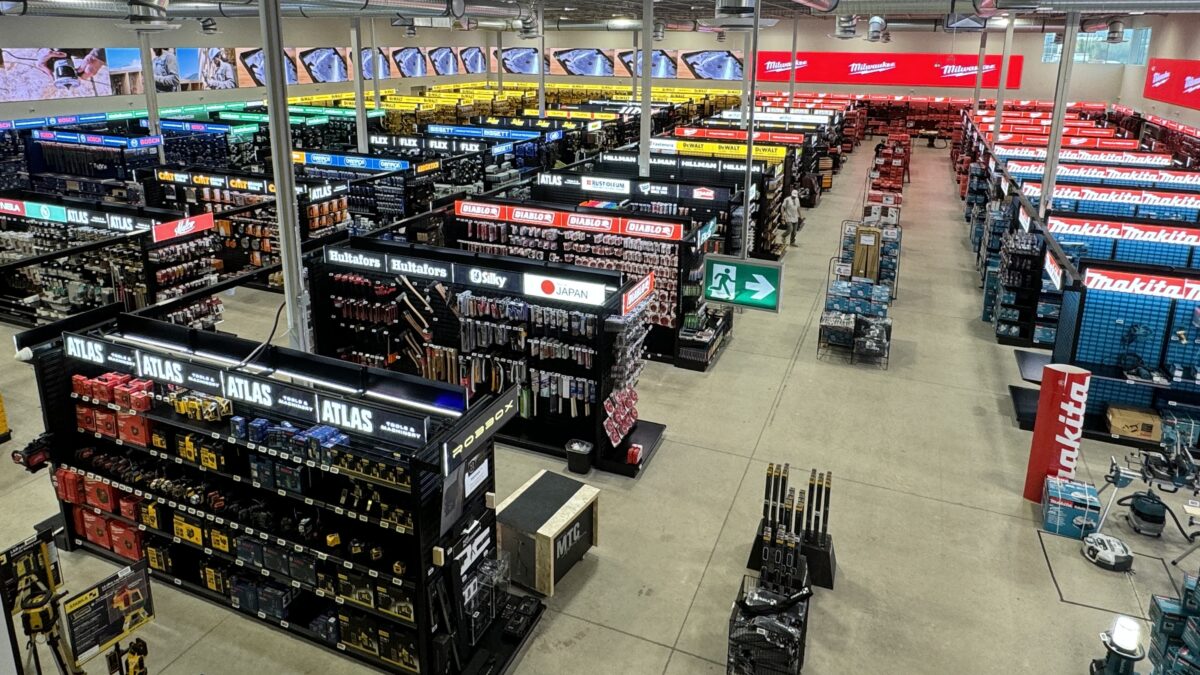
This new store, spanning an impressive 35,000 square feet, will serve as the GTA’s premier destination for tool enthusiasts, contractors, and DIY experts, merging cutting-edge retail design with an immersive shopping experience.
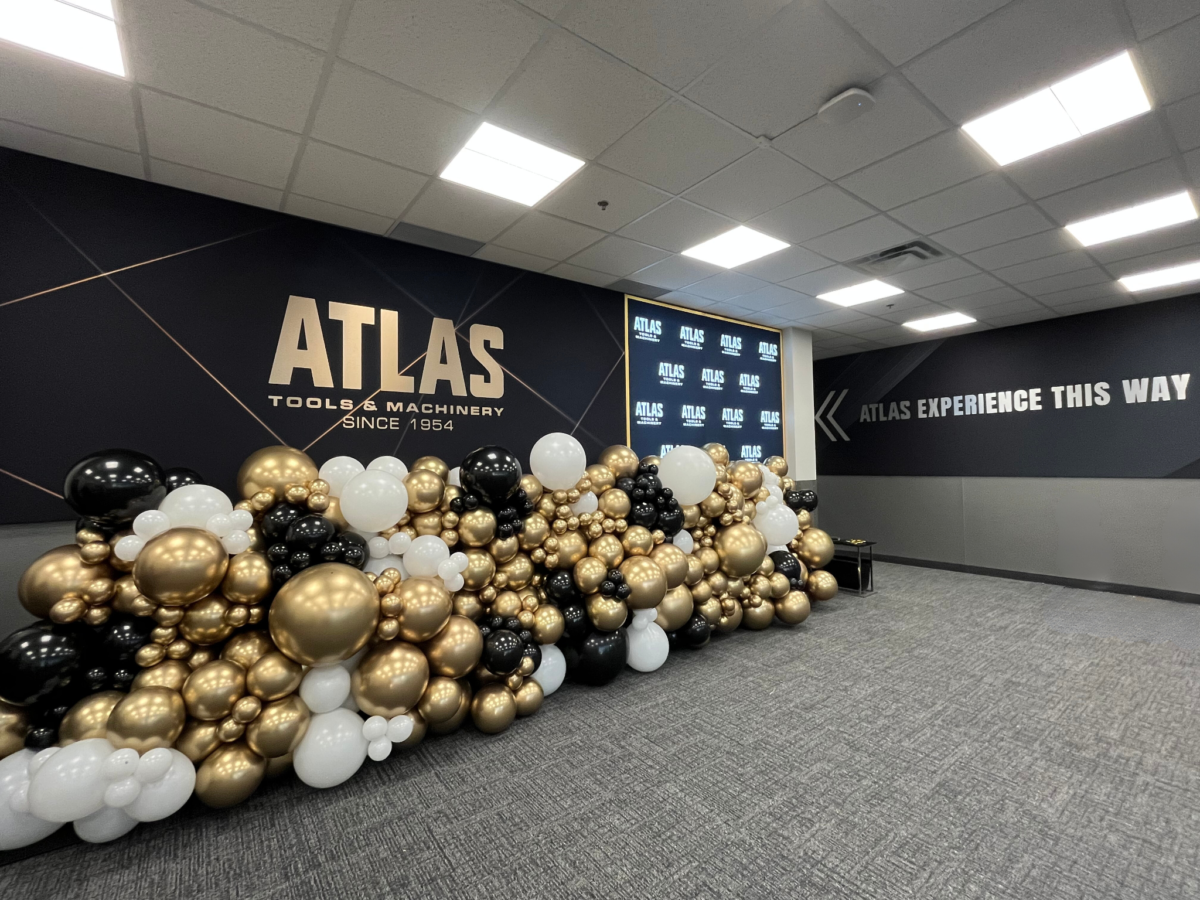
Located at 111 Creditview Road, the Vaughan store brings an innovative approach to tool shopping, featuring a grand showroom with stadium-sized screens, hands-on demo stations, and custom brand displays that showcase Atlas’s extensive expertise. The store also includes the Atlas Café, named in honor of founder Joe Ederman, creating a community atmosphere for customers, said the company.
“Our Vaughan flagship is more than just a store – it’s an experience,” said Shawn Ederman, President and CEO of Atlas Tools & Machinery. “For our 70th anniversary, we aimed to redefine the way people shop for tools. Every detail, from curated new brands to immersive demo stations, is designed to inspire customers.”
As a family-owned, Canadian business since 1954, Atlas said it has built a reputation for quality and service, serving as a trusted source for tradespeople and DIY enthusiasts alike. The Vaughan flagship signifies a new chapter for Atlas Tools & Machinery, bringing a world-class tool shopping experience to the GTA.
Retail businesses face the challenge of modernizing their operations and cutting costs, all while maintaining an excellent customer experience. Salesforce and Perfaware join host Craig Patterson of Retail Insider to discuss how Order Support helps companies deliver customer-centric service experiences, optimize post-purchase support, and generate revenue directly from the service centre.
In this webinar, you will:
Get an inside look into current market trends driving the category
Uncover industry leading solutions to help you offer 5-Star Service
Discover how autonomous AI agents enable effortless order support, freeing your employees to tackle complex issues
Hear how leading companies are using Order Support to differentiate and win
Salesforce is the #1 AI CRM, where humans with agents drive customer success together with agents, data, analytics, and Customer 360 apps on one platform. Learn more at www.salesforce.com.
Retail Insider is streamlining its Canadian retail news from around the web to include a handful of top news stories that can be viewed quickly during the day. Here are the top stories from the past 48 hours.