Loaves of fresh-baked bread line the shelves at a bakery. THE CANADIAN PRESS/AP-Douglas C. Pizac
The bread price-fixing scandal investigation marks its 10th anniversary this year. Initiated in 2015, the Competition Bureau’s work remains incomplete. That’s right, it is still ongoing. While Loblaw, Weston Bakeries (since sold), and Canada Bread (also sold, now owned by Mexico’s Grupo Bimbo, which paid a record-breaking $50 million fine) have faced consequences, four other companies—Sobeys, Metro, Giant Tiger, and Walmart—remain under investigation. This prolonged timeline is extraordinary and does little to foster consumer trust.
New Scandal Uncovered: Mislabeling Meat Products
Adding to the dismay, a recent CBC investigation led by reporter Sophia Harris uncovered further issues, revealing that major Canadian grocery chains, including Loblaw, Sobeys, and Walmart, have been overcharging customers by mislabeling the weight of meat products. Discrepancies often exceeded acceptable margins of error, with some stores including the weight of packaging in the labeled weight of the meat. In some cases, deficiencies were over 10%, a figure that significantly breaches regulatory standards.
Canada’s Maximum Allowable Deficiency for pre-packaged goods varies based on weight: there is no tolerance for packages under 50 grams, a 1.5% margin for packages between 50 grams and 1 kilogram, and 15 grams plus 1.5% for packages over 1 kilogram. Being off by 10% is not just an oversight; it’s a serious violation. The CBC investigation spanned over several months and involved more than 80 stores, highlighting systemic lapses. While grocers may attribute these issues to mistakes or equipment malfunctions, the financial impact on Canadians is undeniable, particularly in a segment—meat—where prices are already climbing. According to Canada’s Food Price Report 2025, meat prices are expected to rise by 5% to 7% this year alone, exacerbating the issue.
The Financial Impact on Canadian Consumers
Loblaw, among others, issued apologies, attributing the problem to new equipment. However, such explanations fall flat in light of the sheer scale of the discrepancies. Canadians spend an estimated 15% to 17% of their food budgets on meat, translating to approximately $48 billion CAD annually, given an average retail price of $8 per pound. With consumers purchasing around 6 billion pounds of meat yearly, even small errors in labeling could result in significant overcharges, potentially surpassing the financial impact of the bread price-fixing scandal.
Most Canadians inherently trust product labels. However, this trust may now waver, leading to questions about the accuracy of scales used for other weighted items like seafood, fruits, and vegetables. Even the fat content in extra lean ground beef, which has risen in price by 15% over the past year, may come under scrutiny. By regulation, extra lean ground beef in Canada must contain no more than 10% fat by weight. Can consumers be confident that this standard is consistently met?
The Need for Transparency and Accountability
When consumer doubt spreads, trust erodes. Grocers, already on thin ice, must exercise greater diligence to restore public confidence. Transparency and accountability are no longer optional but imperative.
For consumers, vigilance is key. Investing in a home scale, which costs about $15, can empower individuals to verify labels. Discrepancies should be promptly reported to the Canadian Food Inspection Agency or to Measurement Canada. Given the apparent gaps in regulatory oversight, consumer-driven action may become the most effective way to hold the food industry accountable. In an era where trust is fragile, empowering consumers to monitor and report inaccuracies may be the ultimate safeguard for ensuring fairness in the marketplace.
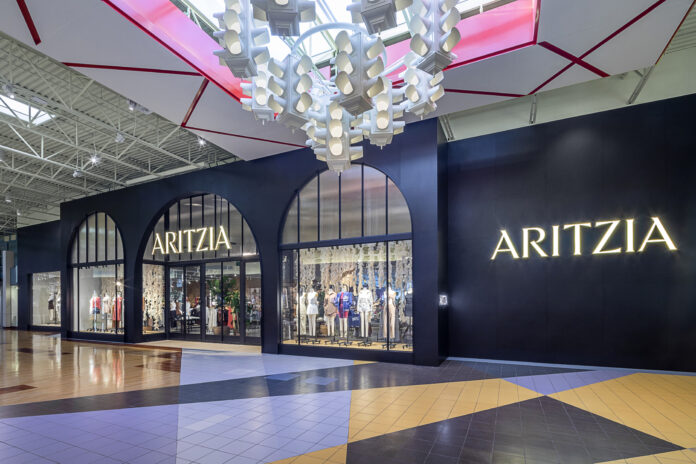
Aritzia at Vaughan Mills, photo provided by Vaughan Mills.
Vancouver-based fashion retailer Aritzia Inc. has reported a remarkable 72% surge in net income for its third quarter, propelled by robust e-commerce performance and significant gains in the U.S. market. However, its Canadian operations showed signs of slower growth amid a challenging economic landscape.
Record-Setting Financial Results
For the three months ending December 1, 2024, Aritzia’s net income reached $74.1 million, a substantial increase from $43.1 million in the same period the previous year. Revenue for the quarter rose 11.5% year-over-year to $728.7 million, surpassing market expectations.
Earnings per diluted share came in at $0.63, up from $0.38 in the prior year, while adjusted net income totaled $83 million, reflecting a 57.5% rise. The retailer attributed its strong financial performance to several factors, including an optimized product mix, improved inventory management, new store openings, and enhanced marketing efforts.
Jennifer Wong, CEO of Aritzia
“When things are going this well, it is difficult to pinpoint and isolate any one aspect of it. It is everything working together,” said Aritzia CEO Jennifer Wong during an earnings call with analysts. “It’s that cliché saying: the whole is greater than the sum of the parts.”
E-Commerce and U.S. Expansion Drive Growth
Aritzia’s e-commerce business delivered a 14% year-over-year revenue increase, supported by foreign exchange gains and reduced markdowns and warehouse costs. In the U.S., revenue grew 23.6% to $403.7 million, bolstered by the opening of flagship stores in key markets, including New York’s SoHo area and Chicago’s Michigan Avenue.
The expansion into high-profile U.S. locations created a “halo effect” for the brand, said Wong in a statement, boosting traffic to both its physical stores and online platform. “When we open a new store and a new market, all the buzz around the flagship openings and the marketing around that drives traffic to the e-commerce site,” she noted.
Canadian Market Faces Challenges
In contrast to its U.S. success, Aritzia’s Canadian revenue declined 0.6% to $325 million. This dip was attributed to the rescheduling of the company’s annual warehouse sale, which generated $10 million in revenue but took place in the second quarter this year instead of the third quarter. The absence of a digital archive sale, which had previously boosted revenue, also impacted results.
Economic pressures in Canada, including inflation and rising interest rates, have led consumers to curtail discretionary spending. Despite these challenges, Aritzia’s Black Friday performance set new records, signaling resilience in consumer demand during the critical holiday shopping season.
Innovations and Future Growth Plans
Looking ahead, Aritzia projects fourth-quarter revenue to range between $830 million and $850 million. The company is set to unveil an enhanced international e-commerce platform and launch its first mobile app in the next fiscal year, signaling a push toward digital innovation.
“I’m really excited about all the initiatives,” said Wong in a statement. “I’m probably most excited about the mobile app.”
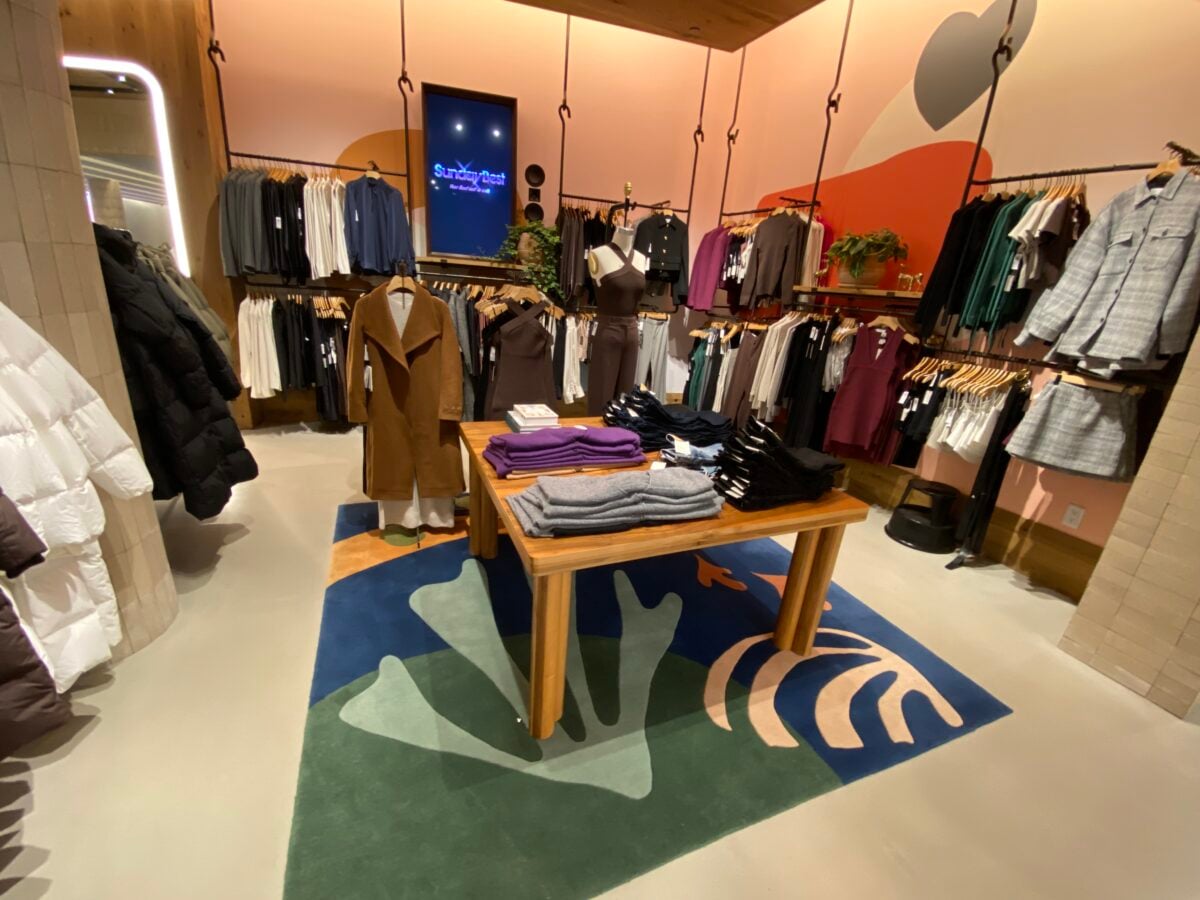
Aritzia Yorkdale (Image: Dustin Fuhs)
Aritzia’s Evolution and Growth
Founded in 1984 by Brian Hill, Aritzia began as a boutique in Vancouver’s Oakridge Centre. Over the years, it has grown into a leading fashion retailer with 127 stores across North America. Known for its in-house brands such as Wilfred, Babaton, and TNA, Aritzia has built a reputation for delivering high-quality, trend-focused designs.
Aritzia’s U.S. expansion has been a key component of its growth strategy, with new flagship stores increasing brand awareness and driving customer acquisition. The company’s focus on providing personalized shopping experiences, both in-store and online, has further strengthened its market position.
Outlook
Aritzia’s performance underscores its ability to adapt to changing market dynamics and leverage opportunities in its strongest growth markets. While challenges remain in Canada, the company’s focus on U.S. expansion, coupled with digital innovation, positions it well for continued success in the competitive retail sector.
With robust revenue projections and new initiatives on the horizon, particularly with its US operations, Aritzia appears poised to build on its momentum and further solidify its place as a leader in North American fashion retail.
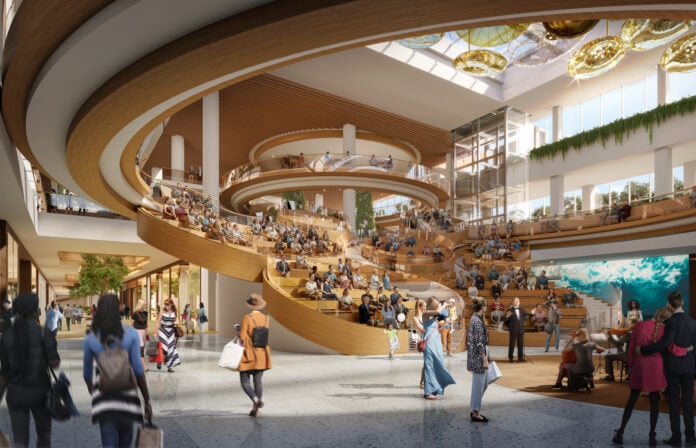
Oakridge Park north Atrium -- several luxury brands will operate flagships nearby. Rendering via QuadReal
For most operating within retail, the challenges that are being faced today are simply a stark reality of doing business. Rising costs and a general sense of financial uncertainty have cast quite a pall over the industry of late. It’s also resulting in sharp turns in consumer behaviour and an uptick in their digital habits, requiring many retailers to quickly adapt their offering and service to meet these changes in taste and preference. For shopping centres, their landlords and retail tenants, the impact of these changes can often be more acute, demanding from them constant innovation and a consistent rethink of the value they’re providing visitors.
With these current challenges in mind, we sit down with Tom McGee, President & CEO of ICSC (Innovating Commerce Serving Communities, formerly International Council of Shopping Centers) to discuss the current state of the North American shopping centre, the continued evolution that’s needed in order to remain relevant as a shopping venue, and what the mall shopping experience might look like going forward.
Retail Insider the magazine: In your estimation, considering the challenges that most retailers operating within the industry face today, what is the current state of the North American shopping centre?
Tom McGee, President & CEO of ICSC
Tom McGee (TM): Marketplaces and shopping centres have continued to show their resilience and stability, despite ongoing economic challenges like inflation and an increased price sensitivity amongst consumers. Vacancy rates remain historically low, reflecting robust demand for retail space. But higher interest rates have slowed the building and development of new space, making it challenging for some retailers to find suitable locations.
However, this strong demand for store space signals a healthy marketplace and underscores the importance of physical retail in today’s shopping landscape – and that both retailers and consumers see it as an asset. In fact, retailers can see a benefit beyond just in-store sales, as our recent Halo Effect III report showed a direct correlation between a new physical store and an increase in online sales in that area.
Our marketplaces have evolved over the past few years to meet changing consumer preferences. Today’s shopping centres are more than just places to shop—they’re vibrant hubs that blend retail with entertainment, dining, and services, creating a dynamic, multifaceted experience for visitors.
RITM: From your perspective, what about retail marketplaces and spaces have changed most significantly over the course of the past 5 to 10 years?
TM: Over the past 5 to 10 years, retail marketplaces and spaces have undergone significant transformations driven by evolving consumer expectations and technological advancements.
There’s been a notable emphasis on creating spaces that serve as community hubs—places where people not only shop but also socialize, dine, run errands, and seek entertainment. We’ve seen a shift towards more diverse tenant mixes that cater to the modern consumer’s desire for convenience and unique experiences. This focus on experiential retail is key to the industry’s resilience, as it continues to adapt to economic pressures and changing consumer behaviours. The marketplaces of today are not just about transactions; they’re about creating connections and fostering community.
Retailers are also exploring innovative formats like small-format locations, pop-ups, and storein-store concepts, which offer flexibility and allow brands to quickly adapt to changing consumer preferences and demand. Additionally, the rise of omnichannel retail strategies, including curbside pickup and BOPIS has redefined convenience, making it easier for consumers to blend online and in-store shopping experiences seamlessly. In fact, the ability to use stores effectively as “distribution centres” to support omnichannel commerce is a significant change in the past several years, and one that retailers are taking advantage of to meet consumer needs.
Royalmount in Montreal. Photo: www.geminy.ca
RITM: What challenges do you think are posing the greatest impediment concerning the continued growth and evolution of North American retail marketplaces and spaces?
TM: The continued growth and evolution of North American retail marketplaces is facing space constraints, a byproduct of a lack of new development. High costs associated with construction and land acquisition, partly a result of high interest rates, have resulted in less new retail space being built. Developers and retailers alike are hopeful that interest rate cuts will make it less expensive to finance new projects, thus removing a significant barrier for expanding retail footprints and modernizing existing spaces.
And, the demand for brick-and-mortar retail is very much there; in our recent survey of retail leaders, 78 per cent of executives said foot traffic to brick-and-mortar establishments rose over the past year, and more than two-thirds said their organization is currently looking to grow and expand the number of stores. As consumers look for dynamic and experience-driven retail spaces, our industry’s ability to innovate remains strong, and space constraints have been partially and temporarily remedied by small-format stores, pop-ups, store-in-store options, and other innovative formats.
Yorkdale’s ‘Enchanted Evergreen Walk’ in the atrium between H&M and Nike, November 2024. Image: Yorkdale
RITM: What in your estimation are some of the more successful retailer initiatives today with respect to consumer attraction?
TM: During the pandemic, retailers embraced omnichannel strategies as consumer shopping behaviours shifted. Today, click-and-collect options and other convenient services are essential for today’s omnichannel consumers.
We’re also seeing an increase in mixed use developments focused on creating centres where people can shop, work, dine, and play in the same area. As a result, these developments can help transform marketplaces into vibrant communities and create new economic opportunities.
Additionally, experiential retail is a key component to attracting consumers, as brands look to create memorable in-store experiences through initiatives like interactive displays, in-store events, product demonstrations, and immersive environments that engage customers beyond just shopping. Entertainment concepts, like escape rooms and mini golf, continue to rapidly expand, as consumers increasingly desire opportunities to socialize and share experiences together.
RITM: Going forward, looking ahead over the course of the next one to three years, how do you believe North American marketplaces and spaces will be described?
TM: Over the next one to three years, we can expect North American marketplaces to continue evolving based on consumer demands and appetite for physical retail – characterized by a fusion of innovation and personalization.
Physical retail will increasingly shift towards creating immersive, experiential environments that go beyond the traditional transactions and turn stores into destinations that engage and captivate consumers. The growing trends of omnichannel strategies will also become more seamless, integrating online and offline experiences to offer customers a personalized journey from digital touchpoints to in-store interactions.
As with other industries, technology will continue to play a growing and pivotal role throughout retail and the marketplaces industry, with innovations like augmented reality supporting offerings like virtual try-ons and AI-powered recommendations to further enhance the shopping experience both online and in-store. As a result of adopting these initiatives, the retail landscape will become more dynamic, personalized, and interconnected, setting new standards for how brands connect with and serve their customers.
Tourism spending in Canada declined 0.3% in the third quarter, following a 0.6% increase in the second quarter. Foreign demand was down 2.7% in the third quarter, while domestic demand increased 0.5%. Tourism gross domestic product (GDP) decreased 0.6% in the third quarter due to a 2.6% decline in accommodation services, while the number of jobs attributable to the industry was unchanged. By comparison, economy-wide real GDP by industry rose 0.3% in the third quarter. On a nominal basis, its share of GDP dropped to 1.53%, according to a report released Thursday by Statistics Canada.
Tourism and major industrial sectors, gross domestic product, third quarter of 2024
“Lower tourism spending on accommodation services (-2.5%) was the main cause of the overall decline in the third quarter. Food and beverage services (-0.4%), passenger air transport (-0.2%) and travel services (-2.0%) also contributed to the decrease. Pre-trip expenses, such as recreational vehicles, pleasure crafts and camping equipment, rose 3.6% in the third quarter, moderating the overall decline. Lower tourism activity by non-residents impacted accommodation spending growth, as the portion of their tourism spending traditionally allocated to accommodations is nearly double that of domestic tourists (27.2% for non-residents compared with 14.1% for Canadian residents in the third quarter),” explained the federal agency.
Growth in the number of jobs in the industry was flat in the third quarter, after an increase of 0.3% in the second quarter. Tourism job growth within non-tourism industries (+0.7%), travel services (+1.6%) and air transportation (+0.7%) was offset by a decline in accommodation services (-1.3%) in the third quarter. The total number of jobs in Canada was nearly unchanged in the third quarter; as a result, tourism’s share of total jobs remained at 3.31%, added StatsCan.
“Tourism spending by international visitors in Canada fell 2.7% in the third quarter, following a 1.7% gain in the second quarter. Accommodation services (-3.5%), food and beverage services (-3.3%) and passenger air transport (-2.8%) were the main contributors to the decline. Overnight travel to Canada by international visitors decreased 3.4% in the third quarter,” it said.
“Tourism spending in Canada by Canadians was up 0.5% in the third quarter, after a 0.2% increase in the second quarter. Domestic tourism spending on pre-trip expenses (+3.6%), vehicle fuel (+1.5%), food and beverage services (+0.8%) and passenger air transport (+0.4%) were the main contributors to the rise in the third quarter. Growth was moderated by a decline in accommodation services (-1.9%).”
Adam and Matthew Corrin, the visionaries behind Freshii, are embarking on a new entrepreneurial journey with their latest venture, Founder Brands. Based in Toronto, Founder Brands aims to bring innovative international franchise concepts to Canada and scale them across the country. With a proven track record in franchise development, the Corrin brothers are leveraging their extensive expertise to transform Canada’s franchising landscape.
“Our mission is to become the leading partner for retailers looking to establish a strong national presence in Canada,” said Adam Corrin, Co-Founder of Founder Brands. “Canada often gets overlooked by global brands, and we’re here to change that.”
A Team with Proven Expertise
Adam Corrin
Founder Brands boasts a powerhouse team that includes former Freshii executives Paul Hughes and Joe McCullagh. The team is also backed by Mark Cohon, a prominent Canadian businessman, investor, and Chairman of the Board.
“Mark shares our passion for Canada and brings invaluable experience to our board,” said Corrin. “His family’s history, from his father George Cohon bringing McDonald’s to Canada and Russia, to his leadership of the CFL, aligns perfectly with our vision.”
This cohesive team has been instrumental in Founder Brands’ ability to move swiftly and effectively. “There’s inherent trust among us,” Corrin noted. “That trust allows us to make thoughtful decisions and scale at an incredible pace.”
Early Success and Strategic Partnerships
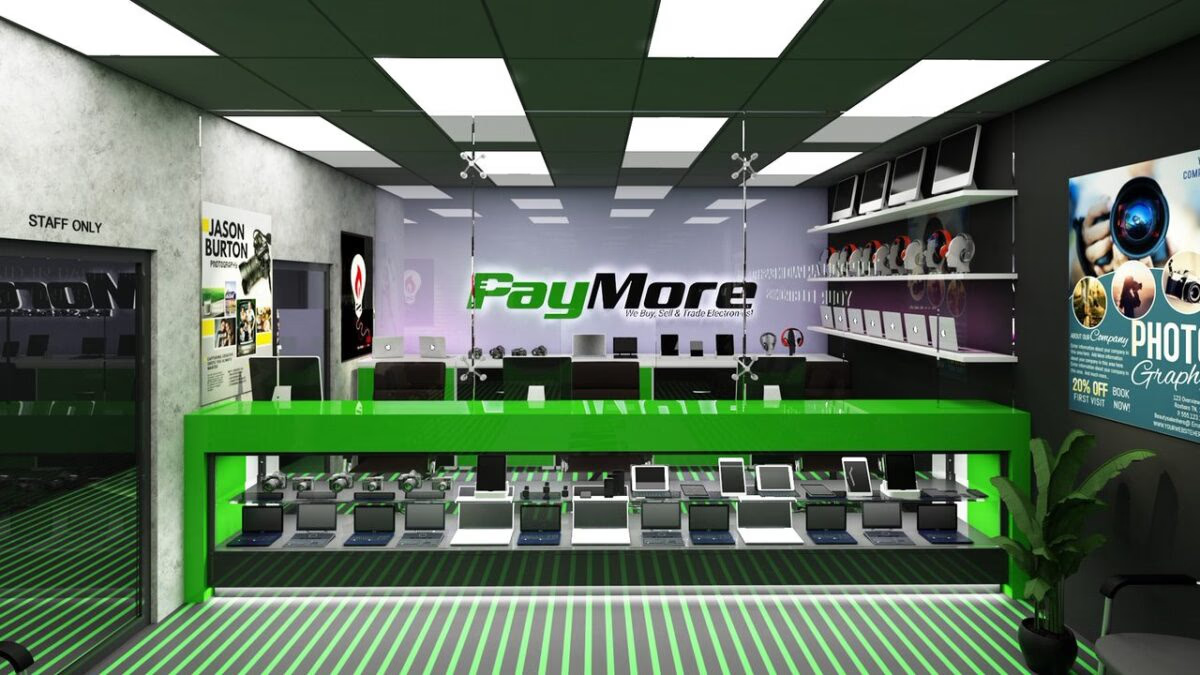
In less than two years, Founder Brands has already made significant strides. Last summer, the company signed a 120-unit master franchise agreement with PayMore, an electronics resale concept, opening its first stores in Ontario in December. Four additional locations are currently under construction.
“We’re solving a problem Canadian landlords have faced for years: finding reliable operating partners for international brands,” Corrin explained. “The feedback from landlords has been overwhelmingly positive. They’re excited about bringing fresh, innovative concepts to their portfolios.”
Beyond PayMore, Founder Brands has secured master franchise agreements with three additional brands:
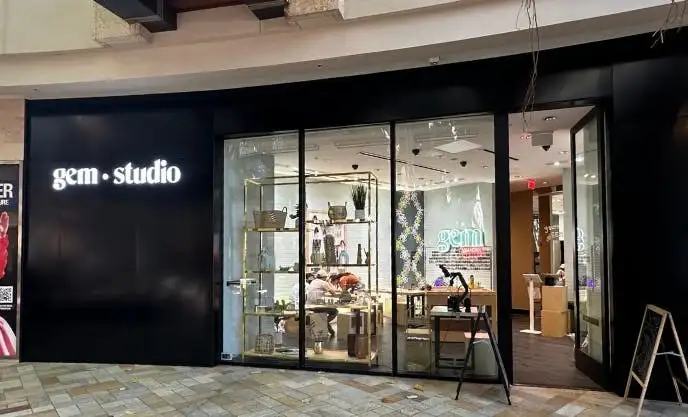
Gem Studio, an experiential retail concept for custom jewelry-making workshops.
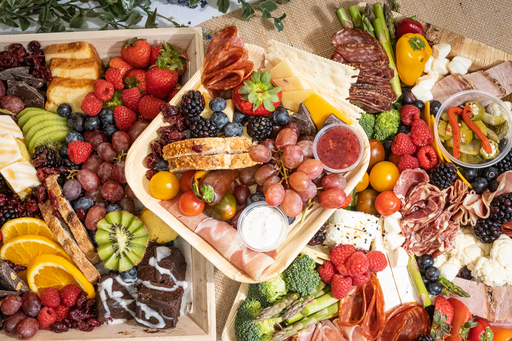
Graze Craze, specializing in custom charcuterie boards and boxes.
Fiiz, a unique specialty soda brand.
A History of Success: From Freshii to Founder Brands
The Corrin brothers are no strangers to success. They founded Freshii in 2005, growing it into a healthy fast-casual restaurant chain with 343 locations. The company went public on the Toronto Stock Exchange in 2017 before being sold to Foodtastic in 2023.
“Freshii was an incredible journey,” reflected Corrin. “It taught us the intricacies of franchising and how to scale a brand successfully. We’re now applying those lessons to a broader range of industries with Founder Brands.”
Image: PayMore Canada
Consumer Demand for International Brands
One of the key motivations behind Founder Brands is the increasing demand from Canadian consumers for unique international retail and dining experiences. Corrin noted that the idea for the company emerged partly from the volume of recommendations he received.
“We’re constantly getting messages, phone calls, and pictures from people saying, ‘You’ve got to bring this to Canada,’” Corrin said. “It’s exciting to see that Canadians are hungry for innovative brands they’ve experienced abroad or seen online.”
This consumer interest underscores the untapped potential in the Canadian market, where certain U.S. brands are either absent or introduced years after their American debuts. “Our goal is to shorten that timeline and ensure Canadians don’t have to wait a decade to access these incredible brands,” he added.
Gem Studio location in Honolulu, Hawaii — Founder Brands is bringing the concept to Canada. Image: Gem Studio
Inspired by the Alshaya Group
Corrin draws inspiration from successful franchise groups like the Alshaya Group in the Middle East. The Alshaya Group has established itself as the go-to partner for global retailers entering the region, and Founder Brands aims to replicate that model in Canada.
“We aspire to be the Canadian equivalent of the Alshaya Group,” Corrin explained. “When any global brand thinks about entering Canada, we want to be their first call.”
By positioning itself as a trusted partner for international brands, Founder Brands is creating a unique niche in the Canadian franchising ecosystem.
A Unique Approach to Canadian Franchising
Founder Brands distinguishes itself by being industry-agnostic. Unlike other Canadian franchising groups that often focus on a single sector, the Corrins are bringing a diverse range of early-stage brands to the market.
“Our goal is to work with founder-led brands in their early stages—what I call the third inning, not the seventh,” Corrin explained. “This gives us first-mover advantage in Canada and allows us to introduce something entirely new to the Canadian consumer.”
Phases of Expansion
Founder Brands has a phased approach to its growth strategy. In phase one, the focus is on scaling brick-and-mortar franchises from the U.S. across Canada. Corrin emphasized the importance of selecting brands that can thrive in major cities as well as smaller markets.
“I always ask myself, ‘Would this work in Winnipeg?’” Corrin said. “If the answer is yes, then we know it has national potential.”
Phase two will involve larger-scale ventures, potentially including international brands beyond the U.S. and other innovative business models. “We have ambitions to take bigger bites as we grow,” Corrin added.
Image: Fiiz Drinks
Leveraging Franchisee and Community Partnerships
Founder Brands places a strong emphasis on empowering franchisees and supporting local communities.
“Exceptional franchisees are the backbone of our strategy,” Corrin explained. “These local entrepreneurs bring a deep understanding of their communities, which allows us to adapt and succeed in diverse markets across Canada.”
The company’s ability to connect with local communities is further bolstered by its industry-agnostic approach, which allows it to offer a wide range of products and services that meet varying consumer needs.
Canadian Market Challenges and Opportunities
Expanding franchises in Canada comes with its own set of challenges, particularly in navigating the country’s real estate and regulatory landscape. Corrin highlighted the importance of deep relationships within the Canadian landlord community.
“Canada’s real estate market is tightly controlled by a handful of major landlords,” he explained. “Our previous experience with Freshii has given us strong connections and credibility with these key players, which is crucial for securing prime locations.”
Another challenge is adapting U.S. brands to the Canadian market. “Canadianizing” brands involves tailoring their offerings to local preferences while maintaining their core identity. “It’s about finding the right balance between preserving what makes the brand special and ensuring it resonates with Canadian consumers,” Corrin said.
Image: Graze Craze
Building a Sustainable Future for Franchising
Founder Brands is focusing on sustainable growth by prioritizing brands that meet key criteria: low upfront capital expenditure, financing options through the Canada Small Business Financing Loan (CSBFL) program, high unit volumes, and strong EBITDA margins.
“Our benchmark for phase one is $100 million in system-wide sales across Canada,” Corrin revealed. “We want brands that can thrive not only in major markets like Toronto, Vancouver, and Montreal but also in secondary and tertiary markets.”
The Road Ahead
Looking to the future, Founder Brands plans to expand its portfolio while deepening its relationships with Canadian landlords and entrepreneurs. The team is already exploring additional franchise opportunities and preparing for phase two of its growth strategy, which may include larger-scale ventures.
“We’re building something special and meaningful,” Corrin said. “Founder Brands is more than a business—it’s a way to bring innovative, high-quality experiences to Canadian consumers while empowering local entrepreneurs to succeed.”
Circle K, a global leader in convenience and mobility, announced Thursday it is making it easier and more affordable for customers to enjoy satisfying meals on the go with the launch of its new Meal Deals across Canada this week.
Recognizing the increasing demand for value and convenience, Circle K has crafted a menu of mix-and-match meal combinations, all priced affordably between $5 and $7, the company explained in a news release.
Trey Powell
“Adding value for our Canadian customers is at the heart of everything we do at Circle K,” said Trey Powell, Sr. Vice President of Global Merchandising at Circle K. “Our new Meal Deals deliver exceptional value, bundling popular items to create a satisfying and affordable meal option.
“Whether it’s a quick bite before a morning meeting or a satisfying lunch during a busy workday, Circle K’s Meal Deals offer something for everyone. We’re excited to offer Canadians a flexible and affordable way to enjoy their favourite foods on the go.”
For a quick and tasty breakfast, fuel up with a savory English muffin sandwich (choose from sausage, egg & cheese or bacon, egg & cheese), a crispy hash brown, and your choice of a medium coffee, a fountain beverage in a 20oz Polar Pop® cup or an energizing Red Bull® (250ml) – all for just $5, said the company.
“Lunch just got easier, too. Grab a classic hot dog paired with crunchy Circle K chips and a refreshing choice of fountain beverages in a 20oz Polar Pop® cup for only $5. Swap a fountain drink for any 591ml Pepsi® product for just a dollar more. Craving something more? For $7, choose a juicy cheeseburger with Circle K chips and a 591ml Pepsi® product. Or grab two slices of hot pizza or a personal pizza, also paired with a 591ml Pepsi® product,” it said in the news release.
Couche-Tard is a global leader in convenience and mobility, operating in 31 countries and territories, with more than 16,800 stores, of which approximately 13,100 offer road transportation fuel. With its well-known Couche-Tard and Circle K banners, it is one of the largest independent convenience store operators in the United States and it is a leader in the convenience store industry and road transportation fuel retail in Canada, Scandinavia, the Baltics, Belgium, as well as in Ireland. It also has an important presence in Luxembourg, Germany, the Netherlands, Poland, as well as in Hong Kong Special Administrative Region of People’s Republic of China. Approximately 149,000 people are employed throughout its network.
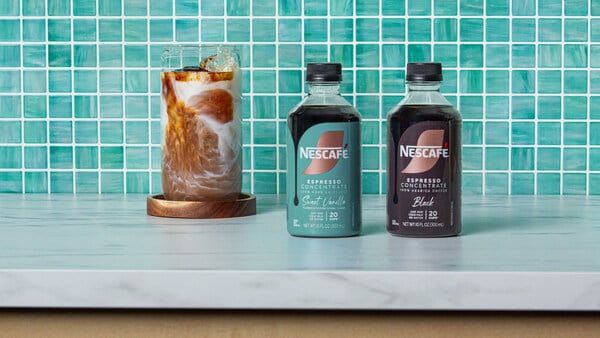
Nescafé Espresso Concentrate allows consumers to make barista-style, personalized cold espresso beverages in the comfort of their home. Available in two variations: Nescafé Espresso Concentrate Black and Nescafé Espresso Concentrate Sweet Vanilla.
Nescafé, the largest coffee brand globally, is launching its first-ever liquid espresso concentrate in the US, the biggest coffee market in the world. With one out of every three cups of coffee consumed outside of the home being a cold coffee, Nescafé Espresso Concentrate allows consumers to make barista-style, personalized cold espresso beverages in the comfort of their home, said the company in a news release.
“The growth of global coffee consumption is being driven by younger generations, and two out of three youth regularly drink cold coffee. In North America, 50% of Generation Z consumers’ first cup of coffee is cold. Nescafé Espresso Concentrate answers this growing demand for customizable, convenient, at-home cold coffee. Because the concentrate easily dissolves in water or milk, consumers can simply mix it with ice and water or milk and then customize it to create their go-to drink, whether an iced mocha, macchiato, or cappuccino,” it said.
Axel Touzet
Axel Touzet, Head of Nestlé Coffee Brands Strategic Business Unit, said: “Through the Nescafé Espresso Concentrate we want to capture what younger generations of consumers are looking for: cold, convenient, customizable, premium coffee that brings the experience and taste they have outside their home to inside their home. We are enabling them to create café-style beverages in an instant without any extra machinery.”
Nescafé Espresso Concentrate is made with 100% Arabica beans and comes in a 300-milliliter bottle (enough for approximately 20 cups of espresso when prepared as directed). In the US, it will be available at retailers starting in February in two variations: Nescafé Espresso Concentrate Black and Nescafé Espresso Concentrate Sweet Vanilla, added the company.
The Nescafé Espresso Concentrate was launched last year in China and Australia.
Canada’s first WNBA team has its first partner. Sephora Canada is a Founding Partner and the Official Beauty Partner of the Toronto Tempo, the team announced on Thursday.
The brand, whose logo will adorn Tempo jerseys when play begins in 2026, shares a foundational set of values with the team, said Toronto Tempo President Teresa Resch in a news release.
Teresa Resch
“From day one, we’ve been building so much more than a sports team with the Toronto Tempo – we’ve been building a community,” said Resch. “And there is no brand in Canada better suited to help us deliver on that vision than Sephora Canada. This is one of the most deeply inclusive, purpose-driven, passionate organizations in this country, and they’re going to work hand-in-hand with us to elevate women’s sport in unprecedented ways.”
For Sephora Canada, the multi-year Toronto Tempo relationship is more than just a brand partnership, it’s an opportunity to harness the power of sport to expand the way Canadians see beauty and create even more inclusivity. This landmark commitment reflects the deep fit between how the brand and the team see the world, and their shared desire to champion individuality, diversity and belonging, said the company.
Allison Litzinger
“We jumped at the chance to help build this team from the ground up and shape the cultural conversation in Canada around beauty and basketball through our partnership with the Toronto Tempo,” said Allison Litzinger, SVP, Marketing, Sephora Canada. “Women’s basketball embraces the unique identities of athletes who bring their full selves to the game, on and off the court, and it has the power to bring so many diverse people together through a shared passion. By celebrating the Beauty of Sport and the inspiring women who fuel it, we’ll show Canadians that we all belong to something beautiful.”
Sephora Canada said it will bring its partnership with the Toronto Tempo to life through integrated campaigns that will include community programming, retail activations, social media integrations and in-arena programming.
“With the launch of the Toronto Tempo, we’re changing the game – for girls, for women, for sports fans and for all Canadians. And we couldn’t be more thrilled that Sephora Canada will be our partners on this journey,” added Resch. “The impact of this historic partnership will be felt across Canada for years to come.”
The Toronto Tempo will begin playing at Toronto’s Coca-Cola Coliseum in 2026.
Sephora has a global omnichannel network of more than 3,000 stores. It was founded in 1969 in Limoges, France, and has been part of the LVMH Group since 1997.
“In May 2024, the Women’s National Basketball Association (WNBA) announced its expansion into Canada by awarding Toronto an expansion team, the league’s first outside the United States. The new team, owned and operated by Kilmer Sports Ventures, will begin play in the 2026 season as the WNBA’s 14th franchise. Sephora Canada is the team’s first announced founding partner. Larry Tanenbaum, Chairman of Kilmer Sports Ventures and a 30-year veteran of building championship-caliber teams, is also Chairman of the NBA Board of Governors and Chairman of Maple Leaf Sports & Entertainment, which owns the NBA’s Toronto Raptors, NHL’s Toronto Maple Leafs, MLS’ Toronto FC and other professional sports franchises. Under his leadership, the Raptors won their first NBA championship in 2019,” explained the news release.
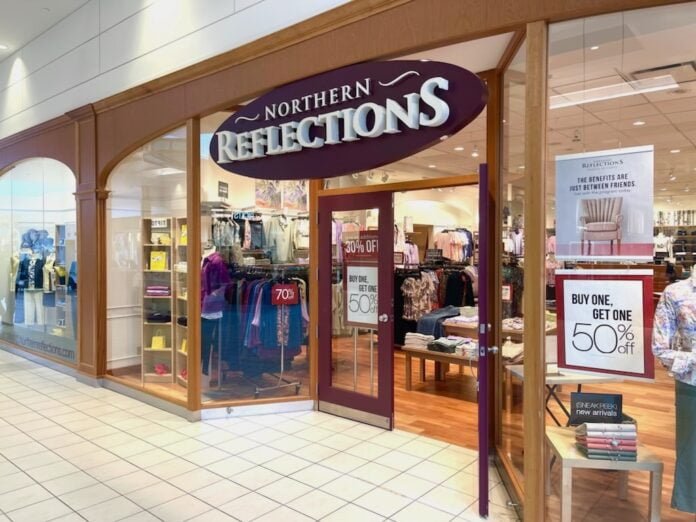
Northern Reflections at Sherwood Park Mall (March 2022)
Putman Investments announced Thursday the acquisition of Northern Reflections, a leading provider of women’s fashion in Canada that blends timeless traditions with modern trends.
This acquisition happens as the brand celebrates 40 years, with 134 stores across nine provinces and a growing e-commerce presence. The acquisition has been completed and financial terms of the deal were not disclosed, according to a news release.
Doug Putman
“The apparel industry has always been on our radar, but we were looking for the right opportunity to get into the space,” said Doug Putman. “Northern Reflections is a great Canadian heritage brand with a loyal customer base, strong leadership and a dedicated in-store team. We really like where the business is now, along with the strategic vision of the leadership team, and look forward to supporting future plans for the company.”
Employing more than 860 people across the country, the company will be led by current Northern Reflections president, Maryann Darling.
Maryann Darling
“Since 1985, Northern Reflections has been a cornerstone of Canadian retail, offering our customers quality, comfort and timeless style,” said Darling. “Our business will only get better. I’m excited about our new ownership and we look forward to continuing to serve our loyal customers in all our store locations and online.”
Putman said gift cards purchased before the acquisition will continue to be honoured and returns can still be made in store or by mail for online purchases. Customers with questions should contact their local store or nrcustomer.relations@northernreflections.com.
Northern Reflections was founded in 1985.
Entrepreneur Doug Putman is the founder of Ancaster-based Putman Investments. He has bought and transformed some of the most iconic brands in Canada, the US and the UK, including Northern Reflections, Toys”R”Us and Babies”R”Us Canada, Sunrise Records, hmv in the UK and FYE, the largest pop culture chain in the USA. His portfolio of companies also include, Alex Brands, T.Kettle, restaurants, a marina as well as significant real estate ownership. He employs more than 20,000 people in Canada, the United States and United Kingdom.
Retail Insider is streamlining its Canadian retail news from around the web to include a handful of top news stories that can be viewed quickly during the day. Here are the top stories from the past 24 hours.