Advertisement
Advertisement
Home Blog Page 560

West Edmonton Mall Continues to Expand Luxury Retail with Addition of Moncler; Tiffany Marks 10 Years

Moncler at West Edmonton Mall. Photo: Moncler.

Italian luxury brand Moncler has opened its newest store in Canada at West Edmonton Mall, adding yet another luxury brand to the busy shopping centre. More luxury brands are said to be in talks with mall landlord Triple Five, given that sales in the centre’s luxury stores are surpassing expectations. 

The new Moncler store spans about 3,945 square feet and is the largest in Canada in terms of size to date. The store features several rooms housing Moncler’s range of outerwear, ready-to-wear for men and women, as well as footwear, accessories and other categories. The outerwear especially, identifiable by Moncler’s round branded logo, should sell well in the cold Edmonton climate as winter approaches. 

The space itself is beautiful, featuring ample use of wood and marble. Detailed millwork on the walls is a trademark of Moncler stores, and it contrasts with more modern metal fixtures. Black-and-white checkered floors are found throughout the store. Amachris Corporation built the space. 

Click image for interactive West Edmonton Mall map
Moncler at West Edmonton Mall. Photo: Moncler.

Moncler replaced retail spaces for Kate Spade and Lacoste, both of which relocated within West Edmonton Mall to new locations. The Moncler store is located next to luxury brand Balenciaga, which opened its 3,900 square foot store in March of this year. Balenciaga was the latest luxury brand to open in the mall which is the largest in Canada in terms of square footage, attracting nearly 30 million visitors annually. 

The mono-brand luxury store expansion at West Edmonton Mall began relatively recently. Jeweller Tiffany & Co. was a trailblazer when it opened in the mall in October of 2013. Various upscale retailers opened nearby, although it wasn’t until the summer of 2019 when luxury brand Louis Vuitton opened a store in the mall, kicking off a luxury expansion that would see Saint Laurent open in December of 2020 and Gucci open in April of 2021

Kering-owned luxury brand Balenciaga followed when in March of 2023 it opened a store at West Edmonton Mall, continuing the trend of opening luxury stores at the shopping centre. 

LOUIS VUITTON’S NEW STOREFRONT AT WEST EDMONTON MALL. PHOTO: LOUIS VUITTON
Tiffany & Co. at West Edmonton Mall. Photo: Lee Rivett.

Sources told Retail Insider that sales have been strong at the luxury retailers in West Edmonton Mall. Saint Laurent had recently wanted to expand its already sizeable 2,880 square foot store last summer, but has since decided against it, at least for now. Louis Vuitton staff also said that the brand wanted to expand its 4,595 square foot store in the mall to include more product categories, given its success. The 5,000 square foot Gucci store in the mall is said to be the second top-seller in Canada for the brand’s handbags. 

West Edmonton Mall is expected to continue to add luxury brands to its second level where a clustering of stores has been created. Sources told Retail Insider that a flashy Italian luxury brand would be opening next to Saint Laurent, while talks were underway with a very well known luxury jewellery brand to open across the way. It will be interesting to watch the progression of luxury stores on the mall’s second level and what might be moved where if demand continues in the Edmonton market for more luxury brands. 

West Edmonton Mall has become one of a handful of luxury retail nodes in Canada. With stores including Louis Vuitton, Gucci, Saint Laurent, Balenciaga, Tiffany & Co. and now Moncler, the mall joins the likes of Yorkdale in Toronto, Bloor-Yorkville in Toronto, and the Alberni-Luxury Zone in downtown Vancouver as  luxury retail destinations. That puts Edmonton in a unique position given its population and demographics. It should be noted that two more luxury nodes are confirmed for Canada — Royalmount in Montreal in August of 2024, and the Oakridge Park, replacing Oakridge Centre on Vancouver’s West Side, in 2025. 

Exterior of new Saint Laurent store at WEM. Photo: West Edmonton Mall
Exterior of Saint Laurent store at West Edmonton Mall. Photo: West Edmonton Mall
Exterior of Gucci at West Edmonton Mall. Photo: Gucci
Balenciaga at West Edmonton Mall.

West Edmonton Mall has all but secured the luxury retail business for the Edmonton market. Holt Renfrew shut its downtown Edmonton store in January of 2020, essentially putting a nail in the coffin for luxury retail in the core besides a handful of options such as menswear retailer Henry Singer. The loss of Holt Renfrew was a significant blow to the downtown core in terms of attracting the city’s wealthy seeking brands, and West Edmonton Mall appears to have more than picked up the slack. West Edmonton Mall has retail locations for most of the top-selling brands that were carried at Holts, and the mall has also added some brands such as Saint Laurent and Balenciaga that Holts didn’t even carry. 

Holt Renfrew may have underestimated the Edmonton market in terms of its spending power — construction on a Holts store actually began in the mall nearly a decade ago, but a deal was never reached and the space ended up being built-out for a ‘Rec Room’ amusement centre. Now it’s unlikely Holt Renfrew would ever return to the Edmonton market with a large store, given that luxury brands are seeing success with their own standalone locations.

Luxury brands can also be found at La Maison Simons at West Edmonton Mall, which probably carries more high-end labels than any other location in the Simons chain. The men’s selection in the ‘Edito’ department in particular is impressive, with an assortment of brands with prices into the thousands. The women’s Edito department also carries an impressive range of pricy fashions, again solidifying West Edmonton Mall as the luxury shopping destination for the city. 

Additional photos of the Moncler boutique at West Edmonton Mall:

Moncler at West Edmonton Mall. Photo: Moncler.
Moncler at West Edmonton Mall.

Canadian Consumers to Prioritize Brick-and-Mortar Retail into December [Report/Interview]

Photo: Dustin Fuhs

A new report by Mastercard says Canadian consumers are expected to prioritize brick-and-mortar shopping this holiday season.

According to the Mastercard SpendingPulse report, Canadian in-store sales are expected to increase 2.8 per cent year-over-year. Coming off a strong post-COVID holiday season in 2022, consumer spending is expected to remain resilient this year. Mastercard SpendingPulse measures in-store and online retail sales across all forms of payment and is not adjusted for inflation.

“The deceleration of inflation in Canada as we head into the critical holiday season offers some respite for consumers,” said Michelle Meyer, Chief Economist, North America, Mastercard Economic Institute. “Consumers are expected to be smart with their holiday budgets this year by trying to stretch their dollars to their maximum potential.”

Yaletown in Downtown Vancouver with Christmas Decorations around retailers. Photo: Lee Rivett.

Mastercard said these are the key trends to watch for this holiday season:

  • Deck the malls: Consumers continue to seek out physical retail stores for their holiday shopping, while online sales are expected to soften compared to last year. However, as consumers are accustomed to shorter delivery times, a peak in online sales is expected the weekend before Christmas;
  • All I want for Christmas is…Electronics: Electronics sales are expected to see the largest sector growth (3.9 per cent year over year) indicating that consumers could be looking to update to the latest tech gadgets this holiday season. Conversely, apparel and jewelry are not as likely to top wish lists this year with expected softening of sales in both sectors compared to last year; and
  • Eat, drink and be merry: Consumers are expected to be celebrating by entertaining at home and out on the town. Both the Restaurants and Grocery sectors are expected to experience moderate growth of 3.4 per cent and 3.1 per cent year over year, respectively.

“In store experiences coupled with ongoing sales and promotions will be paramount for retailers this holiday season,” said Steve Sadove, senior advisor for Mastercard and former CEO and Chairman of SAKS incorporated. “While the convenience of online is still important, consumers are keen to physically interact with their purchases. We can expect retailers to prioritize in-store only promotions, gifts with purchase, point of purchase sales and hands-on sales staff.

Hudson Bay in Downtown Vancouver with Christmas Decorations in 2023. Photo: Lee Rivett.

“What the (latest data) was telling me is that this is going to be a holiday season that’s very in-store focused. It’s going to be about value. It’s going to be about promotions. The consumer is shopping early. My guess is that it’s going to be promotional but I don’t have enough hard data yet because in the end as the season unfolds, if the consumer is shopping or non-shopping, then you’ll see promotions flex depending upon demand. I think it will be promotional but somewhat planned promotional. So that it’s not going to be deep distressed promotion.”

When inventories are way out of line, that’s when you see deep distress promotion. But Sadove doesn’t see that happening this year. It will be promotional but controlled promotions.

“The consumer is still in the mode of experiences. So they want to go out. Restaurants will continue to perform well. Food, whether it’s entertaining at home or out, that’s going to continue to be strong. But you’re going to see weaker categories in things like apparel and some of the other gifting categories probably will not be as strong.”

He said the forecast in both Canada and the U.S. is for a decent electronics season.

Retailer Holiday Shopping.

Sadove said the rate of inflation is slowing dramatically and it’s one of the reasons there is a slowing in the rate of retail growth. Supply chain costs have come down. It’s costing retailers and manufacturers much less to ship goods than it cost a couple of years ago when the supply chain was broken. And now there’s a lot of downward pressure on prices because the consumer is stretched. They’re feeling the pain of the higher inflation. Retailers in general are pushing back on suppliers.

“So you’re in an environment right now where there’s a little bit of downward pressure or at least a pressure to slow the rate of increase across the board. That puts a little more pressure on more promotion in a sense,” said Sadove.

Salesforce’s Rob Garf Discusses Canadian Retailers’ Strategies Amidst Q3 E-commerce Slowdown [Report/Interview]

Photo: BrandSpark

A new global report from Salesforce, a global leader in CRM (Customer Relationship Management) shows e-commerce growth fell in Canada again in the third quarter by nine per cent – which is further down from the eight per cent decline seen in Q2, showing consumers are expecting discounts in the next few months as they get ready to cross items off their shopping lists.

The new data comes from Salesforce’s global Q3 Shopping Index — which analyzed the activity and online shopping statistics of more than 1.5 billion unique global shoppers from more than 67 countries.

Canadian data highlights include:

  • In shopper spend, the per-visit average amount spent by shoppers sat at $2.17, down from $2.37 in the last quarter; and
  • Canada saw a 1.9 per cent overall conversion rate compared to 2.1 per cent in the last quarter.
Image: Downtown Winnipeg BIZ

Global data highlights include:

  • AI is expected to influence $194B in global online sales this holiday season; orders where shoppers clicked a product recommendation powered by AI increased six per cent for Q3;
  • After several years of people switching brands, recent quarters have shown continuous growth in repeat buyers. For Q3, in particular, the share of orders from repeat buyers was 43 per cent.
Rob Garf, Salesforce

Rob Garf, VP and General Manager, Salesforce Retail, said in Canada there were some promising at the cart and traffic numbers which leads Salesforce to believe that people are going online.

“And they’re doing one of two things. They’re waiting and they’re waiting patiently for the biggest and best deals . . . They’re taking control of their balance sheets and waiting for the best value,” said Garf.

“And the second piece is people are just going back into the store. So looking just on the online metric doesn’t tell the full story. You’re really able to extract the point that people are going online. Yes they’re waiting, they’re waiting patiently. But they’re also in many cases just going into the store and buying.

“I’m not overly concerned with the sales performance online for Canada in Q3 and the beginning part of the holiday. No retailer I’m talking to is overly bullish about growth online through the whole holiday season. This isn’t a surprise to me. It’s not a surprise to them. I look at it that it’s as good as it’s going to be this holiday.”

Garf said retailers are realistic about online growth this holiday. It’s not a surprise. They’ve been planning for this since the summer and have been very measured in terms of the inventory. They’ve been very conservative with their discount rates and their promotional calendar.

“There’s been a real eye on profitability. While growth won’t be huge, we’re seeing inflation in most categories come back to earth. We’re seeing retailers manage their margin much tighter especially around inventory, discounts, returns and shipping,” he said.

Photo: Dustin Fuhs

“So they’re looking to exit this holiday with a really solid profitability footing, setting the foundation for growth next fiscal year. I am the co-chair for our customer advisory board. So I asked (a few) weeks ago a group of them, we have about 25 on the board and 12 of them were on this call, some were from Canada, and we said how would you summarize the objective and the outlook for the next fiscal year. And all of them were focused on growth.

“They were focused on the profitability. Actually focusing on this idea of customer profitability in the context of growth. So people are feeling like we’re turning a corner in Canada, in the U.S., across Europe. Europe is a leading indicator. Except for the UK, we’re seeing some nice rebound in all online metrics. The bottom line is retailers are feeling optimistic going into next year and they’re setting the foundation through profitability to give them the springboard for growth.”

Garf said the resale market is going to be a headline this holiday.

“We’re anticipating, we’re forecasting, 17 per cent of all gifts are resold merchandise. Part of that is consumers looking for value. Part of it is consumers looking to save the world. And another part that plays into it consumers are really into this whole idea of vintage. So it’s this perfect storm across those three dimensions that leads to this resale market which I’m really excited about,” he said.

Meanwhile, Salesforce’s top executives have shared their predictions and insights for the year based on market analysis, customer conversations, and more in the company’s new Future of Tech and AI Predictions & Trends report.

2024 trends and predictions include:

  • Data will continue to get democratized — and smarter. This means 2024 will see a strong focus on data privacy and compliance.
  • AI will transform enterprise, so businesses that don’t embrace AI will be left in the dust.
  • AI brings a new era of cyber security, meaning cyber defense will take shape to address new threats.
  • AI will hypercharge efficiency and we will all get familiar with the term “semantic query.” As AI grows smarter and more businesses embrace it, we will inch closer to autonomy.
  • There are possibilities to use AI for good but only with equitable access.
  • AI will modernize work and transform the office into a smarter workplace, plus change how we think about (and measure) human productivity.

These 2024 predictions follow recent Canadian-specific survey data from Salesforce earlier this fall, which found that:

  • On average, employees believe generative AI will save them four hours per week. However, 55 per cent agree that they don’t have the skills to use generative AI effectively and safely.
  • While 62 per cent of employees use or plan to use generative AI at work, 79 per cent believe generative AI introduces new security risks.

Early Signs Point to a Strong Holiday Shopping Season in Canada Despite Economic Challenges

CF Toronto Eaton Centre on Black Friday 2022 (Image: Dustin Fuhs)

Early indications show that despite all the economic headwinds, retailers in Canada could be experiencing a good holiday shopping season this year.

Data by Salesforce, in its annual Cyber Week Recap Report, said Black Friday sales were up two per cent from a year ago; retail sales grew by 11 per cent year-over-year on the Saturday and the Sunday; Cyber Monday sales grew by four per cent; and Cyber Week showed a five per cent hike.

Canadian retailers experienced the biggest surge Saturday and Sunday. While Cyber Monday sales grew overall four per cent year over year, as of 4 p.m. EST sales were still only showing one per cent growth indicating last-minute shopping into the evening hours.

Rob Garf. Photo: LinkedIn.

“The data highlights money-conscious consumers playing a game of ‘discount chicken’, as they patiently waited for the best deals of the week. Canadian shopper behaviour shows us Cyber Week isn’t about a single day of door crashers, but a season of deals that consumers are constantly monitoring from the palm of their hand,” said Salesforce.

“As Black Friday and Cyber Monday battle it out for the largest online shopping day, one thing is for sure, consumer spending remains resilient as they diligently search for – and buy – attractive deals,” said Rob Garf, VP and GM of Retail for Salesforce.

“Black Friday online sales performance exceeded any retail executive’s expectations. Retailers stepped up their discounting game and shoppers, in turn, clicked the buy button.

“Consumers who have been playing discount chicken should consider clicking the buy button now as retailers have decreased inventory levels to preserve capital and increase margins.”

Pre-Black Friday Sale at Bluenotes (Image: Dustin Fuhs)

Caila Schwartz, Director of Consumer Insights and Strategy for Retail and Consumer Goods for Salesforce, said there was a really strong Black Friday worldwide which was surprising considering some of the economic challenges today.

“We had really strong global growth. We had really strong growth in the U.S. Europe was actually driving a lot of the global growth and we also had really strong demand in Canada which has been seeing declines, especially throughout the year,” she said.

Schwartz said the double-digit year over year growth on the Saturday and Sunday is something we haven’t seen in a really long time.

“What was even more interesting about that data is that it was being driven by meaningful demand. So it wasn’t just because prices were higher. We actually saw order volumes increasing and what was happening was that discount rates were significantly higher than they were earlier in the week and they were also significantly higher than they were at the same time last year,” she said.

“What that meant was that consumers, especially in Canada, were actually getting lower prices than they were at the same time last year . . . This is what was really driving that demand. Consumers knew they weren’t getting good deals, they were seeing higher prices but when we got to the weekend and discount rates surged that’s when consumers in Canada started to buy. We saw that in Canada, we saw that in Europe and the U.S. In Canada what was actually interesting is that consumers were getting lower prices.

“It’s all about price sensitivity. Consumers have been handling higher prices for the last two years and I think discounting has been really soft. Prices are high. They’re not getting great deals. We saw a flurry of promotional activity in October and early November. The reality is that the discounts were not that great even though there was a lot of branding around early Cyber Week. Consumers didn’t actually get meaningfully significant discounts. What’s interesting about the shopper worldwide is that whether or not they’re keeping track of discounts they know whether or not a deal is a good deal. So on aggregate even though there was a lot of promotional activity the deals weren’t great and consumers knew that. So they weren’t buying. They were waiting for the deals and the deals came starting on Black Friday and continuing throughout the weekend and that’s when consumers bought.”

Black Friday Sales in Hudson’s Bay at CF Toronto Eaton Centre (Image: Dustin Fuhs)

Going forward, Schwartz said anything can happen. But her feeling is that discount rates might start to creep back up getting closer to the mid holiday season for shipping.

“After the shipping cutoff I think we’re going to see retailers really pushing consumers to buy online and pick up in store and I think they’re probably going to offer incentives around that,” she said. “I think that’s how we’ll see the rest of the season shape up.”

Meanwhile, over the Black Friday and Cyber Monday weekend, millions of Square and Afterpay sellers across the world set a record with 70 million transactions, up 14 per cent from last year.

Consumers continued to display diverse shopping habits as in-person shopping increased 15 per cent, while online cart sizes were 3.9 times higher than in-person, reinforcing the need for sellers to optimize their omnichannel strategy for the remainder of the holiday season. Also, nine per cent more businesses leveraged the power of omnichannel by attracting buyers both in-person and online.

Black Friday and Cyber Monday Metrics in Canada from Square and Afterpay:

  • Cities with the fastest growth of sales included Toronto, Vancouver, Calgary, Edmonton Winnipeg, Ottawa and Montreal;
  • In Canada, the peak minute of shopping occurred on Black Friday at 2:28 pm EST on November 24;
  • Black Friday and Cyber Monday weekend proved to be busy for businesses beyond traditional retail. According to Square data, restaurants experienced a 24 per cent increase in transactions, while 74 per cent more restaurants sent Black Friday and/or Cyber Monday discounts to promote their business; and
  • Square found 185 per cent more beauty and wellness sellers leaned into the shopping weekend by sending Black Friday and/or Cyber Monday discounts. Considering that in 2022, the most popular time for holiday appointments was December 20 – December 23, beauty sellers used the weekend to promote their services early in the holiday season.

“During the Black Friday and Cyber Monday shopping weekend, consumers turned out in droves to support their favorite businesses,” said Saumil Mehta, Head of Point of Sale and Omnichannel at Square. “We found that the holidays aren’t just for traditional retailers, as businesses across industries like restaurants and beauty lean into the major weekend. Given consumer sentiment has been positive around the holidays, and we know this weekend is often just the beginning, businesses should continue to expect an influx of shoppers, and be ready to meet them wherever they prefer to shop.”

Buy Now, Pay Later (BNPL) transactions through Afterpay increased 29 per cent in Canada, and Square sellers saw their Afterpay transactions grow 10 per cent. The fastest growing Afterpay item categories outside of fashion and beauty were home and department stores as consumers used BNPL for more choice and flexibility at checkout during the holidays.

Specsavers Set to Reach 100 Canadian Locations in Early 2024, Expanding into New Markets [Interviews]

Specsavers Canada at The Pen Centre (Image: Specsavers Canada)

Eyewear and eyecare brand Specsavers, an optometrist-owned and -led business that entered the Canadian market in 2021, is poised to hit 100 locations in the country in early in 2024.

Bill Moir

Bill Moir, Managing Director, Specsavers Canada, said the company will have 99 locations by the end of this year in British Columbia, Alberta and Ontario with three more stores to expand from its current 96 store footprint.

And it has plans to expand into Manitoba in the summer of 2024.

“We’ve got locations planned. We’ll be opening five locations over the summer (in Manitoba),” said Moir. “And we can grow beyond that.

“Every province that we go into is a bit like going into almost a new country because the regulations are a bit different, culture is sometimes a bit different. So we’re trying to deliberately (open) one by one. Manitoba is the next province for us. 

“We’ve had a lot of interest from optometrists in other provinces too. So we’ll look at other provinces as well wherever we believe there’s customer demand and lots of interest in opening our Specsavers then we’ll go to it. But it will be after Manitoba. We are open to it and we’re certainly looking at other provinces beyond Manitoba.”

Optometry and Retail Partners, Dr Jestyn Liew, O.D. and Rita Charchyan, R.O. (CNW Group/Specsavers Canada)

Moir said the goal is to look after the eyewear and eyecare needs of one million Canadians by 2025. 

“We’re on track for that already. We’re already tracking for half a million Canadians to come through our doors over the course of the next 12 months, which is great. So we’re on track to deliver that goal of seeing a million Canadians in 2025,” he said.

Moir said the main goal is to be in a real estate location that is accessible to customers. Typically, the stores are about 2,000 square feet.

“We are proud to already have a network of more than 200 optometrists and 250 fully licensed opticians operating across Specsavers stores since launching in November 2021. The average location is caring for over 100 Canadians each week,” added Moir.  

Specsavers stores are locally co-owned by an Optometry Partner, who is a practicing optometrist, and a Retail Partner, who is an optician or an experienced retail professional.  

Specsavers Canada British Columbia Distribution Centre (Image: Specsavers Canada)

Specsavers provides comprehensive business support from experts in areas like administration, marketing, accounting, payroll and supply chain. Specsavers locations are averaging over $1.5 million in revenue during their first 12 months of trading.

Independent clinics located within Specsavers are wholly owned and operated by the local Optometry Partner, who receives comprehensive clinical support allowing them to focus on patient care.   

Naomi Barber

“Through an optometrist-led steering group coupled with independently owned clinics with new, advanced clinical equipment, including optical coherence tomography, Specsavers gives optometrists the tools they need to be successful in delivering patient care and to excel as a business owner,” said Naomi Barber, Clinical Services Director, Specsavers Canada.

Since launching, Specsavers has covered 100 per cent of location start-up costs for optometrists and opticians to start their own Specsavers store in communities across Canada. This investment, which averages $500,000 per location, aims to boost business ownership by independent optometrists and opticians, and help them achieve success while remaining autonomous and patient care-focused.

The comprehensive eye exams include a hospital grade 3D eye scan with OCT technology to support with early detection of sight-threatening eye diseases. Specsavers has a range of high-quality eyewear, including over 1,500 frames, lenses and contact lenses starting from $69 for a complete pair of single vision glasses.

“I think the market is quite congested and I think in order to be successful you need to really make sure you stand out and you’re giving customers something different than no one else is, particularly with what’s happening in the economy at the moment with inflation high, interest rates high,” said Moir.

“Customers have got less disposable income to spend and at times like that it’s really important to let customers know they shouldn’t be putting off getting their eye tested regularly because that’s looking after your health. They shouldn’t let money be a barrier.”

Founded in the U.K. nearly 40 years ago by optometrist husband and wife team, Doug and Mary Perkins, there are now more than 2,500 Specsavers healthcare businesses across 11 countries serving over 41 million patients and customers. 

Burton Snowboards Transforms Toronto Flagship for [ak] Collection as Brand Looks to Expand [Interview/Photos]

Burton Snowboards. Photo: Dustin Fuhs.
Pierre Ricard. Photo: LinkedIn

Burton Snowboards has recently updated its Toronto flagship store and continues to evolve its products to meet consumer demands. Pierre Ricard, the General Manager for Burton Snowboards America, discusses what consumers will expect at the updated flagship store, product innovations and future plans, including a resale program.

Burton’s Flagship Transformation

The new updates showcase Burton’s high-performance [ak] collection, a collaboration with Gore-Tex, and a diverse lineup of snowboard equipment. Ricard emphasizes the store now focuses on the [ak] collection, Burton’s premium outerwear. Outdoor enthusiasts can use the collection for various winter activities beyond snowboarding. The collection’s popularity in the city drove the company to transform the flagship. 

“We know the consumers in Toronto are really looking for the best in class products, and the [ak] collection is built from skin to shell and delivers proven performance when it matters. Consumers visiting our Ossington location will have access to a diverse snowboard lineup, leading boots and bindings and of course our new step on,” says Ricard. 

Burton Snowboards. Photo: Dustin Fuhs.

Founded by Jake Burton, the brand has always been at the forefront of snowboarding innovation. This legacy continues under the current leadership, with a renewed focus on quality, functionality, and sustainability. Consumers can find a diverse range of products, catering to all ages and skill levels and can also join its loyalty program for different perks such as free shipping and more. 

“We represent products from anything that is used on the hill, from your pair of socks to your first layers that you are wearing to what you are wearing after to go out and maybe enjoy a cocktail or a quick snack at the restaurant with your friends. As our Toronto location has a smaller footprint – we really wanted to make sure we offered as much of the breadth of the sport within that location.”  

The Toronto location will still showcase snowboards along with its [ak] collection and will serve as a hub for snowboarding enthusiasts and beginners alike, offering expert advice and a welcoming atmosphere. 

Burton Snowboards. Photo: janegillpr.com
Burton Snowboards. Photo: Dustin Fuhs.

New Innovations 

Burton is known for its innovative products such as its Step On product, “which changed the way people interact with their snowboard.” Instead of fussing with straps, people can simply step onto their snowboard and be ready to go – making it easy for adults and children. 

“The Step On has been a game changer. So for the first snowboarders, the younger generation can just start right away by stepping onto their boards instead of worrying about straps flapping. Some of these riders will never need to go on straps again, so from the youngest rider to the oldest – technology is at the forefront of everything we do.” 

The brand also carries Anon Optics, a company specializing in goggles, helmets, and apparel. Anon uses new technology, elevating its products such as its goggles. One new advancement Burton is selling is its M series, which is a replaceable magnetic lens and its “going off right now in the ski market.”

Burton Snowboards. Photo: janegillpr.com

Sustainability

As sustainability remains a key value, Burton has a rental program allowing people to rent either its soft goods, outerwear, hard goods, or equipment for the day. It also has built an exchange program, Pass Along, within retail online and in-store, where people can return older products for credit and reuse them anywhere on its e-commerce site or in-store; however, this program is only available in the US, but Ricard says he is looking to bring the program to Canada in the next two years. 

These two programs aim to reduce waste and promote a circular economy in the snow sports category. 

“The brand has a huge commitment to re-commerce right now. Unfortunately, this project is still only available in the US. Regarding its availability in Canada, I can tell you I am working to bring Pass Along into the Canadian market and that is a very big initiative.”

Burton Snowboards. Photo: janegillpr.com

Looking ahead

Burton’s vision for the future is clear: to continue evolving and meeting the ever-changing needs of snowboarders and outdoor enthusiasts. With potential expansion plans in Canada and a strong presence in key snowboarding markets, the brand is poised for continued growth. The introduction of innovative products like the Step On binding system, is a testament to Burton’s relentless pursuit of innovation. As for expansion plans, Ricard said they would like to expand to other cities in Canada as “there are some great opportunities in Canada right now.” 

“For us, it is really about being in the right place for the consumer, offering them the right experiences overall. The Canadian market has always been extremely important to us so we will continue to invest  as snowboarding lives and breathes in the Canadian market – look for more coming from us in the near future.” 

Liz Rodbell Returns to Hudson’s Bay as President and CEO Following Sophia Hwang-Judiesch Departure 

Hudson's Bay at Woodgrove Centre in Nanaimo, BC. Photo: Lee Rivett.

The Hudson’s Bay Company announced Tuesday that retail veteran Liz Rodbell will be returning to the role of President and CEO of Hudson’s Bay department stores. It follows the revelation on the same day that Sophia Hwang-Judiesch would be leaving the role for a new opportunity. 

Liz Rodbell.

The announcement comes on the heels of a challenging time for the Hudson Bay Company’s retail division, which recently was behind on payments to vendors and has since seen a cash injection from the sale of some real estate assets. 

Rodbell rejoins Hudson’s Bay on Friday of this week. She was most recently a consultant with LHR Advisors, a firm that she founded — prior to that she was president of retail at Steve Madden from 2018 to 2022. Rodbell led Hudson’s Bay and Lord & Taylor from 2013 until 2017. She began working at Lord & Taylor in 1985 as a dress buyer, according to her LinkedIn. The Lord & Taylor chain closed in 2020 after HBC sold it to Le Tote. 

Richard Baker, Governor and Executive Chairman of HBC, said in a statement, “I am delighted to welcome Liz back to the HBC family, and I am certain she will drive the continued transformation of Hudson’s Bay to deliver the most exciting shopping experience for Canadian customers.” He added, “When she was last with the company, Liz drove 22% sales growth for Hudson’s Bay.”

Sophia Hwang-Judiesch is stepping down from her role as head of Hudson’s Bay to pursue another opportunity. Hwang-Judiesch announced her departure on LinkedIn on Tuesday afternoon. Hwang-Judiesch was appointed as President of Hudson’s Bay stores in September of 2022, while Iain Nairn held the role of President and CEO of the then-separate ‘The Bay’ digital division. The divisions were merged back together in early 2023, coinciding with Nairn’s departure

LinkedIn post by Sophia Hwang-Judiesch on November 28, 2023. Photo: LinkedIn.

“Sophia has been a driving force and steady hand at Hudson’s Bay, and we are grateful for her many contributions in leading us through a very challenging time in our industry. We wish her continued success,” said Governor Baker in a statement. 

“My gratitude for the team at Hudson’s Bay is immeasurable, and I could not be prouder of the people that work tirelessly to serve our customers, in our stores, DCs and offices across the country. I wish Liz and the entire Hudson’s Bay organization much success,” said Hwang-Judiesch in a statement. 

Rodbell has a goal of making Hudson’s Bay stores better — something no doubt necessary at a time when stores are struggling. “My focus, first and foremost, is on the customer – ensuring we have the most relevant assortment, strong brand partners, and an overall experience that is inspiring and relevant to our shoppers,” said Rodbell in a statement. 

Black Friday Sales in Hudson’s Bay at CF Toronto Eaton Centre (Image: Dustin Fuhs)
Hudson’s Bay from Atrium at Guildford on Lower Level – Photo by Lee Rivett

Last week Richard Baker announced that the HBC parent had raised US $340 million from selling real estate assets in Canada and the US. Money would be used to fund its retail operations after falling behind on payments to its suppliers, both for Hudson’s Bay as well as Saks Fifth Avenue which is also owned by HBC. 

For months, vendors were reaching out to Retail Insider saying that HBC was late in making payments. One well known brand told us in October that it was owed hundreds of thousands of dollars and had been waiting for payment since June, and that it was considering pulling its products from Hudson’s Bay stores entirely. Some vendors at a conference attended by Retail Insider were speculating on the future of the company, given the delinquent payments and other gossip. 

Other vendors told Retail Insider that they were still sending some product to HBC in the “hopes of getting paid”, and that the situation was becoming challenging. 

In Canada, Hudson’s Bay’s stores have in some places been looking more ‘tired’ as of late. Recent visits to some stores included non-functional escalators and in some cases, a lack of music being played in stores. One source that contacted Retail Insider said they thought that the non-functioning escalators were an attempt to save money, although a recent visit to some locations such as in Nanaimo, BC, showed a store with functioning escalators and ample music being played. 
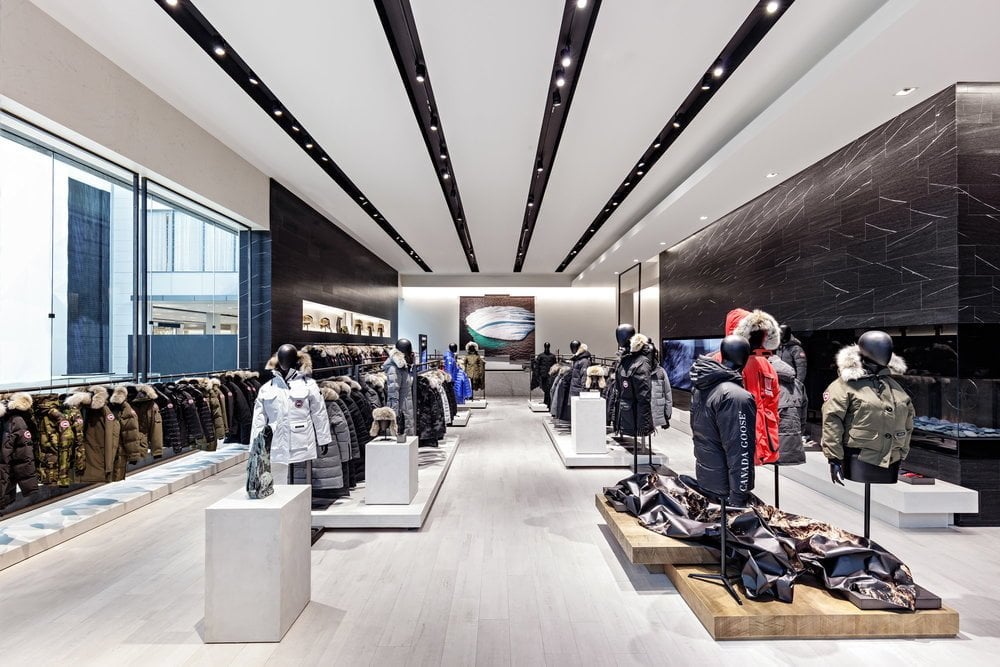
That store in Nanaimo, which can be seen in photos in this article below, is indicative of the condition of many Hudson’s Bay department stores in Canada. The rather uninspiring interiors and product assortment are partly to blame for the retailer’s current challenges. 

Hudson’s Bay at Woodgrove Centre in Nanaimo, BC in November 2023. Photo: Lee Rivett.

To try to bring some excitement back into its stores, last year HBC relaunched the Zellers brand which opened an initial 25 shop-in-stores within Hudson’s Bay stores. Now all 83 of Hudson’s Bay’s Canadian stores have some sort of Zellers activation following the introduction of pop-ups in its remaining locations. The Zellers concept was made possible by a partnership deal with Kmart Australia to stock Zellers shop-in-stores with Kmart’s in-house brand Anko. 

Hudson’s Bay likely needs a lot more excitement to make its stores relevant to modern consumers. The dated interiors of many of its stores, coupled with limited customer service and a range of mid-market brands has resulted in a situation where many shoppers have shifted spending elsewhere. That includes to online channels as well as to the brands themselves, with many of the more popular brands carried at Hudson’s Bay now also having their own physical and online stores in Canada. Major investment would be required, along with a strong experiential strategy, to regain the interest of many Canadians to shop in Hudson’s Bay’s physical stores. 

A similar situation is playing out in the United States, where Macy’s has over the past couple of decades become the dominant department store chain in that country while offering a lacklustre experience. At the same time, in Europe and Asia, department stores are thriving with a mix of interesting product, beautiful interiors and strong customer service. These stores tend to skew more high-end, however, with margins justifying the extra expense of creating a strong retail experience that also usually includes a strong food and beverage component – something almost non-existent at Hudson’s Bay stores in Canada, save for some traveling food trucks that were part of the Zellers launch in the spring.

Upper Canada Mall in Newmarket Adding Tenants as Area Sees Rapid Population Growth [Interview]

Upper Canada Mall. Photo: Michael Muraz Photography

Upper Canada Mall in Newmarket, Ontario has opened a number of new stores recently to meet the retail demand of a burgeoning community.

Ryan Da Silva. Photo: LinkedIn.

“Upper Canada Mall is experiencing an extraordinary amount of growth, with even more brands that we love closer to our York Region homes,” said Ryan Da Silva, General Manager & Director, Upper Canada Mall. “These new store openings represent a notable expansion of our fashion, lifestyle and home and décor categories, giving the community more reasons than ever to shop close to home.”

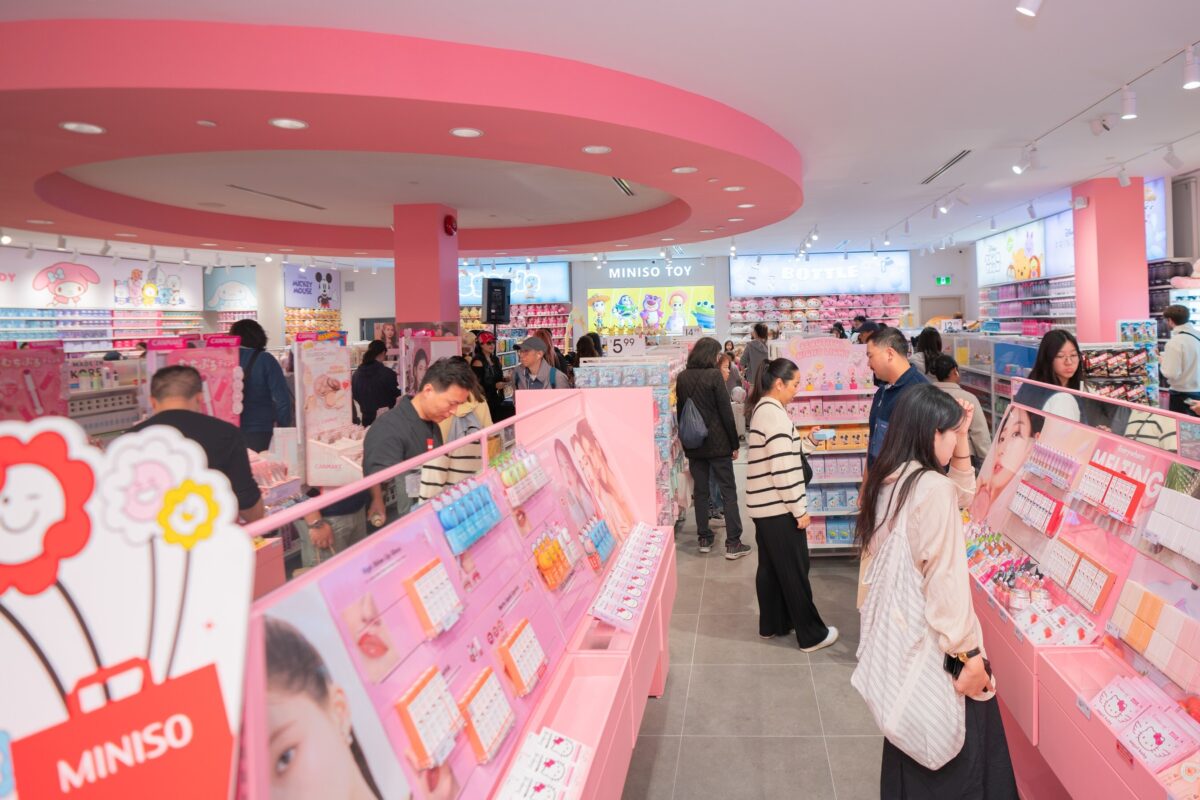
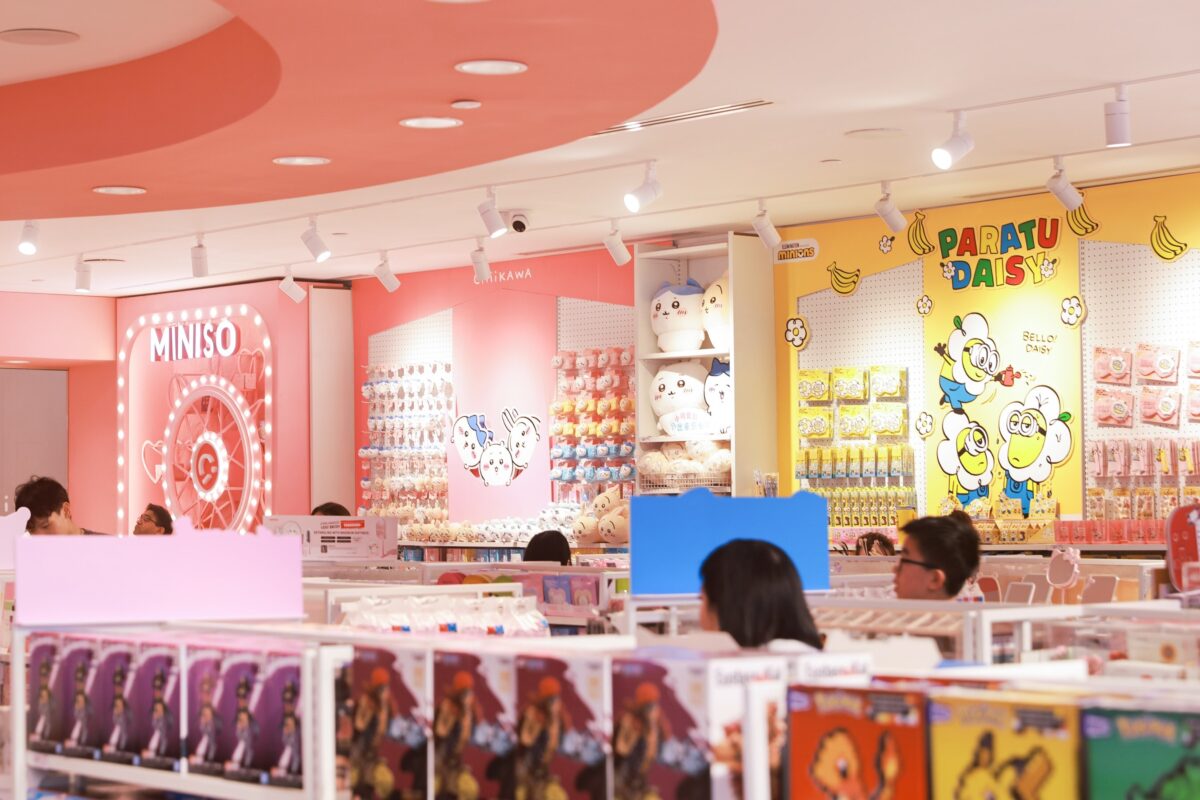
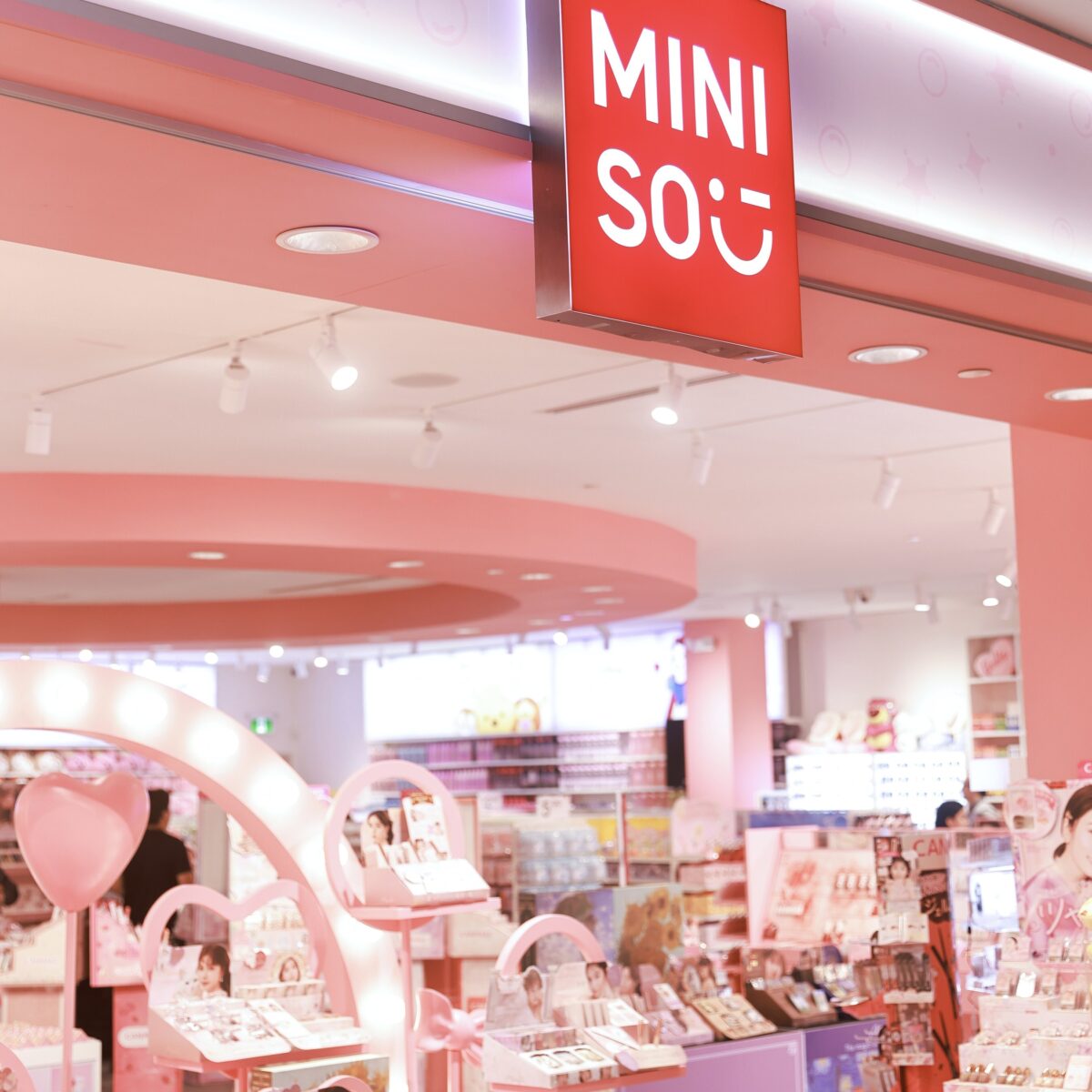
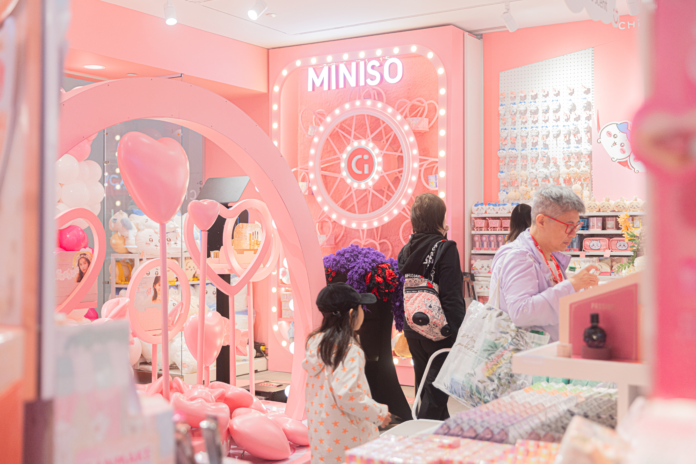
The new brands at Upper Canada Mall include the highly-anticipated MANGO, Canadian jewelers Hillberg & Berk’s first GTA location and trendy lifestyle store MINISO, along with Jill Yoga, Oscar Wylee, Nails for You and Athleta. Build-A-Bear also joined these retailers in mid-November, just in time for the peak holiday shopping season, and in December Fox Home, Hickory Farms and Tommy Gun’s Original Barbershop will be opening.

Hillberg & Berk and Lululemon at Upper Canada Mall. Photo: Michael Muraz Photography
Mango at Upper Canada Mall. Photo: Michael Muraz Photography

Upper Canada is the premiere shopping destination in Newmarket, Ontario located just 30 minutes north of Toronto. Co-owned by Oxford Properties Group and CPP Investment Board (CPPIB) and managed by Oxford Properties Group, Upper Canada is an award-winning shopping centre featuring more than 200 stores in one million square feet of retail space, including Zara, lululemon, Apple, Aritzia, Sephora, MAC, Michael Kors and Market & Co. – a 40,000-square-foot market concept with fresh, local and convenient food and dining offerings. The shopping centre is on two levels.

“Upper Canada Mall offers the most exceptional shopping and dining experience north of Toronto,” said DaSilva. “We’re located in Newmarket and Upper Canada is a super regional shopping centre that draws in young families from one of the fastest growing and most affluent residential markets in Ontario. The York region is one of the fastest growing regions in all of Canada.

Market & Co. at Upper Canada Mall. Photo: Michael Muraz Photography

“We’ve seen a ton of growth at the shopping centre. We have a number of new key brands that have located here at the shopping centre or who have renovated and grown,” said DaSilva. “So thus far this year, year over year, we are seeing a 26 per cent increase in customer traffic at Upper Canada Mall.”

He said the mall closed out 2022 with the addition of two key anchors in LCBO and Winners. A lot of the mall’s traffic has been drawn from that.

A-Ok Cafe at Upper Canada Mall. Photo: Michael Muraz Photography

“We’re about 98 per cent occupancy at the shopping centre,” added DaSilva.

“The shopping centre world is quite dynamic and it’s like a game of chess where we’re moving around pieces, those puzzle pieces, to ensure that tenants are in the right size space, in the right location, alongside their co-tenants.

“There’s a lot of key retailers who expanded and needed more space to ensure that they could provide their full product offering and so that’s where a lot of these relocations came from. Some of these new tenants filled spaces as we shuffled some tenants around.”

Market & Co. at Upper Canada Mall. Photo: Michael Muraz Photography

Lullaboo Nursery and Childcare Centre Expanding into Non-Traditional Locations Including Shopping Centres [Interview]
Lullaboo Nursery. Photo: Lullaboo website.

Lullaboo Nursery and Childcare Centre is a rapidly expanding daycare concept in an industry that is currently high in demand.

Halim Mikhael, President and Chief Executive Officer at Lullaboo Nursery and Childcare Center. Photo: LinkedIn.

But the challenge these days for entrepreneurs such as Halim Mikhael and his wife Irini, who run the business, is finding the real estate to set up shop.

Increasingly, childcare space is finding a home in non-traditional areas such as shopping centres and plazas and there’s also a golden opportunity for them to be part of the planning process for mixed-use developments.

“There’s a huge supply demand issue for childcare,” said Halim Mikhael, the company’s President and CEO.

“Landlords should understand that having childcare in their developments is a greater good for the community. It provides a hub for residences, it allows people to find employment, it allows children to be taken care of for purpose-built facilities.

“Landlords have just as much of a responsibility in order to create this space. They can’t just have it as an afterthought because they think childcare is a great use that’s nice and independent that they can put off to one corner. It’s purpose-built childcare that is relevant to the community and to the people that live in the area of what these landlords are developing.”

Lullaboo Nursery and Childcare Center. Photo: Lullaboo Facebook.

Lullaboo Nursery and Childcare Centre was founded in 2008 by Irini and Halim Mikhael. While looking for childcare for their first daughter, Irini, a Professional Engineer for a worldwide organization and her husband Halim, a Professional Accountant for a Blue Chip corporation, simply were not satisfied with the service and quality offered in child Care.

Determined to change this, Lullaboo built and opened its first centre in Richmond Hill, Ontario, and was quickly at capacity. Professional service to families was the primary objective. Appreciating the effort that families have to endure to make life and work balance was crucial to the relationship with each family that Lullaboo served.

In 2010, two new custom designed centres opened in Vaughan and Mississauga. In 2014, the original Richmond Hill centre was expanded. In 2015, Lullaboo’s first Brampton centre was established. From 2016 to 2019, they opened the second centre in Brampton, in Toronto Beaches area, one in Mississauga Heartland, then Cambridge and Bradford centres. In summer 2021 they opened their Toronto College campus and in January 2022 they opened their Mississauga Meadowvale campus followed by Aurora Campus. This year, the concept welcomed both Toronto Avenue and Bedford locations and opened the largest childcare in the GTA, Brampton Wanless Campus. Plans for more centres in Milton, Mississauga, Brampton, Toronto, Oakville, Kitchener, Guelph, Markham are well under way.



Lullaboo Nursery and Childcare Center. Photo: Lullaboo Facebook.

Today it has 16 locations in the Greater Toronto Area.

Halim Mikhael said locations range from 5,500 square feet to 20,000 square feet.

“Right now we’re looking at 25 by 2025,” he said.

“There’s demand in the market. I would open 25 new locations. You can’t find them . . . There’s so much demand that you can put something anywhere and people will drive to it.”

Lullaboo Nursery and Childcare Center. Photo: Lullaboo Facebook.

Lullaboo operates on sites it owns and also on sites it leases.

Kelly Farraj, Senior Vice President at The Behar Group Realty Inc., Brokerage. Photo: LinkedIn.

Kelly Farraj, Senior Vice President at The Behar Group Realty Inc., Brokerage, which is helping Lullaboo with its real estate needs, said there should be planned childcare centres in all mixed-use centres.

“That’s where the families are going,” he said.

“If there are any developers out there that want to sell off a parcel of land for this type of use, we’d be open to it as well. The uniqueness of Lullaboo is that they don’t just lease daycares. They also buy land to develop their own and they buy land to develop a retail plaza with a daycare in it. So they’re very flexible in how we structure a deal.”