Donald Trump vs Kamala Harris. Either one is bad for Canada's agri-food sector, and it's time to get ready for higher prices yet again.
As Canadians anticipate the American election on November 5, many are asking: who is the best President for Canada’s agri-food sector and food security? The answer isn’t straightforward. However, a Harris presidency may bring challenges but with less volatility and theatrics than a second Trump term.
Regardless of the outcome, provided Congress continues to check the power of the White House, global trade may shift towards a more protectionist stance, marked by increased tariffs. This shift would likely drive inflation higher, affecting prices across the board, including food, and leading to increased interest rates. In other words, the next presidency could make the world a more expensive place for everyone, with food prices taking a hit.
Harris’s Potential Revisions to the USMCA
Harris, who opposed the USMCA (formerly NAFTA 2.0) for not going far enough on environmental issues, could push Canada and Mexico into new rounds of negotiations for what could become “USMCA 2.0.” Trump, too, has signaled intentions to renegotiate the USMCA, likely aiming for increased access to Canada’s dairy industry—a sector he has fixated on in the past.
Yet, America’s primary concern remains Mexico’s economic role, which has substantial ripple effects on the American economy. Canada’s leaders must remember: while both countries depend on each other, Canada relies on the U.S. market more than it does on ours.
Trump’s Trade Policy: Tariffs and Potential Conflicts
Trump, like Harris, also promises tariffs, but his approach would likely trigger trade conflicts, especially with China. Meanwhile, China has expanded its alliances, particularly with BRICS nations. Recent discussions among BRICS leaders, hosted by Vladimir Putin, emphasized agri-food trade and even touched on a common currency. China has begun purchasing soy from Russia, a relatively minor player compared to the U.S., signaling a pivot toward alternative trading partners. While the U.S.-led economic sphere, including Canada, adopts a protectionist stance, BRICS nations are leaning into trade openness and partnership—a stark geopolitical divide.
In Washington, rumors suggest that a Trump administration might involve Robert F. Kennedy in agriculture, potentially even as Secretary of Agriculture. His vision emphasizes healthier, domestically-produced food, smaller farms, and environmental sustainability—a notable shift from Trump’s first term, which leaned toward provocation rather than policy direction. Trump’s second term would likely bring different players and a more flamboyant approach, but Canada’s agri-food sector may have little appetite for that unpredictability.
Canada’s Protectionist Move with Bill C-282
Domestically, Canada is grappling with Bill C-282, now in its second reading in the Senate. The bill aims to protect Canada’s supply-managed sectors, like dairy, from foreign competition, but it covers less than 1% of our economy. If enacted, C-282 would set a global precedent: no trade-reliant country has ever legislated the protection of an economic sector in advance of future trade negotiations. By enshrining protectionism into law, C-282 could weaken Canada’s stance in future trade negotiations, especially with the U.S., sending a signal of closed-door protectionism just as global trade tensions are rising.
Japan’s rice protections offer a precedent, but Japan doesn’t hold Canada’s role in feeding the world. Unless a Canadian election intervenes, Bill C-282 may soon become law—a precarious position when facing a more protectionist U.S.
In essence, the next American presidency will impact Canada’s food sector, whether through steady, policy-oriented approaches under Harris or through Trump’s unpredictability. Harris might bring a more serious, seminar-like approach to policy, which Canada arguably needs. Trump’s style, in contrast, is like watching an unscripted game show—exhausting and volatile. Canada’s agri-food sector may well have had its fill of that sort of drama.
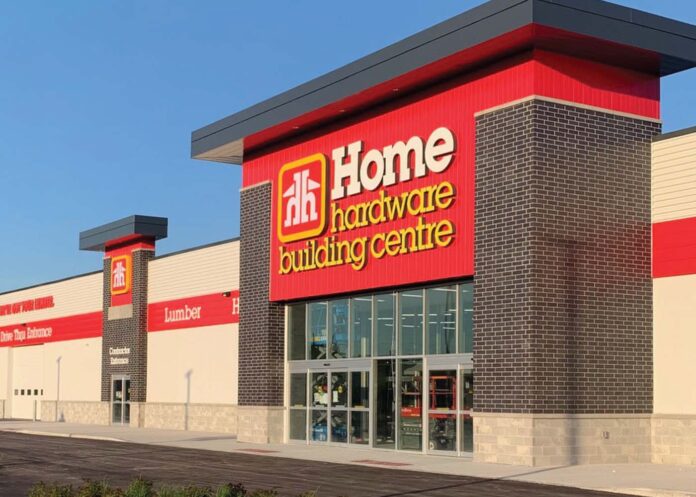
Home Hardware Stores Limited, Canada’s largest Dealer-owned home improvement retailer, has announced the appointment of Ian White as President and Chief Executive Officer, effective November 18.
In a news release, the company said White is a career retailer with over 30 years of experience and a proven history of leading high-performing teams to achieve exceptional results. For the past 10 years, White has held senior executive roles at Parkland Corporation, a global fuel, convenience, and food retailer. Most recently, he held the position of President of Parkland Canada, Parkland’s largest operating division, where he had full operational accountability for all of Parkland’s Canadian retail, commercial, wholesale and M&M Food Market businesses.
Ian White
“It’s an honour to join Home Hardware, one of Canada’s truly iconic brands,” said White. “Home Hardware is a trusted leader in the home improvement industry and has a strong history of Dealers from coast to coast maintaining deep connections to their local communities. I look forward to working alongside the Home Hardware team and our Dealers to create even greater value for our customers and position the company for the next phase of growth.”
“The Board is thrilled to welcome Ian White as our new President and Chief Executive Officer,” said Christine Hand, Chair of the Board. “Ian has a proven track record of leadership, strategic vision, and has expressed a deep commitment to our Dealer model that has been the source of the company’s success for over 60 years. We are confident that Ian will build on our strong foundation and lead the company to even greater success.”
Founded 60 years ago in St. Jacobs, Ontario, the brand is Canadian and the country’s largest Dealer-owned and operated home improvement retailer with more than 1,000 stores operating under the Home Hardware, Home Building Centre, Home Hardware Building Centre and Home Furniture banners.
In this role, Painting will drive growth across Cineplex Media’s network of immersive cinema, entertainment, and COMMB-accredited shopping mall media platforms, said the company in a news release.
Kristie Painting
“A respected industry leader, Painting brings extensive media and advertising expertise to Cineplex Media. Most recently serving as Country Manager for Pinterest Canada, she previously held the position of CEO of Wavemaker Canada and Vice President of Digital Sales and Revenue Management at Bell Media. Her background also includes senior leadership roles at Olive Media and Checkout 51,” said the company.
“The future of media lies in capturing authentic audience attention, and no one delivers this better than Cineplex,” said Painting. “In an era of fragmented media consumption, Cineplex offers advertisers something extraordinary – genuinely engaged audiences in premium entertainment environments. I’m energized by the opportunity to build on this foundation, leveraging our iconic cinema network and expanding digital and out-of-home capabilities to create even more powerful connections between brands and consumers.”
In early October, the company, Canada’s leading entertainment and media company, reported box office revenues of $35.2 million for September, exceeding September 2023 levels by three per cent.
The company said it outperformed the North American box office relative to 2019 by nearly four per cent despite a tough comparison, as September 2019 was the second highest September ever with the record-breaking title IT Chapter Two.
The brand has 169 movie theatres and location-based entertainment venues.
Halifax Nova Scotia’s growing population, revitalization, and retail growth are continuously transforming the city. Once known for its quieter pace, it is now seeing rapid growth that is reshaping its retail landscape. New construction projects and a growing population are pushing the retail market to adapt, says Mathew Houston, vice president at CBRE.
“The biggest driver of growth that we have seen is population. When I moved to Halifax 15 years ago, the population was about 350,000 people – and now it is over 500,000. We have seen a lot of immigration growth and a lot of growth on the peninsula in particular, and in some of the main student cores,” says Mathew Houston.
The growing population is forcing retail businesses to expand, creating challenges for infrastructure and accessibility.
Revitalization of Spring Garden Road
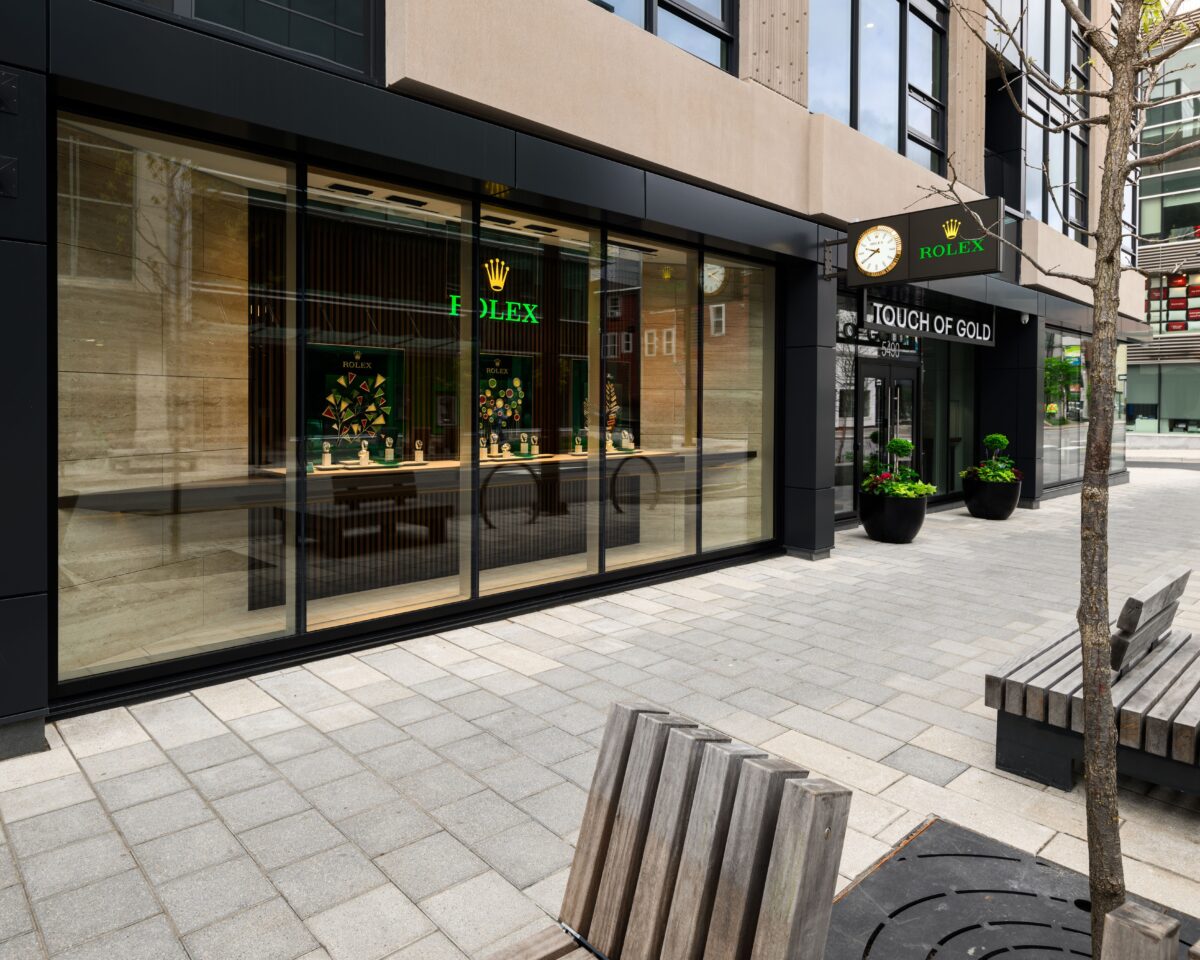
Touch of Gold store on Spring Garden Road in Halifax, Nova Scotia.
Houston says one of the most significant transformations in Halifax’s retail landscape has been the revitalization of Spring Garden Road. For years, Spring Garden Road has been the heart of retail in downtown Halifax, but Houston says it went through a decline as fashion retailers moved away but is now back up to speed.
“There was a period in time where the street kind of changed. It moved away from fashion and more into other things. The city extended sidewalks, cleaned up the area, and for two to three years there were growing paints, but now Spring Garden is coming back. Some international retailers are on the street now and we have more coming. The rents are increasing, and it is becoming a kind of a high-profile street again.”
Revitalization extends beyond Spring Garden Road to other streets, like Brenton Street, where retail developments are also increasing.
Challenges of accessibility and infrastructure
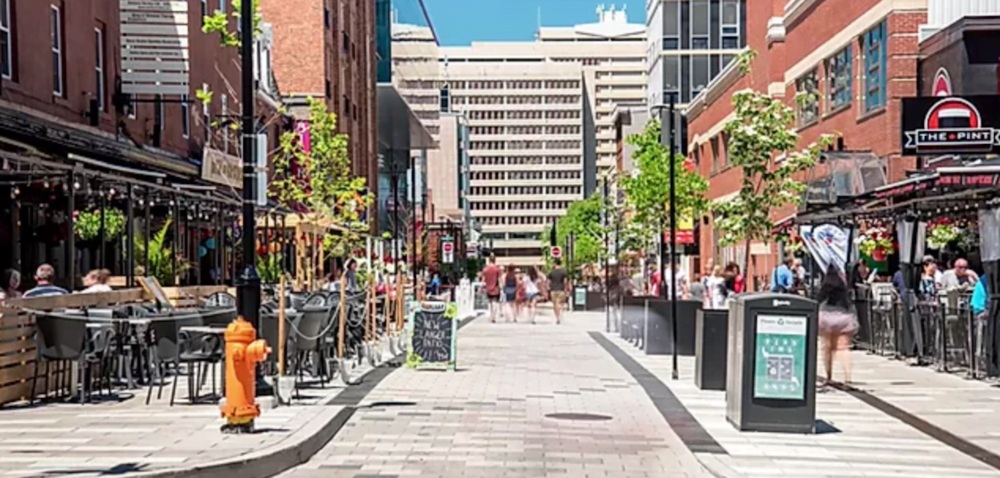
Halifax (Image: NovaScotia.com)
As Halifax continues to grow, so do the challenges of its downtown core. While revitalization efforts have attracted more people and retailers to the city, issues with parking and infrastructure have risen. Houston says residents are still heavily relying on cars to get around the city and is making it difficult to make the city pedestrian friendly, which would be beneficial for the community.
“Parking and bike lanes are creating some challenges. The bike lanes are taking away from parking upfront, so people can’t park their cars and jump into retail stores.”
One of the most recent experiments, turning Spring Garden Road into a walking and bus-only street failed.
“For three days last year, they shut it down, and they had it so that it was only for buses. They had police manning the entrance on South Park Street, and basically it just caused too many traffic jams and people were not listening. So after three days, they changed it back. A lot of retailers didn’t like it as it just caused issues in terms of accessibility to their stores.”
Encouraging public transit, biking, and walking
IMAGE: HALIFAXSMALLBUSINESSESWEEK.COM
Houston says the main goal for the city is to encourage more people to use public transit, biking, and walking to get around the city, which will make the city more pedestrian friendly. The city is focusing on improving the alternatives, like adding bus lanes and bike lanes, even though this has caused challenges for drivers and retailers who rely on easy parking access.
“We are very much vehicle-centric, and when they cut down traffic or cut down accessibility from cars coming from the outskirts of the city, people complain all the time as they drive downtown as it was easier before to get downtown and find parking. It is a nice idea, but I don’t think our city is there yet. We are very vehicle centred, and taking away accessibility from cars has been difficult.”
University influence and residential expansion
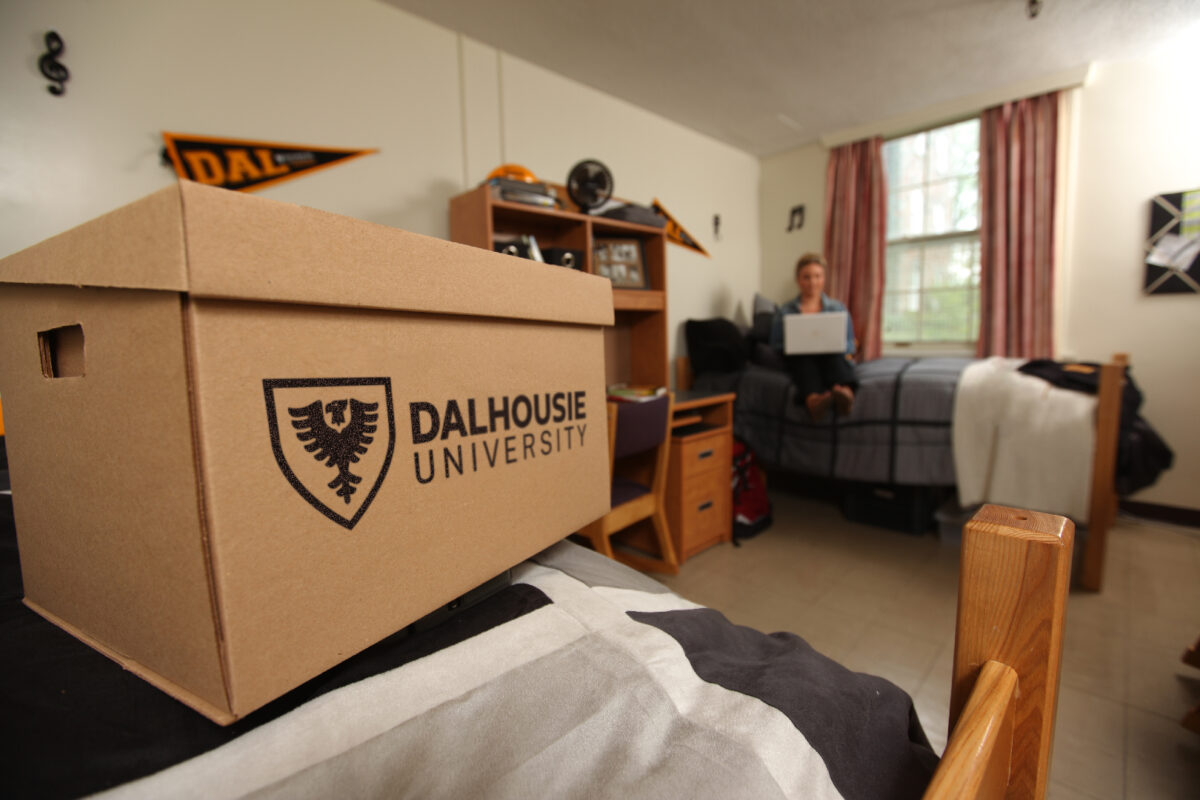
Books in Res by Dalhousie University (Image: The Dalhousie University Bookstore)
Halifax’s status as a university city plays a significant role in shaping the retail landscape. With three major universities – Dalhousie University, Saint Mary’s University, and the University of King’s College – the growing population of students has had an impact on both retail demand and residential development.
However, with the increase of students and residents to the area, Houston says the demand for housing is also on the rise and has led to skyrocketing rents and a vacancy rate of less than one per cent.
“The lack of housing available is creating challenges for students and young professionals. Their vacancy rates are less than one per cent and the cost of living in terms of renting apartments has continued to increase astronomically over the last five years.”
Suburban expansion and drive-through retail
Halifax’s downtown core is not the only area seeing revitalization, the city’s suburbs are also experiencing significant growth. With the high costs of construction and limited space in the city, retailers are starting to look beyond the city centre and focus on suburban areas.
Houston says the Halifax Regional Municipality have become prime targets for retail developments, especially for quick-service restaurants that rely on drive-through models.
“There is a huge demand for anything in suburban cores to do drive-through pad sites. But the cost of construction is so high that the rents that these landlords need to justify building a pad site are really high as well. It is making it challenging for any kind of national food and beverage operators to open drive-throughs,”
Despite the high costs, Houston says areas like West Bedford have seen rapid development, with commercial and retail spaces being leased out quickly: “West Bedford boomed, and any commercial space or retail space available there has been snapped up.”
Revitalization of downtown and the waterfront
Halifax Waterfront (Image: Build Nova Scotia)
As the city continues to grow, so does the waterfront as developers are investing heavily in creating a more vibrant and accessible waterfront. Visitors can expect a blend of retail, residential, and recreational spaces to meet the needs of residents.
The city has extended the boardwalk, offering pedestrians to enjoy more of the views, shops, and restaurants: The waterfront is crazy right now, you can’t just walk into a restaurant anymore, you usually have to make a reservation.”
Major projects such as the Queen’s Marque and new developments by Southwest Properties, are contributing to the waterfront’s transformation. Houston says these projects include high-end residential units, commercial spaces, and more restaurants – all bringing in locals and tourists.
The Queen’s Marque has been open now for three years and Houston says the Southwest Properties project on the waterfront is almost completed: “The next one that is just finalizing is by Southwest Properties … an apartment building on the water with ground-floor commercial restaurants and bars.”
Houston says developers are planning more waterfront projects, with finalization expected at a later date.
Looking ahead – a population of one million by 2050
Halifax, Canada – June 18, 2019: Shops near the Halifax, Nova Scotia waterfront along the Historic Properties Market Mall
The city’s growing population will continue to increase demand on retail and housing, while placing additional pressure on infrastructure and services. Although the city is transforming into a bigger and better city, from the revitalization of downtown streets like Spring Garden Road to the expansion of suburban retail areas, and expansion of the waterfront – it doesn’t come without challenges.
Looking ahead, Houston says the city’s success will depend on its ability to maintain balance while continuing to invest in infrastructure, public transit, and housing.
“We are getting between 20,000 to 25,000 people every year. The population is not slowing down … We are seeing a lot of immigration and a lot of growth in the peninsula. The city definitely needs to build a lot faster. It seems like they will be in the next five or seven years, but I feel like even that won’t be enough for our population. Our projection is that Halifax could reach a population of a million by 2050.”
Tracy and Beth Day Chief of the Kainai Nation have acquired KORITE through their company Buffalo Rock Mining.
The Day Chiefs bring years of expertise in the ammonite fossil industry, along with Indigenous values and sustainable business practices. This is a prime example of Indigenous entrepreneurs driving economic growth and expanding into international markets.
With KORITE controlling 95 per cent of the world’s ammonite deposits, the acquisition strengthens its supply chain stability, ensuring partners and clients have a reliable source of high-quality products in a competitive luxury market.
KORITE was under receivership when purchased by Buffalo Rock Mining.
Tracy Day Chief
“We see this as an opportunity to breathe new life into KORITE,” said Tracy Day Chief. “We are excited to collaborate with the talented staff and loyal clients to restore the company to its pre-COVID success. Together, we’ll expand the presence of ammonite in new and innovative ways.
“We are confident that the future structure of KORITE is in good hands, and we look forward to re-establishing it as a leader in the industry.”
“Joining KORITE feels like coming full circle,” said Grewal. “This role offers a unique opportunity to elevate both the brand and the ammonite story on a global scale. My focus will be on strengthening relationships within the industry, building meaningful partnerships, and ensuring KORITE remains at the forefront of innovation and excellence.”
Beth Day Chief said Buffalo Rock Mining started in 2008 and on the Blood Reserve in southern Alberta.
Beth Day Chief
“We set up the mining company to mine for ammonite on our reserve . . That’s the primary source, that area for ammonite. So we were able to mine for ammonite on the west side of the St. Mary’s River.”
The ammonite is used to make gemstones and fossils. The product which is mined is brought back to the company’s facility where it is finished.
“In the past, our company has produced the ammonite fossils, some natural stones, and some triplets. In the past, up until now, we did have some suppliers that we sold our product to . . . Since 2008 we’ve kind of made our connections and introduced our company into the ammonite world. Our company was not into the finished product as far as jewelry settings would go. We were more into the loose stones and the fossils,” said Beth Day Chief.
“We’ve always wanted to bring Buffalo Rock mining to the high level in the ammonite industry. We’ve always looked for different avenues to get there, and then the opportunity came up that KORITE was selling. So we grabbed on to the opportunity. We’re fortunate enough to close the deal. Here we are today as the new owners.”
Grewal said she has been in this industry for over 30 years. Currently, KORITE has business on cruise ships and land stores at the ports. It’s also present in tourist areas.
Amarjeet Grewal
“Our goal is to grow outside our comfort zone that’s where KORITE the past few years has been. So we are looking at global market where we can make our presence right now,” she said.
“One of the things that our focus right now is to be part of the gemstone industry . . . KORITE has been in the industry for a good over 40 years. With all the ups and downs, we just want to rebrand it and say ‘hey, we want to be part of the gemstone industry, not just the ammonite industry . . . We are there in that market, but the awareness is not there. For us to bring awareness for a Canadian gemstone globally, that’s our number one focus right now.”
Beth Day Chief said the owners of the company are also owners of the mine making it a true mine to market company.
“I always say you have an owner that’s willing to get in there and actually get in there and work in the dirt and follow the process right through. We have a real passion for this, for the stone and the fossil. And moving forward, I think that’s going to be the big difference. It’s a true mine to market,” she said.
Grewal said Buffalo Rock Mining follows all the practices for environmentally-friendly mining and sustainability.
“They walk the talk, meaning, the ground is left exactly how they got it,” she said.
“We do want to give it back to the community. That’s that’s like one of our goals here. I know there’s a lot of ideas. Super excited about it.”
The KORITE mining is off the Blood Reserve on the east side of the St. Mary’s River.
The Blackfoot people recognize ammonite—called “Iniskim” or Buffalo Stone—as a sacred stone that brought prosperity that can now be shared globally. This cultural ethos continues to guide Buffalo Rock Mining as they embrace KORITE’s legacy and plan for a promising future.
Buffalo Rock Mining is committed to continue its ethical practices by balancing commercial expansion with sustainable efforts, in line with Alberta’s stringent fossil regulations. These regulations safeguard rare specimens while ensuring responsible mining practices for future generations.
“Amarjeet’s leadership, energy, and insight make her a force to be reckoned with,” said Tracy Day Chief. “We knew that to take KORITE to new heights, we needed someone who not only understands the business but deeply embodies the significance and story behind ammonite. Amarjeet is that person.”
Grewal said KORITE will continue its mission of blending cultural heritage with sustainable business practices, ensuring ammolite remains not just a gemstone but a symbol of beauty, history, and energy.
“My passion lies in sharing the magic of ammolite—not just as a product but as an experience that connects people to the land, history, and spirit it represents,” Grewal added. “The fossil has a story, and it’s a privilege to be part of a company that brings that story to life.”
KORITE is vertically integrated, from operating the largest commercial ammolite mine in the world to designing, manufacturing and selling fine jewellery and art in more than 28 countries.
Some retail sectors have struggled throughout the Canadian retail market this year while others have reported growth, but the common underlying theme is the impact of inflation on consumer spending habits, according to Cushman & Wakefield’s recent Canadian Retail Snapshot report.
“This has been reflected in numerous ways including a shift away from grocery shopping at large chain grocery stores (i.e Loblaws boycott) to smaller, local grocers, as well as, warehouse centres such as Costco,” said the report.
“With consumers continuing to spend more cautiously, discretionary spending has declined through the first half of 2024 compared to the same point last year, with furniture, sporting goods/hobbies and fashion/fashion accessories retailers all witnessing lower sales volumes.
“While overall retail vacancy has continued to trend downwards since its most recent peak of 2.6 per cent in Q3 2020, the four-quarter rolling average of net absorption as of mid-2024 remained below the four-year pre-pandemic average. This was primarily due to a result of the slower recovery of enclosed centres such as malls which fared the worst during the pandemic lockdowns.
“This asset type has also been one of the most impacted due to the softening in consumer spending on discretionary items such as fashion and accessories. Neighbourhood and strip centres on the other hand have had some benefit from this shift in consumer habits as retail sectors that have had the strongest growth to date in 2024 compared to the first half of 2023 include specialty food retailers and health and personal care – retailers that are more likely to be located in a neighbourhood/strip centre compared to an enclosed mall,” added Cushman & Wakefield.
“And I think there’s a yin yang going between the two of them. The consumer is basically tapped out. We’ve seen consumer spending for July, August, now in September, that the consumer is really feeling the effects, although it may be offset a bit by the decrease in interest rates. We’re also seeing store closures hitting actually relatively high numbers since we haven’t seen since the pandemic or pre pandemic,” he said.
“We’re tracking already, to date, over 430 locations. That’s chain stores, not independents, but it’s still an indication of where the market’s going. And the third, we’re seeing certainly a decrease in absorption. We usually saw, about one and a half, 1.7 million square feet per quarter and now it’s maybe a million to 1.2 million. On the flip side, we’re dealing with the lowest in lowest vacancy we’ve seen in the longest time. There’s availability, but two and a half to three per cent depending on the market across the board.
“You’re seeing a limited supply of new product. Generally, we saw 30,40, 50 million square feet of retail coming on pre COVID and we’re lucky if we’re going to see eight and a half million coming on for the next 12 months within the marketplace. You’ve got that limited supply coming on. You’ve got a very low vacancy . . . But tenant activity seems to be very busy right now. We’re actually seeing retailers because of both of those limited inventory and limited low vacancy is that some retailers are actually talking even small retailers are saying, when they’re talking to landlords, what, what do you have coming on stream two years and three years from now?”
Crombie said some retailers want to get out ahead of the market and forward leasing is making a big comeback.
He said a number of new retailers are coming to Canada. The peak was 2017 when about 50 new retailers came to the country but now it’s 25-26.
“They’re not shy about entering our market looking at opportunities in the market. They will take time . . . Although we’re seeing an increase in the amount of store closures, that’s actually going to help offset some of that low vacancy,” added Crombie.
Crombie said inventory will continue to be pretty limited in the near future. Landlords are feeling pretty bullish. Tenant inducements are going down. Tenants are going to have to look more creatively in terms of their locations.
You’re not a retailer unless you’re expanding, as they always say, right? But part of it comes to the fact that it’ll be about the quality of a location, not the quantity of location. I think the retailers going forward are going to have to be very conscious of what they can get, where they can get, but they’re going to have to look at what’s the investments are going to be? The pickings will be limited, but those good, good locations will do very well,” said Crombie.
With the low vacancy and the limited inventory, rental rates will continue to increase in key markets such as Vancouver and in Ontario, specifically Toronto, Calgary.
Here are some key takeaways from the Cushman & Wakefield report:
By midyear 2024, Canadian investment sales volume for retail assets $3.9 billion, approximately 36 per cent higher than the half- way point in 2023;
Retail investment sales volumes have been boosted by strong population growth in the last two years (equaling higher spending at retail assets) and slow development of new retail assets due to the rising costs of labour and materials;
Similar to the first half of 2023, out of the eight largest categories of retail subtypes, streetfront retail investment sales have led the way in H1 2024 with nearly $759 million transacted;
While the GTA is the leader in total retail investments sales volumes, the largest transaction to date in 2024 was the sale of “The Quarry,” a power centre located in the Greater Calgary Area that sold at the beginning of 2024 for nearly $139 million.
Apple Inc. (NASDAQ: AAPL) reported robust fourth-quarter earnings for fiscal year 2024, setting a new September quarter revenue record of $94.9 billion, a 6% year-over-year increase. The results, announced on October 31, were fueled by strong iPhone sales and continued momentum in Services, with the latter hitting an all-time high in quarterly revenue.
iPhone Drives Top-Line Growth
CEO Tim Cook credited the new iPhone 16 lineup, Apple Watch Series 10, and AirPods 4 with helping propel the quarter’s performance. “Today Apple is reporting a new September quarter revenue record… We were excited to announce our best products yet,” Cook said, highlighting Apple’s strategic push into Apple Intelligence—a privacy-focused AI suite introduced during the quarter.
According to the FY24 Q4 Consolidated Financial Statements:
iPhone revenue rose to $45.1 billion, up from $42.6 billion a year earlier.
Mac revenue reached $11.4 billion, a noticeable increase from $9.9 billion.
iPad revenue remained steady at $7.2 billion, compared to $7.1 billion in Q4 2023.
Services Revenue Hits All-Time High
Apple’s Services segment—which includes the App Store, iCloud, Apple Music, Apple TV+, and other subscription platforms—continued its upward trajectory, delivering a record $23.3 billion in revenue, up from $21.2 billion in the same quarter last year.
This surge comes amid increased user engagement and a growing global installed base of Apple devices, which reached a new all-time high across all product categories and regions, according to CFO Luca Maestri.
Bottom Line and Shareholder Returns
Apple’s quarterly diluted earnings per share (EPS) stood at $0.97. When excluding a one-time charge related to the reversal of the European General Court’s State Aid decision, EPS reached $1.64, up 12% year over year.
The company generated nearly $27 billion in operating cash flow, enabling Apple to return more than $29 billion to shareholders through dividends and share repurchases.
Apple’s Board declared a cash dividend of $0.25 per share, payable on November 14, 2024, to shareholders of record as of November 11, 2024.
Segment Performance Snapshot (Based on FY24 Q4 Consolidated Statements)
Cook emphasized the transformative role of Apple Intelligence, which launched its first features during the quarter. Designed with a focus on privacy, Apple Intelligence integrates generative AI tools into macOS, iOS, and iPadOS—an innovation Apple sees as central to its future device ecosystem.
“Apple Intelligence sets a new standard for privacy in AI,” Cook noted. New capabilities will continue to roll out across devices through 2025, likely driving software engagement and retention.
Looking Ahead
As Apple heads into the critical holiday quarter, the company appears well-positioned with a refreshed product lineup and momentum in its high-margin Services segment. Investors and analysts will be watching how Apple Intelligence adoption and macroeconomic trends impact consumer hardware and Services demand through the end of the calendar year.
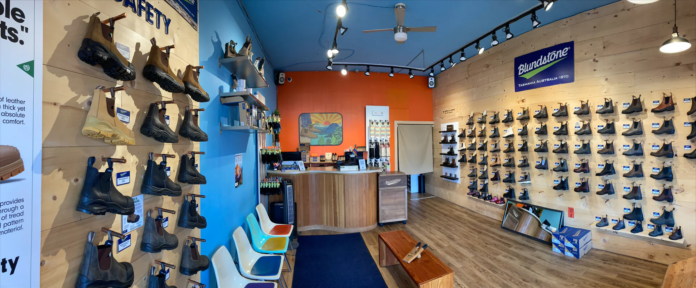
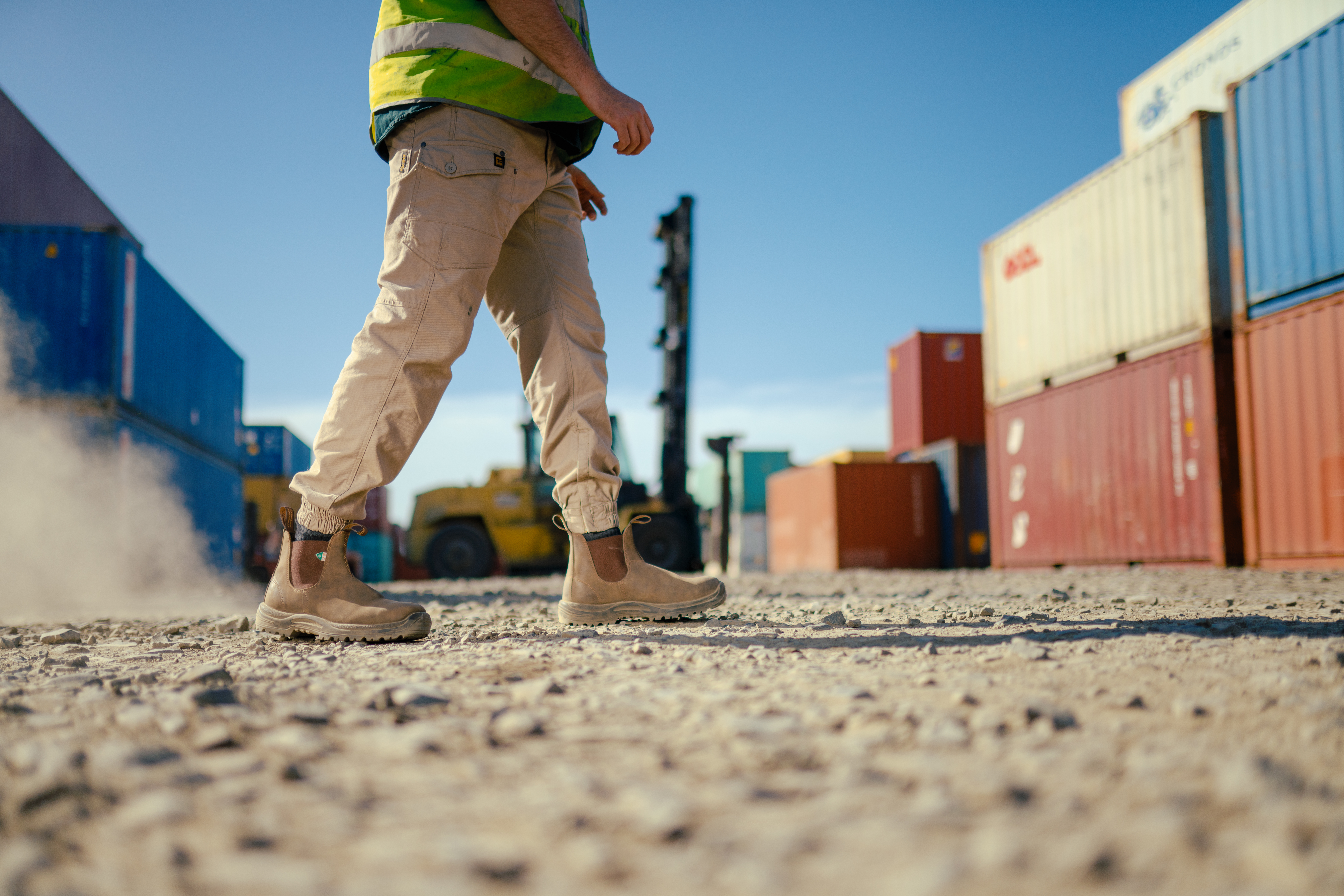
Blundstone at The Australian Boot Company. Photo: The Australian Boot Company
Blundstone, the legendary Australian boot brand, celebrates 30 years in Canada this year. Since 1994, the Australian Boot Company has driven this journey, evolving Blundstone from a work boot into a Canadian favourite.
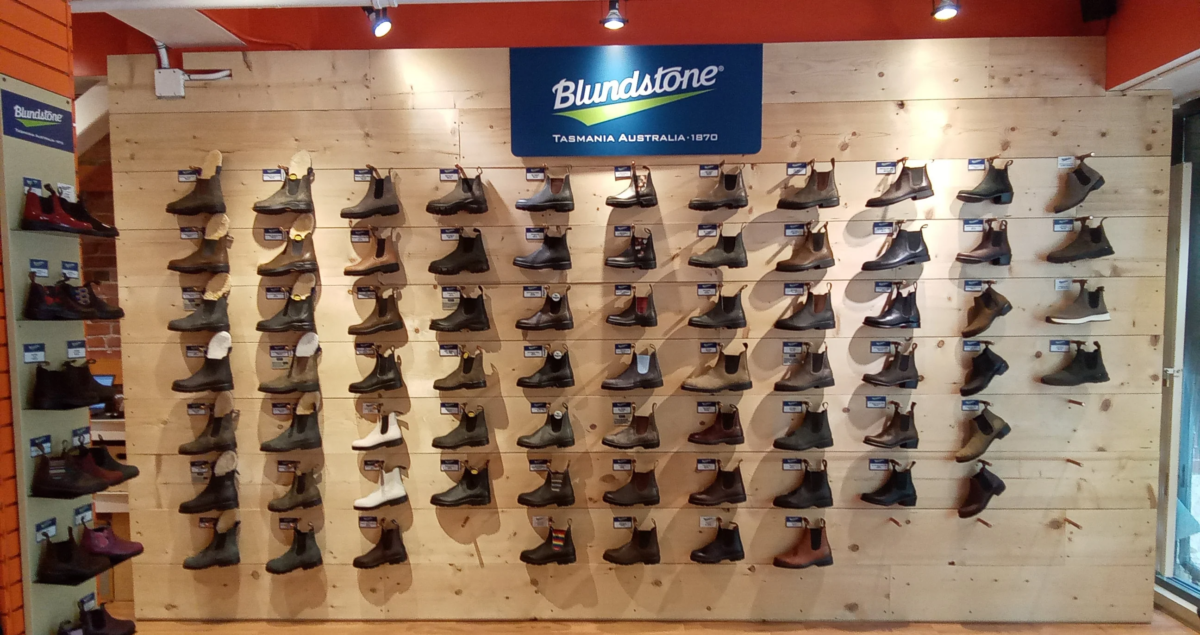
Starting with just one product, Blundstone’s lineup in Canada now spans nearly 70 styles. Today, Canada is Blundstone’s largest market outside Australia, showcasing the brand’s appeal to Canadian consumers.
Tim Stacey, President of Tin Shack Ltd., the parent company of the Australian Boot Company, shared insights on Blundstone’s Canadian success. He attributes Blundstone’s appeal to its compatibility with Canada’s varied climate and outdoor lifestyle. “Blundstone fits the needs of Canadians perfectly,” Stacey said. The boot’s durability and versatile style make it ideal for both city streets and rugged landscapes.
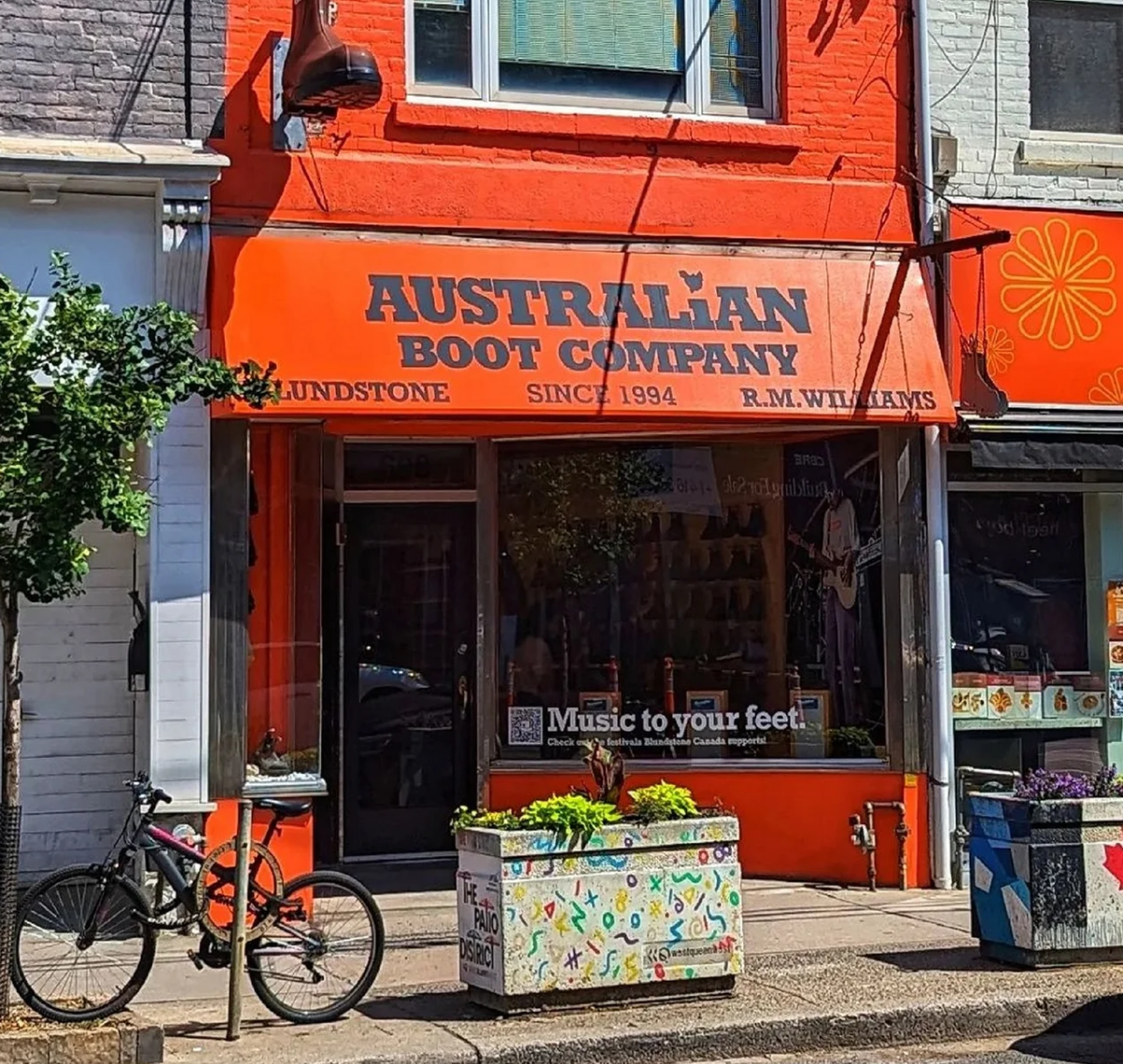
Australian Boot Company store on Queen St. W. in Toronto. Photo: Australian Boot Company
How Blundstone First Arrived in Canada
Blundstone’s Canadian story began in the early 1990s when Australian Boot Company co-founder Greg Cromwell encountered the boot in Tasmania. After spotting an Australian band wearing Blundstones during a Toronto show, Cromwell and his business partner Ian Heaps decided to import a batch. “The first 24 pairs arrived from a store in Hobart,” Stacey noted, sparking interest among Toronto’s creative community.
In 1994, Cromwell and Heaps opened their first store on Queen Street West, then a hub for artists and independent retailers. “Queen Street was the perfect starting point,” Stacey recalled. “The neighbourhood’s eclectic vibe matched Blundstone’s authentic look.” With affordable rent and an artsy clientele, the brand quickly gained a following, leading Cromwell and Heaps to secure official distribution rights in 1996.
Heaps later expanded Blundstone’s reach by driving across Canada in an orange van topped with welded Blundstone boots, pitching to retailers along the way. “He stopped at independent retailers from coast to coast,” Stacey shared. This grassroots approach helped establish Blundstone as a go-to brand across Canada.
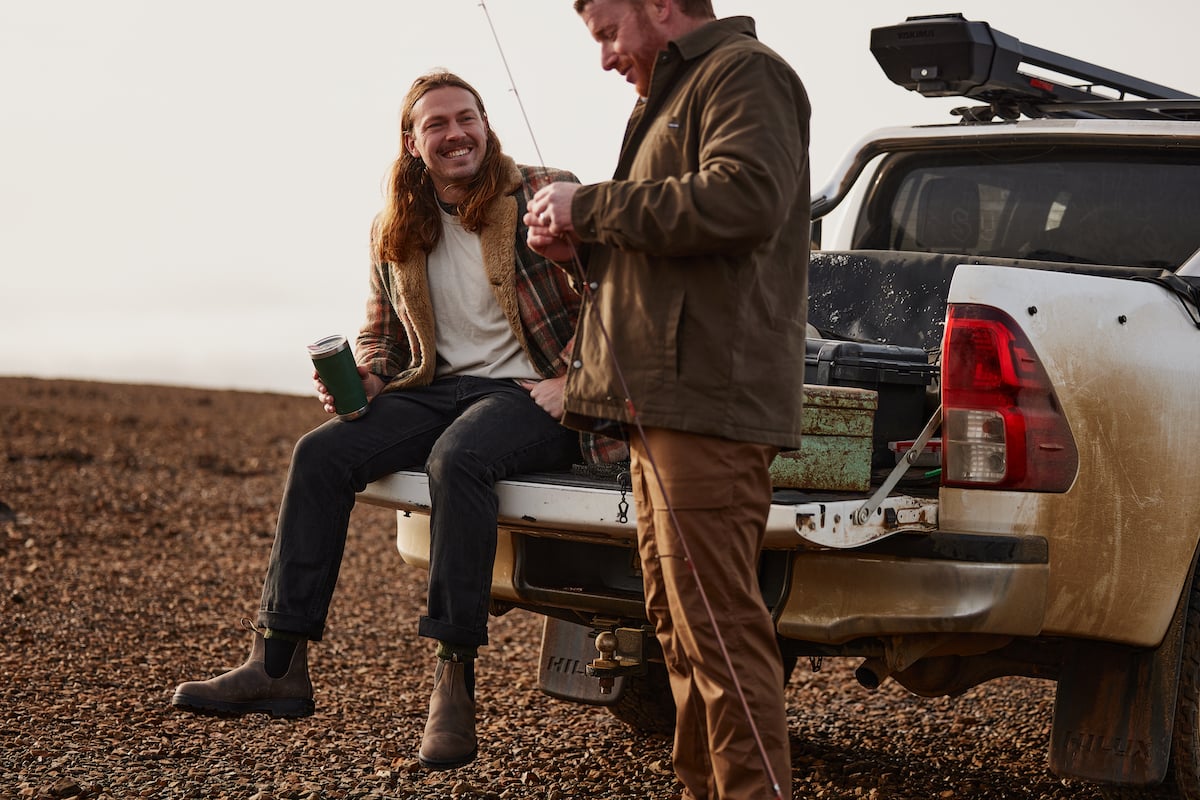
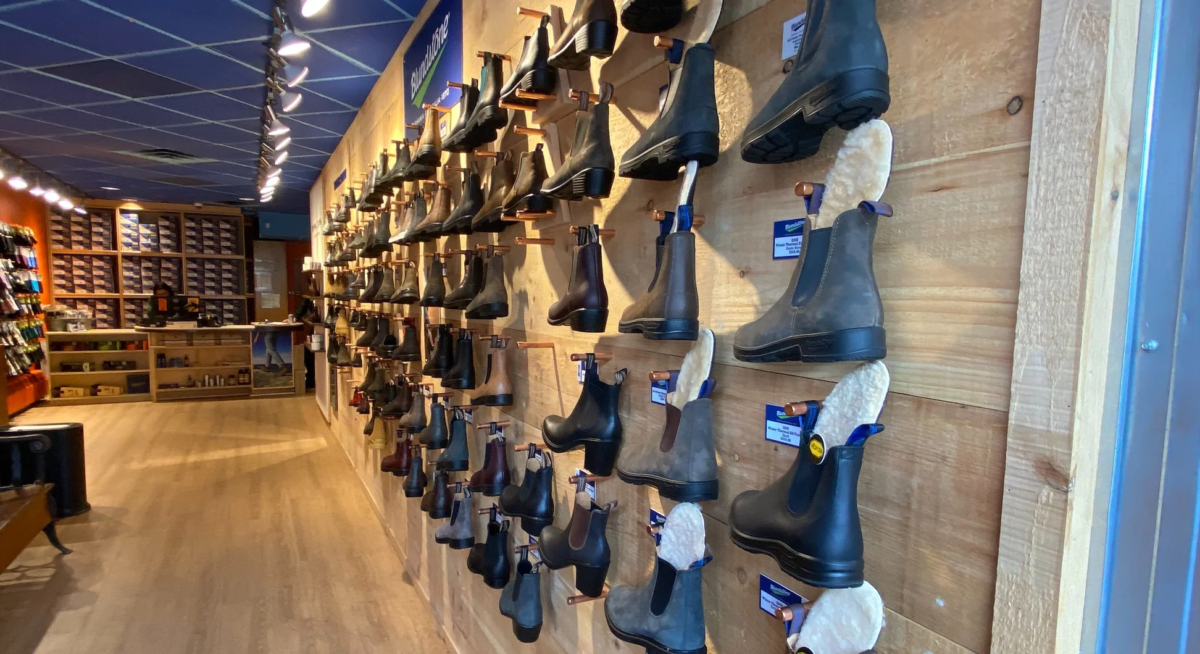
Australian Boot Company store. Photo: Australian Boot CompanyBlundstone campaign imagery – Blundstone Classic – #2446
Blundstone in Canada: A Style Staple for All Seasons
Blundstone’s Canadian offerings have evolved beyond workwear. “Our styles suit a broad range of customers,” Stacey explained. “From rural areas to urban settings, we’re proud to offer products for all.” Blundstone’s classic Chelsea boot is as versatile as a favourite pair of jeans, easily moving from city to trail.
Today, Blundstone’s CSA-certified work boots make up about 25% of Canadian sales. This collection aligns with Blundstone’s core focus on durability, with many customers returning for new pairs after years of use.
Blundstone now offers vegan options alongside its classic round-toe designs, thanks to feedback from Canadian customers and retail partners. “Our customers appreciate longevity,” Stacey remarked, adding that Blundstone’s lifetime value has helped build its reputation here.
Blundstone Work & Safety Boot – #180Inside the Australian Boot Company store on Yonge St. in Toronto. Photo: Australian Boot Company
Blundstone’s Plans for Canadian Growth
Blundstone’s success in Canada is rooted in customer service. “We’re not just selling boots; we’re supporting the experience,” Stacey emphasized. Canadian customers can return to any Australian Boot Company store for complimentary cleaning and conditioning, extending each pair’s life. Blundstone also offers repair services, reinforcing its commitment to sustainability.
Future plans include expanding in Quebec, which Stacey calls an “untapped growth market.” To boost awareness, Blundstone is working with a Quebec-based marketing agency.
In addition to regional growth, the brand is celebrating its 30th anniversary with a national campaign. The highlight is a collaboration with Beachman bikes, featuring custom designs with Blundstone’s signature rustic brown leather seats. Fans can enter a contest by sharing what Blundstones mean to them, with winners receiving the opportunity to create their own Blundstone design.
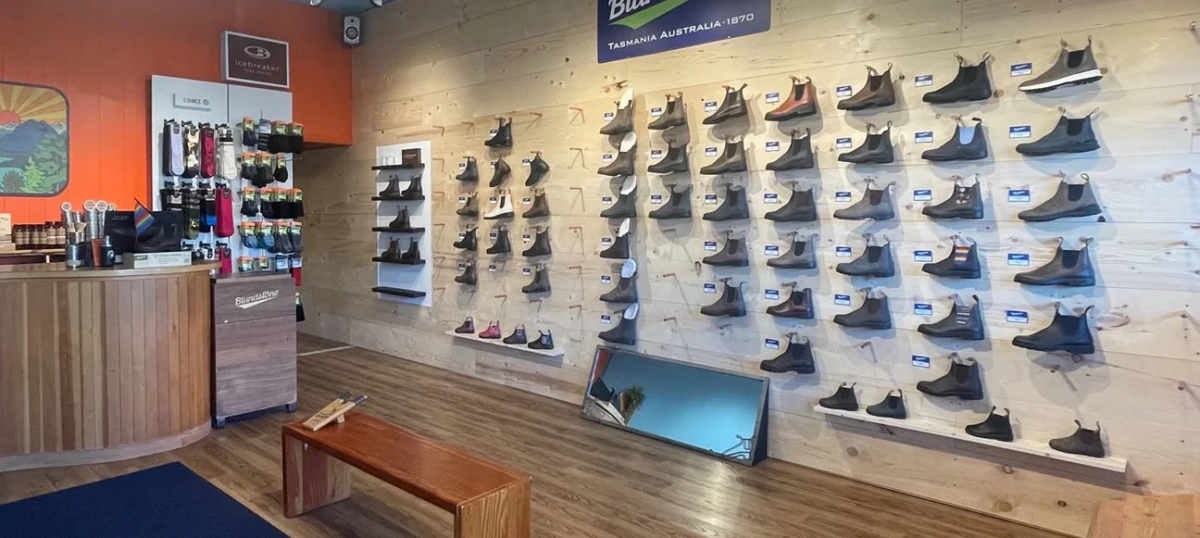
Australian Boot Company store. Photo: Australian Boot Company
Blundstone’s future collections will also include options for Canada’s shifting weather patterns. “We’re evolving our range to include more clogs, shoes, and potentially sandals,” Stacey said, helping Blundstone remain relevant across seasons.
Blundstone’s 30-year journey in Canada is a testament to its durability, quality, and loyal customer base. The Australian Boot Company continues to build on these strengths, focusing on customer experience and product longevity.
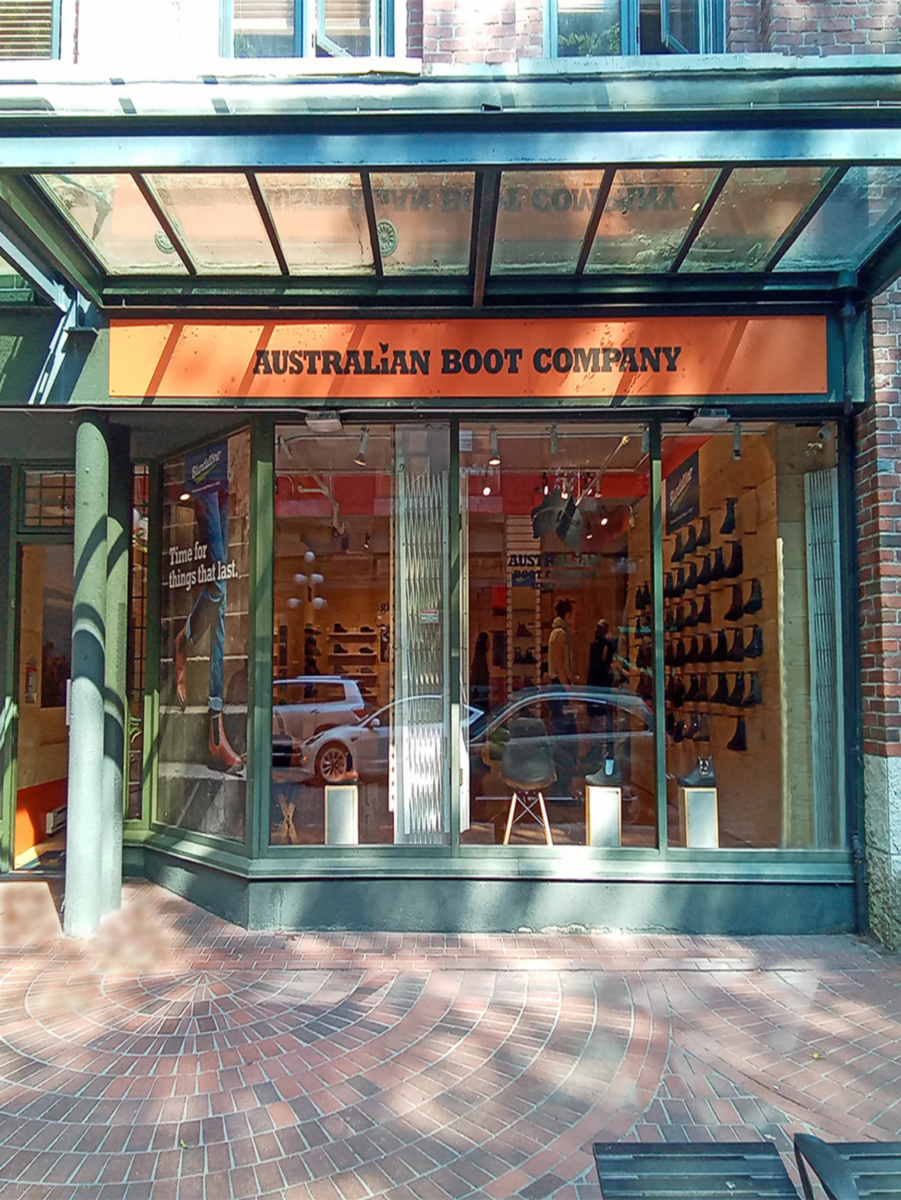
Australian Boot Company store on Water Street in Vancouver. Photo: Australian Boot Company
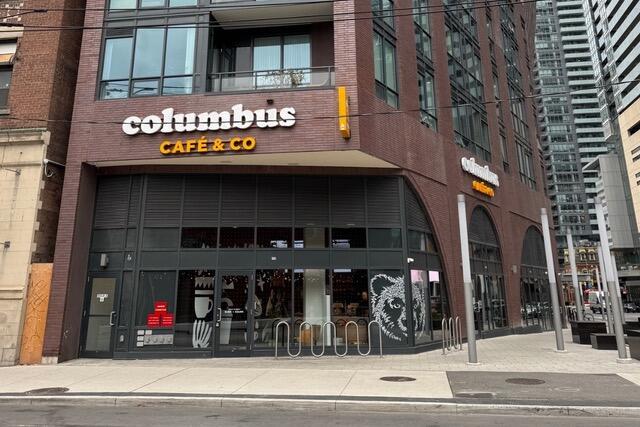
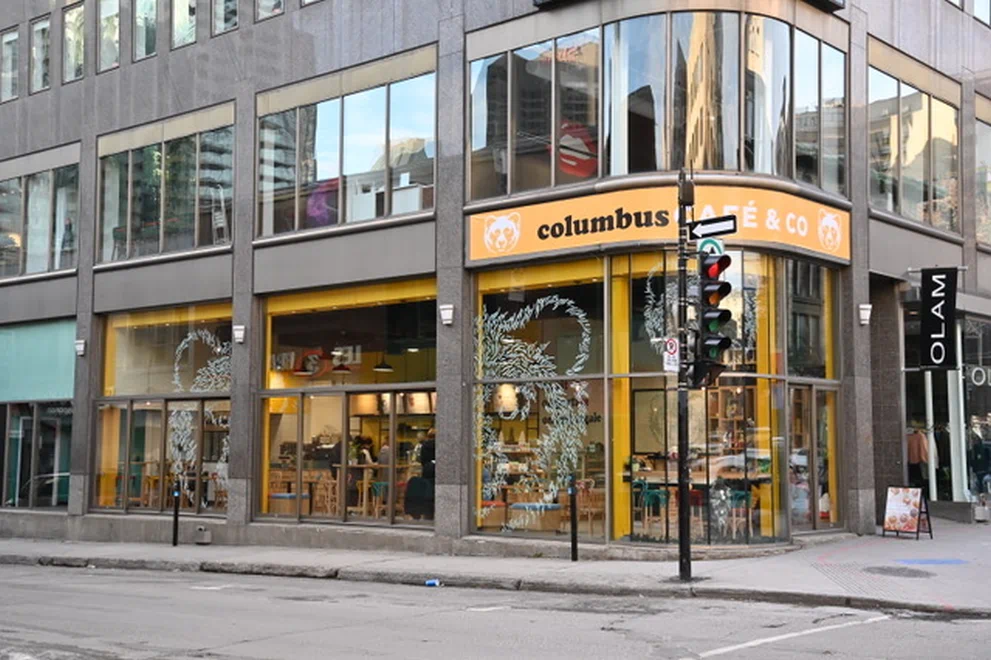
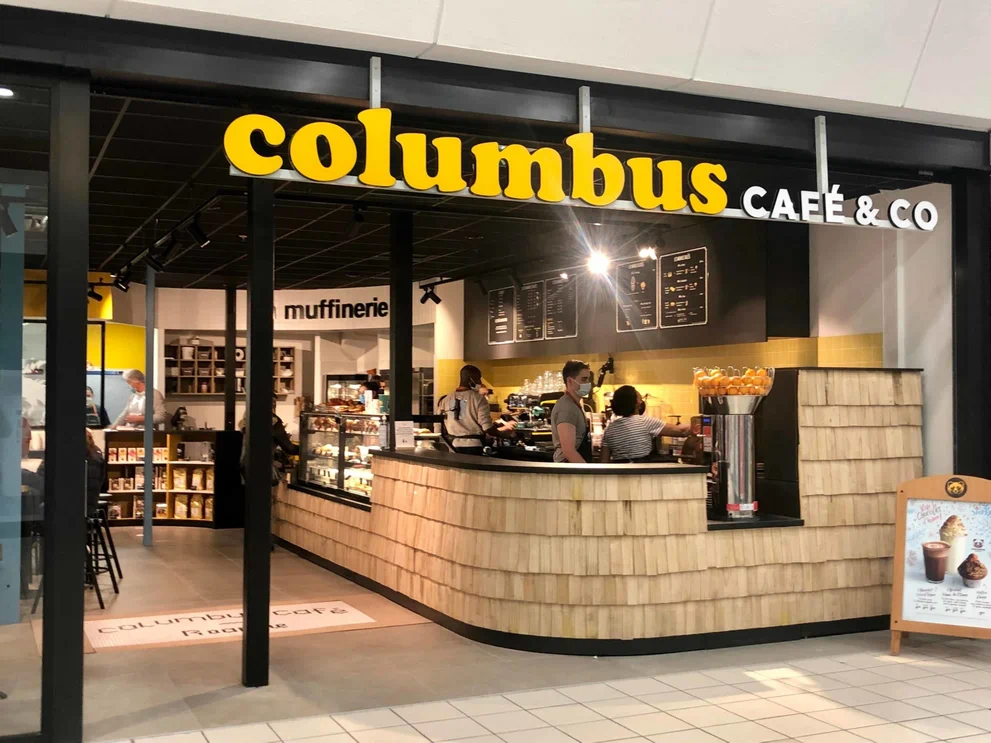
France’s favourite coffee shop is winning over the hearts of Canada one mug at time, as Columbus Café & Co announces exciting plans for 2025, which include two marquee locations confirmed to open in Q1 and an additional 20 in the works, confirms Think Retail, the company helping Columbus with its real estate needs.
“With more than 250 “dens” in seven countries, Columbus Café & Co is evolving into a global power brand and Canada is poised to play a key role in the company’s growth strategy. Think Retail is thrilled to work with Columbus Café & Co Canada president Maxime Mayant, and his team and we look forward to ensuring the company reaches its goal of opening 20 locations here in 2025,” said the real estate company on its website.
“The group is preparing to open its 14th and 15th sites and has signed deals to take over a 1,300-sq.-ft. former Starbucks in Mont Tremblant that will open in Q1 2025, as will at 800 sq.-ft. café at Montreal Premium Outlets.”
In addition, expect an announcement soon about a second Toronto location as the brands seeks to expand in high-traffic areas through the GTA.
Photo- Think Retail
Columbus Café & Co was founded in 1994 and offers premium coffee products and extensive menu-sandwiches, salads and breakfast items, plus an array of quality baked goods and sweet treats-housed in sunny, bright, inviting spaces where customers can grab a quick bite or enjoy a meal with friends, said Think Retail.
“In 2001, the company opened its first café outside of France-in Brussels-and in 2020 made its North American debut on Mont-Royal Avenue in Montreal. In 2023, the brand made its Ontario debut, its first Toronto location, at 283 Adelaide St. W. in the PJ Condos tower,” it said.
“Soon after, Columbus Café & Co announced an exciting deal with Indigo, that involved a multi-unit shop-in-shop roll out. One is now open at Quartier Dix3 in Brossard, Que. and another in the Cambridge Centre in Cambridge, Ont.
Photo- Think Retail
According to Think Retail, this is just the beginning for the company, as it targets several areas for expansion in Montreal, including:
– Cote des Neiges – Notre Dame West – Masson Blvd – St-Viateur – Laurier/Papineau – Vieux Rosemont – Beaubien – Rachel/St Michel – Molson Park – Downton – South Shore
“For Columbus Café & Co, ideal spaces are 1,300 to 1,750 sq. ft. and the preference is for corner locations and/or drive thru opportunities along high streets, as well as super regional malls and other busy areas. Kiosks in malls and office towers are also of interest. Cultivating the spirit of the café next door, Columbus Café & Co is the perfect addition to any neighbourhood, attracting customers throughout the dayparts,” according to the real estate company.
Image of Champlain Place (CNW Group/Westcliff Management Ltd)
Westcliff has officially acquired (CF) Champlain Place in Dieppe, New Brunswick from Cadillac Fairview, strengthening Westcliff’s Canadian footprint with this premier retail destination, the company announced in a news release on Thursday.
Nicolas D’Aoust
“Champlain Place perfectly aligns with Westcliff’s strategy, marking our commitment to high-caliber assets in key growth markets,” said Nicolas D’Aoust, Vice President of Westcliff and Head of Leasing. “With impressive sales nearing 800$ per square foot and an outstanding roster of renowned tenants, this property embodies the quality and dynamism we seek to bring into our portfolio.”
As the largest super regional shopping centre in New Brunswick, Champlain Place occupies a central role in Greater Moncton’s retail landscape, said Westcliff.
“This premier location spans 784,372 square feet on a 60-acre site and hosts over 150 stores, including renowned tenants like Walmart, Bass Pro Shops, Cineplex, Sport Chek, H&M, LL Bean, Lululemon, TD Canada Trust and Sobeys (shadow). The centre’s strategic location in one of Canada’s fastest-growing Census Metropolitan Areas (CMA) allows it to serve a broad catchment area of 1.6 million people within a 2.5-hour drive,” it said.
“Surrounded by a diverse array of complementary services – hotels, restaurants, grocery stores, and essential amenities – Champlain Place offers a complete consumer experience while reinforcing the vibrancy and growth of the Greater Moncton area.”
Alan Marcovitz, Westcliff Group’s President and Chairman of the Board, added: “Champlain Place represents more than an addition to our portfolio; it demonstrates Westcliff’s dedication to being part of Canada’s regional communities. We’re thrilled to welcome our new team members, who will become an integral part of our team, ensuring the continued success and impact of Champlain Place on the local economy.”
Champlain Place was previous owned by Cadillac Fairview.
Westcliff is a privately owned real estate development and management company. It has over 50 years of experience in the development, construction, and management of large-scale real estate projects in Canada and the United States.