adviso and R3 Marketing, in collaboration with Ad hoc Research, has released its 7th edition of the LoyalT study. By sampling 10,000 Canadian respondents and applying a unique methodology, LoyalT is the most complete Canadian study on loyalty program performance, said officials in a news release.
List of the 10 best loyalty programs in Canada
Achieving the top spot on the LoyalT list for the first time, PC Optimum has strengthened its reputation as a leader in relationship marketing and loyalty, said the report.
“The new private coalition program Moi, by Metro, launched in 2023, has ascended to third place. Bringing together the Brunet, Première Moisson, Jean Coutu, and Super C brands, Moi replaces the metro&moi program, which was a favourite in our rankings in past years. While Sephora’s Beauty Insider has made its first reappearance on the list since 2018, Pet’s Rewards (Global Pet Foods), Nike Membership, and Air Miles have all made their very first appearance.
“Air Miles has experienced a significant upswing since its acquisition by BMO. The program’s performance has improved, in part attributed to the change in its business model and its co-branded card-linked offers, which generate even more engagement. Despite its position in fifth place, the Air Miles’s program seems to have stalled in Quebec since the withdrawal of a number of major retailers, such as RONA, Jean Coutu, and IGA. It has received an average LoyalT score of 88 in Quebec, while it has achieved a score of 111 in the rest of Canada. Over 20 per cent of Quebecers stated that they had subscribed to the program in the past 12 months.”
The report said absent from the list of top performers, given its ranking of 25th place, the new coalition program Scène+ (Banque Scotia and Cineplex) shows lukewarm performance. While it registered the strongest growth in 2024 in terms of members—numbering over 10 million—the program has not been able to create a bond with its membership nor influence their purchase behaviours and visit frequency, added the report.
Inflation has affected members’ consumption habits. Almost one in three Canadians (32 per cent) have changed their choice of products to maximize loyalty point accumulation, as opposed to 27 per cent in 2023 and 23 per cent in 2021;
For the first time, the Amazon Prime subscription rate has exceeded that of Costco: 54 per cent of Canadians are members, compared to 51 per cent for Costco;
Young people (18–35) still represent the segment with the most membership. The 2024 study also shows that they are more active and more satisfied both in terms of the overall program and promotional offers;
Participation in gamification activities has increased amongst the 18-to-54 age group. This increase is especially notable amongst those 18–35, of which 33 per cent frequently participate in games, challenges, surveys, and contests, representing an increase of seven percentage points;
More Canadians are opting for a digital loyalty card 42 per cent state they prefer this modality, a leap of 10 percentage points compared to the previous year;
55 per cent of Canadians frequently use loyalty programs that have superior mobile applications, as opposed to 41 per cent for programs whose experience leaves something to be desired.
In 2024, Canadians belonged to an average of 19 programs, which is five more than in 2023—a number that represents the highest level observed in seven years of LoyalT studies. However, only seven programs are used regularly, an identical figure to last year and barely higher than that observed in 2021. The rate of programs used on a regular basis has decreased from 50 per cent to 36 per cent, indicating that Canadians are becoming increasingly selective about which programs they choose to use consistently;
One in three members stated they had visited retailers more often (32 per cent) and were concentrating more of their purchases (36 per cent). These two statistics have increased by four percentage points since 2023.
Jonathan Pollender
“We are frequently asked whether there is a decline in loyalty. The answer is no; the numbers above are very high and demonstrate the effectiveness of these programs, which is also confirmed by our profitability analyses of numerous programs. The programs that succeed in increasing visit frequency and purchase concentration show a very high ROI”, said Jonathan Pollender, Business Strategy Consultant at adviso.
Elizabeth Henry
“This study goes far beyond simply ranking programs. It’s teeming with valuable insights on the needs and perceptions of Canadian consumers in terms of their relationships with and attachment to brands. It highlights the best practices for generating engagement and building real, sustainable relationships. At adviso, we strongly believe that relationships are foundational to the future of marketing,” said Elizabeth Henry, CEO and Partner at adviso.
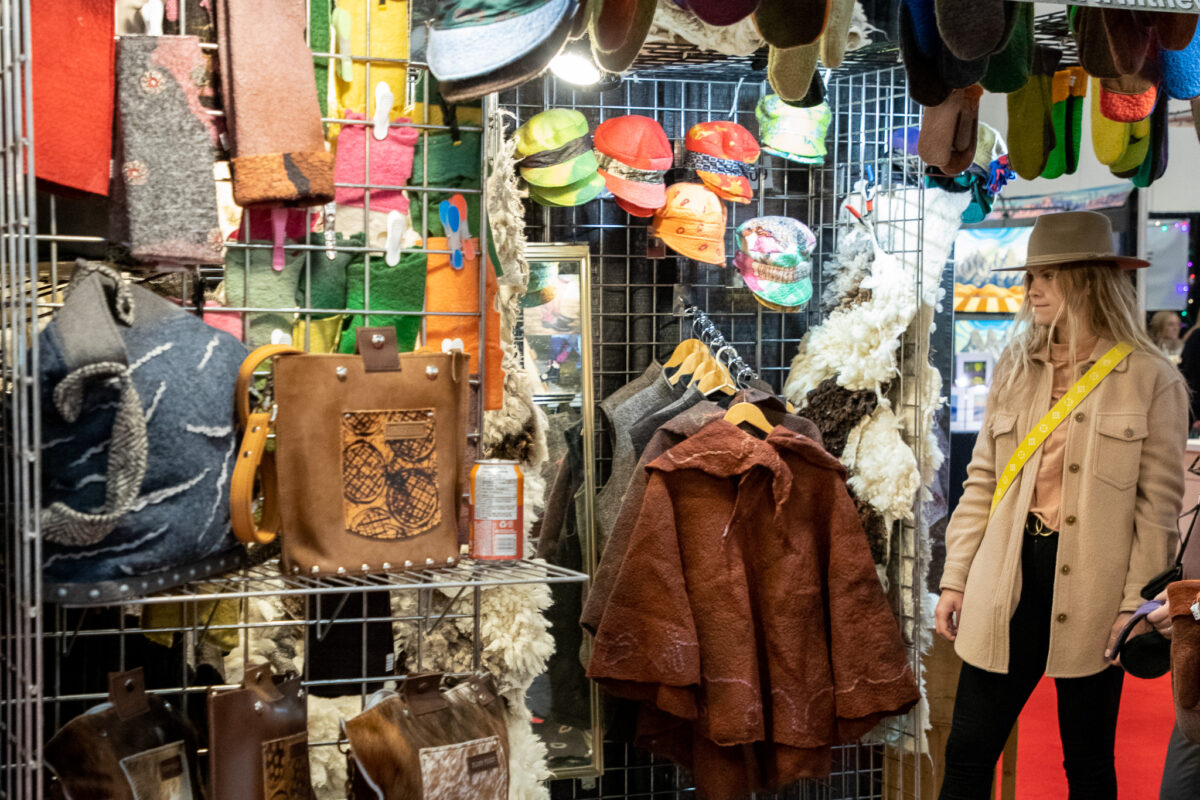
Calgary’s largest fall artisan market, the Festival of Crafts, returns to the BMO Centre in Stampede Park from October 31 to November 3 with 130+ Canadian vendors under a single roof.
Organizers said the weekend affair will see artists, makers and craftspeople travelling from as far as Charlottetown and Whitehorse to bring their unique gifts, upcycled clothing, and handmade wares to Calgarians.
“Festival of Crafts is a uniquely Canadian handmade marketplace in Calgary that features the works of artists, artisans, makers, and designers from coast-to-coast. Since 1986, the show has been one of Calgary’s premier fall shopping events – an annual tradition where visitors can meet passionate creatives in person, hear their stories, and feel their works first-hand. Join us at the BMO Centre on the Stampede Grounds for an unforgettable experience and shop for handmade that lasts a lifetime.”
Photo: Festival of Crafts
But like all great craft markets, the real treasures are the stories behind each handcrafted item, say organizers:
CLAIMS TO FAME ● A hat maker whose hats have appeared in London Hat Week and sat on the heads of Meghan Markle and the cast of ‘Emily in Paris,’ to name a few! (Sherri Hrycay, Sova Design Millinery & Apparel | BOOTH 312) ● A Dragon’s Den alum, whose finishing butter recently scored 96 in international awards (Rob Sengotta and Landon Kroeker, Von Slick’s Finishing Touch | BOOTH 329) PAIN, HEALING, & RESILIENCE ● A salve & soap maker who turned lived experience with endometriosis into a thriving self-care business (Jamie Leigh Hoogendoorni, Fleurish Goods Co. | BOOTH 305) ● A lifelong asthma and migraine sufferer who created candles she can enjoy without triggering her sensitivities (Samantha Bozinovski, Taisha Essence | BOOTH 414) ● An Airdrie knitwear artist trying to sell 1000 toques to raise money for her IVF journey (she has 585 left to go!) (Kelsey Gyarmati, KLG Knits | BOOTH 519) ● A mother devastated but inspired by the loss of her child to create jewellery keepsakes (Danielle Robinson, Silver Soul Creations | BOOTH 425) ● Plus, artists whose personal experiences with MS, breast cancer and more have inspired their art.
MISSED (& FOUND) CONNECTIONS ● An adopted daughter and a biological mother who, though they never had the chance to meet, unknowingly crossed paths (Megan Mackenzie Jones, Mackenzie Jones Design | BOOTH 308) ● A woman who took on a 1930s steam train in a footrace through the Prairies… and won. (Jen Gregoire, Jen Gregoire Photography | BOOTH 316);
● A candle-maker balancing the stress of new motherhood with nursing shifts during the pandemic, who turned to her Filipino grandmother’s scents to comfort her… and never looked back (Ellen Joyce Santos, Farmhouse Charm Candles Inc. | BOOTH 315)
UPCYCLING, CLEAN CREATIVITY, & SUSTAINABILITY ● A sustainable fashion designer who uses hemp and old denim to make bespoke iron-on patches and reduce his eco-footprint (Adam French, Adan Ballou | BOOTH 401) ● A Nigerian Canadian clean beauty brand that uses traditional West-African ingredients to soothe the skin (Yoyin Familusi, Sewa Skincare | BOOTH 103) ● A Calgary-based duo who scours thrift shops for vintage silverware, trays and reclaimed wood, upcycling them into jewellery and home décor (Katherine & Joanne White, ReDesigned | BOOTH 509)
EVENT DETAILS Dates: October 31 – November 3, 2024 Location: BMO Centre, Stampede Park, Calgary, AB Show Hours: Thurs, Oct 31 (10am – 9pm) / Fri, Nov 1 (10am – 9pm) / Sat, Nov 2 (10am – 6pm) / Sun, Nov 3 (10am – 5pm)
TICKET INFO Tickets can be purchased online at ticketme.ca/event/calgary or at the event doors. Pricing: Adult $8 | Senior $6 Online Presale | Save 50% Until Oct 24: Adult $4 | Senior $3 October 31 – November 1 | Get 50% off after 5pm: in person and online
Signatures Shows Ltd. is Canada’s largest and most experienced producer of fine craft shows. Founded in 1980 from an idea brought to life by two artisans, Signatures has become Canada’s largest and most experienced producer of handmade shows, producing, promoting and managing 16 events each year in 11 cities across the country.
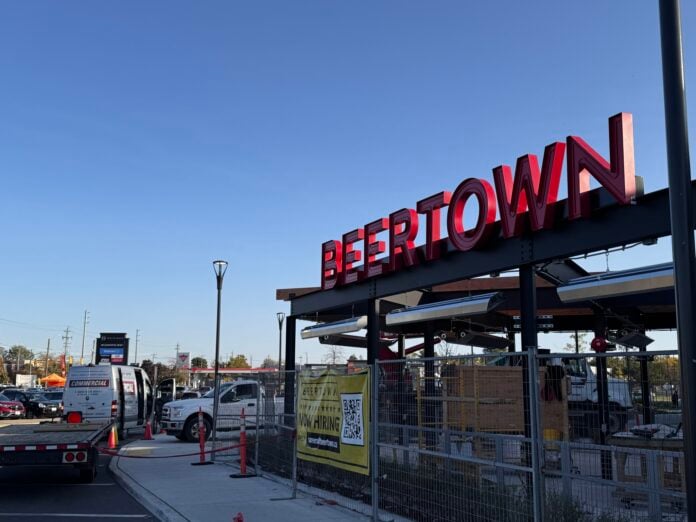
Following the success of their most recent new location opening in Whitby, the Charcoal Group said the Beertown Public House is bringing its signature blend of food, craft beer, and unforgettable hospitality to London South in White Oaks Mall.
The new location will soon become the 12th Beertown and promises to deliver a revolutionary dining experience with an emphasis on fresh, scratch-made cuisine, the company said in a news release.
“Construction is officially underway, and Londoners can start counting down the days to an additional, premium craft beer dining destination. The new Beertown location will feature a spacious dining room and an inviting outdoor patio, providing a vibrant setting for craft beer enthusiasts, food lovers, and anyone looking for a great time out.
Jody Palubiski
“We’re thrilled to bring Beertown to London South to better serve the London community which has been so good to us over the years says Jody Palubiski, partner at Charcoal Group. “This new location represents an exciting chapter for us as we continue to grow and share our love for craft beer and outstanding food across Ontario.”
From day one, Beertown said it aims to be more than just another restaurant in London.
“With seating capacity to accommodate large groups or intimate gatherings, guests can enjoy an extensive drink menu featuring local craft beer collaborations, non-alcoholic options, unique cocktails, and wines, ensuring there’s something for everyone. Don’t let the name fool you; Beertown’s diverse menu also boasts an array of plant-based and gluten-friendly dishes, continuing the Charcoal Group’s commitment to providing exceptional food experiences to all guests,” it said.
“Beertown — with its durable ‘modern beer bar’ concept was born out of many ‘research trips’ to the NYC boroughs of Manhattan and Brooklyn just after the 2009 recession. It’s no surprise with the scratch-made cuisine, and by riding the wave of craft-beer popularity, the team continues to welcome guests and looks forward to entering the London area as they officially cut their 12th ribbon this summer.”
For more updates on the new Beertown London South location and to find out when they’ll be opening, stay tuned to Beertown’s social media channels and https://beertown.ca/
Charcoal Group is a group of full-service restaurants located across Southern Ontario with over 65 years in the hospitality industry. Restaurants include Solé Uptown, The Charcoal Steakhouse, Martini’s, Dels Italian Kitchen, Wildcraft Grill & Long Bar, The Bauer Kitchen, The Bauer Bakery & Café, Moose Winooski’s, Beertown Public House, and Sociable Kitchen & Tavern.
The H&M Foundation has announced a significant shift in its overall strategic direction, focus on supporting the textile industry in halving its greenhouse gas emissions every decade by 2050, while promoting a just and fair transition for both people and the planet.
The innovation challenge Global Change Award 2025 (GCA) is the first initiative to reflect this shift, it said in a news release.
GCA is now seeking innovative ideas addressing different high emission areas across the textile industry value chain, including sustainable materials and processes, responsible production, mindful consumption, and ‘wildcards’ that support the GCA purpose. Today, only a fraction of philanthropic capital is directed to climate, said the Foundation.
“The textile industry needs all hands-on deck if we are going to meet our climate goals by 2050, and we must ensure this transition is fair for everyone. I really believe that innovation is key to decarbonising the industry, and that the Global Change Award can play a role in identifying and growing future changemakers whose ideas can have a transformative impact if given the right support,” said Karl-Johan Persson, Board Member of the H&M Foundation.
Since GCA launched in 2015, 46 innovations have received support and a combined grant of 8 million euros, said the Foundation.
While it continues to award 10 winners every year, with each receiving 200,000 EUR, there are other key updates to the GCA, explained the Foundation:
New focus area – decarbonising the textile industry.
Holistic approach – equipping changemakers with a holistic people and planet mindset.
Wider range of changemakers – switching to a nomination-based process, instead of an open application system.
Systems change approach – equipping changemakers to consider the entire textile value chain and its interconnectedness while also considering the impact on people.
Annie Lindmark
“While the industry is hungry for innovation, the holistic perspective to decarbonisation is often lacking, and the critical early stages of an innovator’s journey overlooked – this is where philanthropy can make a real difference”, said Annie Lindmark, Programme Director for Innovation at the H&M Foundation.
“In addition to financial support, winners will gain access to a powerful network of mentors, collaborators, and industry leaders to help bring their solutions to life. Together with partners Accenture and KTH Royal Institute of Technology, H&M Foundation will invite the winners to participate in a yearlong, tailormade Changemaker Programme. The Global Change Award 2025 winners will be announced in April 2025,” added the Foundation.
Retail Insider is streamlining its Canadian retail news from around the web to include a handful of top news stories that can be viewed quickly during the day. Here are the top stories from the past several days.
A new report by Second Harvest, titled The Avoidable Crisis of Food Waste, underscores the staggering scale of food waste in Canada. The findings reveal that 46.5% of the food in Canada goes to waste, with 41.7% of this waste deemed avoidable. Photo: Second Harvest
A new report by Second Harvest, titled The Avoidable Crisis of Food Waste, underscores the staggering scale of food waste in Canada. The findings reveal that 46.5% of the food in Canada goes to waste, with 41.7% of this waste deemed avoidable.
This avoidable food waste represents a loss of $58 billion—a sobering figure that highlights the economic and environmental impact of wasted food.
Little Progress in Reducing Food Waste
Led by food waste expert Dr. Martin Gooch, this report is the second comprehensive assessment in five years, and unfortunately, Canada’s food waste situation has shown little improvement. However, there is hope.
Dalhousie University’s Agri-Food Analytics Lab recently introduced the Canadian Food Sentiment Index, which explores Canadians’ attitudes toward food waste. According to this index, 76.6% of Canadians report actively trying to reduce food waste compared to a year ago. Rising food prices have encouraged more consumers to be mindful of their household food inventory, a positive trend that can significantly reduce waste at the consumer level.
One of the main contributors to household food waste is the misunderstanding around best-before dates—another critical point highlighted in Second Harvest’s report. Many consumers are now recognizing that a best-before date does not equate to “bad after.” These dates, largely unsupported by scientific research, are designed to indicate optimal freshness rather than food safety, especially if the packaging remains unopened. Despite this, 55.4% of Canadians still discard food that has passed its best-before date, even when the product remains sealed.
Food waste in Canada has solutions. Image via Loblaw Companies
Too Good To Go’s “Look-Smell-Taste” Initiative Aims to Curb Waste
To help address this issue, Too Good To Go has launched the “Look-Smell-Taste” initiative in partnership with food manufacturers and retailers across Canada. Through this campaign, informational stickers will be placed on select food items to encourage consumers to evaluate freshness with their senses rather than relying solely on printed dates. The method is straightforward: consumers are prompted to look for signs of spoilage, smell to assess freshness, and taste to confirm edibility.
When consumers scan these stickers with the app, they receive additional tips and guidance, empowering them to make informed choices about whether food is still good to eat. This sensory-based approach can foster a more intuitive understanding of food quality, reducing unnecessary waste and helping households save money.
While some people may still find the idea of eating food past its best-before date off-putting, others are embracing it as a way to save money. The food rescue market, which involves salvaging food that might otherwise go to waste, is gaining traction across the country. Stores specializing in discounted food products near or past their best-before dates are popping up nationwide, with grocery chains increasingly joining the movement.
Montreal-based chain Liquidation Marie, for example, is opening its fourth store dedicated exclusively to “rescue foods.” A typical shopping trip there can cut a customer’s food bill by 50% to 80%—a compelling option for those looking to save money amid rising grocery prices.
A solution to food waste in Canada – Image: Too Good to Go
Challenges and Criticisms of the Food Rescue Movement
Not everyone, however, welcomes this development. Liquidation Marie’s expansion in Montreal has reportedly led to anonymous complaints filed with Quebec’s Ministry of Agriculture, suggesting unfair competition with conventional retailers. In today’s high-cost food landscape, this response is disappointing. Consumers need all the support they can get, and food rescue initiatives offer tangible help in an economy strained by inflation.
An economy that values food will waste less of it. Reduced waste promotes greater food security and a lower environmental footprint. Second Harvest’s report highlights that avoidable food waste generates 25.69 million metric tonnes of CO₂ emissions each year—the equivalent of 253,223 one-way flights from Toronto to Vancouver. By reducing food waste, we take a significant step toward a more sustainable and environmentally responsible future.
Ultimately, The Avoidable Crisis of Food Waste calls on Canadians to rethink how they value food. Simple changes—using leftovers more often, freezing food strategically, exploring food rescue options, and relying on innovative solutions like Too Good To Go’s Look-Smell-Taste approach—can make a meaningful difference. There’s a food rescuer in all of us, ready to help tackle this crisis.
Today’s consumer is more diverse than ever before and is changing the Canadian retail landscape – but who is today’s Canadian consumer? With varying preferences, behaviours, and technological engagements, understanding consumers is crucial for retailers. Lisa Hutcheson, a retail strategist and managing partner at J.C. Williams Group; Jeff Doucette, the General Manager of Field Agent Canada; Larry Leung, global customer experience leader; and Colleen Martin, Chief Revenue Officer at Caddle, discuss their viewpoints on the modern Canadian consumer, sharing their different perspectives on consumers including diversity, spending habits, the forgotten ageing population, and how powerful the consumer is when it comes to ratings.
“Chasing value because they have to”
Jeff Doucette. Photo: LinkedIn.
“Consumers are constantly changing, with a significant trend towards value as budgets are tight,” says Doucette. His insights explore the expectations of Canadian consumers, the idea of value, and the demand for high-quality experiences.
Doucette says throughout recent years with economic pressures, consumers are looking more towards value, making it a number one priority within purchase decisions. This ongoing financial strain has led consumers to seek out discounts and cost saving opportunities, especially in grocery stores.
“There is an ongoing trend towards value and shoppers moving to that discount grocery shopping experience in particular, where wallets are definitely being stretched and budgets are tight, and people are saving where they can so they can splurge in other areas,” he explains. “People are trying to manage their budgets more carefully. They are often cutting back on discretionary spending in other areas to ensure they can afford the basics. This behaviour is not just limited to low-income households, but is becoming more common across different income levels.”
“Moving to value for different reasons”
Doucette breaks it down into two groups when it comes to saving money: consumers trying to find value to keep their budgets in check for the basics, and consumers who are not struggling, but want to save for travelling and recreational activities.
When going out and spending, Doucette says young consumers are looking for top quality services and products and are for more dining experiences:
“Consumers have the thought of ‘if I am going to be spending money, then I am going to go out and I want it to be a good experience and if not, I might as well just have that experience at home.’ So consumers are chasing value on basics to be able to afford some of the more entertainment options that are out there and want a great experience,” he says.
With the high costs of living, he says middle-aged consumers are facing challenges with stagnant incomes and the cost of living, with a large part of the population chasing value because their incomes have not grown, but the cost of everything else has. As for older consumers such as boomers, Doucette says they are looking for reliable and high-touch services rather than top end experiences.
“Older consumers appreciate reliable service and are less forgiving of lapses in product availability or customer service,” he says. “They have higher expectations for consistency and quality in their shopping experiences. When they visit a store, they expect to find the products they need in stock and to receive attentive, personalized services. Any shortcomings in these areas can significantly impact their loyalty and willingness to return to the store. This demographic values the human touch and reliable interactions, making it crucial for retailers to maintain high standards in their in-store experiences.”
As consumers are looking for great value, Doucette advises retailers to use social media, not just for engagement, but to also offer deals.
“You could have exclusive offers for people who follow you on Instagram and really drive some amazing business,” he states. “Social media platforms are powerful tools for creating a direct line of communications with your customers. By leveraging these platforms to provide special promotions and engaging content, retailers can build a loyal following and significantly boost their sales. This kind of targeted engagement not only attracts new customers, but also fosters a sense of community and loyalty among existing ones.”
Consumer empowerment
Today, consumers have more power to hunt for deals, especially through social media.
“Consumers are starting to have more of a voice and people are chasing deals and will broadcast it on social media with ‘hey, this item is on sale at this retailer.’” he says. “There is a group of people out there that are really focused on helping others get value and these sort of sneaky deals and smart shopping is happening out there in the world.”
This can also have a negative impact on retailers as consumers are not just sharing sales, but also sharing high prices and bad experiences.
“Everybody has their own broadcasting channel in a way right now, which is empowering for the consumer,” he says. “You don’t need to get the attention of CBC to highlight the fact that the number of grams in your bag of frozen carrots is short of what is declared in the bag. But it is a real concern for retailers because that negative product experience, pricing experience, and customer service experience can all blow up quickly.”
To manage issues, retailers need to create an open conversation with consumers and also keep updated with its social media to respond quickly to any complaints – this way, consumers feel they are being heard and respected.
“The Canadian consumer now, in my mind, is more diverse and more multifaceted than ever before,” says Hutcheson. “You really have to consider the demographic, lifestyle, socio-economic status, and cultural influences. There are so many new immigrants, each bringing their own values and behaviours, which makes it challenging to categorize them neatly.”
Hutcheson takes a look into the complexity of today’s consumer landscape, which she says is influenced by high immigration rates, diverse backgrounds, and various age groups.
Young consumers (Gen Z and Millennials)
Gen Z and Millennials are leaning more towards sustainability, health, and wellness and are purchasing more eco-friendly products and services to align with their values. This demographic is also more tech-savvy and prefers the convenience of online shopping.
“Health and wellness has become a really big one since Covid-19,” Hutcheson recognizes. “People are really taking care of themselves. There is a lot less alcohol consumption and more focus on activities like cold plunging and other wellness trends. Certain demographics are doing things like that and we are seeing a significant shift towards products and services that support these healthier lifestyles.”
This demographic is also looking for instant gratification, seamless digital and in-store experiences, and personalization. Hutceshson says this group often prefers experiences rather than goods.
“Experiential purchases, such as travel and dining out, have become more important than material goods,” she asserts. “Younger consumers are prioritizing experiences that create lasting memories over accumulating physical items. This trend is particularly strong among those influenced by social media, where experiences are often shared and valued more than possessions.”
Hutcheson goes on to explain that new immigrants often are seeking products and services aligning to their cultural backgrounds and preferences. This includes specific food items, traditional clothing, and services that help them integrate into Canadian culture. She suggests that retailers can start to build stronger relationships with incoming immigrants by understanding their needs which will foster trust and loyalty.
“The influx of new immigrants has introduced a variety of cultural influences, making it crucial for retailers to adapt and offer products that resonate with these diverse groups,” she says. “Retailers who can effectively meet these unique needs are more likely to succeed in today’s competitive market and to have loyal consumers.”
Strategies for retailers
The one thing most consumers are looking for is personalization. Hutcheson says retailers should be using data and technology to enhance shopping experiences. By offering personalized experiences, understanding consumer preferences, and tailoring offerings, consumer satisfaction and loyalty can be improved.
“Retailers have to get crystal clear on who their customer is and what their product offering entails,” she asserts. “You can’t be all things to all customers. So, understanding and leveraging data to focus on your specific customer can really drive engagement and loyalty. It’s about honing
in on who your specific customer is and what they value most. This targeted approach helps attract the right customers and grow the business.”
She also suggests building a strong social media presence and engagement through these channels is a must as well as integrating online and offline shopping experiences.
“Retailers need to ensure that their online and offline experiences are consistent and seamless,” she points out. “Customers expect to have a cohesive shopping journey with the brands that they shop with, whether they are browsing online or visiting a physical store. This integration makes it easier for them to switch between channels without any friction.”
“Canada has close to 40 million people and the consumer is more diverse than ever,” says Leung. His insights shed light on the often forgotten older demographic and the unique challenges they face in the modern retail landscape.
“Older consumers grew up in an era where personal service was the norm, and many still expect that level of interaction when they shop,” he says. “They often find modern, technology-driven retail environments challenging and prefer traditional methods. Many older consumers did not grow up with the internet and find it less intuitive. They prefer the reliability of in-store shopping where they can see and touch products.”
As retailers are transitioning to meet the needs of younger consumers, older consumers are finding it difficult, such as the increasing usage of self-service technologies. Leung says that older consumers often find kiosks and self-service checkouts confusing and frustrating and that they miss the personal interaction with staff that they were accustomed to.
Looking at consumers between the ages of 45 to 50, Leung suggests that although they received internet experience as part of their university educations and are adaptive to digital technologies, some of them would still like to have a personal experience.
“Many of them may not like to be on social media, especially more advanced technologies like TikTok because they didn’t grow up making videos,” he says. “The older you are, the more likely you may not necessarily want an all digital experience – they would really like the physical experience more than ever.”
Different meaning on service – low and high touch
This age group and older also have a different meaning to service, as in many grocery stores there used to be someone who managed the check-out process and even helped out bagging groceries. Along with evolving with what younger consumers are expecting today, retailers must also recognize and balance their strategies to match what older consumers are looking for.
“It’s important for retailers to collect data and know their demographics and then ask themselves whether or not the customer journey for each group that they want to target is being met,” suggests Leung. “For example, an older generation of people may go grocery shopping on a Monday morning. If retailers know that there is consistent behaviour of shopping earlier, then maybe you need more cashiers at that time because those people may not necessarily want to go use a kiosk. They might have a difficult time locating a sticker with a number for produce, or maybe they would have an issue scanning the products and bagging them themselves.”
Leung goes on to explain that many retailers are trying to find a balance between transitioning to digital and keeping old strategies. Leung says that some retailers were too hasty in their attempts to go digital. He says that it’s not a knock on digital, but about using the communication and service of the customer’s choice.
Leung suggests several strategies for retailers to improve their service for older consumers including maintaining a strong in-store presence with staff who can help with a purchase and provide a personalized experience as older consumers value personal interaction and the assurance that comes with talking to a knowledgeable staff member.
Retailers should also consider using hybrid approaches to marketing, combining traditional and digital methods. While moving to digital flyers and promotions can save costs, Leung says that it is also important to ensure that older consumers still receive the information they need in a format they are comfortable with, such as physical flyers or mailed promotions.
Lastly, Leung suggests retailers enhance accessibility on digital platforms to make it easier for older consumers to navigate. This can include larger text sizes and clear navigation to make them easier to use. He says that it’s about making the digital experience as seamless as possible for those who are less familiar with technology.
By addressing these challenges and not jumping on the digital path too quickly, retailers can better serve the older demographic, ensuring they feel valued within the modern retail landscape.
Martin, who has 25 years of experience in retail, says because consumers have more access to information, they are less loyal to specific retailers.
The use of social media platforms have made it easy for consumers to share their experiences, positive or negative, which can influence other consumers on what and where they purchase.
“Consumers are utilizing digital platforms in different ways, and there is a noticeable shift towards leveraging online reviews and ratings,” says Martin. “This trend is particularly strong among younger generations who rely heavily on peer reviews to make informed decisions. They trust the opinions of other consumers over traditional advertising, and this influences their purchasing behaviour significantly. The ability to access a vast amount of information quickly means that if they don’t find what they are looking for, or they see a negative review – they are likely to move on to another retailer. This behaviour underscores the decreasing brand loyalty in the current retail landscape.”
She goes on to explain that consumers are even using technology to find better prices elsewhere, such as Amazon. Today, people have the convenience of walking around a grocery store to compare prices and to see reviews quickly.
“People are walking around grocery stores and scanning things with the Amazon app and reading the reviews. And then, if it is even a cent cheaper, they are adding it to cart,” says Martin.
She points out that because ratings have purchasing power, retailers such as Walmart have integrated user-generated content and peer reviews into their in-store displays to enhance the shopping experience.
“Walmart did a great job at their flagship, putting peer review content on the shelf,” she says. “So not only do they see features and benefits rolling on the panel where the pricing is, but also what those top reviews are. So that has had some really great consumer feedback.”
Not only should retailers place reviews in-store, Martin suggests that retailers should also place ratings on flyers.
“Even integrating ratings and reviews on the flyer is critical because if you are looking at a deal and it is only three stars – people are not going to want to buy that item, but if it is four stars or more they most likely will,” she says. “Peer review is absolutely the most critical piece.”
Martin also suggests that younger consumers expect personalized experiences and relevant product recommendations.
“Consumers today are looking for retailers who understand their unique shopping habits,” she asserts. “They are expecting personalized experiences and relevant product recommendations based on their preferences and past purchases. We have seen that younger generations, in particular, want to feel like the retailers know them and can anticipate their needs. They are no longer satisfied with the one-size-fits-all approach and are quick to switch brands if they don’t receive the personazied service they expect.”
Retailers that are able to successfully integrate personalization into both digital and in-store experiences fore their customers are more likely to build a strong, lasting relationship with them. Going forward, Martin believes that the role of AI will transform personalization, perhaps with the help of AI-powered chatbots and shopping assistants.
“Imagine a chatbot that can recommend recipes based on your purchase history, suggest complementary products, and facilitate a seamless one-touch purchase,” she says. “This level of personalization and convenience is where retail is headed. Consumers want these hyper-personalized experiences that save them time and make shopping more efficient. We have seen examples where AI can help someone find a recipe for six people, taking into account dietary preferences and what they already have in their pantry. It is about making the shopping experience not just personalized, but also incredibly convenient and responsive to consumer needs.”
So … who are the modern Canadian consumers?
Today’s Canadian consumer is diverse, technologically advanced, and value-driven. They are seeking personalized shopping experiences that cater to their unique preferences and needs. As Hutcheson, Doucette, Leung, and Martin say, the modern consumer is more informed than ever before and retailers must adapt to offer seamless experiences, engage meaningfully through data-driven insights, and ensure consistently personalized interactions. Understanding and responding to these evolving consumer behaviours, while still remembering traditional services, is crucial for retailers aiming to build loyalty and stay competitive in the dynamic retail landscape.
“Retail is evolving faster than ever, and consumers are leading the charge,” says Martin. “They are seeking meaningful interactions, personalized experiences, and authenticity. Consumers have always had the power, but now, with the vast amount of information at their fingertips, they are more empowered to make informed decisions. Retailers must rise to the challenge to meet informed consumers with personalized, seamless, and engaging experiences. The future of retail hinges on understanding and anticipating customer needs better. The retailers that can meet these demands will not only survive – but will thrive.”
Retail sales increased 0.4 per cent to $66.6 billion in August with sales up in four of nine subsectors and led by increases at motor vehicle and parts dealers, reported Statistics Canada on Friday.
Core retail sales—which exclude gasoline stations and fuel vendors and motor vehicle and parts dealers—were down 0.4 per cent in August, said the report, adding that in volume terms, retail sales increased 0.7 per cent in August.
Retail sales increase in August
“The largest increase in retail sales in August was observed at motor vehicle and parts dealers (+3.5 per cent). Higher sales at new car dealers (+4.3 per cent) led the increase, followed by used car dealers (+2.1 per cent). Lower sales at other motor vehicle dealers (-0.3 per cent) were offset by gains at automotive parts, accessories and tire retailers (+0.4 per cent),” explained StatsCan.
“Sales at gasoline stations and fuel vendors (-2.7 per cent) were down in August. In volume terms, sales at gasoline stations and fuel vendors decreased 2.1 per cent.
“Following two consecutive monthly increases, core retail sales were down 0.4 per cent in August on lower sales at food and beverage retailers (-1.5 per cent). Sales at food and beverage retailers were down in all four store types, led by supermarkets and other grocery retailers (except convenience retailers) (-1.9 per cent).”
The report said lower sales were also reported at furniture, home furnishings, electronics and appliances retailers (-1.4 per cent) in August, but the largest increase in core retail sales came from sporting goods, hobby, musical instrument, book, and miscellaneous retailers (+0.9 per cent).
Sales increase in four of nine subsectors in August
“Retail sales increased in seven provinces in August. The largest provincial increase was observed in Ontario (+0.9 per cent), led by higher sales at motor vehicle and parts dealers. In the census metropolitan area (CMA) of Toronto, sales were up 0.6 per cent. In Quebec, retail sales increased 1.0 per cent in August. In the CMA of Montréal, sales were up 1.5 per cent. The largest provincial decrease in retail sales in August was observed in Alberta (-1.1 per cent). The decrease was led by lower sales at food and beverage retailers,” added the federal agency.
On a seasonally adjusted basis, retail e-commerce sales were down 2.5 per cent to $3.9 billion in August, accounting for 5.9 per cent of total retail trade, compared with 6.1 per cent in July, said the report.
“Statistics Canada is providing an advance estimate of retail sales, which suggests that sales increased 0.4 per cent in September. Owing to its early nature, this figure will be revised. This unofficial estimate was calculated based on responses received from 61.1 per cent of companies surveyed. The average final response rate for the survey over the previous 12 months was 89.1 per cent,” said Statistics Canada.
Andrew Grantham, Senior Economist, CIBC Capital Markets, said the report suggests that consumer spending remains patchy, and that further reductions in interest rates will likely be needed to bring a sustained acceleration.
Maria Solovieva, Economist, TD, said strong auto sales continued to drive retail growth in August. However, ex-autos, sales were the weakest in three months.
“Our internal credit and debit card spending data, which primarily reflects non-durable and durable goods, indicates a softening trend through September. Together, these signals align with our forecast, where a rebound in durable goods is expected to be the largest contributor to Q3 growth in total personal consumption expenditures – projected to rise at a below-trend rate of 1.0-1.5 per cent quarter-on-quarter (annualized),” she said.
“Alongside the weakness in core sales, the downward trend in retail spending per capita remains intact, marking a major area of concern for the Bank of Canada, which moved to cut rates by 50 basis points this week. By accelerating its easing cycle, the Bank wants to see consumption growth strengthen, but it risks sparking more demand for housing instead. Financial markets are currently pricing in a coin-flip chance of another jumbo cut in December.”
RONA inc., one of Canada’s leading home improvement retailers operating and servicing some 425 corporate and affiliated stores, says the RONA Lachine’s major expansion and renovation project is now complete.
Recently, leaders from RONA’s dealer support team, business partners, and store employees joined the Chartier family, who owns the store, to mark the occasion with the traditional board-cutting ceremony.
“The project required a local investment of approximately $2 million. The main goal was to build a second warehouse for building materials, to improve the service offering for construction and home improvement professionals. The RONA Lachine store was expanded by 6,500 square feet, and 75 items were added to the store’s product assortment. The new warehouse is accessible by vehicle and includes a service counter equipped with a racking system, electronic shelf labels, and lockers for online order pick up. The Chartier family also took the opportunity to add parking spaces, including two with electric charging stations, and a staff break room with a patio,” said the company.
“We are now the third generation to run this neighbourhood hardware store since it first opened in 1998. Our improved offering aims to meet the growing needs of construction, commercial, and home improvement professionals, as well as small business owners in our communities,” said Yves Chartier, Co-owner.
Alain Ménard
The company said the store’s exterior and interior signage were also updated and customized with the new visual identity designed exclusively for RONA affiliated dealers. It highlights the “Yves Chartier Family,” its unique history, and its community spirit. The Chartier family is very involved in its community and supports many charitable causes. They have received several awards for their social involvement over the years, it added.
“Hugo, Pierre-Yves, and Yves Chartier are highly respected in their community, and their store is a real neighbourhood institution. They embody the vitality and strength of the affiliated dealers that make up our network in Canada, and we’re happy to help them gain even more of a competitive edge in their market,” said Alain Ménard, Senior Vice-President, RONA Affiliated Dealers at RONA inc.
Emily Newell, Jewelers Block Insurance expert at CHES, said simple steps, such as reviewing security audits, ensuring staff are trained in loss prevention, and updating inventory management systems, can significantly reduce the risk of theft.
“Jewelry stores regularly acquire new stock or make operational changes. Without a mid-term check-in, these updates might leave them underinsured or exposed to unnecessary risks,” she said.
Here are the key tips for brokers to address during a check-in, according to CHES:
Security Audits: Encourage clients to regularly assess their alarms, surveillance systems, and safes.
Staff Training: Remind clients of the importance of ongoing training in loss prevention and security protocols.
Inventory Management: Regular inventory checks can both prevent loss and expedite claims.
Physical Barriers: Reinforcing display cases or upgrading locks can provide an extra layer of security.
Coverage Updates: A mid-term review allows for the reassessment of coverage to ensure it matches the client’s current stock and operational needs.
“Jewelry stores are vulnerable because of the nature of their products. All one needs to do is walk through a mall, and you will see either police, security, or both at the front door of the store,” he said. “Generally, stolen goods are disposed of by a network of buyers who resell them. You can likely find the product on online marketplaces from private sellers.
“However, jewelry is tougher to dispose of, and you’ll likely find it traded at pawn shops for cash, private sales, or even melted down, as most of it is untraceable. Unless they are high-end, authentic watches with serial numbers, you might find them heading overseas. There is a very sophisticated subculture and black market behind all of this that serves as a supply chain for others.
“To mitigate their risks, jewelry stores need deterrents such as unbreakable glass and secondary security doors. They also need an emergency button for authorities to be summoned. These thieves have scoped out the location beforehand and can be very brazen. If it happens during business hours, your priority is to protect your staff and customers.
“Sadly, we will see this increase because of the economic benefit it garners for some.”
“It’s interesting that the insurer or the broker is giving advice to their clients, the insured, to harden themselves as a target,” said O’Keefe. “I’ve always said in loss prevention that the way you would look at risk is three ways. Like anything you transfer, accept or mitigate.
“And when you transfer the risk in this particular case just like a car you get insurance. You’re inviting somebody else in to share the responsibility and the fact that the insurer is saying hey you guys need to harden yourselves as a target, because we can’t take on this financial responsibility of continuing to compensate for these mass robberies, when an insurance company gets involved it’s per incident.
“Let’s say a Walmart as an example has 30,000 incidents (of shoplifting) in a year and they lose $1 million. You can’t go to the insurance company and say can you compensate me for the $1 million in loss and so it’s absorbed. But when you have one robbery that somebody steals $1 million you can go to the insurance company and say it’s one incident and it’s under my crime provision of insurance under robbery and I want to be reimbursed for the $1 million.
“Jewelry stores face losses in that second scenario. They don’t have volume of small incidents like a department store or convenience store or a grocer but they are susceptible to individual incidents of robbery. Having said that, on the shoplifter side you have the same type of thing. I can work volume and steal 100 times from a department store and get $50,000 or I can take the greater risk of robbing a jewelry store one incident and getting $50,000. And where we’re at is just the economy of scale. Shoplifters are targeting larger prey and we are seeing more incidents of jewelry store robbery whether that’s at gunpoint or whether that’s those smash and grabs where we see 15 people going into a store and they smash all the showcases and they run off. We’re seeing a lot more of that and it’s taking place.”
He said insurance companies are looking at jewelry stores to come up with innovation as they can’t rely on the same old lockable glass showcase where the jewelry is put in. The thieves have figured it out. There are some tamper proof showcases.
“The insurers are saying exercise due diligence and do a review of what you expect because you are either softening yourself as a target or the criminal element is coming after you,” said O’Keefe. “So the nudge they are giving the insureds is a good one. Exercise due diligence. Do a review.”