Miramichi, the last New Brunswick city to maintain restrictive Sunday shopping hours, has officially ended its long-standing policy. The change, effective immediately, allows retail stores to operate beyond the previously mandated noon to 5 p.m. window on Sundays.
This decision marks a significant shift in the retail landscape of Miramichi, a city that has held onto its Sunday shopping restrictions long after most Canadian municipalities abandoned similar practices. The city council’s recent vote to lift these limitations reflects a growing recognition of changing consumer habits and the evolving needs of both residents and visitors.
The push for change came from the Retail Council of Canada, which initially brought the proposal to the city council in May. Despite the delay in implementation, city officials took a measured approach, carefully considering the potential impacts on local businesses and the community before making their decision.
One of the primary motivations behind the change is the city’s increasing tourism. Miramichi has been experiencing a rise in visitor numbers, and the restricted shopping hours were seen as a potential deterrent for tourists looking to explore and spend in the area. Prior to this change, many visitors and even local residents would often travel to nearby towns without such restrictions to do their Sunday shopping, resulting in lost revenue for Miramichi businesses.
The new policy does not mandate that stores must stay open for extended hours on Sundays. Instead, it provides businesses with the flexibility to set their own operating hours based on their individual needs and customer demands. Many retailers in the area have already expressed plans to extend their Sunday hours, anticipating increased foot traffic and sales opportunities.
Miramichi’s growing population has also played a role in this decision. The city has been attracting newcomers who were unaccustomed to the limited Sunday shopping hours, creating a demand for more flexible retail options. The influx of new residents, combined with changing expectations from long-time citizens, contributed to the push for modernizing the city’s retail regulations.
While some long-time residents may need time to adjust to the new Sunday shopping landscape, city officials and business leaders are optimistic about the positive impact this change will have on the local economy. The extended hours are expected to create more job opportunities, increase consumer spending, and potentially attract new businesses to the area.
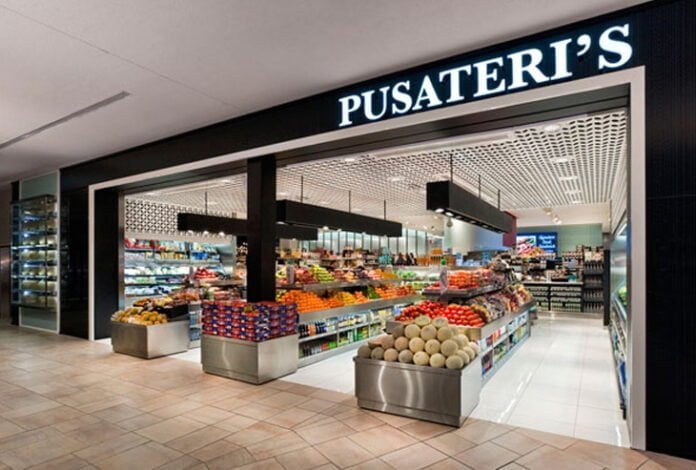
Upscale Toronto-based Pusateri’s Fine Foods is restructuring its operations by consolidating its presence to a single location on Avenue Road. The move comes as the company faces ongoing financial challenges, leading to the closure of multiple outlets and the initiation of bankruptcy proceedings for several entities within the Pusateri’s group.
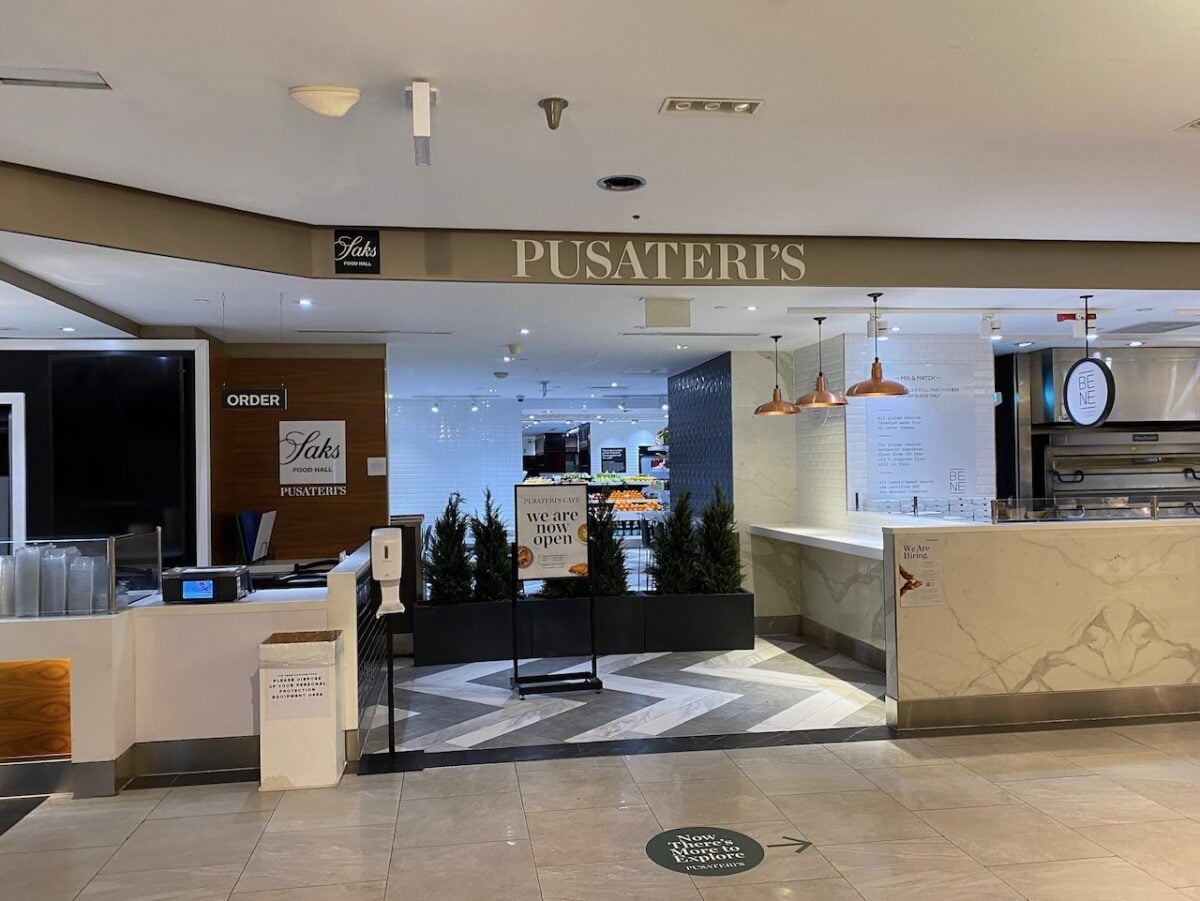
The decision, communicated by co-owner Ida Pusateri in a memo to suppliers on Friday, marks a turning point for the Toronto retailer which became a chain with multiple stores. The closures affect several prominent locations, including Pusateri’s Bayview Village, Pusateri’s Yorkville, Pusateri’s Little Italy, Pusateri’s Kitchen, and Pusateri’s Financing. The Pusateri’s outlet at the CF Toronto Eaton Centre will remain operational, albeit in a limited capacity, focusing solely on food service for now.
The consolidation strategy follows the recent closure of the Bayview Village location, which shut its doors last weekend. Paolo Pusateri, head of marketing at the retailer, attributed the closure to “ongoing financial pressures impacting business operations, lingering effects of COVID, and higher operational costs.”
Saks Food Hall by Pusateri’s – CF Toronto Eaton Center (Image: Dustin Fuhs)
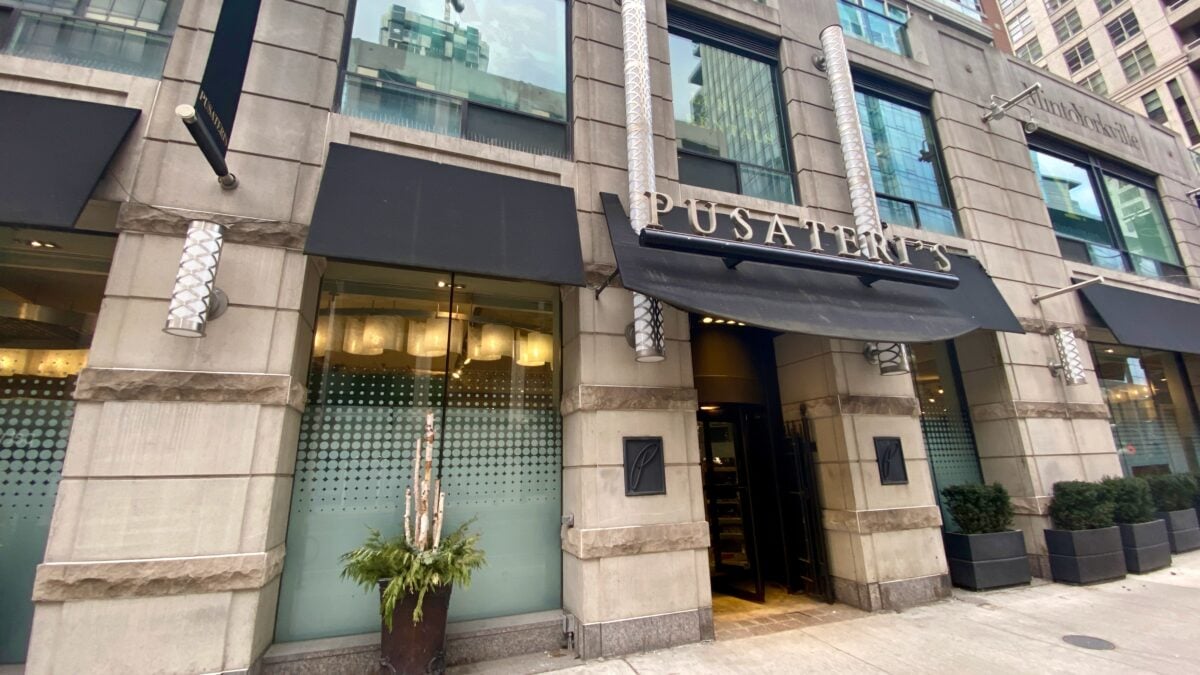
The Yorkville location on Bay Street, a fixture in the upscale high-density neighbourhood since its opening in October of 2003, also ceased operations in February 2024, indicating the company’s downsizing efforts at the time.
The restructuring aims to address the financial challenges that have been mounting for the grocer. Several suppliers have said that there have been delayed or missed payments for recent orders, highlighting the severity of the company’s financial situation. By consolidating operations, Pusateri’s says it hopes to “right-size” the business and pave the way for a “sustainable and profitable future.”
Despite these challenges, the company has expressed a strong commitment to maintaining its supplier relationships as it navigates this transitional period. The memo emphasized that this consolidation is crucial for “the long-term success and sustainability of the brand,” suggesting a strategic pivot rather than a complete retreat from the market.
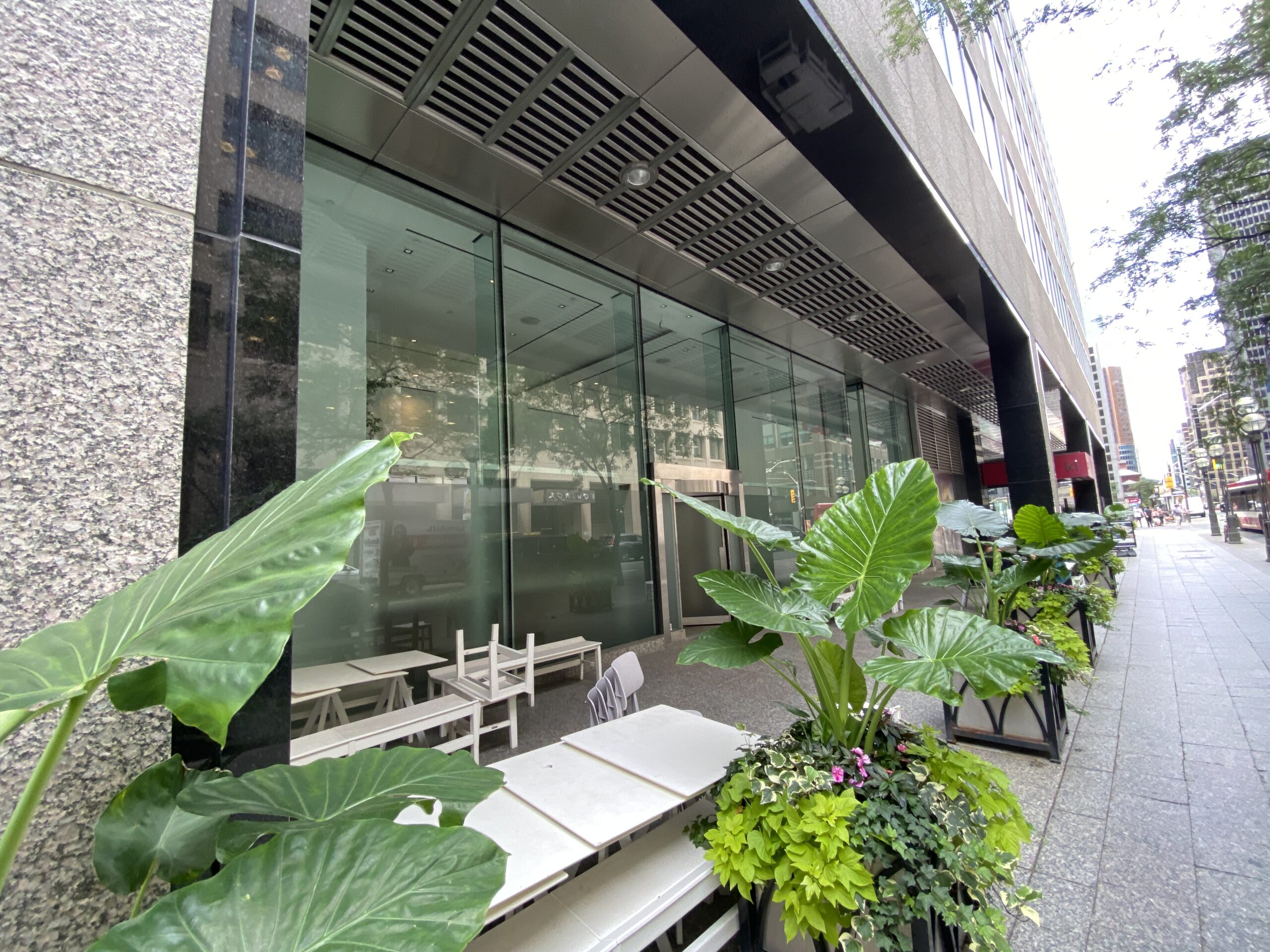
Bay Street entrance to the former Pusateri’s Fine Foods at 57 Yorkville Avenue in Toronto. Photo: Craig Patterson
Pusateri’s Fine Foods has been an important player as an upscale grocer, considered to be a pioneer as an upscale market in Toronto. From its humble beginnings as a small produce market on St. Clair Avenue in Toronto’s Corso Italia neighbourhood, the business evolved under the leadership of Cosimo Pusateri and his wife Ida. They transformed Pusateri’s into a “fine-food emporium,” renowned for its imported goods and specialty products, including prosciutto, artisanal breads, gourmet cookies, and premium olive oils and balsamic vinegars.
Following Cosimo’s death in 1995, Ida Pusateri continued to steer the business alongside her brother Frank Luchetta, who currently serves as President and CEO. Their leadership saw the expansion of Pusateri’s into multiple locations across Toronto, cementing its status as a luxury grocer.
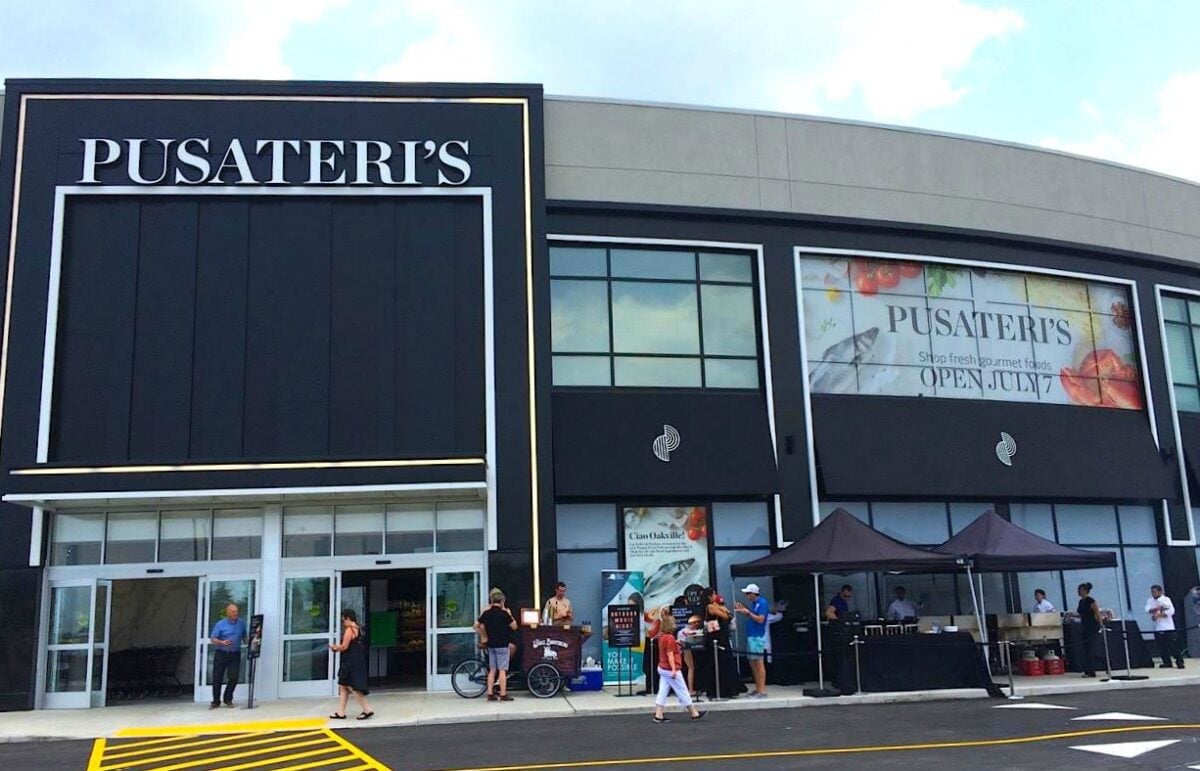
At one time, Pusateri’s had several stores in the Greater Toronto Area, all of which have closed. Prior to the Yorkville and Bayview Village closures, Pusateri’s shuttered its Oakville location in 2018 after just two years of operation, and closed its food hall at Saks Fifth Avenue at CF Sherway Gardens in 2023.
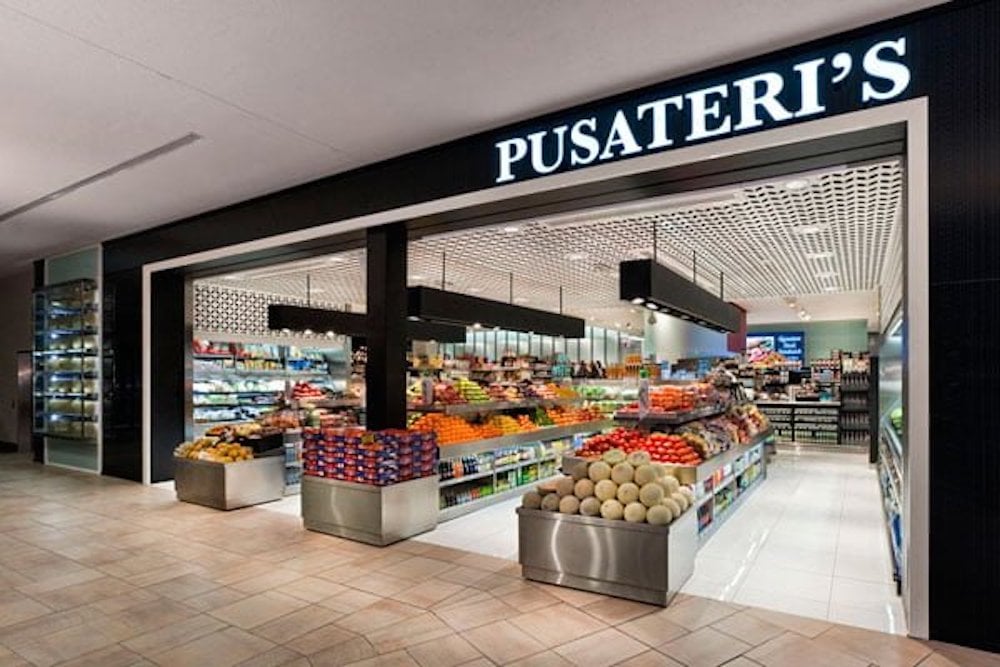
Former Oakville Pusateri’s store. Photo: Pusateri’s
IKEA is celebrating its family loyalty program after gaining 5 million members. The program was launched five years ago and offers immediate rewards and affordable furniture to members.
“Our intention with IKEA Family is really to create ongoing, personal, and rewarding relationships with our customers and our members to help them make IKEA feel like a family to them. We are really focused on making the IKEA experience even more affordable, convenient, and engaging for our IKEA Family members,” says De’ana Torresan, head of customer engagement and loyalty for IKEA Canada.
“Thanks to five million” campaign
To celebrate the milestone of reaching five million members in Canada, IKEA launched a Thanks to five million campaign which started on July 22nd and ends on August 31st. During this period, IKEA Family members have an opportunity to participate in giveaways where five members won a 500 dollar gift card each.
“We are thanking our five million IKEA Family members by giving them a chance to win one of five 500 dollar IKEA gift cards. This campaign is a way for us to celebrate this significant milestone and to show our appreciation for the ongoing support and loyalty of our members.”
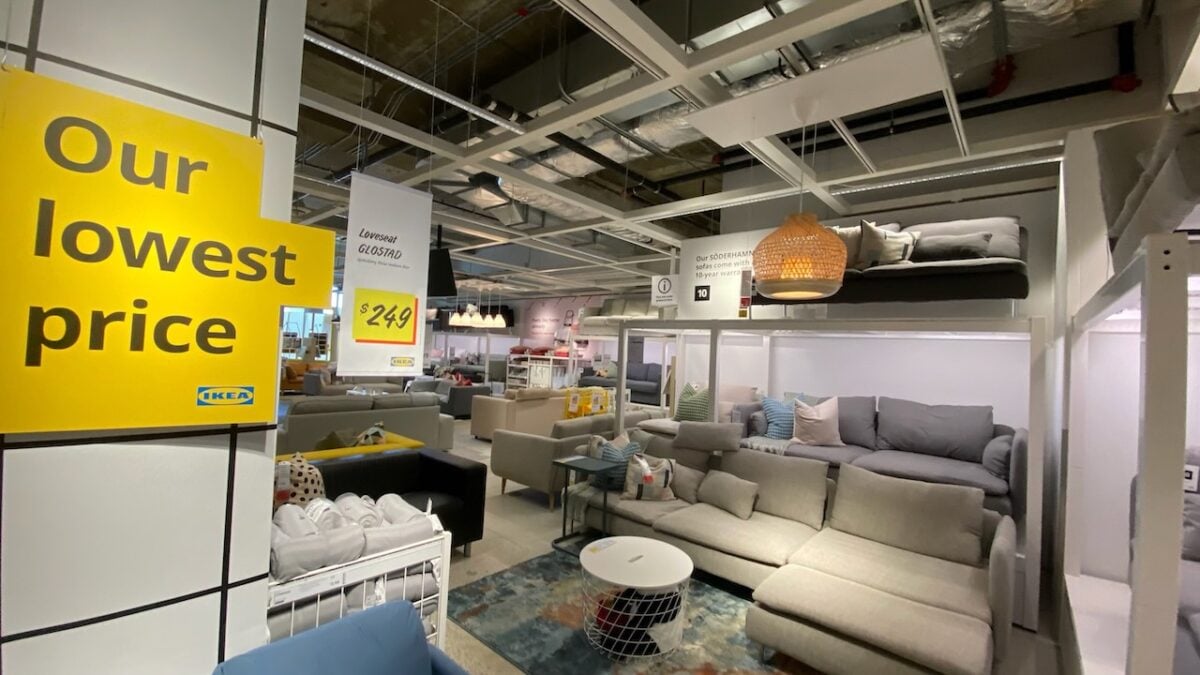
Scarborough Town Centre IKEA (Image: Craig Patterson)
Perks of the IKEA Family membership
To create lasting and rewarding relationships with consumers, the IKEA Family membership makes the shopping experience more affordable. The program includes monthly offers, free coffee or tea, sell-back program, bonus meals, and more. The membership is free to join.
Torresan says IKEA Family members are exposed to monthly offers on a variety of products, ensuring consumers can furnish and decorate their home affordably. Torresan says it selects its offerings to be relevant to the season, aligning with what consumers are looking for throughout the year.
“We really try to be seasonally relevant in the product offers to our members, tailoring our IKEA Family product offerings to key seasonal activities and life at home activities. Additionally, our engagement data helps us understand our members better, from their demographics to their purchase behaviours, enabling us to offer personalized and meaningful benefits. For instance, beyond just product discounts, we provide services like extended playtime for children and our sell-back program, making the IKEA experience more holistic and customer-focused.”
Unlike other loyalty programs, Torresan says members are able to enjoy benefits immediately upon joining. Consumers are offered free coffee and tea and for every ten meals purchased, members receive the next one free and this is in addition to the Swedish Thursdays where IKEA Family members get 50 per cent off.
Torresan says nearly nine million free coffees or teas have been enjoyed by members.
“One of our most popular perks is the complimentary coffee or tea available to members every time they visit an IKEA store. This simple gesture not only enhances the shopping experience by offering a moment of relaxation, but also encourages more frequent visits, fostering a sense of community within our stores,” says Torresan. “Additionally, our bonus meal program rewards members with a free meal for every ten meals purchased and our Swedish Thursdays offer 50 per cent off entrees for IKEA Family members. These dining benefits add a significant value and make our program stand out by providing tangible, immediate rewards that our members appreciate and look forward to.”
Scarborough Town Centre IKEA (Image: Craig Patterson)
Sell-back program
The IKEA Family membership also allows consumers to sell their preloved IKEA items back to the store in exchange for in-store credit, supporting sustainability by giving furniture a second life.
“Members can easily submit their items online, and once approved, they receive in-store credit which can be used to refresh their homes. This initiative has been incredibly successful, with nearly 185,000 items being given a second chance through our program. It is a win-win for our members and the environment. By participating, members not only benefit from the in-store credit, but also contribute to a more circular economy, aligning with IKEA’s commitment to sustainability.”
The sell-back program rolled out across Canada in 2019 and is only a part of the IKEA Family program as one of the exclusive benefits.
“The inspiration behind the sell-back program is to make circularity more accessible for our IKEA Family members, and in turn, the furniture that is sold back to IKEA is actually given a second life through resale in our stores or through donation. We know the program has seen amazing results year after year and have had a great response from IKEA Family members.”
Looking ahead
Torresan says when looking ahead, she says hopefully the IKEA Family membership offers will include more options and more relevant seasonal offerings. The program will also like to increase engagement with its members.
As the program continues, Torresan says the program will also continue to make the IKEA experience more affordable and convenient for members through product discounts, services, and other benefits.
“In terms of the evolution of IKEA Family, we would love to start to tap more into engagement with our members. So really looking beyond transactions and purchases, but how can we interact with our members in more meaningful ways that go beyond purchases. We want to recognize and reward the behaviours that strengthen their relationship with IKEA, making members feel valued and appreciated as part of the IKEA family.”
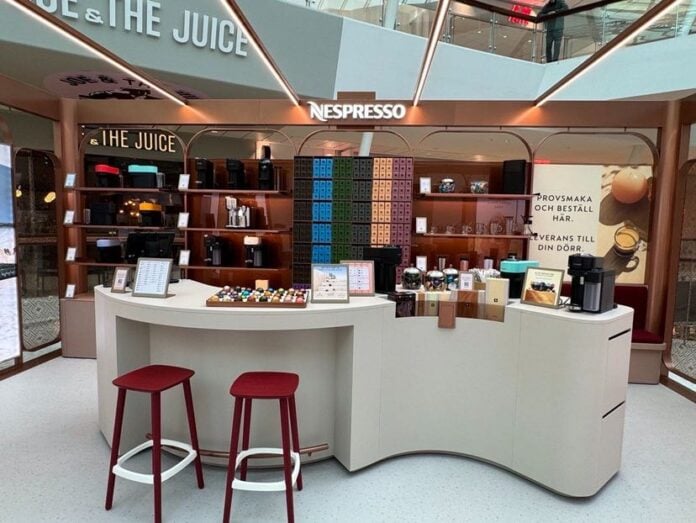
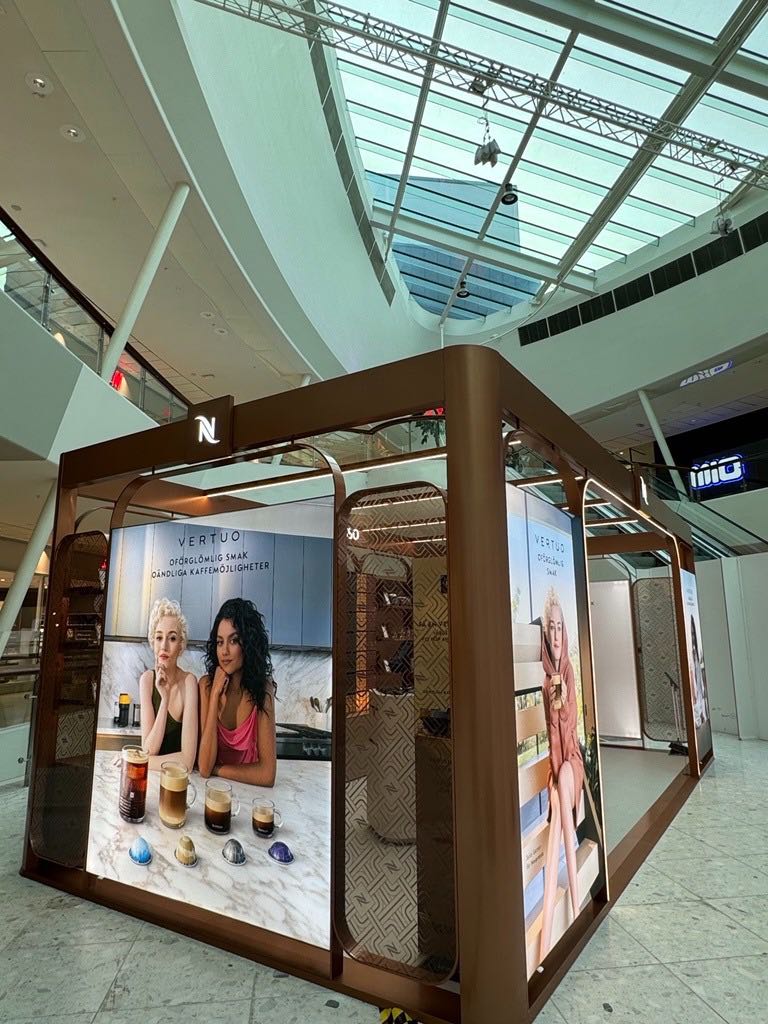
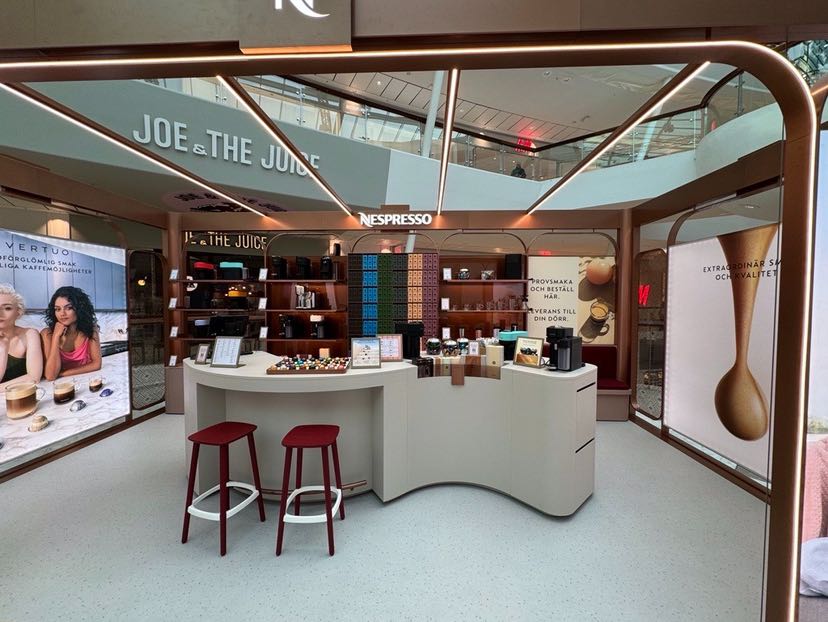
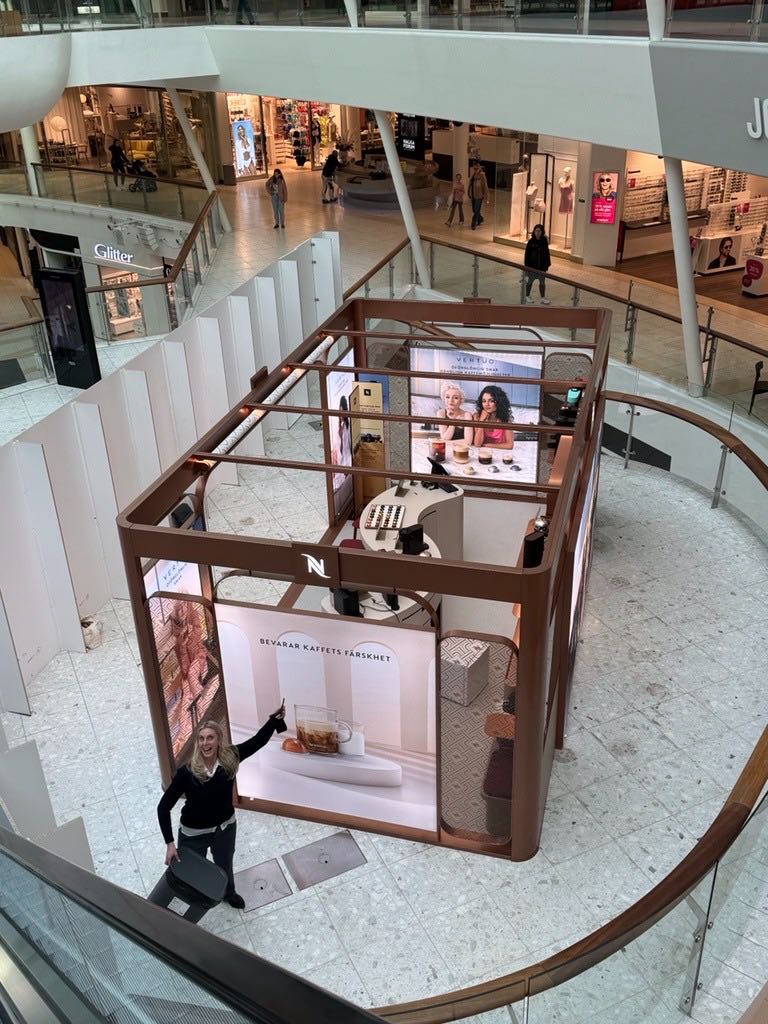
Nespresso Pavilion in Sweden. Photo credit: Nespresso
Coffee retailer Nespresso is launching its new Pavilion boutique in Quebec.
The new concept will open initially at the Centre Les Rivières at Trois-Rivières at the end of August.
Nespresso said the new Pavilion pop-up design utilizes modules that offer flexibility and adaptability to meet market demands.
Nespresso Pavilion in Sweden. Photo credit: Nespresso
The development of the new concept for the temporary format focused on several key aspects:
Creating a contemporary consumer experience that appeals to a younger audience while still catering to existing customers.
Designing smooth, engaging, and personalized journeys that can meet all types of consumer needs and expectations.
Offering a warm, welcoming, authentic, and effortless atmosphere that aligns with the brand positioning. The ever-evolving markets and diverse consumer needs require flexible spaces that can easily adapt to different requests in terms of size and layout. Therefore, we envisioned a space that is autonomous, self-supporting, and flexible, while also being easily usable and attractive, representing the Nespresso brand worldwide.
“The New Pavilion can be easily positioned in an open space, allowing consumers to experience it from all angles: visually through external communication and physically through transparent displays that create a seamless connection between the interior and exterior,” it said.
Nespresso Pavilion in Sweden. Photo credit: Nespresso
“Key features include: Enhanced elegance and attractiveness. Use of recycled and recyclable materials. Creation of a closed, yet inclusive environment. Inside, customers will find a tasting touchpoint at the core of the space, but also all the available categories such as Coffee, Accessories, Machines, Recycling, and Tasting.
“The new Pavilion was conceived based on the study of its primary product: the pod, including its shape and size. This harmonious relationship was also reflected in the display modules, ensuring a consistent reference to the pod. An arch was thus designed, lightweight yet structurally sound, capable of housing the display and storage elements that showcase Nespresso products.”
Nespresso said the choice of materials was driven by the intention to convey a message of authenticity, warmth, inclusiveness, and transparency in a language that resonates with Nespresso members and attracts the attention of new and young buyers.
“The goal was to create a cozy and inviting atmosphere, ensuring users feel comfortable while exploring Nespresso products within the temporary store. The material selection reflects a natural, organic, yet refined aesthetic, characterized by the beautiful contrasts between raw-natural elements and sleek-smooth surfaces. This elegant and contemporary design harmoniously combines with materials that are easily recognizable by Nespresso customers,” it said.
Carlos Oyanguren
Carlos Oyanguren, President, Nespresso Canadasaid: “We invite coffee lovers to visit our new pop-up boutique in Les Rivières Shopping Centre. In the modern yet timeless design of this brand-new concept, we are bringing the ultimate coffee experience to Trois-Rivières.”
Anne-Valérie Guidollet
Anne-Valérie Guidollet, Vice-President of Sales and B2C Channels, Nespresso Canada said:“We are proud to see this latest pop-up concept design being implemented in Trois-Rivières, Quebec, as the first retail location globally. It is always exciting to set foot in a new market, not to mention with a new boutique concept. Come and discover it by yourselves!”
completely modular. The way that HQ has designed them is that they come in different formats depending on the market’s needs and the space that’s available,” he said.
The Pavilion itself also comes in different formats – rectangular, circular, square.
The one in Trois-Rivières will be 233 square feet. It will be in a common area, close to the main entrance and not far from the food court. This will be the company’s 10th boutique in Quebec.
Canada will be the first location internationally to launch this concept as a full boutique. There’s one open in Sweden but it’s not a full boutique.
“Moving forward they’re all going to be like this worldwide,” explained Morin. “So this is the new format.
“The brand is constantly evolving. They want to make sure that the pop-up was consistent with the new brand design of the overall permanent format boutique. It’s just a constant evolution. The design team is refreshing the look and feel of the boutiques and the pop-up boutiques on a regular basis.
“Following the big revamp of our boutiques it naturally made sense to use some of those same concepts and apply it towards the pop-up as well.”
Nespresso Pavilion in Sweden. Photo credit: Nespresso
Toronto-based Impact Kitchen is expanding to two more locations in the city with plans to also break into the New York City market in the near future.
Impact Kitchen was founded in 2015 by Josh Broun, a former personal trainer and nutrition expert, and Frank Toskan, co-founder of MAC Cosmetics. Its mission is to empower people to choose healthier foods that supply the energy and drive they need to take on the rest of their day.
The first location opened October 2015 in the Corktown area of Toronto.
“We’re a nutrition-focused, all-day restaurant and cafe,” said Broun. “We have our food philosophy that we adhere to. We consider ourselves chef-driven and collaborative with a team of nutritionists. That’s the way we’ve built our menu since day one.
“We’ve been fortunate to open up in great communities and over these last nine years we’ve really grown our community across Toronto.”
Currently, five locations are open with two new ones opening up in Toronto in the next couple of months – one in the Yonge and Sherwood area (just north of Eglinton) and one at Bay and Wellington.
Broun said traditionally the Impact Kitchens have been between 2,800 and 4,000 square feet. The next two will be both under 3,000 square feet because of the way the real estate opportunities and the locations presented themselves.
He said the brand looks for a vibrant community when it is setting up shop.
“Whether it’s a lot of boutique gyms in the neighbourhood, whether it’s running or walking, biking trails, we’re kind of surrounded by those in all our locations,” said Broun.
“We’re definitely in a position to continue to grow here in Toronto. Our next big bet will be New York City. We don’t have a lease signed yet, but we’ve got the approval from our investor to bring Impact Kitchen to Manhattan and Brooklyn,” said Broun.
“We’ve got a road map until 2030 of where we want the brand to go. More locations in Toronto and then Manhattan and Brooklyn. I think I can confidently say we’ll be over 15 locations.”
Partners in the business include Brett Toskan and Alex Casale.
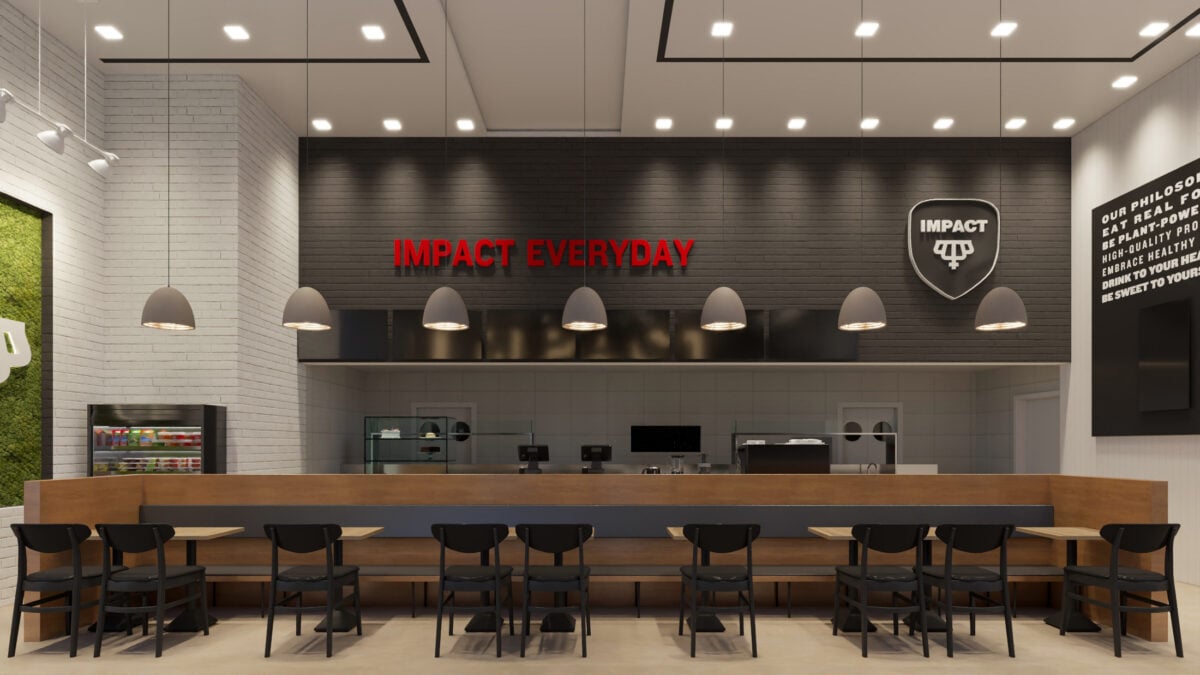
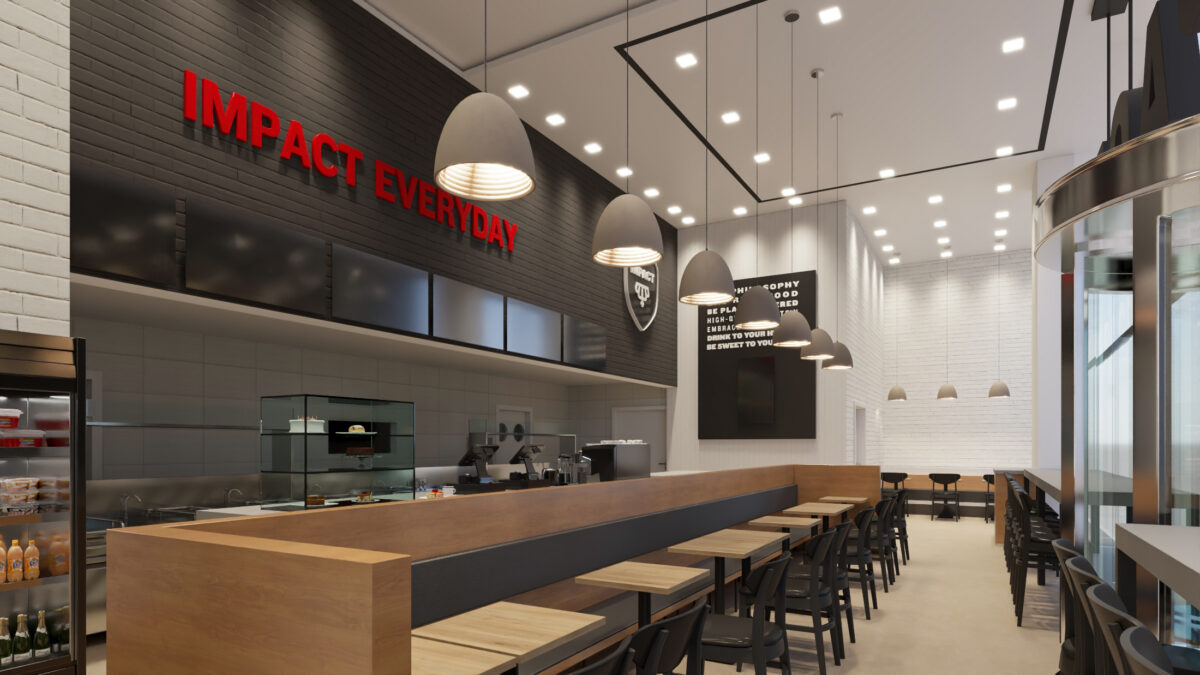
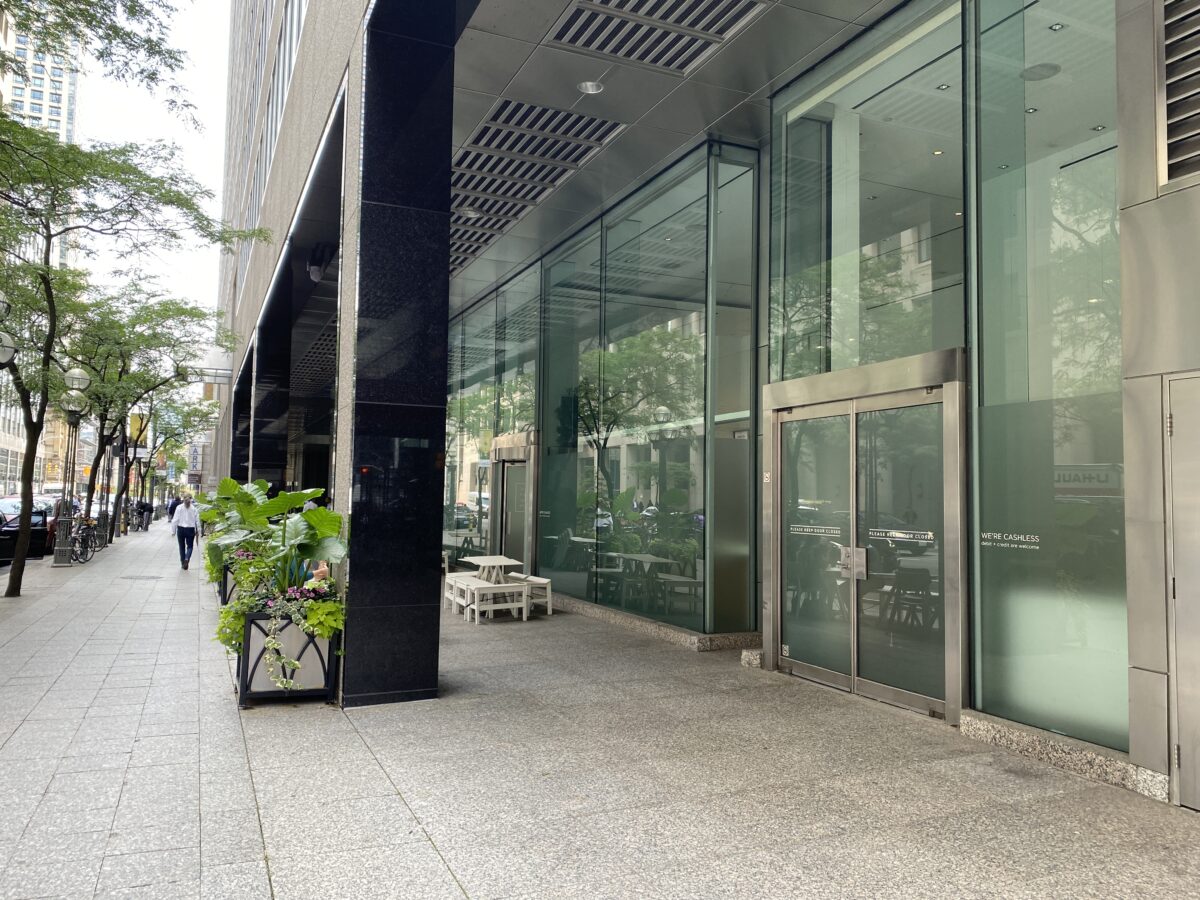
Future Impact Kitchen at Brookfield Place, 181 Bay St (Image: Dustin Fuhs)Future Impact Kitchen at Brookfield Place, 181 Bay St (Image: Dustin Fuhs)
The two new Toronto locations will be at 2555 Yonge Street opening in September and 181 Bay Street opening in October.
“With our growth, our commitment to being better, we stick to the high standards of our food philosophy. We’re committing to no seed oils, no gluten and no refined sugar in our menu items. And an investment and unwavering commitment to our hospitality,” explained Broun.
“Just trying to continue to have a level of excellence as we grow. Some brands maybe lose that. It’s a massive focus for us to only get better as we scale the business.”
According to the company’s website, Impact Kitchen was founded on the belief that food has the power to shape our daily lives – that real, wholesome ingredients, prepared simply and with integrity, can provide us with the energy to take on the day with purpose and optimism.
“Josh had always been inspired by Frank’s story of successful entrepreneurship and dedication to impacting the community, and the two built a strong relationship over many years of working together with Josh as Frank’s trainer. During their sessions, they would discuss the gap in the Toronto marketplace for healthy places to eat and drink, and over time, an idea began to brew: what if there was a place that made living a healthier lifestyle easy and accessible?” says the company.
“So they created a place where anyone can be confident that the food they are eating supports the life they want to lead. We work closely with our farmers and suppliers to ensure all our fresh, local, and organic ingredients are of the highest quality. With the support of our team of chefs, nutritionists, and wellness experts, we are dedicated to ensuring each item on our menu has a nutritional purpose (and tastes amazing too). Whether you stop into a location for a coffee or power bowl or are looking for healthy catering, Impact Kitchen strives to become part of your everyday.”
“We are going to make it with high quality ingredients or we aren’t going to make it,” said Frank Toskan.
Impact Kitchen’s mission is to empower our community to eat healthy, nutritionally-dense foods with a focus on quality and sustainability. We know that what you eat matters, and we seek to make an impact by choosing local, ethically-sourced ingredients that will nourish you and help you thrive everyday.
Additional Photos:
Photo Credit to Tisha Riman
Team Impact @ Impact Midtown, 2555 Yonge Street
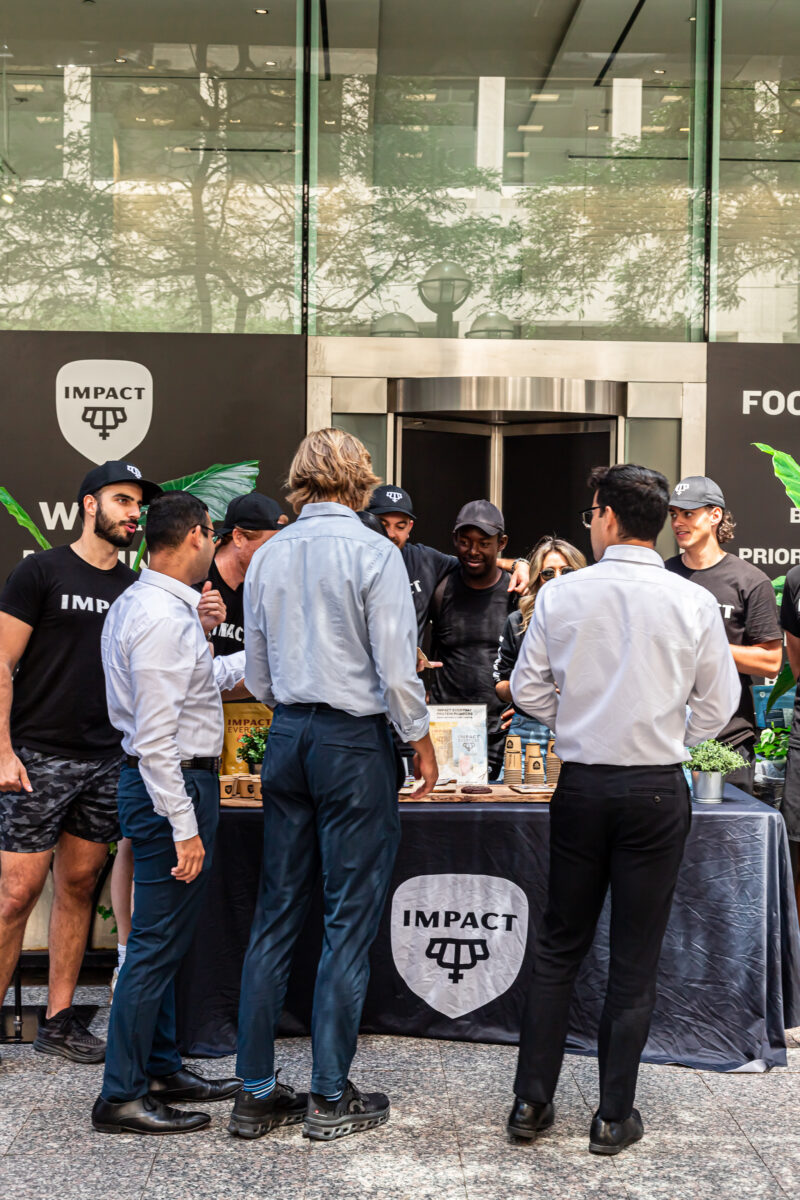
2. Team Impact engaging the community at 181 Bay Street on Announcement Day:
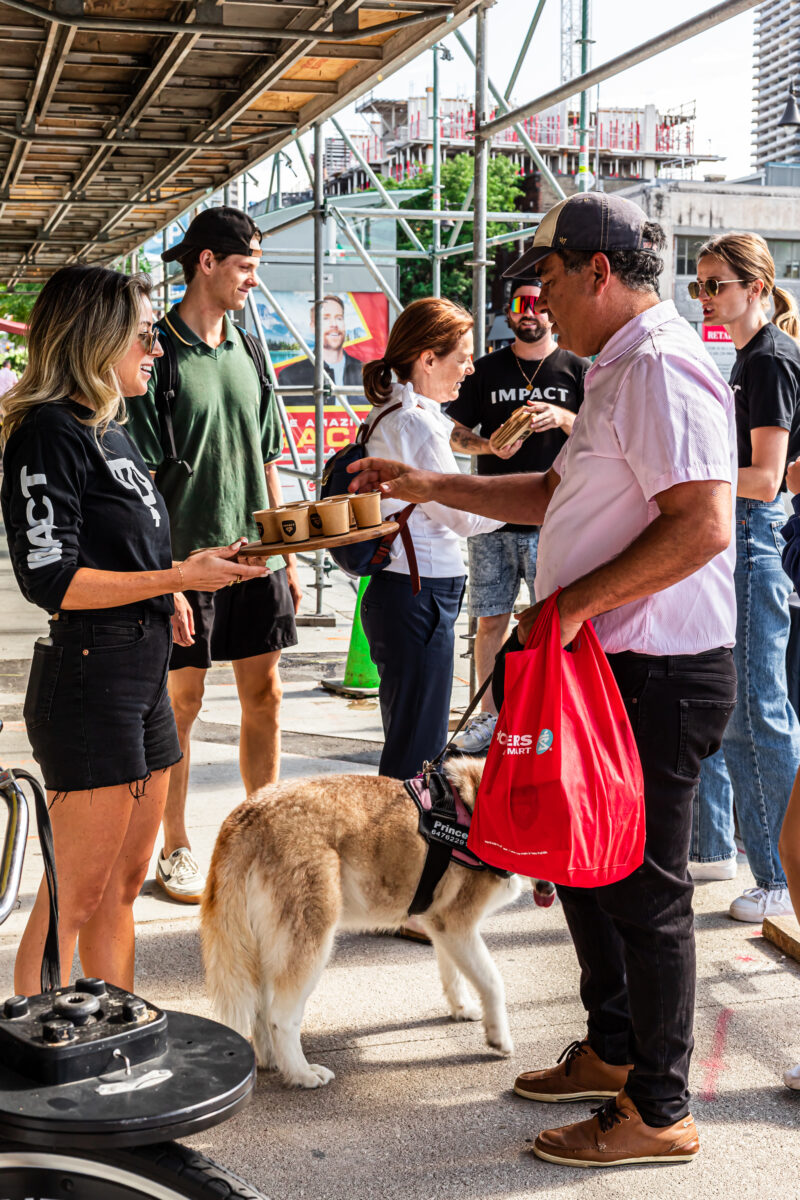
3. Team Impact engaging the community at 2555 Yonge Street on Announcement Day
Retail Insider is streamlining its Canadian retail news from around the web to include a handful of top news stories that can be viewed quickly during the day. Here are the top stories from the past 24 hours.
London Drugs is set to expand its footprint in Winnipeg with the announcement of a new store opening at CF Polo Park Shopping Centre. It’s the first new London drugs store to open in the Winnipeg market in 20 years, in one of the country’s leading shopping centres.
The new location, slated to open in the latter half of 2025, will mark London Drugs’ second store in the Winnipeg area. This expansion is part of the company’s broader growth strategy in Manitoba, aimed at meeting the diverse needs of local consumers while contributing to the region’s economic development.
Situated on the upper level of CF Polo Park, the purpose-built retail space will offer a unique blend of products and services. At the heart of the store will be a full-service pharmacy and the innovative Connected Wellness program, designed to provide customers with a seamless integration of health services, technology, and beauty products.
CF Polo Park in Winnipeg. Image: Cadillac Fairview
The store’s concept emphasizes an integrated approach to wellness, with pharmacists and tech experts working in tandem to offer personalized guidance. This holistic strategy aims to empower customers in their health journeys by providing easy access to innovative solutions and expert advice.
According to lease plans, it appears that London Drugs is likely to open in an 18,000 square foot space in part of what was once a Sears department store located in the mall. London Drugs will be the second large drug store to operate in CF Polo Park, with Shoppers Drug Mart also having a 15,000 square foot store downstairs on the main level.
Peter Havens, General Manager of CF Polo Park, expressed enthusiasm about the addition of London Drugs to the shopping centre’s roster. “As the leading shopping destination in Winnipeg, this opening reaffirms our commitment to delivering best-in-class retail experiences to our community,” Havens said in a statement.
Clint Mahlman, COO and President of London Drugs, echoed the sentiment, highlighting the company’s dedication to community engagement. “We’re looking forward to fully integrating ourselves into the local community and bringing real value to Winnipeg’s residents and their community goals with our unique product offerings and ongoing initiatives,” Mahlman remarked in a statement.
CF Polo Park in Winnipeg. Image: Cadillac Fairview
The new store is expected to generate between 60 and 70 new jobs for local residents. This investment in human capital aligns with London Drugs’ reputation as a significant employer in Western Canada, where it currently provides jobs for over 9,000 individuals across its network of 80 stores.
CF Polo Park is one of Canada’s top shopping centres in terms of sales per square feet, exceeding $1,000 annually. The shopping centre spans more than a million square feet with Hudson’s Bay being its largest anchor.
London Drugs entered the Winnipeg market in 2004 when it opened its first store at the St. Vital Centre. The store remains operational today.
Founded in Vancouver in 1945, London Drugs has established itself as a versatile retailer, offering a wide range of products from personal protective equipment to electronics and cosmetics.
The Home Depot has fallen victim to a sophisticated fraud scheme across its stores in southern Ontario and the Greater Toronto Area (GTA). The incident has resulted in estimated losses of $100,000 and the arrest of two individuals.
Further investigation revealed a pattern of fraudulent activity spanning from May to July 2024. The suspects allegedly used a combination of Home Depot gift cards, credit cards, and falsified identification to make purchases at various store locations throughout southern Ontario and the GTA. This sophisticated operation managed to circumvent existing security measures, highlighting the evolving challenges retailers face in combating fraud.
On July 11, 2024, the Halton Regional Police Service (HRPS) responded to a call at the Home Depot located at 99 Cross Avenue in Oakville, part of the Oakville Place shopping complex. Store staff reported a suspect attempting to fraudulently purchase high-value items. Although the suspect fled before police arrived, investigators discovered a rental vehicle at the scene containing Home Depot property, multiple fraudulent credit cards, and fake identification documents.
The HRPS’s diligent work led to the identification and subsequent arrest of two suspects. Huguens Charlescat, a 30-year-old resident of Etobicoke, faces multiple charges including possession of property obtained by crime, fraud over $5,000, and personation with intent. Charlescat remains in custody pending a bail hearing. The second suspect, 29-year-old Melissa Levesque, also from Etobicoke, has been charged with fraud over $5,000 and released on an undertaking, with a court appearance scheduled for September 17, 2024.
New Petro Canada at Canadian Tire in Kitchener, Ontario
Canadian Tire Corporation (CTC) has launched its first rebranded fuel station under the Petro-Canada banner, marking a significant milestone in the partnership announced between the two companies in May 2023.
The inaugural rebranded site, located in Kitchener, Ontario, represents the beginning of a multi-year initiative that will see approximately 200 Canadian Tire Gas+ locations adopt the Petro-Canada branding. The strategic move aims to enhance the customer experience at fuel stations across Canada while maintaining the benefits of CTC’s popular Triangle Rewards program.
Despite the change in appearance, Petro-Canada has assured Canadian Tire’s Gas+ retail fuel customers that they will continue to earn Canadian Tire Money on their fuel purchases at both Petro-Canada and Gas+ locations nationwide. The seamless integration of loyalty programs is expected to drive additional value for millions of members and increase customer engagement.
Greg Hicks, President and CEO of Canadian Tire Corporation, highlighted the significance of this partnership, stating, “Through this new partnership, Canadian Tire Corporation will expand the reach of our Triangle Rewards program from over 200 gas stations to a network of more than 1,800, driving enhanced value for Canadians at the pumps by providing more opportunities for members to earn CT Money in a high-frequency category.”
The collaboration between CTC and Petro-Canada, a brand of Suncor Energy, is set to bring multiple benefits to both companies and their customers. For Canadian Tire, it establishes a competitive fuel source and a long-term fuel supply arrangement. Suncor, on the other hand, will see an increased presence of Petro-Canada branded stations across the country.
Canadian Tire Corporation will continue to own the locations. This arrangement is expected to enhance existing site productivity and provide Petro-Canada’s SuperPass commercial fleet program customers access to CTC’s network of stations.
The partnership also opens doors for future opportunities, allowing CTC to leverage Suncor’s scale and operating infrastructure. This could potentially lead to the introduction of more products and services to customers, including low carbon energy alternatives, aligning with growing environmental concerns and sustainability trends in the retail fuel sector.
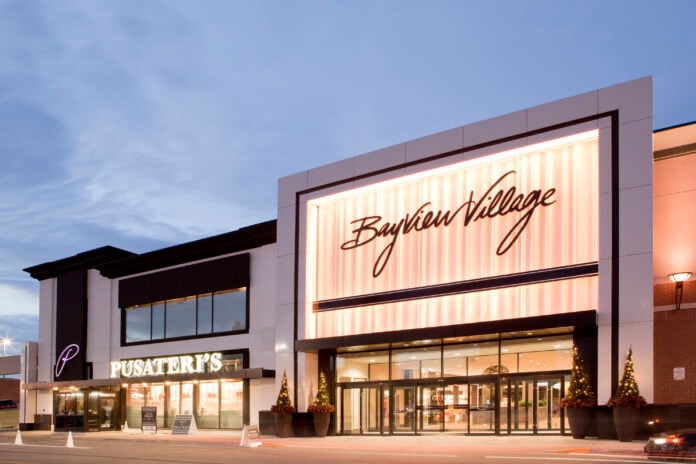
Bayview Village in Toronto. Photo: Wikipedia Commons
Pusateri’s Fine Foods, a stalwart of upscale grocery shopping in Toronto, has abruptly closed its location at Bayview Village Shopping Centre without explanation. The company has also closed the grocery component of its Saks Food Hall downtown while shelving plans for a store in Little Italy.
The Bayview Village closure, which caught shoppers off guard this week, comes just months after Pusateri’s shuttered its Yorkville store, ending a two-decade presence in one of Toronto’s most affluent neighbourhoods.
Efforts to obtain clarity on the situation have yielded little information — Retail Insider called the Avenue Road store, which had no answers. A call to landlord QuadReal also provided more questions than answers.
Following publishing this article, Streets of Toronto confirmed that the Bayview Village Pusateri’s has closed permanently — and as well, plans for a location that was under construction in Little Italy in Toronto have also been shelved, despite ongoing construction.
Prior to the confirmation, Retail Insider noted Google indicating that the Bayview Village Pusateri’s location is now permanently closed.
It also appears that the grocery component to the Saks Food Hall in downtown Toronto is no longer operating, though vendors with concessions are currently selling according to a source.
The sudden closure of the Bayview Village Pusateri’s location — previously considered one of the company’s leading stores in terms of sales — has raised questions about the challenges facing high-end food retailers in an increasingly competitive and economically uncertain landscape. It also appears that there may be a bigger issue within Pusateri’s itself.
The upscale food market in Toronto has become increasingly crowded in recent years. Eataly, the Italian mega-market, has announced plans for its fourth location in the city, set to open in early 2025 at the CF Toronto Eaton Centre — and earlier this year, a smaller location opened south of Bayview Village at CF Shops at Don Mills.
Pusateri’s Fine Foods at Bayview Village in Toronto. Photo: Pusateri’s
Pusateri’s, founded in 1963 by Sicilian immigrant Salvatore Pusateri, has long been synonymous with gourmet food shopping in Toronto. The company’s transformation from a modest produce stand to a high-end grocery empire mirrored the city’s own evolution into a global culinary destination.