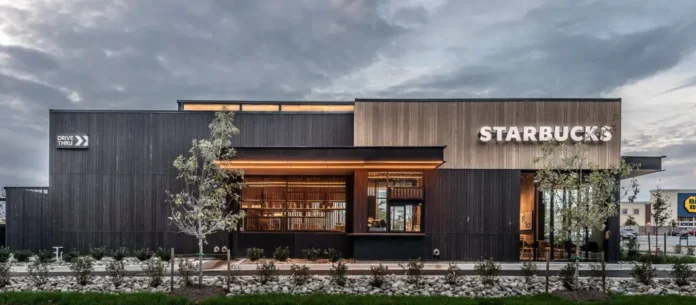
Seattle-based coffee giant Starbucks has announced a significant leadership change in response to recent challenges and investor concerns. The company has appointed Brian Niccol, the current chairman and CEO of Chipotle, to take the helm as its new chief executive officer, replacing Laxman Narasimhan after just over a year in the role.
Brian Niccol
The unexpected move comes as Starbucks grapples with weakening demand and mounting pressure from disgruntled investors. Narasimhan, who assumed the CEO position in March 2023 following Howard Schultz’s interim leadership, will step down immediately. Niccol is set to assume his new role as Starbucks’ chairman and CEO on September 9, with the company’s Chief Financial Officer, Rachel Ruggeri, serving as interim CEO until then.
The leadership transition occurs against a backdrop of declining sales and market challenges for Starbucks. The company reported its first quarterly sales decline since late 2020 in the January-March period, followed by another drop in the subsequent quarter. These setbacks have been attributed to various factors, including increased competition from lower-cost rivals in China and boycotts in the Middle East due to perceived support for Israel.
The appointment of Niccol has been met with enthusiasm from investors, as evidenced by a substantial surge in Starbucks’ stock price following the announcement. Elliott Investment Management, an activist firm with a significant stake in the company, expressed support for the decision, describing it as a “transformational step forward” in realizing Starbucks’ full potential.
Starbucks Chairwoman Mellody Hobson, who will transition to lead independent director once Niccol takes over, praised the incoming CEO’s track record at Chipotle. Under Niccol’s leadership since 2018, Chipotle has seen remarkable growth and innovation, particularly in menu development, operational excellence, and digital transformation.
Howard Schultz, Starbucks’ founder and Chairman Emeritus, also voiced his support for Niccol, stating that he believes Niccol is the right leader for Starbucks at this critical juncture in its history.
The appointment of Niccol brings a fresh perspective to Starbucks, drawing from his successful tenure at Chipotle. During his leadership, Chipotle has continued to thrive despite broader slowdowns in the North American fast food industry. The chain has maintained growth through popular limited-time offerings and generous portions, appealing to customers even as many lower-income consumers reduce dining out.
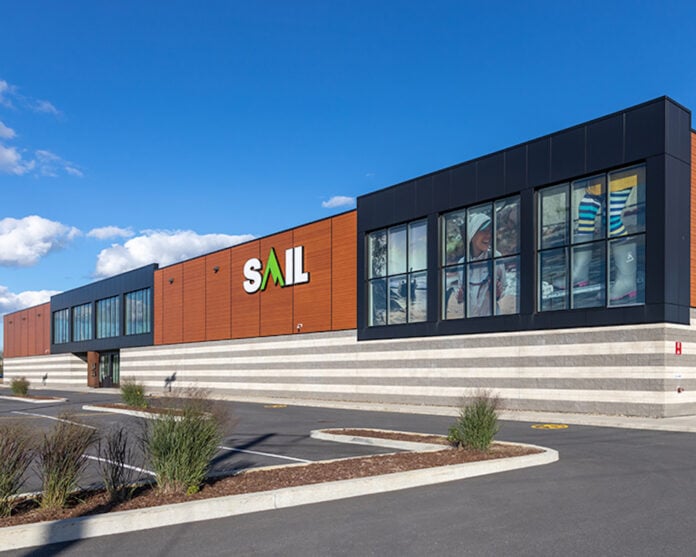
Quebec-based outdoor equipment retailer SAIL Outdoors Inc. has announced a significant change in its executive leadership. The company’s Board of Directors, led by Executive Chairman Daniel Desmarais, has appointed Isabelle Lemay as the new President and Chief Executive Officer.
Isabelle Lemay
Lemay, a seasoned retail industry veteran, is set to assume her new role on September 9th, 2024, marking a new chapter in SAIL’s four-decade-long history.
Lemay brings a wealth of experience to her new position at SAIL. A certified public accountant by training, she has carved out an impressive career in the retail and distribution sectors over the past two decades. Her professional journey spans both Quebec-based companies and international organizations, providing her with a broad perspective on retail operations and strategies.
Most recently, Lemay held key leadership positions within the Legault Group, specifically at Mondou, a well-known Quebec-based pet supply retailer. Her tenure as Chief Operating Officer and later as Chief Executive Officer at Mondou has equipped her with valuable insights into the complexities of managing a successful retail operation in the Canadian market.
The appointment of Lemay comes at a crucial time for SAIL Outdoors Inc. As the largest network of outdoor, camping, hunting, and fishing stores in Eastern Canada, SAIL has built a strong reputation for providing a unique customer experience. Lemay’s leadership is expected to further enhance this reputation and drive the company’s mission of equipping outdoor enthusiasts with top-quality gear and authentic experiences.
SAIL’s presence in both Quebec and Ontario has solidified its position as a leader in the Canadian outdoor retail industry.
According to a Retail Council of Canada(RCC) consumer study on back-to-school shopping expectations this year, 34 per cent of shoppers are gearing up for Back-To-School and 85 per cent plan to maintain or increase their spending.
The report, which was released on Tuesday, said nearly three out of four consumers prefer to purchase school items in-store rather than online, reversing the trend observed during the pandemic, when only 40 per cent of purchases were made in-store.
“Back-to-school spending is expected to remain stable in 2024, with 85.7 per cent of respondents believing they will spend as much as last year – or more – on school supplies. The majority of consumers plan to spend more than $50 with the top spending items being school supplies (64 per cent) and clothing (57 per cent), followed by books (25 per cent) and electronics (20 per cent),” said the report.
“Purchasing school supplies is becoming more planned. Nearly 40 per cent of respondents plan to make their purchases two to four weeks before the start of the school year, an increase of around 10 per cent from last year. The proportion of respondents who will shop a week before the start of the new school year has shrunk to just five per cent this year: in 2023, it was over 15 per cent. Flyers and in-store displays are the main sources of inspiration that shoppers will look to for their back-to school purchases.”
● 72.7 per cent plan to spend over $50 on Back-ToSchool shopping this year, slightly down from 73.6 per cent in 2023;
● 27.3 per cent intend to spend $50 or less, an increase of 0.9 percentage points compared to last year’s 26.4 per cent;
● 37.1 per cent plan to make their purchases two to four weeks before schools begin, up from 29.5 per cent in 2023, indicating a trend towards earlier preparation;
● Only 2.8 per cent will start shopping just a few days before school starts.
Retail is Canada’s largest private-sector employer with over 2.3 million Canadians working in the industry. This sector is a major economic contributor, generating more than $91 billion annually in wages and employee benefits. In 2023, core retail sales (excluding vehicles and gasoline) exceeded $501 billion. Retail Council of Canada (RCC) members account for more than two-thirds of these core retail sales and 95 per cent of the grocery market.
“It’s all corporate stores for the moment,” he said. “In France, they have more than 545 stores and they are in 14 countries.”
The first location opened in downtown Montreal several years ago.
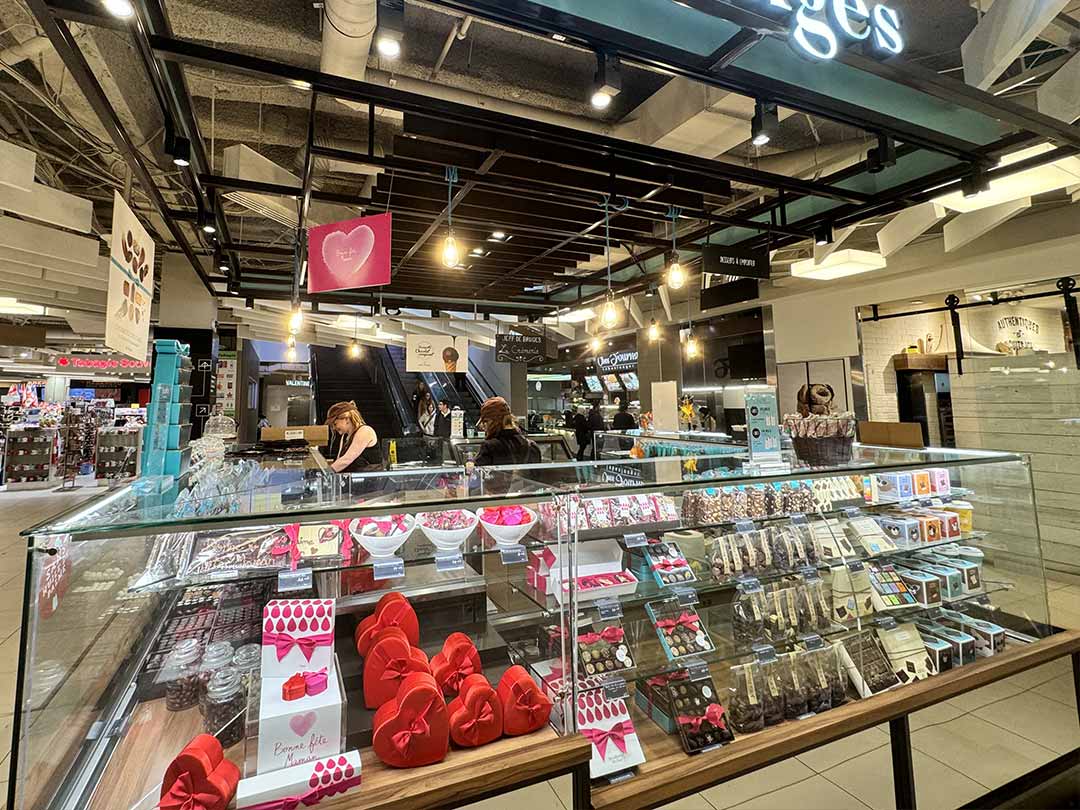
“We have a trendy and fashion look and because we are in the chocolate business and ice cream, we are in the mid to high end positioning,” said Chambon. “We’ve got the nice packaging. We are also the only one for Royalmount that will sell chocolates. For us it’s important.
“Also, we try to have the best shopping malls in Quebec and if we go to Ontario.”
Tony Flanz, President at Think Retail, said the new 660-square-foot store is ideally situated in this innovative mixed-use development, which offers a groundbreaking approach to how people work, learn, play and live.
Tony Flanz
“Located in the heart of Montreal, Royalmount is the largest private development in Quebec and the focus is on what the creators call “active mobility…. a never-before-seen living environment where connectivity, creativity, sustainability and technology thrive,” said Flanz.
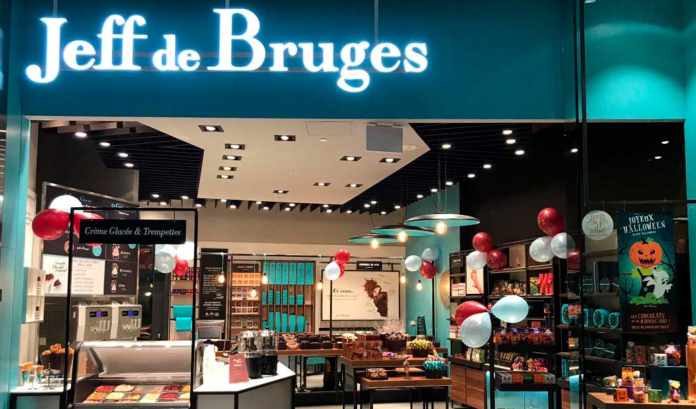
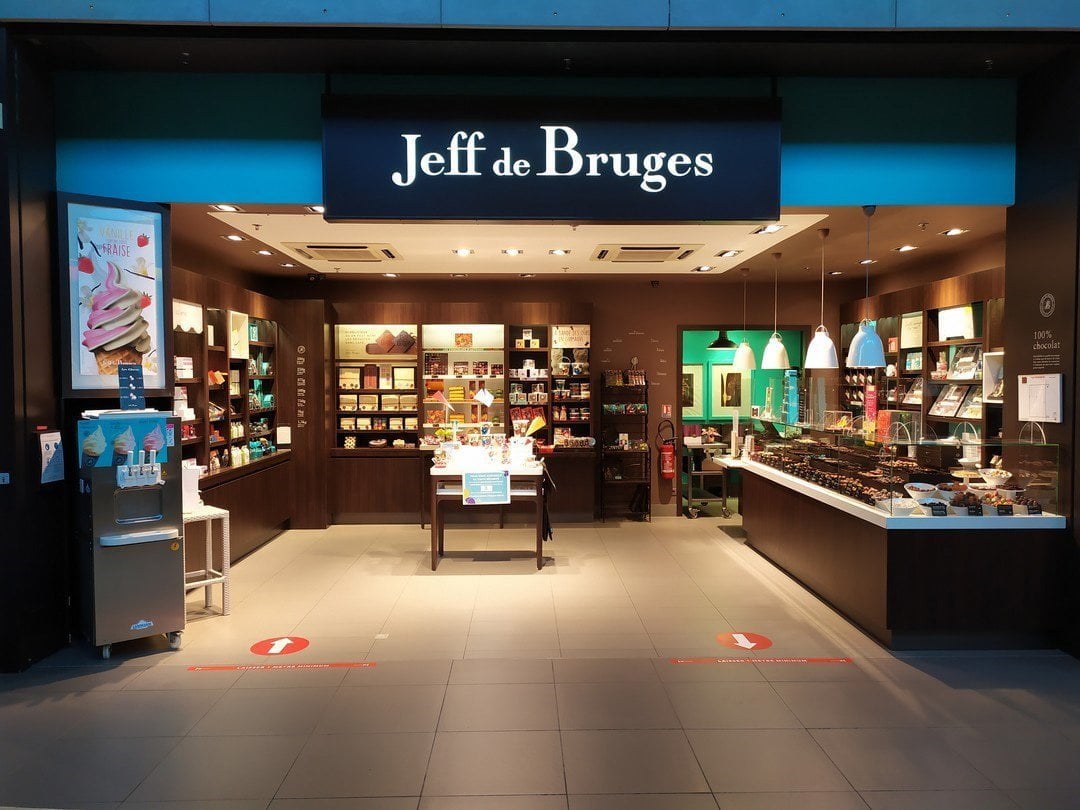
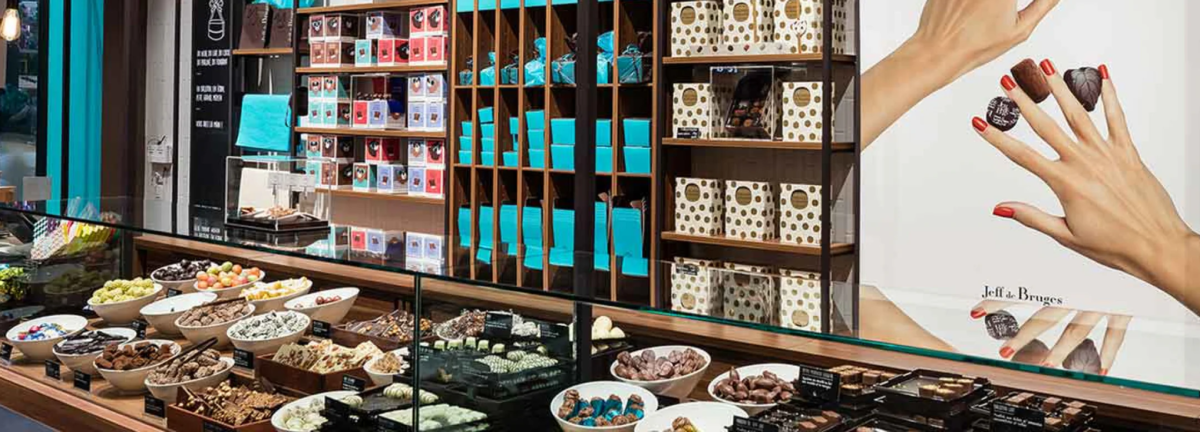
“Royalmount is welcoming an exciting array of innovative retailers and eateries, making it the perfect site for Jeff de Bruges’ fourth location in Canada. This is just the beginning for this marquee global company. Its stores are beautifully designed with a sophisticated air that showcases innovative products against the company’s turquoise and chocolate-brown palette.
“Jeff de Bruges dates back to 1986 when Philippe Jambon founded the Belgian chocolate company in France, quickly establishing the brand as a go-to for gourmet Belgian chocolates, with a French twist.”
Jeff de Bruges La Chapelle St Luc (Image: Jeff de Bruges)
Flanz said the concept debuted in Canada in 2014 and quickly became a destination for Montreal’s discerning tastemakers, who appreciate the decadent Belgian chocolates, as well as local-sourced ice cream and other treats. The menu is constantly evolving, giving customers a reason to return again and again.
In 2018, Jeff de Bruges relocated its debut store to a beautiful 750-square-foot space at the Montreal Eaton Centre. That same year, it opened a 175-square-foot kiosk at Carrefour Industrielle Alliance in the heart of the city’s pedestrian network. In June 2022, Jeff de Bruges’ opened its third store at Carrefour Laval.
Expansion continues and the company aims to open at least two locations in 2025, with a focus on super regional malls in Montreal and Quebec City. Ideal spaces are 500 square feet to 850 square feet.
Photo credit: Jeff de Bruges
Chambon said the concept is a franchise one with more than 60 per cent of the stores in France operating as a franchise.
“We want to develop Quebec City and I think we have more potential in Ontario and the rest of Canada. We have good competitors. We are sure we can make a difference with our offer,” he said.
In a previous Retail Insider story, Chambon said: “We are very careful because the business model has to be of course very good for our franchisee. We are very careful about the location and the profitability of course of the concept. We are not in a rush because the group is very solid. The group has a lot of experience and we prefer doing not fast but doing well.
Photo: Jeff de Bruges
“All of our chocolates are coming from Europe, coming from Belgium. With less sugar. It’s premium. Very tasty. Also you can pick up and choose more than 70 different chocolates one piece at a time. You can build your box. It’s personalized, customized, and the shopping experience is important for us. You have to taste the product, we have to speak about the chocolate and where it is coming from. Regarding the price, we’re in the mid-range, not high end. Very affordable. It’s high quality, affordable price.”
Philippe Jambon, Founder and President of Jeff de Bruges, in an interview on the brand’s website, said : “With passion, and from a very young age running around in the chocolate makers’ workshops, I was able to observe the magical effect of chocolate. Since then, when creating Jeff de Bruges, I have relentlessly imagined a thousand and one ways to turn our stores into unique places, gourmets’ worlds and delicious chocolate could also be accessible and fun to bring pleasure and quality to all.
“In our stores, we mainly try to be in touch with (customers’) needs, to bring back childhood memories of afternoon teas, to create little treats so that everyday can be joyful, in short, to offer recipes which can make for a happier life.”
Retail Insider is streamlining its Canadian retail news from around the web to include a handful of top news stories that can be viewed quickly during the day. Here are the top stories from the past 24 hours.
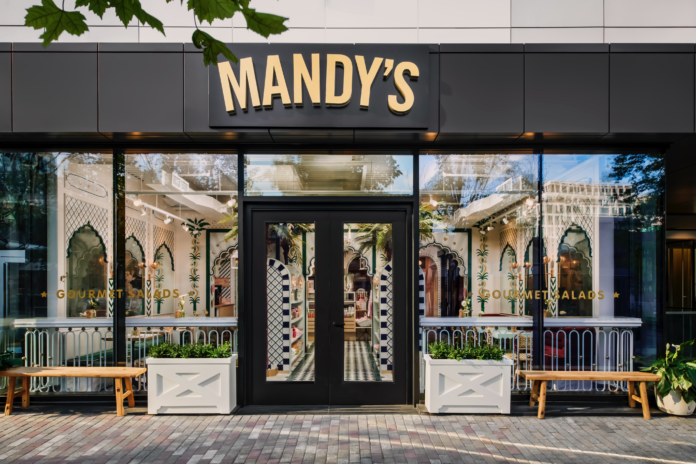
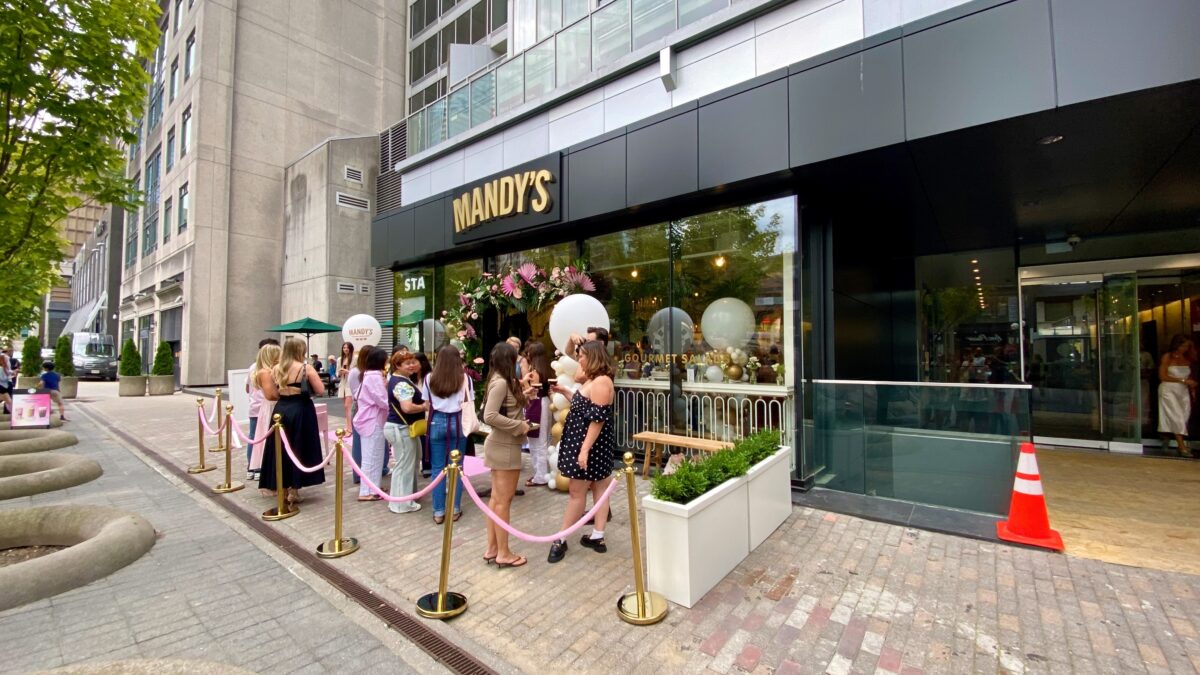
Mandy's Salads at 110 Bloor St. W. in Toronto. Photo: Mandy's Gourmet Salads
Montreal-based Mandy’s Salads, founded by sisters Mandy and Rebecca Wolfe, has unveiled its newest flagship location in Toronto’s upscale Yorkville area.
The 1,600-square-foot store at 110 Bloor Street West, facing Cumberland Street and the Village of Yorkville Park, opened its doors on Monday, August 12, marking a significant milestone for the Montreal-based company.
It’s Mandy’s 14th location in Canada and its third storefront in Toronto. The Yorkville flagship embodies the brand’s commitment to providing fresh, healthy meals in a stylish setting that has become synonymous with the Mandy’s experience.
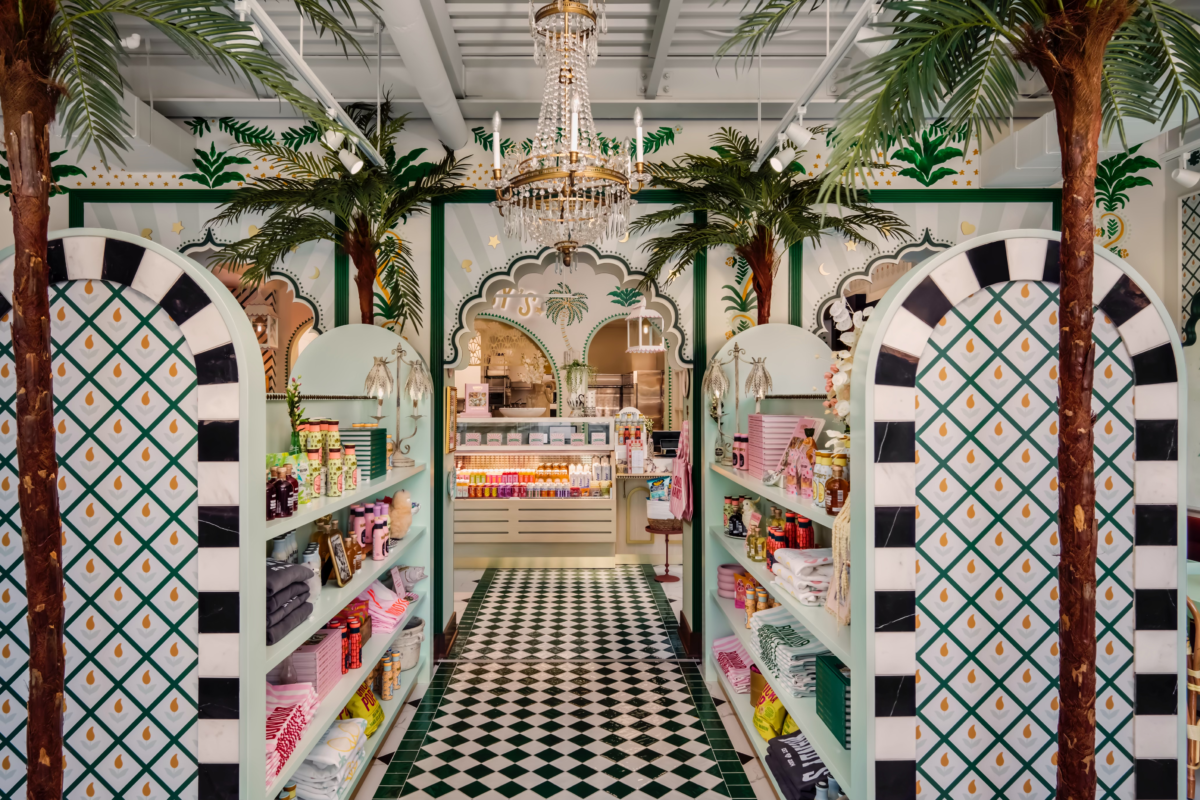
Inside Mandy’s Salads at 110 Bloor St. W. in Toronto. Photo supplied
Co-founder Mandy Wolfe said, “Opening a store in Yorkville has been a long-standing dream for us. We’re thrilled to integrate our unique flavour and design into the vibrant tapestry of this community.”
The interior design, curated by co-founder Rebecca Wolfe, showcases the brand’s signature aesthetic. Patrons can expect a welcoming atmosphere featuring a blend of rich porcelain and vibrant elements, creating an inviting dining experience. The space includes the sisters’ trademark family photo wall and distinctive pieces inspired by India and the Caribbean Islands. Design-build firm SAJO brought the space to life.
In addition to the dine-in area, the Yorkville location offers a pickup wall for customers seeking a quick and convenient option. The store also features a range of branded products including salad dressings, cookbooks, and even Mandy’s-branded clothing items.
Pre-opening media event at Mandy’s Salads at 110 Bloor St. W. in Toronto on Saturday, August 10, 2024. Photo: Craig Patterson
The expansion into Yorkville follows the successful launch of Mandy’s 11th location at The Well, which opened in February of this year. Affectionately dubbed ‘The Wishing Well’, this earlier addition reflected the brand’s playful approach to integrating with local landmarks.
With three dining locations now in Toronto (and three ghost kitchens) and a total of 14 locations across Canada, Mandy’s Salads continues to solidify its position in the Canadian food landscape. The brand’s growth trajectory showcases its ability to resonate with health-conscious consumers seeking quality meals in Instagram-worthy environments.
The Wolfe sisters’ journey from a small counter at the back of a Montreal clothing store to a nationally recognized brand is a testament to their entrepreneurial spirit, and in a previous Retail Insider article it was stated that there are further plans to expand in the Toronto market before looking to places such as Vancouver for locations.
Pet Valu on Front Street in Toronto (Image: Dustin Fuhs)
Canadian retailer Pet Valu has appointed Greg Ramier to the newly-created position of President and Chief Operating Officer (COO), effective immediately. The strategic addition to the executive team comes as the retailer seeks to strengthen its omnichannel capabilities and drive long-term profitability in an increasingly competitive market.
Greg Ramier
Ramier, a seasoned retail industry veteran with over three decades of experience, will be responsible for executing key strategic initiatives and overseeing crucial aspects of the business. His role will encompass supervision of merchandising, marketing and digital operations, supply chain management, and both franchise and corporate store operations. Reporting directly to CEO Richard Maltsbarger, Ramier is expected to bring a comprehensive understanding of retail dynamics to Pet Valu’s growth strategy.
Pet Valu has more than 800 locations across the country, including both corporate-owned and franchised stores. The company has built a reputation for knowledgeable customer service and a premium product offering. Pet Value stores offer a diverse product range of over 9,000 items, including proprietary brands.
Concurrent with Ramier’s appointment, Pet Valu announced the upcoming retirement of Christine Martin-Bevilacqua, the company’s Chief Administrative Officer. Set to retire on October 19, Martin-Bevilacqua leaves behind a legacy of over 22 years of service to the company. Her tenure has been marked by significant contributions to human resources, franchising, real estate management, and facilities operations.
CEO Richard Maltsbarger praised Martin-Bevilacqua’s impact on the company, stating, “Christine’s contributions are too impactful to be overstated. She has been a steadfast partner and advisor, playing a crucial role in shaping the professional and personal development of countless individuals within our organization.”
The reshuffling of executive responsibilities following Martin-Bevilacqua’s retirement will see the franchising, real estate, and construction teams report to Ramier, while human resources will fall under Maltsbarger’s purview. This restructuring aims to streamline operations and foster continued growth in Pet Valu’s retail footprint and digital presence.
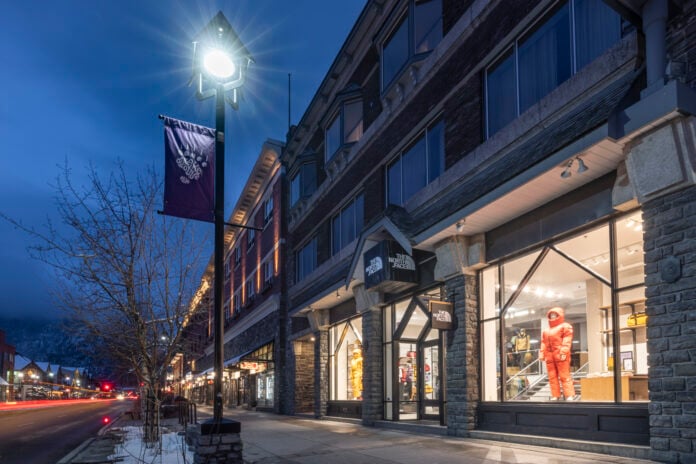
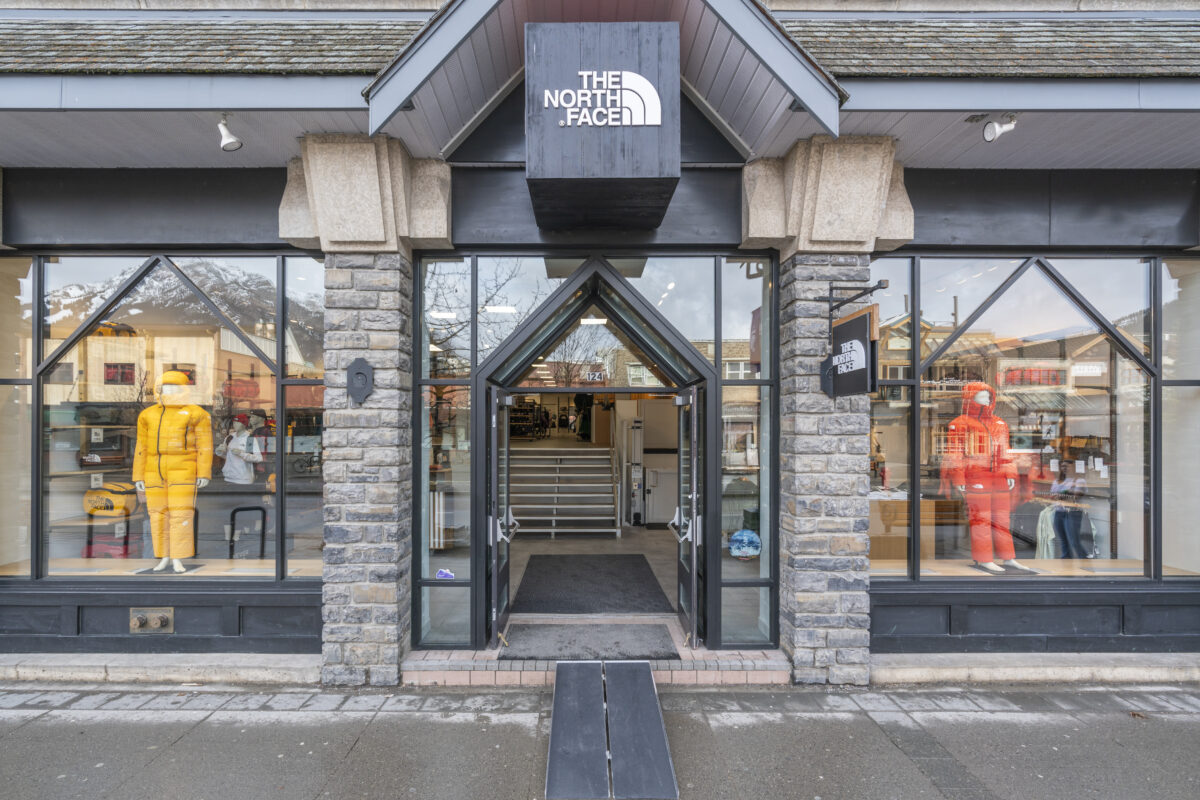
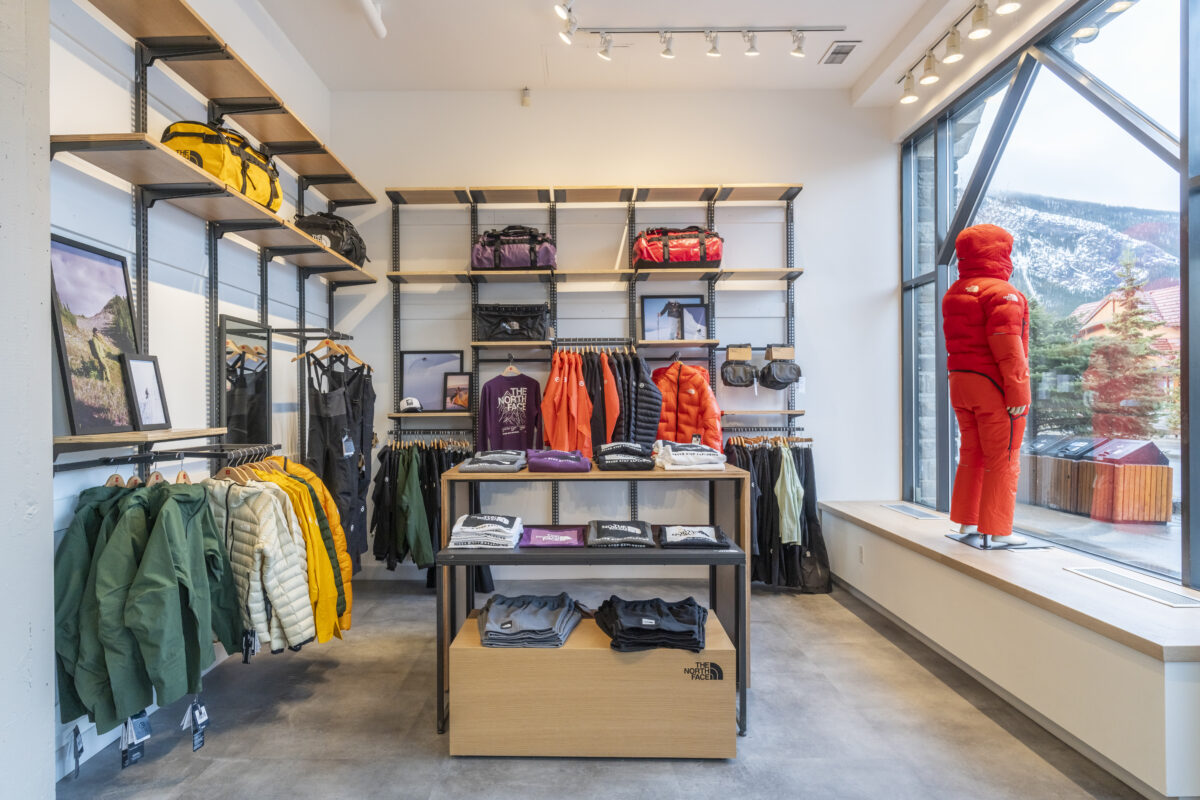
The renovated North Face store on Banff Avenue in Banff, Alberta. Photo: Nick Fitzhardinge Photography
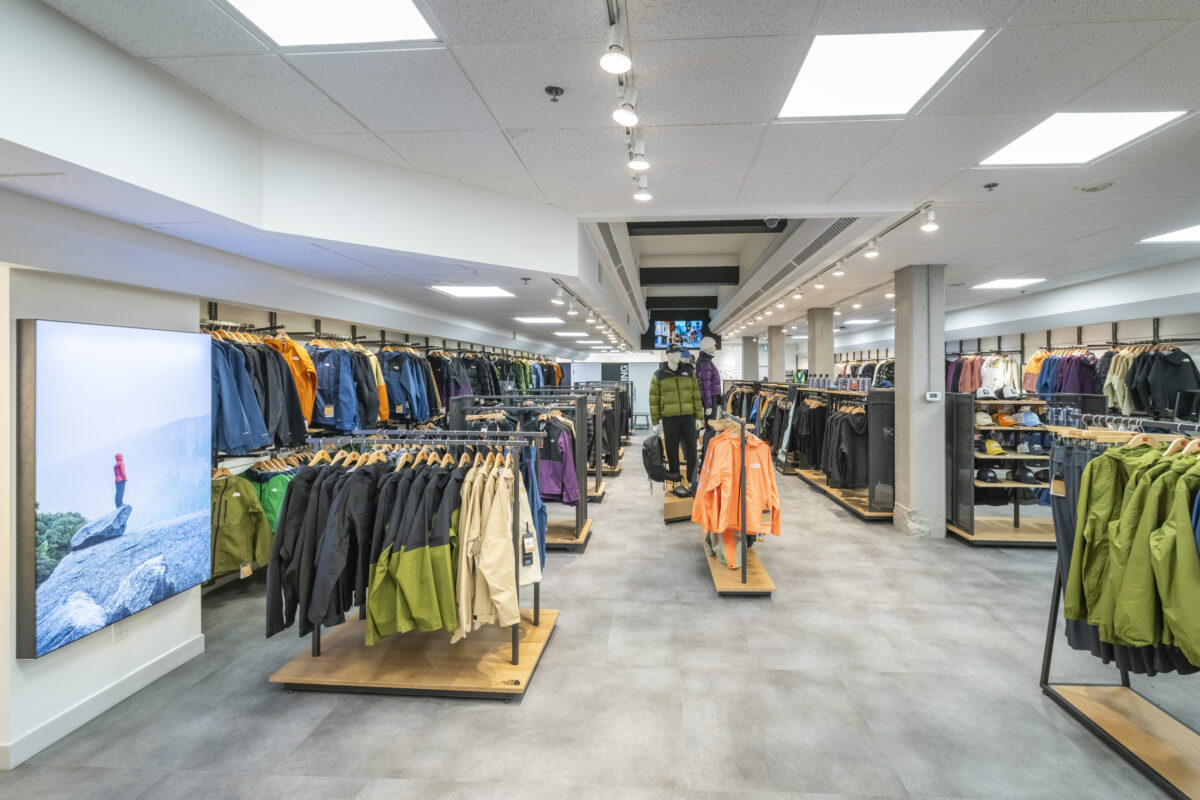
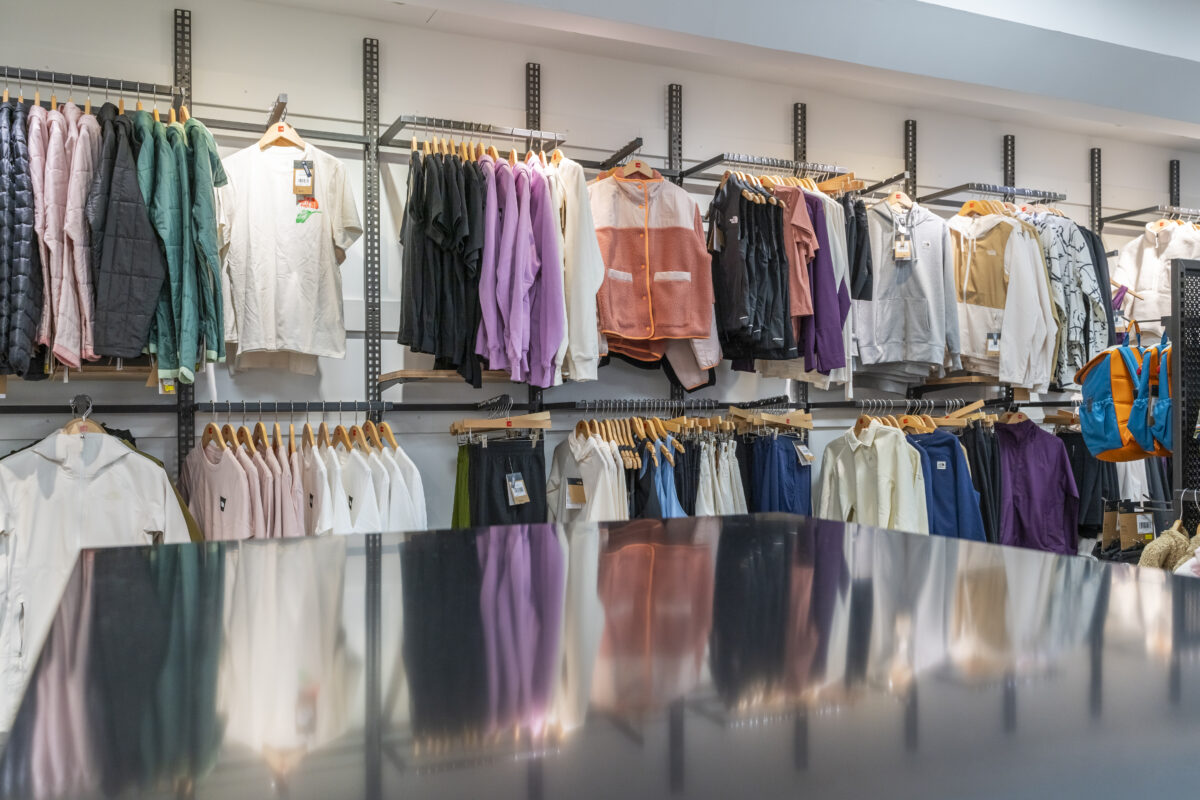
The North Face located in Banff, Alberta has recently undergone renovations to improve accessibility and overall flow for consumers. The storefront will be celebrating its 15th anniversary this Fall and will continue to innovate product offerings to meet consumer trends.
“The North Face store is located smack dab in the middle of Banff Avenue, which is the main strip in our little mountain town in a national park. It is the oldest national park in Canada and we get around 6 million visitors a year. We opened our location in 2010 and we are going into our 15th year, and it has been really, really worn out and was due for a refresh,” says Lydia Wilson, the local co-owner of The North Face in Banff.
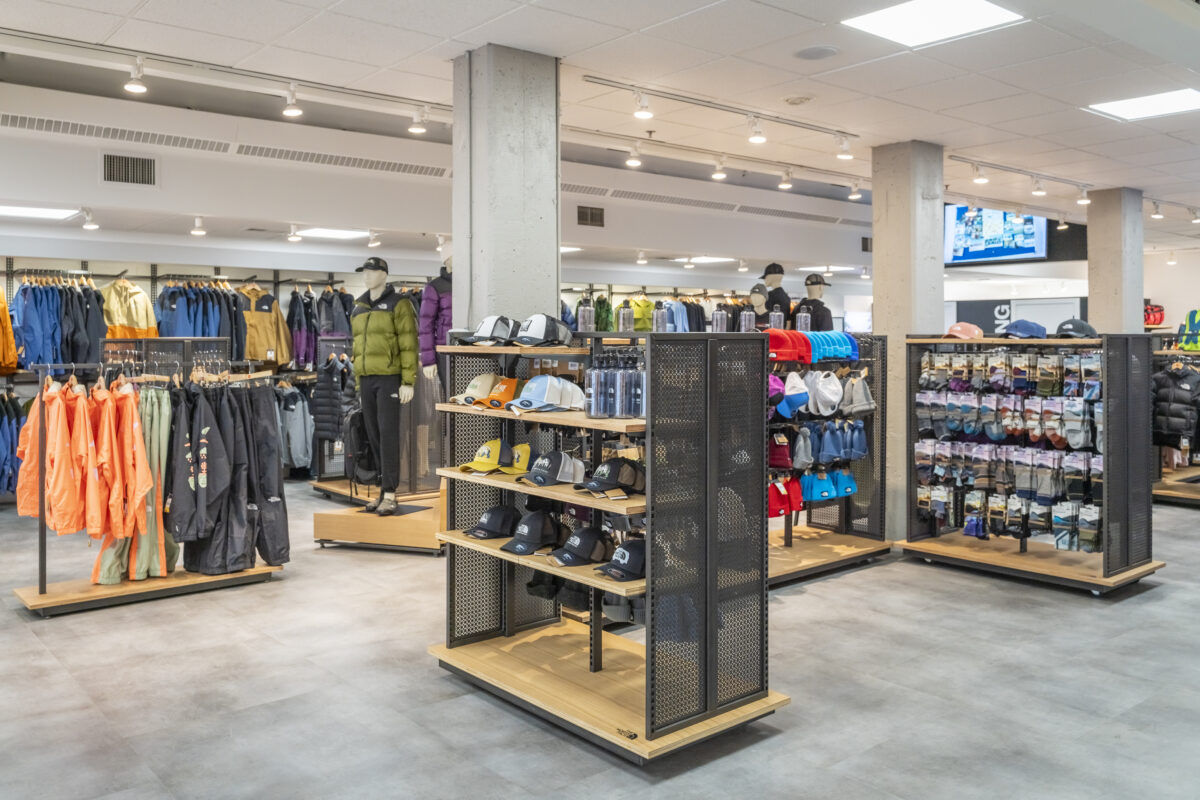
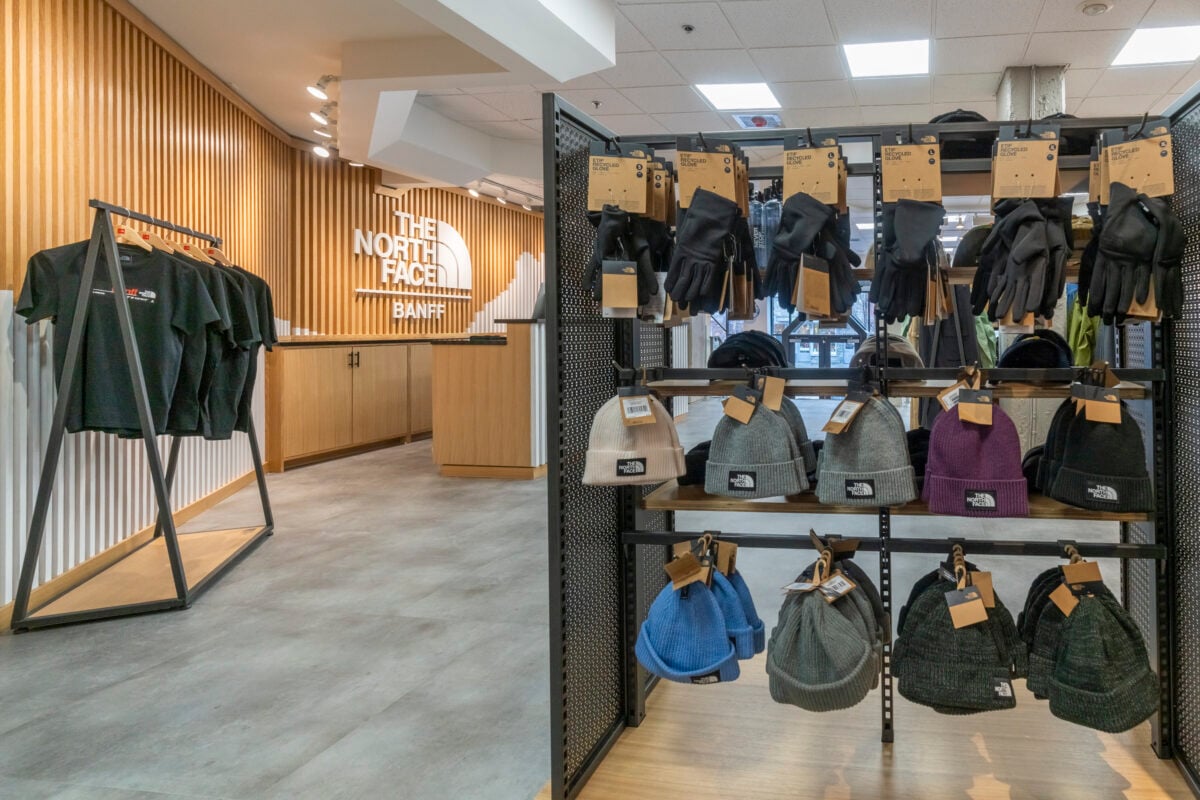
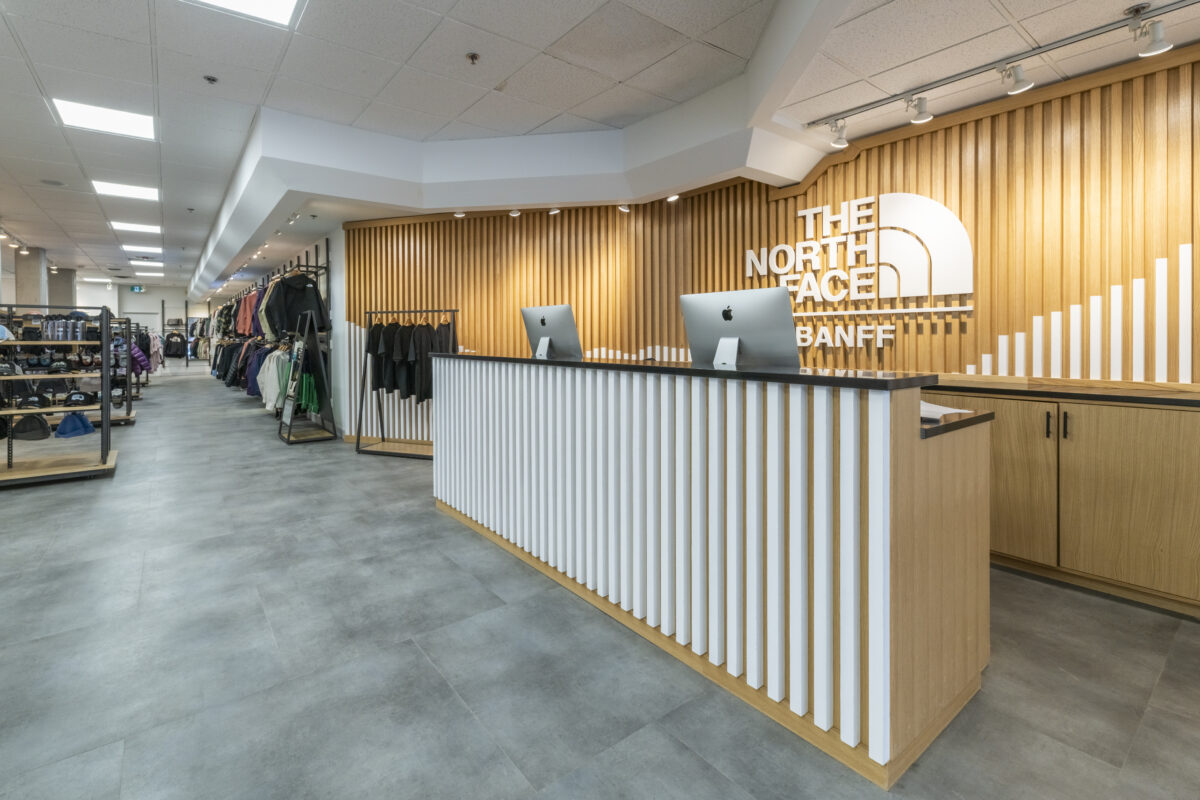
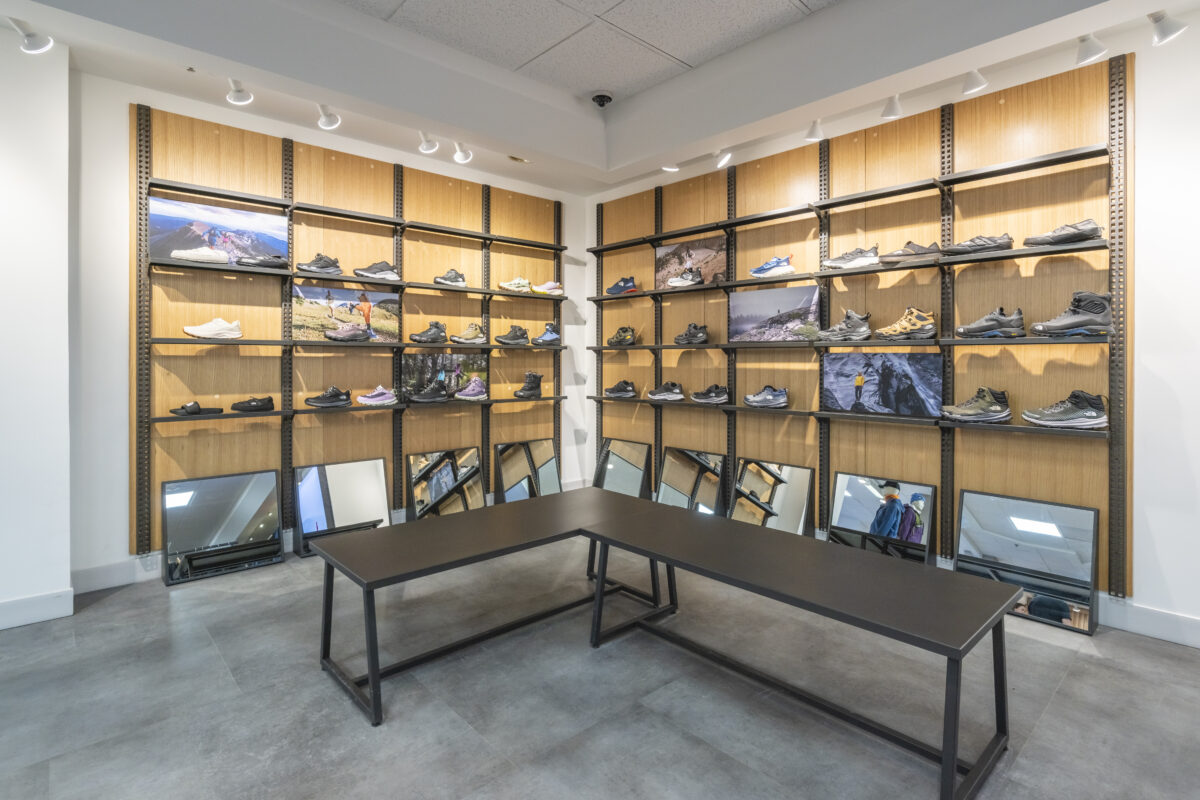
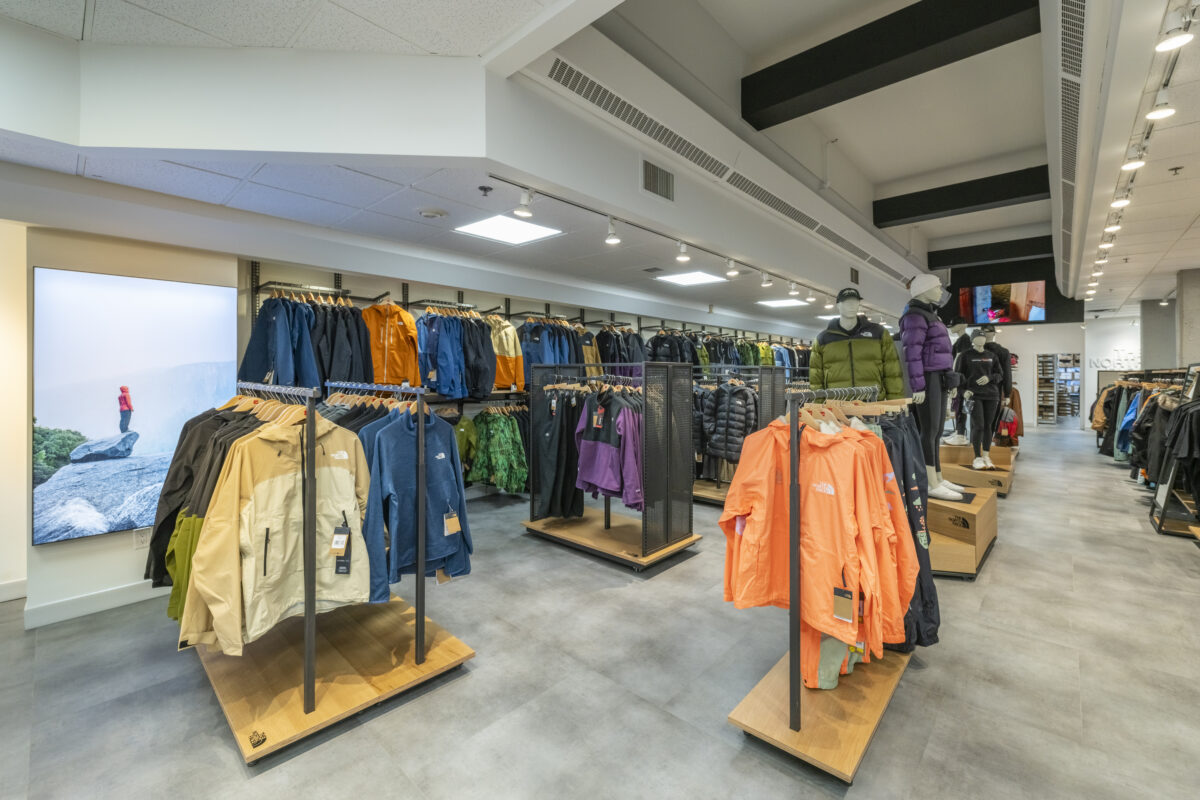
To make the space more modern, the renovation changes included a new floor plan, updated fixtures and signs, new counters, and new equipment.
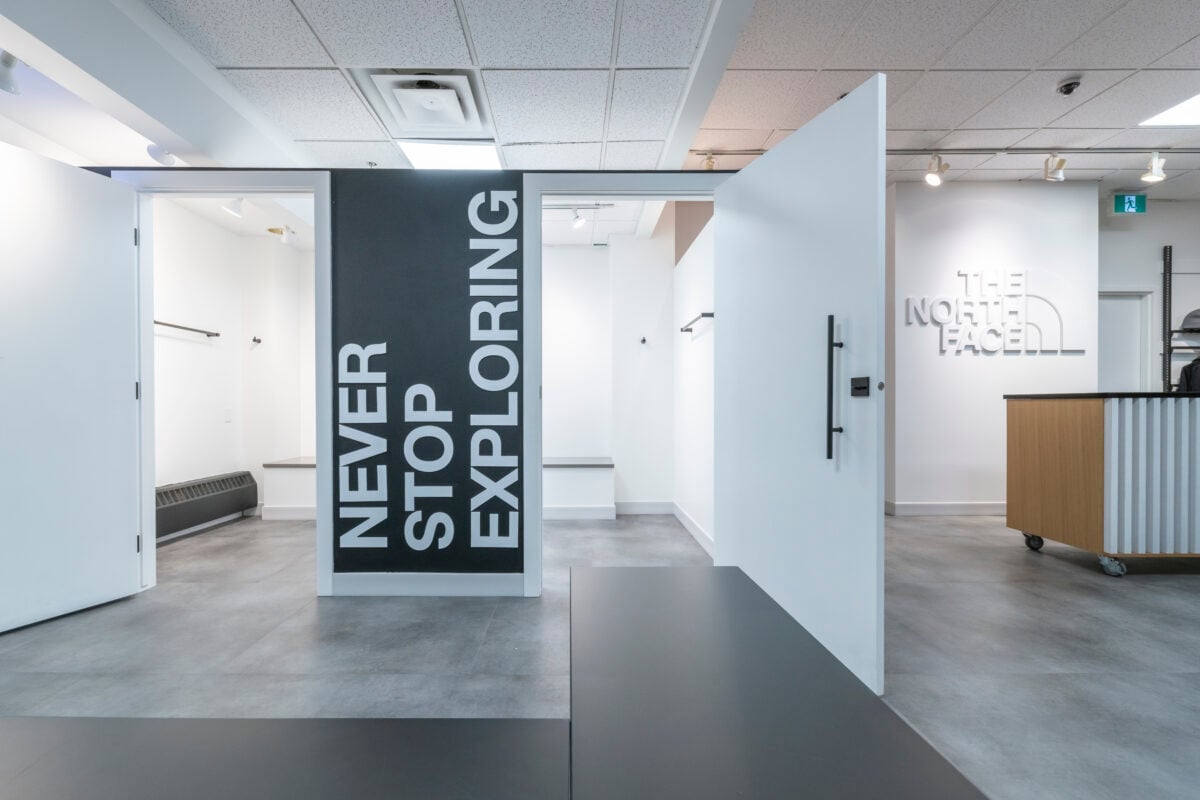
Inside the renovated North Face store on Banff Avenue in Banff, Alberta. Photo: Nick Fitzhardinge PhotographyInside the renovated North Face store on Banff Avenue in Banff, Alberta. Photo: Nick Fitzhardinge Photography
“The North Face from Montreal coordinated with designers, retail experts, and engineers from SGK to design the store. At this point, they analyzed traffic patterns, where the brand is going, and what the brand wants to feature in terms of categories. They came up with a brilliant redesign and this past January 2024 we closed the store and we did it.”
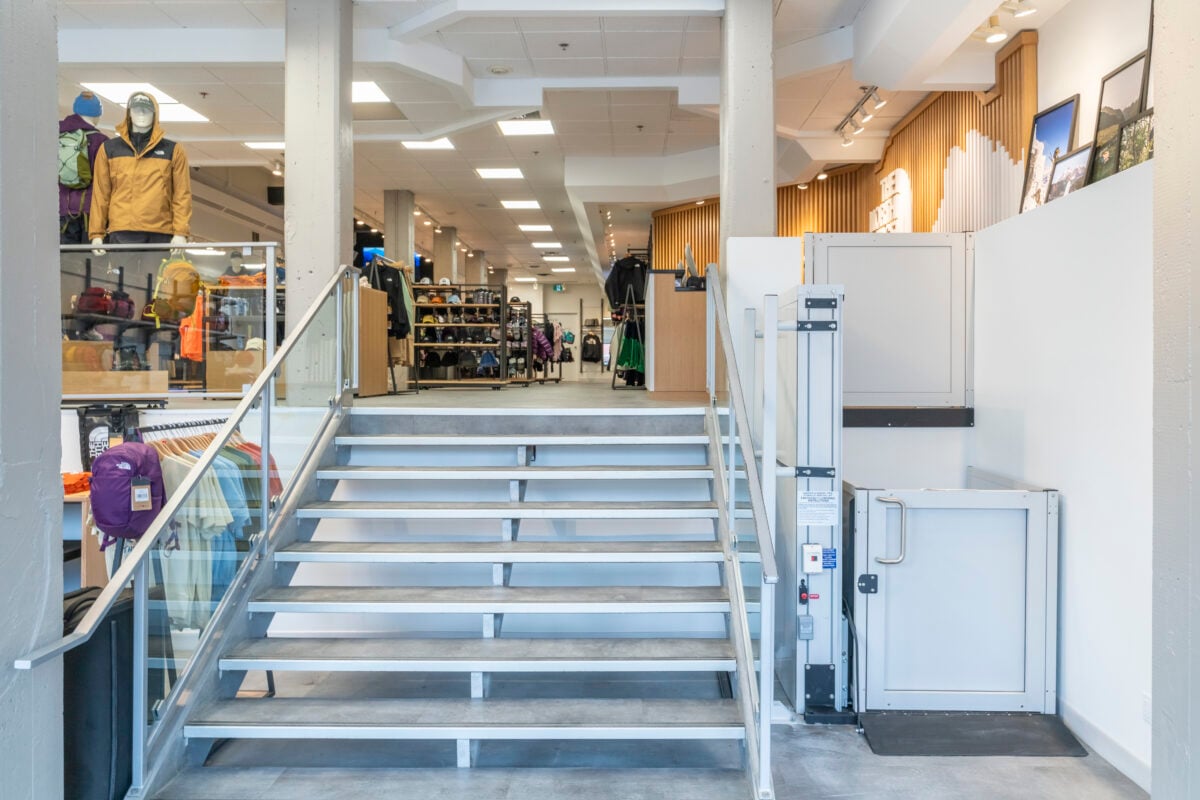
Now wheelchair accessible
Wilson says the location reopened at the end of February. One of the biggest changes consumers can notice is the store pushed back its cashier desk into the back of the space to provide shoppers with a natural flow and additional space. Wilson says they also added a wheelchair lift.
“Our building is about 110 years old and it has a step up and stairs inside. A lot of the older buildings are not wheelchair accessible, which becoming accessible to all visitors is really important to the brand. So we put in a wheelchair lift and it has been working marvelously. It looks great, and it has been really simple and easy to use.”
New elevator inside the renovated North Face store on Banff Avenue in Banff, Alberta. Photo: Nick Fitzhardinge PhotographyRamp in front of the renovated North Face store on Banff Avenue in Banff, Alberta. Photo: Nick Fitzhardinge Photography
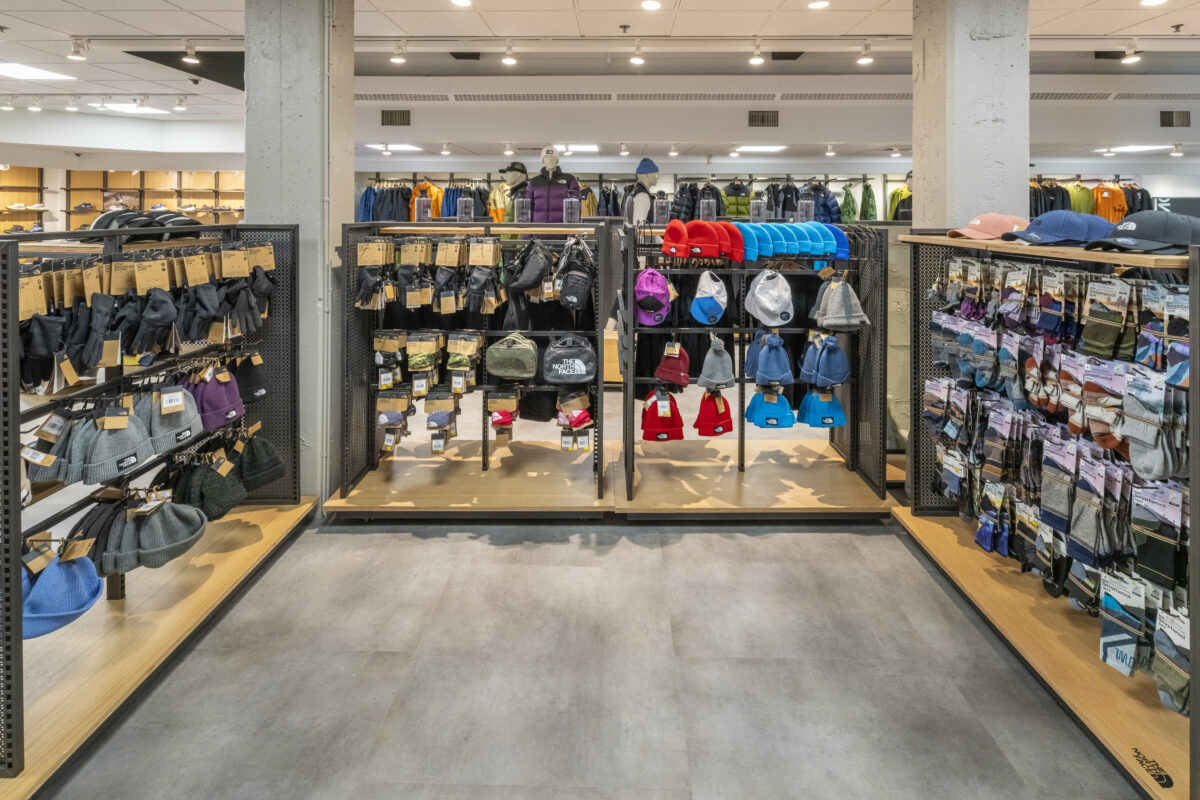
Wilson says the brand also renewed all the furniture inside and is “the first store in Canada with this new suite.” Consumers can now find new light oak and black fixtures, along with two new dressing rooms which are also wheelchair accessible. Wilson says because consumers are usually buying heavy jackets, ski pants in the winter, and a lot of gear, the brand decided to provide more space in fitting rooms and lots of hooks for products and personal items.
“We have received comments about the vibe and the store feels great and people really like the modern oak slats behind the counter. The SGK came up with a large acrylic North Face logo that says Banff underneath and has a mountain silhouette behind it, so that is a real feature when people enter the store and a really nice design. Consumers are really loving the redesign as it is just lighter, brighter, bigger, and better.”
Along with using SGK from the United States, the brand used Chris Nadeau and Tiffany McKenna from The North Face Canada along with Morgan Shakotko, renovation co-ordinator and store manager and Byron Tarchuk from Tarchuk Construction Inc. Wislon says the whole team went above and beyond to make the redesign happen.
Inside the renovated North Face store on Banff Avenue in Banff, Alberta. Photo: Nick Fitzhardinge PhotographyInside the renovated North Face store on Banff Avenue in Banff, Alberta. Photo: Nick Fitzhardinge Photography
4600 feet high – “we feel privileged”
“We are the highest store in Canada at around 4600 feet and we feel really privileged. Everyday we get to sell items that are designed to be used in this type of environment. Some people buy hiking boots, snow sports gear, hiking packs and go out right away and use them in the environment they are designed to be used in.”
Unlike other North Face locations where after buying products there is a delayed sense of gratification, consumers who shop at the Banff locations are able to use products as soon as they step out the door. This also creates a unique sense of community, even for tourists.
“People will often pop off a plane and realize they do not have the right footwear for trails, so they will come in and grab a pair of hiking boots and just go have an incredible day and they will come in that evening to tell you about their day. So there are a lot of circle moments where people are inspired, they purchase, and then they come back and tell you about what they did. It is an incredible high for our team to be part of their trip and their experiences.”
Inside the renovated North Face store on Banff Avenue in Banff, Alberta. Photo: Nick Fitzhardinge PhotographyInside the renovated North Face store on Banff Avenue in Banff, Alberta. Photo: Nick Fitzhardinge Photography
Wilson also says due to the weather constantly changing, people will just come in and get what they need.
Staff are also equipped to help consumers find exactly what they need for their adventures and will also provide suggestions for tourists on what to do in Banff: “Most of our staff are here for the outdoors, so we are hiking, skiing, snowboarding, climbing, and biking. So just asking any one on our team what they love to do on a weekend is often a good place to start if somebody doesn’t have a plan.”
Outside of helping tourists, Wilson says they interact with the community by participating and providing sponsorships for local sports and school events.
“We are involved each year with the Banff Mountain Film Festival, and we have done different things over the years. We have done block parties, photo booths, and more – we have done a lot of different activities. The Banff Mountain Film Festival is a premier mountain film festival in Canada, and after films are screened and awards are given, here in Banff every October, the festival then tours around the world for a year – so we love being part of that.”
Inside the renovated North Face store on Banff Avenue in Banff, Alberta. Photo: Nick Fitzhardinge PhotographyInside the renovated North Face store on Banff Avenue in Banff, Alberta. Photo: Nick Fitzhardinge Photography
“Creating a community within a community”
As the team is coming from everywhere, even internationally, The North Face provides a lot of support to transition staff to the Banff lifestyle. Wilson says this includes providing practical assistance with basics such as setting up mail, banking, and finding housing to helping staff find furniture and kitchen appliances.
To create a sense of community within the team, Wilson also says she organizes social events such as camp-outs, barbecues, and staff outings for food and drinks. The brand also provides sponsorships to staff members who are interested in local sporting events and will cover the entry fees and will help those pursuing professional athletes careers. The Banff location provides a welcoming environment for each staff member and Wilson says this helps them adjust to their life in Banff, meet their personal goals, and to make new friends.
“I think often, they need a friend. They need a hand to hold. When you move to a new place, it is very disorienting so everything from how to get their mail sorted out can be a real challenge here in Banff. We regularly in the summer will do little camp-outs, little barbecues, go for staff beers, that kind of thing. So just creating a community within a community.”
Inside the renovated North Face store on Banff Avenue in Banff, Alberta. Photo: Nick Fitzhardinge PhotographyInside the renovated North Face store on Banff Avenue in Banff, Alberta. Photo: Nick Fitzhardinge Photography
Wilson and her husband also have another North Face location in Jasper, a few hours from Banff and close to another national park. This location opened in 2005 and Wilson says they will also be renovating this location within the next year or so, which will “allow some time to pass since completing renovations on the Banff location.”
Going forward, Wilson says as the competition continues to increase in Banff, she plans on staying fresh, innovative, and will stay on top of trends to “avoid becoming stale.”
“People have gone through a lot and they are more careful with their money, and they want to spend it on things that are really health giving as people don’t like to waste money as much. So investing in outdoor gear is something that scratches that itch of shopping and having new things that you can feel really good about because it is getting you out on the trail”.
Last month the Jasper North Face store was badly damaged in a large fire that destroyed nearly a third of the community. The store will reopen when permitted — and this week we learned that residents can return to the town on Friday, August 16.
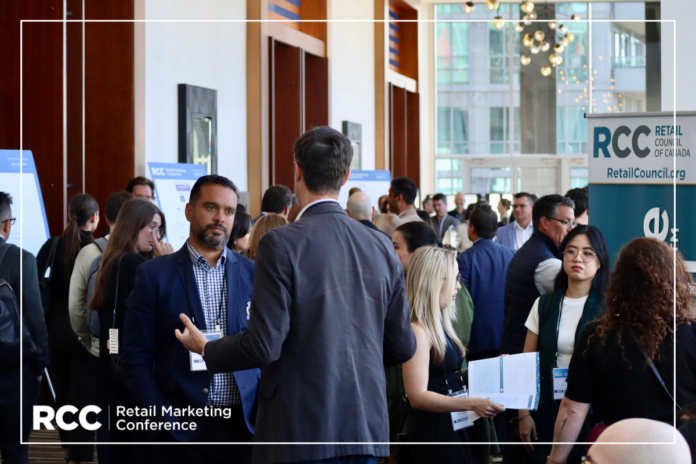
Retail Council of Canada’s (RCC) Retail Marketing Conference on September 12, 2024, in downtown Toronto is an immersive dive into the latest trends and innovations that are reshaping the retail marketing. This year’s conference covers advances in AI, technology and data, digital marketing, Canada’s changing demographics, the growing influence of Gen Z, and the evolving interplay between physical and digital retail experiences. Here is a look at some of the sessions and speakers on this year’s Main Stage. (see full Agenda)
Harnessing AI: The Future of Personalized Marketing and Creativity
Neil Patel, Co-Founder of NP Digital, will take you on a wild ride through the world of AI in retail marketing. From hyper-personalized campaigns to AI-driven creativity, get ready to see more new ways that AI can transform your marketing game and deliver unprecedented results.
Understanding How Gen Z will Shape, Influence, and Impact the Future of Retail
Forget everything you know about retail—Gen Z is rewriting the rules. Nikolas Lopez, Senior Research Director at Leger, will present insights from Leger’s Youth Study and Digital Study, exploring how Gen Z’s unique behaviors and preferences are impacting retail. And don’t miss the sneak peek into Gen Alpha—because if you think Gen Z is influential, just wait.
Mastering Brand Identity in a Value, and Values Based, Retail Environment
Ready to make your brand unforgettable? Amar Singh, Senior Director Retail at Kantar, and Ivano Pirro, Vice President of Retail Sales at Bell Virgin Plus & TheSource share their expertise on building a strong, recognizable brand identity that resonates with today’s value-conscious consumers. Watch for retail speakers joining this session.
Collaboration Leads to Success
Rupen Seoni from Environics Analytics will reveal how data collaboration can maximize your marketing impact. Discover the power of combining first, second, and third-party data to drive effective, measurable campaigns.
Crafting Compelling Campaigns for Canada’s Multicultural Market
Canada’s multicultural landscape is a goldmine for marketers. Bobby Sahni of Ethnicity Matters will show you how to craft campaigns that navigate cultural sensitivities and resonate with diverse communities.
The Future of Physical Retail with Doug Stephens
Closing RCC’s Retail Marketing Conference will be the incredible Doug Stephens, Retail Futurist and Founder of Retail Prophet.
Embark on an interactive journey into the future of physical stores and how they are evolving from experiential hotspots to dynamic spaces. Learn how to adapt your retail spaces to stay ahead in a rapidly changing retail landscape.
On September 12, 2024, at the Delta Hotels by Marriott in downtown Toronto, and be part of the conversation that will shape the future of retail marketing in Canada. Early Bird Discount Rates apply until August 15, 2024,
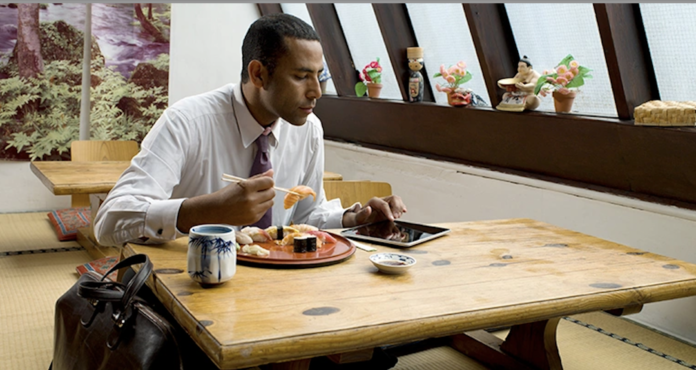
Lightspeed Commerce Inc. has unveiled data that signals a significant opportunity for Canadian restaurants. According to the company’s recent survey, a remarkable 43% of Canadians are now opting to dine alone in sit-down restaurants, presenting a lucrative market segment for savvy restaurateurs to target.
This trend is particularly pronounced in Toronto, where half of the city’s diners are embracing solo meals. The surge in solitary dining is driven by various factors, with self-care emerging as the primary motivation for 31% of respondents. Other key reasons include the desire to explore new eateries (25%) and work-related lunches (28%).
Dax Dasilva, Founder and CEO of Lightspeed, emphasized the potential of this market: “At a time where restaurants are competing for hard-earned dollars, the solo diner is an untapped market with plenty of opportunity.” The statement underscores the importance for Canadian restaurants to adapt their offerings and spaces to accommodate and attract solo diners.
The survey reveals a shift in seating preferences that restaurants should note. In Toronto, 38% of solo diners now prefer regular tables, compared to just 20% opting for bar seating. This change suggests that restaurants could benefit from redesigning their spaces to create more welcoming environments for individual patrons, moving beyond the traditional bar seating option.
Canadian restaurants have the opportunity to innovate and create specialized experiences for solo diners. Taking inspiration from international examples, such as the “Table for One” concept at Avant Garden in New York City, Canadian establishments could introduce similar offerings. These might include curated single-person menus, dedicated solo dining areas, or special promotions targeted at individual diners.
The data also provides insights into solo diners’ activities during meals, which restaurants can use to enhance the dining experience. With 39% of solo diners enjoying people-watching and 40% catching up on digital communications, restaurants could consider offering window seating or creating comfortable spaces that accommodate both relaxation and productivity.
Moreover, the survey highlights broader trends in Canadian dining habits that restaurants should address. With 69% of respondents noticing higher food prices and 42% reporting smaller portions, establishments need to strike a balance between profitability and value. In Toronto, diners are adopting money-saving strategies like taking leftovers home (36%), choosing value meals (34%), and taking advantage of happy hour deals (26%). Restaurants could leverage these insights to create attractive offerings for budget-conscious solo diners.
To capitalize on the solo dining trend, Canadian restaurants might consider the following strategies:
Redesign seating arrangements to accommodate solo diners comfortably.
Develop special menus or promotions tailored to individual diners.
Create dedicated spaces or experiences for solo patrons.
Offer amenities that cater to solo diners’ activities, such as reading materials or charging stations.
Train staff to provide attentive yet unobtrusive service to solo diners.
As the solo dining trend continues to gain momentum, it presents a significant opportunity for growth in the Canadian restaurant industry. Establishments that recognize and cater to this emerging market segment stand to gain a competitive edge. By adapting their offerings, spaces, and marketing strategies to appeal to solo diners, Canadian restaurants can tap into this growing demographic and potentially increase their market share.
The insights provided by Lightspeed’s survey offer valuable information for restaurateurs looking to innovate and expand their customer base. As the dining landscape evolves, it’s clear that solo diners represent a significant and growing demographic that demands attention and tailored experiences. Canadian restaurants that successfully cater to this trend may find themselves at the forefront of a new era in dining culture.