Home Blog Page 6

Promenades St-Bruno to invest $49.5M in food court redevelopment, new retail space

Primaris photo
Primaris photo

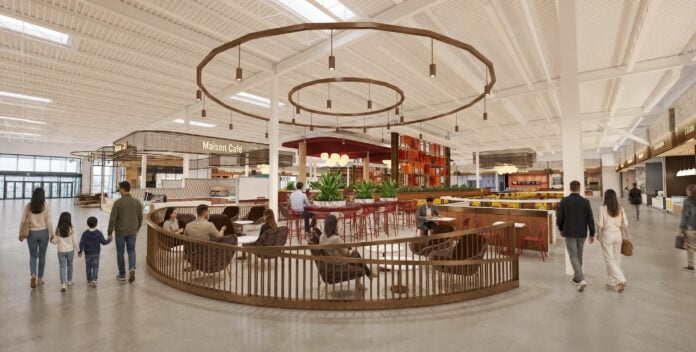
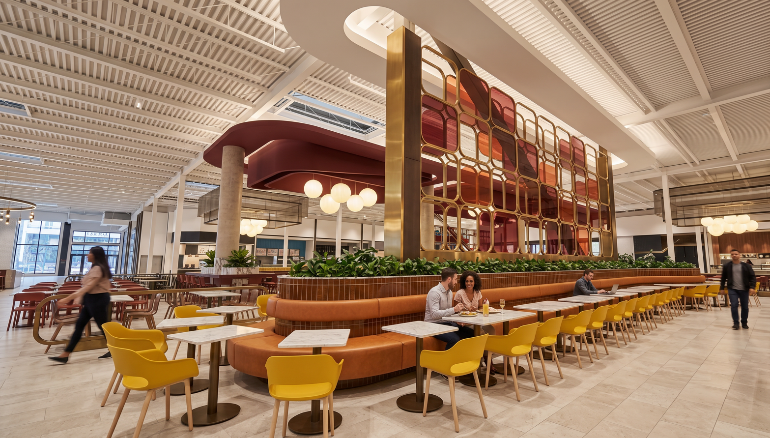
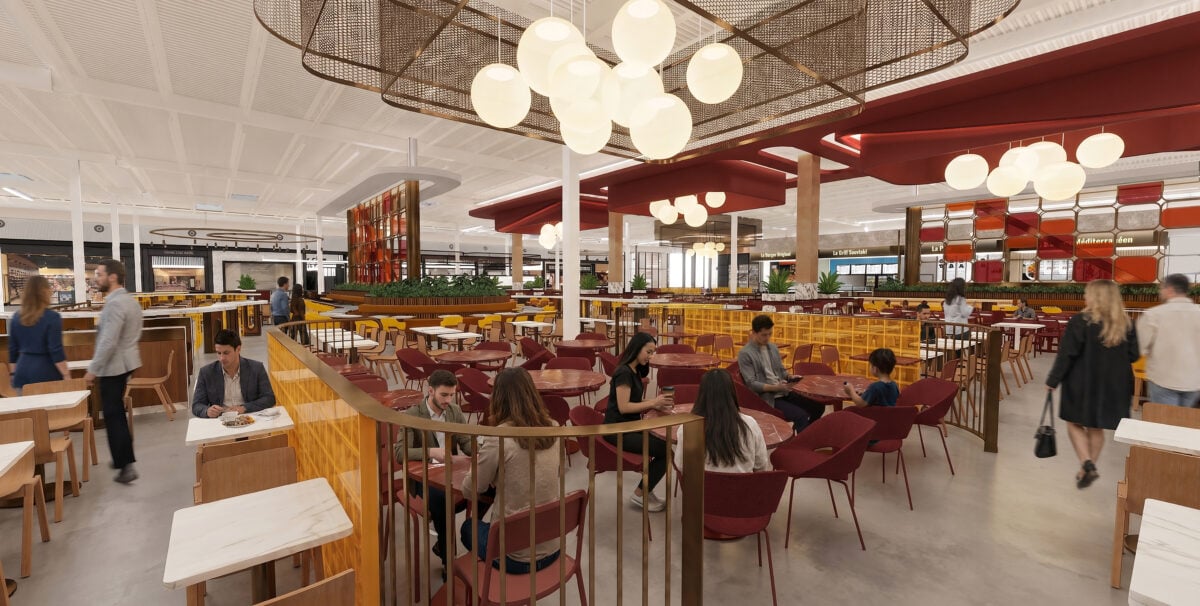
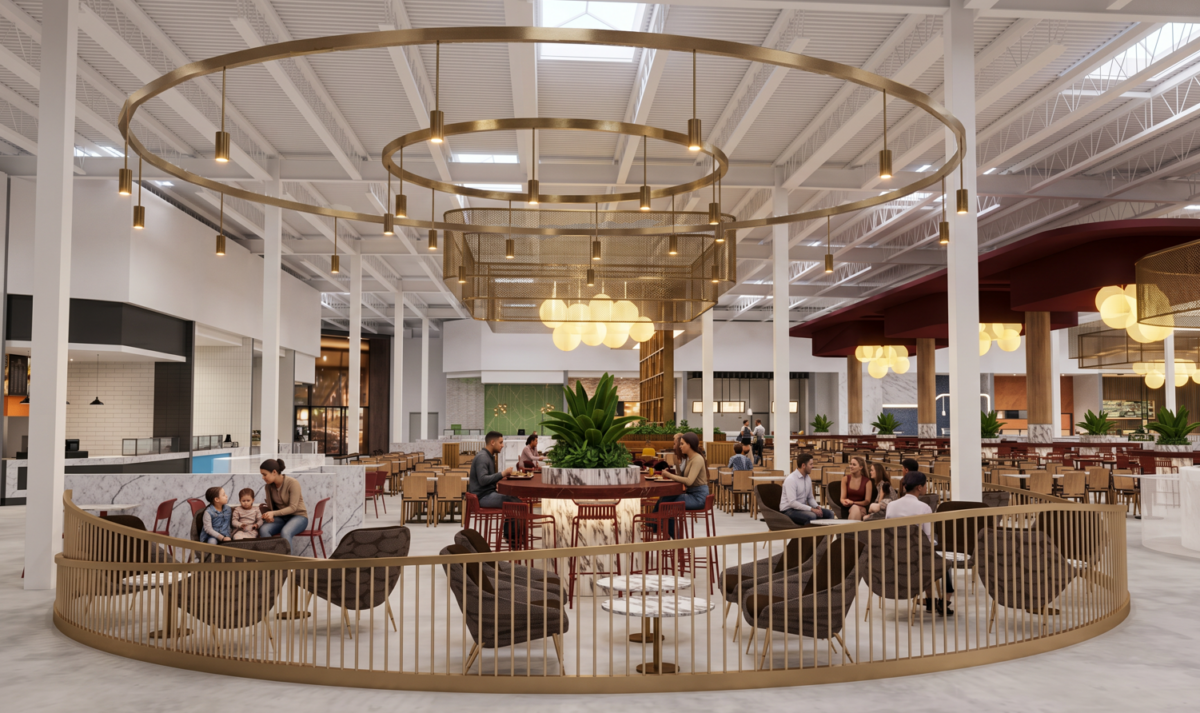
Promenades St-Bruno is planning a $49.5-million redevelopment that will double the shopping centre’s food court seating capacity while creating 20,000 square feet of new retail space.

The project will relocate the existing lower-level food court to the current Marché des Promenades location, allowing the former food court area to be converted into retail space. Construction is scheduled to begin in mid-September 2026, with the new food court expected to open in fall 2027 and the former food court space expected to reopen as retail space in November 2028.

“Our vision for Promenades St-Bruno is to continually enhance the customer experience while creating long-term value for our retailers, visitors, and stakeholders,” said Julie Morin, General Manager, Promenades St-Bruno. “This investment will transform an already successful dining destination into a modern gathering place with substantially more seating, improved comfort, and a more vibrant atmosphere. At the same time, it will create opportunities to introduce new retail concepts in the former food court space, further strengthening the overall offering at the property.”

The new food court will retain a similar number of food vendors but will have about 1,100 seats, roughly twice the existing capacity.

The redesigned space will also include a direct-access outdoor terrace and a dedicated exterior entrance. The entrance is intended to allow for extended hours as well as takeout and delivery services outside the shopping centre’s regular operating hours.

The redevelopment is designed to provide additional space for dining while making use of the existing food court area for new retail tenants. Promenades St-Bruno said the project will support its food service offering while adapting the space to changing consumer preferences.

The shopping centre will remain operational during construction, including the existing food court. Measures will be implemented to limit disruption to shoppers and retailers during the work.

Once the food court relocation is completed, the former food court will be converted into 20,000 square feet of retail space, adding to the centre’s available merchandising area.

Promenades St-Bruno, located on Montreal’s South Shore, has more than one million square feet of leasable area. The centre reports annual total CRU sales volume of approximately $290 million and annual same-store sales productivity of more than $1,000 per square foot.

The shopping centre is owned by Primaris Real Estate Investment Trust, which describes itself as Canada’s only enclosed shopping centre-focused REIT. Primaris has ownership interests in enclosed shopping centres in Canadian markets, with a portfolio totalling 14.6 million square feet and valued at approximately $5.2 billion at the REIT’s share.

The redevelopment will proceed in stages, with the new food court scheduled to open in fall 2027 before the former food court area is converted into retail space for an expected November 2028 opening.

In an interview with Retail Insider, Morin talked about the initiative.

Question: What is driving the decision to invest $49.5 million in Promenades St-Bruno at this point, and how does the project fit into Primaris’s broader strategy for the property?

Answer: Promenades St-Bruno is a dominant shopping centre, with annual CRU sales of approximately $290 million and same store sales productivity exceeding $1,000 per square foot. This investment reflects our confidence in the long-term strength of the property and our commitment to continually enhancing the customer experience. The redevelopment allows us to modernize and right-size the food court while unlocking approximately 20,000 square feet of new retail space, creating opportunities to further strengthen the centre’s merchandising mix and long-term value. The project aligns with Primaris’ strategy of owning and operating leading enclosed shopping centres in growing Canadian markets.

Q: What types of retailers or retail concepts do you envision filling the 20,000 square feet of space being created by relocating the food court, and are you already in discussions with potential tenants?

A: The new space creates flexibility to introduce high-quality retail concepts that complement the existing tenant mix and respond to customer demand. Our focus is on securing retailers that enhance the overall shopping experience and further strengthen Promenades St-Bruno’s position as the leading retail destination on Montreal’s South Shore. We are actively evaluating opportunities and are in discussions with prospective tenants. We are eager to share specific retailers with you once the timing is right.
Primaris photo
Primaris photo

Q: The centre reports annual CRU sales of about $290 million and same-store sales productivity above $1,000 per square foot — how has that performance influenced the decision to reinvest in the property?

A: Strong sales performance is an important indicator of the health of a shopping centre and the strength of its customer base. The results at Promenades St-Bruno demonstrate sustained demand from both shoppers and retailers, giving us confidence to make a significant long-term investment in the property. This redevelopment is intended to build on that success by enhancing the customer experience, supporting our existing retailers, and creating additional leasing opportunities that will further strengthen the centre over time.

Q: What changes in consumer behaviour or dining preferences are behind the decision to roughly double food-court seating capacity and add an outdoor terrace, dedicated entrance, takeout and delivery access?

A: The existing food court at Promenades St-Bruno is not meeting the level of demand we are seeing from our shoppers. Despite the centre’s strong performance and high traffic levels, the current food court offers limited seating capacity and lacks many of the features customers increasingly expect today. The redevelopment will nearly double seating capacity, introducing an outdoor terrace, creating a brighter and more welcoming environment, and add a dedicated entrance that supports extended operating hours as well as convenient pickup and delivery access. 

Together, these enhancements will better align the food court with how our customers use the centre today and position it to serve future demand.
Primaris photo
Primaris photo

Q: With construction beginning in September 2026 and the new food court opening in fall 2027, what impact do you expect the redevelopment to have on existing retailers, leasing activity and overall traffic at Promenades St-Bruno during the construction period?

A: Promenades St-Bruno will remain fully operational throughout construction, including the existing food court. We have developed the project with a focus on minimizing disruption to shoppers and retailers, and we will implement measures to maintain a positive customer experience during the construction period. We expect leasing interest to remain strong, if not accelerate, given the quality of the asset and the introduction of 20,000 square feet of new retail space. Over the longer term, the redevelopment is expected to enhance the centre’s appeal, support traffic growth, and create additional opportunities for retailers.

More from Retail Insider:

Joseph Ribkoff launches global direct-to-consumer platform, names Elizabeth Hurley campaign face

Elizabeth Hurley
Elizabeth Hurley

Canadian womenswear company Joseph Ribkoff is launching its first global direct-to-consumer digital flagship as it expands its online business in key European markets and the United States.

The new platform, available through JosephRibkoff.com, is being introduced alongside a renewed brand vision and a global Fall 2026 campaign featuring actress and entrepreneur Elizabeth Hurley.

The digital flagship combines editorial content, collections and online shopping and initially will be available in key European markets and the U.S., with additional markets planned, the company said.

“This marks a defining moment in the history of Joseph Ribkoff,” said Stephen Belfer, president and chief executive officer at Joseph Ribkoff. “Building on the strength of our global wholesale business, this next chapter allows us to deepen our connection with customers while expanding how they experience the brand. Together with our renewed brand vision, it positions Joseph Ribkoff for continued global growth and long-term success.”

The Montreal-based company, founded in 1957, said the direct-to-consumer platform is intended to complement its existing wholesale business and support its international expansion.

Hurley is the face of the company’s new global campaign, called She Icons, which marks the debut of its renewed creative direction. The Fall 2026 campaign was photographed and directed by Jake Rosenberg.

Joseph Ribkoff said the campaign is built around its new brand philosophy, Elegance in Motion, which focuses on the idea that elegance changes with the women who wear the clothing.

“This moment represents far more than a new campaign. It reflects where Joseph Ribkoff is today and where we’re going next,” said Brett Sugarman, vice-president, global marketing at Joseph Ribkoff. “Elizabeth Hurley was a natural choice because she embodies everything this evolution represents. She is globally admired for her confidence, authenticity and effortless sophistication, while bringing a warmth that reflects the women we design for. Together, we’ve created a campaign that celebrates women who embrace every new chapter while remaining true to themselves. We couldn’t imagine a better person to help us tell that story.”

Hurley said the campaign reflects her experience with the brand’s clothing.

“I’ve always believed the best clothes are the ones that make you feel like yourself. From the moment I put on Joseph Ribkoff, I loved how beautifully everything fit. They’re comfortable, flattering and couldn’t be more my style. The collection feels elegant without ever trying too hard, and that’s what makes it so special. I’m honoured to be part of a campaign that celebrates women who continue to embrace every new chapter with confidence, individuality and style.”

The company also plans to introduce Edit 57 later this season, a new diffusion line that will launch with a limited-edition capsule called Icons.

Joseph Ribkoff said Edit 57 will provide a platform for seasonal capsule collections with a more contemporary approach to the brand, while continuing to carry its core design identity.

The Fall 2026 campaign begins Aug. 26 and will run across digital, social, print and retail channels globally.

Elizabeth Hurley
Elizabeth Hurley

Joseph Ribkoff said its collections are available in more than 65 countries through a network of specialty retailers. The company is also expanding its direct-to-consumer presence through the new digital flagship and a growing portfolio of owned retail locations.

The company said the latest changes are intended to build on its nearly seven decades of operations while expanding its digital and global presence.

Founded in Montreal in 1957, Joseph Ribkoff offers the Joseph Ribkoff Collection, Joseph Ribkoff SPORT, Joseph Ribkoff Signature and Edit 57. The company says its products are designed in Canada and include inclusive sizing, exclusive prints and distinctive fabrications.

In an interview with Retail Insider, Belfer spoke about the latest developments with the brand. 

Question: What is driving Joseph Ribkoff’s decision to launch its first global direct-to-consumer digital flagship now, and how significant is the shift toward selling directly to customers alongside your established wholesale business?

Answer: This is an important moment for Joseph Ribkoff. We’ve built a strong global business over nearly 70 years through our network of retail partners, but the way women discover, engage with and shop brands has changed significantly. We want our customers to be able to experience Joseph Ribkoff wherever and however they choose to shop. Our new digital flagship gives us the opportunity to connect directly with customers, tell a richer brand story and create a more connected experience across markets. It’s a significant milestone for us, but it’s not a move away from wholesale. 

Our retail partners remain fundamental to our business. We see the two working together, building greater awareness and demand for Joseph Ribkoff and ultimately benefiting our entire retail network.

Q: Which markets are included in the initial digital flagship rollout, what are the company’s plans for additional markets, and what investment is being made in building out the direct-to-consumer business?

A: We’ve initially launched across 17 markets, including the United States and key European markets such as the UK, France, Italy and Spain. We see a lot of opportunities to expand from here, but we want to do it thoughtfully. For us, this is about much more than launching a website. We’re investing in the entire customer experience, from technology and digital marketing to content, CRM and customer service. Right now, the priority is to get the foundation right, learn from our customers and use those learnings to guide where we go next.

Joseph Ribkoff fall collection

Q: How do you expect the new direct-to-consumer platform to change Joseph Ribkoff’s relationship with its wholesale retail partners, and how will the two channels work together as the brand expands globally?

A: Our wholesale partners have played an important role in building Joseph Ribkoff into the global brand it is today, and they remain a fundamental part of our business and our future. We see ecommerce as complementary to that network, giving customers another way to discover and engage with us. As we invest more in the brand through global campaigns, PR, digital, social media and ecommerce, we’re building greater awareness and excitement around Joseph Ribkoff overall. 

That benefits our entire network by introducing new customers to the brand and creating greater demand wherever they choose to shop. Ecommerce also gives us the opportunity to learn more directly from our customers, which will help us make better decisions and ultimately become an even stronger partner to our retailers.

Q: What role will owned retail locations and the new Edit 57 diffusion line play in Joseph Ribkoff’s broader growth strategy, and how do you see the brand’s product and retail portfolio evolving over the next several years?

A: We see ecommerce, owned retail and our wholesale network as different ways for customers to discover and experience Joseph Ribkoff. Our owned stores in particular allow us to bring the full brand experience to life and connect directly with our customers. Edit 57 is another important part of our evolution. It’s a contemporary line that gives us the freedom to explore new silhouettes, styling and ideas through seasonal capsule collections, while remaining true to who we are as a brand. 

Looking ahead, we see a lot of opportunity across product, retail and digital. Our focus is on growing thoughtfully in a way that continues to strengthen the Joseph Ribkoff brand.

Joseph Ribkoff fall collection

Q: Joseph Ribkoff has nearly 70 years of Canadian heritage but now operates in more than 65 countries — how are you balancing that heritage with the goal of attracting a new generation of customers through digital innovation, global campaigns and a renewed brand vision?

A: Our heritage is one of our greatest strengths, and the goal has never been to leave it behind. It’s about taking what has made Joseph Ribkoff successful for nearly 70 years and expressing it in a way that feels relevant to women today and to a new generation. That thinking is at the heart of our renewed brand vision and Elegance in Motion. The world has changed enormously since Joseph Ribkoff was founded in Montreal in 1957, and women’s lives have evolved with it. 

We need to continue evolving too, while staying true to who we are. That’s what you’re seeing across the brand today, from our new digital flagship and global campaigns to our retail experiences and collections. We’re building on nearly seven decades of heritage while creating a Joseph Ribkoff that feels modern, relevant and connected to women around the world.

More from Retail Insider:

Record results for Happy Belly Food Group in Q2

Photo: Happy Belly Food Group

Happy Belly Food Group Inc., a leader in acquiring and scaling emerging food brands, announced Wednesday its unaudited financial results and corporate update for the fiscal quarter ended June 30th, 2026, showing record system-wide sales of $28.4 million across its quick service restaurant portfolio.

“In Q2 we delivered record QSR systemwide sales, announced our largest ever area development deal and ended the quarter with a record cash balance, all done while making critical investments back into our business. We are continuing our momentum into the back half of 2026 with a full slate of openings including our 1st US-based location in Lubbock, Texas, across from Texas Tech University that is only weeks away. We are just getting started,” said Sean Black, Chief Executive Officer of Happy Belly Food Group.

Q2 2026 Financial and Recent Business Highlights from Happy Belly

  • Happy Belly generated record system-wide sales across its portfolio of $28.4 million in the second quarter of fiscal 2026, representing an increase of approximately 75% compared to $16.2 million in the same quarter of fiscal 2025, and an increase of approximately 47% compared to $19.3 million in the first quarter of fiscal 2026. The continued increase in system-wide sales reflects a combination of organic sales growth across the company’s existing restaurant base and the continued expansion of its restaurant network;
  • At June 30, 2026, the company had 95 operating restaurants, representing an increase of approximately 53% from 62 operating restaurants in the prior-year period. The growth in both restaurant count and system-wide sales demonstrates the increasing scale of the company’s QSR portfolio as new locations continue to open and contribute to overall system performance;
  • Total operating revenues, services, interest income and rebates were a record $8.5 million in the second quarter of fiscal 2026, representing an increase of approximately 57% compared to $5.4 million in the same quarter of fiscal 2025, and approximately 42% compared to $6.0 million in the first quarter of fiscal 2026. The year-over-year increase reflects continued growth in the company’s QSR operations, contributions from businesses acquired during the preceding twelve months, increased revenues generated from a larger restaurant network, and incremental royalties and franchise-related revenues resulting from new restaurant openings. The sequential increase from the first quarter further reflects the continued ramp-up of recently opened restaurants and the growing contribution from the company’s expanding franchise system;
  • Total product sales were a record $6.4 million in the second quarter of fiscal 2026, representing an increase of approximately 39% compared to $4.6 million in the same quarter of fiscal 2025, and approximately 36% compared to $4.7 million in the first quarter of fiscal 2026. In addition, royalties and franchise fee revenues increased to a record $1.6 million during the second quarter of fiscal 2026, representing growth of approximately 129% compared to $0.7 million in the prior-year period. The significant increase in royalties and franchise fees reflects the continued expansion of Happy Belly’s franchised restaurant base and the corresponding increase in system-wide sales upon which royalty revenues are generated. The increasing contribution from royalties and franchise fees is consistent with the company’s continued execution of its franchise-led, asset-light growth strategy;
  • Adjusted EBITDA was $0.7 million during the second quarter of fiscal 2026, compared to $0.5 million in the same quarter of fiscal 2025.
  • The company maintained a strong liquidity position, with cash and cash equivalents of approximately $12.0 million as of June 30, 2026, compared to approximately $3.0 million at June 30, 2025. The large increase in cash position is reflective primarily of options and warrants exercised in the first 6 months of 2026, alongside increased operating revenues, franchise revenues, services, interest income and rebates.

More from Retail Insider:

Grocery, pharmacy and fitness fuel strong leasing demand for RioCan properties

Georgian Mall in Barrie. Photo: RioCan

RioCan Real Estate Investment Trust says strong demand from grocery stores, pharmacies, fitness operators and value retailers is continuing to drive near-record occupancy levels across its retail portfolio, with leasing activity outpacing available space. 

Oliver Harrison, senior vice-president of leasing and tenant experience at RioCan, said the company’s retail portfolio is now effectively 99 per cent leased, supported by population growth, limited new retail supply and a tenant base that has become more resilient and necessity-focused.

Harrison said the strongest demand is coming from categories such as grocery, pharmacy and fitness, along with value-oriented retailers including Dollarama and TJX. While broader retail headlines have pointed to pressure on consumers, he said many of RioCan’s tenants are reporting strong results because they provide essential goods and services or appeal to shoppers looking for value.

The company is also continuing with development and intensification projects, with about $100 million targeted annually toward development and capital recycling initiatives. Harrison said RioCan has roughly 100,000 square feet of new-build construction underway, but added that the projects will not materially change the broader supply-demand imbalance that has helped support high occupancy levels across its markets.

Harrison said the high occupancy rate “is a function of the supply-demand dynamics that we’ve been talking about now probably for at least two years, where you had significant population increase in Canada, and you had no new retail supply being built.”

“So you’ve got retailers, particularly grocery stores, who are continuing to look to grow their footprint. And the reality is, once they kind of chewed through the existing vacancy in the pipeline, there’s nothing being built beyond that.

“We’re at a point now where our retail portfolio is effectively 99% leased, which is quite remarkable. And I really don’t see that situation changing materially over the short term because I think in order for that to change you would need a significant amount of supply to be introduced to the marketplace, which just isn’t going to happen. It’s definitely not going to happen in the next 24 to 36 months.

“Or you would need there to be some major kind of economic event or a significant issue with one of our retailers, which we’ve done a really good job of improving and solidifying our tenant base, to make them more resilient, more necessity-based, and to be able to withstand any cycles in the economy. So I think we’re in good shape for a while to come.”

Grocery, pharmacy, and fitness are the big three categories that seem to be in high demand for high-quality new opportunities. Then you’ve got value retailers like Dollarama, TJX, who are on a tear and continue to look to grow their footprint.

Harrison said RioCan’s leasing pipeline continues to be at extremely high levels on a historical basis.

“There’s just far more demand than we have availability for,” he said.

The Well in Toronto. Photo: The Well

There’s an odd scenario currently in the Canadian retail landscape. News headlines continue to proclaim the plight of the financially-stressed consumer. Yet certain segments of the retail sector are booming.

“It is a bit of a challenge to sort of correlate the narrative that retail’s struggling, the Canadian consumer is under duress, yet a number of our tenants are reporting record results, whether it be Canadian Tire, whether it be Dollarama,” said Harrison.

“I think the common thread that you see is the tenants that are succeeding in the environment that we’re in right now are more value-focused, necessity-based tenants.

“And when things are a little bit tighter, and people’s pocketbooks in particular are a little bit more under stress, it is those value tenants that end up outperforming, or the necessity-based tenants, and that’s kind of what you’re seeing in our portfolio now.”

More from Retail Insider:

MadHatters poised for continued growth

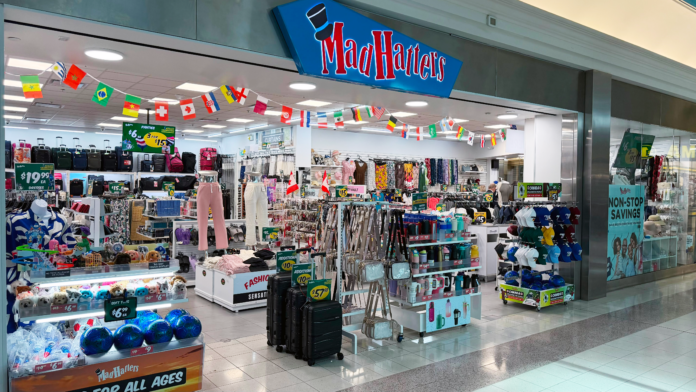
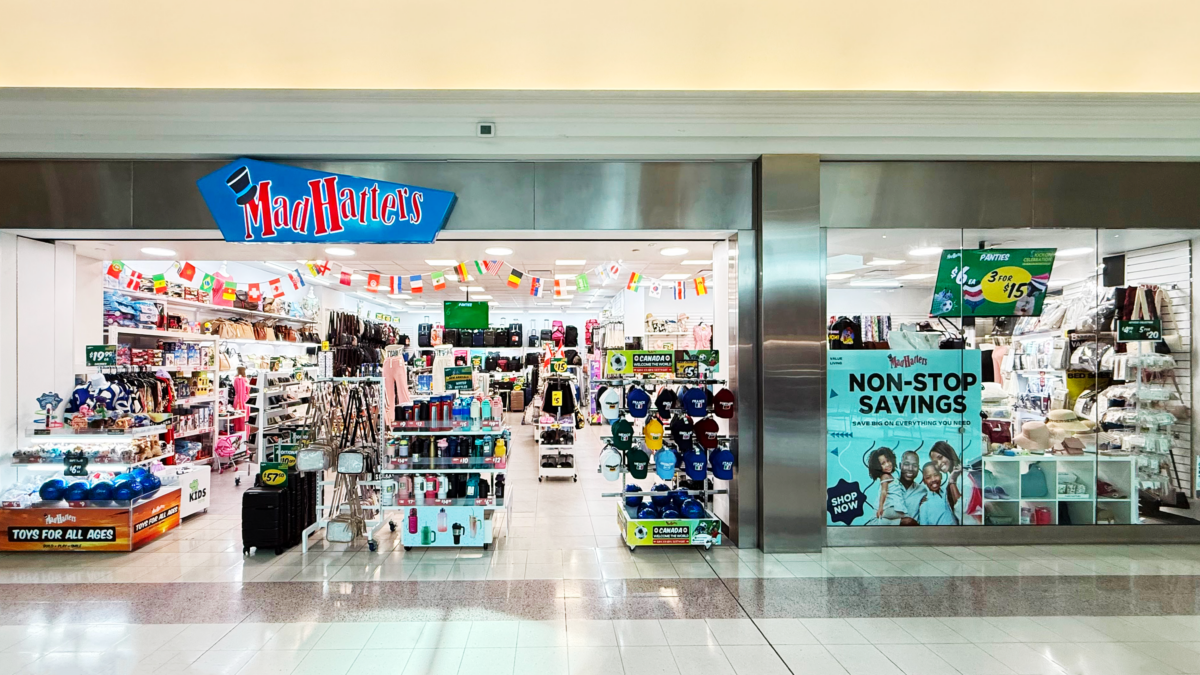
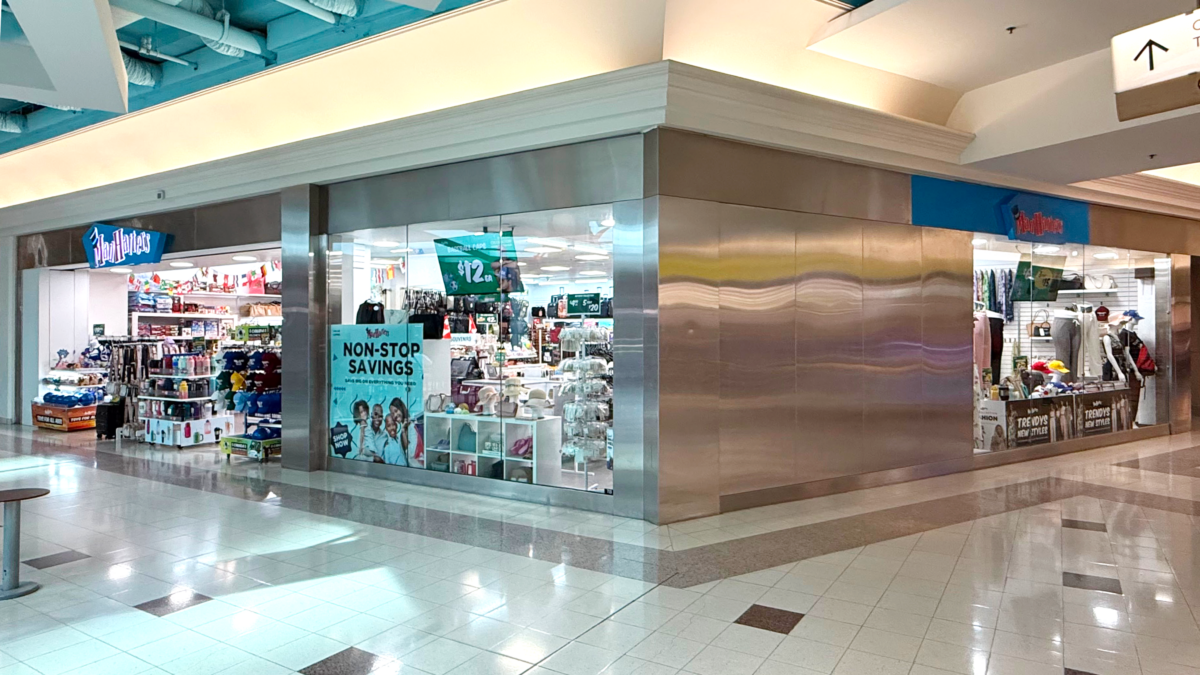
MadHatters photo
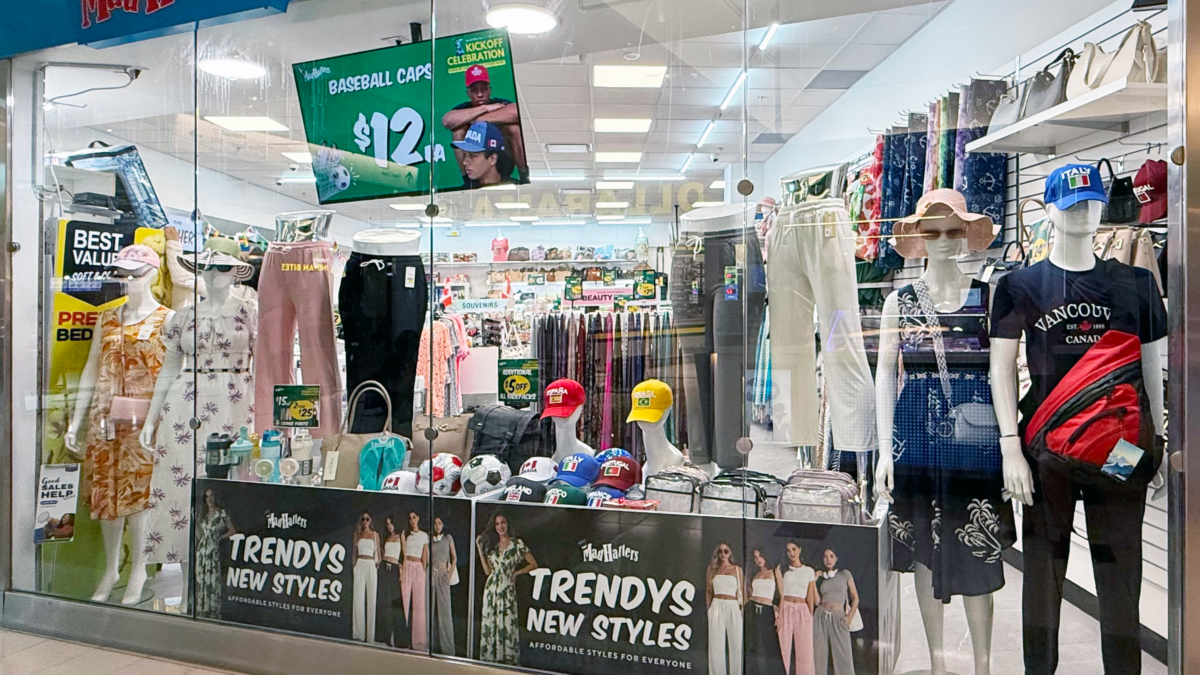
MadHatters photo

MadHatters is preparing to expand its footprint across Western Canada through franchising after investing in a new store concept designed to make growth more efficient, says John O’Beirne, the company’s vice-president of sales and marketing.

The Surrey, B.C.-based retailer recently opened a newly expanded corporate location at Central City in Surrey that serves as the model for future franchise stores. At approximately 2,000 square feet, the store features updated product displays, digital signage and a merchandising approach the company plans to replicate as it grows.

O’Beirne said the company currently operates five locations in Calgary, Edmonton, Vancouver, Westminster and Delta, B.C., and is targeting affordable, family-oriented neighbourhoods and B-grade shopping centres as it looks to expand through franchise partners. He said the long-term goal is to extend the brand from Vancouver to Winnipeg and beyond, supported by systems the company has developed to help franchisees succeed.

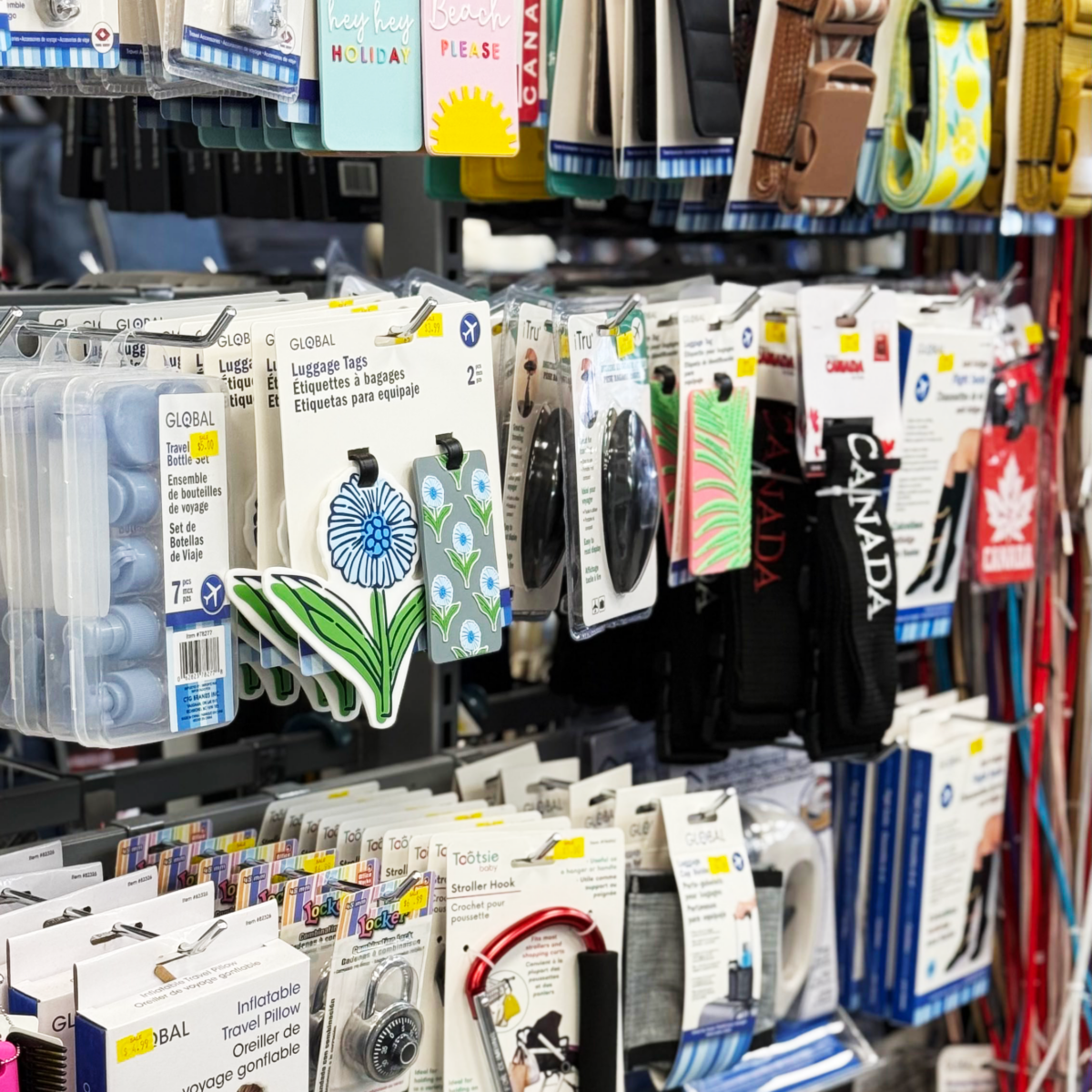
The new concept store is at the same location where MadHatters was founded over 20 years ago. The new store is double the size of its previous location, spanning 16 departments including travel and luggage, bed and bath, colognes, perfumes and cosmetics, toys, men’s and ladies apparel, and a full range of seasonal items.

The new store has been designed around a simple philosophy: keep a good store, a happy ambiance, and happy staff, so customers have fun while they shop. As a retailer that sells toys, MadHatters likes to say it goes with the territory — happy kids, happy life.

MadHatters has built its brand over two decades by offering affordable, trend-driven merchandise that reflects the needs of local communities, and our business continues to thrive in multicultural, value-conscious neighbourhoods. 

In the last five years, it’s grown through franchise partners into Calgary, Edmonton, Delta BC, New Westminster, and Burnaby BC — and it now sees a path to as many as 10 stores across Central and Western Canada. 

“We’ve started different systems for selling product. We have different displays, with a little more use of vertical displays where we used to have flatter, simpler displays,” said O’Beirne.

“We use video monitors to bring information to customers, and we use the windows and the front of the stores to enhance the promotion for that particular month.

“Social media, Marketplace, and TikTok are on top of all that. That’s been new in the last couple of years. It’s definitely new to me. We’ve really gotten some extra mileage from it, and we find our customers really resonate with it. If it’s Marketplace, they feel they’re connecting with you there, and then they come into the store and see the same connection at the store level. We’ve got a connection. We’ve got business. People buy into it easily.”

O’Beirne said the growth plan is through franchising which gave the retailer a totally different insight into the whole business.

“We found that franchisees are very keen. They’re quite successful. It’s their business, and they have a totally different approach than, say, a staffed store. That’s the model to expand because they may live in a city—for example, Saskatoon. Somebody might live in that city, and it would be more ideal for them rather than staffing the stores,” he said.

“We’ve developed and invested heavily in the franchise model and the systems behind it. The plan is to roll that out from Vancouver, Edmonton, Calgary, right to Winnipeg, or virtually anywhere that people relate to us. We have the backup and the systems, which are very straightforward.

“What’s unique about it is the departments in the store complement each other. Families come in, so the mom can buy something, the father can buy something, and the kids can buy something—all in the same store at a fairly affordable rate.

“That’s why we know there’s a neighbourhood in every city. We go for affordable neighbourhoods—people who have budgets on the smaller side—and there’s one of those neighbourhoods in every city.”

MadHatters photo
MadHatters photo

O’Beirne said that in expansion it looks for B-grade malls that suit the demographic, in neighbourhoods where people find houses reasonably affordable, or accommodation that can be found affordably these days.

“Blue-collar areas, new Canadian neighbourhoods, multicultural families—all of that. They’re our customer base. We feel every city in the country has areas that are conducive to that kind of family,” he added

“The word of mouth goes around very fast as well because someone in Calgary will tell someone in Vancouver about something because they’re connected. Those people are all well connected. It doesn’t have to be social media. They’re connected through family and friends, and word of mouth is strong. Once people start coming, they keep coming. That’s the thing.”

More from Retail Insider:

Canadian Restaurants Avoid Broad Food Tariff Hit as Supply Costs Face Pressure

Photo- Restaurants Canada

Canada’s restaurant industry has broadly welcomed the federal government’s latest retaliatory tariff package after many food products identified as priorities by the sector were kept out of the new measures. Restaurant operators could still face higher costs for packaging, equipment and selected ingredients as the tariffs work their way through supply chains.

The federal government announced Tuesday that Canada will impose counter-tariffs of 15%, 25% and 50% on $27.6 billion worth of U.S.-origin imports beginning September 8. The measures respond to the latest round of U.S. tariffs and cover products across a wide range of sectors.

Restaurants Canada said the approach addresses some of the industry’s biggest concerns about retaliatory measures adding another layer of pressure to food costs.

“We appreciate that it has listened to the concerns raised by our industry and avoided tariffs on many of the priority food products we identified,” said Kelly Higginson, President and CEO of Restaurants Canada.

The association said avoiding many of those products should help limit additional pressure on food costs and menu prices while reducing potential disruption to Canada’s food supply chain. That relief is significant for restaurant operators, although food products have not been entirely excluded from the tariff package.

Certain U.S.-origin dairy products, including a range of cheeses, are subject to 25% tariffs, while some whey products and selected food preparations face higher rates. The tariff list nevertheless avoids broad duties across many staple restaurant ingredients that could have produced a larger and more immediate cost increase for the industry.

Packaging Emerges as a Key Concern

Restaurants Canada’s initial review identified packaging as one of the areas requiring further attention, and the federal tariff schedule includes several products commonly used across the foodservice industry.

Certain U.S.-origin polyethylene sacks and bags are subject to a 50% tariff, as are categories covering plastic tableware and kitchenware. Paper and paperboard products are also captured, including certain corrugated cartons, boxes, paper sacks and bags. Several of those categories face tariffs of 50%, along with certain aluminum foil products.

The impact on individual operators will depend on their supply chains and the ability of distributors to source comparable products from Canada or other countries. Restaurants that rely directly or indirectly on affected U.S.-made supplies could face additional costs once the tariffs take effect.

Quick-service, takeout and delivery-oriented businesses may be particularly sensitive to changes in packaging costs because disposable containers and related supplies represent recurring expenses. Even relatively small increases can become meaningful when multiplied across large transaction volumes.

Restaurants Canada said it is assessing the affected products and plans to seek targeted exemptions where sufficient Canadian or alternative supply is unavailable.

Restaurant Equipment Also Faces Exposure

Equipment represents a different potential source of cost pressure. Canada’s tariff schedule includes a range of refrigeration and freezing equipment, with several categories subject to 25% tariffs, while certain refrigerated cabinets, counters, showcases and related equipment face rates as high as 50%.

Selected ovens, ranges and electric cooking equipment are also included, along with various kitchen products and equipment components. Tariff classifications are highly specific, so the measures should not be interpreted as applying to every refrigerator, oven or piece of commercial restaurant equipment imported from the United States.

For operators purchasing affected products, the tariffs introduce another consideration when replacing aging or failed equipment, renovating locations or building new restaurants. Kitchens, refrigeration systems and other specialized equipment can represent significant capital expenditures, making alternative suppliers increasingly important where U.S.-origin products become more expensive.

“There are still some important issues to address, and we will continue working with government to get those right,” Higginson said.

Restaurants Operating on Narrow Margins

The potential increases come as Canada’s foodservice sector continues to contend with a challenging cost environment.

Statistics Canada reported that food services and drinking places generated $99.6 billion in operating revenue in 2024, up 4.8% from the previous year. Operating expenses reached $95.5 billion, leaving the sector with an operating profit margin of 4.1%.

Cost of goods sold represented 35.9% of industry operating expenses, while salaries, wages, commissions and benefits accounted for another 33.6%. Rental and leasing costs represented 8.1%.

Those figures help explain why incremental increases across several expense categories matter. A 25% or 50% tariff on an individual product does not translate into an equivalent increase in a restaurant’s overall costs, but higher expenses for packaging, ingredients, equipment and transportation can accumulate within businesses operating on relatively narrow margins.

Restaurants Canada has also reported continued profitability concerns among its members and expects inflation-adjusted commercial foodservice sales to decline by 1.1% in 2026. The association reported earlier this year that 44% of restaurants were operating at a loss or breaking even as of November 2025.

Consumers Remain Focused on Value

Passing higher costs directly to customers presents its own challenges. Recent Restaurants Canada research found that more than eight in 10 Canadians consider affordability at least a moderate factor when choosing a restaurant, while half of quick-service customers surveyed said they actively look for promotions, discounts and deals.

Menu-price inflation has also been moderating. Restaurant menu prices increased 2.7% year over year in June, according to research released by the association, representing the slowest pace of increase since 2021.

Restaurants facing higher input costs can attempt to recover some of those expenses through menu pricing, but significant increases risk affecting traffic when consumers are actively seeking value. Avoiding widespread tariffs on high-volume food ingredients therefore removes one potential source of immediate inflation, while exposure to packaging, equipment and selected foods will vary considerably by operator and supply chain.

Restaurants Canada to Pursue Tariff Relief

Restaurants Canada plans to continue working with Ottawa as the impact of the tariff package becomes clearer, including seeking relief for products that cannot readily be sourced elsewhere.

Canada’s existing tariff-remission framework allows the federal government to consider requests where affected goods cannot reasonably be sourced domestically or from non-U.S. suppliers. Relief can also be considered in exceptional circumstances where tariffs could create severe adverse effects on the Canadian economy.

The process could become important for specialized foodservice products where operators, distributors or suppliers have limited ability to quickly change sourcing.

Fuel Costs Add Another Layer

Restaurants Canada is also asking Ottawa to extend the temporary suspension of the federal fuel excise tax on gasoline and diesel beyond September 7. The request comes as the new Canadian counter-tariffs are scheduled to take effect September 8.

The federal excise tax is normally 10 cents per litre on gasoline and four cents per litre on diesel. Its scheduled return would add another cost consideration as restaurants and their suppliers adjust to the new tariff environment.

Fuel costs can move throughout the foodservice supply chain as food and restaurant supplies travel from producers and processors through distributors to individual locations. Restaurants Canada reported in July that 86% of operators surveyed were experiencing higher food and ingredient costs associated with rising gasoline prices, while the same percentage reported supplier fuel surcharges. Another 81% reported increased operating expenses.

The association is encouraging Ottawa to maintain the fuel-tax relief as businesses manage the broader economic effects of the Canada-U.S. trade dispute.

Tariffs Could Accelerate Sourcing Changes

The measures may also prompt restaurant operators, distributors and suppliers to reconsider where affected products are sourced. Canadian-made packaging, equipment and other supplies could become more attractive where sufficient domestic production exists, while importers may look to suppliers in other markets for products currently sourced from the United States.

Changing suppliers can take time. Restaurant chains can have detailed requirements around packaging dimensions, branding, equipment specifications, warranties and food-safety standards, while specialized products may have relatively few readily available alternatives. Those constraints will help determine which tariff categories ultimately create the greatest pressure for operators.

Canada’s restaurant industry represents approximately $125 billion in economic activity and directly employs about 1.2 million Canadians, according to Restaurants Canada. The association says restaurants purchase approximately $43 billion in food and beverages annually, including roughly $30 billion from Canadian suppliers.

“Restaurants are behind the government in standing up for Canada in this trade fight,” Higginson said. “Our focus is on ensuring Canada’s response is as targeted and effective as possible, recognizing the impact these decisions can have on Canadian businesses, jobs, communities and consumers.”

The industry appears to have avoided the broad ingredient shock that could have resulted from tariffs across a much wider range of food products. As the measures take effect September 8, attention will turn to packaging, equipment and selected food categories, along with whether alternative sourcing or targeted tariff relief can prevent those additional costs from spreading further through Canada’s restaurant supply chain.

More from Retail Insider:

Knix Opens First Atlantic Canada Store in Halifax as Retail Expansion Continues

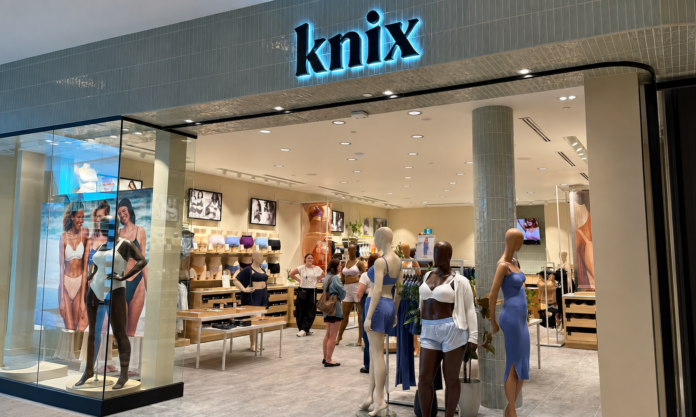
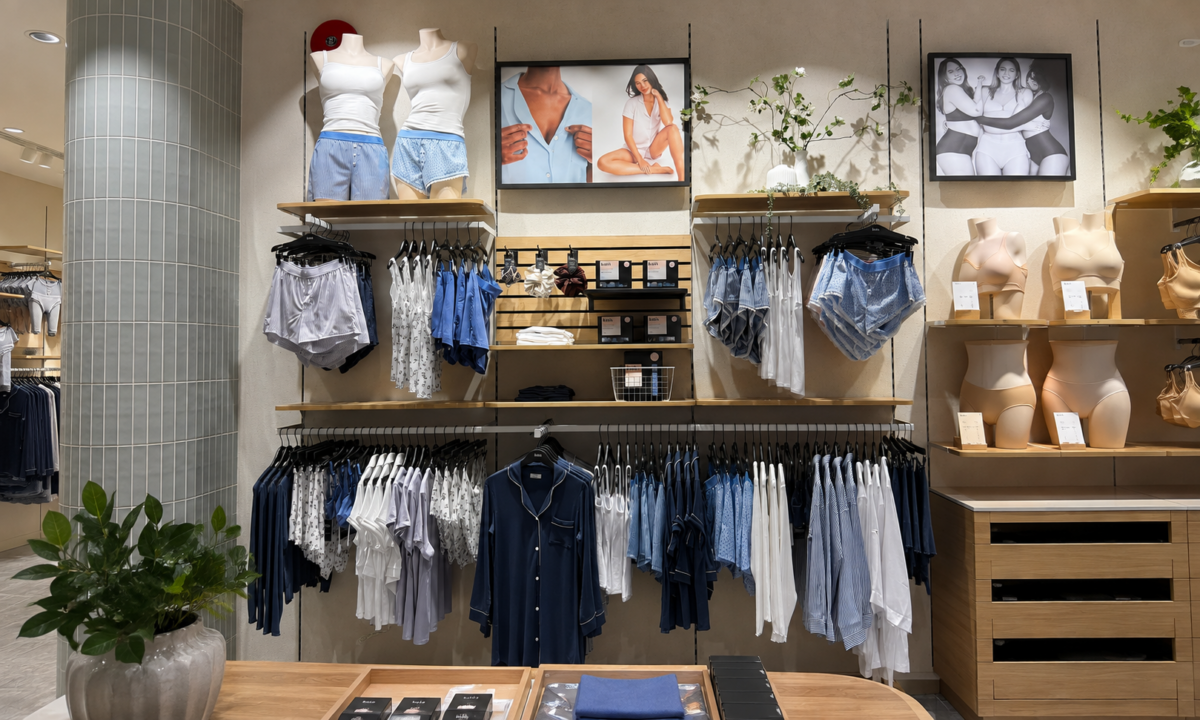
Knix at Halifax Shopping Centre

Canadian intimates retailer Knix is opening its first Atlantic Canadian store at Halifax Shopping Centre, extending its physical retail network into Nova Scotia as the Toronto-based brand continues its expansion across the country.

The store, located at 7001 Mumford Road, brings Knix into a market where the company says it has already built a significant customer base. According to a recent Knix survey, 95 per cent of Nova Scotia respondents said they would shop the brand more frequently if a store were located closer to them.

“Knix was built by and for our community, and for years, Halifax has told us they wanted a store on the East Coast,” said Knix President Nicole Tapscott. “We have a lot of dedicated Knix community members in the area, and we are excited to show up where our customers asked us to be.”

The Halifax location carries Knix’s assortment of leakproof underwear, wireless bras, activewear, swimwear, loungewear and other products. Tapscott said physical stores are particularly important for categories where fit and personalized service can influence purchasing decisions.

“Categories like bras and swim are deeply personal and benefit from an in-person experience to ensure the right fit,” she said. “Our retail spaces thrive on creating welcoming spaces where customers feel seen, supported, and comfortable while receiving personalized fittings, and our new Halifax will be no different.”

Halifax Part of Broader Canadian Expansion

The Halifax store was previously announced as part of a larger Canadian expansion. In May, Knix told Retail Insider it planned to open 10 stores across Canada during 2026, taking its national footprint from 21 locations at the time to more than 30 by year-end.

Knix had already opened locations at Conestoga Mall in Waterloo and Devonshire Mall in Windsor when Retail Insider spoke with Tapscott in May. Masonville Place in London and Halifax Shopping Centre were among the next stores planned, with Halifax initially expected to open around mid-June.

Knix’s latest announcement describes Halifax as one of seven new stores planned for 2026. The company has also identified upcoming Ontario locations at CF Shops at Don Mills in Toronto, CF Lime Ridge in Hamilton and Mapleview Centre in Burlington.

The expansion reflects a strategy Knix has been pursuing more aggressively in recent years, using its established ecommerce customer base to identify markets where physical stores can complement existing demand. Tapscott told Retail Insider in May that customer concentration is an important starting point when evaluating markets, followed by factors including shopping centre co-tenancies, individual store locations and opportunities for customer engagement.

“We start with where the demand is. Where is the concentration of our customers?” Tapscott said at the time. “We have strong brand awareness for a 13-year-old business in Canada. We’re well penetrated online in most major cities.”

Halifax was already emerging as one of those opportunities.

“Halifax is a great example,” Tapscott told Retail Insider in May. “We saw a strong emotional connection there, and when a great location became available, we jumped at the opportunity.”

Knix at Halifax Shopping Centre

Physical Retail Takes Larger Role at Knix

Knix opened its first permanent retail store on Queen Street West in Toronto in November 2019, adding physical locations to a business built primarily through direct-to-consumer ecommerce. Its store network has expanded considerably since then, with Tapscott telling Retail Insider earlier this year that retail would continue to be a major growth lever for the company.

“Canada remains a priority. There’s still a lot of room to grow,” she said in May. “We’re looking to continue to open stores in Ontario, Alberta, and British Columbia. You’ll see our fleet continue to expand both in major metro areas as well as suburban locations.”

The role of Knix stores has also evolved as its merchandise assortment has expanded. While leakproof underwear remains closely associated with the brand, Knix has built out categories including bras, swimwear, activewear, shapewear and loungewear, giving its stores a broader role in product discovery and fitting.

That evolution was visible when Knix redesigned its Queen Street West flagship in 2025. The original store had initially operated more like a showroom, with employees retrieving products for customers. The redesigned location moved considerably more merchandise onto the sales floor while retaining the fitting rooms and service areas important to the intimates business.

During a Retail Insider tour of the redesigned store, Tapscott said Knix had incorporated lessons from newer locations into the flagship, creating dedicated areas for categories including bras and underwear while allowing customers to browse more independently.

The approach reflects the changing role of physical retail within a company that was originally overwhelmingly digital. Stores provide another avenue for customer acquisition and product discovery while giving existing online customers access to fittings and in-person assistance.

Nicole Tapscott
Nicole Tapscott

Expansion Continues Under New Leadership

The Halifax opening comes shortly after a significant leadership change at Knix. Founder Joanna Griffiths stepped away from the company in July after 14 years, with Tapscott becoming President following her previous role as Chief Commercial Officer.

Tapscott had already been closely involved with Knix’s retail expansion, ecommerce operations, marketing and commercial strategy before taking the top role, providing continuity as the company moves forward with its Canadian store growth.

Griffiths founded Knix in Toronto in 2013 and grew the company primarily through direct-to-consumer channels before Swedish health and hygiene company Essity acquired an 80 per cent stake in the business in 2022. Knix has since continued to broaden its distribution through an expanding network of company-operated stores and selected wholesale partnerships.

The Halifax opening gives Knix a physical presence in Atlantic Canada for the first time while adding another market to a Canadian store network that has expanded rapidly in recent years. Further growth is expected as the company continues opening locations in Ontario and other parts of the country.

Knix will mark the Halifax opening with consumer events on August 21 and 22, including local partnerships, in-store activations and promotional offers.

More from Retail Insider:

Cadillac Fairview’s It’s Better in Real Life campaign targets today’s consumers

Cadillac Fairview photo

Cadillac Fairview is betting that Canadians increasingly want something the digital world cannot offer: real-life connection. 

The commercial real estate company, with high profile shopping centres across the country, has launched its It’s Better in Real Life campaign as new consumer research suggests shoppers are looking for more than just stores, with nearly one-third of visits to its properties now driven by social reasons such as meeting friends or spending time together.

Craig Flannagan, vice-president of marketing at Cadillac Fairview, said the company is seeing growing demand for experiences that bring people together, from sporting events and cultural programming to interactive activations and expanded retail concepts. 

He said 56 per cent of visitors come to see and touch products in person, while 76 per cent say they feel a deeper connection when interacting with retail or food experiences face to face.

Flannagan said the trend has become more pronounced in the years following the pandemic and as Canadians spend more of their lives online. While digital technology remains an important companion, he said it cannot replace the warmth of shared experiences, adding that Cadillac Fairview is expanding its programming across the country to position its shopping centres as destinations for authentic, in-person connection.

Cadillac Fairview has ongoing efforts to create spaces and programming that bring people together and foster meaningful connections, which is at the heart of the campaign.

As digital convenience becomes the default, CF saw an opportunity in what online can’t deliver: the sensory, social and emotional value of being there. The result is “It’s Better in Real Life” — a new always-on marketing platform tackling digital disconnect head-on, focusing on cutting through digital noise and positioning CF shopping centres as ultimate destinations for connections, inspiration, and community. 

This isn’t just a messaging shift; it marks a major commercial evolution. Consumers no longer go to physical stores simply to acquire goods. They are using these physical spaces to validate their purchases and connect with brands. Research shows that 76 per cent of people feel a deeper connection to brands when they interact in person.

While technology is an incredible tool, CF believes it simply cannot replace the essential human need for real-world interaction, tangible discovery, and shared experiences. As consumers increasingly seek out physical gathering places, this long-term strategy leans into emotional, organic moments that a phone screen simply cannot replicate  — whether it’s the aroma of fresh espresso at Eataly, the tactile feel of a premium wool coat at Aritzia, or the collective energy of a live Lunar New Year lion dance.

Why now:

  • The Need for Physical Validation: Even in the era of AI for shopping, humans crave tangible validation. When asked how important the “physical experience” (seeing, touching, or trying on a product) is to their final buying decision, over 68 per cent of consumers rated it as extremely or very important;
  • Beyond the Algorithm: Digital Algorithms can replace impressions, but physical spaces drive true inspiration. Visiting a shopping mall or physical store is the second-highest resource for product and style inspiration, capturing 56 per cent of consumers;
  • The Rise of the “Social” Visit: Property visits are no longer driven by pure utility. CF’s data reveals the ‘Social’ mindset — purposefully arriving in groups to spend dedicated time with a partner, family, or friends now drives a massive 31 per cent of all property trips;
  • Engaging Gen Z and Millennials: Capturing younger audiences requires more than standard digital impressions. 73 per cent of Gen Z and Millennial shoppers state that visiting an exclusive on-site property drop or pop-up retail event makes them feel part of a “cultural moment”.
Cadillac Fairview photo

The platform rolled out nationally with localized programming tailored to each property; from cultural events and pop-ups to retailer activations and seasonal experiences. 

The campaign included:

  • New creative assets, OOH (out of home), digital & audio content: including bold, witty copy paired with rich lifestyle photography and videography designed to cut through the digital noise. Taglines rolling out include:
    • “Touch screens can’t let you touch.”
    • “Strolling tops scrolling.”
    • “Tell stories instead of posting them.”
  • Always-on social and influencer content positioning CF centres as go-to destinations for everyday plans
  • A refreshed digital ecosystem built to better connect online browsing to in-person discovery. This includes a new “What’s On” digital hub and event calendar, site-wide “Live Hubs” with “Happening Now” header banners.
  • Driving loyalty and urgency: Exclusive perks and early-access experiences for CF Insider members.

Results

  • Unprecedented Consumer Intent & Engagement: Validating the consumer desire to transition from “scrolling to strolling,” the campaign generated an exceptional high-intent to visit. Audience engagement with the creative was 2x higher than CF’s standard benchmarks, achieving a stellar 15 per cent+ average engagement rate across the board—with standout regional properties skyrocketing to 45 per cent–60 per cent engagement rates. This performance proves the message deeply resonated with consumers actively looking for real-world inspiration and connection;
  • Maximizing Long-Term Ad Recall: By maintaining an optimal frequency of at least 4x per person, the campaign consistently cuts through the digital noise to maximize message retention, significantly cementing long-term ad recall and brand awareness;
  • Experience-Led Engagement: At CF Carrefour Laval, a multi-sensory Summer Garden activation brought this platform to life, engaging 5,300 participants and earning a 9.4 CSAT score and 96 per cent average placemaking KPI performance. Featuring towering floral installations, whimsical flying bees, interactive scent pillars, and community events like honey tastings and the Chess in the Garden series, the initiative perfectly demonstrated how physical, experiential programming drives deep community connection and delivers the rich, real-world moments that consumers increasingly crave.

Flannagan said one of the most interesting pieces of data that Cadillac Fairview is working from is that about a third of visits, 31 per cent in recent research, are really coming for a social purpose. 

“So it could be to grab a bite. It could be just to hang out. Fifty-six percent of people who are coming to our properties are there to see and touch products, so that physical, tactile element. Seventy-six percent feel a deeper connection when they’re interacting in retail or in food in person,” he explained.

“I think one of the things that we’re hypothesizing is that, in a world that has maybe never been more digitally connected, we’re leading to a bit of emotional disconnection.

“We understand that our places are where authentic life unfolds, and if you are looking for that connection, we’re a great place. We’re seeing it in our retail experiences. You just need to step foot in Aritzia’s expansion at the CF Toronto Eaton Centre and see the store and the AOK Café. That is a hub of activity. But also with the experiences that we’ve been doing. The FIFA World Cup screenings were very well attended. Calgary Stampede continues to be incredibly well attended and reviewed. We’ve got everything from sports-driven experiences to the gardens at Carrefour Laval that are bringing thousands of people together.

“We really just felt like it was the perfect time for us to remind people of the benefit of being in real life and how CF really brings that in spades.”

Cadillac Fairview photo

Flannagan said obviously, retail and food are still driving people, but this idea in-real-life connections is something that the company really wanted to bring to the surface because it’s seeing this happen.

“We’re feeling that while digital technology is a helpful companion, it can’t replace the warmth of a shared human connection, a shared space,” he said.

“Our retailers are seeing that as well. When 56 per cent of people are coming to the properties so they can see and touch a product, or we’re seeing omnichannel brands realize the power of a physical space . . . we’re seeing it on our retail and business side, but we’re also seeing it in humanity.

“It’s clearly something that is a growing trend, and I don’t think there’s anybody better positioned to give Canadians what they need in terms of that human connection than Cadillac Fairview.”

The social aspect of the shopping centre has been around for years but Flannagan said a bigger push has come out following the years of the recent pandemic.

“Definitely, in a world that’s never been more digitally connected and at times feels more and more artificial, I think that the pull for balance in people’s lives, to experience some real-life things and just some real-life moments, is getting stronger.

“I think we’ll continue to see that kind of rebalancing. That’s my view, and it’s our view, which is one of the reasons we wanted to make sure that people continue to understand and know that we’ve got experiences. All of our retailers are a physical experience, and we continue to look at one of the roles that we can play as providing that in-real-life connection for people.”

Youtube video

More from Retail Insider:

IKEA study finds household clutter creating tension as living spaces get smaller

IKEA image
IKEA image

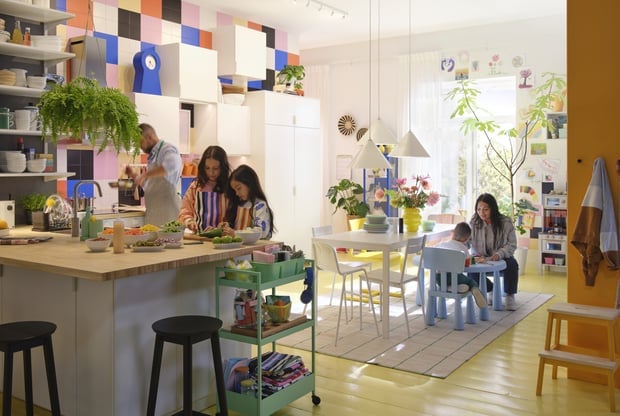
Household clutter is creating tension in homes as people contend with busier lives and smaller living spaces, according to a new global study from IKEA.

The IKEA Store & Organise Report 2026: Finding Meaning in the Mess surveyed 31,488 people across 31 markets and found that 38 per cent of homes have someone who leaves things out with the expectation that another person will deal with them.

The study describes the behaviour as a “silent protest” and identifies household organization as an issue extending beyond storage, with clutter contributing to disagreements and influencing how people use their homes.

The kitchen countertop was identified as the most difficult space to keep clutter-free, with 24 per cent of respondents citing it as such. It was also the space most likely to cause an argument, at 37 per cent.

The study found that 10 per cent of respondents use their oven for storage, a figure that rises to 21 per cent in South Korea.

At the same time, the findings suggest that many people are moving away from the idea that a home needs to be minimalist or perfectly organized. Fifty-nine per cent of respondents said they prefer a lived-in home over a minimalist one, while the report points to a shift toward what it calls “meaningful mess” — keeping possessions that have personal value and purpose.

“People aren’t chasing a perfect home anymore. They want a home that feels like them — one that holds their stories, their memories, the things that matter. What we keep says a lot about who we are. It was never just stuff. At IKEA, we believe everyone deserves a home that works for them. That’s what smart, affordable solutions are for,” said Licca Li, Home Furnishing & Retail Design Manager, Ingka Group (IKEA).

Sentimental attachment also plays a significant role in what people keep. The report found that 82 per cent of respondents retain things purely for sentimental reasons, even when the items are rarely used or kept out of sight.

Twenty-six per cent said they keep mementos from past relationships, with men more likely than women to do so, according to the study.

Storage spaces can also become catchalls for items that are no longer needed. Sixty-eight per cent of households have what the report calls a “drawer of doom,” with cables among the most common contents. Among Boomer men, 54 per cent continue to keep cables for gadgets they no longer own.

Clutter can also affect social plans. One in 10 respondents said they have cancelled plans with friends because their home was too messy, while 34 per cent said they move clutter around before guests arrive.

The study also found that some people associate mess with creativity. Fifteen per cent of respondents globally said they see mess as a form of creativity, although the figure varied significantly by market, reaching 31 per cent in China and four per cent in Japan.

More from Retail Insider:

Canadian Retailers Face New Cost and Sourcing Pressures from U.S. Counter-Tariffs

Canadian retailers are preparing for another round of trade disruption after the federal government unveiled counter-tariffs on $27.6 billion worth of U.S.-origin goods, bringing a wide range of consumer products directly into the escalating Canada-U.S. trade dispute.

The measures, scheduled to take effect September 8, cover 874 tariff items at rates of 15%, 25% and 50%. Retail Council of Canada (RCC) says affected retail categories include apparel and clothing, furniture, large appliances, electronics, electrical equipment, power tools, carpets, paper products, sporting goods, dairy products including cheese, fish and seafood, and broader general merchandise, along with selected steel and aluminum products and metal derivatives.

Ottawa announced the countermeasures after the United States imposed new 50% tariffs on approximately $28 billion worth of Canadian goods following the breakdown of bilateral trade negotiations. The federal government has characterized its response as dollar-for-dollar and rate-for-rate retaliation. For retailers, the immediate concern is how to manage merchandise that could become substantially more expensive to import.

The impact will vary by category and retailer. Businesses may pass some of the additional cost to consumers, absorb a portion through margins, negotiate with suppliers, change their merchandise mix or source comparable products from Canada and other countries. Where readily available alternatives do not exist, the options become considerably narrower.

Retailers Face Uneven Sourcing Challenges

The federal government sought to design its countermeasures around products where Canadian or international alternatives are available, according to RCC. The organization is nevertheless warning members that several affected categories will present immediate substitution challenges.

A merchant able to replace a tariffed U.S.-origin product with comparable merchandise from a Canadian or international supplier may be able to limit its exposure over time. Retailers dependent on specialized U.S. products, established supplier relationships or merchandise for which customers expect particular brands could have considerably less flexibility. Product specifications, manufacturing capacity, minimum order requirements, delivery schedules and existing contracts can make a supplier change more complicated than finding a similar product elsewhere.

RCC is collecting information from retailers about affected products and tariff classifications, projected cost and pricing impacts, inventory and supply-chain effects, sourcing bottlenecks and situations where viable non-U.S. substitutes are unavailable. It is also seeking information about customs classifications and goods already in transit, giving the organization specific evidence to use in its advocacy and tariff-remission efforts.

Prices Are Only Part of the Tariff Equation

Although tariffs raise concerns about consumer prices, Canada’s previous experience suggests the relationship between duties imposed at the border and prices in stores is considerably more complicated.

Research published by the Bank of Canada this year examined Canada’s 2025 counter-tariffs using daily online prices from seven major Canadian retailers covering more than 110,000 products. During that earlier trade dispute, Canada imposed 25% tariffs on a range of American products that included appliances, electronics, furniture, household products and grocery items.

The Bank found that prices for tariffed products increased approximately 6% relative to comparable products that were not subject to tariffs, amounting to roughly one-quarter pass-through of the 25% tariff into relative retail prices. The findings should not be used to predict the impact of the latest countermeasures, where the product mix, tariff rates and economic conditions are different, but they show that tariff costs do not necessarily move directly from the border to the price tag.

Costs can be distributed throughout the supply chain as suppliers and retailers negotiate terms, adjust margins, alter assortments or change purchasing decisions. That becomes particularly relevant when some goods face duties as high as 50%, potentially changing the economics of carrying a product even when the full tariff is never reflected in its retail price.

Tariffs Could Accelerate Changes in Retail Sourcing

The longer-term impact may become increasingly visible in procurement decisions. Canadian businesses had already started changing sourcing strategies during the previous period of Canada-U.S. trade tension, and another round of counter-tariffs creates a new incentive to examine where merchandise originates.

Statistics Canada reported that 15.8% of businesses surveyed during the 2025 tariff environment planned to increase domestic sourcing, while 14.2% planned to seek alternative suppliers outside the United States and 15% planned to increase prices. Retailers also changed the way they marketed merchandise: 45.5% of retail businesses had changed marketing practices to promote Canadian products, while 40.7% reported increased sales of Canadian products during the period examined.

Those behaviours remained visible into 2026. Statistics Canada reported earlier this year that 42.7% of retailers had changed marketing practices over the previous 12 months to promote Canadian products, while 35.8% reported increased sales of Canadian merchandise.

Canada’s broader trade patterns have also been shifting. The United States accounted for 62.3% of Canadian merchandise imports in 2024, compared with 58.8% in 2025, while imports from countries outside the United States increased. That change cannot be attributed solely to tariffs, since currency movements, demand, supply conditions and other economic factors influence trade flows, but it has occurred as Canadian businesses have been examining domestic and non-U.S. sourcing alternatives.

Some Products Will Be Harder to Replace

The ability to diversify will vary considerably across retail categories. Supplier relationships are built around product specifications, pricing, manufacturing capacity, delivery schedules, minimum order quantities, regulatory requirements and consumer demand. Established brands can also be difficult to substitute when customers are seeking a particular product rather than an interchangeable alternative.

Retailers selling merchandise available from a wide range of suppliers may have greater flexibility to change assortments, while businesses dependent on specialized or difficult-to-replace U.S.-origin goods could face greater cost and margin pressure. The adjustment may also be more challenging for smaller merchants with less purchasing leverage, fewer procurement resources or difficulty meeting the volume requirements of alternative suppliers.

The extent of these challenges is one reason RCC is asking retailers to identify specific sourcing bottlenecks rather than treating the 874 affected tariff items as a uniform group. The commercial impact can look very different when a substitute is readily available than when a retailer has few realistic alternatives.

Buy Canada Takes on Greater Importance

The counter-tariffs are also being accompanied by a broader push toward domestic sourcing. RCC told members Tuesday that, in its discussions with the federal government, Ottawa highlighted an expectation that retailers prioritize domestic sourcing and clearly identify Canadian-made products for consumers.

RCC is gathering examples showing how retailers are already sourcing, promoting and displaying Canadian products. The effort follows merchandising changes that became increasingly visible during the earlier trade dispute, when retailers expanded Buy Canadian messaging and Statistics Canada recorded increased promotion and sales of Canadian merchandise.

For Canadian manufacturers and suppliers, another round of tariffs could create opportunities to compete for purchasing that previously flowed to U.S. suppliers, particularly where domestic alternatives already exist. The opportunity will depend on whether Canadian producers can provide the required merchandise at sufficient scale, quality and competitive pricing. Where they cannot, suppliers in Europe, Asia, Mexico and other markets could also benefit as retailers seek additional sourcing options.

Remission Could Provide Relief for Hard-to-Replace Goods

Retailers unable to find viable alternatives may be able to seek relief through Canada’s tariff-remission process. RCC says businesses can apply for remission on affected products where alternative sourcing is unavailable and the duties create material economic harm. Following RCC advocacy, the federal government has committed additional personnel to help expedite reviews.

The process could become important as retailers work through the tariff classifications and determine where substitution is practical. RCC is asking members to provide eight- or 10-digit Harmonized System codes, projected cost and pricing impacts, inventory implications and evidence of sourcing constraints to support advocacy and remission interventions.

Canada also used remission measures during the previous tariff dispute, providing a precedent for targeted relief where counter-tariffs created unintended costs for Canadian businesses. The availability of remission does not eliminate the disruption, but it gives retailers with particularly difficult sourcing situations a mechanism to seek relief.

Retailers Have Until September 8 to Prepare

The counter-tariffs take effect at 12:01 a.m. on September 8, while goods already in transit to Canada before the effective date will be exempt. Retailers and importers therefore have a short period to review affected merchandise, country-of-origin classifications, incoming shipments, purchase orders and supplier arrangements.

Country of origin will be particularly important. The measures apply to U.S.-origin goods according to applicable rules of origin, meaning merchandise sold by an American company is not automatically subject to the new tariff because the brand or supplier is based in the United States. Retailers will need to determine whether individual products fall within the affected tariff classifications and meet the relevant origin criteria.

For businesses carrying captured goods, preparations may include identifying immediate substitutions, discussing costs with suppliers, reviewing pricing and inventory, and determining whether longer-term sourcing changes or remission applications are required.

Consumers Remain Highly Price Conscious

The ability to pass additional costs through to shoppers may be constrained by the economic environment. Bank of Canada consumer research continues to show that high prices and economic uncertainty are weighing on household spending intentions, while consumers continue to identify tariffs and trade tensions as potential sources of inflation.

Passing additional costs through can protect margins but risks weakening demand, while absorbing them can preserve price competitiveness at the expense of profitability. The Bank of Canada’s research into the previous tariff episode suggests retailers and suppliers responded through a combination of adjustments rather than uniform increases in shelf prices.

The outcome after September 8 will depend heavily on the products involved, available substitutes and the competitive position of individual retailers. Categories where consumers can easily switch brands or merchants could leave businesses with particularly limited pricing power.

Trade Tensions Add New Risk to Retail Supply Chains

Canadian retail supply chains developed over decades around relatively predictable access to the U.S. market, supported by geographic proximity, integrated transportation networks and extensive supplier relationships. The United States remains an enormously important source of merchandise for Canada and will continue to play a central role in the country’s retail supply chain.

Repeated trade disputes, however, add cross-border policy risk to procurement decisions. Retailers may place greater value on maintaining suppliers in multiple countries, developing Canadian sources where practical, improving visibility into where merchandise originates and reducing vulnerabilities created by concentrated sourcing.

Ottawa reinforced the diversification theme Tuesday with a $7.5-billion package of support measures for Canadian businesses and workers affected by the latest U.S. tariffs. The federal government has positioned greater economic resilience and diversification as part of its response to the trade dispute.

For Canadian retailers, attention will initially centre on the costs arriving September 8 and how they can be managed through pricing, supplier negotiations, alternative sourcing or tariff relief. The more lasting effect could emerge through purchasing decisions, as another period of Canada-U.S. trade friction gives retailers additional reason to reassess where merchandise sold in Canadian stores comes from.

More from Retail Insider: