For years, Primaris REIT‘s shopping centres have sat on significant amounts of land beyond their retail footprints. Much of that land remained constrained by legacy agreements, parking requirements and development restrictions, limiting what could be done with sites surrounding some of Canada’s most productive malls.
The collapse of Hudson’s Bay and the arrival of Chief Investment Officer Julian Schonfeldt have created a catalyst for change.
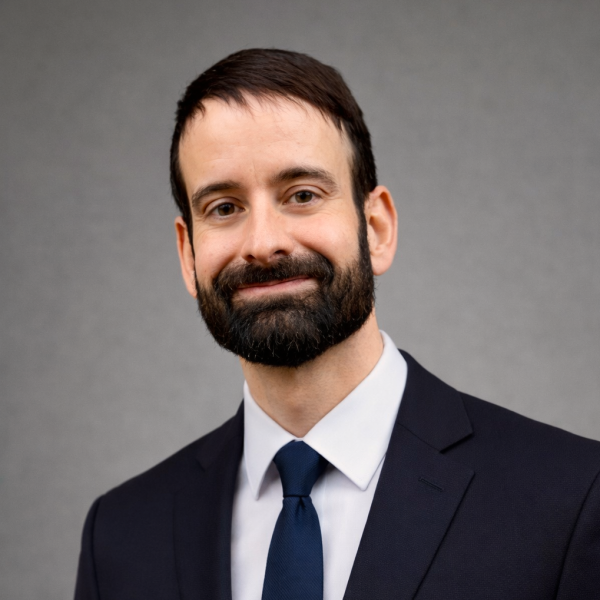
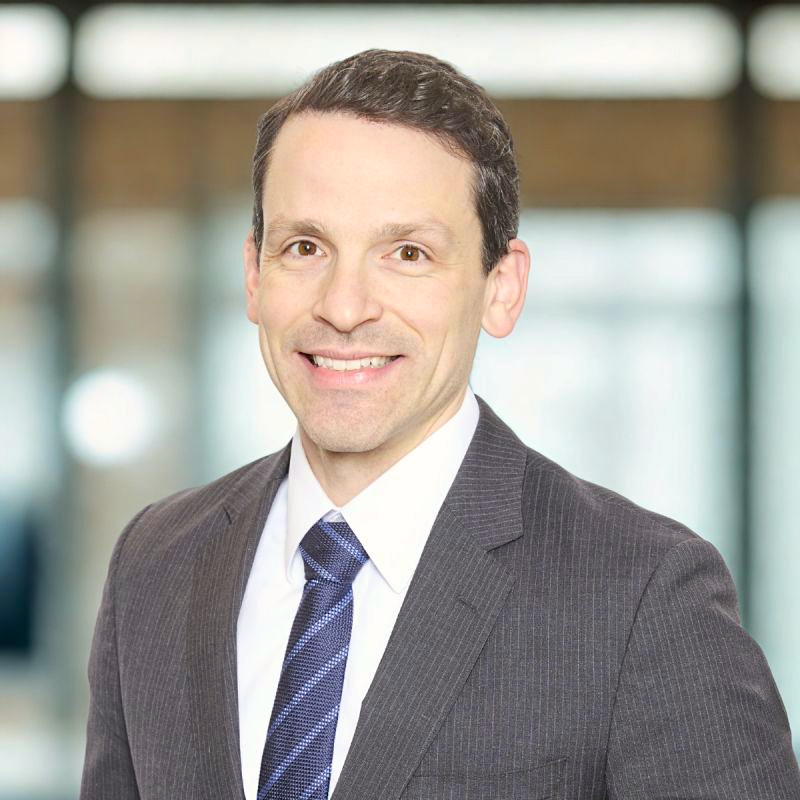
Schonfeldt, who joined Primaris earlier this year after serving as Chief Investment Officer at CAPREIT, has been tasked with identifying ways to unlock value from excess lands across the company’s national portfolio while maintaining a focus on operating dominant regional shopping centres.
“It’s a big mandate,” Schonfeldt said during an interview with Retail Insider.
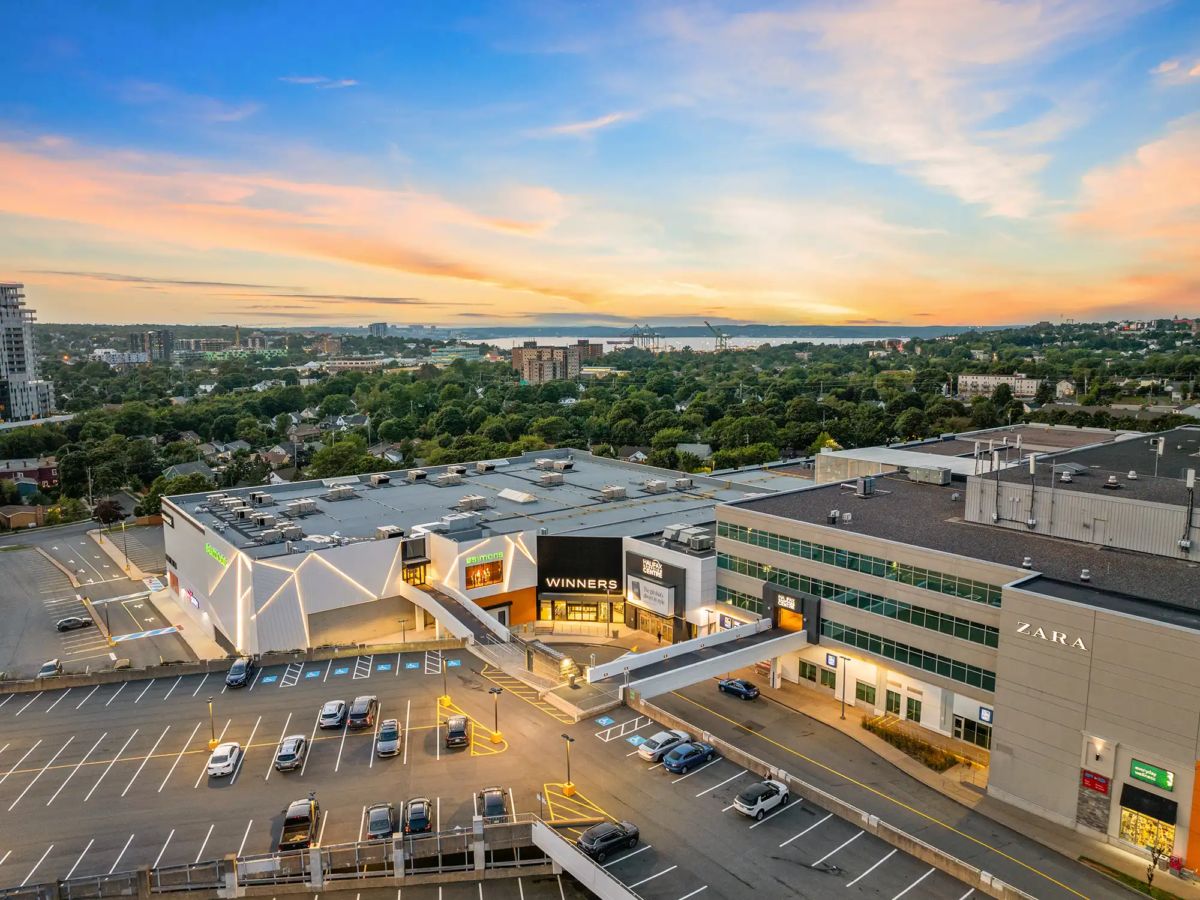
Primaris owns 25 shopping centres representing more than 1,200 acres of land. While much of that acreage remains essential to mall operations, Schonfeldt estimates that roughly 10 per cent could potentially be severed, rezoned and sold for alternative uses.
“In our portfolio of over twelve hundred acres, we believe that about ten per cent of that could be severed and rezoned and sold to developers,” he said.
The potential value is substantial. In a recent update to investors, Primaris estimated that its excess lands could represent between $275 million and $375 million in value, underscoring the significance of the initiative and management’s focus on identifying opportunities across its portfolio.
The initiative marks a new phase for Primaris. Over the past several years, the company has transformed its portfolio through acquisitions, adding major regional shopping centres across the country. Now, management is increasingly looking within its existing portfolio to identify additional sources of value.
“We just recently hired Julian Schonfeldt from CAPREIT as our CIO,” Primaris CEO Alex Avery previously told Retail Insider. “The first big project that we put him on was to explore our portfolio and find opportunities to surface value from these excess lands.”
A Portfolio Built for Opportunity
Primaris controls one of Canada’s largest enclosed mall portfolios, with properties located in major urban centres and regional markets across the country. Many of those assets occupy large sites acquired decades ago when land was more readily available and development patterns were different.
According to Schonfeldt, the typical Primaris mall occupies approximately 50 acres, with retail buildings often covering only about one-third of the site. The balance consists largely of parking fields, access roads and supporting infrastructure.
While not all of that land can be repurposed, Primaris believes there are meaningful opportunities across the portfolio.
Some sites face servicing constraints, access issues or lease restrictions. Others contain parcels that could potentially be separated from the shopping centre and repositioned for other uses without affecting retail operations.
“We have over a hundred acres that we can sell relatively cleanly,” Schonfeldt said.
Hudson’s Bay Helped Change the Equation
Although Primaris had been evaluating excess land opportunities before Hudson’s Bay’s collapse, the department store’s exit has helped accelerate the process.
For decades, many Hudson’s Bay leases contained provisions that restricted development on portions of shopping centre properties. Those restrictions often extended beyond the department store itself and affected adjacent parking areas and potential development sites.
“HBC had quite a bit of restrictions that constrained our ability to action some of the parking lands,” Schonfeldt said.
With many of those restrictions now removed, Primaris has more flexibility to evaluate opportunities that previously would have been difficult to pursue.
Avery has described the impact as significant. He noted that Primaris previously disclosed 71 acres that were directly affected by no-build restrictions, though the practical impact extended well beyond that acreage because of how those restrictions shaped site planning and development options.
The result is that land which may have been difficult to monetize in the past can now be examined through a different lens.
“The bankruptcy of HBC coincides with my joining the company, and my prior work experience really lends itself to this project of monetizing these land dispositions,” Schonfeldt said.
Looking Beyond Residential Development
While residential development often dominates conversations around shopping centre intensification, Schonfeldt said Primaris is evaluating a much broader range of opportunities.
The company is examining potential uses including seniors housing, hotels, self-storage facilities, student housing and workforce housing.
Every market presents different opportunities.
Toronto’s condominium market remains challenged, while other markets may be experiencing stronger development conditions. Some sites may be attractive to hotel developers. Others may be better suited to seniors housing or student accommodation.
“Every city has its own story. Every neighbourhood has its own story,” Schonfeldt said.
He pointed to seniors housing as an area generating particular interest.
“We’re also looking at seniors housing, which has quite a bit more momentum in the space right now. Our malls lend themselves very well towards that use.”
The accessibility of many shopping centres creates natural advantages for those uses. Many Primaris properties are located near transit routes, major roads and established residential communities while offering immediate access to retail services and amenities.
The company is also exploring opportunities that could deliver broader community benefits.
“If we can do something where we get the benefit of monetizing or surfacing some of this land value, but also giving something back to the community, that’s a very ideal usage for us,” Schonfeldt said.
A Different Strategy Than Many Mall Owners
Perhaps the most surprising aspect of Primaris’ approach is what the company does not plan to do.
Across Canada, many shopping centre owners have pursued large-scale mixed-use developments, often involving residential towers, joint ventures and multi-phase master plans spanning decades.
Primaris is taking a different path.
Schonfeldt said the company does not intend to become a residential developer. Instead, Primaris plans to identify parcels that can be severed and sold to developers, generating capital that can be reinvested into the core shopping centre business.
“This is strictly about severing and selling the land for cash,” he said. “It’s a way of raising cash without losing income, which we can reinvest in our core business.”
The reasoning is straightforward.
“We’re not high-rise developers,” Schonfeldt said. “We’re really good at the mall business.”
Rather than pursuing complex development projects directly, Primaris intends to focus on operating malls while allowing specialist developers to undertake residential, hospitality or other projects on lands acquired from the company.
“We’ll let the mall operators operate malls and let the land developers develop land,” he said.
The strategy allows Primaris to unlock value while maintaining a clear focus on its core expertise.
Dufferin Mall Provides a Case Study
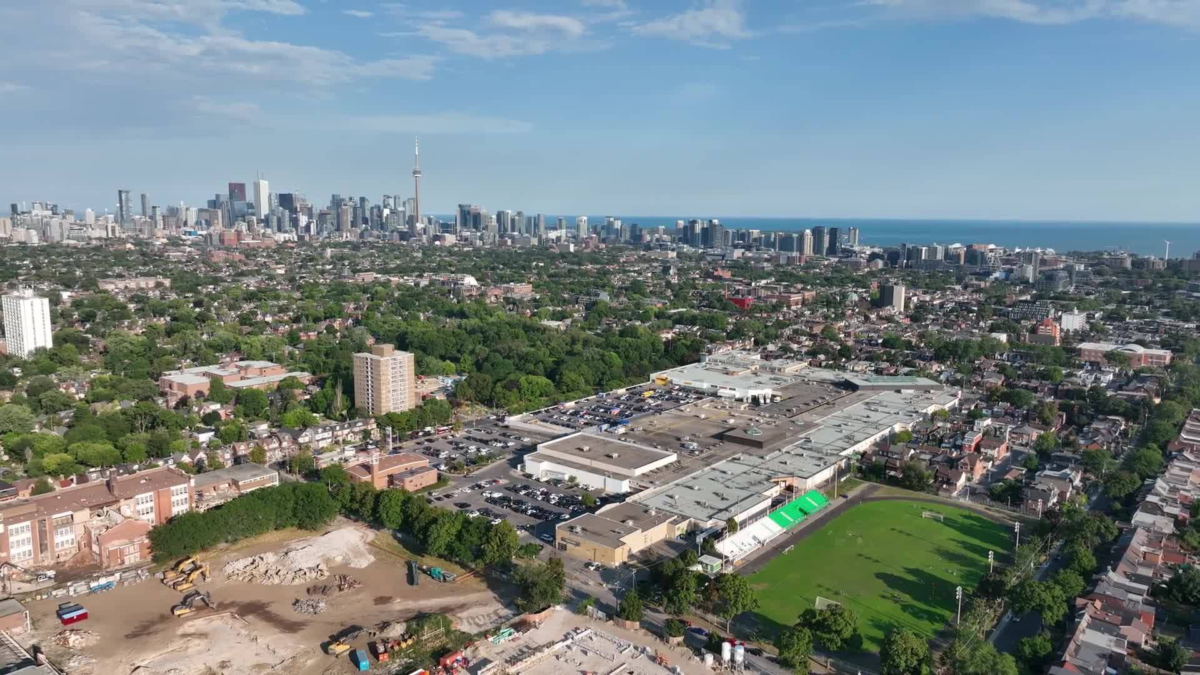
One property that illustrates the opportunity is Dufferin Mall in Toronto.
Located adjacent to a subway station and surrounded by ongoing urban intensification, the property sits on land that has become increasingly valuable as the city has grown.
Schonfeldt described Dufferin Mall as one of the company’s strongest excess-land opportunities.
“Dufferin Mall has some great land values,” he said.
The site has already undergone significant planning work.
According to Schonfeldt, Primaris has completed rezoning and severance work supporting more than one million square feet of potential future density on a four-acre parcel.
Yet despite the approvals, Primaris is not rushing to market.
The approach reflects the company’s preference to monetize land when market conditions are strongest rather than pursuing transactions simply because entitlements are already in place.
Toronto’s development sector remains challenged, and management believes patience will ultimately create greater value.
“This one to us is an incredible excess land story,” Schonfeldt said. “We think it will best serve our unitholders by deferring a potential sale for a couple of years.”
That flexibility is one advantage of Primaris’ national portfolio. Rather than forcing development activity in weaker markets, the company can prioritize locations where demand, liquidity and development conditions are strongest.
“We’re really looking to work on sites where we’re near the top of the development cycle and where we can maximize proceeds,” Schonfeldt said.
Why Existing Shopping Centres Are Becoming More Valuable
The excess land strategy reflects a broader view of Canadian retail real estate.
Schonfeldt argues that existing regional shopping centres are becoming increasingly difficult to replicate. Land assembly is more challenging, construction costs remain elevated and opportunities to build new enclosed malls are limited.
“You need fifty contiguous acres,” he said.
Acquiring that much land and developing a modern regional shopping centre has become increasingly difficult in many Canadian markets.
As a result, he believes existing centres are benefiting from growing scarcity.
“I would say it’s near impossible, which we think creates a big moat or fortress around the existing supply,” he said. “This space is virtually irreplaceable.”
At the same time, retail space per capita continues to decline as population growth outpaces new shopping centre development.
For Primaris, that reinforces the value of maintaining a strong retail platform while selectively unlocking value from lands surrounding its properties.
As Primaris enters its next phase of growth, management increasingly sees the land surrounding its shopping centres as an opportunity to create additional value without losing focus on the malls themselves.