Across Canada, retailers and landlords have spent the past several years investing in food halls, event programming, experiential concepts and public gathering spaces designed to bring people together.
A new study suggests those investments may be aligning with a broader shift in consumer behaviour.
The HumanKind 2026 study from Leo Toronto found that many younger Canadians are increasingly seeking connection, community and experiences that bring meaning to everyday life, even as affordability concerns, economic uncertainty and other pressures continue to shape household decisions.
Rather than withdrawing further from social activities, many consumers appear to be making a deliberate effort to reconnect with friends, participate in their communities and spend time on activities that provide enjoyment and a sense of belonging.
Sarah Carpentier, Strategy Director at Leo Toronto and one of the leaders behind the annual HumanKind study, says the findings point to a subtle but important change in how Canadians are responding to ongoing challenges.
Over the past five years, the study has tracked rising concerns around affordability, financial security, trust and social anxiety. Yet this year’s research found signs that many consumers are becoming more confident in their ability to improve their lives, even if the broader environment remains difficult.
“We do see this sentiment of all of those things are still true and people are still struggling, but they are starting to think about, ‘Okay, this is life. How can I make it better? How can I start to feel better?’” Carpentier told Retail Insider.
“The world, it doesn’t seem, is going to get better for me. So how can I find those little moments of hope, those little moments of levity, things that within the terribleness of the world can make my own life better?”
The study found that 58 per cent of Canadians aged 16 to 45 feel more confident than they did a year ago, while 69 per cent say they are hopeful they can make life better for themselves and the people they care about.
For retailers, the findings may help explain why experiences, community-building and authentic engagement continue to gain importance across the industry.
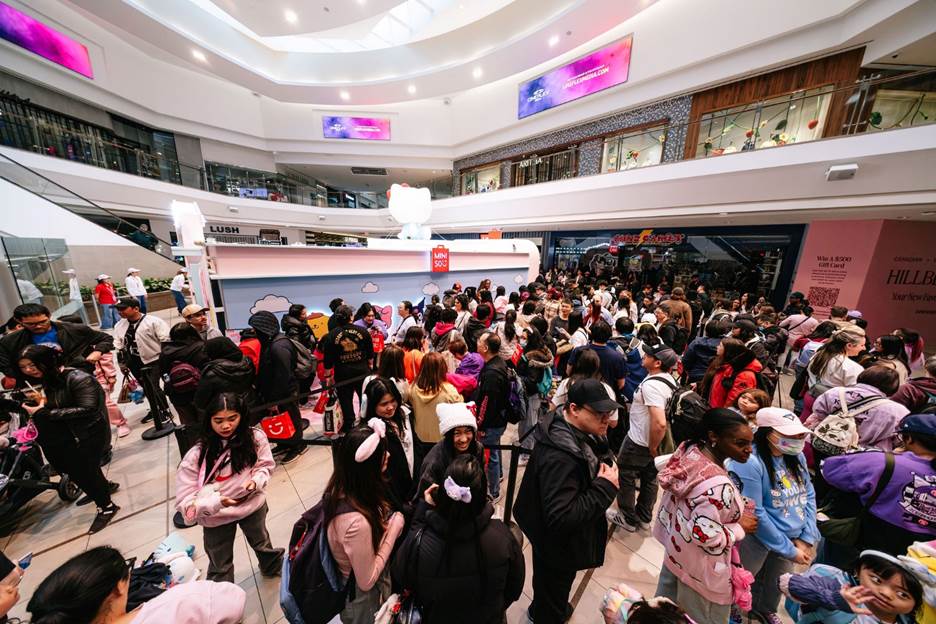
From Comfort Zones to Community
One of the strongest themes emerging from the HumanKind study is a renewed emphasis on social connection.
Carpentier believes many Canadians became a little too comfortable in their comfort zones during and after the pandemic. Staying home, cancelling plans and embracing self-care became common behaviours as people navigated uncertainty and disruption.
“I think a lot of people got a little too comfortable in their comfort zones,” she said. “Putting their sweatpants on and watching a movie and just cancelling plans in the name of self-care or protecting their peace and just kind of staying home.”
While those behaviours provided comfort at the time, Carpentier says many consumers are beginning to recognize that meaningful relationships require participation.
“We’re kind of starting to see this increase in people going back out and celebrating with friends and realizing that if you want a village, you have to be part of it,” she said. “You have to show up even when it’s inconvenient or you’re tired and you’ve had a long day.”
The study found that 74 per cent of respondents agreed that if people want others to show up for them, they need to show up for others, even when it is inconvenient. Meanwhile, 56 per cent said they are trying to show up more for people they care about, while 47 per cent said they are actively pushing themselves to socialize more for their own well-being.
Researchers summarized the trend with a simple observation: “If you want a village, you have to be a villager.”
Carpentier says many Canadians are beginning to realize they played an active role in their own loneliness during the years following the pandemic.
As consumers spend more time together, the study also found an increase in the number of Canadians who believe most people can be trusted, reversing a trend of declining trust observed in previous years.
“We’re seeing those little moments and reminders of how good it actually feels to be around other people,” Carpentier said. “Even when we don’t know them and how nice those connections are.”
For retailers, that trend may help explain why food halls, public gathering spaces, events and experiential concepts continue to gain traction.
Across Canada, landlords are investing in programming that encourages consumers to spend more time together. Retail destinations increasingly compete on their ability to create memorable experiences and foster community alongside traditional shopping.
Consumers Are Looking for Micro-Doses of Happiness
The study also suggests many consumers are actively seeking small moments of enjoyment as a way of coping with a world that still feels uncertain.
Carpentier describes the trend as a search for “little moments of hope” and “micro-doses of happiness” that can make daily life feel more rewarding.
That desire is showing up in a wide range of activities. The report identified substantial increases in interest surrounding beginner-focused experiences, including stand-up comedy, crafts, open mic nights and other social activities that encourage participation.
“There was a 750 per cent increase in stand-up comedy searches,” Carpentier said. “People are just wanting to exhale and let their hair down a little bit.”
The trend reflects a broader shift away from the pressure to constantly optimize every aspect of life.
For years, social media and hustle culture encouraged consumers to turn hobbies into side businesses, build personal brands and pursue constant self-improvement. Today, many consumers appear to be moving in the opposite direction.
“Can I just do it? Can I do pottery and just be bad at it and have fun with it?” Carpentier said. “There’s a lot of celebrating the beginner mindset and doing things just for the sake of enjoying them.”
The study also reported a 2,500 per cent increase in searches related to inspirational drama books and stories that focus on overcoming challenges.
“It’s stories of people who are struggling and have challenges, but then they get through them,” Carpentier explained.
For retailers, the implications extend across a variety of categories.
Businesses built around participation, learning and shared experiences may be particularly well positioned to benefit from consumers’ desire to reconnect with activities that feel rewarding, social and fun.
The trend can be seen in everything from hobby-focused retailers and bookstores to entertainment venues, recreation concepts and retailers that offer workshops, classes and community events.
Canadian Identity Extends Beyond Buy Canadian
The HumanKind study also found that many Canadians are thinking differently about their relationship with local businesses, Canadian brands and national identity.
While Buy Canadian initiatives received renewed attention this year amid tariff disputes and political tensions with the United States, Carpentier believes something deeper is taking place.
According to the study, 53 per cent of respondents say they are supporting more Canadian brands than they were a year ago, while 52 per cent report supporting more local businesses.
Carpentier says recent events prompted many Canadians to think more deliberately about what makes the country unique.
“Canadians are thinking about how they’re unique in a way that they haven’t done in a while,” she said. “Donald Trump said we should just be the fifty-first state because we’re basically the same as America, and a whole bunch of Canadians went, ‘No, no, no, no, no.'”
The study found that 57 per cent of Canadians say they are prouder than ever to be Canadian given everything happening in the world today.
For Carpentier, that pride extends beyond products manufactured in Canada.
“There is this Canadian sentiment that’s not just about hockey and Canadiana-type things,” she said. “It’s not just as easy as asking if something is made in Canada or not.”
Instead, many consumers appear to be looking for stronger connections to local communities, Canadian businesses and brands that reflect their values.
That sentiment may continue to benefit retailers that emphasize authenticity, local engagement and meaningful connections with the communities they serve.
Researchers caution, however, that consumers are becoming increasingly discerning. The report warns against what it describes as “maplewashing” — emphasizing Canadian identity without meaningful action behind the claim.
Consumers are paying closer attention to whether businesses genuinely support Canadian communities, workers and economic activity.
Trust Remains Difficult to Earn
While consumers may be feeling more hopeful about their ability to improve their lives, the HumanKind study suggests trust remains a significant challenge for brands.
Just 14 per cent of Gen Z and Millennial respondents said they trust brands and private companies to have their best interests at heart, while 71 per cent either disagreed or were uncertain that brands truly understand their concerns.
The findings suggest that consumers are becoming increasingly selective about which businesses they support and which messages they believe.
For retailers, that means authenticity is becoming increasingly important.
Consumers may be willing to support businesses that align with their values, participate in their communities and provide meaningful experiences. However, they are also quick to question messaging that feels disconnected from reality.
A Shift Toward Participation
The HumanKind 2026 study paints a picture of consumers who continue to face significant economic and social pressures but are increasingly choosing to engage with the world around them.
They are spending more time with friends, trying new activities, supporting local businesses and seeking experiences that create a sense of connection.
Many are no longer waiting for circumstances to improve before trying to improve their own lives.
That shift may help explain several trends already visible across Canadian retail. Landlords continue to invest in food halls, public gathering spaces and event programming. Retailers are expanding experiential offerings, while local businesses and Canadian brands continue to resonate with consumers seeking authenticity and connection.
Consumers continue to care about value and affordability. They remain concerned about economic uncertainty. Yet many are also actively searching for opportunities to participate, connect and engage with the world around them.
For retailers, creating spaces, experiences and communities that support those goals may become just as important as the products they sell.