Retail Insider is streamlining its Canadian retail news from around the web to include a handful of top news stories that can be viewed quickly during the day. Here are the top stories from the past 48 hours.
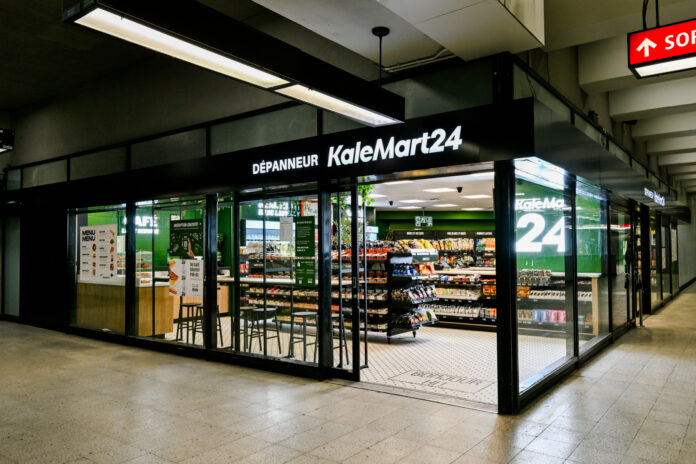
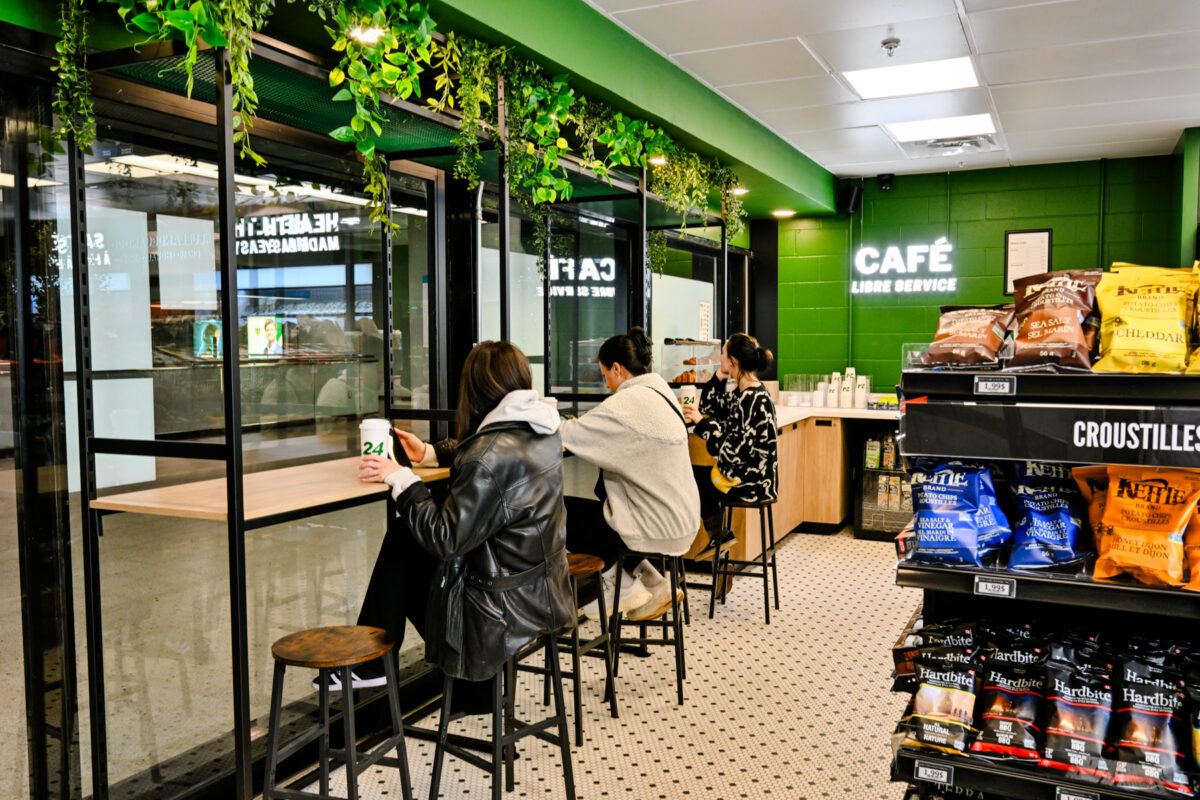
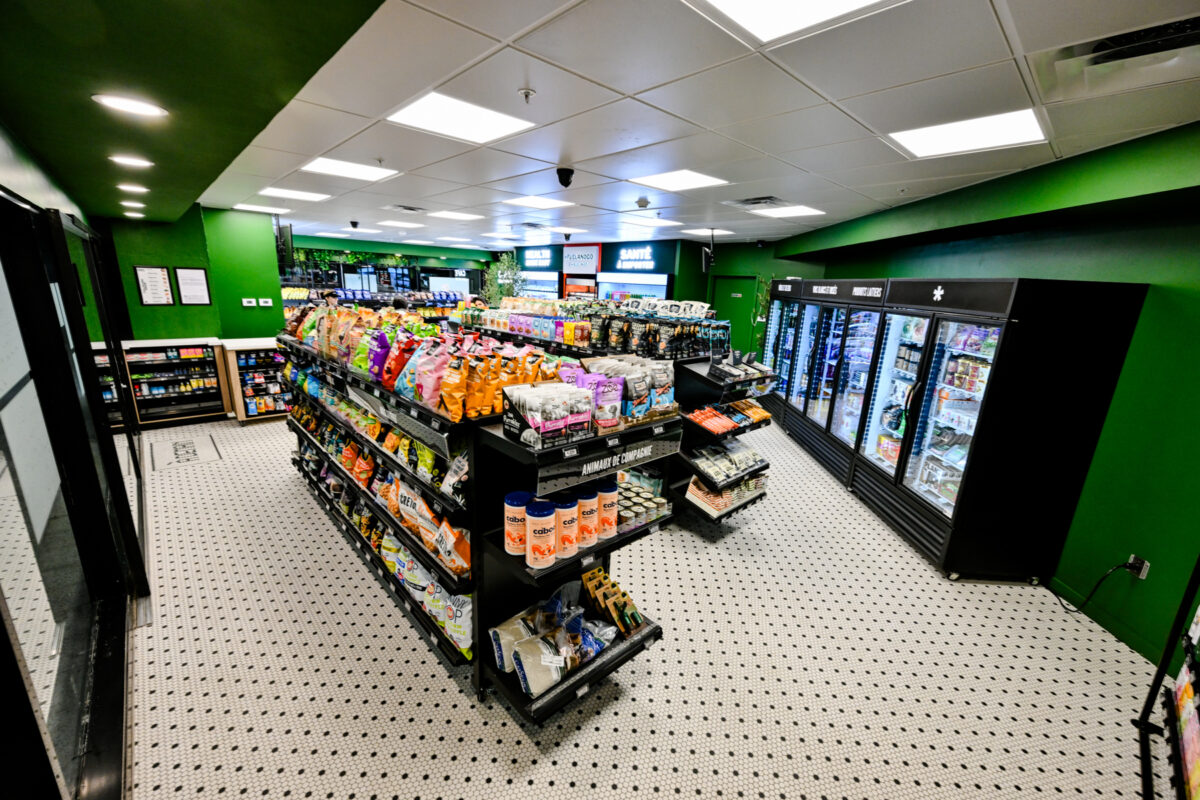
KaleMart24 Montreal Berri-UQAM Metro Station (Image: KaleMart24)
KaleMart24, the “Whole Foods Market” of convenience stores, has opened its first store in Montreal at the Berri-UQAM Metro Station.
KaleMart24 is being spearheaded by Oussama (Sam) Saoudi, who is the founder and CEO of Montreal-based Toro Beverages, which revolutionized the energy drink industry by introducing Canada’s first matcha-powered energy drink.
“Our aim is to seamlessly integrate convenience and sustainability, empowering customers to make informed choices that support their well-being and the health of our planet,” said Saoudi.
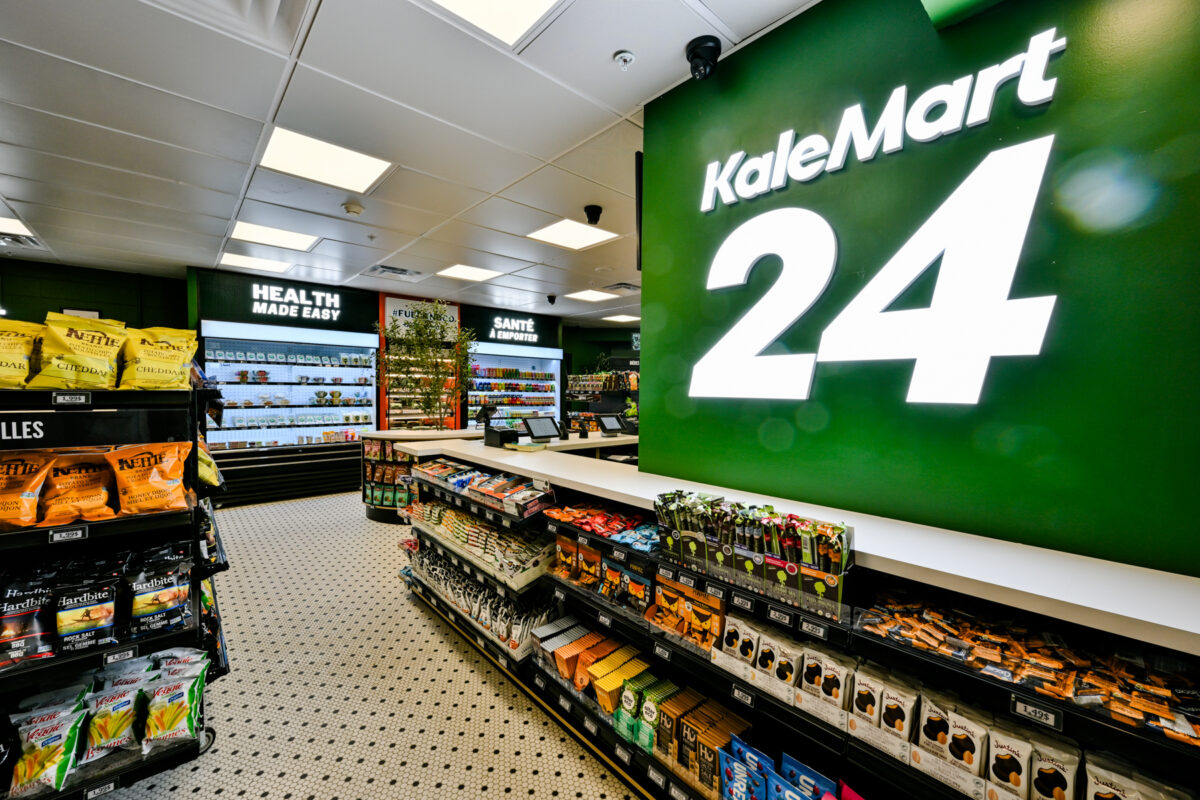
KaleMart24 Montreal Berri-UQAM Metro Station (Image: KaleMart24)KaleMart24 Montreal Berri-UQAM Metro Station (Image: KaleMart24)
He said a second location is opening soon at the Jarry Metro Station and a third one opening under construction is expected to open in June near the Bell Centre in downtown Montreal.
“These three are confirmed but we have some more coming but they’re not confirmed yet,” added Saoudi.
He said the milestone opening signals KaleMart24’s unwavering commitment to providing urban communities with easy access to wholesome, nourishing food options that prioritize both personal wellness and environmental sustainability.
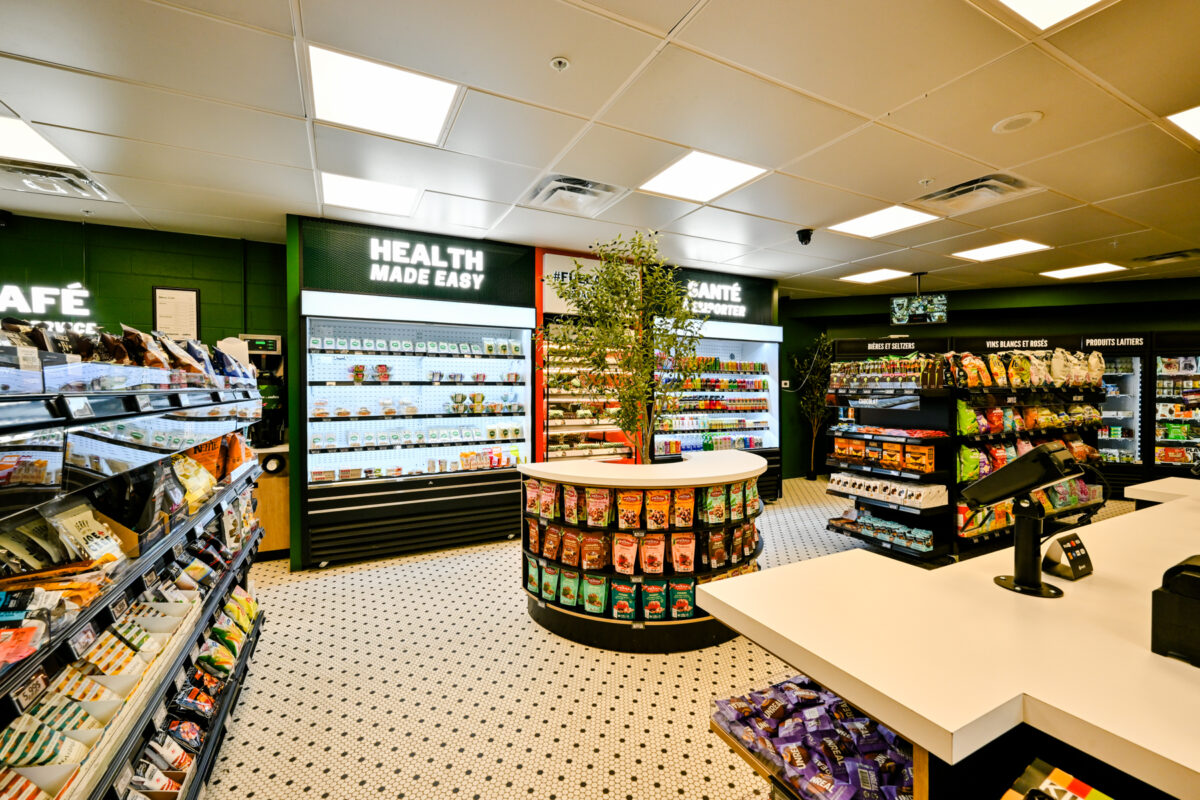
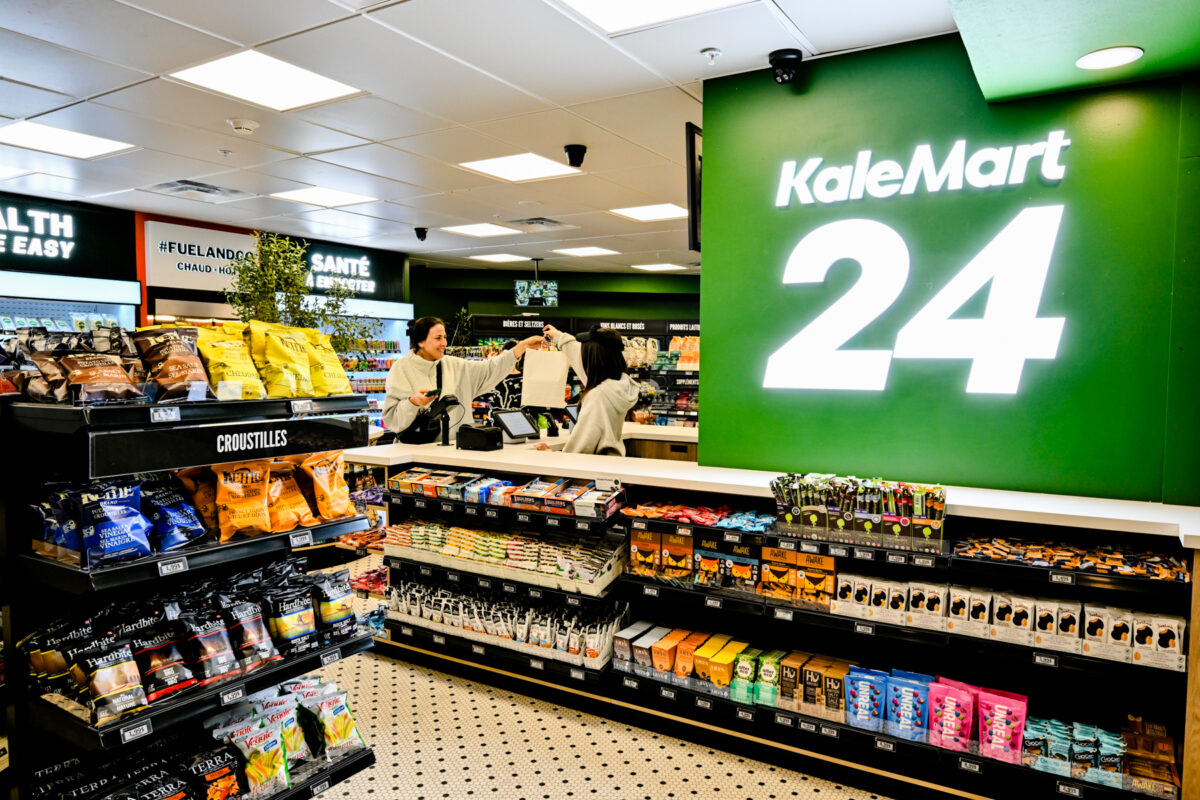
With a carefully curated selection of products, organic snacks, and eco-friendly household essentials, this pioneering store concept offers a holistic shopping experience tailored to the discerning tastes of health-conscious individuals on the go, added Saoudi.
“The main reason we started in Montreal is because we’re here. I’m from Montreal. I live here. So I decided to start with this market. That’s one of the reasons. But the other reason it’s a very good market to test out a new concept because it’s kind of a hard market. So if you make it in Quebec, in my opinion, with this type of concept you can make it anywhere outside of Montreal,” he said.
The brand worked with renowned architecture and design firm, Benoy, to complete the project.
KaleMart24 Montreal Berri-UQAM Metro Station (Image: KaleMart24)KaleMart24 Montreal Berri-UQAM Metro Station (Image: KaleMart24)
Technology is at the forefront of the KaleMart24 concept: Mobile-savvy customers will benefit from a loyalty program, as well as contactless and mobile payments options for easy shopping 24/7.
Saoudi said KaleMart24’s store at Berri-UQAM embodies the company’s core values of quality, integrity, and environmental stewardship. From biodegradable packaging to energy-efficient operations, every aspect of the store is thoughtfully crafted to minimize ecological impact and promote a more sustainable way of living.
“We look for locations with high traffic. We’ve started with locations with high foot traffic but eventually we’ll be looking for locations with high car traffic close to gas stations, strip malls when it’s not downtown,” he said.
“In Montreal, we already have some other prospects with franchisees. I would say we’re targeting in Montreal to grow to about 10 to 15 in the main Montreal area.
“For Ontario, we already have a franchisee. Our model is we started with three corporate stores but now we’re only franchise moving forward. We already have a franchisee that signed up for Ottawa. We’re just finalizing the location and once that’s done that will be our first location outside of Montreal and Quebec. But we also have some prospects for Toronto.
“The next step, once our first stores are open here, we’ll be opening some more stores in Montreal and at the same time opening in Ontario, mainly Toronto.”
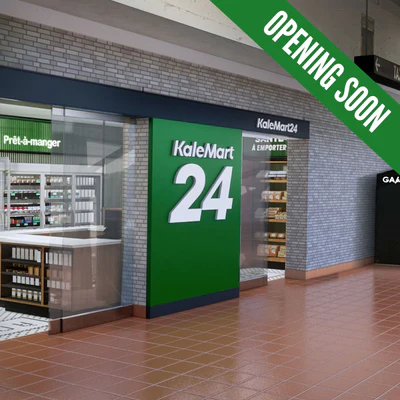
KaleMart24 Montreal JARRY EST METRO (Rendering: KaleMart24)
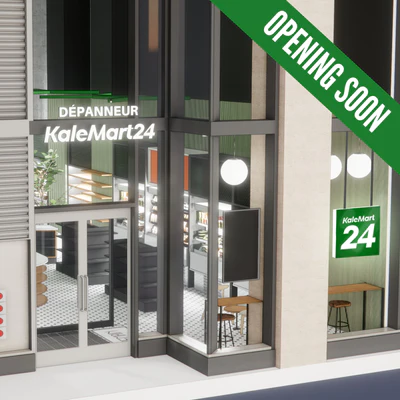
KaleMart24 Montreal Bell Centre (Rendering: KaleMart24)
KaleMart24 Montreal Berri-UQAM Metro Station (Image: KaleMart24)
Think Retail is working with KaleMart to grow the brand.
Tony Flanz, CEO of Montreal-based Think Retail, said the first location is 1,200 square feet in Berri-UQAM, the largest station in the city’s Metro system and a busy commuter hub.
Tony Flanz
A second 600-square-foot KaleMart24, will open later this month in Jarry Metro in the borough of Villeray–Saint-Michel–Parc-Extension, followed by a 2,055-square-foot store at 1055 de la Montagne (adjacent the Bell Centre) in late April.
“Positioned “where convenience meets wellness in perfect harmony,” KaleMart24 is ready to revolutionize the convenience store concept with a fresh product mix designed to appeal to a new generation of busy health-conscious consumers seeking better-for-you and sustainable products,” said Flanz.
“KaleMart24 is embarking on an aggressive expansion plan, with a focus on high-traffic street-front locations of 1,000 to 1,500 square feet. Next up, the plan is to open in Toronto by the end of the year, with the ultimate plan of having dozens of stores across Canada, and, eventually, North America,” he said.
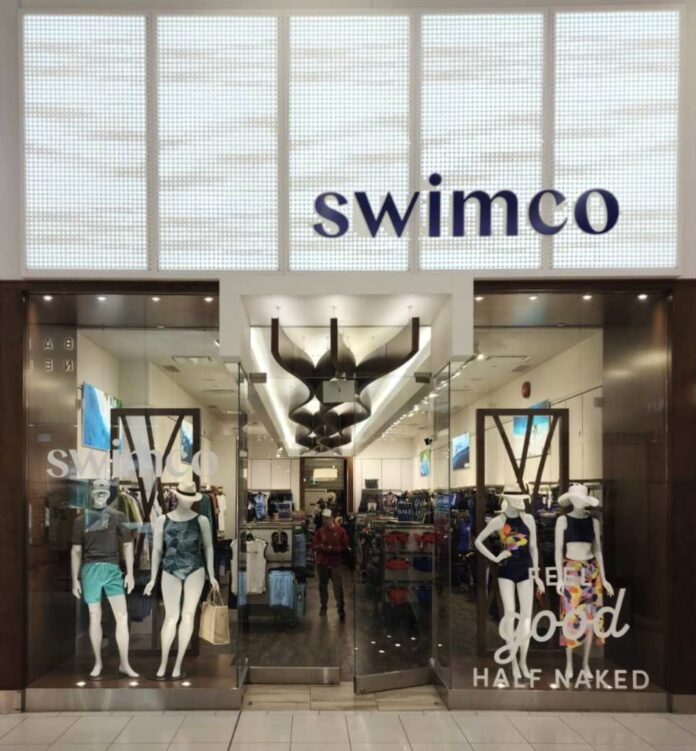
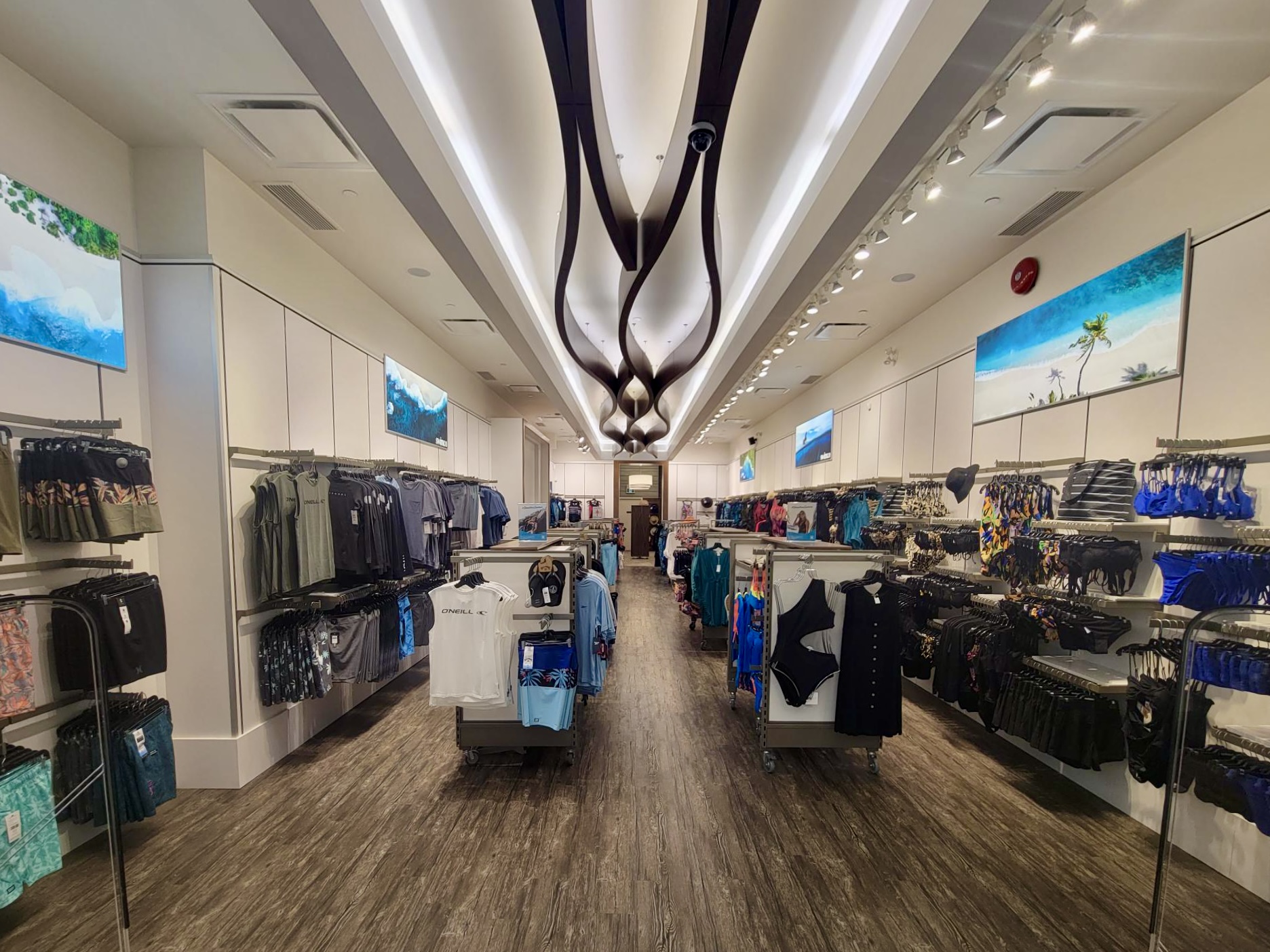
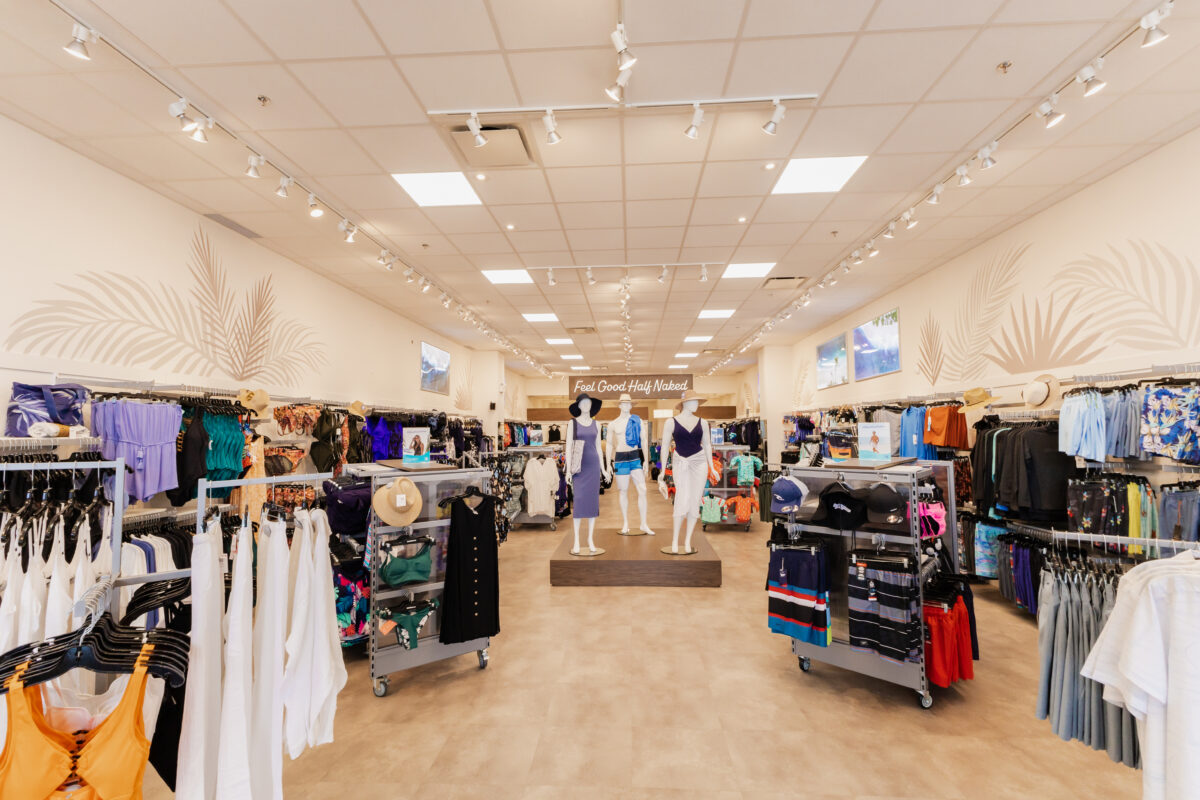
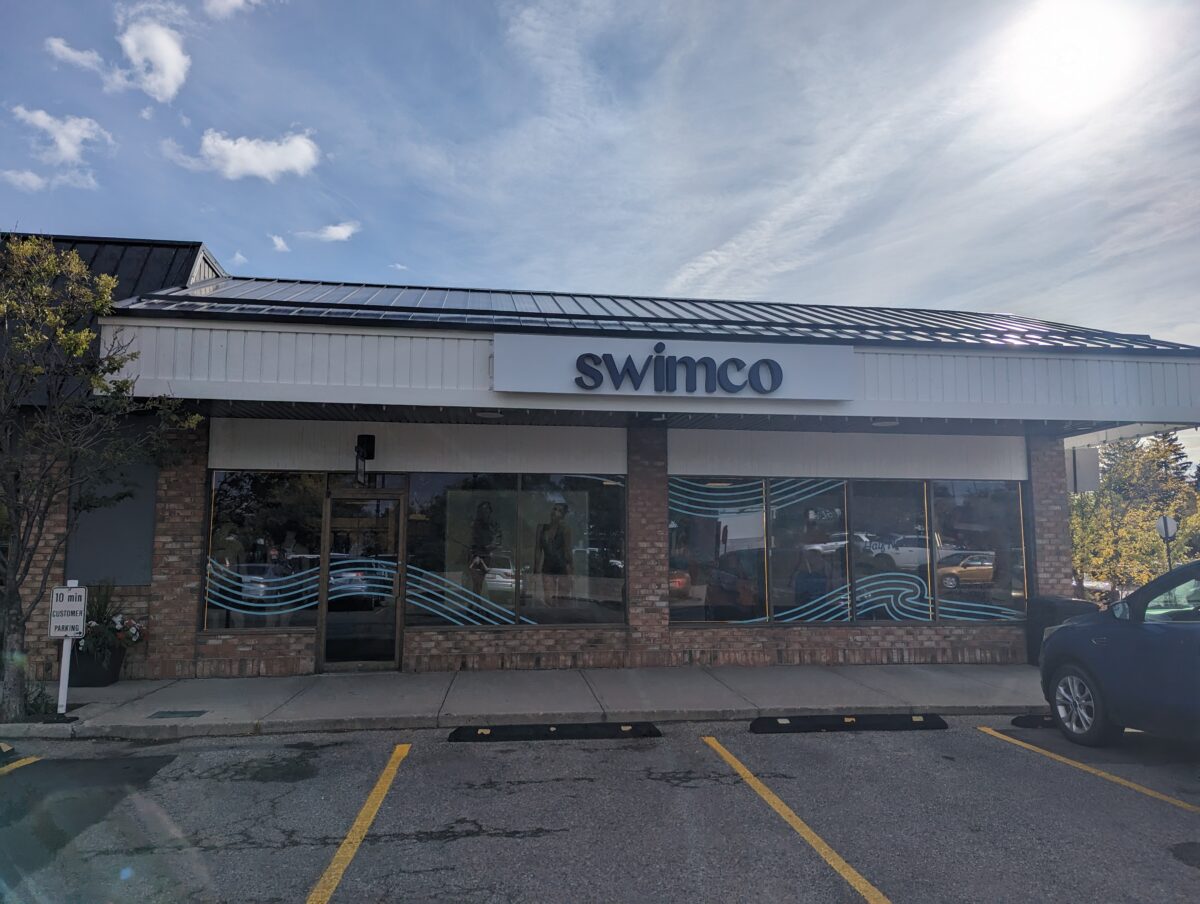
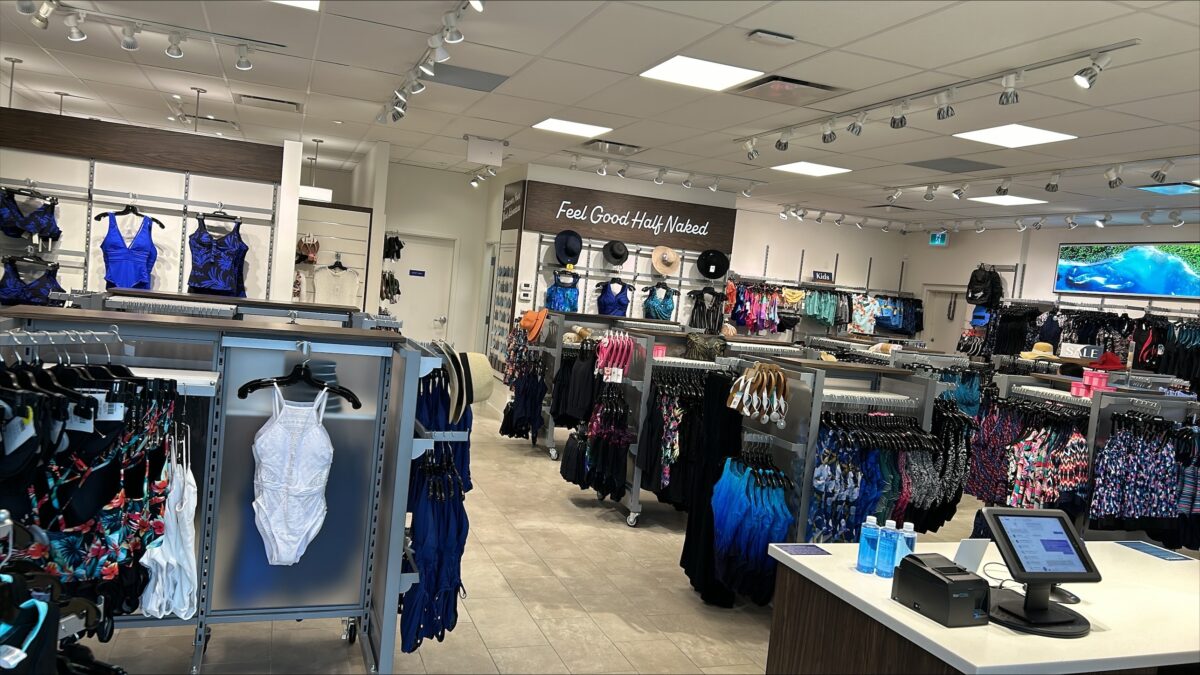
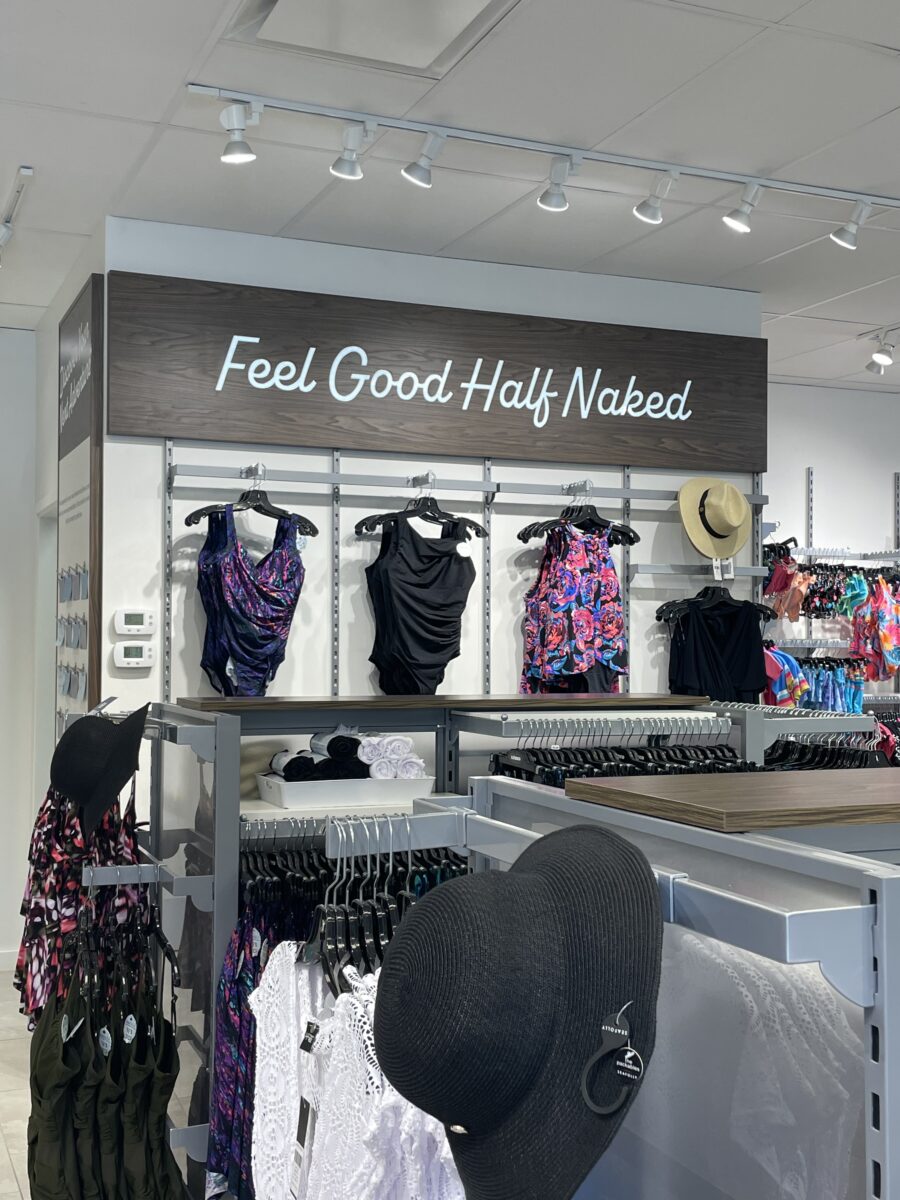
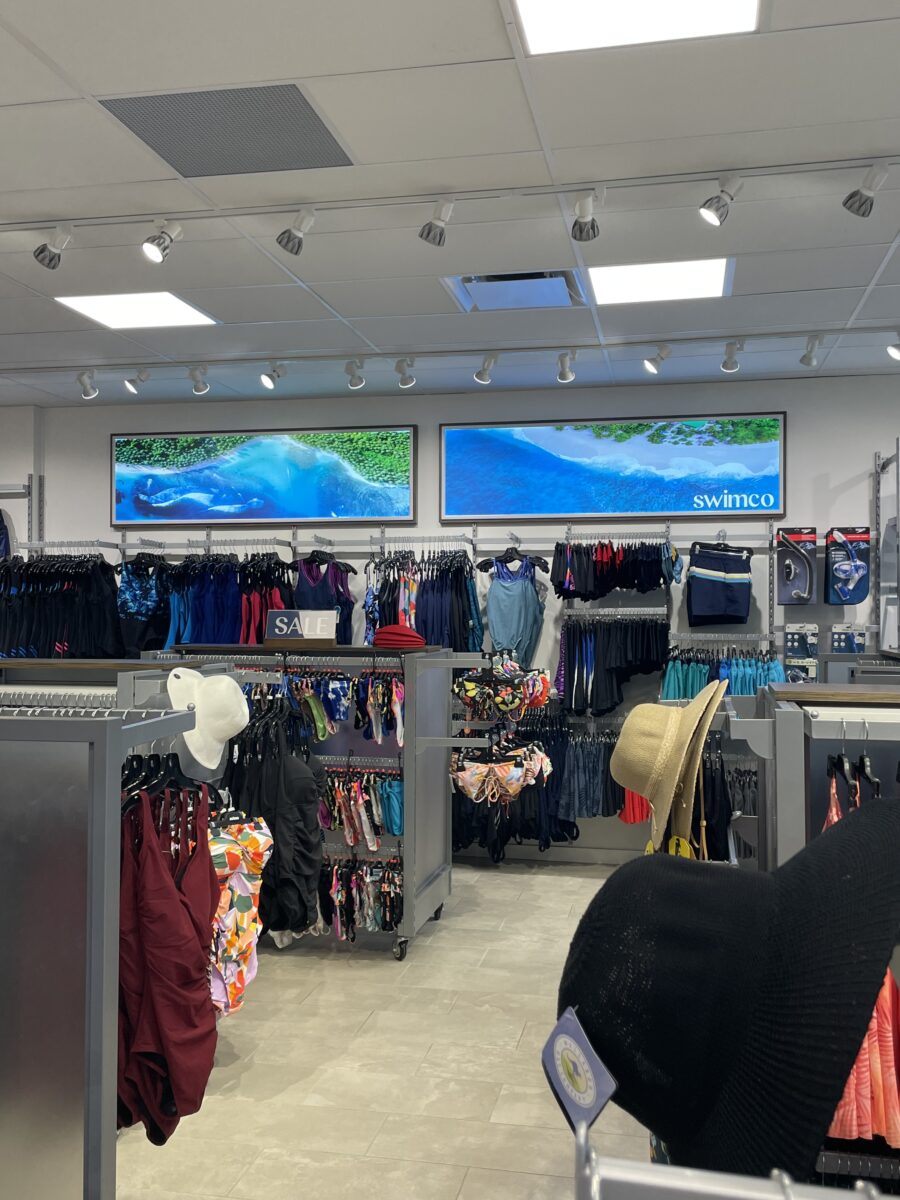
After experiencing some tough financial times through COVID which included a bankruptcy, Calgary-based retailer Swimco is back in the retail game and expanding its presence in the Canadian market.
It recently opened its third store in a former Swimco location in Park Royal Shopping Centre in West Vancouver.
Dave Bacon, co-owner and President of Swimco, said the company is continuing to grow its sales and looking at different opportunities.
“Capital expenditures are the challenge. And financing. And capex is everybody’s challenge but when you’re a small business like us now, I joke about being a 46-year-old startup because we’ve got all the experience. We don’t have the credit we used to have. We don’t have the resources we used to have so we have to be a bit more creative and a little more careful. And that’s what we’ve been doing,” said Bacon.
“We managed to more than break even. Our brand is well-known in the markets we’re in so people are finding us as we open up. We’re looking at opportunities in Western Canada certainly.”
Swimco Park Royal (Image: Swimco)
Lori Bacon, who used to run the company, is a co-owner but isn’t involved today in the day-to-day operations of the retailer.
Dave Bacon said the company bought the assets from the receiver in December 2020.
Initially, Swimco ran its operations online only all of 2021 except for a two-month period where it did a pop-up in Willow Park Village in Calgary.
“We did so well there and we were so happy with the results and our customers were super happy having us in that location that we decided we would pursue a full-time location,” he said. “It obviously took a while before the opportunity came up. In 2022, we opened in WestHills (Towne Centre) for the summer so we had a store open during the summer as the space in Willow Park Village wasn’t available until the fall. We moved in full-time to Willow Park Village in the fall of 2022.
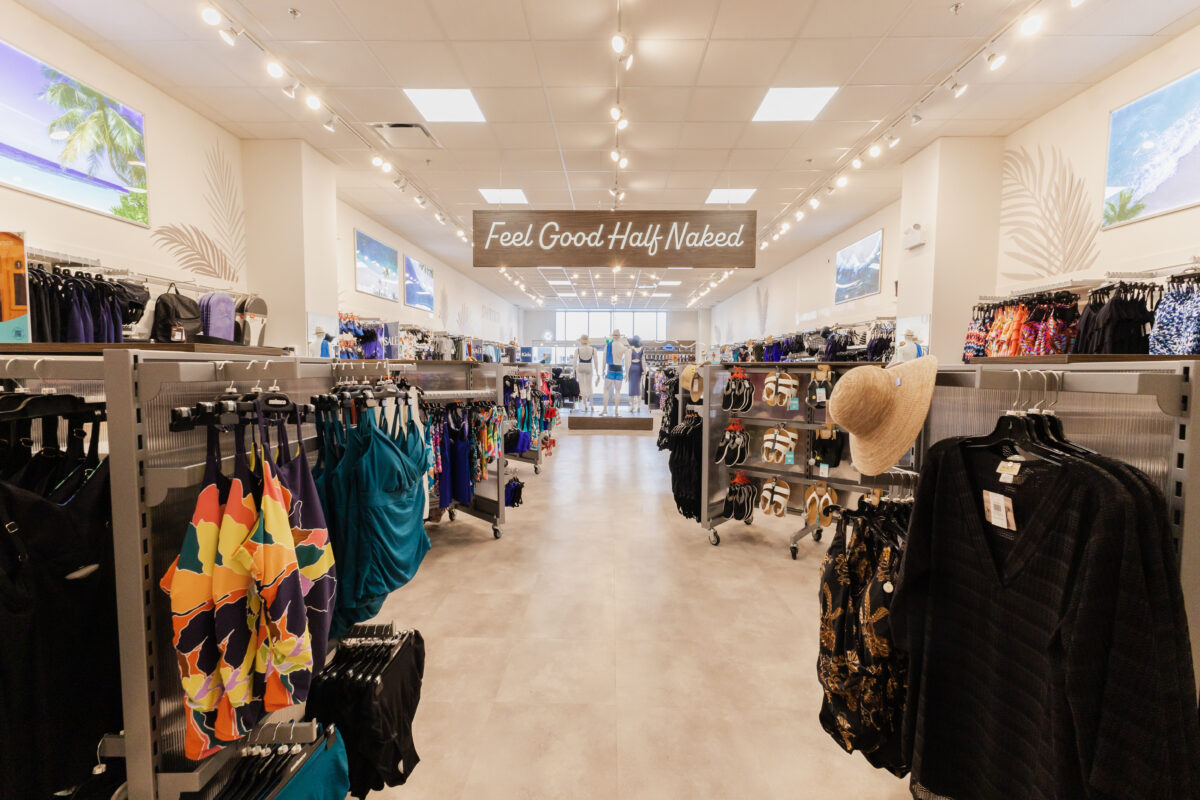
“We also opened up in South Edmonton Common that fall. We were in a temporary location in South Edmonton Common and we just recently relocated to a permanent spot in that same centre. We quite like South Edmonton Common. They’re great people to work with. It’s kind of a different centre for us. We’ve been in the big malls for so many years but we’re finding we’ve got a lot more control in that outdoor mall type like South Edmonton Common, WestHills, Willow Park Village. You can control your overhead too, not having to be open 9 until 9 for one and certainly the rent is a lot more approachable in those outdoor centres than in the big malls.
“We got a call a year ago from the people in Park Royal in Vancouver. Our former space which had been renovated before the bankruptcy had come vacant and they made a call asking us if we’d like to go back into our space. Of course, we said yes. It was a no brainer to be able to open up a store in a beautiful space perfectly built out to our specs and with no expenses. It just cost us $10,000 to put a sign up . . . In terms of capital expenditures it was an easy store to walk into. It’s as strong a market in Vancouver as any of those malls and we really like that North Shore area and the customers are really happy.”
Swimco South Edmonton Common (Image: Swimco)Swimco South Edmonton Common (Image: Swimco)Swimco South Edmonton Common (Image: Swimco)
Swimco closed its retail store locations after 45 years in business. In 2020, the national swimwear company had filed a Notice of Intention, under creditor’s protection, to restructure its operations as it responded to the devastating impact of the COVID-19 pandemic.
But on October 13, 2020, a Certificate of Assignment into Bankruptcy was filed to the Office of the Superintendent of Bankruptcy Canada by Deloitte Restructuring Inc., which was the licensed insolvency trustee in the matter.
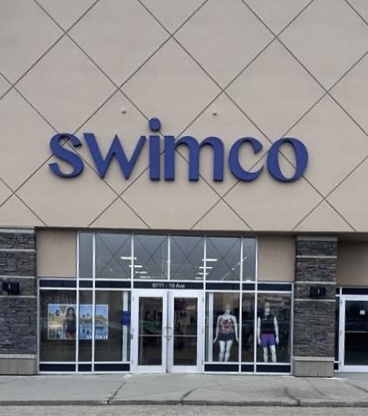
Swimco Willow Park Village (Image: Swimco)Swimco Willow Park Village (Image: Swimco)Swimco Willow Park Village (Image: Swimco)Swimco Willow Park Village (Image: Swimco)
The retailer opened its first store in Calgary in 1983 but Swimco actually had its roots as a home-based, mail-order business started by Lori Bacon’s mother Corinne Forseth a few years before the retailer opened its first location.
“We’re looking to be a smaller company. We’re at 20 (stores) and we envision staying there,” said Lori Bacon in an interview with Retail Insider during the summer of 2020. At that time, she confirmed that the company had about $6.5 million in unsecured claims and that included about $1.6 million in landlord rent.
Swimco had reduced its head office by about half. The company had 45 staff in its corporate head office but that was reduced to about 20. Retail staff was about 200 but fell to about 120 during that summer.
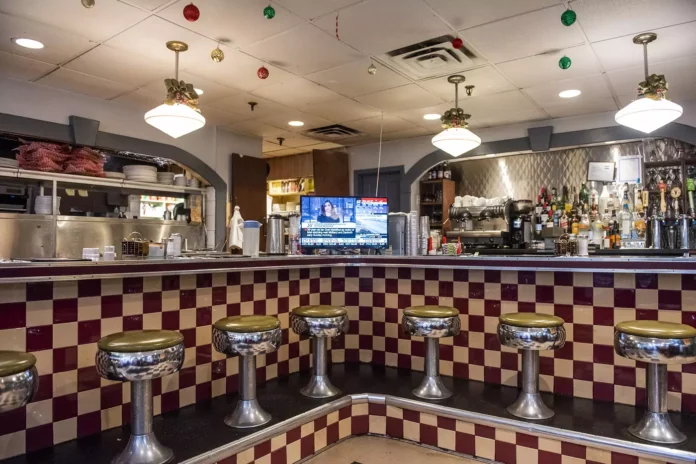
Craig and Lee discuss the recent announcement of closures of two long-standing establishments in Yorkville, Toronto – Pusatiri’s grocery and Flo’s Diner. Pusatiri’s, known for its upscale grocery offerings, is closing due to a strategic decision by the owners, with plans for the space potentially converting into a restaurant. The closure of Flo’s Diner, a beloved local eatery, follows a landlord dispute, leaving its future uncertain. These closures signal significant shifts in the neighborhood, emphasizing the changing dynamics of retail and community spaces in Yorkville.
The podcast delves into the broader transformation of the Yorkville area, which includes not only retail changes but also significant luxury residential developments. Craig highlights the influx of super-wealthy residents through new high-end condominium projects, suggesting a continued evolution towards an even more upscale neighborhood. This shift is anticipated to further influence the types of retail and dining establishments that will thrive in Yorkville, potentially attracting more luxury brands and high-end restaurants to cater to the affluent demographic.
Finally, Craig and Lee reflect on the mixed reactions from the Yorkville community, ranging from disappointment over the closures to excitement about the neighborhood’s future. They discuss the potential for new opportunities and spaces that could emerge from these changes, emphasizing the importance of maintaining a vibrant, diverse community amidst the luxury developments. The conversation underscores the dynamic nature of urban neighborhoods and the continuous cycle of change, highlighting Yorkville as a case study in balancing growth with community needs.
Changes in Toronto’s Yorkville with Pusateri’s and Flo’s Diner Closing [Podcast]
Episode Sponsor:
Salesforce – Turn today’s shopping trends into tomorrow’s retail success. Visit Salesforce to see the global insights from Salesforce to boost your bottom line.
The Weekly podcast is part of theThe Retail Insider Podcast Network by Retail Insider Canada and is available on Apple Podcasts, Stitcher, TuneIn, Google Play, or through our dedicated RSS feed for Overcast and other podcast players.
Subscribe, Rate, and Review our Retail Insider Podcast!
Drop us a line at Craig@Retail-Insider.com. You can also rate us in Apple Podcasts or recommend us in Overcast to help more people discover the show!
Background Music Credit: Hard Boiled Kevin MacLeod (incompetech.com). Licensed under Creative Commons: By Attribution 3.0 License. http://creativecommons.org/licenses/by/3.0/
Pinterest is showcasing its newest and enhanced performance capabilities benefitting retailers. The platform has been expanding its functionality to make shopping an integrated part of the tailored customer experience. And get this: early results showed that the enhanced suite of lower funnel solutions drove a +90% increase in traffic1 and 28% more conversions2.
“It’s a new era of performance at Pinterest,” said Kristie Painting, Managing Director for Canada, Enterprise Sales at Pinterest. “For Canadian retailers, our expanded suite of performance products presents a remarkable opportunity to drive conversions in the lower funnel. Today, Pinterest’s audience is bigger than ever, and they come with active shopping intent; in the past year we’ve seen clicks and saves up 50% for our buyable content formats3.”
Now ads are more relevant, thanks to improvements in how Pinterest uses intent signals. AI is powering ad delivery through the full funnel, putting the right content in front of users with the right context. For retailers, that means that searches, as specific as “galactic metallic vibes” to more exploratory like “living room ideas,” can lead to a purchase.
“It’s easier than ever for retailers to reach shoppers on Pinterest who are primed to act,” said Martin Svensson, Director, Retail Sales Management at Pinterest Canada. “From mobile deep links and direct links to improved shopping ads, retailers can reach their audience in the right context, with the right ad to move their business forward.”
Many marketers are bracing themselves for the upcoming loss of third-party cookies, they won’t have the same ability to optimize and target as they do now. As the digital landscape evolves, Pinterest is providing tools to address the challenge of signal loss for ad partners. Pinterest API for Conversions is a secure and reliable way for brands to send their conversions directly to Pinterest to help maximize conversion visibility.
As Canadian retailers continue to navigate the changing ad landscape, join the brands that are seeing better results with Pinterest’s new suite of performance products. Explore solutions.
(1) Pinterest Internal Data, Global, June 2023 to September 2023, based on beta results comparing 289 advertisers with consideration campaigns before and after enabling with direct links for consideration
(2) Pinterest internal analysis, advertisers adopting the API for Conversions compared to using only the Pinterest tag. Global, Sep 2022.
(3) Pinterest Internal Data, Global, Q2 2023 vs. Q2 2022.
**********
Note: This article is partner content. For more information, contact Craig at craig@retail-insider.com
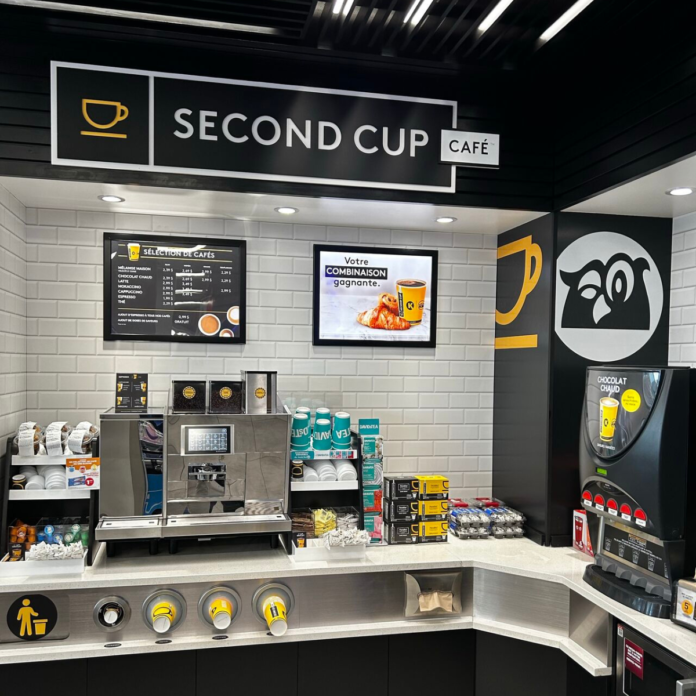
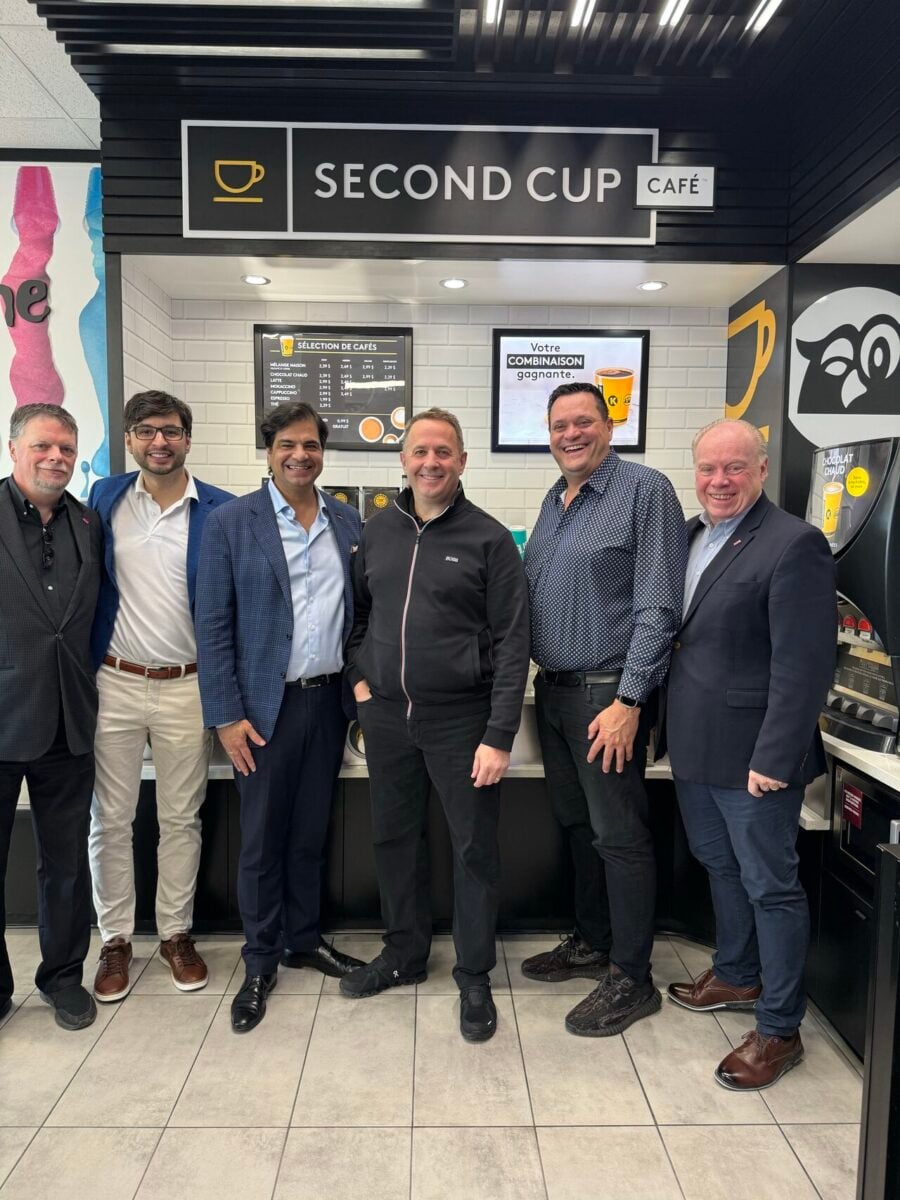
Recently, in a LinkedIn post, Peter Mammas, President and CEO of Foodtastic which operates the Second Cup brand, said the brand has opened its first Second Cup inside one of the convenience stores.
“We’re proud to announce the long-awaited launch of Couche-Tard’s first Second Cup,” shared the official Foodtastic LinkedIn account. “This iconic collaboration between two giants of the Quebec and Canadian industry opens up exciting new perspectives in our fields.
“Congratulations to the people on our Foodtastic team, as well as at Couche-Tard, whose tireless efforts over the past few months have been able to bring this project to life!”
Retail Insider reached out to Foodtastic last week to discuss the expansion, but further comment was not provided.
Image: Foodtastic
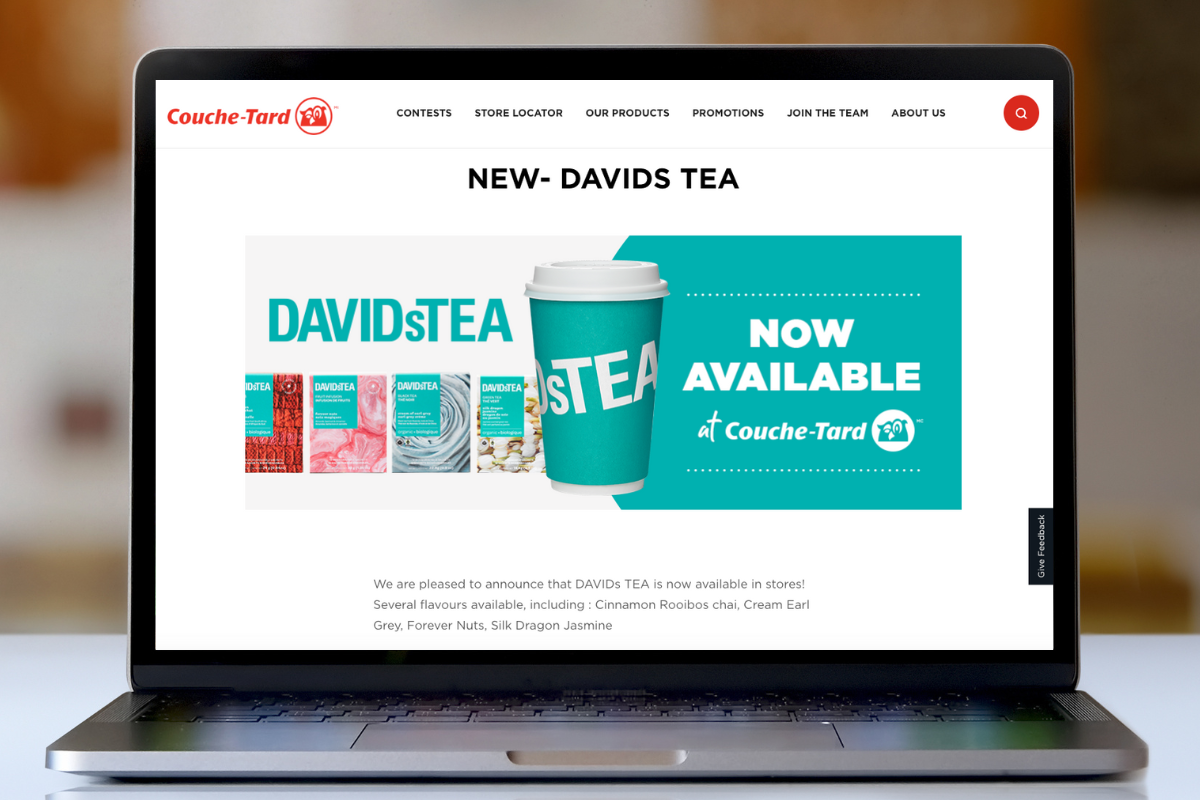
And on Tuesday, DAVIDsTEA announced it will be offering a premium Tea-2-Go in-store experience at over 1,500 convenience stores across Canada.
“We are proud to become the exclusive supplier of high-quality teas across Canada to an industry leader like Couche-Tard,” said Sarah Segal, Chief Executive Officer and Chief Brand Officer, DAVIDsTEA, in a statement. “This landmark agreement enables DAVIDsTEA to introduce a whole new segment of customers to our wide variety of flavourful teas. It also represents a key step in our omnichannel growth strategy to expand our footprint while driving profitable growth.”
The company said its curated assortment of eight best-selling flavours, available in a convenient sachet format, will provide consumers on the move with an elevated tea-drinking moment, while complementing Couche-Tard’s extensive offering of beverages and snacks.
Image: couche-tard.com
Alimentation Couche-Tard, operating under the Couche-Tard and Circle K banners, has a coast-to-coast presence in Canada and is a global leader in convenience and mobility, operating in 29 countries and territories, with more than 16,700 stores, of which almost 13,100 offer road transportation fuel.
“The introduction of quality products from the renowned DAVIDsTEA brand in our stores across Canada will enhance our customers’ drinking experience and allow us to further develop our hot beverage category. We are very pleased with this new partnership,” added Daniel Lapalme, Foodservice Director, Eastern Canada Division, Alimentation Couche-Tard, in a statement.
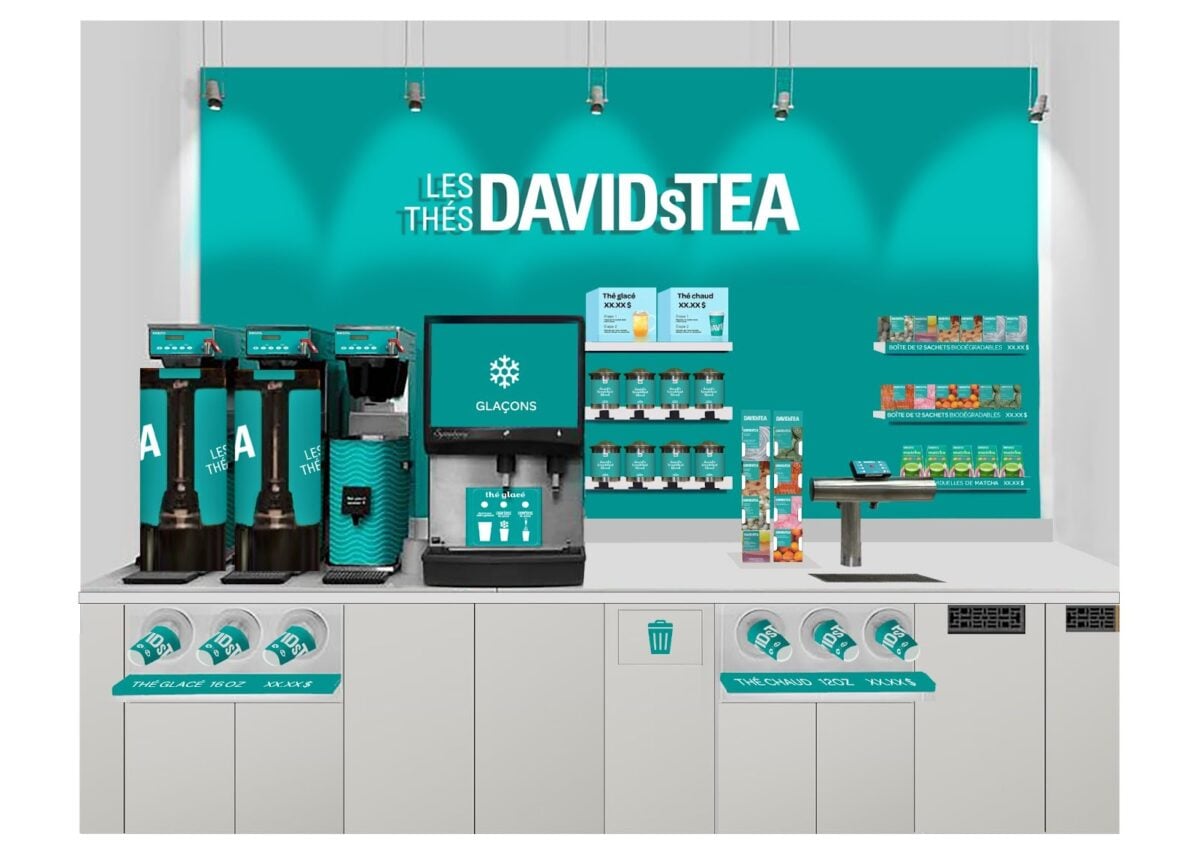
DAVIDsTEA said the tea collection selected for Couche-Tard customers includes organic flavours such as Cream of Earl Grey, Silk Dragon Jasmine, David’s Breakfast Blend, Cold 911 and Cinnamon Rooibos Chai; herbal, caffeine-free varieties like Forever Nuts and Just Peachy; and popular coffee replacement black tea, Vanilla Cappuccino. In addition, DAVIDsTEA will establish a full tea bar concept at seven Couche-Tard stores to offer a wide variety of hot and iced teas.
Rendering of the full tea bar that will be available in 7 locations only.
(Image: DAVIDsTEA)
DAVIDsTEA offers a specialty branded selection of high-quality proprietary loose-leaf teas, pre-packaged teas, tea sachets, tea-related accessories and gifts through its e-commerce platform at www.davidstea.com and the Amazon Marketplace, its wholesale customers which include over 4,000 grocery stores and pharmacies in Canada and over 330 grocery stores in the United States, as well as 18 company-owned stores across Canada.
Couche-Tard is a global leader in convenience and mobility, operating in 29 countries and territories, with more than 16,700 stores, of which almost 13,100 offer road transportation fuel. With its well-known Couche-Tard and Circle K banners, it is one of the largest independent convenience store operators in the United States and it is a leader in the convenience store industry and road transportation fuel retail in Canada, Scandinavia, the Baltics, as well as in Ireland.
Four years ago, we were all in lockdown. It was total confusion. With empty shelves, many wondered if Canada was facing a food shortage and if prices would be affected, of course. With varying health restrictions from region to region worldwide, supply chains were heavily strained.
And almost two years later, it was a catastrophe in Ukraine. Russia’s illegal invasion pushed the prices of most agri-food products to record levels. For example, the price of wheat reached $12 per bushel for the first time in history. Indeed, our food inflation rate reached 11% over a year ago, much to the dismay of consumers here and elsewhere.
Some believe that food prices have doubled since 2020. Well, if you believe Statistics Canada’s data, prices have increased by 21% since March 2020, across all categories. It’s not double, but 21% is a lot. Due to price volatility, many people feel like the increase is closer to 100%. The product that has increased the most is olive oil at 83%, followed by cantaloupes at 76%. These two categories have been affected by production issues related to climate change. Cantaloupes were even affected by a major recall a few months ago. Vegetable oil has increased by 72%, canola oil by 51%, margarine by 67%, and strawberries by 58%. All products are more expensive than in 2020, but there are exceptions.
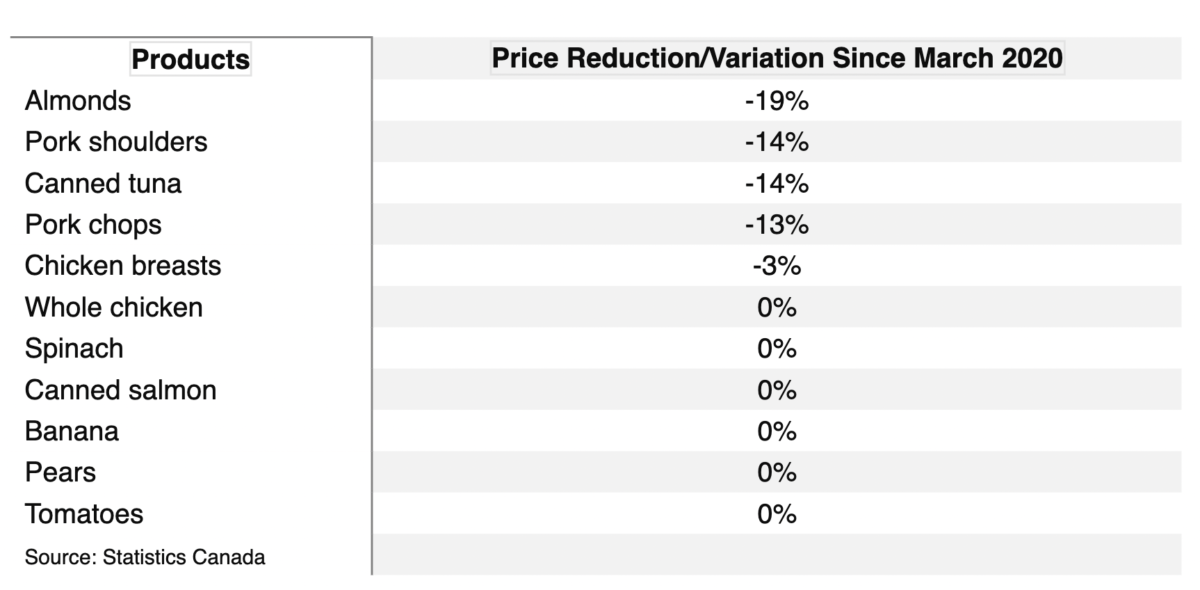
Some will be surprised to learn that some products are cheaper than they were in March 2020, four years ago. Yes. First, almonds are 19% cheaper than in 2020. Pork shoulders are 14% cheaper than in March 2020. Pork ribs are also 13% cheaper. Canned tuna is also less expensive, at 14%. Even chicken breasts, according to Statistics Canada, are 3% cheaper. A year ago, a viral photo of expensive chicken breasts angered everyone, leading to a social media campaign condemning possible grocer abuses. It was panic, or almost.
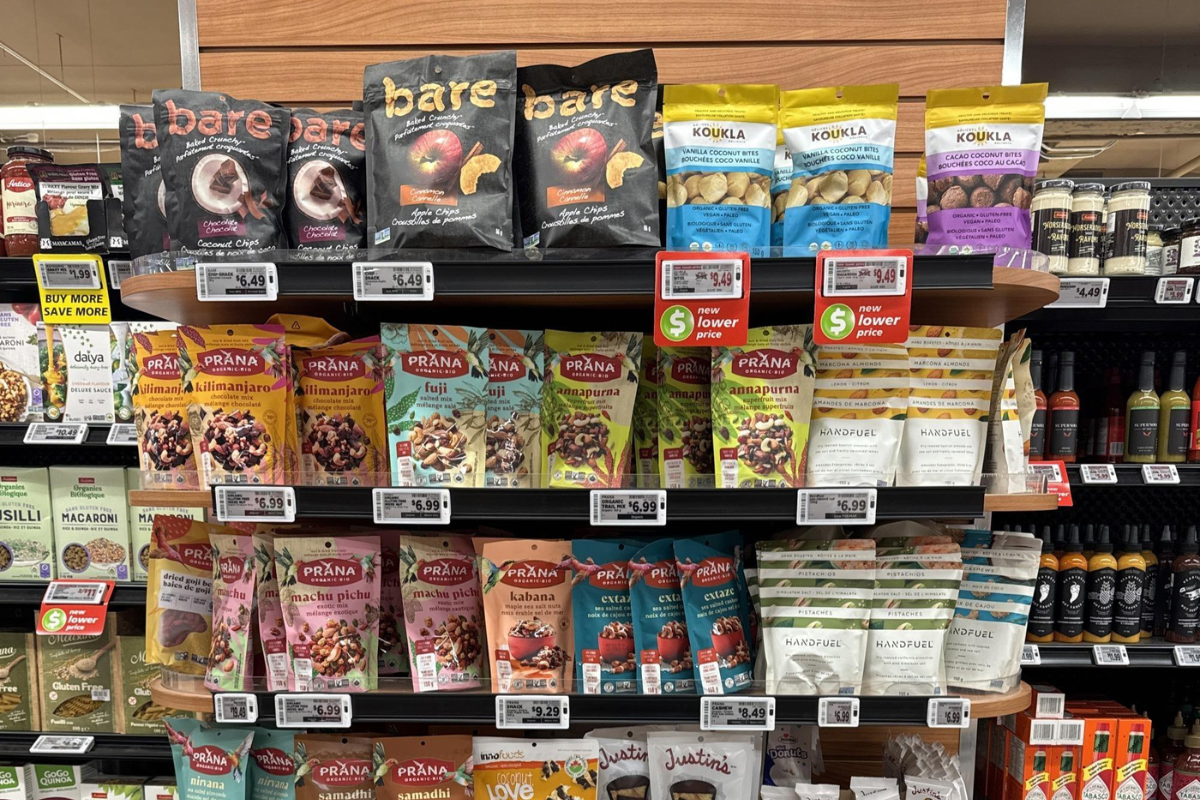
Metro in Old Toronto (Image: Field Agent Canada)
Products roughly the same price are whole chicken, spinach, canned salmon, the famous banana, pears, and tomatoes.
If all this is hard to believe, it may be because our trust in Statistics Canada is not very high. Perhaps.
Despite this data, it is certainly not what people feel when paying for groceries. While some food categories may have some immunity to inflation, likely, our perceptions are often influenced by price volatility. Let’s look at the standard deviations of prices over the past four years.
Since March 2020, the category with the highest standard deviation is beef. Not surprising. Depending on the cut, the standard deviation varies between 4 and 5. The standard deviation of food prices can tell us how much food prices vary compared to their average. Salmon has a standard deviation of over 4. Chicken breasts and vegetable oils also have high standard deviations compared to the average. As well as margarine, tomatoes, peppers, white rice, and mayonnaise.
Interestingly, meats have increased about as much as plant protein products like hummus, tofu, lentils, and dry beans, but popular perception is that meat counter prices have skyrocketed more than elsewhere in the store. Perceptions often deceive us.
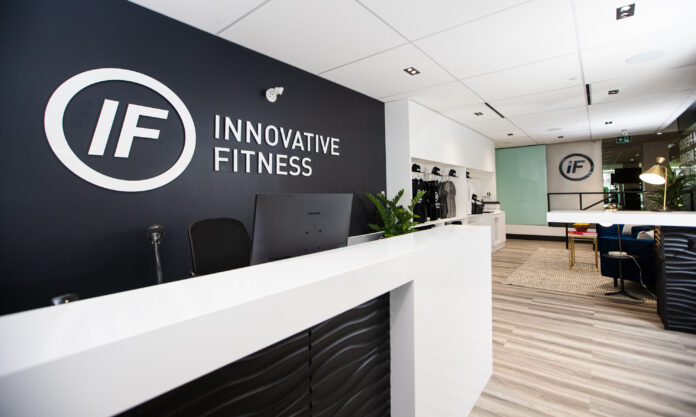
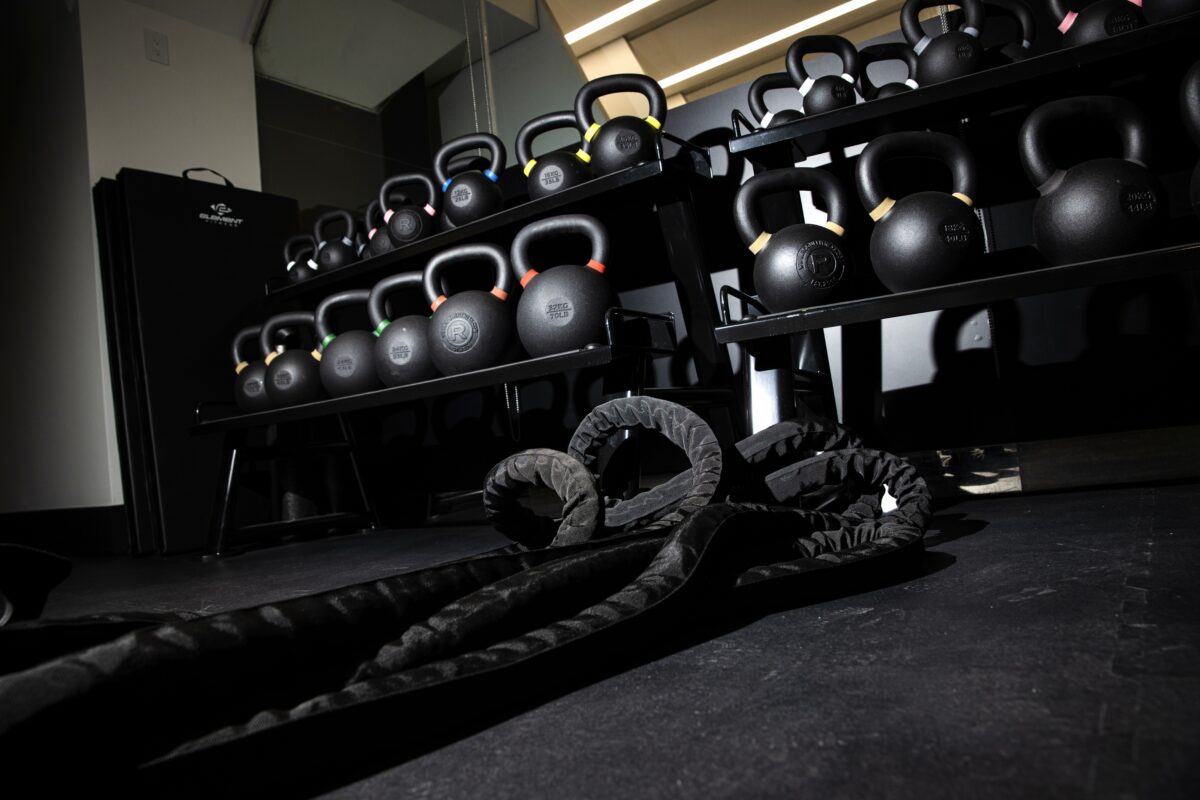
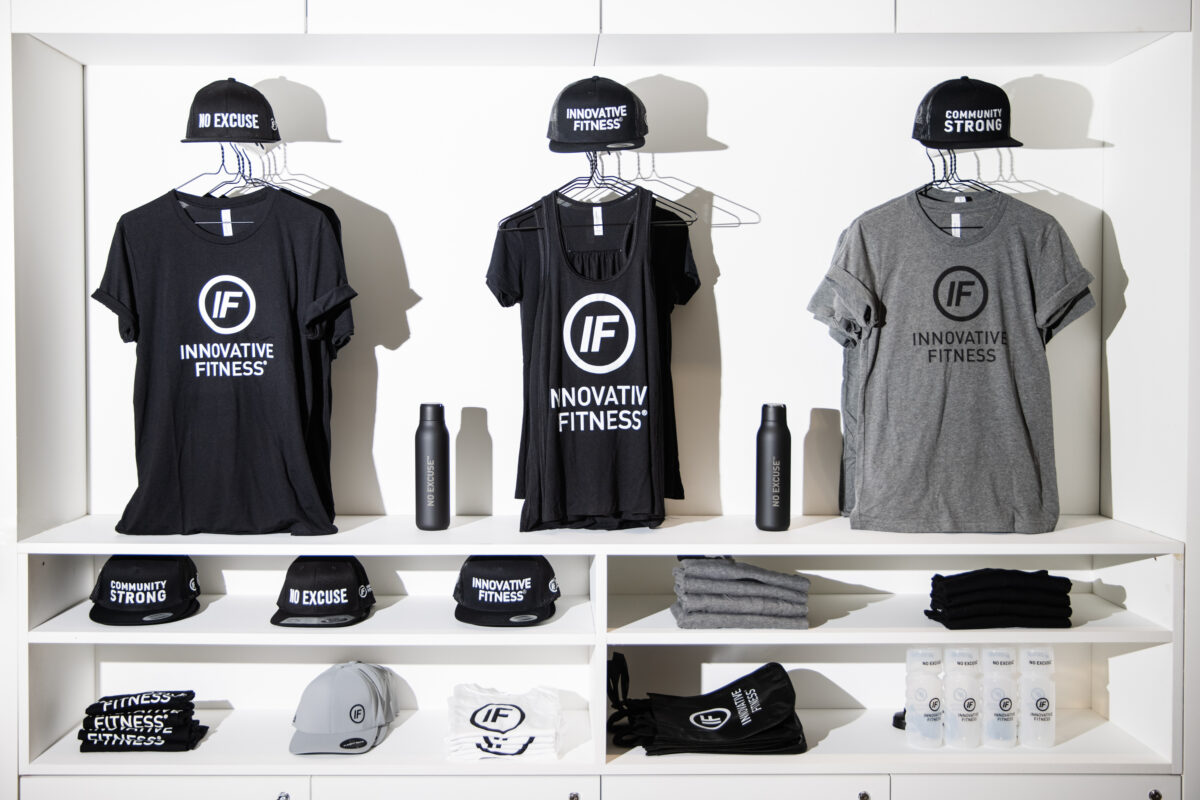
Innovative Fitness Bloor, Toronto, ON (Image: Nick Lachance)
Innovative Fitness, a personalized wellness and fitness gym in Canada, has recently opened its newest flagship location on Bloor Street in Toronto, has ambitious expansion plans, and is looking to add new services.
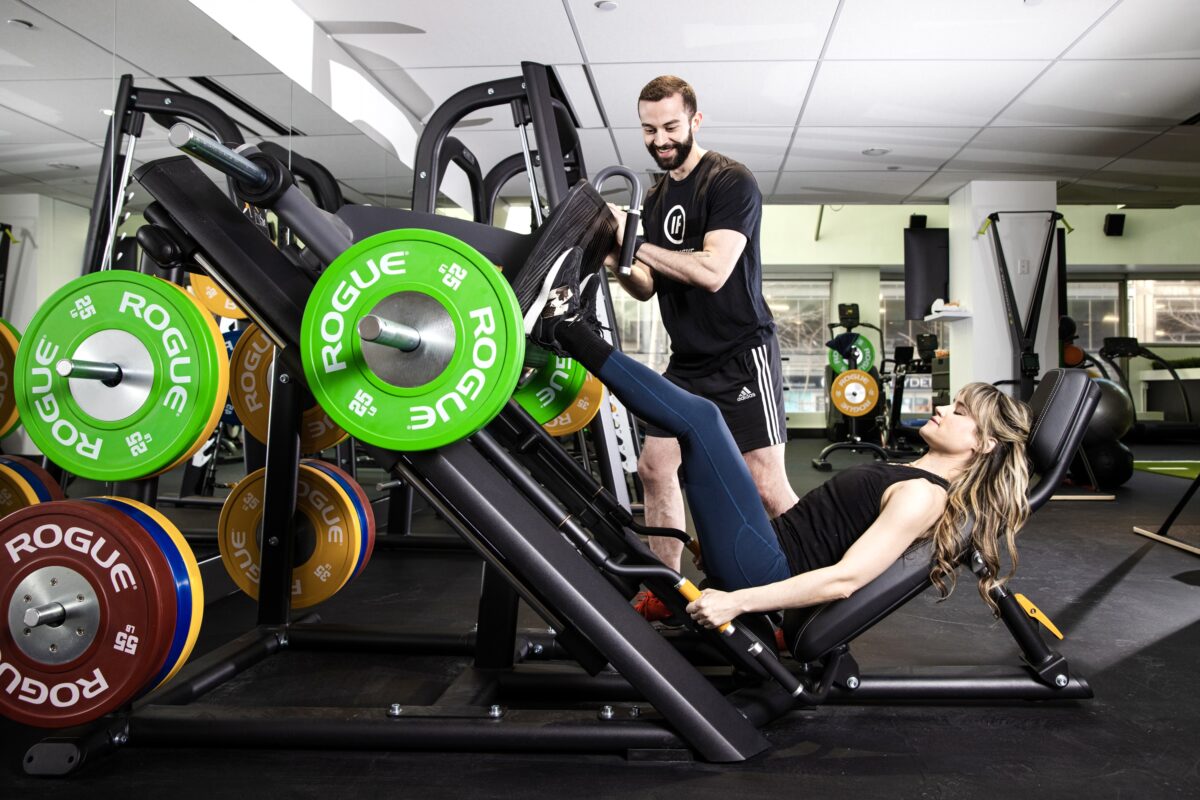
Unlike a traditional gym, Innovative Fitness focuses on one-on-one services such as personal training, nutritional coaching, rehabilitation and wellness services, and will keep innovating new services to meet consumer needs – distinguishing Innovative Fitness from other fitness companies in Canada. It is also the largest personalized wellness studio in North America.
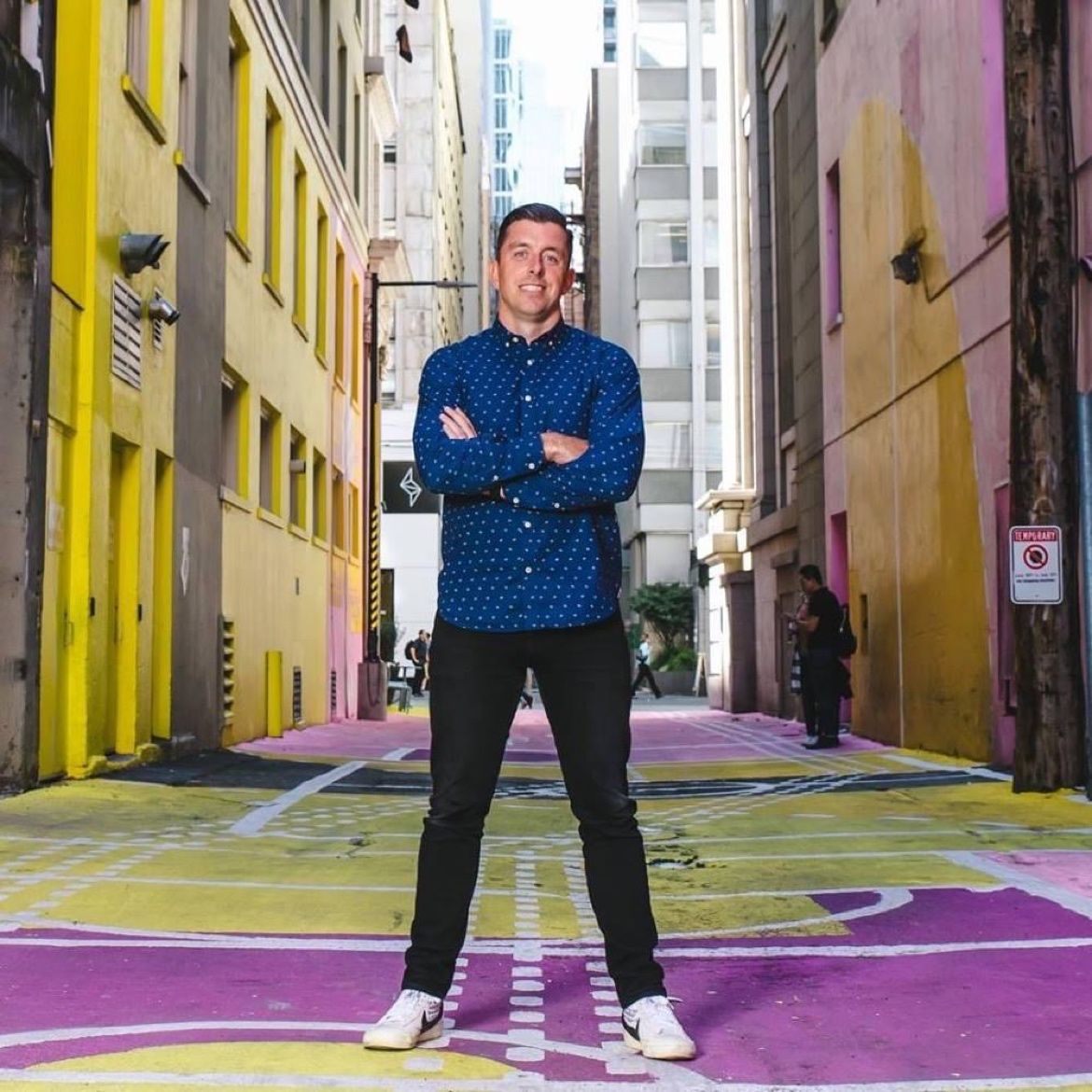
Curtis Christopherson
Innovative Fitness currently has locations in British Columbia and Ontario with a total of 16 locations, including Innovative Fitness Toronto (The Ritz-Carlton), Forest Hill, Riverside and Club Apex at The Maple, The Selby and The Taylor, along with its newest location at 33 Bloor Street in Toronto
“Innovative Fitness has been around for more than 25 years. We are an established brand as we are one of the first personal training businesses in the market in North America, and we have become the leaders in personalized wellness and fitness,” says Curtis Christopherson, the CEO of Innovative Fitness. “Bloor Street was actually signed before Covid and we were getting ready to launch in Spring of 2020, unfortunately we had to navigate close to four years of determining how we were going to launch. It was destined to be our flagship in Canada and we are so excited to have that as our flagship location of the brand.”
Moving forward
Innovative Fitness Bloor, Toronto, ON (Image: Nick Lachance)Innovative Fitness Bloor, Toronto, ON (Image: Nick Lachance)
As for expansion plans in Canada, the company is looking to expand by ten locations in Ontario and is exploring potential growth opportunities in British Columbia. The Ontario locations will primarily be surrounding the Greater Toronto Area and in BC, Christopherson says they will be looking at Burnaby and Richmond – locations and timeline for both provinces are unknown as of right now.
“We believe that Ontario is a significant market for us and is our primary focus, we believe that there is a unique opportunity to continue to grow our brand. We believe that Ontario and British Columbia offer significant opportunities for future franchise growth there. We have a couple of areas to explore, such as Burnaby and Richmond, but other than those two regions, we have really captured most of the markets we are looking for.”
The Lundrigan brothers, David and Ryan, are the driving force behind opening new locations and establishing the brand in the Toronto market. They have an extensive background in the health and wellness industry and have made the Bloor St location a reality.
Innovative Fitness Bloor, Toronto, ON (Image: Nick Lachance)
As for other provinces in Canada, Christopherson says they will not be expanding further in Canada right now as its main focus is directed towards Ontario, British Columbia, and into the United States.
Christopherson says the brand plans to enter the United States by 2025 with focus on the West Coast. Locations Christopherson is interested in include the State of Washington with key interest in Seattle and Bellevue; California with key interest towards San Diego, and the East Coast with interest in Chicago, Boston, and Miami.
Expanding Services
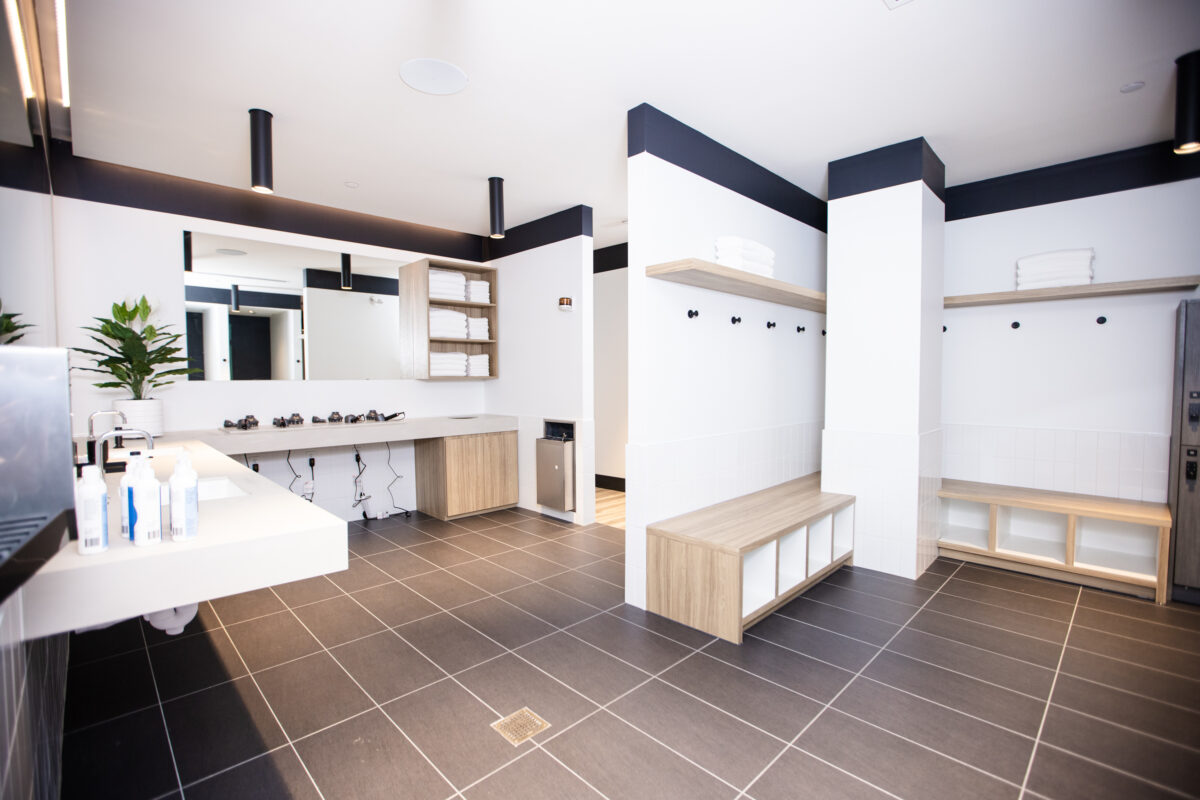
Innovative Fitness Bloor, Toronto, ON (Image: Nick Lachance)
In addition to its expansion plans, Innovative Fitness continues to innovate its service offerings. Christopherson says the brand has introduced assessment tools, video screening, and body composition testing.
The brand has also recently launched a digital recommendation tool where its professional training coaches can recommend products that “they love and trust, helping people reach their goals. So whether it is supplementation, equipment, or nutritional offerings, they can now recommend through a digital platform. They can offer products to the client without having to go to a store or buy online, so it is a unique innovation that we just launched.”
As for future services, Christopherson says the brand is looking into hot and cold therapy, including saunas and cold plunges. The brand is also looking at external partnerships to include full body MRIs as well as blood profiling assessments that are going to evaluate both hormone and immune health.
“We are just going through the process right now. I mean, our big focus is personalization and optimization as that is a primary focus of our business going forward. And so, we are planning on launching some of these new services by Q4 of this year.”
Innovative Fitness Bloor, Toronto, ON (Image: Nick Lachance)
All Innovative Fitness locations Christopherson says are mostly the same as some locations offer other wellness services such as osteopathy and massages, but “for the most part, it is personalized one-on-one training as well as nutritional coaching.”
Christopherson says he is in the process right now of getting all its services approved by insurance company health spending accounts so more people can access Innovative Fitness.
‘Main Street’ — the most quintessential of community geographies. It’s where neighbourhood residents go to shop.
But who runs these places, and represents the interests of the shopkeepers?
While municipalities are the ‘local government’, they provide a range of services to the entire city. Their jurisdiction includes investing in infrastructure, maintaining streets, creating parks, operating recreation centres, planning land uses, processing development applications, setting budgets, to dog licenses and general administration – order of importance may vary depending on who one asks.
Cities and Business Improvement Associations
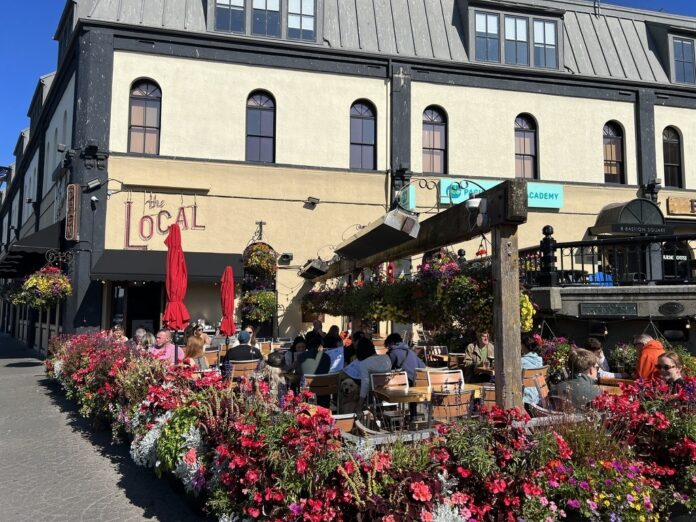
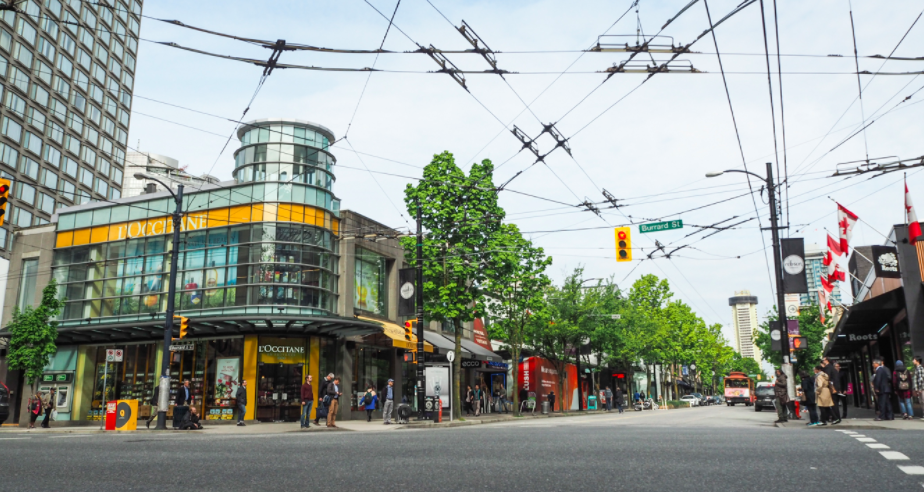
Robson Street (Image: ROBSONSTREET.CA)
A Business Improvement Association or Area (BIA) is an organizational structure created to support the success of businesses in specific commercial areas, through funding, programing, coordination, and pooling of resources to address local priorities. Normally they cover retail streets or districts to improve their vibrancy and viability. BIAs are established as a non-profit organization, and have a board of elected volunteers and paid staff.
BIAs are, as proponents say, the voice and advocate of the small business owners and local merchants.
The City of Vancouver has 22 BIAs, a significant proportion of the 70 BIAs in the province of British Columbia. City Council is responsible for the periodic renewal of BIA mandates, through establishment of bylaws.
While it may seem like a BIA is an extension of the city, it’s different and more than that. BIAs supplement city services, rather than replace them. BIAs support their area and membership through programs like marketing campaigns, promotional branding, special events, ongoing services, and information sharing. To improve the image of the area and make it a more desirable place to visit and operate, BIAs may also deal with social issues such as homelessness, panhandling, graffiti, and parking. The cycle of enticing more people to the area in turn further attracts shoppers and grows businesses.
Hyperlocal Services
Unlike a shopping centre that is operated by a single property manager that wants to optimize the mix of unit tenants and may organize some programs for the overall facility, properties along retail streets are all individually owned, operated, and occupied. This lack of programing may lead to less cohesion – or to an interesting eclectic mix of independent shops that can’t be found at the mall.
In terms of budgets, BIAs are funded through an additional levy on properties within their defined benefiting area. Although this money is collected by the city, it is transferred to the BIA to cover their operating costs. The BIA levy on the business varies by assessed value and size of the property. To provide a sense of the amount, for example: a small restaurant would pay about $2,000 annually towards the BIA, which is equal to about five percent of their property tax bill.
Benefits, and Costs
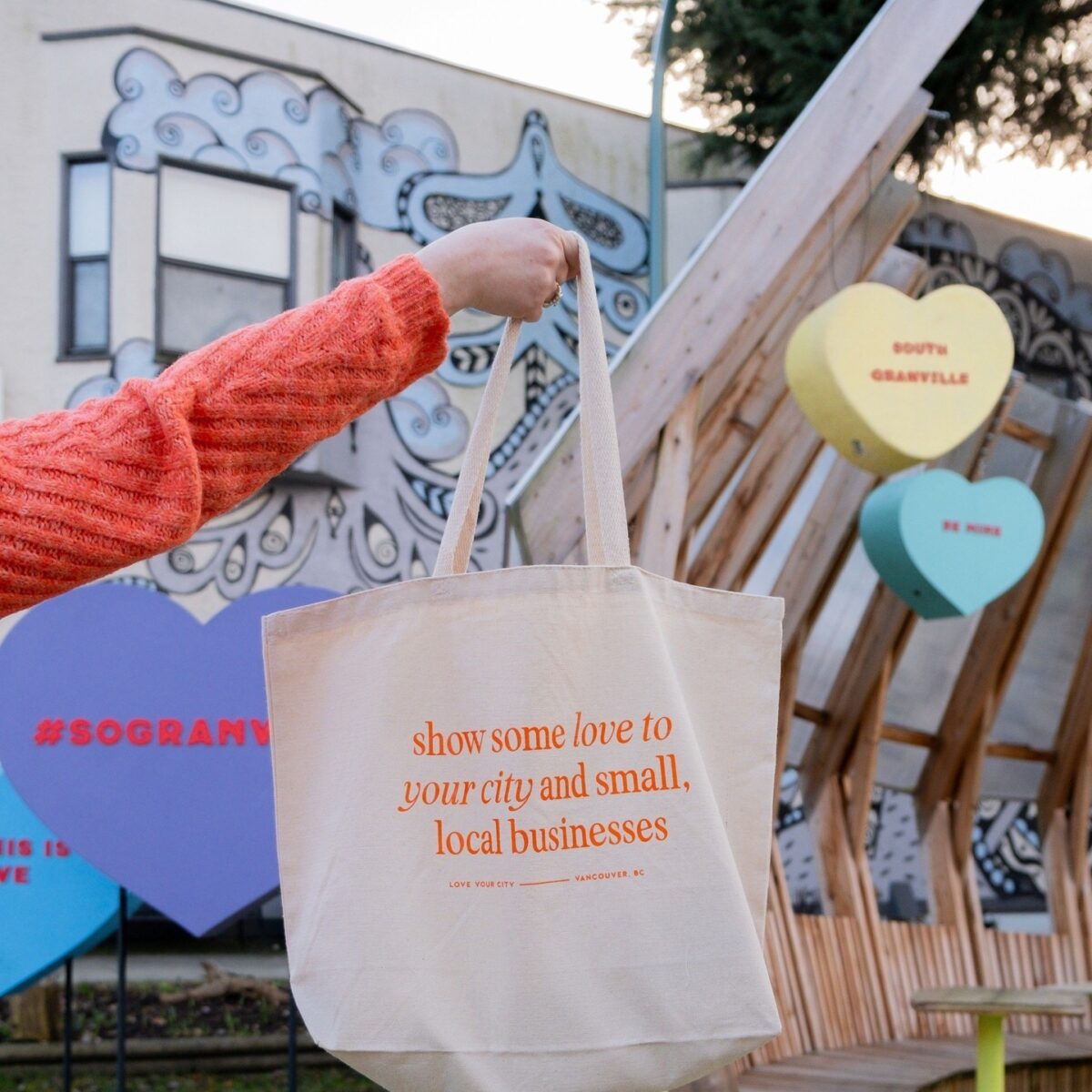
Image: Love Your City Contest
While there’s benefits, there’s also costs. The additional BIA levy is applied to all non-residential properties in the geographic area. Through standard triple-net commercial leases these additional charges are paid for by the tenant occupant rather than the building owner. This is the same for property taxes, building upkeep, and overall maintenance.
While the BIA is providing a service to all its members, not all if its ratepayers may understand the operation or feel like they benefit. This can create tension between parties, with issues including:
Lack of clarity about what exactly the BIA does. Questions about if the BIA is providing some services that otherwise could or should be delivered by the city, and thus would instead be covered through general property taxes. This can be especially touchy as property taxes increase and overburdened businesses struggle.
Some types of businesses do not benefit as much from BIA programs. Often BIAs focus on attracting shoppers to a commercial area, directly benefiting street-fronting retailers with more customer traffic. This may be of less relevance to other tenant types like offices, industry, and hotels who serve different groups.
There should as much as possible be a match between the funding sources and the distribution of assistance. Those who receive the majority of benefits from the BIA should be the ones who pay the majority of its costs. However, a precise financial allocation of service provision arrangement would be difficult to administer. Nevertheless, the BIA needs to demonstrate the value it provides to members.
Past Failure, and Considerations for Future Success
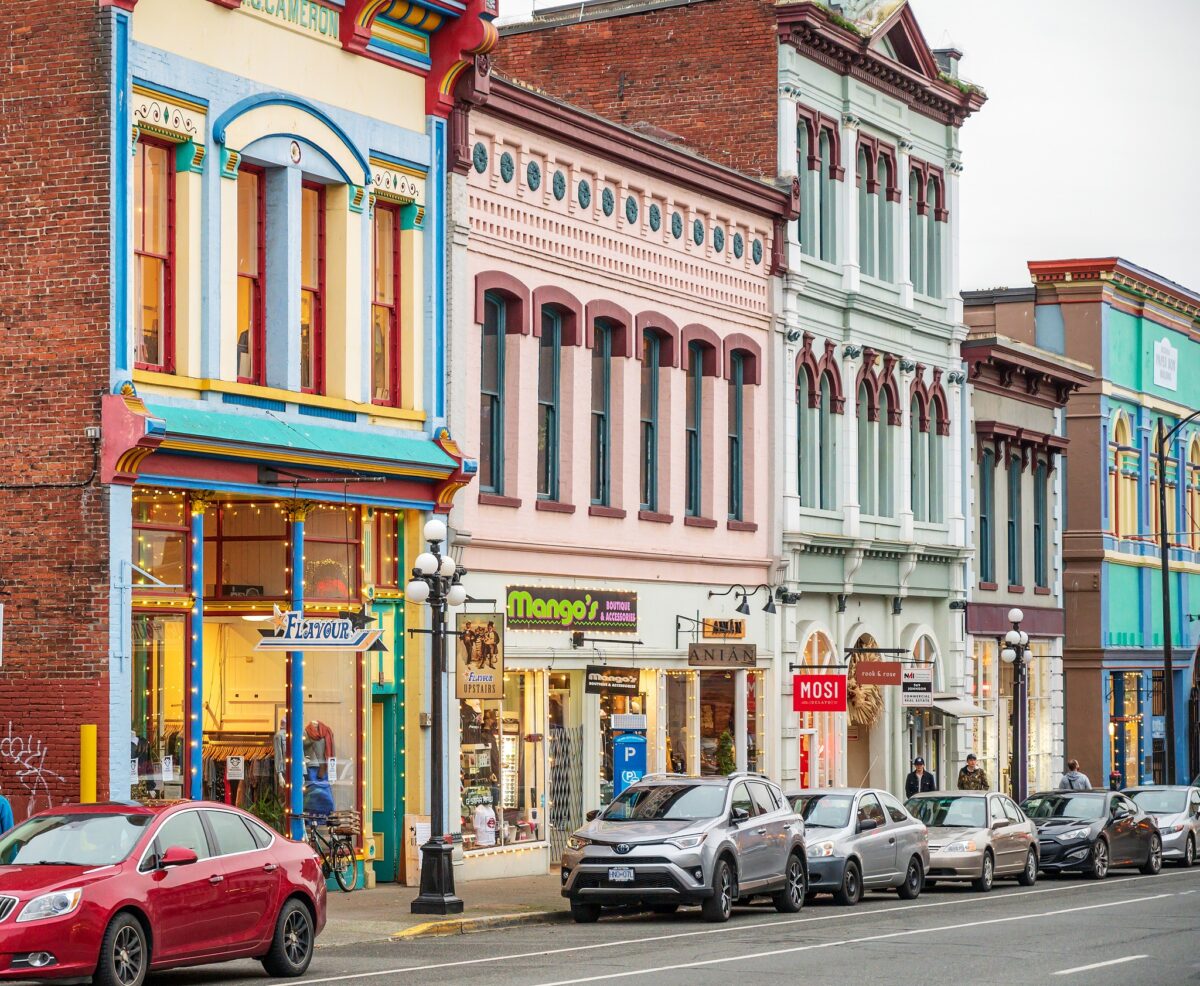
Image: Downtown Victoria Business Association
BIA mandates are reconsidered typically every five years though a formal engagement program and decision-making process. Almost always they are renewed, with ongoing refinement and consultation to align the association programing with the needs of members.
Often, but not always.
In 2001, the Downtown Victoria Business Association’s (DVBA) mandate was not renewed, and thus it ended after ten years. While that was two decades ago, some lessons are still relevant today.
From a report exploring the matter at the time, some contributing factors were identified (An Investigation of the Dissolution of the Downtown Victoria Business Association, by Eric Aderneck, Queen’s University, 2002). Although many merchants were satisfied with the association, property owners overwhelmingly opposed the DVBA. Some participants indicated that the mandate of the Victoria BIA was unfocused – trying to address too many issues but not well, and that the proposed programming and funding mandate expansion was too ambitious for ratepayers.
Specific lessons learned from the Victoria experience that could be applied to other BIAs to better ensure success:
Widely agreed upon mandate and focused objectives.
Full communication and participation with stakeholders, particularly property owners.
A match between those who pay for the association and those who benefit from it.
Strong support for the association and its goals among all stakeholders must be developed from the onset and continuously communicated. Objectives and programs to fulfill these goals should be focused with clear deliverables. Ultimately, members must feel that the association provides value and is addressing the concerns that are important to them.
Eric Aderneck
Eric Aderneck, RPP, MPL, BCOM, DULE has two decades of diverse experience including working for the public and private sectors in the Metro Vancouver region through several different capacities including planning policy, real estate development, consultant, and instructor. His expertise is in industrial and employment land use planning and associated matters. He can be reached at eric@aderneck.ca or https://www.linkedin.com/in/ericaderneck.
Retail Insider is streamlining its Canadian retail news from around the web to include a handful of top news stories that can be viewed quickly during the day. Here are the top stories from the past 24 hours.