Retail Insider is streamlining its Canadian retail news from around the web to include a handful of top news stories that can be viewed quickly during the day. Here are the top stories from the past 24 hours.
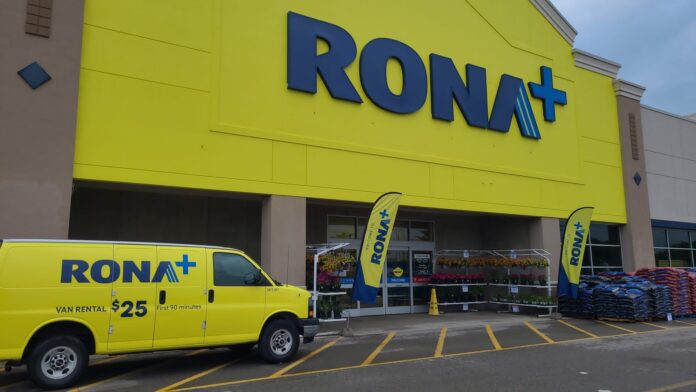
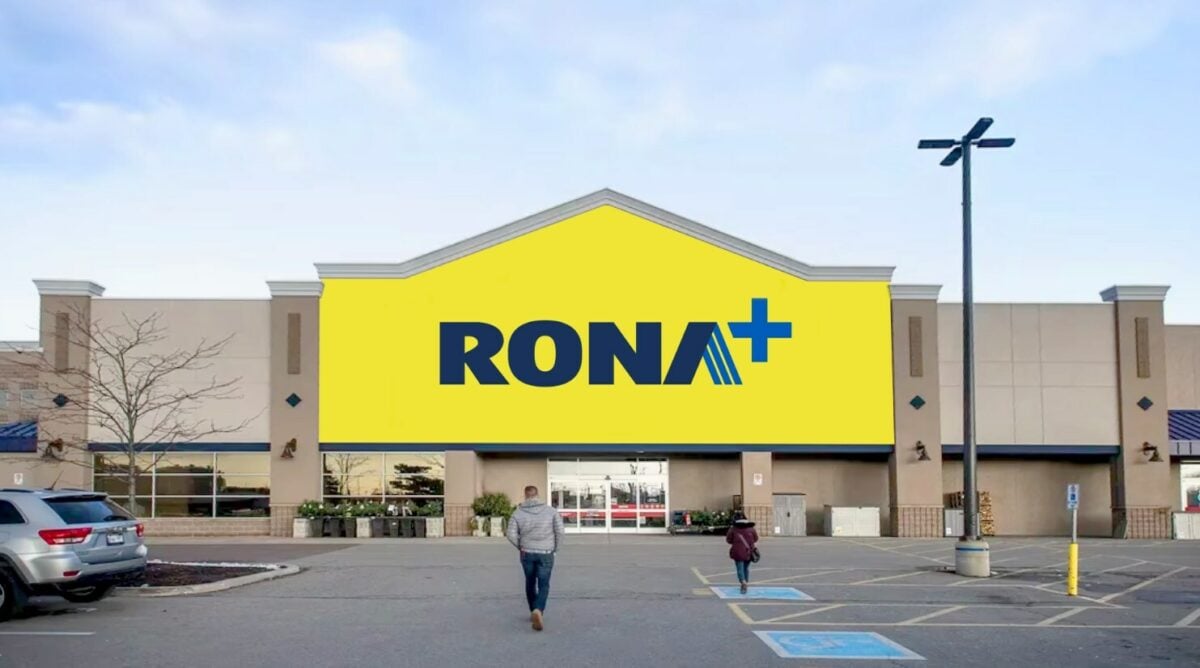
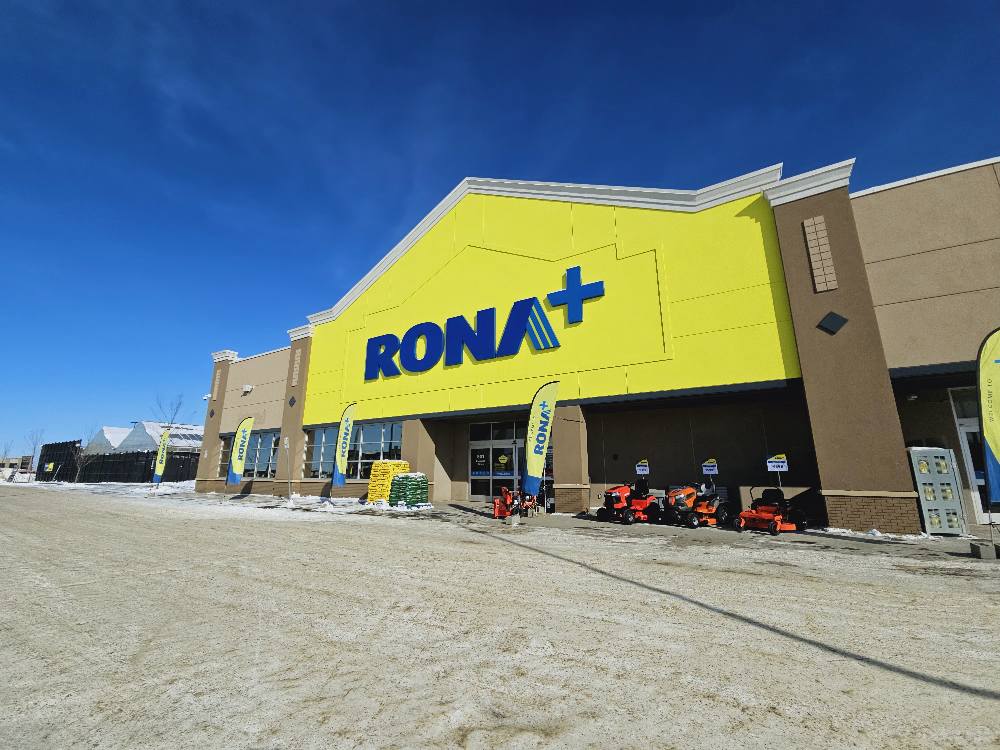
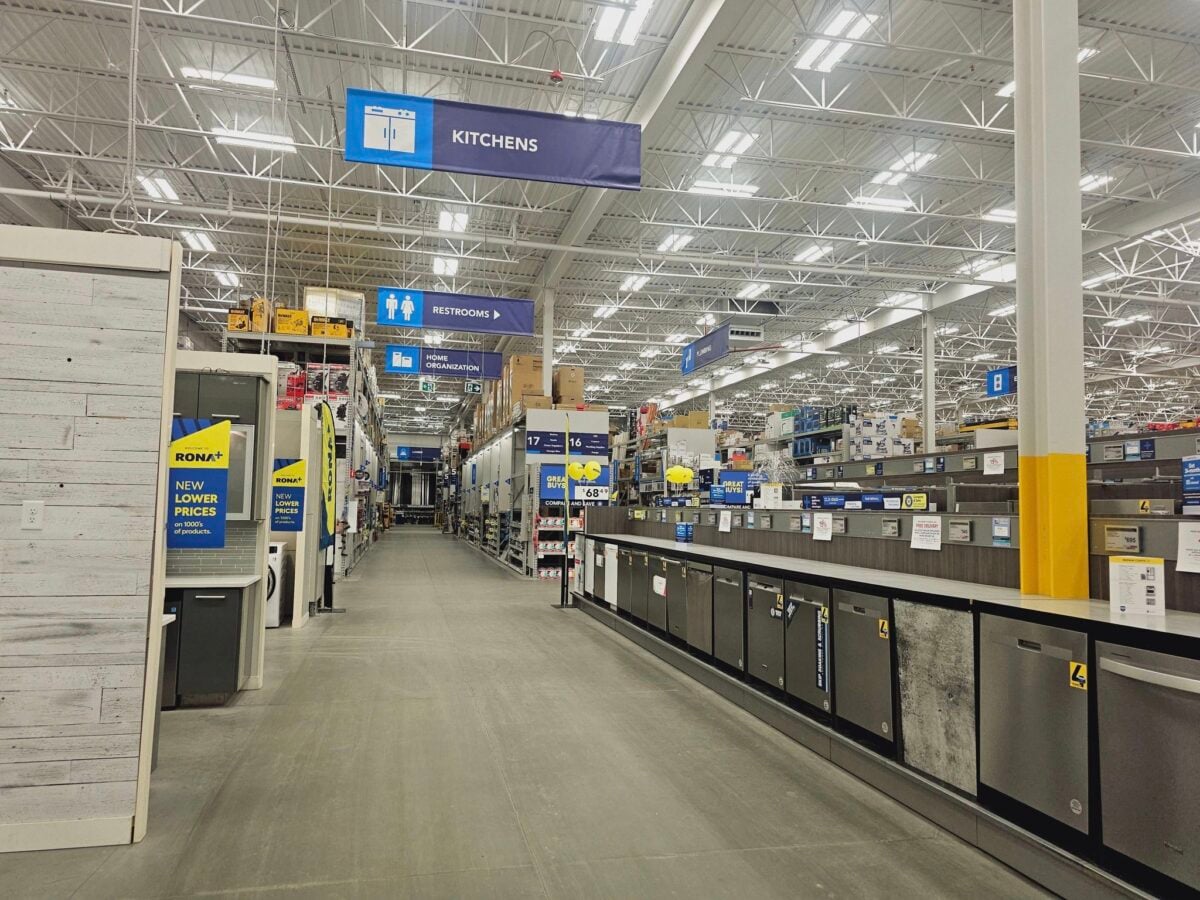
Canadian retail giant RONA has completed the transition of 56 stores from the Lowe’s brand to RONA+ throughout the country and now has launched as well a pilot project of changing the banners on its Réno-Dépôt stores in Quebec to RONA+.
Catherine Laporte
Catherine Laporte, Senior Vice-President, Marketing and Customer Experience with RONA, said the first Lowe’s conversion took place last July and the last one was February 29.
Laporte said all the former Lowe’s locations were converted.
“Basically RONA+ the idea was that it was RONA and the best of Lowe’s. So that was like the initial idea where we wanted to give the best of RONA which especially in the west of Canada has been known mostly for building materials and less of a big box footprint and bringing some of the best things of Lowe’s which was the decor, the services, the home decor services and bringing this together. That was the original idea,” said Laporte.
“As we moved towards that, because we have a larger footprint than a regular RONA store, we will be including more experiences within the stores. So think of shop in shop with key vendors, think of like more experiences on the weekend. We are still crafting and developing this strategy but this is the intent behind the (RONA+).”
The new RONA+ banner is now in British Columbia, Alberta, Saskatchewan, Manitoba and Ontario.
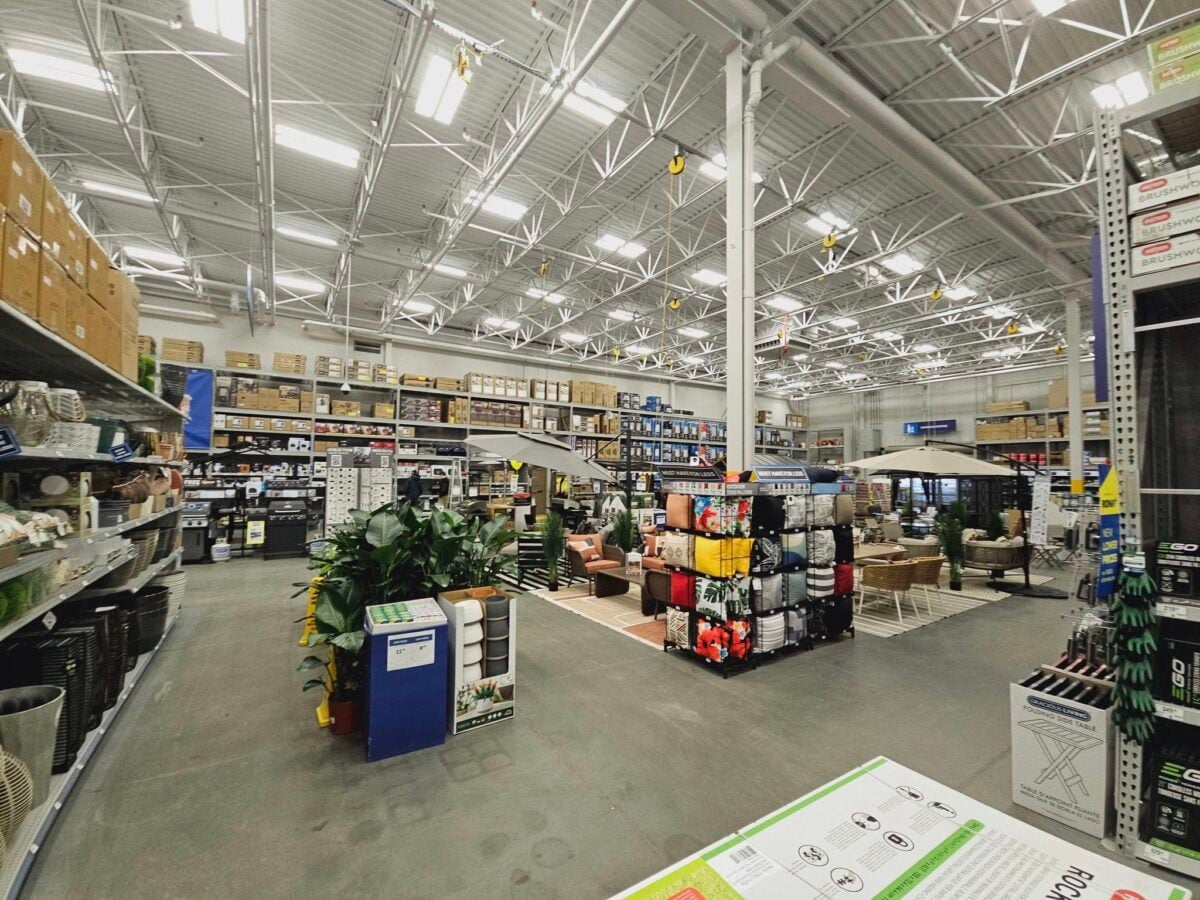
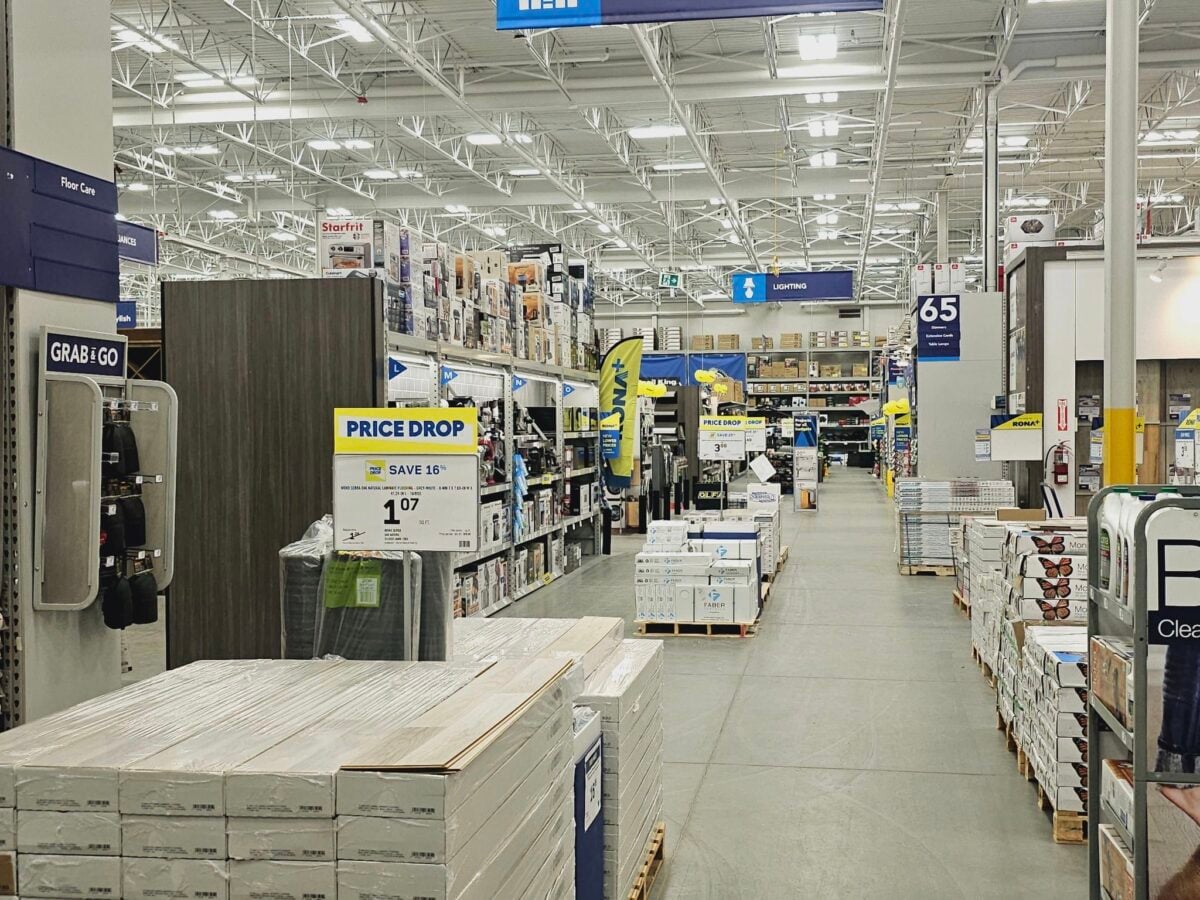
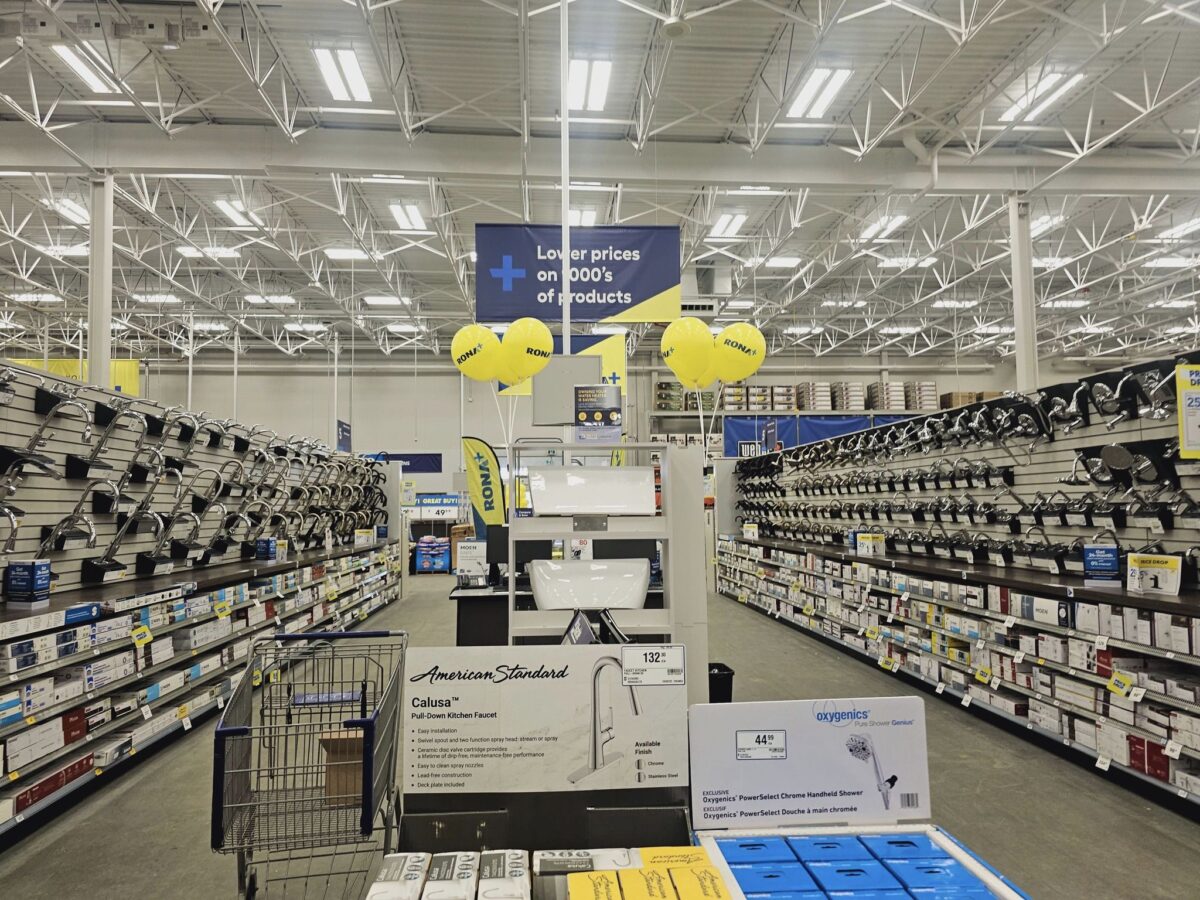
RONA+ (CNW Group/RONA inc.)Inside the new RONA+ store at Emerald Hills in Sherwood Park, Alberta. Photo: Christa Patterson
RONA has a network of 425 corporate and affiliated dealer stores from coast to coast with its four banners RONA+, RONA, Réno-Dépôt and Dick’s Lumber.
There are currently 20 Réno-Dépôt stores in Quebec, with three to be converted to RONA+ stores in the next few weeks.
There is a network over 200 affiliated dealer stores across Canada.
Since it has different types of stores in its network, including big boxes and proximity stores, the size of each store varies. The average size of a RONA or RONA+ store in Canada is about 100,000 to 117,000 square feet. But the network is very diversified and there are also smaller stores, including small urban stores or smaller stores that boast a large lumber yard.
Laporte said no new stores are planned for the company as it is focused on the conversions.
New RONA+ store at Emerald Hills in Sherwood Park, Alberta. Photo: Christa Patterson
She said the success of the RONA+ rollout has led to another pilot project in Québec with the planned conversion of the Hull Réno-Dépôt to the RONA+ banner as a first step, followed by the Sherbrooke and Charlemagne Réno-Dépôt stores later this spring.
“This will pave the way for the imminent arrival of this new banner in Québec. Through this process, the company is looking to build on the strong legacy of the RONA brand and build momentum for this beloved Canadian-operated household name,” said the company.
Laporte said this is the most significant repositioning of the RONA brand in the last two decades.
“We’re refocusing our marketing around RONA, putting this brand, with its 85 years of history and consumer trust, at the core of our efforts. By emphasizing our commitment to our customers, the uniqueness of our stores, and our relationship with local communities, we reinforce the values of proximity and commitment that distinguish our network,” she said.
Image: RONAInside the new RONA+ store at Emerald Hills in Sherwood Park, Alberta. Photo: Christa Patterson
RONA is also launching a new visual identity, only for RONA affiliated dealers. It aims to support the organization’s ambition to become the strongest network of affiliated dealers in the country. The outdoor signage and the interior branding elements of these stores were redesigned to highlight the entrepreneurial spirit of independent RONA dealers and capitalize on the brand’s notoriety. The new identity will be deployed in RONA affiliated stores starting mid-April.
“One of the key strategic pillars of the RONA relaunch has been the dealers. What we wanted to signify and make clear to the customers is that some of these stores are independently operated,” explained Laporte. “So they will have new facades and new outdoor signs which clearly calls out that this store is operated by an independent merchant.
“The other piece is as you can appreciate some of them have been with us for more than 50 years or close to 60 years and for each of them they have value, they have specific value, specific history. And we wanted them to be able to call out at the community level. These are some of the small initiatives but meaningful initiatives that we’re making to really differentiate the dealer network from the RONA+ and from the corporate stores.”
Inside the new RONA+ store at Emerald Hills in Sherwood Park, Alberta. Photo: Christa Patterson Inside the new RONA+ store at Emerald Hills in Sherwood Park, Alberta. Photo: Christa Patterson
In a statement, Andrew Iacobucci, President and CEO of RONA, said:
Andrew Iacobucci
“We are making major investments in our brand, which has been a household name in Canada for nearly 85 years and this is just the beginning. Now that we’re fully Canadian-operated, we have a tremendous opportunity to rethink how we serve Canadians with the products and service they rightfully expect from RONA, on every channel they use.”
The Réno-Dépôt store in Hull will be the first in the province to convert to the new banner in March, followed by the Sherbrooke and Charlemagne stores in April. Laporte said the results of these three store conversions will determine if the rest of the brand will be converted.
Isabelle Laliberté
“This is an important step towards realizing our vision for the future of RONA. We are confident that this pilot project will bring positive results and lead the way for the upcoming arrival of this new banner in Quebec,” added Isabelle Laliberté, Senior Vice-President, Corporate Stores – Quebec, at RONA inc. “Our priority in this transition is to offer the best possible experience to our customers in the Hull, Sherbrooke and Charlemagne regions; we will continue to serve them with the same passion.”
The changes are being reinforced with RONA’s new advertising campaign, imagined by Sid Lee, which is centred on people who love to create, bringing together professional experts and DIYers. Without being too serious, it adopts an engaging and entertaining tone, encouraging conversation while remaining refreshing and philosophical, said the company.
To watch the very first ad to be broadcasted as part of this campaign, click HERE.
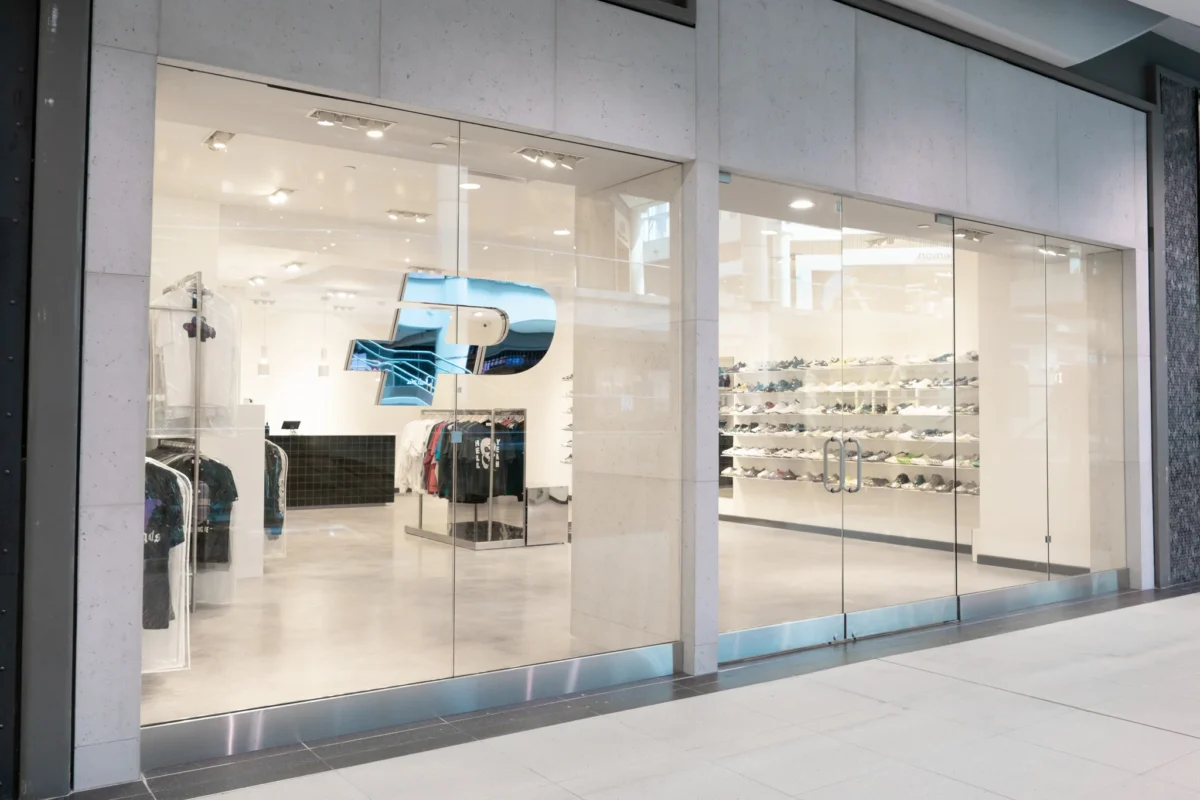
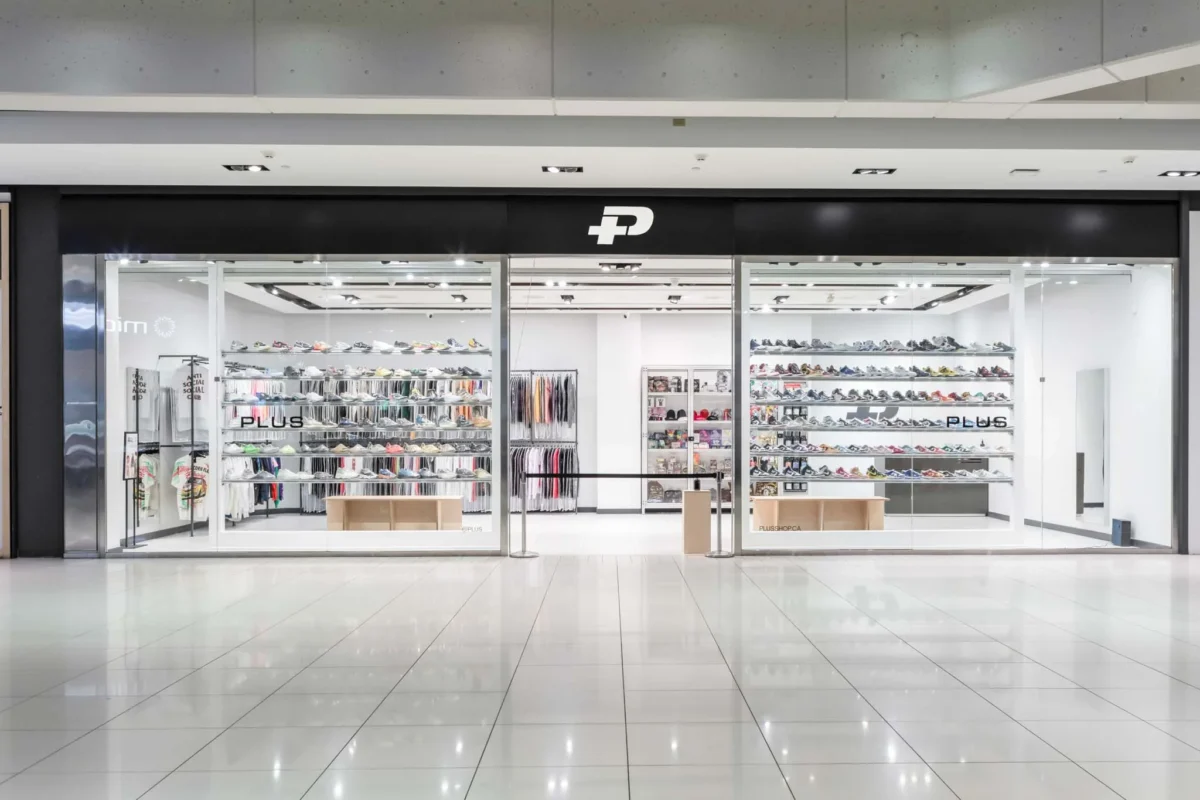
Former PLUS at Yorkdale Shopping Centre (Image: PLUS)
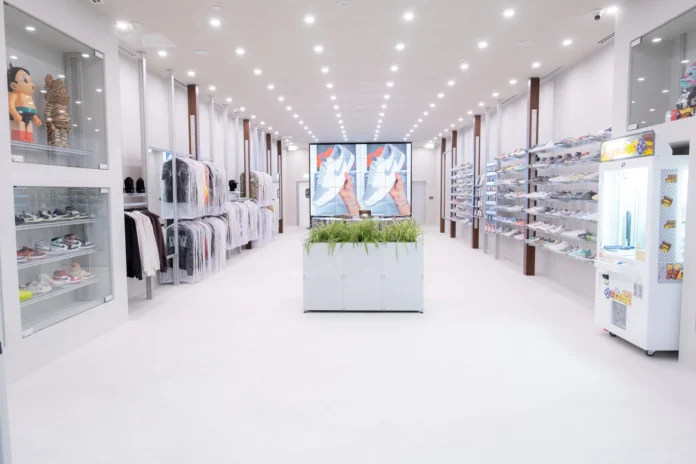
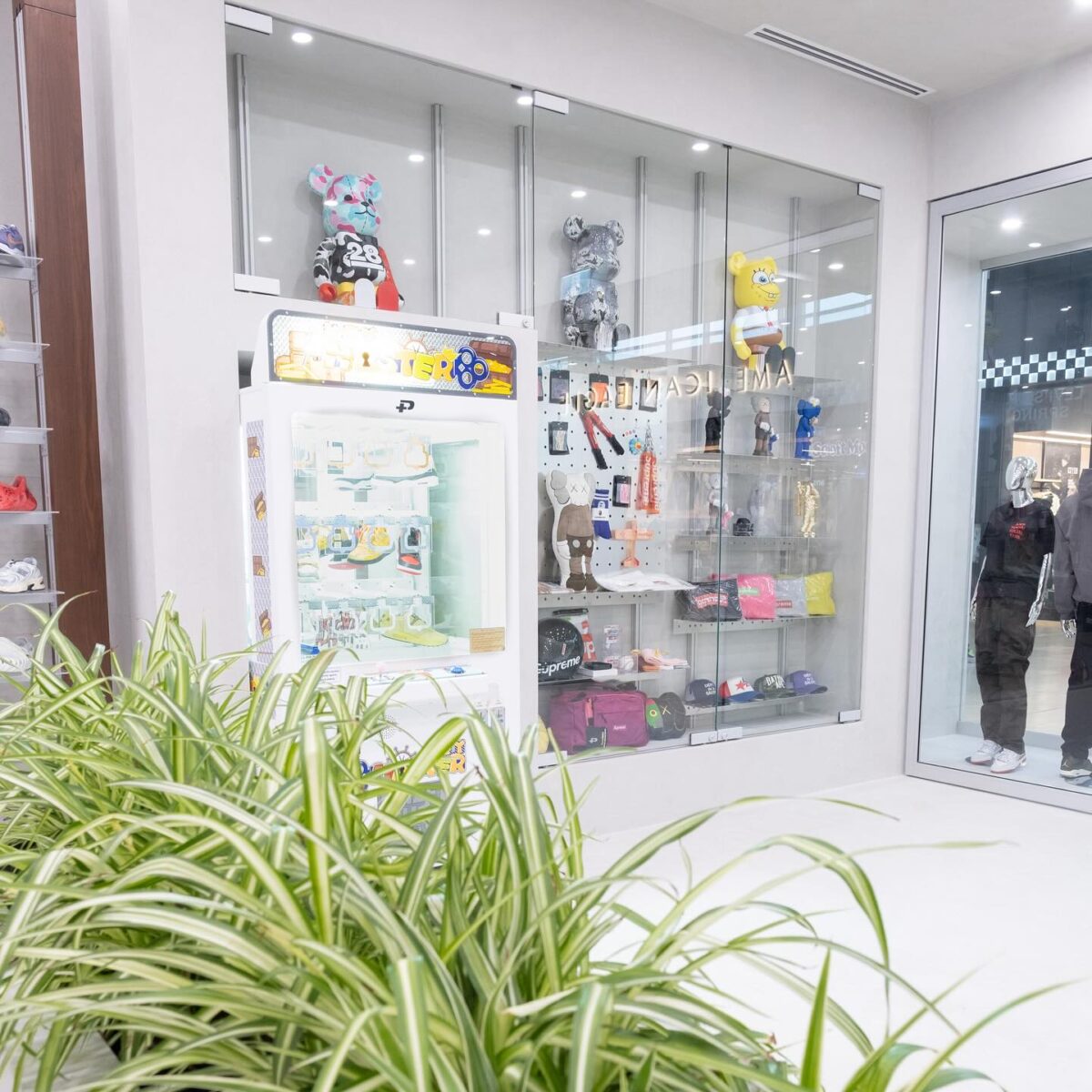
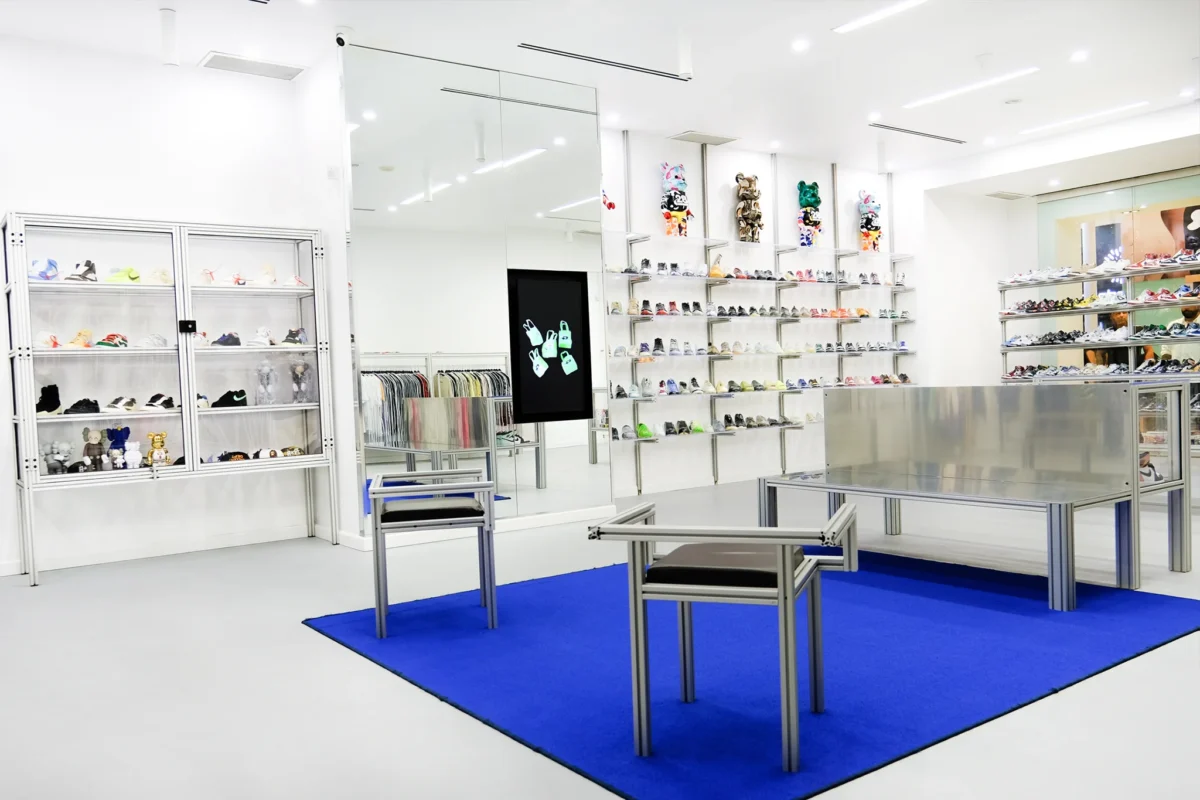
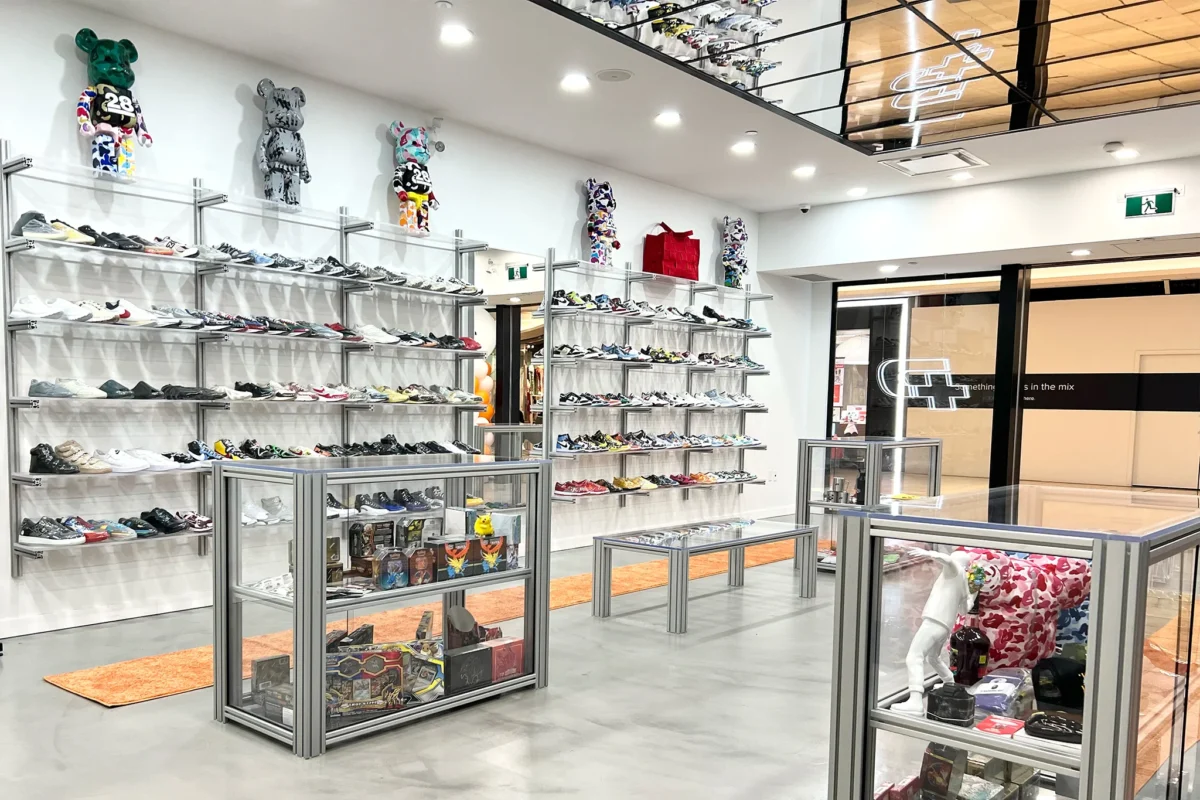
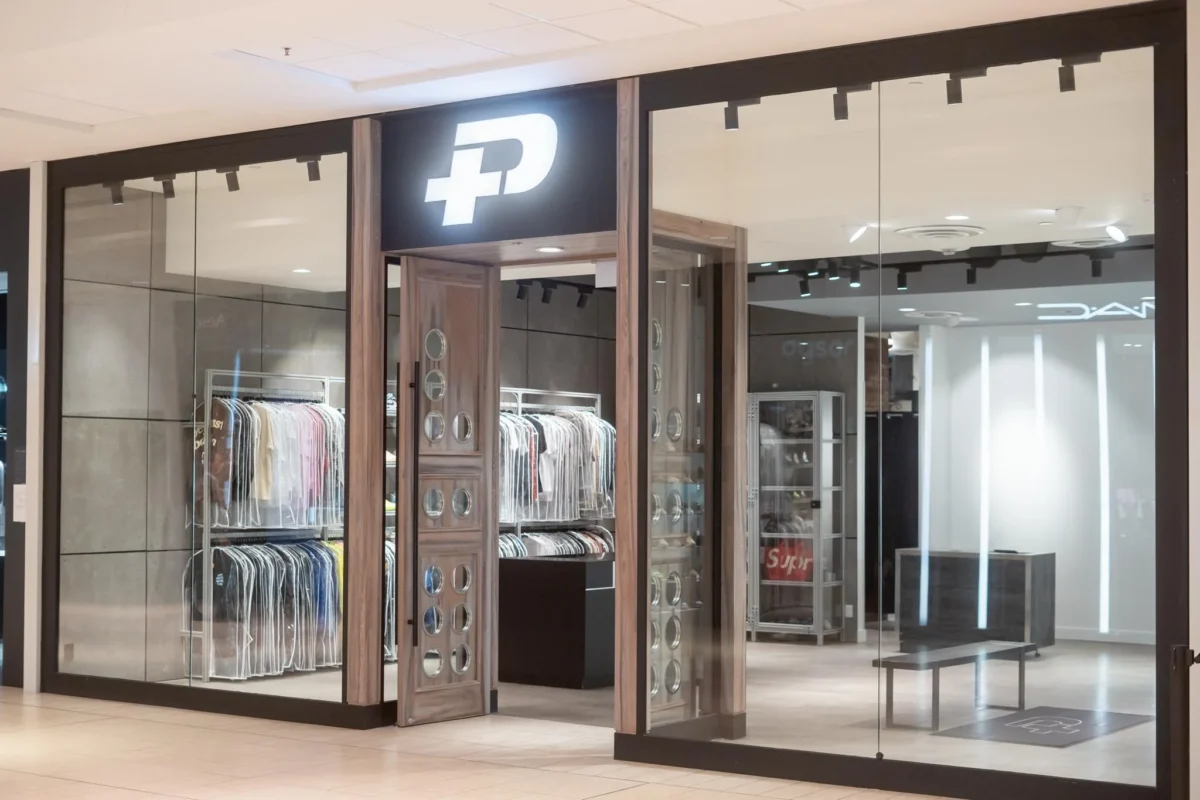
PLUS, Canada’s luxury streetwear shop, has opened its new flagship store at the Yorkdale Shopping Centre in Toronto.
Liam Blackadder, the retailer’s Creative Director, said Yorkdale was a natural for the company’s expansion.
“It’s the centre of style, being that epitome of shopping and go-to place for retail within Canada. Ever since we opened our first flagship at that mall in September 2020, that was our first time opening a flagship there, it was evident how impactful that mall is, especially footprint wise,” said Blackadder.
“Traffic at that shopping centre definitely is a step above the rest in terms of retail in Canada. Definitely wanting to stay in that mall. That mall obviously has a lot of renovations and changes going onto there. So with that, we wanted to increase our footprint into a larger space to kind of show our growth as a company and kind of make sure we keep that Yorkdale location as one of our staples.”
The company’s first location in Ontario was a temporary store in Yorkdale in 2019.
PLUS Yorkdale (Image: PLUS)
The Yorkdale store is the brand’s largest store of its eight locations in Canada.
“As a young company in 2022 from 2017 that was our first time for designing a space and trying to consider everything. Now fast forward four years later it opens. We’ve had a number of spaces, I believe almost 20 in our six years, seven years of operations, whether that’s through specialty leases, temporary stores, moves, etc,” said Blackadder.
“So definitely we’ve learned a lot. Seen what works for us. How it affects our customers. What kind of experience you want to give a customer. Making that move, having that opportunity to move into a bigger space, kind of feels like a refresh. And shows that new space we were willing to take to grow within that mall.
“Being a young, independently owned company, we have to be pretty diligent with the decisions we’re making while also exploring ways we can do things a little differently and stand out and make an impact. Definitely we try to do a bunch of that with our new locations.”
He said the brand considered how people interact with the space in designing the new Yorkdale store. The floor plan was changed. Everything is more integrated into a shopping experience in the layout and how the products are displayed. A big digital display video wall has been incorporated into the space as well as a lounge.
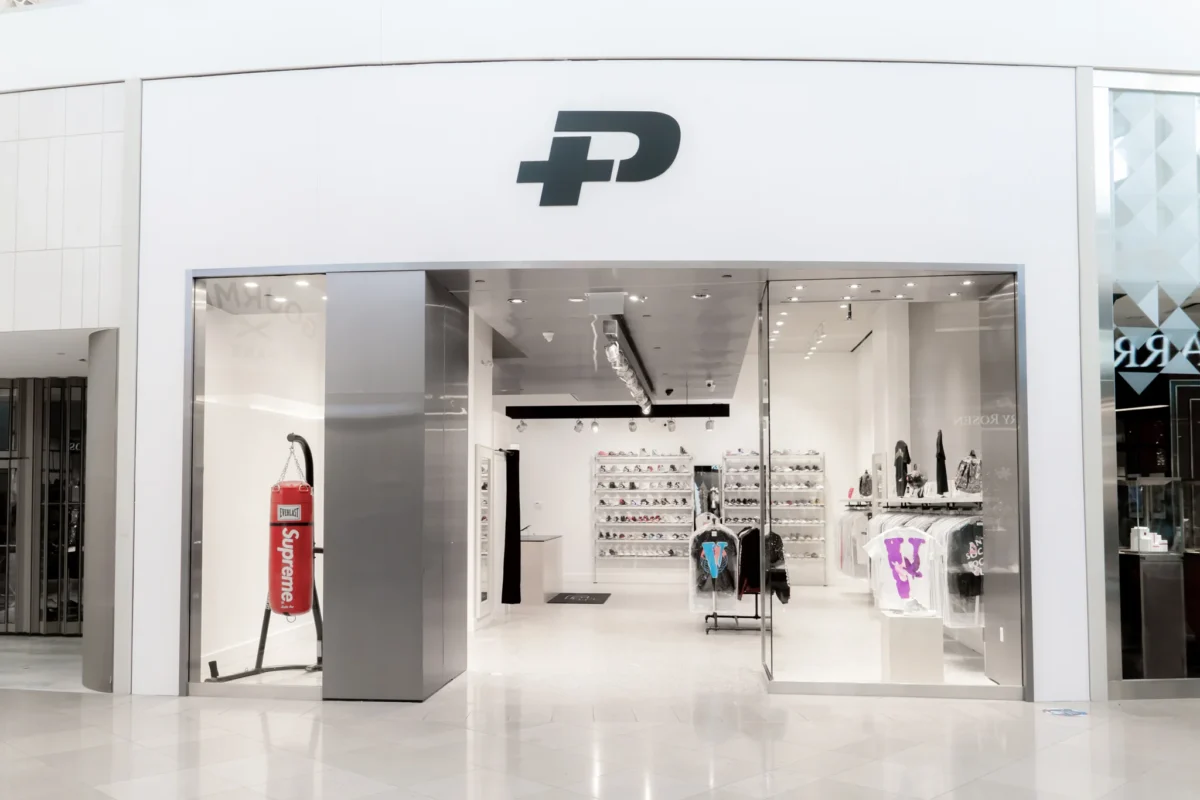
PLUS Square One (Image: PLUS)PLUS CF Pacific Centre (Image: PLUS)
Blackadder said the company in 2023 did some housekeeping with its stores and did some work for a new space in its Vancouver location with a new design there as well as a complete revamp of the Square One location in Toronto.
“In our spaces, we’re always just looking to create a space that’s inviting and welcoming and fosters community,” he said, adding they are spaces for people looking for that wow factor as they shop.
“Our demographic kind of ranges all the way from 13 year olds who are excited to get into streetwear by this whole allure and newness of it, all the way to people who are in their late 40s, 50s who have been collecting sneakers and are into the scene their entire life and now they’re seeing it accessible at their fingertips. It’s something new that draws them in again and where they can have those in-store conversations. We definitely do cater to a large scale of people.”
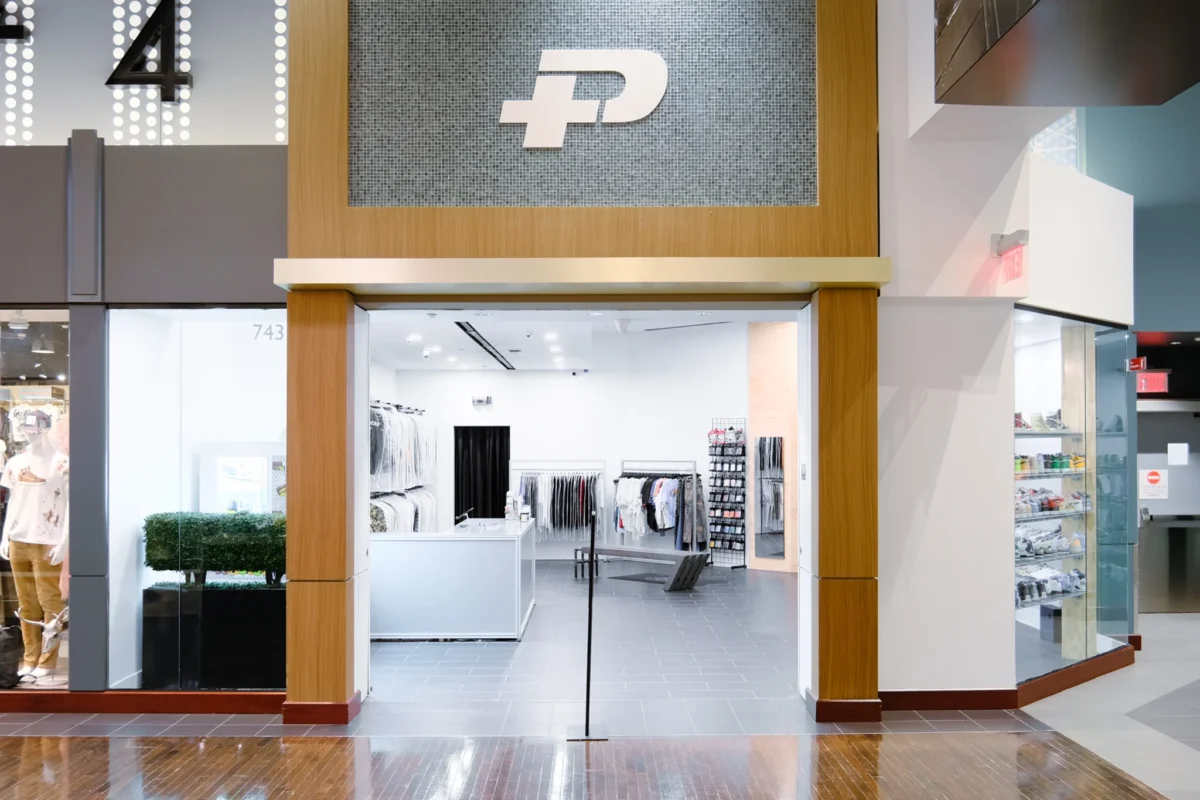
PLUS CF Toronto Eaton Centre (Image: PLUS)PLUS CF Sherway Gardens (Image: PLUS)PLUS Vaughan Mills (Image: PLUS)
Blackadder said the company is not ready at this point to discuss any future growth plans.
“The company PLUS stands for people like us, and with that we aim to create environments for people like us; whether they are serious collectors, enthusiasts or just entering the space.” said Blackadder in a previous interview with Retail Insider.
“We sell highly sought-after sneakers, collectibles and objects. We’ve also just recently introduced vintage clothing. A curated collection of one of a kind garments. We also do a lot of trading cards like sports and Pokémon. Our products are geared more towards enthusiasts in their respective spaces.”
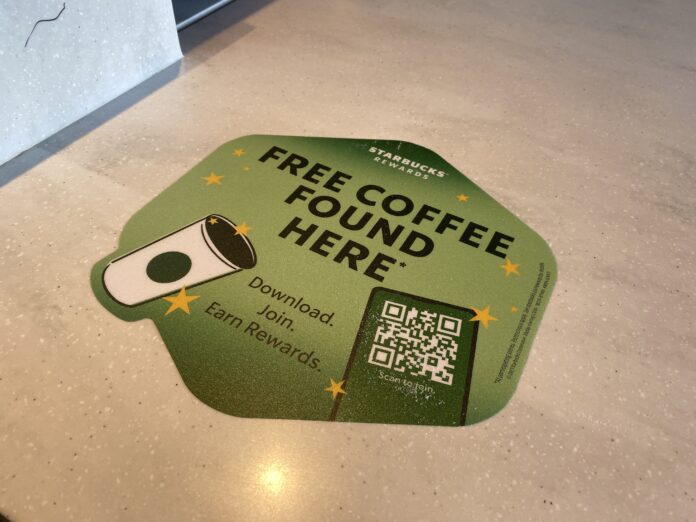
Starbucks Rewards Program In-Store Signage (Image: Dustin Fuhs)
As loyalty programs continue to rise in popularity, do they really meet consumer expectations? Jean-Pierre Lacroix, president of SLD, and Matthew Wilson, a communications expert at SLD, take a deeper look into the current state of loyalty programs, challenges, premium programs, and potential trends.
Loyalty programs have become a necessary strategy for consumer engagement among retailers across Canada, evolving significantly from simple point collections to upgrade programs offering increased personalization and a seamless shopping experience. As the cost of living in Canada rises, consumers are constantly looking for ways to save money and are on the hunt for loyalty programs that not only offer great perks, but are meaningful. Although the percentage of subscribers to loyalty programs are increasing – consumers might leave some deserted.
Subscription at its highest, but only half are used.
Loyalty Programs on an iPhone (Image: Dustin Fuhs)
Wilson says even if shoppers subscribe to a retailer’s loyalty program, it does not mean they will use it as they tend to fallback on core programs, making it challenging for retailers to be unforgettable.
Matthew Wilson
“It seems that in Canada at least, there has been a record amount of people that are subscribed to loyalty programs. In fact, it is almost about 14 programs per Canadian on average; however, right now, it seems that only half of the loyalty programs are actually being used, which is a really big drop off from the percentage of them that are actually signed up. So right now, I would say the scene of loyalty is diminishing … they are not quite offering enough for consumers to really latch on and to really have them as one of the core that they use,” says Wilson.
This creates a real challenge for retailers. As consumers are eager to sign up for savings and rewards – their engagement decreases if the program fails to capture their attention, offer value, or convenience. Wilson says there is a pressing need for retailers to create programs that are different and are valuable at every step, driving brands to rethink how they shape loyalty programs so consumers are not only eager to subscribe, but eager to use it.
Jean-Pierre Lacroix
“Consumers are looking for value because of inflation and are also looking for a seamless loyalty program where they don’t have to do a lot of work – hence why credit card loyalty programs are doing well, such as Aeroplan. You don’t have to pay attention, just use your credit card. Loyalty programs that require a lot of investment and effort, are programs that provide limited benefits, such as Air Miles – it is suffering because its value proposition is limited,” says Lacroix.
These 14 loyalty subscriptions also might come with mobile apps. Lacroix says a consumer might have around 30 to 40 apps on their phone, and possibly 14 of those are loyalty apps. Depending on a consumer’s phone, they may not have enough storage space to download and use all of these loyalty apps.
“You are fighting with the infrastructure these things live in and you have to compete with the other apps – that is the challenge, there is already so much noise, clutter, and activities happening on mobile devices,” says Lacroix.
Raising the bar: Key players challenge rivals
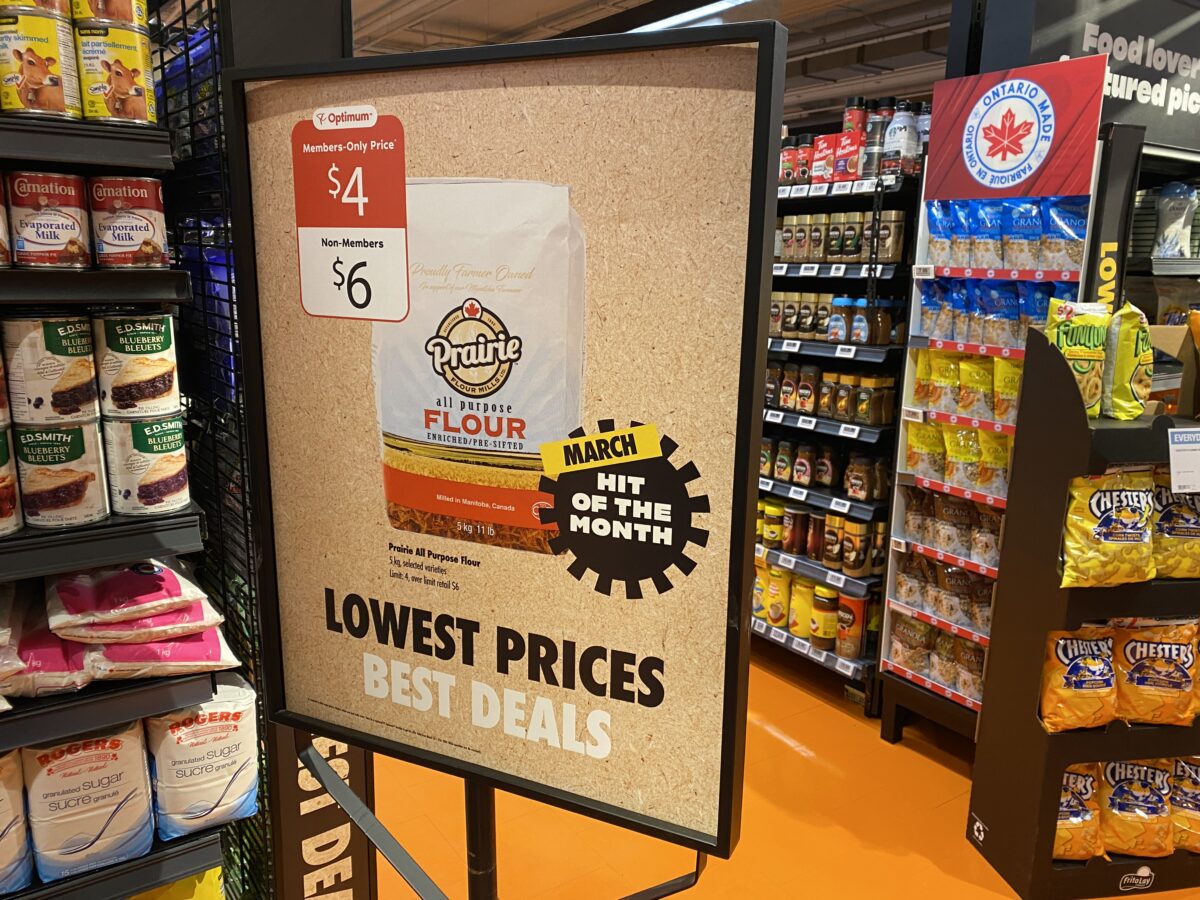
Optimum Membership at Loblaws (Image: Dustin Fuhs)
Key players such as Shoppers Drug Mart with its PC Optimum program, Scene loyalty program, and Starbucks Rewards are setting high standards for value and consumer engagement. These brands are recognizing the importance of personalizing and providing a seamless experience for consumers:
Optimum Points Card: This loyalty program has established a great concept where consumers have the opportunity to collect a significant amount of savings, setting the standards high for other retailers and is difficult to match.
Scene Loyalty Program: Offers flexibility on how points can be redeemed, is linked with Scotiabank, and is valuable. You can redeem points by collecting the direct cash, when you go to the movies, or restaurants. This model has adapted with what consumers want as it began as a points system and has evolved to meet what consumers are looking for today.
Starbucks Rewards: Offers consumer loyalty through personalization and is easy to rack up points and collect a reward as for some, Starbucks is a weekly or daily stop. Recently, the brand has also partnered with TD, making it easier and faster to gain rewards.
These are just three among other top loyalty programs in Canada.
“These programs have established a really high value equation and you can collect significant amounts of savings through their programs and by having that level of value – makes other loyalty programs less appealing,” says Lacroix.
Premium programs on the rise
Premium loyalty programs focus more on engagement and personalization among consumers. These paid memberships offer enhanced benefits, such as exclusive discounts, early access to sales, and special events – going beyond what is available in free loyalty programs. Programs such as Amazon Prime and Plum Plus with Indigo are leading examples as both of these cater to consumers who are willing to pay for better services and to those who are more likely to stay loyal to the brand.
The trend of premium programs is growing and an example of that would be Amazon Prime as Wilson says its subscription has doubled in the last four years.
“One of the most interesting things we found in our research was that the paid programs are what delivered the biggest growth for loyalty programs. One of the reasons why these paid programs are successful is because in an era where Canadians are trying to find savings, even though these options are paid, they deem them not only worth it, but generous in what they are giving,” says Wilson. “Oftentimes, these premium programs give you exclusive access to events or sometimes discounts such as ten per cent or maybe 20 per cent off in-store. So that customer is really frequent, well worth it, and has generous offerings.”
Plum and Plum+ at Indigo
Lacroix and Wilson say premium loyalty programs are effective and implies the trend of exclusive, personalized, and more valued loyalty experiences will be on the rise. Wilson says there will always be a free option for consumers, but thinks there will be more tier options such as around 20 dollars a month giving “an option for people who really love the brand and want to shop more often – I think they will definitely be enticing,” says Wilson.
Relevant and Personalized Offers
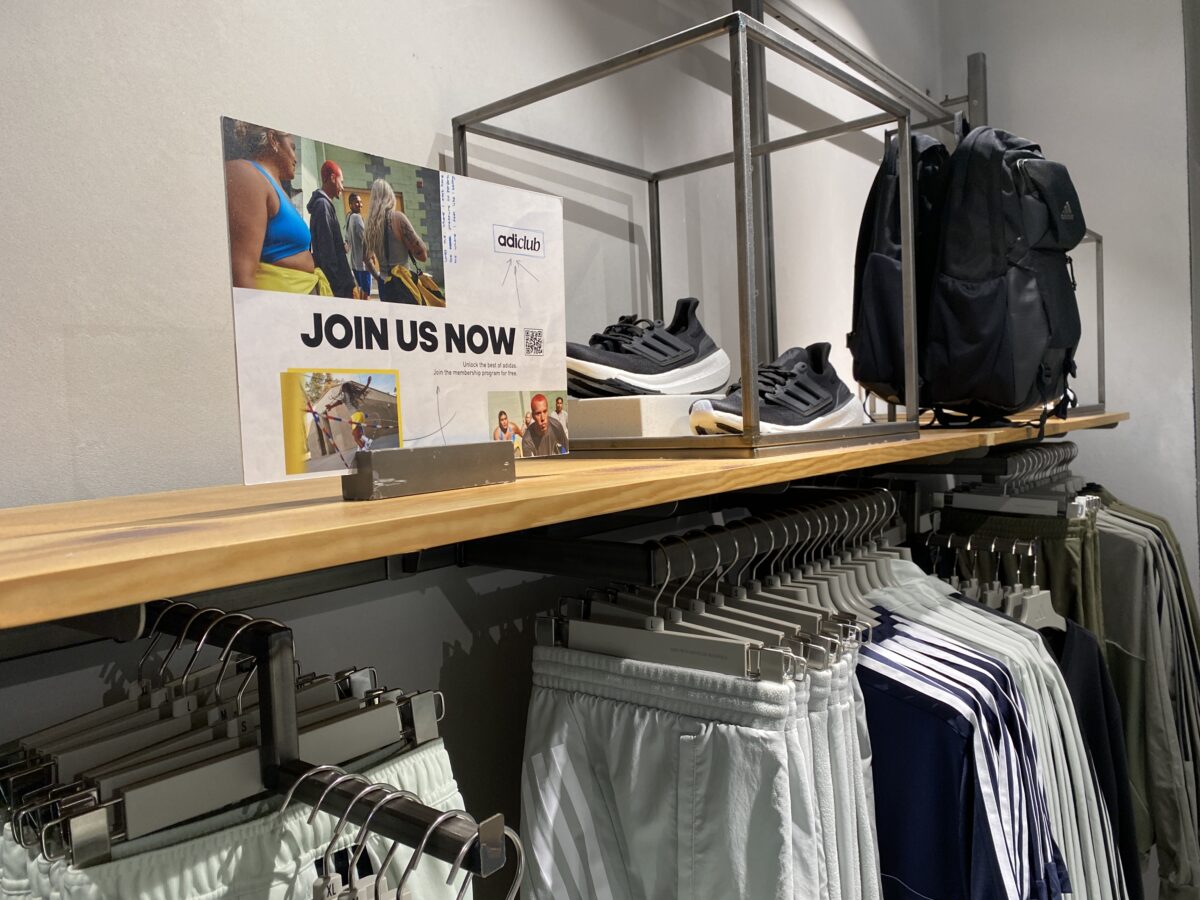
adiClub at adidas Halo CF Toronto Eaton Centre (Image: Dustin Fuhs)
Loyalty programs are not all about savings as Wilson says it is also about “customizing those savings and personalizing those savings to ensure Canadians really get offers and deals that are relevant to them. Not just the run of the mill type of personalized offer, but something that really speaks to consumers and makes them want to come into the store and spend more,” says Wilson.”
With the new data regulations, Wilson says collecting data will be harder and retailers need to adjust and find new ways to collect consumer information.
Data that was previously available is getting scaled back and retailers need to anticipate they will receive less and less data, and know how to make the data work for them. One example is the Starbucks birthday rewards.
“Everyone knows that on your birthday, you can go to Starbucks and get a free drink. That is one of the easiest forms of personalization, but it has worked so well across so many different demographics that something as simple as a free drink on their birthday can make them feel special enough to go to Starbucks, get that drink, and return in the future. So I think it is about doing more with less,” says Wilson.
Wilson says Starbucks offers additional personalization through order history and is another easy way retailers can personalize its loyalty program. In Wilson’s article “The Future of Loyalty Programs,” he mentions several ways a brand can provide personalization including gamification for CPG which “has a positive effect on brand impression, repeat purchases, and referrals to family and friends. One example would be Roll Up The Rim at Tim Hortons as it encourages consumers to engage, play, and possibly win a reward.
Current concerns of Loyalty Programs
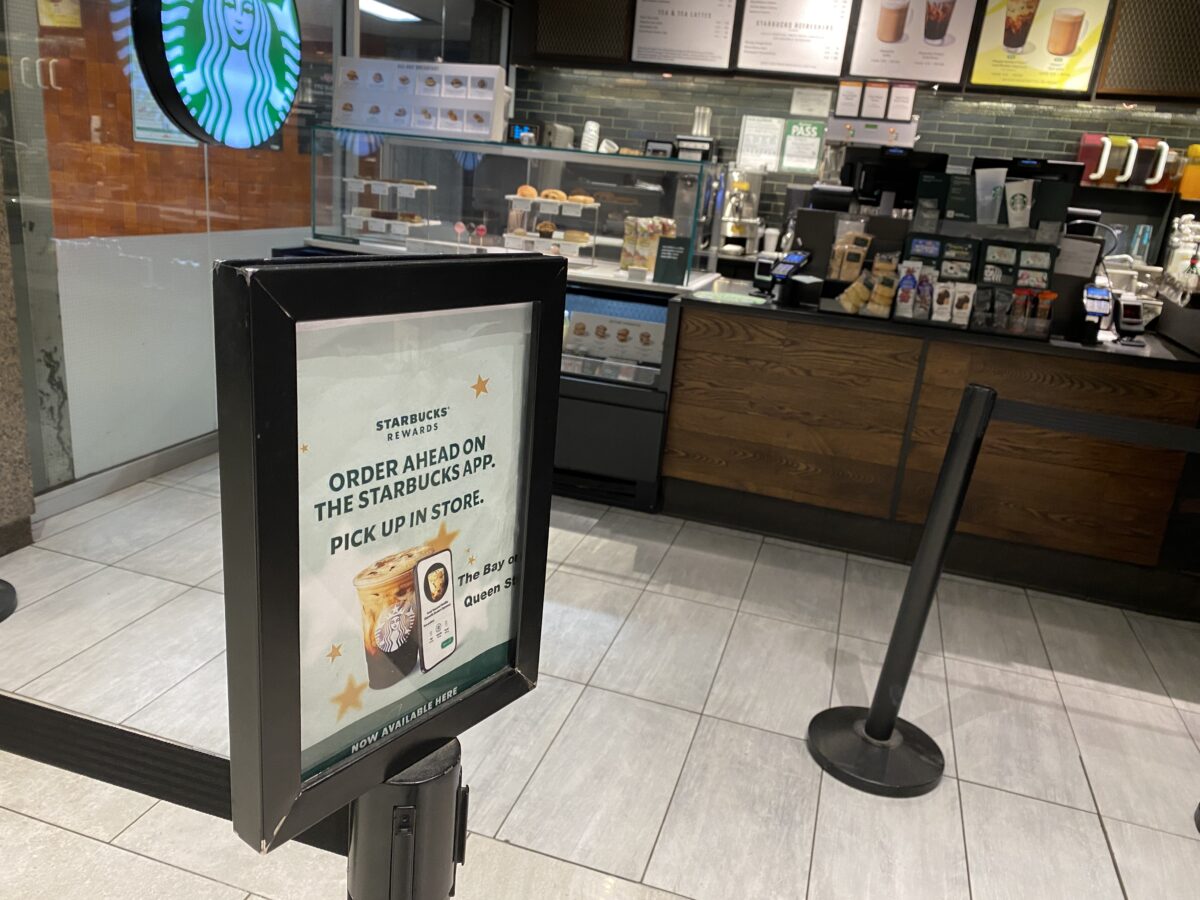
Starbucks at Hudson’s Bay in CF Toronto Eaton Centre (Image: Dustin Fuhs)
The main challenges retailers have with loyalty programs are ensuring data privacy and marketing. Lacroix says as there have been several breaches in the past in loyalty programs, consumers are wary of what information they provide.
“There are going to be some challenges for reward programs. But the reality is, if you walk into our program, you need to be willing to accept the amount of information that you are sharing. As there have been reward programs and credit card companies being hacked in the past, consumers are going to be challenged to share information because of the level of security they are concerned about – it is the number one issue in using mobile apps,” says Lacroix.
To manage these concerns, Lacroix says retailers should have a third party validation and show its platforms are being monitored and are secure: “no one is going to take a word of a retailer on their level of security.”
Another main issue is regarding marketing and its running expenses of promoting it. For brands who are not well known or who don’t have a high consumer rate, it might be difficult to promote and compete against others.
“There are certain brands like Starbucks that have a high customer frequency and the program is built into the app they have created – it becomes seamless, you don’t have to market it because it just shows up and you use it. But for other brands where the frequency is not as high, it is about advertising, spending money to communicate that you have a loyalty program,” says Lacroix.
Along with the running expenses, as retailers are now trying to go out on their own, it creates a challenge of standing out.
“Everyone knows about PC Optimum. How can retailers get in front of that to get their audience? A lot of that comes down to marketing and there is just not enough investment in marketing and not enough investment in marketing smartly to their consumers and getting the message across,” says Wilson.
As AI continues to evolve, so will loyalty programs as they can leverage AI to help them hurdle these challenges, provide a better personalized consumer experience, and an easy program for consumers to follow. Retailers who successfully do this will be able to attract consumers, keep consumers interested, and will be able to take its loyalty program to the next level.
Retail Insider is streamlining its Canadian retail news from around the web to include a handful of top news stories that can be viewed quickly during the day. Here are the top stories from the past three days.
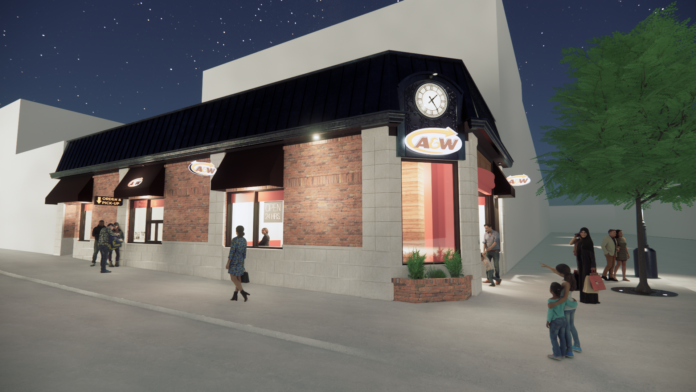
Rendering of the new location. Final signage package subject to approvals
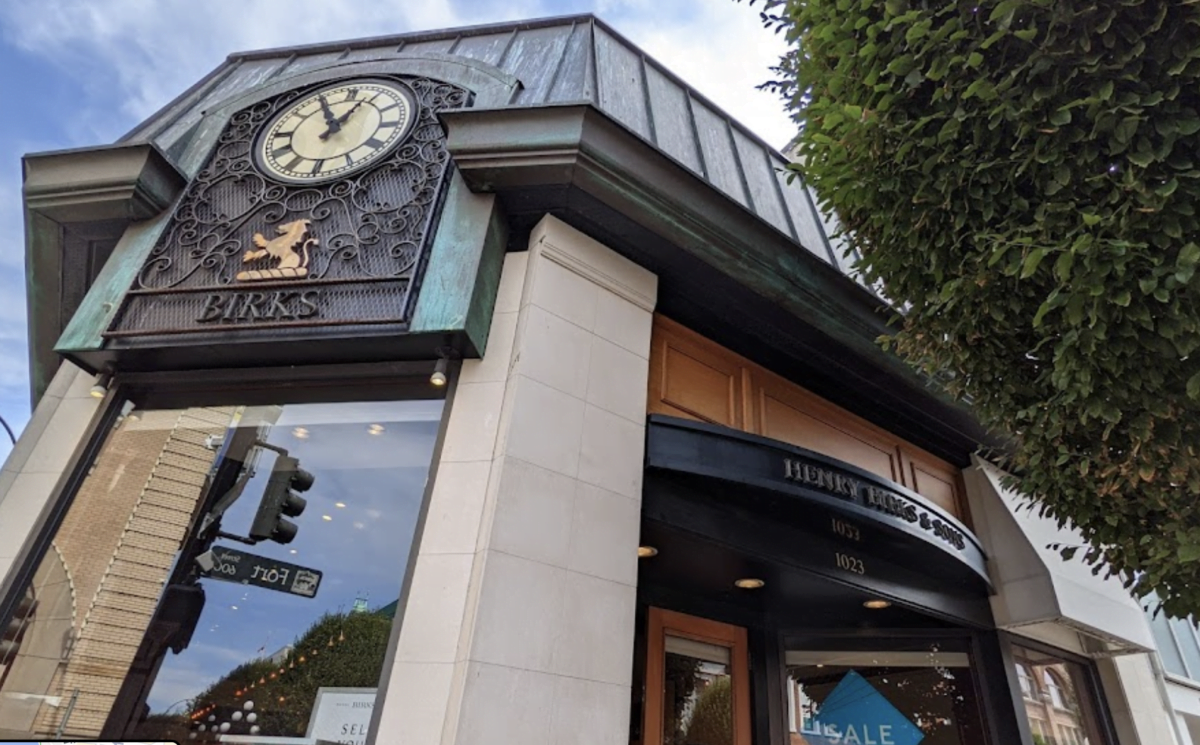
Restaurant chain A&W will be opening a location this spring in a key retail space at 1023 Government Street in downtown Victoria. The building was formerly occupied by Montreal-based jeweller Birks, which exited its Victoria operations in March of 2022.
The new Government Street A&W will span about 1,400 square feet, according to Mika Desloges, A&W’s Manager of Real Estate for Western Canada, and will be the first in the chain to feature a walk-up window. A unique feature in the restaurant will be its ceiling — the construction team discovered original woodwork and exposed brick when removing what was there before, and the heritage elements will be incorporated into the new A&W.
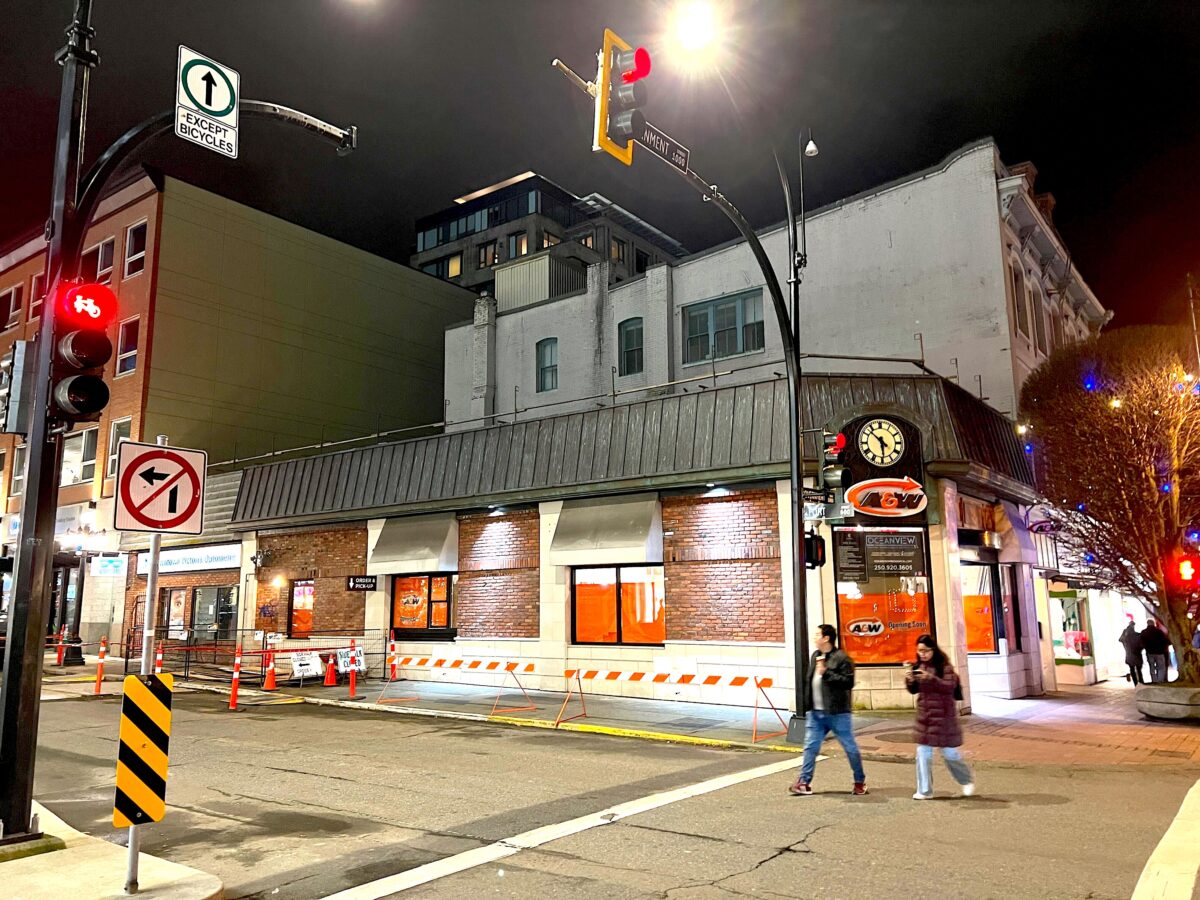
A&W will attempt to keep as many of the original elements of the building as possible, according to Desloges, including the facade and various design elements. The clock on the exterior of the building, installed by former tenant Birks, will also be retained.
A&W under construction at 1023 Government Street in Victoria, BC, on February 2, 2024, in a retail space formerly occupied by a Birks jewellery store. Photo: Lee RivettFormer Maison Birks at 1023 Government St, Victoria, BC (Photo: ‘Amir’ via Google Images)
The franchised restaurant is owned by Wyatt McMurray of the McMurray Group, which operates 42 A&W franchises in British Columbia.
The prime corner at Government Street and Fort Street is across from a multi-level Hudson’s Bay department store and the adjacent Bay Centre shopping mall. An opposite corner is occupied by Lugaro Jewellers, which features a selection of Rolex watches on site. Government Street is frequented by tourists, particularly in the summer. The new A&W will be about three blocks north of the historic Empress Hotel and the Inner Harbour.
Visitors to the Inner Harbour area will also have the opportunity to shop at a new 6,500 Lululemon store that was just announced to be opening this year. The store will be located in the iconic Customs House building with a facade facing onto the corner of Government Street and Wharf Street.
Birks vacated its Government Street store in March of 2020 after operating in the city for 74 years. Birks moved into the 1023 Government Street store in June of 2001. Prior to that, Birks operated out of a much larger space at 706-708 Yates Street, from 1948 until 2001. Birks moved its operations to Government Street as downtown retail polarized in that direction and away from Douglas Street.
Prior to Birks, the 1023 Government Street building was occupied by a retailer called METRO Today’s Clothing, which opened in 1994. From the mid 1950s to 1993, an Indigenous art retailer called The Quest operated a store there. Newspaper advertisements in the 1940s and 1950s noted a “K Shoe store” that occupied the address for the time. About a century ago, the site was occupied by a John Cochrane Williams drug store.
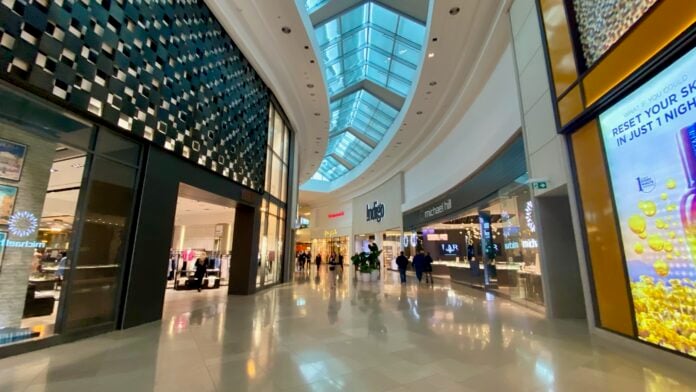
Craig and Lee discuss CF Sherway Gardens, a Toronto shopping centre that boasts high sales per square foot productivity as new retailers open. The mall is anchored by Hudson’s Bay, Saks Fifth Avenue, and Harry Rosen, and will be welcoming new retailers such as Arcteryx, Ray Ban, and Alo Yoga. The future of Saks Fifth Avenue at the mall is uncertain, with the store having significantly downsized its offerings. Additionally, the mall lacks a direct subway connection and faces competition from Square One in Mississauga, which boasts a luxury offering.
Despite these challenges, CF Sherway Gardens is undergoing significant redevelopment. Plans are in place to add residential towers and other uses to the site, reflecting a broader trend of shopping center intensification in Toronto. The future of CF Sherway Gardens remains to be seen, but it is currently a successful mall with ambitious plans for the future.
Episode Sponsor:
Salesforce – Turn today’s shopping trends into tomorrow’s retail success. Visit Salesforce to see the global insights from Salesforce to boost your bottom line.
CF Sherway Gardens: Sales Per Square Foot Record Set as New Retailers Open [Podcast]
The Weekly podcast is part of theThe Retail Insider Podcast Network by Retail Insider Canada and is available on Apple Podcasts, Stitcher, TuneIn, Google Play, or through our dedicated RSS feed for Overcast and other podcast players.
Subscribe, Rate, and Review our Retail Insider Podcast!
Drop us a line at Craig@Retail-Insider.com. You can also rate us in Apple Podcasts or recommend us in Overcast to help more people discover the show!
Background Music Credit: Hard Boiled Kevin MacLeod (incompetech.com). Licensed under Creative Commons: By Attribution 3.0 License. http://creativecommons.org/licenses/by/3.0/
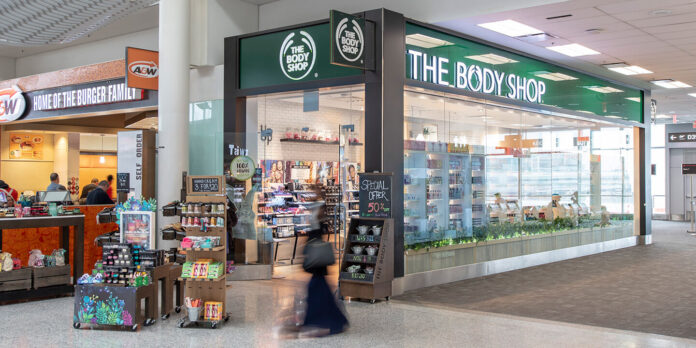
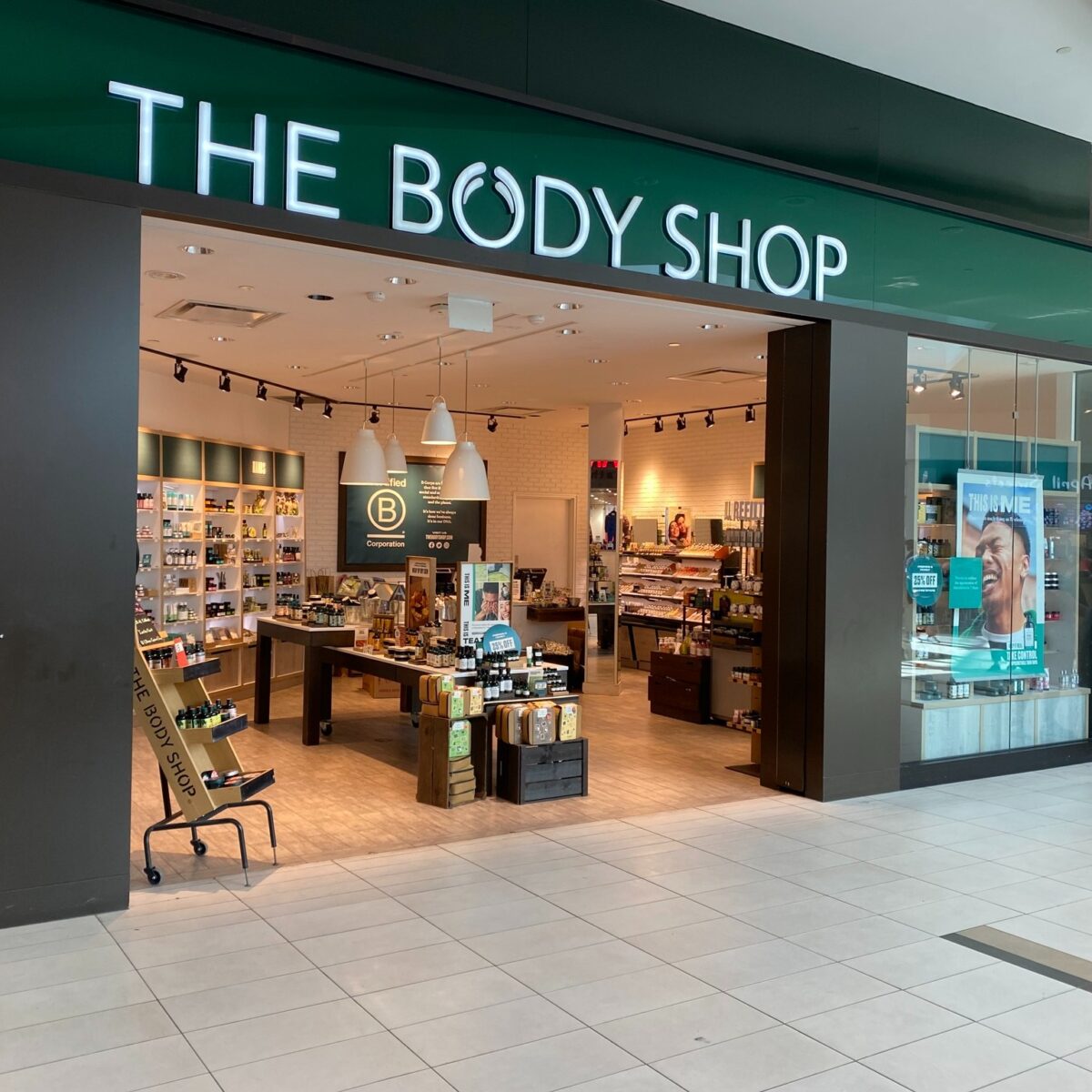
The Body Shop at Toronto Pearson Airport (Image: Pearson Airport)
The Body Shop Canada, the Canadian subsidiary of the global beauty brand with 105 stores across the country, announced Friday it has commenced restructuring proceedings by filing a Notice of Intention (NOI) to Make a Proposal pursuant to the Bankruptcy and Insolvency Act (Canada).
It will be closing 33 Canadian stores.
“Following the commencement of administration proceedings in the United Kingdom by its parent company, The Body Shop Canada is commencing this NOI process to obtain a stay of proceedings to provide additional breathing room while it evaluates its strategic alternatives and implements certain restructuring initiatives,” said the company in a news release.
“All of The Body Shop Canada’s 105 store locations are currently open for business, however online sales via Canada’s ecommerce store will stop and certain stores noted below will close in the near term.”
The Body Shop at Dufferin Mall (Image: Dufferin Mall)
As part of the NOI process, The Body Shop Canada said it is immediately commencing liquidation sales at the following 33 closing stores:
BC:
Hillside Shopping Centre (Victoria)
Semiahmoo (White Rock)
Village Green (Vernon)
Alberta:
Londonderry Mall (Edmonton)
Medicine Hat Mall (Medicine)
Park Place (Lethbridge)
Sunridge Mall (Calgary)
Lloyd Mall (Lloydminster)
Medicine Hat Mall (Medicine Hat)
Park Place (Lethbridge)
Saskatchewan:
Lawson Heights (Saskatoon)
The Centre (Saskatoon)
Midtown Plaza (Saskatoon)
Cornwall Centre (Regina)
Manitoba:
Shoppers Mall (Brandon)
Ontario:
Bayview Village (Toronto)
Queen Street East (Toronto)
Rideau Centre (Ottawa)
Carlingwood Mall (Ottawa)
Fairview Park Mall (Kitchener)
Cataraqui Town Centre (Kingston)
Lynden Park Mall (Brantford)
Stone Road Mall (Guelph)
Dufferin Mall (Toronto)
The Shops at Don Mills (Toronto)
Toronto Pearson Term. 1 (Toronto)
Lambton Mall (Sarnia)
Place d’Orleans (Orleans)
Timmins Square (Timmins)
Lansdowne Place (Peterborough)
Atlantic Canada
Corner Brook Plaza (Corner Brook)
Champlain Place (Dieppe)
Mayflower Mall (Sydney)
McAllister Place (Saint John)
Truro Mall (Truro)
Alvarez & Marsal Canada Inc. was appointed as the Proposal Trustee.
The company also announced Friday that effective today, March 1, 2024, The Body Shop US Limited has ceased operations.
“Body Shop was indisputably a cultural pioneer with respect to its courageous stance on animal testing. A position which, at the time, was indeed unique within the industry. Regrettably, like many innovators, they could do little but watch as rivals followed suit, erasing any material competitive advantage Body Shop possessed,” said Doug Stephens, Founder of Retail Prophet.
Doug Stephens
“Without continued strategic evolution, the brand simply lost much of its relevance to a new generation of consumers.”
Image: TheBodyShop.com
Bruce Winder
Added Bruce Winder, Retail Analyst & Author: “Very sad to see another retailer in serious trouble. Once differentiated with its purpose positioning, The Body Shop faced strong competitors such as Lush who did it better.
“The retailer also failed to innovate, lacking investment in digital technology. It became another cog in the massive L’Oreal wheel and was eventually sold to private equity.
“Finally, with economic headwinds and pressure on discretionary goods, consumers tightened their belts.”
“You always have to ask why brands fail the test of time and all of the strategies you are taught in business schools and the overwhelming presentations that say here is a new catchall idea that will save your brand,” said George Minakakis, CEO of the Inception Retail Group. “It is a myth to believe that just because you have an e-commerce site, being digitally native, you will succeed. The fundamentals of retailing remain the same. The right product for the right consumer at the right price and the right brand story has a foundation.
George Minakakis
“Delivering all of that remains a challenge for many retailers. The Body Shop has faced the same marketplace challenges. Closing 33 stores tells me these are the stores losing money. But let’s not forget when retail brands are acquired as investments; they become financial instruments within other organizations. In these circumstances, they fail to invest internally in technology, product development, and overall brand innovation. That’s what’s happened here.
“Will restructuring save them? In my experience, I have seen many such situations, and recovering from this isn’t easy. Bad news follows bad news; what that means is that the consumer has heard that The Body Shop is filing for bankruptcy protection. The news wasn’t that they were opening another 100 stores. And that is the bad news that follows, consumers will simply move to other brands they can depend on. The Body Shop is not alone. I am tracking two other retailers in Canada, and I do not believe 2023 has been good for them. They, too, risk facing the same future as The Body Shop. The real impact is always with the employees and the suppliers who lose out.”
Image: The Body Shop
Michael Kehoe, Broker of Record at Fairfield Commercial Real Estate, said The Body Shop restructuring announcement is representative of the current turmoil in some sectors of the Canadian retail industry.
Michael Kehoe
“The Body Shop could be considered a legacy retailer in the health and beauty category with success in the Canadian marketplace over the past 40 years. This category is very competitive with several dominant retailers gobbling up market share and appealing to a younger demographic with significant discretionary spending power,” he said.
“I feel that the Body Shop brand is dated and somewhat stale but can be repositioned to regain its place in the market. The closure of 33 stores as part of the restructuring process is no surprise and most of these locations are considered prime and will be leased up quickly in the current robust leasing environment.”
David Ian Gray, Founder/Strategist with DIG360 Consulting, said The Body Shop was an original.
David Ian Gray
“It was one of the first bath and beauty specialty shops and more notably one of the first purpose-driven retailers and brands. However over the years more and more store and web based competition arrived and anti-cruelty and sustainability became ubiquitous plays in the space. The Body Shop lost its competitive advantages even as it relentlessly tried to be a global brand. It has been struggling for a number of years,” he said.
“It should be noted that the Canadian operation has been one of the global bright spots (along with the UK). The US has been an ongoing challenge. Canada and the US are run out of Toronto as separate corporate entities. This regional leadership of late has been making some bold, promising moves to drive sales. Their legs were cut out from under them when the PE firm pulled the plug in the UK without warning a couple of weeks ago, after having promised a turnaround when they bought the brand in November.
“It is said that there was deep discounting by Natura who ran the operation until after Holiday 2023, and that discounting compounded weak demand to bring in results much below expected globally and certainly in the UK.”
Retail is done best when in the hands of retailers, added Gray.
“L’Oreal then Natura are not retailers. In fact Natura admitted its lack of retail expertise was blocking its ability to revive the brand. The latest owner is a PE firm. This firm may well end up with the brand or at least valuable parts of it after bankruptcy plays out. One wonders if this was the plan all along. They claim it was not.
Canada will again lose a head office and the related opportunities for Canadian professionals to grow and develop.”
The Body Shop x Shoppers Drug Mart (Image: The Body Shop)
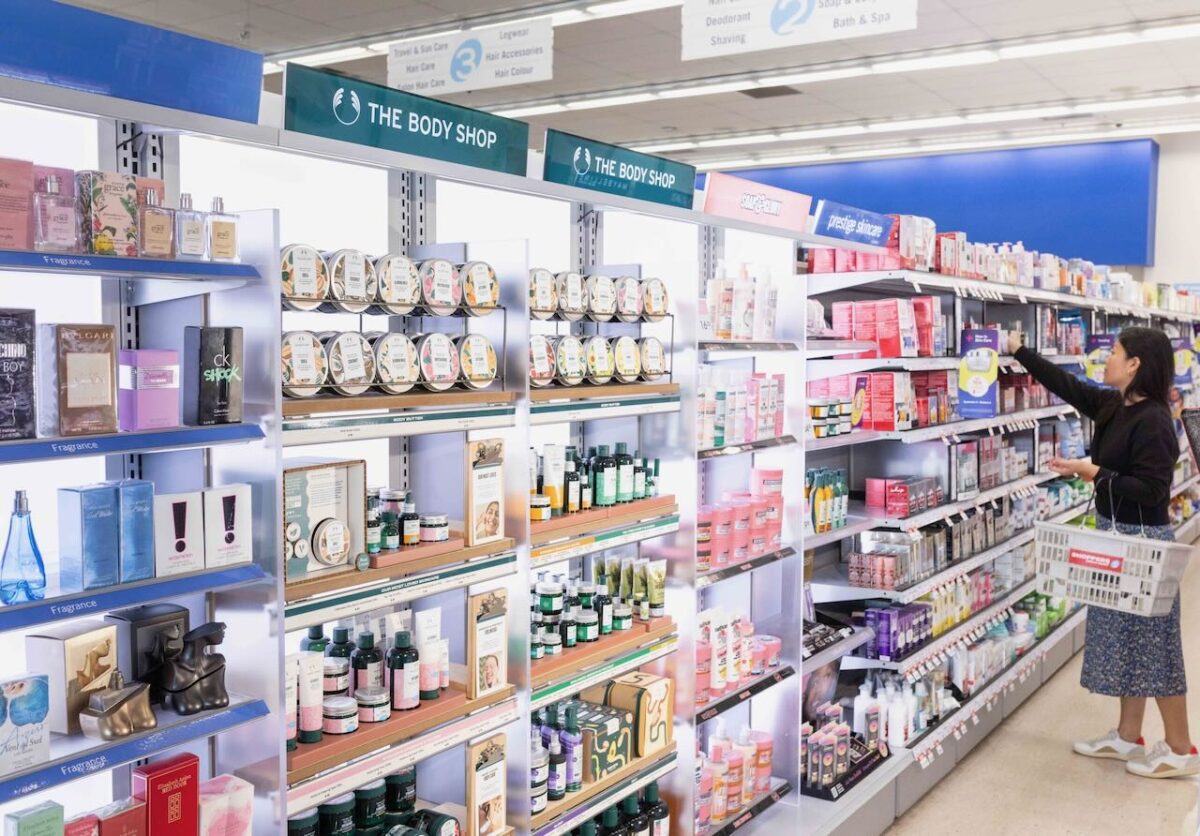
Last fall, The Body Shop began growing its retail presence in Canada with shop-in-shop locations at Shoppers Drug Mart stores.
In a December interview with Retail Insider, Jordan Searle, the company’s North American President, said the brand did not open any new locations in Canada in the past year but it has been undergoing renovations of existing locations.
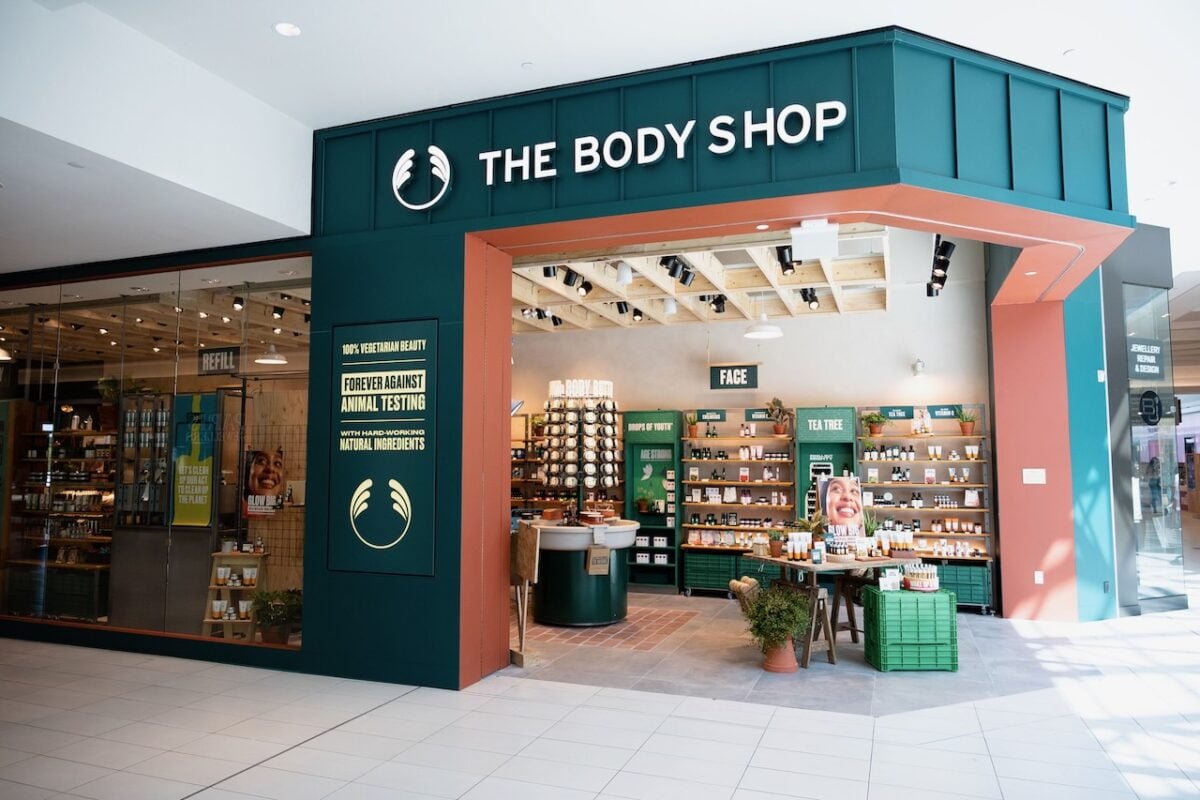
“Obviously with 108 stores, we’re fairly well penetrated across Canada. So it’s really been a question of us upgrading our stores to our new workshop concept. The most notable of those would be our Yorkdale store which was back in August,” he said, adding that about nine stores have gone through the process.
“And more to come.”
The Body Shop International Limited (The Body Shop), a once pioneering beauty brand known for its cruelty free heritage and ethical beauty products was acquired from Natura & Co. by AURELIUS GROUP in December 2023.
Retail Insider is streamlining its Canadian retail news from around the web to include a handful of top news stories that can be viewed quickly during the day. Here are the top stories from the past 24 hours.
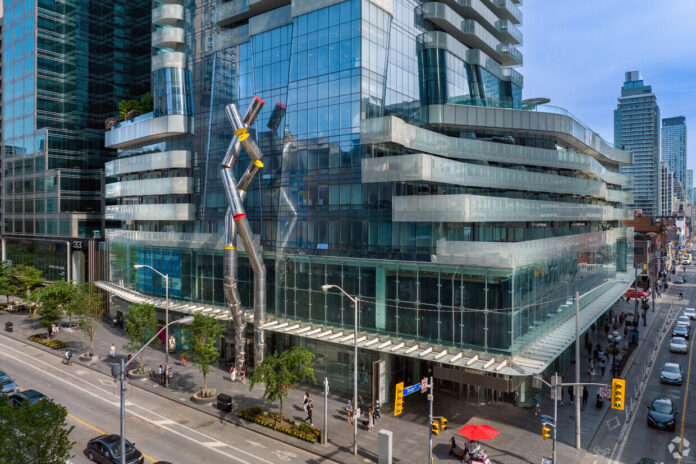
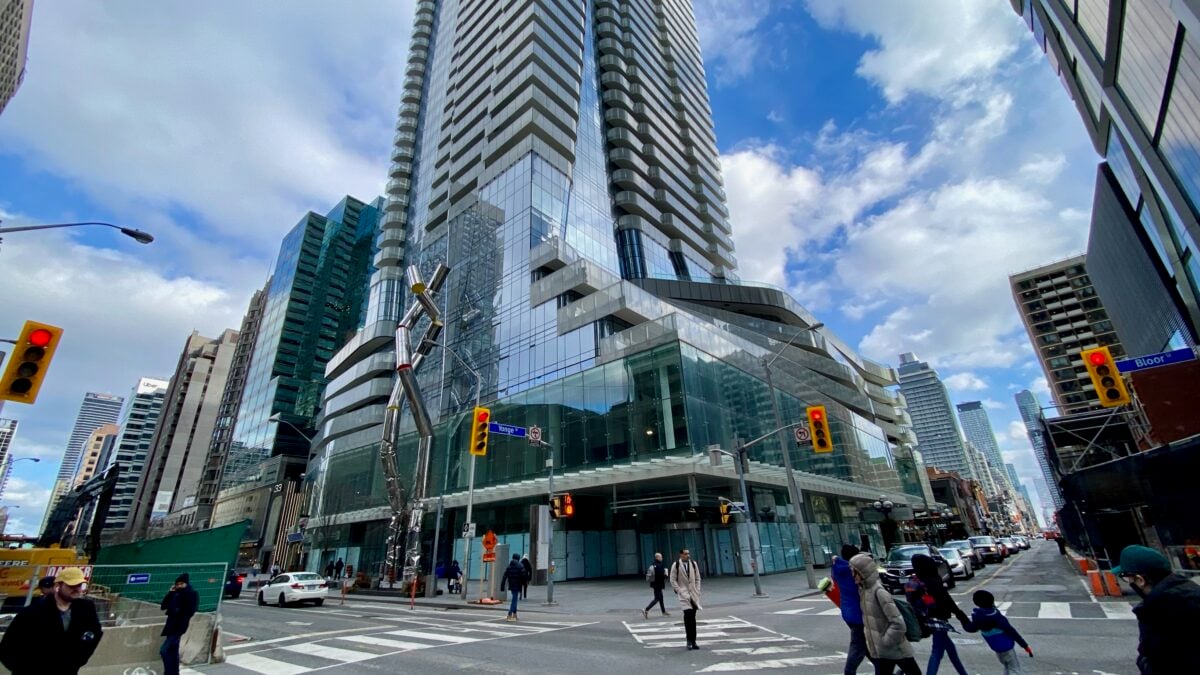
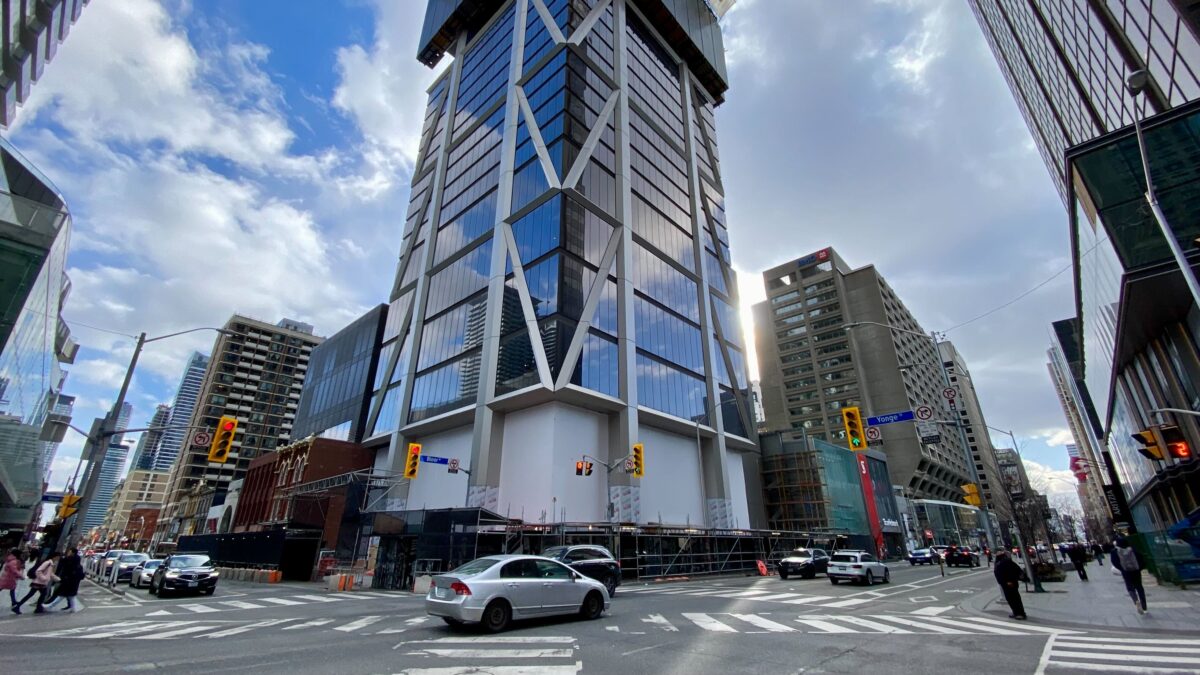
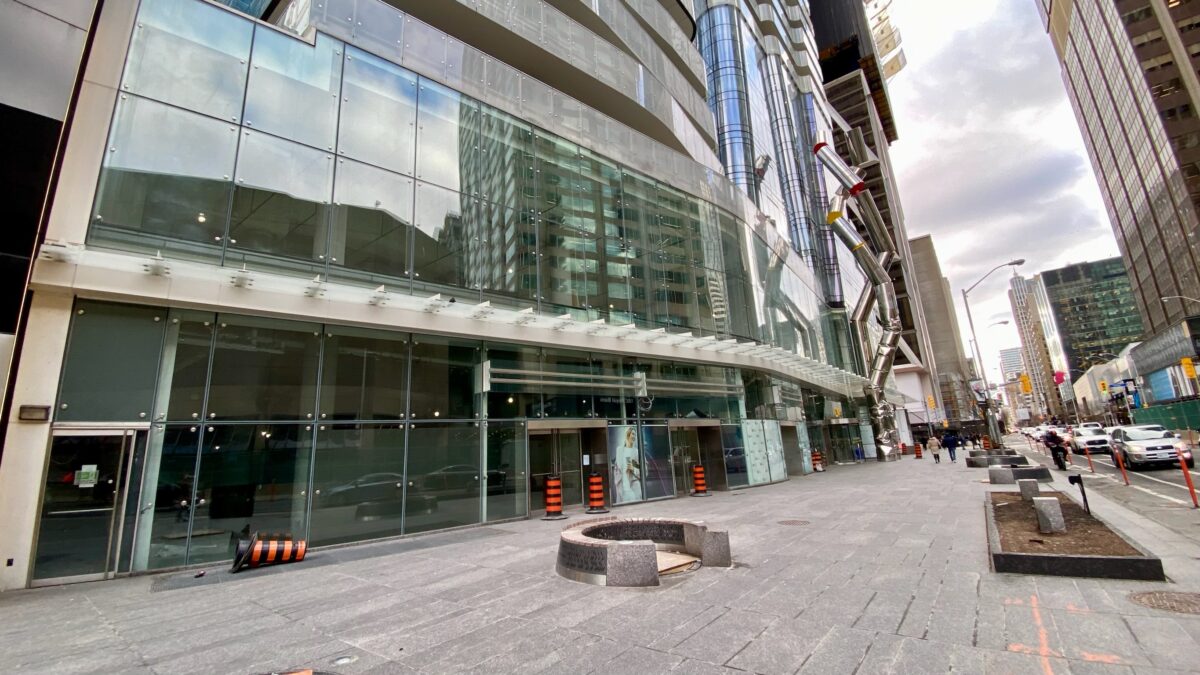
The retail podium of One Bloor East in downtown Toronto has been fully leased. New tenants will include a flagship Nike store, Spanish retailer Mango, and a flagship branch for Scotiabank. Previously announced tenants will include The Ballroom and AVANT by Altea Active.
The commercial podium, acquired after construction by First Capital REIT in 2016, is at the base of a mixed-use tower which includes a 75 floor residential tower. Previous retail tenants at One Bloor East included a 20,000 square foot basement-level McEwan grocery store which shut amid bankruptcy in late 2021, and a 39,000 square foot Nordstrom Rack store that closed last spring with the retailer’s Canadian exit.
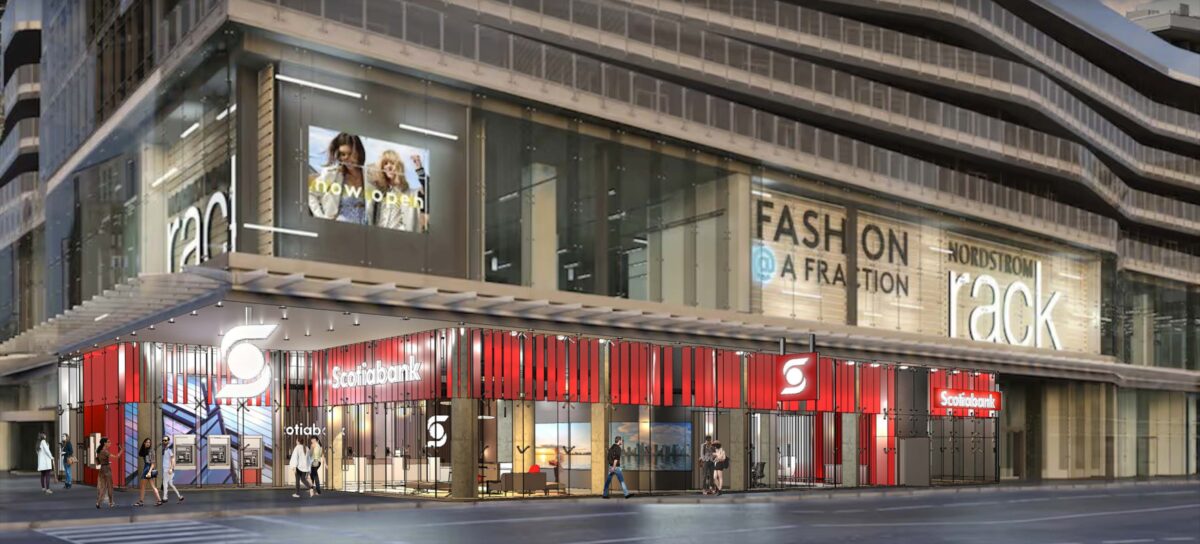
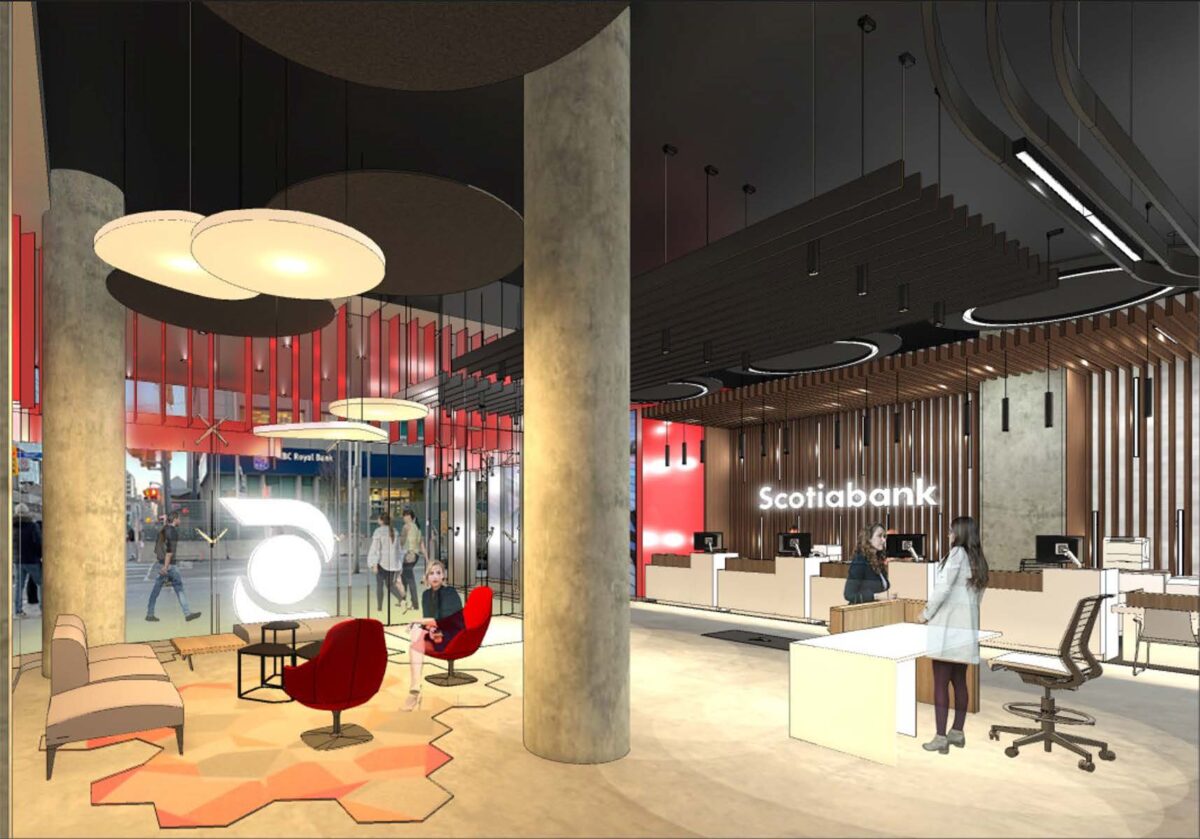
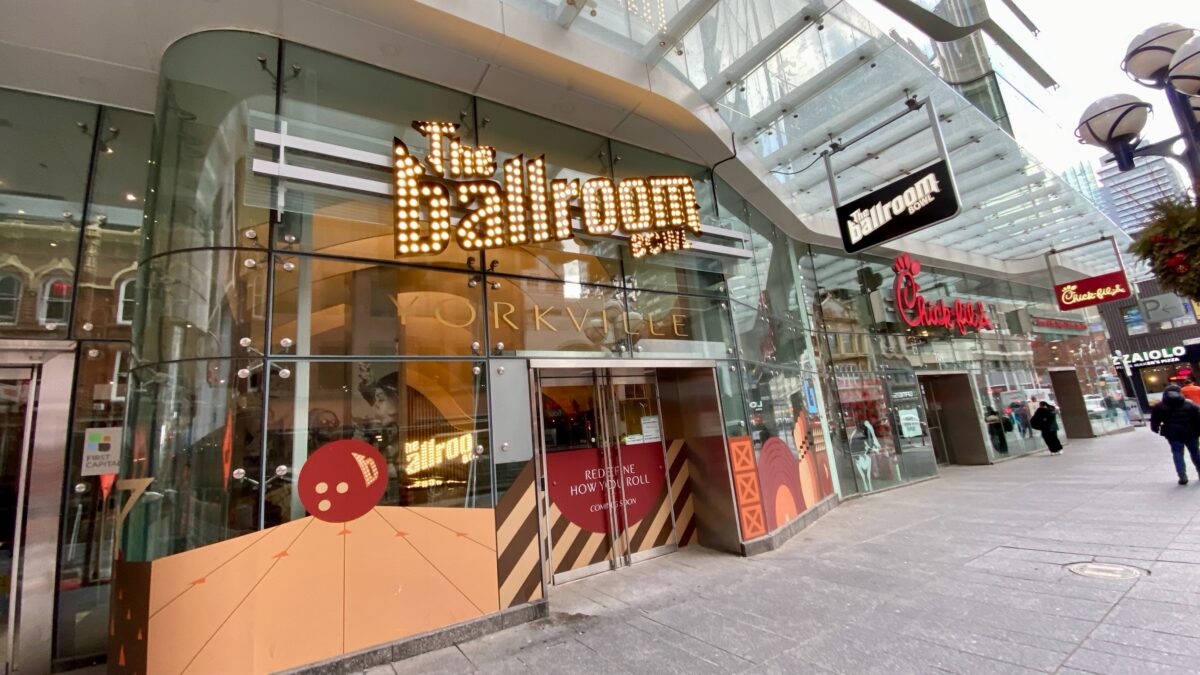
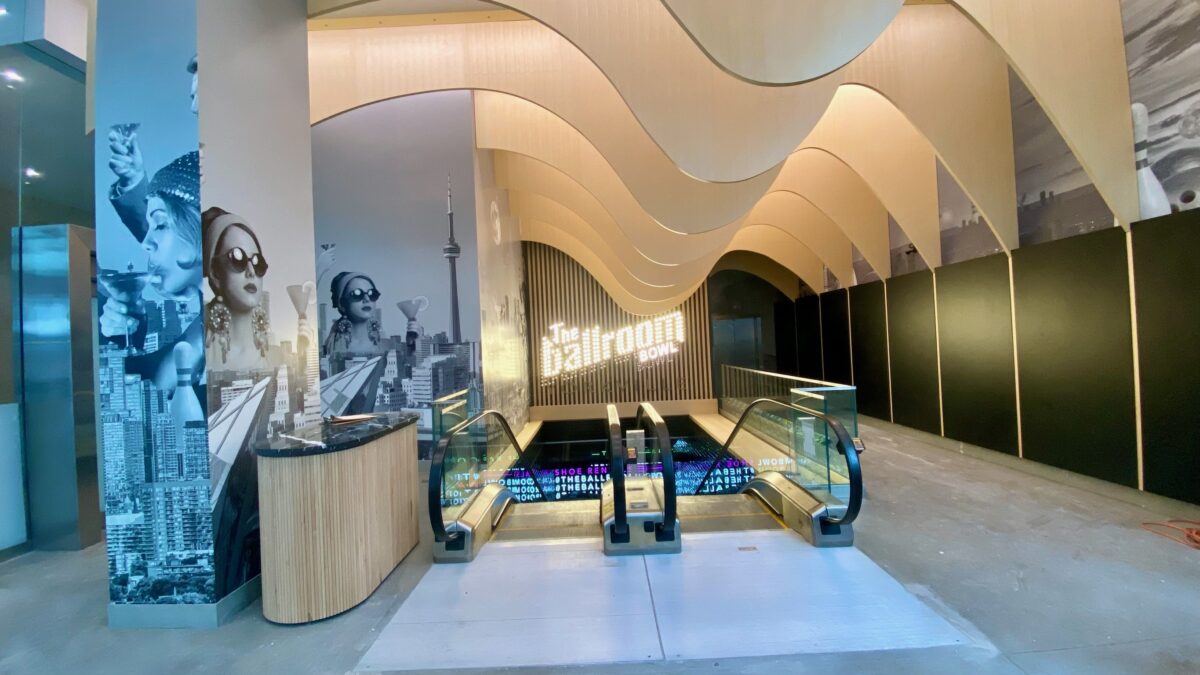
Bowling concept The Ballroom is replacing the McEwan grocery store, and it appears that construction is nearly complete. The former Nordstrom Rack store will be split by its floors, with a luxury wellness and social club concept AVANT by Altea Active to open on the 30,000 square foot upper level of the former Nordstrom Rack space. The approximately 8,000 square foot main floor of the former Nordstrom Rack, directly at the southeast corner of Yonge and Bloor Streets, will become a flagship branch for Scotiabank. The bank is relocating from a site nearby because of a proposed tower redevelopment.
Preliminary Rendering of Scotiabank at One Bloor East – Note, Nordstrom Rack will not have a presence upstairs (Image Provided) Preliminary Rendering of Scotiabank at One Bloor East (Image Provided) The Ballroom Bowl at One Bloor East with tenant Chick Fil A to the left (Image: Craig Patterson)The Ballroom Bowl at One Bloor East will be opening soon (Image: Craig Patterson)
Israel-based conglomerate Fox Group has leased the rest of One Bloor East, which includes two glass-fronted levels facing Bloor Street. Two of Fox Group’s key brands, Nike and Mango, will be moving in and splitting up the space. The retail space next to the Bloor Street entrance to the building’s residential tower will become home to Spanish retailer Mango, which entered Canada in 2023 and has opened several stores in the Toronto area. This will be Mango’s first street-front store in Canada, spanning about 4,000 square feet.
Nike will occupy about 17,000 square feet of space over two levels at the eastern end of the One Bloor East podium, making it one of the larger Nike flagship stores in Canada. The Fox Group has been expanding the Nike brand in Canada with standalone stores for several years, including a mix of smaller and large flagship stores in major markets. This will be the second Nike flagship store in Toronto, following the summer 2021 opening of a 24,000 square foot Nike store at the Yorkdale Shopping Centre.
International firm SAJO is doing the design-build for the the Nike flagship as well as the general contracting work for Lululemon across the street.
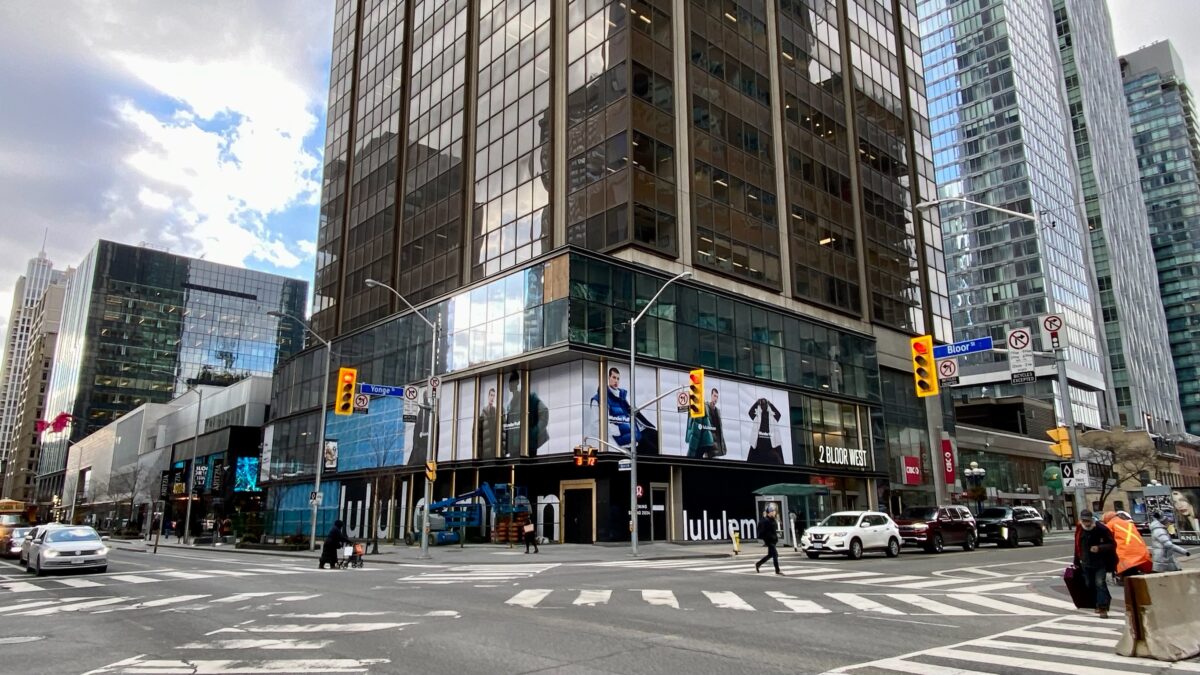
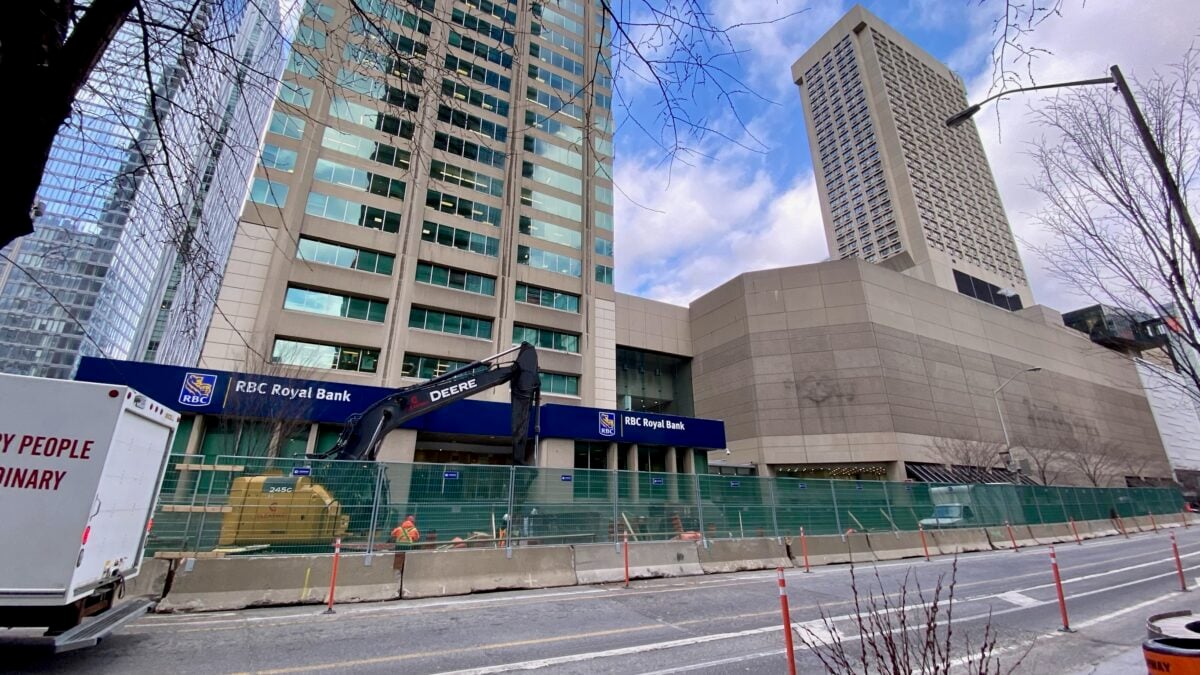
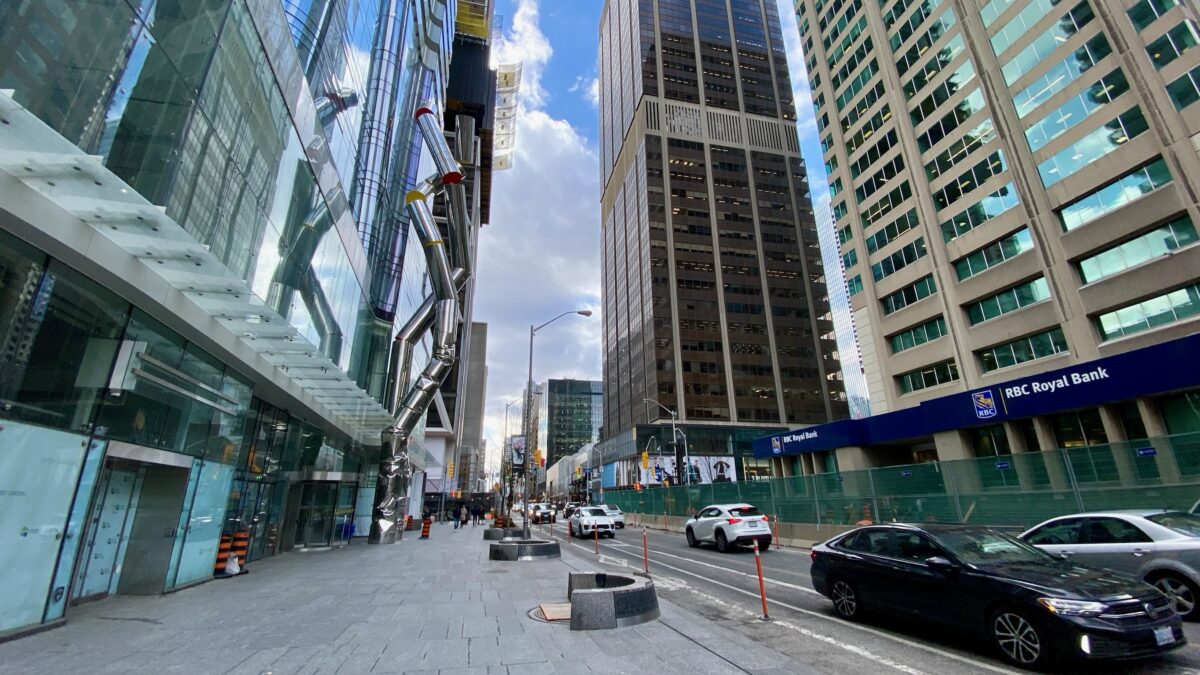
One Bloor East, as viewed from the RBC bank across the street. Construction for an expanded subway interchange has begun, including a new station entrance to the left of this photo (Image: Craig Patterson) One Bloor East, as seen from in front of the soon-to-open Lululemon store at 2 Bloor St. W. (Image: Craig Patterson)
Eric Sherman, Head of National Operations at First Capital REIT, said that the new tenants at 1 Bloor Street East will be opening in late 2024 or early 2025.
Eric Sherman
“We are proud to share that we are fully leased at One Bloor East in over 80,000 SF of retail space spread over 3 levels,” said Sherman. “We are more proud though of the spectacular roster of tenants we will be welcoming to this iconic corner which includes a curated mix of F&B and entertainment, health & wellness, flagship fashion, and a financial institution, all of whom are of the best in their respective categories. The efficiency with which the team was able to backfill the Nordstrom Rack space is extremely impressive and should generate a lot of optimism in the market.”
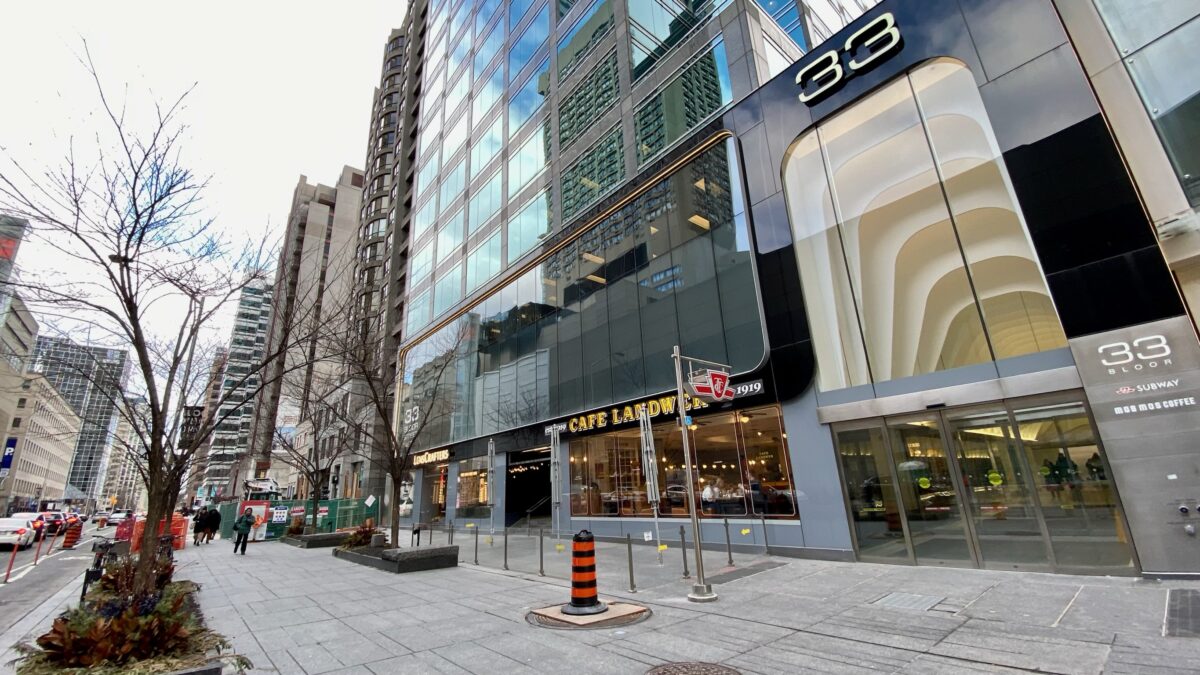
The movement of Nike, in particular, to this stretch of Bloor Street spells confidence in the future of the intersection from a retail perspective. Nike will join other recently opened tenants directly east that include a Cafe Landwer restaurant and a flagship location for LensCrafters that was recently profiled in Retail Insider.
Cafe Landwer and Lenscrafters at 33 Bloor St. East (Image: Craig Patterson)Future lululemon at 2 Bloor St. West, opening in April (Image: Craig Patterson)
Diagonally across the street at 2 Bloor Street West, Vancouver-based Lululemon is preparing to open its multi-level flagship that will occupy the prominent corner, and tower development The One continues construction at the southwest corner. Apple had been the secured tenant for the base of The One at 1 Bloor Street West, but it appears after court proceedings that Apple has exited plans to open what would have been a massive location at the prominent corner. This week it was announced that Mizrahi is no longer the developer on The One project, which has struggled with debt and other issues.
The Apple store that could have been — 1 Bloor Street West, photo taken February 29, 2024. Mizrahi is no longer the developer on this project. Photo: Craig Patterson
Changes are planned for the former Hudson’s Bay Centre building at 44 Bloor Street East, which will include a mix of retail and office space in a shopping centre connected to Canada’s busiest subway interchange. And the subway interchange will be getting updates budgeted in excess of $1.5 billion, which includes new platforms and new entrances for the subway on the south side of Bloor Street East. New foot traffic from one new station entrance on Bloor could see thousands of pedestrians walk past the new Nike and Mango stores.
Hudson’s Bay Centre building at 44 Bloor Street East — the building will be seeing major updates after the exit of a 340,000 square foot Hudson’s Bay department store in May of 2022 (Image: Craig Patterson)
The entire Bloor-Yorkville appears to be undergoing a sort of transformation, which includes the addition of thousands of new residential units in new towers that are either being built or proposed. Some of the condominium units being sold are priced upwards of $10 million, which means that hundreds of wealthy households will be moving into the area over the next five years. That could have a major impact on spending patterns in the area, including supporting the luxury brand flagship stores that are populating the stretch of Bloor Street West between Bellair Street and Avenue Road. Various other high-end services are either already in the area or will be opening, as well as various restaurants and other businesses catering to the monied demographic.
The opening of major retailers such as Nike signals an expectation that the Yonge and Bloor intersection will only become busier with more foot traffic and shopping dollars. There are few other strong retail opportunities east of the new Nike store on the south side of Bloor Street, which means that the progression of new retail in the area could eventually be pushed south onto Yonge Street. The stretch of Yonge Street south of Bloor Street includes a collection of various older buildings with independent businesses, and in the coming years there could be demand for space from national and international brands. This could be expected as new developments take place on the street, and new residential buildings are being added nearby. Years ago, Yonge Street south of Bloor Street housed various retail offerings, including some larger footwear chains and even luxury retailer Alan Cherry. The coming years will be interesting as new retail demand continues in the Yonge and Bloor area.
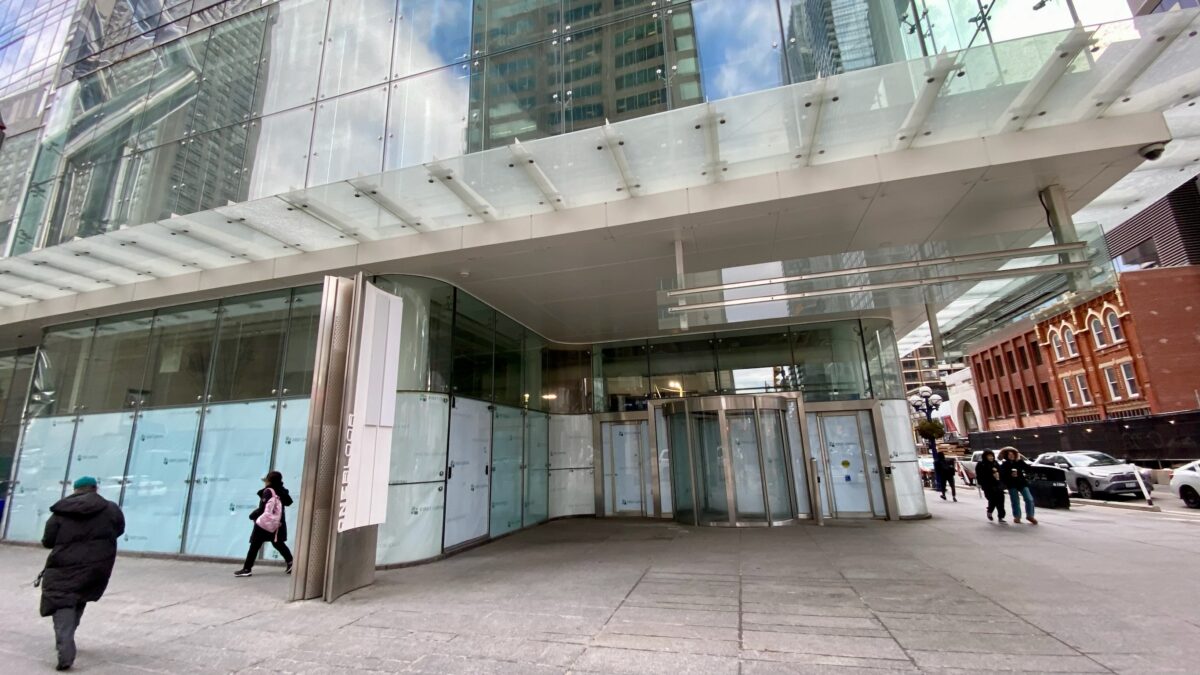
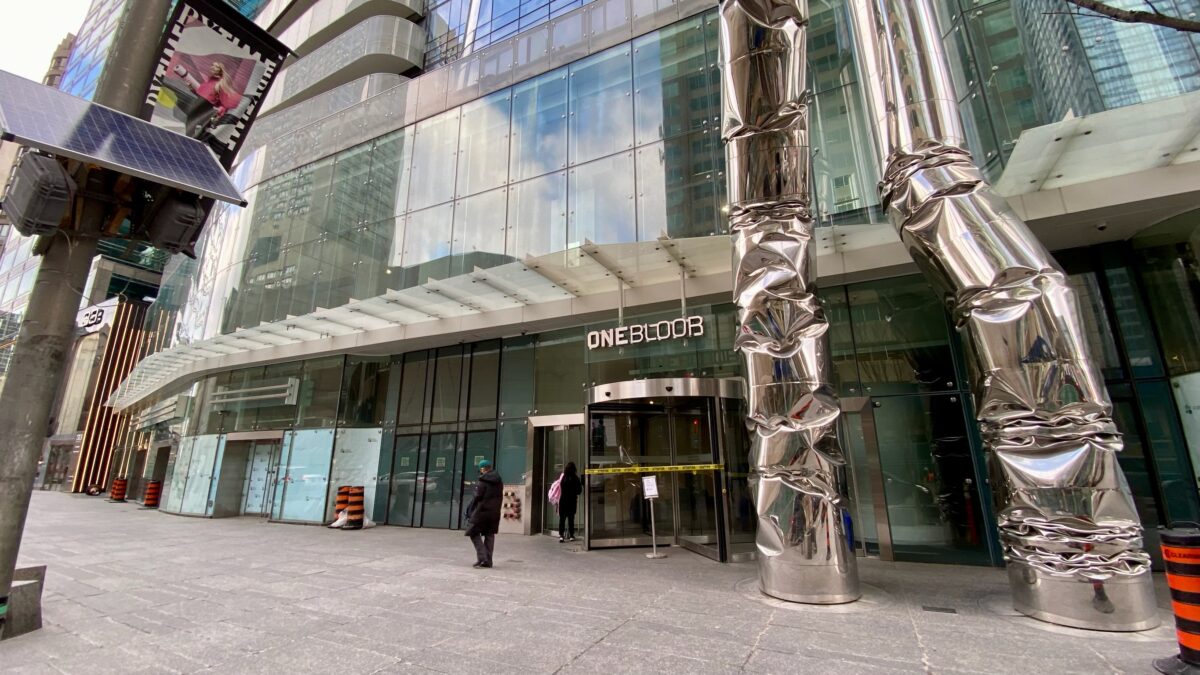
One Bloor East (Image: Craig Patterson) One Bloor East (Image: Craig Patterson) One Bloor East (Image: Craig Patterson) One Bloor East (Image: Craig Patterson) The Ballroom Bowl at One Bloor East (Image: Craig Patterson)The Ballroom Bowl at One Bloor East (Image: Craig Patterson)