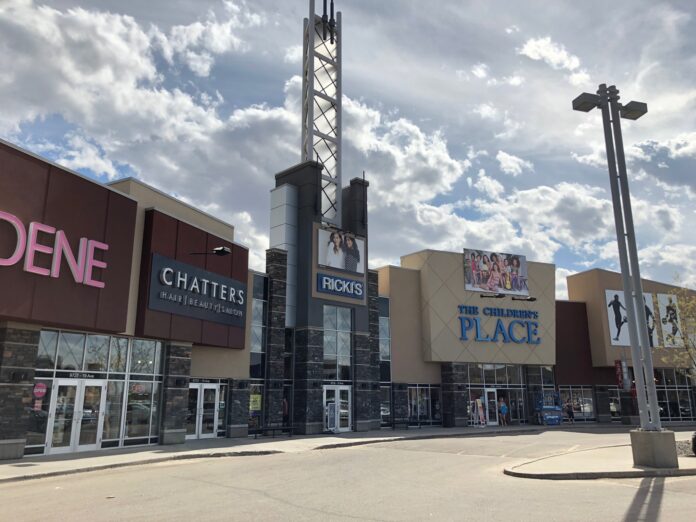
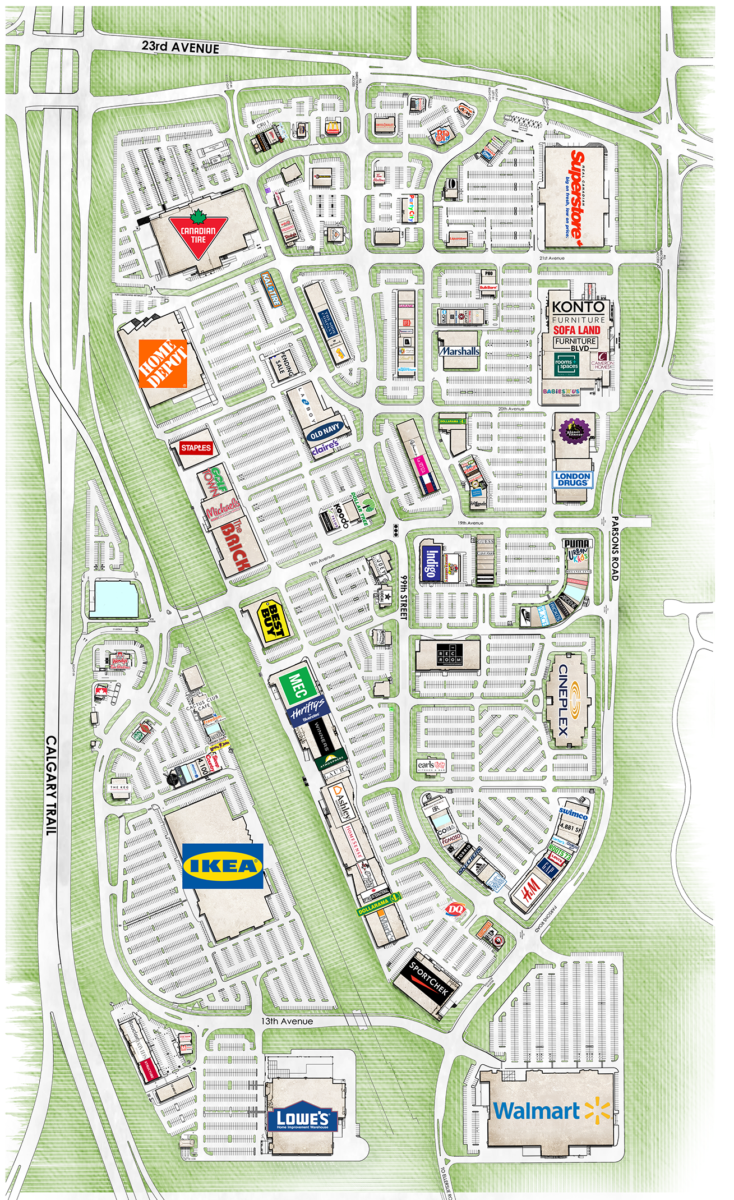
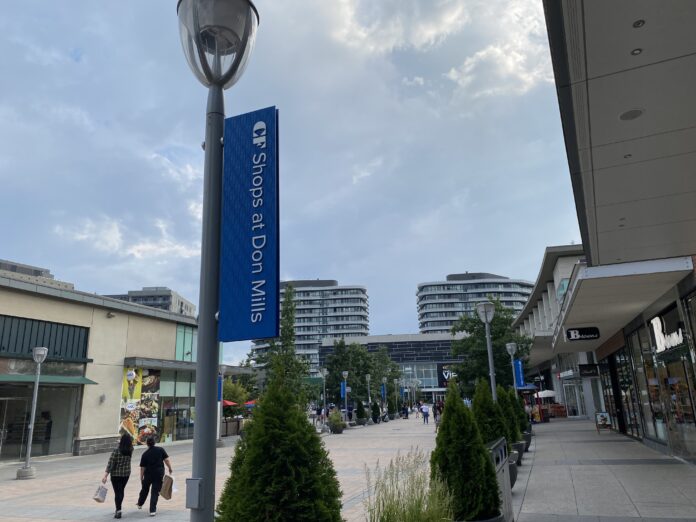
South Edmonton Common, one of the largest open-air retail developments in North America, continues to evolve with the addition of several new retailers and hospitality players in the market.
Harold Pacheco
Harold Pacheco, Director of Marketing for Cameron Corporation, which operates the power centre, said Winners recently opened at the site.
“Winners came in to complete the trifecta of TJX companies. We had HomeSense and we had Marshalls. So it’s nice that we have all three,” said Pacheco.
“Chick-fil-A will be coming soon and South Edmonton Common is one of its first locations in the city. SoftMoc, the shoe store is also coming. Kinjo, a Japanese grill that’s popular to Calgary, they’ll be opening later this year as well. So first time in the Edmonton market.
“Specsavers will be opening soon. Torrid is new since December. A lot of places look to right size whereas we have some expansions of some of our tenants including Sleep Country. They’re doubling their space and Sketchers relocated across the parking lot and expanded their space as well. And Swimco which started on a shorter-term lease is now on a longer term and they’ve relocated too. I was happy to see those.
“And there’s some others we can’t talk about that we’re hoping we can announce when we finalize things,” added Pacheco.
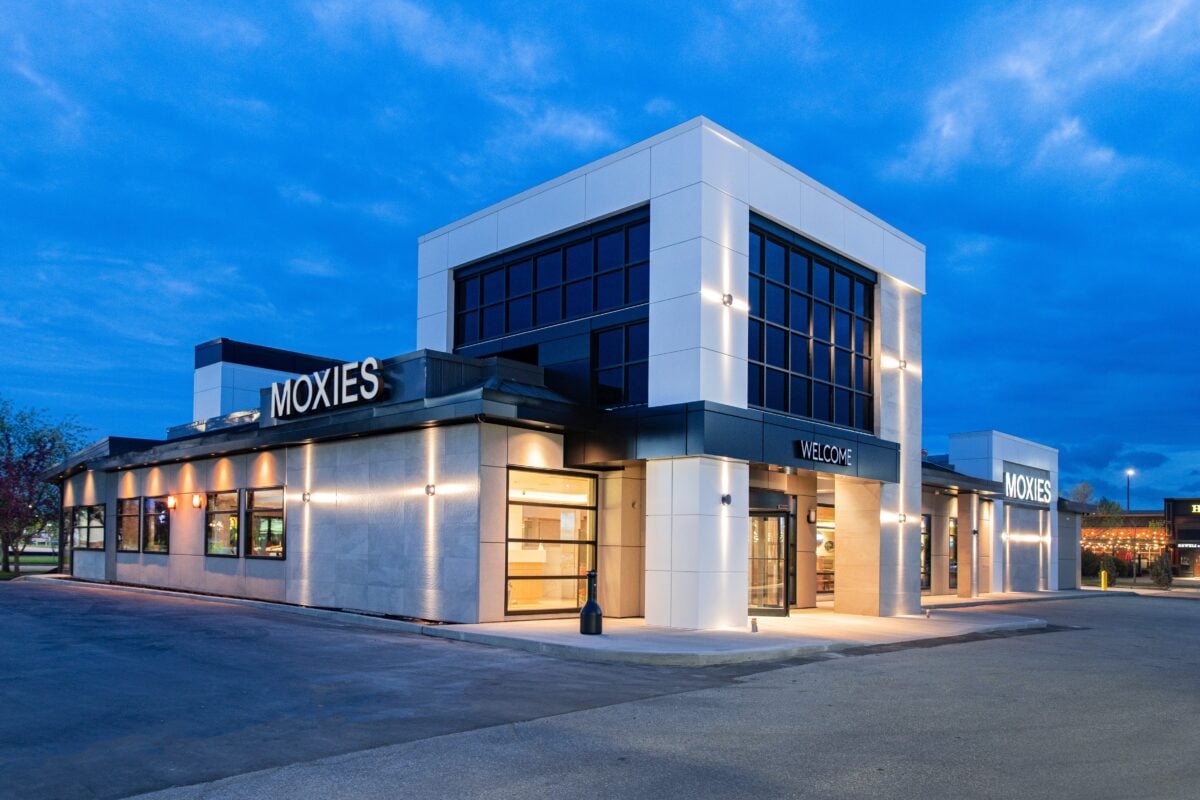
RioCan owns part of South Edmonton Common where the Moxies and Chick-fil-A sites are located.
The 2.4 million-square-foot shopping centre, on 320 acres, is located at the gateway to the south entrance into Edmonton and situated at one of the city’s highest traffic locations, bordering the city’s eight-lane ring road, Anthony Henday Drive – making it easily accessible to shoppers from all of Edmonton’s suburban areas.
“The market feels pretty good. When we’ve looked at our visitor counts, they were around pre-COVID levels. So that’s always exciting. In some cases, beating them in some sites. Extremely busy if you come in on a weekend.
“We started to do some more local markets, especially in the vacancies. Obviously Nordstrom Rack they closed corporately. The closings we’ve seen have been corporate, nationwide closings like Bed, Bath & Beyond. Rooms + Spaces. For those, we’re trying to give a platform for local vendors if they want to host a market. We did Experience Asia which was to commemorate Asian Heritage Month. It was the first time doing that. We did that on May 25 and we had 1,500 people coming into the old Nordstrom Rack space in a five-hour span.”
Moxies at South Edmonton Common (Image: Moxies)
Pacheco said South Edmonton Common has also hosted a seniors market and it is looking at some other markets as well. Plus there is a holiday market.
Currently, there are about 170 different businesses at the shopping centre with about 40 of them being restaurants.
He said the majority of lighting at the shopping centre has been converted to LED and signage has been refreshed. There are EV chargers now on the site and IKEA has solar panels.
“Obviously sustainability and ESG is an important thing. It should be an important thing for all of us,” added Pacheco.
Retail Leasing Market Trends with Casdin Parr From JLL Canada [Video Interview]
Craig and Casdin Parr, Vice President Retail Advisory Services at JLL Canada, discuss the current state of Canada’s retail leasing market, delving into the challenges and opportunities facing various retail sectors. They explore how high street retail in cities like Toronto and Vancouver is experiencing a resurgence, with significant openings. Parr highlights the momentum in Bloor-Yorkville in Toronto, and the revival of Ste- Catherine Street in Montreal as key indicators of positive trends in high street retail.
The luxury retail segment is discussed, which remains strong despite economic uncertainties. Parr explains that while the demand for luxury retail continues, there is a more tempered approach to expansion, with brands planning their capital investments carefully. Notable developments include the upcoming Royalmont in Montreal and Oakridge Park in Vancouver, both set to introduce new luxury brands to the Canadian market.
Further, they discuss the impact of major retail developments and tenant movements in various regions. From Simons entering the Toronto market to the redevelopment of Nordstrom’s space in Vancouver, these changes signal significant shifts in the retail landscape. Parr emphasizes the robust demand for retail spaces in Edmonton and Calgary, driven by strong local economies and consumer responses.
Episode Sponsor:
SAJO – Canada’s first specialized retail builder. Visit SAJO to see their holistic approach and transdisciplinary team to explore and understand your needs.
Featured This Podcast:
Casdin Parr, Vice President Retail Advisory Services, JLL
If you prefer to listen to the audio version, it is available below:
The Interview Series audio podcasts by Retail Insider Canada are available on Apple Podcasts, Stitcher, TuneIn, Google Play, or through our dedicated RSS feed for Overcast and other podcast players. Also check out our The Weekly audio podcast where Craig and Lee discuss popular content published on Retail Insider which is part of the The Retail Insider Podcast Network.
Subscribe, Rate, and Review our Retail Insider Podcast!
Drop us a line at Craig@Retail-Insider.com. You can also rate us in Apple Podcasts or recommend us in Overcast to help more people discover the show!
Background Music Credit: Hard Boiled Kevin MacLeod (incompetech.com). Licensed under Creative Commons: By Attribution 3.0 License. http://creativecommons.org/licenses/by/3.0/
Canadian shoppers are the least likely to want to adopt new retail tech among their global counterparts, and wary of promotional material on social media, according to a new report on retail technologies by Capterra Canada.
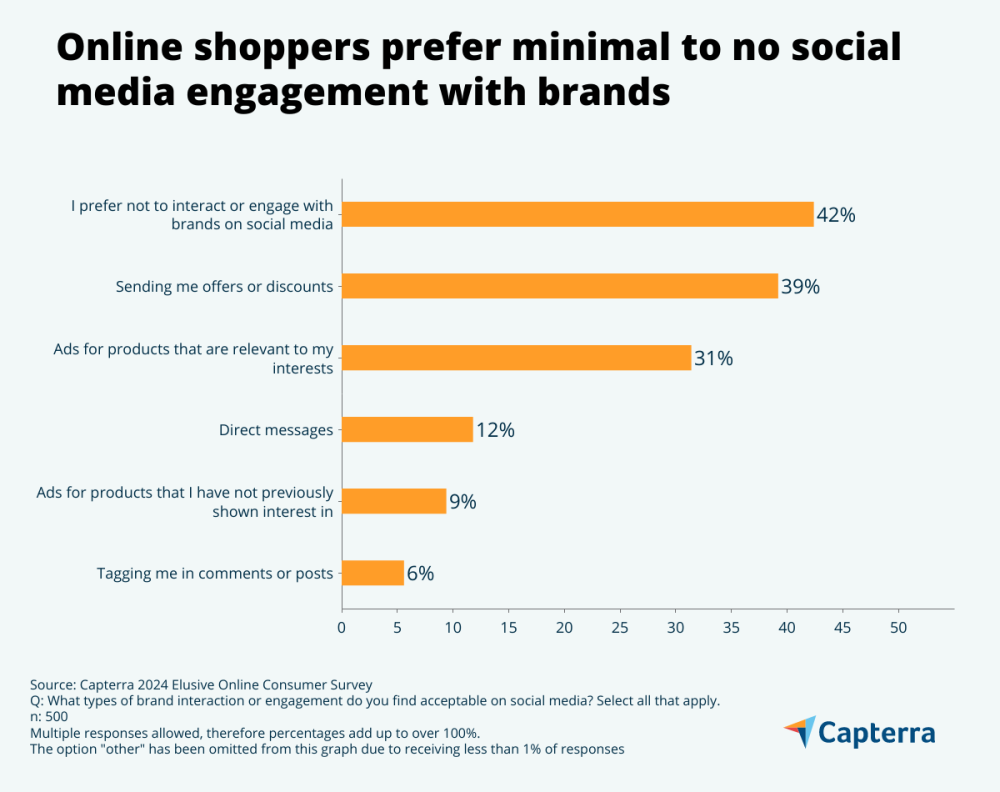
The study found that 42 per cent of shoppers don’t want to engage at all with brands on social media, and 83 per cent don’t want social media companies to know anything about what products they buy online.
However, they are more welcoming to AI technologies. The study dives into the purchasing journeys of online consumers, such as where they prefer to start their shopping experience, where they trust receiving product reviews most, and the factors that keep them loyal to brands.
Andrew Blair, Content Analyst with Capterra, a free online resource that compares software from nearly 1,000 categories and offers access to over two million verified reviews, said the company’s mission is to accelerate growth by helping companies embrace the right technology.
Image: Capterra Canada
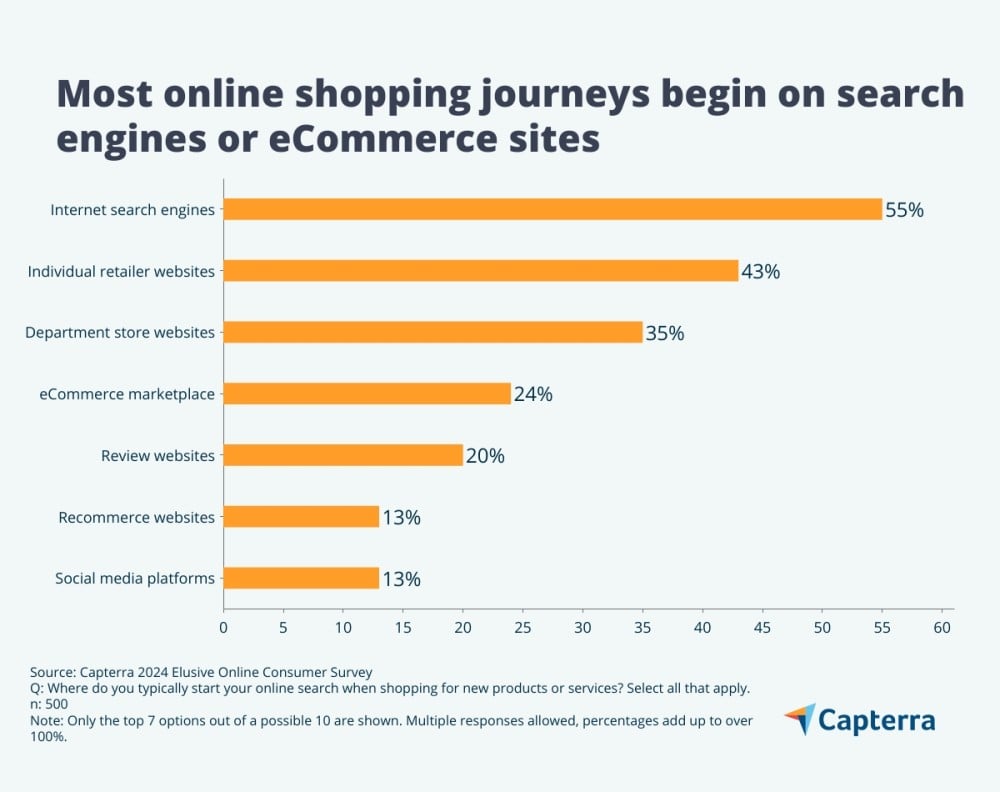
The report found that just 13 per cent of shoppers typically start their ecommerce journeys on social media, compared to 55 per cent who use search engines and 43 per cent for retailer websites, and only eight per cent end up actually buying products on social media.
While 83 per cent of consumers do not want social media companies to know what products they buy online, 41 per cent are happy to be recommended products by artificial intelligence based on their previous purchases. A quarter would even accept recommendations based on their search and viewing history and 61 per cent are happy to be recommended discounts or deals.
“Social media platforms are highly effective at generating traffic to ecommerce websites. No surprise. However, unsurprisingly 89 per cent of respondents say they see too many ads on social media,” said Blair. “So this means consumers may be experiencing ad fatigue which poses a significant challenge for businesses by diminishing the effectiveness of advertising campaigns over time.
“Nearly a quarter of respondents have blocked or have unfollowed a brand in response to social media ads in the past year and 28 per cent have blocked a specific ad. This is generating a bit of negativity with so many ads that are appearing. In the same light, influencer partnerships on social media are being received negatively by online consumers. 72 per cent of respondents say they do not trust reviews by social media influencers. This may emphasize consumer skepticism of fake and disingenuous reviews.
“The mistrust of social media extends to platforms themselves where only nine per cent of respondents say they see social media platforms as a trustworthy source of reviews.”
Image: Capterra Canada
Blair said brands on social media platforms need to moderate their level of engagement with their target audience because 42 per cent of respondents said they prefer not to engage with brands on social media.
“This is demonstrating a desire to maintain traditional methods of ecommerce,” he added.
“Brands must restructure their social media marketing strategy with how online consumers are perceiving ads and paid partnerships on social media platforms.”
He said there is disinterest in adopting new technologies but a need to improve on page search filters and recommendations.
“67 per cent of Canadian online shoppers have expressed a disinterest in adopting new retail technologies to shop online which in comparison is significantly higher than the global average. The global average was 42 per cent,” explained Blair. “Despite the hype of new technologies . . . online consumers in Canada are showing very little interest.
“However, 41 per cent of respondents are happy to be recommended products by AI based on their previous purchases. So there is some sort of movement there and perhaps a niche where online retailers can make use of that opportunity. For recommendations, obviously they can offer prospective buyers a tailored shopping experience and improve the discoverability of products that they may not have found on their own.”
Image: Capterra Canada
He said nine out of 10 online shoppers use filters at least some of the time and 71 per cent mainly filter by price which has also been a top influencing factor when it comes to buying products and services online over the past year.
Blair said standard filters may not be enough to encourage customers to complete their purchase online. Shoppers commonly report that filters are not specific enough and they don’t work as they should. This places an emphasis on creating a seamless and efficient user experience on traditional websites to keep prospective buyers on an ecommerce and keep them coming back for more.
In this environment there are opportunities for loyalty programs to boost customer retention and to target the budget conscious consumer.
“It’s been a hell of a ride in Canada. Inflation. Everything. And only recently the Bank of Canada has cut interest rates by 25 basis points, signaling stabilization in inflation,” said Blair. “However, consumer spending habits have largely remained unchanged. Consumers are still more cautious with their spending, leading to longer decision making and increased sensitivity to price.
“So it seems that those habits have stayed on. So much so that 59 per cent of consumers say that finding the lowest price for products is the top consideration when purchasing new products over the past year. When it comes to repeat customers, 78 per cent cite price as a top driver . . . followed by product quality at 75 per cent.”
Retail Insider is streamlining its Canadian retail news from around the web to include a handful of top news stories that can be viewed quickly during the day. Here are the top stories from the past 24 hours.
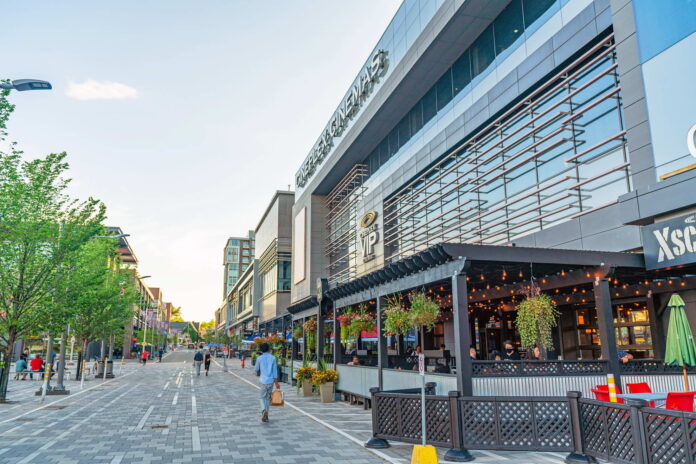
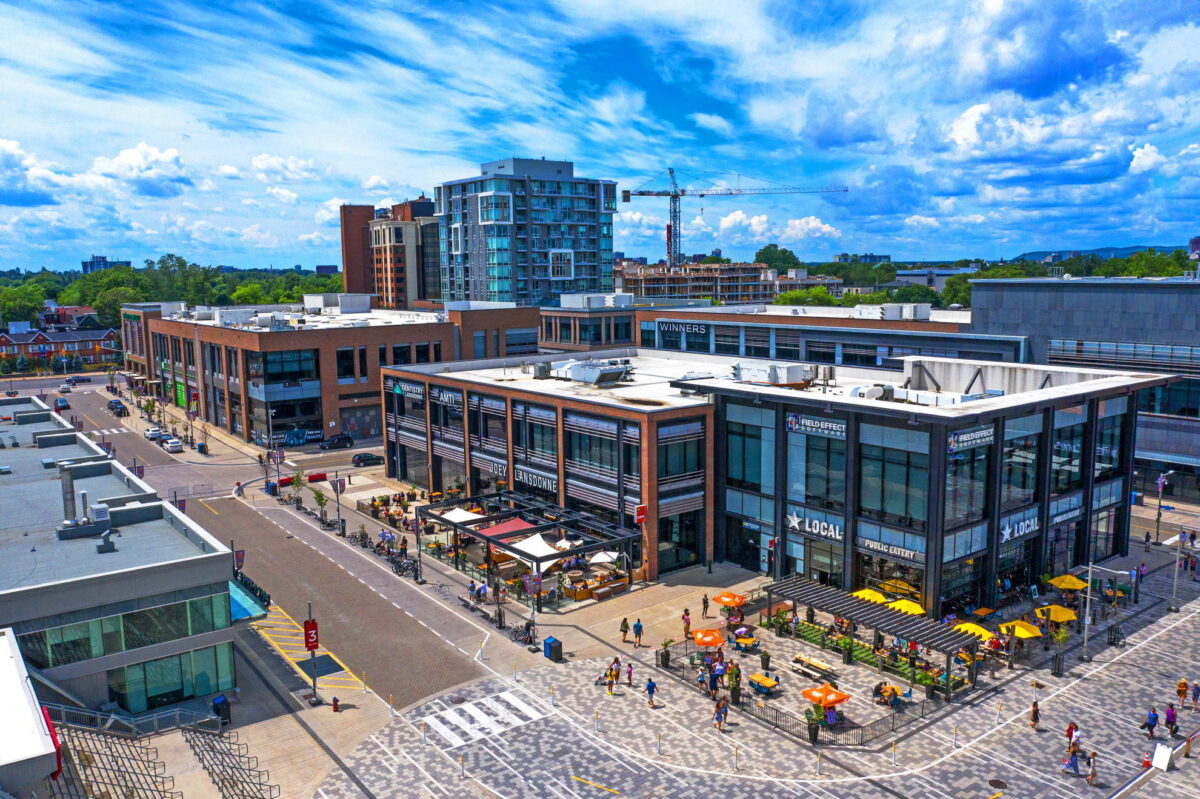
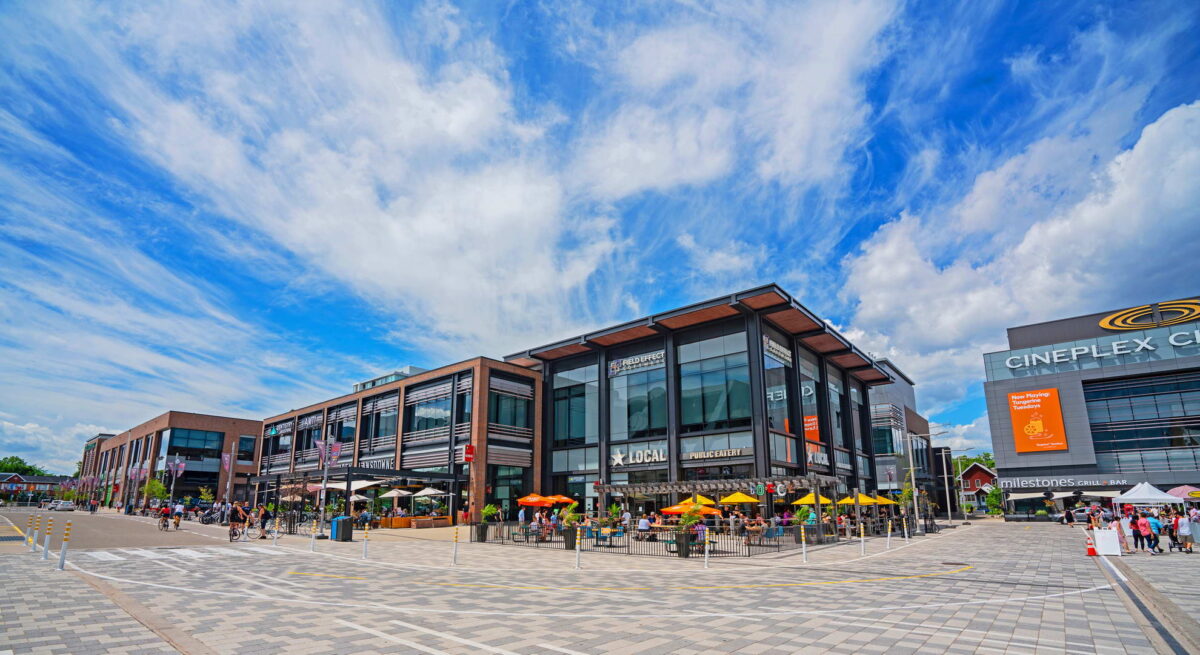
The massive Lansdowne Live development has transformed an area of Ottawa into one of the premier places in the nation’s capital to live, work and play and another phase of the mixed-use project is being launched.
The entire Lansdowne Live lifestyle centre is 38.5 acres.
David Scorniaenchi
David Scorniaenchi, Vice President of Leasing for Trinity which is the property manager of the iconic project, said Lansdowne Live is truly a unique mixed-use development and maybe one of two in Canada that includes sports (four professional teams, 1 amateur team), residential, flagship retail, community/city event spaces, office, and year-round programming.
‘We have had tremendous success recently with bringing in a mix of high-end tenants and local businesses that stretch across a diverse mix of uses. We have also been approved for a significant redevelopment that will include redevelopment of the north end of the football stadium stands which will add two new residential towers with 900+ units, 50,000+ square feet of new flagship retail at grade, and a new 5,500 seat entertainment and sports facility with Live Nation,” he said.
The approved redevelopment is called Lansdowne Live 2.0.
Lansdowne Live (Rendering: Trinity)
Trinity works closely with partner OSEG (Ottawa Sports and Entertainment Group) on the Lansdowne development.
The first phase of the huge development has 340,000 square feet of retail, 116,000 square feet of office, 280 residential units and 1,430 parking stalls. The residential units are in one condo building.
On the retail side of Lansdowne Live the tenant roster includes:
JOEY, Local, Craft Beer Market, MED Supper Club (opened recently), Delysees (opened recently),
Casual Dining:
Milestones, Jack Astors, Crust & Crate, Happy Days Burgers & Poutine (opening soon), Sunset Grill
Dynamic Destination Retail:
Nespresso, Audi Showroom, Porsche NOW (one of five boutiques that will open in Canada, coming June 2024), Cigar Store, Kari Design & Build (luxury millwork, coming summer 2024)
Personal Wellness:
Glorious Nails Spa, Pro Physio Therapy, WAXON, and Mane Collective, Lansdowne Dental
Unique QSR’s and Local Businesses:
Chung Chun, Roll’d Ice Cream (local business), Beandigen (local Indigenous café start up), Mr. Puffs, Cinnaholic, Canadian Institute for the Blind
Educational:
Blyth, Scholars, Ottawa Montessori School
Office: 50,000 square feet of second floor office space including PWHL head office.
Lansdowne Live (Image: Trinity Group)
“Located in the desirable Glebe neighbourhood of Ottawa, Lansdowne Live has become a focal point for retailers entering or expanding in the Ottawa market. Ottawa is typically a one or two store market for retailers and many are looking for a place that offers an enhanced customer experience. With over four million visitors annually, this mixed-use lifestyle centre features unique and elevated building designs, expanded sidewalks and promenades, large restaurant patios, four professional sports teams, 1 amateur team, concerts and entertainment programming, cultural and seasonal events, a beloved farmers market, a renowned Ottawa Christmas Market, and is supported by over 1,430 parking stalls at and below grade – a rarity for an urban mixed-use development,” said Scorniaenchi.
“These features allow for a dynamic merchandising mix that includes retail, F&B, entertainment, health and wellness, educational, and office. . . . There are few lifestyle centres in Canada that have the array of offerings that can be found at Lansdowne Live . . . We have reached 100 per cent occupancy with recent additions including premium and luxury tenants including Nespresso, MED Supper Club, Delysees, Kari Design & Build, Waxon + Sous La Face, and we are thrilled to welcome Porsche NOW – one of five approved boutiques in Canada and Happy Days Burgers & Poutine into the retail mix.
“We have additional destination uses under discussion which we hope to be able to announce in the coming months. We have seen this retail segment navigate their interest to Lansdowne Live over the last few years due to the unique features and demographics of the Glebe.
“We are also proud of our tenant incubator program that allows us to work with local start-ups who are looking for prime retail space to grow their business. In 2022, we welcomed Beandigen Café and Roll’d Up to our incubator program. Beandigen is an Indigenous owned and operated café featuring coffee, art, and the culture of Indigenous people. Roll’d Up features Thai style rolled ice cream, and other specialty dessert items.
We have utilized creative deal making to help work with retailers that allow them to build the retail experience they need to meet their customers needs. In turn, the retail mix continues to diversify at Lansdowne Live and we are able to continue to enhance the offering for the over four million visitors each year.”
Lansdowne Live (Image: Trinity Group)
He said there is one upcoming vacancy at 3,000 square feet that can be demised that is being marketed for lease. Officials are targeting destination retail uses (not including F&B) for this unit which sits below Whole Foods, and is in the same retail run as Sporting Life, Waxon + Sous La Face, and Nespresso.
“With the recent council approval for Lansdowne Live 2.0, this one of a kind mixed-use lifestyle centre in Canada is set for its second transformation and will enhance the offering of all existing elements. This will be anchored by a new 5,500-seat sports and entertainment centre, 50,000 square feet of net new flagship retail space across two levels in the podium of two new residential buildings with over 900+ residential units,” said Scorniaenchi.
“We are currently working with multiple uses that will enhance the entertainment offering for Lansdowne Live and will look to complement this with flagship retail and F&B for our at grade component. This will further cement Lansdowne Live as the place for dynamic retail, sports, entertainment, and culture in Ottawa.”
Lansdowne Live 2.0 (Rendering: Trinity)
Scorniaenchi said officials are currently in the planning stages with the City of Ottawa and hope to start construction with the new entertainment centre which will take two years to complete. When that is built, the north end of the stadium stands will be demolished where two towers will be built with additional retail and office space.
The entire project will take another four to five years to complete.
“There is a demand and a need in Ottawa for live, work, play type situations and it’s been tried but this has been a success in terms of that use and mix that we want where people live here, work here and play here. The restaurants we have, the amenities, the grocery store. It all fits in terms of fitting that model and I think really right now when retailers are looking at Ottawa . . . you really look at (CF) Rideau Centre, you look at Westboro if you’re looking for more of a boutique, higher end and you have Lansdowne on Bank Street in the Glebe,” he said.
“The Glebe is a fantastic neighbourhood. It’s one of the better neighbourhoods in all of Ottawa. Ottawa for many retailers is a one to two store market and the natural assumption right away is to go to Rideau Centre that’s where all the retail is, that’s where the mall is, but I think people are starting to realize the streetfront opportunity that we have here in this mixed use component.
“The design here, the neighbourhood, and the demographic that we get, and just the quality of the retail buildings and all it has to offer here is really attractive to people.
“This is really the home for entertainment and culture right now in Ottawa. You add another 5,500 seat arena to that, you add in 900 more residential units, you’ve got something that is unique to all of Canada here.”
Lansdowne Live 2.0 (Rendering: Trinity)
Current sports teams playing there include Ottawa Redblacks – CFL; Ottawa 67’s – OHL; Blackjacks – Canadian Elite Basketball league; Atletico Ottawa – Canadian Premier League; and Ottawa – PWHL.
The old Lansdowne Park, situated near the Rideau Canal, Ontario’s first UNESCO World Heritage Site, and along Bank Street, has been around since 1868. It has been a cultural, entertainment and sports hub since then.
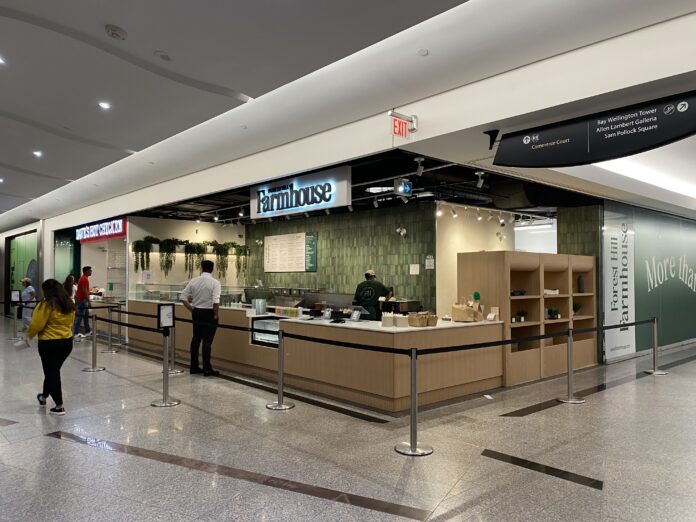
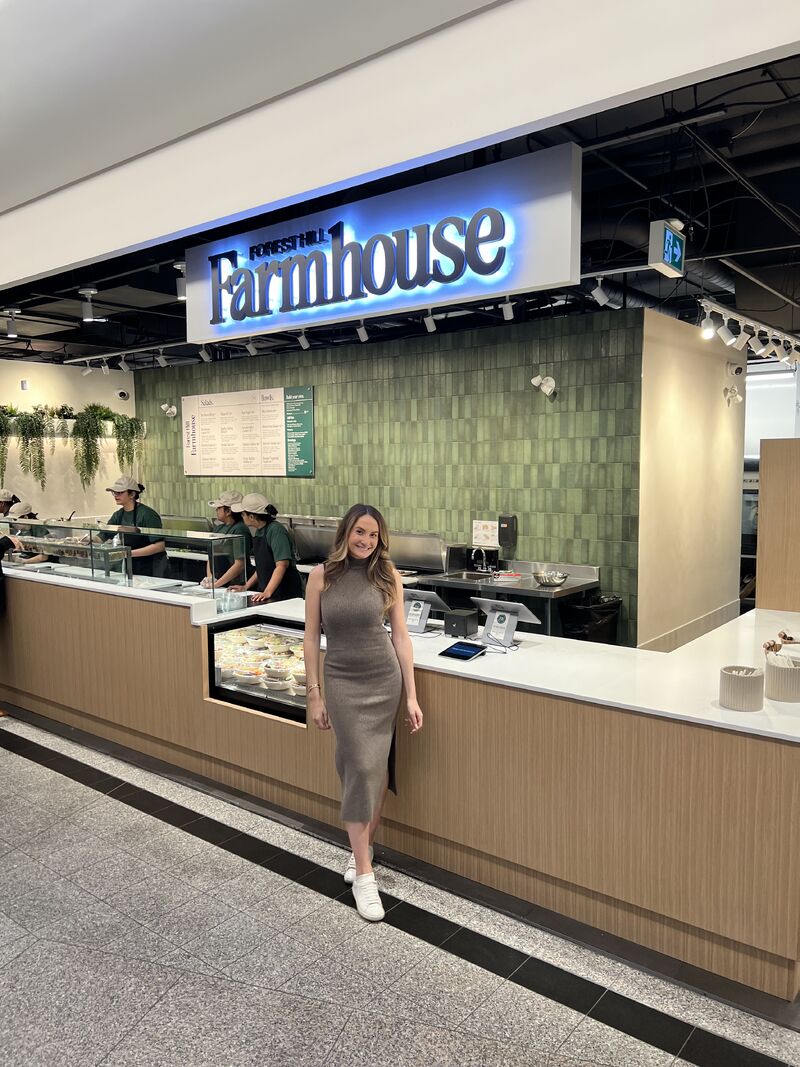
Forrest Hill Farmhouse at Brookfield Place (Image: Dustin Fuhs)
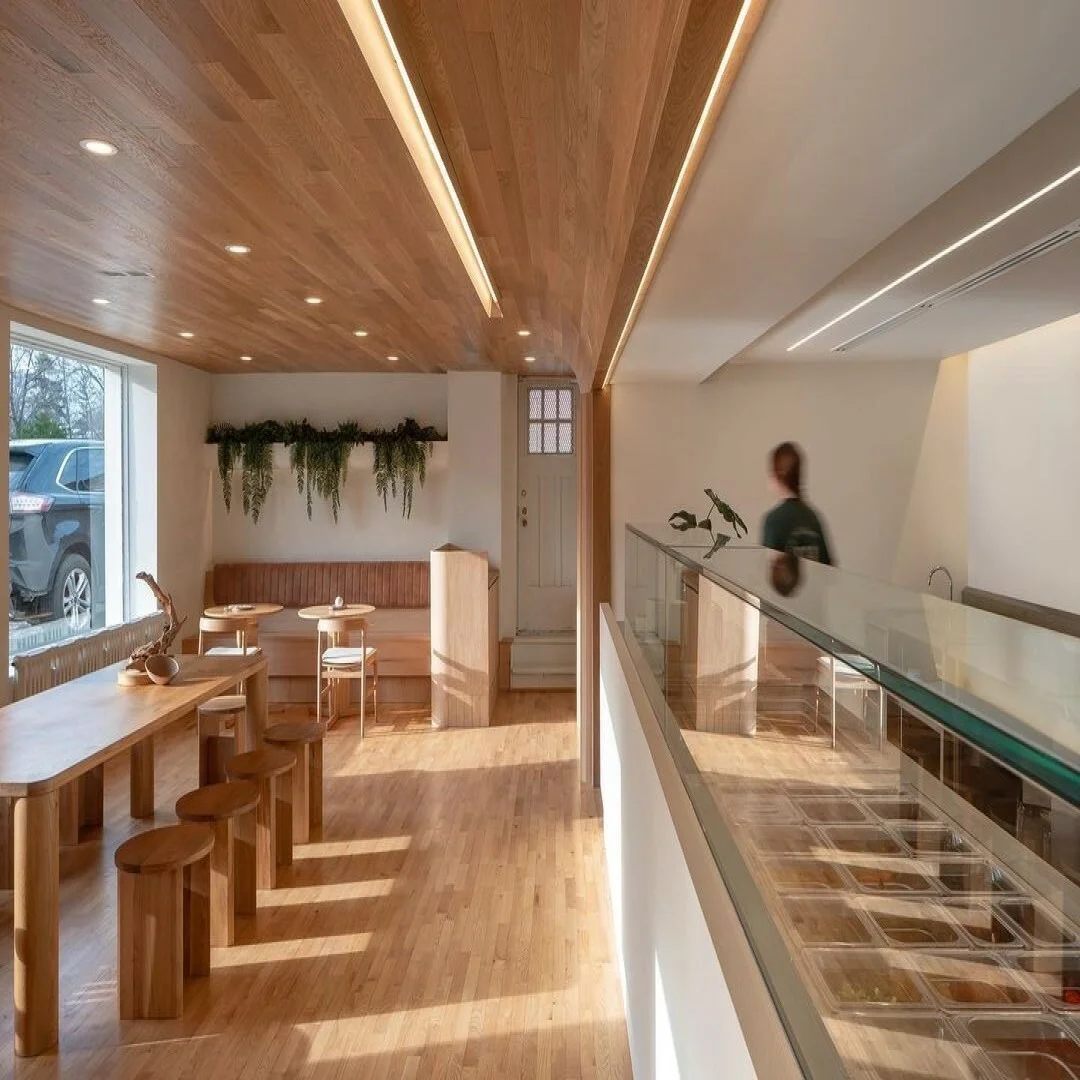
Salad-based foodservice concept Forest Hill Farmhouse recently opened its fourth location in Toronto with plans to continuously expand, while at the same time developing a new loyalty program. The company also plans to open its first flagship location in Toronto in the city’s Yorkville area.
“Our new location is in the Brookfield PATH system and it marks our fourth store opening in Toronto. We are excited to expand further into Yorkville and North York, finding locations that cater to both dine-in experiences and takeout options,” says Blair Bitove, the founder of Forest Hill Farmhouse. “There are very limited healthy food options, and we really want to test our products out with people who are in search of a healthy meal and we thought that being in the financial district was the best way to do that.”
Image: Blair Bitove
Bitove says the Yorkville location, which will be its first flagship store, will be opening by the end of the year and the location in North York will be opening at the beginning of 2025.
“We really want to open a flagship location, and we think that the branding of our restaurant and the clientele that we serve fairly fits the Yorkville area. We are still such a new brand and we are really trying to get our name out there. We have had so many customers who as soon as they walk in and try our products – keep coming back, so it is really just about getting more brand presence for us.”
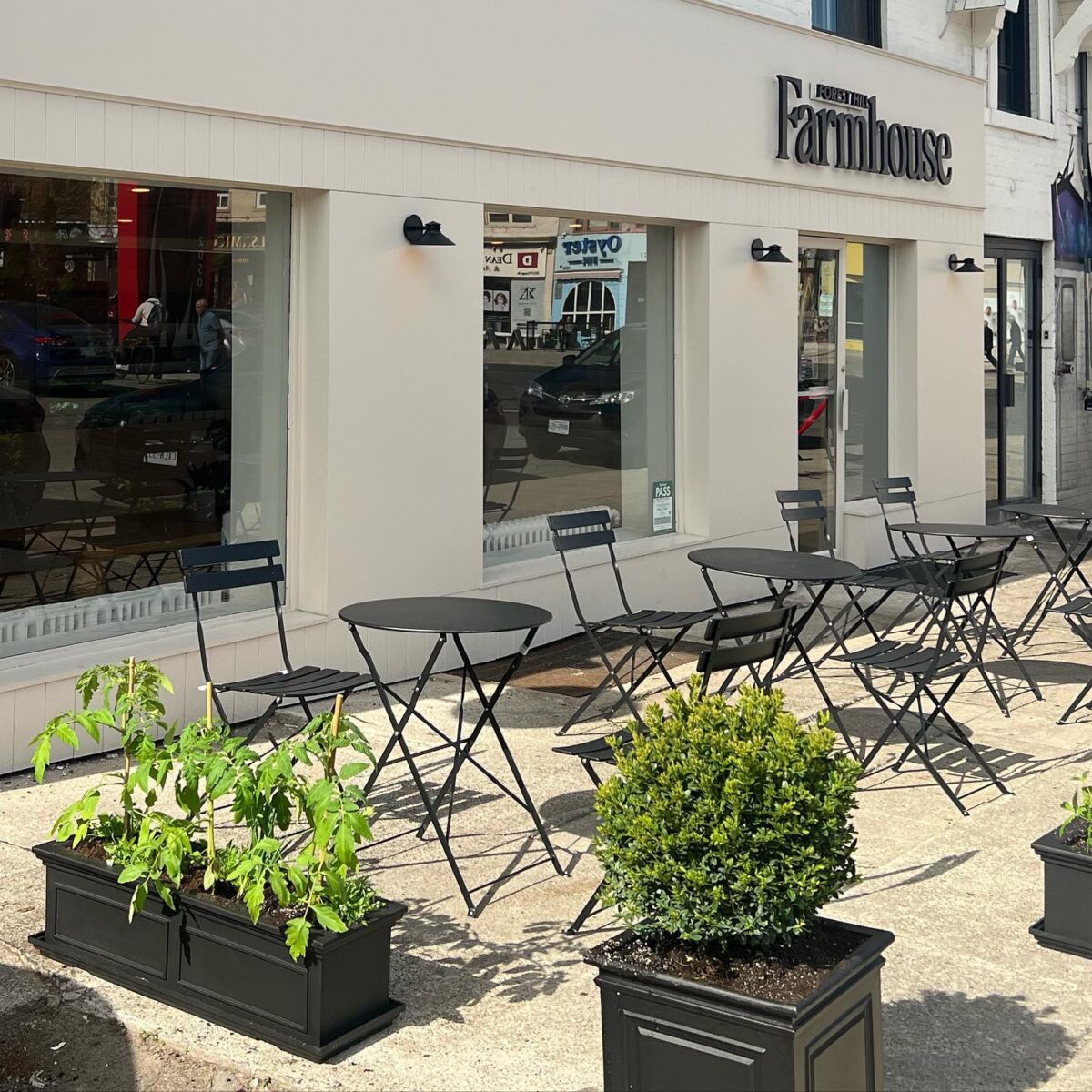
Bitove says they are searching for an area in Yorkville that will be around 2,000 square feet. The other three locations are on Bay Street, Lola Road, and Queen Street East, with the later only available for takeout.
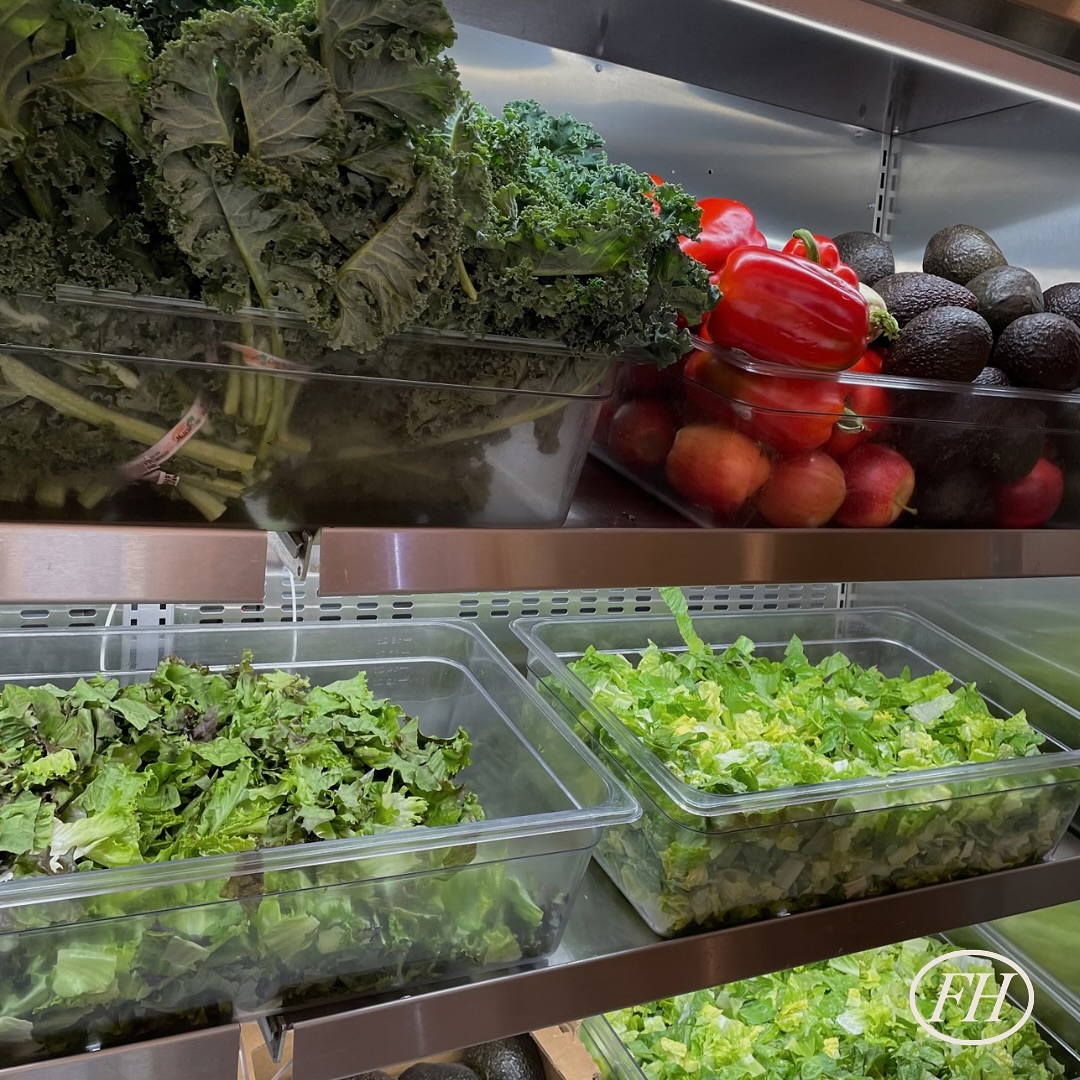
The brand offers a variety of freshly made salads where consumers can decide from the menu or customize to their preferences. Bitove founded the brand to bring healthy meal choices to customers in the city as she found there were limited options for salads.
Expansion plans going forward
Image: Forest Hill Farmhouse Forest Hill Farmhouse Parkdale
Bitove says after expanding in Toronto, the brand will be looking into suburban towns “that don’t necessarily get the luxury of all the city products.”
Outside of Ontario, Bitove says they are looking to expand to the West Coast, hopefully by next year with Calgary and Vancouver being the main targets.
“There are two different types of locations that we are looking for, whether we want to dine in or if we want to be more of a food court or office area. So our PATH location is only around 700 square feet and our biggest one being 1,500 square feet, so locations around these sizes.”
Looking ahead in five years, Bitove says she is hoping to have several new locations in Canada and would also like to expand into the United States.
Influences from consumer feedback
Image: Scott Norsworthy/Forest Hill Farmhouse
“We started in a pretty small neighbourhood and as we have continued to grow, we have seen more awareness from other locations and I think it brings more consumers in because they have heard from us. But our customers keep coming back daily, which is great to see and they also keep giving us suggestions and feedback.”
The main feedback Forest Hill Farmhouse is receiving is to bottle its dressings. Bitove says because of the high demand for dressings, they will be hopefully bottling its dressings this year and is looking to sell them in retail outlets.
“We are talking with retail outlets currently, and we are hoping to launch them in the Fall. But we are going to start selling them in our locations.”
Outside of dressings, Bitove says there are other products the brand will be looking at selling, including homemade tortilla strips: “We have been trying to figure out how we can package them, but we want to sell some of our goods that you can take home to your pantry.”
New loyalty program coming soon
Image: Forest Hill Farmhouse
Currently the brand does not have a loyalty program but will have one soon.
“We are working on the salad club, so hopefully that is a Fall initiative. It will be more like a gym membership, like a class pass of salads that we are working on. So for those who frequent our store, they could access a discount for buying, like a bulk amount of salads.”
The new program will allow frequent consumers to save and to continually enjoy fresh made salads every day at a monthly cost.
Along with the development of a new loyalty program, the brand is also revamping its website to include a new clothing line which will hopefully be launching in June.
“We are still new to the market, and we are just working on getting our name out there and getting people to try the product, which has been our biggest challenge, but we have been working with the community, with schools, and we have been trying to do some catering donations to get people to try the product. We have a lot of returned customers, which is great, so we will continue to spread awareness of our products.”
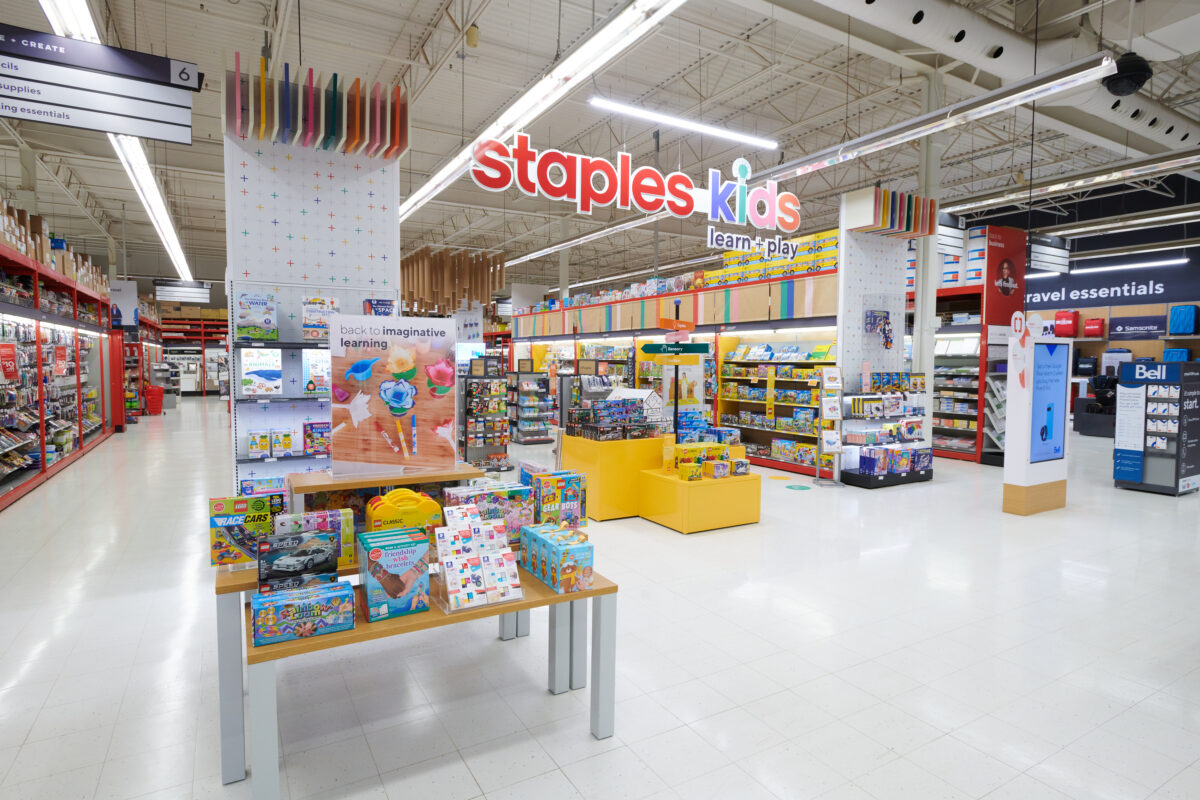
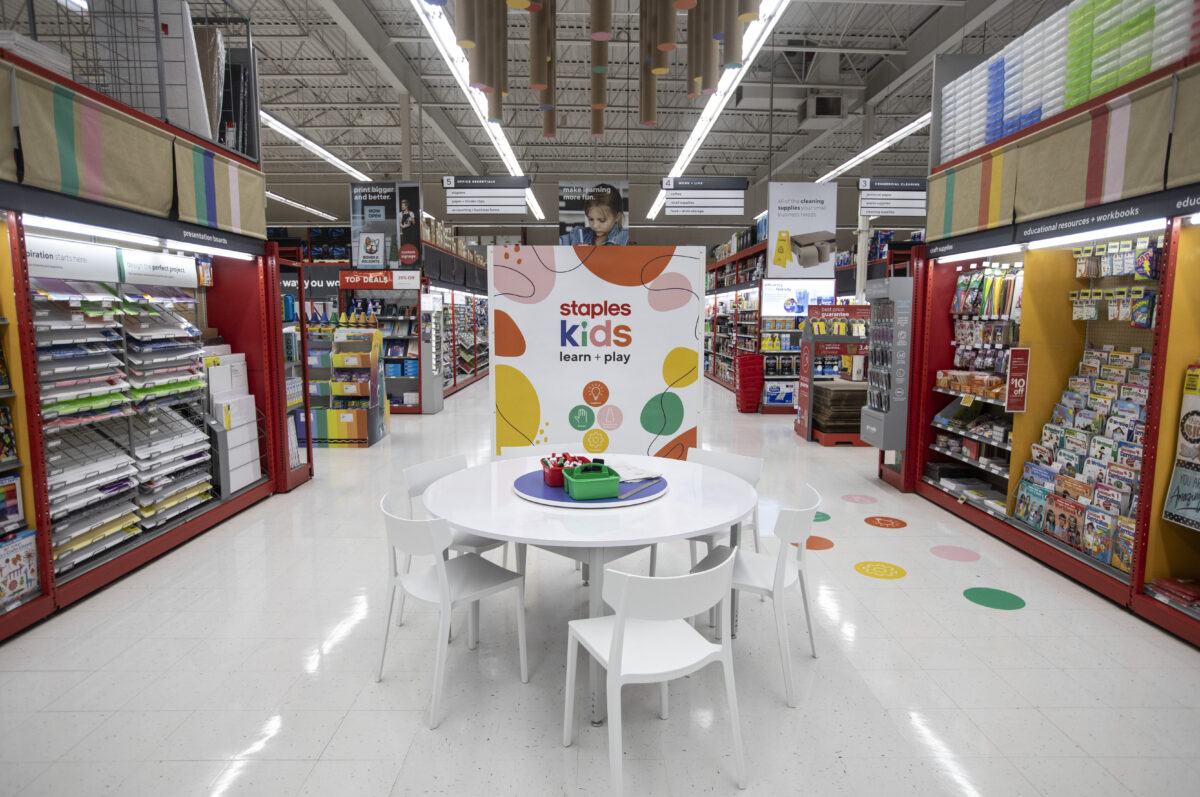
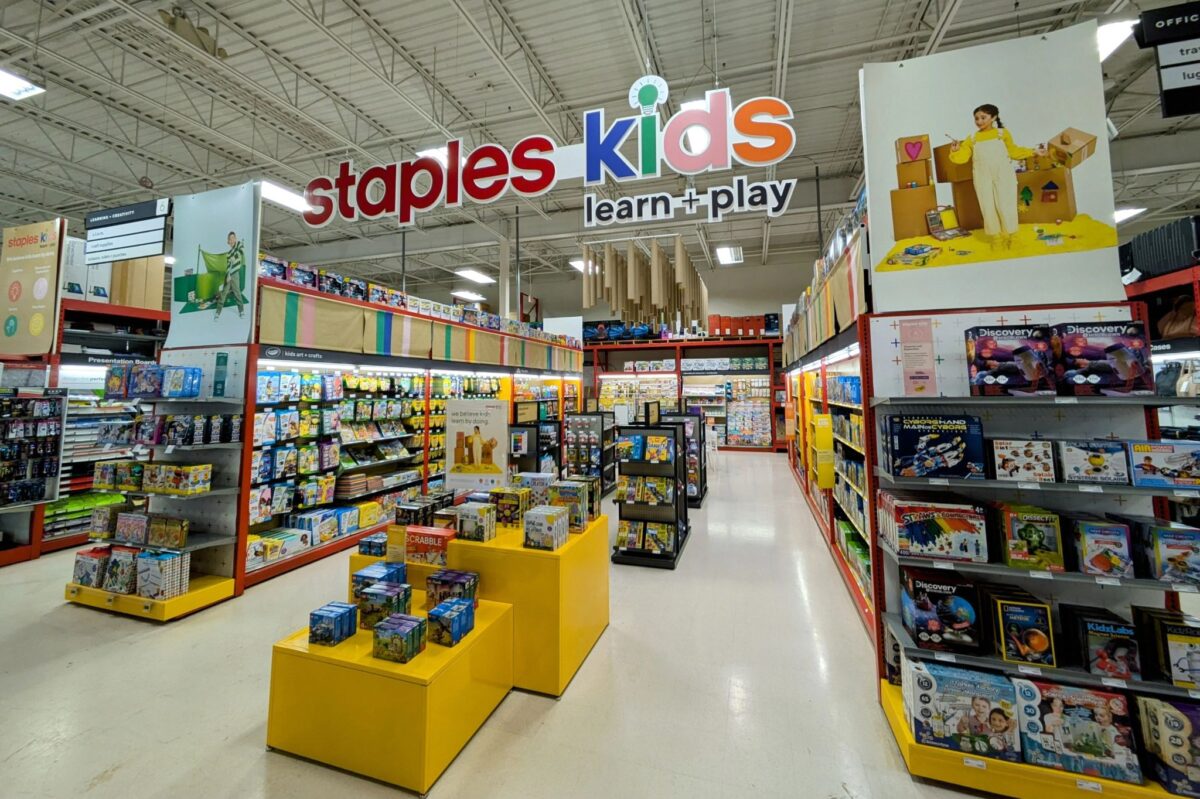
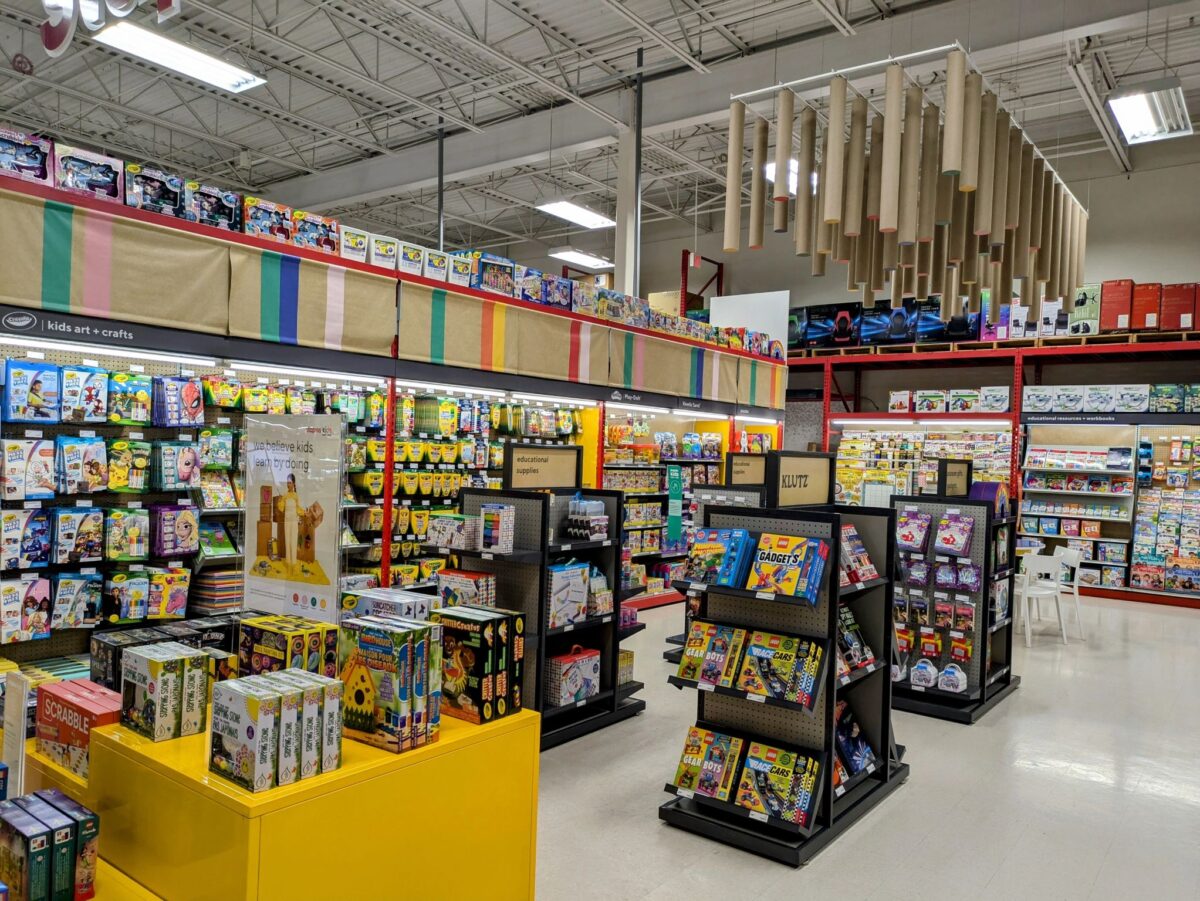
Retail giant Staples Canada continues to expand and scale its unique Kids Learn + Play concept throughout the country.
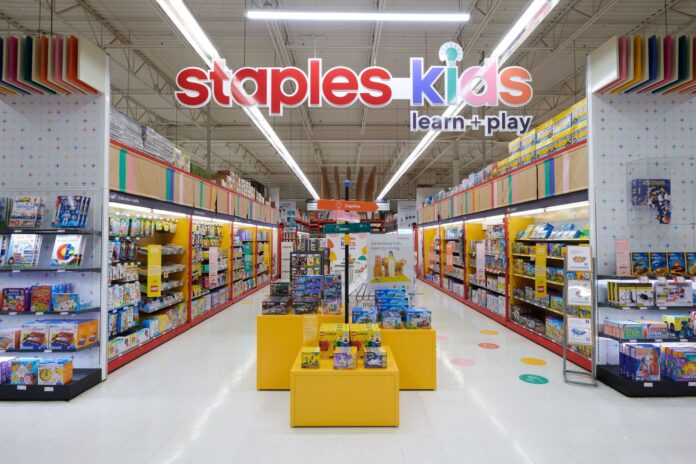
Since its launch about a year ago, the concept, a curated collection of tools and toys to enhance play-based learning and foster kids’ growth, development and fuel a love of learning inside and outside of the classroom, has grown to about 30 locations right now.
Rachel Huckle
“We’re scaling nationally. By the end of this year, we’ll have probably about 135 locations and it’s exciting for us,” said Rachel Huckle, CEO of Staples.
“We started piloting it last year. We did it in a few stores last year. Then we did it in a market in Ottawa. We did the full market and we learned from the execution of this what was the right product mix, what was the right assortment, what were our customers telling us and we refined it and found what we feel is the best experience and assortment that our customers are looking for.
“So that pilot gave us the confidence to say let’s go full steam ahead . . . Our goal is to do all of our stores in the coming years.”
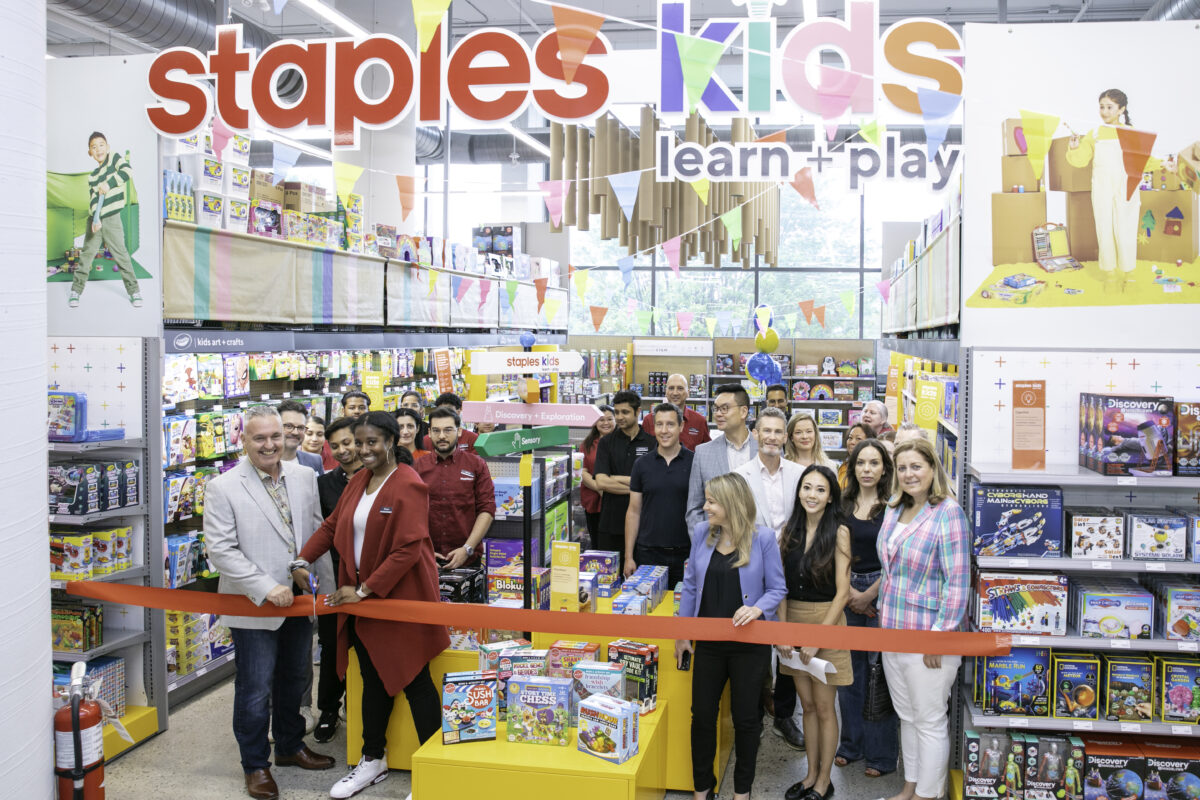
Local Staples Canada general manager Alison Payne (left) cuts the ribbon to celebrate the grand opening of the Staples Kids Learn + Play zone at the Midtown store (2149 Yonge St) on Saturday, June 22. She is joined by members of the Staples Canada senior leadership team, including Chief Retail Officer, Brian McDougall, Chief Commercial Officer, Priscilla Luna, Digital and Marketing Officer, Andrew Go, Chief Supply Chain Officer, Paul Giamberardino and Chief Financial Officer, Evelyn Sutherland. Photo Credit: Staples Canada
Staples Barrie (Image: Staples Canada)
Huckle said the Kids Learn + Play initiative fits into the Staples’ mission of being the working and learning company.
“The fact that we already serve parents, students, teachers, grandparents, we have the insight, and I think the foresight, to say where we can win is really at the intersection of learning and play. And you need both,” she said.
In talking to consumers, Staples looked through a lens of play-based learning.
Staples Kids Learn + Play is a curated assortment of educational tools and toys focused on enhancing four key skill-sets – fine motor, cognitive problem solving, sensory, discovery and exploration.
“Those are super important as your children develop and we’re looking at the age range of from kindergarten to Grade 6,” added Huckle.
Staples Kids Learn + Play is centered around play-based learning: the process of learning by doing. When kids perform hands-on activities, they actively participate in the learning process and develop key skills such as cognitive, fine motor, sensory, discovery and exploration. Play-based learning fosters their growth, development and helps set them up for success.
Staples has 299 stores across the country.
Staples Sherwood Park (Image: Jason Franson)
The retailer has two versions of the Kids Learn + Play areas. The larger version is set up in the centre area of a store. There’s a full table with an area for kids to play, to sit down and engage.
“We’ve created wayfinding and tools so that when parents or grandparents or educators are shopping if they say hey I’d like my child to work on creativity we have the opportunity for them to either go online, scan a QR code and get reference online to help them make that decision or they can look inside on shelf that will help direct them,” said Huckle.
“We also try to put a little bit of information, not too much, to get them understanding why this is important for their child, how they benefit from it and if they want more information they can go online to get that.”
Staples Kids in London, Ontario (Image: Staples)Staples Kids in London, Ontario (Image: Staples)
The second version is a smaller one. Everything is the same from a wayfinding, signage, information, navigation and assortment perspective. It’s just narrower with additional outpost displays that they can shop as well.
“As we start to scale this a big part of what we’re doing is we’re giving parents and grandparents the opportunity to bring in their kids to engage with different vendors and partners and ourselves to either be creative, build and learn,” said Huckle.
Retail Insider is streamlining its Canadian retail news from around the web to include a handful of top news stories that can be viewed quickly during the day. Here are the top stories from the past several days.
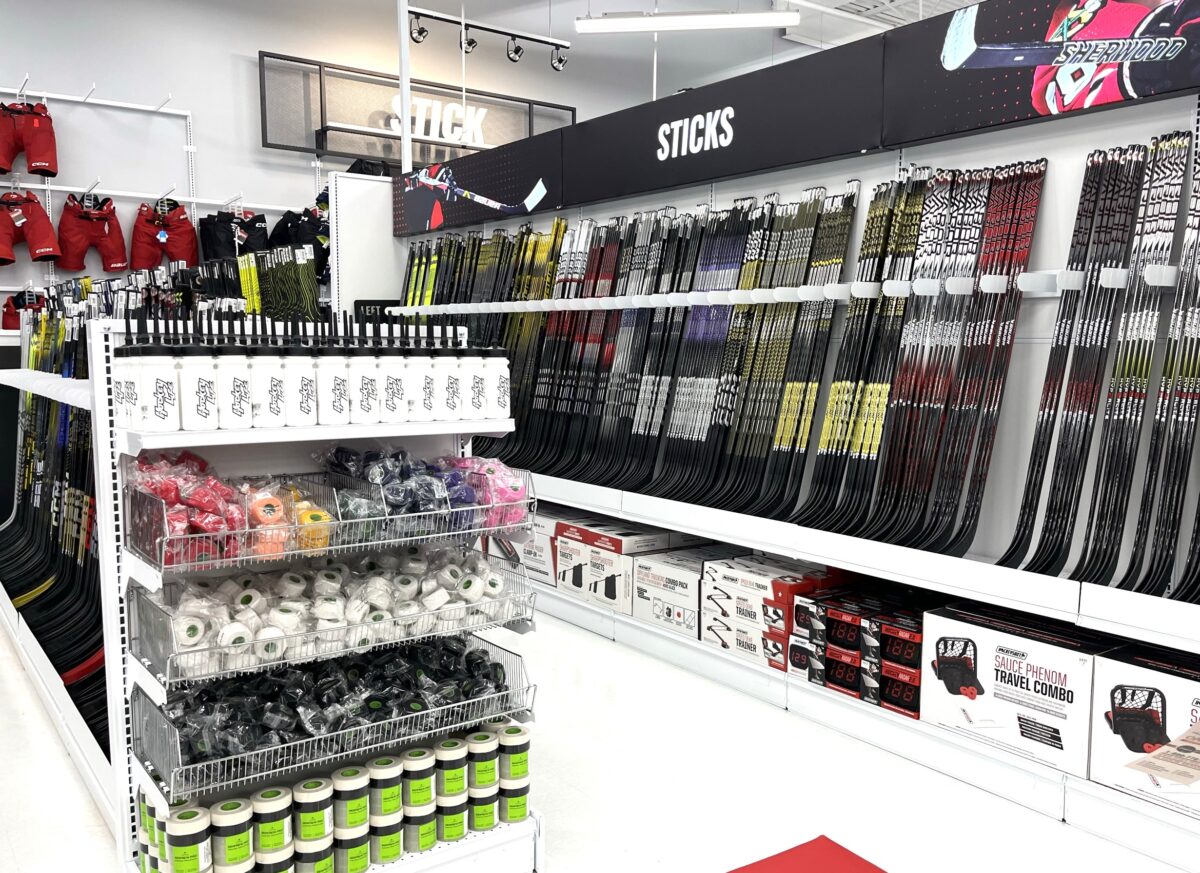
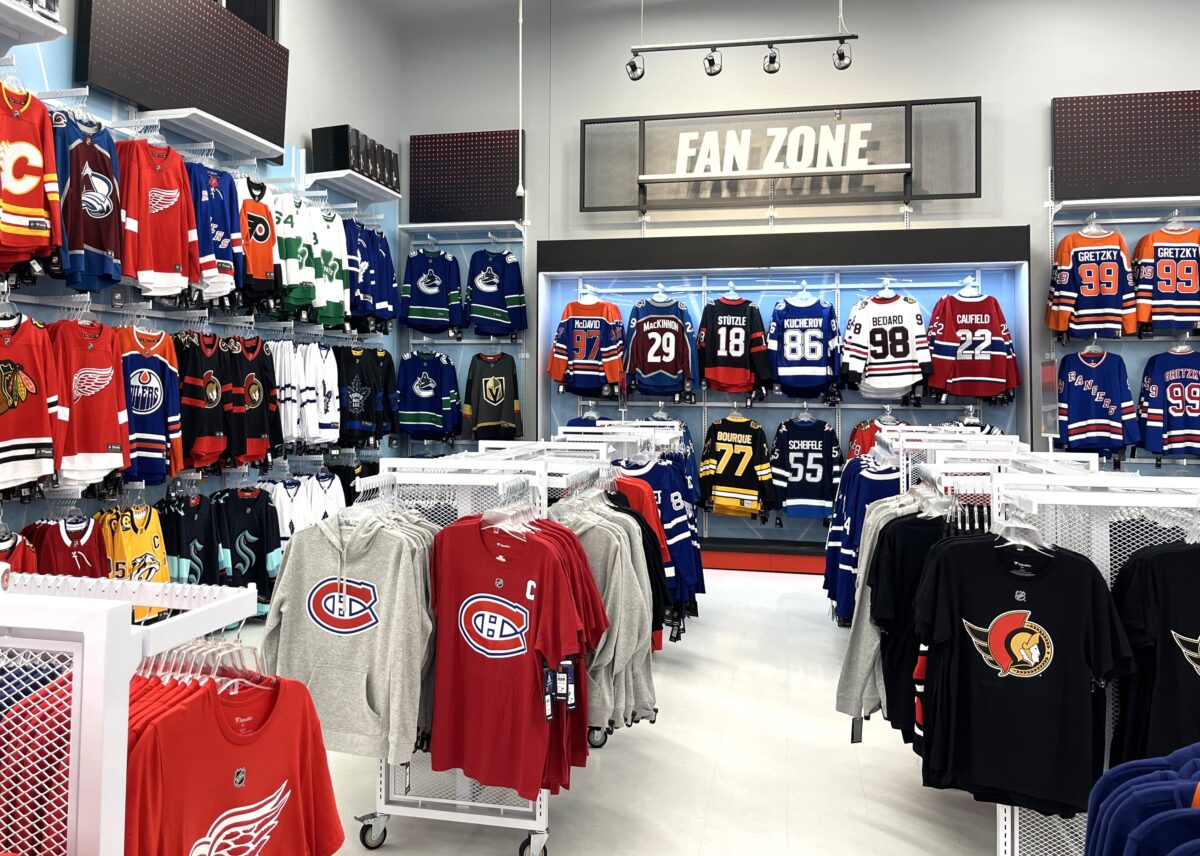
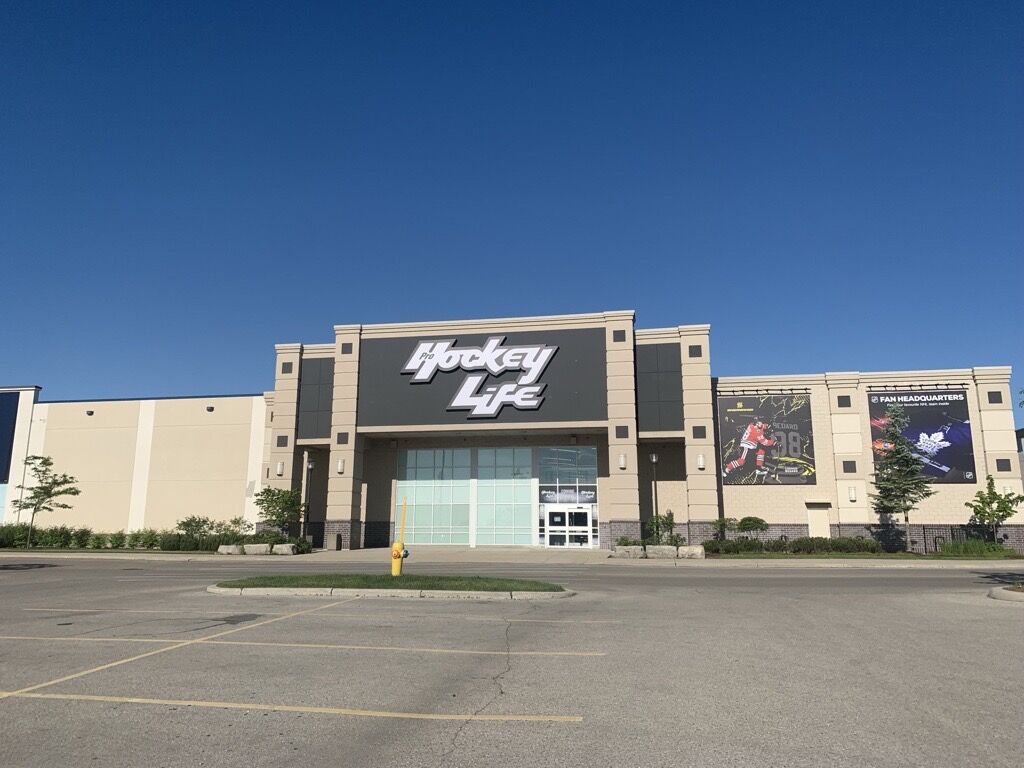
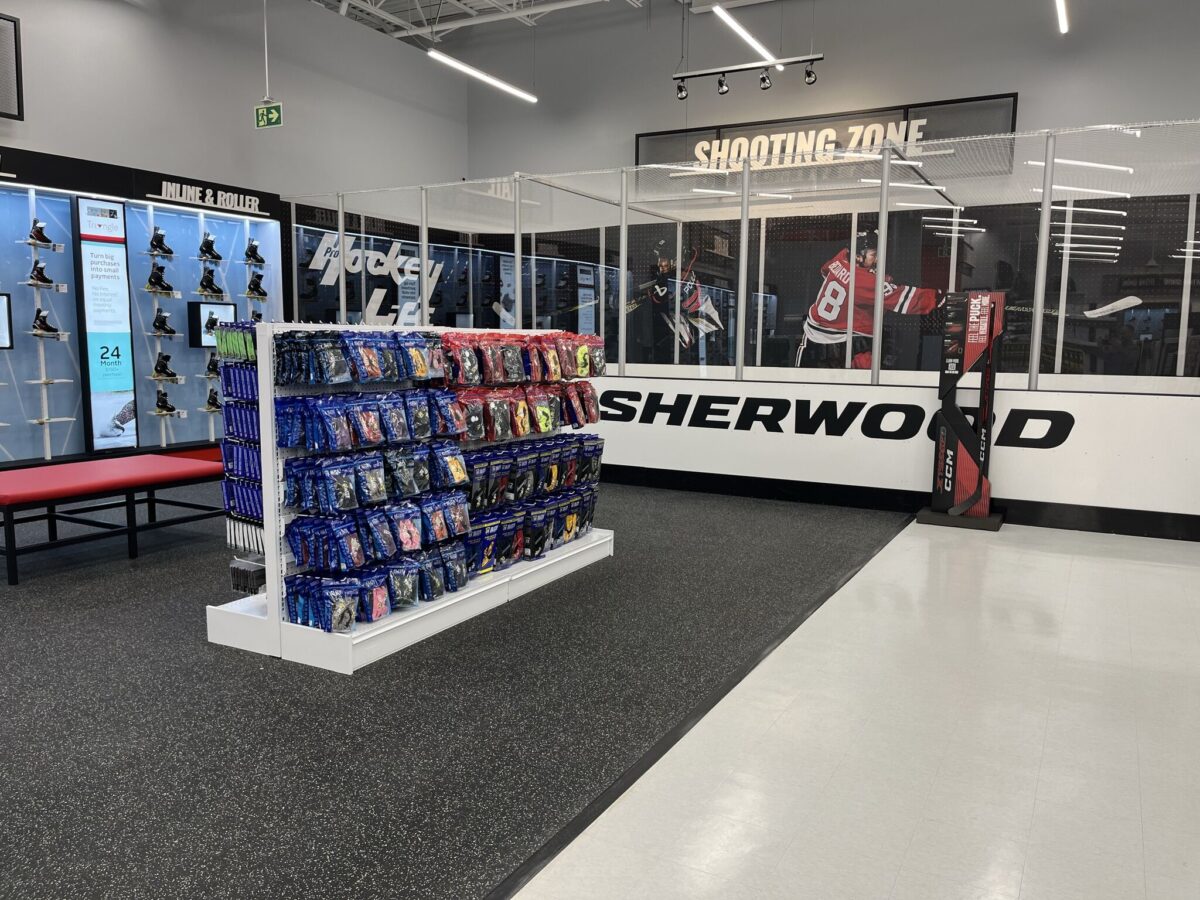
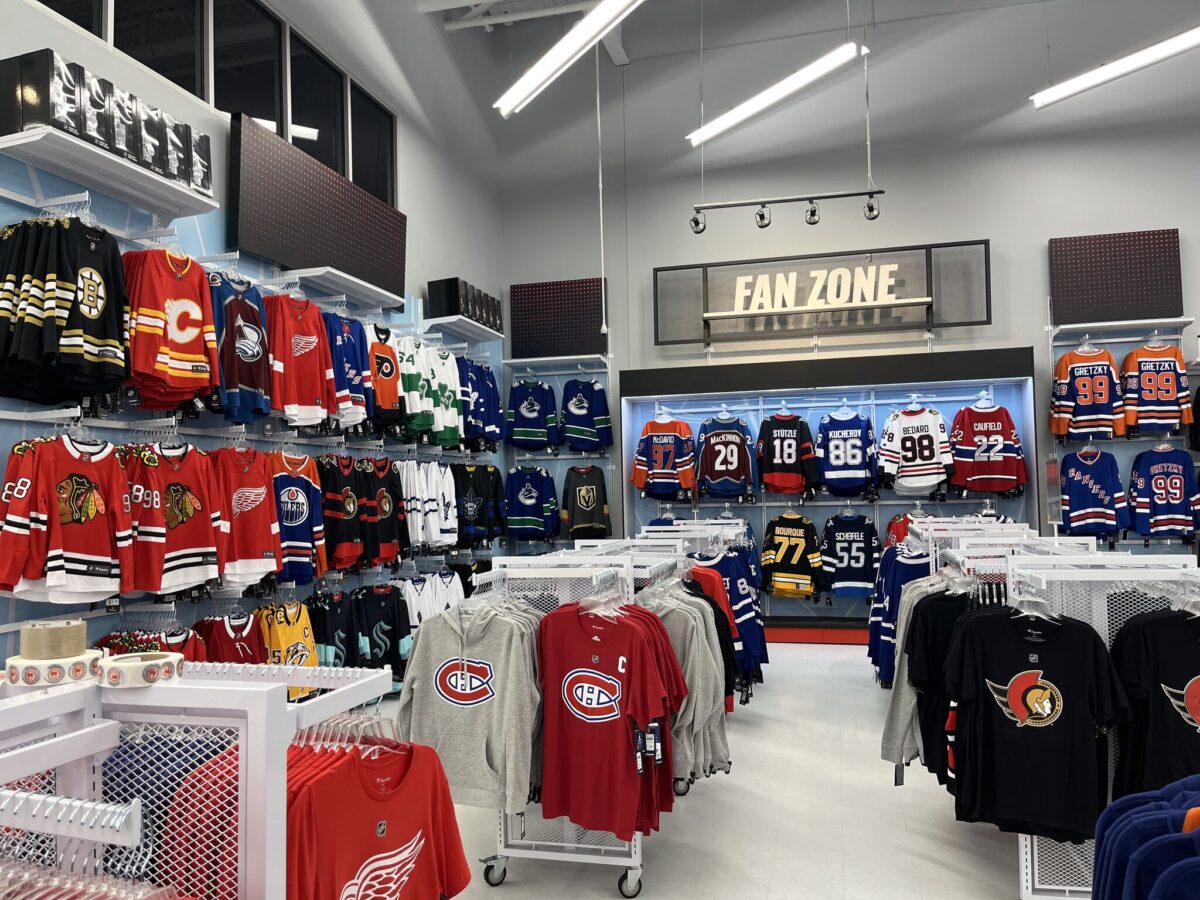
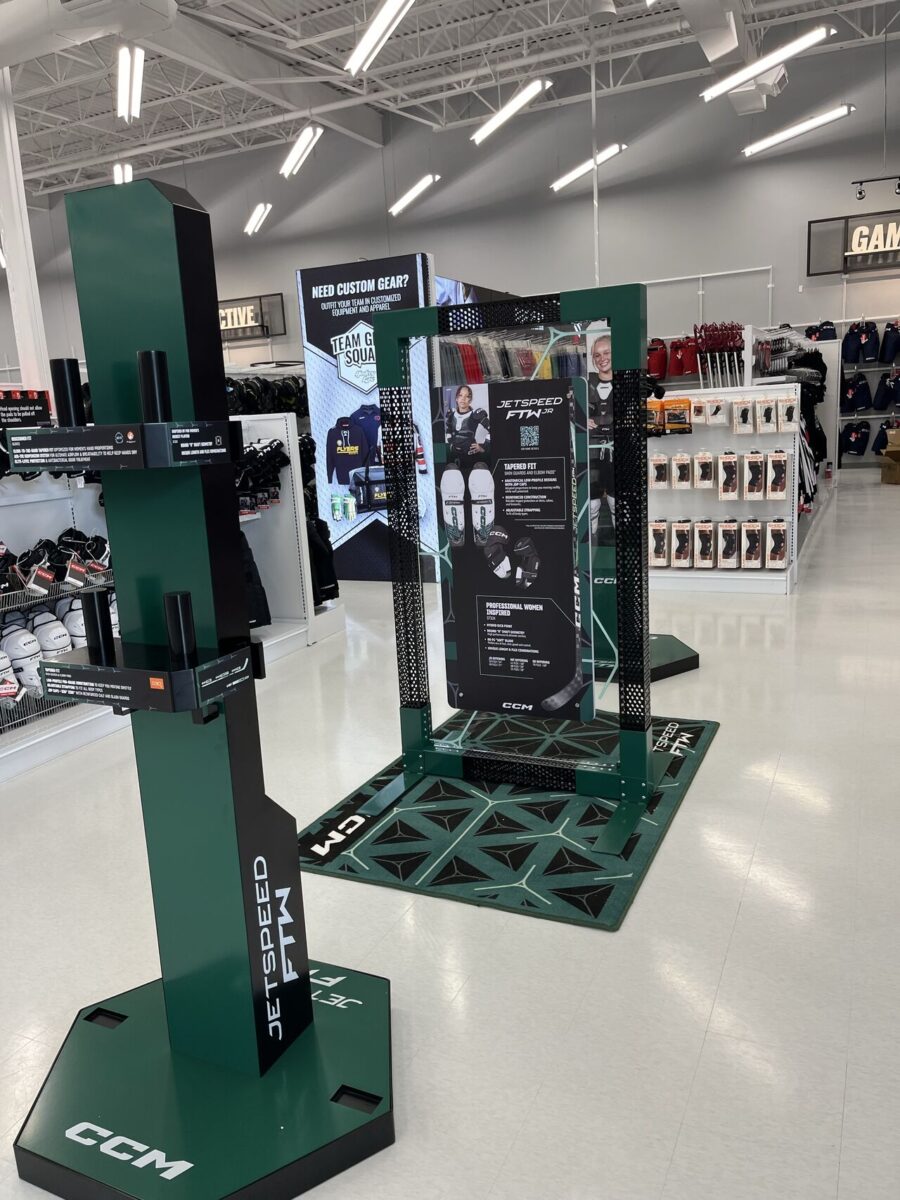
Pro Hockey Life, the ultimate hockey mega-store, has opened four new stores in Ontario – Sudbury, Barrie, Kingston and London.
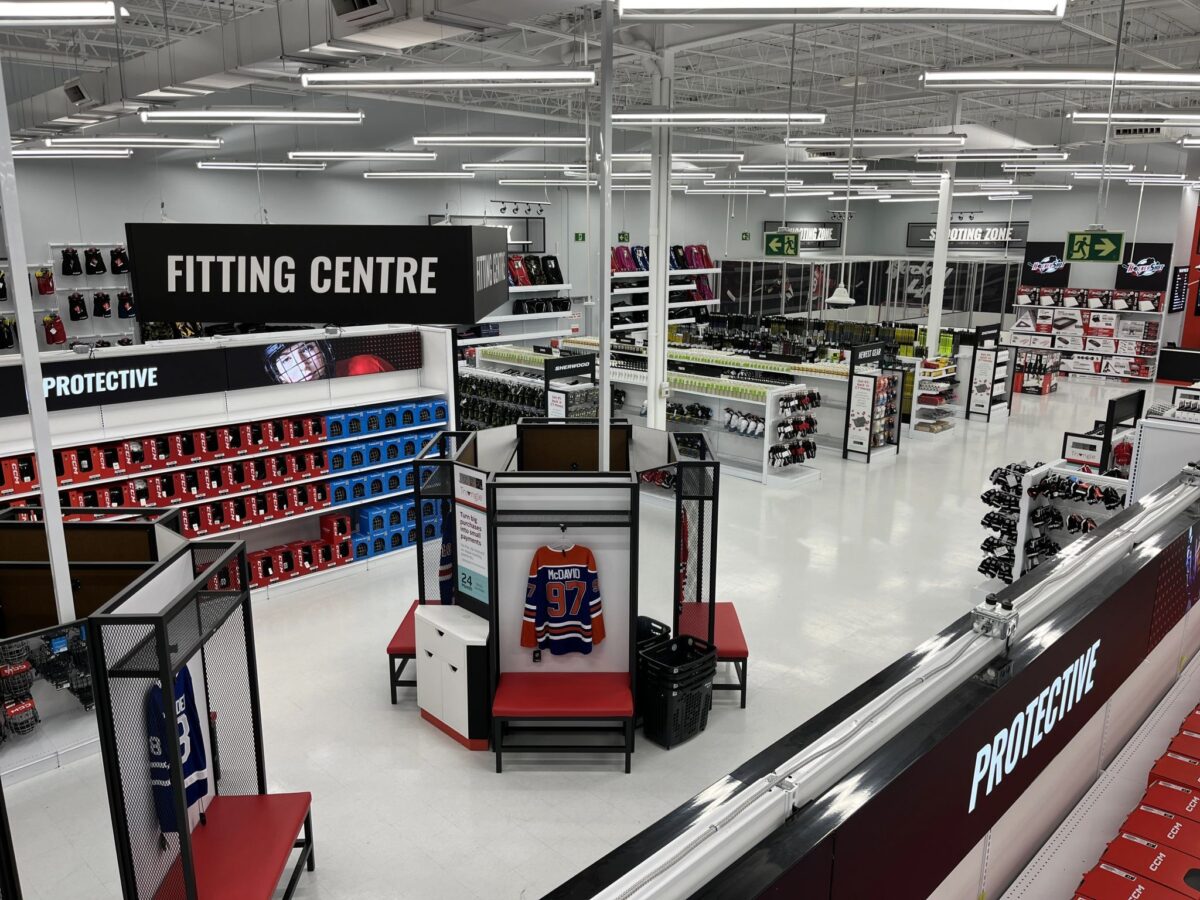
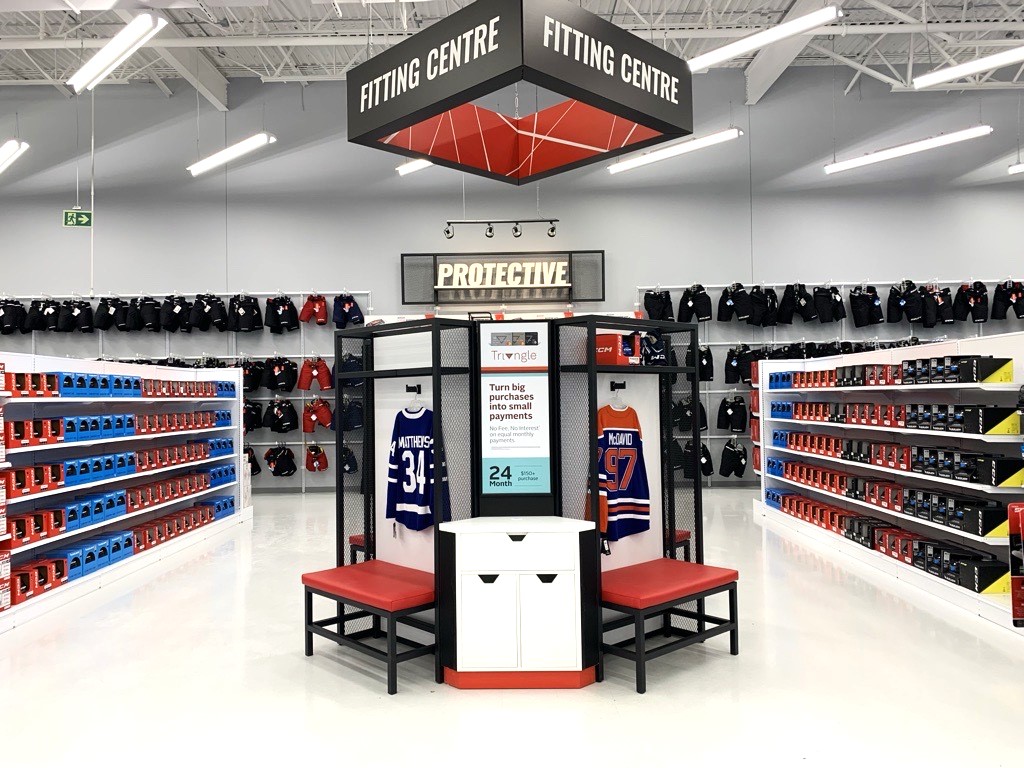
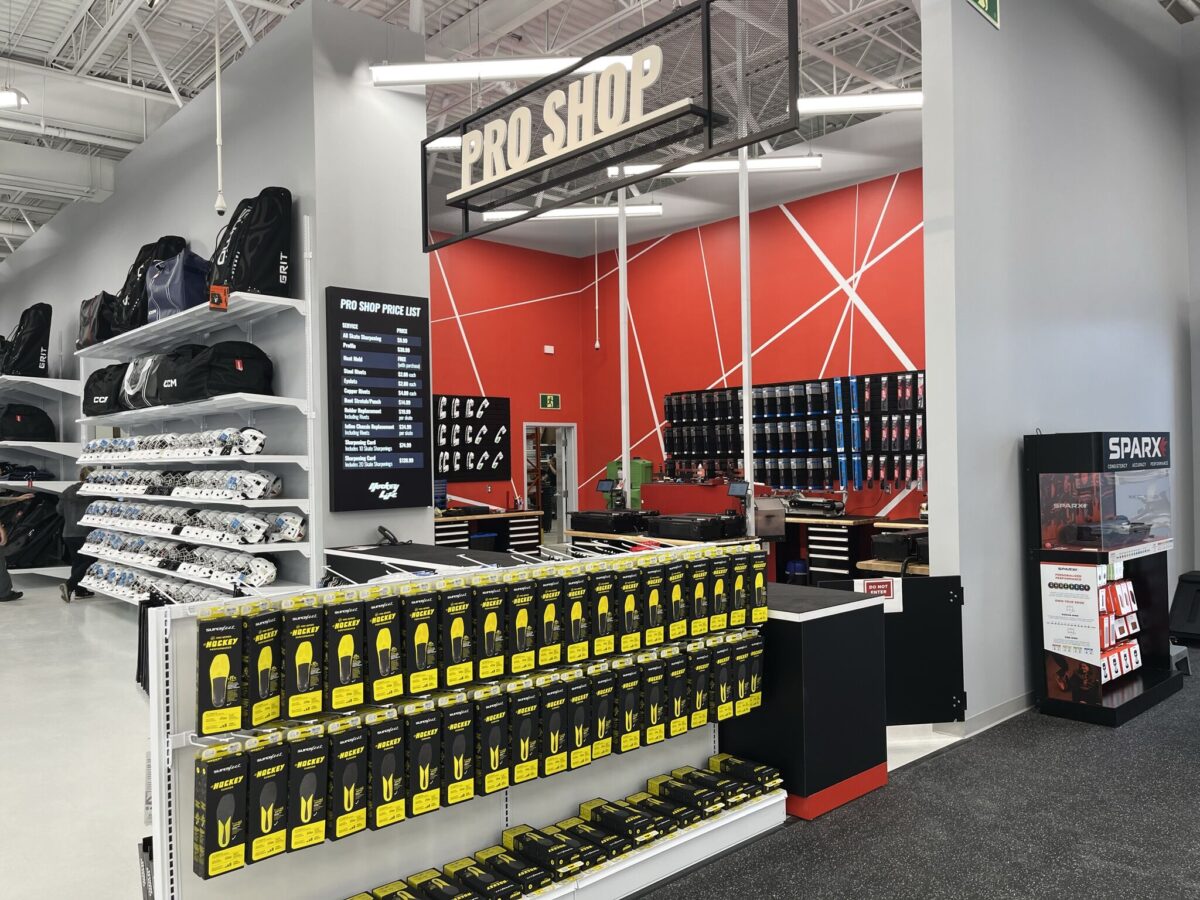
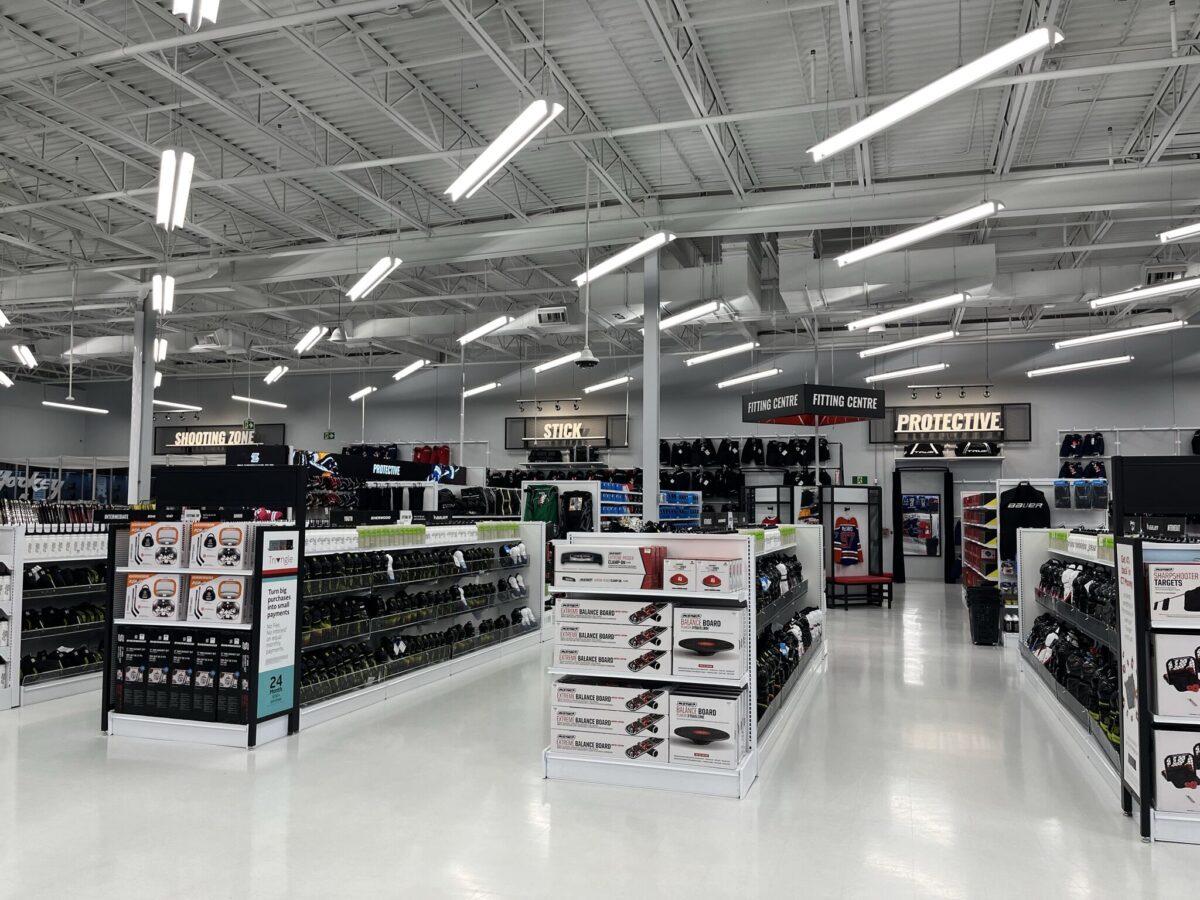
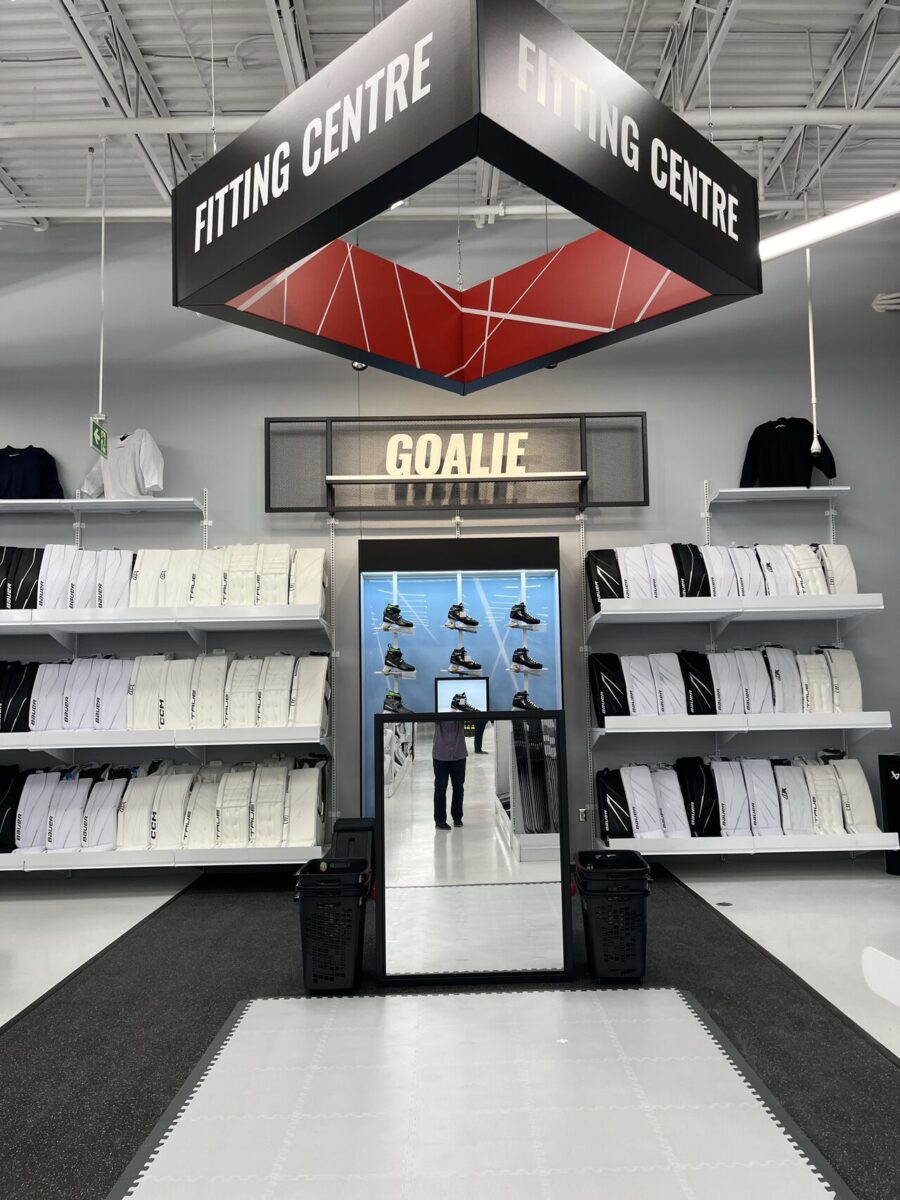
Each store features a clean, open and easy-to-navigate layout with enhanced in-store services to help players test and find gear that will ultimately improve their game.
Barrie is the largest of the four new stores at 28,000 square feet with a Race Track Floor Plan layout and two shooting pads (a large pad for shooting and a half pad to test out Hockey Shot training aids on Dyland tiles).
“Now after our four new openings, we’re up to 20 across Canada,” said Kris Maslanyk, VP National Sales Support Canadian Tire Retail & Store Operations Pro Hockey Life.
Image: Pro Hockey LifeImage: Pro Hockey Life
The first store opened in Montreal in 1973. Canadian Tire acquired the brand in 2012.
New in-store services include:
The Bauer Fit Lab scanning station that identifies athletes unique foot type and provides personalized orthotic and skate recommendations for ideal fit and performance;
Shooting Zone that allows players to try before they buy;
The Fitting Centre where players can work 1 on 1 with PHL’s Fit Experts to find gear that fits right.
Individual lockers in the centre of all the Protective Equipment area where players will get a dedicated locker to try on equipment along with draped fitting rooms for extra privacy.
Maslanyk said typically stores are between 17,000 to 22,000 square feet.
“We renovated our Hamilton location (last year) to get this new prototype but these are the first four new ones in a while,” he said.
“We’re always assessing the market for future opportunities because we’re now across five provinces and obviously the response has been very positive so we’re always looking at what opportunities there may be. For this year the four was a huge undertaking.”
Image: Pro Hockey LifeImage: Pro Hockey Life
Maslanyk said the four new stores are in proven markets with strong hockey backgrounds.
“There was a natural opportunity to get into some of these markets,” he said.
Throughout July the Pro Hockey Life stores in Sudbury, Barrie, London and Kingston will be celebrating their official grand openings with games, interactive hockey challenges, tons of giveaways and exclusive in-store deals.
Grand Opening Weekend Event Schedule:
Sudbury GO: July 5-7
Barrie GO: July 12-15
London GO: July 19-21
Kingston GO: July 26-28
Image: Pro Hockey LifeImage: Pro Hockey Life
“We’re seeing a real need for that kind of specialty retail environment. We’re a full service specialty hockey retailer. We’ve got a world class selection of the latest gear and equipment. We’ve got the top brands. We feel like we’ve got a great service model to service these customers,” added Maslanyk.
“I think we’re just seeing a real niche of people wanting that expertise and wanting access to the latest and greatest brands. You can buy things on ecommerce but obviously our stores are where you have some of the technology and experiential pieces as well. We’re really seeing customers gravitating to going back to the stores to get their expertise and try before you buy mentality around some of the hard goods.”
Canadian retail sales grew modestly in April, especially compared to March’s drop, with All Stores growing 2.7% YOY. However, discretionary spend not up nearly as much with All Stores Less Automotive, Food, and Pharmacies only 0.5% YOY. It is important to remember that there was an extra 1-2 shopping days in April as Good Friday and Easter Sunday landed in March.
As with the rest of the world, the price of groceries remain top of mind. Despite the ongoing boycotts targeting Loblaws, Supermarkets and Other Grocery Stores experienced decline of -1.5% YOY. This drop occurred even before the boycott commenced, indicating a significant shift in consumer behavior towards smaller, local grocers. This trend is largely attributed to consumers’ response to the high grocery inflation in Canada. While inflationary pressures pose challenges, the move towards local grocers is a silver lining, fostering community growth and providing much-needed support to local businesses.
The Canadian retail landscape also reflected the dynamic housing market and its associated rent and mortgage rates. Although the anticipated rate decrease had not yet taken effect, its expected impact on mortgage rates was already influencing consumer behavior. Condo sales in major cities like Toronto plummeted, hitting the lowest quarterly sales of new condos since the 2009 financial crisis. Consequently, potential homeowners found themselves with slightly more disposable income as they navigated the real estate market. For those staying put, the impending rate decrease fostered optimism about affording their mortgage renewals. This shift in financial confidence positively impacted several retail categories:
Home Furnishings Stores saw a 2.1% YOY growth,
Building Material and Garden Equipment sales rose by 4.9% YOY, and
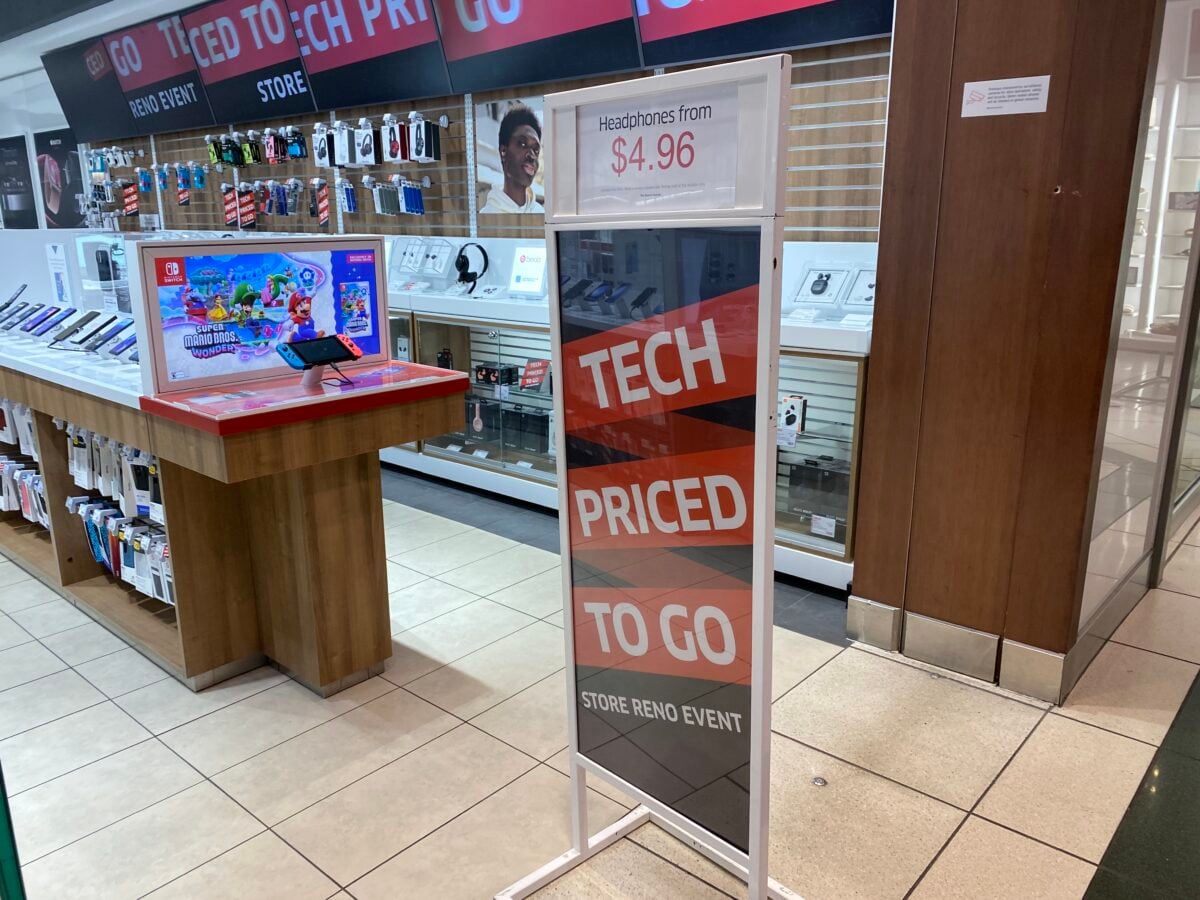
Electronics and Appliance Stores experienced a 5.7% YOY increase, likely driven by higher appliance sales.
The Source at CF Toronto Eaton Centre (Image: Dustin Fuhs)
Finally, a surprising development in April was the retail sales performance in Alberta. Despite a significant population growth of over 202,000 by the end of March—55,000 of whom were from other provinces—retail sales have only grown by a modest 0.3% YTD compared to 2023. Given this unprecedented annual population increase, retail sales were expected to rise at a higher rate. Potential explanations could be:
Newcomers are shopping locally, though this alone shouldn’t have a significant impact.
The costs associated with moving have constrained their immediate spending capacity.
Alberta’s appeal lies in its lower cost of living, suggesting that many of the new residents might already be more frugal shoppers.
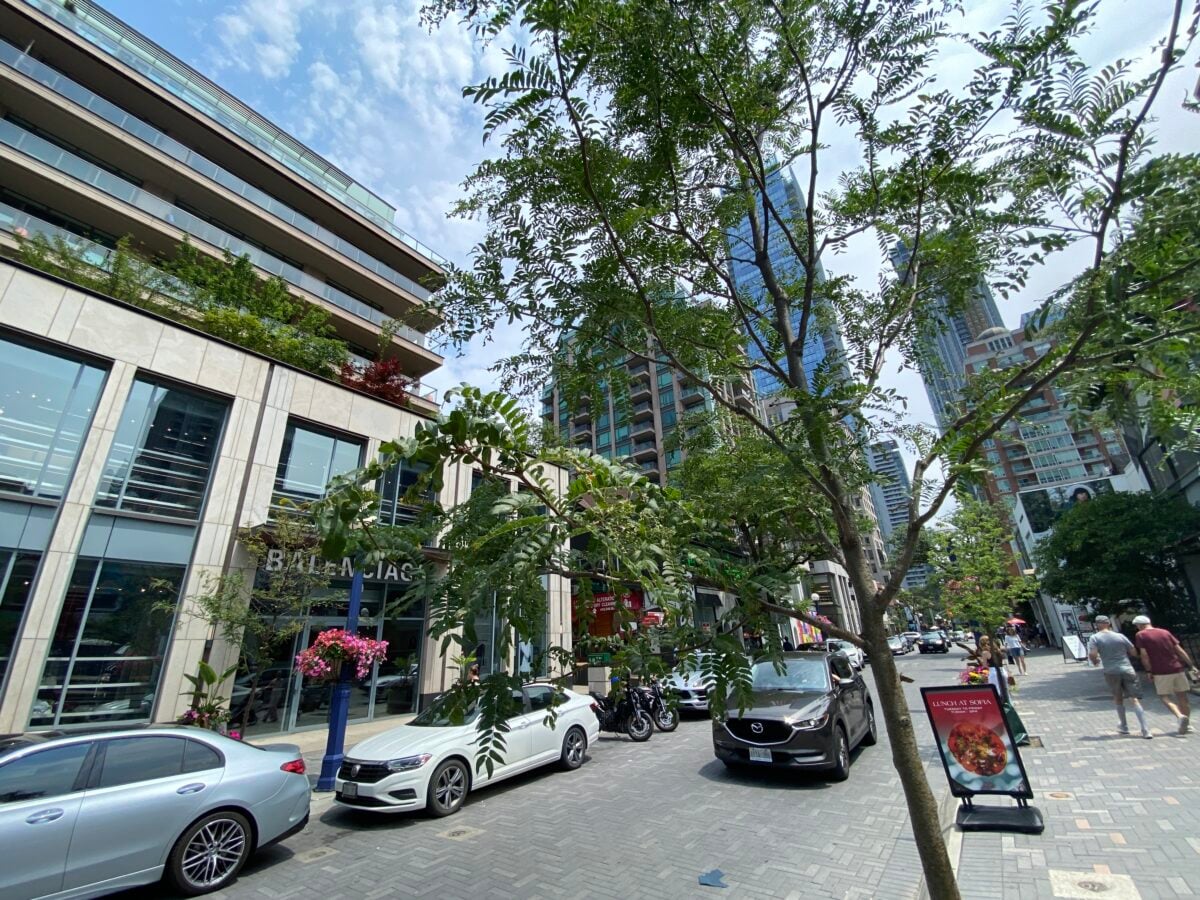
Balenciaga in Yorkville (Image: Dustin Fuhs)
As we write this, Ontario is experiencing a heat wave, prompting us to consider how summer might alter shopping patterns. Key questions on our minds include:
Will heat waves significantly affect traffic at shopping centres compared to Business Improvement Areas (BIAs)?
With the recent cut to interest rates, can we expect a resurgence in discretionary spending?
How will AI influence e-commerce shopping patterns, especially with on-device implementations coming to iPhones in the fall?
How have you prepared your retail business to navigate the uncertainties of summer?
Canadian Retail Sales by Product Category, Same Month Comparison
Sales for the Month of April
Apr-24
Apr-23
YOY
All Stores
66,556,755
64,838,369
2.65%
Motor Vehicle and Parts Dealers
19,692,411
18,311,755
7.54%
Gasoline Stations
6,301,326
6,182,971
1.91%
All Stores Less Automotive
40,563,018
40,343,643
0.54%
Food and Beverage Stores
12,078,504
12,389,336
-2.51%
Supermarkets and Other Grocery Stores*
8,653,685
8,787,981
-1.53%
Convenience Stores
694,803
735,682
-5.56%
Specialty Food Stores
800,001
833,862
-4.06%
Beer, Wine and Liquor Stores
1,930,015
2,031,810
-5.01%
Health and Personal Care Stores
5,575,203
5,166,802
7.90%
All Stores Less Automotive, Food, and Pharmacies
22,909,311
22,787,505
0.53%
General Merchandise Stores
8,861,927
8,741,923
1.37%
Furniture, Home Furnishings, Electronic and Appliance Stores
3,363,147
3,270,026
2.85%
Furniture Stores
1,134,488
1,137,950
-0.30%
Home Furnishings Stores
702,863
688,273
2.12%
Electronics and Appliance Stores
1,525,796
1,443,802
5.68%
Clothing and Accessories Stores
3,185,530
3,354,056
-5.02%
Clothing Stores
2,450,342
2,564,162
-4.44%
Shoe Stores
394,868
432,673
-8.74%
Jewellery, Luggage and Leather Goods Stores
340,320
357,220
-4.73%
Sporting Goods, Hobby, Book and Music Stores
3,503,568
3,611,297
-2.98%
Building Material and Garden Equipment
3,995,139
3,810,204
4.85%
Miscellaneous Store Retailers
2,257,400
2,286,383
-1.27%
Cannabis Retailers
428,555
416,603
2.87%
Canadian Ecommerce Sales
Ecommerce Sales
Apr-24
Apr-23
Percent Change
Year-to-Date
13,915,738
13,204,510
5.39%
Year-Over-Year
3,770,443
3,435,243
9.76%
Canadian Retail Sales by Store Category, Year to Date Comparison
Year-to-Date, Ending April
Apr-24
Apr-23
YTD
All Stores
242,605,245
238,221,250
1.84%
Motor Vehicle and Parts Dealers
66,868,376
65,277,151
2.44%
Gasoline Stations
24,262,525
24,811,830
-2.21%
All Stores Less Automotive
151,474,344
148,132,269
2.26%
Food and Beverage Stores
47,938,136
47,012,876
1.97%
Supermarkets and Other Grocery Stores*
34,833,987
33,853,368
2.90%
Convenience Stores
2,657,944
2,709,431
-1.90%
Specialty Food Stores
3,148,078
2,959,361
6.38%
Beer, Wine and Liquor Stores
7,298,128
7,490,714
-2.57%
Health and Personal Care Stores
21,619,671
20,223,497
6.90%
All Stores Less Automotive, Food, and Pharmacies
81,916,537
80,895,896
1.26%
General Merchandise Stores
31,905,348
30,084,910
6.05%
Furniture, Home Furnishings, Electronic and Appliance Stores
13,113,902
13,178,842
-0.49%
Furniture Stores
4,270,615
4,318,931
-1.12%
Home Furnishings Stores
2,530,503
2,730,356
-7.32%
Electronics and Appliance Stores
6,312,784
6,129,553
2.99%
Clothing and Accessories Stores
11,117,033
11,365,203
-2.18%
Clothing Stores
8,586,710
8,796,460
-2.38%
Shoe Stores
1,277,555
1,311,192
-2.57%
Jewellery, Luggage and Leather Goods Stores
1,252,767
1,257,550
-0.38%
Sporting Goods, Hobby, Book and Music Stores
13,056,143
13,681,982
-4.57%
Building Material and Garden Equipment
12,724,110
12,584,959
1.11%
Miscellaneous Store Retailers
8,438,230
8,869,312
-4.86%
Cannabis Retailers
1,624,169
1,598,674
1.59%
Retail Trade, Canada, All Stores, by Geographic Regions