Retail Insider is streamlining its Canadian retail news from around the web to include a handful of top news stories that can be viewed quickly during the day. Here are the top stories from the past 24 hours.
Yorkdale Shopping Centre in Toronto. Photo: Craig Patterson
ICSC collected sales numbers for shopping centres in Canada at the end of 2023, ranking the country’s top malls based on reporting retailers.
The Yorkdale shopping centre in Toronto was nearly $1,000 higher than the next mall on the list, CF Toronto Eaton Centre. Yorkdale’s productivity number was $2,402 a square foot in 2023, which was $176 higher than numbers collected in 2022. CF Toronto Eaton Centre in 2023, in comparison, saw sales of $1,457 per square foot last year.
Yorkdale also saw sales of $2.1 billion in 2023, about eight percent higher than the year before. It’s the only shopping centre in Canada to have annual sales exceeding the $2 billion mark.
Robert Horst, Vice President of Retail at Oxford Properties, attributed Yorkdale’s success to the centre’s prominence over the years — the mall has seen constant investment while being strategically located at the heart of the city near freeways with subway access. Yorkdale’s tenant mix has also proven popular with shoppers with a range of retailers including luxury brands and big-name brands, he said. Many of the top brands globally are at Yorkdale, and landlord Oxford Properties has mandated that store locations be elevated to the status of ‘flagship’.
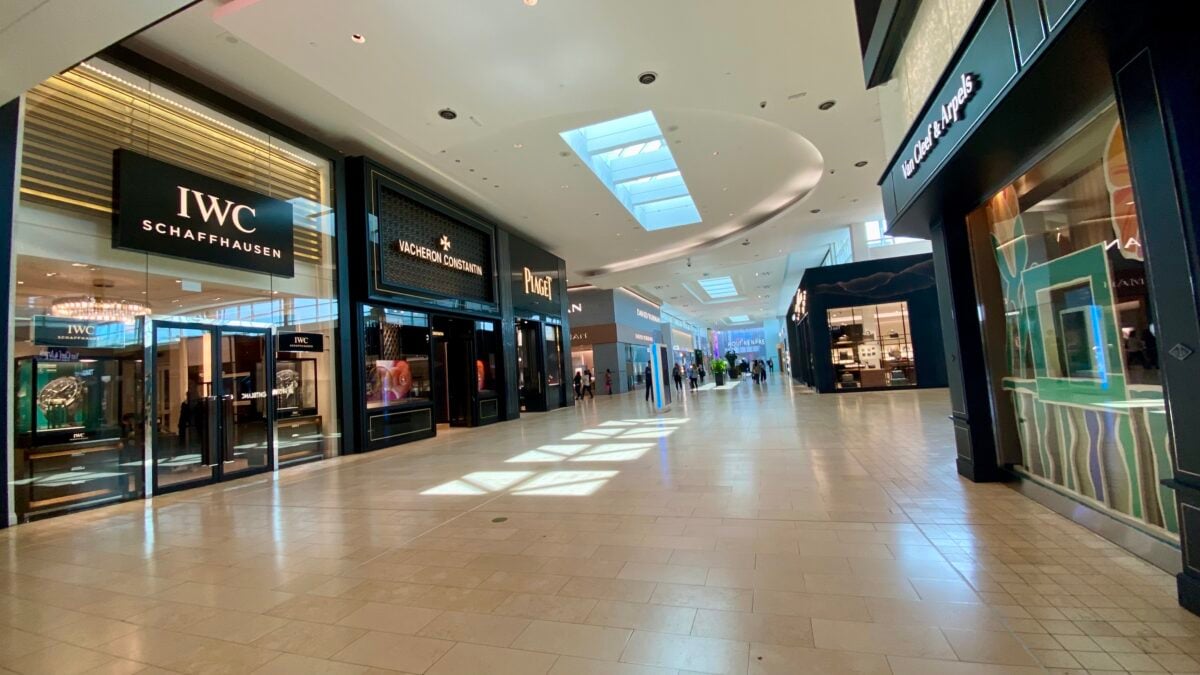
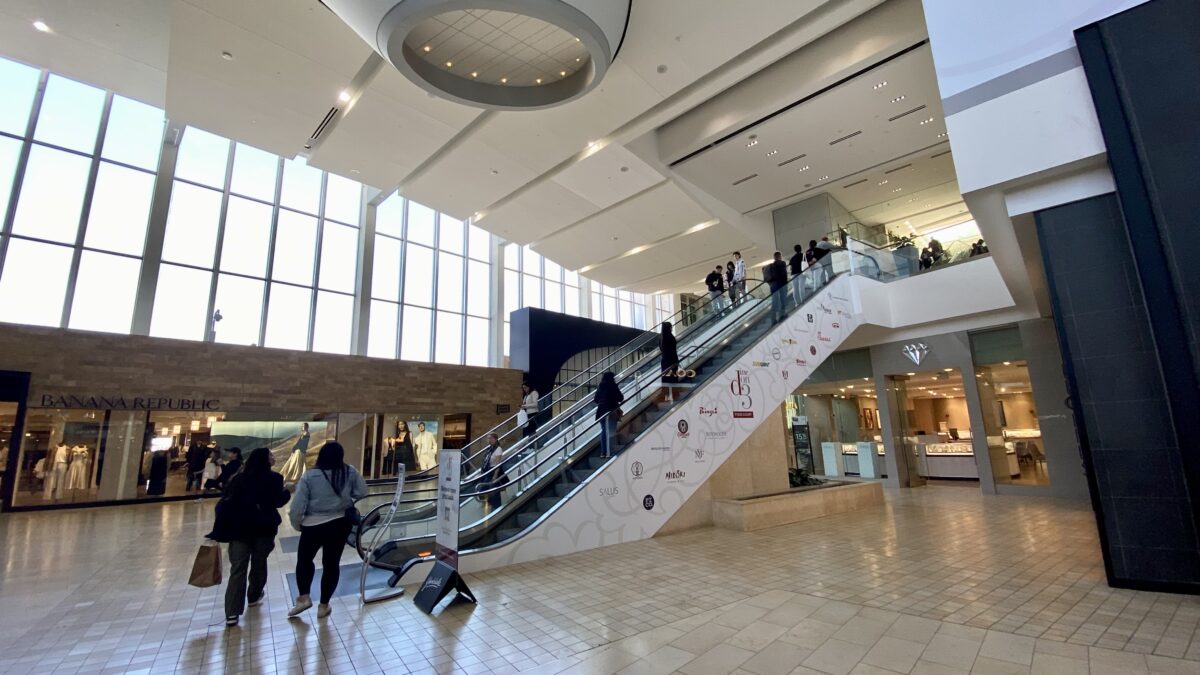
Luxury retailers at Toronto’s Yorkdale Shopping Centre. Photo: Craig Patterson Escalator leading to he food court at Toronto’s Yorkdale Shopping Centre. Photo: Craig Patterson
Food and beverage has helped the success of Yorkdale, according to Horst, with new restaurants having been added to the centre in recent years at a variety of price-points. That includes a third floor food court that recently saw millions of dollars in updates.
Yorkdale has the most comprehensive clustering of luxury brands in Canada, and the centre launches more first-to-Canada retail concepts than anywhere.
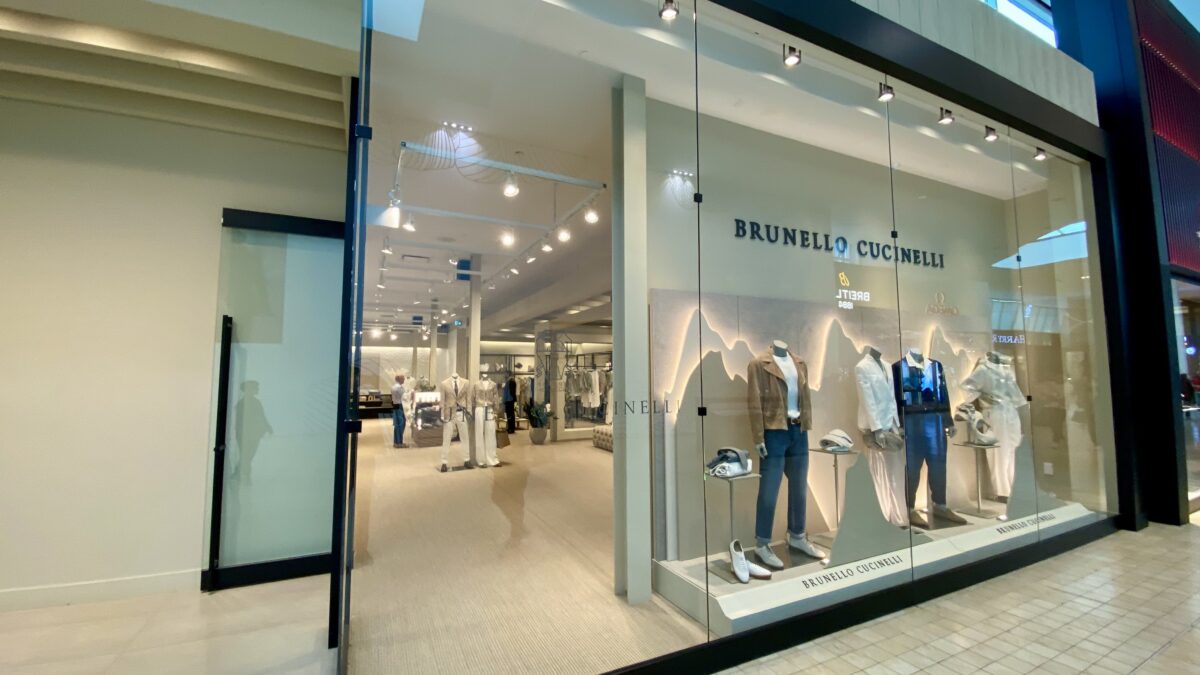
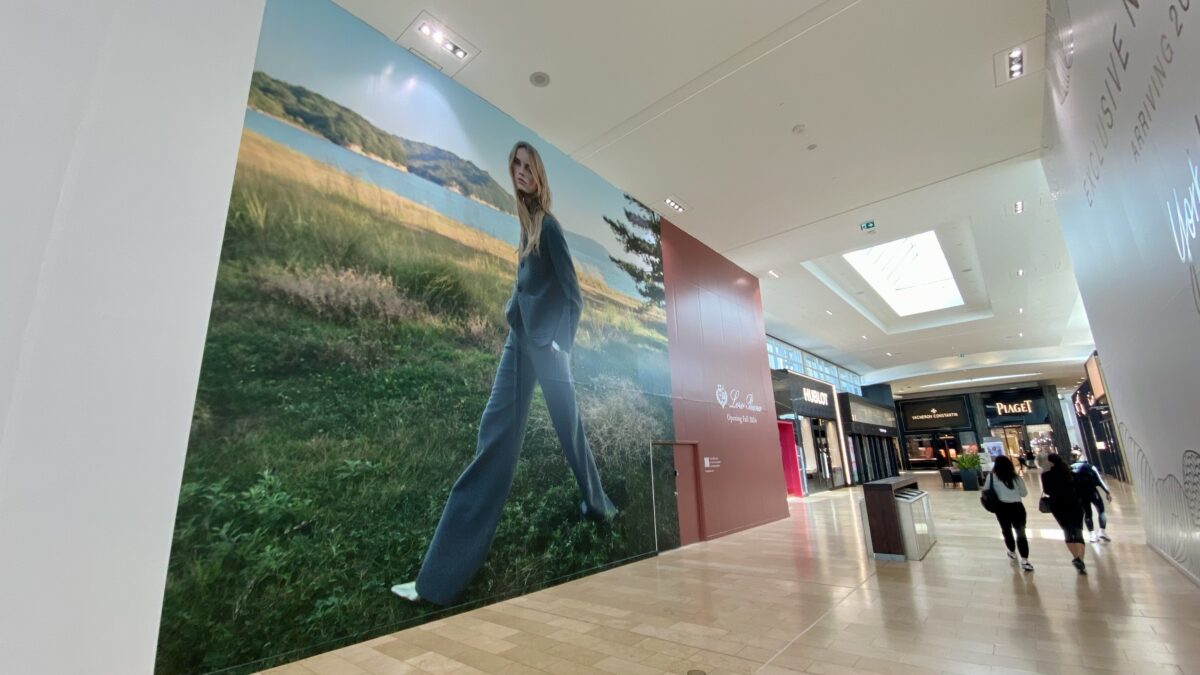
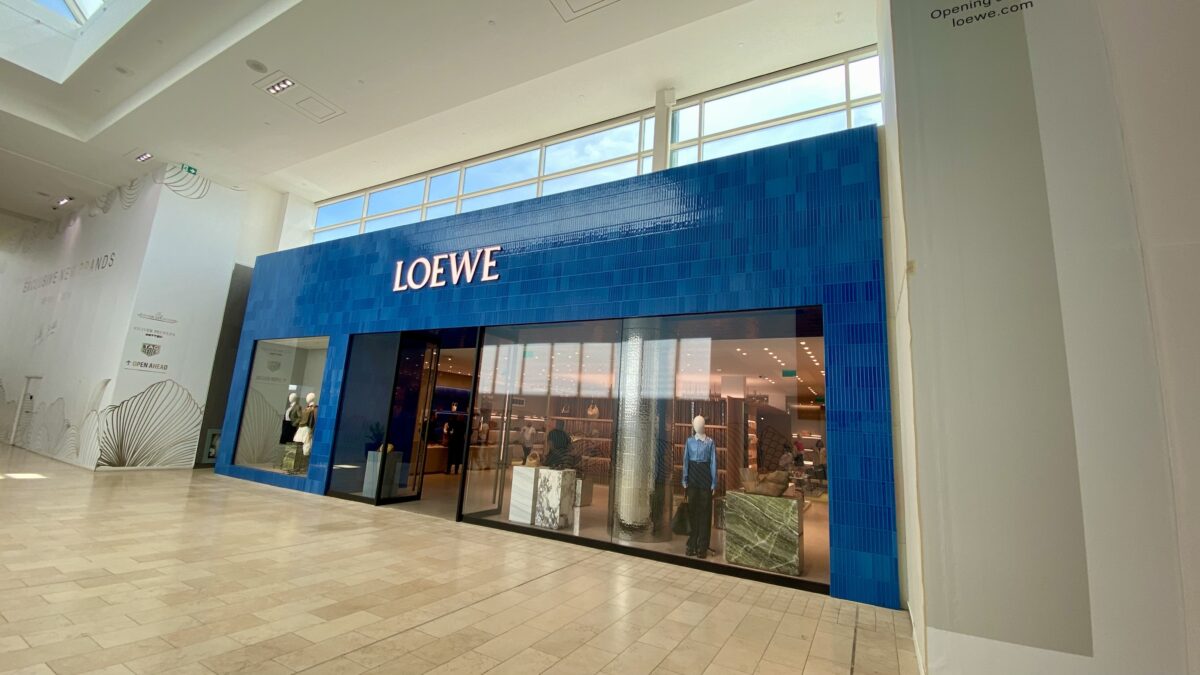
Brunello Cucinelli pop-up store while a permanent location is under construction at Toronto’s Yorkdale Shopping Centre. Photo: Craig Patterson Future Loro Piana store at Toronto’s Yorkdale Shopping Centre. Photo: Craig Patterson Spanish luxury brand Loewe just opened a store at Toronto’s Yorkdale Shopping Centre, its first in Canada. Photo: Craig Patterson
Yorkdale always seems to have new construction, including new stores being added while others move and renovate. At the moment, several retailers are relocating in the centre or already have.
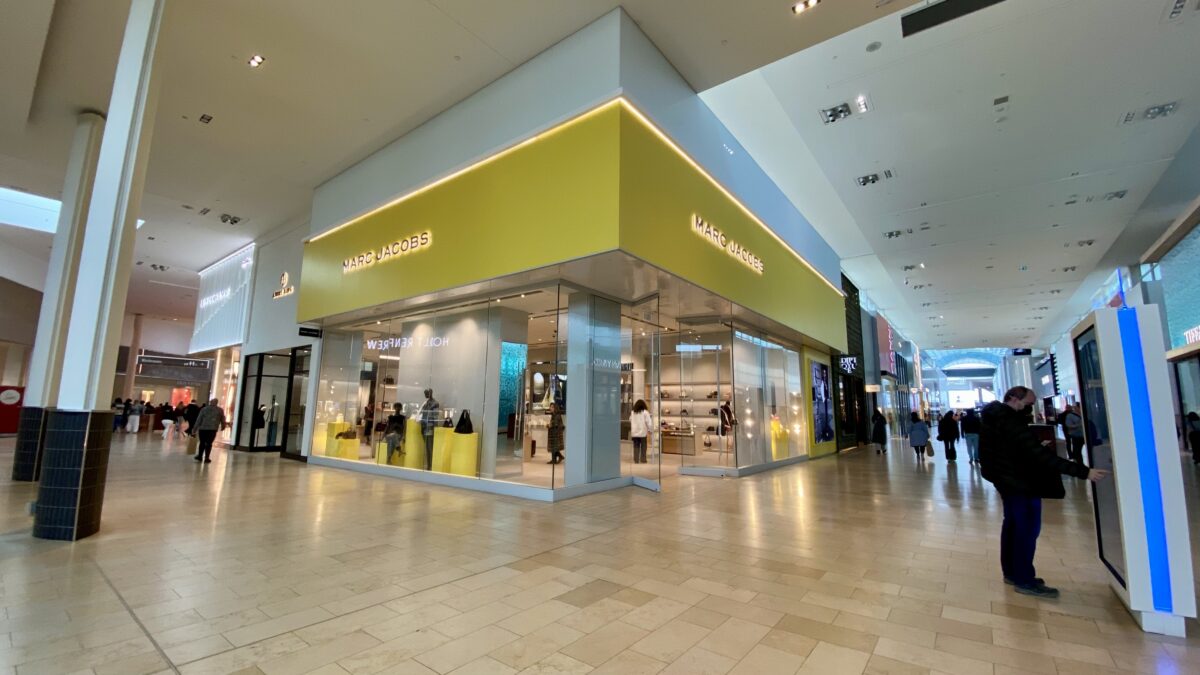
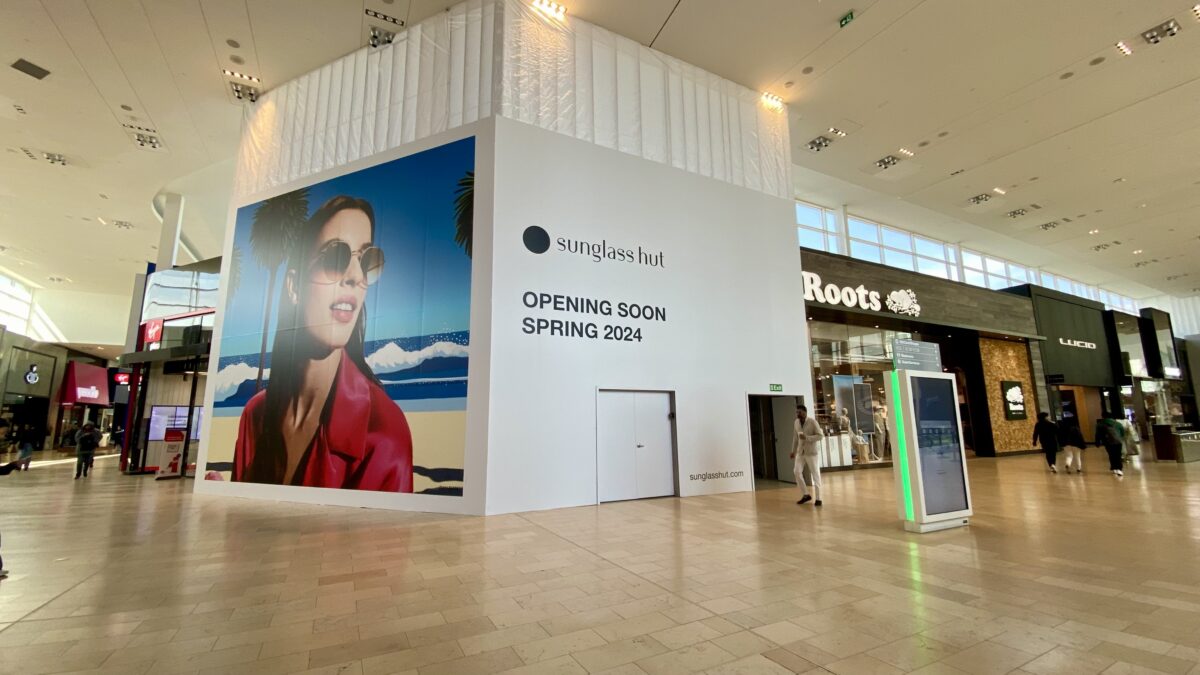
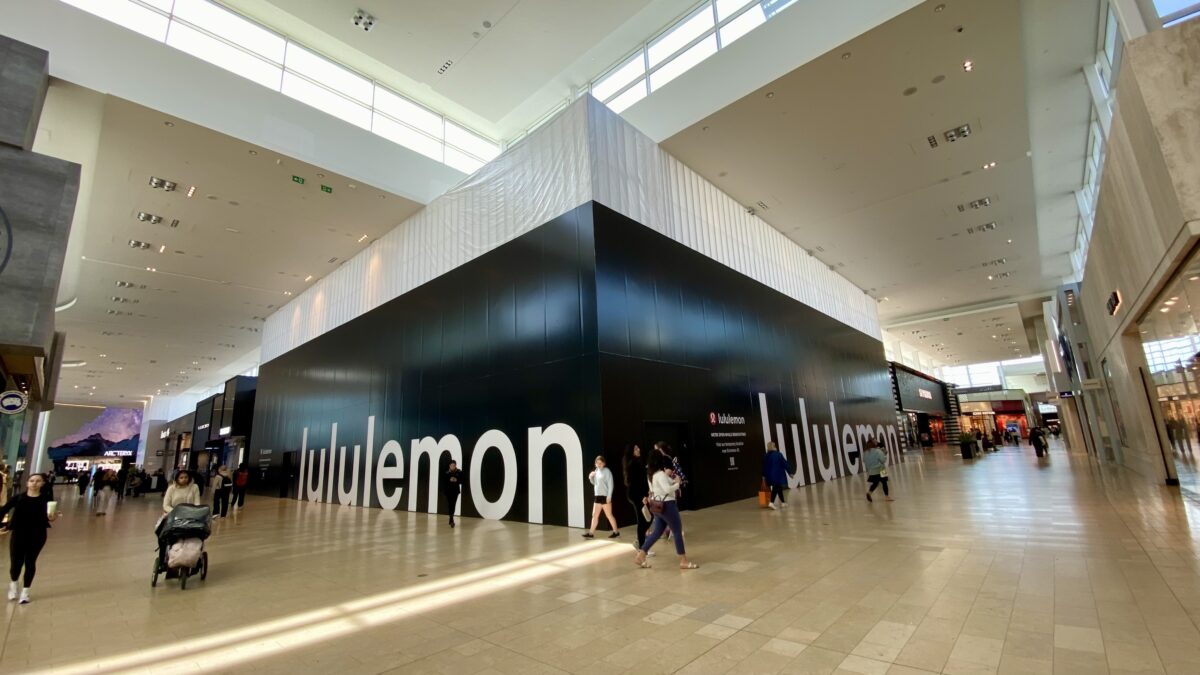
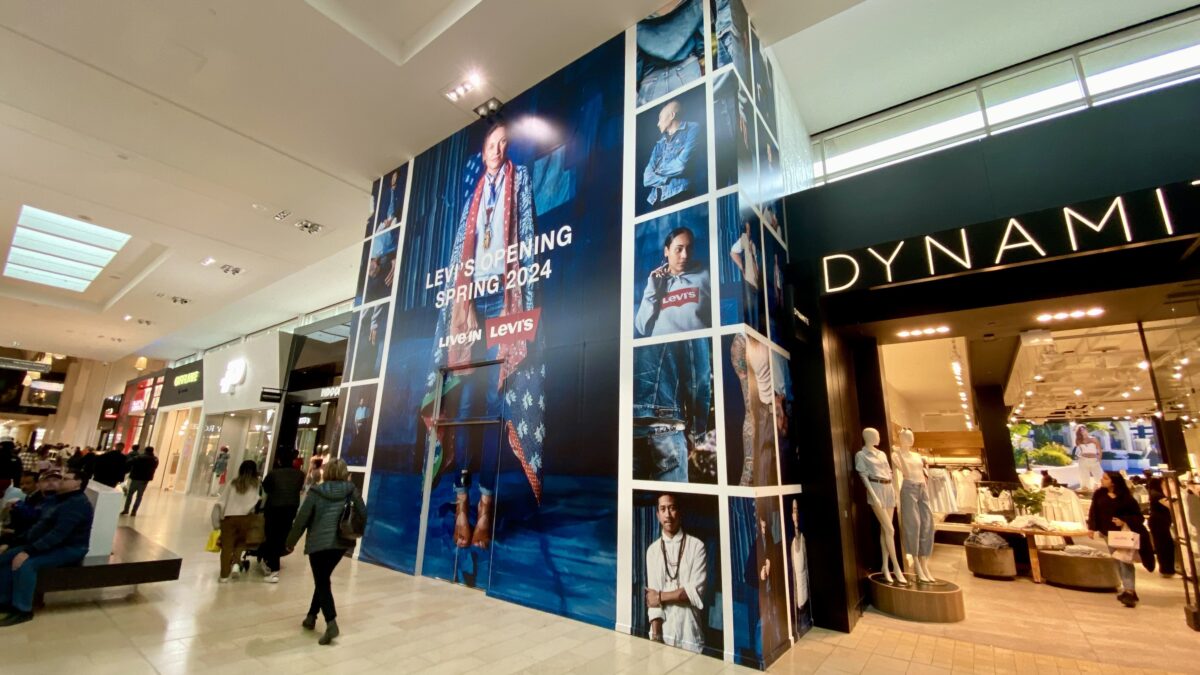
Marc Jacobs, the New York City-based fashion brand, recently relocated its Yorkdale store to a retail space near Holt Renfrew that had been occupied by Italian brand Furla. Sunglass Hut is also relocating to a space near the mall’s subway entrance that was formerly home to Craig’s Cookies. Lululemon is expanding its store in the mall at the moment, made possibly by annexing a space formerly occupied by Arc’teryx which relocated several months ago. New stores under construction include a Levi’s store and Michel’s Bakery, which is relocating to a larger space.
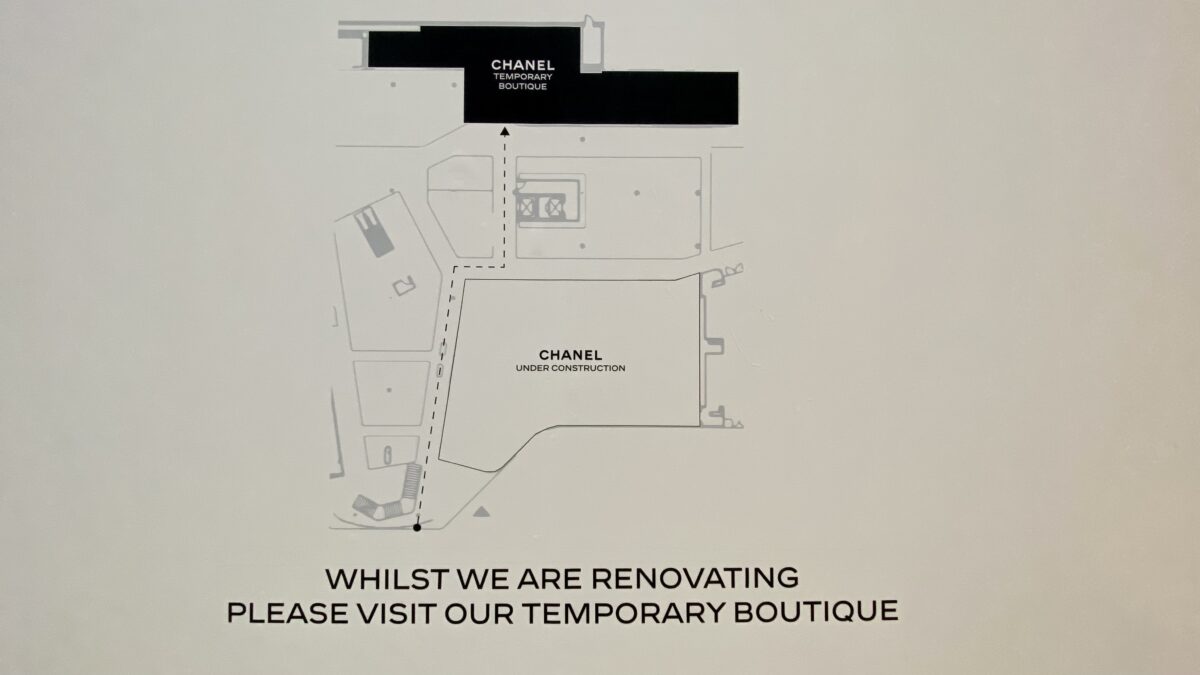
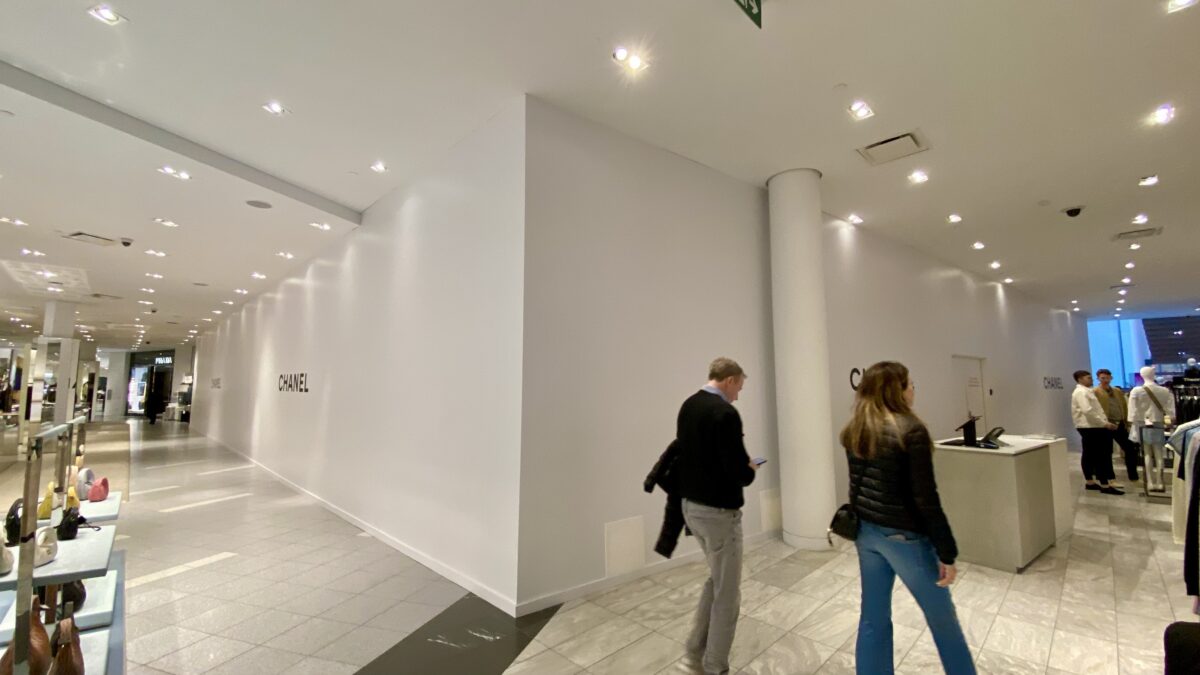
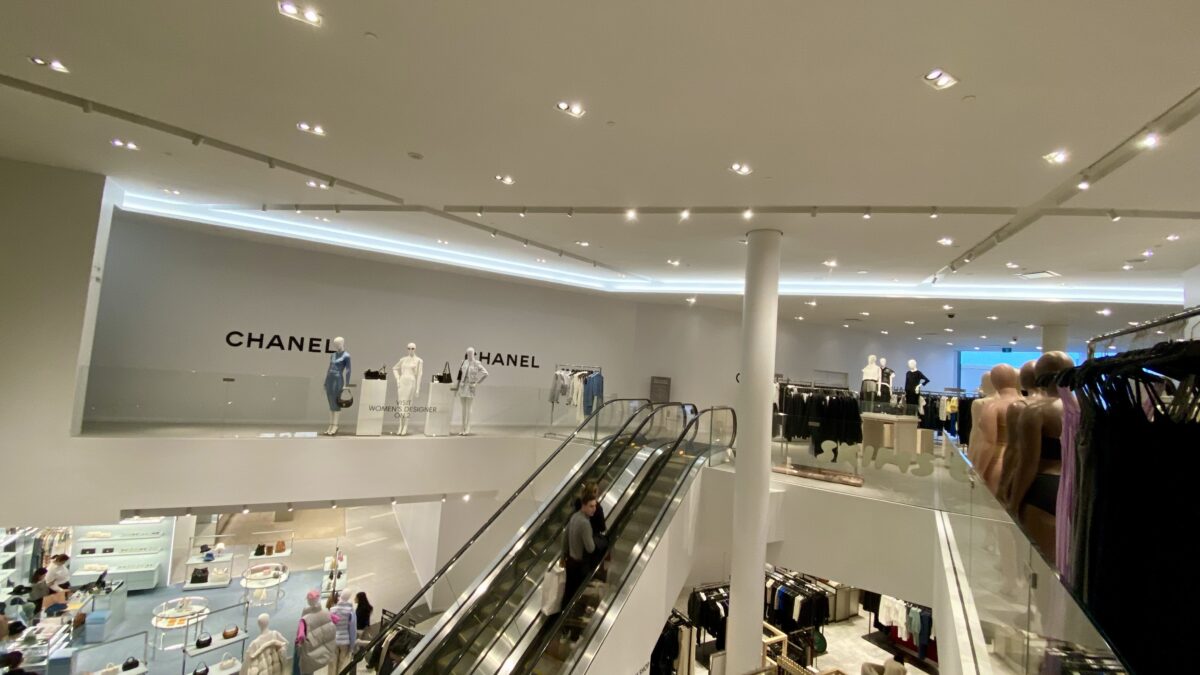
At Holt Renfrew, Chanel is currently building a massive two-level concession that will span more than 12,000 square feet. Chanel has temporarily moved into a space formerly occupied by a restaurant in Holt Renfrew.
Relocated Marc Jacobs store at Toronto’s Yorkdale Shopping Centre. Photo: Craig Patterson Sunglass Hut is relocating its store at Toronto’s Yorkdale Shopping Centre. Photo: Craig Patterson Lululemon is expanding its store at Toronto’s Yorkdale Shopping Centre. Photo: Craig Patterson Levi’s is opening a relocated store at Toronto’s Yorkdale Shopping Centre. Photo: Craig Patterson
Yorkdale is also the first shopping centre globally to receive a WELL Performance Rating seal from the WELL Building Standard™, a certification awarded to buildings with a demonstrated commitment to high building-performance and enhanced community experiences.
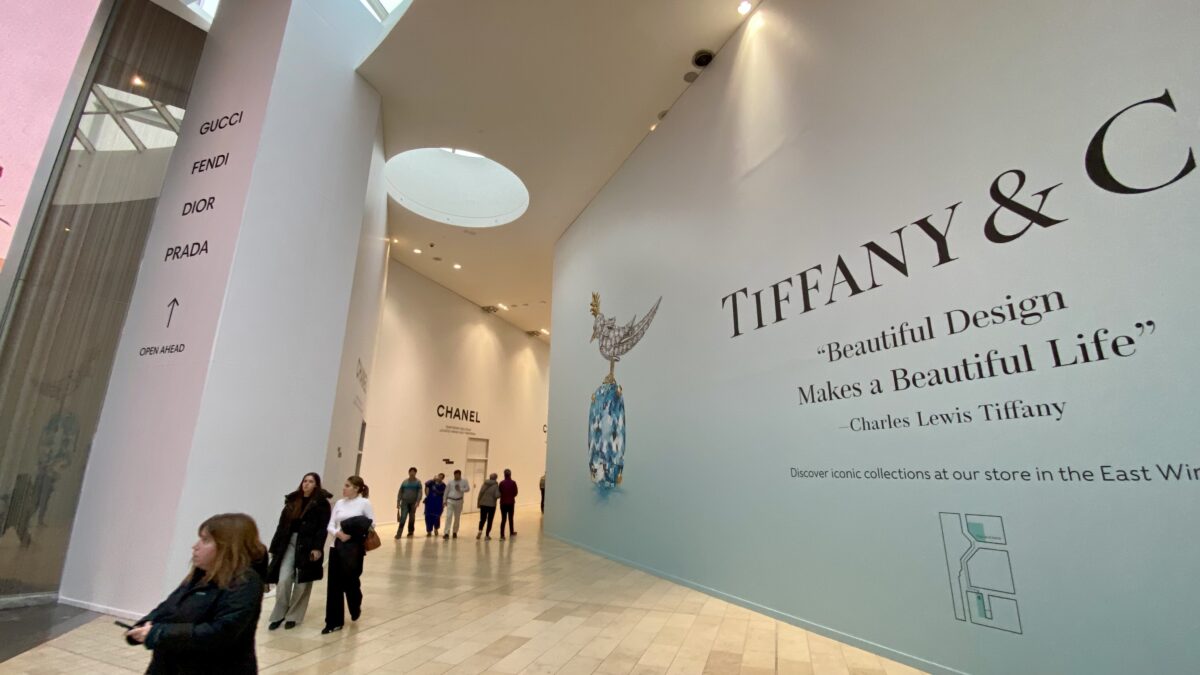
Under construction: Expanded new concept Tiffany & Co. and massive Chanel concession at Toronto’s Yorkdale Shopping Centre. Photo: Craig Patterson Chanel recently relocated its concession at Holt Renfrew to a former restaurant space while its concession is expanded to two floors. Photo: Craig Patterson Chanel under renovation at Holt Renfrew Yorkdale. Photo: Craig Patterson Second floor expansion for Chanel at Holt Renfrew Yorkdale — the concession could be the largest globally for the brand. Photo: Craig Patterson
Two of Oxford Properties’ other malls in the Greater Toronto Area also saw strong results in the ICSC study. The Scarborough Town Centre in Toronto, which Horst used to manage, saw sales rise 12% in 2023 to $926 a square foot. Horst attributed the sales gain to new tenants such as Ikea and Decathlon which opened last year, and helped increase foot traffic into the centre.
Square One in Mississauga also saw strong sales in 2023, with more than a billion dollars in sales in the massive shopping centre that has become part of Mississauga’s downtown core. The shopping centre ranked sixth in the study of Canada’s top malls, with sales per square foot of $1,258. Horst noted the mall’s extensive offerings including a food hall and retailers ranging from the affordable to luxury brands, including retailers such as Holt Renfrew. Square One’s Apple store also recently relocated in the mall to a 15,000 square foot space that had been occupied by Spanish retailer Massimo Dutti.
City of Calgary via Facebook (Image: /proflycalgary)
Sustained demand and decreasing availability are driving Calgary’s retail leasing market, according to a recent report from commercial real estate firm JLL.
The report, Calgary Retail Insight Spring 2024, said Calgary’s retail leasing market remains strong, with steady leasing volume and decreasing availability due to high demand and limited supply.
It said rent growth is starting to show signs of deceleration but is expected to continue to rise, driven by inflation and rising property taxes. Also, Calgary continues to outperform the province, driven by robust consumer spending. Population growth and a positive outlook for the oil industry is supporting long-term prospects.
“Calgary’s retail leasing market remains robust, although rent growth is showing signs of slowing from its peak in mid-2023. However, leasing volumes remain strong, in part due to strong population growth and continued demand for space,” said JLL.
Image: JLL Calgary Retail Insight 2024
“Despite a decline in net absorption, demand for retail space continues to outstrip supply, resulting in a downward trend in availability. Notably, Alo Yoga, Uniqlo, and Earls have announced mall-based store expansions in the past six months.
“Currently, construction activity is relatively subdued, but we anticipate new space from suburban projects The Alpine and Township (Phase 2). In addition, in 2025 Primaris REIT is set to complete the redevelopment of the former Northland Village Mall into an open-air shopping centre with residential towers.”
The report said the majority of leasing activity in Calgary has concentrated in general retail, neighborhood centres, and malls. CrossIron Mills, CF Market Mall, and CF Chinook have seen significant leasing activity over the past year, with Decathlon, Athleta, Cole Haan, and Knix among the many new retailers opening.
CF Chinook Centre (Image: Cadillac Fairview)
Overall, the retail leasing market in Calgary is expected to experience strong growth in 2024, as availability decreases and rent growth begins to slow, it added.
“Despite a projected decline in Calgary’s retail market this year, the city’s ever-growing population and a favourable outlook for the oil industry should continue to drive consumer spending,” said JLL.
“This year’s outlook for retailers is positive, with Calgary’s retail sales growth exceeding that of the province. Calgarians continue to spend on several types of products and services, with a greater interest in convenience, health care, personal care, and shoes. However, home improvement and furniture expenditure have decreased.
“While the local economy is slowing, it is nonetheless expected to outpace national growth rates. Consumer spending growth will slow this year but not contract. A wave of new residents combined with positive oil-demand prospects over the coming years underpin future developments in this area.”
BMO Centre (Image: Calgary Municipal Land Corp.)
In 2023, full-service and limited-service restaurants performed better than retail goods across the province. Limited-service restaurants have also had a stable growth pattern and will grow further accordingly, added the commercial real estate firm.
“Calgary’s effort to breathe new life into its downtown is visible through a continual transformation of empty office spaces into residences and a significant decrease in office vacancies,” explained JLL.
“More recently, the Calgary Municipal Land Corporation (CMLC) announced major projects worth over $1 billion at the East End, including mixed-use residential projects, a new theatre at Arts Commons, the grand opening of the BMO Centre expansion, and the Victoria Park/Stampede Station rebuild.
“On another positive note, Calgary’s transit ridership has rebounded to become one of the top-ten busiest public transit systems in North America. In Q3-23, Calgary Transit recovered 79% of its passenger trips of 2019, surpassing Los Angeles, Seattle, and San Francisco.
“The tourism sector in Calgary is set for a strong year, with Tourism Calgary projecting visitor numbers above the 8.4 million experienced in 2023. A majority are Canadians who come for the city’s famous events like the Stampede, among other factors such as the increasing population of Canada.”
Ron Odagaki
Ron Odagaki, Associate Vice President, Retail at JLL, said all signs in 2023 pointed to retail spending being fairly robust in Calgary.
“Whatever the headwinds talk is these days, what’s keeping strong in my opinion is the fact that supply of retail space, retail inventory we’ll call it, is low,” he said. “So retailers even if they are facing some increased expenses at their end for whatever reason, I think for the most part can’t afford to give up their space or cause vacancy to go up. They’re continuing to renew. They’re continuing to maintain their market share by maintaining their locations. And their good locations.
“So with that vacancy continues to be low and rental rates continue to maintain their strength. The bulk of it is operating costs and property taxes which seem to increase but I think the net rents are stabilizing but for good locations we’re still not seeing any weakness or reductions for rents. We’re continuing to see increases. Maybe less increases than years past. But because of the low supply, demand still continues to outpace.”
Odagaki said over the next couple of years the city may see another increase in construction which will ease the supply issue.
Image: JLL Calgary Retail Insight 2024
He said downtown Calgary retail has experienced various stages of the return of the office worker over the past few years.
“In 2024, you’ve kind of seen maybe a bit more of that stable baseline as to what that is. I think retailers are starting to see that now and so with that we are starting to see some activity. Retailers asking about some of the vacant spaces that are available,” he said.
“The vacancy rate in office is probably corresponding to that. But more so the number of employees that are returning. The number of swipe cards, the number of people in the elevators, the number of people in the parkade, on buses. As you see that stabilize, retailers now have a better guess as to what they think they can do and more importantly that there is a market in the downtown core to do business. So we’re getting a lot more interest in retailers looking at the downtown core as an opportunity to do business. It’s been more optimistic than I’ve seen in a long time which is a good sign.”
Venue: Arcadian Loft, 401 Bay St. 8th Floor, Toronto, ON M5H 2Y4, Canada
Amid a significant upheaval in retail channels, electronic commerce has been warmly embraced by Canadians. The number of eCommerce users in Canada is anticipated to rise to 77.6% by 2025. The surge in online shoppers has propelled retail eCommerce sales in Canada to new heights. However, with online sales plateauing in the midst of escalating costs and consumers tightening their budgets, it becomes imperative to comprehend your customer, cultivate relationships, and deliver genuine value for money to retain their business.
Savant eCommerce Toronto
Stay ahead of the curve on industry trends and gain insights into effectively navigating current economic challenges with Savant eCommerce Toronto – your premier resource for staying informed. At the event, you’ll meet 140+ eComm, CX, Digital Marketing, Loyalty and CRM leads from Canada’s top brands and retailers.
Join us for thought-provoking presentations, engaging discussions, and the opportunity to forge new connections that will assist you in:
Gain insights into your consumers’ desires, needs, and motivations, delivering value-added propositions.
Refine your personalised marketing strategy to attract and retain business.
Utilise diverse digital channels to engage seamlessly with customers and distinguish your brand.
Explore the application of AI for enhancing customer experience.
Discover the essential elements for unlocking customer loyalty and fostering retention.
Enhance your sustainability efforts to appeal to environmentally conscious consumers.
Cultivate and maintain relationships with your esteemed customers.
Retail Insider is streamlining its Canadian retail news from around the web to include a handful of top news stories that can be viewed quickly during the day. Here are the top stories from the past 24 hours.
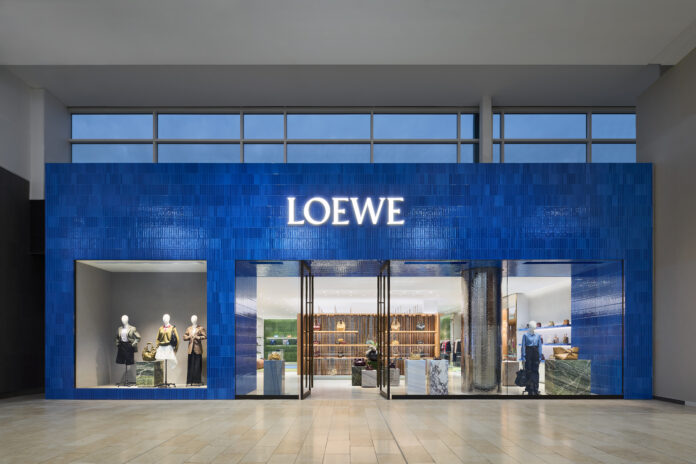
Facade of the Loewe store at Toronto's Yorkdale Shopping Centre. Photo: Michael Muraz
LVMH-owned Spanish luxury brand Loewe has opened its first standalone store location in Canada at Toronto’s Yorkdale Shopping Centre. The brand entered Canada wholesale several years ago and is now expanding distribution into retail.
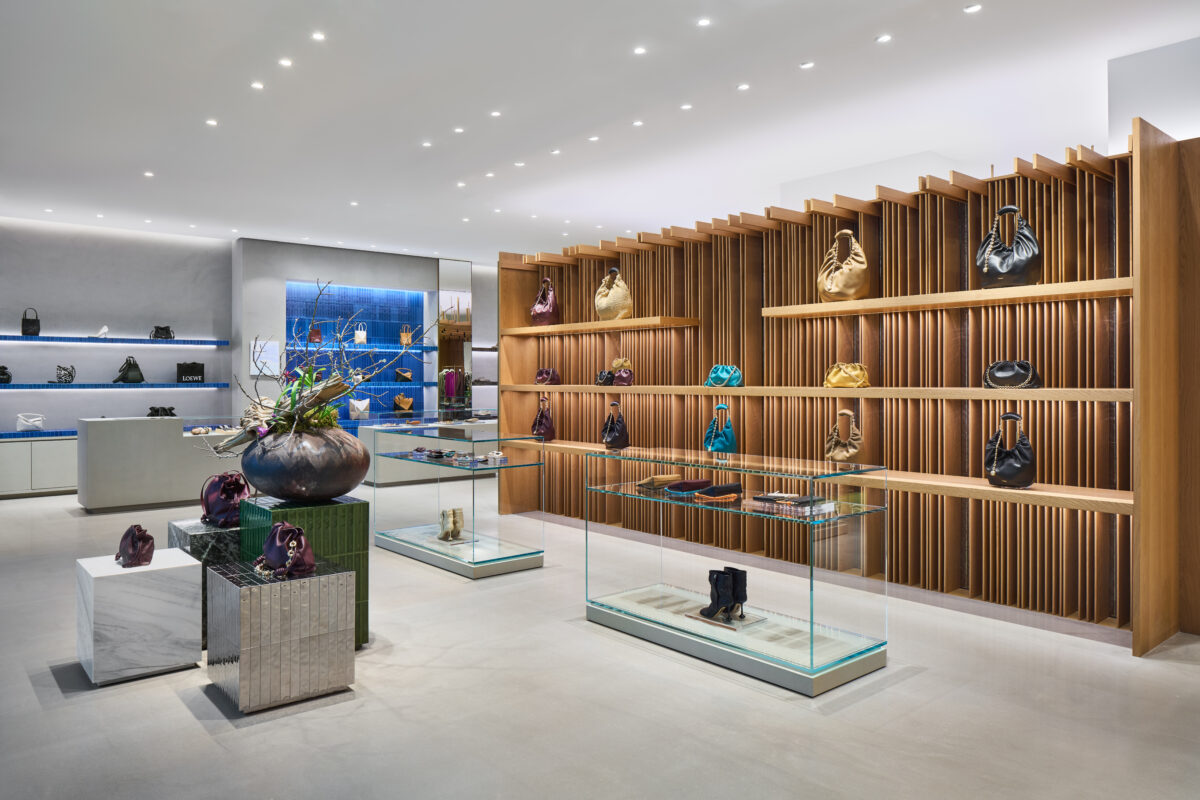
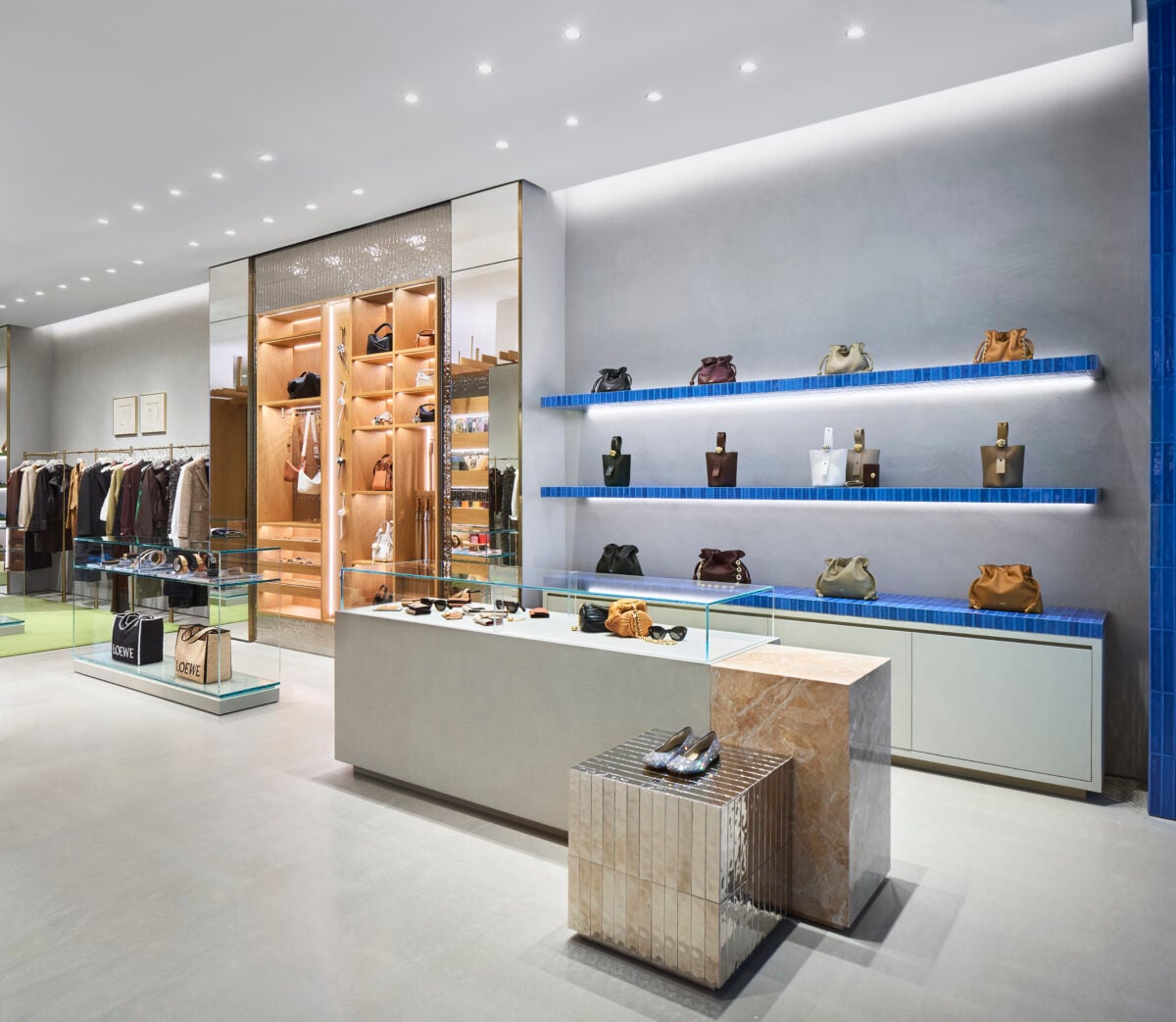
The Yorkdale store spans 3,922 square feet of retail space on one level (the second largest in North America), carrying Loewe’s range of ready-to-wear for women and men as well as bag leather goods, footwear, eyewear, jewellery, accessories and other categories including fragrances, home scents and candles. Loewe has expanded its product assortment under designer Jonathan Anderson to become a lifestyle brand.
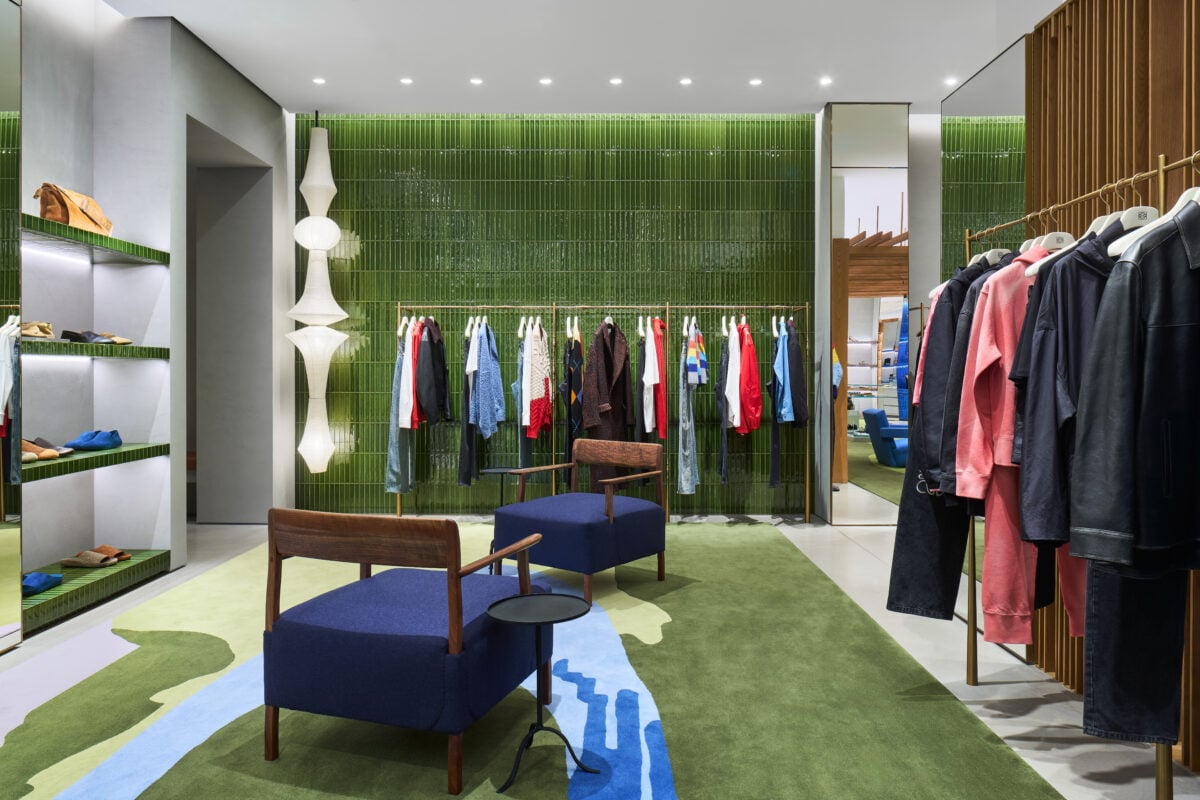
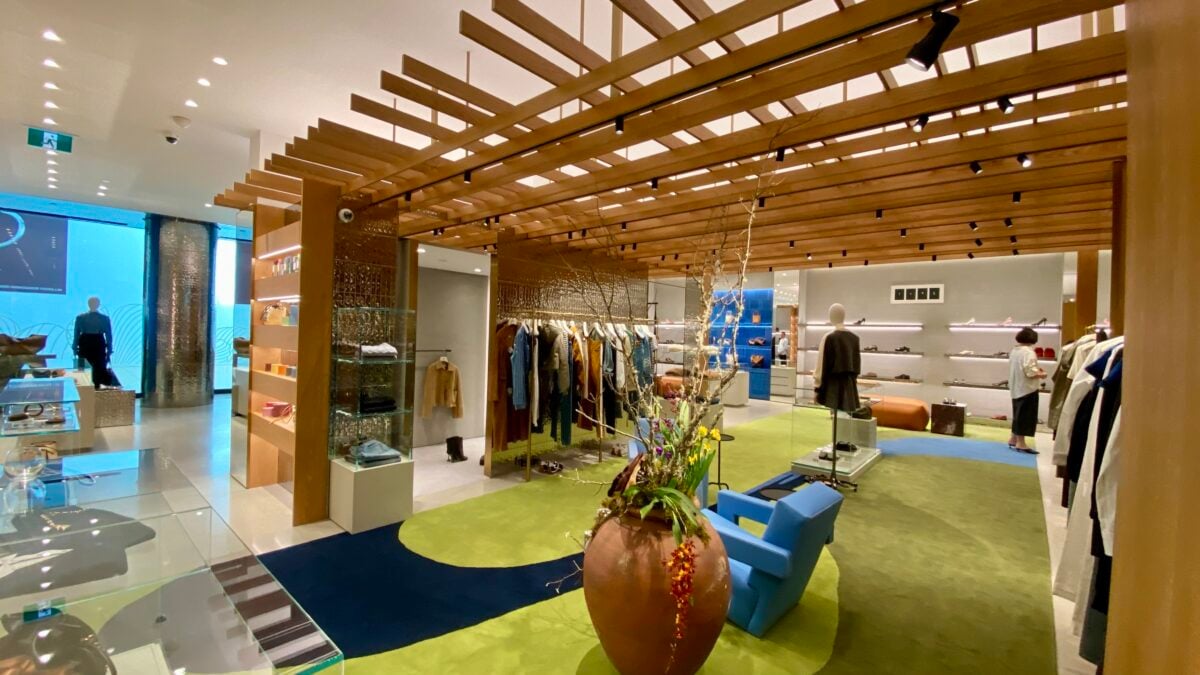
The store’s interior includes several ‘rooms’, including a wooden ‘gazebo’ design that is a first in North America for Loewe. The brand says that the store design is based on creative director Jonathan Anderson’s CASA LOEWE concept, which involves combining the refinement of retail with the intimacy of an art collector’s home.
Ceramic is an important material used for the store. Loewe’s Yorkdale facade features blue handmade ceramic tiles, while the interior features the same handmade tiles in green, blue and silver. Earth tones accent the space while walls are made of poured concrete. Other materials include brass, glass, and turned iron, and there are several antique ceramic vessels and contemporary podiums in various finishes in the space. Furniture includes Berin club chairs and angular Utrecht armchairs, interspersed with iron martini tables. A paper lamp by artist Isamu Noguchi hangs from the ceiling. The store also contains two bespoke wool rugs featuring reproductions of British textile artist John Allen’s tapestries — including the sweeping landscape of The River Reachesthe Sea Buirling Gap.
Art work is featured throughout the store. On the walls, British painter Eliot Hodgkin’s botanical pencil sketches capture intricate organic forms, while Swedish artist Cecilia Edefalk’s Luz (2022) is part of a wider body of work using repetition to investigate charged memories and shifting perception. German photographer Jochen Lempert’s Subjective photography series (2010) also investigates the wonders of the natural world, bridging the artistic and the scientific in his abstracted, monochrome images.
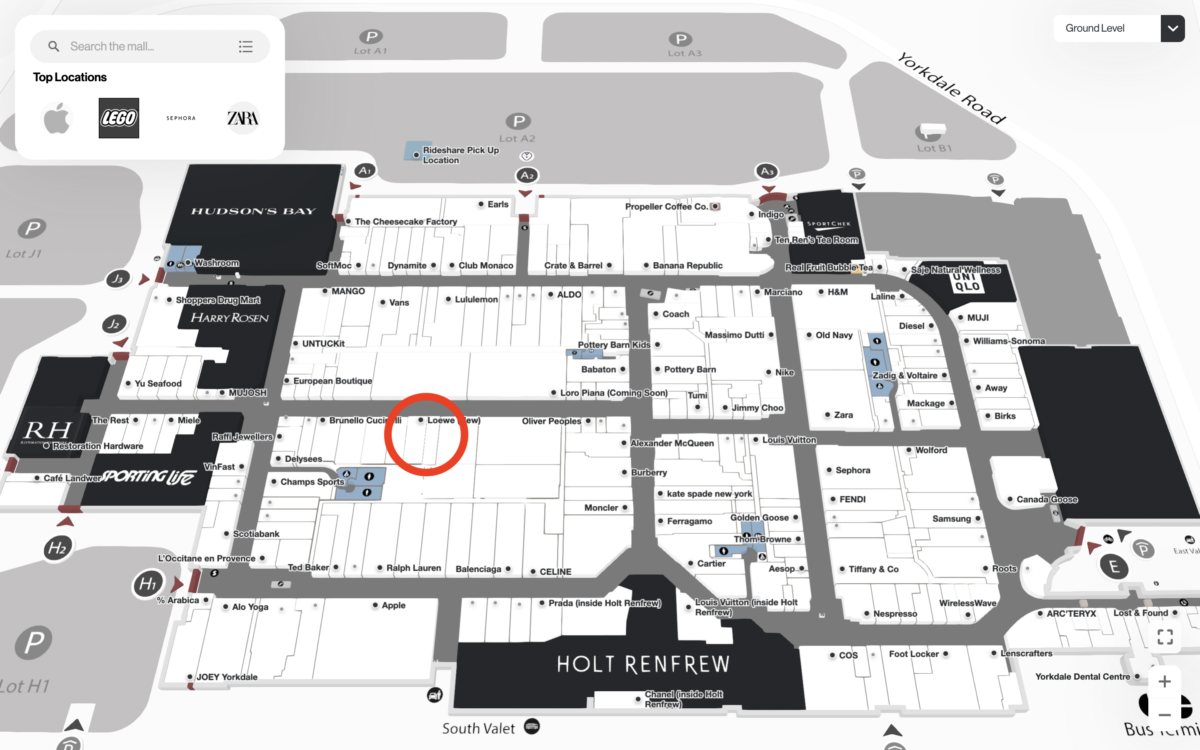
Loewe’s Yorkdale store is located in a new luxury wing being developed in the centre run of the centre. About 60,000 square feet of space is being repurposed with other confirmed tenants including Brunello Cucinelli and Loro Piana. Others will be announced in collaboration with the mall’s landlord Oxford Properties.
Handbag area at the front of the Loewe store at Toronto’s Yorkdale Shopping Centre. Photo: Michael Muraz
Despite being a brand nearly 170 years old, Loewe’s first substantial presence in Canada was in 2015 when Nordstrom opened a shop-in-store for the brand at its Vancouver location. Loewe boutiques then opened inside Nordstrom’s downtown Toronto and Yorkdale stores.
Holt Renfrew subsequently picked up Loewe, which is said to now be the top-selling wholesale leather goods brand at Holts. Loewe has a small leather goods presence in a space at Holts Yorkdale as well as at Bloor Street in Toronto and in downtown Vancouver — a range of ready-to-wear is also available at the Yorkdale, Bloor and Vancouver Holts stores. With Nordstrom’s exit from Canada last year, Holt Renfrew is now the primary retailer in Canada for Loewe, which is also carried at The Webster on Scollard Street in Toronto.
Sources told Retail Insider that Loewe had been in talks to open a store at Oakridge Park in Vancouver in 2025. It’s not known if a lease deal has been done. The luxury-heavy shopping centre will open on Vancouver’s West Side in about a year.
Men’s fashion area at the back of the Loewe store at Toronto’s Yorkdale Shopping Centre. Photo: Michael Muraz
Loewe is considered to be one of the world’s hottest brands right now, which means that sales at the new Yorkdale store are expected to be robust out the gate. Lyst recently named Loewe as the world’s third hottest brand in its Q4 2023 global brand ranking.
Yorkdale is adding luxury retailers at a rapid pace with the opening of its new luxury wing, and is expected to become one of the world’s top centres in terms of luxury brand offerings. Robert Horst, VP of Retail at Oxford Properties, said in an interview that the goal of the landlord is to make Yorkdale a global retail destination. Retail Insider will continue to report on new tenants in the luxury wing when permitted.
Loewe was founded in Madrid in 1846, making leather goods for royals and other affluent clients. The brand continued to grow modestly over the decades and was relatively obscure until it was acquired by LVMH in 1996. The brand has grown rapidly over the past decade following the appointment of creative director Jonathan Anderson in 2013.
Women’s fashions and bags in the Loewe store at Toronto’s Yorkdale Shopping Centre. Photo: Michael Muraz‘Gazebo’ at the centre of the new Loewe store at Toronto’s Yorkdale Shopping Centre. Photo: Craig Patterson
Today, Loewe operates standalone stores in major markets globally and it also wholesales in various upscale retailers. In the United States, Loewe operates eight full-priced stores in New York City (Soho), Beverly Hills (Rodeo Drive), Orange County (South Coast Plaza), Santa Clara CA (Valley Fair), Dallas (Highland Park Village), Honolulu (Ala Moana Center), Las Vegas (Wynn), and in Miami (Miami Design District). The brand also operates two outlet stores in the United States, and can be found in retailers such as Saks Fifth Avenue and Bergdorf Goodman in New York City. The brand also has stores in major markets globally as well as concession and wholesale distribution.
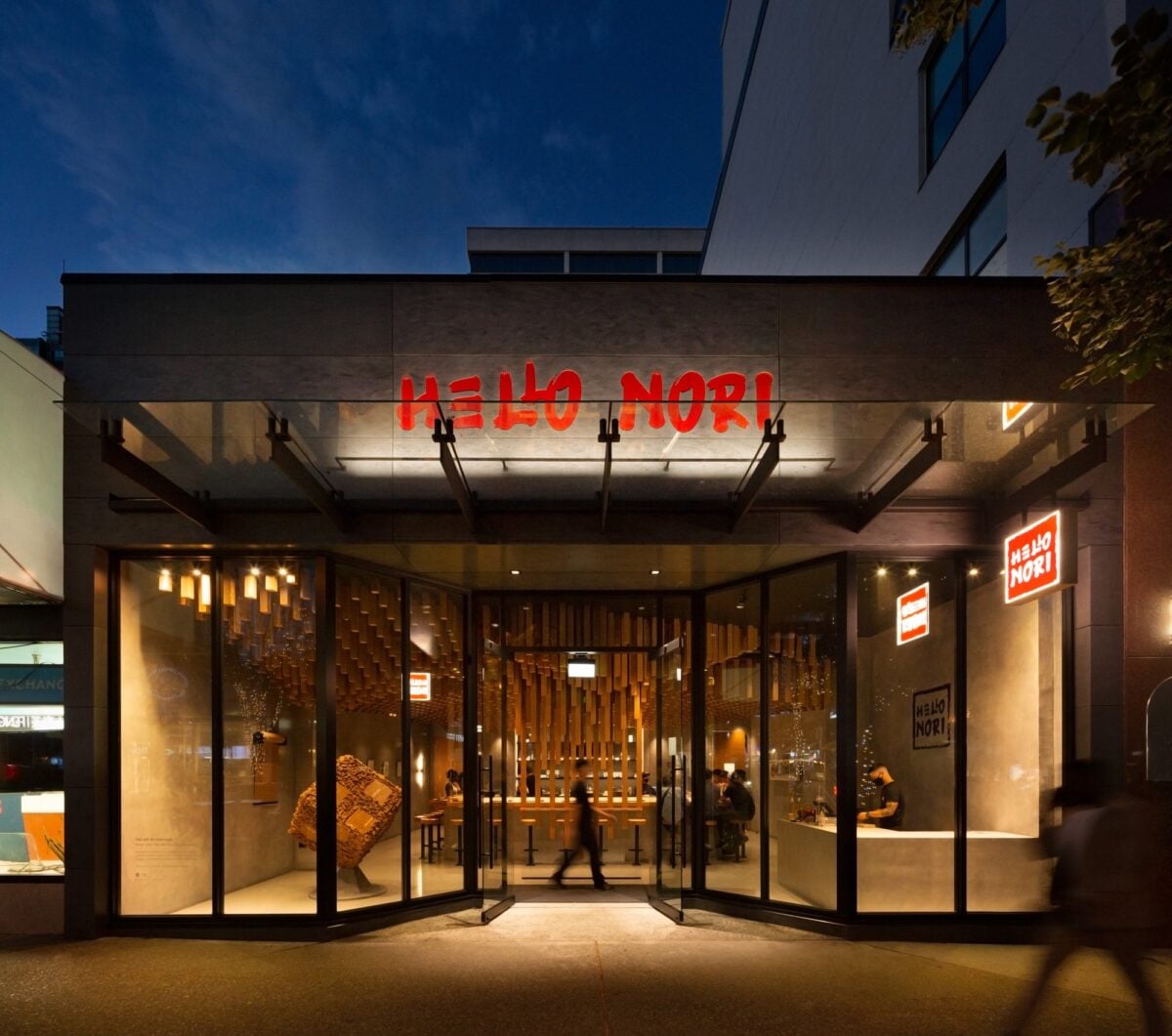
Future Hello Nori on King Street West in Toronto (Image: Dustin Fuhs)
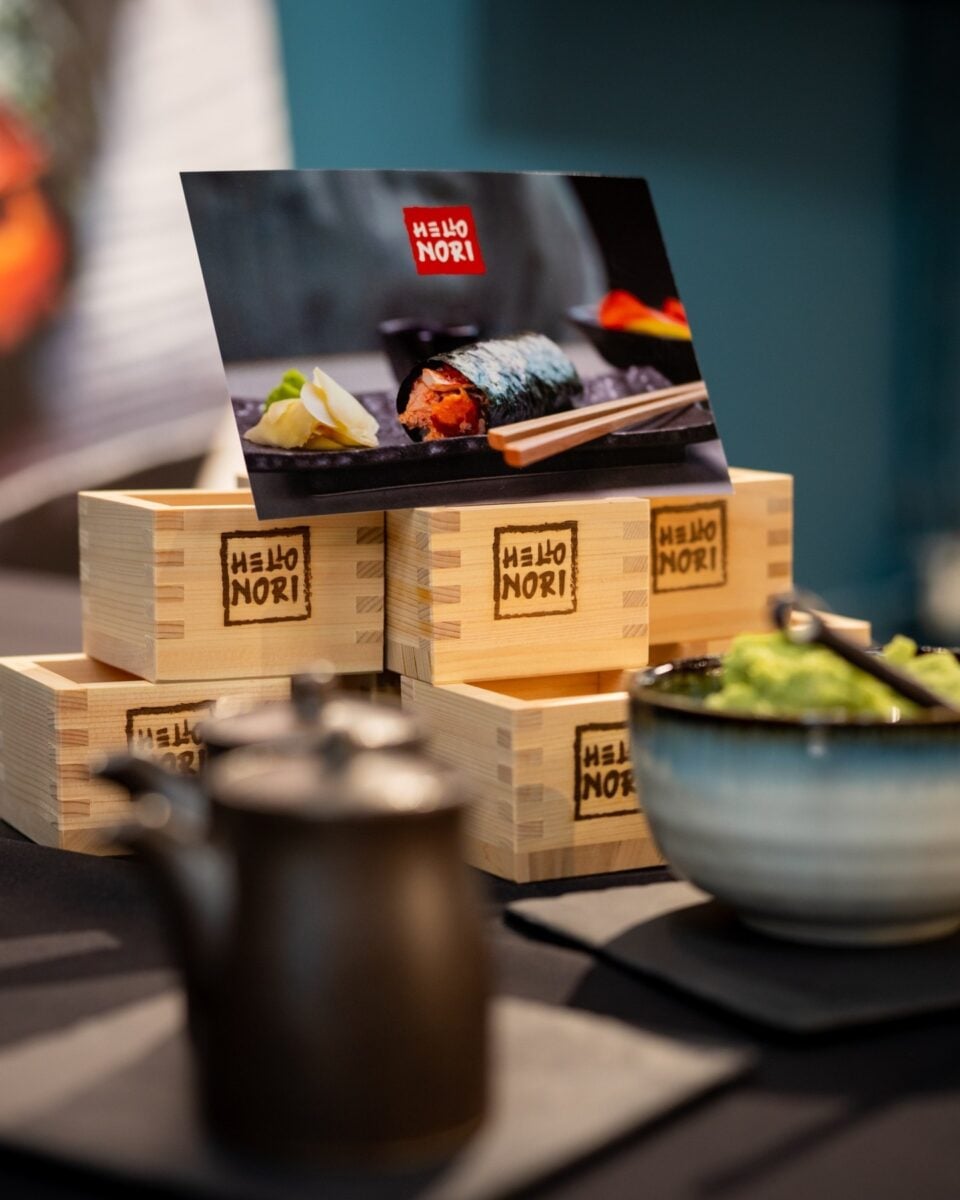
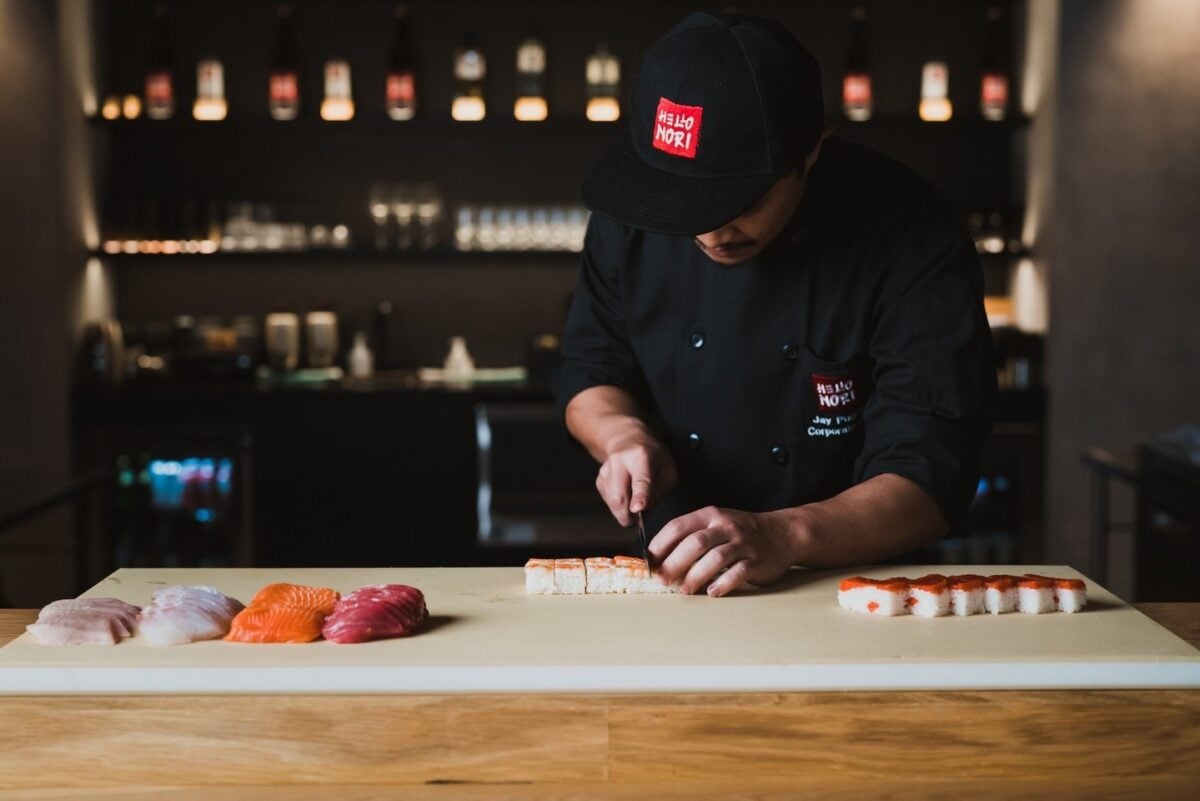
Hello Nori, a Vancouver-based sushi restaurant chain, is bringing the traditional Japanese temaki – hand-rolled sushi – into the spotlight, offering a unique dining experience to Canada. The restaurant has plans on expanding throughout Canada and to break into international markets with a goal of having 100 Hello Nori locations worldwide.
“Our vision for Hello Nori is to open 100 locations across the world, sharing the unique and homey experience of hand rolls with more communities. We aim to expand across major markets in Canada such as Vancouver, Toronto, Calgary, and beyond in the upcoming years. The flexibility of our kitchen set up allows us to strategically choose prime real estate locations. We are excited to keep innovating the menu and concept to bring even more premium experience to our customers,” says Isaac Olivier, director of restaurant operations at Hello Nori.
Image: Hello Nori
Isaac Olivier
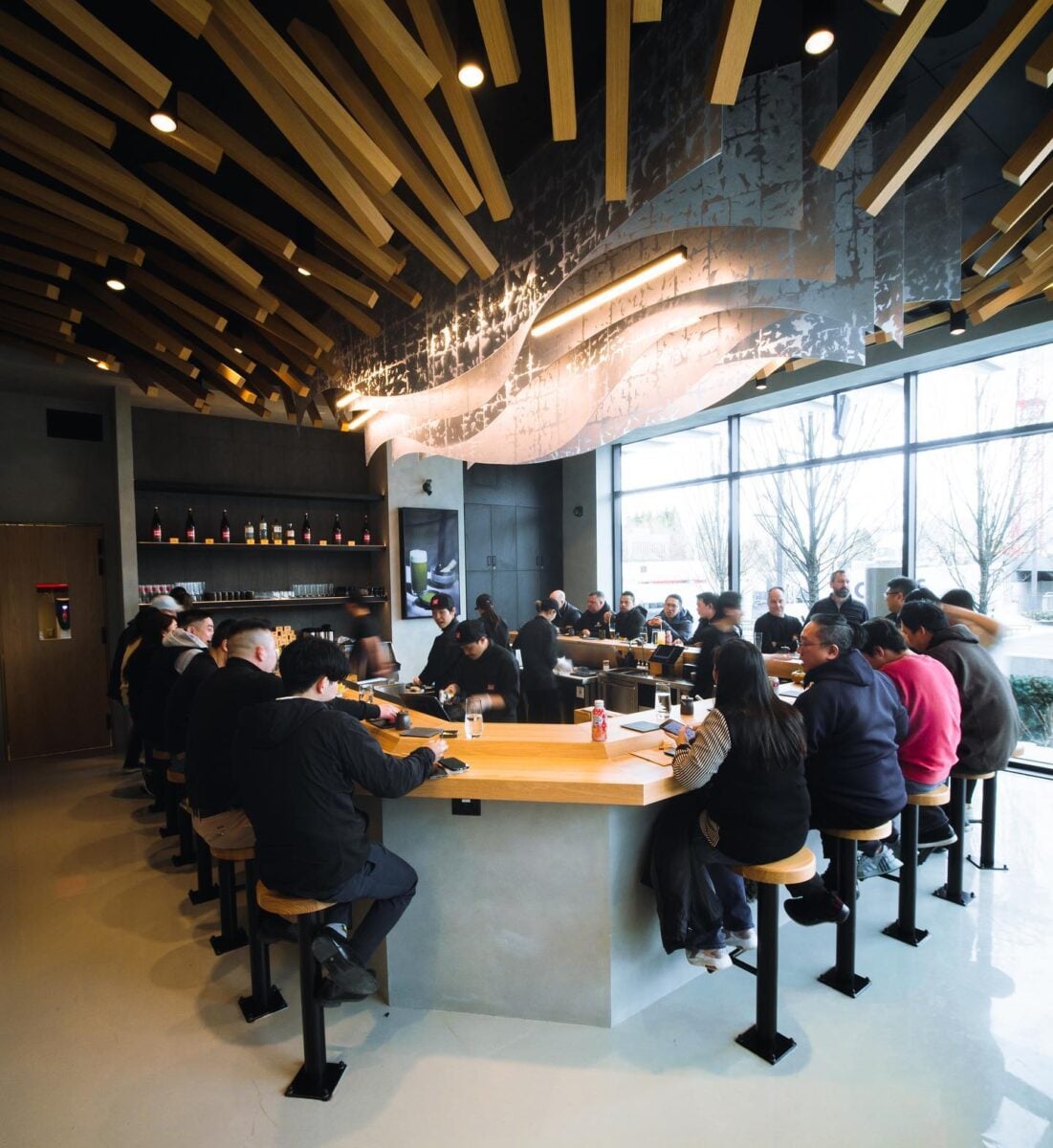
Currently, Hello Nori has three locations in Vancouver with the original location on Robson Street which opened in 2021, one in Brentwood, and a few weeks ago opened a smaller location which is designed for menu innovation.
“So the first location we opened in 2021 is on Robson Street, essentially the heart of shopping, tourism, and dining. The second location we recently opened is in Brentwood, an amazing neighbourhood that has really taken off in the last five years, and then we actually just opened a smaller research and development outlet on Expo Boulevard near the stadium where our chef is going to be preparing new dishes for takeout.”
The new concept will allow the chef to try new menu items in a low-pressure environment before launching them more widely at other Hello Nori locations.
Expansion plans
Image: Hello Nori
Hello Nori already has established its presence in Vancouver with its locations and will be continuing as Olivier says he is planning to open three additional locations within the next two years:
CF Richmond Centre in Richmond, which will open by early June. Olivier says this location will be its largest restaurant as it will have 36 seats instead of 24.
Park Royal in West Vancouver, which will be under a new concept
Oakridge Park, “an enormous premium mall that is just being built and should be ready by 2025.”
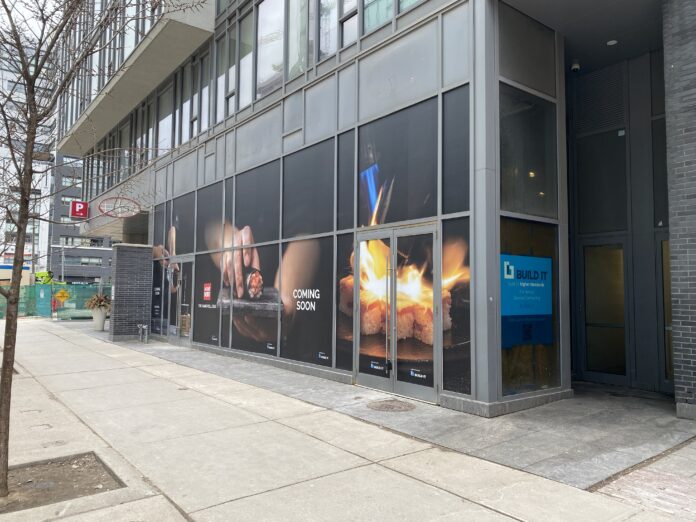
As for Ontario. Olivier says construction in Toronto has already begun for two locations. The first location will be at 650 King Street West in Toronto and will also be a larger space offering 36 seats: “this is a great location and pretty much right in the heart of the entertainment district in Toronto.”
The second location is going to be on York Street in the downtown Financial District and should be completed hopefully early in 2025.
Image: Hello Nori Hello Nori Brentwood (Image: Hello Nori)
The brand will be looking into expanding further into major shopping centres across Ontario, specially around areas such as Yorkville and Yonge and Shepherd, and will also be looking into the Calgary market for expansion. Once the Canadian expansion is set, Olivier says the brand would like to open locations globally.
“As far as Hello Nori is concerned, we have just begun. The vision is to open 100 locations across the world ultimately. We would like to expand more in BC, Toronto, Montreal, and other parts of Ontario and then just really take it across Canada before heading into other countries.”
Hello Nori Signature – new in-store concept
The Park Royal location will be under a new concept and will offer an enhanced dining experience compared to its standard locations.
“Park Royal, which is actually going to be a different concept, is titled Hello Nori Signature. It will have seating, a full kitchen, and essentially offer a more premium experience. As opposed to the wooden seats, there are going to be plush leather seats in the bar so you can really enjoy the Japanese whisky as well as our vision is to have the largest selection of Japanese whiskey in Canada.”
The designs are not the only thing that will be changing as this location will also offer an expanded menu and will include hot food items, a broader range of sushi, and an extensive cocktail menu. This will be the first location under this concept, but Hello Nori is looking into expanding this concept to other locations in Canada.
Image: Hello Nori
As the brand continues to expand, Olivier says Hello Nori’s targeted locations are ones that combine high foot traffic with great visibility, choosing spots that can accommodate their kitchen needs with less space than traditional restaurants require. Avision Young handles all site locations for Hello Nori and the brokers involved include Ali Baker, MacKenzie Kohl, and Caitlyn Micuda.
“We are definitely very particular with our locations. But one of the interesting benefits of Hello Nori is that as it really only focuses on rice and seafood, the requirements for a kitchen are less compared to a typical full-scale restaurant, which usually requires full gas ranges and a lot of heavy equipment. So we are able to pick and choose different locations that wouldn’t have necessarily been suitable for restaurants to begin with – which gives us a better pick.”
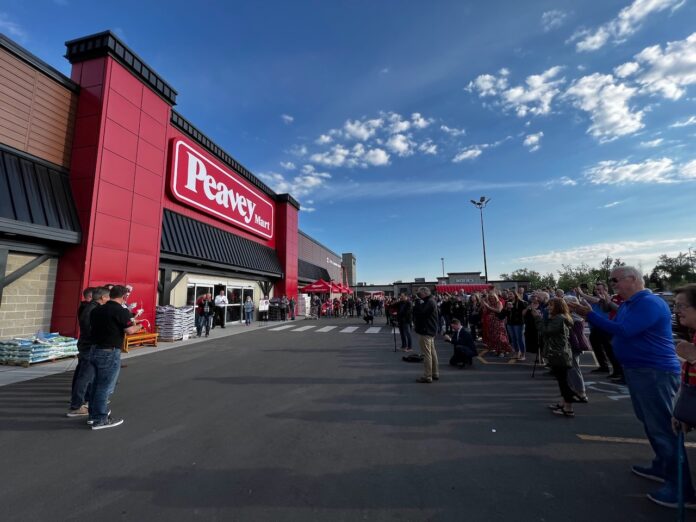
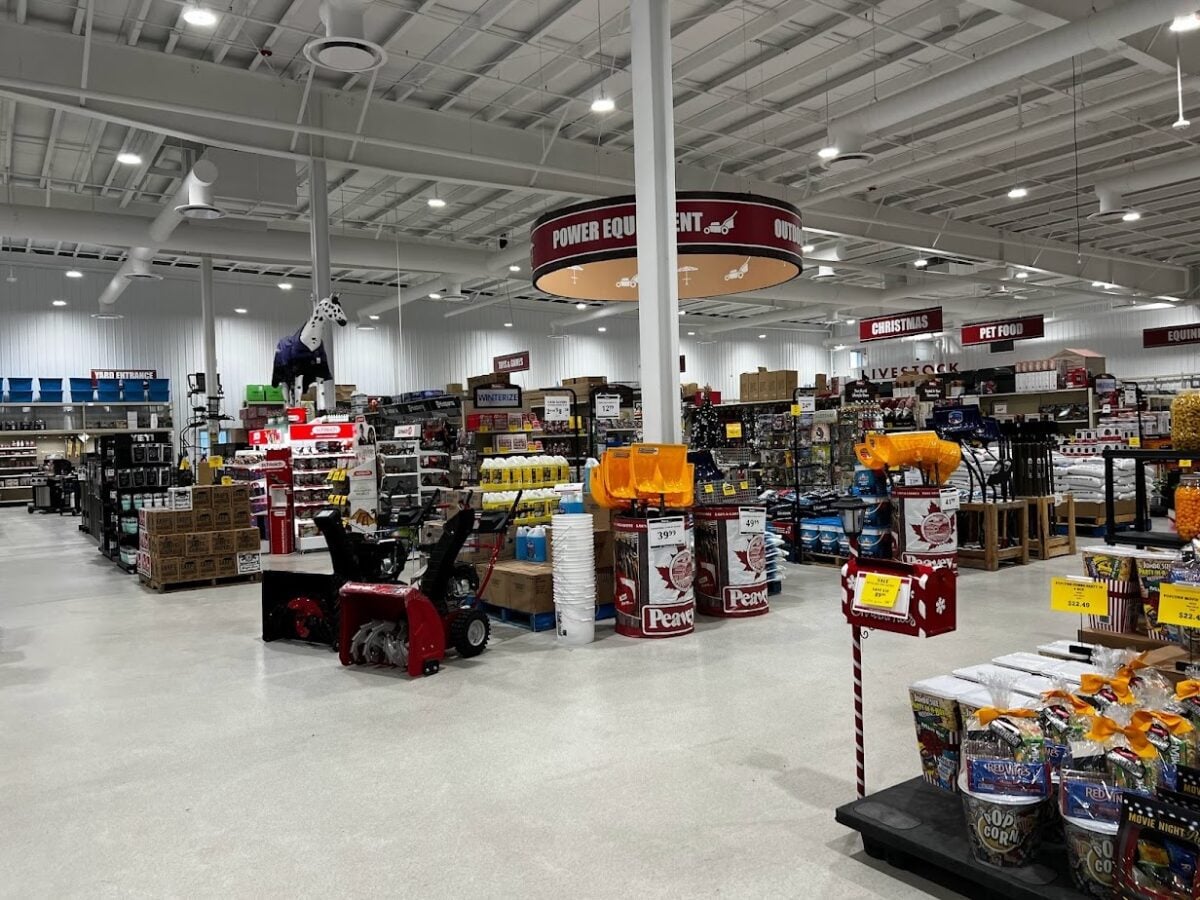
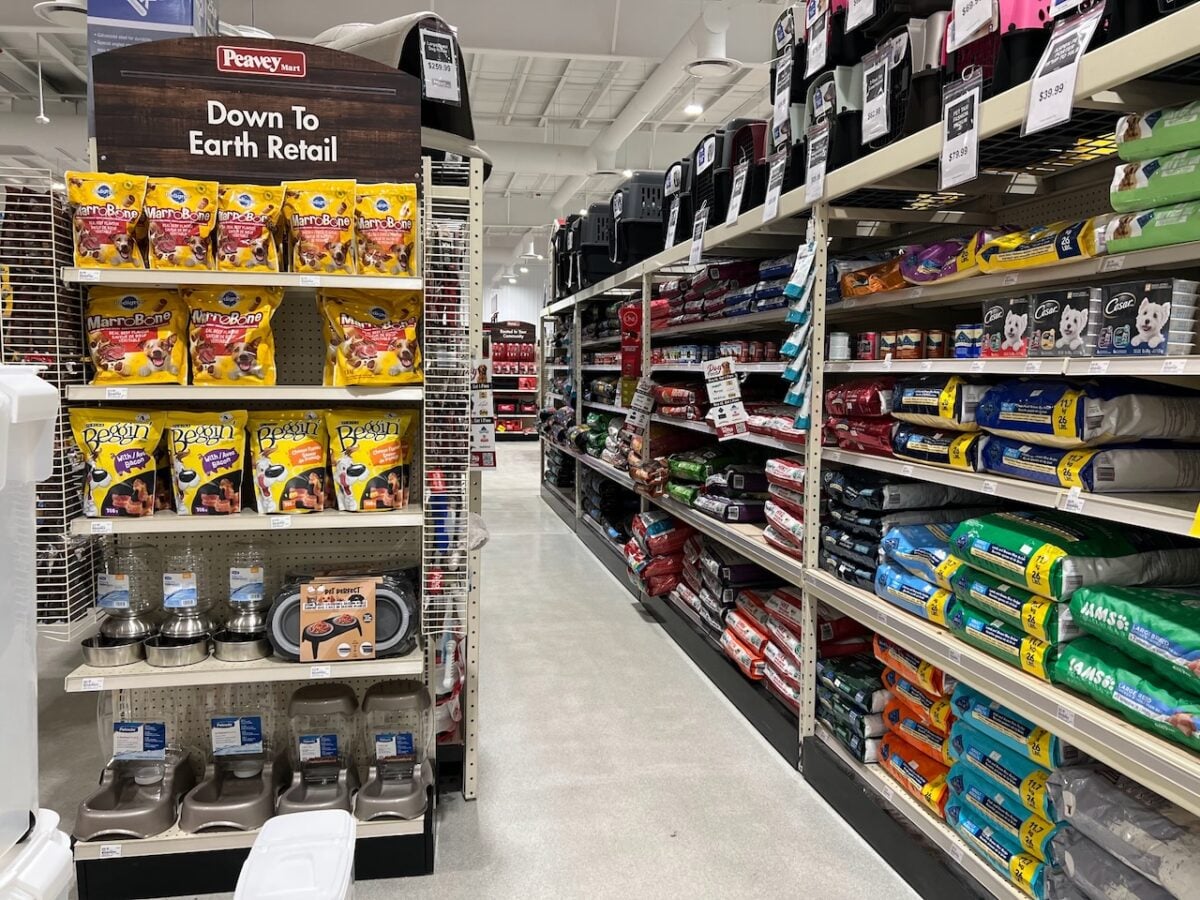
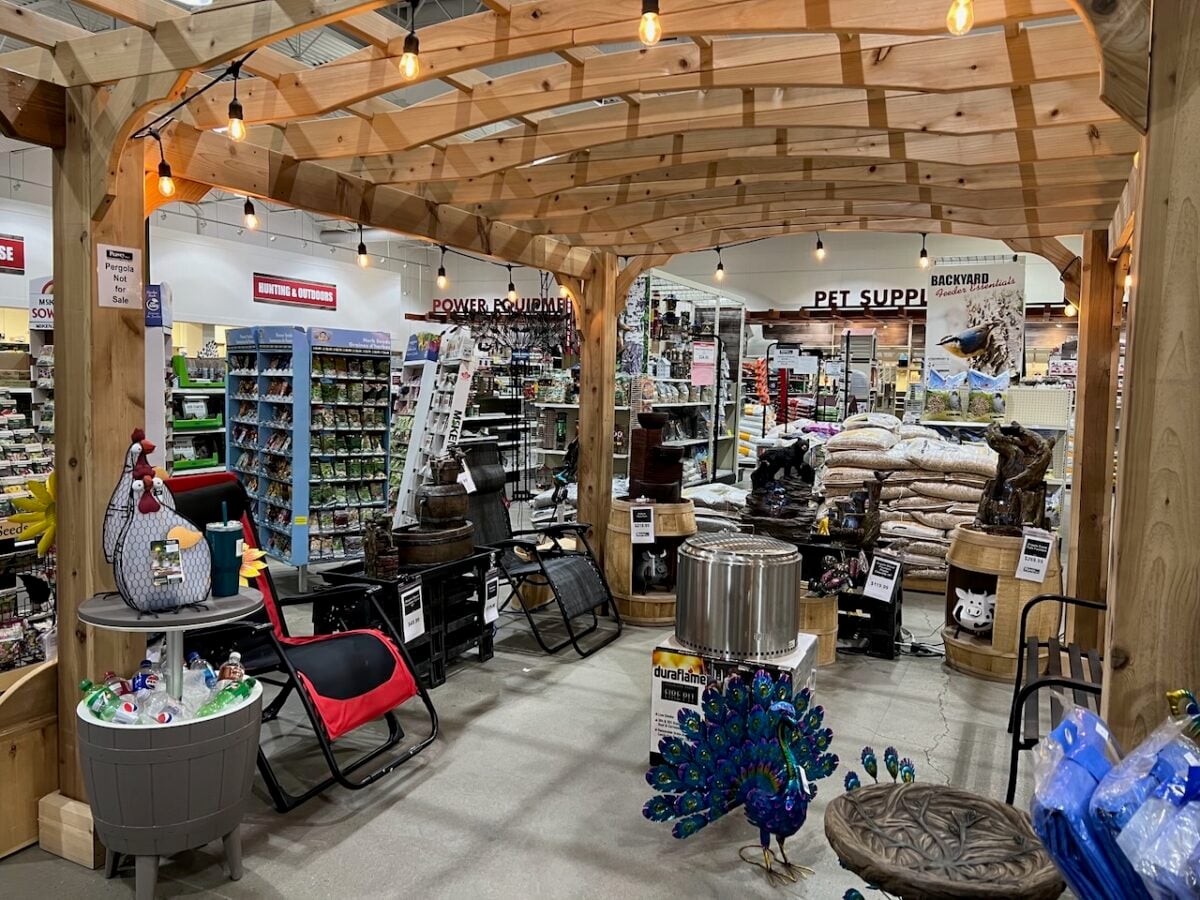
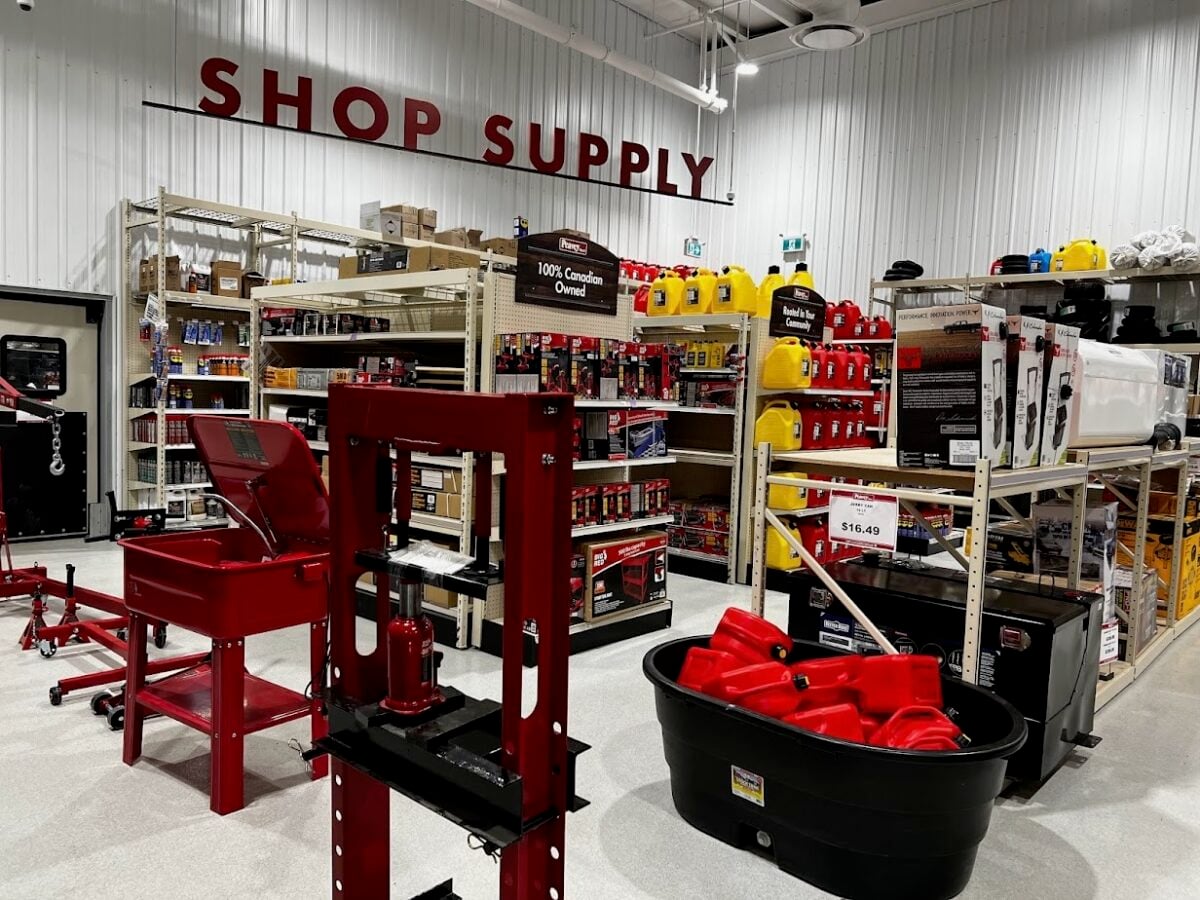
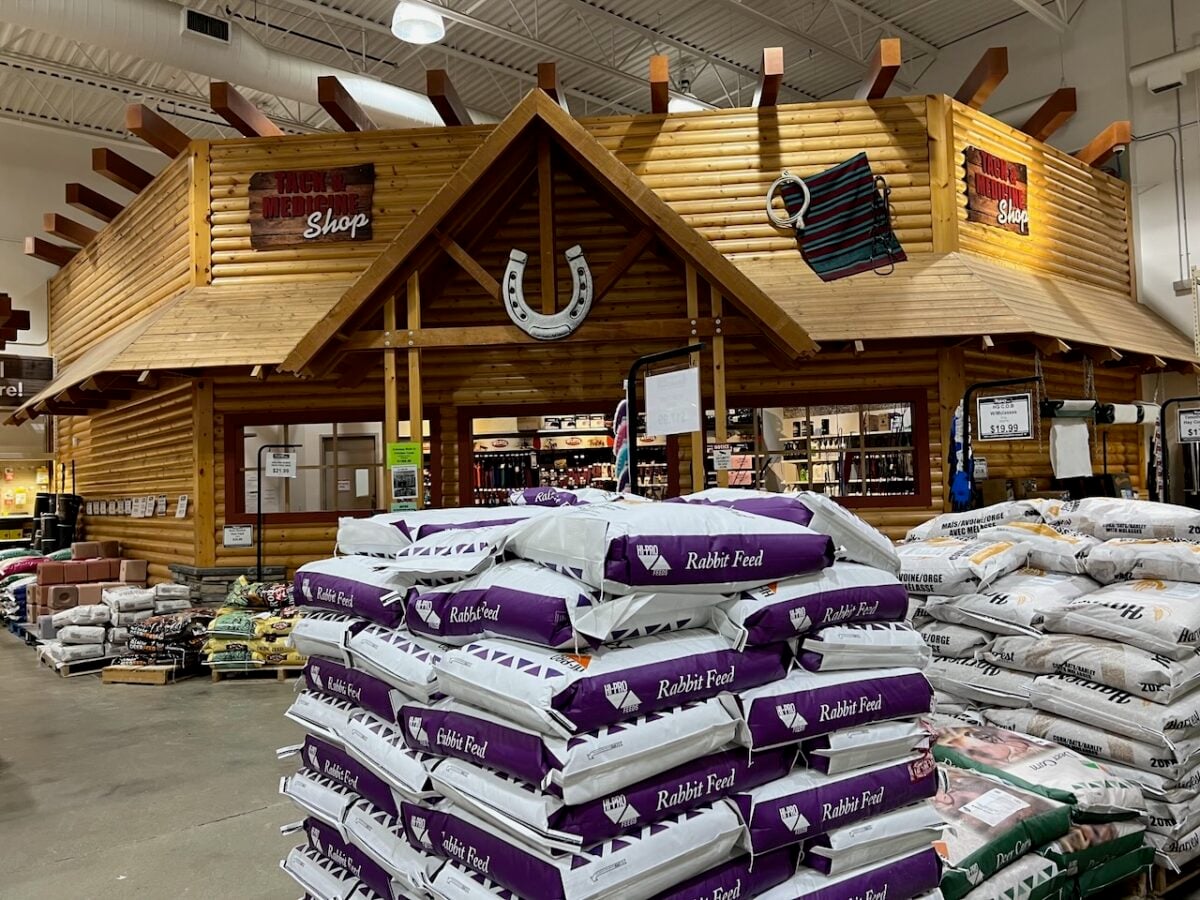
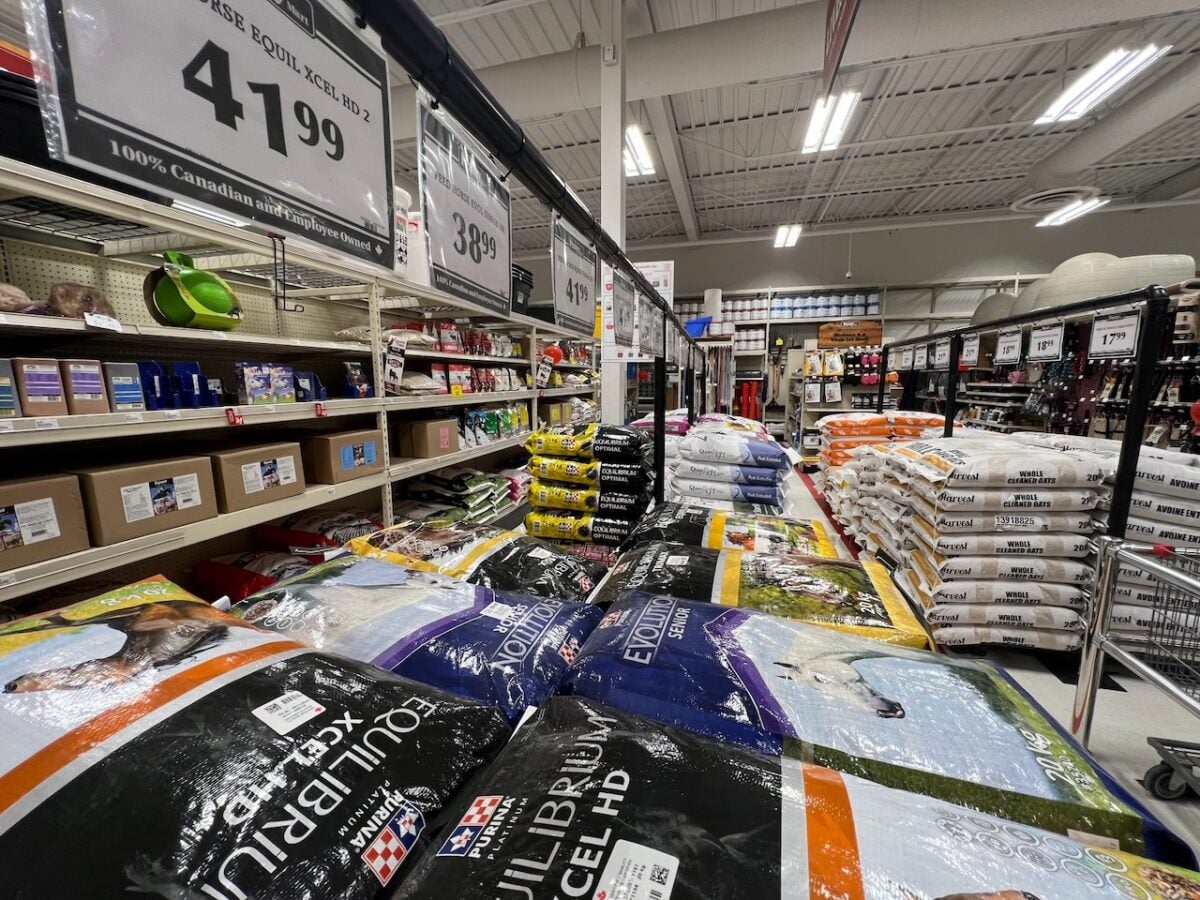
Farm and ranch retailer Peavey Mart has opened its latest location in Steinbach, Manitoba where the brand will launch its first Dog Wash to test that model.
Jest Sidloski
Jest Sidloski, Vice President of Marketing, Customer Experience & eCommerce at Peavey Mart, said the brand is also in the thick of launching the second phase of its retail media network.
“We’re the first retailer in Canada to have a comprehensive platform including digital radio, digital ads, social ads, etc. We’re live with digital radio, and about to launch the next phase of this program. Retail media networks are one of the hottest retail trends in North America,” he said.
Image: Peavey MartImage: Peavey Mart
The company has 95 locations across Canada.
“We’re also going to be resetting many locations this year to provide a better customer experience to our customers,” he said.
Last year, its first store east of Ontario in Bedford, Nova Scotia experienced significant flooding which took the store off line for several months.
“And we had to almost rebuild it. We were at the epicentre of that flood. Our location was six feet under. So a new location and then all of a sudden we’re off line,” said Sidloski. “We did a brand relaunch last winter in the Bedford location. Other than that we didn’t have any new stores last year.
Steinbach Manitoba opened in early April.
“Our focus this year isn’t going to be on new location openings. It’s going to be a year of refreshes. We’ve got five major refreshes planned for some major markets and then we’ve got 12 minor refreshes planned for other markets.”
Image: Peavey Mart
Image: Peavey Mart
Sidloski said a refresh for the brand involves a crew going into a location, resetting and relaying out the store completely.
“A new look and feel. A new experience. It often comes with updated services, updated look and feel. Retraining, etc. So it’s as if we’re reopening a new store in the same building in the same market.
“It’s our focus this year. It’s no secret I think that it’s been a tough couple of years for retail. And certainly 2023 was exceptionally tough in many ways just with consumer spending, inflation, mortgage rate renewals and the weather events, in Western Canada specifically, which prevented a lot of consumer spending.
“We took that as an opportunity to relook at the markets that we are in. Look at the feedback from our customers and then figure out what we need to do a little bit differently. Some of these markets haven’t been touched in a very long time. And it’s a great opportunity for us to get in there, retell the story of who Peavey Mart is and then look to attract existing customers as well as look to open the doors to new customers in those markets.
“And these markets are growing. Saskatoon is one example. It’s our largest sales volume location. The city continues to grow and with that growth we have a lot of new people moving into these markets that traditionally know a Peavey Mart that don’t know a Peavey Mart. So these refreshes come with more marketing and a fresh new take on what story we’re trying to tell and it’s our way to get competitive market share this year.”
Image: Peavey MartImage: Peavey Mart
Sidloski said the brand’s commitment doesn’t change from its origins in the farm and ranch community.
“Certainly that’s something we want to recommit to. We continue to hear from farm customers about their experience with the farm and ranch channels and we take these to heart and we want to make sure that we are refocusing on that strategy, making sure we’ve got improved inventory positions especially in the higher location items like farm feed, bird seed, animal foods,” he said. “Making sure that customers know we are still that retail store for them.
“The other side of the coin is market growth. We have the opportunity to enhance our position on homesteading and we successfully did this 10 or more years ago. We want to reposition homesteading to be one of our cornerstone categories at Peavey Mart. That of course is gardening, your growing, your yard care, your candle making, your soap making, your DIY. Really capturing that lifestyle which also, based on the data we have, is attracting a younger audience. For us, that’s really important. We want to make sure that those younger people also know that Peavey Mart is a store for them and some of what they’re looking to get into and we want to be a destination, we want to be known for that. So these refreshes in these markets will allow us to do that better, tell more of that story as well along with an increased inventory position on those key areas.”
Sidloski said the company has teams of people that are looking at different markets all the time. There’s nothing officially stated by the company for this year for areas that it is closer to launching new stores.
Image: Peavey MartImage: Peavey Mart
Most of the locations for stores are about 28,000 square feet. Its flagship Red Deer store is about 50,000 square feet. One of its Winnipeg stores is over 50,000 square feet. Also more than 20 stores are under 24,000 square feet.
“What we look to do going forward is not necessarily standardization but that 28,000 square feet is about the right size for our brand,” he said.
The company launched ChickDays.ca last year in Ontario. It is an online ordering destination for rare and heritage breed chicks as well as meat birds and egg layers. Live chicks are also in stores.
“It was a great success. We’ve rolled it across Canada nationally this year. It’s the first of its kind,” he said.
“The demand is outpacing last year in a very big way. Our customers continue to look for ways to grow their own food, know where their food is coming from, and that is the shift we’re seeing. I think that’s indicative of inflation, mortgage rate renewals, the cost of living. Nobody is hiding from that. It’s impacting everybody. So our consumer is telling us they want items that are necessities. It’s not maybe the wants they would have bought in the past on the consistency of what we would have sold those products for. It’s really the needs items. The stuff they can save some money by doing it at home.
“That’s going to be our focus because that’s where we believe our consumer is telling us we need to be positioned.”
The company’s roots go back to 1967 when it started as National Farmway, a chain of “super farm markets” whose first location opened in Dawson Creek, BC. By 1975, the chain became known as Peavey Mart, a subsidiary of Peavey Company of Minneapolis. In 1984, the company returned to Canadian ownership and to this day remains 100 per cent Canadian-owned and operated. In 2017, Peavey Industries LP acquired the TSC Stores banner, based in London, Ontario with stores operating in Ontario and Manitoba. In spring of 2021, the final conversion of all TSC Stores to Peavey Mart.
Retail Insider is streamlining its Canadian retail news from around the web to include a handful of top news stories that can be viewed quickly during the day. Here are the top stories from the past several days.
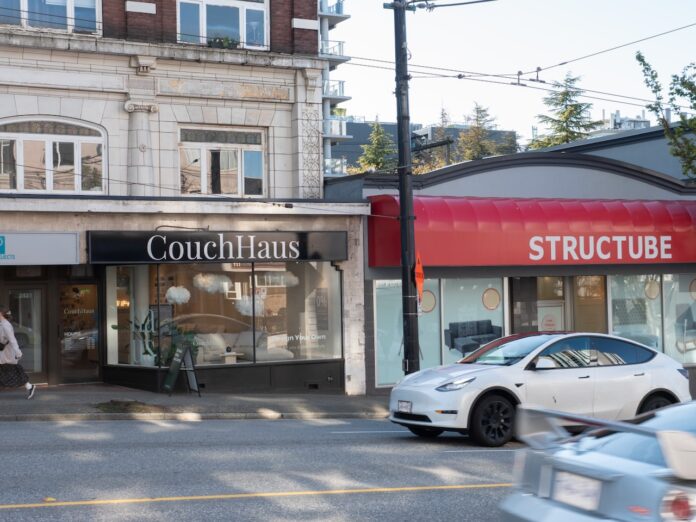
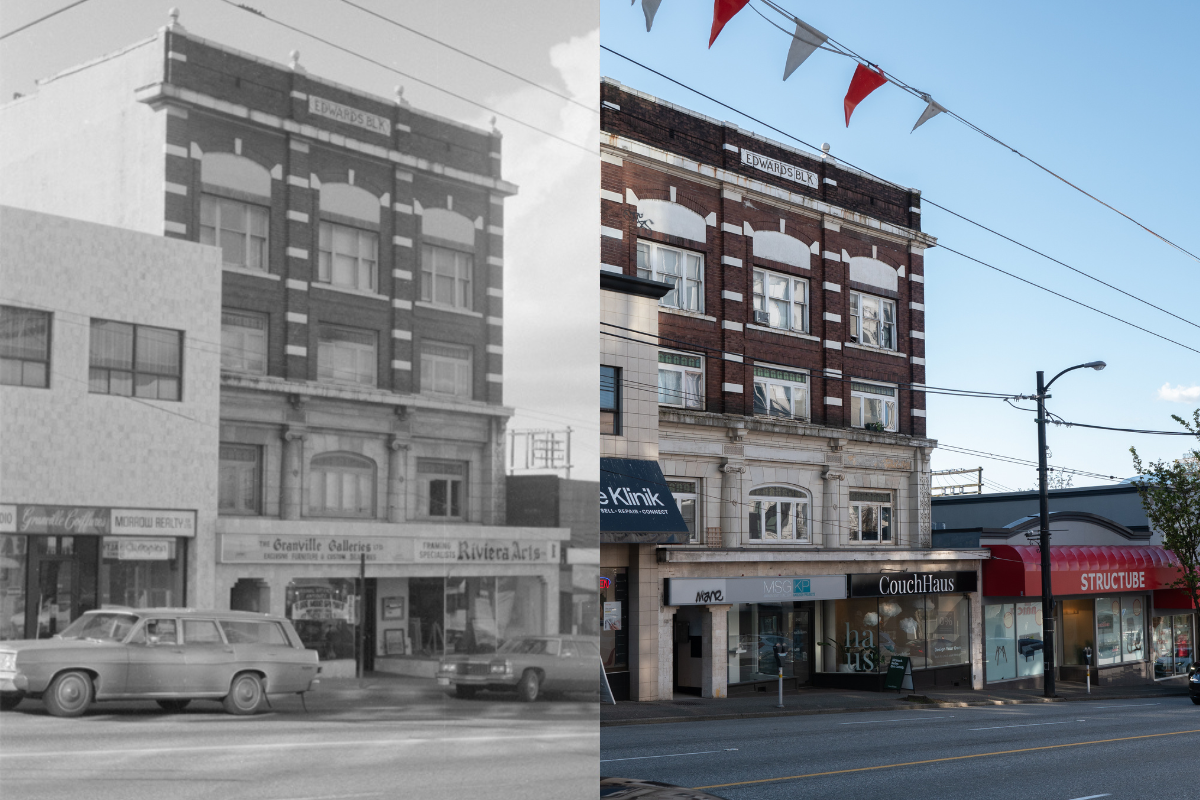
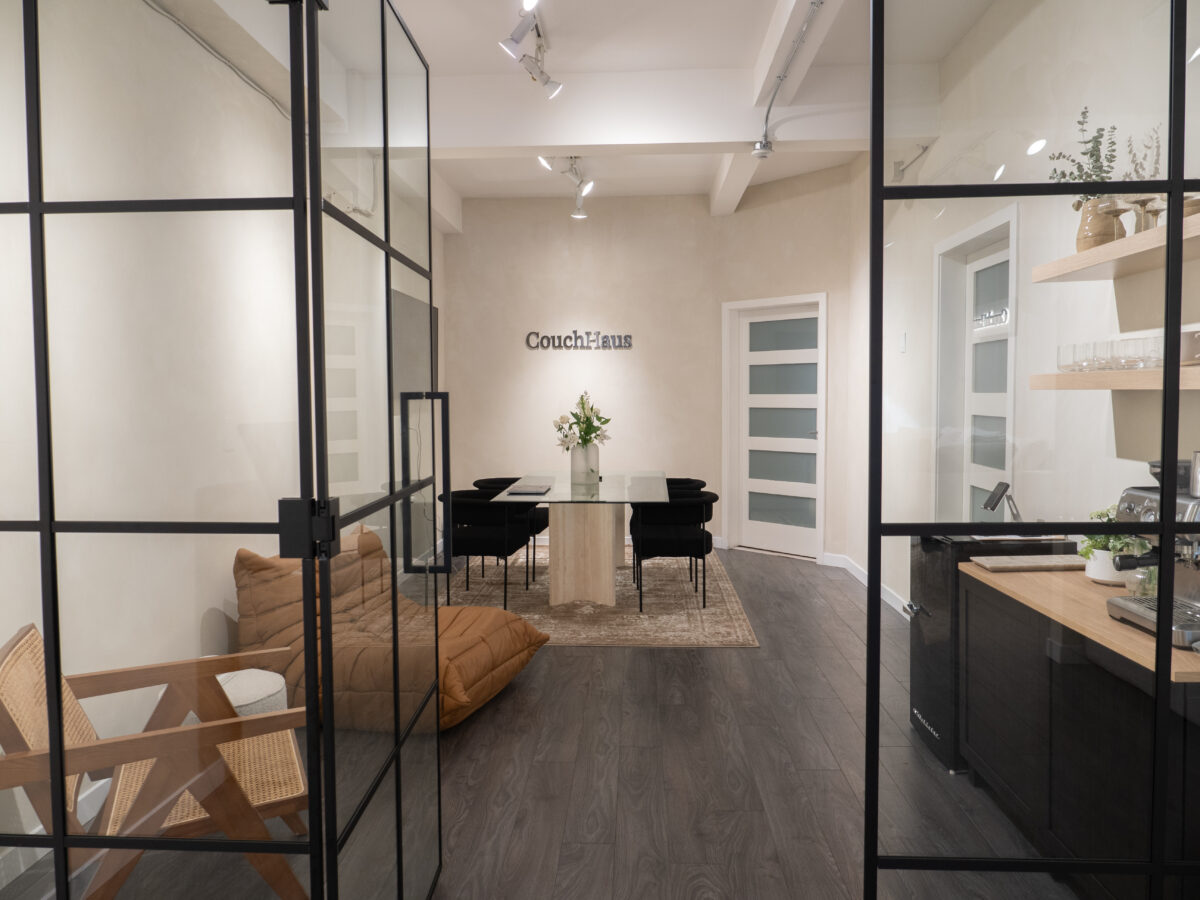
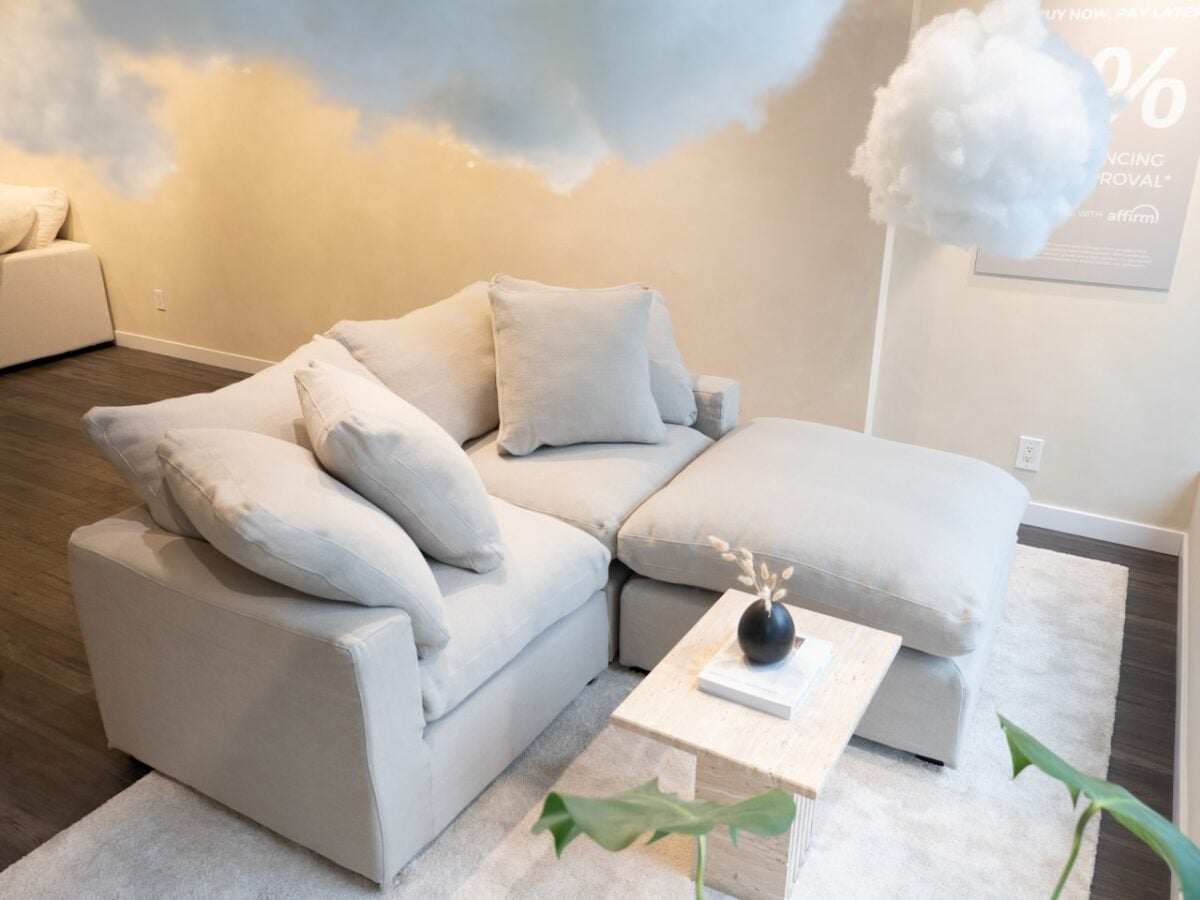
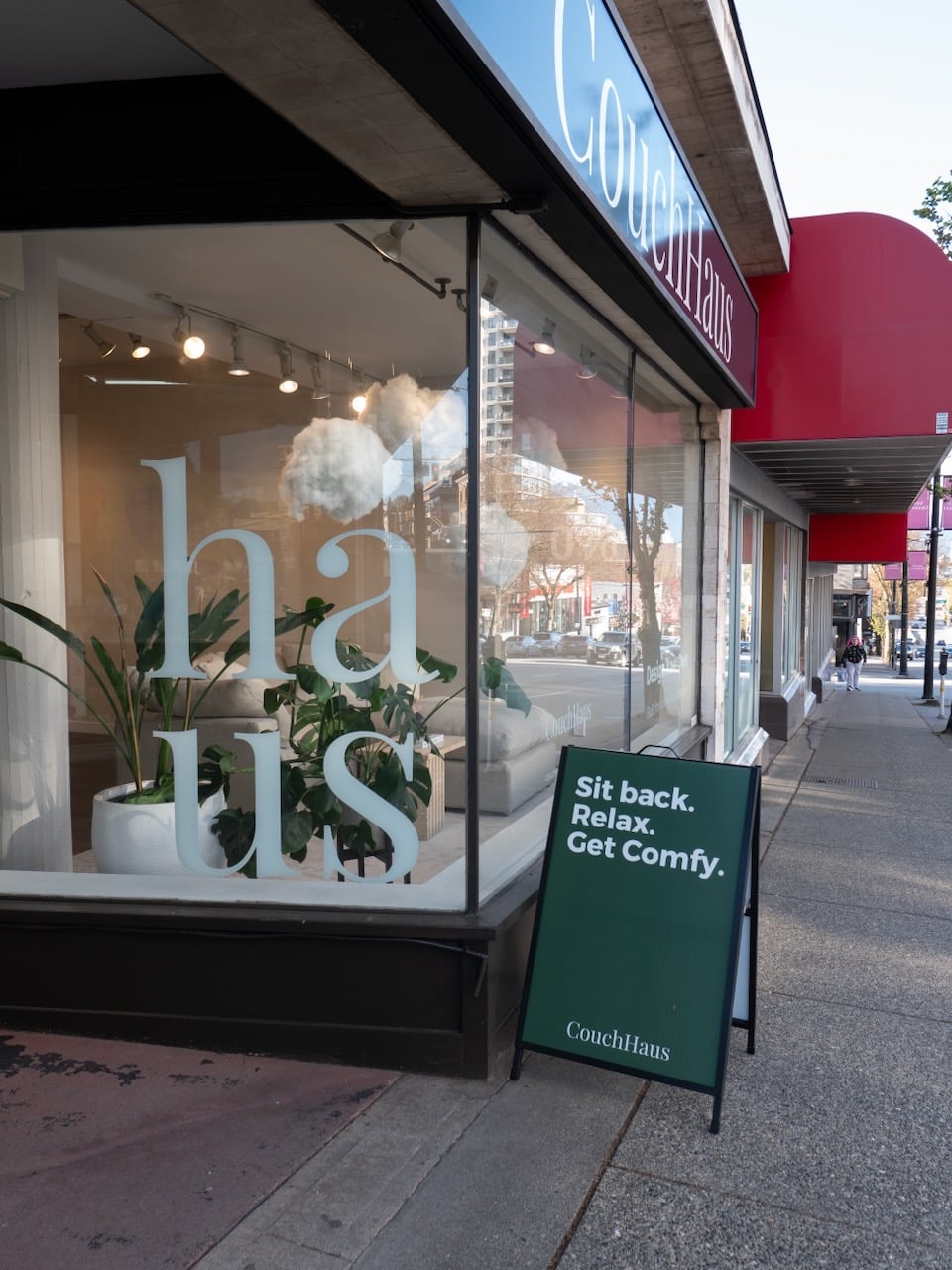
Couch Haus at 2421 Granville Street in Vancouver (Image: Couch Haus)
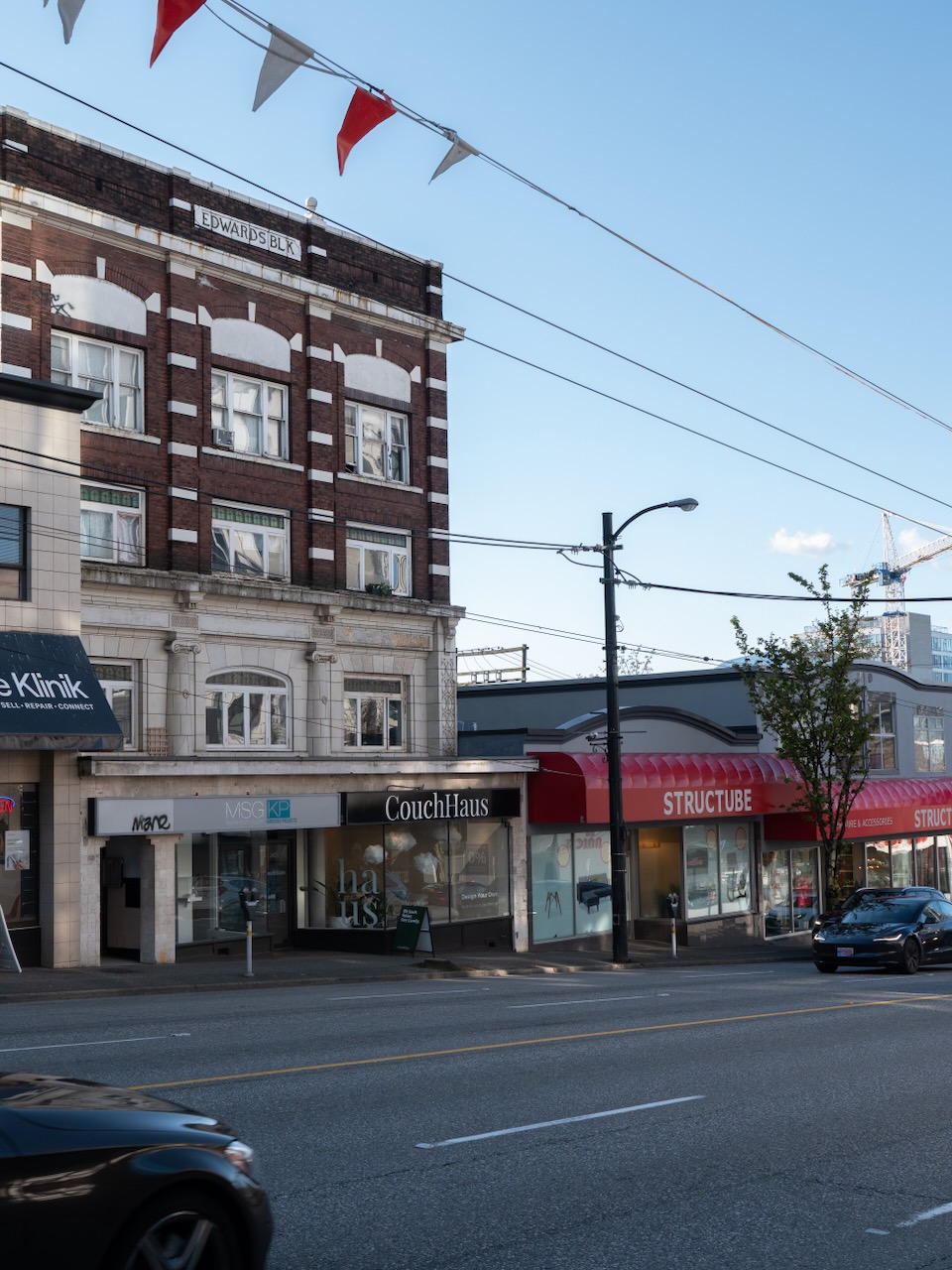
Direct-to-consumer furniture retailer CouchHaus has launched its first-ever store in Vancouver at Granville and Broadway.
The showroom is located at 2421 Granville Street.
Harrison Gordon and Paige Sandher, Co-Founders, were a couple in the search for a perfect couch a few years ago which led to the creation of CouchHaus.
The company was founded March 2021.
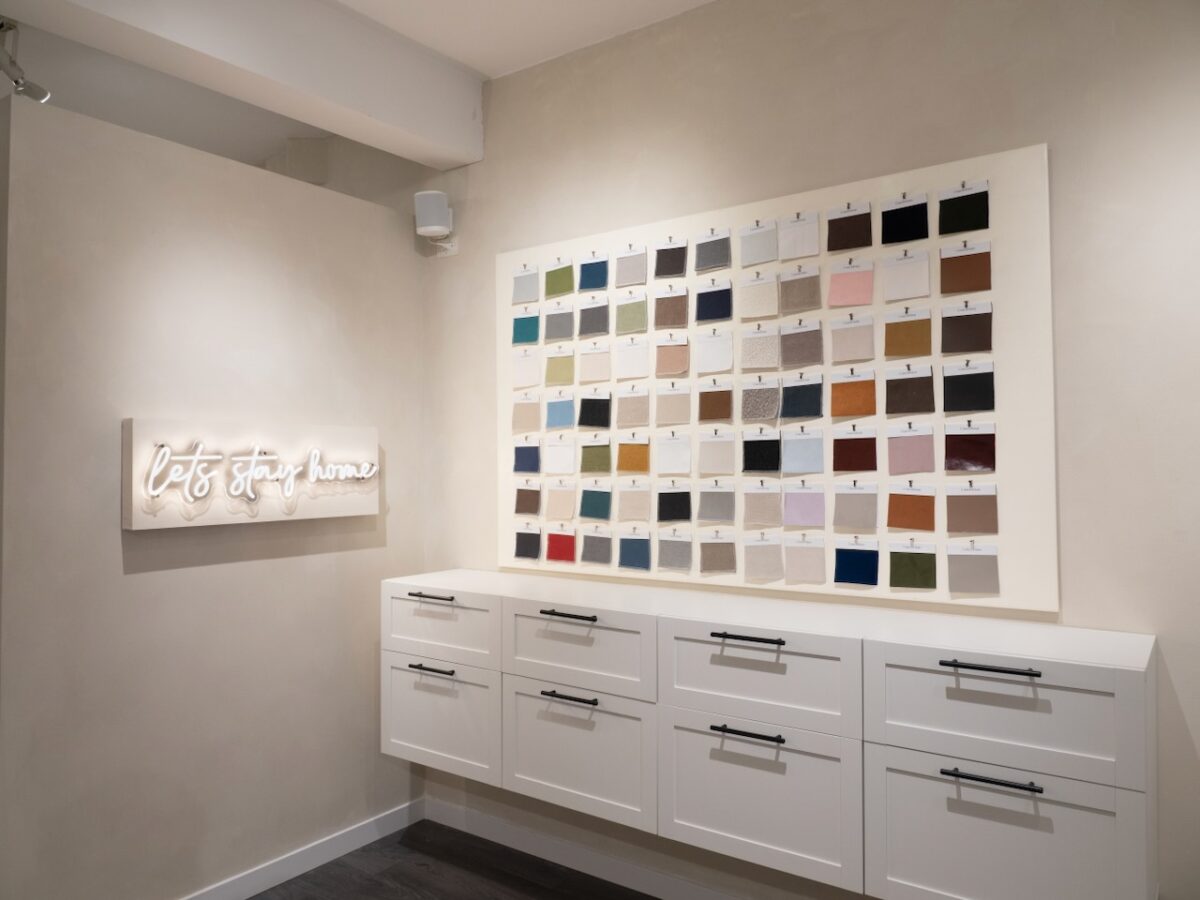
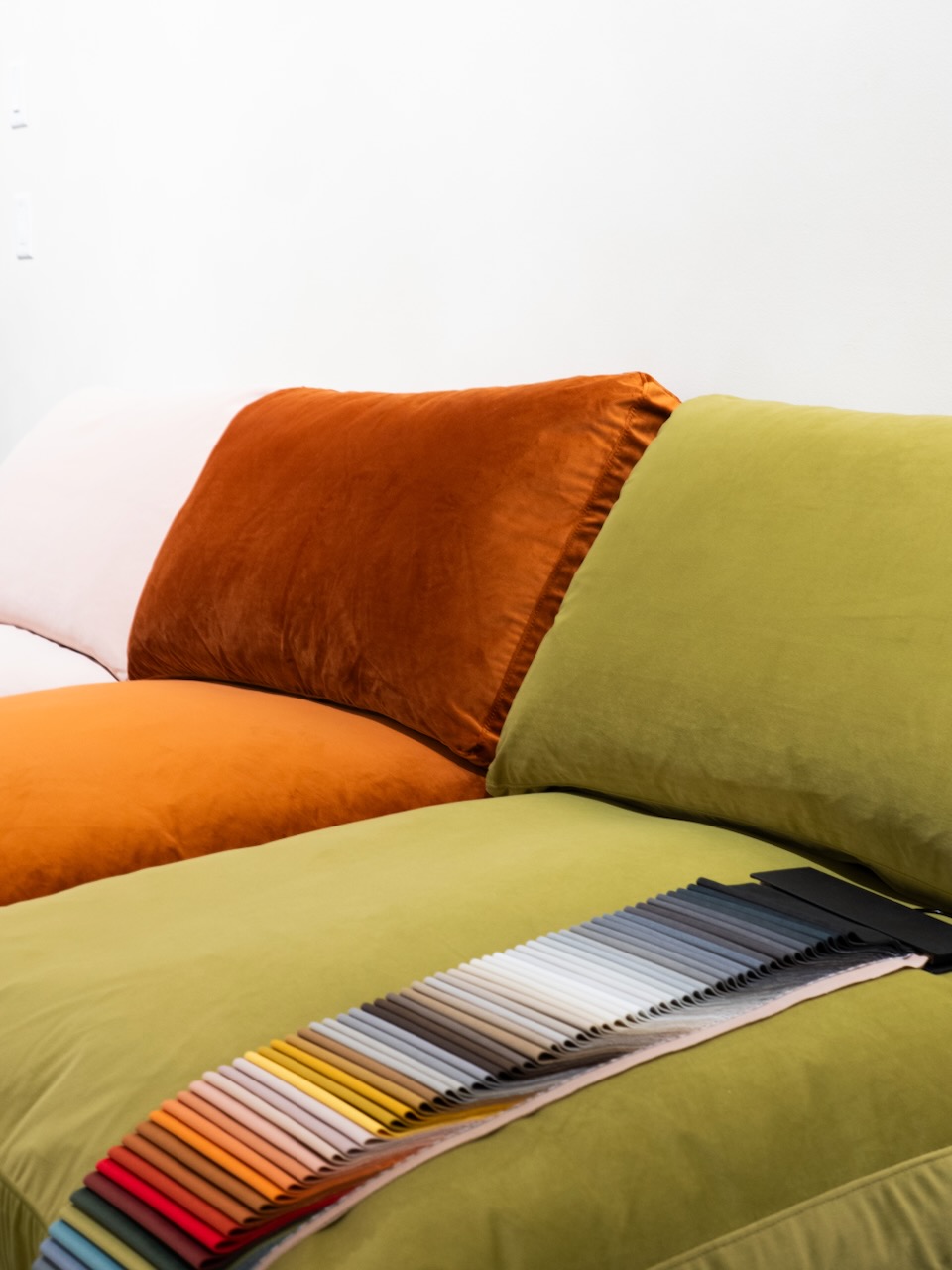
“CouchHaus is a direct-to-consumer furniture company, so we specialize in modular furniture and our main focus is on customization. We can offer hundreds of different fabrics and also made to measure. If you have a certain space that only allows for a certain size, maybe it’s only 110 inches, we can tailor it to your space and custom make it there. And a lot of companies usually charge an arm and a leg to upgrade whereas we offer all these changes for free,” said Gordon.
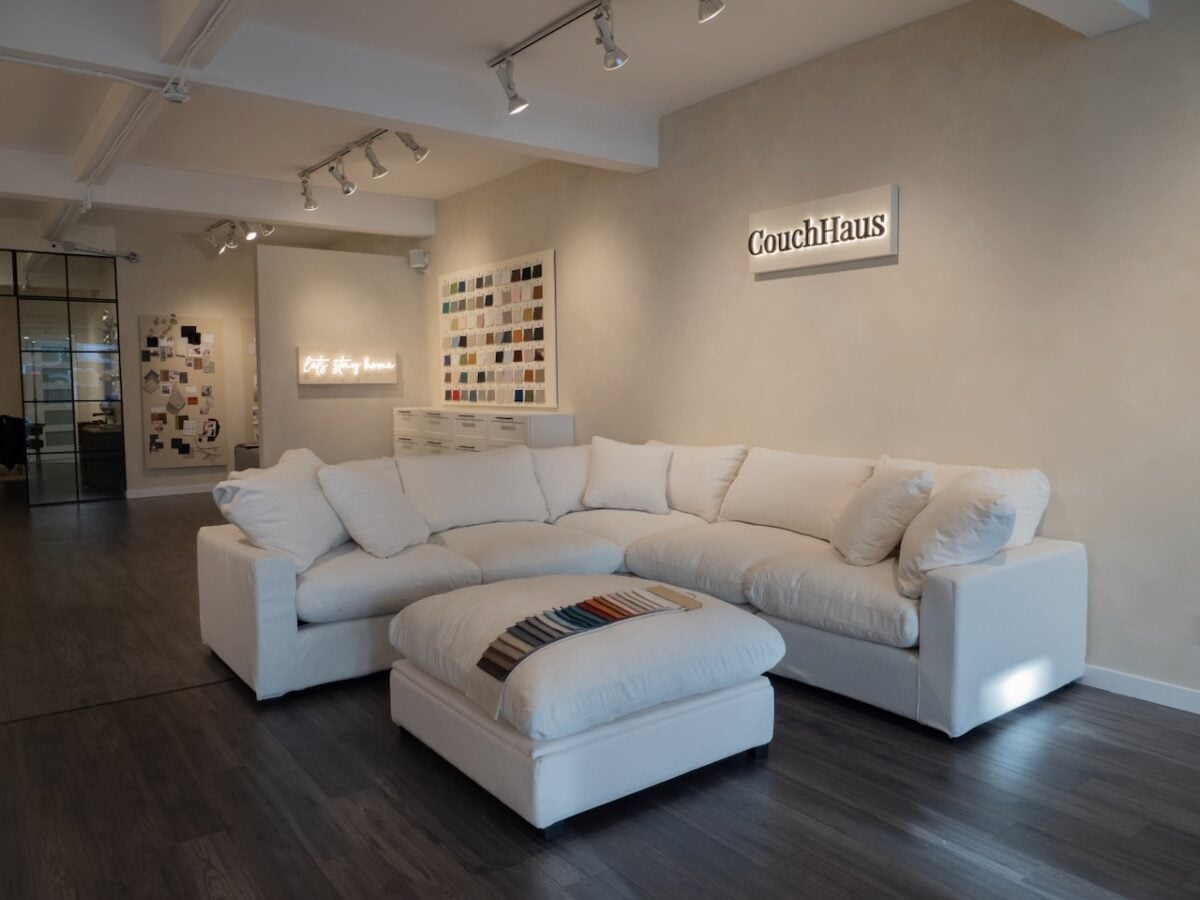
CouchHaus at 2421 Granville Street in Vancouver (Image: CouchHaus)CouchHaus at 2421 Granville Street in Vancouver (Image: CouchHaus)
The furniture is made overseas in Shanghai.
“We were just looking for furniture for ourselves. We’re not only co-founders, but we’re also partners. We were moving into a new home and Harrison’s quite tall and I’m quite short. We’ve got a six-four and a five-two over here. He wanted a deeper seating couch but a lot of the deeper seats weren’t fitting into our townhome,” said Sandher.
“We didn’t have like the length of a full detached home that traditionally deeper couches are made for . . . When we looked at all the custom options after purchasing our first home we realized that custom furniture can go up to like $10,000 to $15,000 and we just weren’t in a space that we were able to spend that much. We thought, how could we do this in a more cost effective manner?”
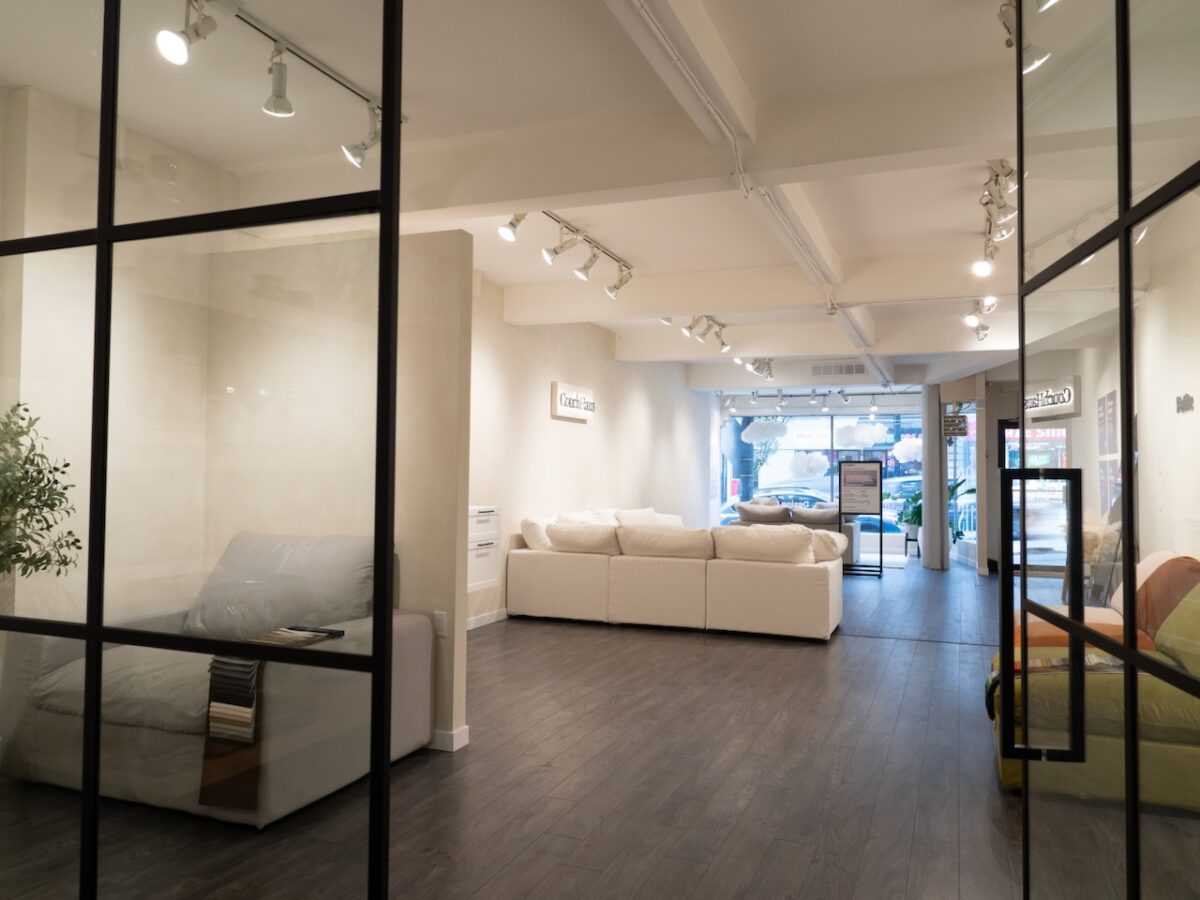
Image: CouchHausCouchHaus at 2421 Granville Street in Vancouver (Image: CouchHaus)
Gordon said it was a running joke that they started selling a couch out of their house.
The retailer has been primarily online as an e-commerce brand. But they had so many people just within the Lower Mainland that wanted to come and visit and test out the couches that they started just inviting people over to their home for appointments.
“For the past three years, we’ve run it out of our house and we’ve had people come over and we do one-on-one consultations and personalize appointments,” he said.
“And just now, in the past month, we’ve signed a lease on a space in Vancouver. So we’re opening a flagship location on South Granville, which is where basically all the good furniture stores are in Vancouver. That’s going to be our first step to just being open to the public and not just by appointment of people visiting our house.”
Harrison Gordon and Paige Sandher, Co-Founders of CouchHausCouchHaus at 2421 Granville Street in Vancouver (Image: CouchHaus)
The physical space is about 1,600 square feet.
Sandher said the showroom will be set up very much similar to its appointment model where they basically have different areas where you go through different features.
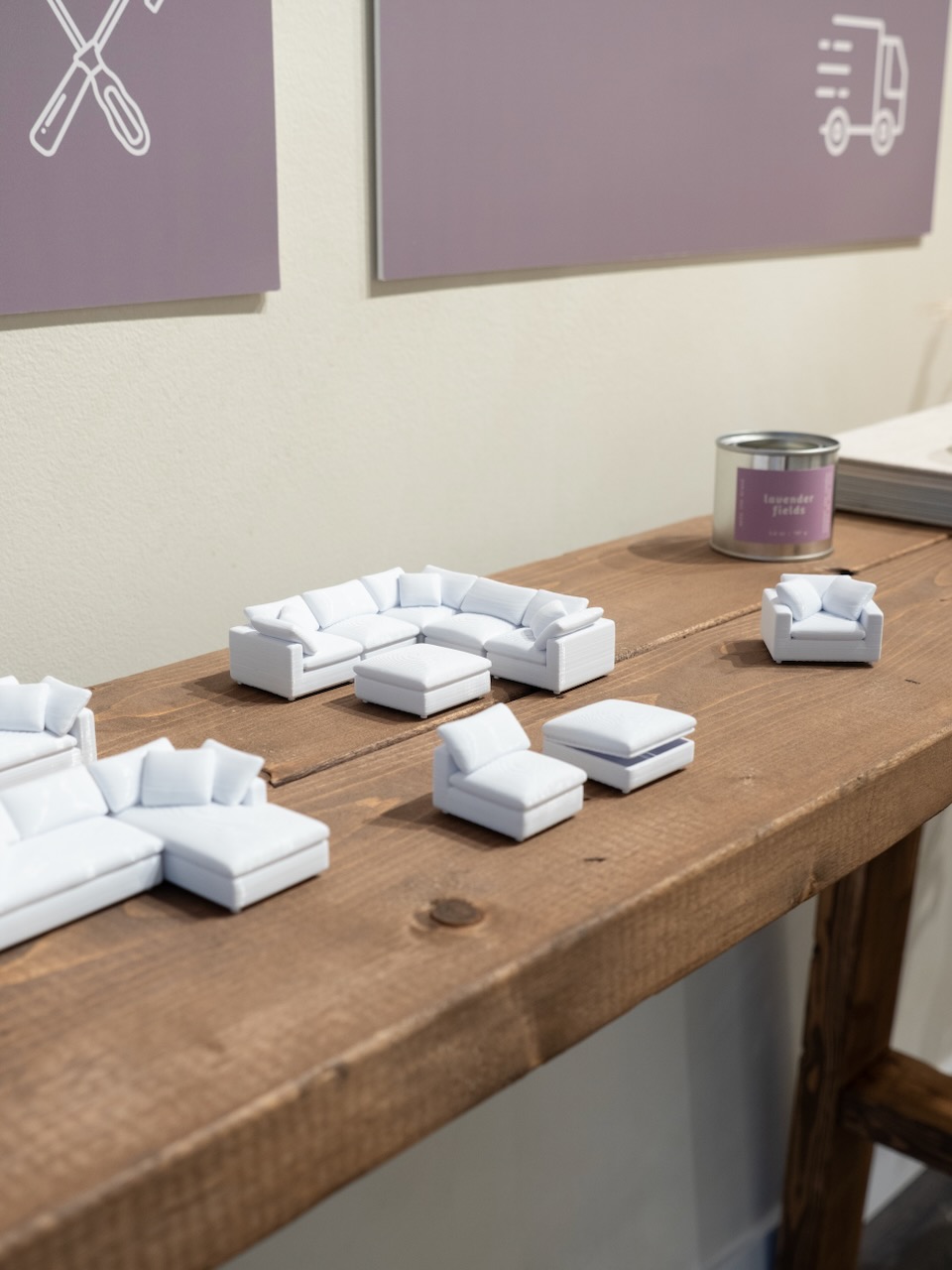
“One is like your configuration area where you choose what size and what modules you need. The second area is the size area. How deep you want the seats? And then the third one is the fabric area. We will of course have like more condo setups and then more of our home setups as well,” she said.
“And then in the back area will also have our design consultation rooms. So that’s where we essentially offer like 30 to 40 minute appointments where we’ll help you go through your space and customize based on the size that you’re working with as well.”
CouchHaus at 2421 Granville Street in Vancouver (Image: CouchHaus)
Image: CouchHaus
Image: CouchHaus
Gordon said all of the custom pieces are delivered within eight to 10 weeks.
“We also have noted that we have some really popular SKUs that we do now keep in stock at all times as well,” said Sandher.
“Those are available for purchase on the website and delivery within about three to five days.
“The product itself was actually very simple. We actually have one product and it’s just called the comfy couch. It’s sold as separate modules, and what I mean by modules is you can do a corner piece and armless piece or an ottoman or a chaise. And from there you can configure it to if you want to make a three-seater, a two-seater, a six-seater U-shape.
“You can really build it as you want to. And then from there, that’s where you customize if you want to add storage to the ottomans or raise the backrest height and certain features that you wish to upgrade, as well as the comfort of the couch. You can also choose how soft and firm you want it to be.”
Gordon said about 70 per cent of the brand’s customers are from British Columbia and about 20 per cent are from Ontario and then the other 10 per cent are scattered around Canada.
Couch Haus at 2421 Granville Street in Vancouver (Image: Couch Haus)
Image: CouchHaus
Image: CouchHaus
He said the company has looked into Stackt Market in Toronto.
“It’s a low commitment, you can sign a three or six month term there and you just basically run the space and test it out. So we’re hoping Q3 we open a pop up there and then if it looks good then sign a lease out East,” added Gordon.
“I think one of the really cool features about our product is that we also do focus on sustainability. A couple of features integrated into the product itself would be that we actually have removable slipcovers. They’re all fully washable, which is a really key feature for a lot of our clients. With them also being removable you can change the color of your couch as well. That’s also something that our clients will do as their lifestyle changes whether they have young families or you know wanting to switch it up just based on the seasons,” said Sandher.
“And the cushions are also restuffable. It’s usually the first thing that goes on couches is the actual cushions start sagging. We wanted to make ours so that you could refill the foam and then also restuff the cushion to really minimize furniture that’s going into the landfills.
“And then for every couch we build, we also plant 100 trees. That’s already built into our initiative as well.”