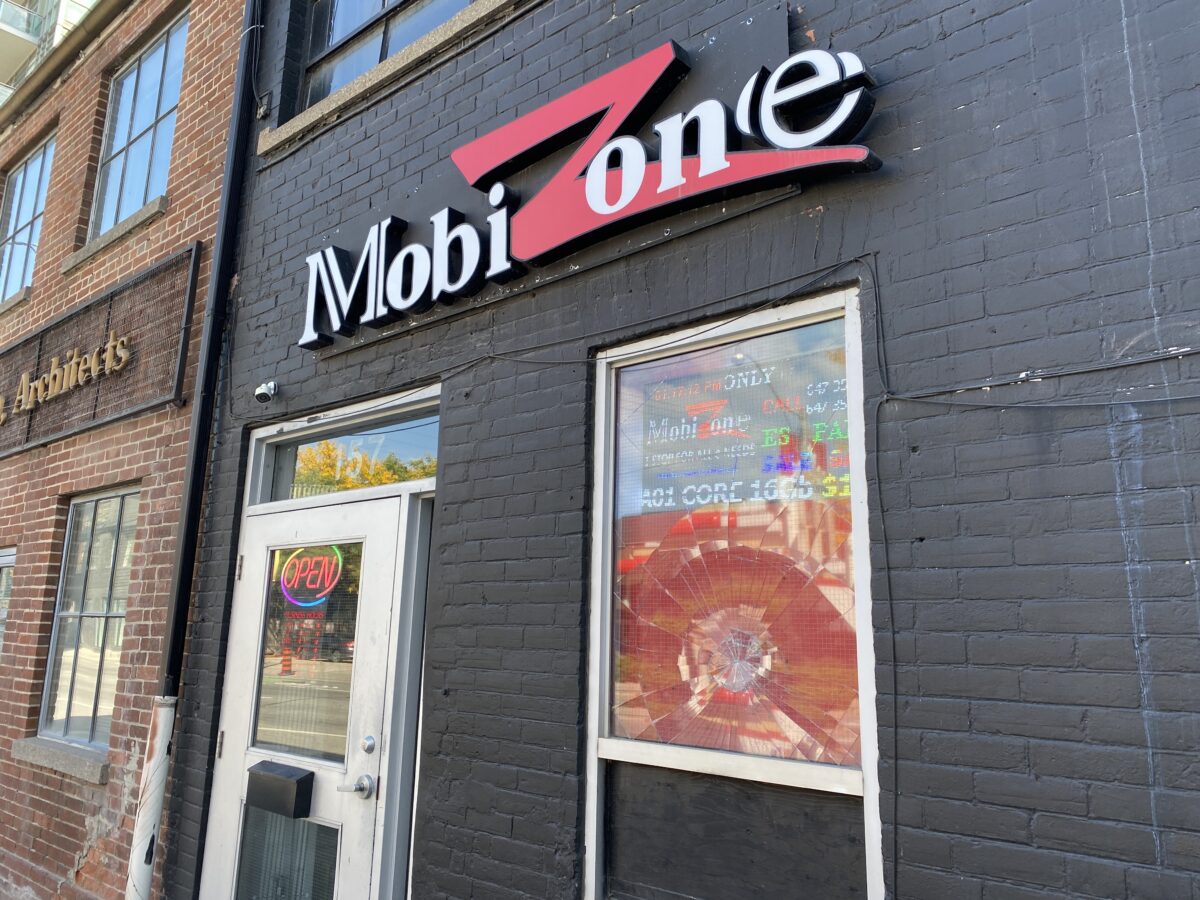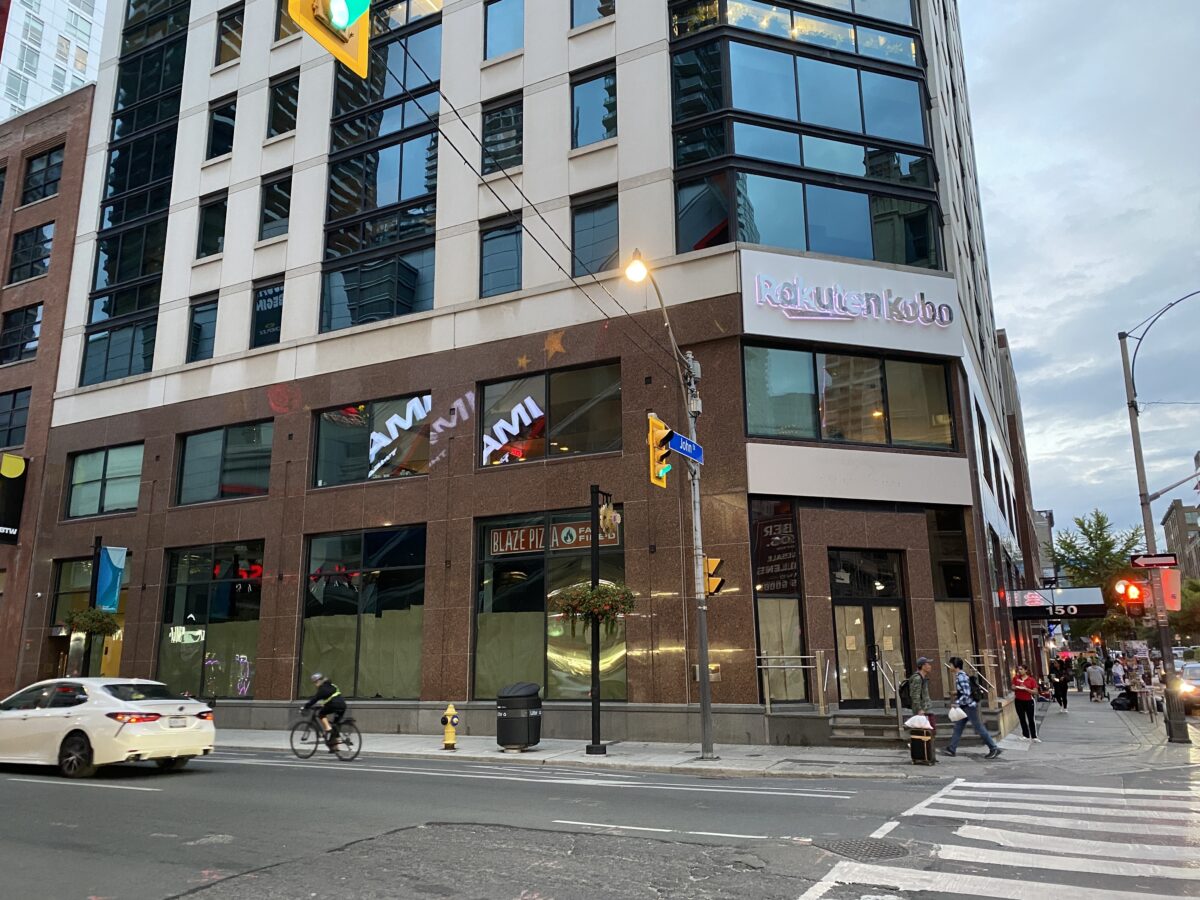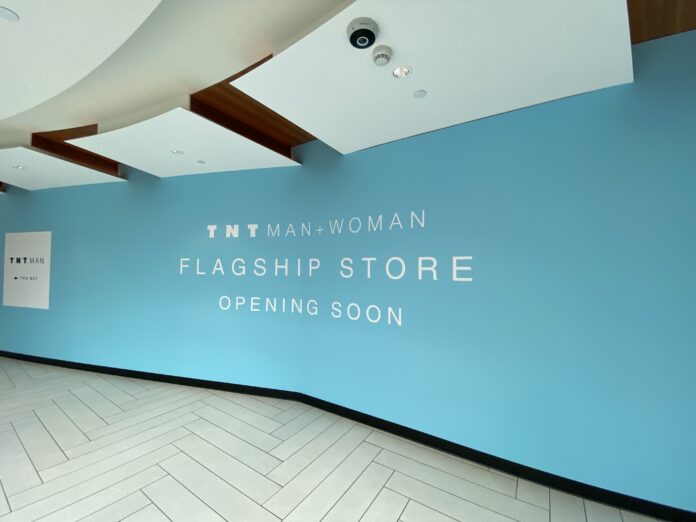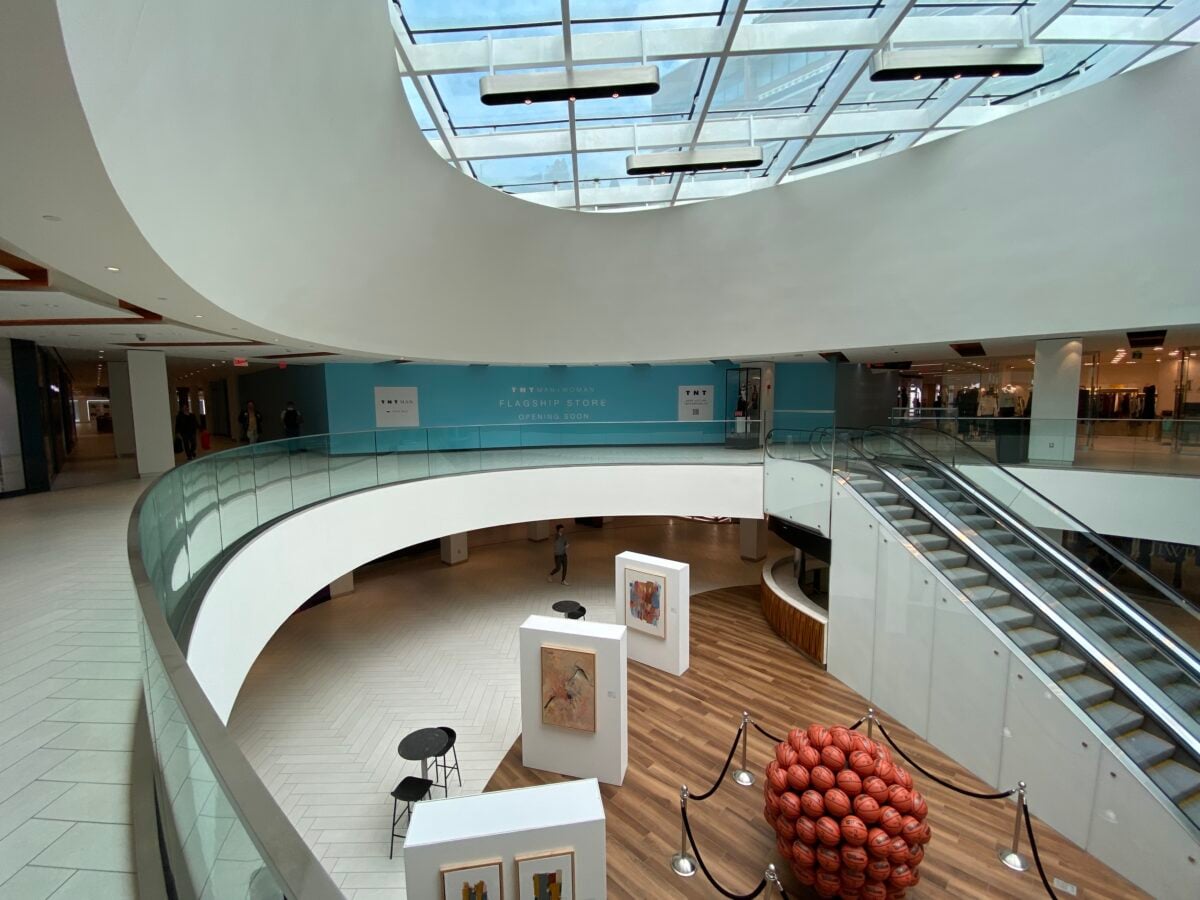
With the hype caused by the scandal at Hockey Canada, few noticed last week that Ottawa decided to investigate food prices and the alleged abuse by large grocery chains. This was decided by the Parliamentary Standing Committee on Agriculture, and the members of the Committee will examine the problem in the coming weeks.
We must first welcome Ottawa’s decision. Even though Canada currently has the third lowest food inflation rate among the G7 countries, after Japan and France, the rate of food inflation in Canada has exceeded general inflation for 13 consecutive months now. Every trip to the grocery store gets more financially painful, almost daily.
But to solely investigate retail would be shortsighted, and the committee seems to recognize that. The scope of the study will be the entire chain as Canadians deserve having the government study the state of the whole food industry. Food distribution is complex and involves several companies at once, from farm to table. Many accuse grocers such as Metro, Loblaws, and Sobeys of abusing the system, and inflating prices unjustifiably. But based on publicly available data, this is far from the case.
A very simple evaluation, comparing the profit margins of the three major retailers, Loblaws, Sobeys and Metro for the last five years, shows us that their financial results are rather modest. Thus, at the end of their respective fiscal years in 2021, profit margins for these retailers were 3.7% for Loblaws, 2.7% for Empire-Sobeys and 4.5% for Metro. Returns were about the same for the last 5 financial years. Yields were usually below or at the same level as the rate of food inflation for most of the five years. In other words, the performance of these chains was flat, when compared to the increase in the cost of living. And the year 2022, so far, doesn’t seem all that different.
Of course, the accusations of the last few months are buoyed by the claim of “record profits.” Certainly, a 2% or 3% monetary gain today does not look like a 2% or 3% gain of five years ago. Numbers are greater. Simple math. Incomes are higher, but so are costs. Although the amounts increase, the percentages remain the same.
Despite this, perceptions persist. Almost 80% of Canadians claim that there is abuse in the system and they are not entirely wrong to have these doubts. The industry has disappointed in recent years, especially with the “bread cartel” story. The current accusations, although without any real basis, are fully deserved.
Cereal at Metro Front Street in Downtown Toronto (Image: Dustin Fuhs)
Since the scope of Ottawa’s investigation will include the entire chain, from production to retail, as well as wages, this won’t be easy. Expectations remain realistically low for the committee to uncover anything at all. The food industry is filled with family businesses and companies which guard competitive data with extreme caution. Some companies buy and sell products without ever seeing or touching food. Getting to that data will be challenging.
But the committee needs to go beyond the grocer-gouging rhetoric. If there is abuse, it may be upstream in the chain. Part of the inflation of prices is objectively explained by certain macroeconomic factors, such as the shaky supply chains due to the pandemic, the labour shortages in the sector, and the invasion of Ukraine. But some portions of the price increases we see at the grocery store are hard to explain, especially at the meat counter, in the dairy section, and in the fish and seafood section. There are also price hikes in the bakery aisle these days.
In short, during the investigation, the Parliamentary Committee must maintain a sober and virtuous logic, without falling into the imaginary and the superlative. Selling a product at an exorbitant price does not necessarily constitute a scam if consumers have a choice and companies do not attempt to control market conditions. Rising costs are not the only factor contributing to price increases, either. Fluctuations in price and demand are also important elements in food distribution. Competition and markets will influence price. This is something the Committee also needs to look at.
Individualizing the differences between certain abusive behaviours and acceptable business practices will not be easy for the Committee. But it is worth the exercise, so that more Canadians can understand how our food supply chains work.
Pret a Manger at A&W Canada on John Street in Toronto (Image: Dustin Fuhs)
Pret A Manger, the UK’s beloved freshly made grab-and-go sandwich and coffee shop chain, has now opened two pop-ups in Toronto following a successful launch of its first Canadian location in Vancouver earlier this summer.
Susan Senecal, Chief Executive Officer of A&W Food Services of Canada, said Canadians have long been calling for bringing Pret to their community, having experienced the iconic coffee and sandwich shop in London, UK, New York City, and beyond.
“A&W Canada has admired Pret for a while. It started with a love of its fresh sandwiches and salads and grew from there. We approached the brand and got talking, then realized that we have a lot in common and so do the people in the businesses,” she said.
“Toronto is a bustling hub full of residents and visitors involved in fast paced activities – making Toronto an ideal market to integrate Pret’s fresh, ready-to-eat style meals. We want Torontonians to learn about Pret, spread the word, bring their friends for lunch or a coffee break and keep coming back!
“You can find Pret in Toronto at 60 John Street, right in the heart of the Entertainment District; a short walk from Union Station, the Financial District and Queen West. We’re also excited to announce Pret opened its second Toronto shop, located in Downsview Plaza (recently).”
Pret a Manger at A&W Canada on John Street in Toronto (Image: Dustin Fuhs)
Senecal said both Toronto and Vancouver felt ideal for the company’s first Pret pop-ups.
“Pret’s fresh grab-and-go concept is perfect for guests with busy urban lifestyles – plus Vancouver and Toronto are both large international cities. From there, it was a race to see where we could build our first pop-up the fastest! We have strong franchisee interest in both markets and in this case, Vancouver was ready first,” she said.

“For Pret, it’s an exciting expansion into a new market. Canadians come to A&W for the best tasting burger made with simple, high-quality ingredients and now with Pret we can expand that to fresh-made sandwiches, salads, soups and pastries, prepared right in our kitchens.
“The guest reaction to Pret has been very positive so far and we’re excited to continue to bring freshly-made grab-and-go meals to more Canadians in Toronto and Vancouver. We have our target set on 12-15 Pret pop-ups over the next two years.”
Pret a Manger at A&W Canada on John Street in Toronto (Image: Dustin Fuhs)
Pret has more than 560 locations in more than 10 countries.
In a statement, Pano Christou, Chief Executive Officer at Pret A Manger said, “We are very excited to see how well Pret is being received by customers in Vancouver and we look forward to continuing to build on this momentum with our second pop-up opening in Toronto with A&W. We look forward to continuing to serve our freshly made food and organic coffees to more Canadians and further growing our brand in new markets.”
According to officials, Pret was started by two college friends who set out to create the sort of food they craved but couldn’t find anywhere – nutritious, simple and delicious, prepared fresh every morning. They opened their first shop in London in 1986 and the brand has since revolutionized the concept of sandwich making and on-the-go meals, expanding all over the world, said the company.
“Built on amazing service, delicious food and engaged customers, Pret is constantly innovating its offerings around the world. From its unique freshly made and high-quality ingredient sandwiches to successful vegetarian-only locations – marking the first-ever for an international food chain – it’s no wonder Zagat called Pret “the best British invasion since the Beatles.” The new Canadian Pret pop-ups bring all the quality, values and taste closer to home with an assortment of its most famous menu offerings. Whether it’s dashing to work in the morning, or taking a much-needed afternoon break, ‘noshing’ at Pret is definitely worth the visit,” added the company.
A&W Canada has more than 1,000 restaurants across the country.
Gaudreault talks about what’s happening in the overall Canadian economy, sales in the retail sector, the level of job vacancies in the country and the debt small businesses have taken on during the pandemic.
The Video Interview Series by Retail Insider is available on YouTube.
Connect with Mario Toneguzzi, a veteran of the media industry for more than 40 years and named in 2021 a Top Ten Business Journalist in the world and the only Canadian – to learn how you can tell your story, share your message and amplify it to a wide audience. He is Senior News Editor with Retail Insider and owner of Mario Toneguzzi Communications Inc. and can be reached at mdtoneguzzi@gmail.com.
Also check out the other series offered by Retail Insider, including The Weekly podcast and The Interview Series, which are both available on Apple Podcasts, Stitcher, TuneIn, Google Podcasts, or through our dedicated RSS feed for Simplecast and other podcast players.
Retail Insider is streamlining its Canadian retail news from around the web to include a handful of top news stories that can be viewed quickly during the day. Here are the top stories from the past several days.
The site of Mirvish Village in Toronto builds on the heritage and legacy of Honest Ed’s Department Store, a beloved institution in Toronto for over 50 years.
Designed as a new, vibrant community hub and gathering place, Mirvish Village will integrate a new park and market, called The Kitchen, an extensive public realm, micro-retail, 24 restored heritage buildings, unique restaurants and shops as well as numerous indoor and outdoor performance and gathering spaces all interwoven with public art installations including a mural by artist Frank Stella.
There is 200,000 square feet of Creative Workspace and Retail at Mirvish Village.
Mirvish Village will contribute to the supply of rental housing across the continuum for the Toronto community, with six rental residential buildings and nearly 900 rental homes. Of these, 100 homes will be affordable rental, secured at 80 per cent of Average Market Rent for the City of Toronto, as published by CMHC. The affordable rental homes will be scattered throughout the project and will be of the same quality and design as market rental homes, seamlessly woven into the makeup of a complete 100 per cent rental community at the corner of Bloor and Bathurst. The project is also sustainable, designed to be highly walkable, with pedestrian-oriented amenities and greenspace. The project will be powered by a neighbourhood energy system by Creative Energy that will help reduce energy use by 30%.
Mirvish Village (Rendering Westbank / Peterson)
Vanessa Lynch, Sales Representative, Commercial Acquisitions and Leasing, for DWSV, Remax Ultimate Realty Inc., said there are many pieces to the retail component of Mirvish Village.
“Mirvish Village is designed to be vibrant day and night, and become the neighbourhood’s community hub. There’s actually a lot of interactive components to it,” said Lynch. “And it’s an incredible opportunity for brands and retailers to really engage with the community, visitors and tourists alike.”
The retail at Mirvish Village is diverse, varied and designed to reflect the fine grain character of the historic site, with multiple spaces available for micro to mid-size to larger tenants. The project is anchored by The Kitchen, a market, food hall and performance venue, which forms an identifiable heart of the project. “The Kitchen is connected to every aspect of the site including the retail high street at Markham Street and the public park,” said Lynch.
Mirvish Village (Rendering Westbank / Peterson)
Retail for the project is in four components.
Honest Ed’s Alley is a pedestrian-only thoroughfare with 25 move-in ready micro retail units. It will build on the entrepreneurial spirit of Ed and Anne Mirvish and celebrate all that they created by supporting creative, innovative and passionate entrepreneurs and small business owners. Mirvish Village will offer incubator spaces and micro-retail spaces for these businesses to showcase their products and test out new concepts.
“They range anywhere from 120-450 square feet. They’re turnkey solutions for entrepreneurs and businesses that want to test out their products and services,” said Lynch. “They can be short term as little as three months or you could do up to two years. It can be everything from a one-person hair stylist to a tattoo artist to a chocolatier to a clothing concept.
Mirvish Village (Rendering Westbank / Peterson)
“This alleyway was also inspired by the alleyways in Tokyo. So you’re going to have lots of bright neon signages. It’s going to be lit up. A really interactive experience for people to come out and try new products and services.”
There is also The Kitchen and music venue. Lynch said The Kitchen has been designed to be a place where the neighbourhood and the broader Toronto community can come for a diverse array of food and drink that’s reflective of the cultural mosaic of the city. There will be 16 food kiosks ranging from 200 square feet to about 400 square feet.
“Within that we also have a music venue which can be indoors or outdoors, operational all seasons of the year . . . there will also be special concerts and events throughout the year,” she said.
Mirvish Village (Rendering Westbank / Peterson)
The restoration of the Markham Street heritage houses reimagines the street as a pedestrian-oriented avenue. The 18 restored heritage houses (of a total 24 restored heritage structures) will be home to unique restaurants, cafes, bookstores, record stores and other retailers that reflect the distinct character of the neighbourhood. The project is returning Markham Street to the vibrancy of its heyday in the 1960s, when rows of 20th century residences housing galleries and studios lined the street, and artists sold their pieces on their front lawns.
“This is where we get to be really creative and curate the area in a meaningful way,” explained Lynch. “Each home has its own unique traits and a story to tell. We’ve been actively going out to the marketplace and approaching specific brands, retailers, operators, who we feel would be a great fit for the development and for the community itself and that will draw traffic to the area.
“We’ve engaged with really unique restaurant operators, cafes, bookstores, galleries, clothing, vintage stores, health and wellness groups, and more.”
Then there’s the Main Street Retail element to the project along Bloor and Bathurst which will be curated with a mix of local and international brands and retailers. Each building façade is unique, for example, one building’s façade features and art piece by Ian Wallace as part of a large-scale, multi-artist public art program that will help Mirvish Village become one of the most interesting projects in the country.
Mirvish Village (Rendering Westbank / Peterson)
Lynch said the first businesses are anticipated to open for the second quarter of next year.
“Mirvish Village is designed to attract visitors and those wanting an exciting day trip or a place where you can literally spend hours and hours and just discover and interact with new products and services,” she said.
“It’s a place that we’re curating for people that need some retail therapy from clothes to books to galleries. It’s a place where you can catch a performance, indoors or out. It’s a place where you can grab an ice cream and hang out in the park with family and friends. It’s truly the place that is going to bring the community together in every way possible.
“For groups or brands, that’s a huge attraction because you have nearly 900 purpose-built rentals, you have over 1,800 people living within that development, and the way we’re curating it and the groups that we’re speaking with from the unique restaurant operators to health and wellness offerings to galleries, and we’re not talking about big box stores or chain stores. We’re talking to businesses that will offer a unique experience to the consumer. That’s what’s intriguing them and enticing them to become a part of this amazing master plan.”
Mirvish Village (Rendering Westbank / Peterson)
The purpose-built rental community of Mirvish Village will build on a rich history that Ed Mirvish began in 1948 with the opening of Honest Ed’s.
The project is being spearheaded by Westbank and Peterson, after acquiring the site in 2014.
Westbank is active across Canada, the United States, and Tokyo with projects including condo residential, hotels, retail, office, residential rental, district energy, affordable housing and public art. Despite the impressive active portfolio Mirvish Village is, according to Emilie Lok who runs the leasing at Westbank, a very special one to be part of.
“The site itself obviously has a very rich history,” she says. “And, in order to create something truly special – something that lives up to the historical significance of the site – we wanted to leverage the sense of community and entrepreneurialism that it represented. The purpose-built rental towers make the community accessible to anyone who wants to live here. By highlighting small and independent retailers, we’re honouring the entrepreneurial spirit while creating a modern experience that will delight members of the community and keep visitors coming back.”
Mirvish Village (Rendering Westbank / Peterson)
It’s all part of what Lok describes as a vibrance that’s going to permeate the entire Mirvish Village community and surrounding area. And, she says, it’s the result of a concerted strategy focused on approaching the project, and every decision made, with a holistic and comprehensive vision.
“Everything that we’ve done as part of our execution of this project has been done with the idea of creating a community that has all the amenities of daily life, but inside a lively environment where people can gather, eat with friends and family, shop, listen to music and be entertained..”
“A Jewish-American immigrant, entrepreneur, business leader and community builder, Ed Mirvish and his family created a beacon for diverse communities and a gathering place for recent immigrants to Toronto. To this day, the site holds meaning for so many people. Our goal when we were invited by David Mirvish to redevelop the site was not only to honour this legacy, but to build on the idea that Mirvish Village will represent this community and support its evolution,” says a statement from Westbank.
Earlier in the year, Westbank secured four anchor tenants for the project – Bestco grocery store; LCBO, Toronto School of Management, and House Concepts.
“The Honest Ed’s Store had multiple incarnations, spanning over 60 years in business at the same location. The store grew incrementally from the corner of Bloor and Markham, as “Honest” Ed Mirvish gradually annexed the buildings to the east and south to fill most of a city block. The store became a Toronto landmark and the surrounding area became a haven for artists, housing galleries, boutiques, and restaurants, anchored by Anne Mirvish’s studio and practice,” according to Westbank.
Lego master Graeme Dymond and his 25,000-piece model of The Post in Vancouver. Photo: Amazon Canada
Downtown Vancouver patiently awaits the completion of the redevelopment of ‘The Post‘ as it transforms a legacy Canada Post processing facility into a community hub to invigorate the area. Amazon Canada, which has leased about 1.13 million square feet above the retail podium for offices, recognized the project’s progress by supporting the creation of a giant-sized architectural model of ‘The Post’ made out of 25,000 LEGO® bricks. The tech firm plans to open its Vancouver Tech Hub offices in early 2023 and the LEGO® landmark will be on permanent display.
The collaboration showcases what the unveiling of the completed project will look like in 2023 and involved LEGO®-certified master model builder, Graeme Dymond, reviewing design schematics, renderings, and even an in-person site tour to finish to miniaturized landmark.
LEGO® Model of The Post
1 of 25
The project, announced in 2019 by landlord QuadReal, continued to progress during the trying times of the COVID-19 pandemic. With employers grappling around the globe to entice workers back into the office, a number of the LEGO® landmark features highlighted a number of features which could appeal to returning workers including:
A rooftop dog run for the canine companions of Amazon employees, through the Dogs at Work program;
The preservation of historical features, including the blue and terracotta tile façade, the relief sculpture of a postal worker and coats of arms, and original artwork; and
A central atrium, green spaces and outdoor plazas open to the public as gathering places for the local community.
1 of 2
Rendering of The Post in downtown Vancouver. Image supplied by QuadReal
Exterior of The Post's Loblaw City Market. Rendering: QuadReal
Retail tenants poised to open will be relying on the return of the office worker and all of the project’s enticements support the project’s original vision to transform the site into a vibrant hub for a downtown community. Anticipated retail amenities include:
The Joseph Richard Group operating a new 26,000-square-foot food hall including a mix of full-service, sit-down, and quick-service restaurants;
50,000-square-foot Loblaws City Market;
Deville Coffee; and
Buro The Espresso Bar.
Life will hopefully get back to normal as the pandemic is hopefully resolved by 2023. Being in relatively close proximity to theatre and sporting facilities, The Post will offer amenities for visitors to the downtown core. The food hall, for example, could become a destination before or after a hockey game or event at the nearby Queen Elizabeth Theatre. The main branch of the Vancouver Public Library is close by as are draws such as CF Pacific Centre which is anchored by flagships for Nordstrom, Holt Renfrew, as well as being adjacent to Hudson’s Bay’s Vancouver flagship.
The Post in Vancouver from above. Rendering: QuadReal
All with LEED Gold Certification appealing to the environmentally conscious by leveraging waste heat recovery, passive solar shading, light shelves that reflect daylight into the interior and an energy-efficient building envelope. The adaptive reuse of the structure results in a savings of approximately 25,000 tonnes of carbon and diverts significant construction waste from local landfills.
Graeme Dymond. Photo: Lego Group
A short Q&A with certified master LEGO®-certified model builder Graeme Dymond provided additional insights on the LEGO® landmark:
Why the career change from “Learning Consultant” at TD Bank to “Lego Certified Professional” (Dymond Bricks) in 2012? Short answer – who wouldn’t want to play with toys all day long! Truthfully, I really enjoyed my time at TD, but I was feeling ready for a change and when an opportunity like this knocks, you gotta answer! I’ve been a lifelong fan of LEGO, and to be able to transform your hobby and passion and what you truly love to do into a career that can truly awe and inspire others, it was a dream come true.
What is the creative process to take a landmark (like The Post) and render it into Lego?
I typically spend a lot of time in preparation – Amazon, QuadReal and MCM were all great with sharing resources with me, including design schematics, renderings, and even an in person site tour. All these resources were excellent at highlighting the many unique and inspiring features of the building. But for me, being iterative is such a crucial part of my building process. I will always make changes to my designs as I go, based upon the feel of the build and how it looks. This sometimes might mean unbuilding a section and reworking it so that it is better integrated with the overall structure, or so that it will provide greater stability.
What is the hardest part of the process? Favorite part of the process?
Hardest part of the process – aside from transporting the final build – is almost always the start. Getting the footprint of the build just right is always a challenge, and sets the foundation for the entire project, so it can often take a very long time to get that right look and feel for the base of the project.
My favourite part of the process is when I can move into more of the details, for example in this build the dog parks, basketball court, and the Minifigures.
LEGOLAND Discovery Centre Toronto (Vaughan) was an ambitious project. Any plans for another Canadian Discovery Center’s location with Merlin Entertainments?
I’m not sure! That’s really more of a question for Merlin, but I’d certainly love to work with them again and contribute to another site if I got the chance. Building the LEGOLAND Discovery Centre in Vaughan, just north of Toronto and still Canada’s first and only of it’s kind – was such a special time for me and a massive undertaking – I was truthfully just one of many hands to build that site.
Any other LEGO projects on the horizon for you? Or any projects you would like to aspire to work on as a dream project?
Many future projects to come, but you’ll have to wait and see! As for dream projects – I have two kids at home who are really coming into their own as LEGO builders, and I’m looking forward to a special project collaborating with them, featuring some of their favourite comic book characters. I’m a big kid at heart, and I love the idea of sharing my passion with my kids while I still can!
An innovative solar power pilot project at CF Chinook Centre “has successfully addressed an exporting challenge affecting similar electricity grids across North America, paving the way for increased customer choice while building a lower carbon future,” say officials.
The project was a partnership between ENMAX Power and Cadillac Fairview. Construction began in early 2021 with funding from Natural Resources Canada and Alberta Innovates and it included the installation of
1,900 solar photovoltaic panels atop CF Chinook Centre spanning 53,000 square feet, approximately the size of three professional hockey rinks.
CF Chinook Centre (Image: ENMAX Power)
“To date, it’s meeting expectations. So it is a long-term partnership and commitment between ENMAX, Chinook and Cadillac Fairview. Even though it’s a pilot project there is definitely a commitment to see this project be long term,” said Paige O’Neill, General Manager at CF Chinook Centre.
“It truly matches Cadillac Fairview’s leadership and push towards a low carbon economy. It’s definitely a priority that CF is committed to in reducing our carbon footprint not only through our own actions and goals but also always looking to being aligned with like-minded partners like ENMAX and the other partners in this initiative.”
O’Neill said Chinook Centre is expecting to produce about 900,000 kilowatt hours a year which represents almost 10 per cent of the electricity consumption of the entire mall.
“What that translates to is it mitigates about 650 tons of CO2 per year reduction which in turn it contributes to CF’s targets of reducing the operational carbon footprint by about 35 per cent by 2030,” she said.
CF Chinook Centre (Image: ENMAX Power)CF Chinook Centre (Image: ENMAX Power)
O’Neill said Cadillac Fairview has a number of initiatives through recycling and different environmental ventures in different malls across all its portfolio.
“But right now it’s focused for Chinook and Calgary on this pilot initiative but CF is always working to partner with companies and different kinds of projects that can help with our sustainability goals,” she said.
“The success of this pilot is an exciting step forward in enabling customers on our secondary network to adopt renewable energy options such as solar and battery storage,” said Jana Mosley, President ENMAX Power. “This innovative solution will give urban customers – both in Calgary and potentially across North America – more choice in how they generate and use electricity while maintaining a safe, reliable grid.”
“This groundbreaking initiative marks an exciting turning point in Cadillac Fairview’s corporate sustainability journey and our commitment to reducing our carbon footprint,” said Karen Jalon, Vice President, Sustainability, Energy and Smart Technology, Cadillac Fairview. “Through our partnership with ENMAX, we’re able to make collaborative and impactful environmental change that will help to efficiently power neighbouring communities moving forward.”
CF Chinook Centre (Image: ENMAX Power)
Officials said the solar panels are generating electricity and exporting excess energy back to the grid – a first for specialized secondary networks which supply power to dense urban settings including downtown Calgary.
“Most parts of Calgary’s electrical system are capable of two-way power flow and customers are eligible for credits for electricity they export back to the grid. Up until now, that hasn’t been possible for customers in high-density areas like some shopping malls and downtown. That’s because they get their power from an interconnected web of transformers, known as a secondary network, which provides high reliability but wasn’t capable of exporting power,” said ENMAX.
ENMAX Power and CF announced their partnership in April 2021 as the first on-site customer implementation to test the two-way technology at CF Chinook Centre, Calgary’s largest retail complex. The network’s highly specialized hardware, software and communications systems were carefully modified to facilitate two-way power flow while maintaining system safety and reliability, said the utility company.
“ENMAX Power will continue monitoring and reviewing the results of the pilot this year with a goal to make the technology more available to customers on the secondary network going forward,” it said.
Burlington, Ontario-based Matrix Marketing Concepts for years has been helping retailers and brands connect with shoppers with the belief that an exceptional retail environment starts with a welcoming and immersive experience and attractive fixtures and visual merchandising.
The full-service store design, fixture, and retail marketing agency has now partnered with Modern Expo, a top company in creating modern retail ecosystems for more than 20 years around the globe, to be the exclusive supplier and distributor of their product in North America.
Chris Fowler, President of Matrix, said Modern Expo is one of Europe’s largest gondola fixture manufacturers and active in 75 countries around the world.
“They have some of the largest retailers on the planet as their customers. These guys are global in terms of their presence. Their product is fantastic. They have multiple lines of business actually – only some of which are things we’re going to engage in at this stage,” said Fowler.
Image: Modern Expo
“The one that we’re really engaged with right now is the fixturing line and that’s grocery, pharmacy, convenience. They have a gorgeous bakery line, they have a stunning line for wine and spirits. That’s the stuff that we’re bringing into North America – Canada, US, Mexico. Things we’re really excited about.
“It really is the next generation of retail fixtures.”
In the past three years, Fowler said, there’s been a gap in the marketplace with availability of product – specifically referring to fixturing, gondola.
Matrix had been working with another company in Europe, trying to find a way to bring their product to North America. When the pandemic hit, it put that company into a bit of a tailspin. Another European partner led Matrix to Modern Expo.
“We’re the exclusive Canadian distributor of a company called HL Display out of Sweden. They have an entire line of shelf management systems. We’re also the exclusive distributor of Siffron product out of the US. The two companies are the leaders in retail management systems,” explained Fowler.
Image: Modern Expo
“Our partners at HL were the ones that introduced me to Modern Expo and the rationale was we would like to try and identify a new, innovative, modular system to bring to North America. Basically a better mousetrap. If you’re old enough to remember the Oldsmobile ads from years ago, the tag line was ‘this is not your father’s Oldsmobile’. Every time I look at this product it makes me think of that because this isn’t the same stuff that the North American manufacturers have been making since 1952. They haven’t changed it. It’s exactly the same.
“Well, the Modern Expo product is so different. The fit and finish and look and flexibility and innovation behind it, it’s just fantastic. That’s really why we’re so excited. Not only is it fantastic product, fantastic-looking product, there’s so many lines that really can help to integrate a complete solution into a retailer from bakery, wine and spirits, pharmacy, grocery. All the custom work that Matrix already does – custom metal, custom wire and millwork – it’s really a complete solution.”
Fowler said this is the evolution of retail. This is what fixturing is going to look like going forward. The product is so much smarter, it’s just a massive improvement in what we find today in the North American marketplace.
“It’s easy to assemble. All the things that are challenges with the North American system, this stuff outperforms and more, even in terms of weight capacities. They match or exceed all the weight capacities on any of the North American product. All of the different lines of product are so fantastic from a customer’s perspective, a retailer’s perspective. We can do front of store. We can do back of store,” said Fowler.
Image: Modern Expo
He cited the Calgary Co-op grocery chain as an example with its many sectors from grocery to bakery to wine and spirits to pharmacy to convenience and gas.
“We can do all of it with this line of product,” added Fowler. “That’s a good example of a retailer right there where we could have a line for grocery, a line for convenience, for the bakery.
“It really is an exciting time to be in retail and to be able to help these retailers realize the vision they have and where they could go with their stores now that we have an alternative product in the market to be able to offer them something different.”
Image: Modern ExpoImage: Modern Expo
Matrix began in 1991 and today has clients across North America in the following sectors – grocery, pharmacy, convenience and gas, pets, home improvement, specialty store. It also works with consumer packaged goods companies.
“All we do is retail. Anything you can think of in the store is what we do. So everything from fixturing, gondola, racking, custom metal, custom millwork. Anything you need in that retail environment is what we do,” said Fowler. “That’s always been our direction. Trying to find a way to help our customers through either design or manufacturing to find a better way to connect with that consumer in the store.
“Where’s the only place where the product, the intent to purchase and the consumer collide? That’s in the store . . . That’s where you want to influence them, engage them. That’s really what we do.”
Retail Insider is streamlining its Canadian retail news from around the web to include a handful of top news stories that can be viewed quickly during the day. Here are the top stories from the past 24 hours.
A retail report by commercial real estate firm JLL says retail leasing activity in Toronto should remain robust after a strong push in the second quarter of this year.
Both enclosed and open-air Toronto retail properties have attracted new concepts, with a special attention from first-to-market. Combining a dip in Q1 and the subsequent rebound in Q2, on balance the first half of the year remained on par with the first halves of 2021 and 2019, it said.
“Foot traffic is catching up, interest in in-store purchases remains high, and pent-up demand for travel and services is leading to new openings, especially restaurants. Many retailers and food-services operators have concluded that this is a window of opportunity they shouldn’t miss, and some are willing to absorb the current high construction costs ‒ even building entirely new spaces ‒ in order to capitalize,” said JLL.
“Increasing demand for retail space, fewer available spaces, and rising inflation and interest rates are among the primary contributors to the acceleration of rents in Q2. Rates went up by seven per cent year-over-year, which is in sync with the current inflation rate in Canada.
“On the supply side, overall retail inventory is expected to remain constrained as construction activity fell over the past few quarters and fewer deliveries are anticipated. Investment in retail construction has consistently contracted while investment in warehouses has accelerated. More recently, investment to build hotels and restaurants has rebounded.”
Yonge Street in Toronto (Image: Dustin Fuhs)
Paul Ferreira, Senior Vice President of Retail with JLL, said all signs for the most part indicate things are improving from retail sales, retail traffic, and rents stable or going up.
“I think all the metrics we would typically look at for how things are going with retail and retail real estate are improving coming out of the pandemic. The area of concern I would still have is traffic and footfall in the downtown urban core as most employers are still waiting out to see what the ultimate workplace presence ends up being in our downtowns,” he said.
Paul Ferreira
The number of employees returning to the downtown core has gradually improved since February, and office occupancy should surpass 30 per cent before the fall, explained the JLL report, adding that a recent study from the University of California shows that this past spring Canadian downtowns lagged most U.S. downtowns in terms of economic and social activity (as measured by mobile phone data). Toronto and Montreal downtowns had similar rankings.
“As the number of COVID-19 infections in Ontario peaks and trends down, it’s less likely that the seventh wave will derail the momentum, prompt a stiffening of measures, or slow business activity again. Toronto’s public transit ridership continues to recover. Toronto Transit Commission (TTC) ridership reached 57 percent of pre-COVID levels in late June, from 34 percent in the beginning of February. With the resumption of in-person classes in the fall and more workers returning to the office, ridership should continue to make significant progress,” said JLL.
“TTC forecasts that overall ridership will approach pre- pandemic levels by the end of 2023, with the complete return of students and resumption of discretionary travel, but a significant gap from office workers. The return of office workers will be continual and gradual, as major employers have announced the transition to return-to-work using a hybrid working model.”
Development at One Front, Union Station and 160 Front Street (Image: Dustin Fuhs)
Ferreira said the hybrid work arrangement is likely here to stay.
“What we’re seeing in downtown Toronto I’d say in the last number of weeks the presence in downtown Toronto is greater than I’ve seen it through the pandemic, since the pandemic started. The GO trains are all busier. Transit, subway, when you talk to people who are taking it seems to be full again at rush hours. But it’s not consistent on the days,” he said. “Everybody seems to be focused on the Tuesday, Wednesday, Thursday. So what does that mean for the retail and the businesses in our downtowns?”
JLL said retail sales in Toronto have been increasing since January (based on seasonally-adjusted numbers), despite Omicron. For the remainder of the year, sales should remain robust. Businesses and consumers are fairly confident about shopping due to the ongoing post-pandemic rebound, and this should last for some time.
“There have been several major retail events in downtown Toronto this year. First, IKEA opened its first urban format in Canada on Yonge Street, backfilling Bed Bath & Beyond. Second, the renovation of Union Station is near completion, and retail spaces there are in process of being occupied by several brands including Sephora and Decathlon. Third, The Well mixed-use development is set to open its retail component in early 2023,” said JLL.
adidas Construction at The Well (Image: Dustin Fuhs)Future Bath & Body Works and Mango at CF Toronto Eaton Centre (Image: Dustin Fuhs)
“In addition, several international concepts plan to open their first location in the market. Recently, U.S. fitness Alo Yoga, Spanish fashion Mango, and Brazilian steakhouse Fogo de Chão have indicated Toronto as one of their key markets. After being largely closed during the pandemic for more than six months altogether, shopping malls are now able to breathe and operate under more normal conditions. Some days of the week are recovering faster than others. Overall, sales and foot traffic will continue to recover and approach pre-pandemic levels by the end of 2022.
“Over the long term, asset-management teams have accelerated densification plans to turn malls into mixed-use developments. Several malls have made their plans public and started to execute them.
Toronto malls have seen vacancy rates decline as more retailers feel compelled to expand in enclosed spaces. Shopper hesitancy has decreased, and masking is no longer mandatory. EV, athletic, and luxury have notably expanded across the major malls.”