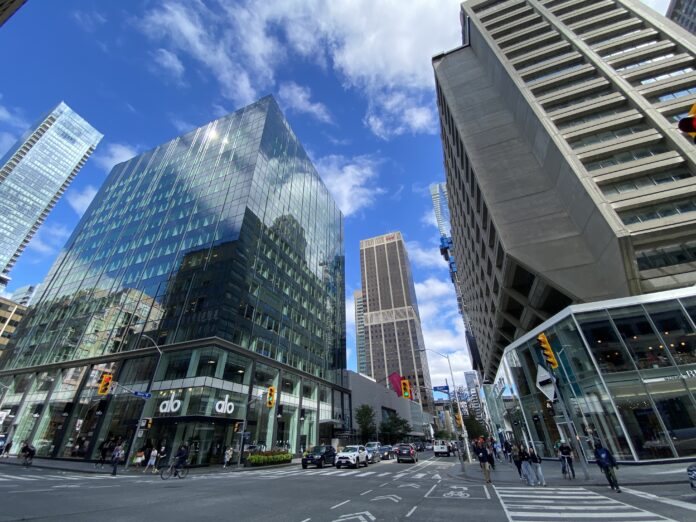
Future Browns Shoes on Bloor Street (Image: Dustin Fuhs)
Montreal-based footwear retailer Browns Shoes is returning to Toronto’s Bloor Street after closing a store nearby about four years ago. The new Browns store will be on a busier stretch of Bloor Street near Holt Renfrew, and it will become a draw for the area that otherwise lacks footwear retailers.
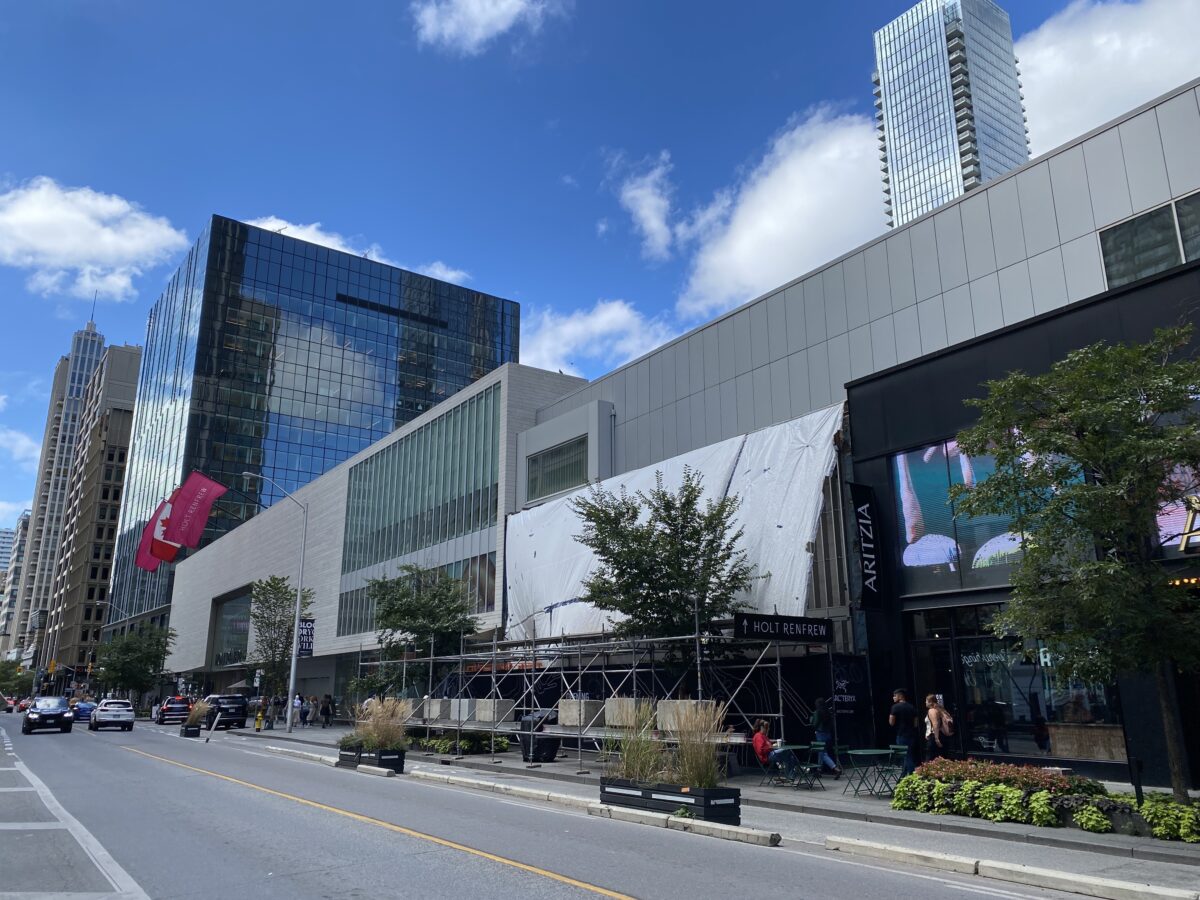
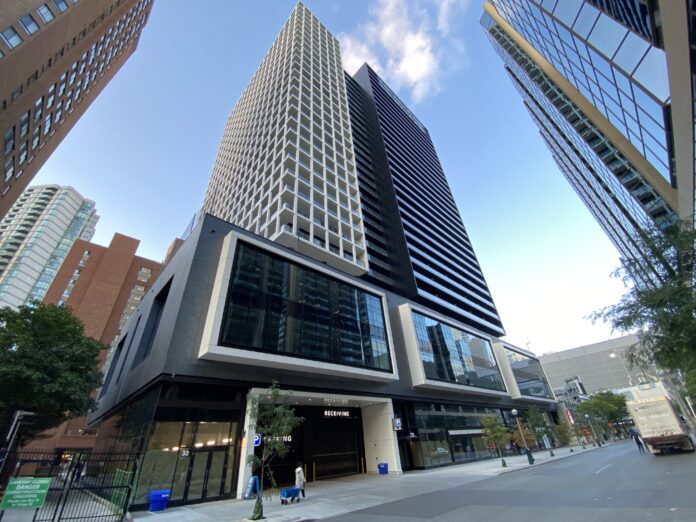
The new Browns Shoes store will span nearly 4,300 square feet at the base of the 60 Bloor Street West office tower. Browns will be between Alo Yoga at 60 Bloor and and the Holt Renfrew flagship which occupies much of the ground floor at 50 Bloor Street West.
Eric Ouaknine
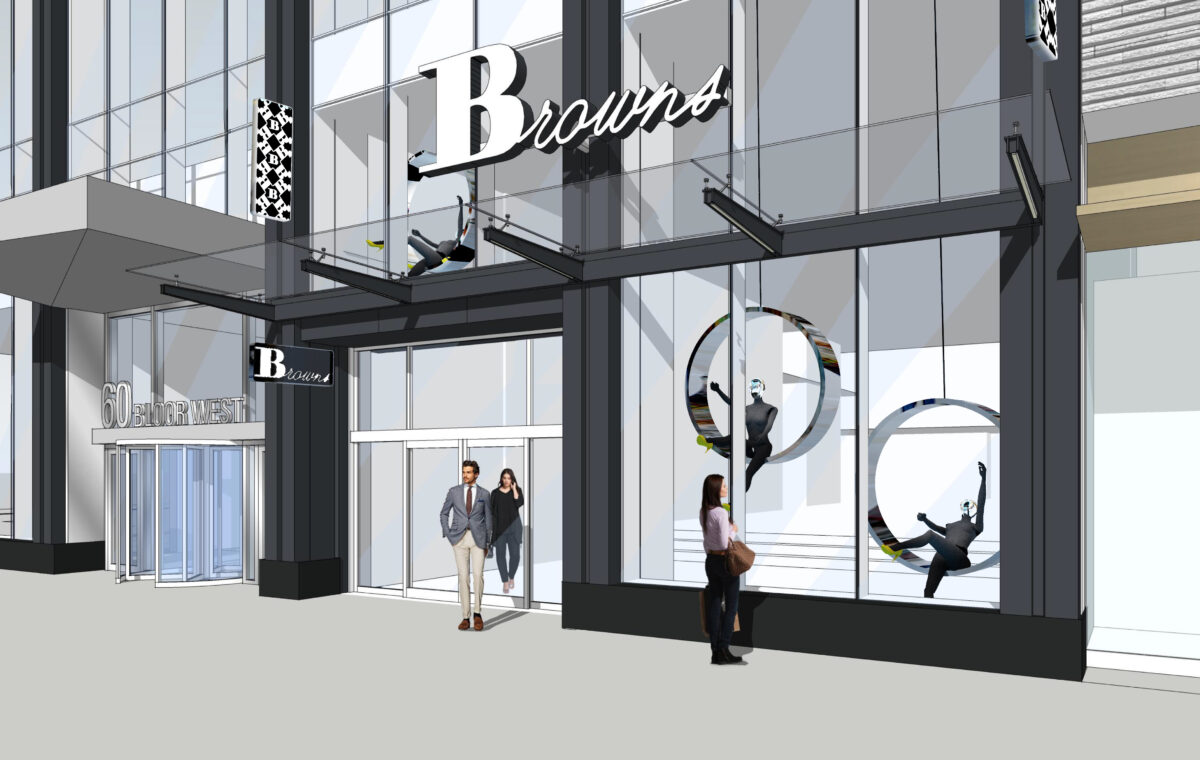
Eric Ouaknine, Vice President of Retail at Browns Shoes, said that the new Bloor Street store will feature a totally new and unique store concept that would include 20 foot ceilings, and custom finishings throughout. Customers will be able to enter the store from within the lobby of 60 Bloor, as well as from Bloor Street itself. “We’re excited to be back on Bloor Street, in what we feel is one of the busiest stretches of commercial real estate in Canada”, Ouakine said.
Rendering of the new Browns Shoes store at 60 Bloor Street West in Toronto. Image supplied.
The store will house Browns’ in-house brands as well as various other brands ranging from athletic to designer. In recent years Browns Shoes has focused more on its own core brands, maintaining quality and design, while also carrying a range of complementary brands that have attracted loyal shoppers.
Browns will be a welcomed addition to the Bloor-Yorkville area, which has only a handful of footwear retailers. Current footwear retailers in the area include a Ron White store at the Manulife Centre and a JP Fortin store at the Yorkville Village shopping centre (formerly Hazelton Lanes), as well as La Canadienne which replaced a Kate Spade store in 2021. Holt Renfrew also features a sizeable footwear offering in its adjacent women’s store and nearby men’s store, while some multi-category specialty retailers in the area are also carrying shoes.
Browns Shoes has recently been expanding and relocating stores while also opening new ones. The company could have a further opportunity for growth, given Nordstrom’s recent exit from Canada. It’s estimated that Nordstrom’s Canadian footwear sales were about $150 million across its six full-line stores. Given the lack of competition in Canada, Browns has the opportunity to gain further market share.
Future Browns Shoes on Bloor Street (Image: Craig Patterson)Future Browns Shoes (Far Left), Holt Renfrew (Centre) and Future Arc’Teryx at the Holt Renfrew Centre on Bloor Street (Image: Dustin Fuhs)
Browns has had a presence in the Bloor-Yorkville area since the 1970s. Its first store was at the Hazelton Lanes shopping centre. In 2008 it relocated to 110 Bloor Street West where it remained until just before the pandemic. Higher foot traffic at the new 60 Bloor store is expected to result in higher sales.
Various footwear retailers have vacated Bloor-Yorkville over the past decade, including Stuart Weitzman, Davids Footwear/Capezio, Speccio, Tanya Heath, Town Shoes, Shoe Warehouse, and others.
Oberfeld Snowcap represents Browns Shoes as brokerage in Canada.
We’ll follow up on this story when Browns opens its Bloor Street store.
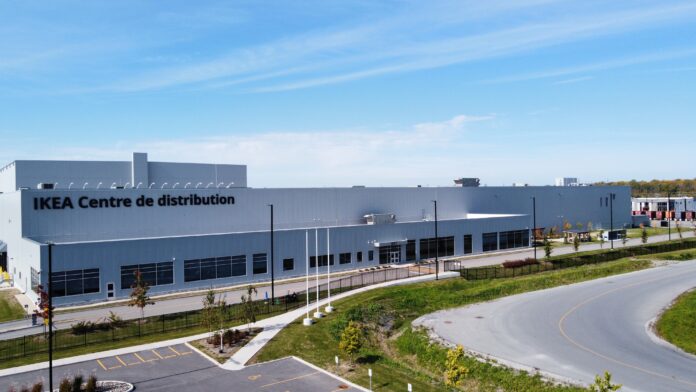
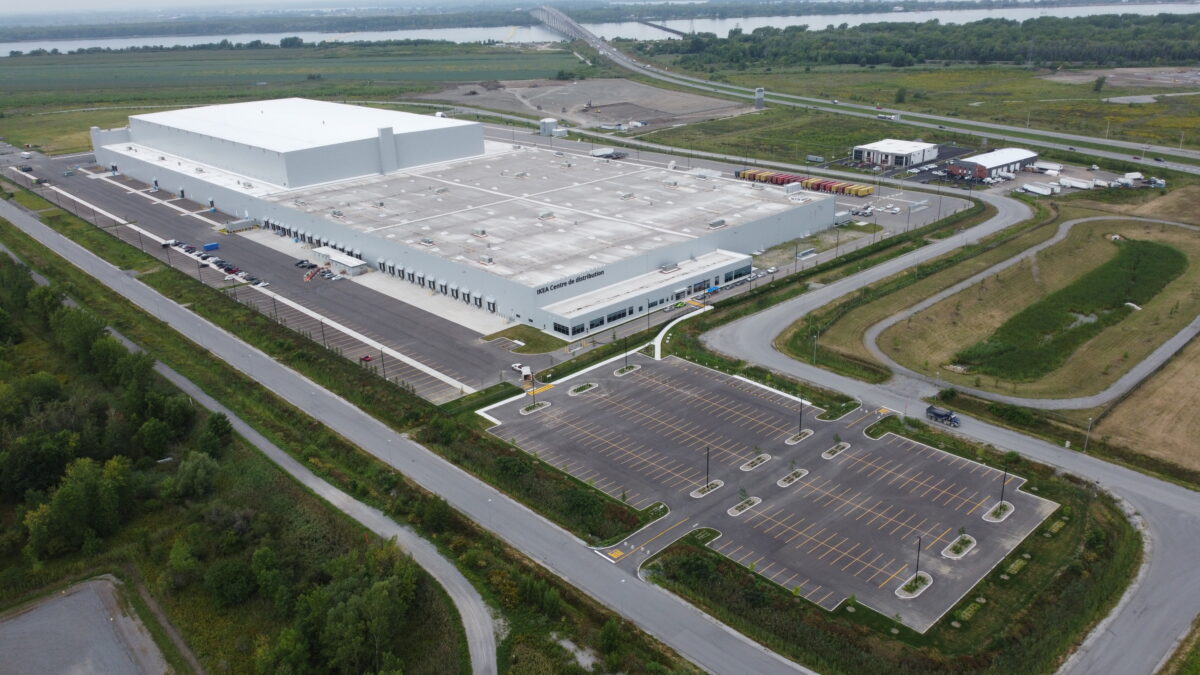
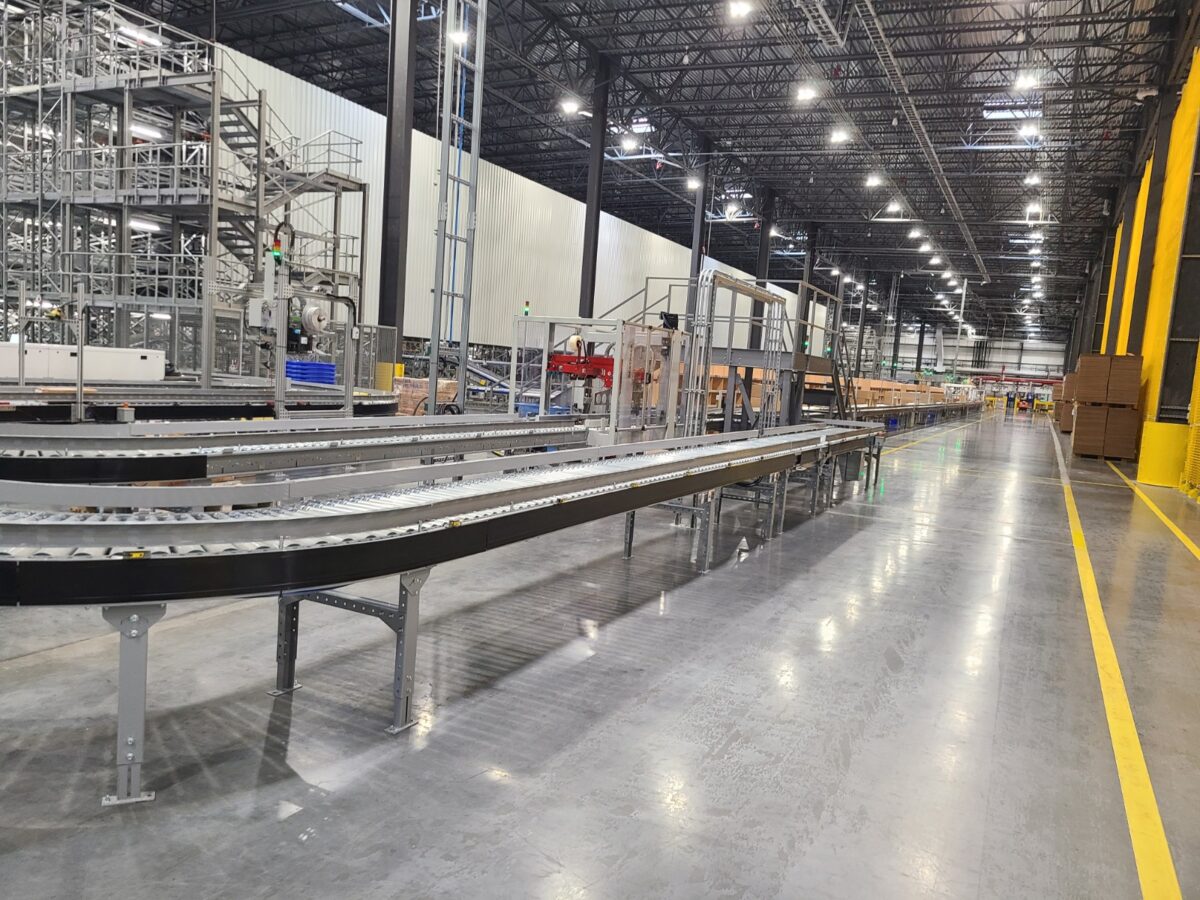
IKEA Distribution Centre in Beauharnois, Quebec (Image: IKEA)
IKEA has opened its massive Distribution Centre and Customer Distribution Centre in Beauharnois, Quebec, near Montreal, to enhance its omnichannel capabilities.
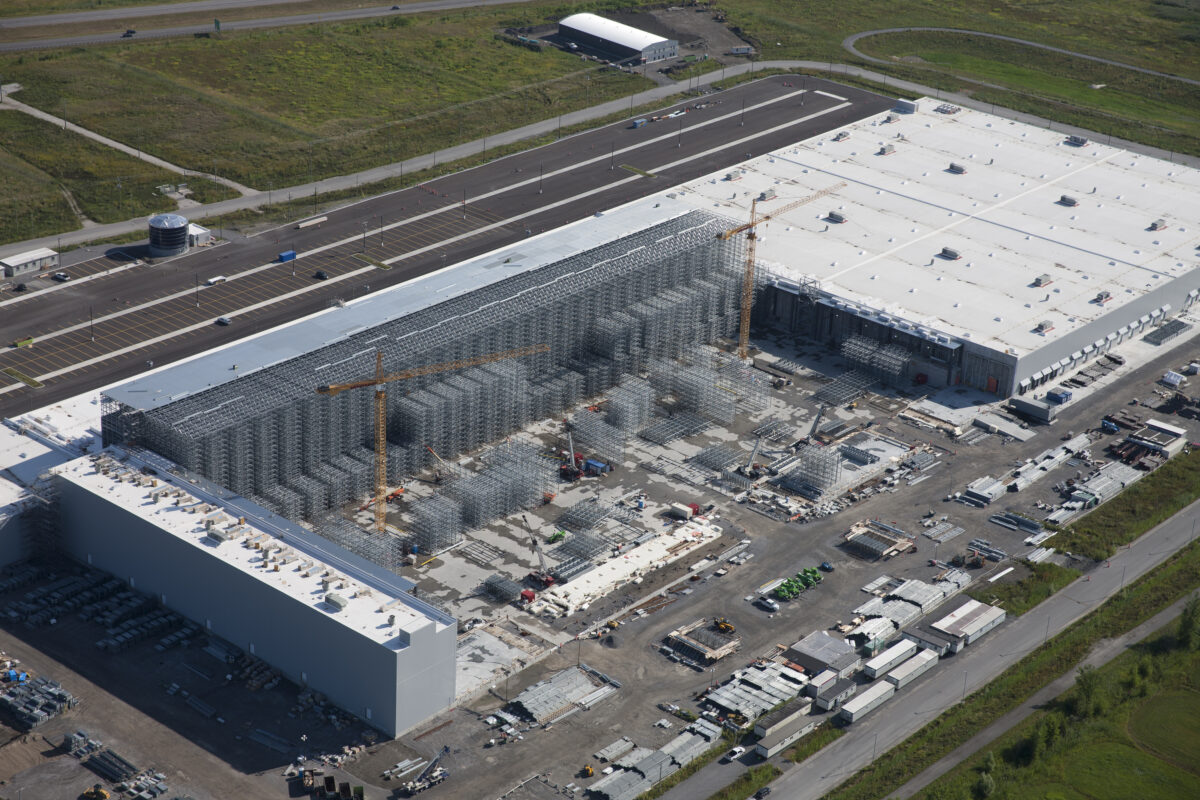
The facility is just over one million square feet – the size of 13 American football fields – and it replaces the company’s Brossard DC/ CDC, which is 925,696 square feet.
Mathieu Rochon
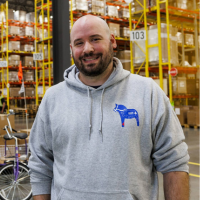
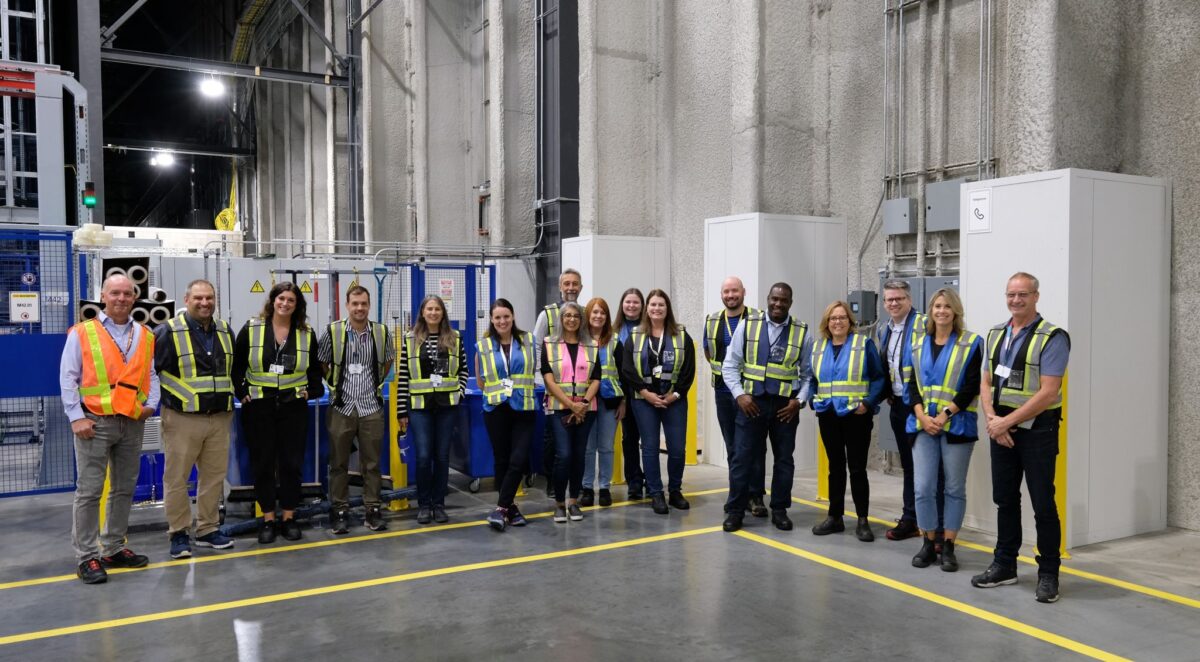
Mathieu Rochon, Central Fulfillment Unit Manager and Director of Beauharnois’ Distribution Centre and Customer Distribution Centre at IKEA Canada, said the facility will become a cornerstone of progress, serving not only as a hub for its operations but also as a testament to its unwavering dedication to delivering excellence and being a home away from home for its co-workers.
“We have two main businesses in this Distribution Centre. The first one is delivering to the stores. We distribute to stores from Winnipeg to Halifax. Mostly the East Coast and Central Canada and the GTA and also to customer distribution centres in the GTA and these are locations where we send e-commerce orders directly to the customers,” said Rochon.
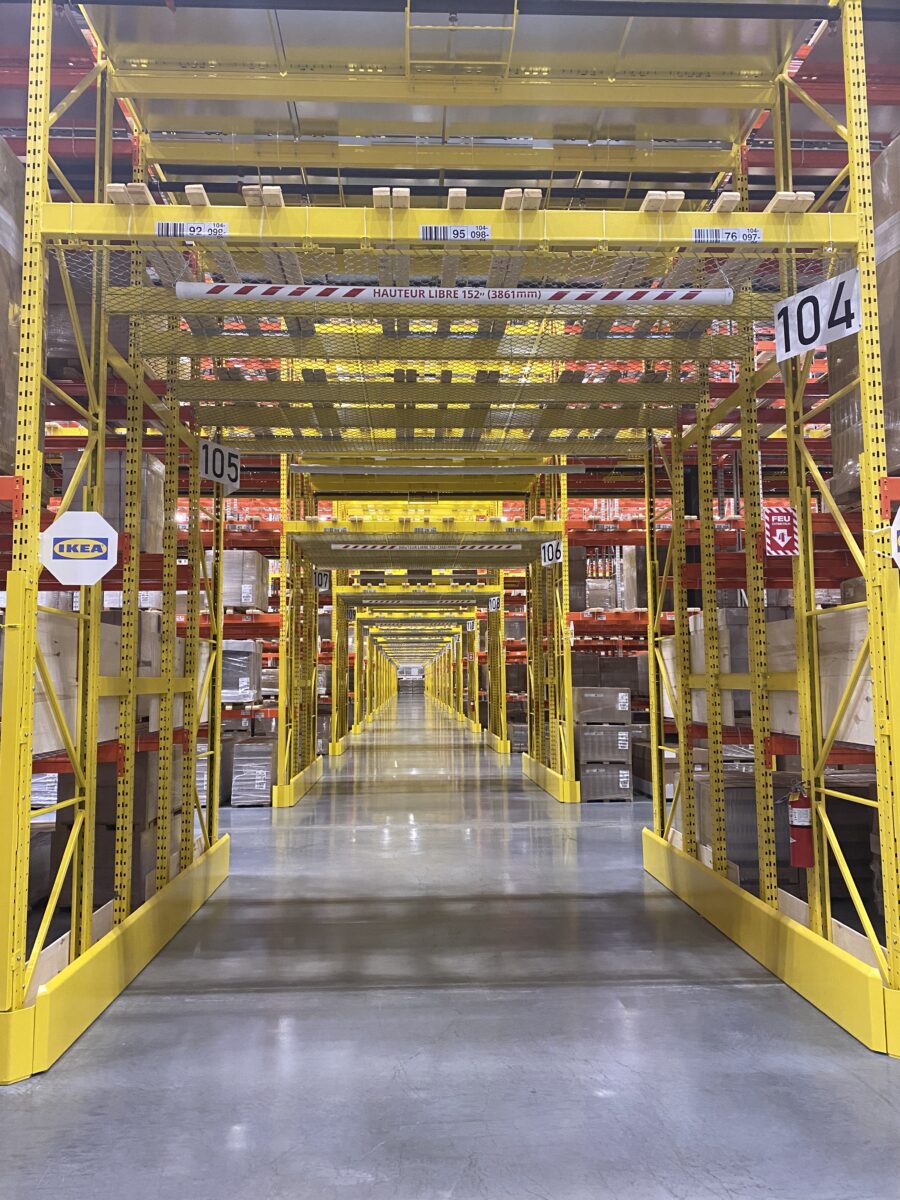
“This new centre can house 244,000 pallets on site here. This is why it’s so important for us to distribute to the stores and be more efficient, store more goods and be closer to the customer and be more efficient that way.”
IKEA Distribution Centre in Beauharnois, Quebec (Image: IKEA)IKEA Distribution Centre in Beauharnois, Quebec (Image: IKEA)
The retailer said the new Beauharnois facility is the first IKEA Distribution Centre in over three decades.
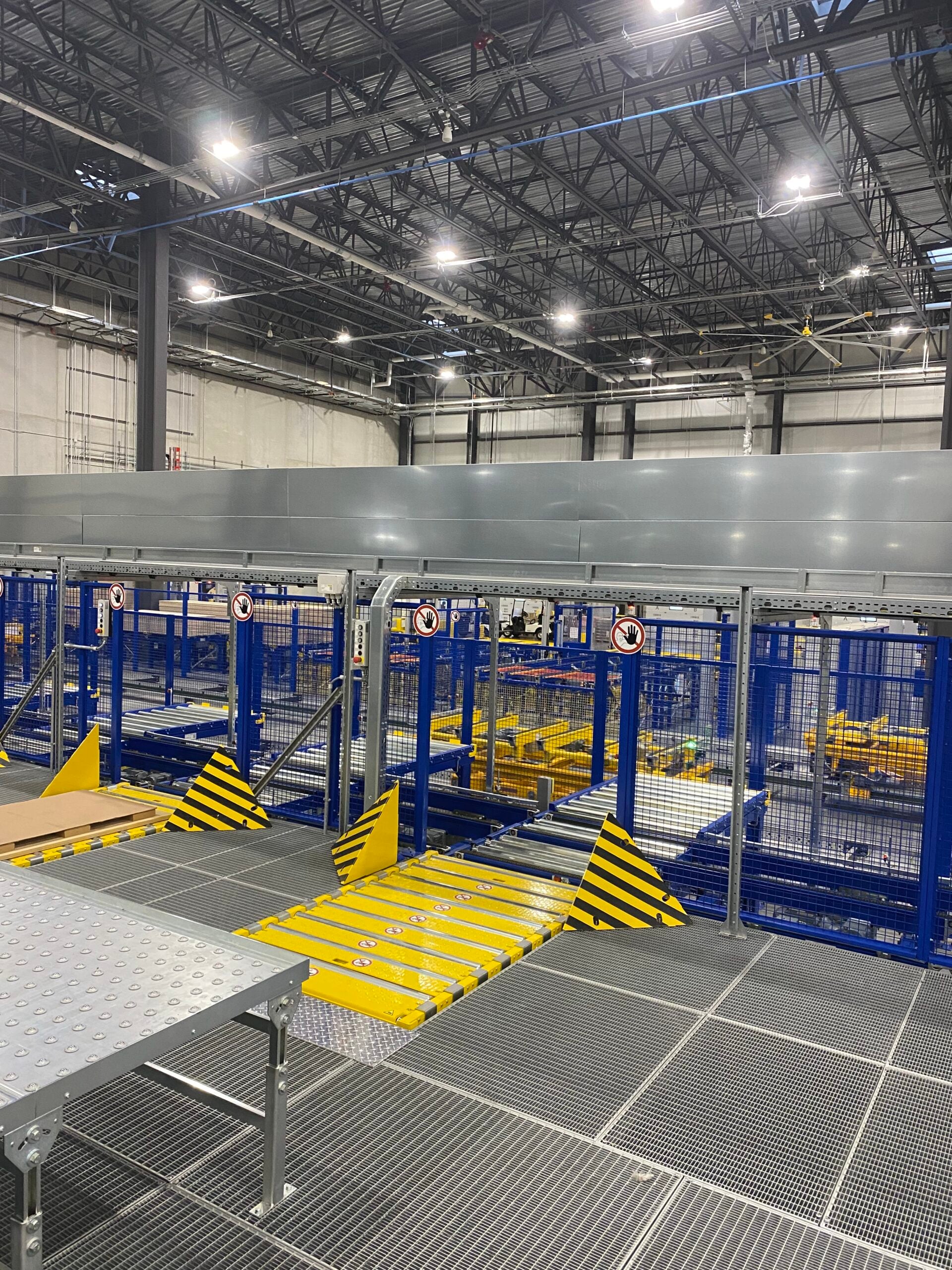
It said the state-of-the-art Beauharnois Distribution Centre and Customer Distribution Centre will play a pivotal role in streamlining IKEA’s logistics operations, ensuring that products reach customers’ homes with increased speed and accuracy. By optimizing its distribution network, IKEA aims to further elevate the shopping experience and meet the ever-evolving needs of its valued customers by notably using automated storage and retrieval systems as well as automated goods to person picking and packing solutions, it said.
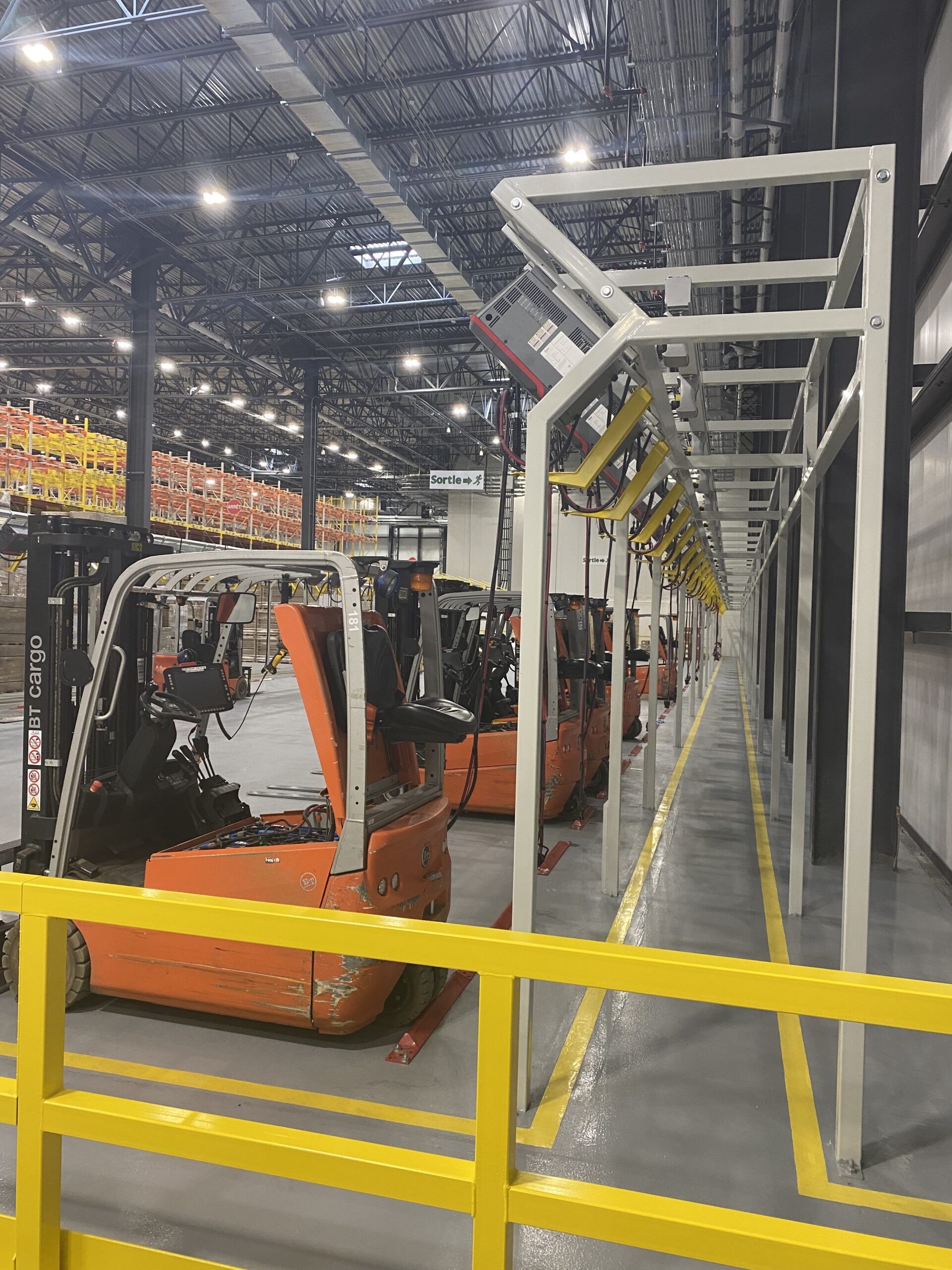
The new Beauharnois location was awarded LEED Silver certification and is equipped with 20 electric vehicle chargers for co-workers and guests. The retailer will install 15 electric vehicle chargers for commercial fleets, in December, supporting IKEA Canada’s ambition to provide zero emission home deliveries by 2025.
The facility will have over 380 workers.
At the heart of the IKEA Beauharnois Distribution Centre and Customer Distribution Centre are over 380 co-workers.
The retailer operates 16 stores in Canada.
IKEA Distribution Centre in Beauharnois, Quebec (Image: IKEA)IKEA Distribution Centre in Beauharnois, Quebec (Image: IKEA)
A DC is a central warehouse that receives goods from suppliers and distributes them to stores and CDCs. In Canada there is only one DC in Beauharnois that services IKEA stores in Manitoba, Quebec, Ontario, and Atlantic Canada. BC and Alberta stores are serviced by a DC in the United States that is in closer proximity to them.
A CDC holds stock for home delivery and pick-up orders where each order is individually picked and packed for final distribution to the end customer, either directly or through a hub. IKEA Canada maintains CDC sites in Beauharnois, Mississauga, Vancouver, and a third-party facility in Kleinburg, ON.
“We are unique in Canada,” said Rochon. “We distribute to both the stores and the customers directly and we’re the only unit in Canada that does that.
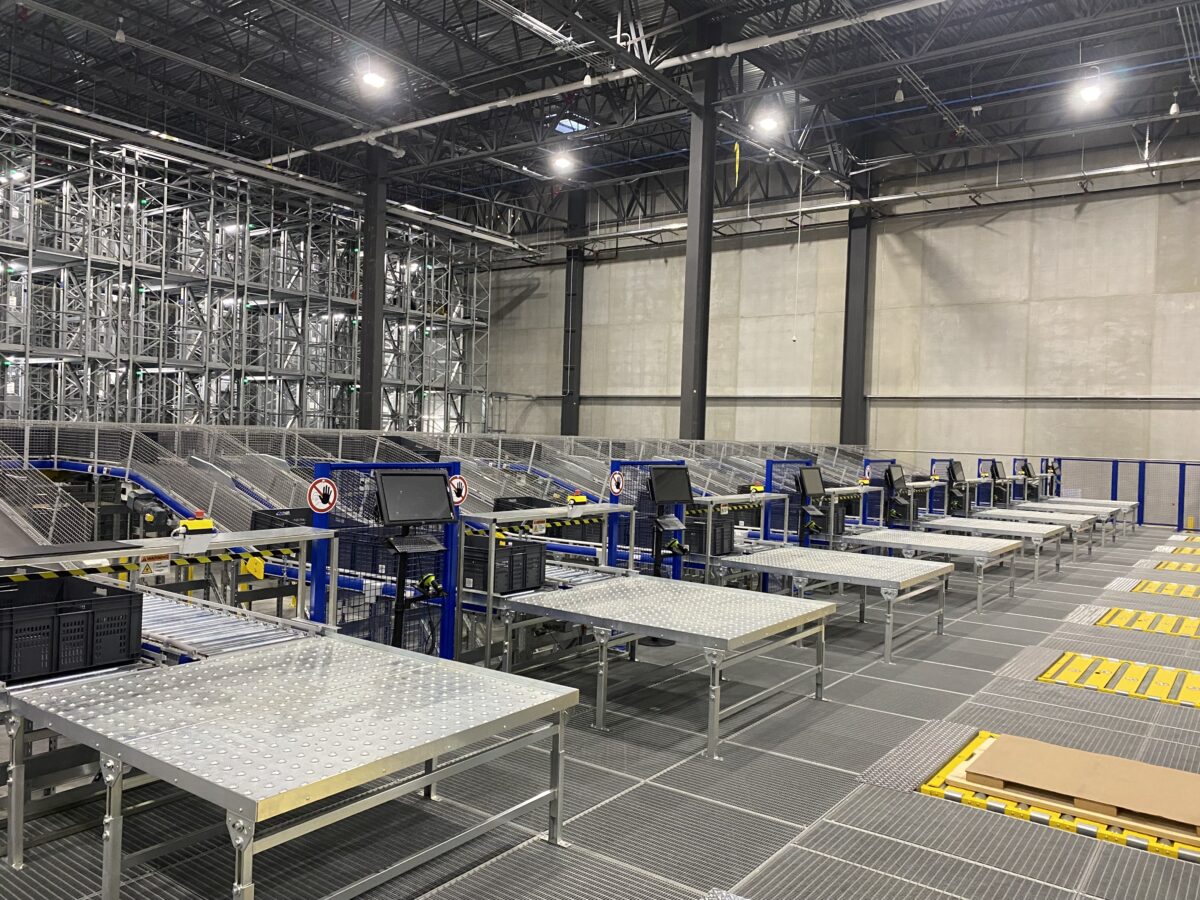
“There’s a lot of automation in here. We want to be fit for the future. We want to be a leading omnichannel retailer in Canada . . . so we really invested in automation.”
IKEA Distribution Centre in Beauharnois, Quebec (Image: IKEA)
IKEA Distribution Centre in Beauharnois, Quebec (Image: IKEA)
IKEA Distribution Centre in Beauharnois, Quebec (Image: IKEA)
IKEA Distribution Centre in Beauharnois, Quebec (Image: IKEA)
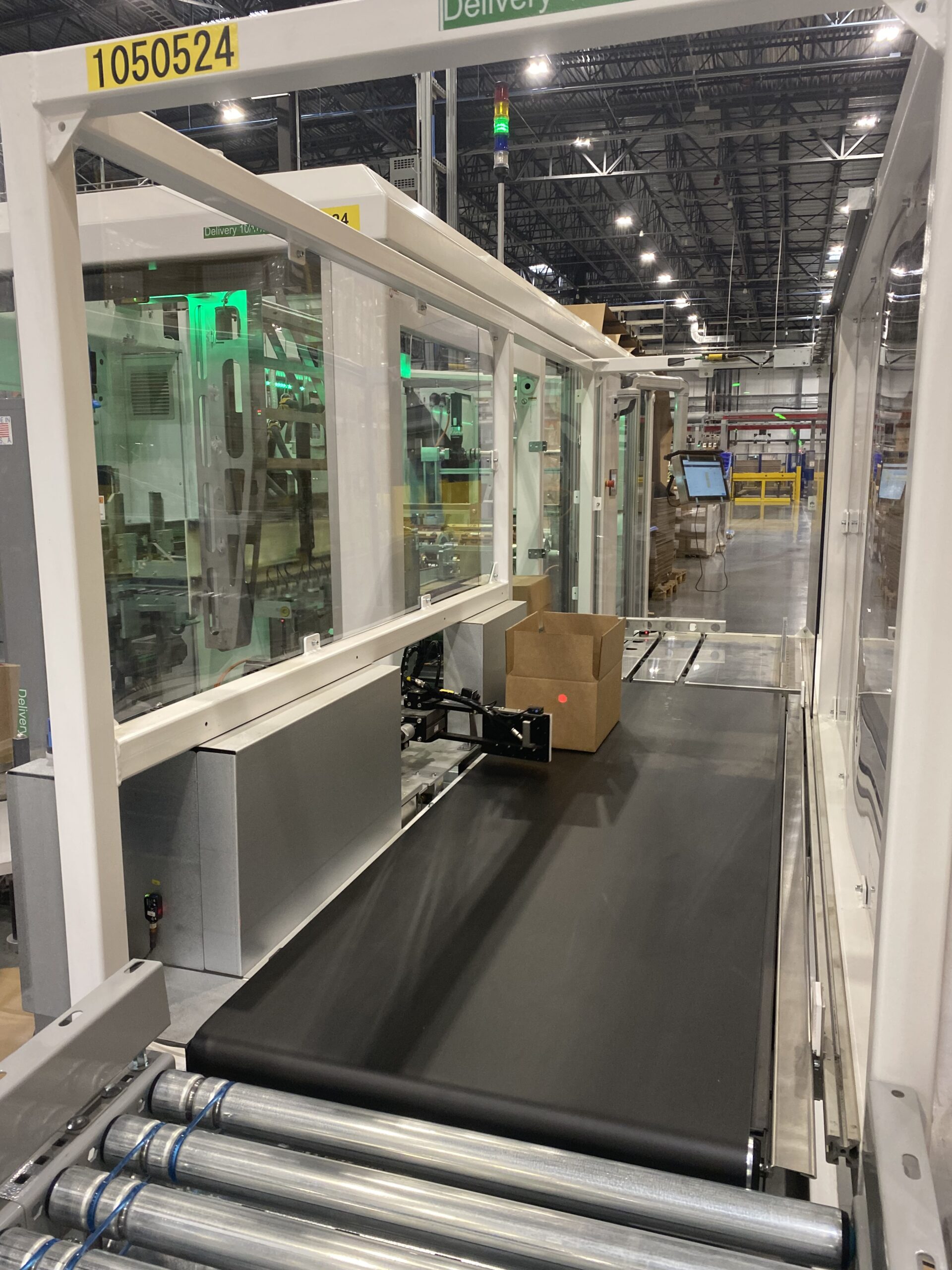
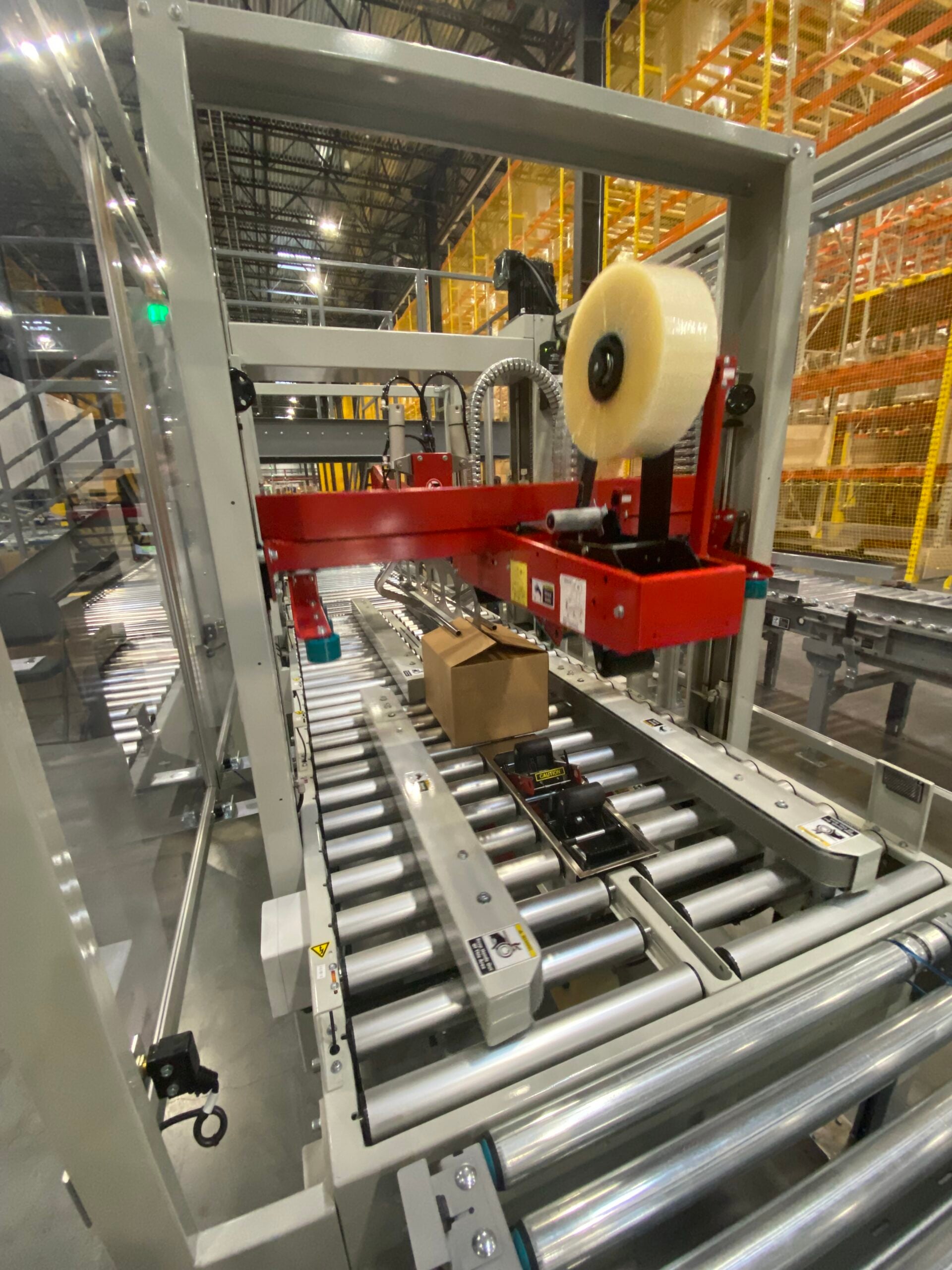
The company said the Beauharnois CDC is using a first of its kind interface solution in IKEA that creates an interaction between the carton creation machine (Packsize) and our Warehouse Management System (WMS) that knows the size of the customer order. This means the right size box can be prepared for the customer order automatically saving time and materials for co-workers.
An Automated Storage and Retrieval System is installed to receive, store, and pick full pallets of merchandise. This system comprises over 90 per cent of the storage and handling capacity for the unit.
The CDC employs Goods-To-Person Picking using a tote bin Automated Storage and Retrieval System that receives and stores less than full pallet quantities of product for customer direct orders. This system brings totes to a picking station to fulfill orders, then returns the totes to the storage array.
IKEA Distribution Centre in Beauharnois, Quebec (Image: IKEA)2019 Construction Photo
of IKEA Distribution Centre in Beauharnois, Quebec (Image: IKEA)
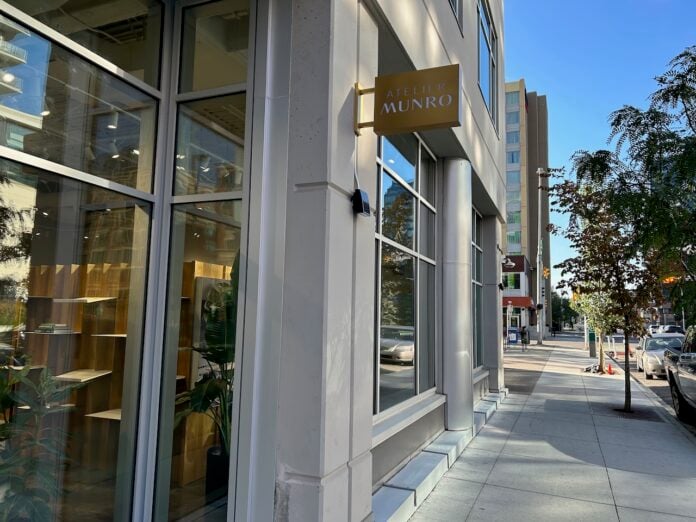
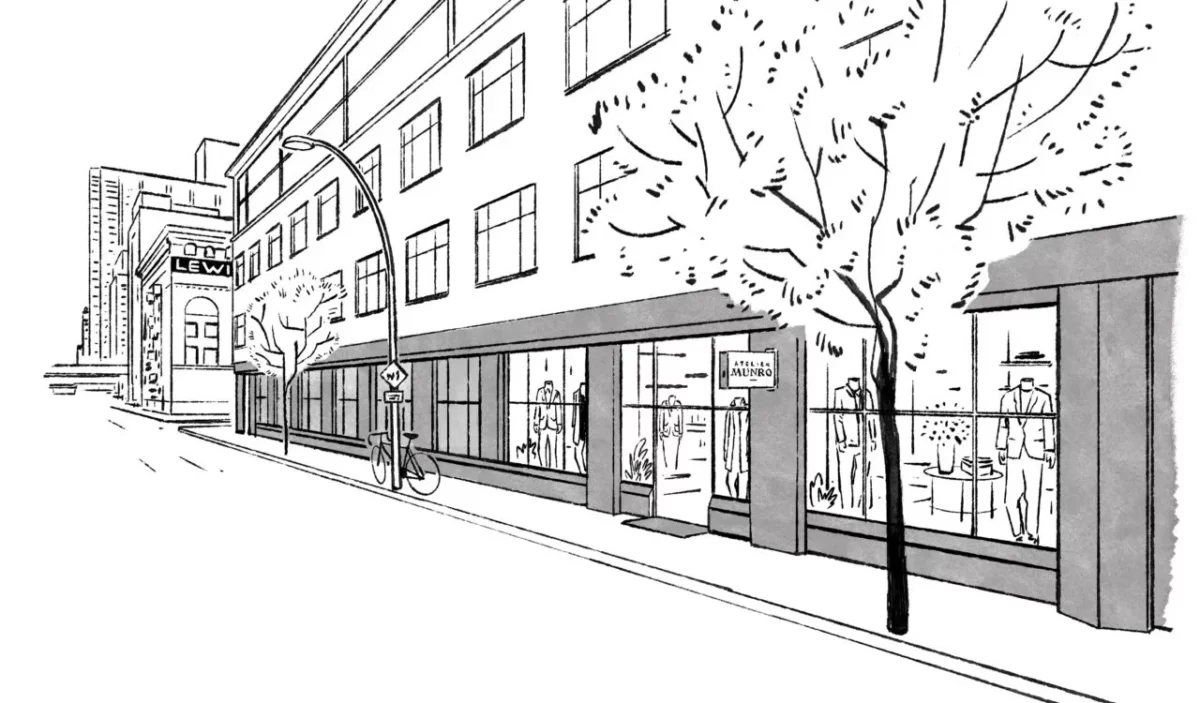
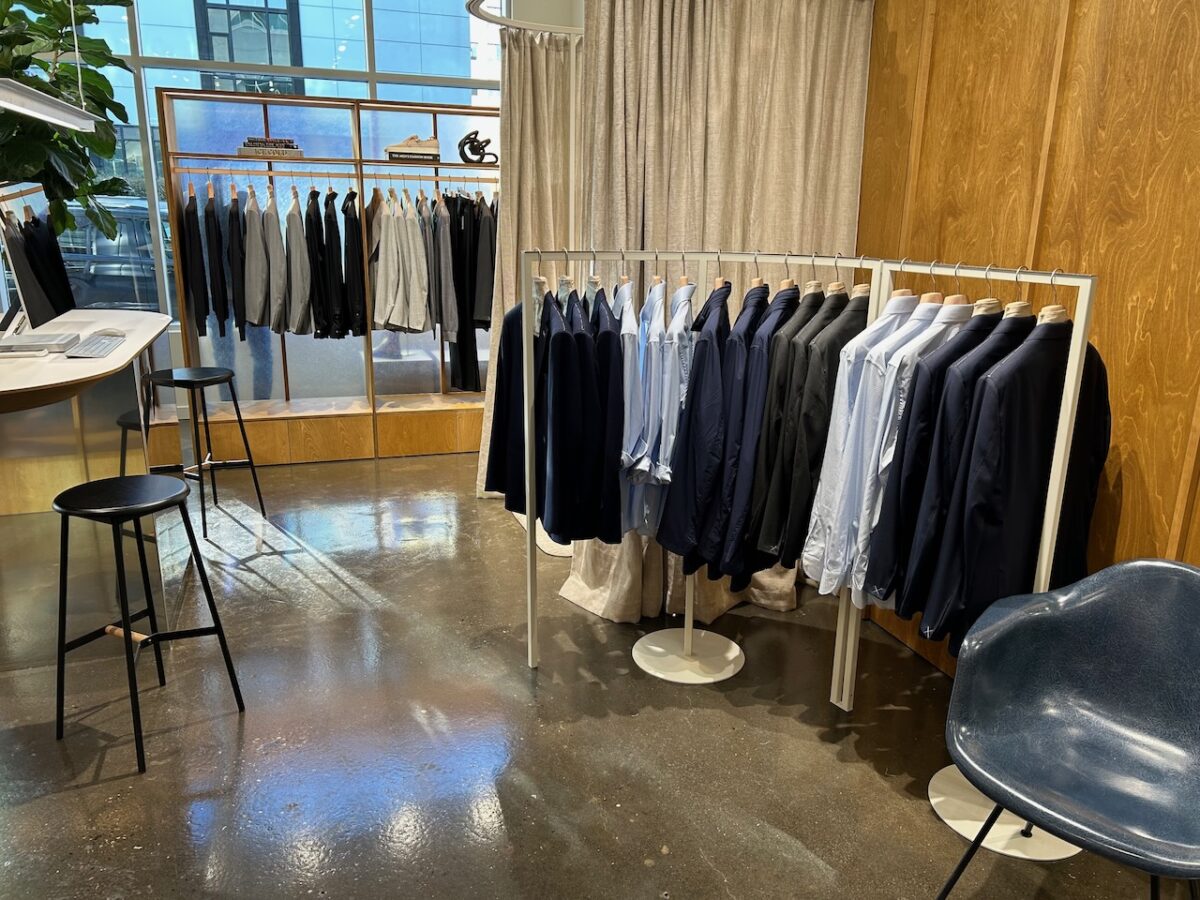
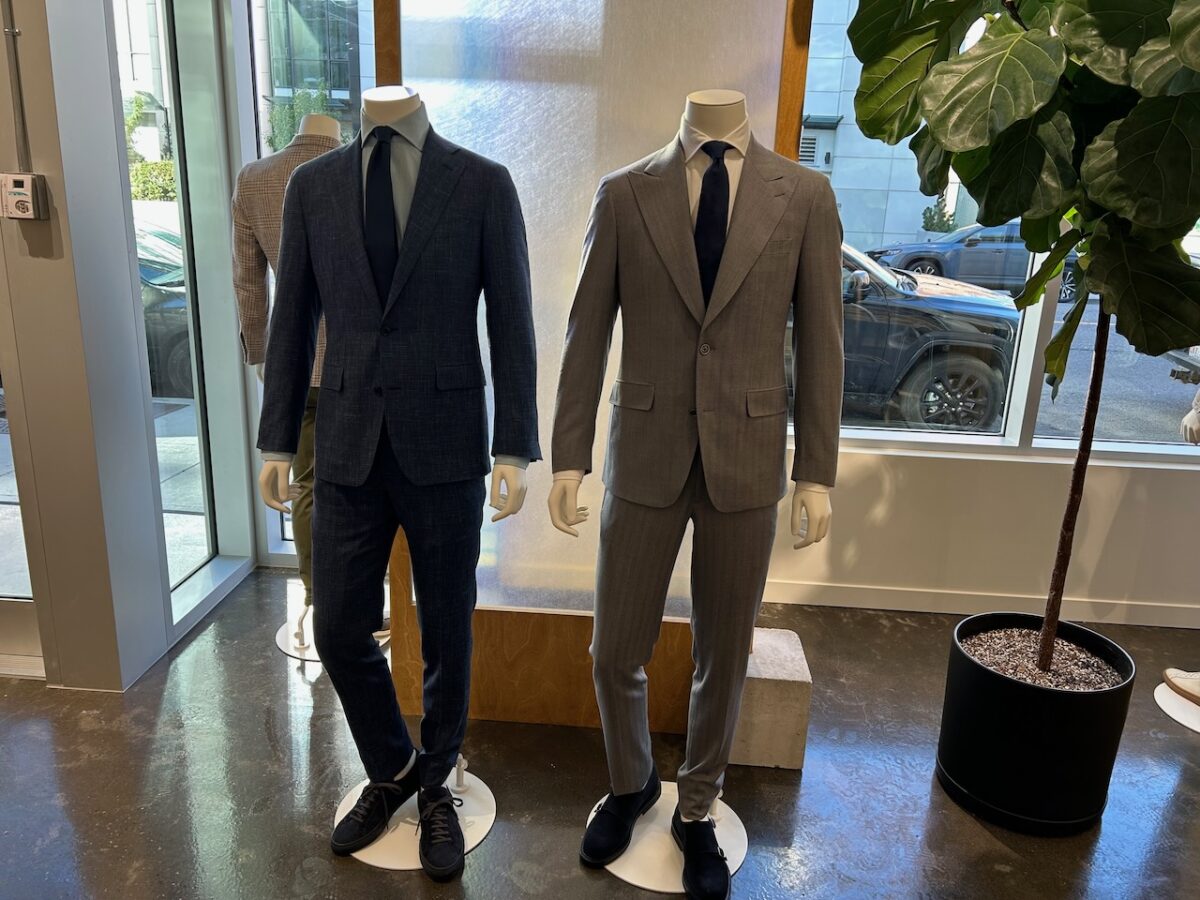
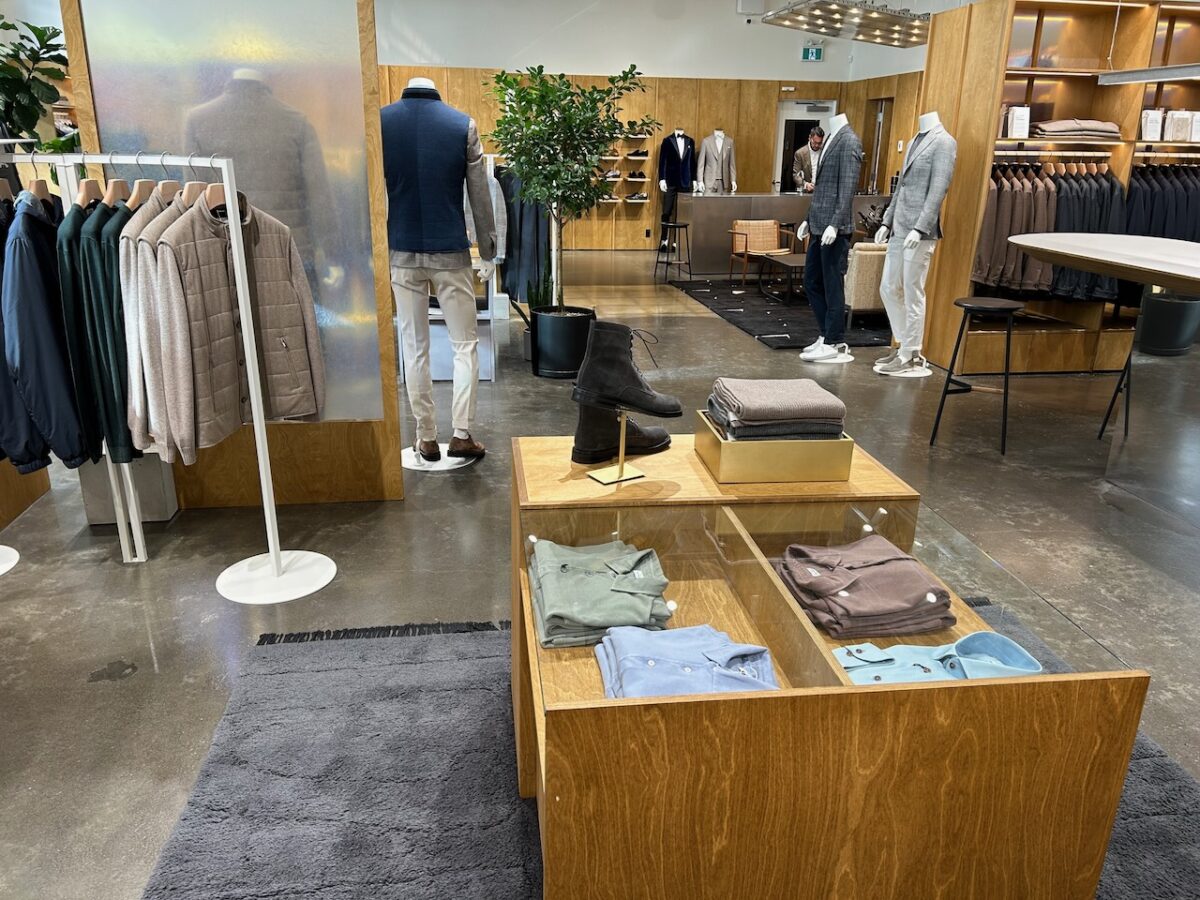
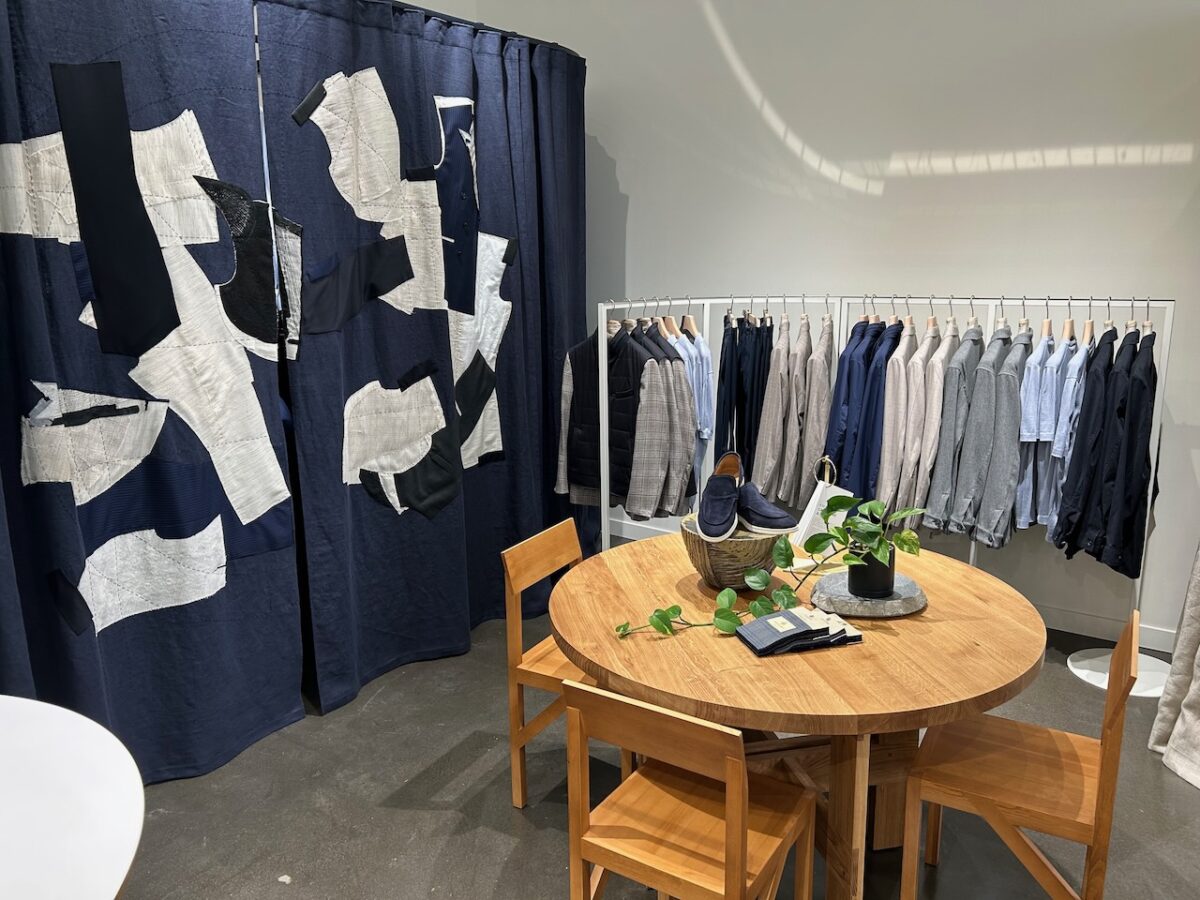
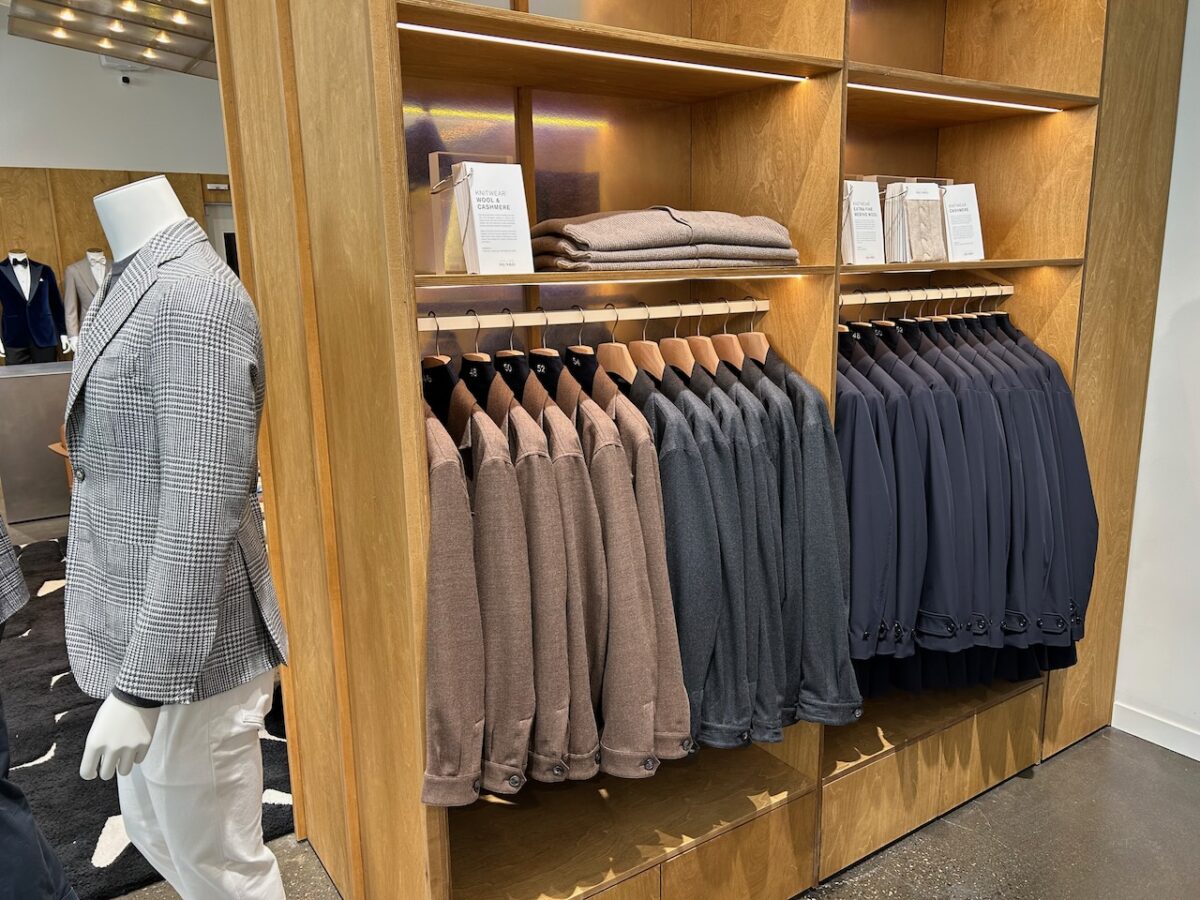
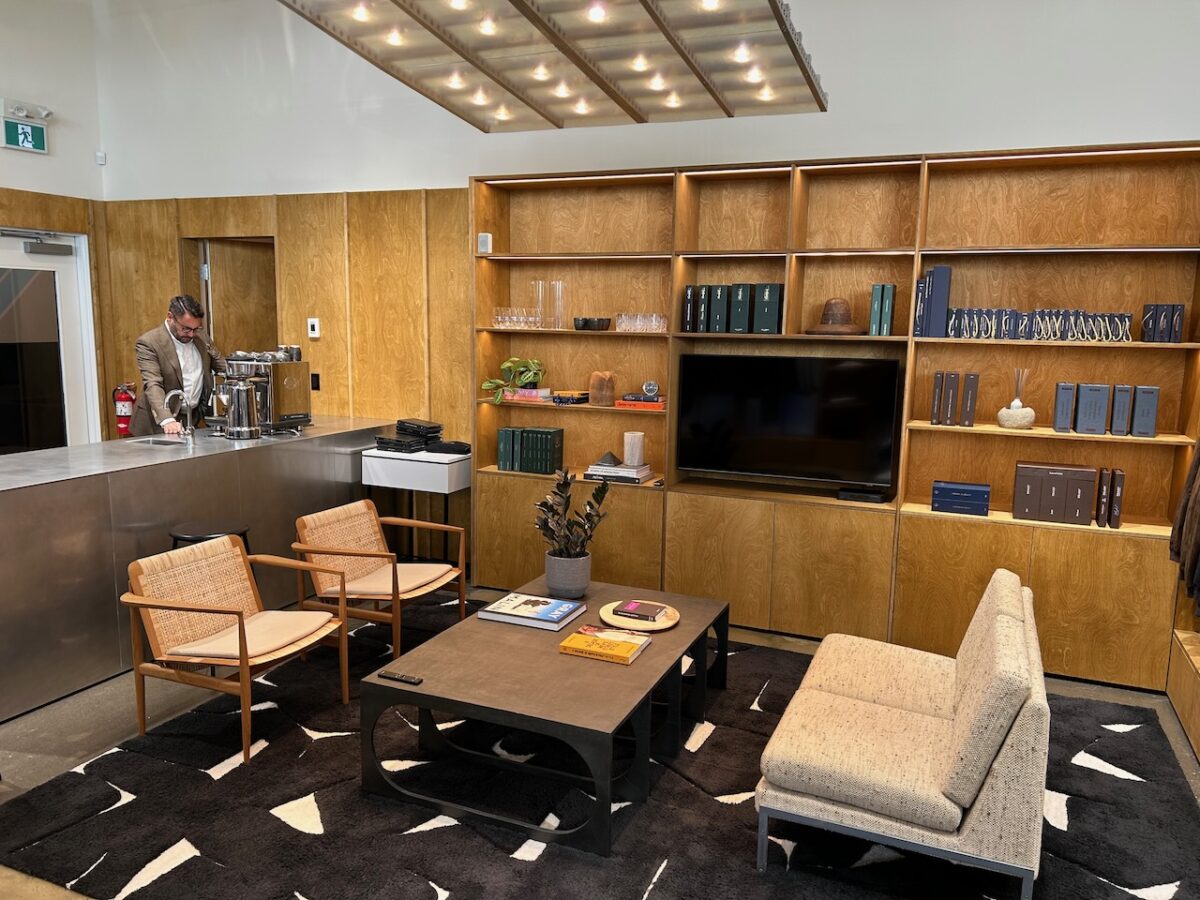
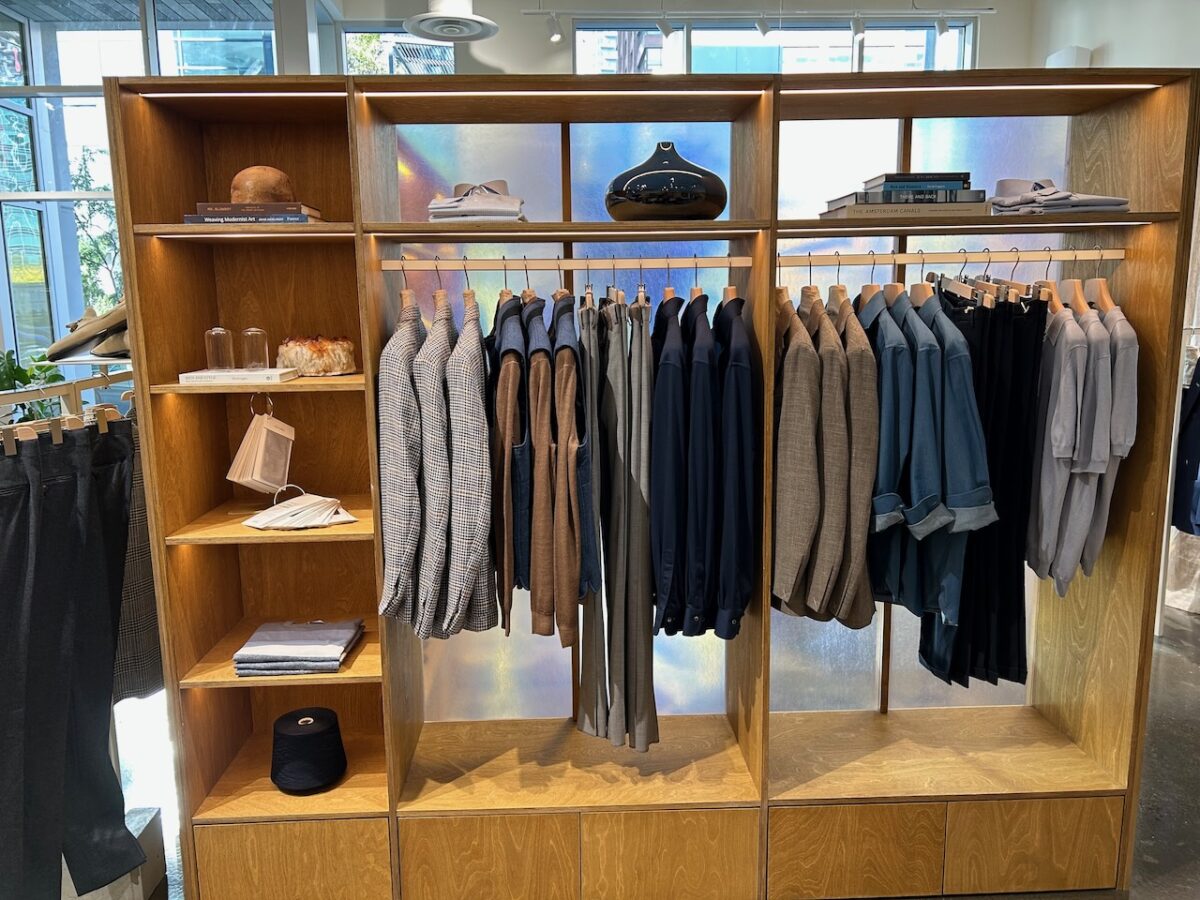
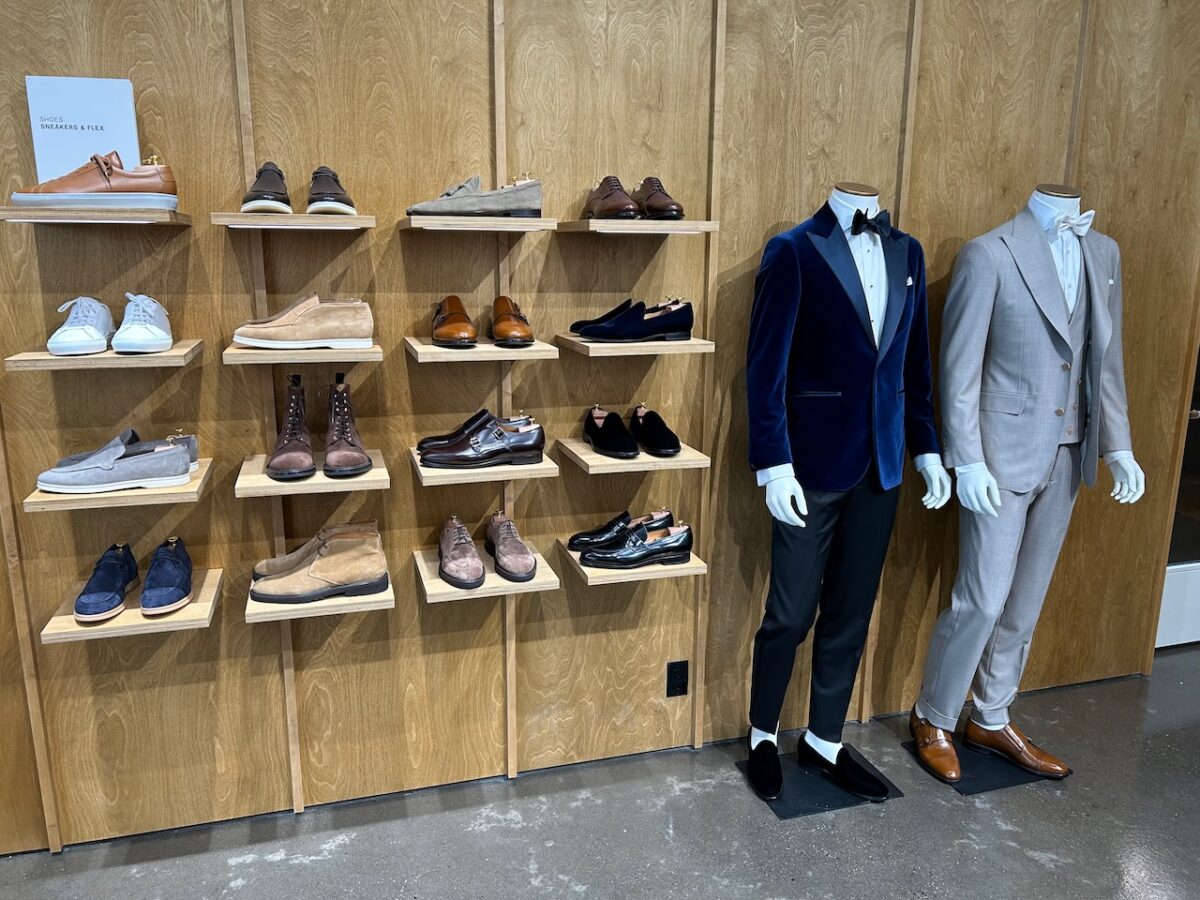
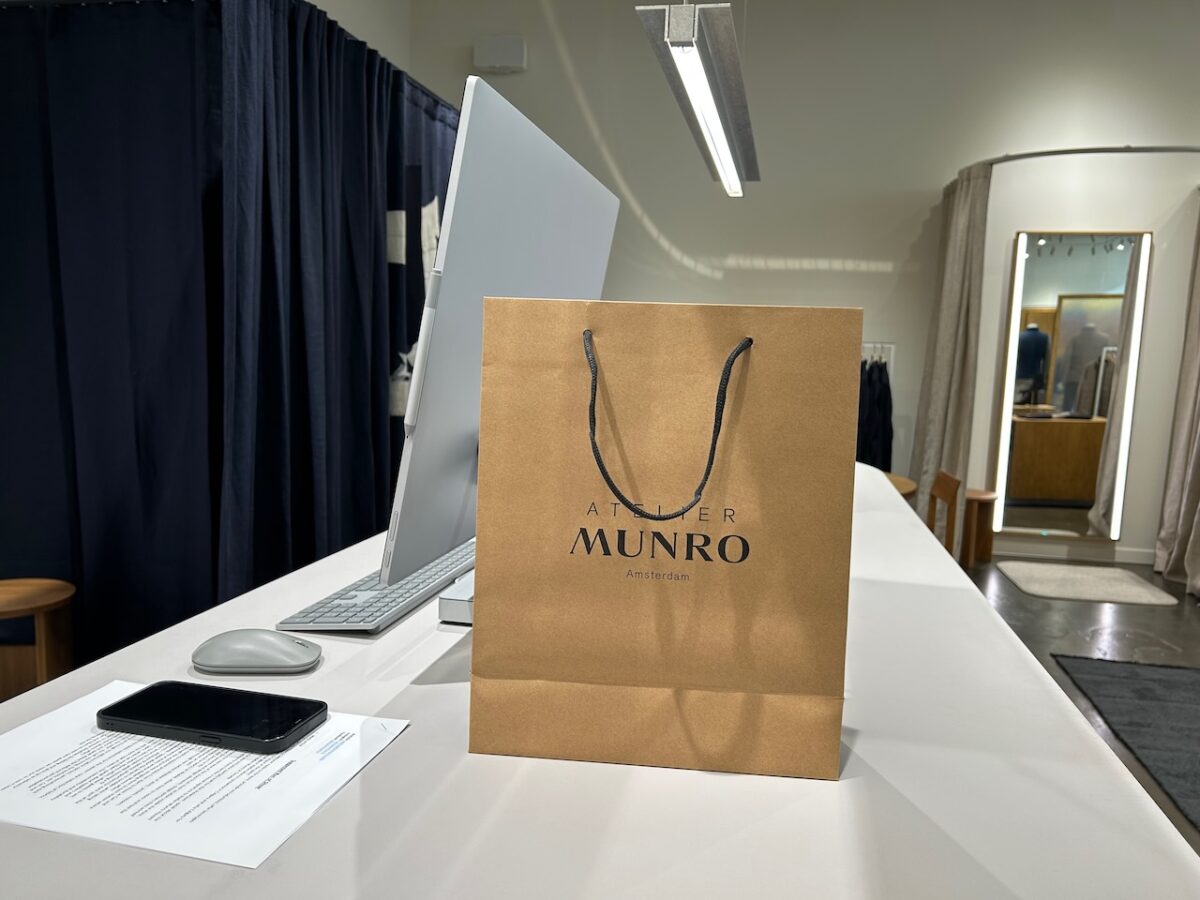
Amsterdam-based menswear brand Atelier Munro has opened its second store in Canada in Calgary after it launched the made-to-measure store in Toronto last fall.
In Calgary, the store is in the Beltline neighbourhood, just outside the city’s downtown core. The Toronto store is on Hazelton Avenue. And the brand has a small pop-up showroom in Vancouver on Carrall Street.
Joachim Baan
Joachim Baan, Atelier Munro’s Creative Director, said the brand began in both Amsterdam and Toronto around the same time. So it has roots in both countries.
“(Calgary) is our third flagship store but we have around 70 shop-in-shops around the world. We have quite a big footprint in The Netherlands and in the U.S. A little bit in Belgium, Germany, Austria and Spain, South Korea. It’s growing organically,” he said.
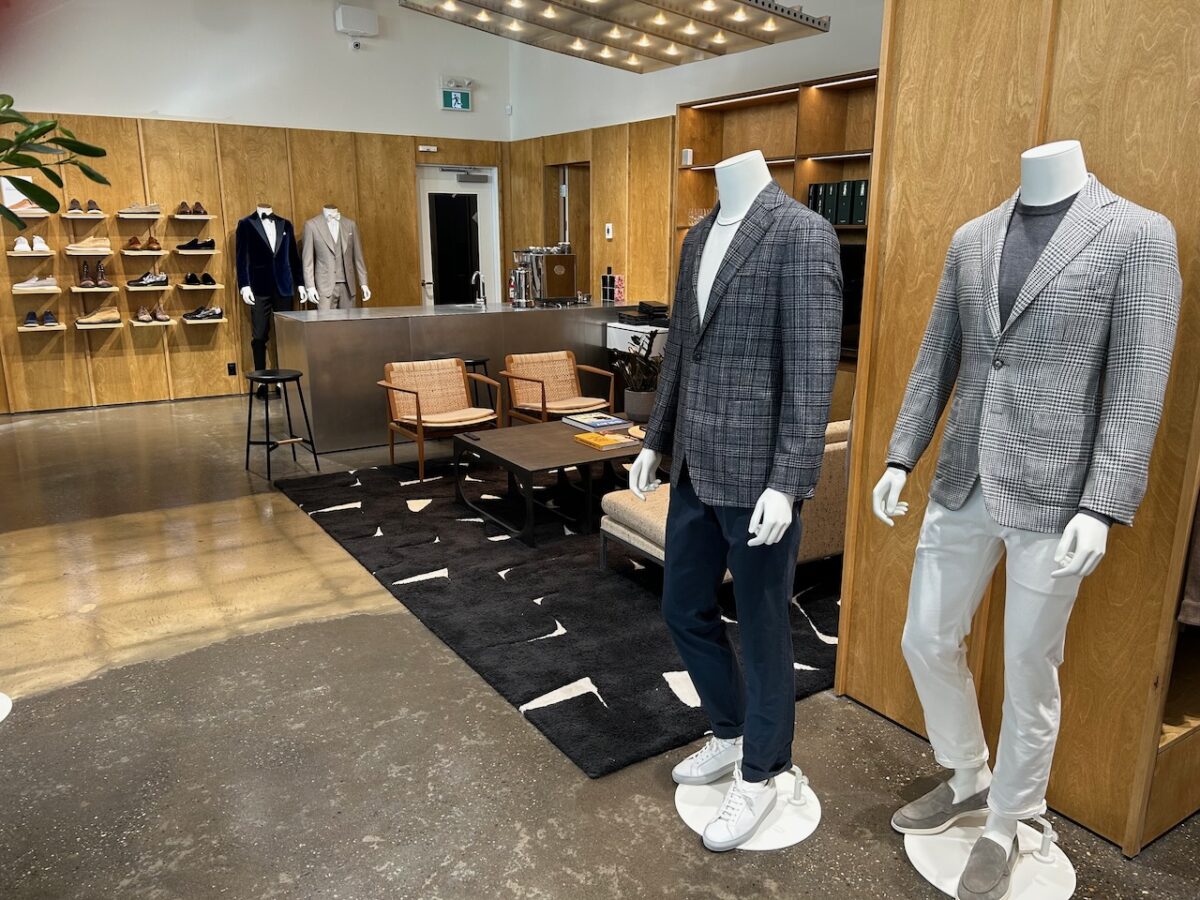
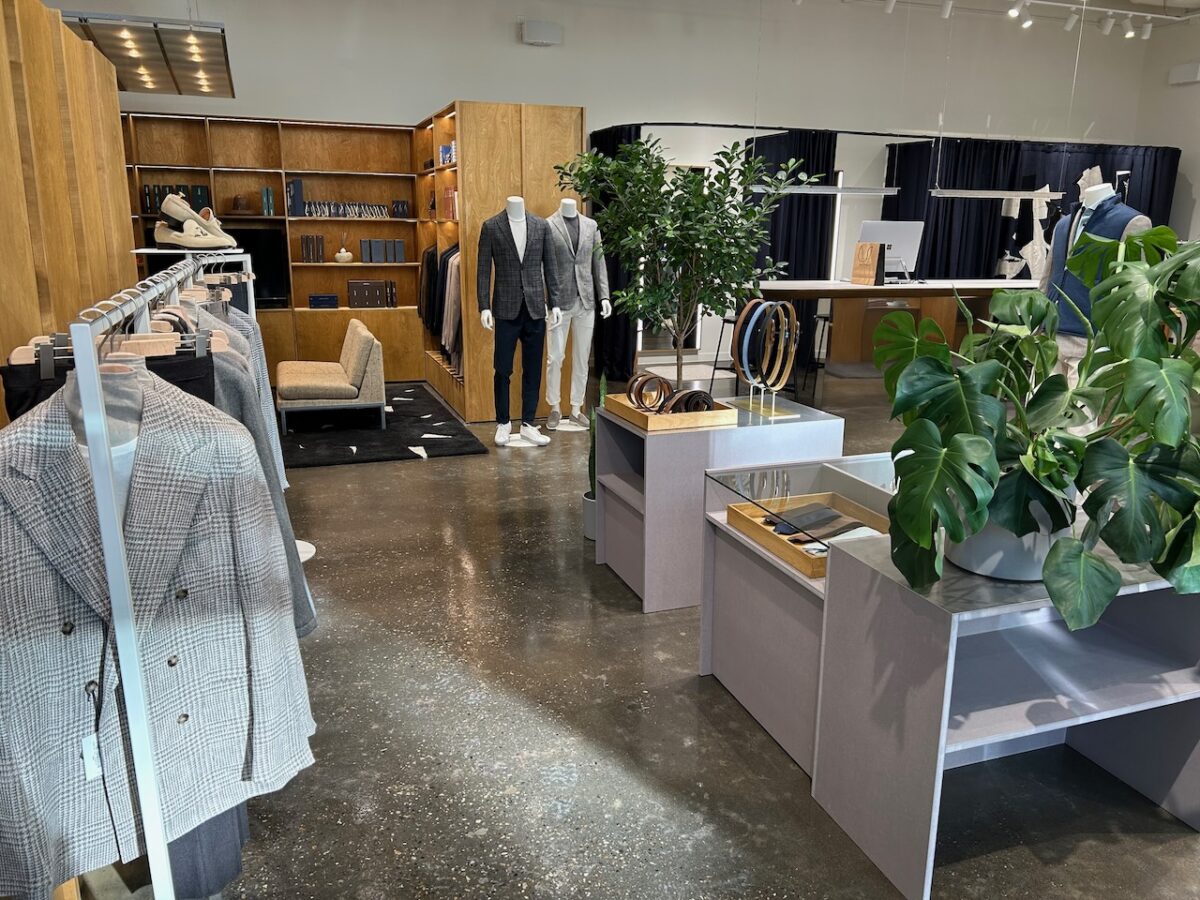
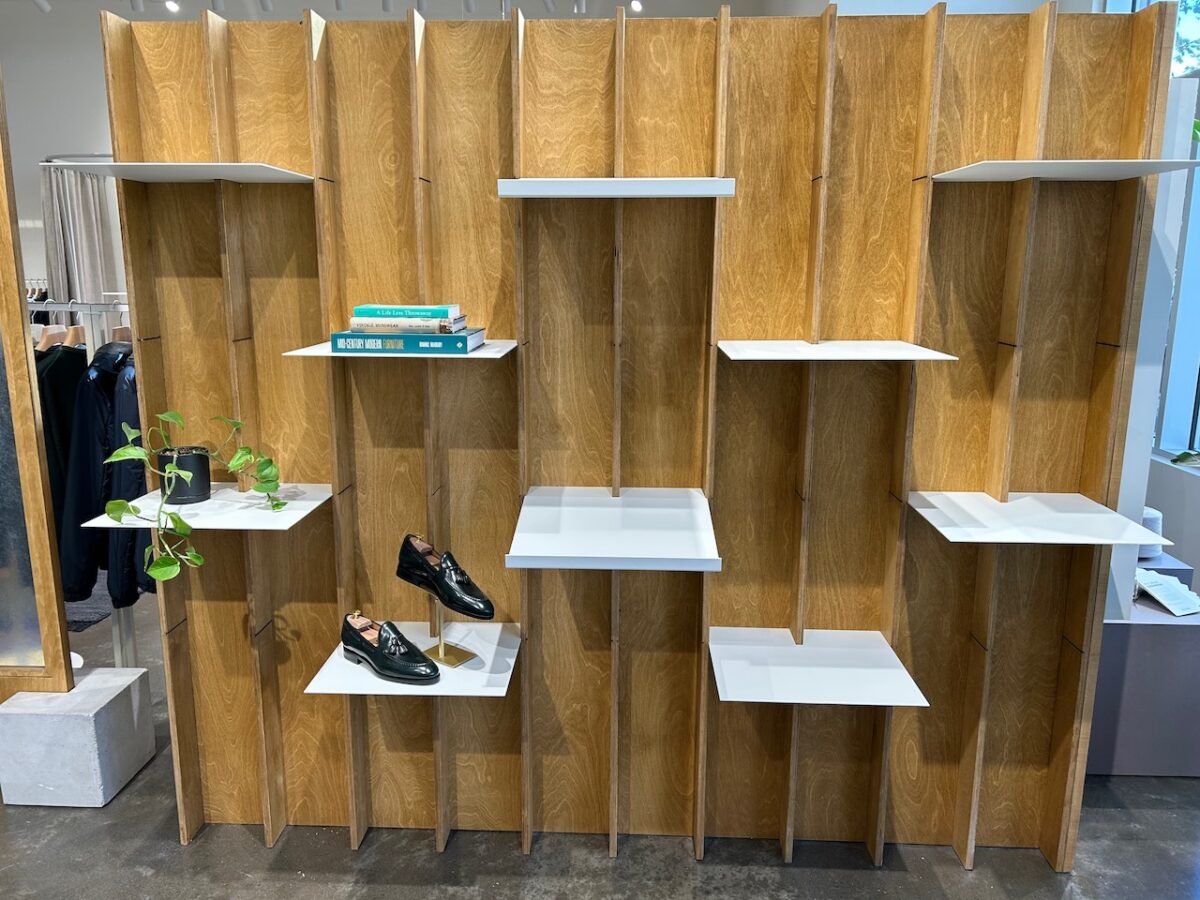
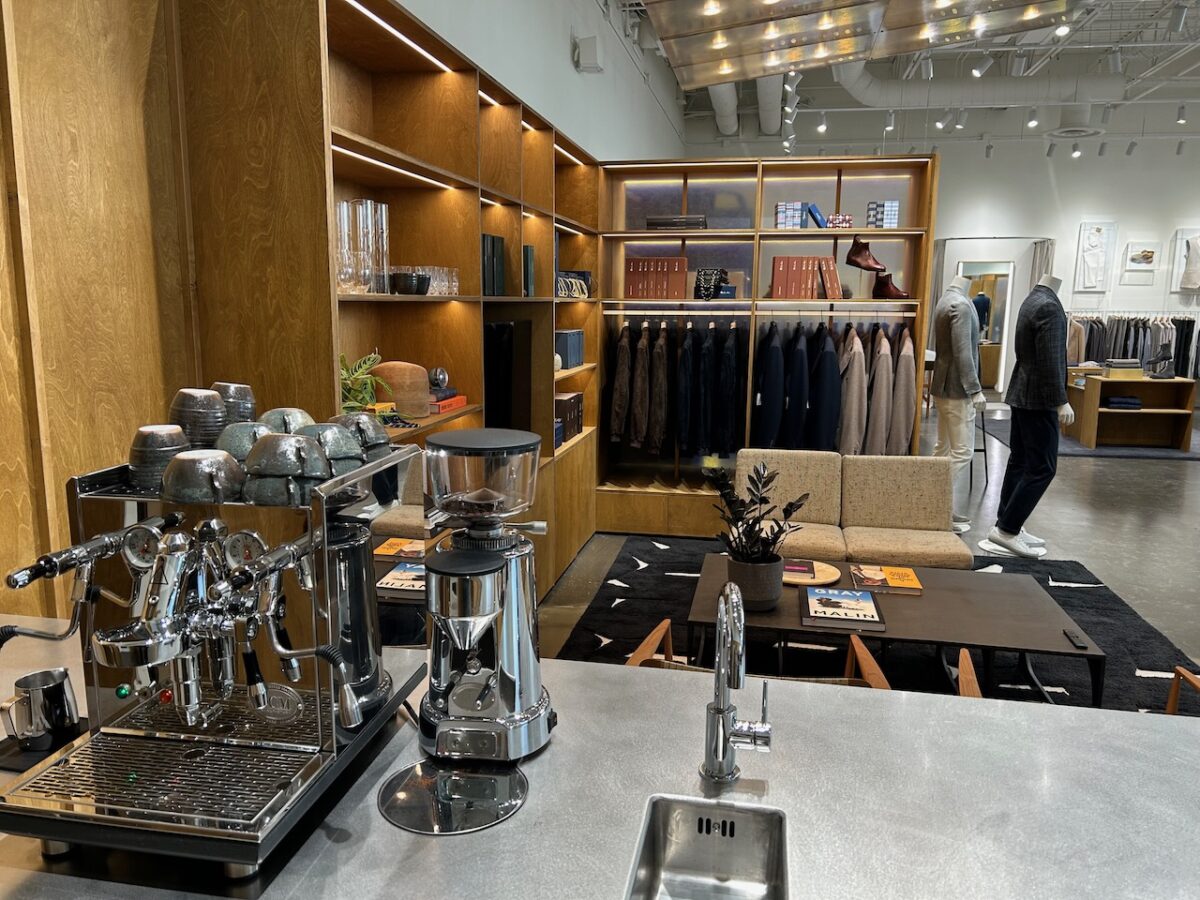
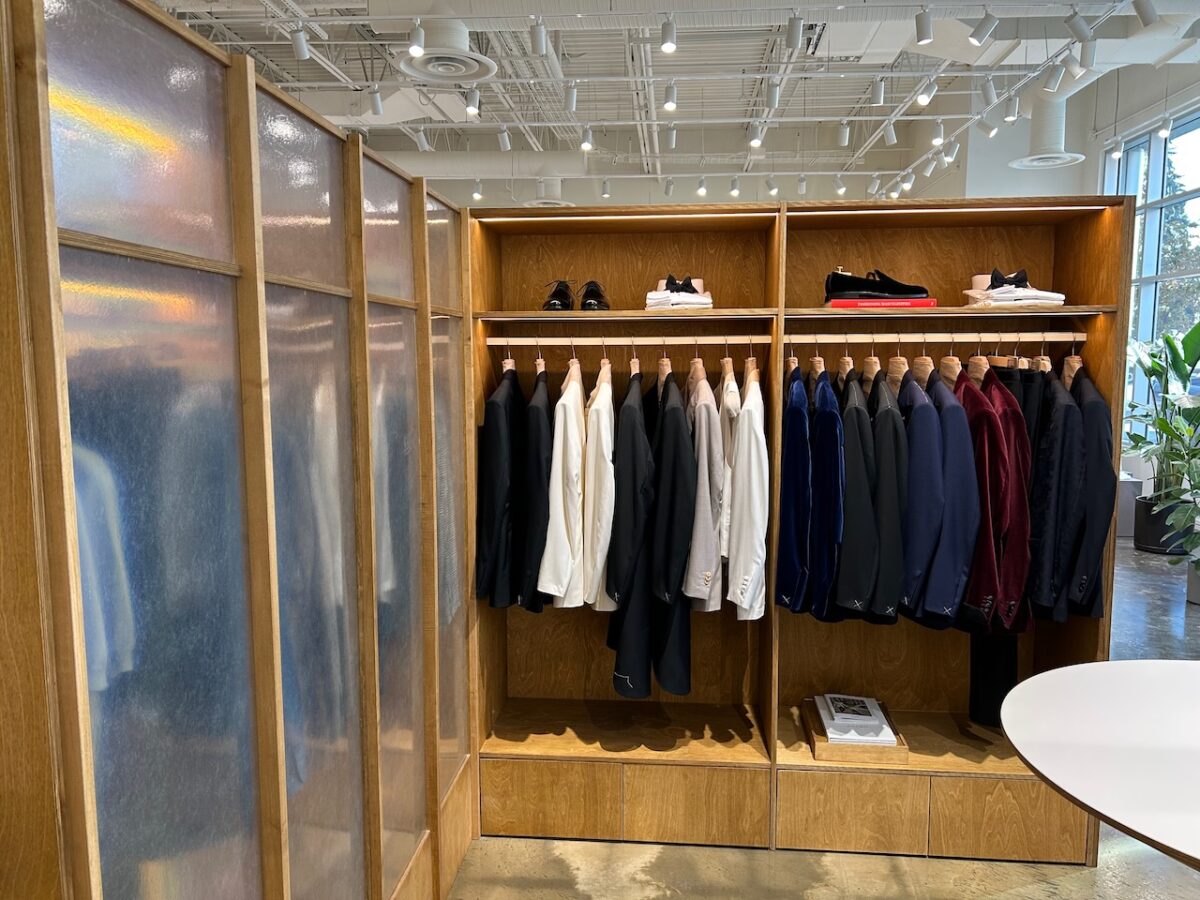
“We made this idea of creating not a normal store as every other brand. We made it also more kind of a house to really translate this idea of craftsmanship and craft and quality into this space where you can come in.”
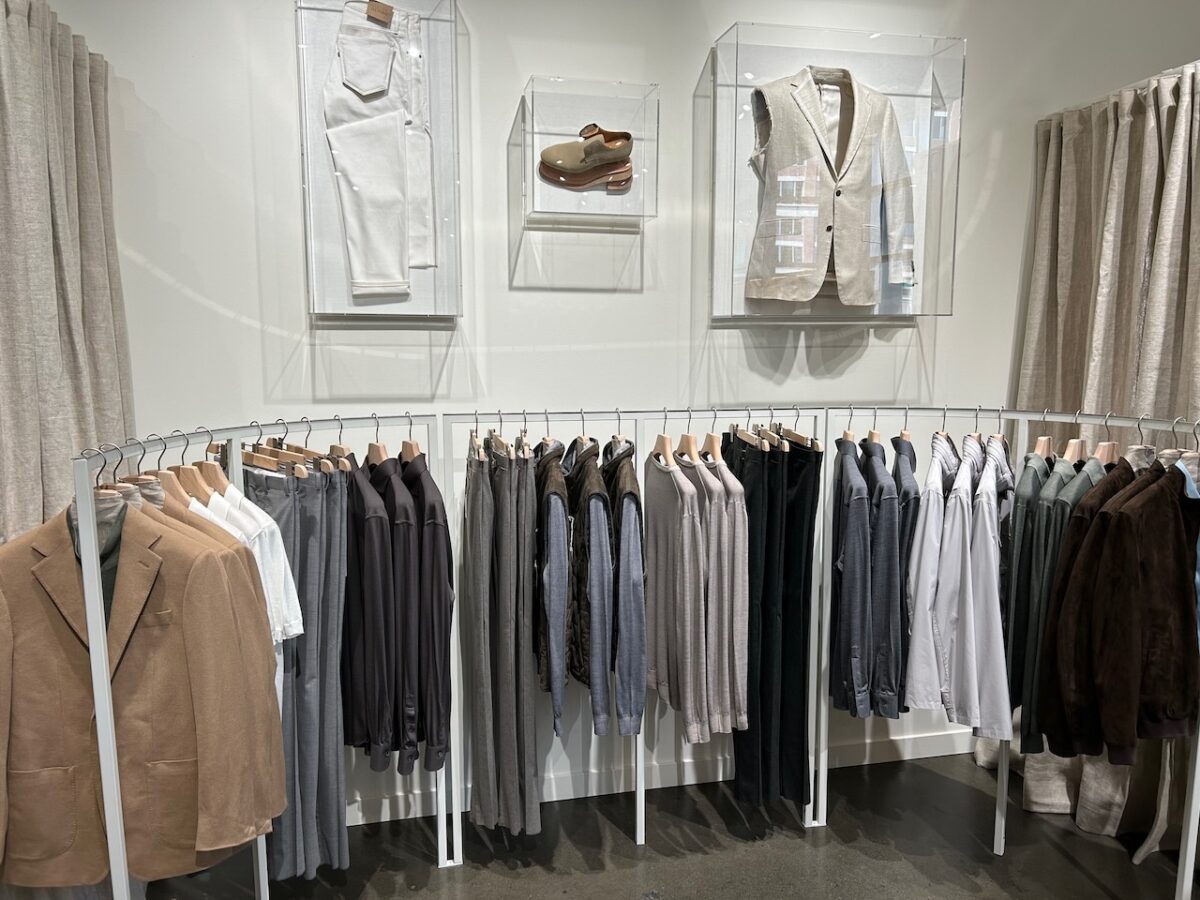
The AM House CalgaryAtelier Munro Calgary (Image: Mario Toneguzzi)Atelier Munro Calgary (Image: Mario Toneguzzi)
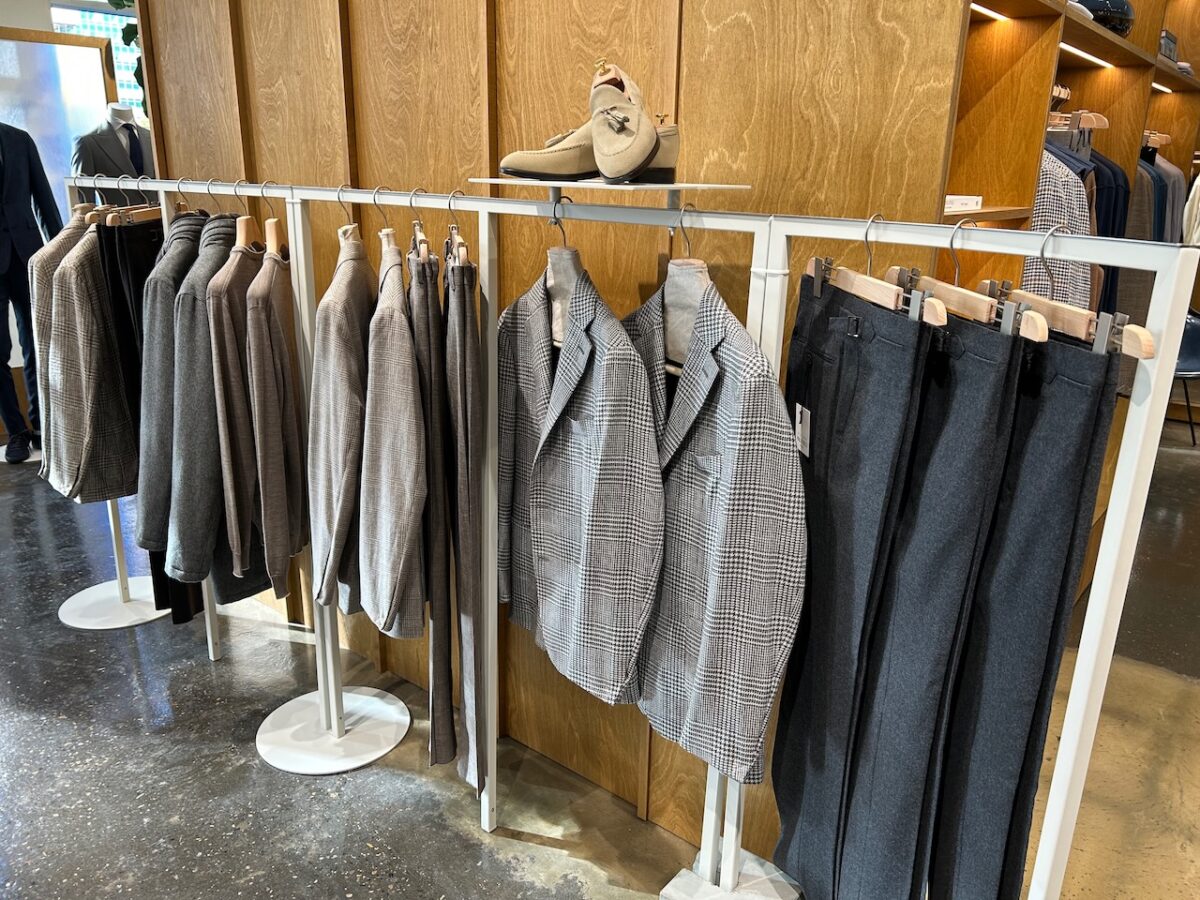
Typically, made-to-measure menswear was only a shirt and a suit. But the brand has extended that into the full wardrobe with other items such as shoes to jeans to outerwear – to create the idea of personal style for consumers.
“We create made-to-measure clothing as singular as the men who wear it. Essentially, we listen to your every preference, from taste to fit, and make it a reality. The result? One-of-a-kind clothing that’s never forgettable, always flattering, and naturally reveals something of its owner,” says the brand on its website.
“Because it fits you better in every sense. Working with an advisor, you’ll be able to curate your clothing. It will be crafted to your body, your individual taste, and the things you care about. It means you’ll always look your best and feel your best.”
Baan said Canada has been a good market for Atelier Munro in previous years. It has done a lot of business through Harry Rosen.
“So there were already a lot of people who were in the know of Atelier Munro and Calgary was our second city in terms of consumers that already knew the brand. We felt it was the logical next step after Toronto.” he said.
Atelier Munro Calgary (Image: Mario Toneguzzi)Atelier Munro Calgary (Image: Mario Toneguzzi)
Baan said the brand hopes to have a good mix of flagship stores and wholesale partners in Canada where it will be present with shops-in-shops.
“Of course the flagship store is always the place where we can sell the brand as the most perfect way and it’s a way to show how the brand is different from like-minded brands,” he said.
“It’s always the game of finding the right city with the right amount of people we want to reach. We can definitely grow into a few more stores in Canada – a few more flagship stores like this. But we can also imagine it growing more towards the wholesale or even smaller boutique shops. For example in The Netherlands we will be opening this December our first boutique store. It’s really a smaller store.”
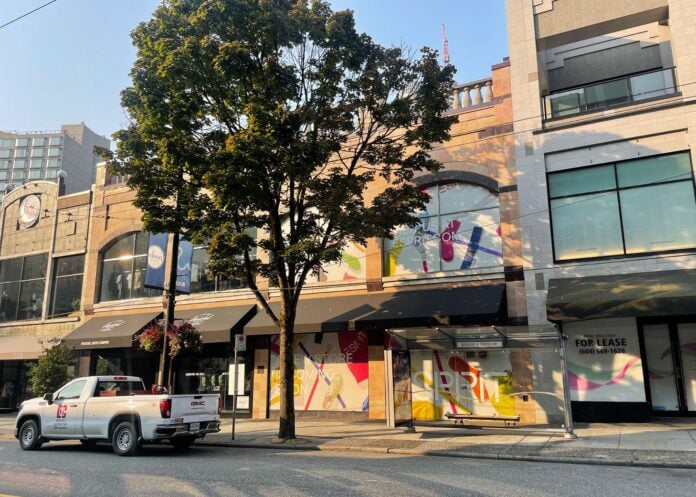
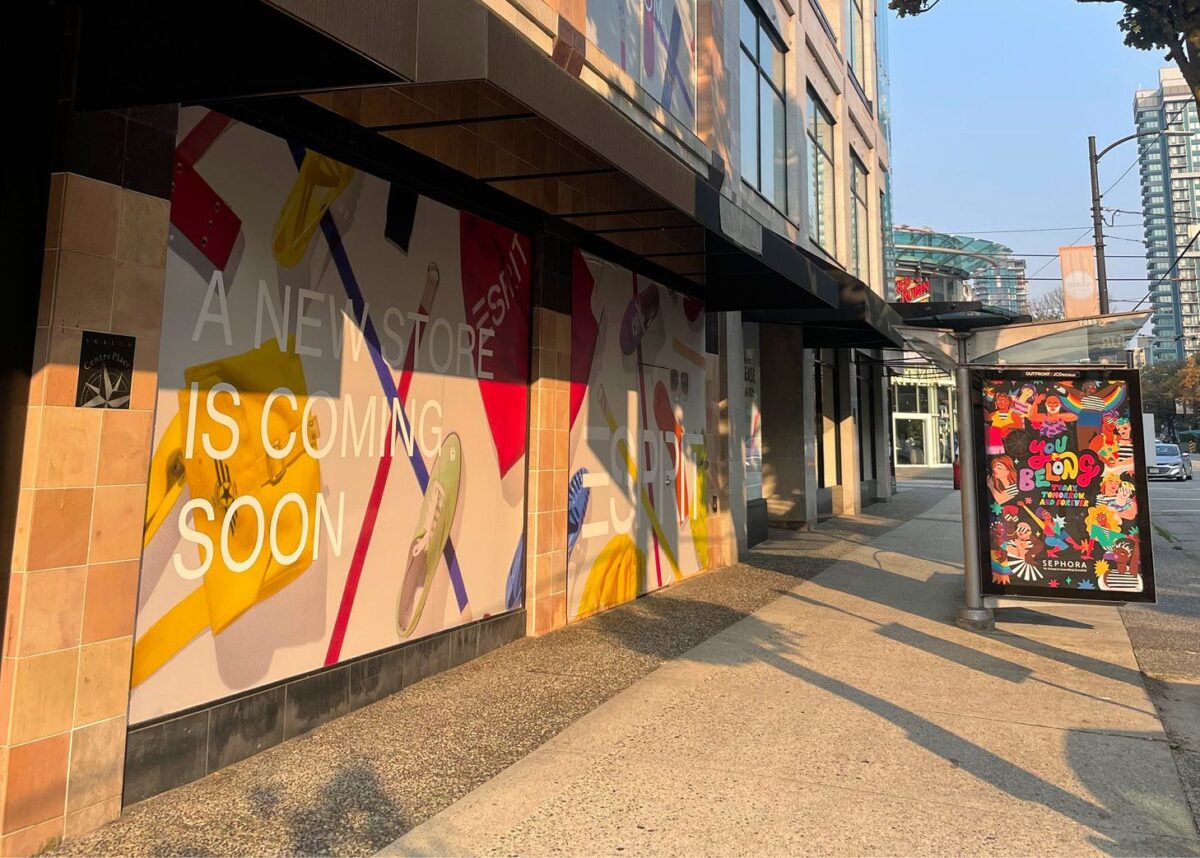
Future Esprit on Robson Street (Image: Martin Moriarty)
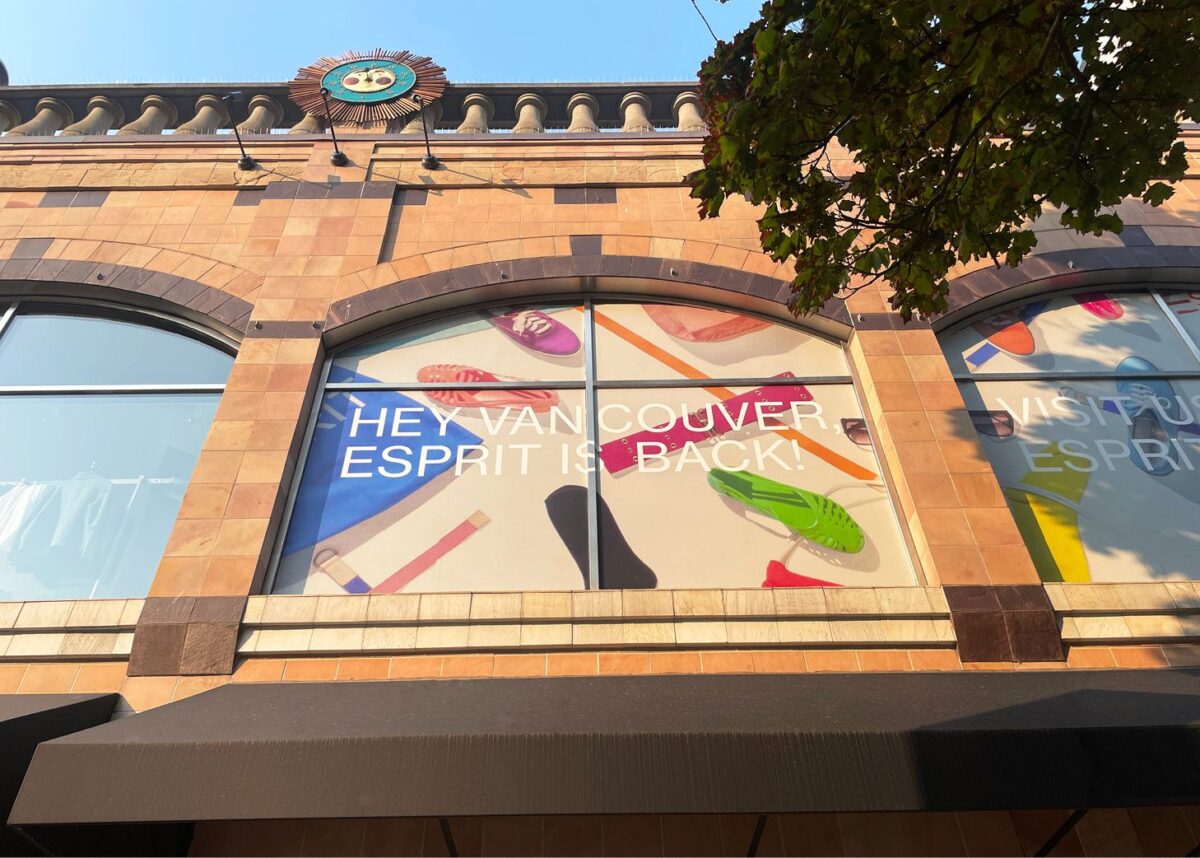
Lifestyle retail brand Esprit is making a comeback in Canada with a store set to open in Vancouver on Robson Street in December.
William Pak, the retailer’s Executive Director, Chief Executive Officer and Chief Operating Officer, said a location will also likely come to Toronto next year.
William Pak
The brand initially began in 1968 in San Francisco by Susie and Doug Tompkins who were the same founders of North Face.
“This brand grew into a cult classic in the 60s and 70s to the point where it was a top five brand in the world in the 80s. This one was something people saw with Benetton back then and Calvin Klein was just dominating the denim space and Tommy Hilfiger at that time. These were the big brands. Ralph Lauren,” said Pak.
Future Esprit on Robson Street (Image: Martin Moriarty)
“Back when it was in the 80s, it was the first organic cotton company in the world. It did real people campaigns, meaning they didn’t use models for a certain campaign. They used real people. It was such a big phenomenon that it grew into every single market in the world by the 90s. It was listed on the stock exchange in 93 and became very large in Asia and Europe and the U.S.
“It became a very forward thinking lifestyle brand and in the late 90s the couple that founded it got into a domestic argument and they had to sell the company to a distributor in Germany. This German company moved the headquarters to Germany 25 years ago and then it started departing from what it was known for including good quality clothing and fit and design and all of that’s gone because Germany’s not the most fashion in tune place. So the company kind of went away. It closed every store in the U.S. and Canada 25 years ago. They tried to open a few stores here and there in 2004 to 2010 but they closed quickly because it was from Germany and not their real heritage.
“They had thousands and thousands of stores. It was quite big. Around three years ago it went into insolvency proceedings in Germany at the beginning of the pandemic. That’s when I came into the picture, working with a group that bought the company out of the restructuring. I spent about a year and half kind of cleaning the company in terms of the financial, the supply chain, the credit. There’s no more bank debt. So it’s a clean company.”
Future Esprit on Robson Street (Image: Martin Moriarty)
About a year ago, Esprit started to rebrand with a new design, new store concept, new clothing, new website.
“There’s about 600 stores in Europe still that remained. Still a large presence. We opened in SoHo (New York), we opened in L.A. earlier this year and then we’re opening in Miami, Chicago and Vancouver is opening in December on Robson Street. That’s going to be the new store concept,” said Pak.
“We tried to do Toronto at the same time but when the property we were negotiating on changed hands they wanted to redevelop the block. So we have to find something again in Toronto.
“The U.S. and Canada is like a brand new re-entry. It’s been gone for so long that people don’t really remember what happened to it but they do remember the name or came across it somewhere. But it’s a very strong brand affinity in the U.S. Canada as well. We’ve got over a million customers in the database from before. Quite a long history.”
FORMER WEST EDMONTON MALL STORE. (PHOTO: SUPPLIED)
Pak said the retailer is also talking to a couple of wholesalers, distributors or department stores to try and open by the second quarter next year.
“So a lot more ramp up next year and we really wanted to make sure that at least the Vancouver store is open before the holiday season,” he said.
The company is now headquartered in New York.
When Esprit Holdings Ltd. released its financial results in late August for the first half of 2023, Pak said: “Over the past six months, the Group has diligently implemented a range of progressive initiatives aimed at revitalizing its growth trajectory. The management remains optimistic about the anticipated outcomes of these initiatives, expecting them to yield tangible results during the second half of this year. Encouraging signs have already emerged from the June results, indicating positive developments. Moreover, the Group has an exciting array of upcoming events in the second half of this year. These dynamic endeavours are expected to not only strengthen the Group’s market position but also propel its overall success to new heights.”
Image: Esprit
The company said it continues to fortify its presence in both the US and international markets, as it aims to restore the brand to its original, elevated, and globally recognized brand position.
“ESPRIT has successfully revitalized its global footprint through strategic expansion into North America. Several retail store openings are underway for launch in the latter half of 2023 in key cities such as permanent stores in Los Angeles, New York and Vancouver, and pop-up stores in Chicago, Los Angeles and New York. In Europe, the retail team is developing shop-in-shops under a brand-new elevated concept within twenty of ESPRIT’s best European retail and franchise locations. These have been instrumental in creating buzz and reinstating ESPRIT’s prominence on a global scale,” it said.
“The Company is set to revolutionize the online customer experience with a simplified and innovative technology platform. Currently live in South Korea, this platform will be introduced to the US market by Q3 of 2023, followed by its launch in Europe by mid-2024. Simultaneously, the digital team is working on developing a modern data stack, scheduled to be completed by mid-2024, which seamlessly connect customers and products. By harnessing the power of artificial intelligence and large language models, ESPRIT aims to solidify its leadership position in the industry, providing unparalleled customer engagement and satisfaction.
“The Company is dedicated to embracing cutting-edge technology and implementing best industry practices to elevate customer experience. The on-going projects aimed at developing innovative in-store omnichannel digital solutions for stores-of-the-future to provide digital and hyper-personalized service experiences for upcoming Flagship and Experium stores, ensuring customers to experience the best when interacting with ESPRIT.
“ESPRIT is thrilled to introduce a captivating new collection that exemplifies unparalleled quality and exquisite design. Among the highlights is the highly anticipated unveiling of a new denim line developed at the Group’s innovation centre in Amsterdam. Additionally, there will be a launch of an in-house developed kid’s apparel line, catering to children aged two to twelve. With these exciting additions to the product assortment, ESPRIT continues to redefine fashion excellence and cater to the diverse needs of valued customers.”
In the realm of comprehending competition, Canada notably lags behind the United States. While both nations grapple with antitrust concerns, the United States distinguishes itself through its unwavering vigilance against monopolies and publicly owned entities. The Department of Justice in the U.S. actively pursues companies and their executives, often resulting in convictions and jail sentences. Remarkably, their investigations are characterized by swiftness, taking mere months instead of dragging on for years. Even complex cases, such as the canned tuna price-fixing scandal, have been met head-on.
Conversely, in Canada, we predominantly rely on corporate goodwill, hoping that companies will voluntarily plead guilty in exchange for immunity. Take, for instance, the bread price-fixing scandal, where Grupo Bimbo, now the owner of Canada Bread, was fined $50 million but continues to engage in business with the federal government. In stark contrast, Loblaw and Weston Bakeries received immunity by blowing the whistle, and the investigation remains ongoing—an astonishing eight years and counting. The disparity in approach is glaring.
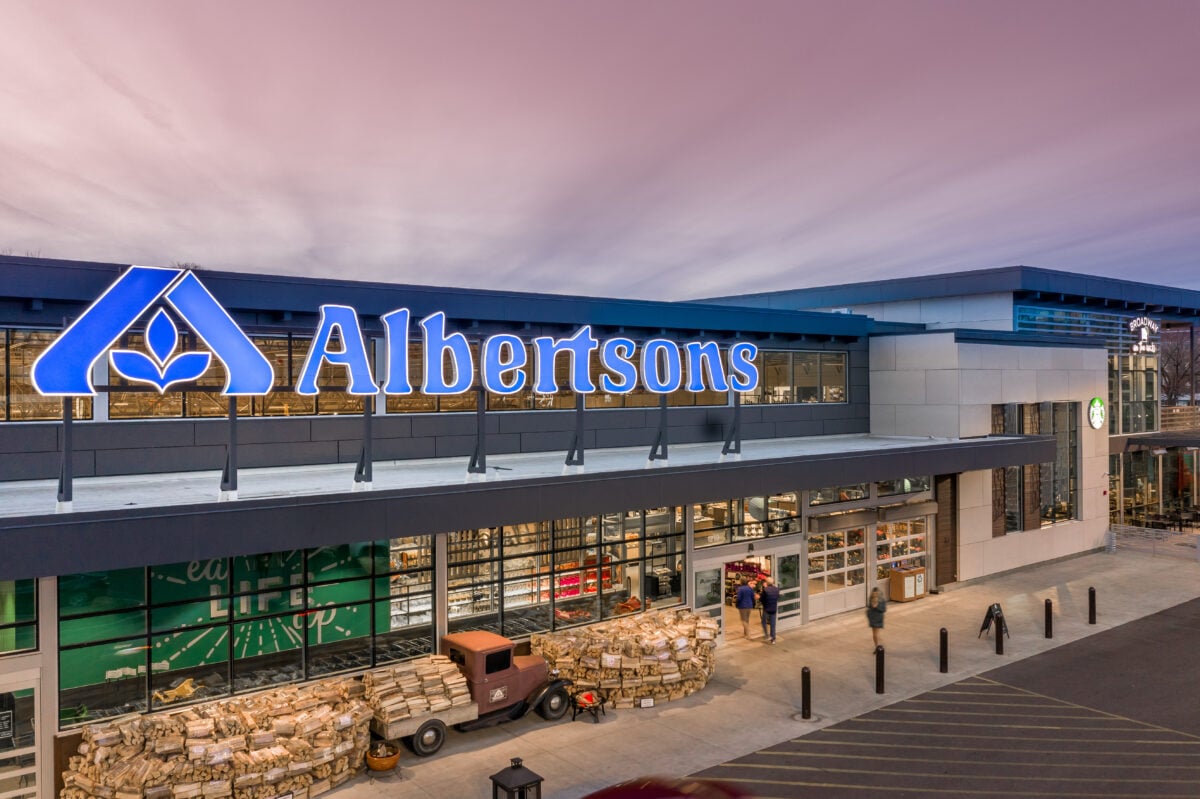
Image: Albertsons Companies
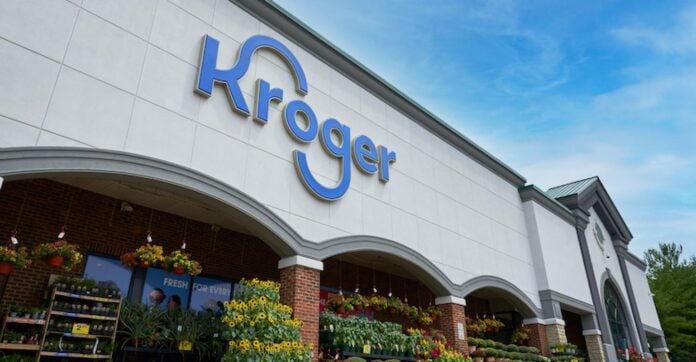
U.S.-based companies have grown remarkably cautious and strategic when pursuing mergers and acquisitions. The Kroger-Albertsons saga serves as a prime example. In order to secure regulatory approval, Kroger divested itself recently of over 413 stores to address antitrust concerns, which would be like Canada’s number one grocer Loblaw’s selling 354 stores prior to an acquisition. It represents a fundamentally different landscape.
According to Mark Warner, a prominent Canadian competition lawyer, Kroger is taking proactive steps to address potential FTC concerns in the U.S. They are proposing sales as remedies, effectively challenging the FTC to block the merger and leaving the decision to a judge to assess the remedy’s effectiveness. This trend may become more commonplace among well-funded merging companies, particularly as antitrust enforcers become more proactive. In the past, before the Biden administration, antitrust agencies were more inclined to accept proposed remedies and approve mergers. Canada, it appears, still adheres to a similar approach.
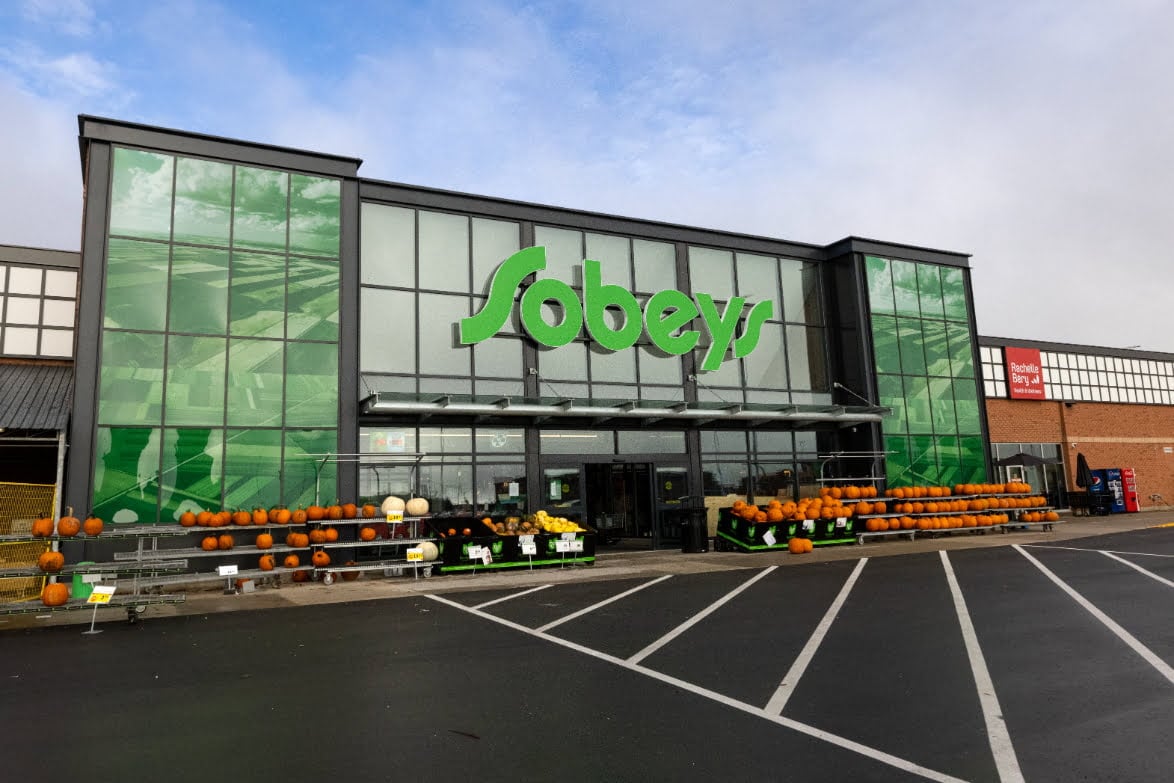
In Canada, significant transactions have been scarce of late. The activist landscape may indeed have shifted, as Warner suggests. The most recent major deal, Sobeys’ acquisition of Safeway, required a consent agreement and the sale of 23 stores—merely 1.5 percent of Sobeys’ total operations. This pales in comparison to the rigorous oversight happening in the United States. Notably, some of those 23 stores divested by Sobeys remain closed even after a decade.
However, let us confront a stark truth. While Congress scrutinized the Kroger-Albertsons deal from its inception, few Canadians raised an eyebrow when major grocers changed hands. In Washington, antitrust concerns evolved into a highly politicized issue, compelling the involved companies to publicly acknowledge public apprehensions. Now, with food prices on the rise, Canadians are beginning to genuinely care about how the architecture of the industry influences food pricing.
Image: Sobeys Orangeville
One major divergence between the United States and Canada becomes evident: Lawmakers and policymakers in both nations reached a consensus many years ago that the intricacies of the food industry are too complex for the general public to fully grasp. Instead, the paramount concern of the public lies in how the industry directly affects their daily lives, particularly in terms of food affordability, access, and safety. Consequently, lawmakers in the United States have been willing to proactively shoulder the responsibility of addressing these concerns on behalf of their fellow citizens.
Conversely, Canada has opted for a different approach. Many politicians have resorted to accusations of corruption and the “greedflation” campaign as their primary strategies. Regrettably, these tactics often discourage the broader public from engaging with and comprehending the intricacies of food distribution and policies.
When we assess the challenge of fostering competition within the food sector, it becomes unmistakably clear that this is a substantial obstacle confronting both nations. Yet, the fact that Canada is even contemplating emulating what France has recently undertaken—calling upon the food industry to freeze prices of 5,000 products—serves as a poignant reminder of how out of touch our lawmakers are with the workings of our own country.
If Canadians do not voice their concerns and demand change, they will ultimately receive the food industry they are willing to tolerate.
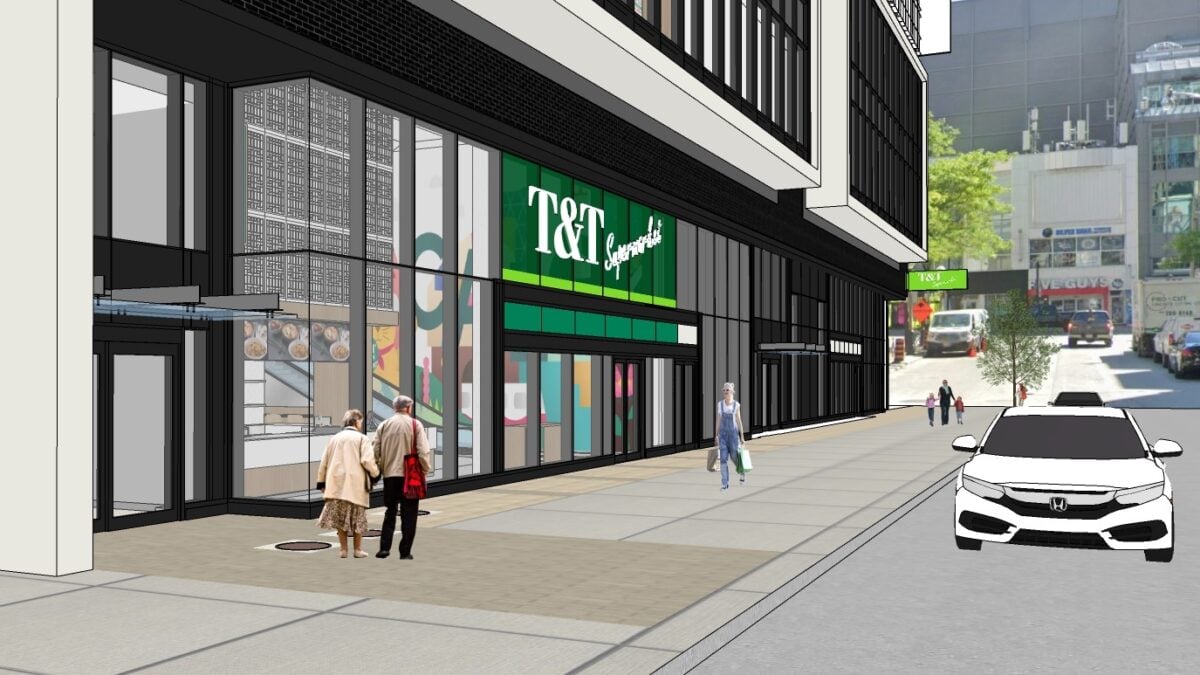
T&T New Downtown Toronto location at Yonge and Edward St. (Image: Dustin Fuhs)
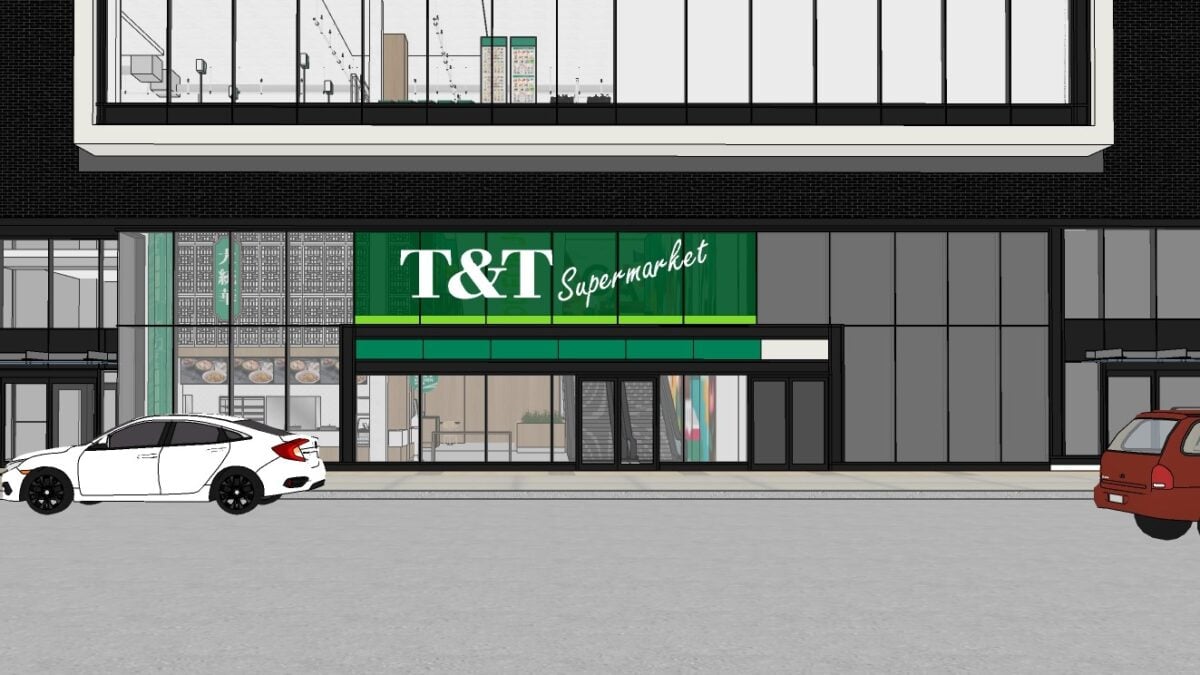
T&T Supermarket, the largest Asian supermarket chain in Canada, will be opening a new store in the heart of Toronto in the Spring of 2025.
Tina Lee, CEO of T&T Supermarkets in Downtown Toronto
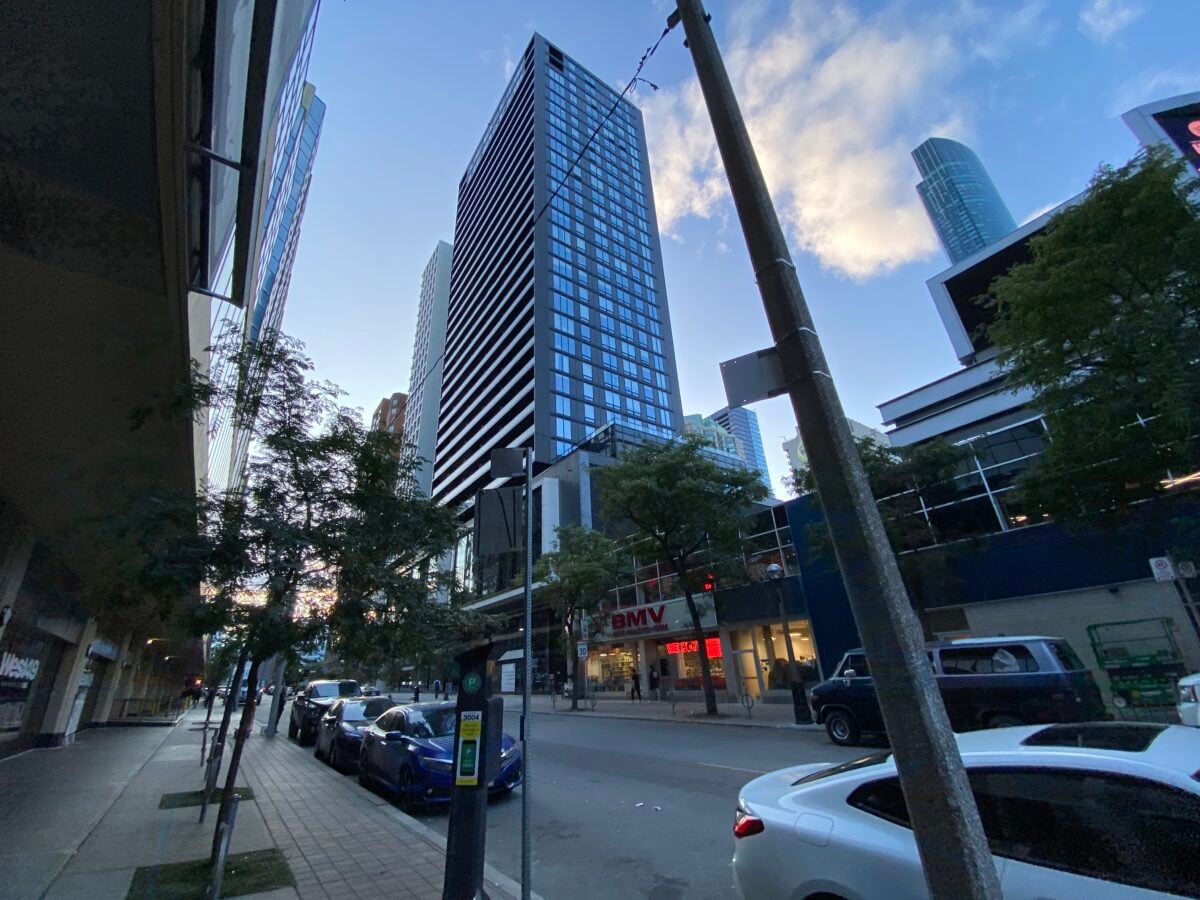
The grocery retailer said the location, steps away from Yonge and Dundas Square, is close to local landmarks such as Yonge and Dundas Square, the CF Toronto Eaton Centre, and Toronto Metropolitan University.
Following the success of its College & Spadina location, T&T said it recognized the need for another conveniently located store in the heart of downtown Toronto.
“We’ve seen such overwhelming demand at our College and Spadina location, we knew the city was ready for more. When deciding on the location of the new store, we knew a large portion of our delivery orders were going to the Yonge and Dundas area, so it was the natural choice,” said Tina Lee, CEO of T&T Supermarket.
“University students, with their busy schedules and often on their own for the first time, may not have the time or the knowhow to cook for themselves. In addition to ready-to-eat meals, fresh fruits and vegetables, and, of course, late-night study snacks, we’re happy to offer students in the area some familiar flavours from home.”
“Yonge and Dundas is the most iconic intersection in the whole country. So it’s very exciting to be there together and alongside some of the biggest brands in Canada and some of the biggest international brands that come to Canada. They want to be at that intersection as well,” said Lee.
T&T New Downtown Toronto location at Yonge and Edward St.
“While that is an added benefit, I would say that the primary reason for us to be there is we know that is a very popular location for where a lot of our customers currently live, particularly the students at TMU. Not long ago we opened a store at College and Spadina and one of the cool services we have there is ordering online and delivering groceries to homes. So we could tell from our orders that a lot of those orders were going to the area of Yonge and Dundas. The condo market still continues to be alive and thriving with a lot of new condos going up including Panda Condos which is exactly the location that we’re locating in.
“We’ve been working on this location for quite some time and we feel confident that’s going to do well because we can tell a lot of our customers are going to College and Spadina today. They’re ordering from there and having it delivered to them. Not everybody in downtown Toronto has a car so it’s less convenient to get all the way up to our store in Markham or even across on the street car to College and Spadina. Primarily, we think that our customers are there and we want to be an even more convenient location for them to shop.”
T&T New Downtown Toronto location at Yonge and Edward St.
Lee said the latest Toronto store will be the brand’s third in the country situated in the downtown core of a city. Along with College and Spadina there’s one in Vancouver in the Chinatown area.
She said the supermarket would love to be in more downtowns in the country.
“Here’s the thing about downtown locations. First, the floor plates, the size that we need, are very hard to find and the rent is expensive. We do have to be very selective and then the other thing in all three of the instances I talked about they’re in the bottom of a condo building and those are actually very difficult to construct for a complex operation like ours,” she said.
“You think about the seafood tanks and the kitchen and the ovens and the freezers and the coolers, it’s a lot of engineering to figure out. So the rent is expensive, the floor plates are hard to find, it’s a complex build and the density has to be there enough for us to make sure it’s a thriving store. It’s not a lot of opportunity for us. We have to be very selective about them. We’ve been working on this location I would say for three years, maybe over three years.”
Lee said that the company closed a store on Cherry Street in Toronto in January 2020.
“When we closed it people were really upset about it. It was really sad that we had to close a store – not because it was a poor-performing store but because the city needed the land back to redevelop one of their waterways. Ever since then we were actively looking at relocating even three years before then we were looking at relocating the Cherry Street location and find an alternate downtown Toronto site. We were working on both College and Spadina and this one at Panda Condos at Yonge and Dundas.”
T&T New Downtown Toronto location at Yonge and Edward St. (Image: Dustin Fuhs)
The new location will be 31,000 square feet and part of the Panda Condos, a project by Lifetime Development. It’s on the site of the former World’s Biggest Bookstore site.
Alex Shallal
“We are excited and honoured to welcome T&T Supermarket to our site as their offerings will significantly contribute to the vibrancy and culture at Panda Condos,” said Alex Shallal, Commercial Leasing Director, Lifetime Development.
T&T Supermarket is the largest Asian supermarket chain in Canada, operating 33 stores in British Columbia, Alberta, Quebec and Ontario. T&T Supermarket was founded in Vancouver in 1993 and is now led by second generation successor and CEO, Tina Lee. T&T Supermarket is headquartered in Richmond, BC, with offices in Toronto. It is under the Loblaw Group of Companies.
The company said the new store will cater to both residents in the area and students.
“The new location at 20 Edward Street comes on the heels of recent store announcements for T&T in Kanata, Ottawa, Brossard, Quebec, and Bellevue, Washington. After their Fairview Mall location, the new store will be the second T&T to feature a street food concept. In addition to the usual offerings, it will provide a selection of easy and convenient foods such as Chinese-style crepes, Taiwanese-style stuffed rice rolls and popcorn chicken,” said the company.
T&T New Downtown Toronto location at Yonge and Edward St. (Image: Dustin Fuhs)
Quartier Dix30 is the second-largest retail centre in Canada in terms of size, with 3,200,000 square feet of retail and office space, as well as a direct connection to the REM and thousands of residential units planned over the coming years.
“South Shore was one of the most requested locations from the community ever since we announced we’re coming to Quebec. After receiving such a warm welcome in Montreal last year, we’re looking forward to opening a second T&T Supermarket in Quebec. We looked at many development opportunities, and Brossard’s Quartier Dix30 proved to be the obvious choice – it’s a popular and ever-expanding mall, and we aim to be an integral part of the vibrant community that is growing around us. With numerous residential units planned in the coming years, we see immense potential in catering to the evolving needs of our customers, ensuring convenience and a delightful shopping experience,” said Lee.
Guest Contributor: Joe Solly, Deloitte Canada, Partner & National Consumer Sustainability & Climate Leader
For retailers, there’s a pivotal need to resonate with consumers, not just through products but through shared values and genuine purpose. Deloitte’s 2023 report Creating Value From Sustainable Products highlights a significant disconnect between corporate sustainability claims and actual consumer perceptions. While retailers and manufacturers are making substantial progress towards net zero emissions and a circular economy, equal emphasis needs to be placed on effectively communicating these advancements to consumers. It is only when retailers, manufacturers, policymakers, and consumers engage collaboratively will we truly see the strides required for a sustainable future.
Deloitte’s findings underscore the importance of creating a unified platform where all key stakeholders converge to share insights, learn from each other’s experiences, and forge a united front against the relentless challenge of climate change. Retail Council of Canada’s Retail Sustainability Conference on October 3, 2023, in Toronto, offers precisely that – a unique forum designed for the retail community and its stakeholders to synergize.
Deloitte, renowned for its commitment to sustainability, recently unveiled its report on the intersect between sustainability and consumer trust. A striking revelation from the study indicates that despite the seismic shifts towards sustainability in the retail sector, consumer trust remains at a fragile equilibrium. A brand’s purpose-driven initiatives must be transparent, authentic, and resonate deeply with its audience for it to forge a lasting trust bond. This report, amongst many other insights, will be a focal discussion at the conference, enabling attendees to gain an in-depth understanding of how to bridge the trust gap.
Key sessions like “Leadership’s Blueprint to Net Zero” will provide attendees invaluable insights from the frontlines of sustainable initiatives. Industry leaders, including Geraldine Huse (P&G Canada), and George Soleas(LCBO), will delve into their organizations’ transformational steps toward net zero waste and emissions. They’ll spotlight their challenges and successes with Extended Producer Responsibility (EPR) systems, sustainable packaging innovations, and the intricacies of supply chain management.
“Sustainability at the Core: Retail’s Path to Zero Waste and Net Zero” will be another cornerstone discussion. Kim Saunders (Canadian Tire Corporation), Joe McMahan (Maple Leaf Foods), and Gemma Hinksman (McDonald’s Canada) will discuss their trailblazing efforts in sustainable packaging and waste reduction. An understanding of how consumers have embraced these initiatives, and the ripple effects of the changes on these organizations’ brand reputations and on their journeys to a circular economy will be an important conference takeaway.
The conference’s agenda is very comprehensive and will also cover, everything from the role of technology, AI, standards, reporting, operationalizing decarbonization, to the elimination of empty miles.
Not to be missed will be the special opening keynote by Galen Weston, President and Chairman of Loblaw Companies Limited. In an evolving EPR landscape, industry led solutions are critical to addressing the urgent plastic waste challenge facing Canada. Galen Weston will share how that sort of system change underpins Loblaw’s commitment to make all control brand and in-store plastic packaging recyclable and reusable by 2025.
In conclusion, RCC’s Retail Sustainability Conference is not just another event; it’s a call for collaborative action. Whether you’re a retailer, manufacturer, policymaker, or a stakeholder vested in a sustainable future, this is a not-to-be-missed opportunity to be part of this transformative journey.
Joe Solly, a Partner at Deloitte Toronto, is the National Consumer Leader for Sustainability and Climate with over 28 years of experience across sectors like retail, automotive, and hospitality. He’s an expert in sustainability strategy, supply chain, risk management, and corporate disclosure. As a key figure in Deloitte’s global Consumer team, Joe collaborates internationally to optimize sustainability and climate investments.
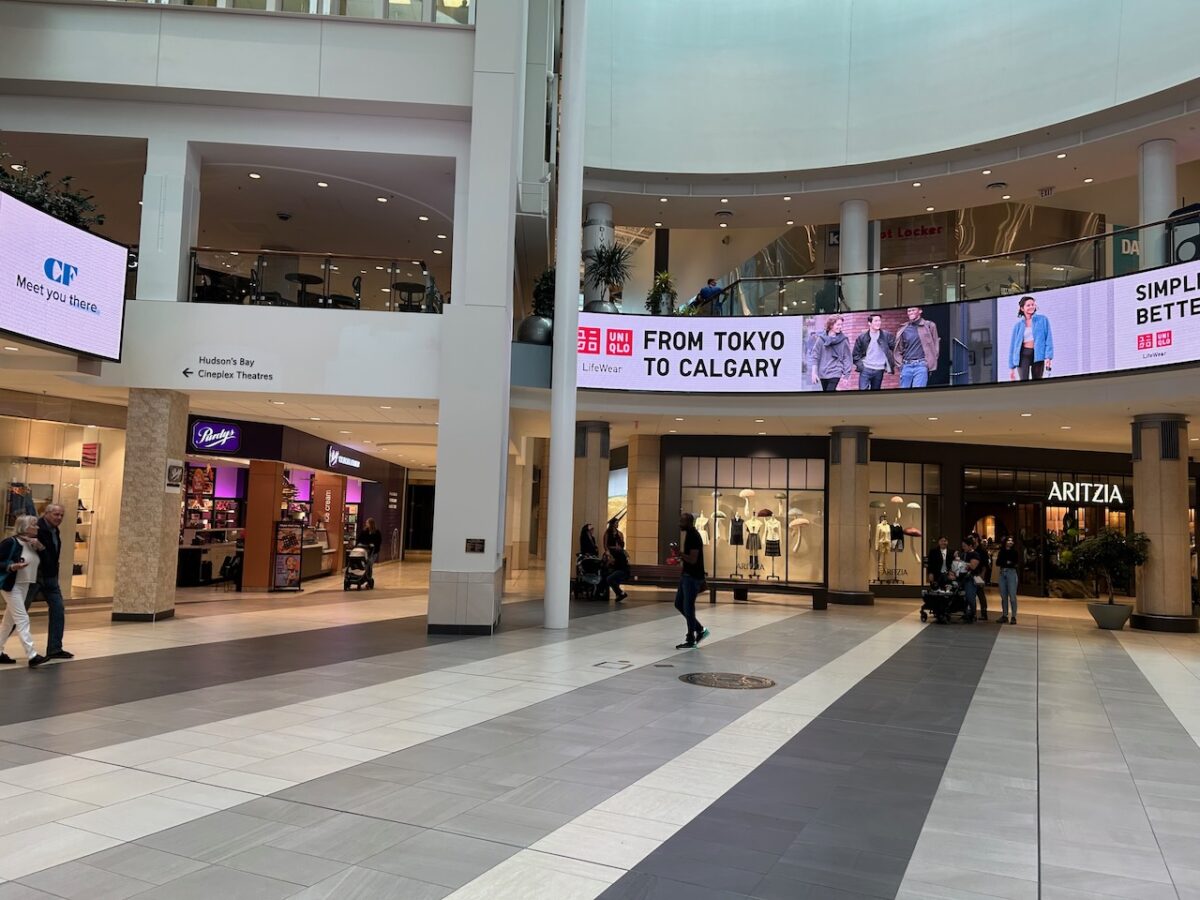
CF Chinook Centre in Calgary is one of the country’s busiest and most productive malls and it continues to evolve and change to meet the growing needs and desires of local and regional consumers.
Darren Milne, General Manager of Chinook, said there’s been quite a number of new tenants along with renovations and relocations in the past year.
Darren Milne
“For some context, we have 240 tenants right now so to have 35 new, relocated or renovated tenants in a year is quite significant,” he said.
Here’s what’s happened since November 1, 2022:
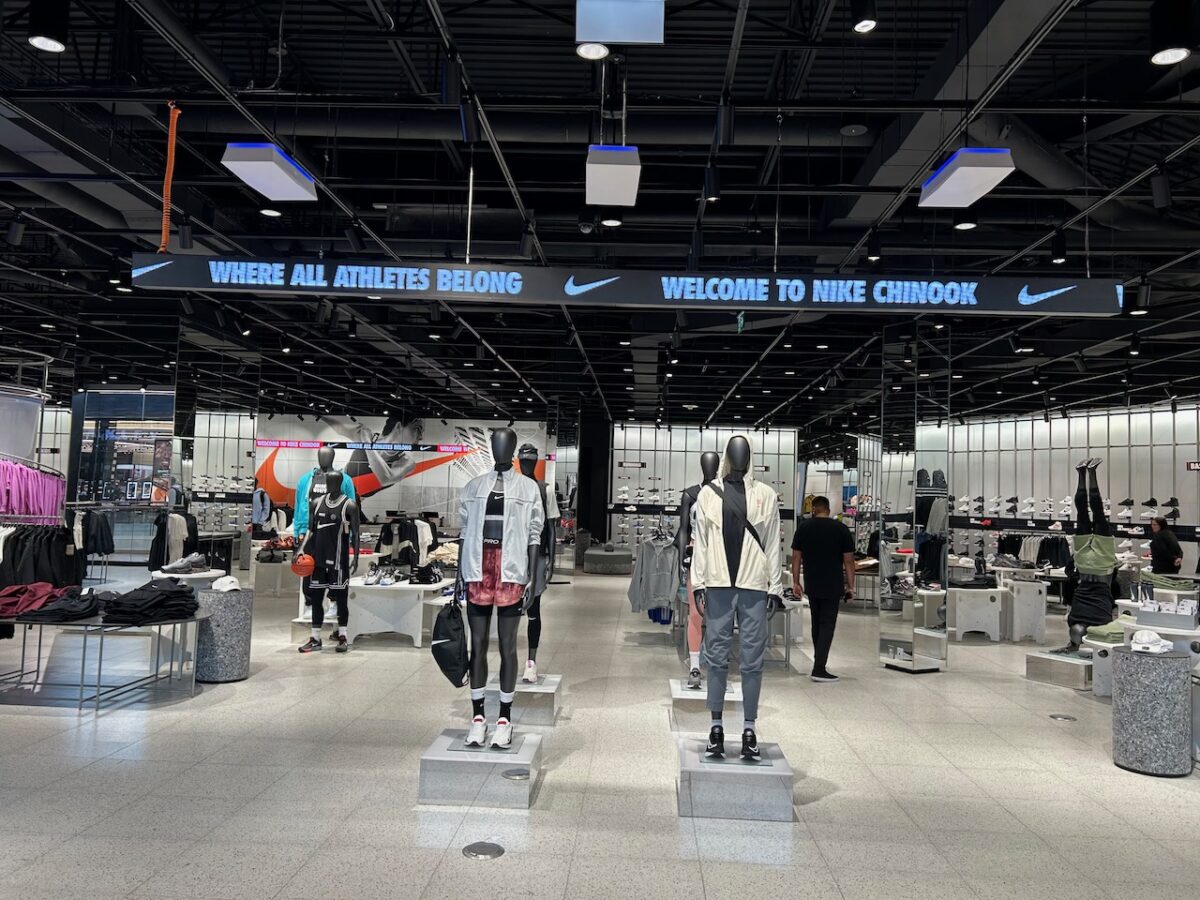
12 new tenants: Athleta, Token, Stuffies, Herschel, Mejuri, Jo Malone, Glambar Bazaar, RW&Co, Nike, Alo Yoga, Crepe Delicious, and Uniqlo;
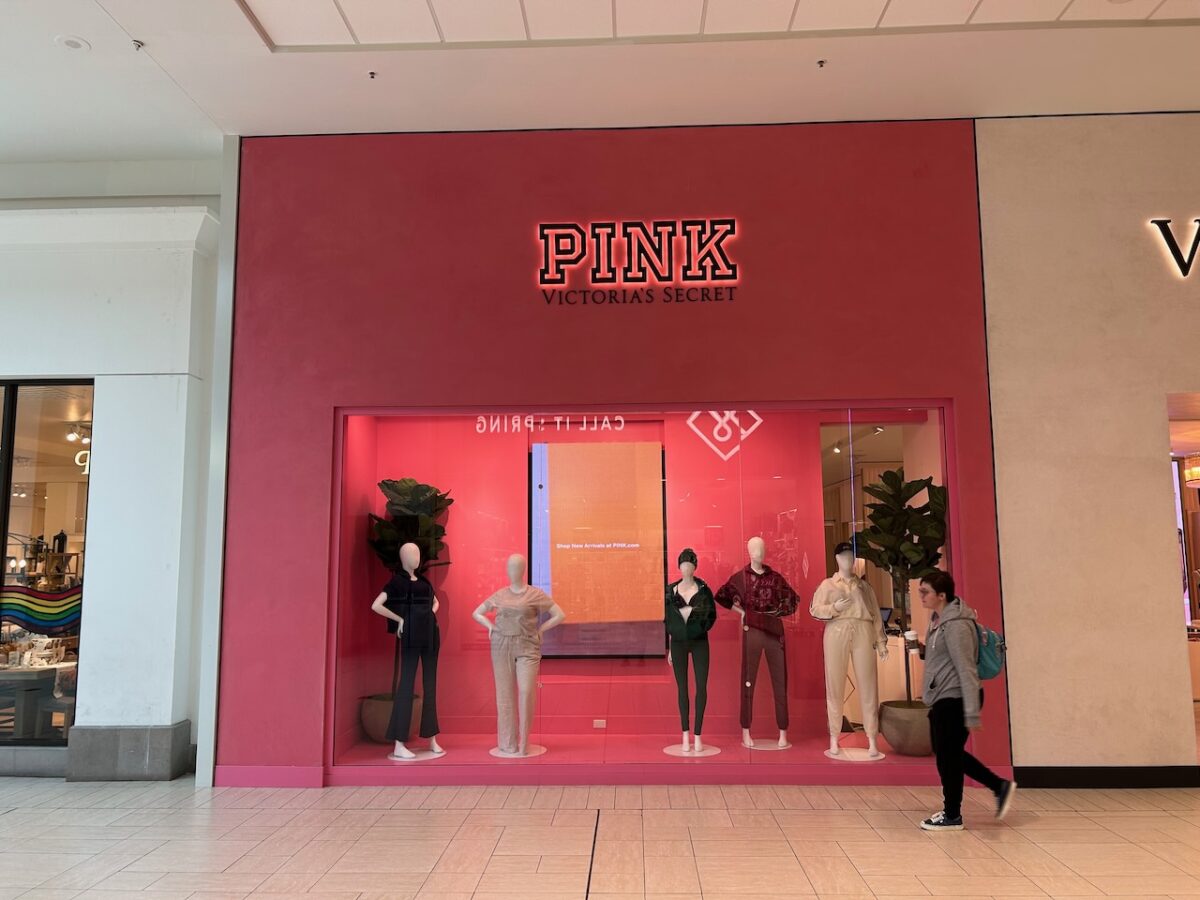
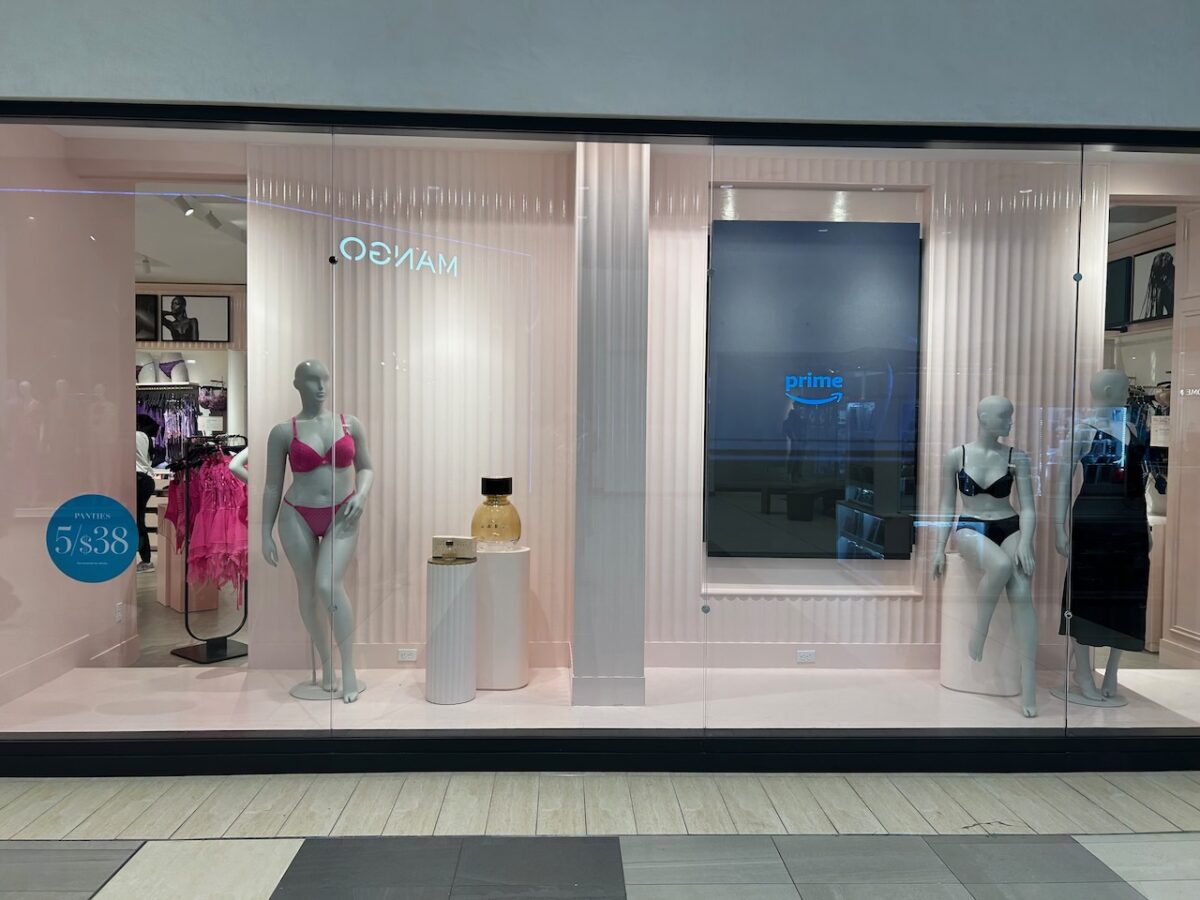
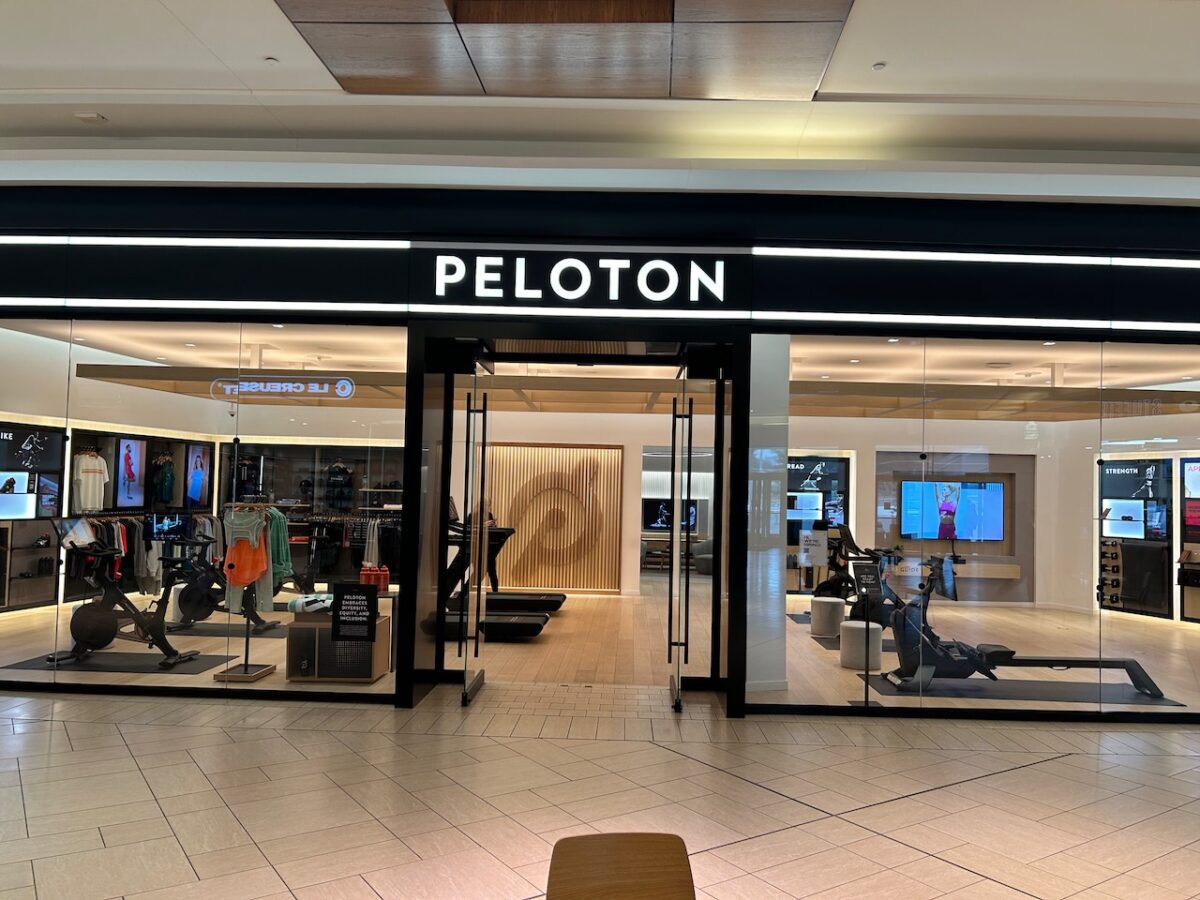
13 relocations with a new store build out: Bentley, Call it Spring, Peloton, Chatters, Birks, Pandora, Jack & Jones, Stitch It, Torrid, Victoria’s Secret, Maxime’s, Zumiez, Bell; and
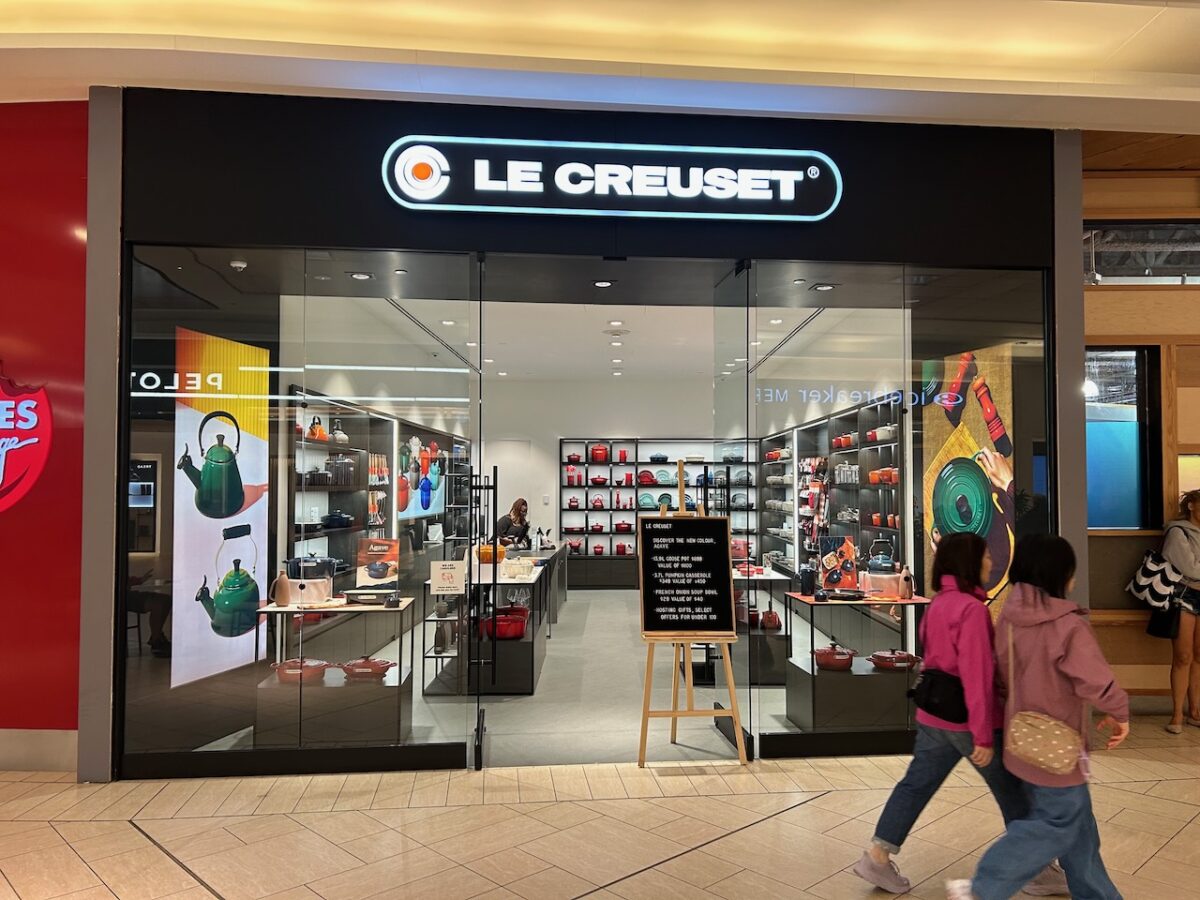
7 renovations: Kiehls, Footlocker, L’Occitaine, Le Creuset, Michael Hill, Call it Spring, Burberry.
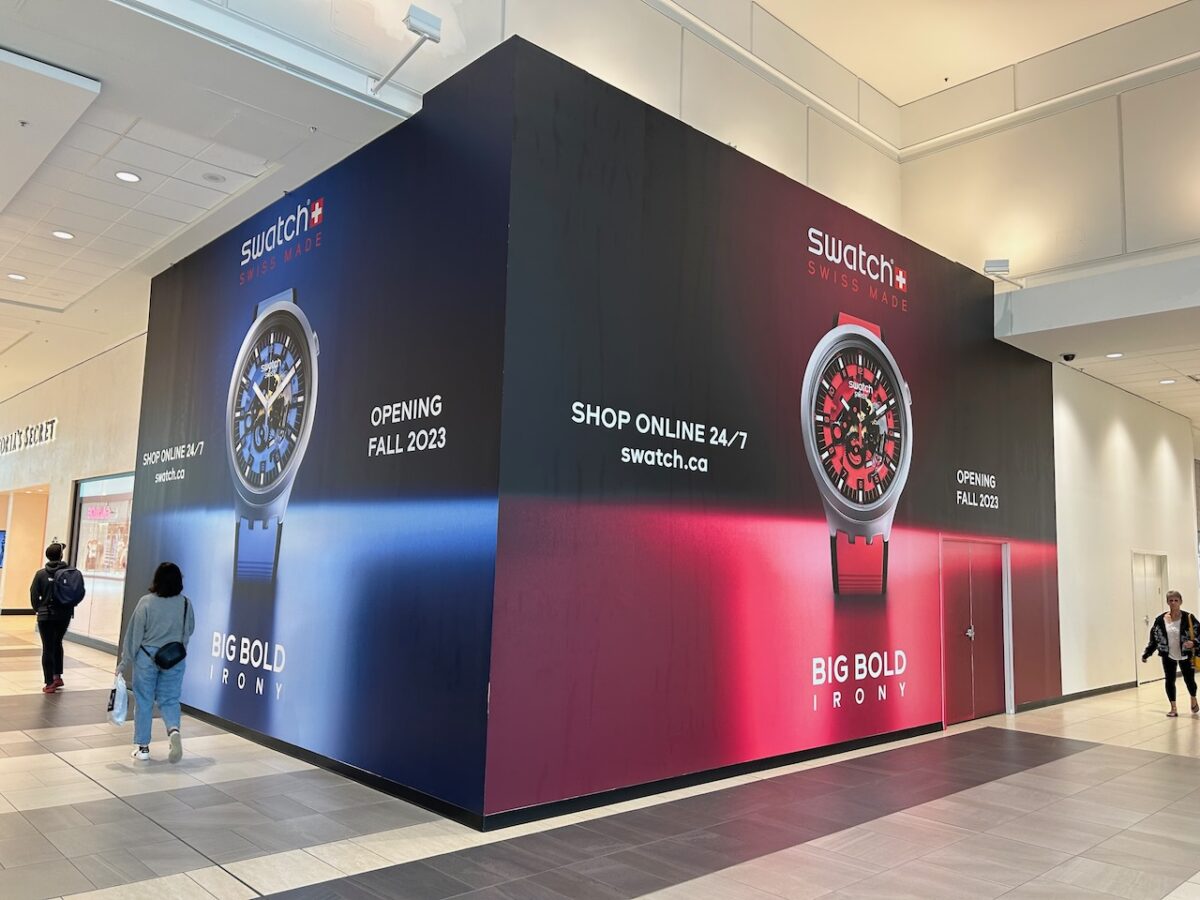
Still to come by the end of this year is Swatch as a new tenant, the opening of the new Zara expansion and renovation and a renovation at Ben Moss.
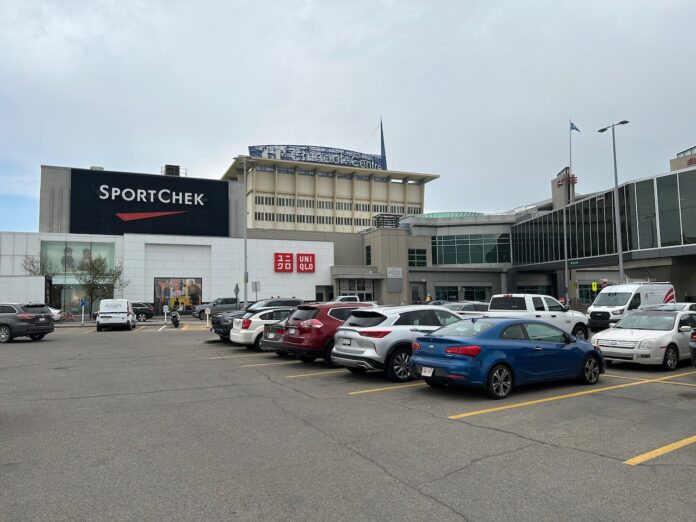
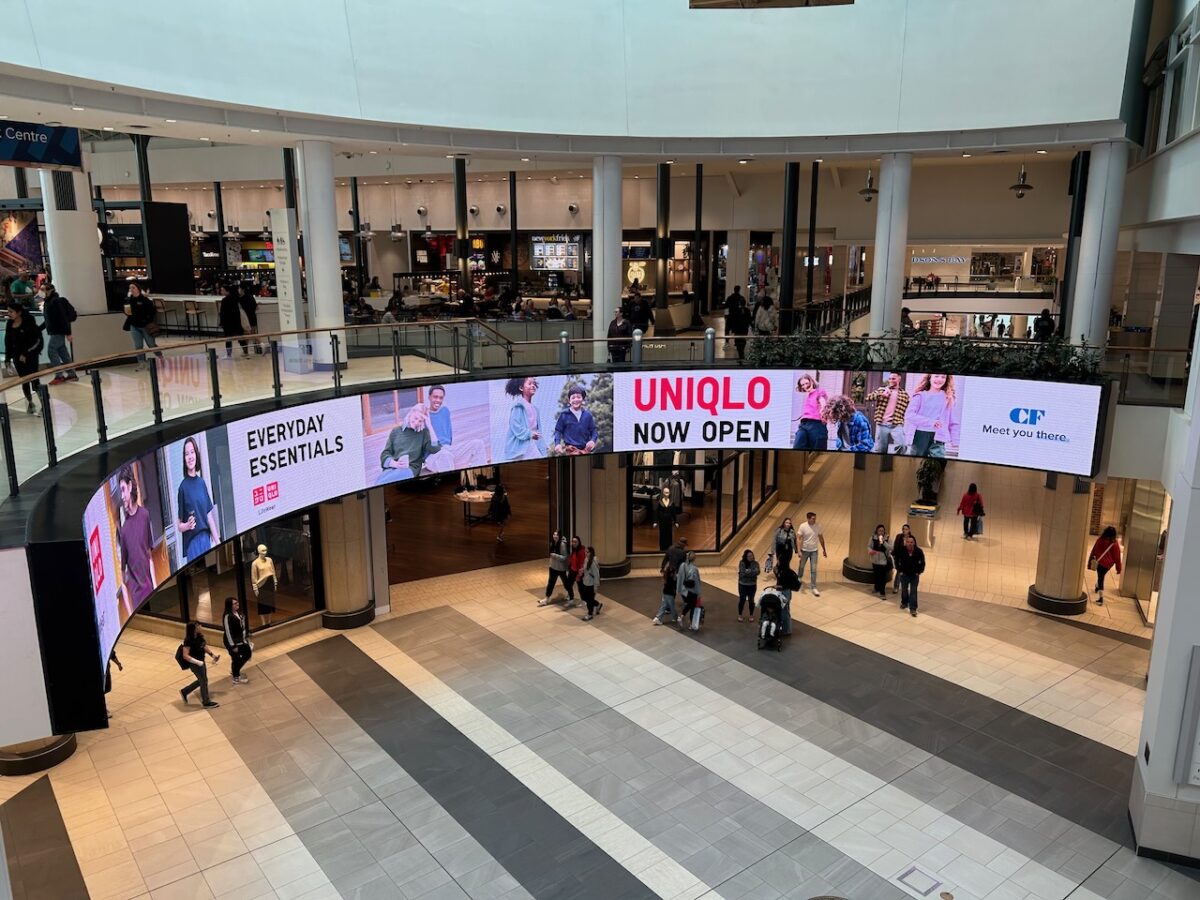
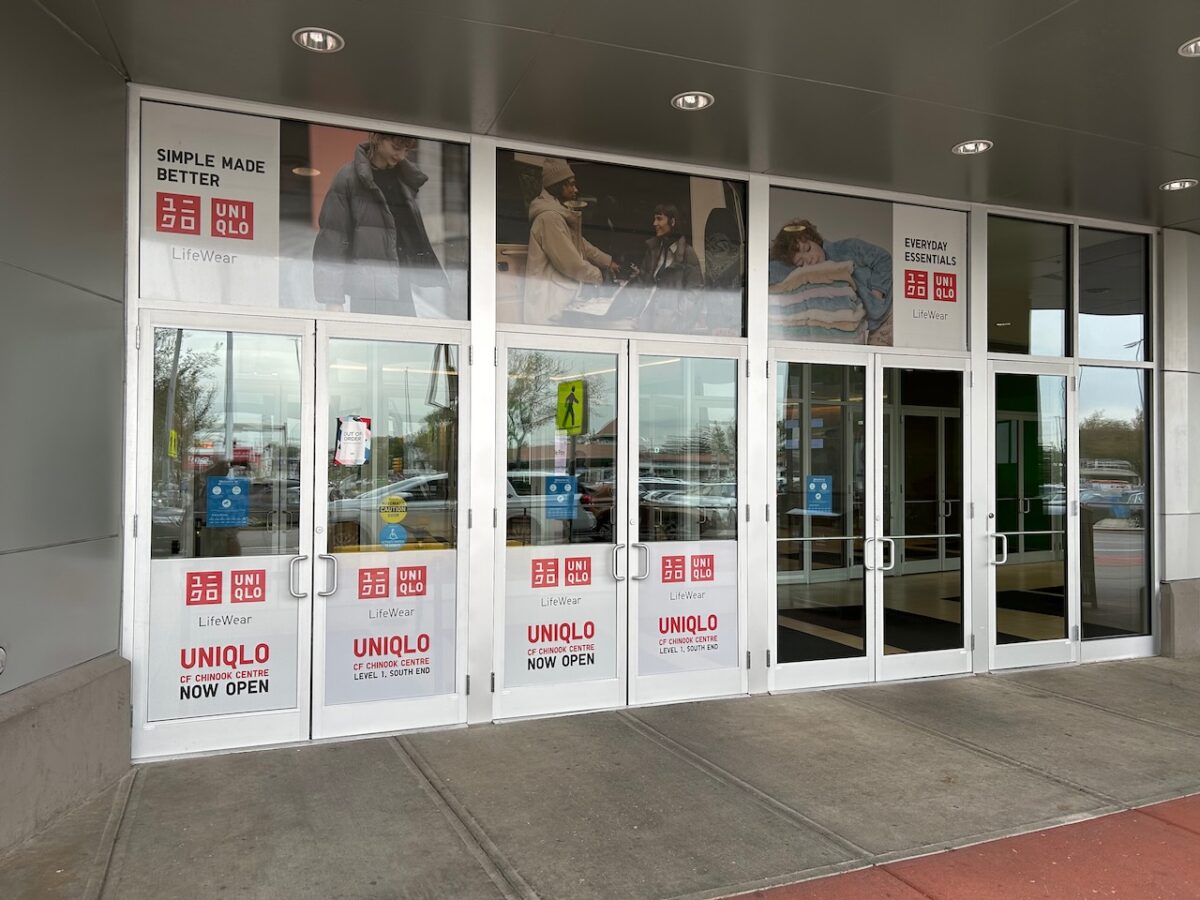
Uniqlo Signage at CF Chinook Centre (Image: Mario Toneguzzi)
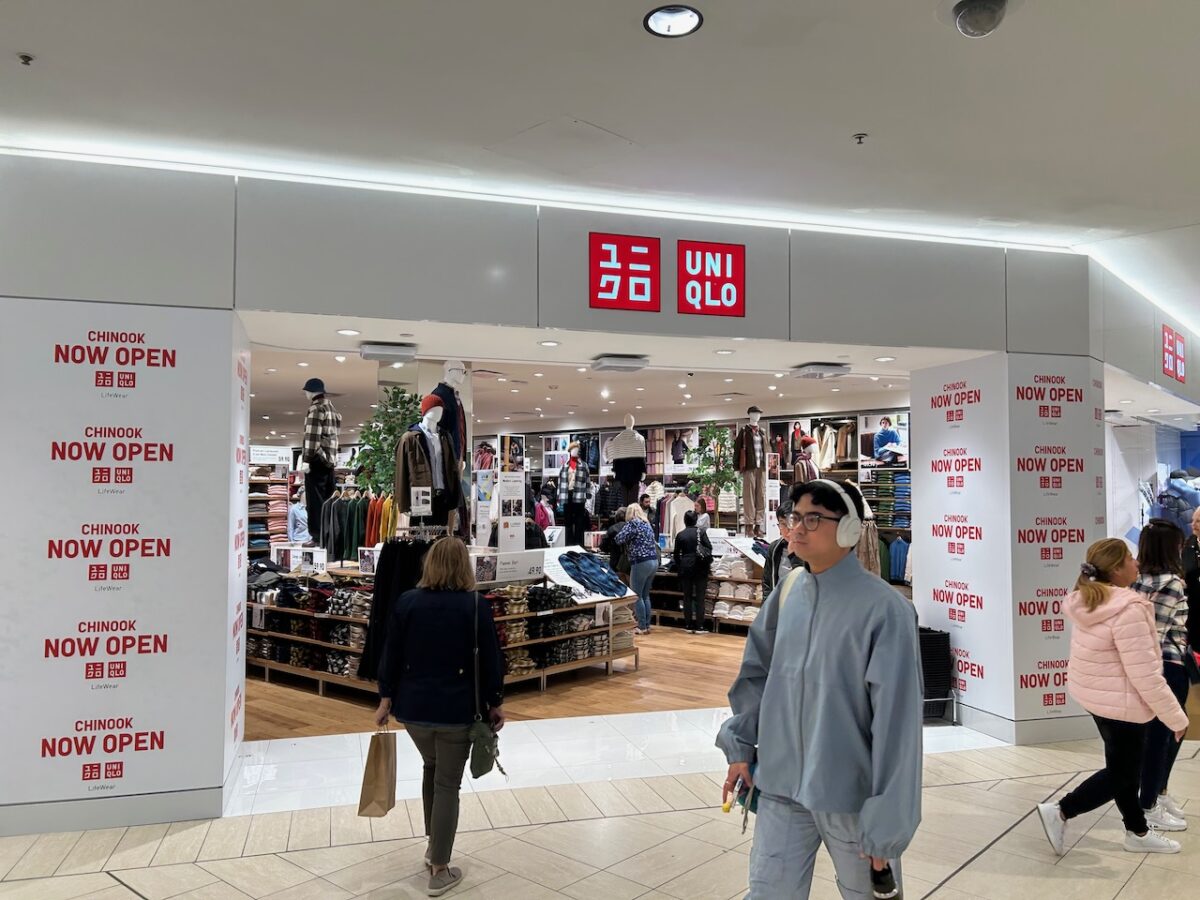
Recently the big buzz at Chinook has been the frenzy around the opening of the Uniqlo store on August 25.
“The response to Uniqlo has been huge. The day they opened as Uniqlo reported, they had 2,000 people in line. They had a lineup pretty much the entire day and so it was about a 90-minute wait to get into the store the entire day,” said Milne.
“That was the Friday and then even on the Saturday they still had a line for people to get in and their sales and traffic have been consistent ever since. It was really clear that Uniqlo was a tenant that Calgarians wanted to have and they obviously have been supporting them that well.”
Milne said there are a couple of reasons why so many new tenants are coming to Chinook.
“If you think about it in the context of COVID the industry as a whole saw a lot of bankruptcies. That was probably good in the sense that a lot of companies were able to clean up their balance sheets and then come out of bankruptcy in a stronger position,” he said. “We’ve been a beneficiary of them being the first choice for tenants when they want to come to Calgary.
“The second piece of that is not only are we the first choice but we’re having more national and international retailers who are expanding into Canada. So if you think about that, Alo Yoga making a move out of the U.S. into Canada. We were one of their first stores that they wanted to get open as well. And sometimes because we have such high occupancy we can’t always get the tenants in on the same timeline they want to be in. But we still generally find a way to have them here as a tenant.
“Uniqlo was the same. They wanted to be here earlier and we just needed to do a whole bunch of movement in order to create space for them. I think we’re just seeing a lot of demand for the Centre as a result of both the performance of the shopping centre and the fact that more retail companies are looking to do stores and either grow within Canada or come into Canada.”
Jeff Berkowitz of Aurora Realty Consultants represents Uniqlo in Canada and negotiated the Canadian store leases, including the new Calgary location. SAJO design-built the Calgary Uniqlo store store.
Nike at CF Chinook Centre (Image: Mario Toneguzzi)
Milne said sales productivity at Chinook over the past year has grown exponentially.
“It’s been really, really strong. In part I think because we’ve had all these new tenants and they are tenants who are in demand. In part because Calgarians specifically still have a good level of disposable income and are looking to come and do their shopping here. Traffic continues to move up and continues to be really strong as well,” he said. “Sales are outpacing traffic growth.
“We’re always thinking about what the future looks like in terms of sales and traffic but we still feel really positive about the Calgary market.”
Milne said the shopping centre expects, probably in the new year, to announce a couple of new tenants. Also in 2024, there will be more “right-sizing” of tenants with more relocations.
“When you start to look at just the economic impact of that construction, you think about the 35 stores that have been touched here in the last 12 months between new stores, renovations or relocations, the construction value is significant and the number of jobs that creates is significant. It’s really positive,” he said.
“I would say in the near term the next big launch at Chinook will be when Zara reopens. They’re expanding in place and almost doubling in size. So that’s going to be a big store that will be open here before the end of the year.”
Future Swatch at CF Chinook Centre (Image: Mario Toneguzzi)
With the departure of American retailer Nordstrom from the Canadian market, Chinook Centre like other major malls in the country suddenly had some huge vacant real estate space.
“Nordstrom just disclaimed the lease in late in July. So it’s only been a few months that we’ve actually known we were going to get the real estate back. So we’re actively planning for it. There’s nothing to announce on it yet but we’ll continue to push that forward and plan to have a tenant there that Calgarians are going to want,” said Milne.
“I don’t mean to sound like it’s one tenant or two but I think we’ve got some thoughts on what that could be. We just haven’t settled on a direction yet.”
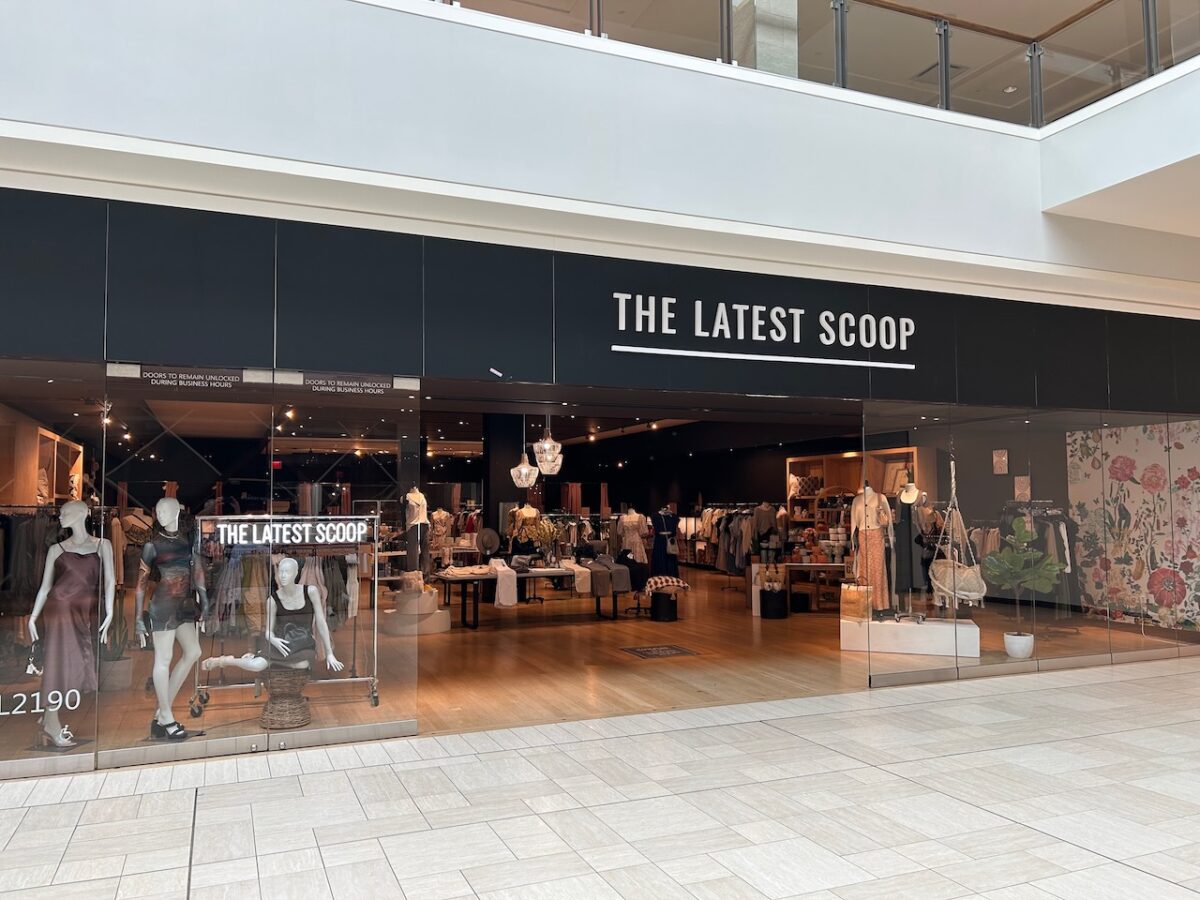
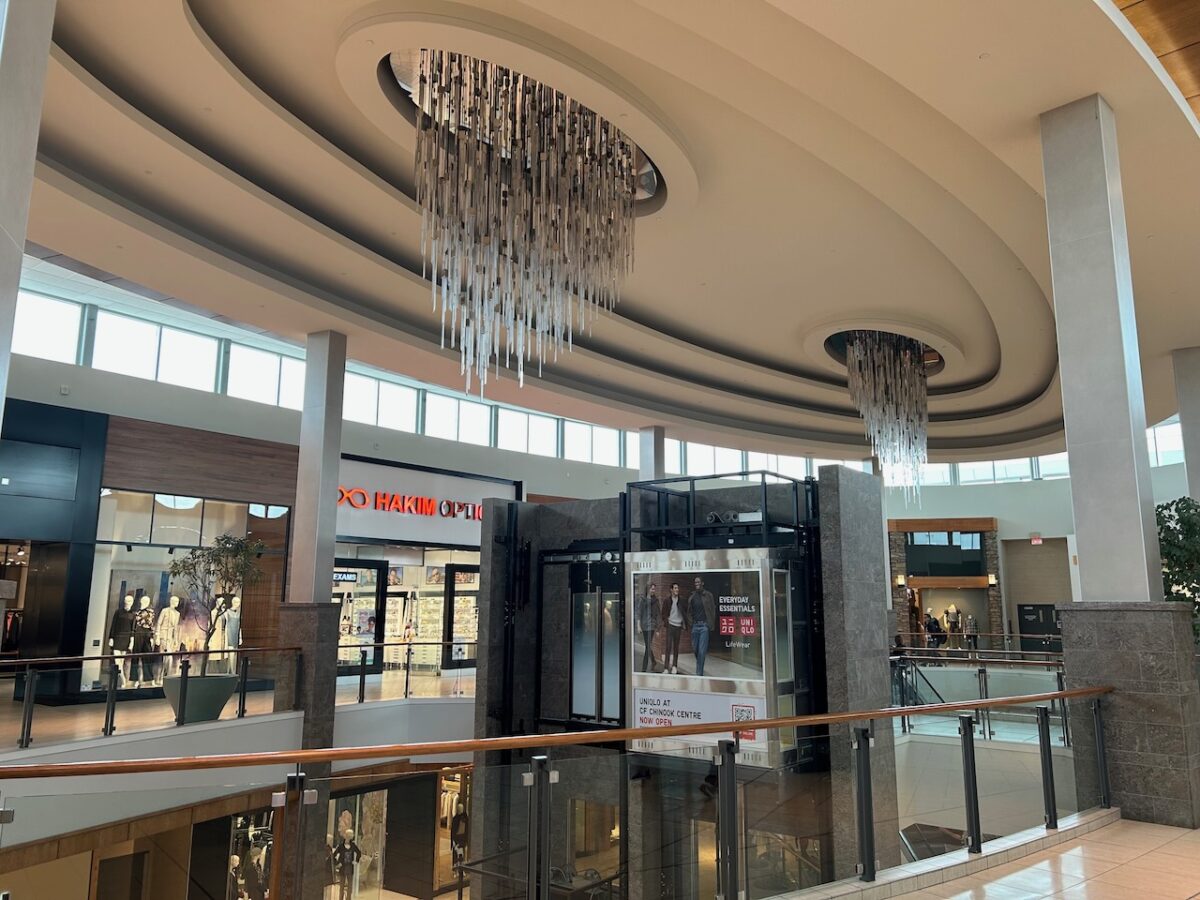
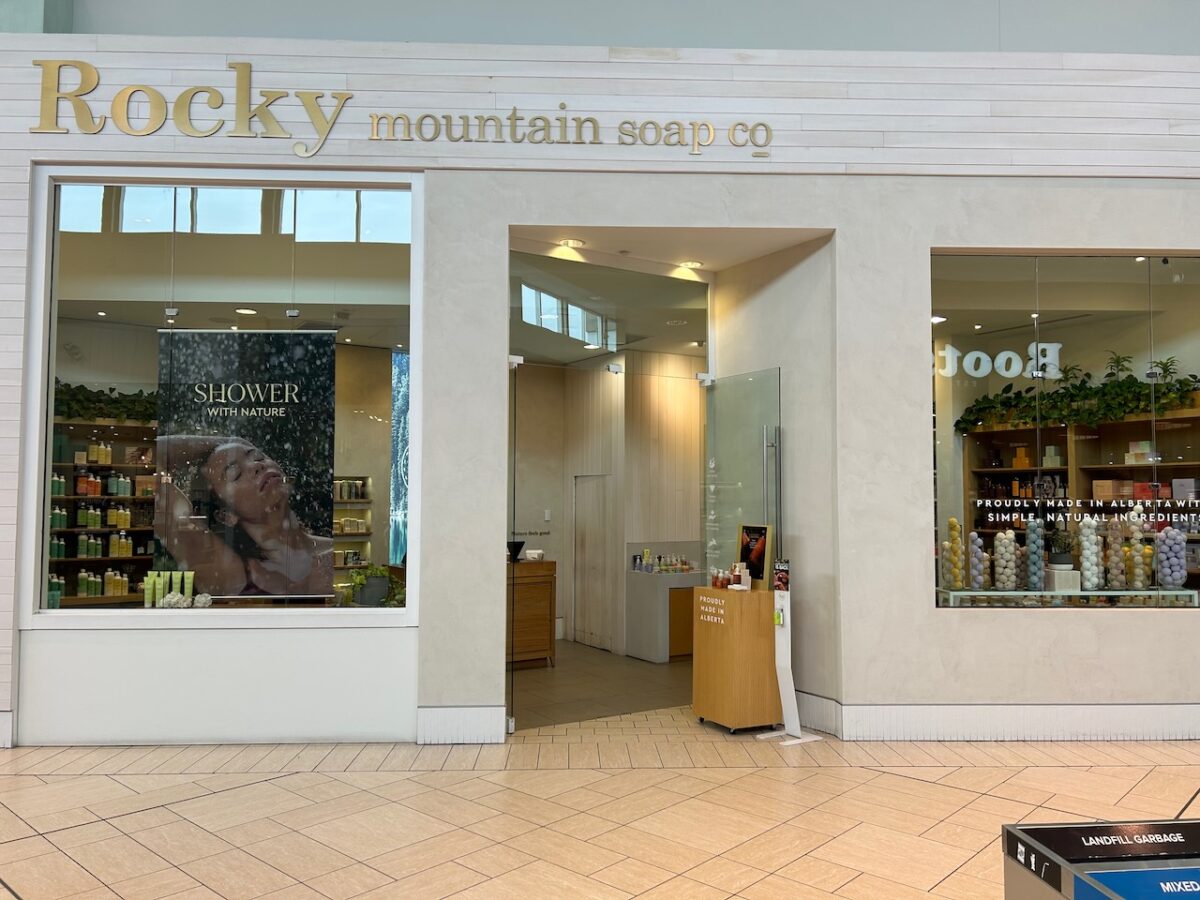
Uniqlo Signage at CF Chinook Centre (Image: Mario Toneguzzi)Uniqlo at CF Chinook Centre (Image: Mario Toneguzzi)Athleta at CF Chinook Centre (Image: Mario Toneguzzi)Pink at CF Chinook Centre (Image: Mario Toneguzzi)Victoria’s Secret at CF Chinook Centre (Image: Mario Toneguzzi)Victoria’s Secret at CF Chinook Centre (Image: Mario Toneguzzi)Rolex at CF Chinook Centre (Image: Mario Toneguzzi)Le Creuset at CF Chinook Centre (Image: Mario Toneguzzi)Peloton at CF Chinook Centre (Image: Mario Toneguzzi)The Latest Scoop at CF Chinook Centre (Image: Mario Toneguzzi)CF Chinook Centre (Image: Mario Toneguzzi)Rocky Mountain Soap Co. at CF Chinook Centre (Image: Mario Toneguzzi)Uniqlo Signage at CF Chinook Centre (Image: Mario Toneguzzi)
As a result, according to a survey by LendingTree, 22 per cent of millennials and 19 per cent of Gen Z have begun to incur “dating debt.”
Another study by Credit Karma found that 29 per cent of people aged 18–34 have accrued debt for a date, with 21 per cent exceeding $500 in dating debt in a year. Reasons include accidental overspending (29 per cent), an attempt to impress dates (28 per cent) and seeking intimacy (19 per cent).
But another survey by Finder also reveals that 44 per cent of Gen Zs consider debt a romantic deal-breaker when considering a partner.
Luxury dates are leading to debt for millennials and Gen Zs. (Jelleke Vanooteghem/Unsplash)
This conundrum is a problem for younger generations, where the pursuit of love and connection is intricately tied to an appetite for luxury, ultimately leading to debt accumulation.
The trend has implications for financial stability, emotional well-being and the very essence of modern relationships.
There are a few issues fuelling it, including the desire to signal status and the persuasive retail marketing of luxury as being synonymous with love, creating that false sense of connection between luxury and love.
‘Costly signalling’
Accumulating debt for romantic engagements has its roots in an innate human desire — namely, the urge to signal status. In a digital age where social media and online dating platforms are the norm, standing out in a crowd has never been more challenging, yet it’s also crucial.
The “costly signalling” theory may explain why such habits develop. It argues that humans and animals use resource-intensive or risky behaviours as genuine, hard-to-fake signals indicating their desirable traits and availability.
This is related to conspicuous consumption, which is driven by a desire for status and the clear signalling of this status to onlookers.
Whether it’s a lavish dinner at a high-end restaurant or gifting a designer handbag, these actions become markers of distinction and status. While these acts add a layer of individuality to a relationship, they come with the risk of potential financial instability.
Luxury brands like Gucci and Tiffany try to entice millennials and Gen Zs to spend big bucks on their love interests. (Dima Pechurin/Unsplash)
For instance, luxury brands often release limited-edition Valentine’s Day collections, adorned with romantic motifs and themes, ranging from heart-shaped jewellery to high-end designer fragrances.
Additionally, retailers leverage the allure of love in their advertisements. They often showcase couples exchanging luxury gifts in opulent settings, fostering an aspirational connection between luxury products and romantic ideals.
For example, Tiffany & Co. released a “Believe in Love” campaign featuring stories of seven couples at different stages of their relationships, and how Tiffany has played a part in their love journey.
Personalized engraving services on luxury items, such as monogrammed initials or special dates, further enhance the sentimentality and connection between the product and the act of gifting, convincing consumers to spend money on these high-end, emotionally charged offerings.
For example, Gucci’s “apple of my eye” limited-edition collection shows two interlocking red letter Gs that are meant to signify romantic love.
These strategic marketing tactics linking luxury with love contribute to more debt by enticing consumers to overspend on high-end goods with premium price tags. They promote impulse buying through limited-edition collections, foster unrealistic desires through aspirational advertising, encourage additional spending on personalized services and compel people to prioritize romantic gestures over financial responsibility.
This ultimately leads to the accumulation of debt as consumers strive to express their love through emotionally charged purchases.
Marketing campaigns by high-end retailers entice people to spend money they don’t have. (Melanie Pongratz, Unsplash)
False sense of connection
But there seems to be an intriguing paradox when it comes to luxury goods and their ties to social relationships.
This sheds light on a fascinating discrepancy in self-versus-other evaluations when it comes to luxury consumption.
In a dating context, a person boasting about the purchase of an expensive wine on a dinner date, for example, may over-estimate whether it will actually impress their date.
Ordering an expensive bottle of wine on a date isn’t necessarily impressive. (JP Valery/Unsplash)
Gift-givers often believe that more expensive gifts are more appreciated, assuming they convey greater thoughtfulness. But gift recipients don’t necessarily share this belief because they don’t consistently link gift price to their level of appreciation.
Instead, they may value personal connections over materialistic displays and be cautious in the early stages of a relationship.
Ultimately, open and honest communication about expectations is crucial for navigating these complexities, ensuring that gift-giving aligns with the relationship’s goals and mutual desires.
The concept of luxury often gets mixed up with our quest for love, creating a captivating but misleading link between the two. In the realm of romantic relationships, luxury goods or indulging in extravagant experiences can sometimes make us feel closer to our partners than we really are.
But the ties between luxury and love can be deceiving. While luxury can certainly add to the romance, it’s important for younger generations to see the difference between flashy things and the deep, lasting connections that bring us closer to love.
By Omar H. Fares, Lecturer in the Ted Rogers School of Retail Management, Toronto Metropolitan University and Seung Hwan (Mark) Lee, Professor and Associate Dean of Engagement & Inclusion, Ted Rogers School of Management, Toronto Metropolitan University
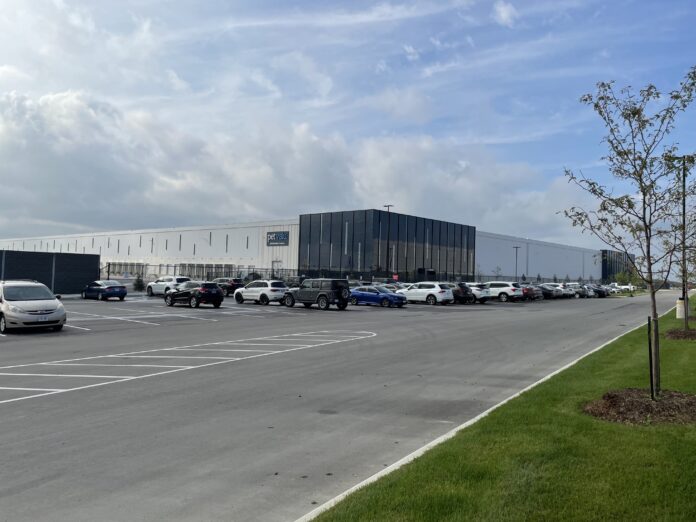
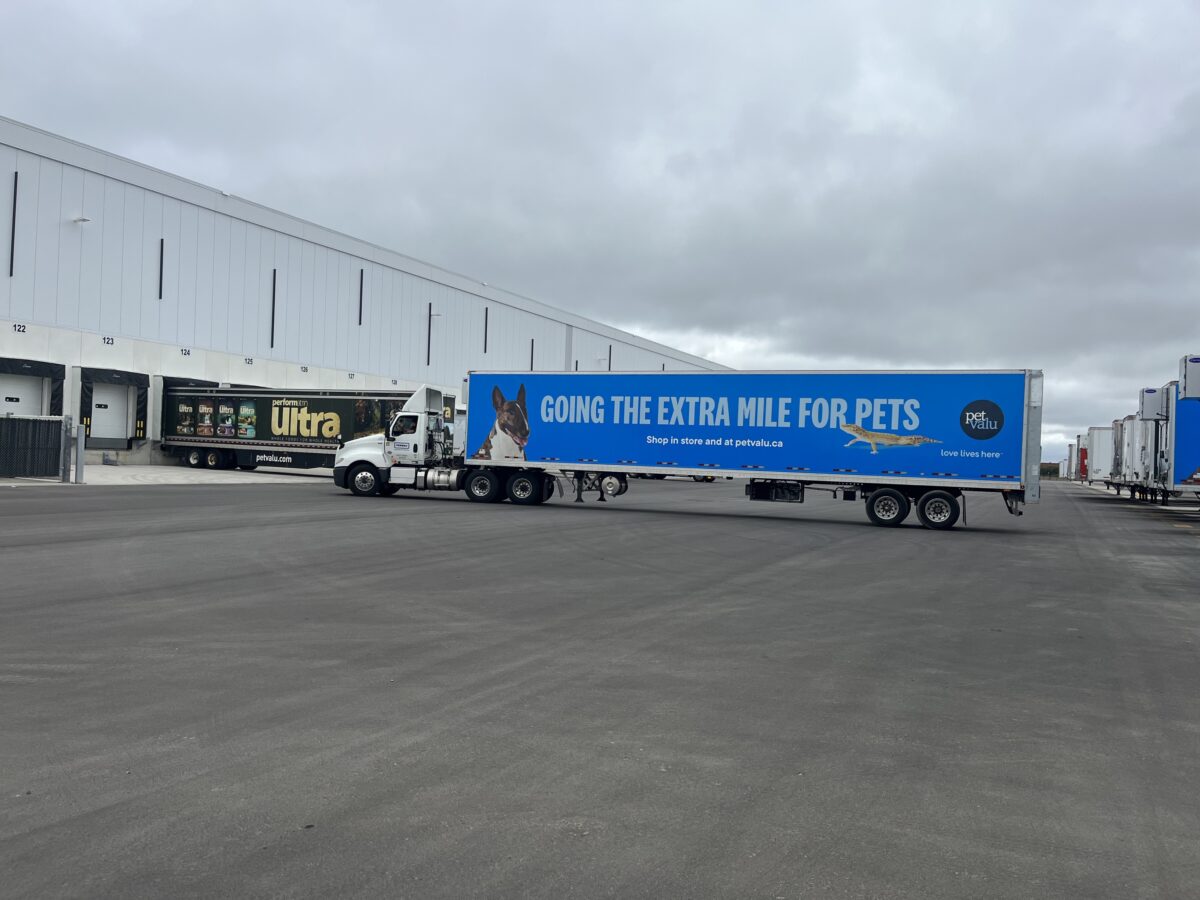
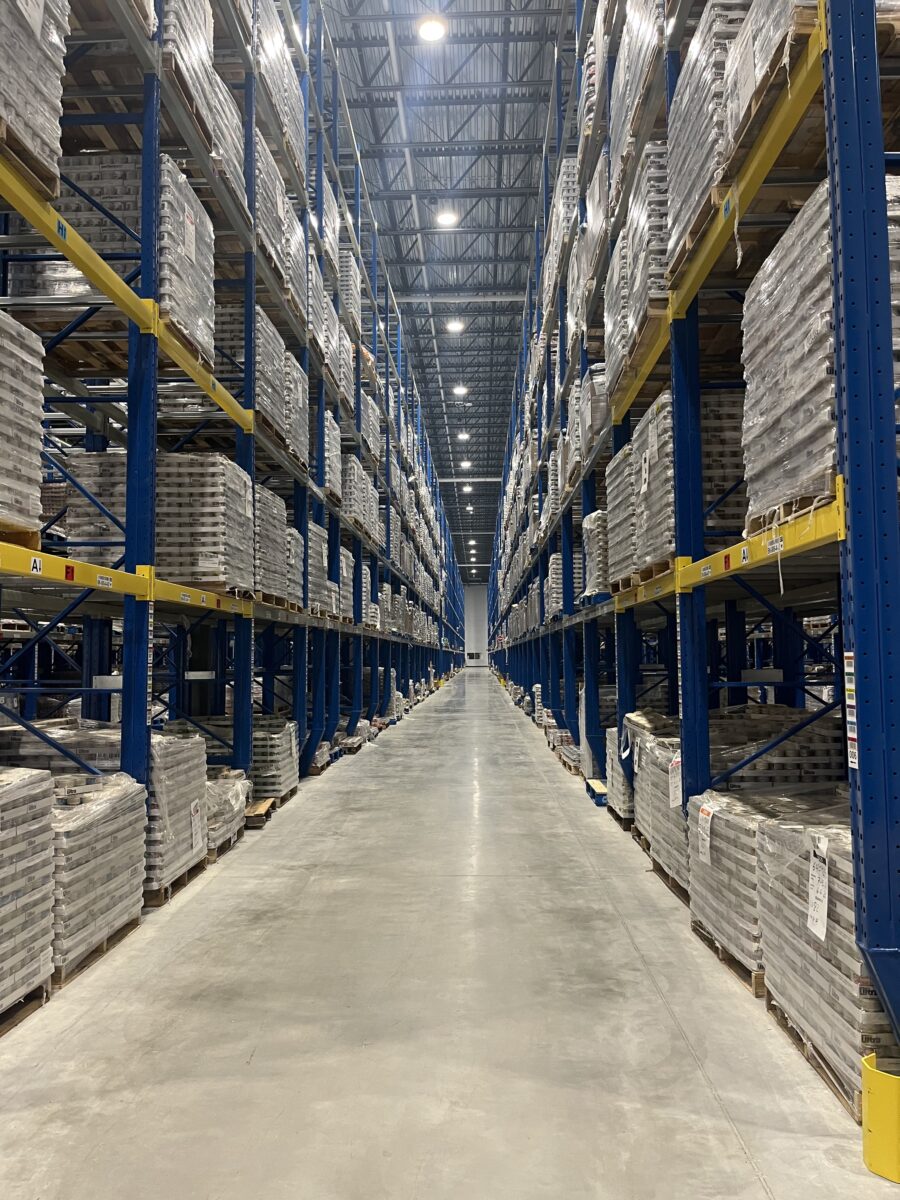
Pet Valu Brampton Distribution Centre (Image: Pet Valu)
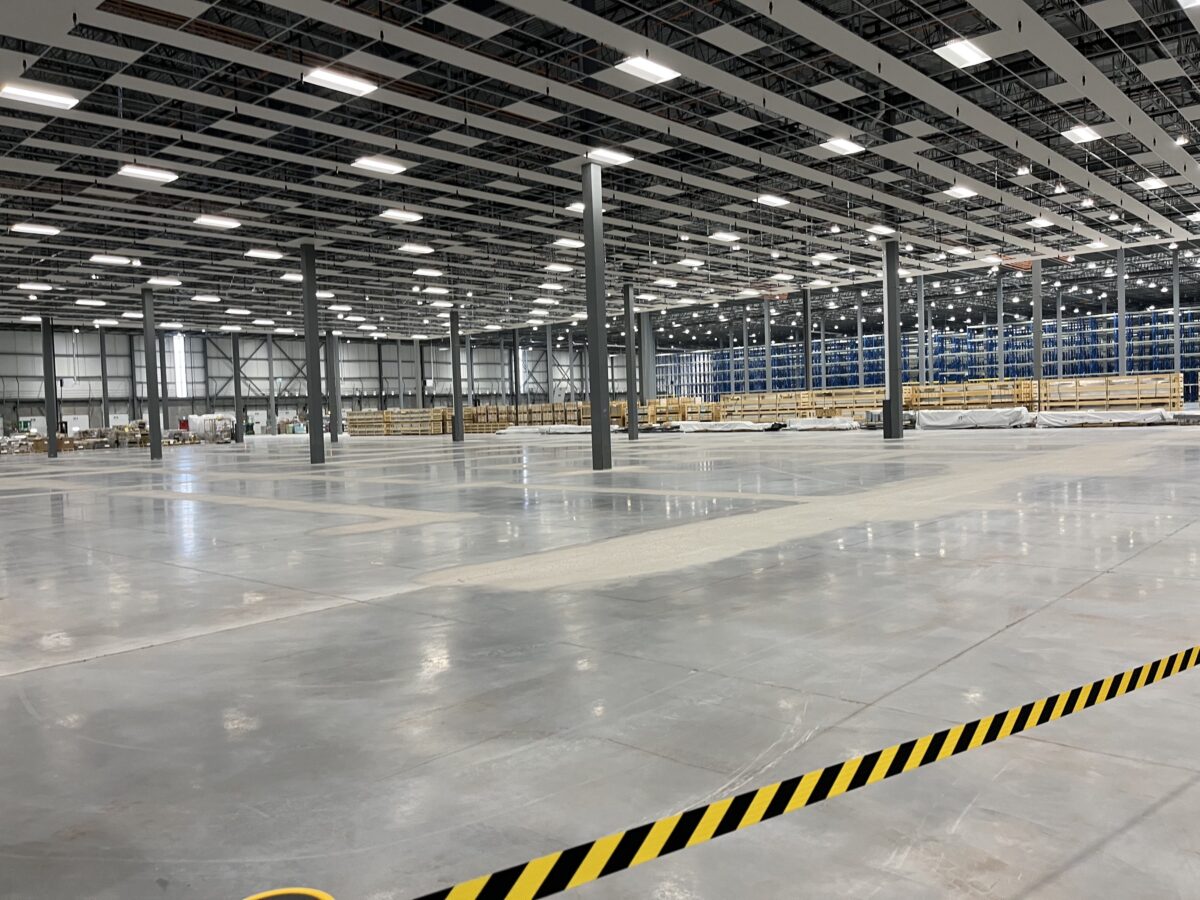
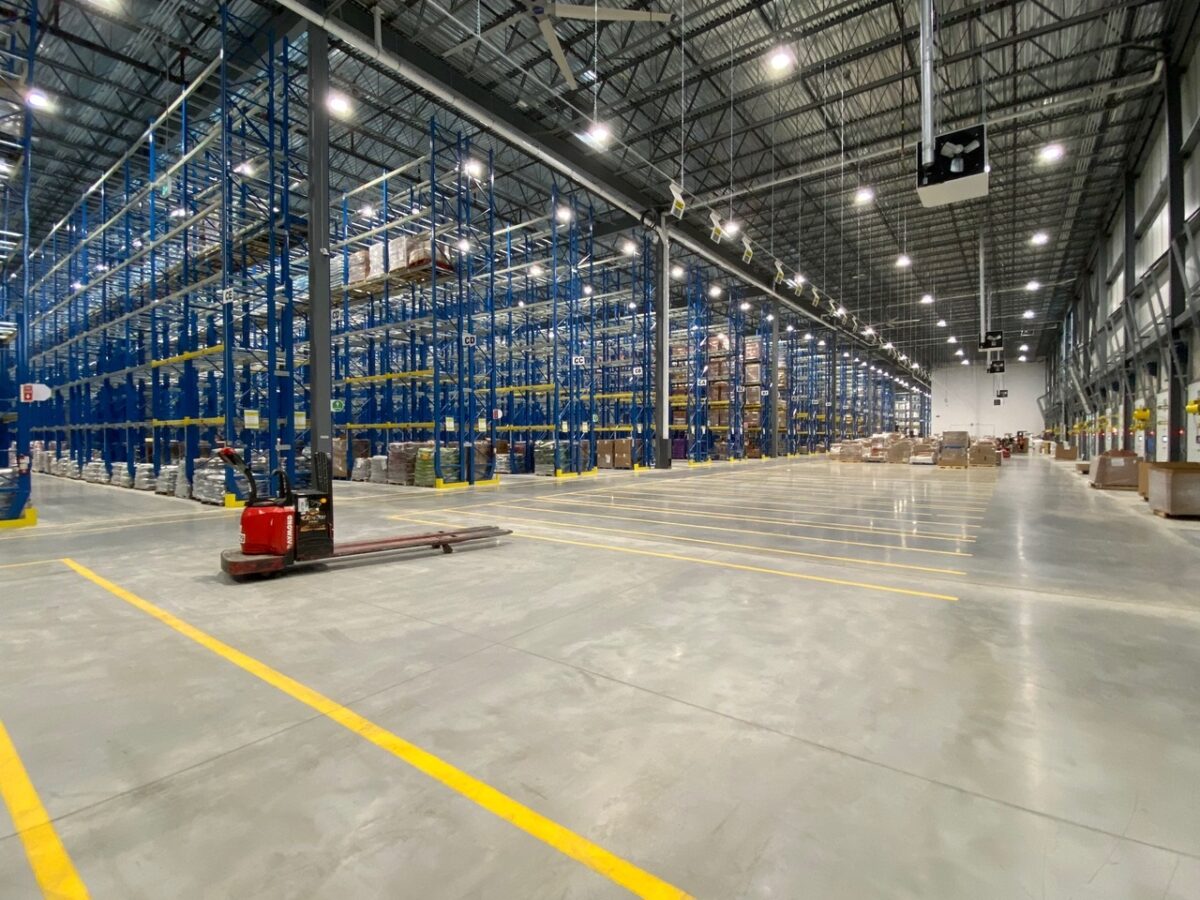
Pet Valu, a leading specialty retailer of pet food and pet-related supplies in Canada, has opened what it describes as the largest pet specialty distribution centre in Canada – a 670,000-square-foot state-of-the-art facility in Brampton, Ontario.
Richard Maltsbarger
Richard Maltsbarger, President and Chief Executive Officer of Pet Valu, said the centre represents a key milestone in the company’s nationwide $110-million supply chain transformation and the GTA DC will bring unprecedented scale and automation to Canada’s pet sector as the largest distribution centre and robotics automation installation dedicated to serving the pet specialty industry.
“Today marks a significant accomplishment for our teams, whose meticulous planning and tireless efforts have enabled Pet Valu to take a big step towards building Canada’s strongest pet specialty distribution network,” he said.
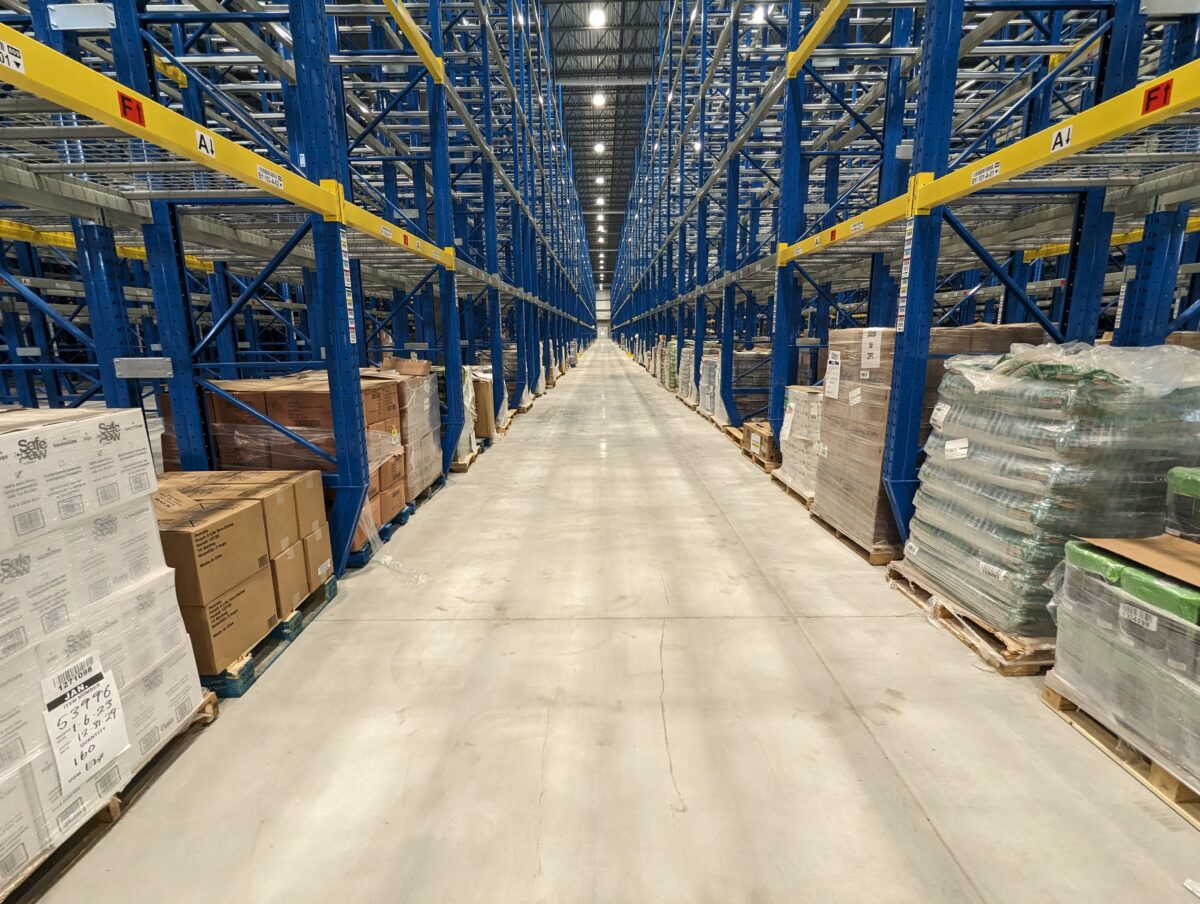
Pet Valu Brampton Distribution Centre (Image: Pet Valu)Pet Valu Brampton Distribution Centre (Image: Pet Valu)
“As the largest pet specialty facility in Canada, our GTA DC will benefit multiple aspects of our business through capacity to support future growth, efficiencies to accelerate speed to customers, tailored facilities to support employees, and job creation to support the communities we serve. We look forward to enhancing distribution services to our corporate and franchised stores in Central and Eastern Canada, including into our Chico banner in Quebec.
“As we grew significantly both through units and the overall growth in the pet population over the past three-plus years, we quickly exceeded the supply chain capacity that we had within our existing network. So, we had been bringing on board additional third-party managed storage over each of the past three years in order to keep up with the great growth that we’ve achieved. And we knew we needed to make the right types of investments to be able to keep up with this growth and continue to grow over the long term. During late 2021, early part of 2022 we undertook a remapping of our entire nationwide supply chain network and identified the opportunity to really build three core distribution centres. One in the Greater Toronto Area, one in Calgary and one in Vancouver to service our growing set of stores and franchisees across the nation.”
Pet Valu is Canada’s leading retailer of pet food and pet-related supplies with over 750 corporate-owned or franchised locations across the country.
Maltsbarger said the company started with the GTA first because it’s the largest serviced area, servicing all of Ontario, Quebec, New Brunswick, Prince Edward Island, Newfoundland and Nova Scotia.
“Secondly, we acquired our Chico chain in Quebec in February of 2022 and planned right away from the beginning that longer term we would become the wholesale distributor to our Chico franchisees, much as we are to our Pet Valu franchisees today because on the Pet Valu franchise part of the business we provide 90 per cent of the products to our Pet Valu franchisees. They are also a distribution network. Today, at Chico that’s less than 10 per cent,” he said.
“Opening up this new facility now gives us the opportunity to continue to serve our Pet Valu franchisee and corporate stores but now also over time expand our ability to service our new Chico franchisees.”
Pet Valu Brampton Distribution Centre (Image: Pet Valu)Pet Valu Brampton Distribution Centre (Image: Pet Valu)
The facility, which was built by Orlando Corporation, is about the size of 11 football fields, employing about 500 jobs. Highlights include a café, nursing room, prayer rooms, training room, driver’s lounge and open concept office space. The facility also employs advanced health and safety features, such as ergonomically-designed workstations and equipment.
Starting in the first half of 2024, Pet Valu plans to introduce automation capabilities into the GTA DC, with the installation of Canada’s largest goods-to-person robotics installation dedicated to pet specialty products. The design will have the capability to process orders same day, while improving pick productivity by more than 50 per cent and reducing the overall footprint compared to a traditional manual picking solution. The facility’s warehouse processes, systems and automation is expected to reduce costs per case and drive productivity improvements as well as provide improved product availability, faster order processing, and overall customer service levels for stores and ecommerce customers.
Nico Weidel
“Our GTA DC establishes a new benchmark for pet specialty distribution capabilities in Canada. In addition to providing a modern supply chain network that can supply our stores with flexible, reliable and accurate service, and world-class on-shelf availability in store and online, the facility supports the individual needs of our diverse workforce,” said Nico Weidel, Chief Supply Chain Officer at Pet Valu.
Pet Valu said it expects the GTA DC to be fully operational by the first half of 2024, following a phased transition period. The facility is commencing receipt and shipment of bulk items such as dry pet food and litter. Once installation and setup of automation equipment is complete in early 2024, receipt and shipment of piece-pick items such as toys and collars will transition over to the GTA DC. It said it will scale down use of its legacy distribution facilities and third-party storage space in the Greater Toronto Area throughout these phases.
Pet Valu Brampton Distribution Centre (Image: Pet Valu)Pet Valu Brampton Distribution Centre (Image: Pet Valu)
Pet Valu said it plans to invest $110 million over four years to modernize its distribution networks in the Greater Toronto Area, Vancouver and Calgary.
Progress has already begun in Vancouver, where Pet Valu has signed a lease for a new, near-complete facility, targeting start-up in mid-2024.
Maltsbarger said Pet Valu continues to see really strong fundamentals helping to support the long term growth in the pet industry.
“For 30-plus years now, we’ve continued to see growth in the pet population alongside overall Canadian population growth,” he said. “So as the Canadian population grows, we continue to see a similar percentage usually in the 65 per cent (range) of Canadian household levels generally own pets and that’ll continue to be at or slightly higher than that over the long-term.
“We’ve also continued to see the long term trend of premiumization and humanization. As we continue to see our devoted pet lovers make their pets even more a part of their life, we see them buying better ingredient foods, often human grade quality food. We see them upgrading the beds and the crates and the toys that they purchase for their pets. And just overall really beginning to see the pet even more and more as part of the family. All of that helps to contribute to what’s been a long-run, 30-plus year growth streak within the pet industry and we continue to see that in place for the long term.”
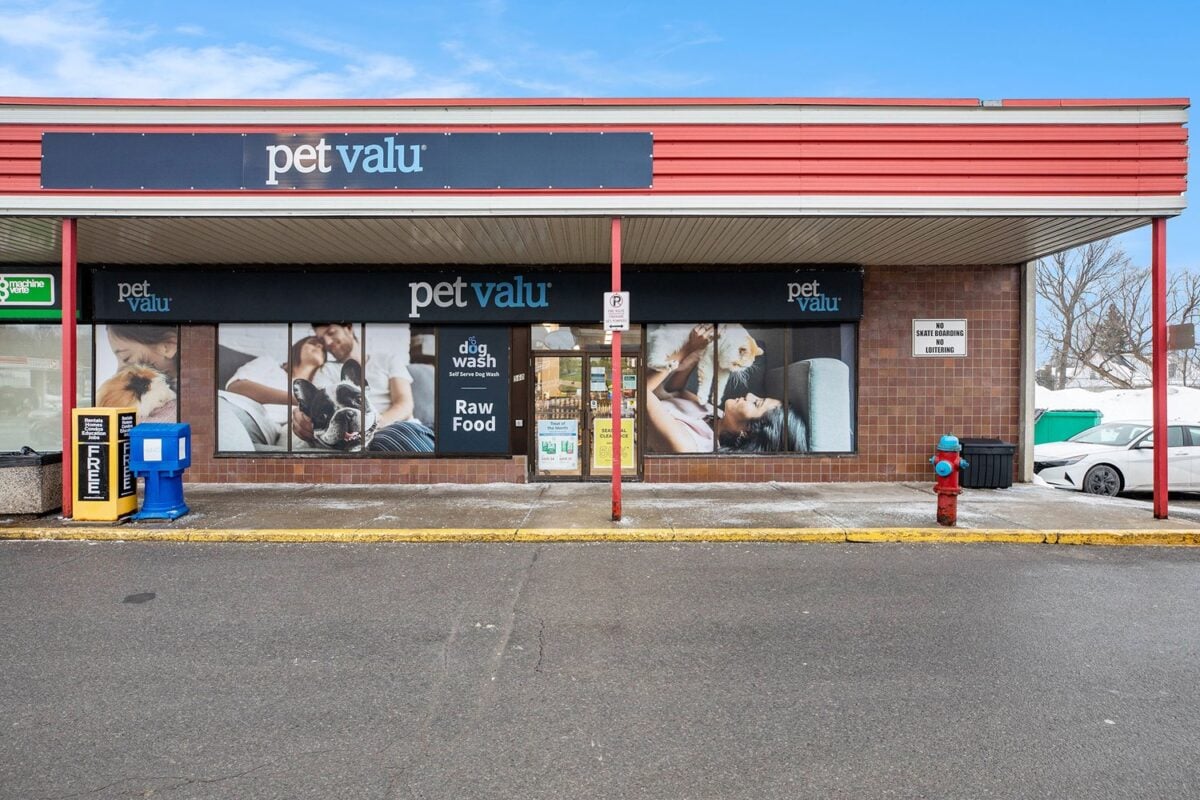
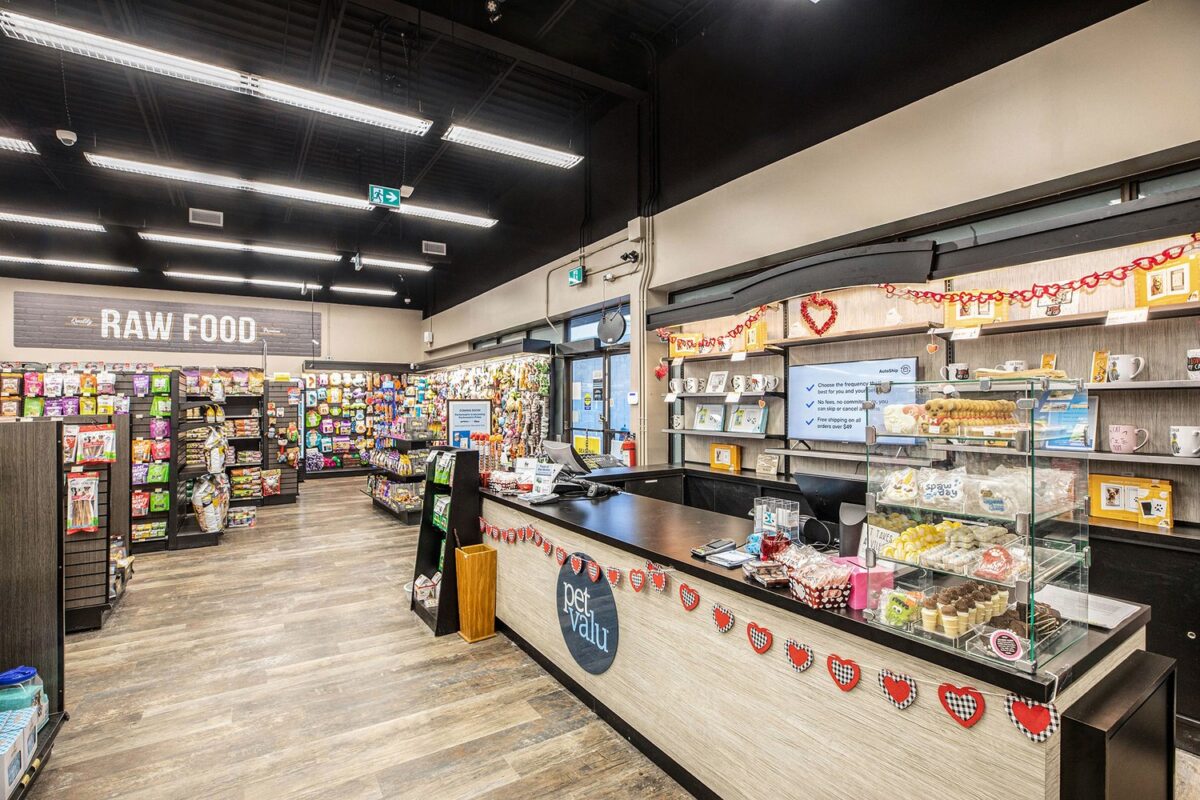
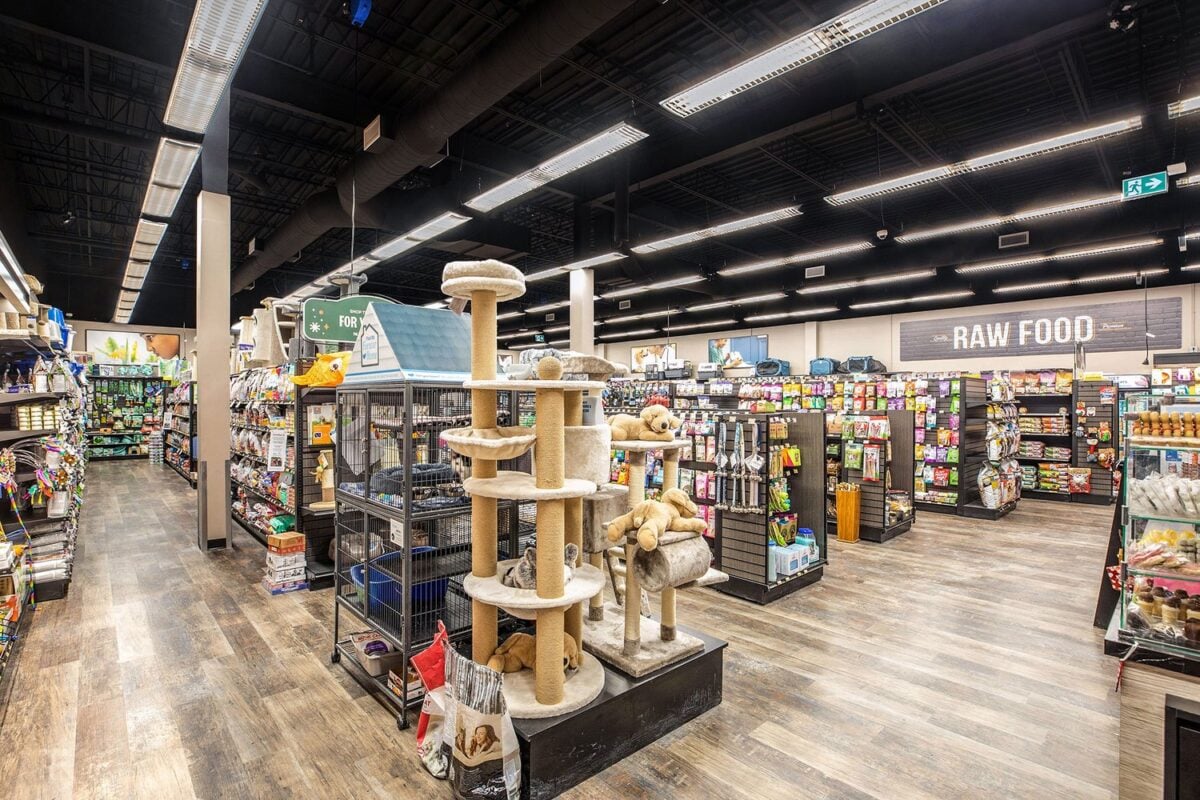
Pet Valu Ottawa (Image: Fox Contracting)Pet Valu Ottawa (Image: Fox Contracting)Pet Valu Ottawa (Image: Fox Contracting)
He said the long-term opportunity is for more than 1,200 locations in the country – that’s an additional 500 stores over the next 10 to 15 years. The company targets between 40 and 50 new store openings per year.
“In total we do about 100 real estate projects per year. About 40 to 50 are focused on new stores and about another 50 to 60 are focused on renovations, expansions or otherwise going in and doing significant touch up and maintenance to our existing stores to make sure that our entire network stays fresh.”
In early August, the company reported its second quarter financial results, indicating system-wide sales of $343.9 million, which was an increase of 10.1 per cent versus the prior year. Same-store sales growth was 6.0 per cent, with both basket and traffic growth contributing. Revenue was $256.4 million, up 12.6 per cent versus last year. Adjusted EBITDA was $53.8 million, up 3.9 per cent versus the prior year, representing 21.0 per cent of revenue. Operating income was $40.2 million, up 2.3% versus the prior year. Net income was $24.1 million, down from $25.3 million in the prior year. Adjusted Net Income was $26.3 million or $0.36 per diluted share, compared to $27.9 million or $0.39 per diluted share, respectively, in the prior year.
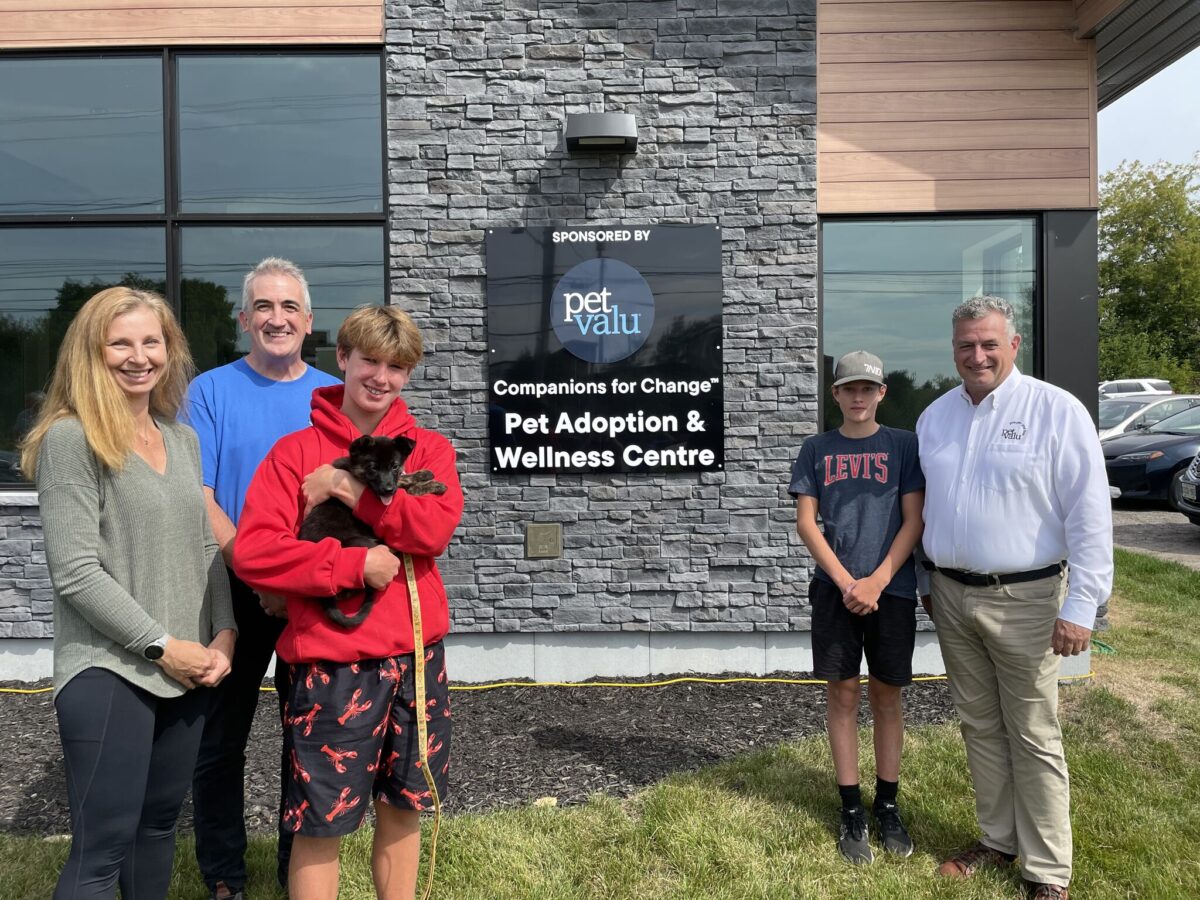
Pet Valu Companions for Change Adoption & Wellness Center (Image: Pet Valu)SPCA Mobile Animal Wellness Services unit (Image: Pet Valu)
In the quarter, the company opened seven new stores and ended the quarter with 758 stores across the network.
The company said it expects 2023 revenue between $1.05 and $1.075 billion, driven by same-store sales growth between seven per cent and 10 per cent and 40-50 new store openings.