Retail Insider is streamlining its Canadian retail news from around the web to include a handful of top news stories that can be viewed quickly during the day. Here are the top stories from the past 3 days.
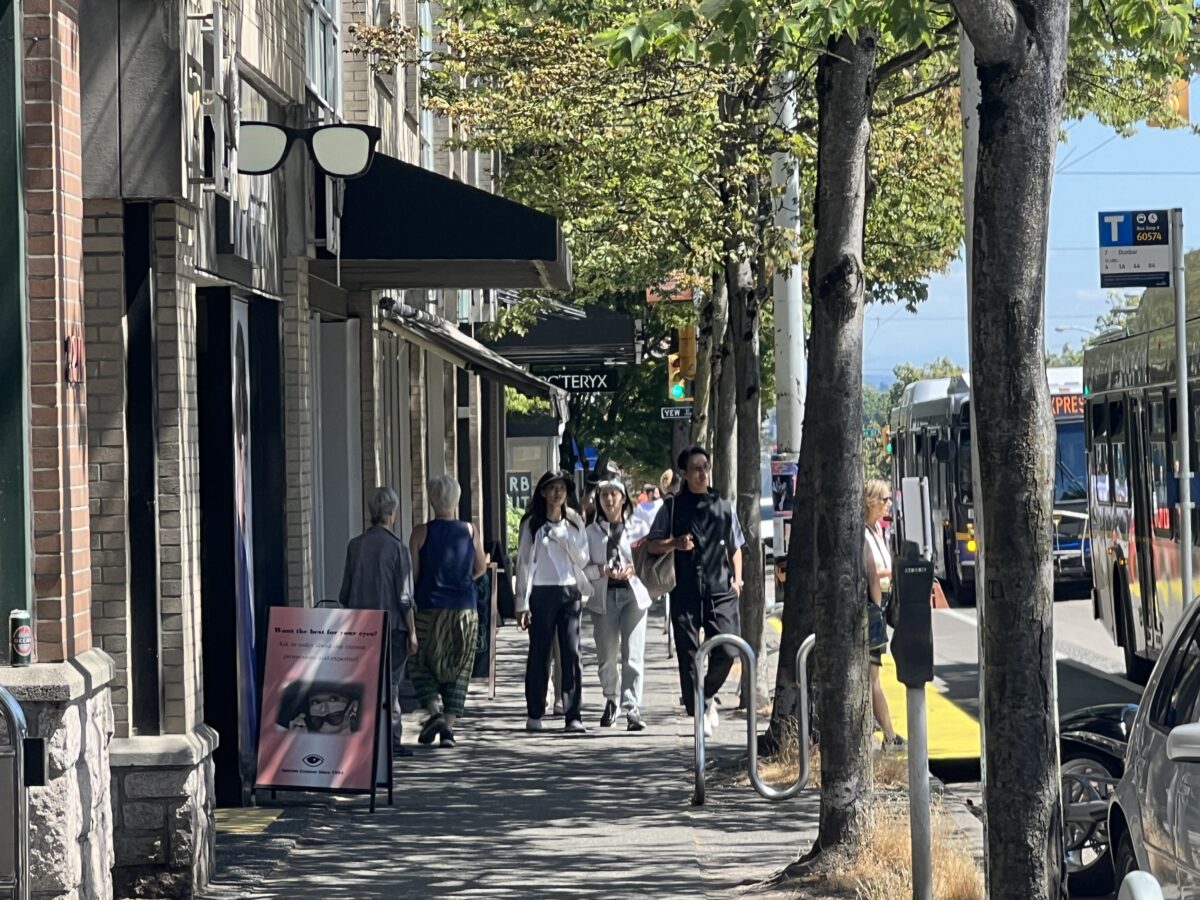
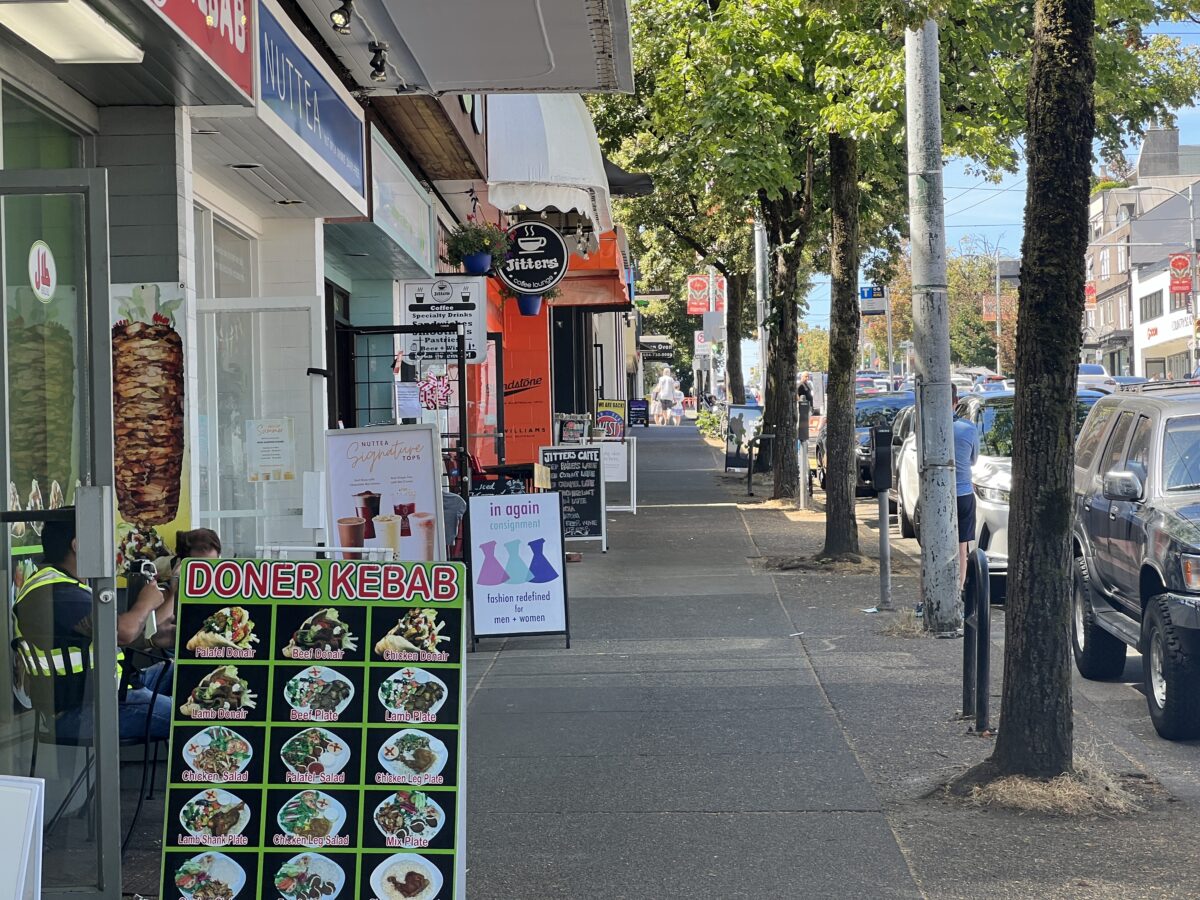
West 4th in Vancouver, BC in July 2023. Photo: Lee Rivett.
Vancouver always made for a sensible choice for Monos to launch its first bricks and mortar store. The city is where the upscale travel and lifestyle brand got its start as an ecommerce retailer.
Monos launched its online store in 2019, offering premium suitcases, bags, and accessories. After a successful test pop-up in Toronto late in 2022, Monos recently opened the first permanent location on West 4th Ave in Vancouver’s Kitsilano neighbourhood.
Choosing West 4th for its first shop shouldn’t come as a surprise, says the company, as well as other local retail experts and stakeholders who suggest West 4th is emerging not only as one of Vancouver’s top retail districts, but also one of the most successful, unique shopping streets in all of the country.
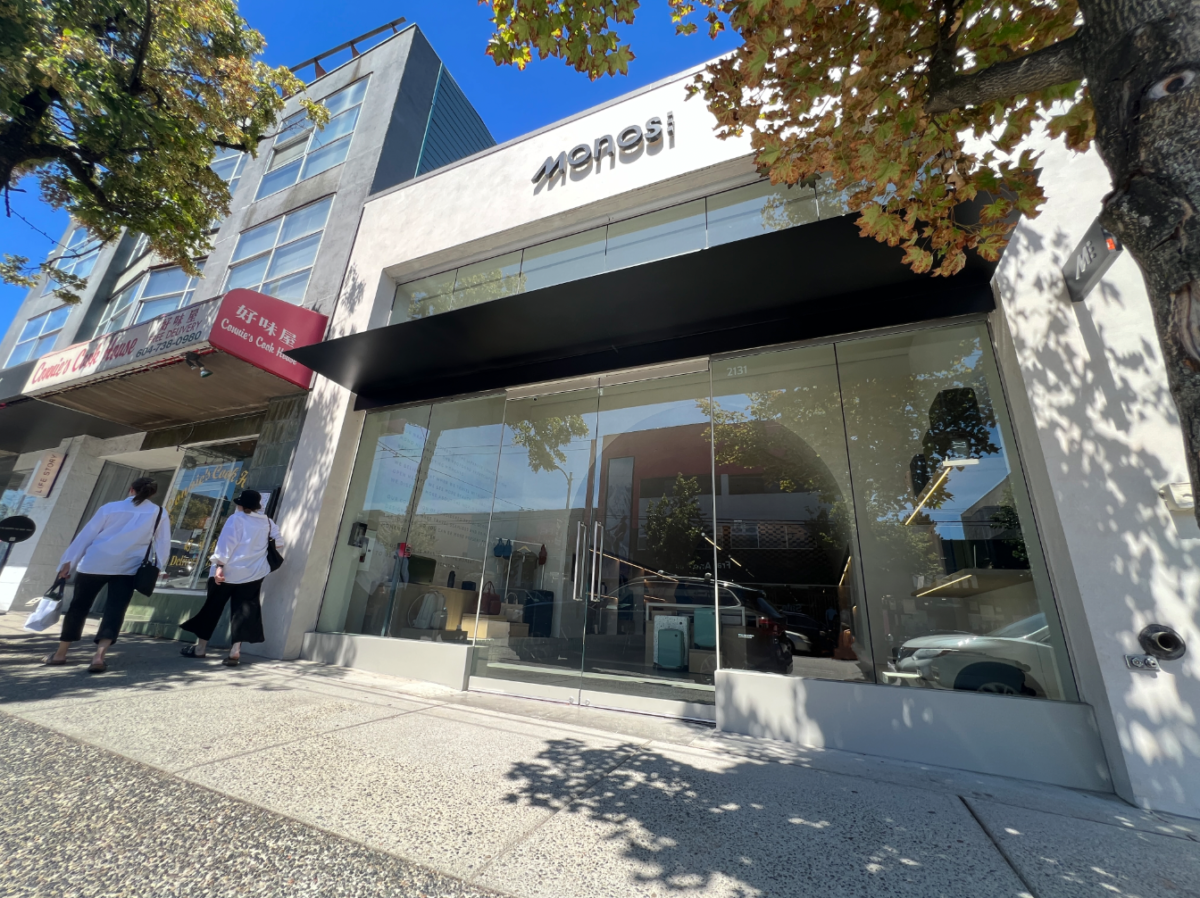
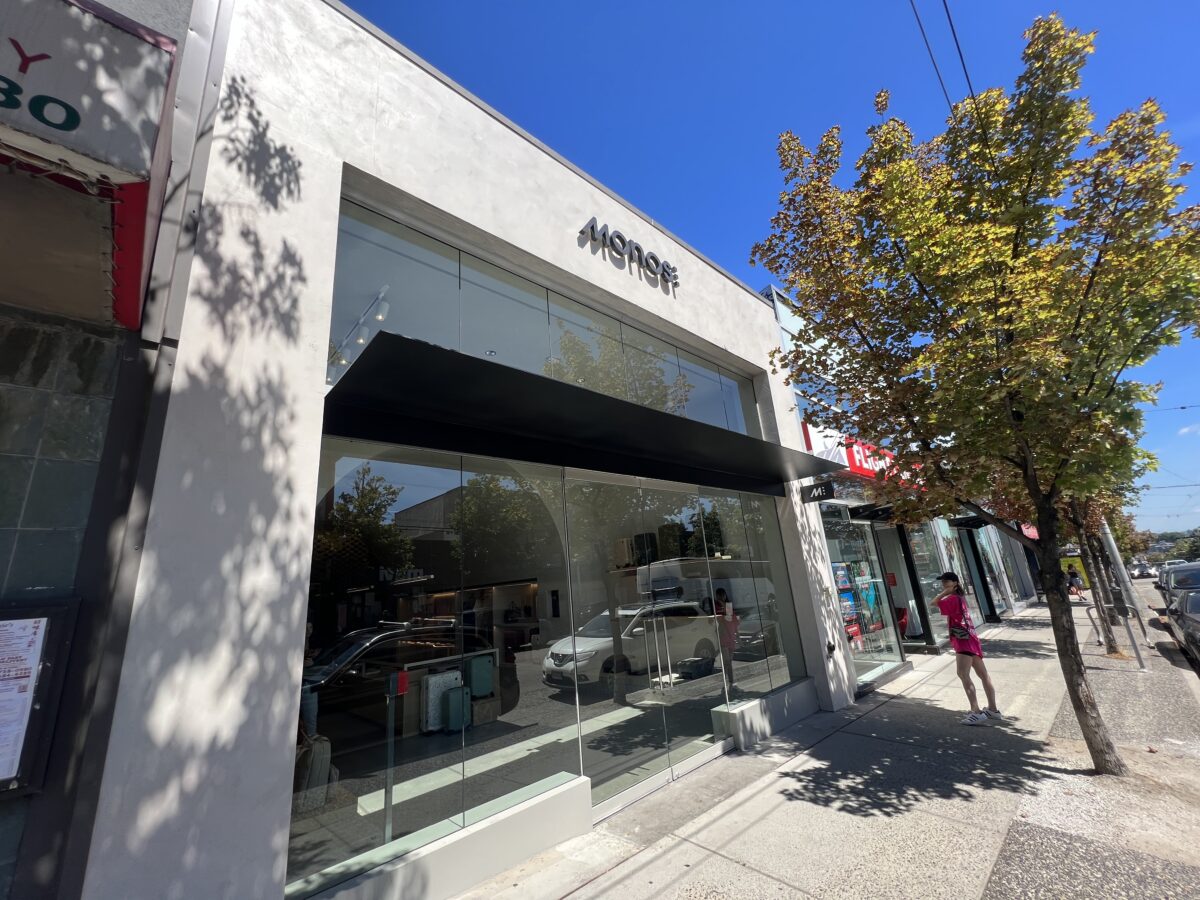
Monos on West 4th in Vancouver, BC in July 2023. Photo: Lee Rivett.Monos on West 4th in Vancouver, BC in July 2023. Photo: Lee Rivett.
“Vancouver has a special place in our hearts,” said Hubert Chan, Monos co-founder and chief creative officer. The company was born here and so was he, Chan told Retail Insider in an interview.
Hubert Chan – Monos co-founder and chief creative officer.
“Vancouver’s retail scene is really thriving (and) West 4th has sort of emerged as a premier shopping destination not just in the city, but you know, in the country. We’re just really proud to be a part of that.”
The new shop opened July 7 at 2131 West 4th. It’s a 1,900-square-foot space the company says is “intentionally designed to transport guests through a customer journey using key design aspects”.
Through the floor-to-ceiling glass exterior, guests will see a grand archway, leading them to a space to explore Monos’ colour collection, core pieces and travel accessories. The brand planning to open additional stores outside of B.C. within the next several years.
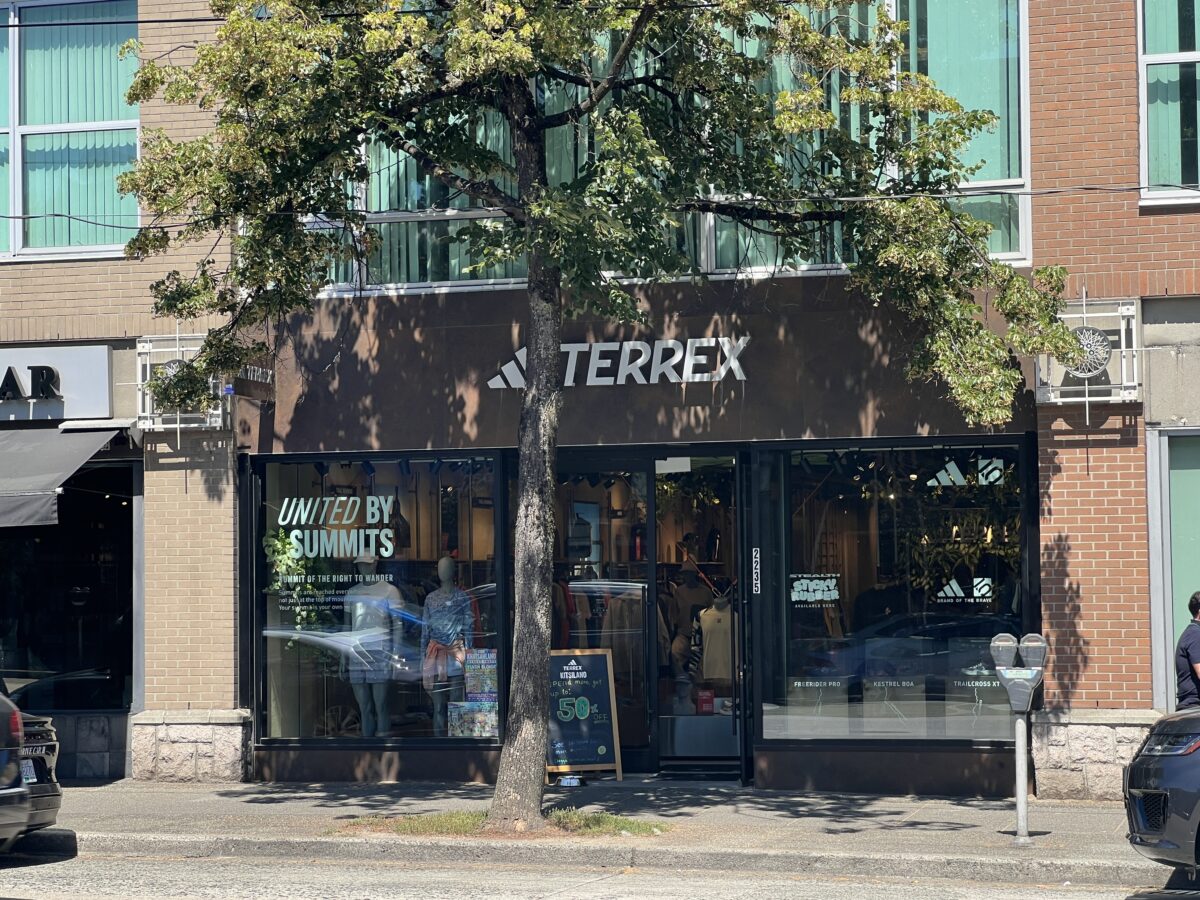
Adidas Terrex on West 4th in Vancouver, BC in July 2023. Photo: Lee Rivett.
Monos is not the only exciting new retailer to choose West 4th to launch a store, said Martin Moriarty, senior vice-president investments, with Marcus & Millichap in Vancouver.
Martin Moriarty
“We did the Adidas Terrex deal, “Moriarty told Retail Insider, referring to the hiking and trail running and outdoor apparel spinoff brand of the German sports giant. “This was their first (store) in North America. They hand selected West 4th…as their first market to go into in North America. That’s pretty incredible.”
Moriarty said Vancouver’s top shopping experience has long been associated with Robson Street in the downtown core. Indeed, Cushman and Wakefield listed Robson as the 14th most expensive place to lease retail space in the Americas in the firm’s 2022 Main Streets Across the World report.
But times, clientele and shopping patterns are changing and West 4th has emerged as one of the most attractive districts for land owners, brands and customers, Moriarty said. “Part of the success of it is the fact that it has a little of everything… We could spend the whole day there.”
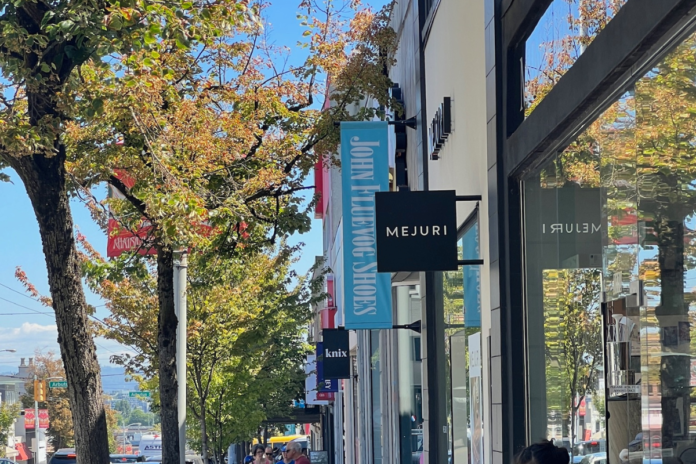
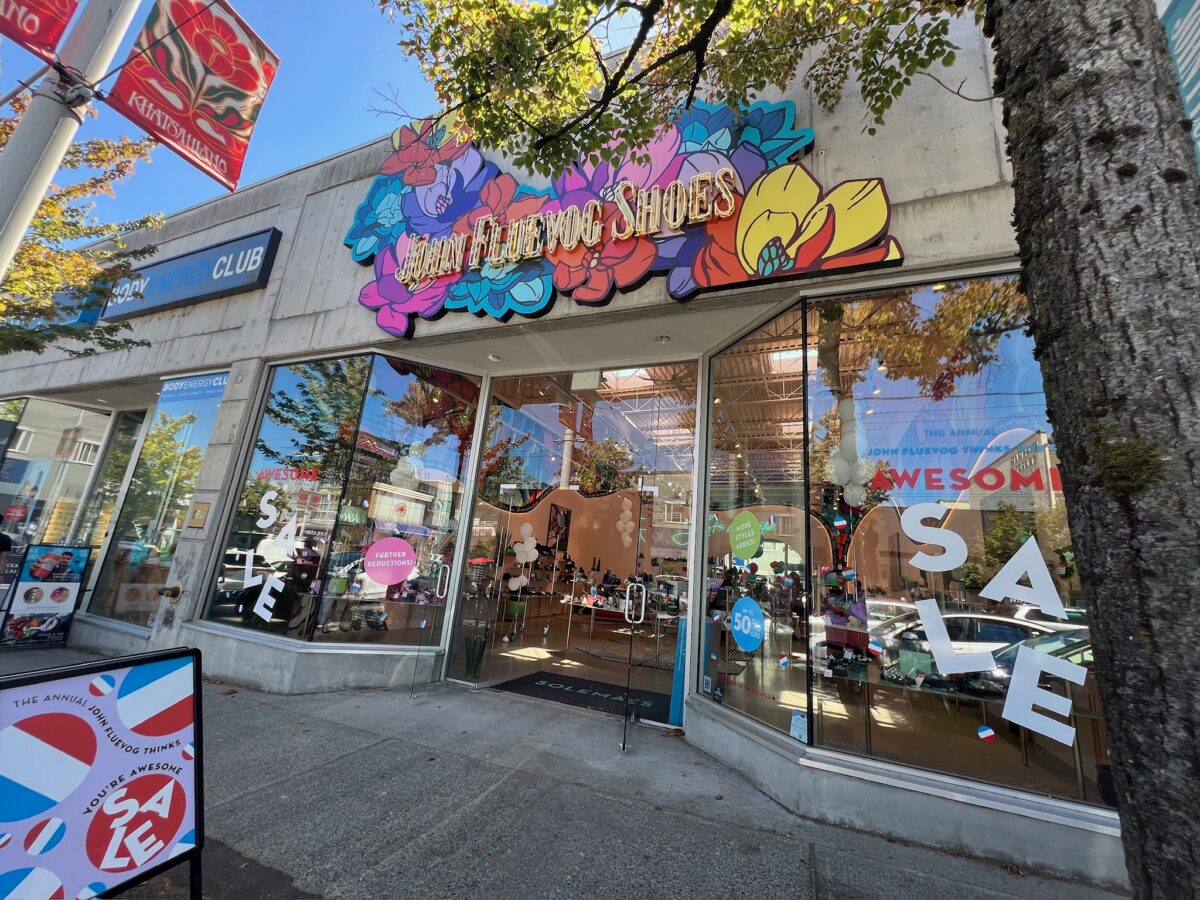
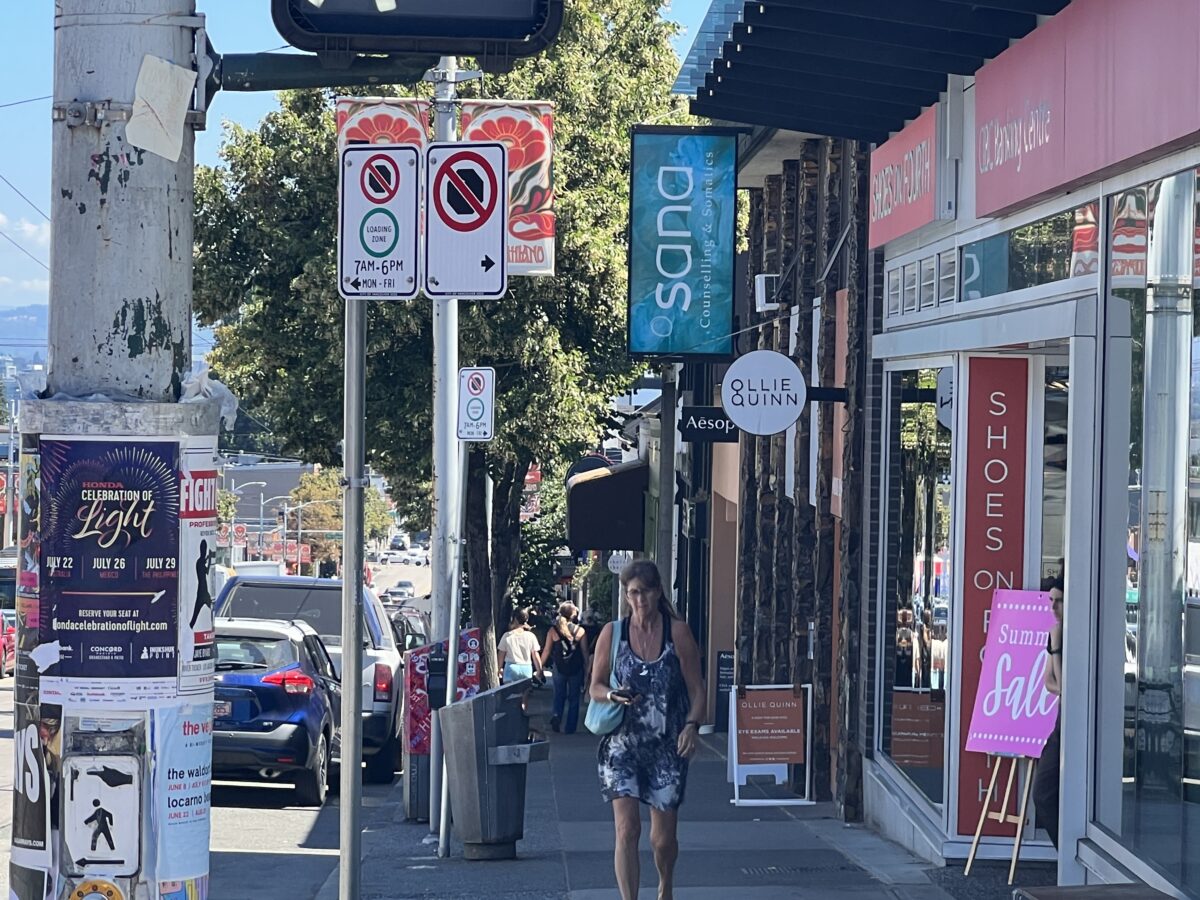
West 4th in Vancouver, BC in July 2023. Photo: Lee Rivett.John Fluevog Shoes on West 4th in Vancouver, BC in July 2023. Photo: Lee Rivett.
Compact district with a little of everything, near the beach
A compact shopping district of roughly four-six blocks, and just a short walk to Kits beach, West 4th has a convenient blend of coffee shops, restaurants, salons, fitness and wellness businesses, mixed with local, national and international fashion and athletic apparel retailers that makes it one of a kind in the country, Moriarty said.
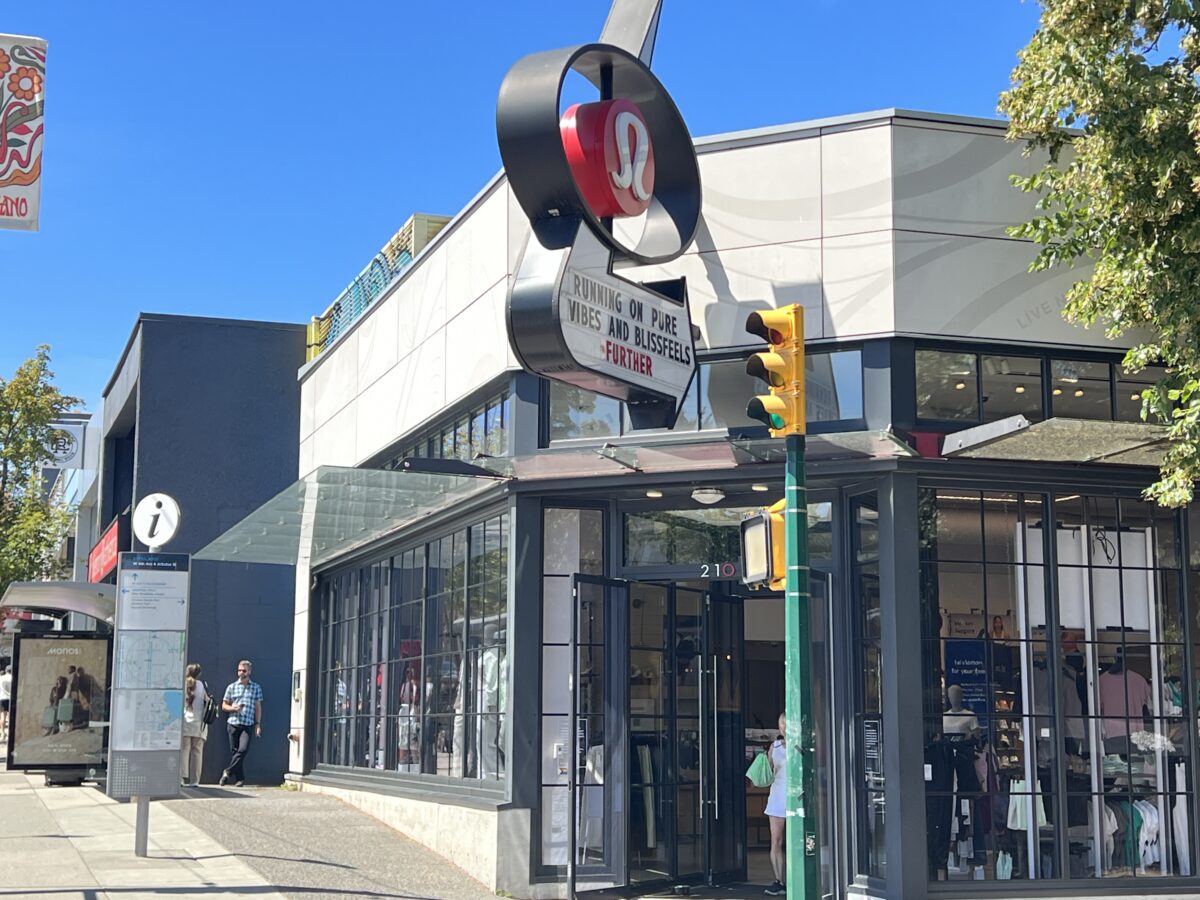
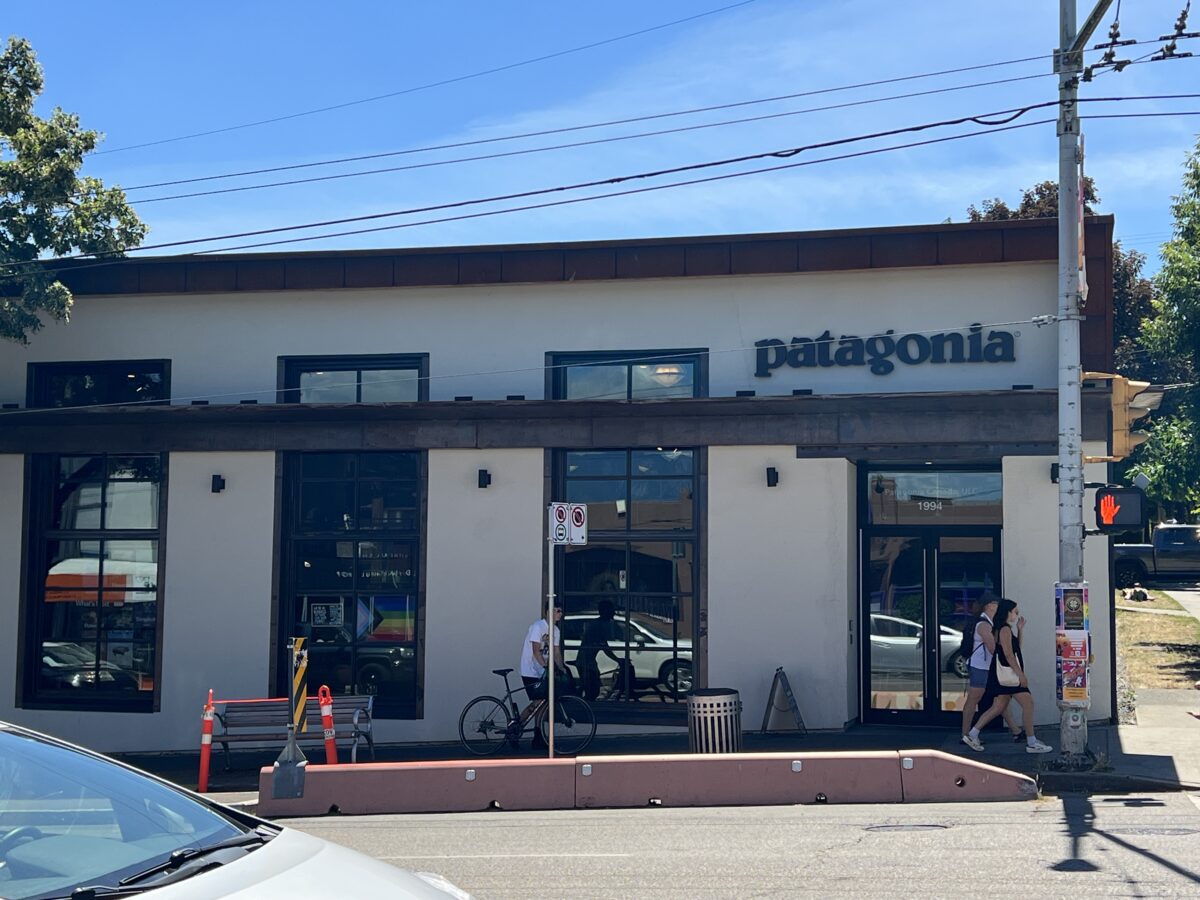
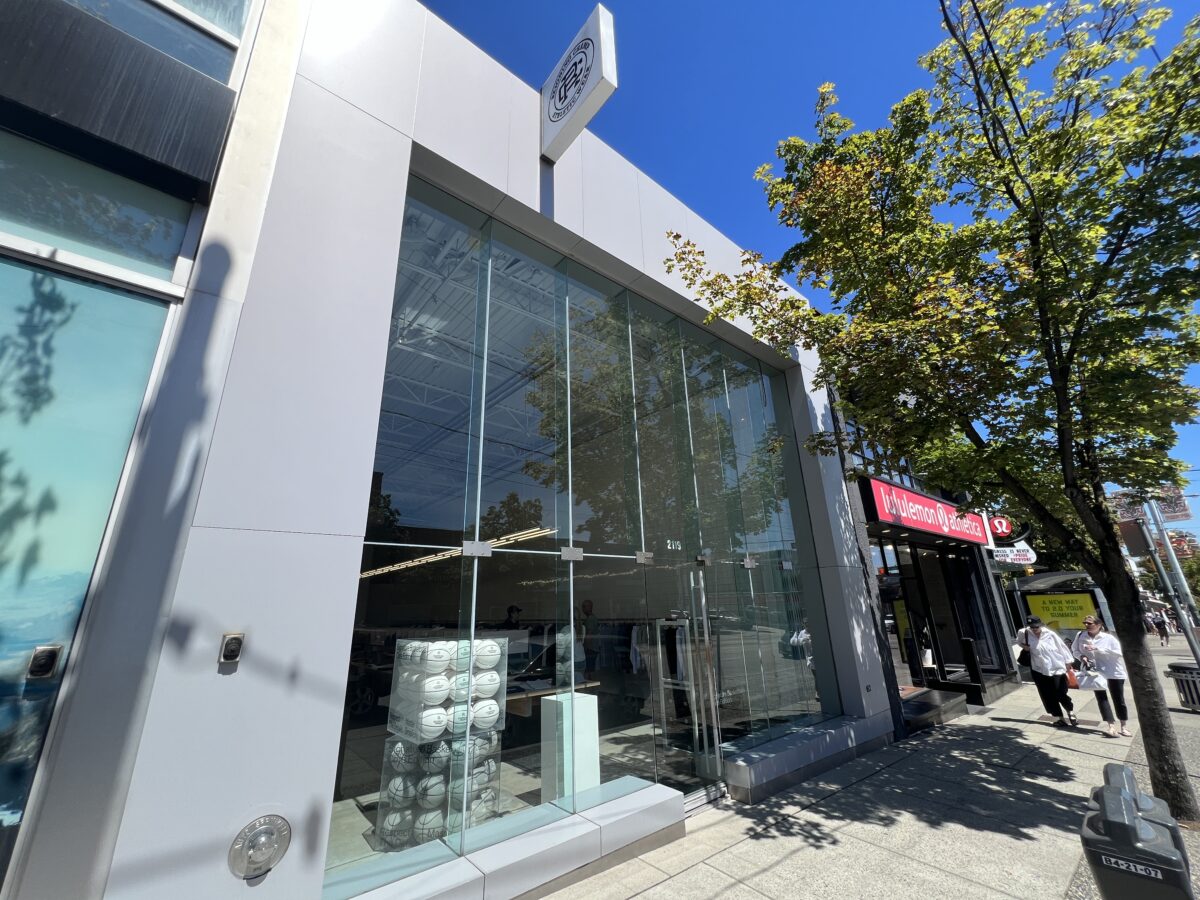
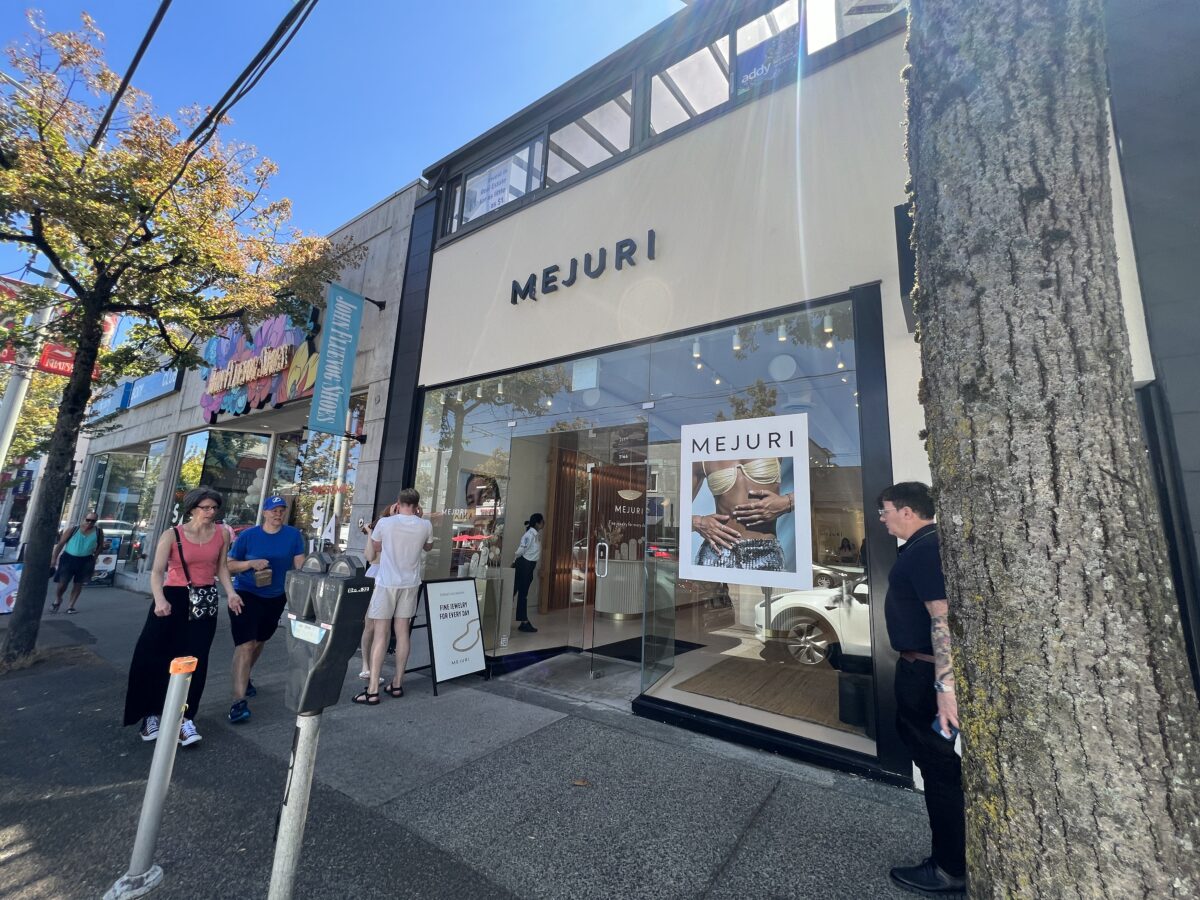
It’s bright, pedestrian-friendly and pleasant. Among Monos’ high-profile neighbours are Lululemon, Patagonia, Reigning Champ and Mejuri.
Moriarty said shoppers should expect more announcements soon by other new or leading retailers setting up shop in the neighbourhood, although he declined to get specific due to private negotiations.
Lululemon on West 4th in Vancouver, BC in July 2023. Photo: Lee Rivett.Patagonia on West 4th in Vancouver, BC in July 2023. Photo: Lee Rivett.Reigning Champ on West 4th in Vancouver, BC in July 2023. Photo: Lee Rivett.Mejuri on West 4th in Vancouver, BC in July 2023. Photo: Lee Rivett.
“We are seeing tenants that blow my mind a little bit, reach out to us and say, ‘we want to be in Vancouver’, and ‘we want to be on West 4th’,” Moriarty said. “Historically, it was always ‘we want to be downtown’.”
There’s room for both shopping districts, but many of the ‘digital native’ retailers seeking a younger demographic are preoccupied with West 4th.
Chan from Monos is also noticing a “shift in power” from Robson St. and the downtown upscale market to West 4th. “It’s really become the place to be… not just as an established brand, but for new and emerging brands as well,” he said. The street has become “perhaps the most iconic and quintessential Vancouver neighborhood” mixing affluent older shoppers with young spenders that flock to the beaches, bars and restaurants in the area.
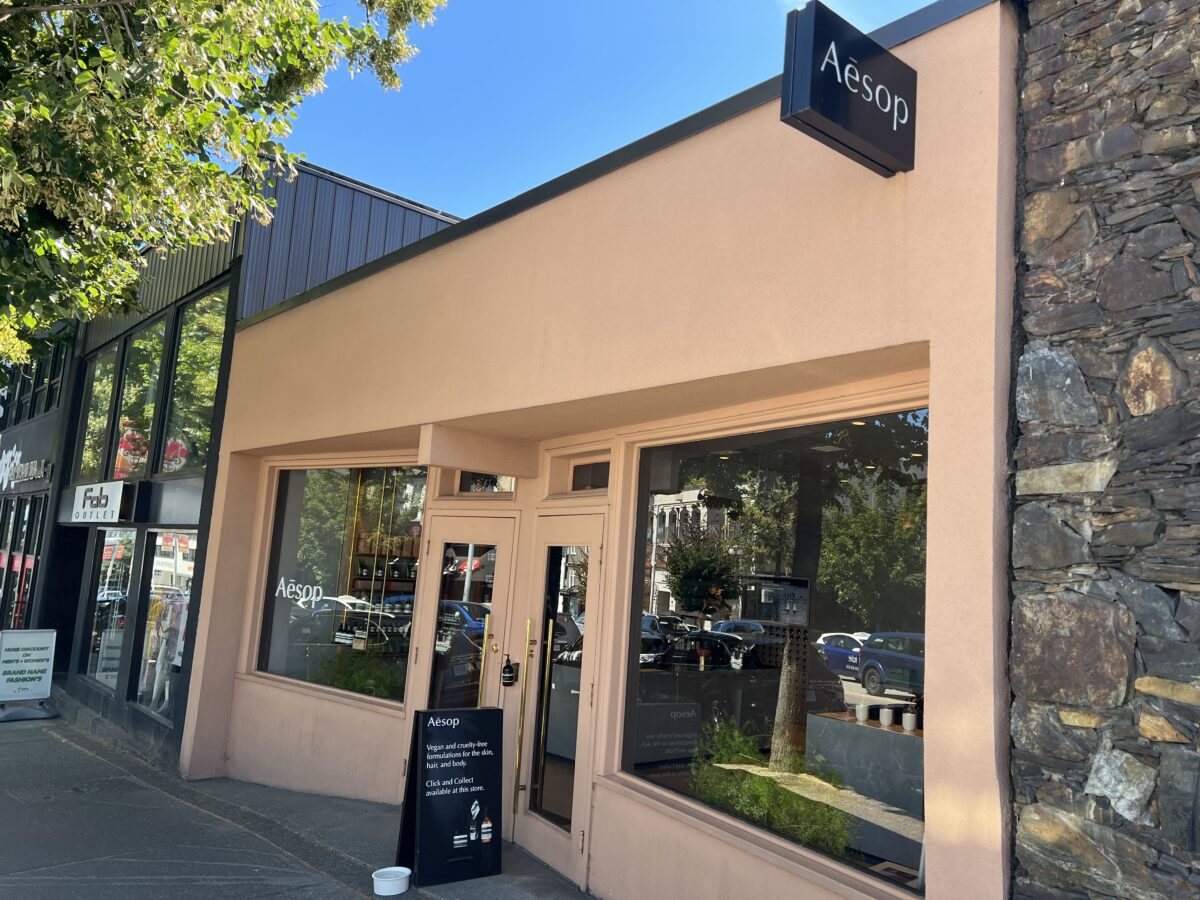
Chan adds Aesop and Allbirds to the list of neighbours that are helping to create a critical mass in the area. Having “hometown hero” Lululemon also helps, he added.
Aesop on West 4th in Vancouver, BC in July 2023. Photo: Lee Rivett.Allbirds on West 4th in Vancouver, BC in July 2023. Photo: Lee Rivett.
Arc’teryx has deep roots on West 4th
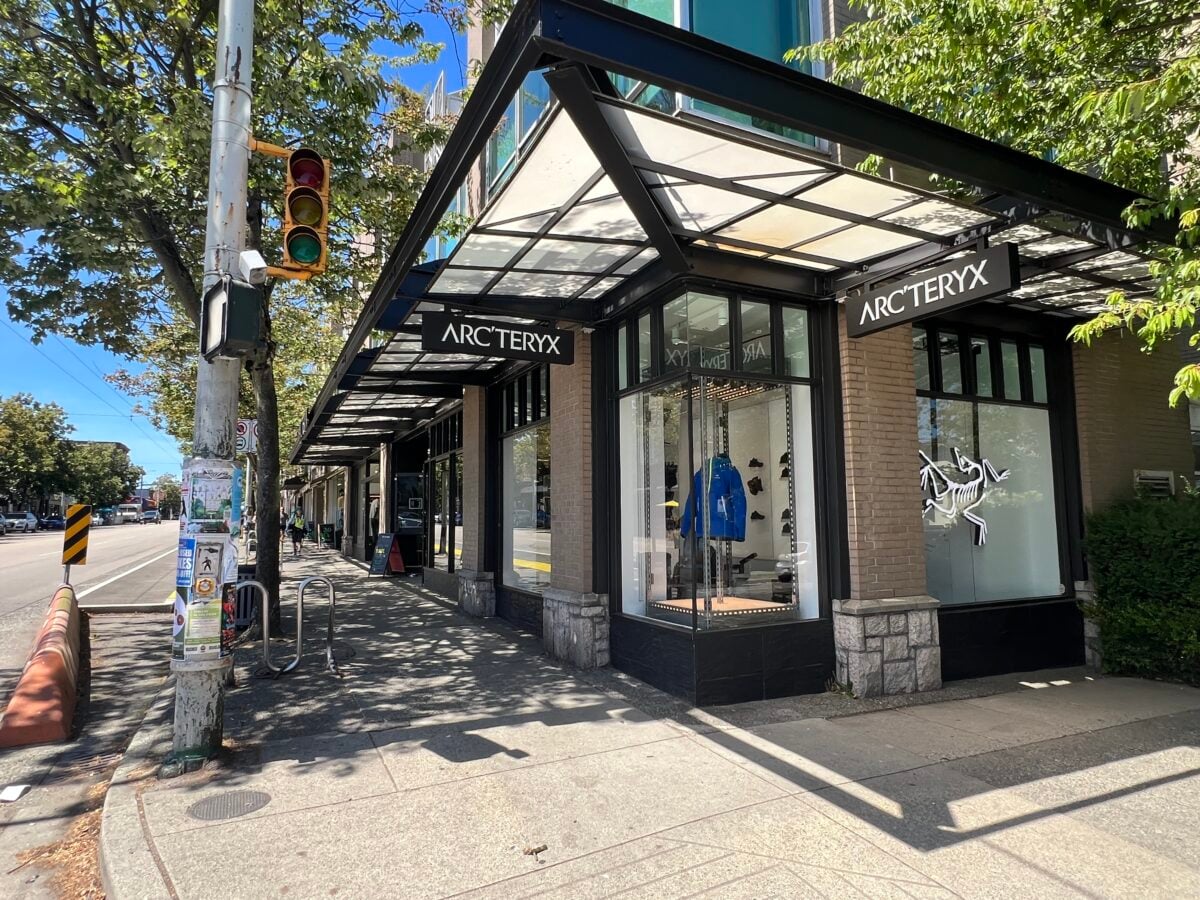
Another hometown hero that has long had a presence of West 4th is outdoor gear and apparel maker Arc-teryx, which opened its first Kitsilano retail store on West 4th in 2013. It relocated to a 4,500-square-foot new location on the same street last November.
Delaney Schweitzer. Photo: LinkedIn
“West 4th is an iconic retail location for Vancouver, with an amazing community presence,” said Delaney Schweitzer, chief commercial officer with Arc-teryx. “Arc’teryx is deeply rooted in the B.C. Coast Mountains, with our headquarters located just over the water in North Vancouver, and we’ve always had a strong connection with Kitsilano’s outdoor community.”
Arc’teryx’s Kitsilano store was their third brand store in all of North America. “When we outgrew our original Kitsilano store, we couldn’t imagine a better location to open our very first pinnacle store than West 4th: our original Vancouver home.”
There’s something unique about the mix of West 4th retailers and shoppers, Schweitzer said. “The local community is welcoming, passionate about the outdoors and loyal to the brands they love. The area itself is incredibly walkable, with a wide array of retail locations interspersed with great restaurants, coffee shops and fitness studios, so we see a lot of foot traffic in our store. From our West 4th location, you’re just a few blocks from the beach and a great view of the North Shore mountains, so it’s the perfect location to plan your next adventure in the great outdoors.”
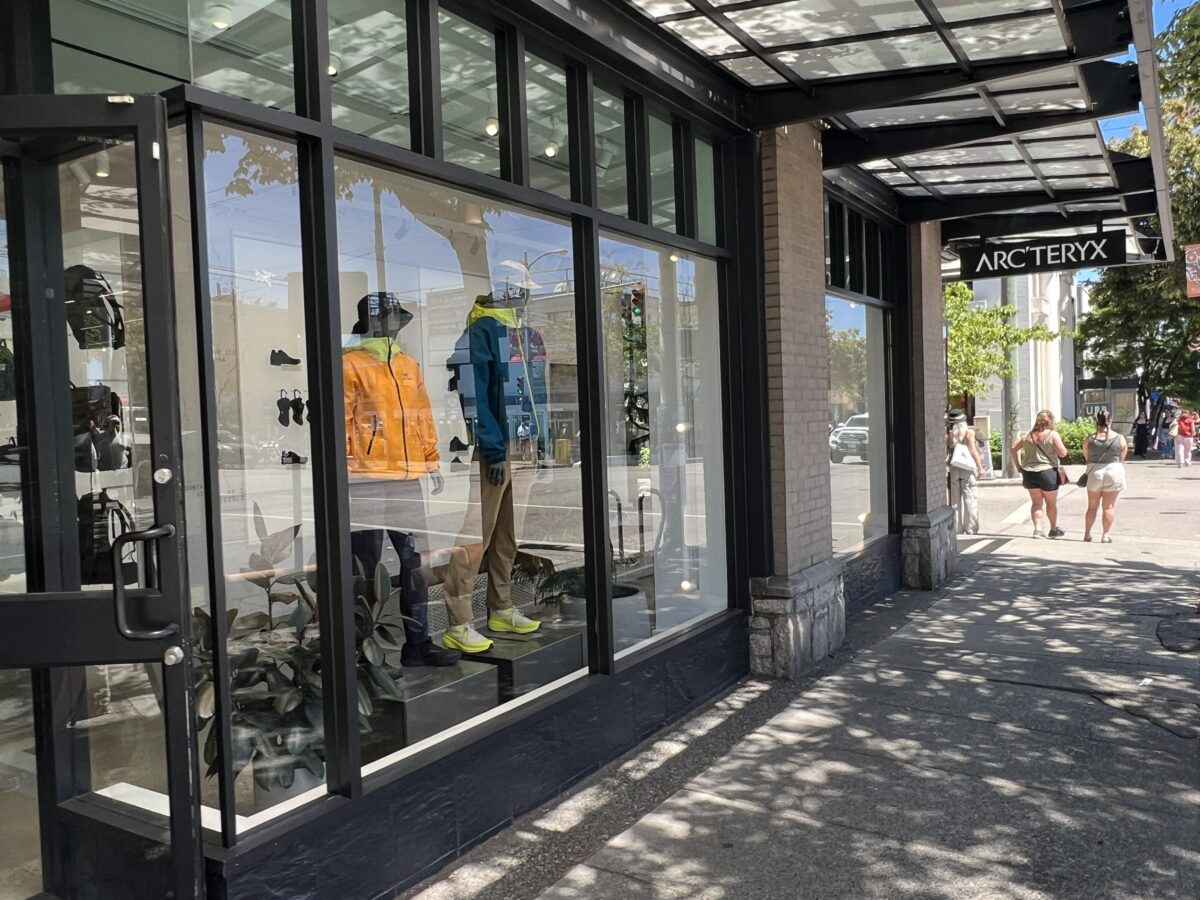
Arc’Teryx on West 4th in Vancouver, BC in July 2023. Photo: Lee Rivett.Arc’Teryx on West 4th in Vancouver, BC in July 2023. Photo: Lee Rivett.
More demand means higher lease rates
More attention and more business means landlords are receiving a premium from their retail tenants in the area. Moriarty estimates rents are up 50%-60% over the past five years and 10%-15% in just the last 12 months in the length of West 4th from roughly Balsam to Burrard.
“I don’t personally see a stop to that (demand),” he said. “We have spaces where we don’t even put up a sign and we already have three or four offers, which is testament to the marketplace.”
Current net lease rates for the 2200 block of the street are $120-$135 per square foot, according to Moriarty. While expensive locally, West 4th still remains attractive when compared to similar international locations.
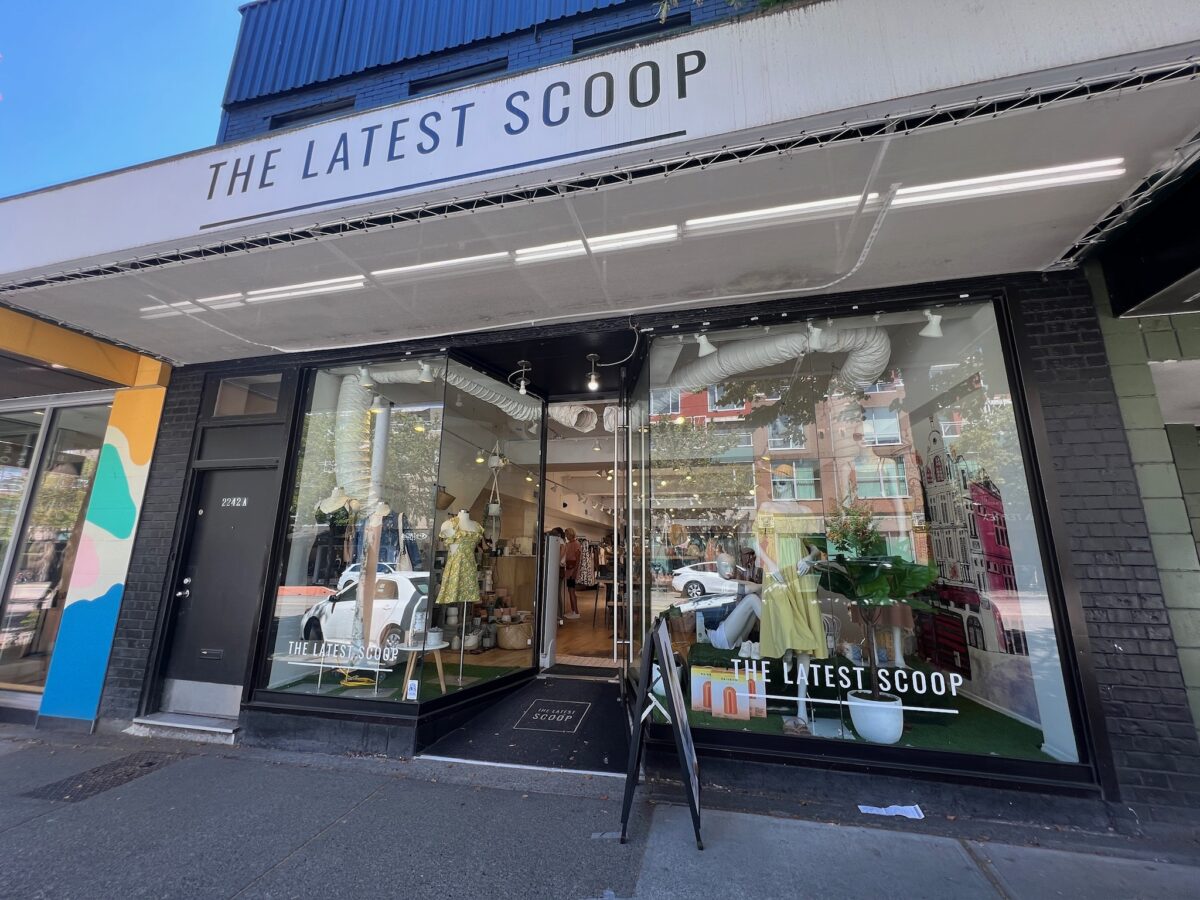
West 4th in Vancouver, BC in July 2023. Photo: Lee Rivett.The Latest Scoop on West 4th in Vancouver, BC in July 2023. Photo: Lee Rivett.
Long-term development projects spell growth for the area
Meanwhile, work continues on the Broadway Subway — an expansion of Vancouver’s SkyTrain network that will include a terminus stop at Arbutus and Broadway, just a short walk from the core of West 4th. That will make it easier for visitors and shoppers from around the region to access the neighbourhood when the line opens in 2026.
Moriarty also pointed out that a couple of massive mixed-use residential projects are also in the planning stages in the area that will eventually boost the local shopping population including at the First Nations-led Jericho Lands, where MST Development Corporation has a plan to build 13,000 homes on a 36-hectare master-plan site near the western end of West 4th.
Near the southern end of the Burrard Street bridge on False Creek, Squamish Nation is developing Sen̓áḵw, an 11-tower project built on Nation land. Work is already underway with the development expected to bring 6,000 new rental homes and 1,200 affordable homes to the area by 2027 — all within walking distance of West 4th.
The short-term prospects for West 4th are already incredible and the long-term prospects are also bright, Moriarty said. “Demand isn’t going anywhere. I think it’s going to get stronger and stronger.”
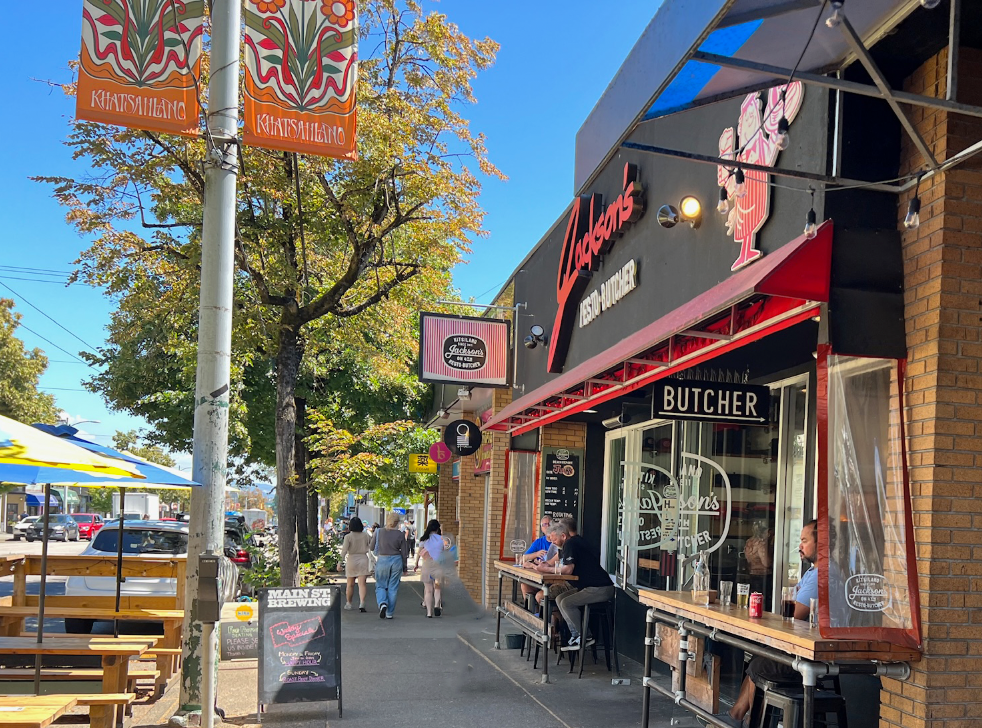
West 4th in Vancouver, BC in July 2023. Photo: Lee Rivett.West 4th in Vancouver, BC in July 2023. Photo: Lee Rivett.
Kit and Ace
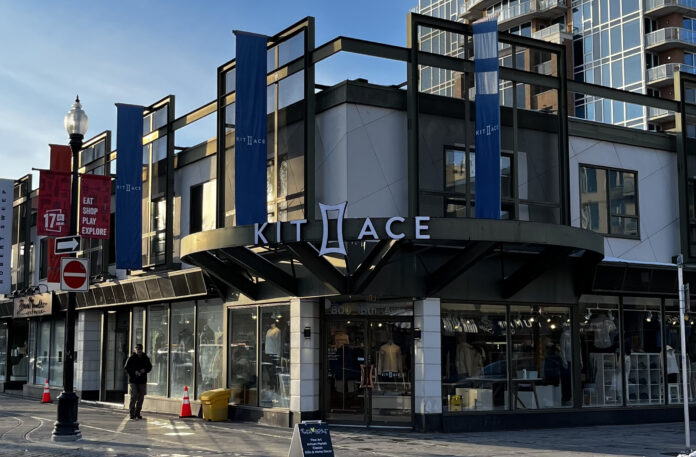
Mount Royal Village, Calgary (Image: Kit and Ace)
Unity Brands Inc., owned by well-known Canadian entrepreneur Joe Mimran, David Lui and Frank Rocchetti, have big plans to grow retailer Kit and Ace after recently acquiring the brand.
“Kit and Ace has first of all really, really strong top of mind awareness which was built up over the years. Even though the brand has only been in the market eight years. But I think the brand has a much bigger image than it has footprint, certainly,” said Mimran.
Joseph Mimran
“I loved that it was direct to consumer which I’m obviously familiar with a direct to consumer model. And I still believe in the direct to consumer model and it had a very strong consumer franchise. A franchise of consumers that are very homogeneous, particularly on the men’s side, and because of that I believe that the positioning is very, very clear for the brand.
David Lui
“And it’s not too often that you can get a brand, buy a business, where the customer is clear as to who that customer profile is and what the ethos of the brand is all about. To me, and to Frank and to David, we felt that with a little bit of tweaking we could really continue to grow this brand. That’s what we found exciting.
“This is in my wheelhouse from a design standpoint. So we’ve taken over the design and development side of the business and I think we can add a lot to this already very, very good base of business.”
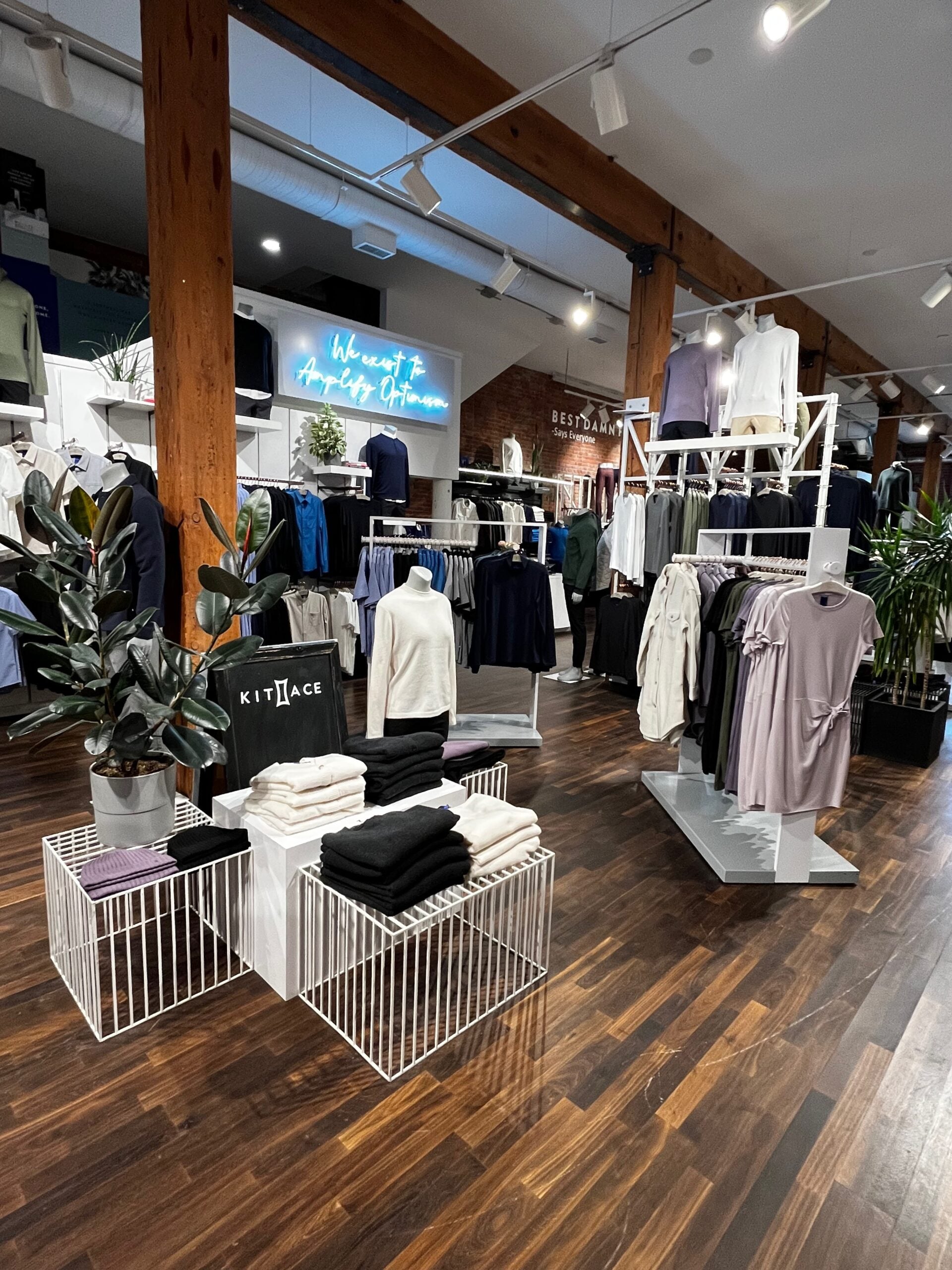
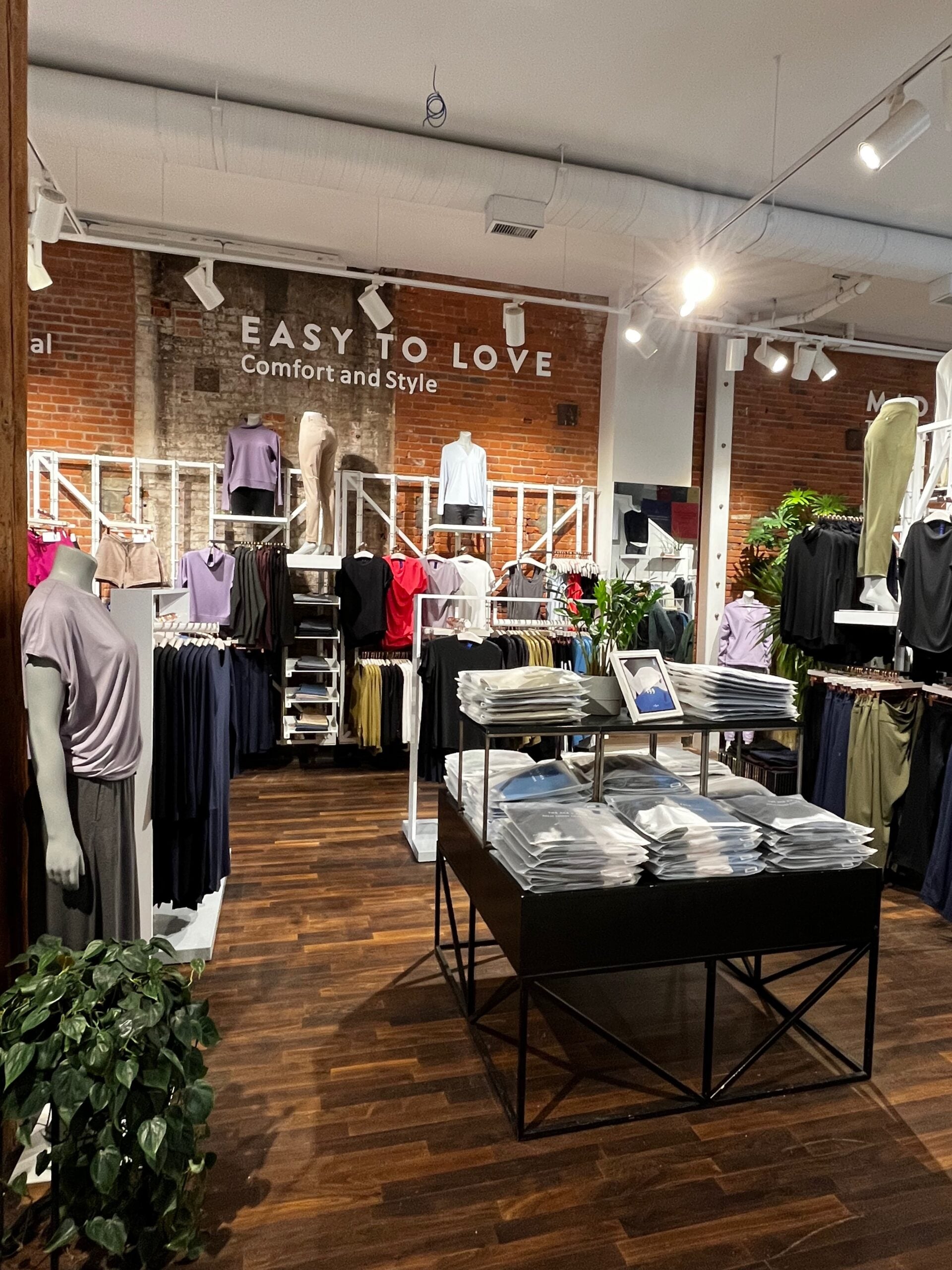
Image: Kit and Ace
Image: Kit and Ace
Mimran is a pioneer in the fashion industry, having founded or co-founded esteemed brands such as Club Monaco, Joe Fresh, Caban, Pink Tartan, Gry Mattr, and Rise Little Earthling. He has been honoured with numerous industry awards, including the American Marketing Association’s Marketing Hall of Legends award, Canadian Style Award, and the lifetime achievement award by the Design Exchange.
Under the new ownership structure, Lui assumed the role of CEO, overseeing the organization’s growth, operations, marketing, e-commerce, finance, and logistics from the head office in Vancouver. Meanwhile, product design and development has relocated to Toronto, managed by Mimran’s creative design centre. Working alongside the new owners, George Tsogas, the previous owner, remains with the company, ensuring a seamless transition and continued operational excellence. Tsogas assumed the role of Chief Operating Officer.
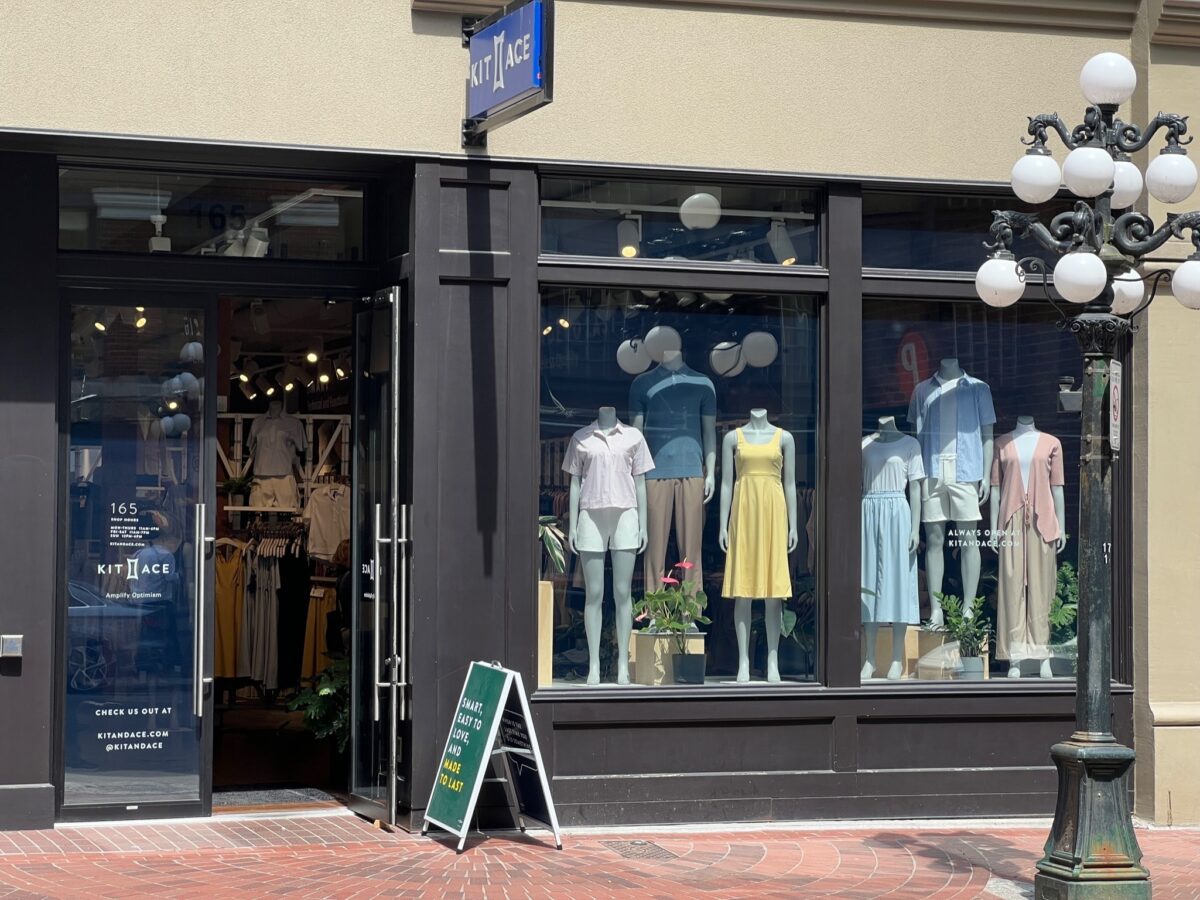
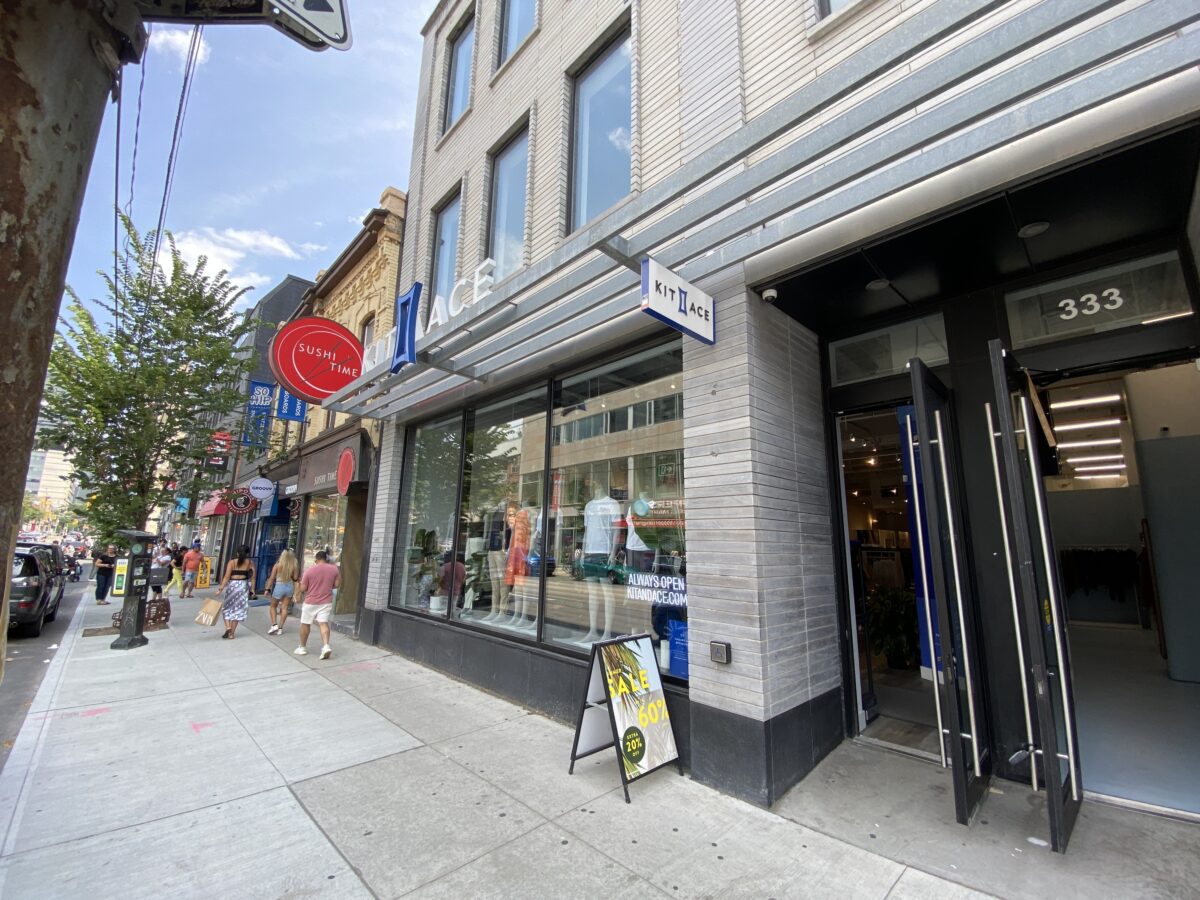
Kit and Ace currently has four stores – Queen Street in Toronto; in Oakville, Ontario; Mount Royal Village in Calgary; and Gastown in Vancouver. A significant part of the business is ecommerce, transacting throughout the world online.
Kit and Ace in Gastown within downtown Vancouver (Photo: Lee Rivett)
Mimran said Unity Brands didn’t buy Kit and Ace to keep it where it is.
“With Joe and Frank’s exceptional track record in the retail fashion industry and George’s invaluable operational expertise, we have assembled a winning combination that will elevate Kit and Ace’s distinctive identity, foster creativity, and deliver unparalleled experiences for our guests,” said Lui.
“Product is moving to Toronto under (Mimran’s) design centre in Toronto. Here in Vancouver we’re strengthening the organization through a bit of a change of putting people in the right roles, giving people the right opportunities, also looking at operating efficiencies within the business. So foundationally that’s a lot of work being done.
“In the meantime, we have our eyes on growth but cautious, controlled growth, because of the environment that we’re in but definitely consumers love the brand, consumers shop the brand. Over 60 per cent of our customer base is on a repeated basis, pre and during the pandemic, they still shop with us. So with that being said we are planning to open two more stores by the end of this year and we hope that with the right real estate, the right opportunities, we can open another two to four stores next year.”
Kit and Ace Queen Street (Image: Dustin Fuhs)
Lui said the company is aiming to open a flagship in Vancouver this year for the homegrown brand. The second store would be either in Toronto or in Calgary.
Lui has 25 years’ experience as a senior executive retailer on global brands including: ESPRIT, The North West Company, Mark’s, SportChek, and KORITE. His strong background in marketing, digital and retail operations has led to the success of multiple global award-winning marketing campaigns and was recognized as the CEO of one of the Fastest Growing Companies in Canada. Lui won the prestigious BDC Young Entrepreneur Award and was named one of Business in Vancouver’s Forty under 40. Most recently, he was ranked 11th in the Global CEO Awards.
“We’re very, very excited. It’s hard to find exciting stories when it comes to physical retail because physical retail has gotten such a bad knock over the past three years. Certainly coming out of COVID it’s changed a little bit but I would say the landscape is still pretty troubled but we’re very confident. We’re quite optimistic about our chances of really developing a great brand here and taking it outside of Canada,” said Mimran.
Rocchetti boasts an extensive retail background, having held senior merchant roles at Sears and Loblaws, and overseeing captive apparel development for Coles Australia and Kroger US. Most recently, Rocchetti, alongside Mimran, has been instrumental in the transformation of the Canadian brand, Tilley.
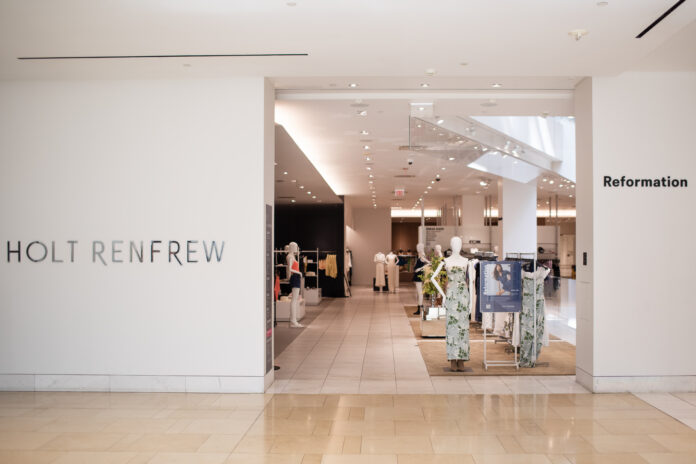
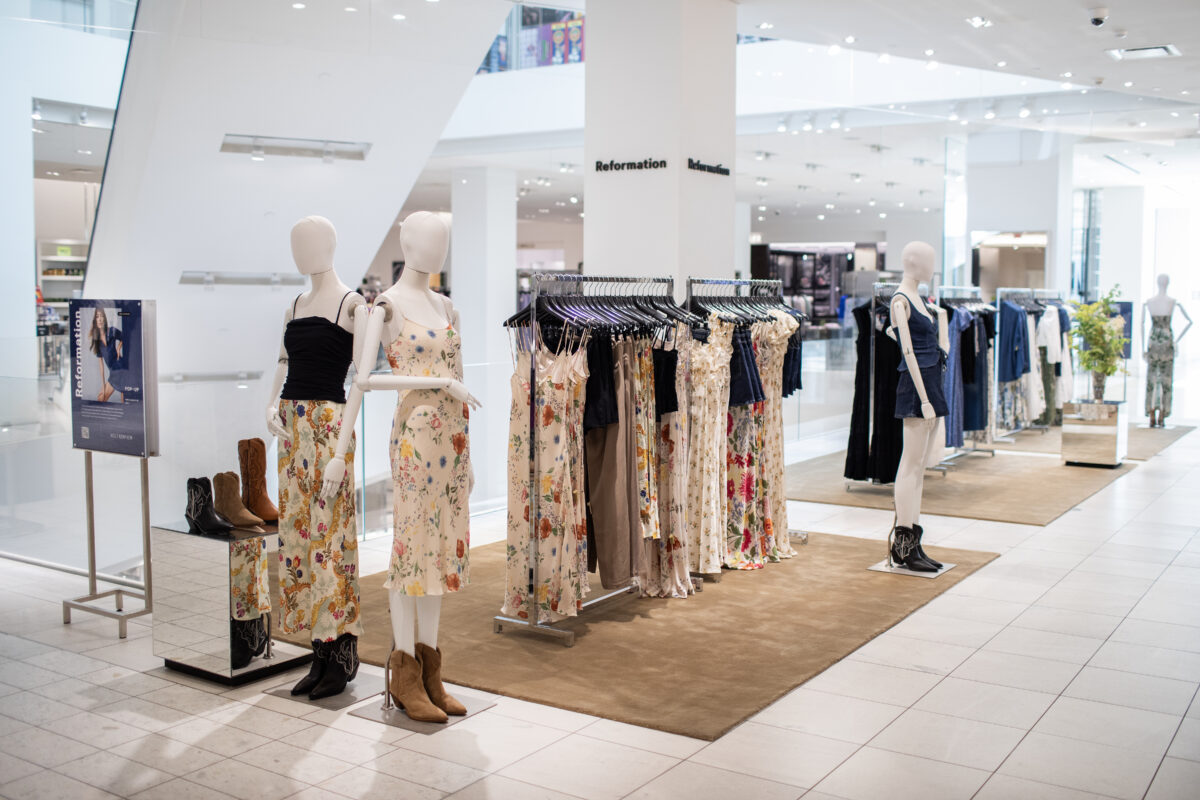
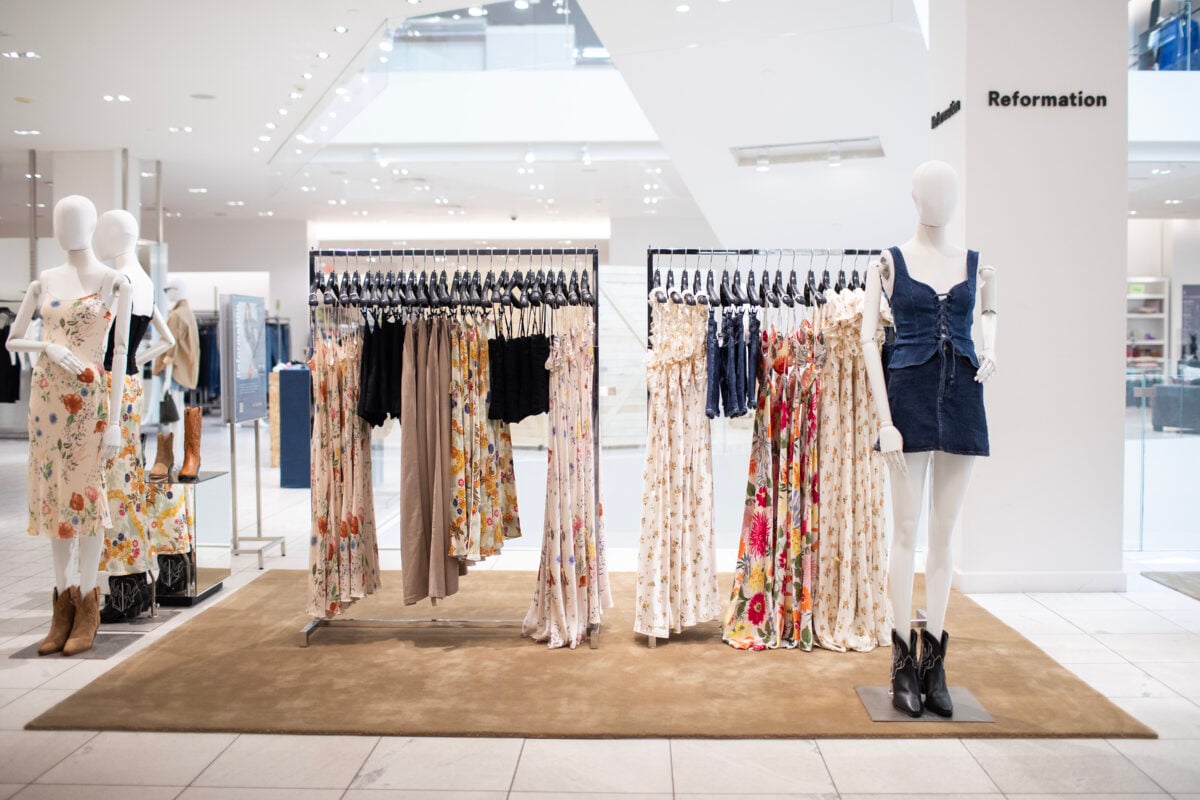
Reformation pop-up at Holt Renfrew Calgary. Photo supplied
Innovative eco-friendly US-based women’s fashion brand Reformation has opened a 500 square foot pop-up location at Holt Renfrew in Calgary. The retail space is intended to test the waters in the Calgary market after entering Canada before the pandemic with its first permanent store.
The pop-up is located on the second floor of the Calgary Holt Renfrew store, in an area containing other contemporary brands. It’s the first time that Reformation has opened a pop-up location in Canada. The Calgary pop-up is eco-friendly with Reformation offsetting 100% of the electricity used during the pop-up with wind energy, according to the company.
The Calgary Holt Renfrew store recently renewed its lease in the city’s downtown core, and is one of the key anchors of the CORE shopping complex that spans several city blocks. The second floor of Holts is also home to a women’s designer department that houses some of the world’s top brands, such as Akris, Brunello Cucinelli, Chloé, Dolce & Gabbana, Moncler, and others. The store’s main floor houses concessions for Chanel, Hermes, Tiffany & Co., Loro Piana and this fall, Gucci will open a large ‘world of’ space at the centre of it all.
Reformation pop-up at Holt Renfrew Calgary. Photo suppliedReformation pop-up at Holt Renfrew Calgary. Photo supplied
Reformation opened its first Canadian store in the summer of 2019 at Toronto’s Yorkdale Shopping Centre. In late 2022, a second location opened on Yorkville Avenue in Toronto. The 87 Yorkville Avenue store features Retail X “magic wardrobes” dressing rooms. Touchscreen monitors allow customers to digitally choose the styles they’d like to try on while shopping. The consumer’s selections will then populate into one of the store’s dressing rooms.
Reformation, known for its sustainability focus, is also known for being a “cool girl” clothing company (as stated in Allure). Reformation has become popular amongst celebrities such as Rihanna, Taylor Swift, and model Karlie Kloss and the celebrity endorsements have reportedly led to the brand seeing strong sales exceeding $100 million annually. The company says that its goal is to create designs that are ‘sexy, edgy and feminine’, utilizing sustainable methods and materials.
Reformation began by selling vintage clothing out of a small Los Angeles storefront in 2009. The brand quickly expanded into making its ‘own stuff’, with a focus on sustainability. In 2019 Reformation announced that it had sold a majority stake to Permira Funds, a private equity firm known for investing in labels such as Valentino and Proenza Schouler.
Retail Insider is streamlining its Canadian retail news from around the web to include a handful of top news stories that can be viewed quickly during the day. Here are the top stories from the past 24 hours.
Despite recession predictions, retail continues its strong post-pandemic growth into 2023, says a new report by commercial real estate firm Colliers.
The consumer appears resilient, with higher savings rates than pre-pandemic, and a huge demand for travel, hospitality, and entertainment. Favourable demographics, particularly strong population growth compared to other developed countries, continues to act as a tailwind for retail sales. Overall sales rose in every province but one, despite shortages in areas such as automotive, said the 2023 Retail Outlook.
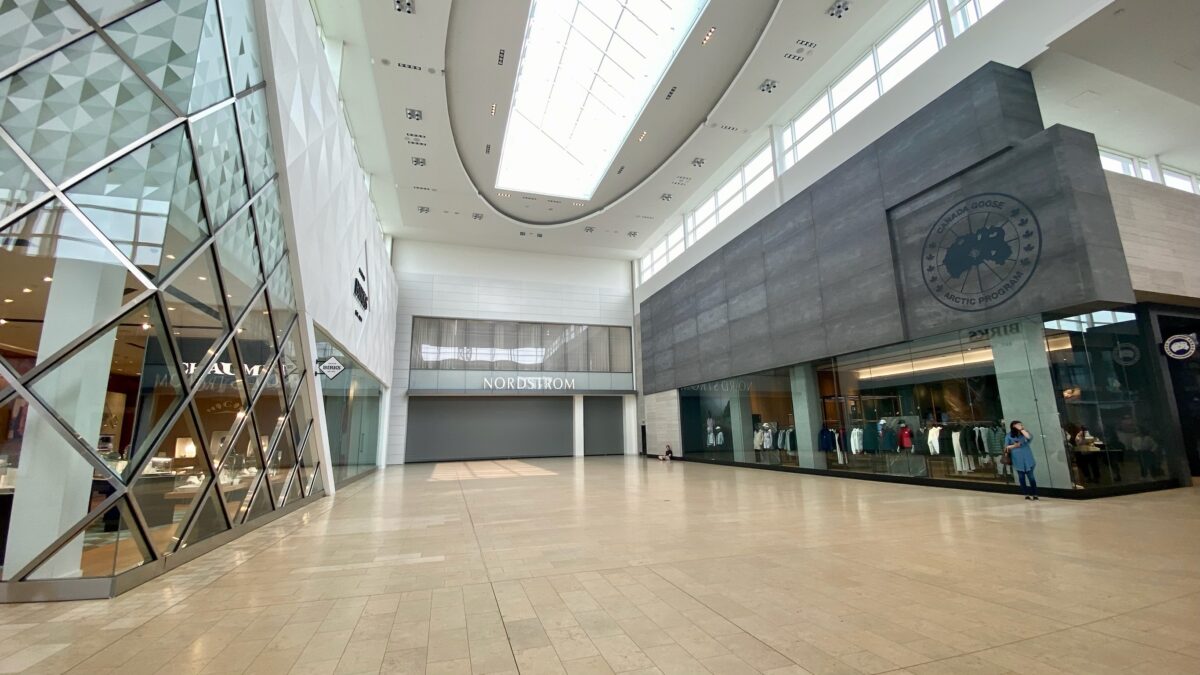
“Retail rents reached all-time highs as renewed leasing demand and a lack of new developments funnelled demand to existing centres. Vacancy rates dropped nationwide, as the nadir of retail leasing in 2021 has turned around. Despite high-profile closures of US retailers such as Bed Bath and Beyond and Nordstrom, the vacant space has been rapidly absorbed in most markets,” said Colliers.
Shuttered Nordstrom at Yorkdale Shopping Centre (Image: Craig Patterson)
“Retail investment continues to be dominated by private investors, as larger institutions and REITs continue to be net sellers. Larger players have also focused on the redevelopment aspect of retail, turning suburban assets into mixed-use developments or land assembly plays.
Madeleine Nicholls
“Throughout the pandemic, grocery, pharmacy, discount stores, and quick-service restaurants – performed very well. These sectors have continued to attract both customers and investors into 2023, even as restrictions have disappeared . . . The retail industry of Canada has seen a focus on sustainability, partly manifested in the growth of second-hand and vintage apparel, providing an unexpected growth area going forward.”
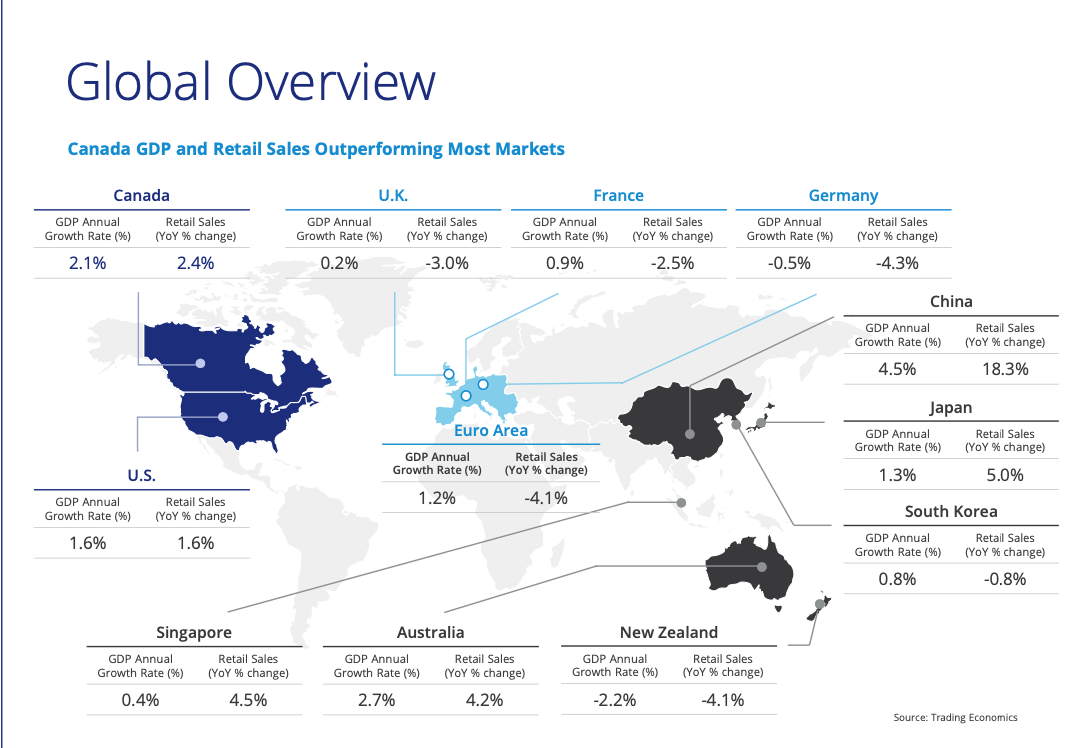
Madeleine Nicholls, Senior Managing Director Brokerage | Vancouver, for Colliers, said the key message from the report is that Canada overall compared to other countries is outperforming many nations in both economic growth and retail sales.
Even with the various interest rate hikes, Canadians have remained resilient when it comes to retail spending, added Nicholls.
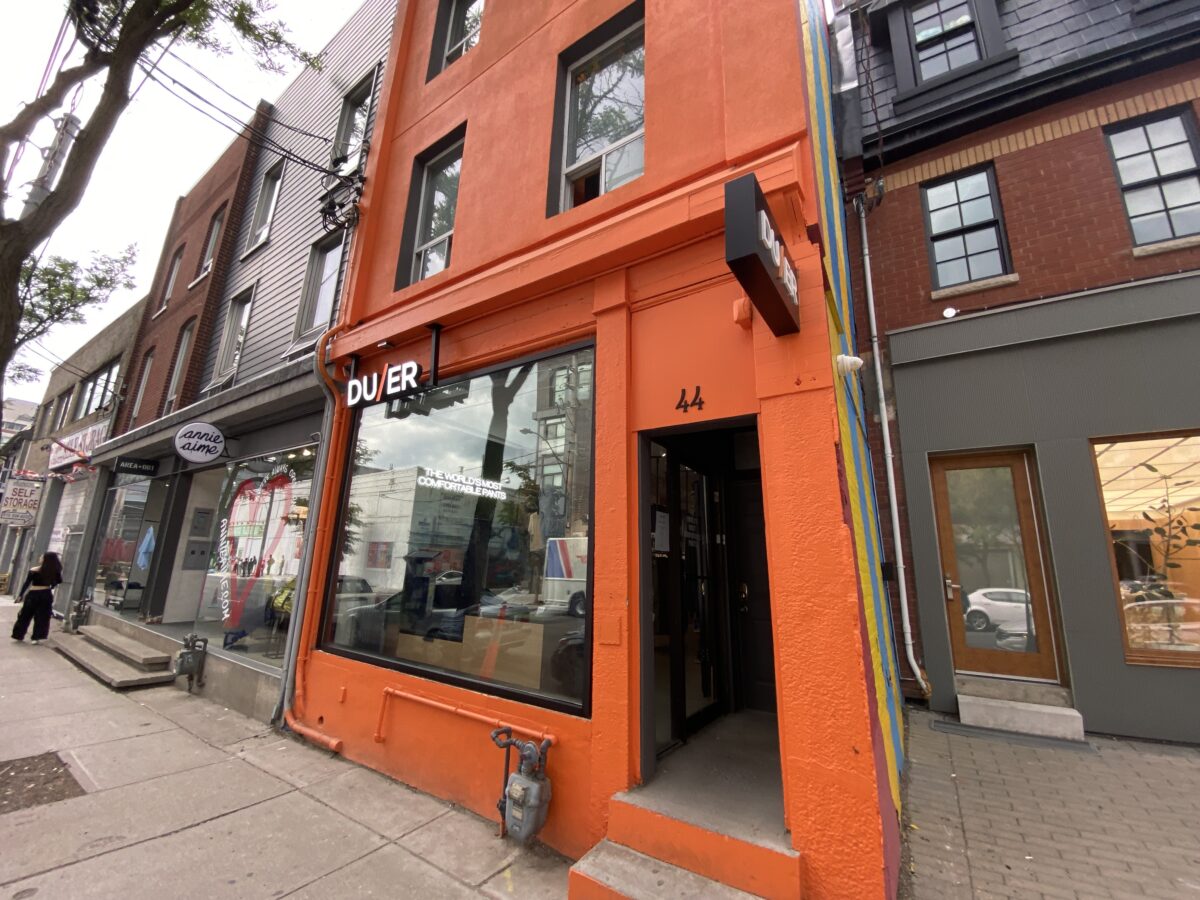
DUER on Ossington Avenue in Toronto (Image: Dustin Fuhs)
The departures of American-based retailers recently have garnered much media attention and headline news but the Canadian retail market has also seen, at the same time, expansion of existing brands and new brands entering the market.
“That’s an indicator of the low vacancy rate that we’re seeing across the country in all segments. When great locations become available, they’re very desirable,” said Nicholls.
She said a few things have fuelled retail spending in Canada including strong employment, population growth and the wealth effect that even during this environment of higher prices from homes to vehicles, people have higher savings than they did pre-pandemic.
Nicholls added that certain retail categories showing year-over-year sales growth is promising, including shoes, clothes, and food and beverage which have been solid and healthy.
“All the provinces are performing really well but what really jumps out is the spending in Alberta and Newfoundland which is extremely high. That’s perhaps driven by the fact that there has been movement to those provinces,” said Nicholls. “And in Alberta’s case, different than the oil boom, people are moving to Alberta now because of the demographic shift of young people moving there in search of affordability for the same reason that people have moved to Newfoundland as well.”
The Colliers report said retail spending dipped in the first quarter of 2023, as the unprecedented interest rate hikes of the prior year took effect. While experts forecast a mild pullback in consumer spending, it is expected to be similar to prior declines, returning to trend within two years. Rate increases of +4.25 per cent in 2022 were intended to address runaway inflation in Canada, a problem shared with much of the rest of the world.
“While inflation nominally helps retail sales numbers, it hurts it overall when we look at spending in real dollars. Clearly there has been some pullback since 2022, where spending peaked in Q2 just as interest rate increases were taking effect. Higher costs of housing, gas, cars and food have squeezed spending elsewhere,” said the report.
“Interest rate hikes have a number of benefits for retail long-term, as the goal of reducing inflation and increased housing costs will hopefully return more spending power to the household. Additionally, higher rates incentivize saving over borrowing, which can create a “wealth effect” where households spend more as they see their assets grow.”
Colliers Retail Outlook Report 2023
Colliers said the extreme drop during COVID lockdowns led to years of “pent up” demand for everything from international flights to cars to live sports to music events, and the economy is only just now adjusting to these new levels of demand for “experiential” retail.
“Overall retail spending is maintaining a consistent trend, reflecting Canada’s strong population growth and robust labour market. Favourable “fundamentals” are the driver for consistent growth in the retail sector until at least 2025,” added the report.
“Prior to the pandemic, the Canadian consumer was strained, with household savings rates reaching zero or even negative levels. Despite lower inflation, rising costs in several areas combined with weak wage growth was clearly straining households.
“However, one unintended side effect of lockdowns was a drastic improvement for some in household finances. Between mortgage deferrals, income supports, business loans and the reduced costs of working from home, households suddenly experienced savings rates in excess of 20 per cent. There was nothing to spend on (no travel, shortages of many products due to shipping issues caused by lockdown) and households socked away unprecedented savings. This led to a boomerang with the “pent up demand” spending upon reopening, and the subsequent inflation that is only just now subsiding.”
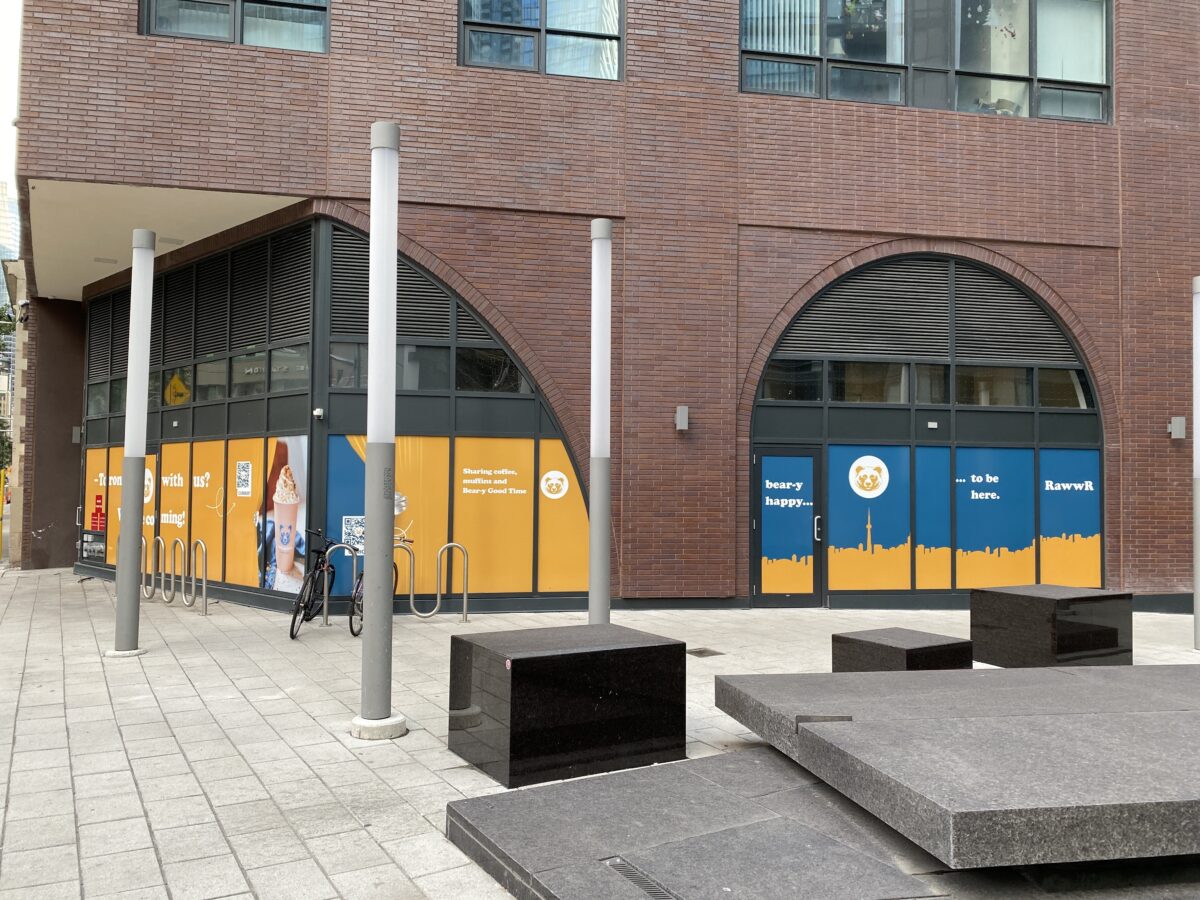
Columbus Cafe Construction Hoarding in Toronto (Image: Dustin Fuhs)Future Columbus Cafe in Toronto (Image: Dustin Fuhs)
While the closure of a few large occupiers such as Nordstrom garners wide coverage, there has also been a surge of new retail occupiers across Canada, explained Colliers.
“Quick-service restaurants have been thriving for years, with a highly scalable business model that was ideally suited for small urban spaces. Large expansions are planned for a number of occupiers like US stalwarts Taco Bell and Burger King, homegrown brands such as Harvey’s and Mary Brown’s Chicken, and new chains like Egg Club (Ontario) and Columbus Café (Quebec),” said the company.
“In Q1 2023, Goodwill announced a large expansion, planning to open 40 new stores in more affordable markets. Across Canada and the world, second-hand shopping has surged in popularity, to economize in an inflationary environment, support local stores, and for the “thrill of the find” as opposed to the standardized and searchable environment of ecommerce.
“Second-hand shopping also has obvious environmental benefits, which increasingly appeals to customers looking for sustainable retail options. Thrifting intersects with a number of other retail trends, such as a desire for less standardized/”off the rack” fashion, and the rise of influencer marketing – exemplified by the story of a TikTok personality who found a $10,000 vintage Versace dress at a local secondhand shop.”
The report said vacancy declined across several categories from their COVID-era peak, with regional vacancy down five per cent from 2021 and the popular community mall reaching record lows of four per cent. “Destination” shopping centres (super-regional) have performed well and now have vacancy commensurate with neighbourhood retail. The loss of some notable occupiers hasn’t obviously impacted vacancy rates in any class yet, though it’s possible we’ll see the effects later in the year.
Craig and David MacMullen, Co-Partner at Drop Spot Vintage discuss the journey of building Drop Spot Vintage, a vintage clothing store in Hamilton, Ontario. They delve into the expansion of the business, including the opening of a second location and a dedicated warehouse for online sales and wholesale. They explore the challenges of sourcing inventory, the types of merchandise available, and the growing demand for sustainable fashion. The conversation highlights the impact of the sustainability movement on the resale market and the future vision of Drop Spot Vintage, including potential new stores and expanding their event brand.
A transcript of the conversation can be found below.
If you prefer to listen to the audio version, it is available below:
The Interview Series audio podcasts by Retail Insider Canada are available on Apple Podcasts, Stitcher, TuneIn, Google Play, or through our dedicated RSS feed for Overcast and other podcast players. Also check out our The Weekly audio podcast where Craig and Lee discuss popular content published on Retail Insider which is part of the The Retail Insider Podcast Network.
Craig Patterson 0:03 Welcome to the Retail Insider Video Interview Series. I’m your host, Craig Patterson. And we’re joined here today with a special guest, David MacMullen. He’s the co founder of Drop Spot Vintage, based in Hamilton, Ontario. Welcome, David.
David MacMullen 0:16 Hi there, Craig. How are ya?
Craig Patterson 0:18 Excellent. Excellent. Tell me a little bit about your business.
David MacMullen 0:21 I own a vintage clothing store in Hamilton, Ontario. We started a year and a half ago in August. And pretty much since then we’ve done different things to kind of expand the business and like the vintage world, opened up a second store warehouse in the GTA.
Craig Patterson 0:45 How did you get into the business of resale clothing?
David MacMullen 0:47 So my partner, Jacob, and I both started kind of in the sneaker world, or streetwear world and we were reselling stuff like designer hoodies, Jordans stuff like that. Over COVID, there was a big craze on a lot of collector markets, including the vintage clothing market. So naturally, it being clothing similar to what we were already doing with shoes it was a natural crossover. After that, we started selling vintage half-and-half. From there, we were able to just integrate it and we ended up liking it a little bit more which it became fulltime. And shortly after we agreed to just dive into a store to see how it goes. And we took it from there.
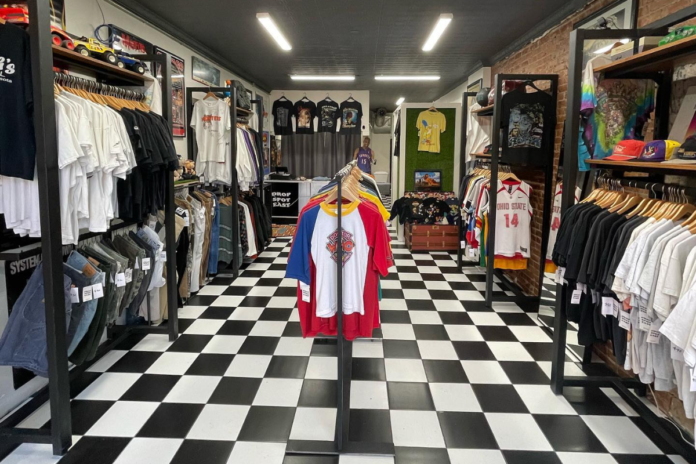
Image: Drop Spot Vintage
Craig Patterson 1:42 Oh, my goodness, when did that store open in Hamilton?
David MacMullen 1:44 So that was started August of 2021. So just just coming up on the two year are in a few months.
Craig Patterson 1:55 Now you’ve expanded the operations since then. Correct? You mentioned a warehouse in the GTA, is there a second location as well?
David MacMullen 2:00 Yes, a month ago we opened a second location on the other end of Hamilton. Obviously, Hamilton is growing quickly as well. So we wanted to have that option on the other side of the city. It’s about 25 minutes away from our flagship store. And it’s not as big as our flagship, but it definitely still offers a snippet of what we offer and what we try to do. We also have a warehouse in Toronto, which is dedicated strictly for like our online portion of our business as well as wholesale. It’s very competitive, a lot of other stores are in need of inventory. And we’re fortunate enough to have a team that can source enough inventory that we’re able to offer wholesale deals to other stores across Canada.
Craig Patterson 2:46 Now where does the product come from? Because it must take a lot of merchandise to be able to do this to both in your stores as well as do wholesale.
David MacMullen 2:54 For sure. I’d say for everyone, inventory can come from all over. Some people, on the smaller scales, would be the classic thrifting. I think there’s the delusion vintage stores have like mass thrifting nonstop. In reality, we’re needing to source hundreds of pieces to 1000s of pieces a week, especially for multiple stores plus an online market plus wholesale. So there’s a lot of different ways. Obviously, wholesale is one of buying from people that have access to inventory. In Toronto is one of the fortunate hubs where there’s like a lot of recycling centers where stuff that is going to be shipped overseas, basically to go get sorted. So we’re able to get access into those warehouses and sorted through hundreds of 1000s of pounds a day. And only a very small percentage of that is actually stuff that we’re able to use or resell I guess to certain curation even with things like wholesale and trying to grab like a large scope of different types of items. That’s where majority of it is from us. Not to say that there’s not a lot of other different ways that other sellers find stuff.
Craig Patterson 4:09 And what kind of merchandise do you have? I know you are in the sneaker world do you have for more clothing as well in the stores? Or is it fairly casual?
David MacMullen 4:15 So for us, we opened up very close to McMaster so our whole business model has been more targeted to young adult. Some more casual store, like the street wear type style where it’s more simple things like crews, hoodies, sweaters, fleeces, jackets, pants, T shirts. Nothing typically into that semi formal stage and beyond. It isn’t something that we work in specifically. But obviously in the vintage space there’s people that cover those bases as well.
Craig Patterson 4:47 Amazing how are online sales doing and how was that journey to get online?
David MacMullen 4:51 When we first started the store we thought well everything will put on the floor, why not listed online at same time? And then has twice the chance of selling hypothetically. But what we found was it was almost too much where it’s obviously a lot of time to list vintage clothing. Whereas if you have like a T shirt brand or a sweater brand, where you’re posting up your design, everything’s the same. So you could just, like upload a picture of your shirt, and put the quantity at, let’s say, 100. Versus vintage clothing, everything is completely different. So each piece has to go through the time of measuring it taking proper photos of flaws, descriptions, etc. You want to be very ethical, when you sell stuff, you want people to know exactly what they’re buying. And the process just took a long time we were cross listing stuff. Meaning that something might sell online, and it had already sold in store, we just didn’t have the time to take it down. So that was problematic. For the first year, so we weren’t really selling online, because it was just too much to do both. We were fortunate to expand our team in the last few months that we are able to now basically take a separate inventory, where that’s only for online stuff and our store for only in person shopping. But since we’ve been starting, it’s really great because we’re able to offer merchandise to people who might follow our social media, or are interested in vintage clothing that aren’t local to Hamilton or even local to the GTA or where we do events. So it’s cool to see our items going over to the States, overseas, out west. But it’s been really good. We’re still figuring out that aspect because it has been only a few months. And but we do know like that is a huge portion for a lot of other people’s business models. And we’re just trying to learn and add that to our arsenal as well.
Craig Patterson 6:40 Amazing. Do you find luxury items in there from some of the big names when you’re searching for for product?
David MacMullen 6:45 Yeah. We don’t typically cater to luxury, because we know that’s a designer market is a different market entirely almost. But when you’re going through the amount of inventory we are some definitely sneak through. And because it’s not really our forte, we still like to price it pretty affordable. So it’s almost gives incentives for people to come in. And maybe they’ll find like an authentic Gucci product or a Chanel or something like that. And they get it for a really good price that they couldn’t even find online. If someone that specializes in Designer obviously, they’re going to price things according to market versus because that’s not our forte, we price it pretty cheap. And we’d like to make sure that it’s still authentic if we are gonna price things or we’ll basically brand something as like a bootleg or reprint just so people know what they’re getting.
Craig Patterson 7:39 I’ve gotta come to your store for some Gucci stuff. Generally talking about the resale market for clothing or vintage, where do you see things going? Just in your observation as you’ve been part of this.
David MacMullen 7:53 In Toronto, specifically, the competition definitely has came into play, like I know, during the boom of COVID, where we kind of got into things and hundreds of other people started doing it. Whether that started as like side jobs or full time jobs that they’ve been doing for like 10 years, everybody reaped the benefits of the popularity during COVID. Now the competition is definitely huge as far as the access to things like inventory, like I mentioned, for wholesale that we offered, because it’s not as easy as it used to be even two years ago to find stuff. So I find competition is coming into play. But also just different trends of people are now a lot more open to the idea of secondhand stuff and sustainability. I think a big part of that is because of celebrities, athletes that are also getting into that. So almost like where shopping secondhand might be looked down upon by some prior to this, because it’s almost like oh, you can’t afford the new stuff or whatever. But when you see millionaires wearing secondhand, it’s almost like becoming more acceptable. I think you see on big retailers, they’re almost using vintage inspired like military wear, or other like fashion trends to basically take the secondhand trends that might not be super accessible, like something like military jackets or whatever. The average person sees something that looks like that, you know, Zara or whatever, they’re just going to buy it. So it’s definitely influencing where trends go, as well as upcycling stuff where people are basically even taking items that are secondhand and making them wearable again, those rips or whatever, that they’re sewing stuff back together putting patches and it’s just becoming more acceptable to wear stuff like that and be more creative, I guess, with your outfits using that second hand outlet.
Craig Patterson 9:47 And the sustainability movement is probably going to continue. I mean, that’s just kind of what we’re seeing or hearing in the in terms of trends.
David MacMullen 9:56 I don’t think anyone would complain about vintage. There’s certain opinions on like the vintage selling as a whole. But I think everybody’s happy to see that the sustainability portion of any type of business is being being pushed more.
Craig Patterson 10:11 Right now, do you have a vision for a bit of a longer term vision for drop spot in terms of its operations, any new stores more wholesale accounts? Or tell me a little bit about what you’re thinking about?
David MacMullen 10:22 Yeah, for sure. Wholesale is definitely something that we’d love to offer for other stores, or just other accounts that like to do the vintage stuff. But I think definitely, primarily as a future goal, we want to expand a little bit more definitely another store. At the very minimum, the the notion of even seeing vintage in places like malls now is becoming more and more acceptable, like there’s been vintage stores in Square One and Yorkdale, you still have like even companies that are bigger, like, you know, Holt Renfrew that they have like some sellers that are in there. So I think we definitely would like to capitalize that eventually having a store in a mall. We’re also trying to build our own event brand as well. A lot of people probably in Toronto, would have already seen vintage markets are getting posted everywhere, they’re happening almost every weekend in big cities, not exclusively to Toronto, like out West that’s super popular. In the States as well. So we want to capitalize that just like how we feel that we do with our store. Have a very nice and curated kind of experience for people that are getting into vintage or people that have been enjoying vintage for a while that there’s like a market. Like we mentioned earlier website and online presence, we’re really trying to push that, as well as just the sustainability as a whole. Making that as accessible to people as we can. We have this one partner that we work with, they’re called One Tree Planted where basically every order that we ship out, we also donate to them so that they can plant a tree with each order. So we’re just trying to make sure as we grow, that we’re able to actually keep our roots of being sustainable as we grow type of deal.
Craig Patterson 12:17 I love it. This is so interesting, you know, best of luck with everything. Because as we look at sustainability becoming a key factor of many people’s lives, I think your business is is a good one for clothing at the very least.
David MacMullen 12:27 Yeah, for sure. I’m definitely I think with young people, at least I think it’s definitely reaching more people outside of just young adulthood as well. But it’s really cool to see that’s where the change in the acceptance is just like with young people, and it’s exciting to see like, where am I go from here?
Craig Patterson 12:45 Well, thank you so much. This has been David McMullen. He’s the co founder of Drop Spot Vintage. Thank you for joining us today.
David MacMullen 12:52 My pleasure, man.
Craig Patterson 12:53 And I’m Craig Patterson. I’m the founder and publisher of Retail Insider Media. This is the Retail Insider Video Interview Series. Please subscribe whether or not you’re seeing this on YouTube or listening to this on one of our podcast channels. Take care and bye for now.
Subscribe, Rate, and Review our Retail Insider Podcast!
Drop us a line at Craig@Retail-Insider.com. You can also rate us in Apple Podcasts or recommend us in Overcast to help more people discover the show!
Background Music Credit: Hard Boiled Kevin MacLeod (incompetech.com). Licensed under Creative Commons: By Attribution 3.0 License. http://creativecommons.org/licenses/by/3.0/
Pinterest is one social media platform brands should be using more as it’s budget friendly, has an international reach of millions of people, and is easy to use. Kristie Painting, Pinterest Country Manager, Canada and Nina Ber-Donkor, founder of Black Rooster Decor, discuss the benefits of the platform and how brands can use it to improve success.
Kristie Painting
“Pinterest is a wonderful platform for retailers because we have an incredible reach of people, over 460 million people visit Pinterest every month. Consumers are seeking inspiration, making decisions, and seeking discovery – it is perfect for retailers because from the beginning, they are part of the journey,” says Painting.
Painting says brands can interact with followers on Pinterest by using all of its elements such as pins, videos, visual boards, and can showcase products on a catalog pin to make it shoppable for consumers. Pinterest can work for any brand and has categories under travel, lifestyle, automotive, fashion, interior design, and more.
“Travel is a huge category and automotive does really well on our site, but for a pure retail perspective – fashion, beauty, and home decoration is the most successful on Pinterest. So we get people who are coming to Pinterest to look for inspiration about renovating their homes, do it yourself items, kitchen, cabinetry, and there are also smaller items you can see in furniture decor items,” says Painting.
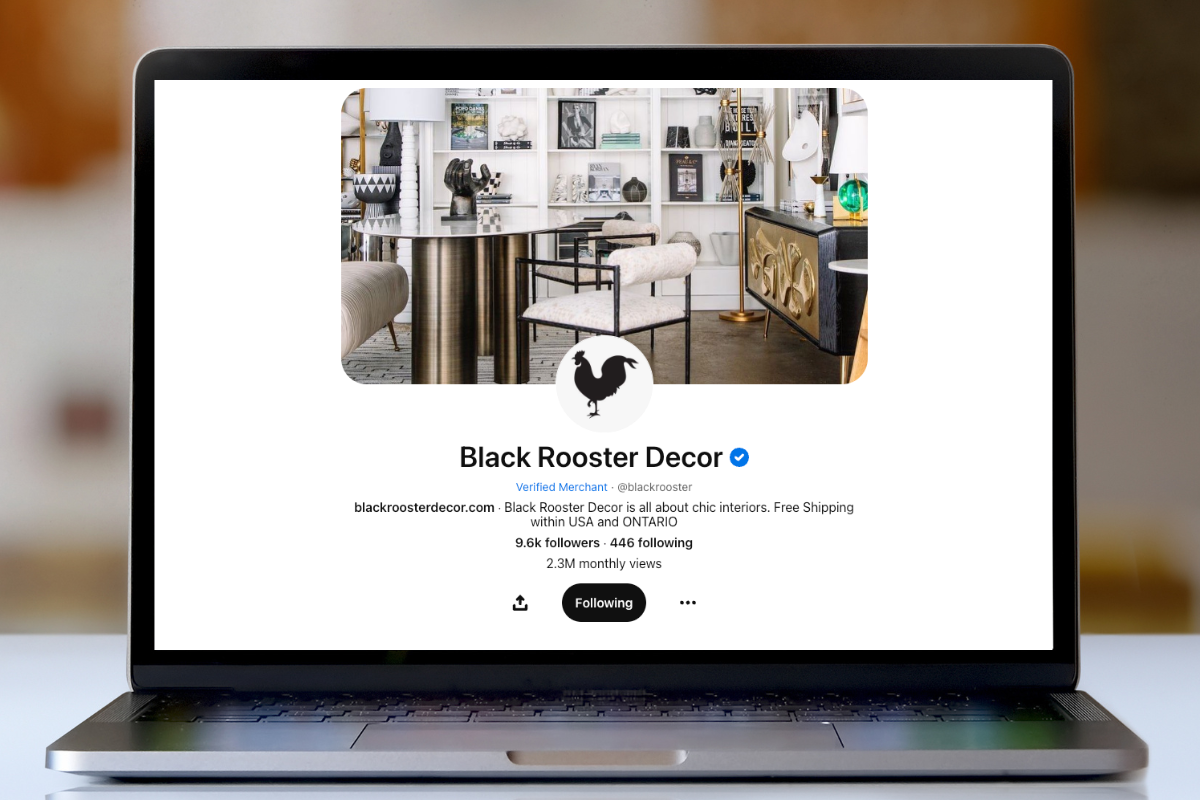
Black Rooster Decor on Pinterest
pinterest.ca/blackrooster
Black Rooster Decor, a furniture store located on Queen Street East, is one brand using Pinterest with successful results as the owner, Nina Ber-Donker, says they have 9,500 followers and receive around 2.3 million views each month. Each product on its website is linked back to its Pinterest account where they create mood boards, share products, and when you click on a product it takes you directly to their website.
“We get a decent amount of views to our website by people clicking on products on Pinterest – it is free advertising. There is no reason not to be on Pinterest. When I take a look at our analytics, it is now 2 p.m. and I can see we have already had thirteen people from Pinterest go to our website, so thirteen potential customers we just gained from being on Pinterest,” says Ber-Donker. People on Pinterest are obviously looking for specific things whether it is a recipe, something for their home, for their garden and they are already looking. So Pinterest is organic marketing without you paying for anything,” says Ber-Donker.
Although Ber-Donker says she can’t know directly which purchases are from people browsing through Pinterest, she does know how many visits they receive. Last month, Black Rooster had 100 visitors from Pinterest to its website and in the past year, Ber-Donker says they have had about 6,000 visitors. With each visit, there is an increased opportunity for someone to purchase a product, share the website with family or friends, or to sign up for its bi-weekly newsletter which can include which sales they are offering. Not every visit will end up with a purchase, but it will increase brand awareness and for free.
Currently, Ber-Donker says they do not have a Pinterest strategy as their numbers are up; however, as they are expanding to a second location they will start to strategize a plan on how to grow their audience on the platform.
Pin Perfect
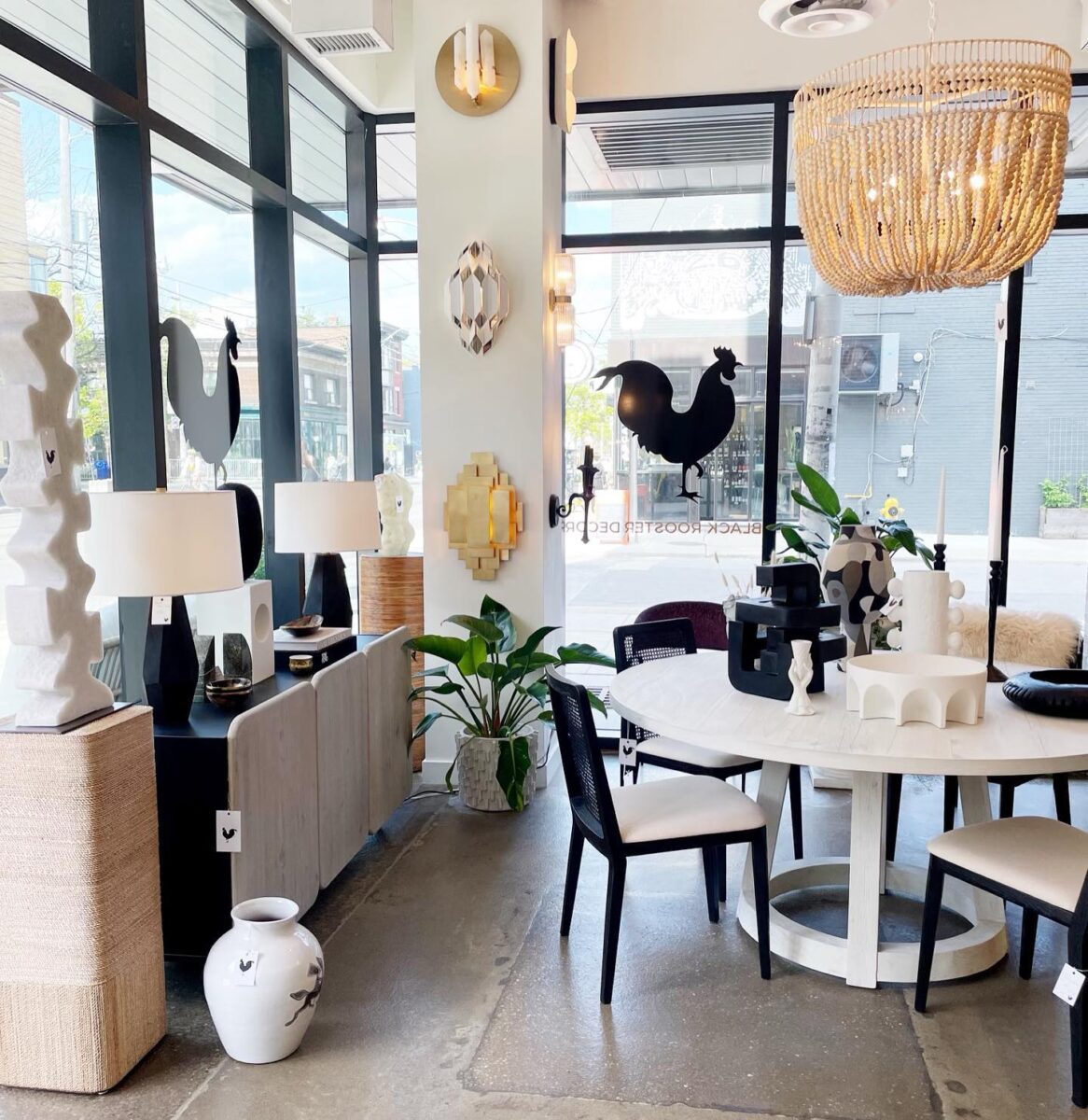
Image: Black Rooster Decor
For brands to stand out on Pinterest, Painting suggests to invest in photography and to not stick to one format.
“Consider using a lot of different formats. One person might be looking specifically for a standard lamp and it might be a single shot on a white background and it works and resonates with them, but that is not always the case. Another person might really want to look at the full room. So by creating a mix of different products, you are able to reach different types of people,” says Painting.
Painting also suggests for brands to use a variety of colours, different layouts, and to also explore creating videos as lots of people enjoy scrolling through the watch tab. By broadening your formats on Pinterest, brands will be able to reach as many people as possible.
An Easier Tool for Consumers
Compared to other social media platforms, Pinterest allows people to scroll through without the hassle of unwanted sponsored content, Ber-Donker says.
“Lately when I am on social media such as Instagram, I am seeing a lot of things I do not have any interest in. With Pinterest, you find exactly what you are looking for so I think it is a great tool and you are not finding things you are not looking for,” says Ber-Donker.
This is one task Ber-Donker will be focusing towards – placing everything into categories so followers can see what they are looking for. For example, Ber-Donker says they want to target specifically for the home decor that they supply, lighting, and art and everything will be in specific categories which will make it easier for consumers to find products.
Consumers can also purchase right on the platform, create mood boards, and can pin items they find. Mood boards allow people to save products they find, designs, recipes, and whatever else they find that peaks their interest.
Pinterest is a great way for both small and large retailers to create a larger footprint in Canada and internationally and Pinterest offers support to make it easier for both retailers and consumers.
“We try to make everything as shoppable as possible. That is great for retailers, but also really great for consumers,” says Painting. “There are a lot of different ways we can do that, such as even making the pin itself shoppable. We have lots of opportunities for retailers to use and lots of different tools, such as real time updates for pricing and inventory. Pinterest makes it a seamless journey for consumers to find what they are looking for and for retailers to showcase their products as simply as possible.”
Retail Insider is streamlining its Canadian retail news from around the web to include a handful of top news stories that can be viewed quickly during the day. Here are the top stories from the past 48 hours.
Ottawa’s CF Rideau Centre, operated by Cadillac Fairview, has added three new retailers to its tenant mix in the heart of Canada’s capital.
Uniqlo, Arc’teryx and Imaginaire are expected to increase traffic to the downtown shopping centre.
“While the retail landscape continues to evolve, one thing that remains constant is Ottawa being a unique and dynamic market for retailers to launch their brands, both regionally and nationally,” said Brian O’Hoski, General Manager of CF Rideau Centre.
“We’re proud of our successful track record of attracting first to market retailers and helping our retail partners succeed, and look forward to building on this positive momentum.
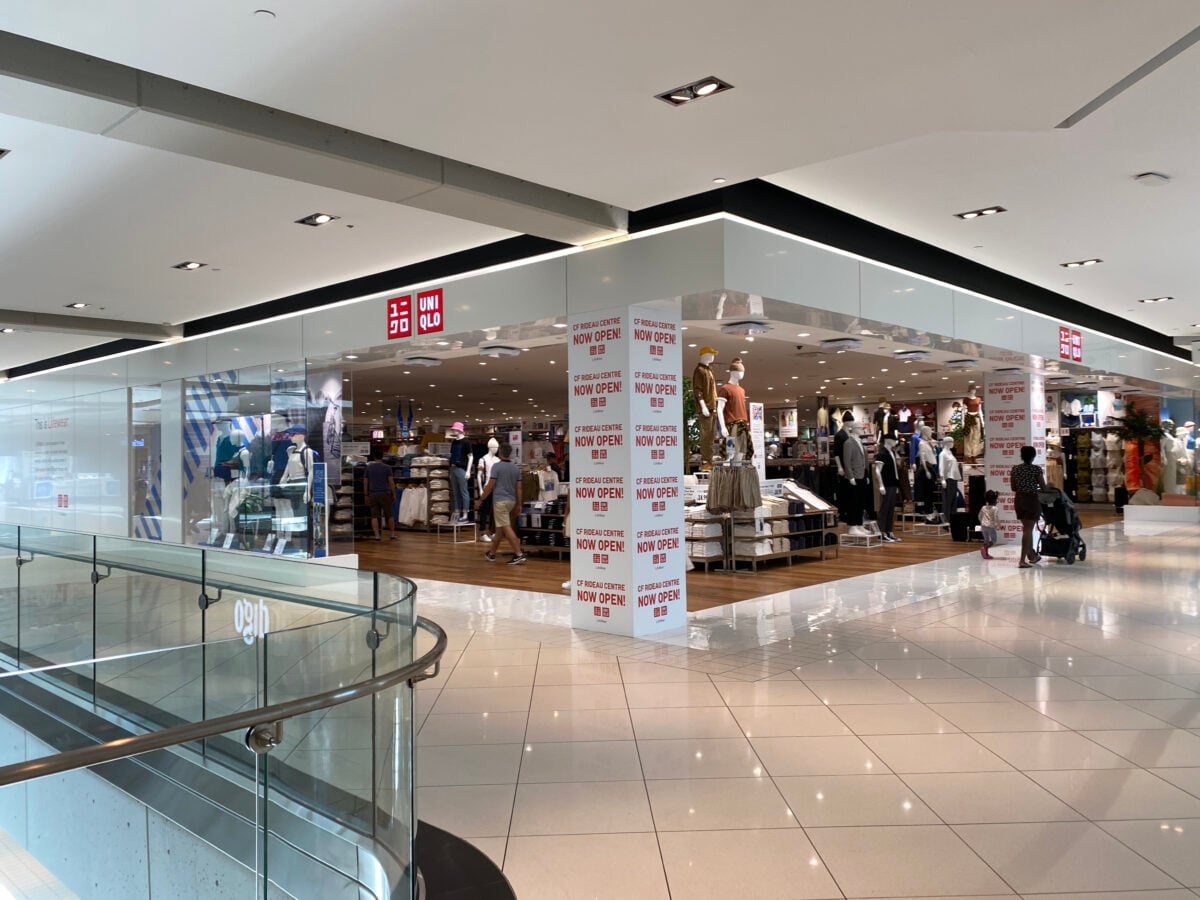
“Bringing an international retailer like Uniqlo to Ottawa gives them an introduction to a new market, people here are familiar (with it) but they have to travel to Montreal or Toronto, and now being in the city is a huge win for us and for the city.”
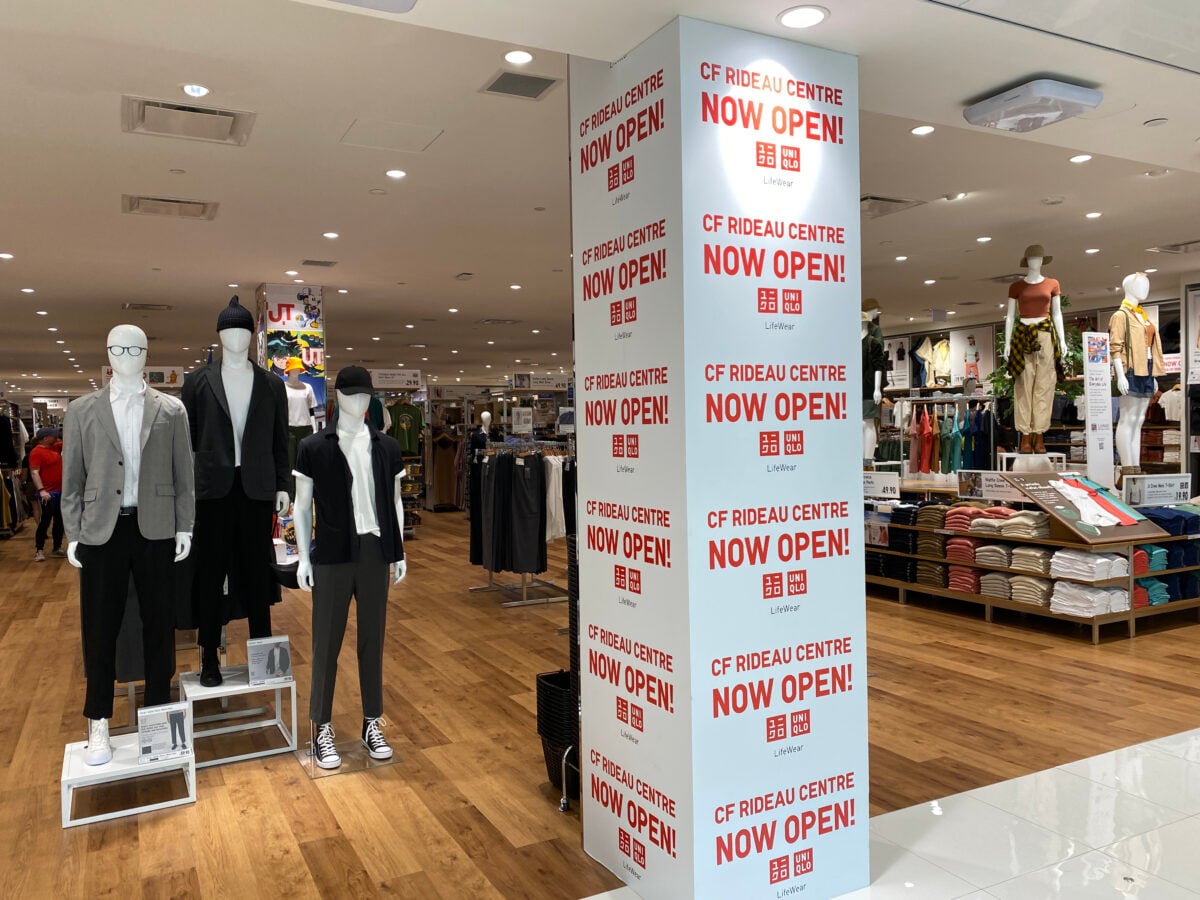
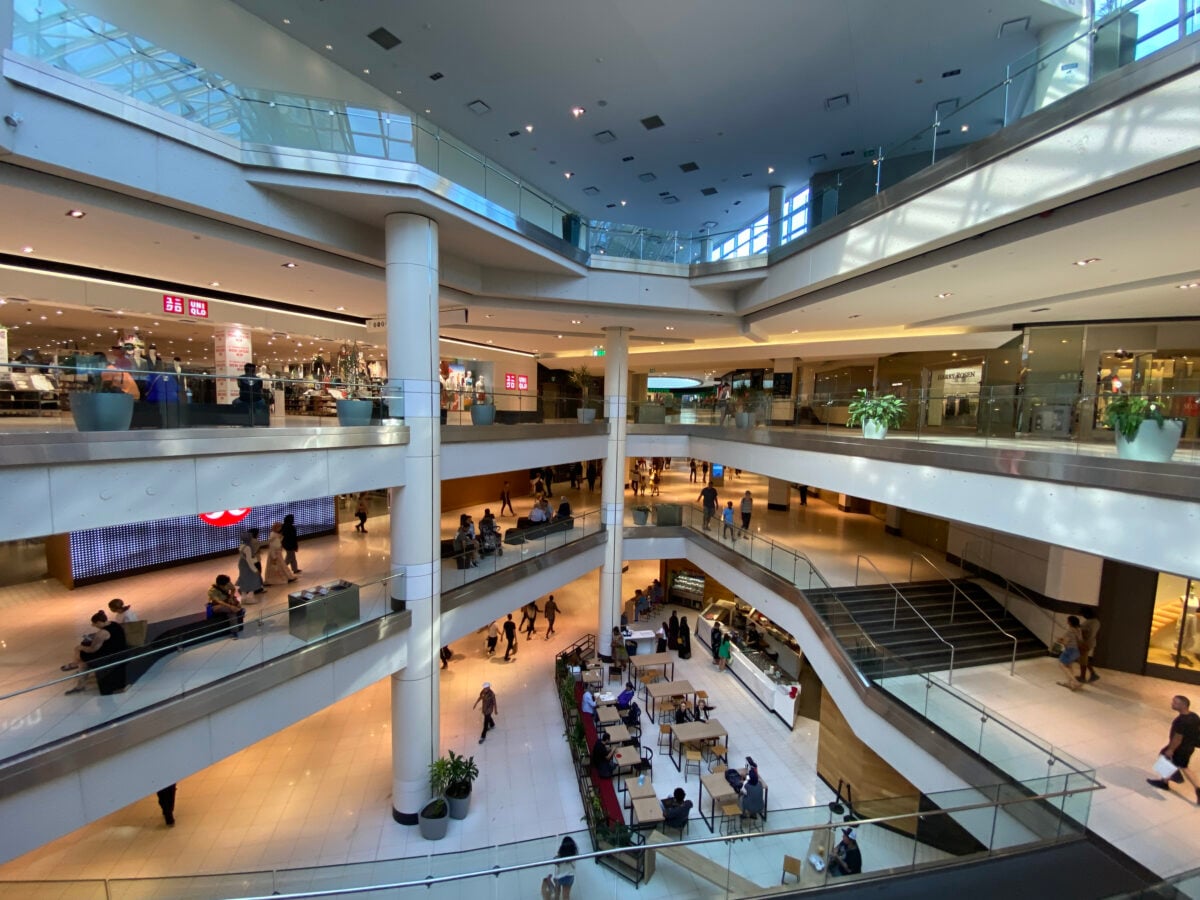
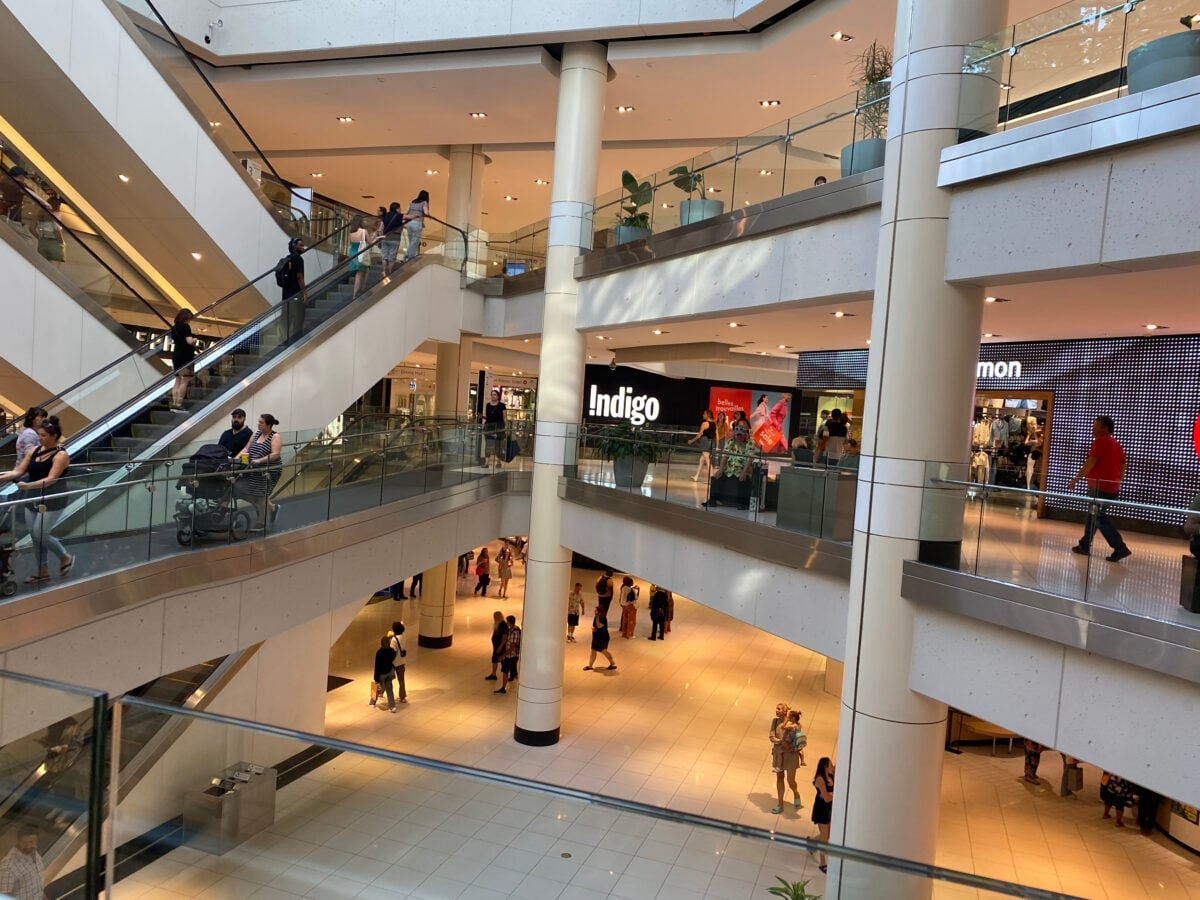
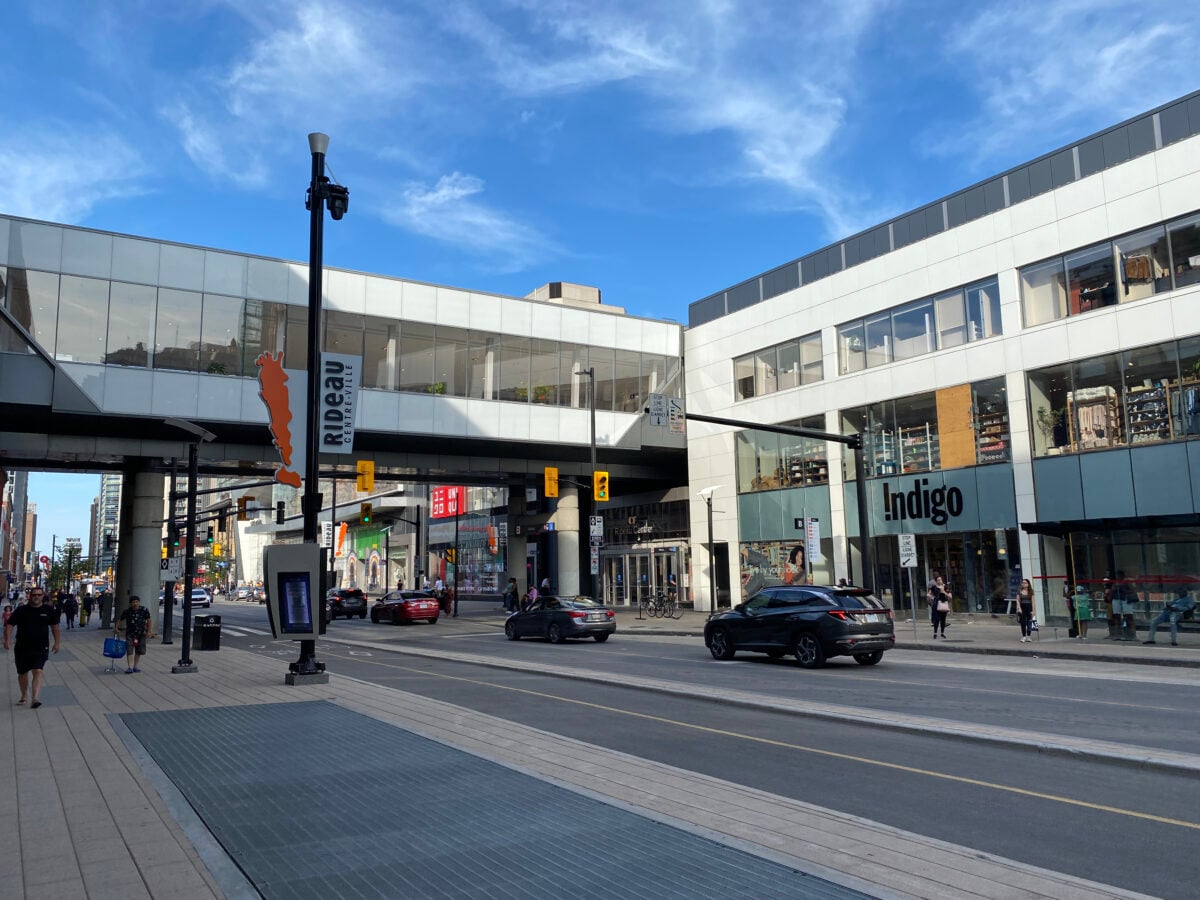
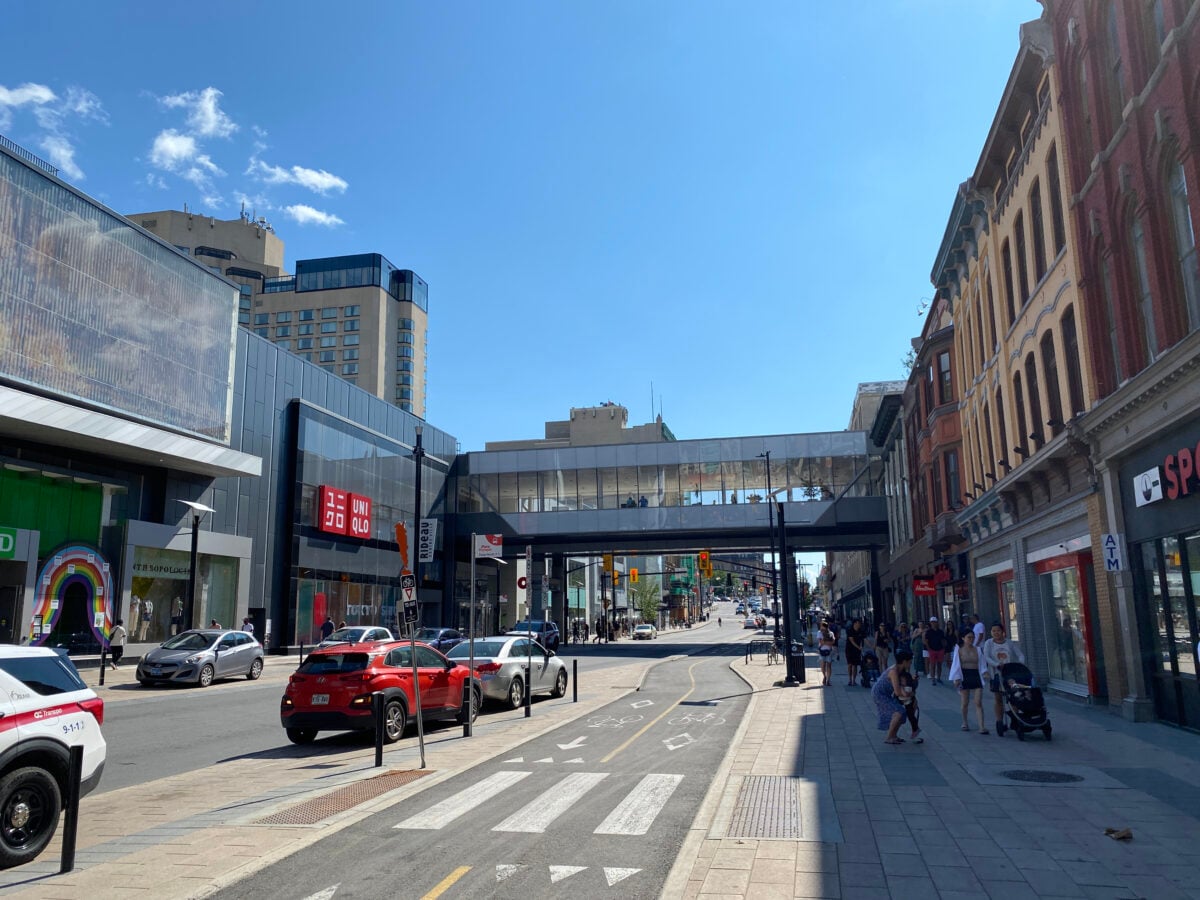
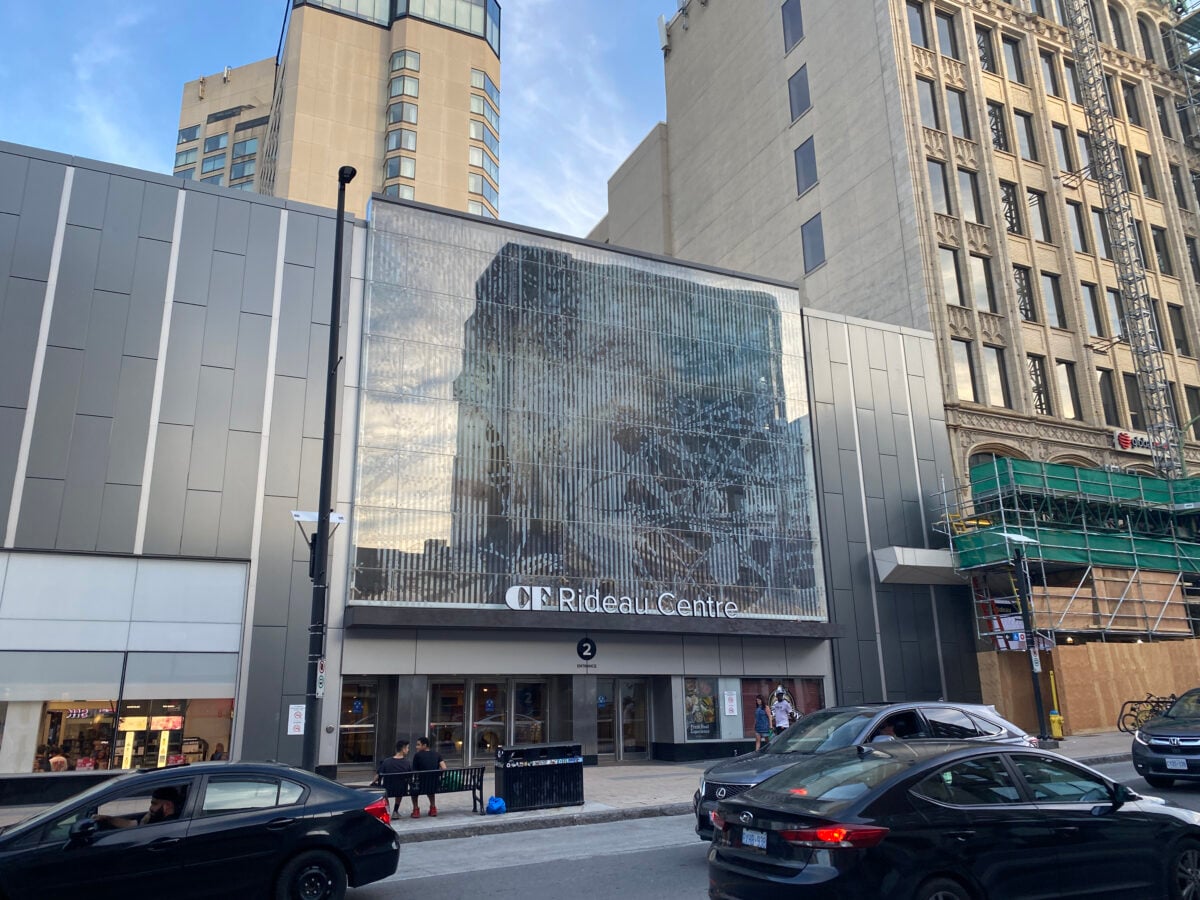
UNIQLO at CF Rideau Centre (Image: Dustin Fuhs)UNIQLO at CF Rideau Centre (Image: Dustin Fuhs)CF Rideau Centre (Image: Dustin Fuhs)
The Ottawa shopping centre is about 1.2 million square feet with about 180 stores. O’Hoski said the mall is about 90 per cent leased.
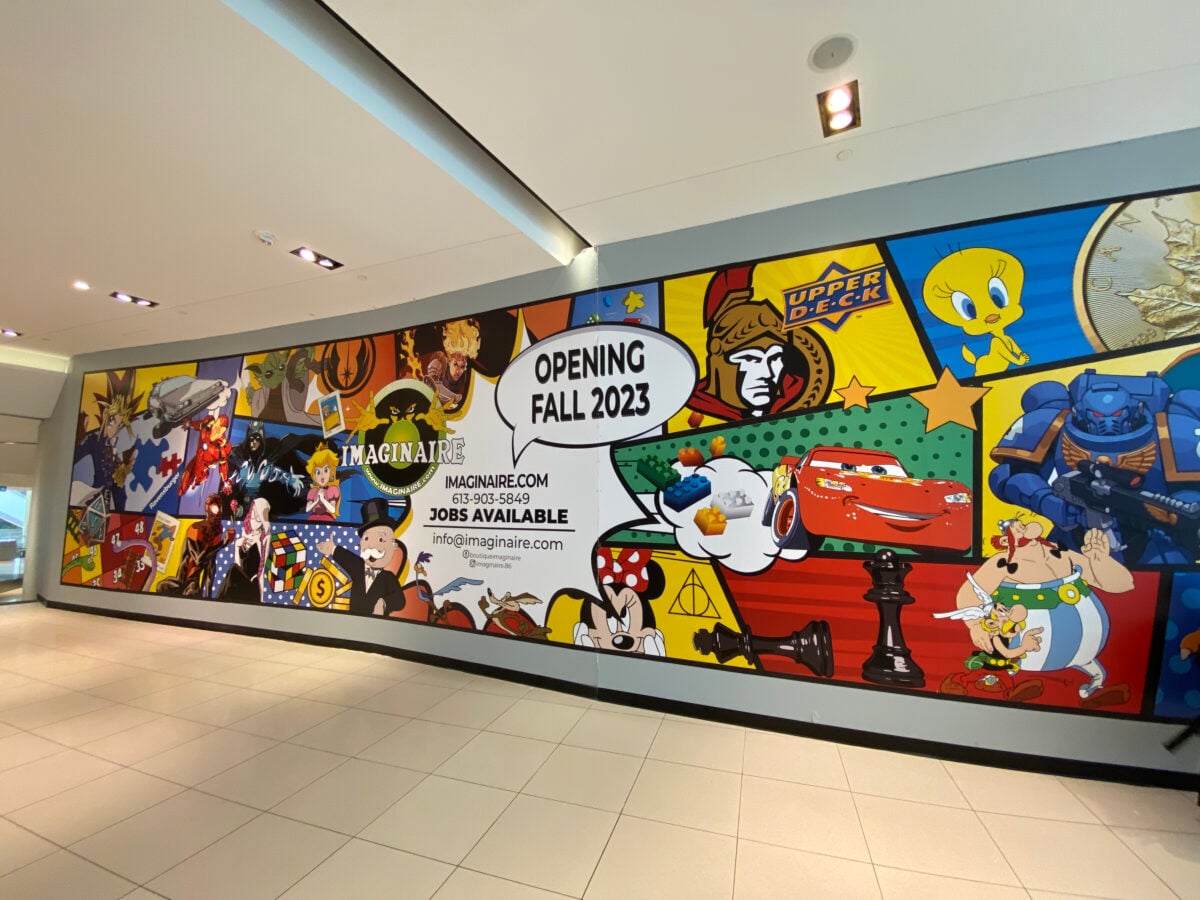
Cadillac Fairview said the Imaginaire store is the first outside of Quebec for the retailer and it will open in the fall. It will be the brand’s seventh store, which offers board games, puzzles, books, pop culture items and collectibles (coins, sport cards, trading cards). Imaginaire will be located on Levels 3 & 4 of the centre and occupy over 20,000 square feet.
Imaginaire Construction Hoarding at CF Rideau Centre (Image: Dustin Fuhs)
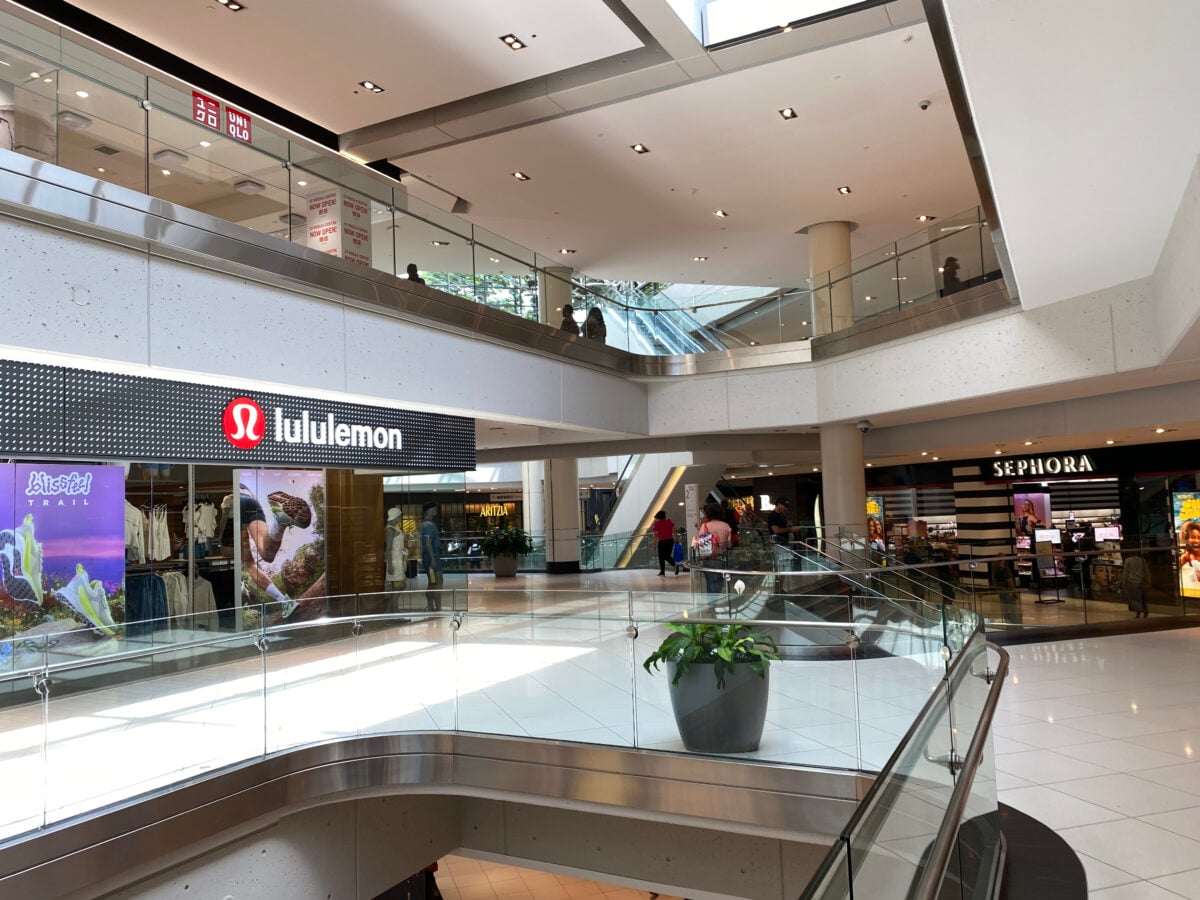
Global retailer Uniqlo made its highly anticipated debut in the Ottawa market this month with a 15,000-square-foot store on the centre’s third floor. The Japanese fashion brand is known for its casualwear and wide selection of graphic tees. The opening at CF Rideau Centre is part of the brand’s five-year expansion plan across North America.
Vancouver-based lifestyle brand Arc’teryx also opened their first location in Ottawa at the centre this past month. The 3,000-square-foot store is located on Level 2 of the centre and features premium activewear and sports equipment for shoppers of all ages.
O’Hoski said Arc’teryx was a quick backfill on a former Nike location which moved within Rideau Centre to another spot which was triple in size. The Uniqlo store is in the former Victoria’s Secret space. The Imaginaire space is unique where “we actually punched in the escalators and an elevator up into the fourth floor. So the retail entrance will be on the third floor of the shopping mall in the expansion but the bulk of their space is actually above in the fourth floor that was formerly a theatre space from a long time ago. It wasn’t being utilized,” he said.
“We had to make a lot of moves to get these big spaces available,” added O’Hoski. “We’re in really good shape and deals are continuing to roll in.”
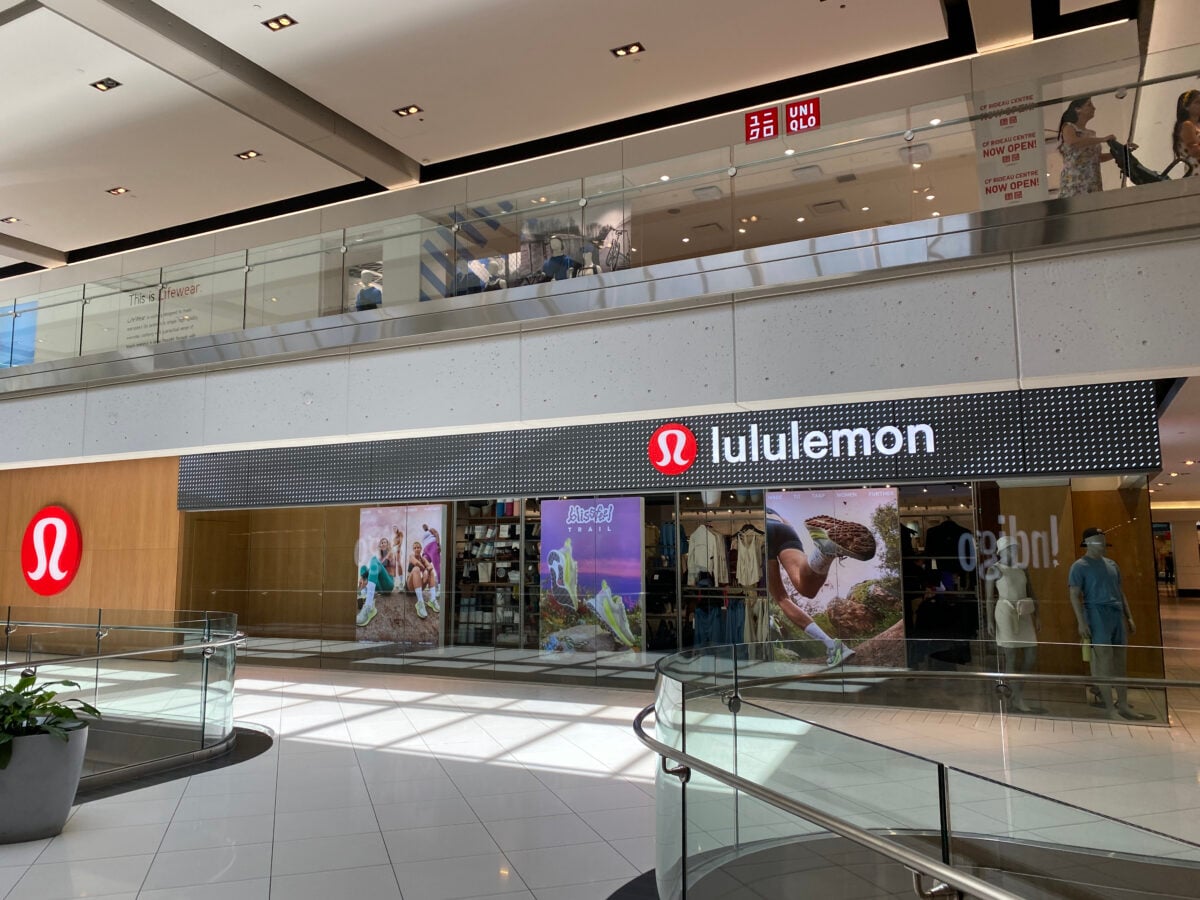
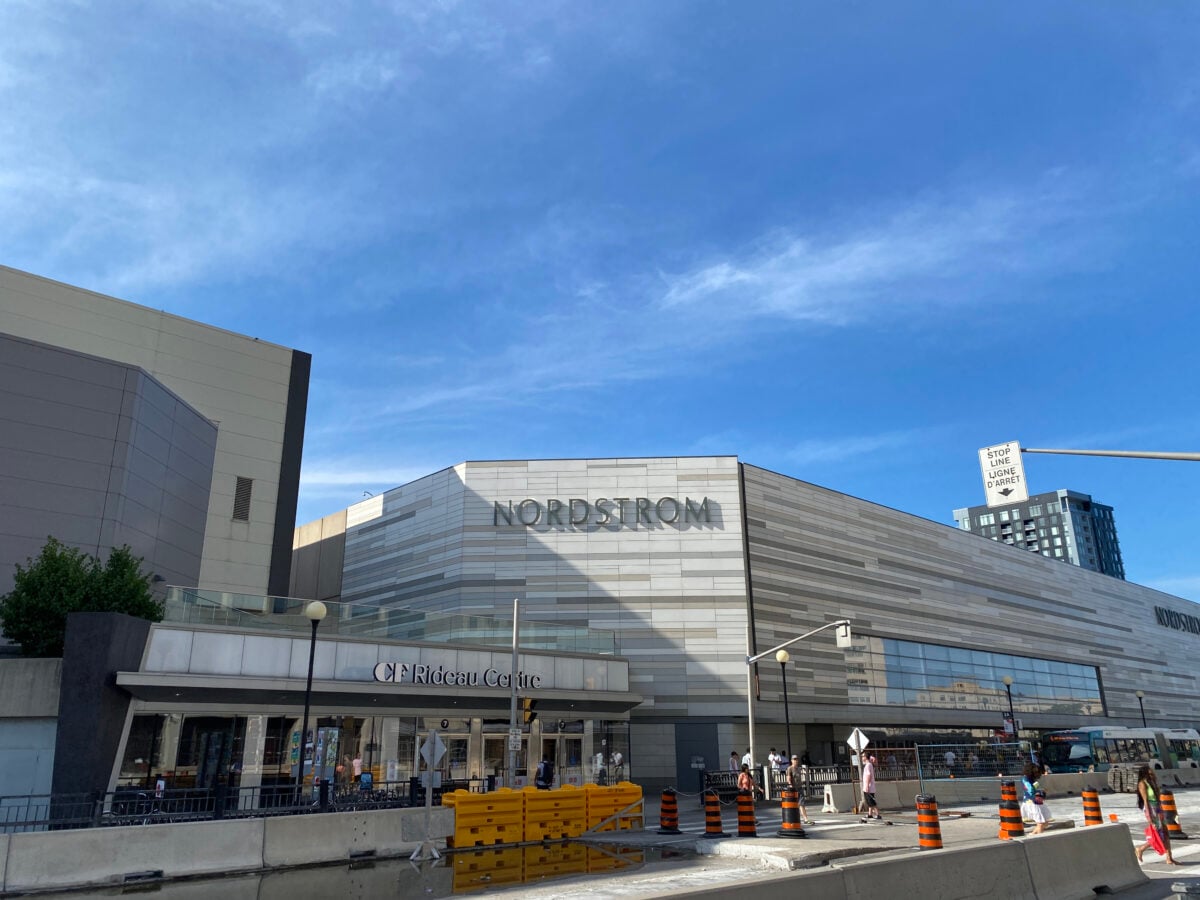
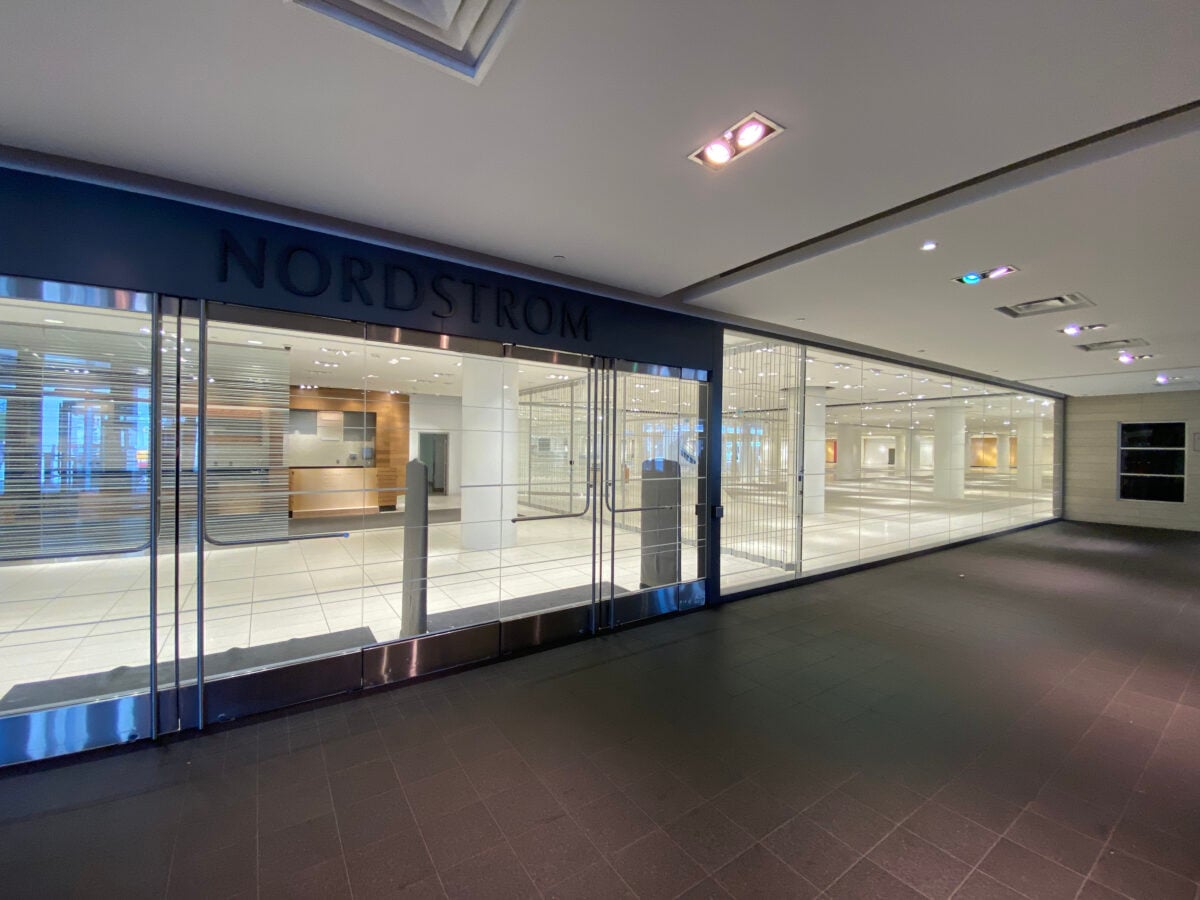
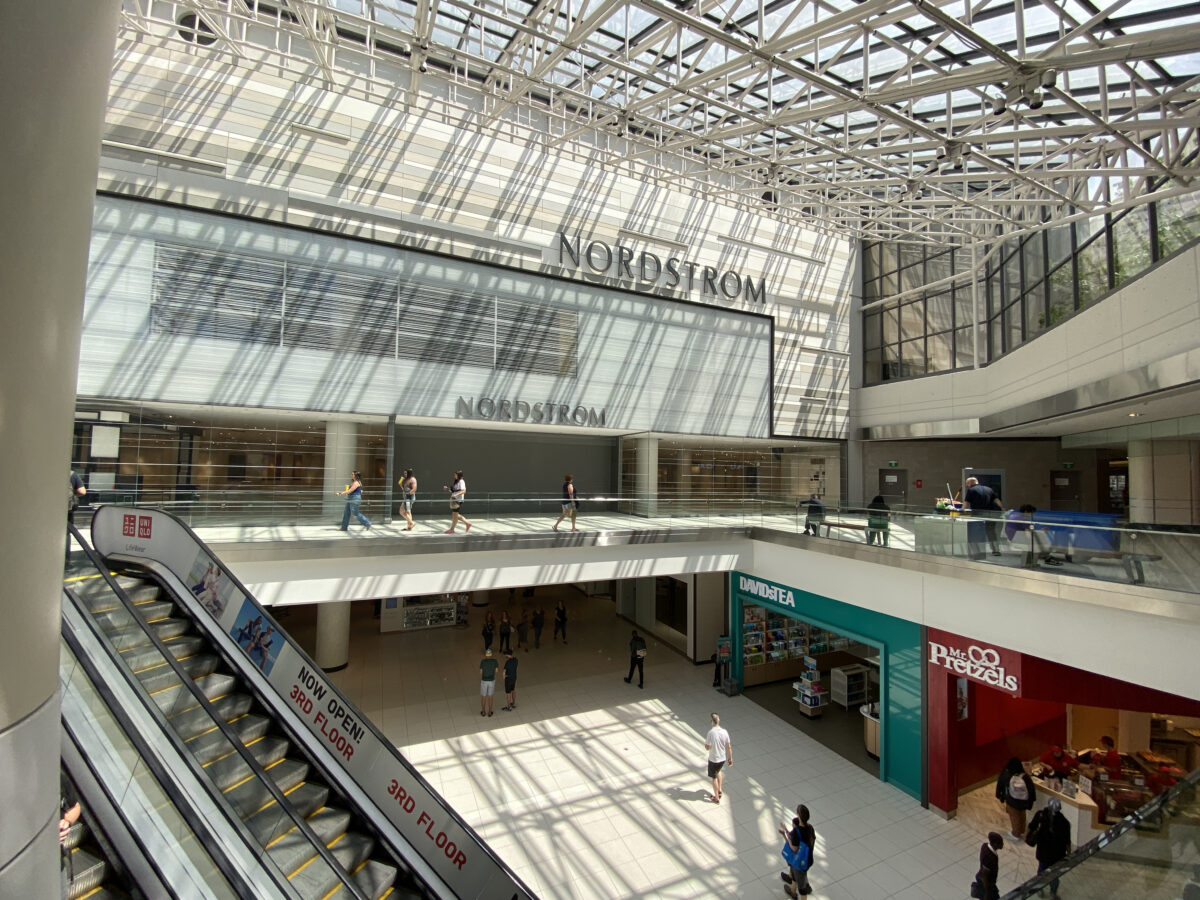
lululemon at CF Rideau Centre (Image: Dustin Fuhs)lululemon at CF Rideau Centre (Image: Dustin Fuhs)CF Rideau Centre (Image: Dustin Fuhs)Vacated Nordstrom at CF Rideau Centre (Image: Dustin Fuhs)Vacated Nordstrom at CF Rideau Centre (Image: Dustin Fuhs)Vacated Nordstrom at CF Rideau Centre (Image: Dustin Fuhs)
The shopping centre is also working on ideas of what to do with the 150,000-square-foot space vacated by the departure of Nordstrom from the Canadian market.
In the past year retailer lululemon also tripled its footprint at the centre.
Wholly owned by the Ontario Teachers’ Pension Plan, CF manages more than $42 billion of assets across the Americas and the United Kingdom, with further expansion planned into Europe and Asia. Internationally, CF invests in communities with like-minded partners, including Stanhope in the UK, Lincoln Property Company in the U.S., and Multiplan in Brazil.
The company’s Canadian portfolio comprises 68 landmark properties, including the Toronto-Dominion Centre, CF Toronto Eaton Centre, Tour Deloitte, CF Carrefour Laval, CF Chinook Centre and CF Pacific Centre.
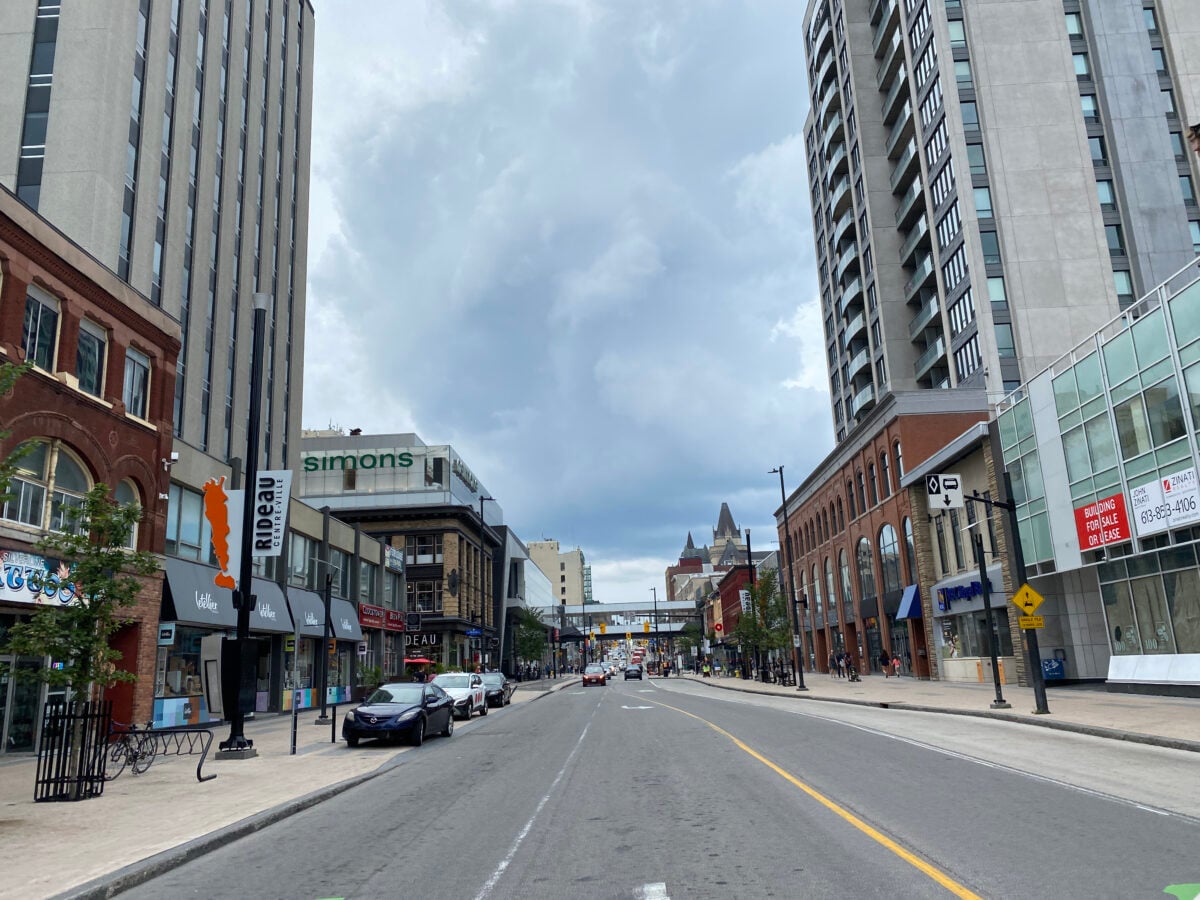
Cadillac Fairview’s first residential rental project in Canada, The Rideau Registry, is a 288-unit building seamlessly integrated with CF Rideau Centre, Ottawa’s largest and busiest shopping mall. (CNW Group/Cadillac Fairview Corporation Limited)The Rideau Registry Construction at CF Rideau Centre (Image: Dustin Fuhs)The Rideau Registry Construction at CF Rideau Centre (Image: Dustin Fuhs)Rideau Street in Ottawa, Ontario (Image: Dustin Fuhs)CF Rideau Centre (Image: Dustin Fuhs)CF Rideau Centre (Image: Dustin Fuhs)
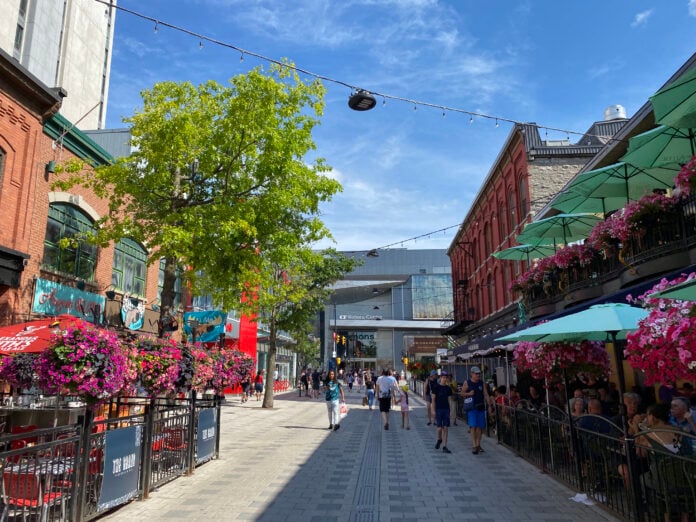
CF Rideau Centre is located in the heart of downtown Ottawa, minutes walking distance to the popular Byward Market, pedestrian-friendly Sparks Street, the Chateau Laurier Hotel and the Parliament buildings.
Every major city in Canada these days has been facing challenges with their downtowns with issues around safety, drugs and homelessness a major topic of discussion. Ottawa is no exception.
“Ottawa I think is no different than our other major markets that we operate in. The government worker in the past has offered so much stability in terms of their employment levels and their work and with them being a little later on the return to work we’re a little behind in terms of traffic,” said O’Hoski.
“I think that’s kind of stirring up or popping up what you’re seeing in terms of the social unrest and the homelessness and drug use. We’ve been having to make some (security) changes and updates and do things a little differently to ensure the safety and security of our centre and our shoppers and our tenants. But nobody’s got the answer for this. We’re looking around at ways of fixing these issues and returning downtown to its glory.”