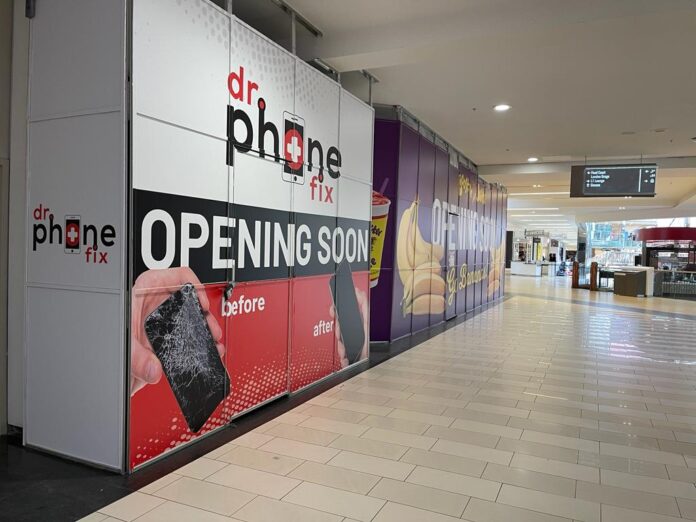
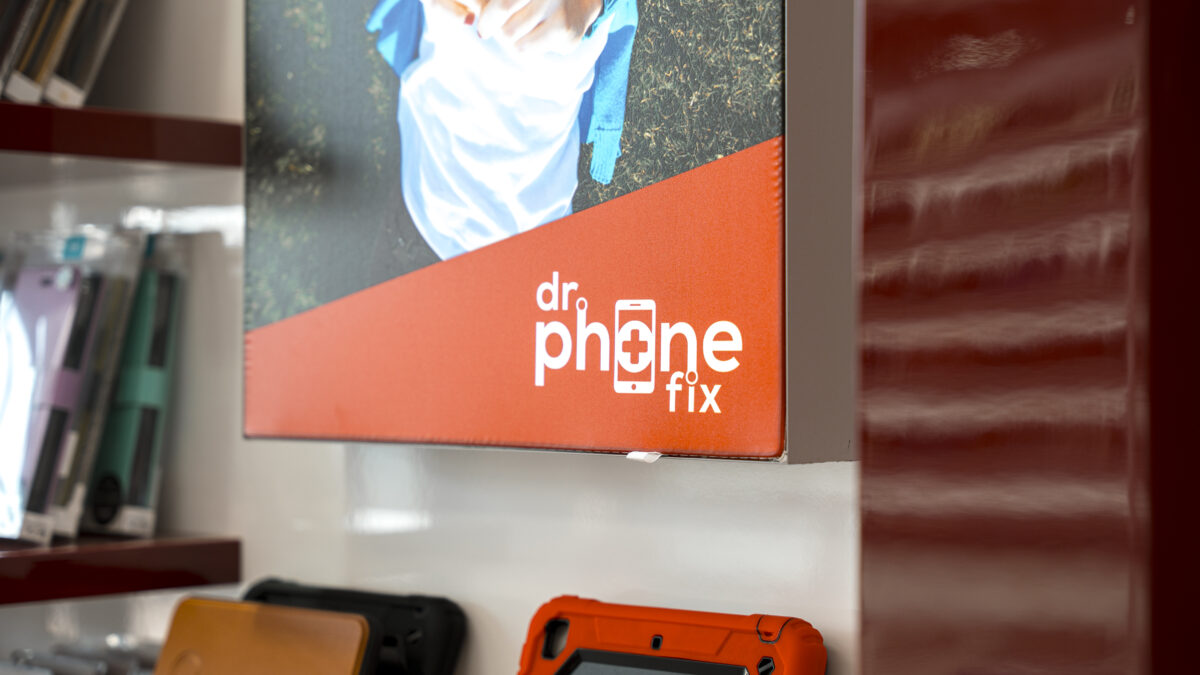
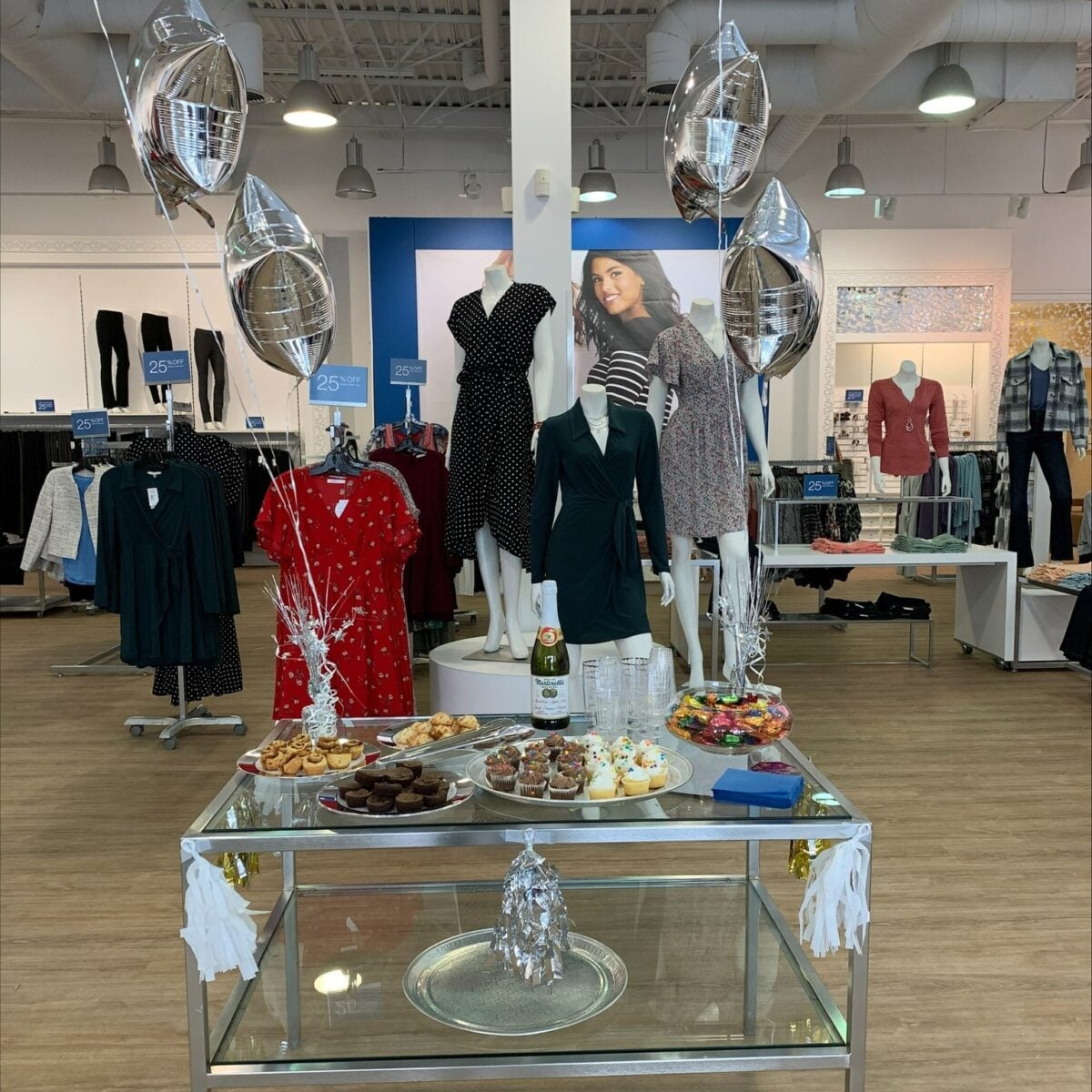
Dr. Phone Fix at West Edmonton Mall (Image: Dr. Phone Fix )
Edmonton-based Dr. Phone Fix, Canada’s fastest growing cell phone and electronics repair chain, is continuing to expand its footprint in Canada and is opening a unique location soon at the West Edmonton Mall.
“For us, we’re thrilled to be going into West Edmonton Mall because of its reputation/worldwide profile. It’s an amazing opportunity to showcase our brand,” said Warren Michaels, VP, Brand and Business Development for the company.
Michaels called it a golden opportunity, an extraordinarily valuable marketing opportunity and a centre piece of its promotional strategy, with the shopping centre seeing 90,000 visitors a day, up to 200,000 a day on high traffic days such as during Christmas.
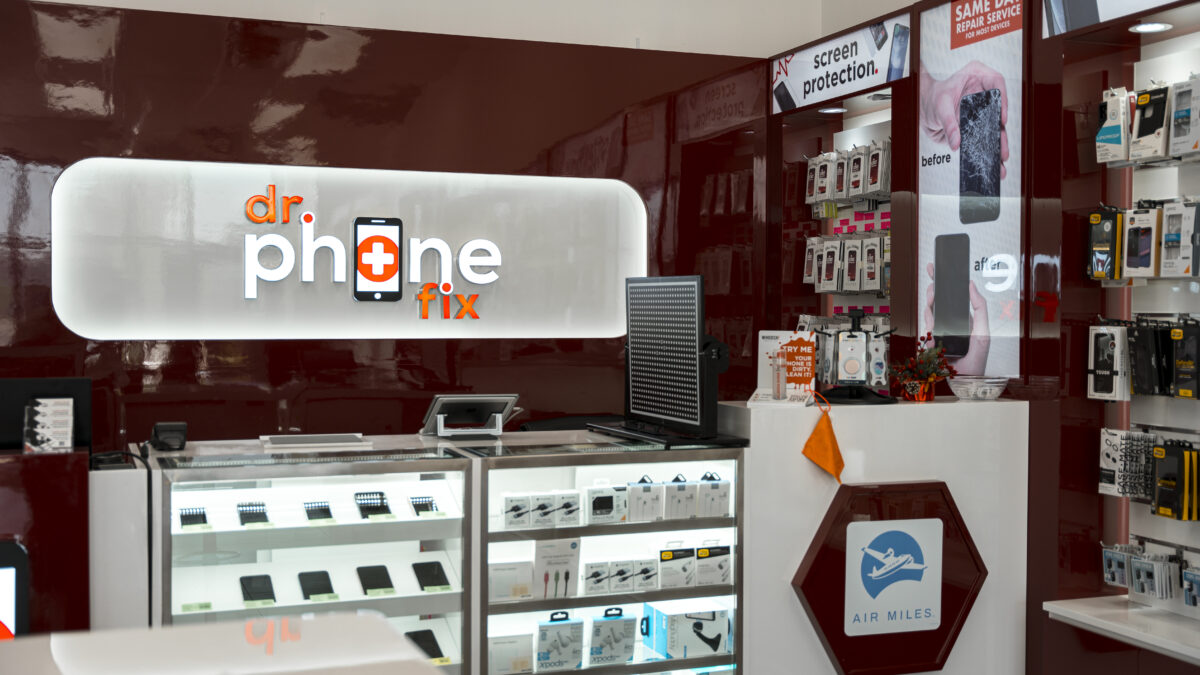
Image: Dr. Phone Fix
It will be the company’s eighth store in the Greater Edmonton Area.
“Ordinarily we’re in plazas. New shopping plazas and we do that because of convenience. People can get in and out very quickly. They park in front of our store, drop off a cell phone, they jump out and head out again. We don’t ordinarily go into malls. That’s not our plan, our format,” said Michaels.
“But West Edmonton is a super opportunity because it enables us to not only have a presence in the mall but also to be seen by 90,000 visitors a day. We’re not going to get all those going past our store or in our store but at least we have that chance. We have that opportunity. That’s one of the biggest things, the opportunity for branding.”
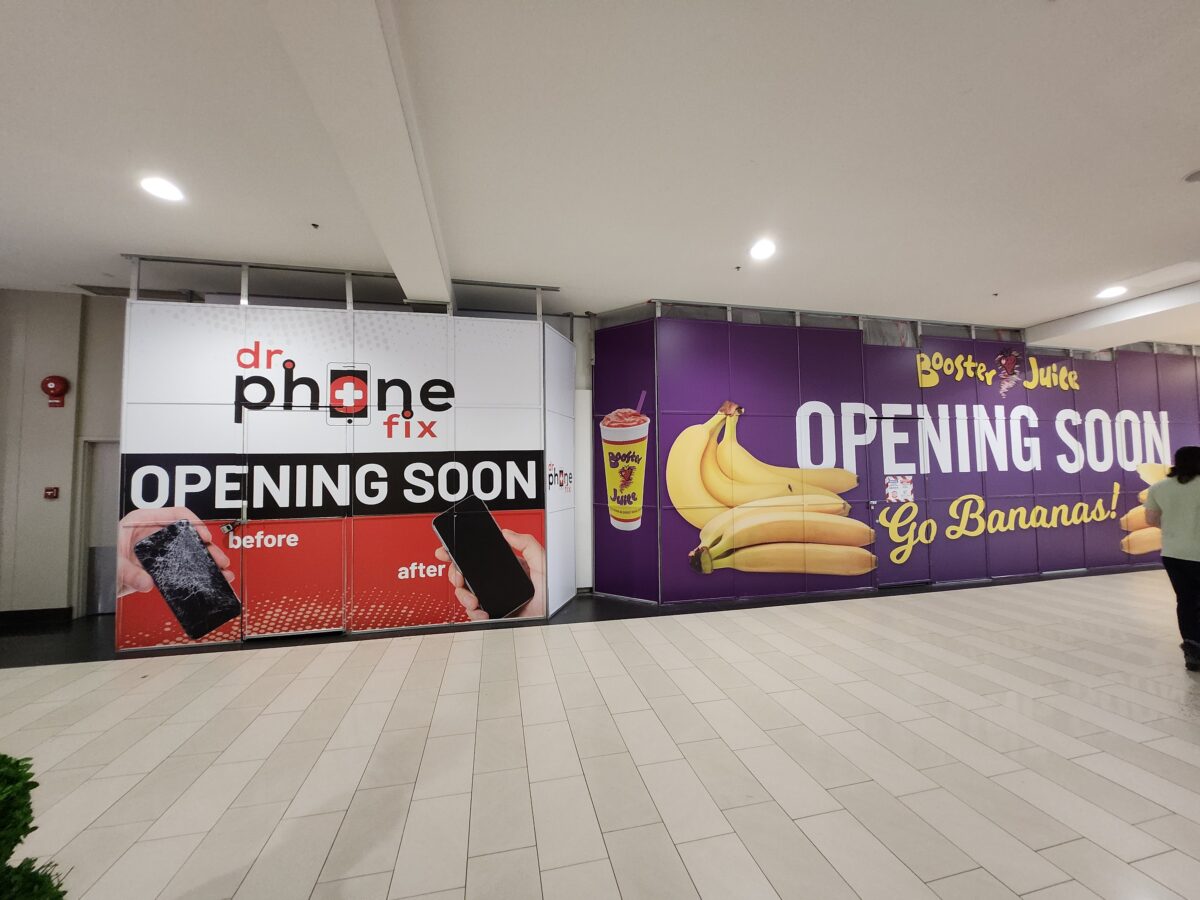
Until it opens in WEM, it’s using the storefront as a giant billboard.
Dr. Phone Fix at West Edmonton Mall (Image: Dr. Phone Fix )
Dr. Phone Fix currently has 34 locations in 20 cities in four provinces. The plan is to grow the national footprint to about 200 stores.
“Our goal is 500 people in total. Way over 400 technicians,” said Michaels.
“Our growth continues to explode. We’re moving fast. We’re burning up the road in my mind.”
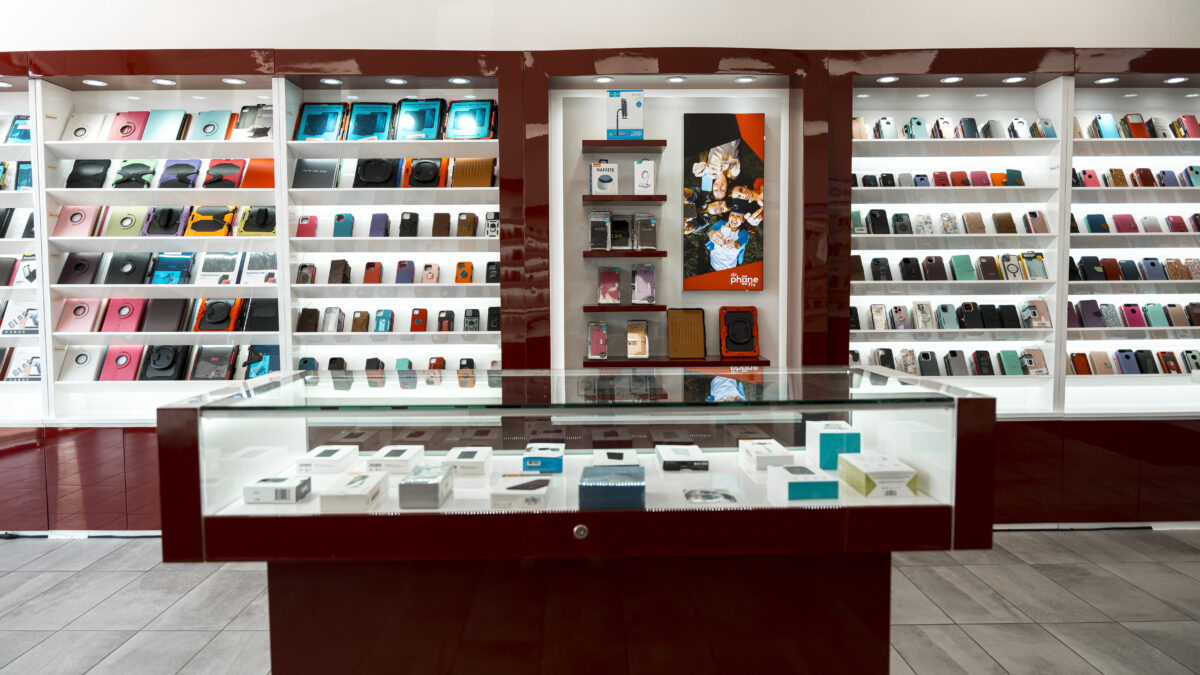
Image: Dr. Phone Fix
In the past year, the company has opened six new locations.
“Each store is somewhat identical in terms of the layout and the shelving and so on,” said Michaels. “We have a format but depending on the space you get you’ve got to work with the space.”
Stores are about 1,000 square feet and the West Edmonton Mall is about that size.
It now has 14,000 online verified positive Google reviews – a big jump since last year’s 4,000.
Last year, it had 50 technicians. Today it has 65.
“We have struck deals with the world’s two largest cell phone makers to provide repair services for their customers. We project that will be a new multi-million-dollar revenue stream for the company,” said Michaels.
Image: Dr. Phone Fix
The growth in the industry is pretty obvious these days with a staggering number of people with cell phones and many of them have more than one device.
“I wouldn’t say we’re recession-proof if a recession happens unfortunately but we’re pretty well protected. Everybody has cell phones and there’s certain things they would not do without and a cell phone is one of them,” said Michaels in a previous Retail Insider story.
“People are now keeping their phones slightly over three years as opposed to model changes almost yearly. And so if a recession was to hit, people would be buying our pre-owned phones rather than buying up.
“It’s a massive, massive growth industry. It’s hard to get solid numbers.”
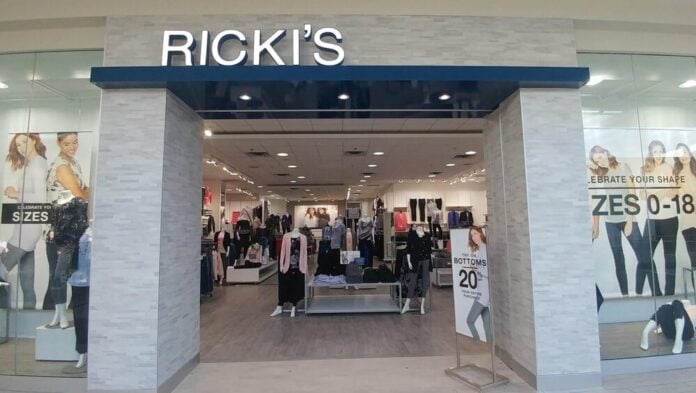
Craig speaks with Dave Nerada, President of Ricki’s and Cleo Fashion, to discuss the changes happening in the women’s fashion brand Ricki’s. They talk about the focus on bringing relevancy back to the brand through a new web platform, improved product quality, and the launch of a new store design. They also mention plans for renovations in current stores and the accessibility of the brand’s price point. The conversation touches on the customer base, the updated website, shipping options, store locations, and future product offerings.
A transcript of the conversation can be found below.
If you prefer to listen to the audio version, it is available below:
The Interview Series audio podcasts by Retail Insider Canada are available on Apple Podcasts, Stitcher, TuneIn, Google Play, or through our dedicated RSS feed for Overcast and other podcast players. Also check out our The Weekly audio podcast where Craig and Lee discuss popular content published on Retail Insider which is part of the The Retail Insider Podcast Network.
Featured during this interview:
Dave Nerada, President Ricki’s and Cleo Fashion Inc.
Craig Patterson 0:03 Welcome to the Retail Insider Video Interview Series. I’m your host, Craig Patterson, and we’re joined here today with a special guest. This is Dave Nerada and he is the President of Ricki’s and Cleo – the women’s fashion brand. Thank you for joining us, Dave.
Dave Nerada 0:17 No problem. Thanks for having me today, Craig, I appreciate it.
Craig Patterson 0:20 Now, let’s quickly talk about yourself. Tell me how did you come into the company, it’s about a year ago, I think it was. What’s your background in retail?
Dave Nerada 0:29 It was just over a year ago, where I joined both sides of the business with Ricki’s and Cleo. But I’m an old school retail guy, I actually got my start a really long time ago as a stock boy in the back of a Club Monaco. And before I realized that I fell in love with the industry and I fell in love with the chance just to take a customer and find a way to connect her to a product where she felt really good. And from that journey, it’s led me along a pretty exciting road where I’ve had a chance to work with some pretty impressive businesses through with Club Monaco to Aldo. Spent some time at YM. Urban Barn, which is a fantastic company, incredibly well run. And then most recently at Princess Auto before I had the chance to join the Ricki’s Cleo team here.
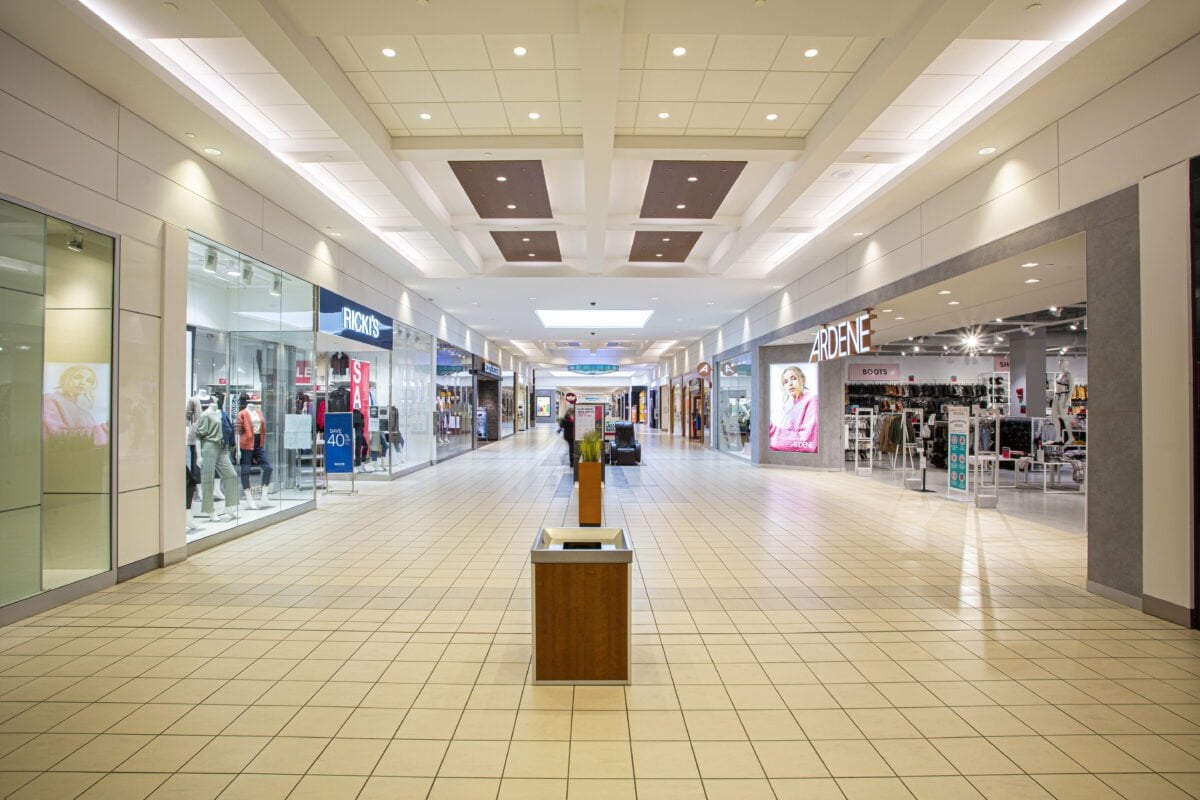
Ricki’s and Ardene at Sherwood Park Mall – February 2021 (Photo Primaris Management)
Craig Patterson 1:15 Terrific, terrific. Now, Ricki’s is going through a bit of a change under your direction. Can you tell us about that?
Dave Nerada 1:21 Yeah, you know, the one thing that we’ve really been focusing on over the last little while is about what do we mean to the customer? And how do we really bring relevancy back to some of these really impactful brands. So over the next little while, the customer is going to really get a chance to see what that means. So this week, as an example, we’re launching a new web platform, which is going to just really help to bring some relevancy, remove some ease, and just really show the product in a really different light. We’ve also got new product that’s going to be coming through in fall, where we’ve really focused in on the quality, the texture, the real price value equation, and giving her everything that we can and every one of our products. And then most importantly, what we’re really excited about is a launch of a new store, which is going to be coming this way in August inside of Willowbrook mall, where it’s a whole new design that just talks and feels softer, it feels feminine, but it’s just a place where we believe our customer will feel really comfortable to come and shop and experience the brand that we’re talking about today.
Craig Patterson 2:22 Tell me a bit more about this Willowbrook store, I’m curious to hear what the components are going to be within it.
Dave Nerada 2:30 We’ve paid a lot of attention to just softness and texture, right. I think in many cases, a lot of folks will talk through fixtures and talk through like just the way things are designed. But we really wanted to have a bit more of an emotional connection. We’re going to use a little bit more softer woods, we’re going to tone down some of the color palettes. But just to create a just a little bit more of an elevated experience for the customer as she walks in. Right. So I think it’s a it’s an important thing when a customer comes in and wants to shop with you that you create an experience where she feels really comfortable, and feels really welcome and really warm inside of that space.
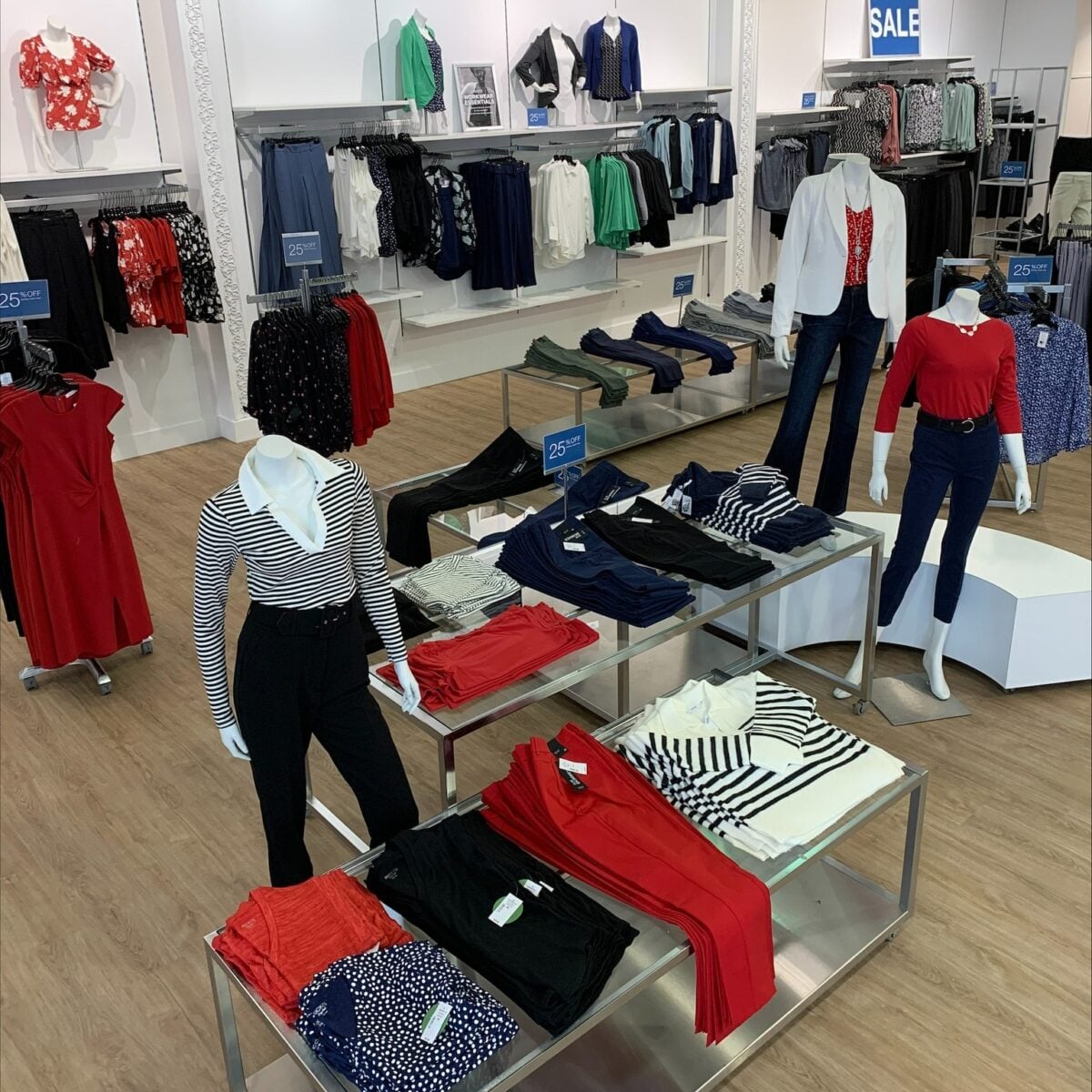
Ricki’s Grasslands
(Image: Ricki’s)
Craig Patterson 3:07 Terrific. Are other Ricki stores going to see renovations or what are we going to see in terms of this?
Dave Nerada 3:13 We’re going to slowly start to take components, right. So as we begin to learn, where the customer sees these different components of the brand is at the evolve, take a few of those different pieces and slowly start to introduce them into a lot of our current stores. So if it’s a wood slap wall to soften if it’s, you know, really maybe painting the walls to just pull down some from the white to just a little bit more neutrals, we’re going to slowly through over the next couple of years slowly start to invest a little bit more in some of the components as we start to roll out the concept.
Craig Patterson 3:47 Terrific, terrific. Now, the product itself within the stores is going to be changing a little bit as well tell me about so the clothing that we’ll see. Well, I guess even into the summer here, or is it more fall-winter that we’re gonna be seeing changes with Ricki’s?
Dave Nerada 3:59 Its going to be fall-winter driven, right, like, we truly know that our customer loves coming to us, you know, for that everyday wear to work product, right. And we want to make sure that she can feel the weight and feel the texture behind the the quality of the product that we’re starting to move with. So great example is in some of the sweater programs, really working through to bring some cashmere through some of the blends to feel softness to it, a lot of wool and some of our outerwear to bring the quality back. But the buyers have spent a lot of time into the little details so that when that customer not only touches the product, as she wears the product, she’s going to really feel incredibly different and all while still maintaining, you know, and the goal is maintaining the same price points that we currently sit with today. So really making sure that she feels that the product that she’s getting into is going to last for a long time but also at the same time, feel good and make her feel even more amazing.
Ricki’s Grasslands
(Image: Ricki’s)
Craig Patterson 4:55 And the price point is quite reasonable in terms of – I think that I don’t want to say there isn’t a lot of competition. But certainly, it’s kind of a sweet spot where it mean, it’s not a fast fashion price point. And it’s not a luxury brand either. But it is accessible to many Canadian women, I think, is that correct?
Dave Nerada 5:10 It is. When you start to look at some of the products where you know, a really great fitting pair of black dress pants, you know, at $59.90 or $69.90. In some cases, that $49.90, the team has worked really hard at actually taking a look at the fabrics, looking at the construction, but getting that fit just right for her because nothing beats a perfect black pant. Right? And I think, you know, our customer knows us for that. But at the same time making sure that there’s options, and there’s full outfitting so not only can she come to us for one, but we’ve got teams of people that are ready to help her go a little bit head to toe to make sure that we help her feel really good with what she’s what she’s walking out of the store with.
Craig Patterson 5:51 Is there a particular type of customer that shops at Ricki’s like a bit younger, bit older professional? Tell me about even sort of the psychographics that might be there?
Dave Nerada 6:01 Yeah, I think there’s sometimes a lot of people try to put an age, but I think it’s a moment in time, right? And I think it’s an every day working person who could be a teacher. We talk a lot about how we’ve got a really strong core customer base inside of teachers or educators. People spend a lot of time, you know, teaching our children teaching in our society. But we also have those people that are starting their career. They’re coming into the career, it could be the first time that they’ve got to wear more professional clothing. Or it could be that, they’ve been with us for some time, and they know the fit, they know the quality, and they come to us for that. One thing that we always get excited about is we have a program that’s called 10 items, 10 ways. And what it does is it just helps to show the customer the different ways to wear these outfits and pull them together. So it just makes it easy for her, right? Because we know that our customers busy, we’re all busy, we all want to make sure that we feel great and that we look great. And anytime our team members, or even through digitally where we can help her work her way through that collection. It’s the perfect time and place for us.
Craig Patterson 7:12 Now, tell me about the website, you said that it’s been updated, I had a look earlier and it wasn’t quite finished. And now it is actually up. I was trying to do some homework because I’m obviously not a Ricki’s shopper, being a guy. But I gotta tell me a bit about the website itself and what it entails now.
Dave Nerada 7:27 Yeah, the exciting part is the website is live today. And what we talked about as a team is that the website going up today, step one. Anyone who’s ever done an implementation, we know that it’s about listening. It’s about getting a website that will have better functionality for the customer. It’ll remove some of the friction as you shop through the process to make it a lot easier for you. But what we’re really focused on is just listening to her and as she shopping with us and where she’s spending time, so that we can continue to evolve the experience so that it’s better suited suited to her. But I think the thing that we’re most excited about is the product pages look fantastic. The quality of the imagery is much better. And I think it’s just going to create a different shopping experience, that she’s going to feel really good as she moves through the website.
Craig Patterson 8:14 Excellent, excellent. And things are shipped to the home or a person could possibly pick them up in the store or tell me a little bit about that part of the experience.
Dave Nerada 8:21 Yeah, so right now for us, it’s really about E comm. You know, it’s really that channel. The goal, as we continue to go through the platform, we do have the ability to ship that product to the store. So again, through ease of customer experience. We’re all busy, we all know we have a lot of things going on in our lives. But we’ve always had the capability to fulfill that order from our E commerce center into any of the locations that’s close to her. And we can actually have it delivered to any Ricki’s, any Cleo, or any Bootlegger, because we’re all a family of brands. So it makes it really easy for the customer. We’ve also implemented something that we call in store ordering, which allows for a customer while standing in a store, that if we don’t have that size for them for whatever reason that we will gladly place that order have it brought to the store or sent to their home. So it’s just really about making sure we create ease and remove the friction points. So the customer just gets the best experience that we can offer to her.
Craig Patterson 9:21 Oh, that’s great. That’s great. Now stores themselves. They’re in a mix of locations. You’ve got some shopping centers that are enclosed, you’ve got some, I think even outlet centers and strip malls. Tell me about that. And are we going to see any new stores opening with Ricki’s?
Dave Nerada 9:34 Yeah, I think right now, the biggest thing like a lot of retailers, it’s just really about after the pandemic, settling things down, and about really focusing in. We’re always looking to grow and we’re looking for the right places of where we can connect with our customer. But we believe it’s important to have a good mix of, you know, really strong shopping centers. You know, as an example, if you think of TD center where we’ve got a great Cleo location there, Polo Park, Masonville has some really strong properties. But it’s also great to have a collection of other properties that are, you know, really rural suburban markets that are easy for the customer, where she can still get to. In and out quite fast if there’s a product that she needs to pick up or something that she’s got delivered there. So we’ll always maintain that mix. So for us, it’s settling, it’s really focusing, but ultimately, being really aware of where’s my customer? And how can I actually be there for her to simplify the journey?
Craig Patterson 10:31 Terrific. Is there going to be an expansion in product in terms of clothing offerings, again, not being an expert in terms of footwear, handbags, or tell me a little bit about any sort of new products that are coming with Ricki’s?
Dave Nerada 10:45 Yeah, I think the big thing for us right now is just back to return to the basics of where we where we started, which is really around that where to work. And that’s that percent professional feeling. And then we’re really looking to elevate the casual side of the business a bit differently. So just bringing in some different textures bringing in some different feeling. So it’s not only will she wear it to work, but it’s also a great opportunity to go out to spend some time with her friends. You know, we know our customer, she loves to work, but she loves to laugh, and she loves to have fun with her friends. So you’re going to see a little bit of a return back to that a little bit more elevation, some really great textures and feels. But really back to the basics, Craig. I think that’s what a lot of retailers are trying to focus on. We’re trying to focus on, you know, that’s our brand difference is being that retailer that gives her that great blazer, great bottoms, lots of different options. And then again, just some really great elevated casual for her to spend some time with her friends or go shopping.
Craig Patterson 11:46 And are there any sort of colors that women are gravitating towards? Or are Canadian women a bit more conservative than wearing blacks and browns and grays? What do you see in terms of fashion.
Dave Nerada 11:57 I’m never the guy that talks about those things. You know, I have a super talented team, that is always the one that’s guiding the fashion. But I think the there is just going to be some really subtle neutrals and some soft colors that I think it’s going to really stand true. But I would love to set up some time with you and our GMM, who is by far. I am not the fashion guy. I’m the other one. But again, I think you’re going to see that the customer just wants to return back to quality products, right? I think she wants to find the value behind what it is that she’s pleased with where she’s choosing to make that purchase. But you’re going to start to feel that and see that in some of the textures.
Craig Patterson 12:38 Terrific. Terrific is anything else we should mention about Ricki’s here today? As it embarks on this expansion journey with sounds very exciting.
Dave Nerada 12:46 No, honestly, I just what I’d love to share with the customer is that we constantly listen, and we’ve heard, and we’re really coming back to the roots of you know, who we are and what they expect out of us. But most importantly, is we’re trying to cement all of these digital assets and transformations back to an amazing experience inside of our stores. And we believe that we have an incredibly talented team out in the retail industry that just want to spend that time with the customer and do everything they can to make her feel super special, and feel really connected back to the brand that we’re trying to rebuild.
Craig Patterson 13:21 Thank you so much. This has been a really interesting conversation and learning about fashion learning about retail. I hope everything goes well with Ricki’s and Cleo and Bootleggers as well as this group expands. So thank you so much, David Nerada, the president of Ricki’s and Cleo.
Dave Nerada 13:37 Thanks, Craig. Thanks again for the time.
Craig Patterson 13:39 Great, and I’m Craig Patterson. I’m the founder of retail Insider, and I’m the host here of the Retail Insider Video Interview series. Thank you so much, everyone for joining us here today. Take care and bye for now.
Subscribe, Rate, and Review our Retail Insider Podcast!
Drop us a line at Craig@Retail-Insider.com. You can also rate us in Apple Podcasts or recommend us in Overcast to help more people discover the show!
Background Music Credit: Hard Boiled Kevin MacLeod (incompetech.com). Licensed under Creative Commons: By Attribution 3.0 License. http://creativecommons.org/licenses/by/3.0/
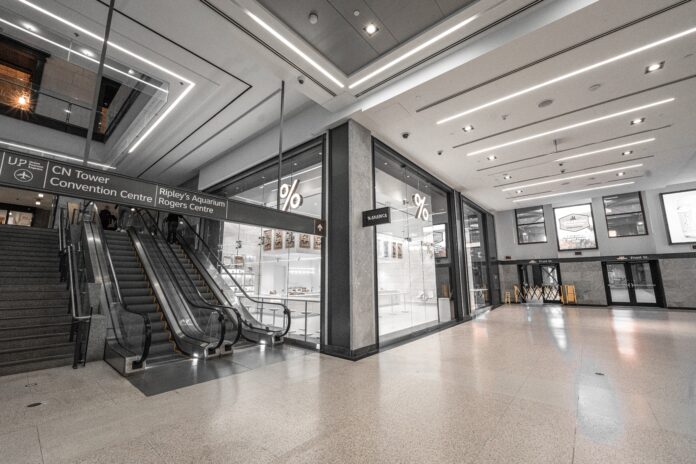
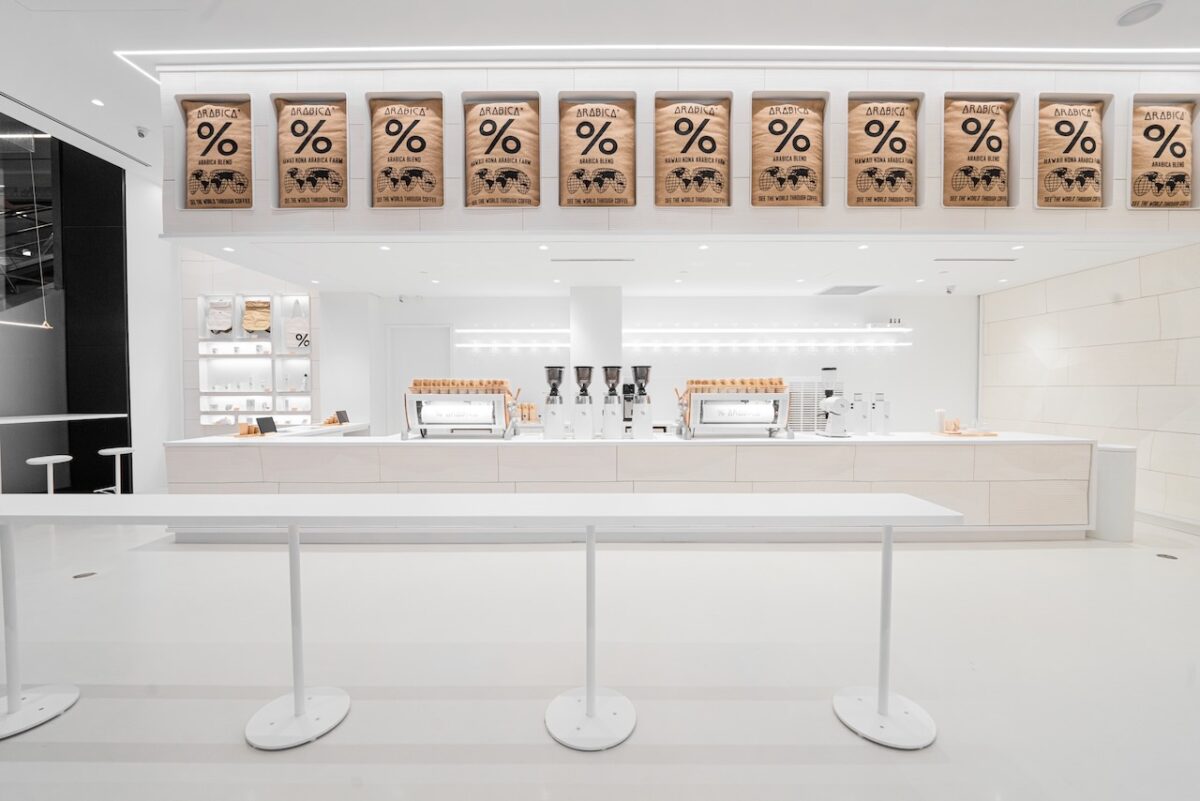
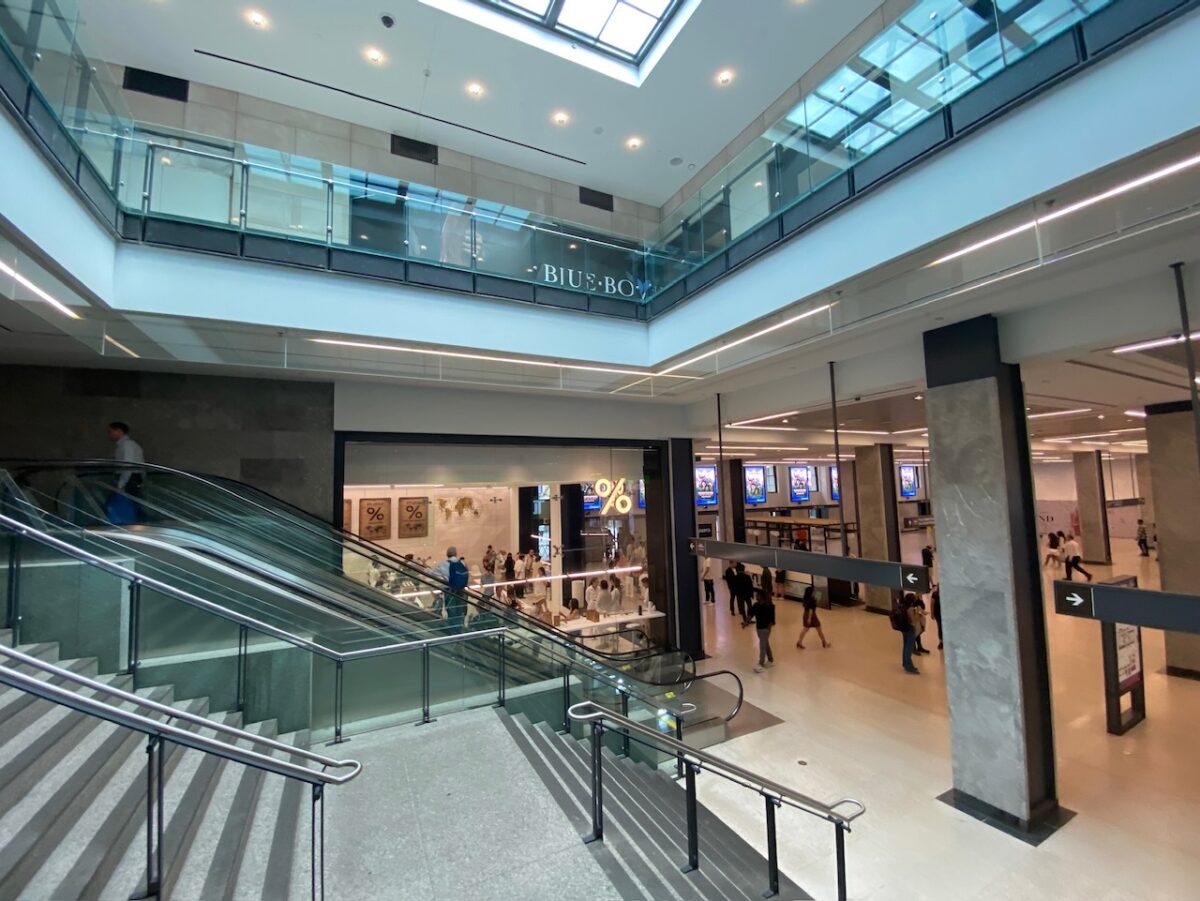
% Arabica Toronto Union Station (Image: % Arabica)
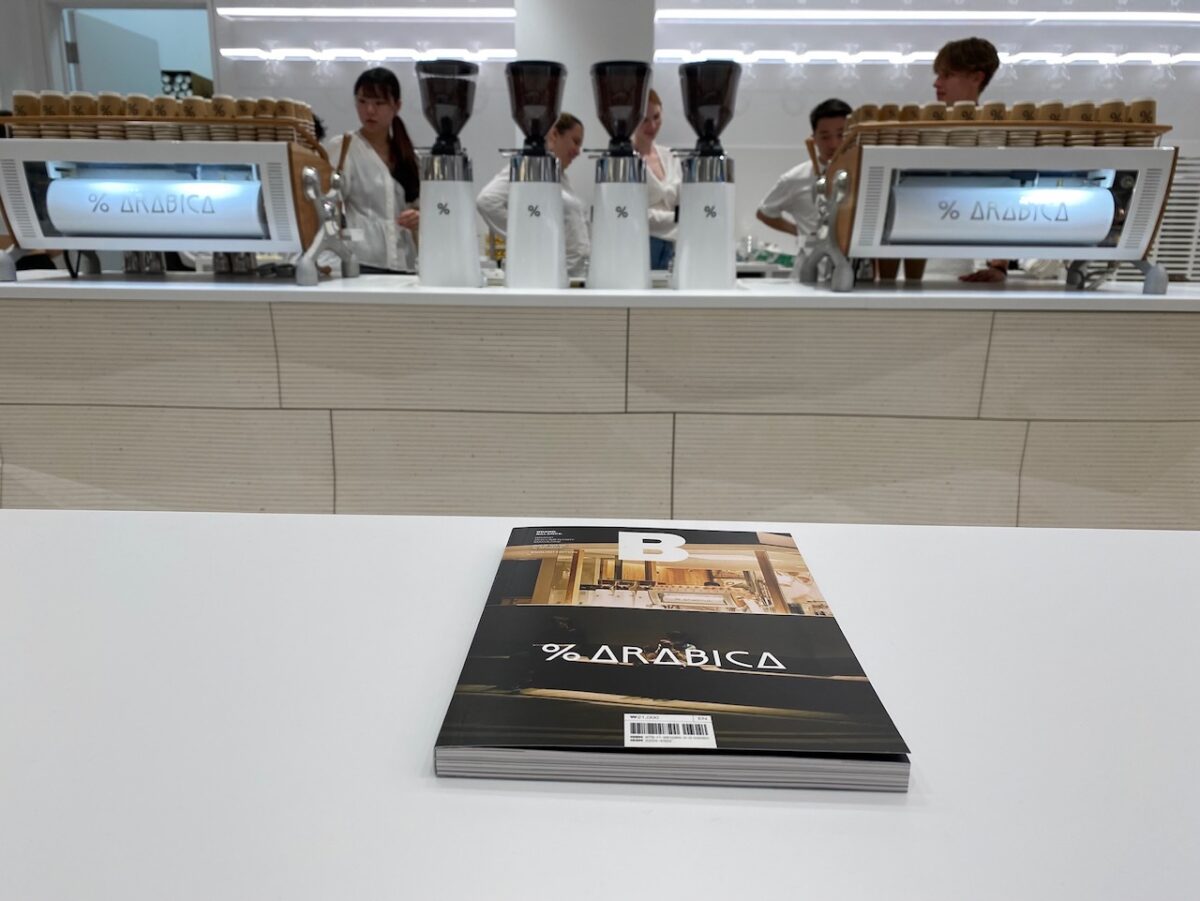
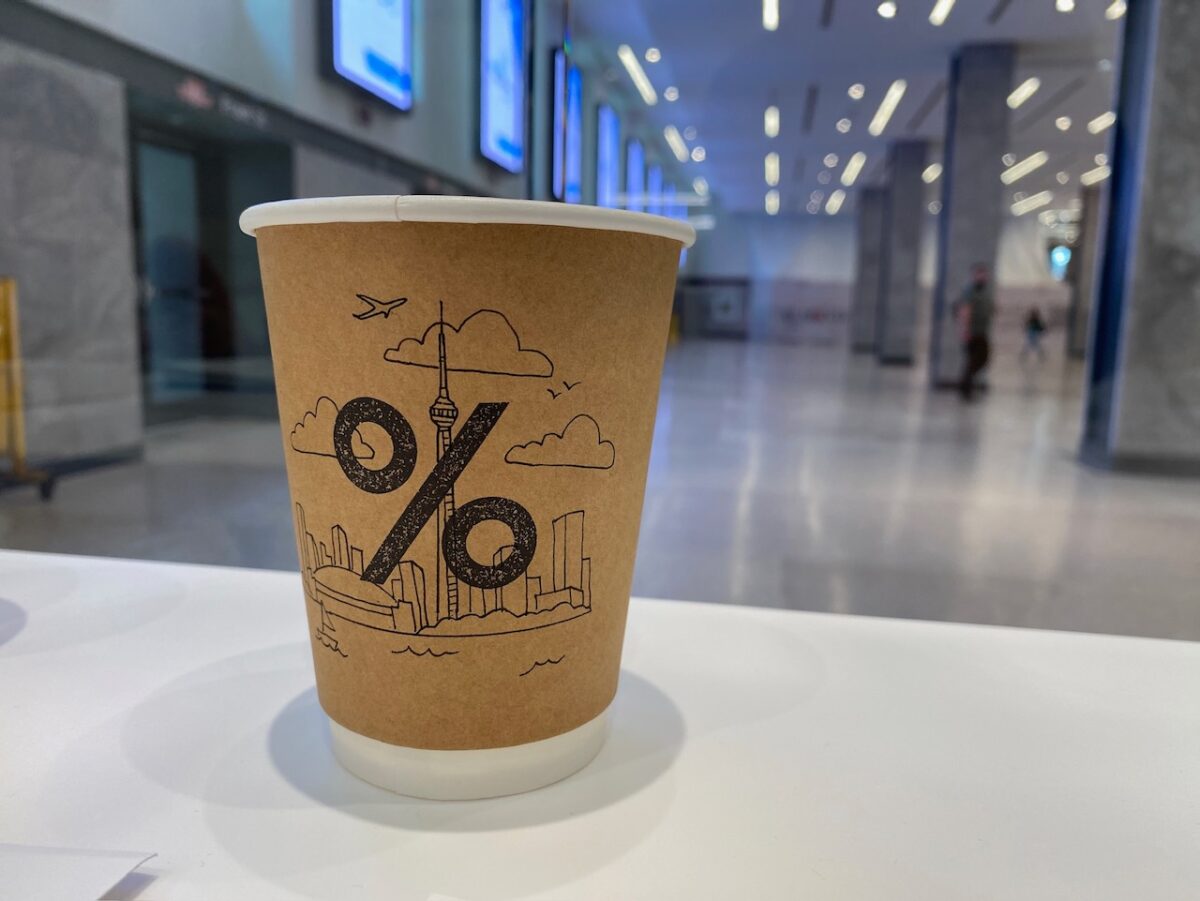
Japanese coffee brand % Arabica has opened its first downtown Toronto location at Union Station. It’s the second Canadian location for the company.
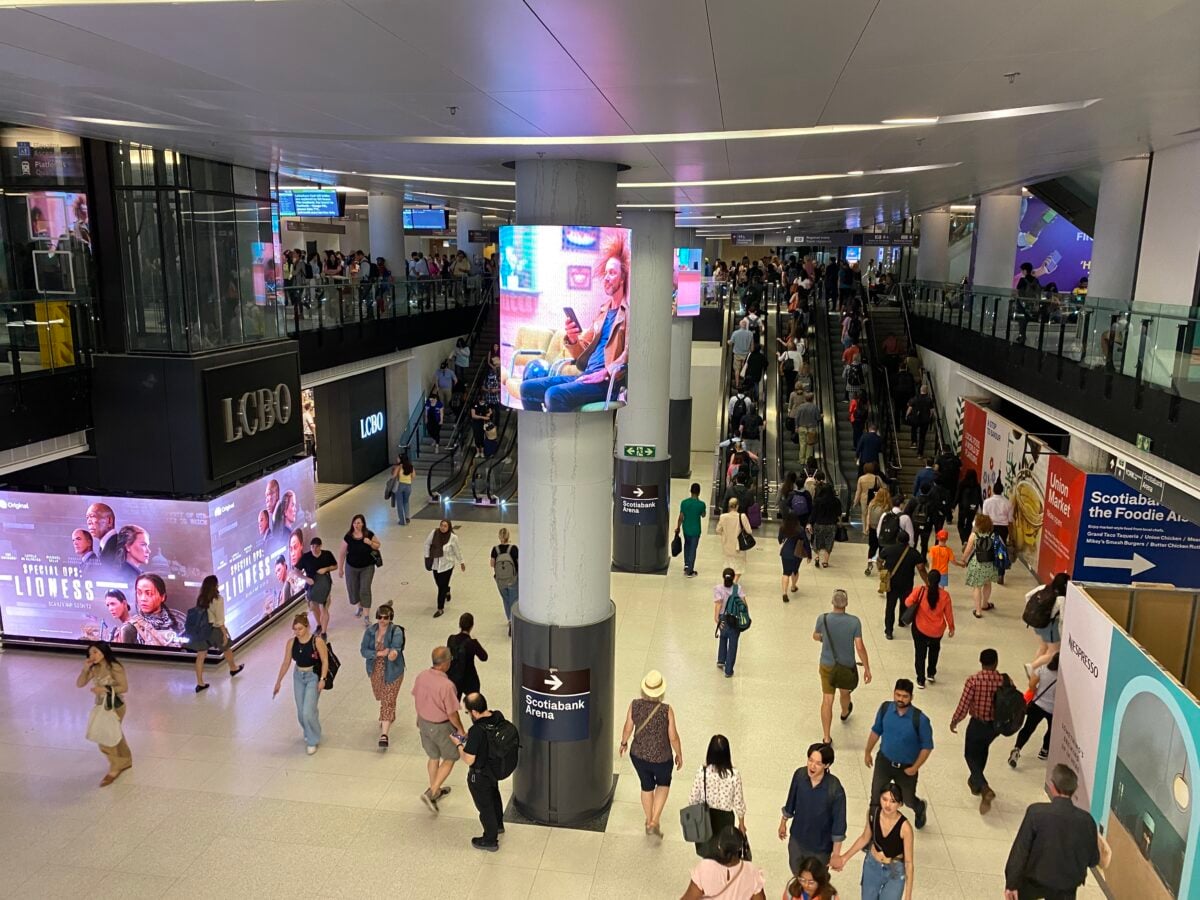
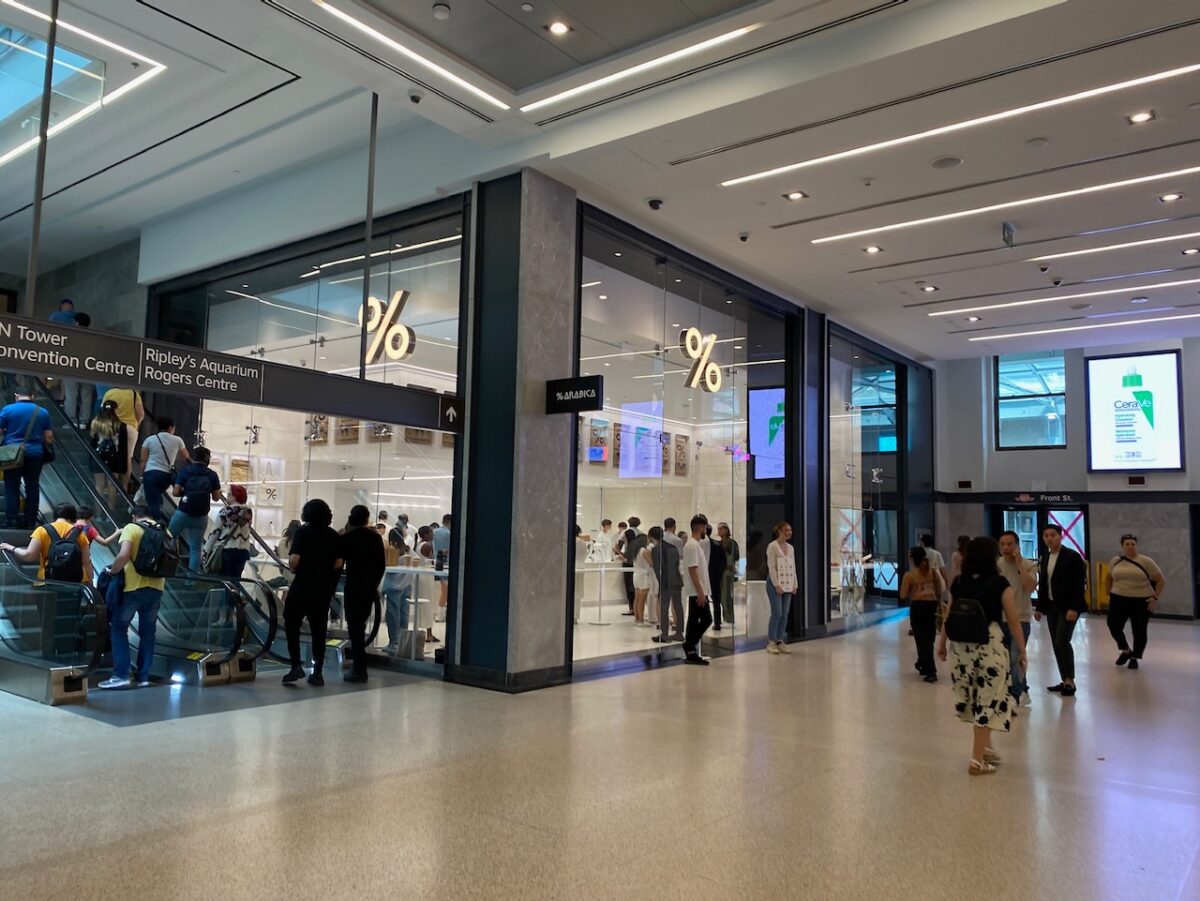
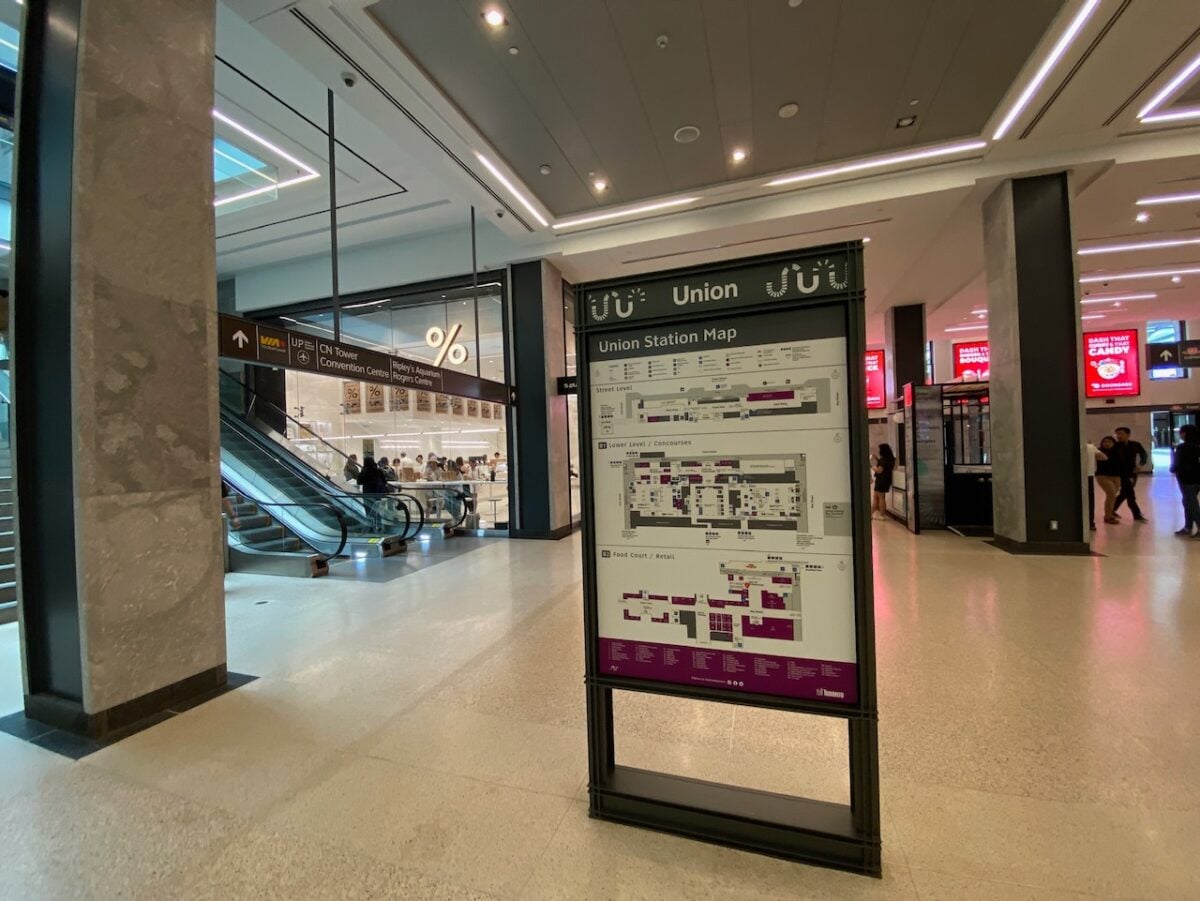
The Union Station location is in the Bay Street Promenade of the Downtown Toronto transit hub, making the location accessible to commuters of the TTC, VIA Rail and Go Transit. The storefront is across the hall from Sephora, TD Bank, Decathlon, and LCBO.
The opening comes off the December 2022 Canadian launch of % Arabica at Toronto’s Yorkdale Shopping Centre, which saw the store take over the former DavidsTEA location. This location was originally part of the 2012 luxury wing expansion, debuting beside the Nissan Design Lab (now Alo Yoga).
The next opening for % Arabica in Canada will be in Whistler, BC.
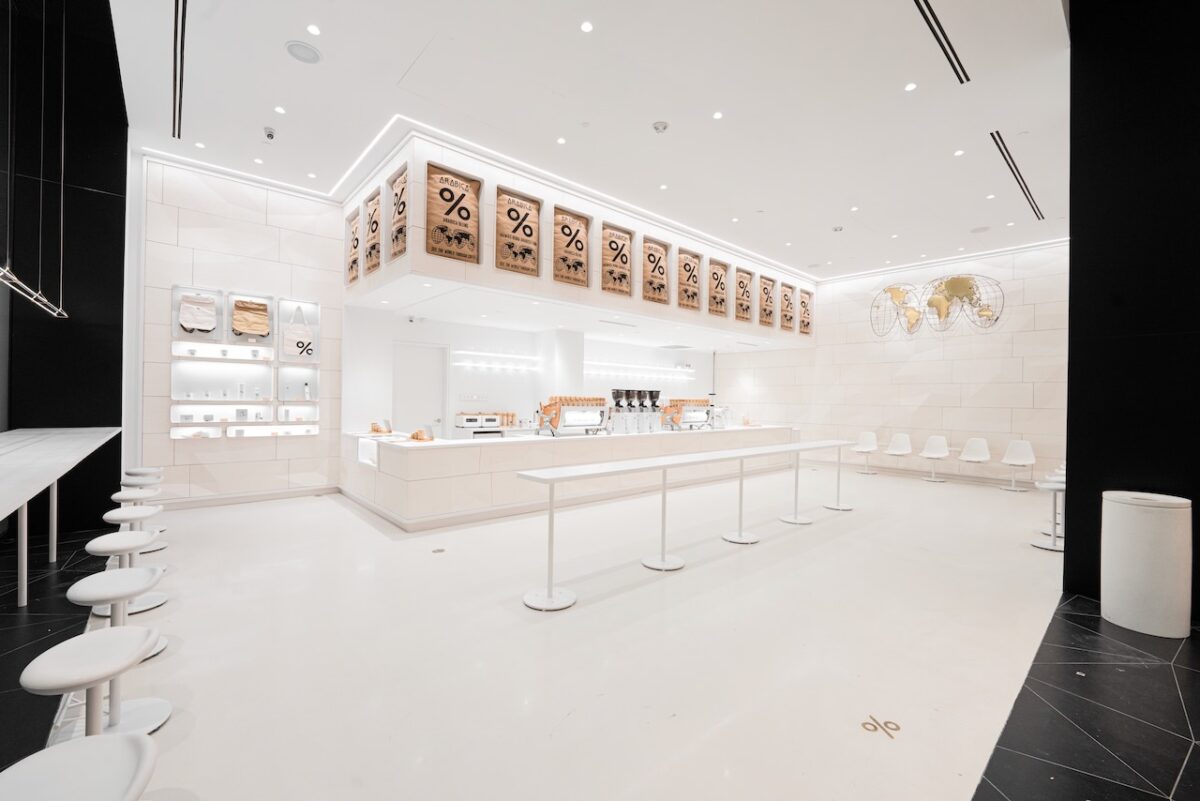
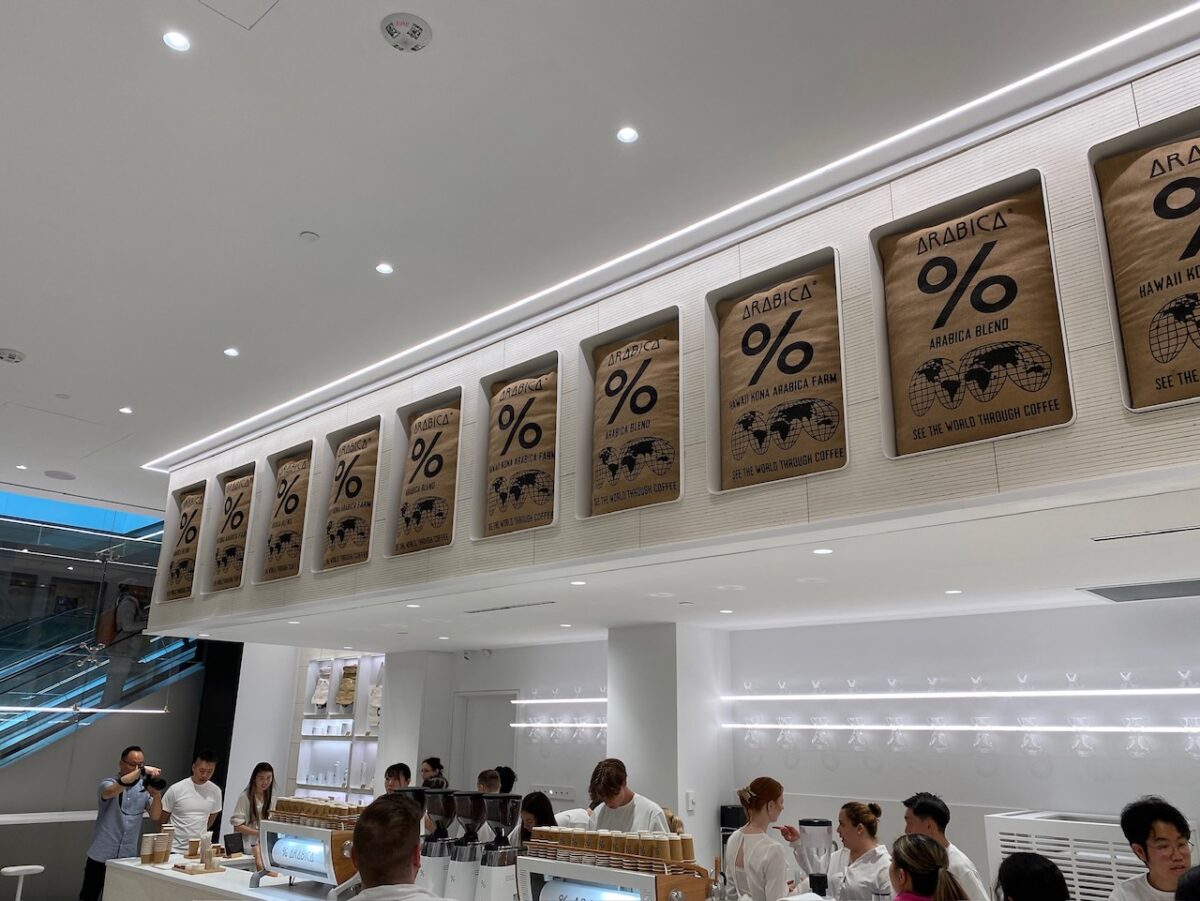
% Arabica Toronto Union Station (Image: % Arabica)
Founded by Kenneth Shoji in 2013, % Arabica is an independent coffee brand based in Kyoto, Japan with 155 stores globally.
“After a successful first launch into the Canadian market last year at Yorkdale Shopping Centre, we are thrilled to bring our first Downtown Toronto location to the core of the city at Union Station ” says % Arabica partner. “We are proud to provide an enhanced coffee experience whether living in, arriving, or leaving the city, starting with the beautiful design of this location. When you step foot into the thoughtfully designed % Arabica, you’ll feel your coffee experience has been up-leveled with a space that allows you to enjoy the moment with the world’s best coffee.”
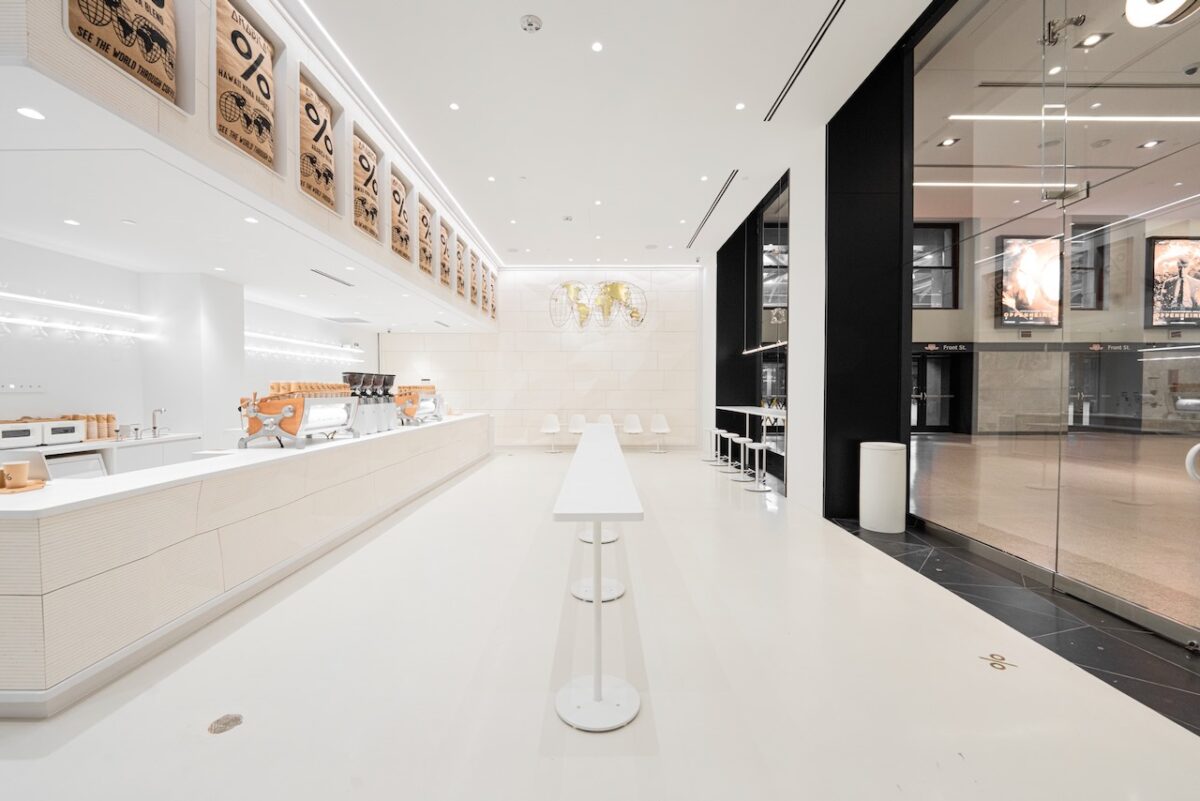
% Arabica Toronto Union Station (Image: % Arabica)
Designed in collaboration with Tacklebox Architecture under the leadership of Jeremy Barbour, the Union Station locations’ design is inspired by the geological and glacial formation of the surrounding landscape.
“Drawing inspiration from the layered beauty of glacial ice, folded rock, and the strata of the underlying bedrock, this space is defined by a floor-to-ceiling, faceted wall terrain. This monolithic surface is comprised of 172 faceted blocks that have been meticulously carved from 3,452 layers of stacked gypsum wall board– a ubiquitous building material commonly sourced in the region but used here in a unique and extraordinary way,” shared the brand.
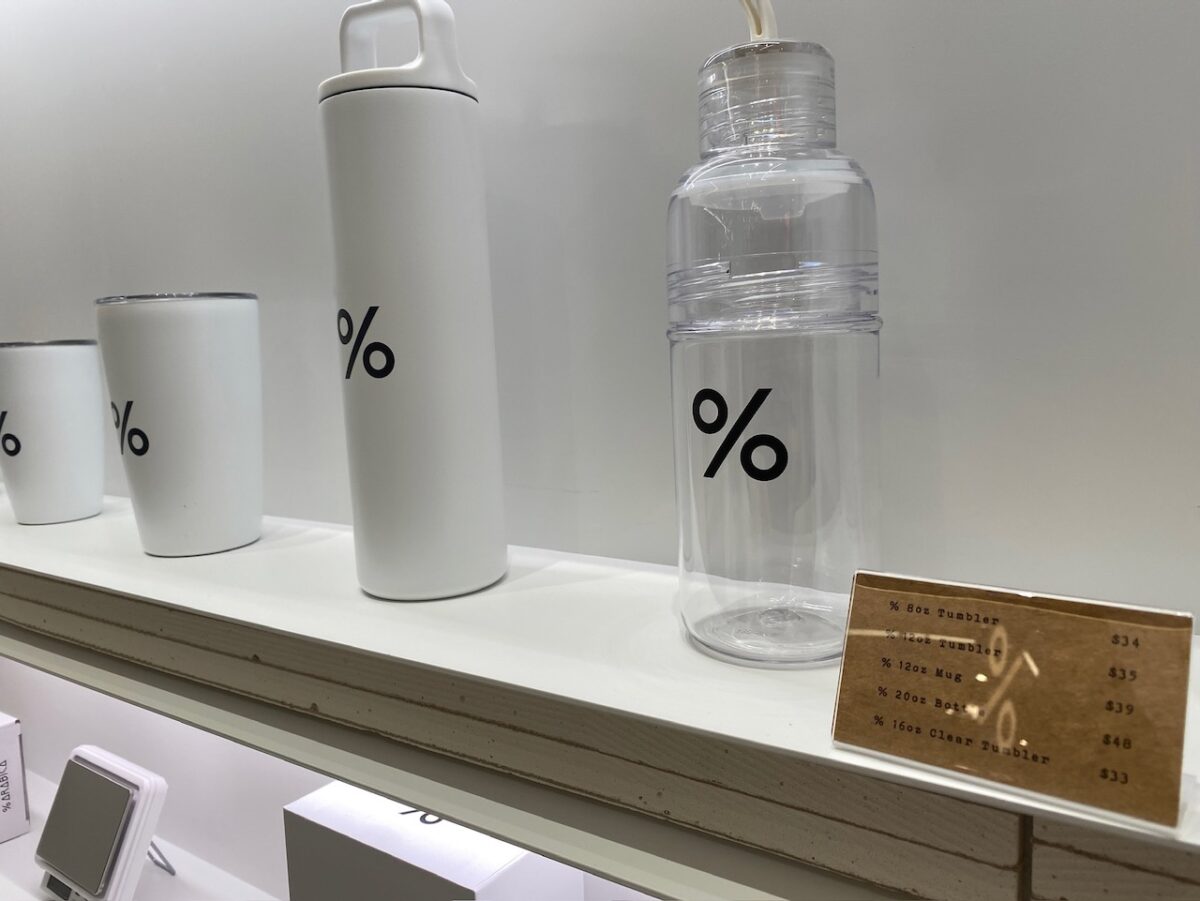
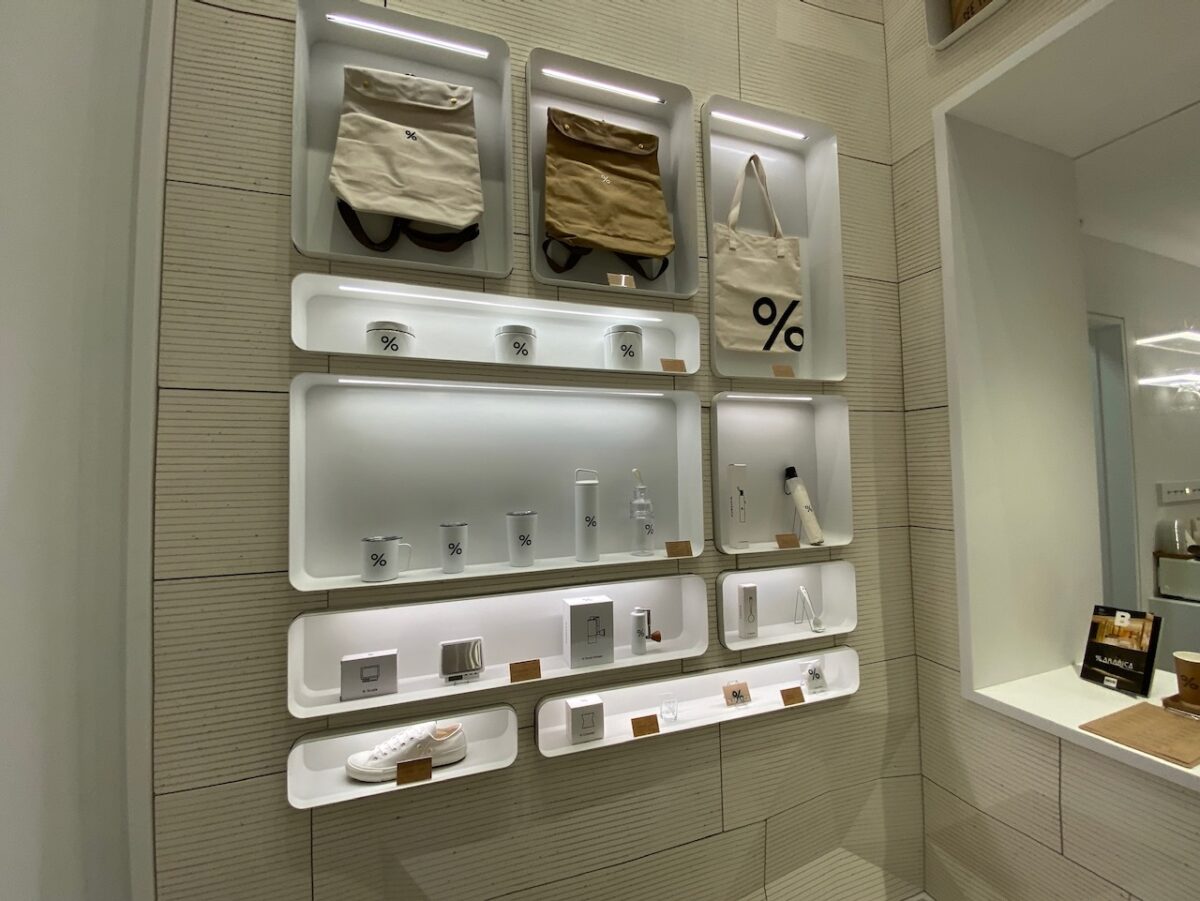
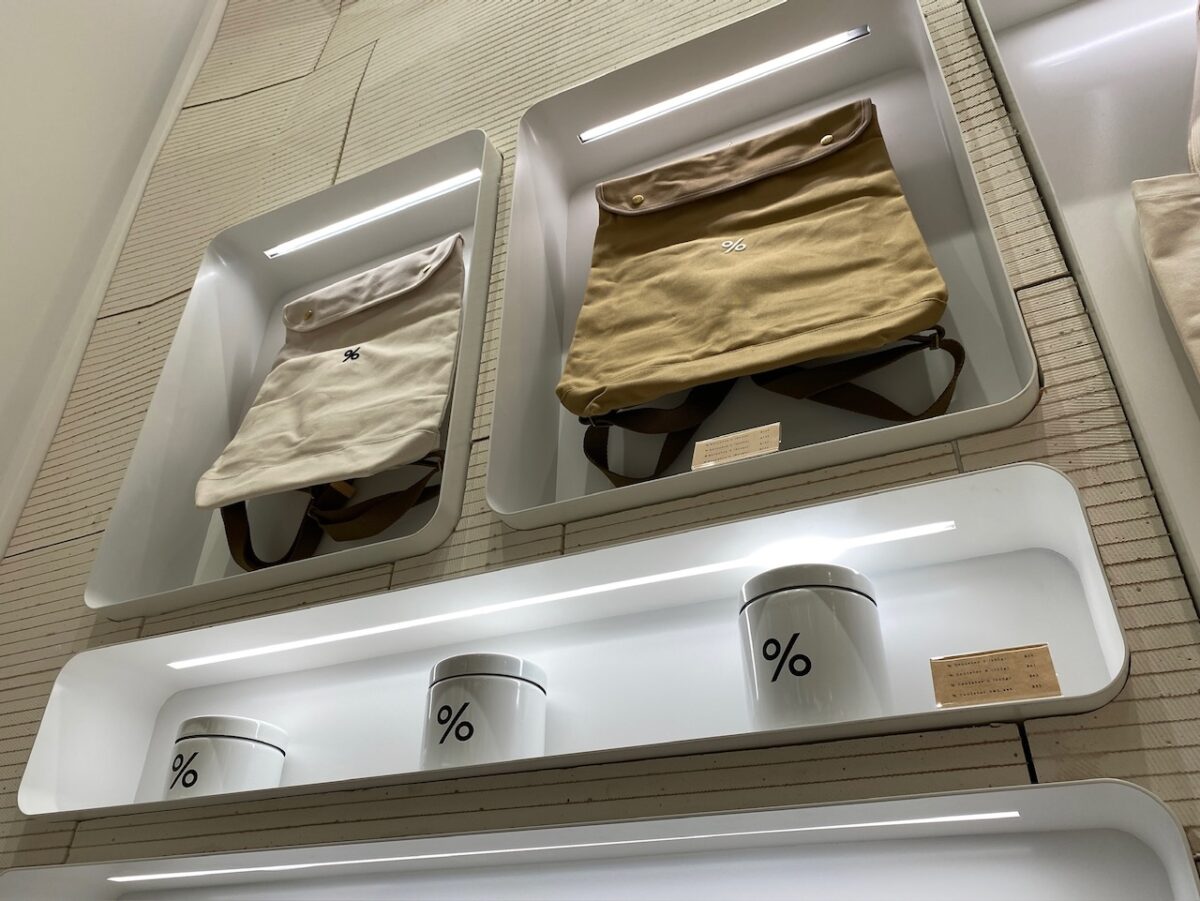
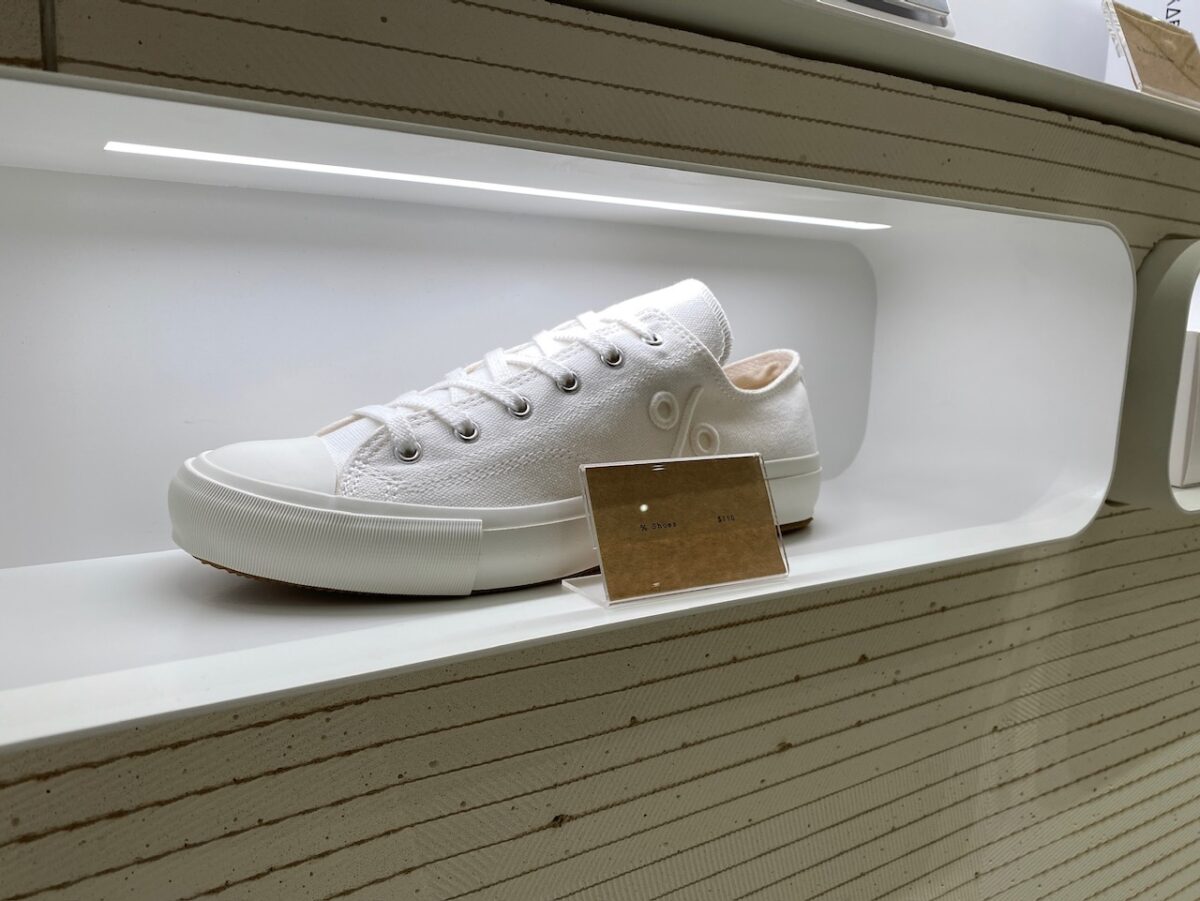
“This crisp, white geometric surface is punctuated at intervals by 24 powder-coated steel niches that house bulk coffee bags and merchandise on display. A continuous white corian surface folds and carves space to form front and back service counters where visitors gather to receive % Arabica’s finest coffees sourced from around the globe.”
% Arabica Toronto Union Station (Image: % Arabica)Toronto Union Station (Image: Dustin Fuhs)
The Union Station % Arabica opening coincides with a summer of openings at the complex, which included the opening of Union Market which houses a wide range of retailers and food vendors including:
Patties Express
The Alley
MyOlive
Lena’s Floral Designs
Manotas Organics
Kibo Market
Chocolatta.
Pop-ups for Virtue Vintage and Collective Arts are among the tenants. Construction hoarding has also recently been installed for Nespresso, The Source, #DESI, and Hazukido at Union Station.
% Arabica at Union Station (Image: Dustin Fuhs)% Arabica at Union Station (Image: Dustin Fuhs)% Arabica at Union Station (Image: Dustin Fuhs)% Arabica at Union Station (Image: Dustin Fuhs)% Arabica at Union Station (Image: Dustin Fuhs)% Arabica at Union Station (Image: Dustin Fuhs)% Arabica at Union Station (Image: Dustin Fuhs)% Arabica at Union Station (Image: Dustin Fuhs)% Arabica at Union Station (Image: Dustin Fuhs)% Arabica at Union Station (Image: Dustin Fuhs)% Arabica at Union Station (Image: Dustin Fuhs)% Arabica at Union Station (Image: Dustin Fuhs)
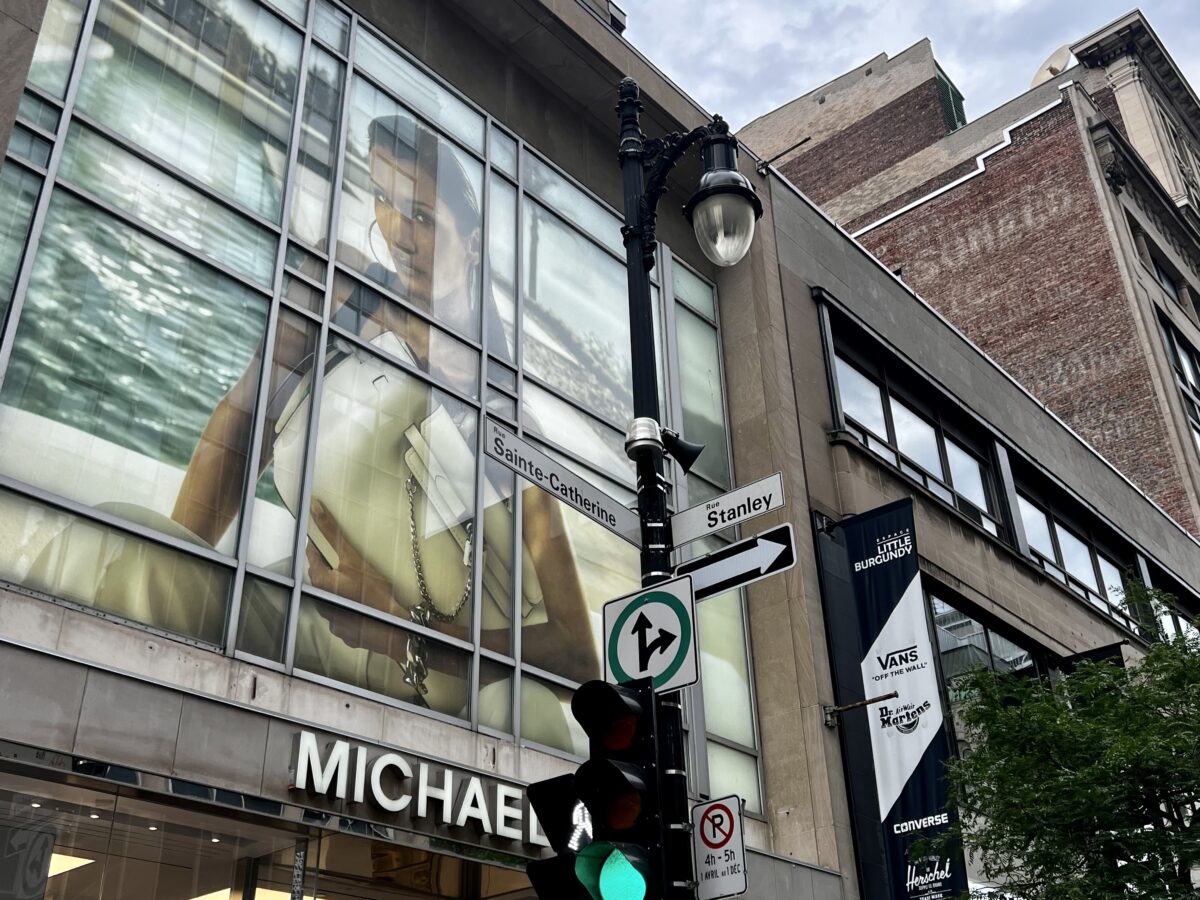
Sainte-Catherine Street in Montreal, one of the city’s busiest and most well-known streets, needs to improve its occupancy rate by another eight per cent to be considered fully recovered from the pandemic, according to a recent report by commercial real estate firm JLL.
The report said Canadians have increasingly displayed a heightened appetite for new in-person socializing and entertainment experiences given the pandemic and its isolating effects, which should influence how empty spaces will be filled out in the near future. Board game cafés, escape rooms, virtual reality, and competitive socializing concepts are among the most popular small-sized entertainment concepts that would add a much-needed element to an otherwise well-rostered street.
Jesse Provost
“Already renowned as an entertainment hub, new concepts are sure to benefit from the many nearby residential projects delivered in recent years, adding to the mix of office workers, tourists and university students,” said Jesse Provost, Associate Vice President, Retail, JLL in Montreal.
“The much-anticipated new light rail transit line, which will connect the four corners of the city to the downtown core will attract people who might otherwise have decided to stay in the suburbs. Sainte-Catherine Street is literally at the heart of Montreal’s business, cultural, and entertainment districts. All the ingredients are there for a vibrant and lively mix of entertainment concepts.”
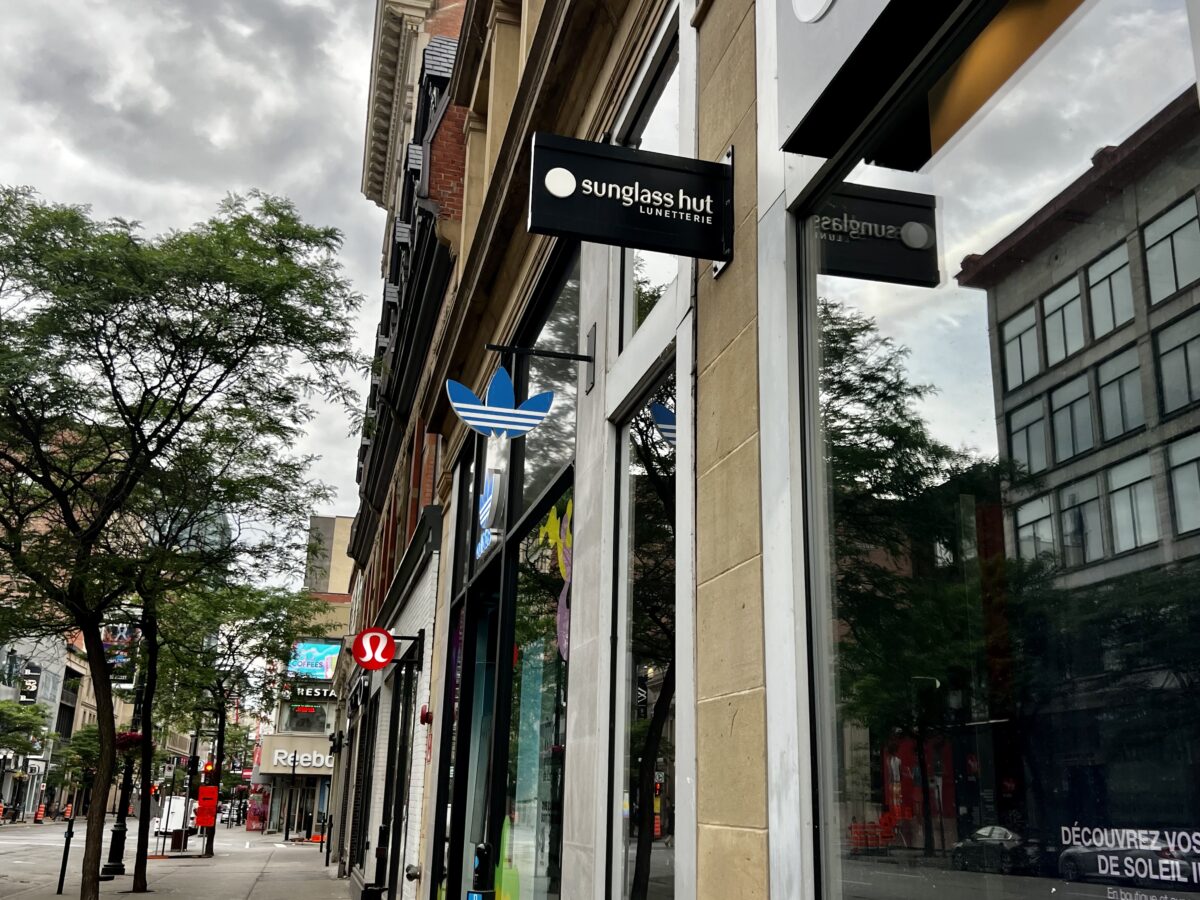
Sunglass Hut and Adidas on Saint-Catherine St W, Montreal (Image: Maxime Frechette)
Key findings of the report were:
Sainte-Catherine Street-based retailers should expect sales growth in the near future due to positive sales figures from clothing, shoes, food and beverage, which compose more than half of the street’s tenant roster;
A redevelopment plan that is currently underway is widening the sidewalk and adding urban furniture, which should promote more pedestrian activity and therefore more sales;
Foot traffic data from downtown metro ridership as well as street-level data at key downtown intersections also provide positive signs for recovery;
Sainte-Catherine Street has yet to recover from the pandemic, indicated by the fact that the street’s current vacancy rate is higher than seen in 2019. The currently higher-than-usual vacancy rate offers the street an opportunity to reinvent itself and keep up with consumer trends; and
The street will be increasingly occupied by luxury, pop-up, and entertainment concepts due to currently favorable market forces.
Provost said overall the retail trade in Montreal has increased compared to the rest of Canada.
“I would say that retail in Montreal is doing quite well,” he said.
“Some of the main reasons we’re seeing an increase in Montreal in overall retail sales is mostly due to the increase in general merchandise sales. People are coming back to Montreal in the office and we’ve seen tourism increase as well. Montreal is home to many large universities. With the student population also coming back I think that people are shopping more . . . We have seen pedestrian traffic increase over the last couple of years.”
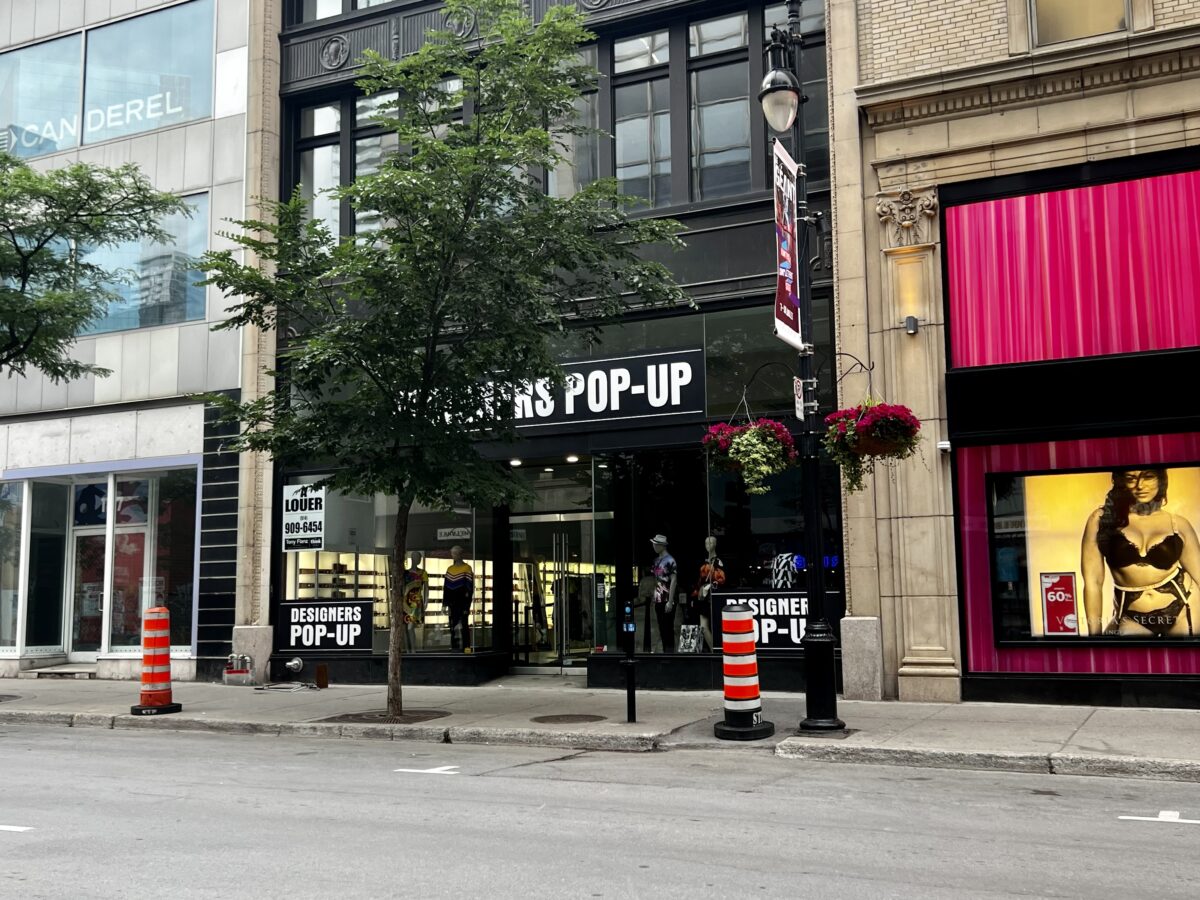
Pop-up at 1180 Saint-Catherine St W, Montreal (Image: Maxime Frechette)
The JLL report said pop-ups will increasingly occupy Sainte-Catherine Street. With the pandemic creating a public shift toward online shopping, pop-up stores are becoming more commonplace. Whether it is digitally-native clothing retailers looking to obtain a physical presence, or local retailers affected by the pandemic looking to make a comeback, pop-up stores are excellent at generating hype and giving retailers the opportunity to safely test a market before making a larger commitment. It’s anticipated that Sainte-Catherine Street will become home to many first-in-market pop-up concepts in the coming years given the street’s prominence and ability to attract foot traffic, it said.
Unlike typical retailers, pop-ups thrive on temporary presence. By doing this, pop-ups can promote a sense of urgency from their customers, inviting them to shop at their store prior to their imminent closure. Pop-ups present/coming to Montréal: Some pop-ups that have recently opened in the GMA include Arcade, Zellers, and Turquoise’s Treasures. Another pop-up coming to Montréal is Shein, a clothing e-retailer that is set to arrive in July. The brand had recently opened a four-day pop-up in Toronto, which created a steady stream of line-ups and was deemed largely successful, said the report.
Johanne Marcotte
“With catalogs of products available at their fingertips, consumers are looking for experiences that go beyond traditional shopping. Retailers can meet these changing preferences by offering pop-up formats which hugely benefit them,” said Johanne Marcotte, Executive Vice-President Property Management, Retail JLL.
“Temporary locations and activations provide an opportunity to gather real-time reactions from customers, understand market demand and evaluate the long-term visibility of their concept. This flexibility enables brands to fine-tune their strategies, product offerings, and customer experience based on their direct feedback.”
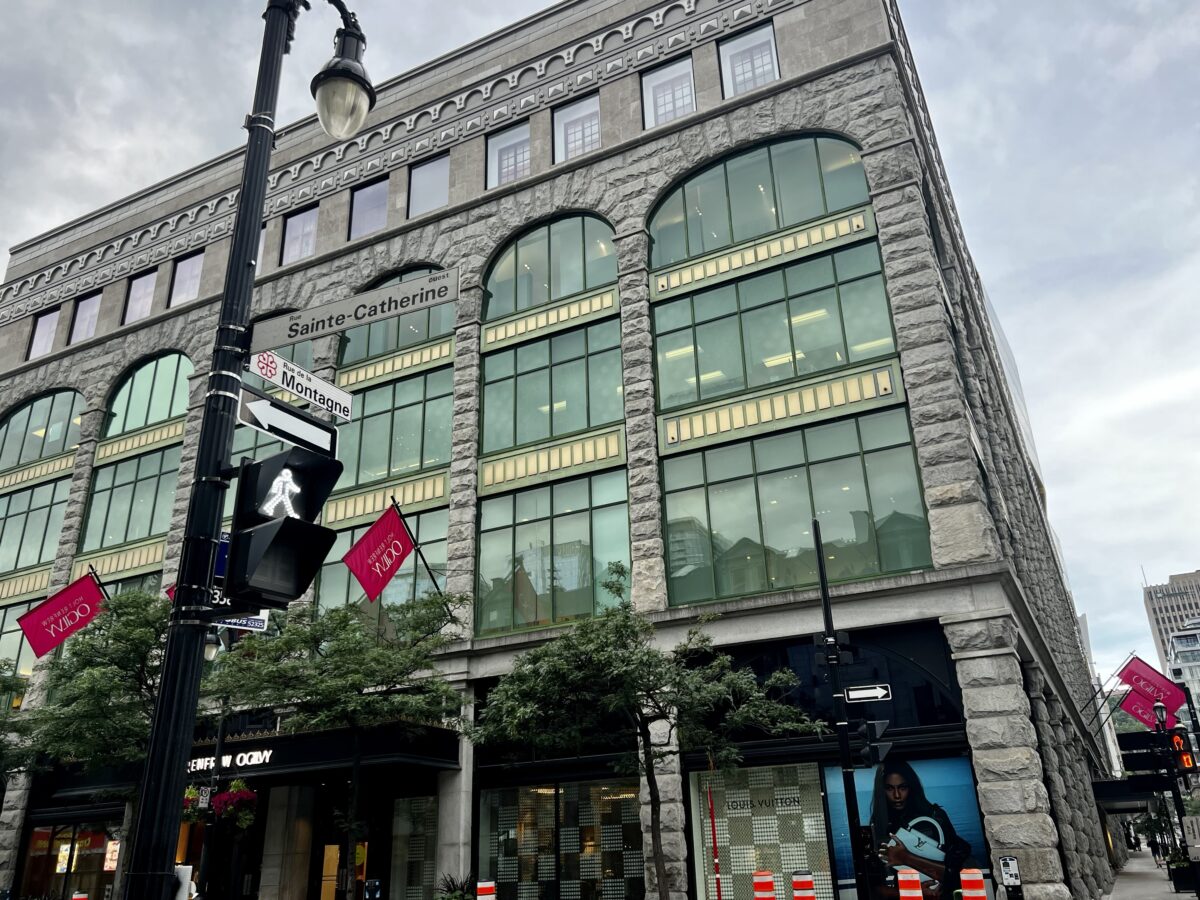
Holt Renfrew Ogilvy at 1307 Saint-Catherine St W, Montreal (Image: Maxime Frechette)
The JLL report said luxury retailers will also increasingly call Sainte-Catherine Street home.
“The luxury sector is one of the retail categories that has seen almost uniformly positive results in North America and was one of the first categories to bounce back after lockdown restrictions were lifted. While the current elevated interest rates and the economic uncertainty that they bring can be challenging for price-sensitive consumers, it’s important to note that affluent luxury consumers experienced relatively little turbulence during the pandemic. In turn, these shoppers should continue to overcome current economic obstacles and provide much-needed consumption stability. The sustained demand for premium products should provide a ripe opportunity for luxury retailers,” it said.
Citing a Business of Fashion survey, JLL said just under 80 per cent of respondents expect to visit luxury stores as often or more frequently this year compared to 2022. Just over 50 per cent of respondents plan on visiting a luxury store each quarter. Luxury retailers are coming soon to Montréal: Some luxury retailers that have recently teased future openings at Royalmount include Tiffany & Co, Louis Vuitton and Gucci.
“Much like in previous years, Sainte-Catherine’s post-COVID-19 tenant roster is primarily composed of clothing (37 per cent), footwear (14 per cent), and F&B (11 per cent) operators. As expected, the current inoccupancy rate on the street is still higher than pre-pandemic levels at 22 per cent. In Q3 2019, the segment’s inoccupancy rate sat at 16 per cent. Some notable companies that have left Sainte-Catherine Street between 2019 and 2023 include American Eagle Outfitters, Banana Republic, Lole and Videotron,” said JLL.
”Sainte-Catherine Street’s tenant roster has increasingly become geared toward luxury clothing, at the expense of lower-end clothing retailers. This signals that Sainte-Catherine Street is still able to attract high-ticket retailers in a post-Covid world, and further cements the street as a premium shopping destination.”
Some higher-end clothing retailers that were added to the street since 2019 include Influence U and Olam opening between 2019 and 2022, as well as a Designer pop-up opening in 2023. Additionally, Nike will be bolstering the street’s active-wear tenant roster, which is set to open this summer and attract even more foot traffic on the street, said the report. Browns Shoes also last year opened an 11,000 square foot B2 location at the Montreal Eaton Centre, among other openings.
Sunglass Hut and Adidas on Saint-Catherine St W, Montreal (Image: Maxime Frechette)
Following a similar trend as clothing retailers, the footwear industry on Sainte Catherine is gearing toward higher end shoe stores, lowering the amount of middle end shoe retailers on the street.
While there weren’t any new openings between 2022 and 2023, high-end shoe retailers such as Out of This World and Centrall entered the street during the COVID-19 pandemic years, it added.
“Food and beverage is also set to make a bounce back in 2023 and beyond, largely due to the unmet pent-up demand that accumulated during the COVID-19 pandemic. Now, with the removal of restrictions, returning office workers, students, and tourists will look to take full advantage of the city’s prime food offerings and terraces. According to OpenTable data, Montréalers are making reservations at nearly pre-pandemic levels, with the latest data point indicating only a six per cent decline compared to 2019 bookings,” said the report.
“Unsurprisingly, the food and beverage industry stumbled during the pandemic and has yet to truly recover. However, regional restaurants have maintained relatively stable numbers, a silver lining in the period of isolation. The different types of restaurants on Sainte Catherine have been somewhat steady from 2019 through 2023 but are bound to change. With the increase in full-service restaurant interest, it is likely that fast-food chains will be replaced by more regional and upscale concepts in the coming years.”
The redevelopment of Sainte-Catherine has been in the works for several years.
“We’ve seen the first phase completed which is actually phenomenal,” said Provost. “We’re actually excited about seeing the second phase but obviously it will disrupt business and retailers looking at settling on Sainte-Catherine Street are waiting for that project to be completed for those reasons.”
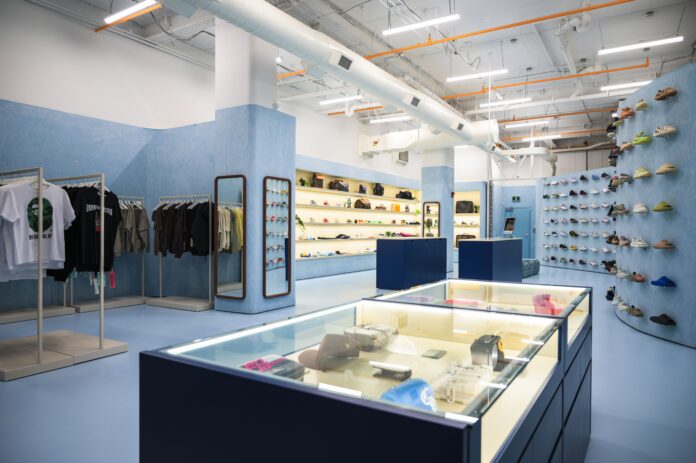
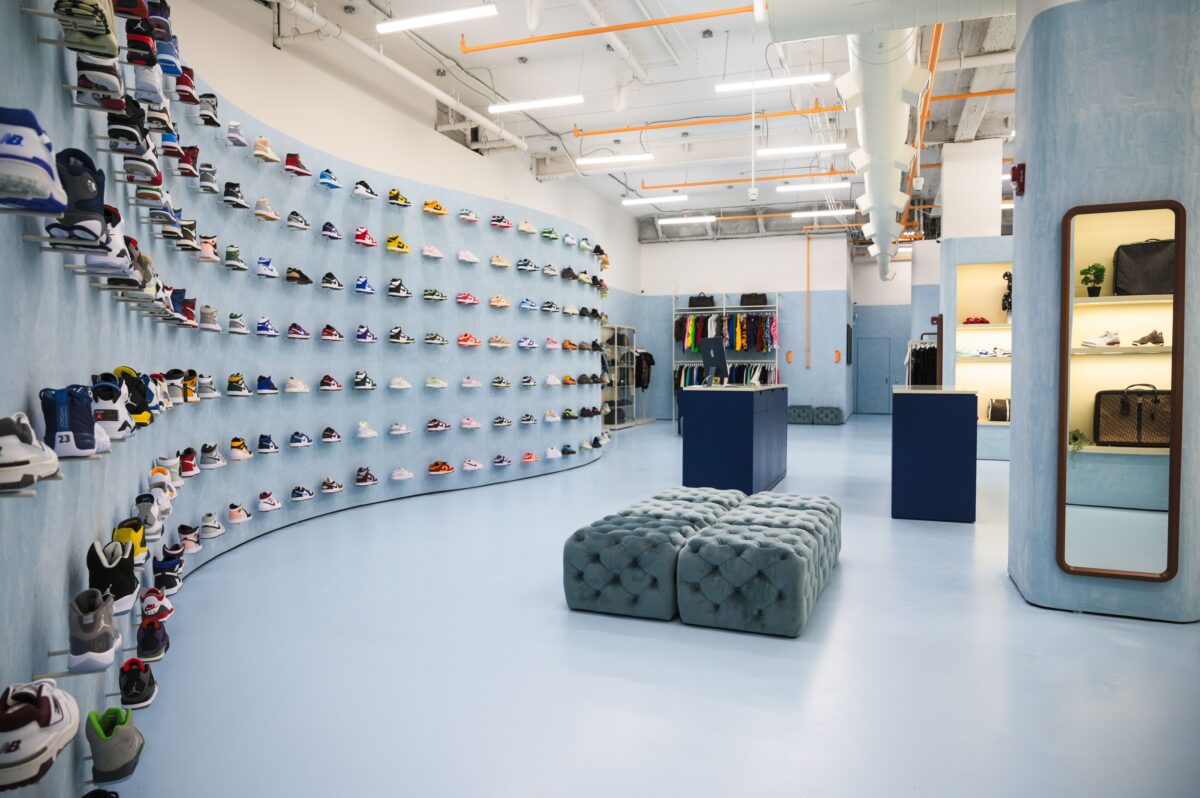
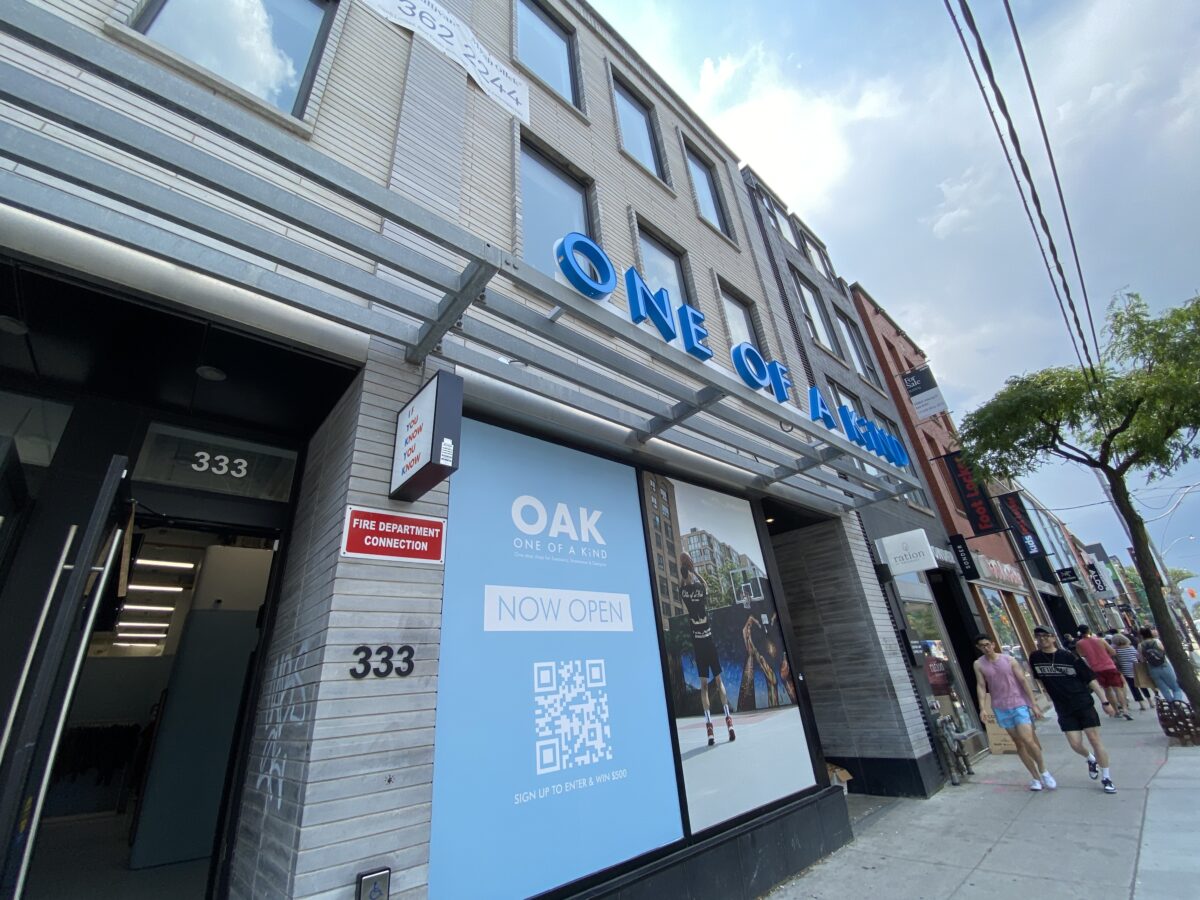
Footwear retailer OAK Shop has opened its flagship location on Toronto’s Queen Street West. Retail Insider first reported on the anticipated opening back in June 2023.
The 2,500 square foot store is designed to compliment the existing OAK locations in Ottawa and Montreal, while bringing the customer experience that is required from a street with established brands.
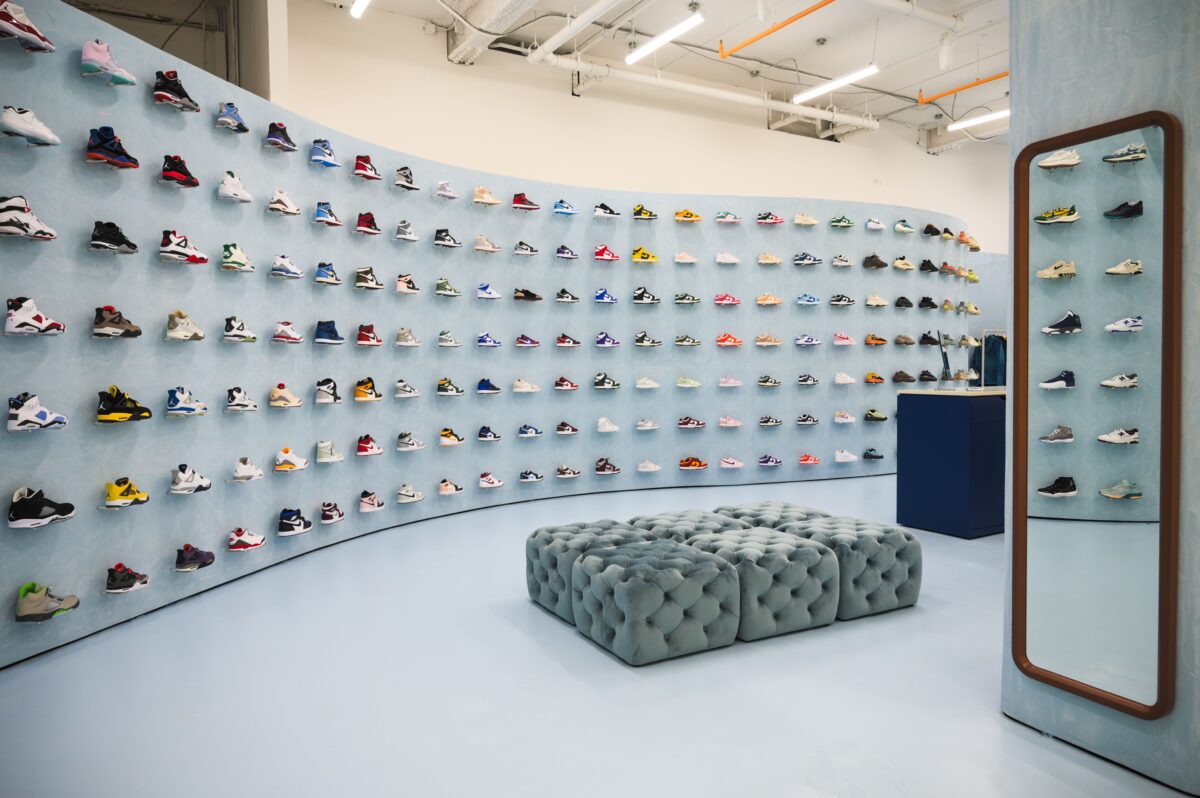
“OAK took quite a long time to fully develop a concept & design that would differ from your typical ‘sneaker resell shop'”, shared Franco Benalia, one of the brand’s founders. “With its main goal to open a Flagship location and disassociate from the generic ‘sneaker resell shop’, OAK had to reassess what product, design & service it would offer its customers.”
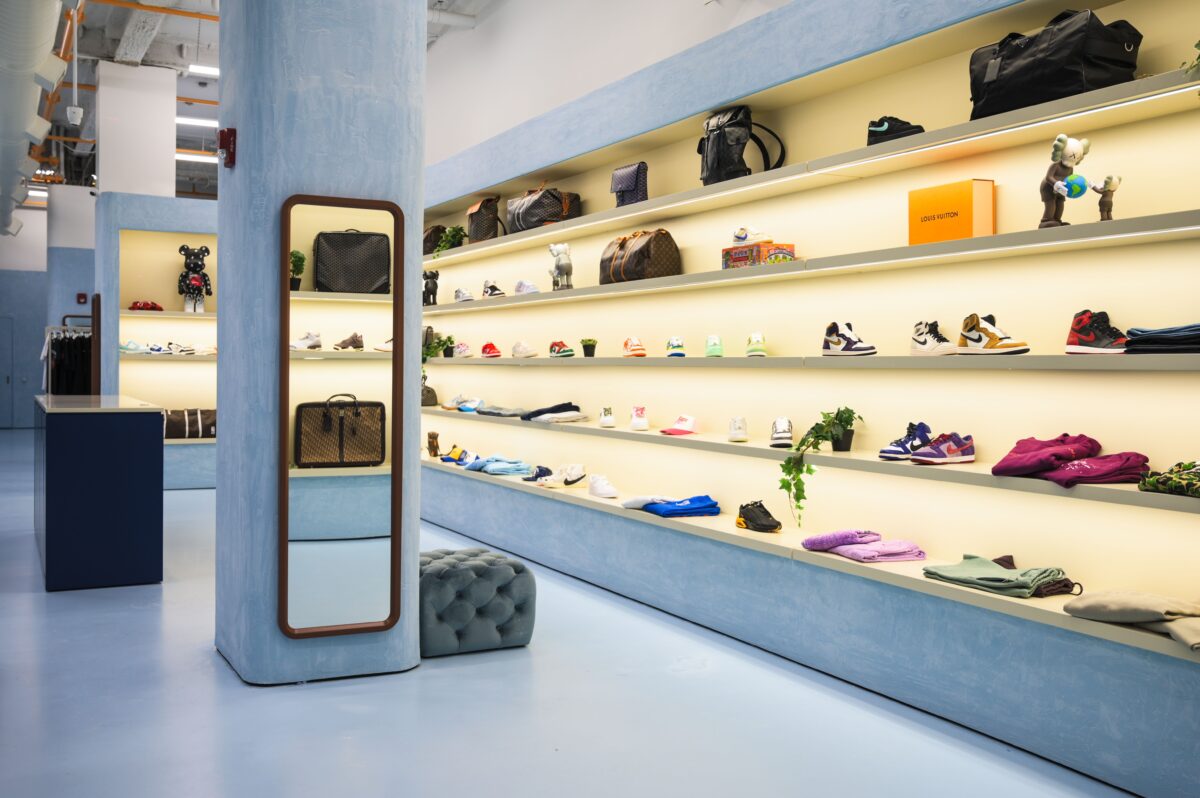
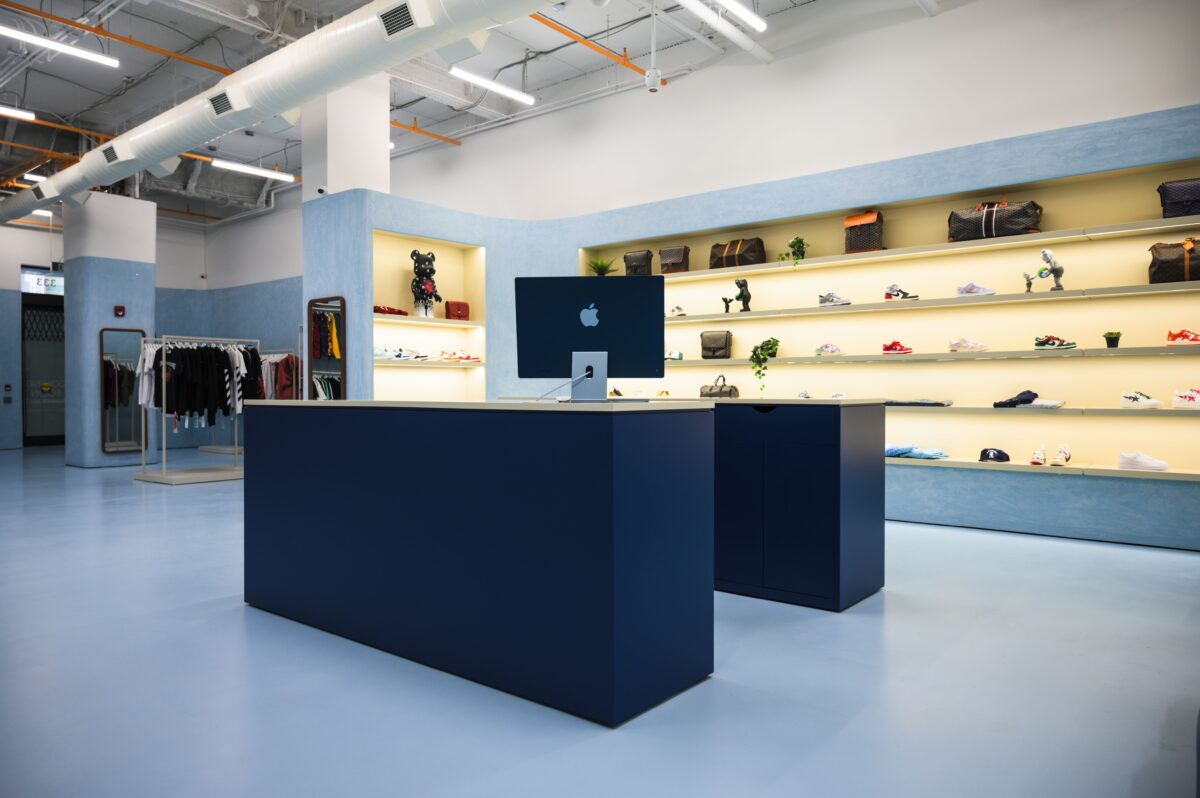
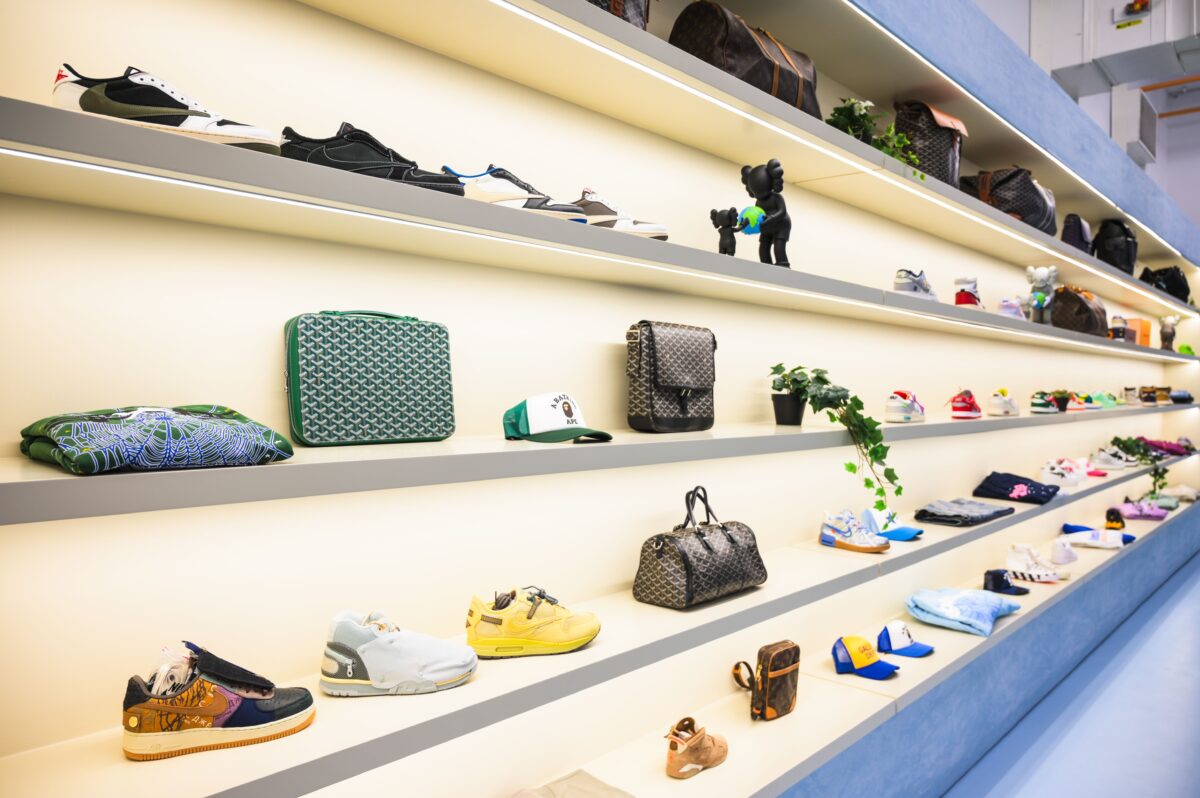
OAK Shop Queen Street Toronto (Image: OAK Shop)OAK Shop Queen Street Toronto (Image: OAK Shop)
The brand has existing locations in Montreal, Ottawa and Laval.
“In contrast, the new Toronto Flagship location offers a much wider range of products that have been requested over the last few years. By incorporating products from some of the best luxury houses such as Louis Vuitton, Goyard, Gallery Dept, Dior & many more, OAK is able to attract a wider audience that may not be sneaker enthusiasts but are looking for a more elevated fashion experience.
“Furthermore the experience OAK offers its customers when shopping is unlike your typical retailers. Our emphasis on styling and sourcing the best products for our customers is another aspect that makes our store unique. Our amazing staff provide a white glove experience to each of our customers, helping them find the best sneakers to pair with an outfit or styling them from head to toe. This gives our Queen ST customer an experience similar to some of the biggest retailers in the world.”
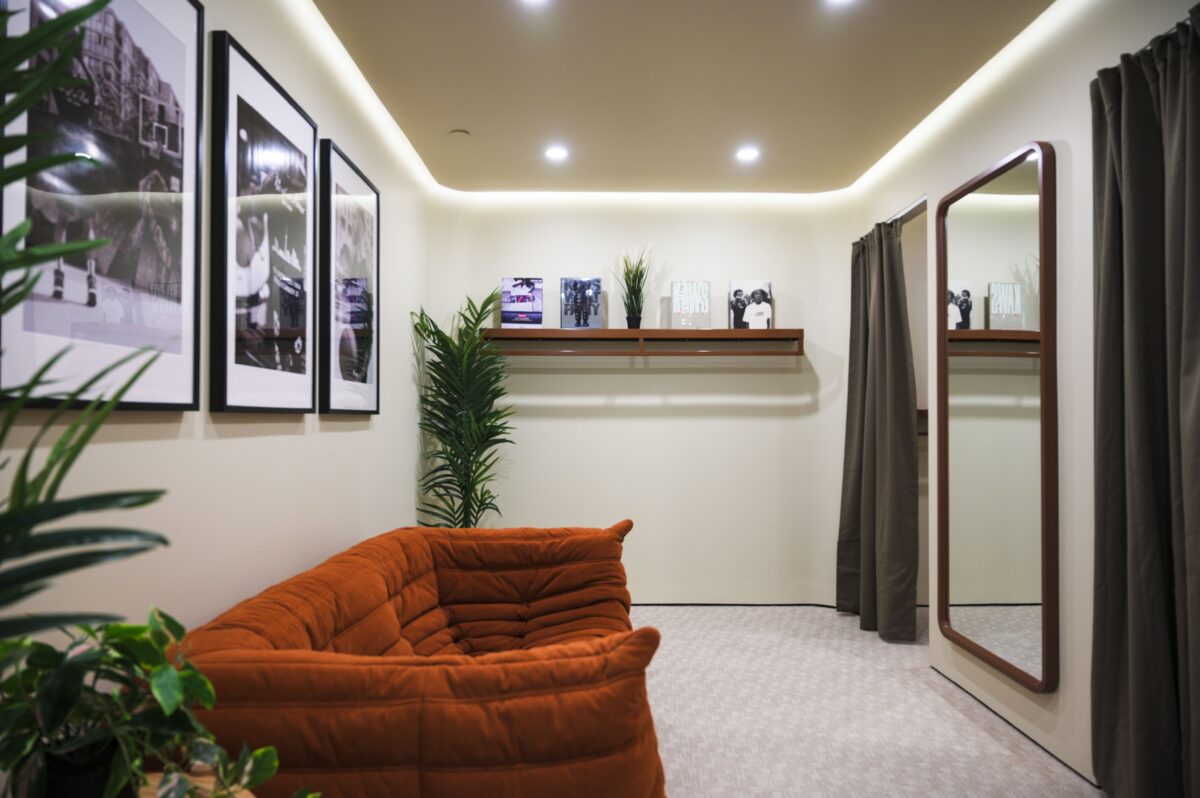
OAK Shop Queen Street Toronto (Image: OAK Shop)OAK Shop Queen Street Toronto (Image: OAK Shop)
The brick & mortar store experience for brands looking to stay competitive has adapted through lessons learned from competition within the luxury retail space.
“When launching our Flagship location the experience we wanted to offer our customers was an important aspect of the build. Firstly, when you come to OAK you will be greeted by one of our staff who specialize in product knowledge and will give you a one on one tour of the stores different departments that highlights the brands we carry. In addition they will refer you to products that compliment your needs and provide several options to make the customers decision easier. With access to our Luxurious fitting room the customer will be able to style & try on the options proposed so they can visualize themselves in the fit before finalizing their checkout experience.
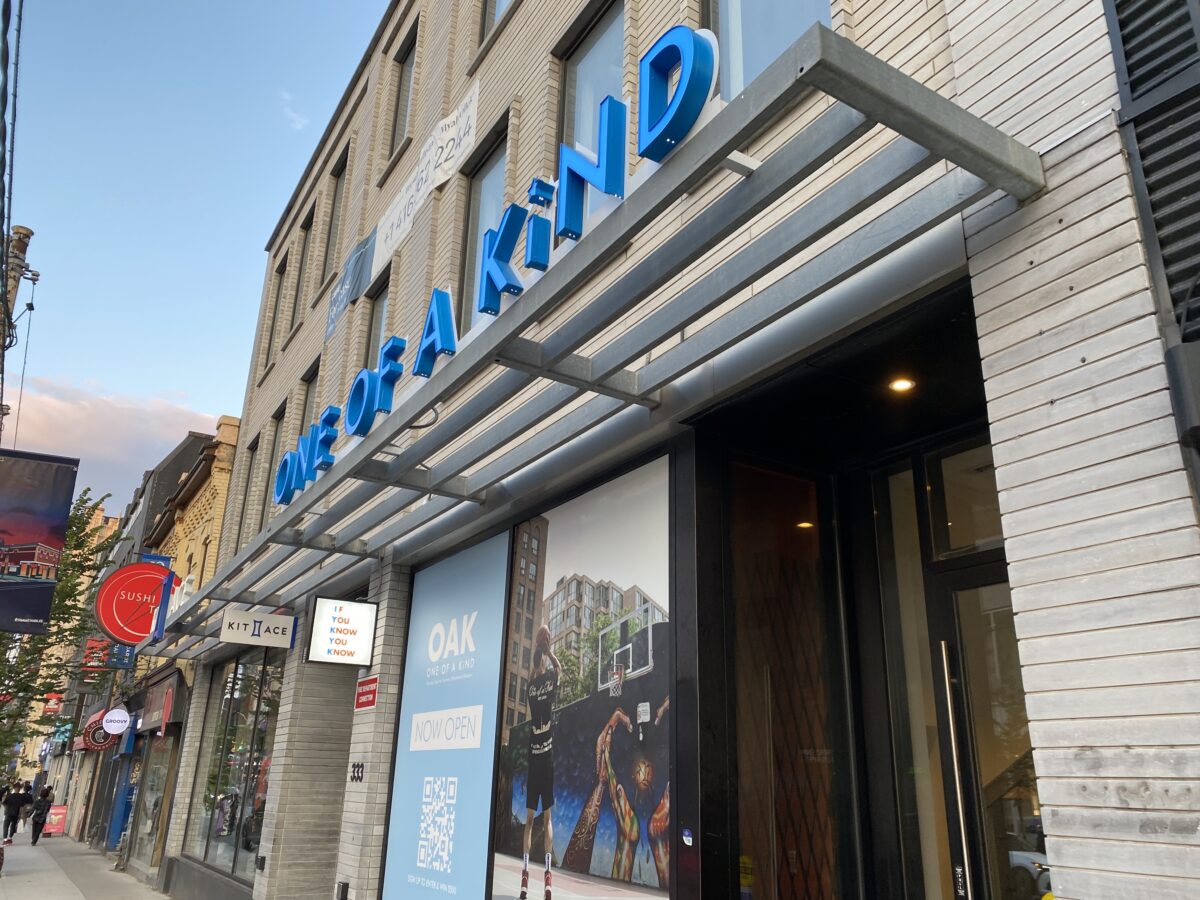
OAK Shop Queen Street Toronto (Image: OAK Shop)OAK Shop Toronto Queen Street (Image: Dustin Fuhs)
When you walk into the Flagship location, there is a prominent sign on the outside that creates a sense of belonging, community and intrigue.
“The slogan ‘If You Know You Know’ is a homage to the exclusive products we carry. Our Toronto Flagship location carries some of the rarest archived products from some of the biggest fashion houses in history. Most of them have over 50+ years of iconic products, designs & materials.
“Only Fashion & Sneaker enthusiasts who study the history of these brands will truly know the value of each item and how hard it is to come by.”
OAK Shop Queen Street Toronto (Image: OAK Shop)
Benalia shared that the lessons learned from the Toronto Queen Street build was always on the top of mind throughout the process, including hiring.
“Opening a store on Queen ST West requires much more preparation than any other retail locations. Since Queen ST W is a very coveted retail location in Toronto, it attracts the best retailers. This makes the standards for a successful retail store much higher in all aspects.
“As an example, the design/concept of the store must be unique and elevated, the staff that is hired must be well educated on the exclusive product and know how to provide a white glove experience to all customers. While a lot of these aspects can go unnoticed in other locations, Queen ST West has high foot traffic with quality clients that pay attention to all of the details.
“A lot of the traffic on Queen ST West are tourists that are looking for exciting cool concepts while shopping so it is important to give them the full One of A Kind experience in one single visit.”
OAK Shop Toronto Queen Street (Image: Dustin Fuhs)
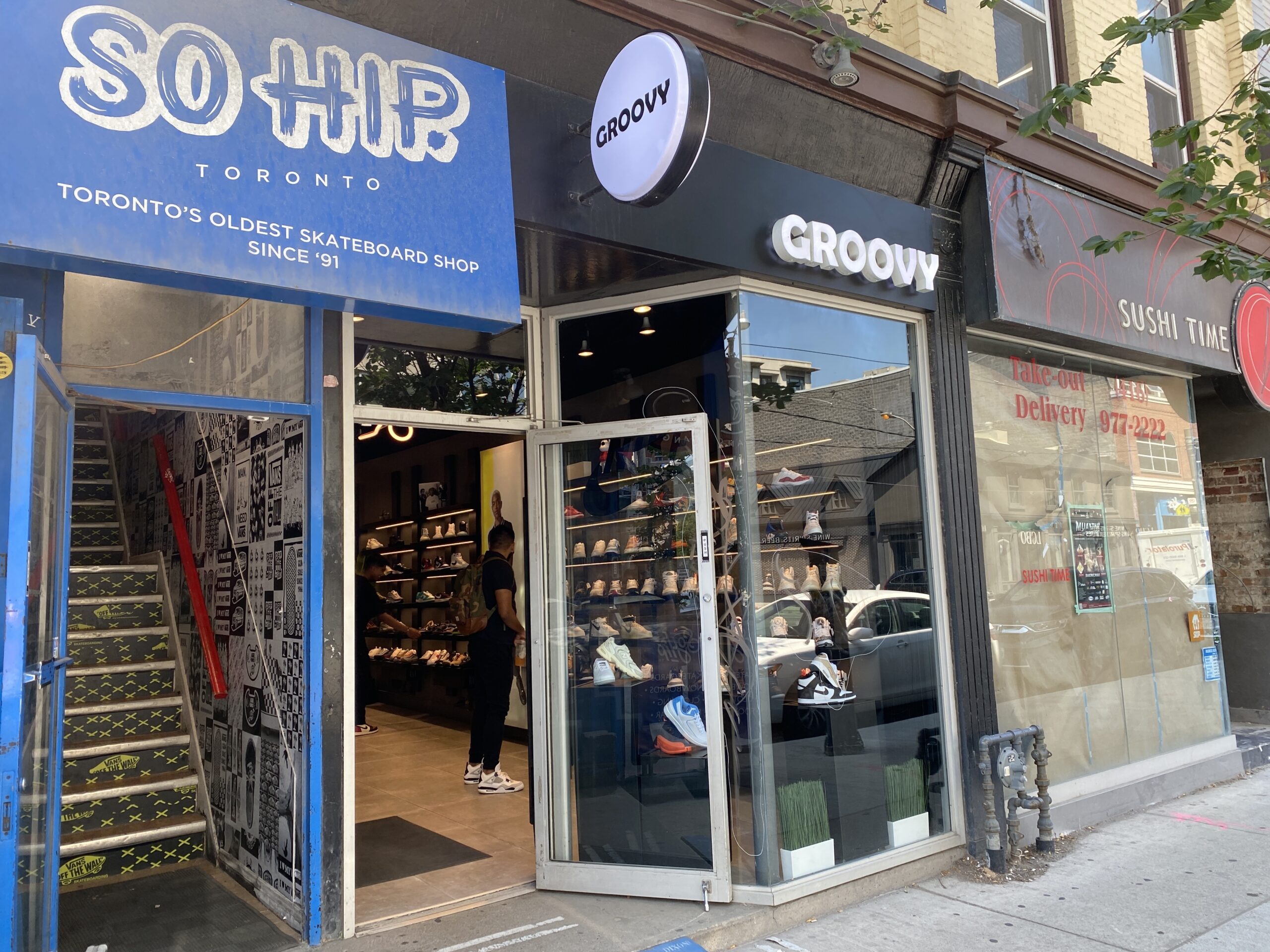
Groovy Shoes on Queen Street West (Image: Dustin Fuhs)
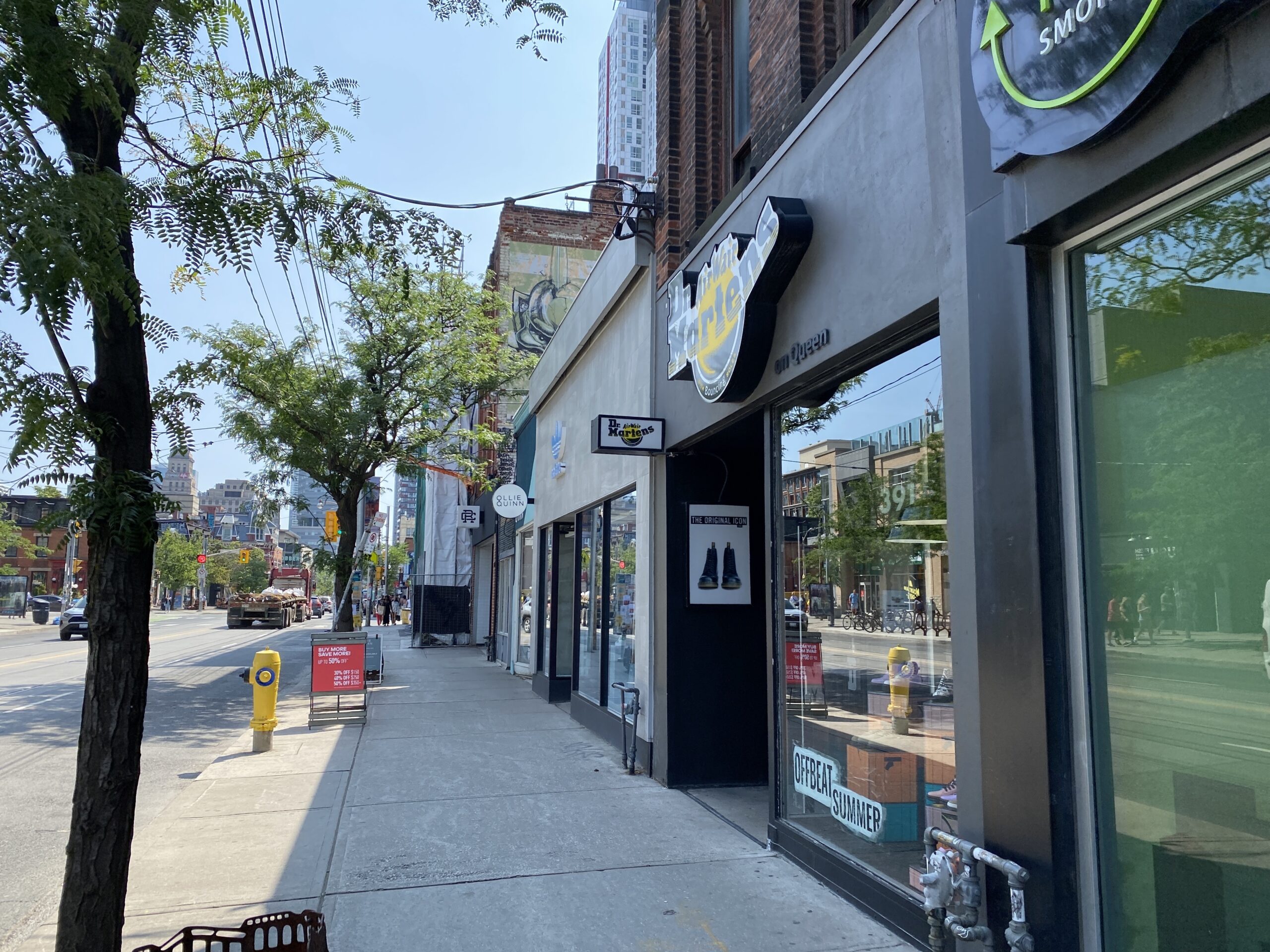
adidas Originals on Queen Street West (Image: Dustin Fuhs)
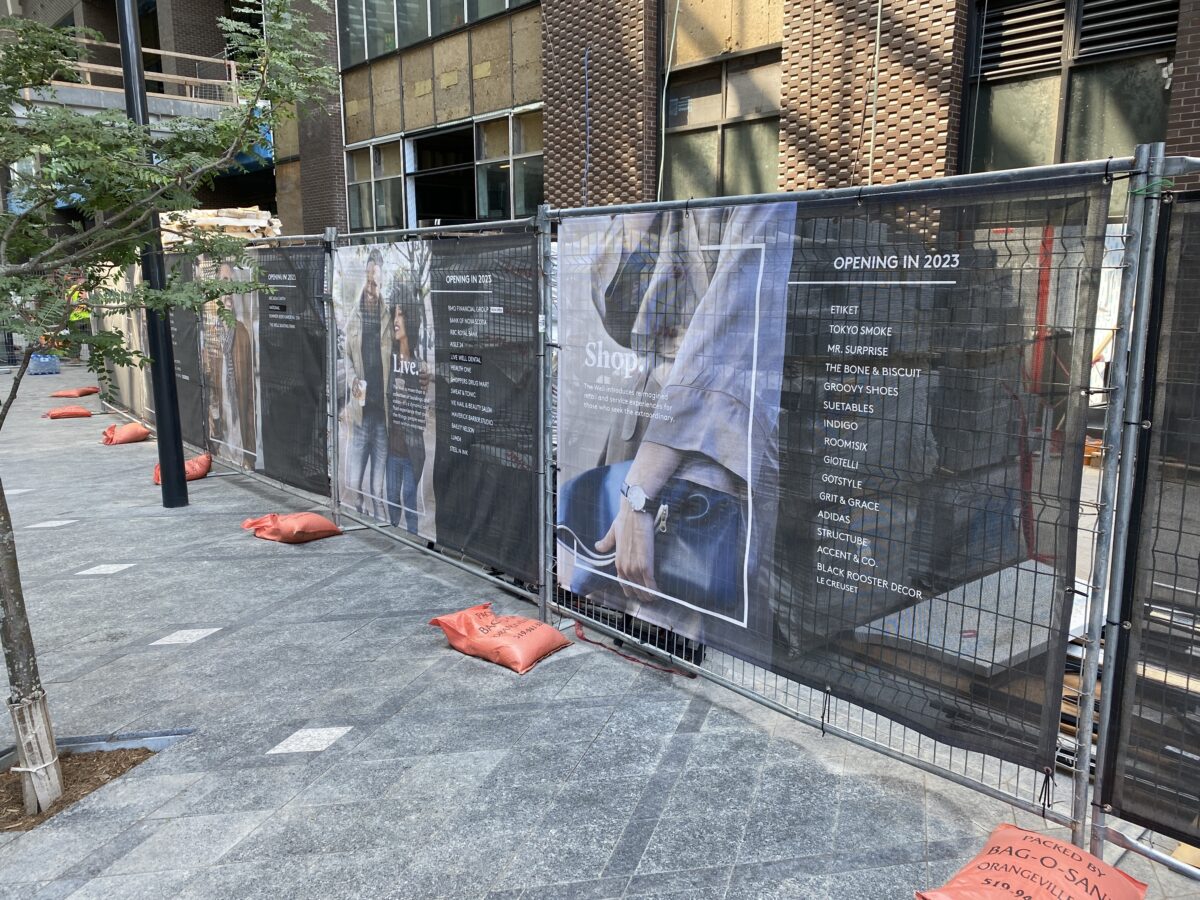
The neighbourhood has a number of established competitors on the block, including Groovy Shoes. The shoe retailer will be opening at The Well, joining adidas in taking a concept from Queen Street to the new development at Front and Spadina.
With the amount of retailers in the neighbourhood that have footwear and streetwear as part of their product assortment, Benalia is bringing OAK onto the street at time that the area will be getting set to deal with challenges with the new Ontario Line construction.
“It’s definitely going to attract a lot more sneakerheads to the street. With that being said OAK’s product range is extremely diverse offering luxury goods, streetwear & sought after sneakers that Customers won’t be able to find elsewhere on Queen Street let alone Canada. This will also attract many fashion enthusiasts to the street seeking rare and archived products.”
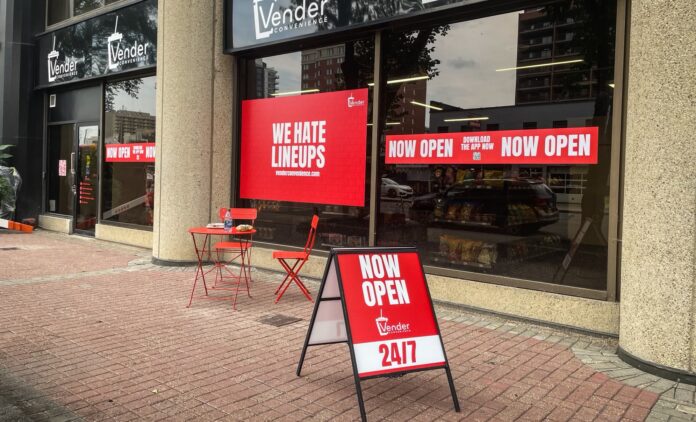
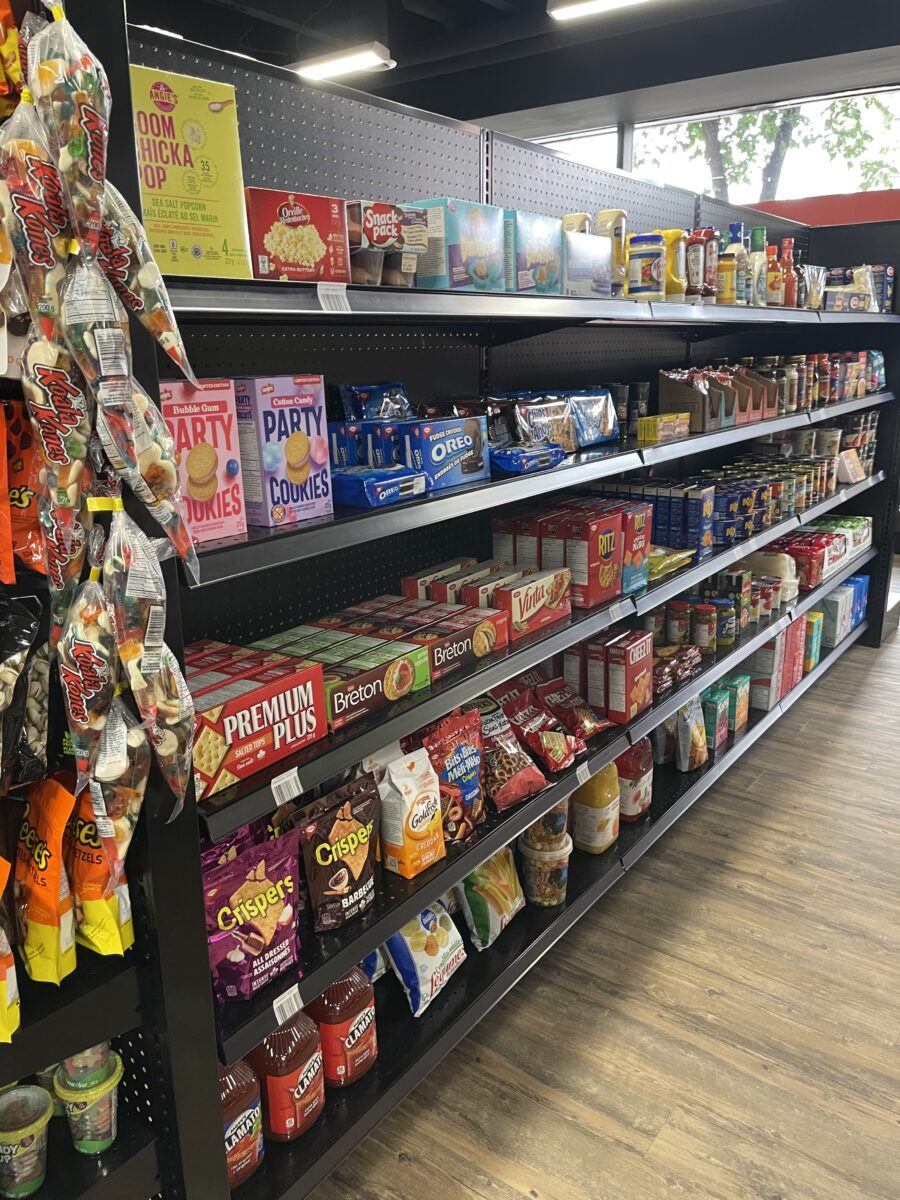
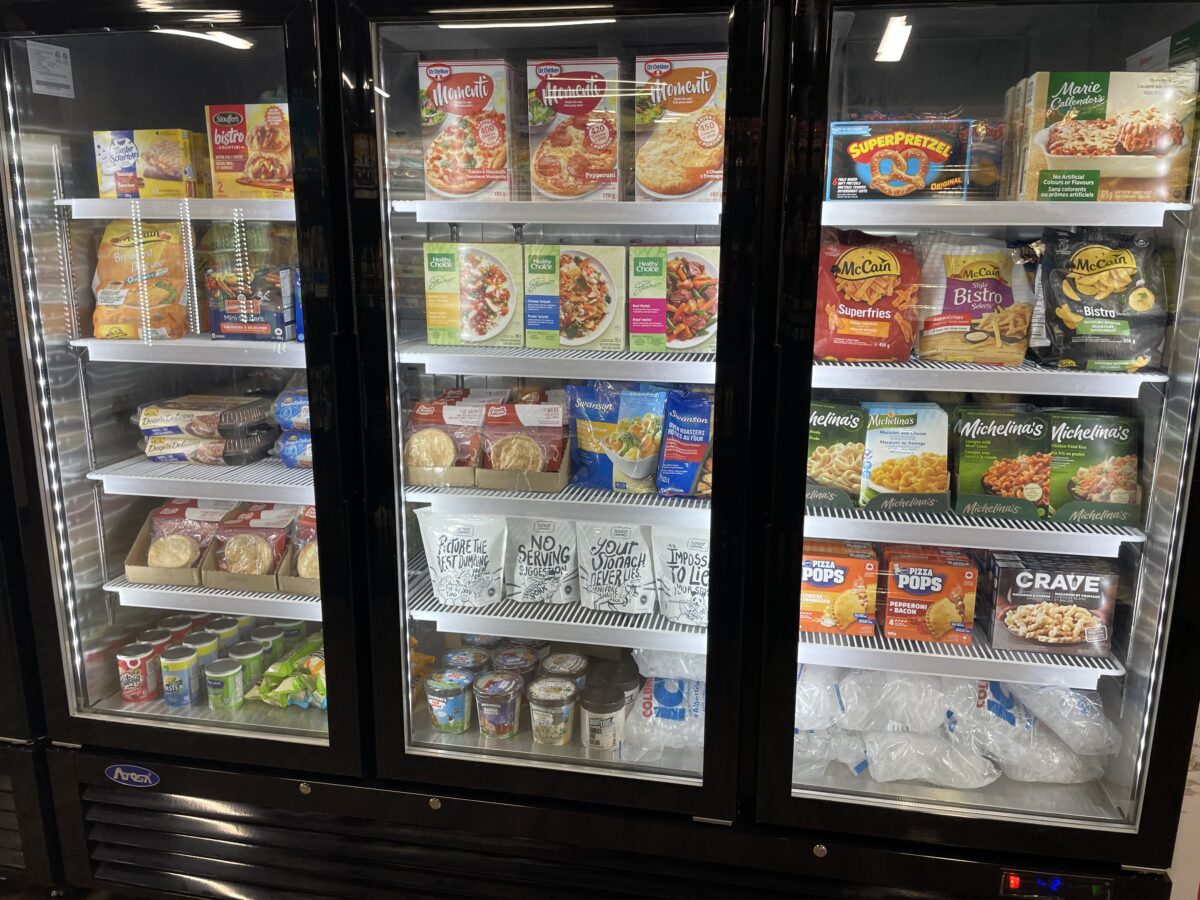
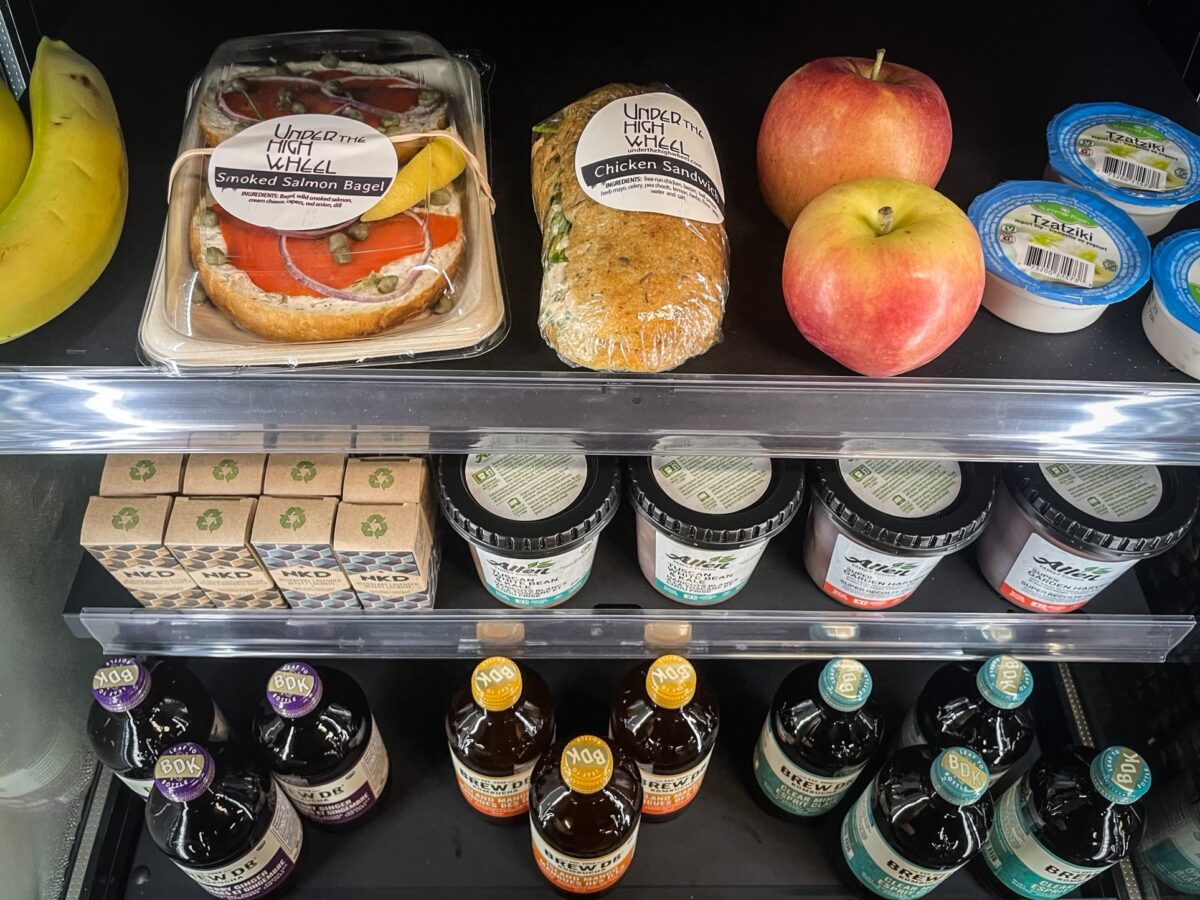
Vender Convenience recently launched in downtown Edmonton, calling itself one of Canada’s first hybrid convenience stores.
“It’s staffed during the day, cashier-less, basically an app-based convenience store,” said James Johnson, Owner of Vencer Convenience.
“You can use the app for everything from entering the store, to scanning items and cashing out. It’s 24/7 but staffed during the day.”
Staff is on hand from about mid-morning to mid-afternoon to stock shelves and be available to help customers.
Image: Vender Convenience
The first Vender Convenience store is located at 9917 109 Street, near the Alberta Legislature and the High Level Bridge.
“I’ve lived and worked downtown since about 2010. This is where I work now. There’s almost no convenience stores left downtown, especially 7-11. They’re not in downtown,” said Johnson. “It’s been happening across the country and really accelerated under COVID.”
With more people working from home, there’s been less traffic in the downtown and some restaurants aren’t open all the time for lunch.
“So I thought there was an opportunity to meet the needs of the neighbourhood and there’s been a good response so far,” he said.
“It was developed with the franchise in mind or at least expansion in mind because you know the saying, do you have a business or do you have a job? I wasn’t looking to have a job,” said Johnson. “If it was just for one spot I wouldn’t have done it. There are other spots where it can be applied to.
“A large institution approached me a few days ago wanting to learn more. Building owners downtown have shown up to learn more. Even when I walked through the first time with my landlord they were like well we’ve got some space in another building if you’re interested.
“I think it’s a really flexible format . . . It’s just the beginning for this model.”
Image: Vender Convenience
According to the company’s website, the idea for Vender Convenience was born during the Johnson family’s Easter celebration. When they ran out of milk and eggs, and Johnson discovered that the local store was closed, he decided to find a solution to the problem. His goal? To be able to shop in his local area whenever a need arises, without having to manage a store himself all day. This was the starting point for Vender Convenience, powered by Storekey’s technical platform.
All payment is made through Storekey’s Scan & Go solution, freeing up staff for in-store customer service and queries.
Storekey is a retail tech company founded in 2018. It leverages a best-in-class solution that removes friction for consumers by solving problems for retailers. Its platform is compatible with all retail verticals and businesses that wish to improve their services. Today, several international store chains and independent stores use its technology. Amongst them, is Europe’s first and largest unmanned grocery store chain – Lifvs.
“The one I picked is at the foot of an office tower,” said Johnson. “And there’s lots of nearby residential towers. You need a lot of the things that any convenience store would need. You need foot traffic, you need a lot of people nearby.
“But I don’t know why it couldn’t be in your neighbourhood corner store. I don’t know why it couldn’t be in a residence for a dormitory. I don’t know why it couldn’t be at an airport . . . It’s so flexible with the technology. It’s pretty easy to adopt . . . The scan and go approach is going to be the bridge that’s the hybrid.”
Retail Insider is streamlining its Canadian retail news from around the web to include a handful of top news stories that can be viewed quickly during the day. Here are the top stories from the past 24 hours.
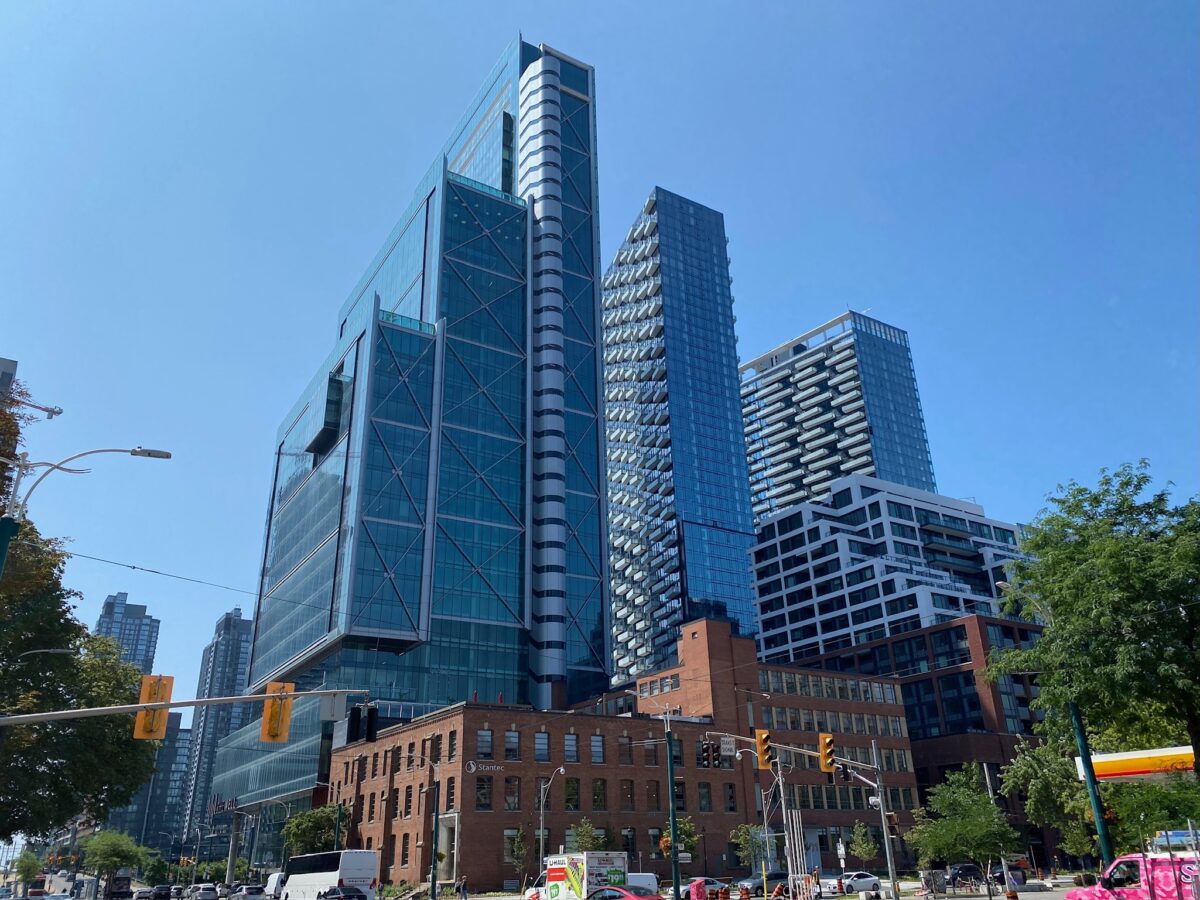
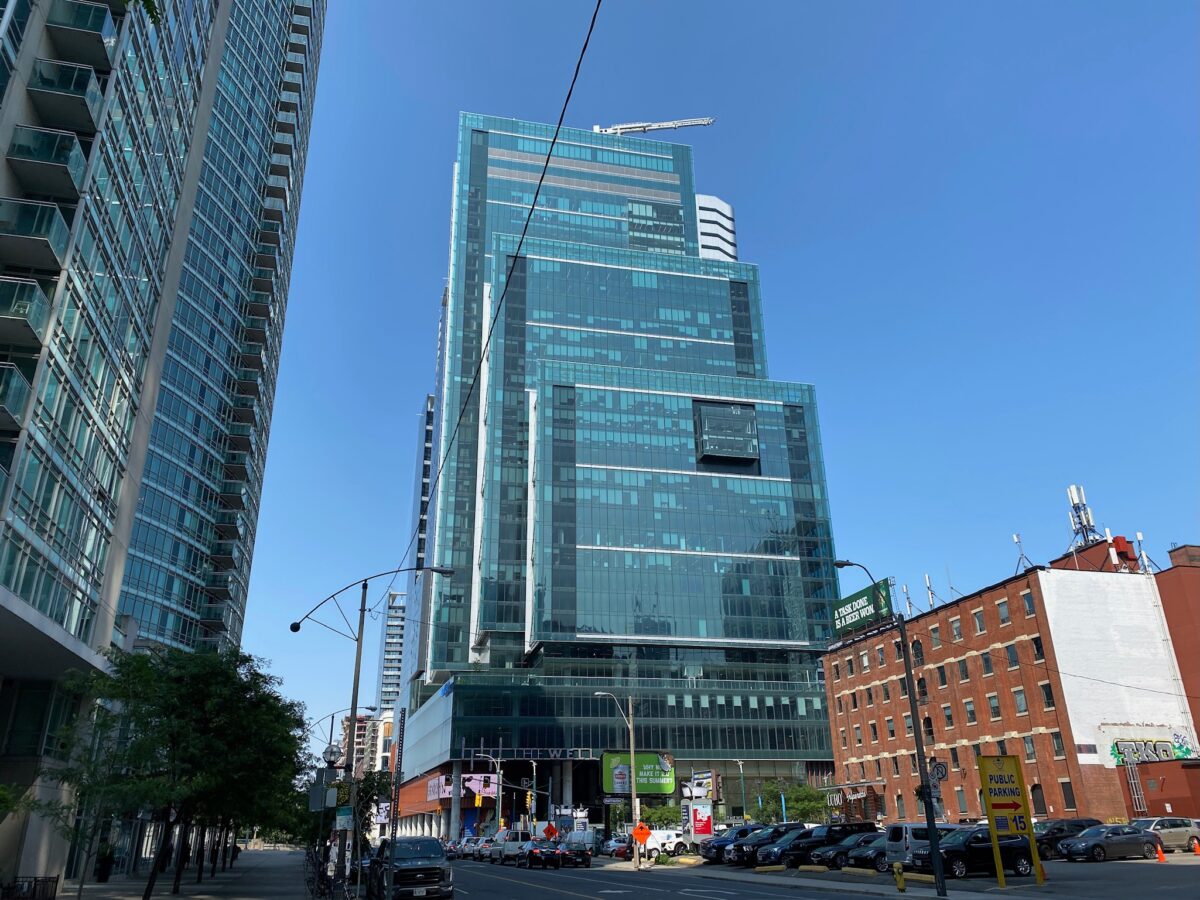
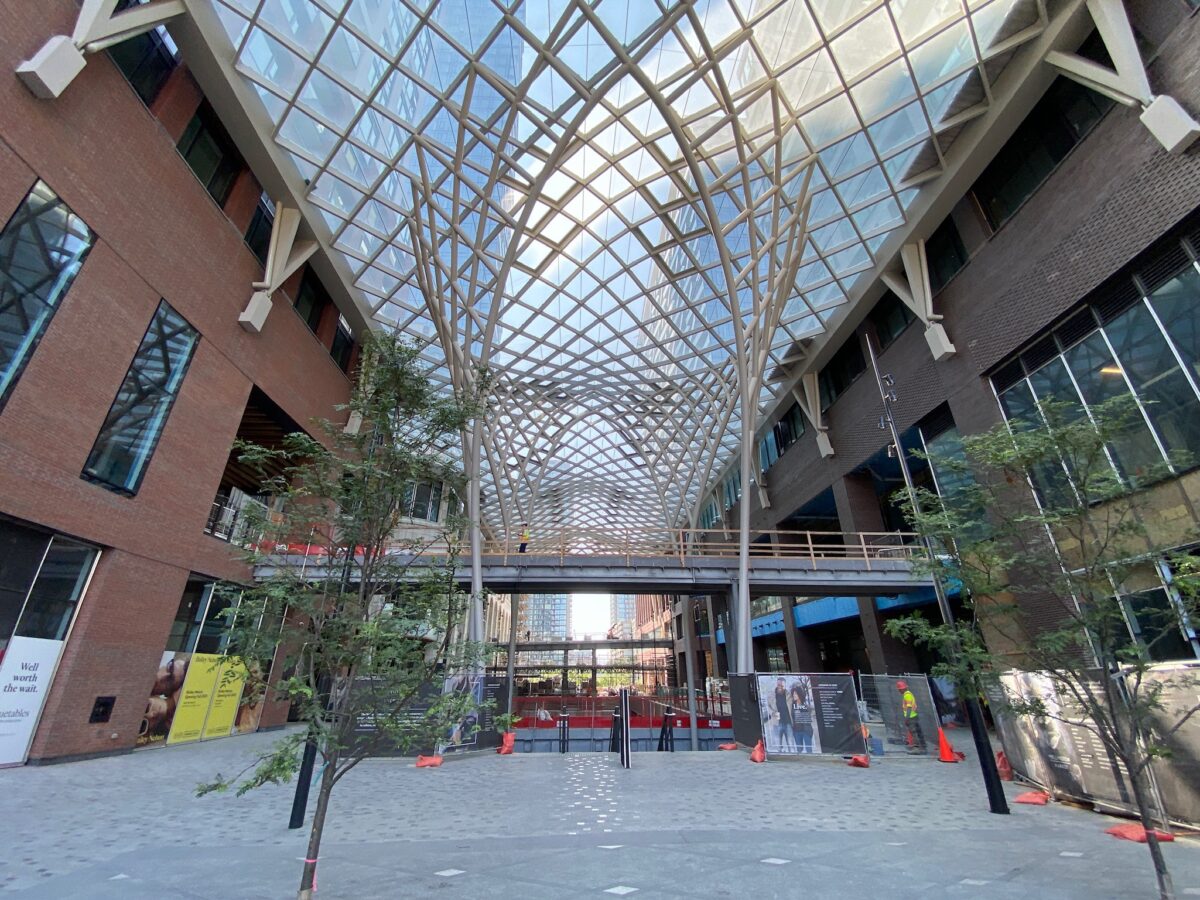
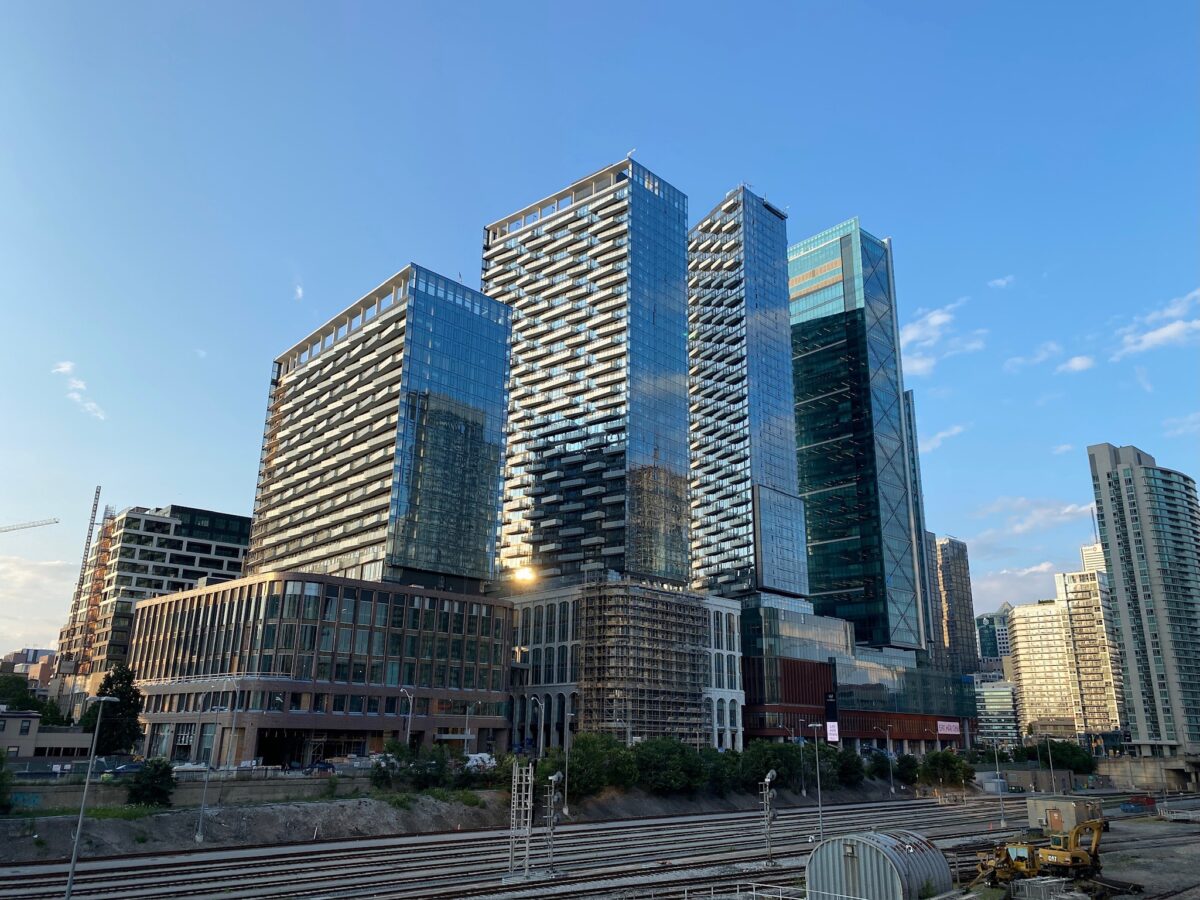
The Well, a massive mixed-use development in downtown Toronto, may well be the most ambitious mixed-used project of its kind in Canada – a bold reflection of Toronto’s energy and diversity, and an extension of the urban vibrancy of King West.
It is also part of the RioCan Real Estate Investment Trust’s strategy of transforming some of its properties into vibrant communities with a strong residential component to go along with commercial real estate space.
John Ballantyne
John Ballantyne, Chief Operating Officer of RioCan REIT, described The Well as a “choreographed mix of urban experiences, dynamic architecture and interconnected public spaces. Thoughtful and purposeful design underpins everything it achieves. With a pedestrian-centered focus, The Well responds to some of the strongest desires of downtown Toronto today: walkability, community-building, and the ability to create connections while seamlessly blending old and new.
“We are building residential components to a lot of our properties and the buildings we put up are actually very nice buildings . . . All the buildings we build are high end. They’ve got beautiful amenities but to me the best amenity of all those buildings it’s the convenient centre that’s operating all around them. It really gives the residents (the opportunity) to live, some of them work, play, eat and shop, do all that without really leaving the property. The Well is going to be the ultimate example of that.”
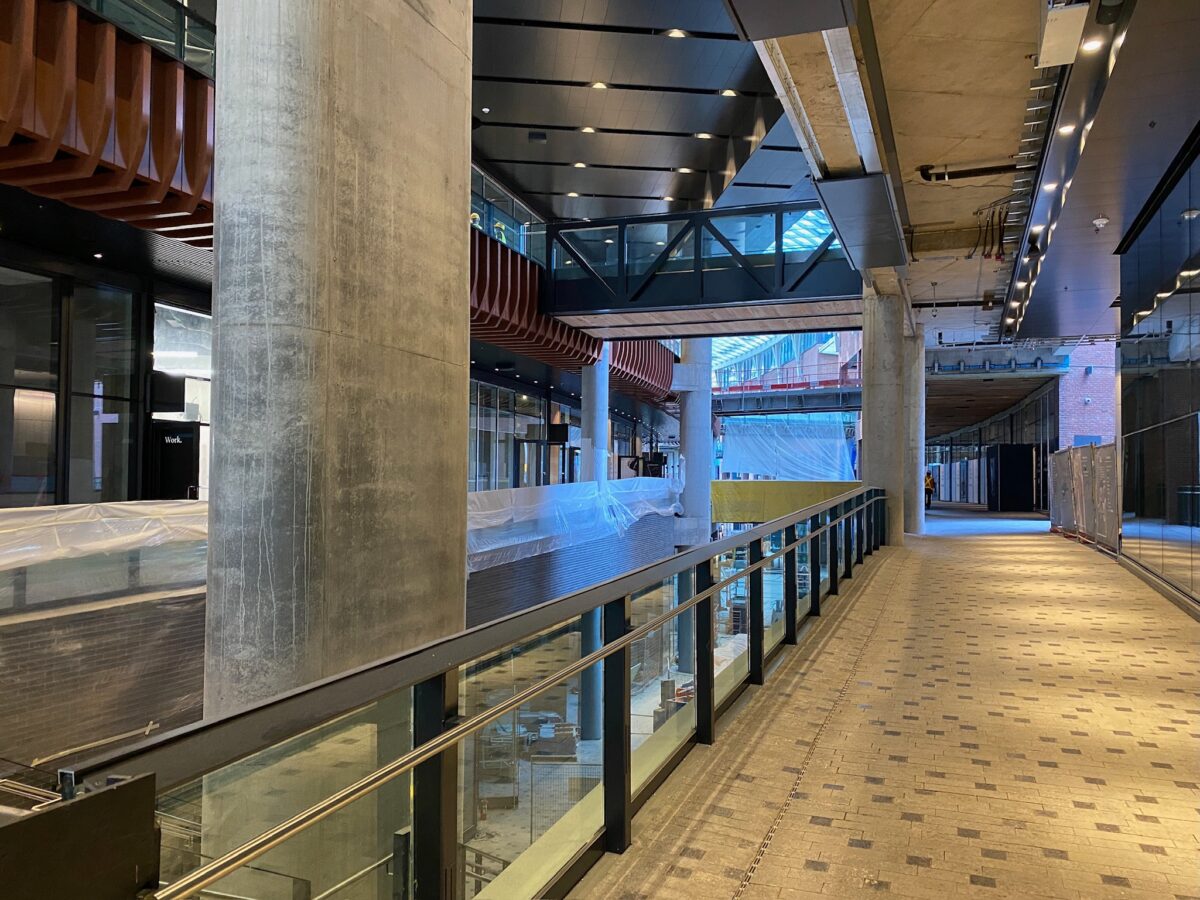
The Well in Toronto (Image: Dustin Fuhs)The Well in Toronto (Image: Dustin Fuhs)
Bordering Front, Spadina, and Wellington, The Well is a mixture of retail, commercial and residential spaces in downtown Toronto that will draw approximately 22,000 daily visitors.
The design includes 320,000 square feet of retail and food service and 1.2 million square feet of office space. It has 1,700 residential residences spread throughout six rentals (three) and condominium buildings (three), plus one office building connected to a three-level retail base and parking for 1,650 cars and 1,900 bikes.
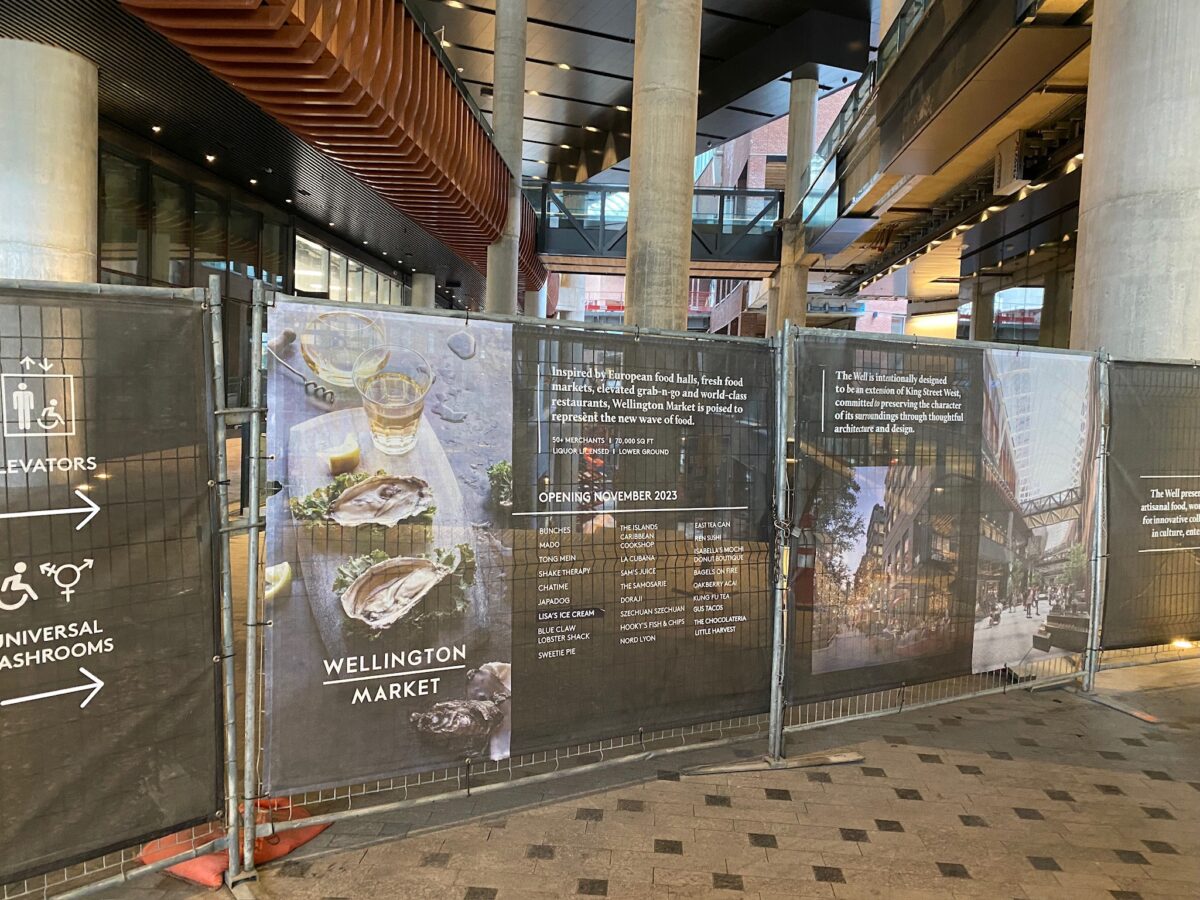
Wellington Market will be Toronto’s newest go-to location for market-fresh artisan food, culinary exploration and experiences. The market will feature a 22,000-square-foot purpose-built venue and an activation space for events, concerts and more. The entire market is liquor licensed for a 3,400 person capacity
Ballantyne said the site will be enhanced by dynamic, community-based programming that will draw people to The Well year-round for unique experiences. The Well is set to become one of Toronto’s most vibrant destinations – a hub for culture, dining, shopping, working and living.
A celebration is planned in the fourth quarter of this year to officially open the site.
Retail leasing for The Well is handled by Josh Katz, Assistant Vice President of Leasing, RioCan Real Estate Investment Trust and Alex Edmison, Senior Vice President, CBRE.
The Well in Toronto (Image: Dustin Fuhs)The Well in Toronto (Image: Dustin Fuhs)
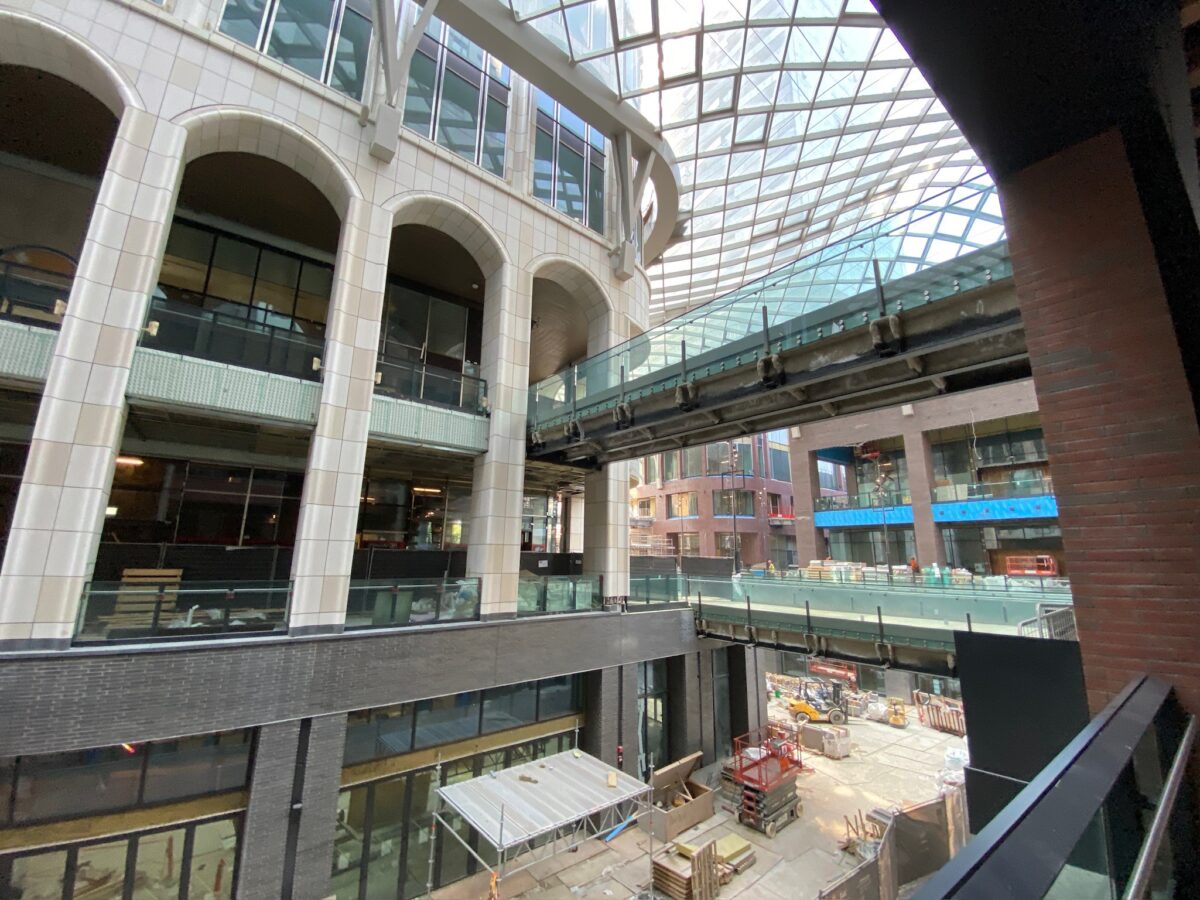
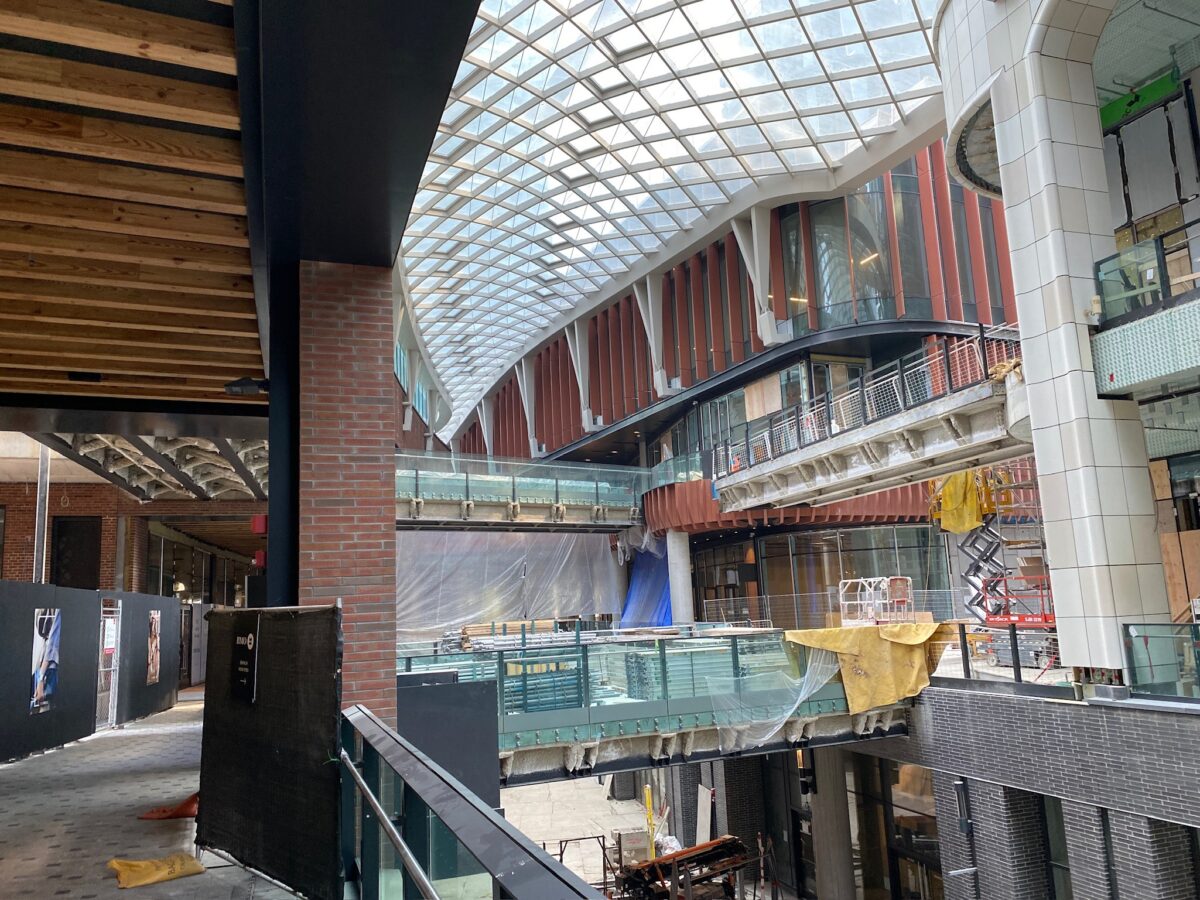
The project is nearing substantial completion. The office component, in 42 storeys, has been open for just over a year. Access is now being provided to the three-level retail component. The Bank of Montreal is currently open.
Ballantyne said many of the retailers are in possession of their spaces right now and getting them ready for openings.
“They’re going to open throughout the summer and fall,” he said. “The idea is that we are going to have a bit of a party later in the year and we expect a good component of the retail to be open at that point in time.”
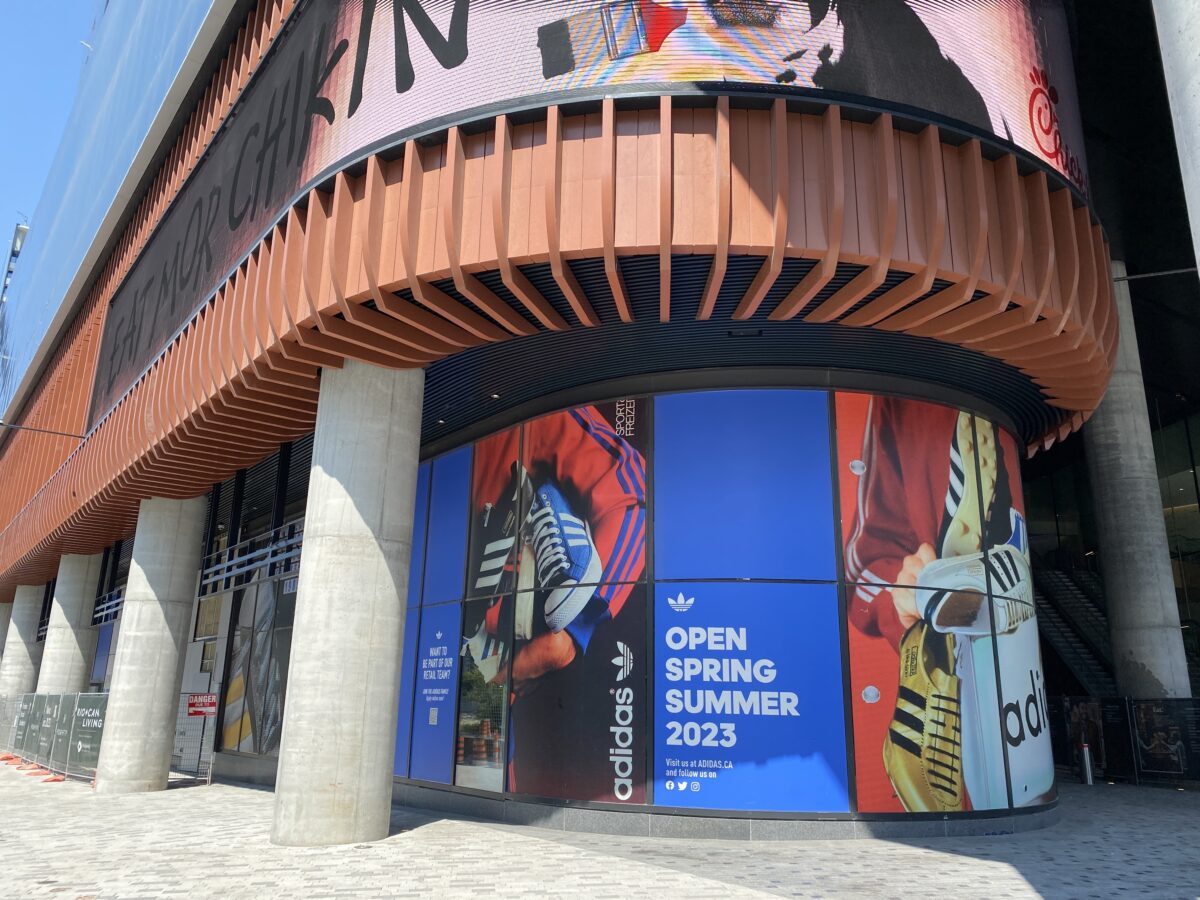
Future adidas at The Well (Image: Dustin Fuhs)Future Retailers at The Well (Image: Dustin Fuhs)
He said the project is about 84 per cent leased for retail with another six per cent in the final stages of negotiation.
“We feel by the time we’ll have our party later in the year we’re gunning for about 80 per cent of those retailers to be open and operating,” said Ballantyne. “There’s 76 retail units and then there’s another 57 units in our food hall which we call the Wellington Market. In total, there’s about 130 retail concepts going in there including all the food.”
The Well in Toronto (Image: Dustin Fuhs)The Well in Toronto (Image: Dustin Fuhs)
Two of the residential rental buildings with 330 units are now open, have occupancy and are being leased. The condo buildings, owned by Tridel, are for the most part sold out with about 760 units with all of them taking occupancy throughout the remainder of this year.
“The largest of the towers which is owned by RioCan and Woodbourne, is 590 units and that’s going to start taking occupancy in August,” said Ballantyne.
“We’ve built a sense of place.”
He said that part of downtown Toronto doesn’t have a lot of service-oriented tenants but the project will provide that for not only the residents of The Well but also for the people living throughout the core around the project.
Ballantyne said a variety of six restaurants are coming to the development in a combination of the Concorde Group and Oliver and Bonacini.
“This was a very unique opportunity. It was eight acres in downtown Toronto. RioCan is more of a retail player. However, this was really an exercise in city building and building a sense of place,” he said. “And we had to put something here that both justified the location and provided the required residential density that this city needs.
“We also wanted to make sure that it was serviced by retail that fit in properly to the neighbourhood.”
The Well in Toronto (Image: Dustin Fuhs)
RioCan has about 35 million square feet of commercial retail located predominantly in the major markets in Canada, close to transit, in high population areas. The REIT identified that cities need more residential space and it identified different components of its portfolio where it could develop multi-family residential properties.
For RioCan, The Well is an example of its ambitious plans for many of its properties across Canada. It has a development pipeline of 42 million square feet which includes two million square feet underway, two million square feet shovel ready and 10 million square feet that is zoned.
RioCan introduced its residential brand, RioCan Living, in 2018 to deliver best-in-class, purpose-built rental units and condos along Canada’s most prominent transit corridors. They range from rental apartments to ultra-luxury condos.
Ballantyne said RioCan has 12 towers across its portfolio ranging in size from smaller ones like a 60-unit tower in downtown Toronto to larger ones like the 590-unit tower at The Well. With the opening of The Well, RioCan will have about 3,000 residential units in operation.
“We’ve created a division of RioCan called RioCan Living which designs, identifies the sites where we want to put these towers, builds the proper tower for the site and area they’re located in,” he said. “So amenities will change, suite sizes will change, esthetics of the building will change depending on where they are.
“We’ll build them and we’ll operate these residential towers in conjunction with our retail sites that surround them.
“It’s a great opportunity for RioCan to intensify sites, help solve the housing crisis that’s going on in this country and at the same time provide residents with the services that already exist in RioCan shopping centres around them.
“The beauty of our model is that we’re not sitting on land that’s not productive. All of these sites are commercial retail sites. They all have active revenue coming through them.”
The Well in Toronto (Image: Dustin Fuhs)
As of May 10, eight of the 10 RioCan Living buildings were stabilized and were 96.5 per cent leased. Lease-up at the two remaining buildings is tracking ahead of expectations as leasing velocity continues to be robust. Total Net Operating Income generated from its residential rental operations for the First Quarter was $4.3 million, an increase of $1.9 million or 81.7 per cent over the same period last year.
Pre-leasing of the 592 rental residential units at FourFifty The Well started in March in anticipation of the phased completion in the second half of 2023 through to early 2024.
As of March 31, 2,575 condominium and townhouse units are under construction and are expected to generate combined sales revenue of over $860 million between 2023 and 2026 that can be redeployed to fund its development pipeline. Of RioCan’s six active condominium construction projects, 86 per cent of the total units have been pre-sold, representing 96 per cent of pro-forma revenues.
“Urban mixed-use development projects are central to our long-term development plans. We have numerous projects underway that combine residential, commercial, and/or office space. We also create entire communities on vacant or underdeveloped land in growing suburban markets,” says RioCan on its website.
“Our portfolio includes well-positioned properties with significant redevelopment potential. We are focused on optimizing the value of these existing properties through redevelopment and intensification, while also diversifying our portfolio into residential real estate.”
Indigo at CF Toronto Eaton Centre (Image: Dustin Fuhs)
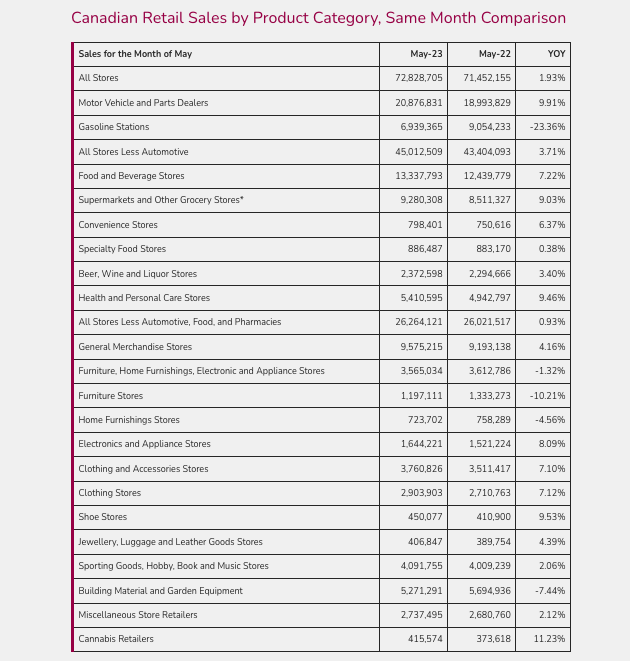
Canadian retail sales continue on a path of minimal growth in May 2023 with All Stores in January growing 1.9% YOY and All stores Less Automotive, Food, Pharmacies up only 0.9% YOY as discretionary spend remains low.
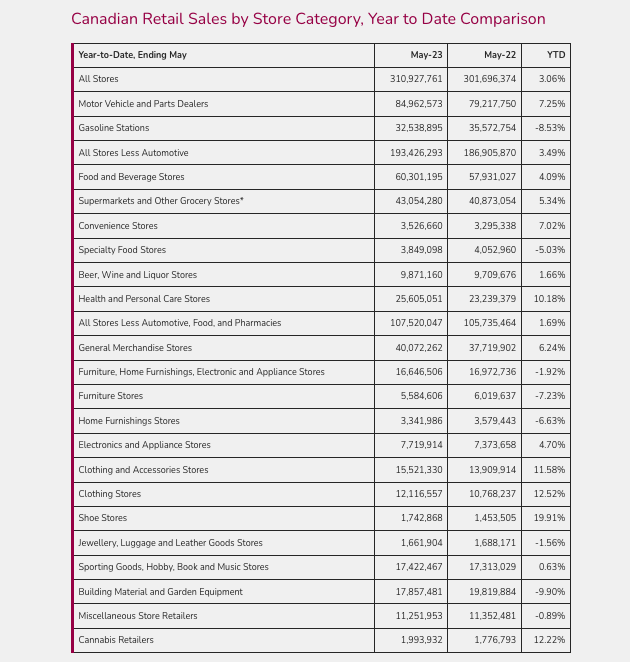
Categories that continue to perform above most others are Clothing Stores, up 7.1% YOY and Shoe Stores, up 9.5% YOY, with the overarching category of Clothing and Accessories Stores still up 11.6% YTD. This growth remains strong and got the JCWG thinking about how these categories are performing over 2019. To our delight, what we found is they are nearly reaching the levels of All Stores (up 23.2% YTD over 2019):
Clothing Stores are up 19.4% YTD over 2019,
Shoe Stores are up 16.2% YTD over 2019, and
Jewellery, Luggage and Leather Goods Stores are up 19.1% YTD over 2019.
For a category that plummeted -80% YOY in April 2020 and did not reach positive growth again until July 2021, this category has shown impressive performance and lockdown recovery. Motor Vehicle and Parts Dealers experienced growth of 9.9% YOY in May, beating out their YTD sales of 7.3%. The JCWG team does not see this as sustainable over the rest of the year, as we are beginning to see reports of EVs piling up on dealer lots. Though brands like Tesla are still beating their supply predictions, it seems that demand has not quite met up, regardless of pay cuts. Consumers just aren’t able to buy cars when their costs of living keep increasing, and so do the financing/leasing rates of a new vehicle due to rate hikes. We predict that these sales will begin to dip soon, regardless of lower prices and increased competition that continue to flood the market.
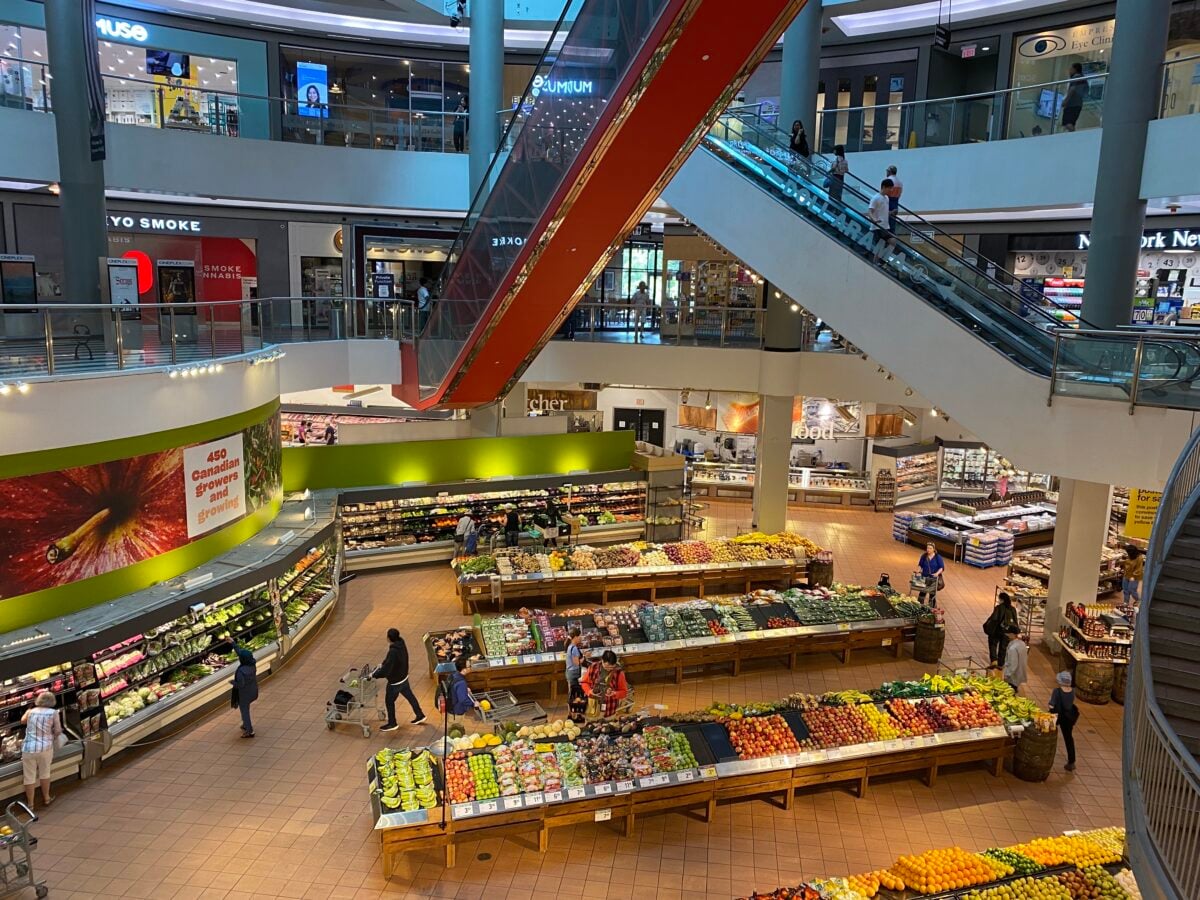
Loblaw at Riocan Empress (Image: Dustin Fuhs)
Housing remains top of mind for Canadians, especially in larger cities like Toronto and Vancouver, as rental rates continue to rise along with mortgage rates. As such, categories associated with housing are all declining as a sign of the times:
Furniture Stores are down -10.2% YOY,
Home Furnishings Stores are down -4.6% YOY, and
Building Material and Garden Equipment are down -7.4% YOY.
As the price to rent/own a home continues to increase over the rate of wages, these categories will likely continue to suffer. The more people are needing to spend on housing, the less they will have to be able to spend on furniture, gardening, etc. for the home.
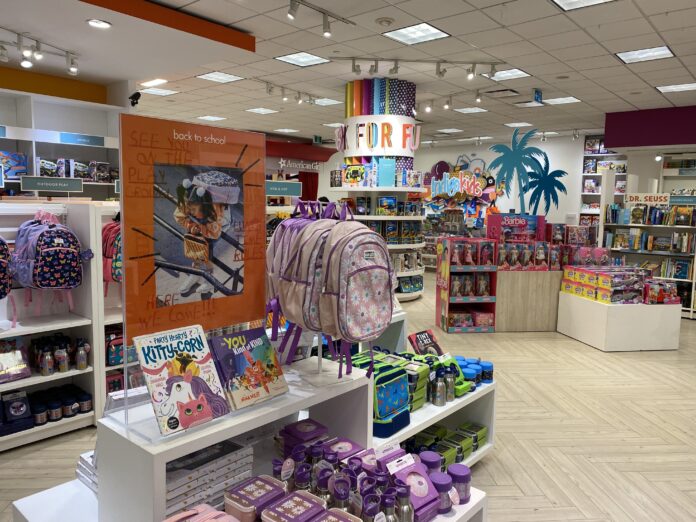
It’s almost the end of July, meaning we are about to head into back-to-school! As we rapidly approach this season, we are thinking about:
Will parents be able to purchase back-to-school related products as they did in previous years with the increased cost of housing and groceries?
When will students start their purchasing this year? Will this follow the trend of Black Friday and Boxing Day sales moving further and further ahead?
What channels are most appealing to parents and children as they prepare their lists?
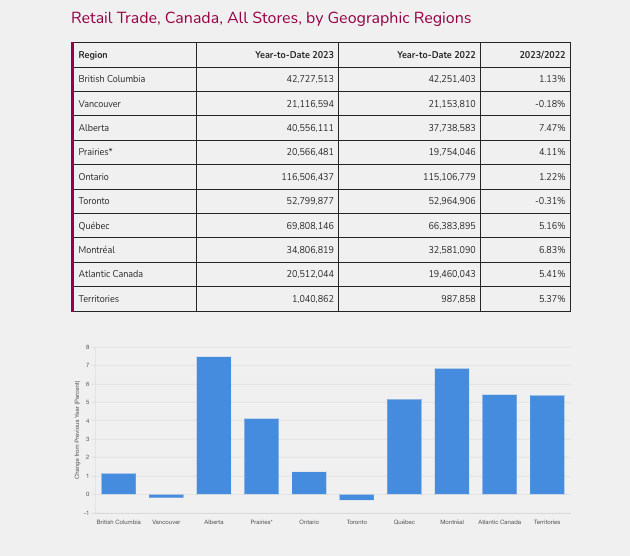
Will Toronto and Vancouver (down -0.3% and -0.2% YTD) stop feeling the brunt of the retail sales decreases?
How are YOU preparing for increases in back-to-school traffic?
Canadian Retail Sales by Product Category, Same Month ComparisonCanadian Retail Sales by Store Category, Year to Date ComparisonRetail Trade, Canada, All Stores, by Geographic RegionsCanadian Ecommerce Sales
According to Conagra Brands Canada research, Canadians are getting more adventurous in the kitchen.
The research shows that Canadians are testing out new textures, elevated cooking experiences and most notably foods with global influence.
Canadians are experimenting with cooking and this is having an impact on the grocery industry throughout the country.
When cooking at home, research indicated that 52 per cent of Canadians incorporated new sauces into their meals, with the top category leader being Asian-themed sauces.
Also, Canadians are increasingly mixing pleasure with at-home cooking and are regularly looking for new and fun recipes to try. Nearly half of Canadian consumers claim to enjoy cooking new dishes, with more than one-third of consumers cooking new recipes than the year prior.
And 56 per cent of Canadians are seeking out bolder flavours when cooking at home, with many turning towards new/elevated sauces to satisfy cravings.
In this video interview, Paul Hogan, VP and General Manager of Conagra Brands Canada, discusses the trend, why it’s happening and the impact this has on grocery stores and supermarkets in Canada.
The Video Interview Series by Retail Insider is available on YouTube.
Connect with Mario Toneguzzi, a veteran of the media industry for more than 40 years and named in 2021 a Top Ten Business Journalist in the world and the only Canadian – to learn how you can tell your story, share your message and amplify it to a wide audience. He is Senior News Editor with Retail Insider and owner of Mario Toneguzzi Communications Inc. and can be reached at mdtoneguzzi@gmail.com.
Also check out the other series offered by Retail Insider, including The Weekly podcast and The Interview Series, which are both available on Apple Podcasts, Stitcher, TuneIn, Google Podcasts, or through our dedicated RSS feed for Simplecast and other podcast players.