Retail Insider is streamlining its Canadian retail news from around the web to include a handful of top news stories that can be viewed quickly during the day. Here are the top stories from the past 24 hours.
In today’s rapidly evolving retail landscape in Canada and globally, the strategic deployment of data analytics has become paramount to achieving competitive advantage. From traditional sales data to cutting-edge artificial intelligence algorithms, the future of retail analytics holds immense potential to transform the way retailers perceive and engage with their customers.
The retail industry has long recognized the importance of data-driven decision-making. However, the future of retail analytics extends beyond conventional transactional data. By leveraging advanced analytics techniques, such as machine learning and predictive modelling, retailers can tap into vast amounts of data generated from multiple sources – including social media, mobile applications, and IoT devices – to gain a holistic understanding of their customers’ preferences, behaviours, and sentiments.
Pedro Arellano
Pedro Arellano, SVP & GM at SalesforceTableau, explained to Retail Insider how Tableau GPT serves as the intelligent engine, while the newly launched Tableau Pulse offers a user-friendly experience that allows retail store managers, for example, to access valuable insights without the need for data analysis expertise.
Larissa Amoroso, VP of Community at Tableau, said that both Tableau GPT and Pulse allow the power of data to reach even more individuals, including non-analyst professionals, globally, which as a result is fulfilling Tableau’s mission of democratizing data access. As part of the community-building initiative at Salesforce and Tableau, she described Tableau’s data pledge where nearly two million people have been trained through its data skills program since January 2022.
She went on to note that despite the fact that retailers and other businesses rely on data to make decisions, there’s a talent gap with just 39% of organizations training their employees with data skills and less than half of post-secondary institutions offering specific data skills courses. Thus in 2021, Tableau committed to providing education to 10 million people worldwide to become data literate by 2027. With that, Tableau offers free and unique educational programs and resources across the Salesforce ecosystem.
Larissa Amoroso
Salesforce’s Arellano said that one of the key advantages of retail analytics lies in its ability to offer personalized experiences to customers. By analyzing individual purchasing patterns, online browsing behaviour, and demographic information, retailers can tailor their product offerings, marketing campaigns, and pricing strategies to create highly targeted and engaging experiences. This level of personalization not only enhances customer satisfaction but also drives customer loyalty and ultimately boosts sales.
The advent of artificial intelligence (AI) has revolutionized the field of retail analytics. AI-powered algorithms can analyze vast volumes of data at incredible speed, identifying patterns and correlations that were previously unattainable. This enables retailers to extract actionable insights in real-time, empowering them to make proactive decisions, optimize inventory levels, forecast demand accurately, and mitigate risks, all while enhancing operational efficiency.
These benefits, according to the Tableau executives interviewed, are levelling the playing field for retailers globally which is in effect ‘levelling the playing field’ for everyone to do business.
Retail analytics also plays a pivotal role in improving the in-store experience. By integrating technologies such as computer vision and sensors, retailers can gather real-time data on foot traffic, customer movement patterns, and product interactions. This data, when combined with AI algorithms, enables retailers to optimize store layouts, enhance product placements, and personalize customer assistance, resulting in improved customer satisfaction and increased sales.
The future of retail analytics goes beyond transactional data, encompassing unstructured data as well. Natural language processing (NLP) and sentiment analysis techniques enable retailers to mine customer reviews, social media comments, and online forums for valuable insights. This allows retailers to gauge brand sentiment, identify emerging trends, and promptly address customer concerns, strengthening brand reputation and fostering positive customer experiences.
As the retail landscape becomes increasingly omnichannel, retail analytics offers a unified view of customer interactions across multiple touchpoints. By integrating data from online platforms, mobile apps, brick-and-mortar stores, and customer service interactions, retailers can gain a comprehensive understanding of the customer journey. This holistic perspective enables retailers to deliver consistent and seamless experiences, optimize marketing spend, and maximize customer lifetime value.
Creating a workforce that can understand retail and analytics is paramount to the future of of the retail industry. Tableau’s Larissa Amoroso said that the company will continue to promote community and education — this will help the retail industry progress more quickly with AI and other technological adoption. This is a global initiative, which means that businesses in less prosperous parts of the world will also be able to get in on digital innovations as well.
Retail Insider is streamlining its Canadian retail news from around the web to include a handful of top news stories that can be viewed quickly during the day. Here are the top stories from the past several days.
Retail Insider is re-working a few things at the back-end and will be publishing news stories after July 11. In the meantime, we’re still publishing our daily Canadian Retail News From Around the Web.
Retail Insider is streamlining its Canadian retail news from around the web to include a handful of top news stories that can be viewed quickly during the day. Here are the top stories from the past 24 hours.
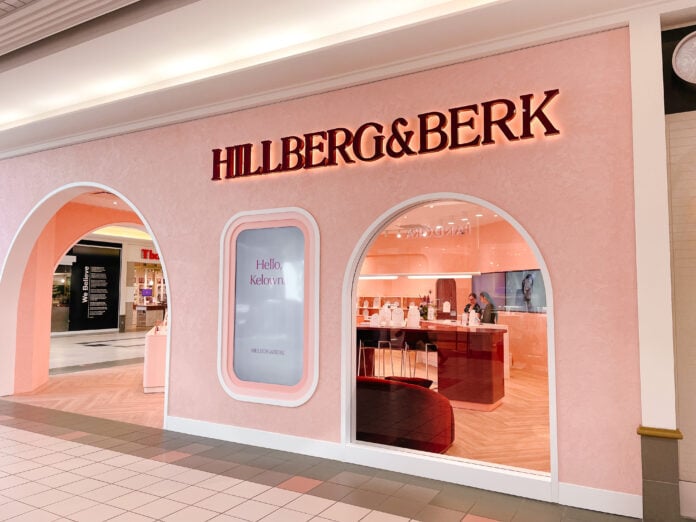
Hillberg & Berk Orchard Park in Kelowna (Image: Hillberg & Berk)
Hillberg & Berk, a Canadian women-owned jewelry brand, is celebrating its 16th anniversary this year, will be opening a new location next month, and has plans to double its footprint in the next five years.
Rachel Mielke
“It has been exciting over the last 16 years, having retail stores for just over a decade now and the journey to continue to expand across the country has been incredibly exciting. The company started at my kitchen table making jewelry and when I discovered my passion for creating jewelry for myself and others. I was absolutely hooked on the process, making it, and sharing it with others and that is how Hillberg & Berk started,” says Rachel Mielke, the CEO of Hillberg & Berk.
Before the company started, Mielke said it was difficult to find good quality jewelry for a low price and was inspired to create high quality products at accessible prices, as having nice jewelry shouldn’t break the bank or be dull.
“Having started the company in the prairies and growing up there, I can really relate to wanting to find high quality products that are well made, but also priced well and priced fairly. We obsess over the quality of our jewlry and we make pieces that you can wear for different occasions and on a daily basis.”
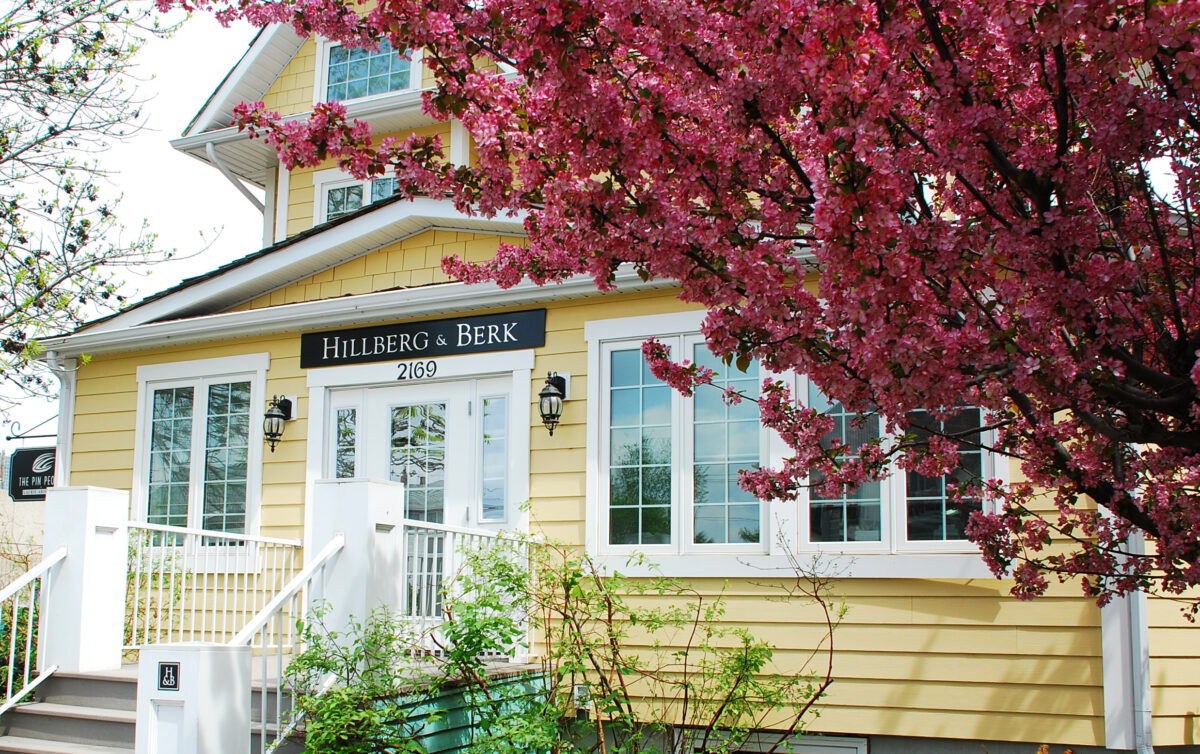
Hillberg & Berk Flagship (Image: Hillberg & Berk)
Consumers can find a variety of products such as earrings, necklaces, bracelets, and rings. Mielke says consumers can wear many of the products in different ways as you can find earrings that are two sided, necklaces that you can customize, and consumers are given the chance to create personalized jewelry.
Hillberg and Berk’s products have been noticed nationally and globally as Mielke was asked by the Lieutenant Governor of Saskatchewan to design a brooch for the late Queen Elizabeth and was commissioned a second time by the Government of Canada to create another brooch for her again, this time in honour of the Queen’s Sapphire Jubilee.
New Location
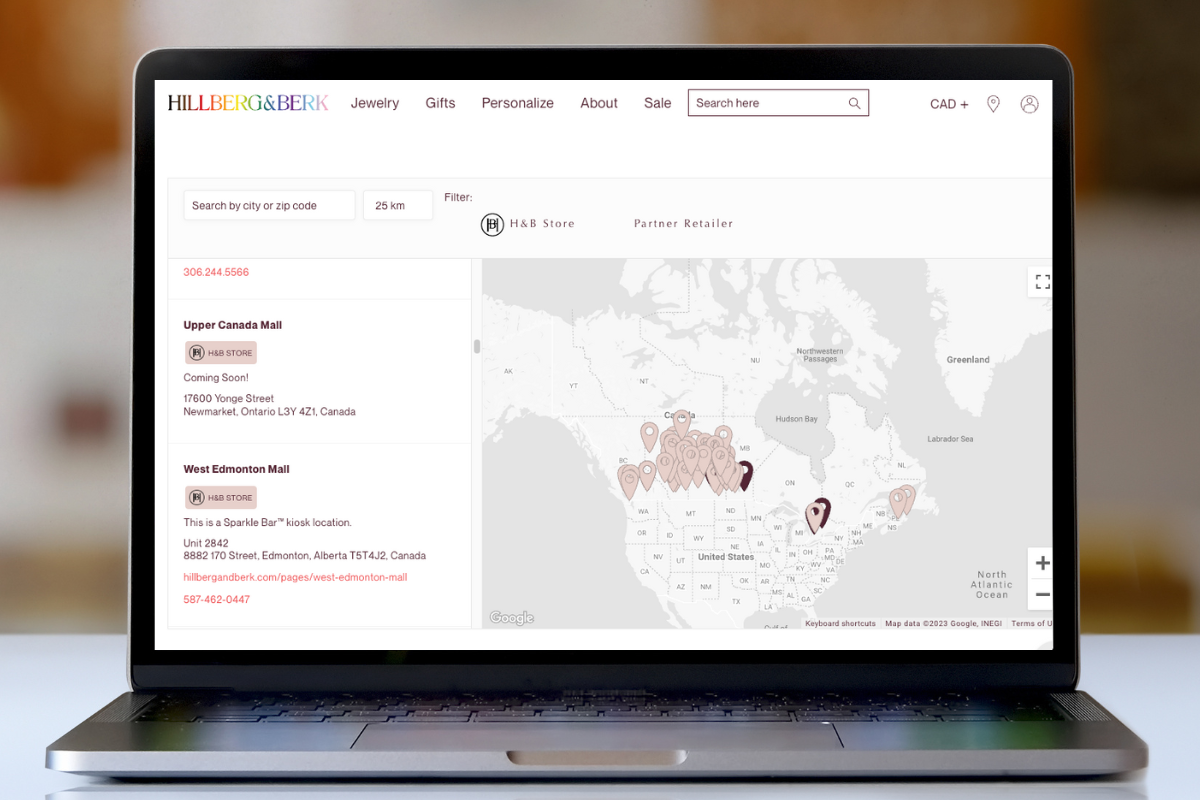
Image: hillbergandberk.com
Currently, Hillberg & Berk has 14 stores in Canada and this July, it will be opening its 15th store in Upper Canada Mall in Newmarket, Ontario.
“We are excited to continue taking our brand across the country, and one of the ways we do that is by finding new spots for our presence in malls. So we have been talking to landlords and looking at different locations. We review the opportunities we get offered in malls in conjunction with our digital sales, we are looking forward to opening this July in Upper Canada Mall.”
Hillberg & Berk Story
Over the last three years, Hillberg & Berk has completed nine projects including new stores, renovations, and has rebranded the store under a new concept that was designed by Kaben Architecture and Design.
South Centre Mall in Calgary – updated in March 2021
Regina standalone Flagship store – renovated in Fall 2021
Bower Place in Red Deer – new store location in Fall 2021
Orchard Park in Kelowna – new and first store in British Columbia which opened in April 2022
Market Mall in Calgary – moved its location within the mall and updated in July 2022
Masionville in London, Ontario – new and first Ontario store location opened November 2022
West Edmonton Mall – new kiosk concept, opened in April 2023
Midtown, Saskatoon – moved locations in the mall and updated in Summer 2023
Newmarket, Ontario – new location in Upper Canada Mall, opens in July 2023
Along with these projects, Mielke says there are two more store renovations which will also occur this summer: Centre Mall in Saskatoon and Southgate Mall in Edmonton.
Mielke said the team had redesigned and rebranded the business and was ready to roll the new concept out, but then Covid hit. Knowing Canadians would return to stores, Mielke said she decided to push through the expansion plans and opened the first store under the new concept in March 2021 in Calgary.
“When I started the company 16 years ago, the aesthetic of the brand was black and white, it felt very classic and strong. As we have evolved, we wanted to bring something that was fresh, engaging and inspiring to our store. We are a brand that is about supporting and uplifting our customers, which is primarily women across the country and we wanted to create and design a store that was reflective of a space that felt exciting, inviting, and beautiful.”
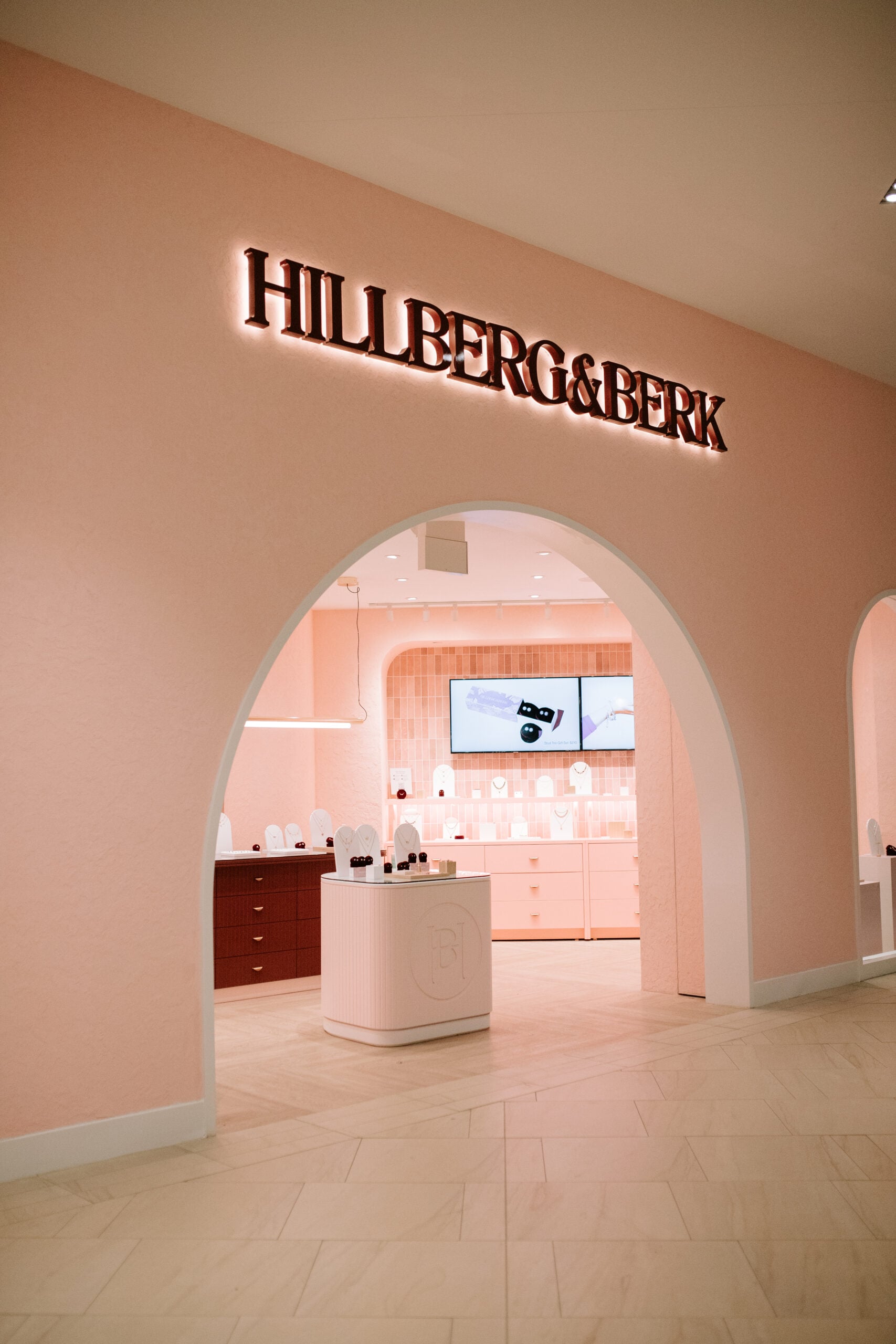
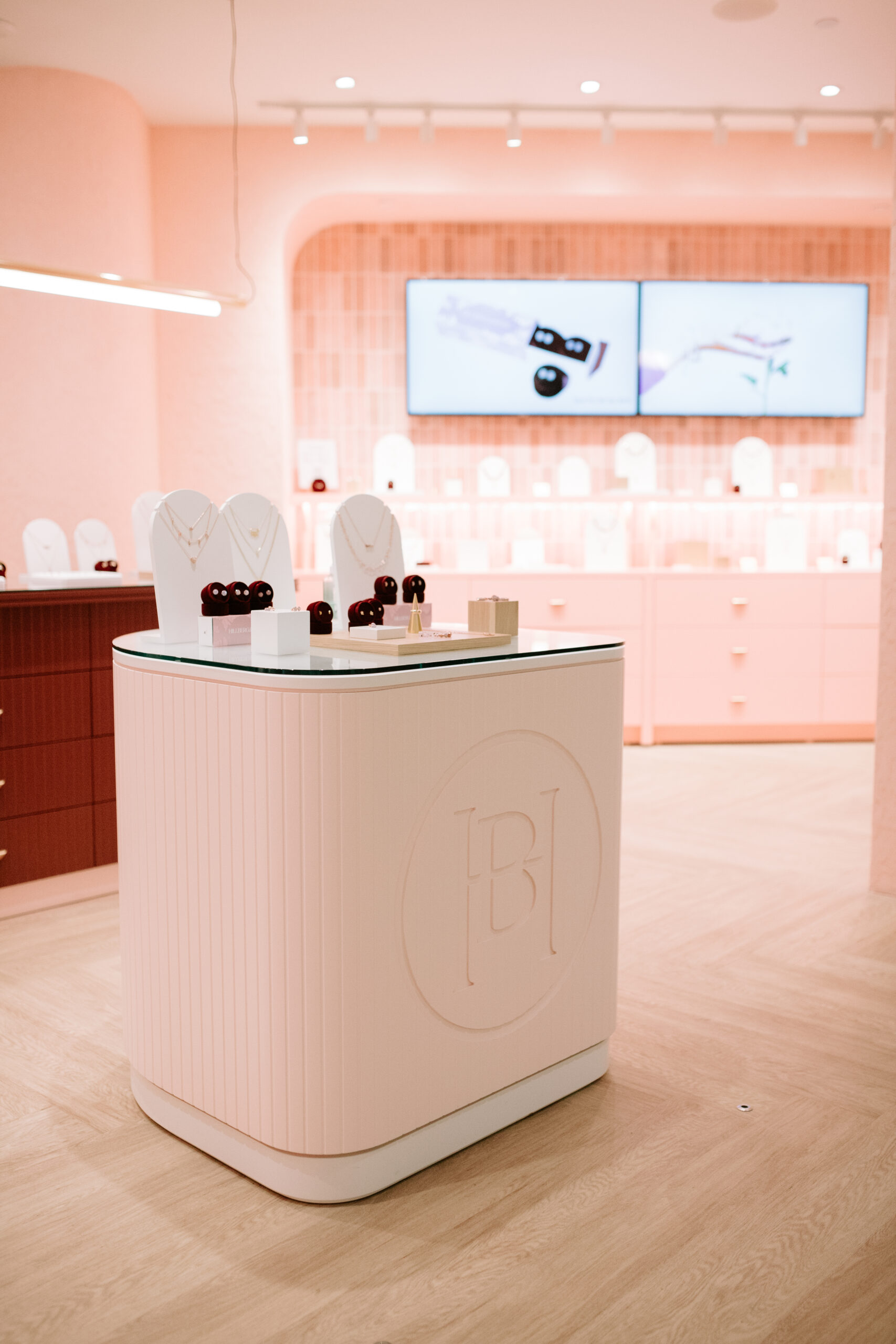
The new concept has clay over the majority of the store space, custom fixturing with woodworking detail, lighting is bright and welcoming, and has a new palette of different shades of pinks and corals.Unlike traditional jewelry stores, Hillberg & Berk does not place jewelry behind glass as the brand wants consumers to be able to interact with products.
“Most products are in the open and we encourage customers to interact with the product, to try it on, to have fun, we have tried to remove the intimidation of walking into a jewelry store. We want to create an experience that is very welcoming and let our customers just have fun with the products and really interact with the jewelry.”
“Great Loyalty Program”
Hillberg & Berk Flagship (Image: Hillberg & Berk)
Mielke says the brand won the RCC award for digital experience and especially for its loyalty program which was lauded last year through Covid. Hillberg & Berk’s web presence increased during the last three years and has allowed them to maintain their e-commerce platform and its new loyalty program.
“Customers will find our online experience easy to use and they can really see the product well online. You can get to know more about the brand online, and we are also thrilled that we won this award specifically focused on our loyalty program, which we were excited that in the first year, we were able to sign up 61,000 customers.”
Image: Hillberg & Berk
Mielke says the loyalty program is easy to use, can accumulate points quickly and can see rewards quickly – all things needed for a brand’s loyalty program to succeed. Mielke says consumers get points with every purchase, but you don’t need to purchase to get points.
“We also give out points for doing things like reading our blog because our blog really features incredible people in our community. We love when customers read our blog and get to know our brand and the people we are featuring. Customers can also get points by signing up for our newsletter, so it just helps our customers be able to accumulate points quickly and be able to redeem them.”
Expansion Plans
Hillberg & Berk Southcentre Mall (Image Hillberg & Berk)
This years’ expansion plans include opening a Upper Canada Mall location and two renovations; however, Mielke anticipates the brand will double it’s foot print within the next five years.
As for locations, Mielke says as they have a good retail presence in Saskatchewan, Manitoba, and Alberta – she would like to expand further into Ontario and British Columbia over the next five years as she sees a lot of growth opportunities. Mielke says she is always open to what locations might work well for the brand and takes it deal by deal.
As the brand continues to grow, donating to charities has always been a priority. Mielke says the brand gives 20 percent of its profits back to organizations that “support, uplift, and empower women.” Over the course of 16 years, Mielke says they have donated over 10 million in cash and product to different charities and organizations. The brand has also started working recently with Dress for Success, Native Women’s Association of Canada, and the Canadian Center for Gender and Sexual Diversity.
“We are proud of the community work that we have been doing as a result of the support customers have given our brand. When I started Hillberg & Berk and launched the products I was passionate about making, there was a real overwhelming response. And now we are thrilled to be able to share our incredible jewelry with a much broader customer base across the country as we continue to expand.”
As the cost-of-living continues to climb, the second-hand economy is experiencing a surge.
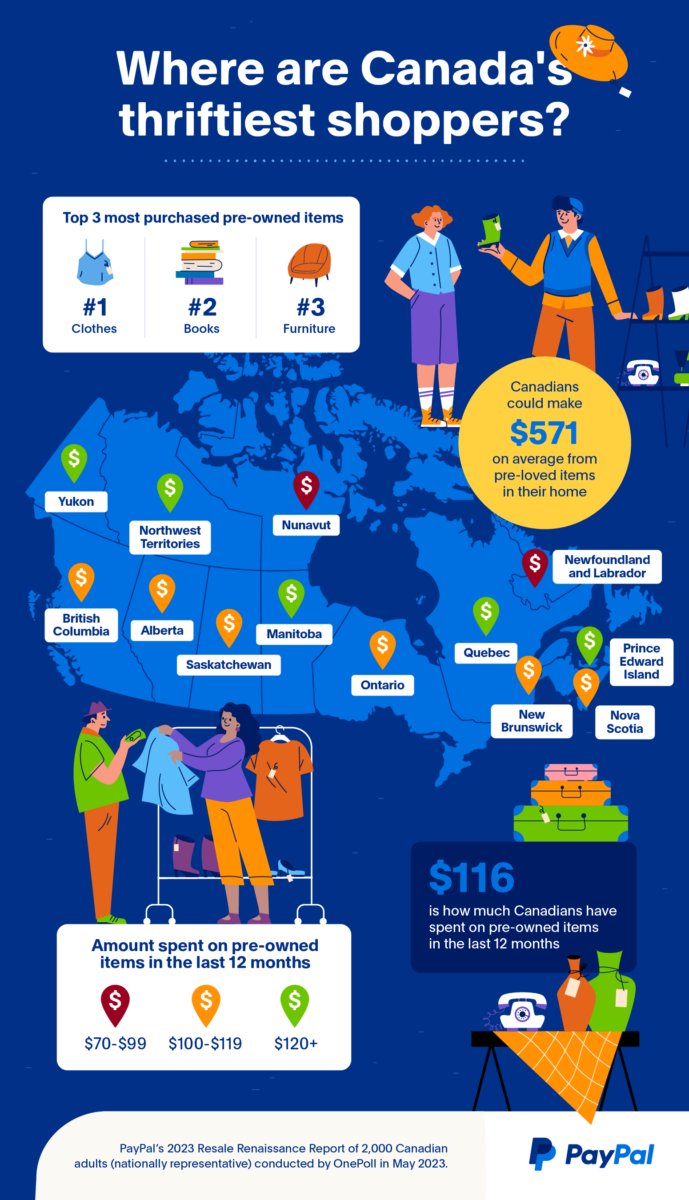
PayPal’s recent Resale Renaissance Report, polling 2,000 Canadians, revealed the reselling movement has gone mainstream, with 73 per cent purchasing pre-loved items to make their money go further. Clothes (38 per cent), books (21 per cent) and furniture (20 per cent) top Canadians’ thrift shopping lists, turning one person’s trash into their own treasure.
“With prices soaring, it’s no surprise we’re seeing a boom in the second-hand economy,” said Malini Mitra, Director of Communications, PayPal Canada.
Image: Paypal Canada
Key findings from the report include:
Canadians have on average $571 estimated worth of unwanted items stored around their homes, ripe for resale, and 65 per cent agree that their homes are full of unused belongings;
31 per cent of Canadians say they purchase pre-loved goods at least once a month, spending on average $116 in the last 12 months on used items;
Reasons behind not taking advantage of these potential earnings include not knowing where to start when reselling (43 per cent), hesitancy around doing transactions with strangers (39 per cent) and not believing enough profit would be made to make it worthwhile (34 per cent);
48 per cent choose to shop used items in search of a bargain. The average Canadian has generated $167 in the last 12 months from a reselling side hustle, making an average profit of $31 per sale – with 50 per cent admitting that selling items they no longer need is a good way to supplement their primary income source;
28 per cent of Canadians say clothes were the item they sold for the highest value – with furniture (20 per cent) and gaming consoles and equipment (16 per cent) completing the list of the most lucrative items sold by novice Canadian resellers;
42 per cent of Gen Z Canadians report buying pre-owned goods more than once a month compared to 27 per cent of Gen X and Boomers;
36 per cent say they have purchased items from an online marketplace and 34 per cent also say they have turned to social media to seek pre-loved purchases.
In this video interview, Ariana Kertsanis, a Gen Z Canadian reseller with over 22,000 followers on Poshmark, discusses her experiences in the second-hand economy that is growing in popularity online.
The Video Interview Series by Retail Insider is available on YouTube.
The Video Interview Series by Retail Insider is available on YouTube.
Connect with Mario Toneguzzi, a veteran of the media industry for more than 40 years and named in 2021 a Top Ten Business Journalist in the world and the only Canadian – to learn how you can tell your story, share your message and amplify it to a wide audience. He is Senior News Editor with Retail Insider and owner of Mario Toneguzzi Communications Inc. and can be reached at mdtoneguzzi@gmail.com.
Like, Share and Subscribe to Mario Toneguzzi on YouTube!
Also check out the other series offered by Retail Insider, including The Weekly podcast and The Interview Series, which are both available on Apple Podcasts, Stitcher, TuneIn, Google Podcasts, or through our dedicated RSS feed for Simplecast and other podcast players.
Birdies at 3850 Lougheed in Burnaby (Image: Birdies)
Earls Restaurant Group is opening a new California-inspired brand in Metro Vancouver in July.
Birdies Eats & Drinks is set to take over the former Earls Bridge Park location at 3850 Lougheed in Burnaby.
Kristin Vekteris
“We see an opportunity in the market for a casual, fun concept with high-quality, addictive food and drinks at an inviting price point,” said Marshall Fuller, Director of Operations at Birdies. Kristin Vekteris, Chief Brand Officer at Earls, said the new concept comes with a sunny attitude and a laid back atmosphere.
“The atmosphere is casual, laid back. The menu is light, bright, fresh, ingredient driven, flavour driven – food at an approachable price point,” she said.
“We think there’s a bit of a gap in the market and that there’s a white space and opportunity for a more casual, relaxed atmosphere that has elevated food.”
Birdies at 3850 Lougheed in Burnaby (Image: Birdies)
The new concept will open July 7.
“Burnaby is a really up and coming, vibrant area of the city. There’s lots of young couples, young families. It’s becoming extremely dense. The population is growing rapidly,” said Vekteris. “It’s one of the most up and coming areas in the Greater Vancouver Area.”
The restaurant is just under 8,000 square feet and will have 263 seats, 75 of which are patio seats.
“This is a brand new brand. It was created by a small team at Earls. The operations are completely separate from Earls and it’s a brand new concept. We’re based in Vancouver and this is our first Birdies Eats & Drinks location.”
Birdies at 3850 Lougheed in Burnaby (Image: Birdies)Image: Birdies
Will there be more?
“Right now, we’re just focusing on opening our first one. We haven’t even had any guests in the door yet. So we’re just really looking forward to introducing customers to the first Birdies Eats & Drinks. But we did build it for scale. We’d love to open more. But really the focus is let’s just get this first one open and share it with customers and see what the response is,” said Vekteris.
“That said, we haven’t even opened yet and we already are having a pretty incredible response from customers who did a pop-up (recently) and people are really excited about the concept. They feel it’s something different and fresh in the market.”
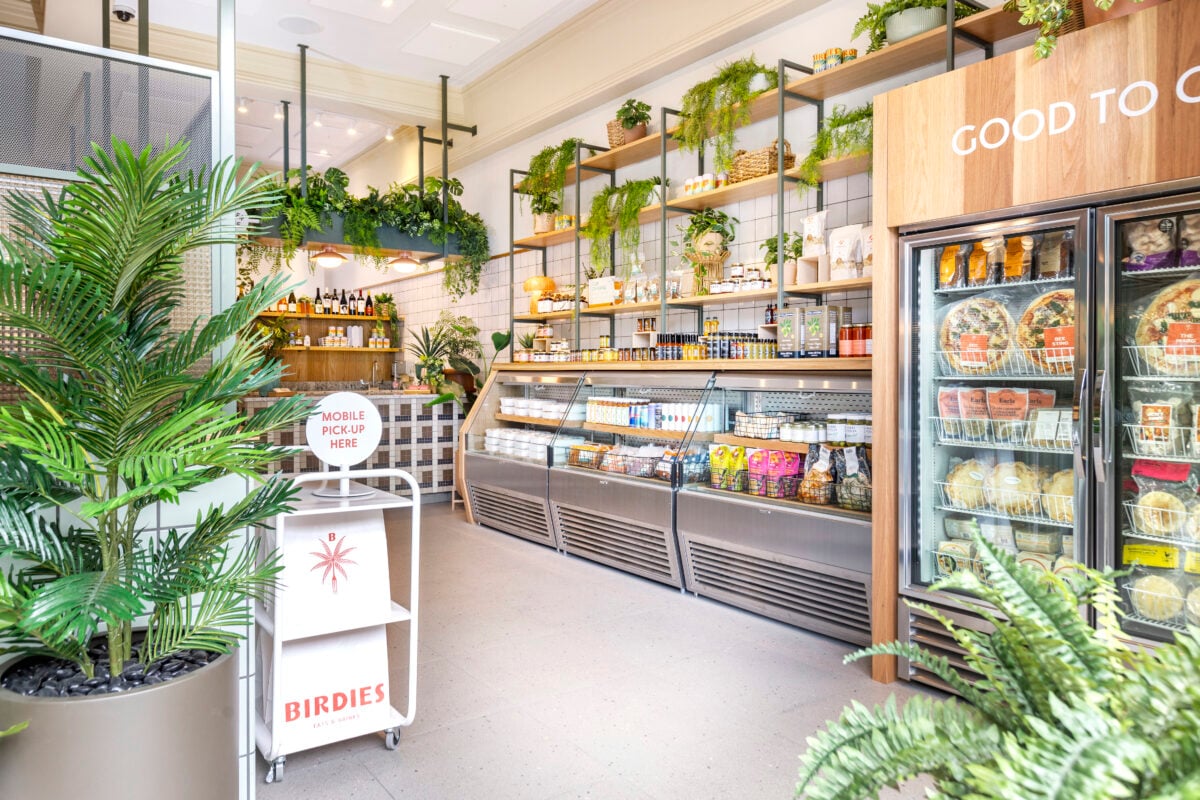
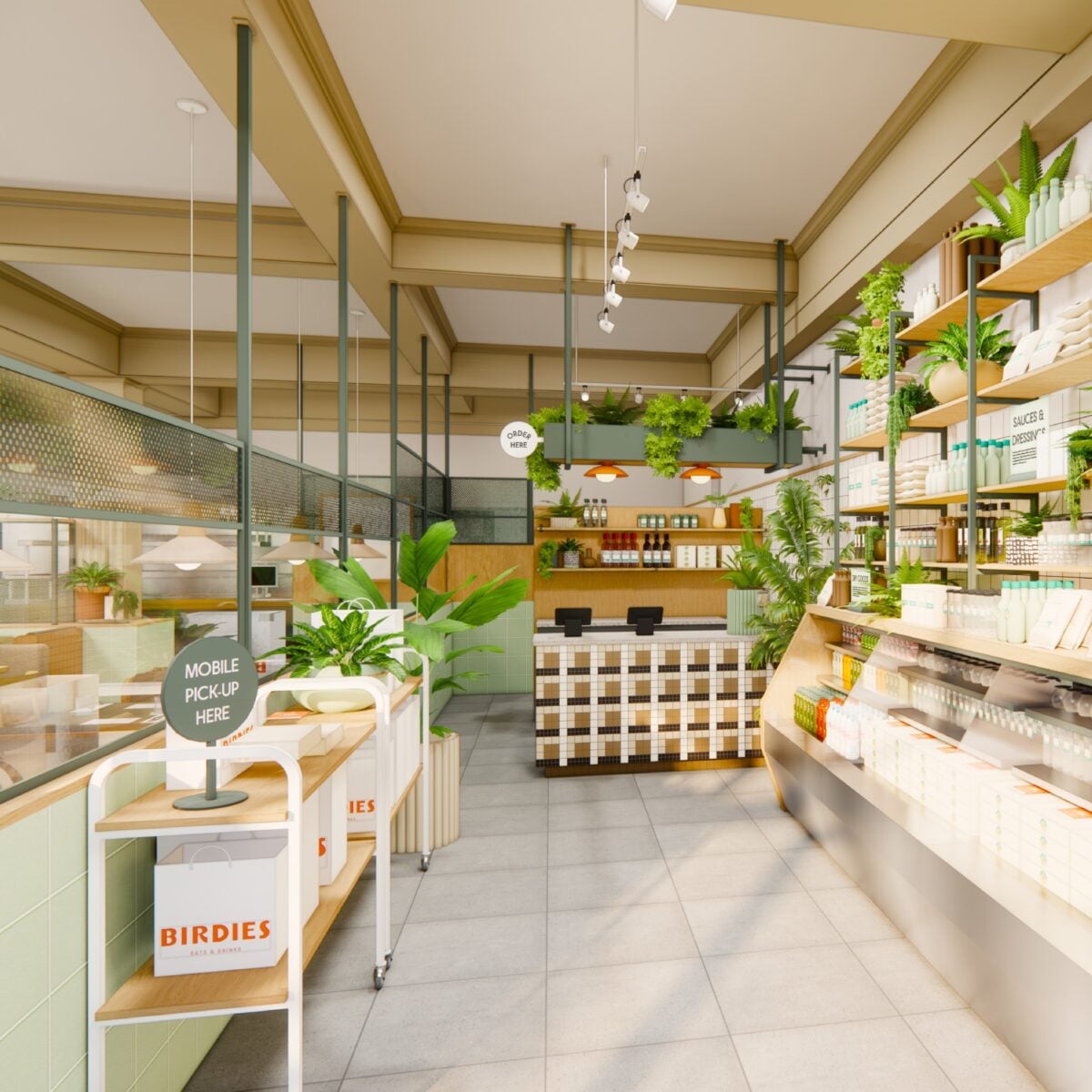
The company said the concept will also feature a Provisions area where customers can purchase ready-to-eat meals, ingredients and sauces.
The day-to-day operations of Birdies will be run by a new team creating a more laid-back, fun and casual feel when dining at Birdies.
“Being able to create a menu from scratch was pretty exciting. So we started with the menu and then we built out the brand, the drinks, the design of the restaurant,” said Vekteris.
“We did a lot of research on how people want to dine today, how people want to eat and drink and be in restaurants. And we spent a lot of time in California and we got some information from Australia. We were really inspired by those markets which are ahead in terms of trends. So we got the idea of sunshine, beaches, fresh ingredients, fun times, really high quality food and great service.”
Birdies at 3850 Lougheed in Burnaby (Image: Birdies)Image: Birdies
The menu at Birdies was designed for how people want to eat today.
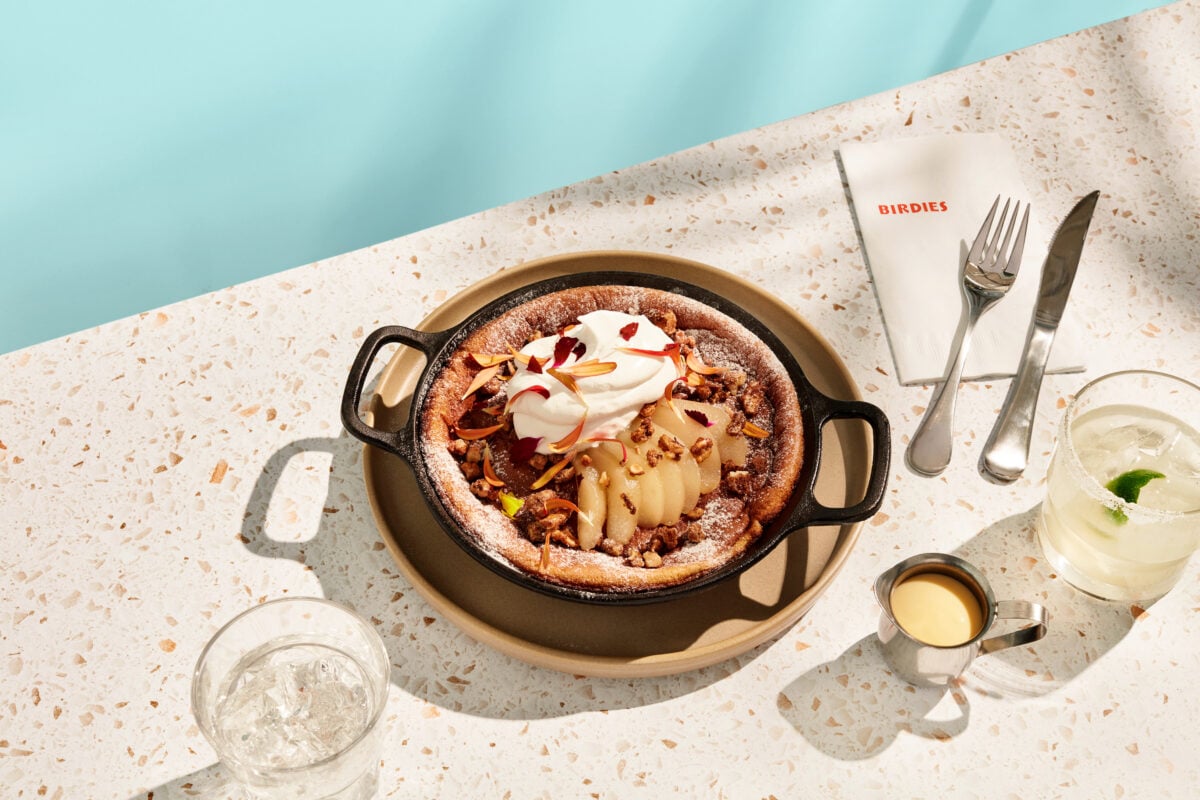
“Developed by notable Chef David Wong, the Birdies menu is shareable and healthy-ish with indulgent options that leave you satisfied. Ingredient and flavour driven, this menu makes it difficult to choose, with notable options like the Oh So Sticky Korean Ribs, Thai Noodle Salad and Rigatoni Arrabiata. Brunch lovers can look forward to decadent items like the Poached Pear Dutch Baby Pancake and Aloha Bowl, available on the weekends from 10 am to 2 pm, as well as half priced bubbles on Saturdays and Sundays during Brunch hours,” says the company.
“Birdies bar program leans into the sunny vibe with an emphasis on fresh-squeezed juice, crushable cocktails, sustainably grown wines, sessionable beers, and delicious spirit free drinks. The menu was developed by Beverage Director David Stansfield and Katie Ingram, Vancouver Magazine’s 2020 Bartender of the Year. Margaritas makeup the heart of the cocktail menu. The classic fresh squeezed Margarita features fresh lime juice and 100% agave tequila. It comes individually on the rocks or in a retro, shareable two-litre dispenser.
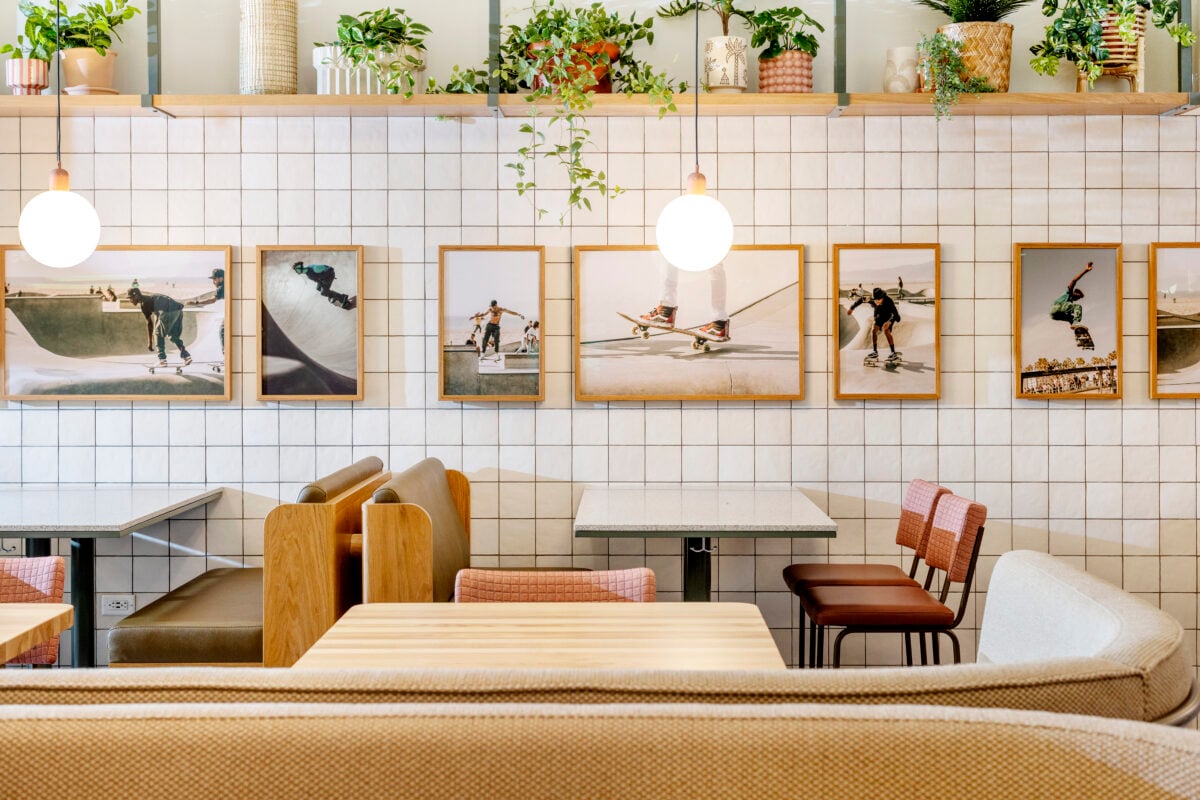
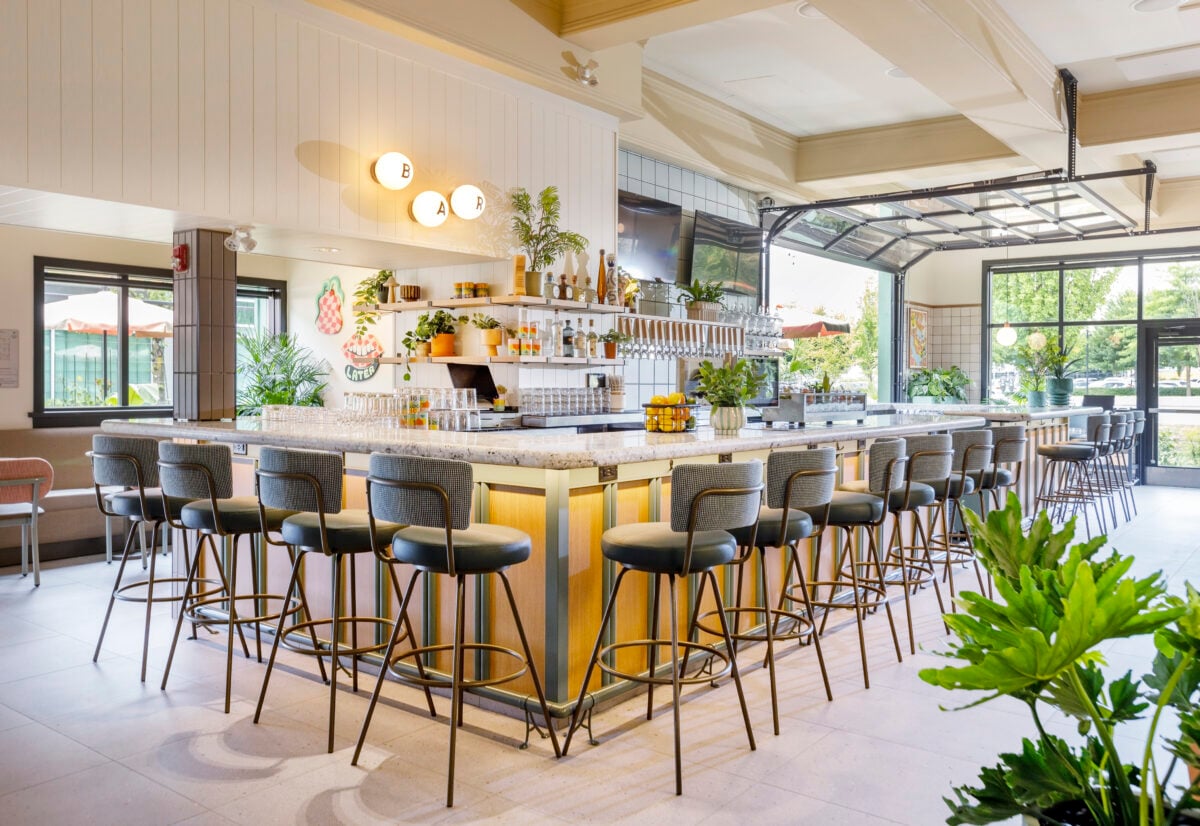
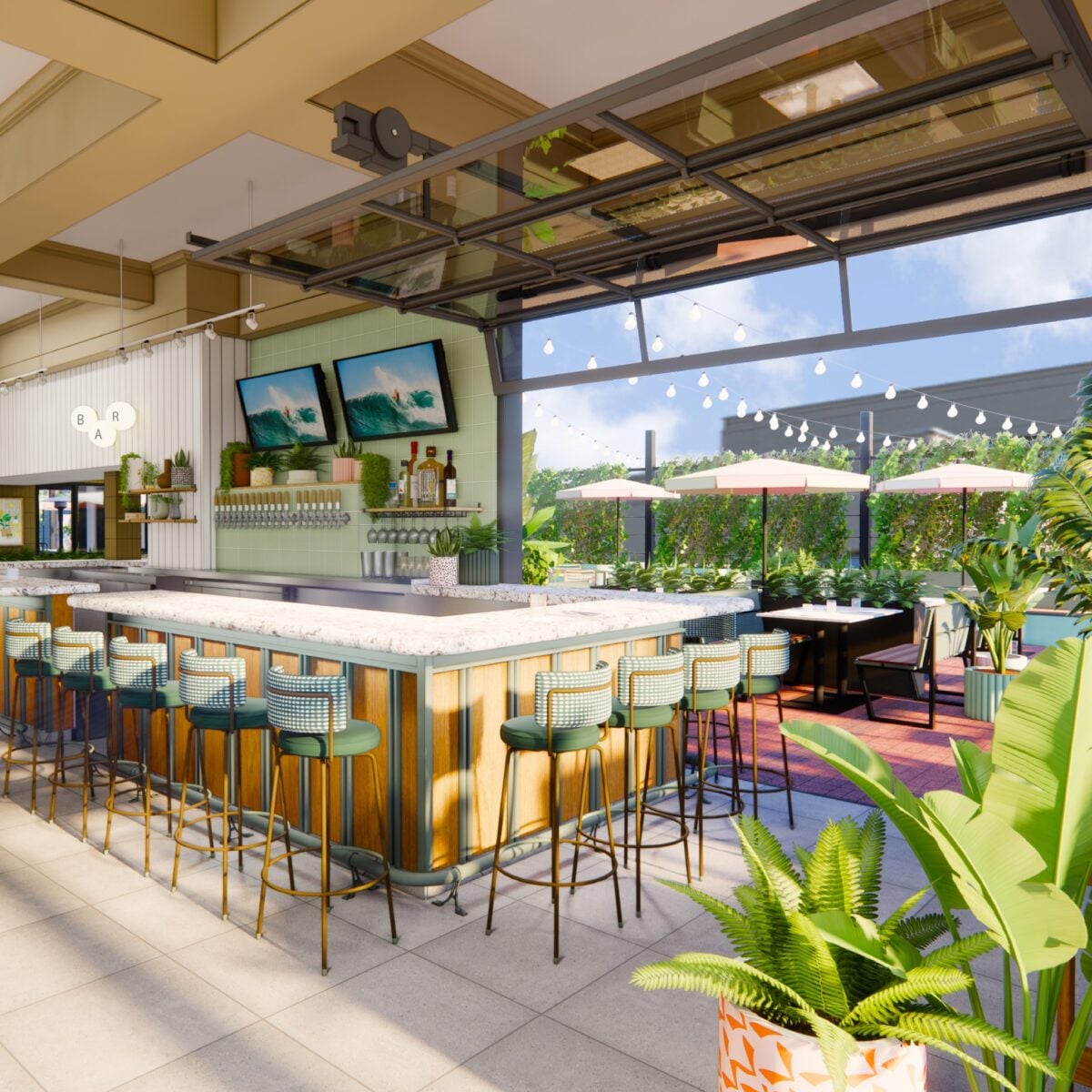
“The stylish, mid-century modern inspired restaurant, designed by Emily Stadnyk and Creative Director Elly Chronakis, includes touches of greenery, colorful fabrics and bright interiors, as well as sunny, California-inspired art from local artists. Next to the bar is a garage style door that opens onto a gorgeous sun-filled 1785-square-foot patio, perfect for those looking to escape the hustle and bustle of their day and soak up some sun while enjoying a bowl, salad or one of Birdies’ signature dishes and shareable margaritas with friends.”
Retail Insider is streamlining its Canadian retail news from around the web to include a handful of top news stories that can be viewed quickly during the day. Here are the top stories from the past 24 hours.
“According to the Competition Bureau, Canadian grocery shoppers require additional foreign players like Aldi and Lidl to lower food prices in Canada. But one may wonder why a foreign grocer would choose to invest in Canada, given the presence of an exclusive club of price-fixing executives who have manipulated market conditions for years with impunity.”
The Competition Bureau’s call for increased competition in the Canadian grocery sector is stating the obvious. Canada is home to numerous oligopolies that dominate various industries, with only a few companies holding significant market share. In the grocery sector specifically, five major players control nearly 80 percent of the food retail market. While some oligopolies function more effectively than others, their success depends on the companies behaving ethically, which is precisely the issue plaguing the grocery sector in Canada.
Loblaw, Empire/Sobeys, and Metro hold the reins as dominant grocers in the market. Although these companies are well-managed, the Competition Bureau’s recent report highlights some of their practices aimed at maintaining market dominance. One notable aspect of the report is the endorsement of the Grocer Code of Conduct. While the Code itself is not directly related to the Bureau, it significantly contributes to enhancing competition. By providing a platform to address supply chain disputes, the Code serves as a necessary disciplinary measure against grocers who abuse their market power, granting food manufacturers more influence. Consequently, independent grocers gain access to a wider range of products and increased protection. Ultimately, the Code offers consumers more choices and potentially more stable retail prices, making it a positive development worth applauding.
Additionally, the report emphasizes the need for all levels of government to participate in making the food market in Canada more competitive. This point cannot be stressed enough. Many consumers are unaware of how territorial grocers can be when expanding into small cities and towns across the country. They may acquire plots of land to prevent competitors from opening stores nearby, and shopping mall leases may include terms that restrict the operation of other food retail outlets. While seemingly insignificant to city councils and mall managers, these measures can have a considerable impact on market prices. In contrast to the United States, where the intricacies of mergers, acquisitions, and their effects on consumers are closely scrutinized, Canada lacks a similar level of attention to such matters. This discrepancy needs to be addressed.
The report suggests that Canada should tackle interprovincial barriers to attract external players like Aldi and Lidl, two German-based grocers that have already been operating in the United States for several years. The ways, means, and locations for selling food products vary significantly between provinces, and labour laws also differ. When Walmart entered the Canadian market in 1994, it faced challenges and made mistakes along the way. Walmart Canada now has over 400 stores across the country, but it took years. On the other hand, Target’s entrance into the Canadian market in 2014 failed miserably due to the intricacies of our market, and this experience has served as a lesson for many companies worldwide, including Aldi and Lidl.
Entering the United States is considerably easier, even for Canadian businesses. This fact is exemplified by Canada’s own T&T, operated by Loblaw, which is currently expanding into the American market where competition is even more intense. Greater opportunities, less bureaucracy, and a more flexible fiscal regime contribute to this favorable environment. However, the most significant aspect is America’s clear understanding of competition as a concept, with an unwavering commitment to eliminating monopolies and oligopolies. Americans view competition as an essential aspect of the market and are vehemently opposed to excessive consolidation, philosophically.
In Canada, too much competition can indeed become an issue. Our love-hate relationship with the concept has resulted in the establishment of crown corporations and “legal cartels” in various sectors, including dairy, eggs, poultry, and maple syrup, to name a few. We have grown accustomed to these marketing mechanisms, at least until prices become a problem for consumers. At that point, we expect the government to intervene. This conflicting attitude towards competition poses one of the greatest challenges for the Competition Bureau.
The desire for increased competition and the attraction of more players to the grocery sector necessitate that the Competition Bureau takes effective action. The food industry is currently grappling with a genuine problem of a price-fixing culture, which erodes consumer trust. We are now discovering that the bread scandal is about more than just bread. These revelations are making Canada a less appealing place to invest. Executives at Aldi and Lidl can read the headlines. Instead of granting immunity to executives or waiting for companies to confess, it is time to investigate and pursue legal action against companies that choose to violate the law. In the United States, engaging in collusion can result in imprisonment. It’s that simple.