Advertisement
Home Blog Page 743

US Brand Allbirds to Enter Canada with 1st Stores: Interview

An Allbirds store in London. Photo: David M. Benett/Dave Benett/Getty Images

San Francisco-based sustainability-focused footwear and fashion brand Allbirds is entering the Canadian market this year with at least two permanent stores as the company launches in new markets globally. Co-Founder and Co-CEO Joey Zwillinger says that the first two stores will open in Vancouver and Toronto and that more will open as part of the expansion. 

The first store will open this summer at 2262 West 4th Avenue in Vancouver’s Kitsilano neighbourhood — the street has become home to several international direct-to-consumer brands. The space will span more than 2,150 square feet on the main floor plus an additional 970 square foot mezzanine. Trevor Thomas of JLL Canada negotiated the deal on behalf of Allbirds. The landlord in the lease deal was represented by Mario Negris and Martin Moriarty of Marcus & Millichap

Vancouver location: Click image for interactive Google Map

A second Allbirds location will open this fall at Toronto’s Yorkdale Shopping Centre. The 2,430 square foot store will replace an Innisfree location — Korean skincare brand Innisfree shut its Canadian stores and exited Canada last year because of the pandemic. Broker David Steuer negotiated the lease on behalf of the retailer with landlord Oxford Properties. 

Joseph Zwillinger

Co-Founder and Co-CEO Joey Zwillinger said in an interview that Vancouver and Toronto were chosen based on strong e-commerce sales. Allbirds also tested the Canadian market in 2018 with pop-ups at Nordstrom as well as a street front pop-up store on Queen Street West in Toronto that was reported on in Retail Insider at the time. 

The new permanent stores will “bring community into stores” according to Zwillinger, who explained how the retail spaces will act as a home-base for “like minded people”. Experiential elements such as a run club, artists, food and ambassadors will be part of the mix. 

Zwillinger said that more locations will follow as part of larger expansion for the company which filed for an IPO last year. Allbirds has seen tremendous growth from its stores which in the US saw growth “well in excess of 150%” in the first quarter. The company says that it plans to eventually operate hundreds of stores globally. There are currently less than 30 stores in the US. 

Former Allbirds storefront on Queen St. W. in Toronto. Image: Allbirds

Wholesale could also be part of the mix for Canada according to Zwillinger, though retail partners have yet to be secured. In the US Allbirds announced its first wholesales deals this month with Zalando and Public Lands. 

Allbirds was founded by Zwillinger and Tim Brown in 2014. Prior to founding the company, Zwillinger was a biotech engineer and renewable materials expert and Brown was a professional soccer player from New Zealand (he also has a degree from the London School of Economics).

A Kickstarter crowdfunding campaign in 2014 kicked-off the brand with the campaign reaching over $100,000 in sales in just four days. Zwillinger’s background helped design the construction of the rapidly growing brand while introducing additional sustainable materials such as a vegetable oil-based polyurethane insole.

In 2016, Zwillinger and Brown renamed the footwear brand as ‘Allbirds’ and launched products for the public. The Allibirds name is a historical reference to New Zealand having been so remote at one time that its only inhabitants were ‘all birds’.

Tree Flyer shoe launched this week. Image supplied

This week, Allbirds launched a new running shoe called Tree Flyer. The neutral, cushioned, lightweight running shoe was designed to tackle any running terrain and for longer distances. SwiftFoam technology is used for a tighter hold on one’s foot. A flared external heel counter provides support and helps ensure one is secure.

With a carbon footprint of just 9.92 kg CO2e, all of which is offset to zero, the shoe retails for $210 CAD and is available in the colours Lux Beige, Buoyant Yellow,  Natural Black, Blizzard, and Buoyant Orange.

This month as well, Allbirds will launch its Sugar Series of flip-flops made with sustainable sugarcane, giving consumers a simply designed shoe that Allbirds says is “a perfect blend of bounce, cushion, and comfort; all while having a light carbon footprint.”

We’ll report more on Allbirds Canadian expansion as we learn of new store openings in the works. 

Spike of Insolvency Cases in Canada Could Signal More to Come for Retailers: Expert

Gateway Newstand at Brookfield Place
Gateway Newstand at Brookfield Place (Image: Dustin Fuhs)

Is a spike of insolvency cases in Canada a sign that more is to come in the coming months?

Business insolvency filings in Canada rose 33.8 per cent in the first quarter of this year compared to the same quarter last year, the highest year-over-year increase in 31 years, according to records from the Office of the Superintendent of Bankruptcy. 

Jean-Daniel Breton

In the first quarter of this year, 807 business insolvency proceedings were filed under the Bankruptcy and Insolvency Act, up 10.1 per cent compared to the previous quarter and catching up to levels seen at the onset of the pandemic in the first quarter of 2020. For the 12-month period ending March 31, 2022, business insolvencies are up 7.1 per cent compared with the 12-month period ending March 31, 2021.

“The number of businesses becoming bankrupt or filing proposals is growing, and likely to worsen under the stress of inflation and as the cracks begin to show following the withdrawal of pandemic-related government support,” said Jean-Daniel Breton, Chair of the Canadian Association of Insolvency and Restructuring Professionals, the national voice on insolvency matters in Canada. 

McEwan Yonge & Bloor Closed (Image: Dustin Fuhs)

“The support measures, together with a heightened level of creditor patience, prevented an initial spike in business insolvencies. However, the reversal in the recent trend of decreasing insolvency filings, seen over the last two years, puts in evidence the economic damage caused by the pandemic.
“With inflation now at a 30-year high and the Bank of Canada looking to correct with several interest rate increases this year, it stands to reason that we could see even further surges in the rate of business insolvencies.”

George Minakakis, CEO of Inception Retail Group and author of The New Bricks & Mortar Future Proofing Retail, said bankruptcies are up and they come as no surprise. There are more to come. 

George Minakakis

“We should not ignore the human struggle that comes with it. Those that lost their investments as business owners, the workers who lost their jobs, and the suppliers. This is unfortunately not over. Lower revenue, debt, inflation, higher interest rates and supply chains are just some of the issues that will perpetuate more bankruptcies. Are these a hangover caused by the pandemic? Perhaps. What we don’t know is how many businesses shuttered in silence. Nevertheless, the current issues today will accelerate challenging times and if revenue cannot meet operating expenses and the ability to service debt, it will not be good news,” he said.

“We are about to see a resetting of what success looks like for consumer-facing businesses. As a result I expect, as consumers pull back to pay for necessities, larger retailers will dial up their digital warfare tactics poised to address everything from a short recession to deep recession or even worse stagflation. All of these scenarios pave a path for more business closures and job losses, not to forget the suppliers who fail because their customers can’t pay. It’s happened in other economic downturns and it will happen again. 

“After 20 years of leading retail chains, my advice to businesses is don’t buy into the farfetched rhetoric that there are shortcuts to protecting your business from failure. Focus on the fundamentals. Start with great marketing, that sells the right products at the right price with service, that comes with an experience that becomes a customer expectation that can be repeated and improve on it continuously. That’s how you build traffic and loyalty. It’s the only way to stay in the game in this environment.”

Bruce Winder

Bruce Winder, author of RETAIL Before, During & After COVID-19 and President, Bruce Winder Retail, said the rise in business insolvency filings is not surprising. 

“Weary from two years of pandemic driven shutdowns, businesses now face the reality of massive cost and price inflation, in some cases higher wage rates, and issues regarding labour availability. In addition, some businesses face a mountain of debt taken on during the pandemic while government subsidy programs have ended. Higher interest rates make this debt harder to pay back from operations,” he said.

“Also, consumer buying habits have changed since early 2020 because of the pandemic, and the new normal may not match with a retailer’s value proposition anymore. Many customers are trying to save money through reduced spending to compensate for inflation. Finally, some businesses may have already closed and not bothered to complete the documents that would register them as insolvent so the problem may be understated. I expect insolvency reports to increase as more businesses try to make a go of it in the summer but wrap up operations this fall. 

“The good news is that we should see a number of new businesses start as entrepreneurs try and capitalize on life after the pandemic.”

Closed ALDO Shoes (Image: Dustin Fuhs)

Breton said budgeting for Canadian businesses has never been more challenging. Many fixed costs, such as rent and interest payments, remain due while the cash flow intended to meet these obligations has dwindled. 

He said business owners should seek professional expertise for guidance on how to implement new strategies or restructure their debts.

“One thing that might alleviate those factors is how they perceive the future to be. If they think the business will improve over time, well then the insolvency rates might actually become lower even though there is prevailing inflation or interest rates are high. If on the other hand, the numbers start going down but the business owners think that everything is doom and gloom then the insolvency rates might actually increase because of that,” added Breton.

“It’s not something that you can pinpoint with precision and forecast with certainty what will happen. All of these factors come into play and will influence the behaviours of the businesses.

“What we do know is that some level of insolvency filing is normal. It’s actually healthy. There’s like a cycle in the economy where some businesses start and some businesses fail. That is just a sign of a healthy economy. It means that people are taking risks and are starting businesses. Some of them will not work out but a lot of them will. So the insolvency system is a way to in some cases remove the businesses that shouldn’t be in the economy because they’re not viable or they’re not productive or improve the businesses that are there through a restructuring to make them viable.”

Retailer ‘Tao Tea Leaf’ Expands Operations as it Opens Storefront at Toronto’s Union Station: Interview/Photos

Tao Tea Leaf - Union Station (Image: Spring Morris / Tao Tea Leaf)

Tao Tea Leaf has opened its latest location in Toronto at Union Station in a high visibility area of the concourse, directly under the Great Hall. 

And the brand, a retailer and wholesaler of loose leaf teas which was founded in 2009 with two other Toronto and area locations, expects to continue to grow its presence in the market.

The first company location was on Yonge Street followed by a presence in Mississauga’s Square One Shopping Centre.

Tao Wu, founder and owner, said he found the Union Station because one of his friends was looking for a location for their business.

Tao Tea Leaf – Union Station (Image: Spring Morris / Tao Tea Leaf)

“I noticed there was a space. It was ready,” he said. “When we opened our Square One location we did our marketing research. I saw Union and the Financial District. I was impressed with the traffic inside the Union. 

“There was a thought in my head that maybe one day this location will be a good idea for my business. We believed that once COVID passed the location would be a good one. So we decided to take it.

Tao Wu

“We do have a plan to open more stores but we also have other plans for what we want to do. For example, we like to keep our shop size small and also we only want interesting, high traffic areas. Probably outside Toronto, but for now I will focus on Toronto.”

Tao Tea Leaf also features blended teas and herbs.

“Tao is a Chinese word signifying the “way”, “path”. In the context of East Asian philosophy and East Asian religions, Tao is the natural order of the universe whose character one’s human intuition must discern in order to realize the potential for individual wisdom. This intuitive knowing of “life” cannot be grasped as a concept; it is known through actual living experience of one’s everyday being,” says the company on its website.

Tao Tea Leaf – Union Station (Image: Spring Morris / Tao Tea Leaf)

Mingzhu Gao (a certificated Tea Sommelier who graduated from Carleton University and worked as an accountant) and I began this specialty tea company out of love and passion for high quality tea. Our tea has gained a lot of attention including a First Place Award in the annual North American Tea Championship. Our retail tea shop has been featured as one of the best tea shops in Toronto by blogto.com, and was also featured in the Toronto Star.”

Tao Tea Leaf also founded the first Toronto Tea Festival in 2013, and this tea festival has become an annual event but was put on hold this year and last year due to the pandemic. It is the largest festival of its kind in Canada, as every year more than 45 local tea-related vendors participate and more than 2,500 tea lovers attend. 

“Right now, the last Tea Festival was 2020 because usually the Festival happens by the end of January and the beginning of February,” said Wu. “We were lucky. We organized for 2020 and then COVID hit. Maybe we are thinking to plan for 2023 but we’re not 100 per cent sure yet.”

Wu said tea is becoming increasingly more popular for consumers.

“There’s a few things. One is for the taste. Lots of people probably haven’t experienced tea before. But in the past few years, the whole tea market is booming and they may have a different chance to taste different types of tea. It may be blended tea or traditional, authentic tea. They may have milk tea, bubble tea,” he said.

“There’s also a good health benefit for drinking tea. People like to use tea, it’s not really a medicine, but it has lots of health benefits to help people for some health purpose.”

Tao Tea Leaf says it is committed to transparency in the tea industry. 

“We source traditional, handmade teas directly from the growers and tea masters who craft them around the world. We hand blend and custom craft the finest teas and botanicals. Our collection has grown to 180 unique teas and blends; this includes our 53 certified organic selections,” says the company.

Tao Tea Leaf – Union Station (Image: Spring Morris / Tao Tea Leaf)

“We bring small groups of tea lovers to China for tea tours every year. We share who they are, what we see, how we feel not only best teas.  All our tea information is honest and accurate, as are the stories behind each tea, and our customers have come to expect a real, fully genuine experience with us.

“Tea is all about sharing; Tao Tea Leaf offers in-store tea tasting events and workshops which help novice tea drinkers learn more about tea and culture. We also offer tea tasting events and workshops which, in the past, have been presented in cooperation with the Toronto Library, Harry Rosen and Park Hyatt Hotel, etc.”

The retailer, which was among the finalists for the 2014 Canada Post Ecommerce Innovation Awards – Most Creative Marketing Campaign (Small), believes ecommerce is the future.

“We are connecting Tea Gardens to Tea Cups across the world by the click of a mouse. Today, we’ve built a company that connects tea masters across China to tea lovers in more than 15 countries, from the United States to Thailand, Germany to Greece, Turkey to the United Kingdom, Norway to Spain, Australia to the United Arab Emirates, Ireland to Indonesia, and Russia to France. Tea lovers across Canada and around the world are finding the teas they want and the information they need at Tao Tea Leaf’s website. Our teas are also selling at Staples.ca, Shop.ca, Amazon.ca and will be launched at theShoppingChannel.com soon,” it says.

*Images provided by Spring Morris and Tao Tea Leaf

La Maison Simons Announces Halifax Store with Landlord to Repurpose Former Sears Box

Rendering: Simons at Halifax Shopping Centre

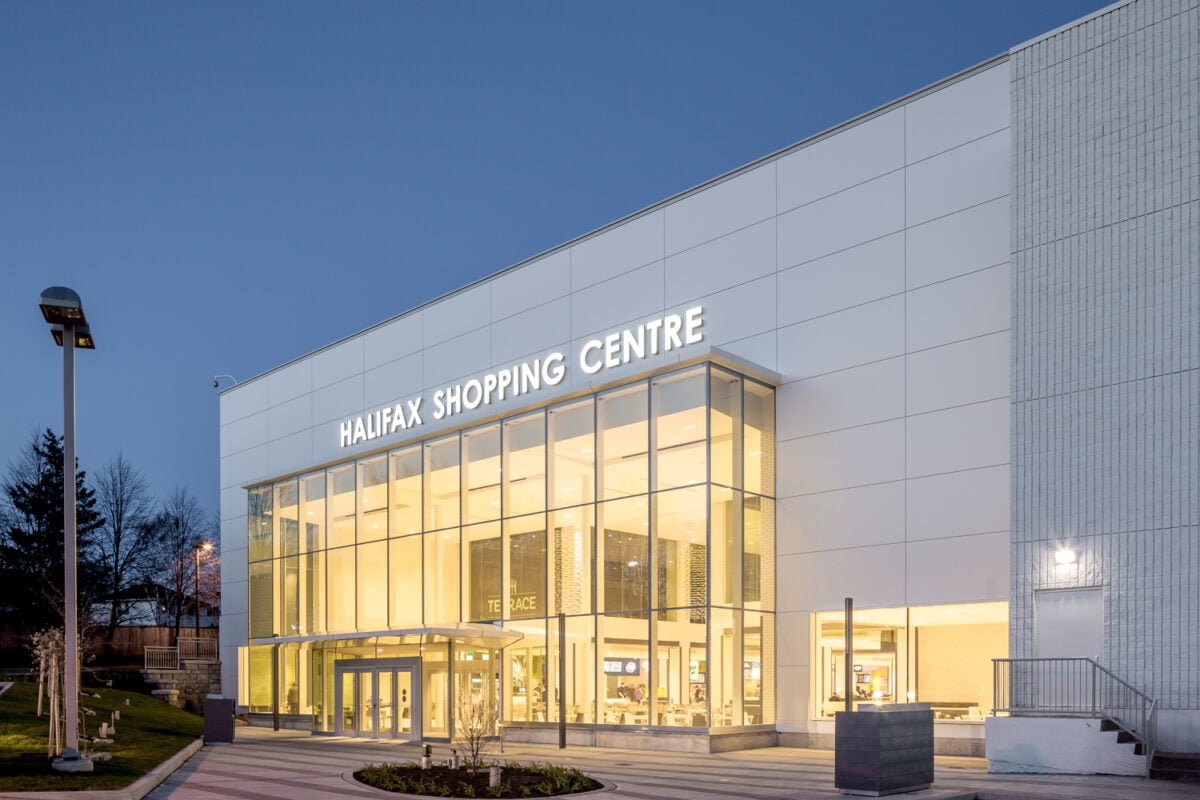
The Halifax Shopping Centre is undertaking a $52-million redevelopment that will add new retail, including iconic retailer Simons, and dining options as well as an updated aesthetic to the mall.

The new design will complement the previous $70-million redevelopment completed in 2017, with a focus on natural light and clean, modern finishes.  

“We’re thrilled about the exciting retailers we’re able to bring to the community with this redevelopment,” said Sherri Kelsie, General Manager, Halifax Shopping Centre. “With these new changes, we’re confident we’ll enhance the overall shopping experience for our patrons and change the face of retail in Halifax.”

Simons confirmed Tuesday that it will open a new location in the largest shopping centre in the Maritimes in the spring of 2024. It will be the retailer’s 17th store.

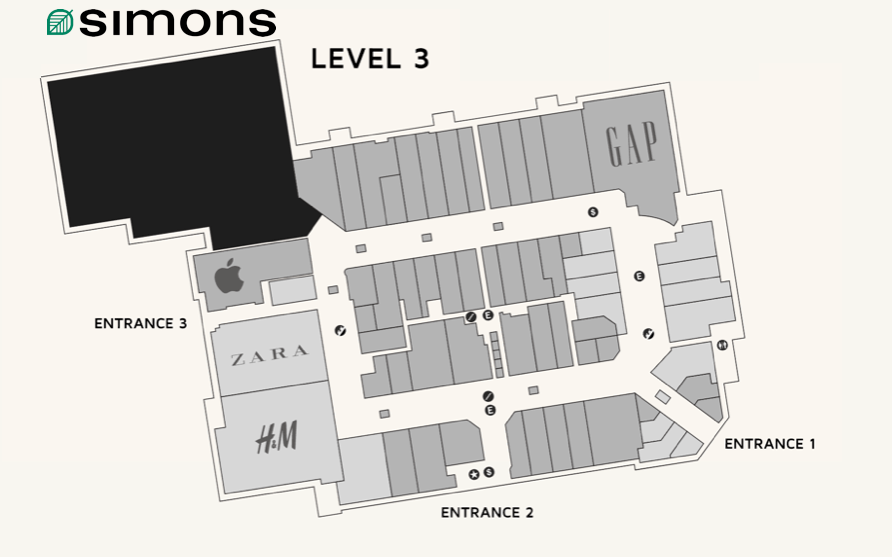
3rd floor map of the Halifax Shopping Centre via mall website
Photo: Halifax Shopping Centre

“We have been interested in the Maritimes for some time, and we’ve selected Halifax, a city that is experiencing a real renaissance along with a significant migration of Canadians and newcomers who want to live in a dynamic city while enjoying the benefits of living near the ocean,” said Bernard Leblanc, president and CEO of Simons

“As one of the fastest growing cities in Canada, Halifax is a vibrant place with a customer who is interested in travel, style, and a healthy lifestyle. We are excited to be entering the market and confident that our store will attract customers from throughout the Maritimes and beyond.”

Bernard Leblanc

The latest Halifax Shopping Centre redevelopment will include the conversion of former Sears space to 150,000 square feet of retail and added amenities including a full-service restaurant. But the Centre did not say what specific businesses would be added to the mall.
 
The updated mall, designed by MMC International Architects Ltd., will feature a three-level glazed atrium connecting fashion, lifestyle, and site amenities. The atrium space will be flanked by an additional entrance, allowing for increased pedestrian flow. 

The Centre, which is managed by Cushman and Wakefield Asset Services, has over 170 stores and services including prime office space and was named one of the Top 30 shopping centres in Canada by a Retail Council of Canada study. 

The Centre described Simons as “an iconic Canadian department store” that will add to its exclusive retail mix including Apple, Aritzia, Browns, Michael Kors and Zara.

New Simons store at CF Fairview Pointe Claire (Image: La Maison Simons)

The most recent new store openings at the Centre include: Lindt 2021; Skechers 2019; H&M and Zara in 2017.

The Simons store will be located on the third level of the shopping centre next to Zara and Apple. 

Simons has 10 stores in Quebec, three in Alberta, two in Ontario and one in British Columbia. Recently the retailer announced a fifth store in the Greater Montreal Area in West Island at CF Fairview Pointe Claire. Prior to that, the last Simons new store opening was in Ottawa about five years ago.

“We see evidence of the physical stores’ recovery every day. Our in-store sales represent two-thirds of purchases, proving that customers are back and appreciate our brick-and-mortar shopping experience now more than ever,” explained Leblanc, who will be in Halifax on June 16 to unveil more details about plans for the new location.

Simons was founded in 1840 by John Simons in Quebec City as a dry goods store.

Canada’s Baby Formula Problem is for Different Reasons: Sylvain Charlebois

Real Canadian Superstore in Mississauga (Image: Field Agent Canada)

Parents of toddlers are concerned these days about baby formula shortages due to a combination of factors. A major recall in the United States affecting the top manufacturer of baby formula, coupled with supply chain challenges, has made things difficult for parents. In the U.S., some parents are driving hours just to get the right product for their baby. In more than six states, over 50% of retail stores are out of stock. Breast milk banks are getting organized, and many organizations are helping desperate parents. If someone is looking for a product for their child, they will find it, but it may not be the product their baby is accustomed to, and that of course can be a problem for nervous parents.

But the big problem is the recall which occurred on February 17. Abbott, the largest baby formula manufacturer in the U.S., voluntarily recalled its Sturgis-manufactured products and closed the facility following reports that four infants had fallen ill from bacterial infections. Two toddlers allegedly died after having consumed formula produced in the plant. Even a whistle-blower report was submitted last year to the FDA about what was going on at the plant. Abbott denies everything, based on evidence the company collected itself. Still, the plant in Michigan could be shut down for another two months, if not more. Regulators would typically expedite the opening of such an important plant. We saw this during COVID with major meat plants, but the relationship with the FDA and Abbott is clearly fractured and messy.

When only three companies manufacture about 98% of what is consumed in the country, things will escalate when a recall occurs. The baby formula market is not that profitable since birth rates have been dropping in the U.S. When a market is shrinking, getting new players is challenging. 

It’s not the first time baby formula has made international headlines. In 2008, China had its own baby formula scandal when thousands of toddlers were hospitalized, and few actually died. A top manufacturer had opted to add melamine to their baby formula. For months, everything was hidden from the public since Beijing did not want any bad publicity as it was hosting the Summer Olympics that year. This became one of the most significant food safety scandals in history. It’s interesting that the U.S. is now dealing with its own baby formula headaches.  

But in Canada, the situation might be a little different. First off, demand for baby formula in the United States is typically higher in most states. According to the CDC, in the U.S., about 56% of infants are breastfed up to the age of 6 months. In Canada, that rate is above 80%, according to the International Journal for Equity in Health. Reliance on baby formula in the United Sates is more acute. Also, Health Canada has temporarily allowed other infant formula and dutch baby formula brands from the U.S., the U.K., Ireland, and Germany to be imported into Canada. This measure will help put many parents at ease. Still, most of the baby formula consumed in Canada is imported from companies, so any hiccups outside of Canada can impact our supplies, at any given time.

Shoppers Drug Mart in Vaughan, Ontario (Image: Field Agent Canada)

But most Canadians don’t know that Canada is indeed home to a large baby formula plant. In Kingston, Ontario, Canada Royal Milk, owned by China’s Feihe International, built a plant back in 2017. It is the largest baby formula plant in Canada by far. However, all its products are shipped back to China – all of them. The plant itself uses Canadian cow and goat milk. For any experts who understand how the Canadian dairy sector works, this is troubling.

Not only that cow milk is partially subsidized by Canadian taxpayers, but dairy farmers also have expensive government-sanctioned quotas intended to serve Canadians only. Supply management is about feeding ourselves, and nobody else. Supply management is considered one of the most protectionist policies we have in Canadian agriculture. But for baby formula, we produce for China, almost exclusively. Something is not right.

Selling to China is not really the problem. After all, China’s melamine scare in 2008 made Canadian dairy products all the more attractive. It’s hard to blame an industry for capitalizing on an opportunity. But this dairy is Canadian dairy. To get Canadians to buy into our supply management regime, and to produce what we need in Canada, Canadian dairy farmers have long argued we can’t ship milk abroad and grow the Asian market. Since dairy farmers have no incentive to grow any markets at all, we have allowed a Chinese-owned company to invest in Canada, only to ship our own food back to China.

Subsidizing and protecting our own milk production to serve other markets is not what supply management was designed to do when it was implemented more than 50 years ago. The milk sold to Canada Royal Milk should not only be off quota, but the facility should also be Canadian owned and operated so some of the focus would be on the Canadian market itself. Most ironic, due to trade barriers on both sides, the Kingston-based plant is only 30 kilometers away from the American border and can’t ship products to the United States. As such, Canadians are still reliant on imports, despite the existence of Canada Royal Milk. 

For Canadian consumers, having access to Canadian made baby formula would also be reassuring, but dairy farmers just don’t think about the market that way. Money is money, and who is being fed is totally secondary.

For Canada, this is truly our own baby formula problem. 

Video Interview: April Sabral Discusses Retail Leadership During a Crisis

Video Interview: April Sabral Discusses Retail Leadership During a Crisis

April Sabral, Founder/President, retailu, discusses the importance of retail leadership during a crisis.

Sabral talks about how retailers responded during the pandemic with leadership and training programs, key lessons learned through this crisis, biggest challenges in the industry, and current trends in retail.

The Video Interview Series by Retail Insider is available on YouTube.

Connect with Mario Toneguzzi, a veteran of the media industry for more than 40 years and named in 2021 a Top Ten Business Journalist in the world and the only Canadian – to learn how you can tell your story, share your message and amplify it to a wide audience. He is Senior National Business Journalist with Retail Insider and owner of Mario Toneguzzi Communications Inc. and can be reached at mdtoneguzzi@gmail.com.

Interviewed this episode:

Like, Share and Subscribe to Mario Toneguzzi on YouTube!

Follow Mario:

Also check out the other series offered by Retail Insider, including The Weekly podcast and The Interview Series, which are both available on Apple Podcasts, Stitcher, TuneIn, Google Podcasts, or through our dedicated RSS feed for Simplecast and other podcast players.

Follow Retail Insider:

Share your thoughts!

IKEA Announces Toronto Downtown Store Opening Date

IKEA Canada announces Toronto Downtown store will open on May 25
IKEA Canada announces Toronto Downtown store will open on May 25 (Image: Dustin Fuhs / Retail Insider)

Swedish home furnishing retailer IKEA has announced the opening of its first urban format store in downtown Toronto will be on May 25, 2022.

Update: Retail Insider has published a pre-opening walk-through of the new store.

The two-story 66,000 sq. ft. ‘IKEA Toronto Downtown – Aura’ is the first of its kind in Canada, which will see a smaller format store enter a downtown area. The store will be a cashless experience, which will see shoppers scan and pay for products using the IKEA app. It will also have multiple checkout lanes available on both levels.

Michael Ward

“Opening our first store in the heart of Toronto’s vibrant downtown core is an important milestone in our retail transformation to bring IKEA closer to where customers live, work, shop and socialize,” said IKEA Canada CEO and Chief Sustainability Officer Michael Ward.

“IKEA Toronto Downtown – Aura combines our home furnishing inspiration and expertise with omnichannel retail solutions in a small store format to uniquely meet the needs of downtown residents. We’re excited to welcome the local community to experience this new IKEA when we open on May 25.”

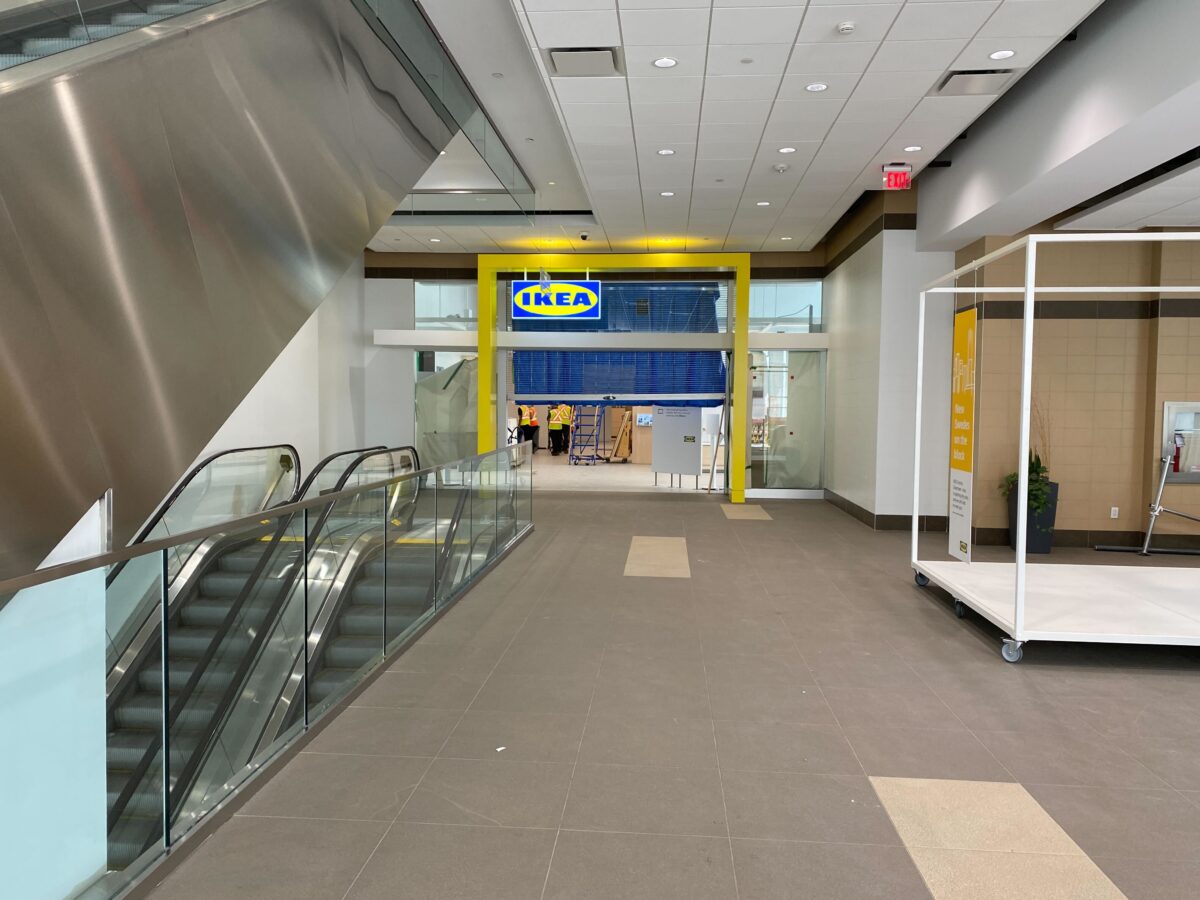
IKEA Downtown Toronto – AURA is almost ready to open: Photo: May 17, 2022 by Dustin Fuhs
IKEA Toronto Downtown – AURA (Image: Dustin Fuhs / Retail Insider)

The IKEA Toronto -Downtown Aura store will also feature a new food concept called “Swedish Deli”, offering grab & go food with the cook-at-home options available.

“People are at the heart of our business and we’re excited to welcome 150 co-workers to IKEA Toronto Downtown – Aura where they will have endless opportunities for professional growth and development,” said IKEA Toronto Downtown Market Manager Patrice Dreano. “Together, we look forward to helping create a better everyday life at home for Torontonians and providing long-term positive impacts to the local community.”

Almost ready to open: Photo: May 17, 2022 by Dustin Fuhs

This is the 15th IKEA store in Canada and will be adding to the GTA IKEA network, which includes four full-size IKEA stores, 15 Penguin Pick-up locations and eight Design Studios.

IKEA Toronto Downtown – Aura will be open from 10-9pm Monday-Sunday.

See below for more photos from the morning of Tuesday May 17th

Almost ready to open: Photo: May 17, 2022 by Dustin Fuhs

Menswear Brand ‘Psycho Bunny’ to Enter Canadian Market with 4 Stores: Exclusive Interview

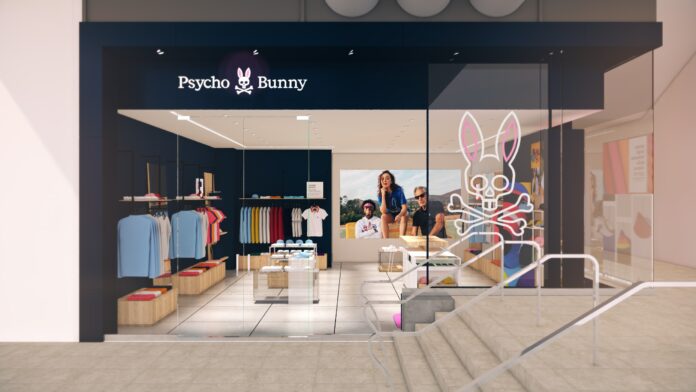
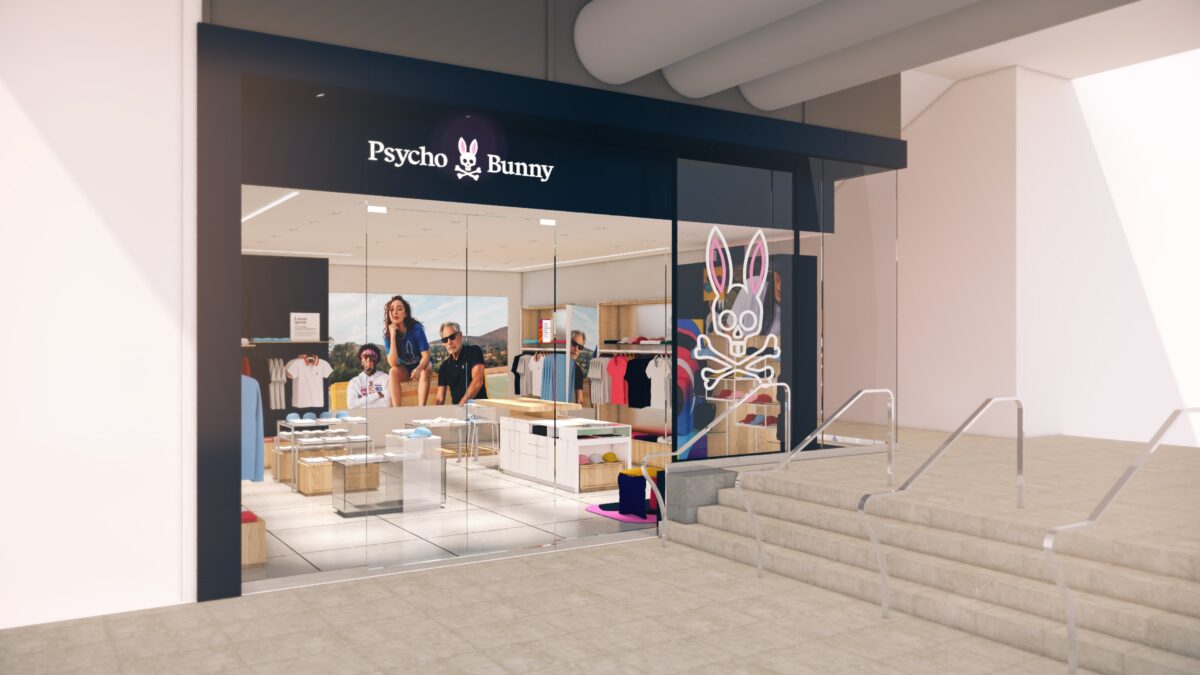
Psycho Bunny CF Toronto Eaton Centre Rendering (Provided)

Menswear disruptor Psycho Bunny is accelerating its North American expansion with the opening of four locations in Canada this year as well as the launch of a localized Canadian website.

The brand’s Canadian website will launch in June and its first Canadian retail store will open in the CF Toronto Eaton Centre in Toronto on July 16. A location in Toronto Premium Outlets will also open in July with additional Canadian brick and mortar stores to follow later in the year with locations in the Yorkdale Shopping Centre in Toronto and CF Carrefour Laval in the Montreal area.

“We see our ecommerce sales in Canada growing in a meaningful way. As we continue to have this incredible rise in the US in awareness and growth through penetration in the US of true bricks and mortar, we’re seeing the awareness trickle over in Canada,” said Justin Cohen, Psycho Bunny’s Chief Commercial Officer.

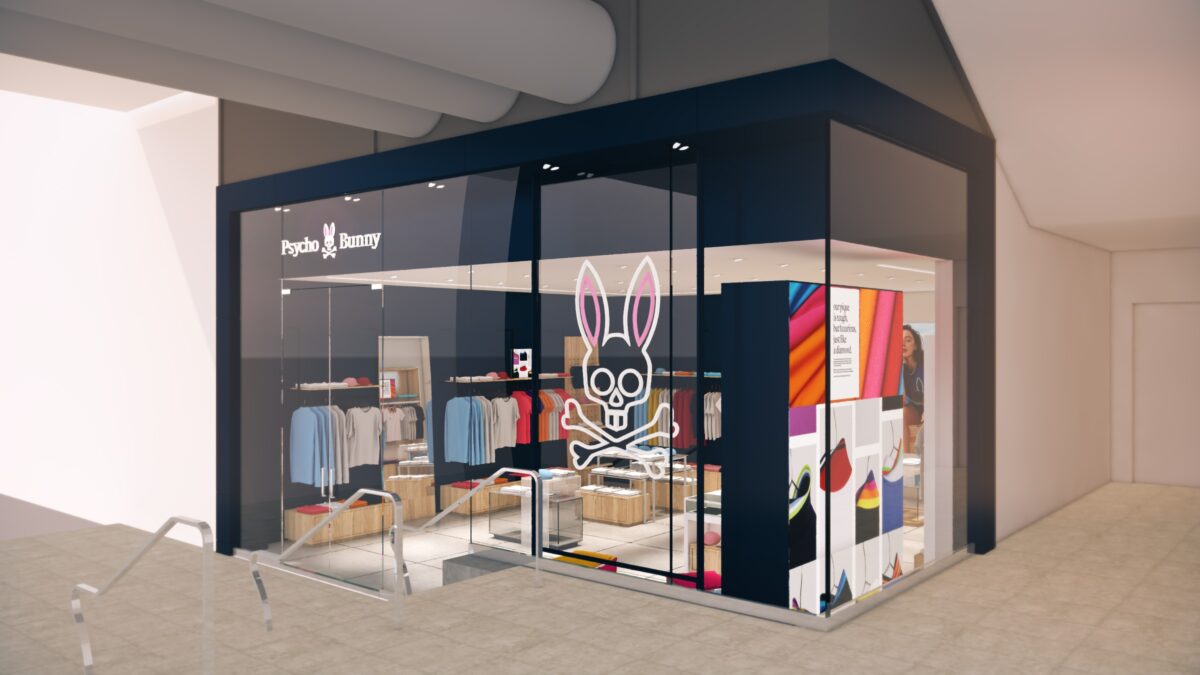
Psycho Bunny CF Toronto Eaton Centre Rendering (Provided)

“A lot of us have done retail in Canada in the past. Our headquarters is in Canada and it’s probably for us the easiest, next market to penetrate just because of that. A lot of people within the organization have expertise here, and we think our product and where we’re taking our product is going to resonate really well with the Canadian market.”

The brand, which started in 2005, is a privately held company with offices in its founding city of New York and headquarters in Montreal. Amidst, and despite, the global pandemic’s impact on the retail industry, Psycho Bunny tripled its business and opened 20 stores across the US, it said. The brand now has 29 more US locations in its pipeline for 2022 for a total of 62 stores by the end of 2022.

Justin Cohen

In addition to its booming brick and mortar business, Psycho Bunny’s ecommerce more than doubled in 2021 compared to 2020.

Known for its reimagined classic menswear, including its trademark 4,000 stitch bunny-embroidered polos, the retailer said it “stands out in its commitment to marrying impeccable craftsmanship with saturated personality.”

Cohen said the brand will likely look to other Canadian markets in the future.

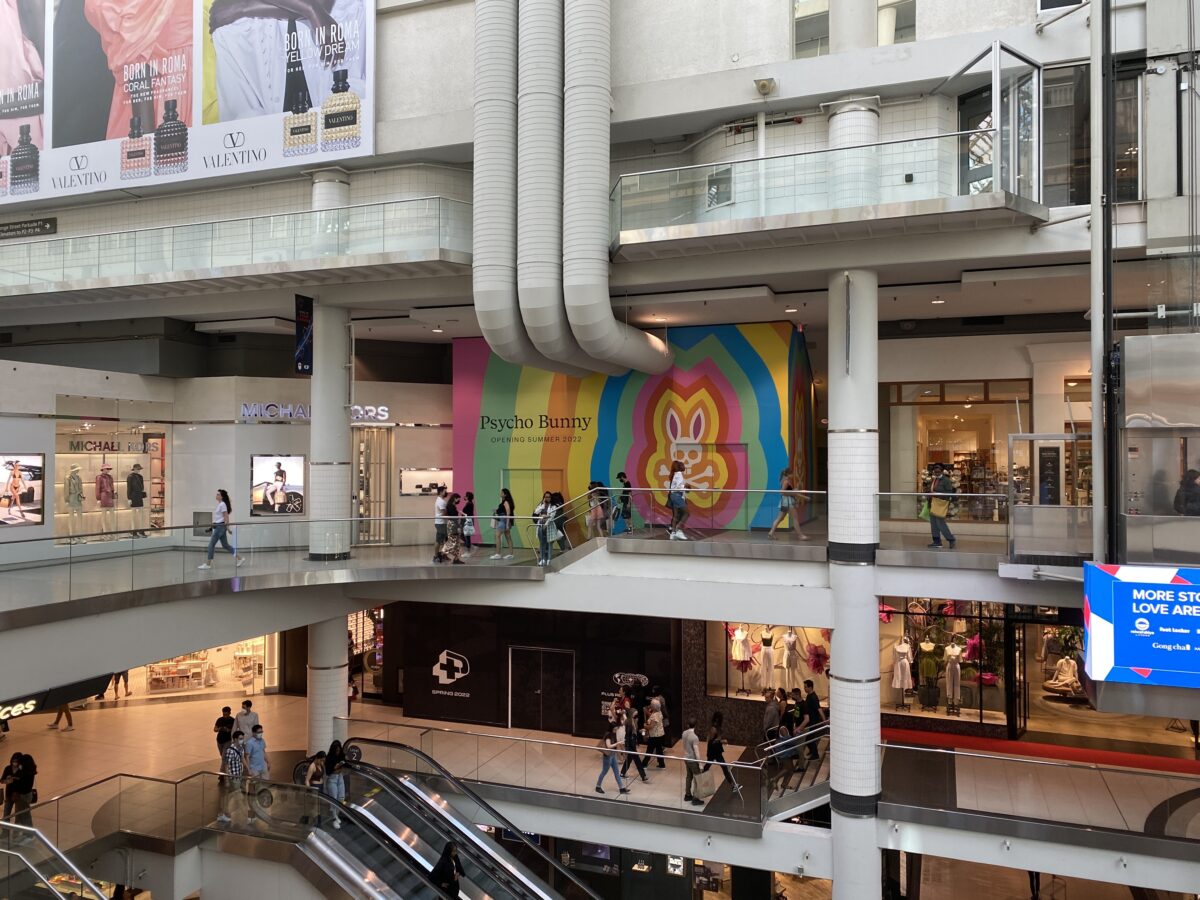
Psycho Bunny Construction at CF Toronto Eaton Centre
Psycho Bunny Construction at CF Toronto Eaton Centre (Image: Dustin Fuhs / StepstoMagic)

“Right now, we are looking at pockets where the brand is showing signs of interest and through that we are going to evaluate where we open and how we open,” he said. “In Canada, we might open multiple stores in a market before we end up expanding geographically.

“That has been our approach in the US outside of Florida. We are looking at one store per market for now. And we’ve really only sought to go after top locations – the top 30 malls in the US is basically what we’ve done.

“We may look at Calgary and Edmonton, and we may look at Vancouver in the medium term. We like to use indicators of markets that are similar, and obviously tracking our ecommerce and our wholesale business as well in all these markets.”

Cohen said the breadth of consumers in Canada is appealing for the retailer. The brand also has quite broad appeal amongst most demographics in the US. 

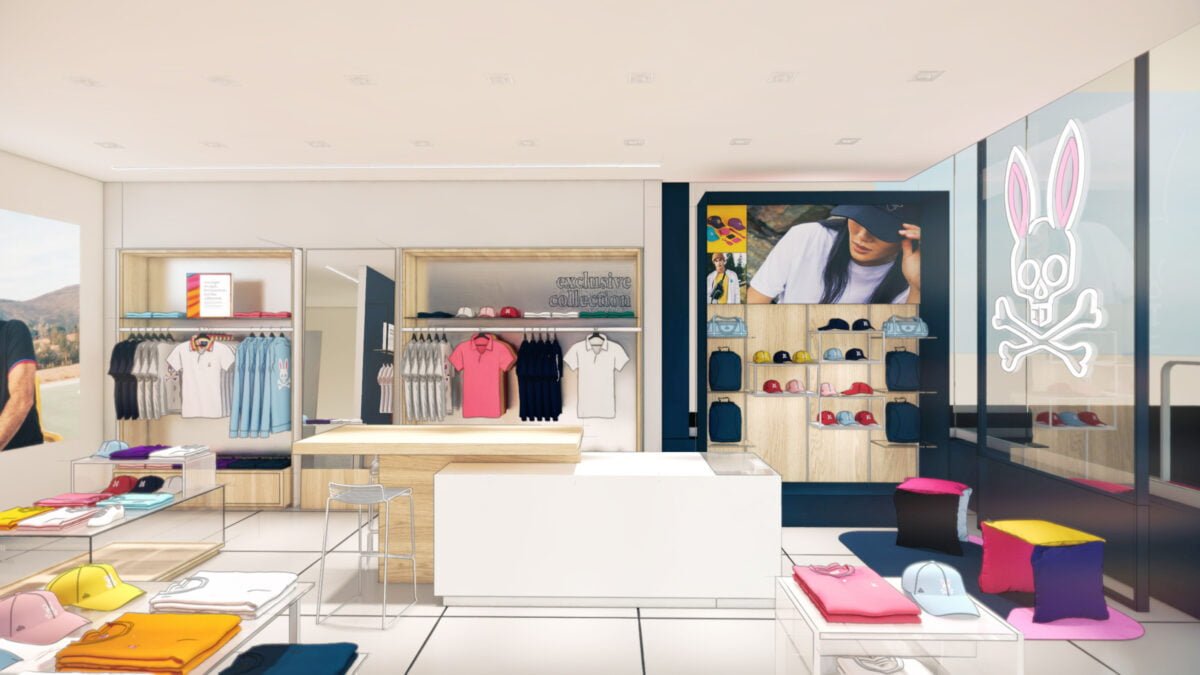
Psycho Bunny CF Toronto Eaton Centre Rendering (Provided)

When asked what motivated the brand to select CF Toronto Eaton Centre as the first Canadian store, Cohen said: “Like a lot of our stores, it’s about timing meets opportunity. We are very discerning about the locations that we choose. This location in CF Toronto Eaton Centre is exactly where we want to be – the centre is an elevated commercial concept. So it’s not the exact same concept our current stores have right now. It’s very connected to them but slightly tweaked. Our Yorkdale concept is going to be a flagship concept which is going to be somewhat disconnected from the CF Toronto Eaton Centre concept.”

The brand said that when searching for space within shopping centres, Psycho Bunny typically looks at the tenant mix including nearby complimentary full-priced premium co-tenants while avoiding being located nearby discounters. Foot traffic is also important.

Jeff Berkowitz of Aurora Realty Consultants represents the brand in Canada and negotiated the four store leases on Psycho Bunny’s behalf.

Since its founding in 2005, Psycho Bunny has experienced a full-scale brand evolution. Thirty-year apparel industry veteran Alen Brandman of Thread Collective Inc., an originating brand licensee, identified the brand’s potential growth early in its life cycle and purchased 100 percent of the operating rights and 50 per cent of the intellectual property rights in 2017. In 2021, Brandman acquired full ownership of Psycho Bunny, then in 2022, formed a leadership group along private investment firm BBRC, led by retail executive Brett Blundy, and Bertrand Cesvet, the former CEO and chairman of Sid Lee, explained the retailer.

Psycho Bunny CF Toronto Eaton Centre Rendering (Provided)

“The strategy from the onset has been quite clear for us – profitable growth through physical availability, anchored by a strong ecommerce experience and premium wholesale presence,” said Cohen. “We aim to do retail differently than it has been done before, and we are uniquely positioned to bring that vision to life. 

“The beauty about scaling in 2022 is that we aren’t encumbered by legacy systems or thinking – we get to build from scratch. Iterative improvements and quick decision making are core to how we operate. The brand will continue to evolve as we broaden our presence in North America and continue to deliver incredible quality products to our consumers in a way that makes them want to shop again and again.”