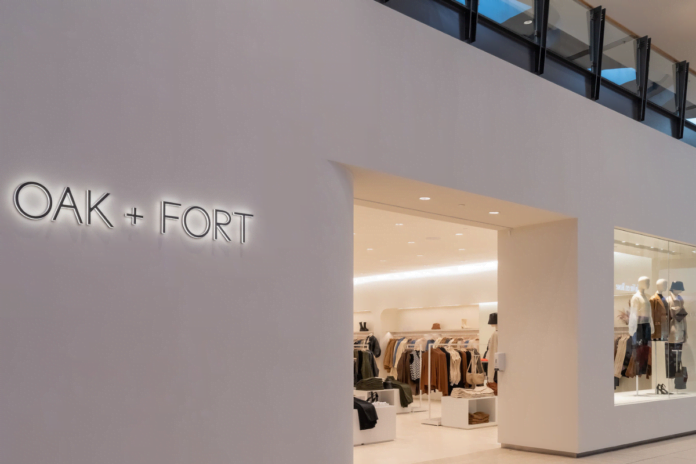
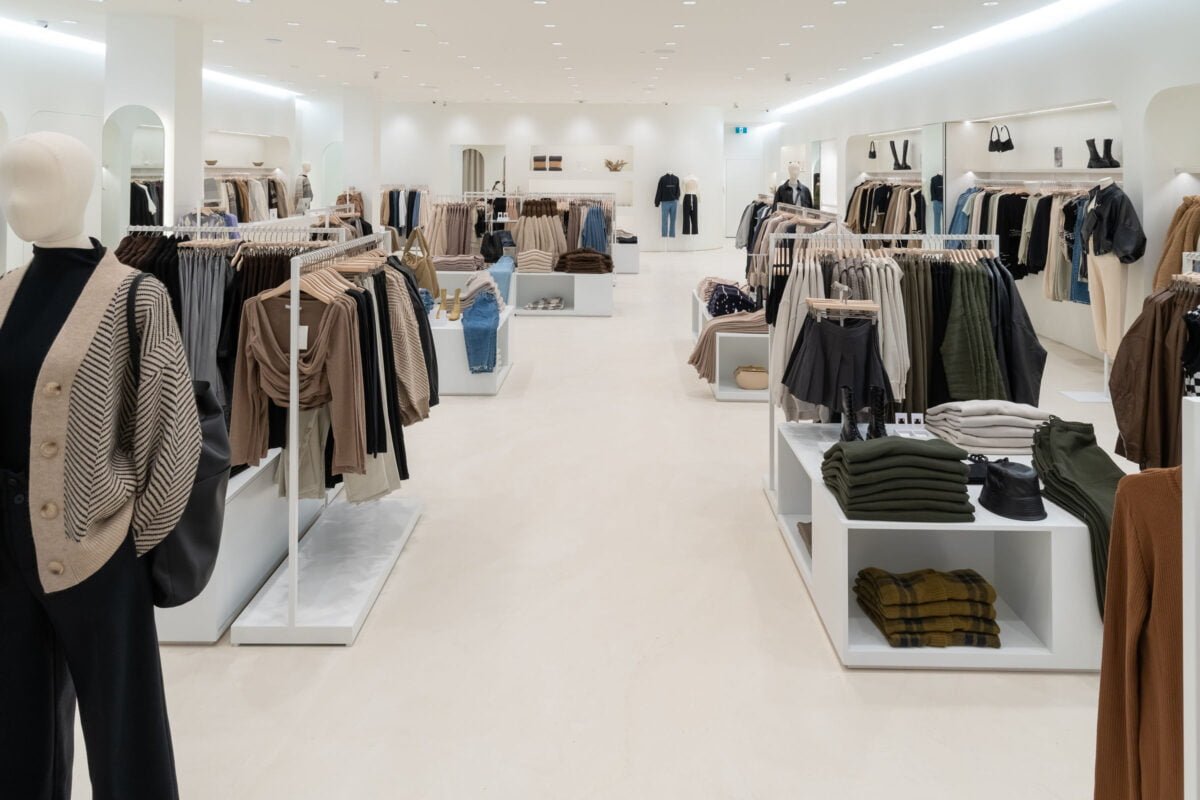
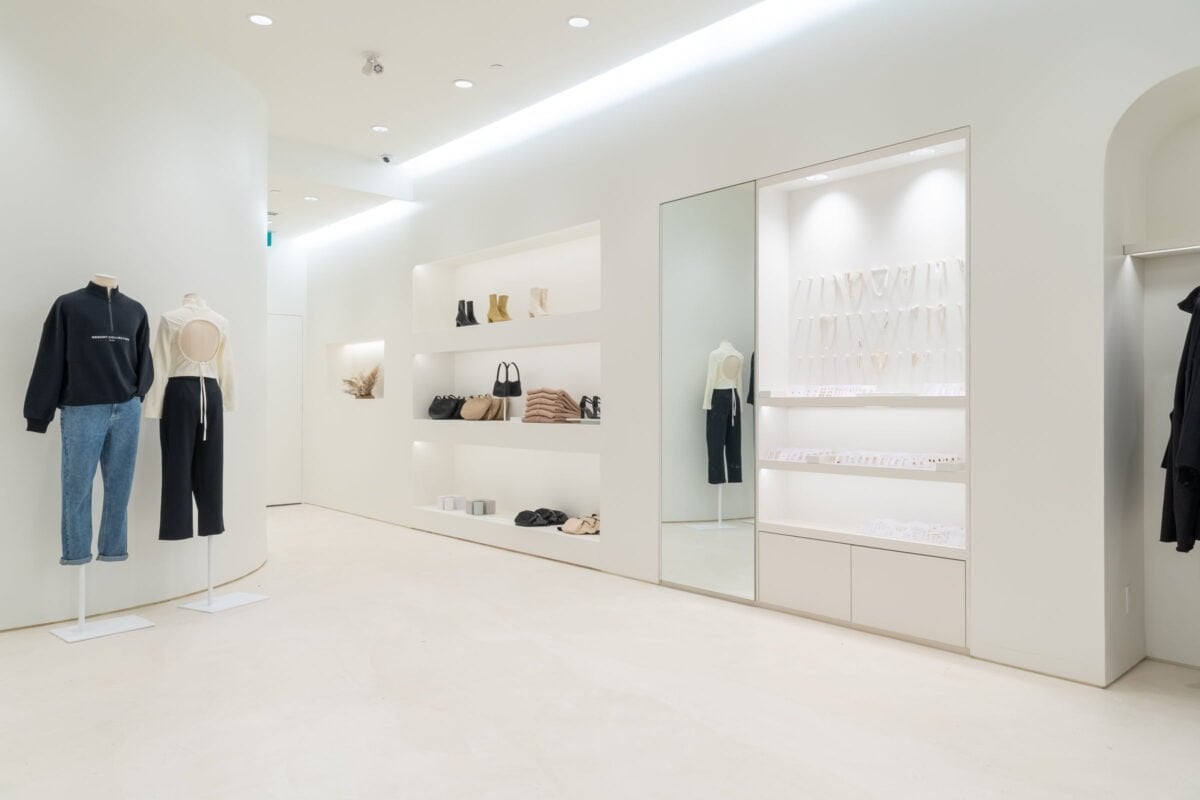
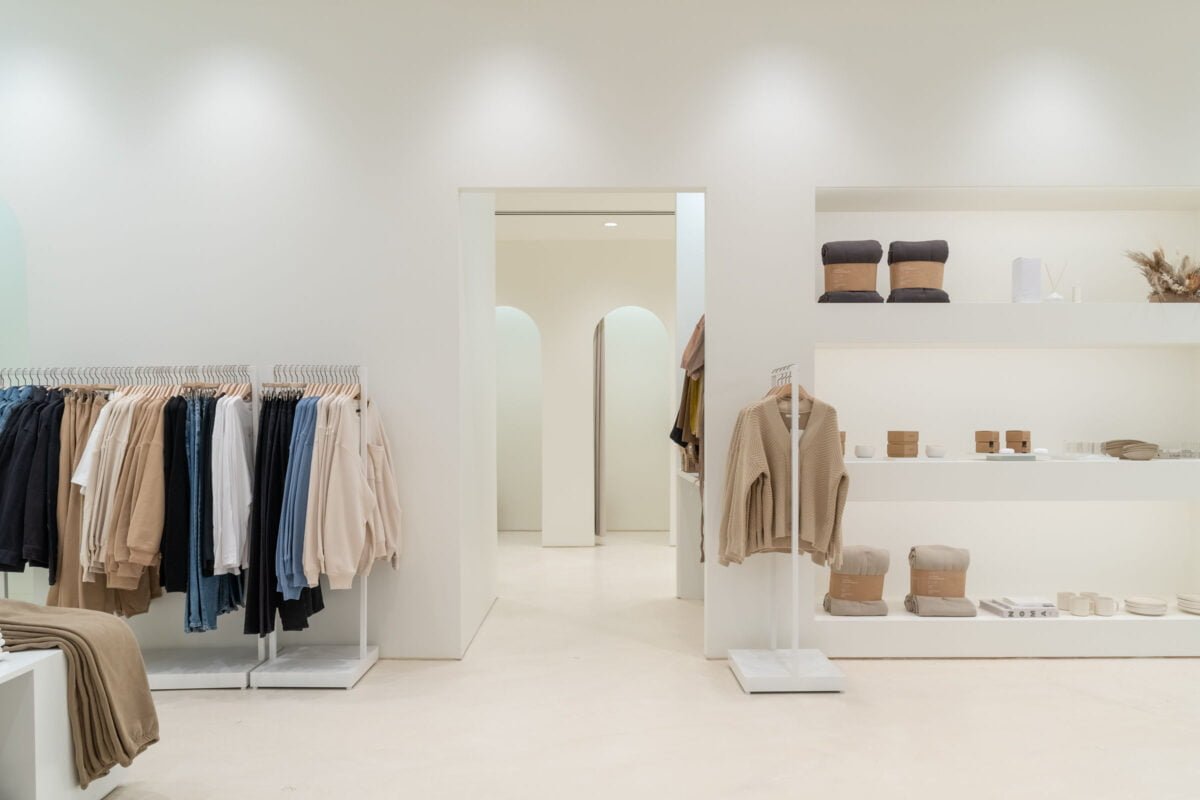
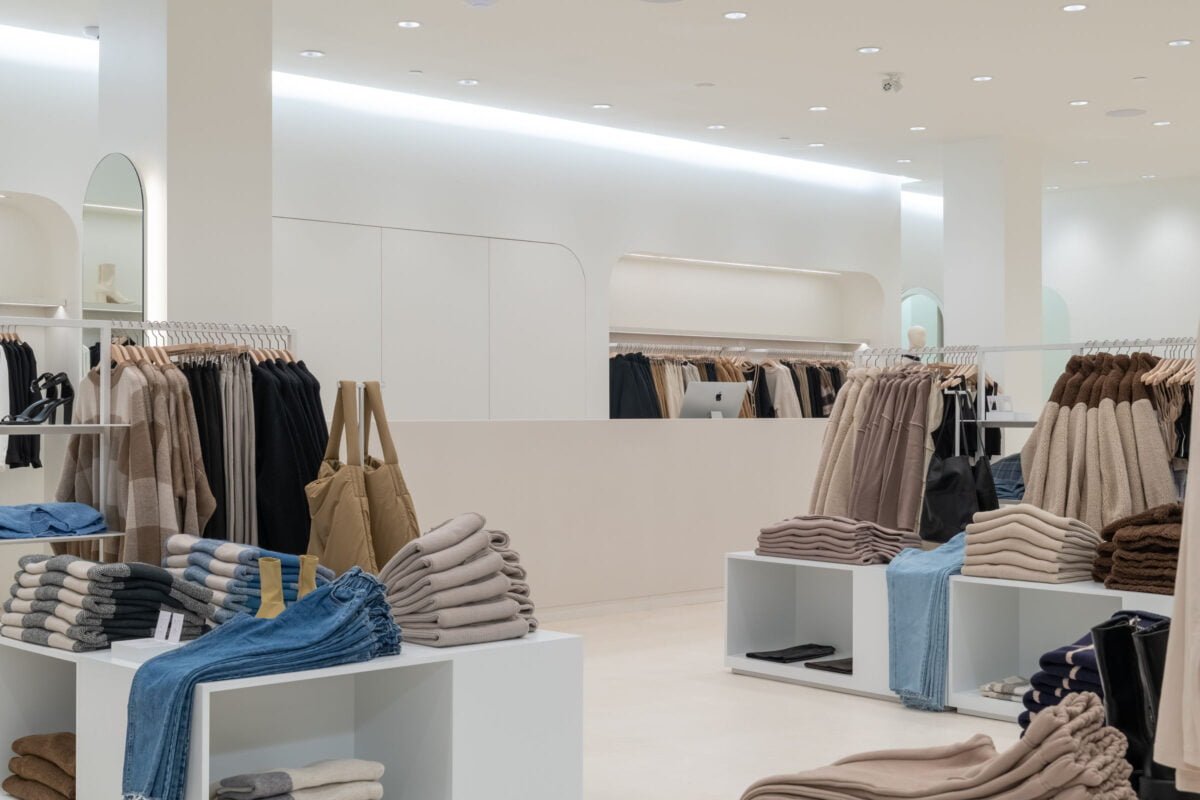
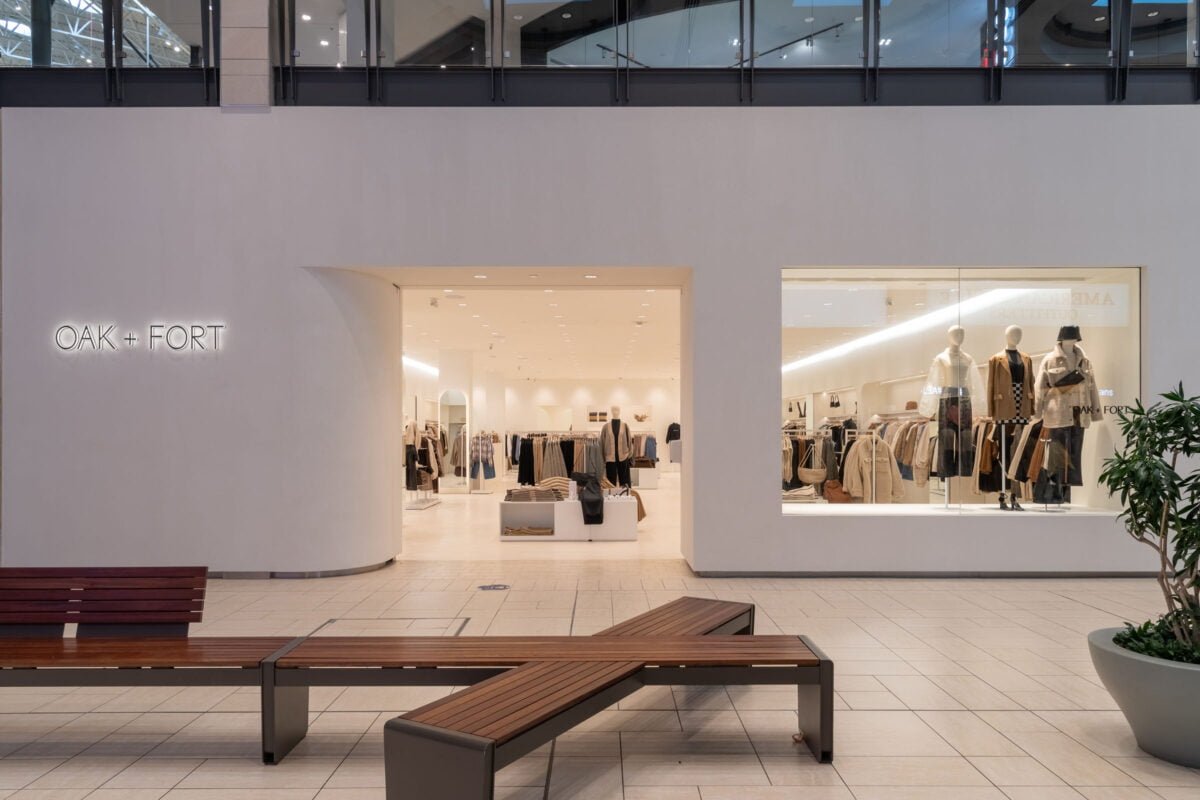
OAK + FORT at CF Chinook Centre (Image: Oak + Fort)
During the pandemic, fashion retailer Oak + Fort opened a number of new store locations with continued plans for expansion this year and beyond.
Melorin Pouladian
Melorin Pouladian, Vice President of Operations for the brand, said “we expanded significantly even in 2021.”
“We opened eight new stores in 2021 and some of them were a pop-up concept to really test the waters. Some of them were permanent,” she said.
“For 2022, we’re planning on opening approximately six on the Canadian side.”
Currently, the retailer has 27 stores – 20 in Canada and seven in the US. The brand opened its first store in 2010 in Vancouver.
OAK + FORT at CF Chinook Centre (Image: Oak + Fort)OAK + FORT at CF Chinook Centre (Image: Oak + Fort)
“We’re thoughtful design for a modern lifestyle. So really what that entails is that we have curated pieces that will serve you throughout the years in whatever seasonality or whatever you’re doing in your life. We are fueled by the purpose to enhance and explore our own personal styles. So we really want to ensure that we are embracing individuality and uniqueness and celebrate that. So anyone can wear our clothes at any given time,” said Pouladian.
The target customer demographic goes through a range of ages.
The company will be expanding into its flagship store in Gastown in 5,000 square feet in late April or early May from its current location of about 2,000 square feet in the same neighbourhood.
OAK + FORT at CF Chinook Centre (Image: Oak + Fort)
“We’re really building within a modern, new building. It’s an historic building that is just being fully renovated by a great landlord,” she said. “Much bigger square footage and we’re actually trying to do a different experiential for customers.
“We’re going to create a shop-in-shop store in the front where you come in we’re going to be embracing other brands, a lot of community based brands as well. We’re going to have a lot of our unique product.”
The company’s first store opened in the Gastown neighbourhood.
Pouladian said Canadian store openings this year will include Toronto Premium Outlets, CF Rideau Centre in Ottawa, CF Pacific Centre in Vancouver, CF Masonville Place in London, Square One in Mississauga, and Coquitlam Centre. The retailer is in CF Polo Park in Winnipeg as a pop-up and it will continue building a permanent store for 2023.
OAK + FORT at CF Chinook Centre (Image: Oak + Fort)
She said in the US the brand is estimating five additional stores this year.
“We are well known on the Canadian side and we’re pretty much almost in the places we want to be so we’re going to be heavily focusing on 2023 in the expansion in the US. We already see such great growth numbers that will continue the success there. So right now our biggest focus is going to be looking at some great locations in a lot of the top US malls and we’re planning on going towards Florida, Tennessee as well as the Texas markets,” said Pouladian.
“The pandemic was such a difficult time for us all. But we just did so well. We believe in our product. Our customers believe in us as well too that whenever we go into any new markets they’re finally saying ‘thank God you’re here’ or ‘we’ve been waiting for so long’. For us right now we have brand awareness to spark this growth. We want to continue giving our product to so many people.
OAK + FORT at CF Chinook Centre (Image: Oak + Fort)
“We want to make sure that everyone is able to go into an Oak + Fort or an Oak Refined store, try out product and then that pushes them to go online as well too. So it’s really the growth factor we see once we open stores. It will continue our success rate online as well.”
Michelle Wong
Michelle Wong, Senior Manager, Marketing and Communications, for the brand, said opening more stores in 2022 and 2023 is really about bringing that offline experience to the customer.
“We grew a lot during the pandemic with both online and offline in different ways. We know we gained a customer that didn’t know us previously that are in locations we don’t have stores and we want to be able to bring our experience to them, knowing that we cater to that market and provide that for them,” said Wong.
“It’s really just a touchpoint for us to communicate with customers both offline and online and really bridge that gap to create a full omni-channel experience.”
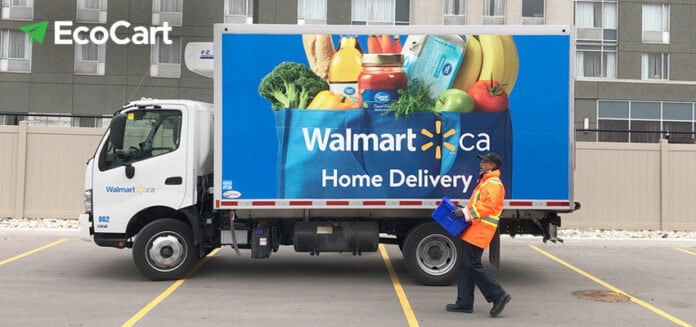
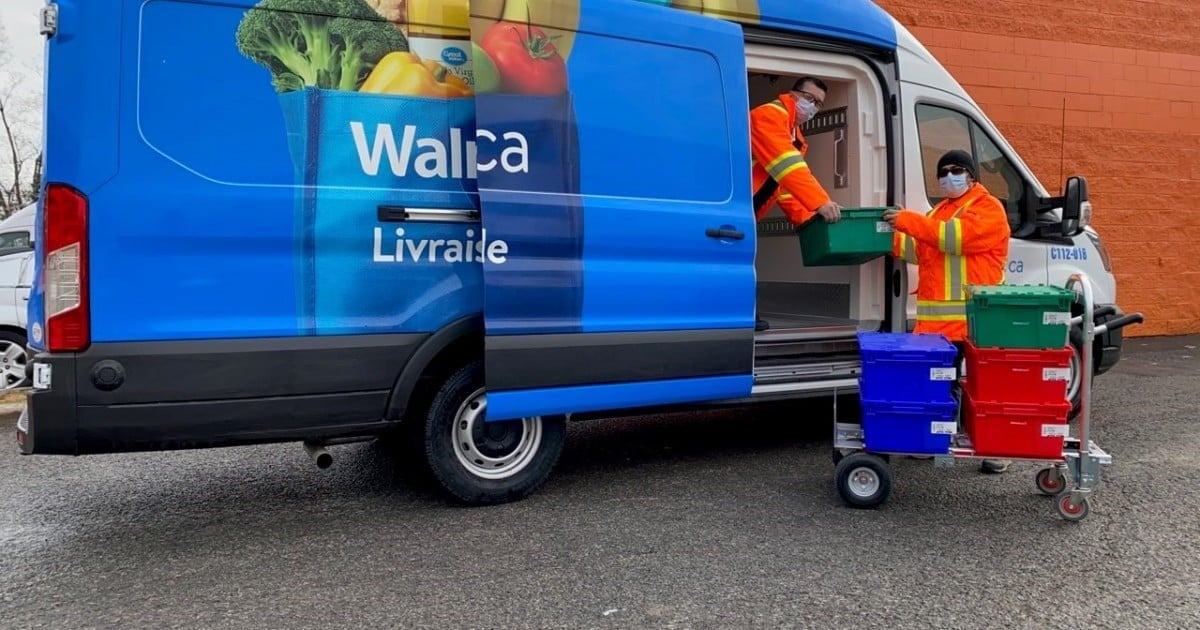
Walmart Canada Is The First Major Canadian Retailer to Offer Carbon-Neutral Last Mile Delivery (CNW Group/Walmart Canada Corp.)
Walmart Canada has become the first major Canadian retailer to offer carbon-neutral last-mile delivery – part of the giant retailer’s global ambition to achieve zero emissions by 2040 without the use of offsets for Scope 1 and 2 emissions.
A new Walmart-funded program will offset an estimated 25,000 tonnes of Scope 3 emissions generated by its last-mile deliveries, which the company said is equivalent to saving one million trees.
And EcoCart, a sustainability technology company that enables businesses to calculate and offset the carbon emissions of their operations and then encourages consumers to engage with them through transparent and authentic front-end experiences, will independently validate and calculate Walmart’s emissions, along with sourcing and vetting high-quality projects supported by the offsets.
Laurent Duray
“Funding carbon offsets for last-mile delivery in our eCommerce operations is an opportunity for Walmart to make an impact today as we work towards becoming a regenerative company and eliminating emissions across our business,” said Laurent Duray, SVP, eCommerce, Walmart Canada. “Minimizing the environmental impact of the last mile has been top of mind as customer behaviour has shifted towards increased reliance on our fast, easy and convenient delivery options for grocery and online orders.
“I’m really proud actually that Walmart Canada is the first major retailer in Canada to offer the carbon-neutral last-mile delivery for e-commerce orders. Everything that’s being sold and shipped by Walmart including online groceries. Working with EcoCart has actually been great because it’s going to help us to estimate our emissions with our third-party carrier partners and from there work together in achieving those goals that we have.
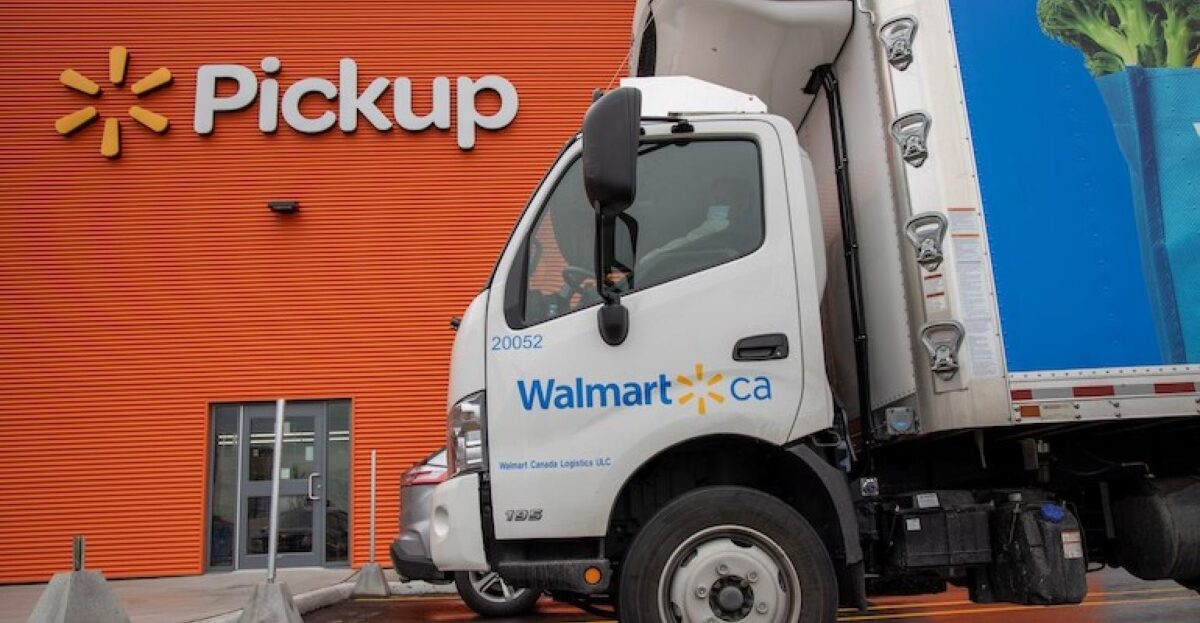
Image: Walmart Canada
“Our Canadian customers are using more and more delivery business.”
Duray said carbon offsets allow companies and consumers to fund projects to impact climate change – basically compensating for emissions.
“With EcoCart, they really help us estimate those emissions that are produced by our third-party partners as well so we can benchmark them and start working in reducing our footprint as our bigger ambition,” he said.
Duray said Walmart Canada is also committed to 100 per cent alternatively powered fleet vehicles by 2028. It has made one of the country’s largest reservations of Tesla Semi Trucks with 130 expected.
Image: Walmart Canada
He also said Walmart is part of Project Gigaton, introduced in 2019, which is an effort inviting suppliers to reduce emissions from the global supply chain. To date, 590 of Walmart Canada’s suppliers have made Project Gigaton commitments across six pillars: energy, waste, packaging, transportation, nature, and product use and design.
“These are many, many actions that we’re taking to be a more regenerative company,” said Duray.
Walmart said it will offset an estimated 25,000 tonnes of carbon dioxide, the equivalent of taking over 5,000 cars off the road, in the first year of this new initiative.
“Carbon offsets allow companies and consumers to fund projects that reduce the effects of climate change, compensating for the emissions created from actions like transportation. Walmart has engaged EcoCart, a sustainability technology company, to calculate and validate the emissions created from online orders and to purchase carbon offset credits from high-quality projects in the exact dollar amount required to reduce or avoid those emissions,” said the retailer.
“The projects Walmart’s offsets will support are aligned with the company’s journey to becoming a regenerative company and will support a portfolio of Canadian-based initiatives that work to either actively remove carbon from the atmosphere or prevent future carbon from being emitted. The project portfolio includes initiatives that protect forests, enable composting and waste diversion, aid with refrigerant management, and turn biomass into fuel. These Walmart-supported projects will also ensure they benefit the communities as part of their scope with key economic and environmental elements such as providing jobs, education opportunities, or protecting endangered species and biodiversity.”
Peter Twomey
Peter Twomey, COO, EcoCart, said “it’s so exciting to see industry leaders like Walmart work toward a more sustainable future that benefits everyone. By funding offsets on behalf of their customers for last-mile delivery, Walmart is making a positive impact on our collective efforts to regenerate the environment.”
Retail Insider is streamlining its Canadian retail news from around the web to include a handful of top news stories that can be viewed quickly during the day. Here are the top stories from the past 24 hours.
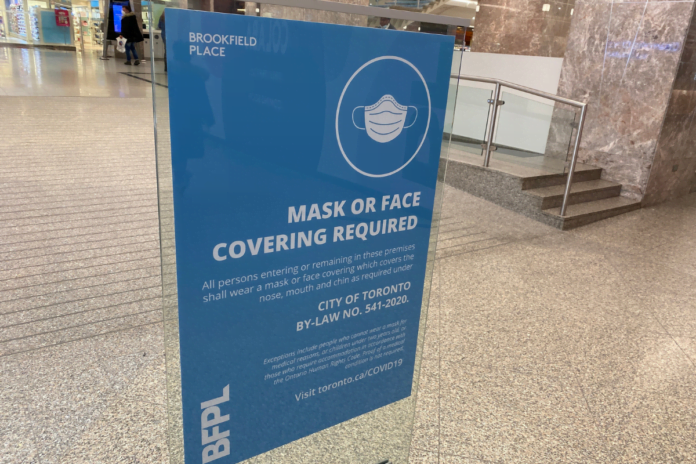
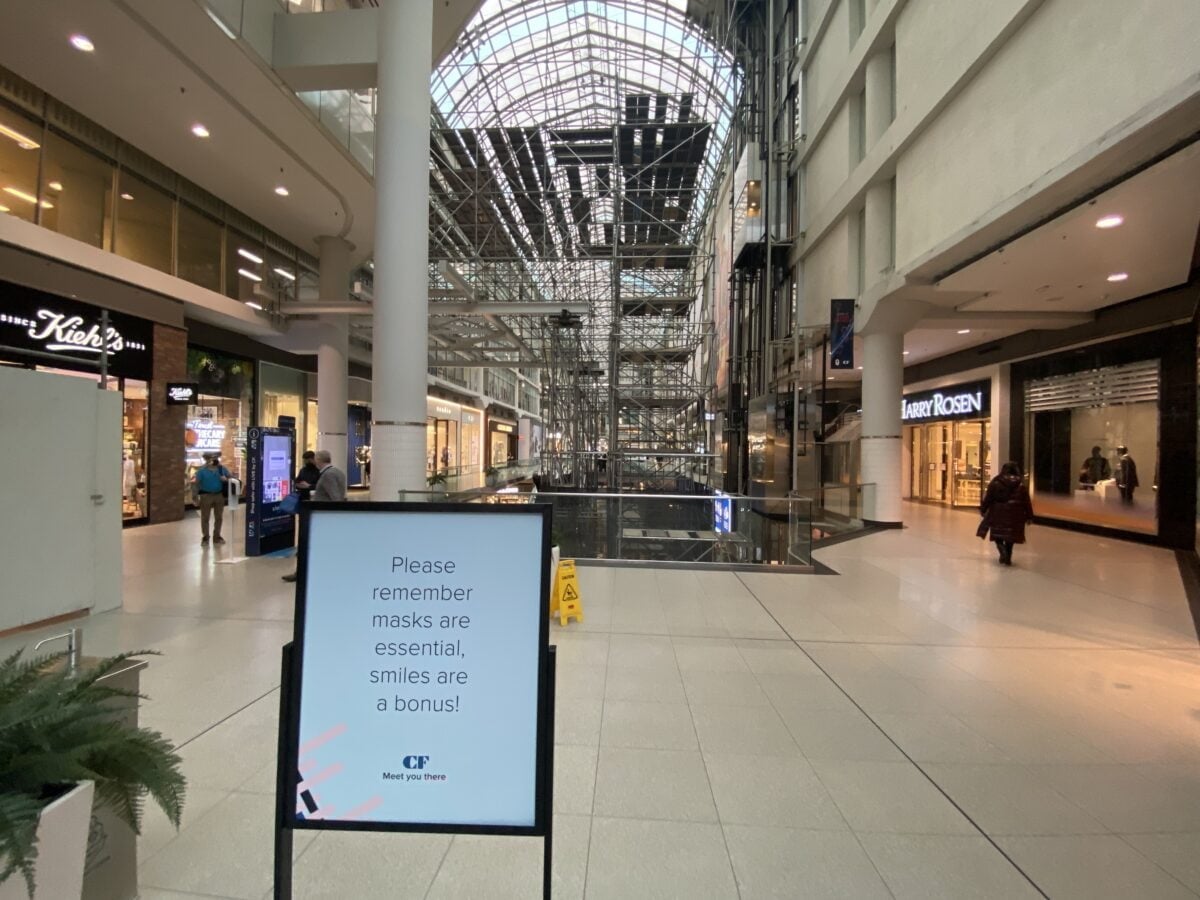
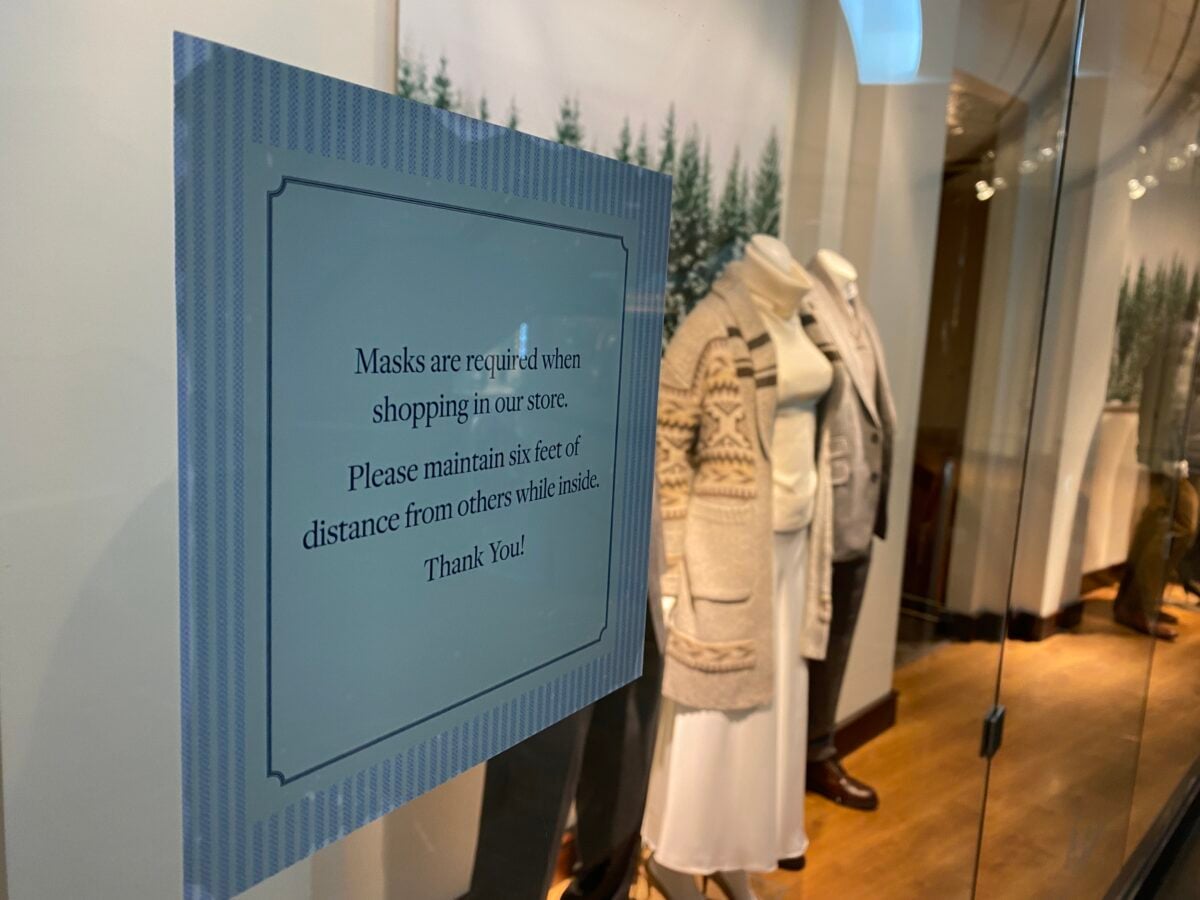
Businesses throughout Ontario are applauding the provincial government’s announcement Wednesday that it is lifting the mask mandate in many indoor public settings on March 21.
Consumers will soon not be required to wear masks in retail stores, restaurants and in many other places.
Ryan Mallough
“We are pleased to see the government continues to make progress on eliminating COVID restrictions. The past two years have been incredibly difficult on Ontario’s small business owners. Even as the economy reopens, only 33 per cent are at normal revenue levels. The average small business COVID-related debt is $166,000, and 17 per cent of Ontario’s small businesses report actively considering bankruptcy – the highest level in the country,” said Ryan Mallough, senior director of provincial affairs for Ontario, with the Canadian Federation of Independent Business.
“While we are relieved we can finally put lockdowns behind us, there is still a lot of work to do as we begin small business recovery.”
In a statement, Restaurants Canada said: “The health and safety of our staff and customers has always been mission critical to restaurants — this is just as true now as it was before the COVID-19 crisis.
“Since the start of the pandemic, restaurants have quickly and effectively adapted to evolving public health guidance so that they can continue to safely serve their guests while ensuring the health and safety of their staff.
“As governments across the country continue to lift mandatory pandemic safety measures, our members will continue to make decisions based on local public health guidance, as well as their unique operational circumstances.”
Linkedin: Rocco Rossi
Rocco Rossi, President and CEO of the Ontario Chamber of Commerce, said the province is sending a message that Ontario is ready to reopen with the announcement.
“Given the constantly evolving nature of the COVID-19 pandemic, we continue to call on the government to develop and clearly communicate an actionable plan on how the province intends to respond to the next stages of the pandemic. With the easing of public health measures, questions remain on how society’s most vulnerable citizens will be protected, what efforts will be made to bolster consumer and business confidence, reduce transmission and mitigate against further labour shortages,” said Rossi.
The Retail Council of Canada, in a statement, said the way we live our lives has fundamentally changed over the past two years and it understands that both retailers and consumers will experience varying degrees of comfort regarding the speed in which our “old ways” are embraced.
“As such, RCC recently conducted a survey of its members to better understand how they plan to handle the unwinding of mandatory public health requirements, particularly around masking, recognizing that each store is different and may have specific customer and associate needs.
“Our survey found that:
All retailers will support staff if they choose to wear masks even if they are not required to do so.
Many retailers will maintain messaging – signs or otherwise – indicating that customers may continue to wear masks, but that they are not required to do so.
Many will also continue to provide sanitizers and other health and safety tools, such as plexiglass shields at cash desks, for customers as a means of continuing to provide added protection to their associates and customers.”
The Council said retailers, after responding to changing measures over the past two years, are very experienced in implementing and adapting their stores to best address their unique operational requirements and to keep customers and employees safe.
CF Toronto Eaton Centre (Image: Dustin Fuhs)
The Council represents more than 45,000 small, medium and large retail businesses in all formats.
On Wednesday, Dr. Kieran Moore, Chief Medical Officer of Health in Ontario, said the province will remove the mandatory masking requirement for most settings on March 21, with the exception of select settings such as public transit, health care settings, long-term care homes and congregate care settings.
“With the peak of Omicron behind us, Ontario has been able to cautiously and gradually move through its reopening milestones. The majority of public health and workplace safety measures have now been lifted, and key public health indicators continue to improve or remain stable. As we continue on this path, we are able to take a more balanced and long-term approach to Ontario’s pandemic response,” he said.
“While this does not signal that COVID-19 has disappeared or that the pandemic is over, it does mean that we have come to a place where we know what we need to do to manage this virus and to keep each other safe.”
Mask Sign in The PATH (Image: Dustin Fuhs)
The CFIB, which is the largest association of small and medium-sized businesses with 95,000 members across every industry and region in Canada, is urging the federal government to continue to help small businesses who have felt the economic pain in the past two years. It is asking the federal government to:
Announce a freeze in the carbon tax and work to immediately reduce energy costs for small business owners;
Halt all current and future tax increases, including the alcohol excise tax, Canada Pension Plan and Employment Insurance premiums;
Extend the Canada Recovery Hiring Program for six months and expand eligibility to new businesses; and
Accelerate plans to reduce credit card processing fees for small businesses.
“While it is good news that COVID restrictions are finally being lifted across Canada, the economic damage to small business has been massive and has left many in a very precarious position,” said Dan Kelly, the CFIB’s President and CEO. “As we enter the recovery phase of the pandemic, governments need to hold off on any cost increases, especially given that one in seven (14 per cent) of small firms are actively considering bankruptcy or permanently winding down operations.
“Small businesses have borne the brunt of two years of COVID restrictions and will be dealing with the fallout of the pandemic for months, if not years. Imposing new costs and higher taxes on them right now could be the final nail in the coffin for some.”
It’s understood by anyone possessing at least a rudimentary understanding of retail that the industry is one of significant complexity. The pace at which it moves, inside a confluence of shifting consumer behaviour and merchant innovation, is breakneck. The need for teams and departments within organizations to constantly evaluate, assess and tweak strategies in the face of rapidly changing market conditions is intense. And, the responsibility that’s incumbent upon brands to effectively and consistently meet and surpass the growing expectations of an ever-evolving consumer with the right product and exceptional service is perhaps more considerable than in any other industry. Add to these layers the challenges that have been brought about by the COVID-19 global pandemic – challenges that have lent toward the creation of an altered and somewhat chaotic environment – and the notion of running a successful retail business becomes that much more complex. In fact, according to industry expert and analyst, Bruce Winder, the number of variables and forcing functions impacting retail operations today is mindboggling, serving to continuously drive merchants to explore and discover better, more efficient ways of doing things.
“Canadian retailers really are being pressed by a whole range of issues that are impacting their ability to meet the needs of today’s consumer,” he says. “And it’s a consumer who’s also under a lot of pressure financially. Both retailers and consumers have been hit by rising costs which don’t look like decreasing any time soon. As a result, what we’re seeing is a lot of retailers, despite the category or sector they operate in, start to innovate in a number of different ways in efforts to find cost-effective ways they can enhance the experience and offering for their consumers, tightening and creating greater efficiencies through the entire organization. The past couple of years have been a time of frustration and uncertainty for many within the industry. But, for those that have survived all of the challenges that they’ve been presented with to this point, many will be looking ahead to the next 6 to 12 months with a focus on creating those enhancements and efficiencies to spur growth and success for their organizations as we hopefully continue to approach an end to the pandemic period.”
Winder explains that he expects many of the issues and challenges that have been created by the pandemic, including disruptions to the global supply chain, the sharp rise of ecommerce, a shortage of retail talent and escalating inflation, to sustain, at least for the near-term. And, according to the retail expert, there are more forcing functions at play that are just as significant, which are explored below in the second half of Bruce Winder’s list of top 10 trends that are impacting the current and future state of the industry.
The return of retail sustainability
One of the most significant impacts of the pandemic is reflected in the effect it’s had on the average Canadian consumer with respect to their attitudes and beliefs. Many people across the country have taken their own internal stock of sorts, focusing more intently on their values and the things they care about most, and engaging with retailers and brands that align with their philosophies. It’s a shift in mindset that’s casting a brighter light on a number of different concerns, compelling businesses everywhere to place greater emphasis on corporate, social and governance issues, and review the policies and procedures that they have in place within their organizations to ensure that they’re meeting the growing expectations of a value’s driven consumer. As part of this focus on values, suggests Winder, is renewed and concerted efforts around environmental sustainability.
“About 15 years ago, environmental sustainability kind of came out of nowhere with respect to the industry and became a major trend for a brief period of time,” he reflects. “When the Great Recession hit, everyone stopped talking about it. But, as a result of rising sentiment among Canadian consumers, a sentiment that’s accelerated throughout the pandemic, environmental sustainability is back, and it’s not going to go away this time. So, for retailers, particularly those that are higher profile, they’ve really got to build sustainability into their business models and decision-making process. It’s no longer about buying the product at the lowest possible price. Today, it’s becoming more about reducing carbon emissions, developing improved packaging and any other enhancements that might lessen their negative impact on the environment. It’s an issue that’s gone from a nice to have on a company’s annual report to one of the key considerations of businesses, many of which are now managing toward a triple bottom line – people, planet, profits. Everything within retail is going to be measured by environmental impact going forward. And the entire industry will need to respond by using resources wisely and minimizing the harm they cause to the environment.”
The burden of debt
Perhaps the most catastrophic consequence of the COVID-19 global pandemic is the impact that it’s had on small businesses on main streets across the country. It’s been estimated by the Canadian Federation of Independent Business that the small business community in Canada owes in excess on $135 billion, equating to somewhere in the region of $180,000 owed by each individual business in the country. It’s yet another result of the instability that’s pervaded the past two years. And, Winder says that given the significant social and economic contributions made by the small business community in Canada, it’s a result that may pose long-lasting effects on main streets everywhere.
“Small businesses make such a tremendously positive impact on the communities they operate in,” he asserts. “They’re often part of the fabric of their neighbourhoods. But, when they’re all generally carrying that much debt, with rising interest rates and costs, that positive contribution they make is jeopardized. Any cash flow that an independent business is able to generate will need to go to servicing their debt, resulting in less cash flow going to renewal and keeping concepts updated, stores fresh and inventory stocked. There’s going to be a lagging negative drag on smaller retailers with this debt, restricting their degrees of freedom and putting many at risk of going under. Another COVID variant could mean that the debt of some just isn’t serviceable anymore, leading to their unfortunate demise.”
Automation boom
Walmart Canada Distribution Centre in Cornwall, Ontario (Image: Walmart Canada)
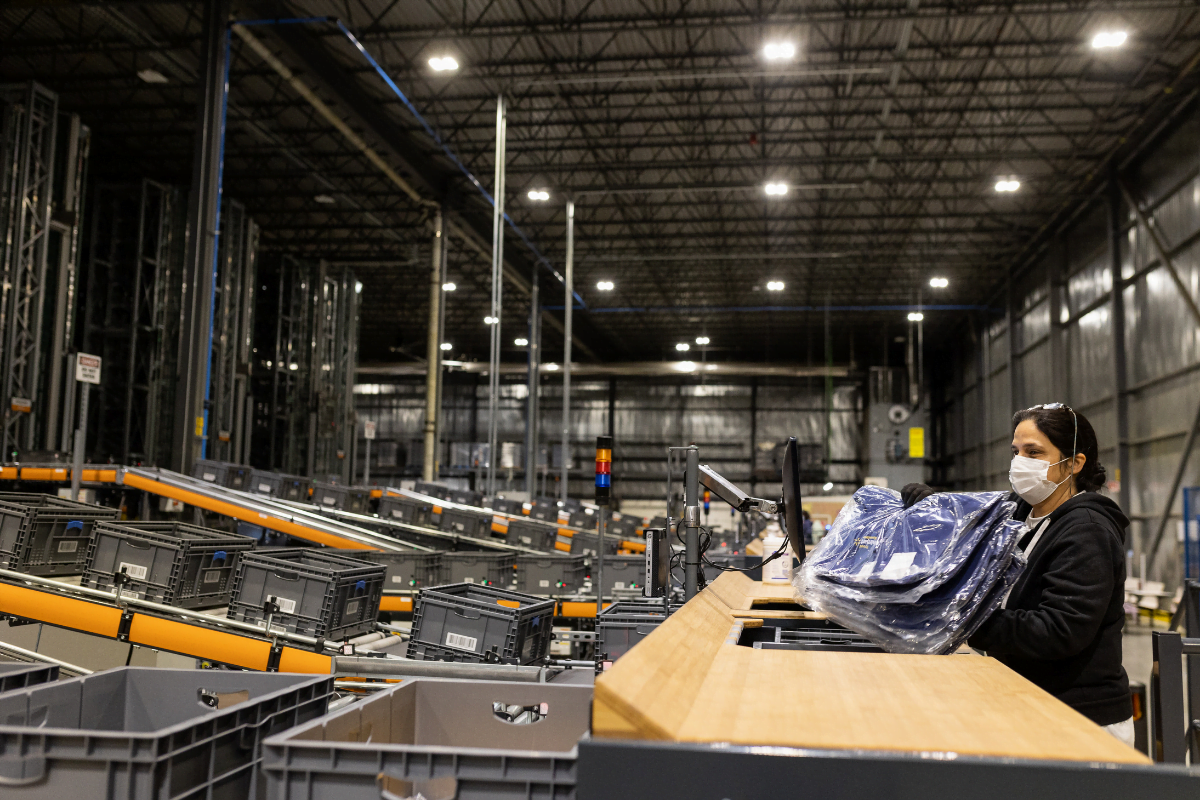
In search of efficiencies and enhancements to retail operations, many throughout the industry are looking to automation as a viable means to help them achieve their objectives. Robots are being deployed in warehouses across the country and being leveraged in transportation, lowering cost and finding ways to increase accuracy of orders by eliminating the potential for human error, freeing up human capital that can be applied to more strategic tasks and responsibilities. Winder recognizes that the leveraging of this type of technology has been limited to those operating within low margin sectors, but adds that it’s only a matter of time before automation begins to meaningfully influence and change the in-store retail environment.
“Grocers are currently utilizing automation throughout their operations really well to find efficiencies and lower costs,” he says. “Grocery is incredibly low margin. So, any savings that can be found goes straight to the bottom line of the business. Pre-pandemic, grocery stores would have five or six cash registers open and maybe two or three self-checkout machines. Today, the ratio is more like ten self-checkouts and one cashier. And this is really just the tipping point of automation in retail, with the days of unstaffed stores just on the horizon. Automation is lending toward the creation of less friction within the retail experience and a more seamless journey for the consumer on their path to purchase and collection of products. But, the real sweet spot for retailers with respect to automation is when people can be relieved of these oft-repetitive duties and tasks, allowing them to take on more significant roles within the organization.”
Technological revolution
There isn’t really any doubt that the forcing function driving the most change within the retail industry and, indeed, the entire world around us, is the accelerated digitization that’s occurred as a result of social lockdowns and restrictions on business. It’s a revolution of innovation that’s changed the way we interact, communicate and share information with one another. And, it’s also altered the ways Canadians like to engage and shop with their favourite retailers and brands. Spawning trends like the rise of automation in retail and the explosive success in ecommerce sales, recent developments in technology are lending to the same kind of ease and convenience while adding a dynamic, experiential layer to the overall retail experience. And, with respect to the current implementation and execution of technology happening across the industry, Winder says that Canadian retailers are now on the verge of creating a truly omnichannel experience for their customers.
“A lot of retailers and brands are exploring and assessing the use of technologies like augmented reality in the way of virtual fitting rooms and mobile apps so consumers can see what an outfit looks like on them or what a piece of furniture looks like in their living room,” he says. “And, of course, the use of virtual reality and its potential is causing a big stir at the moment around the notion of the metaverse. It’s something that’s going to take a long time to grow and develop, similar to the way in which ecommerce grew in the nineties. But it’s got a lot of people talking and a lot of retailers exploring ways that it might be integrated into the retail experience. The same can be said about cryptocurrency and the idea around NFTs. They are both developments in their infancy with applications to retail that are still a little bit unclear. However, what’s clear to every retailer operating today is the enhanced power and capability that artificial intelligence presents the industry. It’s tables stakes and is being used, at least to some degree, by merchants large and small to inform decisions, predict trends and market influences, and allow them to elevate the effectiveness of marketing and promotions like never before. All told, these technologies and their uses by retailers are making the lives of consumers easier while improving the experience they receive, while helping organizations find efficiencies and lower costs. There are a lot of opportunities inherent in the use of technologies within retail and the potential to completely transform the industry.”
Real estate reset
Rendering: Dufferin Grove Village
With a more immersive and experiential offering being developed by retailers and brands every day, supported largely by the aforementioned developments in technology, the role of the physical brick-and-mortar store is being questioned and analyzed. It’s leading many, particularly the landlords and developers of shopping centres, to take a close look at the utility and function of commercial real estate and reimagine their spaces to more accurately reflect the evolution of the industry. It’s yet another component of the retail landscape and ecosystem that’s reflective of the change and digitization occurring all around us, perhaps indicating a required rethink concerning the use of shopping centres if they are to remain viable. And, as Winder points out, it’s a rethink that will yield benefits to those willing to be creative.
“There’s a real polarization of Canadian malls that’s happening between the tier one, two and three locations,” he explains. “The top centres and locations like Yorkdale and Sherway Gardens continue to do well. They aren’t going anywhere and will become more experiential. The tier two malls are going to serve more of a function and become more transactional, with different kinds of tenants coming in, like doctors and dentists and other types of services. They’ll also provide one or two pick-up locations where packages can be picked up by consumers and may even do some micro-fulfillment. And then tier three malls are just going to be bulldozed. Some may still offer some sort of local convenience. But they will be repurposed entirely. In addition, we’re seeing a lot of the digital native retailers that were once online-only begin to open brick-and-mortar locations, recognizing that a physical presence can really help them grow their market. There are also a number of ecommerce warehouses popping up across the country. And, because warehouse space within major urban centres is already at a premium, I think what we might see sooner rather than later is retailers begin to leverage shopping centres for warehouse or local fulfillment space.”
When rubber hits the road
Winder’s list of trends certainly gives any retailer a lot to think about, presenting a host of challenges to overcome and opportunities available to realize. They are a collection of influences and effects whose potential to impact retail operations are significant on their own. But, when viewed holistically, considering the possible ramifications for merchants that don’t address them effectively, they begin to paint a picture, pointing the direction in which the industry is heading. And, according to Winder, many of the trends that he discusses will sustain well into the future, coming to fruition as many of them continue to gain momentum as we head toward a post-pandemic world.
“Most of these influences are going to continue to have the same, if not greater, impact on the industry going forward. A lot of the innovation that retailers have been experimenting with is going to go live with the rubber really hitting the road overt the coming months and years. And, a lot of this evolution is going to be supported by demographic changes as Gen Z starts to rise up and increase their purchasing power. Everything looking ahead is going to be chock-full of technology and convenience. And, as a result of this new normal, we’re going to be introduced to a number of new retailers and brands that are going to make their mark on retail and become the next wave of innovators within the industry.”
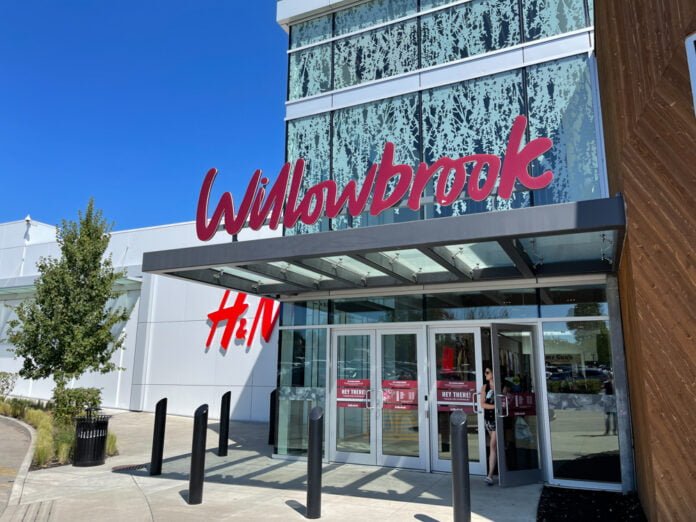
Willowbrook Shopping Centre entrance. (Photo: Lee Rivett)
Willowbrook Shopping Centre in Langley, B.C. has launched a unique omni-channel shopping experience for its customers in the Fraser Valley’s premium shopping destination.
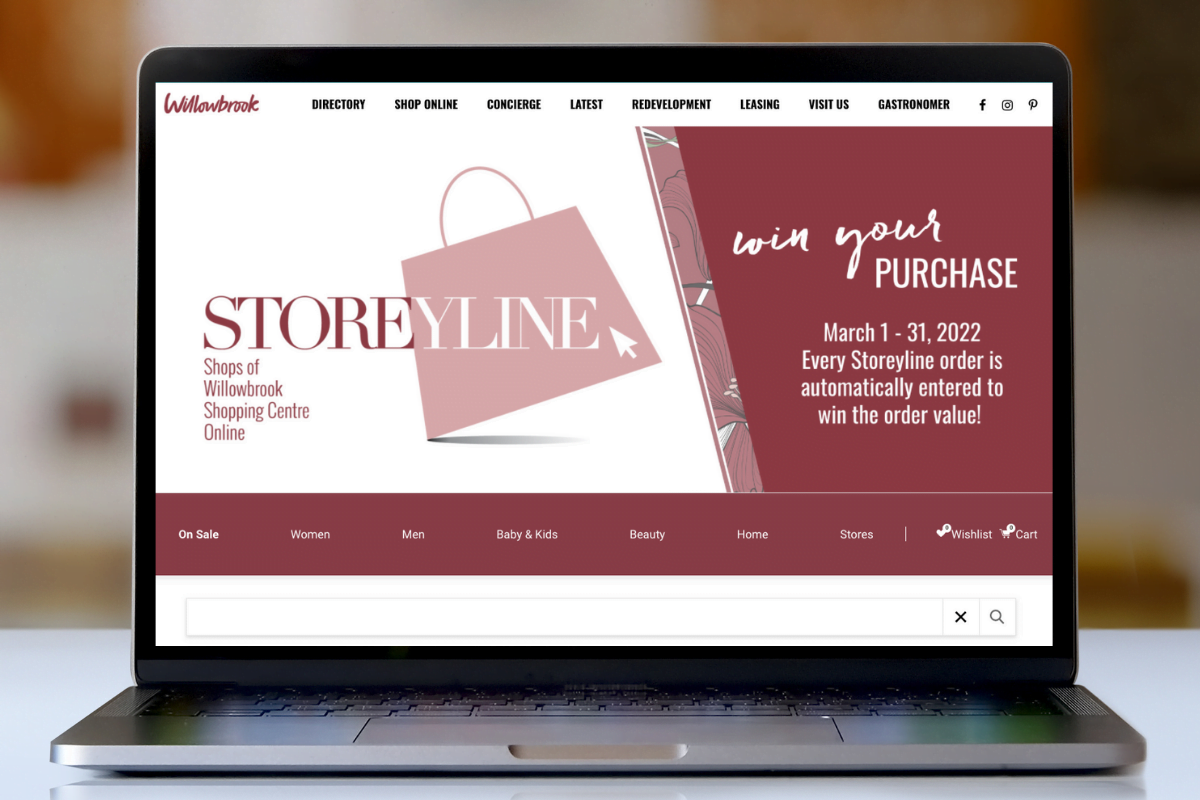
Storeyline is an online platform that allows consumers access to a number of products, cross-shopping more than 40 stores and a single-cart checkout process.
Andy Clydesdale
Andy Clydesdale, Executive Vice President, Retail, QuadReal Property Group which owns and operates the mall, said the company is in the business of building, managing and acquiring best in class real estate.
We aim to create spaces where the community wants to be . . . where they want to eat, shop and socialize with friends. Storeyline is the natural extension to our physical bricks and mortar offering,” said Clydesdale.
Storeyline at Willowbrook Shopping Centre
“We know that 90 per cent of our customers are researching their purchases online before they shop and more and more of them are shopping online in which case, we want to meet them where they are and exceed their expectations.”
Chrystal Burns
“It may be a little counter intuitive for some, said Chrystal Burns, Senior Vice President, Retail, QuadReal Property Group. “We’re in the bricks and mortar business. Why would we be adding a digital platform? But we believe it doesn’t detract, it improves the offering of our retailers. Even more so during the pandemic we realized that our retailers who have a strong online offering have weathered the storm and are stronger for it.”
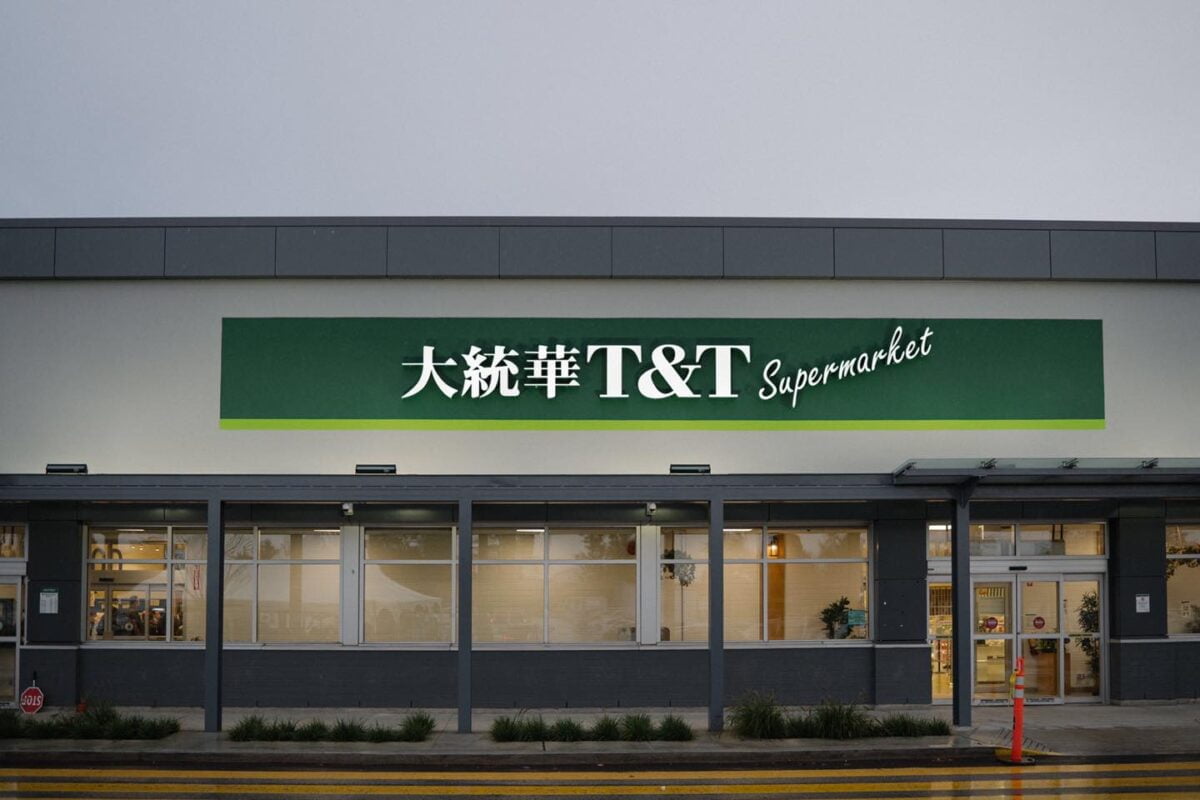
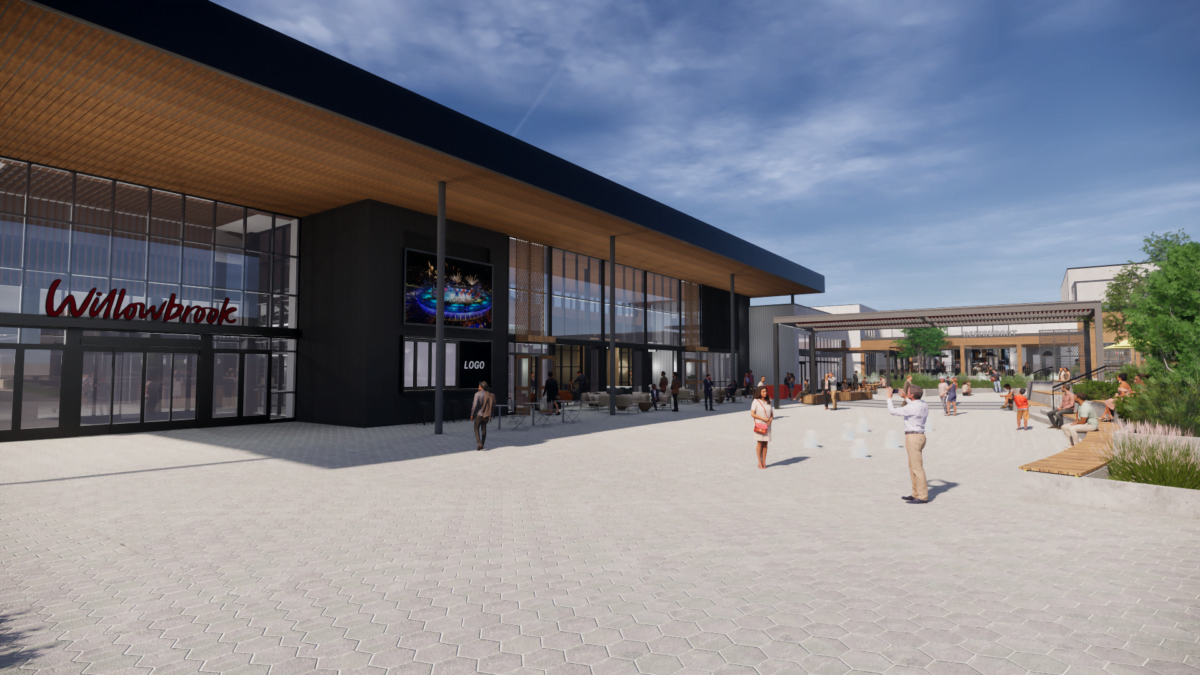
Willowbrook has about 650,000 square feet with about 140 stores. Burns said the Centre has had a number of cosmetic upgrades over the years and has recently added a T&T Supermarket, a Winners and the first Nordstrom Rack in BC. It is under construction as well with The Courtyard, which is a food and beverage precinct featuring outdoor screens, fire pits and landscaped areas set to become a social hub for the Langley community.
“We’ve been executing on significant investment and improvements to Willowbrook Shopping Centre over the last few years and we’re very excited about it,” said Burns.
T&T Supermarket at Willowbrook Shopping Centre (Image: Willowbrook Facebook)
The online platform is powered by Adeptmind, a leading technology company specializing in artificial intelligence and ecommerce.
Jesse Michael
Burns said Storeyline was piloted since December of last year. It went live on March 1.
“Adeptmind is proud to partner with QuadReal in launching the Storeyline platform at Willowbrook Shopping Centre,” said Jesse Michael, Vice President Sales & Customer Success, Adeptmind. “This is a first-to-market execution in Canada and will provide shoppers with another level of utility in discovering what’s available to them at their local shopping centre, either to plan a visit or make a purchase for in-centre pickup or same-day delivery.”
THE COURTYARD at Willowbrook Shopping Centre
Burns said customers can either have their shopping orders delivered to their homes, picked up at the Willowbrook customer service concierge desk or curbside.
“Anything that you’re buying online is actually fulfilled from store. So it’s the best of both worlds. The online purchase is supporting our Willowbrook Shopping Centre retailers’. It supports employment in the community and the local economy,” she added. “And still provides our customers with that ease of access, that ease of convenience.
“When an order comes in on our Storeyline, it is fulfilled by a Willowbrook customer service representative. We pack the order into one beautiful Willowbrook reusable shopping bag and then we have a number of stalls at one of our entries where if you’re doing a curbside and you’d rather not come into the shopping centre it can be taken to you. If you want to pop in you can pick it up at the customer service desk or we use local delivery services to have it delivered to your home.
“We’re not doing it for volume online. We’re doing it for optionality and for service for our customers and to support our retailers.”
Retail Insider is streamlining its Canadian retail news from around the web to include a handful of top news stories that can be viewed quickly during the day. Here are the top stories from the past 24 hours.
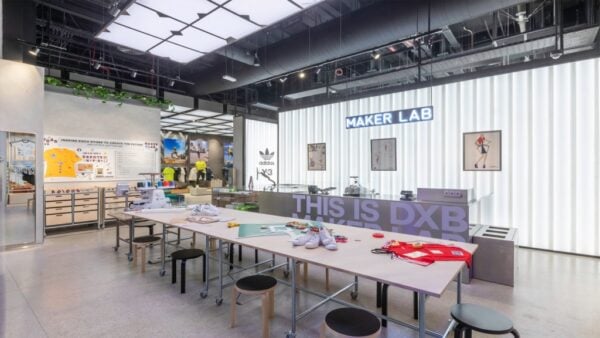
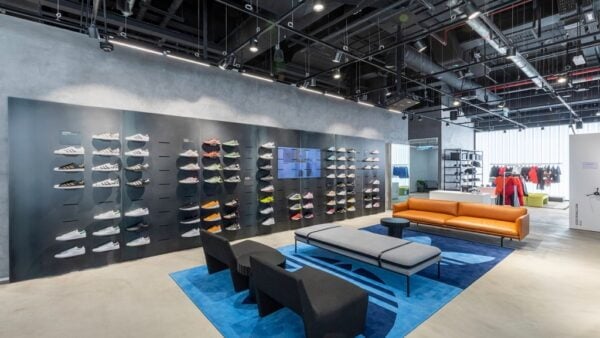
Global Adidas Flagship at The Dubai Mall (Image: Adidas)
German multinational company Adidas, known for its sportswear, will open its first large-format ‘halo’ store in Canada this summer in downtown Toronto. The concept debuted in Dubai last year with plans to roll out locations globally.
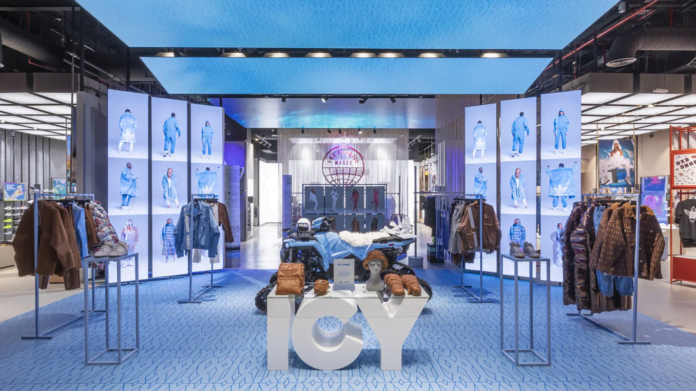
The halo concept store merges several of the Adidas sub-brands under one roof while also offering an immersive customer experience. In 2021 the halo concept was launched with an eye to sustainability and innovation as well as an expanded focus on the female shopper. Various activation zones in halo stores include displays for Beyonce’s Ivy Park collection, Adidas by Stella McCartney, Y-3, Sustainable Stan Smith products and others. ‘The Maker Lab’ at the Dubai store gives customers the opportunity to customize designs.
Technology in the halo stores include immersive RFID powered fitting rooms, digital walls displaying products such as footwear and smart ‘bring it to me’ app feature. Visitors can also bring their favourite sneakers back to life at the ‘Crep Protect’ experience which doubles as an events space where influencers can hold workshops that embody sneaker culture.
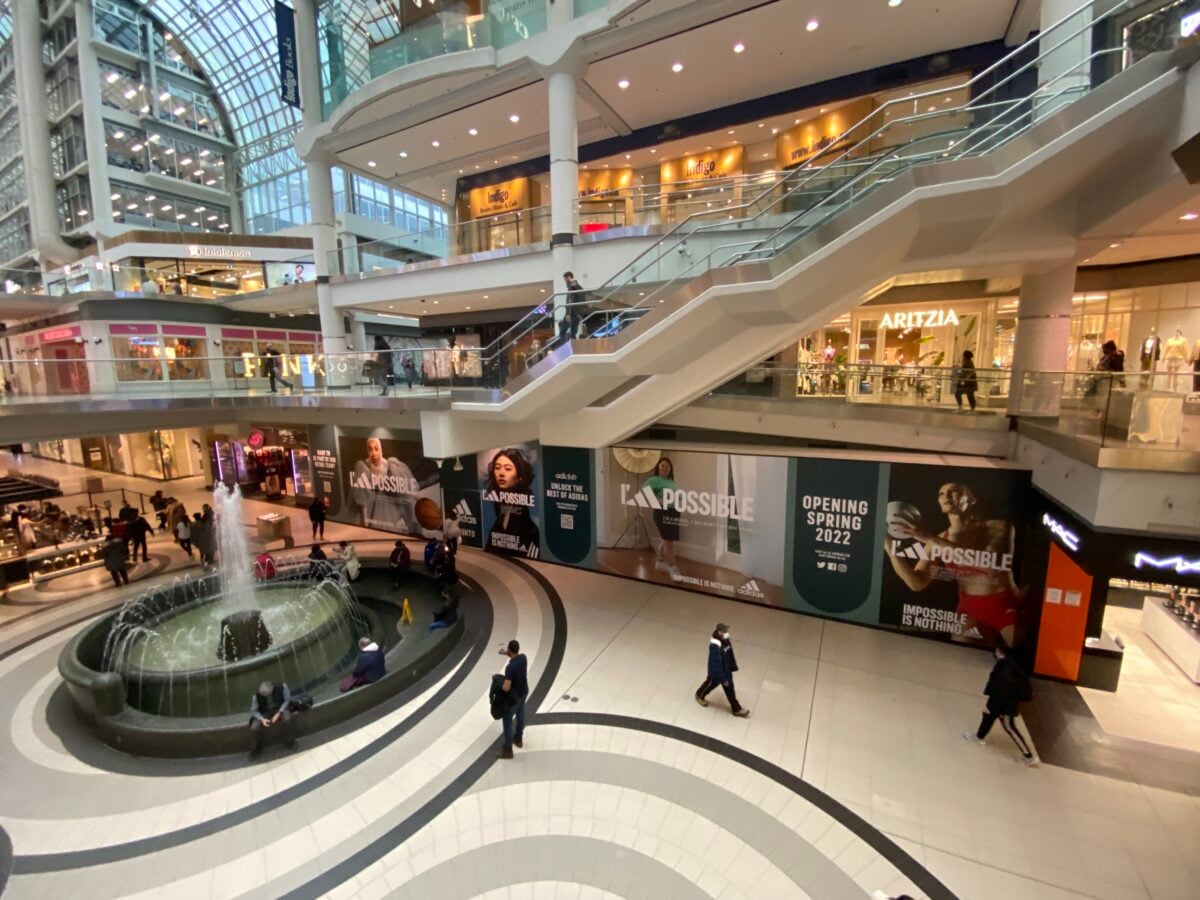
In June, Canada’s first Adidas halo store will open at CF Toronto Eaton Centre in a retail space once occupied by Forever 21 on the mall’s second level. The Adidas store will span more than 12,600 square feet according to a lease plan on the Cadillac Fairview website.
Future Adidas Halo Store at CF Toronto Eaton Centre (Image: Dustin Fuhs)
Global Adidas Flagship at The Dubai Mall (Image: Adidas)
Global Adidas Flagship at The Dubai Mall (Image: Adidas)
It is not yet known if Adidas will open more of its halo concept stores in the Canadian market. The brand has seen particularly strong market penetration in the Montreal and Vancouver markets, indicating the possibility that one or both cities could be in line for at least one Adidas halo location.
Adidas has several other stores in the Canadian market, including two in downtown Toronto. A short walk away from CF Toronto Eaton Centre is an Adidas sports/performance store which occupies a prominent ground-level space at the north-east corner of Yonge and Dundas Streets. On nearby Queen Street West is an Adidas Originals store which caters more to those seeking fashions sometimes with a retro vibe. Adidas also operates sports/performance and ‘Original’ stores in the Montreal and Vancouver markets and the company also operates several other locations including outlets in Canada as well.
We’ll follow up with this story in June when the CF Toronto Eaton Centre flagship opens to the public.
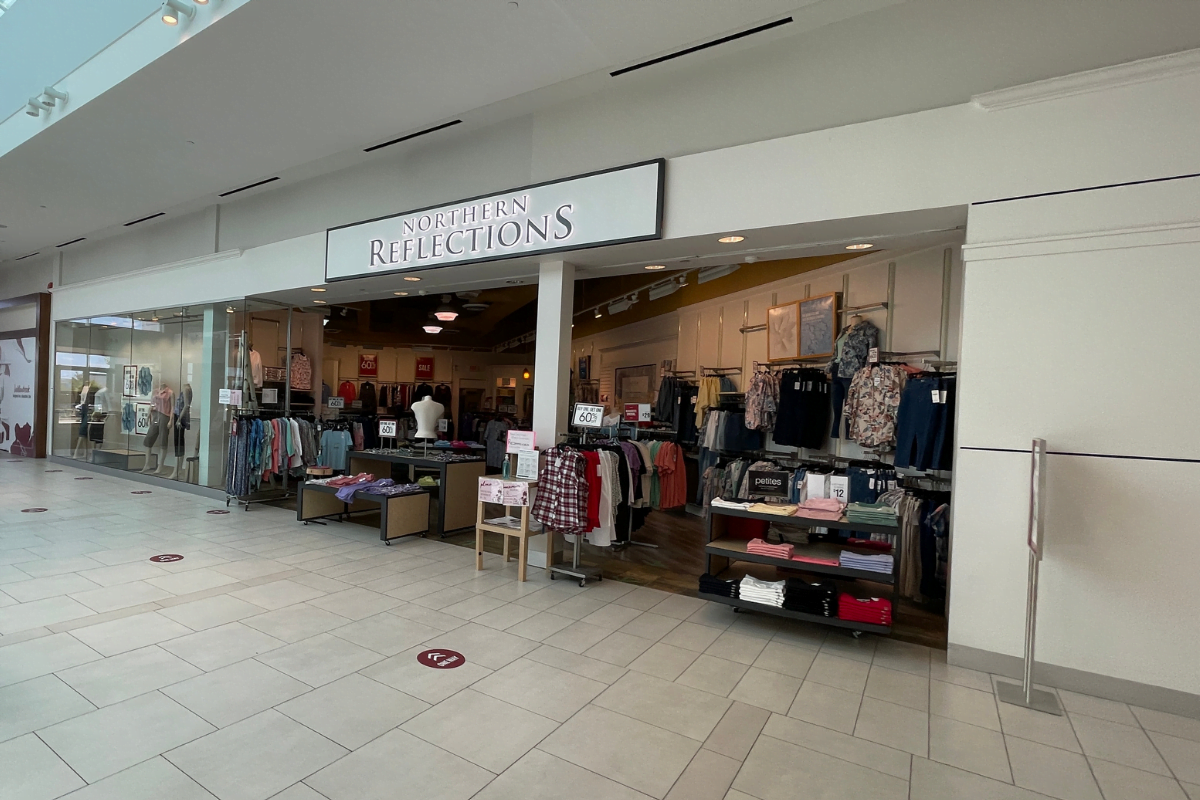
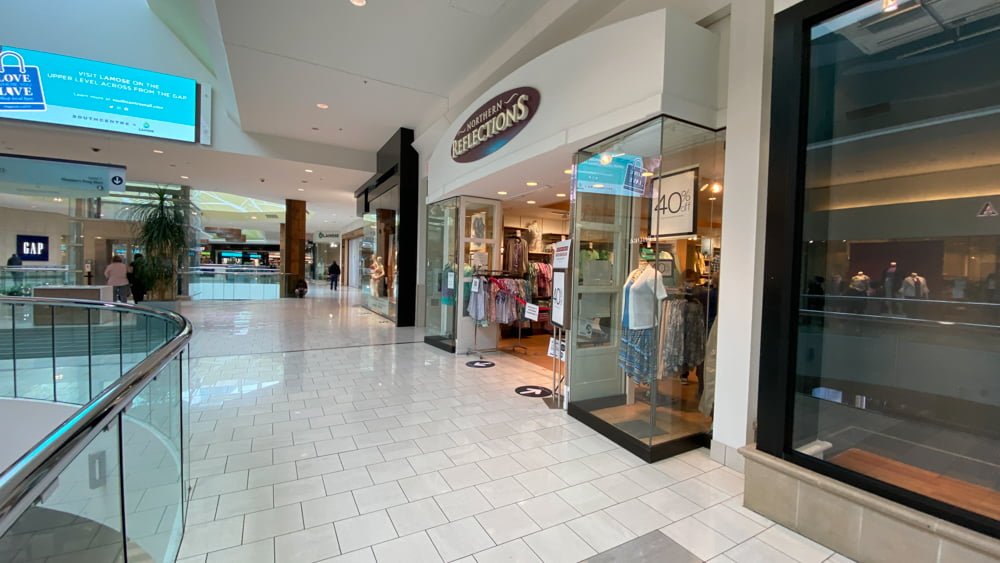
Northern Reflections at Sherwood Park Mall (March 2022)
Photo: Rebecca Quinn / Sherwood Park Mall
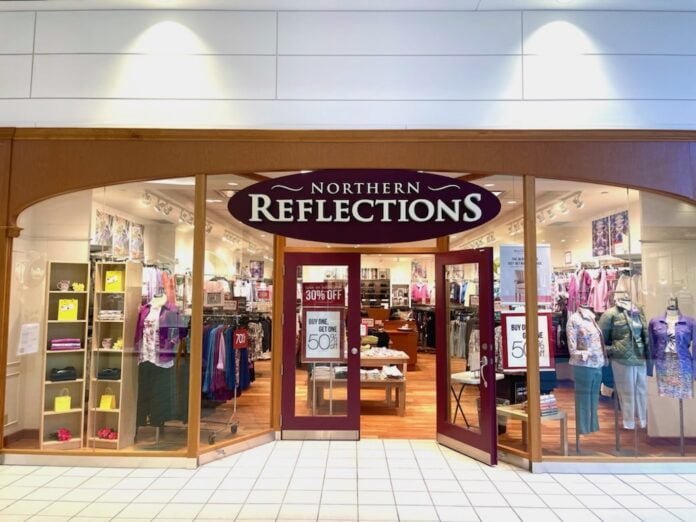
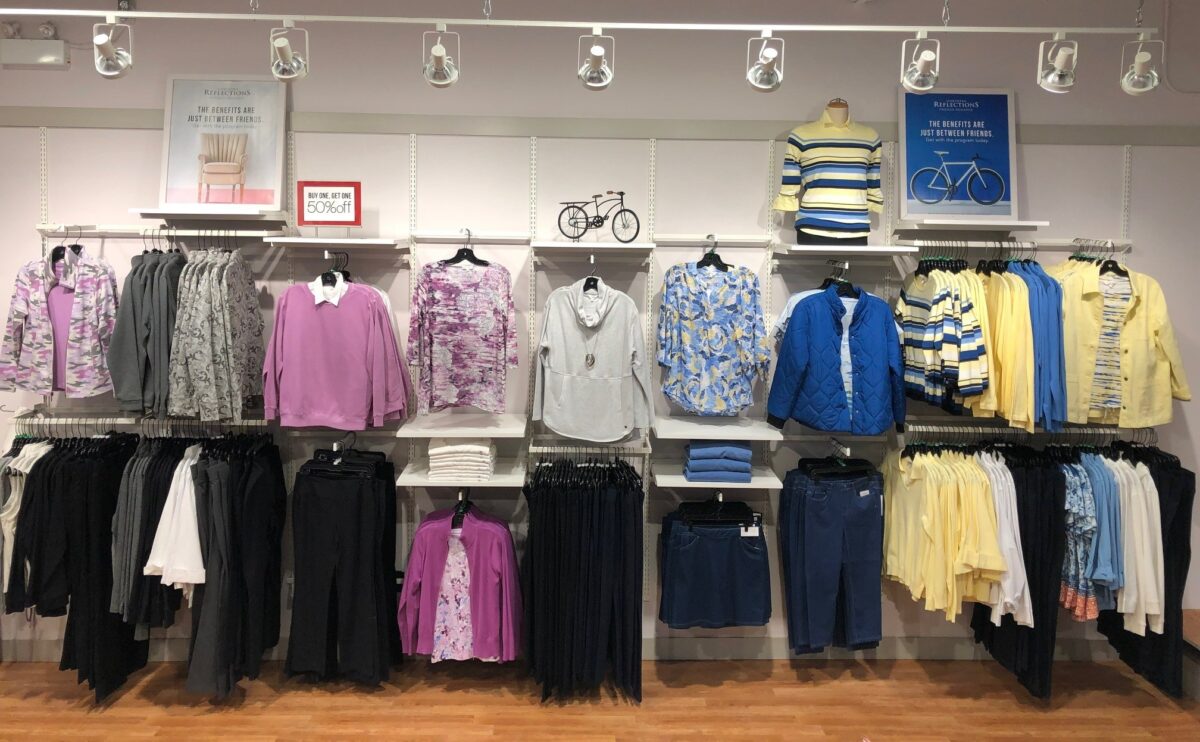
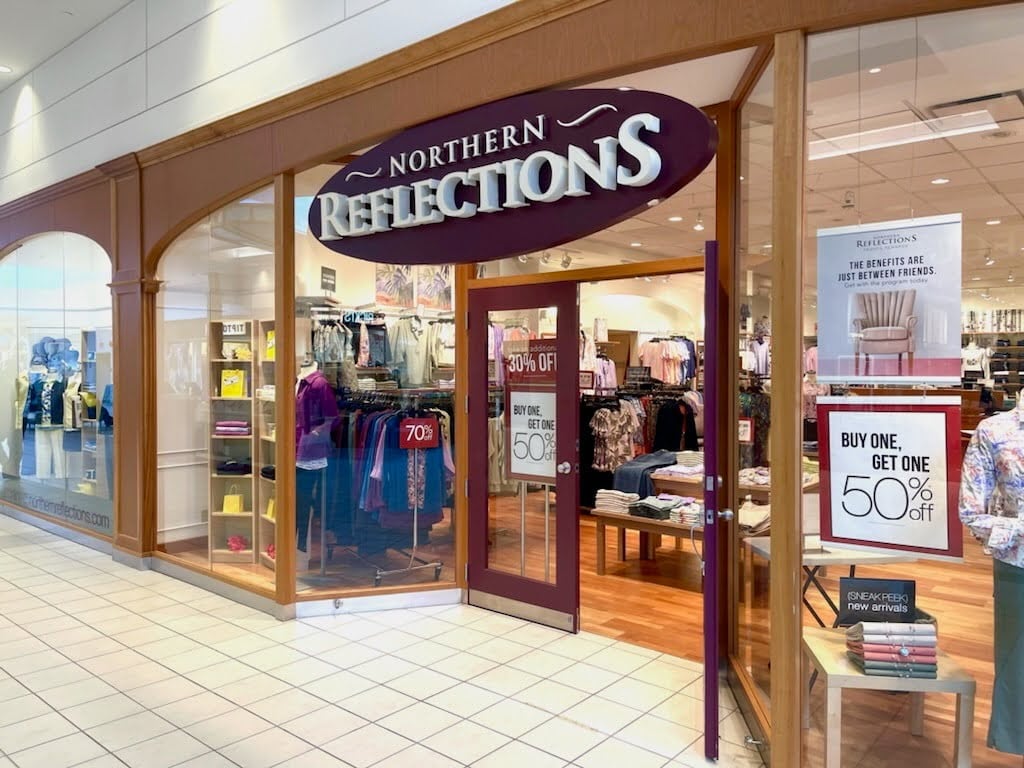
Canadian women’s fashion retailer Northern Reflections has appointed three new executives as the company invests towards accelerated growth across ecommerce, stores and omnichannel businesses.
Lalonnie Biggar, President of Northern Reflections, said the retailer is focused on building on its momentum, enhancing its customer experience and further strengthening its market leadership position within the women’s apparel arena.
“It’s a shift for us right now. It’s a shift into growth mode again for Northern Reflections,” she said. “We definitely have our customers shopping in stores and online and when I think about our long-term strategy we’re addressing that shift and the shift in behaviour by ensuring that we can deliver that service to her and these hires all have that operational experience that we need in the company right now to be successful in this shift and build that foundation for this shift.
“We still see in store shopping vitally important but there is this movement online and we want to make it seamless. I think most retailers are trying to get there today. Some are ahead. Some are further behind. This is an important investment for us in skill, talent and experience.”
Northern Reflections at Willowbrook Mall in Langley (July 2021). Photo: Lee Rivett.
Northern Reflections has 134 stores across Canada in every province, except Quebec. The first store opened in 1985 in Guelph, Ontario.
The three new executive hires are Carolyn Coles-Devine, SVP Customer Experience & Chief Marketing Officer, Maryann Darling, SVP Planning, Allocation and Logistics and Hanspal Jando, Chief Financial Officer.
“Carolyn, Maryann and Hanspal bring incredible and diverse retail experience and will ensure our strategic vision is brought to life in both our stores and across our digital channels. Each of these leaders along with our existing senior leadership SVP Merchandising, Lisa Wiseman and SVP/Board Advisor, Paula Benetello will play a critical role as we build on our momentum, enhance our customer experience and further strengthen our market leadership position within the women’s apparel arena,” said Biggar.
Northern Reflections at Southcentre Mall in Calgary. Photo: Jessica Finch
Coles-Devine is an industry veteran, having previously run the marketing and digital teams at Canada Goose and lululemon. Darling has held leadership roles at Canadian retailers including Holt Renfrew and Club Monaco. Jando’s extensive retail experience includes Indigo and Red Apple Stores Inc.
In March of last year, Northern Reflections completed a corporate and financial restructuring with JAMCO Capital Inc., a leading venture capital firm.
Biggar said the pandemic of the past two years has impacted the company like it has the entire retail industry.
“It did a couple of things for us. Tons of learnings on things we could do differently better which you’re always looking for. Tons of learnings on how our customer was approaching handling shopping when her favourite store wasn’t open for however months and in Ontario of course it was really long,” said Biggar.
Image: Northern Reflections
“It made us pause in many ways and take a look at all the things that we could do better and differently to help us grow, to maximize both online experience, in-store experience. To try and make it seamless. Everyone uses the word omni in different ways but an omni channel experience across all channels and more channels perhaps that we haven’t even investigated yet because we now have just put the opportunity in place to have this talent in the new hires.”
When it was announced that JAMCO Capital had come in to help the company move forward, Christopher Kape, president of the investment company, said Northern Reflections will be able to get back on track and continue its historical growth trajectory for both bricks and mortar retail and online sales.
“Northern Reflections has been a mainstay in the Canadian retail landscape for decades, and this restructuring event ensures it will continue to bring its much-loved ladies wear to Canadian women across the country for years to come,” he said.
Northern Reflections at Sherwood Park Mall (March 2022) Photo: Rebecca Quinn / Sherwood Park Mall
Biggar said the company continues to explore the possibility of more physical locations.
“We’re always looking for that. When I look at priorities for the business, there’s kind of the big three. Marketing for both stores and ecom is a major priority for us. We have a fabulous loyalty program that’s many years old, very mature, and there is such tremendous loyalty from the customers who are on it and we have so much room to grow with new customers both in-stores and online with that program,” she said.
“And the whole piece of logistics, planning and allocation, we have to really look hard at the opportunities for the best use of inventory in what areas both across the country and how much and what you need to have in your distribution centre to be able to service the ecom customer. So huge opportunity in that area for us to get that maximized.
“That whole financial side, really looking at that real estate portfolio. Mapping out areas across the country that we are not represented in and that align with the customers’ needs. The demographics that are in that area. That’s another piece of growth mode. It’s not just ecom and putting all of our attention on ecom. It’s a blend of both.”
By Deb Pimentel, Technology Sales Leader, Canada East, Global Markets, IBM Canada
Over the past two years, consumers’ shopping preferences have changed drastically. Many habits consumers adopted out of necessity during the COVID-19 pandemic are now the norm. Consumers no longer see online and offline shopping as distinct experiences. They are now accustomed to the speed, convenience, and personalisation that different tools provide. Shopping must be fast and efficient, rich, and experiential, and always easy and intuitive. Consumers also expect companies to meet their demands for digitally enabled, curated and convenient shopping journeys as well as substantiate their social and environmental responsibility claims.
A recent global study by the IBM Institute for Business Value (IBV) and National Retail Federation (NRF) revealed hybrid shopping – mixing physical and digital channels in shopping journeys – is on the rise. One in four consumers surveyed (27%) chose hybrid shopping as their method of choice. Stores remain critical, with nearly three-fourths (72%) still using stores as part of their primary method of buying. The study shows consumers surveyed are also using more technology and fulfillment options in the shopping process – self-checkout, curbside pickup, scan & buy, local delivery, and contactless payments have all become commonplace – shifting how customer engagement, merchandise planning, supply chain, stores, and fulfillment need to operate.
Top reasons respondents choose to visit a store include touching and feeling products before buying them (50%), picking and choosing their own products (47%), and getting products right away (43%), though what in-store shoppers are looking for varies by product category. While 27% of respondents report hybrid shopping is their method of choice, Gen Z consumers are most likely to be a ‘hybrid shopper’ compared to other age groups.
Consumers also say sustainability is more important for purchase and brand decisions. In fact, 56% of Canadians surveyed by IBM last year said they would be willing to change their purchasing habits to help reduce negative environmental impact. But according to the latest IBV study, consumer actions don’t line up yet. While 62% of global respondents are now willing to change their purchasing habits to reduce environmental impact, and half of total respondents even say they’re willing to pay a premium for sustainability, there’s a gap between intention and action. Only 31% of respondents say that sustainable products made up most or all of their last purchase.
One way to help close this gap is with transparency. About 1 in 5 respondents said that more information – what makes a product sustainable, where products are sourced, produced, and manufactured, and how to re-use, return, or recycle them – will help them buy more sustainably. It’s clear from the survey findings that retailers should streamline the hybrid shopping experience and make sustainable shopping much easier for their customers.
Top recommendations from the study include:
Retailers need to focus efforts on their Extended Intelligent Workflows, infusing artificial intelligence (AI) and relying on hybrid cloud to improve operational agility and effectiveness across the organization and extending to business partners.
Retailers also need to recognize the impact they have on people, communities, and the planet as well as the consumer desire for more sustainable outlook.
As sustainability and social purpose become more important to consumers, retailers will increasingly integrate these into the business.
Hybrid Cloud architectures enable retailers to run, leveraging open technologies to drive innovation and connect with customers and business partners.
Retailers must embrace the demands of security, resilience, and adaptability as they create their future-state operating platforms.
Companies need to continue to transform operations, customer experience, and supply chains with technologies like AI and hybrid cloud to improve operation agility and adapt to consumers’ changing needs.
Deb Pimentel
By Deb Pimentel, Technology Sales Leader, Canada East, Global Markets, IBM Canada
* About the IBM/NRF study: The IBM Institute for Business Value (IBV), in association with the National Retail Federation, conducted a global survey of more than 19,000 respondents across 28 countries in September 2021 to better understand the new normal of customer behavior. The full study “Consumers want it all: Hybrid shopping, sustainability, and purpose-driven brands” is available at https://www.ibm.com/thought-leadership/institute-business-value/report/2022-consumer-study