Podcast: Saks Fifth Avenue Renovates Downtown Toronto Store After Brands Exit
Craig and Lee discuss the new renovations to the Saks Fifth Avenue store in downtown Toronto, which looks different after several concessions closed earlier this year. Women’s shoes relocated to the main floor and something could be in the works as store hours have been reduced for the three Canadian Saks locations.
The Weekly podcast by Retail Insider Canada is available on Apple Podcasts, Stitcher, TuneIn, Google Play, or through our dedicated RSS feed for Overcast and other podcast players. Also check out ourThe Interview Seriespodcast where Craig interviews guests from across the Canadian retail landscape as part of theThe Retail Insider Podcast Network.
Drop us a line at Craig@Retail-Insider.com. You can also rate us in Apple Podcasts or recommend us in Overcast to help more people discover the show!
Background Music Credit: Hard Boiled Kevin MacLeod (incompetech.com). Licensed under Creative Commons: By Attribution 3.0 License. http://creativecommons.org/licenses/by/3.0/
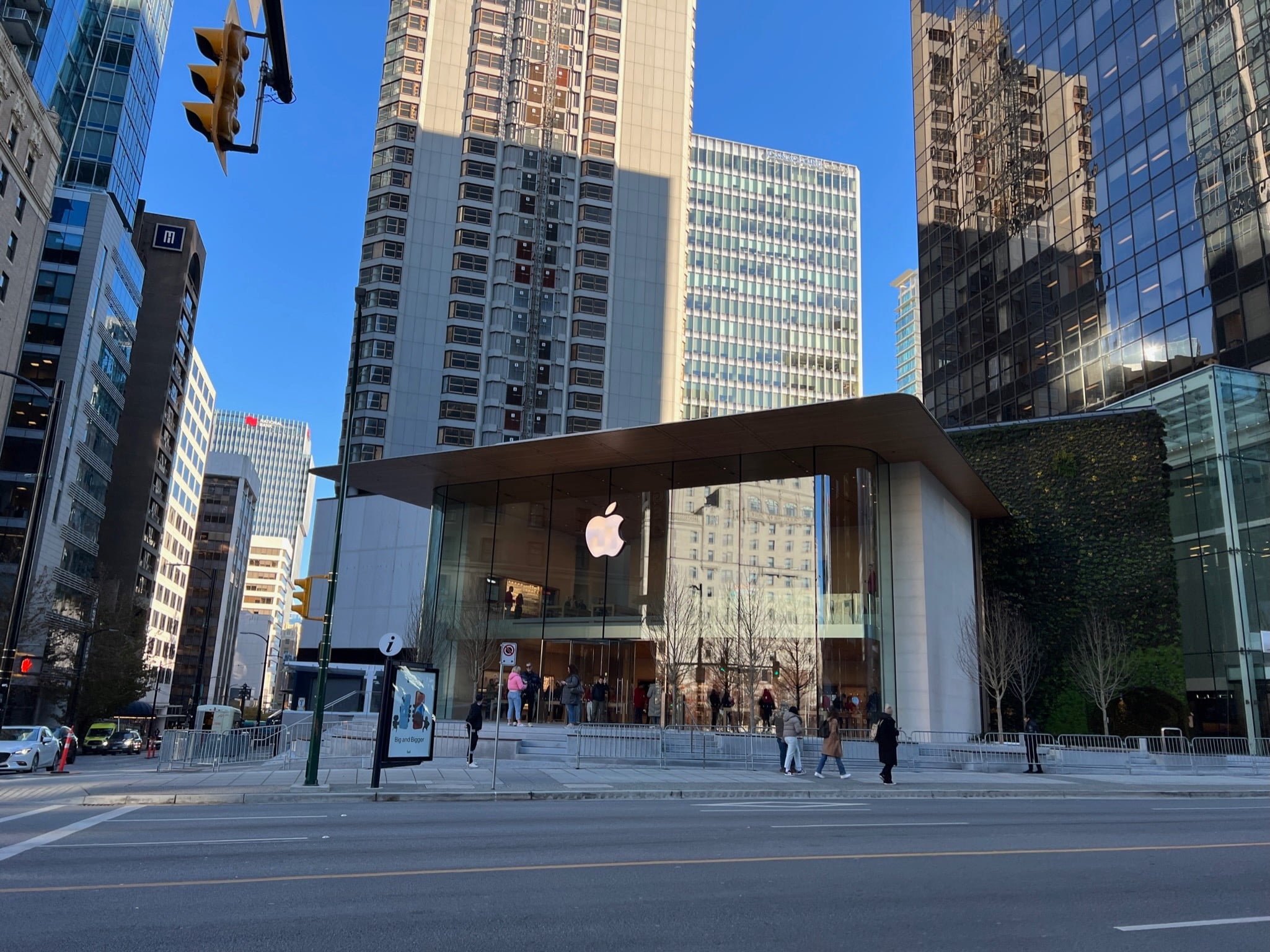
New Apple storefront façade during media launch at new CF Pacific Centre location on November 17, 2022. Photo: Lee Rivett
Apple has unveiled its first flagship store location for Canada at CF Pacific Centre in downtown Vancouver. The two-level store faces the intersection of Georgia and Howe Streets and is unlike any other Apple location to open in Canada thus far.
The new store is considerably larger than the former Apple storefront at CF Pacific Centre which opened in 2010 and spanned just under 5,400 square feet on one level within the mall. The new two-level location is more than double the size with a report in Daily Hive saying that the store spans about 14,000 square feet.
The flagship’s facade features 32 foot floor-to-ceiling glass panels that are each nine feet wide. Rounded corners on the edges of the facade and roof are inspired by the iPhone, with the store facing towards the intersection at a 45-degree angle. A total of 10 magnolia trees surround the facade, and there’s a living wall spanning more than 40 feet with 144 species of locally sourced plants. Living walls promote bee and insect habitats and absorb traffic noise — the store is otherwise powered by 100% renewable energy as with all Apple facilities.
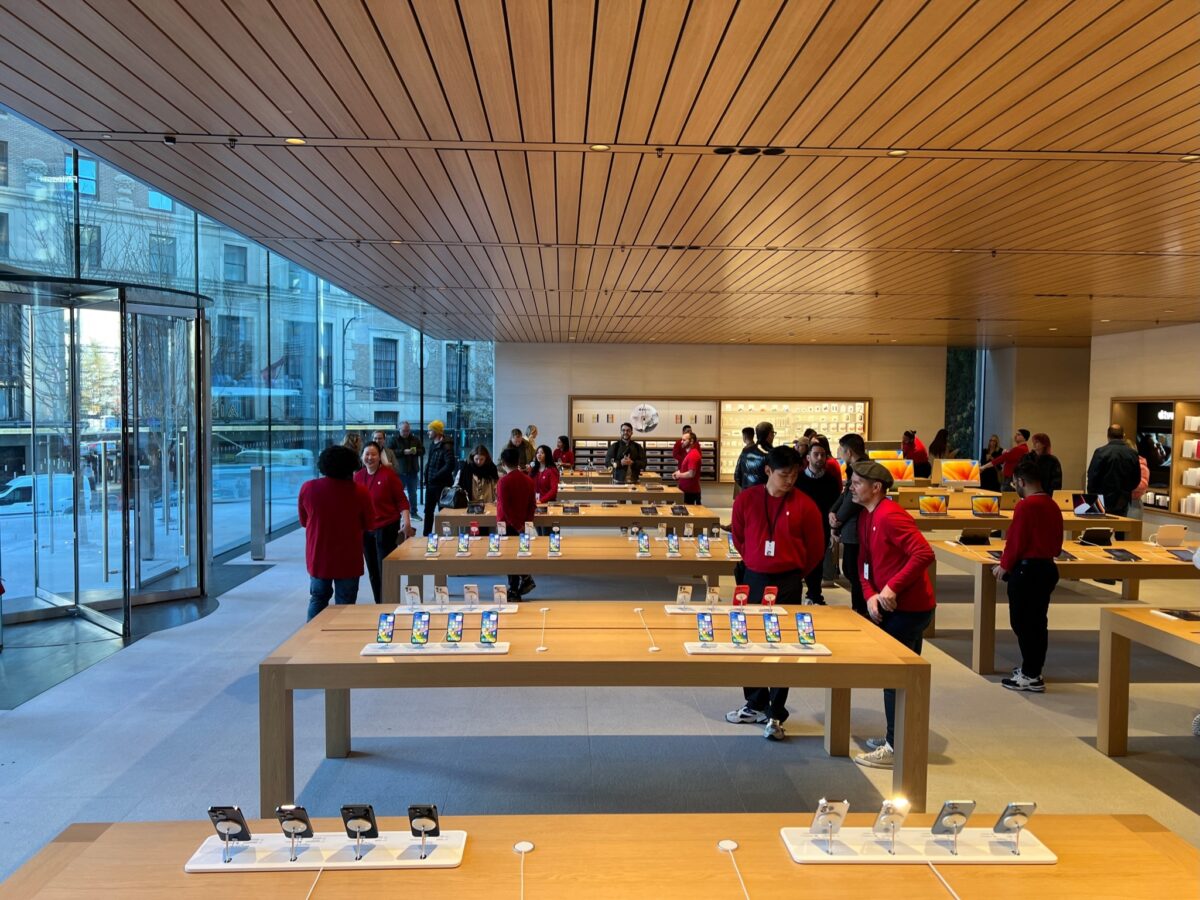
Main retail floor from curved glass façade during media launch at new CF Pacific Centre location on November 17, 2022. Photo: Lee Rivett
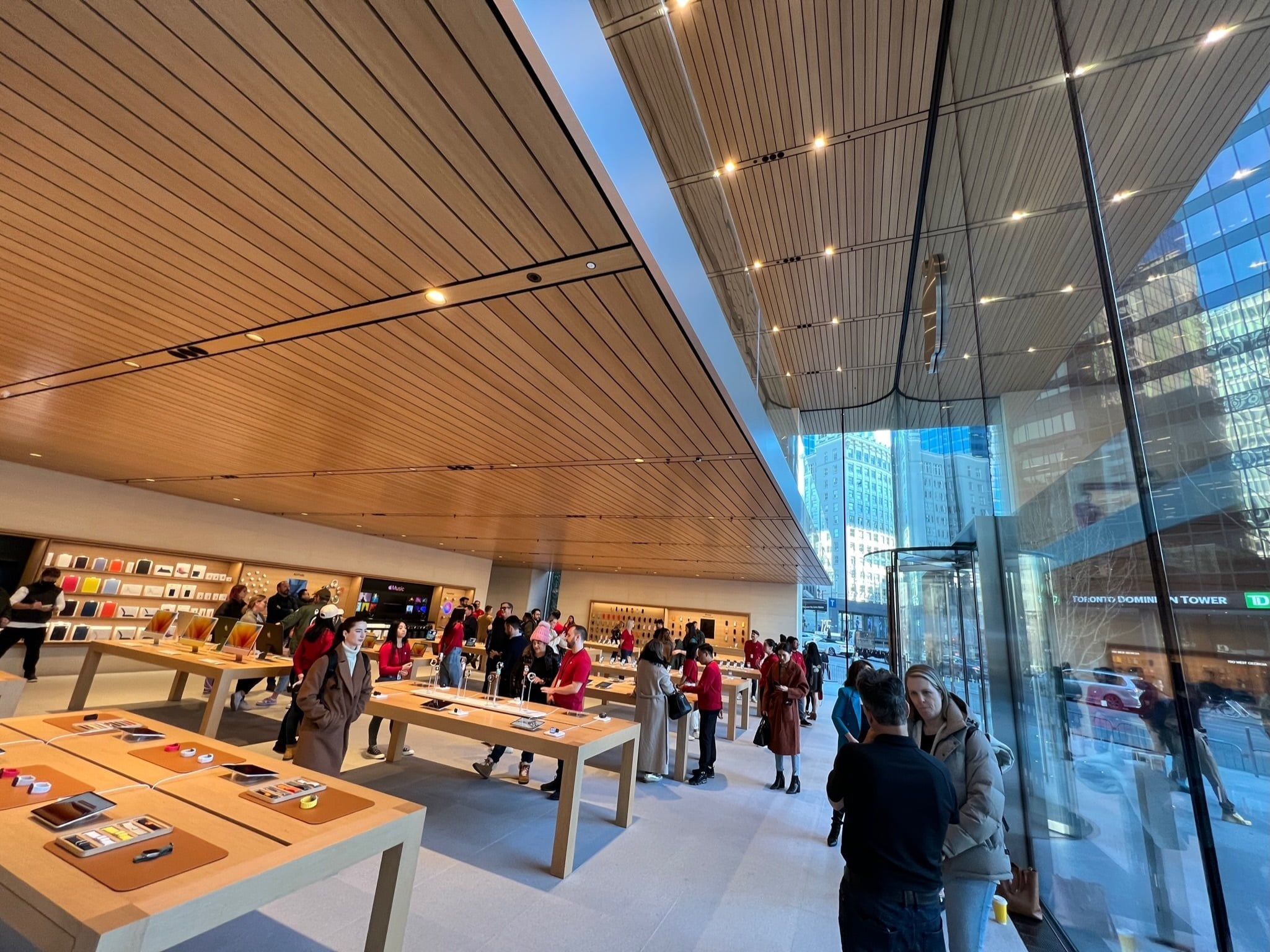
Main retail floor from curved glass façade during media launch at new CF Pacific Centre location on November 17, 2022. Photo: Lee Rivett
Main retail floor from curved glass façade during media launch at new CF Pacific Centre location on November 17, 2022. Photo: Lee Rivett
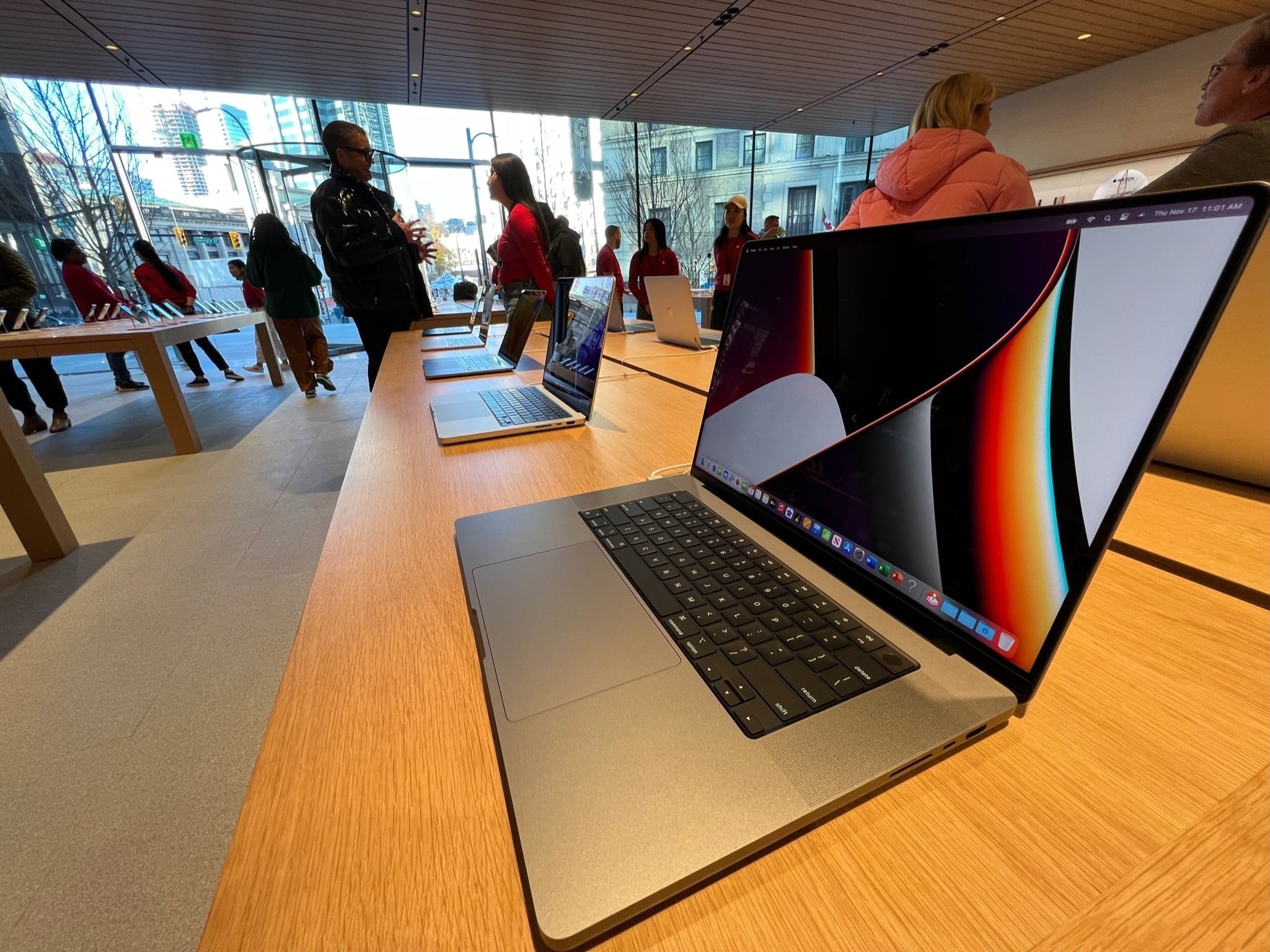
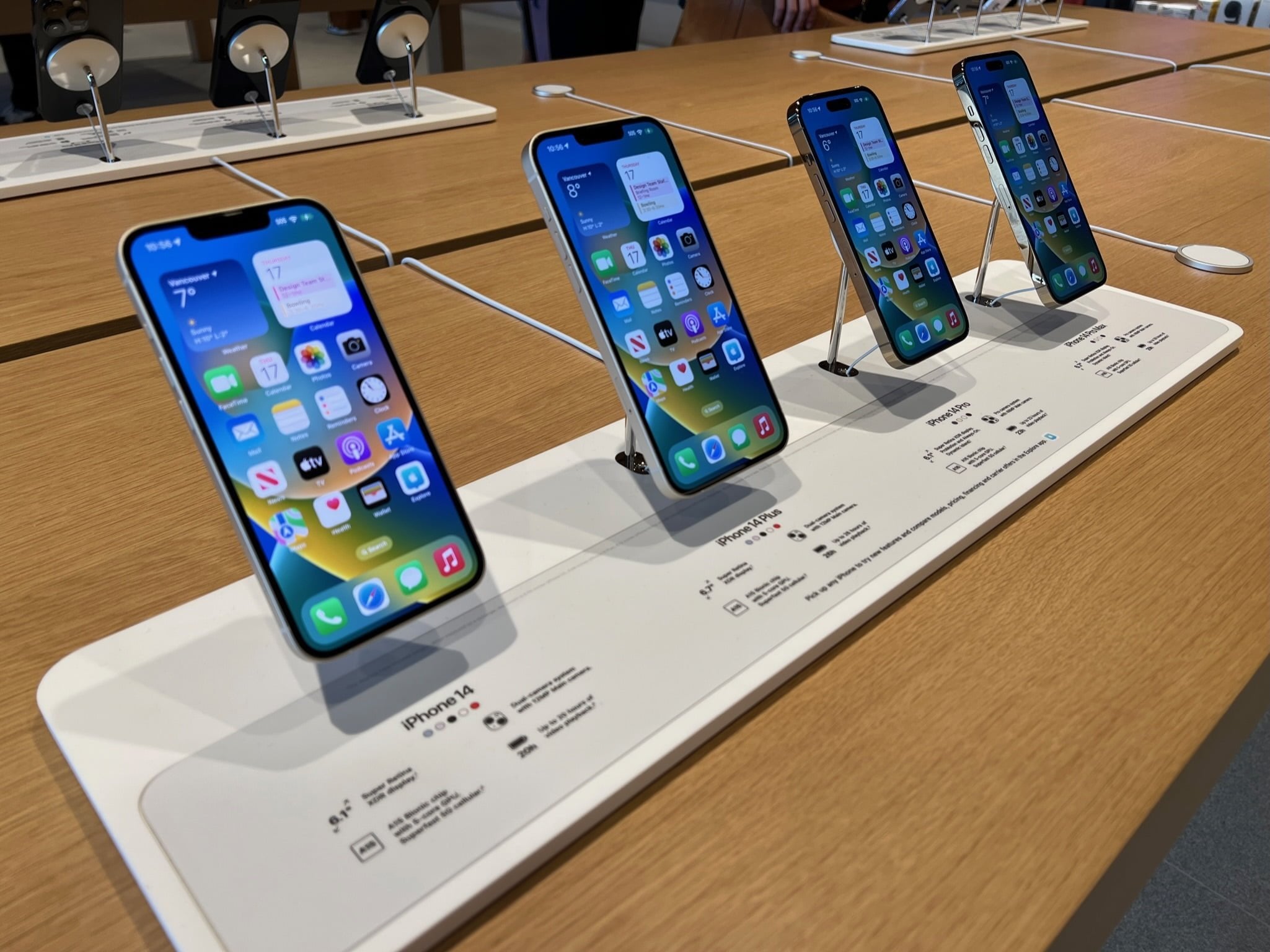
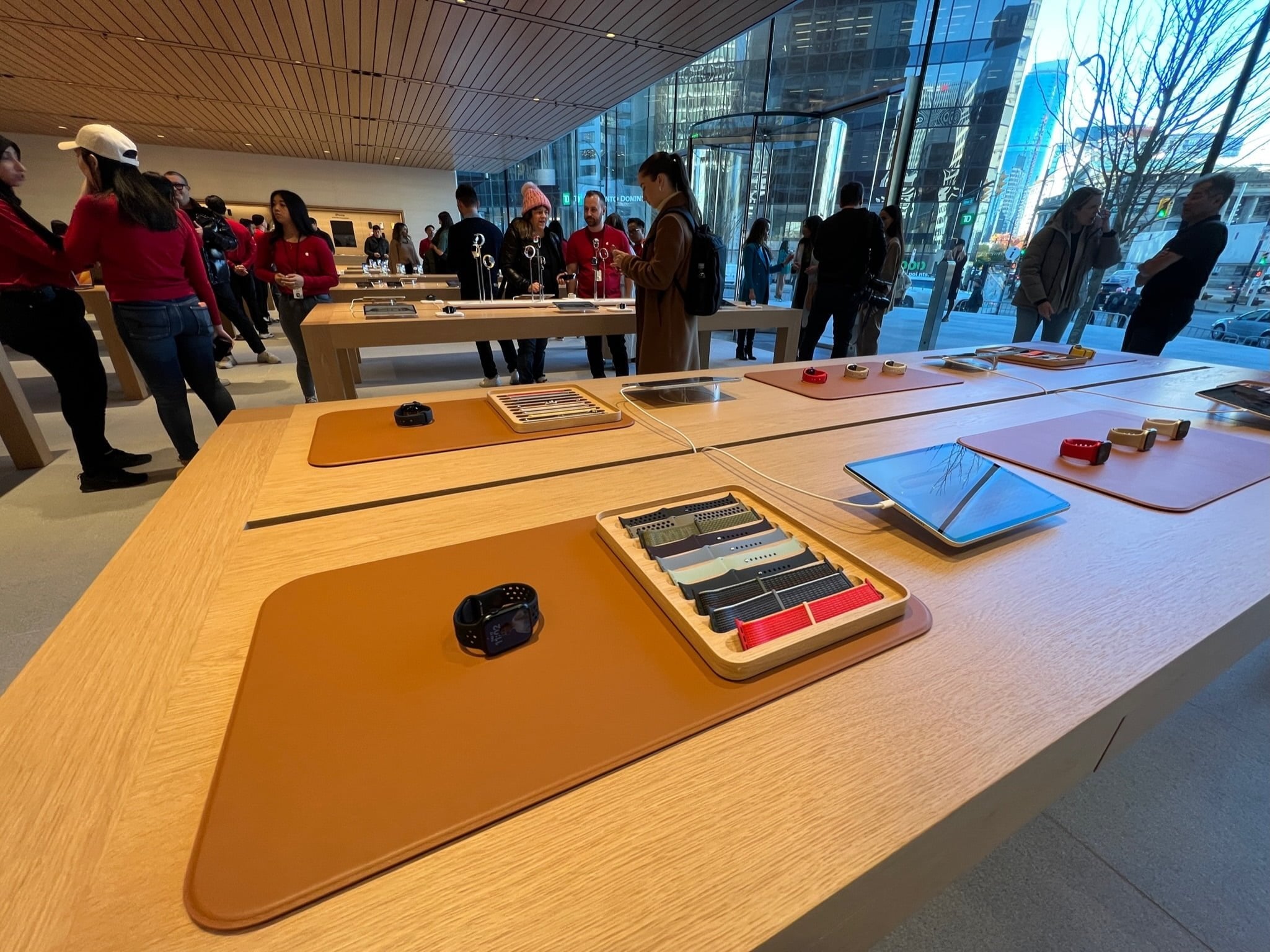
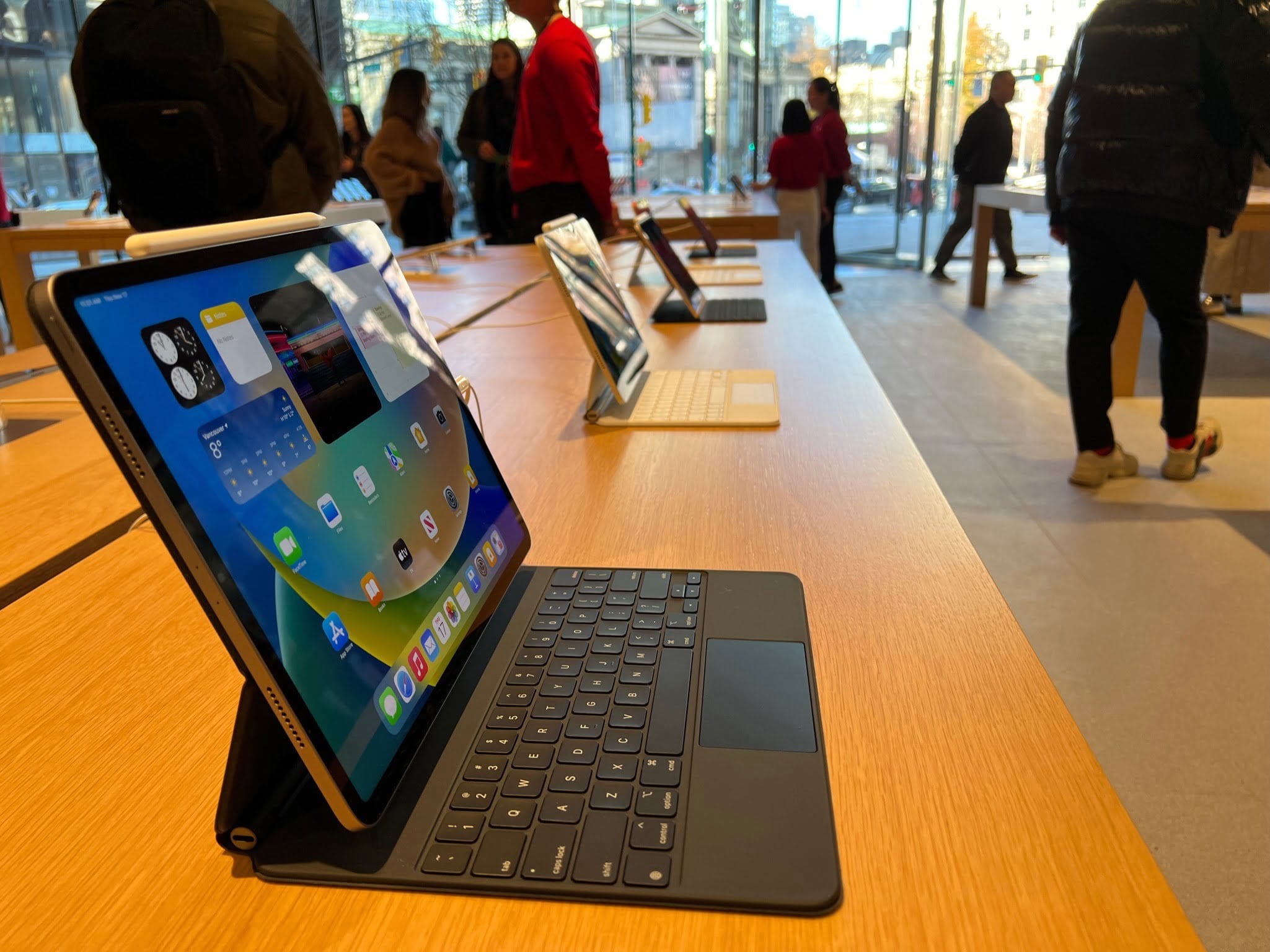
The main retail floor contained a variety of Apple product displays on the walls as well as on the traditional tabletops which the retailer is well-known for. The wood tabletop retail displays touted the latest iPhone 14 Pro, iPhone 14, iPads, Macbooks, Apple Watches as well as their interchangeable watch bands.
Apple Retail Tabletop Displays
1 of 4
Apple Macbook tabletop retail display during media launch at new CF Pacific Centre location on November 17, 2022. Photo: Lee Rivett
Apple iPhone 14 at CF Pacific Centre location (Photo: Lee Rivett)
Apple Watch band tabletop retail display and Apple Watch display behind it during media launch at new CF Pacific Centre location on November 17, 2022. Photo: Lee Rivett
Apple iPad and Magic Keyboard tabletop retail display during media launch at new CF Pacific Centre location on November 17, 2022. Photo: Lee Rivett
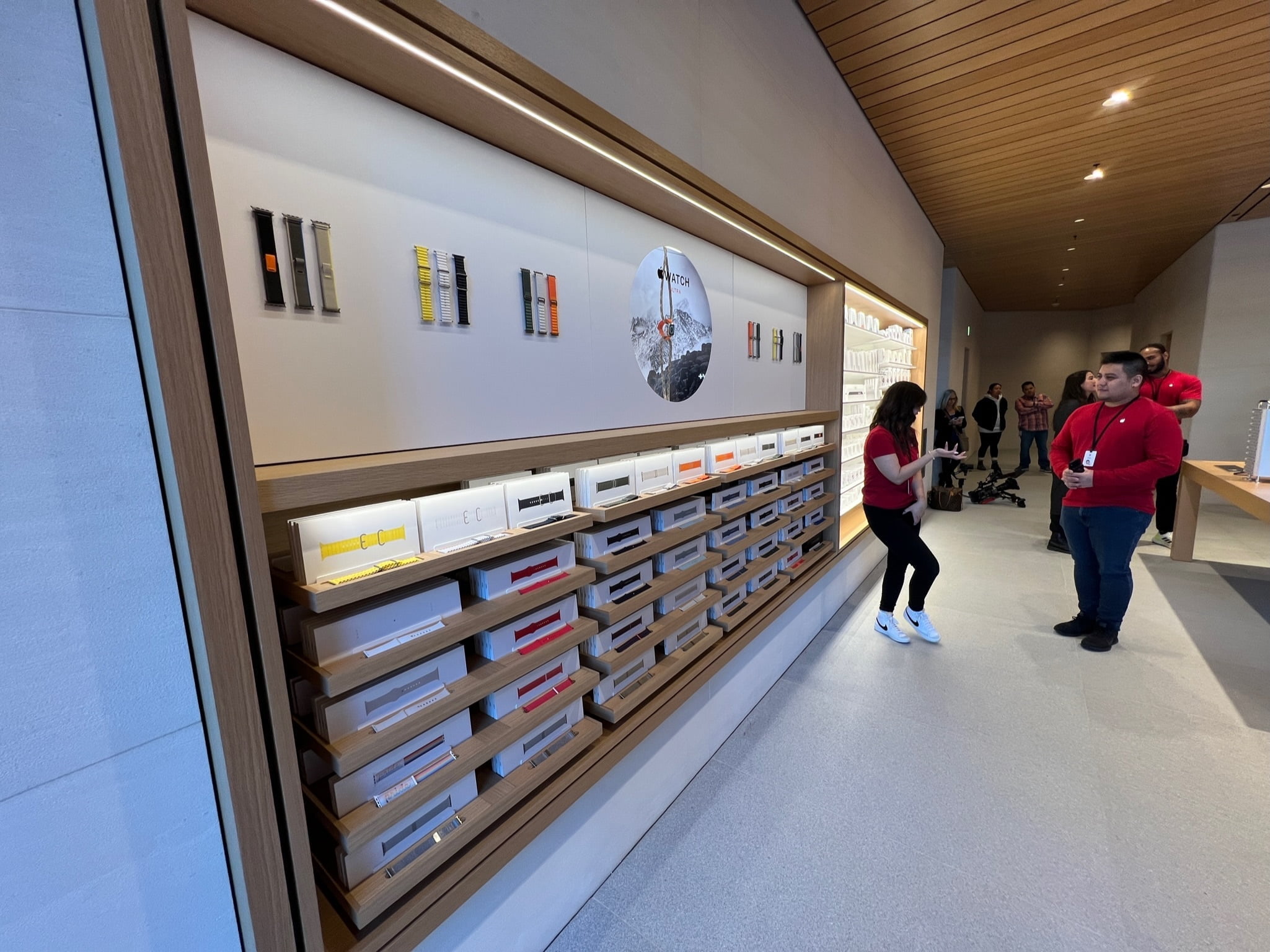
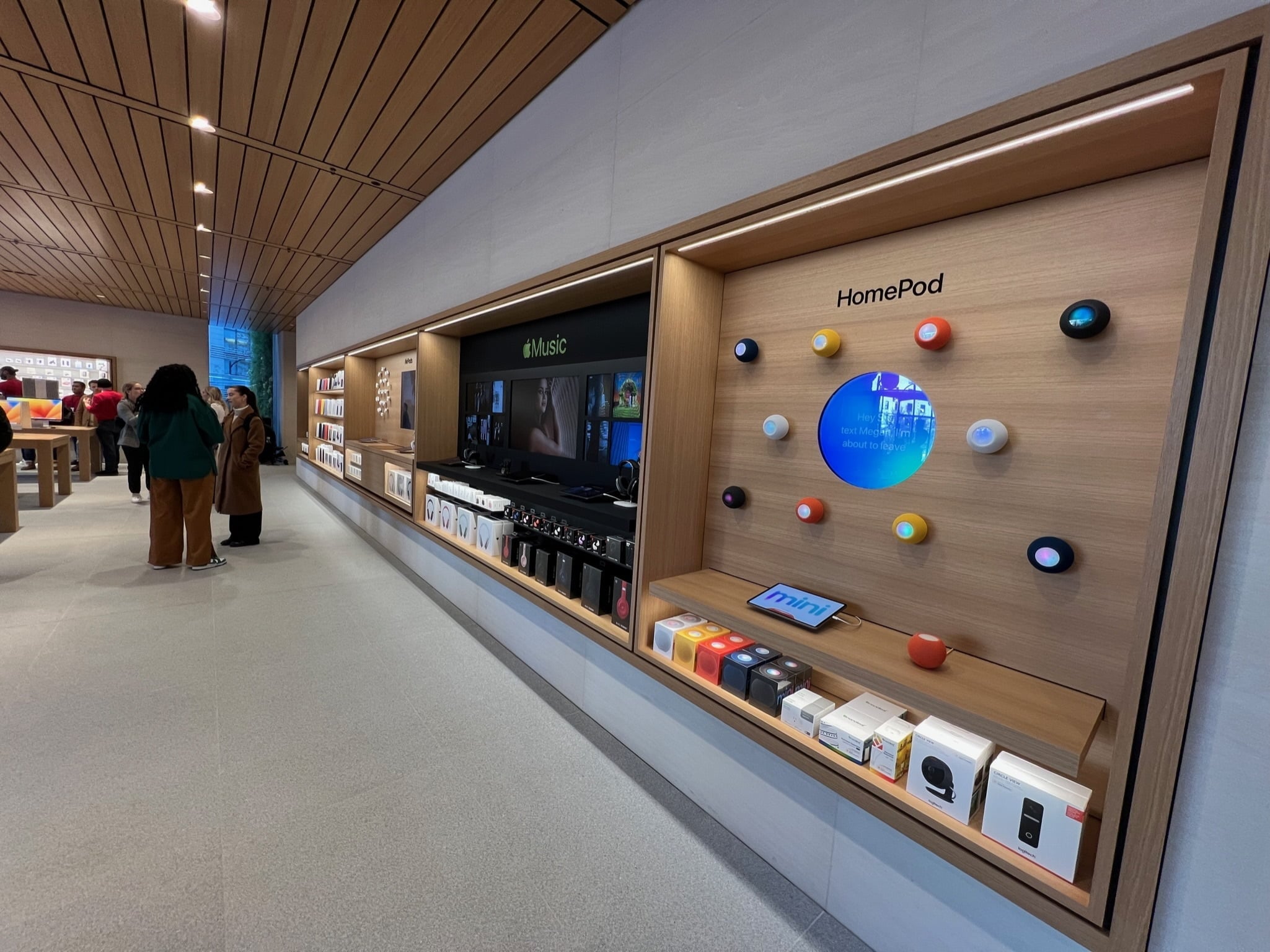
The tabletops displays were surrounded by retail wall displays, including the back retail wall displaying the AirPod, HomePod and the related accessories. The back wall was flanked on either side with various Apple Watch bands to the north and various iPhone cases on the wall to the south.
Apple Retail Wall Displays
1 of 4
Apple watch bands wall display on the north retail wall at media launch at new CF Pacific Centre location on November 17, 2022. Photo: Lee Rivett
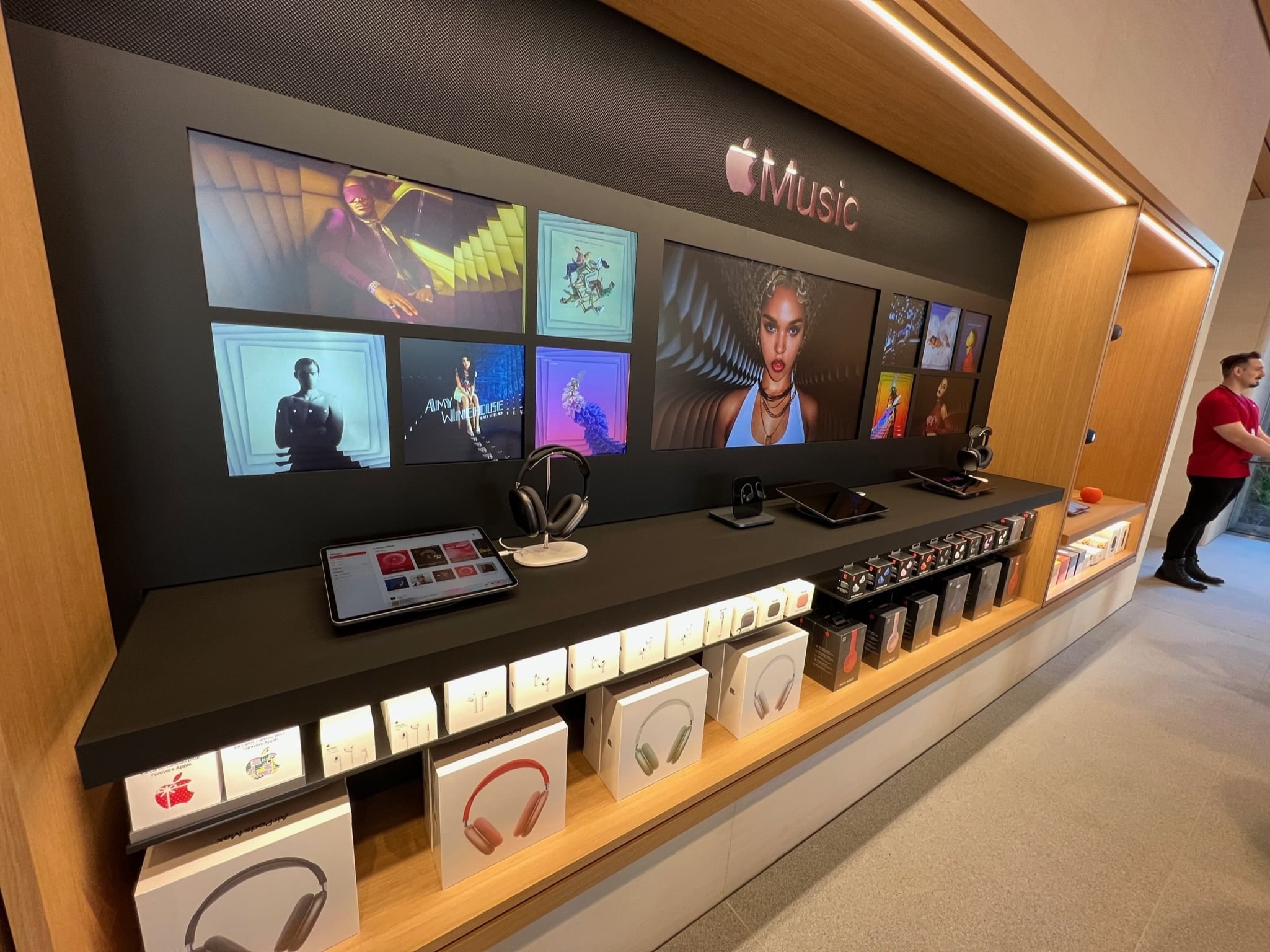
Apple Music and AirPod display on the back wall at media launch at new CF Pacific Centre location on November 17, 2022. Photo: Lee Rivett
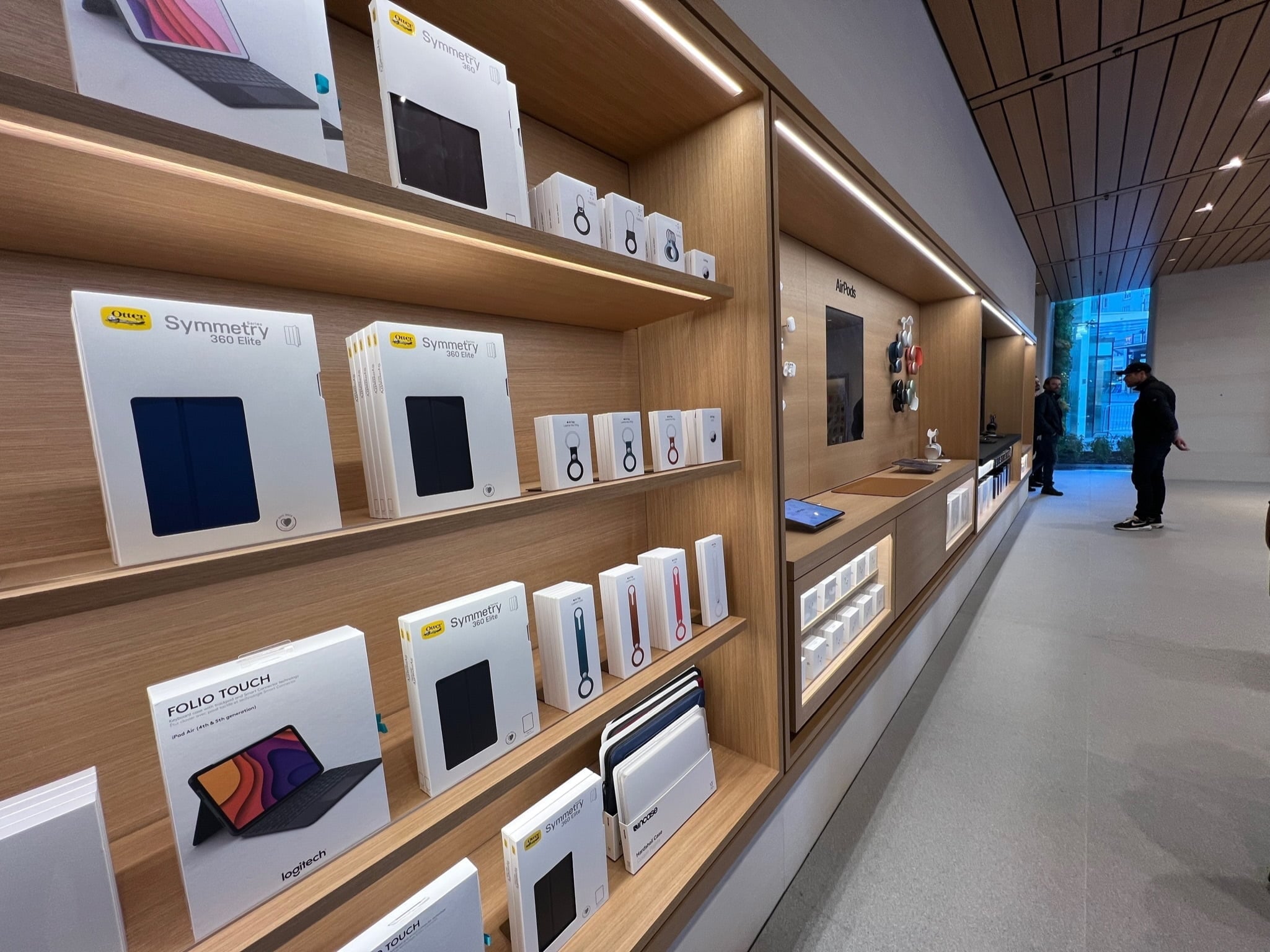
AirTag accessories, iPad accessories, and Airpods retail wall displays at media launch at new CF Pacific Centre location on November 17, 2022. Photo: Lee Rivett
Back retail wall containing Airpods, HomePods and other accessories at media launch at new CF Pacific Centre location on November 17, 2022. Photo: Lee Rivett
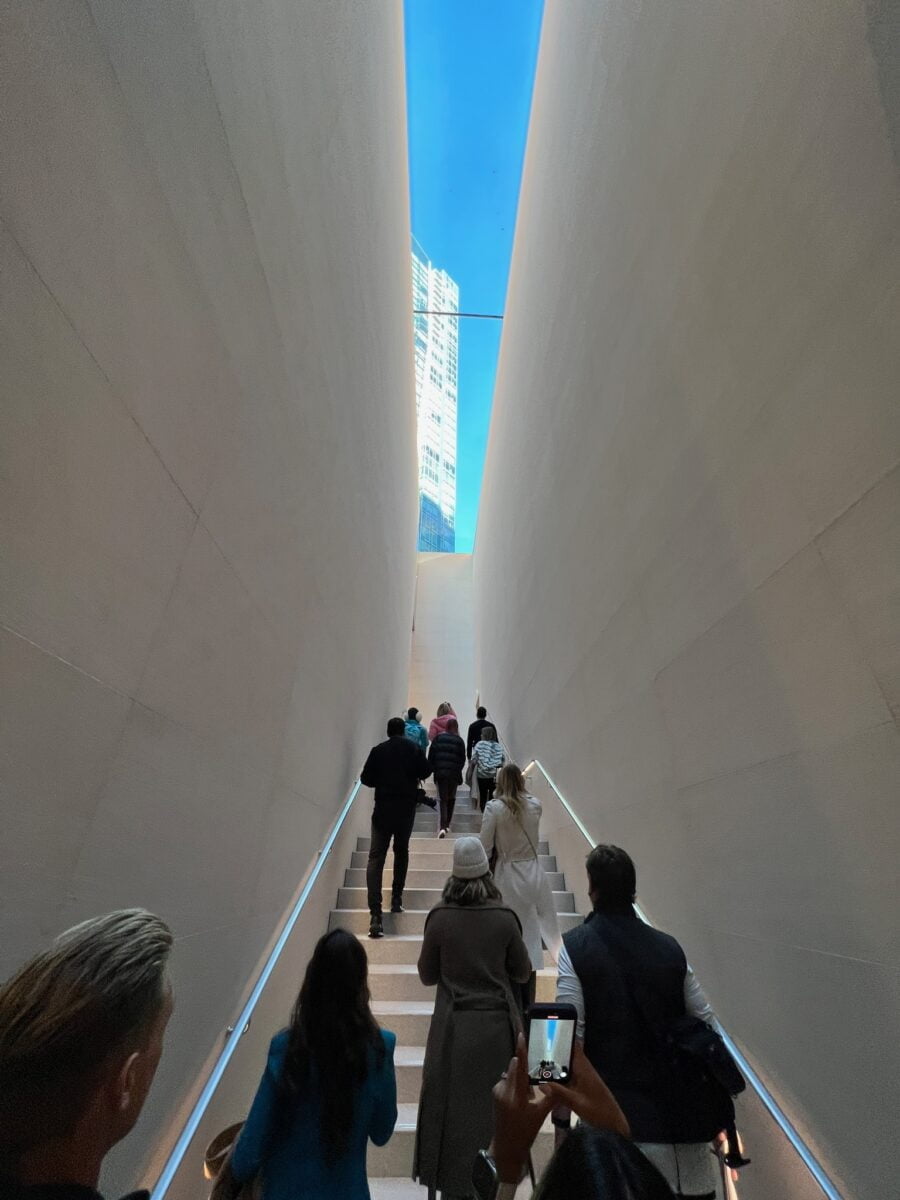
Grand staircase during media launch at new CF Pacific Centre location on November 17, 2022. Photo: Lee Rivett
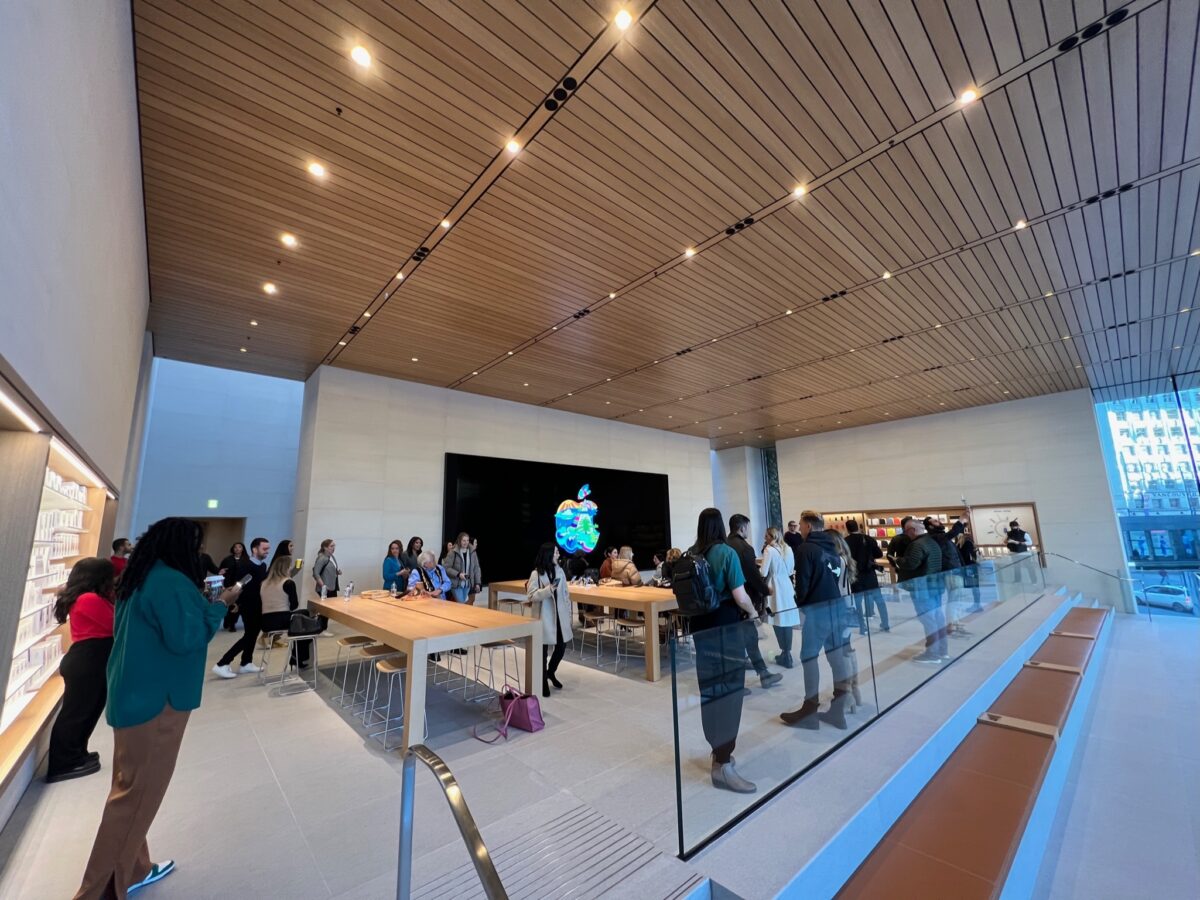
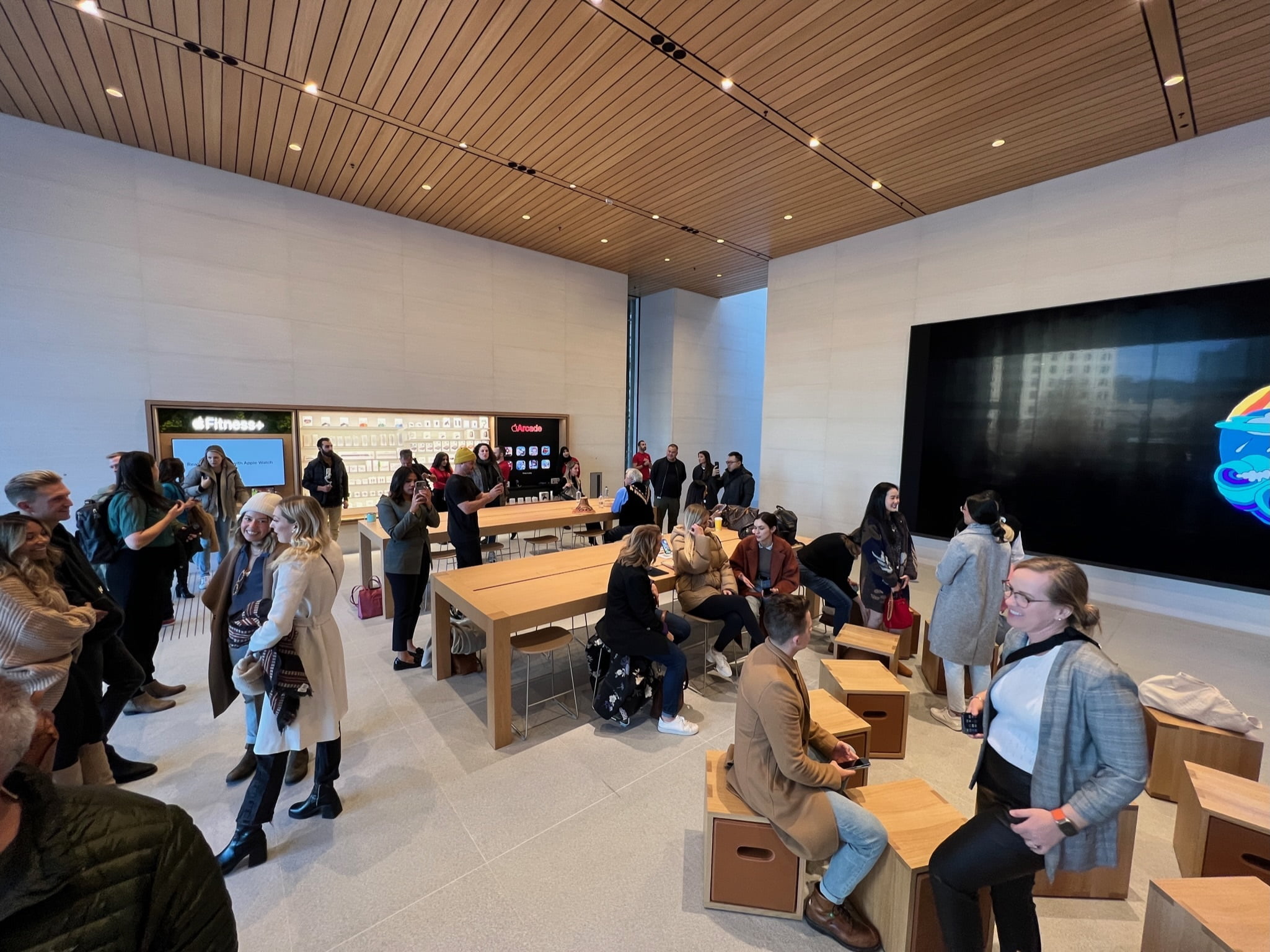
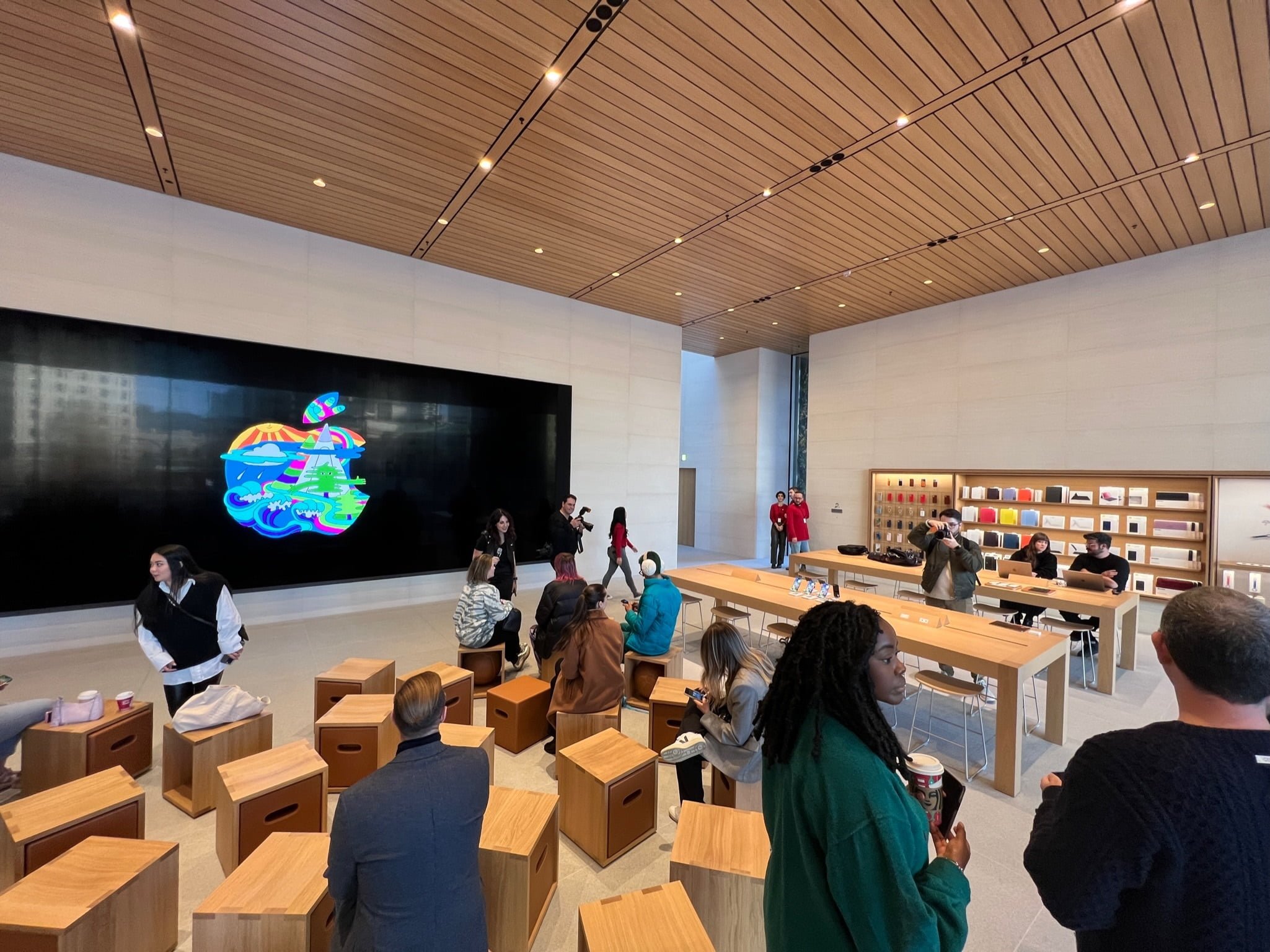
A 45 foot grand staircase, one of the tallest of any Apple store globally, leads to the second floor featuring The Forum with a video wall. The Forum is a component of flagship Apple stores not typically found in smaller locations and is an open area for customers to congregate and participate in the free ‘Today at Apple’ sessions that include instructions on photography, art and design. The other Canadian Apple store locations offering The Forum include CF Toronto Eaton Centre, Yorkdale Shopping Centre and CF Sherway Gardens in Toronto, CF Carrefour Laval and Quartier DIX30 in suburban Montreal, CF Market Mall in Calgary, and at CF Richmond Centre in suburban Vancouver.
“The Forum” mezzanine level at new CF Pacific Centre location on November 17, 2022. Photo: Lee Rivett
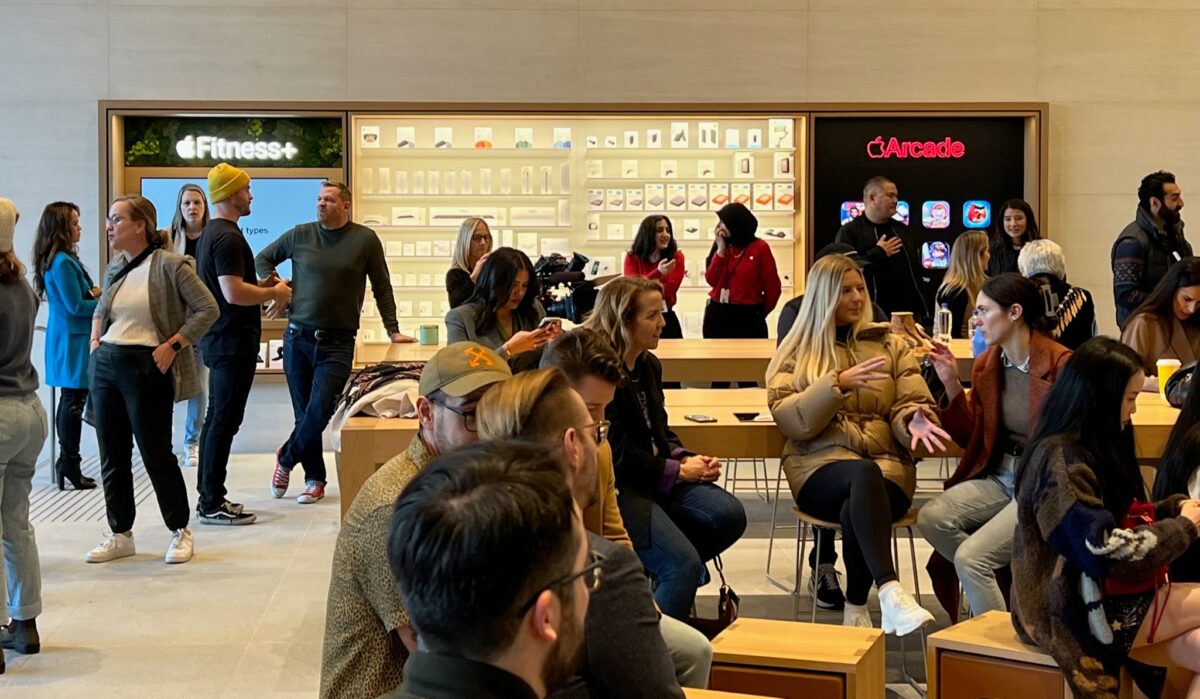
Apple Fitness + and Apple Arcade promotional wall with retail display on the north wall of “The Forum” on mezzanine level during media launch at new CF Pacific Centre location on November 17, 2022. Photo: Lee Rivett
“The Forum” on mezzanine level during media launch at new CF Pacific Centre location on November 17, 2022. Photo: Lee Rivett
“The Forum” on mezzanine level during media launch at new CF Pacific Centre location on November 17, 2022. Photo: Lee Rivett
View from mezzanine towards the Vancouver Art Gallery during media launch at new CF Pacific Centre location on November 17, 2022. Photo: Lee Rivett
The downtown Vancouver flagship store is also accessible from a unique looking entrance from within CF Pacific Centre.
Mall entrance during media launch at new CF Pacific Centre location on November 17, 2022. Photo: Lee Rivett
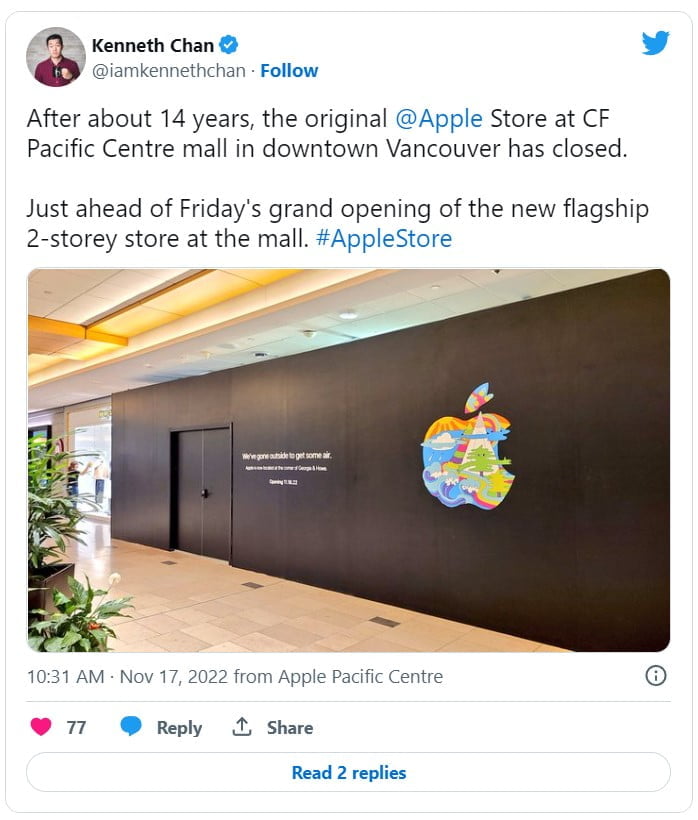
Tweet with photo showing former Apple location at CF Pacific Centre already closed during media launch on November 19, 2022. Photo: Twitter.
Apple has 28 stores across the country and has operated in Canada for almost 40 years. Apple stores have been in Canada since May of 2005 when the first store opened at Toronto’s Yorkdale Shopping Centre. While the new downtown Vancouver location is updating its original store for BC, Apple currently has five other stores in the greater Vancouver area employing over 700 retail employees. The new flagship alone will have 240 staff that collectively speak 36 languages.
The store was made possible after the iconic glass ‘igloo’ rotunda entrance at CF Pacific Centre was demolished in 2020. Construction involved building the new store as well as relocating the Georgia Street entrance to the adjacent shopping centre.
BEFORE: CF Pacific Centre Atrium in 2020 from Georgia Street being Deconstructed. Four Season Hotel Behind it. Photos: Lee Rivett.
AFTER: New Apple façade during media launch at new CF Pacific Centre location on November 17, 2022. Photo: Lee Rivett
Toronto is expected to be the next Canadian city to get an Apple flagship store at the southwest corner of Yonge and Bloor Streets, though recent reports of litigation means that its opening is uncertain. Sources told Retail Insider that Apple may also open a flagship on Ste-Catherine Street in downtown Montreal.
Retail Insider is streamlining its Canadian retail news from around the web to include a handful of top news stories that can be viewed quickly during the day. Here are the top stories from the past 24 hours.
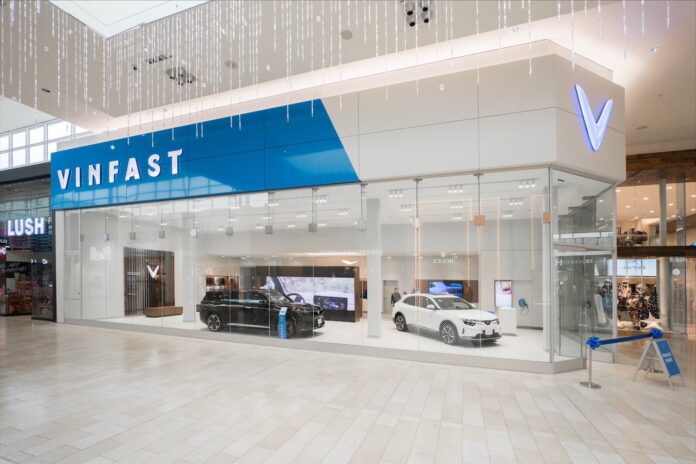
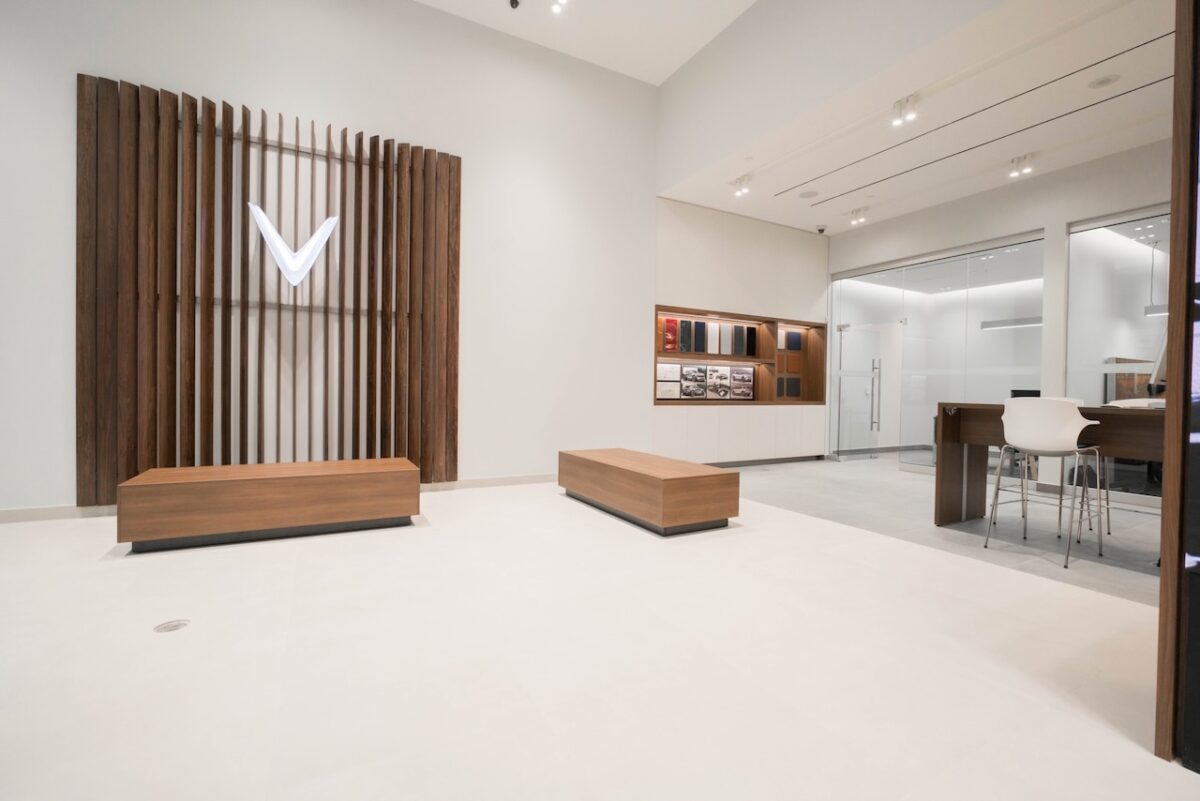
VinFast at Yorkdale Shopping Centre (Image: VinFast)
Vietnamese electric automaker VinFast has opened its first retail showroom in Canada at Toronto’s Yorkdale Shopping Centre. It’s the first of eight showrooms that will open over the next several weeks and even more are on the way according to VinFast’s Canadian website.
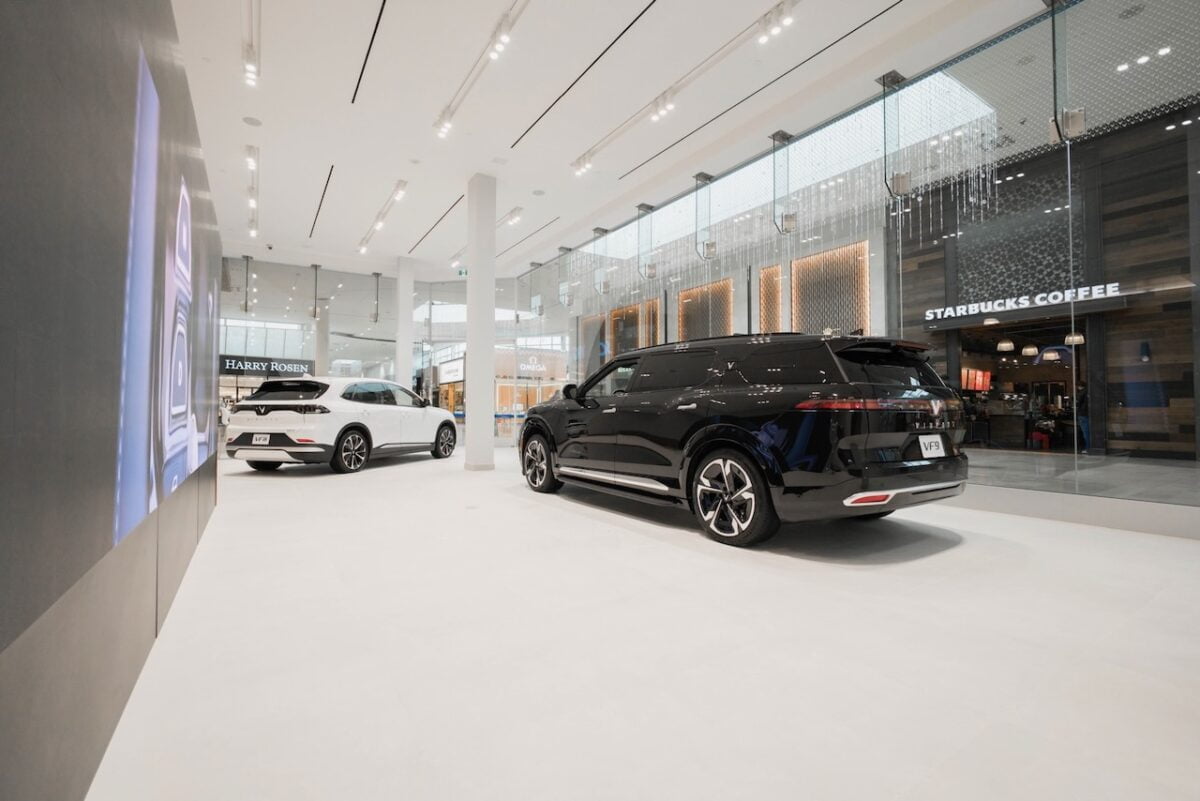
The 3,000 square foot Yorkdale VinFast showroom, located near Sporting Life and Harry Rosen, features modern finishes that the company says were sourced from local Canadian producers with design elements inspired by the beauty of Vietnam’s natural wonders.
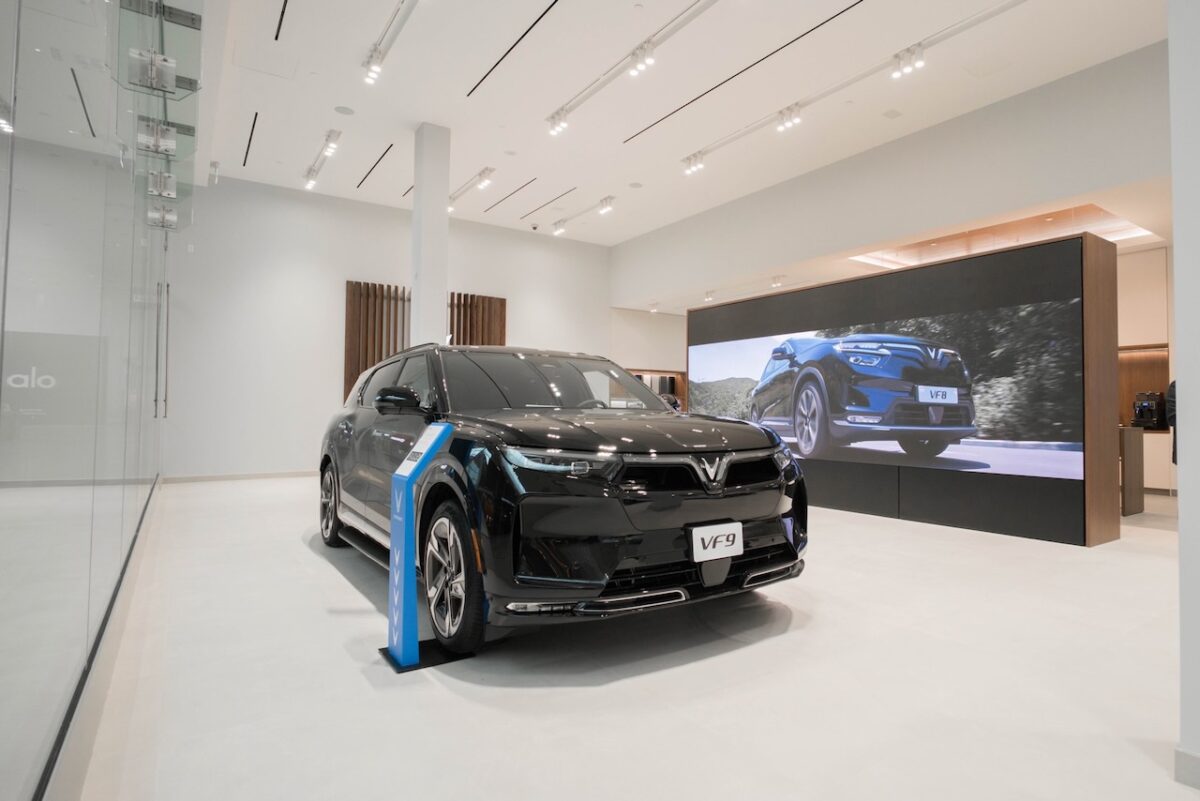
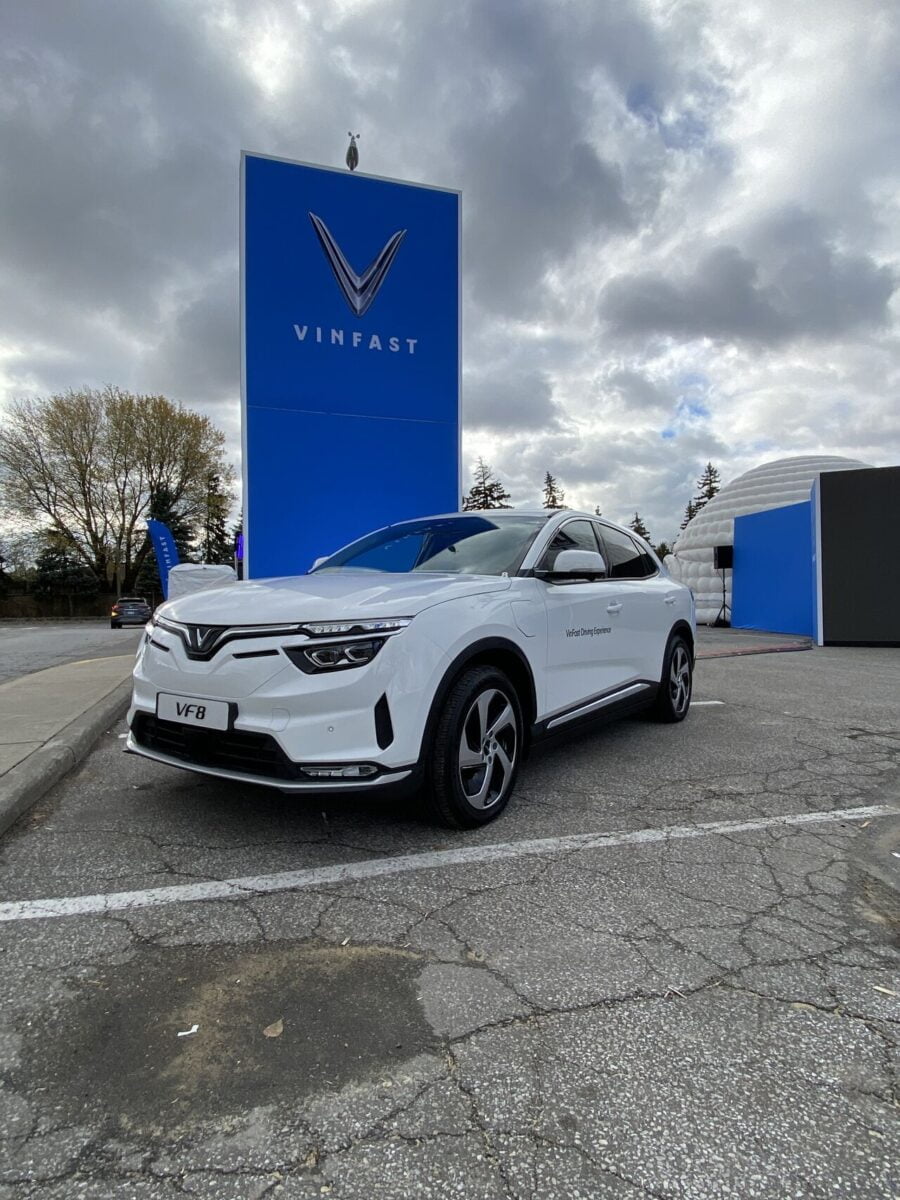
VinFast’s electric SUVs are on display in the new space, including the VF 8 and VF 9. At VinFast Yorkdale, visitors are able to test drive the VF 8 and view vehicle features on a large LED screen – an exclusive for VinFast, globally.
Leading construction firm SAJO built out the space.
Pricing for the VF 8 starts at $50,850 for Eco and $59,350 for Plus, while the larger VF 9 starts at $69,150 for Eco and $75,650 for Plus. Interestingly, battery packs are not included in the price of a Vinfast vehicle — rather, users rent them (for about $40 CAD/month) up to a distance of 500km and then pay an extra 5 cents per kilometre.
VinFast at Yorkdale Shopping Centre (Image: VinFast)VinFast at Yorkdale Shopping Centre (Image: VinFast)
VinFast says that its showrooms are a way to connect with consumers while building confidence in the brand. Tailored customer service and education are part of the experience. VinFast’s electric SUVs are on display at the Yorkdale location, including the VF 8 and VF 9. Visitors are able to test drive the VF 8 and view vehicle features on a large LED screen , which is an exclusive for VinFast, globally.
Huynh Du An, CEO of VinFast Canada, said, “The opening of the first store in Canada marks the next milestone in VinFast’s global expansion journey. Our network of stores will be key in interacting with our customers, ensuring quality service, and strong relationships in Canada on our journey towards a sustainable future.”
Following the opening of the Yorkdale showroom this week, VinFast will quickly roll out seven more locations in Canada over the next six weeks. VinFast has confirmed that its next mall-based retail spaces will be at CF Carrefour Laval near Montreal, and at Park Royal South in West Vancouver.
VinFast at Yorkdale Shopping Centre (Image: VinFast)
Square One in Mississauga is also said to be getting a VinFast showroom although it’s not on the company’s website. A location at 5505 Ambler Drive is noted as ‘coming soon’ on the website.
Other future Canadian locations for VinFast, according to its website, include:
-2400 Avenue Dalton Dalton, Québec, QC (Quebec City), and
-2270 South Service Road, Oakville, ON (near Toronto).
VinFast Test Driving at Yorkdale Shopping Centre (Image: VinFast Canada)
VinFast Test Driving at Yorkdale Shopping Centre (Image: VinFast Canada)
VinFast Test Driving at Yorkdale Shopping Centre (Image: VinFast Canada)
Several of the above will open in 2023. Earlier this year VinFast said in a statement that it planned on opening 38 locations in Canada.
VinFast is the latest electric car retailer to target Canadian shopping centres, and Yorkdale has been a Canadian leader in hosting such brands. Lucid Motors recently opened a showroom at Yorkdale, joining Tesla which has operated a retail space at Yorkdale for more than a decade. Volvo-owned Polestar has also opened several Canadian locations including in malls, as has Genesis Motors.
VinFast is part of Vingroup, Vietnam’s largest conglomerate, which has pledged USD $3.5 billion to the company and its growth. Vinfast is said to be the first large automotive manufacturer in Vietnam as well as the first Vietnamese automaker to participate in a major international auto show. The direct-to-consumer company says that it can make up to 500,000 cars per year and its global expansion will start with Canada the United States and Europe in 2022.
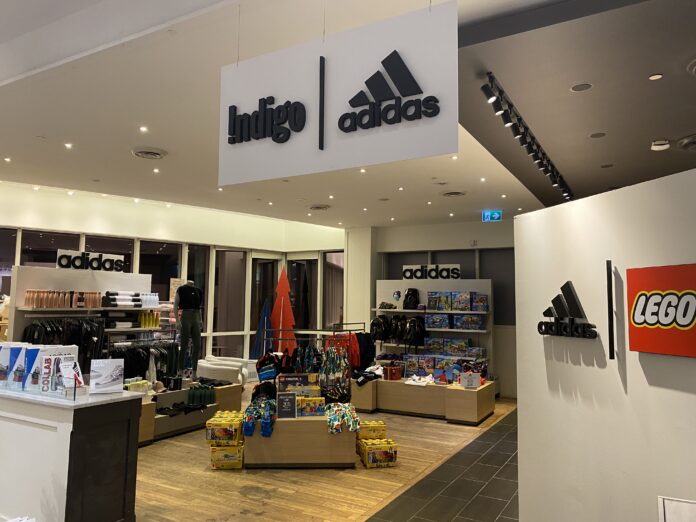
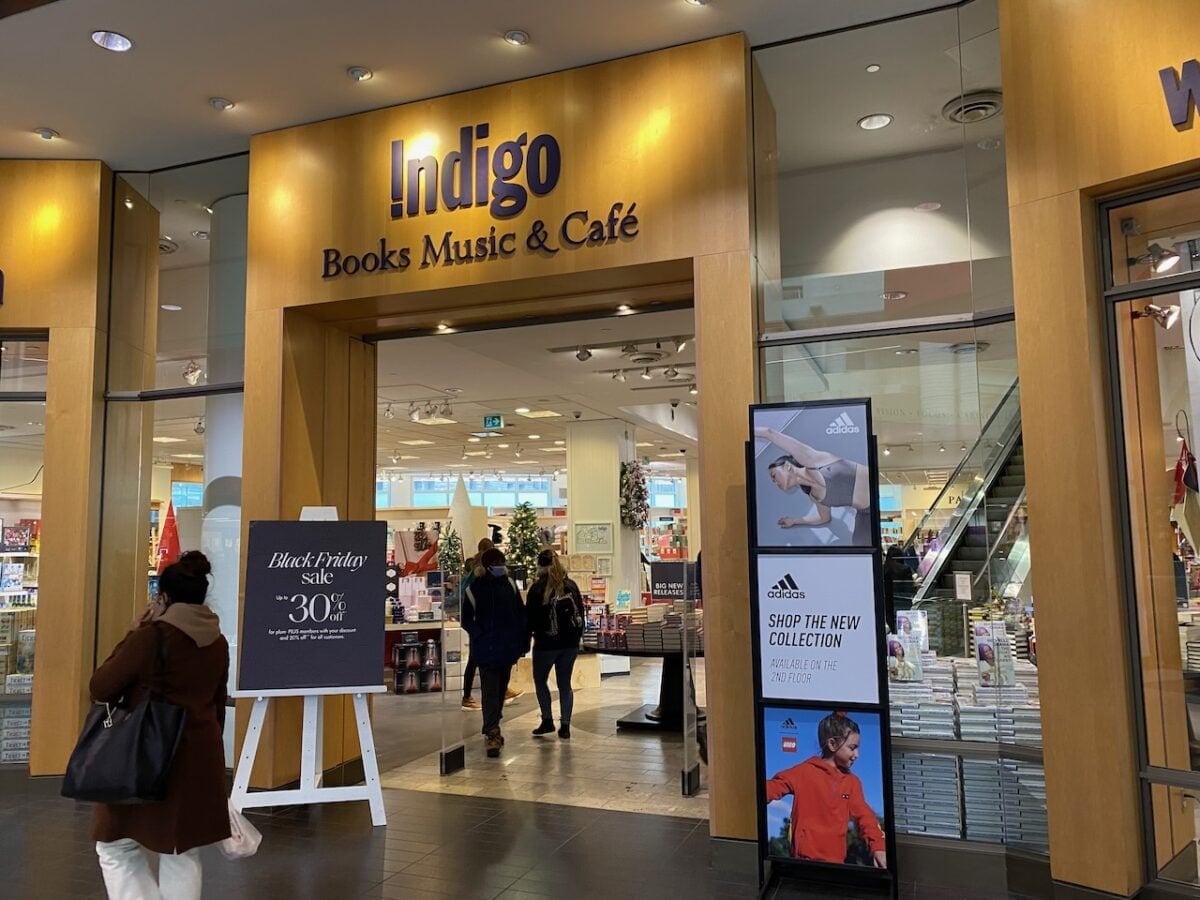
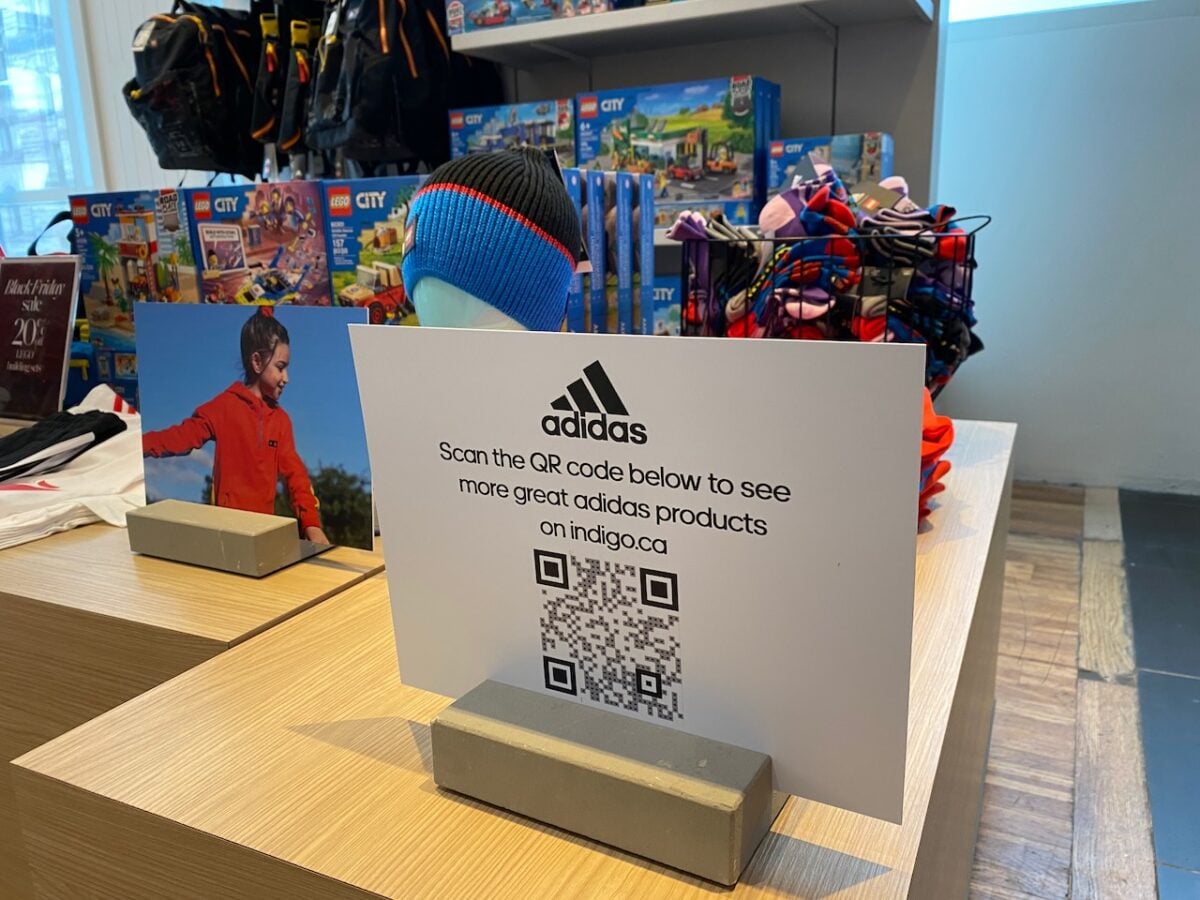
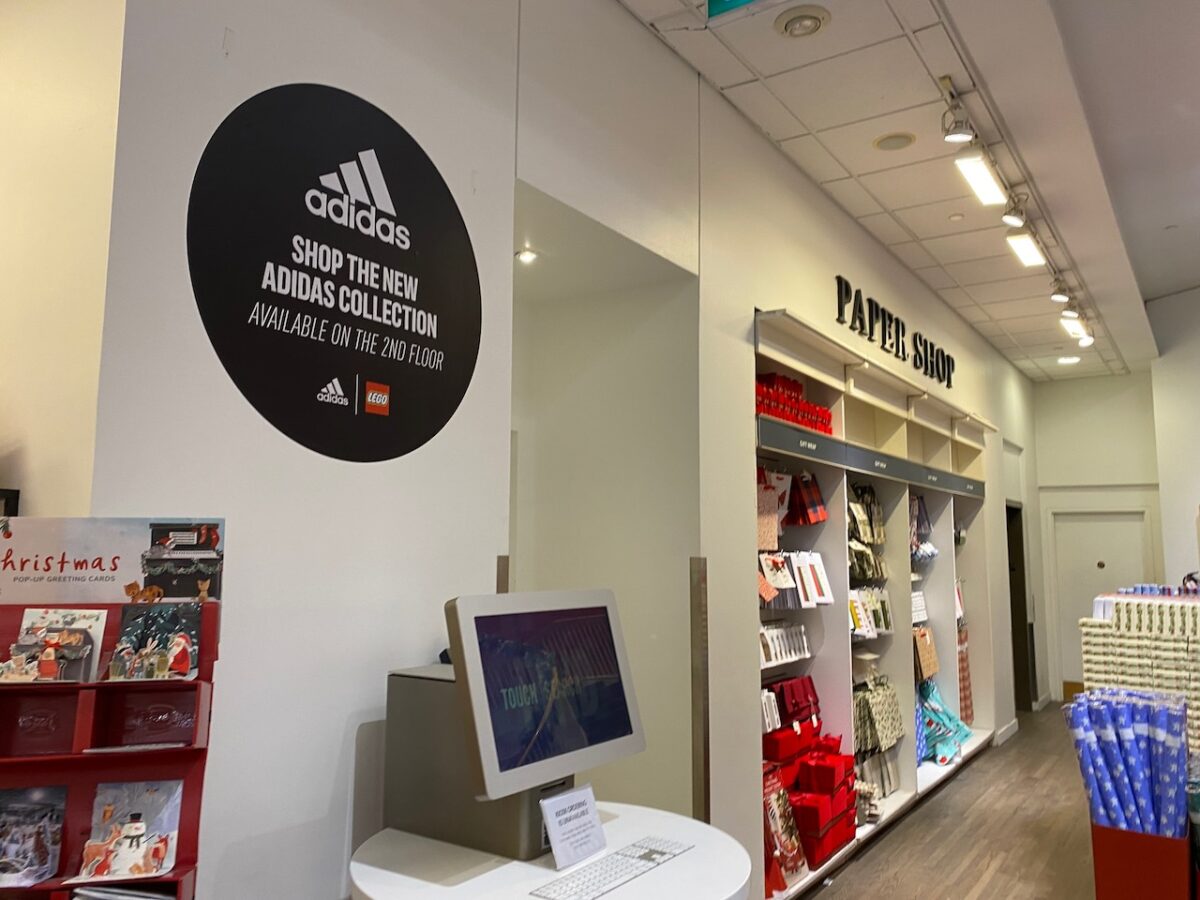
adidas x Indigo at CF Toronto Eaton Centre (Image: Dustin Fuhs)
Indigo and adidas Canada are partnering to bring select apparel from the adidas brand to Indigo stores across the country.
Alim Dhanji
“Sport and wellness is at the heart of everything we do at adidas,” said Alim Dhanji, President of adidas Canada. “We’re excited to join forces with another brand as passionate about helping Canadians embrace wellness as we are. Together with Indigo, we’ll bring our shared vision to life – and give Canadians the opportunity to experience adidas in a way they haven’t before.”
Signature and exclusive adidas apparel are available at both Indigo.ca and select Indigo stores, including CF Toronto Eaton Centre, CF Sherway Gardens, Bay & Bloor (Manulife Centre), Yorkdale, Robson Street (Vancouver) and Place Montreal Trust.
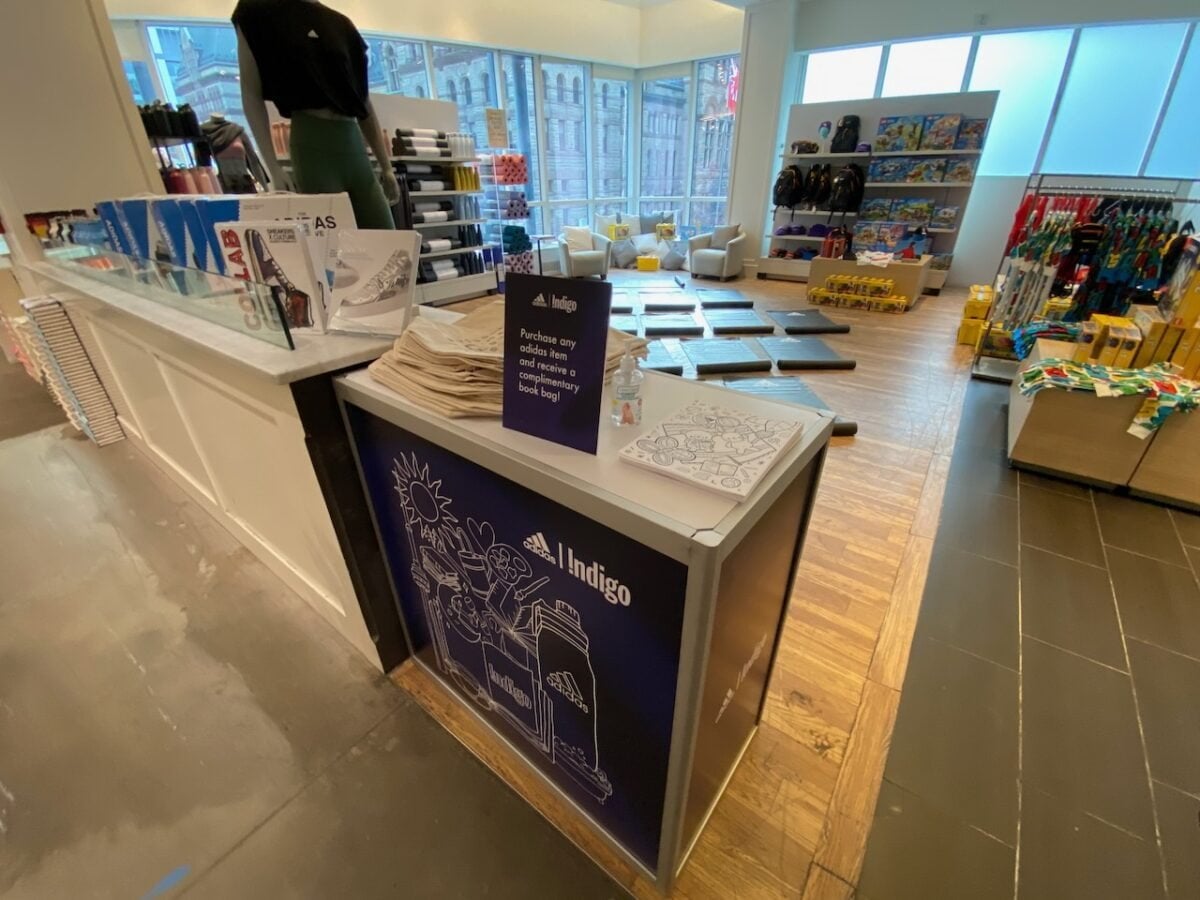
adidas / Indigo at CF Toronto Eaton Centre (Image: Dustin Fuhs)adidas / Indigo at CF Toronto Eaton Centre (Image: Dustin Fuhs)
“I’ve always admired Indigo’s retail experiences and they’ve been very thoughtful in the way they curate their products. Over time it’s become much more than a bookstore. It’s been entering the wellness space. That caught my eye,” said Dhanji. “When I sat down with Peter Ruis (CEO at Indigo) and we talked about it, there was so much more that we shared in terms of our mindset and our passion for helping Canadians really embrace wellness.
“Right from our very first conversation, we were thinking about ideas that came very naturally. So we took that to more conversations between our two teams and we’re really excited about how we can bring our curated products from adidas to more Canadians across Indigo.
“They also have over 200 touchpoints across Canada. They have a very broad distribution network and that gives us an opportunity to bring more adidas products to Canadians right across the nation.”
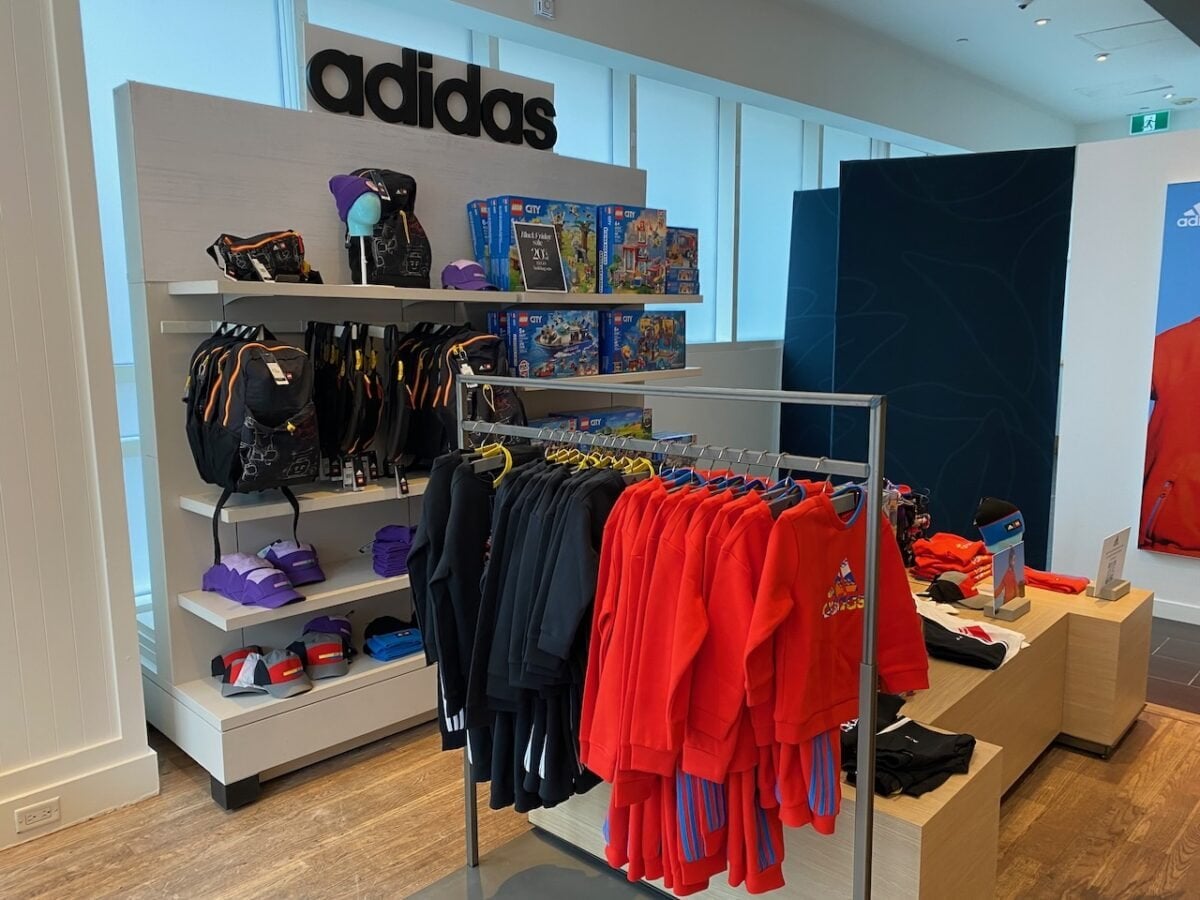
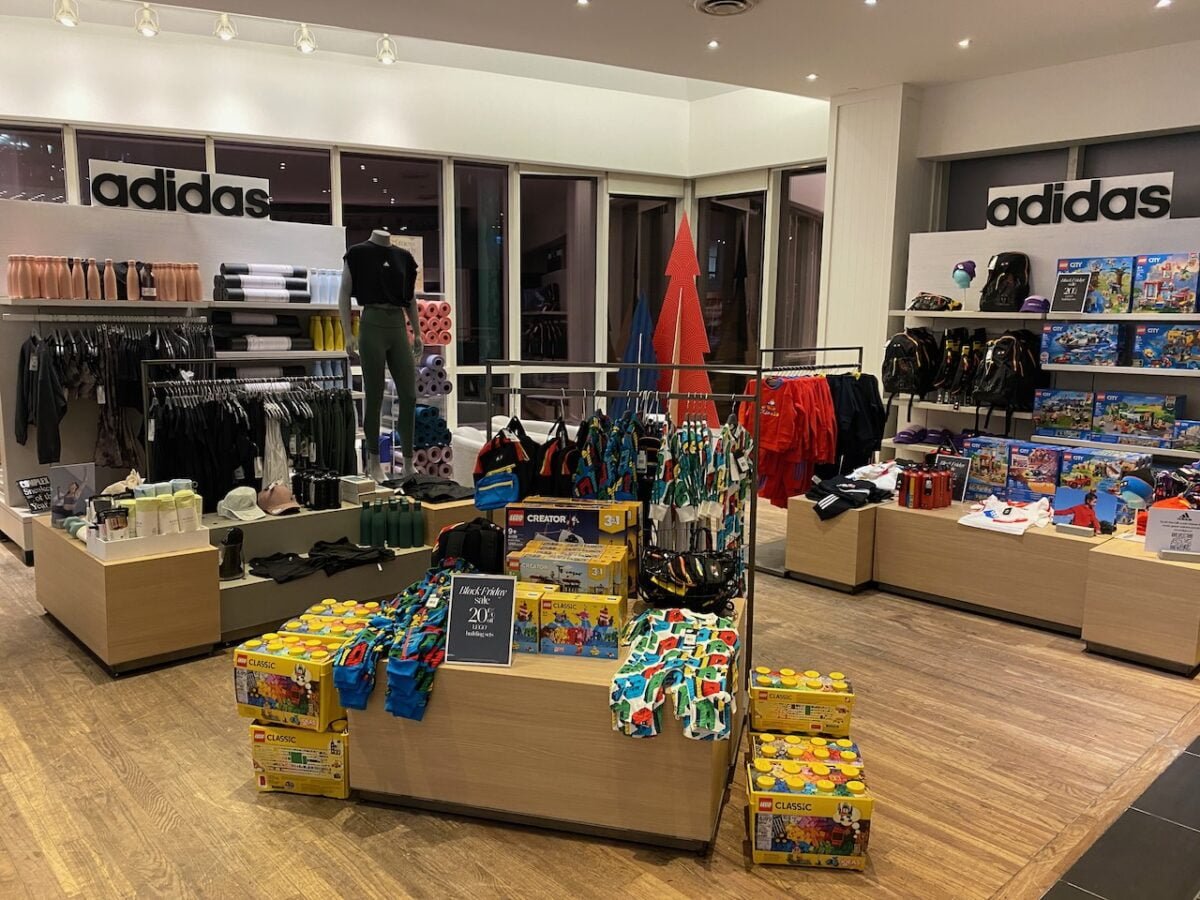
Indigo becomes the first and only third-party retailer across Canada to carry the adidas LEGO kids’ collection. The LEGO kids’ collection reflects both LEGO and adidas’ colourful and inventive spirit and aims to foster a more playful, positive, and inclusive world for children.
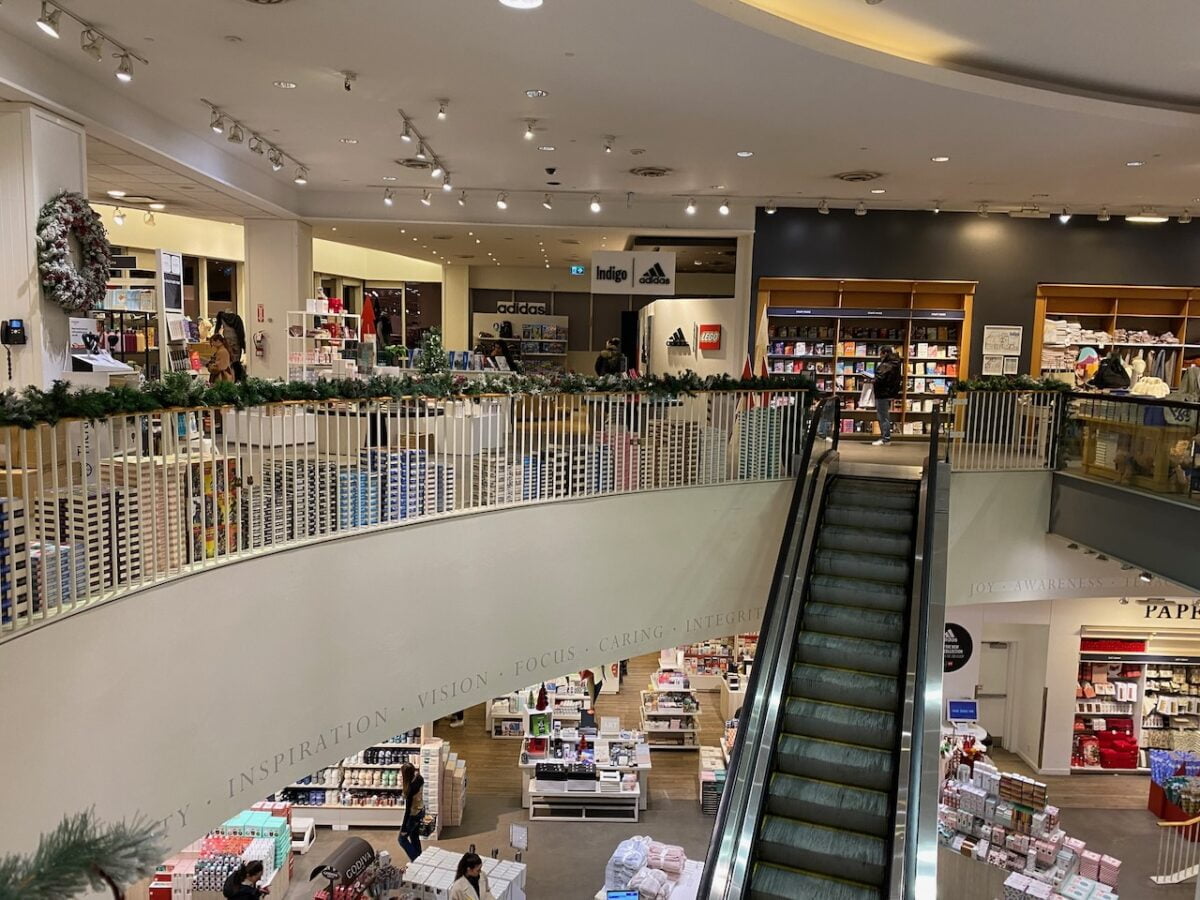
adidas / Indigo at CF Toronto Eaton Centre (Image: Dustin Fuhs)
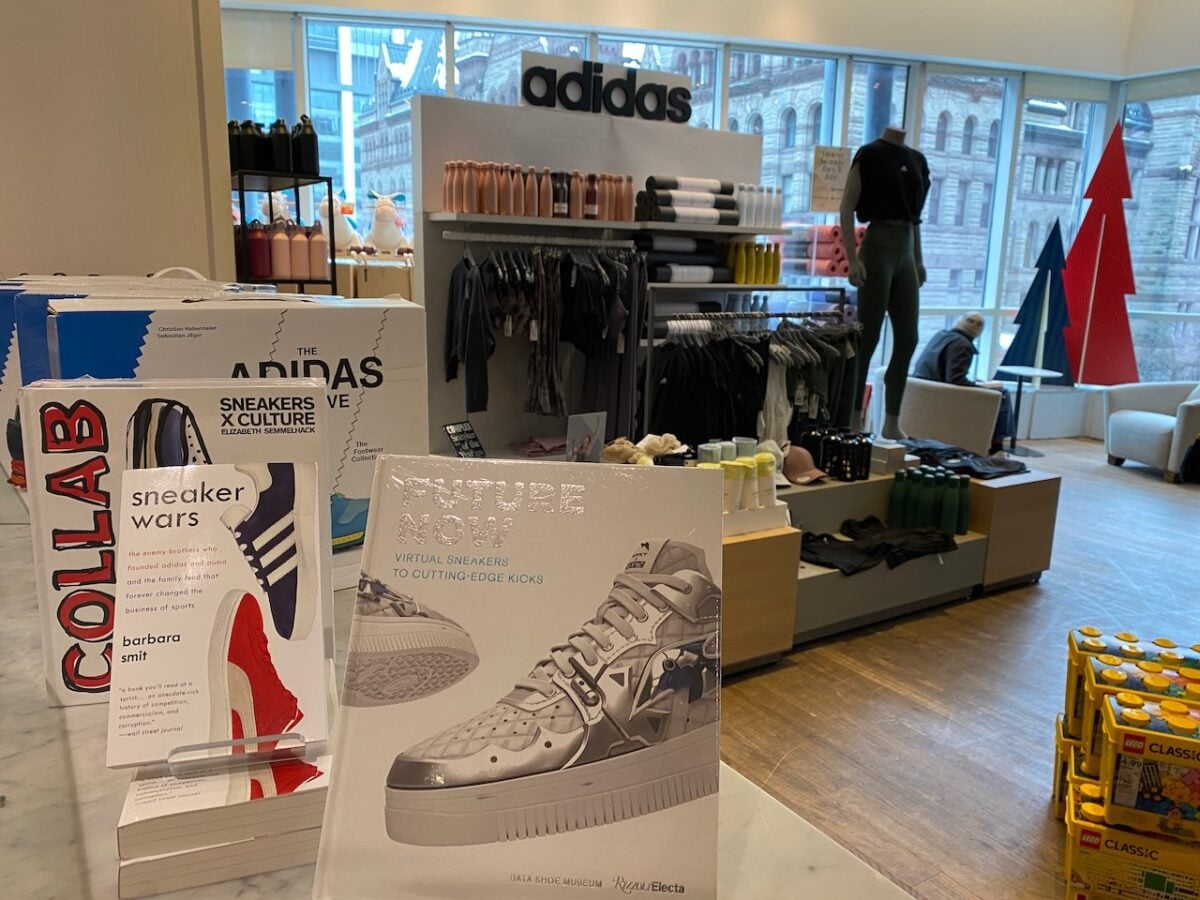
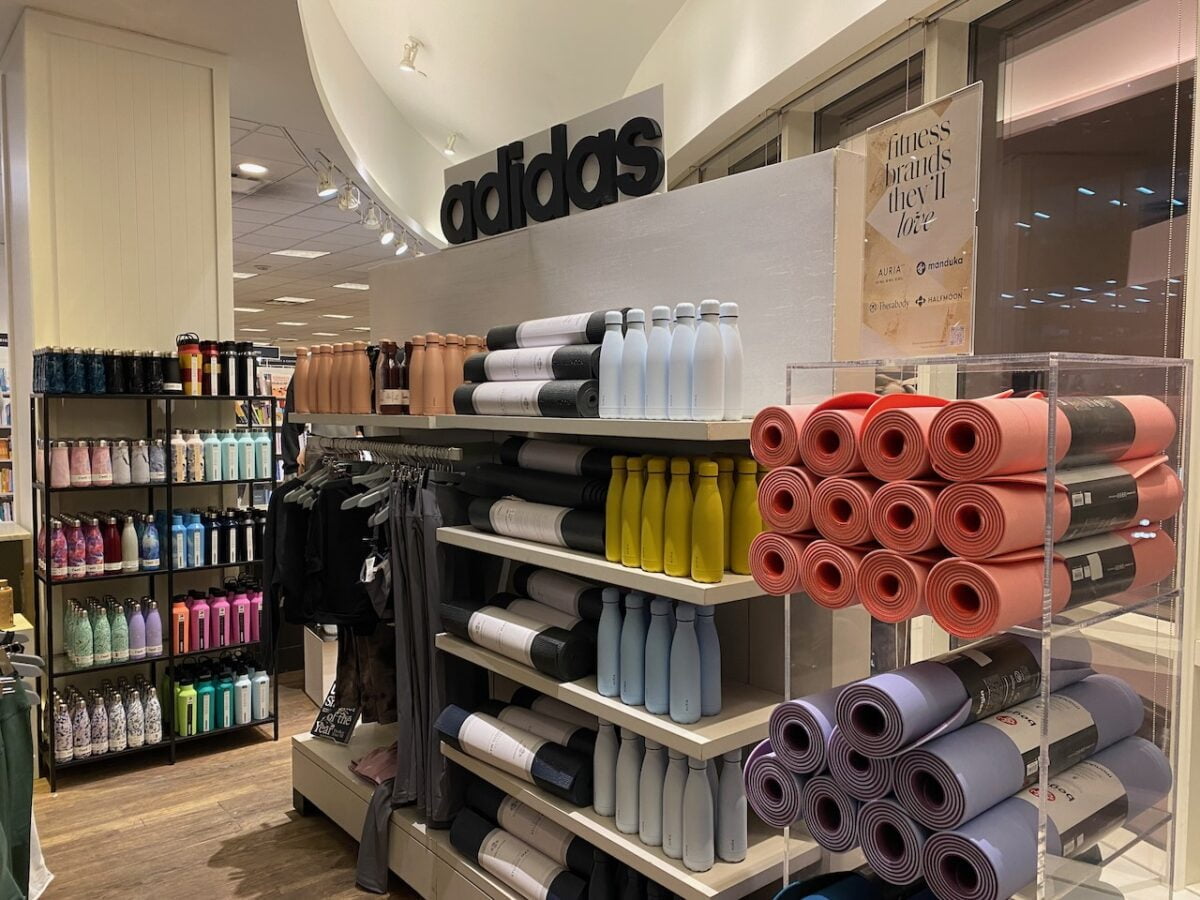
In addition, adidas joins Indigo’s community of wellness brands, offering products from the adidas women’s studio and loungewear collections. Canadians can expect to see everything from yoga pants to after-workout essentials available both in store and at Indigo.ca.
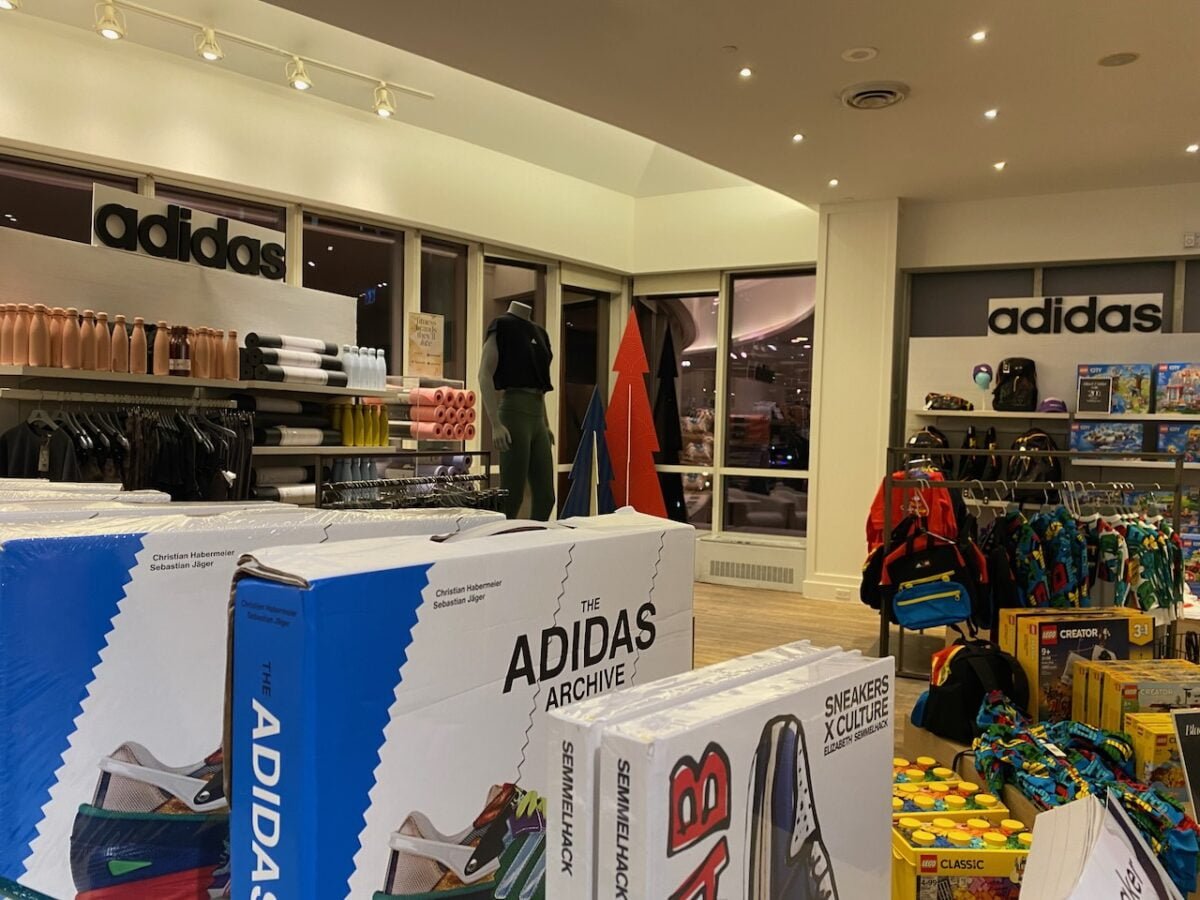
“We have dedicated areas that mirror a shop in shop type of experience. Depending on how much space we have available we can have an opportunity for our brand to be experienced but also have our product,” said Dhanji.
“We’re creating this space and we’re seeing how that performs over the next little while before we start to expand into more Indigo stores. We’re both quite excited about further expansion and they’ve got a fantastic membership, a very engaged membership platform with Plum and that gives us an opportunity for us to again further enhance and give omni-channel experience to our consumers and theirs.”
adidas / Indigo at CF Toronto Eaton Centre (Image: Dustin Fuhs)
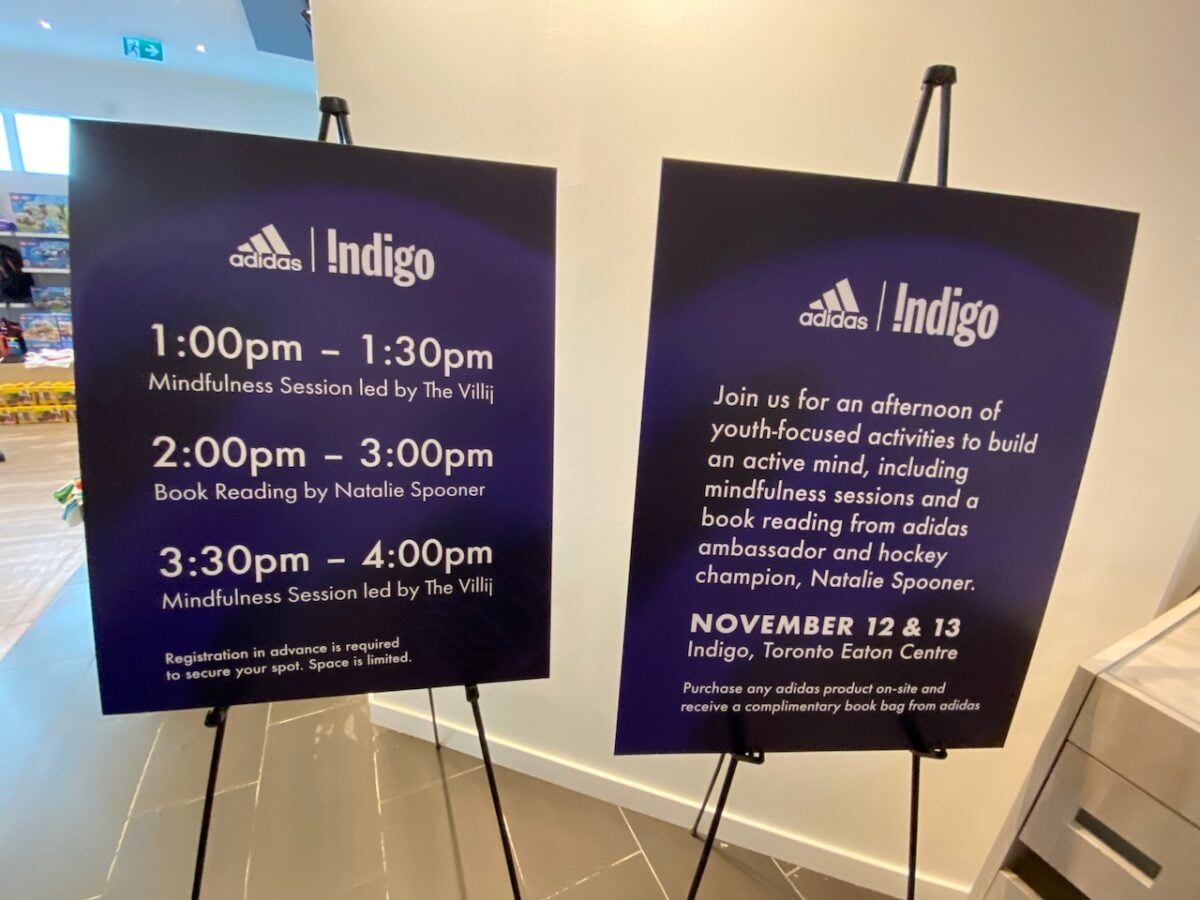
Indigo and adidas will also host a series of in-store events and activations. The first, in November, is focused on kids, and includes an interactive experience perfect for both adults and children. The events are available at no charge and open to everyone who visits the store. Indigo and adidas will be announcing event dates and details in the coming weeks via their social channels.
Peter Ruis
“Indigo is on a mission to help our customers live their life, on purpose – on their own terms. Our expanding assortment is intentionally curated to help customers pursue their passions, at any age, and to connect customers to what matters most to them.” said Peter Ruis, Chief Executive Officer at Indigo, in a statement.
“Now more than ever, Canadians are prioritizing their overall wellbeing and are investing in products that align with their lifestyle and conscience, which is what makes this partnership so perfect for the Indigo customer.”
Adidas / Indigo event programming at CF Toronto Eaton Centre (Image: Dustin Fuhs)Adidas / Indigo event programming at CF Toronto Eaton Centre (Image: Dustin Fuhs)
Dhanji said adidas has had long-standing relationships with other retailers such as SportChek, Foot Locker and Holt Renfrew.
“Indigo is a new customer of ours. What really excited me I guess when I got the idea first was when Peter told me that Indigo they’re the largest distributor of LEGO. I didn’t know that,” he said.
“So we’re the only sporting clothing company, apparel and footwear company, that offers the LEGO collaboration and to me that was a solid match right away. While it may be somewhat unconventional for a sportswear company to show up at Indigo, in fact, the more we talked about it the alignment on mindset with regards to promoting wellness, the alignment with the LEGO collection and they’re increasingly offering a more curated range for wellness into women’s wear particularly around yoga and loungewear, it was so natural for us to join forces.”
adidas x Indigo at CF Toronto Eaton Centre (Image: Dustin Fuhs)adidas x Indigo at CF Toronto Eaton Centre (Image: Dustin Fuhs)adidas x Indigo at CF Toronto Eaton Centre (Image: Dustin Fuhs)adidas x Indigo at CF Toronto Eaton Centre (Image: Dustin Fuhs)adidas x Indigo at CF Toronto Eaton Centre (Image: Dustin Fuhs)
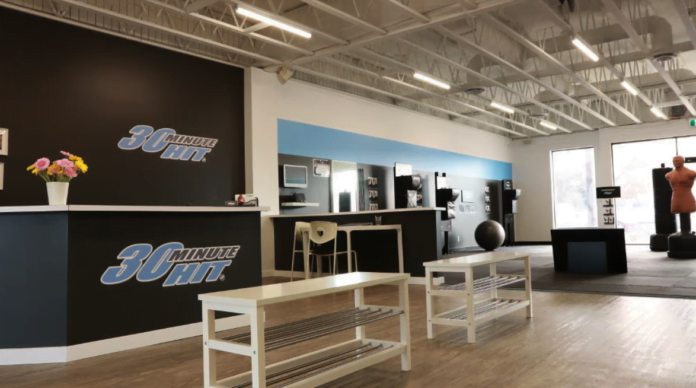
The unique women-only boxing circuit fitness concept 30 Minute Hit is looking for sites across Canada to grow its brand.
The Canadian concept was founded in British Columbia in 2004 by husband and wife team Deanna and Jackson Loychuk. Deanna is the President of the company and Jackson is the CEO.
Deanna Loychuk
“We started franchising around 2006/2007 and it grew very organically in Canada just because franchising in Canada is a lot different than the US,” said Deanna.
“We started really pushing the US market in about 2016. Obviously we shut that all down through COVID but we’re back in full force now. Our major focus right now for growth, because we are across Canada, is the US market. We are currently in Saudi Arabia. We’ve just awarded a location in Dubai and we’re also doing a big push in the UK right now as well.”
The company currently has just under 100 locations with about 65 in Canada.
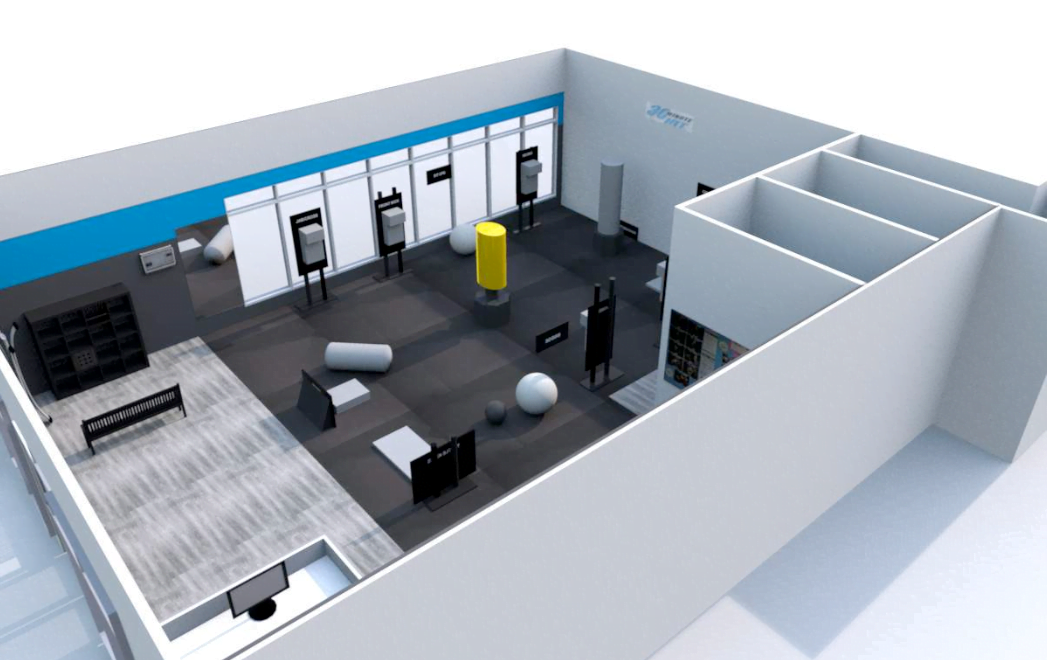
The company said its 13 bag smacking, skill building, core strengthening stations that fly by in just 30 minutes, will get women’s hearts pumping, clear their minds and transform their bodies faster than they could ever imagine.
Designed just for women, each two-minute round based on boxing, kickboxing, general self defence, and core stability training, will challenge women each and every time to improve their fitness and reward them with amazing results.
Jackson Loychuk
When asked how much the brand could grow in the future, Deanna said: “Oh we could triple it. No problem. We have an incredible support team and we’ve always grown responsibly though. The unit economics with every franchisee has always been very important to us. We’re not just sell, sell, sell. We’ve always taken a big interest in our franchisees’ success as well. We’ve grown very responsibly. But now we’re ready for a big push.
“I think the women that become members understand that it is a fitness brand that we’re selling but we offer an incredible community with these women and we’ve created an amazing culture in our 30 Minute Hit brand. The women have always told us that they feel that they belong to something pretty cool and they know they’re not just a number when they walk in our doors and they get great results. It’s an incredible workout for them.”
Image: 30 Minute HitImage: 30 Minute Hit
Tony Flanz of Montreal-based commercial real estate brokerage Think Retail is helping the brand with its Canadian expansion plans.
Tony Flanz
“Fused with a sense of fun and community, this turnkey business concept attracts entrepreneurs who want to create a destination where women feel a sense of belonging and support on their journey to reach their goals in health and wellness. Franchisees tap into valuable training and are provided with the tools they need to make their business succeed, including lead generation, ongoing support and much more,” said the real estate company on its website.
“This is an ideal tenant with a valuable target market—women ages 13 to 65 seeking a flexible quick-hit workout designed for all shapes, sizes, ages and abilities. The business tends to generate a loyal customer base and drives regular foot traffic that also would benefit co-tenants.”
Retail Insider is streamlining its Canadian retail news from around the web to include a handful of top news stories that can be viewed quickly during the day. Here are the top stories from the past 24 hours.
Browns Shoes at Yorkdale Shopping Centre (Image: Browns)
Originally founded in 1940 by Benjamin Brownstein as a single store on Ste- Catherine Street in Montreal, Browns Shoes continues to expand its footprint across the country with more and larger stores.
The latest addition to the retailer’s portfolio is a new flagship location at the Yorkdale Shopping Centre in Toronto.
Eric Ouaknine
“We’re quite proud of this one, our design team really outdid themselves,” said Eric Ouaknine, Senior Director of Retail for Browns Shoes.
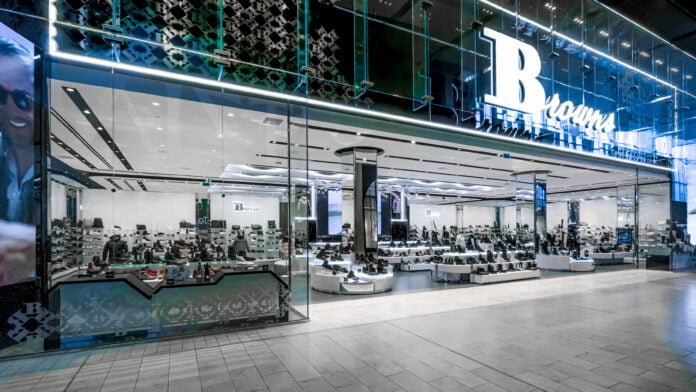
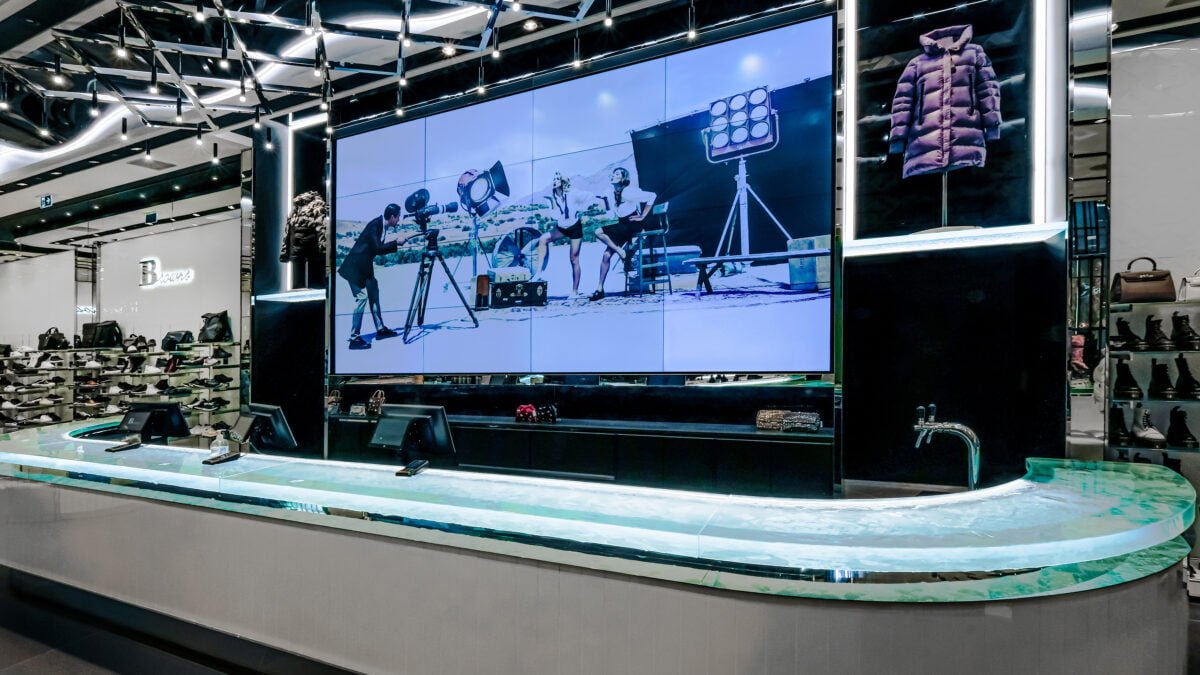
“The new store is close to 6,000 square feet and boasts a massive facade that’s 87 feet wide and 37 feet high. It’s a very imposing store.”
“It’s a major flagship for us in arguably the number one shopping centre in North America. The new store is bigger, wider, and brighter than its predecessor.”
Photo: Browns
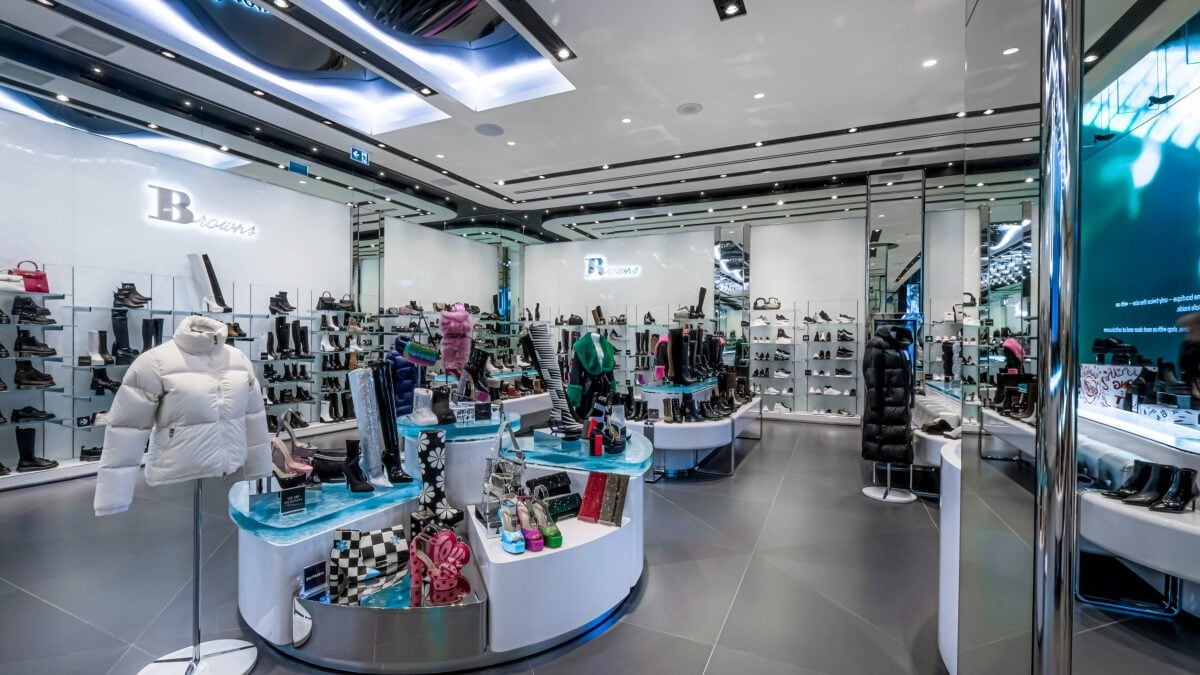
Ouaknine also said that this location includes a water bar where flat and sparkling water is served, an Endless Aisle Station where customers can browse the full collection in case there’s something they can’t find in-store, and a 20-foot video wall and a sound system. “Shoppertainment” is the goal, he said.
“The store is very customer-experience driven. In designing this store, our objective was to give people an experience they’re going to want to come back for, and tell all their friends about,” shares Ouaknine.
Currently there are 70 Browns Shoes stores in the country with the recent opening of a store at the McArthurGlen Outlets in Vancouver. This includes nine stores under the B2 banner.
“We have two major B2 locations with all new, exciting concepts currently under construction. One is a 4,300 square foot location at Yorkdale and the other is a 5,700 square foot location at CF Carrefour Laval. Both will be opening in Spring 2023,” says Ouaknine.
“This was probably our biggest year ever in terms of store construction. We developed and built 14 stores this year. Including renovations, expansions, and new stores.”
Photo: Browns
Next year, Ouaknine says his team is looking to do another 10-12 locations, including an expansion of the retailer’s Metropolis at Metrotown location near Vancouver and a new store at Conestoga Mall in Kitchener – both of which are under construction and slated to open in Spring 2023.
“The team has certainly been busy.”
After more than eight decades in business, Ouaknine says the brand is unique in the Canadian landscape.
“I think our selection of highly curated brands is quite distinctive. Many of the brands we carry are exclusive to us.
“If you look at the footwear market in Canada, there’s nobody like us.
And then you layer on our industry-leading customer service, which is a big part of our DNA – we’re poised for success and couldn’t be happier to share it with our growing customer base.”
Video Interview: Hootsuite's Top Social Trends for 2023 with Retail Impact
Konstantin Prodanovic, Senior Copywriter, Hootsuite, discusses the company’s latest research report on social media trends.
Prodanovic talks about big brands investing less in influencer marketing and opening the door for small businesses to engage top creators, how exposure in the C-Suite opens the door to new levels of scrutiny, how recycling content is a thing of the past, how social commerce is losing traction with a platform pullback, why social search optimization is emerging as a make-or-break skill for marketers and why retailers should not lose their digital focus as more shoppers come back to physical stores.
The full report can be found here:
The Video Interview Series by Retail Insider is available on YouTube.
Connect with Mario Toneguzzi, a veteran of the media industry for more than 40 years and named in 2021 a Top Ten Business Journalist in the world and the only Canadian – to learn how you can tell your story, share your message and amplify it to a wide audience. He is Senior News Editor with Retail Insider and owner of Mario Toneguzzi Communications Inc. and can be reached at mdtoneguzzi@gmail.com.
Also check out the other series offered by Retail Insider, including The Weekly podcast and The Interview Series, which are both available on Apple Podcasts, Stitcher, TuneIn, Google Podcasts, or through our dedicated RSS feed for Simplecast and other podcast players.
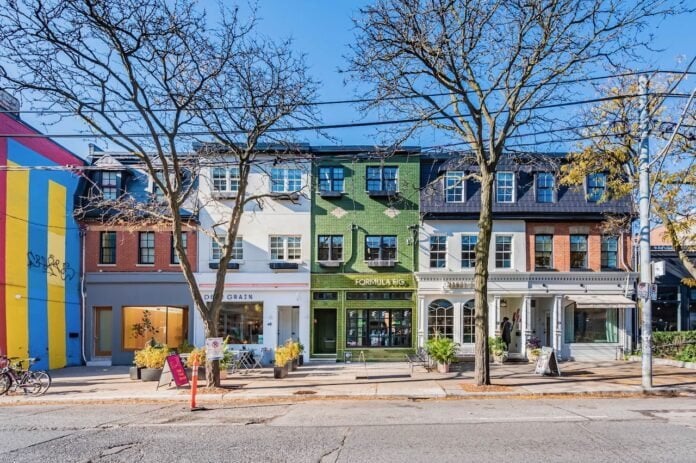
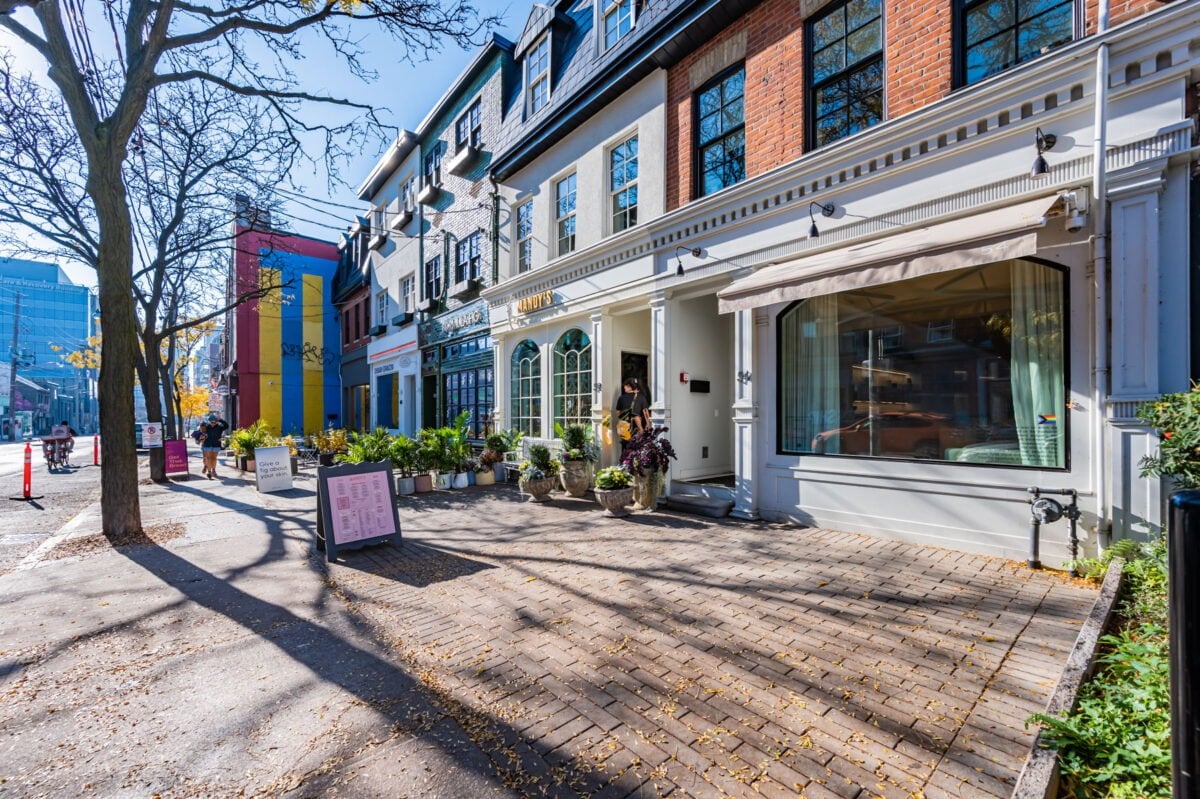
Toronto’s Ossington Avenue has been named one of the world’s coolest streets and Jeff Hull and his real estate development company Hullmark have been instrumental over the years in helping the neighbourhood reach that lofty status.
Jeff Hull
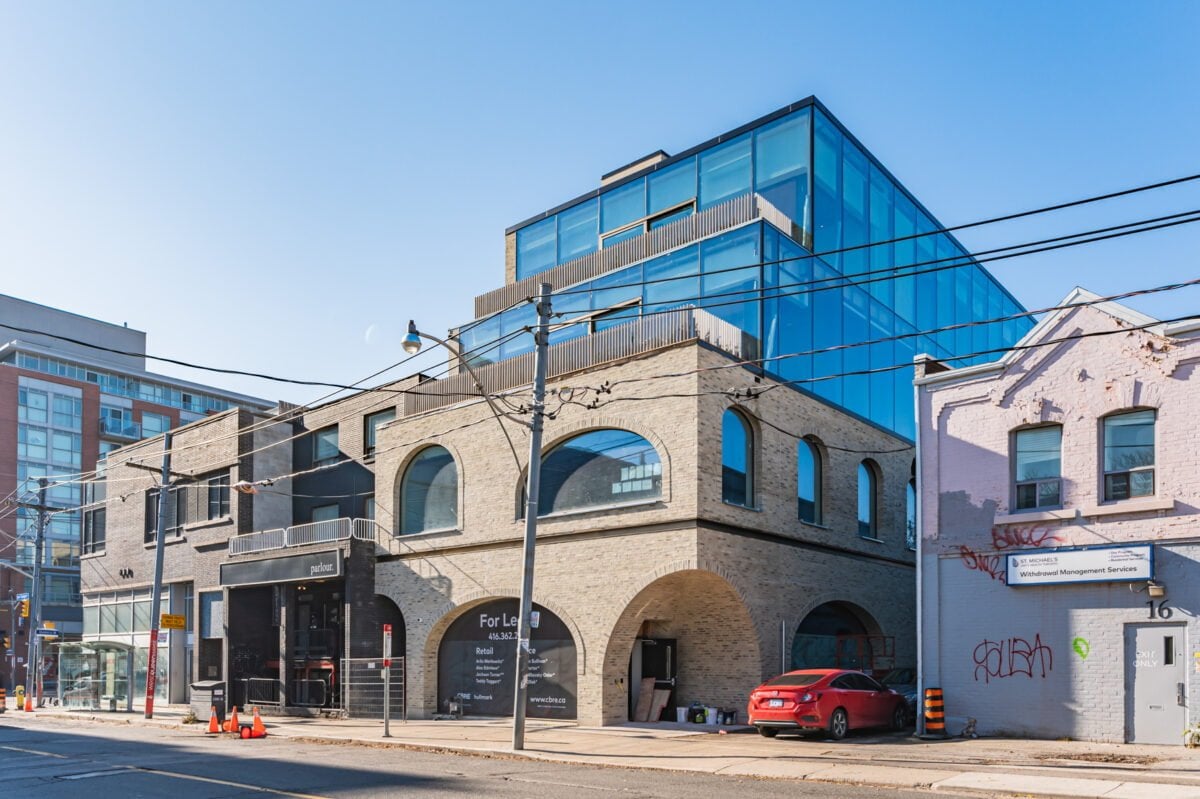
Today, Hullmark owns 17 properties on Ossington as the real estate investment and development firm has helped shape the neighbourhood since its first acquisition in 2014.
“Ossington’s transformation from overlooked street into a renowned cultural hub has been incredible to watch,” said Hull, President of Hullmark. “Ossington isn’t just the buildings, it’s the spaces in between – the people who call this neighbourhood home, and who come here every day to work, shop, eat and celebrate. It is generations of history and creative optimism that continues to drive it today.”
“Bustling Ossington is the place to go in Toronto for some of the city’s best restaurants, live music nearly every night of the week, and the kind of nights out that call for leather jackets, not heels. The most noteworthy stretch is between Dundas and Queen Street West: there you can parade the street and shop for everything from carefully selected vintage to garms by rising Canadian designers. For a leisurely afternoon, pop into Bellwoods Brewery or cosy up at one of the several hip and snug coffee shops and wine bars,” said Time Out.
“EAT An ice-cream sandwich or cone from Bang Bang – preferably while taking in the sunshine at the nearby Trinity Bellwoods Park.
DRINK A pint at Sweaty Betty’s for a true dive bar experience: this place is generally packed with an eclectic selection of local faces.
BUY Grown-up friendship bracelets. Book an appointment at Melanie Auld for a permanently welded jewellery experience that begs to be shared on your socials.”
Image: Hullmark
Hullmark was started by Jeff Hull’s grandfather Murphy Hull in 1950. Jeff took over the business about 15 years ago.
“Over the last 15 years we’ve built a real estate investment and asset management platform. We have about $1 billion of assets under management right now. We operate in urban neighbourhoods, mixed-use office, residential, retail for the most part. We’re starting to do some industrial as well,” said Hull.
“But our strategy is really built on a couple of core themes. One is investing in neighbourhoods, a real place-based development program. Number two investing in design as a key component of our development projects and our portfolio in general. And having a long-term investment horizon. So really investing in the relationships of all stakeholders to see these neighbourhoods grow and evolve I think in the best possible way over time. And there’s some elements of that that align with our strategy on Ossington.”
According to the company website: “Murphy Hull started Hullmark in 1950. Growing up in Toronto as a young Polish immigrant, Murphy began in the industry as a plasterer, later progressing his trade into a home building business and subsequently into real estate development. When he started building in the 50s, the new suburban ideal was taking shape. The measure of success was being able to move out of downtown Toronto into a spacious new home on the outskirts of the city. Through hard work, determination and cultivated partnerships, Murphy grew Hullmark into a successful and influential development business. In the 70s, Murphy began pioneering condominium development, which at the time, was a new and unprecedented housing typology in the Toronto suburbs. Continuing to invest in suburban communities, his life’s work and vision culminated with the Hullmark Centre at Yonge and Sheppard, a mixed-use urban-type community, and the largest-scale project Murphy had ever undertaken. Now, with his grandson Jeff carrying on the family business, Hullmark has come full-circle, investing in the very neighborhoods where his grandparents grew up in downtown Toronto.”
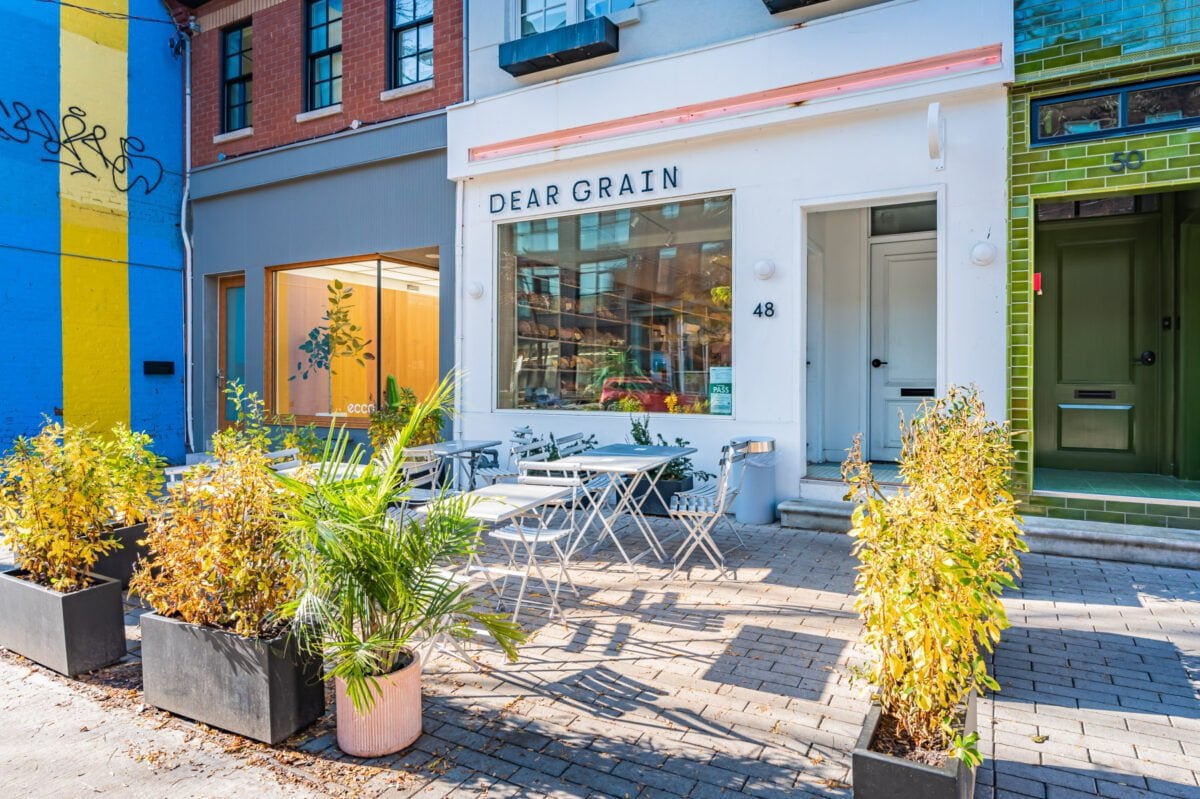
Dear Grain on Ossington (Image: Hullmark)
Hull said the vast majority of the Ossington portfolio are conventional street front retail buildings with residential or office above.
“There are a few assets that are larger format retail, multi-tenant retail,” he said.
“My interest (in Ossington Avenue) was honest because I as a younger person always enjoyed spending time on Ossington. And so I think there was a natural sort of authentic connection with Ossington as an avenue. Some of the things I liked about it then are still very apparent now. It’s just sort of evolved since then. It’s a small street in terms of retail avenues in Toronto. Ossington is really like two city blocks between Queen and Dundas. So it’s a small intimate high street that has a really good mix of both fashion, hospitality and local service related uses for the community.”
109 Ossington (Image: Hullmark)
Hull said there is still more opportunity for the company to acquire properties in the neighbourhood.
“We love Ossington. We’re really, really pleased with the way Ossington has evolved and the types of tenants that have targeted Ossington as the place where they want to open up in a lot of cases their first store in all of Toronto and Canada,” he said.
“I think what gives it its charm is first of all it’s a small high street in the context of Toronto. So it’s not very large. People can walk it in a relatively short time frame from top to bottom and back again.
“It’s the tenancies themselves which are some of the most successful and popular concepts or companies in both fashion, service and hospitality in Toronto. But I think what makes it particularly special is the community that has been built there between the tenants and the community itself.”
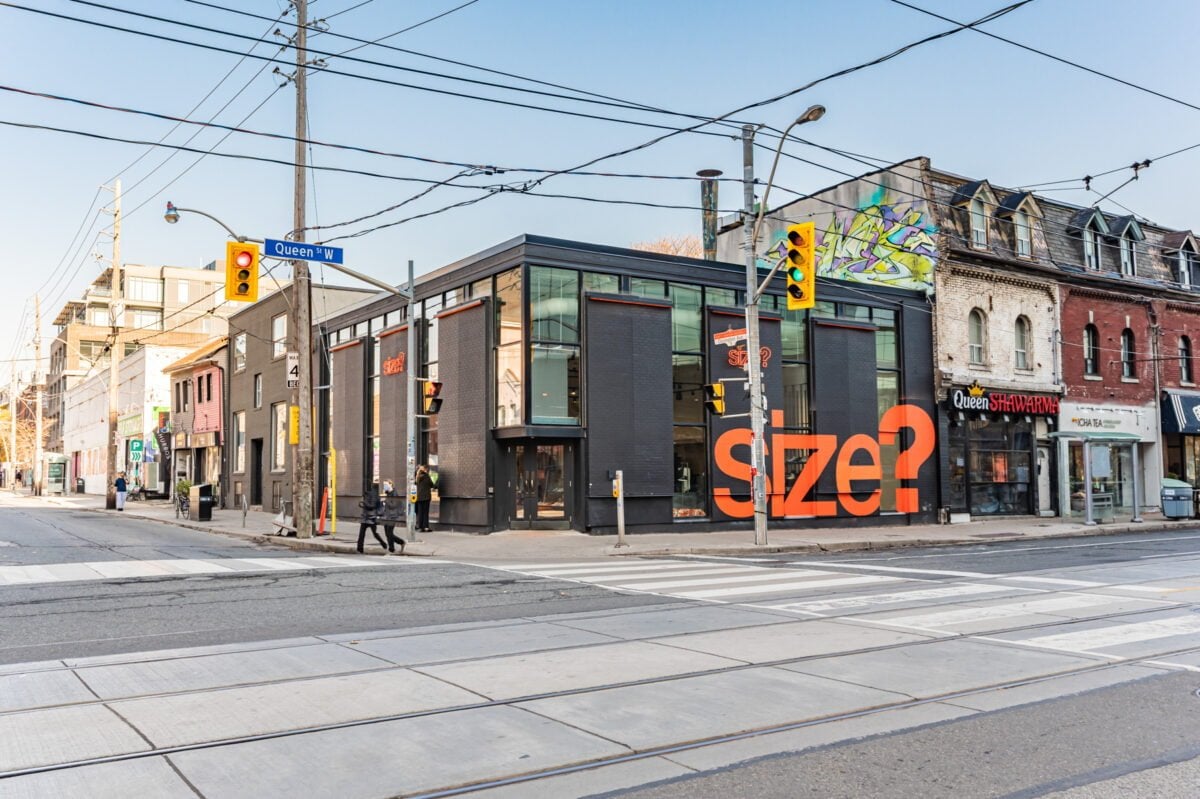
Size? at 1000 Queen St W (Image: Hullmark)
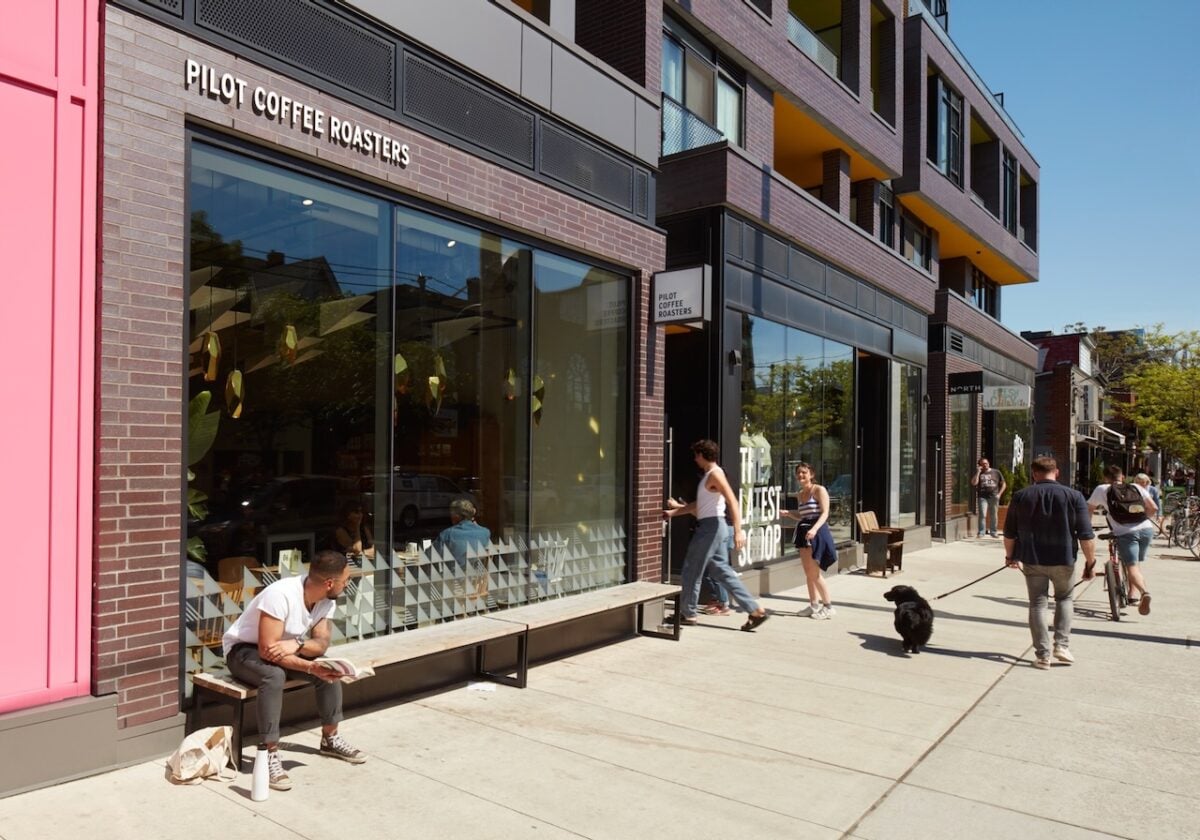
Another charm of the neighbourhood is its interesting mix of high and low end properties. It also has an interesting mix of retail from local service-based retailers, fashion and hospitality. It’s a mix of local mainstays to first to market and international flagships.
“What’s interesting is that over the last couple of years we’ve heard from many, many retailers that are coming into the market they say these are the three locations that we would consider opening up a store in Toronto. One is Yorkville, one is Yorkdale and the other is Ossington. And because it’s such a small street . . . it feels like a very intimate retail experience.”
All of Hullmark’s properties in the neighbourhood are located along Ossington Avenue with the exception of one building that’s just around the corner on Queen Street West.