As a social innovation designer, I study complex challenges with the aim of finding common approaches needed to solve them. My goal is to discover the principles that can help us design a more humane future.
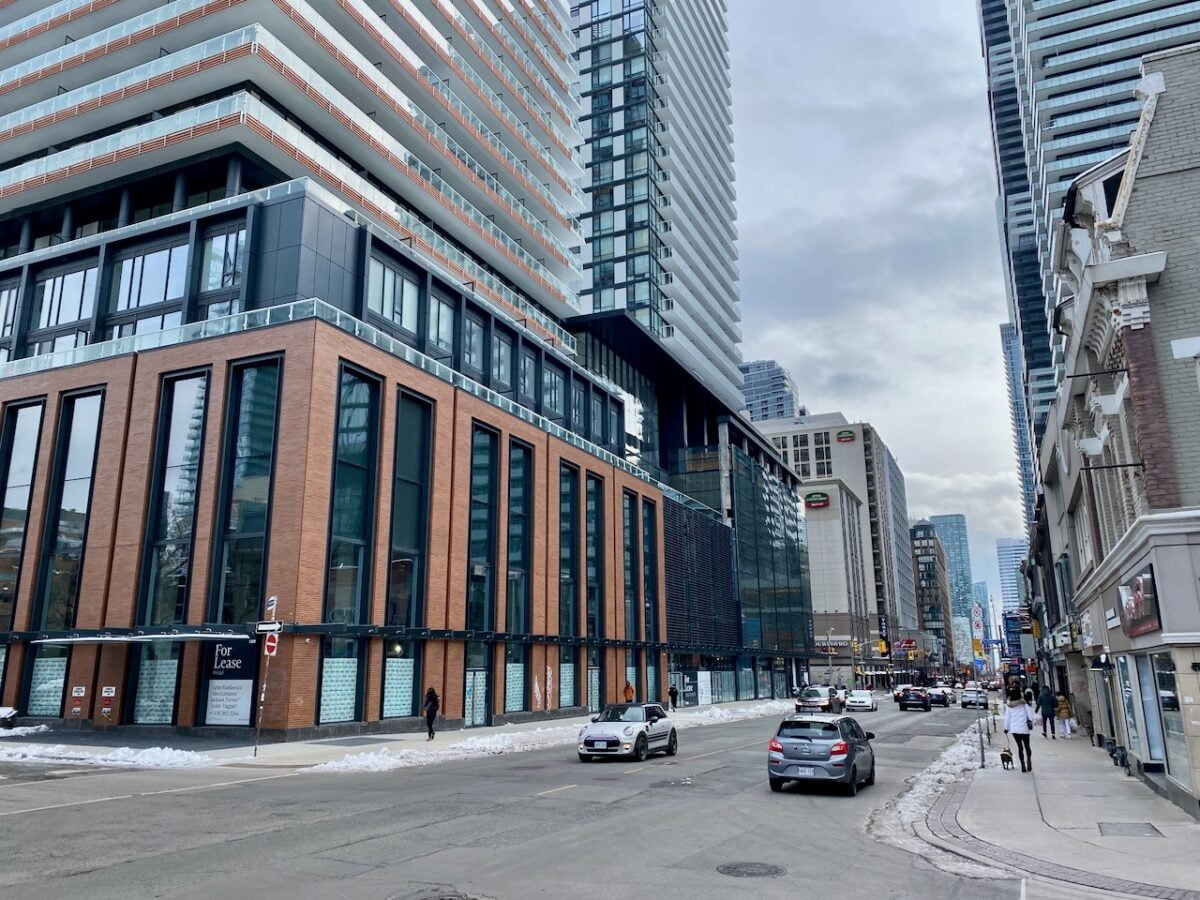
While sales are still below normal, business costs continue to climb. A report from the Better Way Alliance, a Canadian business network advocating for ethical business practices, found that rent for many Ontario businesses is commonly increasing between 10 and 50 per cent.
While big businesses are better positioned to negotiate rising expenses, small businesses are left feeling the brunt of rising costs — all while navigating pandemic uncertainty and shifts in the market.
Transitioning to a mix of online and physical sales involves more than just launching a website. It requires a shift in how a business operates, including technology upgrades and changes to its human resources and physical footprint, which necessitate significant time and financial investment — things that small businesses often run short on.
With Amazon as the most popular e-commerce platform in Canada — earning over US$9.8 billion (followed by Walmart, Costco and Apple) — there is a concerning disconnect between support for small business and where Canadians are spending their money. This gap could mean the difference between having independent shops or vacant storefronts.
These solutions all come down to one thing: valuing connection over just transaction. A common thread in the research is a clear desire for people to connect with and support small, neighbourhood businesses.
Judy Morgan, a retail consultant I interviewed, emphasized the importance of creating valuable spaces that people will want to visit, in a process known as placemaking: “There needs to be the physical infrastructure to facilitate coming to the area and then enjoying it while you’re there, as opposed to just being purely transactional.”
As Aaron Binder, business owner and director of the Better Way Alliance, said: “There’s a difference between consumers and customers. Customers are people. Consumers are a group. We want to focus on people… People are looking for that personal interaction.”
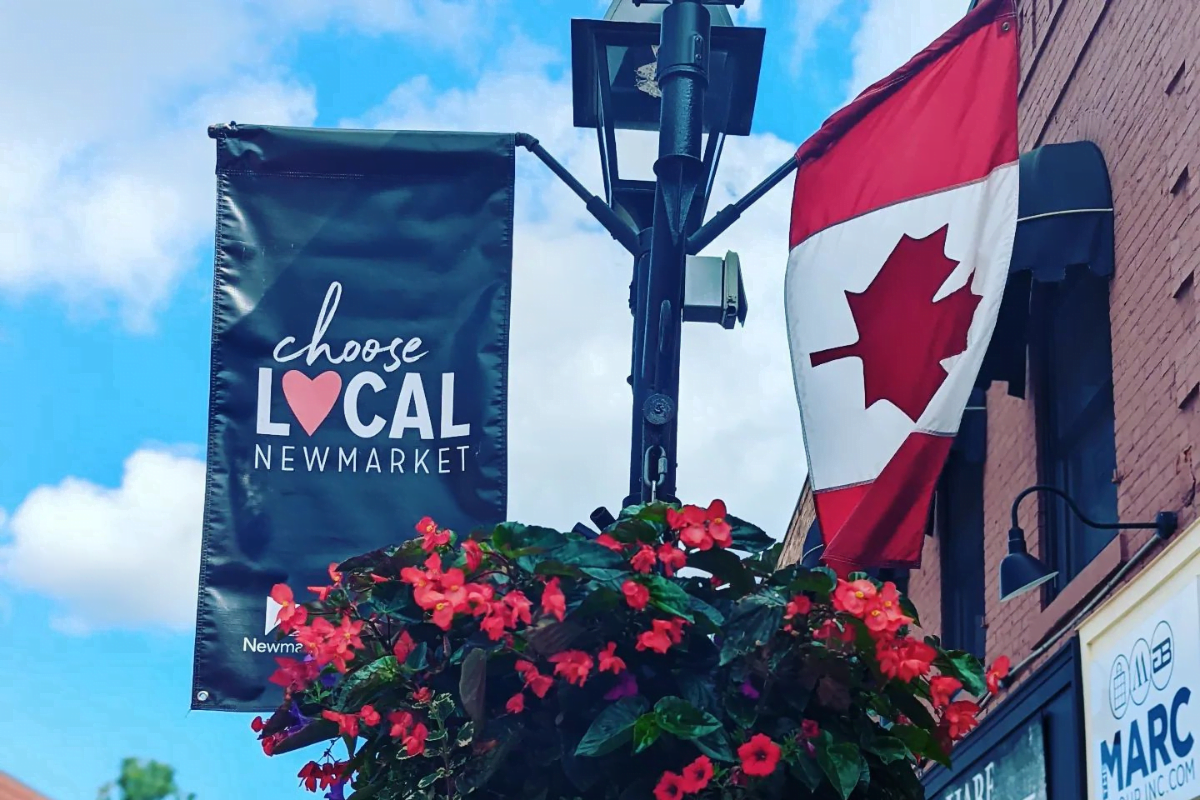
Our Main Streets offer more than just goods and services. They are integral to the fabric of a healthy community. A future where small businesses thrive must include more support through how we spend and through policies and programs aimed to keep expenses fair and our streetscapes business- and people-friendly. This is key to ensuring our communities are designed for making connections, not just transactions.
By Sarah Tranum, Associate Professor, Social Innovation Design, Faculty of Design, OCAD University
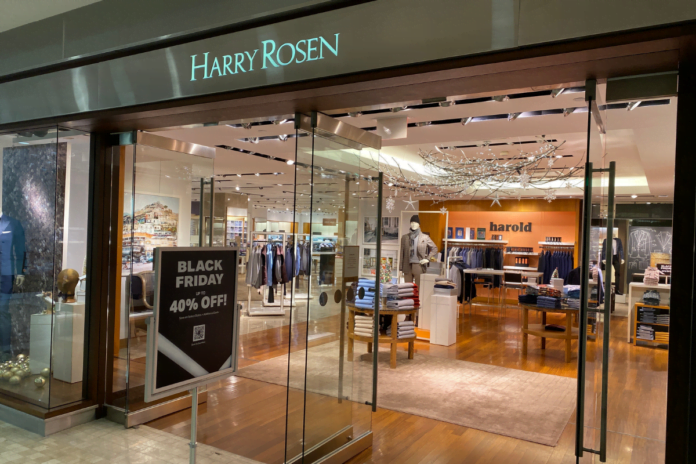
Black Friday Sales in Harry Rosen at First Canadian Place (Image: Dustin Fuhs)
The retail sector has gone through some challenging times in recent years because of the COVID-19 pandemic.
As the industry moves forward from that volatile period of history, there’s high anticipation of what this holiday season will bring for retailers across the country.
Today’s challenges include skyrocketing inflation and the higher cost of living for the average Canadian. What will that do to consumer confidence and spending as we embark on the holiday shopping season with Black Friday sales and promotions this week followed by Cyber Monday.
Retail Insider asked several retail experts their thoughts as retailers prepare for this busy time of year.
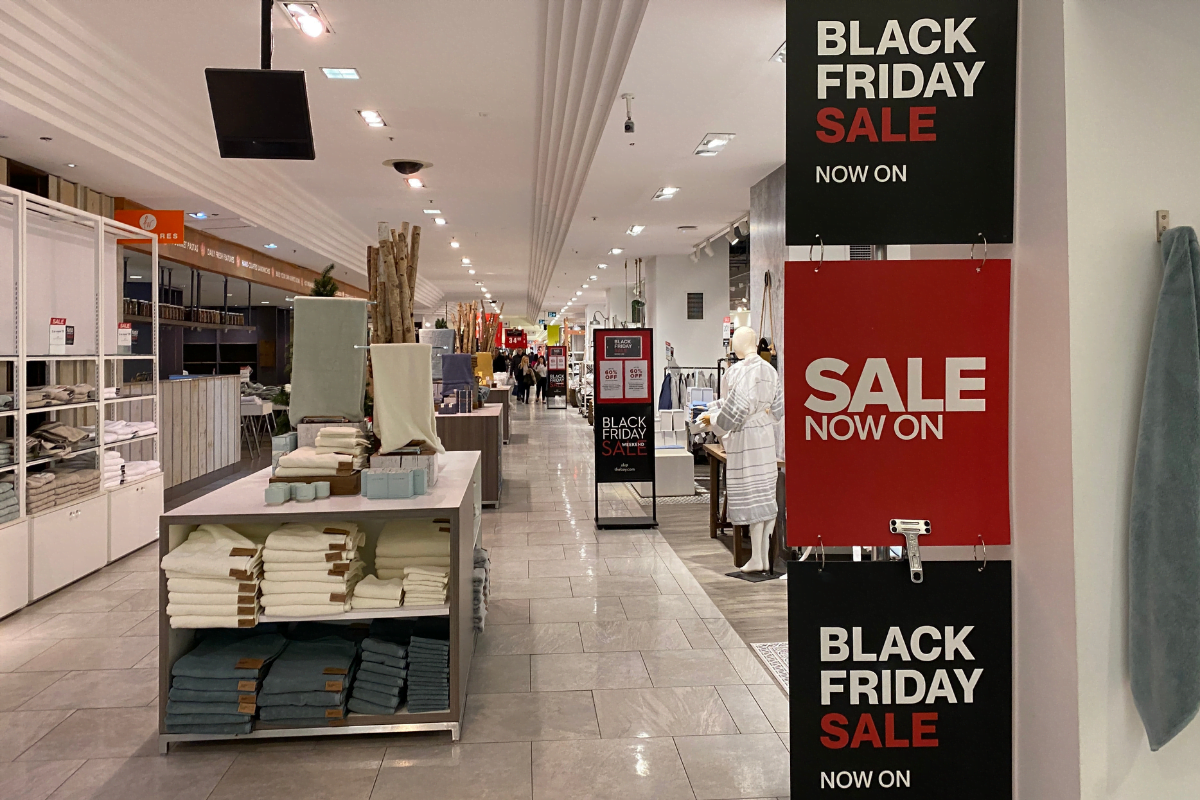
Black Friday Sales in Hudson’s Bay at CF Toronto Eaton Centre (Image: Dustin Fuhs)
1. What do you expect this year for Black Friday and Cyber Monday? Will shoppers be spending more or will they be cognizant of the inflationary pressures on them this year?
George Minakakis, author of The New Bricks & Mortar, Future Proofing Retail, who also leads advisory firm Inception Retail Group:
George Minakakis
“I believe the mood this holiday season has consumers more on edge with inflation. A $100,000 income does not have the buying power it used to pre-pandemic. What does that say for all other consumers? Everyone is looking for deals. If they spend more than last year it will be inflation-driven. That doesn’t mean they bought more! Nor that they are happy about it. That comes with a psychological impact.
“Those of us who have led retail chains are more interested in transaction and conversion growth, that matters a lot right now. Consumers will be looking to get as much as they can for their own holiday targeted spending. When the Bank of Canada and Canadian government tell the public to be prepared for a tough winter, they have been listening and this has set the stage for spending. I believe that higher income consumers are migrating as well from normal shopping patterns and destinations to more value. Those who are not high income earners are migrating deeper into the discount world. We shouldn’t be surprised if we hear that resell retailers have had increased volumes this season.”
Doug Stephens, author of Resurrecting Retail: The Future of Business in a Post-Pandemic World and Founder and President of Retail Prophet:
Doug Stephens
“From what I’m seeing there’s a sharp decline in excitement or interest around both these shopping dates. Consumers today simply don’t operate with any meaningful fear of missing out, given the protracted nature of what used to be Black Friday. And with Google reporting that searches for the term “recession” in the U.S. are up 355 per cent in 2022, I think it’s safe to assume the potential downturn is weighing on the consumer psyche.”
Gary Newbury, an award-winning Strategic Advisor and Delivery Executive focused on the rapid transformation of disrupted supply chain performance across the end to end retail supply chain and last mile, founder of RetailAID Inc. in Canada, a speaker, podcaster and thought leader on retail supply chain performance:
Gary Newbury
“I always find it interesting to see the big firms sharing their thoughts and watch them, as the events come closer into view, revise these in light of operating conditions. My thoughts are in two areas; overall spending will be somewhat lower (consumers are still adjusting their spending patterns), however individual gifts may rise over previous years as the “Great Inventory Glut” will provide enthusiastic shoppers with a range of gifts at much lower prices than would have been expected earlier this year.
“I also think the overall pattern of spending across socio-economic groupings will continue to build on last year. High-end spending will increase overall, as it has done throughout the pandemic. The middle and working classes will be reining in their expectations. When they do shop, the discount chains and off-price retailers will benefit most as long as they continue to make shopping on their apps/websites and in their stores convenient to shop, easy to navigate and adorned with many attractive promotions to prise highly valued dollars from a hard-pressed consumer.
Bruce Winder, author of RETAIL Before, During & After COVID-19 and president of Bruce Winder Retail:
Bruce Winder
“I think Black Friday and Cyber Monday will be OK (up single digit in $) this year despite the softness of the economic outlook, inflation, interest rates and geopolitical risks as frugal customers buy more on promotion versus regular price. Customers will use the event to do much of their holiday shopping to stretch their money. Retailers must offer outstanding value though or customers will balk at lukewarm offers based on higher regular retail prices. Retailers that try to prioritize margin rate will be punished.”
Michael Kehoe, Broker of Record, Fairfield Commercial Real Estate and a spokesperson for Consumer Real Estate Canada:
Michael Kehoe
“The Black Friday 2022 experience for consumers and retailers will vary in the various regions across Canada. Overall, I am expecting a robust Black Friday sales period but retailer expectations are cautious depending on the category.
“2022 Black Friday kicks off the holiday shopping season driving the post-pandemic retail recovery. The momentum will flow into Cyber Monday, the pre-Christmas shopping period and into Boxing Week. Sales and footfall at retail venues are expected to increase and consumer confidence is more or less on the positive side despite the effects of inflation and the awareness via the media of the potential for a mild recession in the near future.”
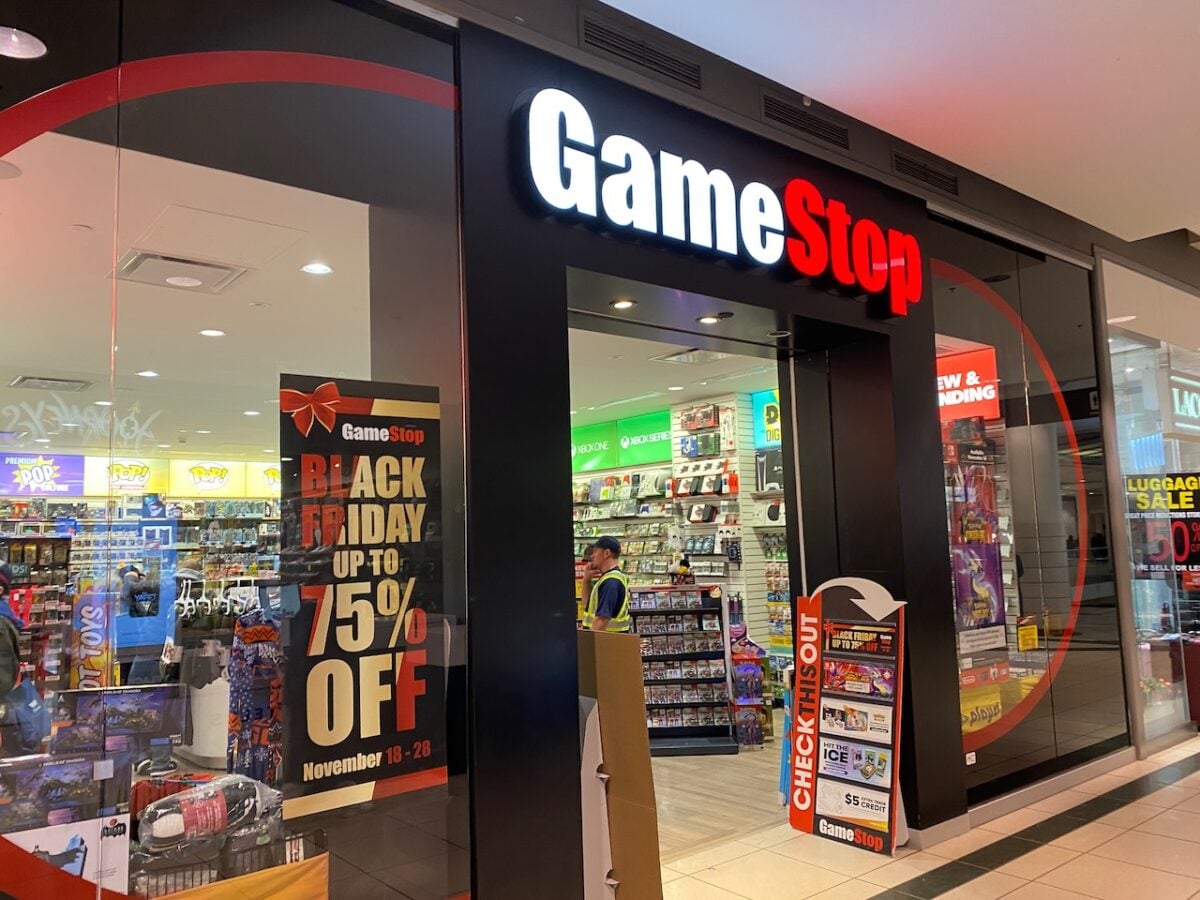
Black Friday Sales at GameStop in the CF Toronto Eaton Centre (Image: Dustin Fuhs)
2. Have you noticed that Black Friday really has come earlier this year? Sales and promotions earlier than before. Why?
Minakakis:
“I’ve noticed that holiday commercials, merchandising, displays and offers are out a lot earlier and aggressively. Everyone from Walmart to Canadian Tire are actively marketing for this season’s spending. There is no question that the uncertainty about consumers willingness to spend is a challenge. As a retailer you want to get out of the gate faster in stores and online. In fact, if you’re not there you could be at a disadvantage. I am pretty sure we will see increased advertising spending this season. It’s the only way to get a higher share.”
Stephens:
“Black Friday creep has been an ongoing trend in the US market for at least a decade and now we’re seeing the same in the Canadian market. In large part, it’s simply retailers mortgaging their futures with protracted discounts and promotions, so each year there’s a need to draw it out further to make the numbers. This year the stakes are even higher given the potential for retailers to be stuck with excess inventory if consumer demand falls short or if COVID outbreaks force holiday closures or occupancy caps.”
Newbury:
“The sooner retailers can move on from Halloween, and get into BF/CM promotions, the greater the opportunity to shift some of the excess stockholdings they have. They will not want to lose market share through a vital first strike on their consumers by their competitors.
“The extending period of BF/CM promotional period has been an increasing tendency over the last decade as Canadian retailing has slowly adopted and now fully embrace this sales event. Unfortunately, consumers tire of such long periods of single theme promotions and will be waiting for BF/CM extended weekend, or later, to pick up the bargains they are looking for at their desired price points.”
Winder:
“Outside of Amazon’s October event, I thought I would have seen more promotional activity earlier. I can’t say I’ve seen a meaningful change in how early the sale is this year versus previous. Perhaps retailers are waiting to spend scarce marketing dollars closer to the actual Black Friday/Cyber Monday dates as the competition for thrifty consumers becomes intense.”
Kehoe:
“The concept of Black Friday being a marketing event for retailers of all stripes has become an accepted driver of sales and every advantage is utilized by retail brands that seem to creep a little earlier on the calendar every year.”
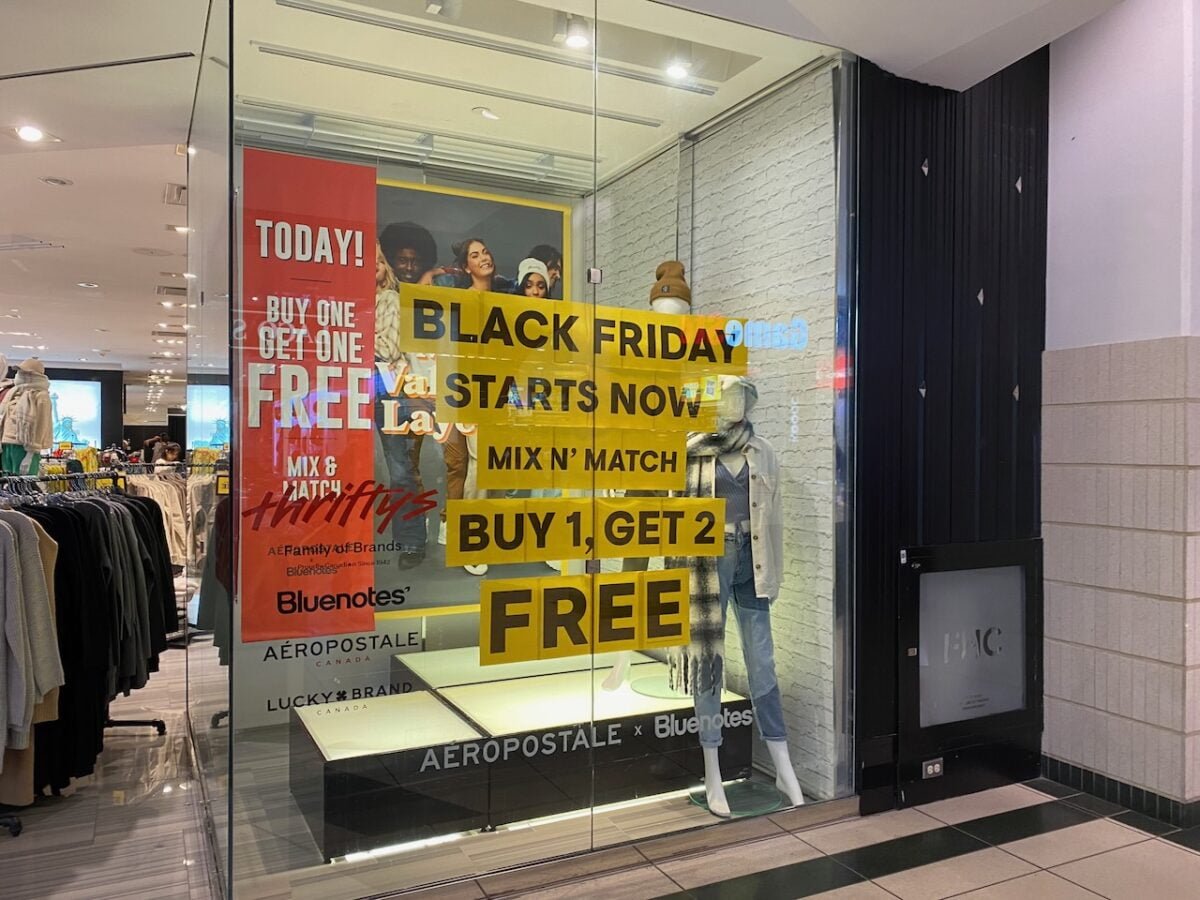
Pre-Black Friday Sale at Bluenotes (Image: Dustin Fuhs)
3. Do you expect to see supply chain issues this year for retailers and what impact will this have on consumers?
Minakakis:
“Much of the supply chain issues are more tempered. If anything large retailers have said they are seeing shipments arrive much sooner than anticipated. We already know that there are lot of containers sitting empty, indicative of changing patterns. I believe the biggest issue going forward in managing supply chains is not buying too much. Retailers with supply chain concerns may be facing financial issues, unable to fund their inventory needs. Overall, I expect the discussion in senior management meetings with retailers to pull out all excess inventory no matter how old, mark it down and move it.”
Stephens:
“Much of it depends on the degree to which global vaccination levels might quell any resurgence of the virus. If we have another winter of sporadic lockdowns, factory closures and dock worker shortages, then we could go back to square one with respect to supply chain breakage. It’s unlikely that we’ll have a situation as bad as last year but it’s not impossible.”
Newbury:
“With the demand patterns considerably curtailed from 2021 (through inflation and interest rate rises), and the inventory glut caused by overcompensating for potential shortages during 2021, we may see many stores with full shelves amidst the BF/CM promotion period and running into the final leg of the holiday promotions (and Boxing Day). Besides, vacancy rates for warehouse space is very low, especially in key markets like Toronto and Vancouver, so there’s a real pressure to get the inventory turning during Q4.
“However, my predictions for 2023 show a very choppy ride ahead for “Just in Time” retail supply chains, with potential disruption continuing in vital raw materials and energy, labour shortages across logistical activities and a very concerned consumer battered by accelerating inflation, accommodation costs, energy and increasingly dour job prospects.
“There will likely be realignment within supply chains. The last two to three years have not provided sufficient stability for advanced inventory management systems, perhaps using AI/ML, to make sense of disruption-impacted demand patterns, and furthermore, without more local sourcing of key “fashion” products (i.e. those fast moving, seasonal items that command higher margins), demand management processes will still lead retailers into malignment between consumer interests and the efficient servicing of their demand.
“We may have thought the worse, surely, is behind us. I would argue that it remains firmly in front of us, driven by the lack of real agility and resiliency across Canadian retailing, and the need to recognize that change is coming. Many retailers will proactively embrace this opportunity. Many will fight, tooth and nail against this. The concerns many CEOs have is “what can I do with my supply chain to help my business get in front of consumer demand and set trends?”. The response is not necessarily to keep fire-fighting and incrementalizing their current process and tech adoption on operating models that have barely survived the pandemic.”
Winder:
“I think there remain some supply chain issues this year but not as many as last year. In fact, some retailers have excess inventory that they are looking to sell off as spring and summer inflation softened sales and retailers made big bets a year ago on fall goods before inflation was a meaningful factor. Therefore, we should see some aggressive save stories (discounts) on select merchandise that retailers have too much of.”
Kehoe:
“Retailers in my network have, for the most part sorted out their supply chain issues with the exception of rising shipping costs and I believe that the problems of the recent past will be less impactful this year.”
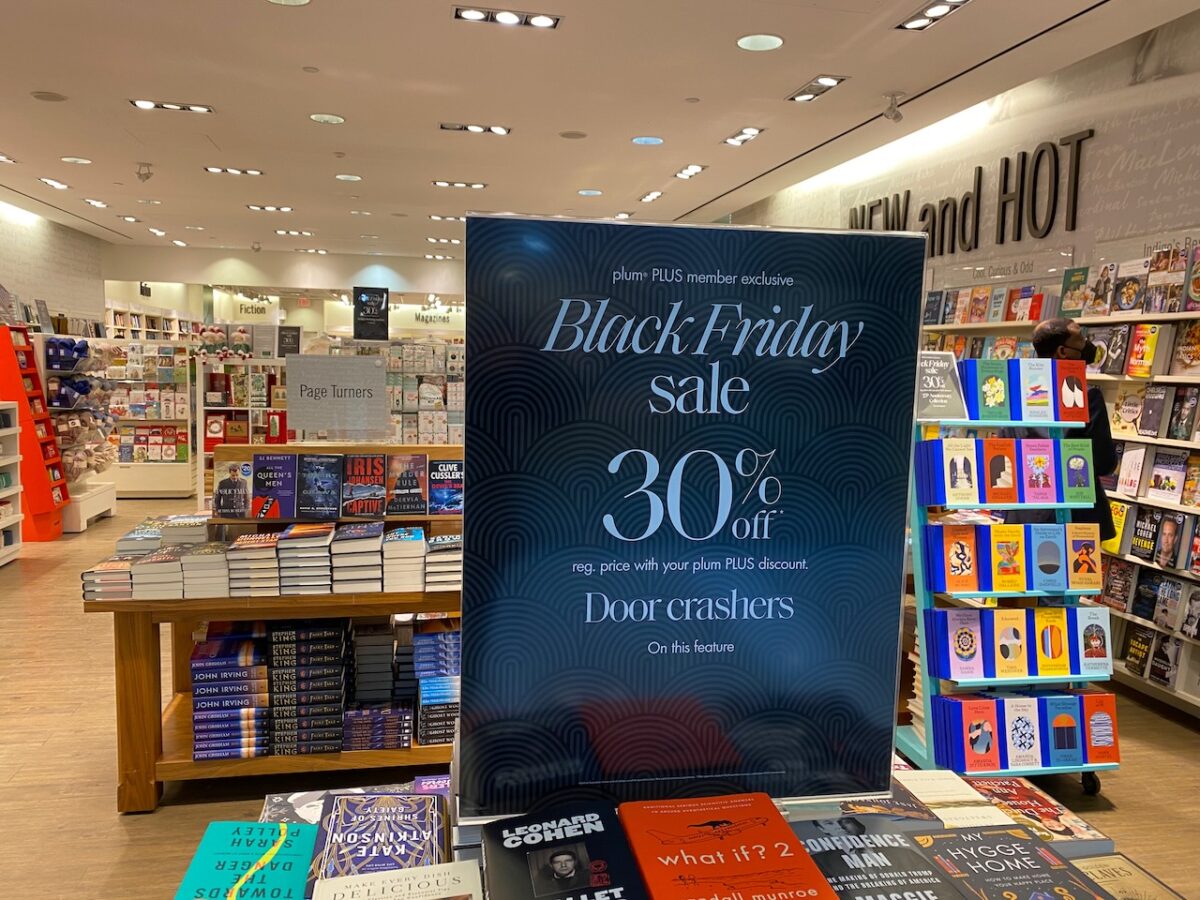
Black Friday Sale at Indigo in First Canadian Place (Image: Dustin Fuhs)
4. Is this period of time make or break for many retailers? Who are most vulnerable?
Minakakis:
“This has always been a make or break period for most retailers. I would start by saying retailers need to worry about a collision course between consumer affordability and demand. Their strategies need to address this issue going forward. This is the biggest vulnerability every retailer faces now and into 2023 and perhaps beyond that. Excluding luxury, retailers that don’t offer deep enough value driven offers, will be the most vulnerable with traffic and conversion. Not to forget that e-commerce will take another bite out of in store shopping. At the end of the day retailers that carry a lot of unsellable inventory tied to debt and loan covenants, are very vulnerable.”
Stephens:
“Conventional wisdom used to suggest that the 4th quarter – dubbed The Golden Quarter – was a matter of life and death for most retailers. Online shopping and year-round availability of most items (including holiday items) has evened out demand across the year a little but for most it’s still a crucial time.
“The most vulnerable retailers are – and always will be those who offer commodity products without any level of added value – be it through service, expertise, convenience or some other aspect. Retailers like this may be able to cling to life during up-cycles but they’re usually the first to get eaten alive in recessions.”
Newbury:
“Around August last year I suggested Q4/2021 would be the make-or-break period for the Canadian retailing industry. That was before consumers continued to spend at high rates ahead of the holidays which glossed over the cracks in how we, as an industry, continue to do retailing. I don’t think Q4/2022 will throw up too many fallouts, however if online services remain “free”, especially returns, then we might be looking to see turmoil during the first half year 2023 as the inevitable realignment starts to take effect.
“Besides Target, Sears and a few other withdrawals over the last five years or so, we have yet to see the real fall out that higher operating costs (including interest rates, labour and transportation) surface. However, it is clear that discretionary categories will be under substantial pressure to focus on their proposition, their pricing and operating models and ensure their processes and technologies delight the consumer, or they will be passed over in preference for those that are getting this right as we enter 2023.”
Winder:
“This is a massive time for retailers that sell items that are bought as gifts. Sadly yes, several retailers will not survive past February 2023. This will be the first holiday since the pandemic that government supports will not exist. The world has changed since 2019 and some retailers will call it quits as the combination of debt incurred during the pandemic and the flight to value from customers will be too much for them. The most vulnerable are small retailers and brands that are not well capitalized.”
Kehoe:
“Fourth quarter retail sales success is essential for retailers but the need for strong sales this fall is amplified by many factors. Rising retail rents, increasing levels of taxation and other costs make the situation murky and unpredictable at best.
“Consumers will be cautious, price sensitive and strategic with their shopping this year. Fashion, toys, jewelry and experiential gifts like indoor skydiving or cultural event tickets are expected to be popular as well as small indulgences like artisan gifts from local Christmas markets.”
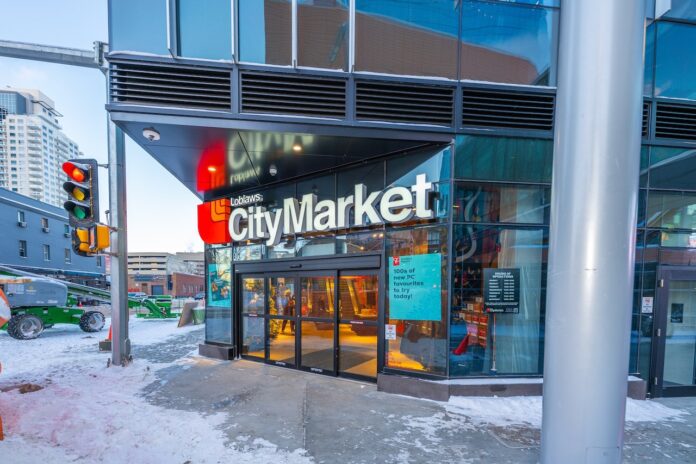
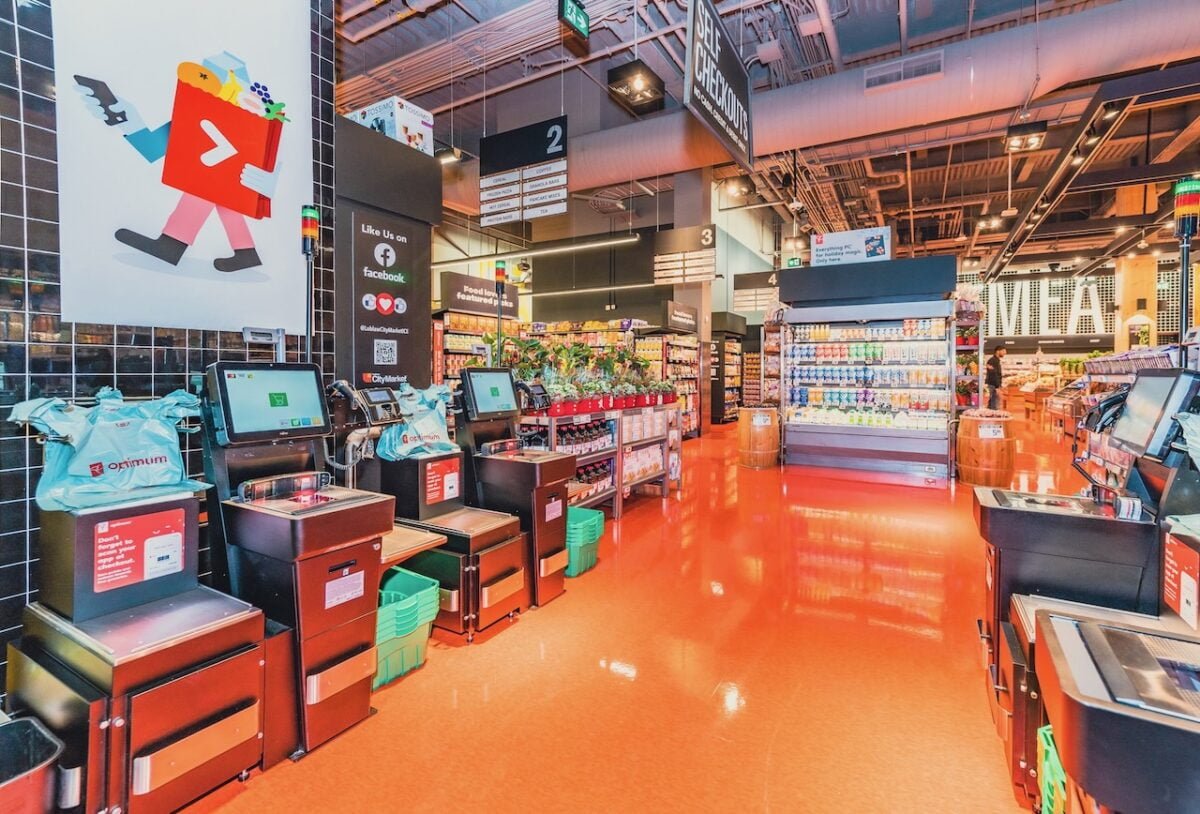
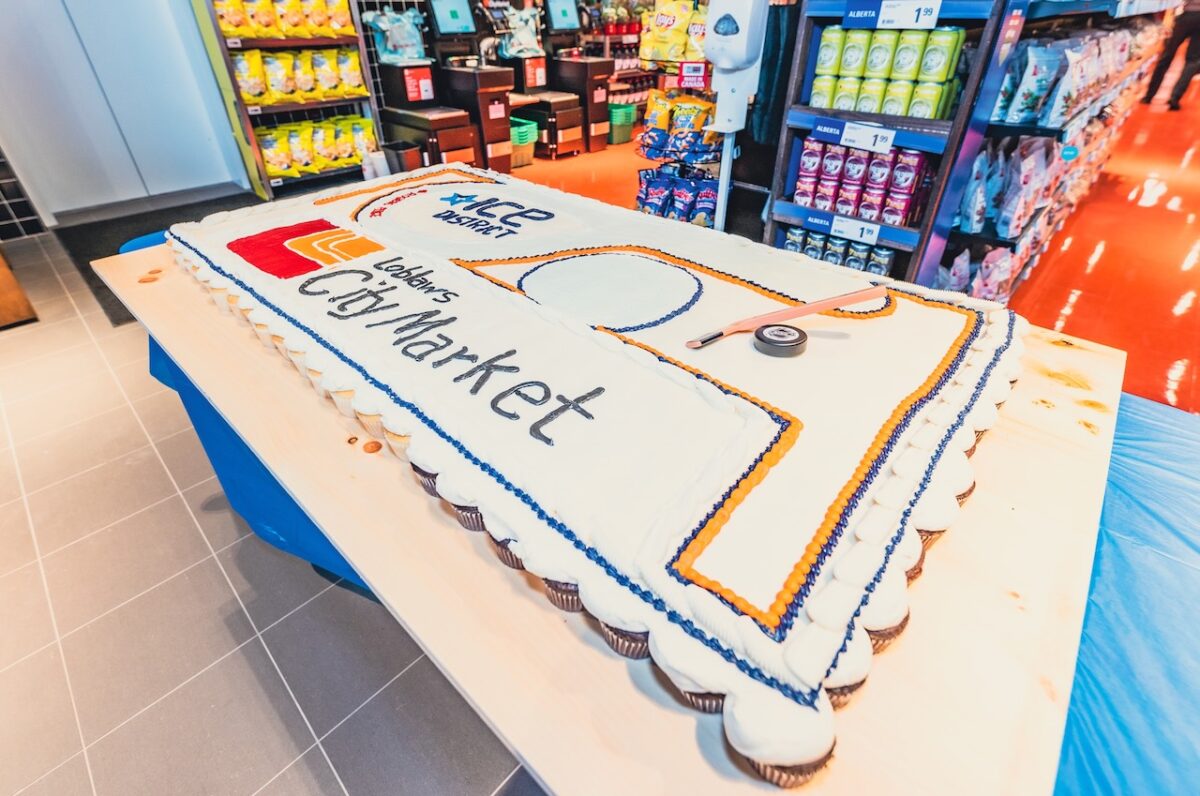
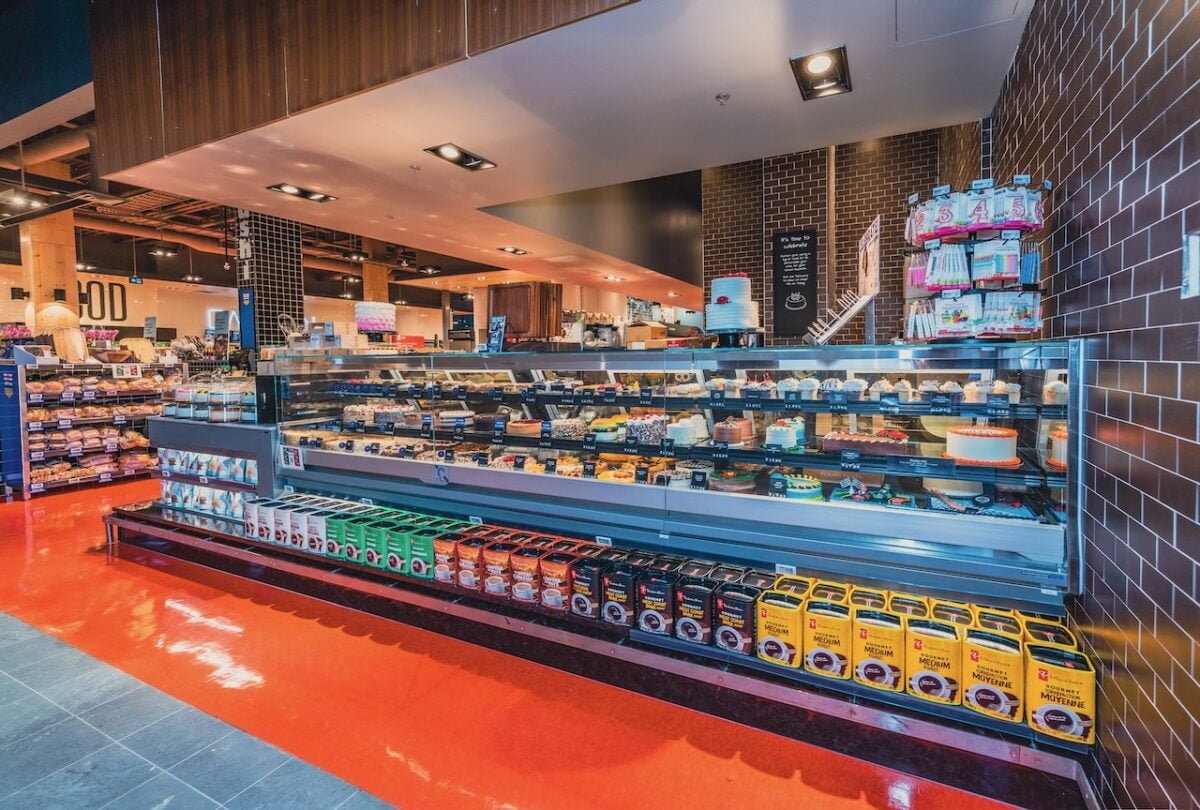
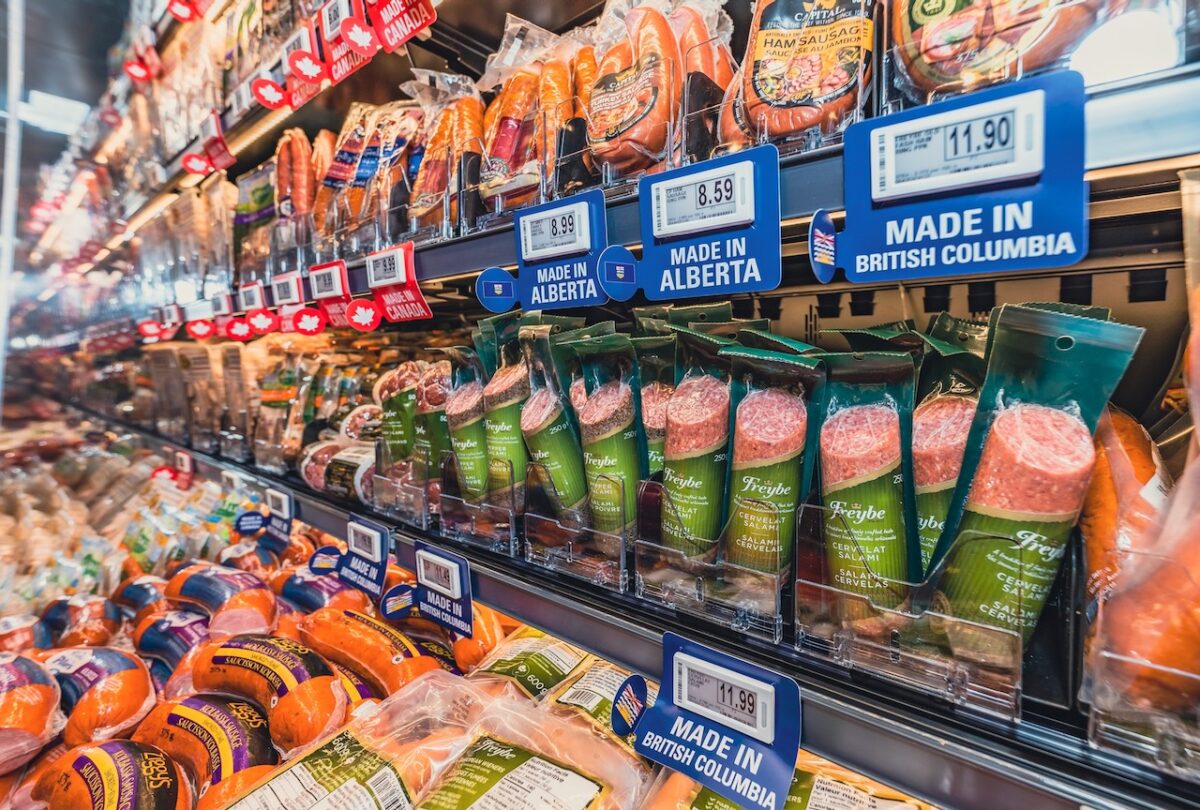
A unique concept Loblaws City Market store has opened in Edmonton’s ICE District, Canada’s largest mixed-use sports and entertainment district.
Stella He, Store Franchise Owner, said the smaller 22,000-square-foot store has a full assortment of merchandise as well as fresh goods and it will serve a need for a supermarket in the heart of Edmonton.
Stella He
“We’re so excited and proud to offer downtown Edmontonians improved access to a wide variety of delicious and convenient food options,” said He. “We look forward to a long and successful partnership with the ICE District, and to serving our customers and community for many years to come.
“We are serving the downtown core residents, students, event (goers) and office workers.”
Loblaws City Market (ICE District) Image: LoblawLoblaws City Market (ICE District) Image: Loblaw
ICE District is reimagining the way Edmontonians experience their city’s downtown, offering the very best in entertainment and hospitality, as well as AAA office and residential spaces. With ICE District Plaza officially open in October and anchor tenants like Rogers Place, Stantec, JW Marriott, the Oilers Official Team Store, Grand Villa Casino and many others including a variety of restaurants and bars open for business, ICE District has become the epicentre of entertainment in Edmonton.
Officials said the Loblaws City Market is yet another milestone opening for the area, and an extremely welcome and exciting addition to Edmonton’s new downtown hub.
He said the decision to open a store at ICE District was spearheaded by the Loblaws real estate team.
“The location is so convenient and the community has been so welcoming to us. We’re overwhelmed by the amount of welcoming of the customers coming to us,” she said, adding the store is able to fulfill customers’ needs in a more compact setting.
“What we’re hearing over and over again is how excited they are that there’s finally a grocery store in the downtown core.”
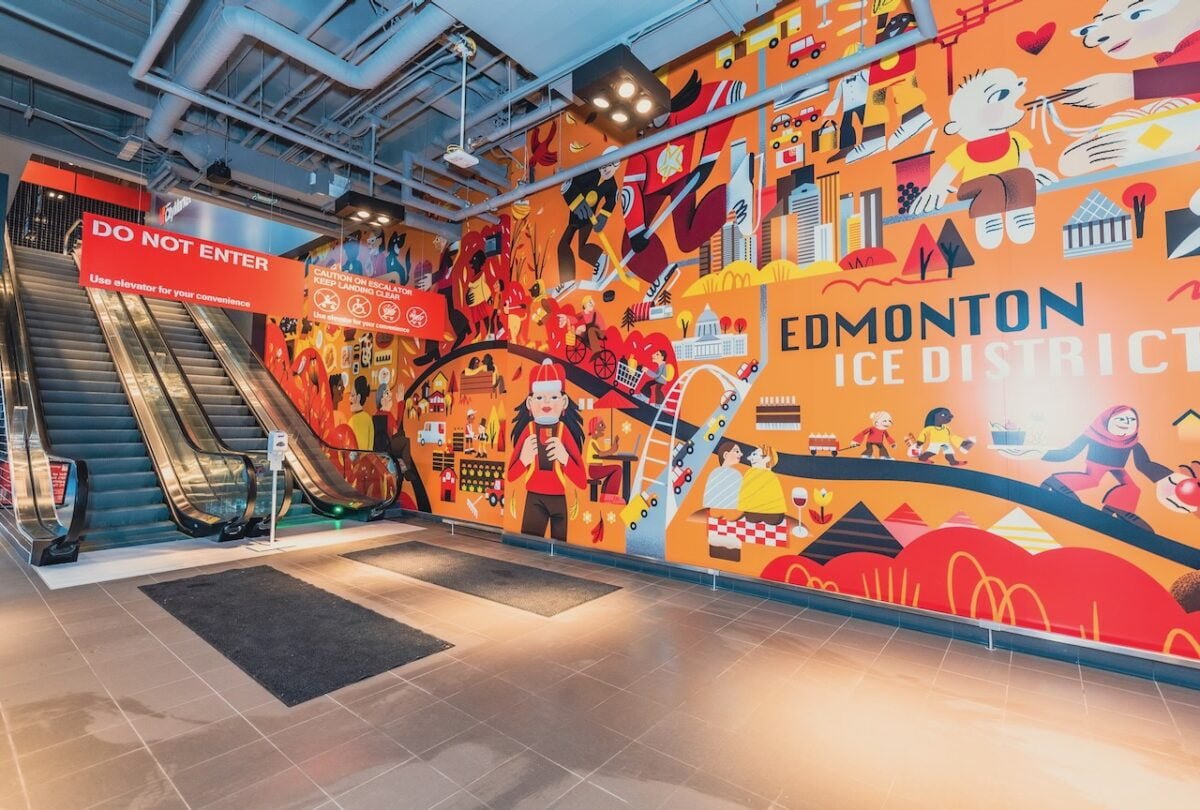
Loblaws City Market (ICE District) Image: LoblawLoblaws City Market (ICE District) Image: Loblaw
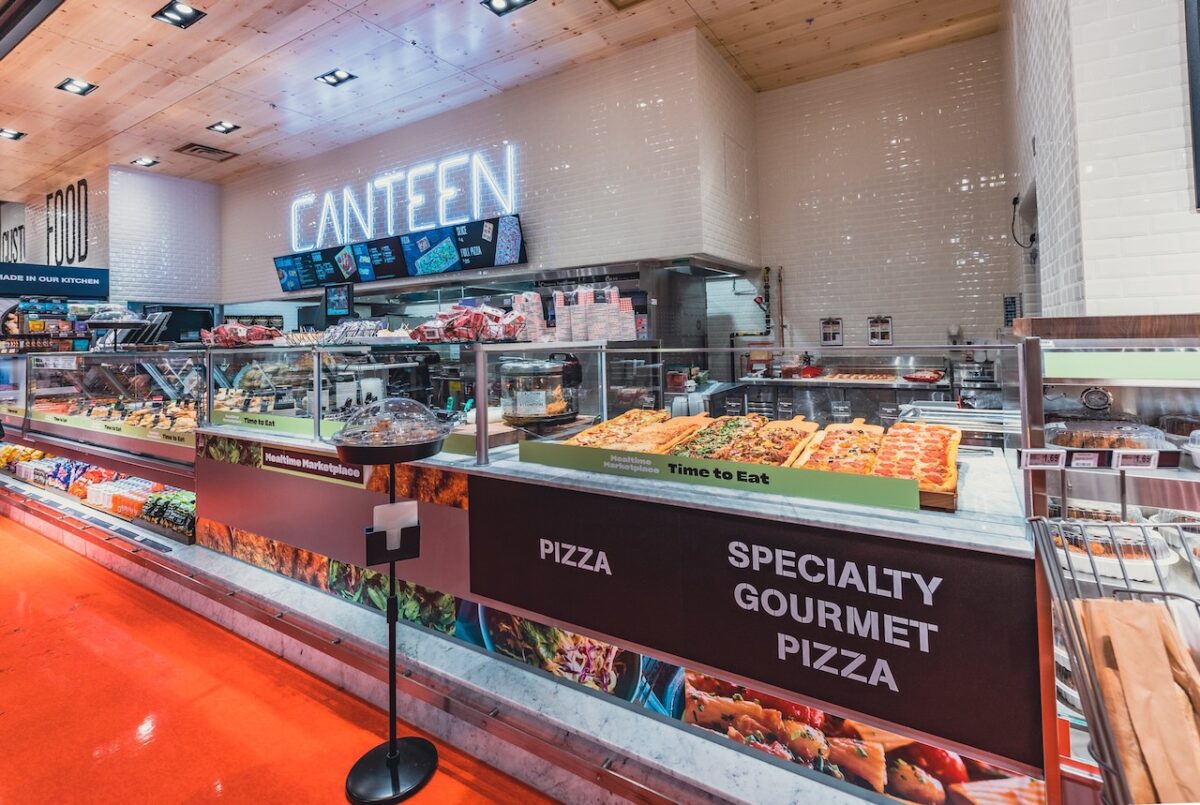
The store is located at 10324 103 Ave NW and offers ready-to-go meals from its Mealtime Marketplace to the fresh produce and consumer packaged goods the Loblaws brand is famous for.
Stuart Ballantyne
“As part of the planning process for ICE District, the need was identified to bring in amenities that would help create a more livable downtown—and a modern, urban grocery store was top of the list,” said Stu Ballantyne, President and Chief Operating Officer, Rogers Place and ICE District.
“ICE District has already played a key role in North America’s most successful post-pandemic return to the workplace and downtown core, and we couldn’t be happier to see the doors officially open at ICE District Loblaws City Market. We know this has been a highly anticipated opening for our residential and office space tenants and we look forward to continuing to offer best-in-class experiences and offerings for Edmontonians as ICE District continues to evolve and grow.”
Loblaws City Market (ICE District) Image: LoblawLoblaws City Market (ICE District) Image: Loblaw
ICE District Properties, a mixed-use development surrounding Rogers Place and Ford Hall, was developed through a joint venture between Katz Group and ONE Properties.
“Our whole philosophy is live, work, play, shop and stay for ICE District. With all of the condominiums that sit on top of the hotel, that sit on top of the office tower in that block, not to mention all of the newer condominiums that have been built in and around ICE District, a grocery store within walking distance for those people was highly important and was part of the original plan that they mapped out for what ICE District could be,” said Ballantyne.
“And so having it open is literally game changing for those that live in the area.
Image: ICE District
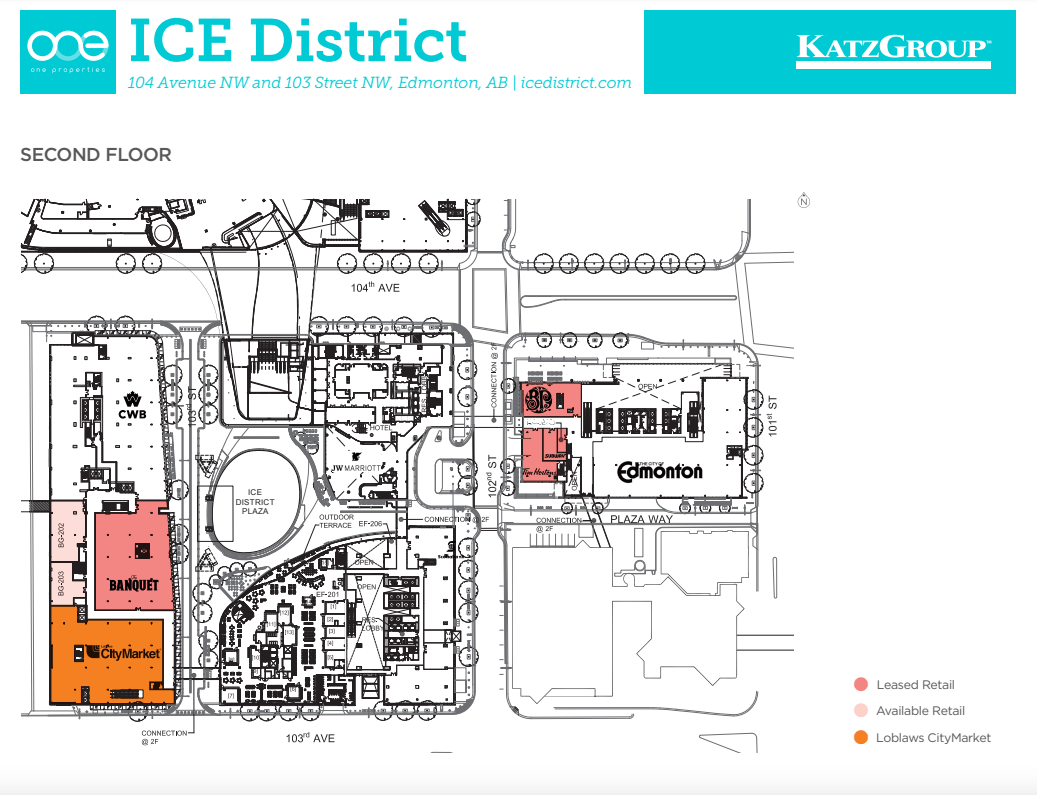
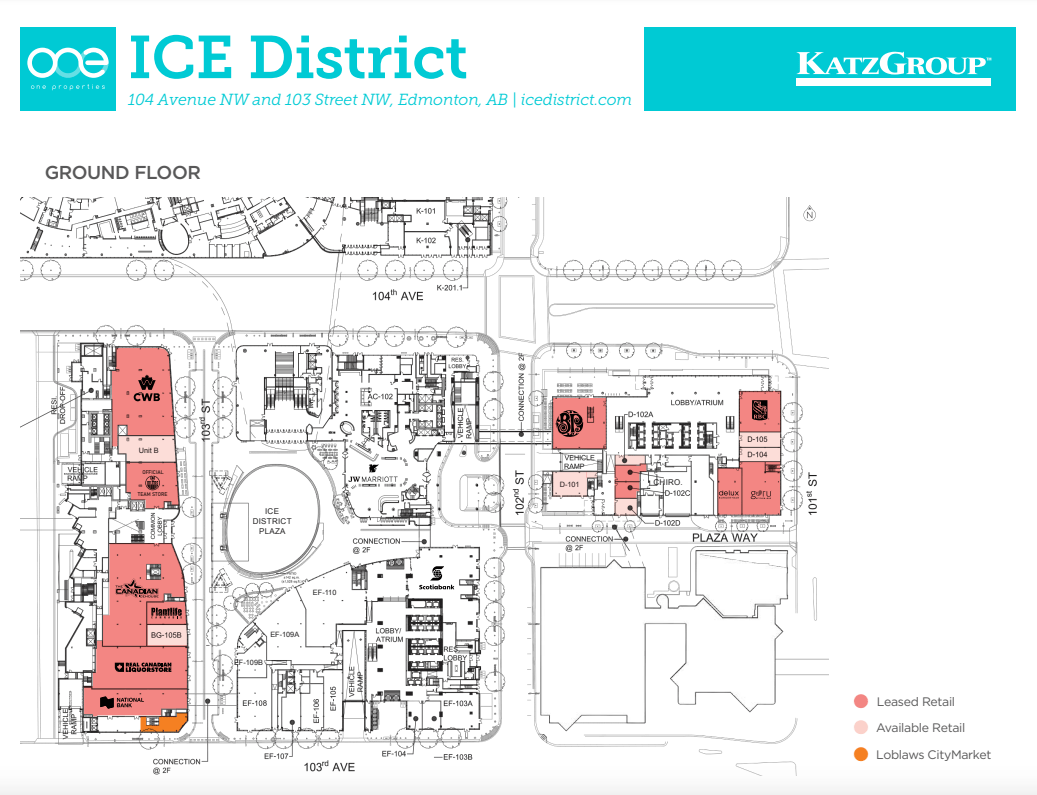
Ice District Leasing Map (October 2022)
Ice District Leasing Map (October 2022)
“This one of course is connected by pedway so people that live in the downtown core that sit on the pedway don’t have to go outside to get to the grocery store and go home.”
He said the closest grocery store would be about six blocks from ICE District.
Ballantyne said the “boutique” Loblaws store fits in nicely with the neighbourhood. It’s modern and urban in its style as well.
Adyen’s first Canada Holiday Report, commissioned by Angus Reid, finds that more than half of Canadians (58 per cent) said the most important factor when deciding where to shop this holiday season is a store they are loyal to and have had past experience.
Sander Meijers
The report also reveals that the checkout process will dictate whether Millennials and Gen Z decide to spend or not, with many also demanding that they have an integrated checkout and payment experience that is connected online and in-store. But only less than half of Canadians are usually satisfied with the return experience when they purchase a holiday gift.
“The retail industry is evolving, and we must recognize the changing needs and desires of Canadian shoppers at every age. How Millennials and Gen Z prefer to shop versus Boomers and the older Canadian population directly impacts which brands they’re loyal to,” said Adyen Canada Country Manager, Sander Meijers. “This holiday season, retailers will need to double down on their payment processes to ensure that they are meeting shoppers where they are – whether it’s online, in-person, or both. A seamless retail experience means convenience at every touchpoint, including speedy checkouts and convenient returns.”
ApplePay
Meijers said the most important finding from the report that he keeps seeing come back and back is that consumers don’t really care about where they’re buying or where they’re returning.
“For a merchant, a brand, a retailer, they don’t care where the contact is whether it’s online or in store. Consumers really want to have one experience,” he said. “Think about paying. They don’t want a different experience in the store than they see online. If they think about loyalty, they don’t want to be recognized online but then not be recognized in store when they pay or when they sign in.
“When they think about returns, they really don’t want the fact that whatever they bought online can’t really be returned in an easy way in store or what they bought in store can’t really be sent back to a random location and they get it funded on their e-commerce wallet for that matter.”
Meijers said unified commerce is important for retailers today. Customers should feel the same way in all retail touchpoints and they should be treated in the same way.
He said brands are really trying to do that today, and they acknowledge that, but they’re having troubles in the background. Historically, it’s been two completely different systems. Technology has been built to help with their online experiences and there was already technology there for their brick and mortar stores.
“These two technologies have not been connected. So what you end up with is a lot of manual work and I think brands recognize this and they’re struggling. They’re patching refund processes together and the shopper feels that. I think brands are recognizing the need but they’re just struggling to really get it in a seamless experience because their technology is just not connected.”
Adyen is a leading retail end-to-end, all-in-one payments solution for merchants across the globe.
The survey found that younger Canadians continue to drive the popularity of online shopping while older generations largely still prefer shopping in-store, and with that has come an increased desire and need for integrated payment solutions in the emerging world of “unified commerce.”
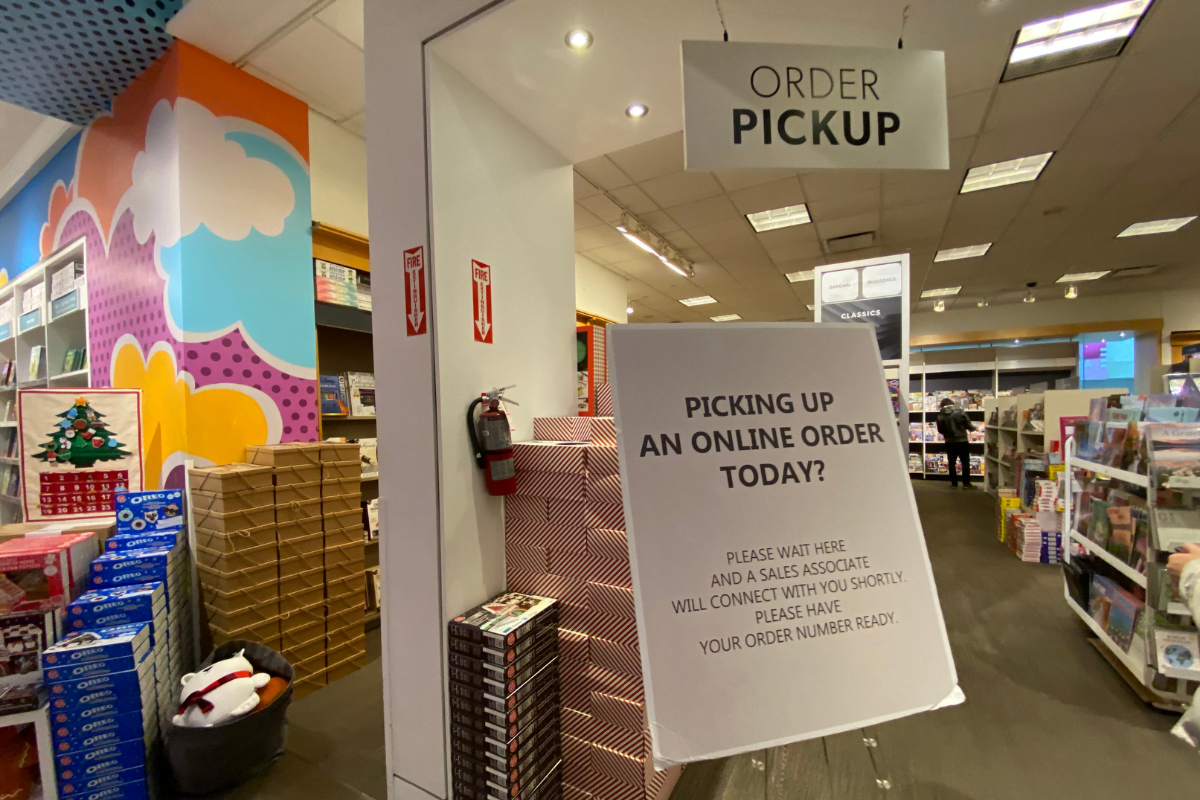
Indigo Order Pickup at CF Toronto Eaton Centre (Image: Dustin Fuhs)
Survey highlights include:
One in four Canadians say the speed of the checkout process dictates whether they spend or not;
54 per cent of young Canadians aged 18-34 say the single-most important thing for them when deciding which store(s) to shop from this holiday season is a store they are loyal to and have past experience with;
45 per cent of those aged 18-34 have not usually been satisfied with the return experience when trying to return unwanted items, nearly twice the proportion (24 per cent) of older Canadians (55+) who said the same;
44 per cent in the 18-54 age group say they are more likely to shop at stores that offer integrated in-store and online payments;
Conversely, only 25 per cent of older Canadians (55+) say they are more likely to shop at stores that offer integrated payments, with 75 per cent saying it makes no difference to them;
58 per cent of Canadians say the single-most important thing for them when deciding which store(s) to shop from this holiday season is a store they are loyal to and have past experience with. This is more than twice the proportion who said “stores that offer seamless in-store and online return processes” (25 per cent);
Young Canadians and older Canadians were aligned with the importance of brand loyalty, with 54 per cent of young Canadians agreeing that loyalty is the single-most important factor, and 65 per cent of Canadians aged 55+ agreeing as well;
45 per cent of those aged 18-34 have not usually been satisfied with the return experience when trying to return unwanted items, nearly twice the proportion (24 per cent) of older Canadians (55+) who said the same.
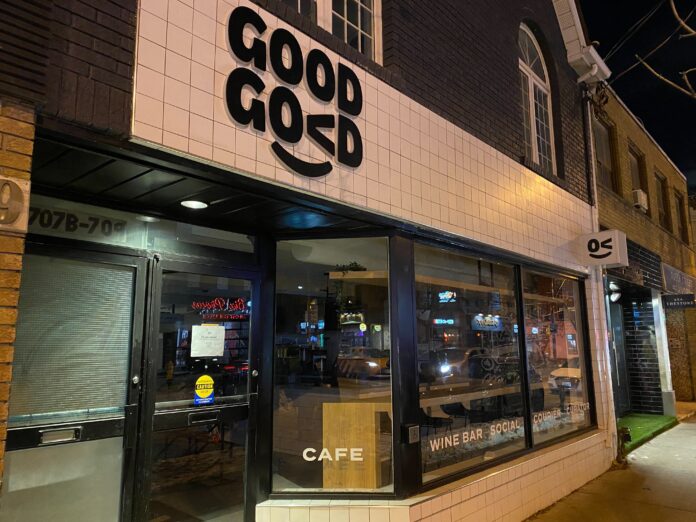
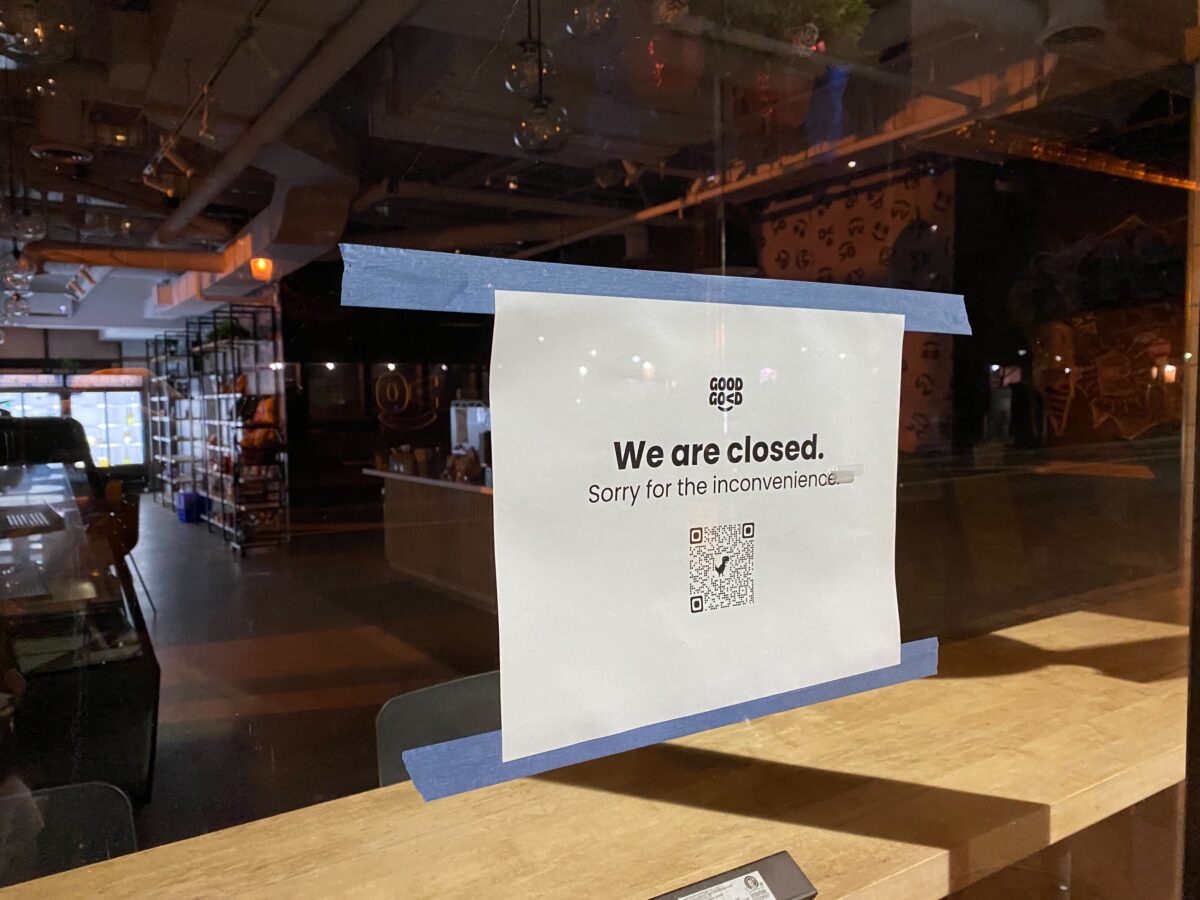
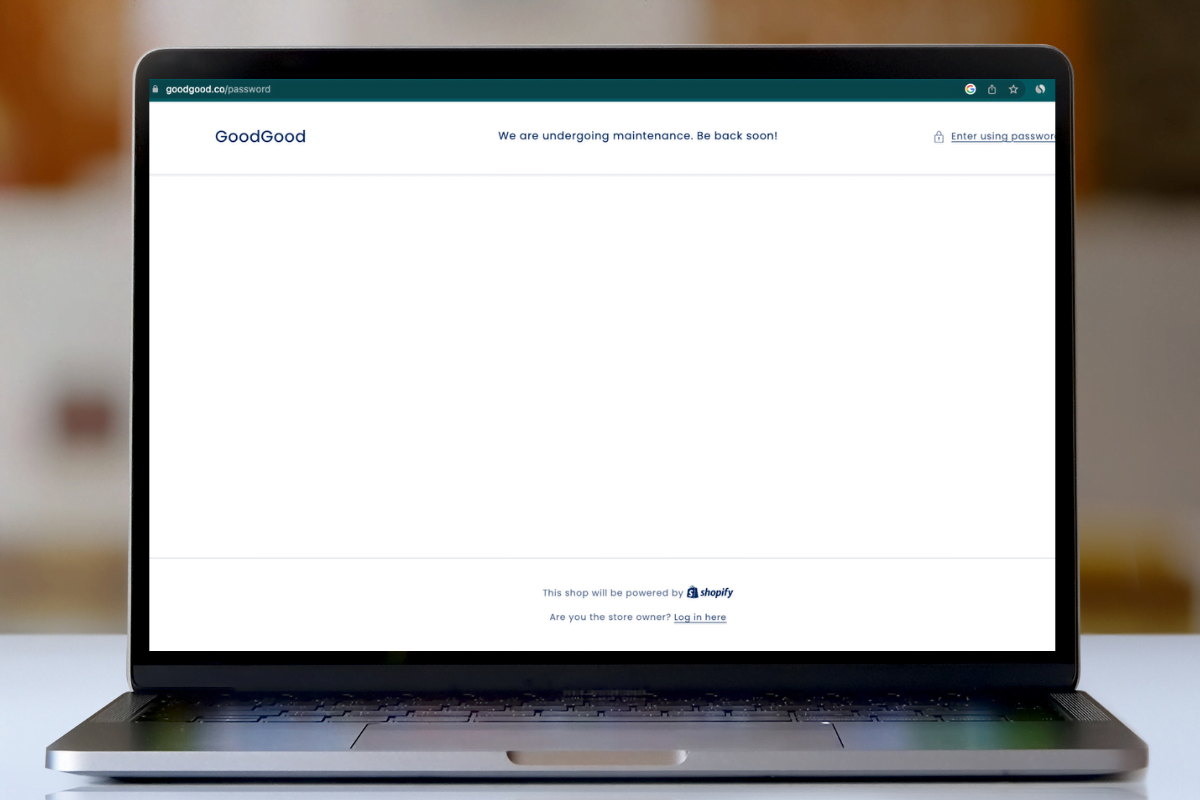
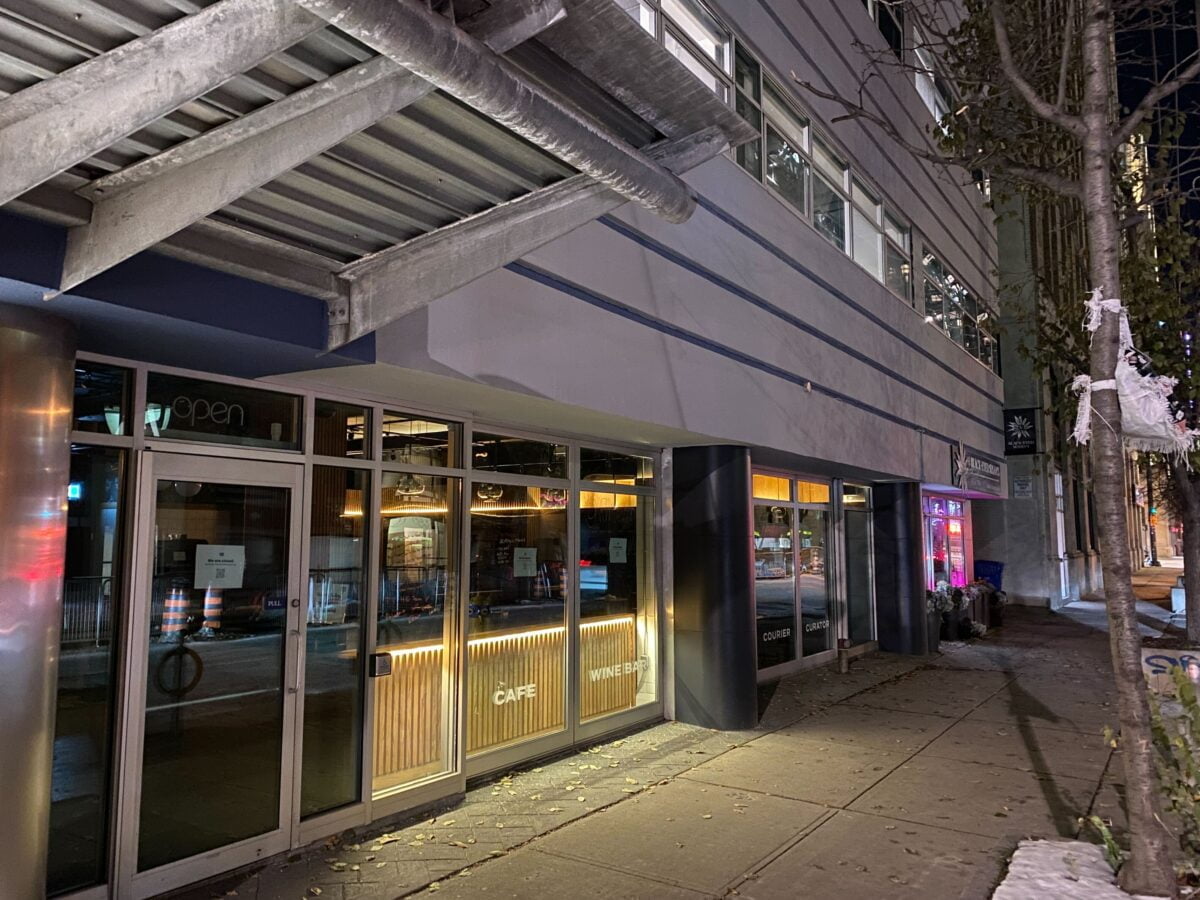
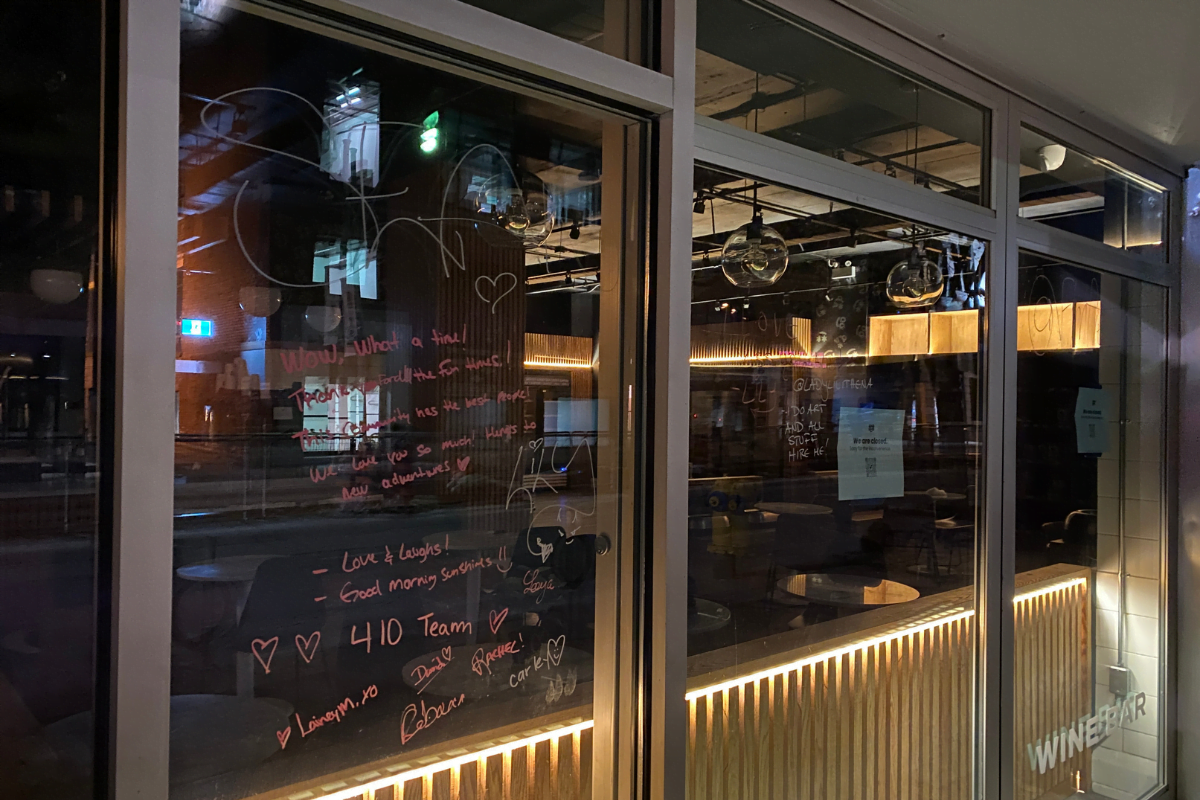
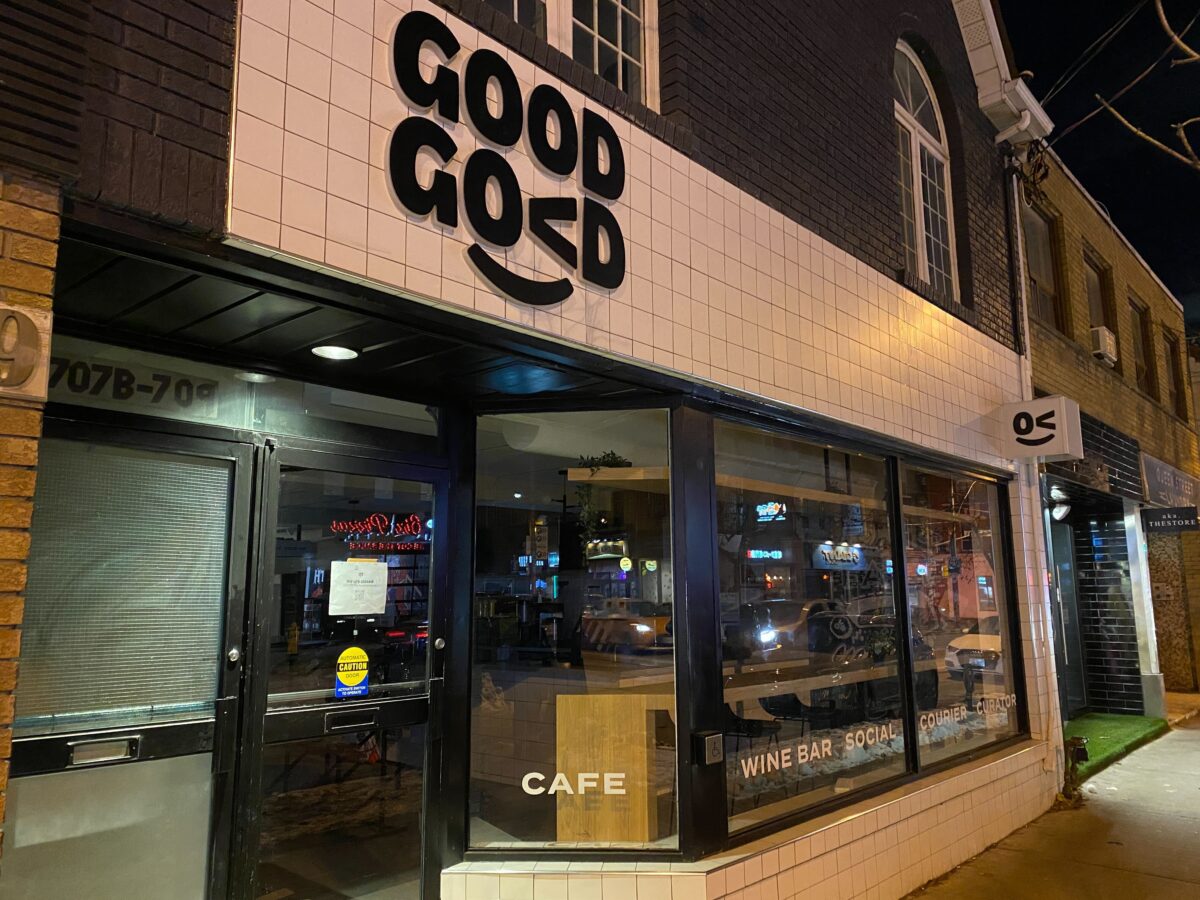
Unique Toronto-based local commerce retailer and foodservice business GoodGood has ceased operations and shut its retail spaces, noting challenges to doing business in this economic climate.
The company released the information via social media.
“Today we are sharing the difficult news that GoodGood will cease operations effective immediately,” said the brand on Instagram. “We’d like to extend a heartfelt thank you to our community. It has been a privilege to have been a small part of your life. We could not be more grateful for your support. As a business built on community we feel it’s important to share broader context on what led us to this decision.”
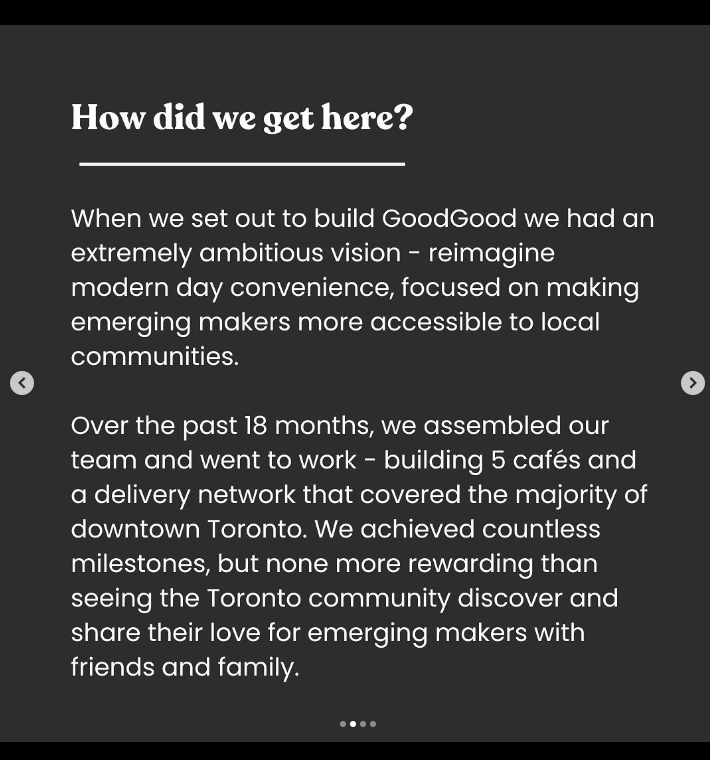
“When we set out to build GoodGood we had an extremely ambitious vision – reimagine modern day convenience, focused on making emerging makers more accessible to local communities.”
“Over the last 18 months, we assembled our team and went to work – building 5 cafes and a delivery network that covered the majority of downtown Toronto. We achieved countless milestones, but none more rewarding than seeing the Toronto community discover and share their love for emerging makers with friends and family.”
GoodGood Instagram Announcement (Image: GoodGood)
Image: Instagram.com/makeitgoodgood
Image: Instagram.com/makeitgoodgood
Image: Instagram.com/makeitgoodgood
Image: Instagram.com/makeitgoodgood
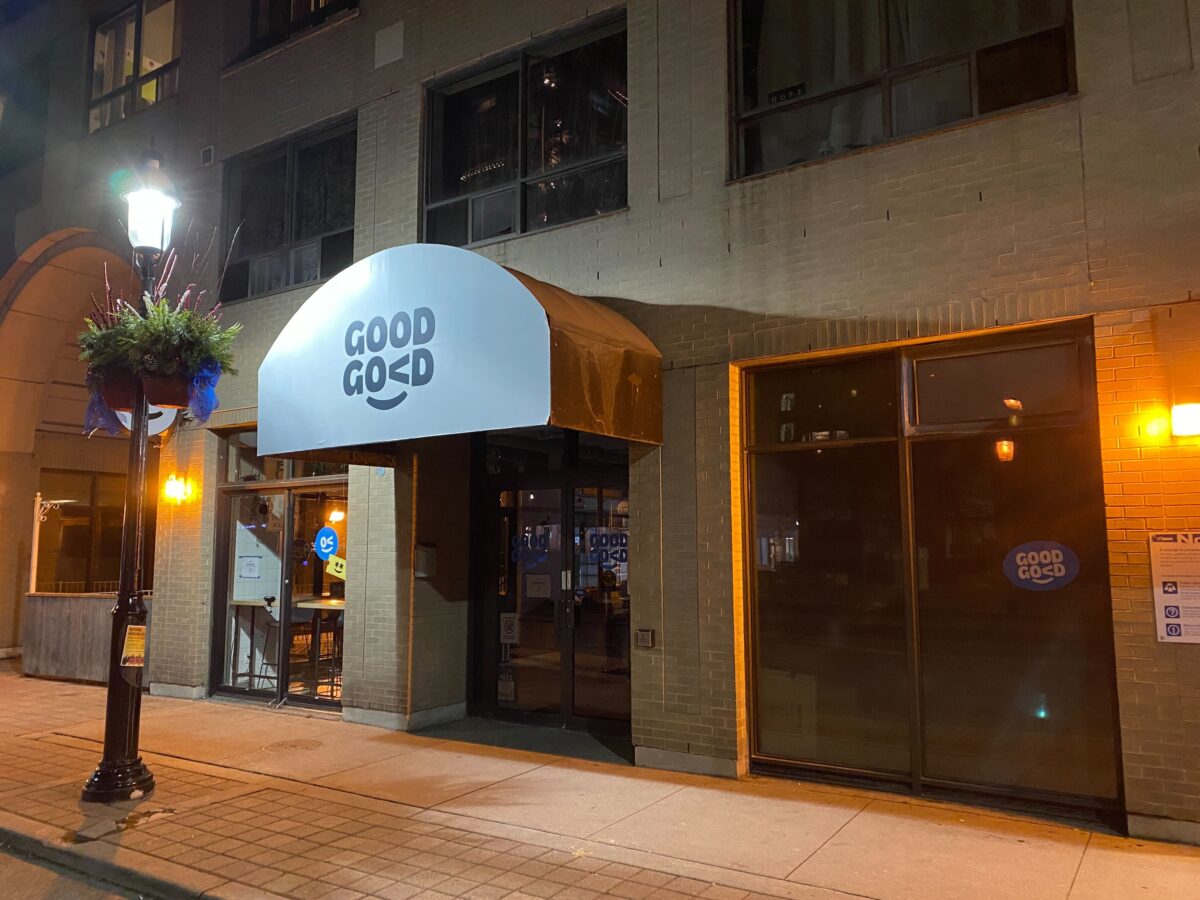
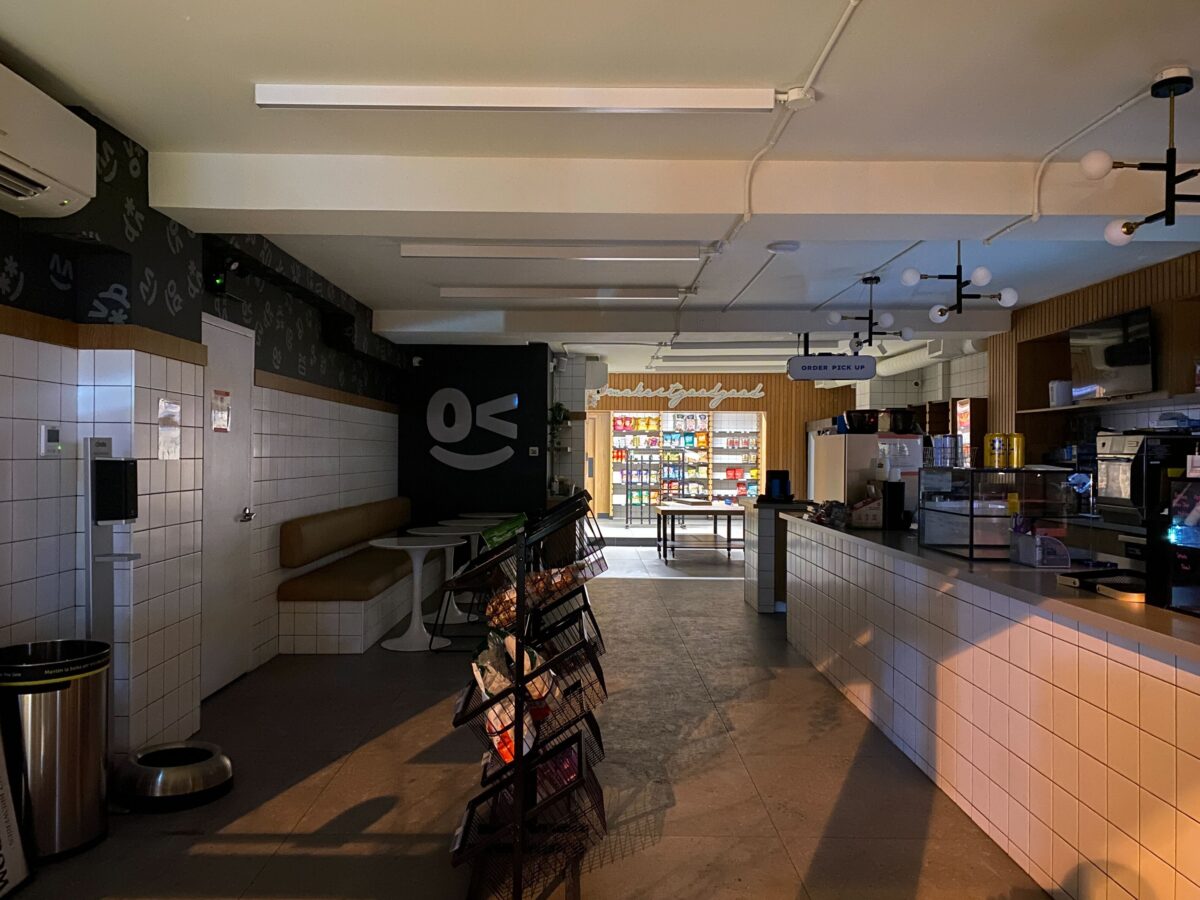
Former Esplanade GoodGood location on Sunday, November 20, photo: Dustin FuhsFormer Esplanade GoodGood location on Sunday, November 20, photo: Dustin Fuhs
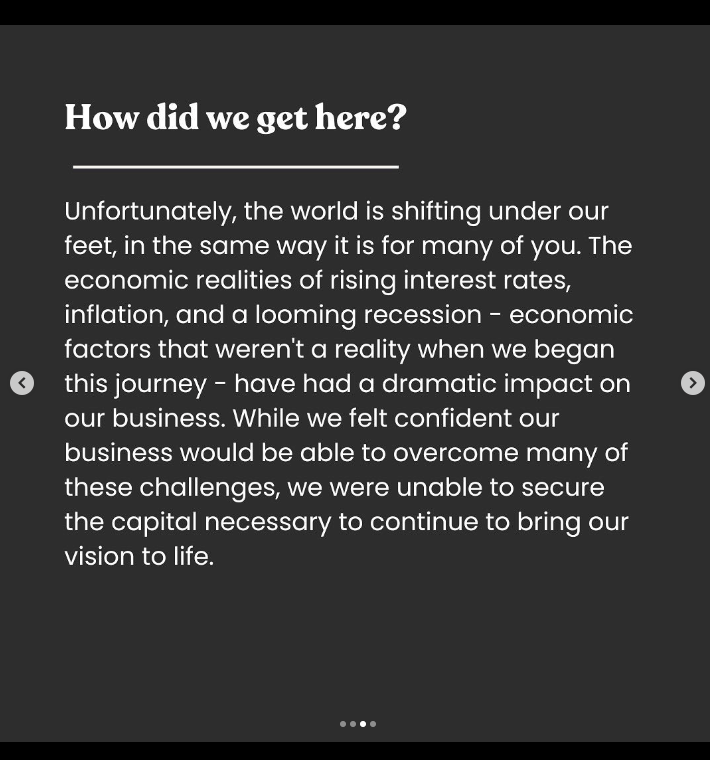
“Unfortunately, the world is shifting under our feet, in the same way it is for many of you. The economic realities of rising interest rates, inflation, and a looming recession – economic factors that weren’t a reality when we began this journey – have had a dramatic impact on our business. While we felt confident our business would be able to overcome many of these challenges, we were unable to secure the capital necessary to continue to bring our vision to life.”
“We built a dedicated team who are passionate about their work. If you are hiring, please contact Kris@GoodGood.co, so that we can connect you with our team members.”
“While GoodGood will cease operations, the emerging makers you love will continue to thrive. Over the coming weeks, we will be sharing ways you can continue to support these makers by ordering directly or visiting local retailers who share a similar mission of supporting local, up-and-coming makers.
“Keep it GoodGood, The Good Good Team.”
Image: GoodGood.co Former Adelaide St. location on Sunday, November 20, photo by Dustin FuhsFormer GoodGood Location on Adelaide Street (Image: Dustin Fuhs)
Founded by Robert Kim and Kris Linney, GoodGood’s goal was to make it easier for neighbourhoods to access their favourite makers and artisans.
The brand opened its first pop-up at Adelaide Street West and Spadina in December 2021. That location was followed with locations at:
140A The Esplanade in the St. Lawrence Market neighbourhood
1187 St. Clair West in the St. Clair and Dufferin neighbourhood
709 Queen Street West
1909 Yonge Street at Yonge & Davisville
and a flagship at 410 Adelaide Street West
We’ll continue to update this article, as this is a developing story.
Former Queen Street location on Sunday, November 20, photo: Dustin FuhsFormer Queen Street location on Sunday, November 20, photo: Dustin Fuhs
Retail Insider is streamlining its Canadian retail news from around the web to include a handful of top news stories that can be viewed quickly during the day. Here are the top stories from the past three days.
Another wave of workers are expected to return to Downtown Toronto in the fourth quarter of this year as companies encourage their employees to return to the office, according to the Toronto Urban Retail Report by commercial real estate firm JLL.
“Although most workers are returning to work only two to three days a week it is estimated that over 50 per cent of Downtown Toronto’s daytime workers have returned to the office which has helped boost retail sales,” it said.
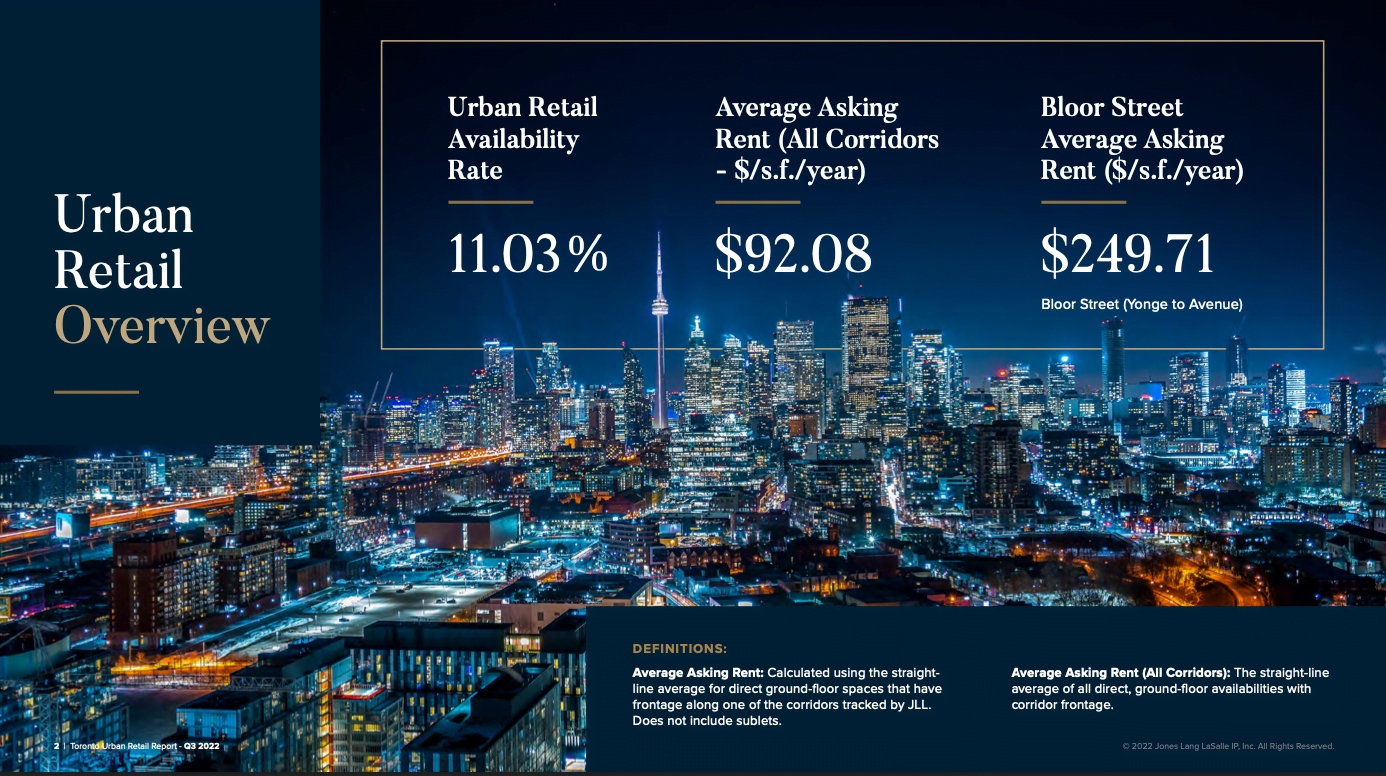
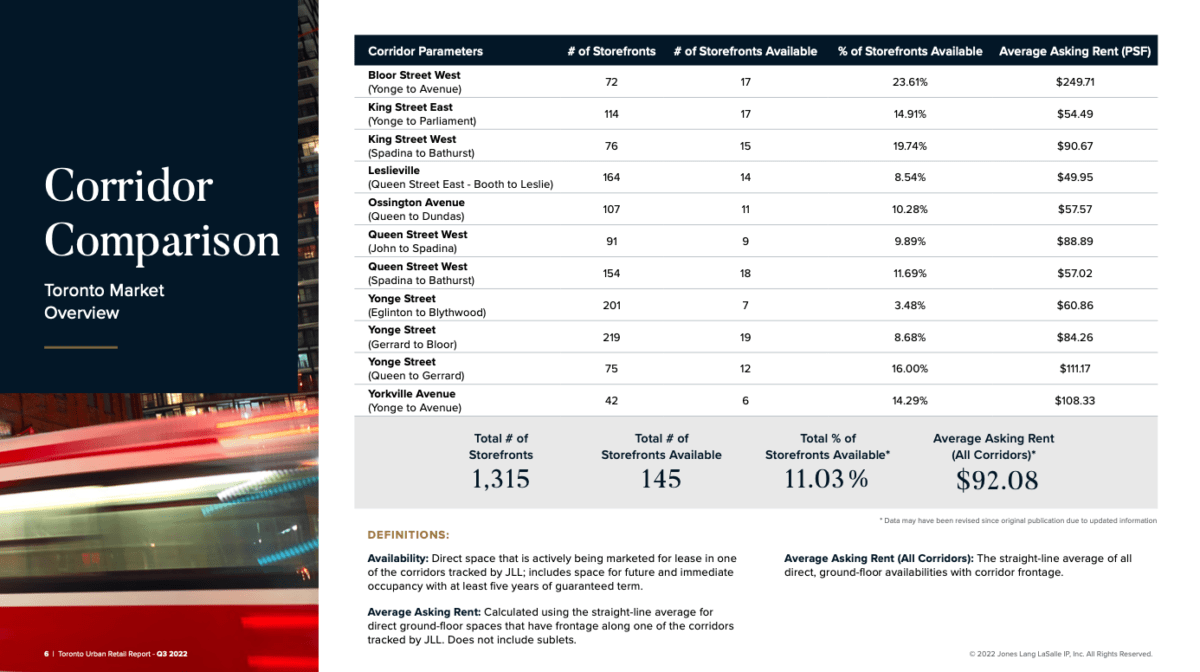
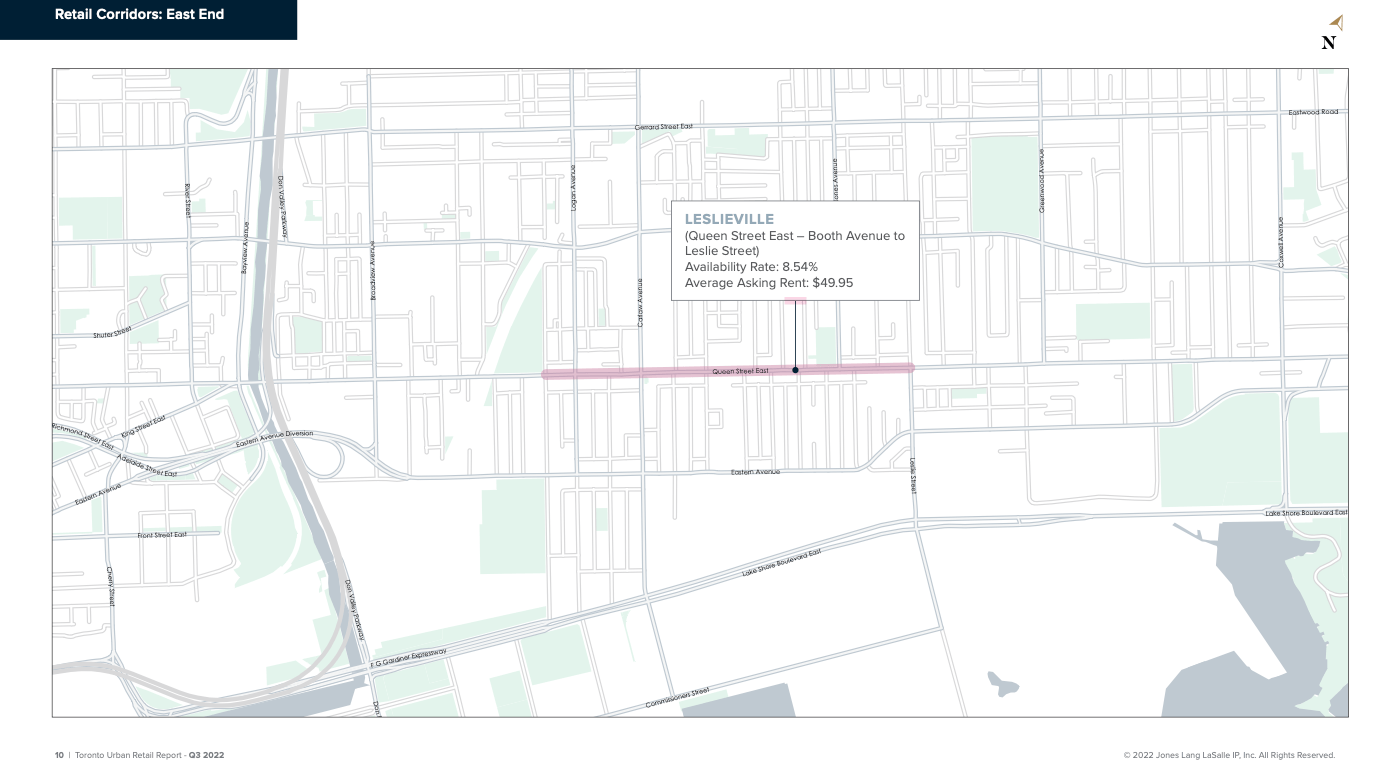
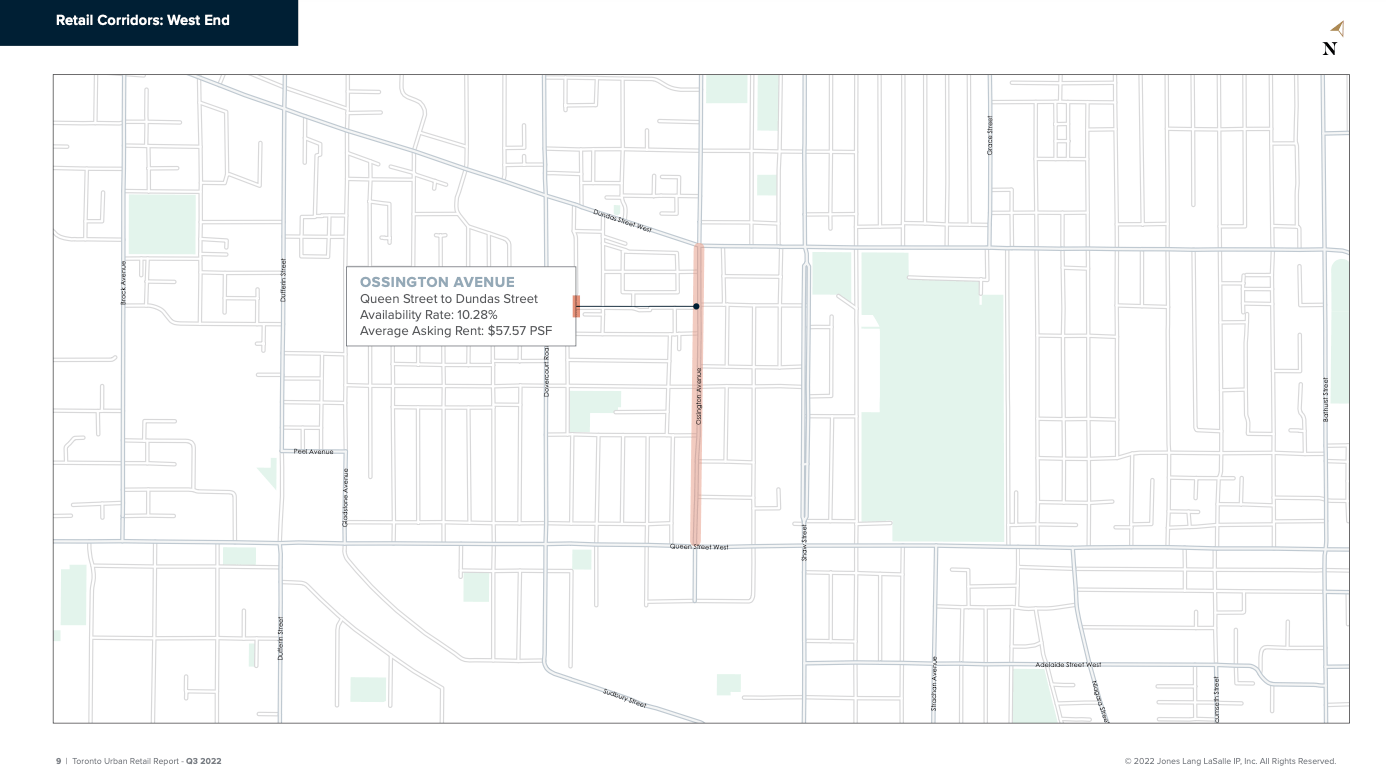
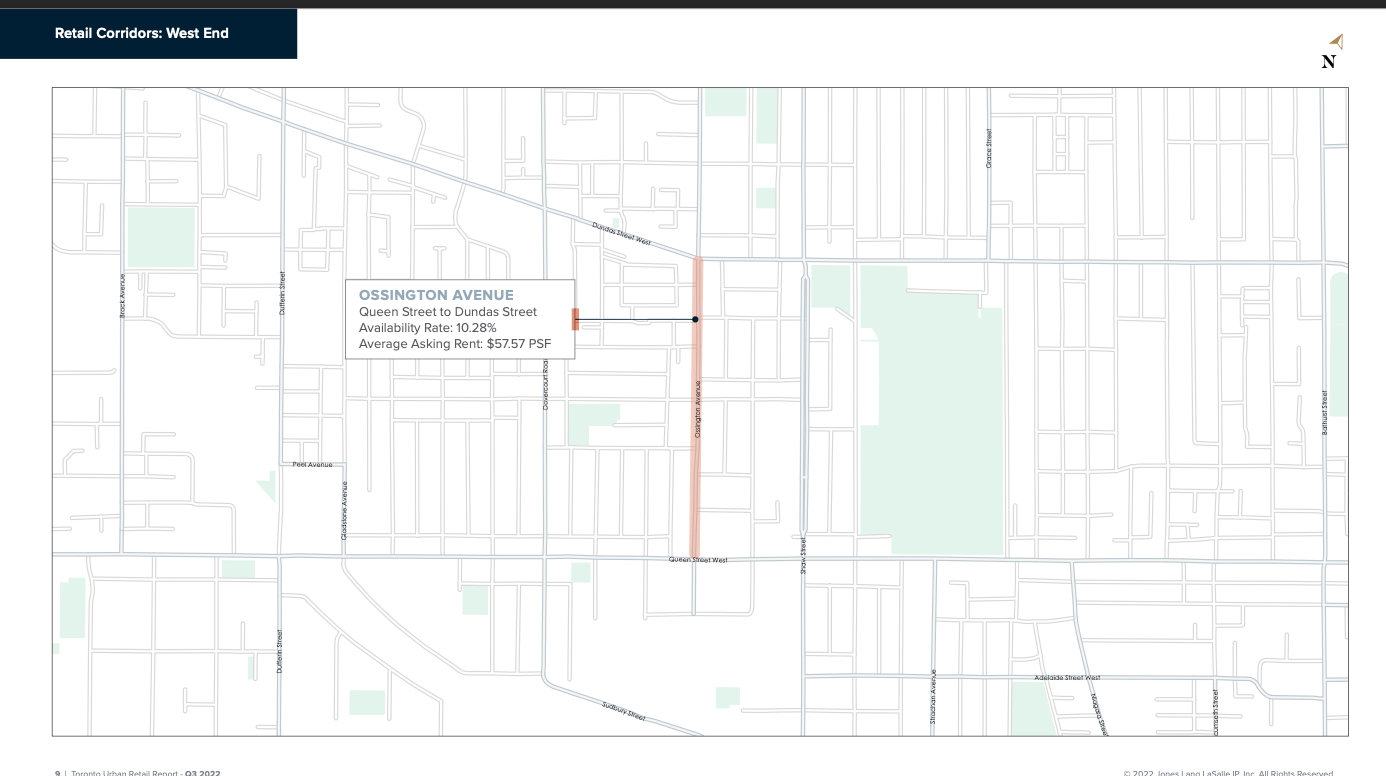
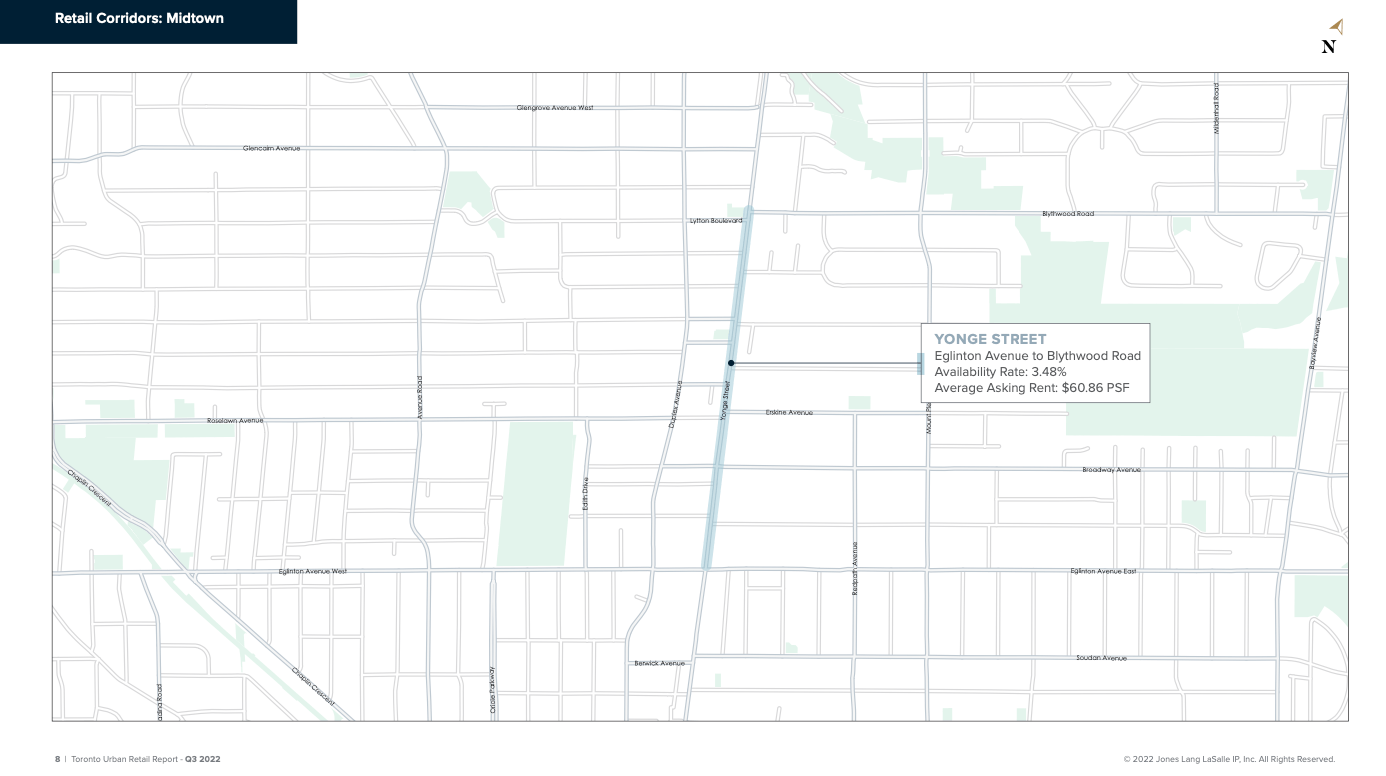
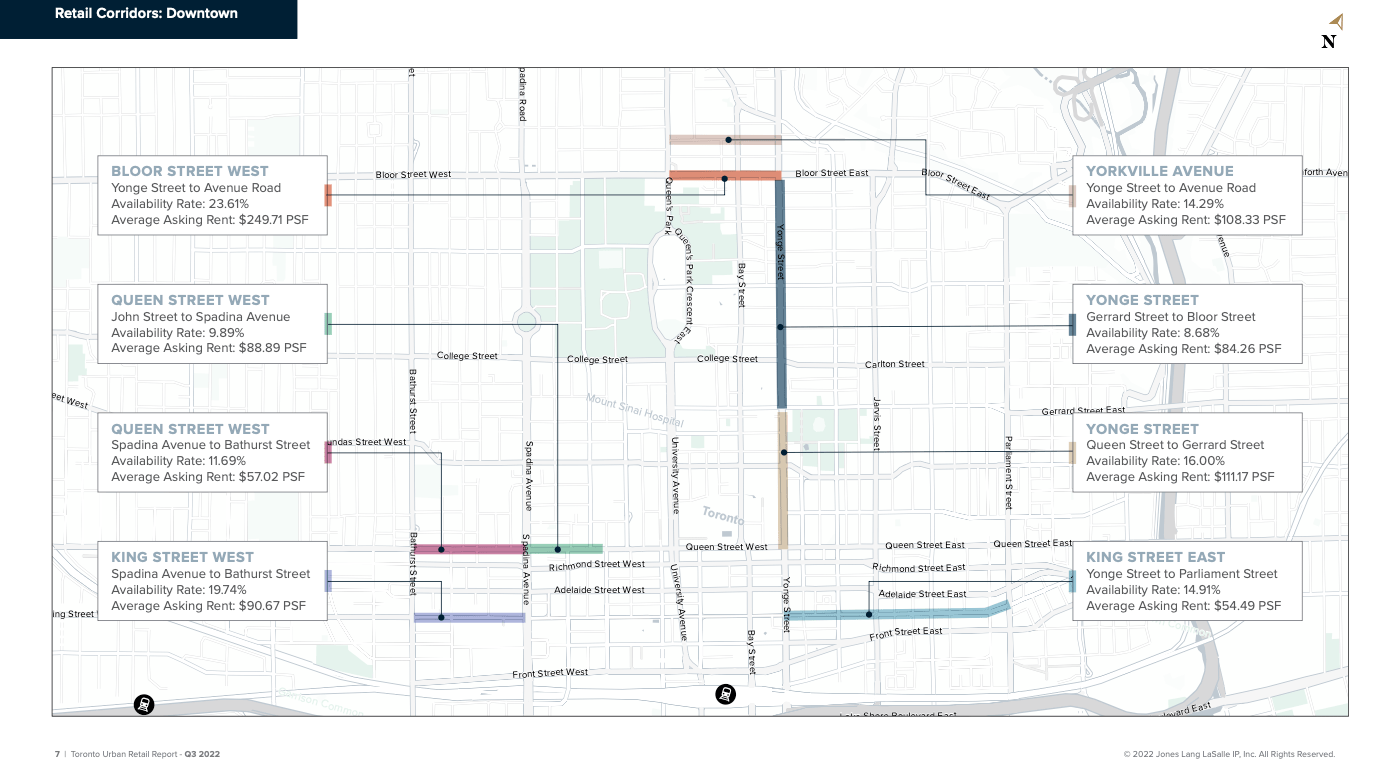
The average availability rate across the 11 retail corridors tracked by JLL was 11.03 per cent, totalling 145 storefronts. Bloor Street West from Yonge Street to Avenue Road had the highest percentage of retail available (23.61 per cent) while Yonge Street from Eglinton Avenue to Blythwood Road had the lowest retail availability (3.48 per cent).
Image: JLL Image: JLL
“Surprisingly, there were fewer storefronts available on Bloor Street West (Yonge Street to Avenue Road) in Q3 2022 than in Q3 2019 when there were 26 storefronts available for lease,” said the report.
“King Street West (Spadina to Bathurst) has an availability rate of 19.74 per cent, but nine of the 15 King West availabilities are in Allied and Westbank’s “King Toronto” development; King West has the second lowest availability rate (7.89 per cent) if King Toronto is not included.”
The report said average asking rent across Toronto’s 11 retail corridors was $92.08 per square foot led by Bloor Street at $249.71 per square foot, and followed by Yonge Street (Queen Street to Gerrard Street) and Yorkville Avenue (Yonge to Avenue) at $111.17 and $108.33 per square foot, respectively.
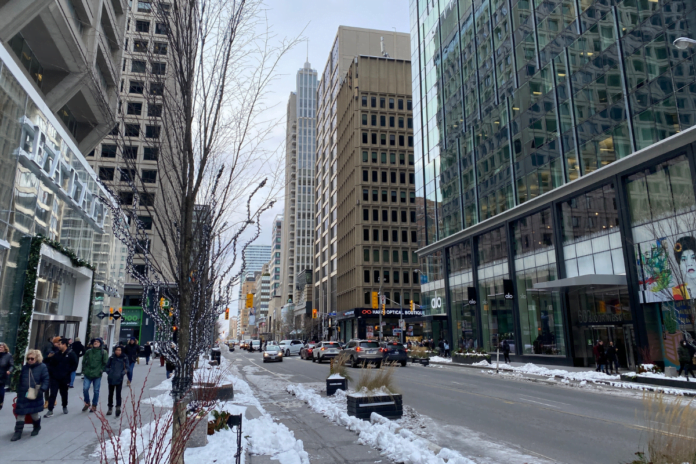
Yonge Street, South of Wellesley (Image: Dustin Fuhs)
1 of 5
Toronto Urban Retail Report - Q3 2022
Toronto Urban Retail Report - Q3 2022
Toronto Urban Retail Report - Q3 2022
Toronto Urban Retail Report - Q3 2022
Toronto Urban Retail Report - Q3 2022
Toronto Urban Retail Report - Q3 2022
Toronto Urban Retail Report - Q3 2022
Toronto Urban Retail Report - Q3 2022
Toronto Urban Retail Report - Q3 2022
Toronto Urban Retail Report - Q3 2022
Brandon Gorman, Senior Vice President, Broker, Agency Retail Group, JLL, said there has been more activity and leasing in the past few months in the retail market.
“Earlier this year, we were seeing a lot of food and beverage operators and most of the interest that we had across our portfolio was with food and beverage operators. In the last 60 days or so, we’ve had a lot of other types of uses in traditional retailers, specifically on Queen Street and Bloor Street,” he said.
Brandon Gorman
“So it certainly feels like things are coming back.”
Gorman said fueling the return are a number of factors. Many people are back out and about thinking we have gone past COVID. There have also been opportunities in the market where landlords have been more willing to negotiate or induce deals, particularly early on in their terms.
“Retailers who managed themselves and weathered the storm are now moving forward. They’re cautiously optimistic and they’re taking advantage of some opportunities,” he said.
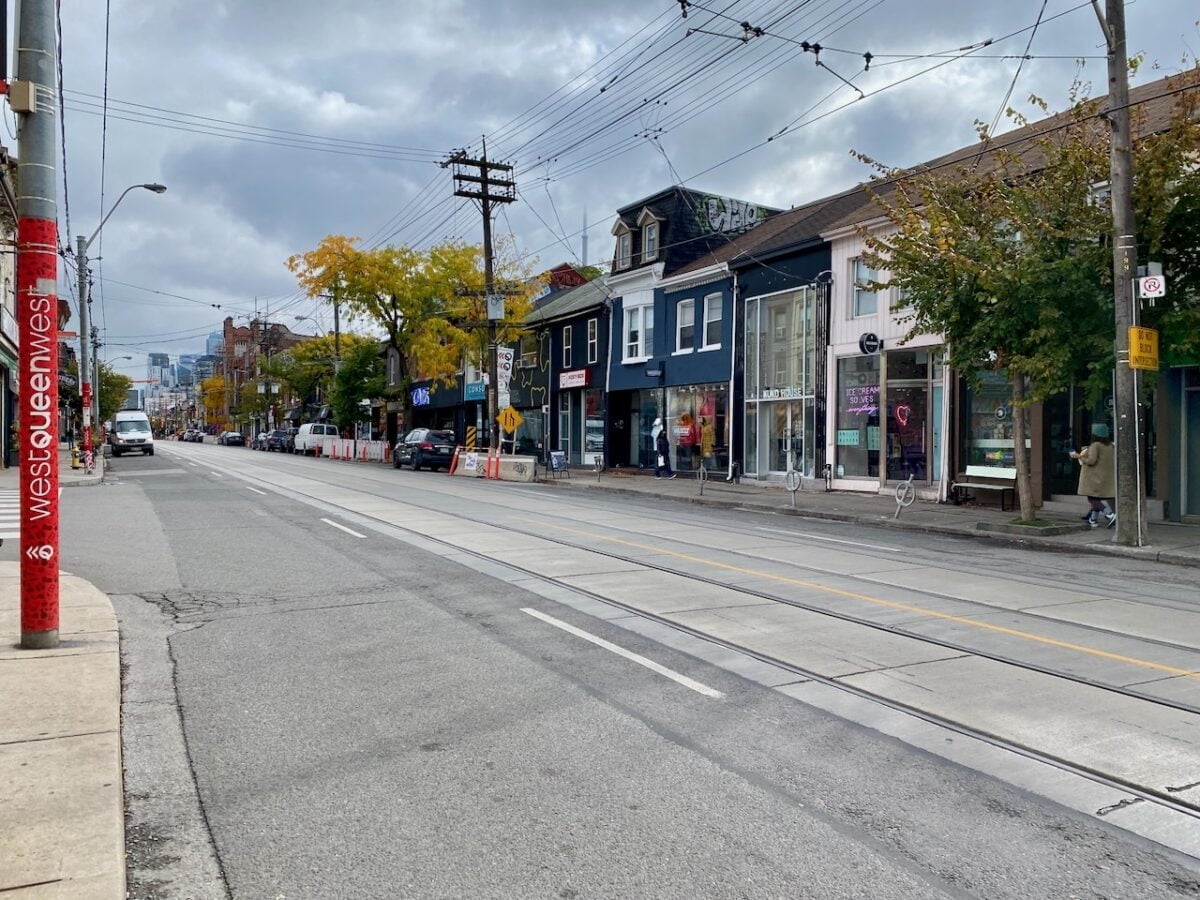
Queen Street West (Image: Dustin Fuhs)
Gorman said the availability on those Toronto corridors is higher than people would have guessed but it’s not as high as some people thought it might be coming out of COVID.
The report said the City of Toronto’s CaféTO program has been a big help to restaurants and bars providing the opportunity to expand their outdoor dining space through sidewalk cafés, curb lane cafés or patios on private property.
“Many Toronto restaurants are reporting an increase in sales activity with year over year sales in 2022 higher than pre-pandemic levels in 2019,” said JLL. “The most active categories from a retail leasing perspective are food & beverage (quick service restaurants, fast casual and full-service restaurants), dental, medical, veterinary and pet stores while leasing activity from apparel companies and luxury goods has also remained resilient on select high streets.”
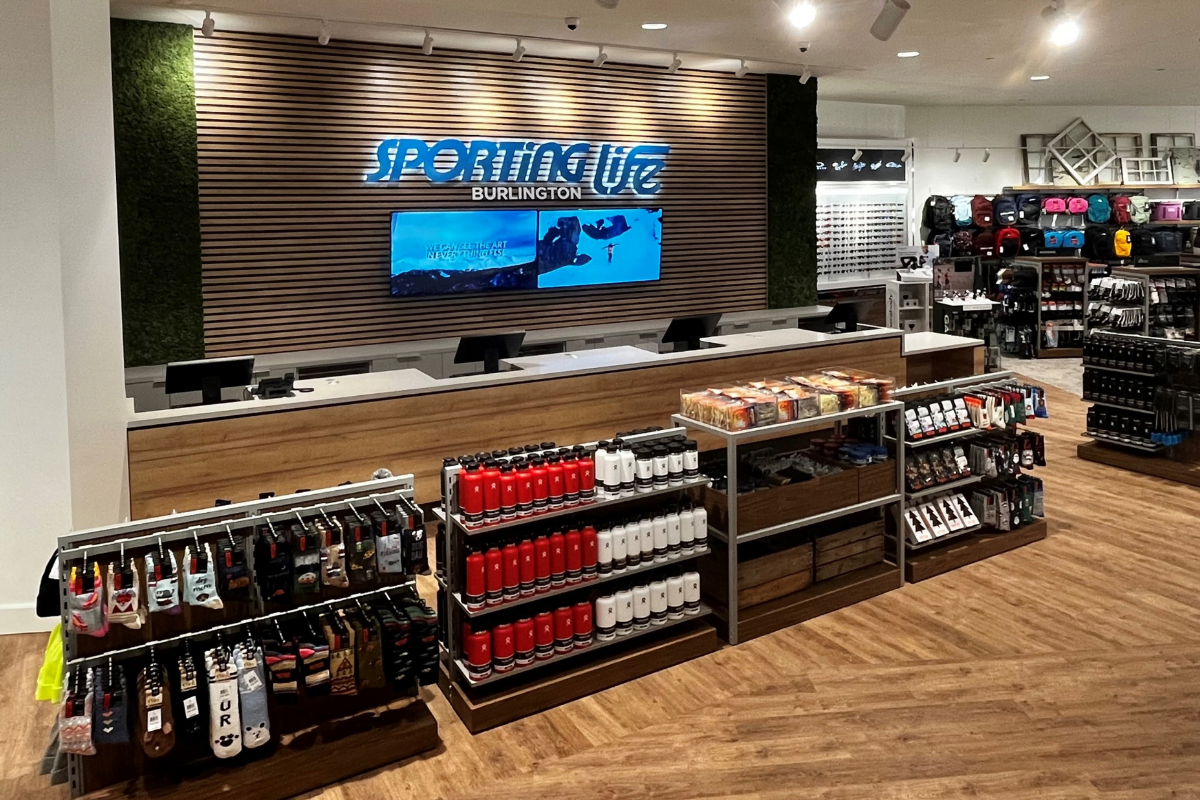
Retailer Sporting Life is poised for further Canadian expansion as it rolls out its sports lifestyle brand to more locations in Ontario, Alberta and Quebec – with the promise of more new stores to come in the future.
The retailer started opening new stores in mid-November:
Mapleview Centre, Burlington, (opened November 12) – Located at 900 Mapleview Ave. and 37,000 square feet;
Southgate Centre, Edmonton (opened November 19) – Located at 5015 -111 Street and 27,276 square feet on level 1 and 8,256 square feet on level 2; and
CF Carrefour Laval, Laval (December 3) – Located at 3003 Boulevard le Carrefour and 26,827 square feet.
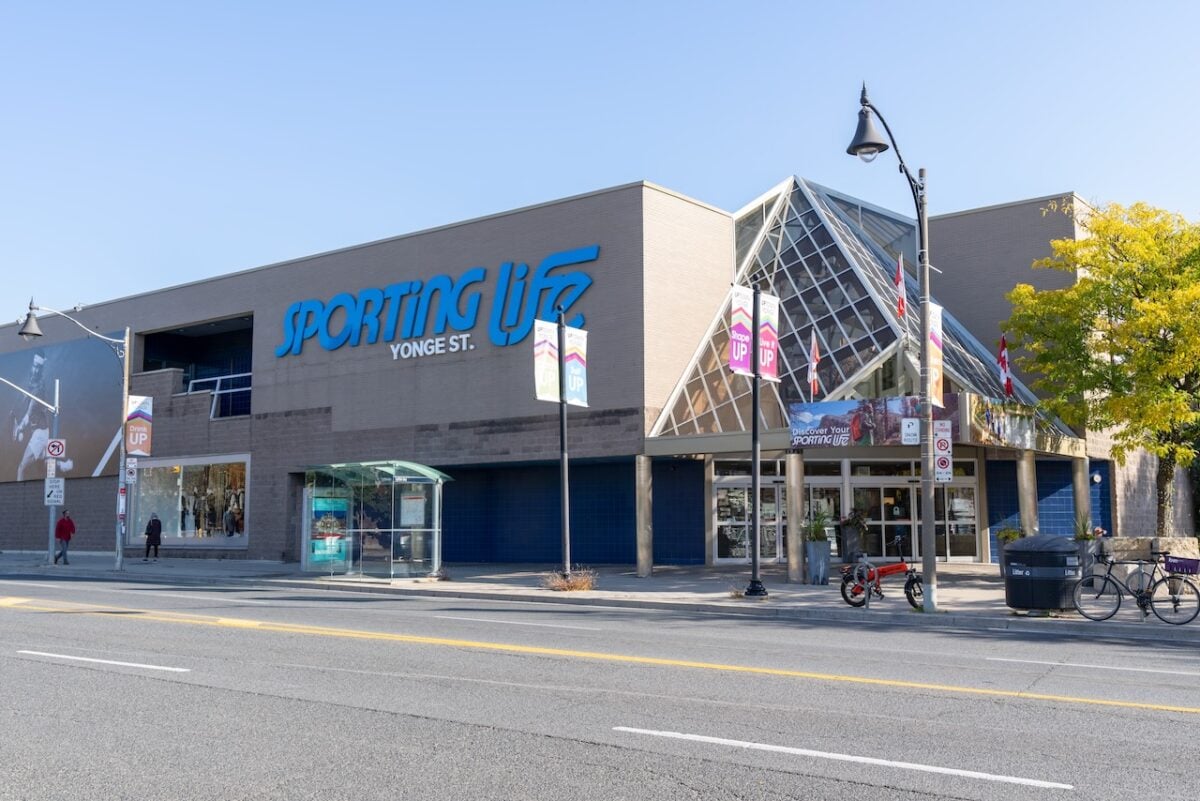
In addition to the new store openings, Sporting Life’s flagship Yonge St. location in Toronto recently received an upgraded look. The store now has a new 3,500-square-foot ski and snowboard shop, an expanded tennis shop and the real gem – a premium sneaker shop.
“Our stores are unlike any other and we’ve built an incredible legacy on this, not only becoming the ultimate destination for premium brands, but also by inspiring Canadians to live their Sporting Life,” said Chad McKinnon, President, Sporting Life Group. “Our expansion in Alberta, Ontario and in Quebec allows us to continue to support Canadians’ pursuit of sport, style and passion for getting outside.”
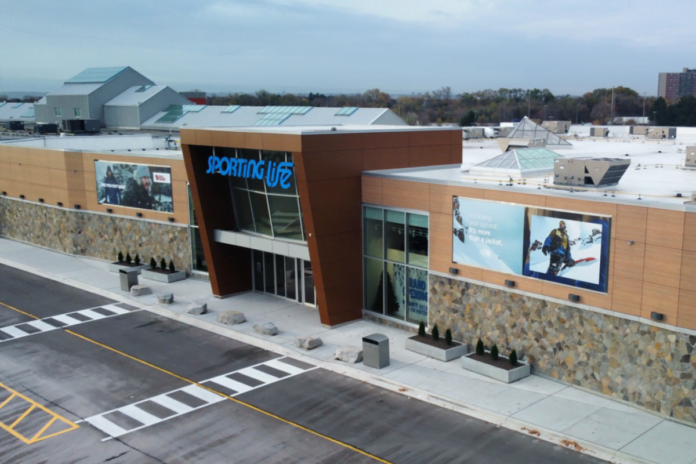
Sporting Life Mapleview (Image: Sporting Life)
Fred Lecoq, the brand’s Chief Marketing Officer who also leads its e-commerce business, said the expansion will bring the company’s store fleet to 14 locations in Canada’s most premium malls as well as the flagship in Toronto.
The company is looking to expand by one or two stores a year to about 18 to 20 stores eventually, covering the major cities in the country. Stores average about 30,000 square feet.
Lecoq said key elements of the Sporting Life stores include:
Fully experiential customer journey;
Activity is the Point of Entry (not commodity);
Famous for Ski / Snow / Running / Tennis and Bikes / Sports and Style;
Home of the best brands in Sports and Sports LifeStyle in Canada;
Premier high impact visual presentation;
Premium Design and construction, high cost to build;
Expert level service for equipment and technology;
Full Service model with significant investment in labour model; and
Small chain that enables localized / customized assortment by micro market.
Frederick Lecoq
“The concept of the store is big format, big radius, big customer draw – all this in an omni-channel environment,” said Lecoq.
“Sporting Life started really as a GTA adventure. So, very strong brand presence in Ontario and as the company grew, expansion followed. The end goal really is to be coast to coast. Montreal is one of the biggest outdoors markets in Canada so it makes plenty of sense for us to be there. Expansion to the West. We had a successful expansion in Calgary with our two stores in (CF) Market Mall and Southcentre (Mall). So there was a legit stretch here going a little bit up north in Edmonton. We saw a white space in those markets where we’ve opened. Big opportunity, white space and the appetite to go from originally being a GTA story to becoming a truly national story.”
Sporting Life at 2665 Yonge Street in Toronto (Image: Sporting Life)
He said future stores will likely be launched in Ottawa and Vancouver and another one in the Montreal area.
“It’s really a store unlike any other. I’m from Europe and I’ve been looking at retail across the world for many years, I haven’t seen a store like that anywhere else,” he added. “A store that first of all has that size, the portfolio of brands that we carry, the combination of sports and style. We’ve got a pretty unique positioning. We’ve got a pretty affluent customer.
“We’re not a commodity store and we will never be a commodity store. We’re really fully experiential, inspirational, high end and focused on the Canadian lifestyle.”
Lecoq said the brand continues to invest in its omni-channel strategy, while also enriching its investment in the retail frontline and creating tangible experiences that truly define Sporting Life as a store unlike any other.
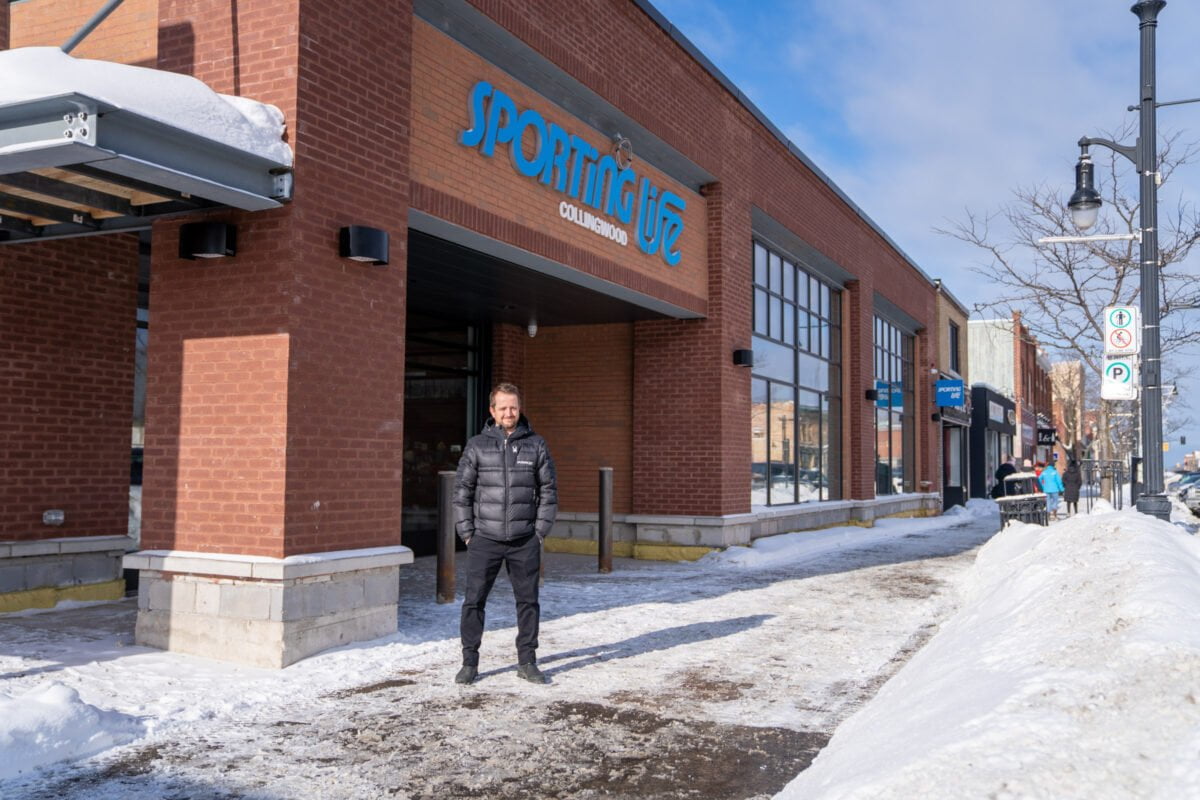
Sporting Life Collingwood (Image: Sporting Life)
“Ahead of the 2022 holiday season, the brand continues to offer its signature in-person shopping model to more consumers and introduces its unique selection of premium brands to keep Canadians stylish and active, whether they are skiing, snowboarding, gathered apres-ski or cycling, running and playing tennis. Through its additional square footage and passionate staff across the three new stores, Sporting Life has invested to match the demands of consumers who crave the in-store experience. The brand will continue to focus on connecting with its communities and anchoring exceptional in-store experiences through knowledgeable store associates and its state-of-the-art ski and snowboard services that set Sporting Life apart from other retailers,” said the company.
“Emerging from the pandemic and rising to the new expectations of consumers, every Sporting Life location is an affirmation of the brand’s broader expansion strategy and investment in elevating the experiential retail model. With three new brick-and-mortar locations, Sporting Life’s physical footprint has grown to over 500,000 square feet of retail space in total. Evidenced by these openings, the brand will continue to invest in creating in-store experiences inclusive of its passionate teams made up of active enthusiasts and knowledgeable staff. As the official retail partner of the Canadian ski team, Sporting Life’s experts also fit boots and tune skis for professional athletes. Sporting Life continues to reinforce its best-in-class offerings across Canada, including its unique portfolio of premium brands that make it a destination for Canadians living their sports lifestyle, whether it’s skiing, snowboarding, running, biking, playing tennis, or all the above.”
The Sporting Life Group also operates Golf Town with 47 stores coast to coast that carry the largest selection of the best brands in golf, expert staff who share its customers’ love for the game, and state-of-the-art custom fitting services and technology.
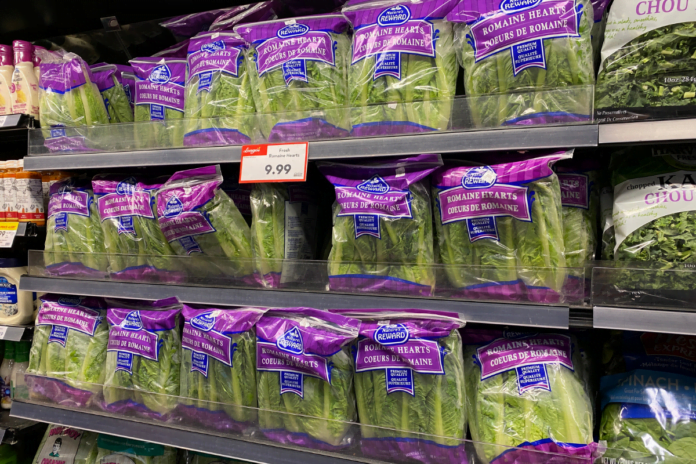
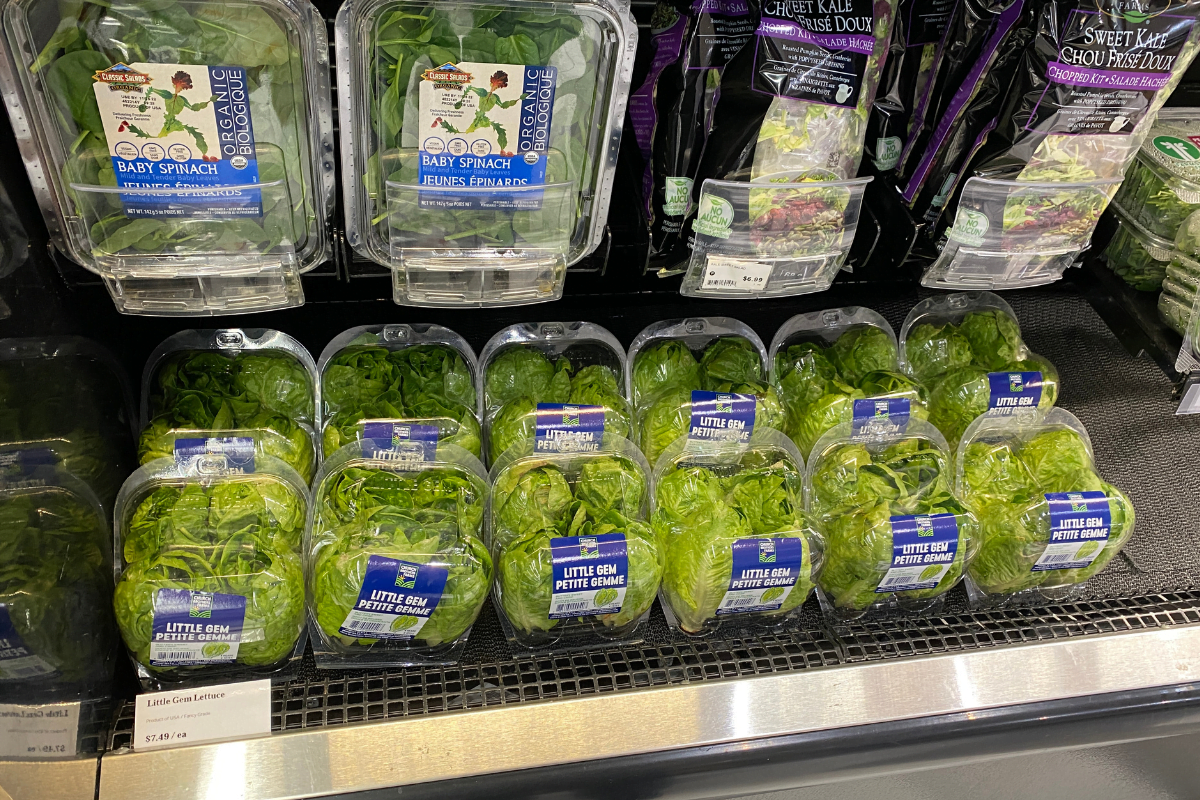
Many consumers have noticed that Canada has run out of lettuce, well, some lettuce, mainly from California. Crops were destroyed by a drought and a nasty virus, according to some reports. This is the time of year when we import plenty of leafy greens, since our farmers can’t compete on such a scale. This has been going on for years.
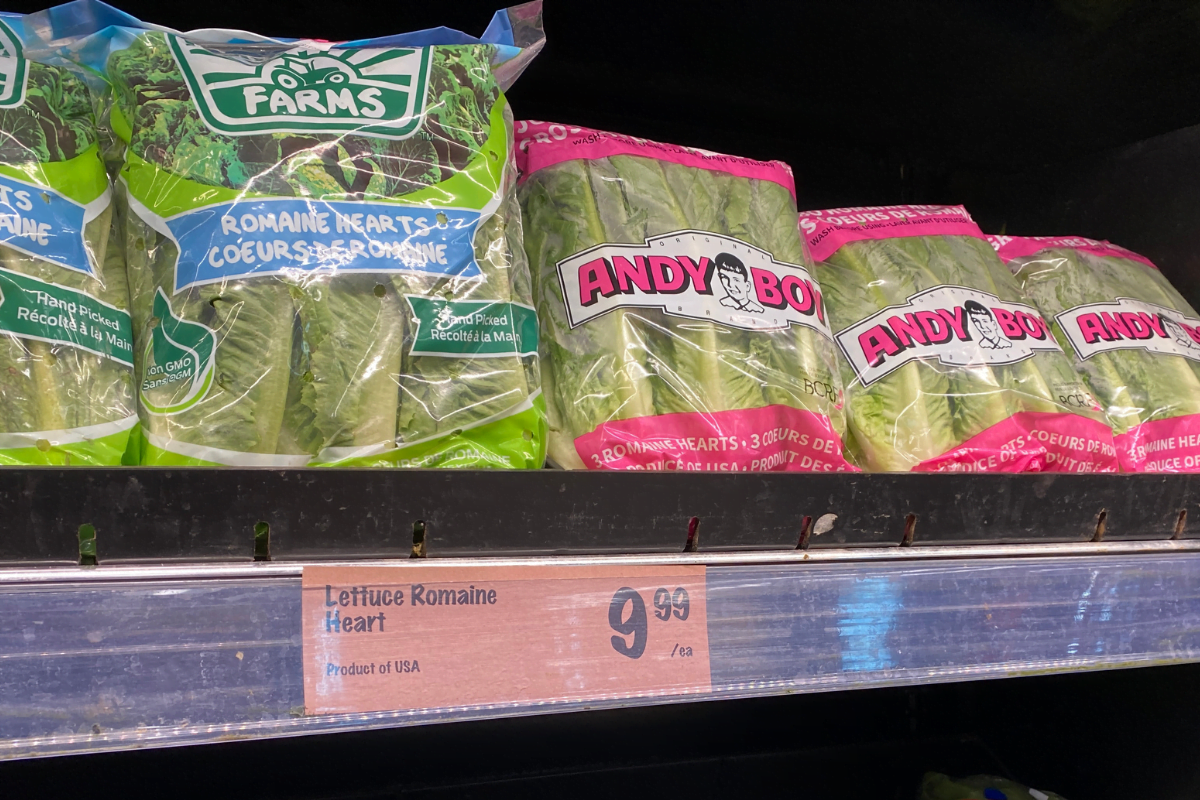
Over the last few weeks, lettuce is almost impossible to find in big box stores. But if lettuce is to be found, it is 30% to 40% overpriced, on average. Restaurant operators are being asked to pay four times the price for cases of lettuce. Most don’t bother. Small scale and independent retailers and operators would have some in stock, since they often get supplies from other domestic players. It’s hit and miss. Some grocers have learned from the great cauliflower “crisis” when the Canadian dollar dropped, and prices skyrocketed in a matter of days. That was in January, 2016. Grocers increased prices, but consumers weren’t buying, and tons were wasted. Before importing overpriced commodities, Canadian retailers are thinking twice now.
Don’t despair, though, if you need your leafy green fix for the winter months. Other markets like Arizona, and even Mexico will start shipping lettuce soon, on time for the busy holidays. Still, California is drying up, which is a problem for Canada, and it will likely get worse.
Marcheleo’s Market at Atrium (Image: Dustin Fuhs)
We have seen this coming for quite some time now. Short-term shortages, recalls, and disruptions coming from California have been numerous. Perhaps not noticeable for most, but certainly numerous. This current lettuce shortage is much more visible and has been amplified by extensive media coverage. This is a clear case of how climate change is impacting our dinner plates, in real-time. And we are slowly coming to the realization that our current approach to getting leafy greens over the winter months is no longer sustainable.
In California, farmers have had to get water from farther away to irrigate fields, and distances have only grown year after year. As farmers distances increase, so do risks. Putting more pressure on irrigation systems will lead to supply failures, and of course, food contamination. Poor farmland planning and biosecurity practices led to more recalls, since the water was at times situated next to livestock. The great 2019 romaine lettuce recall during the holiday season a few months before the pandemic when thousands of kilos of product went to waste is a good example.
Canada did farm lettuce before, and lots of it. The first lettuce ever to be grown in Canada was in 1927. The United States did supply us with lettuce before, but our farmers were competitive. Scale became an issue, which is why Canada started to import more product from the United States. Farming in Canada was very diverse from the 40’s to the 80’s, just before NAFTA 1.0 came along. About 40 years ago everything changed, and it made more sense to import produce at a lower price. Canada now buys well over $1 billion worth of fresh vegetables per year.
Romaine Lettuce at Farm Boy (Image: Dustin Fuhs)
The reality is that we have become dependent on other markets to feed ourselves over the winter months. There was nothing wrong with that model until California and other places started to feel Mother Nature’s wrath. Since climate change is real, Canada needs a plan.
We can always import from other markets, but Canadian importers are already hedging against some import options they currently have, by constantly looking for other options. The other obvious path would be to grow more domestically, all year round. But growing lettuce in a controlled environment is capital-intensive and would require optimal plant science and genetics. California’s Driscoll’s recently licenced Canadian farmers to grow their berries in Canada, since the company can’t get water. This could happen to other commodities like lettuce – why not? Instead of looking at international trade as the exchange of money and food, more are considering exchanging intellectual property, while empowering farmers located in desirable topographies. Makes sense.
Climate change is one of our agriculture’s greatest challenges, but it also comes with great opportunities, especially for Canada. We need to think differently about how we do business amongst nations. Growing more at home is nice, but it’s much harder when going at it alone. Partnerships are key.
Podcast: Saks Fifth Avenue Renovates Downtown Toronto Store After Brands Exit
Craig and Lee discuss the new renovations to the Saks Fifth Avenue store in downtown Toronto, which looks different after several concessions closed earlier this year. Women’s shoes relocated to the main floor and something could be in the works as store hours have been reduced for the three Canadian Saks locations.
The Weekly podcast by Retail Insider Canada is available on Apple Podcasts, Stitcher, TuneIn, Google Play, or through our dedicated RSS feed for Overcast and other podcast players. Also check out ourThe Interview Seriespodcast where Craig interviews guests from across the Canadian retail landscape as part of theThe Retail Insider Podcast Network.
Drop us a line at Craig@Retail-Insider.com. You can also rate us in Apple Podcasts or recommend us in Overcast to help more people discover the show!
Background Music Credit: Hard Boiled Kevin MacLeod (incompetech.com). Licensed under Creative Commons: By Attribution 3.0 License. http://creativecommons.org/licenses/by/3.0/