Retail Insider is streamlining its Canadian retail news from around the web to include a handful of top news stories that can be viewed quickly during the day. Here are the top stories from the past 24 hours.
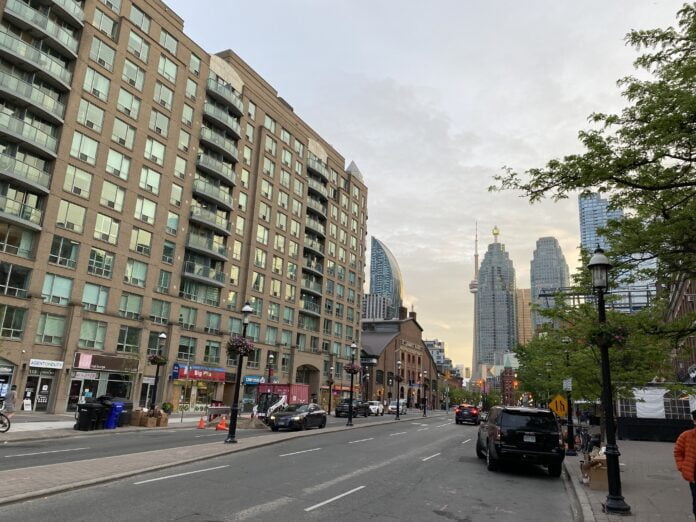
St. Lawrence Market in Old Toronto (Image: Dustin Fuhs)
Retail Insider would like to thank consultant and analyst Ed Strapagiel for his years of providing his monthly StatCan analysis on Canadian retail sales. This is his final post, we wish him the best in his retirement.
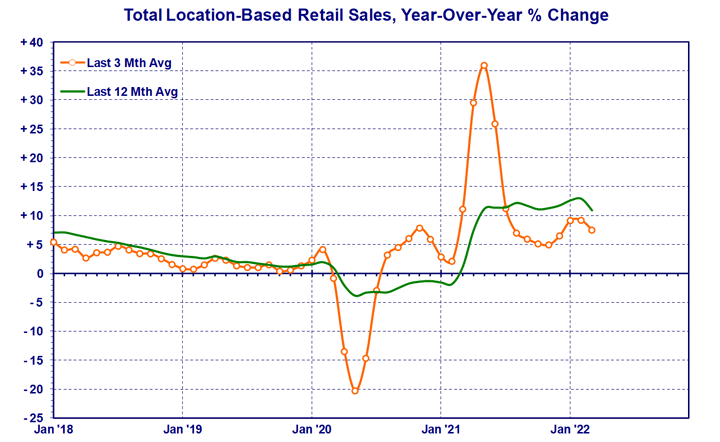
Canadian Retail Sales Start to Weaken
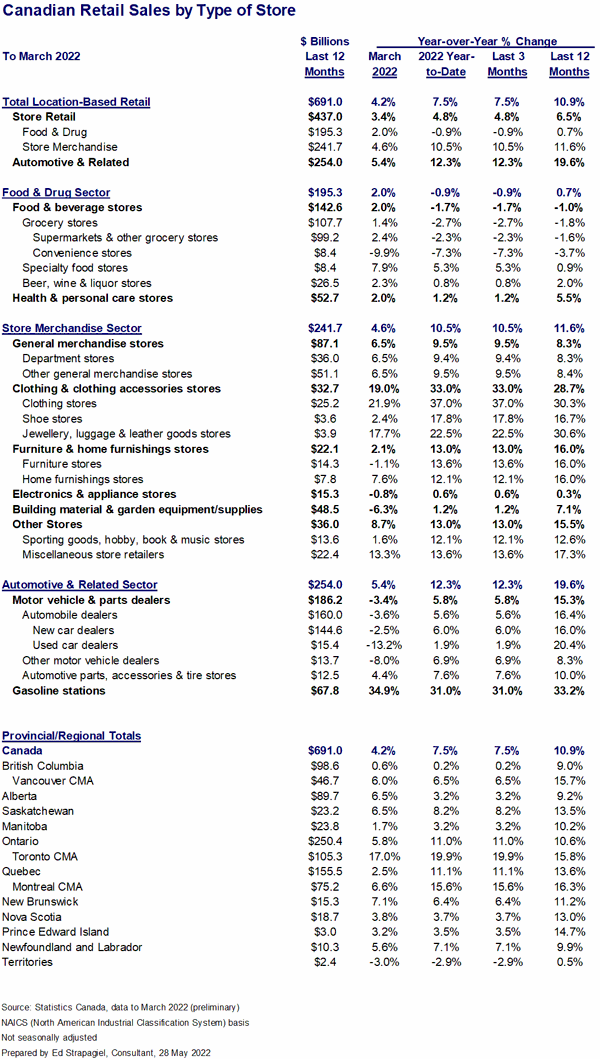
Canadian retail sales were up 7.5% year-over-year in Q1 2022, according to the latest data from Statistics Canada. This would normally be a “good” result, except that it isn’t. About 1/3 of it is caused by record high gasoline prices. If gasoline stations are excluded, then the Q1 retail sales gain would be a more modest 5.1%, which is about flat when inflation and population growth are figured in
A number of retail store types are also showing some sales weakness. Even e-commerce sales are declining for the first time ever.
Food & Drug
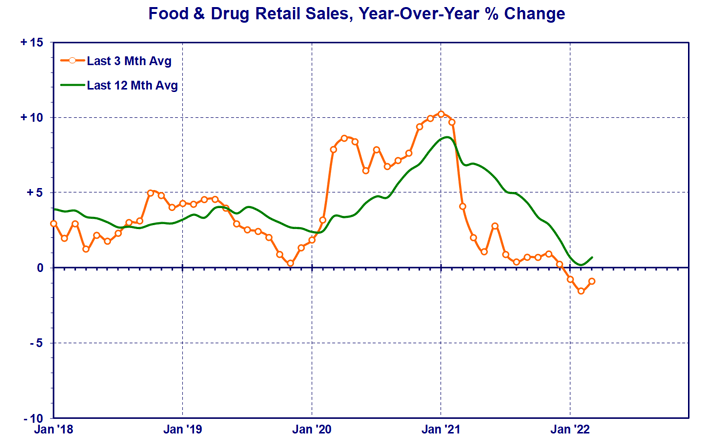
Retail sales in Food & Drug were down 0.9% year-over-year in Q1 2022, an historical low point. After shooting up in 2020, the underlying 12 month growth trend (green line in the chart) dropped like a stone in 2021, and is at record lows at the start of 2022. This is despite high price inflation in this retail sector.
Grocery stores are by far the largest component of Food & Drug, but their sales were off 2.7% in Q1. Convenience stores suffered the largest decline however, with retail sales down 7.3% for the period. Only the small specialty food stores group had a respectable Q1 gain, at up 5.3%.
Health & personal care stores did better than food, but not by much. Their retail sales were up just 1.2% in Q1 2022.
Store Merchandise
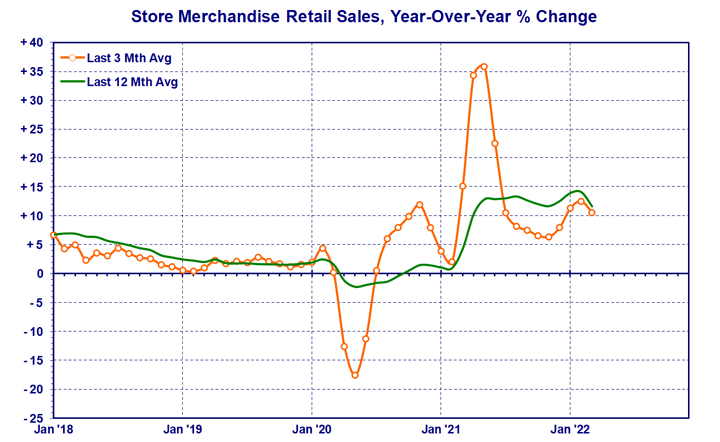
Retail sales in the Store Merchandise sector were up 10.5% year-over-year in Q1 2022, a good result by historical standards. In the next few months however, this may wane due to very high sales gains in the same period a year ago.
Clothing & clothing accessories stores continue to be the leaders in this sector with retail sales up 33.0% in Q1. Other solid sales gains included miscellaneous store retailers (up 13.6%), furniture & home furnishings stores (up 13.0%), and general merchandise stores (up 9.5%).
No store type in the group had a Q1 sales decline. Even electronics & appliance stores managed to eke out a small gain of 0.6%.
Automotive & Related
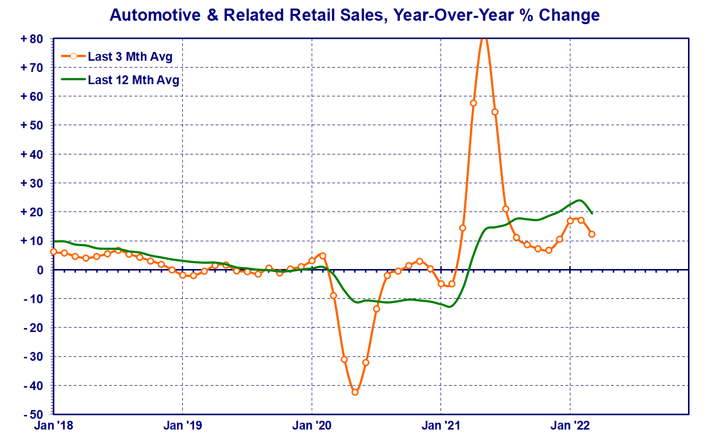
Retail sales in Automotive & Related were up 12.3% year-over-year in Q1 2022. This result however misses the schizophrenic nature of the sector, due to different fortunes of auto sales versus gasoline stations.
Automobile dealers recorded a 5.6% retail sales increase in Q1, a fairly good result. The trend lines however are starting to head south, and Q2 sales increases are unlikely to keep up due to supply issues and the high gains set in the same quarter last year.
On the other hand, retail sales at gasoline station were up 31.0% in Q1 2022, which accounts for the high gain in the overall Automotive & Related sector. This in turn is due to high increases in gasoline prices for which no relief appears imminent, particularly with summer driving season about to start.
By The Numbers
Note that the data and analysis in this report are always based on not seasonally adjusted (or unadjusted) retail sales statistics.
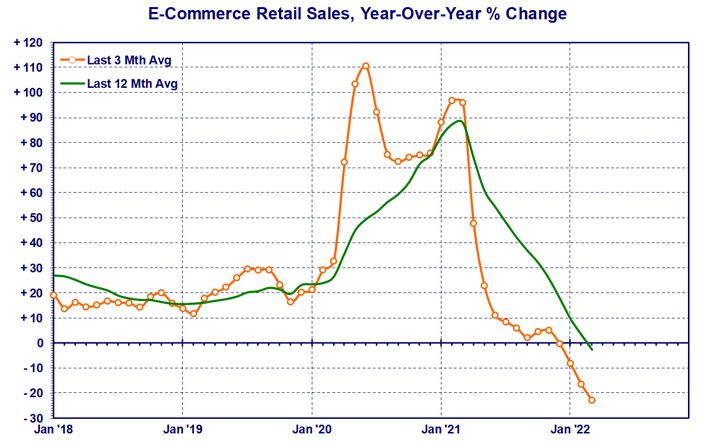
Canadian e-commerce boomed in 2000 as COVID hit but then cooled off in 2021. In Q1 2022, e-commerce retail sales actually declined by 22.8% year-over-year. Note however that e-commerce sales are still well above pre-pandemic levels.
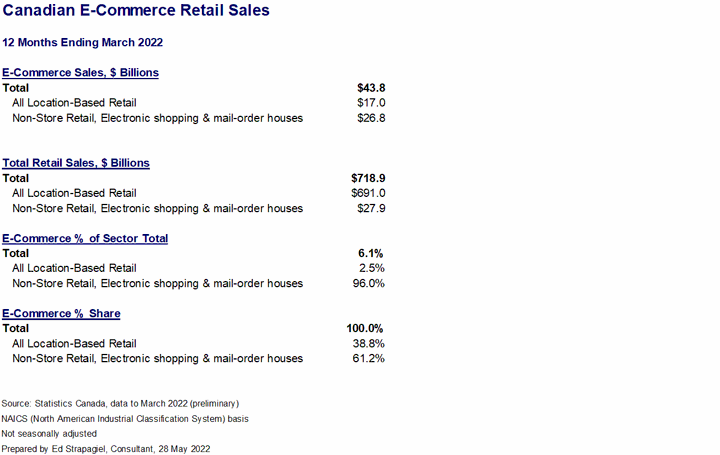
Overall, e-commerce represented about 6.1% of total retail sales over the 12 months ending March 2022, according to Statistics Canada, including both pure plays as well as bricks & clicks stores. Note that Canadian consumers may also buy online from foreign websites which is not captured in these numbers.
Location based retail is the same as that in the preceding “By The Numbers” table. It’s what’s normally reported as Canadian retail sales. Except that it isn’t. Location based retail excludes another section called Non-Store Retailers (NAICS code 454), which includes electronic shopping and mail-order houses, which in turn is where (mostly) pure play e-commerce businesses are. For the 12 months ending March 2022, electronic shopping and mail-order houses had an estimated $26.8 billion in e-commerce sales.
But that’s not the only source of e-commerce, as (mostly) bricks & mortar location-based retailers also sell online. This group had an estimated $17.0 billion in e-commerce sales during the period. With electronic shopping and mail-order houses, there’s a grand total of $43.8 billion in e-commerce sales by Canadian operators. Note that this does not include foreign e-commerce purchases made by Canadian consumers, but it does include e-commerce purchases made by foreigners at Canadian operations.
For electronic shopping and mail-order houses, an estimated 96.0% of their sales are currently allocated to e-commerce. For (mostly) bricks & mortar retailers, it can be estimated that 2.5% of their total sales are attributable to e-commerce.
In the final section of the above table, (mostly) pure play operators (namely, under electronic shopping and mail-order houses) generated an estimated 61.2% of all e-commerce sales in Canada, while (mostly) bricks & mortar location-based retailers’ share of e-commerce was 38.8%.
1100 Boulevard René-Lévesque Ouest, Montréal, QC (Image: Groupe Petra)
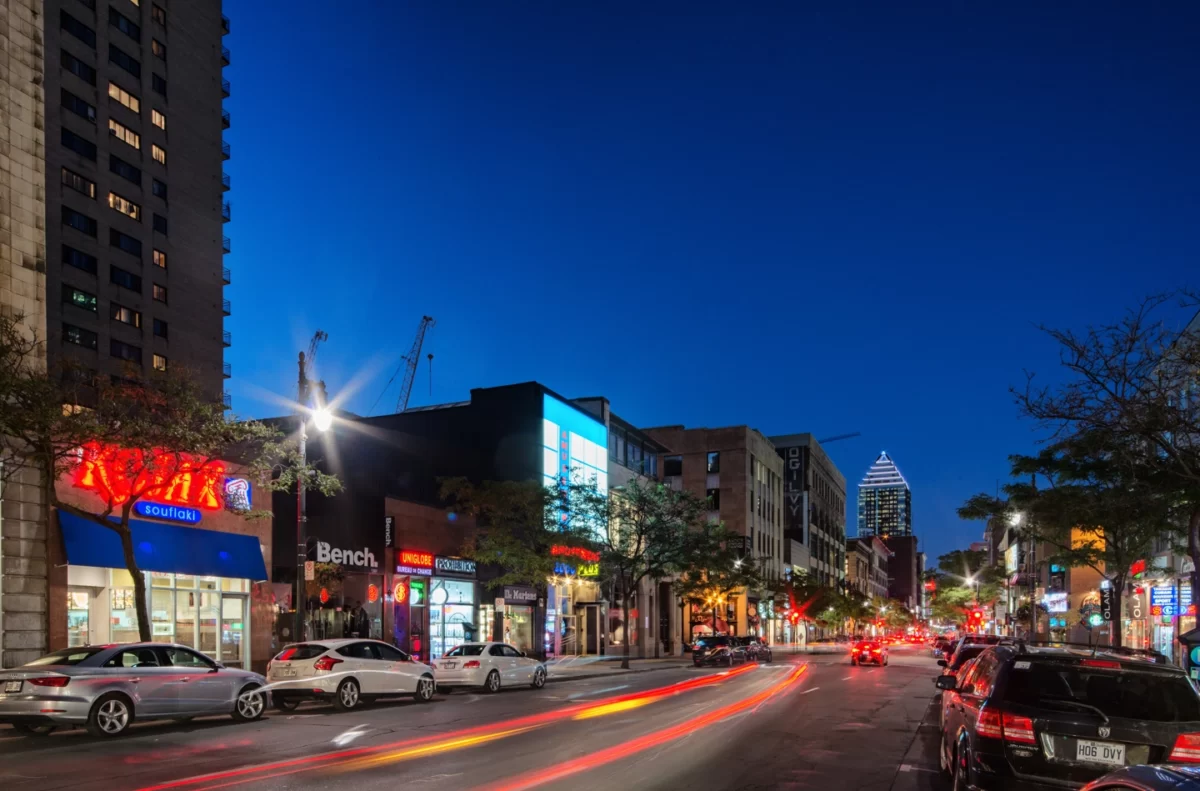
With the business environment stabilizing, Montreal is experiencing improved activity in the retail leasing market.
A report by commercial real estate firm JLL said the retail leasing market in Montreal is expected to strengthen this year as Quebec enters a more stable environment with retail sales so far this year up by 30 per cent compared to a year ago.
“Businesses have been increasingly confident to move into retail spaces. Furthermore, the supply of retail space has been constrained by the continued rise in construction costs,” said the JLL report. “The trend to move in remains stronger than the trend to move out. Following strong consumer demand growth last year, many businesses continue to expect increases, sometimes significant, in their sales in 2022. Future sales indicators have improved, and businesses have felt supported both by greater domestic and foreign demand.
“The supply of new retail supply remains limited as commercial construction slows and residential construction soars. Montreal has been one of the metro areas most affected by rising construction costs.
“In an environment where retailers have until recently felt the heavy hand of the federal and provincial governments, retail leasing activity remains reduced from pre-pandemic levels. The recent Omicron wave hasn’t helped improve the environment either. The expectations now are that leasing activity will gradually improve as most of the mandates are scrapped and less interference takes place.” Manon Larose, Senior Vice President, Retail with JLL, said the Montreal retail market is getting more and more dynamic.
“There is increasing interest from some brands, or banners, that had projects in 2020 and 2021 they postponed them and they now are ready to proceed,” she said. “As an example we have two tenants we are actively searching for the best space downtown. One would be on Sainte-Catherine Street, the other one would be on Sherbrooke West. So I see increased interest and more dynamism than I saw over the past two years.
“That’s happening because there are some solid companies who had some solid projects they had to put on hold and now it’s been too long and they want to proceed. There is also some newcomers who want to have a little bit of brick and mortar on the best high streets as well as the best shopping centres.
“The neighbourhood shopping centres are also extremely in demand where you have grocery-anchored tenants. That’s really solid. And the interest for the local or nearby stores also are something that make this interest increase.”
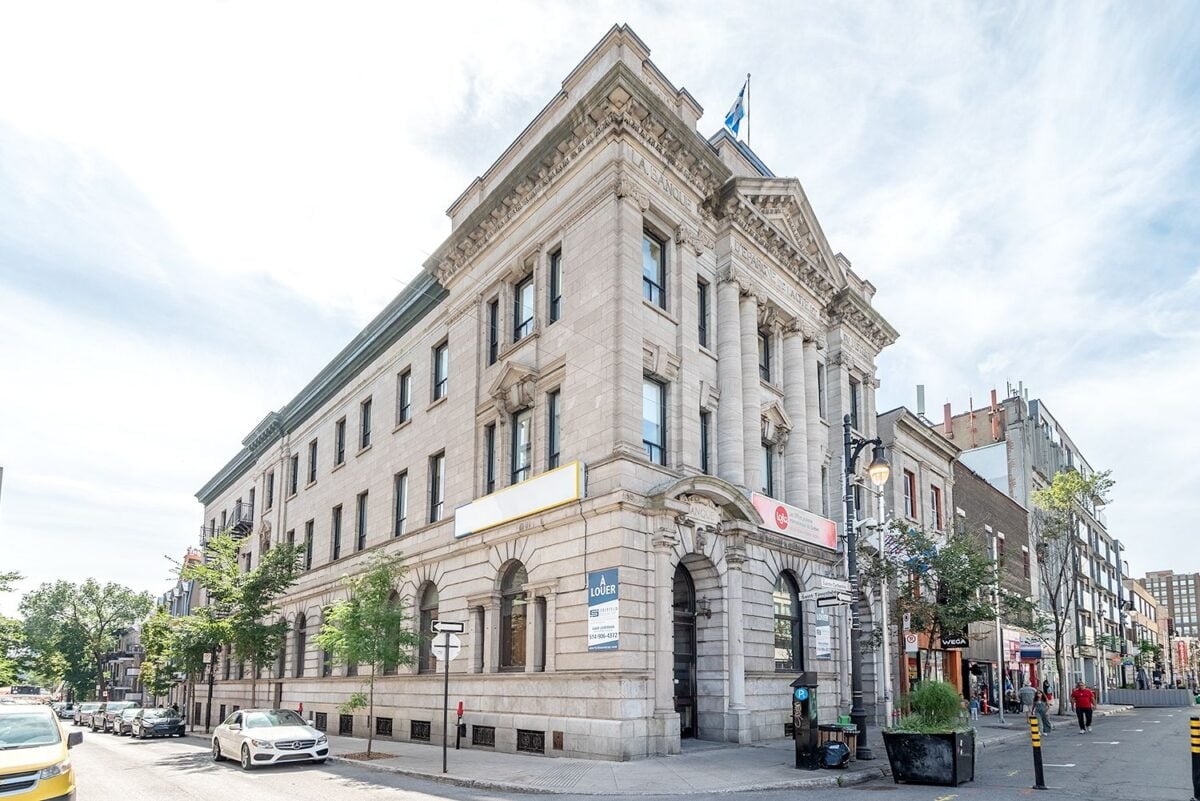
936 Rue Sainte-Catherine Est, Montréal, QC (Image: MTRPL)
Downtown retail has seen a resurgence because more and more people are coming back to the offices.
“You are seeing more activity. People are coming back. There is still some improvement to be done over there by tourists. And students will be back at the end of summer. So I see more activity over there and again more interest from some banners to have a place on Sainte-Catherine,” said Larose.
“What will be a challenge is obviously the construction work. We will have a break in 2022 on Sainte-Catherine Street. It will start again in 2023 and 2024. That will be a challenge. The section by the Montreal Eaton Centre is kind of done. So that’s a good thing for this year. I see some landlords being creative for the other portions where they will want to do some deals with the banners that want to be there.
“I’m very happy to see that there is a lot of interest for Sainte-Catherine Street because when you have your main street healthy. It means the rest of the city is also impacted positively.”
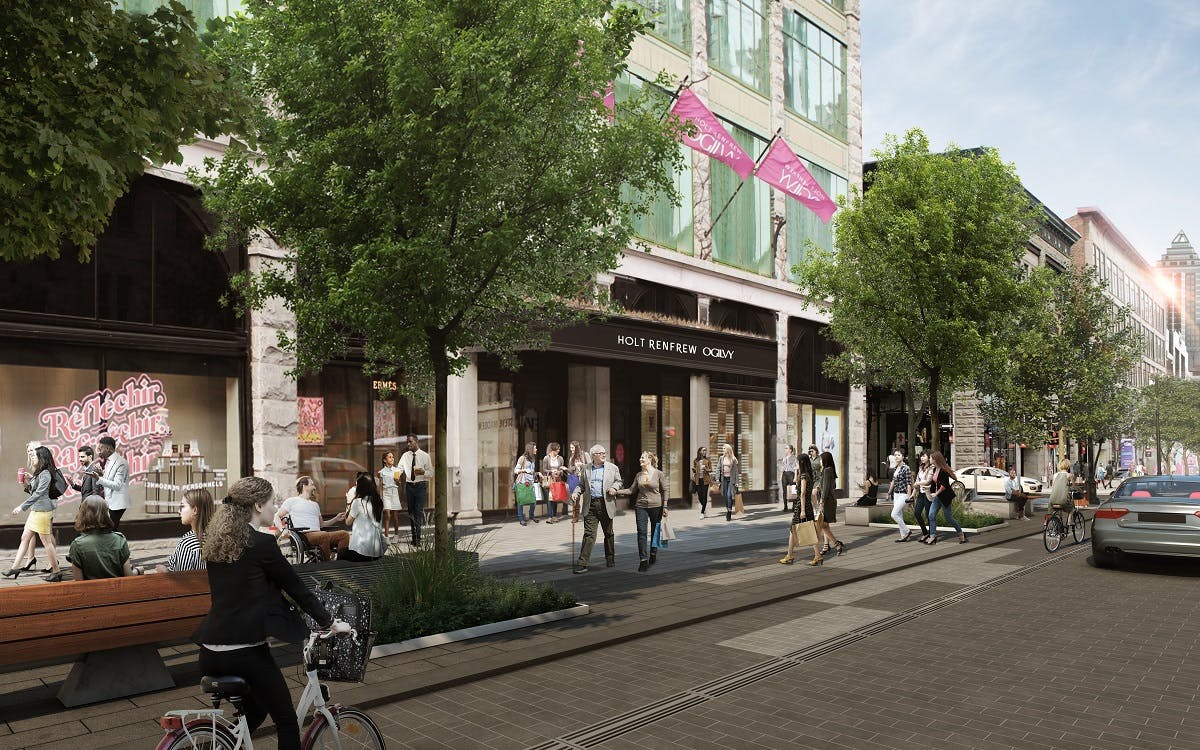
The enlarged sidewalks and punctual forecourts highlight. Rue Sainte-Catherine Ouest Ste. Catherine St.’s unique heritage buildings, like Ogilvy’s between De la Montagne and Crescent. Crédit : Lemay, SNC-Lavalin
The JLL report said rents for retail space continue to strengthen. After declining in 2020, rents in Montreal increased by 5.1 per cent in 2021. Despite the COVID restrictions imposed by the spread of the Omicron variant in late December, the momentum of economic and employment growth has contributed to the strengthening of commercial rents. A strong holiday season also served as a boost, as a portion of retail rents are tied to retail sales, it said.
“Retail properties anchored by grocery or with direct outdoor access close to the shoppers’ homes continue to be popular. Neighbourhood centres and general retail have been the most sought-after places for retailers,” said JLL.
“In turn, malls should continue to rebound as shopping centre teams rearrange their retail mix following closures and relocations. In the second half of 2021, we saw a strong rebound in sales and traffic, which were tempered by new restrictions in early 2022. Leasing activity is now resuming as there are good opportunities in major shopping centres.”
After dropping in 2020, Montreal retail sales vigorously rebounded and closed 2021 12 per cent higher than 2019. Despite Omicron, retail sales stepped into 2022 at a higher level supported by post-holiday season shopping and a less hesitant shopper. But Montreal continues to lag several major markets within Quebec and across Canada but is ahead of Toronto, said the report by JLL.
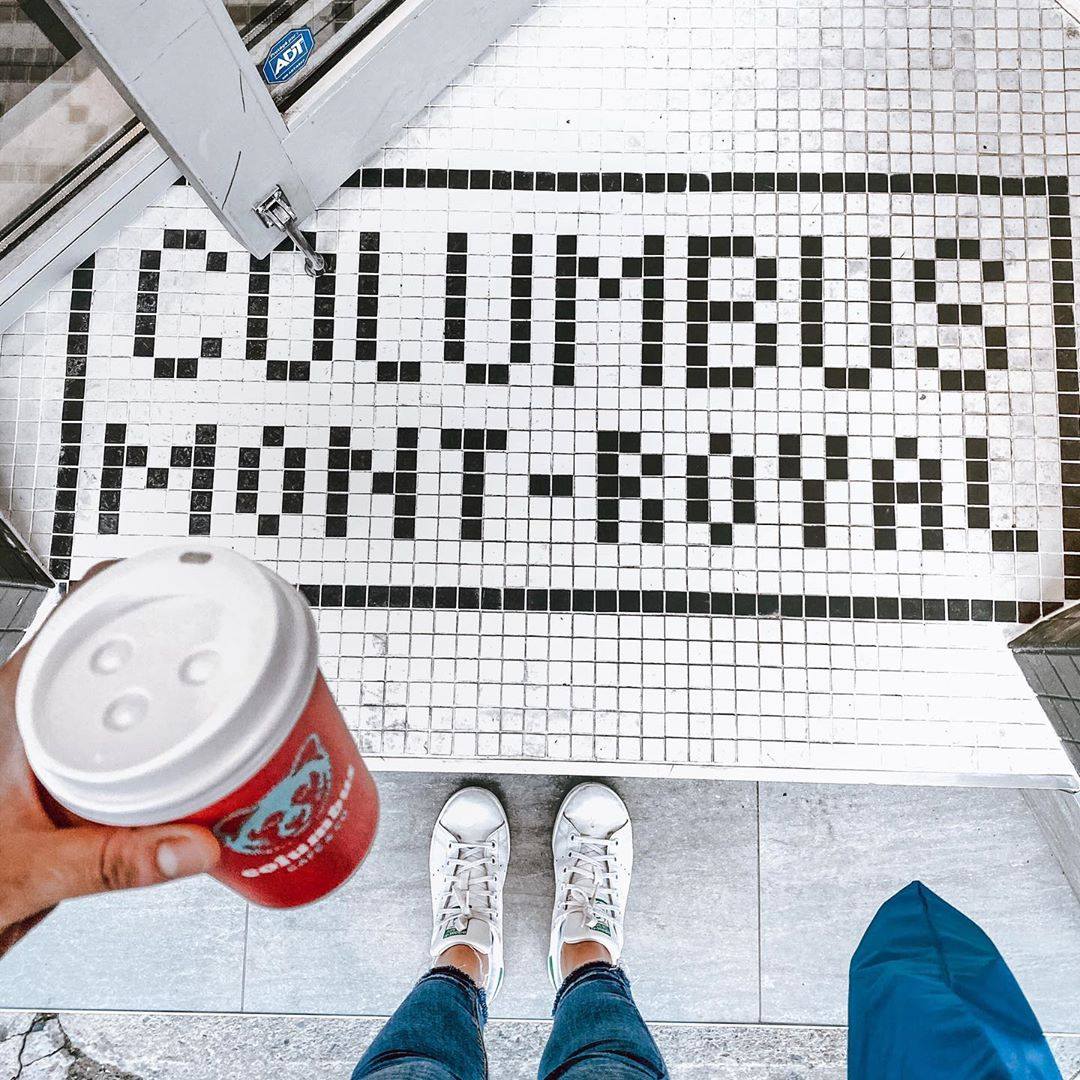
Image: Columbus Café & Co
“If local retailers were concerned about lockdowns in the beginning of 2021, this time they are concerned about labour shortages and supply chain issues. Per a recent Bank of Canada survey, about one-third of Canadian firms indicated that capacity constraints are holding back their sales expectations. Rising inflation and the Russia-Ukraine conflict, which affect fuel prices and consequently transportation costs, have been top of mind as well,” said the report.
“Food services in Quebec continue to rebound as it recovered in 2021 almost half of what it had lost in sales in 2020. Food services sales in 2021 remained 16 per cent down from pre-pandemic levels, mostly due to the ban of indoor dining. Although Omicron depressed food services sales in early 2022, they are expected to gradually rise and peak in August like in previous years. Notably, QSRs have enjoyed better sales than pre-pandemic.
“Following a quiet period in 2020 and early 2021, we are seeing increased leasing activity on Sainte-Catherine Street. Asking rents continue to climb back towards 2019, although rates remain below $200/square foot for now. Landlords hope to attain pre-COVID rates within the next few years. Retailers have inquired about shorter lease terms on Sainte- Catherine, with a greater number of five-year leases, or sometimes three-year and pop-ups.”
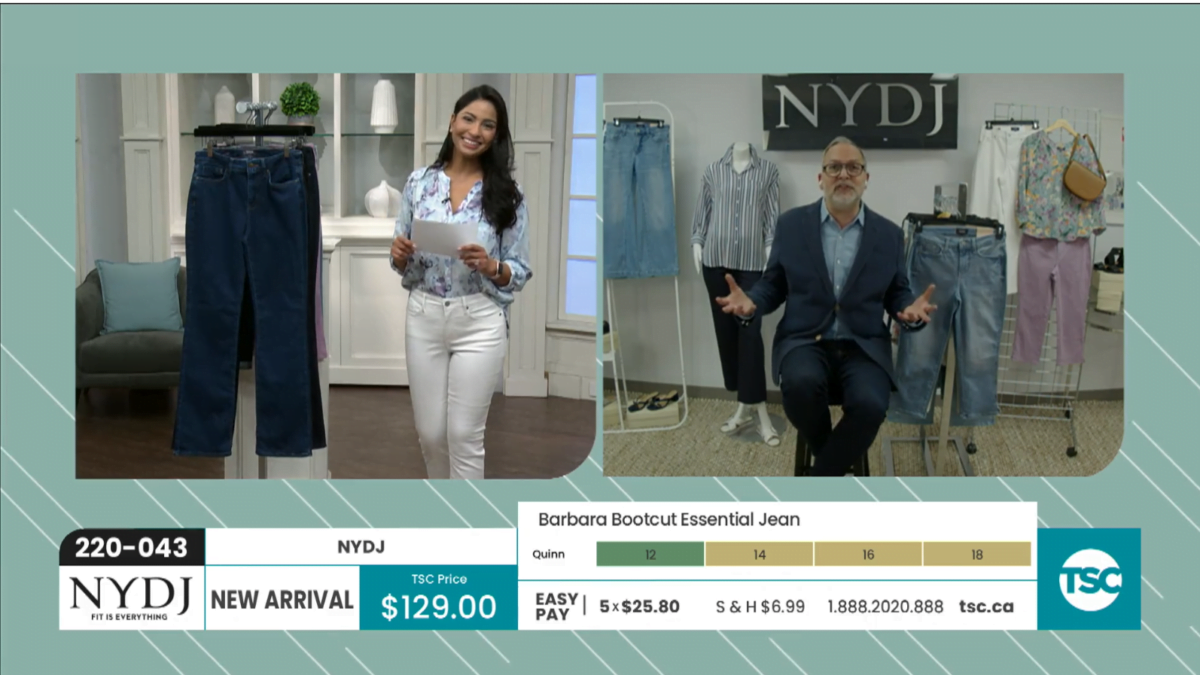
Behind the Scenes of TSC NOW with Jeanne Beker (Image: TSC)
Today’s Shopping Choice is celebrating their 35th anniversary and provide a unique way of bringing shopping experiences to life.
As a Canadian grown company, the founders wanted to bring something new to retail – Television shopping. In previous years, TSC was just a shopping channel – but now, the company operates a website, mobile app, social media channels, and live shopping events. You can also find TSC on OLN and Citytv.
TSC carries several of national brands including Adidas, Apple, and Canon. It’s also known to offer great discounts and bundles, usually lasting 36 hours.
Bringing Shopping to Life
Sodastream on TSC (Image: TSC)
Kit Li-perry
“We do storytelling, the combination of telling a story and selling a product,” says Kit Li-perry the Chief Merchandizing Officer at TSC. “In other retail stores, you will walk in and just see the clothing and if you are lucky, you will get some associate telling you about the product. What we do is we take a product and really go into why it is good, why do you need it, why is it unique, why is it the best.”
TSC has expanded its digital footprint to make it possible for customers to connect with TSC in different ways such as on social media, their website, or customers can call. With great communication, customers can understand the product better such as knowing how to use it, wear it, or wash it.
“All of those channels, the experience is the same. It really is about the storytelling and the product information that we can give,” says Carolyn Galvin the Senior Director of Content and live Broadcast at TSC. “They can call in, or they can shop online, or they can shop through social media. All of that is a unique way of how our customers interact with us.
Connecting with Customers
Carolyn Galvin
During Covid-19, the customer base has expanded and Li-perry said a lot of them end up being loyal and are surprised about the brands and products they carry.
Customers can talk to hosts, ask questions to experts, and provide feedback to the merchandizing team. The feedback allows TSC to learn more about which products are popular.
“Customers can tell the hosts about birthdays or anniversaries and the host will announce it on the show. It is unique to be able to have that connection with your customers and community so directly,” says Galvin.
TSC Discounts and Bundles
Unlike other retailers, TSC includes daily Showstoppers and bundle packages. These are limited time only for around 36 hours.
Product bundles are decided on what makes sense at the time, such as Father’s Day bundles. TSC also has bundles for back to school, kitchen supplies, and gift bundles.
Covid-19 Inspiration
Remote Fashion (Image: TSC)
As the pandemic and restrictions hit, TSC had to think about new ways to keep the show going even after losing their ability to create live shows.
“The show must go on,” says Galvin. “Necessity breeds invention. So, we became a lot more comfortable with having guests on Skype.”
As guests started advertising products from home, TSC realized some products are better off staying out of their studio.
“We had a guest who used a lot of spray paint, so for the show he just went out to his backyard and started spraying his fence. That is something difficult for us to stimulate in the studio as we would need to cover everything in plastic,” says Galvin.
TSC is becoming more popular in North America as it is easy and more accessible for customers who find it difficult to shop in stores. The next step TSC is focusing on is being more relevant to customers, expanding their digital footprint to be more accessible, and being flexible on adding new products.
“Shopping is fun,” says Galvin. “So, our goal is to make it an enjoyable shopping experience. The whole feel of what we are trying to do is community of shoppers who love products and love discovering products.”
This episode of The Business of Retail by Retail Insider talks about the latest retailer earnings in Canada and beyond, indicating (I didn’t have time to watch the clip, will do so on Tuesday)
Gary is one of Canada’s foremost experts in Retail Supply Chains & The Last Mile. He’s based in Toronto and founder of RetailAid.ca. LinkedIn: www.linkedin.com/in/last-mile
Retail Insider is streamlining its Canadian retail news from around the web to include a handful of top news stories that can be viewed quickly during the day. Here are the top stories from the past 24 hours.
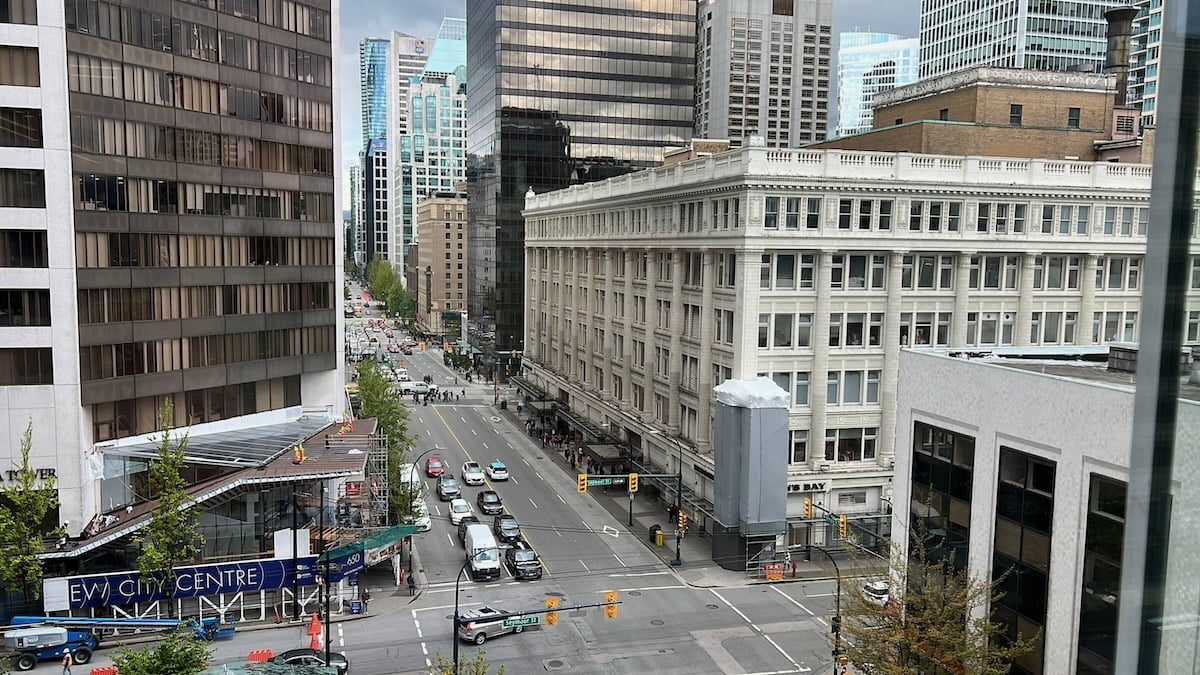
Water Street (at Cambie Street) in Downtown Vancouver. Photo: Lee Rivett
With most public health mandates eliminated and employees returning to the office, the Vancouver retail market is continuing to blossom.
A report by commercial real estate firm JLL said 2022 expectations for Vancouver continue to be high for retail as the market remains strong.
“Asking retail rents have continued to trend upwards, currently at one of their highest levels in many years. During the pandemic, rents on average have continued to moderately grow. Along with asking rents, we are seeing an increase in effective rents as economic and employment growth gains momentum,” said the report.
“The trend to move in remains stronger than the trend to move out. The cumulative net absorption has been positive over the quarters following the start of the pandemic. Neighbourhood centres and general retail contributed most to the positive net absorption. We expect retailers will look beyond these property types as more shoppers expand their trading area and return to shopping centres.
Downtown Vancouver Hudson’s Bay (Image: Lee Rivett)
“The retail space became tighter as the availability rate in Q1 2022 dropped below two per cent for the first time since the start of the pandemic. Tenants are more comfortable occupying space now, as they realize they can still thrive while living with COVID-19.”
Trevor Thomas
Total Inventory in the market is 123.6 million square feet with one million square feet under construction. Availability climbed from 1.7 per cent in 2019 to 2.8 per cent in 2020 and now back down to 1.9 per cent.
Trevor Thomas, Vice-President of JLL in Vancouver, said the retail sector in the city is healthy.
“We didn’t see the fallout like everybody anticipated was coming. Vancouver is situated where you have streets like West Fourth, South Granville that are outside the downtown, and those streets actually outperformed years past,” he said. “Everybody was out walking the streets, grabbing their coffees, everybody needed a break from working and sitting at their computer at home. The retail sales grew as did demand. And the lease rates have gone up.
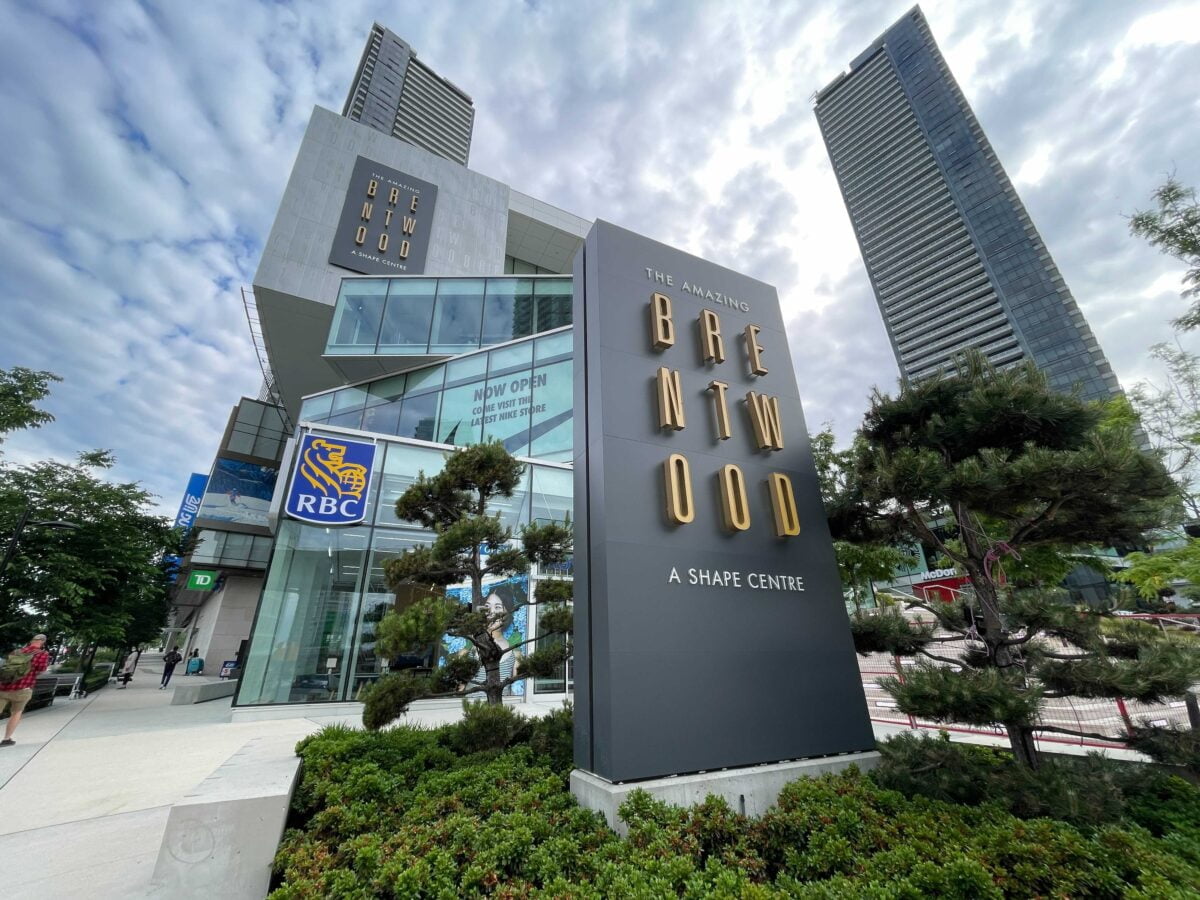
“The Glass House” at The Amazing Brentwood. Photo: Lee Rivett
“These retailers like to flock together. So there’s lots of new to market brands that want to come to Vancouver and while downtown Vancouver is on their target list and some of the traffic is back to where it was, they seem to be gravitating to West Fourth and driving up the lease rates. Basic supply and demand.”
The JLL report said total inventory has seen a trend upwards as development projects are continuously being undertaken. Notable malls including Oakridge Centre, The Amazing Brentwood, and The City of Lougheed are poised to bring millions of square feet of retail space to the market in the coming years as they complete their phased developments. As retailers continue to seek out spaces for their businesses, inventory will continue to deplete as soon as they arrive on the market, said the report.
Thomas said the only real vacancy the market saw in the past couple of years was in the downtown and the market downtown has started to pick up as people return to the office, cruise ships return and tourists are coming back.
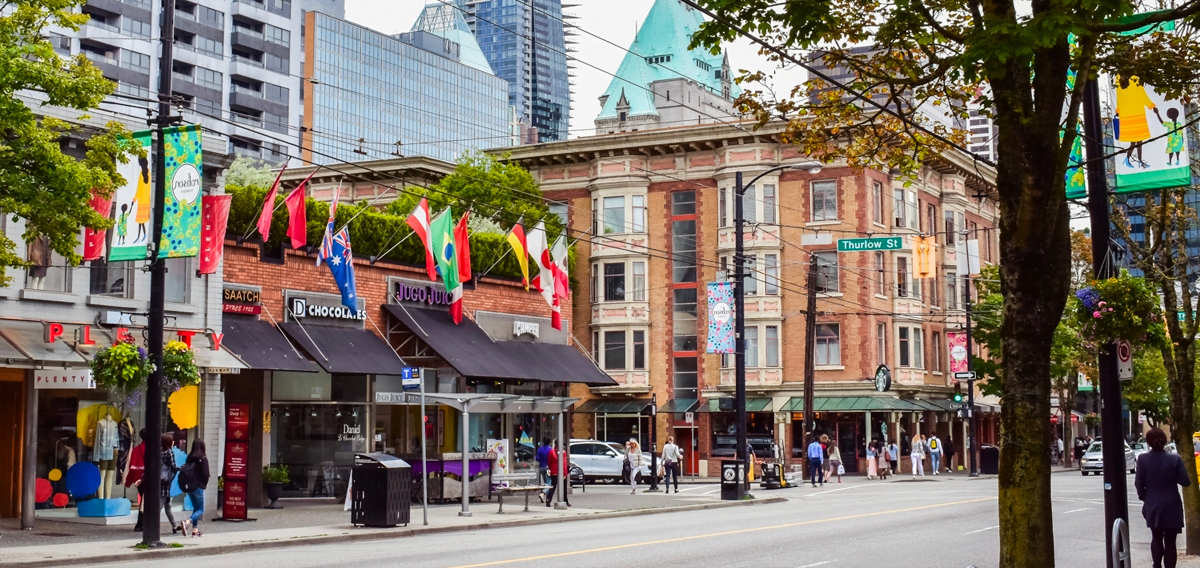
“A year ago, you could walk up and down Robson Street and you would see a number of for lease signs but slowly those are all being absorbed.”
Robson Street at Thurlow Street in Downtown Vancouver (Image: Downtown Vancouver BIA)
Thomas said the bright spots right now in the retail sector are the categories of athleisure and discount stores. The home improvement sector also really took off during the pandemic but that has tapered off now as people have returned to office. The sporting goods stores have also done well.
Thomas said the interest from international players remains. In 2019, the market was quite busy with international groups looking to make their foray into the country and they typically like to enter Vancouver or Toronto.
“A lot of those plans were put on hold. Most of those retailers are starting to tour again. They’re able to fly again to the country. It’s a lot easier than it was a year ago. We’ve actually done a number of deals, new to market international retailers, opening up in Vancouver,” he said.
Lululemon store at 2101 West 4th Avenue — the street has seen numerous new retail tenants and is becoming one of the hottest addresses in the city. Photo: Lululemon
“We did the Allbirds deal. They’re opening up in June on West Fourth Avenue. That was a pandemic deal. There’s a couple more. The deals are signed but they want to make their own big announcements first. Two of them will be on Robson Street. Flagship deals on Robson Street which will be announced shortly.”
With EV becoming the modern-day trend, many automobile makers are looking to showcase their new EV models in prominent, high traffic spaces. Following in the footsteps of Tesla, all major car makers are trying to get ahead of the race and quickly enter the highly competitive market, said the JLL report.
“As e-commerce continues to grow, grocery stores are the next to enter this lucrative space. Following in the footsteps of Fresh Prep and Goodfood (both provide meal prep delivery kits) who started the online grocery trend, Sobeys, Aisle, Tiggy, Spud, and Instacart are also gearing up to start or build upon their already existing e-commerce services in Vancouver. These companies range from delivery and meal prep services to 24/7 contactless grocers. Retailers and shopping centres are now having to put greater emphasis on their physical spaces to recapture the market share that online shopping has disrupted,” it said.
“As workers begin to return to the office to bring back that collaborative environment that has been missed for the past two years, downtown retailers near office spaces could expect to see a boost in sales. Foot traffic in the downtown core has seen a gradual increase. The new work-from-home and hybrid work model is yet to be defined, but as most companies have realized, being in person and working with your team boosts creativity while building collaborative and social skills.
“Shopping centres have reverted to triple net rents after having switched to percentage rent during the pandemic, when they closed their doors temporarily due to poor business conditions. Foot traffic is on track to return to normal pre-pandemic levels and shoppers are spending more time in malls.”
B2 Shoes at Montreal Eaton Centre (Image: Browns Shoes)
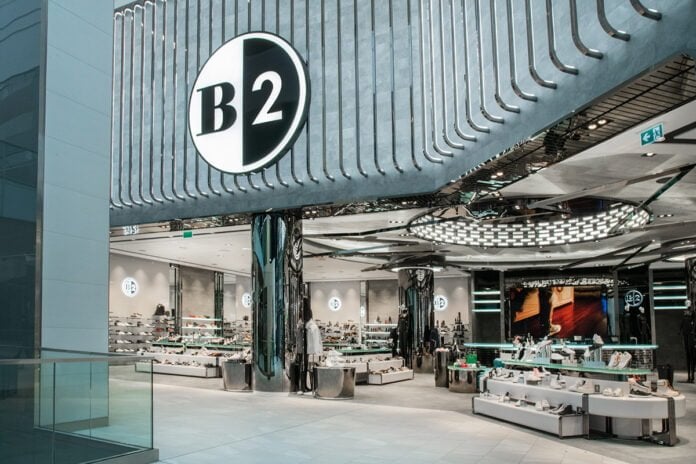
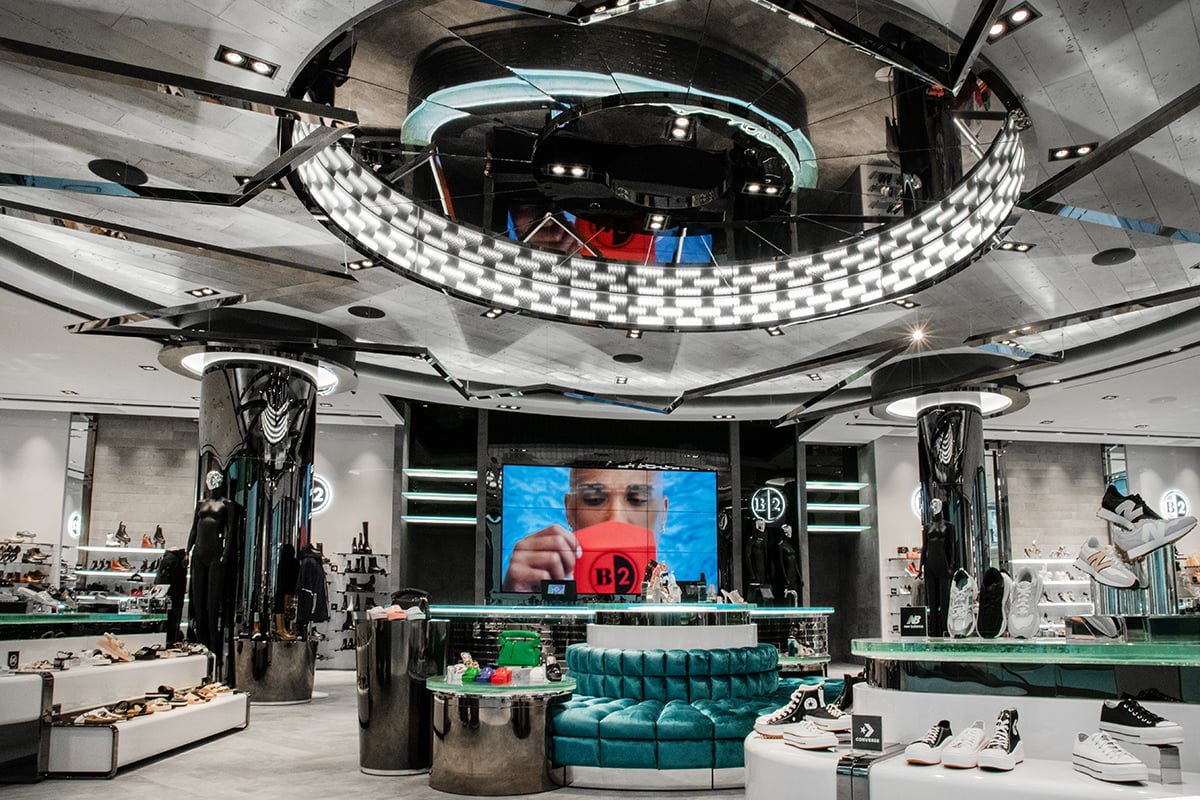
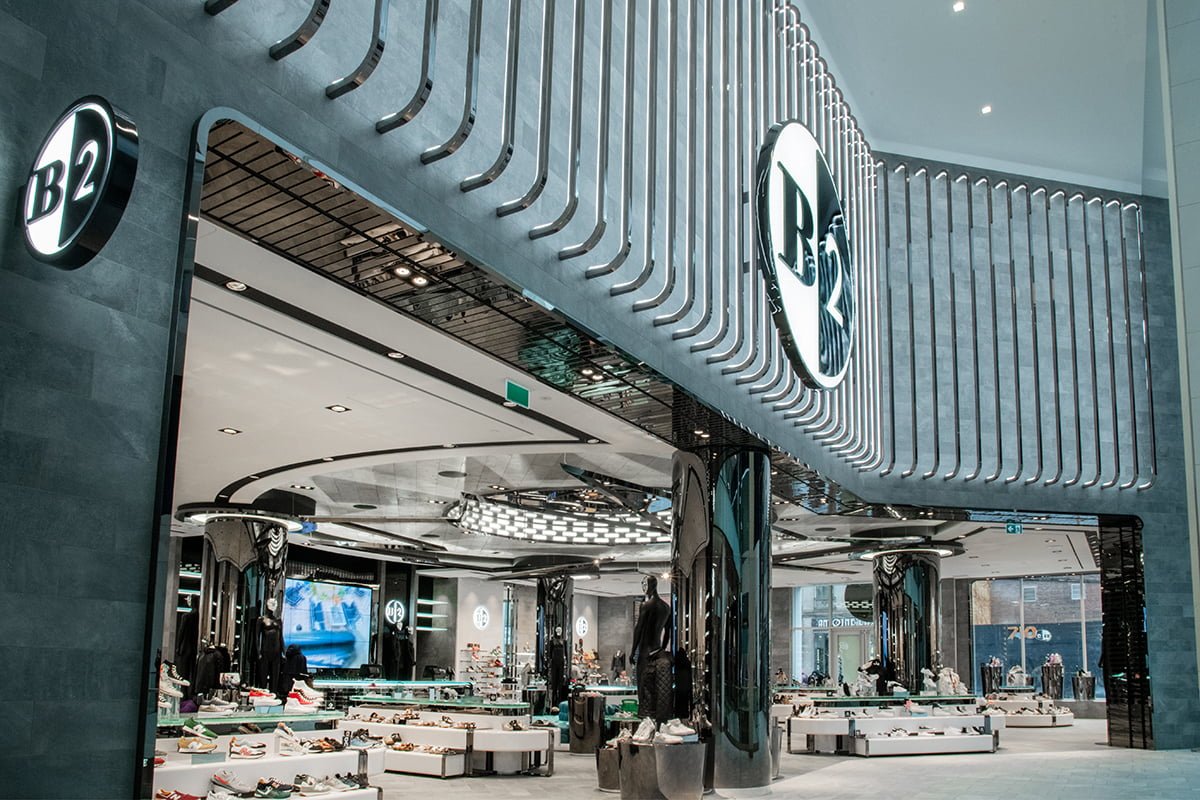
After taking a brief pause during COVID-19, B2 shoes has recently opened a new state-of-the-art flagship store located in the Montreal Eaton Centre.
The expansive two-floor location is just over 11,000 square feet, including a vibrant showroom and a second-level stock room. The in-house designed B2 flagship offers comfortable seating, a hydration station with sparkling water, a state-of-the-art sound system, and a head-turning video wall.
“The Montreal flagship is one the most exciting stores the team has developed to date,” says Eric Ouaknine who is the Senior Director of Retail. “The space is designed to be experience-driven in order to entertain our customers.”
B2 Shoes at Montreal Eaton Centre (Image: Browns Shoes)
To access the Montreal Eaton Centre location, customers can enter through the mall or on Saint- Catherine Street.
Browns and B2 are also working on expanding other existing stores.
Eric Ouaknine
“Now in 2022, we are full steam ahead and making up for lost time,” says Ouaknine. “We are taking the opportunity to expand our footprint as in-store shoppers return.
Ouaknine said at least 12 stores are confirmed for this year.
“As we speak, we currently have three stores under construction, in addition to the three stores that we just opened in the past couple weeks, including the B2 flagship in Montreal, this is an exciting time” says Ouaknine.
B2 Shoes at Montreal Eaton Centre (Image: Browns Shoes)
Right now, there are eight store expansions in the process and some of these will be nearly doubling in size. Some of these stores include:
The Browns store in Toronto Premium Outlets has been open for three years and they will be expanding to make it 7,000 square feet – increasing the size by 60 percent.
The Browns in Polo Park, Winnipeg is relocating to a larger space and will grow by 50 percent with construction already underway.
In Mirabel, outside of Montreal, the new Browns store that reopened last week grew by 50 percent.
The B2 store at Fairview Pointe-Claire in Montreal is now expanded to 4,200 square feet.
In Toronto, Browns at Yorkdale is building an impressive 6,000 sq ft flagship with 87 feet of frontage
“There are several others in the pipeline that we’re working on across Canada” says Ouaknine.
It will be a busy year ahead for Browns and B2 with new stores opening but they are making customer service a priority.
“Browns has a really unique store concept, like no other in Canada or even North America,” says Ouaknine. “At our core we strive to offer our customers a wide selection of highly curated brands, a lot of which are exclusive, coupled with top notch customer service, in an environment that allows us to entertain them. The goal is to offer our customers an immersive and unforgettable experience — that is really what it’s all about for us.”
Oberfeld Snowcap works with Browns Shoes in terms of negotiating retail leases.
Retail Insider is streamlining its Canadian retail news from around the web to include a handful of top news stories that can be viewed quickly during the day. Here are the top stories from the past 24 hours.
The past two-and-a-half years have proven to be an immense challenge for most retailers operating across the country. The COVID-19 global pandemic, along with a number of other factors and influencers, has served up a litany of disruptions and disturbances for the industry to contend with. However, as communities in countries all over the world continue to slowly and methodically head toward something of a new “normal”, retailers search for ways by which they can maintain their relevance with the consumer and ensure future growth and success. With these things in mind, Deloitte recently released its 2022 Canadian retail outlook, highlighting five key insights that will shape the retail landscape over the coming months. And, according to Marty Weintraub, Partner, National Retail Leader at Deloitte, it’s a landscape that continues to evolve in the wake of impacts of the pandemic.
“Merchants within the industry have been through a lot over the course of the past couple of years,” he says. “Impacts of the pandemic, most dramatically pronounced by store closures and social restrictions, had a profound effect on the industry. And, most recently, the war in Ukraine and continued rise in inflation have only added to the disruption and challenges that retailers have been facing. Having said that, however, the economy is still doing fairly well from an employment and growth perspective. So, over the next 12 months or so, we’re going to continue to see ups and downs, just as we’ve become used to. But overall, based on a number of things that we’ve uncovered, the outlook is relatively positive for retailers in the country.”
Optimism around growth and concern about profits
CF Toronto Eaton Centre (Image: Dustin Fuhs)
One of the things that Deloitte uncovered within its 2022 Canadian retail outlook is the fact that executives within the country are feeling quite optimistic, even confident, about the near-term future of their companies. The survey reveals that an incredible 77 per cent expect their revenues to increase, with 93 per cent believing in their organizations’ ability to meet growth targets and objectives. Though some 40 per cent expect margins to fall in 2022, driven largely by the threat of inflation and the continuation of rising costs, Weintraub says that much of the industry intend to invest throughout the coming year in order to drive revenue and facilitate further growth.
“There’s been an obvious accelerated digitization of the industry and everything else around us over the past couple of years,” he recognizes. “Retailers will continue to invest in digital technologies to support their ecommerce efforts and the digital evolution of their businesses. However, what’s equally, if not more, important is the reinvestment into the physical brick-and-mortar store. We’re already starting to see this shift as retailers are realizing the Canadian consumer’s increasing desire for experiences and to reengage in a physical environment. They are investments that are going to go a long way toward bolstering the omnichannel experience retailers provide. And, of course, supply chains are going to receive attention. We’ve learned over the last couple of years that supply chains are fragile. And, because resilience is key, there’s going to be a lot of investment into all aspects of supply in order to enable the growth that’s expected.”
Strengthening supply chains
As unsung as it may have been, escaping much of the spotlight prior to the pandemic, the supply chain is a pivotal component of the retail operation and integral to the overall customer experience. And, responses within Deloitte’s outlook reflect its importance, revealing a number of priorities for executives, including avoiding stockouts (95%), making their supply chain networks more agile (90%) and ensuring their resiliency (90%). The outlook also suggests that there are a number of ways by which retail organizations plan to support these priorities, with nearly two-thirds (65%) seeking diversification of their overseas supplier networks and 10 per cent expecting to reduce their reliance on overseas vendors altogether. However, as Weintraub points out, much more of their focus is going to be around investments in technology that will help them better prepare for the future. In fact, the outlook indicates that 85 per cent of retailers expect to invest in supply chain automation and other types of technologies.
“One of the biggest questions that retailers have got to answer today is how to better forecast and plan for demand,” he asserts. “It’s another aspect of the retail operation that’s completely changed over the course of the past two years. Using history as a source to predict the future is not proving to be all that reliable at the moment as consumer preferences and behaviour have shifted and continue to evolve with the digitization of everything. As a result, many within the industry are going to be leveraging newer techniques and innovative technologies, including those equipped with artificial intelligence, in order to help forecast and plan with greater accuracy and assurance. There’s going to be a real push over the next 6 to 12 months toward gaining clearer and more granular visibility to all of the signals along the end-to-end supply chain, ultimately enabling them to react timelier in the event that shocks or disturbances occur.”
The fight for retail talent
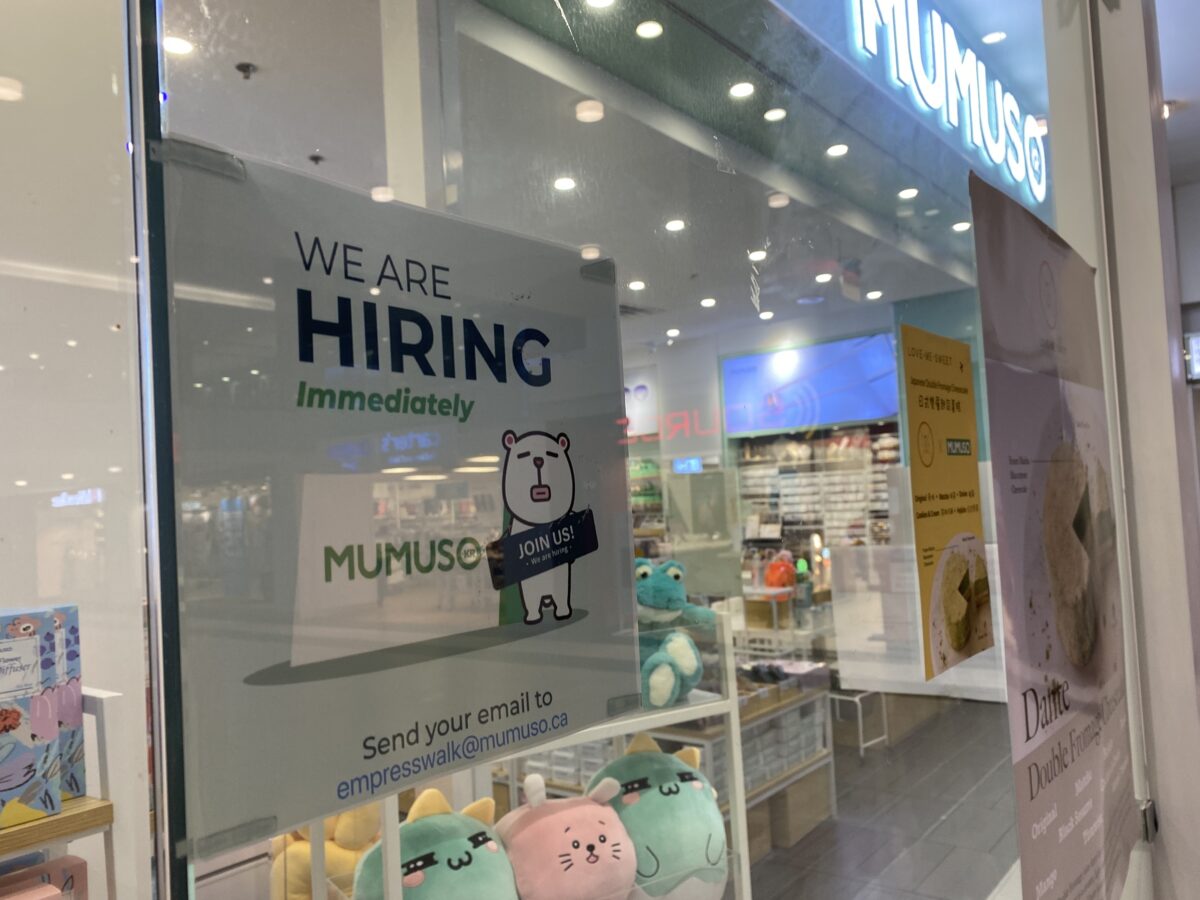
Mumuso at Yonge Eglinton Centre (Image: Dustin Fuhs)
In addition to digitizing the business through automated supply chains and artificial-intelligence-aided demand forecasting, there’s also a growing need for retailers to ensure that they have the human capital required to keep the operation, and all of its bells and whistles, operating optimally. In fact, more than three-quarters (77%) of Canadian retail executives believe that the current talent shortage as well as their ability to hang on to their top employees is one of the top current concerns. To address the concern, and in an attempt to attract and retain top talent, 73 per cent plan to offer their staff better working conditions, 67 per cent intend on offering increased pay and benefits and 43 per cent plan to provide enhanced learning and development opportunities. Though these are all pieces or enticements required in order to attract and retain retail talent, Weintraub points out that an organization’s culture, specifically its initiatives around diversity, equity and inclusion, are of significant importance today.
“It’s been difficult for many retailers attempting to work through this talent shortage,” he says. “The main reason is because there is really only a fixed pool of talent. It’s the result of a number of people who have exited the industry due to early retirements, changes within their careers, or simply wanting more money for the work that they’re doing. In order to attract and retain talent, many retailers are realizing in full the powerful sway that a positive and inclusive corporate and employee culture presents. An organization’s diversity, equity and inclusion initiatives have become an important criterion for prospective employees. So, to keep workforces happy, engaged and motivated, brands have got to figure out what the best DE&I strategy will work best for their organizations.”
Environmental, social and corporate governance
Another aspect of an organization’s culture that links very closely with diversity, equity and inclusion are issues related to environmental, social and corporate governance (ESG). It’s yet another precipitation of the pandemic, one that’s rooted in the Canadian consumers’ increased focus paid toward their values and things they care most about. And, Canadian executives are taking notice. According to Deloitte’s outlook, 80 per cent believe that governments and regulators will increase related mandates, 63 per cent feel that employees are more willing to work for brands with strong ESG records, and 43 per cent believe that it will increase loyalty among customers. And, it’s all true, says Weintraub, provided that brands are genuine in their approach.
“The development of strong ESG initiatives and stances can be a significant lever for recruiting and retaining talent and for cultivating customer loyalty,” he says. “However, employees and customers today are looking for true, meaningful change and movement being made by brands. As a result, those that are serious about their commitments are beginning to imbed various ESG initiatives throughout their companies rather than it living within a siloed team or department. And, many of their initiatives are quite spread out, including support for local communities, enhancing ethics, integrity and compliance, leveraging more sustainable sourcing, and more. But, again, It’s incredibly important for retailers to remember that any initiatives put in place have got to be perceived as real and not something that’s being done simply because it’s expected.”
Focus on customers, brand and agility
One of the key takeaways of the COVID-19 global pandemic, as we hopefully begin to approach something of an end to its impacts, is the fact that agility within the retail business is paramount. Those that already had it baked into their operations were more easily able to adapt and pivot to evolving consumer demands and behaviour. And, those with more of a rigid structure and operation, generally speaking, were less inclined and able to do so. It’s the reason, says Weintraub, there will be such a concerted focus and effort paid by brands toward ensuring agility as we move forward. However, he suggests that it will be incredibly important to maintain a deep understanding of the brand and evolving consumer expectations in order to succeed in a transformed retail landscape.
“People have been talking for years about putting customers first and keeping them at the heart of every decision that’s made,” he says. “However, what makes this notion even more important is the fact that the customer has acquired more power over the course of the past 18 to 24 months than they’ve ever had before, enabled to shop wherever, whenever and however they want. It means that retailers need to meet them where they want to be met. It’s too easy today for customers to switch brands or retailers. As a result, taking care of the brand is imperative, requiring retailers to figure out what investments need to be made in order to grow and elevate the brand in the customers’ mind.”
Overcoming challenges
Despite the amount of disruption that’s occurred over the course of the past two-plus years, and the uncertainty that it’s created across industries and the world, Weintraub believes that the resilience of Canadian retailers will continue to serve them well, helping them withstand many of the challenges that they face. And, although he recognizes that many of those challenges will likely sustain through the near-term, he adds that there are also immense opportunities available to those within the industry that can continue to stay close to the consumer, innovating to meet their evolving needs and preferences.
“Though there remain a number of headwinds that will challenge the industry over the next little while, there has never been such opportunity to win over the customer by standing apart from competitors. Increasingly, retailers will be focusing more of their resources and effort on achieving that through a number of different ways, including investing in the right technologies, closely monitoring cost, strengthening their supply chains, bolstering their brand values and finding the right talent to support it all. Those that can move the needle on each of these things in a positive direction are those that will be positioning themselves well to succeed and grow in this new retail landscape.”