Advertisement
Advertisement
Home Blog Page 842

Canadian Retail News From Around The Web For May 18, 2021

Canadian Retail News From Around The Web

Advertisement

Top Stories: National

Advertisement

Central/Eastern Canada News

Western Canada News

TopShop to Exit Hudson’s Bay and Shut All Stores After 10 Year Run in Canada

TopShop at Hudson's Bay on Queen Street (April 2021) - Photo by Dustin Fuhs

UK fast-fashion brand Topshop and Topman will be exiting all Hudson’s Bay stores in the fall after a 10 year run in Canada. The move comes after the administration filing of Topshop in the UK and its subsequent acquisition by ASOS which was finalized in February. All Topshop and Topman retail spaces in Canada will be shuttered by September 30, 2021 as a result.

Most employees in the Canadian locations will be offered jobs elsewhere according to Hudson’s Bay. “We have been able to secure transfer opportunities within Hudson’s Bay for the majority of impacted associates,” the retailer said in a statement.

Amid a flurry of press, the Hudson’s Bay Company announced in the spring of 2011 that it had secured the franchise rights to open Topshop and Topman shop-in-stores in Canada as well as standalone storefronts. A subsequent roll-out of shop-in-stores was launched as part of an effort to drive foot traffic into Hudson’s Bay department stores.

Topshop opened its first Canadian shop-in-store in 2010 temporarily at retailer Jonathan and Olivia on Ossington Avenue in Toronto. Following the partnership announcement with HBC, the first large Topshop/Topman storefront in Canada opened in Hudson’s Bay at Toronto’s Yorkdale Shopping Centre in October of 2011, spanning about 15,000 square feet over two levels. A rollout of larger Topshop stores followed for several years in major markets. The rollout continued with some Bay stores seeing separate smaller Topshop and Topman department areas added rather than fully branded shop-in-stores.

A substantial amount of space in some Hudson’s Bay stores will have to be repurposed as a result of the Topshop/Topman closures this fall. The largest of the spaces is in Vancouver, which in October of 2012 saw the opening of a 33,000 square foot combined Topshop/Topman space on the concourse level of the historic downtown Vancouver Bay flagship store. Millions of dollars was invested to create a new street front entrance on Granville Street for Topshop as well as new escalators leading downstairs from the street. The Vancouver Topshop was the largest international location globally for the retailer when it opened at the time.

A flurry of construction activity will be seen in malls across the country this fall/winter following the closures of Topshop and Topman. At Yorkdale in Toronto, Topshop and Topman occupy prominent frontage in the mall that includes black branded walls and display windows created especially for the franchised shop-in-store. Similar large storefronts at Square One in Mississauga and CF Chinook Centre in Calgary will also have to be repurposed following Topshop’s exit.

Topshop/Topman at Yorkdale in 2011. Photo via HBC

In 2011, then CEO Bonnie Brooks said that there were plans for about 50 Topshop locations in Canada as part of a signifiant shakeup for Hudson’s Bay stores in Canada. Brooks was hired by HBC owner Richard Baker to increase sales in Bay stores which included new retail partnerships while at the same time dropping hundreds of underperforming brands. Topshop alone was expected to increase sales in Bay stores by about 10%. Baker said at the time that Topshop was expected to sell about $700 a square foot in its spaces, an impressive number considering that sales at most Bay stores were less than $200 per square foot in most departments.

Other partners added to Bay stores at around the same time included Kleinfeld Bridal at the Queen Street Bay flagship, restaurants such as Bannock, a revamp/expansion of luxury fashion department ‘The Room’ in Toronto and Vancouver, and the addition of Burberry and Coach shop-in-stores among other initiatives. Hudson’s Bay was also said to be in talks with Japanese fast fashion retailer Uniqlo to open in Bay stores as well as upscale US-based department store Bloomingdales’s, and neither partnership materialized. Baker did manage to acquire US luxury retailer Saks Fifth Avenue which opened two Toronto stores in 2016 as well as a location in Calgary about two years later.

Topshop started as a brand extension of the Peter Robinson department store chain in London in 1964 and sold women’s fashions by young British designers such as Mary Quant and Stirling Cooper. Topshop was spun off as its own store and in 1978, the men’s division called Topman was also launched. Topshop owner Arcadia Group went into administration (bankruptcy protection) in November of 2020 and ASOS acquired Topshop in February of this year. ASOS said that it was planning on closing all of Topshop/Topman’s stores while taking the brand online through ASOS’ channels.

Grand opening of the Vancouver Topshop in 2012 featuring a dedicated Granville Street entrance. Photo: HBC
TopShop at Hudson's Bay off Granville Street in Vancouver (July 2021)
TopShop at Hudson’s Bay off Granville Street in Vancouver (July 2021). Photo: Lee Rivett.

Prior to the bankruptcy, Topshop/Topman operated over 500 stores globally with about 300 of those being located in the UK. Topshop entered the US market in 2007 and had 11 large flagship stores in major cities. In the spring of 2019, the US division filed for bankruptcy and all of its stores subsequently shuttered.

A source told Retail Insider that Hudson’s Bay was unable to come to an agreement with ASOS which led to Topshop’s pulling out of Canada’s Hudson’s Bay stores.  Another source told Retail Insider that ASOS may offer Nordstrom the opportunity to carry the Topshop and Topman lines in its Canadian stores as is the case currently in the United States. We were not able to confirm this information by press time.

Retail Insider reached out to the Hudson’s Bay Company for comment for this story. A spokesperson for the retailer confirmed Topshop’s exit and noted that there are exciting youthful initiatives in the works for the retailer including the addition of new brands to its stores.

“Hudson’s Bay is growing its millennial and Gen Z offering through elevated brands and in-store experience,” the company said in a statement. “We have already introduced brands like Mango, Good American, Sweaty Betty, ALC, AFRM and Ganni, and are working to launch dozens of new, relevant brands and are anticipating an incredibly compelling fall line-up.”

TOPSHOP on CF Chinook Centre's lower level
TOPSHOP on CF Chinook Centre’s main level. Photo: Jessica Finch

“From denim to active to contemporary fashion, we are curating an assortment that reflects sustainability, size inclusivity, and quality from both Canadian and international labels. In stores we are transforming and expanding the footprint these brands and others will occupy, through dedicated, curated spaces. While we continue to shape our offering for style-seeking millennials and Gen Z, Hudson’s Bay will exit Topshop by October 2021.”

“Additionally, the launch of Marketplace earlier this year has also enabled us to move quickly in response to trends and customer demands. We are continuously onboarding new sellers that align with our brand missions to help Canadians live their best style of life. In a matter of days we are now able to deliver more new and emerging brands, including Canadian designers and businesses, that resonate with our customers. In just weeks, more than 300 new brands have already been added to thebay.com“.

HBC also provided a quote from a senior executive for this story. “We know that style-seeking millennials want brands that meet their standard of quality, inclusivity and fashionability,” said Laura Janney, SVP Apparel, Hudson’s Bay. “We are fostering strong relationships with brands from all over the world, and building an assortment that offers trend-right, contemporary fashion, some of which Canadian customers will only find at Hudson’s Bay.”

TopShop at Richmond in March 2021 by Ritchie Po

“As the fifth largest e-comm business in Canada coupled with a national network of stores, Hudson’s Bay has the most comprehensive premium fashion offering in the country. We are able to work with big brands as well as nurture new and emerging designers to provide a sense of discovery, with a focus on key drivers like sustainability, diversity and local.”

How Incentivizing Consumers to Return to Foodservice Businesses Can Jumpstart the Economy: Sylvain Charlebois

As we inch towards a more normalized economy, the focus will now be on how we can make people feel more comfortable about going out and about again. Our economy needs it, our food service desperately needs it, but it is not going to be easy.

In a recent survey, conducted in mid-May by the Agri-Food Analytics Lab and Angus Reid, 60% of Canadians are either fine with going to a restaurant, or are willing to do so, although cautious. Still, 40% intend to continue to avoid restaurants. So, in essence, two out of every five Canadians are not even thinking of going to a restaurant. Some of that group will tolerate curbside service or delivery, but many just do not want to take a chance.

At the provincial level, Ontario stands out as the one region where most consumers will continue to avoid restaurants. A total of 51% of Ontarians intend to continue to avoid restaurants for the time being. The most confident province is Quebec, where only 27% of consumers are not willing to go to a restaurant yet. That is almost half of the Ontario rate. Percentages of people wanting to avoid restaurants in Manitoba and the AtlanticProvinces are high, but both places are in the middle of their worst waves of COVID to date.

Statistics Canada is telling us that the accommodation and food service sector is hiring about 74% of the number of employees it had before the pandemic started, back in March 2020. Revenues are at 76% of the levels we saw before the pandemic. The sector is facing significant challenges but not so much that Canadians should underestimate the sector’s resiliency. It will recover, no doubt, but it will also need some help.

While the vaccination campaign is progressing well, COVID variants are really making our vaccination efforts a race against time. Most Canadians will think about safety and their health before thinking about having a meal on the patio with family and friends. But living in fear is a terrible thing, and restaurants offer the perfect escape for when Canadians are willing to go out again, while taking proper precautions.

Many provinces and municipalities have provided financial assistance and support to accommodate restaurants in pursuit of more cash flow, as well as the funds to create new outdoor space to serve patrons safely in place of indoor dining. On the other hand, the federal government has made it quite clear it does not intend to do much for food service, at least not directly. Supporting the private sector without any intervention for non-profit organizations or crown corporations has not been a popular option for Ottawa since the start of the pandemic. The airline situation was a perfect example.

In the United States, the Restaurant Revitalization Fund opened its portal this week, allowing hard-hit restaurants, bars, food trucks and more to apply for $28.6 billion U.S. in grants. This fund will provide some assistance to make dining establishments safer. A massive amount compared to what our own operators here have received.

Restaurants in The Annex (May 14th, 2021) Photo by Dustin Fuhs

Now that we all see an end to the pandemic, sort of, we need to think of ways to get people going out and about again. A recent survey suggests that many Canadians have gained weight since the start of the pandemic, essentially due to our even more sedentary lifestyles. If people are fearful of places like restaurants, our economy and small businesses will struggle. Over the past six months or so, people will be out no matter what; the pent-up demand for social gatherings will be a strong influence. But restaurant operators will need to make their patrons feel safe.

Depending on how things progress over the next 12 months, incentivizing Canadians could also play a key role and would send a more reassuring message. For example, tax credits could be granted for patronizing restaurants and hotels, as well as frequenting gyms, yoga classes, and other well-being services. The Canadian economy lost 207,000 jobs in April, and our unemployment rate went up again. Supporting small businesses and the service sector will be key for a strong sustainable economic recovery. Given the flexible nature of many of these professional opportunities, the majority of these jobs are occupied by women, those most hard-hit by the pandemic.

Many will want to stay home for safety, and we need to respect that, but others still will need that extra nudge after a year and half of hibernation. It is a different market out there, and governments can play a role by being more positive and reassuring, while keeping everyone as safe as possible.

Natasha Koifman’s Socially Conscious e-Commerce Platform ‘ShopNK’ Unveils New Home Concept

ShopNK founder Natasha Koifman with an assortment of Cire Trudon candles. (Photo credit: Renata Kaveh)

In the last year, the homebody economy has grown exponentially with consumers spending more time at home, transforming their living environments into a place of sanctuary. A recent McKinsey study notes that consumers are expected to continue to make substantial investments in their domestic life, with 30% planning to splurge on home items after the pandemic. The ShopNK Drop005 is positioned as a simplified edit of spring/summer lifestyle essentials designed to help customers feel more connected and inspired in their living spaces.
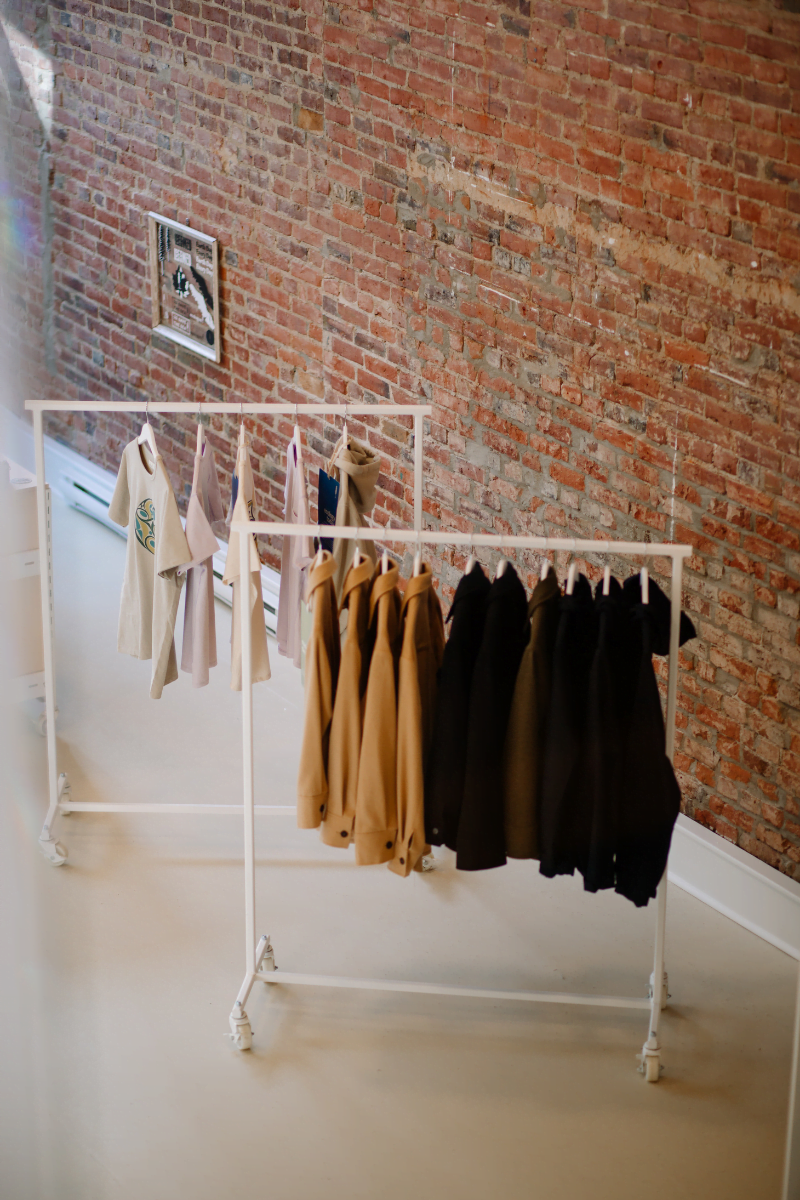
Curated by Natasha Koifman, NKPR President and ShopNK Founder, the new launch features a thoughtful assortment of exclusive partnerships with Canadian designers including Nora Voon (Noda Designs) and Rosa Halpern (By the Namesake) as well as limited-edition products designed to elevate the customer’s daily rituals and experiences. The site will also now carry some of Koifman’s favourite international brands that can be found throughout her home, from 100% flax linen bedding by Australian textile company, Bed Threads, to luxurious scents by French candlemaker, Cire Trudon.

“I love visiting Paris and being inspired by cultivated design and curated scents,” says Koifman. “So, being able to partner with international brands like Cire Trudon is very exciting.” In addition to candles, ShopNK offers chic bracelets from French jewelry house RedLine Paris, pioneers of the diamond on a string concept. Throughout history and cultures, the red string has been worn as a representation of protection, strength, and connection. “I never remove mine,” she says.

“The home is where the heart is, and the place we’re spending more time than ever before. Being thoughtful about the things we surround ourselves with and giving back to our communities has never been more important,” says Koifman. “From hand-crafted acrylic coasters to my favourite cozy robe to limited edition art pieces, we’ve collaborated with amazing brands to curate our must-haves for the home that will bring joy, comfort and inspire us all to live more intentionally.”

The Kashwére Signature Shawl Collar Robe—also featured on Oprah’s Favorite Things!—is part of ShopNK’s collection of At-Home Spa Day must-haves. In line with Koifman’s signature #AllBlackEverything aesthetic, the Chenilla-knit robe pairs perfectly with black faux fur slippers from Sleeping With Jacques, also available on the site. An assortment of loose leaf tea blends—L’Amour, Zen and Energy—and bath blend from L’Artisan Muse rounds out the ultimate tranquility capsule.

“We all know by now that wellness starts from within,” says Koifman. “Which is why it’s important to make the time to truly slow down, unplug and mindfully connect to ourselves as best we can. When we reground and recharge, and really listen to our body, we come back to our lives more focused, balanced and ready for anything.”
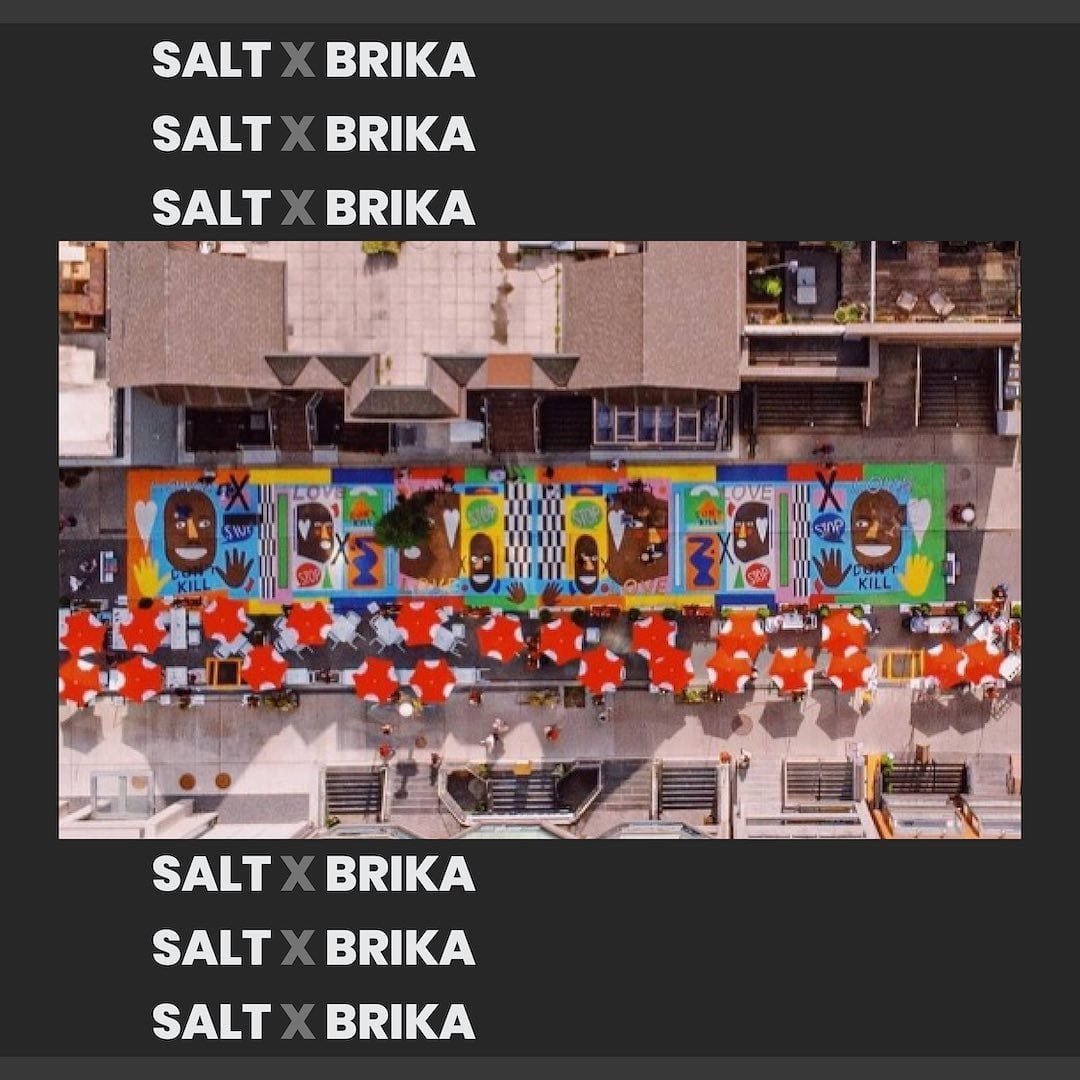
Of notable mention is a collaboration between both Canadian, female-driven brands, ShopNK and Sympli. Drop005 includes the clothing brand’s popular Mandarin Linen Collar Shirt in a black colourway that is exclusive to ShopNK. Charitable proceeds aligned with this collaboration help to fund G(irls)20, an organization designed to help cultivate female leaders.

As with all previous drops, ShopNK empowers the buyer to think philanthropically about their purchase and will donate a portion of sales to their selected charity at checkout. Customers can also add virtual one-on-one mentorship sessions to their cart, with exclusive access to leading entrepreneurs across different industries. 100% of mentorship proceeds will go back to the organization of the buyer’s choice. “I reached out to some dear friends who share similar philanthropic values,” explains Koifman.

New to the ShopNK roster of mentors are Suzanne Boyd (Editor-In-Chief of Zoomer Magazine), Mandy Rennehan (Blue-Collar CEO™, founder of Freshco.ca), Christopher Wein (Chief Operating Officer of Lanterra Developments and President of Lanterra Construction Management), and Trang Trinh (Founding Director & CEO of TREC Brands).

Drop005 is available to customers across North America for a limited time. On the heels of this home-themed launch, Koifman will be announcing a major partnership in a similar space later this summer.

Mood-boosting tea blends and handcrafted acrylic coasters by Noda Designs. (Photo credit: Renata Kaveh)
ShopNK’s leather-wrapped “Gratitude” candle emits a blend of smoky leather and earthy oak moss. (Photo credit: Renata Kaveh)
This black colourway linen shirt by Canadian, female-driven brand Sympli is exclusive to ShopNK. (Photo credit: Renata Kaveh)
L’Artisan Muse tea blends available in L’Amour, Energy and Zen. (Photo credit: Renata Kaveh)
The Signature Shawl Collar Robe by Kashwére paired with faux fur slippers from Sleeping with Jacques. (Photo credit: Renata Kaveh)

Canadian Retail News From Around The Web For May 17, 2021

Canadian Retail News From Around The Web

Advertisement

Top Stories: National

Advertisement

Central/Eastern Canada News

Western Canada News

Podcast [Interview]: Interview with DUER Jeans Founder Gary Lenett on Canadian Retail

Special Edition 31: Interview with DUER Jeans Founder Gary Lenett on Canadian Retail

Gary Lenett, co-founder of Vancouver-based DUER, speaks to Craig about how he founded the brand, his vision for the future of retail as well as advice for entrepreneurs.

Interview Details

The Weekly podcast by Retail Insider Canada is available on Apple Podcasts, Stitcher, TuneIn, or through our dedicated RSS feed for Overcast and other podcast players.

Subscribe, Rate, and Review our Retail Insider Podcast!

Follow Craig:

Follow Retail Insider:

Listen & Subscribe:

Share your thoughts!

Drop us a line at Craig@Retail-Insider.com. You can also rate us in Apple Podcasts or recommend us in Overcast to help more people discover the show.

Harry Rosen Launches Industry-First Men’s Grooming Amid Strategy Shift: Interview with Ian Rosen

Hairy Rosen Store on Bloor - Photo by Craig Patterson

Iconic Canadian retailer Harry Rosen has launched an industry first in men’s luxury grooming with a curated offering of essentials for hair, face and body.

Ian Rosen, EVP Digital & Strategy for Harry Rosen, said the tailored collection is in response to men’s growing interest and investment in personal care.

“Since 1954 when my grandfather started this store we have been helping men set the tone by elevating their personal sense of style and now we’ve grown and established a new offering in grooming and the expanded customized offering is vintage Harry Rosen. It’s highly curated. We’ve partnered with some of the best brands out there and it’s a really exciting evolution for us as we build a deeper relationship with our clients,” he said.

Hairy Rosen Store on Bloor – Photo by Craig Patterson

“Our category expansion was inspired by what our customers told us they want and need. This has historically always been our approach. As a third generation Rosen, I watched my grandfather build a heritage of trust that Canadian men have counted on since 1954. Grooming is now a part of that legacy.”  

Currently, some brands are available through omnichannel, but Rosen said the primary channel is online with instore to come once there’s a sense of normalcy in retail due to the public health restrictions brought on by the COVID-19 pandemic.

“It is a new category for us. It’s definitely a first for us to expand outside of clothing. We’ve been in fragrance for a while but we’ve established a much deeper offering in hair, body, face, shave, you name it. We definitely see opportunity in the category and we see that men are investing much differently in personal care,” said Rosen.

“So along with buying the perfect sweat suit to lounge around the house with, they’re also investing in a great face cream, beard oil, special and sustainable hair and body wash. We just wanted to make sure that we were there for our clients as their routines are evolving and changing too.”

The retailer cites statistics showing that 40 per cent of men aged 18-64 grew facial hair since COVID-19 began, with more than half growing a beard they plan to keep. Also men’s hair length and styling searches increased by 25 times, according to Pinterest.

“While working from home, everyone is aware of how they show up on-screen more than ever,” said Rosen. “Being in lockdown doesn’t mean shutting down self-care and we believe grooming can play a big part in maintaining one’s confidence and well-being.

“We’ve only just begun. We welcome other brand partners in the grooming space and plan to expand into more categories including watches, fitness gear and apparel and home.”   

The grooming collection features 400+ products, 25 per cent which are Canadian-proud from Alberta to New Brunswick to Quebec. 

Hairy Rosen Product Line via HarryRosen.com

The company said the new grooming line intentionally includes tools and products for all skin and hair types. It also showcases best-in-class products at a range of price points, with the goal of establishing Harry Rosen as the destination for men’s grooming. With a selection of the finest blades, brushes, beard oils, shaving soaps, skincare and fragrances to suit each unique individual, every man has the opportunity to elevate their grooming routine, said the retailer. 

“I like to think there’s two types of brands. We have the grooming, heritage, legacy, staple brands that you have to have to be in the grooming space. So we have Kent which is an incredible hair brush and beard brush brand. We have Truefitt & Hill which has kind of the shave category on lock. We have Wahl beard trimmers and razors which are barbers’ choices around the world,” said Rosen.

“And we have a bunch of new modern brands that are pushing the envelope on product innovation as well. We’re working with a company called Educated Beards out of New Brunswick which as a beard owner myself I stand behind their stuff. It’s definitely incredible. We are partnering with a company called Wise Men’s Care which has natural, sustainable hair and body wash, face cream, hair and pomade. We’re definitely on two ends of the spectrum. We’re standing by that heritage but we’re also introducing our clients to people who are pushing the envelope.” 

Harry Rosen is now the first and only nationwide men’s luxury retailer in Canada with online dropship capabilities. The grooming line is the company’s first that is available via this technology. Powered by industry disruptor Convictional’s Supplier Enablement Platform, this dropship and marketplace infrastructure lets brands rapidly onboard and integrate, creating a seamless customer experience and accelerating speed to market. Products are accessible directly from a select group of supplier partners who are a good fit with the Harry Rosen brand.  

“We partnered for this launch with industry disruptor Convictional which is a Toronto startup and I think that’s a thing of note because we’re partnering with brands in a much different way and it allowed us to get to market extremely quickly with this,” said Rosen.

“We’re kind of reinforcing the online sales growth that we’ve seen over the past year with more reasons to shop with us and more ways to add value to that shopping experience. So, at the same time as shopping for your summer essentials you can get a great fragrance to partner up with it. So there’s synergies between the shopping experience. We’re already seeing clients also navigate to the how-to’s and the content we’ve put up behind the grooming launch because people have a lot of questions and we want to be there to answer them.”

Canadian Retail News From Around The Web For May 14, 2021

Canadian Retail News From Around The Web

Advertisement

Top Stories: National

Advertisement

Central/Eastern Canada News

Western Canada News

Brief: Ralph Lauren Sells Club Monaco, Hudson’s Bay Takes 15% BIPOC Pledge

Retail Insider News Brief

Ralph Lauren Sells Club Monaco Brand 

New York City-based Ralph Lauren announced Thursday that it sold its Club Monaco subsidiary to private equity firm Regent LP. Club Monaco was founded in Toronto in 1985 and Ralph Lauren acquired the brand in 1999. Regent is expected to expand the Club Monaco brand with details to follow. 

“Club Monaco is a beloved brand with a modern style, loyal customer base and long runway for growth,” said Michael Reinstein, Chairman of Regent. “We see tremendous opportunity for Club Monaco and are excited to leverage our retail and e-commerce expertise to build upon the strong brand that the Ralph Lauren team built over two decades of stewardship.”

Photo: Somerset Collection

The deal is expected to close at the end of June and the purchase price wasn’t disclosed. Polo Ralph Lauren paid about USD $52 million for Club Monaco in 1999 as well as an additional $35 million for debt. 

Beverly Hills-based Regent owns several other fashion brands including Montreal-founded lingerie retailer La Senza. 

Club Monaco was founded in 1985 by Joe Mimran, Saul Mimran, and designer Alfred Sung.  Club Monaco is known for its well designed casual clothing. Club Monaco operates stores throughout Canada primarily in shopping malls and the retailer also has several street front and outlet stores. Club Monaco also has stores in the United States, UK, China, Taiwan, Hong Kong, Macau, Singapore, South Korea, and Sweden.

We recently reported that Club Monaco had shut its flagship store at 157 Bloor Street West in Toronto. Club Monaco also recently opened a storefront at the CF Carrefour Laval shopping centre near Montreal. 

Hudson’s Bay Takes 15% Pledge for BIPOC-Owned Brands

Photo: Hudson’s Bay

Hudson’s Bay announced Thursday that as of this fall, at least 15% of all new brands purchased for its stores and thebay.com will be BIPOC-owned or designed. That includes designers that are Black, Indigenous or otherwise deemed ‘of colour’. 

Hudson’s Bay is the first department store in Canada to commit to the Pledge. And as part of the Pledge, the retailer will also be reviewing its internal business organization to ensure, by 2022, 15% or more of the design talent for owned brands are BIPOC, and will work toward supporting the onboarding, growth and success of emerging BIPOC brands.

“As one of the country’s leading corporate citizens, Hudson’s Bay has a responsibility to drive equity and inclusion in Canada,” says Iain Nairn, President & CEO of Hudson’s Bay. “Our commitment through the Fifteen Percent Pledge is part of a holistic change to how we do business, and will hold us accountable to providing opportunity and delivering products that are representative of the diversity of our customers, associates and communities.”

“We’re excited to welcome Hudson’s Bay as the first Canadian department store to take the Pledge and commit to investing in BIPOC businesses,” said Aurora James, founder of the Fifteen Percent Pledge. “As a Black business owner and proud Canadian, it’s encouraging to see this iconic brand take a pivotal step toward driving equity across retail. This is the first time Hudson’s Bay has made a commitment like this in its 350-year history, and we hope their dedication and leadership encourages other international retailers to support brands that are representative of their diverse populations.”

The 15 Percent Pledge was founded in 2020 by Aurora James (creative director of fashion label Brother Vellies) and is a 501(c)(3) nonprofit advocacy organization urging retailers to allocate 15 percent of their shelf-space to Black-owned businesses. In Canada, the Pledge was extend to Indigenous people and people of colour. A total of 22 companies to date have signed on — the first was Sephora in the US and Indigo was the first retailer in Canada. 

Foodtastic Acquires Montreal-Based Vegan QSR Chain Copper Branch 

Photo: Copper Branch

Montreal-based restaurant franchisor Foodtastic announced Thursday that it has acquired vegan QSR chain Copper Branch

“Copper Branch is the largest Vegan restaurant brand in the world, and we are happy to welcome it into the Foodtastic Family” said Peter Mammas, President and CEO of Foodtastic. “We look forward to working with all our new franchisees and emerging through this pandemic with a revitalized leader in the plant powered restaurant space. This acquisition is consistent with our strategy of acquiring quality Canadian brands with growth potential.”

The acquisition will allow for an expansion of Copper Branch into new markets. “”This relationship will enable us to move more quickly and efficiently to bring Copper Branch’s brand to a new global customer base while driving improved operational efficiency and resources for our franchisees,” said Trish Paterson, CEO of Copper Branch.

Foodtastic says that it is looking to aggressively grow its brand in Canada as well as Internationally. Over 40 new locations expected to open in the next 36 months. Foodtastic is the franchisor of multiple restaurant concepts including, Second Cup, Au Coq, La Belle et La Boeuf, Monza, Carlos & Pepe’s, Souvlaki Bar, Nickels, Rotisseries Benny, Chocolato, Big Rig, Bacaro, Rotisserie Joliette, Tommy Café, Gatto Matto , La Chambre and L’Gros Luxe. Foodtastic has over 370 restaurants and $390 million in annual sales.

Tony Flanz of brokerage Think Retail is a point of contact for Foodtastic real estate leasing. 

Adidas Opens Highly-Experiential Store at The Amazing Brentwood Near Vancouver 

Adidas at The Amazing Brentwood (Photo: @the.amazing.brentwood)

Sportswear retailer Adidas has opened a new store in North Burnaby’s The Amazing Brentwood. The store was designed and installed by construction specialist JacTy and features key elements such as a bottle refill staton wall which incorporates ocean topography made from glossy acrylic pieces and encourages the use of reusable water bottles.

Additionally, all vinyl used for in-store graphics in the fitting rooms, the lounge, and on columns is made from a PVC-free material and all decorative wood furniture is FSC Certified, meaning the timber used to produce the furniture came from a forest which has been evaluated and certified as being managed according to the correct social, economic, and environmental standards.

Despite the chaos associated with COVID-19, The Amazing Brentwood has managed to attract some big players to its mall over the past year, including Sporting Life and Nike. 

Adidas operates stores and outlets across Canada in major markets and also has wholesale accounts in various retailers. Adidas is starting to pull out of multi-brand retailers in favour of its own stores, as has been the case for many brands. This trend is picking up during the pandemic. 

Division Twelve Furnishings Opening Toronto Showroom at Keilhauer

Photo: Division Twelve

Toronto-based furniture manufacturer Division Twelve is opening a 600 square foot shop-in-shop this fall at Keilhauer at 1450 Birchmount Road. The Toronto space will feature a dedicated wall-mounted vignette with two furniture drops, anchored with the brand story in the back. The overall design will incorporate custom graphics that will present the company’s expansive 20+ colour offering. 

Division Twelve’s first showroom is now open at Chicago’s Merchandise Mart, and a location in New York City at 200 Lexington Avenue will open this fall. All three locations were designed by Toronto-based Figure3

“Reflecting the brand personality, our goal was to create a delightful and memorable experience for visitors,” says Mardi Najafi, Director of Retail Design for Figure3. “Working with the small showroom footprint, we utilized the space efficiently to display the furniture in a playful and inspiring way; an Instagrammable environment to attract attention across all channels.”

Read More News Briefs From Retail Insider:

“Another Crippling Blow” as Ontario Government Extends Pandemic Lockdowns for Retailers and Businesses into June [Interviews]

The former Jack Astors on John Street in Toronto - Photo by Dustin Fuhs

The extension of the Stay-at-Home Order in Ontario until at least June 2 is another crippling blow to small businesses across the province that have been devastated in the past year due to the COVID-19 pandemic.

On Thursday, the Ontario government, in consultation with the Chief Medical Officer of Health, announced the decision, adding that all public health and workplace safety measures under the provincewide emergency brake will also remain in effect.

“While we are seeing positive trends as a result of the public health measures put in place, we cannot afford to let up yet,” said Premier Doug Ford in a statement. “We must stay vigilant to ensure our ICU numbers stay down and our hospital capacity is protected. If we stay the course for the next two weeks, and continue vaccinating record number of Ontarians every day, we can begin looking forward to July and August and having the summer that everyone deserves.”

NICOLAS STORE ON CUMBERLAND STREET IN YORKVILLE, TORONTO. PHOTO: CRAIG PATTERSON

Nicolas Kalatzis, owner of multi-brand luxury retailer Nicolas which opened in 1991 and is located in the heart of Yorkville, said Toronto has been the most penalized city in North America throughout this pandemic.

“Today’s announcement is disgusting for two reasons. The government was very slow rolling everything out as far as vaccines go and the other problem they’re going to have is with landlords attempting to foreclose on businesses that have no chance,” he said.

“This is a business I’m in. It’s killing me financially to be closed. And the problem is the landlords are after all the money they made in 20, 30 years of very good times. They don’t give a crap that things are slow now. They want full rent. I find that absolutely outrageous and very unsympathetic. Not all landlords but most of them.

“If an A-class retailer with an extensive history can’t pay full rent, how are the others going to do it? And if a landlord kicks a tenant out, who’s going to take the space?”

“The smart landlords want to keep their tenants. They’ve got to play it smart. It’s a two-edged sword. I know they’ve got to survive but if I was a landlord I’d be happy to accept either percentage rent at this time or the tenant can pay me (the maintenance) to keep the lights on.”

Queen Street West (May 2021) – Photo by Dustin Fuhs

The Canadian Federation of Independent Business said that only 25 per cent of Ontario businesses are at normal revenues while bills continue to pile up and the latest lockdown extension comes without any additional financial supports for shuttered small businesses.

“The Ontario Small Business Support Grant should be immediately reinstated with a third payment and a broad expansion of eligibility. Every business affected by stay-at-home orders should have access to financial help, including dry cleaners, contractors, and caterers, just to name a few,” said the national organization in a statement. “It is further disappointing that despite significant expansions to rapid testing availability for small businesses, the government continues to favour blanket shutdowns and full closures. Rapid tests should be another tool to get closed businesses open sooner and safely.

“While there is reason for optimism that this really will be the last stay-at-home order extension, we have yet to see a comprehensive reopening plan. Waiting until at least early June to see a plan will be too late. Businesses need to know now exactly when and how they will be able to reopen to customers, and what metrics the Ontario government will use to further relax restrictions. We urge the government to follow Saskatchewan and make a reopening plan public immediately.”

Photo: Julie Kwiecinski

Julie Kwiecinski, the CFIB director of provincial affairs for Ontario, said the extension is “another crippling blow to businesses that are in Ontario.”

“We expected that the government would recognize that small businesses have done so much already for the greater good by staying closed and so in addition to saying that the stay-at-home order was extended that they would announce a third round of funding for the Ontario Small Business Support Grant in recognition of the struggles that these businesses are going through, through no fault of their own,” she said.

“It’s not that they made a bad decision. The government said you must be closed. The second point that is kind of troubling for us is the government refuses to think outside of vaccinations when there are other tools they can be looking towards to get businesses open safely and faster. I’m talking about rapid testing.

Toronto Eaton Centre (May 2021) – Photo by Dustin Fuhs

“Right now in Ontario there are some programs where you can get free tests or tests at a very, very small cost, but the problem is those tests are geared at essential businesses. So the businesses that are allowed to stay open, letting them stay open, so they don’t have to worry about getting closed if they have five cases or more. We’re saying why not take that rapid testing model and apply it to small retailers that right now in Ontario are confined to only curbside pickup and delivery. Why not put in place a system where it incentivizes them? If you want to stay open, you have to put in this program of rapid testing so your asymptomatic employees if they have COVID the tests will catch it and maybe put in a capacity restriction at the same time.”

She said the CFIB members are saying how are they supposed to stay open when their average debt is $208,000.

Rocco Rossi, President and CEO of the Ontario Chamber of Commerce, said the organization from the beginning has been saying “transparency and clear communication from the Government of Ontario are critical for on-going public confidence during this time.

“We have also continued to ask for more notice when public health measures change. The frustration from business owners has been palpable as they try to decide whether or not to invest in the necessary health and safety supplies, rehiring, inventory and planning required to reopen their operations,” he said.

Linkedin: Rocco Rossi

“The same type of transparency needs to be applied to communications around AstraZeneca. It is still unclear when Ontarians who received a first dose will receive their second shot.”

The Chamber is calling on the province to help restore public and business confidence in the government’s management of the COVID-19 crisis by providing Ontarians with clarity on:

  • Evidence-based metrics for reopening, namely thresholds related to daily case counts, capacity within our healthcare system, and how rapidly the virus is spreading. For instance, Ontario’s Chief Medical Officer said he would like to see the number of new daily COVID-19 cases for Ontario “well below” 1,000 before easing public health restrictions. Will this be the threshold for reopening?
  • When and how Ontarians who received their first dose of the AstraZeneca vaccine will receive their second dose, or at least when that decision will be made and what information it will be based on.
  • How public health measures will adapt when the majority of Ontarians will have received their first vaccine dose. For instance, other jurisdictions like Saskatchewan have provided a clear plan and roadmap for what can open and when, accompanied by an expected timeline.
Linkedin: Karl Littler

“We fully appreciate the need to be nimble and agile in responding to a crisis that is evolving rapidly; however, this flexibility should not preclude the government from providing Ontarians with a clear understanding about the key metrics and thresholds for a measured, safe, and carefully calibrated reopening plan,” added Rossi.

Karl Littler, Senior Vice President, Public Affairs at the Retail Council of Canada, said at 197 days and counting for some of the non-essential retailers in Ontario it’s exceedingly frustrating and challenging on a financial level.

lululemon on Queen Street – Photo by Dustin Fuhs

“We continue to believe that strict capacity limits are a much more sensible approach to retail than this kind of accordion approach where you’re open, you’re shut, you’re open, you’re shut. We continue to maintain that,” said Littler.

“For those who are running on fumes, an additional two weeks is an exceedingly difficult pill to swallow but I guess at this stage we want to make sure that this doesn’t drag on any further than the frame that we’re now in.

“Anybody who has been closed for the better part of half a year over the last year is going to be experiencing extreme strain on the financial side and little cash on hand obviously. A lot of entities are dealing with inventory that is now sort of unseasonal. They reinvested in another round of inventory. There’s a risk of obsolescence.”

Pilot Coffee Roasters in Ossington – Photo by Dustin Fuhs

James Rilett, Restaurants Canada Vice President, Central Canada, said the organization knew the extension was coming but was hoping it wouldn’t.

“It’s just another blow to an already staggering industry. We were hoping that instead of extending the lockdown they would allow some patio dining. Unfortunately we didn’t get that either. Just bad news all around and we’re disappointed that it continues.

“To that end, this protracted shutdown is a lot longer than they ever said it would be. The funding models they originally set out in the budget didn’t perceive such a lengthy lockdown. So we believe they should revisit the funding and increase the amount of funds available to restaurants that have to be closed this long.”

James Rilett (Photo Restaurants Canada)

Last August, the organization conducted a survey and Rilett said it estimated about 10 per cent of establishments had already closed.

“I think there’s a large number that are basically shut down but because they can’t be open anyway they’re not admitting it. Or they just haven’t gone through all the numbers and they’re simply not paying bills at this point,” he said.

“We think we won’t really have a good idea of who is shut down until the reopening and we’ll just have to see who doesn’t reopen basically. It’s a tough thing. It’s very hard to track.”