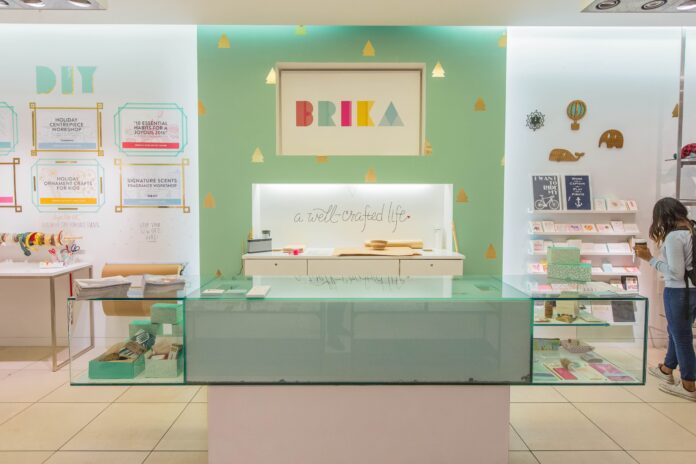
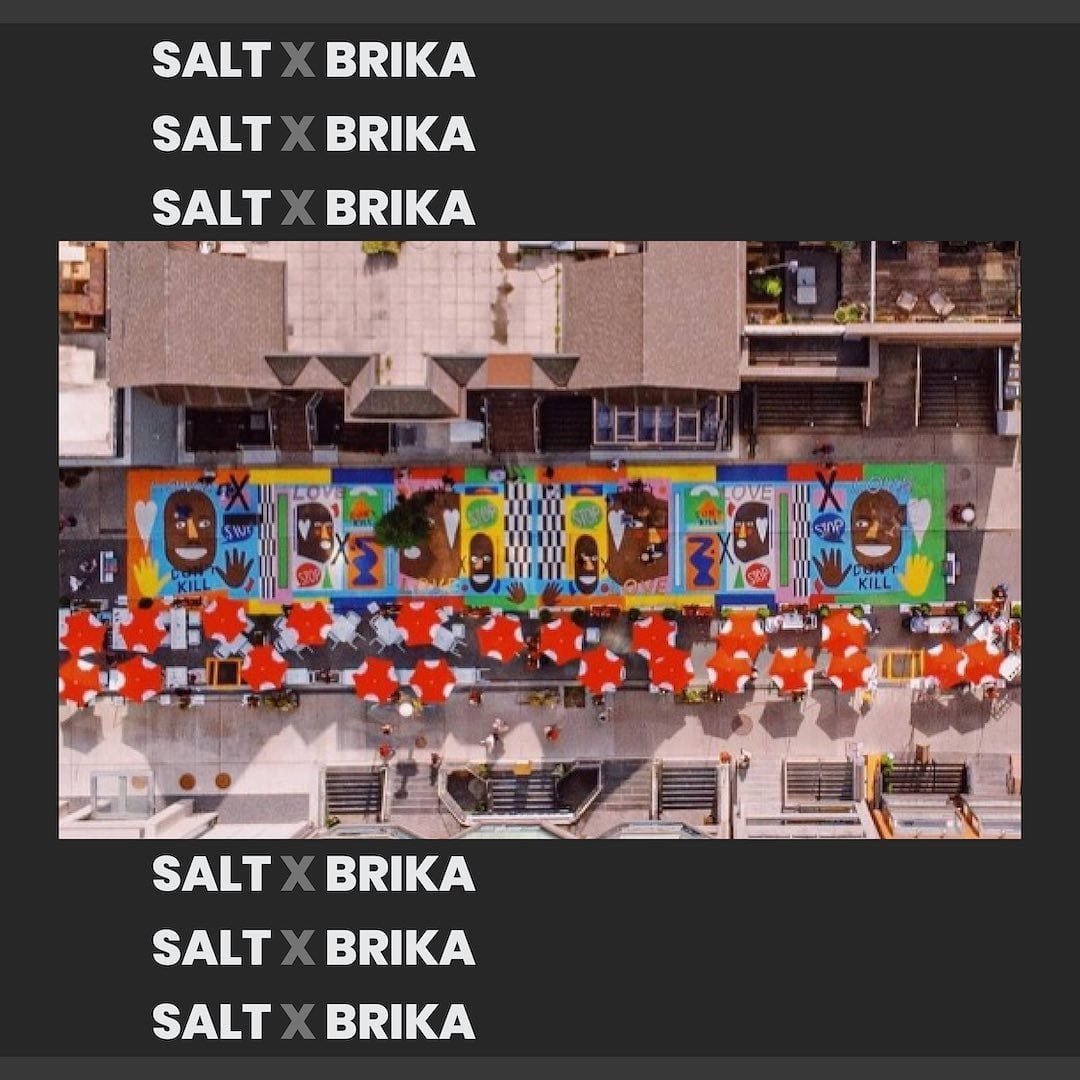
Retail innovation and pop-up house BRIKA, based in Toronto, has been acquired by SALT XC, a leading experiential commerce agency, and the two agencies will leverage their combined strength to bring brands across North America an innovative new approach to retail marketing and consumer experiences.
“BRIKA joining the SALT XC family is a perfect combination for brands looking for the most unique and effective ways to connect directly with consumers in this reshaped retail world we find ourselves in,” said BRIKA founder Jen Lee Koss. “BRIKA and SALT XC have already built a strong presence in the U.S. and Canada, and our combined strength will give brands across North America the next-level tools to bring consumers into their orbit.
“The kinds of consumer experiences we deliver are no longer a ‘nice-to-have’ for brands, they are now essential parts of any engagement strategy,” added Koss, who will remain an active partner to help continue to drive growth at BRIKA.
BRIKA was founded in 2012.
Image: BRIKA
BRIKA x SALT XC
BRIKA x SALT XC
“We are a retail agency and we work with on the one side property developers and on the other side brands creating experiential retail environments and we’ve really been doing that over the past 10 years. We made some pivots along the way but we started as an online marketplace working with these brands and then we started at the same time doing pop ups in real life environments and soon realized the omni-channel world was here to stay. I think we never gave up on a real life environment despite the fact there’s so much ecommerce growth out there,” said Koss.
“No one’s going to stop shopping in a store or in a store environment. I think we’re really doubled down on that and continue to believe in that. It’s been exciting to see. We were doing things maybe at a time where it may not have been so common, pop ups at the time, back 10 years ago. We started to sort of create a space and pioneer what that meant to do that for brands and then to do it also for property developers.”
Koss said one of the first property owners BRIKA worked with was Oxford Properties in Yorkdale Shopping Centre. The company also worked with The Bay to create its first pop up.
Jeff Rogers
Since 2012, BRIKA has established itself as a key player across the retail landscape in North America executing over 100 pop-up locations for major property developers and direct-to-consumer brands across the US and Canada. Current executions have included Toronto; Aspen, Colorado; Hudson Valley, NY and Bentonville, Arkansas. BRIKA consults on retail innovation, curates themed collections for brands, and develops branded product lines and white-labeled shop concepts. They are known for incorporating and partnering with local vendors and multi-national brands in unique curated environments.
“Bringing our two companies together creates a powerhouse between us, delivering unparalleled offerings in new forms of experiential commerce,” said Jeff Rogers, President of SALT XC. “As brands continue to grow rapidly online, they are also realizing the critical need to connect with consumers in the real world as well. Our branded BRIKA locations, combined with brand specific pop-ups, will allow for reduced cost and risk for brand owners to round out their omnichannel efforts.”
Jennifer Lee Koss
Established just over two years ago, SALT XC has pioneered the concept of experiential commerce – a unique data driven framework for designing memorable moments that earn attention and drive action – delivering results for the likes of ABI, RBC, Xbox, Kraft-Heinz, Coca-Cola and Pointsbet. With offices in Toronto, Chicago and LA, the company is poised for significant new growth on both sides of the border.
Koss said SALT XC is an agency she has gotten to know over time. Two years ago, she met the people who were spearheading the agency.
“In that conversation and in subsequent conversations, I think we really understood that we would make a great match. They really believed in this idea of experiential commerce. Their backgrounds were at Mosaic which was one of the world’s largest marketing agencies,” said Koss. “They had said they wanted to build a new agency again from scratch.
“Fast forward two years later, they have 150 plus employees. Their brand roster includes Microsoft, Xbox and RBC, Labatts. I think they have really built something formidable already and I love the idea of what they were saying which is how do you really capture a brand’s attention by allowing these brands to do experiential but also have commerce attached to it.
“Because we’ve been operating retail environments from soup to nuts, we have that experience and we have that experience doing it as more of a boutique agency. They basically acquired our entire company including some of our staff and they are keeping the brand, which is fantastic. We believe it’s a great brand and we are sort of growing off the back of something that is like a rocket ship. It’s kind of an exciting time to be doing things in the experiential commerce space or in the real life retail environment.”
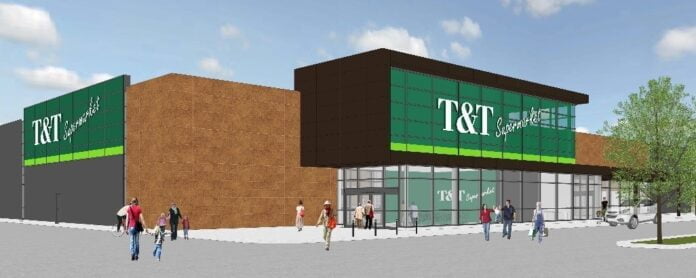
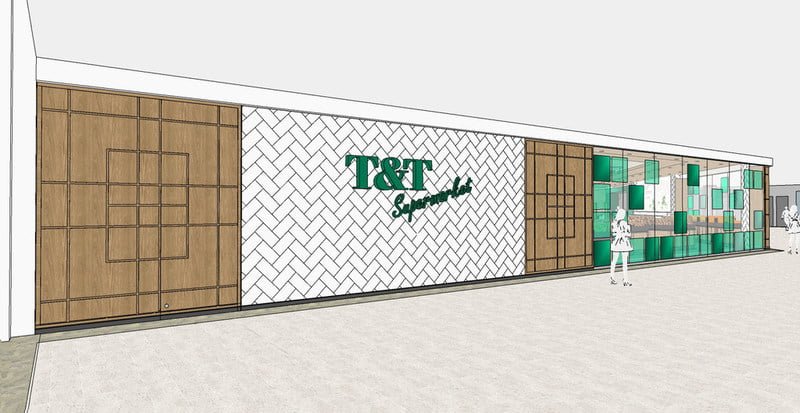
The fourth T&T Supermarkets store coming to Calgary in December 2022. (CNW Group/Loblaw Companies Limited)
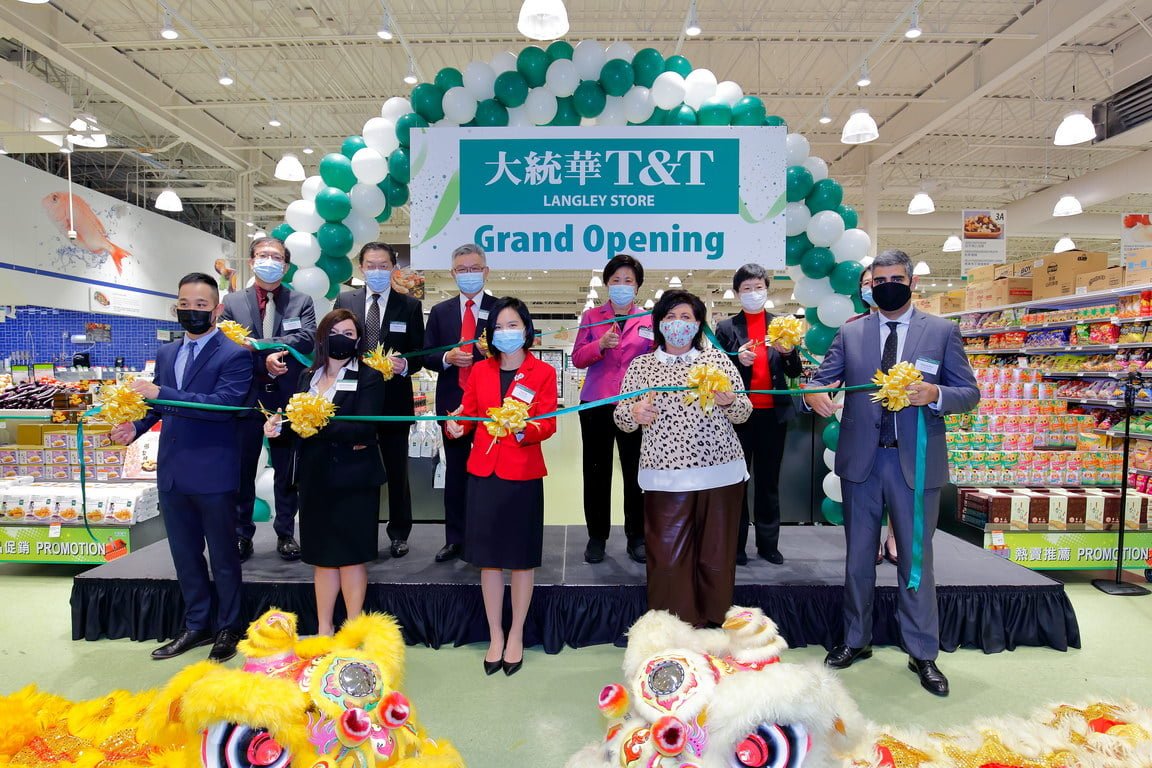
T&T Supermarkets is continuing its aggressive expansion across the country with plans to open two new stores in Western Canada over the next year.
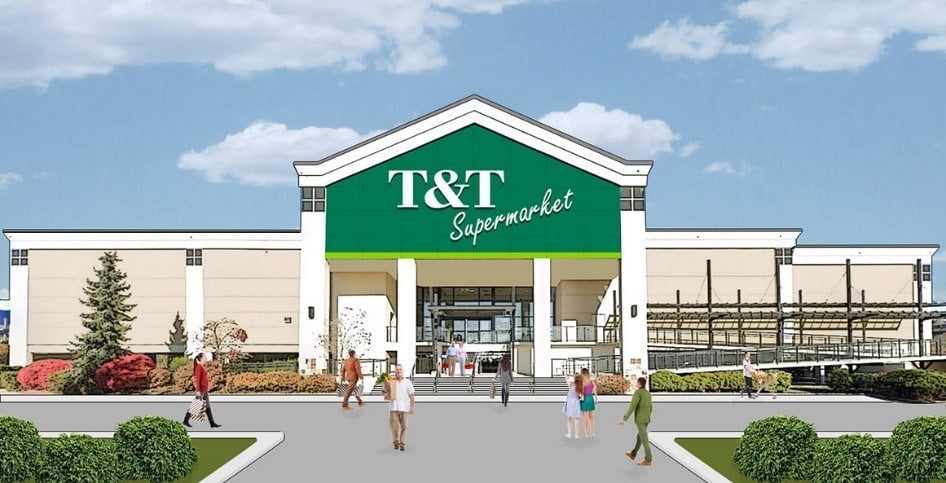
The new stores will be located in the Sage Hill northwest neighbourhood in Calgary – the fourth store in the Alberta city – and in Coquitlam.
They follow recent announcements of the opening of new locations in Toronto at CF Fairview Mall and the brand’s first store in Montreal.
And there’s more to come.
The new Coquitlam store is expected to open in late 2022 (CNW Group/Loblaw Companies Limited)
T&T Supermarket CEO, Tina Lee.
“T&T stores have increasingly become a community gathering place, where customers go to get out of the house, enjoy the shopping experience, and bump into old friends,” said Tina Lee, CEO of T&T Supermarkets, the largest Asian supermarket chain in the country, and under the Loblaw Companies umbrella.
“We are excited to bring this experience to the local community in northwest Calgary, with our Sage Hill location, as well as the growing communities of Lougheed, Burquitlam, and the students of Simon Fraser University with our new Coquitlam location.”
Lee said the two new stores will bring its total count to 33 locations across Canada.
“We’re having a lot of fun and we’re really confident in our store model and the impact we can make to a new community. The total of four (new stores) coming together is really exciting and it’s a really great pace for us,” said Lee.
T&T Supermarkets coming to CF Fairview Mall in Winter 2022 (CNW Group/Cadillac Fairview Corporation Limited)
Are there more to come?
“I hope so. I certainly hope so. I want to invite landlords, real estate developers to keep T&T in mind as they build out their portfolios,” she said.
The new stores are typical footprints for the brand at more than 40,000 square feet with the exception of the Montreal store which is 70,000 square feet.
“What’s interesting about (the expansion) is that there’s four stores and one in each province,” said Lee.
The new Calgary store at 10 Sage Hill Plaza will open in December while the Coquitlam store, located at the intersection of Lougheed and King Edward at 1085 Woolridge Street, is also expected to open in late 2022 and will be the second location serving the local community.
“Sage Hill is in northwest Calgary and our next closest store is in Harvest Hills and we can just tell from talking to our customers that northwest Calgary has got a lot of new development, a lot of new homes, really good schools and over the past five years I’d say we’ve seen a lot of residents move into that part of town,” said Lee. “We just had a lot of customer requests and so we finally found a site and it’s reflective of the community that lives there.
T&T Supermarket at Willowbrook Shopping Centre
“Coquitlam is nestled between an IKEA and a McDonald’s. The exact address of Woolridge is not a very familiar street name but it’s basically on the corner of Lougheed Highway and King Edward. Most people in the community know where IKEA is and we really like that location because it’s close to Lougheed mall. There’s wonderful access for the Burquitlam community and also we’re much closer to the students at Simon Fraser University and we know that there’s a lot of residents in that community that have to drive more than 15-20 minutes to get to our store in North Coquitlam or the next closest store is Metrotown. It’s a really dense community with a lot of development in and around Lougheed that now we’re finally able to better service with this location.”
Robert Sawyer, Chief Operating Officer, Loblaw Companies Limited, said the opening of four new T&T locations over the next year is a testament to T&T’s thriving business, as Canadians embrace new flavours and trends, while also seeking the traditional foods and comforts of home.
“We’re proud of the T&T Supermarkets team for what they’ve been able to accomplish and look forward to supporting the business’ growth in the future,” he said.
T&T Supermarkets has stores in British Columbia, Alberta, and Ontario. It offers customers a selection of Asian products including a wide variety of fresh produce, meat, seafood, grocery items, daily baked breads, and ready-to-eat meals.
It was founded in Vancouver in 1993 and is now led by second generation successor and CEO, Lee. T&T Supermarkets is headquartered in Richmond, BC, with offices in Toronto.
With the 2022 Paralympic Games taking place in Beijing, the conversation around building a more inclusive community has taken to the streets.
Or in this case, the parking lots.
The Symbol of Access, a wheelchair symbol that was introduced in 1968, has limited the representation of the more than 6 million Canadians living with disabilities to an individual in a wheelchair.
International sporting goods retailer Decathlon has introduced Ability Signs, a set of icons that utilize sporting activities as a way to promote the abilities rather than the disabilities.
Ability Signs (Image: Decathlon)
Jaylone Lee
“As soon as we shared Ability Signs with our networks, they took off,” says Jaylone Lee, Chief Marketing & Communications Officer, Decathlon Canada.
“The idea resonated with people. We received requests from organizations for installations, and we heard from customers who had suggestions for additional icons. That was our cue to continue sharing and spreading the Ability Signs.”
The icons are available under a Creative Commons license, which will allow anyone to use them, free of rights.
Decathlon Canada has introduced the icons to their stores across Canada, in addition to encouraging organizations across the country to download and install the signs.
Toronto-based local market retailer GoodGood has opened the brand’s first purpose-built location.
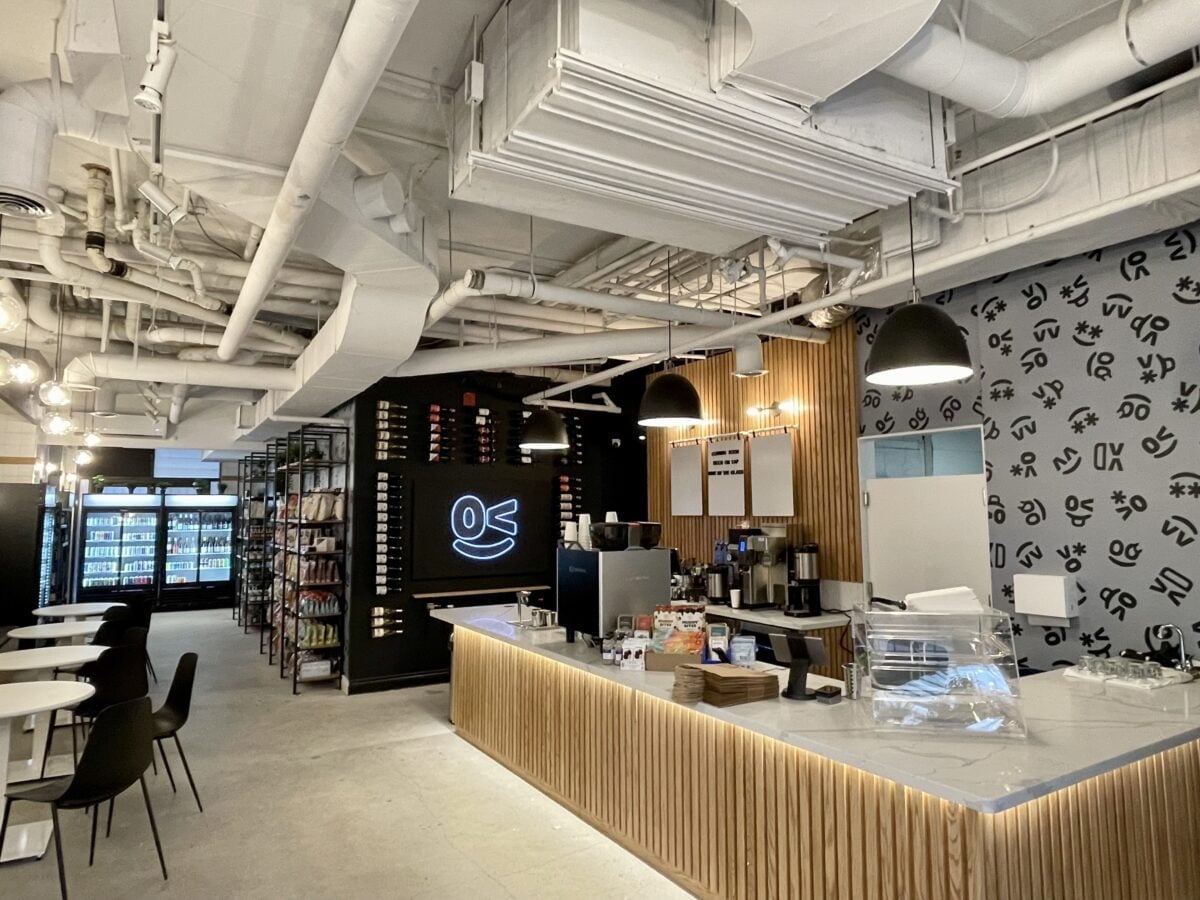
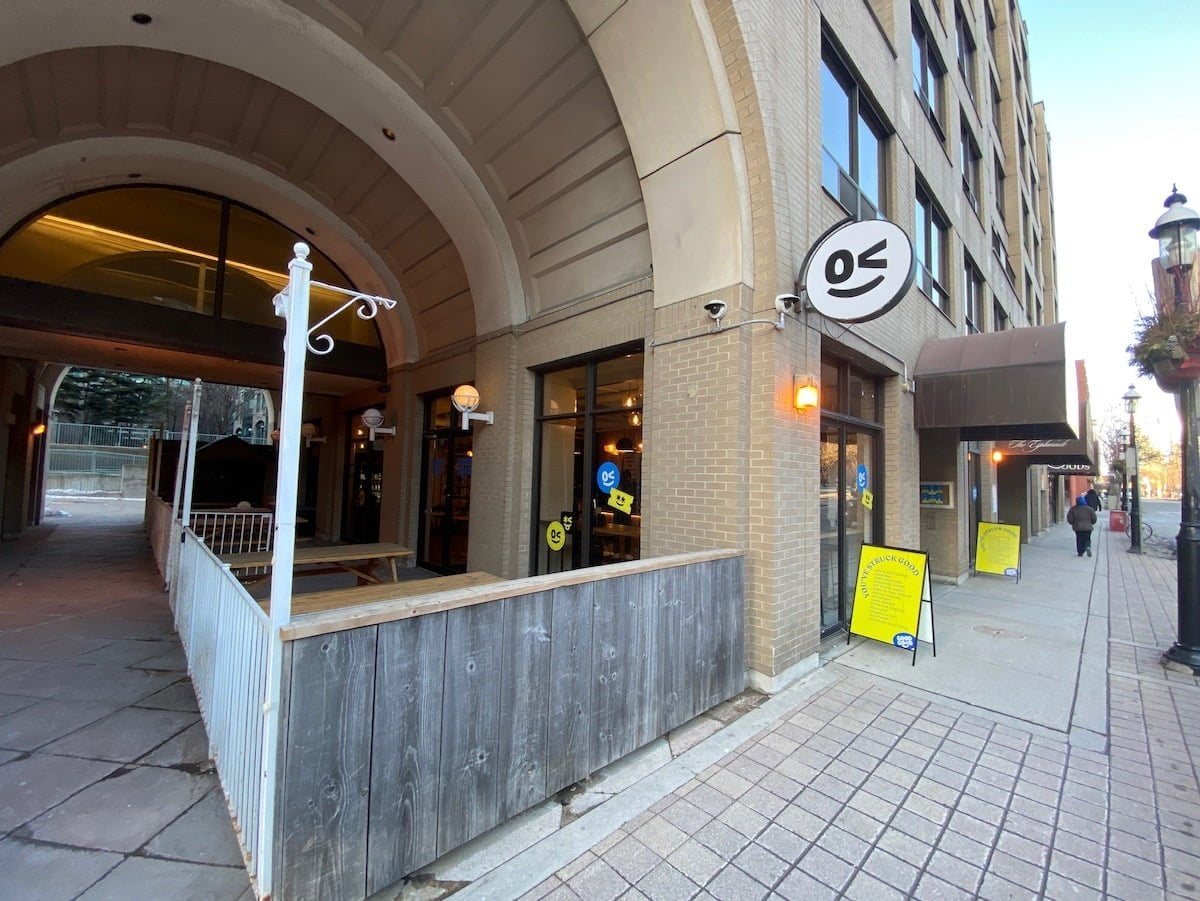
Located at 140A The Esplanade in the St. Lawrence Market neighbourhood, the 1,800 square foot store was an opportunity to expand the concept from a pop-up into a full-scale build out.
“We had the St. Lawrence Market area circled on our expansion map and knew that we wanted to be here,” shared Co-Founder Kris Linney. “When the space became available, we put in an aggressive offer right away. With this being our first location, it’s fitting to have the iconic St. Lawerence Market, a lifeline to supporting merchants and artisans – and the ability to be around that – with the amazing meats and fresh produce. We’re just hoping that folks will come this way for snacks and other local products.”
Jackson Turner of CBRE negotiated the deal on behalf of GoodGood and he’s working with the brand on its further expansion.
GoodGood Esplanade (Image: GoodGood)
Kris Linney
GoodGood started with a pop-up on King Street West, which opened in December 2021. When asked about the future of the King West location, Linney shared that the location is signed for a few more months and then the brand will have an opportunity to make a decision on a new location in the neighbourhood.
“The pop-up has done exceptionally well for our expectations, so the opportunity to bring those lessons and analysis into this location – it’s made our customer experience better for sure.”
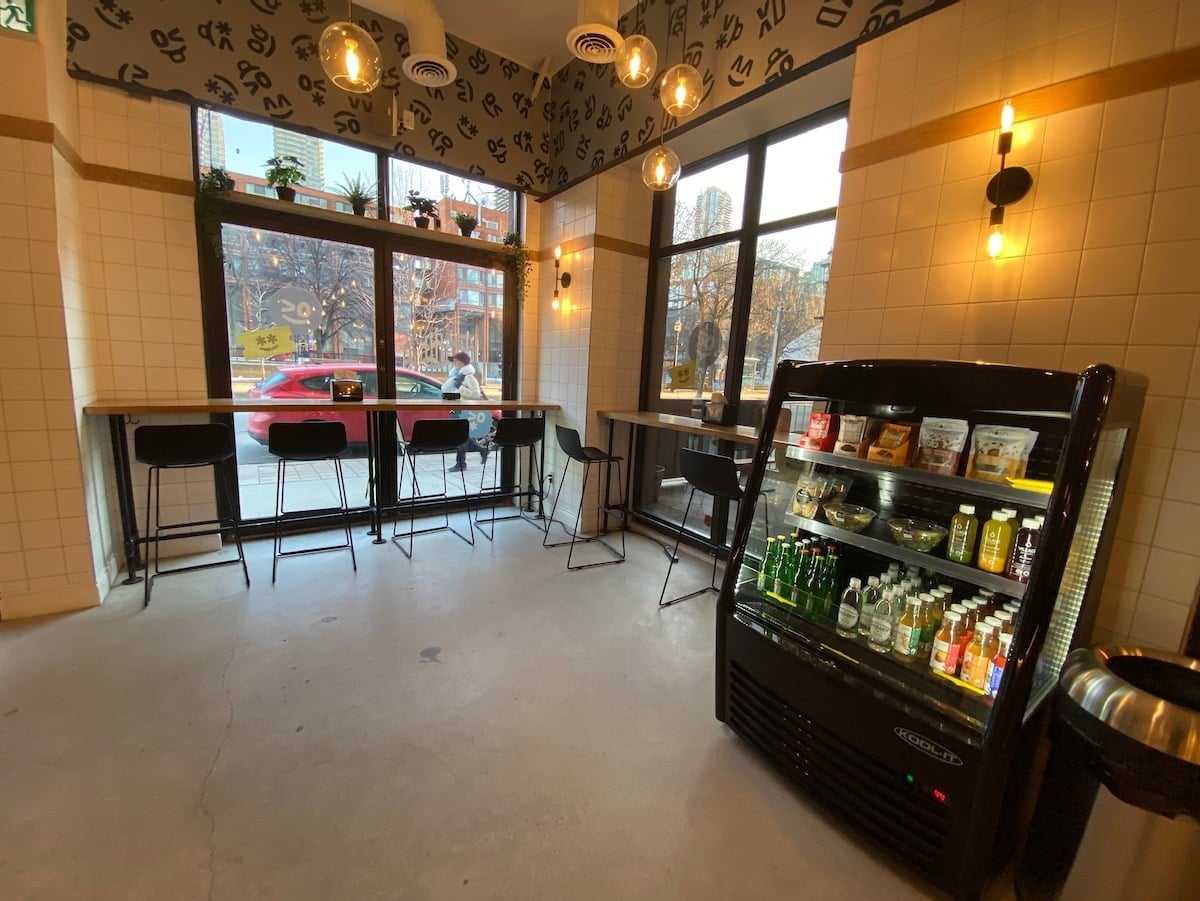
The Esplanade GoodGood has an outdoor patio with seating indoors, helping with the customers who are looking for a spot to do work and others who are looking for a cafe experience to meet with friends and colleagues.
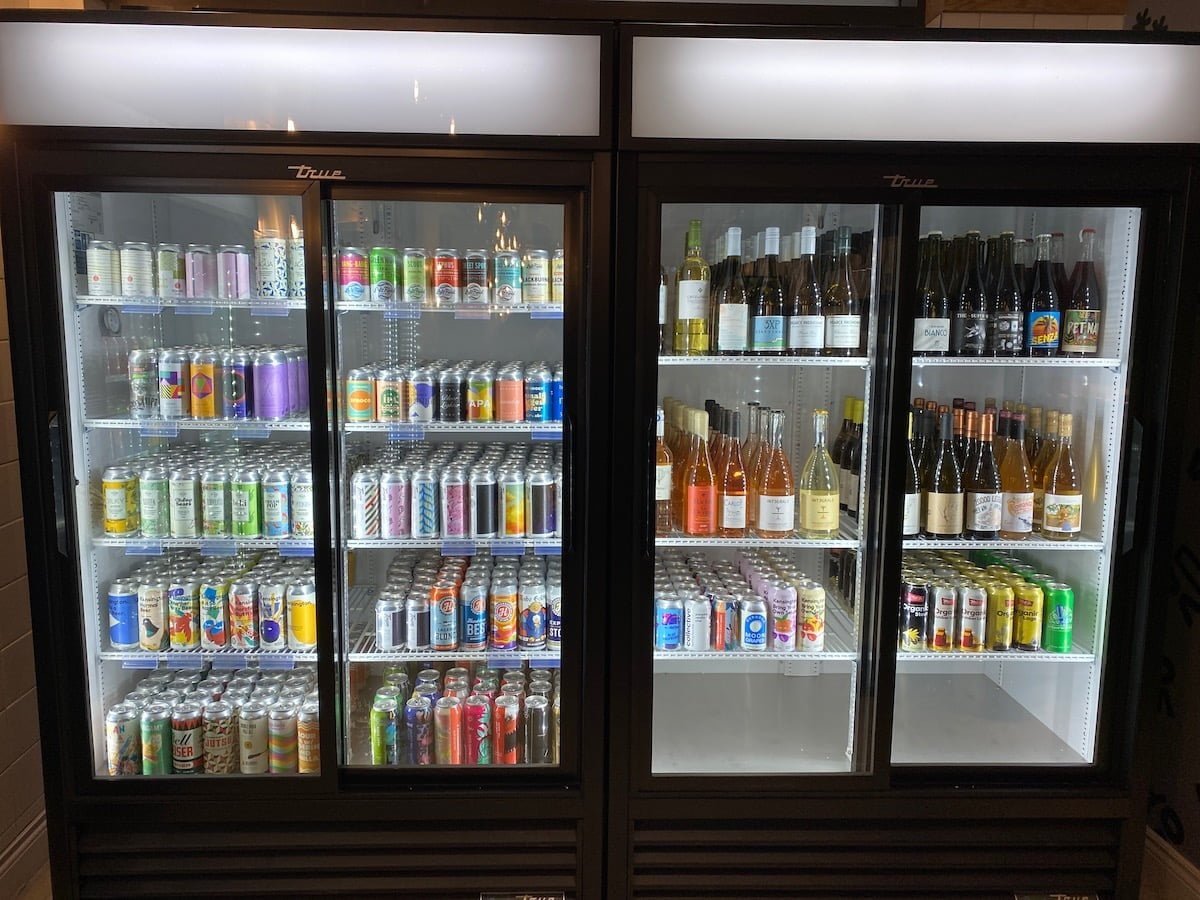
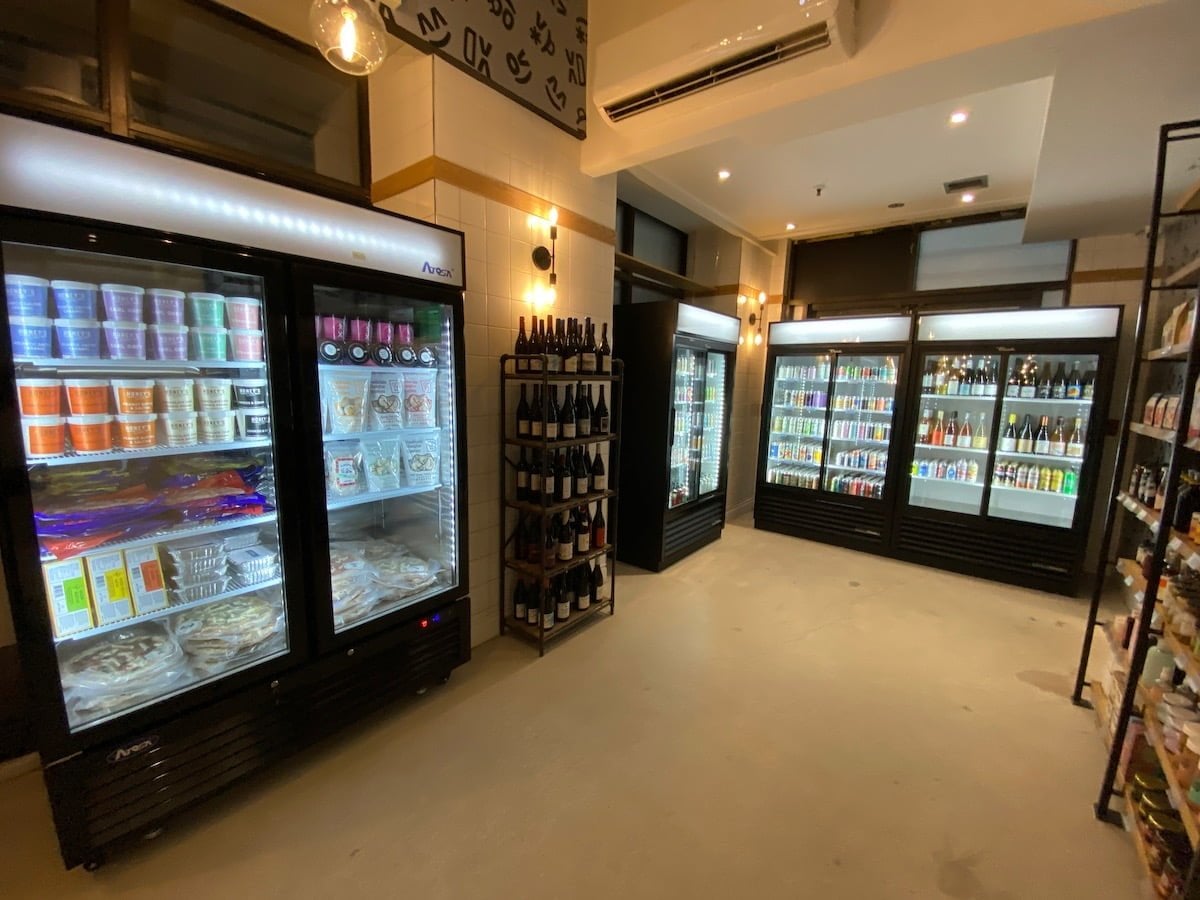
“The differences between the pop-up store and the Esplanade location can be seen in the physical elements of the layout. With the addition of beer & wine, we are able to create an environment that will attract locals and tourists while having the emphasis on local suppliers. The beer is all from the GTA, including local brands like Left Field, Kensington, Fairweather. Any beer in the GTA that you could imagine – we’ve got it on the list.”
With a part-cafe, part-wine bar with an additional flavour of local snacks and a delivery program, GoodGood Esplanade is going to rival the St. Lawrence Market and other big-name chains (Shoppers Drug Mart, Loblaws, Metro) in the neighbourhood.
“We’ve designed the GoodGood format to be a local market, which is focusing on being inviting and welcoming to the neighbourhood. Being a part of every neighbourhood that we open in is incredibly important,” shared Linney.
“The nice thing with the local market is that we’re able to source products that could include everything from chefs that may have had challenges during the pandemic and wanted to continue their passion or just people who had side hustles and wanted to turn it into their full-time career path. We’ve seen a great emergence of it and it’s been super cool to support it.”
The brand will be opening multiple stores over the next two months, including St Clair and Dufferin (1187 St. Clair West) in March, Queen Street West (709 Queen St West) at the end of the month, and Yonge & Davisville (1909 Yonge Street) opening mid-April.
“The buildouts for all the locations will be similar, yet unique. For example, the midtown location will have two-floors. Each will have characteristics of the local neighbourhood.”
In addition to the in-store experience with competitive drink pricing and a future loyalty app, the brand is focusing on the trend of most food service businesses.
“Delivery is also big part of our business model, with everything in the store able to be delivered in 60-minutes or less. Our average delivery time is around 32 minutes, depending on the weather and other factors.”
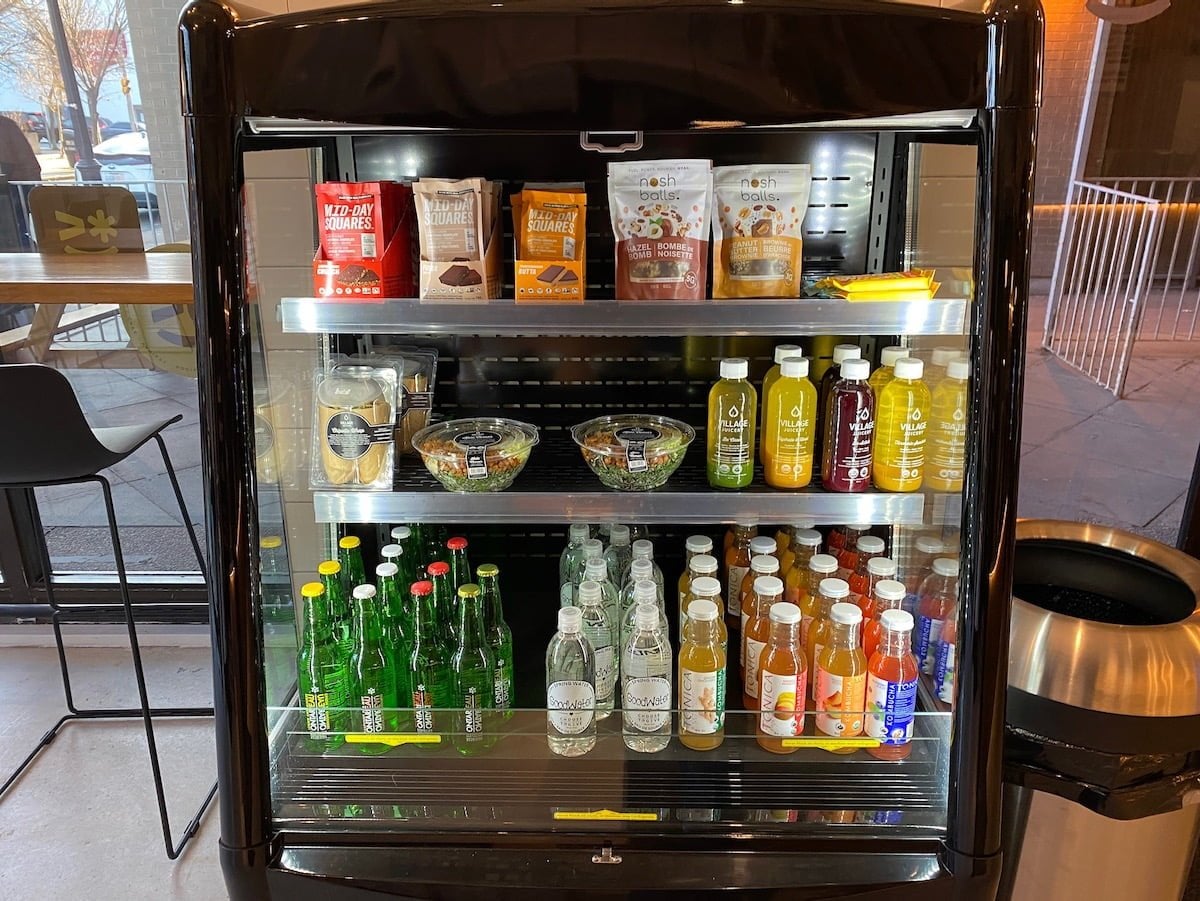
GoodGood has built in systems to continuously source new and interesting local brands, for both snacks and drinks, but the easiest way is to tag the brand on social media.
GoodGood Esplanade (Image: Dustin Fuhs)
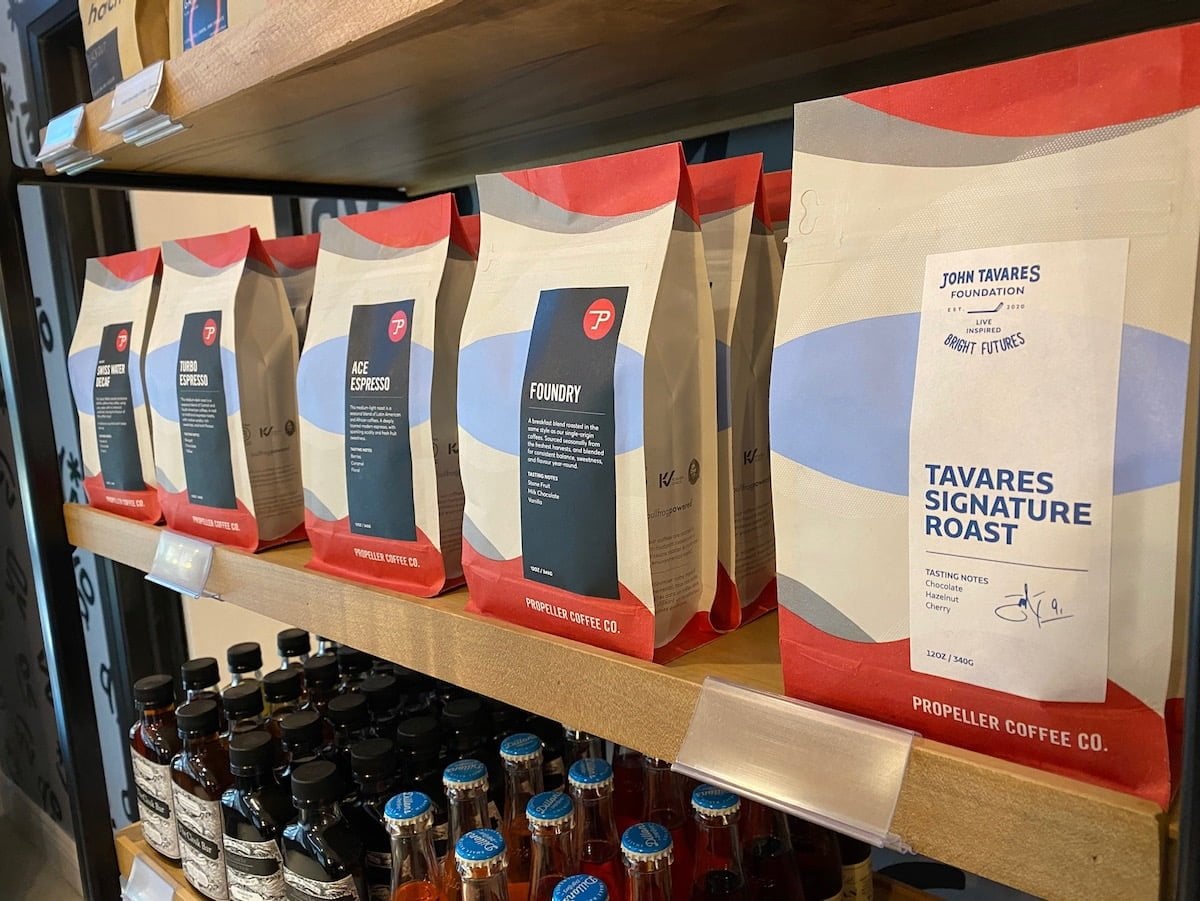
“We have a great roast from Jonathan Tavares and Propeller Coffee, which is a great collaboration. A portion of sales go back to supporting The Jonathan Tavares Foundation.”
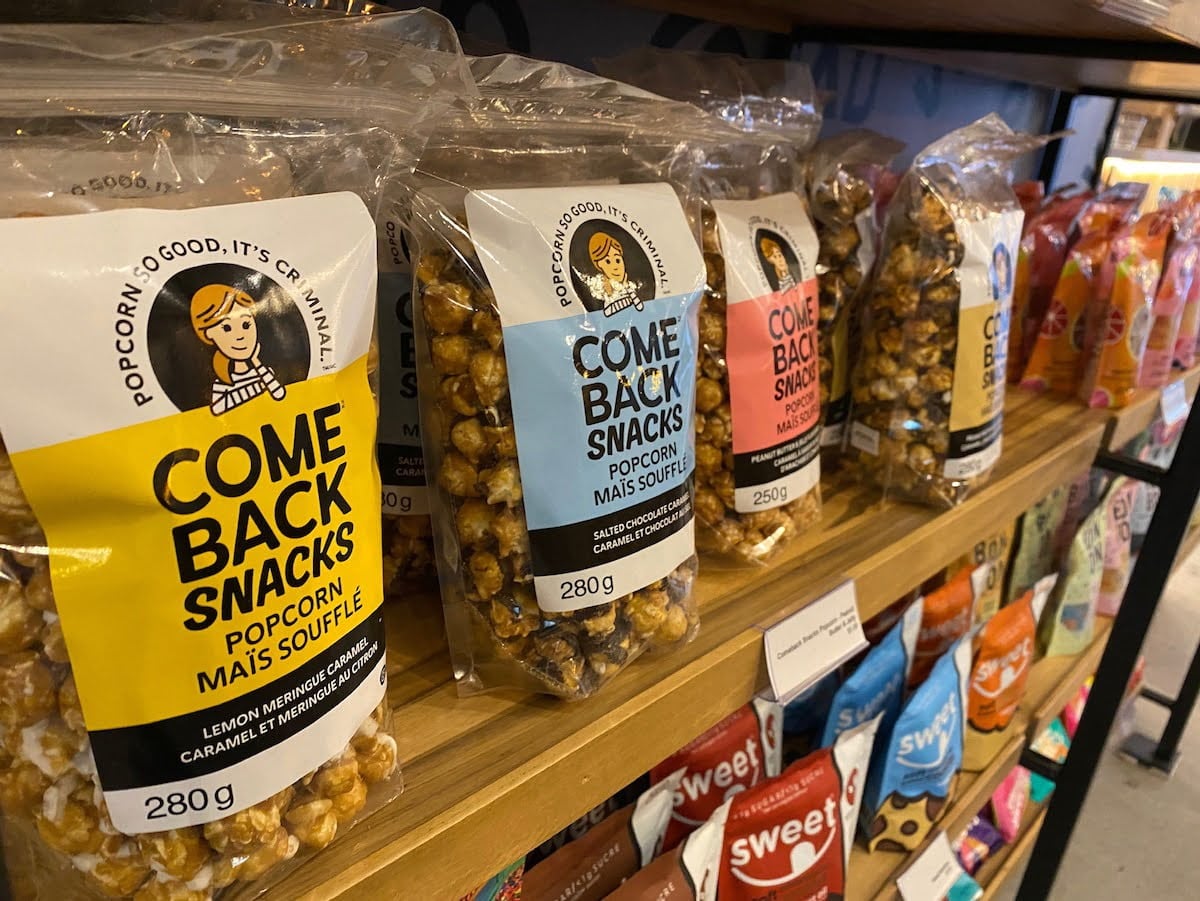
The locations also have partnerships with local brands that include Come Back Snacks, City Seltzer Sparking Water and General Assembly Pizza, a local premium, frozen pizza—naturally leavened and ready in just 7 minutes.
“About 75% of the sku’s are from Canada. The rest of the international products are typically unique stuff that you wouldn’t find here or there isn’t a replacement for. Every location will have a different sku count, which adds a level of complexity to the business.”
The locations are open from 8am til 6pm, Monday through Sunday.
“This neighbourhood has such a strong tradition of supporting local, and this being our first real location for us is very exciting.”
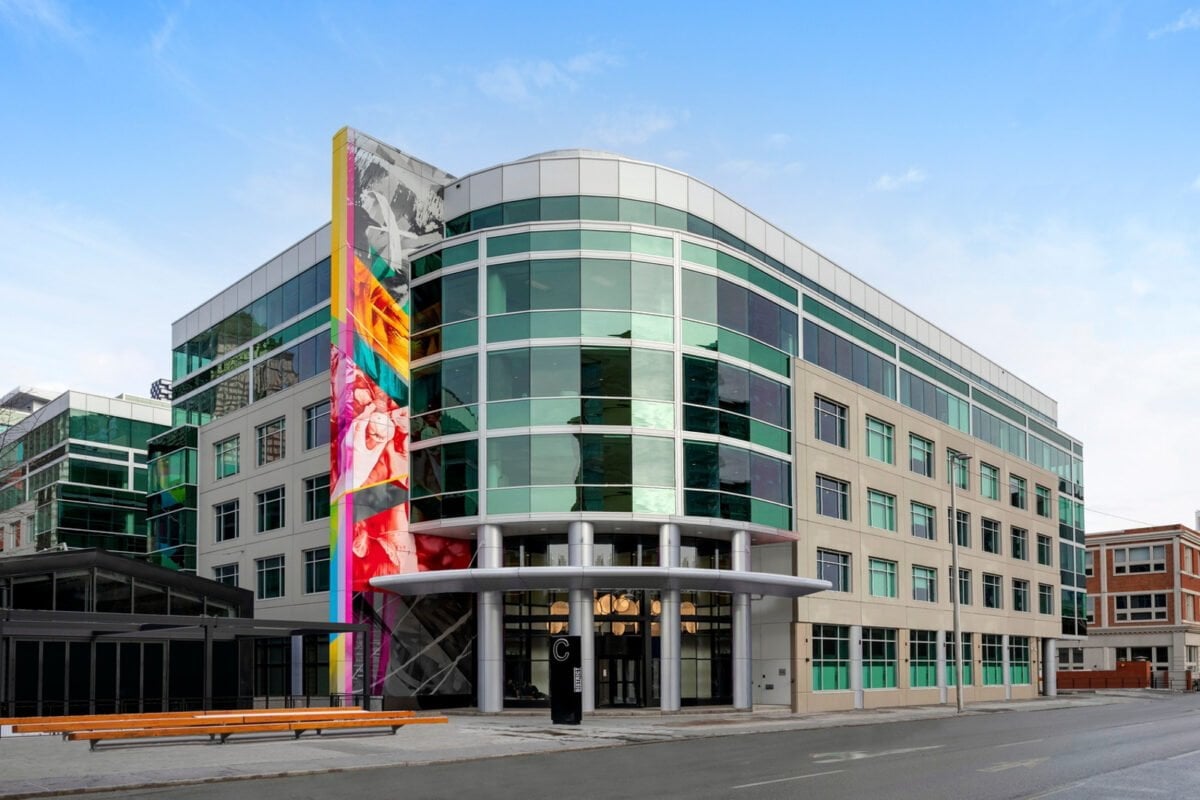
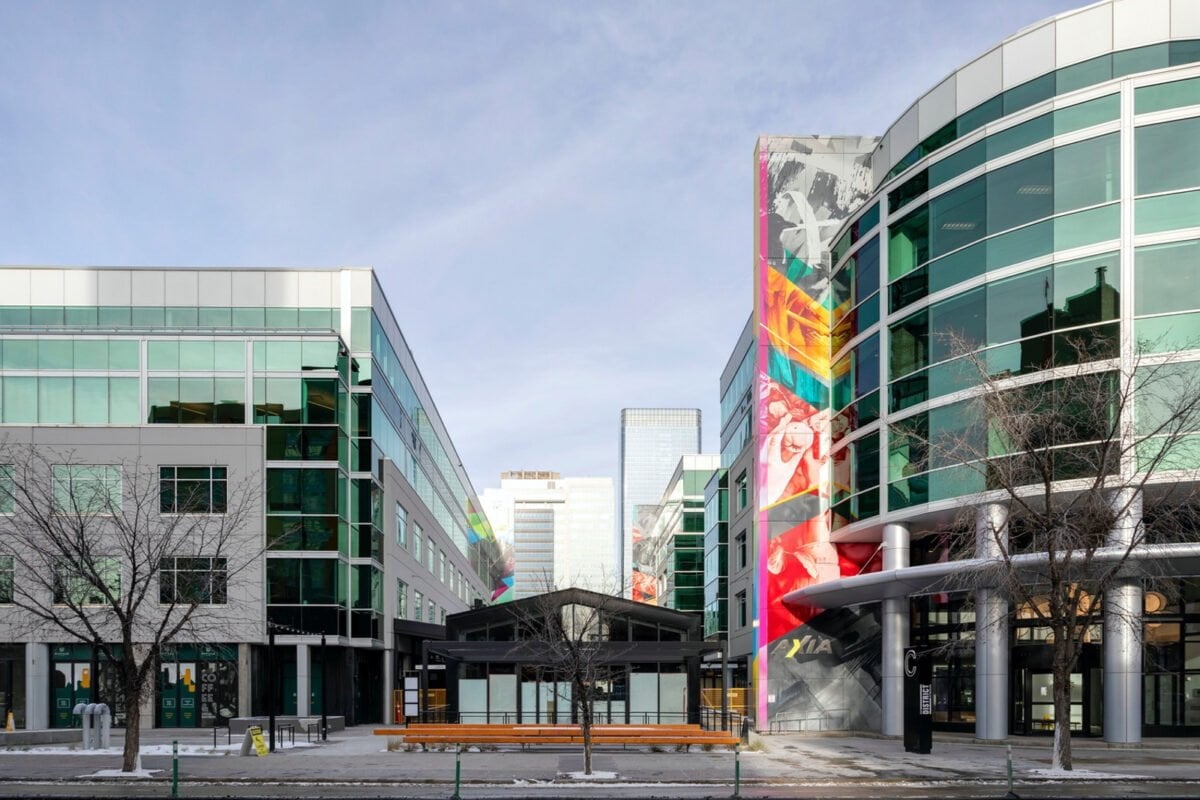
A unique, first-of-its-kind chef-driven food hall is being launched in a Calgary office complex located in the Beltline, just outside the city’s downtown core.
The District at Beltline, which is about 5,600 square feet, will have six different eateries and seating for about 100 people.
It is part of a larger-scale redevelopment project to revitalize the former IBM Corporate Park four-storey office building, located at 227 11th Avenue SW, off of 2nd Street SW.
John Moss
“In mixed developments, main floor retail is typically established to amenitize the overarching development. In this case, we didn’t just look at our retail as a service to the surrounding office buildings but as a service to the whole community,” said John Moss, Senior Vice President at CBRE Limited, the leasing management group responsible for The District.
“The District’s one-of-a-kind approach considers the office tenants but also brings a central community hub and entertainment district to the Beltline that will support both daytime and evening patronage.
“We talk about food courts, we talk about food halls but there’s never been an execution where you’ve had top-listed chefs ranked in Calgary or in Canada for that matter.”
Image: The District at Beltline
Image: The District at Beltline
Image: The District at Beltline
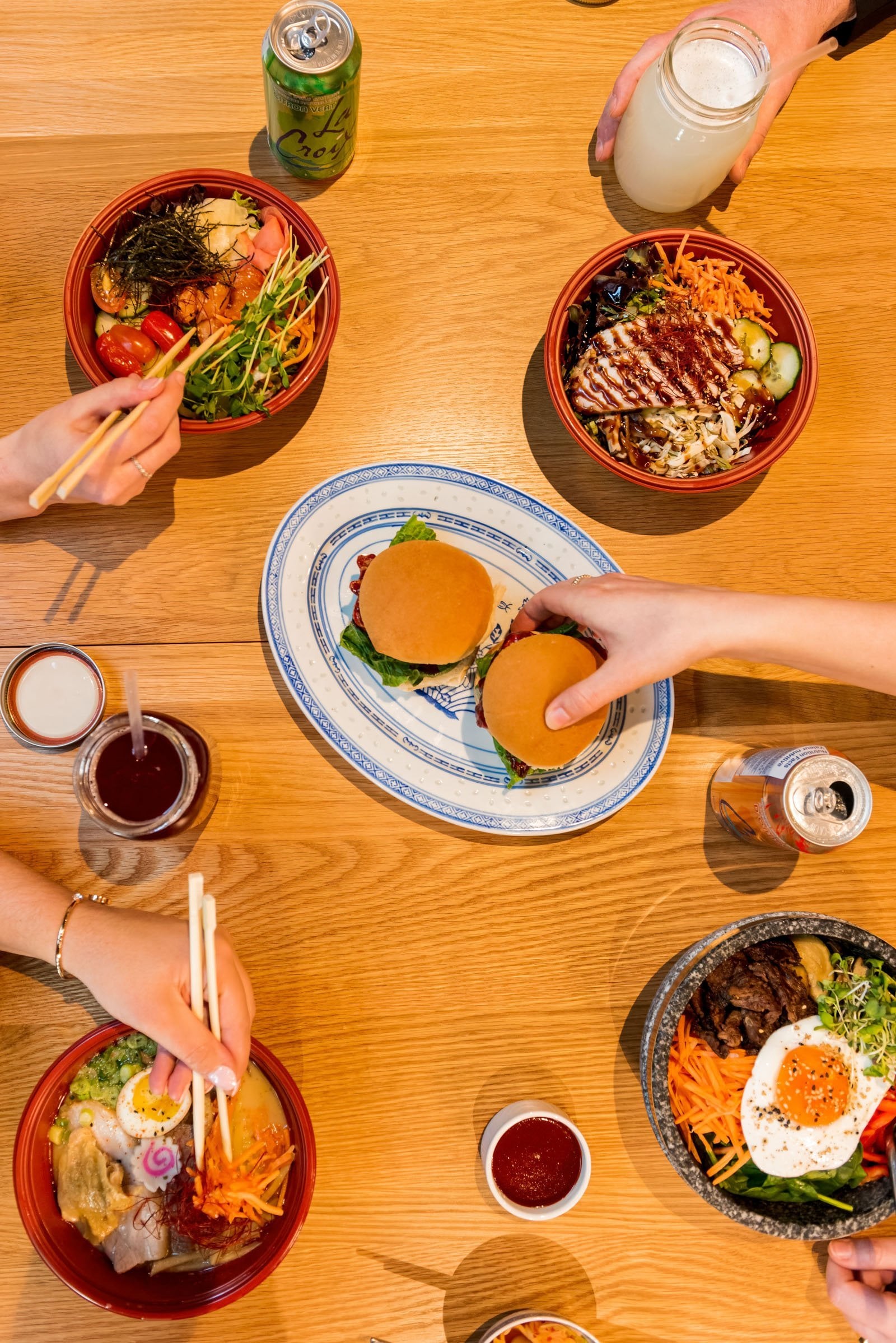
Moss said The District food hall has been designed as a culinary gathering place to facilitate memorable social experiences in a setting that invites guests to stay awhile and foster community connection. The interior look is defined by distinct wall paneling in rich navy tones and brightly-coloured abstract murals that create a seamless day-to-night atmosphere throughout the space. An ambiance of fun sophistication has also been carefully curated to cater to a variety of demographics while providing a chic and cohesive backdrop that highlights the chef-driven dining concepts.
The District will also include a boutique brewing concept and tasting room by 33 Acres Brewery, a new restaurant and bar from the founders of CRAFT Beer Market, a Mediterranean eatery from chef Kenny Kaechele, and a second concept from Adam Ryan – all of which are set to open in the coming months. Deville Coffee has also set up shop at The District, opening a new cafe adjacent to the food hall off of 12th Avenue SW.
The District building is owned by Spear Street Capital of San Francisco.
“When you typically look at mixed-use development, especially in the downtown or Beltline area, the majority of the time the retail is more just an amenity for the office tenants,” said Moss. “That’s really what it is. But when I came in I said you have a rare opportunity to amenitize this for the community in addition to the office tenants because of its proximity to residential, proximity to downtown, proximity to office tenants in the Beltline.
Image: The District at Beltline
Image: The District at Beltline
Image: The District at Beltline
“I’ve worked on a lot of urban developments and I’m very proud of what we’ve been able to achieve here.”
Moss said the area around The District is also developing into a more entertainment hub and lifestyle centre in the area with additional establishments opening up.
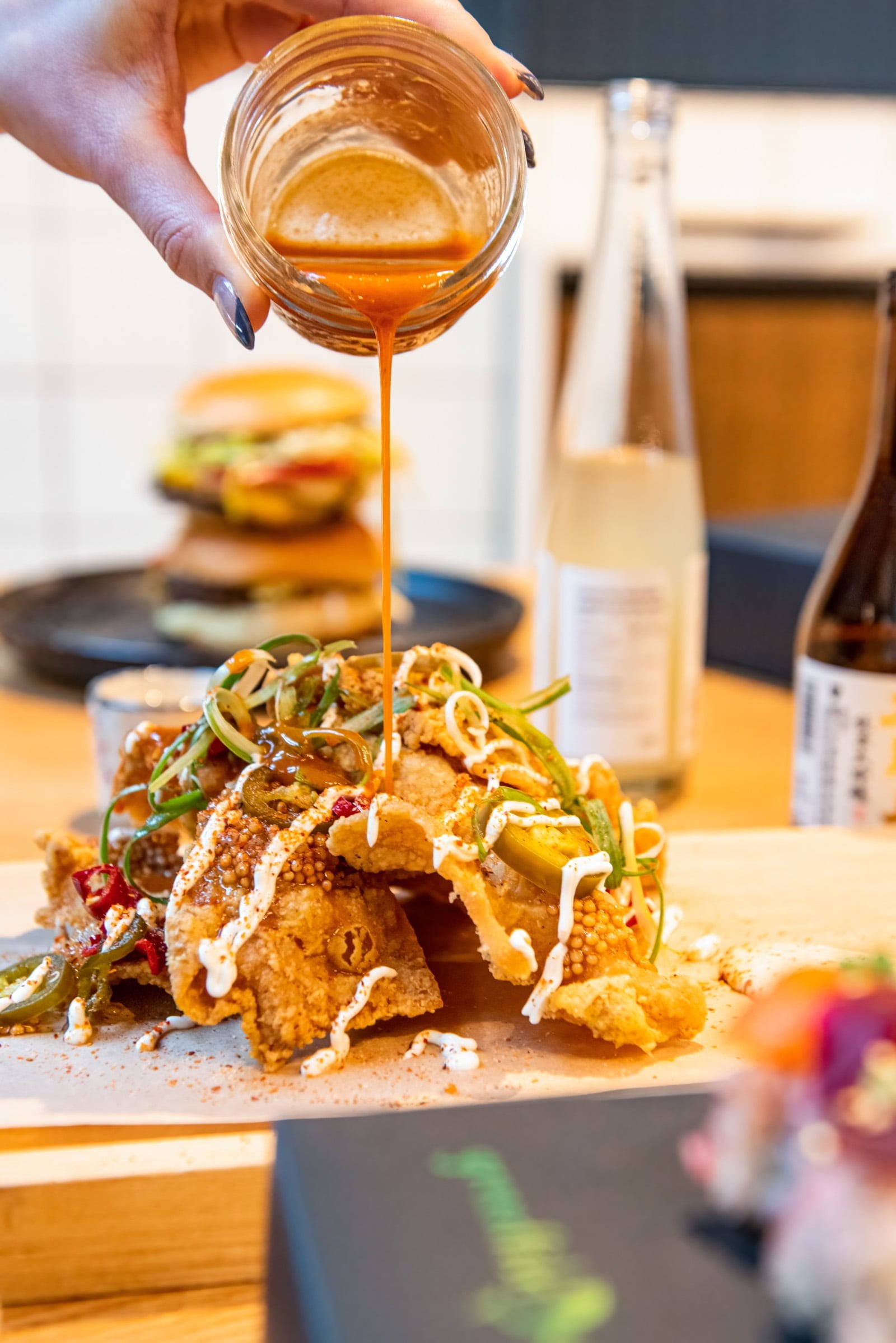
The following six chef-driven concepts will operate at The District at Beltlinel:
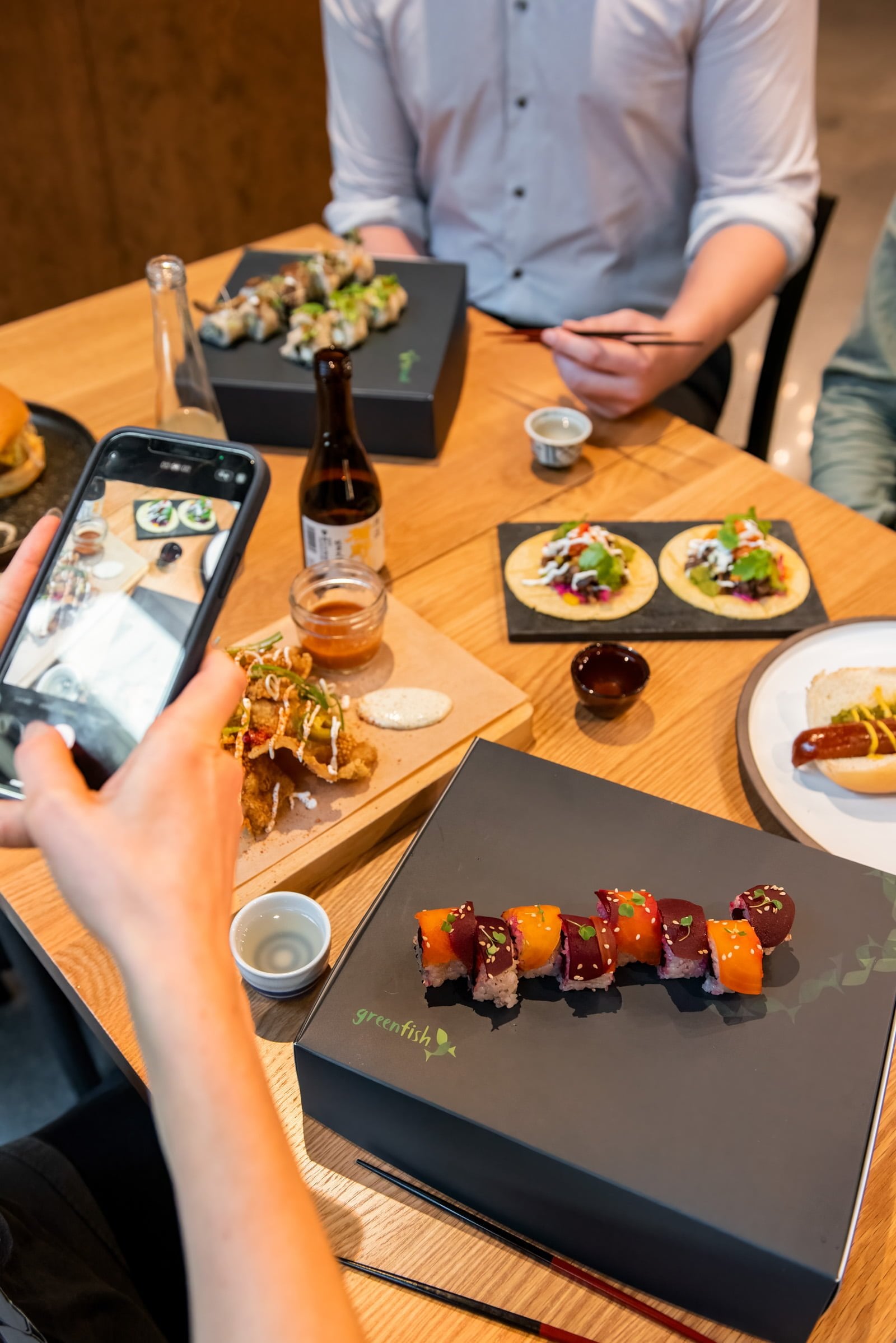
Takori, Chef Duncan Ly. Takori is an Asian fusion taqueria serving Asian-inspired tacos and burritos and other fusion fare. Takori’s concept is innovative because it combines Mexican cuisine with Asian flavours. Ly is the chef/owner of Foreign Concept, Concept Catering, Greenfish Sushi (in partnership with Chef Darren MacLean) and Takori;
Greenfish, Chef Darren MacLean (in partnership with Chef Duncan Ly). Greenfish is the first fully sustainable quick service sushi restaurant in Canada and only uses fish approved by Monterrey Bay Seafood Watch and Oceanwise to ensure no species that are endangered or are harmful to the environment are on the menu. Half of the menu is also plant-based and uses fresh ingredients. Award-winning Chef MacLean is the chef/owner of Shokunin (ranked in Canada’s 50 best restaurants six years in a row), Nupo, EIGHT and Greenfish Sushi (in partnership with Chef Duncan Ly). He was Canada’s sole contender and a finalist on Netflix’s global cooking competition, ‘The Final Table’;
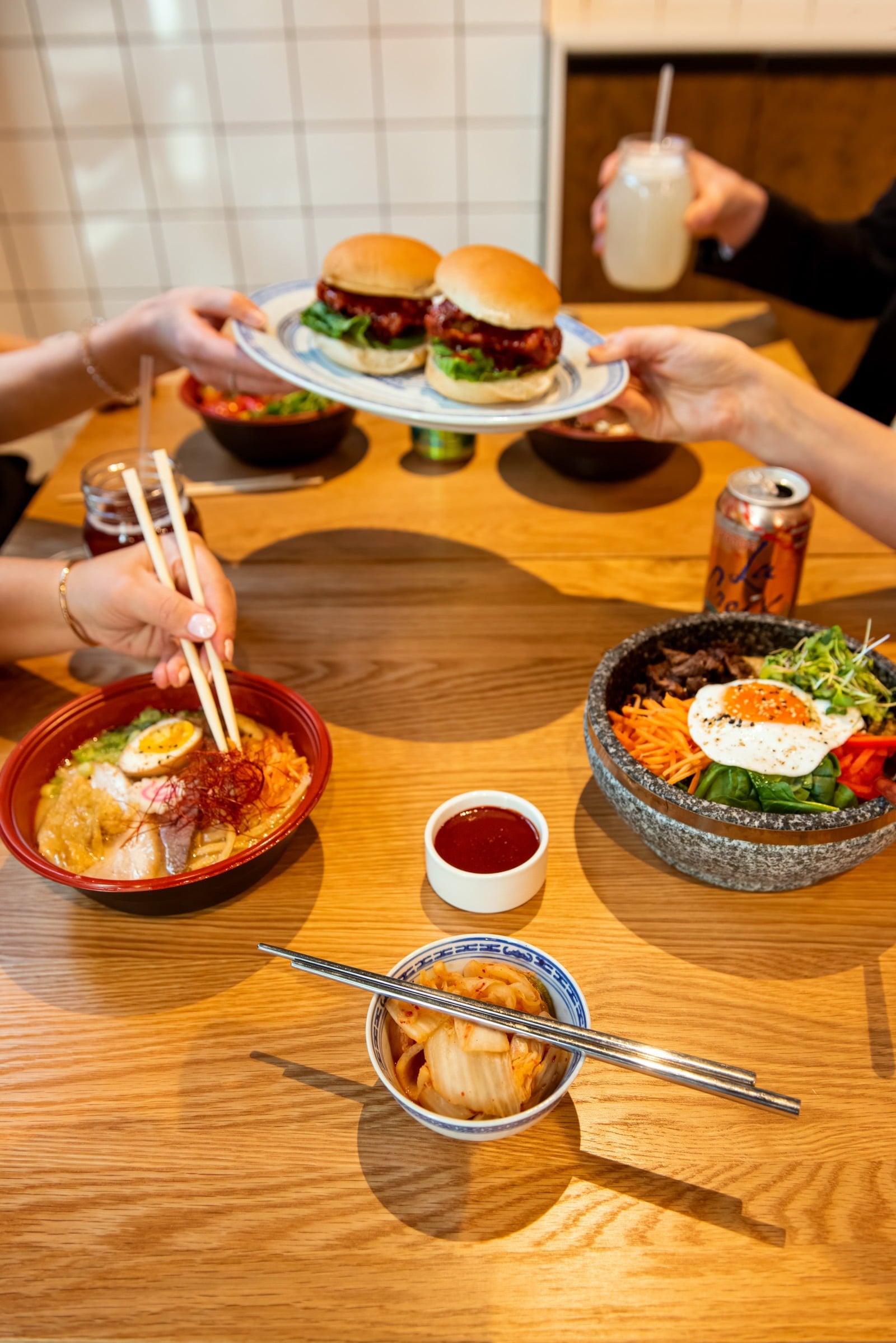
Oishidesu Ramen Shack, Arce Morales. Inspired by his travels to Japan, Arce Morales fell in love with Japanese cuisine and was inspired to create Oishidesu Ramen Shack. Ramen shacks can be found everywhere throughout Japan and are a popular, quick comfort food that Arce is excited to share with Calgarians. Morales is also the owner of Mom’s Happy Kitchen;
Roy’s Korean Kitchen, Chef Roy Oh. Roy’s Korean Kitchen will be serving Korean comfort food with a Canadian twist. Guests are invited to try Korean food from a unique point of view. Oh was born and raised in Edmonton and grew up eating burgers, pizza and nachos alongside kimchi stew, raw marinated crab and Korean BBQ. His combined experiences have inspired him to take diners on an exciting culinary adventure with this latest chef-driven concept. Oh conceptualized celebrated Calgary restaurant Anju;
Shrub Bloom, Chef Adam Ryan. Ryan believes that vegetarian food doesn’t have to be bland or boring. Shrub Bloom takes familiar ideas and concepts that people eat regularly and puts a unique spin on it so all preconceived bias about vegetarian food can be thrown out the window. Shrub Bloom serves vegetable forward food with a focus on sustainable, Canadian, and unique producers. Ryan is the co-owner/chef of Shrub Bloom and two other soon-to-open concepts: Milpa, and Fire and Flora. Fire and Flora will also be opening at The District in the coming months. Ryan was previously head chef at The Coup;
Modern Burger, Stephen Deere of Modern Steak. The award-winning Modern Steak opened in 2014. From the start, this included aspirations of creating a local, chef-driven burger concept as a spin-off of the restaurant, which has now come to fruition with Modern Burger. Modern Burger only serves ranch specific Alberta Beef.
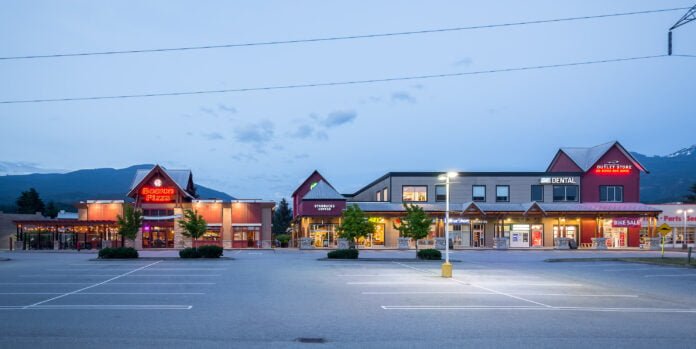
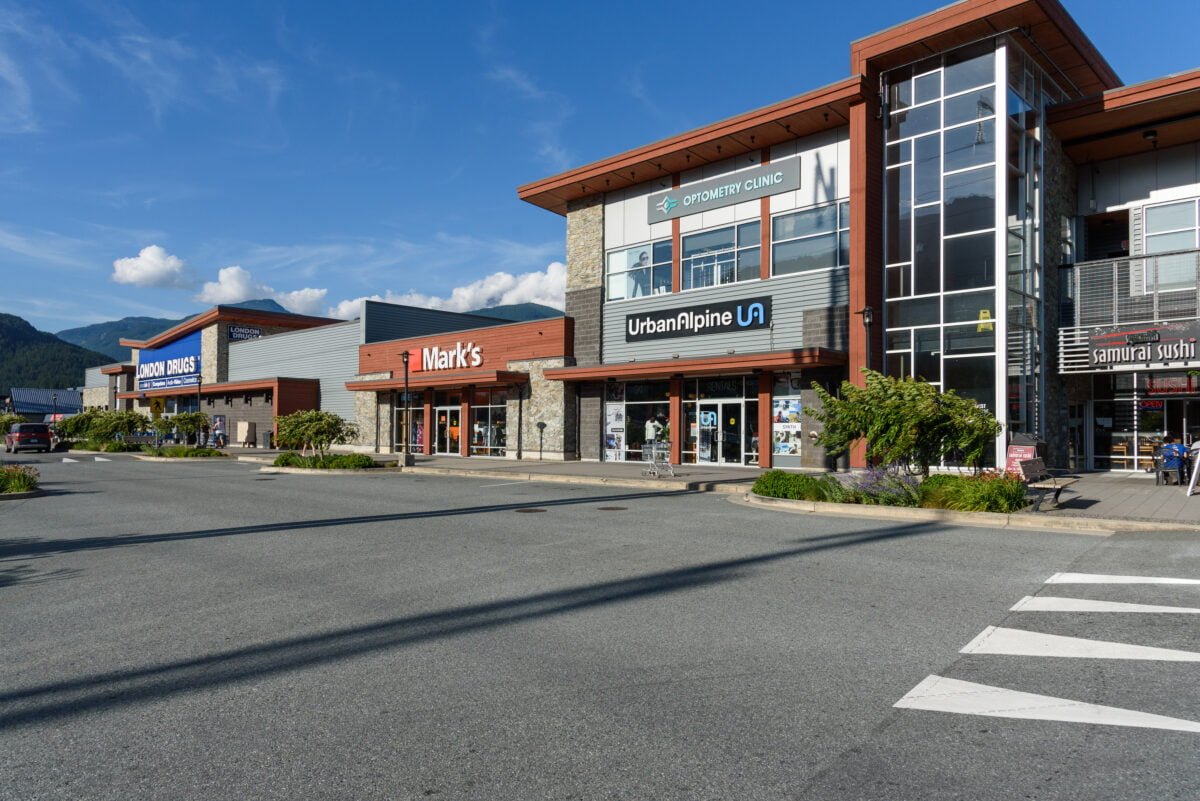
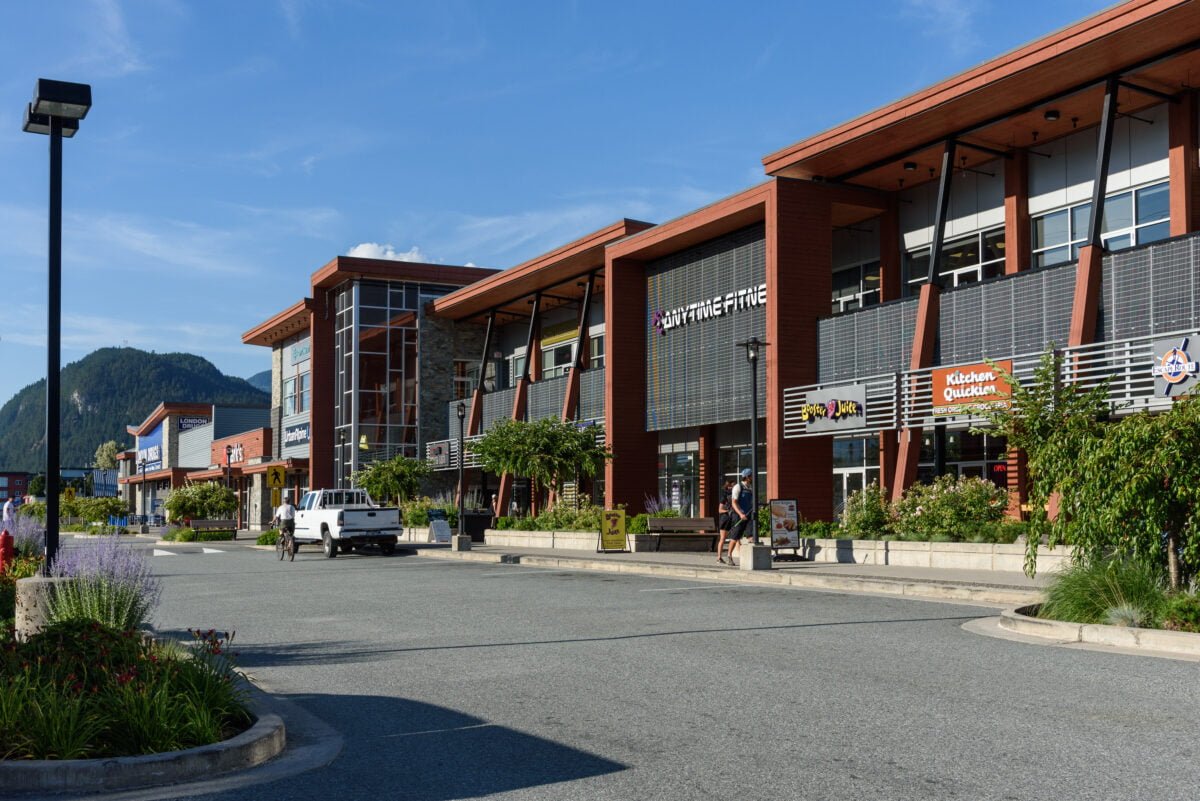
Manulife Investment Management recently acquired Garibaldi Village I, an open-format shopping centre in Squamish, BC, which complements its purchase of the Garibaldi Village II property back in 2011.
Gregory Sweeney, Senior Managing Director & Head of Canadian Real Estate Investments at Manulife Investment Management, said the two assets create a 120,000-square-foot plaza-styled shopping centre on the 9.93-acre site and the combined properties have more than 1,000 feet of direct frontage along a major highway, providing prime visibility in a thriving community that is experiencing tremendous growth.
Sweeney said the strategic acquisition will provide common ownership to this prominent retail centre and foster opportunities for improved efficiencies in the operation and management of the two properties.
Image: Garibaldi Village I
“We look forward to continuing to serve this growing and vibrant community’s retail needs,” he said.
Gregory Sweeney
“Garibaldi Village is really is a natural extension of that initial acquisition. Part of the buildings actually abutt each other. There’s a shared common parking lot. So we really felt that Garibaldi Village I was a strong complement to that initial acquisition.
“We do think that these two properties can benefit from some improved efficiencies primarily relating to the operational side, leasing, management and also facilities. But overall I think we believe there’s clear demand for retail services in the Squamish community. It is ranked among Canada as one of the fastest growing cities and then you have a tremendous amount of activity going between Vancouver and Whistler where Squamish is kind of half the distance between the two. So you have a lot of passing traffic through there. And Squamish has certainly become a great recreational destination as well.”
Image: Garibaldi Village I
Manulife Investment Management has $10.2 billion of real estate in Canada and $25.4 billion globally.
“In Canada (there are) three accounts that we invest on behalf of and so we do have diversified holdings across office, industrial, retail, multi-family and we do have some positions for land as well for development,” said Sweeney, adding that the portfolio is fairly-well balanced.
Manulife Investment Management develops and manages commercial real estate for thousands of customers around the globe as part of its comprehensive private markets’ capabilities. As of December 31, 2021, the real estate portfolio totals over 64 million square feet of office, industrial, and retail space strategically located in markets across Canada, the U.S., and Asia.
Garibaldi Village I was purchased through Manulife’s Canadian Pooled Real Estate Fund.
It is located along the Sea to Sky Highway and the property functions as part of a major commercial hub for the local community as well as a highway rest stop for travellers. The demand for retail services in the community is further supported by a growing number of tourists visiting Squamish.
Garibaldi Village I has 13 tenants and one vacant space while Garibaldi Village II has 21 tenants and one vacant space. Garibaldi Village I also has 13 Tesla spaces. The shopping centre is primarily for retail use but there is some second storey office space.
Anchor tenants include Dollarama, Boston Pizza, London Drugs, BC Liquor and Marks Work Warehouse.
Garibaldi Village I (Image: Colliers)
“The two assets are core stabilized assets. In our view, they represent a major commercial hub for the local community. So in the near term there’s really no immediate plans for the centre,” said Sweeney.
“We are investors obviously within the retail sector. We’re principally focused on more open format centres like Garibaldi Village. We’re not significant players in the enclosed mall space.”
Sweeney said those open-format centres have performed incredibly well over the past few years and the expectation is that they will continue to do so in the future, particularly as Manulife Investment Management is investing in strong markets with growing populations.
“We like need based retail where they really are servicing the community. Open format obviously worked well during the pandemic when there were some closures,” adding open-format centres have direct access for customers from the outside.
Retail Insider is streamlining its Canadian retail news from around the web to include a handful of top news stories that can be viewed quickly during the day. Here are the top stories from the past 24 hours.
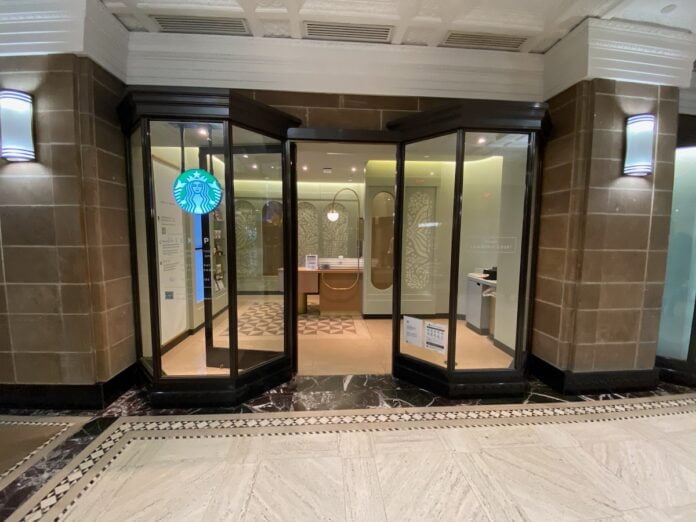
Starbucks Pickup in Scotia Plaza (Image: Dustin Fuhs)
Coffee giant Starbucks Canada is expanding its rewards program with TD Bank to include millions of TD card holders.
Peter Furnish, vice president of marketing and digital experience at Starbucks Canada, said the TD brand aligns with Starbucks from a values perspective with the orientation to the customer.
Peter Furnish
“This gives our members more value out of their Starbucks Rewards memberships. Right now we have all these great features, free coffee on your birthday, mobile order and pay, double star days. There’s benefits. But we’re looking for new and cool ways to give them benefits and extra value,” said Furnish.
“Also we wanted to invite more members into our program and working with TD, which has millions and millions of customers, is a great way to do that. We created the mechanism where the customer can link their Starbucks Rewards account with their TD card – debit or credit card – and it’s literally like any card in their portfolio which is really cool and then you will get incremental stars on our end when you make purchases with that card, incremental TD points, which is great, faster and more, customers want more.
“The second benefit, and this is sort of the real game-changer that we’ve been working on, is their ability to convert their points into our stars in real time on your phone . . . You can actually set it up so it auto reloads as well each week and that’s something that nobody’s ever done before.”
The new initiative is an evolution of Starbucks and TD’s first-of-its-kind partnership, which gave TD Aeroplan Visa cardholders the ability to earn accelerated Aeroplan points at Starbucks stores. Now, the program has been expanded to include millions of TD card holders, making rewards more accessible than ever, said Furnish.
Furnish said the number of people in the Starbucks Rewards program is not something the company has publicly revealed but “it’s in the millions.”
“It’s definitely one of the largest programs in Canada and we have more Rewards customers coming into our stores every day now than we had before COVID. I think COVID has really turbo-charged our growth in terms of member acquisition, it turbo-charged our growth in terms of frequency of those members coming in, and it’s also helped in terms of spend,” said Furnish.
He said the coffee giant has about 1,400 locations in Canada – 1,000 company-operated stores and about 400 licensed stores in places like Safeway.
Image: Starbucks Canada
“We’re building stores. We’re adding new stores every week at this stage. It’s amazing to see the business. With the Rewards program we’ve been able to see how the customer behaviour has changed through the pandemic, where they’re purchasing through the time of day and how that’s changed, the location that they’re purchasing at has changed. The number of stores they frequent has changed . . . It’s been a real benefit in terms of how we plan our business and the real estate as well,” added Furnish.
Over the past few years, the company has closed several stores in Canada and today has fewer stores than going into the pandemic but it is now opening new stores again.
“The focus on the store has changed so there’s certainly more around in the drive-thru space. Delivery has really changed the texture of the business with our partners in Uber Eats. It’s definitely changed the demand curve. We’ve got some really interesting results coming out of delivery and that has been turbo-charged through the pandemic,” said Furnish.
“And I think as the downtown core opens up I know the team is back looking at opportunities in the core. And we’re going to come back.”
By linking a Starbucks Rewards account to an eligible TD Access Card with Visa Debit or Credit Card, customers will:
Earn 50 per cent more Stars on purchases or card re-loads made through the Starbucks® app.
TD Rewards or TD Aeroplan card holders can also earn 50 per cent more TD Rewards or Aeroplan points on purchases through the Starbucks® app.
TD Rewards cardholders can convert TD Rewards points to Stars in real-time to use toward free food or beverages at Starbucks.
Through Blockchain and other innovative technologies, Starbucks said it is exploring how to tokenize Starbucks Stars, creating the ability for other merchants to connect their loyalty programs to Starbucks Rewards. This will enable customers to exchange value across brands, engage in more personalized experiences, enhance digital services, and exchange other loyalty points for Stars at Starbucks, it added.
Starbucks said this approach will serve as a foundation for a more aspirational concept for new, modern payment rails that align payment expenses with the value received by customers and merchants. Starbucks intends to be at the forefront of this disruptive innovation, which will unfold over the next few years.
“Connection and convenience are incredibly important to us at Starbucks. Not only do we, as a company, strive to create meaningful personal connections everywhere customers interact with us, but we also look to make the Starbucks experience easier & more accessible for a customer’s every day,” said Furnish. “Our partnership with TD allows us to connect with our customers in a new and innovative way that is unmatched, personalized and effortless.”
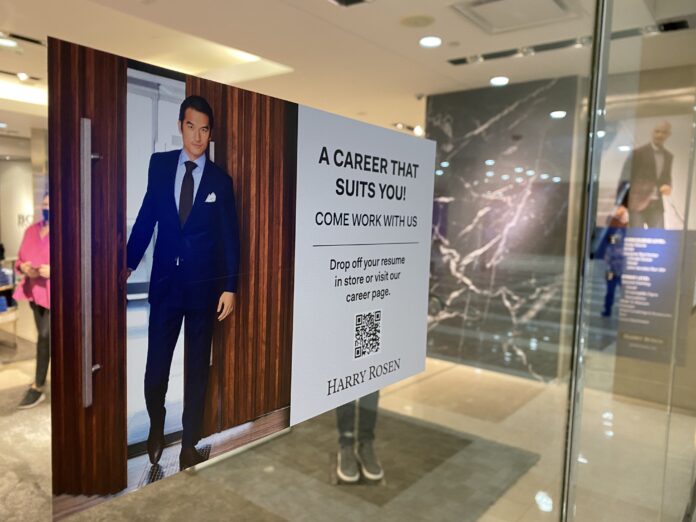
Talent Acquisition from Harry Rosen at First Canadian Place (Image: Dustin Fuhs)
The past couple of years have been chaotic, to say the least. Impacts of the COVID-19 global pandemic have wreaked havoc on the lives of people all over the world, transforming the ways we engage, communicate and go about our daily routines. For retailers, the consequences have been just as dramatic, perhaps more so than those occurring in other sectors and industries. Highlighted by a sharp shift in consumer behaviour and preferences, it’s a period of time that has challenged merchants everywhere to examine, evaluate and rethink the entire retail journey and experience from all angles. And, blighted by ongoing disruptions and uncertainties, our current circumstances will also serve to symbolize a moment in retail history remembered in large part by the disparity of outcomes experienced by those within the industry. From the business-saving pivots and innovative tactics displayed by some brands to the unfortunate demise and ruin of others, Canadian retail has seen it all over the past 24 months or so. And, according to Bruce Winder, expert retail analyst and author of RETAIL Before, During & After COVID-19, the cumulative effects that retailers across the country have undergone have resulted in a changed landscape, precipitating an evolution within the industry.
“The state of the retail industry in Canada is still one that’s being defined by a lot of uncertainty,” Winder asserts. “And, as a result, it really depends on who you are. If you’re a larger retailer with a really strong balance sheet, you’re probably doing well and have survived, perhaps even thrived. Some were lucky enough to have been deemed essential. And others simply had the resources to get in front of the disruption and work through it. These were some of the organizations that didn’t even really blink an eye in the face of the pandemic, some of whom actually picked up some business. And there are many within the industry who have either shut down their operations altogether or whose future is ambiguous at best. All told, consequences of the pandemic have changed the way retailing is done and will likely pave the way toward a new frontier of sorts in which new formats and business models will be developed and executed, helping the industry rise above these current challenges. In a way, the past couple of years have served to accelerate a natural evolution of retail, challenging merchants everywhere to keep up with the change.”
For the retailers and brands that have survived the sustained turbulence caused by COVID-19 and the related mandatory lockdowns, closures and restrictions, the next 6 to 12 months are going to be critical in their continued success and growth. And, with the prosperity of Canadian retailers in mind, Winder suggests a list of ‘top 10 trends’ that are set to test the resiliency and resolve of businesses, open doors of opportunity, and significantly influence the near- and long-term future of the industry.
Transition to a new normal
Perhaps the most immediate issue that retailers will be faced with, suggests Winder, is the transition that we’ll all eventually embark on toward a new normal. It’s a transition into a post-restriction retail environment that will demand critical decisions to be made by retailers concerning their continued requirement for vaccine passports for entry, maintained capacity restrictions and the wearing of masks by employees and customers. It’s all centred around a matter of health and safety and has already resulted in a division of philosophy and attitudes across the country – a division that was recently highlighted by the so-called ‘freedom convoy’ and its anti-mandate message. And, although the dissenting voices reflected by the protesting truckers may be few, Winder suggests that the decisions that retailers make heading into the post-pandemic period will need to be made carefully.
“Retailers have some tough decisions to make over the course of the next few months or so with respect to whether or not they continue to ask for vaccine passports and if they will still require store staff and customers to wear masks,” he says. “It might seem like an obvious decision to make given the fact that government has said that we don’t need them anymore. But there’s a second tier to the issue involving the way consumers and store staff feel about these restrictions. The country’s incredibly polarized over the issue at the moment. There are many customers who have gone to lengths to make sure that they got vaccinated and that they wear masks and take the proper precautions and who may not want to shop, dine or be in close proximity with those who didn’t. It’s a very serious issue that’s been pushed on retailers by government for political reasons, forcing each business to navigate the challenge independently. For some brands, it’s going to become an issue of protecting their customers and staff, placing them in a no-win situation in which they essentially have to pick a side, resulting in lost customers, despite the decisions they make.”
Growing inflation
Another trend – one that retailers can’t pick a side on – is that of inflation and its associated repercussions on the business’ bottom line. An unprecedented recent rise in Canada’s inflation rate, which rose to 5.1 percent in January 2022, has resulted in subsequent increases in the cost of wages, raw materials, freight and finished goods, adding significantly to the cost of operating within the industry. It’s a predicament that’s placed many retailers in the perils of economic strain, particularly those within sectors and verticals with very low margins. The trajectory of inflation has ultimately led to a substantial increase in the cost of living for Canadians which has been starkly evidenced by soaring food prices. And, according to Winder, it’s only a matter of time before the rest of the industry follows suit by raising their prices, bearing inevitable ramifications with respect to consumer behaviour.
“Retailers are getting hit by cost inflation on all fronts,” he points out. “In fact, I haven’t seen inflation like this in the past thirty years. And from the merchant’s perspective, they have to raise their prices at some point. However, what that will do in the end is influence and change consumer behaviour. When wages for the average Canadian don’t increase inline with the cost of product on the shelves, they’ll look to cut back on their spending. Whether it’s felt in the sale of discretionary items, travel and hospitality, food service or anything else, there will be many retailers who will suffer as a result of inflation. Some consumers may also channel down from one retailer or brand to another that offers similar product at a lower price. Many within the industry are going to need to wrestle with this dilemma, not wanting to lose their competitive advantage and price perception, but unwilling or unable to eat the cost increases that they’re facing. It’s posing a massive challenge for everyone to overcome.”
A broken supply chain
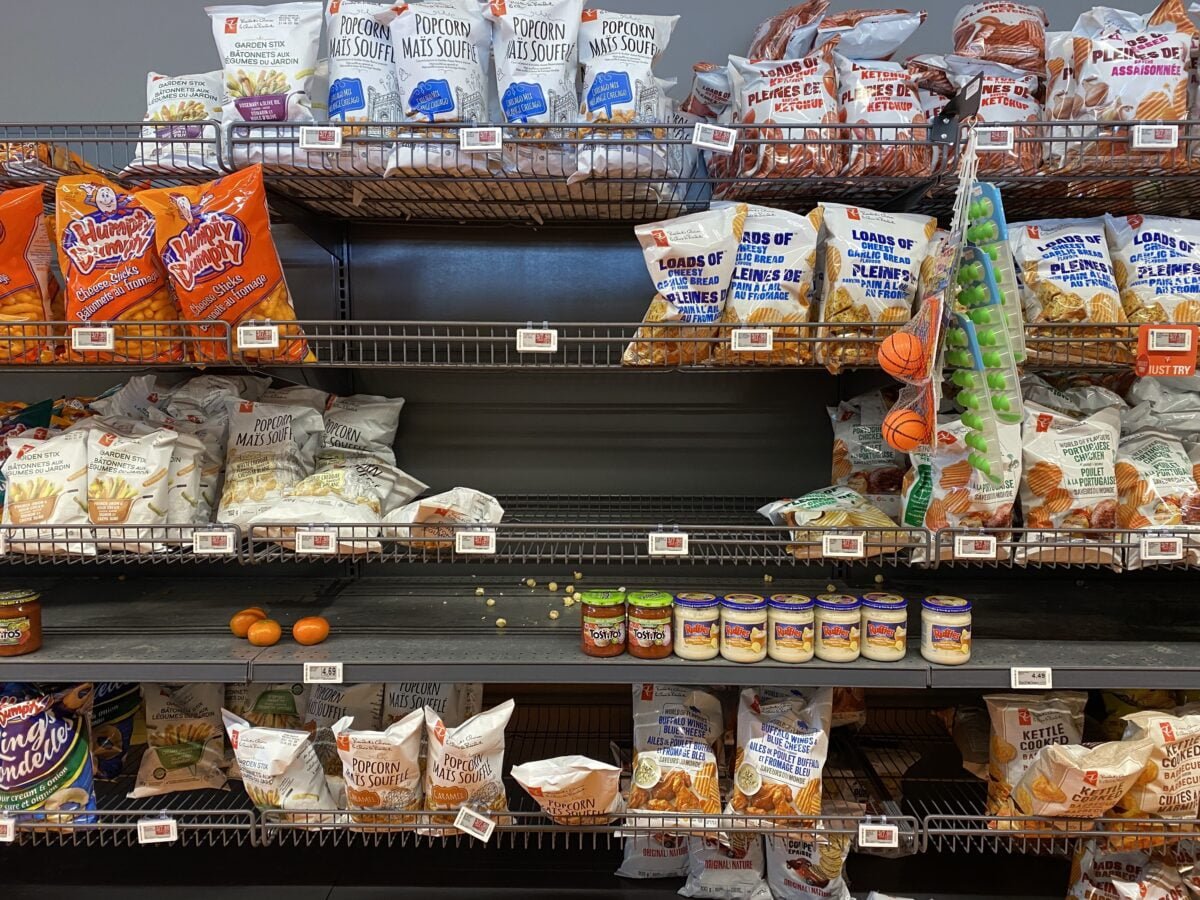
Loblaws on Jarvis Street in Toronto on March 1st (Image: Dustin Fuhs)
One of the longest standing impacts of the COVID-19 pandemic is the disruptions it’s caused within the global supply chain. Emphasized by a slew of port closures that have resulted in significant congestion and delays around the world, as well as ongoing container shortages and an inflated cost of freight, the current state of the global retail supply chain can most accurately be described as unpredictable at best, perhaps even broken. It’s causing headaches for retail planners and industry forecasters, adding another layer of complexity to the challenges currently faced by retailers everywhere. As Winder points out, the issues impacting the supply chain are not isolated, but systemic and negatively effecting the performance of retailers throughout their entire organization, adding that it may be a while before the equilibrium and assurance of global supply returns.
“The real challenge is that the whole supply chain has been slowed down,” he suggests. “Most of the time when there’s a supply chain crunch, it’s related to a pocket of the supply chain which can be worked around. But, as a result of the pandemic, every piece within the supply chain has slowed down, from the factories and truck drivers to the ports, vessels, trains, warehouses and stockers in the stores. And, here at home, we’ve had some unusual challenges, including the B.C. floods and recent mandate protests across the country, that have added to those present within the global supply chain, disrupting further Canadian retailers’ ability to move product. However, there are some retailers that are smartly consolidating skus and products and focussing on the 20 percent of their product that represents 80 percent of their sales. Everything passes eventually. But it may be another couple of years before the challenges currently disrupting supply chains are sorted out and things go back to something like normal.”
Shortage of retail talent
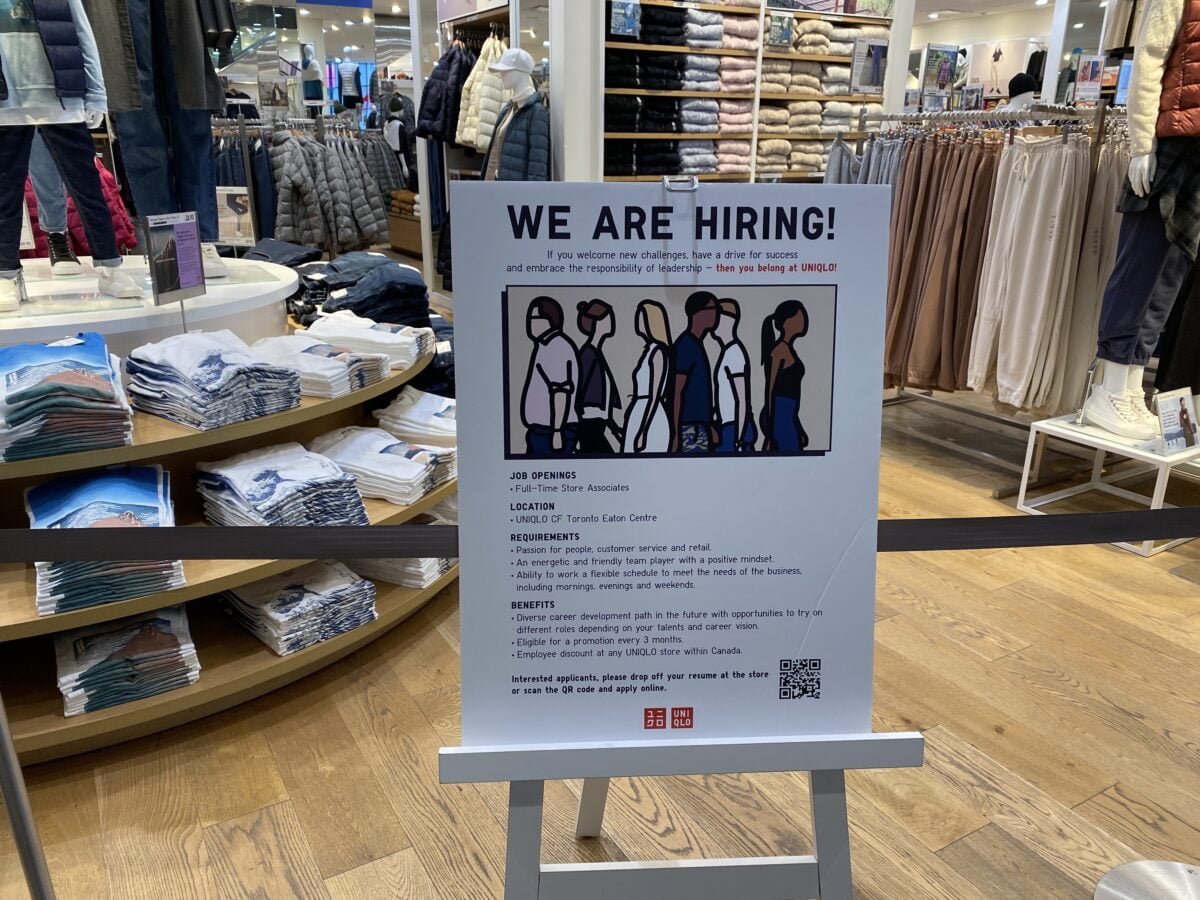
Uniqlo Hiring Sign at CF Toronto Eaton Centre – Photo by Dustin Fuhs
Causing just as much disruption as any other trend impacting the industry is the ongoing labour shortage that persists across the country. Dubbed the ‘Great Resignation’ by some, a lack of prospective employees to fill positions within organizations, primarily in customer-facing roles, is hindering retailers’ efforts to staff their stores. However, the issue around labour extends far beyond simply filling positions with the more pointed issue centred around a shortage of retail talent. Without the proper skilled individuals on the floor, retailers’ efforts to provide the exceptional and knowledgeable service that consumers are seeking are severely impeded. It’s a trend whose impact is perhaps more noticeable than most others as it impacts the consumer directly. And it’s one, suggests Winder, that is currently coming to a head.
“It’s quite a fascinating situation,” he says. “There are a number of reasons that have led many to leave the industry, including concerns related to health and safety and inadequate wages and benefits. But, what’s happened, generally speaking, is that a lot of Canadians across the country have done some soul-searching over the past couple of years. And some of those who had been working within the industry have decided that it’s just not worth it anymore. It’s causing real problems for retailers everywhere. But what’s worse is the fact that customers are starting to notice it. People out shopping retail are recognizing that stores aren’t properly staffed or merchandised, and customer service offered in-store is really starting to suffer. And what’s going to happen as a result is that we’re going to reach a tipping point where retailers will need to make the retail job better and more attractive to prospective employees and the right retail talent. Retail is about people and engagement. Going forward, the brands that keenly understand this, providing customers with the service and care that they’re looking for, will differentiate themselves from their competitors.”
Continued rise of ecommerce
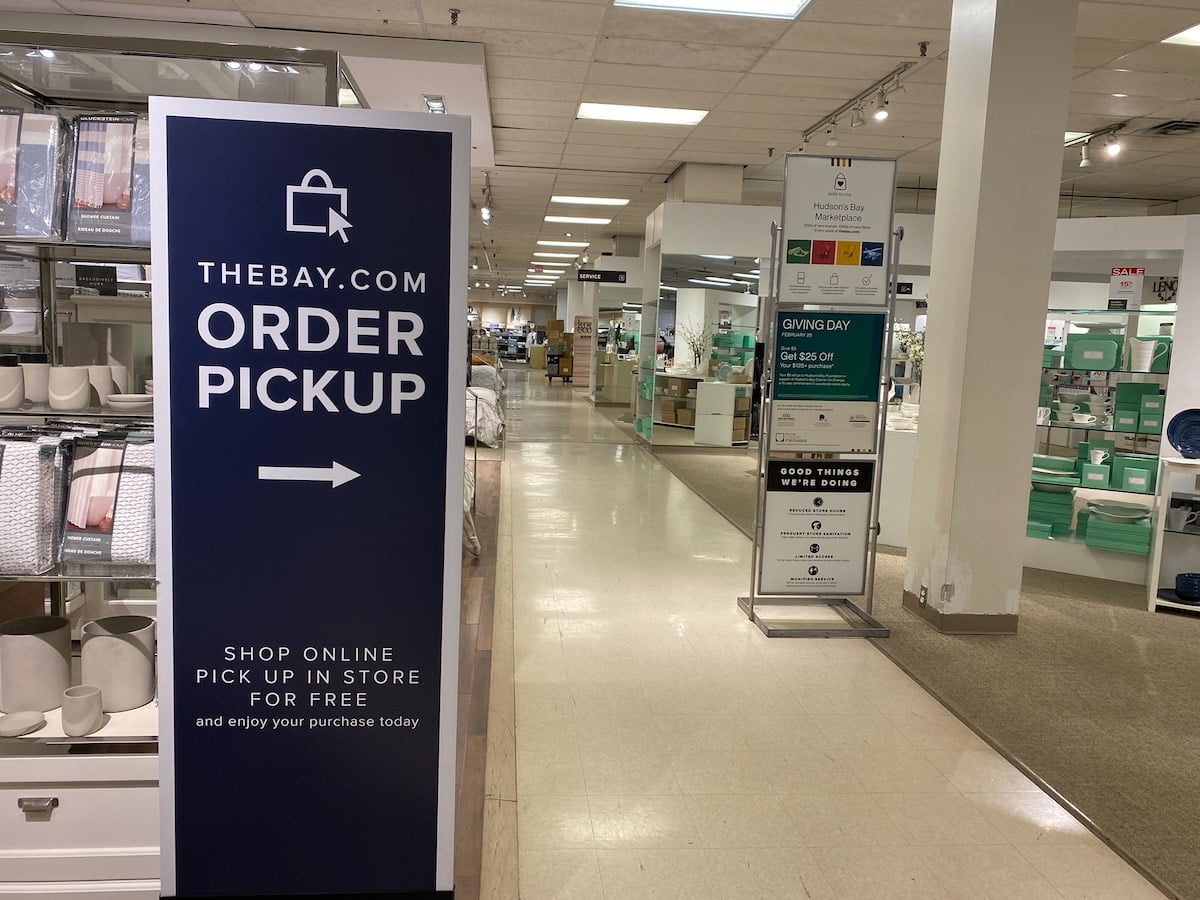
TheBay.com Order Pickup at Hudson’s Bay Bloor & Yonge (Image: Dustin Fuhs)
Perhaps the most explosive effect of the pandemic, one that’s completely altered the entire retail operation, is the accelerated rise in ecommerce. Precipitated primarily by the Canadian consumers’ inability or unwillingness to shop in-store for product during lockdowns and restrictions, online ordering soared across the country. And, although ecommerce gains have levelled out somewhat, the shift in consumer behaviour toward digital channels to make purchases certainly isn’t showing any signs of receding. The ease and convenience that’s inherent in online ordering for a range of different products are aspects of the shopping journey that Winder says consumers have come to expect. And, he adds, there are a number of retailers across the country that are actively working toward making improvements to the digital experience they offer consumers.
“From my perspective, Canadian retailers have always been kind of dragging their feet while other nations embraced ecommerce years earlier,” he asserts. “But those operating in the country are realizing that the digital channels aren’t the boogeyman and that they can actually help the business. And for the smaller retailers, they aren’t necessarily looking at some of the bigger players like Amazon as the enemy anymore because they’ve recognized that they can get on their marketplace and get noticed by a lot more customers than they could have otherwise. And the rest of the big guys are running fast to keep up. Walmart, as an example, has committed to investing $1.5 billion in their omnichannel infrastructure. Canadian Tire has also ramped up their ecommerce capabilities and have seen some great gains from those efforts through the pandemic as well. For years in Canada, we’ve been talking about an ecommerce tipping point. We’ve gone beyond it now and can expect a lot of innovation and creativity from brands over the coming months with respect to the continued enhancement of online offerings and service.”
With so many pressures and constraints currently faced by retailers operating across the country, there’s no doubting that the collective resolve of the industry is being tested like never before. However, as Winder points out, where there are challenges, the very best retailers are often able to navigate the turbulence, turning those challenges into opportunities and ensuring that they continue to carve out a path toward further growth and success.
Watch for part 2 of Bruce Winders ‘top 10 trends’ that will shape the near- and long-term state of the retail industry in Canada on Retail-Insider.com soon.
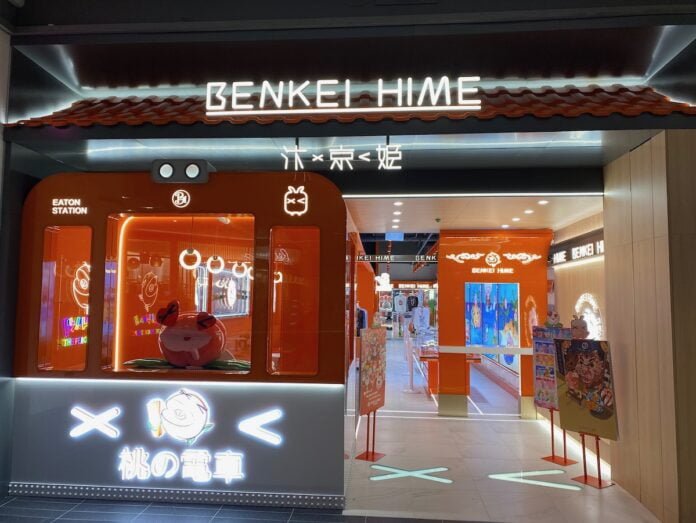
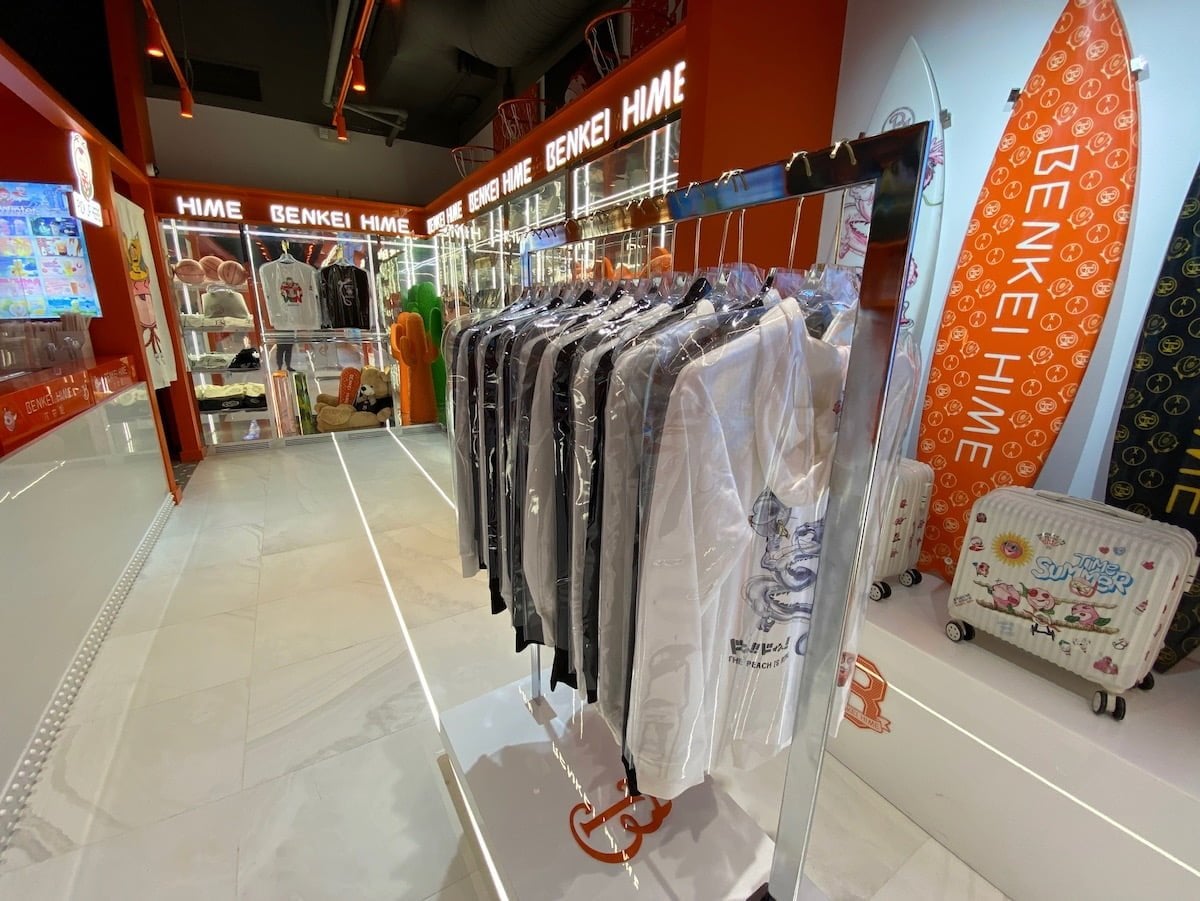
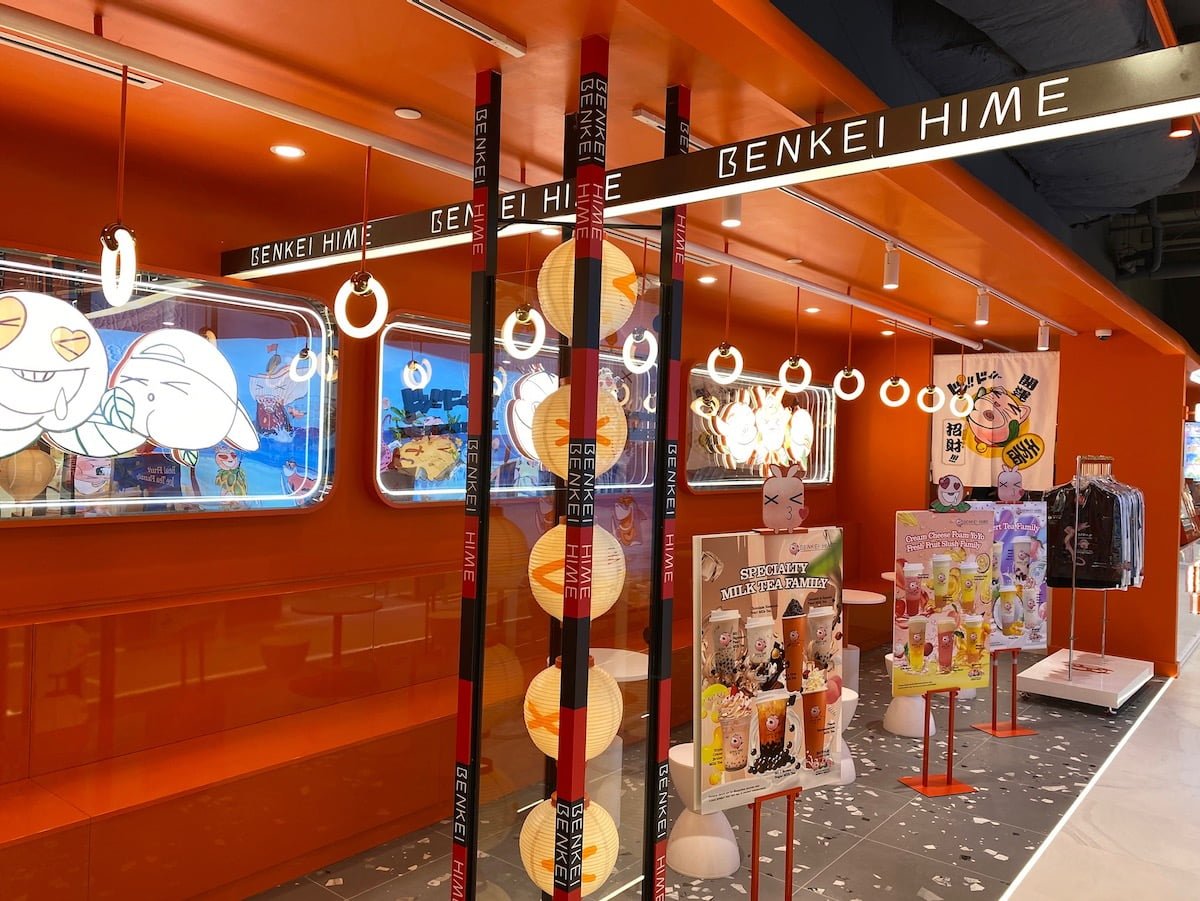
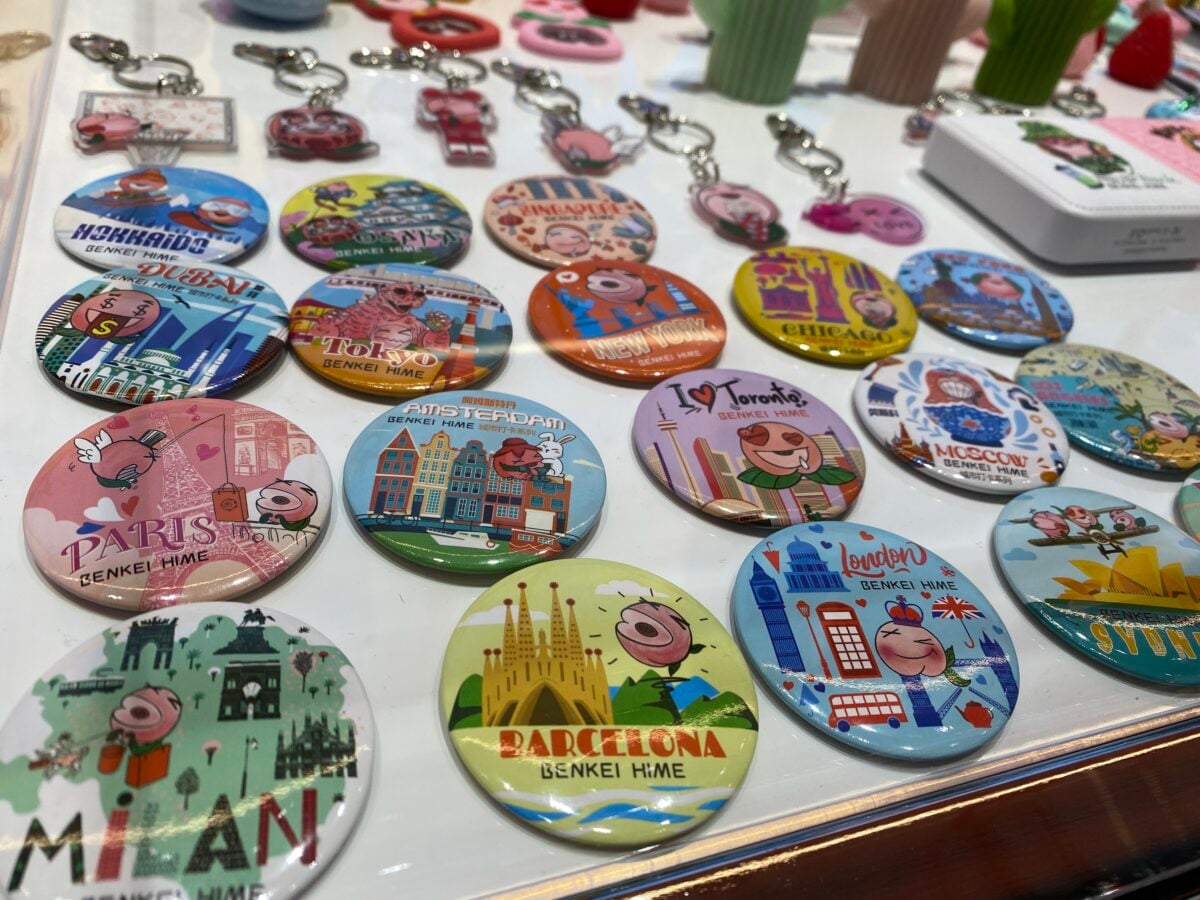
Benkei Hime at CF Toronto Eaton Centre (Image: Dustin Fuhs)
A new bubble tea concept has been launched in Toronto that combines the unique Asian beverage with popular streetwear and lifestyle merchandise.
Benkei Hime has opened in the CF Toronto Eaton Centre with a second location expected to open in the summer at CF Markville Mall in Markham. And more stores are being planned for the future.
The first store is located on the lower level of the popular shopping centre between Garage and Steve Madden.
“I am a proud Torontonian. It has been my dream to build a flagship location here, and there is nowhere better to start than in Eaton Centre,” said Jason Wang, owner of the store.
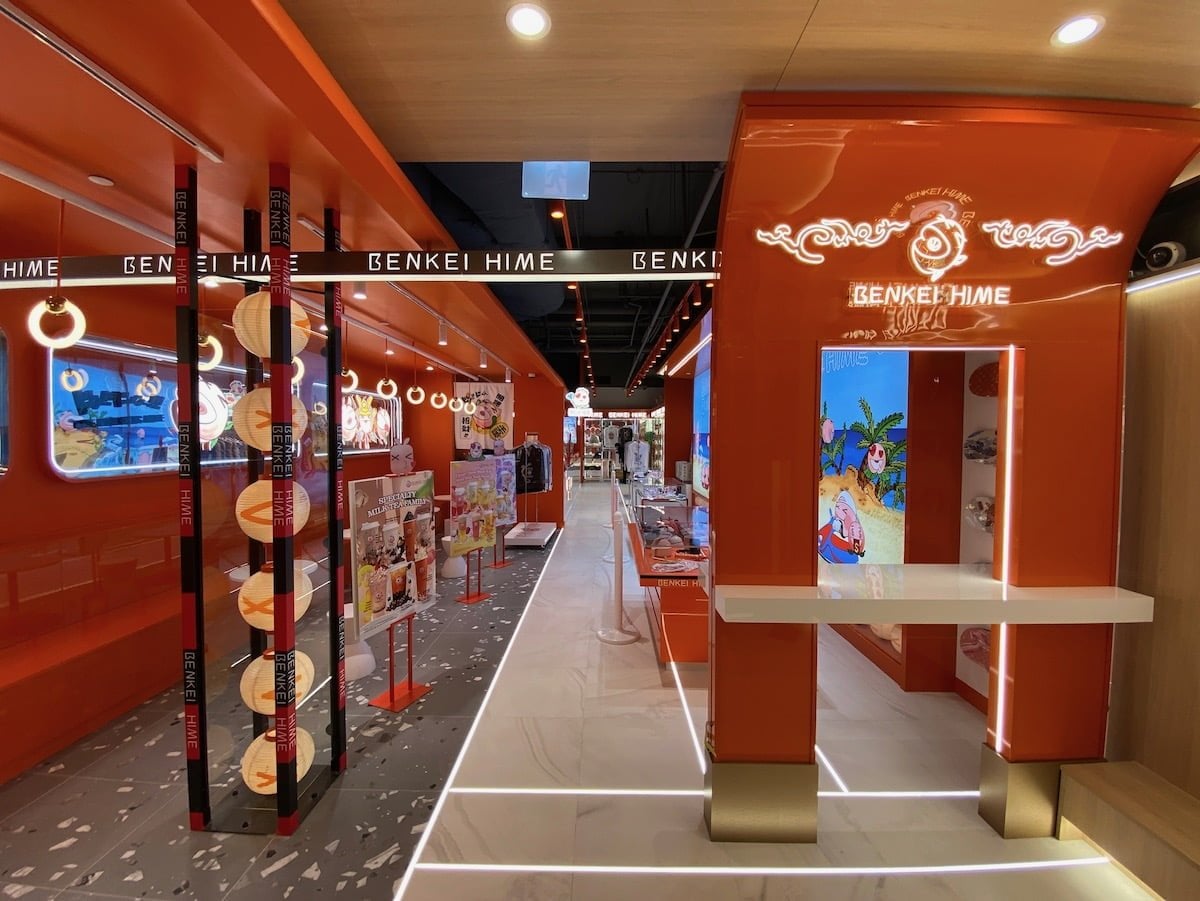
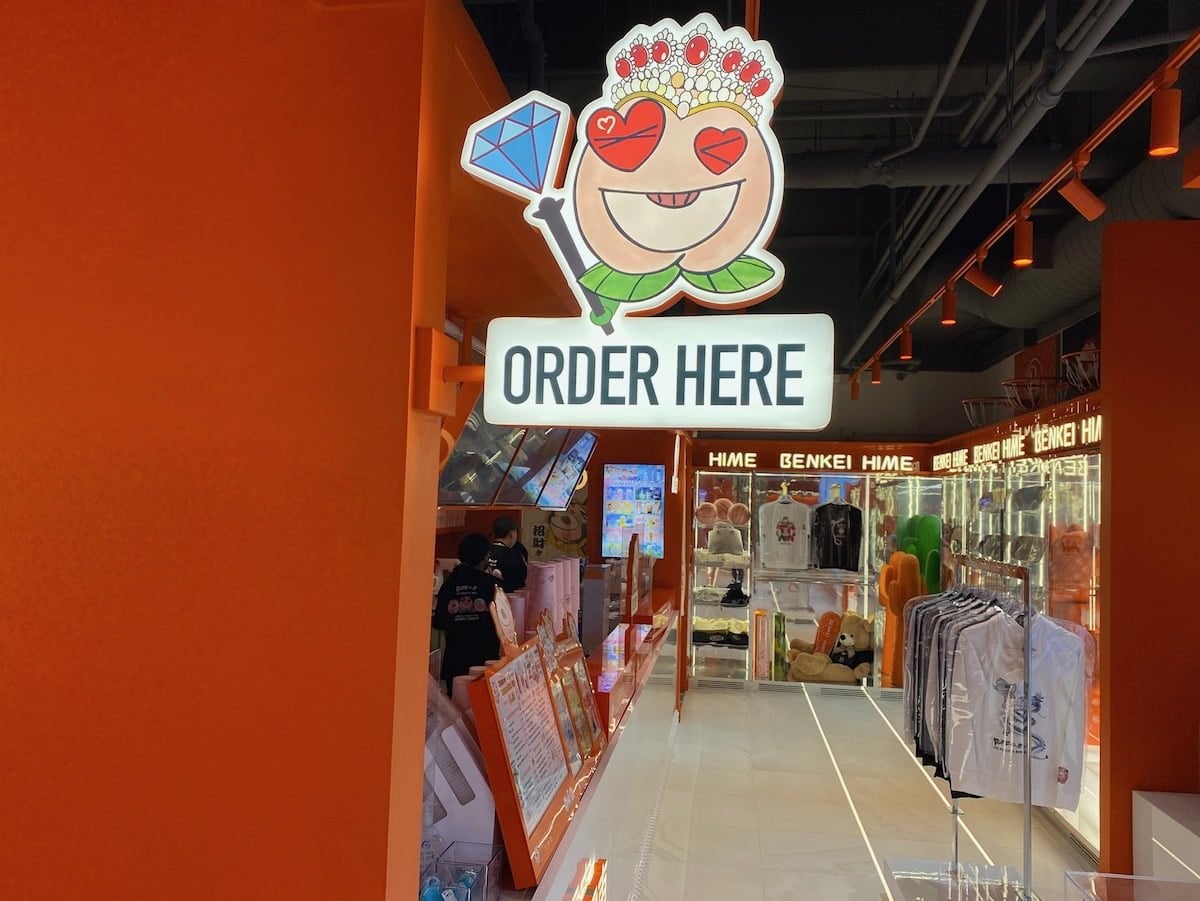
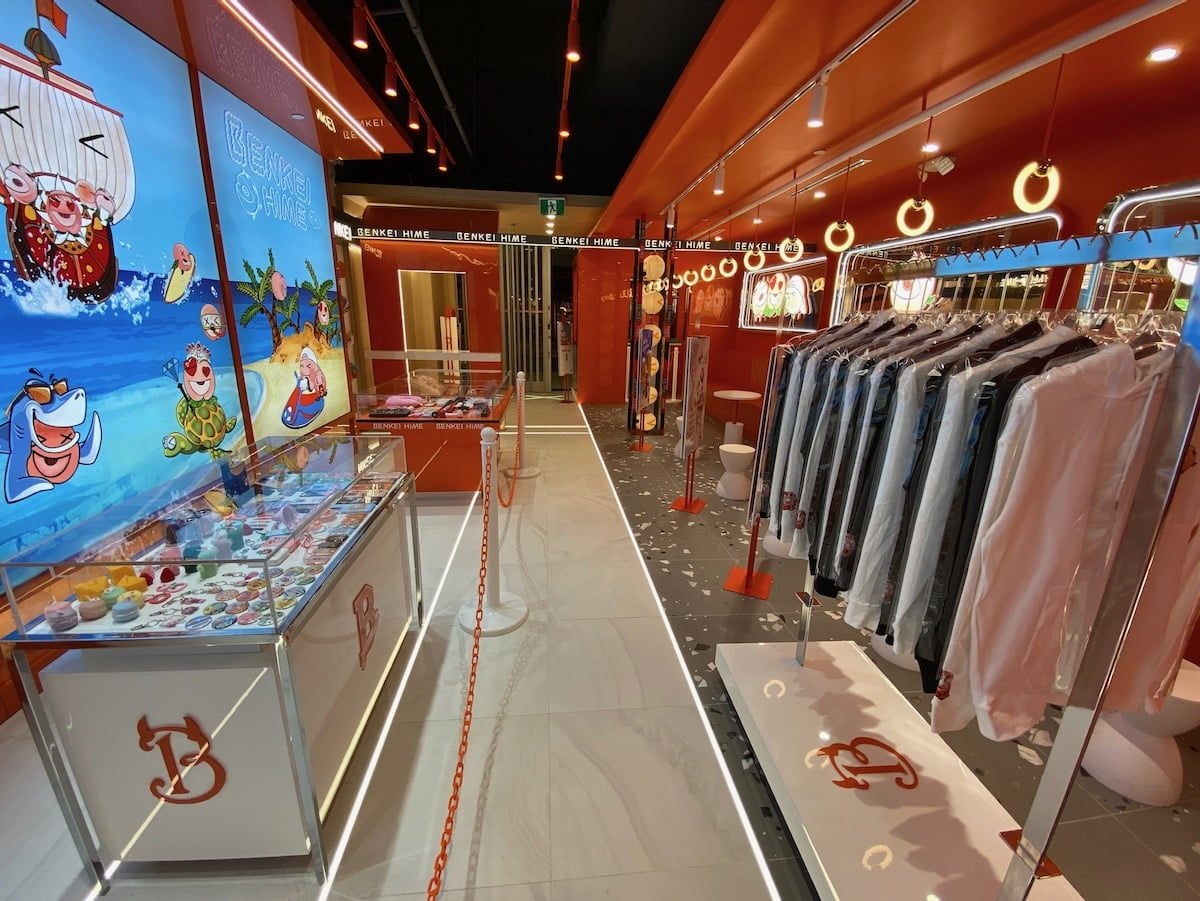
Benkei Hime at CF Toronto Eaton Centre (Image: Dustin Fuhs)
“At Benkei Hime, we want you to have a one-of-a-kind experience. If we can give people a good time during this tough time, then I think we did a good thing here.
“We consider ourselves as a fashion label, not really a bubble tea store. The idea is to push the boundary between art as well as beverage. The beverage is more tea, but some coffee, fashion and youth culture. It’s a brand for young people.”
In Asia, the brand is known for trendy clothes, Instagram-worthy beverage pictures and it’s a platform for young people to enjoy life and to express themselves.
Wang is an entrepreneur with a number of different businesses. The idea for Benkei Hime just seemed to fit in with the times.
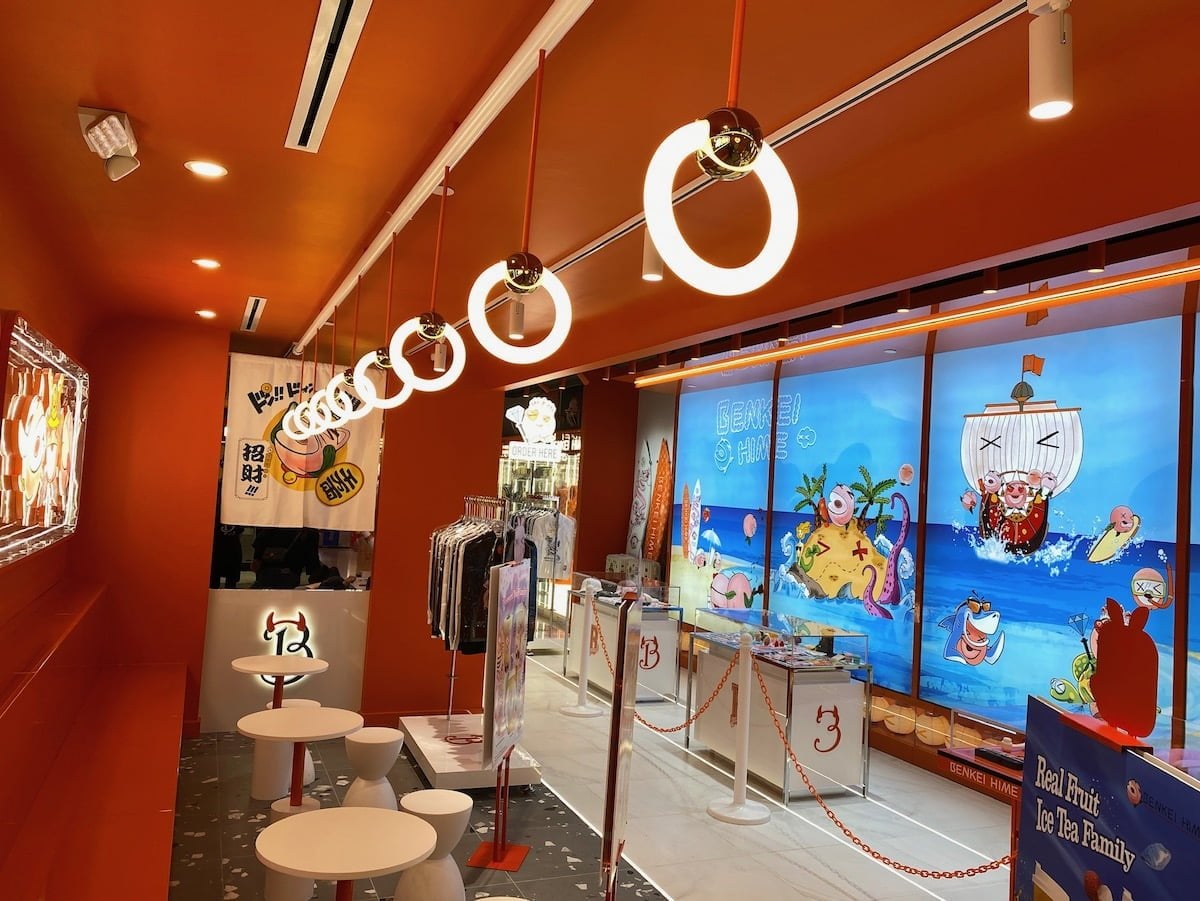
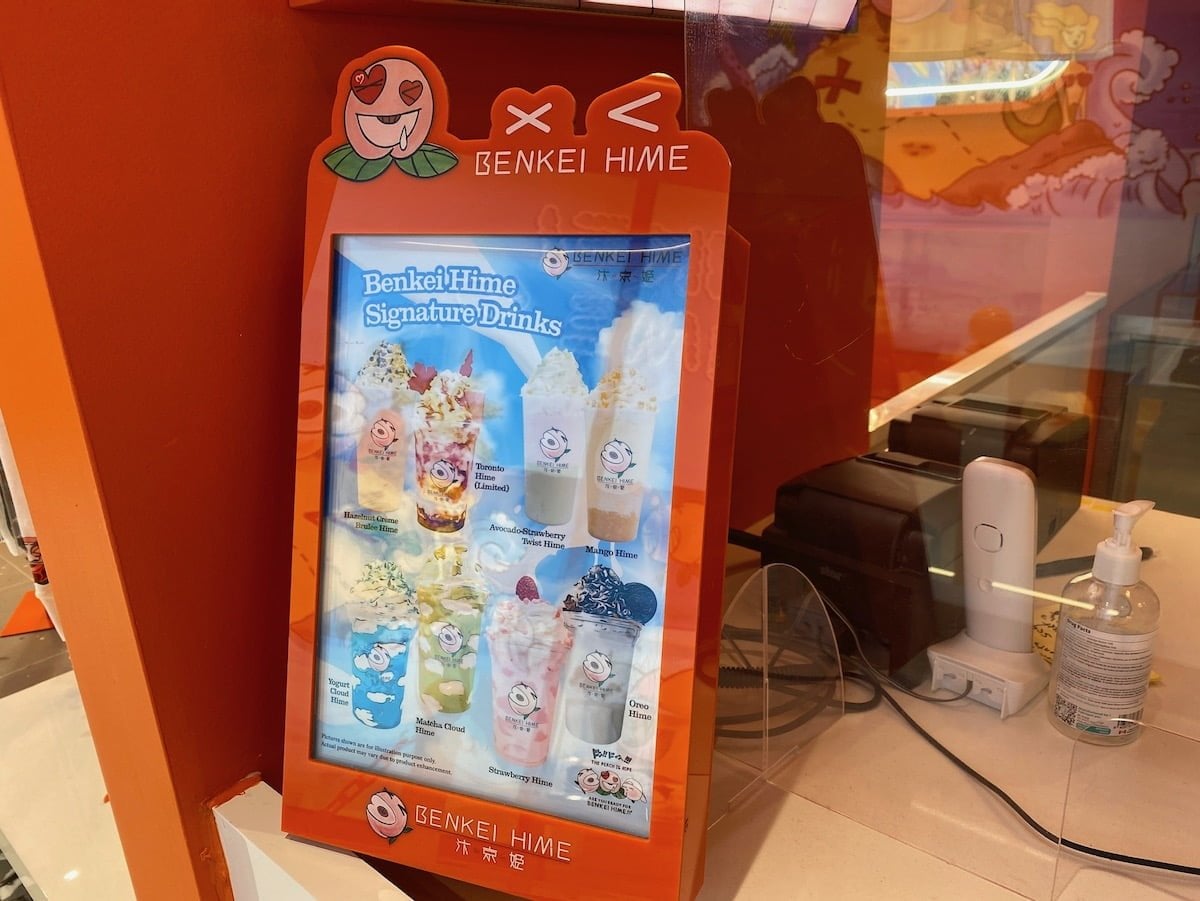
Benkei Hime at CF Toronto Eaton Centre (Image: Dustin Fuhs)Benkei Hime at CF Toronto Eaton Centre (Image: Dustin Fuhs)
The pandemic has been a difficult time for everyone, especially young people. Wang wanted to build a culture, a one-of-its-kind concept, where East meets West.
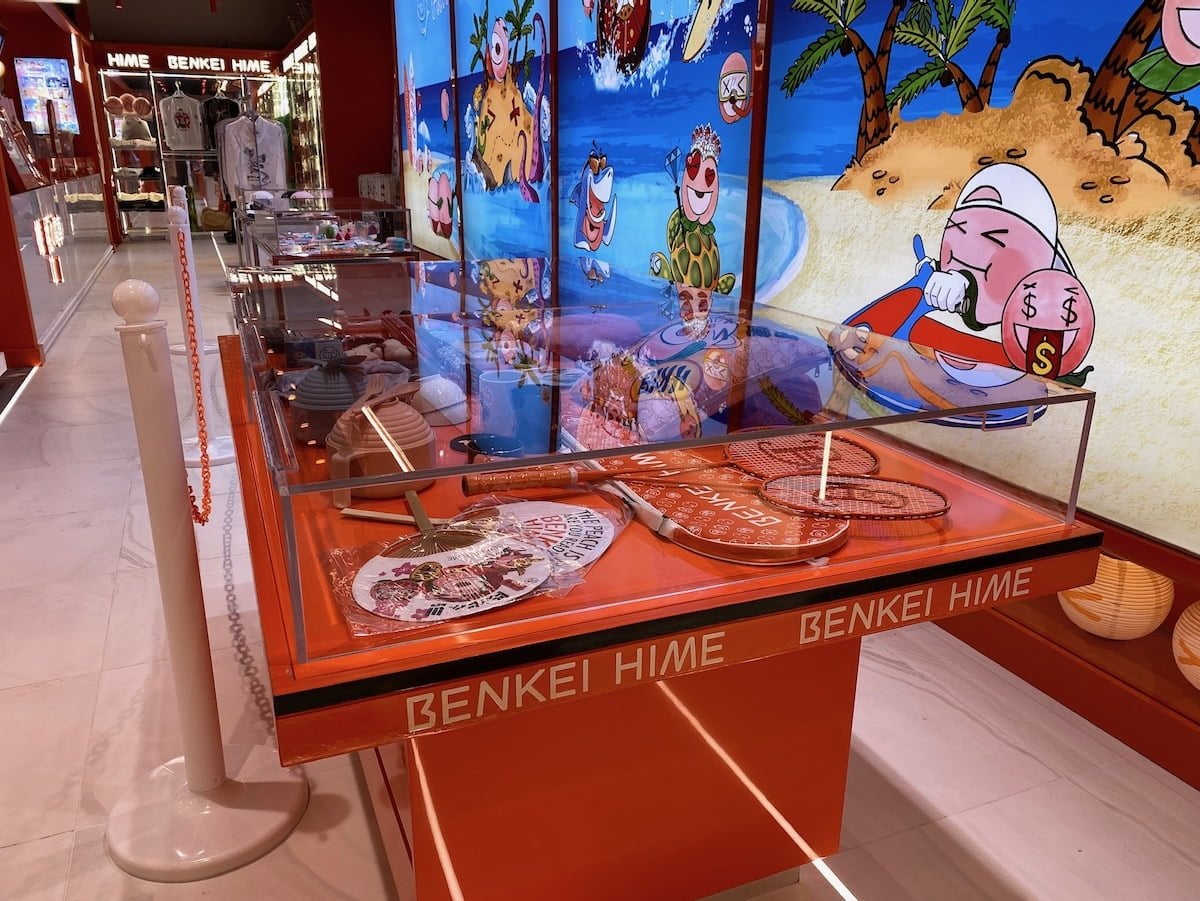
The Toronto store has vibrant colours, a catchy design and Instagram-worthy decor inside.
Wang said Benkei Hime is slated to become a focal meeting point of various worlds. On the surface, it is a place that meshes one-of-a-kind bubble tea drinks with fashionable lifestyle merchandise. Dig deeper, and you will see that it seeks to also be an innovative way to connect Eastern and Western cultures harmoniously, he said.
He said the interior designs and catchy environment, along with its unique drink flavours like Caramel Sea Salt Pearl Milk Tea and Hazelnut Creme Brulee, all are unmistakably an attempt to fully realize a brand identity that wears its Asian roots proudly, while still being true to the joie de vivre and local culture that is Toronto.
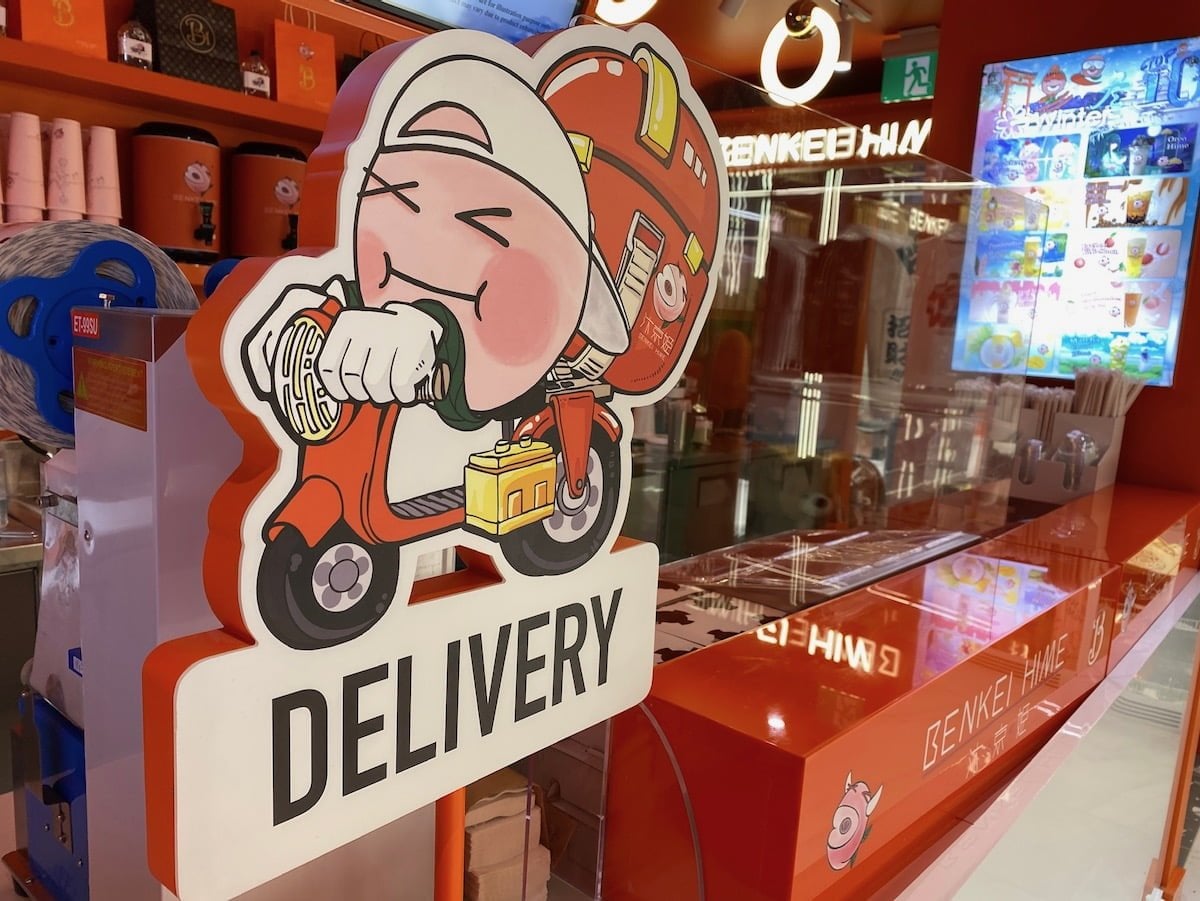
Benkei Hime at CF Toronto Eaton Centre (Image: Dustin Fuhs)
Wang said the concept is quite unique and something that shopping centres need today.
“They need a young crowd to come. After the pandemic everyone’s so used to Amazon and online shopping, we need people to come out and to enjoy life,” he said.
“We’re also looking for opportunities in Ottawa, Vancouver. We’re already seeing people lining up (at CF Toronto Eaton Centre). People like the concept, like the vivid colour and our design, and appreciate the art that is associated with the drinks.
“People like it, especially in the North American market, and we will open more stores, especially in Canada.”
Additional Images from Benkei Hime at CF Toronto Eaton Centre
Benkei Hime at CF Toronto Eaton Centre (Image: Dustin Fuhs)Benkei Hime at CF Toronto Eaton Centre (Image: Dustin Fuhs)Benkei Hime at CF Toronto Eaton Centre (Image: Dustin Fuhs)Benkei Hime at CF Toronto Eaton Centre (Image: Dustin Fuhs)Benkei Hime at CF Toronto Eaton Centre (Image: Dustin Fuhs)Benkei Hime at CF Toronto Eaton Centre (Image: Dustin Fuhs)