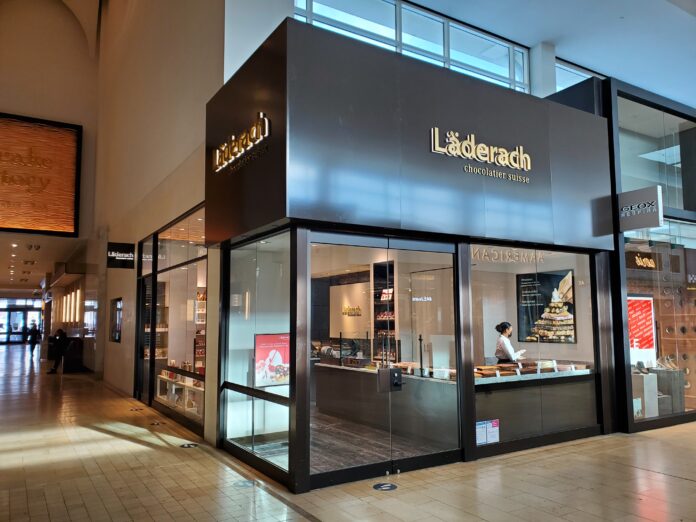
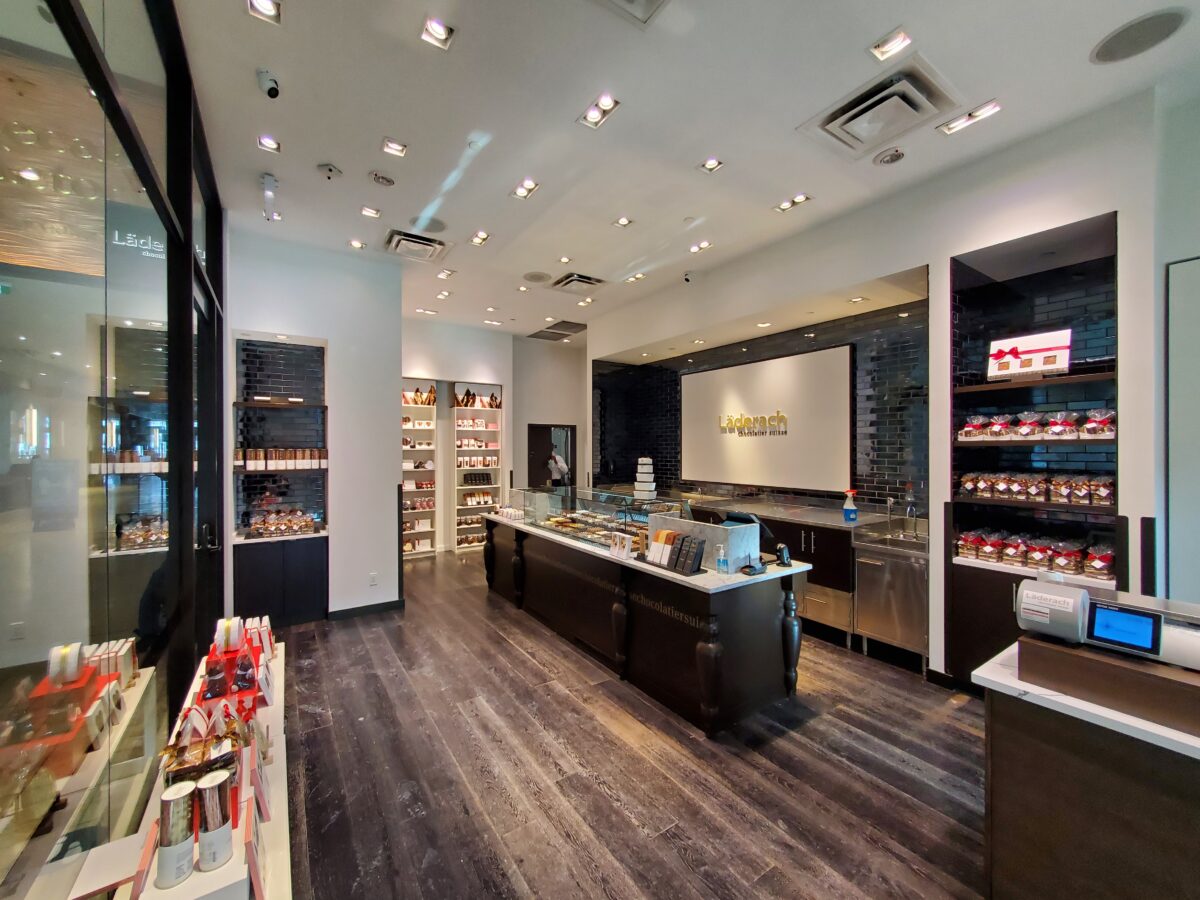
The 773 square-foot location was the former home of Godiva Chocolate which closed all 128 of its North American locations as part of a January 2021 strategic decision as a result of buying habits of consumers during the pandemic. Läderach secured the leases of more than 30 Godiva locations as part of an asset purchase agreement, which included the four new stores.
Läderach has two other locations in the Canadian market, with a flagship at CF Toronto Eaton Centre and a store at York Mills in North York. In addition to the new Toronto store, the brand announced that it will be opening three stores in the United States over the next two weeks, bringing the total North American stores to 37.
Läderach Yorkdale Store (Image: Läderach)Läderach Yorkdale Store (Image: Läderach)
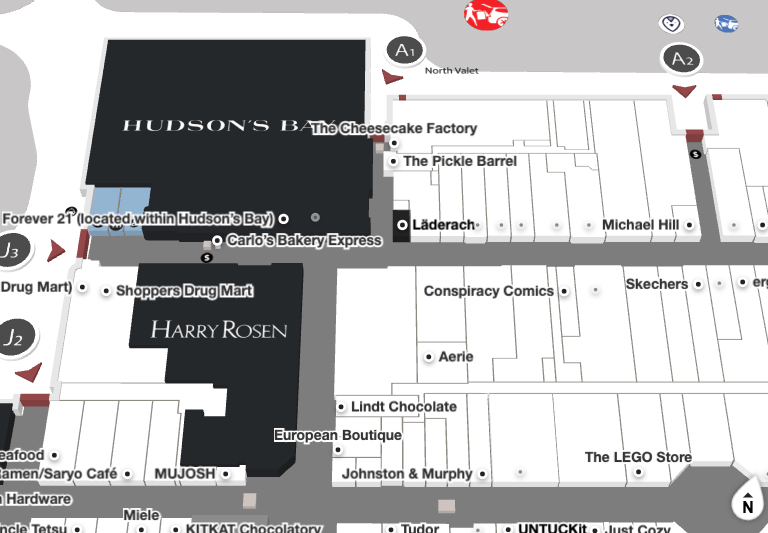
Yorkdale Shopping Centre Map
Nathanael Hausmann
“This Valentine’s Day, and throughout the year, chocolate lovers deserve the best,” said Nathanael Hausmann, president, Läderach North America.
“That’s why we’re excited to continue to open new shops across the US and Canada to provide the ultimate fresh chocolate experience. At Läderach, it’s what drives us every day to ensure the highest quality of freshness and craftsmanship in our chocolates, from bean-to-bar-to-the-store.”
Läderach retail stores feature the iconic FrischSchoggi™ (fresh chocolate) counter, which showcases large slabs of chocolate bark. Elias Läderach, the reigning World Chocolate Master, leads production and innovation for Läderach’s chocolates. The brand creates all the products in a “bean-to-bar” in-house production facility in Switzerland before shipping to the 100+ stores worldwide.
The Yorkdale location is in the Northeast corner of the shopping centre, which includes anchors Hudson’s Bay and Harry Rosen. The area recently added a new Athleta location, as the former Nike location was available after the brand moved to the former Home Outfitters two-story storefront.
Retail Insider is streamlining its Canadian retail news from around the web to include a handful of top news stories that can be viewed quickly during the day. Here are the top stories from the past 24 hours.
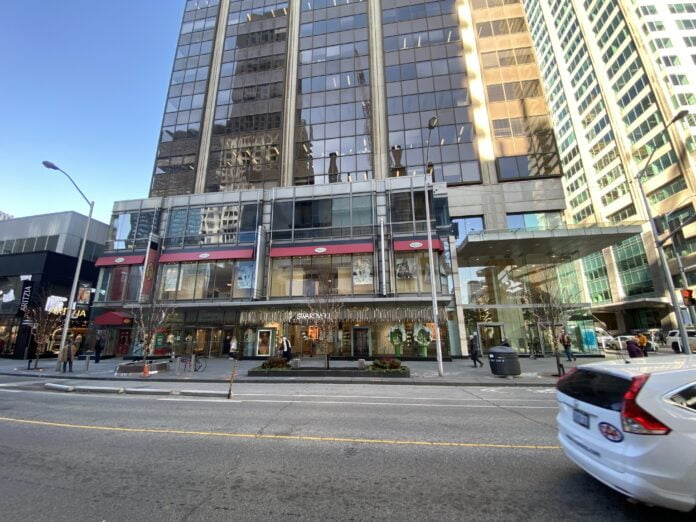
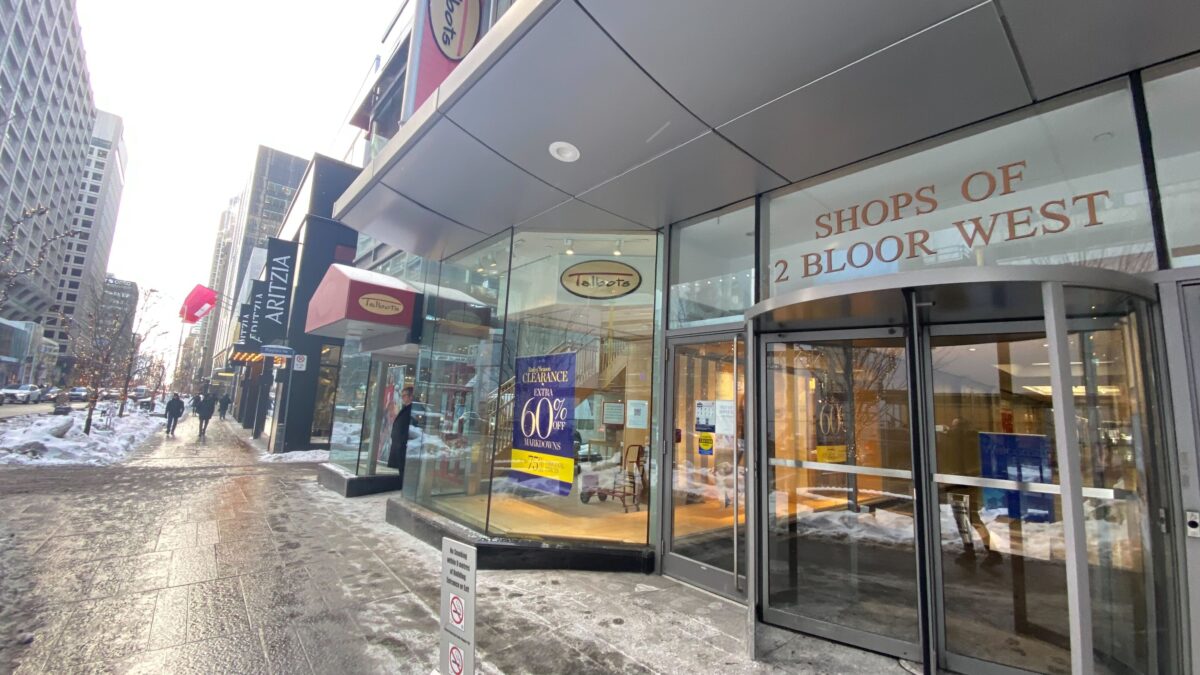
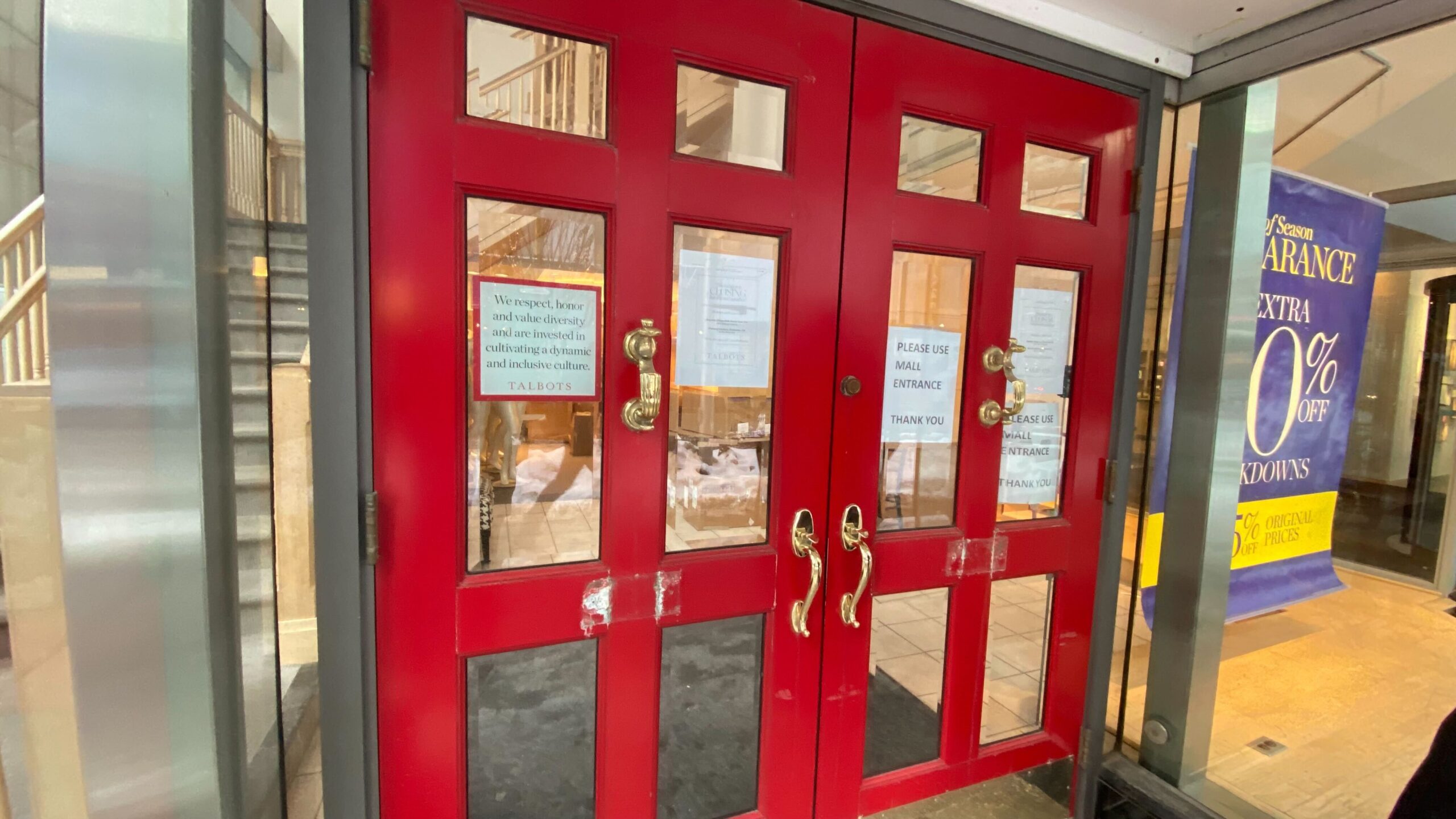
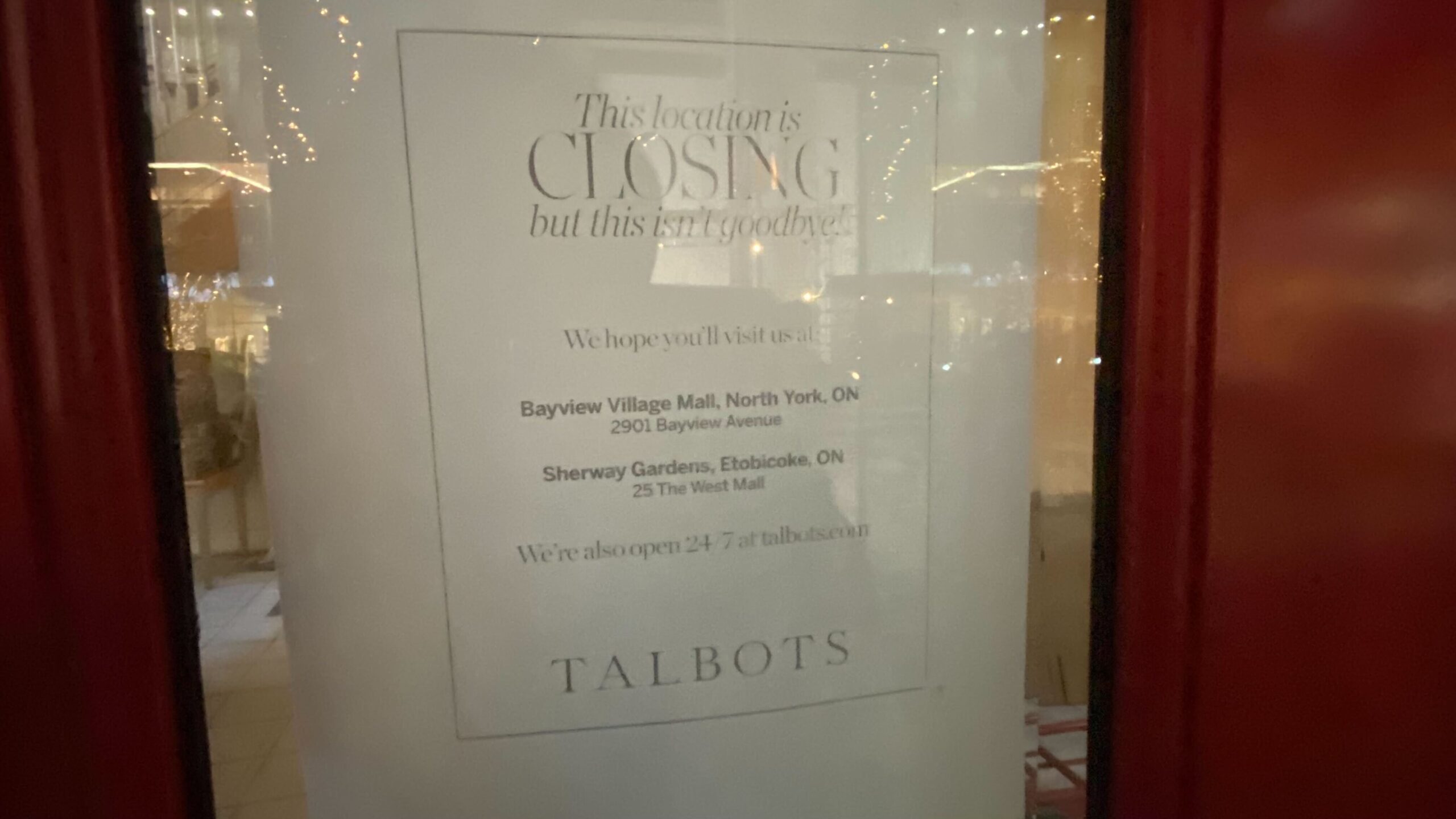
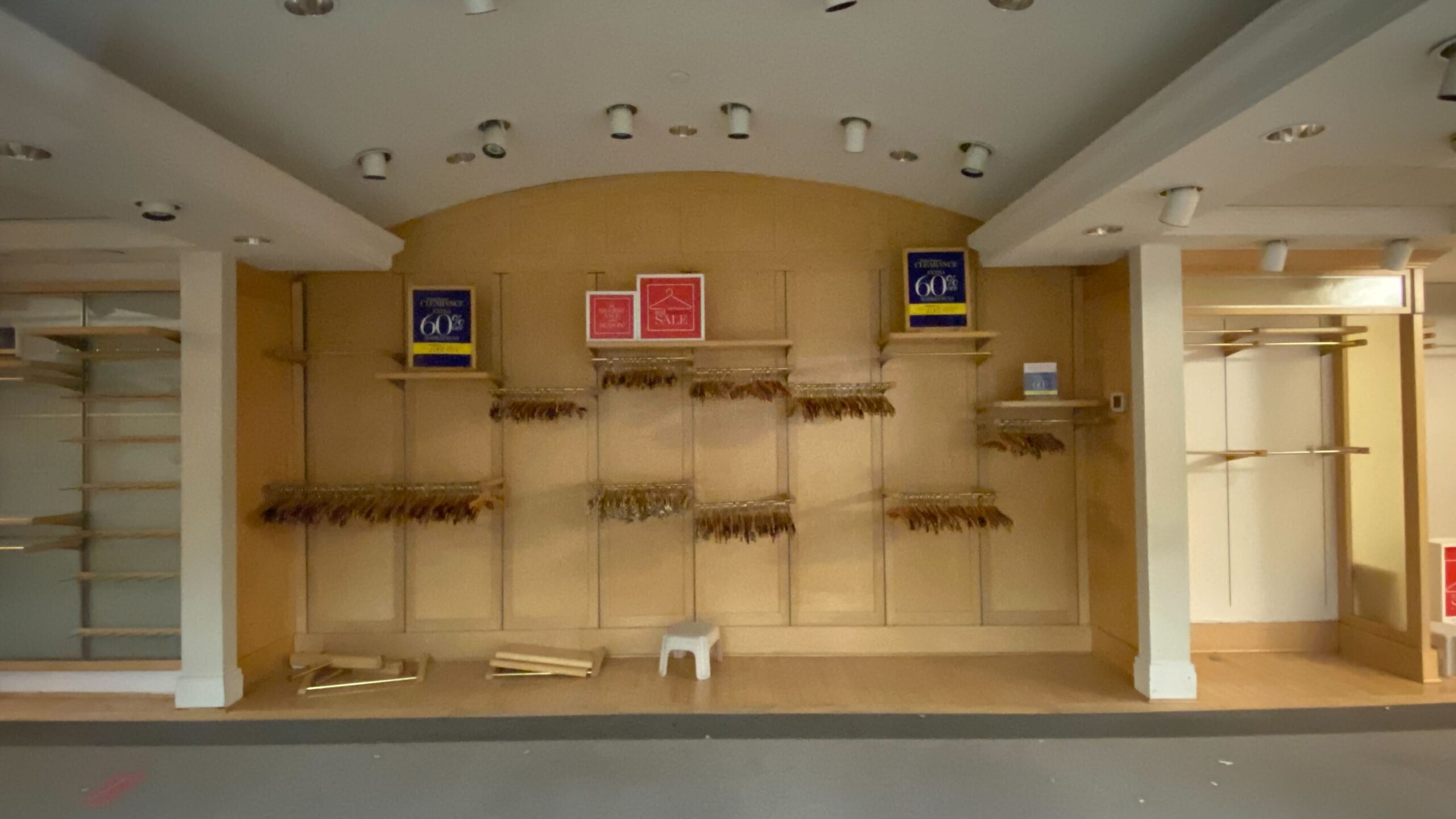
A redevelopment is at play at the northwest corner of Bloor and Yonge Streets in downtown Toronto. The Talbots store that has occupied a space facing Bloor Street since 1991 has already closed and the 20-year-old Swarovski store at the corner is also confirmed to be closing.
It’s part of a bigger development by Kingsett Capital to redevelop the Cumberland Terrace complex that will include updates the existing office tower at the Yonge & Bloor corner as well as the demolition of the remainder of the complex for a new project called Cumberland Square.
Talbots opened its Bloor Street store in September of 1991 as the retailer entered the Canadian market with plans for 15-20 stores. The Bloor Street store was the first of three that opened that month — broker Jane Baldwin led the expansion at the time and she’s still working with brands with Lennard Commercial Realty. Talbots continues to operate 11 stores in Canada in the Vancouver, Victoria, Calgary, Edmonton, Ottawa, Toronto, and Halifax markets.
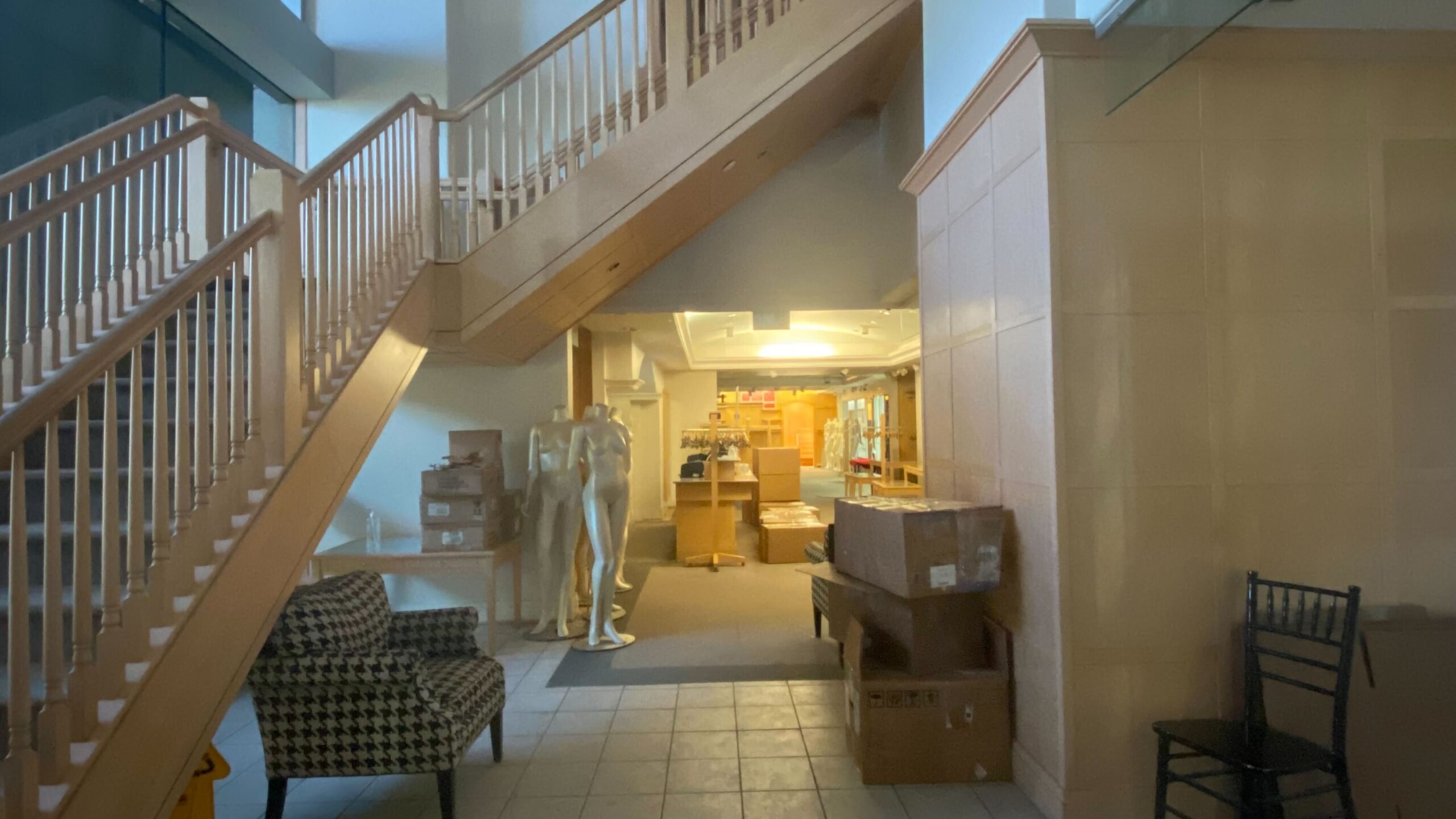
2 Bloor West (Image: Craig Patterson)
1 of 4
Talbots at 2 Bloor West (Closed) Image: Craig Patterson
Talbots at 2 Bloor West (Closed) Image: Craig Patterson
Talbots at 2 Bloor West (Closed) Image: Craig Patterson
Talbots at 2 Bloor West (Closed) Image: Craig Patterson
Swarovski’s Bloor Street store opened in November of 2002 as a flagship ‘gallery’ concept and the store has seen at least one major renovation. Tom Burns negotiated the deal on behalf of the retailer when he was at brokerage JJ Barnicke — Burns is now COO of Allied Properties REIT. Hammerson Canada owned 2 Bloor at the time. Manon Parisien of Aurora Realty Consultants currently represents Swarovski as broker in Canada.
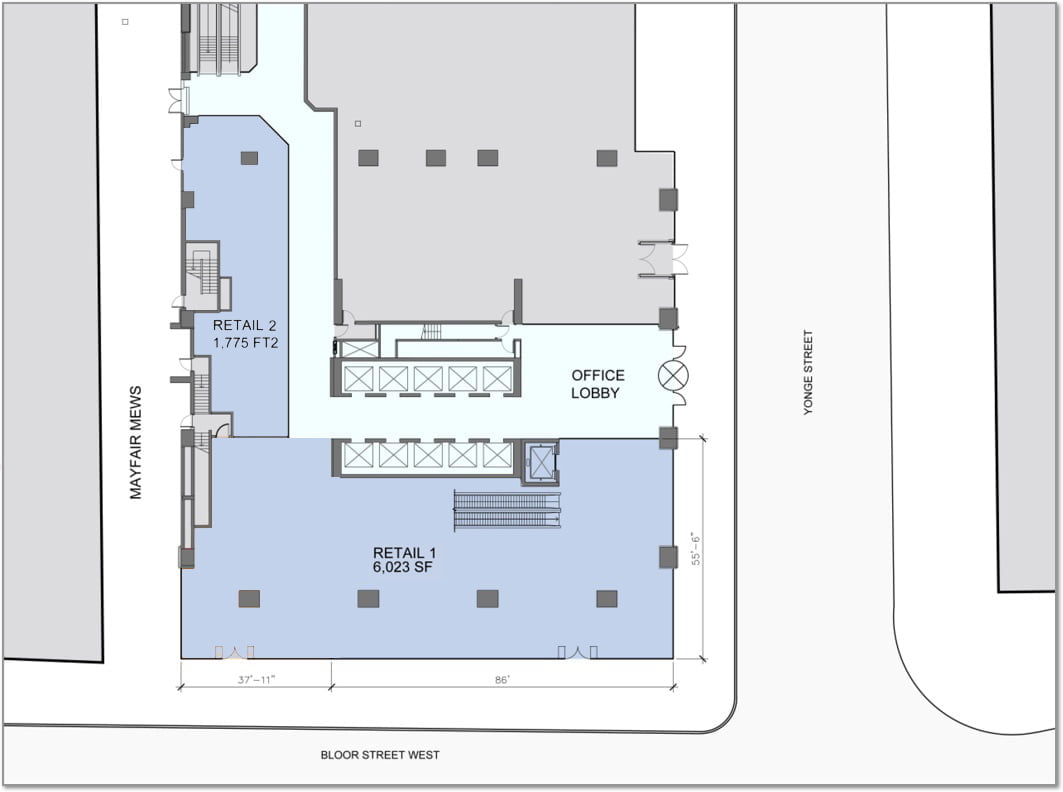
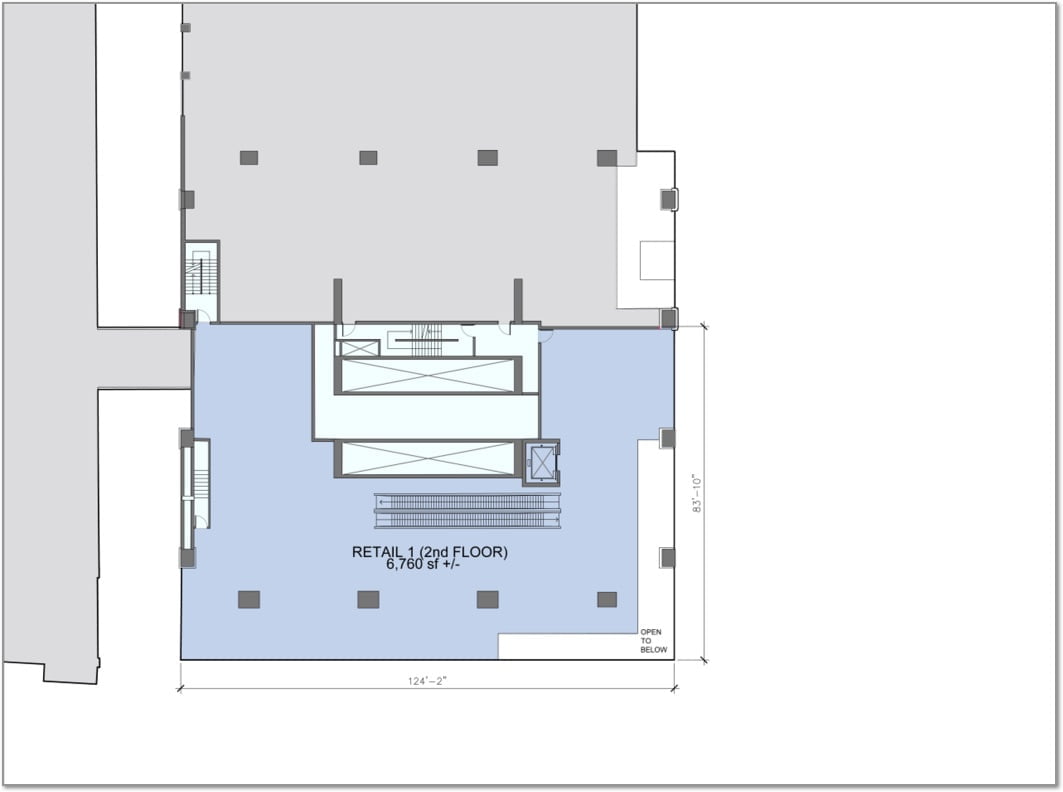
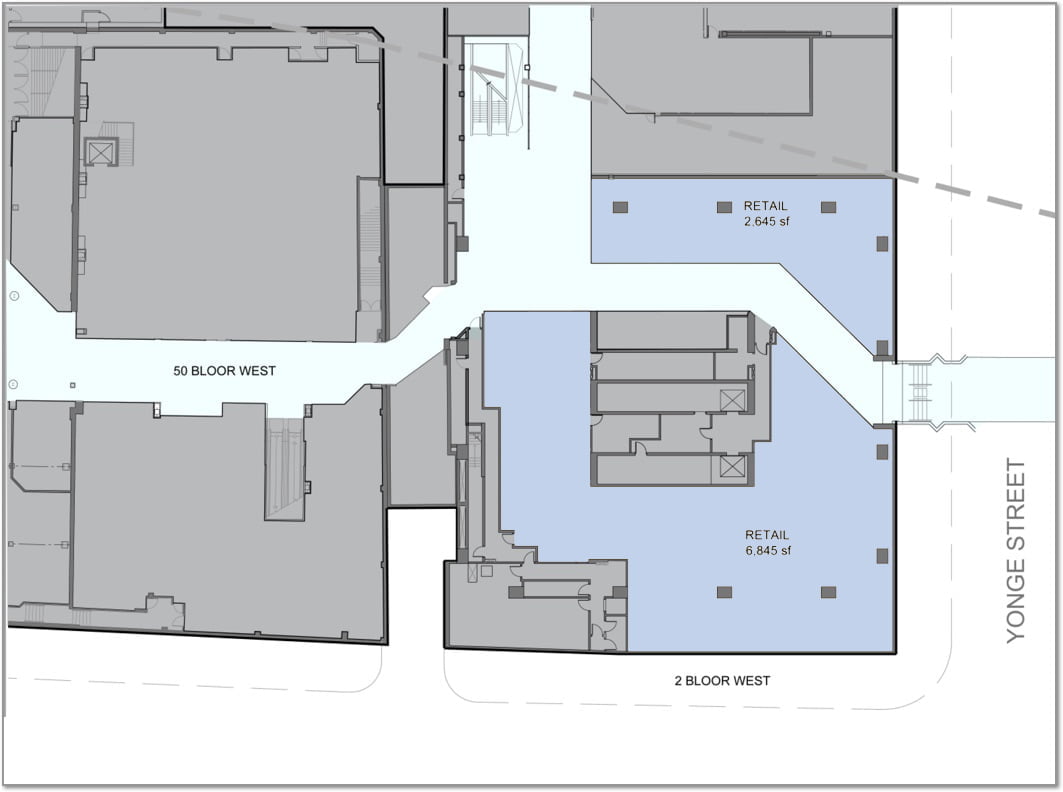
A single tenant is expected to occupy the updated 2 Bloor West podium with more details to follow. A listing by JLL shows the potential for a large retail tenant that include demising options.
An unconfirmed concept rendering of the redeveloped 2 Bloor W. podium. Proposed main floor retail Proposed second floor retail Proposed concourse level retail
Next week Retail Insider will go in-depth and report on major changes to the stretch of Bloor Street between Yonge and Avenue Road that will be seen over the next several years.
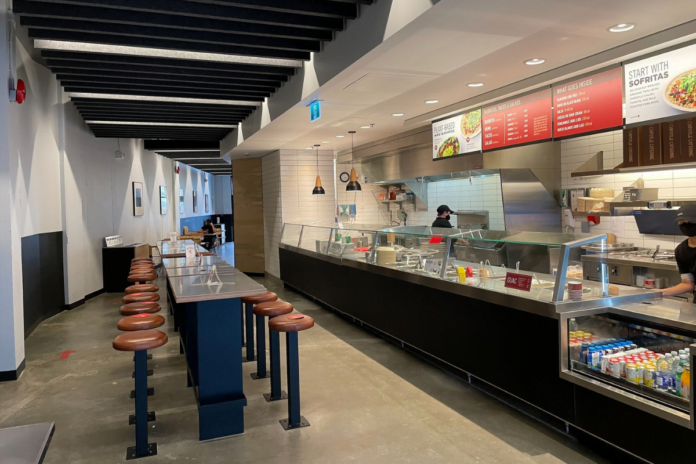
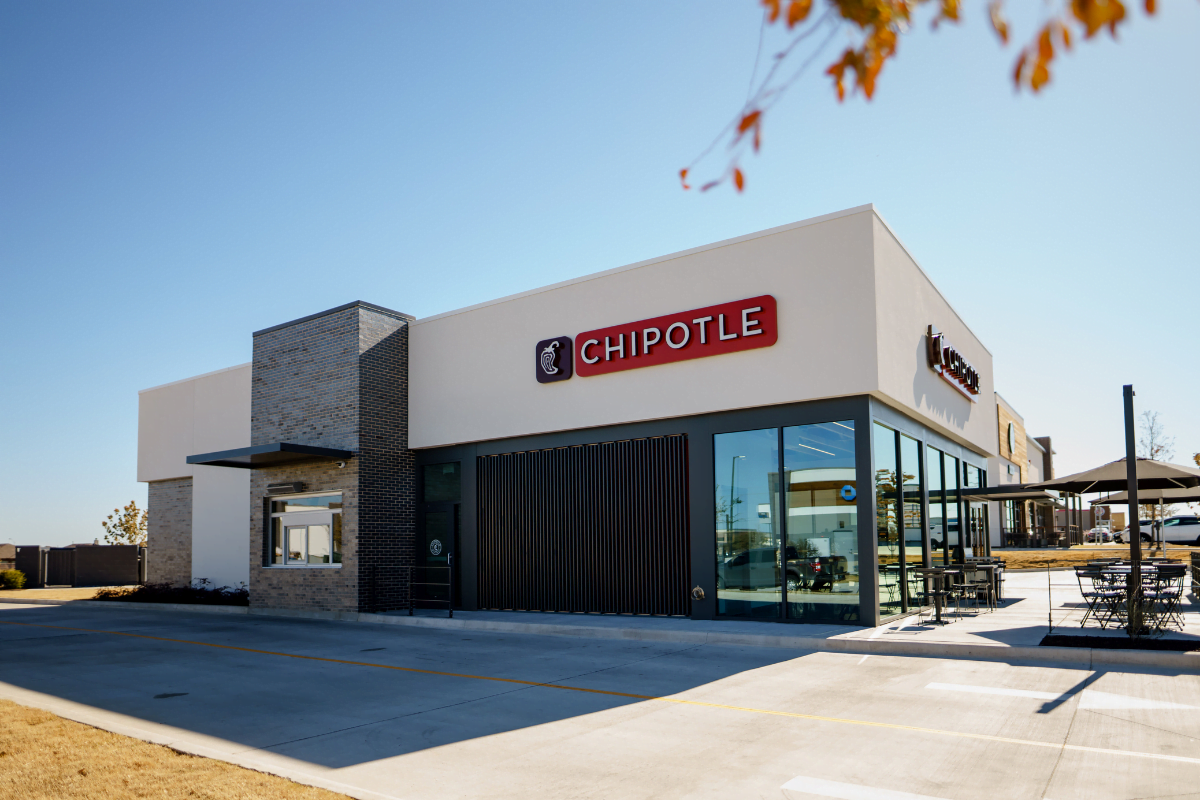
Chipotle Mexican Grill plans to aggressively expand its footprint in the Canadian market.
The brand currently operates in both Ontario and British Columbia with 25 restaurants in Canada.
“We have plans to open additional locations in both provinces in 2022,” said Anat Davidzon, Managing Director of Chipotle Canada.
The first location in Canada was launched in downtown Toronto in August 2008.
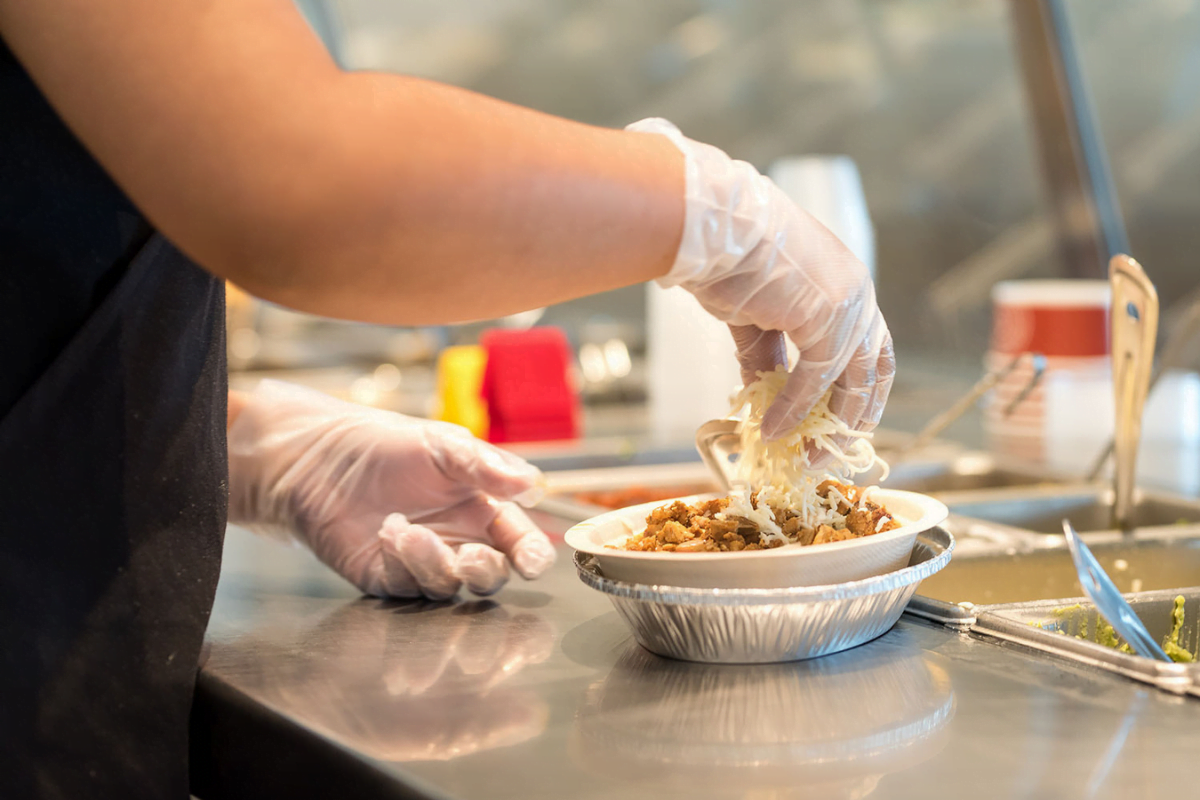
Image: Chipotle
“We’ve been operating in Canada for 13 years and the brand has been very successful, given even the fact that we haven’t done a lot of marketing activities in Canada but still people bought into our messaging and what we stand for,” said Davidzon.
Anat Davidzon
“The rising popularity of Chipotle’s real food in Canada is what we believe there will be a large opportunity in this market.
“This year we’re going to maintain our existing market trade area which is southern Ontario and the Greater Vancouver Area. I would say eight to 10 restaurants (will open). Similarly, to other brands we’re all feeling from the tension and challenges that COVID has brought to us. Supply chain and so on. But the plan is to have between eight to 10 restaurants open this year.”
She said the company is focusing on urban locations in Toronto as well as outside the city in areas like Mississauga. In BC, the GVA remains a target market for the brand as well as looking to expand outside of Vancouver in areas such as Richmond and potentially Surrey.
Image: Chipotle
“We already have a presence in these markets but it’s just expanding on our reach,” added Davidzon.
She said the brand will eventually expand to other markets in Canada such as Alberta.
Davidzon said Chipotle restaurants range in size from 2,200 to 2,400 square feet. In areas like downtown Toronto or downtown Vancouver, it can accommodate space in the range of 1,700 to 1,800 square feet.
“We have the flexibility to operate different formats off Chipotle,” she added.
“Similar to most brands, it’s always a good combination to have residential and commercial activity or a daytime population in any location.”
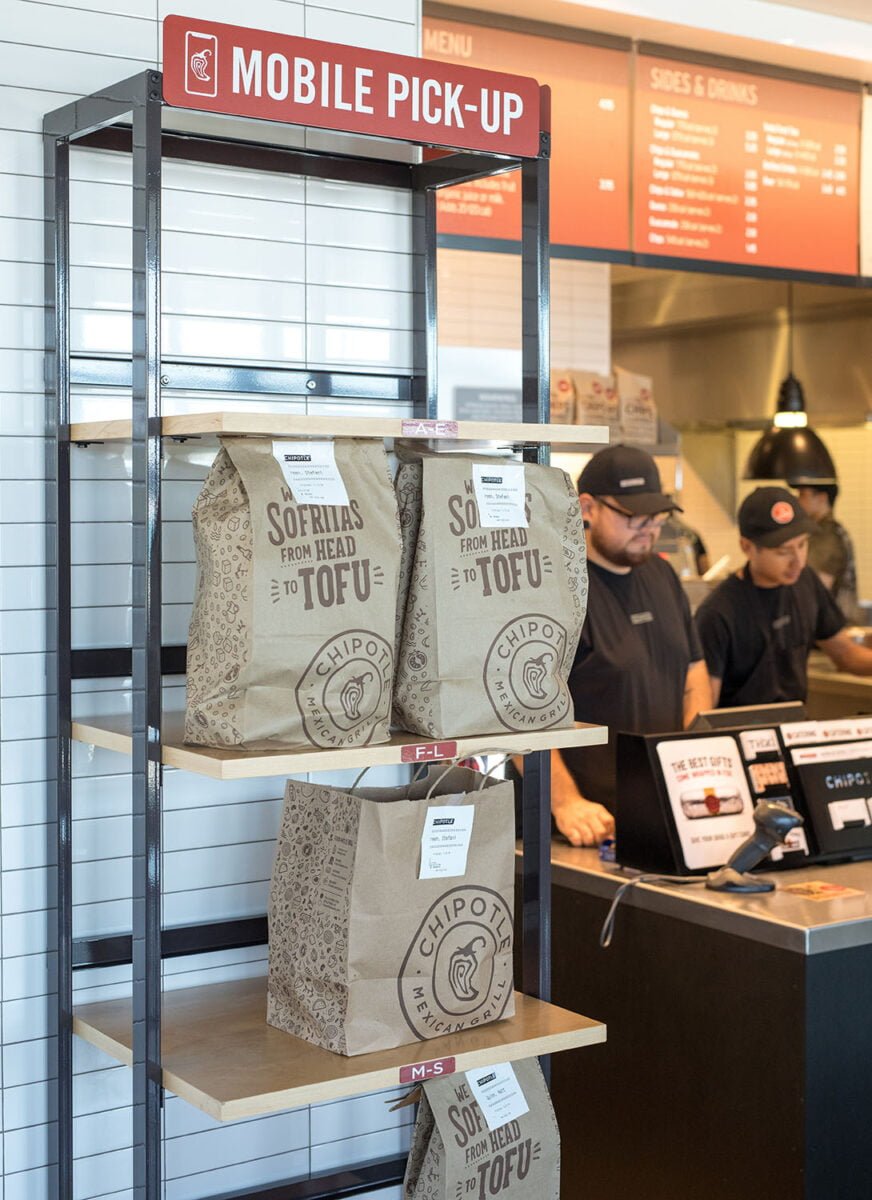
Image: Chipotle Mobile Pick Up ShelfImage: Chipotle
In the fall, the company opened its first Chipotlane in Canada in Port Coquitlam, BC – the brand’s first drive-thru digital order pickup lane.
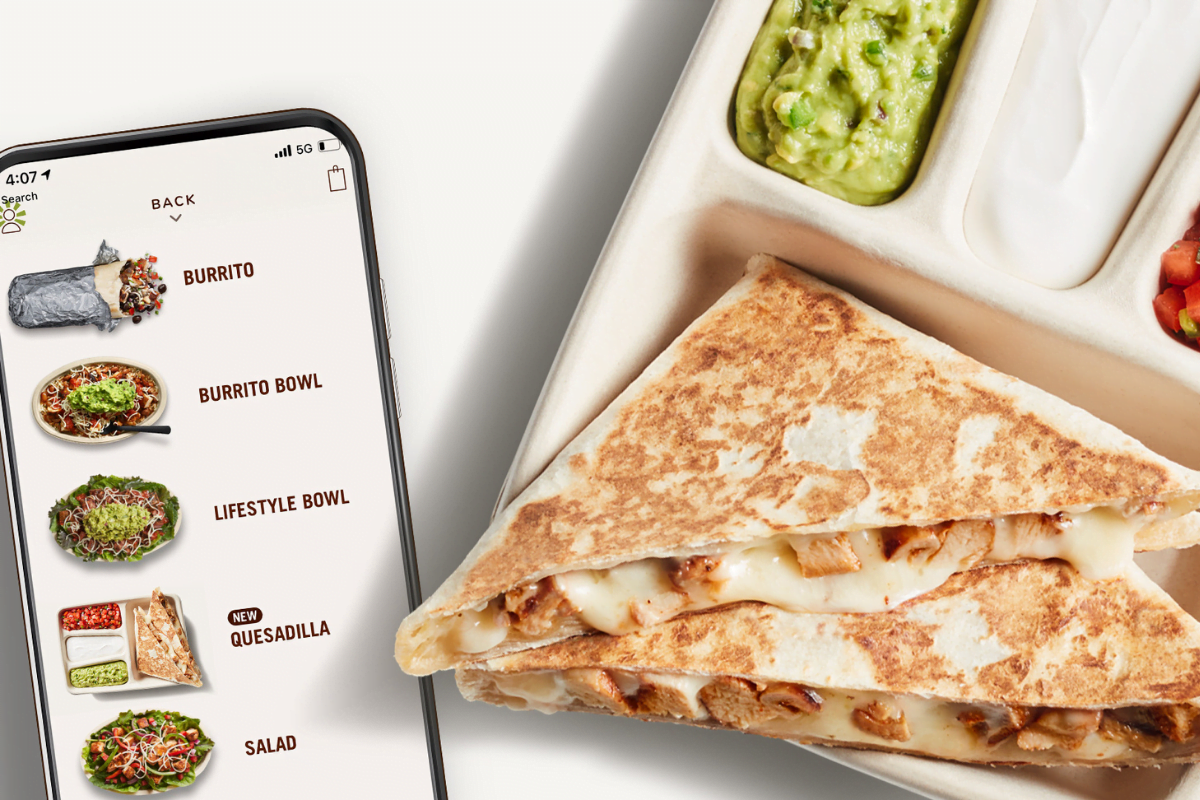
The lanes allow customers to place their order in advance through the Chipotle app or Chipotle website and simply drive up to grab their meal.
“Chipotle is a leader in the digital environment, especially in the restaurant industry. The Chipotlane provides a real fast and convenient experience to the guest and from our experience also increases our restaurant sales and market compared to a traditional restaurant. We’re definitely seeing an increase in our guest frequency in those Chipotlanes that we have,” said Davidzon.
She said the brand is also definitely looking at increasing its footprint with Chipotlanes in the Canadian market.
As of the fall, Chipotle had about 280 Chipotlanes located in the U.S. Chipotle was founded in 1993 in Denver, Colorado, by culinary chef Steve Ells on the premise that real food should be accessible to all. There are close to 2,900 restaurants in the US, Canada and Europe.
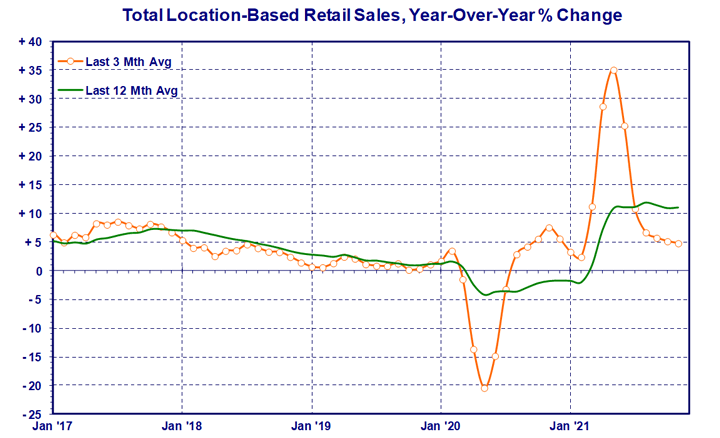
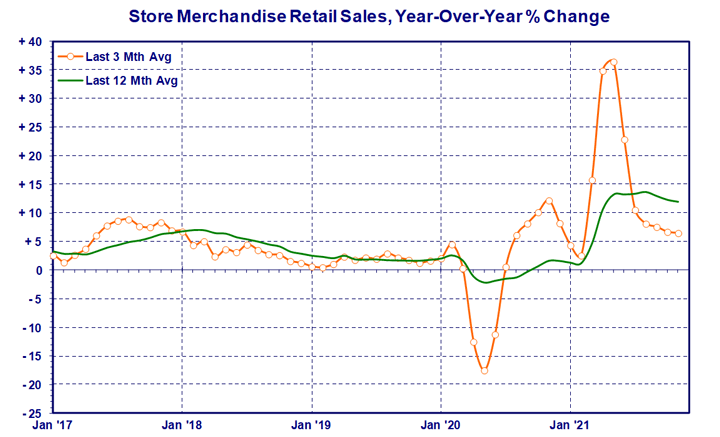
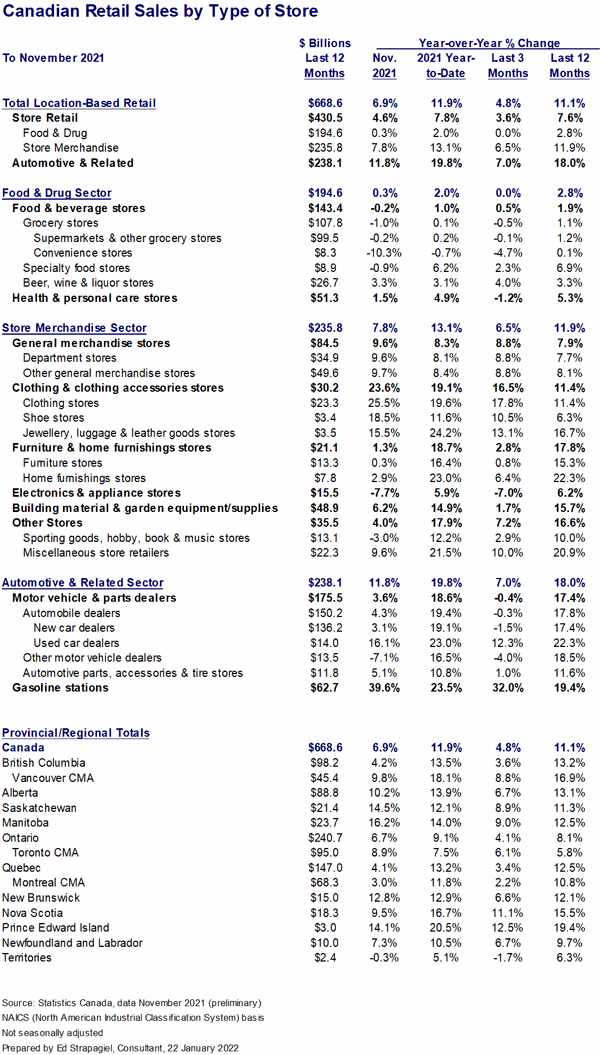
Gasoline fumes, that is. The latest data from Statistics Canada indicate that total Canadian location-based retail sales were up 4.8% year-over-year for the 3 months ending November 2021. That seems respectable at first glance. But this result includes a 32.0% sales increase at gas stations during the period, almost all due to significantly higher pump prices. If gasoline stations are excluded, then retail sales would be up only 2.5%, which is not enough to cover inflation and population growth.
Per the above chart, the underlying 12 month trend (green line) may end the year with a Canadian annual retail sales gain of about 10% in 2021, a recent record. But all of the gain occurred in the first half of the year, and came as a bounce back from the COVID sales depression the year before. Since these numbers are only up to November 2021, the impact of Omicron is still to be factored in.
Food & Drug
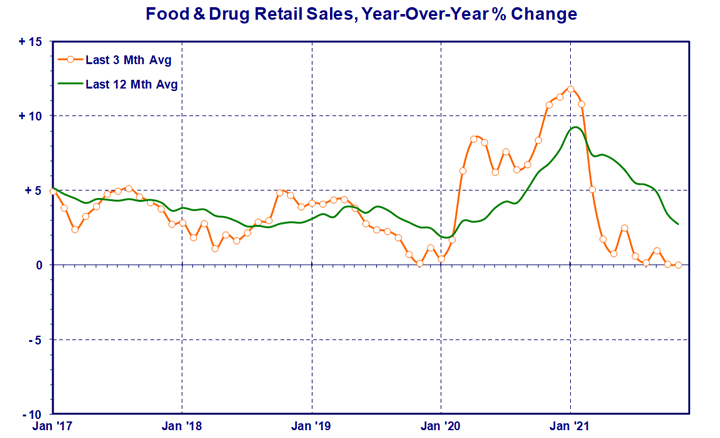
The Food & Drug sector spent most of 2020 heading for the ceiling, and then most of 2021 dropping into the basement. For the 3 months ending November 2021, year-over-year retail sales were up just a sliver at 0.03%, despite high inflation. The underlying 12 month trend has been slowing down all year and forward prospects do not seem promising. Perhaps Omicron will encourage more people to cook and eat at home.
For the 3 months ending November, retail sales at supermarkets & other grocery stores actually declined 0.1% year-over-year, while convenience stores were off by 4.7%. The other large retail type in the sector is Health & personal care stores, but their sales were down too, by 1.2%.
Only beer, wine & liquor stores managed a respectable gain of 4.0%, but this was not enough to offset sales declines in other areas of Food & Drug.
Store Merchandise
The roller coaster ride in the Store Merchandise sector appears to be slowing down. Nevertheless, retail sales were up 6.5% year-over-year for the 3 months ending November, a good gain by historical standards. At this stage however, both the 3 month and 12 month trends are softening. Given supply constraints and Omicron shopping restrictions, it is difficult to see the situation improving much going forward.
Clothing & clothing accessories was the top performer in the sector, with retail sales up 16.5% year-over-year for the 3 months ending November. General merchandise stores also did well, gaining 8.8%.
Electronics & appliance stores continued to be problem area. Their sales were down 7.0% year-over-year during the period.
Automotive & Related
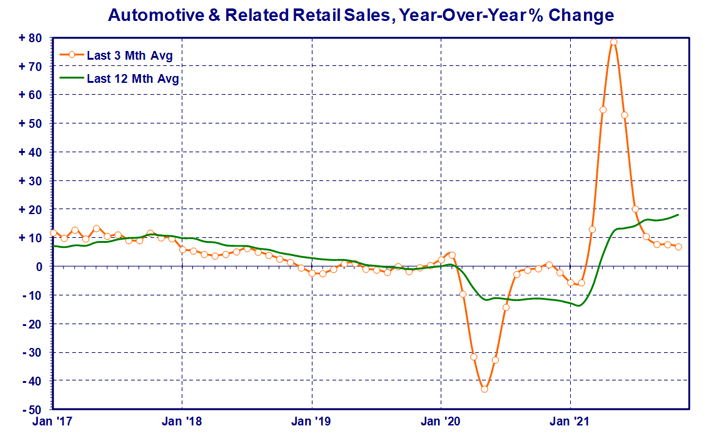
Automotive & Related retail sales increased by 7.0% year-over-year in the 3 months ending November. But this sector has a split personality. Weak motor vehicle sales were more than offset by a huge increase in gasoline station sales.
New car dealers’ retail sales were actually down 1.5% for the 3 months ending November. Some of this may be due to supply issues as strong sales earlier in the year likely reduced inventory levels.
Meanwhile, fuel price increases pumped up gas station retail sales to a huge year-over-year gain of 32.0%. This more or less gets gasoline station retail sales back to pre-pandemic levels.
By The Numbers
Note that the data and analysis in this report are always based on not seasonally adjusted (or unadjusted) retail sales statistics.
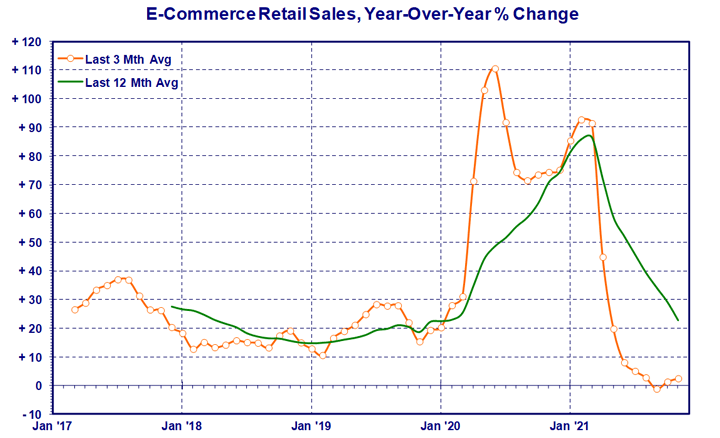
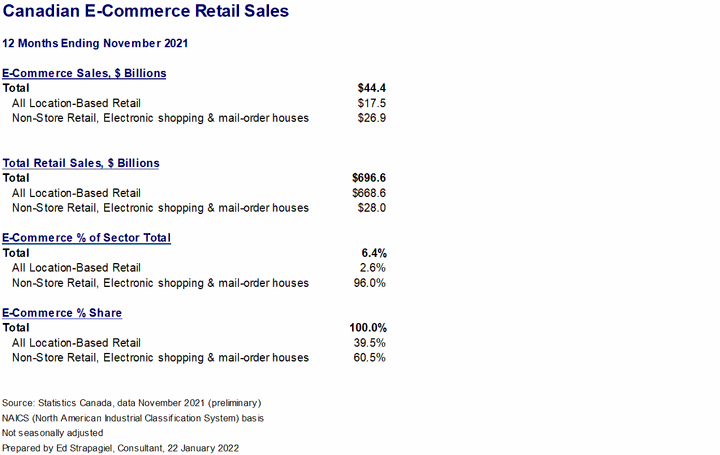
Canadian e-commerce retail sales exploded in 2020 with the arrival of COVID. In recent months however, growth has slowed to a crawl, with a gain of only 2.5% year-over-year for the 3 months ending November. Nevertheless, previous gains still seem to be being maintained. Omicron and another round of bricks and mortar shopping restrictions may encourage consumers to make greater use of e-commerce.
Overall, e-commerce represented about 6.4% of retail sales over the past 12 months, according to Statistics Canada, including both pure plays as well as bricks & clicks stores. Note that Canadian consumers may also buy online from foreign websites which is not captured in these numbers.
Location based retail is the same as that in the preceding “By The Numbers” table. It’s what’s normally reported as Canadian retail sales. Except that it isn’t. Location based retail excludes another section called Non-Store Retailers (NAICS code 454), which includes electronic shopping and mail-order houses, which in turn is where (mostly) pure play e-commerce businesses are. Over the 12 months ending November 2021, electronic shopping and mail-order houses had an estimated $26.9 billion in e-commerce sales.
But that’s not the only source of e-commerce, as (mostly) bricks & mortar location-based retailers also sell online. For the 12 months ending November 2021, this group had an estimated $17.5 billion in e-commerce sales. With electronic shopping and mail-order houses, there’s a grand total of $44.4 billion in e-commerce sales by Canadian operators. Note that this does not include foreign e-commerce purchases made by Canadian consumers, but it does include e-commerce purchases made by foreigners at Canadian operations.
For electronic shopping and mail-order houses, an estimated 96.0% of their sales are currently allocated to e-commerce. For (mostly) bricks & mortar retailers, it can be estimated that 2.6% of their total sales are attributable to e-commerce.
In the final section of the above table, (mostly) pure play operators (namely, under electronic shopping and mail-order houses) generated an estimated 60.5% of all e-commerce sales in Canada, while (mostly) bricks & mortar location-based retailers’ share of e-commerce was 39.5%.
This analysis is updated monthly as new numbers are published by Statistics Canada. If you would like notification from Linkedin of when an update becomes available (and you’ve read this far), please connect with Ed Strapagiel on LinkedIn.
REITMANS (CANADA) LIMITED TO LAUNCH RCL MARKET THIS FALL
Canadian retail giant Reitmans (Canada) Ltd, which recently announced it had emerged from its restructuring proceedings through the Companies’ Creditors Arrangement Act, is launching the new RCL Market in the fall to expand the online offering of its three brands – Reitmans, Penningtons and RW&CO.
Jackie Tardif
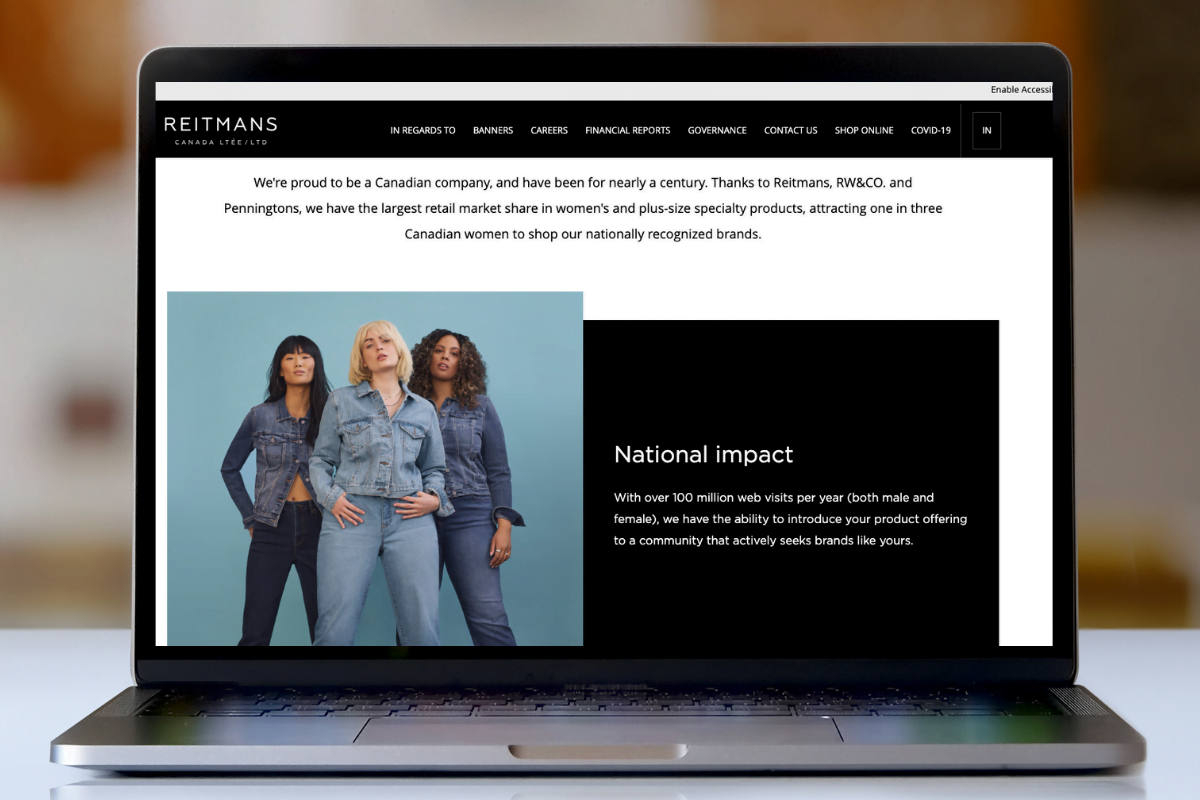
“Over the last few years, our e-commerce business has grown exponentially and RCL Market will further transform the way our customers shop online,” said Jackie Tardif, President of the Reitmans brand and Executive Sponsor of the RCL Market Project. “We are proudly Canadian owned and operated, thriving to constantly evolve. We have the largest market share in both women’s and women’s Plus specialty retailing with Reitmans, Penningtons and RW&CO., attracting one in three Canadian women to shop our nationally recognized brands. We also serve the men’s market with RW&CO.’s unique work from anywhere attire.”
The retailer operates 412 stores consisting of 242 Reitmans, 92 Penningtons and 78 RW&CO.
Reitmans had filed for creditors’ protection on May 19, 2020. Recently, it announced it had paid to the Monitor appointed under the CCAA process, Ernst & Young Inc., the aggregate amount of $95 million with the Plan of Arrangement. It also announced it had entered into a senior secured asset-based revolving facility of up to $115 million with Bank of Montreal.
Reitmans at CF Toronto Eaton Centre (Image: Dustin Fuhs)
The credit facility has a term of three years and funds will be used, among other things, to finance the amounts payable under the Plan of Arrangement and to fund Reitmans’ working capital needs and for its ongoing general corporate purposes, including new store openings and renovations, said the retailer.
Tardif said the rise of e-commerce has fundamentally changed the expectation of the consumer and their behaviour and that has accelerated during the pandemic.
“The first reason (for launching the new initiative) is that we want to remain a leader and address the growing needs of our customers,” she said.
“The second is to offer an exceptional range of curated product from brands they know. Customers love us, recognize us, as we have very loyal customers. Expanding our product assortment is obviously a financial growth opportunity for Reitmans Canada Limited.”
“With RCL Market, we will be offering price positioning and service and, at the end of the day, when you extend an offer to customers who already like you, they know what you stand behind, so they will trust you that you’re making the right curated selection for them. They want choice but they want it in a simplified way,” she said.
Tardif said the consumer of today is loyal to a retailer when they choose a brand. They like the company’s DNA.
REITMANS (CANADA) LIMITED TO LAUNCH RCL MARKET THIS FALL
“So if we are offering the price positioning and the service, at the end of the day, when you extend an offer they already like you, they already know what you stand behind what you’re doing, so they will trust you that you’re making the curated selection for them. They want choice but they want it in a simplified way,” she said.
Tardiff said the company has been working on this initiative for the last few months to be able launch it in the Fall.
“We want to continue to be a leader in the digital world. We’re doing very well. We’re increasing significantly on our e-commerce platform and we just want to extend it and address the growing needs of our customers,” she added.
“What is important in the RCL market we are creating is we will curate the assortment that we will be offering to our customer. So it doesn’t become a sea of brands and a sea of products. It will be well selected, high quality brands, very aligned with our values. That’s the trust that our customers have in us and we’ll make sure that we’ll respect that trust and stand behind what we offer.”
The RCL Market initiative will be powered by Mirakl, the industry’s first and most advanced enterprise marketplace SaaS platform, which will offer handpicked quality value products offered by partner brands.
“With the launch of RCL Market, our customers will benefit from a larger array of carefully selected products to offer a tailored shopping experience with both the loved and recognized brands to which they are already loyal, as well as new ones that we know they will love,” said Lisa Reitman, Vice-President, Customer Experience, and co-lead on the RCL Market Project. “Our marketplace will enable each brand to curate its own assortment, so each brand’s product selection will continue to meet the customers’ needs, yet will now offer brands and relevant categories of products such as footwear, beauty, accessories, home, and more.”
Reitmans (Canada) Limited is currently searching for partnerships with brands – worldwide or Canadian, big or small – who want to join its community to serve Canadian customers from coast to coast. Any interested vendors looking to join the RCL Market experience for the Fall 2022 launch can now apply by visiting www.reitmanscanadalimited.com/rclmarket.
Jean-Francois Fortin
“Working in partnership with brands that share our values will be of the utmost importance to us; we are committed to ensuring responsible business conduct and ethical sourcing principles. We offer trusted and loyal service and will look for partners who also uphold these high standards,” said Jean-François Fortin, Vice-President, Planning & Allocation and co-lead on the RCL Market Project. “Mirakl’s best-in-class technology and marketplace expertise will ensure that RCL Market will be a digital shopping experience that includes staples available in our physical stores as well as products that are exclusive to the RCL Market, while remaining true to the DNA of our brands and to our values.”
In a recent public letter, Reitmans President Stephen Reitman said he’s confident that its brands (Reitmans, Penningtons and RW&Co.) will flourish.
“We now begin a new chapter in our company’s almost 100-year history,” wrote Reitman.
“While the uncertainty of Covid-19 may continue, I am confident that Reitmans (Canada) Limited and our brands, Reitmans, Penningtons and RW&CO., will flourish. I look to the future with hope and optimism for us all, our partners and our valued customers.”
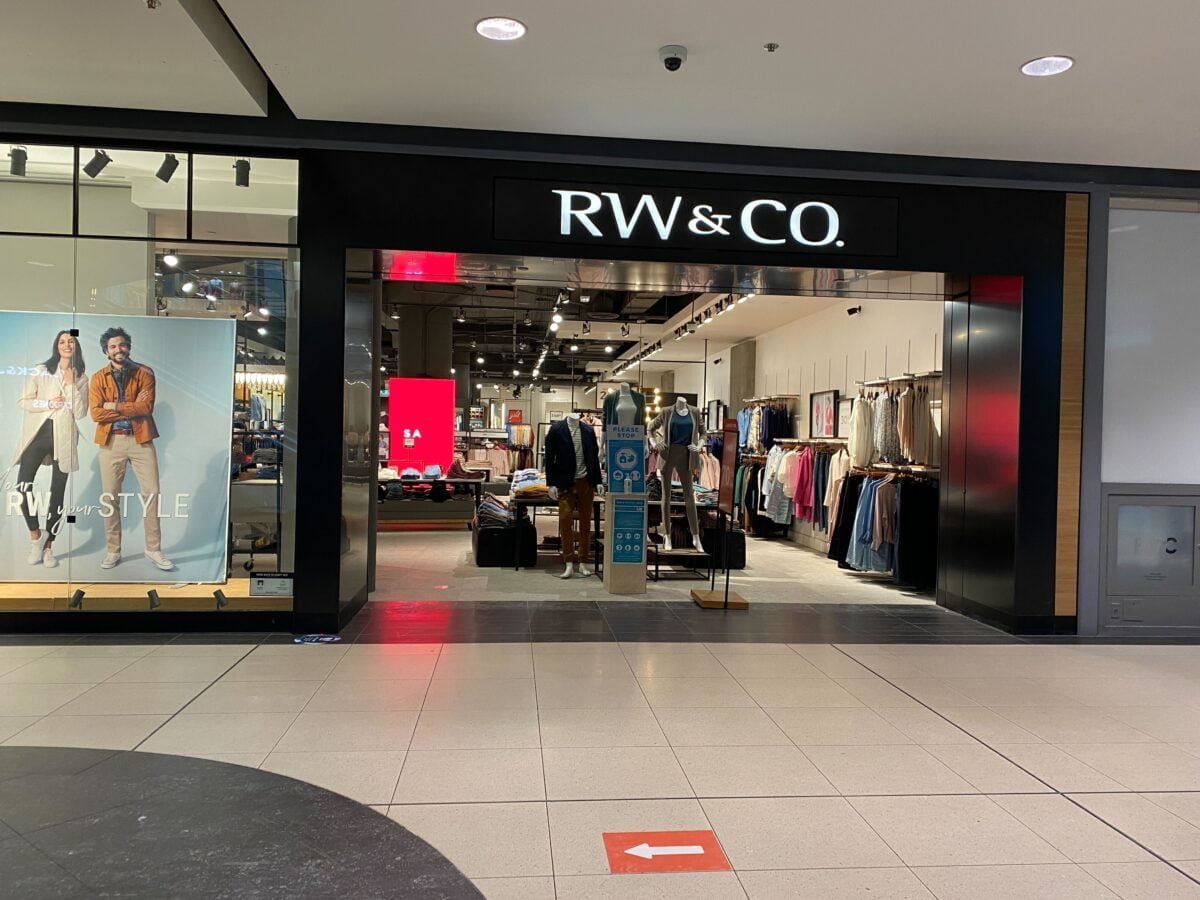
RW&CO at CF Toronto Eaton Centre (Image: Dustin Fuhs)
In December, the company released its financial results for the third quarter of its fiscal 2022, ending October 30.
Sales for the third quarter of 2022 increased by $14.8 million, or 9.1 per cent, to $178.2 million, primarily due to an increase in store traffic and number of transactions, as customers transitioned back to a “brick and mortar” shopping experience, it said.
Gross profit for the third quarter of 2022 increased $19.8 million to $101.4 million as compared with $81.6 million for the third quarter of 2021. Gross profit as a percentage of sales for the third quarter of 2022 increased to 56.9 per cent from 49.9 per cent for the third quarter of 2021.
“The increase both in gross profit and as a percentage of sales is primarily attributable to lower markdowns and promotional activity in the third quarter of 2022 combined with a favourable foreign exchange impact on U.S. dollar denominated purchases included in cost of goods sold, partially offset by higher merchandise freight costs as the global shipping industry disruption required an increased usage of air freight shipments to meet customer demand,” said the retailer.
In his letter Stephen Reitman said: “When I reflect upon our experiences over the last 22 months, I am struck by the number of people, both within and outside of our organization, who enabled us to emerge successfully from CCAA, and who have supported us during this most difficult time.
“While the uncertainty of Covid-19 may continue, I am confident that Reitmans (Canada) Limited and our brands, Reitmans, Penningtons and RW&CO., will flourish. I look to the future with hope and optimism for us all, our partners and our valued customers.”
Grocery Pick Up Sees Significant Growth in Canada into 2022: Interview
A recent survey by Field Agent Canada, a company that leverages crowdsourcing and mobile technology to collect retail audits and conduct mystery shops for retail operations, indicates 51 per cent of Canadian grocery shoppers have used Grocery Pick Up services at least once in the past month.
JEFF DOUCETTE
Jeff Doucette, General Manager of Field Agent Canada, said in the early days of the pandemic it was often very difficult to book a Grocery Pick Up appointment right across Canada as shoppers looked for a way to get their groceries while avoiding a trip to the store.
Field Agent wanted to check in and see how Canadians are using grocery pick up almost two years later. A survey of 3,369 Canadian shoppers was taken between January 12 – 16.
The survey also found that 52 per cent of users report using these services now more often than they did a year ago.
Image: Grocery Pick Up (Field Agent)
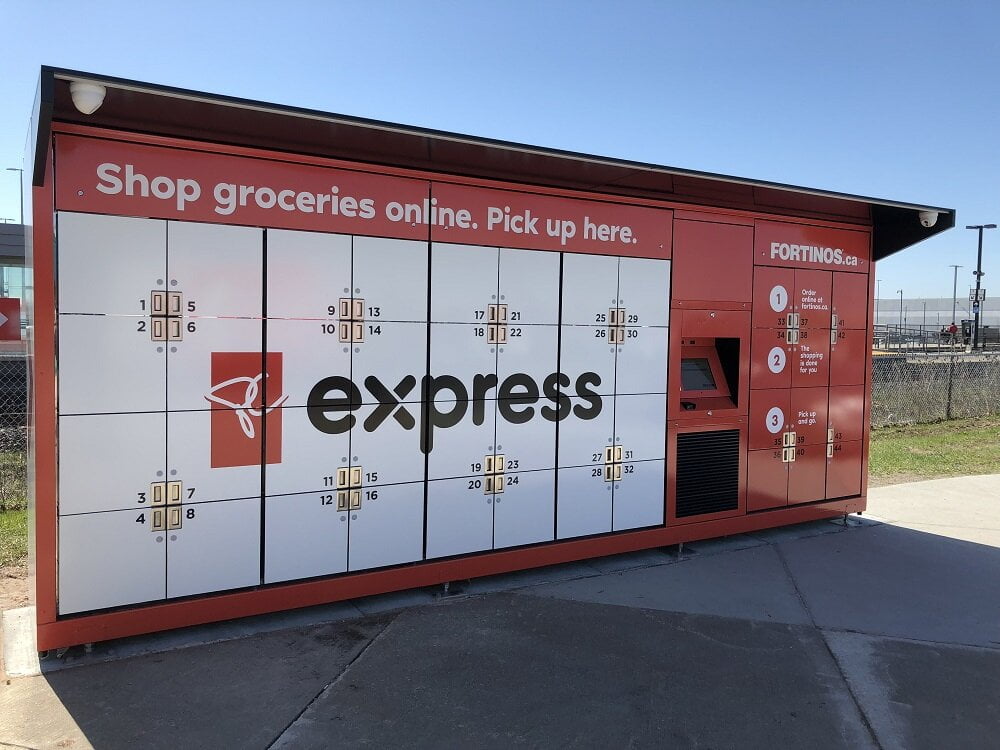
PC Express Pickup (Image: Field Agent Canada)
Viola by Safeway (Image: Field Agent Canada)
The two Grocery Pick Up services used most often are PC Express with 67 per cent and Walmart with 63 per cent.
Also, 77 per cent of Grocery Pick Up users are buying less than 50 per cent of their groceries through Grocery Pick Up services.
“In general, the overall adoption rate was boosted by the pandemic obviously. There’s sort of a decade of growth there kind of overnight which helped,” said Doucette. “The year before there were a lot of struggles in actually getting a picked up spot because the infrastructure was built for a slower, smaller business and then overnight everybody wanted to do it.
“Having just over half of consumers using a service like that in the last month just shows that the adoption and the acceptance of that is still really high. They continue to use the service but it’s rare that someone is buying all of their groceries for grocery pick up. They’re still making trips to the store. They’re still interacting with the physical bricks and mortar but they do use that pick up service at least for a portion of their groceries.”
PC Express PHOTO: RETAIL ANALYSIS
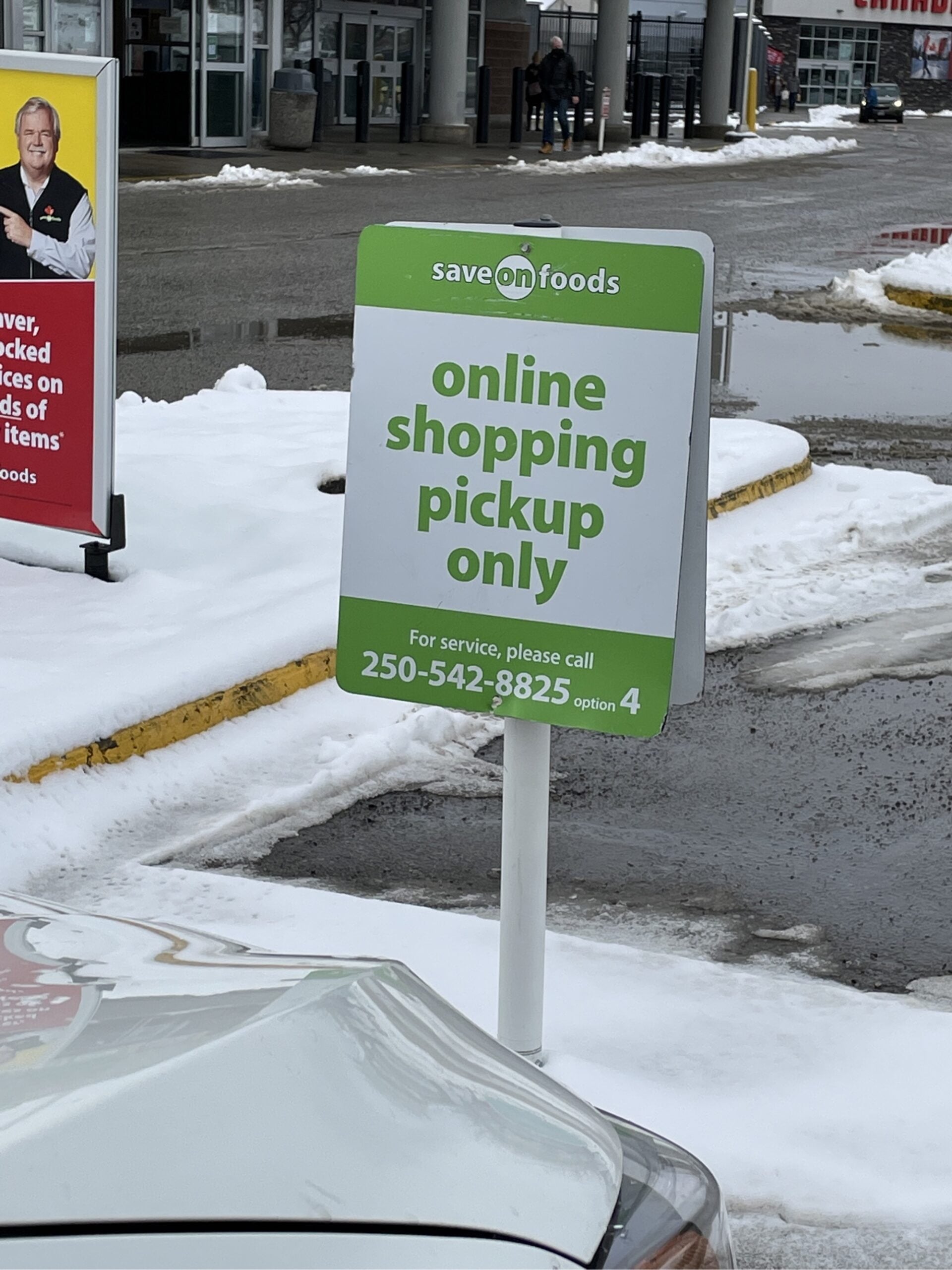
Save on Foods Pickup Location (Image: Field Agent Canada)
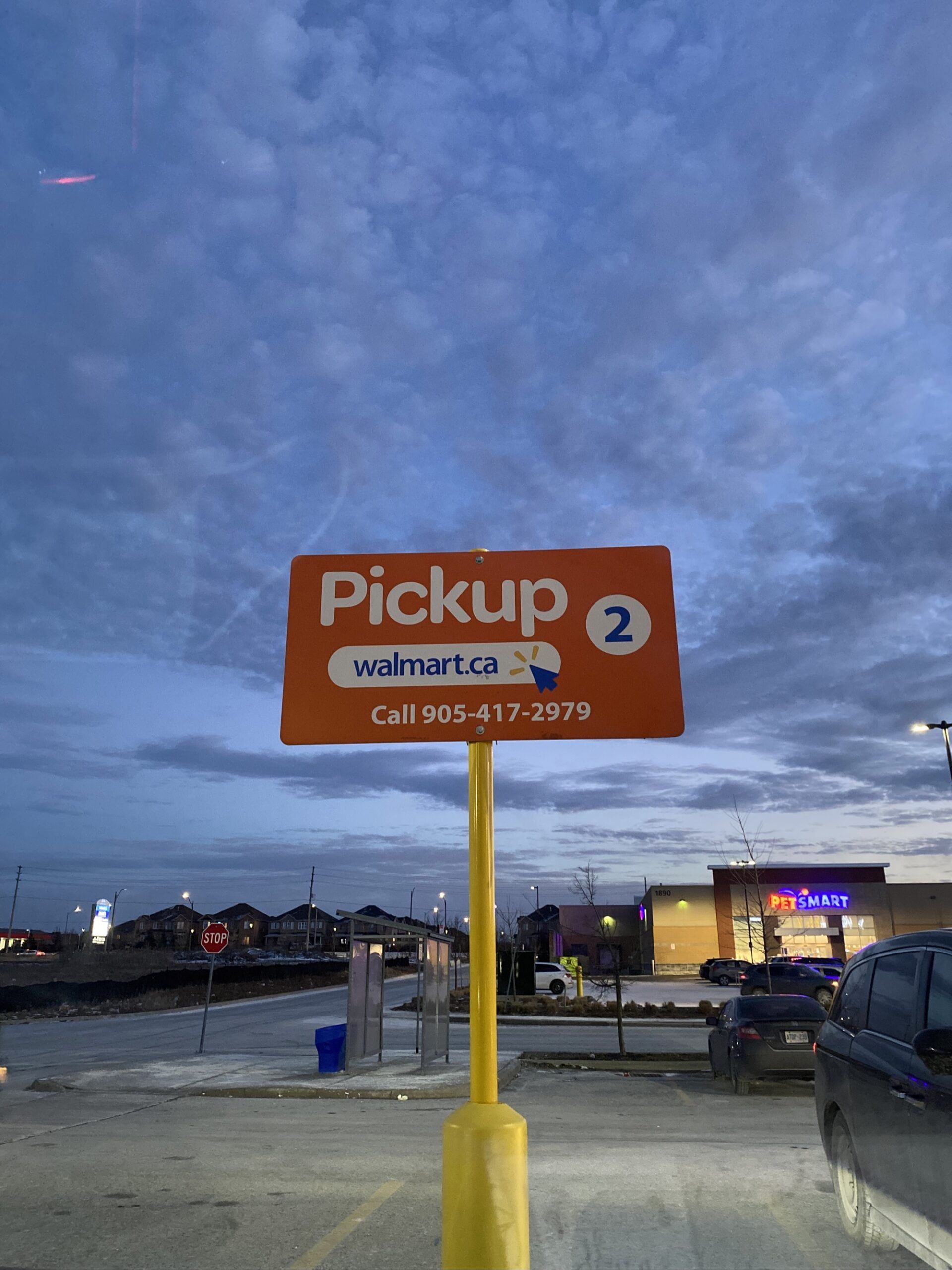
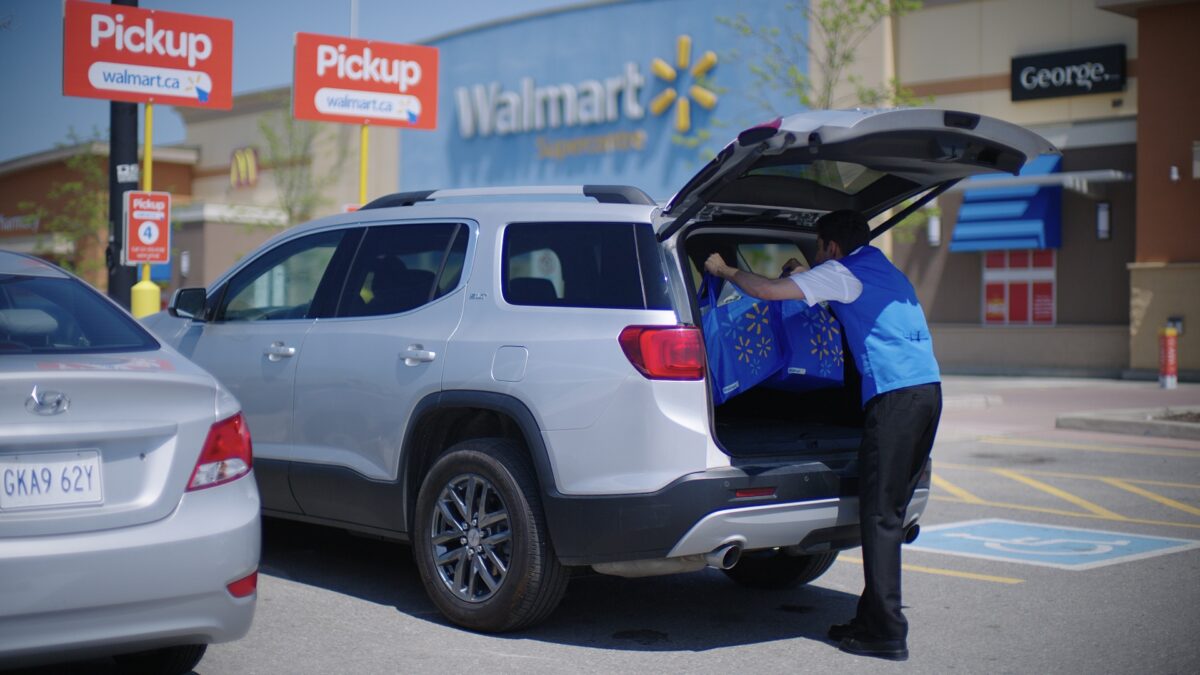
Walmart Canada Pickup (Image: Field Agent Canada)
Doucette said it’s not a surprise that PC Express and Walmart are the two leaders in the field because they’re available nationally.
“For me, when we talk to consumers about grocery pick up and what’s important it’s still very similar to what it was prior to the pandemic which is quality and freshness of produce, order accuracy, minimum amount of substitutions or out of stocks. Those are the three big areas that are important in online ordering,” he said.
“Then the other piece is just having a slot available at a time that is convenient for you to pick up . . . You want those slots available on the weekends and the evenings. It becomes a staffing issue. Like anything else now during the pandemic, can you get enough people working your pick up operations in those peak times to meet the demand?
“There’s eight or 10 parking spots out in front of the store and if you needed more parking spots you could always add more signs. It’s not really a constraint. It’s really the capacity of how many pickers can you have going up and down the aisle and do that in an efficient way.”
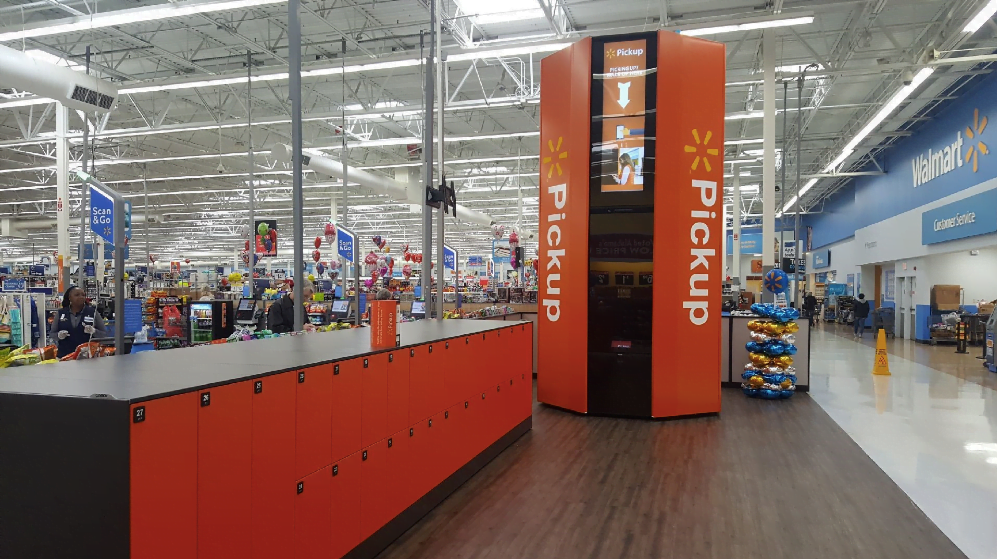
An example of what’s happening today, Doucette said, is a renovated Walmart store in Northland Mall in Calgary where they’ve built an entire section of the building that’s orange in colour, labeled grocery pick up with its own door.
Image: Walmart CanadaPICK-UP CENTRE AT A WALMART STORE. PHOTO: WALMART CANADA
“It’s one of the first examples I’ve seen of a purpose-built grocery pick up facility in Canada. That’s very similar to what they operate in the US where in their US stores they have almost like drive-thru lanes set up, parts of their building are orange, and they actually have a fulfillment centre happening in the back there,” he said.
“That’s the future at scale. Now we’ve gotten to this point where there’s some scale here and then the next part of that business is how can I take those operations and make them more efficient. Have a separate part of the store, give people the space and really staff it appropriately.”
Doucette said for many stores it has been a learning curve in the past two years and they have tweaked their operations to meet the growing demand for grocery pick up services.
“There’s been a lot of learning. Sort of trial by fire really,” he said. “I think Walmart has a bit of an advantage because they can tap into their US experience and that business in the US is much more advanced.
“Two years ago when I was in northwest Arkansas the primary focus of the store almost felt like it was grocery pick up. They were really, really focused on it. Yes, it’s a learning curve and yes it’s still going to evolve but I think the investments will still be there and now it will become more about service and efficiencies.”
Retail Insider is streamlining its Canadian retail news from around the web to include a handful of top news stories that can be viewed quickly during the day. Here are the top stories from the past 24 hours.
How Zensurance Helps Canadian Retailers and Business Owners with Necessary Operational Insurance: Interview
Online insurance brokerage Zensurance is helping Canadian business owners save time and money by providing a convenient and affordable way to buy business insurance.
It has become increasingly important for businesses these days to have liability insurance to protect them from the costs associated with third-party liability lawsuits or claims on issues such as property damage or bodily injury.
Matt Jardine, a Zensurance broker and team lead for Property and Hospitality, said the risks a business owner is exposed to will vary based on the size of their operation, industry, or profession.
How Zensurance Helps Canadian Retailers and Business Owners with Necessary Operational Insurance: Interview
In general, business liability insurance provides coverage for another’s bodily injury, property damage, or financial loss (professional liability) due to a company’s operations. Regardless of fault, the liability insurance may cover the costs of legal defence, out-of-court settlements, and third-party medical expenses.
“When you’re a small business you often feel like ‘where’s the risk?’ Just because you’re small, you’re not invisible when you’re small, you’re still vulnerable and you’re still susceptible to the same losses anybody else is,” said Jardine.
Jardine said Zensurance is a brokerage that is focused on providing the easiest path to getting insurance for Canada’s small business owners.
“It’s not saying that we only exclusively work with small business owners but what we try to do is have the most precise and concise way of them accessing the insurance they need in a format that is user-friendly, purposeful, often able to provide a price the moment that they are going on to get a quote,” said Jardine.
“There’s savings because of the unique relationships we have on the dollars and cents side but there’s also savings in terms of the time it takes to acquire a quote and to get an insurance policy. We try to really reduce that usual wait window that exists in the marketplace from multiple days to over a week down to sometimes multiple hours, the same day, with some things that we have.”
Image: Zensurance
Jardine said Zensurance currently has more than 100,000 business clients.
“We focus on the people I find that are not usually focused on by the marketing and the advertising and the direction of brokerages. Everyone’s going on to the biggest fish in the sea where we’re trying to swim with the small guys to help them out and guide them,” said Jardine.
For many e-retailers expanding into customer facing events, they need to be aware of new risks they face and their general liability exposure. More and more small businesses are venturing out into the realm of pop up events, farmers’ markets and other in-person events.
“General liability covers property damage and bodily injury. Think about these in-person events, there’s little things that can happen, there’s big things that can happen. You might be putting on a presentation, have your computer plugged in and think nothing of it, and someone trips over your laptop cord and falls down. All of a sudden they’ve broken their wrist. What happens if the person that broke their wrist is a hair stylist and now they’re going to be out of work for a number of months,” said Jardine.
“These can become issues for small business people.”
By taking a business out from e-commerce or a home and into the market in physical places, small businesses now have the liability that goes with being in those premises as well.
Jardine said businesses also need to have coverage if they are operating out of their homes or online. For example, what if a customer has a severe allergic reaction to a product they have purchased. Liability insurance policies are there to respond to allegations as well as the potential loss that has been triggered. A policy will cover legal representation including a statement of claim made against a business.
“When you think of the value, that’s tremendous,” said Jardine. “We want to subtly remind people that we are there to safeguard yourself without getting in your way or taking time out of your day really.
“Our whole business is about helping people take risks, in making sure they don’t fall down if it goes south on them. I think for small businesses they often overlook the need and value in having an insurance policy.”
The backup support is also there for cyber liability when traditional retailers pivot to more aggressive online strategies with apps, delivery and online sales as well as those businesses who launch strictly an e-commerce business.
“When you’re selling online I think it’s really easy to make mistakes that can come back and hurt your business. If there was no human error, there would almost be no cyber events. So cyber events are seldom successful without human error,” said Jardine. “The majority of things that happen is people become susceptible to a phishing attack or a ransomware attack or a malware attack.
“Those are all preventable. There are many coverages that are first-party coverage and that means that the insured, if they suffer let’s just say a malware attack and it happens to destroy their computer, there’s reimbursements for that. That’s why this policy is so valuable. Not only can it address the issue of the attack . . . but you’re vulnerable when you’re busy and you’re online. Small businesses don’t always have the financial resources to invest in the tools that pick up these threats. They have to rely on the people they have to identify, recognize and pick up these threats.
Having a policy to safeguard against these exposures and threats is recommended as one of the strategies a business can have to respond to the potential perils they face.
“The cyberspace impacts small businesses as much as it impacts large businesses because they’re far more vulnerable and it’s very easy to make a request for ransom. And some of those costs and damages are covered by the policy.”
Plant-based food company The Very Good Butchers is riding the wave of popularity these days as more and more consumers in the country look for alternatives to meat.
The company, which began with a small stand on Denman Island Farmers’ Market off the coast of Vancouver Island in 2016, has become one of the fastest growing, plant-based meat companies in North America after it was founded by James Davison and Mitchell Scott.
The company is based in Victoria, BC.
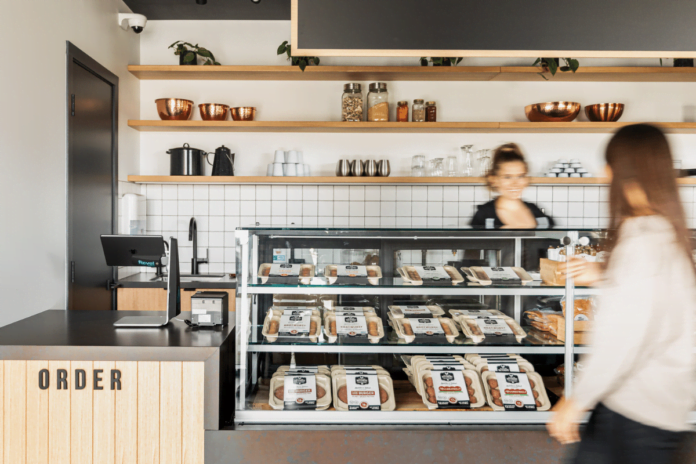
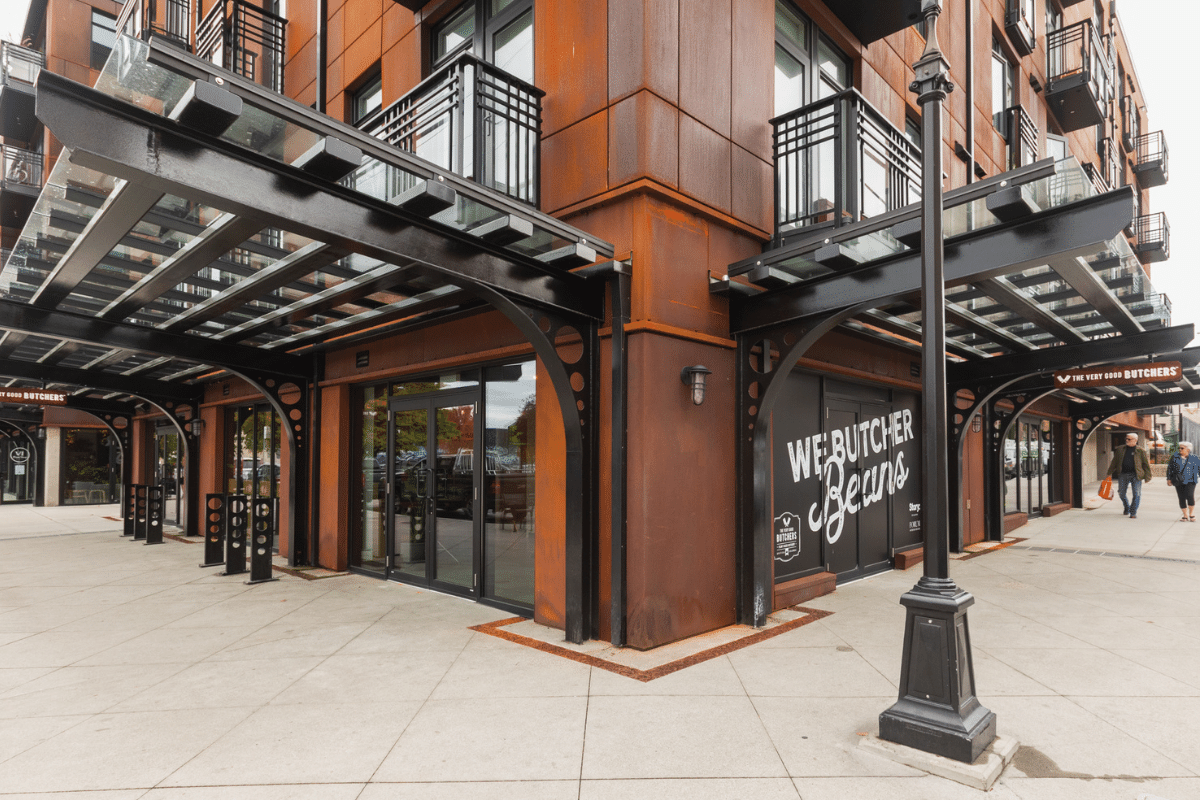
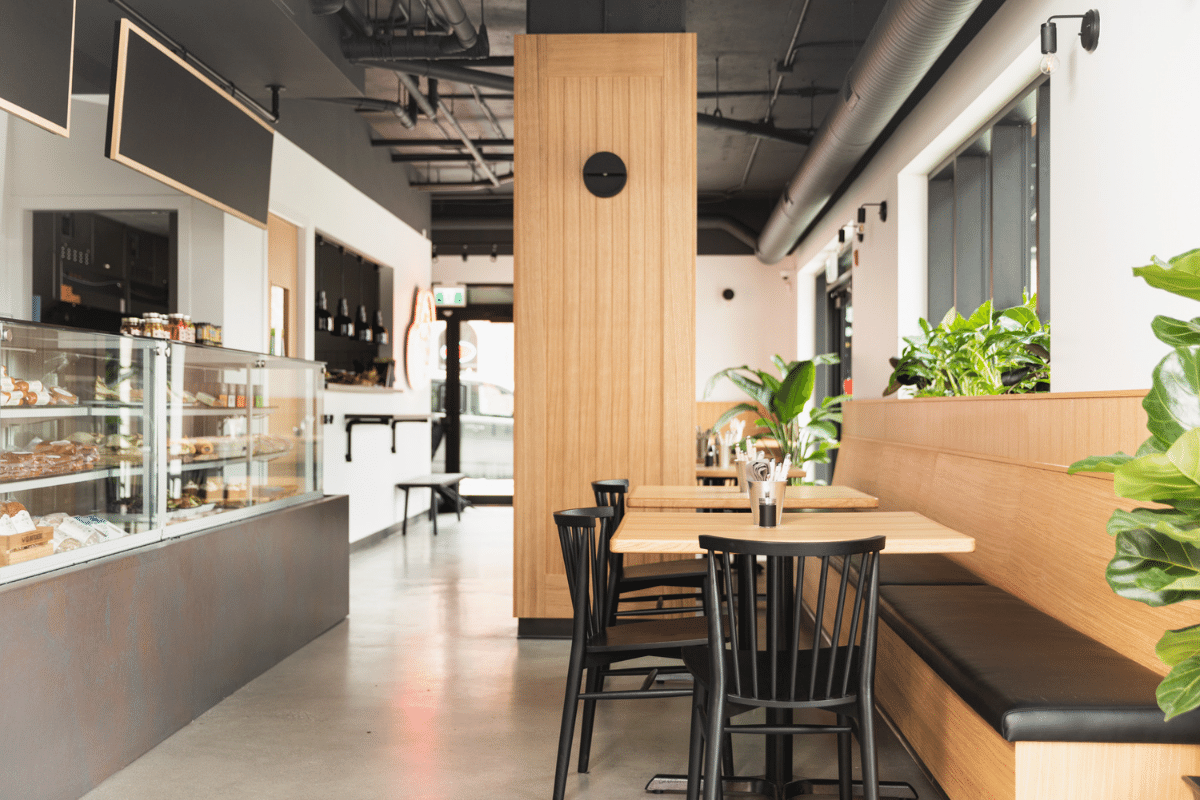
“We butcher beans and we create a range of plant-based meat alternatives out of real food. Beans, veggies, herbs and spices. We’ve got a retail butcher shop in Victoria where you can come in, dedicated to meat and cheese (alternatives). We sell a ton of product online and we also sell in grocery stores and restaurants,” said Scott, the CEO and Co-Founder.
The Very Good Butchers (Victoria, BC) The Very Good Butchers (Victoria, BC)
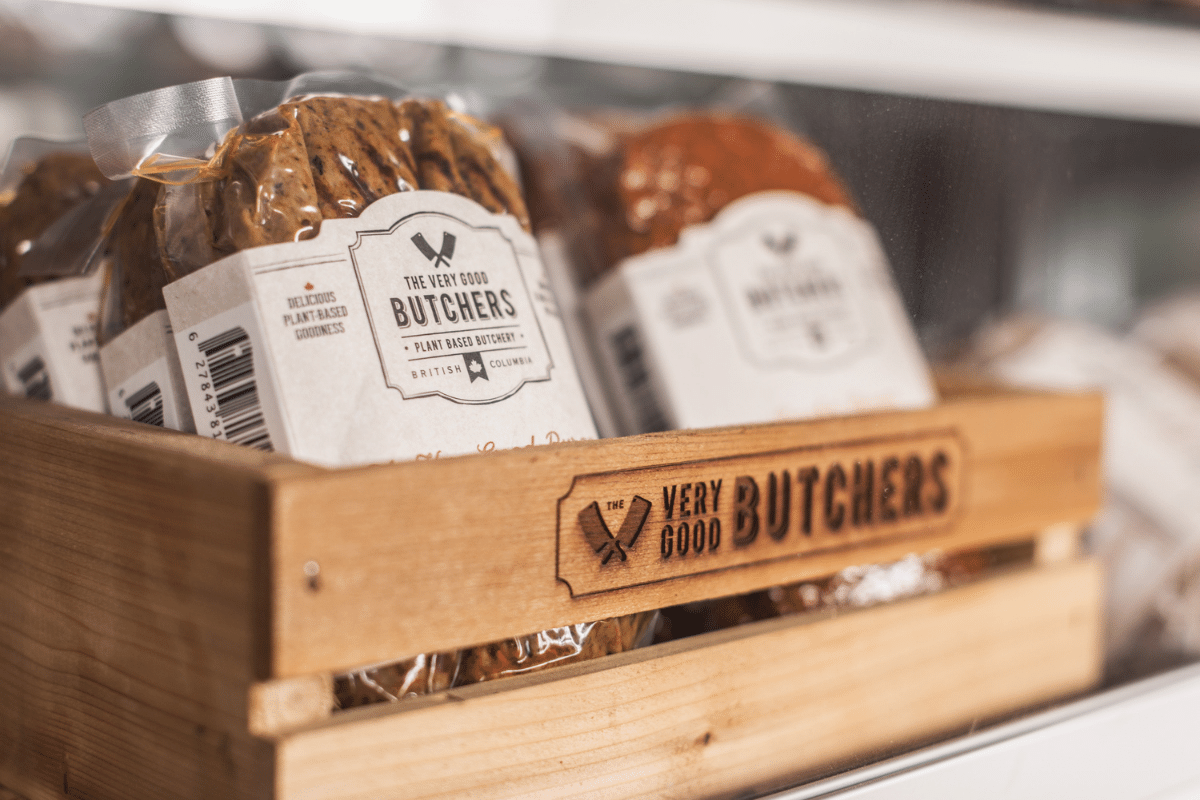
“It’s what you might find in a butcher shop. Not just burgers and sausages but we’ve got ribs, steaks, deli meats. A whole range of high quality plant-based meats.”
Davison, a classically trained chef from England, moved to Vancouver and started working at a plant-based restaurant, ended up going vegan, moved to the island and realized there was no work for him as there really weren’t any restaurants there. At the same time, he missed the taste of meat and wasn’t impressed by what was at the grocery store with everything processed.
“So he just went into the kitchen for a month or so and came out with two products, classic English breakfast sausage and a veggie burger. And then decided to take it to the farmers’ market. Sold out that first day in about 15 minutes,” said Scott.
Today, the brand is in just under 1,000 grocery stores across Canada and in about 400 to 500 in the US. It launched its retail presence in the US a few months ago.
Mitchell Scott and James Davison (Image: The Very Good Butchers)Image: The Very Good Butchers
“We kind of started in the independents channel and have been slowly moving a bit more into mainstream,” said Scott. “It’s starting to get great coverage in Canada and building up a business in the US and we’ve been selling online for three or four years now. A lot of people ordering directly as well.”
The company will be opening a butcher shop in Vancouver late spring or early summer.
“For the butcher shops it’s more of a flagship model. So we’re not looking to franchise these but have a few – 10 to 15 around the world in key markets in cities. It’s still something we’re developing,” added Scott.
“We’re looking to be a global leader in plant-based meats. Grocery stores the big focus now is the US retail market because it’s such a big market but looking to being in tens of thousands of stores around the world.”
The Very Good Butchers (Victoria, BC) The Very Good Butchers (Victoria, BC)
Scott said plant-based alternatives have been one of the top food trends in recent years.
“For us, as more and more people have good plant-based food and have a positive experience, they realize that plant-based food is good whereas five or six years ago it was hard to find. That perception is shifting and people are looking to reduce their meat intake for various reasons – health, environmental, ethical. More and more people are trying plant-based foods and they’re having a positive experience and then they’re open to trying more,” he said.
“We really see that as our niche and opportunity, the premium plant-based niche. Still being relatively affordable but not being mass market.”